Places to go and things to see by Gypsy Bev

Posts tagged ‘General George Custer’

Hopedale – Yesterday and Today

Small towns often have an interesting history that helps us understand those early days in the settlement of Ohio. Hopedale in Harrison County is no exception.

The first settler there in 1800 was Phillip Delany, a hunter. He swam the Ohio River with his clothes tied on his head so he could buy a section from the Northwest Territory Land Office in Steubenville. He called his settlement Green.
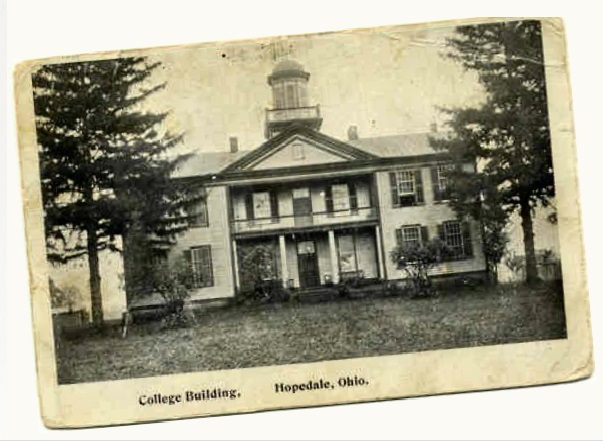
This postcard shows a picture of Hopedale Normal College, the first co-ed college in eastern Ohio.

Later Delany sold the land to a resident of Beech Spring, Rev. Cyrus McNeely, who platted the town. His son, also Cyrus McNeely, changed the name of the town to Hopedale because of his high hopes for the schools there. He donated land in 1849 to begin Hopedale Normal College, the first co-ed college in eastern Ohio with tuition of $5 a month.
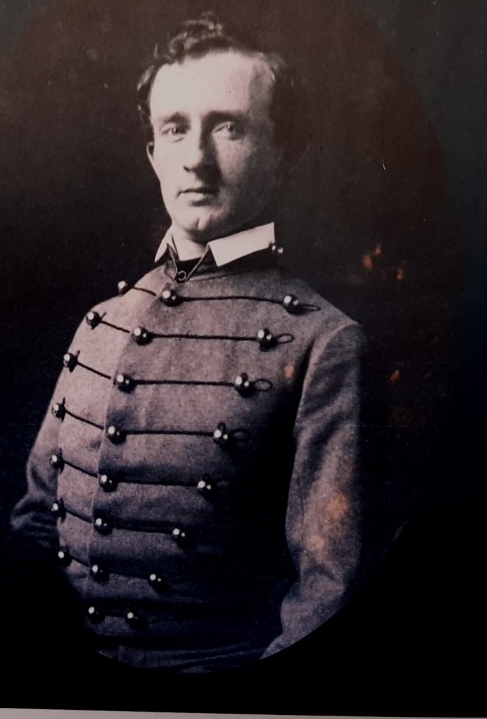
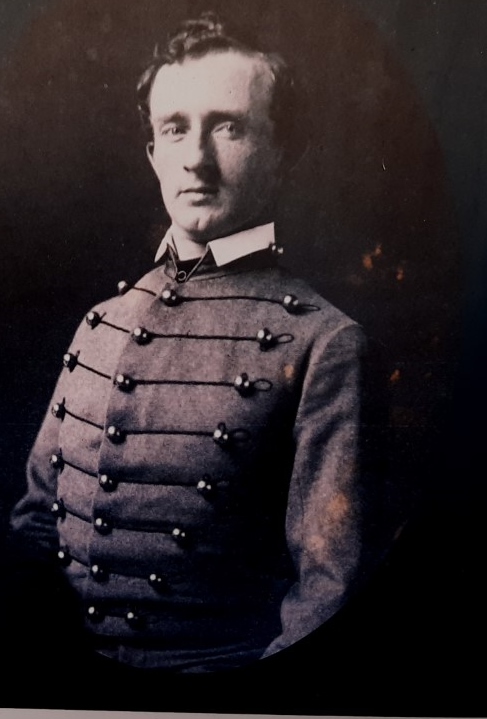
General George Armstrong Custer in his West Point uniform.

Horace Mann once taught there and General George Armstrong Custer was one of 10,000 who graduated from the college. Custer received a teaching certificate and taught in Cadiz. A year later, he entered West Point where he graduated in 1862.

That school grew and eventually included an elementary and high school. They had a six man football team called the Comets. Clark Gable went to school there, rode his sleigh down snowy fields, played in the band, and acted in plays.
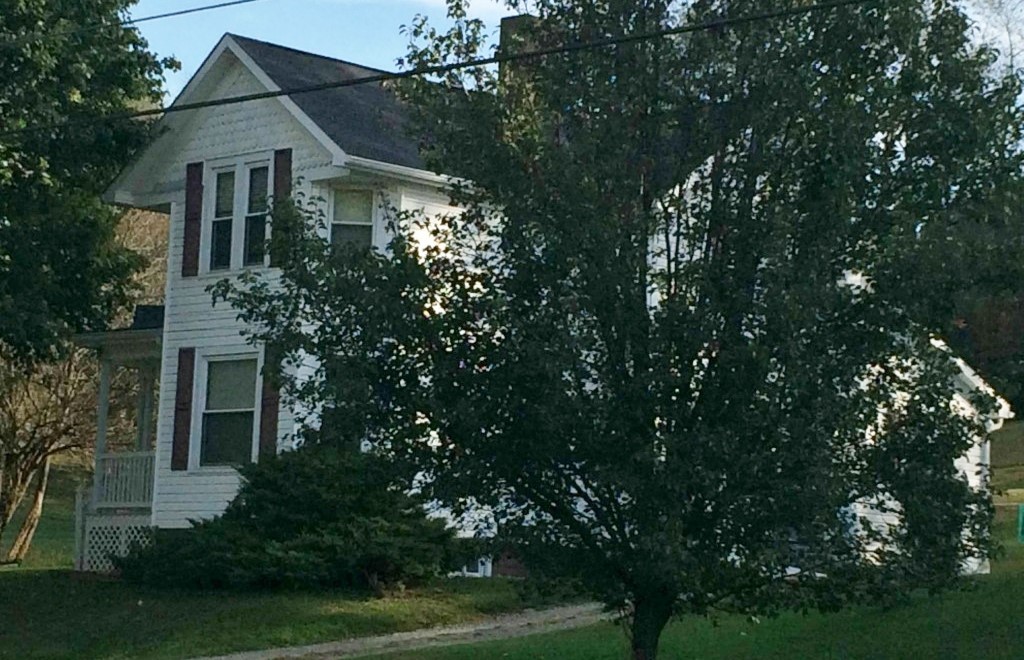
Clark Gable’s home in Hopedale today from the Clark Gable files.

While Clark Gable was born in Cadiz, his family lived in Hopedale during his youth (1903-1917) at 197 Mill Street. Today that house still stands but is a private residence with no public access. His father came to Hopedale because of an oil strike in 1902.
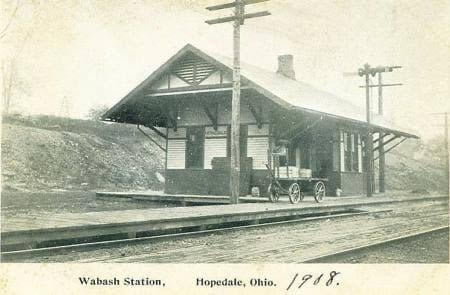
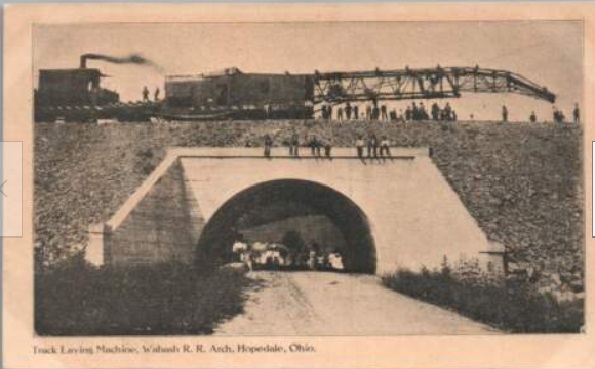
Post card picture of Hopedale’s track laying machine at the Wabash Arch.

While the oil field brought some financial gain to the area, it was the coal located just under the surface where strip mining began that proved the real boon. But first they needed a railroad to haul the coal. The Wheeling and Lake Erie Railroad was born with the Wabash Station being located in Hopedale as well as the Wabash Arch.

While the college is gone and even the high school that followed it, there is a house across the street from the city building that housed students at the Hopedale Normal College. The city building is actually located on the former grounds of the college and the brick building beside it is now being turned into a museum. A flagpole marks the spot where the college stood years ago.
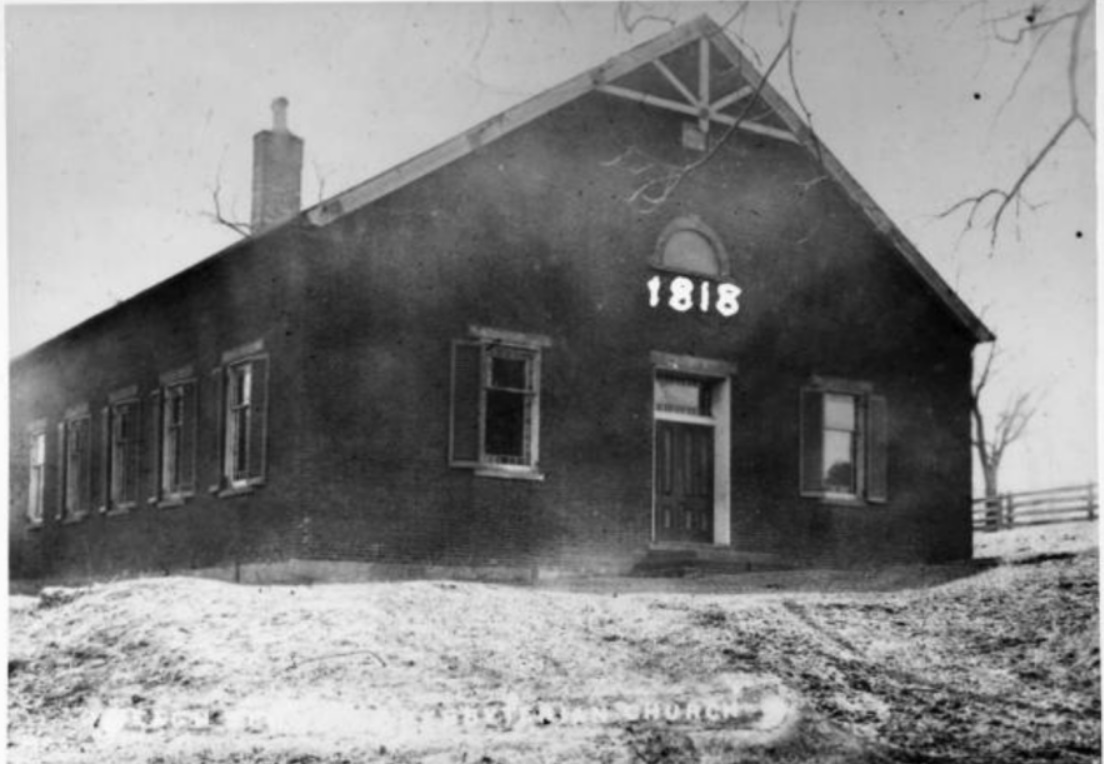
Beech Spring Presbyterian Church near Hopedale was called “The Mother Church of Ohio.”

Another famous historical site was the Beech Spring Presbyterian Church near Hopedale. It was known as the “Mother Church of Ohio” because it supported the founding of many churches in Harrison and Jefferson counties during the 1800s. The church was torn down in the early 1960s but the cemetery remains. Phillip Delaney was buried there.

The Underground Railroad was very active in Harrison County. Hopedale played an active role in this, and many anti-slavery meetings were held there. The Columbus Dispatch reported that slaves were kept in the Kyle home, which was built by Cyrus McNeely. Delaney House is a farm homestead documented to have served as a stop on the Underground Railroad. The building has a dry cistern connected to the main house by a tunnel. This was a great hiding place for runaway slaves and an important stop on the route to freedom.
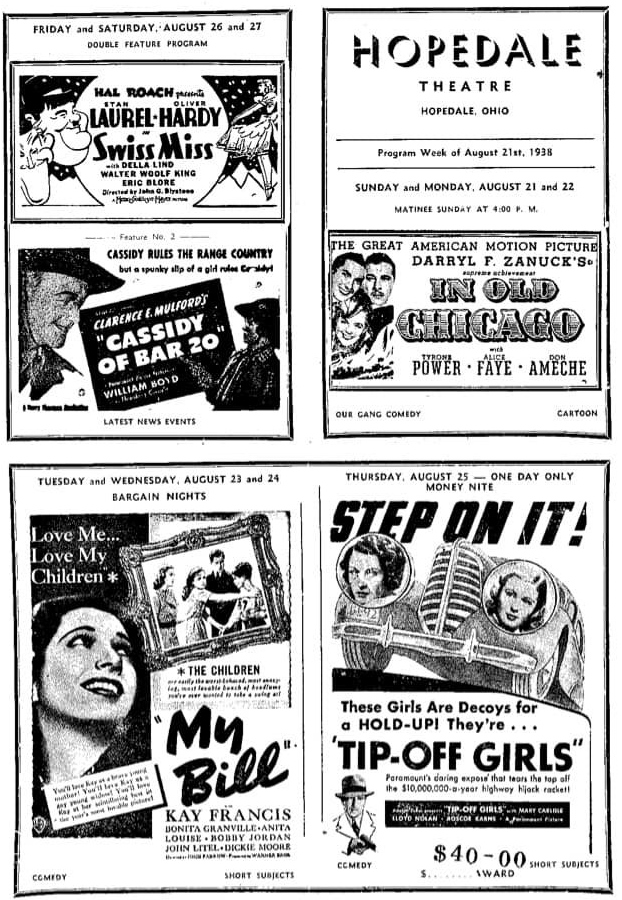
This theater bill shared movies being shown in Hopedale Theater in 1938.

Hopedale Theater was built in 1925 by the Stringer Brothers. They showed the latest in moving pictures and continued in operation until the mid 1950s. Some of those early movies were Laurel and Hardy in Swiss Miss, Cassidy of Bar 20, and In Old Chicago. Today that theater has been turned into an Italian restaurant, Capraro’s.
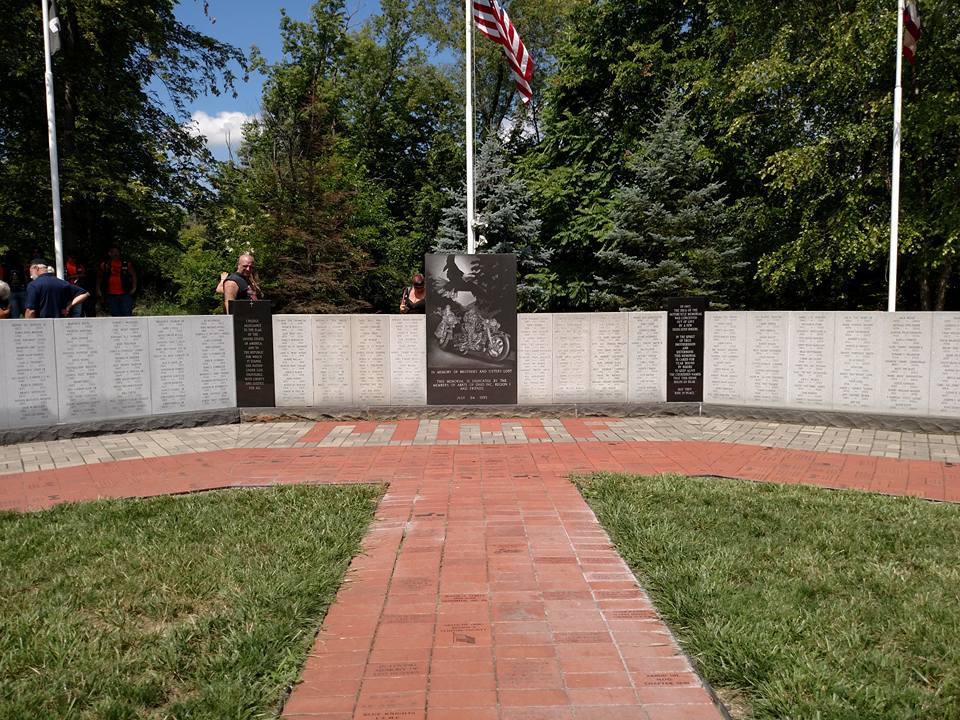
The Motorcycle Memorial has stones engraved with names of fallen riders and a brick pathway giving recognition to donors.

A recent addition to Hopedale has been the Fallen Motorcycle Memorial, a monument to riders gone too soon. A Motorcycle Memorial Wall, similar to the Vietnam Memorial in Washington, DC, contains names of brothers and sisters from all 50 states and other countries. The memorial is funded by the Motorcyclist Memorial Foundation, which cares for the memorial which is located behind the American Legion Post 682.

Milligan Memorials of Coshocton etched the Indian Black Stone, the darkest of all marbles, which stands atop a grassy knoll. The words written on the stone were written by Dan Waterfield of Oregon, Ohio. Anne Milligan etched the image of the man and woman riding their motorcycles on the winding road while Tim Milligan installed and etched the names of the loved ones lost on the gray pillars.
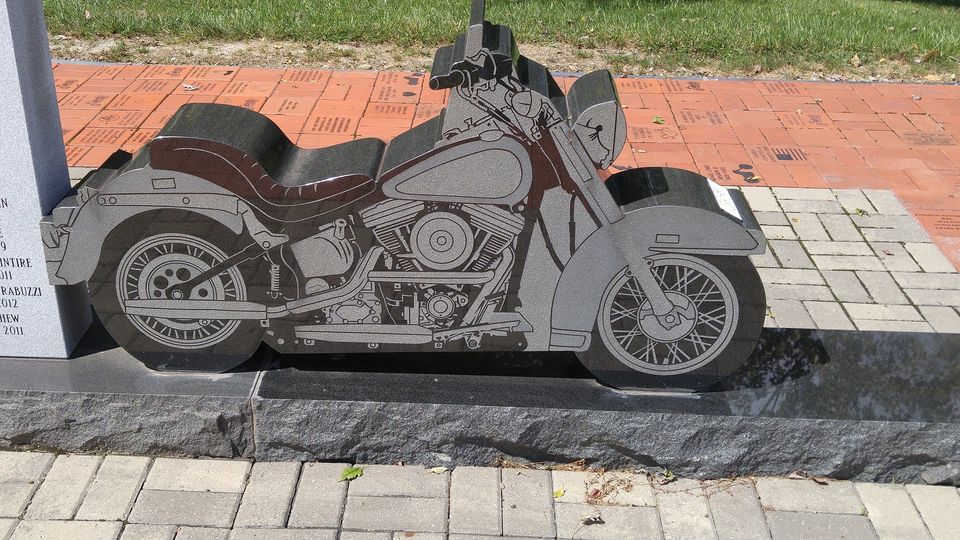
A granite full-size motorcycle sets at each end of the Memorial Wall.

Each end of the wall is bookended by a full-size 2-D motorcycle carved from that same black granite. The bikes can slide outward as new sections are added for fallen bike riders. In 1993, there were only two slabs with names. Today there are dozens of slabs listing names of bikers who have gone on.

The Motorcyclist Memorial was unveiled to the public in 1993. Now every year during Memorial Day weekend, they re-dedicate the wall and add more names to the granite pillars on each side of the monument. Nearly 1200 show up annually for this event. Be sure to stop by and visit the Wall if you find yourself in the Hopedale area.
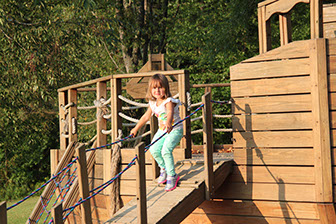
Hopedale has a large ten-acre park with a playground and much more.

Hopedale today contains many family-friendly activities that make it a great place to call home. They have a beautiful ten-acre park that contains several picnic shelters, a basketball court, a tennis court, and a baseball field for the youth. Take an evening stroll on their walking/biking trail. Soon they will have a museum where you can learn more about their history. Plan a visit to this historic town sometime soon.
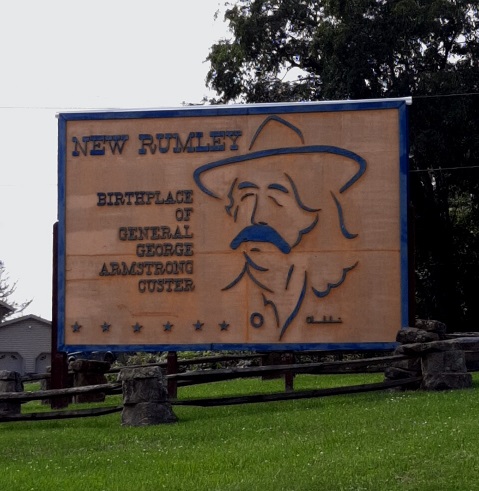
General Custer Honored at Birthplace

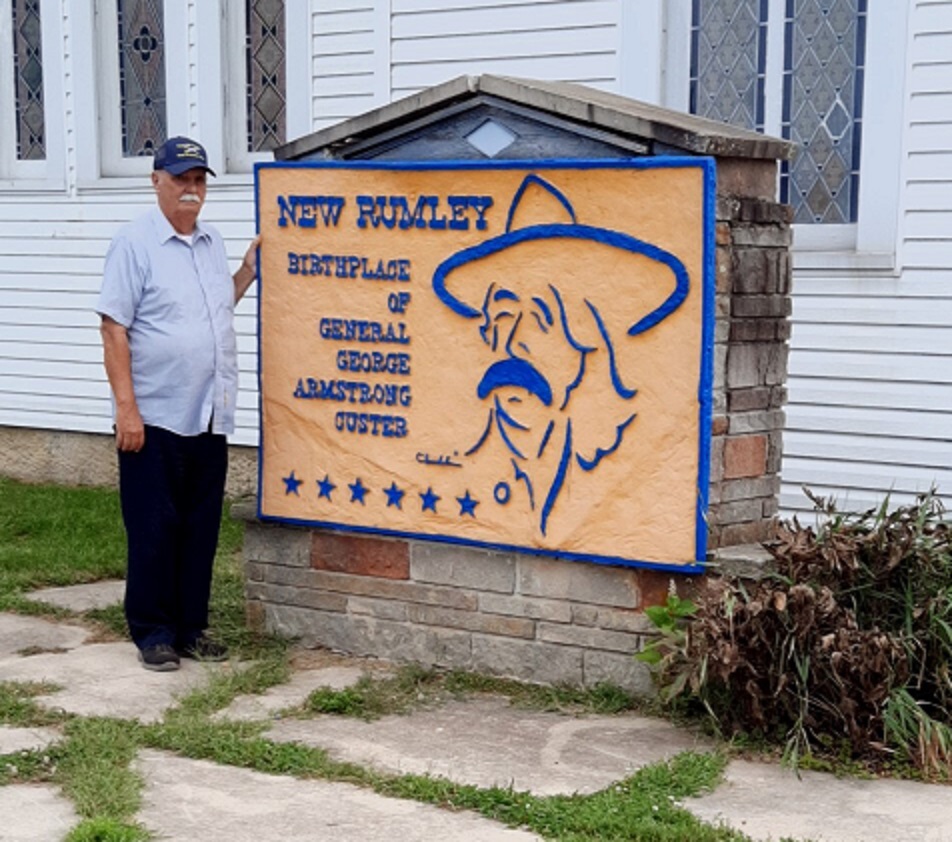
A large outdoor sign points the way to New Rumley and the museum.

New Rumley, Ohio, the birthplace of General George H. Custer, honors him with an annual Custer Observance on the first Saturday of June. This year on June 4, 2022, the day begins with music by JT Thompson of Scio at 11 am by the monument. Members of the Jewett Veterans of Foreign Wars General George Armstrong Custer Post 3071 will raise the flag.

Infantry will demonstrate Civil War-style before Custer Observance Day.

Dr. Mandal Haas of Carrolton returns with his Civil War cannon along with artillery and infantry reenactors to explain the equipment and give demonstrations of their use. Kevin Haney will have his collection of muzzleloaders on display featuring Ager rifles.

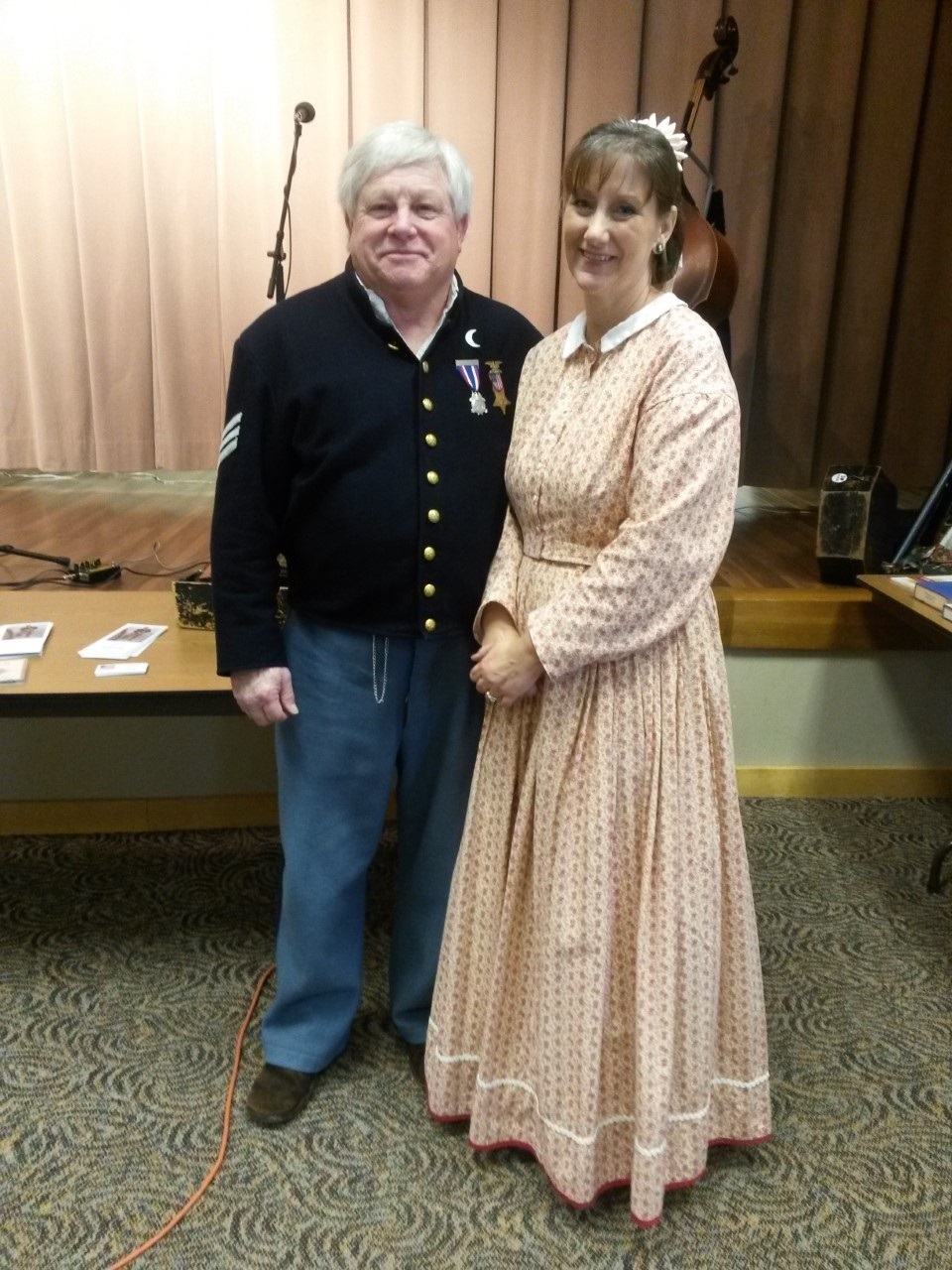
Steve and Lisa Ball will sing Civil War songs that tell of life at that time.

After lunch at New Rumley United Methodist Church, Civil War music will be provided by Steve and Lisa Ball. Not only are their songs entertaining, but the stories they tell of their historic significance are always a crowd-pleaser.

The Custer Museum is inside this old church.

An auction of Civil War and Wild West-related items will follow in the sanctuary. The day’s events culminate with remarks from General Custer (aka Rick Williams). Take time to view the museum packed with memorabilia and the historic signs in the pavilion near the monument.

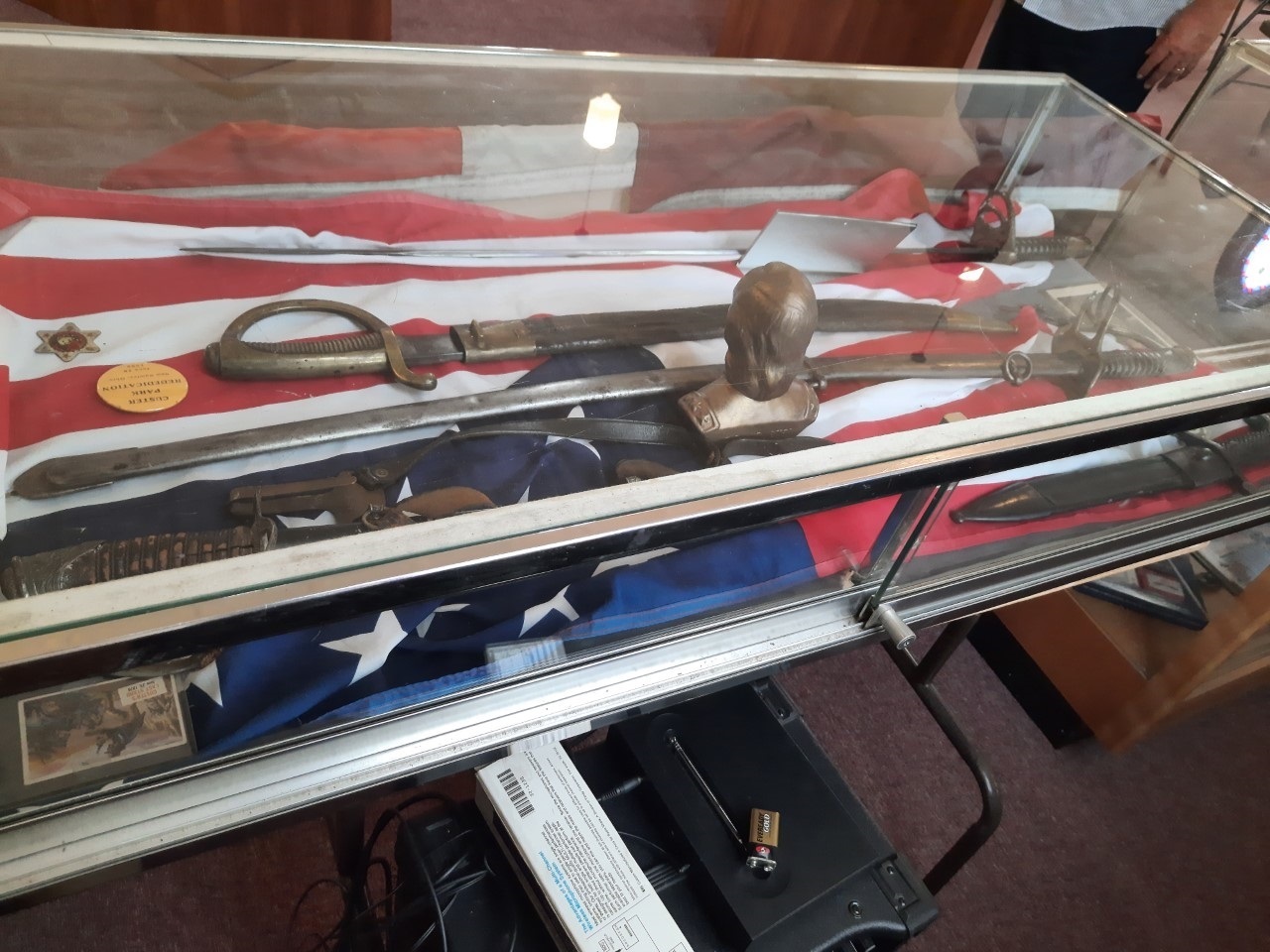
Their collection of Civil War swords is a favorite.

The General Custer Museum in New Rumley, Ohio has a collection of memorabilia from General Custer as well as general Civil War artifacts. One of the most impressive items there is the swords that were used during the Civil War.

Visitors enjoy exploring the museum.

Another impressive piece is a document with the signature of General George H. Custer from 1873 when he was stationed in Memphis, TN. On this particular document, it says that he inspected the horses for the cavalry.

Dave Rose, president, enjoys telling visitors about the museum.

Dave Rose, president of the Custer Museum in New Rumley, has a long-time interest in the Civil War after his great-great-grandfather gave him his Civil War jacket. Dave served in the U.S. Army Cavalry and said they didn’t ride horses but tanks. He spent twenty-four years in Germany serving our country.

When asked to describe General Custer, Dave said, “He was brave…a fighter and hunter.”

George Custer grew up in a family of several brothers and one sister. George had an attraction to a young lady, whose father was a judge. He didn’t like George’s drinking and forbid his daughter to see him. From that time on George never took another drink as he wanted to marry Elizabeth.

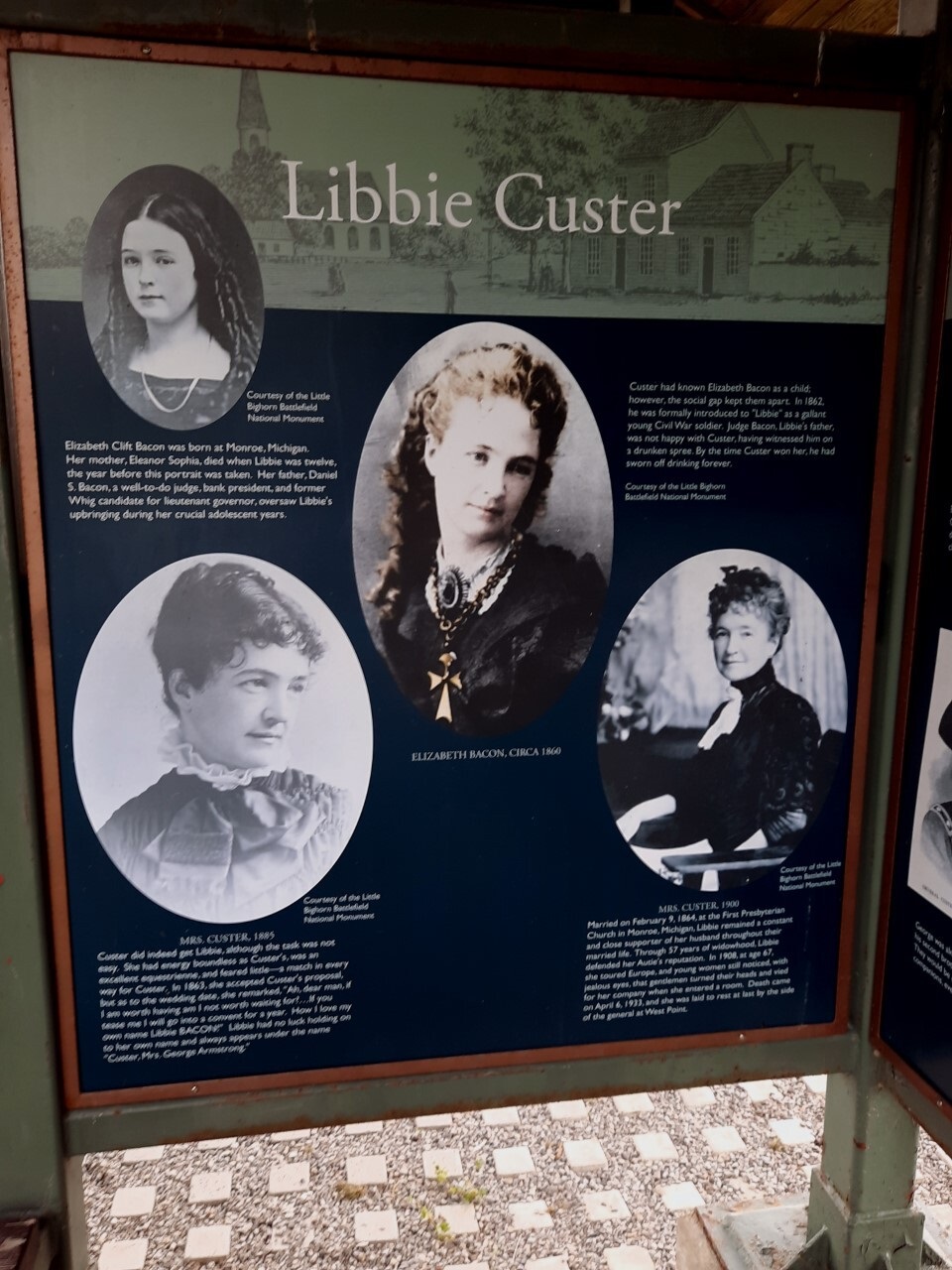
A nearby exhibit tells the story of Libbie, the General’s wife.

George attended West Point and taught school before finally marrying Libbie, who went with him wherever he was sent. George Custer served in the Civil War as Brigadier General and often Libbie stayed in a tent with the military or nearby in a fort. She was always by his side and his biggest cheerleader.

While some feel General Custer wanted to destroy the Indians, everyone does not feel that story to be true. Custer made many friends with the Indians when he was out west and often went hunting with them. General Grant did not like Custer’s affiliation with the Indians and wanted him to leave the Army. At that time many feel Grant sent Custer to Little Big Horn, knowing it would be his downfall. At that final Battle of Little Big Horn, five members of the Custer family died.

George W. Custer statue is a highlight of your visit.

In 1932, the town of New Rumley decided to honor their local hero with a statue. Elizabeth Custer then lived in New York and was unable to attend but through the amazing world of technology even at that early date, she gave a speech from New York that was heard at the dedication ceremony in New Rumley.

The exhibit pavilion near the statue tells the story of General Custer.

Today they have added information boards in a pavilion that tell the history of the general with many pictures included that can be seen throughout the year. It is on the same ground where his birthplace was located and the outline of the bricks shows where the actual house stood.

New Rumley isn’t the only place that holds memories of General George Custer. Monroe, Michigan has a large statue of him on horseback while nearby Cadiz has his signed calling cards and a lock of his hair and Scio has a collection of books and pictures.

This early picture of George Custer shows him as a West Point cadet.

Visit the Custer Museum in New Rumley on the last Sunday of each month from now until September. The museum will be open on the first Saturday in June from 10 – 5 during the Custer Observance. Enjoy a day learning more about the Civil War and General Custer.