Hopedale – Yesterday and Today
Small towns often have an interesting history that helps us understand those early days in the settlement of Ohio. Hopedale in Harrison County is no exception.
The first settler there in 1800 was Phillip Delany, a hunter. He swam the Ohio River with his clothes tied on his head so he could buy a section from the Northwest Territory Land Office in Steubenville. He called his settlement Green.
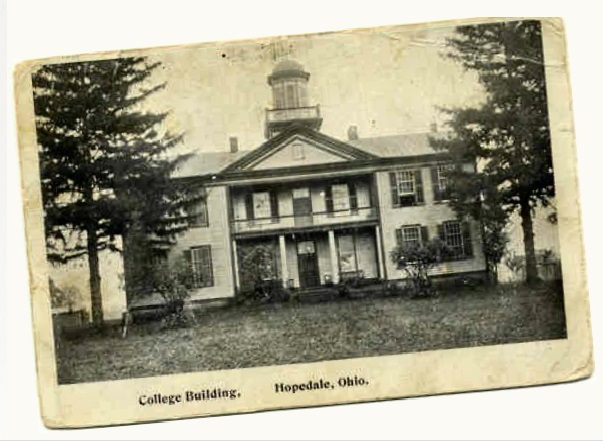
Later Delany sold the land to a resident of Beech Spring, Rev. Cyrus McNeely, who platted the town. His son, also Cyrus McNeely, changed the name of the town to Hopedale because of his high hopes for the schools there. He donated land in 1849 to begin Hopedale Normal College, the first co-ed college in eastern Ohio with tuition of $5 a month.
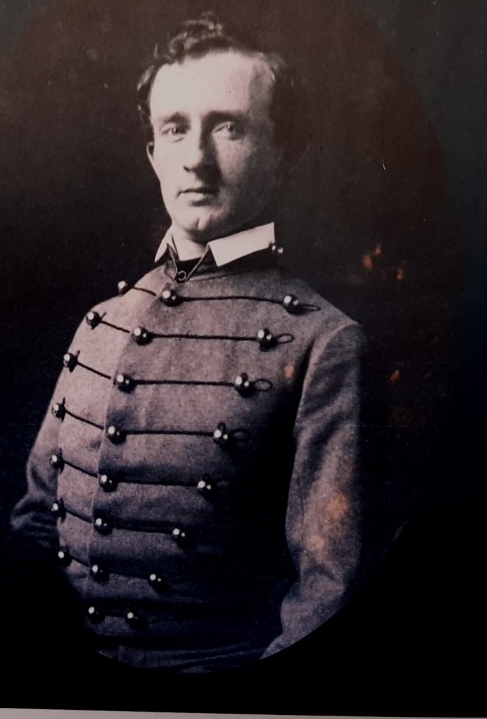
Horace Mann once taught there and General George Armstrong Custer was one of 10,000 who graduated from the college. Custer received a teaching certificate and taught in Cadiz. A year later, he entered West Point where he graduated in 1862.
That school grew and eventually included an elementary and high school. They had a six man football team called the Comets. Clark Gable went to school there, rode his sleigh down snowy fields, played in the band, and acted in plays.
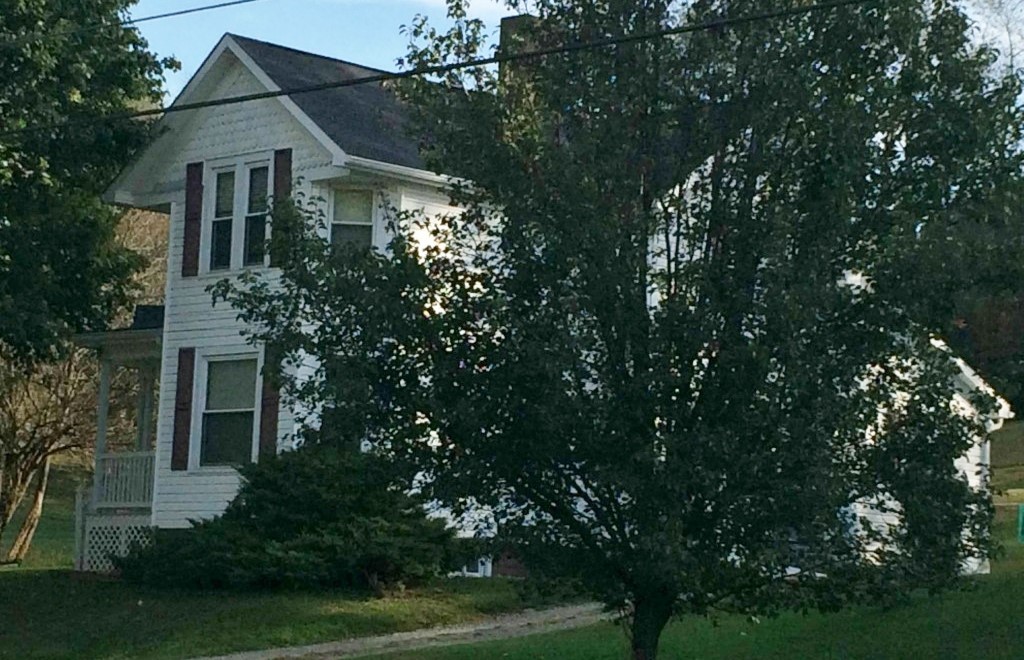
While Clark Gable was born in Cadiz, his family lived in Hopedale during his youth (1903-1917) at 197 Mill Street. Today that house still stands but is a private residence with no public access. His father came to Hopedale because of an oil strike in 1902.
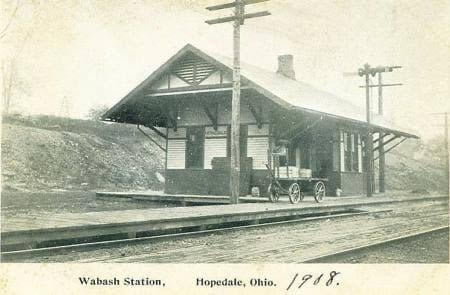
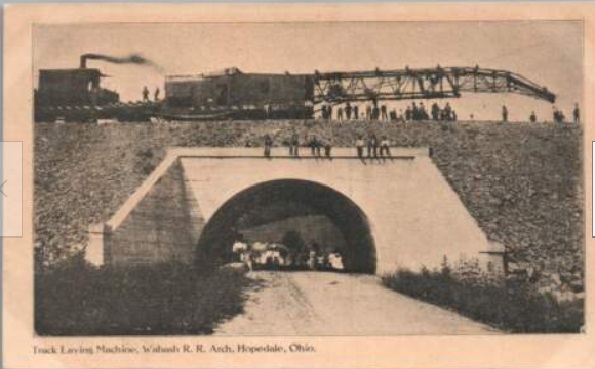
While the oil field brought some financial gain to the area, it was the coal located just under the surface where strip mining began that proved the real boon. But first they needed a railroad to haul the coal. The Wheeling and Lake Erie Railroad was born with the Wabash Station being located in Hopedale as well as the Wabash Arch.
While the college is gone and even the high school that followed it, there is a house across the street from the city building that housed students at the Hopedale Normal College. The city building is actually located on the former grounds of the college and the brick building beside it is now being turned into a museum. A flagpole marks the spot where the college stood years ago.
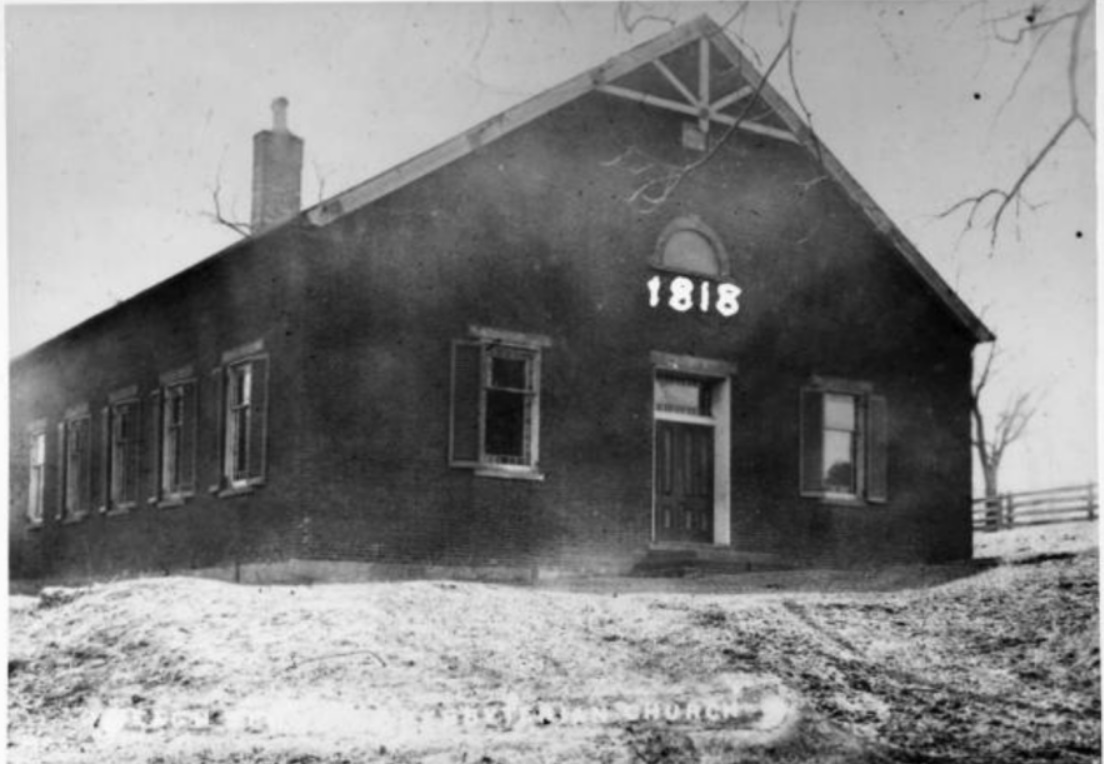
Another famous historical site was the Beech Spring Presbyterian Church near Hopedale. It was known as the “Mother Church of Ohio” because it supported the founding of many churches in Harrison and Jefferson counties during the 1800s. The church was torn down in the early 1960s but the cemetery remains. Phillip Delaney was buried there.
The Underground Railroad was very active in Harrison County. Hopedale played an active role in this, and many anti-slavery meetings were held there. The Columbus Dispatch reported that slaves were kept in the Kyle home, which was built by Cyrus McNeely. Delaney House is a farm homestead documented to have served as a stop on the Underground Railroad. The building has a dry cistern connected to the main house by a tunnel. This was a great hiding place for runaway slaves and an important stop on the route to freedom.
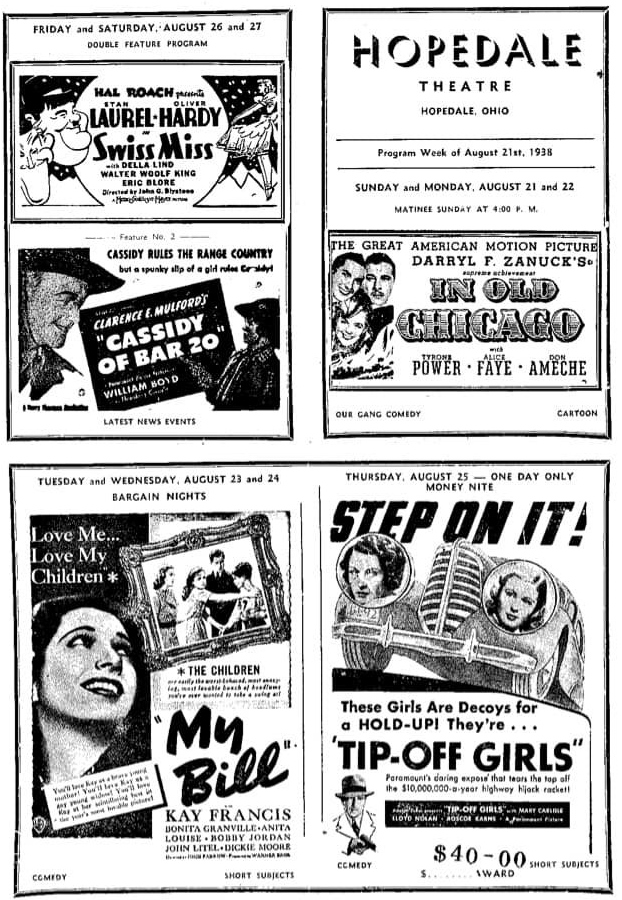
Hopedale Theater was built in 1925 by the Stringer Brothers. They showed the latest in moving pictures and continued in operation until the mid 1950s. Some of those early movies were Laurel and Hardy in Swiss Miss, Cassidy of Bar 20, and In Old Chicago. Today that theater has been turned into an Italian restaurant, Capraro’s.
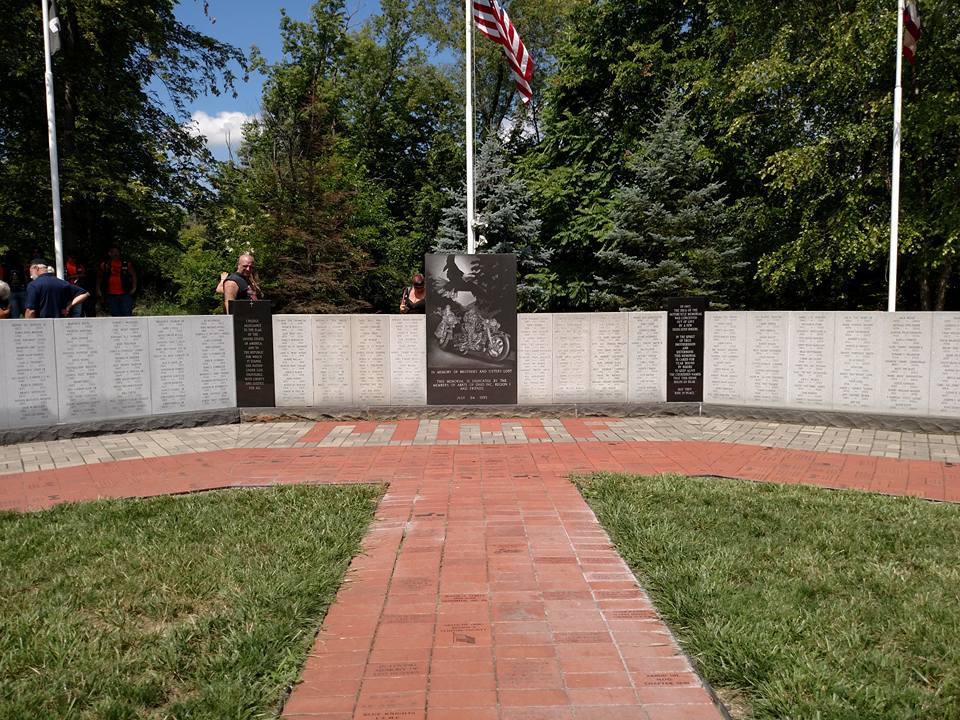
A recent addition to Hopedale has been the Fallen Motorcycle Memorial, a monument to riders gone too soon. A Motorcycle Memorial Wall, similar to the Vietnam Memorial in Washington, DC, contains names of brothers and sisters from all 50 states and other countries. The memorial is funded by the Motorcyclist Memorial Foundation, which cares for the memorial which is located behind the American Legion Post 682.
Milligan Memorials of Coshocton etched the Indian Black Stone, the darkest of all marbles, which stands atop a grassy knoll. The words written on the stone were written by Dan Waterfield of Oregon, Ohio. Anne Milligan etched the image of the man and woman riding their motorcycles on the winding road while Tim Milligan installed and etched the names of the loved ones lost on the gray pillars.
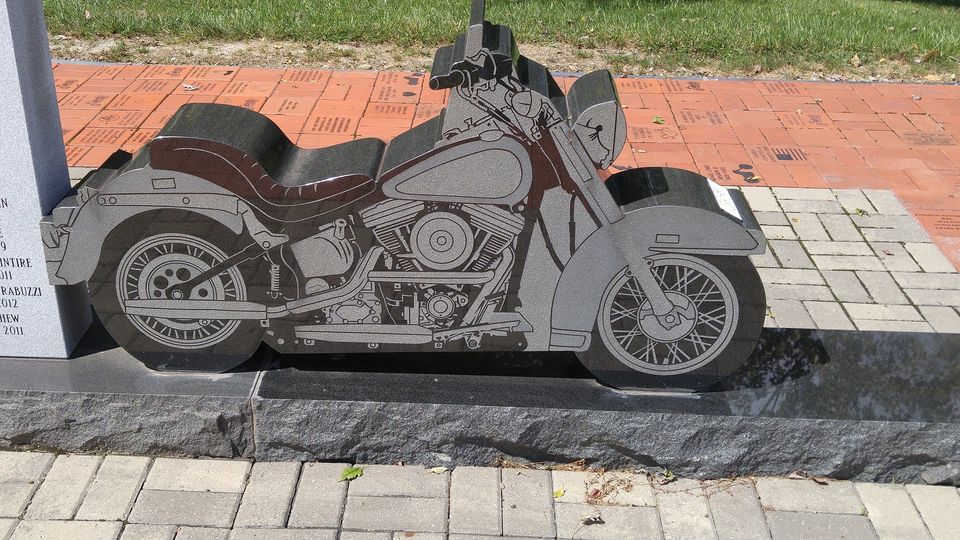
Each end of the wall is bookended by a full-size 2-D motorcycle carved from that same black granite. The bikes can slide outward as new sections are added for fallen bike riders. In 1993, there were only two slabs with names. Today there are dozens of slabs listing names of bikers who have gone on.
The Motorcyclist Memorial was unveiled to the public in 1993. Now every year during Memorial Day weekend, they re-dedicate the wall and add more names to the granite pillars on each side of the monument. Nearly 1200 show up annually for this event. Be sure to stop by and visit the Wall if you find yourself in the Hopedale area.
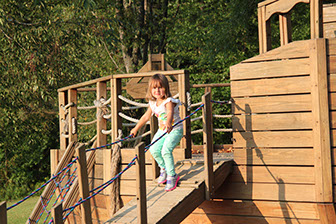
Hopedale today contains many family-friendly activities that make it a great place to call home. They have a beautiful ten-acre park that contains several picnic shelters, a basketball court, a tennis court, and a baseball field for the youth. Take an evening stroll on their walking/biking trail. Soon they will have a museum where you can learn more about their history. Plan a visit to this historic town sometime soon.
 Gypsy Road Trip