Places to go and things to see by Gypsy Bev

Archive for the ‘Uncategorized’ Category

The Basket Farmer – Howard Peller at Rosehill Farm

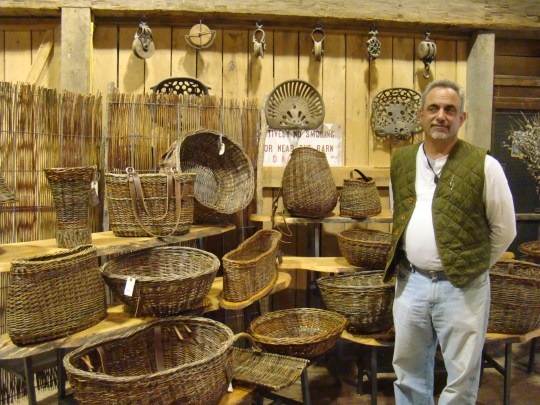
Howard w Baskets

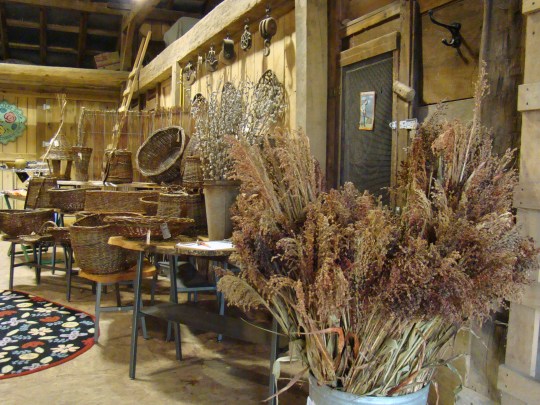
This showroom contains baskets that Howard weaves from the willows.

Willow Baskets and Pottery. Those are the two main features at the Rosehill Farm in Roseville where Howard Peller and Maddy Fraioli ignite their creative flames.

   Howard enjoys working with things of nature. “I value homemade objects created from materials that are closely related to the natural environment from which they are grown.” That’s the main reason he surrounds himself with a willow grove on his farm in Roseville.

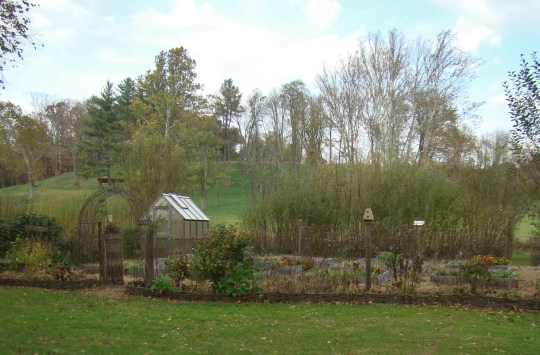
Howard Garden

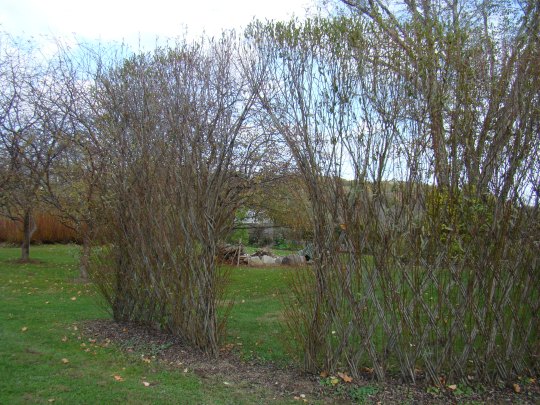
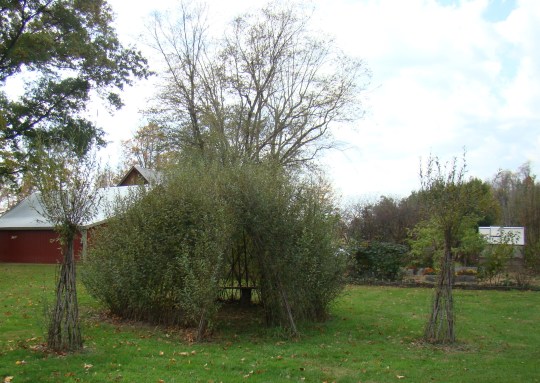
Even the garden has naturally grown willow fences and a beautiful willow archway.

    His goal is to use the willows he grows to make useful and practical products that people can use every day. You’ll be surprised at the things that can be woven from the willow reeds.

   From his willow grove, he wants visitors to see the connection between the willow farmer and the artisan who creates finely crafted baskets as well as live willow structures. He appreciates the value of simple hard work.


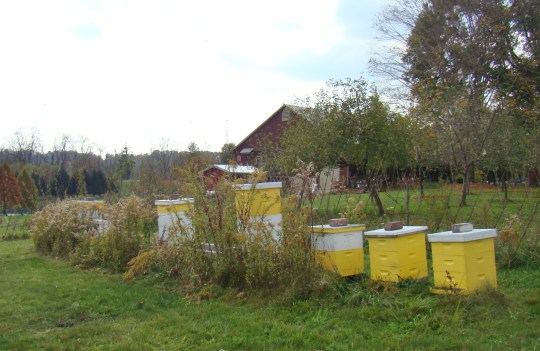
Howard Bees

Beehives are important for pollination of his orchard and gardens.

   Howard is no stranger to the creative process as has designed artisan made tabletops, home decor, and personal accessory products.  He co-founded a national ceramic tableware company Fioriware Pottery with his partner, Maddy Fraioli. As Longaberger VP, he founded their Design Center to develop new concepts in weaving.

Howard Beaver Dam

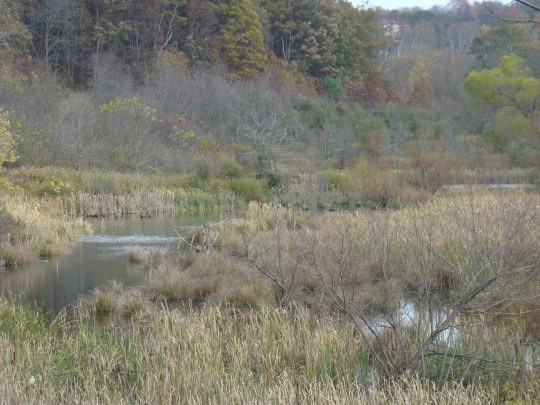
Take a walk around the farm and discover a beaver dam that Howard dug himself.

   During his time in Europe, Howard studied with master weavers and learned how to weave with willows. In Lichtenfels, Germany, he attended a basket school where he developed an appreciation of the natural properties of the traditional willow basket.

   He spent time in Haiti and Jamaica where he could easily walk out of the village and gather bamboo. Eventually, he put all these ideas together and came up with his own techniques.

Howard Willow Workshop

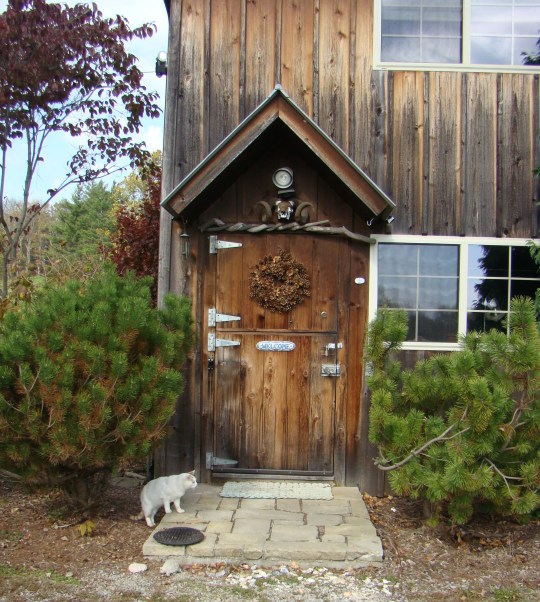
It appears everyone is welcome at Howard’s office door.

 On his 140-acre farm, he has a willow grove of 5000 willow plants in 100 different varieties. He enjoys watching them develop with their beautiful colors, texture, tensile strength, smell and their magical property of intensive growth.

   The amazing willow plant has qualities you wouldn’t expect. It’s a medical source for salicin, which was used before aspirin. Therefore, the bark of the willow can be used to make tea, which is good for headaches, fevers, arthritis, and even a great mouthwash.

Howard Drying Willows

Willow rods are stored in a cooling unit where they can be used for living landscapes.

   Each year the plants are cut at the proper season near their base so they can regenerate. Then the willow reeds are dried for two years downstairs in the barn. Bundles of willows are sent around the world for baskets and furniture. The sturdy willow was even used for building ancient boats.

Howard Willow Fence

Willow rods can be used as a natural living fence or divider.

   Home gardeners will find many uses for the willow reed. This living plant can be erected for backdrops, walkthroughs, around gazebos and even made into furniture. One interesting quality is that it can be trimmed, morphed and enjoyed for multiple seasons.

Howard Shelter 2

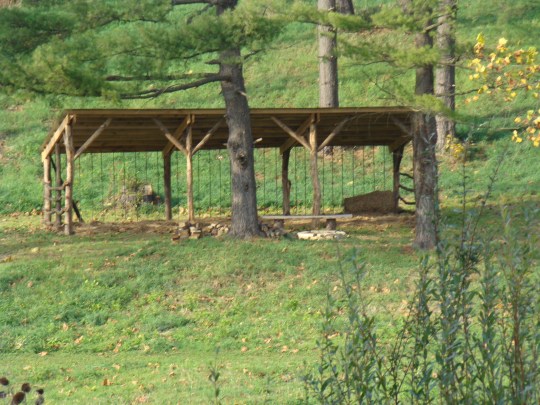
Workshops are held in this shelter on the hill.

   Howard gives workshops at the farm or they can be arranged for your organization so you can learn to put these ideas to practical use at your home or business.

Howard Willow Dome

Willow domes have been included in living playscapes that he has created.

  The possibilities for their use seem endless. Howard creates beautiful baskets, handbags, bird feeders, and even room dividers. He has also created natural playgrounds using the willow for tunnels, domes, and walkways.

Howard Tag

Their willow baskets all carry the Willow Farmer Basket Maker tag.

   Styles of the baskets alone are amazing and too numerous to list them all. Some that caught my eye were: large shoulder bags, bread baskets, deep bowl baskets and fruit baskets.

Howard Showroom

Howard and Maddy have many creative outlets.

   His basketmaking creates a relationship between the field crop and the hands of the maker, who transforms the willow reeds into products to be used in the home or to collect and transport objects. Or they might just be used to create beauty and happiness in everyday life.
   Rosehill Farm takes you back to a time when everything was natural. Stroll down their trails to see the beauty of the willows, their gardens and flowers, and enjoy being in touch with nature.

   They will be having an Open House this fall where you can enjoy all this beauty. Check out their website at www.basketfarmer.com for further information.

Howard Maddy

His wife, Maddy, makes beautiful pottery on their farm near Roseville.

   Howard and Maddy bring new possibilities into people’s lives with their willow and pottery creations as they honor the Appalachian history of the region.

The Basket Farmer can be found at 7680 Rose Hill Road, Roseville, Ohio, From I-77, take exit 141. Then there are several turns, so hopefully you have a GPS system to guide you over the back roads to the willow farm. It’s worth the country drive.

Commander Jim Gibson Inducted into the Ohio Veterans Hall of Fame

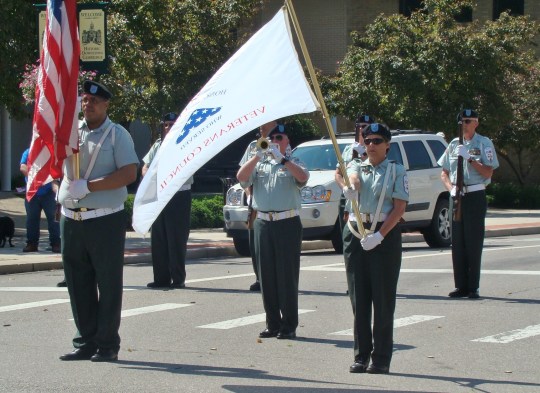
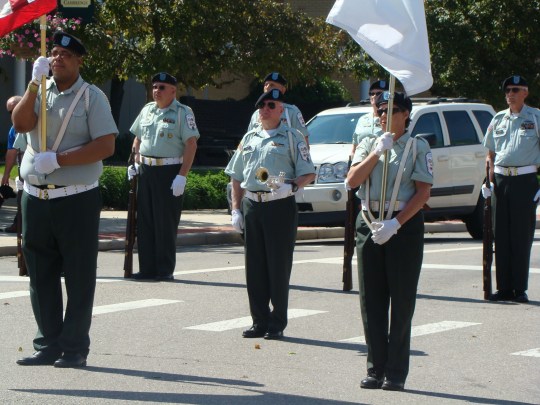
Jim Honor Guard 5The bugle sounds as Commander Jim Gibson leads the Honor Guard standing at attention across from the courthouse. They are honoring the veterans of all wars as they give a three-gun rifle salute and Jim plays “Taps”.

   Jim has been watching parades in downtown Cambridge since he was six years old when he went to a Veterans Day Parade with his dad, a Navy veteran. In fifth grade, he began playing the trumpet, an instrument always used during the parade ceremonies. The Navy and trumpet together have played a large role in Jim’s present-day life.
Jim Playing Bugle

Jim’s bugle sounds “Taps” in honor of all Veterans.

   When the National Anthem would play while Jim watched as a youngster, the veterans would all stand and render a salute or place their hand over their heart. Some had tears in their eyes. They all had the same look even though they were different ages and different branches of the service, but Jim didn’t understand why.

   Brought up in a family interested in history, their vacations were to historic spots with stops for fun along the way. They visited places like Gettysburg, Washington D.C. and Williamsburg. Jim developed a love for his country and when he was a senior turned down an opportunity to attend Ohio State to join the Navy. He felt he had to enlist.

Jim Gibson Armed Forces Day 2014

Jim wears his Navy uniform for Armed Services Day.

   A veteran of the United States Navy, Jim served in Vietnam. After electronics training as an Aviation Ordnanceman, Jim served two years with VA42 at Oceana Naval Air Station and then was transferred to VA196 at Whidbey Island, Washington.

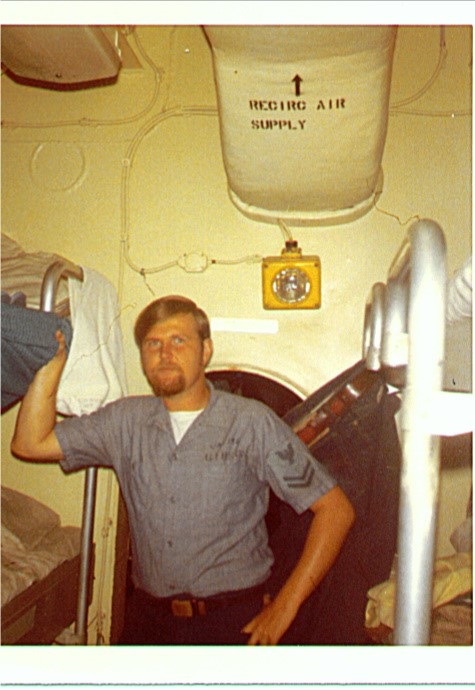
Jim Gibson On board USS Enterprise July 1971

USS Enterprise served as Jim’s home for several months in 1971.

   The squadron deployed aboard the Enterprise and sailed to Vietnam. One of the assignments was to prevent the enemy from bringing in needed supplies to South Viet Nam. This was not an easy task as they worked eighteen hours a day loading 500# bombs and other ordnance by hand. One plane could carry 28 bombs, and the squadron launched four aircraft every one and one-half hours.

   Jim wouldn’t change any part of his life. His experiences have led him to do the things he does today. His time now appears to be spent in three different directions: veterans, church, and music.
Jim Gibson Veterans Day Program North Elementary 2015

He frequently presents programs to area schools – here at North Elementary.

   He has been a member of the Veterans Council since 2002 and is a life member of Cambridge VFW Post 2901. Jim serves as commander of the Guernsey County Veterans Council. In addition to the primary purpose of providing Military Funeral Honors for Veterans of Guernsey County, they do programs for schools, communities and organizations throughout the area.

   Through his leadership, two ceremonies occur at home football games in Cambridge. Before the game, there’s always a special flag raising. After the game, a Retreat Ceremony features the senior band members with a trumpet playing “Retreat”. Schools all around take notice of this memorable addition to the game ceremony.

Jim Honor Guard

The honor guard stood at attention during the Memorial Day service at Cambridge Courthouse.

   A special part of his life, now that he is retired from GTE/Verizon, comes through providing Funeral Honors for departed veterans. This began in December 2002, when he was asked to play “Taps” for a military funeral. The day was one of sleet and freezing rain, and Jim began to wonder what he had gotten himself into.

   Then he looked at the veterans of all ages in attendance. They stood at attention with ice forming on their sleeves and rifles, but still had that special look in their eyes. Jim knew then, this was something he wanted to participate in. Now he goes to approximately 100 military funerals a year all over the area.

   Christ United Methodist Church plays an important part in his life. There he serves as trustee, teaches an adult Sunday School class, and plays trumpet in their Praise Band. He also conducts a worship service twice a month at Cardinal Place.
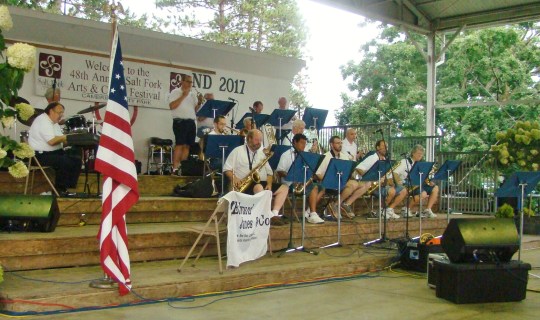
Cambridge H S Jazz Band

Jim directs the Cambridge High School Alumni Jazz Band at many area functions, including the Salt Fork Arts & Crafts Festival.
   Everyone in the community recognizes Jim’s musical talent. Under his direction since 1996, the Cambridge High School Alumni Jazz Band performs annually at the Salt Fork Festival and many other venues.

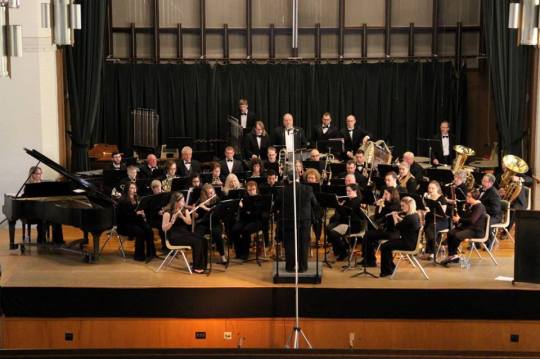
Jim Muskingum Valley Symphonic Winds

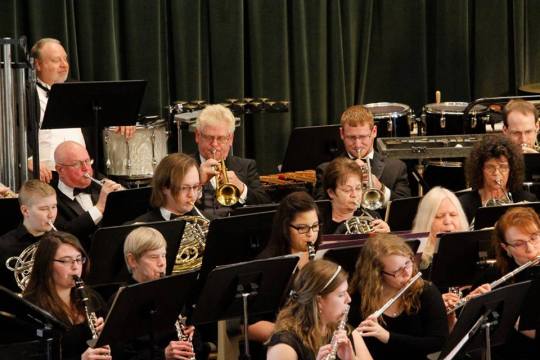
Muskingum Valley Symphonic Winds performs several times a year in Muskingum University’s Brown Chapel.

   While Jim and his wife, Trudy, have played in many area bands and orchestras, their favorite right now is the Muskingum Valley Symphonic Winds.

Jim Symphonic Winds

Jim plays trumpet in the Muskingum Valley Symphonic Winds.

   The Navy has become a family tradition as Jim’s son and daughter-in-law are currently serving, and his two step-sons have served in the Navy. Their grandfathers were also Navy veterans. What a grand tradition!

   This veteran’s advice would be, “Find enjoyment in what you are doing. Cherish every experience.” He encourages young people to enjoy music, something they can enjoy the rest of their life.

   By serving in the Navy, now Jim understands that special look in the eyes of the veterans. “It’s a look of pride and a look of love; pride in knowing that by serving they’ve made a difference, and a look of love for their Country and their fellow man.”

   Please remember to honor the veterans you know for their service to our country to protect our freedoms. Thanks to all of our servicemen.

Coopermill Bronze Works Prepares Alan Cottrill Sculptures

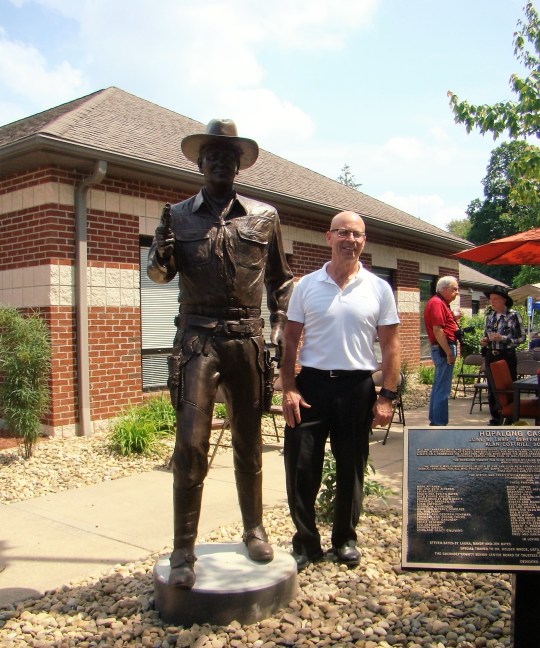
Coopermill Hoppy and Alan

Alan Cottrill designed the bronze Hopalong Cassidy statue that stands at the Senior Center in Cambridge.

Seeing is believing. A trip to Coopermill Bronze Works explained more clearly how one of Alan Cottrill’s bronze statues becomes a reality. It’s not an easy task!

DSC01903

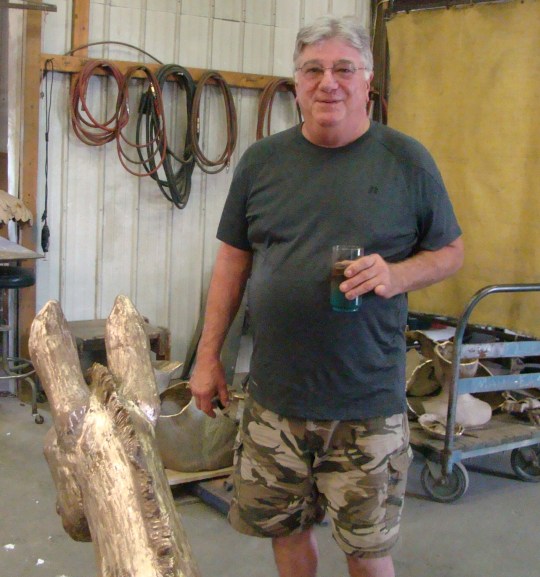
Adam’s lifelong friend, Charles Leasure, is his partner at the Coopermill Bronze Works.

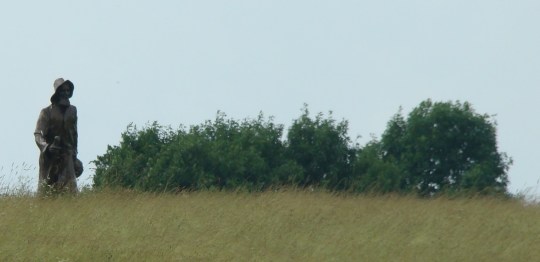
    The Bronze Works is located on the farm of Charles Leasure, a life-long friend of Alan, and there’s even a statue in Charlie’s field…a mushroom hunter, in bronze of course. This farm has been in his family for eight generations.

Bronze Mushroom Hunter   Charlie and Alan created Bronze Works back in 1996. Alan needed a handy place to complete his bronze creations so made his own bronze casting foundry. So far they have cast well over 500 of Alan’s statues and hundreds of other sculptor’s works.
Coopermill Bronze Works 2

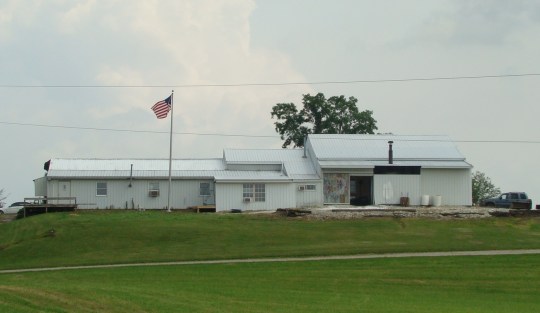
Coopermill Bronze Works can be found high on a hill along a country road in Zanesville.

   You can tell Alan is a down-to-earth kind of guy in spite of his fantastic talent to sculpt just about anything. His Bronze Works is not a big, fancy building, but one that can do the job required.

   While Alan does the preliminary work of designing the perfect wax statue in the downtown Zanesville studio, the final touches are placed here at Bronze Works by highly skilled Ohio artisans.

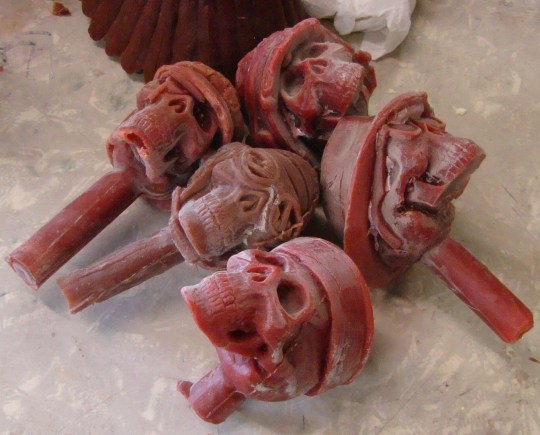
Coopermill Gear Shift Knobs

These gear shift knobs were made as gifts for Vietnam veterans.

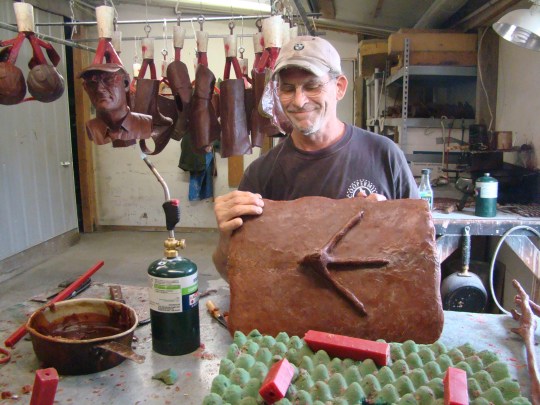
   You have to understand that the statue is not bronzed as a whole. It is separated into many, many pieces, which are individually prepared before the final assembly happens.

   The whole thing is quite complicated so if my explanation isn’t quite perfect, please excuse me.

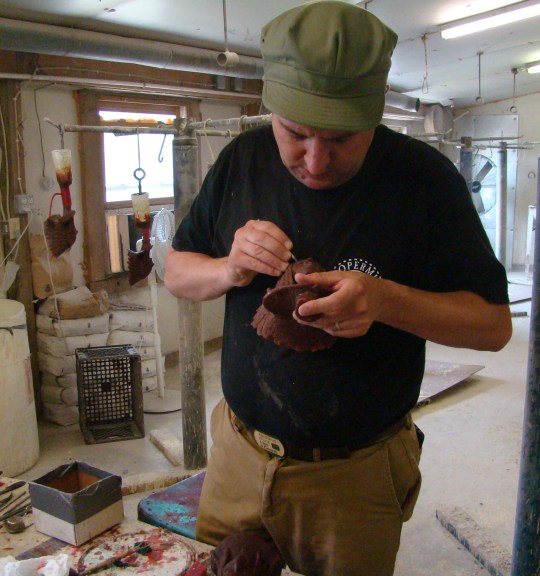
Coopermill Josh Leasure details

Josh Leasure uses his magical tools to make certain every detail is perfect.

   Bronze Works is where every fingerprint is erased and every line made crystal clear. Each detail makes a difference in the final product. Some parts are definitely easier than others. The men found it much easier to do a five-foot pant leg rather than a five-inch head.

Coopermill Dana Erichson

Dana Erichsen holds the base for the beginning of a crane family of eight for the Cranes.

   It has to be perfect in its wax state, otherwise, when it is made into a mold, the bronze statue would carry any flaws, no matter how small. When asked how they correct tiny mistakes, Dana answered with a big smile, “I fix it with magic. My magic wand does the work.”

Coopermill Batter Dip

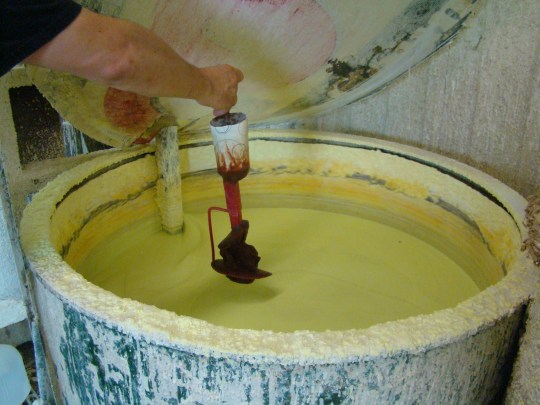
Each waxed part is dipped several times into a ceramic slurry.

   All those smaller pieces are then dipped in what looks like a batter and rolled in fine sand. The workers commented that it was somewhat like dipping a fish in batter and then rolling it in flour.

   They do this dipping several times until dip by dip, a thick ceramic mold is formed all around the wax piece. When this dries, they melt the wax inside and remove it, leaving an empty shell to fill with, you guessed it, bronze. The wax though can be used again and again.

Coopermill Bronze

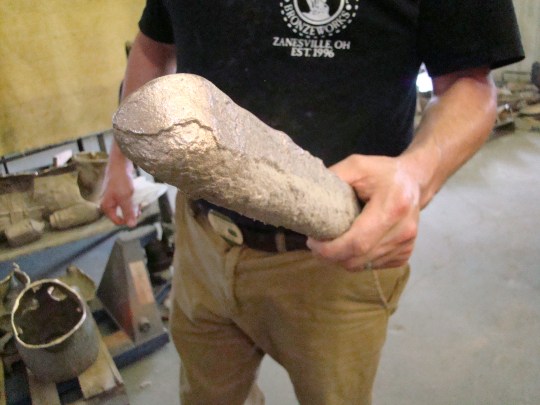
Bronze ingots are melted at temperatures of 1900-2000 degrees F.

   They receive the bronze in large sticks, which are then melted and poured into the shell. The bronze should then fit down into the perfect lines that were earlier created on the wax figure.

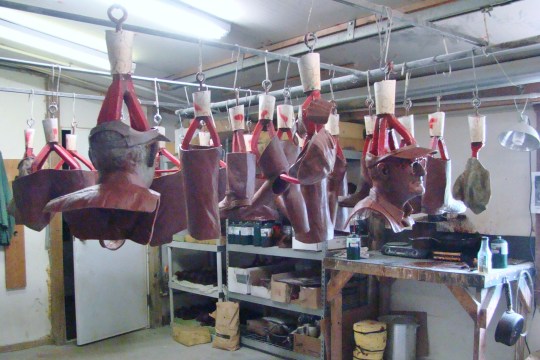
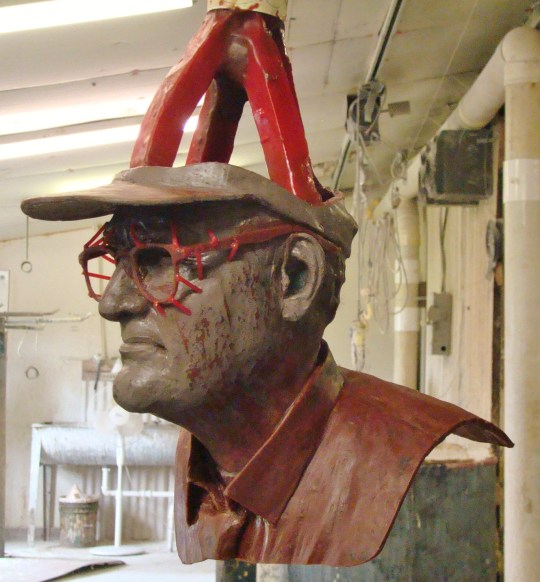
Coopermill Woody Hayes parts

All the parts of the Woody Hayes statue hang waiting for the next steps.

   My purpose in going this particular day was to see the progress that was being made on the statue of Woody Hayes, Ohio State University football coach for many years. The Newcomerstown Historical Society has funded this project since Woody grew up in Newcomerstown while his dad was Superintendent of Schools there. Woody also coached in Mingo Junction and New Philadelphia before going to OSU.

Coopermill Woody Hayes Head

The wax head of Woody Hayes is ready to be detailed.

   During this visit, the head of Woody Hayes was hanging in the room, ready to be examined for any tiny imperfections. Then it would be dipped in the solution to make the mold on the outside.

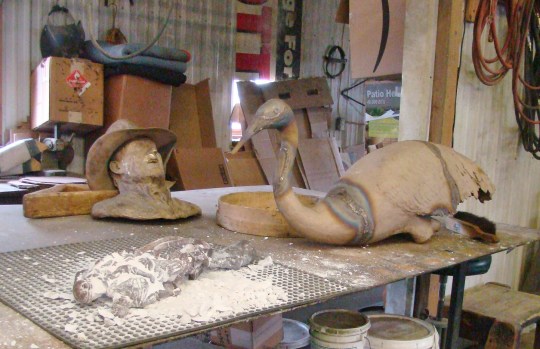
Coopermill Swan and Wax removed

After the bronze has set, the ceramic mold is knocked off to reveal the perfect creation.

   After the mold is filled with bronze, it sets for a while before the cast is knocked off to reveal the actual piece that will be used in the statue. This is the end of a very long process. But now there will be a head, pieces of arms, legs, and body – all will be in bronze.

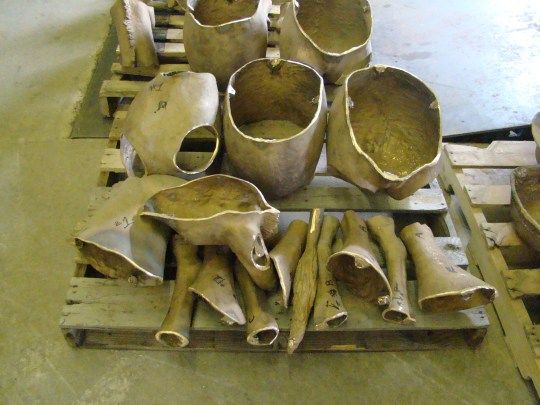
Coopermill Bronze Pieces to be Welded

All of these bronzed parts will be assembled into the donkey seen below.

   Now comes the assembly. It’s like putting a big puzzle together! Each piece is carefully attached to the place where it belongs with bronze welding rods. The weld has to be sandblasted so the connection is no longer visible.

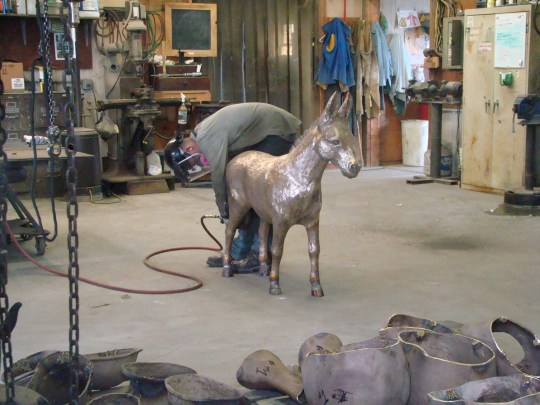
Coopermill Bronze donkey 2

This bronze donkey was having its recently attached parts smoothed.

   Even then, it’s not finished as there has to be a solution applied to the bronze to make it the correct shade required for that particular statue. Now you can see why it takes months to create a bronze statue from beginning to end.

Bronze Woody Hayes

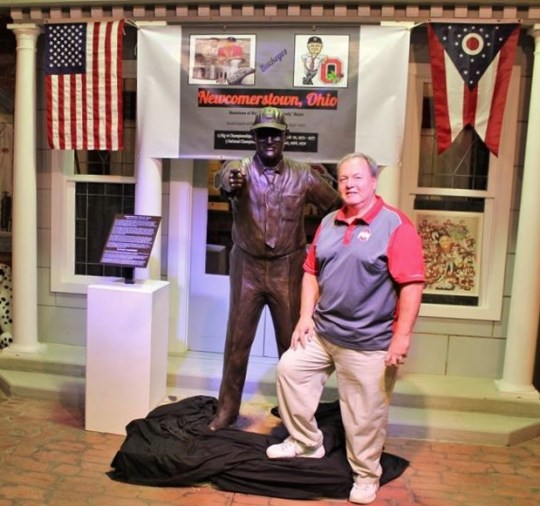
New bronze status of Woody Hayes at Newcomerstown’s Olde Main Street Museum with Vane Scott, museum director.

   Alan Cottrill has designed statues all over the United States and the world. We’re lucky to have one in Cambridge of Hopalong Cassidy, and now one in Newcomerstown of Woody Hayes.

   Watching the artisans at Coopermill Bronze Works felt quite magical.

Find a Taste of Fall at Hillcrest Orchard of Walnut Creek

Hillcrest applesSurely the apple is the noblest of fruits.
~Henry David Thoreau~

Apple cider becomes a favorite drink during autumn, and apples are ranked number one in the top ten healthiest foods. So harvest time felt perfect for a trip to Hillcrest Orchard of Walnut Creek to get fresh apples and cider. Rain or shine, this is a bustling place in the fall.

Hillcrest front

   With over 20,000 bushels of apples this year, they have over twenty varieties from which to choose. Two customer favorites are Golden Delicious and Honey Crisp, my personal choice. Their newest variety is now available – Evercrisp, a combination of Honey Crisp and Fuji.

   Hillcrest Orchard has been in the family since 1968. Today Merle and Lela Hershberger own and operate the orchard with help from their children. Their grandfather, Jacob Hershberger, still helps out as often as possible.

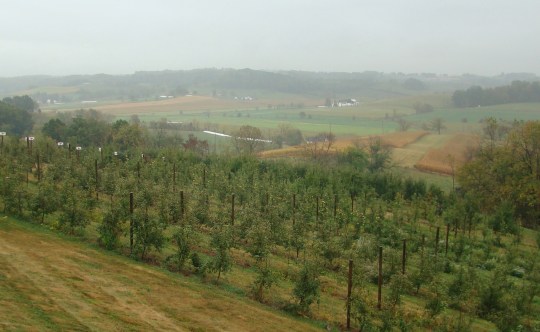
Hillcrest view from overlook

An overview features their orchard and beautiful Mud Valley.

   With over 75 acres of apple trees and 5 acres of peach trees, the Hershberger family works all year round. When the new year begins in January, it’s time to trim trees and remove a block of old trees.

   Then in April, it’s planting time each year for approximately 4,000 dwarf trees – most of them being apple. Luckily, they have a tree transplanter, which is pulled behind a tractor. They can sit on the transplanter and drop in the new trees three feet apart. With this method, they can plant over 1,500 trees in one day.

   There’s always work to be done. After planting trees, the trunks are hand wrapped with wire to keep them straight. Trellises, holding two wires that go through the trees, keep the branches from hanging to the ground. During the summer months, the apples need to be thinned on each tree. An apple tree cannot be too full of apples for best production.

Hillcrest Apple sorter

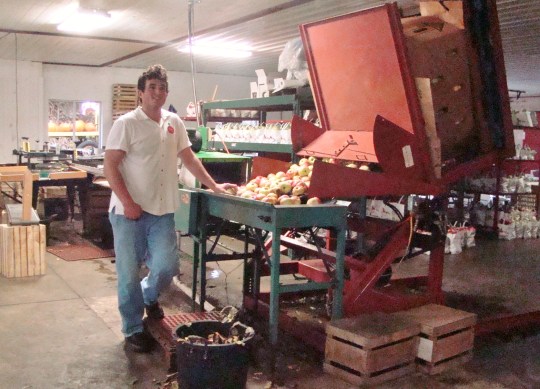
Matt Hershberger often runs the apple sorter.

   In the fall when picking begins, some extra help is needed from young people in the community. All the apples are hand-picked from ladders. That is one of the reasons they switched to dwarf apple trees so they could more easily be reached.

Hillcrest Cidermill

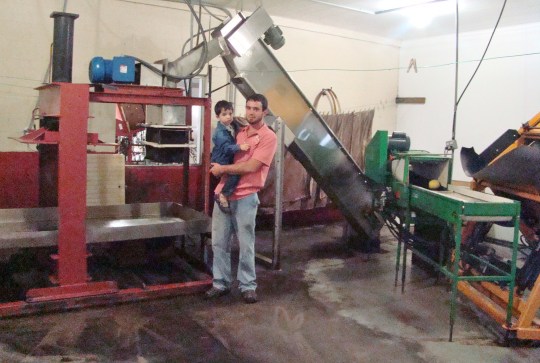
Mark Hershberger and his son, Adam, explain the cider press.

   Fresh pressed apple cider is made at their business operation every Monday, Wednesday and Friday. During October they make 4,000 gallons each week. One Friday/Saturday last year they sold 2,250 gallons.

Hillcrest Sample

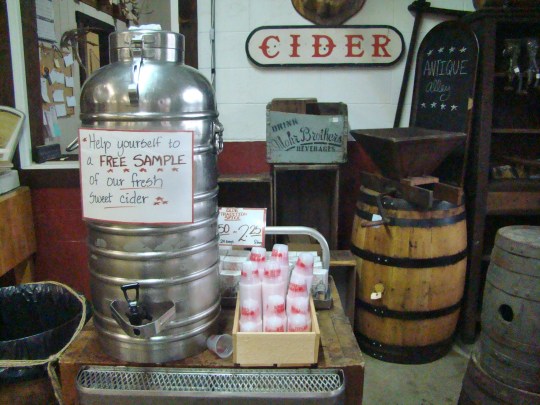
A free sample of fresh apple cider tasted refreshing.

   Their cider is unpasteurized so it’s placed immediately in a cooling tank. That also means that it’s only good for about two weeks. Be sure to get a free sample while visiting.

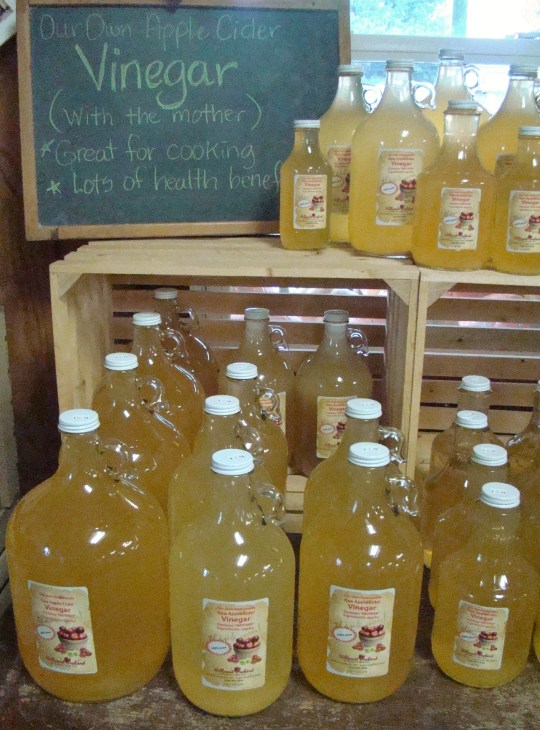
Hillcrest Vinegar

There are many uses for apple cider vinegar.

   Whatever cider isn’t sold is placed into wooden barrels for one year. There it becomes apple cider vinegar, which is also available at their store.

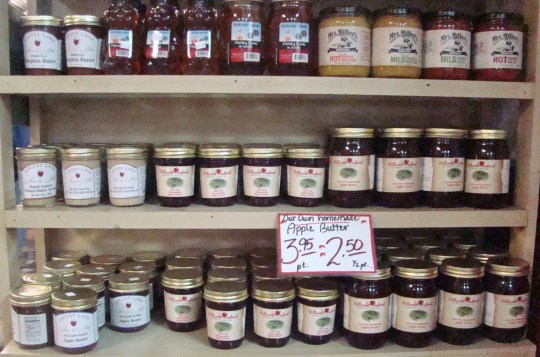
Hillcrest Apple butter

Their fresh apple butter was a popular item.

   However, apples and their products aren’t the only things on hand. Hillcrest Orchard’s the perfect place to find organic fruits and vegetables while in season. Their products look picture perfect. You can also buy pumpkins, mums, baled hay or straw. You’ll be surprised at all the treats available.

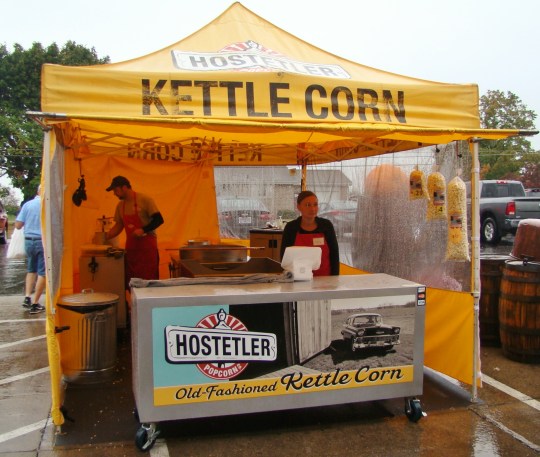
Hillcrest Kettle Corn

In the parking lot, Hostetler Kettle Corn provides an extra treat.

   Outside during the fall months, you’ll enjoy the flavor of Hostetler Kettle Corn. Freshly popped in the lot, the smell draws you to their tent. Pick up a bag to munch on while driving home through beautiful Amish country.

   The children and grandchildren feel part of the business as they have grown up in the orchard and store. Hopefully, those youngsters will someday continue providing apples and peaches for all to enjoy.

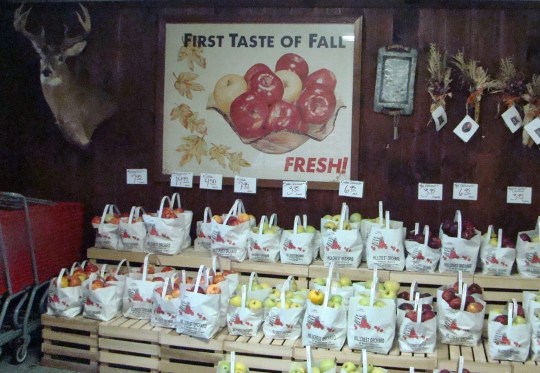
Hillcrest Welcome

Bags of fresh apples greet you – The First Taste of Fall.

   Merle’s son, Mark, lists pressing cider and picking apples as his favorite chores. When asked what he’d like to do in the future, his answer, “Plant more trees.” What do these hard-working young men like to do for fun? Deer hunt! There’s evidence of that around their store with several deer head mounts.

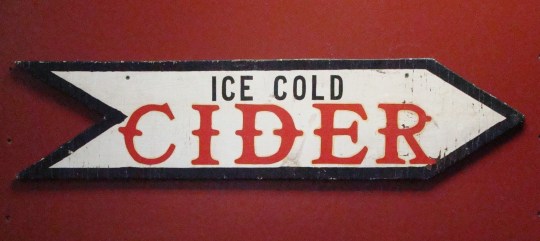
Hillcrest Cider Sign   Hillcrest Orchard is open from July through April. It has even become a requested stop for tour buses. Many people make an annual visit there in the fall and some stop by often to pick up fresh produce. One man said he took the cider home and froze it in small containers so he could have fresh tasting cider for months to come.
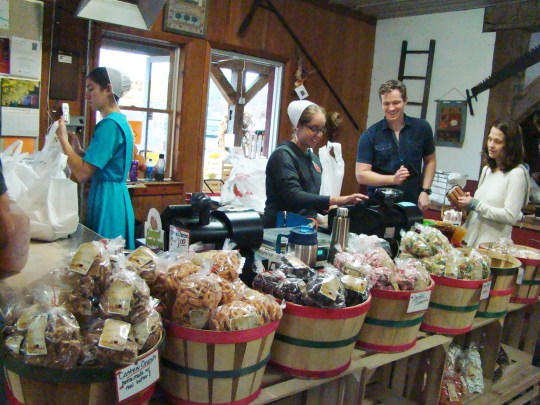
Hillcrest Check out

Area young people help out during their busiest season – September and October.

   Stop by the orchard and pick up some apples straight from the tree. Apples can be enjoyed in so many different ways: apple pie, applesauce, apple butter, apple crisp, dipped in caramel, or just take a bite of a fresh, juicy one. However you decide to use the apples, they will taste delicious.

   Remember, apples are also healthy, so that old adage of ‘an apple a day’ is a good rule to follow. Stop at Hillcrest Orchard of Walnut Creek on your next trip to Amish Country and experience the fresh taste of fall.

Hillcrest Orchard of Walnut Creek can be reached off I-77 at Exit 83. Go left on OH 39W until you reach 515. Turn right at the light, then go straight back about a half mile to the Orchard on the right. 

Get Ready to Rope

Bev Hachita 001A short true adventure

Cowboys began roping as part of ranch work to brand or medicate their calves. It became a contest to see which cowboy could do it the quickest. Their goal was to throw a lasso around a calf’s head, jump off their horse, tie three of the calf’s legs together, and finish the trick as fast as possible. This led to roping contests at rodeos and fairs.

   Recently, a new type of roping sprang up. My first experience with this happened in a small town of about thirty people called Hachita, New Mexico. The only disturbance in this small town might be a dust devil coming down the street or a Border Patrol helicopter flying overhead.

   One week in 1996, they decided to try this new kind of roping…a chicken roping. Yes, chickens, with feathers flying and beaks crowing. One roper told those watching, “If it has legs, it can be roped.”

   Bev Chicken Roping 001   Now this kind of roping would not be done from a horse and would require a different kind of lasso. Just a heavy piece of string is used, so they don’t choke the chicken.

   Just like in the world of cattle, the chickens they roped all had names. The meaner the animal, the meaner its name. Names like Jalapeno Joe, Cholulu Chuy or Red Hot Flame were typical.

   A large crowd of over fifty people gathered to witness the chicken roping. The chicken would be let out of a box and the cowboy would be timed to see how fast he could rope it. The one who roped it the fastest won a Chicken Roping Belt Buckle with a turquoise stone found in the Little Hatchet Mountains nearby.

   Small towns often have fun in unusual ways. A mural of the Chicken Roping was painted by a traveling artist on the outside of the bar there. Inside on the wall were pictures of the winners. It soon became an annual event with even larger crowds.

   And afterward? What else, but a good old-fashioned chicken BBQ.

Hachita Liquor Saloon was no longer in operation on my last trip west. The paintings on the building were done by an old friend, C.M. Scott, a cowboy artist.

Creative Endeavors Inspired Phoenix Rising Venture


Rugs- Carol and Rugs

She makes rugs in many patterns and sizes. They last a long time!

Phoenix Rising gives new life to materials that have exhausted their original use. Carol Bridwell, from the New Concord area, thinks of ways for them to be reborn into unique and colorful pieces to accent your home or place of business.

   She participates in many local festivals including Art on the Square in Caldwell, Raven’s Glen Winery Red, Wine and Blue Fest, Y-Bridge Arts Festival, and Salt Fork Arts & Crafts Festival. But Carol didn’t begin displaying her work until after she retired.

Rugs - Star Barn

Creativity runs in the family. Her great-grandfather created barns in Noble County and used a star as his signature mark. Carol displays a part of one of those old barns.

   This lovely lady first worked at AK Steel Mill in Zanesville. She started as an hourly employee and worked up to a manager. By retirement, she had managed every operating area. Her energy knows no bounds. Even though she enjoyed crocheting at the age of six, it wasn’t until after retirement that she began to get serious about her creative side.

Rugs - First Loom

Her first loom has been strung with cotton warp to begin a new rug with a beautiful pattern.

   Her interest in weaving all started over thirty years ago when Carol bought her first loom. She knew this was something she would enjoy as she always enjoyed fabric – the threads and patterns. Guess she was a natural for weaving. But one of those early rugs sat unfinished in the loom for five years.

   When asked about the name for this new business, Carol explained, “The Phoenix has always been a strong image of rebirth to me, so I chose the name Phoenix Rising to indicate that this venture was a new direction, and would continue to develop and grow.” Sounds like a great choice.

Rugs - Warp

Spools of cotton warp on the wall provide a pleasant and relaxing decor for her weaving room.

  Hand-woven rugs are her specialty, and some are quite large. She enjoys mixing fabrics and colors to achieve a very special look and feel. Her rugs are very popular as they are washable and seem to last forever. Some people have had one of her rugs for twenty years. They are something you can use and enjoy every day.

Rugs - Room Addition

This is her own special room for weaving, crafts, and her collection of pottery and glass.

   A special room was added to their house just for her looms and creative supplies. And she has filled it quite well. Over a thousand spools of cotton warp can be found in a lovely pattern on the wall. The only reason she knows that figure is because her grandson counted them.

Rugs - Tests colors

Carol tests the color of the fabric and warp to see how well they combine.

   When she sees a piece of art, her mind begins thinking about how she can create a rug out of that pattern. She uses the cotton warp and cotton salvage fabric in these designs. Reusing worn out items also appears to be a pattern that Carol follows. She buys the salvage fabric 150 lbs at a time with no idea as to what colors or patterns will be in that package.

Rugs - Adding fabric

After the threading is complete, cotton fabric is added to create a beautiful pattern.

   It takes about twelve hours to make a rug. Her grandson remarked, “People have no idea how complicated it is to make a rug.” And he is definitely correct. Each strand has to be threaded on the loom and tied individually. Plus, they must be done in the correct order and number of strands so the pattern emerges. It’s amazing!

Rugs - Sign Display at Festival

These are just a sample of the signs displayed at Salt Fork Festival.

   While rug-making is at the top of her list, Carol dabbles in many other creative endeavors. She might use concrete, beams from an old barn, or boards from an old corral. The possibilities from her mind seem to be endless. Did I forget to mention that Carol also helps her son on their hog farm? This lady never stops.

Rugs - Pallet Cow

This cow, made of wooden pallets, was displayed in her Phoenix Rising booth.

   Wood from pallets can be used to make boxes and signs, then designs are added for different occasions. Recently, she has been trying some wood burning. Animal silhouettes are another use of the pallet wood. Many of these are based on real animals. Her dog, Clyde, and their grandson’s goat, Gilbert, are just a couple examples of those special family pets used for models.

Rugs- Model Clyde

Her friendly dog, Clyde, served as a model for some of her wooden silhouettes.

   Her daughter, Alicia, helps with the painting of the signs, and both her daughters help her with her displays. But the creative part is mainly done by Carol.

   Someday she would like to fulfill another dream – cheese making. She grew up with grandparents who loved cheese. But Carol doesn’t just want to make any cheese, she hopes to make sheep cheese and already has the place planned for this project. She prefers sheep cheese because it has higher butterfat and mild taste. After all, it’s the most prolific cheese in the world.

Rugs- Dog Signs

An assortment of signs about dogs is displayed on a table in her special room.

   As you can probably imagine, she doesn’t give much time to sleeping – usually about four hours a night. She works in the shop in the afternoon and does her weaving in the evening. In case she gets an idea during the night, she keeps a sketch pad beside her bed.


Rugs - at Festival

Carol spent time working on a rug at last year’s Salt Fork Festival.

   You’ll want to stop by the booth of Phoenix Rising at the Salt Fork Festival in 2018 for their 50th Anniversary. Carol has attended the festival for many years and enjoys the great variety of vendors that appear each year. Her booth provides a colorful and interesting addition. You might even be lucky enough to watch her working on a rug.

You can contact Carol Bridwell at 740-319-1673 or csbridwell@roadrunner.com if you have any questions about her creative work.

A Whole Lot of Poppin’ Goin On at Wyandot Popcorn Museum

The better way to snack!

Wyandot Overview

The museum carries a circus theme under a red, white and blue canopy.

Popcorn and circus tents seem to go hand in hand so it’s no surprise that the inside of the Wyandot Popcorn Museum in Marion resembles a large circus tent. Under the tent, you’ll discover the largest collection of restored popcorn antiques in one place. This is one of only two popcorn museums in the world with working machines, the other one also being in Ohio at Holland.

Wyandot Factory

Wyandot Snacks now occupies the old popcorn factory.

   This collection began as part of a research project on the history of the Wyandot Popcorn Company by George K. Brown. At first Brown kept his collection in a one-room schoolhouse built in 1882. W. Hoover Brown, the founder of Wyandot Popcorn Company, attended this school and started the company there. But soon the collection exceeded the space available.

Wyandot Popcorn Museum in Marion

Wyandot Popcorn Museum is located in an old U.S. Post Office in Marion.

   After having displays at several locations, in 1989 the ninety-year-old U.S. Post Office building in downtown Marion became available for purchase. Heritage Hall became the perfect place for not only the Wyandot Popcorn Museum but also the Marion County Historical Society. So when you come for a visit, you get two museums for the price of one.

Wyandot Cracker Jack display

Informative guide, Val Mettler, explained that Wyandot made Cracker Jack for a decade.

   At this point, the Wyandot Popcorn trustees agreed to give financial support to the project if they could maintain 40% of the display space on the first floor for their popcorn memorabilia. The guides at the museum make the popcorn history come alive through the meaningful stories they tell.

Wyandot Paul Newman

This 1909 Dunbar horse-drawn wagon was used by Paul Newman to introduce his new line of popcorn in New York City.

   A machine owned by Paul Newman is a favorite at the museum. When Newman decided to move into the popcorn industry, he wanted to work with a purely American company so he chose Wyandot with a little friendly persuasion from George Brown. The cart on display was used in New York City to introduce his popped corn.

Wyandot Popcorn

Different varieties of popcorn create different shapes when popped.

   The owner, Brown, worked diligently to create hybrid popcorn grains that would have the proper moisture content so grains would pop evenly and there would be no unpopped kernels, called Old Maids, left behind. They also developed grains that would have bigger kernels when popped so it would take less popcorn to fill a bag.

Wyandot Circus Wagon Barnum & Bailey

Barnum & Bailey used this popcorn machine and peanut roaster.

   In 1996, Wyandot Popcorn Co had a major fire and the factory was closed for about a year. During that time, George paid more than 300 workers 60% of their regular pay as well as providing medical insurance for their families. When they resumed operation, each worker received a $1,000 bonus. It’s no surprise that 98% of the employees returned to work. With goodwill like this, it makes you want to find some Wyandot products to purchase.

Wyandot Sign

The sign’s logo indicates the town’s connection to the Wyandots, an early area Indian tribe.

   Today the business operates under the name, The Wyandot Snack Co., although now they make more than just popcorn. They produce grain-based snacks such as tortilla chips, cheese curls, corn chips and candy covered popcorn. The smells from their company at the edge of town let everyone know what they’re making that day.

Mr. Popcorn

Poppy is the mascot for Marion’s annual Popcorn Festival.

   Each September, the first weekend after Labor Day, Marion holds a Popcorn Festival starting with a parade on Thursday evening. This is the largest popcorn festival in the world and the weekend is filled with activities and entertainment. Admission to the museum is free this weekend of Sept. 6-8.

Wyandot Holcomb & Hoke

This beautiful 1918 Holcomb & Hoke buttered each kernel individually.

   Regular visiting hours for the museum through October are Wednesday thru Sunday from 1-4. Remember there’s more to see in Marion as this is the home of President Warren G. Harding. That will require a future Gypsy Road Trip.

Wyandot Box of Popcorn

Everyone receives a free box of popcorn when they finish the tour.

   Stop in at Wyandot Popcorn Museum for a poppin’ good time!

Wyandot Popcorn Museum is located at 169 E Church Street in Marion, Ohio, which is north of Columbus on Route 23. You can park on the street or there is handicapped parking in the rear. 

Battle Horse Knives Guaranteed for Life

BHK LogoFamily owned businesses fill an important role in the community. They create trust and satisfaction because they aim to fulfill customer needs.

Since 2007, Battle Horse Knives has been making custom designed knives in Cambridge, Ohio. They have knives for every need from pocket and hunting knives to bushcraft or tactical. No matter what kind of knife you desire, Battle Horse Knives will create it for you.

Frontier Folder knife

This popular Frontier Folding knife has a striking fiberglass handle.

It all began with one man Dan ‘the Man’ Coppins, who couldn’t find a good hunting knife. His daughter, Alicia and her husband John McQuain, now own the business. This is a family oriented business with the Coppins and McQuains filling most positions. However, those they bring on board may not have the same last name, but they still consider them family.

John seemed the perfect person to take over the business as he has been a machinist for many years. His father also is a machinist so John grew up practicing the trade. He excels with his high-tech ability to design the computer programs needed to cut the perfect product.

Adam Lemon mills the desired shape with the help of the computer.

Adam Lemon mills the desired knife shape with the help of a computer program.

It’s surprising how many steps the knife making process entails. It all begins with a sheet of steel from which the blades are cut. Then after getting the blade configured to their high standards, it is sent to Peters’ Heat Treating, as the heat treatment is a crucial factor in a long-lasting, strong knife.

Jason Barnett handles

Jason Barnett attaches knife handles, from plain to fancy.

When it comes back, the handle’s attached, blade sharpened and tested before sending it to the customer. These guys want their customers to have the best knife possible.

Matt McQuain stamps each knife with BHK logo.

Brother Matt McQuain stamps each knife with their BHK logo.

They believe in their product and give a Life of the Knife guarantee on every knife they sell. That means if you ever need a repair or replacement, Battle Horse Knives will honor your request. There’s no limit on how far these honest folks will go to satisfy their customers’ knife needs.

BHK Alicia

Owner, Alicia McQuain, welcomes people to their downtown store.

A couple of years ago they decided to open the Battle Horse Knives Retail Shop at 624 Wheeling Avenue in Cambridge. There is a wide variety of items available here including a wide selection of educational books and Military Tech manuals, which discuss tactics from survival to firearms.

Their most popular knife is a “Small Workhorse”, which was designed to skin a white-tail deer. For a sturdier knife, “Bushcrafter” will tackle many outdoor needs, making it more a tool than a knife.

BHK Leather

Leather bracelets, keychains and knife covers are made at their downtown location.

If you’re going to have a knife, most people want a pouch to carry it. For that reason, BHK designs their own leather pouches, which include great designs. They have drawers of sheaves ready to go in their downtown store.

John McQuain and Waterjet

John McQuain, owner, works with the Waterjet, which cuts designs and lettering in metal.

Right now they are developing techniques to use a waterjet to cut out designs on metal, stone, glass or ceramics. Computer operated, the waterjet can cut designs or lettering into material that will last a long time.

It’s important to take good care of your knife. As John tells customers, “A dull knife blade is about as useful as a hole in a bucket.” So if your knife gets rusty or dull, bring it in for what they call a “spa treatment”.

BHK Famous People

Pictures of many celebrities, who use BHK knives, are displayed in the store.

Many celebrities, who use BHK knives include Zach Brown, Ted Nugent, and Dave Canterbury, who killed a gator with his BHK knife. Even Uncle Si from Duck Dynasty and nearly all the people on Survivor Show carry a BHK knife with them. Folks who use their knives say they’re the best they’ve ever owned.

This business hasn’t stayed local. John and Alicia travel all over the United States to outdoor shows to spread the word about their high-quality knives. They will be visiting Georgia, Texas, Oklahoma and Alabama in the near future. Worldwide, they have sold to over thirty countries.

NRA Knife

This El Dorado was chosen Knife of the Year for Ohio Friends of  NRA.

NRA shows are popular places to display their wares. Last year their “El Dorado” was named “Knife of the Year” for Ohio Friends of NRA.

BHK Tom Casterline with Ted Nugent guitar

Tom Casterline, store manager, displays the guitar Ted Nugent traded for a BHK knife.

The staff here are all outdoorsmen. When they are not working, you might find them camping, hunting, or shooting. Every year they get all their families together for a weekend campout at AEP campground down near Cumberland.

Their goal is to create a knife that is not necessarily pretty, but useful and of heirloom quality. Costs of these handcrafted USA knives by BHK range from $60 to $250 and beyond.

When people leave home these days, they want to be certain they have their keys and cell phone. But Adam remarked, “A knife is a critical thing to have in my pocket.”

Battle Horse Knives Retail Shop is located at 624 Wheeling Avenue in downtown Cambridge, Ohio. If you have a special knife you would like made, come talk to the friendly owners. You may also visit their website at Battle Horse Knives .

Climb Aboard Hocking Valley Scenic Railway

Hocking Valley Welcome

This railroad car welcomes you to the Hocking Valley Scenic Railway.

Take to the rails on Hocking Valley Scenic Railway, which boards at Nelsonville and heads toward Logan. After purchasing your ticket in the depot, there’s a small museum inside of train memorabilia. Almost everyone in the depot and on the train is a volunteer. They enjoy meeting and telling stories to all the passengers.

Hocking Depot

All train rides depart from the 1982 Nelsonville Depot based on a prototype once in Rising Sun.

   First, you will have to decide which type of car you want for your adventure today. There are actually three choices that can accommodate approximately 300 passengers. The three steps to the cars are steep, but there is a wheelchair lift available.

   One car is air-conditioned with soft seats and a quieter ride. Or you might select a car with windows that can be opened so you can see and hear the sights a little better. Some prefer the open cars with wooden benches and a roof overhead in case of rain.

Hocking Valley Train

Baldwin 4005 Switch Engine running on diesel and electric was previously used by the US Air Force.

   Riding in the car with open windows seemed a good choice as wanted to take some pictures along the way as well as hear the sound of the train more clearly. The powerful steam whistle blows and the wheels start to turn as the train begins its journey.

Hocking kiln

The train passed remains of an 1880 kiln used by Nelsonville Brick Co., who won first prize for bricks at the 1904 World’s Fair.

   During the comfortable, swaying ride through the countryside, a narrative over the loudspeaker gave information regarding the formation of the railway. In 1869, the Columbus and Hocking Railroad began as a fast, inexpensive way to deliver coal to the market. At one time there were forty coal mines being serviced by the railroad.

Hocking Baseball

Passed by the Crabtree Baseball Field, named for local hero Estel Crabtree, a former Cincinnati Reds outfielder. Seats for the stadium are made of stone from the old Hocking Canal.

   The railroad had numerous mergers over the years and finally merged into the Chesapeake & Ohio system. When they began selling off lines south of Columbus, the Hocking Scenic Railway purchased track in 1972 and began a renewal of the railroad. They have been operating the Scenic Railway since 1985.

Hocking River

Part of the route followed the Hocking River, which flows into the Ohio River.

Hocking Engine House

The Hocking Engine House is located near the Hocking College Campus.

   This two-hour journey takes a break during the return trip on the campus of Hocking College at Robbins Crossing, a pioneer log cabin village, organized and run by students of the college as well as community volunteers.

Robbins Crossing

The Pioneer Village at Robbins Crossing comes to life with costumed interpreters.

   Robbins Crossing is a collection of original log cabins built by settlers of the Valley in 1850. They were dismantled and carefully moved to the campus location where they were reassembled in a village format. The insides of the cabins are filled with authentic artifacts from the period.

Hocking Pioneer Artist

A pioneer artist relaxes while painting on the porch after a morning in the kitchen.

   Visit a blacksmith shop, general store, one-room school and more. Everyone is dressed in period costume to make the visit more authentic. This is a great chance to see how life was lived in Southeastern Ohio in the 1850s.

Hocking Feeding Chickens

Children enjoyed feeding the chickens at Robbins Crossing.

   This trip through the green woods of the Hocking Hill included sights of deer, geese, flowers and streams. Actually, part of the way we drove along the Hocking River.

Pioneer Village Cooking

This pioneer was preparing dinner on an old coal stove.

   During the ride, several families had brought along a picnic lunch to enjoy on the train. Children seemed fascinated to be taking a train ride and even when it was over, they wanted to get back on board.

Hocking Brick Homes

Many houses and buildings along the way were built of those famous Nelsonville bricks.

   The train runs its normal schedule every Saturday and Sunday from Memorial Day weekend until the last weekend in October. But their extra events sound like fun!

Hocking Cross

Overlooking Nelsonville is a cross that a church member had placed in memory of his wife, Betty.

   Special themed “family friendly” events are held throughout the year in conjunction with the train ride. Check their schedule at http://www.hvsry.com to find out when you might take a ride on the Robbery Train, Fall Foliage Train, Santa Train, or New Year’s Eve when you can have your choice of pizza and pop or wine and cheese.

   Experience the feeling of riding a train across the country in those early days. Sit back and relax to the clickety-clack of the train wheels on the Hocking Scenic Railway.

This adventure brought back wonderful memories of the Byesville Scenic Railway and their capable storytellers who made the journey so interesting.

The Hocking Valley Scenic Depot is located in Nelsonville, Ohio at 33 W. Canal Street, along US Route 33 in Athens county in Southeastern Ohio. Depending on your location, there are many ways to arrive at the depot.

The Voice of Enthusiasm at Salt Fork Festival

carol-jones Muskingum UniversityEnthusiasm spreads from Carol Wilcox-Jones to everyone she meets. It’s contagious! Carol is the spark that gets things going, whether at her summer music camps or at the Salt Fork Festival. She does it all with a song in her heart.

   Growing up in Kansas, the Wilcox family sang even while doing housework. “I can’t remember a time when I didn’t sing,” Carol recalls with a sparkle in her eyes. Her dad played guitar at square dances and sang on the radio, while her mom did the Charleston and even clogged. Family always ranked high in importance to Carol.

Carol - Dad 001

At age five, she sang “Rudolph the Red-Nosed Reindeer” with her dad at a square dance.

   Even though Carol sang with her dad on stage at the age of five, it was in high school that the singing bug really bit her. She sang the leading role of Laurie in Oklahoma, followed by many more leading roles. By the time she was a senior, she was invited to enter the Miss Kansas City pageant, which she won singing “Love Is Where You Find It” and “Clap Your Hands”.

   While studying at the University of Kansas she performed leading roles such as Maria in West Side Story, and Marion in The Music Man. She heard her first opera there when the Metropolitan Opera Touring Company came to perform. Carol smiled, “I fell in love with their thrilling singing.” Shortly thereafter, she had a chance to perform as the Countess in The Marriage of Figaro, still her favorite Mozart opera.

Carol Captain Jinks

Carol performed as Aurelia in the opera, Captain Jinks of the Horse Marines.

   During college summers, Carol apprenticed herself at Central City, Co. and Santa Fe Opera companies. Upon graduation, she decided she would try a career in the opera and where better to do that than The Big Apple. While working toward her master’s degree at the Manhattan School of Music, she was invited to audition for the Metropolitan Opera. She was offered an artist contract and was soon busy learning new operatic roles.

Carol Barber of Seville

In the comic opera, Barber of Seville, Carol appeared as Rosina.

   Her list of performances is quite extensive and can’t possibly be listed here. In addition to her roles with the Metropolitan Opera in NYC, she has sung leading roles throughout the US and Canada, including the Washington Opera at Kennedy Center, Philadelphia, Miami, Houston Grand Opera, New Orleans, Pittsburgh, and many others.

Carol Opera 001

Carol sang in Perichole at the Kansas City Lyric Opera.

   She has performed and enjoyed music theatre roles with St. Louis MUNY Theatre, KC Starlight, Blossom Festival, Caramoor Festival, and others. Carol has appeared on Broadway, sung over 100 recitals, and recorded for RCA and CRI, and has been a featured soloist with many symphonies.

   “It’s not just the beautiful voice, but her overall performance that projects feelings and words,” explained a conductor at the Lyric Opera. “I’ve never known Miss Wilcox to give a bad performance.”

Carol - dalmations

Carol and her family’s dalmatians appeared on the cover of Star in 1975 when she appeared at the Lyric Opera in Kansas City.

   One summer, when Carol was performing at the Lyric Opera Co. in Kansas City, there was also a young man, Robert Jones, under contract. Robert spotted the lovely lady with the beautiful voice and became her biggest fan. A year later, they were married.

Carol and Robert 001

Robert Owen Jones and Carol Wilcox-Jones perform here in  “Die Fledermaus”, an operetta by Johann Strass II.

   Robert was that old-fashioned guy she admired, and family had always been important to her. After their marriage and the birth of their son, Chris, they moved to New Concord where Robert taught music as Director of Vocal Activities at Muskingum College. The couple also happily welcomed their second child, Jennie, to their family.

Carol's Family

Carol, Bob, Jennie and Chris enjoy singing together as The Jones Family.

   Carol was soon invited to join the music faculty at Muskingum as Artist-in-Residence and taught voice, as well as helped develop the Music Theatre minor now offered at Muskingum University. Carol also holds a Master of Arts in Vocal Pedagogy Degree from the Ohio State University and continues to Direct of the Summer High School Music Theatre CAMP, a program she created in 2006. Her reason for being involved is simply: “I support young people and through music, I open as many windows as I can for them.”

Carol Summer Music Camp

The High School Summer Music Theatre CAMP at Muskingum University has been directed by Carol since 2006.

   Carol’s musical background contains many degrees, extensive performing and teaching experience, but it’s her application of all this knowledge that makes Carol such a valuable asset to the groups she works with.

   Robert and Carol had been fans of the Salt Fork Arts & Crafts Festival for years. When Robert retired, he volunteered to schedule the musical portion of the Festival, and it followed that Carol assisted him before she became also involved with fundraising.

   Last year, Carol became Director of the Festival. Even though she didn’t feel experienced, the festival turned out to be wonderful and was indeed a happy place to spend the weekend for both artists and visitors.

Carol-Wilcox-Jones-Chamber Award 2

Carol received the Distinguished Service Award for her role in reviving the Salt Fork Arts & Crafts Festival.

   Her role in reviving the Salt Fork Arts & Crafts Festival earned her the Distinguished Public Service Award. Her time and energy devoted to this project have been phenomenal. Connections with various groups and businesses in the community have made it possible to continue financing this popular three-day event.

Carol and Robert BASH

Robert and Carol entertained at the Salt Fork BASH, accompanied by Preservation Dixieland All-Star Band.

   One special event, the Festival BASH, became their signature fundraiser. The support of the community has been outstanding, seen through the participation and success of the BASH, which is an evening filled with visiting friends, delicious food, outstanding music, and many prizes and silent auctions.

   Carol does not take credit for all this herself. She has a very active board of trustees who also head up Festival Committees and work tirelessly to produce the Festival with the help of many volunteers. “I’m very proud of all those who have made it possible. The Festival leaders have kept this Festival going for nearly 50 years! That’s pretty incredible!”

50th Anniversary

Carol works with a great group of volunteers as they prepare for the 50th Anniversary.

   The next big project is working with a 50th Anniversary Blue Ribbon Committee for the 2019 festival. There are plans to begin building an enhanced entranceway to the park at Edgeworth Street that will be a permanent feature and reminder of the festival for future generations.

   Now, she’s looking forward to the 49th Salt Fork Arts & Crafts Festival, August 10-12, 2018. Summing up her Festival feelings, she enthusiastically remarked, “The Festival experience – the creative arts, demonstrations, concerts, and activities- are offered free to the public. It’s an uplifting, community-building celebration with a great combination of quality visual and performing arts and delicious foods offered in the beautiful outdoor setting at Cambridge City Park. What’s not to love?”