Rick Booth Remasters Guernsey County History
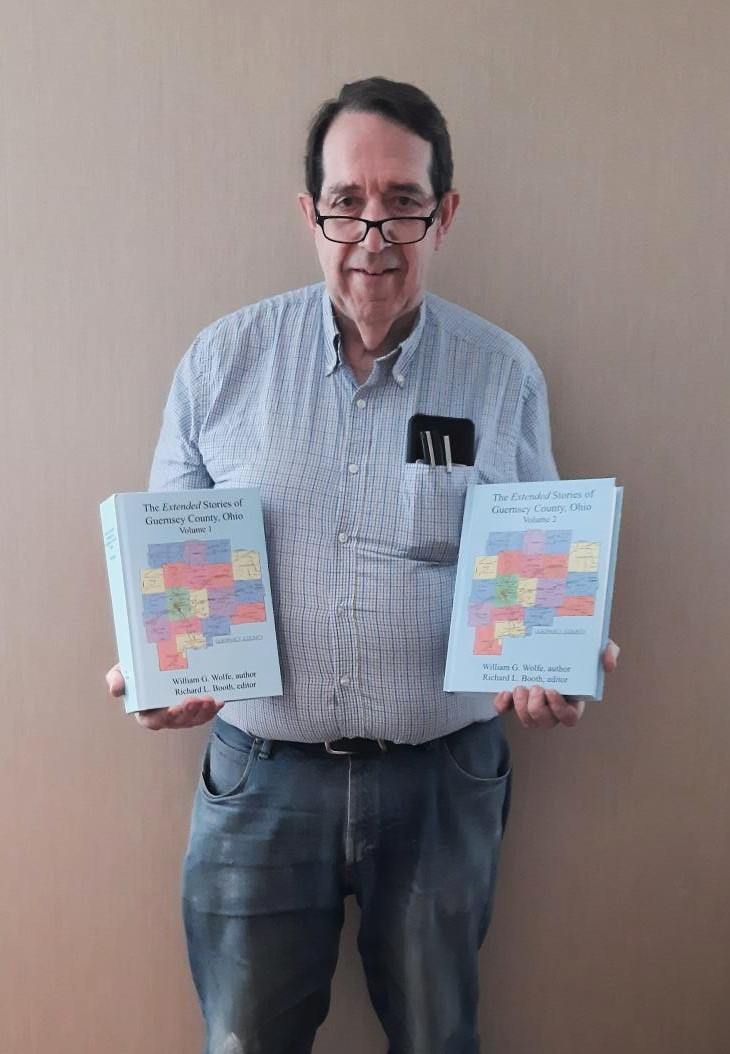
The Extended Stories of Guernsey County, Ohio, Volumes 1 and 2, has recently been released after seven months of detailed work by Rick Booth, who spent 20 to 30 hours per week republishing the writings of William G. Wolfe, an early historian from Guernsey County. This new 1,640-page book set contains all the historical writings of Wolfe that Rick could find.
William G. Wolfe was born in Quaker City in 1874, attended Ohio Northern University, and received his teaching certificate at the age of 23. He then spent 47 years in the Guernsey County School system as a teacher, Superintendent of Quaker City Schools, and then Superintendent of Guernsey County Schools.
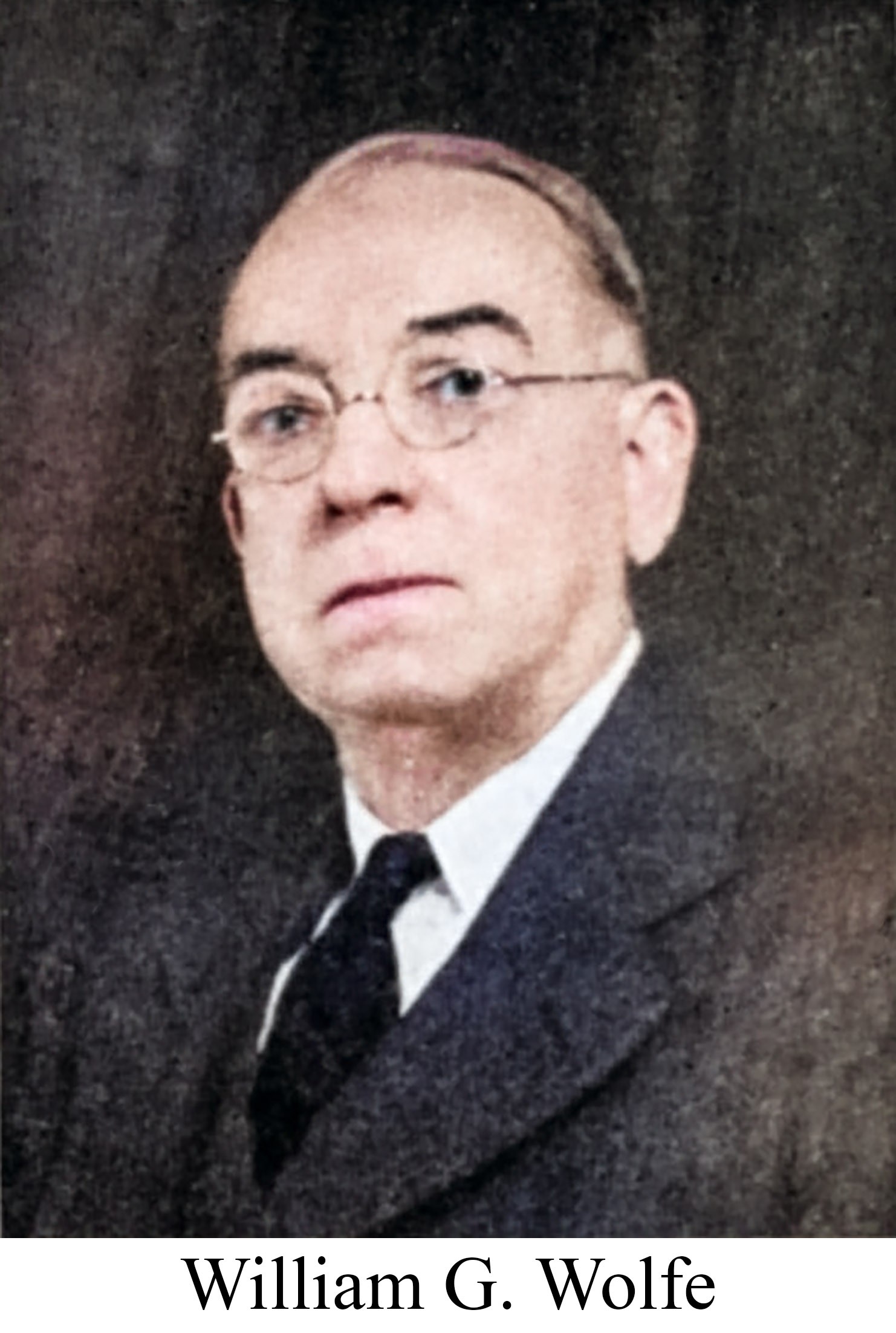
Rick’s desire to make Wolfe’s out-of-print stories available forever began when Rick found forgotten Wolfe articles in online newspaper archives, and he thought they should be added to the original Wolfe’s history. Rick decided then to remaster Wolfe’s original 1943 history book, Stories of Guernsey County, Ohio, the most comprehensive Guernsey County history book ever written. This book, reproduced as Volume 1, was based on 313 historical articles that Wolfe had written for Cambridge’s Daily Jeffersonian newspaper in the 1930s. Rick placed it in a modern format and added a second volume of the additional 171 “forgotten” stories he discovered in Daily Jeffersonian archives.
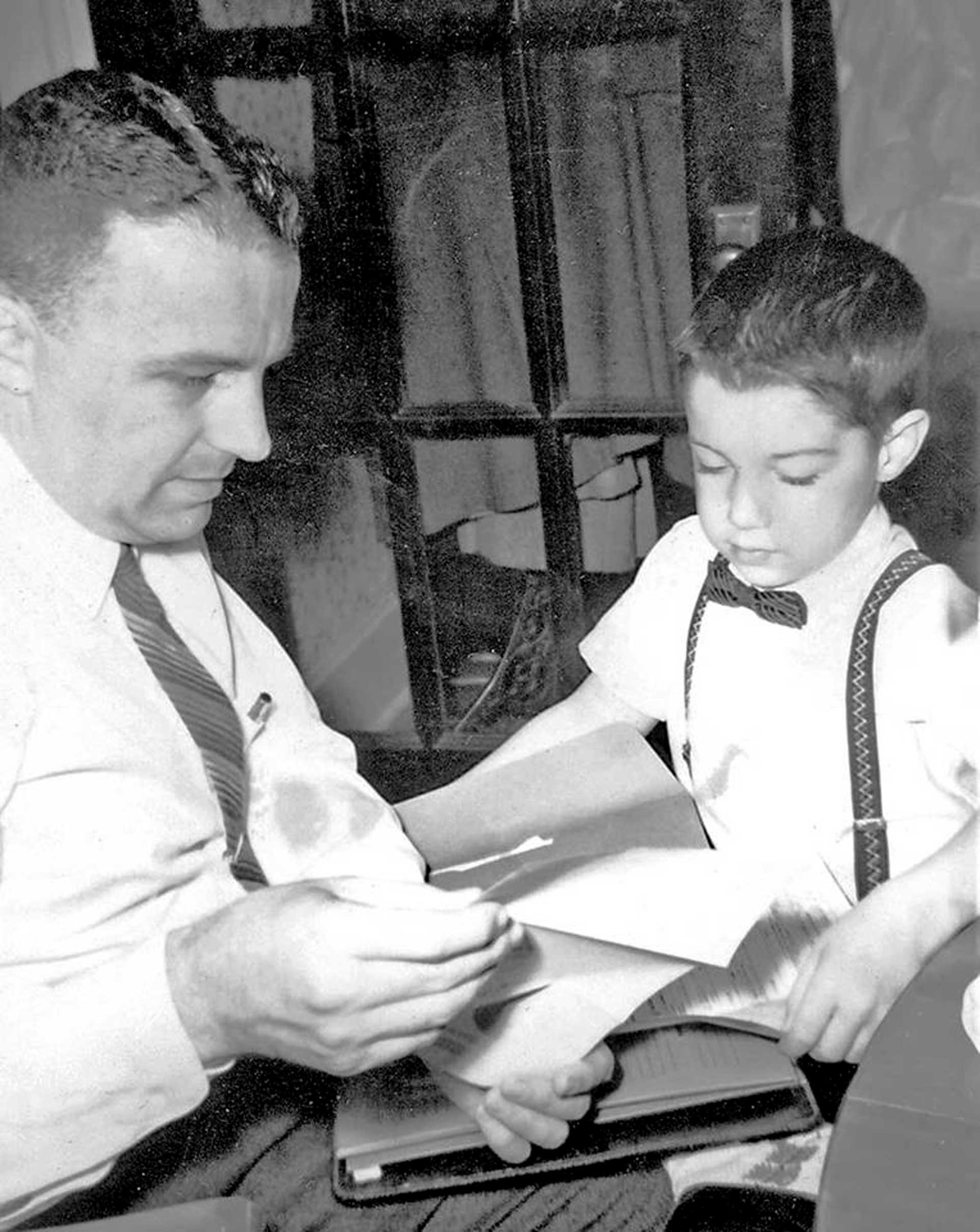
Most know Rick Booth as our local historian, but all may not be familiar with his background. Rick grew up in Guernsey County, the son of another historian, Atty. Russell Booth. History was an important part of their lives, and from his earliest memories, Rick recalls his dad telling him bedtime stories based on tales from history and many from Wolfe’s book. Atty. Booth treasured the copy of Wolfe’s Stories of Guernsey County which Wolfe personally signed for him in 1943 when a high school freshman. Rick was immersed in history from a very early age.

After Rick graduated from Cambridge High School, there were many years when Guernsey County history was not of chief importance. After graduating from Princeton University, Rick spent two years in medical school at Columbia University in New York City before deciding to instead join the exciting new personal computer revolution just then emerging.
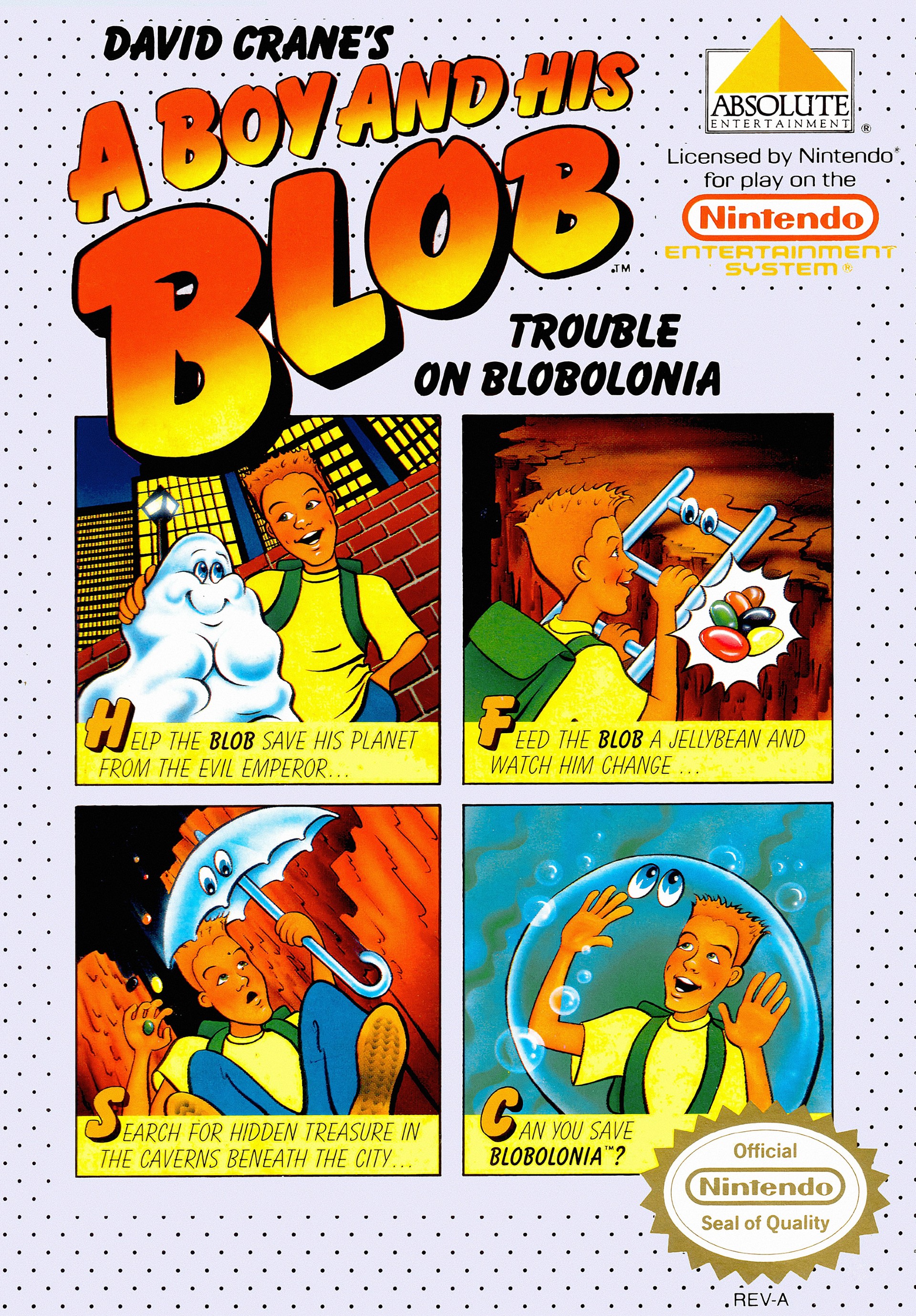
For most of the 1980s, he worked for Sesame Street’s computer division, creating and designing software tools for their early educational computer game products. Later, he also designed core sound and animation systems for Nintendo cartridge and Sega CD-ROM games for video game companies. His best-known gaming credit is for the 1989 NES cartridge game “A Boy and His Blob,” which retains a niche following to this day.
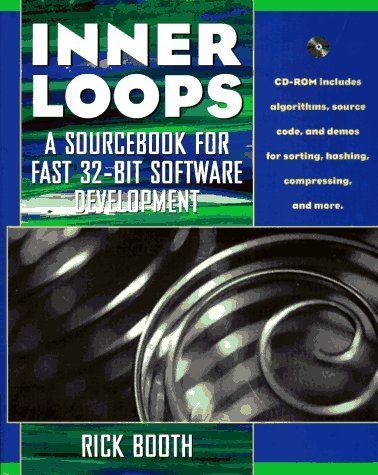
In 1997, he wrote a computer book, “Inner Loops.” This book was designed for computer professionals and hobbyists to get high performance out of their computers. He also co-authored another computer book at Intel’s request, “Programming Itanium-based Systems: Developing High Performance Applications for Intel’s New Architecture.” Much of his later career involved digital video engineering and Internet-over-cable systems.

While living in the Philadelphia area, Rick was instrumental in saving the Cornwells Heights Amtrak Station in Bensalem, PA, which was needed for easy access to his work in New York City. (There’s a remarkable story attached for perhaps another article by Rick.) He witnessed history, too, having been on perhaps the last train to enter NYC before the Hudson River railroad tunnels were shut down in the chaos of 9/11.
He returned to Guernsey County in 2007. Then his efforts to keep Guernsey County alive began as he watched his father, Atty. Russell Booth writing about and researching local history.
At that time, his dad was writing monthly articles for Now & Then magazine. When his dad was no longer able to do that, Rick stepped in and continued those historical articles, completing the transition in 2012.
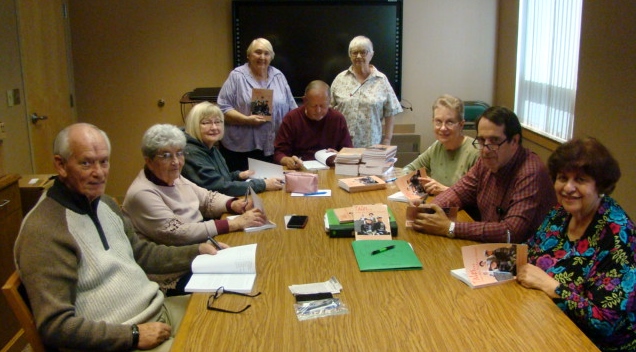
Rick has been an important part of Rainy Day Writers since its beginning. Here he not only contributes interesting stories to their annual books but also helps with the publication process and serves as treasurer.
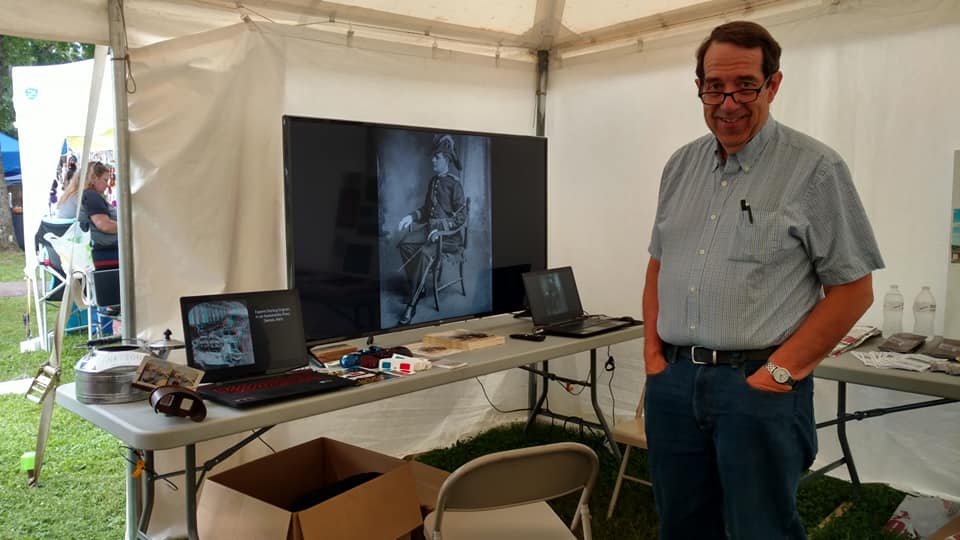
When Now & Then ceased publication in 2019, Rick seamlessly kept the stream of monthly history articles going in Crossroads magazine. Rick also keeps others informed about our history through his leadership at the Guernsey County History Museum where he is Treasurer and Director of Digitization.
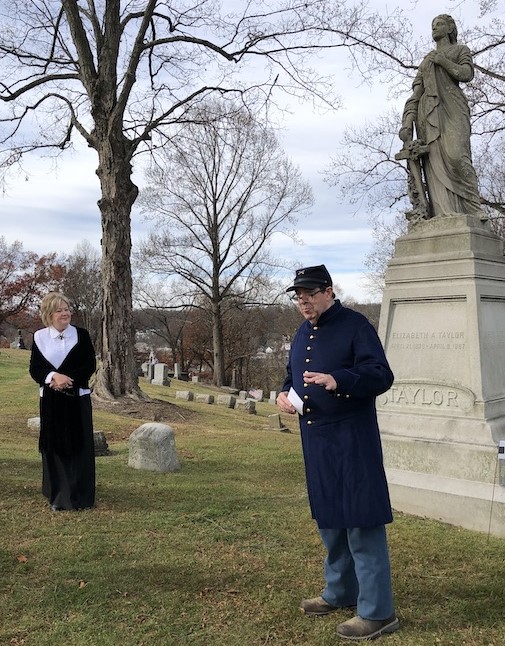
He also does many downtown tours in Cambridge, developing and participating in Cemetery Tours, and being the guide for Trolley Tours during Dickens season.
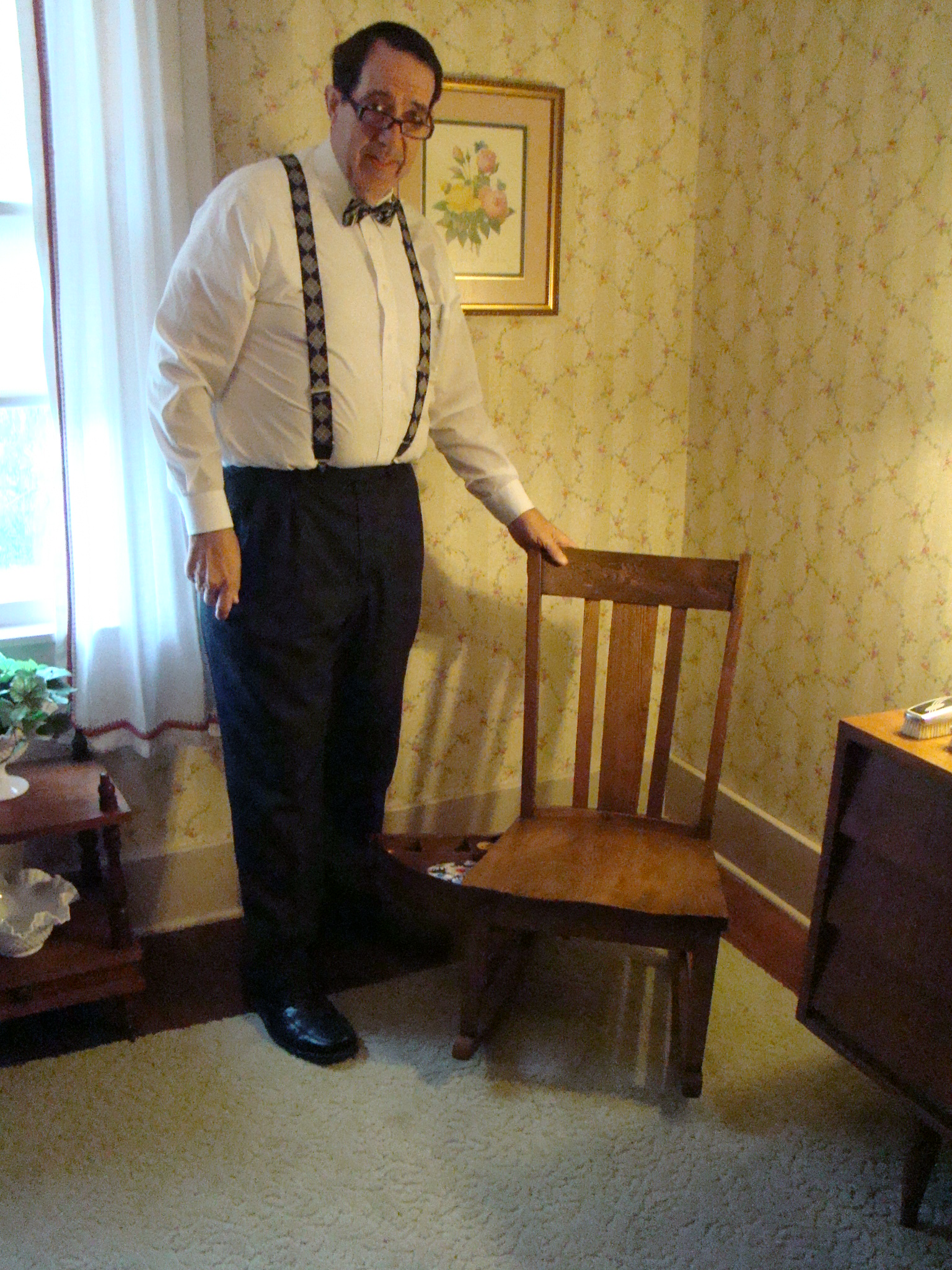
In New Concord, Rick portrays the role of John Herschel Glenn, Sr. to keep the history of John & Annie Glenn alive at the museum there. He also led the effort to get the official Ohio Historical Marker for Fletcher General Hospital and WWII POW Camp, which most locals later knew as the Cambridge State Hospital. Everyone wonders when this man sleeps.
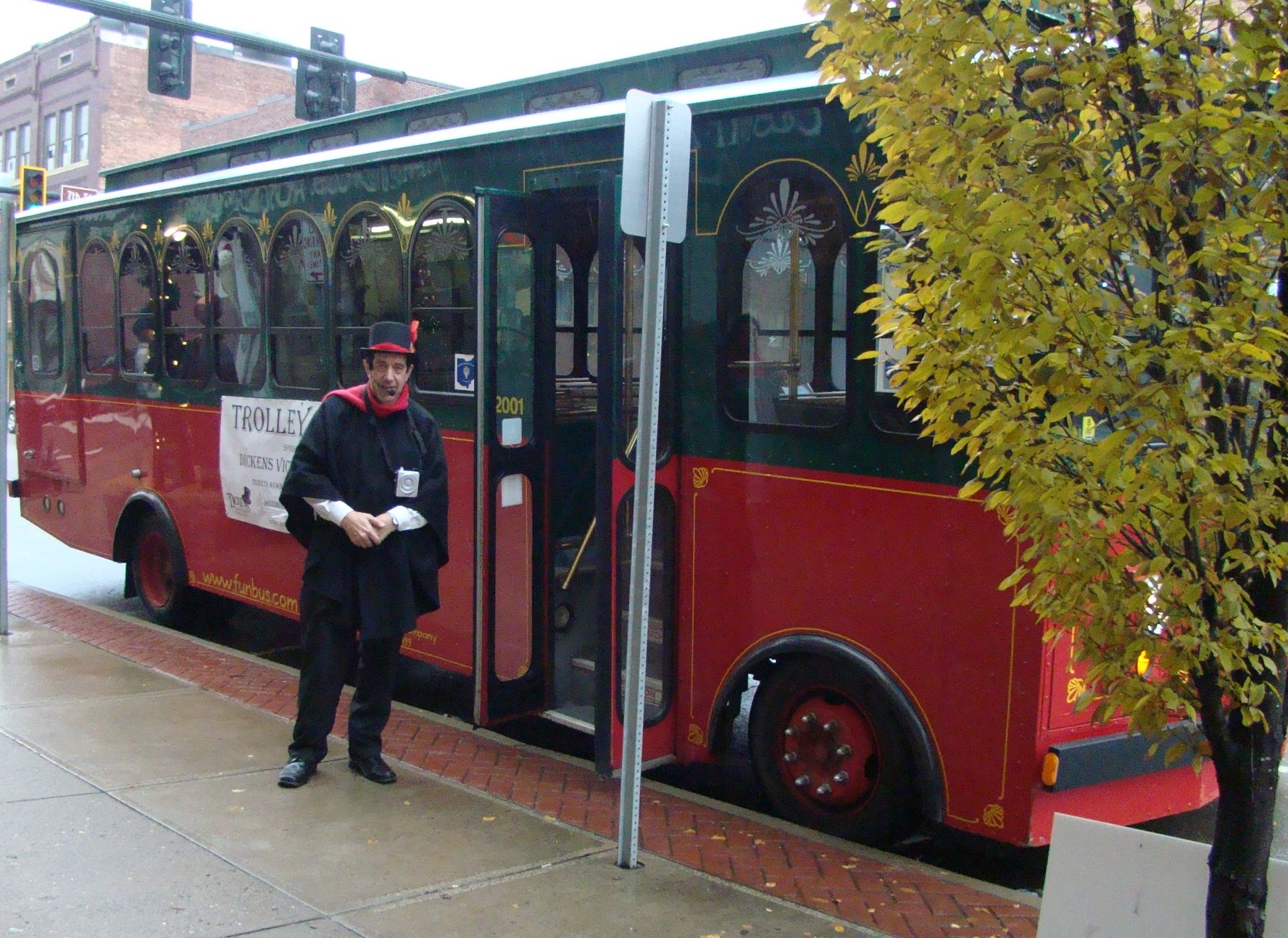
For all his hard work in the community, in 2023 he received the Chamber of Commerce Distinguished Public Service Award.
In 2024, Rick digitized, proofread, and republished the writings of William G. Wolfe, the author of Guernsey County’s most extensive history book, Stories of Guernsey County, Ohio. His new collection is called The Extended Stories of Guernsey County, Ohio. He has used digital image manipulation to enhance the photos in some of the articles and add new ones to others, making them even more interesting. There are also 76 pages of newly-added historical township landowner maps, each with a QR code for easy cell phone viewing of every township in Guernsey County in the last few chapters of Volume 1 for those who enjoy comparing maps from 1855, 1870, 1902, and today.
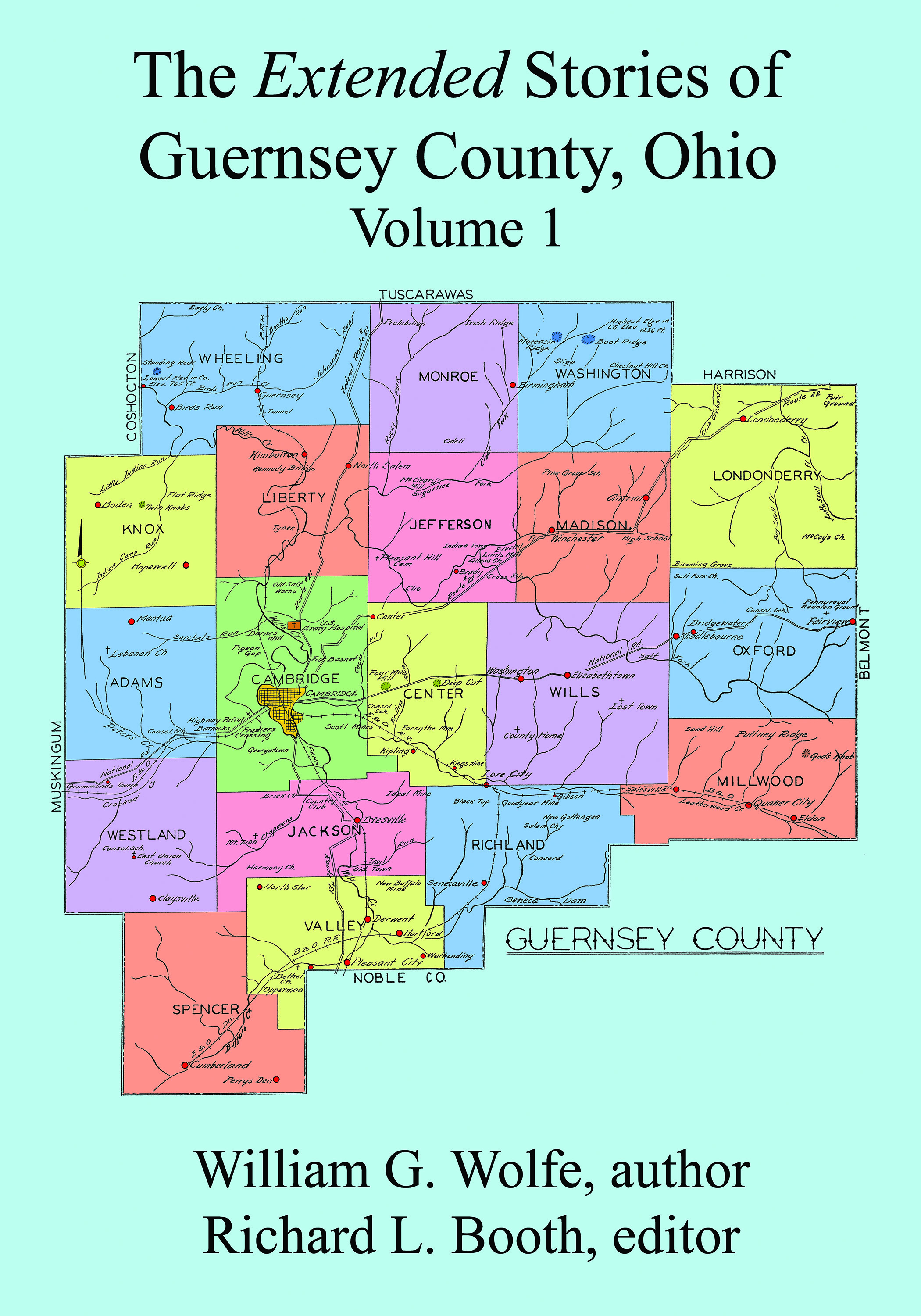
An amazing thing about these volumes is the indexing. In the second volume, Rick has listed every name that is in both volumes and the pages where they appear. Over 23,000 name references were compiled into the new 131-page “all names” index! This provides an easy way to find family connections.
In proofreading Wolfe’s materials, Rick was surprised that he credited Cambridge Iron and Steel Company as the reason for Cambridge’s turn-of-the century (1900) sudden growth. Most recall the glass and pottery industry being a big boost to the local economy.
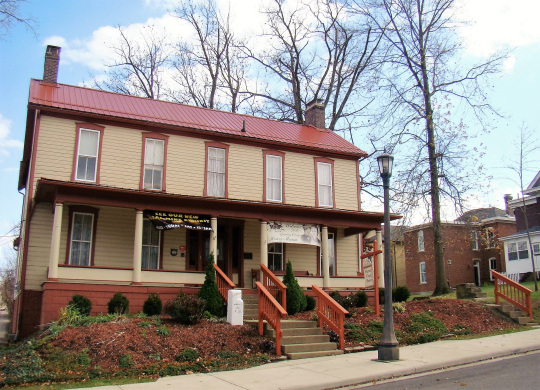
Both volumes of The Extended Stories of Guernsey County, Ohio are available on Amazon, or you can pick them up at the Guernsey County Museum, 218 North Eighth Street, at a total cost of $80 for the two-volume set. Rick is giving a percentage of the profits to the museum. These volumes are printed in a perpetual hardcover print-on-demand book form so the work won’t go out of print again and the history of Guernsey County will live on, especially in historical and genealogical societies.
If you enjoy history of the Guernsey County area, you are certain to find this book set a treasure filled with memorable events that have shaped our lives.
 Gypsy Road Trip