Places to go and things to see by Gypsy Bev

Archive for the ‘Festivals’ Category

Peaceful Chief John Logan Propelled to Revenge

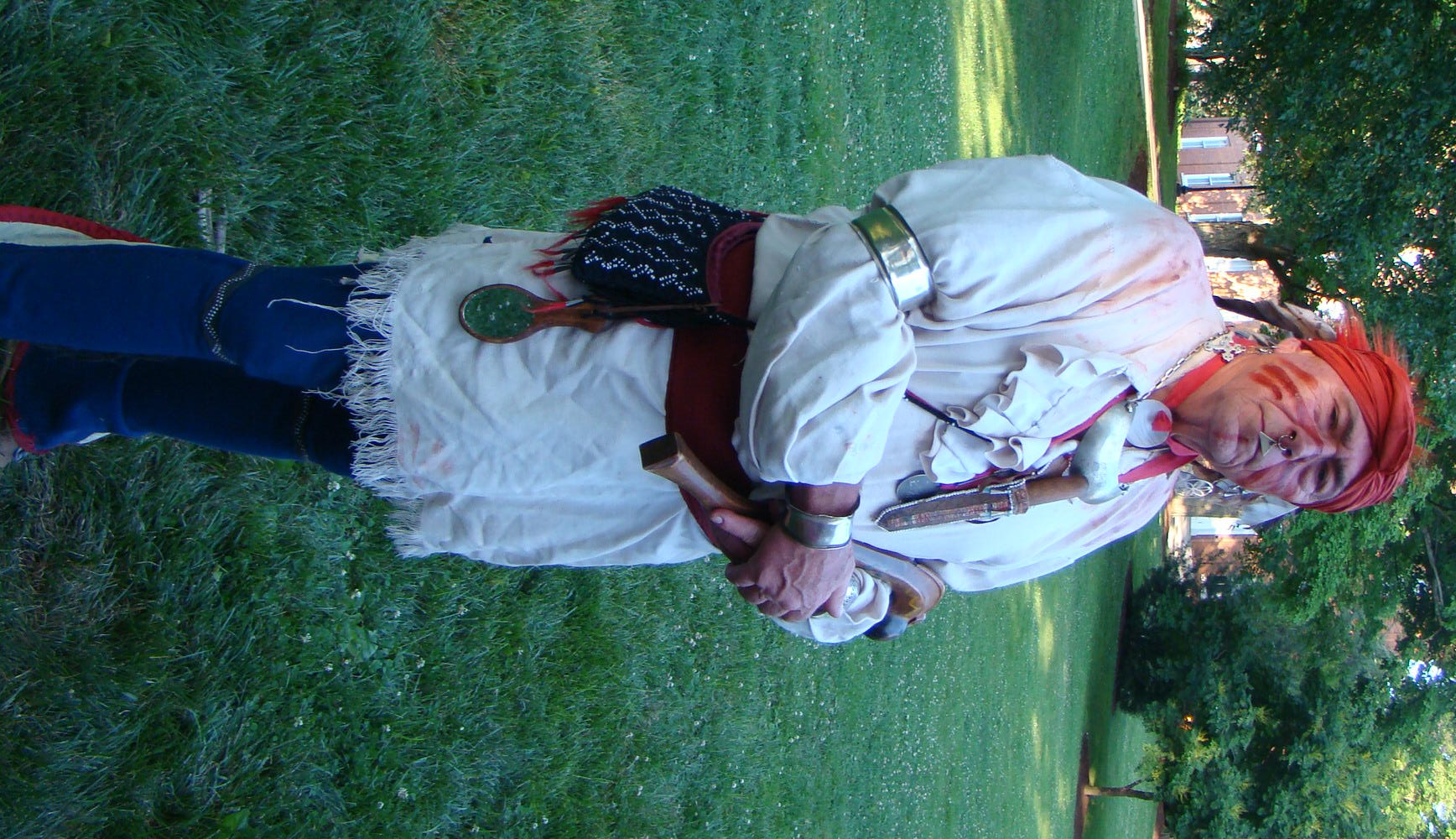
Dressed in buckskin clothes, the appearance of Chief Logan transported the audience back to frontier times. Silver armbands, bracelets, a nose ring and earrings – one a cross- glittered in the sunlight as he took the stage at the Ohio Chautauqua during the 225th Anniversary of Marietta – The Crown Jewel of the Appalachians.   Tattoos also adorned his body with a tobacco leaf tattoo on his ear symbolizing “truthful hearing” while a red hawk on his head denoted his tribal connection.
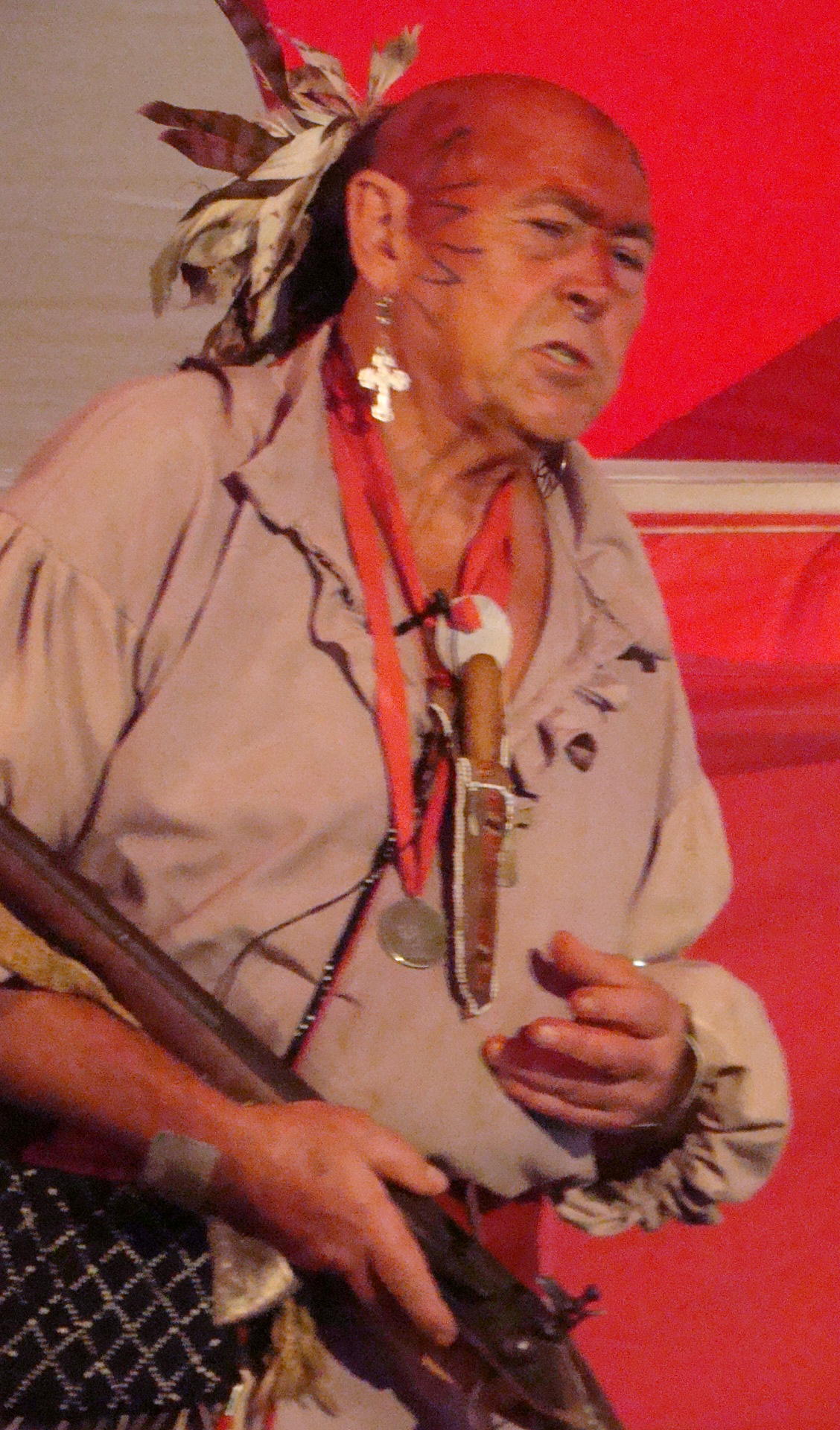
John Logan began his life on the Susquehanna River and followed his father’s Jesuit teachings where John’s “sins were washed away”. Friendly with the white settlers, John was always a peacemaker for the Iroquois, who were usually called Mingos when settling in the Ohio Country, and John Logan is most often referred to as Chief of the Mingos. Perhaps his role as peacemaker gave him reason to learn eight different Indian dialects as well as English, French, Dutch and even Latin. However, Chief Logan could neither read nor write.

The Ohio Land Company kept expanding their boundaries to include more and more of the Indian lands. The Mingos ignored the marks of surveyors saying, “You can’t sell the wind in the sky or the water in the river.”
Along the Ohio River, settlers frequently met at the tavern for stories, nourishment and ale.  One evening, Logan’s camp along Yellow Creek, near present day Wellsville, Ohio, was invited by a nasty frontiersman, Jacob Greathouse, to a tavern across the Ohio River.  During the course of the evening, some of Logan’s family was shot and killed in an ugly massacre.  This changed Logan’s peaceful ways in a hurry.  In the words of Logan, “It made me want to raise my hatchet that had long been buried and color it with the blood of the English.” Sometime during this period, he walked away from the Christian teachings.

While he told the settlers of his anger, he also said the Indians were not all angry…just Logan, as they had killed his people.  Known as Logan’s Revenge, he vowed to take ten white man’s scalps for every Indian that had been murdered on the Ohio River that evening. Every time he took a scalp, he made a mark on his hatchet. According to Native American custom, he had a right to this retaliation.
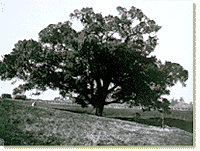
Chief Logan refused to attend peace talks in 1774 at Camp Charlotte on the Scioto River, but issued his now famous speech, Logan’s Lament, under an elm tree. While the beautiful old elm no longer exists, the words of his speech can be found today engraved on his memorial at Logan Elm State Memorial near Circleville, Ohio. His speech concluded:

“Logan feels not fear. He would not turn on his heel to save his life for who is there left to mourn Logan? Not one.”

The remainder of his life was spent as a kind man who sold deer skins for a dollar each, so he could bury his sorrows in the taverns he visited.  In 1781, he was killed by his nephew, because John Logan was no longer considered an asset to his people. Today there is not a drop of Logan’s blood in any living creature.

Dan Cutler portrayed Chief Logan with ease as he has spent about a dozen years in that role in West Virginia as well as the Ohio Valley.  Frequently he also slips into the roles of The Cornstalk Warrior, Tecumseh and Simon Girty. Dan is currently active in a new outdoor drama, “Drums Along the Mohawk”, which will premier late this summer in New York.

2012 Ohio Chautauqua continues throughout the summer with week long performances and workshops in Gallipolis (July 17-21) and Warren (July 24-28). Hope you find time to join them and learn a little more about “When Ohio Was the Western Frontier”.
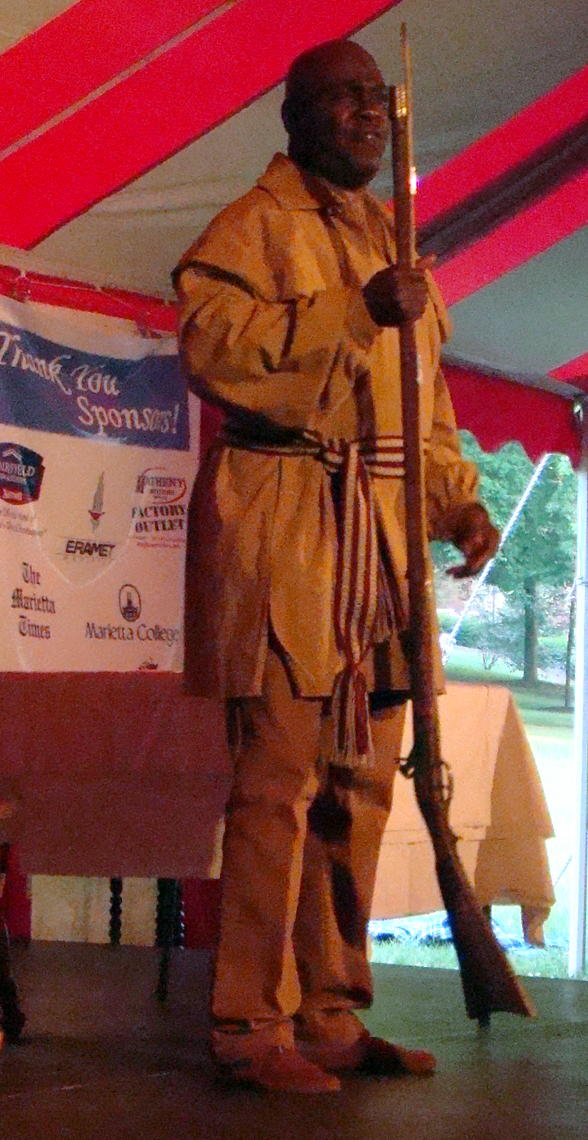
York, Slave of William Clark, Once Felt Freedom

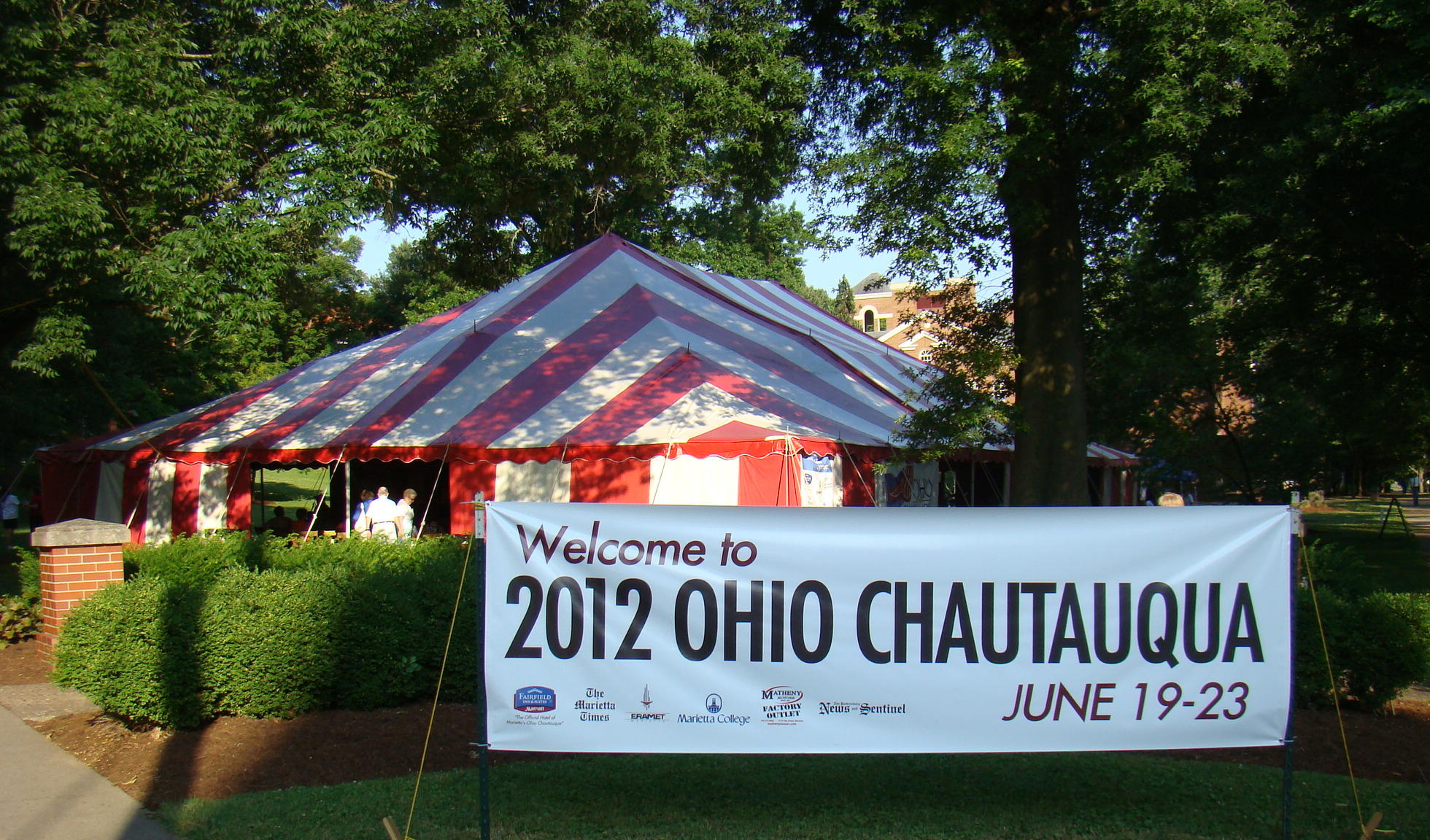
Tracker… Negotiator…Ambassador…Doctor.  All these words were used at one time or another to describe York, Captain William Clark’s black manservant, who was part of the Lewis and Clark expedition to the Pacific Ocean and back to the East. York’s story was told under the red and white striped tent at the 2012 Chautauqua celebration in Marietta, Ohio on the campus of Marietta College. This year’s theme, “When Ohio Was the Western Frontier”, introduced characters that played a role in Ohio’s early history. York, being from Virginia, spent much time on and along the Ohio River.

As the first recorded black explorer, York created much excitement as he traveled across the Western frontier.  Due to his large size and black skin, his presence amazed and intrigued the Indians along the way. Thinking perhaps that he was painted black, at many stops the Indians would spit on their fingers and try to rub the black color from his skin. Indian tribes considered him a friend and referred to him as Big Medicine, since he frequently gave them liniments and herbs to heal their ailments. Some even called him Giant Medicine due to his size, and felt that his skin had sacred power.  This was a time in York’s life when he said, “How great it felt to be admired.  I felt ten feet tall.”

Because he enjoyed storytelling and drinking, York was very popular in taverns wherever he went. His speech was much like “the white man’s” since he had grown up in his master’s household. Never having been taught to read or write, he relied on his tall tales, some higher than the mountains, to entertain the explorers and those he met along the way. The Indian squaws favored him with special treatment, and he entertained the children with stories of being wild. His contribution as a peace maker with the Indians helped make the expedition more successful.

Life was not easy on the journey as they were often cold and hungry. They drank bear fat and even ate candles to survive. At times when food was scare, York was entrusted with a musket, something that never would have been permitted this slave while in Virginia. There were times when they were fortunate to encounter a herd of elk.  Then they ate elk, elk, and more elk all day long. If no other meat was available, they even ate their dogs and found them quite tasty. The children in the tent at Marietta that evening were quite concerned about the expedition eating dogs, and were assured it was only done during an emergency when no other food was available.

When they returned to the East, York reverted to his position as a manservant. He only wanted freedom to be with his wife but this was not to be. Instead he was flogged, even jailed and then hired out to a severe master where he was given spoiled food and further mistreated.

Even though York was married, he seldom saw his wife as she too was a slave. They lost contact completely when she was sent to Mississippi to work on a plantation. So even though he knew she was expecting their child, he never got to see the child or even know of its whereabouts. When he asked Captain Clark if he could be sold as a slave with his wife, Clark said it was out of the question. York said the most painful time he encountered in his life was saying goodbye to his wife.

What really happened to York? Some accounts say that he was eventually freed, but given the fact that he had no knowledge of business was not able to make his way in the world.  Other accounts say he was spotted later with the Crow Indians in the Rocky Mountains. Hope it was the later!

As York sat at the tavern on the Chautauqua stage, he said he was thankful for the Expedition as for a short time he knew what freedom felt like. There his color was not a curse but a blessing. His dream was to eventually go back to the Indians.  His presentation concluded with a toast to the Great Expedition, the beauty and majesty of our great nation, Captain Clark, the Indians, and Big Medicine.

Marvin Jefferson did a very believable portrayal of York. His background as an educator and historical scholar has given him incite into Civil Rights issues and he frequently portrays Martin Luther King, Jr and Paul Robeson in his stage performances.

2012 Ohio Chautauqua continues throughout the summer with week long performances and workshops in Urbana (June 26-30), Gallipolis (July 17-21) and Warren (July 24-28).  Hope you find time to join them and learn a little more about “When Ohio Was the Western Frontier”.
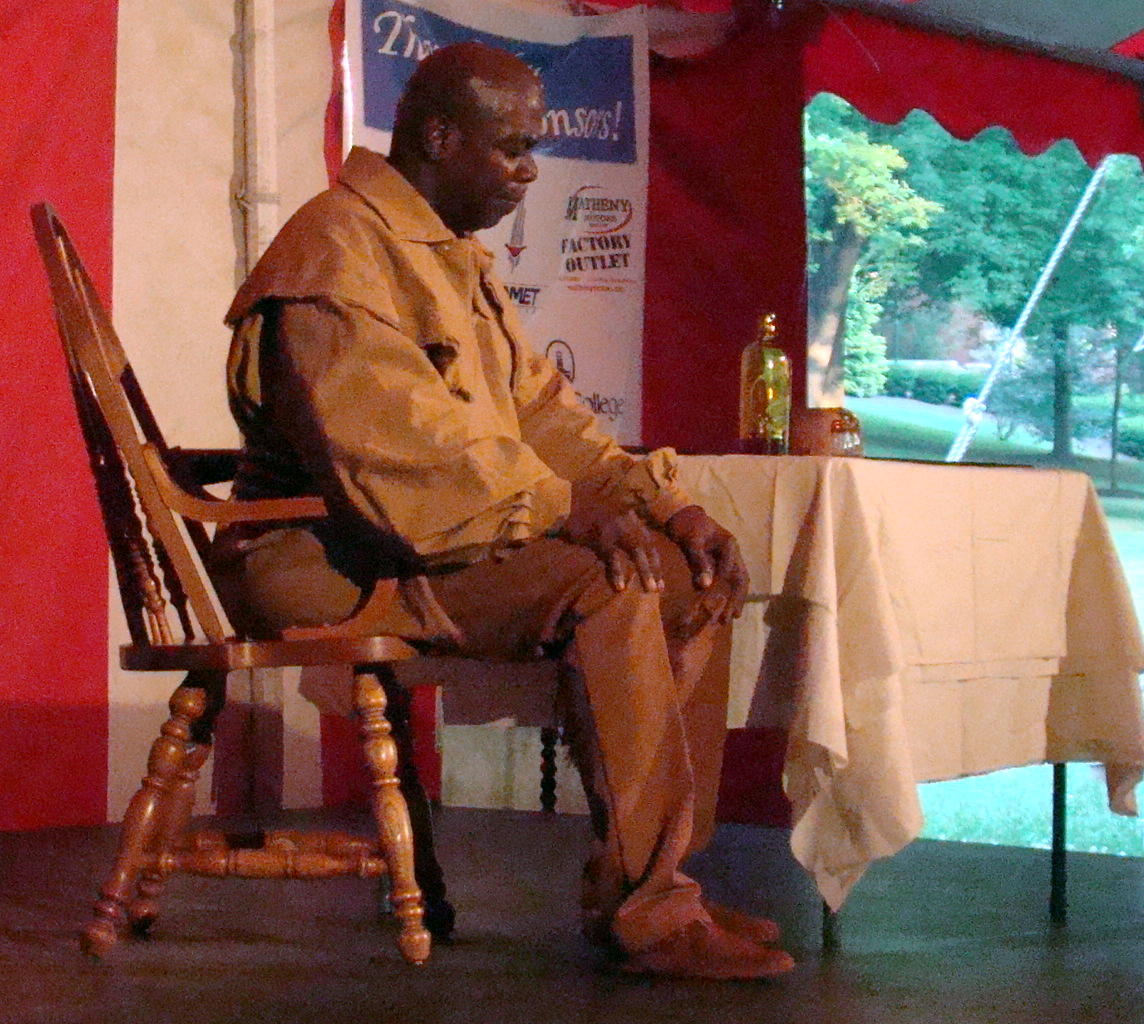
Margaret Blennerhassett Prosperity to Poverty

More is better! That was the feeling of Harman and Margaret Blennerhassett as they came to the United States from England in 1797. Their marriage was frowned upon by friends and family in England since Harman was Margaret’s uncle; therefore, their best chance at a happy life together would have to be in a far away country.  Having sold his castle in England, the Blennerhassetts arrived in the United States with lots and lots of money…$140,000! While this fortune seemed limitless at that time, the Blennerhassetts spent their fortune recklessly and unwisely, always wanting more.

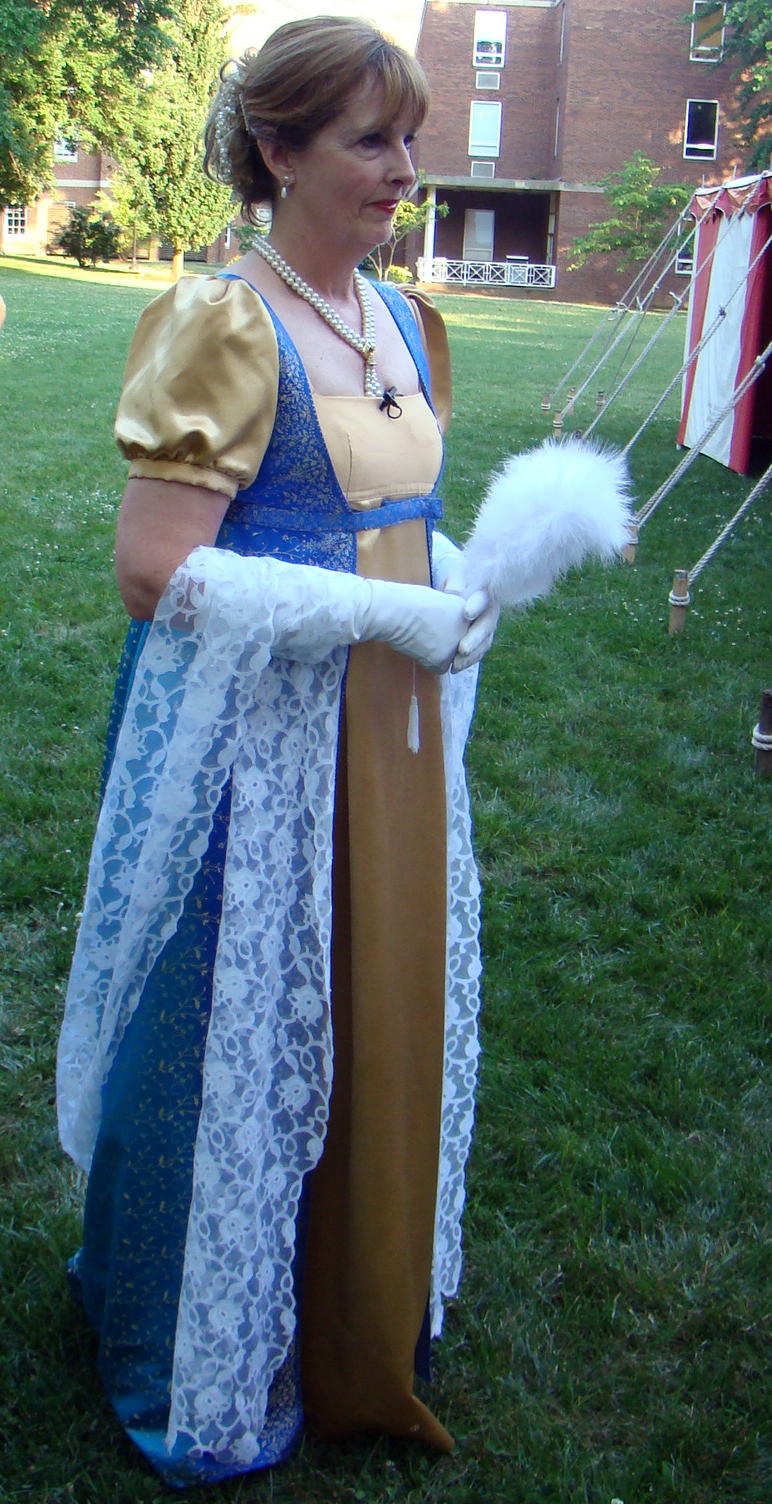
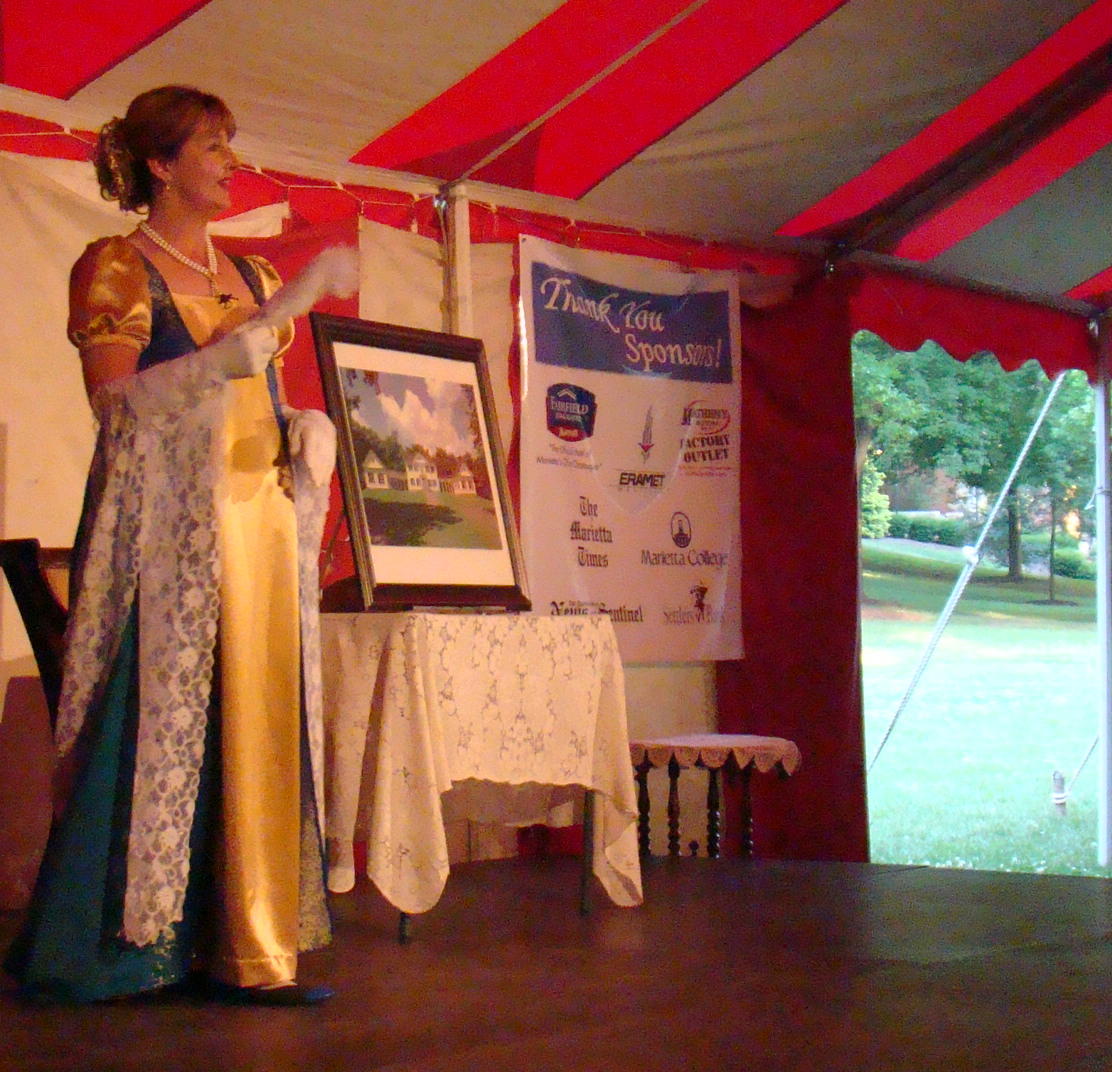
The aristocratic Margaret Blennerhassett was the first historic character for  “When Ohio Was the Western Frontier”, the theme for  2012 Ohio Chautauqua in Marietta, Ohio on the campus of Marietta College.  She received a warm welcome as temperatures soared to near 100 in the red and white striped tent.

Margaret’s story continued with their search for a place to built their new home, and ultimate discovery of  a beautiful tree covered island in the middle of the Ohio River. Margaret thought this would be the perfect place for the elegant home she had in mind so they bought half of the island, approximately 180 acres, for $4500.

One corner of the island was cleared of the huge trees so the mansion would appear as a pearl against green velvet as the boats passed by on the Ohio River. Here they built a luxurious twelve room mansion that had thirty-six glass windows, something not common at that time of log cabins with tar paper windows. Two covered porticos flanked the main house leading to its two appendages: Harman’s office and the summer kitchen.

Not only was the house a beautiful spot but there were acres of gardens and a greenhouse where citrus fruits grew all winter long. There was even special shrubbery trimmed in the shape of the original thirteen colonies.  Margaret especially enjoyed riding her white horse, Robin, over the island appearing as an exotic bird in her scarlet riding cape and feathered hat. Yes, more was definitely better.

But their happy life was short-lived here on the spot they called Blennerhassett Island. Some compared it to the beautiful Garden of Eden, but both seemed to have a snake that spoiled their pleasure. This time it was a snake in the form of Aaron Burr that wanted something forbidden.

Margaret said that Aaron Burr was a genius who applied to college at the age of eleven and graduated from Princeton at an early age. Burr was a very handsome man who loved fine things especially when procured through other people’s money. After a tie in a presidential election between Thomas Jefferson and Aaron Burr, the recount made Jefferson the President, and the loser, Aaron Burr, the vice-president. Things did not start out on a good foot here, and Burr was more than a little dissatisfied.

In 1805, Burr visited Blennerhassett Island for dinner as he was curious about the eccentric foreigner … or perhaps he had heard of the money Blennerhassett had available to “invest” in his plans. Burr led them to believe that this was an easy way for them to increase their fortune.  These events took place at a time when the Blennerhassett funds were running low.

Margaret felt that Thomas Jefferson was the real serpent that crawled into their Garden of Eden in order to destroy them. There was a lot of animosity between Jefferson and Burr.  Margaret said that Jefferson was not the wonderful president that many thought he was.  She felt the Louisiana Purchase was illegal, and while considered an inventor said he only had invented two things: a wheel cypher secret decoder and a plow. Thomas Jefferson was said to even cut parts out of the Bible that he didn’t like or wish to follow in his life. It was quite obvious that Margaret did not have fond feelings for President Jefferson.

Jefferson tried to destroy Aaron Burr and by association, Harman Blennerhassett. He attempted to use his power to have Burr found guilty of treason.  However, Chief Justice John Marshall stood up to Jefferson, and the jury found Aaron Burr not guilty. Burr and Blennerhassett were both released from prison.

By this time, their house on the island had been looted with most of the fine things being carried off. The remainder of the items were sold at auction to pay off debts accumulated by the Blennerhassetts. In 1811, their beautiful mansion was burned to the ground. At this point, the Blennerhassett family fell into hardships and eventual poverty for the remainder of their lives.  Their hopes and dreams were shattered.

Debra Conner’s portrayal of Margaret Blennerhassett was outstanding. Debra actually spent much of her youth in the Marietta community and graduated from Marietta High School.  Often during the year, she presents similar programs to the area schools on both sides of the Ohio River as part of their Ohio or West Virginia history curriculum.

2012 Ohio Chautauqua continues throughout the summer with week long performances and workshops in Urbana (June 26-30), Gallipolis (July 17-21) and Warren (July 24-28).  Hope you find time to join them and learn a little more about “When Ohio Was the Western Frontier”.
Colorful Hot Air Balloon Festival Up, Up and Away

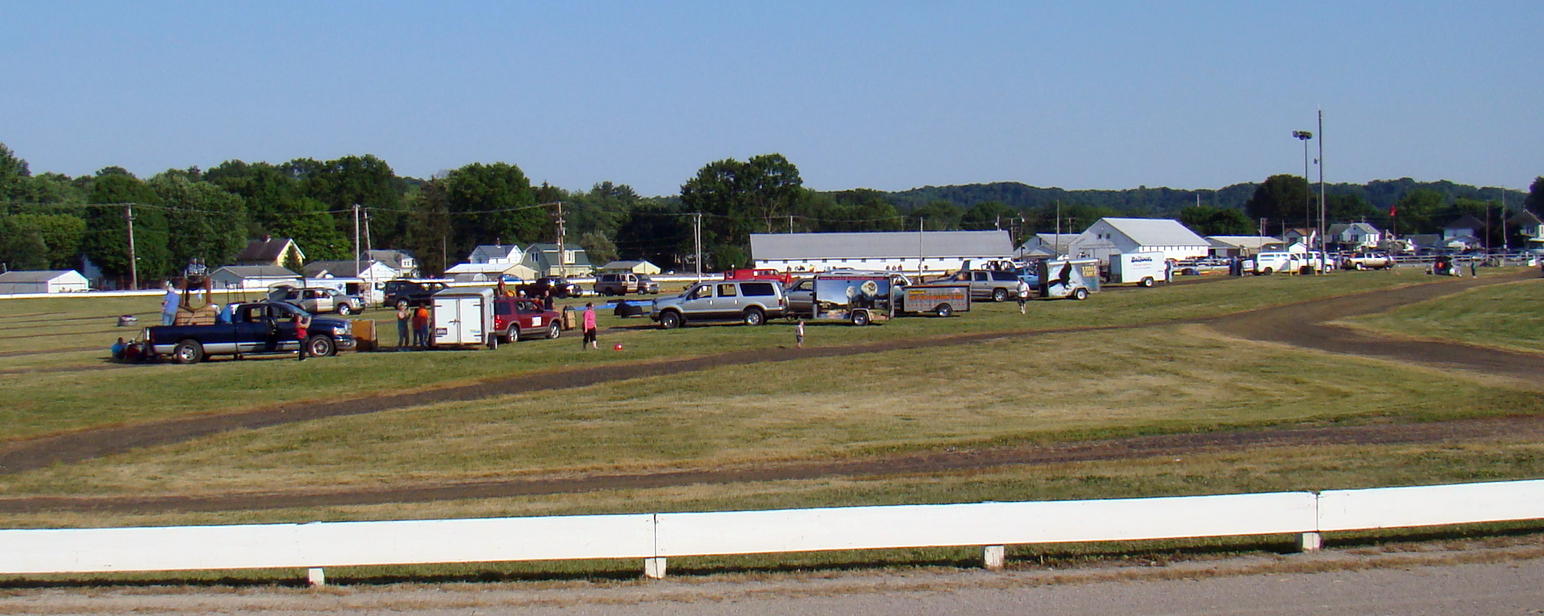
“Up, up and away, my beautiful, my beautiful balloon” could be the theme song for any hot air balloon festival.  Even though there wasn’t a chance to hit the skies personally, it still was a pleasure to watch the colorful balloons take to the air at the 31st annual Coshocton Hot Air Balloon Festival. The scene in the middle of the Coshocton Fairgrounds doesn’t appear very exciting at first glance…just filled with trucks and trailers. But this would all change before the evening was over.  This scene could occur at two times of the day since just before sunset or near sunrise are the best two times for flying.

Seems that man has always wanted to fly! The first hot air balloon ascended way back in 1783 in France.  The Montgolfier brothers, paper manufacturers, created a special balloon using a combination of linen and paper. Capturing the magical smoke from the fire, they were able to  lift a basket, for about fifteen minutes, carrying animals: a sheep, duck and rooster. At Coshocton Fair Grounds, the Montgolfier name lives on through a business called Montgolfier Balloon Gift Shoppe, where you can find everything imaginable for the balloon enthusiast.

The father of modern day ballooning, Ed Yost, made the sport more practical by building the balloon from nylon, later taffeta, and heating the air inside with a propane burner. The Balloon Works developed a parachute valve so the amount of air inside could be controlled to vary altitude and even land. Rattan wicker baskets carry pilot, passengers, propane tanks, and equipment needed to control the balloon. A variometer shows vertical speed, a digital temperature gauge reflects balloon and air temperatures, and an altimeter tells how high the balloon is above sea level.

In the center of the track is a flag pole with a red flag hanging, which indicates the launch isn’t ready to proceed. Sometimes shows must be cancelled if weather analysis determines there is either not enough wind to fly or if the wind direction is constantly changing. But tonight the wind blows favorably and the crowd cheers as the flag is changed to green. It’s  time for the men to start blowing up the balloons with their handy propane tanks. Anticipation is the name of the game as each balloon is stretched out on the ground, slowly filled with gas, and finally launched into the sky.

Out in the countryside, two targets have been placed to make the evening a little more challenging. Whoever comes the closest to these targets will receive the highest score. Just being part of this spectacular balloon launch would be reward enough. Approximately twenty balloons headed for the hills to see where they would land, which basically depends on where the wind takes them. The only real control the pilot has is to either make the balloon ascend or descend by controlling the heat in the balloon.

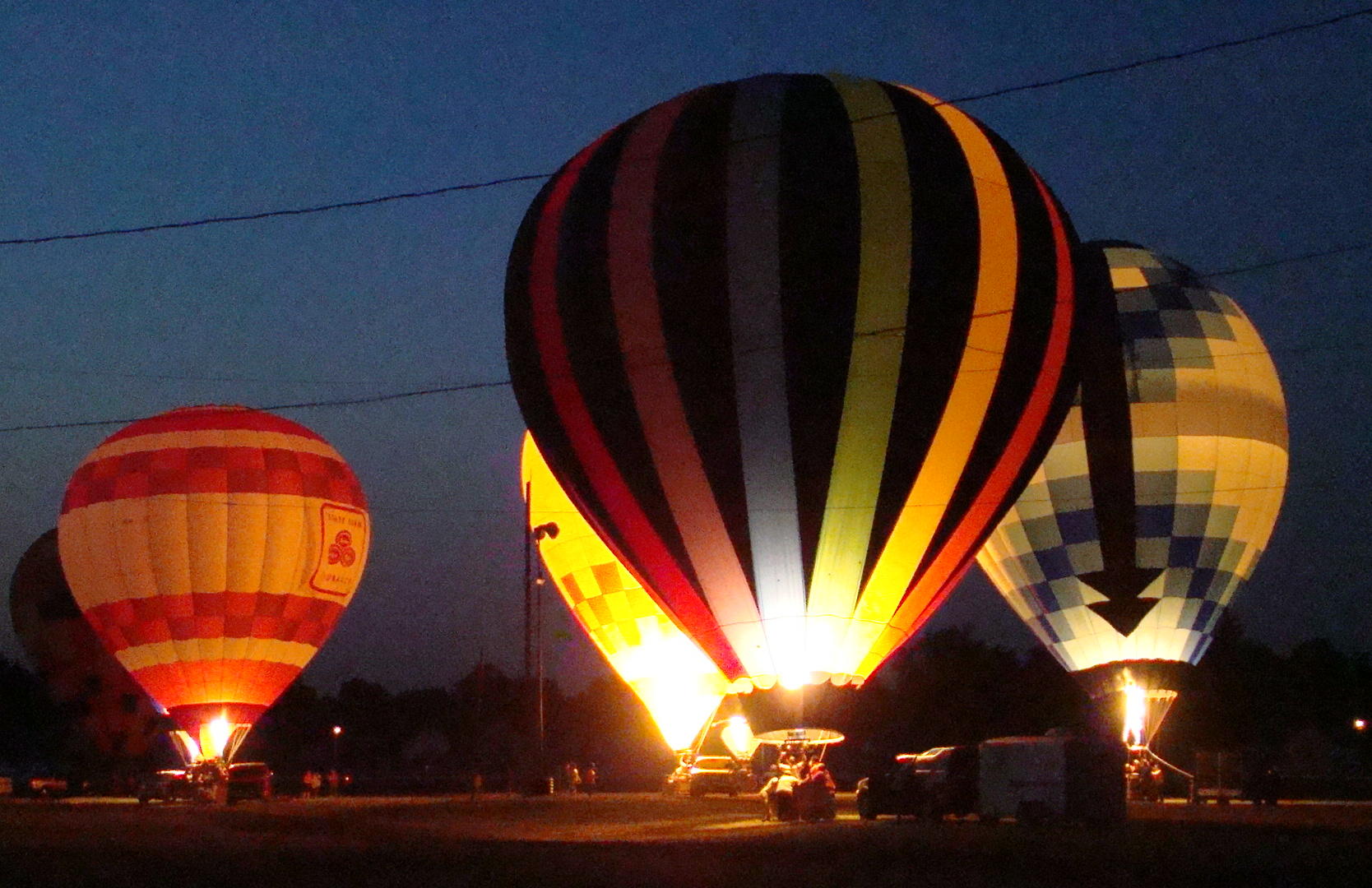
At dusk,  a special Night Glow lit up the evening sky while the balloons were anchored instead of being launched. This spectacular sight is created as the  hot air balloon burners illuminate the colorful fabrics of the balloons against the twilight sky. Only six groups participated in the finale here, but displayed some beautiful synchronized lighting patterns.

The only way this day could have been more spectacular is to have been riding in one of the baskets below the hot air balloons. Perhaps someday you can experience the thrill of soaring through the air as there are places in Ohio. such as Hot Air Balloon Rides, that have some pretty exciting trip packages. Look for a hot air balloon launching wherever you happen to live or visit.

The Irish, in typical tradition, added this toast to hot air ballooning, which describes the journey very accurately:

The winds have welcomed us with softness.                                                                           The sun has blessed us with it’s warm hands.                                                                         We have flown so high and so well                                                                                             that God has set us gently back                                                                                                           into the loving arms of mother earth.        

Come fly with me!. As you soar into the air like a bird on the wing and feel the touch of the air on your skin, relax and enjoy the serenity of this beautiful adventure.

Every June, The Coshocton Hot Air Balloon Festival is held at the Fairgrounds in Coshocton, Ohio. Coming into Coshocton on Route 36 , exit at Roscoe Village then proceed over the bridge on Chestnut Street past the courthouse. Make a left turn on 7th Street and after several blocks you will arrive at the Coshocton Fair Grounds on the left side of the street. 

Dickens Universal Begins Refurbishing

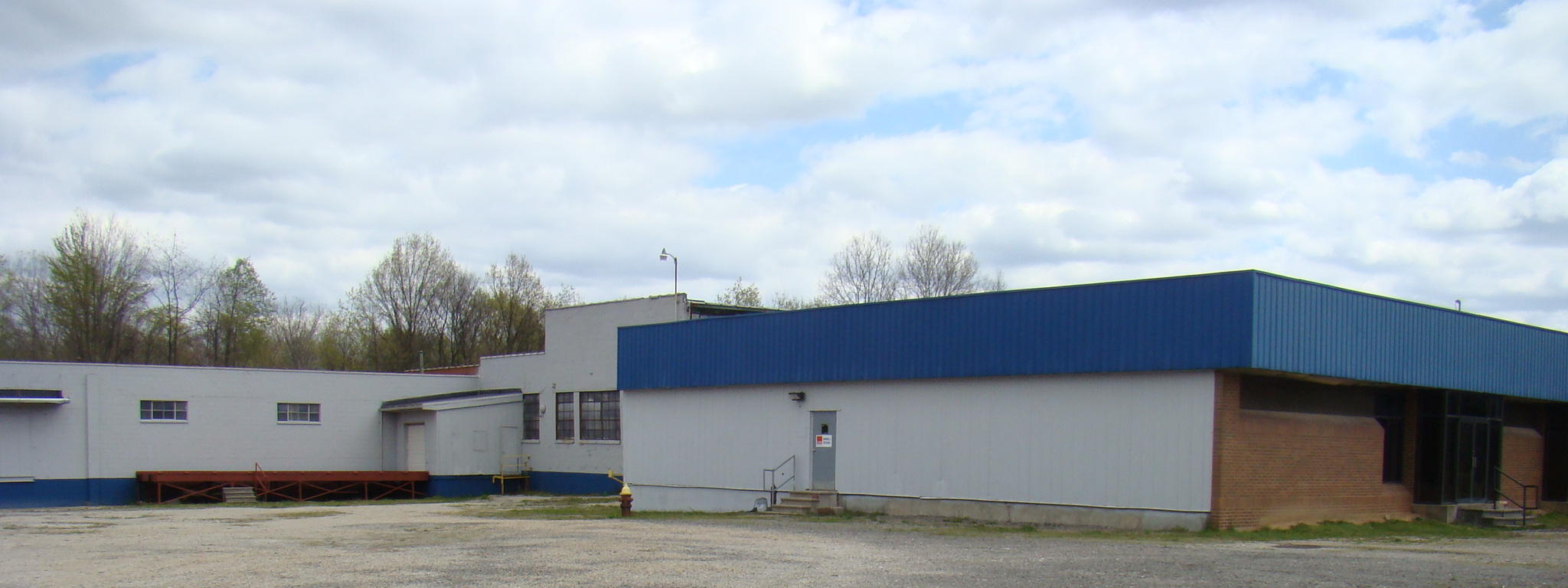
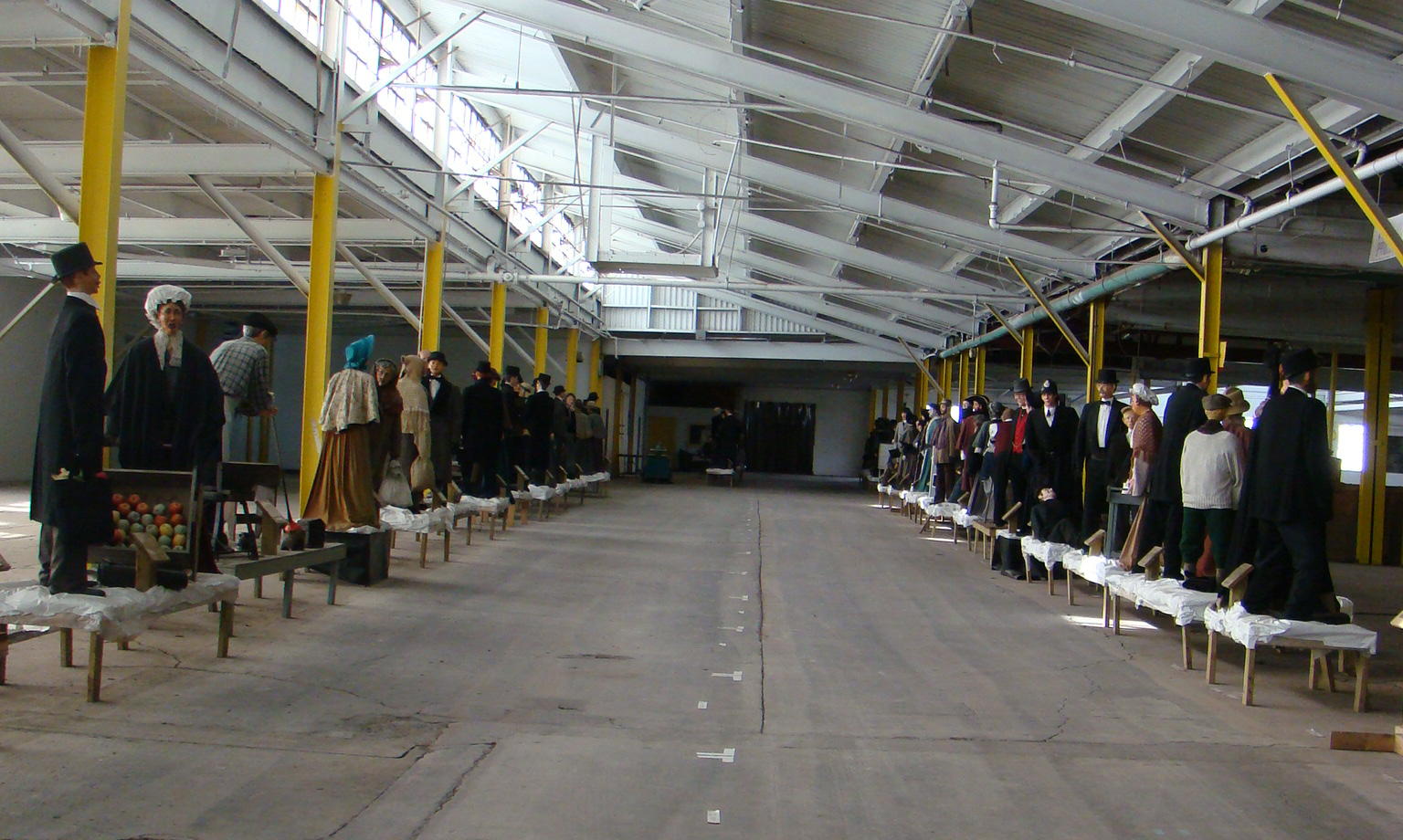
The sounds of power tools, sewing machines and vacuums fill the air as volunteers have their first work session at Dickens Universal, the new storage home for Dickens Victorian Village  in Cambridge, Ohio. This was former home to Universal Potteries founded in 1934 where beautiful pieces of dinnerware, tiles and even bricks were created and are collectors items today.  Plans for tours of the facility are underway for both bus groups and area residents. Even a trolley tour is planned for the next Dickens season.

Quite often the question is asked: How do you create this amazing display? No doubt it all begins with the amazing volunteers who help all year long. Many of the mannequins need restored so damage can be repaired from the winds and precipitation of winter months on the street. The figures are torn apart, repaired and reassembled anytime problems are noted. One may have a broken leg needing repaired, while another needs new buttons on their coat. All of this takes time and patience from many volunteers, who take pride in the finished products and the enjoyment it brings many visitors.

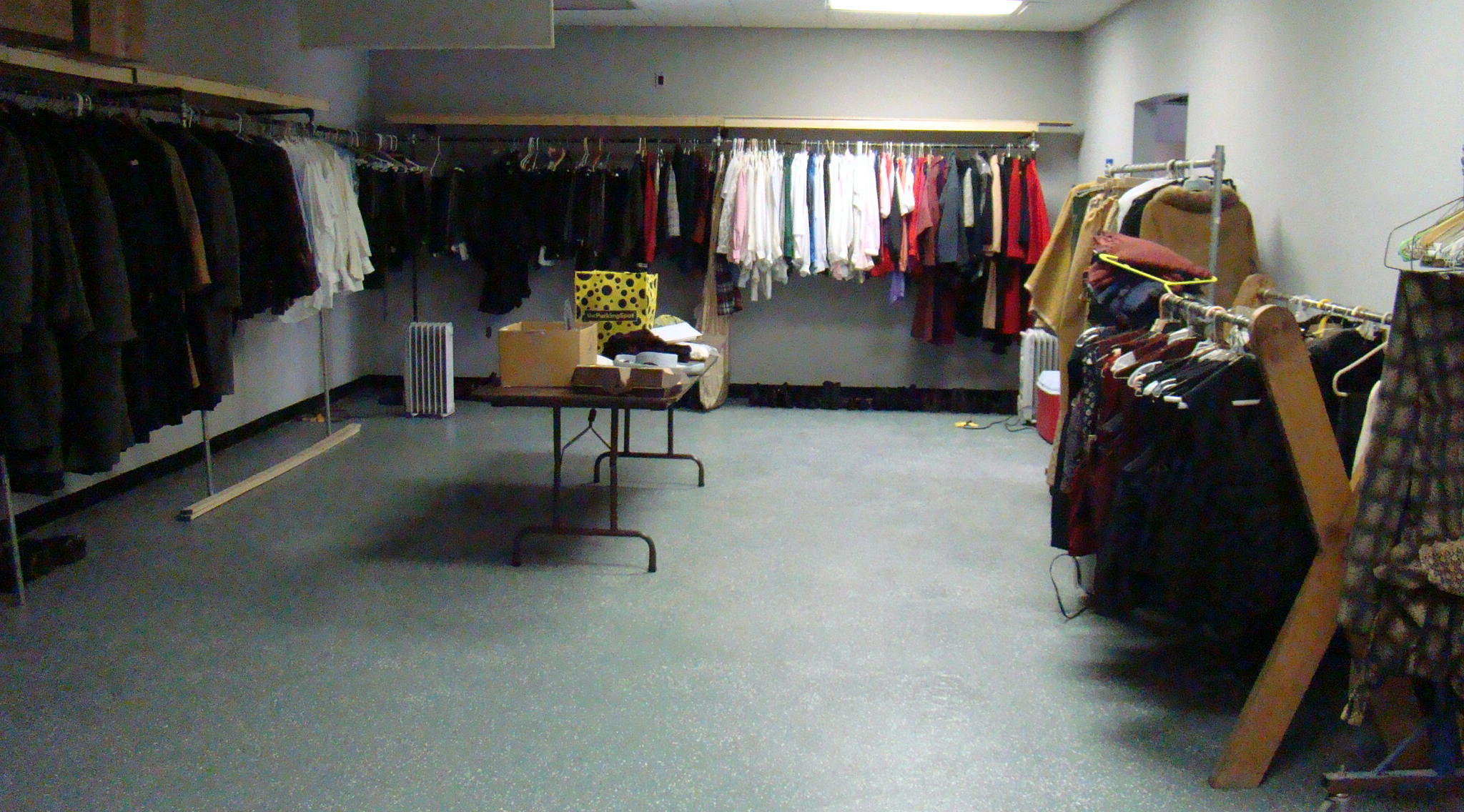
Quite an accumulation of clothing is available for use on the mannequins through kind donations from area residents and even from those who have visited during the Dickens season. Thrift shops are frequently visited by the volunteer crew to seek treasures that might be used on the figure displays.  This first night someone brought in a great pair of work boots, which may be used in a blacksmith scene. Another item was a beautiful shawl to wrap around one of the ladies,  plus a blanket, which will be cut into several pieces and hemmed, for use as a throw where the figures are sitting.

 Another area is filled with Dickens figures sitting on table tops awaiting repair to faces that had too much winter weather. This particular face has cracks caused by the wind, rain and snow of last winter and will be repaired and repainted by local artists before the new season begins.

One group removed platform attachments for dresses and  the snow-like covers,  so platforms could be repaired and perhaps mannequins moved from setting to setting.  Some volunteers were vacuuming figures and settings so that people could work on them more easily while another group of ladies were busy cutting and sewing dresses, blankets, and coats. Dickens Universal is without question a busy place!

In the center of Dickens Universal is a long, long room which they call Main Street. Here you see the figures as they will appear on Wheeling Avenue in downtown Cambridge next Dickens season, and in their proper order. This makes it easy when scenes are being switched around so they can see exactly how they are going to appear in the actual downtown setting. With nearly 200 mannequins, this is no easy task.

The Spirit of Cambridge rivals the Spirit of Christmas as many volunteers prepare for another Dickens season.  One lady remarked, “The average person has no idea how much work goes on behind the scenes to make this come to life during the winter months.”

Maybe someday soon you will get a chance to take a peek inside Dickens Universal as they create Christmas from long ago.  Once you see the friendly atmosphere and experience the wonder of the project, maybe you too will want to help make this another successful year for Dickens Victorian Village.  See you soon?

Open by appointment only.  If you have any questions or suggestions please email: info@dickensvictorianvillage.com

Dickens Victorian Village Generates Christmas Spirit

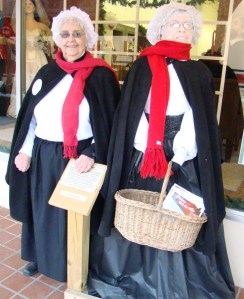
Catch the Spirit of Christmas! Step back in time and visit the Dickens Victorian Village in downtown Cambridge, Ohio from November thru January 8, 2012. As you walk the streets, you will be greeted by volunteers in Victorian dress, sometimes entertained by strolling musicians, and on the weekends can see the lighted carriages giving visitors a relaxing ride.  It is a friendly town where you feel welcome and hear ” Merry Christmas” quite often.

Nearly two hundred life sized mannequins can be found either on the main street, Wheeling Avenue, or in close by businesses and towns. Let’s meet a few of the mannequins, so you can hear their stories of how they came to be part of the Dickens experience.

“Father Christmas” was one of the first characters assembled back in 2005 when local businessman, Bob Ley and his wife Sue were inspired on a trip to Oglebay Park to bring visitors to their town for a winter vacation.  Bob and Sue discussed several ideas but the decision was finally made when Sue suggested an English Christmas theme would be a good choice. Since they lived in Cambridge with Victorian architecture, street lamps, and even benches along the street, English roots ran deep. Thus blossomed the idea of using a theme developed from Charles Dickens’ Christmas Carol. Today Father Christmas stands on the courthouse square greeting cars and buses from three directions. In his bright green cloak of Victorian times, Father Christmas typifies the spirit of good cheer at Christmastime… and you will definitely find lots of good cheer at Dickens Victorian Village.

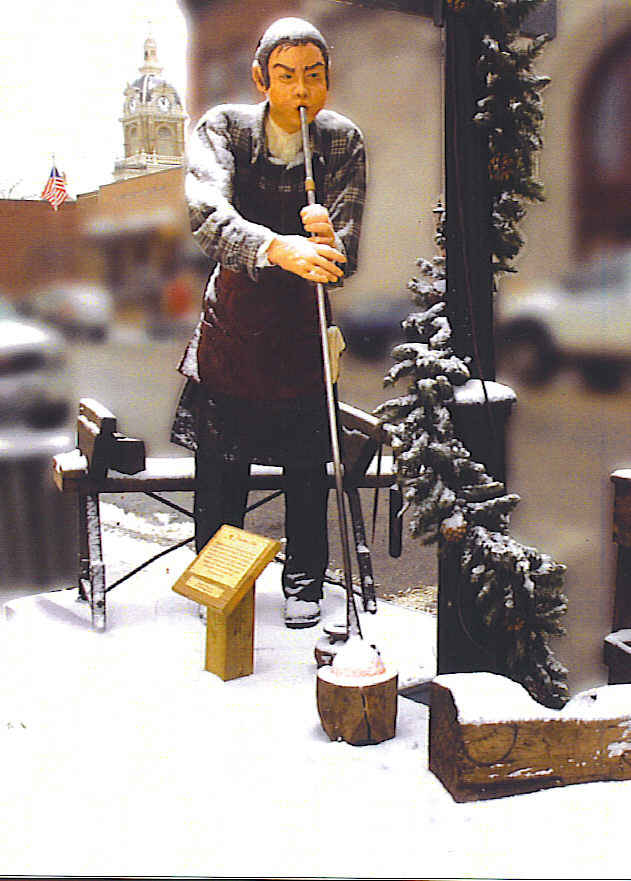
“Glass Blower at Work” symbolizes the rich heritage in the Cambridge area of artisans who produced quality hand made glass and is a special favorite since my father was a glass blower at Cambridge Glass Co. This was a major employer in the area from 1902-1958 and their glassware is a collector’s item today. A frequent bus stop during tours of the city includes the National Museum of Cambridge Glass where you can still see samples of the beautiful etchings and unique designs, which made these glass creations very fashionable to use for a special occasion. Today descendants of former Cambridge Glass workers still have a few small shops in the area. Boyd Crystal Art Glass, Mosser Glass, and Variety Glass all continue to produce handmade pieces today.

The ShopkeeperYe Olde Curiosity Shoppe is headquarters of Dickens Welcome Center and here you are greeted by “The Shopkeeper,” and quite often beside her you will find the lady who it was created to resemble after she won the first Picture Your Face Raffle. Visitors sometimes say, “Is she real, or is she a mannequin?” Raffle tickets are sold each year and the winners become mannequins in the future.   The Welcome Center’s Imagination Station provides an opportunity for visitors to try on Victorian wear. Then they can have their pictures taken with the beautiful Christmas tree, Charles Dickens, or the new addition this year of the Duke and Duchess of Cambridge mannequins, which resemble Prince William and Kate. This is fun for young and old alike. Here you will also find many unusual Christmas gifts and ideas.

Not all of the mannequins are downtown. In neighboring Byesville, the “Coal Miners” can be found under the station roof of the Byesville Scenic Railway. This is another popular destination with its “Spirit of Christmas” train, which follows a trail over abandoned mines. While on board, men dressed as miners tell stories of days when coal mining was king in this area.  To remember all those who worked in the mines, a statue, “Coal Miners Memorial”, is in the planning stages and will be the only statue to honor coal miners in the state of Ohio. The mines are out of sight, the tipples gone, but the miners are still in the minds and hearts of families and friends.

When evening falls, everyone heads to the Cambridge Courthouse for a spectacular light show. Christmas music and the movement of the lights on the courthouse are synchronized perfectly and enjoyed by all. The display is computer controlled with 60,000 lights and 364 electrical circuits. Four different light shows entertain the packed courthouse square with traditional Christmas songs as well as children’s and contemporary. Add a little snow and it’s a perfect evening!

Introductions have been made to a few mannequins just to get your curiosity aroused, but you need to tour the area to see which one might be your favorite. Dickens Victorian Village welcomes individuals and tour buses to experience the special feeling of Christmas that lives in downtown Cambridge, Ohio.

As one recent visitor remarked, “If you don’t have the Spirit of Christmas when you come here, you certainly should have it when you leave.”

Dickens Victorian Village is located in downtown Cambridge, Ohio, which is just northwest of the intersection of I-70 and I-77. Come spend the day or stay the night, and catch the Spirit of Christmas.

Abraham Lincoln

“Lincoln and Liberty,” the song Abraham Lincoln used in his campaign for presidency, opened a fun filled evening on the final night of Coshocton’s Bi-Centennial Chautauqua celebration.  Wildwood & Friends got the crowd in the mood with several Civil War era songs, including what they said was Abraham Lincoln’s favorite song, “Old Hundredth,” although some say it was “Dixie.”

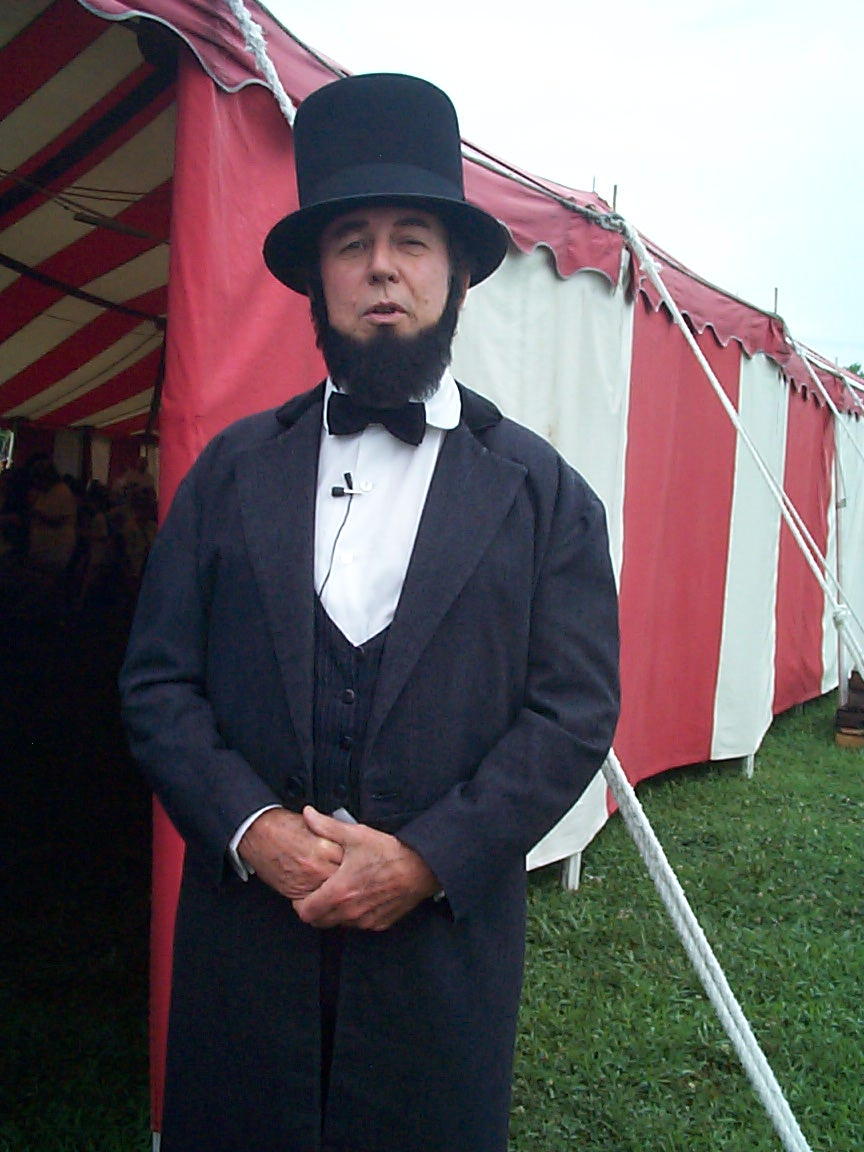
When the easily recognized figure of Abraham Lincoln appeared, complete with top hat, he was greeted with a standing ovation. Dr. Richard Johnson, Professor Emeritus at California State Polytechnic University, became for the evening a very believable Abraham Lincoln.

“That reminds me of a story..” was an oft repeated phrase throughout his presentation as he fulfilled his reputation for humorous tales.  His first joke was told similar to this, although the exact words were not recorded:

In Washington D.C., they say that I am the homeliest person they have ever seen. This reminds me of a story…a woman I met once told me, “You are the ugliest man I have ever seen.”  To which I replied, “I can’t help it.” The woman then said, “You could stay home.”

The Republican party chose Abraham Lincoln as their candidate for president because he was a great spokesman and a moderate candidate, who they felt could get a lot of votes.

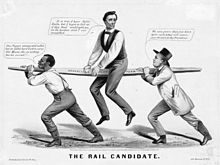
As the Rail Candidate, Abraham Lincoln’s candidacy was depicted as being held up by the slavery issue. In this cartoon characterization, Lincoln says, “It is true I have split Rails, but I begin to feel as if  this rail would split me.  It’s the hardest stick I ever straddled.”  The black man complains, “Dis Nigger strong and willin’ but its awful hard work to carry Old Massa Abe on nothing but dis ere rail!”  One of Lincoln’s foremost supporters in the Northeast, Greeley here assures him, “We can prove that you have split rails and that will ensure your election to the Presidency.”

During his election campaign, an eleven year old girl wrote to Mr Lincoln stating that she felt he would look much better with whiskers.  Lincoln answered her letter but made no promises; however, shortly thereafter began growing his beard, which is a familiar part of his image everyone recognizes today.

His wife and sons played important roles in Lincoln’s life.  Mary, his wife, was an ally in Springfield, but in D.C. was not a good advisor.  This perhaps due to the death of their son, Willie, which devastated Mary.  At this point she attempted to gain comfort from spiritualists and even conducted seances in the White House.

Lincoln felt the Civil War was worth fighting to protect future children and give them a chance to make something of themselves.  The government at that time and their sacrifices made this possible.  He called out for freedom in the land, and proclaimed that “We must come back together.”

The evening under the Chautauqua banner would not have been complete without the now famous Gettysburg Address, which received another standing ovation.  Later Lincoln said that he composed it in no more than seventeen days, and was actually still working on it when it was delivered.

His career advice to those entering the legal profession seemed very practical:    Try to be an honest lawyer.                                                                                                            Be honest in what you do.                                                                                                              Be respectful of others.                                                                                                                     Help them when you can.

Very simple advice, but still a wise lesson for us to follow today… as it was for Honest Abe.

Every summer the Ohio Humanities Council in conjunction with Ohio State University’s Humanities Institute provides compelling first person historical portrayals around the state of Ohio.  Tune in again next summer for another exciting line-up of influential figures in our country’s history.

Original New Woman of the Civil War Era at Coshocton Chautauqua

Sitting by the roadside on a summer’s day                                                                   Chatting with my mess-mates, passing time away                                                           Lying in the shadows underneath the trees                                                                        Goodness, how delicious, eating goober peas.

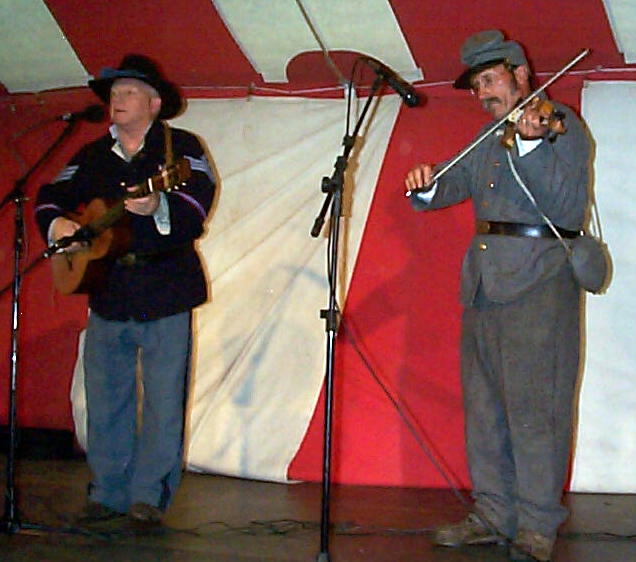
Under the Chautauqua tent in Coshocton, Ohio, music of the Civil War entertained the crowd. Performed by Steve Ball and Larry Stahl, “Goober Peas” was one of the most popular and silliest songs of that era.  Not only did they sing such old popular songs as “Rally Round the Flag,” and the most popular love song of the day, “Lorena,” but they gave a short history of each song. This  made for an interesting introduction to the 2011 Chautauqua Civil War evening.

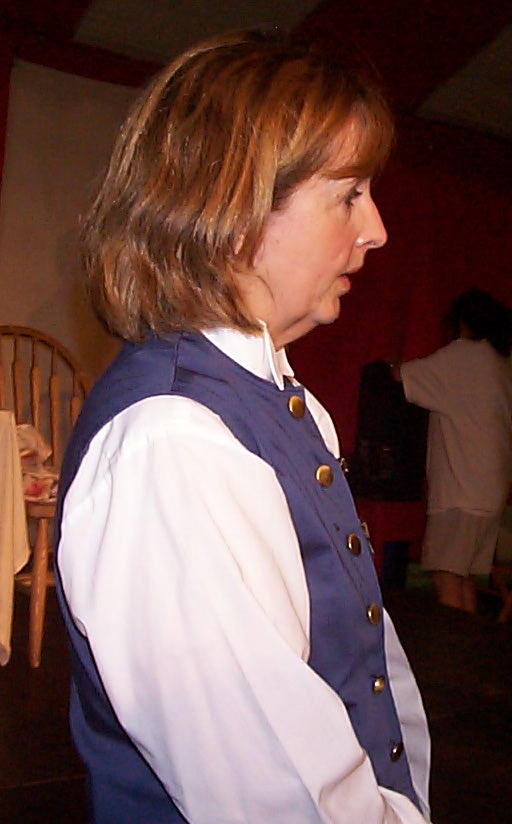
Guts, determination, and lots of humor described Dr Mary Edwards Walker as she was indeed a Civil War female activist. Debra Edwards Conner, a native of nearby Cambridge, gave an outstanding performance in the role of Dr Walker. The crowd under the tent, gave her their undivided attention at the Coshocton Bi-Centennial celebration.

As a graduate of Syracuse Medical College in 1853, Mary headed to Washington to assist with the wounded of the Civil War.  Cots were set up in the halls of the US Capitol and even amid the exhibits of the US Patent Office, where Mary eventually worked as an unpaid volunteer.  Her request for a commission was denied as they felt a woman’s brain was too small to remember medical knowledge.

Medical care was not high on the list of priorities for the military at that time as noted when one general said, “If all doctors sank in the ocean, it would be better for mankind and worse for the fish.” Death surrounded her as filth accumulated everywhere from improper disposal of waste. Two thirds of the deaths were from Tennessee Quick Step…dysentery. While little equipment was provided, there was a blade for amputations. During the course of the war, Dr Walker said three fourths of nearly 39,000 amputees survived. Using a chloroform soaked rag for anesthetic, it took three minutes to amputate, stitch the wound closed with cotton thread, and then wait for infection.

Mary persisted in her quest for a commission with the Army even after the medical board said she did not have adequate knowledge or training. Finally, General George Thomas, commander of the Army of the Cumberland, made a landmark decision and hired Mary Walker as the first woman doctor in the US Army.  General Thomas said, “It would be easier to take the capitol at Richmond, than to argue with Dr Mary Walker.”

Accused of spying by the Confederates while on a medical mission, Mary spent four months in Castle Thunder Prison. There she slept on the floor on a bed of straw in a room overrun with rats. Maggots usually crawled in their infested food supply. They were served” Lincoln coffee,” wood splinters boiled in water. When released from prison in exchange for a Confederate surgeon, she weighed 69 pounds.  Her health and eyesight deteriorated greatly during this prison time.

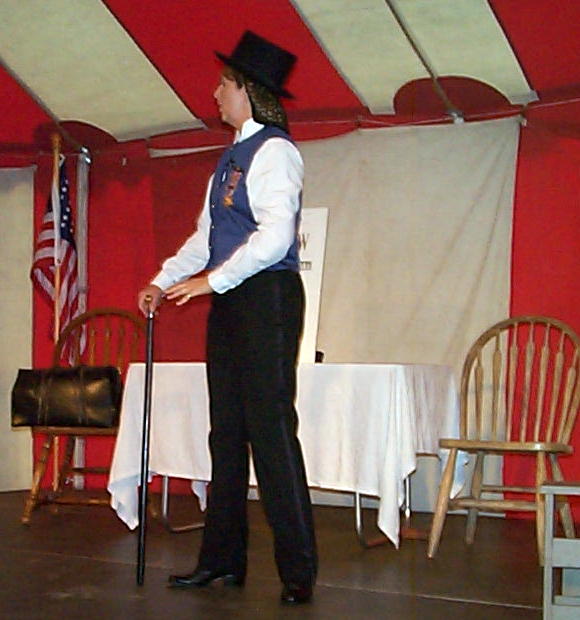
After the war, Mary always needed money desperately with only $8.50 a month in pension. So she donned a top hat and trousers and lectured regarding women’s rights. A lifelong advocate of freedom for women, when she married right out of college, Mary refused to use the word”‘obey” in the ceremony. She would not take her husband’s name, and even wore trousers to the wedding. Needless to say, this marriage did not last long, and afterwards Mary always referred to him as “that vile man.” When lecture opportunities disappeared, she was reduced to giving lectures at carnivals and dime museums. This was in her words, “A show for the poor where I could speak to keen minds with empty pockets.”

After the war, she was honored as the first and only woman to have ever received the Congressional Medal of Honor…and that honor stands to this day. At one point in 1917, the medal was rescinded by the government saying that it should only be given to those engaged in actual combat. The determined Dr Walker refused to give them back the medal.  Instead she made herself a uniform, promoted herself to major, and wore the medal proudly wherever she went. However, Jimmy Carter in 1977 restored Walker’s Medal of Honor.

Dr Mary Walker was indeed a trailblazer for women’s rights and certainly deserved the title of “Original New Woman” for her profession and dedication during the time of the Civil War.  The word “obey”  never appeared  in her vocabulary.


Harriet Tubman Delights Audience at Coshocton Chautauqua

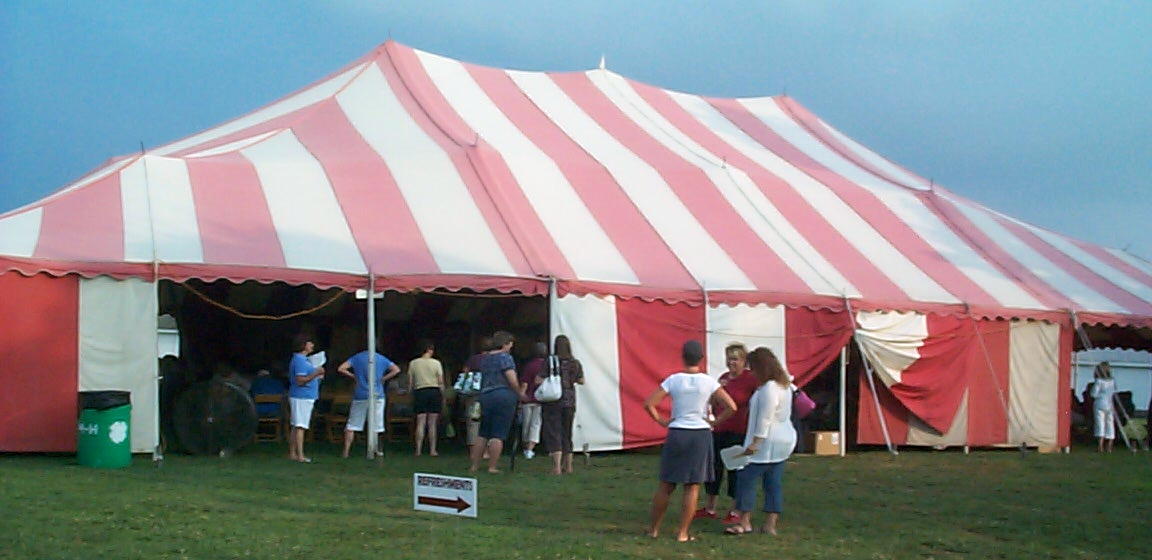
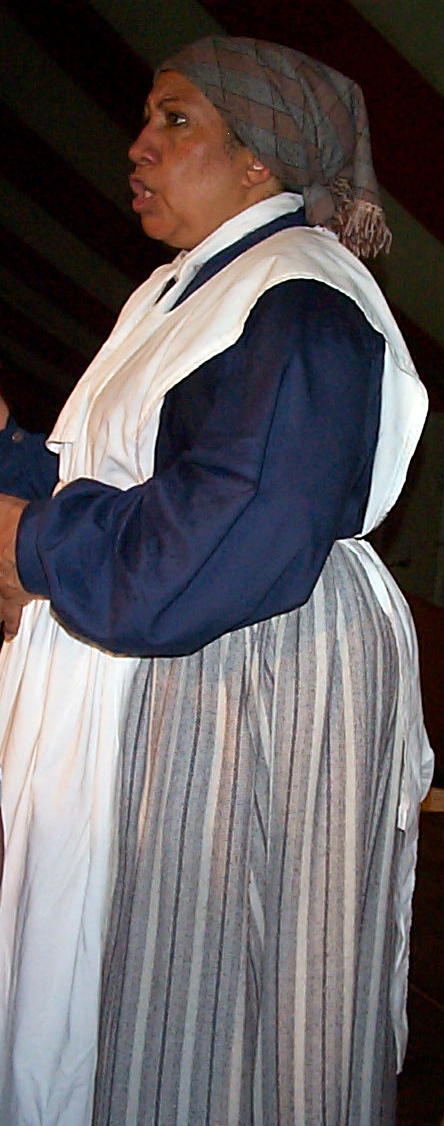
“I didn’t think all you Yankees would show up,” quipped Harriet Tubman as she entered from the rear of the easily recognizable red and white striped Chautauqua tent.  Her sense of humor sparkled all night long as Harriet delighted the audience with stories of her leading slaves to freedom on the Underground Railroad.

Ilene Evans portrayed Harriet Tubman for this year’s Ohio Chautauqua presentation at Coshocton’s Bi-Centennial. She was a master storyteller and inspired young and old alike as she wove her story keeping the audience involved with rolling bandages and singing songs.

On the plantation where she was born in Maryland, birth records were not kept. Harriet was never certain about her birthdate. When she was about twelve,  an overseer struck her in the head with a two pound weight when she attempted to defend a run away slave.  This resulted in sleeping spells for the rest of her life where she drifted away for so long that she missed happenings in her surroundings. In her twenties, her escape from the plantation to the North began her lifelong quest for freedom of blacks from slavery.

Called “Moses” because she, too, led her people out of captivity, Harriet frequently burst into song.  After singing “Battle Cry of Freedom” she explained that when fighting for freedom, “a song in your heart is the best weapon.”

During her time of freeing the slaves, Harriet  served with the Union Army. There she took care of the injured soldiers, made and distributed bandages, and learned where the supplies were kept and where bridges were being mined. Often she said the injured men were covered with flies, so healing was a difficult proposition. The first United States Colored Troops during the Civil War did not receive any pay for eighteen months.  So their wives had to support themselves and their children by doing laundry for the officers, making pies and cakes to be sold to the boys in camp, and brewing ginger beer.

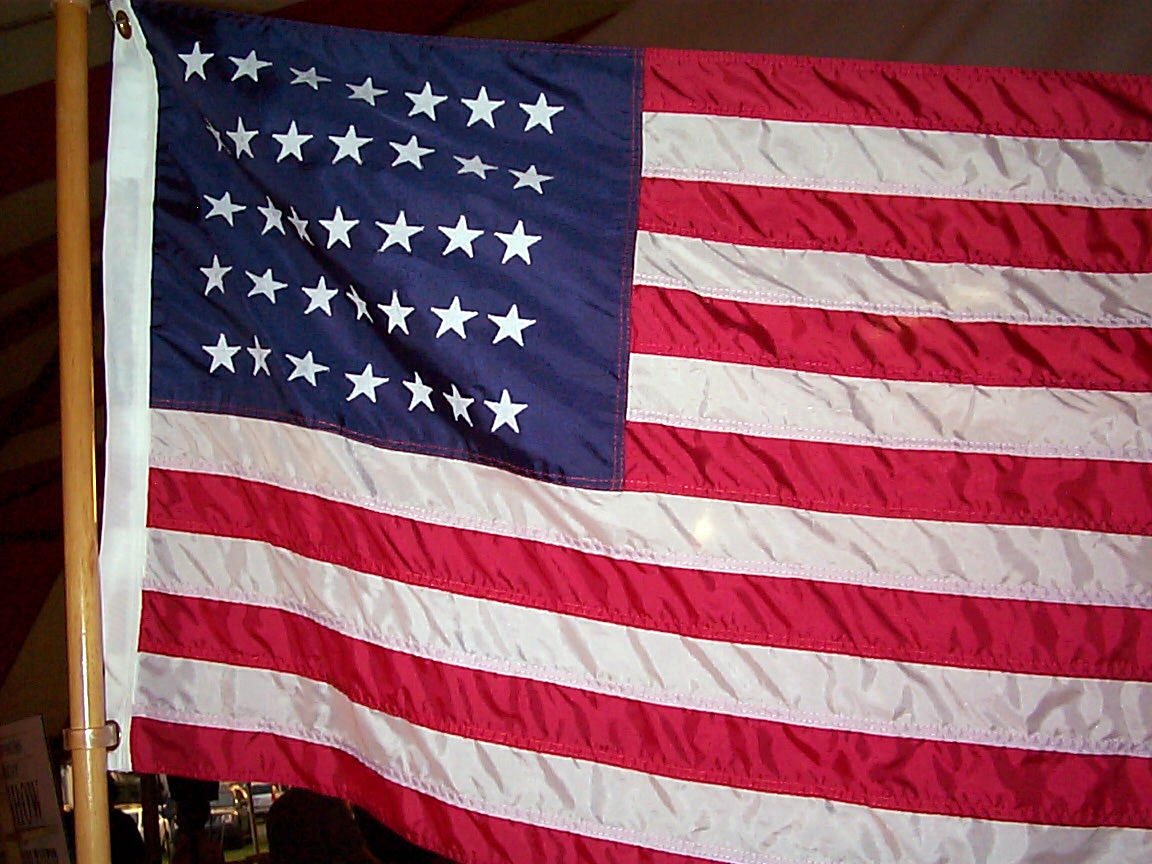
Harriet had nine scouts and a riverboat captain in her command. But this bold, young lady in her twenties said, “She felt no fear as long as she was doing what God wanted.”  She did however believe in a faith that required action and good deeds. She waved the 35 star flag proudly as she talked about her role in this fight for freedom.

After her performance, the tent was opened for questions from the audience to which she gave candid answers. Harriet felt that after the Civil War even though the Emancipation freed the slaves, they still had no rights.  She had hoped that the war would not be just a vehicle of freedom, but a way to real equality.

She thought that President Lincoln moved way too slowly during the war years both in abolishing slavery and allowing blacks to fight as soldiers. Later wished she could have thanked him, at least for the end result.

The biggest disappointment in her life was an issue she didn’t really like to talk about because it hurt her so much. After the war was over,  she returned to her husband, who was still living in the South in their family home, hoping he would go North with her. When he met her at the door, he had his new wife there with him in the cabin Harriet considered home.

One of the happy moments for Harriet that evening in Coshocton occurred when a third grader in the audience stood to ask her his second question of the evening:  “Could I give you a hug?”  He rushed down the aisle between the folded chairs and they hugged on stage while Harriet remarked, “This is the best present I could have.” The young boy’s mother later stated that the young man had been reading all day about Harriet Tubman  before coming to the evening presentation.

Freedom is what this country, the United States of America, is all about. It was begun with freedom at its core, and the hopes and dreams of men and women still struggle to maintain that freedom today.  God bless the USA!

Calliope and Monkey Organ Sounds Fill the Air

“The Happiest Music on Earth”  rang out through the streets of Roscoe Village. Strolling down the street, it seemed a carnival like atmosphere but the instruments used were exquisite. The Mid-American Chapter of the Musical Box Society brought about thirty varied automatic and mechanical instruments for the enjoyment of everyone who visited. Some were small hand-cranked music boxes, while others were large trailer size.

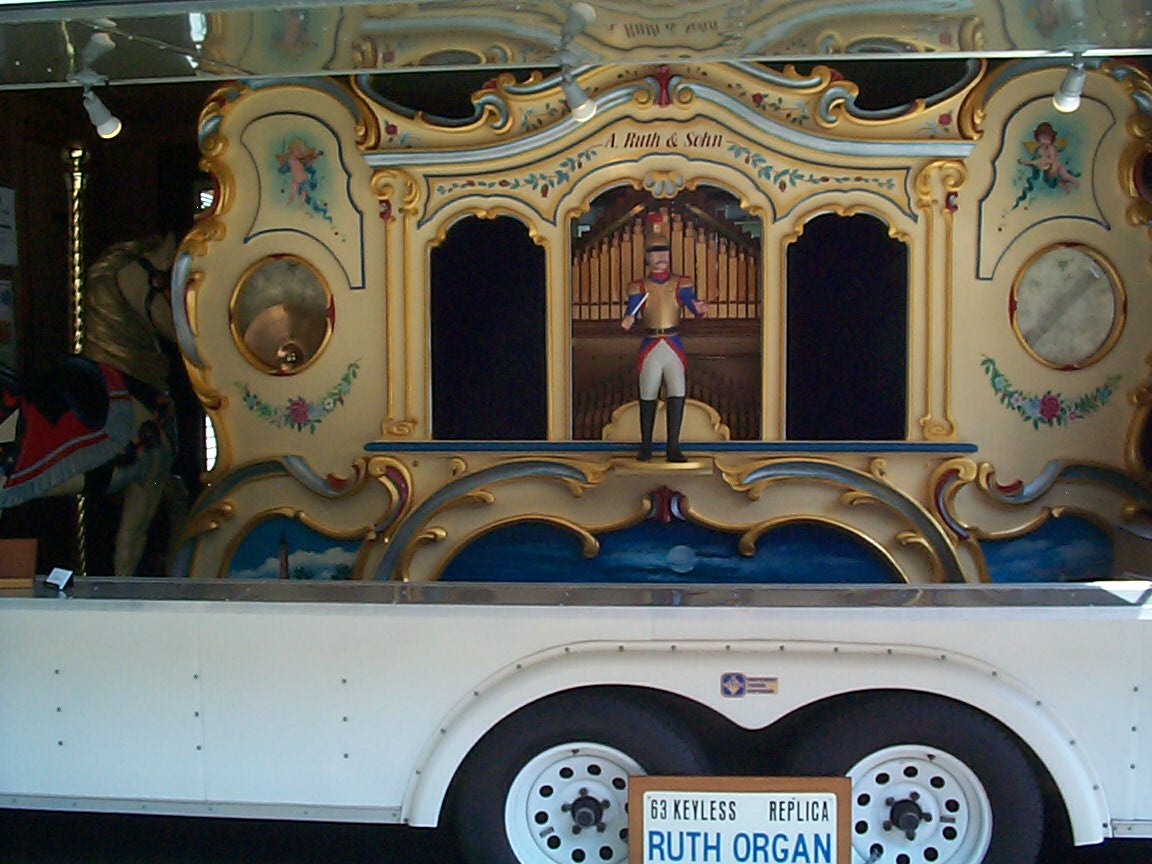
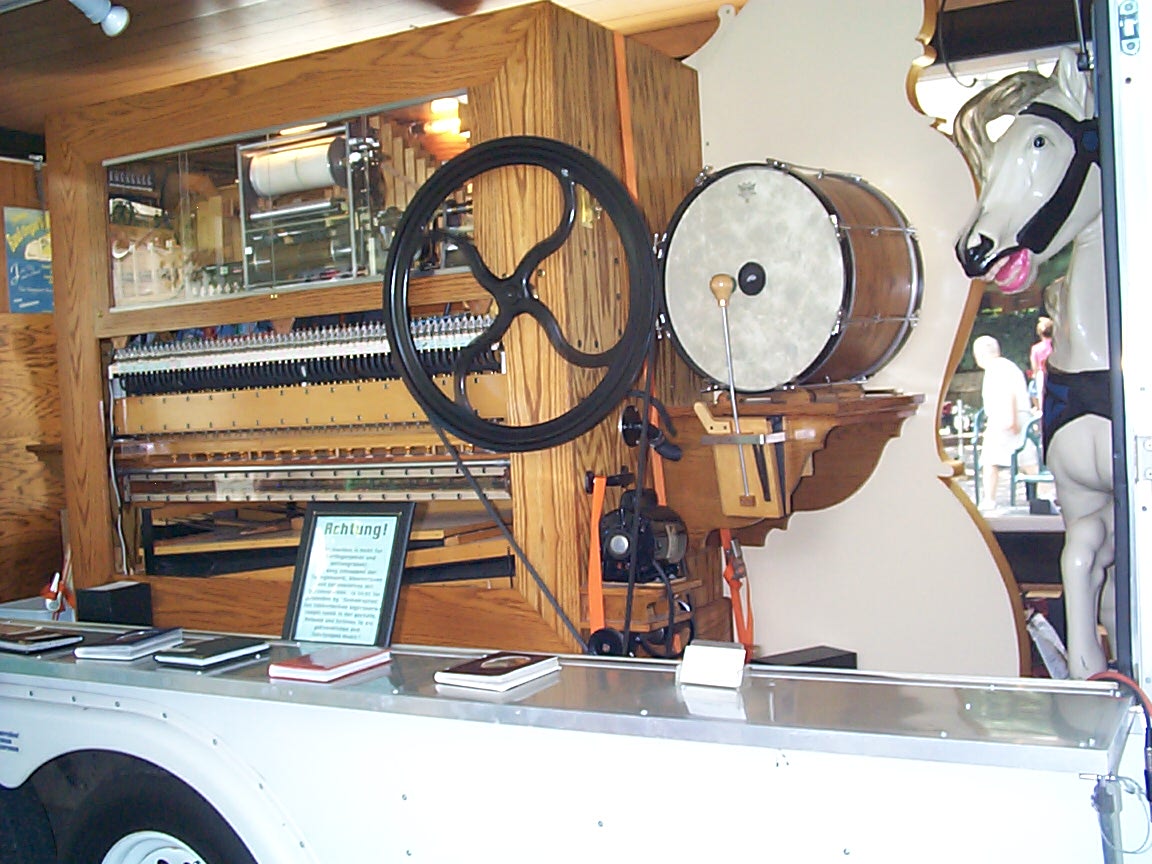
A larger music box called “Ruth Organ” was open on both sides, as were many, so you could see the inner workings as well. This was a German made calliope, owned by an enthusiast from Indiana, with carousel horses peeking out at the sides. There was an interesting sign on the open back side, which said Achtung (Attention in German).  Below was a humorous verse using a German like twist and it ended like this: “Relaxen and listenin to die gekneekicken und fusstampen musik.”

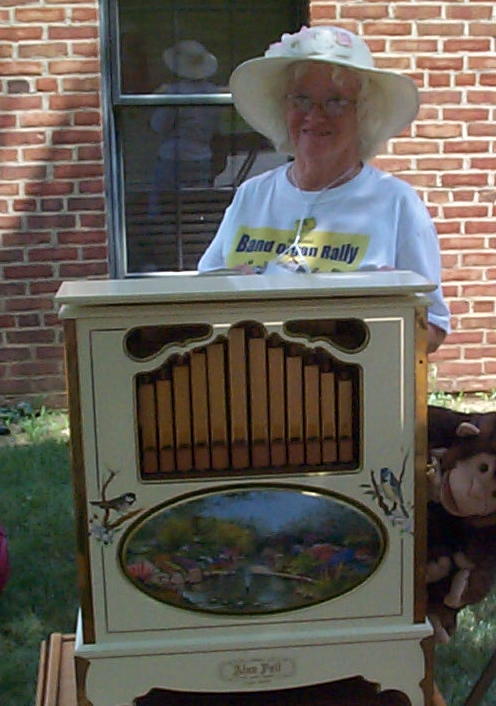
One of my favorites was a small monkey organ, or hurdy gurdy,  hand turned by a happy lady in a flowered hat.  Music was fed through the monkey organ on a paper-feed much like the old player pianos, but on a smaller scale.  She kindly gave me a chance to try my hand at being a monkey organ grinder by turning the handle at just the right speed for that particular song, Walkin’ Happy. Still makes me smile!

Many of the participants here at Roscoe Village were planning to attend many more Musical Box Festivals throughout the summer.  Next stop for some was New York or the Monkey Organ Rally in Indiana, and many of them had plans for the the 62nd Annual Meeting in Washington D C this year in August.

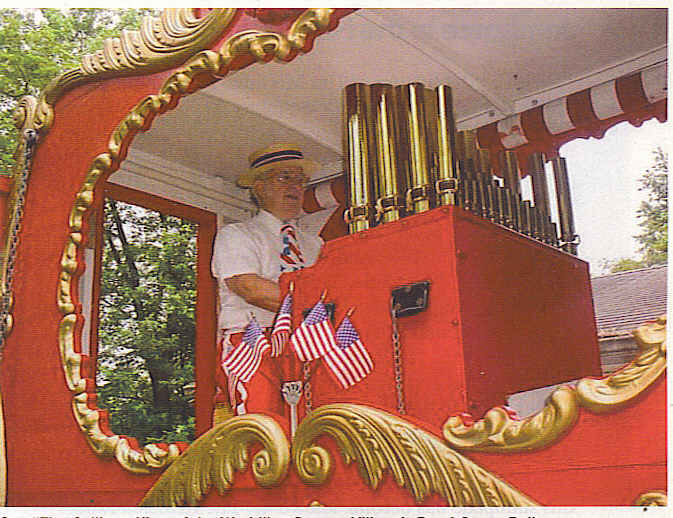
Visiting Roscoe Village was Myron Duffield, “The Calliope King of the World.”  Myron performed to a crowd standing in the street from his red circus wagon organ that he built himself.  His plan is to play at every surviving calliope event in the world. This is like a trip back to childhood for him as he grew up hearing the calliopes on the Mississippi riverboats.

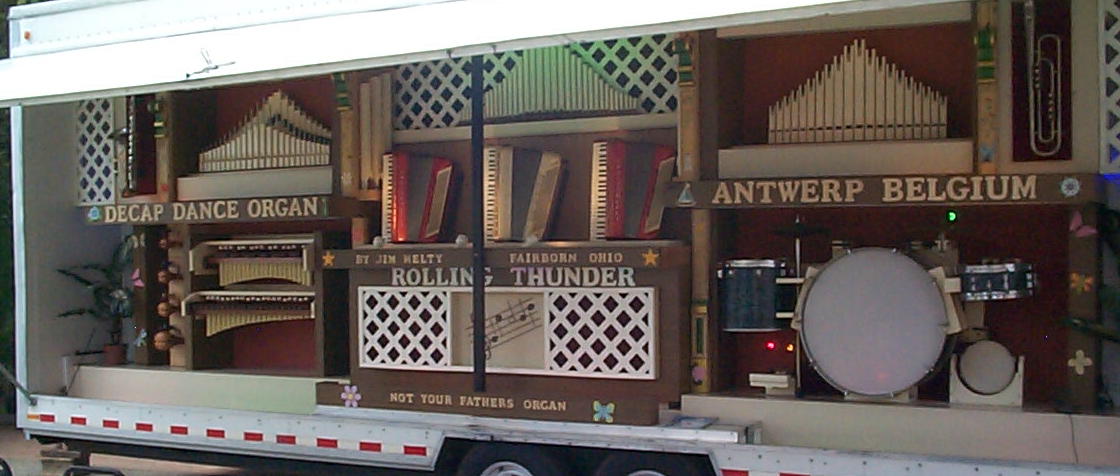
Catching my eye at one end of the street, “Rolling Thunder” was one of the larger calliopes there.  It was built in Antwerp, Belgium and across the front it said: “Not Your Father’s Organ”.  In the center there were three accordians, where the bellows moved as well as the keys playing the lively carousel sounds. All of them seemed to have drums as part of their inner workings.

Apparently the music was enjoyed as several people were dancing in the street. Well, that is except for one lady, who told me upon arrival, “Get your aspirin handy.”   Music was loud but entertaining, and definitely “Fusstampin.”