Places to go and things to see by Gypsy Bev

Archive for the ‘History’ Category

Will Mount St Helens Erupt Again?

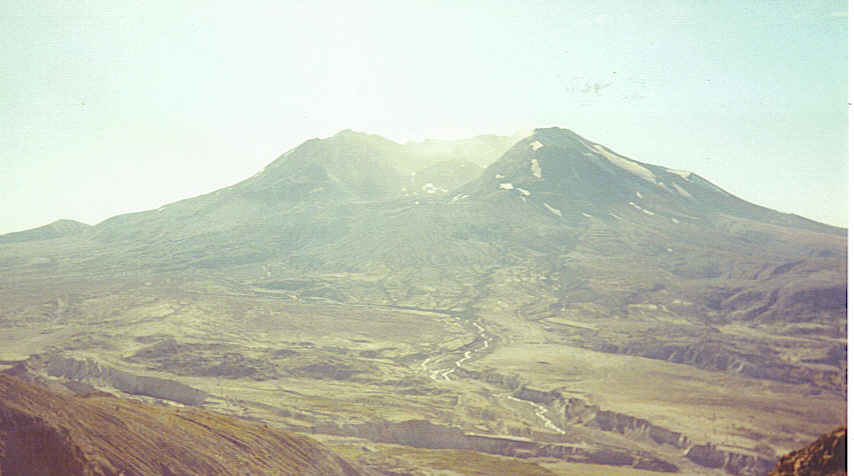
Earthquakes! Steam explosions! Molten lava!  All of these were present during the 1980 awakening and subsequent eruption of Mount St Helens in Washington. Today this area, home of the largest volcanic landslide in recorded history, is designated as Mount St Helens National Volcanic Monument as a place for research, recreation and education.

Johnston Ridge Observatory, just one of the visitors’ centers, was a great place to start exploring. Their theater showed great footage of the 1980 eruption. Here you also found first hand accounts of individuals who were actually in the vicinity that day. Of particular interest were the machines that recorded the seismic activity presently occurring.

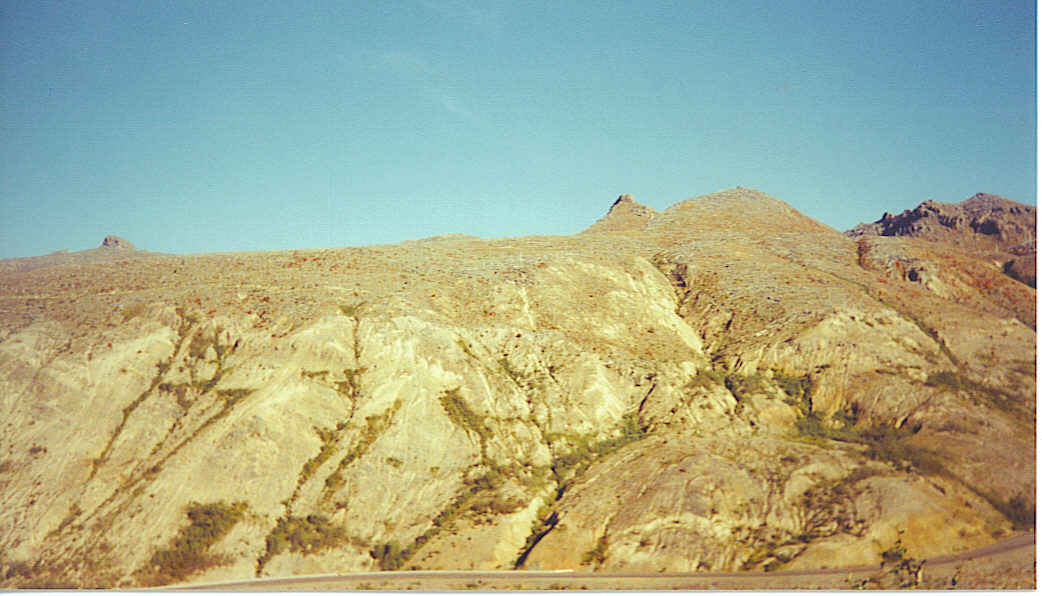
There were several trails leading up the side of Mount St Helens, which appeared mostly barren being covered with ashes. You could walk among the fallen trees that were flattened by the blast. If you felt braver and went a little farther, you could even see vehicles and heavy logging equipment that was damaged when Mount St Helens blew her top. Took the path as far as was permitted at that time. The hiking trails stay open according to the mood of the volcano.  When she is steaming or spewing forth lava, they obviously need to be closed. But what a thrill to get as close as possible to the top of Mount St Helens.

The 1980 eruption left behind a trail that is still visible today. Due to the force of rocks and ice, trees in the lava path were struck down like bowling pins.  Today they still lay there on the ground but the forestry department has gradually handplanted new seedlings amongst the fallen trees.

From 1986 – 2004, the mountain slumbered until in 2004 earthquakes rippled through the earth. Later that year a smaller eruption began and about a dump truck load of lava oozed out of Mount St Helens every second thus slowly rebuilding the mountain.  By 2011 the amount of lava oozing from the mountain was reduced to a dump truck load every fifteen seconds.  If the eruptions would continue at their present rate, the mountain would be back to its original height in about 180 years.

During the 1980 blast, everything within miles was covered with ash from the volcano.  So suppose it was easy for the ash to be gathered and sold as souvenirs.  Still have a pen said to contain ash from that volcanic eruption.The entire landscape has changed from that 1980 blast. New river routes have been formed and even new lakes. Here you see a real change of scenery due to the awesome power of nature.  Will a major eruption happen again? Probably not in our life time, as most volcanoes erupt every 100-300 years.  The future holds hope for reforestation and rebuilding…unless another eruption occurs sooner than expected.

Hope your life will erupt with much happiness, and may you spread that happiness for miles around.

Mount St Helens National Volcanic Monument is located in Washington approximately 96 miles south of Seattle, Washington and 50 miles northeast of Portland, Oregon. One easy access route is from I-5, Exit 68 onto the Spirit Lake Memorial Highway/ WA 504. This route passes through the various visitors’ centers and into the center of the original blast zone.  

Relax at Salt Fork State Park

Warm weather in Ohio sends people outdoors, even on an overcast day.  One of their favorite spots near Cambridge in southeastern Ohio is Salt Fork State Park, Ohio’s largest state park. This lake is a rather recent creation and those past fifty can still remember when farm land covered this area with  Salt Fork Creek running through it. Back in 1967, the earthen dam was completed here and the filling of the lake began.

Vacationing at the lake has many possible accommodations: camping, renting a cottage or staying at the lodge. The campground sites all supply electrical hook-ups and nearby is a heated shower house.  Only a few sites provide sewer and water hook-ups as well. If you prefer a cottage, several are available with hillside and lakeside locations.  All of the cottages are completely furnished with a screened-in porch, and even include kitchen utensils.

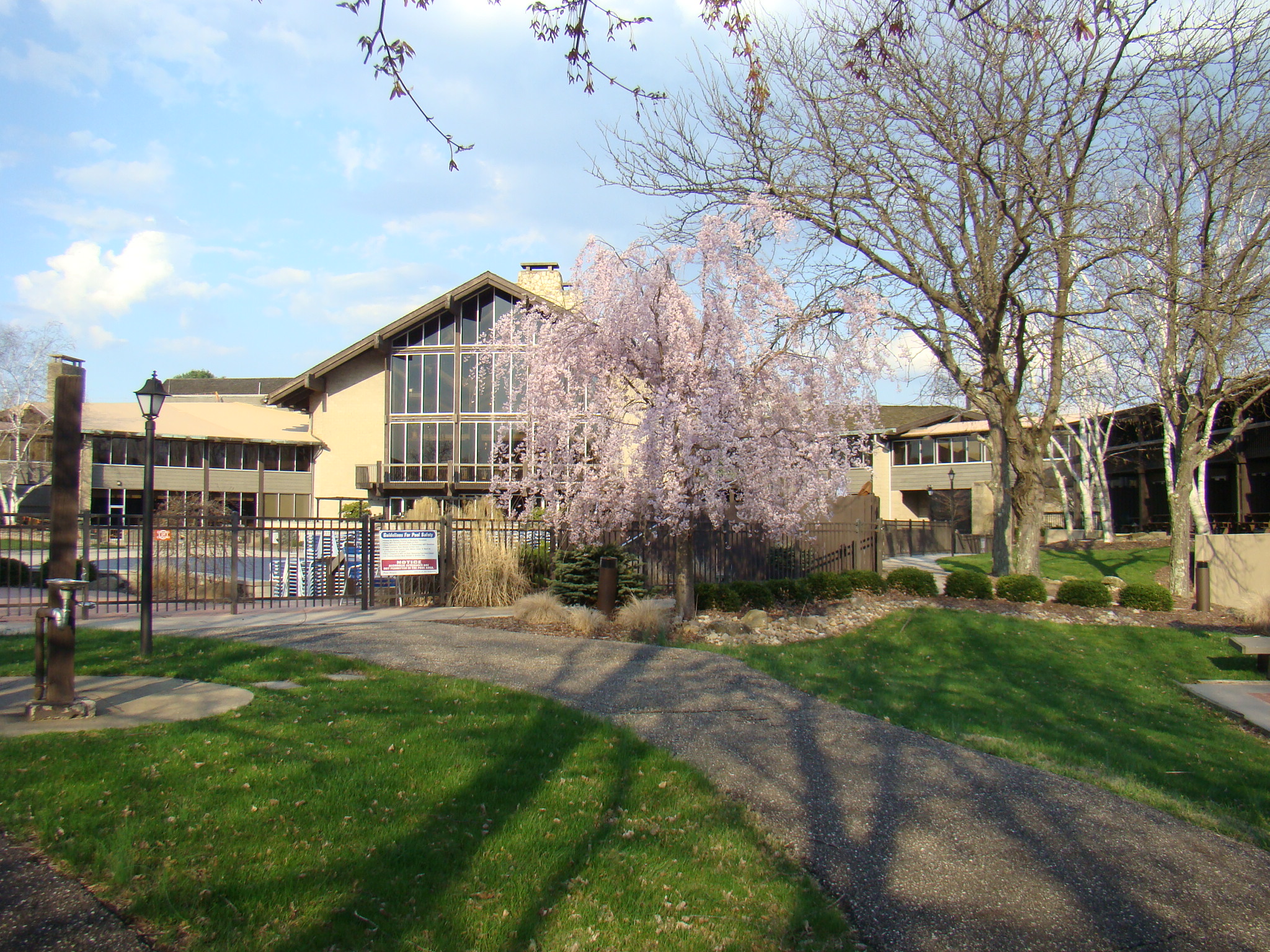
Others prefer the comfort and convenience of Salt Fork Lodge. This beautiful stone lodge with its pine beams sets high above the lake in the rolling hills of Southeastern Ohio. Frequently used for meetings as well as vacations, the lodge contains a wonderful dining area as well as beautiful stone fireplaces that give you a warm feeling no matter what the season. Indoor and outdoor swimming pools provide entertainment all year long. Outside you will find a fantastic playground for the youngsters as well as tennis, volleyball, basketball and shuffleboard courts, so there is little excuse for anyone to be bored.

Just a half mile down the road is the entrance to the 18-hole championship golf course, which is a challenge in these rolling hills so a golf cart is highly recommended.  Deer are frequent visitors on the golf course and don’t seem the least bit afraid of golfers. Here you will also find a pro shop, putting green, and driving range.

Of course, no lake would be complete without a beach and Salt Fork’s 2500 foot beach is one of the longest inland beaches in Ohio.  Everyone has plenty of room to enjoy swimming or building castles in the sand. When you want a break from the beach, stop by the concession stand, grab some clubs to play miniature golf, or tour the nice Nature Center in the main bathhouse building.

Two marinas provide storage for boats year round and some years you must get your reservations in early to claim a spot. Otherwise, ten easy access ramps   accommodate boat trailers.  No boat of your own? Be assured a variety of rental boats are available. There is even a pontoon tour boat to take you and your guests around the lake for an enjoyable time on the water.

Fourteen hiking trails range from easy to moderate in difficulty, so just about everyone can enjoy the hike. One popular trail leads to Hosak’s Cave formed by interesting rock layer erosion, which has also created small waterfalls. Along the path you will find beautiful wildflowers, hear the songs of many birds and relax to the calming sound of the bubbling brook. If you are lucky, a wild turkey might cross your path or even a deer.

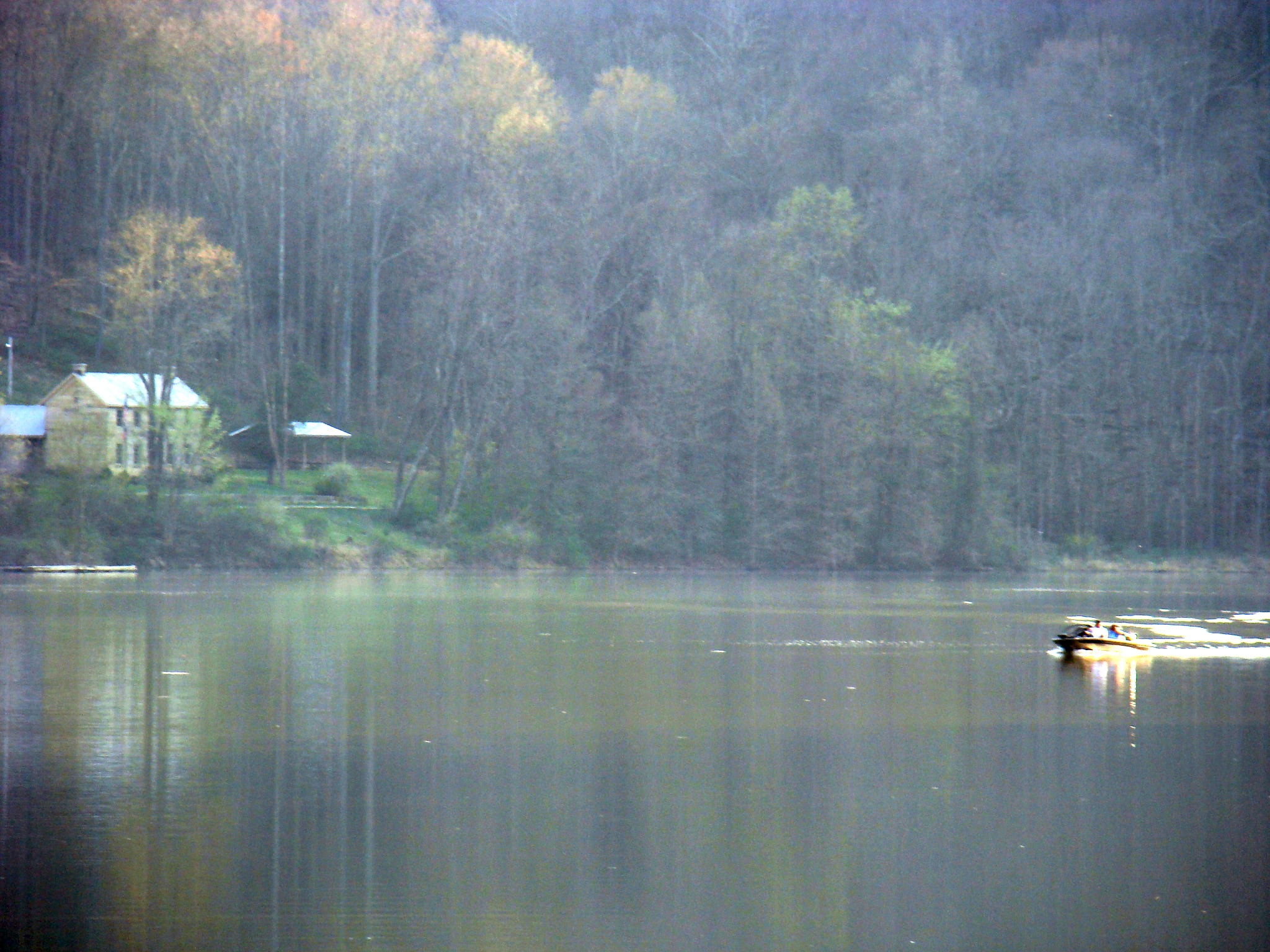
A longer trail leads to Kennedy Stone House where they have restored the only house left standing when Salt Fork Park was created.  This historic stone structure was built in 1837 through the plans of Benjamin Kennedy of Ireland. Stones used were quarried from the hills nearby and shaped with detail so they fit tightly together to make a sturdy structure that still stands after 175 years. Original cost was only $600, which was quite a bargain even long ago. Recently a road has been cut down to the house so you can now drive there also, but most find it more exciting to approach from the trail or even from a boat.  Call ahead and see if you can schedule a tour.

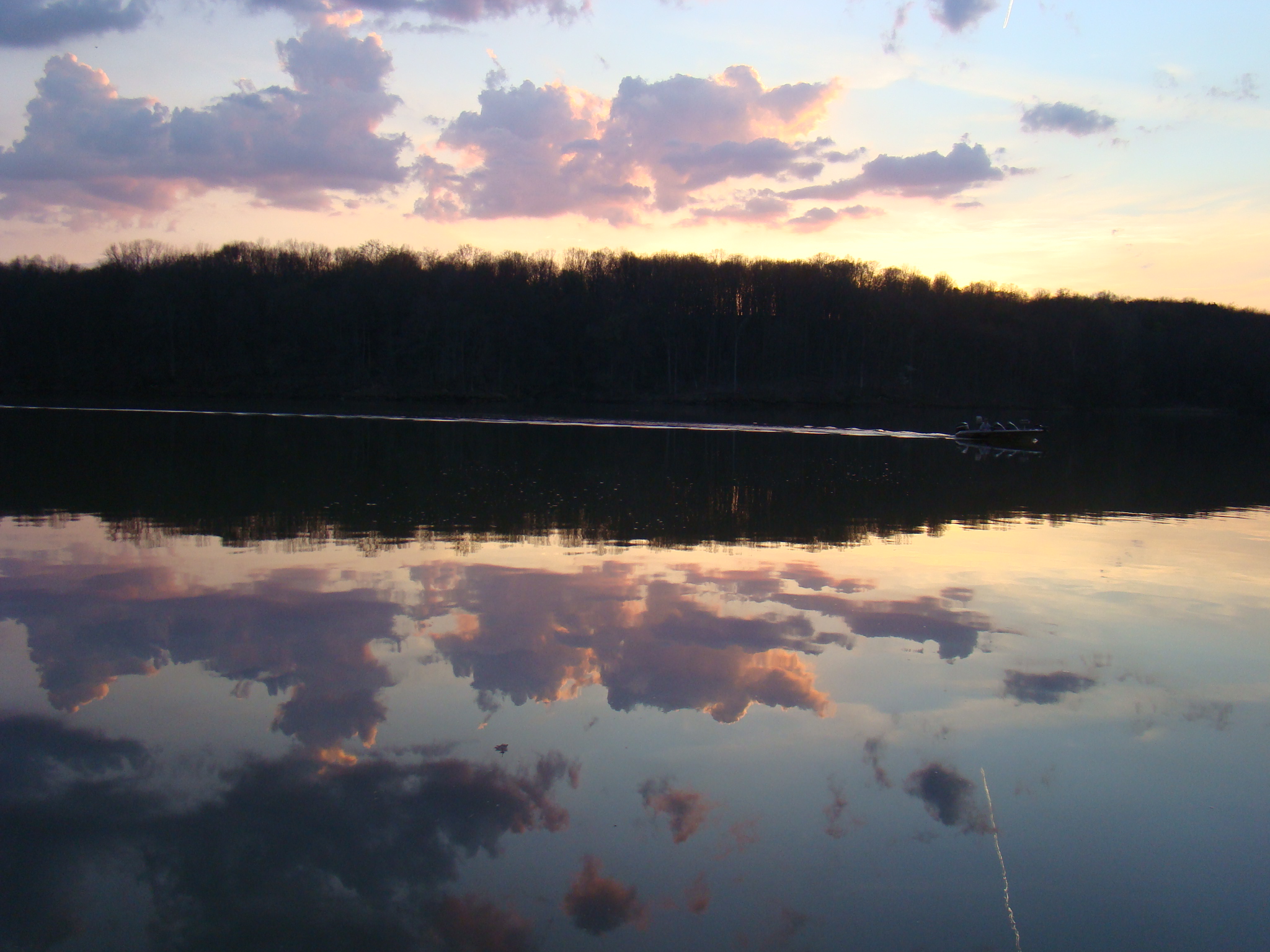
Sunsets are always beautiful over the water and Salt Fork Lake is no exception. What a great way to end the day or begin the evening.  Salt Fork State Park is a fun filled place for a family vacation as it has varied activities for all age groups. If you are lucky enough to live in the area, enjoy a day at the beach or a ride on the lake anytime. The lake is also a great place to do nothing – just sit by the water and watch the waves from the boats passing by, or the motion of tree branches blowing in the wind.  Relax and enjoy!

Salt Fork State Park is located just six miles north of Cambridge, Ohio on Route 22. Once you turn left into the main entrance of the park, watch for wooden signs along the way that lead you to the various places of interest.

There’s Gold in Them Thar Hills

In a gold mine, what is the difference between genius and talent?

“Genius is the gold and the miner is the talent that brings it out of the ground.” ~Marguerite Blessington 

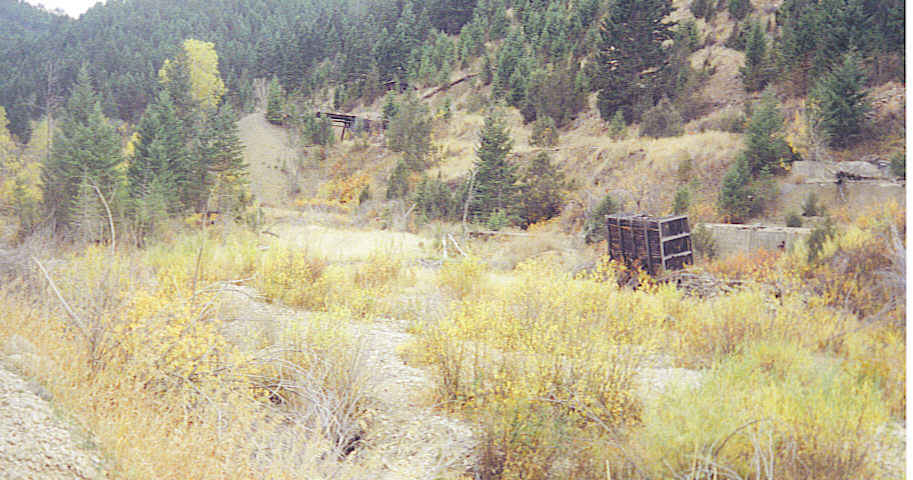
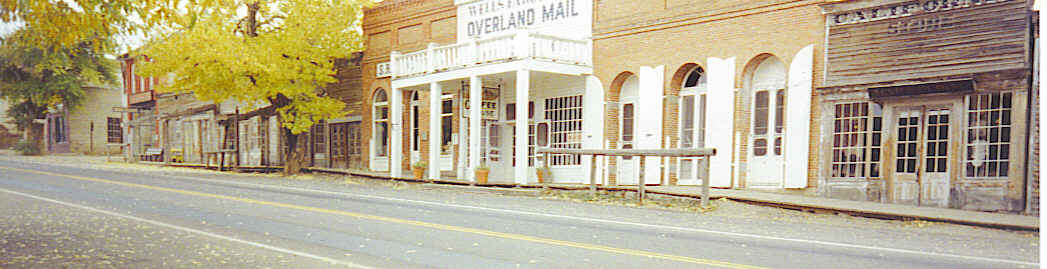
This quote came to mind while traveling through Montana and spotting an abandoned gold mine at the edge of the road. Heading toward Old Virginia City, a well preserved 1960’s mining community, this old mine at Alder Gulch deserved a closer look to discover more about the gold and the miners. The gulch was aptly named due to the large number of alder trees that grew along the creek there.

Fourteen-Mile City was the name given to the numerous settlements that built up along Alder Gulch after gold was discovered there in 1863 by Bill Fairweather and his party.  This gold strike was an accident, which occurred when Fairweather’s Yellowstone bound party got distracted by a band of Crow Indians. After escaping the Indians, gold beyond belief was discovered very near their camping ground. This was said to be the richest placer gold strike in world history with $30 million worth of gold being taken from the mine during the first three years.  Now that’s a lot of value even today, but imagine how special that would have been back in the 1860’s. Everyone wanted to strike it rich in the gold field as 10,000 people flooded the area. Most of Montana’s population was right there along the gulch.

As miners staked their claims, the first rough buildings of Virginia City were hurriedly built with approximately 5,000 people settling there the first year.  People lived in tents and shacks, and it is often said that every third building was a saloon. This was the first social center and early Capitol of the Territory.  Virginia City was a booming gold mining town. These settlers were really “sitting on a gold mine”.

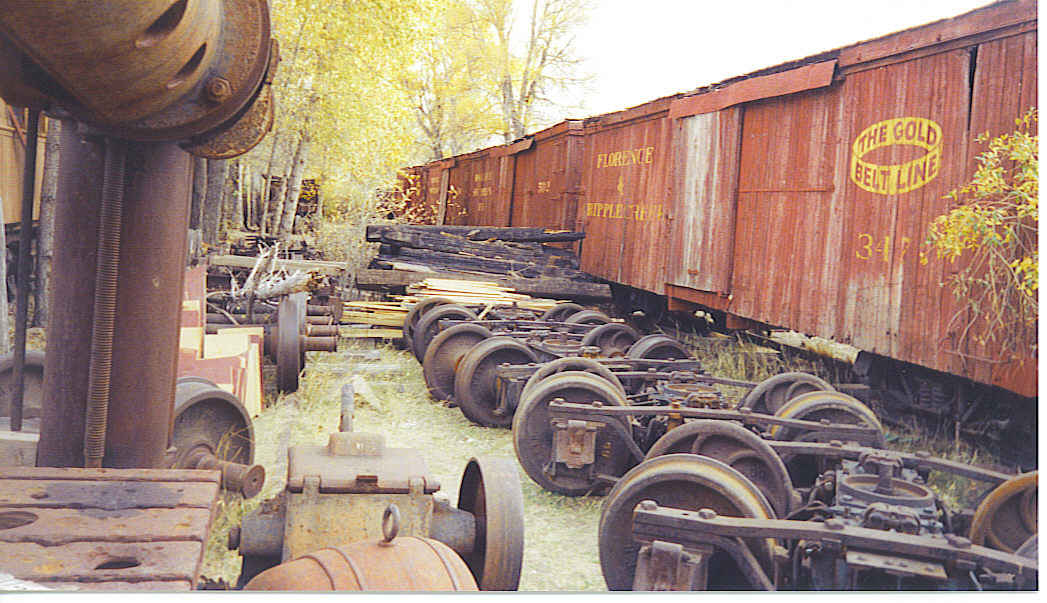
In the early days, there was no rail service to Virginia City, but it did reach as close as Alder just ten miles away. That made it much easier to receive needed parts for the gold mines’ dredges. In 1964, history buffs Charlie and Sue Bovey decided to establish the Alder Gulch Short Line using an old Baldwin 1910 locomotive, which looks and sounds authentic. This is indeed a Short Line as it only runs the one and a half  mile track between Virginia City and Nevada City.

The Virginia City Depot today is actually the original depot used by the Northern Pacific in Harrison, Montana around 1895. Enjoyed the tale told at the depot of the arrival of the actual depot building by train in 1964. One elder resident of Virginia City said, “I have often gone down to depots to watch the train pull in, but this is the first time I ever went down to the train to watch the depot pull in.”

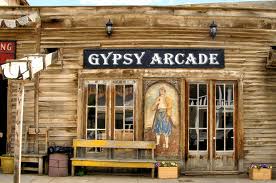
Today Old Virginia City has approximately 150 residents year round. Over one hundred historic buildings complete with artifacts and furnishings are on display – a priceless collection of Western American history. Being a bit of a gypsy myself, had to stop in at the Gypsy Arcade, home of the classic fortuneteller booth – only a couple left in the world! Here the Mills’ Verbal Machine speaks your fortune from one of two wax cylinder recordings on an Edison gramophone…one for women, and one for men. By the way, my fortune said I was going to travel!

During your visit, you might even get a chance to ride in a stagecoach or on the Alder Gulch Short Line.  There are still a few placer mines and hard rock operations today getting a little gold out of them thar hills, but little compared to that original find. You can even pan for gold yourself at Alder Gulch Gold and keep any you happen to find.

Some folks made a fortune here, but what they left behind was priceless.

Old Virginia City is located in the southwestern corner of Montana. I-90 and I-15 intersect close by and State Route 287 leads you through Alder Gulch and Old Virginia City. This is a great spot to include on a trip to Yellowstone National Park as it is only about 90 miles away. Enjoy the scenery!

Way Down South – Key West

“Cayo Hueso” – Spanish for “Bone Island” – was the original name for Key West because of all the skeletons found on the beaches during the days of pirates and sunken treasures. This is the southernmost city in the continental United States with Cuba just 90 miles away! With the Atlantic Ocean connecting with the Gulf of Mexico on its shores, the sunsets here are spectacular and always accompanied by a gentle breeze.

Just getting here is an adventure as you travel across forty two bridges through the Keys on US Highway 1, the Overseas Highway. The route is only 113 miles from the southern mainland of Florida to Key West with the longest bridge being seven miles long.  All the way you are surrounded by tropical beauty and aquamarine waters. You see the coves where pirates landed long ago, and where drug smugglers currently hide their stash.

The highway here is actually built on the original route of the Overseas Railroad, which was constructed by Henry Flagler back in 1912. When the railroad and its bridges were destroyed in a hurricane in 1935, it was rebuilt and reopened as a highway in 1940.

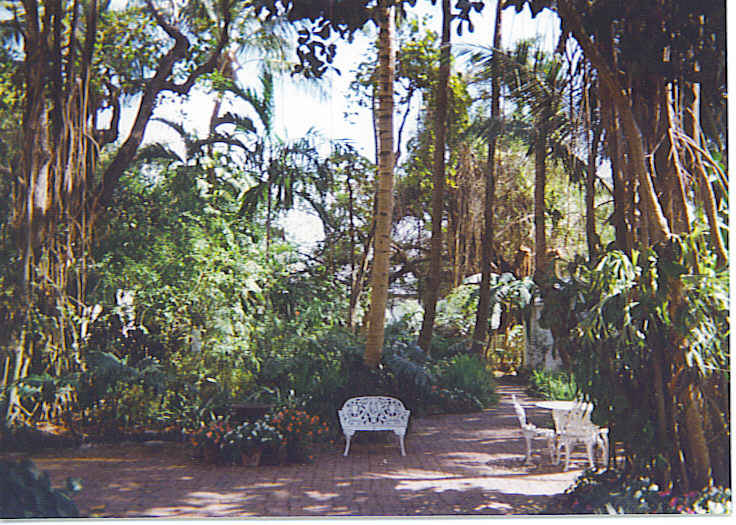
Ernest Hemingway, John James Audubon and Harry S Truman all were frequent visitors here. The Hemingway house is one of the favorite stops and has a relaxing garden, which is a photographer’s dream. Nobel Prize Winner  Ernest Hemingway called the island home for ten years and found solace here along the turquoise waters. Be sure to look for the 40-50 six-toed cats that are descendants of Hemingway’s favorite tomcat, Snowball. Did seem fitting to take home one of his books, so selected his final work published during his lifetime, which not surprisingly had an ocean theme, Old Man and the Sea.

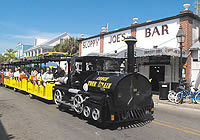
Conch Tour Train gives a guided tour of the island and even makes a stop at Sloppy Joe’s, the most famous bar in Key West. Opened in 1933, the day after Prohibition was repealed, owner Joe Russell had previously operated an illegal speakeasy. Hemingway and his “Mob” of literary cohorts were regular customers, who philosophized and drank the days away.  Today the bar is filled with historic memorabilia dating back to the days when Hemingway – known as Papa – stopped in for a drink with one of his best friends, Joe Russell – known as Sloppy Joe.

Heritage House Museum, the historic Porter family home, gives visitors a taste of the pirate folklore and island life. Built in 1834, this is one of the oldest houses on the island where Jessie Porter established a creativity haven for many famous artists and writers.  The Robert Frost winter cottage in the garden has a beautiful orchid collection. Each year the Robert Frost Poetry Festival is held at this site to promote Key West as a literary destination.

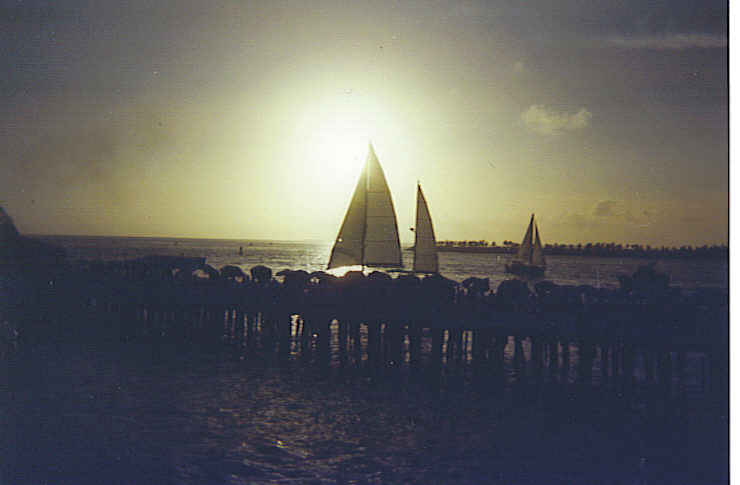
Sunset Pier on the Gulf Coast of Florida is the best seat in the house for the fantastic sunsets of Key West. Here at the Sunset Celebration you watch the sun sink into the Gulf of Mexico while the streets are filled with arts and crafts exhibits, entertainers, psychics, and of course, food!

As poet Wallace Stevens once wrote: Key West is the real thing – the sweetest doing nothing contrived.

Key West, Florida can be reached by crossing all the bridges through The Keys down US Highway 1 to its very end. It is the only highway going that direction so there is no possibility of getting lost.  Enjoy the journey!

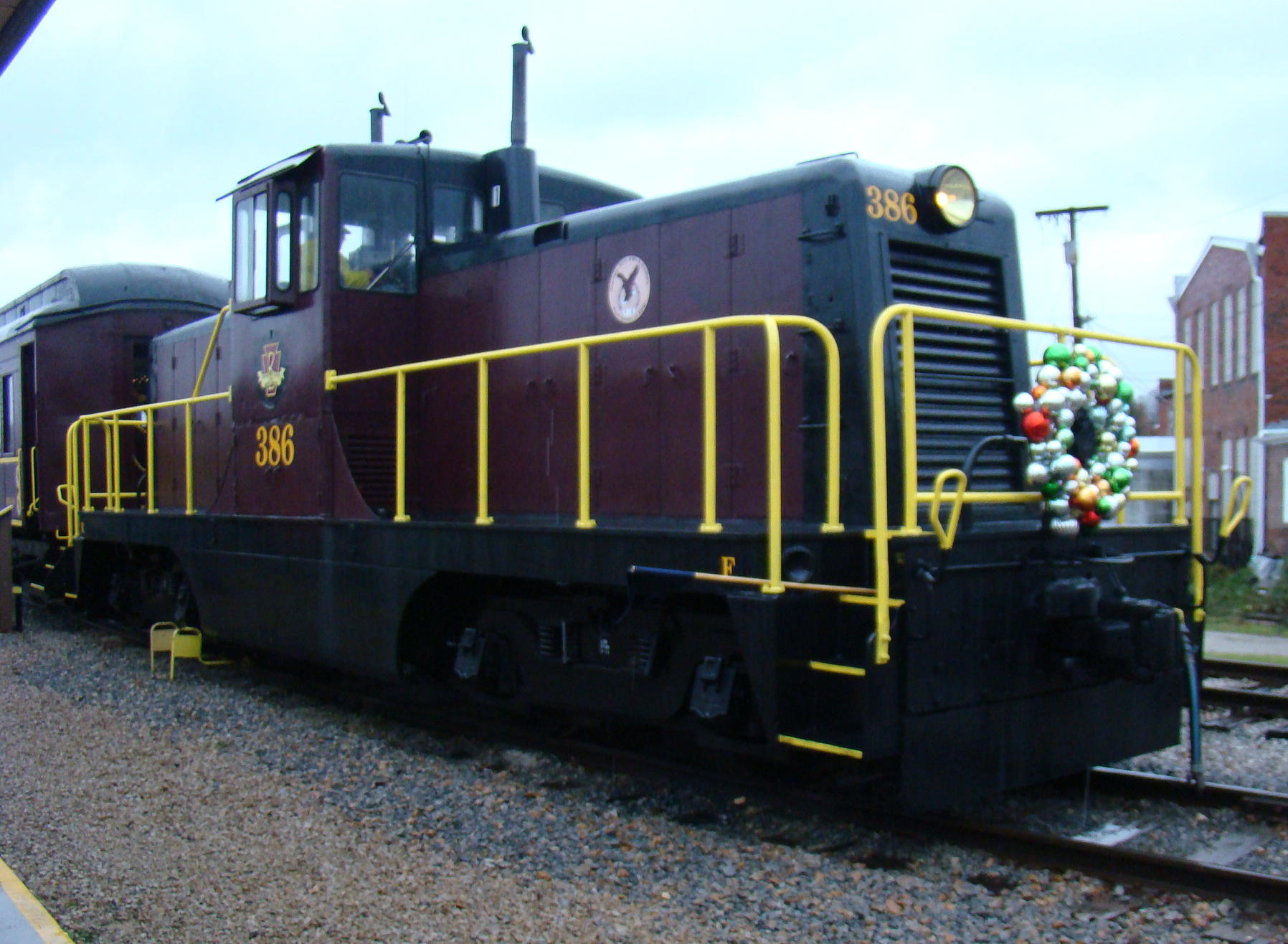
Spirit of Christmas on Byesville Scenic Railway

Spirit of Christmas seems to be a fitting name for a ride on the Byesville Scenic Railway, because after you hear the stories of the miners from long ago, you will definitely appreciate the Christmas of today.

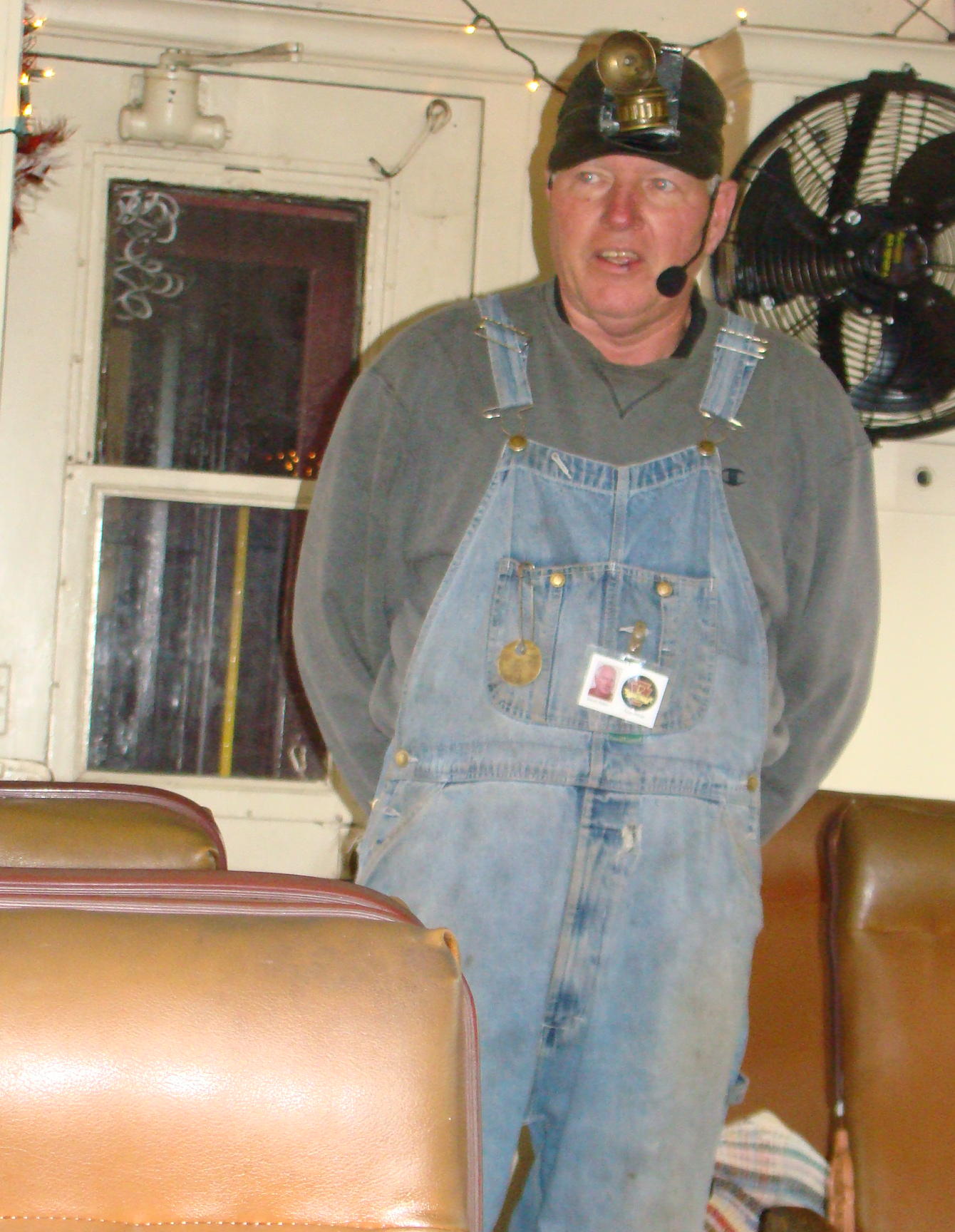
Accompanied on this trip by Miner Dave and Miner Steve, the hour train ride passed by twelve abandoned mines where about five hundred men worked underground.  However, in the area there were seventy seven deep coal mines with approximately five thousand men working.

The train track here was busy back in the early 1900’s with perhaps one hundred fifty trains going down the tracks on a busy day.  Their regular routes went from Marietta to Cleveland, but they went North as far as Canada.

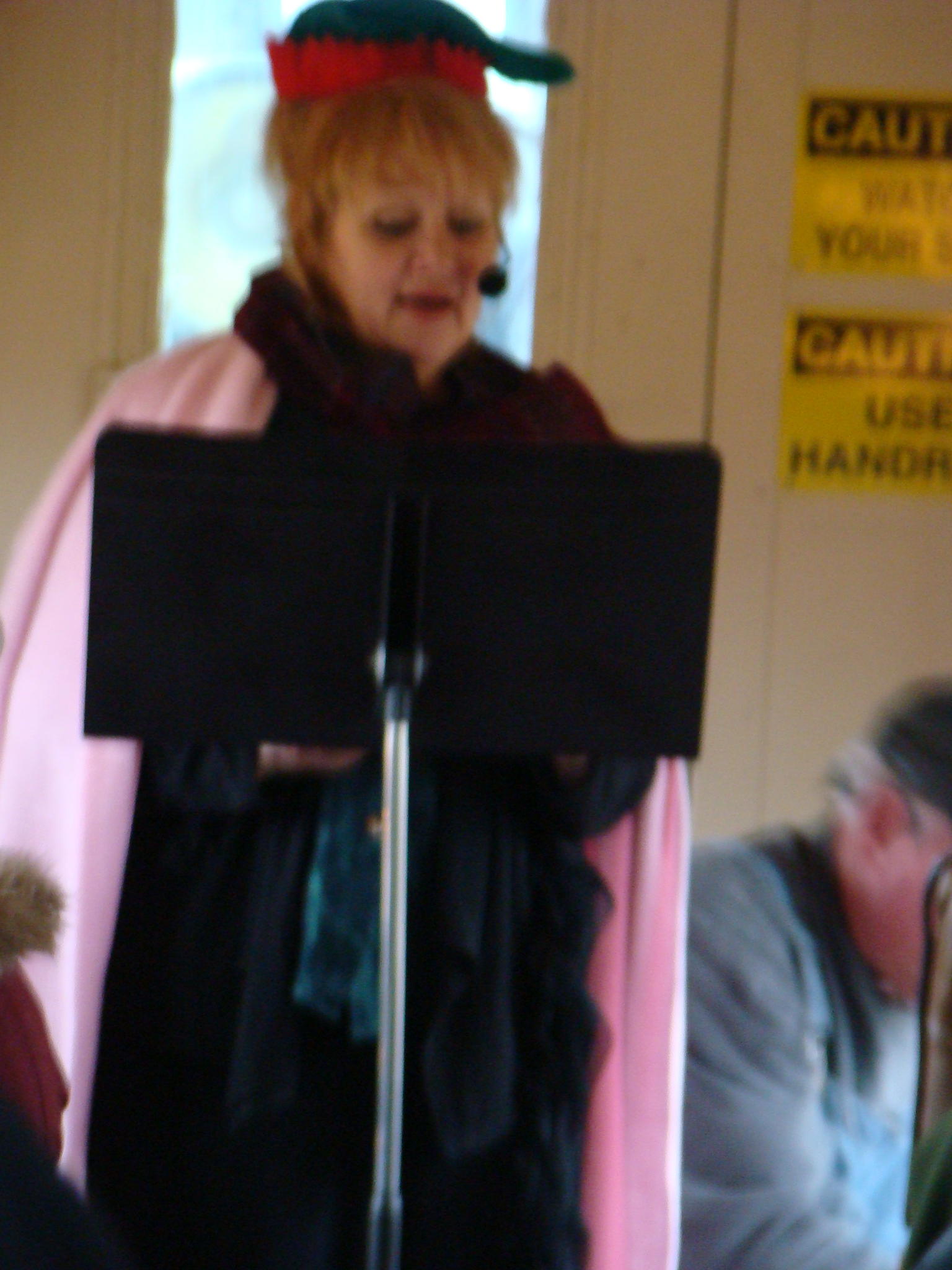
Since it was the Christmas season, Miner Dave asked if there were any teachers on board. Then he selected a lady to read “The Night Before Christmas” as the train went down the track.  Miner Dave did appropriate sound effects as well as scene effects behind her back, which made for an amusing reading.

Young people are remembered in the mines as children often started working at the age of eight, with their parents’ consent, especially if the father had been injured. Someone had to work to pay their $12 a month rent as otherwise their family would have no place to live.

They did indeed, as Tennessee Ernie sang, “Owe my soul to the company’s store.”   They were paid in tokens that could only be spent at the company store.  So if the family needed an item, they would charge it there, then the man of the family would pay for it on payday.

Miner Dave explained that only men worked in the mines as it was thought that women would bring bad luck. They worked about 175 days out of the year. There was no welfare in those days, so they had to use credit…at the company store. For this most dangerous job in the world, there was no insurance and no vacation. There were definitely no atheists working in the mines.  They all believed that someone was watching over them.

How did you know if you were to work each day? At 7:15 each evening, everyone would listen for the whistle at the mine. If it blew once, there would be work tomorrow; twice, maybe and listen again at 4:15 in the morning; three times, no work the next day.

All nationalities headed out to work swinging their dinner pail. The pails could not be set down on the mine floor or the rats would open them and eat their dinner.  So miners always hung their dinner pails high on the mine wall. A sandwich made of West Virginia Ham was quite a treat – that ham, by the way,  was bologna. They always left a little something in their pail, just in case there was a cave in and they might be below ground all night. If they made if safely through the day, the miners would let the children have their pails on the way home and enjoy a little snack.

On Christmas Eve a hundred years ago, the mines would close early for the day at 4:30. Since there was no money for gifts, a stop at the company store might allow them to get an orange or some walnuts for the children. Often they would break a limb off a tree and either stick it in a can or in holes in the handle of a broom. This they would decorate with rags, bittersweet, popcorn, ribbon or berries.

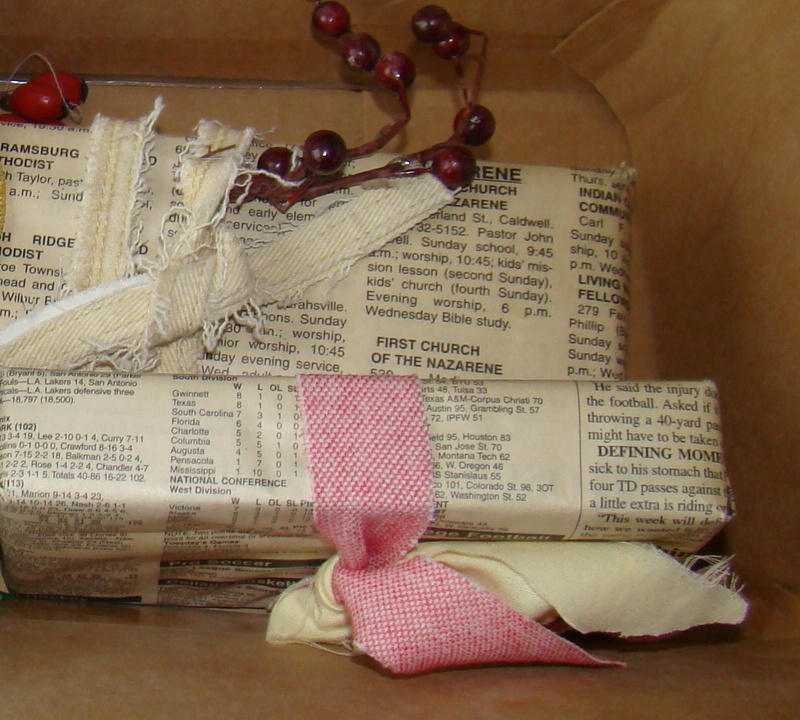
Everyone would go to sleep early that night and be up to go to church on Christmas Day in their cleanest bib overalls. When they arrived back home, there would be one or two gifts under the tree. Gifts were often wrapped in newspaper, and then tied with rags and decorated with sprigs of berries.  Most were gifts made with love, and all Made in America.

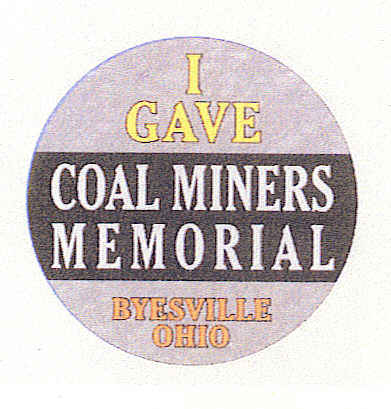
Byesville is the coal mining capital of Ohio and their plans are to erect a monument to the coal miner at their station in downtown Byesville. When you give a donation, you are given a badge that explains the mining story.

The colors on the badge are symbolic of life down in the coal mines.

Yellow stands for a beam of sunshine that sheds light on the darkness of the dungeon of a  dark and gray mine.

Gray is for the rock/slate layers that are found above and below the seams of coal.

Black needs little explanation as it is the color of coal, also know as black diamonds, buried sunshine, or rocks that burn.

Red is for the color of blood that was spilled onto the ground from those who either lost their lives or were injured while working about the mines.

Someday soon the Coal Miners’ Memorial Statue Fund will reach its goal and the efforts of all the workers and their families will be recognized.  Coal miners helped make our country what it is today and will never be forgotten.

Now you better understand why the Spirit of Christmas should be alive in your heart today and all through the year. Charles Dickens expressed this in A Christmas Carol when  Scrooge said:

I will honor Christmas in my heart

and try to keep it all the year

May the Spirit of Christmas roll on!

Byesville Scenic Railway is located in Byesville, Ohio just off I-77 (Exit 41) South of Cambridge. Turn toward Main Street of Byesville, then left at the traffic light.  The train depot is one block on the right. Free parking is available along Second Street and Seneca Avenue. The train operates most weekends during the summer months as well as for special holidays throughout the year.

Roswell, New Mexico – The Truth Is Here

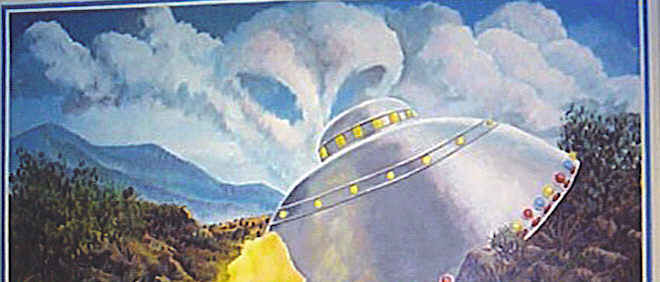
UFO or Weather Balloon? When people hear Roswell, they immediately think of the 1947 UFO alien invasion,  a subject which still interests many people. But there is definitely much more to this town of Roswell, New Mexico than aliens!

As soon as you enter the town, the presence of the New Mexico Military Institute is obvious from the beautiful campus to the polite, young cadets walking the streets. Started in 1891, this four year high school and two year junior college has been the starting point for many officers in the US military, as it is the only state supported military institute in the western United States. Among its most notable graduates are Conrad Hilton, Roger Staubach, Sam Donaldson and Major General Edwin Walker. In 1921, the school adopted the honor code of : “A cadet will not lie, cheat, or steal, nor tolerate those who do.” That code is still enforced today.

During WWII, a prisoner of war camp was located in nearby Orchard Park. These German prisoners assisted with many construction projects in Roswell.   Along the banks of the North Spring River, the sides were paved with stones. In one section the stones were strategically placed to form the outline of an Iron Cross, symbol of the German Army. Nearby was a piece of the Berlin Wall, which was sent by the German Air Force for their nice treatment as POW’s there. Today at the POW/MIA Park, there is a relaxing walkway along the river where you can appreciate the hard work involved and the beauty that they created.

The Roswell Museum and Art Center has many beautiful and unusual paintings by well known artists such as Peter Hurd, Henriette Wyeth, and Georgia O’Keeffe. Of special interest here is the Goddard Wing, which contains a reproduction of the workshop of liquid-fueled rocket pioneer, Robert Goddard. He tested prototypes of this fuel in Roswell from 1930-1941.  While there, noticed this Native American sun design at the gift shop, and now it often hangs in my car to bring a feeling of warmth and peace. Still makes me smile to realize that this beautiful sun is made from the bottom of a Coca Cola can!

Of course, no visit there would be complete without visiting the International UFO Museum and Research Center, and taking a trip to the site where the mysterious crash occurred. Here at the Museum you can find information about the Roswell incident, crop circles, UFO sightings, ancient astronauts, and Area 51. Living up to their motto, “The truth is here,” their library of books and films is a great place for the curious and the serious to explore the unexplainable.

One interesting film told the story of a young boy, who had seen inside a space ship in 1947 and told his parents he saw fine wires with colors flashing.  In the 1990’s, this now adult man worked in maintenance and was called into a phone room for repair work.  He exclaimed, “That looks just like the spaceship I was in!”  Fiber-optics!

Responsible citizens who witnessed the crash were very quiet about it until their retirement. Once they told their story, tourists began to visit to learn more about the possibilities. The event known as the Roswell incident: the crash of an alleged flying saucer, the collection of debris and bodies, and the ensuing military coverup, still leaves lots of questions unanswered. The debate continues to this day.

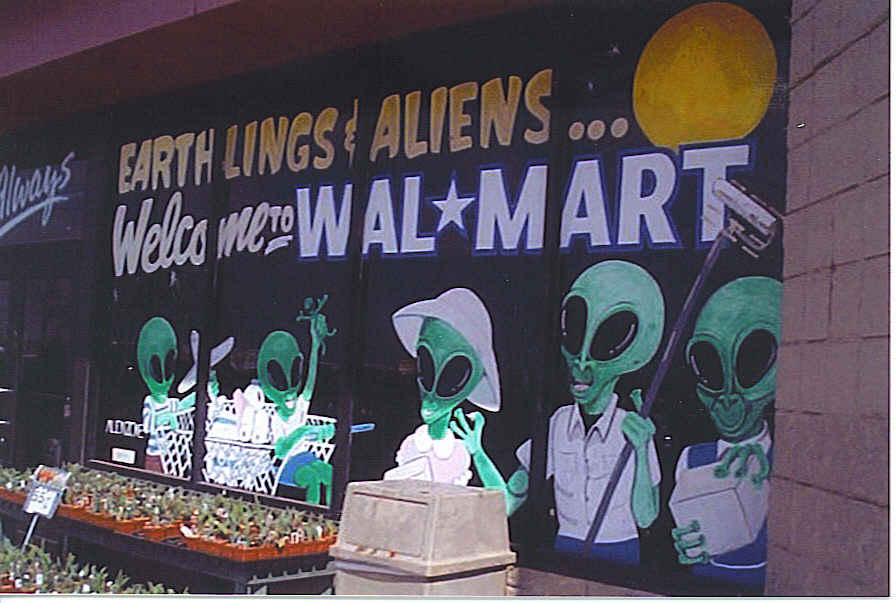
Many local businesses have joined in with the UFO theme as Roswell has suffered a tough economic time, especially after the closing of Walker Air Force Base there. Local gas stations have aliens pumping gas, Wal-Mart has an Aliens’ Welcome sign, and now McDonald’s has built a theme park restaurant there. Yes, you guessed it, McDonald’s is shaped like a UFO with aliens in the play area.

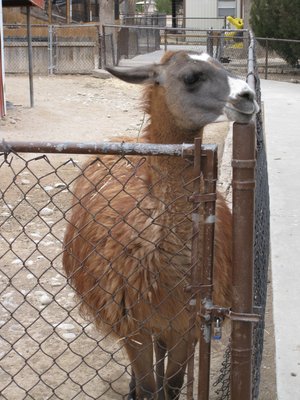
Roswell even has its own small zoo, which is a great place to take a daily walk with the animals. Spring River Park and Zoo is a free zoo run by volunteers and local donations, and has a wide variety of animals from prairie dogs to buffalo and even a black bear. For only a quarter, children, or the young at heart, can ride the miniature train ride or the antique wooden carousel. This is one of about a hundred wooden carousels left in the country and features hand-carved horses.

All ages are sure to find something to enjoy while visiting Roswell… but watch out for those little green men peeking around the corner.

Roswell is located South of I-40 on US 385 or East of I-25 on US Highway 380 in the southeastern  corner of New Mexico. US 380 is also Main Street  and there is a handy information center near the Roswell Museum and Art Center.

Ghost Trek Stories in Hidden Marietta, Ohio

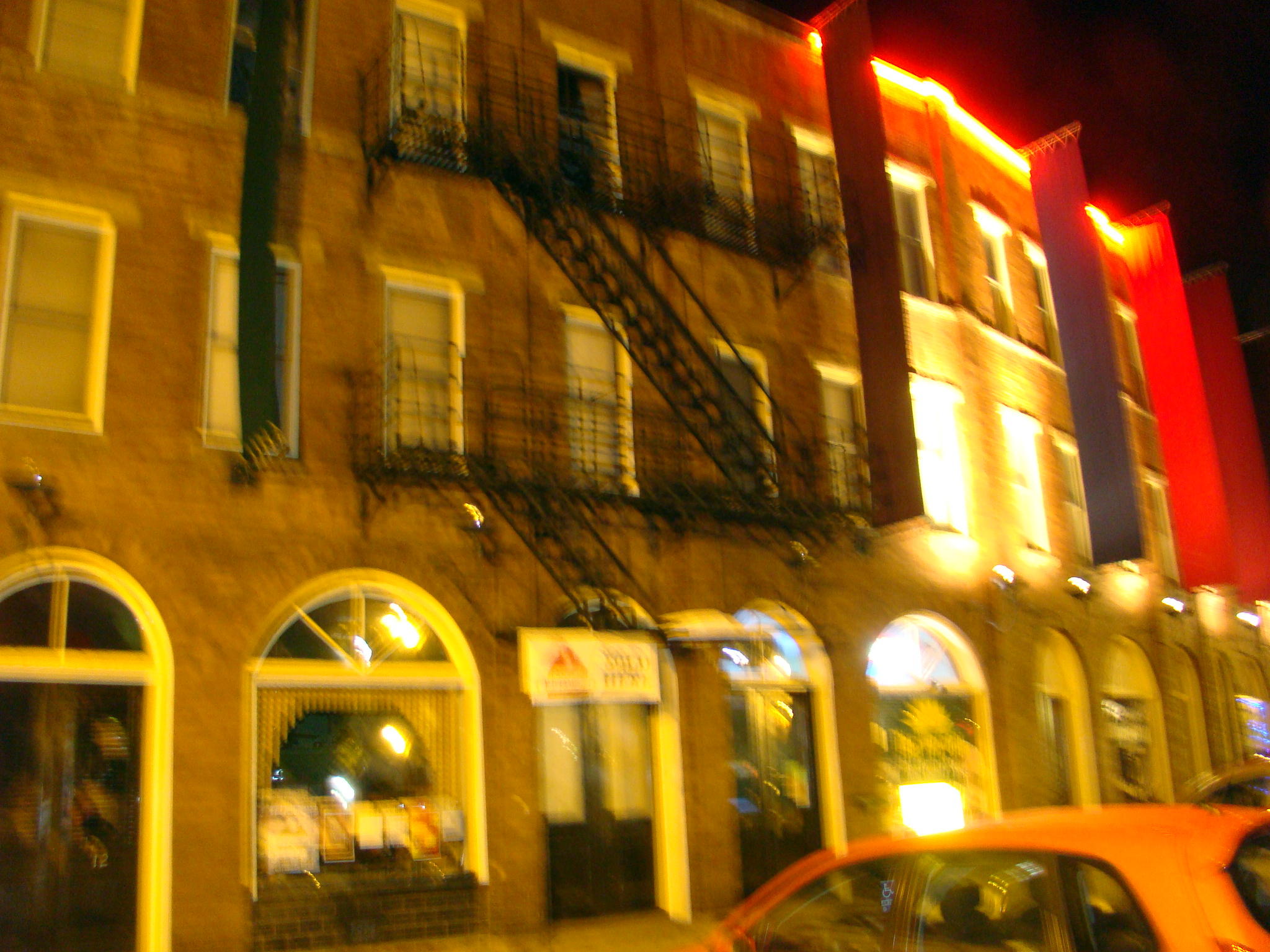
0oOOOoo! ooOOOoo! As the Ghost Lady leads a large group through downtown Marietta, Ohio, stories of ghosts are told on nearly every street. This is an old town with many restless spirits left over from the past.

Ghost Trek is a two hour walking tour of historic and haunted Marietta and begins along the Ohio River on aptly named Ohio Street.  Back in the early 1800s, this was the stopping off point for many riverboats.  So naturally a bar was one of the first establishments to serve the travelers.  The first bar to open ran out of whiskey in two hours and needless to say there were inebriated men walking the street 24/7, along with pick pockets and yes, ladies of the night.

The LaBelle Hotel was a popular House of Prostitution and the building is still in existence today, called the Levee House Cafe.  A story was told of a prominent businessman, who visited one of the young ladies frequently on the second floor. He attempted to keep this  a secret, but one evening his son followed him to the hotel with an axe.

The son watched as his father ascended the steps to the second floor and then waited until the light went out in one of the rooms.  Hastily, the son walked up to the second floor, opened the door, cut off his father’s head with the axe, and ran back down the steps to the street.  Guilty?  Not by the standards of those days! He was arrested but acquitted on the basis that he was defending his family honor.

Today the people who live in this building still hear the sounds of footsteps climbing up the stairs, a time of quiet, then footsteps running down the stairs again.  This is called residual haunting as the energy released in the environment during a traumatic event may  reappear as an echo of its original form.

On to the Lafayette Hotel where the third floor seems to have lots of unsettling paranormal activity. Built in 1918, every death that has occurred in this hotel has happened on the third floor.  Guests frequently complain of personal belongings being moved around.  One man commented, ” I am a science teacher. I don’t believe in any of this stuff”… until his belongings in his room got rearranged and some came up missing.

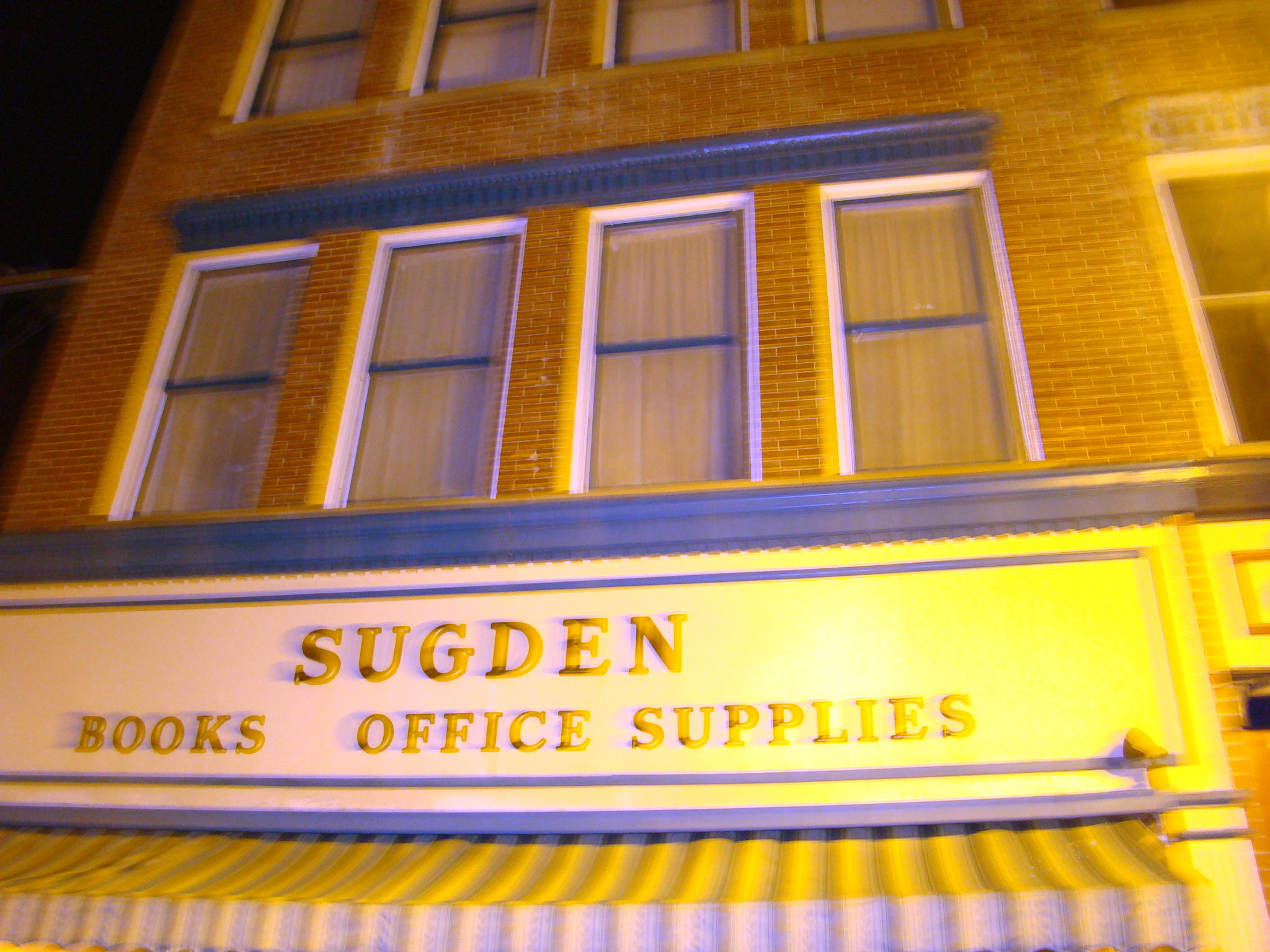
Fifty paintings of  artist James Weber (1888-1958) were brought to Sugden Book Store for an art show on the second floor. Melancholy Weber loved his art work, but was forced to run the family grocery store.  So he said that when he died he wanted all of his paintings burned.  But someone found fifty that were left behind!

After careful setup for the art show, the owners were very pleased with their findings. Next morning when they arrived to open the show, they found the table had been knocked over as well as the pictures.  On the desk was a real estate report – a deed from 1932 for James Weber’s art studio, right there on the second floor!

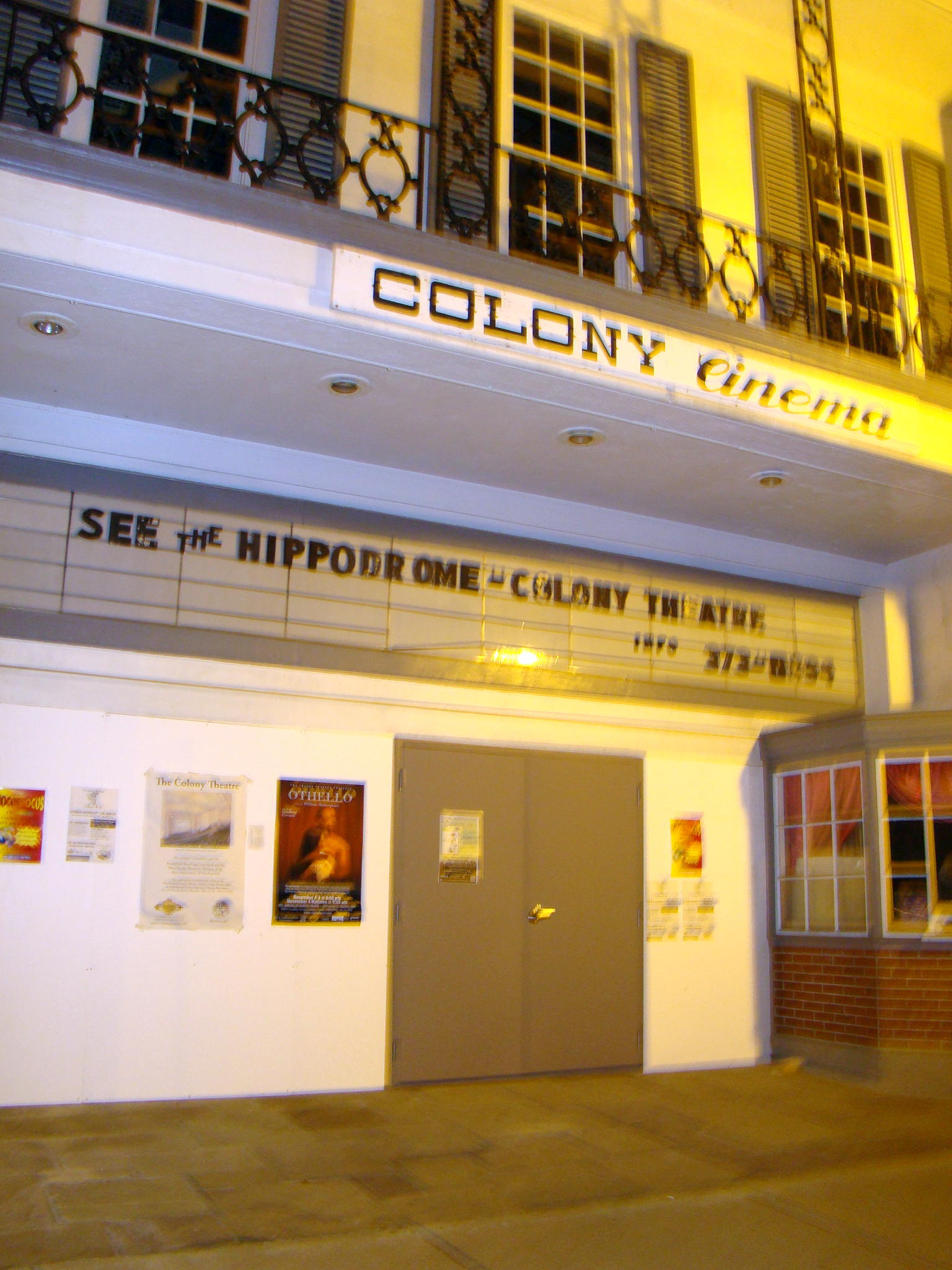
Restoration of the old Colony Cinema was seen firsthand as the group had special permission to enter the theater. Here, it is said, the ghost of the former owner, Mr. Shay,  travels via an underground passageway between the Colony Cinema and Mid Ohio Valley Players Theater across the street. Colony Cinema has been an important part of the Marietta community since 1919 when it was The Hippodrome Theater, the premiere showcase of Marietta and the surrounding area. Some of Hollywood’s biggest names, including Frank Sinatra, Judy Garland, and Boris Karloff, appeared on its stage.  Its gorgeous original asbestos fire curtain has been rediscovered and is being restored to be featured predominately in the restored Colony Cinema.

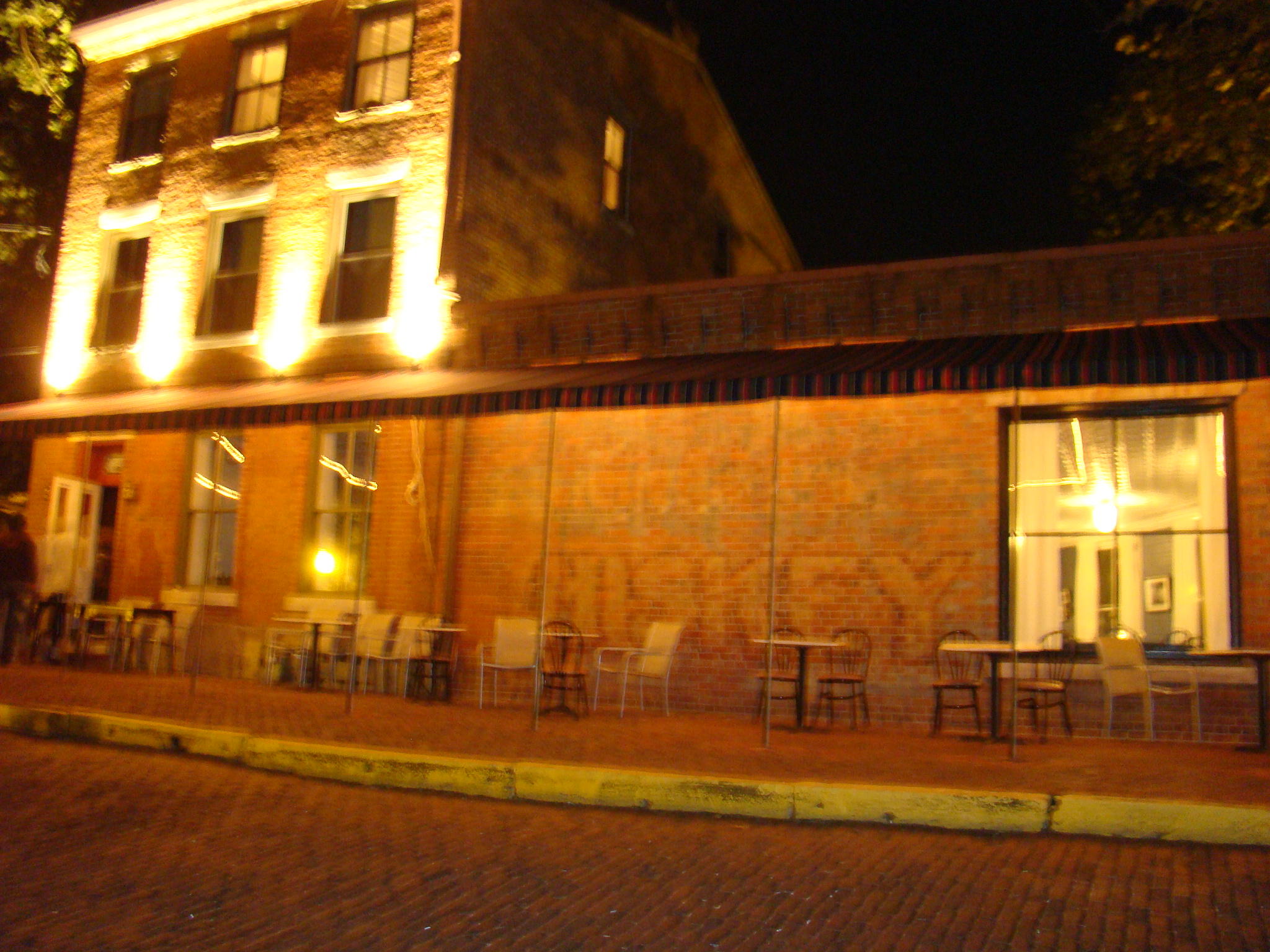
The last stop on the tour was at Tiber Way Grille, where people hear sobbing, crying, and have an edgy feeling.  They definitely feel it is haunted. Closer look at old lettering on the building perhaps gives a reason for this feeling.  It says: Chronic Diseases The Sanitorium. This twenty six room hospital was used for tuberculosis patients in the early 1900s as well as for those with extreme mental problems. Fittingly, next door was Doudna’s Funeral Services!

Nothing beats a haunted, moonlit night with ghosts of the past.

To arrive in Marietta, Ohio take Exit 1 off I 77 and head west on Route 7, Greene Street. Where the Muskingum River meets the Ohio River, you will find the old Lafayette Hotel, the starting point for the Ghost Trek. This walking tour is under the expert guidance of Lynne Sturtevant, founder of Hidden Marietta and author of several books of Marietta history.

Adena Mansion Pictures Life in Early Ohio

“No ghosts – not even rumors of ghosts here,” explained the guide as she began an interesting tour of the Worthington Mansion at Adena State Memorial near Chillicothe, Ohio.  Built in 1806-07, this beautiful mansion home was designed by what many consider the first American architect, Benjamin Henry Latrobe. Usually Latrobe was busy with larger projects, such as designing the United States Capitol, but as a friend of Thomas Worthington he agreed to design a beautiful home on the 2000 acre estate.

The Worthington home, Adena, was the most magnificent mansion in the area at that time, and fascinated crowds of visitors. Large panes of window glass and papered walls were novelties which especially attracted attention. The sandstone blocks for the house were all dug from a quarry on the property.

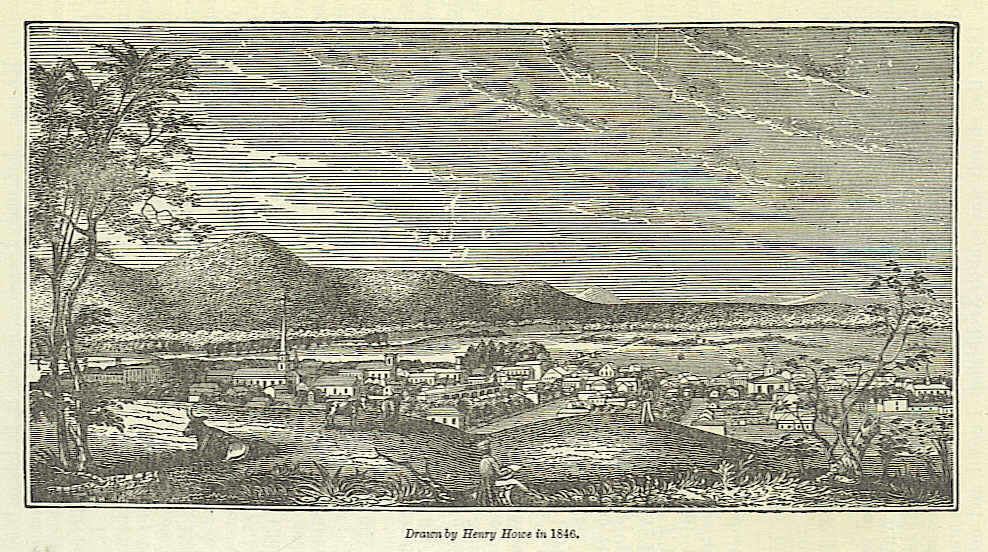
This drawing by Henry Howe in 1846 shows the beautiful garden vista at Adena that inspired the Great Seal of Ohio. Looking across the front lawn, the Scioto River flowed between the cultivated fields and Mount Logan.  On the Great Seal of Ohio, the sun displays thirteen rays of light symbolizing the thirteen colonies. In the field is a shock of wheat representing the prominent field of agriculture in the state. Nearby, resembling a shock of wheat but showing Ohio’s Indian heritage, is a sheaf of seventeen arrows proclaiming Ohio as the seventeenth state.

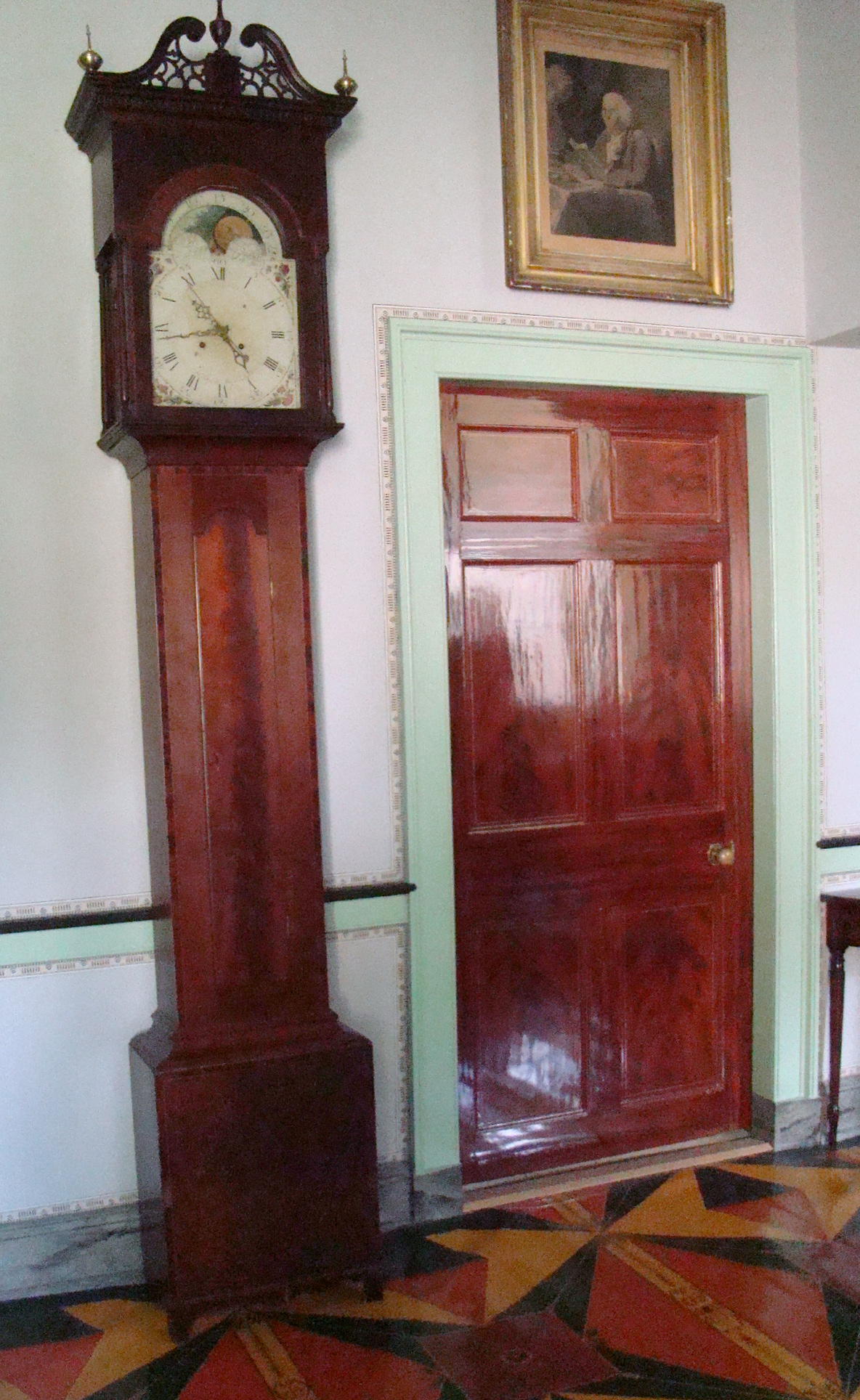
Today the house has been restored to appear much like it did during the time the Worthingtons lived there.  Much of their original furniture can still be seen. Worthingtons’ actual skeleton key was used to unlock the door to begin the tour, and felt lucky to have it in my possession for a short while. Upon entering the mansion, a beautiful large clock made by George McCormick and costing $35 at that time stands beside a beautiful staircase, which appears to be marble but was actually painted with a feather to achieve that effect. Throughout the house a shade of pink paint was used. Paint was very expensive at that time and the pink tint was achieved by crushing a special insect into the paint.

Ten children were raised in the nursery, which strangely enough had no heat. Guess they had to be strong to survive, but none of those children died.  The parents’ room was next to them and had a nice fireplace so hopefully they kept the door open. Worthington’s wife, Eleanor, taught the children in the parlor while running the household from there at the same time. On the wall was a list of Family Maxims to live by, for example: “Keep everything in its proper place, do everything in its proper time, and delay not till tomorrow what should be done today.”

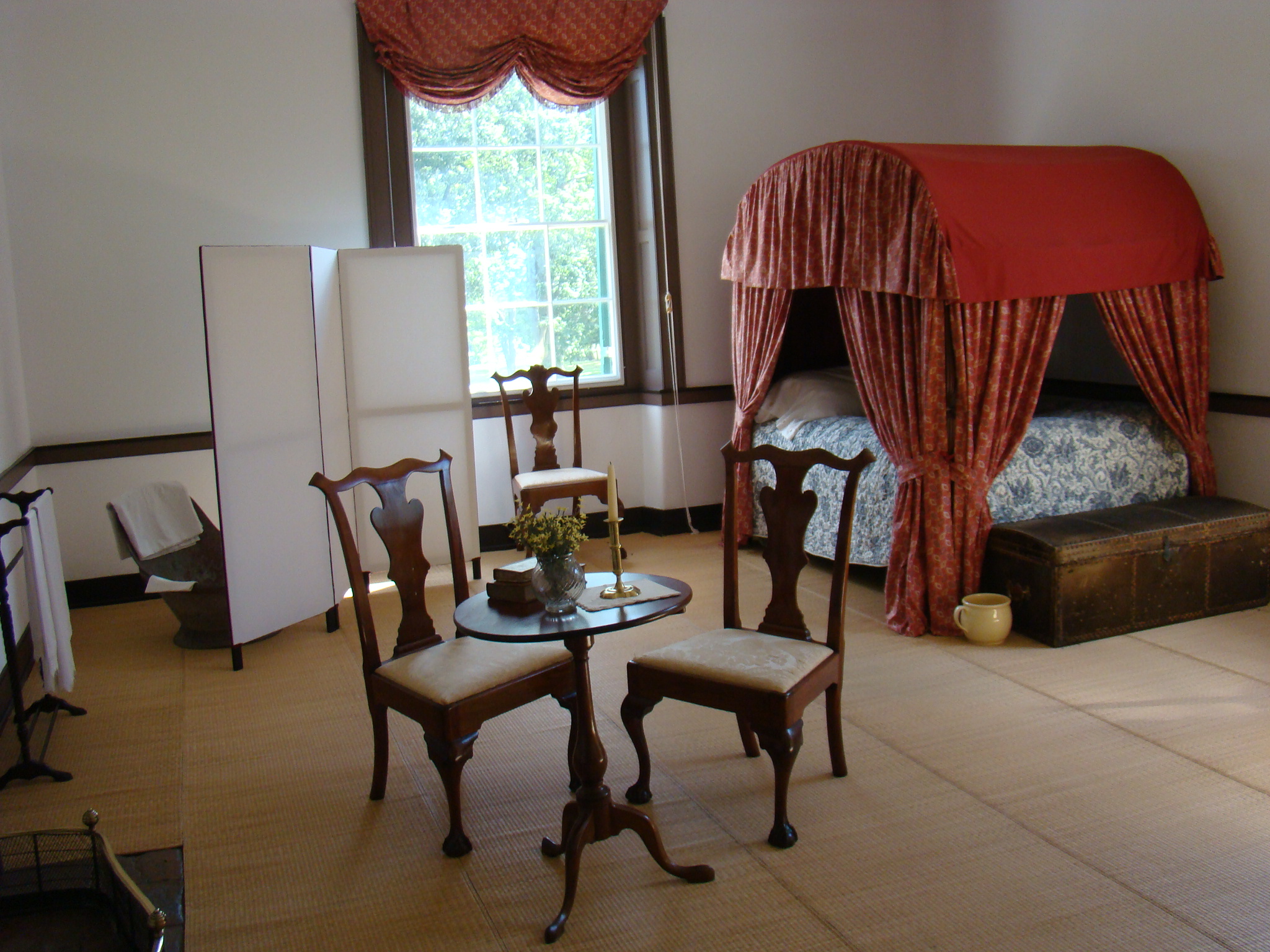
The rooms on the second floor were all bedrooms, except one which was perhaps a servant’s room, and a large dark closet where, it was told, they placed children when they misbehaved. Many famous guests stayed here including Henry Clay, General William Henry Harrison, and President James Monroe.  Of special interest was the screen on the left side, which hid from view their bathing area.

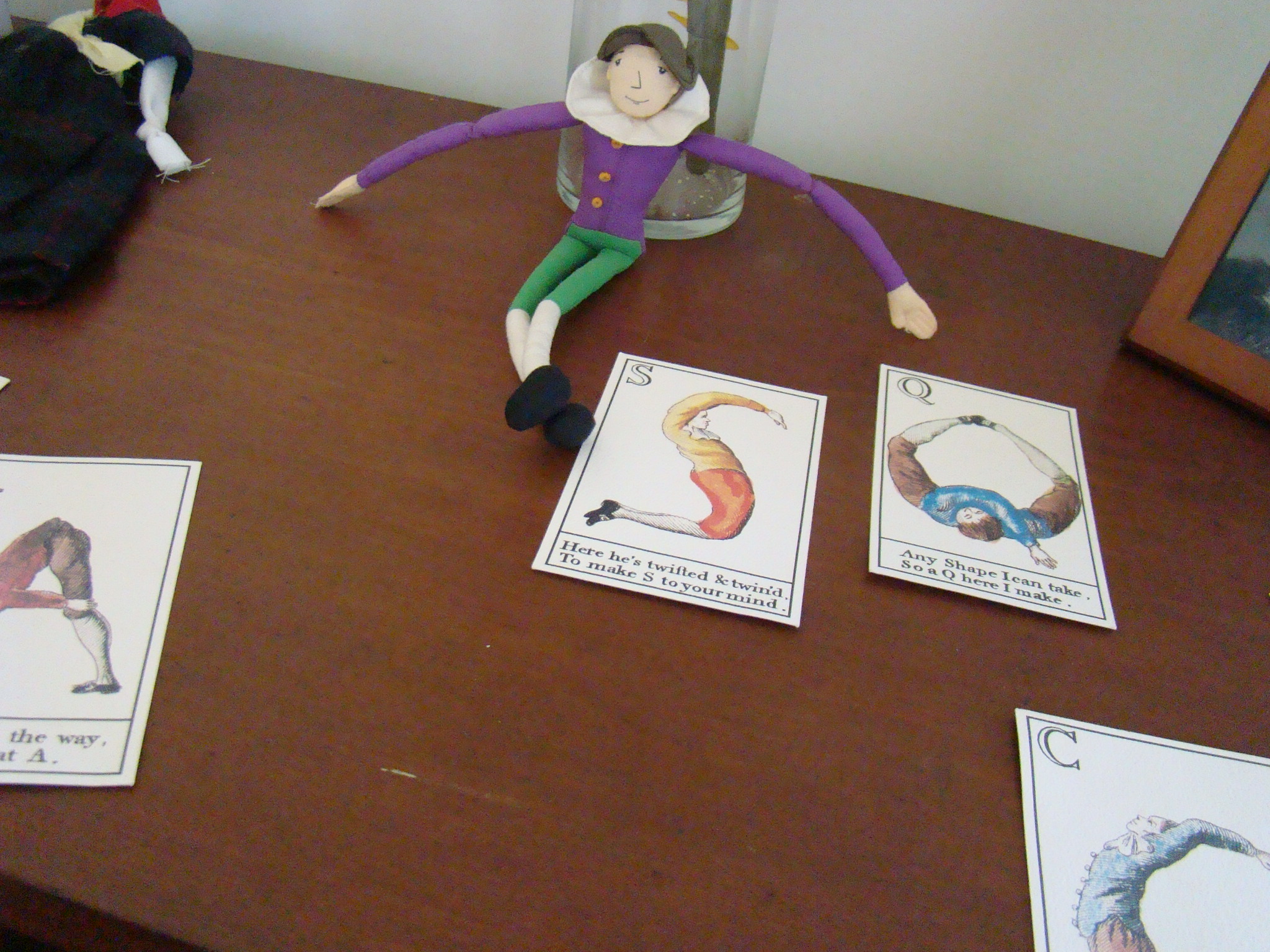
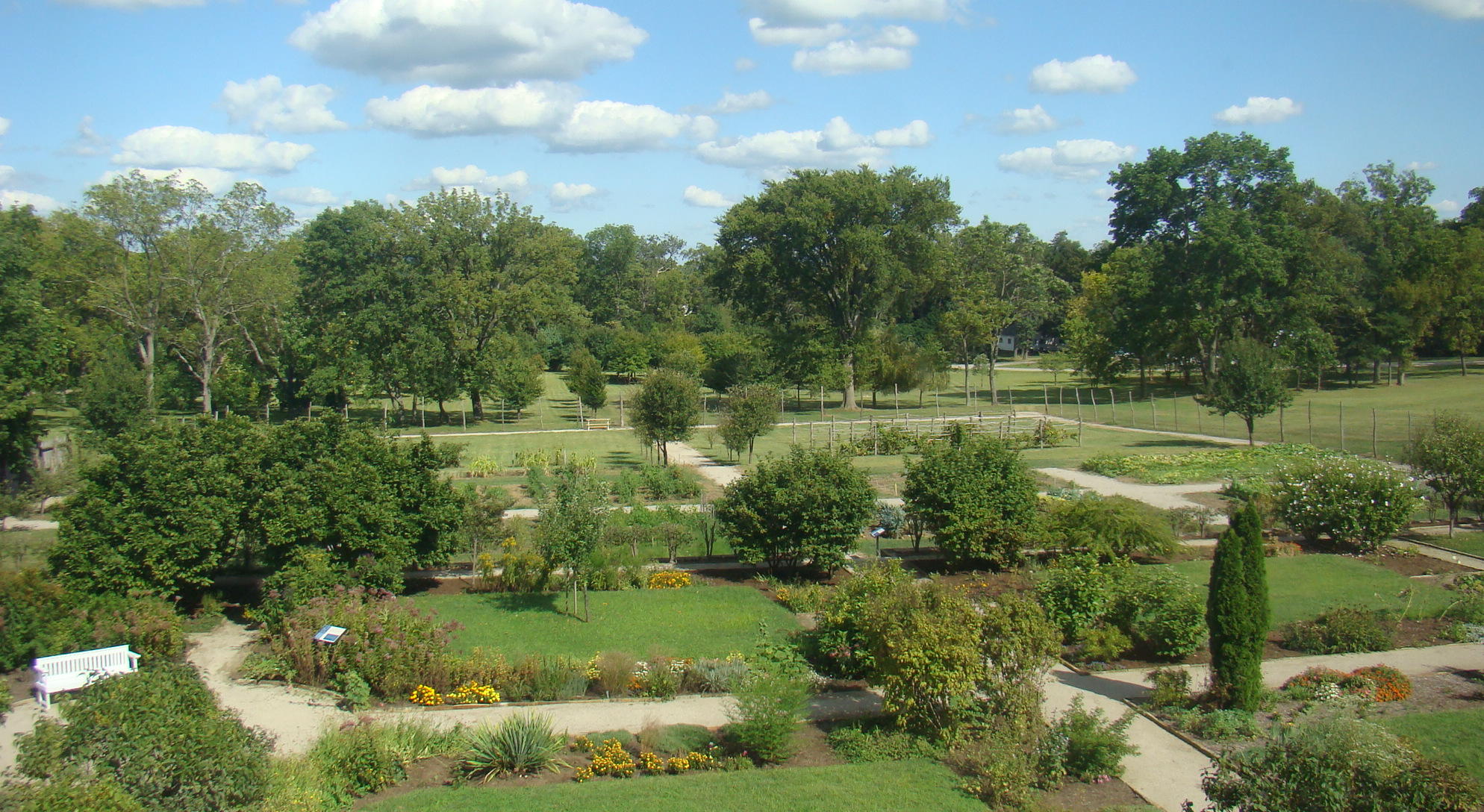
Among the  four bedrooms upstairs, there was one for the boys and another for the girls. Although there were ten children, there were seldom more than three in a room at one time. On the dresser in the girls’ room was a set of cards for learning the alphabet with a flexible Mr Hodge Podge to bend to the shape of the letters.  Guess the girls had homework even way back then. Education was very important to the Worthington family and they even thought it important to educate the girls, which was not a common occurrence in the 1800s. Imagine they took a break now and then and looked out the window at the beautiful gardens surrounding their home.

After reading a book on ancient history, on Sept. 18, 1811, Thomas Worthington wrote in his diary: “Adena” a name given to  “places remarkable for the delightfulness of their situations.”  It becomes apparent that visitors experience this same type of feeling by the smiles on their faces as they explore this beautiful mansion from years gone by.
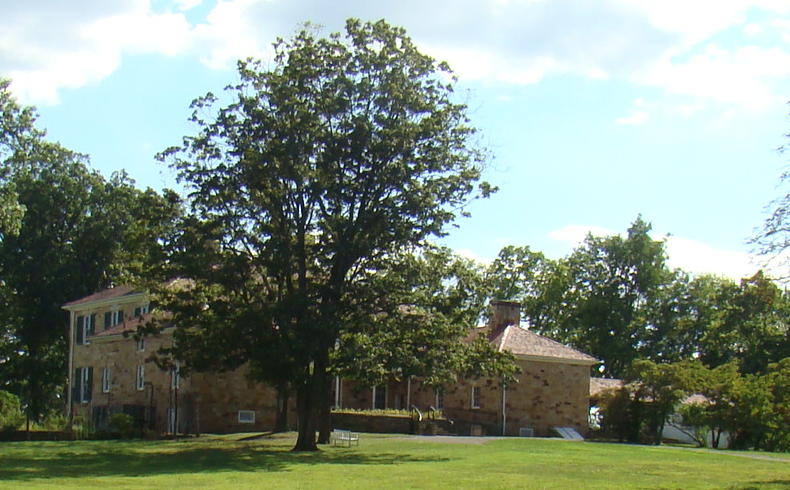
The Adena Mansion is located Northwest of Chillicothe, Ohio just off State Route 35. Directions are well posted to the Adena State Memorial, which includes the Mansion and Gardens.  It is a short walk through the Gardens to arrive at the Mansion. Admission is reasonable but you need to check their schedule for hours opened.

Memories of a One Room School

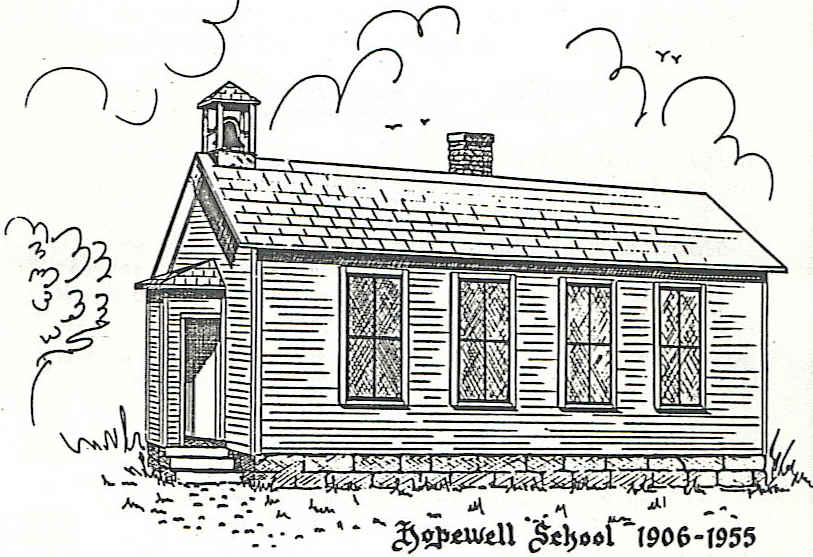
Long ago in 1906, Hopewell School was built in Indian Camp, Ohio.  Education there continued for nearly fifty years with the last class graduating eighth grade in 1955. One teacher taught eight grades for most of those years and needed lots of patience and planning, as they had to make do with whatever was available.

Most of the one room schools of that time were set on large, hand-hewn, rectangular sandstone blocks with the building being constructed of weather boarding painted white. There were windows on each side, but none in the front or back, and one door in the front.  Behind the school there was a coal house, which kept the supply of coal needed to heat the pot-bellied stove. Of course, there were never any modern conveniences at Hopewell School.  Out back of the school were two outdoor privies, and both two holers.  Could be a very cold trip and seat in the middle of winter.

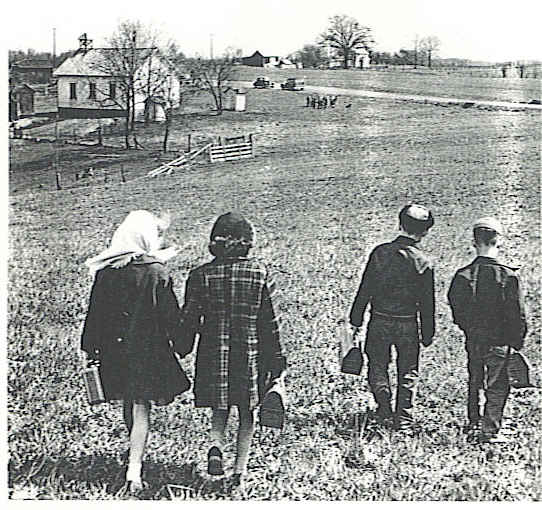
If they lived within a mile of the school, students walked with their lunch boxes tightly gripped, and that was part of the fun. Older students usually watched out for the safety of the younger ones, and often even helped scare a barking dog away. If the teacher lived in the area, they might pick up a few students on a rainy day.
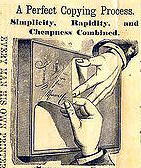
Every day of school opened with the pledge to the flag and a morning devotion. All subjects were taught to all grades by one teacher.  How busy they must have been! The teacher was very excited when she obtained this special copy machine, a hectograph. After placing the master copy in a pan of gelatin-like substance, several copies could be made quite easily by picking up the ink the master copy left behind.  Now she could make twenty copies of something in five minutes from one original writing.  They would be so amazed at the technology available today! This was a time of learning to help your fellow students also, as students helping students was a big part of the day. Double desks made it easy for one student to sit with another, who might need a little help. With all eight grades in one room, it was also a great opportunity to learn from older students while listening to them recite their schoolwork.

Getting water was a great excuse to get to leave the school ground, and students were seldom in a hurry as they enjoyed talking to neighbors along the way. There was always someone who was kind enough to let children get water from their wells and carry a bucket of it to school.  There it would be placed in a large container at the back of the room that had a spout at the bottom.  Everyone drank from the same dipper, unless they were lucky enough to have their own folding metal cup.

Keeping warm was sometimes a problem as the pot bellied stove seemed to be extra warm on one side and rather cool on the other.  One of the students would go back to the coal house and fill up the bucket to set beside the stove. The boys usually did this and didn’t really mind, as sometimes they would sneak a smoke while they were back there.

Recess was spent playing baseball, hopscotch, Annie Annie Over, Red Rover, and climbing the trees to sit and talk with a friend or watch the games being played. Teachers were usually outside keeping an eye on everyone. The only time recess was inside was during a heavy rain.  In the winter sledding was a popular recess activity on the nearby hills. Once in a while, the teacher would permit some students to go to the General Store in Indian Camp for a little candy or soda treat.

Special programs were a big part of the school and community life.  The Farmers Institute was one special time when students sang and performed skits for the entire community.  Every holiday was an occasion for a school activity. Halloween might involve a costume contest, and Christmas guaranteed a packed house for the program.

After spending eight years at the one room school, the transition to high school was often difficult. The ride on a school bus to Cambridge High School was an adventure in itself.  The early bus was a small one compared to today’s standards, and only held a dozen students. Days were long for many, who would get on the bus at 7:00 after chores were finished, and get home at 5:00 in the evening, just in time to help with evening farm chores.

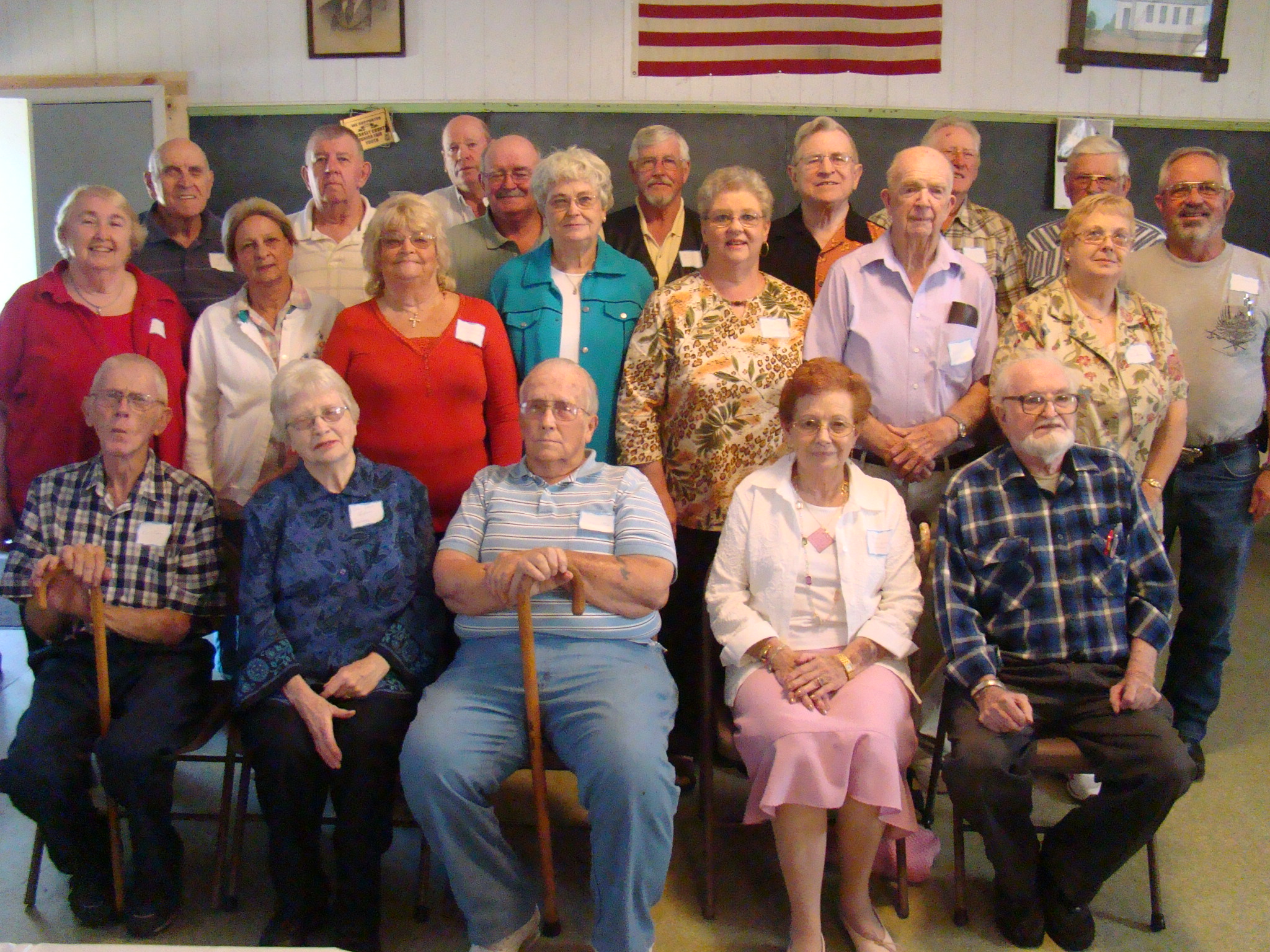
Memories of the Hopewell One Room School are still fresh in the minds of the students who attended there over the years.  The school still stands today and is now used for Grange, 4-H, homemakers, and church services.  Students still meet once a year to relive old memories and get reacquainted with each other. Ties to classmates remain strong over the years as experiences there helped shape their lives. When the day is over, former students depart with the thought: “God be with you till we meet again.”

 
The old Hopewell School is located in Guernsey County near Cambridge, Ohio right near the outskirts of Indian Camp.  Take Route 209 West out of Cambridge, then turn right on 658 North.  After about five miles, you should come to the town of Indian Camp.  At the far side of the town, you will find a church and the old one-room school.

Adena Mansion and Gardens Education Center

“Father of Ohio Statehood” describes Thomas Worthington, original owner of Adena Mansion near Chillicothe, Ohio.  Before visiting the Mansion, an interesting tour of the Education Center there provides background information.

A short film, “Debate for Statehood” at the Adena Mansion and Gardens Education Center, describes the battle for Ohio becoming a state starting back in 1801. Many of the discussions for and against statehood were held at Gregg’s Tavern, which has been reproduced here.  The tavern provided food, drinks, entertainment and a place to sleep. This is where people heard all the news from travelers and locals, and even read the newspaper.

Protests were held at Gregg’s Tavern to oppose Northwest Territory Governor Arthur St Clair’s proposition to divide the land, which we presently know as Ohio, by an entirely different plan than originally proposed by the Northwest Ordinance. Opposition, led by Thomas Worthington, was so strong in the Chillicothe area that St Clair was burned in effigy outside Gregg’s Tavern on Christmas Eve. Eventually St Clair’s plan was not accepted and  in 1803, Ohio became the 17th state with its capital located in Chillicothe.

A tomahawk ceremonial pipe belonging to Tecumseh, Shawnee Indian Chief, is featured in The Tomahawk Room.  When Tecumseh visited Thomas Worthington at Adena in 1807, he found that Worthington was a man of peace and said he would never raise his tomahawk toward him. He presented the ceremonial pipe to Worthington for his efforts to bring peace between whites and Indians. Blue Jacket, warchief for the Shawnees, and Tecumseh were frequent guests at the Worthington home.  Mrs. Worthington was actually afraid of the Indians and often stayed in a different area of the house when they arrived. Even though the Indians were friendly, they always slept outside.

Another area of the Education Center replicated the Dry Goods Store of that era.  Merchandise here was usually paid for either by trading another item or put on credit.  There was a ledger on the counter to track the credit purchases. At this time people were lucky if they received fifty cents a day in pay, so prices of goods were considerably lower also. For example, a chicken cost about six cents, while you could get a barrel of flour for four dollars.  The Dry Goods Store was also the post office where you paid twelve and a half cents to pick up a letter.

Before leaving the center to tour the Adena Mansion, had to stop and play a video game…which definitely wasn’t around then.  An interesting game, River Trader, let you load your boat with products of your choice and transport them to a final destination.  There were problems and choices along the way as you might get stuck on a sandbar or have your produce spoil.  But at the end of the journey, you were given a profit for your trip.  Made $6,381 profit on my first trip and became a Great Trader.  The caption said: You should run for County Commissioner.  What fun!

Stop by to learn more about early Ohio history as well as the influence of Thomas Worthington, one of the founding fathers and first United States Senator from Ohio. See how early pioneer families lived, worked, and played.

Adena Mansion and Gardens Education Center is located Northwest of Chillicothe, Ohio just off State Route 35.  Directions are well posted to the Adena State Memorial, which includes the Mansion and Gardens.  Admission is reasonable but you need to check their schedule for hours opened.