Places to go and things to see by Gypsy Bev

Archive for the ‘Uncategorized’ Category

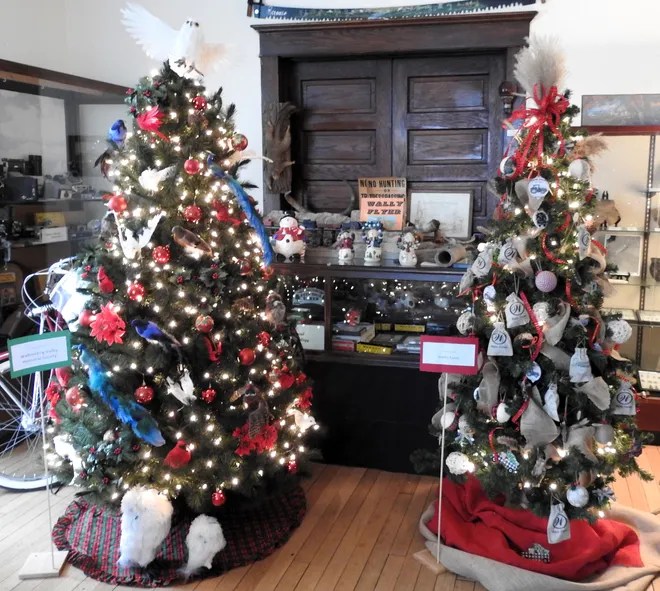
Walhonding Valley Historical Society Museum Presents Festival of Trees

Learn the history of the Walhonding Valley area while celebrating the spirit of Christmas during their holiday celebration. Beautiful Christmas trees are on display during their 9th annual Festival of Trees with entries from individuals, groups, and corporations.

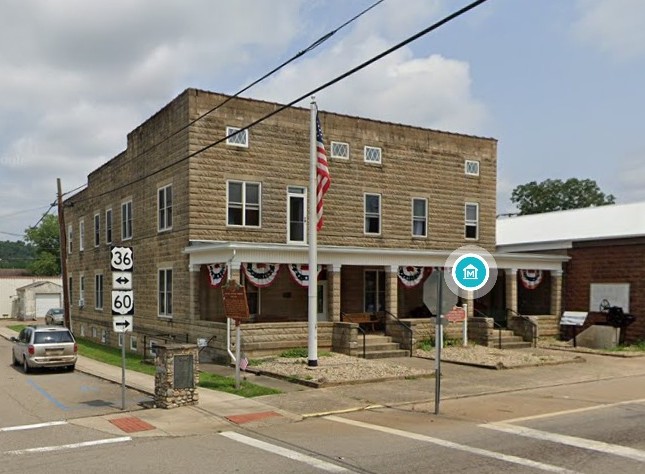
Walhonding Valley Museum can be found at the corner of Routes 36 and 60 in Warsaw.

The Walhonding Valley Historical Society Museum at 102 E. Main St. in Warsaw was formed in 2001 as a result of a vision by community leader Marvin Davis. Marvin wanted there to be a way to share stories of the past for future generations so they could cherish its traditions and learn from its lessons. Next year they will celebrate their 25th anniversary.

It began in a one-room building but soon needed more space. At that time, they purchased the present building, which is on the National Register of Historic Places. From 1906-1975, this building was a doctor’s office. The second floor had 13 rooms to rent or use for the patients. The first caesarean section in the county was performed in this building. Doctors came in by train as needed

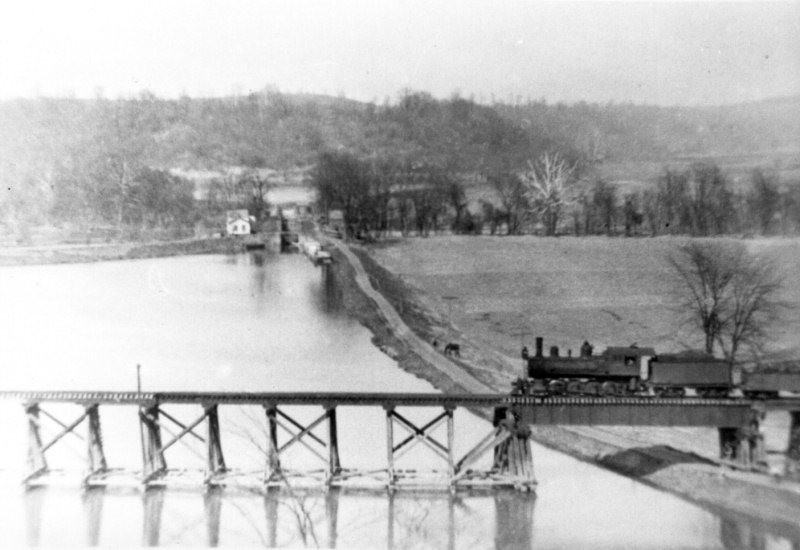
This trestle crossed the Walhonding River at Roscoe.

The Walhonding River plays a large part in their early history. It is said to have been an Indian name for a white woman. On early maps in 1752, the river was actually labeled “White Woman River.” The first white woman to live in the area was Mary Harris, who married Chief Eagle Feather of the Delaware tribe.

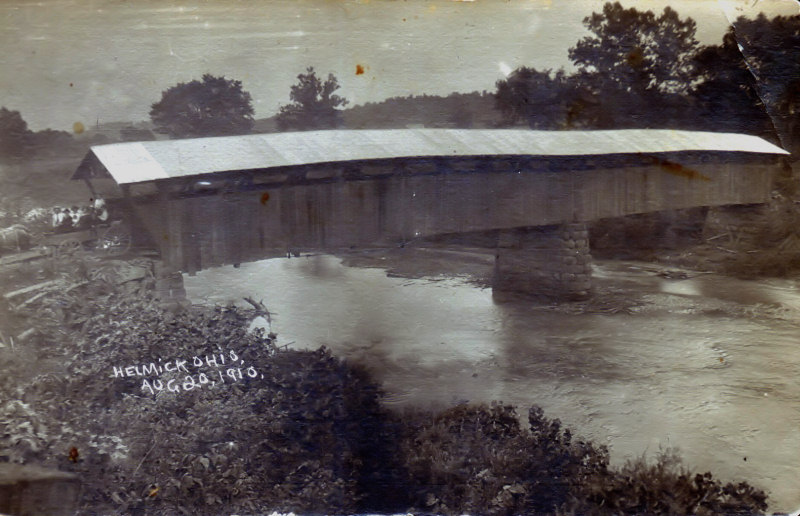
This covered bridge crossed the river at Helmick in 1910.

White Woman’s Rock can be found at Kilbuck Creek, a branch off the Walhonding River between Coshocton and Warsaw. Legend says that a white woman jumped from this rock with her baby to avoid having the Delaware Indians make them captives or worse.

Johnny Appleseed, also known as John Chapman, planted his first apple tree nursery in 1798 and planted many trees in the Walhonding Valley. He walked hundreds of miles and planted thousands of trees but also protected settlers from Indian attacks, helped them build cabins, and was a source of inspiration to everyone he met.

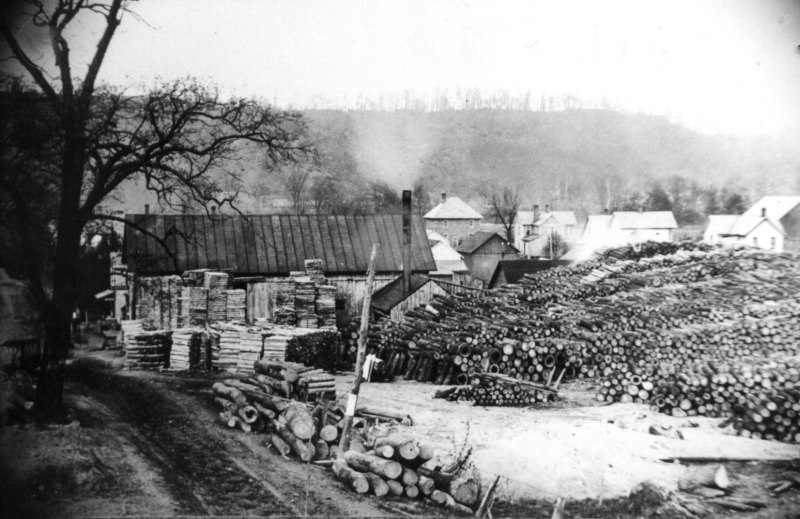
Nellie had a busy ax handle factory.

Many native artifacts of the area can be found in the museum. They show a glimpse of the area’s prehistoric past. The Delaware Indians lived in Jefferson Township where they mined flint. An impressive display of this early local flint is on display. The dates and place of the flint has been authorized by studies from Ashland University and the College of Wooster.

Traffic on the river was not always possible so a canal system was built in 1842 with a branch canal being the Walhonding Canal. By 1844, there were 100,714 bushels of wheat and flour being shipped on this canal.

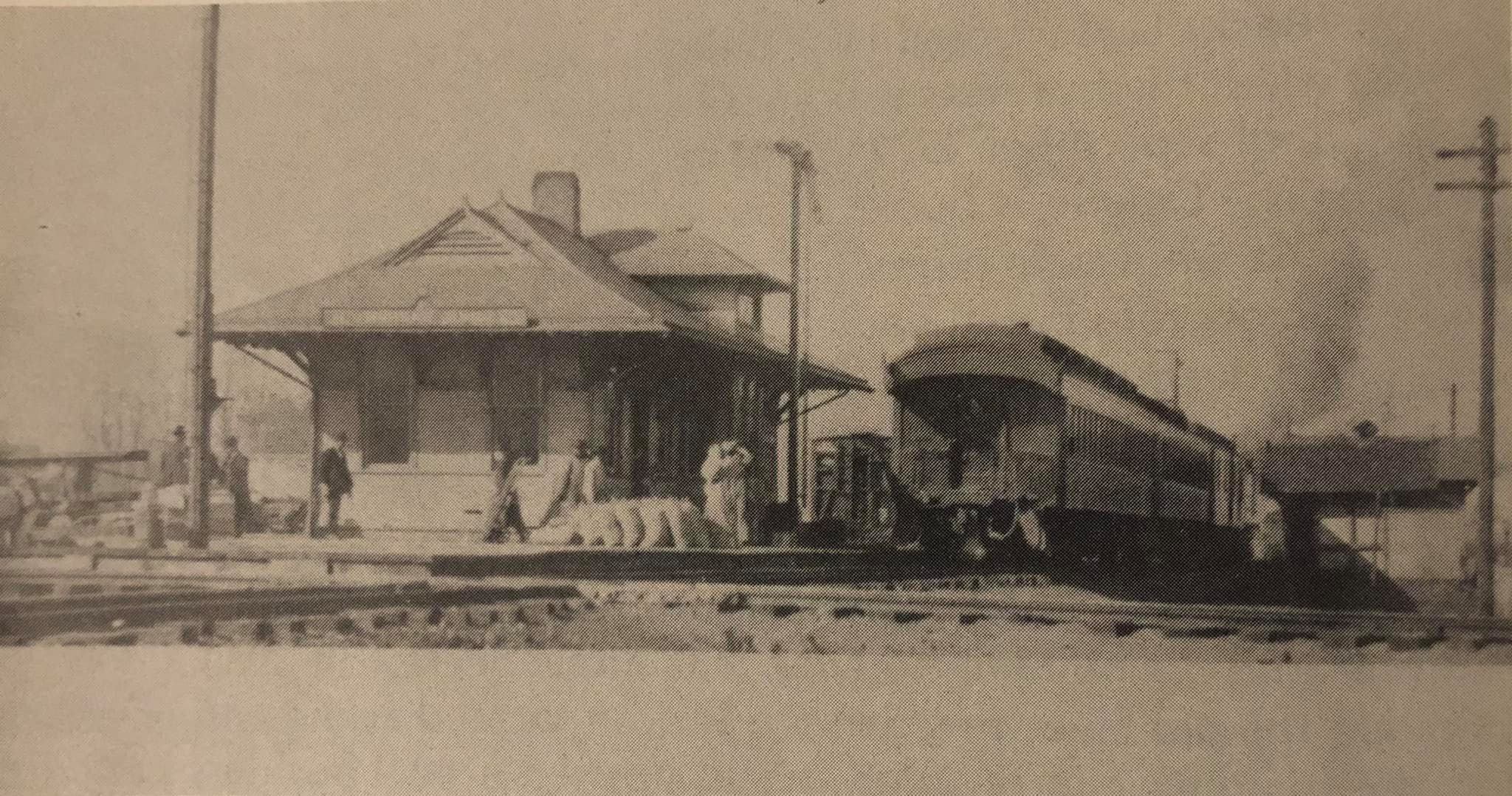
Wally Flyer, a passenger train, made stops at Warsaw Junction.

As costs of maintaining the canal exceeded the revenues, railroads began taking over the business. By 1893, the Wally Flyer railroad was completed in the valley. The Toledo, Walhonding Valley & Ohio line carried an immense traffic in coal from the Cambridge coalfields to Toledo and lake ports.

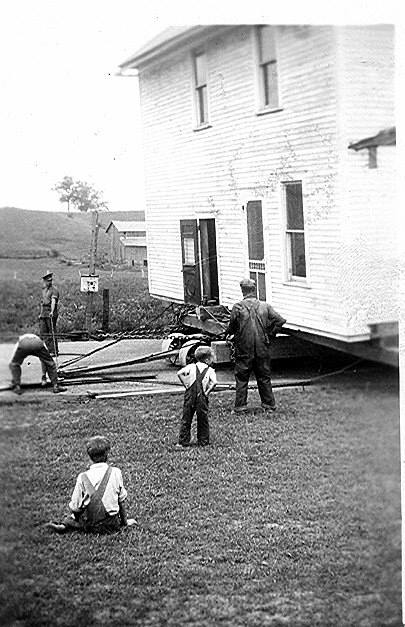
All Walhonding’s buildings were moved when the Mohawk Dam was constructed in the 1935.

There are three floors to the museum. The first floor contains an old-time doctor’s office, barbershop, and has a wonderful Military display, where you will find treasures from WWI, WWII, Vietnam, and Desert Storm. They even have a uniform, saddle, and cannonball from the Civil War. There is also a display of school memorabilia.

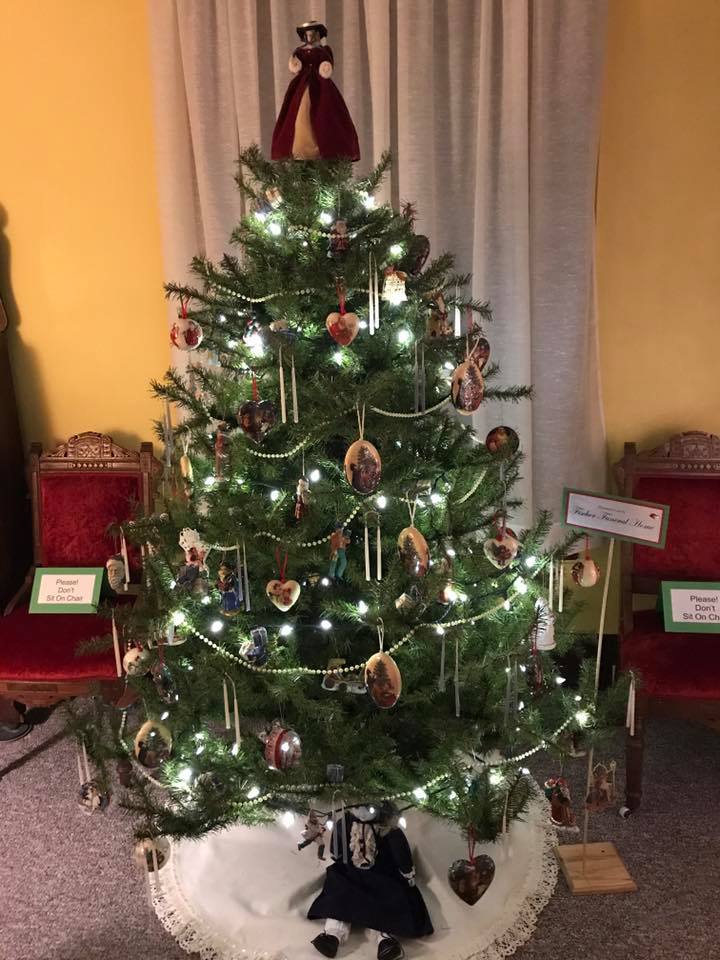
A beautiful tree of pearls appeared the first year in 2017.

On the second floor, nine of the rooms have been refurbished. The basement is being developed also and was the place of the first Boy Scout meeting in Warsaw.

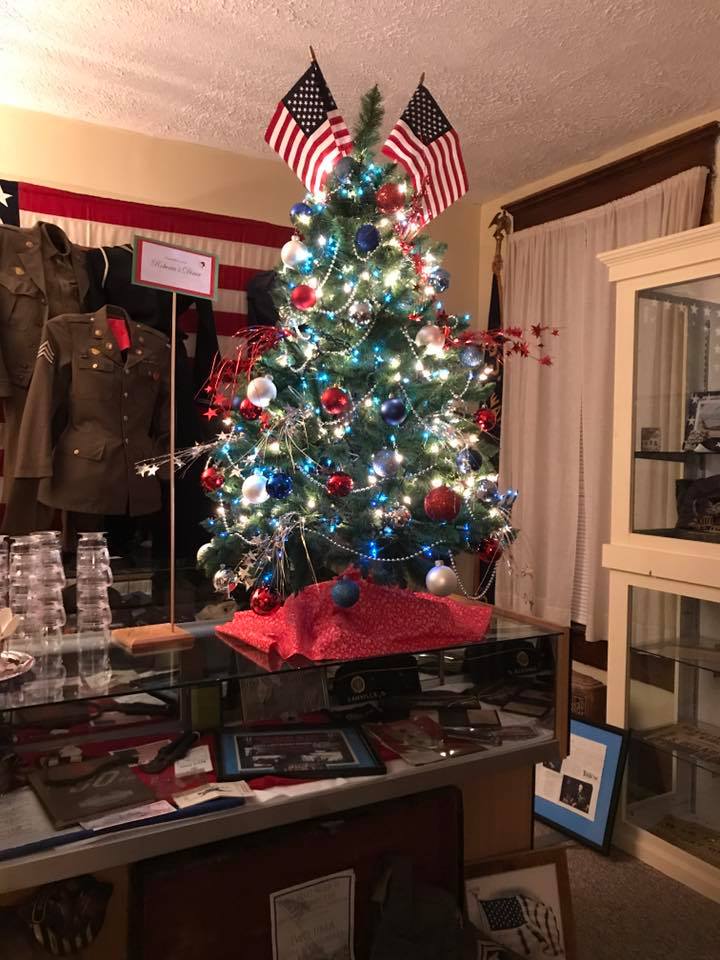
A red, white, and blue tree was in the Veterans section.

At the present time, the museum is open by appointment. However they are open for the Festival of Trees every weekend from Thanksgiving to Christmas on Saturday and Sunday. Call 740-824-4000 for information or an appointment time. Visit their website at http://www.wvhistoricalsociety.org.

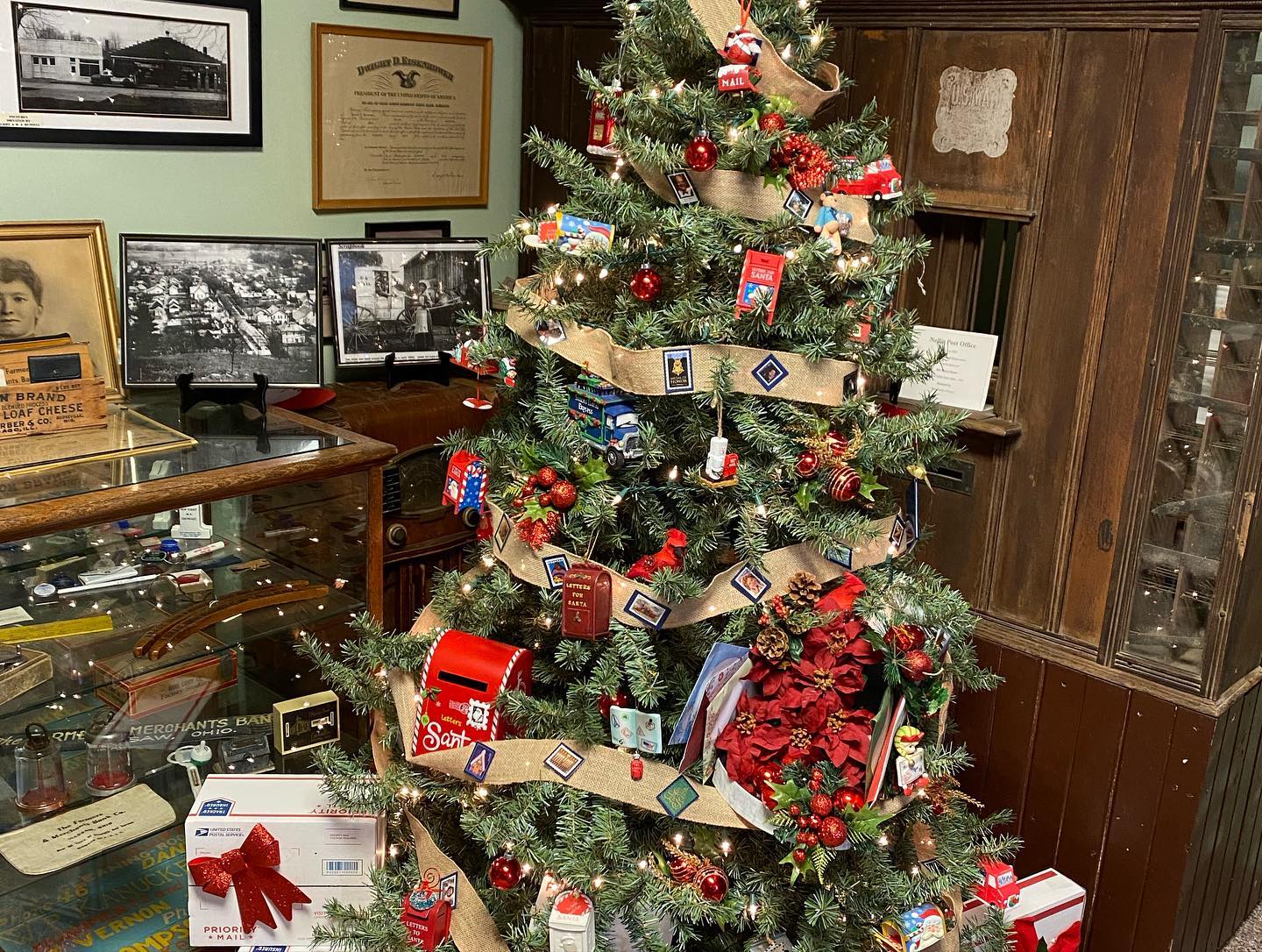
Letters to Santa tree even had a mailbox.

This is a perfect time to visit the museum as it is their 9th Festival of Trees. View the beautifully decorated Christmas trees throughout as well as learn more about the history of the area. Last year there were 28 trees decorated by local businesses, groups, and students. Seven of those trees were decorated by students from River View Local School District. The students always have a tour of the museum after they finish decorating the tree.

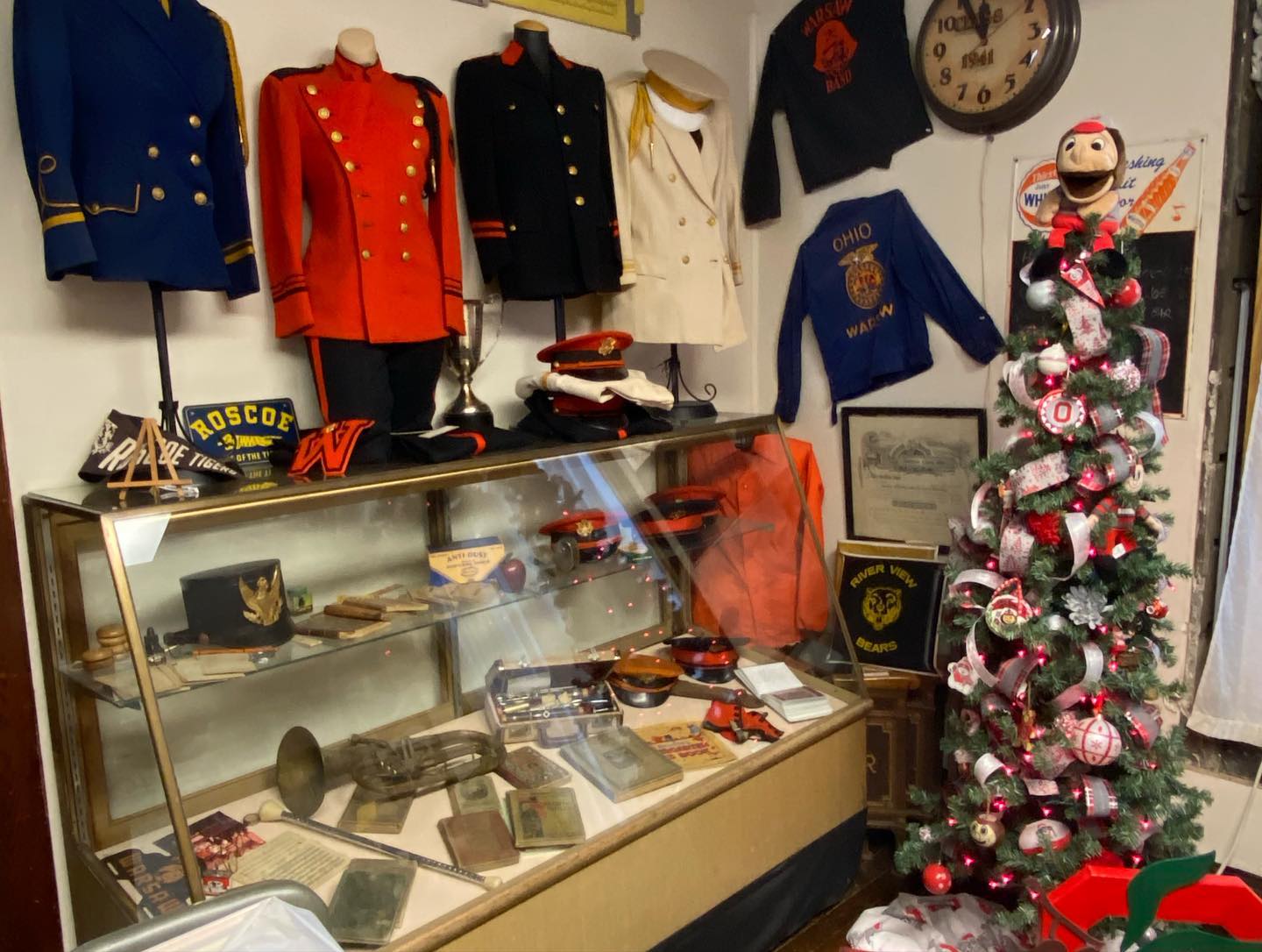
A Buckeye Tree was in the room that contains a band display.

Open House will be held on the Sunday after Thanksgiving, the same day that Santa comes to town. For the next three weekends, you are free to tour the Festival of Trees and the museum at no charge. It will be open on Saturday evenings and Sunday afternoons.

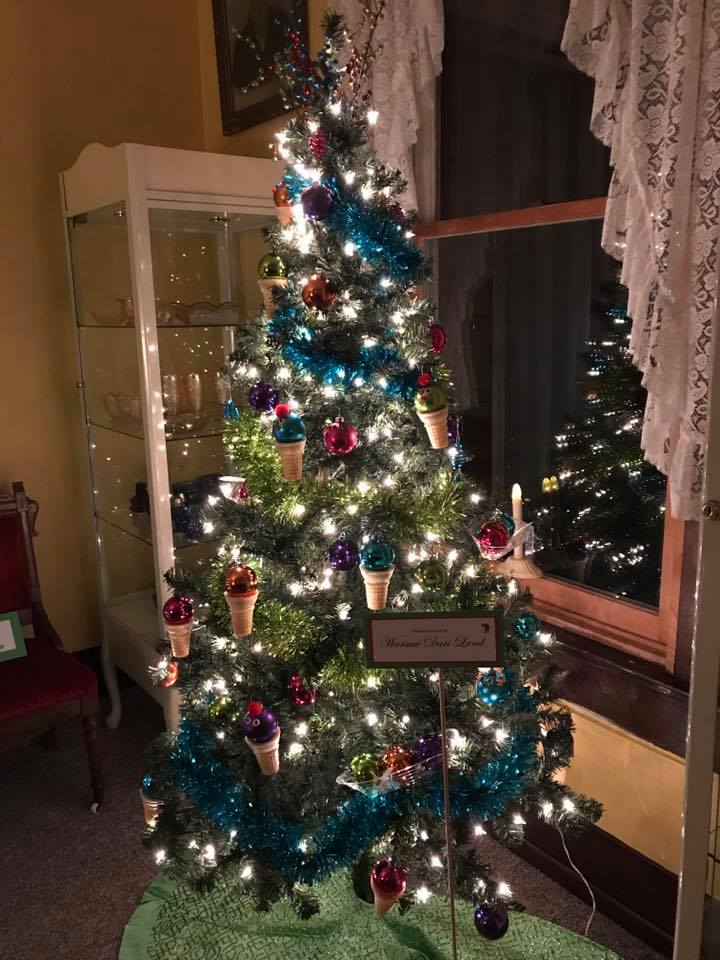
An Ice Cream Cone Tree from Dari Land appeared in their first year, 2017.

Enjoy learning some area history while enjoying the spirit of Christmas at the Festival of Trees at Walhonding Valley Historical Society Museum.

Village of Byesville Museum

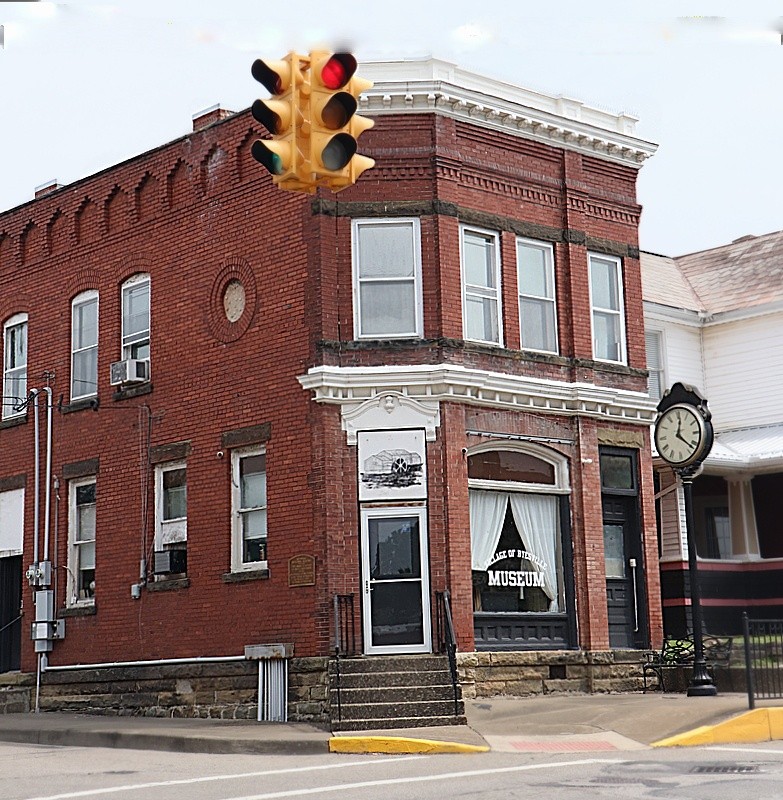
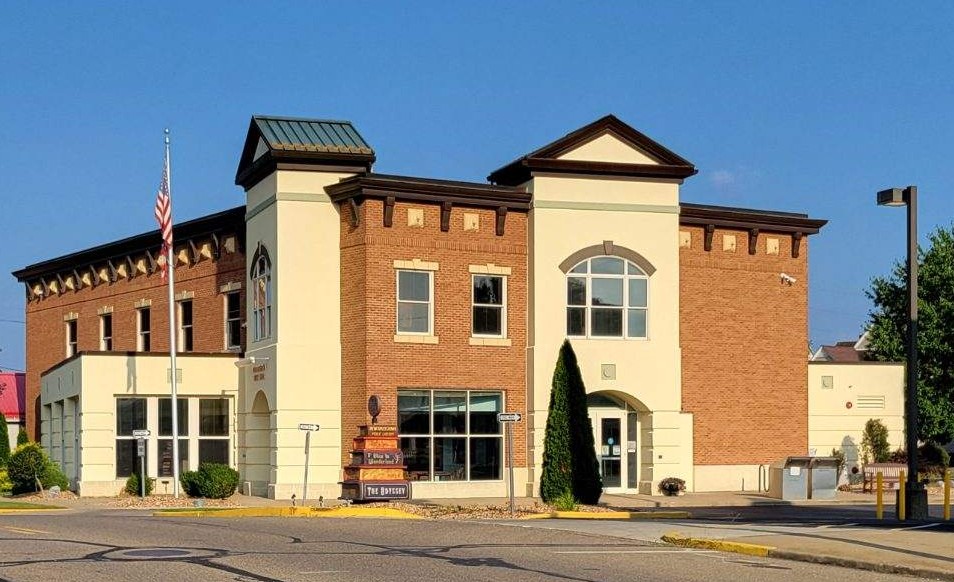
Byesville Museum was originally First National Bank back in 1901. (All photos by Calvin Chester)

Visit the newly renovated Byesville Museum & Welcome Center at 236 Main Street. This facility is located on the corner in the historical First National Bank, which has existed in Byesville since 1901.

Byesville was platted in 1856 and named for Jonathan Bye, who had a mill there. It’s nickname at that time was Bye’s Mill. It became incorporated in 1881. A great deal of history has been accumulated over the years and some of that can be found in the Byesville Museum.

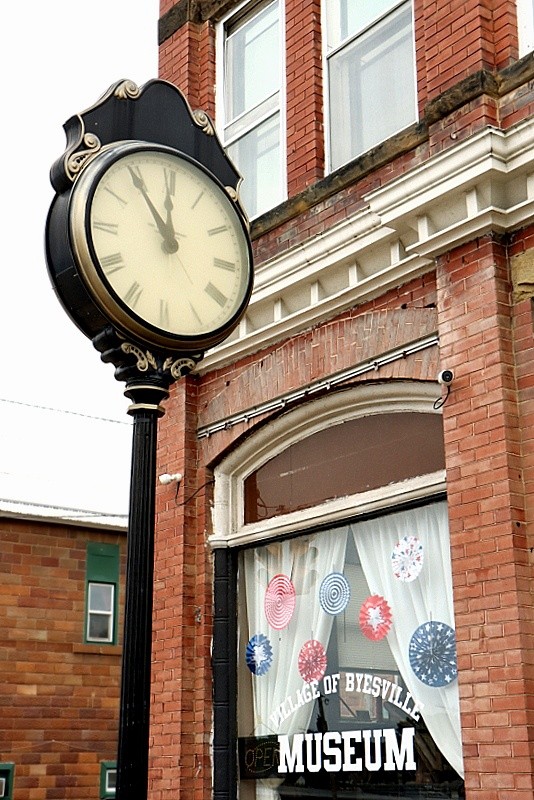
The clock was given by L.D.M. Technologies in 1998.

The museum contains a collection of antique items, photographs, and documents which chronicle the history of the area from the mid 1800s to the present. Learn more about the history of the bank and the surrounding area. You’ll find some surprises.

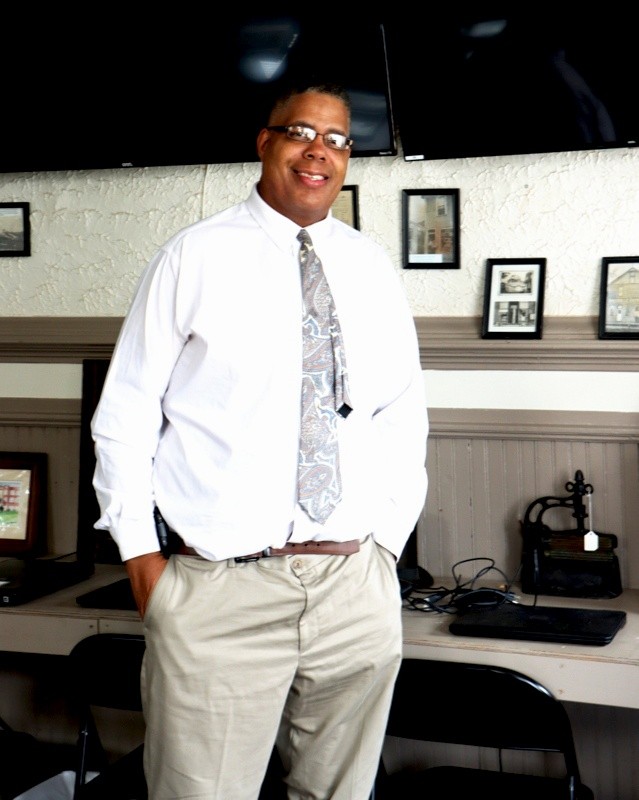
Mayor Jay Jackson gave us a tour of the museum.

Byesville Mayor Jay Jackson talked about the Byesville Museum and gave a tour of the facility explaining how the museum had been revitalized in the last few years after some extensive water damage. Many items were lost because of the water and they are trying to make sure that doesn’t happen again.

Mayor Jackson stated, “I have a strong belief in history as stories of the past help us understand our heritage. The items contained here are a hidden treasure.” It takes a village to make these things work and the museum has become a place where you can find the history of Byesville and the surrounding area because of everyone working together.

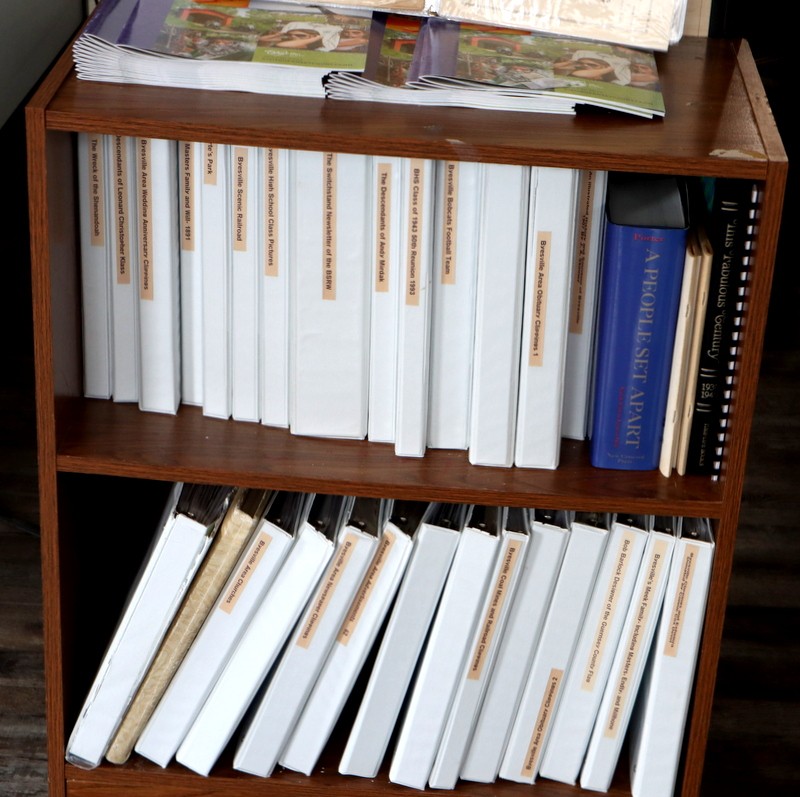
Many volumes of old photos and newspaper items are available.

Learning stories of the region’s past can change the way you think about the present. There is an extensive collection of notebooks filled with old photos and newspaper items that could give hours of enjoyment.

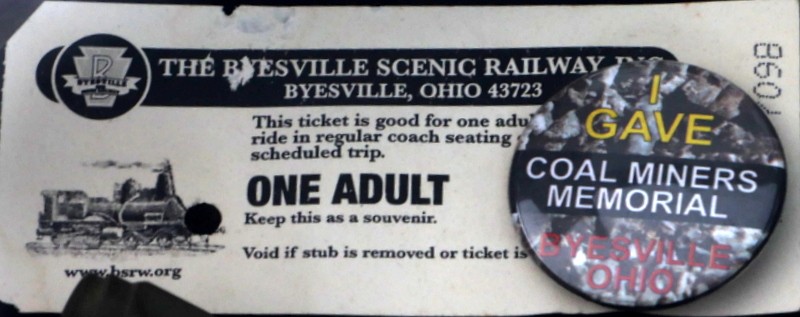
A ticket from the Byesville Scenic Railway reminds people of the local coal heritage.

The museum includes a Resource Center with computers available where you can look for a job, work on a school project, take a class, or learn how to use the computer. Here pictures can be shared about the history of Byesville. They also developed a special slideshow of local veterans.

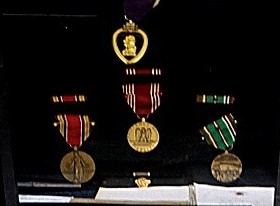
Veterans are honored with a display as well as medals won.

The back room is now open for displays. A special display there honors the veterans from WWII. A case contains medals that were received as well as a purple heart.

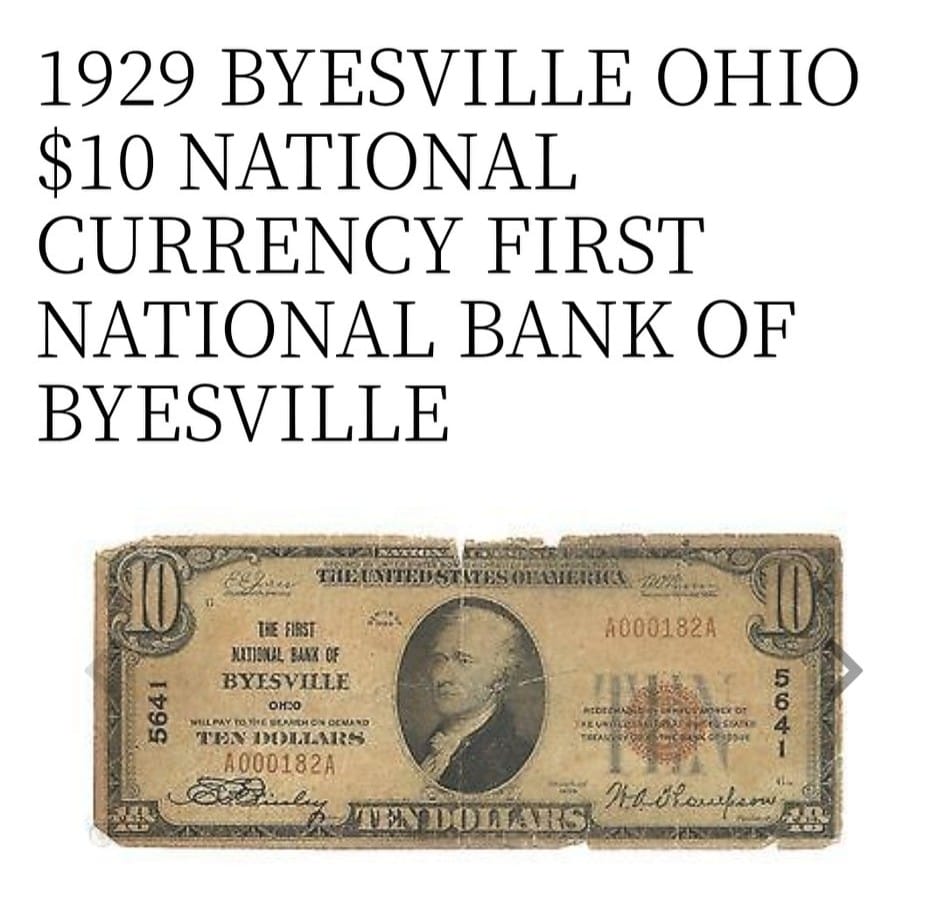
This $10 bill, national currency, has The First National Bank of Byesville printed on it.

The second floor of the museum contains boxes of treasures but there is only so much room for display. If you would like to help with this project or perhaps have something that should be added, become a volunteer so it can be opened on a full-time basis. New ideas are always welcome. If you’re interested in helping out a few hours a week, let Jay Jackson, Village of Byesville Mayor or Michael Port, Byesville Councilman, know by sending them a Facebook message.

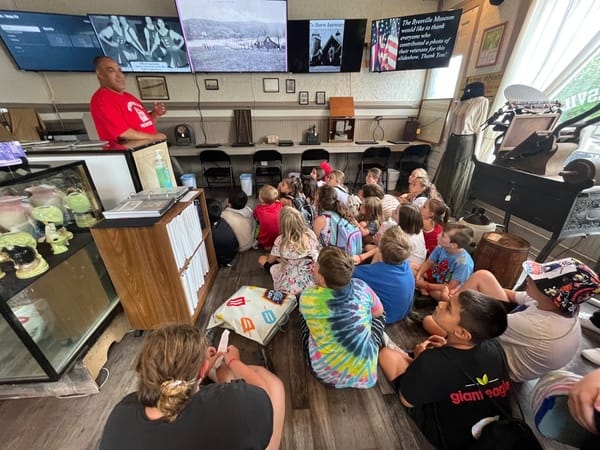
Michael Port talks to a group of children from Nurture Daycare, who visited the museum.

Recently, a group of children from Nurture Daycare visited the museum with their teachers to learn more about how Byesville began and how it is growing today. They shared photos of Byesville’s past with them on the large computer screens, handed out two coloring pages for them to do, and showed them around the museum. These children are the future volunteers who will keep Byesville a place sharing its history. If you would like to bring a group for a visit/tour, let Mayor Jackson know so they can get you scheduled.

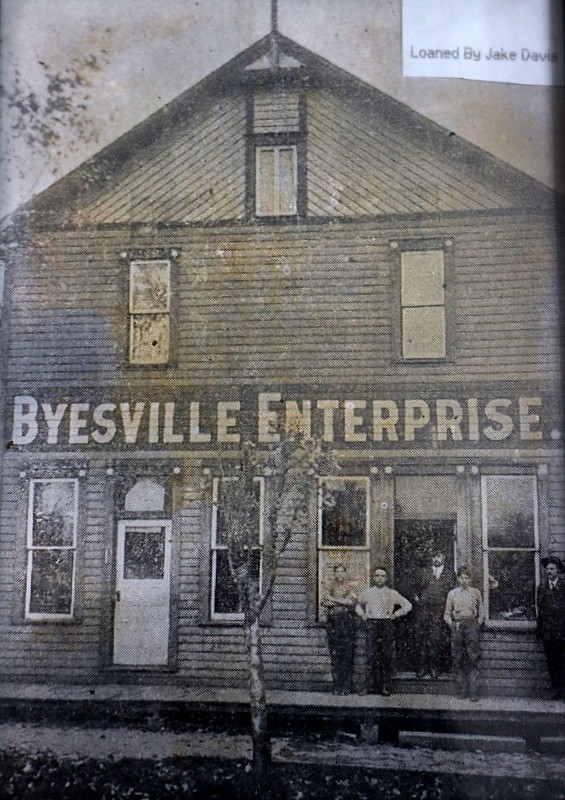
This old picture shows Byesville Enterprise, the local newspaper office.

The museum, operated by Byesville Historical Society, is open May through September on Monday, Tuesday, and Thursday from 11-2. It’s best to call ahead at 740-260-3088 to confirm they are open as hours of operation vary based upon volunteer availability. Check out their Facebook page listed under Byesville Museum.

Interurban tracks ran down Depot St. (now 2nd Street) in downtown Byesville.

If you are from the area, the museum is certain to bring back many memories. Having spent much of my childhood in Byesville, there are many great memories from times when we walked from The Bottom, where my grandpa had Veselenak’s Grocery. We headed downtown to Luna Theater to watch a movie, got a snack at City Restaurant, and picked up a coloring book at Jack’s Five and Dime. Perhaps you have some favorite memories of Byesville, too.

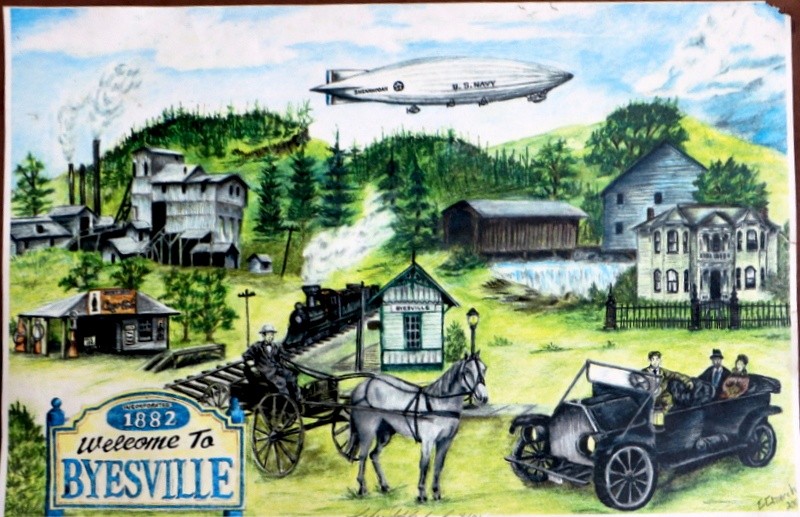
A painting of life in Byesville in 1882 hangs in the museum.

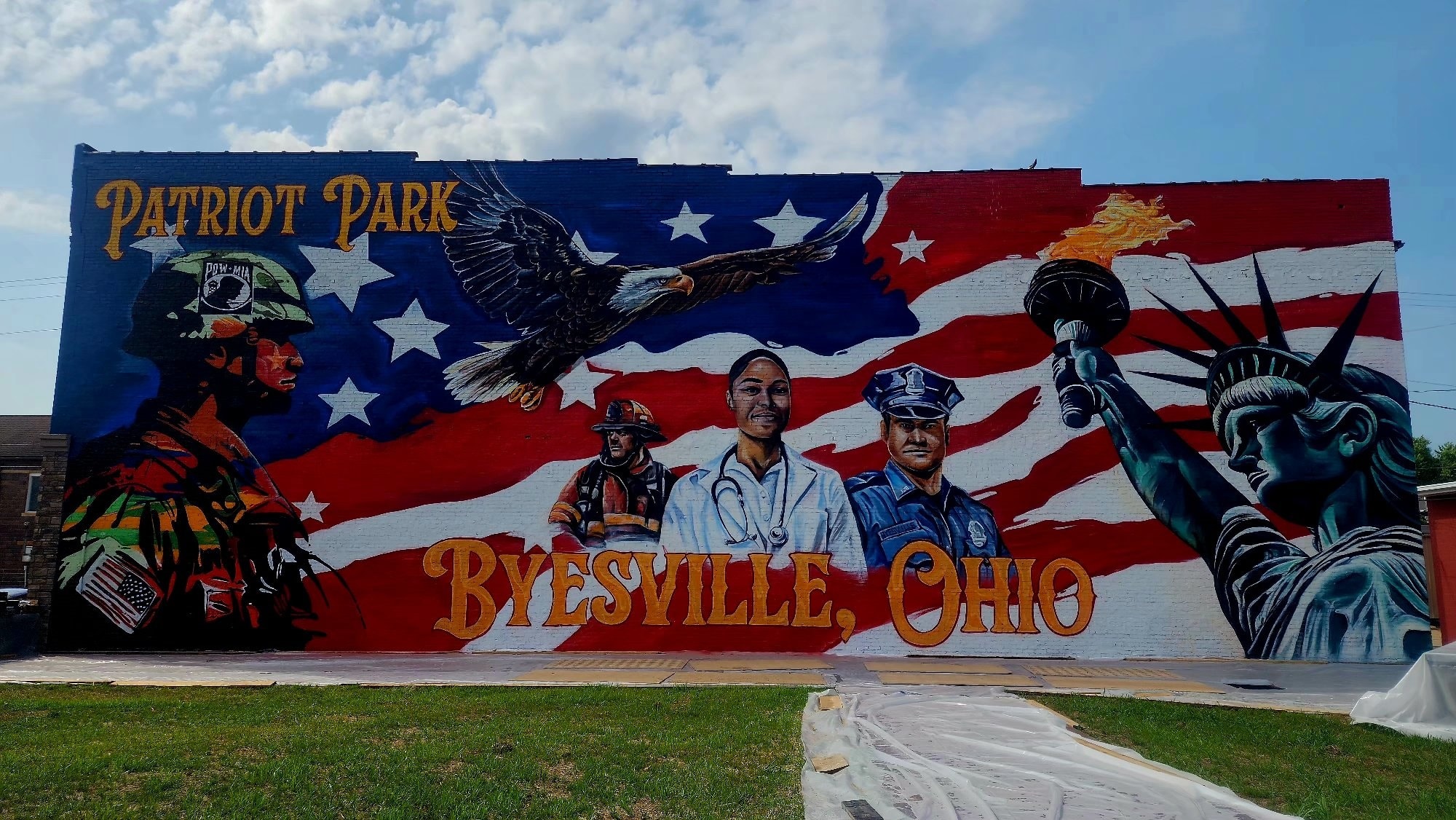
Today, Byesville is growing with many new businesses opening there. A new Patriot Park will highlight the corner of Main and 2nd Street. It will feature picnic tables, benches, new sidewalks, a gazebo, mural, a fountain, and a stage. Ideas are being discussed for possibilities to use the old Main Street School for new purposes. History continues to be made as each year passes.

The history of a town teaches lessons that need to be learned as our roots never change. Explore Byesville Museum when you get a chance and perhaps find a connection to your roots.

Library Book Clubs for Everyone

It’s always a good day to read a book.

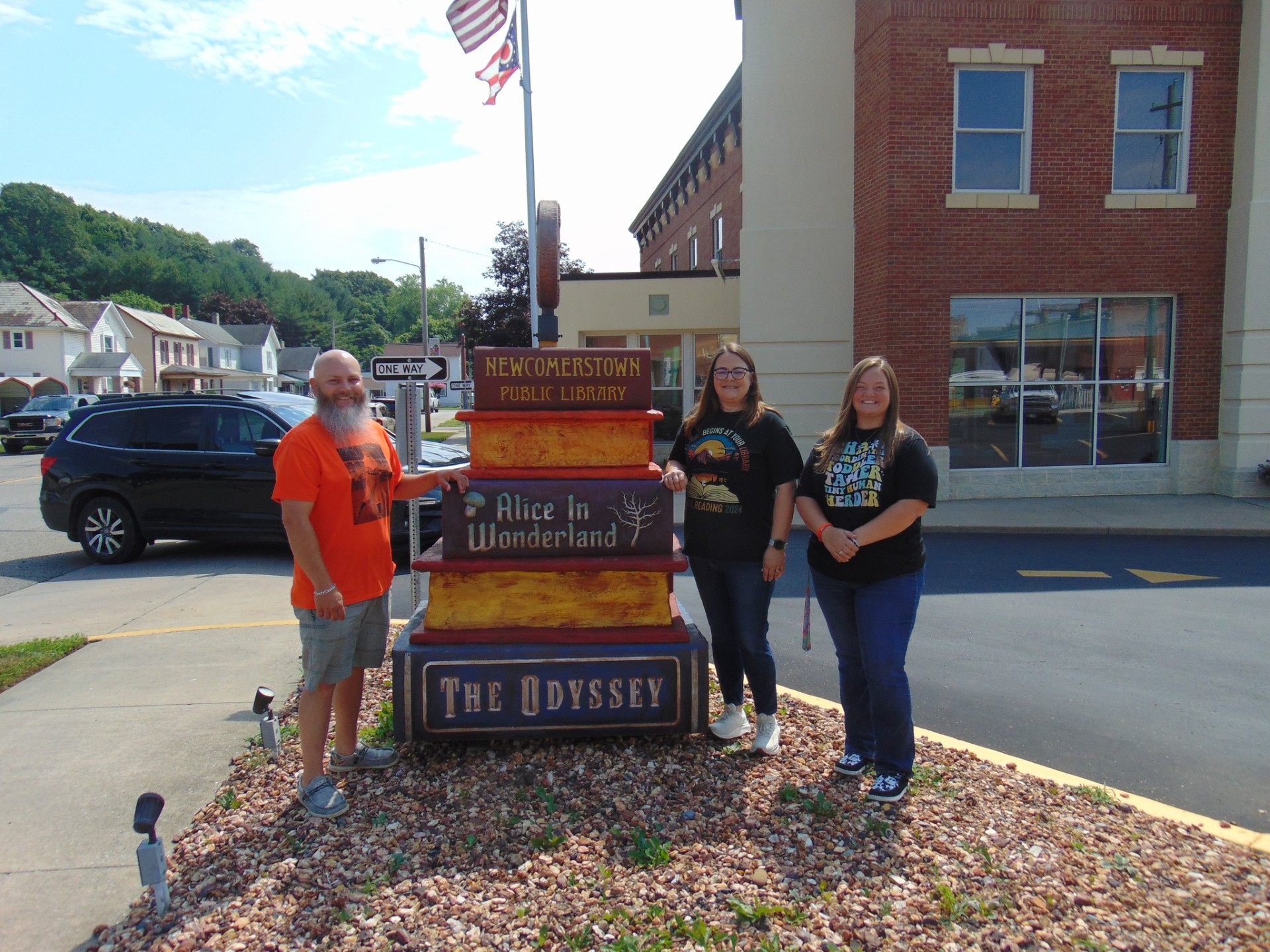
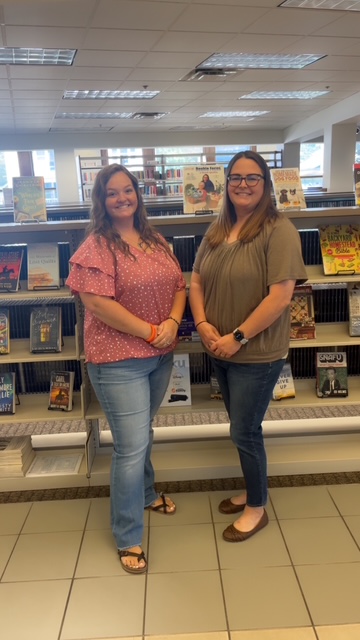
Cody Addy, Executive Director,  Janet Tedrow, and Brei Fechuch welcome people to the Newcomerstown Public Library at the large stack of books outside.

Almost every library has a book club where readers all read the same book each month, then meet to share their interpretations and opinions. This is an enjoyable activity and gives purpose to reading. Cody Addy, Executive Director of the Newcomerstown Public Library, has several book clubs organized in their library for groups of all ages.

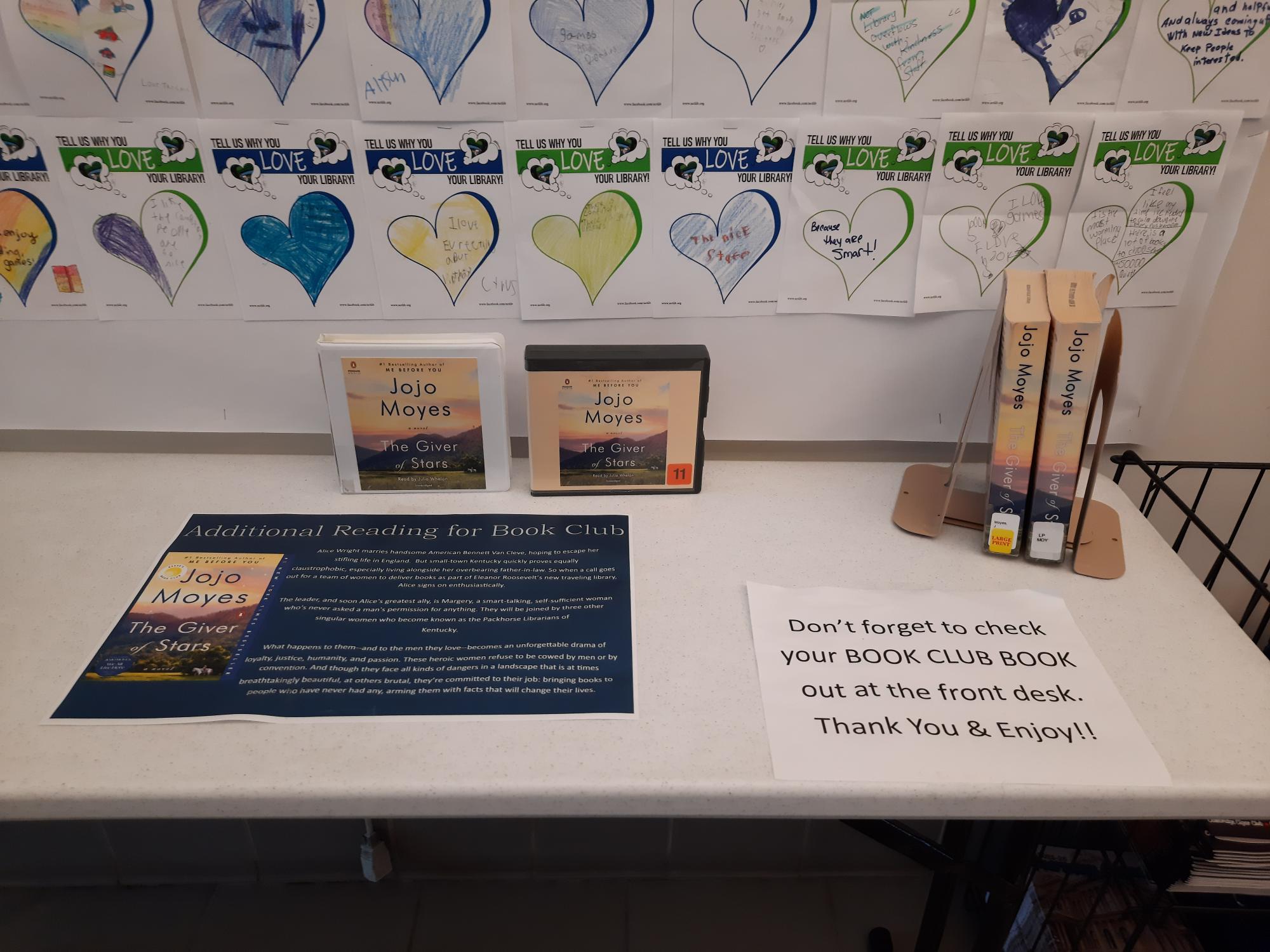
A table just inside the lobby reminds readers of the monthly adult book club selection.

Some book clubs are very specific like the one in Newcomerstown, where they have the Cookbook Club. While the club had a break in activity, it returned in 2025. This Cookbook Club is basically a book club for the ladies who love to try new recipes, socialize, and have good dishes to sample. This is an adult club for those 18 years and older and meets in the Library Annex from 4-5 on the third Wednesday of the month. It is led by Brei Fechuch, Public Services Manager.

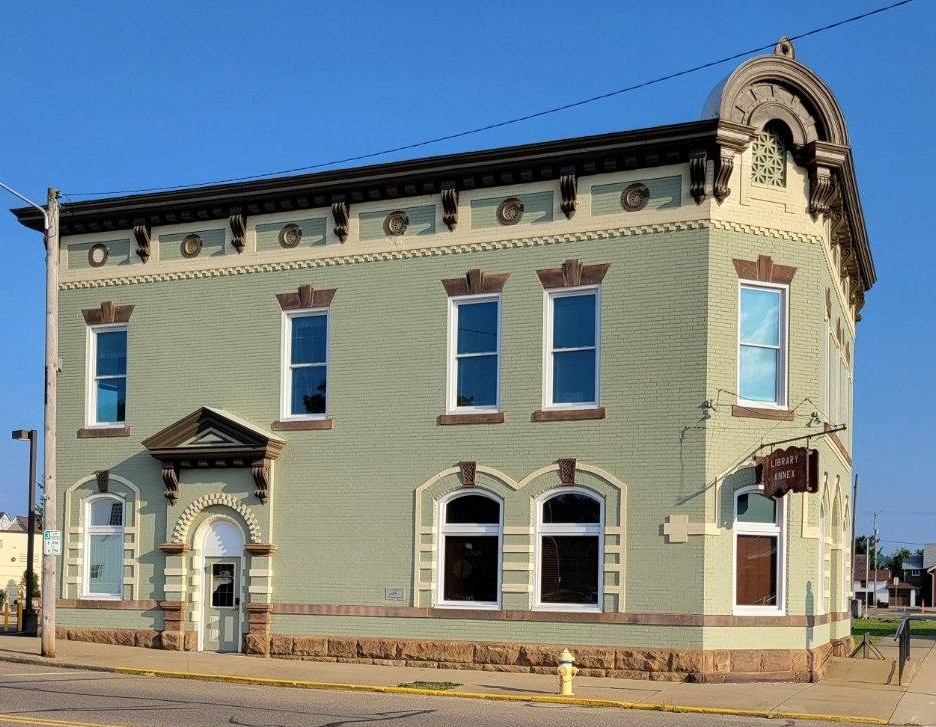
The Library Annex served as the Newcomerstown Library beginning in 1961.

Each date has a theme where participants choose recipes from the given theme and share their experience. Participants need to bring a prepared dish and the recipe to the meeting. They have simple themes, such as “Southern Cooking,” where the idea was to make a dish that originates from the south to more challenging themes such as our “Red, White, and Blue” in July.

In August, their theme was “A Taste of Your Name,” where attendees prepared a dish that starts with the first letter of their first name. Participants have so much fun with this program that they have asked to do it weekly! Stop by the library and register for these interesting and tasty meetings filled with bunches of goodies.

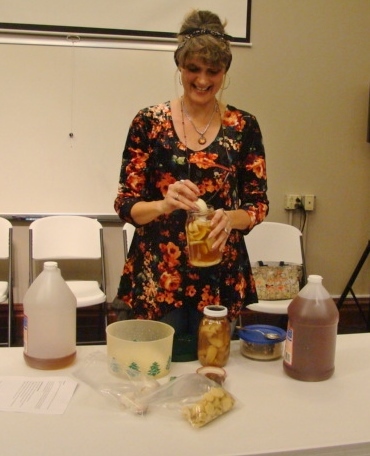
Janet Brown conducted a workshop making Fire Cider.

Sometimes, the group has a special speaker or workshop that will give them ideas on subjects related to food and herbs. One meeting each person in the group made their own Fire Cider, a natural remedy for colds. Another workshop was Eating the Mediterranean Way.

They also have a Teen Recipe Club (Grades 6-12), which meets after school at 4:00 on Wednesday. Brie and Kalli Fox work together on this program. The initial idea for this club was to teach teens a skill that they could utilize throughout their life. They learn about and prepare new recipes, then sample their creations. Here the library provides all the ingredients and each teen makes their own dishes following the given recipe. They use a microwave or air fryer to prepare their dishes.

It’s a chance to learn how to prepare simple snacks at home or prepare something when parents happen to be away or busy. Even though the recipes are simple, Library Director Cody Addy feels that it leads the teens to more responsibility, self-reliance, and ultimately helps support their growth into adulthood.

In the past, they have also held a Gardening Club, where the kids and teens learn how to garden from seed to harvest, utilizing a garden at the library. Once harvested, the kids got to take the food home to their families. Teaching the children and teens new skills brings joy to the staff.

Brei Fechuch and Janet Tedrow make plans for their next book club.

Book Clubs are also held at the Junior and Senior High Schools. They choose a book, read a certain portion of the book for the following meeting, and then discuss the plot, characters, and sometimes play games relating to the story.

There is also a program, Library Club, at the West School involving their L.E.A.D. Afterschool Program. At this club, they read a book together and follow it up with a craft that reinforces what they have read in the book.

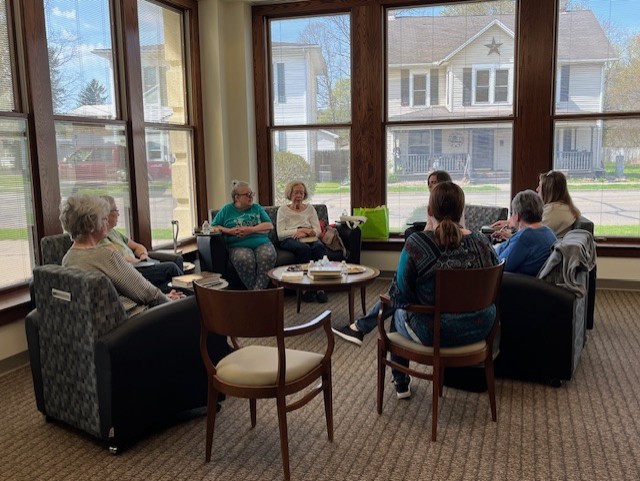
Their Adult Book Club has a comfortable setting to discuss their most recent book.

Of course, they also have a regular Book Club being led by Janet Tedrow, Public Relations and Program Manager, which meets from 1-2 pm on the second Tuesday of each month. The monthly book can be found on a table in the lobby, where you can check out the book or an audio version if you prefer.

For questions on any of these book clubs, call Janet or Brei at 740-498-8228. You can register in person or over the phone.

The present Newcomerstown Public Library is celebrating 25 years of service.

There’s a book related club for everyone here at the Newcomerstown Public Library. Check out the library in your area to find out all the wonderful possibilities they hold within their walls. If you like books, you’re sure to find something that will brighten your life.

The Many Talents of Manny Theodosopoulos

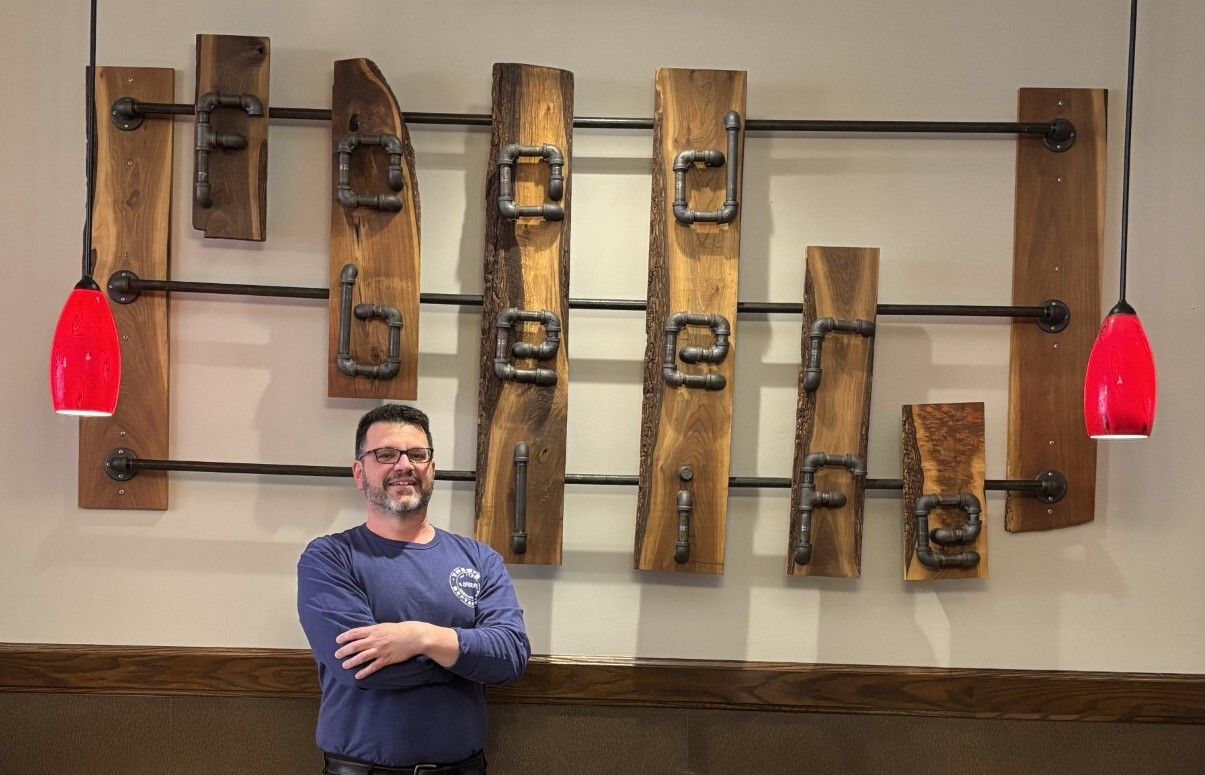
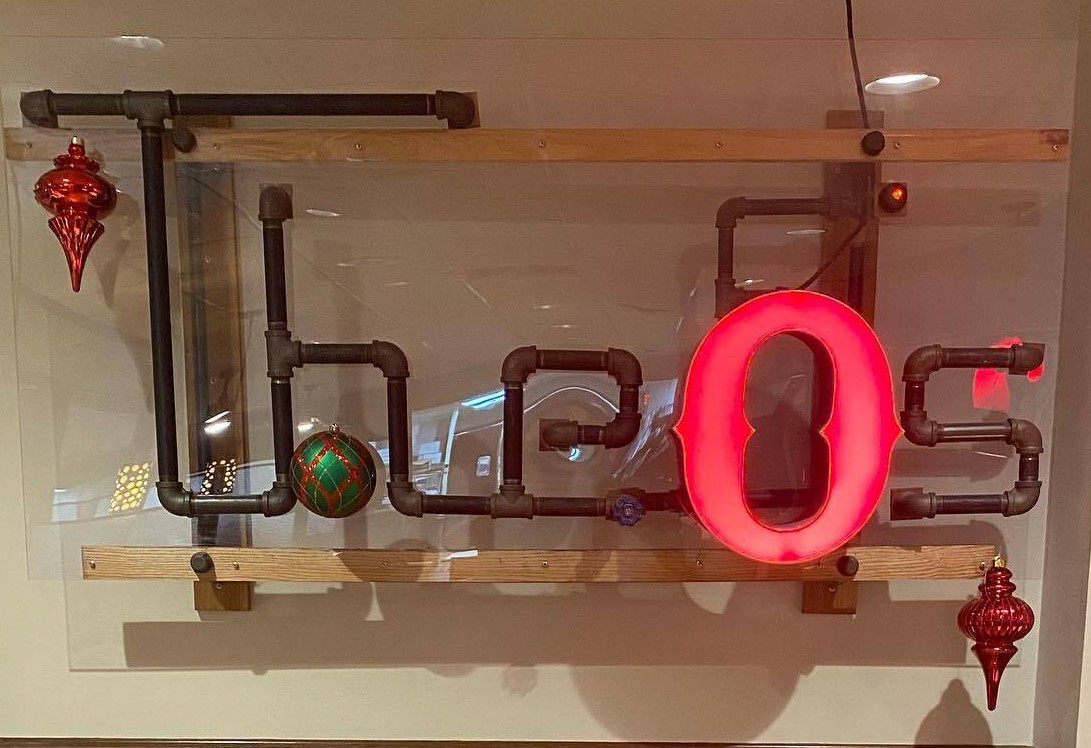
Manny tells about his first pipe sign for Theo’s.

The influence of parents makes a big difference in our lives. Manny Theodosopoulos is a perfect example of that. He’s a man of many talents that were developed through the examples of his parents.

As a youngster, he liked to hang out in the workshop of his dad, who was a chemical engineer before leaving the corporate world to buy Coney Island. In his dad’s workshop, Manny enjoyed building things. The first thing he remembers building by himself from wood was the stand for a telescope, which he had received as a gift. This was a time when he also enjoyed sketching and drawing comics.

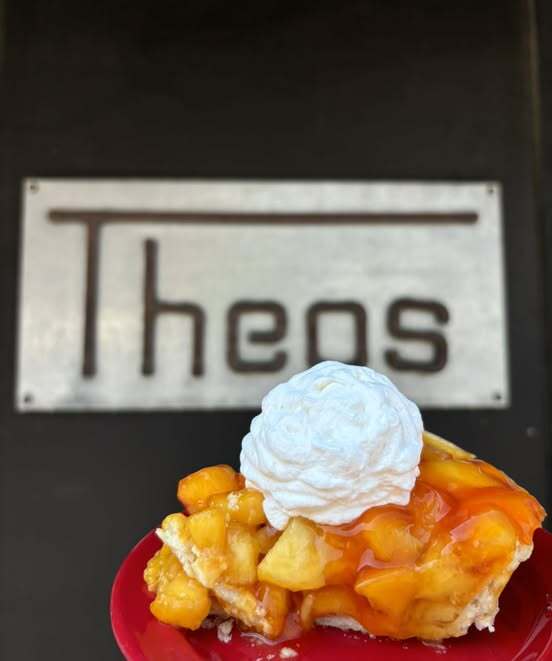
Their entrance sign was highlighted with a piece of their famous fresh peach pie.

At the same time, Manny worked at Coney Island with his parents. His first job there in second grade was bagging french fries for $.50 an hour. Today that popular Coney Island is now called Theo’s, one of the favorite dining places in the area. In fact, Manny says, “I’ve been working here for 50 years. Everyone in the family is a good cook but Dad was the best cook of all.” His sister went to culinary school in Paris and works at an upscale restaurant in Phoenix. His brothers Steve and Alex have popular local restaurants, Theo’s and The Forum.

Another clever Theo’s sign is decorated for Christmas each year.

After graduating from Cambridge High School, Manny went to Miami University where he majored in accounting and finance. His dad told him, “If you want to run a business, you have to know the numbers.” For over eight years, Manny was the owner/operator of Becky Thatcher Restaurant in Marietta.

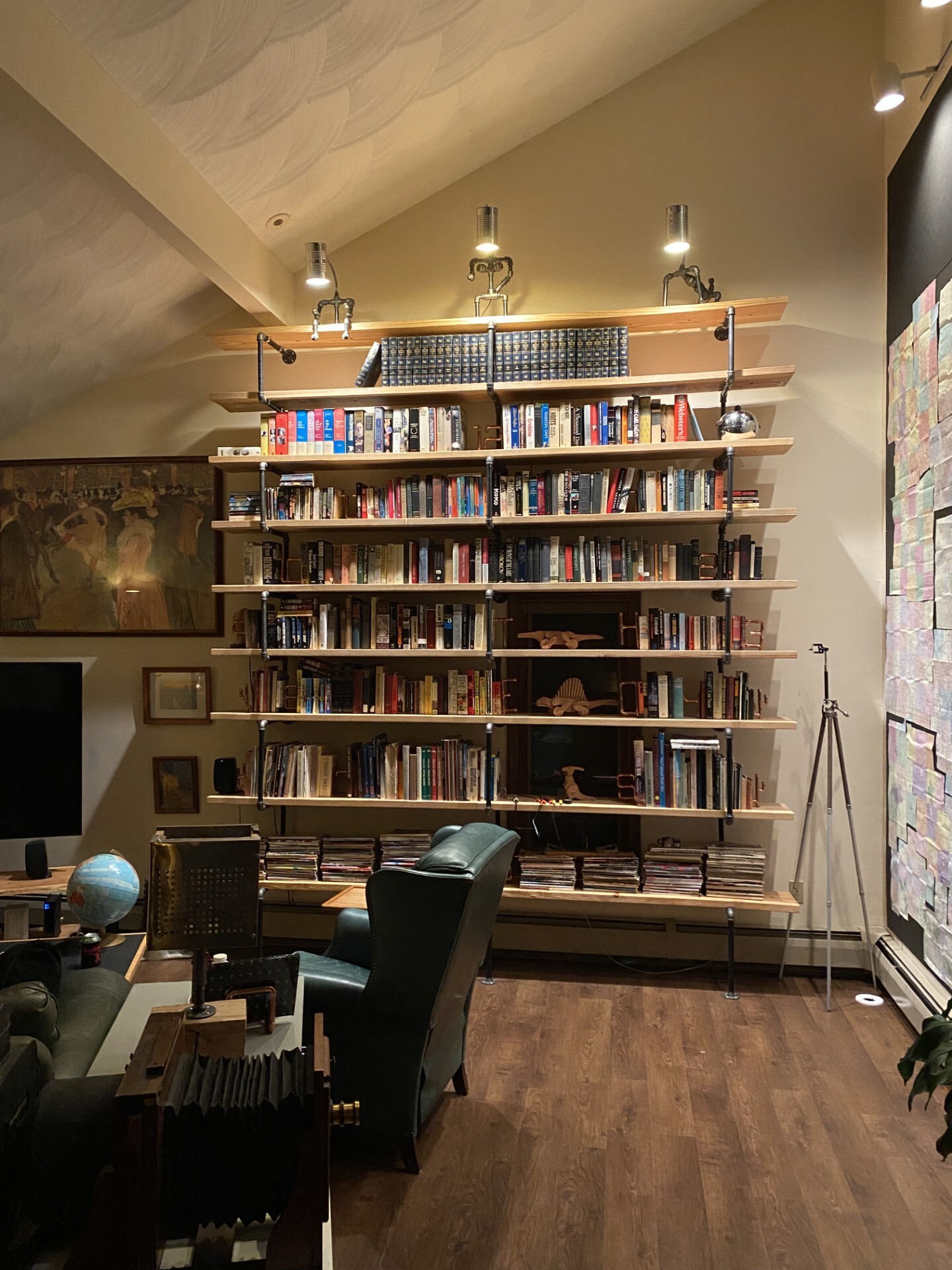
He recently constructed a bookcase for his vast collection of books.

He recalls making cabinets, tables, and shelves over the years. For Manny, building these things is “fun” and relaxing. The things he builds are usually for himself or gifts for friends.

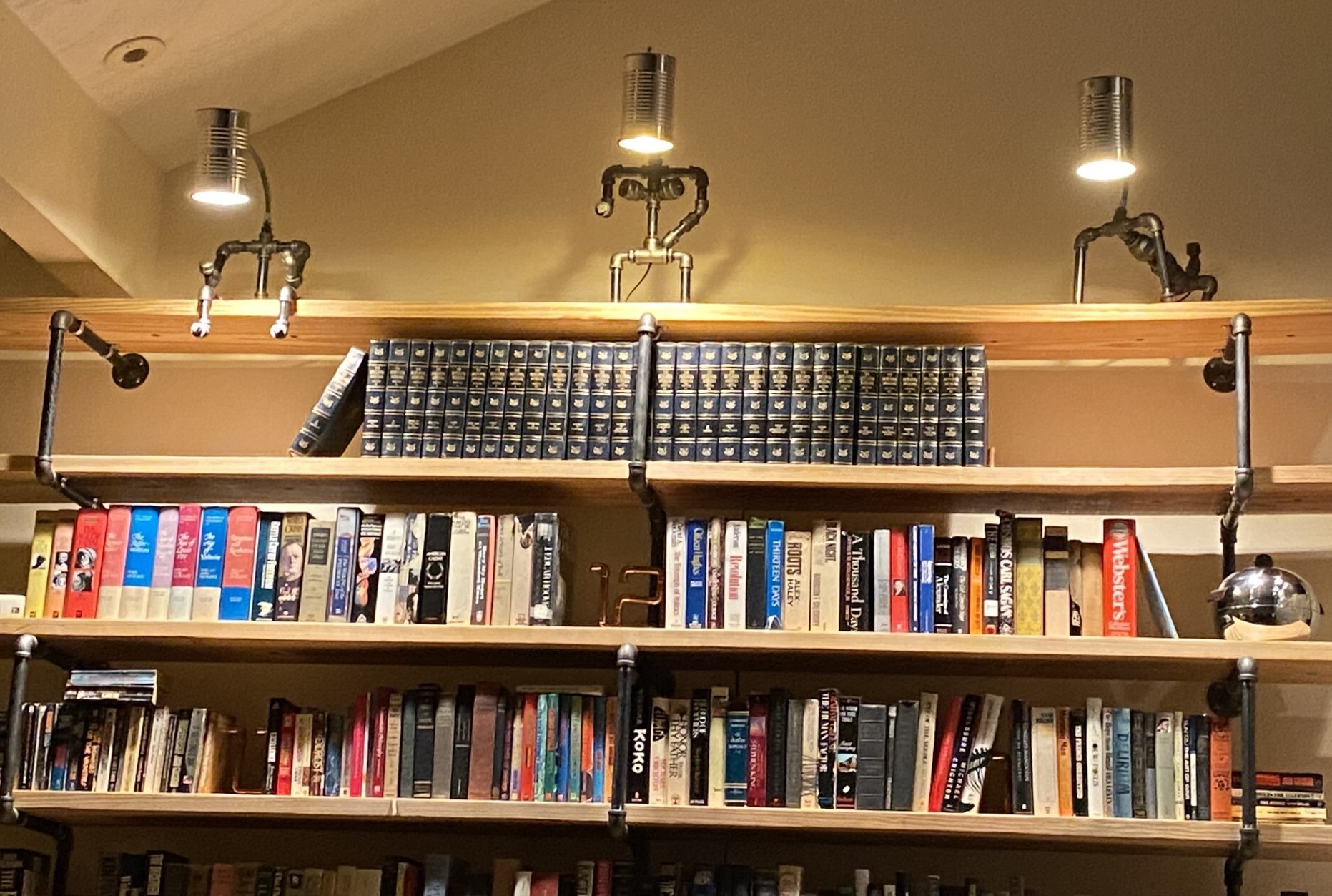
His bookcase has a top shelf of pipe figures – a man, woman, and a dog.

At home, Manny has constructed a large bookshelf that contains over 1,000 volumes of books he has collected, many of them concerning art but he also likes great literature. The bookcase is made from pipes and the top shelf contains a man, woman, and dog all formed from pipes.

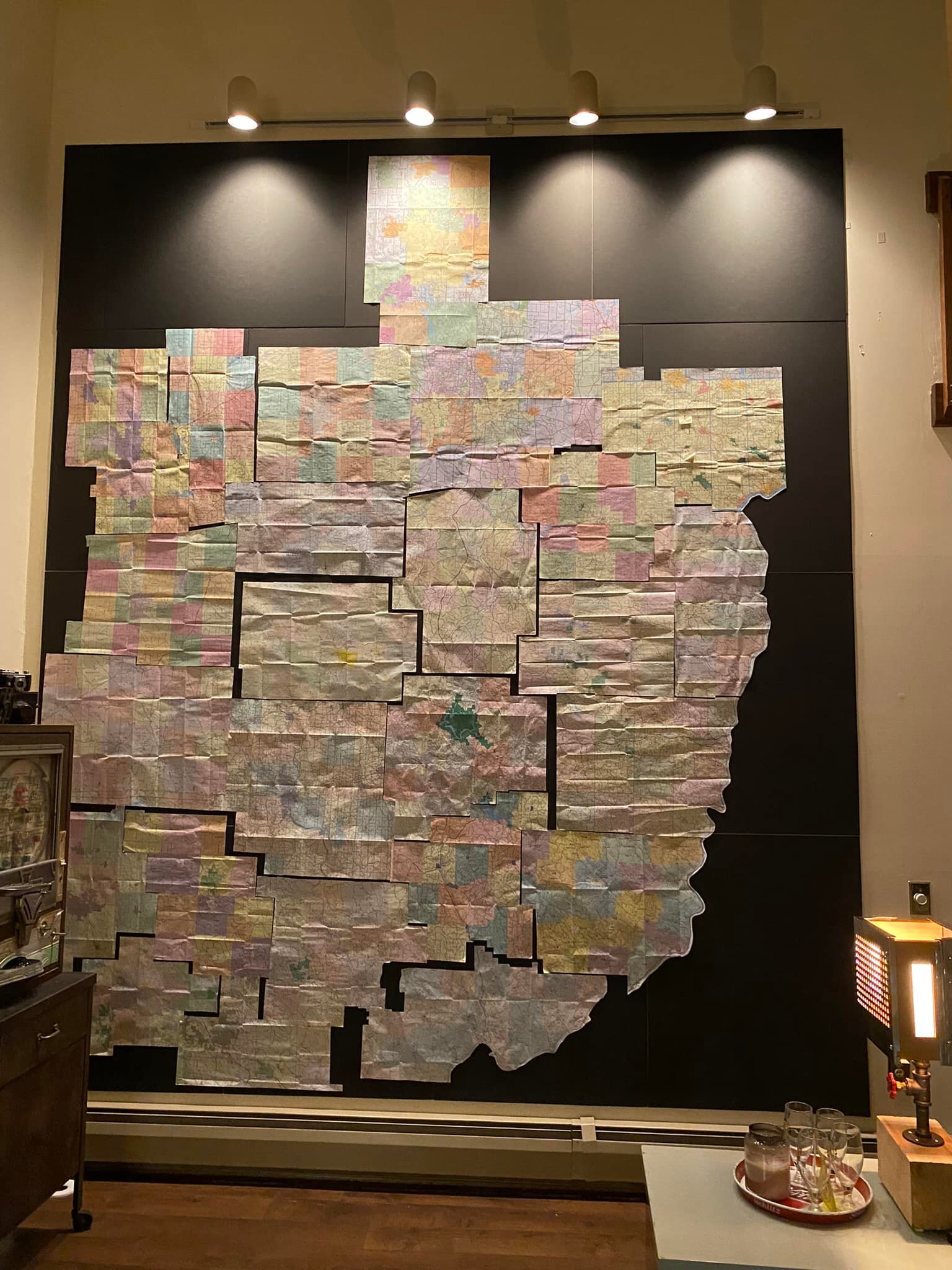
His county maps are taking the shape of the state of Ohio on his wall at home.

Traveling the back roads of Ohio is something he enjoys for relaxation. No GPS for Manny! He likes the county maps that have all the backroads on them. These he places on a wall in his living room, which is beginning to look like an outline of the state of Ohio.

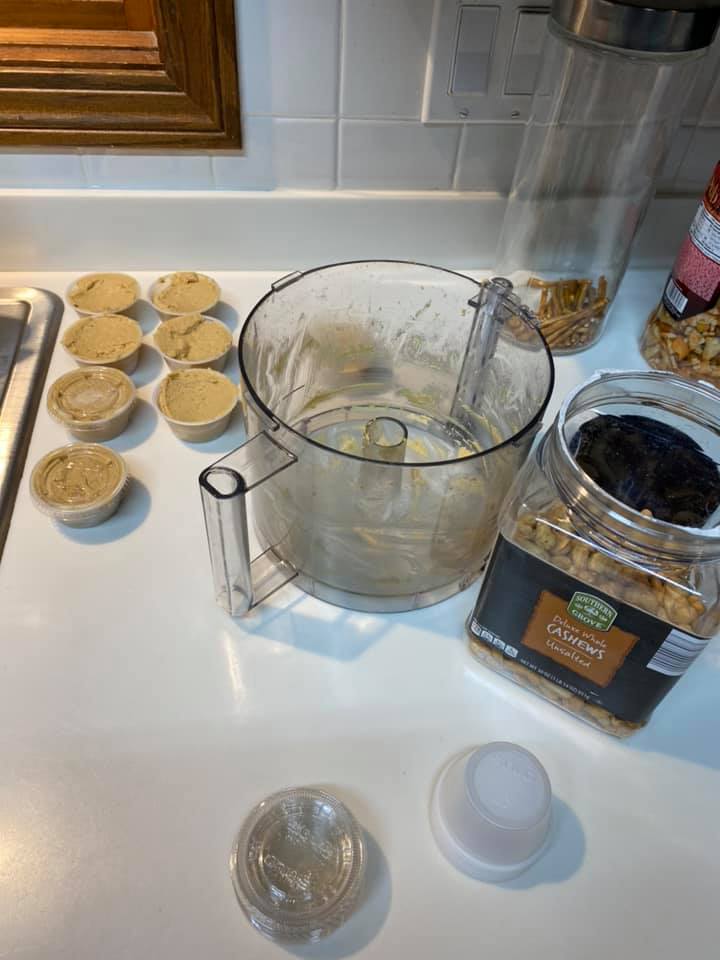
Cashew peanut butter is one of the culinary delights Manny creates at home.

It’s only natural that he also enjoys cooking but he doesn’t do much of that at Theo’s, where he is general manager. At home he likes to create special items. Often he bakes cakes and cookies but recently he has been experimenting with different twists on peanut butter making cashew butter and almond butter, for example.

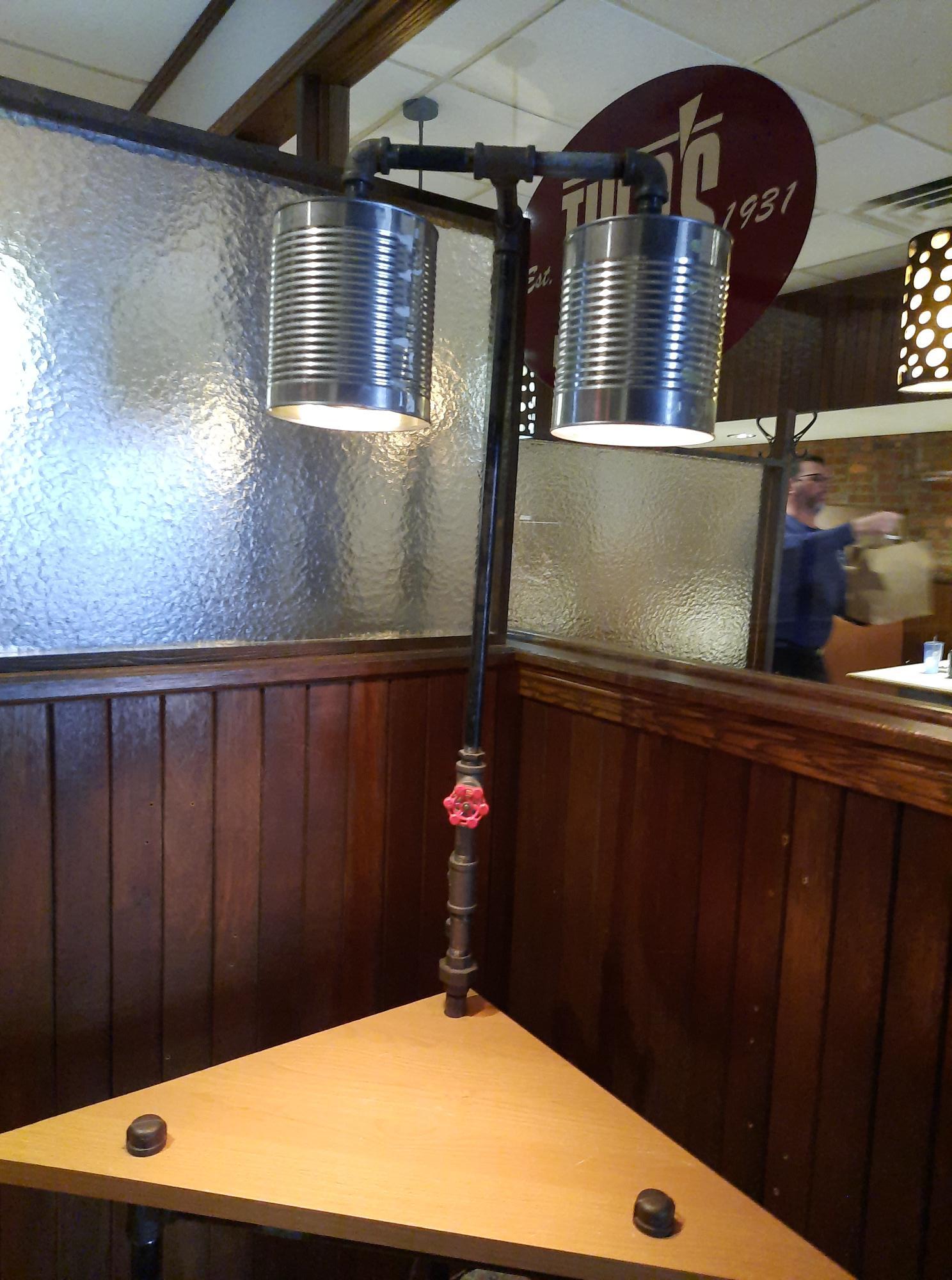
This lamp made of cans and pipe has a unique on/off switch

Always active in the community, Manny made a unique lamp using his ironwork for the Living Word auction one year. The lights were made from Cambridge Dairy bottles and the switch was an old water knob. He also has “fun” making lamps with a liquor bottle for their base and perhaps a cheese grater attached.

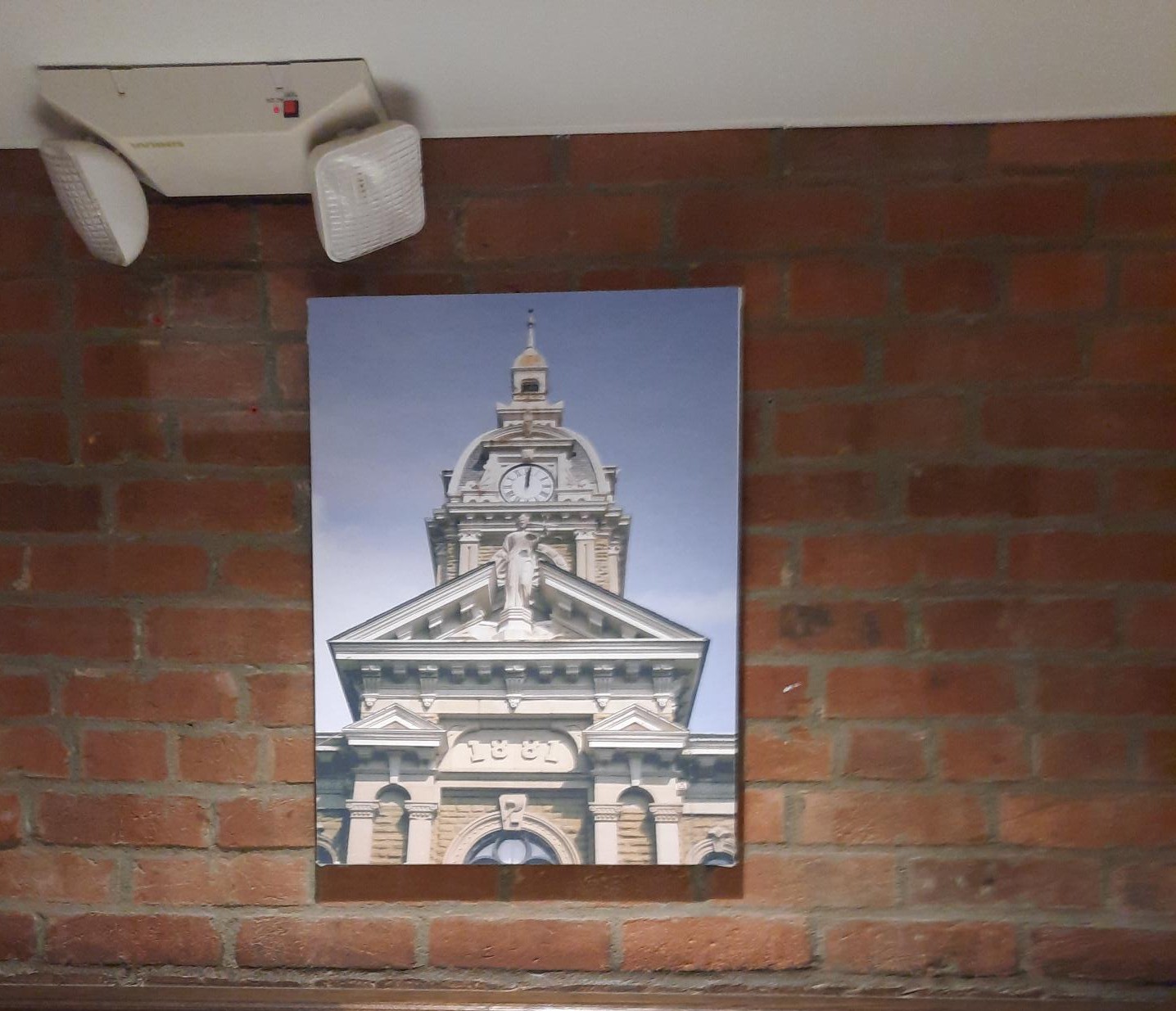
Photos of Cambridge are placed on canvas and can be seen around the restaurant.

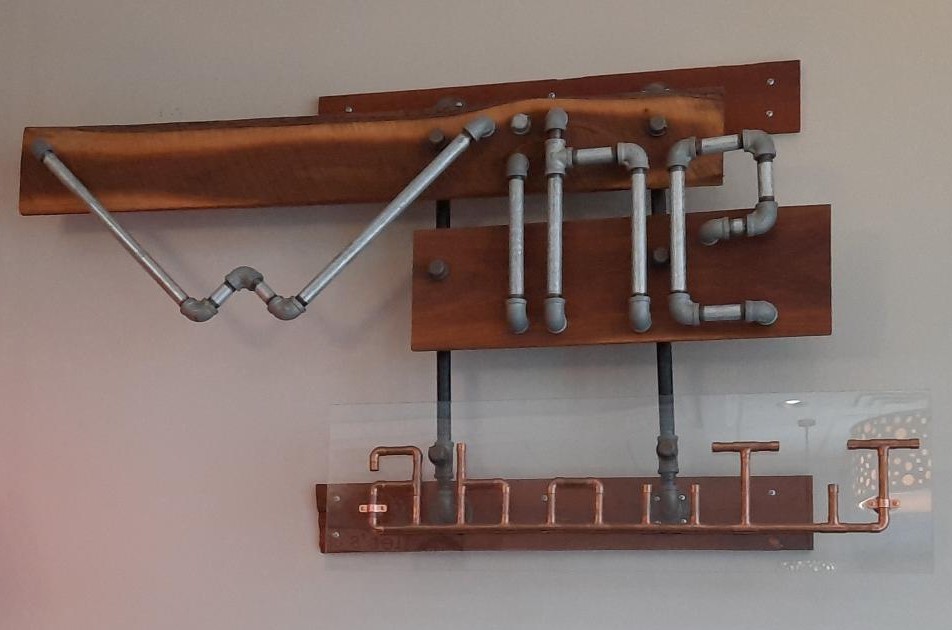
Today several of his artistic touches can be seen on the walls at Theo’s, the former Coney Island. Some of the signs are ‘ironwork’ with twisted pipes and connections. Since another hobby of his is photography, there are also local photos he has taken and placed on canvas. Manny returned to the family business in 2005 and as the general manager of Theo’s, he always greets customers with a friendly word.

Manny’s Wine sign highlights one wall at Theo’s. Look for it on your next visit.

Manny takes pride in his ironwork and his restaurant work. He likes for everyone to work together to do the best job possible while sharing in the credit. “People will exceed expectations given the proper tools and training.”

Next time you stop in Theo’s for a delicious meal, look carefully at the walls to see what Manny has created. He’s likely to stop by your table and say “Hi.” Save room for a piece of their famous pie or delicious cheesecake.

Visit Theo’s Restaurant in downtown Cambridge, Ohio at 632 Wheeling Avenue. The restaurant began in 1931 as Coney Island and still carries on the tradition of homecooked meals at a fair price and friendly service. Always save room for dessert as their pies are a specialty. Be sure to check out the walls for Manny’s many artistic displays.

Paul Courtright Demonstrates Woodturning

Paul demonstrates his woodturning on You Tube.

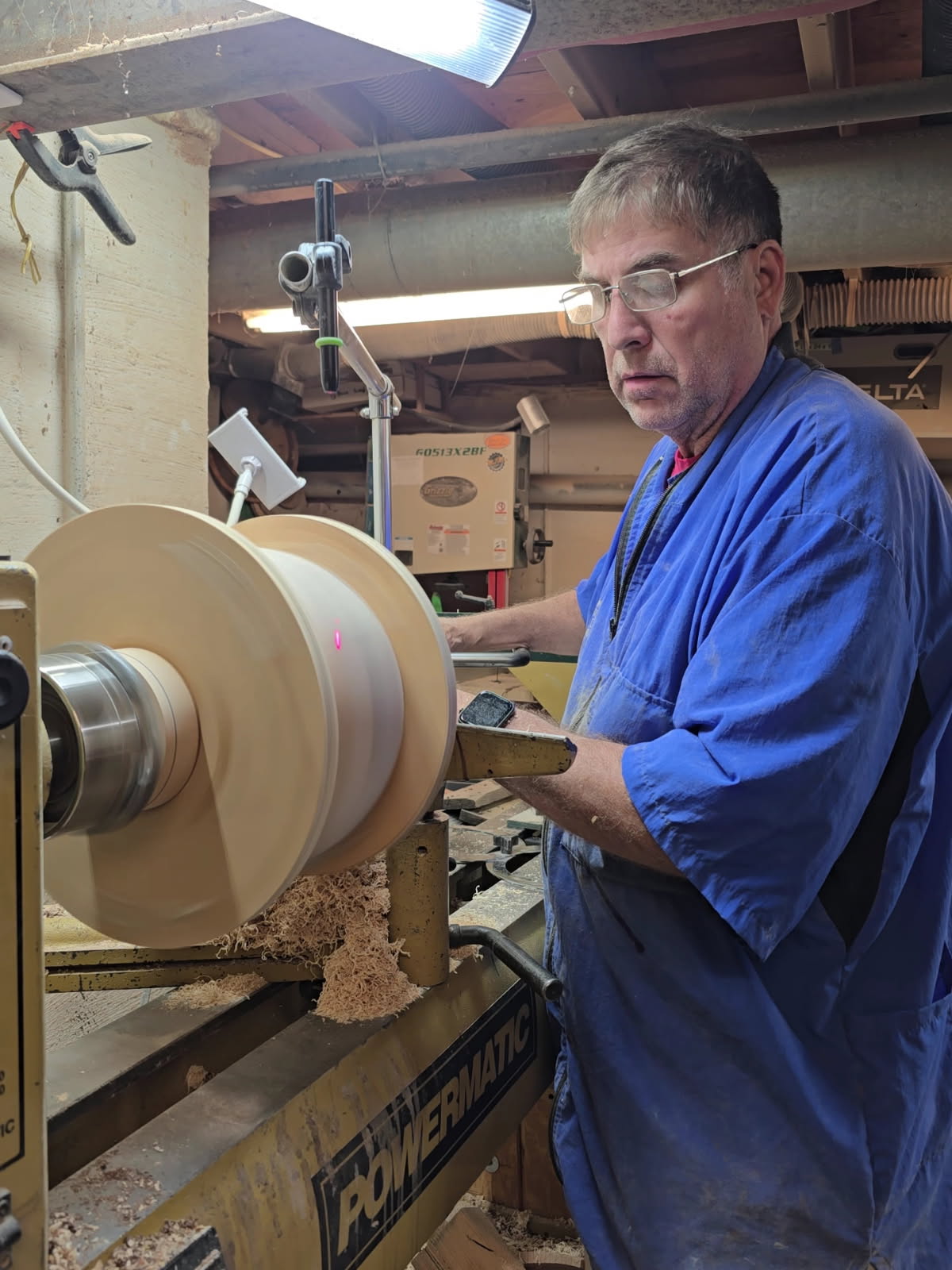
Woodturning has been part of Paul Courtright’s life since he was in high school during shop class. At that time, he acquired a Sears lathe from his father, which had been handed down from his grandfather. Paul taught himself the basics of woodturning by working with the lathe and learning from his mistakes.

Over time the bearings on that lathe wore out. They first replaced the motor with a washing machine motor, but later he replaced the lathe with a Powermatic. He purchased a second lathe that he could move out to the drive way and turn outside in the sunshine.

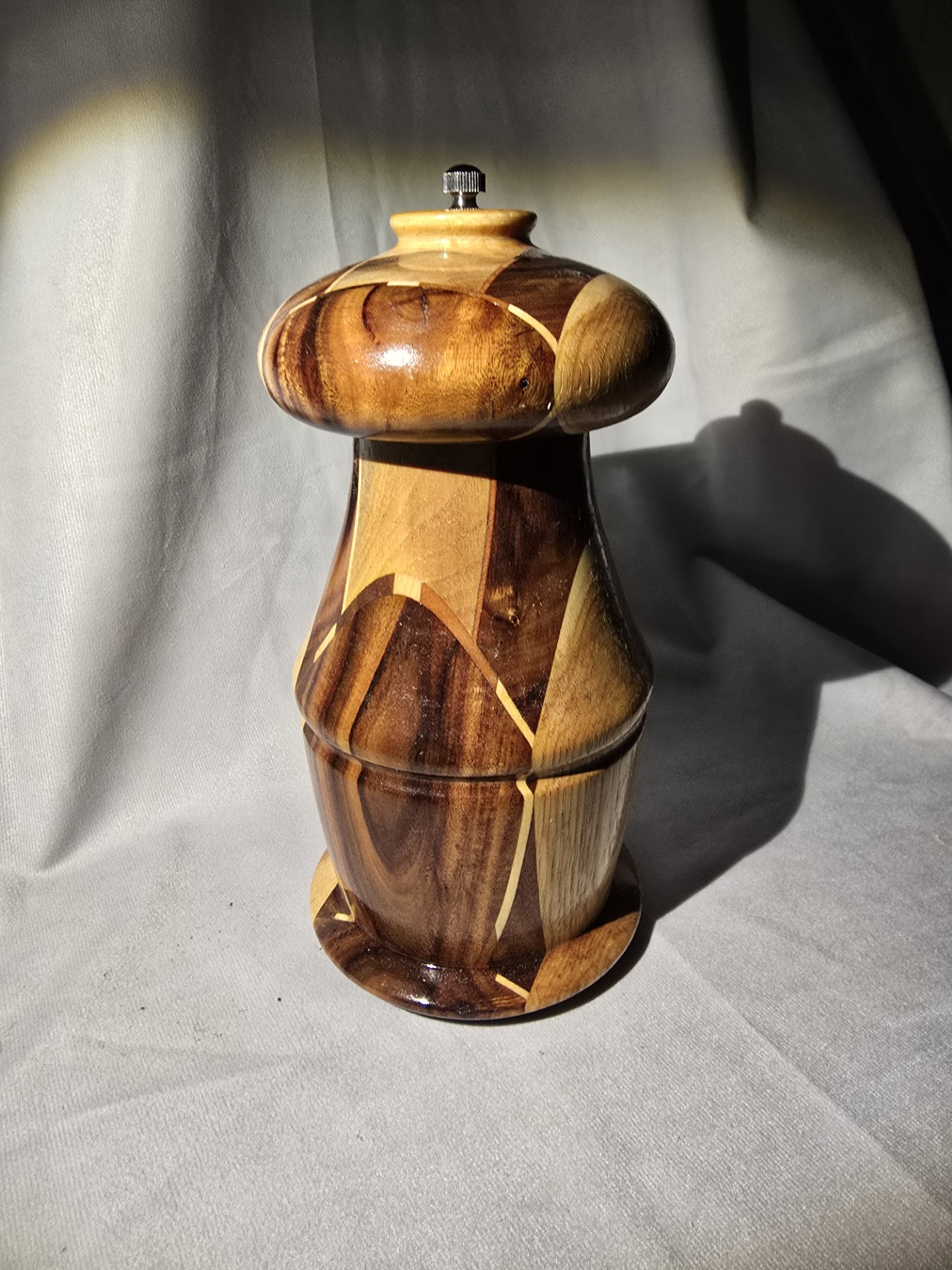
Pepper Grinders are a popular item.

Paul grew up in a small farm town in northern Ohio. However, after high school, he moved to the Columbus area for college. There he discovered a local woodturning club, Central Ohio Woodturners (COW) and decided to join. Over the years, Paul has served as President and Vice President of COW and taught several wood turning demos at the COW meetings.

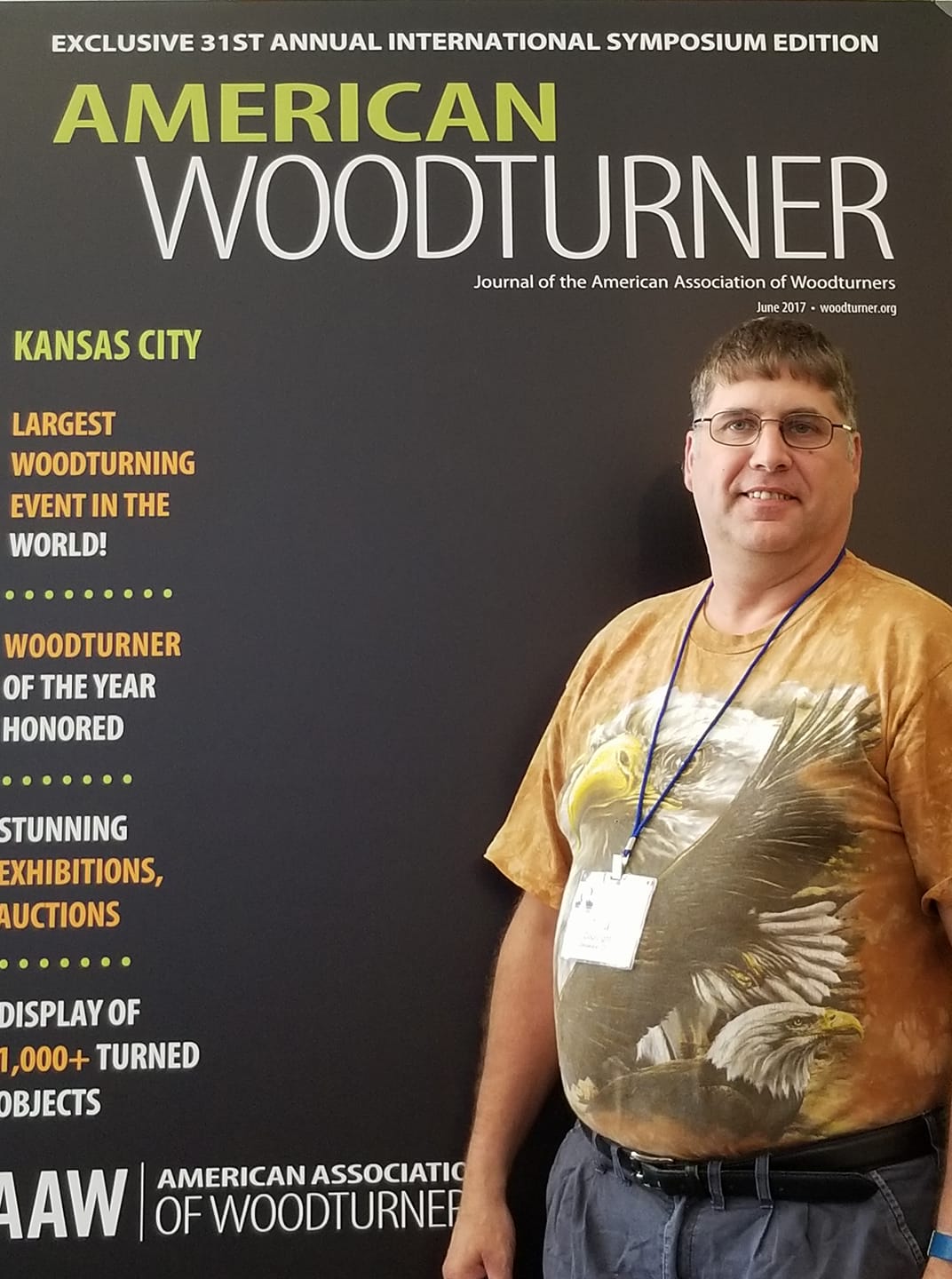
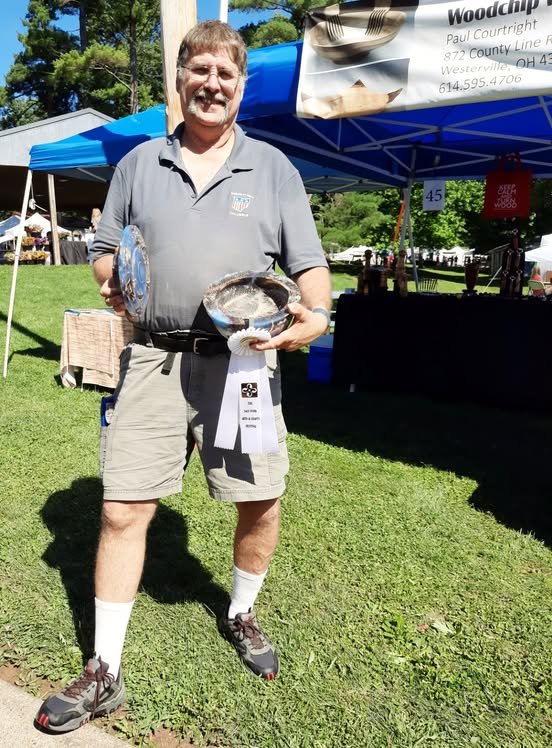
Paul was named Woodturner of the Year by the American Association of Woodturners.

He also joined the national organization, American Association of Woodturners (AAW). Because of his membership in both these organizations, he has attended many symposiums and events which taught him the do’s and don’t’s of woodturning and furthered his knowledge of the craft.

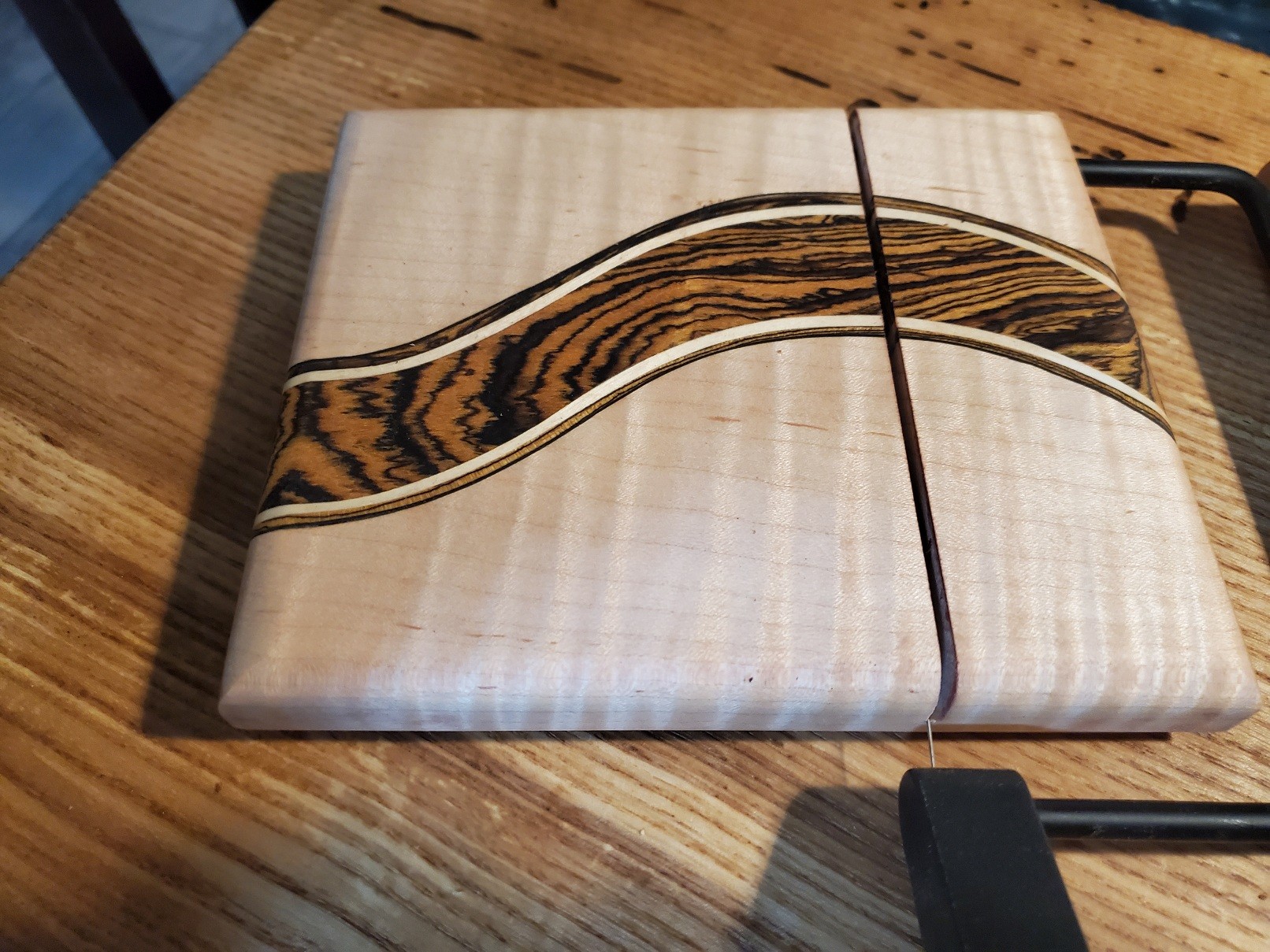
A cheese slicer is one of his most popular items.

Then, he started to accumulate an inventory and began selling his work at craft shows and festivals from March through December. He now attends around 20 shows a year throughout Ohio and surrounding states, where he sells his work and does woodturning demonstrations. He now has pieces in several states like FL, NY, CA, AZ, and SC as well as a few countries including Germany, South America, and Canada.

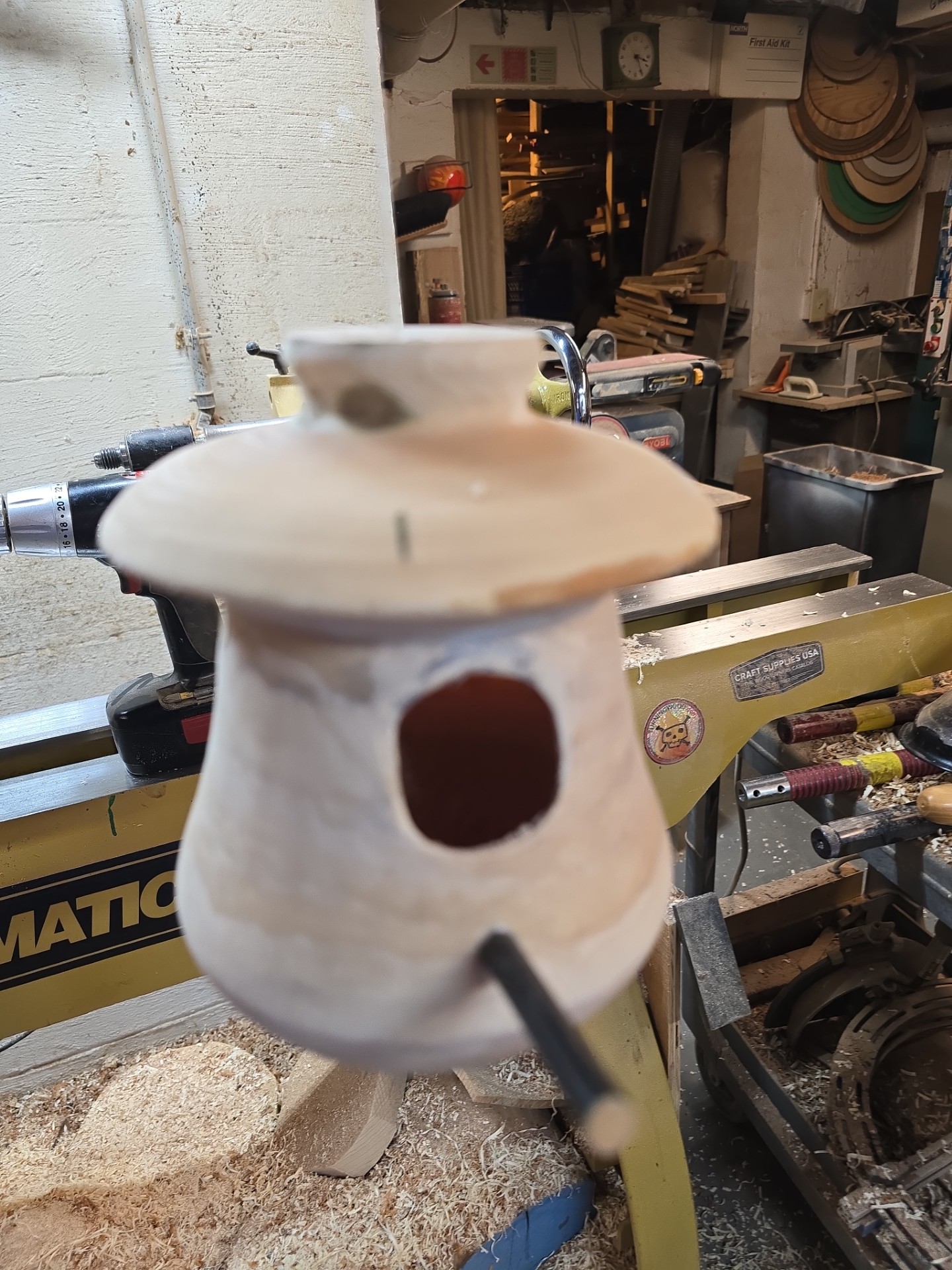
This birdhouse was made from a tree blown down in a storm. He makes use of everything!

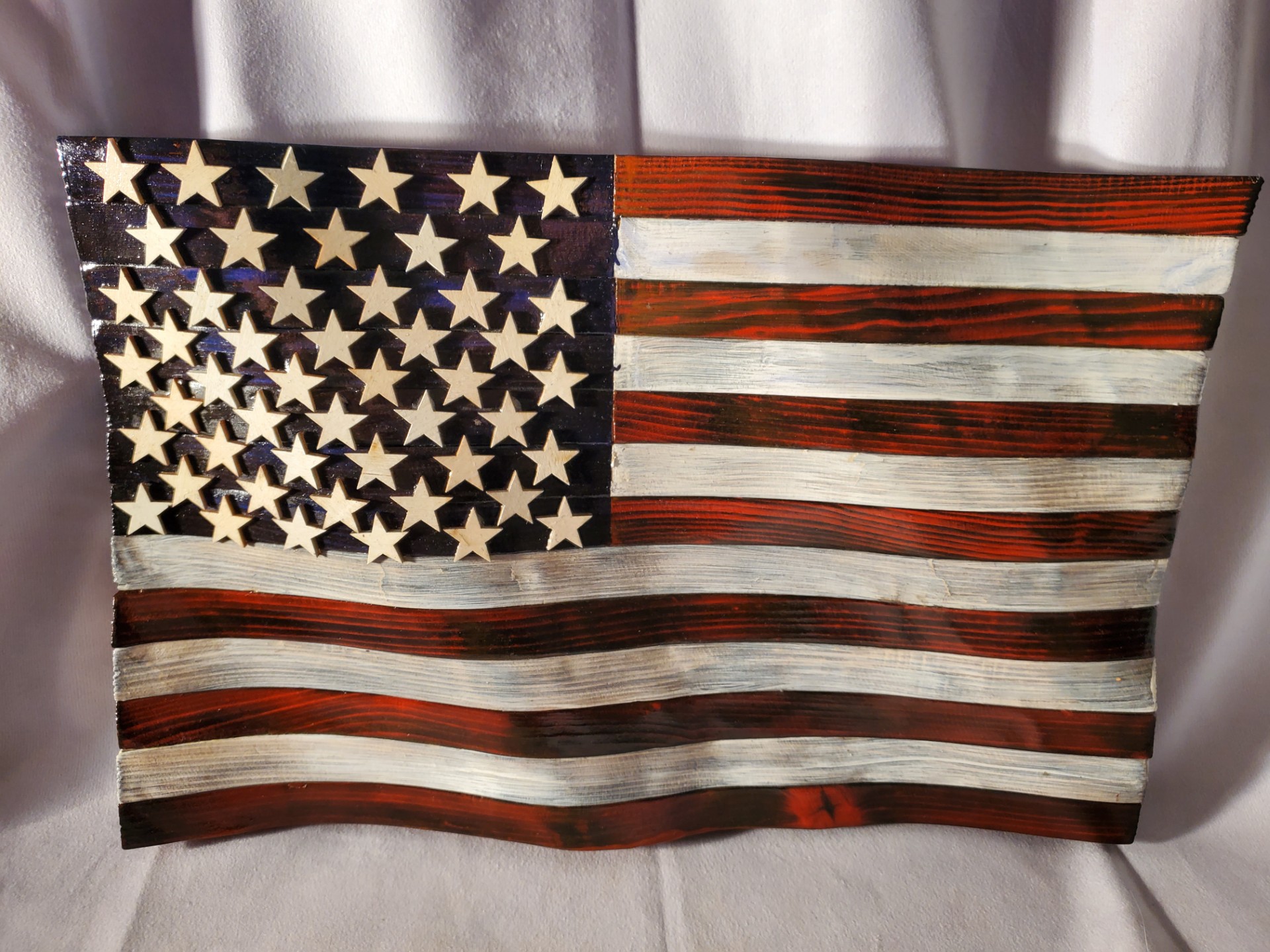
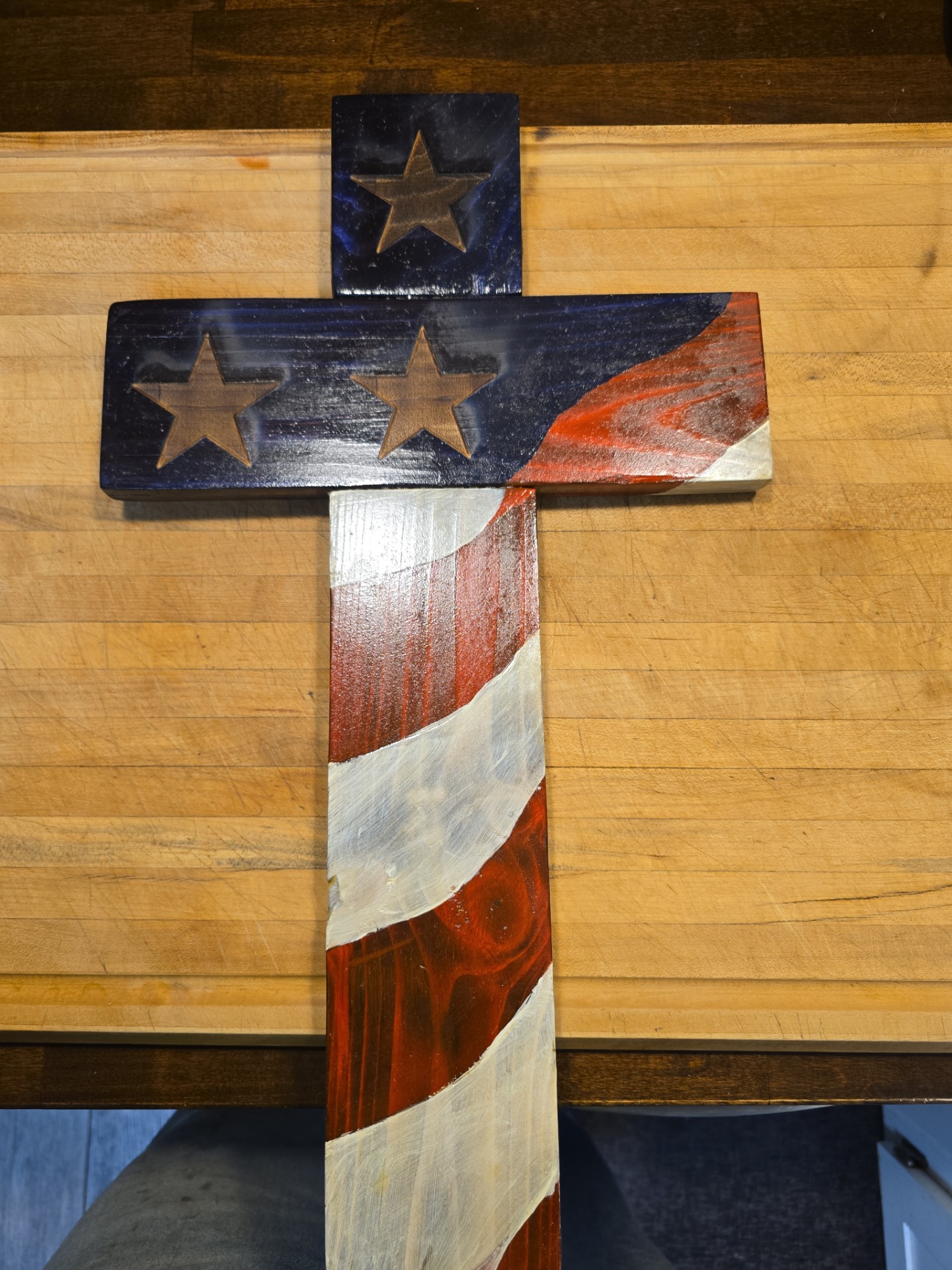
Little wood goes to waste in Paul’s world. When a tree blows down, he might turn part of it into a bird house. Old 2’x4’s might become an American Flag. Other reclaimed lumber might end up in a beautiful cross Laser engraved with a Biblical saying using his xTool.

Paul received a People’s Choice Award for this lidded pinecone bowl.

Recently, he began trying something new by working with different mediums like resin and alternative items like pumpkin stems, corn cobs, and pinecones. A beautiful pinecone bowl won a People’s Choice Award recently at the Salt Fork Festival. Some of his popular items include cheese cutters, pepper mills, American flags, and ice cream scoops. There are still some things he has on his dream list. One of them is a working grandfather clock.

His flags are often made of discarded 2x4s. Nothing goes to waste!

Giving is part of his nature. He often gives small items to children that appear at the festivals…perhaps a whistle or small car. Frequently, he participates in the silent auction at Children’s Hospital. Before costs raised, he gave a pen to every veteran he met but now he has a special wooden object that he gives them.

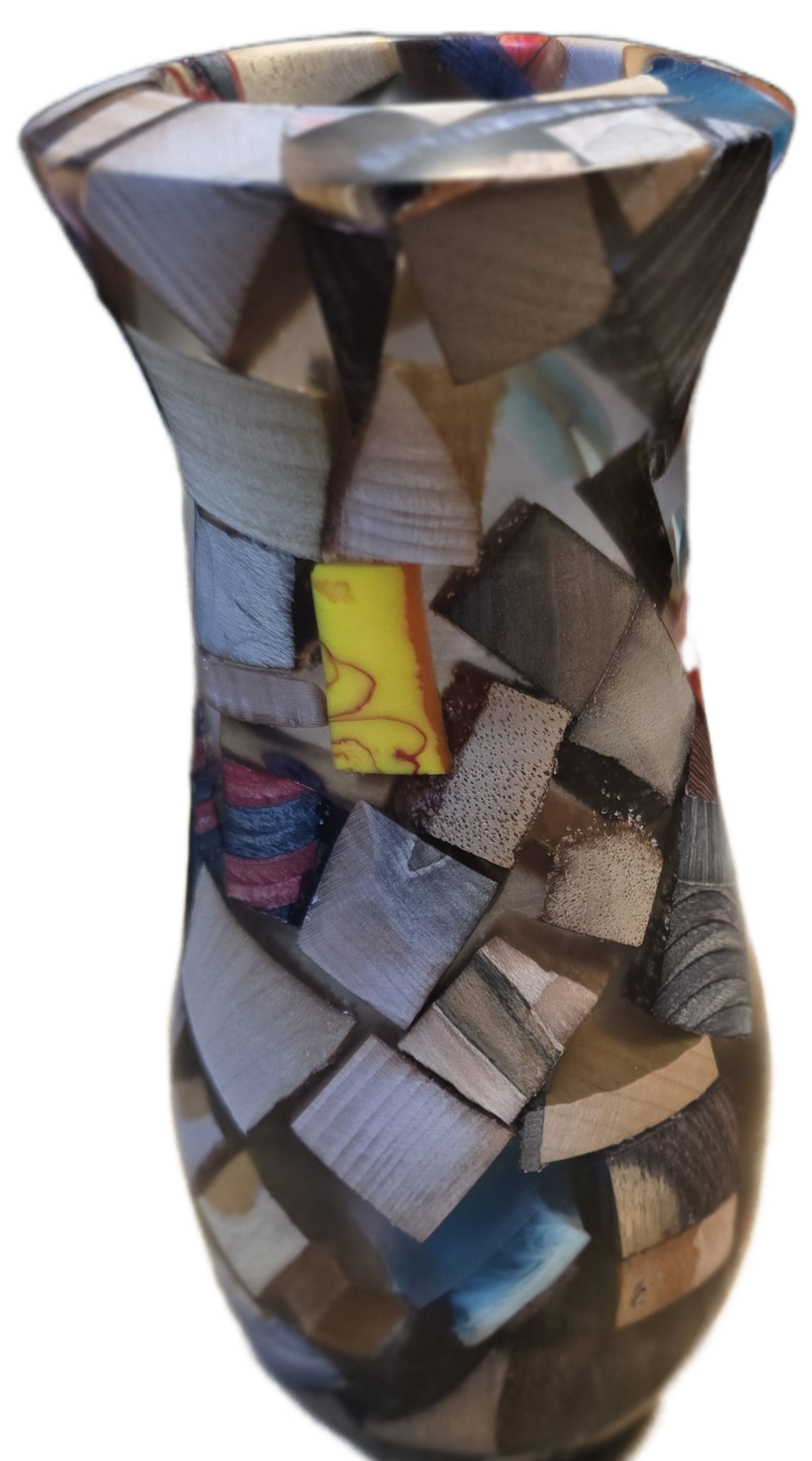
Scrap wood is put to good use in this colorful vase.

He even has his own YouTube channel (Wood Chip Woodworking) as a way to teach and share his knowledge and skill. Paul tells others, “Woodturning might be the best stress reliever of this century.”

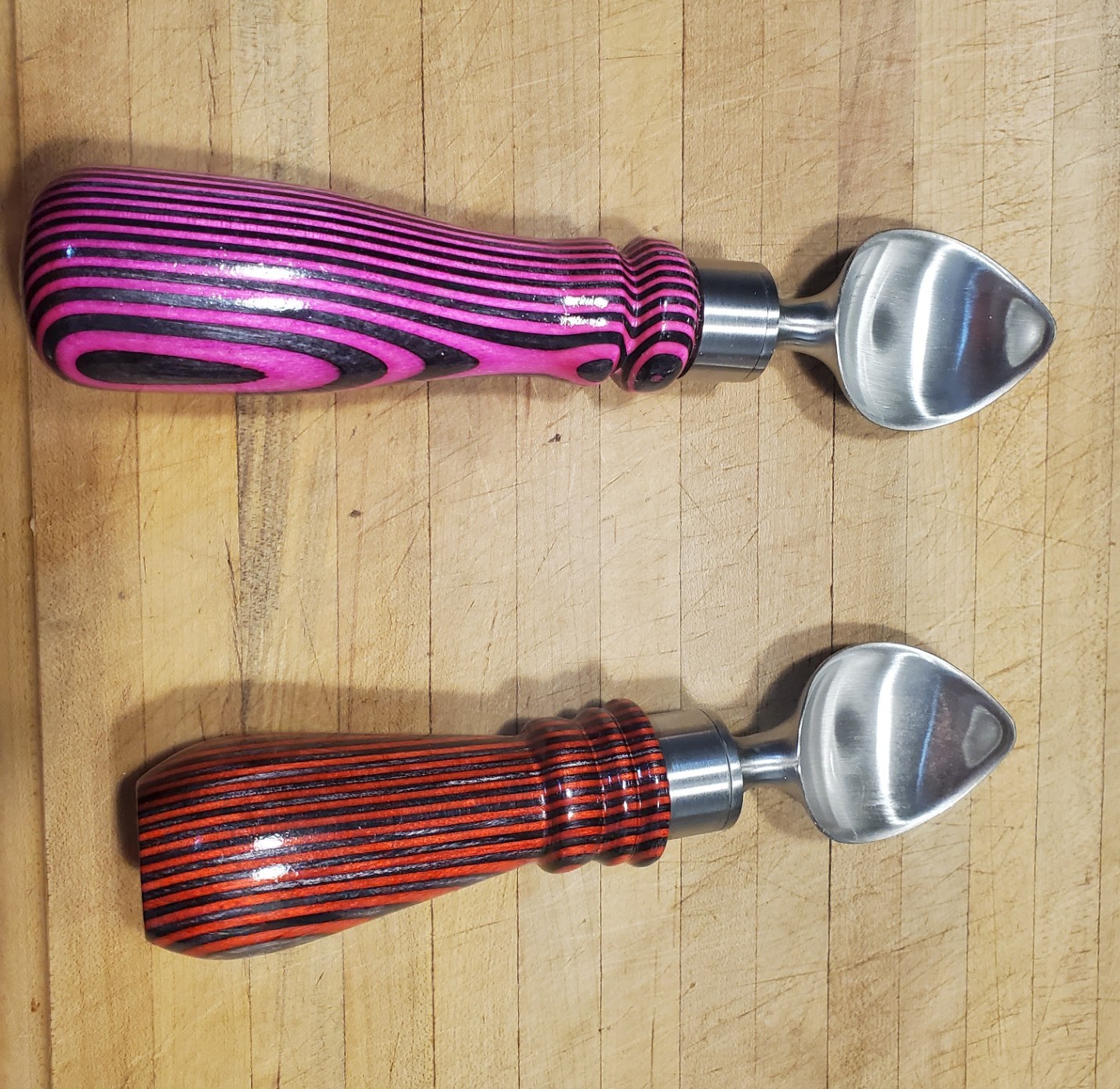
Paul’s ice cream scoops are made from laminated dyed plywood.

While wood, especially walnut, is his favorite thing, Paul also has a degree from OSU in Animal Science and Food Science. He has worked in the food industry with Abbott Labs in research and development of their products for around 20 years. He took a five-year break where he taught Food Science at OSU. Food is another passion of his but he also enjoys just being outdoors, hunting, fishing, and gardening.

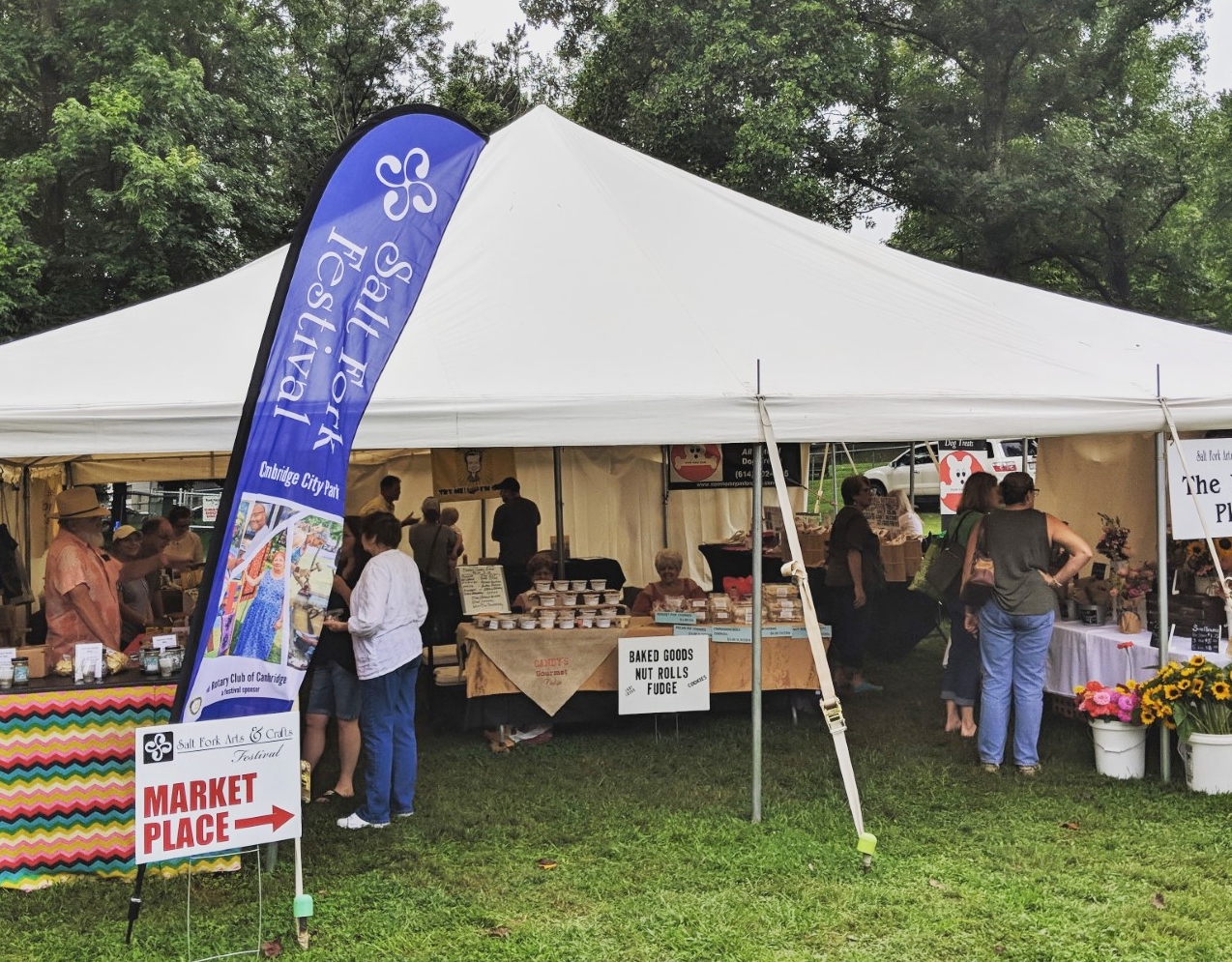
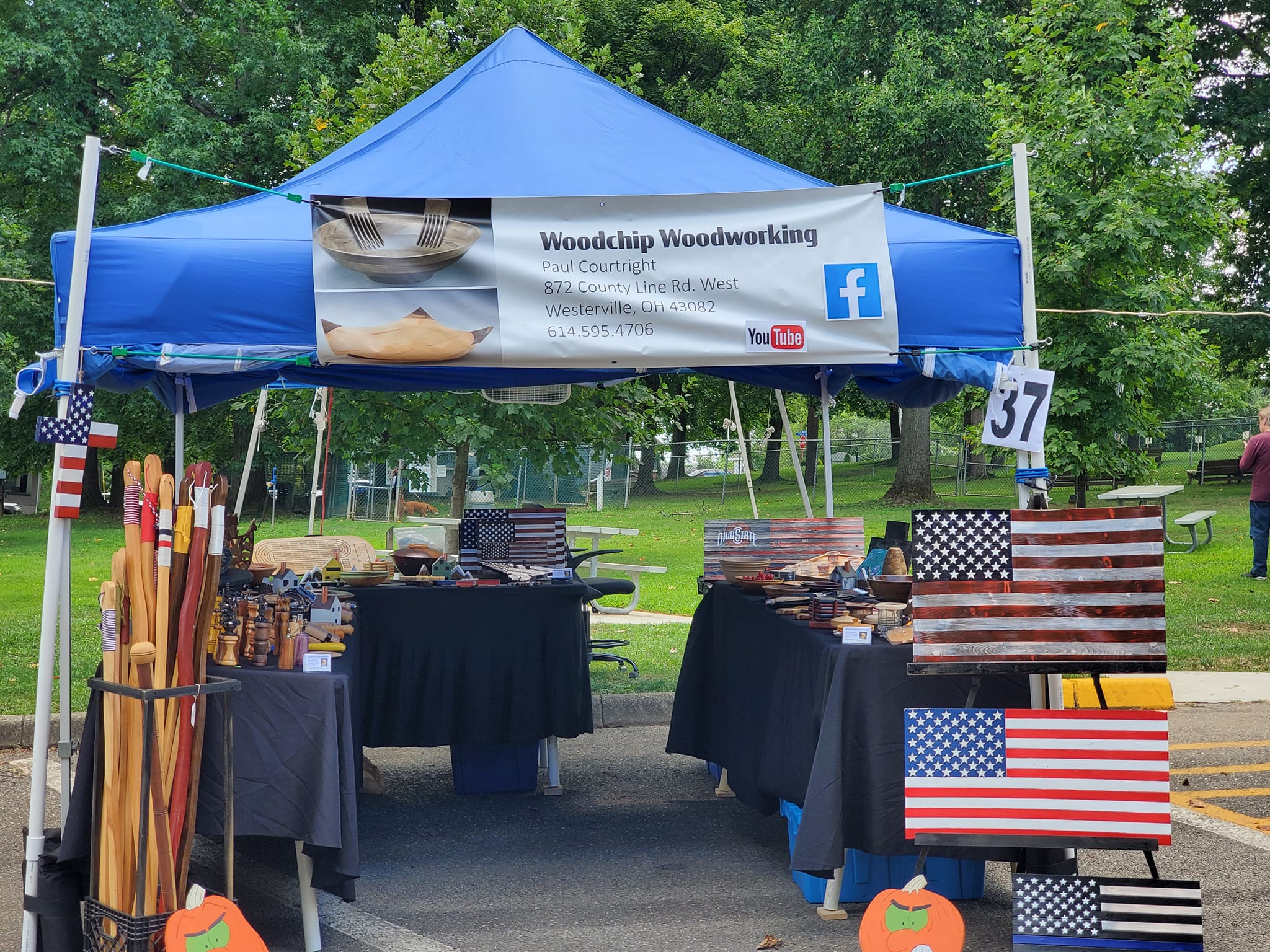
His booth will be found at the Salt Fork Festival in August.

During the year, Paul also works on getting things ready for the various craft shows he attends. This year he plans to also demonstrate wood turning at his booth at the Salt Fork Festival. He also enjoys displaying his woodturning at the Paul Bunyan Festival in Old Washington in October.

Paul enjoys attending craft and art shows where he meets like-minded people, who have become great friends. This has allowed him to gain a lot of knowledge and experience in marketing his craft.

This American wooden cross is made from reclaimed lumber.

Today Paul lives in Westerville, Ohio. Woodturning has made him a happy guy. “I can take a piece of wood that someone has discarded or even threatened to throw into the fireplace, and I have made something out of it and presented it back to them. Just the smile and look of sheer wonder on their faces is priceless.”

Learn more about his work on his Facebook page, Paul Courtright or watch some of his woodturning videos. Of course, selling his work at craft shows also makes him pretty happy. He would enjoy having you visit him at the Salt Fork Festival August 8-10 at his booth Woodchip Woodworking. If you are lucky enough to have a piece he has created, you have something from his heart.

Relax in the Beauty of Mission Oaks Garden

Welcome to Mission Oaks Garden.

Stroll through the beautiful Mission Oaks Gardens located in a residential area of Zanesville, Ohio at 424 Hunter Avenue – not far from Maple Avenue. Relax with Mother Nature in over seven acres of gardens.

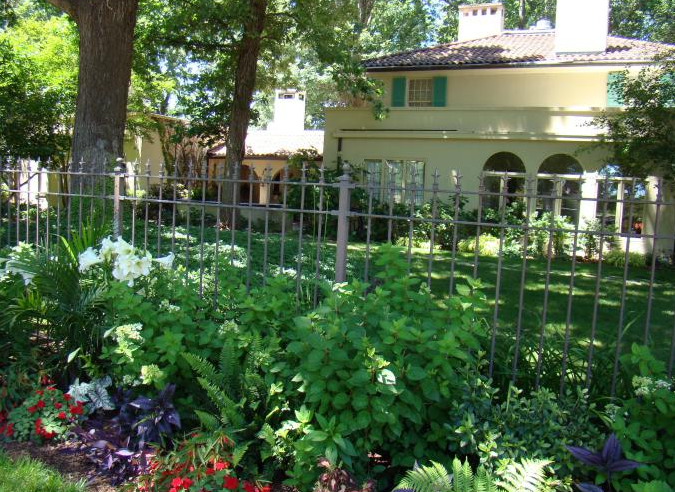
The mission style house was built in 1925.

The peaceful setting acquired its name because the home had the appearance of a mission-house with mature white oaks in the ravine behind the house. According to legend, the house was built back in 1925 by a local businessman for a special lady, who was a party dress designer in the roaring twenties. Today the name, Mission Oaks, acquires a double meaning as they definitely have a mission: to provide and protect a little piece of nature for all to enjoy.

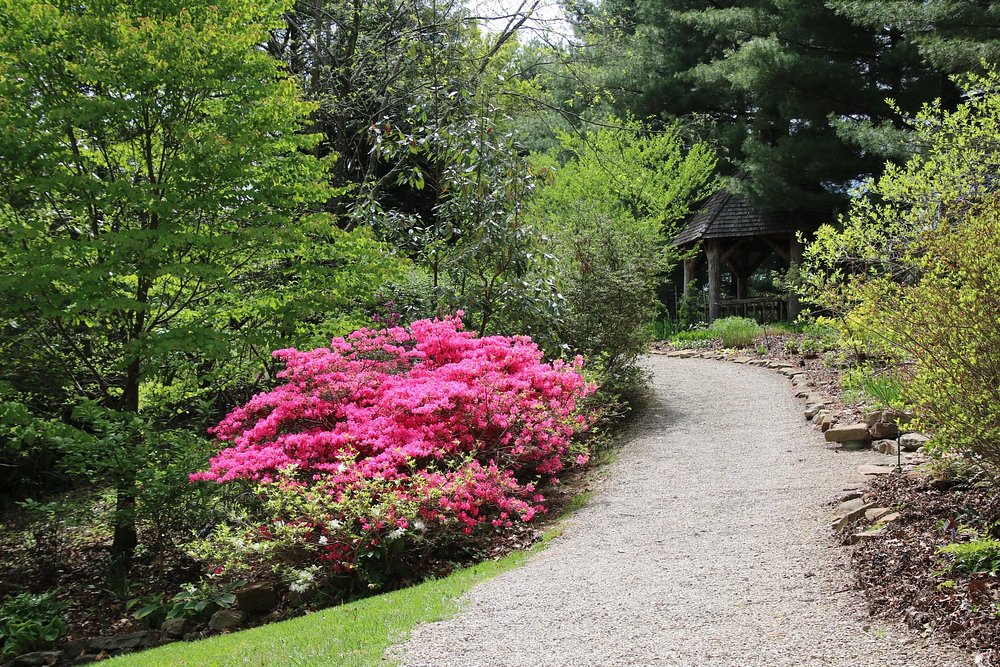
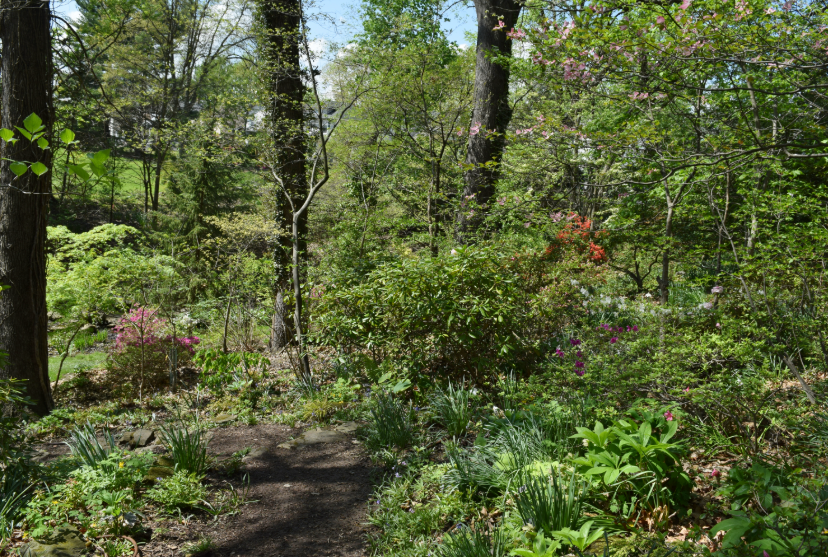
Take a leisurely walk through their gardens.

The garden’s history began in the late 1980s when Bert and Susan Hendley purchased the property. After a vacation in London in 1990 where they visited the Chelsea Flower Show, Susan suggested to Bert that it would be nice to have a beautiful garden at their new home, Bert followed through on that suggestion when they returned home. They restored the mission style house, surrounded it with beautiful plants, and developed gardens in a ravine below the home.

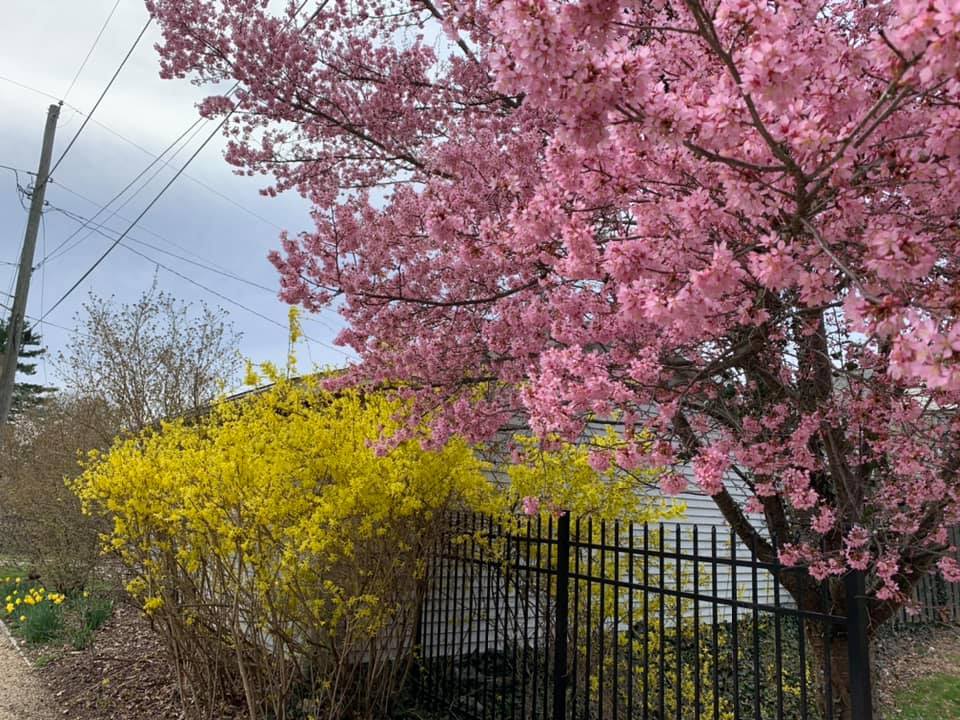
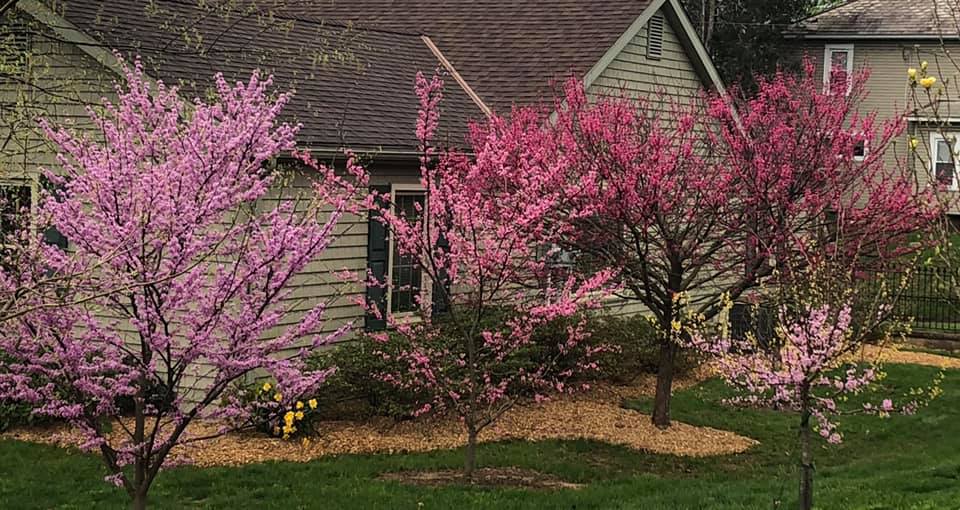
Forsythia and Redbuds welcome spring to the gardens.

Today, the Muskingum Valley Park District Headquarters Office is located on this property, where they showcase hundreds of rare and unusual plants including azaleas, rhododendrons, magnolias, and conifers. There are also two man-made waterfalls, a pond, a wetland bog, perennial garden, gazebo, and a creek bed.

A gazebo makes the perfect place to sit and relax surrounded by the sights and smells of the garden.

A gazebo is the perfect place to sit in the midst of the Perennial Garden and enjoy the blooms of the season. New blossoms open every week. You’ll find yourself encased in the smells of hyacinths and peonies or in the fall, chrysanthemums and sunflowers.

Get lost in nature as you walk through The Woodlands.

After you have had a leisurely walk in the upper gardens, it’s time to explore the rest of the acreage. Head down a steep flight of stairs or drive around to the rear entrance which is marked with stone pillars. It’s surprising to find all this beautiful nature in the middle of Zanesville.

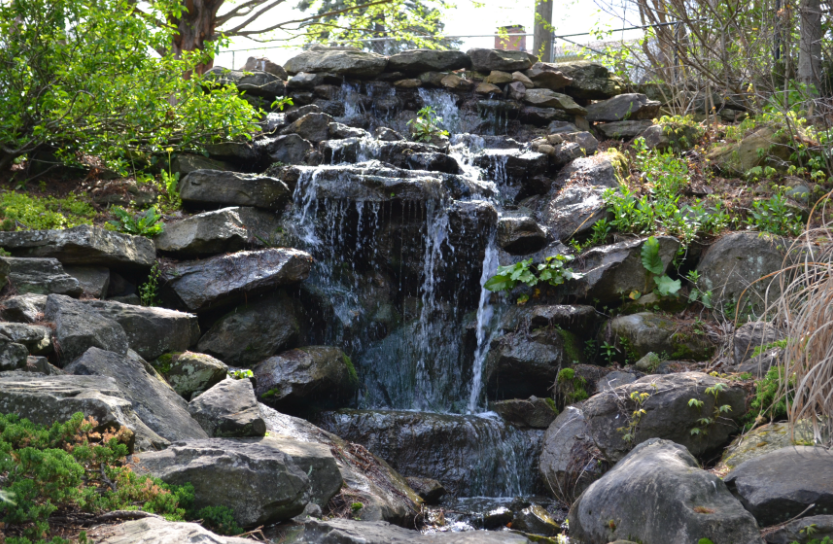
This beautiful waterfall adds serenity to the lower level of the garden.

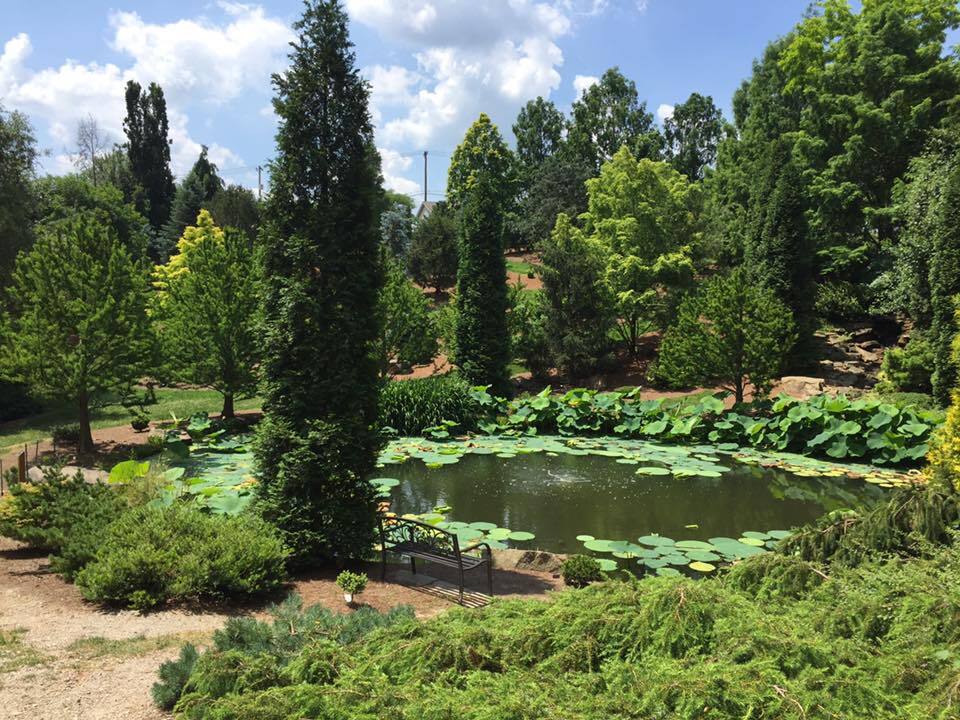
Once you enter the forested area, there are two pathways to choose. One leads to the Woodland Garden. Here you will find two small waterfalls, which flow over rocky hillsides into a small pond with elegant water lilies and lotuses blooming along the water’s edge. Comfortable wooden benches provide a great spot to relax while soaking up the ambiance of the scenic view.

Their Conifer Grove is one of the largest in Ohio.

The second path heads to the Conifer Garden. Their conifer garden is a highlight covering nearly two acres and displaying over 300 trees, many of them are not native to North America. It is one of the most renowned conifer gardens in the state. There are over 90 species present.

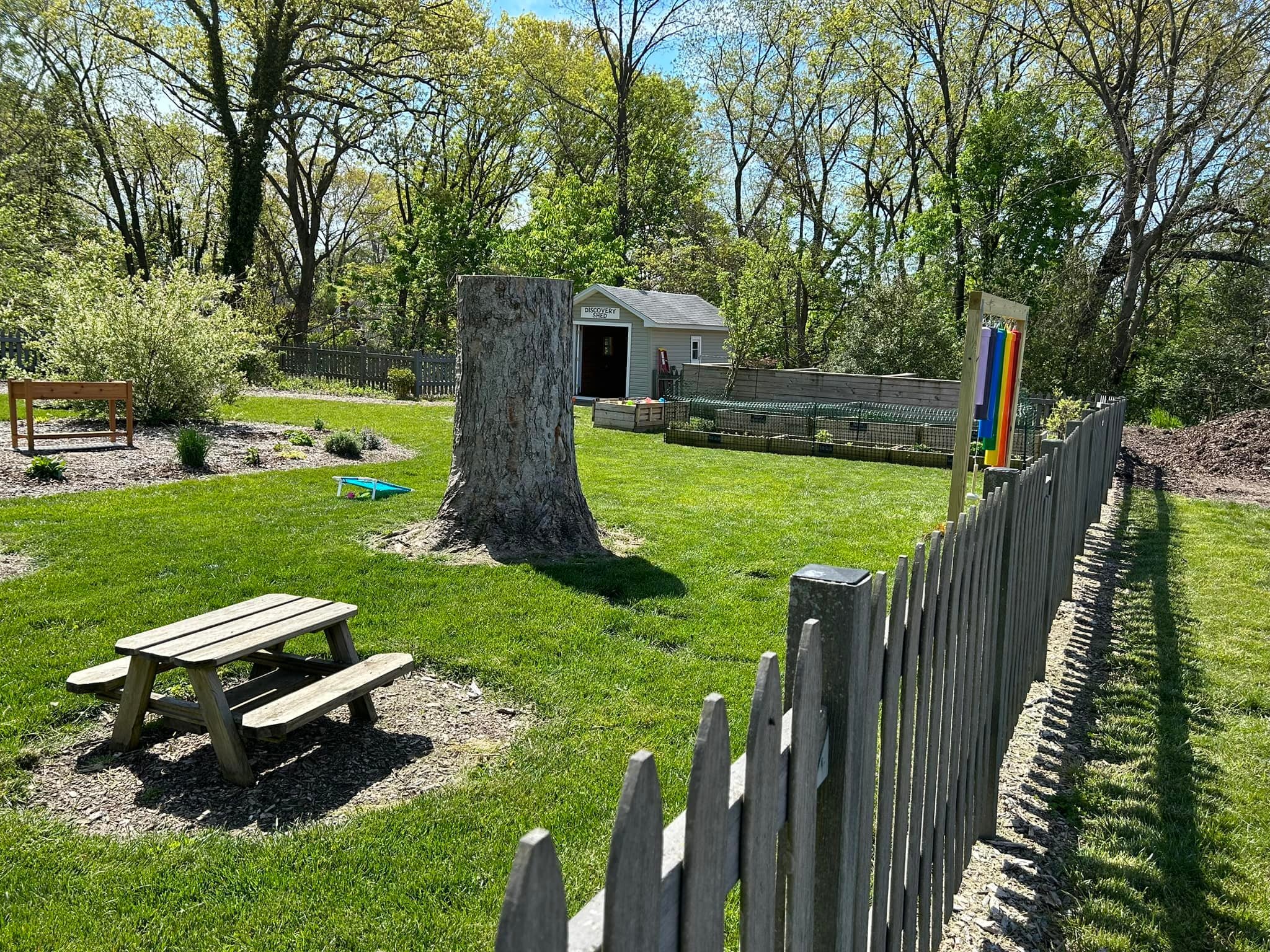
Olga’s Children’s Garden contains a Discovery Shed.

Mission Oaks Gardens has included many places that children will enjoy. Olga’s Children’s Garden is a fenced in area where they can explore nature in a Sensory Garden and enjoy a sandbox with a potting bench. Their Discovery Shed holds information about native flora and fauna.

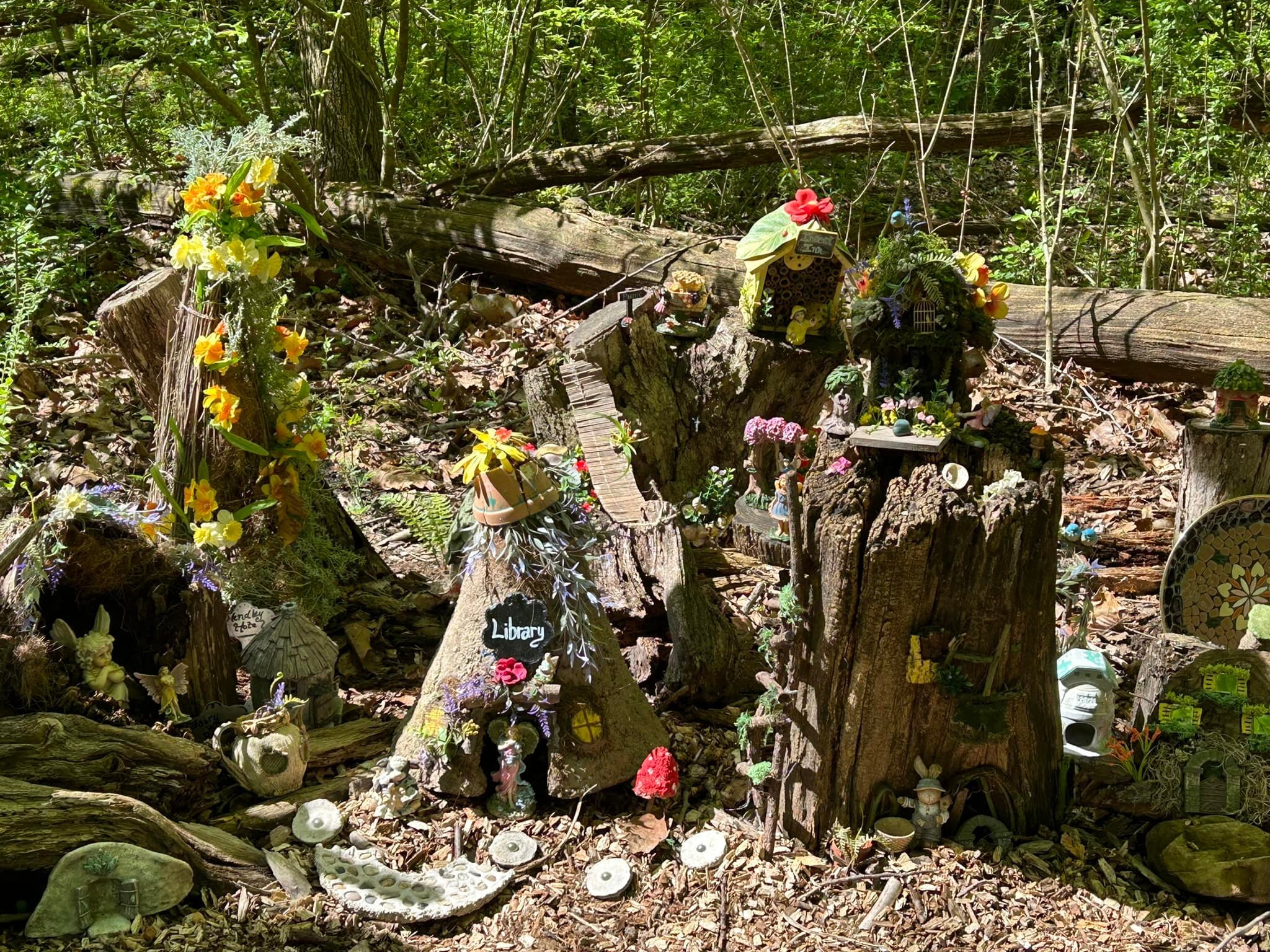
The Enchanted Fairy Garden comes alive in May.

While the Enchanted Fairy Garden is open all year, it comes alive early in May when they celebrate National Public Gardens Day. Fairies and gnomes make their appearance in the garden from May through August. Then it is said that they spend the rest of the year in the warmth of Florida sunshine.

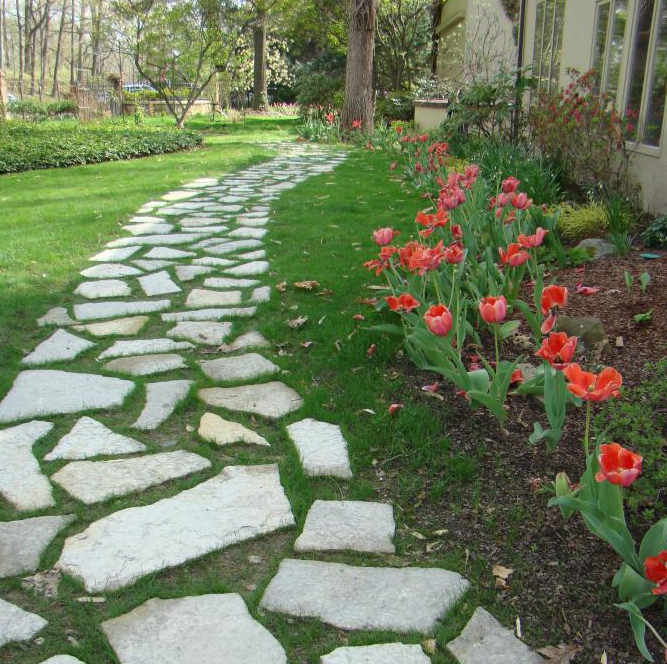
This stone pathway is always lined with flowers of the season.

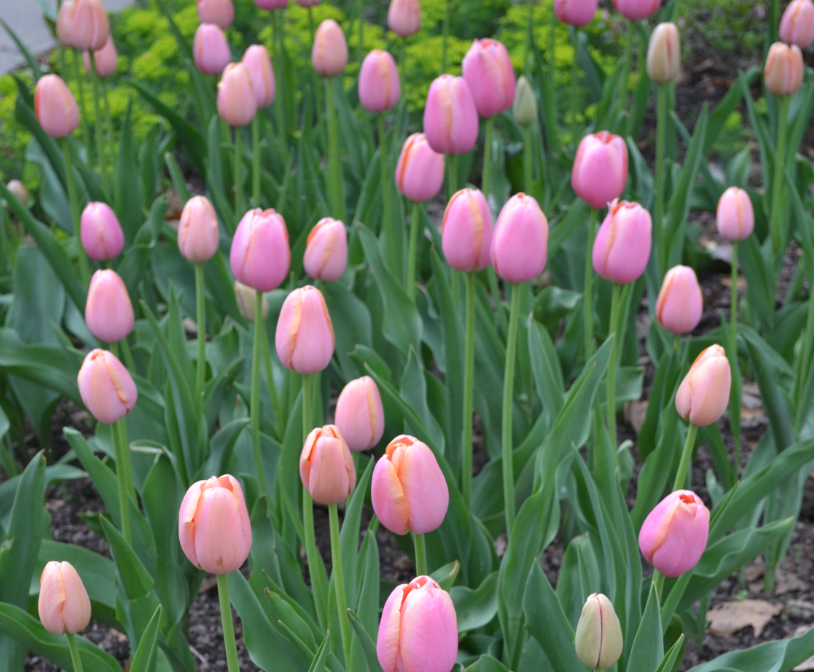
Take a walk on paths that meander through the gardens and landscape. Explore on gravel, grassed, mulched, and brick walking paths as you enjoy being surrounded by the sights and smells of nature. From springtime until fall, you’ll feel a closeness to Mother Nature with the flowers of the season…from tulips to mums.

Enjoy everything from waterfalls to conifer forest at no cost to you or your friends. While it is free to explore, they do rely on donations to maintain its beauty. You are welcome on the grounds seven days a week from dawn to dusk to explore seven acres of nature right in the middle of a residential section of Zanesville. You will be surprised and pleased at the beauty present.

These redbuds were found just outside the MVPD office.

For more information and pictures, visit them on Facebook at Muskingum Valley Park District – Mission Oaks Gardens or on the website www.mvparkdistrict.org under Gardens.

Mission Oaks Gardens provides the perfect place to avoid the maddening crowds, relax in meditation, take a walk with Mother Nature, or just run away from home for the day. Many find it the perfect place for wedding or prom pictures.

Visit this hidden gem any time of the year!

Life on a Riverboat

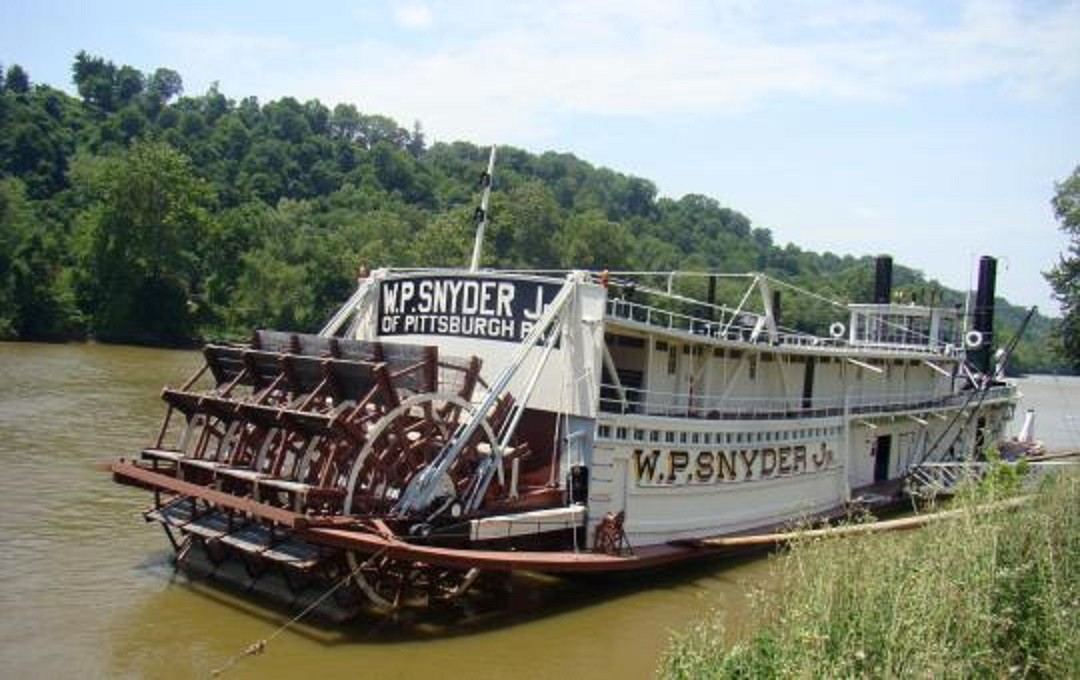
W. P. Snyder, Jr. is an historic towboat moored in Marietta on the Muskingum River.

Drifting with the current down the Ohio River has been experienced by many for centuries. While those early days provided an easy way to move products and people, today there have been many changes on the river, especially with the riverboats driven by steam.

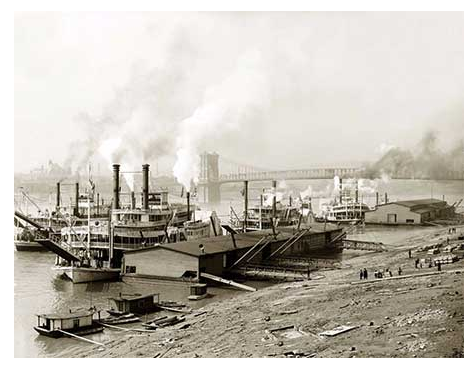
During those early days before the railroad or paved roads, towboats were frequent on the river hauling coal, food, and steel. This was a quick and easy way to move things. Men in good physical condition worked on these boats around the clock surrounded by hazardous conditions and constant noise.

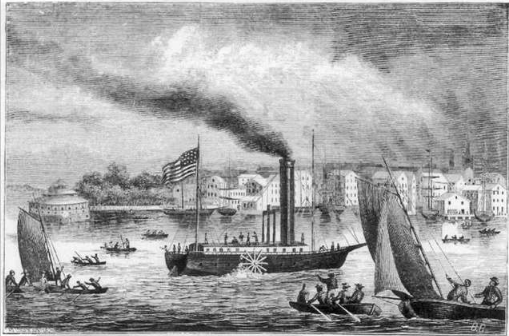
New Orleans was the first steamboat on the Ohio and Mississippi Rivers.

In 1811, the New Orleans made the first steamboat trip down the Ohio River and Mississippi River from Pittsburgh to New Orleans. The success of this adventure opened the door for more trading to the cities along the rivers. Passengers began using it as a faster method of getting from place to place.

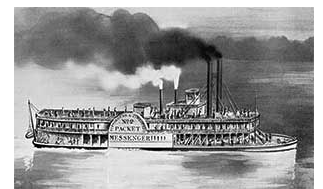
The Messenger carried Charles Dickens down the Ohio River.

For five months in 1842, Charles Dickens visited America with his wife, Kate, her maid, Anne Brown, and his secretary, George Putnam. They traveled to Pittsburgh by canal, stagecoach, and train before climbing aboard the riverboat, Messenger, for a trip down the Ohio River.

The Messenger held about 40 people on deck with the lower level being filled with the poor, emigrants, and children. Dickens felt lucky that they had a cabin in the stern as he worried about the fierce fire that raged in the body at the forward end of this boat built of what he called “a frail pile of painted wood

Meal time was not pleasant for him as there was no lively conversation. He said the creatures would empty their trough then head to stand around the fire and spit, a habit which he deplored.

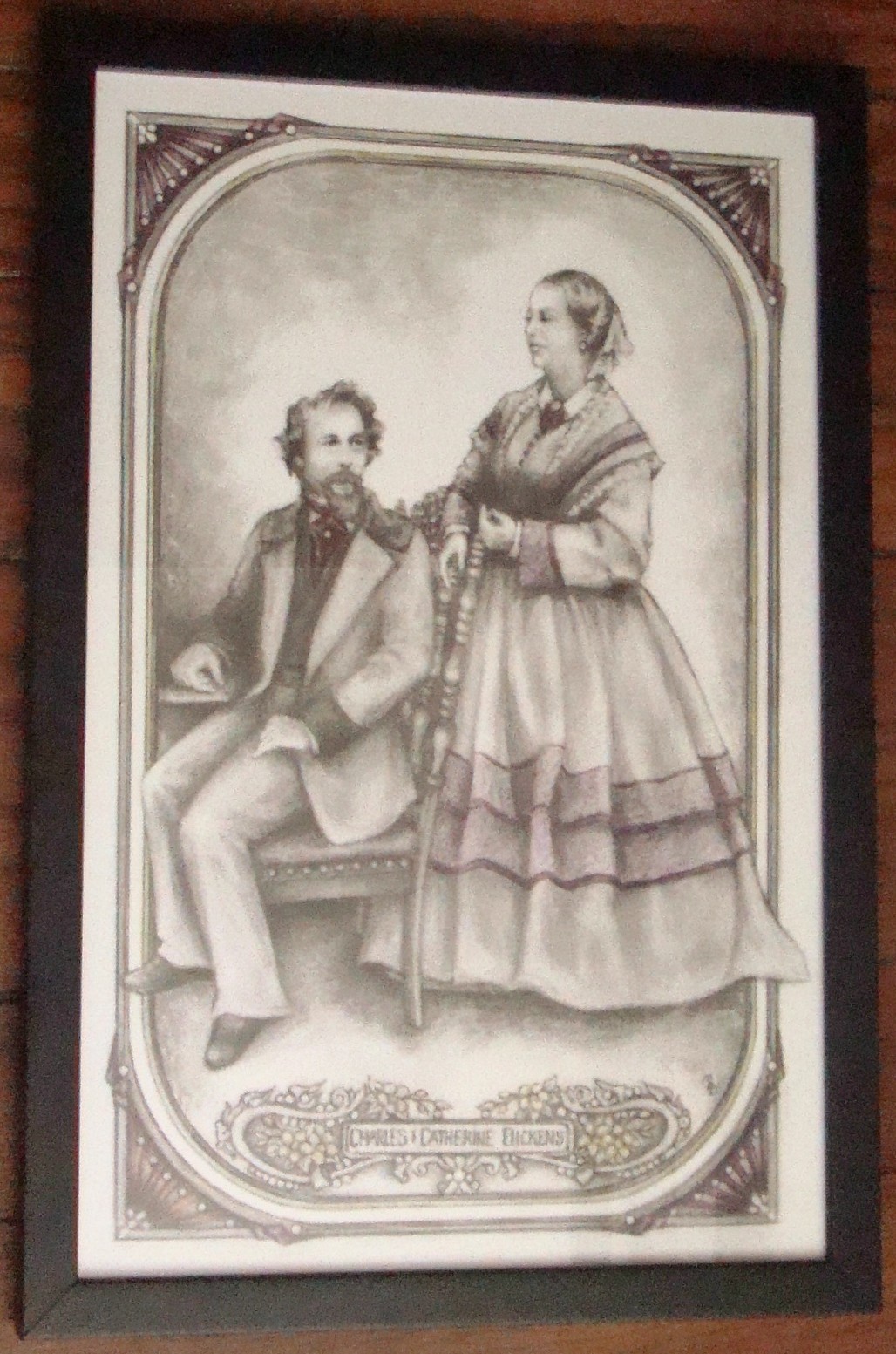
This sketch of Charles and Kate Dickens was by the late Mary Ruth Duff.

Charles and Kate would sit outside their small room on the gallery where they could watch the scenery as they drifted down the river. Charles explained the scenery in this colorful way:

For miles and miles the banks were unbroken by any sign of human life or trace of human footsteps. Nor is anything seen to move about them but the blue jay, whose colour is so bright, and yet so delicate, that it looks like a flying flower.

After three days, they reached Cincinnati where Dickens finally found some intelligent conversation. He loved the town and the free schools, as education was something very important to Charles Dickens.

When Dickens arrived in Cincinnati, shantyboats could be seen along the riverbanks.

As they pulled into Cincinnati, they could see shantyboats along the shore. These rough built homes were used by those who wanted to move from place to place along the river with their families. Often, they were homes for people looking for work but also for thieves and law breakers. They always served as a great place to escape paying taxes.

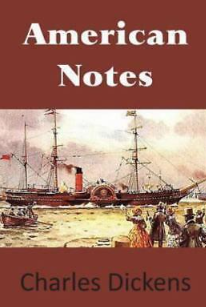
Charles Dickens wrote of his journey in American Notes.

Throughout his journey, it’s no surprise that Dickens wrote in his journal daily about what he saw and felt about America. Perhaps you would like to read his entire story in his American Notes.

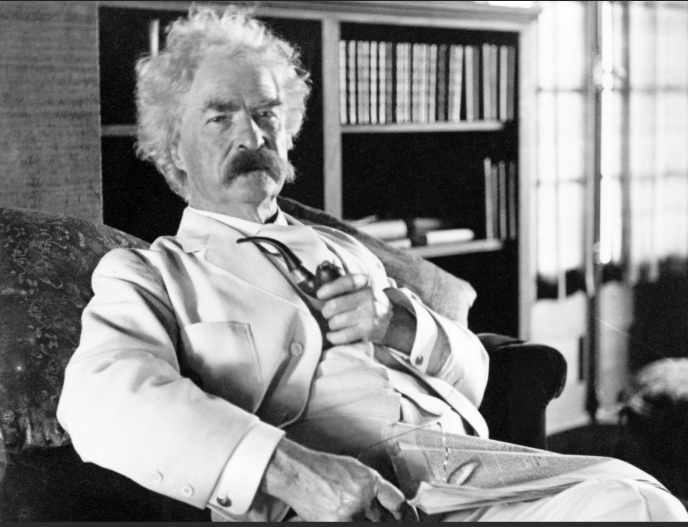
Mark Twain’s stories of his travels on the Mississippi boosted the number of riverboat passengers.

A few years later, Mark Twain published a book about his travels on the Mississippi River. When Twain wanted to get his riverboat pilot’s license, he was told he had to memorize the 1,200-mile Mississippi River in detail. The story of his adventures as a pilot and later as a passenger became a boon to the riverboat industry as more and more people wanted to experience the tales told by Mark Twain in his book , Life on the Mississippi

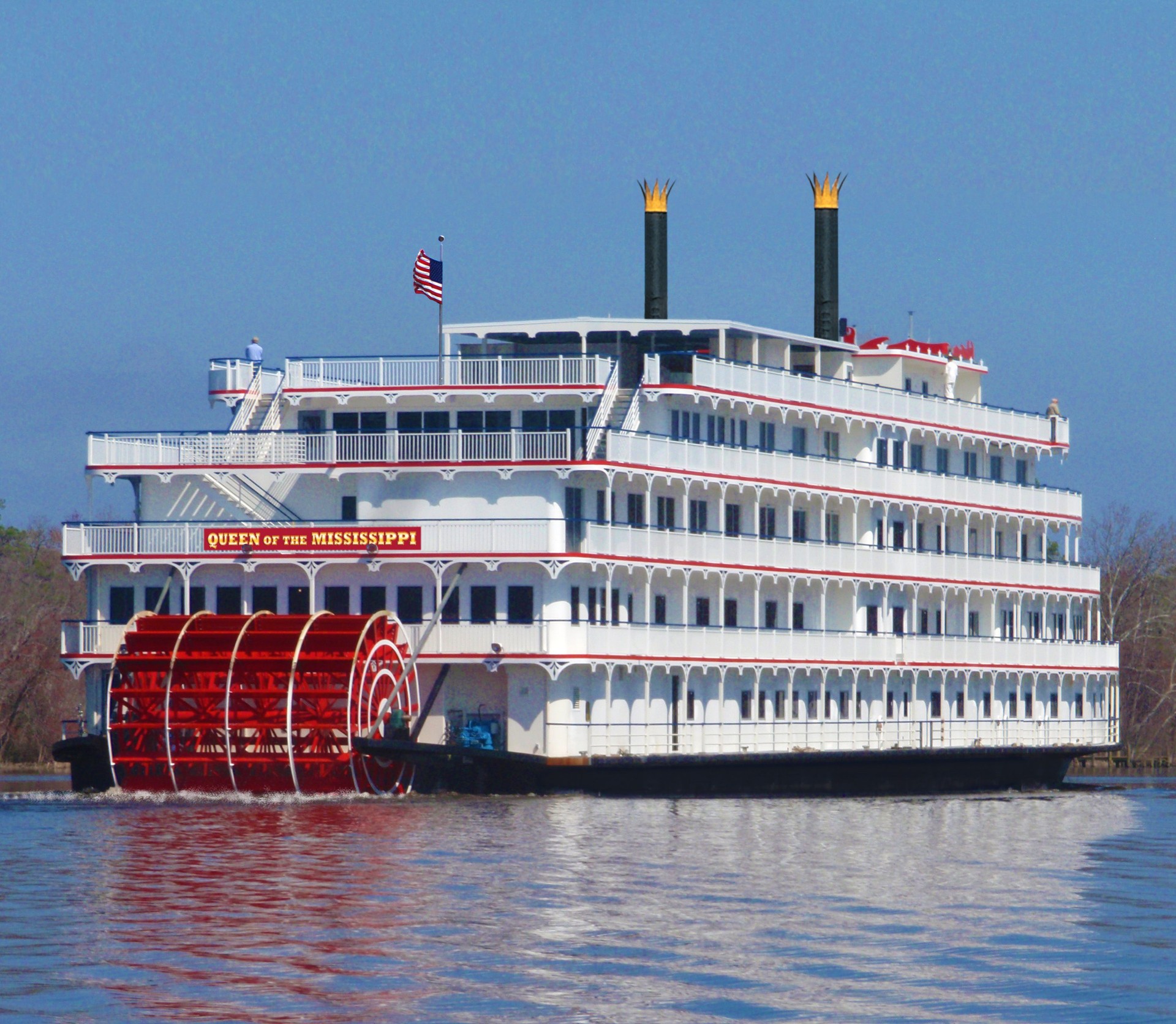
Today’s Queen of the Mississippi is a luxurious riverboat.

Today, riverboat travel on the Ohio and Mississippi has changed with the boats being more luxurious. Many people enjoy taking a short vacation on the river while being served gourmet meals, visiting historical spots along the way, and having evening entertainment.
When a boat pulls into dock at one of the towns along the way, as soon as people hear the sound of the calliope, they head to the shore to watch the paddlewheels and listen to the music.

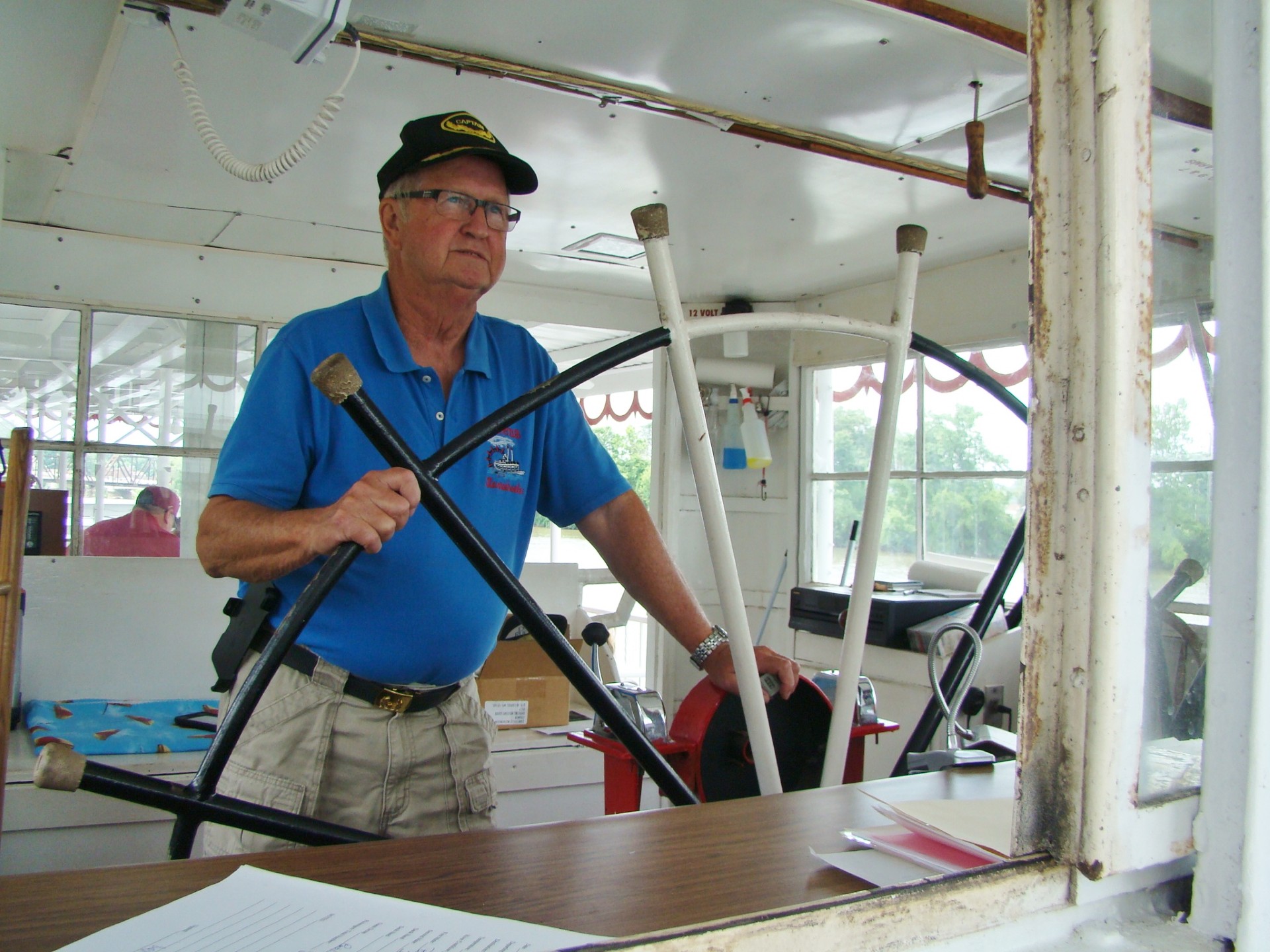
Captain Bill enjoys taking the wheel of the Lorena on the Muskingum River.

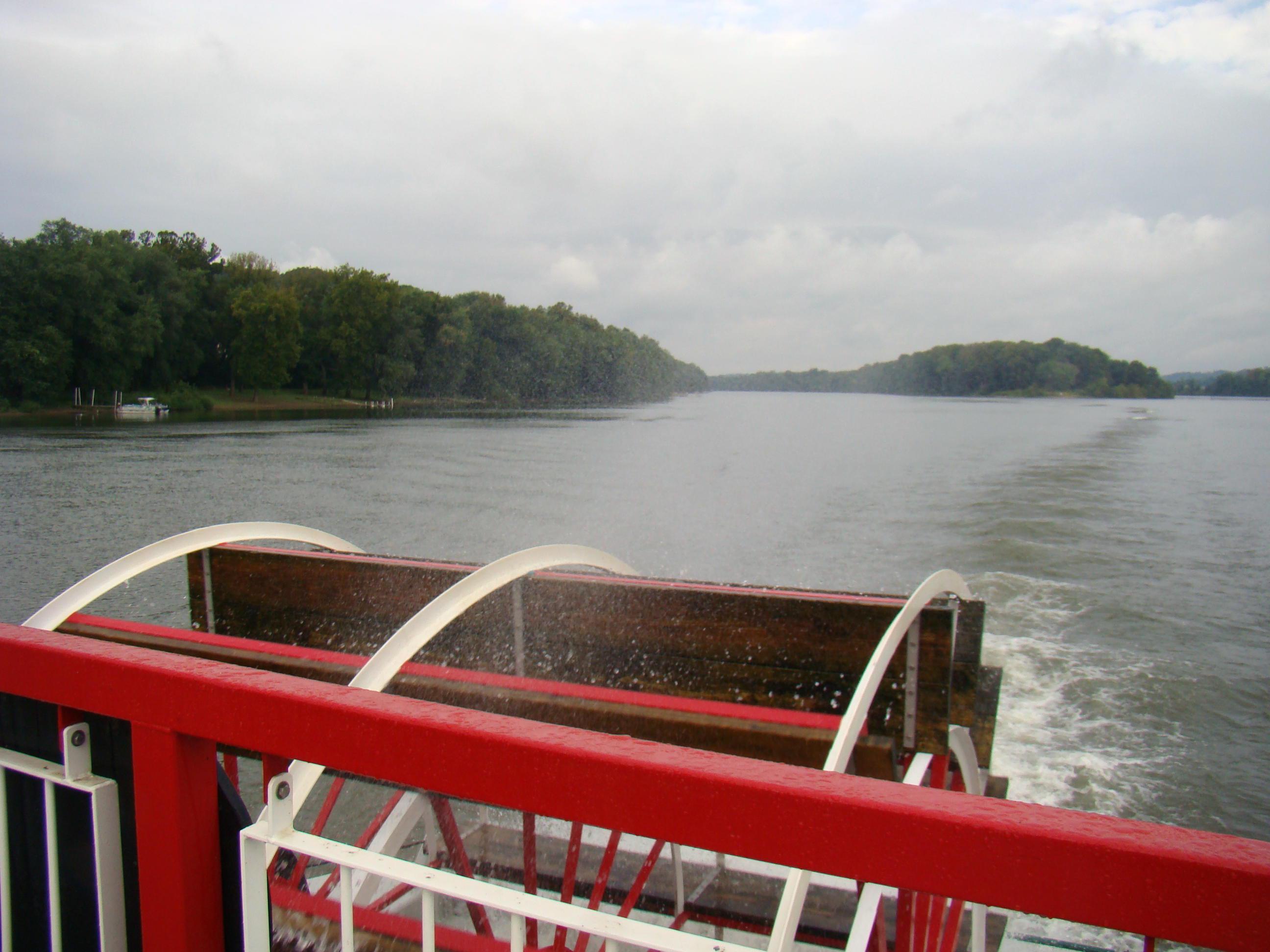
Our area is fortunate to have two small riverboats, Valley Gem and Lorena, operating for day trips in Marietta and Zanesville. These rides are always a pleasure as you catch a slight breeze as you feel the boat moving through the water and catch a little spray from the paddlewheel. It’s a cool way to spend a hot summer day.

The paddlewheels of the Valley Gem move us on the Ohio River.

Perhaps you would enjoy a riverboat ride down the Ohio River. It’s on my bucket list!

Guidance of a Child

A favorite butterfly necklace made by Maggi Jorgensen.

Sometimes the words of a child will stick in your mind and make a difference in your life. Children usually speak what is in their heart with no thoughts of whether it is appropriate or not.

Such was an experience that has influenced my life for nearly fifty years. It all began when I was teaching first grade at Old Washington Elementary School. The young children were always very special to me plus I had two sons at home. When someone asked, “How many children do you have?” I would often say 35 or however many were in the classroom plus my two sons. They would just roll their eyes in amusement.
One morning the principal came into the room to do a surprise evaluation. My previous reviews had all been satisfactory so I wasn’t terribly concerned. The first graders sat quietly in their seats as they considered him an authority figure. Perhaps it was lucky that Jerry, the class clown, wasn’t there that day.

The principal watched and listened carefully while making notes on a clipboard. At that time of the day, we were using a phonics-based reading program, Open Court, and the sound of the day was the ‘y’ at the end of words. The word being discussed was ‘lady.’

“What is a lady?” the principal asked.

One little girl waved her hand and answered, “A lady is someone like Mrs. Kerr who always wears a skirt and a necklace.” Her answer definitely surprised me and brought a smile to my face.

Later that day, the principal and I passed in the hallway. He had an amused look on his face as he asked, “Did you bribe the little girl to give that definition of a lady?”

“How was I to know what you were going to ask!” was my reply.

To this day, I never leave home without a necklace. It reminds me that the little things we do in life make an impression on children and most likely on adults as well.

Be careful what you say or do as children are watching!

Nurses Supporting Our Troops

Thank you to all who have served!

Acute Nursing Care in Cambridge has started a program on the local level to send Care Packages to people who are in the military and have families in the thirteen counties they serve.

Nurses at Acute Nursing Care have organized “Nurses Supporting Our Troops.”

This health care center provides professional services to clients in their homes to assist in day-to-day self-care activities. This surrounds them with family, friends, and the things that are important for that at home feeling. Nurses Supporting Our Troops give that same kind of home feeling to those who are away from home in the service by providing them with a touch of home.

Those in the military have always enjoyed letters from home to keep that connection with family and friends. So, a package from home has a special meaning as it shows the recipient that they are remembered. Care packages and letters are always a comfort to those away from home. Be sure to include a thank you so they realize their service is appreciated.

Shelly Long displays some of the things that go in the Care Packages.

Shelly Long, Acute Nursing Care owner/manager, got the idea early in 2023 when her nephew was being moved from Wright Patterson Air Force Base to serve in Kuwait. She knew life there was very hard for him and he was missing home so thought a care package from people he loved would lift his spirits. Their first care package was received in Kuwait in May and very much appreciated.

Matilda serves as the mascot for ANC.

After that, the staff at Acute Nursing Care thought this would be a great idea for more than just her nephew as many young people in the military experience a great change in their lives. Nurses Supporting Our Troops was organized locally to create Care Packages. Shipments are being made through international mailings along with Domestic Mail to active military bases. Nurses Supporting Our Troops has sent out care packages around the world.

Another recent recipient was an active duty Army Sargent of the Airborne Division, who was stationed in Poland. He received some flaming hot Cheetos in his care package.

To Celebrate D-Day on June 5, a care package was sent to an active soldier in the UK. Imagine the smile on the faces of those receiving a care package from home.

If you know of any active area person serving in the military that you would like to nominate for a care package, please email their full name, rank, and military base app address to York@acutenc.com.

If you would like to participate in helping with this program, some of the items that are easily shipped include: bags of chips, hygiene products (travel size preferred), individually packaged snack foods, lip balm, cooling towels, beef jerky (no pork products), and paper back books.

The only requirement they need for donations is the retail price of each item for customs and the exact number of items. Please do not send any items containing batteries or liquid as well as nothing that would melt in hot conditions.

York Hiestand, Human Resources, will answer all your questions.

Donations are being accepted at the next Senior Coalition meeting or at the office of Acute Nursing Care at 64979 Old Twenty One Road, Cambridge. You can drop things off Monday thru Friday 9-4 or call 740-439-5720 and they will pick them up at your convenience. Drop an email to York Hiestand, Human Resources, at york@acutenc.com for additional information.

Over 1,000 back-to-school items were donated to Cambridge Elementary.

Acute Nursing Care is active in the community and supports many local drives. Their participation in back-to-school drives for needed supplies was a huge success and donated over 1000 items at Cambridge Elementary. They have also helped organize baskets for seniors at home and in the nursing centers. Their caring goes beyond that done at Acute Nursing Care.

Nurses Supporting Our Troops realize that every day, service members put their lives on the line to keep us safe and free. Take a moment to let our troops know how much we appreciate their service and sacrif

Remember to send a letter with photos or a care package to friends or family that are serving our country in the military. If you can’t organize that, let Nurses Supporting Our Troops assist you. That little piece of home could be the highlight of their day.

Quilt Barn Tour in Harrison County

Quilts are a patchwork of memories!

Quilt Barns have become a popular feature in several Appalachian areas. They not only preserve those old, precious quilt patterns but also tell the story of a family that used that barn.

Henry Law Farm – Windmill Quilt Pattern

Quilts bring back special memories of our forefathers to help us realize the dedication and hardships they faced. Every quilt has a special story that needs to be kept for future generations to understand.

Gwen and Bob Stewart Barn – Goose Tracks Quilt Pattern

The idea was born when Donna Groves, a field representative of the Ohio Arts Council put a quilt on her barn in Adams County, Ohio. The idea quickly caught on with similar Quilt Barn Tours being developed in many Ohio counties and even in surrounding states.

Dawson Farm – Log Cabin Quilt Pattern

While the idea began in 2001, a few years later in 2005 Harrison County became involved. Their plan was to paint 15 quilts on area barns, one in each township. All quilts that were considered were owned by residents of Harrison County. Twenty-eight quilts were submitted for consideration. The effort was coordinated by the Puskarich Public Library, the OSU Extension Office, and the Harrison County Community Improvement Corporation.

Paolano Farm – Double Wedding Ring Quilt Pattern

Decision was reached on the fifteen quilts that would be displayed in a very unique way. Harrison County Election Board was demonstrating a new electronic voting machine at the Harrison County Fair in 2005. Pictures of the quilts were downloaded on the election machine and fairgoers had a chance to vote on their favorite. The winner was a quilt in a dahlia pattern submitted by county resident Barbara Besozzi. The quilt was sewn by her grandmother, Mary Henderson and is now on a barn on the homestead where it was sewn.

Henderson Farm – Dahlia Quilt Pattern

They proceeded with a Make a Difference Day project which consisted of making eight-foot square painted replicas of the quilts that were chosen. Then they were installed on barns throughout the area – one is each township. A “Drive It Yourself” tour was established.

Joseph Barn – LeMoyne Star Quilt Pattern

This was a real community project. The Harrison County Commissioners applied for a grant to support the project. Harrison Central High School industrial arts students made the frames, which held the paintings of the chosen quilts. Two of the paintings were done by students in the Arts department at Harrison Central High School and smaller squares were done by 4-H clubs in the county. The rest were painted by volunteers from Harrison County.

Harrison County Home – Make a Difference Day Quilt

The first barn quilt was installed at the Harrison County Home in August, 2005 while the rest were installed in October, 2005 on Make a Difference Day Ohio. Funds for this project were raised through contributions from individuals, businesses, civic groups, and grants.

Rocking M Farm – Dresden Plate Green Quilt Pattern

The goal of the organizers was to have the quilts and barns tell the story of the residents of Harrison County. In this way, people would know the background of the people who created the quilts and lived on the farms where the barns are located.

Center Farm – Dresden Plate Red Quilt Pattern

A lady, who now lives at the Harrison County Home, quilted the Dresden Plate that is now on Dr. John Center’s Barn outside of Scio. Mary Henderson’s dahlia patterned quilt is on the barn at her old homestead. Stories like this need to be preserved.

McMillen Farm – Multiple Stars Quilt Pattern

The Harrison County Quilt Barn Tour gives you views throughout the county. If you are not familiar with the area, you should get a list of the Quilt Barns either online at www.harrisoncounty.gov.quilt-barrn-project or stop by Harrison County Tourism and pick up a brochure.

Lawther Farm – Fan Quilt Pattern

Today there are 20 barns on the Harrison County Quilt Barn Tour. Some of those original 15 are no longer present. This self-guided tour reminds us of our pioneer and agricultural heritage.

Rinks Farm – Lone Star Quilt Pattern

Take a drive through the hills of Harrison County and watch for the barns that have quilts painted on their side. You might pass some every day. Once you have read about them and taken a Quilt Barn Tour, it’s amazing how often they appear when you are traveling throughout Ohio and neighboring states.

Every quilt tells a story. Watch and listen!