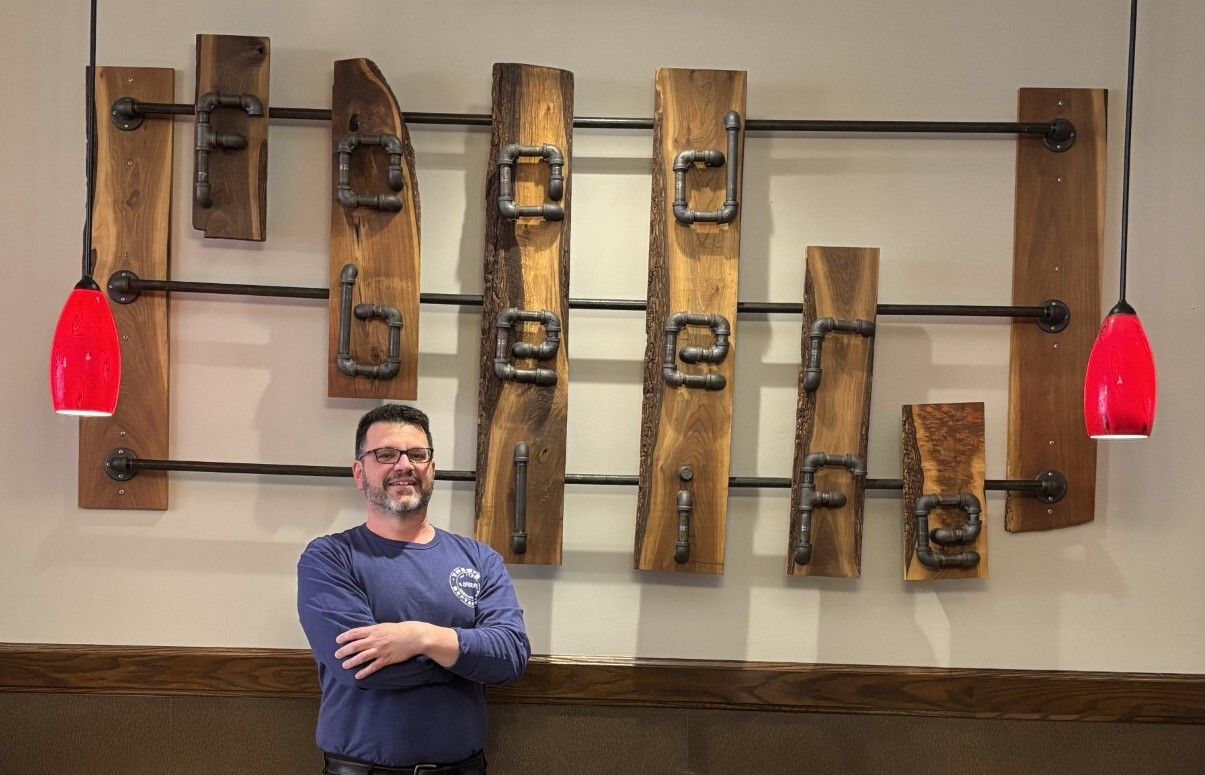
Places to go and things to see by Gypsy Bev

Life on a Riverboat

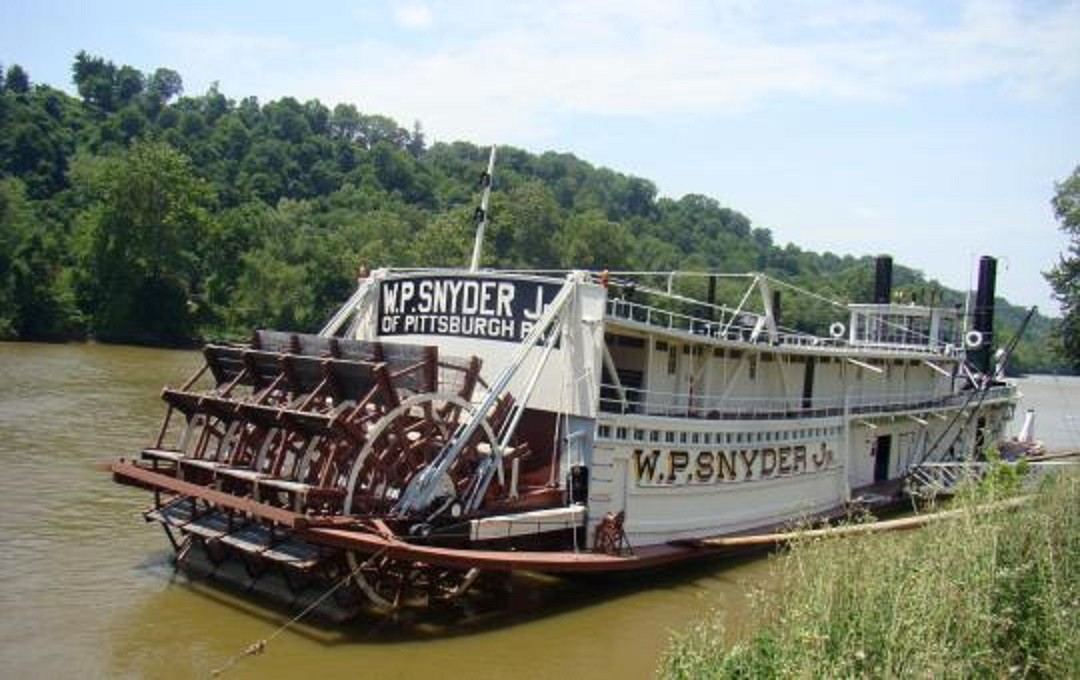
W. P. Snyder, Jr. is an historic towboat moored in Marietta on the Muskingum River.

Drifting with the current down the Ohio River has been experienced by many for centuries. While those early days provided an easy way to move products and people, today there have been many changes on the river, especially with the riverboats driven by steam.

During those early days before the railroad or paved roads, towboats were frequent on the river hauling coal, food, and steel. This was a quick and easy way to move things. Men in good physical condition worked on these boats around the clock surrounded by hazardous conditions and constant noise.

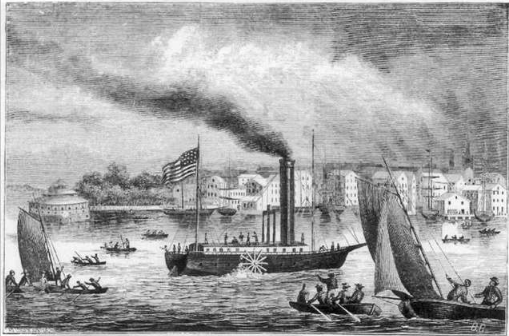
New Orleans was the first steamboat on the Ohio and Mississippi Rivers.

In 1811, the New Orleans made the first steamboat trip down the Ohio River and Mississippi River from Pittsburgh to New Orleans. The success of this adventure opened the door for more trading to the cities along the rivers. Passengers began using it as a faster method of getting from place to place.

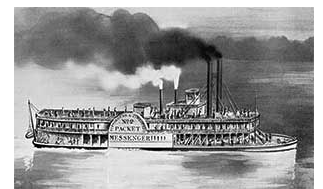
The Messenger carried Charles Dickens down the Ohio River.

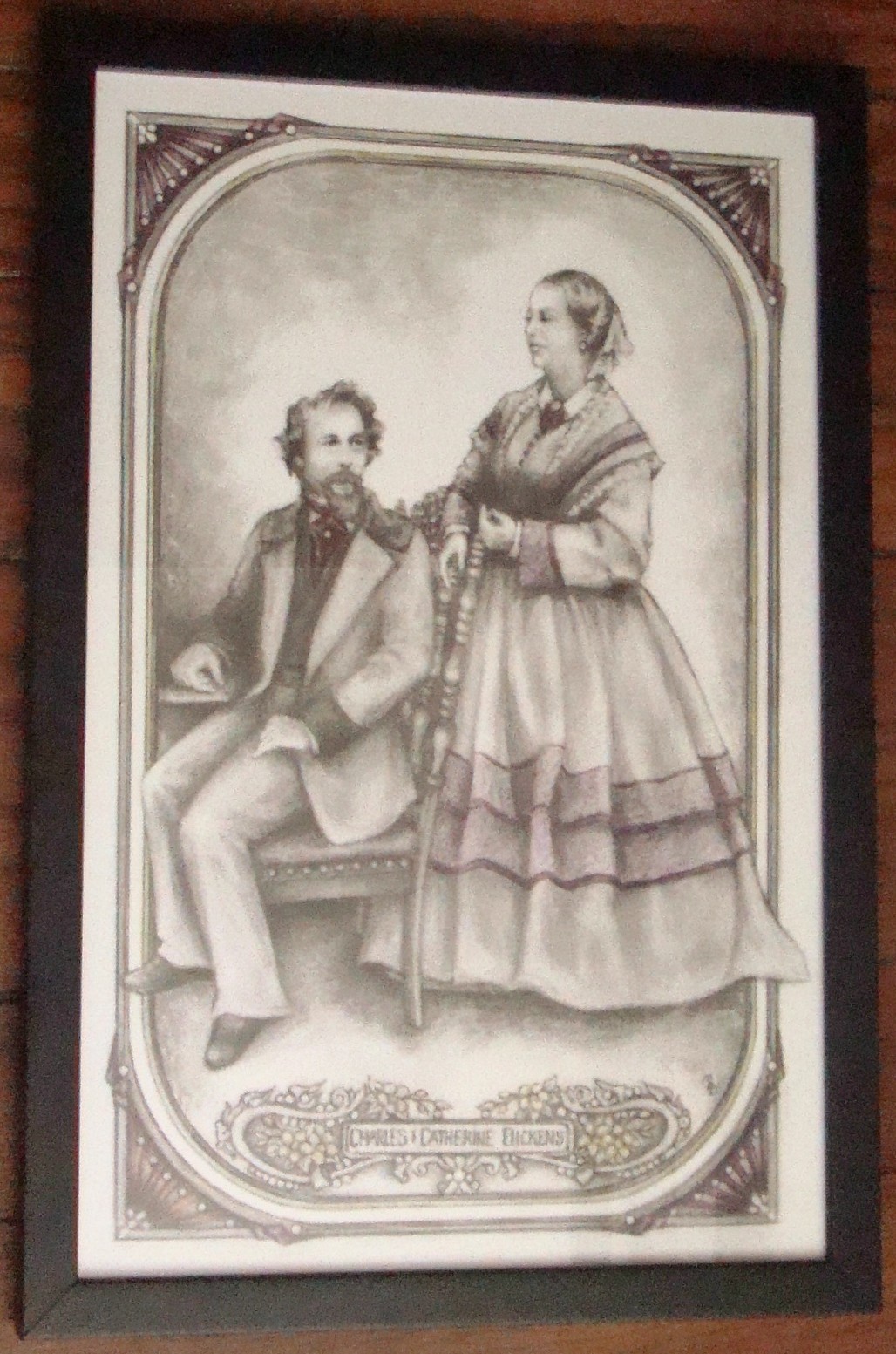
For five months in 1842, Charles Dickens visited America with his wife, Kate, her maid, Anne Brown, and his secretary, George Putnam. They traveled to Pittsburgh by canal, stagecoach, and train before climbing aboard the riverboat, Messenger, for a trip down the Ohio River.

The Messenger held about 40 people on deck with the lower level being filled with the poor, emigrants, and children. Dickens felt lucky that they had a cabin in the stern as he worried about the fierce fire that raged in the body at the forward end of this boat built of what he called “a frail pile of painted wood

Meal time was not pleasant for him as there was no lively conversation. He said the creatures would empty their trough then head to stand around the fire and spit, a habit which he deplored.

This sketch of Charles and Kate Dickens was by the late Mary Ruth Duff.

Charles and Kate would sit outside their small room on the gallery where they could watch the scenery as they drifted down the river. Charles explained the scenery in this colorful way:

For miles and miles the banks were unbroken by any sign of human life or trace of human footsteps. Nor is anything seen to move about them but the blue jay, whose colour is so bright, and yet so delicate, that it looks like a flying flower.

After three days, they reached Cincinnati where Dickens finally found some intelligent conversation. He loved the town and the free schools, as education was something very important to Charles Dickens.

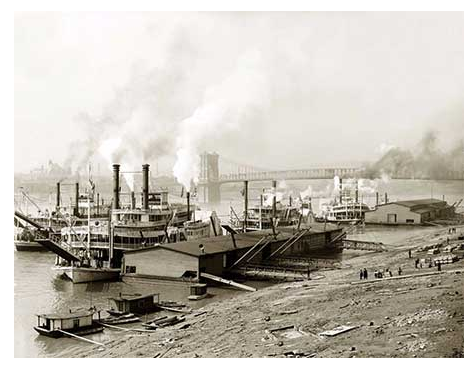
When Dickens arrived in Cincinnati, shantyboats could be seen along the riverbanks.

As they pulled into Cincinnati, they could see shantyboats along the shore. These rough built homes were used by those who wanted to move from place to place along the river with their families. Often, they were homes for people looking for work but also for thieves and law breakers. They always served as a great place to escape paying taxes.

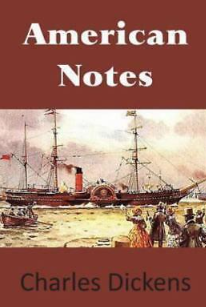
Charles Dickens wrote of his journey in American Notes.

Throughout his journey, it’s no surprise that Dickens wrote in his journal daily about what he saw and felt about America. Perhaps you would like to read his entire story in his American Notes.

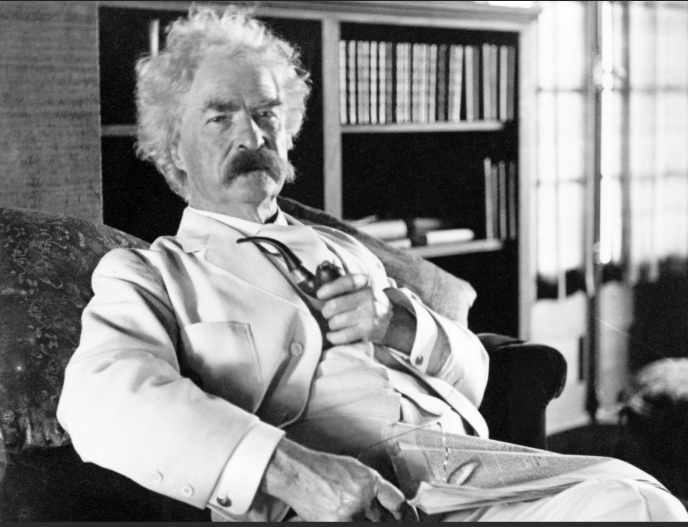
Mark Twain’s stories of his travels on the Mississippi boosted the number of riverboat passengers.

A few years later, Mark Twain published a book about his travels on the Mississippi River. When Twain wanted to get his riverboat pilot’s license, he was told he had to memorize the 1,200-mile Mississippi River in detail. The story of his adventures as a pilot and later as a passenger became a boon to the riverboat industry as more and more people wanted to experience the tales told by Mark Twain in his book , Life on the Mississippi

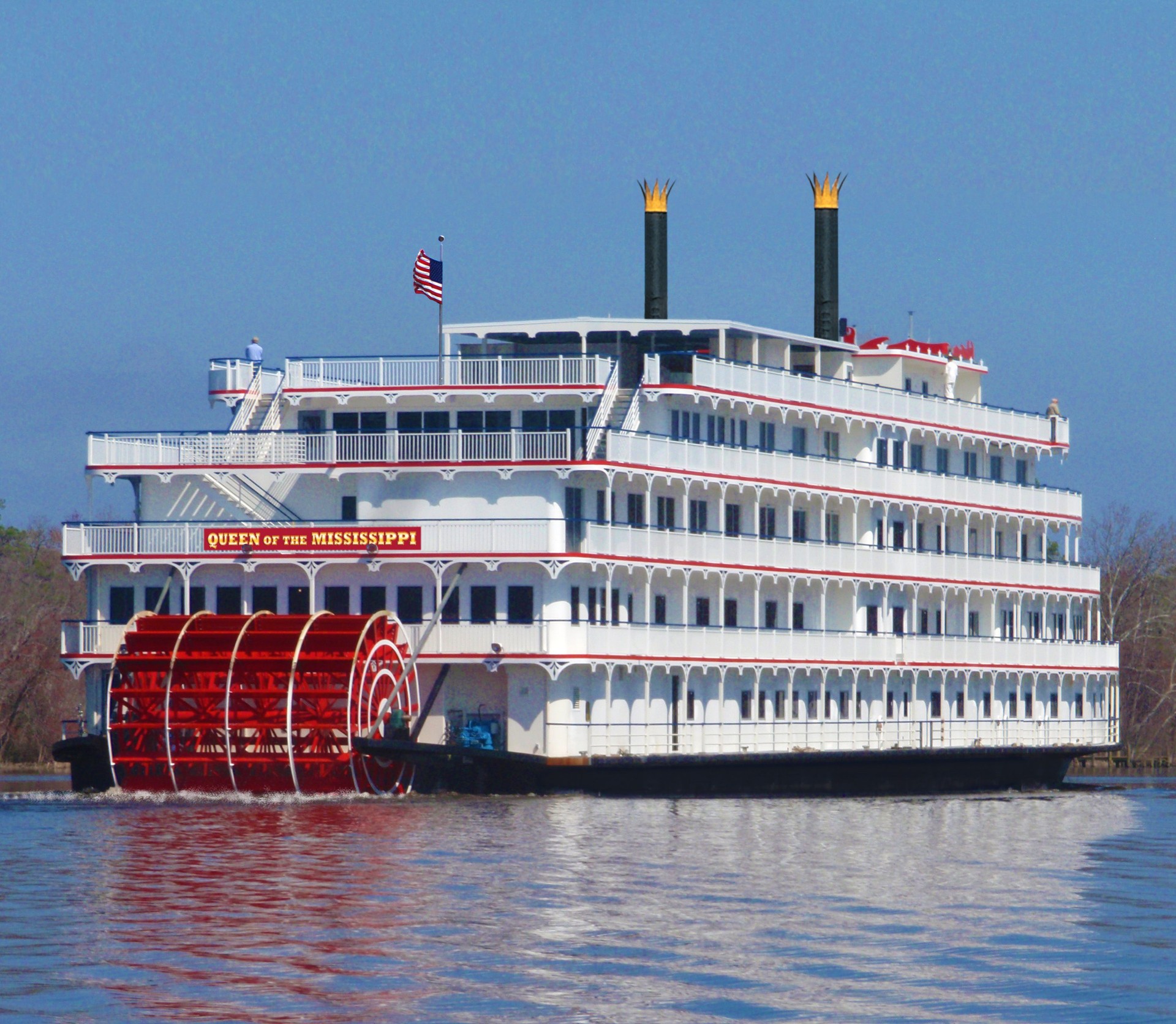
Today’s Queen of the Mississippi is a luxurious riverboat.

Today, riverboat travel on the Ohio and Mississippi has changed with the boats being more luxurious. Many people enjoy taking a short vacation on the river while being served gourmet meals, visiting historical spots along the way, and having evening entertainment.

When a boat pulls into dock at one of the towns along the way, as soon as people hear the sound of the calliope, they head to the shore to watch the paddlewheels and listen to the music.

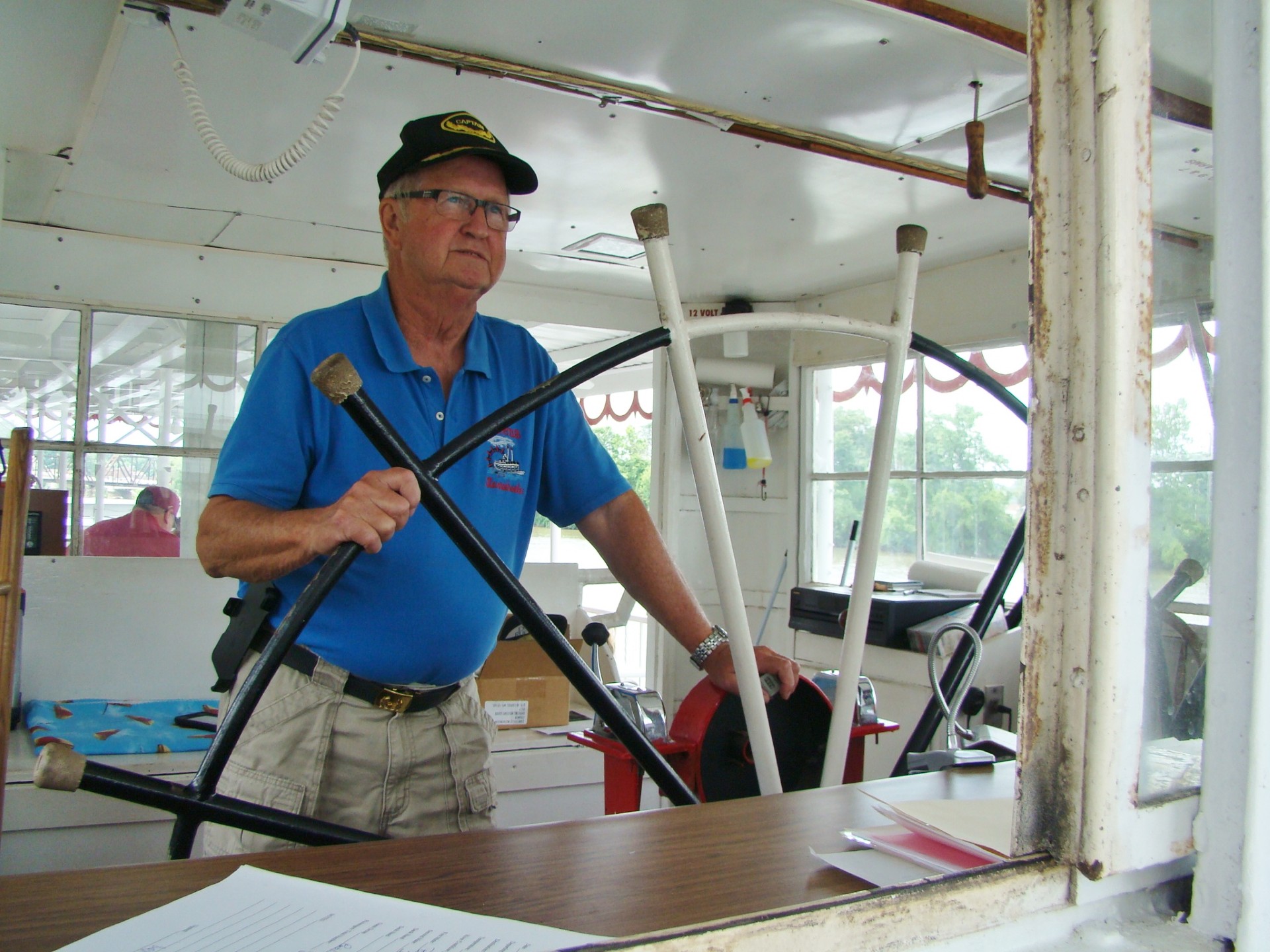
Captain Bill enjoys taking the wheel of the Lorena on the Muskingum River.

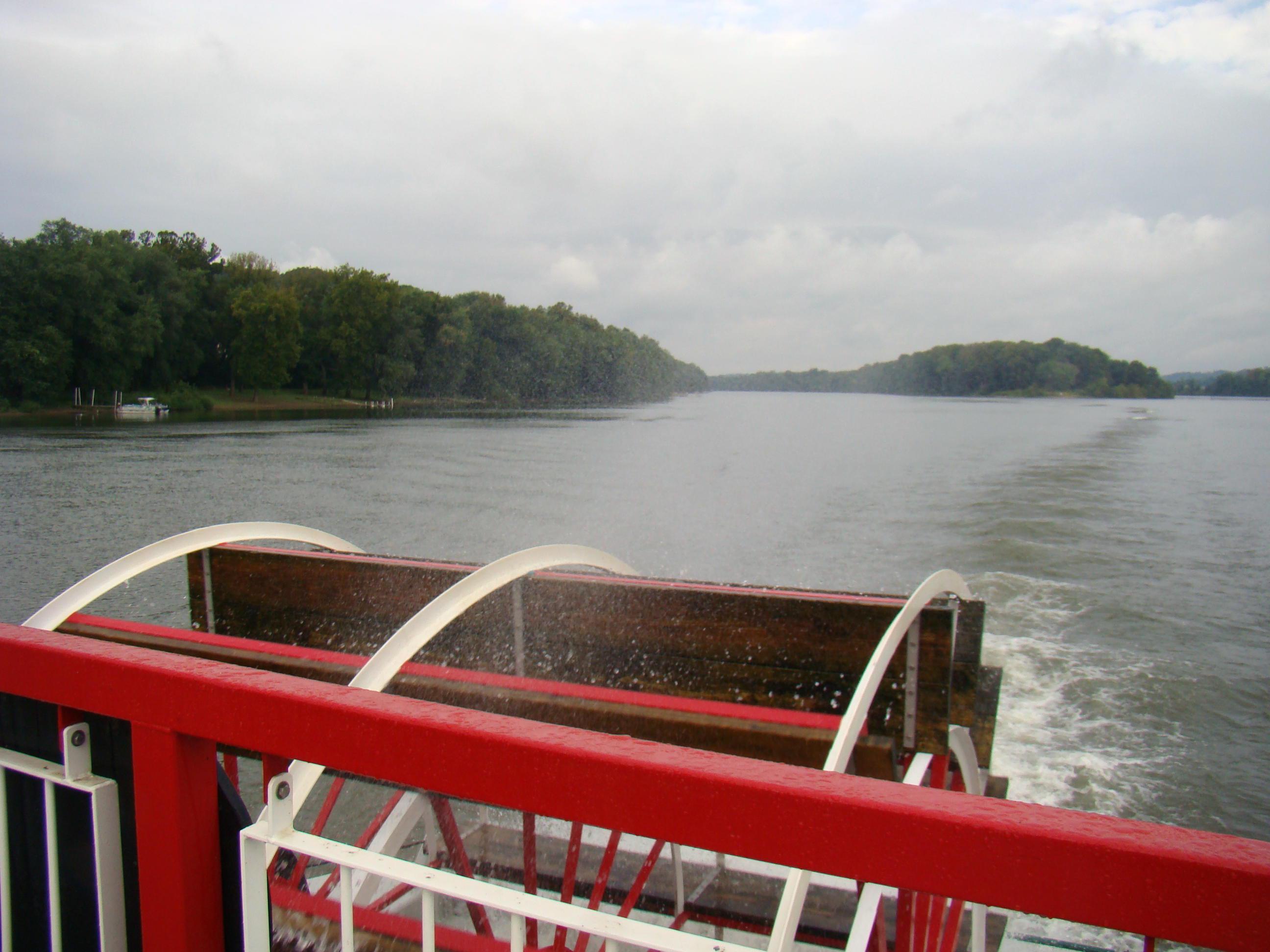
Our area is fortunate to have two small riverboats, Valley Gem and Lorena, operating for day trips in Marietta and Zanesville. These rides are always a pleasure as you catch a slight breeze as you feel the boat moving through the water and catch a little spray from the paddlewheel. It’s a cool way to spend a hot summer day.

The paddlewheels of the Valley Gem move us on the Ohio River.

Perhaps you would enjoy a riverboat ride down the Ohio River. It’s on my bucket list!

Guidance of a Child

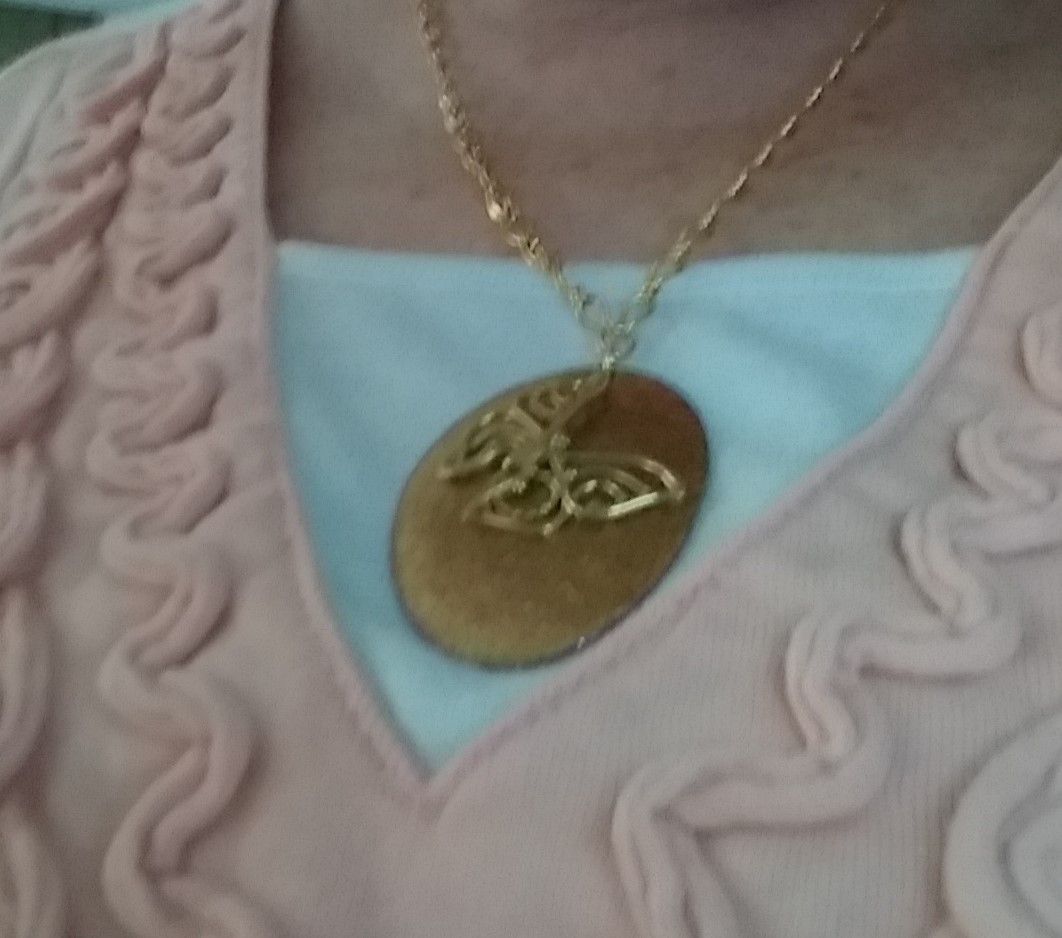
A favorite butterfly necklace made by Maggi Jorgensen.

Sometimes the words of a child will stick in your mind and make a difference in your life. Children usually speak what is in their heart with no thoughts of whether it is appropriate or not.

Such was an experience that has influenced my life for nearly fifty years. It all began when I was teaching first grade at Old Washington Elementary School. The young children were always very special to me plus I had two sons at home. When someone asked, “How many children do you have?” I would often say 35 or however many were in the classroom plus my two sons. They would just roll their eyes in amusement.

One morning the principal came into the room to do a surprise evaluation. My previous reviews had all been satisfactory so I wasn’t terribly concerned. The first graders sat quietly in their seats as they considered him an authority figure. Perhaps it was lucky that Jerry, the class clown, wasn’t there that day.

The principal watched and listened carefully while making notes on a clipboard. At that time of the day, we were using a phonics-based reading program, Open Court, and the sound of the day was the ‘y’ at the end of words. The word being discussed was ‘lady.’

“What is a lady?” the principal asked.

One little girl waved her hand and answered, “A lady is someone like Mrs. Kerr who always wears a skirt and a necklace.” Her answer definitely surprised me and brought a smile to my face.

Later that day, the principal and I passed in the hallway. He had an amused look on his face as he asked, “Did you bribe the little girl to give that definition of a lady?”

“How was I to know what you were going to ask!” was my reply.

To this day, I never leave home without a necklace. It reminds me that the little things we do in life make an impression on children and most likely on adults as well.

Be careful what you say or do as children are watching!

Live your life and forget your age

Sometimes a hand reaches out and touches you in an unexpected way leading you on a new pathway. Such was the case with Deloris Ullmann, a retired educator from Shenandoah.

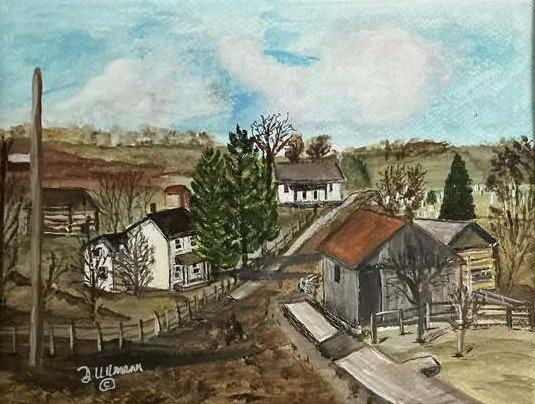
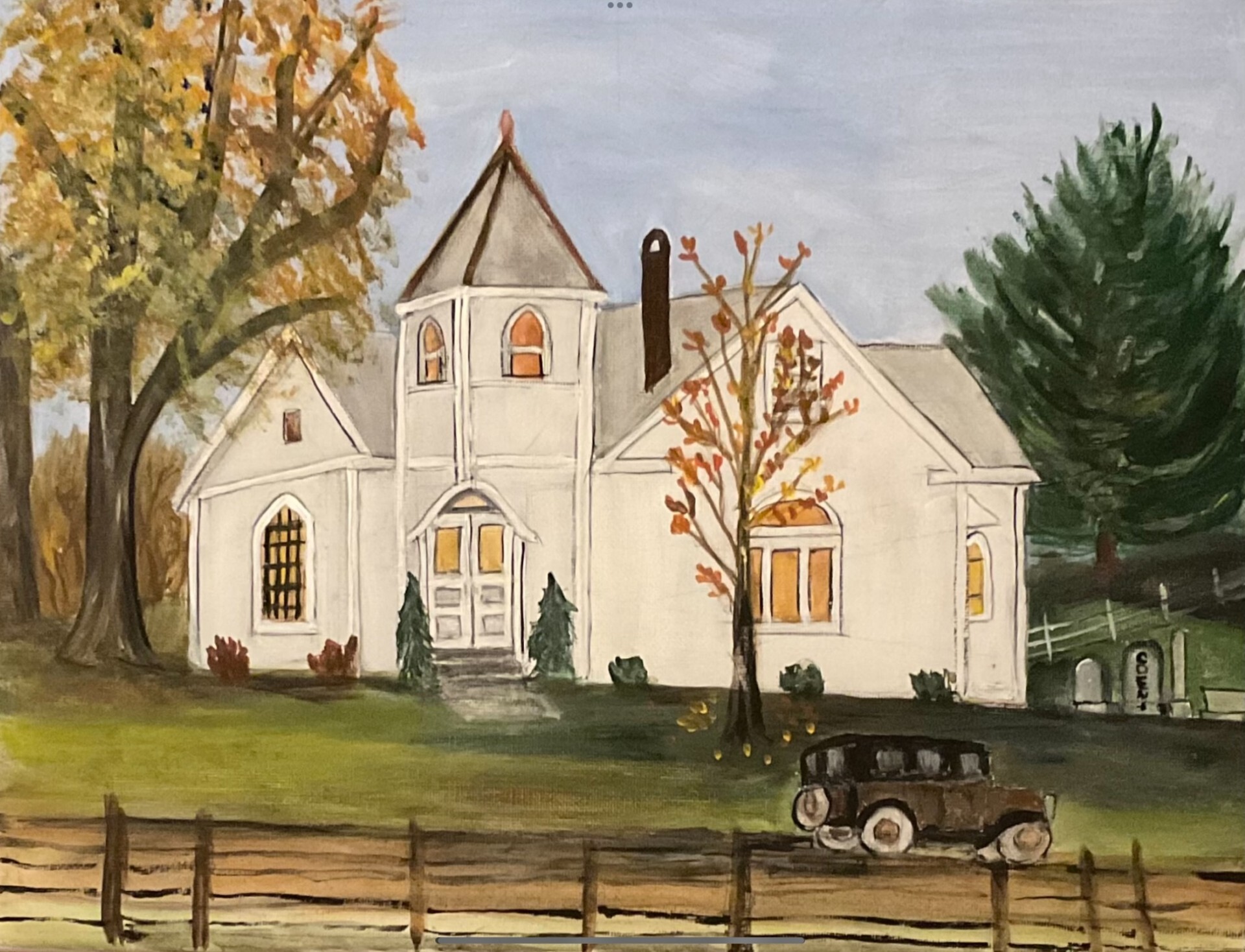
This painting shows her hometown of Mt. Ephraim many years ago.

Deloris grew up in Mt. Ephraim and started her education at a two-room school there before graduating from Sarahsville High School. She received her Bachelor’s Degree from Ohio University and later her Master’s Degree from Marietta College.

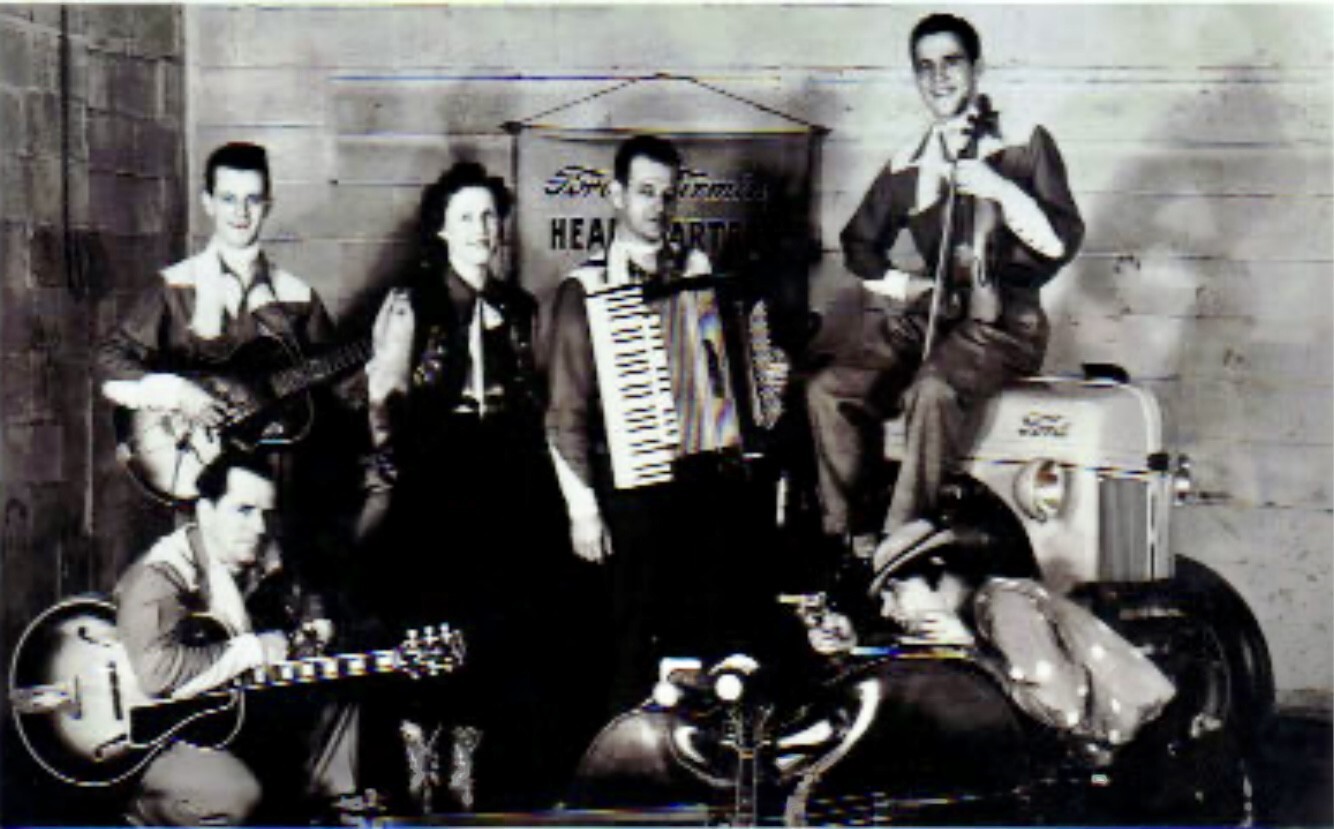
Her family enjoyed music. Dallas Bond, front left, and her mother played on WILE in the late 40s.

In her younger years, Deloris was surrounded by a family that enjoyed music. Her parents organized “Dallas Bond and The Musical Farmers,” which was the first live musical group to air on radio station WILE in the late 40s. Deloris and her sisters also performed on WILE a few years later as “The Bond Sisters.” Because of that interest, Deloris can play piano, guitar, violin, and mandolin.

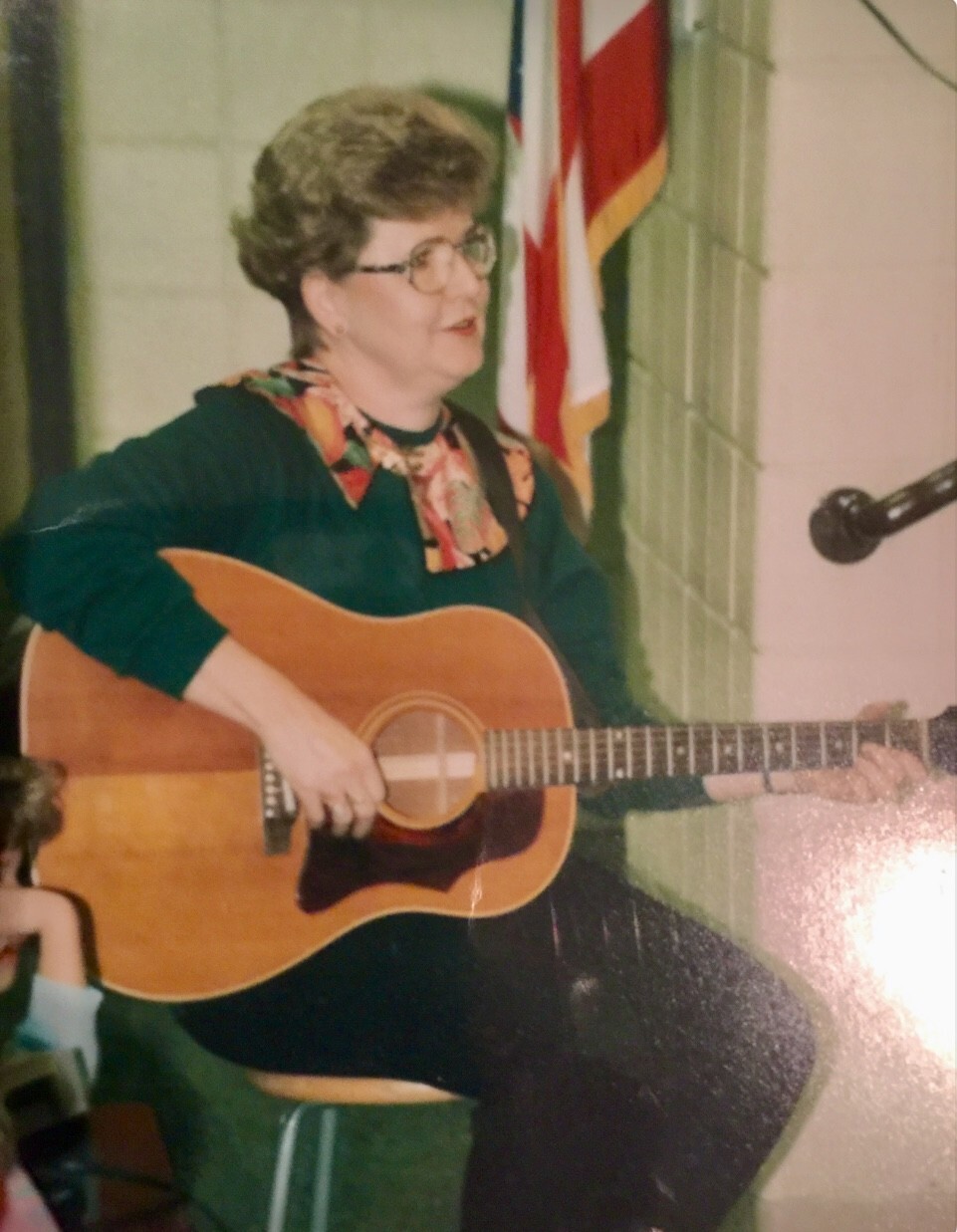
Deloris played guitar and sang at her retirement assembly.

She played guitar and sang “Love Letters in the Sand” at 4-H camp during Talent Night and played the fiddle with Jim’s Jammers at a Grange Banquet at Shenandoah High School. Even when she retired, she played the guitar and sang at her retirement assembly.

After retirement, a new path opened unexpectedly one day ten years ago when her neighbor Judy McKee, an art teacher from Shenandoah, came across the road for a visit. She asked Deloris, “Did you ever think of painting?”

Deloris smiled as she said, “I can’t even draw a circle.” Deloris said at that time the only thing she had ever painted was a paint-by-number picture.

Judy was persuasive and told her, “You can learn. I’ll give you lessons in my studio.”

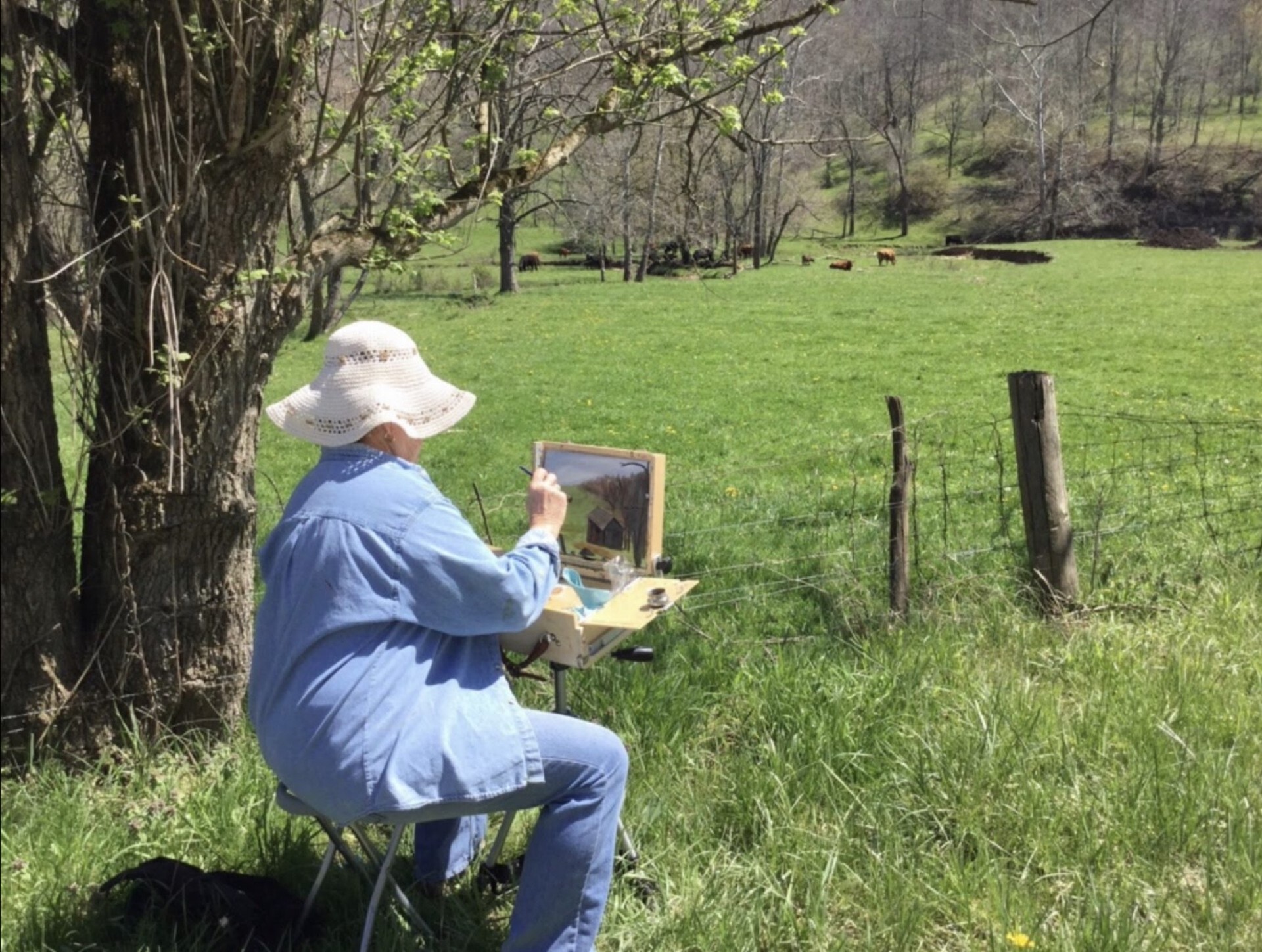
She enjoys stopping along the road and painting an outdoor scene or whatever catches her eye.

Thus began a weekly encounter where Deloris learned something different every week. Judy had her try different paints – acrylic gouache wash, oils, and watercolors. They would take rides in the country and stop to paint a house, a church, a friendly animal, or flowers that caught their eye.

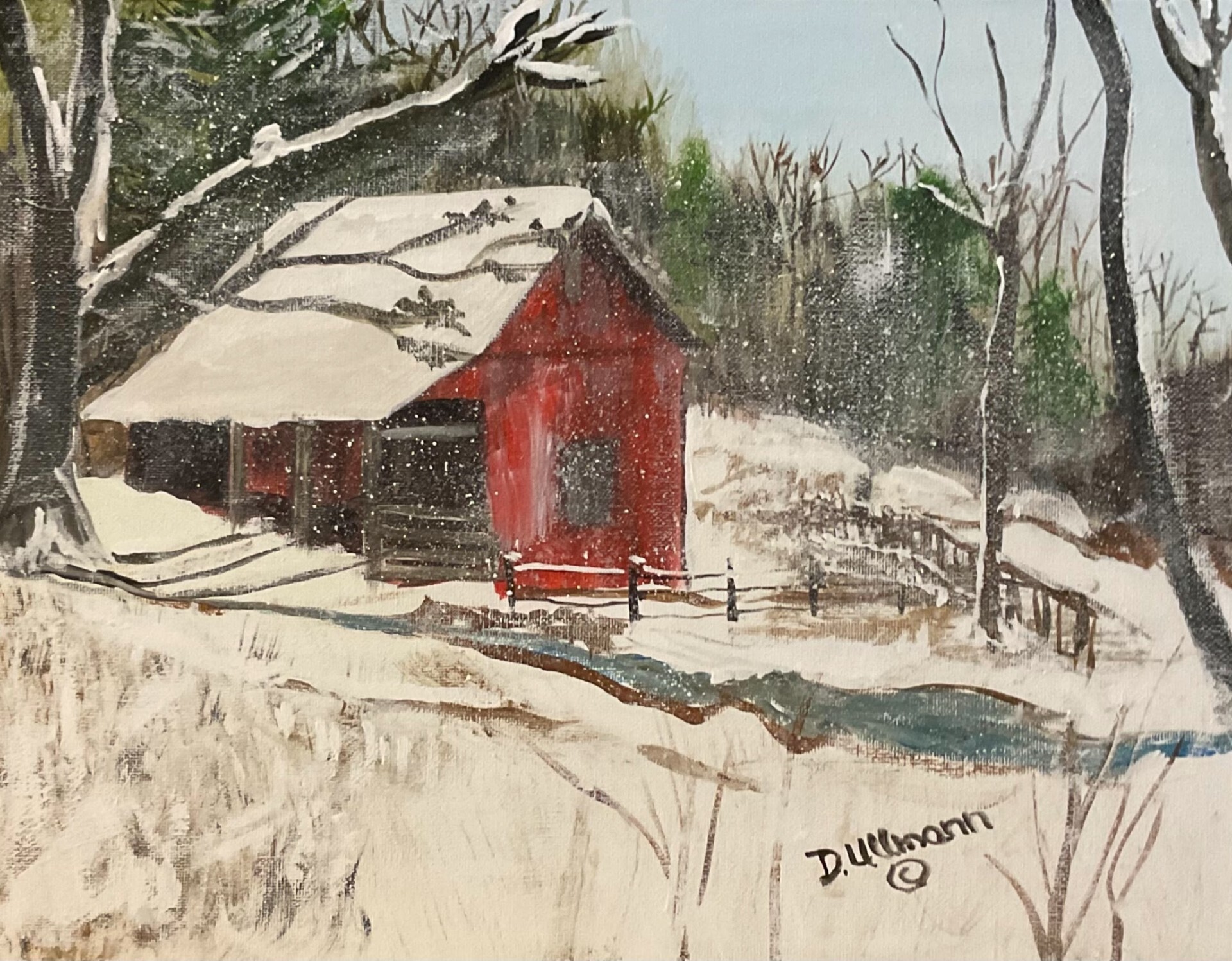
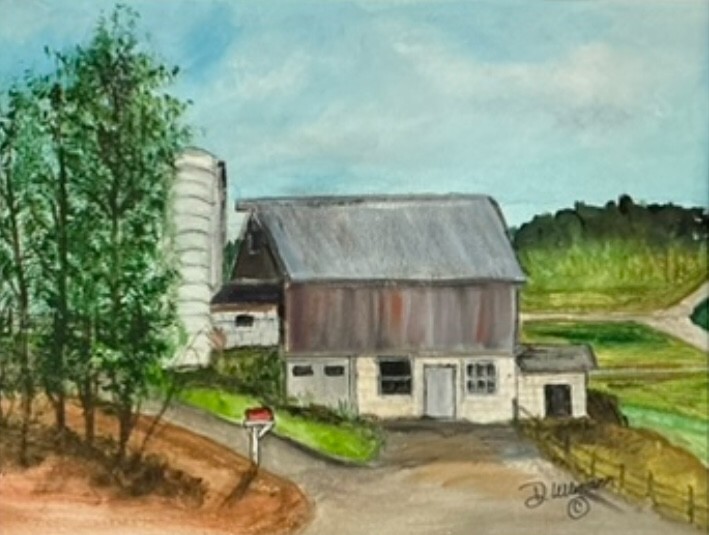
This painting is her favorite winter scene sharing one of her many barn pictures.

Barns became a favorite object for her paintings. They drove out Route 564 and she took pictures of all the barns along the road. Then from the photos, she painted pictures of those barns on 11×14 canvas.

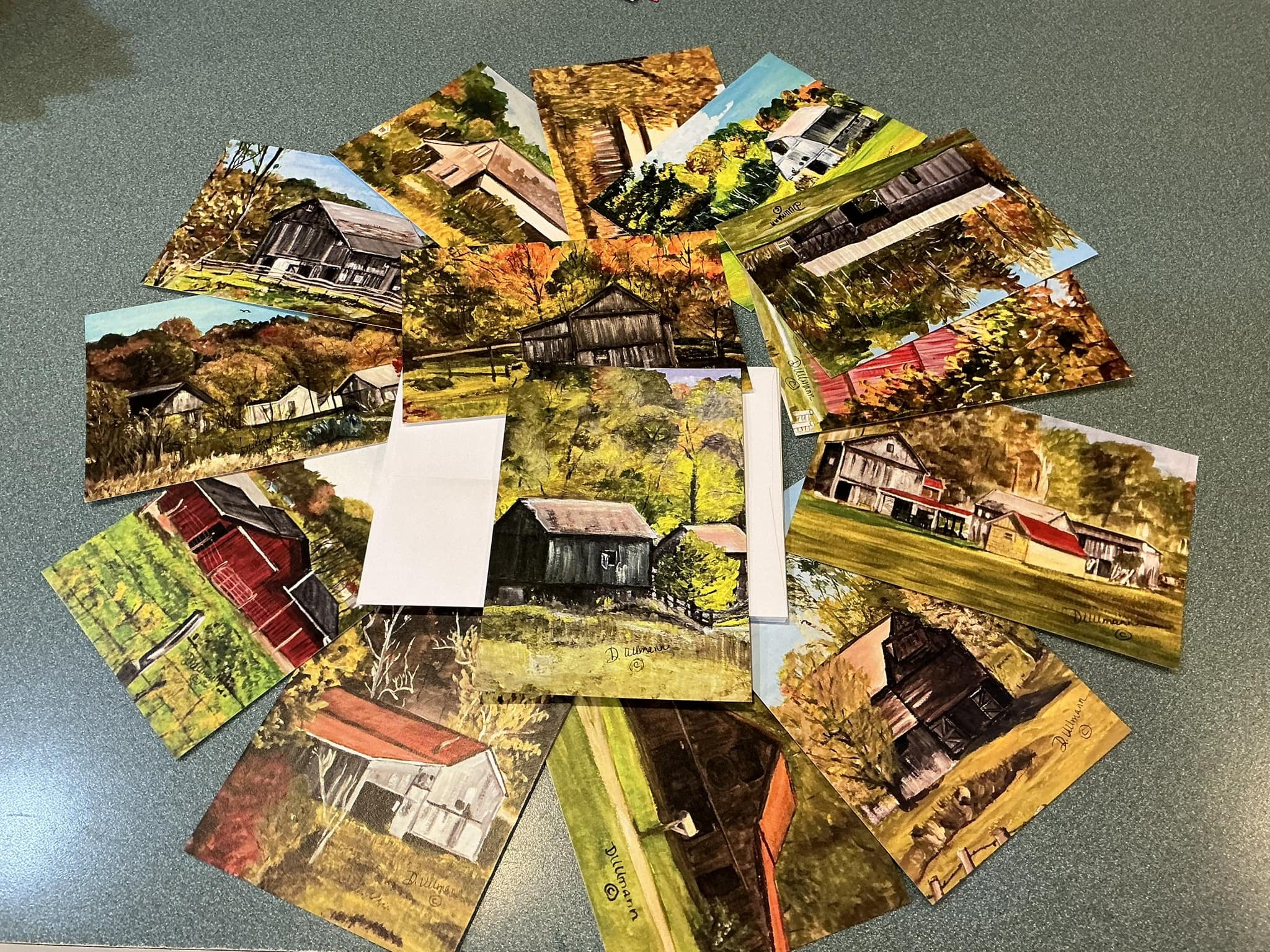
This set of her cards share the series of barn pictures that she drew. Nice for a quick note to a friend!

Those paintings were also converted into cards that make delightful colorful notes to friends. It’s a creative way for more people to be able to enjoy her paintings.

Deloris remembered picnics at Coen’s Church grounds near Seneca Lake after it closed in the 1930s.

Something she especially enjoys is painting a scene from the past. It might be an old church or town that no longer exists. Recreating them from old pictures makes great paintings and great gifts.

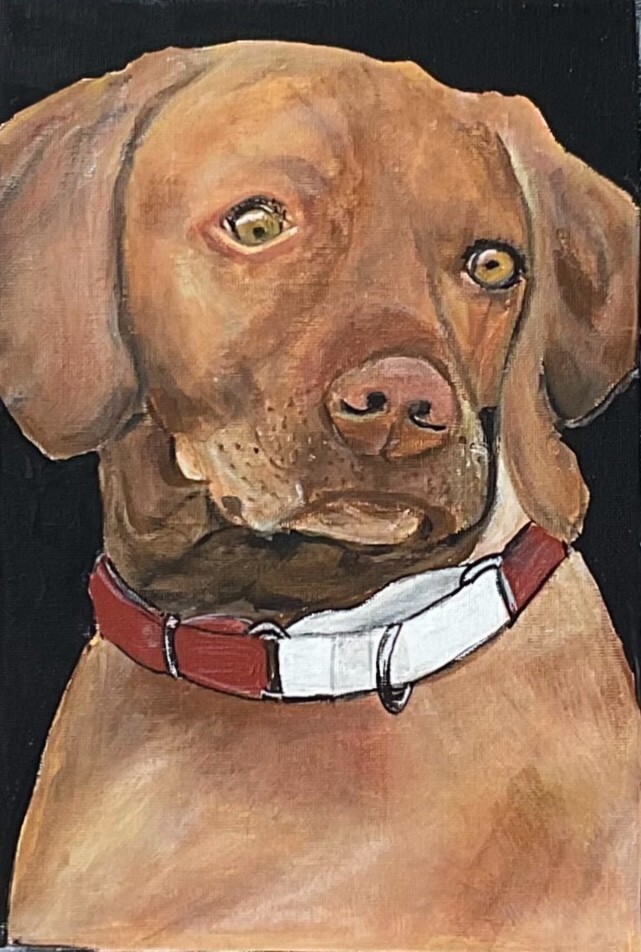
She enjoyed painting Izzy, her sister’s dog.

While Deloris does sell her paintings, quite often she uses them as gifts to friends and family. When asked if she painted every day, Deloris shook her head, “I was taught to only paint when you feel like it. Never throw anything away. Let it set for a couple of days, then go back and add what is needed.”

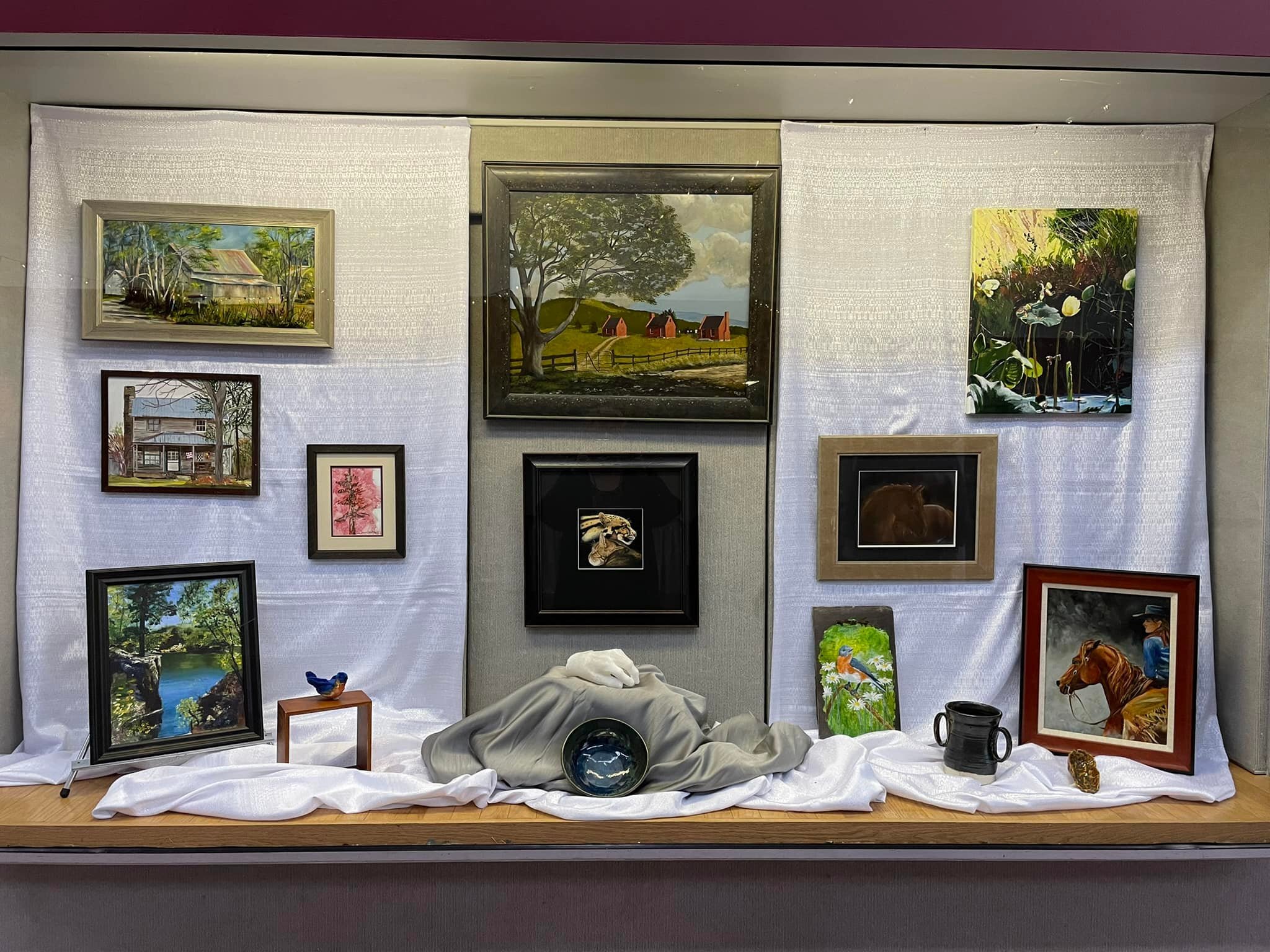
Some of her paintings were displayed an at art guild show at Pritchard Laughlin Civic Center.

Her instructor, Judy, began painting at the age of four and participated in a local Art Guild. At one time, Judy encouraged Deloris to display her paintings with the guild when they had a show at Pritchard Laughlin Civic Center. Her paintings were also displayed in Art Market 649 in downtown Cambridge a few years back.

This painting shows their barn on Mud Run Road. Her paintings are filled with memories.

During this time, Deloris also wrote a book just for her family. The title of the book is “Two D’s in a Pod,” a clever way of mentioning her and her husband, Don. It is a collection of pictures and stories of their family from childhood on. It also includes many of her paintings.

In her spare time, she often plays piano at Mr. Ephraim Methodist Church. She recently sewed 100 aprons for an Eastern Star fund raiser. Don and Deloris also enjoy traveling. They have visited Germany several times, did a European tour, and have enjoyed many trips in the United States including Alaska and Hawaii.

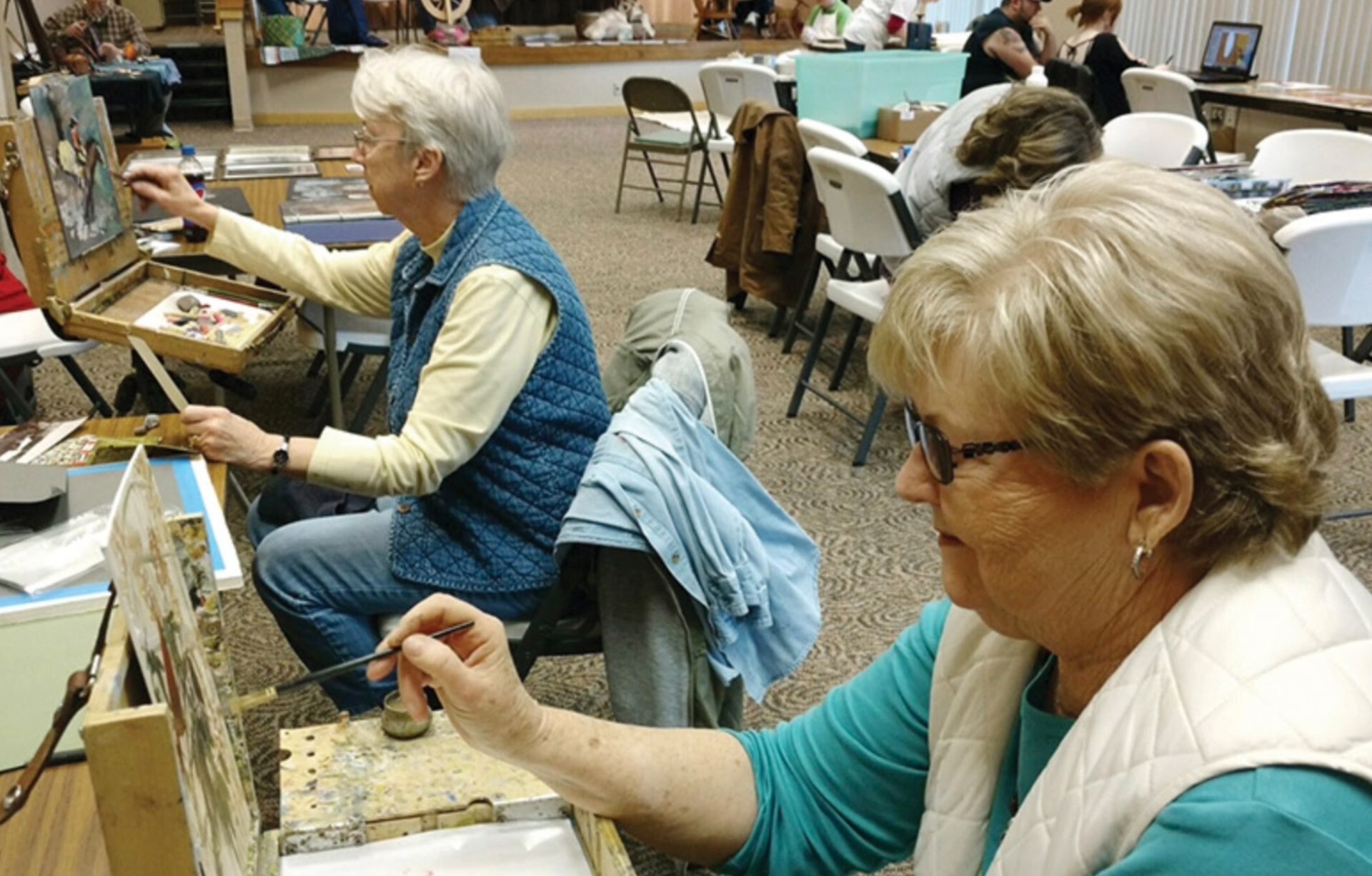
Her teacher, Judy McKee, and Deloris enjoyed painting at the Guernsey County Library.

While Deloris discovered painting late in life, she finds it a wonderful relaxation. “Painting makes me really happy.”

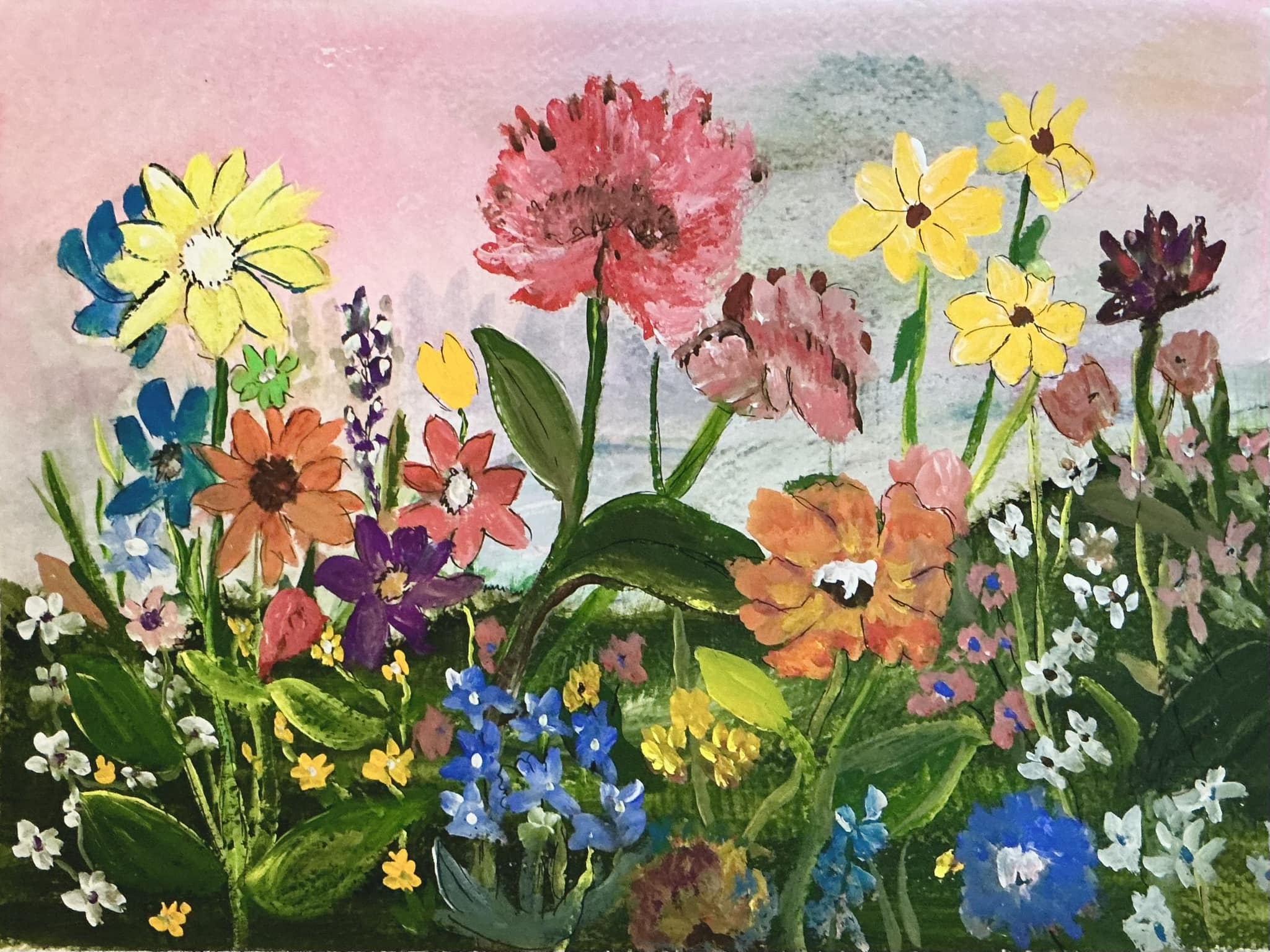
This colorful painting of flowers reminded me of summertime.

Visit her Facebook page to see some of her paintings. If you would like to have Deloris paint something for you, send her a picture of your house, barn, animals, or flowers and her painting is sure to please you. Contact her at 740-509-1672 or drudou@gmail.com. Visit her website at http://www.delorisullmannart.com where most of her work is posted both old and new. Some items can be purchased online.

Age is just a number. The mind has the real potential for learning at any stage of life. Deloris Ullmann is proof of that.

Thank you to all who have served!

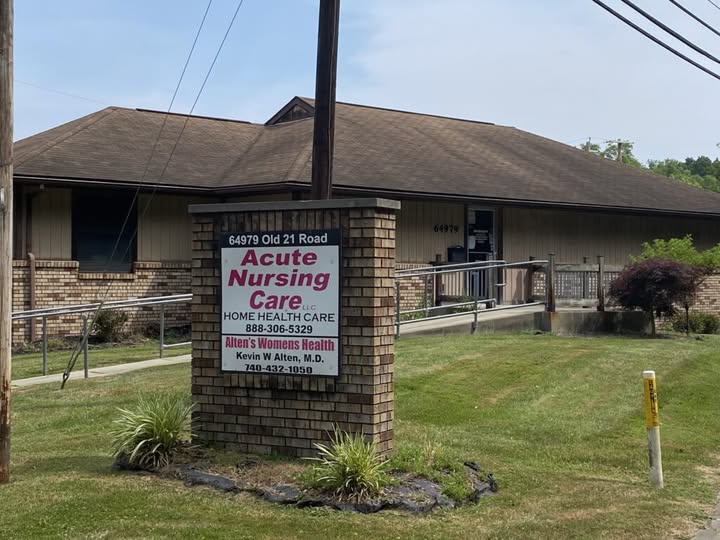
Acute Nursing Care in Cambridge has started a program on the local level to send Care Packages to people who are in the military and have families in the thirteen counties they serve.

Nurses at Acute Nursing Care have organized “Nurses Supporting Our Troops.”

This health care center provides professional services to clients in their homes to assist in day-to-day self-care activities. This surrounds them with family, friends, and the things that are important for that at home feeling. Nurses Supporting Our Troops give that same kind of home feeling to those who are away from home in the service by providing them with a touch of home.

Those in the military have always enjoyed letters from home to keep that connection with family and friends. So, a package from home has a special meaning as it shows the recipient that they are remembered. Care packages and letters are always a comfort to those away from home. Be sure to include a thank you so they realize their service is appreciated.

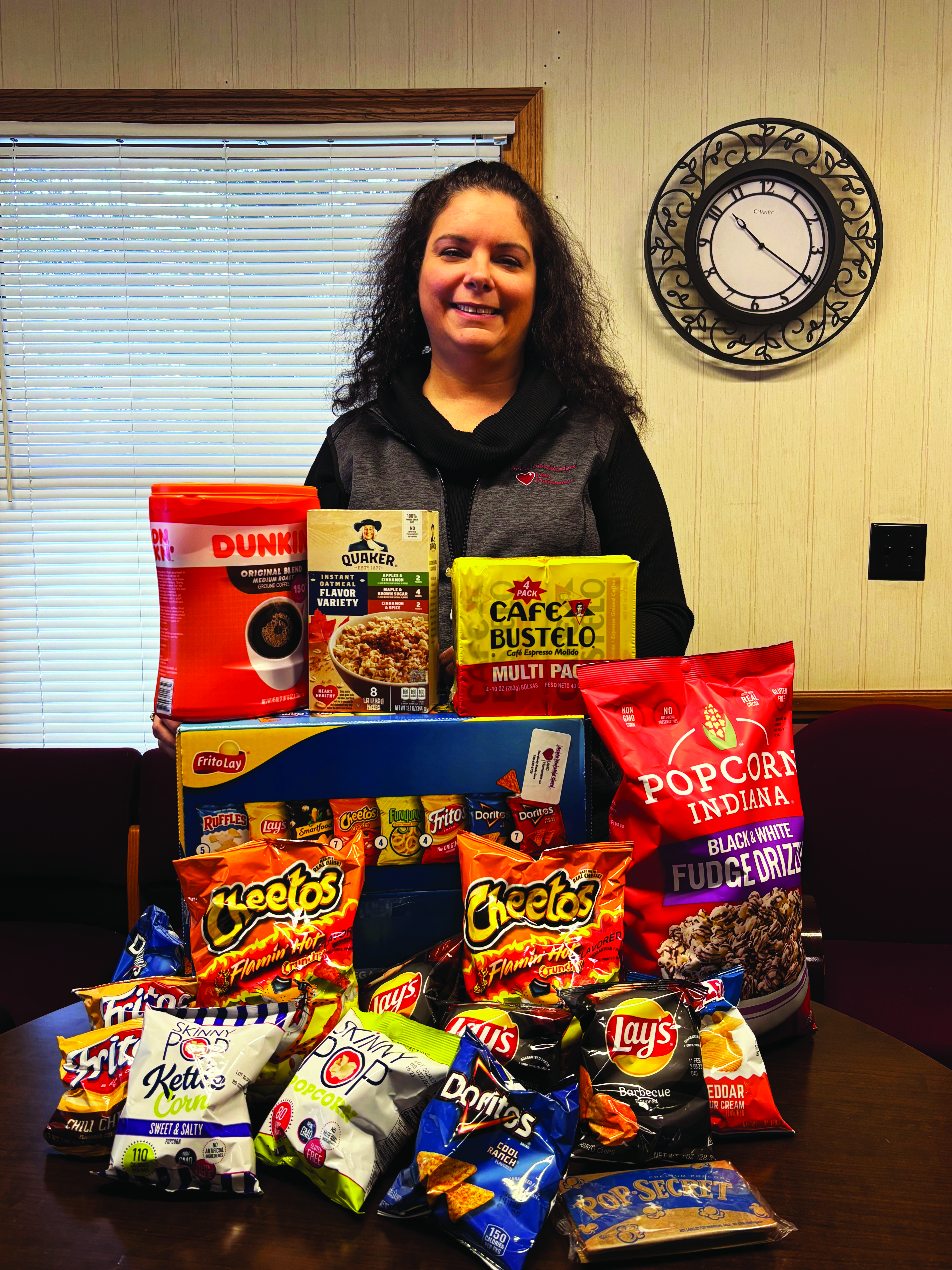
Shelly Long displays some of the things that go in the Care Packages.

Shelly Long, Acute Nursing Care owner/manager, got the idea early in 2023 when her nephew was being moved from Wright Patterson Air Force Base to serve in Kuwait. She knew life there was very hard for him and he was missing home so thought a care package from people he loved would lift his spirits. Their first care package was received in Kuwait in May and very much appreciated.

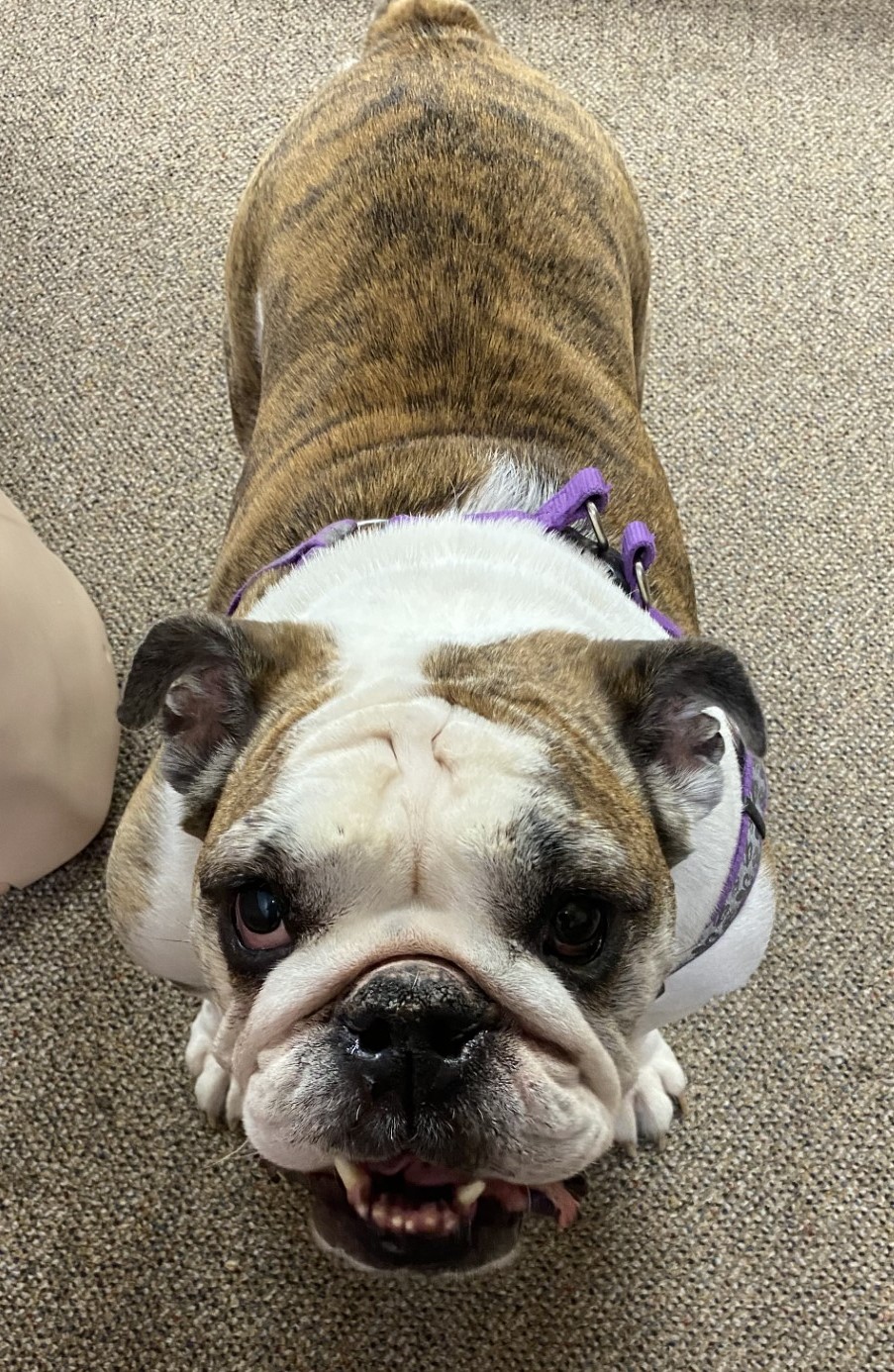
Matilda serves as the mascot for ANC.

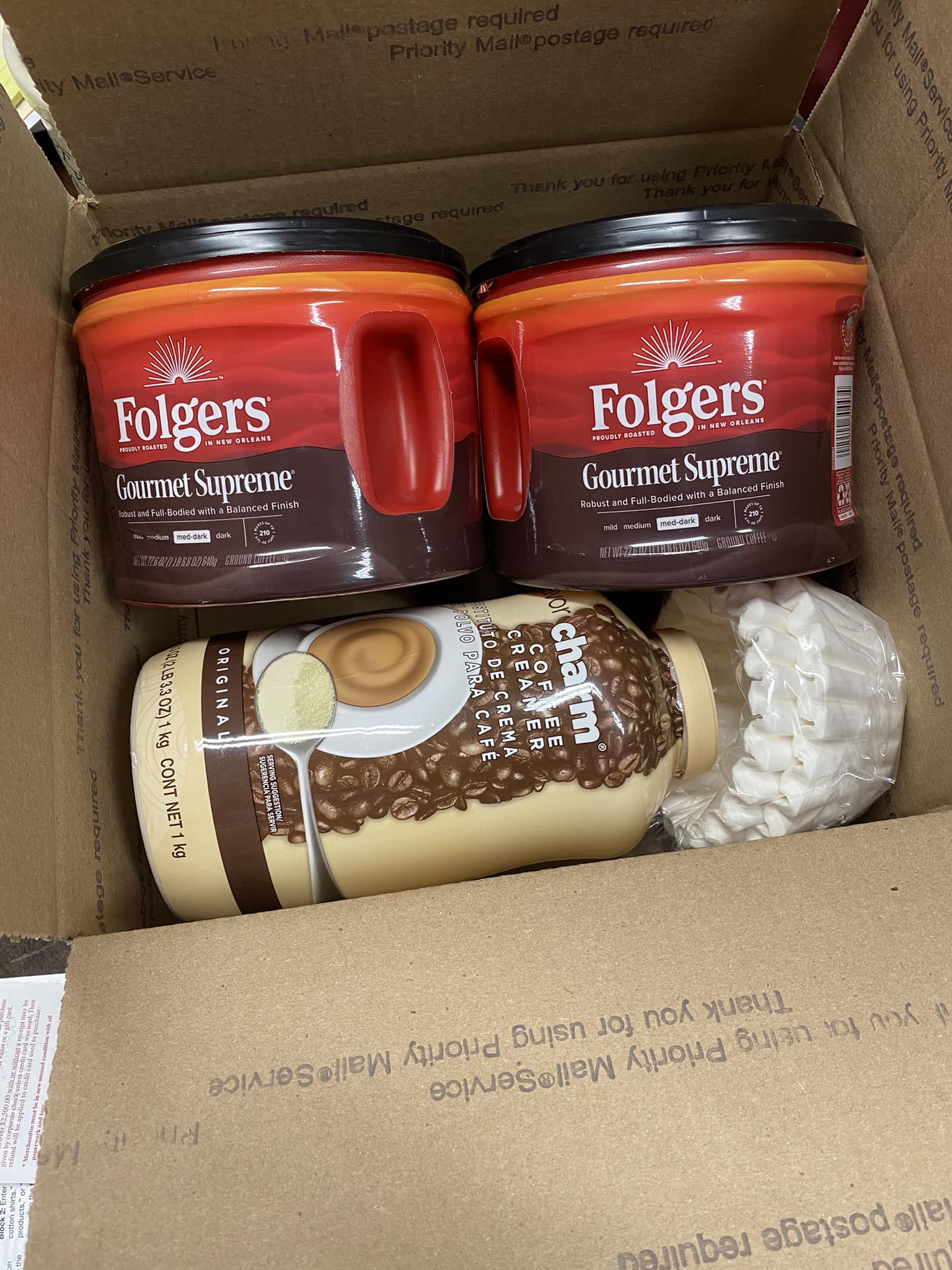
After that, the staff at Acute Nursing Care thought this would be a great idea for more than just her nephew as many young people in the military experience a great change in their lives. Nurses Supporting Our Troops was organized locally to create Care Packages. Shipments are being made through international mailings along with Domestic Mail to active military bases. Nurses Supporting Our Troops has sent out care packages around the world.

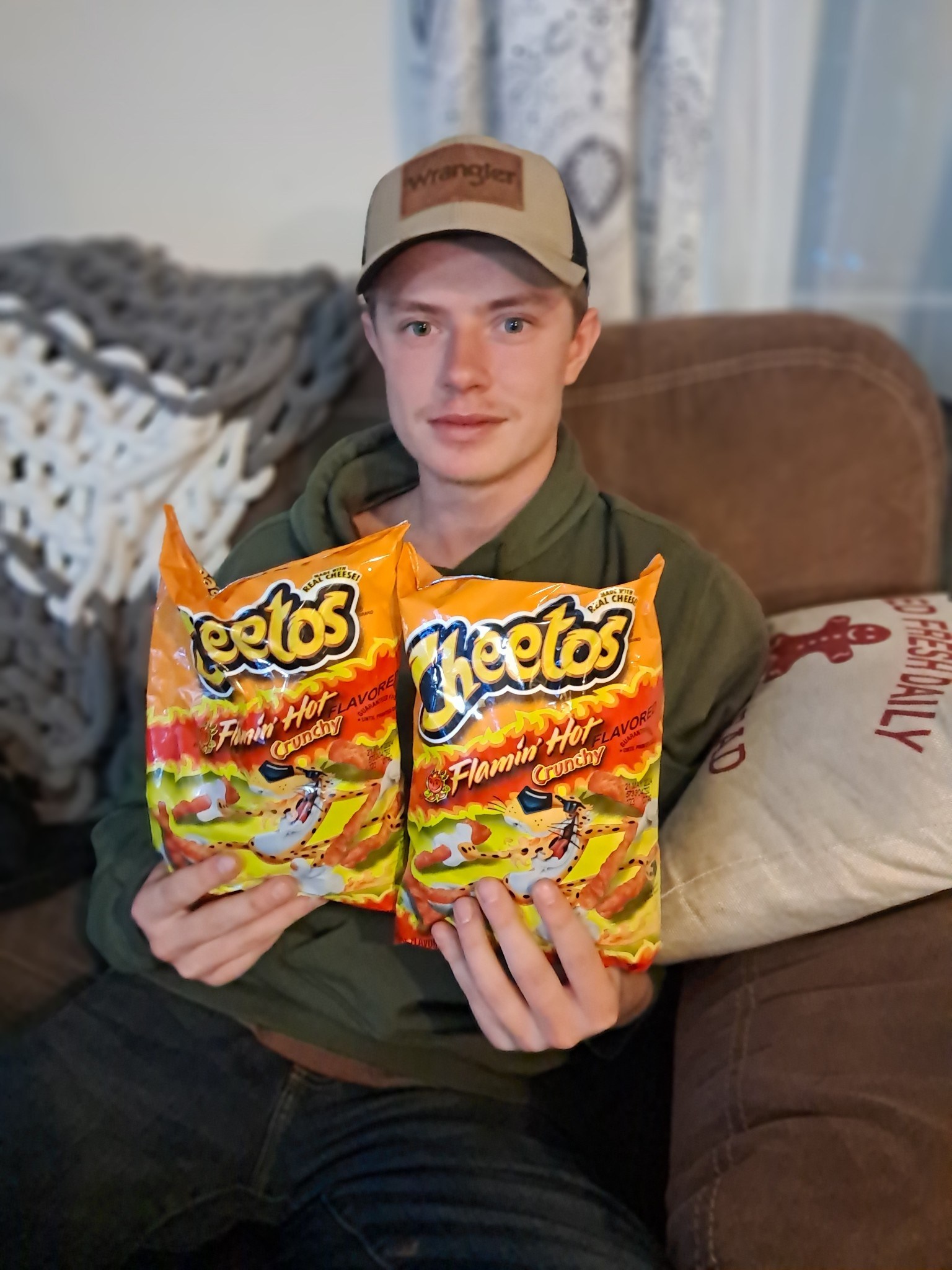
Another recent recipient was an active duty Army Sargent of the Airborne Division, who was stationed in Poland. He received some flaming hot Cheetos in his care package.

To Celebrate D-Day on June 5, a care package was sent to an active soldier in the UK. Imagine the smile on the faces of those receiving a care package from home.

If you know of any active area person serving in the military that you would like to nominate for a care package, please email their full name, rank, and military base app address to York@acutenc.com.

If you would like to participate in helping with this program, some of the items that are easily shipped include: bags of chips, hygiene products (travel size preferred), individually packaged snack foods, lip balm, cooling towels, beef jerky (no pork products), and paper back books.

The only requirement they need for donations is the retail price of each item for customs and the exact number of items. Please do not send any items containing batteries or liquid as well as nothing that would melt in hot conditions.

York Hiestand, Human Resources, will answer all your questions.

Donations are being accepted at the next Senior Coalition meeting or at the office of Acute Nursing Care at 64979 Old Twenty One Road, Cambridge. You can drop things off Monday thru Friday 9-4 or call 740-439-5720 and they will pick them up at your convenience. Drop an email to York Hiestand, Human Resources, at york@acutenc.com for additional information.

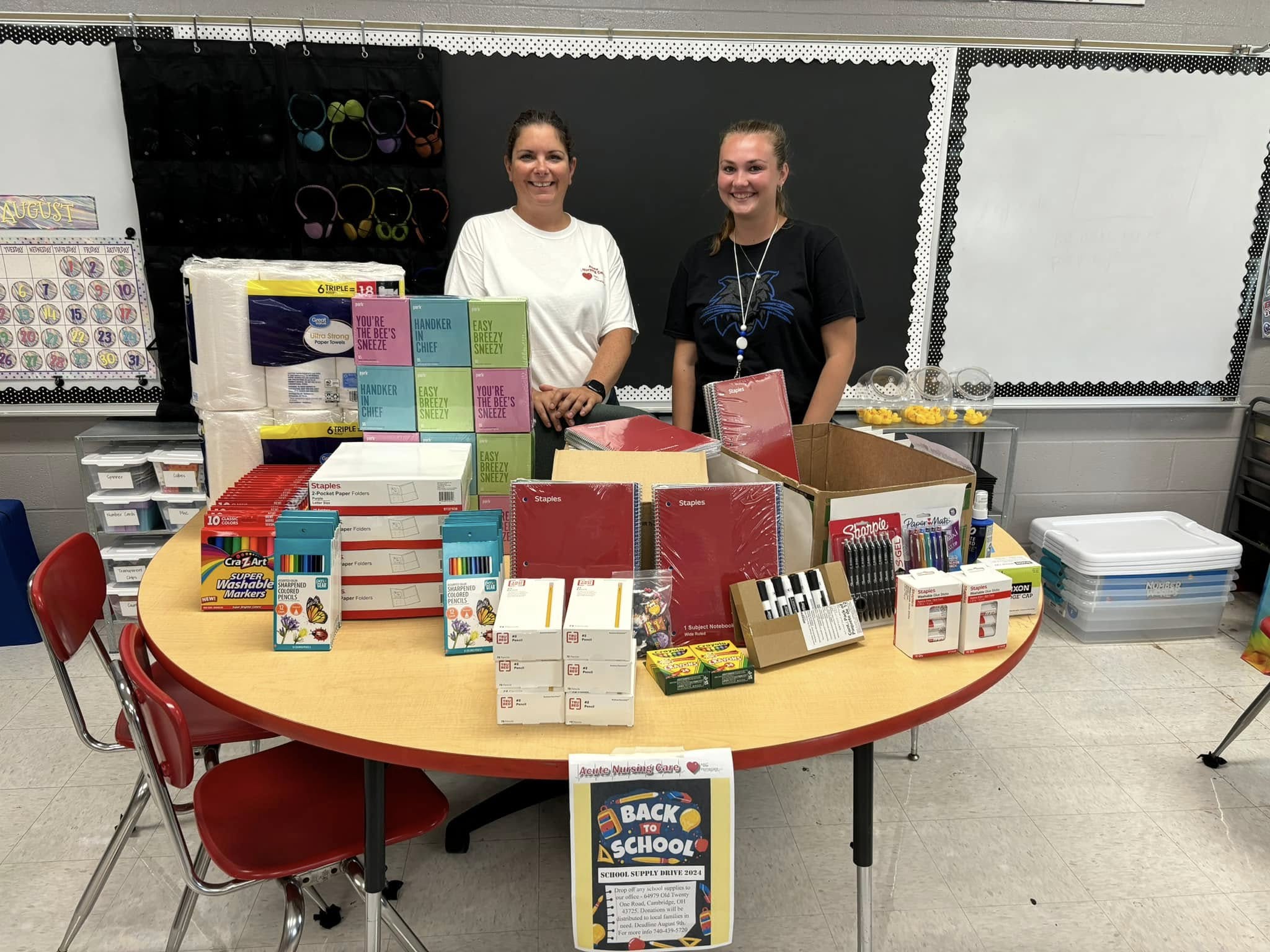
Over 1,000 back-to-school items were donated to Cambridge Elementary.

Acute Nursing Care is active in the community and supports many local drives. Their participation in back-to-school drives for needed supplies was a huge success and donated over 1000 items at Cambridge Elementary. They have also helped organize baskets for seniors at home and in the nursing centers. Their caring goes beyond that done at Acute Nursing Care.

Nurses Supporting Our Troops realize that every day, service members put their lives on the line to keep us safe and free. Take a moment to let our troops know how much we appreciate their service and sacrif

Remember to send a letter with photos or a care package to friends or family that are serving our country in the military. If you can’t organize that, let Nurses Supporting Our Troops assist you. That little piece of home could be the highlight of their day.

Quilts are a patchwork of memories!

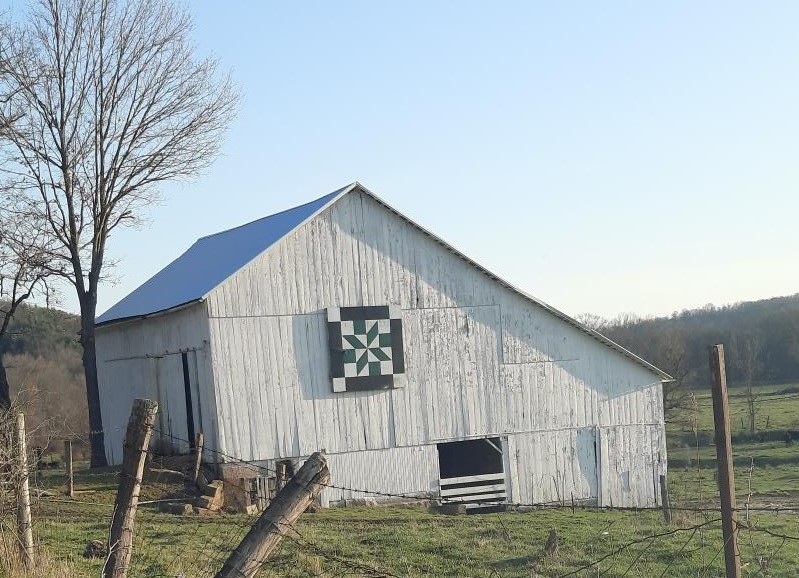
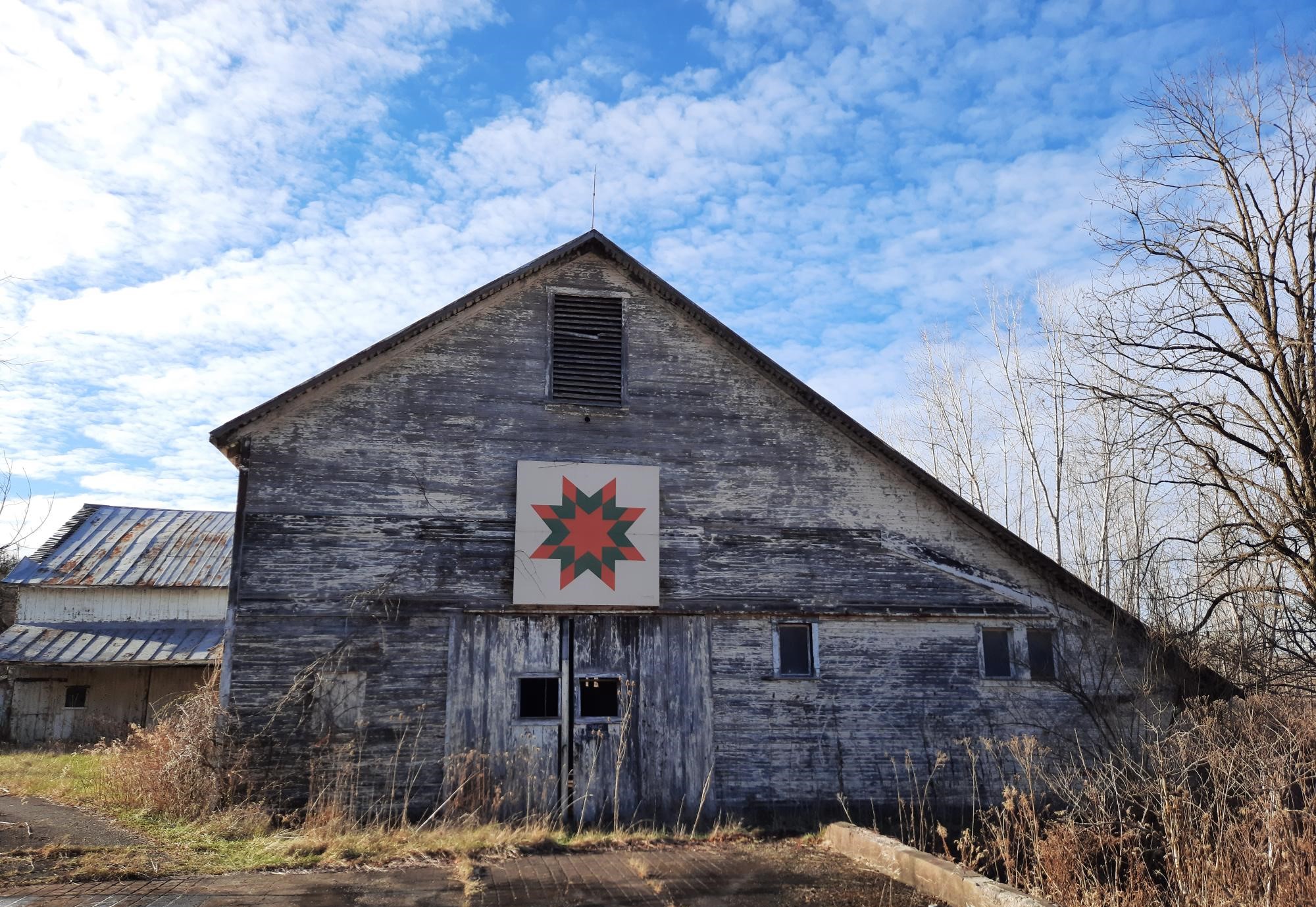
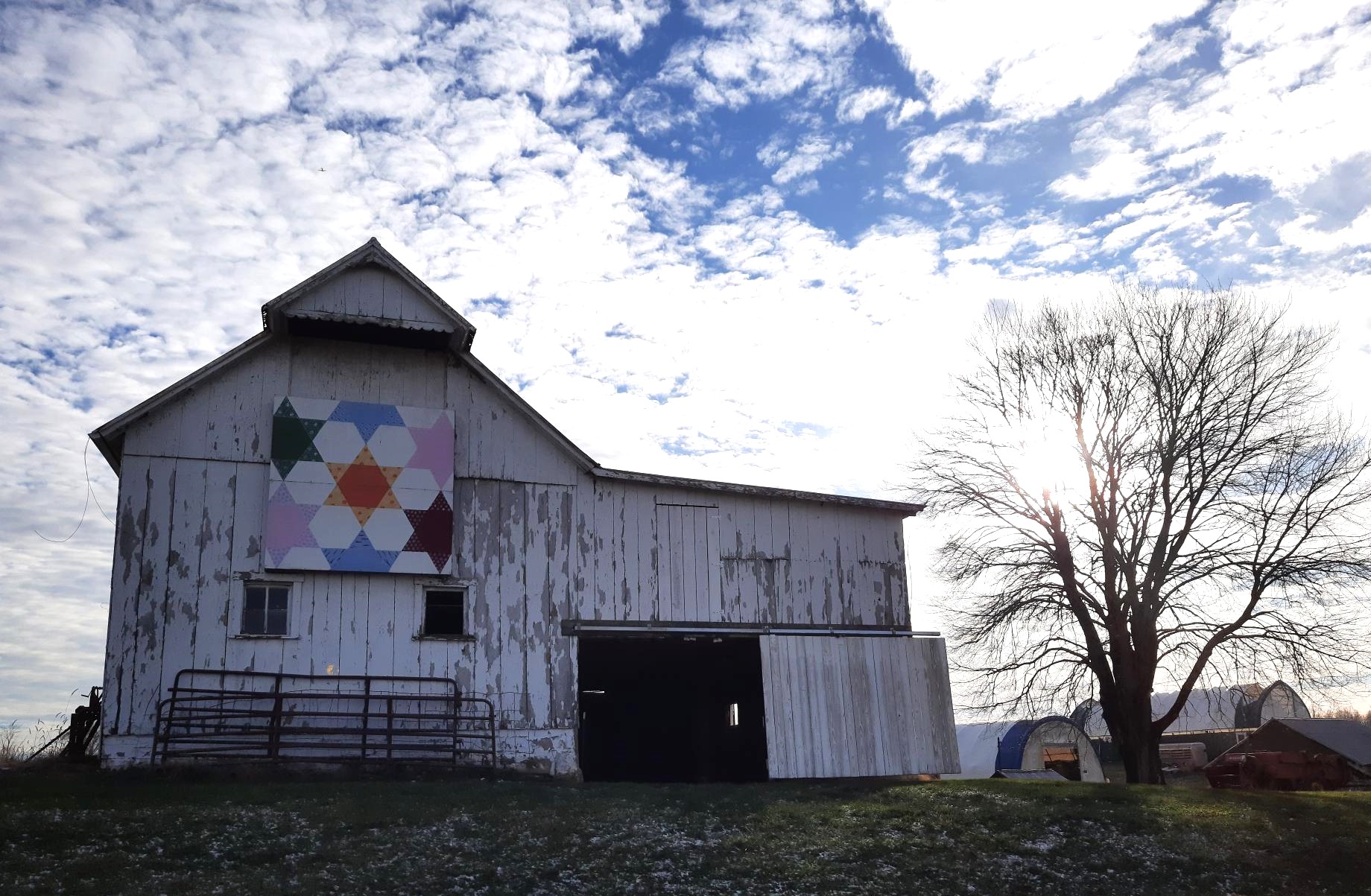
Quilt Barns have become a popular feature in several Appalachian areas. They not only preserve those old, precious quilt patterns but also tell the story of a family that used that barn.

Henry Law Farm – Windmill Quilt Pattern

Quilts bring back special memories of our forefathers to help us realize the dedication and hardships they faced. Every quilt has a special story that needs to be kept for future generations to understand.

Gwen and Bob Stewart Barn – Goose Tracks Quilt Pattern

The idea was born when Donna Groves, a field representative of the Ohio Arts Council put a quilt on her barn in Adams County, Ohio. The idea quickly caught on with similar Quilt Barn Tours being developed in many Ohio counties and even in surrounding states.

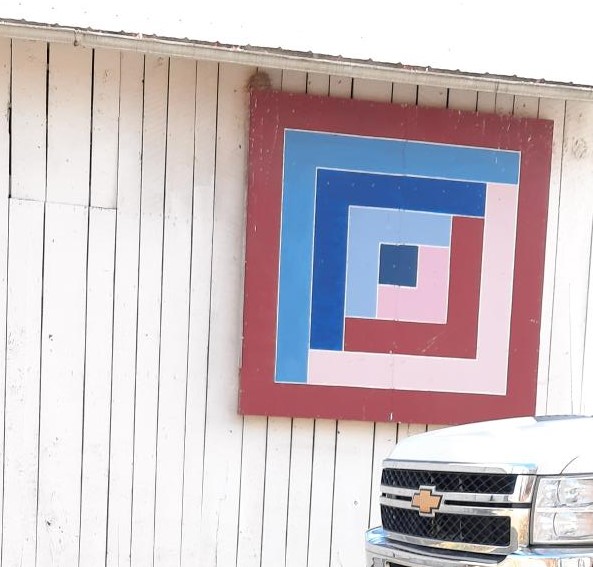
Dawson Farm – Log Cabin Quilt Pattern

While the idea began in 2001, a few years later in 2005 Harrison County became involved. Their plan was to paint 15 quilts on area barns, one in each township. All quilts that were considered were owned by residents of Harrison County. Twenty-eight quilts were submitted for consideration. The effort was coordinated by the Puskarich Public Library, the OSU Extension Office, and the Harrison County Community Improvement Corporation.

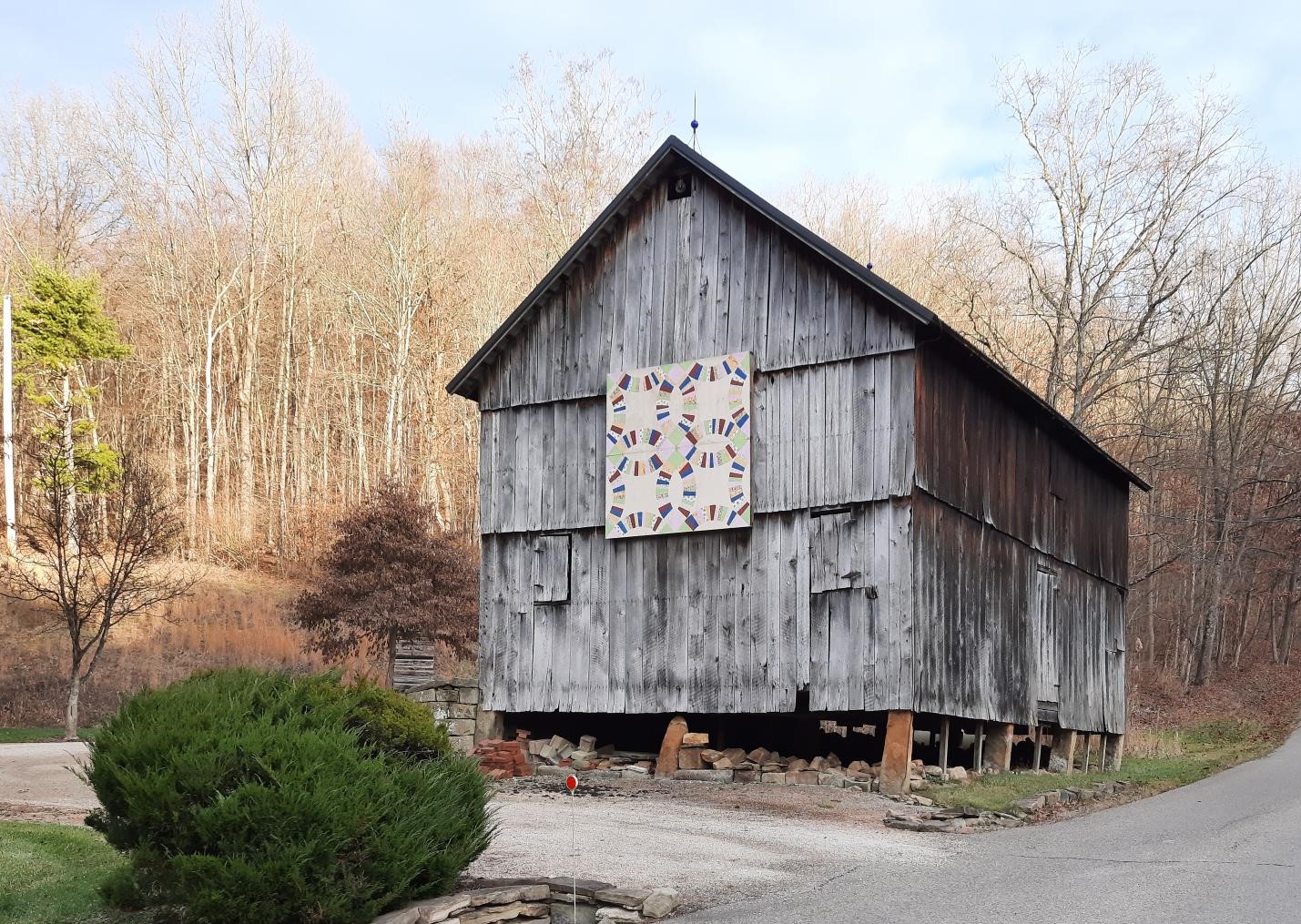
Paolano Farm – Double Wedding Ring Quilt Pattern

Decision was reached on the fifteen quilts that would be displayed in a very unique way. Harrison County Election Board was demonstrating a new electronic voting machine at the Harrison County Fair in 2005. Pictures of the quilts were downloaded on the election machine and fairgoers had a chance to vote on their favorite. The winner was a quilt in a dahlia pattern submitted by county resident Barbara Besozzi. The quilt was sewn by her grandmother, Mary Henderson and is now on a barn on the homestead where it was sewn.

Henderson Farm – Dahlia Quilt Pattern

They proceeded with a Make a Difference Day project which consisted of making eight-foot square painted replicas of the quilts that were chosen. Then they were installed on barns throughout the area – one is each township. A “Drive It Yourself” tour was established.

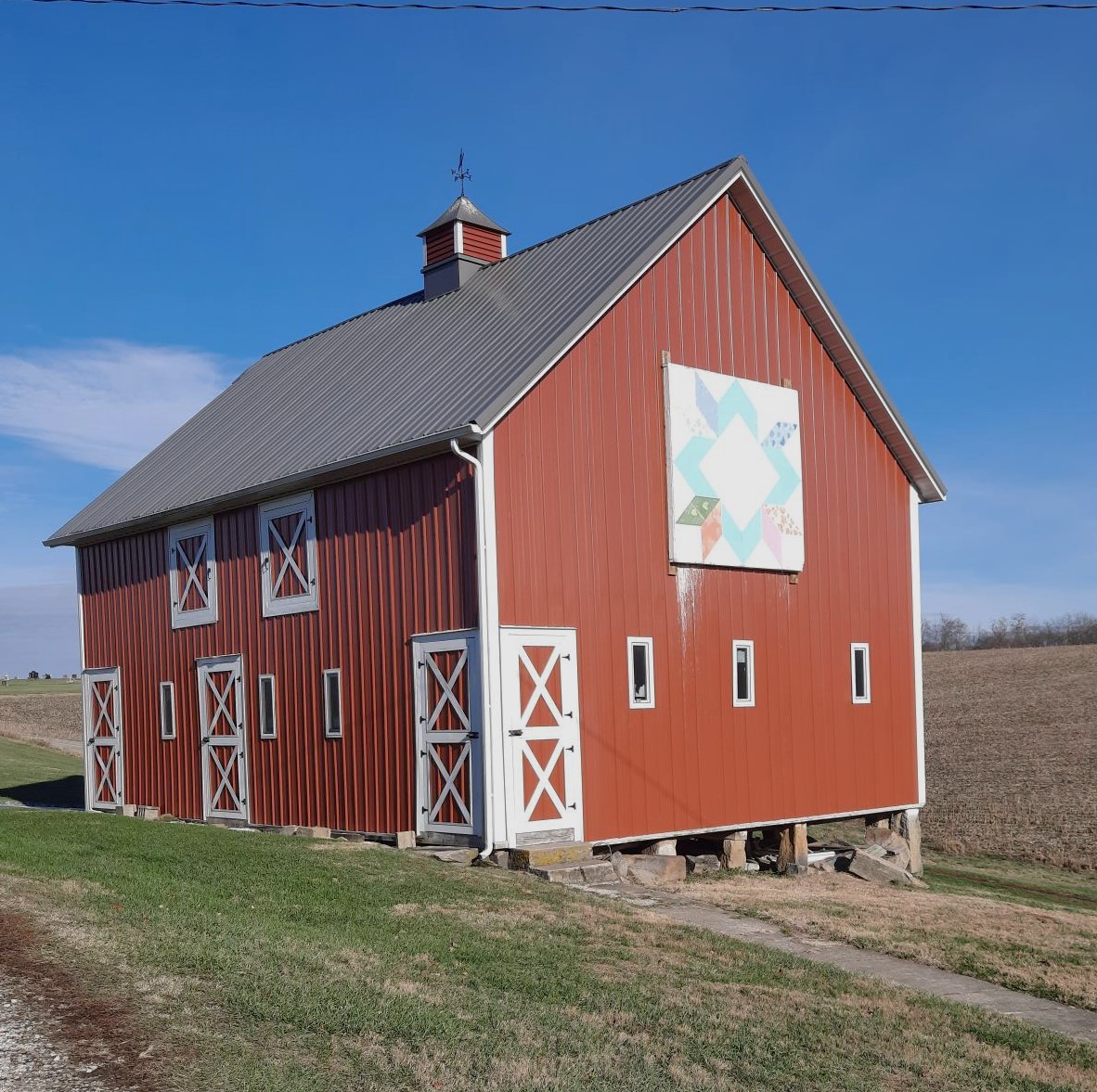
Joseph Barn – LeMoyne Star Quilt Pattern

This was a real community project. The Harrison County Commissioners applied for a grant to support the project. Harrison Central High School industrial arts students made the frames, which held the paintings of the chosen quilts. Two of the paintings were done by students in the Arts department at Harrison Central High School and smaller squares were done by 4-H clubs in the county. The rest were painted by volunteers from Harrison County.

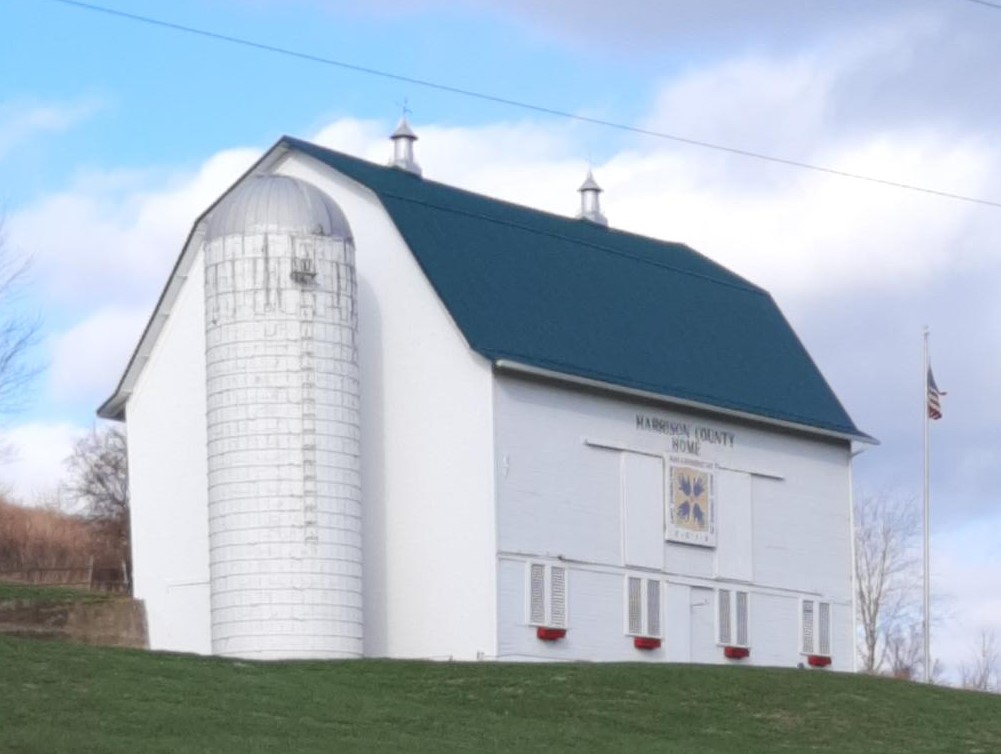
Harrison County Home – Make a Difference Day Quilt

The first barn quilt was installed at the Harrison County Home in August, 2005 while the rest were installed in October, 2005 on Make a Difference Day Ohio. Funds for this project were raised through contributions from individuals, businesses, civic groups, and grants.

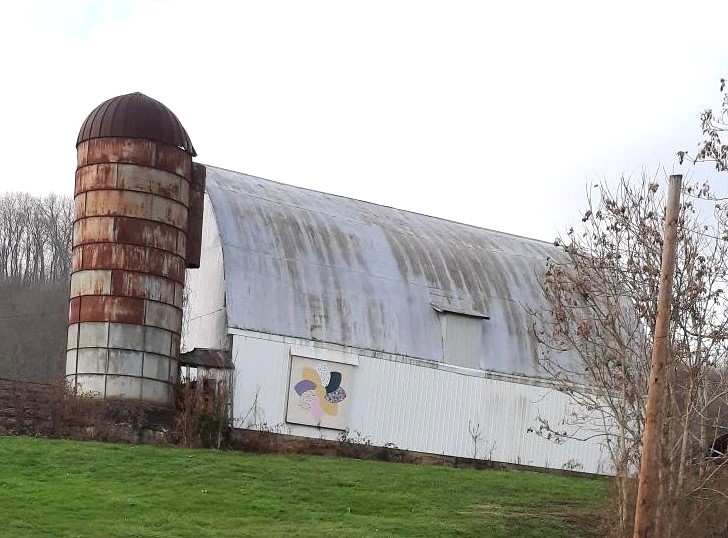
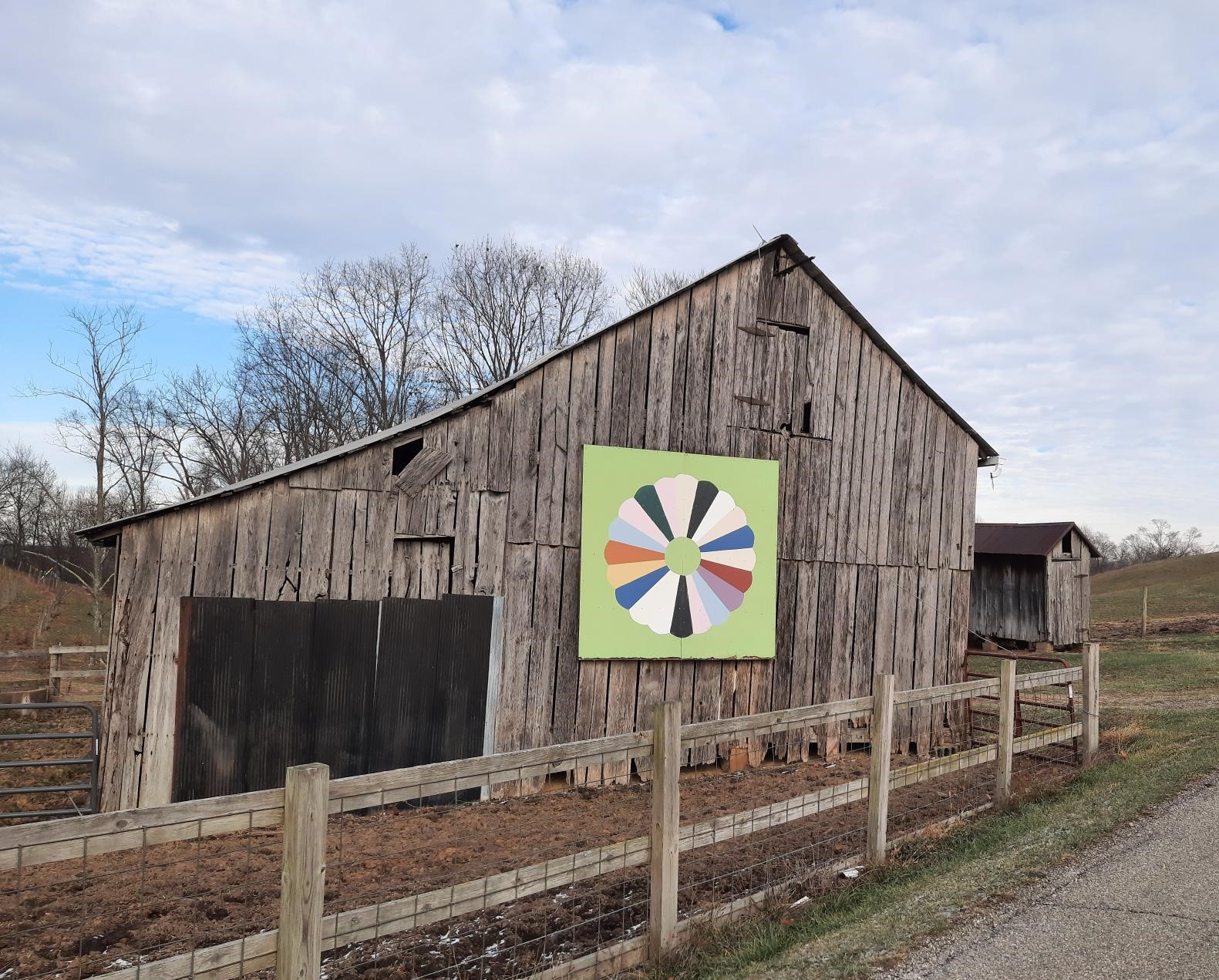
Rocking M Farm – Dresden Plate Green Quilt Pattern

The goal of the organizers was to have the quilts and barns tell the story of the residents of Harrison County. In this way, people would know the background of the people who created the quilts and lived on the farms where the barns are located.

Center Farm – Dresden Plate Red Quilt Pattern

A lady, who now lives at the Harrison County Home, quilted the Dresden Plate that is now on Dr. John Center’s Barn outside of Scio. Mary Henderson’s dahlia patterned quilt is on the barn at her old homestead. Stories like this need to be preserved.

McMillen Farm – Multiple Stars Quilt Pattern

The Harrison County Quilt Barn Tour gives you views throughout the county. If you are not familiar with the area, you should get a list of the Quilt Barns either online at www.harrisoncounty.gov.quilt-barrn-project or stop by Harrison County Tourism and pick up a brochure.

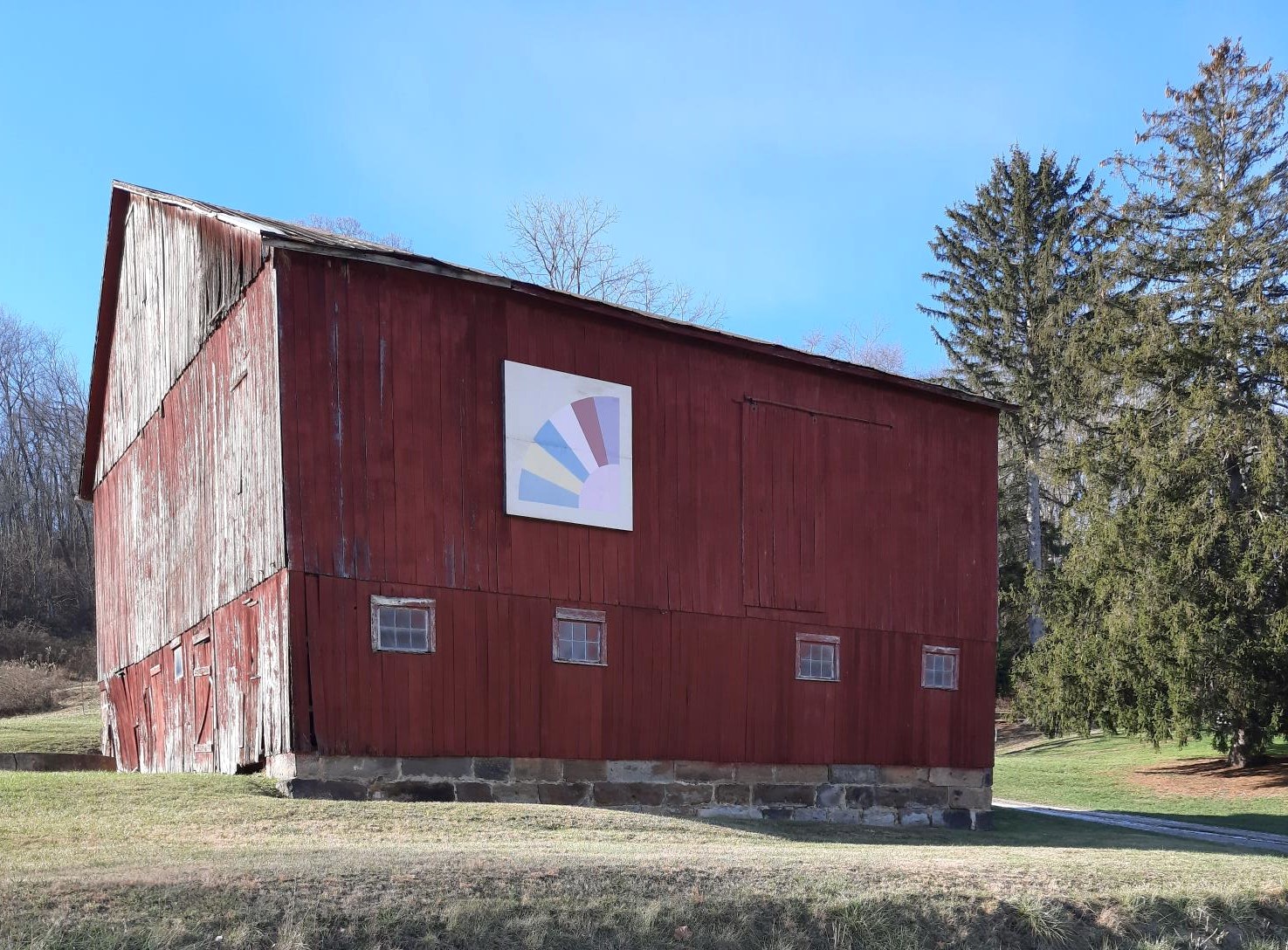
Lawther Farm – Fan Quilt Pattern

Today there are 20 barns on the Harrison County Quilt Barn Tour. Some of those original 15 are no longer present. This self-guided tour reminds us of our pioneer and agricultural heritage.

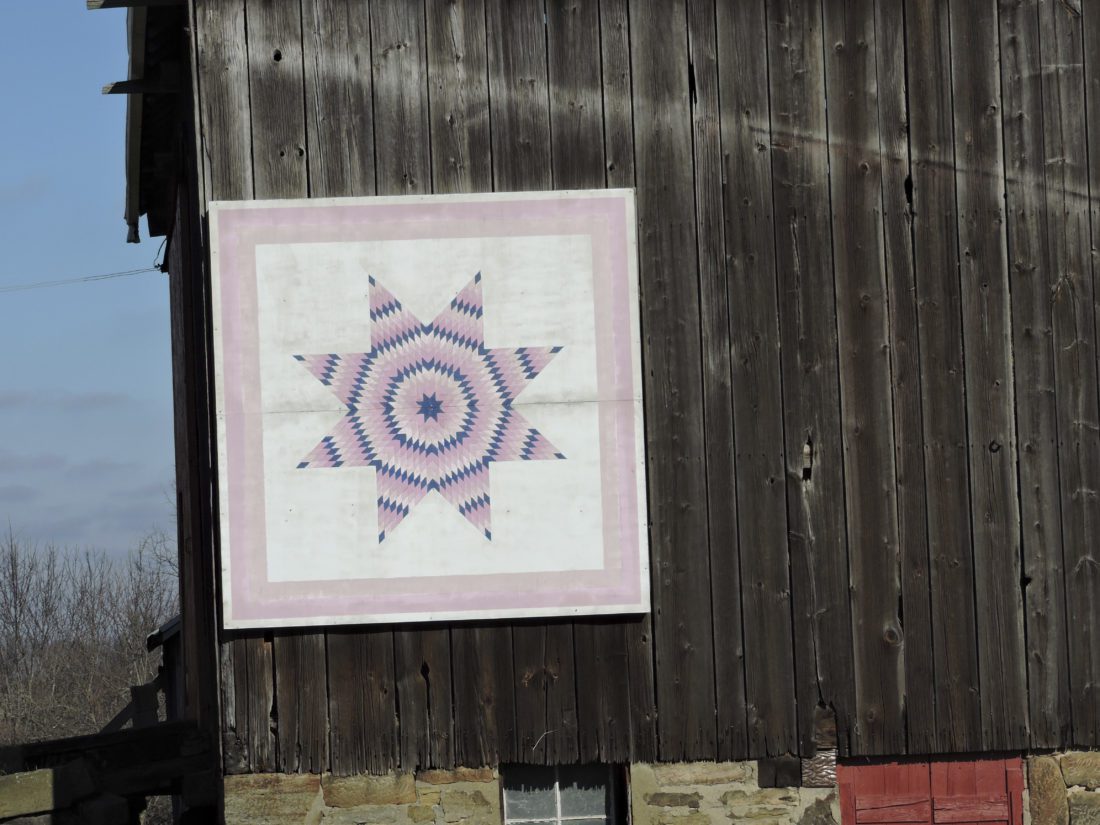
Rinks Farm – Lone Star Quilt Pattern

Take a drive through the hills of Harrison County and watch for the barns that have quilts painted on their side. You might pass some every day. Once you have read about them and taken a Quilt Barn Tour, it’s amazing how often they appear when you are traveling throughout Ohio and neighboring states.

Every quilt tells a story. Watch and listen!

Jackie enjoys listening to the Cambridge City Band Concert in the park.

At the age of 90, Jackie Beardmore has experienced many special things during her lifetime and brought to life many memories of Guernsey County. Her life began in Swan Hospital, where the total bill for her birth in 1934 was $12.

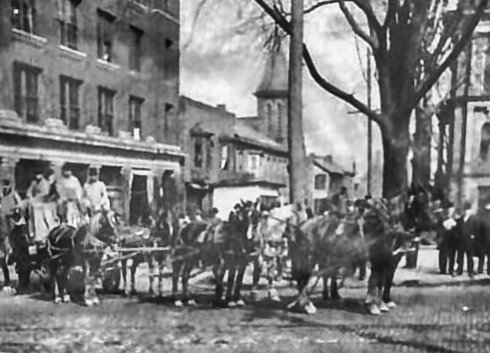
Her family was involved in moving a safe to Central Bank by Express Wagon..

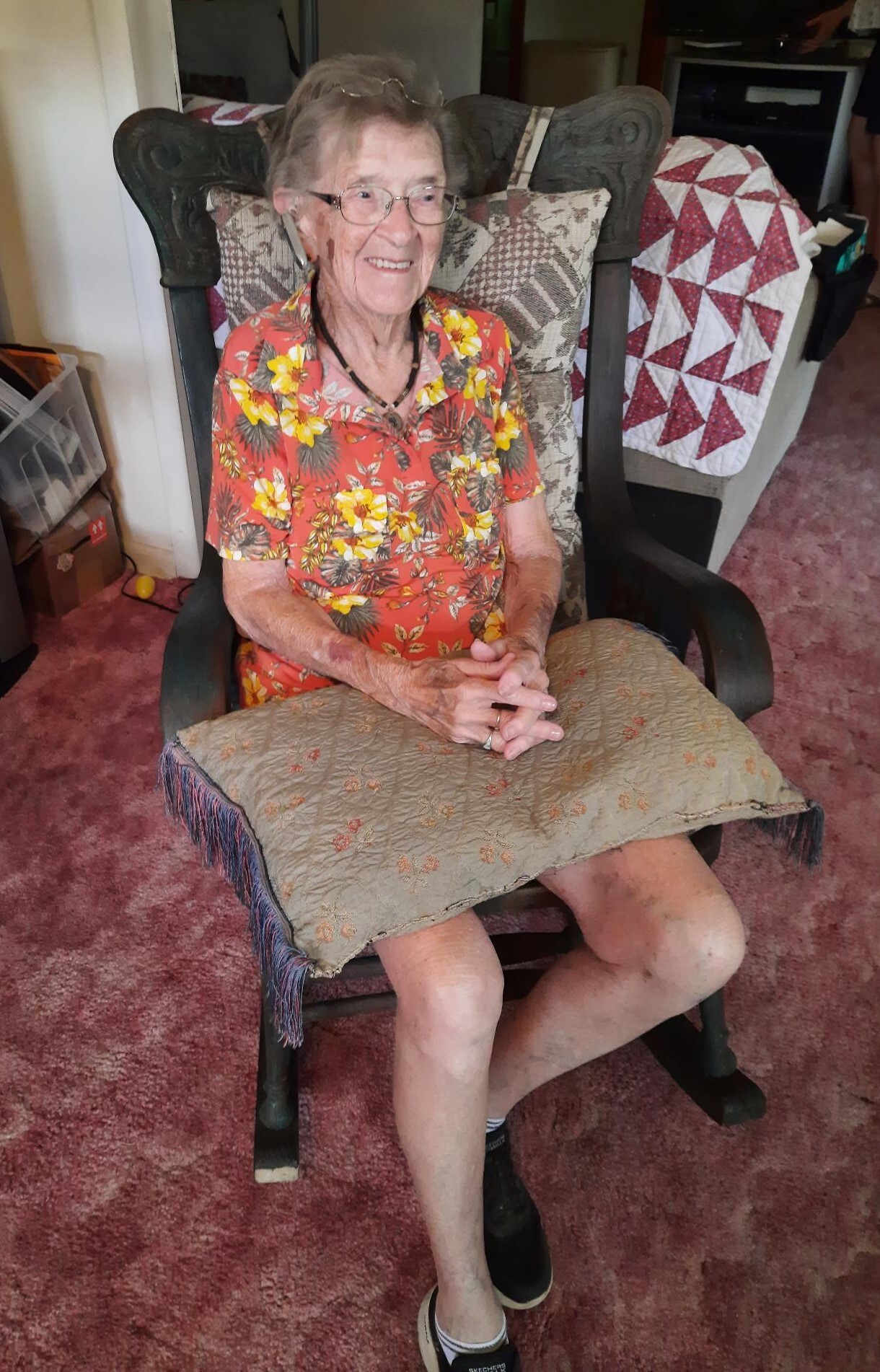
Jackie still has the rocking chair that her grandmother sat in on the front porch. Jackie remembers sitting on the porch beside her. Her ancestors owned Nicholson Mines and 400 acres including where Southgate Parkway businesses are today.

Her grandmother’s rocking chair and pillow are precious memories for Jackie.

As a youngster, Jackie’s family vacationed in Canada near North Bay every summer starting when she was four, as her dad wanted to fish for walleye. While there, for several years they would visit Quintland, which was home to the Dionne quintuplets.

When the Dionne quintuplets were born, their parents already had several children so were taken under the care of the Red Cross, Dr. Defoe had a nursery built across from their home. It was shaped like an octagon with windows on every side. In the center was a place for the children to play. For a small fee, Jackie’s family was able to walk around the outside of the house and see the changes in the girls year after year.

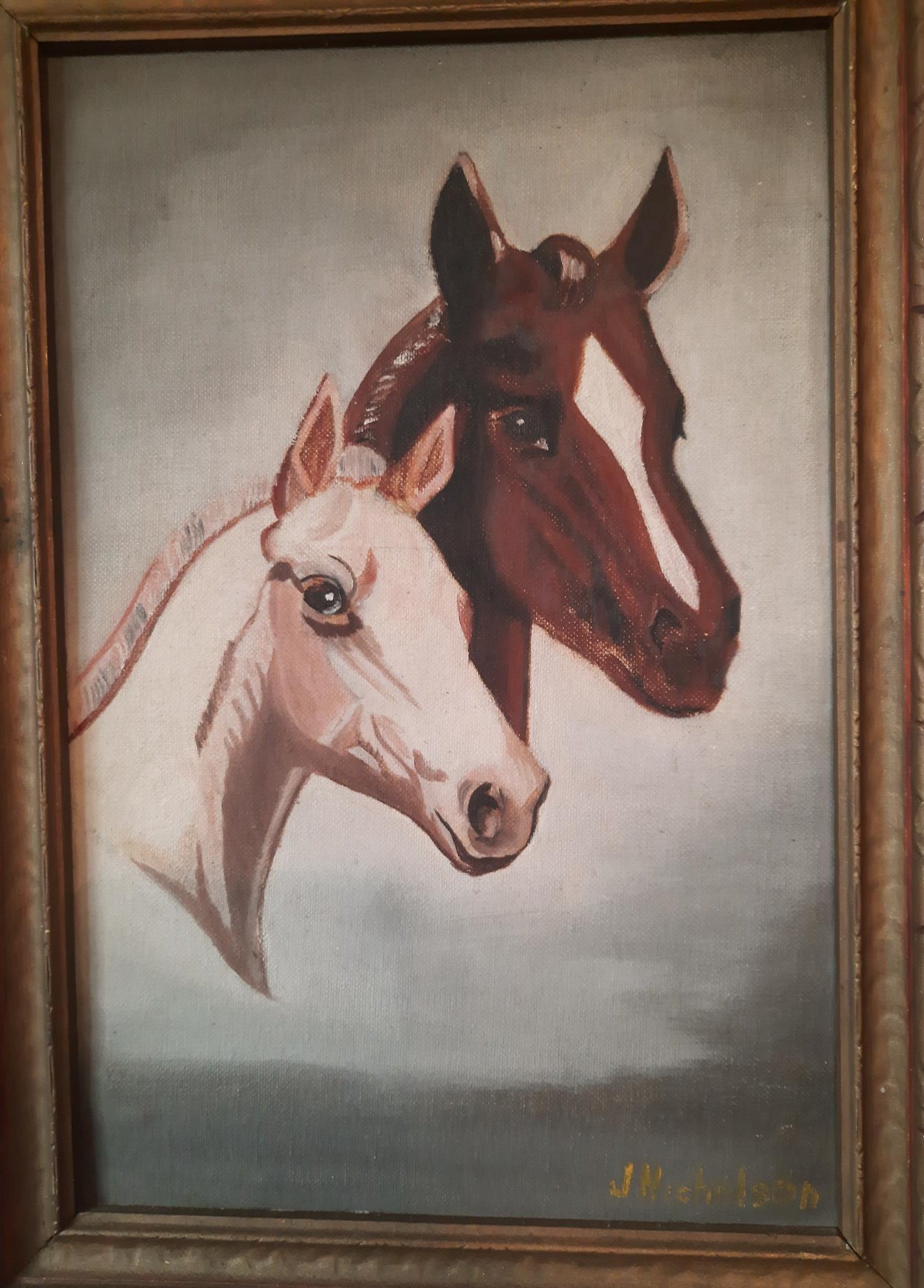
Her first painting of horses hangs in her house.

She attended Garfield School when Harry Pine was the principal. Then it was on to freshman year at Brown Junior High and the remaining three years until graduation at Cambridge High School on Steubenville Avenue. One thing she always remembered her dad telling her was, “Don’t tell it ’til you know it’s right.”

For Jackie’s 16th birthday, she wanted to vacation someplace different. Her request was to go to Wyoming and spend time at Jackson Hole. From there, they went backpacking with other families, including the daughters of Richard Nixon, who was then a senator from California.

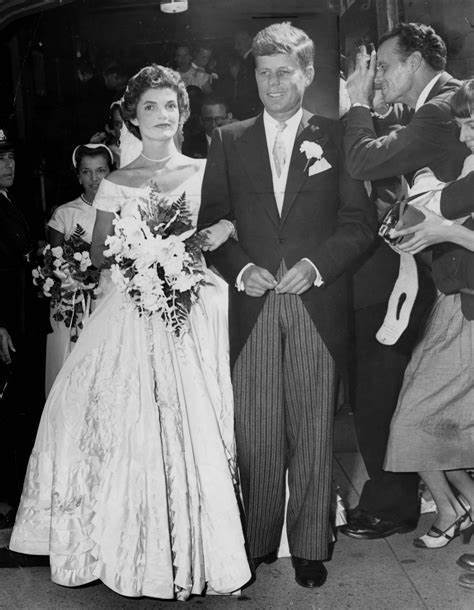
After graduation, Jackie was married and her husband joined the U.S. Navy. In 1953, he happened to be stationed on Aquidneck Island at Naval Station Newport. On Sept. 12, their commander told the sailors they were to have the day off. It could be spent relaxing on the island or perhaps they might like to attend the wedding of Jackie Bouvier and John Kennedy that was taking place that day.

Jackie and her husband attended the Kennedy wedding.

Jackie and her husband decided to attend the wedding at St. Mary’s Catholic Church. They watched and listened making happy memories as John and Jackie Kennedy were wed, and then got in their car to head to the reception.

The Bouviers at that time lived on a large horse farm in a beautiful mansion. All the windows were covered in dark blinds due to the Russian submarines not far offshore. The Beardmores toured the island that day to see all the beautiful homes there.

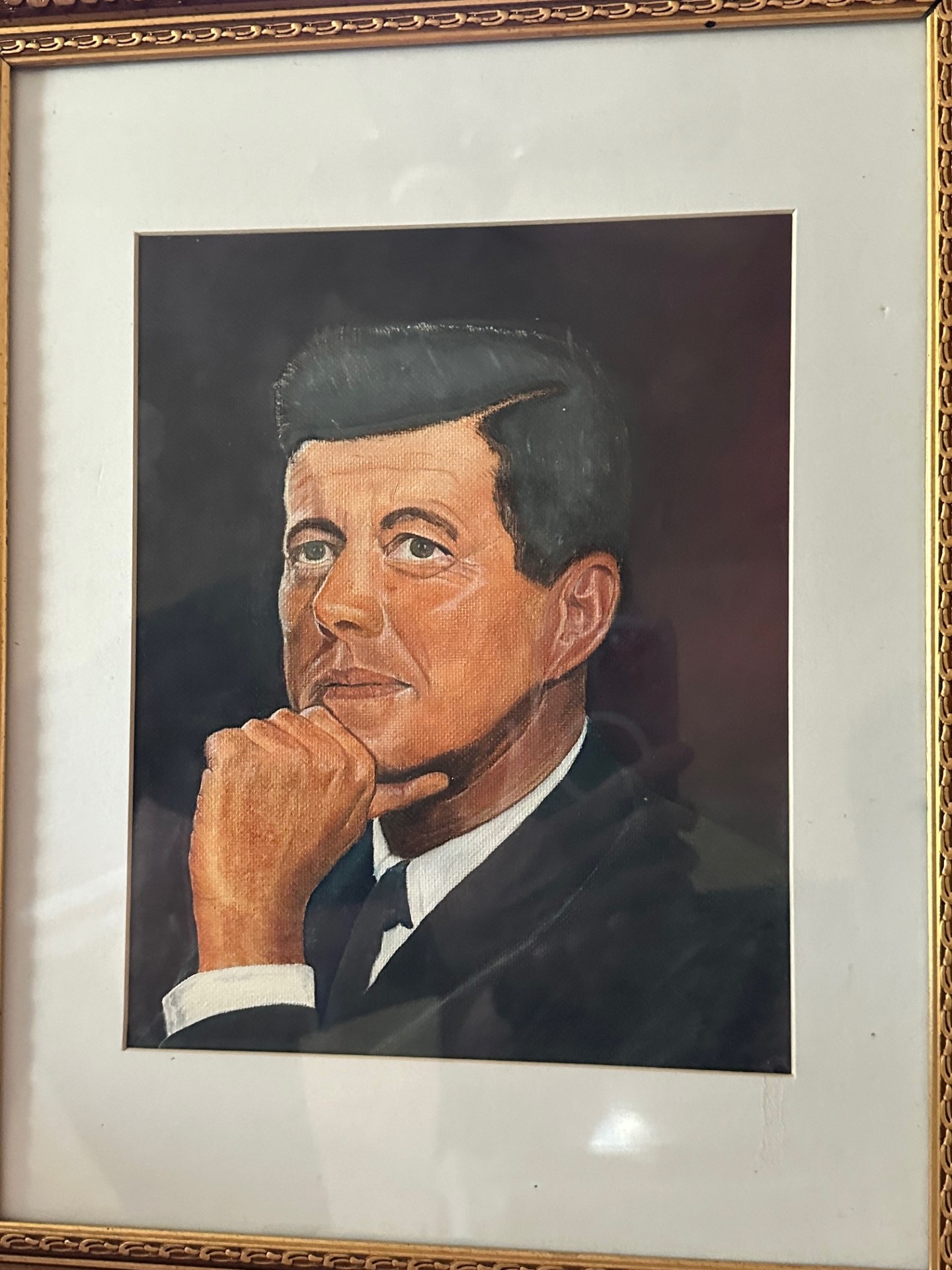
Using a Time magazine cover, Jackie drew this portrait of JFK.

A special talent of Jackie’s is painting beautiful pictures, especially portraits. She started sketching when she was nine years old and when she was 12 took a series of art lessons. Years later, the cover of Life Magazine carried John Kennedy’s picture. From that picture, Jackie drew a portrait of Kennedy, which took her 40 hours.

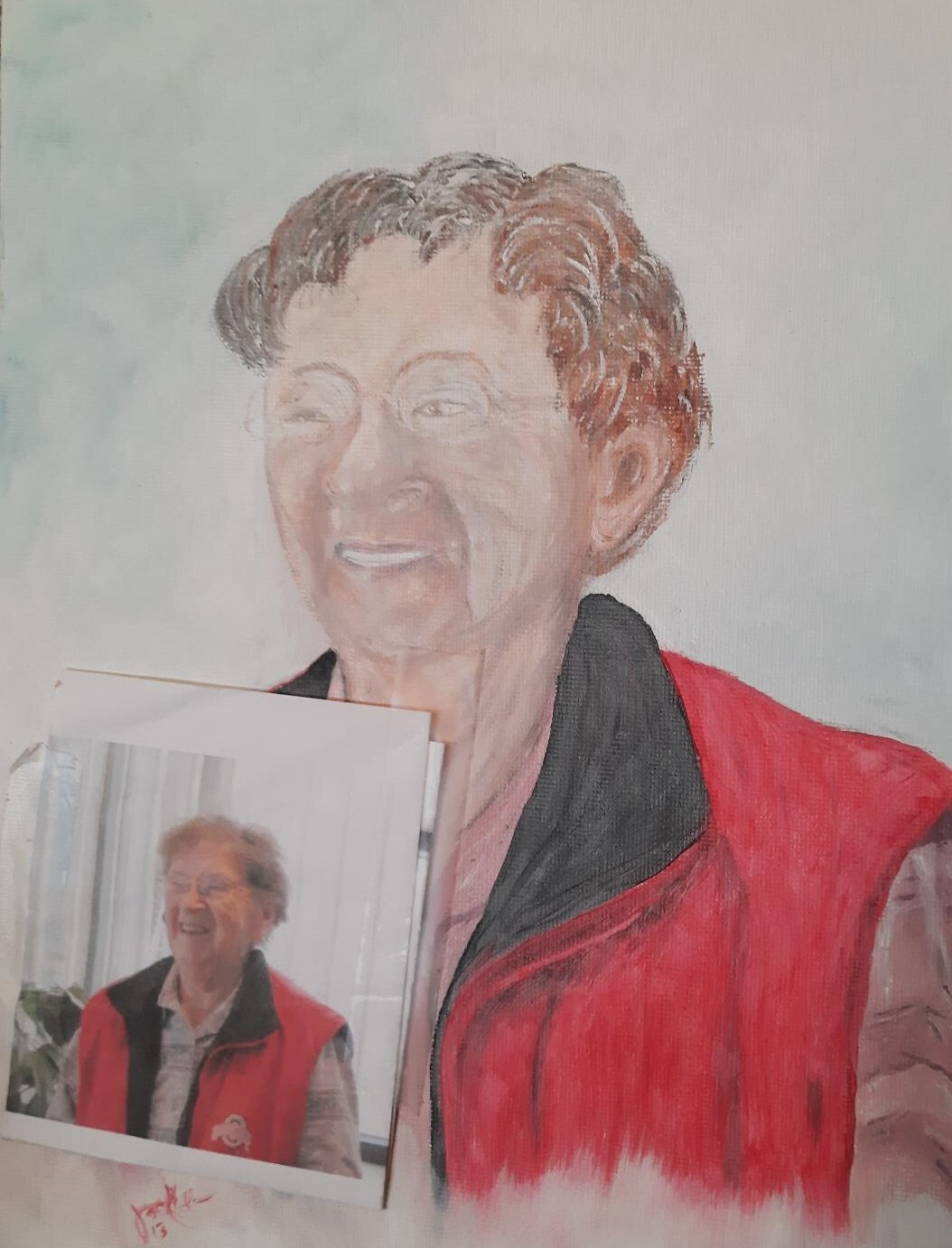
She enjoys drawing portraits – this one of herself.

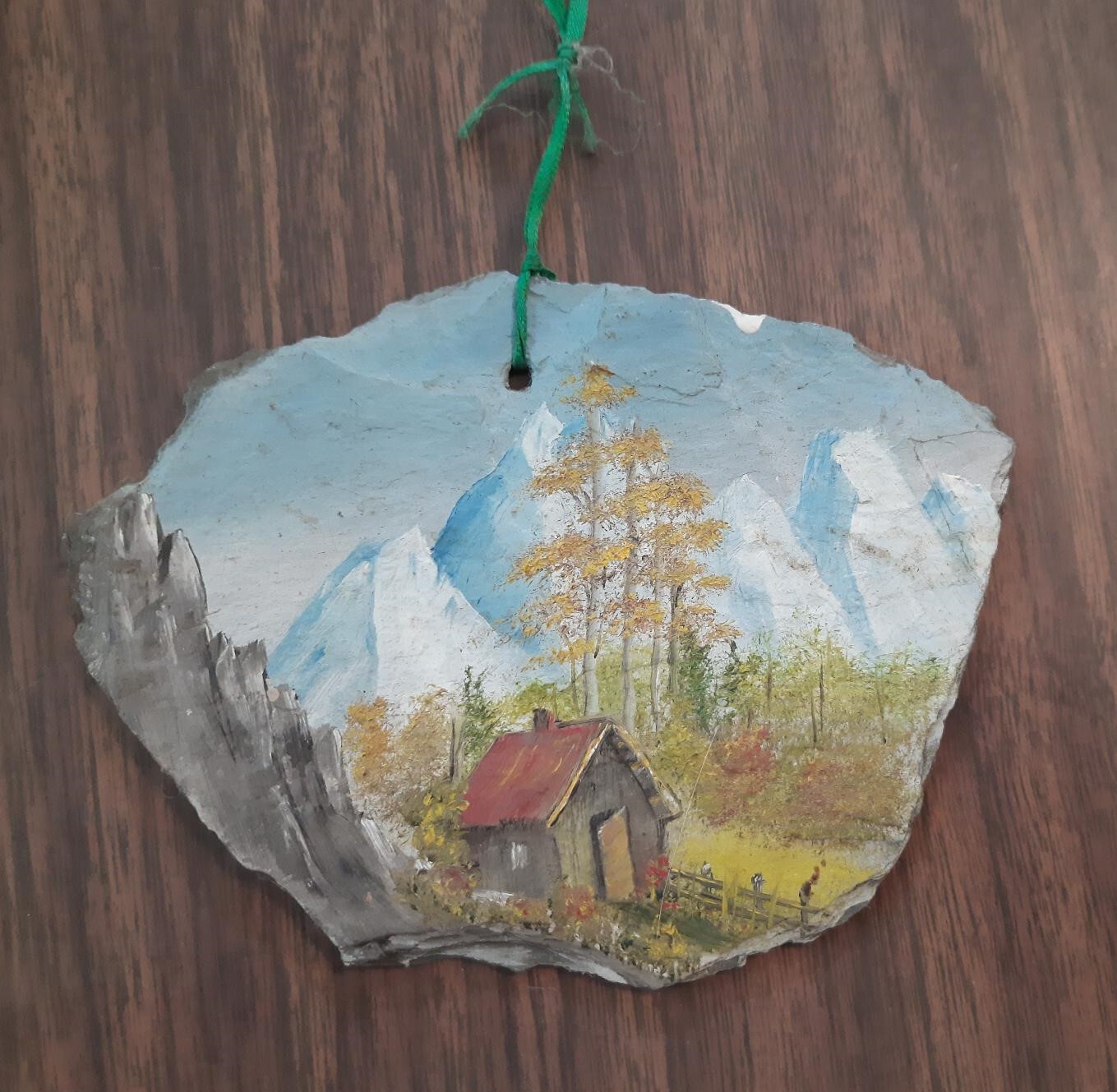
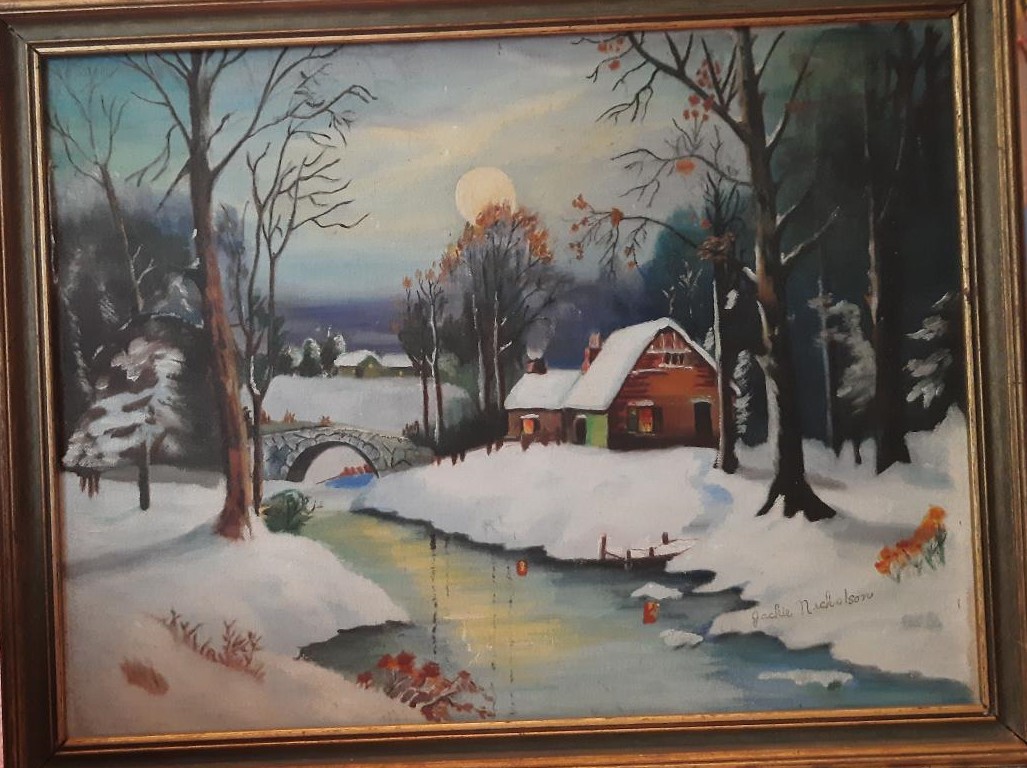
She still enjoys doing portraits and has even done a self—portrait. Pictures of Wills Creek, Jesus, and her first picture drawn of horses at the age of ten hang in her room. She also enjoys painting on slates.

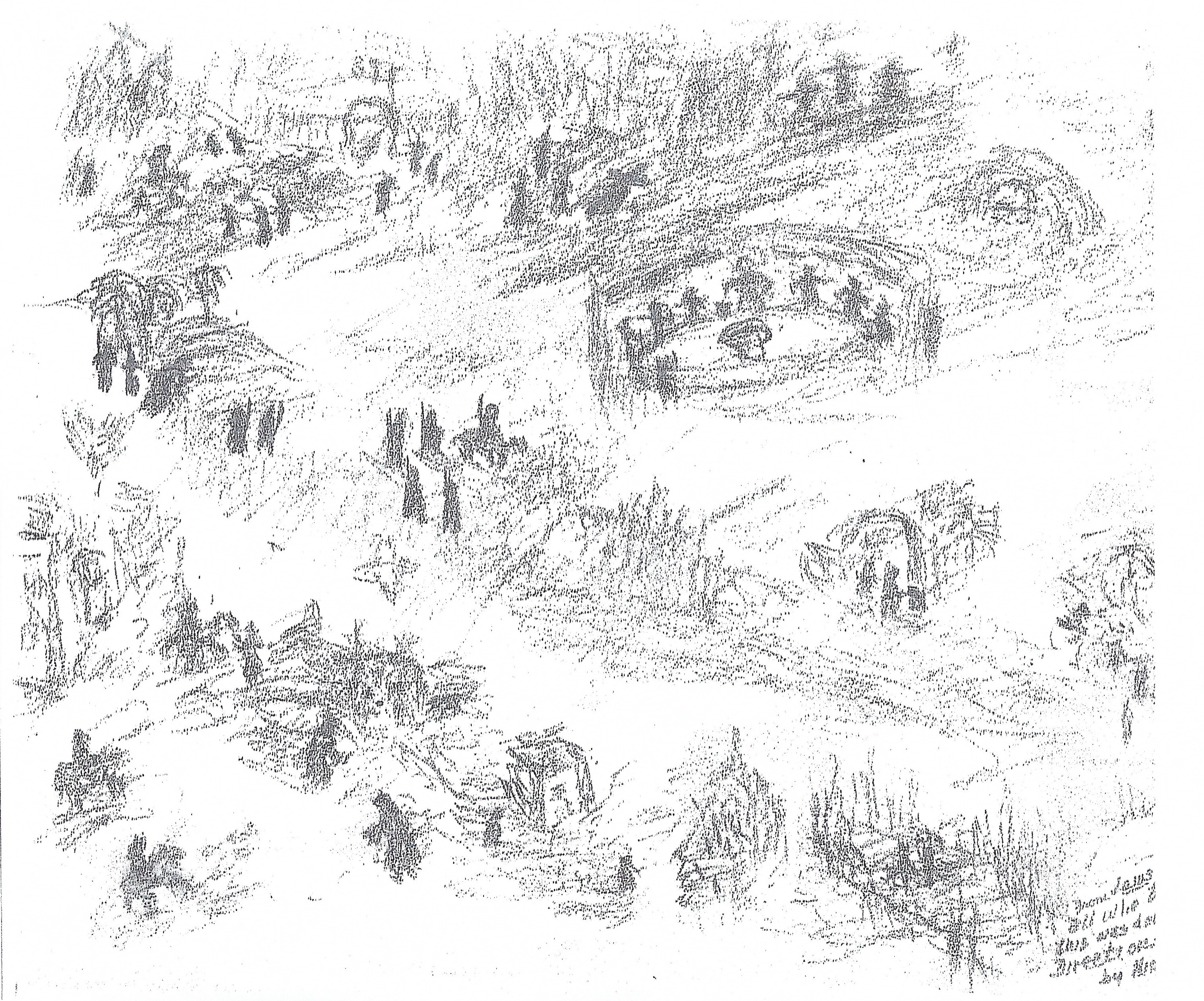
These sketches portray the life of Jesus.

Even today, Jackie still carries a sketch book with her wherever she goes. You never know when you’re going to meet an interesting character or special scene. She also enjoys photography and writes down information that might someday be in her memoirs.

In the early days of Salt Fork Arts & Crafts Festival, Jackie drew people’s hands. She feels that a person’s hand tells a story as there are no two exactly alike and they are all interesting.

Slate painting is something else she enjoys.

Singing was another thing she enjoyed. She recalled growing up with Marty Jones, who was her lifetime friend. Along with Blanche Arnold and Shirley Knight, they enjoyed singing at schools and various places around the area. They were part of Mother Singers, a group that evolved into the Land O’Lakes Chorus singing barbershop style.

Today she still maintains a connection with the Jones family as enjoys going to the Cambridge City Band Concerts and watching Berk Jones conduct. Her son, Brent, records the concerts and they are now making some CDs for everyone to enjoy.

One of her first jobs was assistant registrar and later registrar. She remembered the day that John Glenn came in and got his driver’s license from her.

When she was manager of Dutch Pantry, Peter Falk who played Columbo, stopped there every weekend and was usually accompanied by an employee of Disney’s, who drew cartoons for everyone at the restaurant.

Around 1980, Jackie opened up a commercial cleaning business. Cambridge Commercial Cleaning worked around the clock at Colgate for 25 years She said they probably had cleaned every building downtown at one time or another.

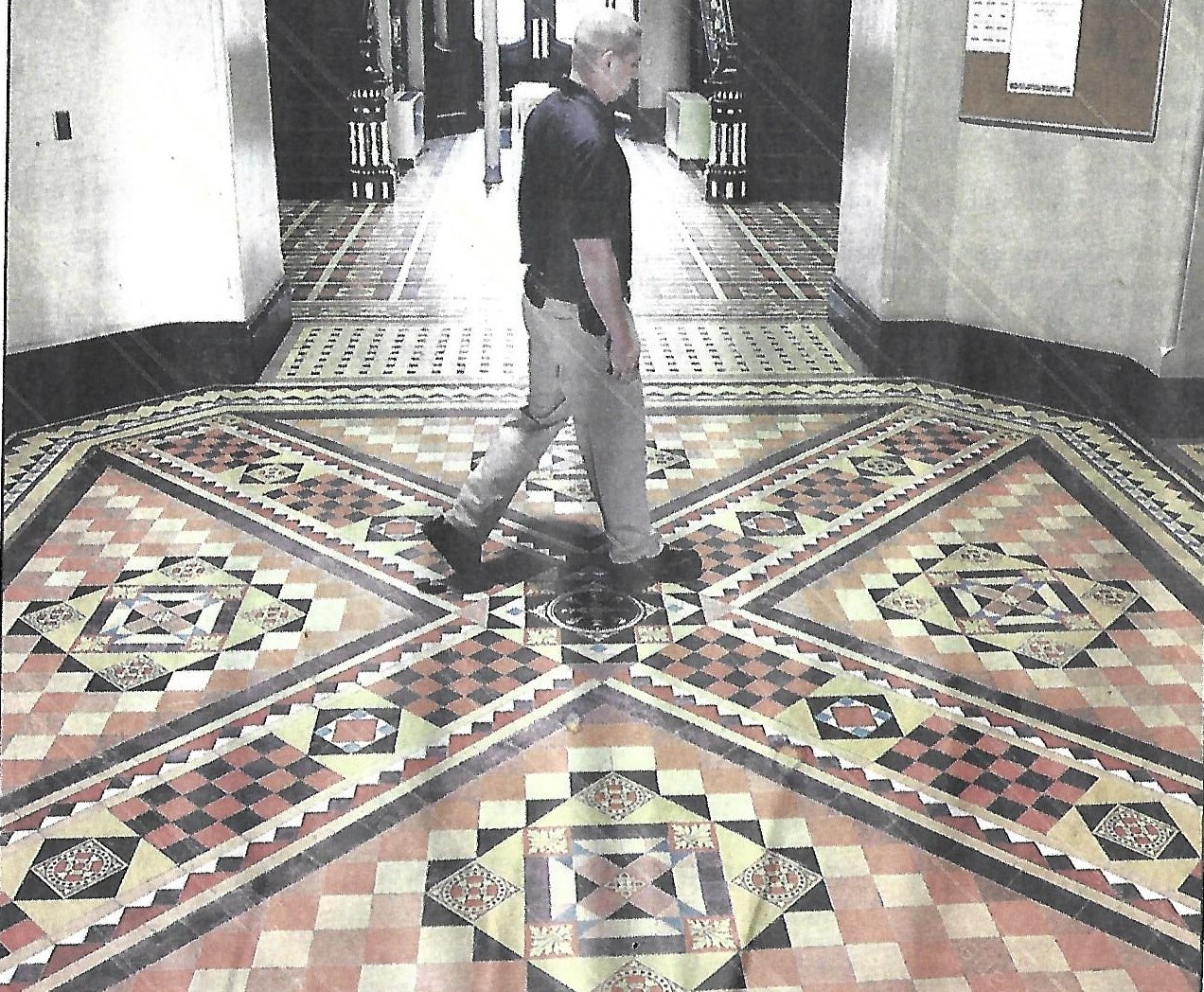
Refurbishing the floors of the courthouse was a special project she managed.

One of their well-remembered projects was restoring the tile on every floor of the Guernsey County Courthouse about five years ago. The floors were stripped of layer after layer of old wax to reveal brightly colored tile in a variety of shapes. The project took time and patience to complete but seeing the beautiful floor was their reward.

When Jackie was a youngster, her goal was to be a psychiatrist, but girls weren’t supposed to do that. Now when her friends have a problem, Jackie is the one they call or visit to talk over the issue. Perhaps her wish came true after all.

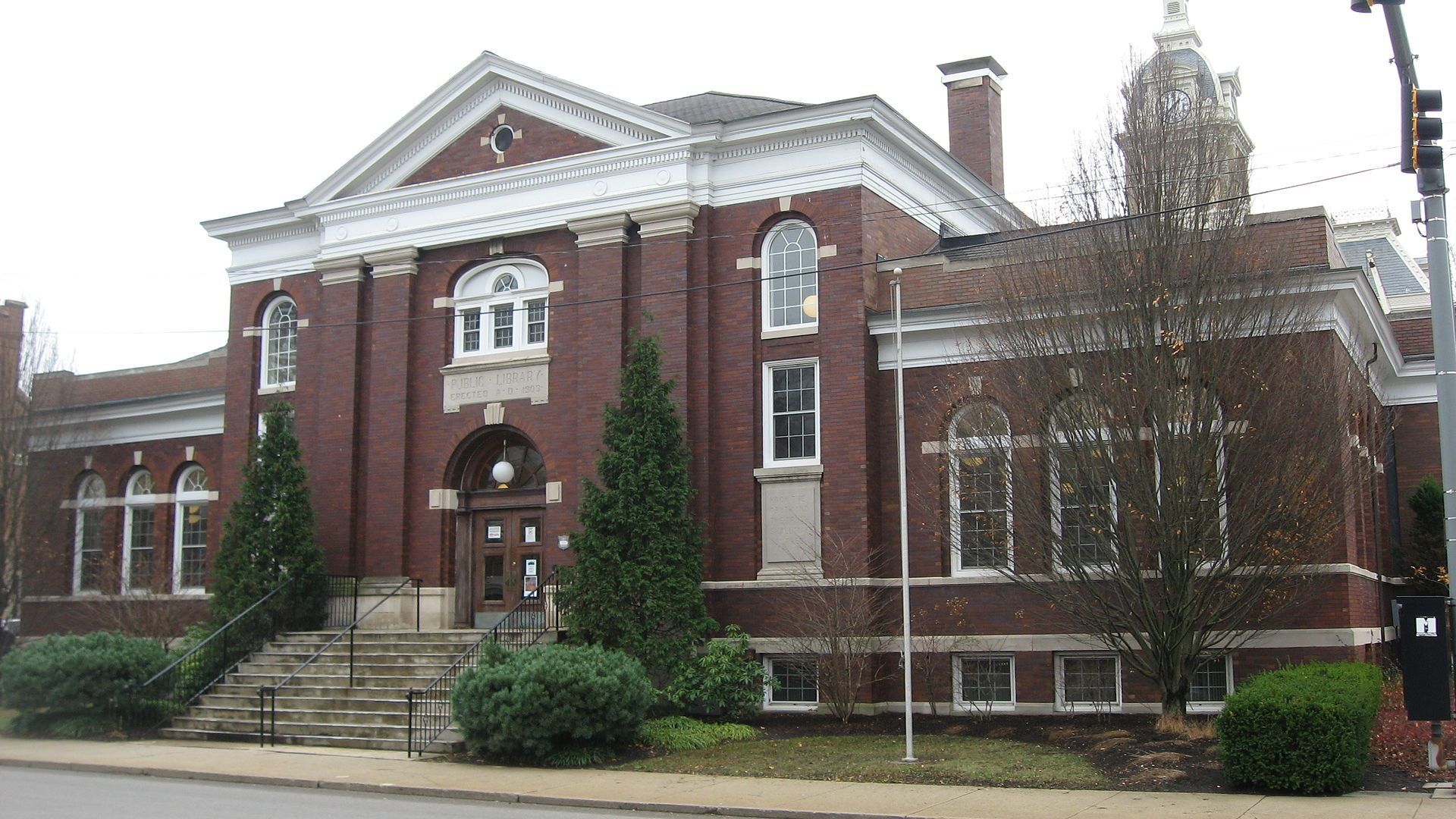
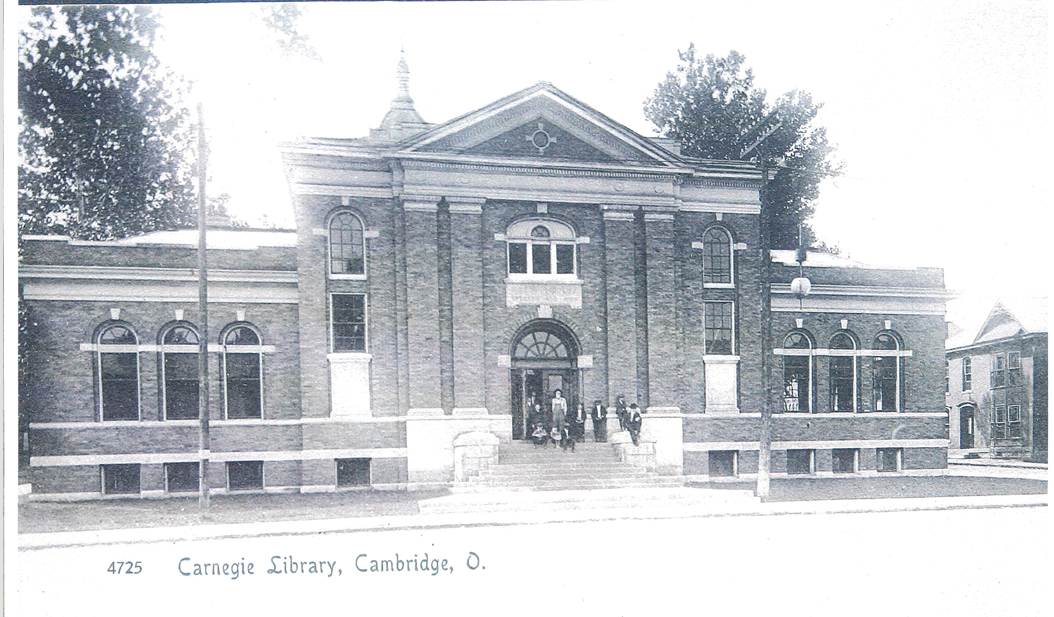
The Andrew Carnegie Library on Steubenville Avenue holds many great memories since it has been around for 120 years. But did you know that Cambridge had previous libraries?

Today’s Downtown Branch of the Guernsey County District Public Library

Today’s library was preceded in 1832 by the Guernsey County Library and Reading Room. There were fifty charter members, all men, who felt a library gave evidence that the residents were people of intelligence.

In 1899, Cambridge Library Association held their first meeting. Col. Joseph Taylor, a prominent citizen, gave the upstairs of one of his buildings on Wheeling Avenue as space for the library. His wife organized the library effort.

Library cards cost $5 annually but only one book could be borrowed at a time for a period of two weeks. Overdue books were charged three cents a day. By 1901, all interested residents were given a free card to the library.

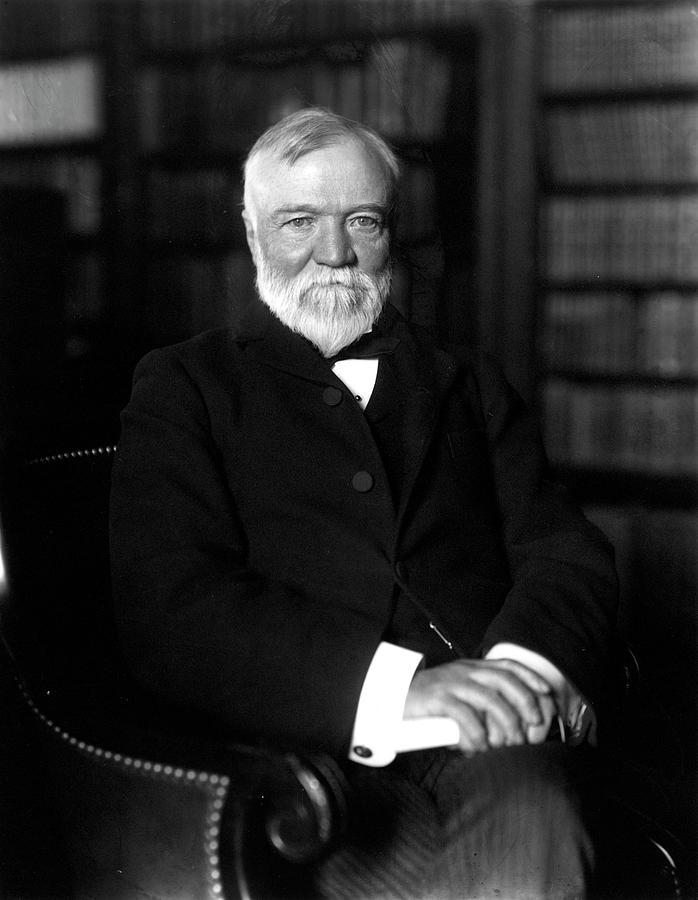
Andrew Carnegie

That same year, a committee from Guernsey County met with Andrew Carnegie in New York City. This was unusual as business with Carnegie was normally conducted by mail. Carnegie felt a library was the most important thing a community could have to benefit its people.

He remarked, “It was from my own early experience that I decided there was no use to which money could be applied so productive of good to girls and boys, who have good within them and ability and ambition to develop it, as the founding of a public library.”

This was an early picture of the Carnegie Library shortly after it was built.

On Jan. 22, 1902, the Carnegie Corporation sent a letter saying they would furnish $18,000 to erect a free library building at 800 Steubenville Ave since all the requirements had been met. Frank Packard became the architect with C.W. Dowling being the builder.

Once it was finished, the committee needed more funds to finish the interior and landscape the outside. Mr. Carnegie again provided those funds.

Books were very important to Carnegie from his childhood in Scotland and his teen years in Pennsylvania. Andrew Carnegie built 1,689 libraries throughout the United States and a total of more than 2,500 throughout the world.

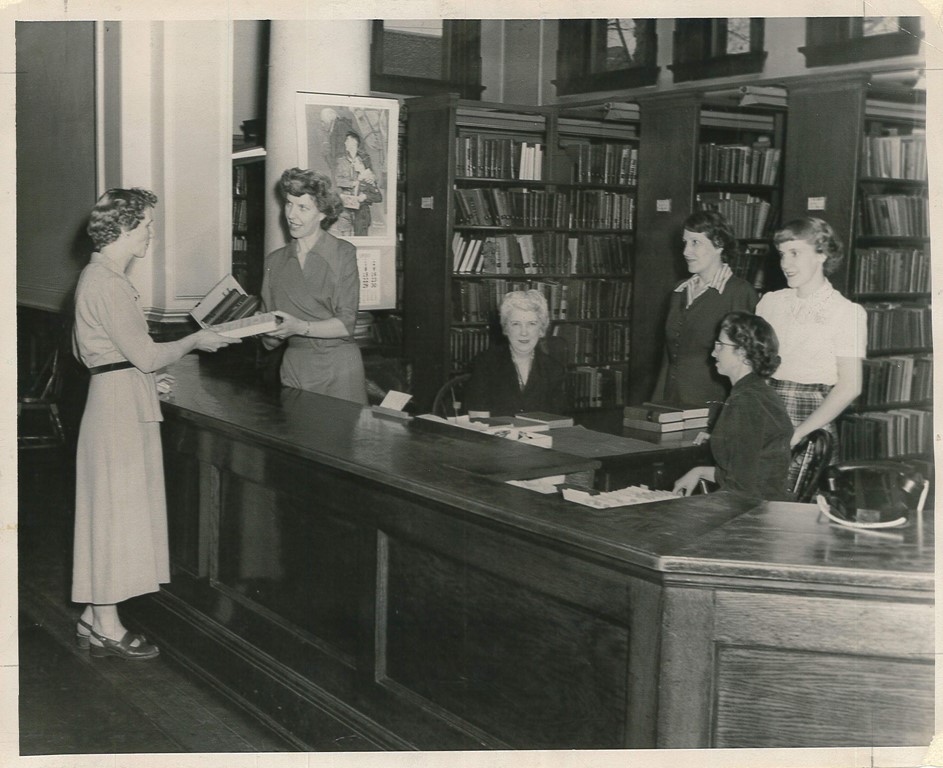
The staff was presenting a book to a patron in 1950.

When the Carnegie Library opened in Cambridge emphasis was placed on religious and moral content. They initially purchased 1,334 volumes at $1300 with more books being donated by local families. The Women’s Book Club donated 208 books.

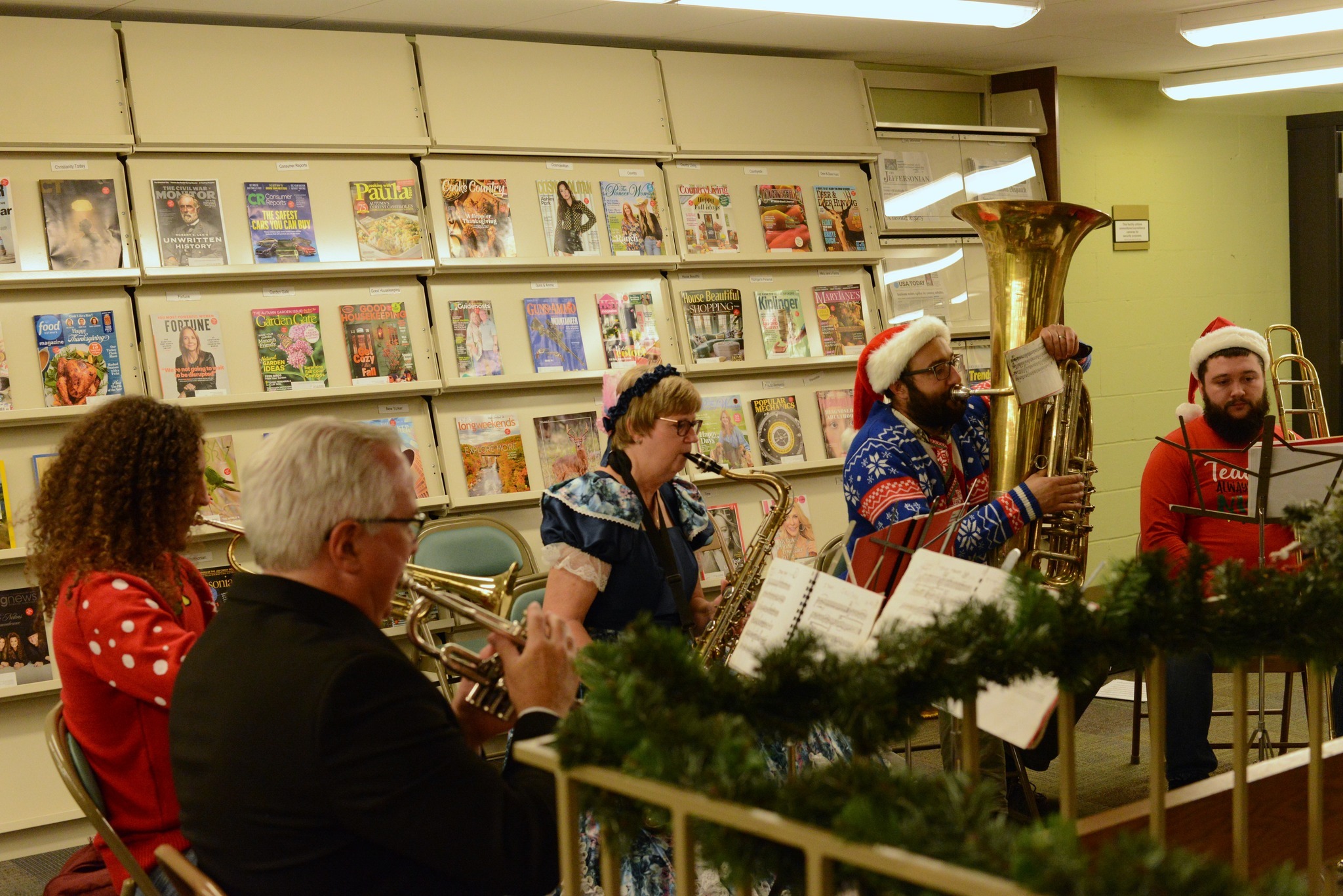
The second floor was to be used for community activities. Probably the first events held there were lectures. One series contained seven lectures about birds, while another was on boys’ temptations. During WWI, the Red Cross made bandages there. For about thirty years, the Cambridge City Band used it for their practice room.

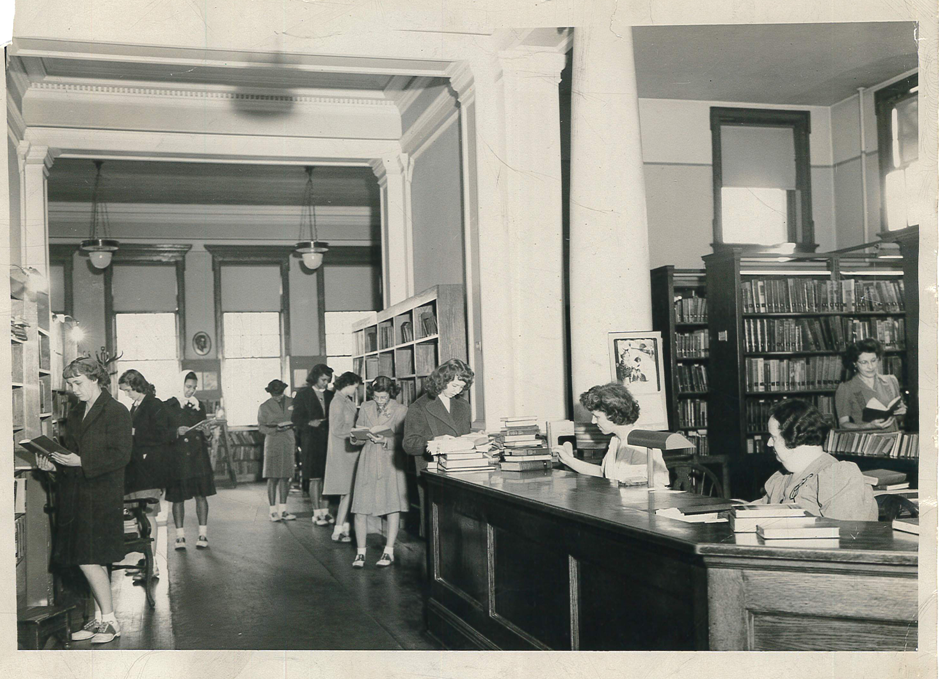
Students were frequent visitors to the library in 1945.

In 1907, the first children’s furniture was purchased for the library since over half of the new borrowers were children. Story hours were developed for the children and Christmas parties with Santa were established.

Howard Finley donated his collection of historic books to the library with the stipulation that the collection bear his name. He also donated $6,227 for the library to use. The genealogy room is named in his honor today.

Cambridge City Band, who practiced here years ago, performed for a special library event.

By 1947, the library had expanded to serve the surrounding community. There were several branches and 49 deposit stations, most of them being at schools. Every six weeks, the library would take a box of 50 books to the area schools for students to read.

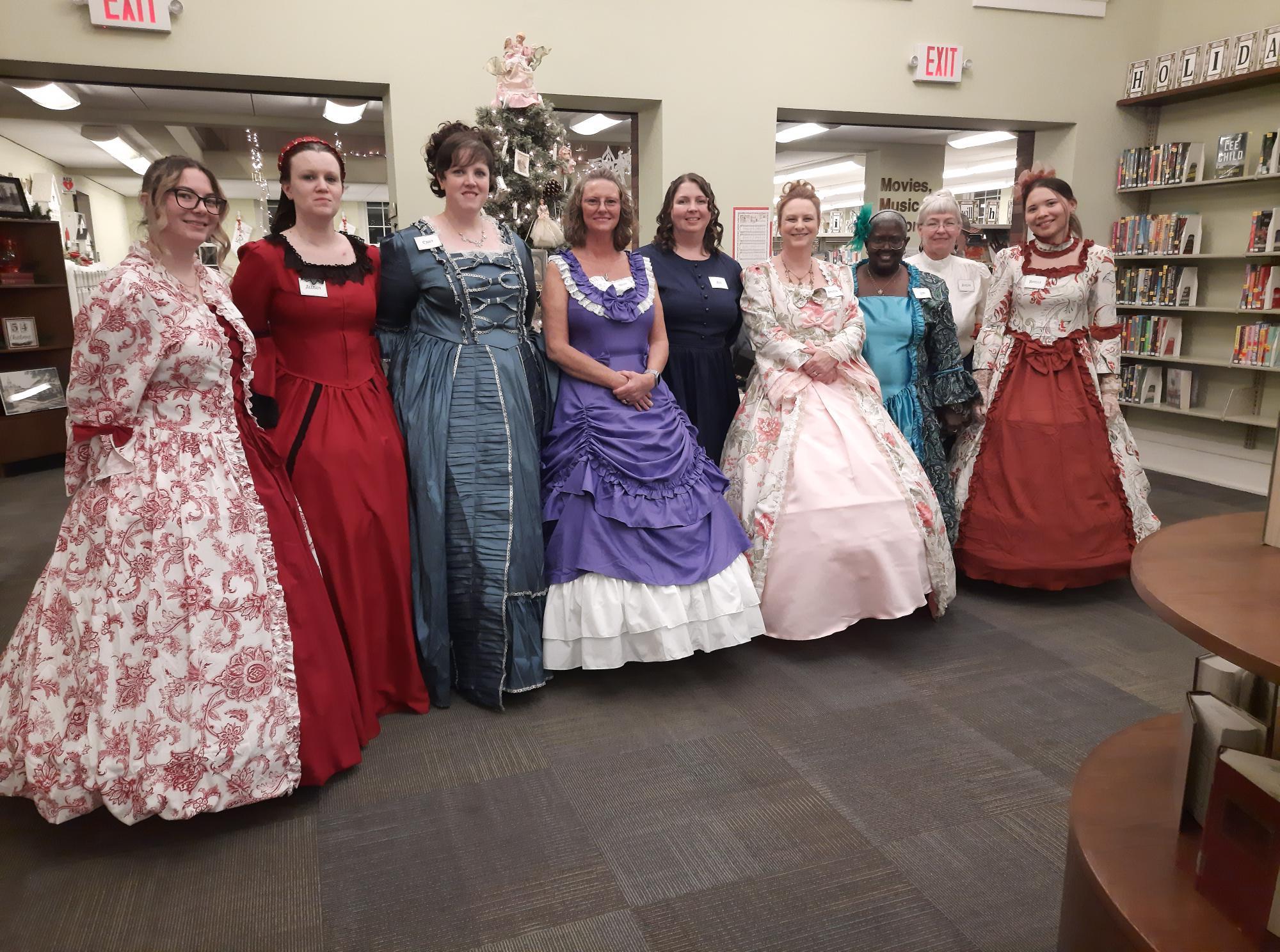
Today’s library staff helps with many special events in our community. Here they are dressed Victorian.

There were branches at Byesville, Cumberland, East Cambridge, Southside, Quaker City, Madison, and Senecaville . They existed until the library purchased their first bookmobile in 1956.

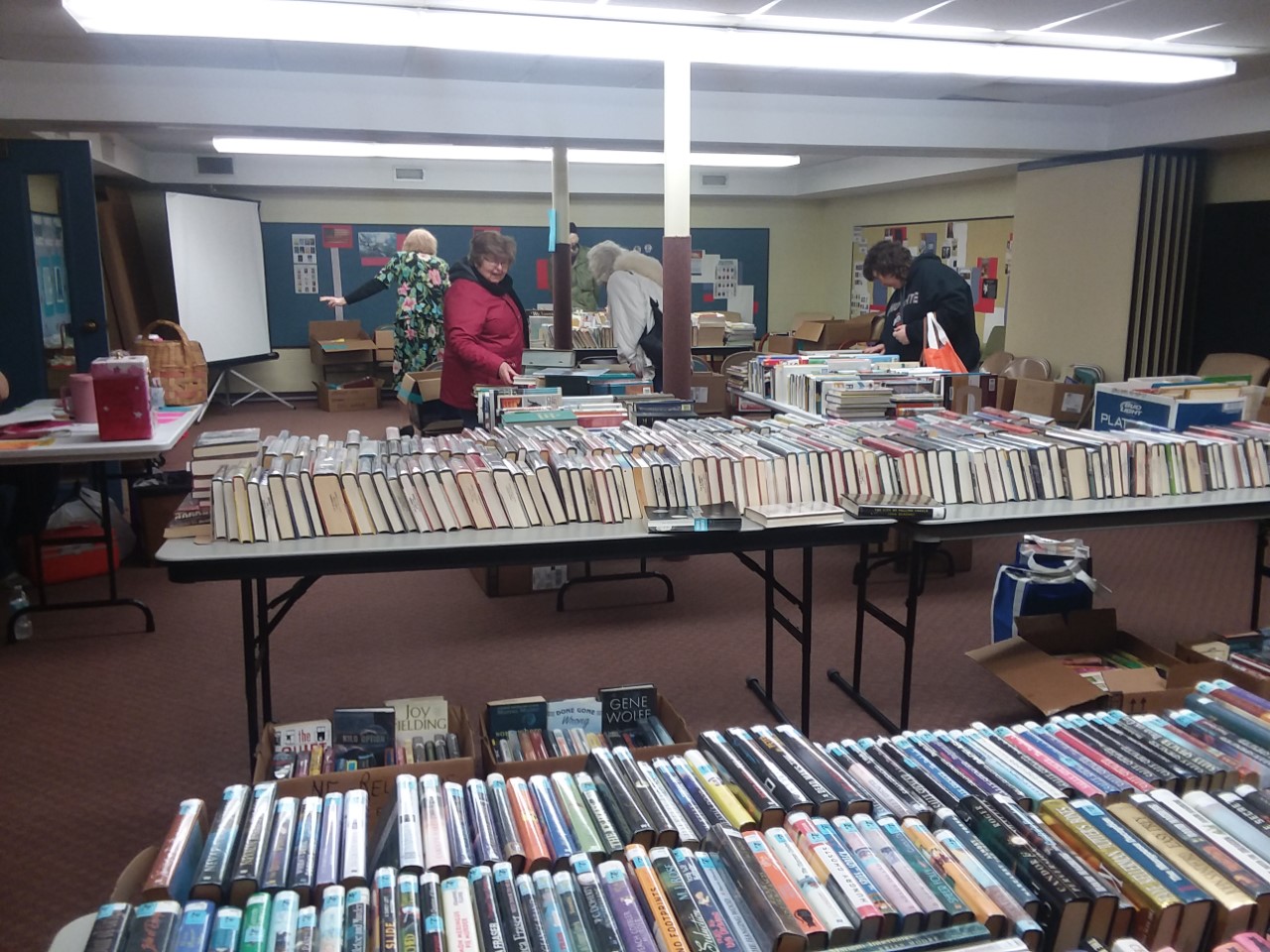
Today, Friends of the Library hold book sales in the basement of the Carnegie Library.

Friends of the Library was formed at a time when there was a need for more room at the library. Over the next thirty years, the Carnegie Library added a large addition, a new library was built in Byesville,and Crossroads Library became the relocation for administrative offices and technical services.

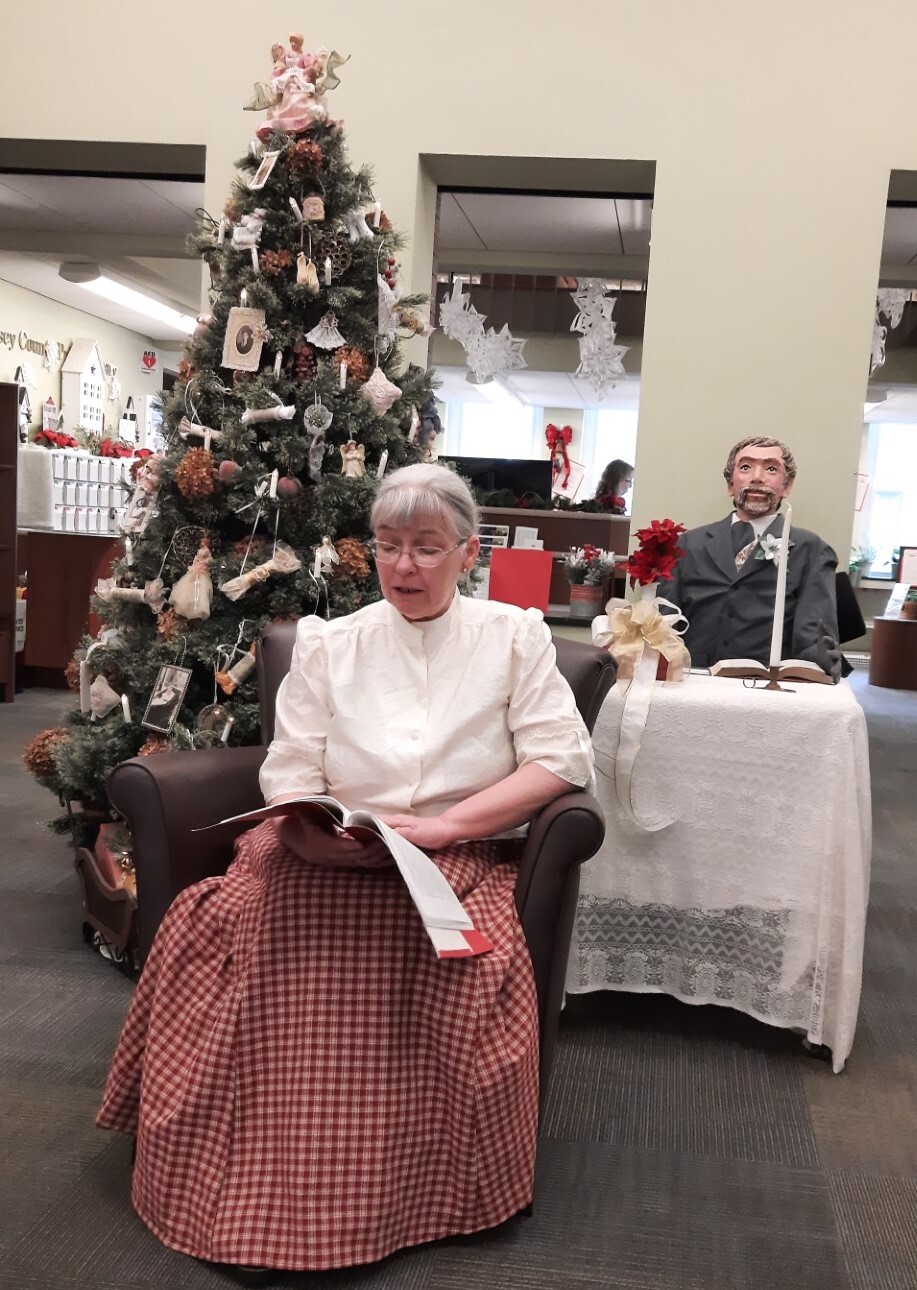
The annual Dickens Marathon Reading takes place in the main lobby.

By 1910, there were 2,200 people using the library of 6,332 books. By 1922, there were 2,745 using 9,123 books. In 2024, the Guernsey County Library has over 70,000 books plus many other resources.

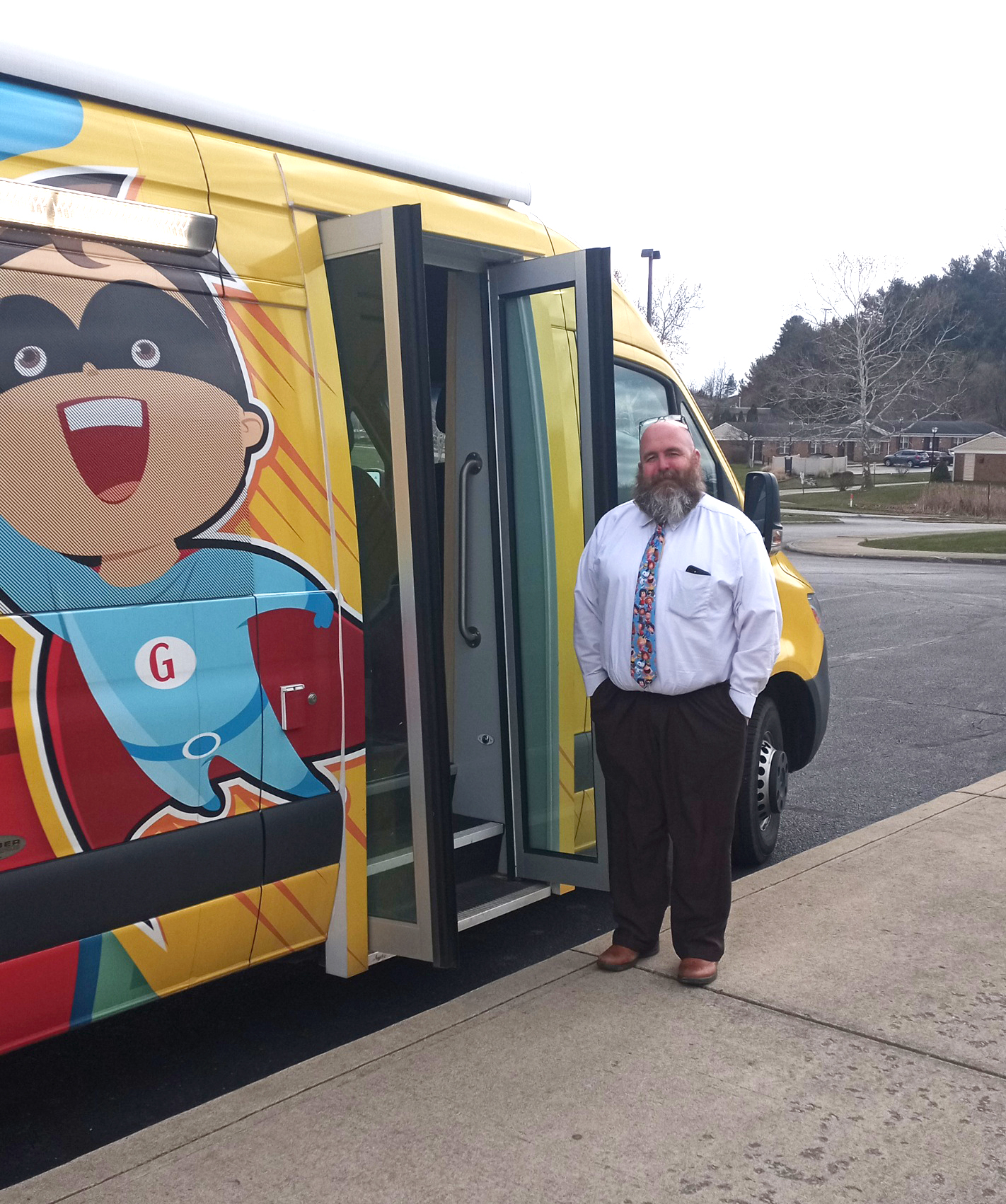
Director Michael Limer is proud of their new Bookmobile which serves places around the county.

Michael Limer, present director, expresses well the connection with today’s library and the community. “I am really proud of all work the staff has done to help the library become an integral part of the community. Besides all the great things you would expect at a public library, I feel the staff has strived to excel in engaging with the public. From great programs and new services to our work with our many community partners, I am thrilled with how we reach out to serve the public, both within our walls and throughout the county. “

Libraries have been an important part of our community for many years and continue to be a place to find free reading materials, movies, and more.

Knowledge is free at the library, just bring your own container. Visit your library sometime soon!

To plant a garden is to believe in tomorrow.

Creative ladies who enjoy gardening, flowers, and nature started the local Grow & Show Garden Club sixty-one years ago. As part of the Ohio Association of Garden Clubs, their purpose is to stimulate knowledge and love of gardening among members, increase their interest in knowing, growing, and sharing, and to promote protection of our environment.

Members of Show and Grow Garden Club prepare to decorate the Downtown Branch of the library for Christmas. Pictured are Kay Bennett, Kat Bennett, JoEllen Hayes, Marti Reed, and Sue Cowden.

One of their first projects was a flower show downtown. Area residents have fond memories of the beautiful Guernsey County Fair booths and the Christmas wreaths they used to display.

The committee working on the Scarecrow named Garden Goddess Antheia-Flora included Paula Shockley, Marti Reed, Kat Bennett, and JoEllen Hayes.

Today they enjoy decorating for many occasions. Just recently they took part in the Scarecrow on Parade Decorating Contest at the Great Guernsey Trail. They built a ten-foot-tall scarecrow with grasses for the skirt, a wreath collar, and a hat decorated with plants and flowers. After the contest, they moved the scarecrow to the Guernsey County Senior Center so it could still brighten someone’s day

They decorate two fireplaces each year with greenery and Christmas decor.

One project at this season of the year is decorating the Downtown Branch of the Guernsey County Library for Christmas with a Victorian touch to honor the popular Dickens Victorian Village. The library display continues through November and December.

Charles Dickens writes beside the Christmas tree decorated with handmade Victorian angels.

The tree is decorated with handmade Victorian angels. Marti Reed’s grandmother made the doilies and the club members turned them into angels. Marti’s grandmother always took her to the library so she thought it fitting her doilies would end up there. Large wreaths hang above two fireplaces and the mantles are covered with greenery and touches of the holiday. The 12 Days of Christmas vignettes appear in the windows.

Next time you visit the library, take time to appreciate the work involved in creating a holiday venue.

A special Easter Egg tree is part of the holiday decorations during the Easter season.

But that’s only one season of decorations for the group at the library. Another time they enjoy decorating is at Easter. At that time, they have stuffed animals and an Easter egg tree. Fluffy yellow chicks and bunnies of all sizes rest on the shelves and windowsills.

The first week of December, Grow & Show holds a Gingerbread House workshop for their members at Crossroads Library. Wonder if their gingerbread houses have plants or flowers around them.

Members take time to visit Cardinal Place each month where they take candy and treat bags to the residents while visiting them. They hope to expand this to other care facilities in the future.

A tree was planted for Sue on her 50 years of being a member. Pictured are Cheryl Lowry-Miller, Kat Bennett, Sue Cowden, Marti Reed, and Pat Graven.

The garden club plants and helps maintain trees that are dedicated in someone’s memory or just to honor someone special. There are two gardens where they plant trees. One is Shafer Park in East Cambridge while the other is a donated park at the corner of Beatty Ave and Clark St.

Jo Lucas has not only a beautiful flower garden but many fruit trees. At this time, she placed parachutes over them to protect the fruit from the birds.

They hold one public meeting related to gardening each year at the Cambridge Senior Center. This year the topic will be Gardening for Pollinators. Light hors d’oeuvres and a selection of desserts will be available. Reservations must be made for this March 26 meeting. Cost is $15.

Kat Bennett, Violet Scott, and Pat Graven explain using straw bales for planting.

Every year in May, they hold a Mother’s Day Garden Sale the Saturday before Mother’s Day where you can find some beautiful plants or flowers for mom. This year the event will be on May 10 at the Cambridge City Park Big Pavilion from 8-12.

Indoor plants are also a joy. Pat Graven has a green house in her bathroom.

Purchasing a couple hanging baskets to beautify downtown Cambridge is one of their projects. Some of their members also participate in watering the baskets throughout the summer months.

Much work has been done on the Great Guernsey Trail by members. They have contributed benches, trees, and flowers as well as helped with the Butterfly Garden. Plans are now being made for another display of plants there.

As you can tell, their community is very important to the members and many projects revolve around the beautification of Cambridge.

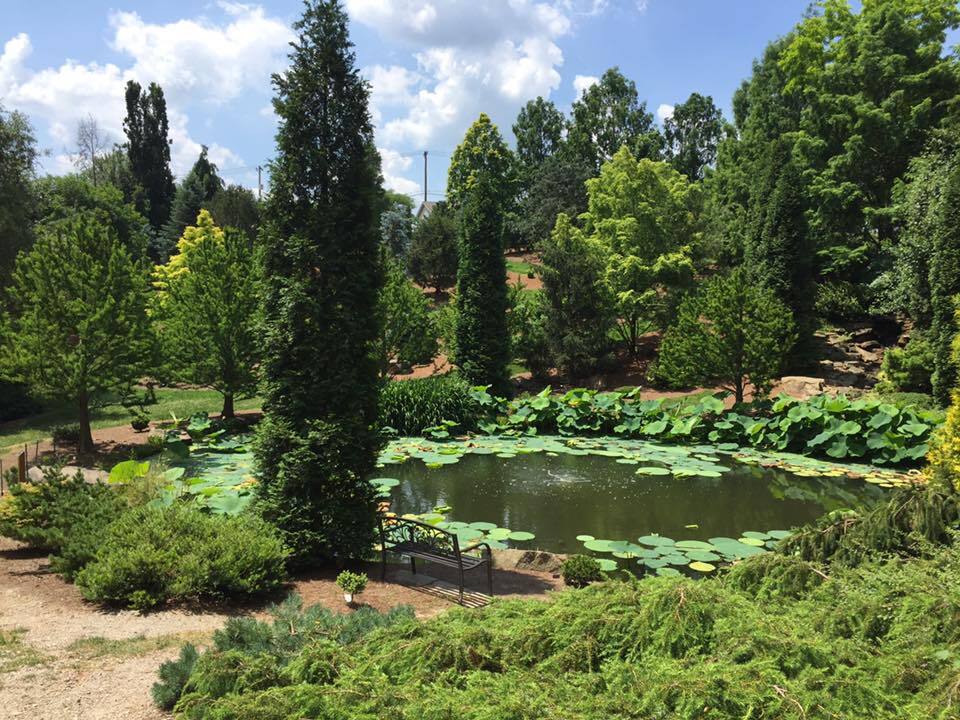
Bonnie Perkins has a beautiful koi pond in her yard surrounded by a variety of plants and flowers.

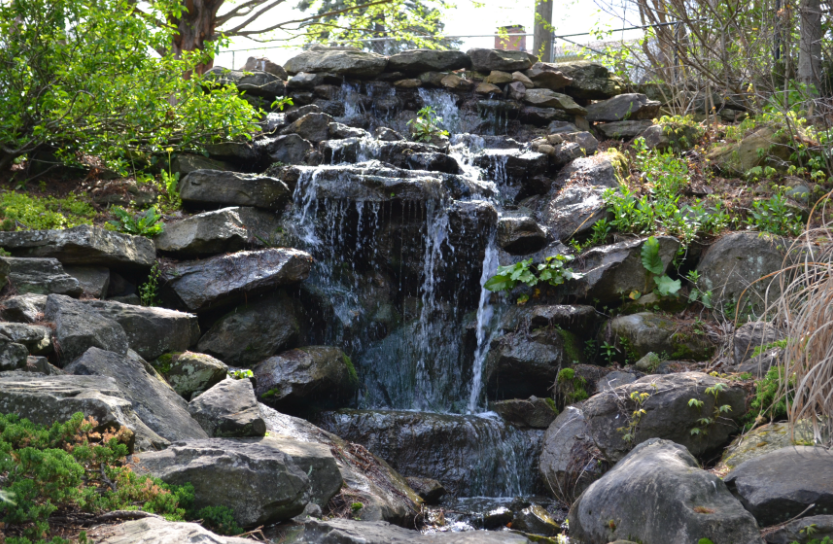
Grow & Show Garden Club meets the fourth Wednesday of each month at Crossroads Library at 1:00. Programs are always garden-related. A couple of times a year, the group visits a member’s garden. Some of them include waterfalls surrounded by plants, while others might have plants inside or a garden or orchard for their own food. Perhaps they might also visit a greenhouse or apple orchard. New members are always welcome so if you have an interest in gardening, stop by for a meeting..

These busy ladies know how to have fun while making the world a more beautiful place!

America’s Favorite Caramel Apple

Tastee Apple is located on the banks of the Tuscarawas River in Newcomerstown.

Tastee Apple has been making caramel and chocolate apples since 1974. That’s 50 years of delicious apples being made locally in the small, historic village of Newcomerstown, Ohio at a family owned and operated business started by John Hackenbracht and his son, Greg.

Hackenbracht Orchard was the beginning of it all. John not only owned the orchard but from 1958 to 1976 was manager of the Ohio Fruit Growers so was quite familiar with apples. Son Greg grew up surrounded by 4,000 apple and peach trees so he lived, breathed, and ate fruit growing up. He smiles when recalling, “I always knew what a good apple was supposed to be.”

The seed for a caramel apple business was planted in the 1960s. However, it wasn’t until Greg graduated from high school in 1973 that the idea seriously took root. Very few jobs were available at that time and college money was in short supply. John had the perfect solution!

They would start the caramel apple business they had been dreaming about. Greg could work there for six months out of the year and go to college the other six. Tastee Apple, Inc. was officially born!

A variety of Tastee Apples are displayed under their logo.

It all began with one caramel machine and Greg’s personal caramel recipe, which is still used to this day because its smooth taste can’t be beat. That’s why Tastee Apples are called America’s Favorite Caramel Apple. That first year, they made 50,000 dozen caramel apples. Today, they make 50,000 dozen in four days!

Once Greg received his Bachelor Of Science in Marketing/Marketing Management from Bowling Green State University in 1979, he joined Tastee Apple on a full-time basis. During those early years at the plant, Greg worked long hours, seven days a week. Often during the busy season, he fell asleep in a chair at the plant.

John passed away in 2007 knowing that he was leaving the continuation of his legacy in the capable hands of his son, Greg. The family hopes to continue this family tradition of quality products and working conditions for many years to come.

Chad became the president of Tastee Apple in 2022 when his dad, Greg, retired.

Today Tastee Apple continues in the capable hands of a third generation, Greg’s son Chad, who carries on the family tradition after Greg’s retirement in 2022. Prior to returning to the business, Chad enjoyed racing and was a NASCAR champion.

Before returning to Tastee Apple, Chad enjoyed the life of a NASCAR champion.

Today Tastee Apple has 15 full-time employees working all year. However, during the busy apple season from August – October, they employ from 100-160. They treat everyone with kindness, just like they would like to be treated.

Over the last 40 years, Tastee has sold over 250,000,000 apples with candy, chocolate, caramel, and other toppings. This is the only company in the industry certified by the Safe Quality Food Institute. All their apples go through a unique, seven-step rating process to guarantee the quality and freshness of the fruit.

Their dark chocolate, peppermint Gourmet Apple is very popular.

Then perfectly ripe apples are ‘sticked’ and dipped in made from scratch, small batch, kettle cooked caramel or a candy coating. Once cool, they are rolled in gooey toppings like milk, dark, or white chocolate, and then rolled in peanuts, pecans, cookies, or pretzels. The apples are then carefully packaged, stored, and shipped to stores throughout the United States.

Tastee Apple was displayed at the Big Apple in Times Square.

The East Coast is a popular area for their Tastee Apples and New York City has long been a big supporter. Locally, their apples can be found at Walmart and Myers. They also make them for Giant Eagle under a private label.

The Hackenbracht family likes to try new things and over the years have made apple chips, potato chips, sweet potato chips, popcorn balls, and even apple cider. But the Caramel Apple has stood the test of time as a favorite. They have seen a large increase in requests for their Gourmet Apples.

A newer addition this year is Apple Pops, a smaller covered apple.

Every year they come up with some new ideas for their delicious apple treats. This year they have designed Apple Pops, which are just the right size to be convenient for a snack and they are themed for every holiday. A Mystery Box has also been developed that holds a variety of their popular treats.

A sign in front of the business lets locals know when seconds are for sale.

Tastee Apple sells apples with caramel, candy, chocolate, and other toppings. No apple gets the Tastee label unless it is perfect. Those that don’t meet their standards are sold at the plant as “seconds” if the caramel doesn’t cover evenly or the stick isn’t straight!

Tastee Apple, Inc. is located at 60810 Co. Rd. 9, Newcomerstown on the banks of the Tuscarawas River. Bite into a nutritious, mouthwatering Tastee Apple soon. You might want just a slice as their gourmet apples are very large!

Having a successful Tastee Apple business for 50 years shows that the Hackenbracht family knows a good apple when they see one.

Rick Booth holds both volumes of his newly published book set, The Extended Stories of Guernsey County, Ohio.

The Extended Stories of Guernsey County, Ohio, Volumes 1 and 2, has recently been released after seven months of detailed work by Rick Booth, who spent 20 to 30 hours per week republishing the writings of William G. Wolfe, an early historian from Guernsey County. This new 1,640-page book set contains all the historical writings of Wolfe that Rick could find.

William G. Wolfe was born in Quaker City in 1874, attended Ohio Northern University, and received his teaching certificate at the age of 23. He then spent 47 years in the Guernsey County School system as a teacher, Superintendent of Quaker City Schools, and then Superintendent of Guernsey County Schools.

Rick’s desire to make Wolfe’s out-of-print stories available forever began when Rick found forgotten Wolfe articles in online newspaper archives, and he thought they should be added to the original Wolfe’s history. Rick decided then to remaster Wolfe’s original 1943 history book, Stories of Guernsey County, Ohio, the most comprehensive Guernsey County history book ever written. This book, reproduced as Volume 1, was based on 313 historical articles that Wolfe had written for Cambridge’s Daily Jeffersonian newspaper in the 1930s. Rick placed it in a modern format and added a second volume of the additional 171 “forgotten” stories he discovered in Daily Jeffersonian archives.

Rick studied history with his dad, Atty. Russell Booth, at any early age.

Most know Rick Booth as our local historian, but all may not be familiar with his background. Rick grew up in Guernsey County, the son of another historian, Atty. Russell Booth. History was an important part of their lives, and from his earliest memories, Rick recalls his dad telling him bedtime stories based on tales from history and many from Wolfe’s book. Atty. Booth treasured the copy of Wolfe’s Stories of Guernsey County which Wolfe personally signed for him in 1943 when a high school freshman. Rick was immersed in history from a very early age.

Rick studies the Apollo 11 Saturn V rocket just days before it took men to the moon.

After Rick graduated from Cambridge High School, there were many years when Guernsey County history was not of chief importance. After graduating from Princeton University, Rick spent two years in medical school at Columbia University in New York City before deciding to instead join the exciting new personal computer revolution just then emerging.

“A Boy and His Blob” is Rick’s best known gaming credit and still followed today.

For most of the 1980s, he worked for Sesame Street’s computer division, creating and designing software tools for their early educational computer game products. Later, he also designed core sound and animation systems for Nintendo cartridge and Sega CD-ROM games for video game companies. His best-known gaming credit is for the 1989 NES cartridge game “A Boy and His Blob,” which retains a niche following to this day.

In 1997, he wrote a computer book, “Inner Loops.” This book was designed for computer professionals and hobbyists to get high performance out of their computers. He also co-authored another computer book at Intel’s request, “Programming Itanium-based Systems: Developing High Performance Applications for Intel’s New Architecture.” Much of his later career involved digital video engineering and Internet-over-cable systems.

While living in the Philadelphia area, Rick was instrumental in saving the Cornwells Heights Amtrak Station in Bensalem, PA, which was needed for easy access to his work in New York City. (There’s a remarkable story attached for perhaps another article by Rick.) He witnessed history, too, having been on perhaps the last train to enter NYC before the Hudson River railroad tunnels were shut down in the chaos of 9/11.

He returned to Guernsey County in 2007. Then his efforts to keep Guernsey County alive began as he watched his father, Atty. Russell Booth writing about and researching local history.

At that time, his dad was writing monthly articles for Now & Then magazine. When his dad was no longer able to do that, Rick stepped in and continued those historical articles, completing the transition in 2012.

Rick with a group of Rainy Day Writers at a book signing get together.

Rick has been an important part of Rainy Day Writers since its beginning. Here he not only contributes interesting stories to their annual books but also helps with the publication process and serves as treasurer.

Spreading local history at the Heritage Arts Tent during the Salt Fork Festival is another of Rick’s contributions.

When Now & Then ceased publication in 2019, Rick seamlessly kept the stream of monthly history articles going in Crossroads magazine. Rick also keeps others informed about our history through his leadership at the Guernsey County History Museum where he is Treasurer and Director of Digitization.

He writes the script for the Cemetery Tours and then portrays one of the “Coming Alive” characters.

He also does many downtown tours in Cambridge, developing and participating in Cemetery Tours, and being the guide for Trolley Tours during Dickens season.

Dressed at John Herschel Glenn, Sr., Rick gives tours of the John & Annie Glenn Museum.

In New Concord, Rick portrays the role of John Herschel Glenn, Sr. to keep the history of John & Annie Glenn alive at the museum there. He also led the effort to get the official Ohio Historical Marker for Fletcher General Hospital and WWII POW Camp, which most locals later knew as the Cambridge State Hospital. Everyone wonders when this man sleeps.

During the Dickens Victorian Village season, Rick narrates historic Trolley Tours on special Saturdays.
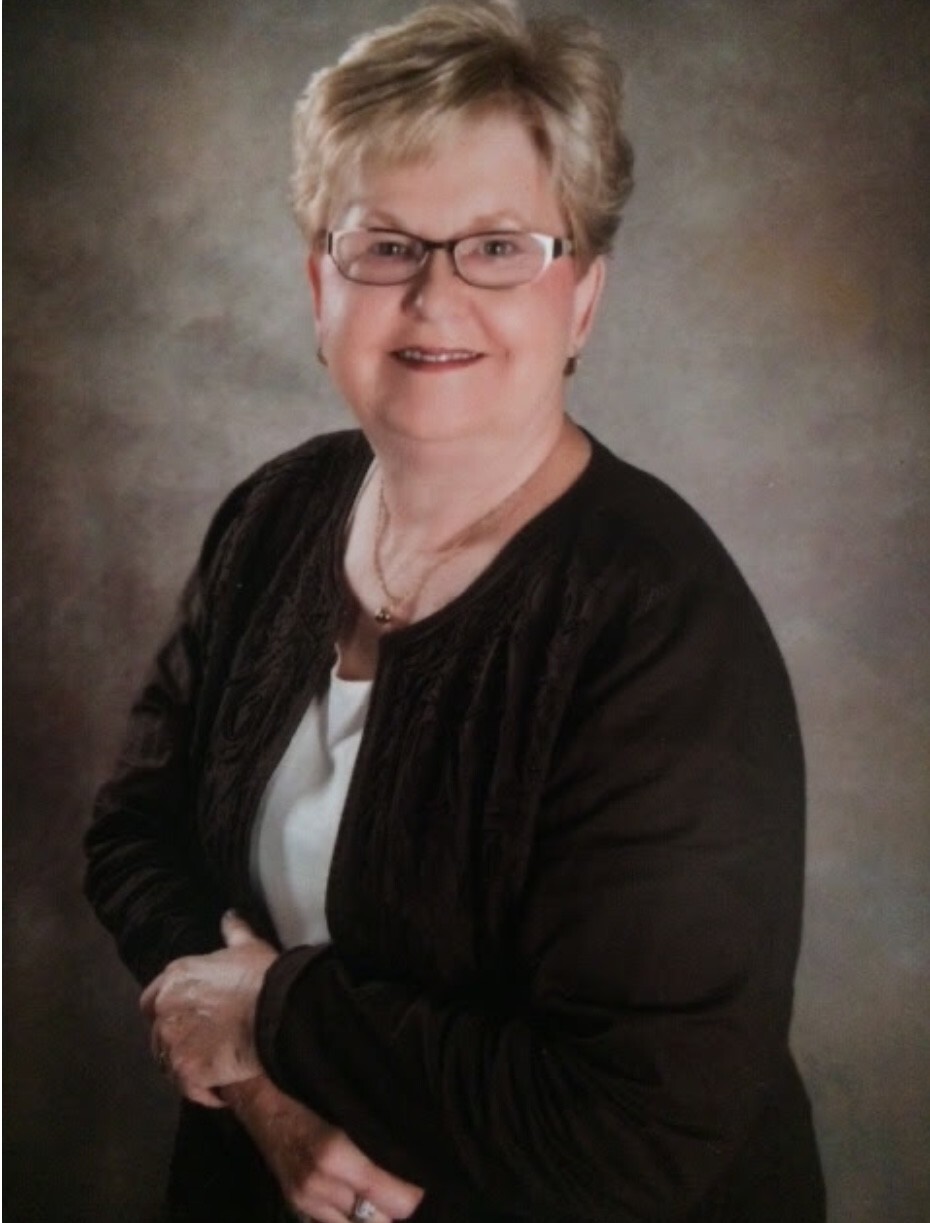
For all his hard work in the community, in 2023 he received the Chamber of Commerce Distinguished Public Service Award.

In 2024, Rick digitized, proofread, and republished the writings of William G. Wolfe, the author of Guernsey County’s most extensive history book, Stories of Guernsey County, Ohio. His new collection is called The Extended Stories of Guernsey County, Ohio. He has used digital image manipulation to enhance the photos in some of the articles and add new ones to others, making them even more interesting. There are also 76 pages of newly-added historical township landowner maps, each with a QR code for easy cell phone viewing of every township in Guernsey County in the last few chapters of Volume 1 for those who enjoy comparing maps from 1855, 1870, 1902, and today.

An amazing thing about these volumes is the indexing. In the second volume, Rick has listed every name that is in both volumes and the pages where they appear. Over 23,000 name references were compiled into the new 131-page “all names” index! This provides an easy way to find family connections.
In proofreading Wolfe’s materials, Rick was surprised that he credited Cambridge Iron and Steel Company as the reason for Cambridge’s turn-of-the century (1900) sudden growth. Most recall the glass and pottery industry being a big boost to the local economy.
Pick up his new book set at the Guernsey County Museum.

Both volumes of The Extended Stories of Guernsey County, Ohio are available on Amazon, or you can pick them up at the Guernsey County Museum, 218 North Eighth Street, at a total cost of $80 for the two-volume set. Rick is giving a percentage of the profits to the museum. These volumes are printed in a perpetual hardcover print-on-demand book form so the work won’t go out of print again and the history of Guernsey County will live on, especially in historical and genealogical societies.

If you enjoy history of the Guernsey County area, you are certain to find this book set a treasure filled with memorable events that have shaped our lives.