Places to go and things to see by Gypsy Bev

Posts tagged ‘Johnny Appleseed’

Walhonding Valley Historical Society Museum Presents Festival of Trees
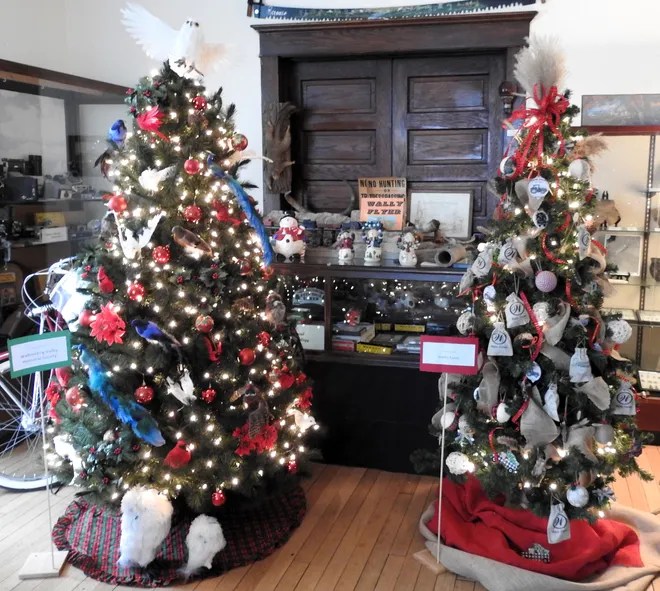
Learn the history of the Walhonding Valley area while celebrating the spirit of Christmas during their holiday celebration. Beautiful Christmas trees are on display during their 9th annual Festival of Trees with entries from individuals, groups, and corporations.
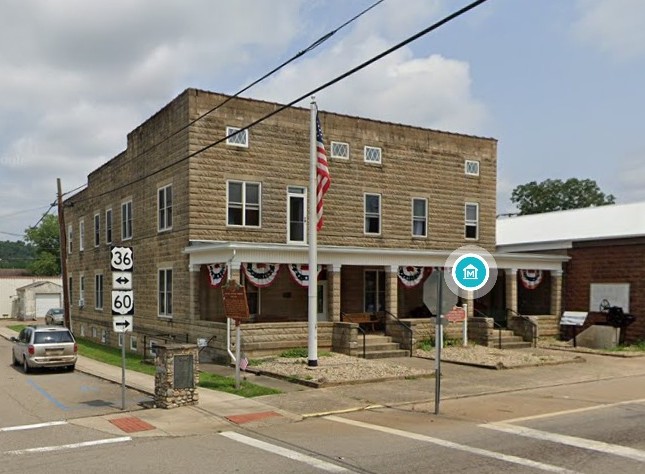
Walhonding Valley Museum can be found at the corner of Routes 36 and 60 in Warsaw.

The Walhonding Valley Historical Society Museum at 102 E. Main St. in Warsaw was formed in 2001 as a result of a vision by community leader Marvin Davis. Marvin wanted there to be a way to share stories of the past for future generations so they could cherish its traditions and learn from its lessons. Next year they will celebrate their 25th anniversary.

It began in a one-room building but soon needed more space. At that time, they purchased the present building, which is on the National Register of Historic Places. From 1906-1975, this building was a doctor’s office. The second floor had 13 rooms to rent or use for the patients. The first caesarean section in the county was performed in this building. Doctors came in by train as needed
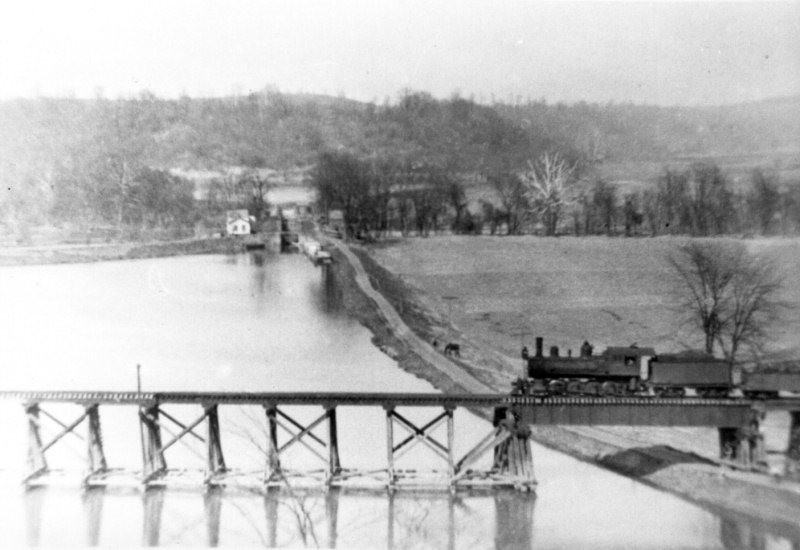
This trestle crossed the Walhonding River at Roscoe.

The Walhonding River plays a large part in their early history. It is said to have been an Indian name for a white woman. On early maps in 1752, the river was actually labeled “White Woman River.” The first white woman to live in the area was Mary Harris, who married Chief Eagle Feather of the Delaware tribe.
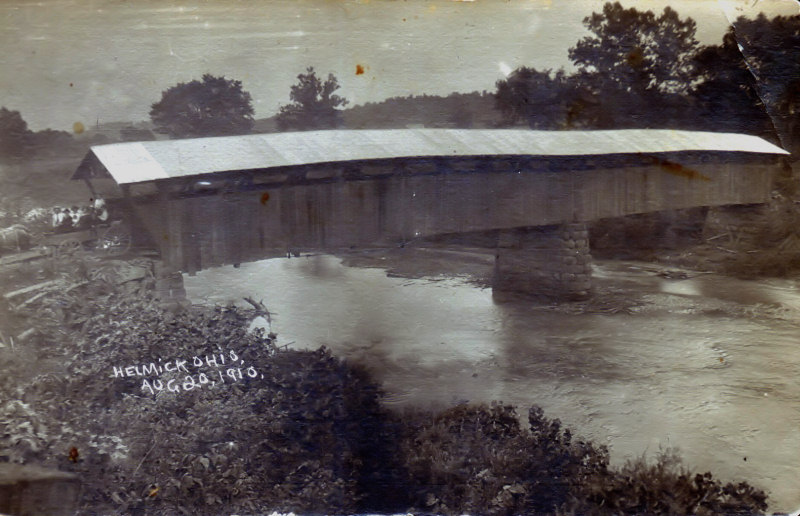
This covered bridge crossed the river at Helmick in 1910.

White Woman’s Rock can be found at Kilbuck Creek, a branch off the Walhonding River between Coshocton and Warsaw. Legend says that a white woman jumped from this rock with her baby to avoid having the Delaware Indians make them captives or worse.

Johnny Appleseed, also known as John Chapman, planted his first apple tree nursery in 1798 and planted many trees in the Walhonding Valley. He walked hundreds of miles and planted thousands of trees but also protected settlers from Indian attacks, helped them build cabins, and was a source of inspiration to everyone he met.
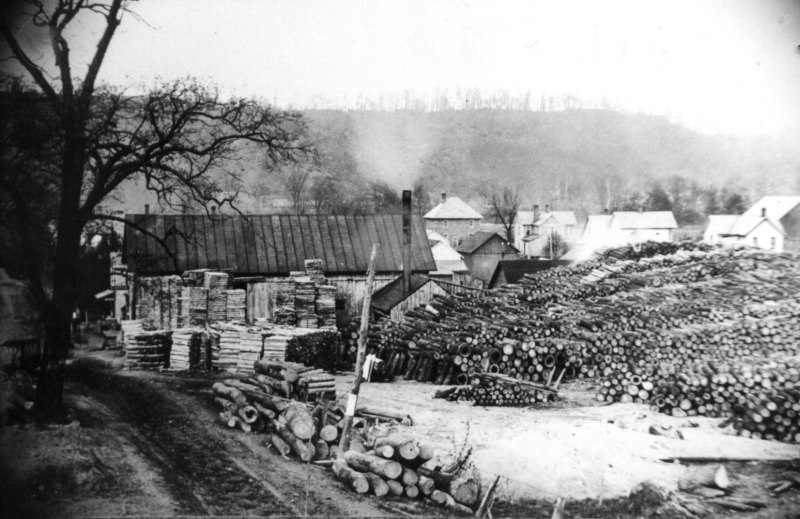
Nellie had a busy ax handle factory.

Many native artifacts of the area can be found in the museum. They show a glimpse of the area’s prehistoric past. The Delaware Indians lived in Jefferson Township where they mined flint. An impressive display of this early local flint is on display. The dates and place of the flint has been authorized by studies from Ashland University and the College of Wooster.

Traffic on the river was not always possible so a canal system was built in 1842 with a branch canal being the Walhonding Canal. By 1844, there were 100,714 bushels of wheat and flour being shipped on this canal.
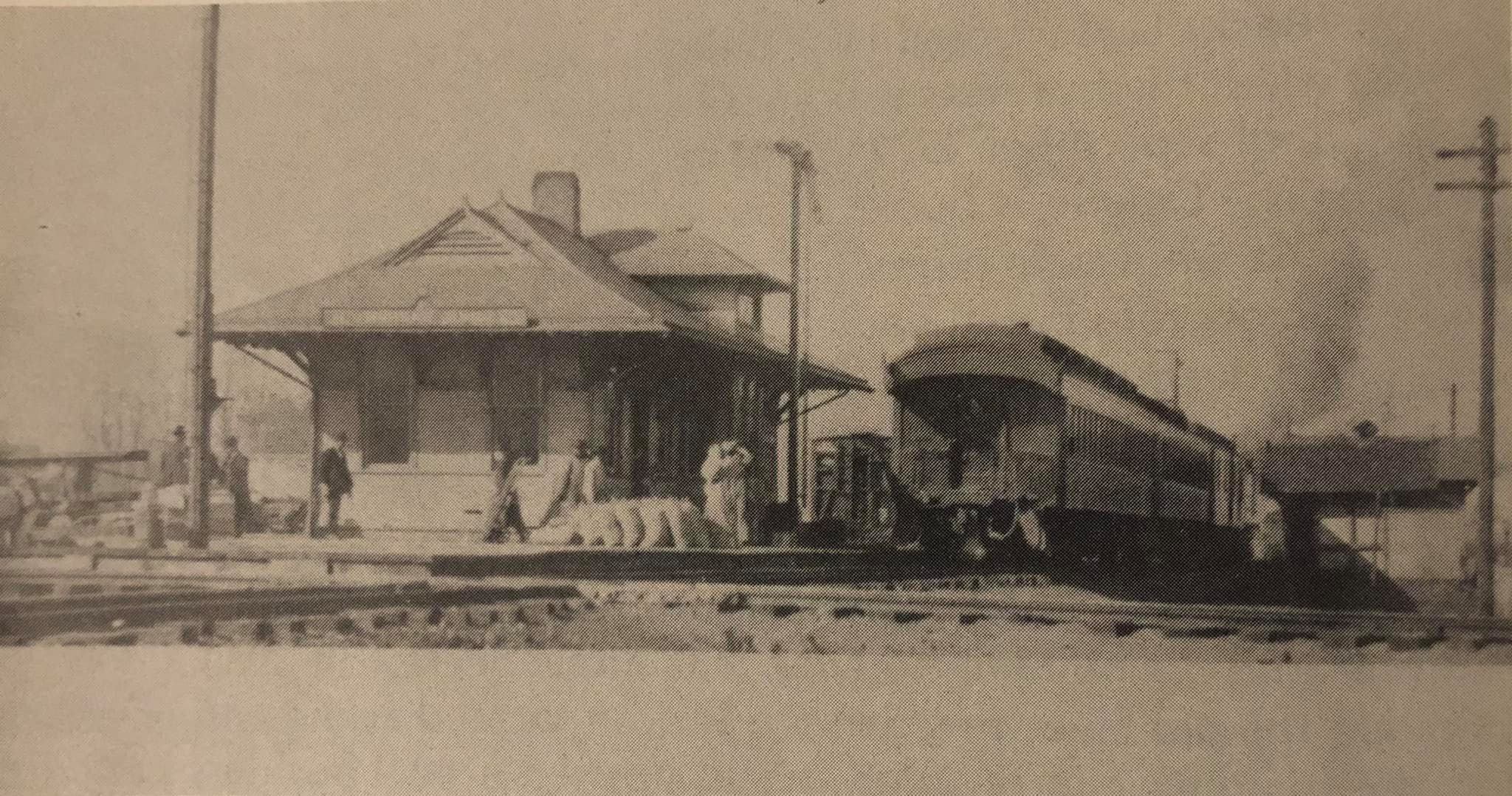
Wally Flyer, a passenger train, made stops at Warsaw Junction.

As costs of maintaining the canal exceeded the revenues, railroads began taking over the business. By 1893, the Wally Flyer railroad was completed in the valley. The Toledo, Walhonding Valley & Ohio line carried an immense traffic in coal from the Cambridge coalfields to Toledo and lake ports.
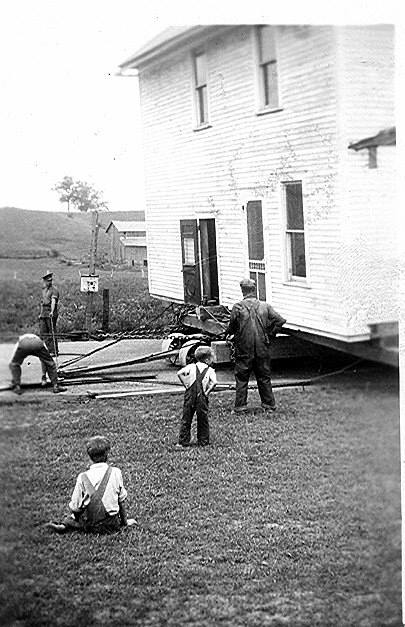
All Walhonding’s buildings were moved when the Mohawk Dam was constructed in the 1935.

There are three floors to the museum. The first floor contains an old-time doctor’s office, barbershop, and has a wonderful Military display, where you will find treasures from WWI, WWII, Vietnam, and Desert Storm. They even have a uniform, saddle, and cannonball from the Civil War. There is also a display of school memorabilia.
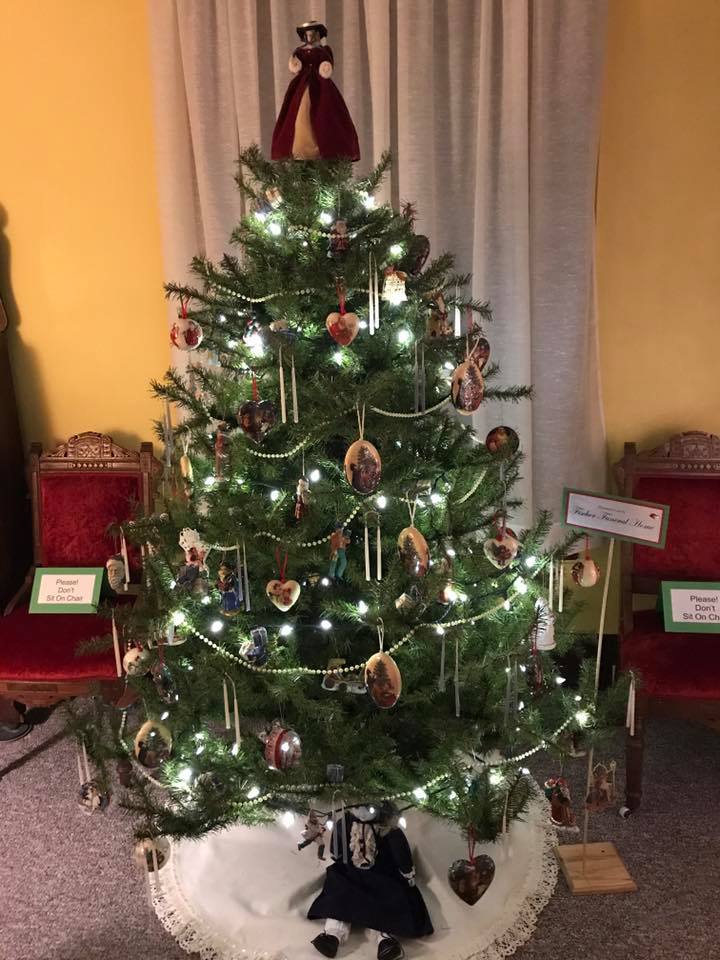
A beautiful tree of pearls appeared the first year in 2017.

On the second floor, nine of the rooms have been refurbished. The basement is being developed also and was the place of the first Boy Scout meeting in Warsaw.
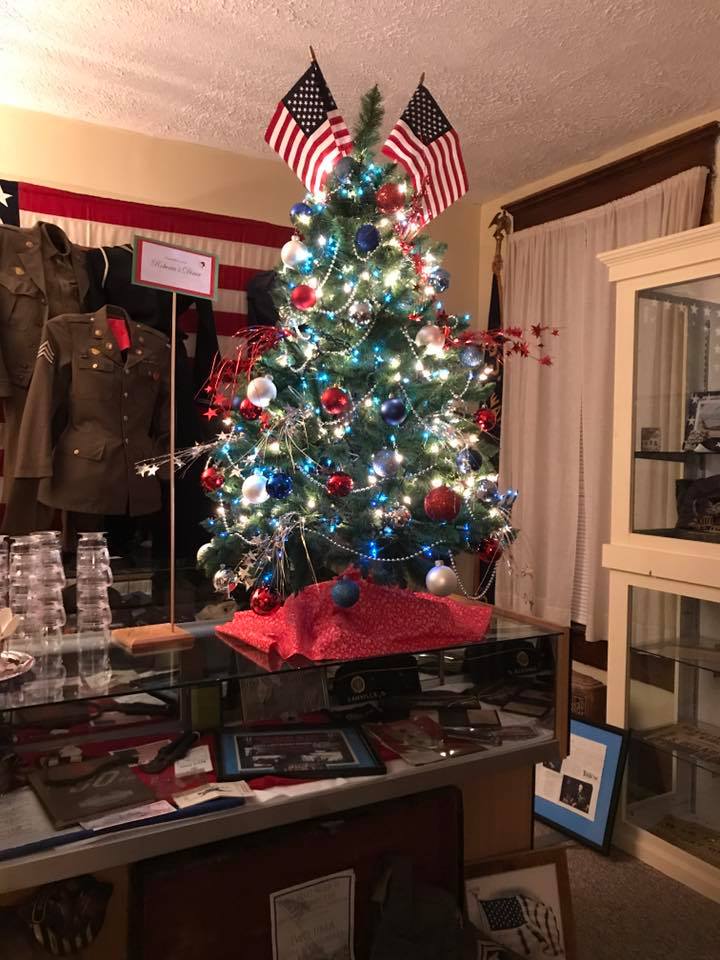
A red, white, and blue tree was in the Veterans section.

At the present time, the museum is open by appointment. However they are open for the Festival of Trees every weekend from Thanksgiving to Christmas on Saturday and Sunday. Call 740-824-4000 for information or an appointment time. Visit their website at http://www.wvhistoricalsociety.org.
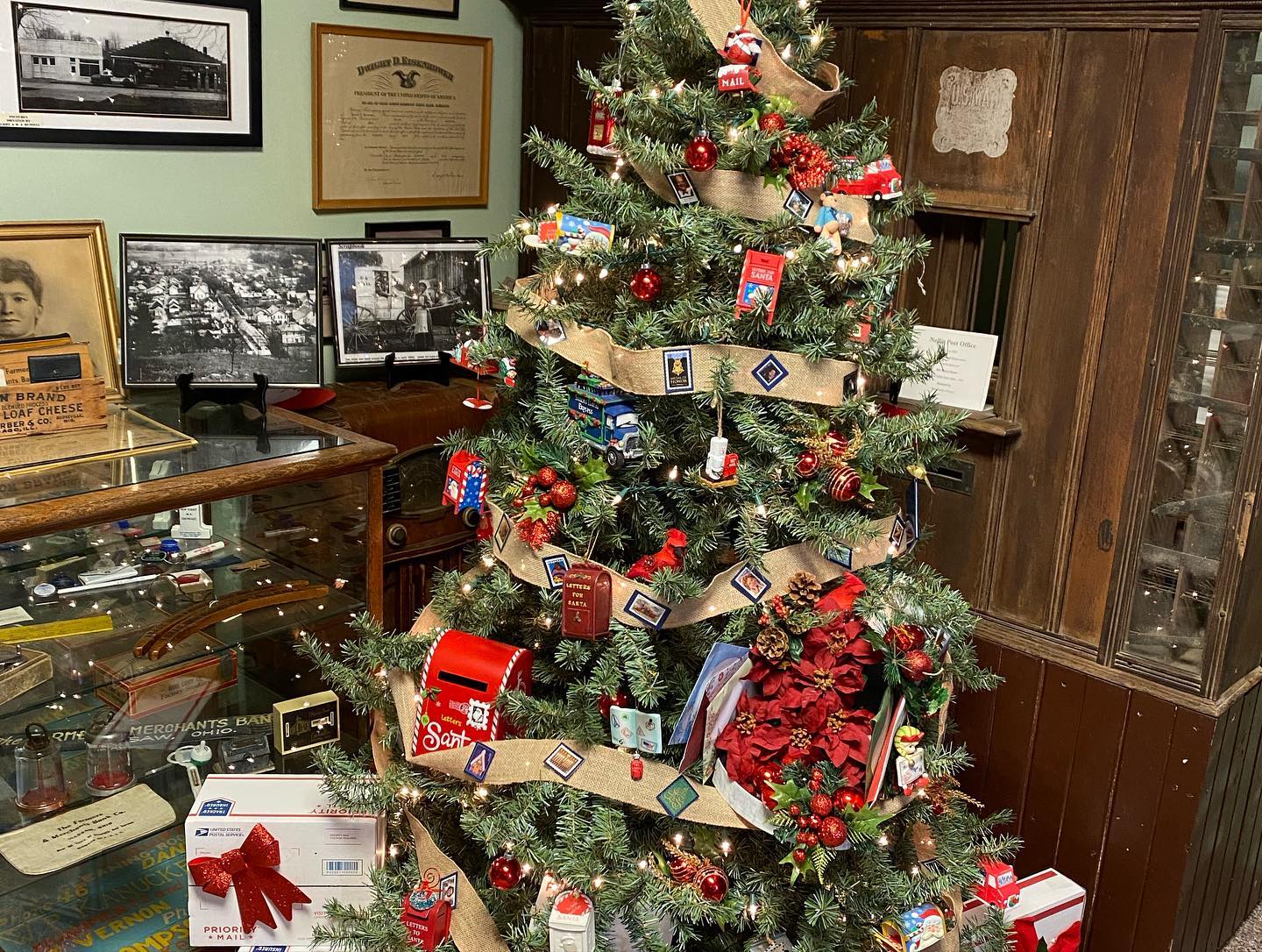
Letters to Santa tree even had a mailbox.

This is a perfect time to visit the museum as it is their 9th Festival of Trees. View the beautifully decorated Christmas trees throughout as well as learn more about the history of the area. Last year there were 28 trees decorated by local businesses, groups, and students. Seven of those trees were decorated by students from River View Local School District. The students always have a tour of the museum after they finish decorating the tree.
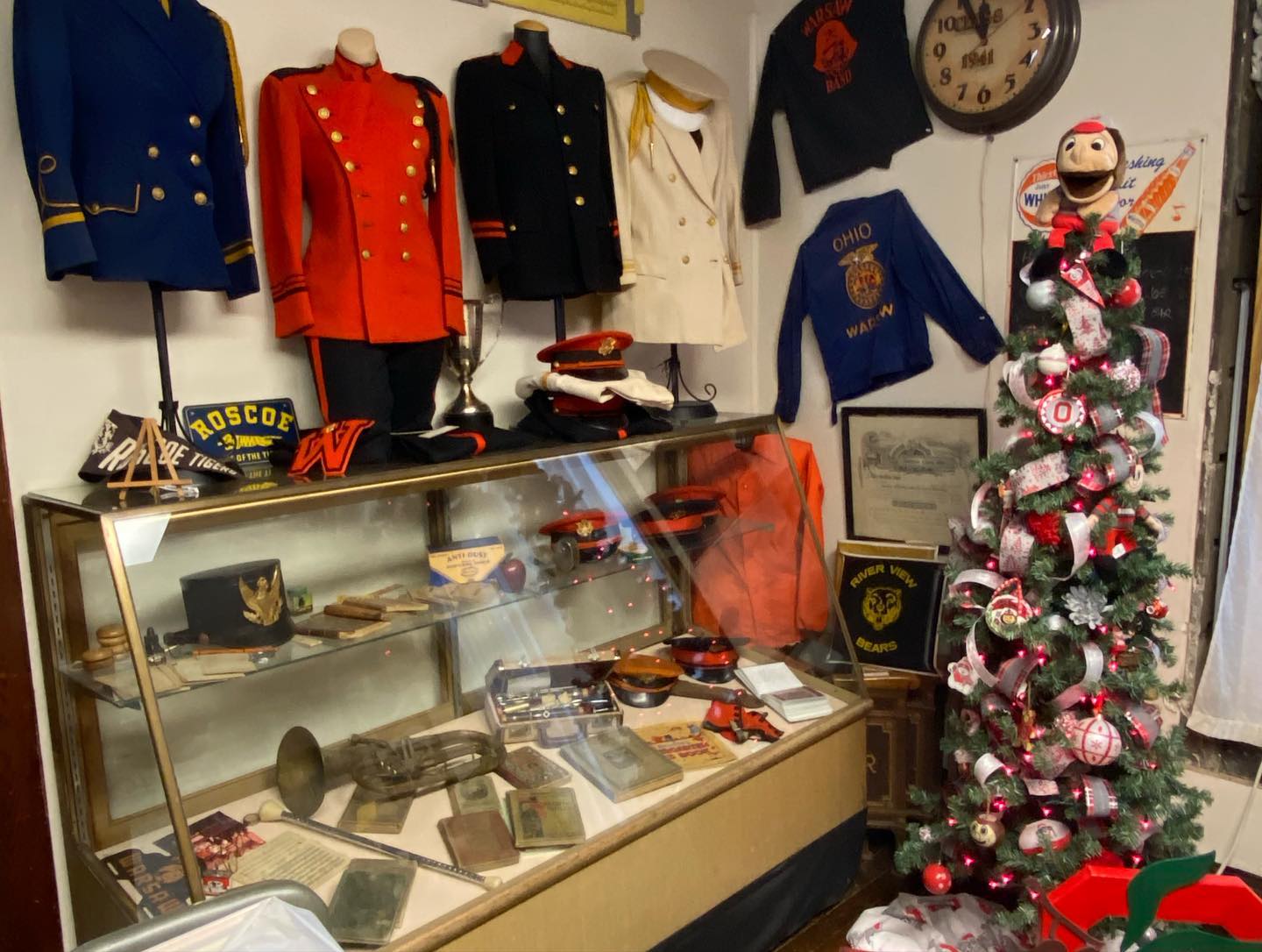
A Buckeye Tree was in the room that contains a band display.

Open House will be held on the Sunday after Thanksgiving, the same day that Santa comes to town. For the next three weekends, you are free to tour the Festival of Trees and the museum at no charge. It will be open on Saturday evenings and Sunday afternoons.
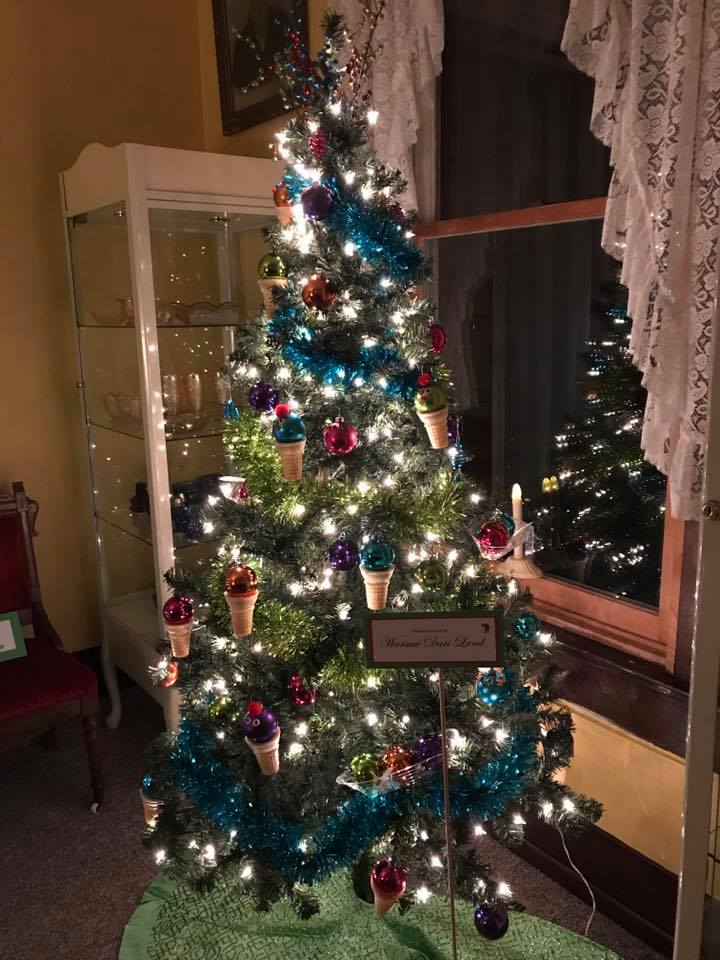
An Ice Cream Cone Tree from Dari Land appeared in their first year, 2017.

Enjoy learning some area history while enjoying the spirit of Christmas at the Festival of Trees at Walhonding Valley Historical Society Museum.

Grave Creek Mound Archeological Complex

Grave Creek Archeological Center in Moundsville, WV

Grave Creek Archeological Center in Moundsville, WV

It’s not what you find
It’s what you find out.
~David Hurst Thomas

That sign was the first thing that caught my eye as I entered the Grave Creek Mound Archeological Complex in Moundsville, West Virginia.  Those words put the mind in a state of exploration – the goal of this facility. While the focal point of this entire complex is the large earthen Grave Creek Mound beside the parking lot, today the visit will be inside the complex.

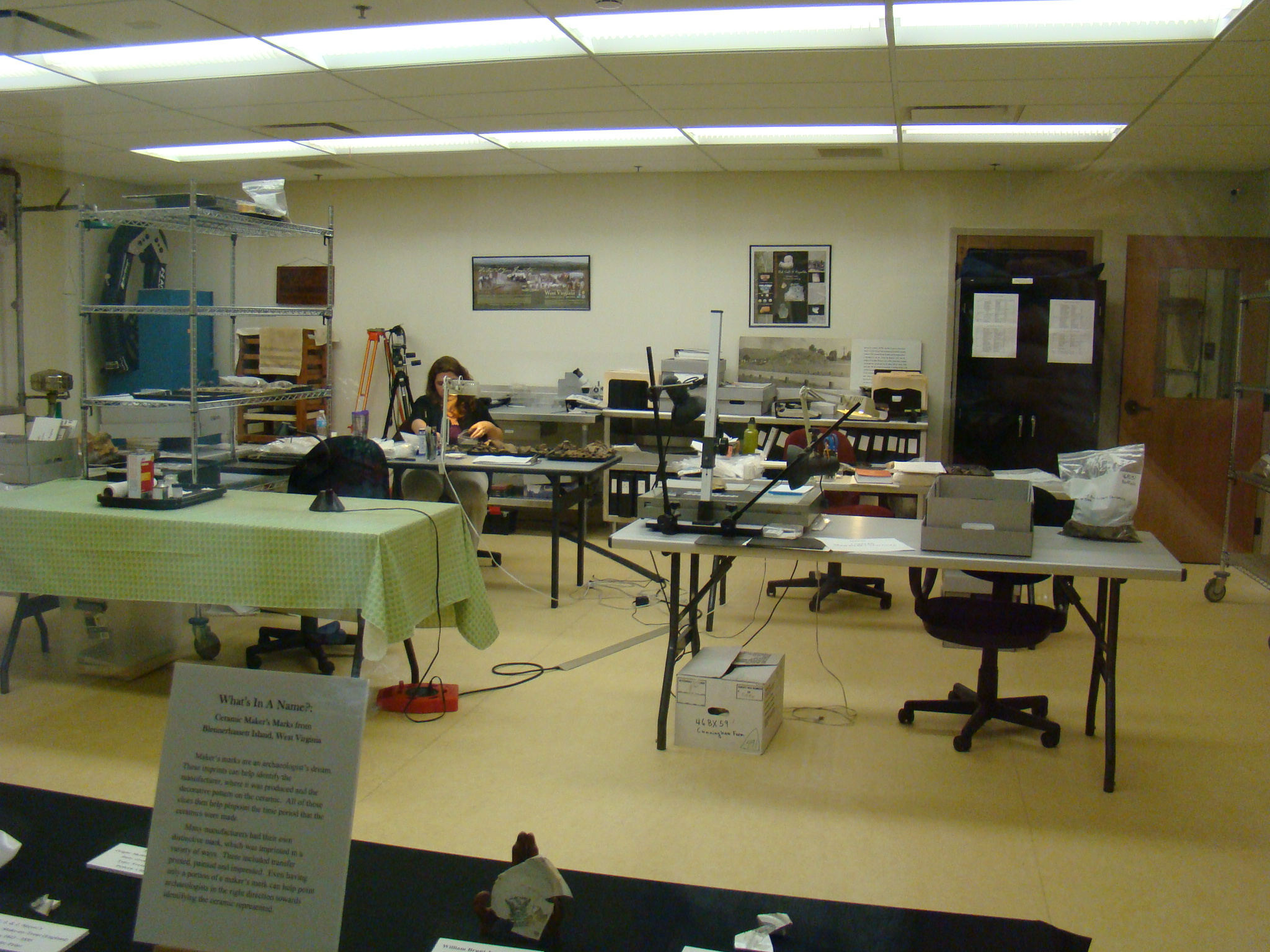
Curators at work in the research facility

Curators at work in the research facility

Close to the entrance into the building is a large glass wall so visitors can view recent finds being researched and recorded by curators in West Virginia Archeological Research Facility, which is a recently added wing in 2008. This is where artifacts, from various archeological digs all over the state, are processed, studied and recorded.

One portion of the complex, Delf Norona Museum, displays information regarding the lives of prehistoric people and the structure of The Mound inself.  This complex is indeed complex, as it holds not only information regarding the Grave Creek Mound, but also touches on rotating displays of many local cultural and historic exhibits entitled: West Virginia’s Gift to The World.  They have given themselves space to grow as exhibits are not in the least bit crowded, making viewing a pleasure.  Throughout the year, lectures and films in their 135 seat theater are held to inform the public on Native Americans and Ancient Americans.

Ron Hinkle's display of blownglass creations

Ron Hinkle’s display of blownglass creations

Ron Hinkle’s Blown Glass immediately caught my eye since my father was also a glassblower. Ron’s wall-size blown glass display sparkles with a bit of magic as every piece is unique. Since opening his own company in 1994, Ron hopes to keep the spirit and art of glassblowing alive and well in the area.

Fashion Dolls of Pete Ballard

Fashion Dolls by Pete Ballard

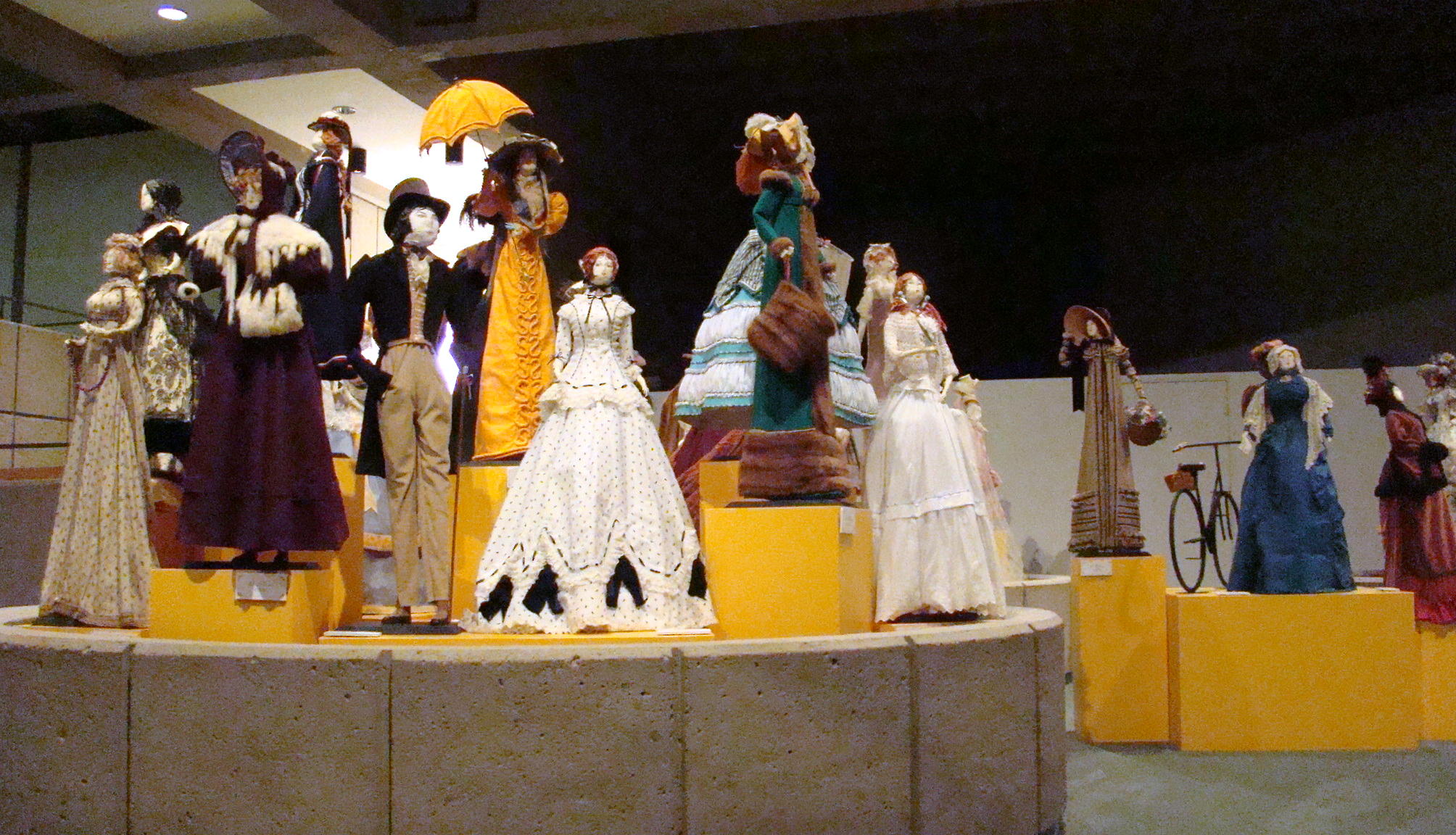
Ladies Fashion Dolls of the Nineteenth Century by Pete Ballard catches the eye of most ladies as they enter the front door.  This collection shows the changes in ladies’ fashions from 1770 to 1930 in a large display where each of the fifty-six dolls has a brass plate with its name, year, and number for easy cross reference to a booklet which can be picked up just inside the room. The oldest doll, Elizabeth, was from the style of 1800, being dressed in a green and red wool pattern.

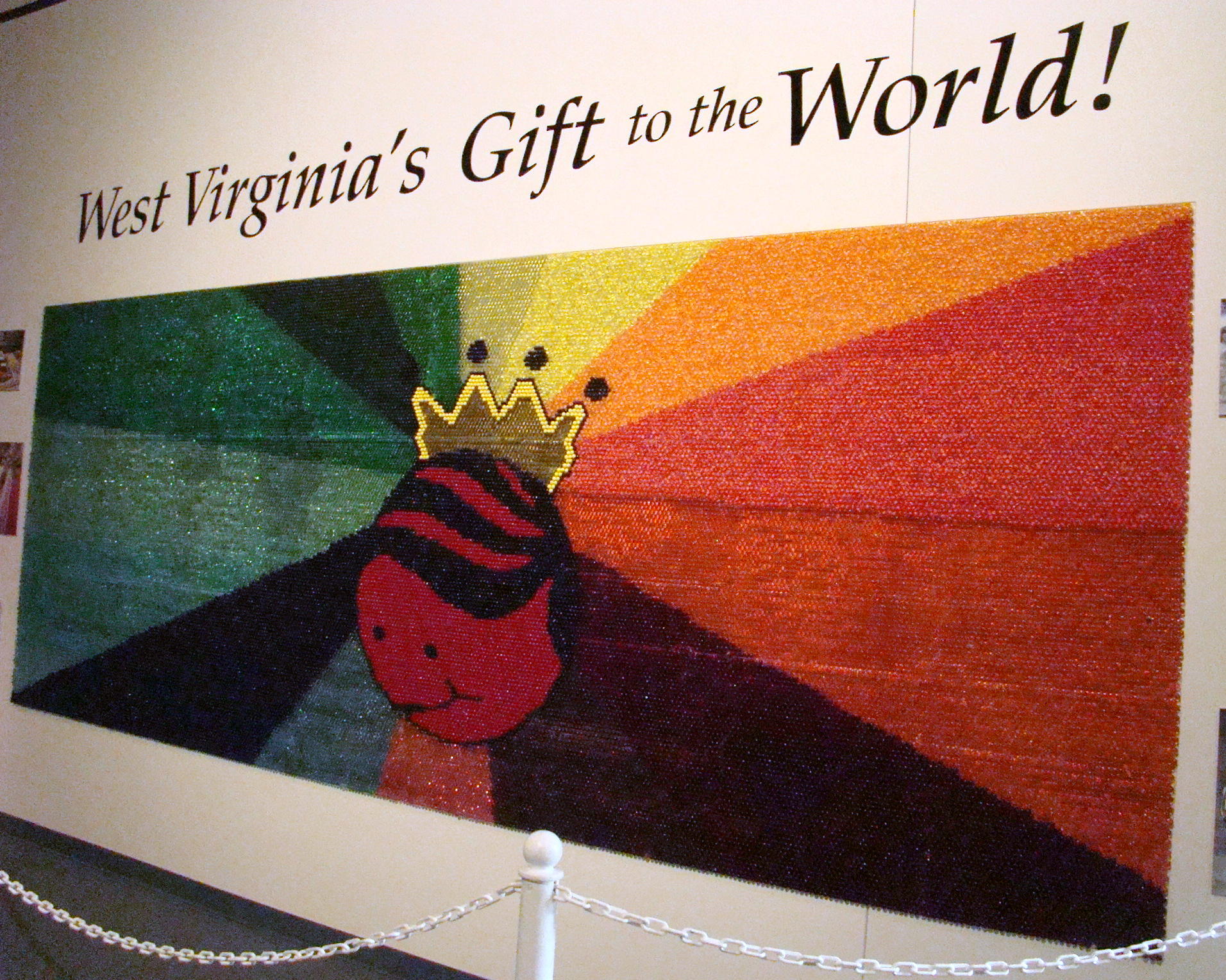
Marble King's creative design with marbles

Marble King’s creative design with marbles

The Marble King actually received its name from a gentleman named Berry Pink. While working for Peltier Glass, Berry traveled across the country hosting marble tournaments and giving away marbles at each stop. Reminds me of Johnny Appleseed ! When Peltier Glass could no longer keep up with the demand, Berry and a partner formed a company and named it after Berry’s nickname, The Marble King. Not only do children still enjoy playing marbles either in the traditional way or with games, but many artistic designs have also been created using their beautiful colors. Marbles are thought to be the first competitive sport as far back as the Greek and Roman Empires.

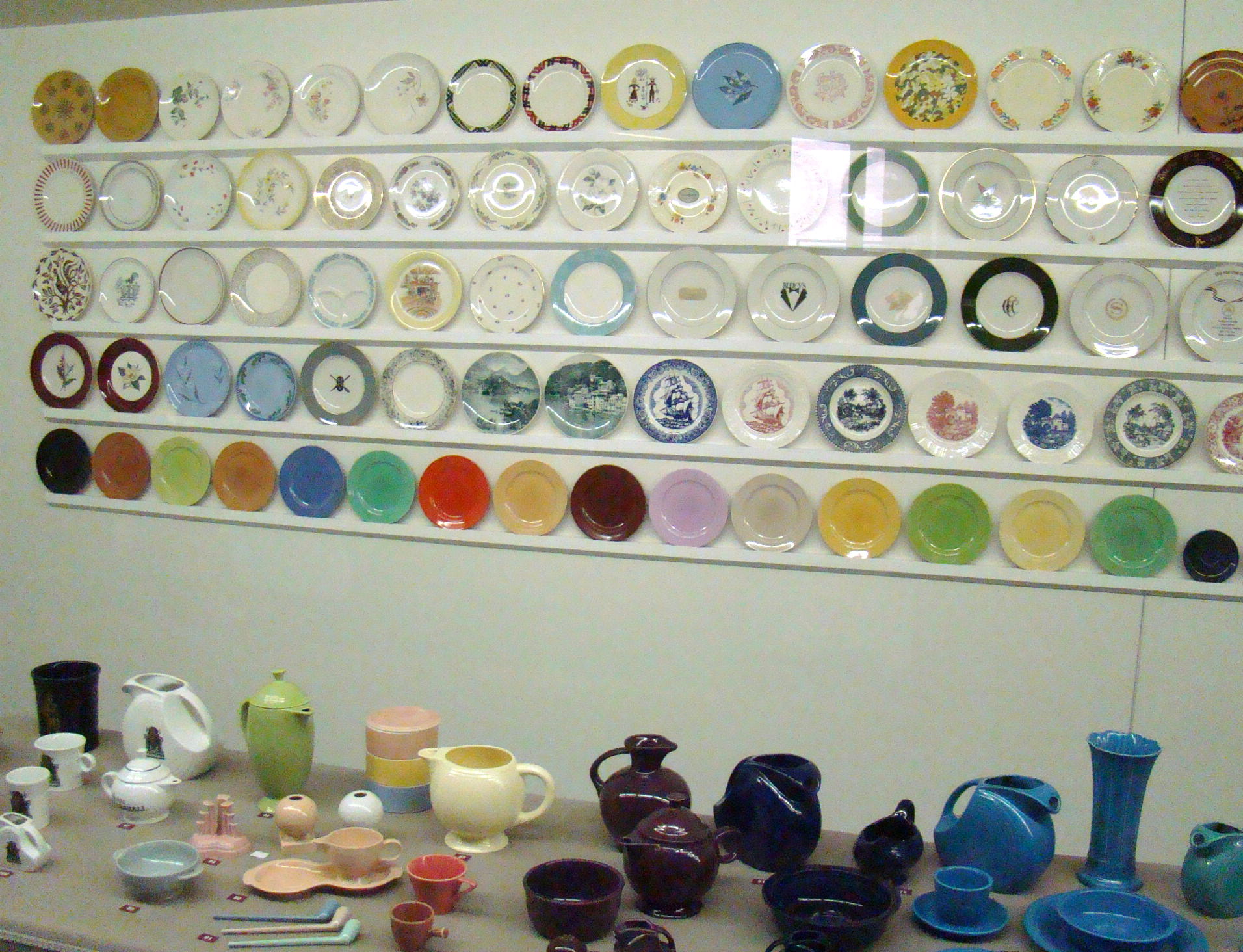
Display of Homer Laughlin China Company's popular items

Display of Homer Laughlin China Company’s popular items

Homer Laughlin China Company has provided many families with quality chinaware for nearly 150 years. Homer and Shakespeare Laughlin started their company way back in 1871 in East Liverpool, Ohio. In 1902, Homer moved the kilns to Newell, WV just across the Ohio River using the new suspension bridge and trolleyline as a means to bring his trained potters across to West Virginia. Here they constructed the largest pottery plant ever built in the world. This fine pottery is a highly collectible item in the area, but many families still use it for special occassions. This large display will bring back memories for many of the viewers.

The remainder of this museum deals with the history of the basic reason for this entire complex – Grave Creek Mound – just outside the building. This large mound measuring 62′ high with a 240′ base diameter, is the largest conical earthen mound in the New World.  The secrets of this mound will require another tale. So stay tuned…for the rest of the story.

Grave Creek Mound Archeological Complex in Moundsville, West Virginia is located on the east bank of the Ohio River. Traveling on the West Virginia side of the river, follow Route 2 into Moundsville.  Turn left on 8th Street and after two blocks turn right onto Jefferson Ave. You can’t miss The Mound! Admission is free and the complex is open Tuesday – Saturday from 9am – 5pm.

Ohio’s Johnny Appleseed Ap*peel*ing to the Core

An apple a day keeps the doctor away is a saying we have heard most of our lives. But John Chapman, better known as Johnny Appleseed, has a slightly different version:  Eat an apple before you go to bed, and make the doctor beg his bread.

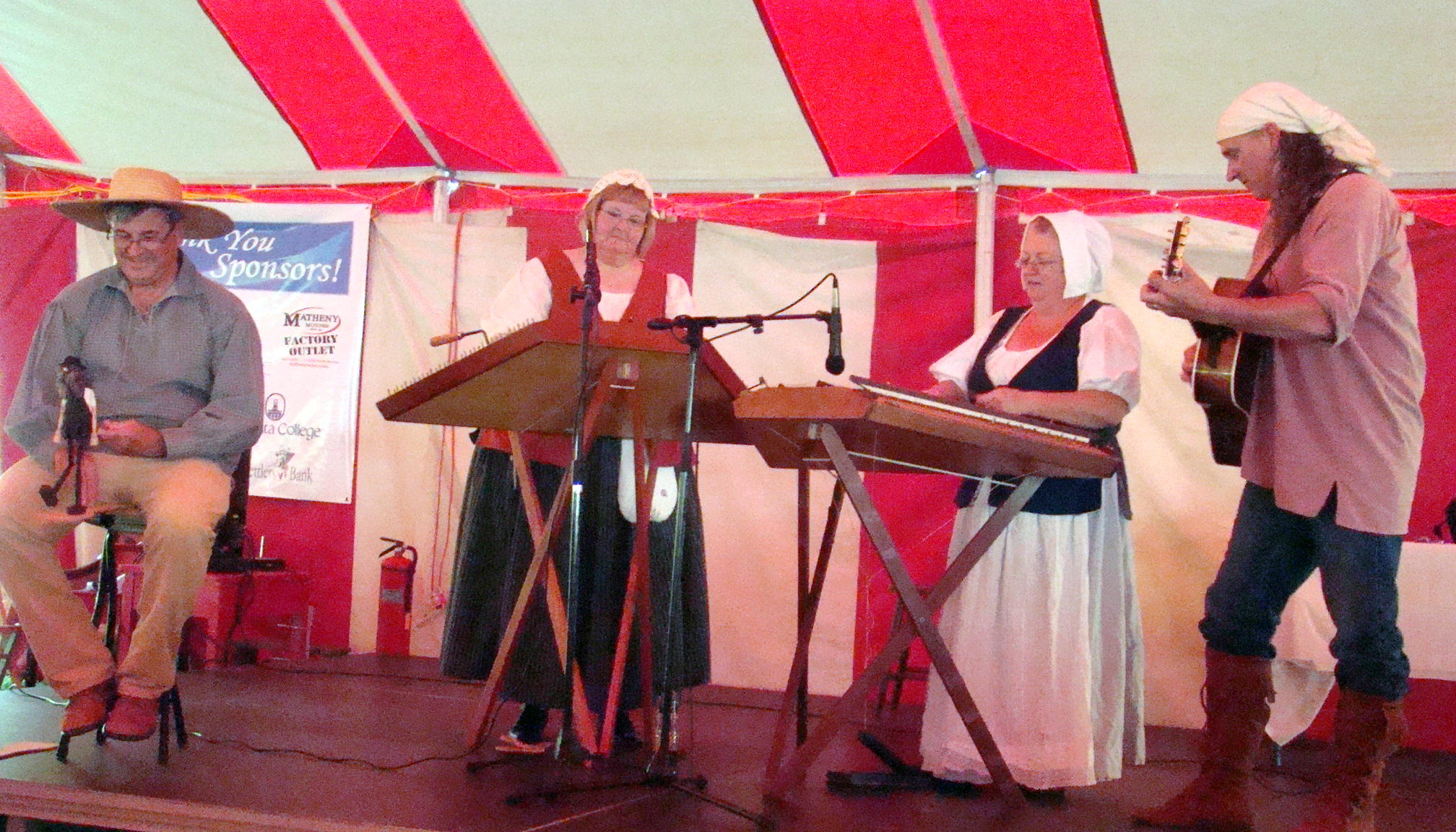
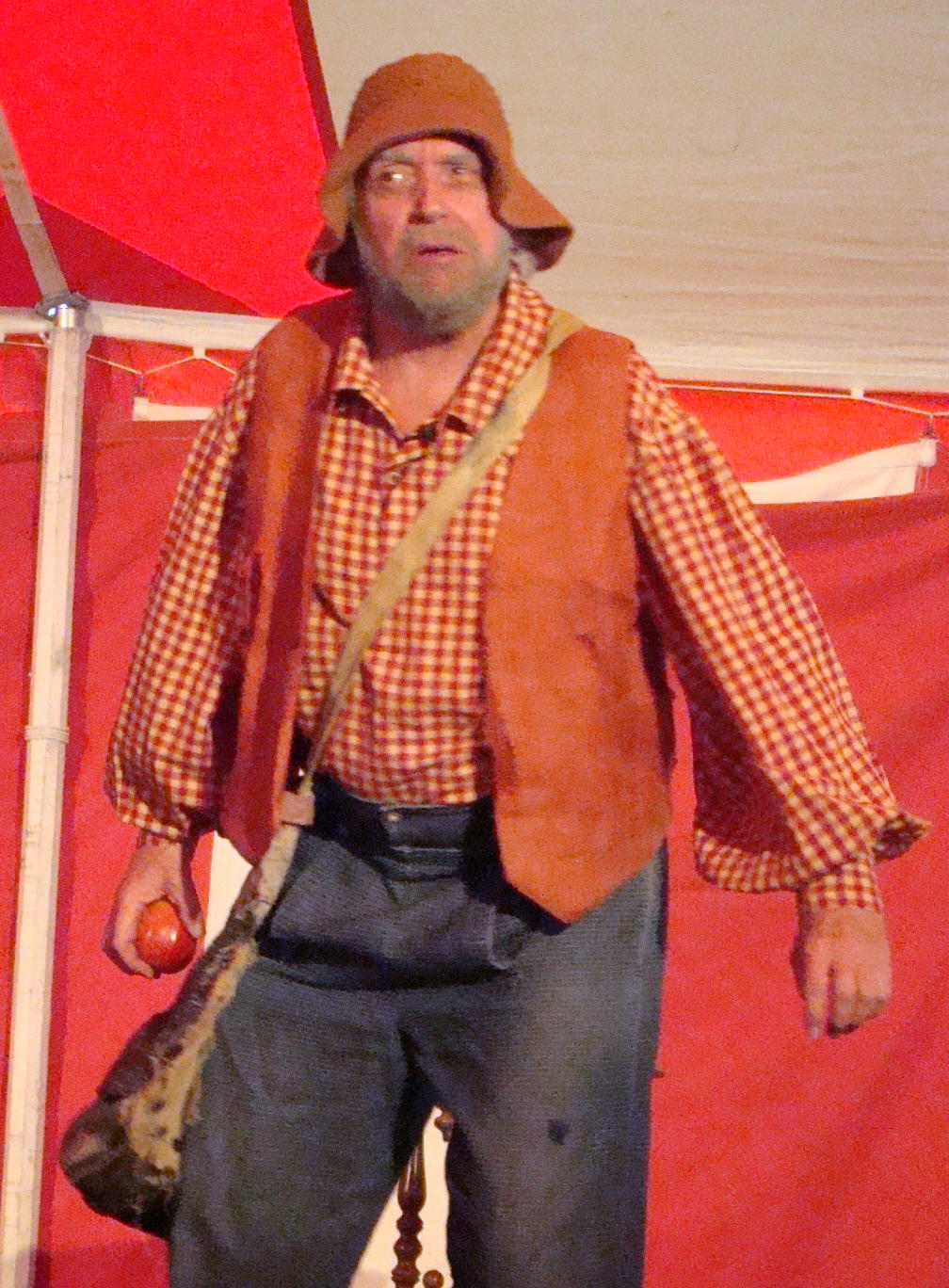
Each evening before the appearance of historical scholars, local musical groups entertained with songs from frontier times.  This particular evening a group called Unwound presented lively music on two hammer dulcimers accompanied by guitar and tapping Limberjacks.  They got the crowd in the Chautauqua tent at Marietta Ohio ready for the appearance of Johnny Appleseed, an excellent yarn spinner.

John Chapman wanted to do something useful with his life that would also support his ministry. Apples seemed to be the perfect tool as they were the only fruit that could stay fresh for an extended time. There was a litany of uses given by John regarding his favorite fruit: apple chips, apple butter, apple brandy, and even payment for taxes…to name a few. Would you believe his favorite color is apple red?

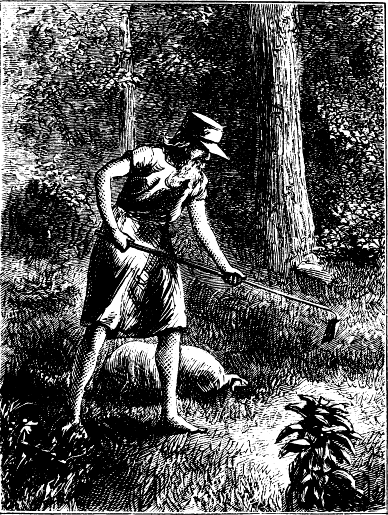
Starting a nursery for Johnny was a simple affair: poke a hole, plant a seed, cover it up. He tried to anticipate where people would be settling in two or three years and would start a nursery in that vicinity. Johnny said that in order to claim the land, the homestead law required settlers to plant fifty apple trees during the first year. Sometimes you might see him going down the Ohio River with two canoes:  Johnny in the first one, 50 apple seedlings or apple seeds in the second.

In 1812 when troubles in America erupted with the British and the Indians, Johnny said the fear grew deeper than the snow. These war years were painful for Johnny, as he had always been friends with both Indians and whites.  Trying to make peace was like trying to put out a fire – while you were stomping on one, you were fanning the rest. At this time, he felt the Indians were like a tornado – you never knew where they were going to strike.  But you couldn’t always trust the British either as they burned whole villages – another white man’s promise up in smoke!

With his constant good humor, he admonished listeners not to believe everything they heard about him, “Gossip is like the measles, sooner or later it will turn your face red.”  For example, barefoot Johnny Appleseed did not walk over the entire country.  His travels and consequent apple tree plantings only occurred in New York, Pennsylvania, Virginia, Ohio, Michigan, Indiana, Illinois and often in a State of Confusion.

Johnny was deeply religious and felt his religion gave him a peaceful path to tread. His was the perfect life in his eyes because sometimes he was with people… but sometimes by himself.  He often enjoyed being alone and said he was not “the marrying kind”.

He spent his life doing good deeds for others and planted more than just apple trees. He also planted spiritual seeds that nourished the soul.

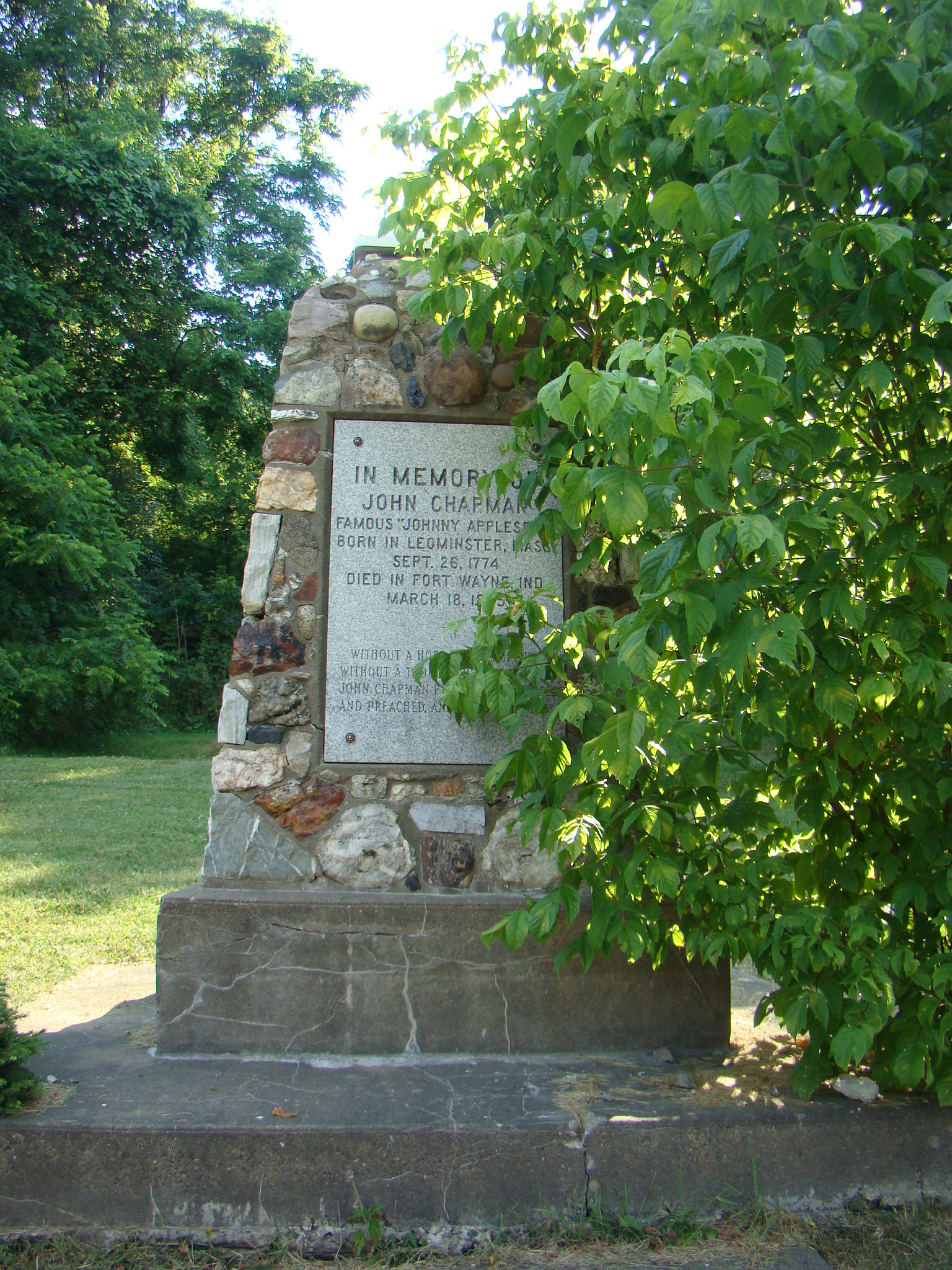
Along the way to Marietta, stopped just south of Dexter City on SR 821 to see a monument dedicated to Johnny Appleseed.  It is made of small rocks contributed by people in areas where Johnny planted apple tree.  The grave sites of his family are located nearby.  The tree to the right behind it is, of course, an apple tree.

Hank Fincken displayed a great sense of humor in his portrayal of Johnny Appleseed /John Chapman.  Johnny was the first historic figure that Hank ever developed. He feels it opened doors for him much the way Johnny’s seedlings opened doors for early settlers.

2012 Ohio Chautauqua continues throughout the summer with week long performances and workshops in Gallipolis (July 17-21) and Warren (July 24-28). Hope you find time to join them and learn a little more about “When Ohio Was the Western Frontier”.