Places to go and things to see by Gypsy Bev

Archive for the ‘History’ Category

Elk’s Eye Endeavors Creates New Art Market

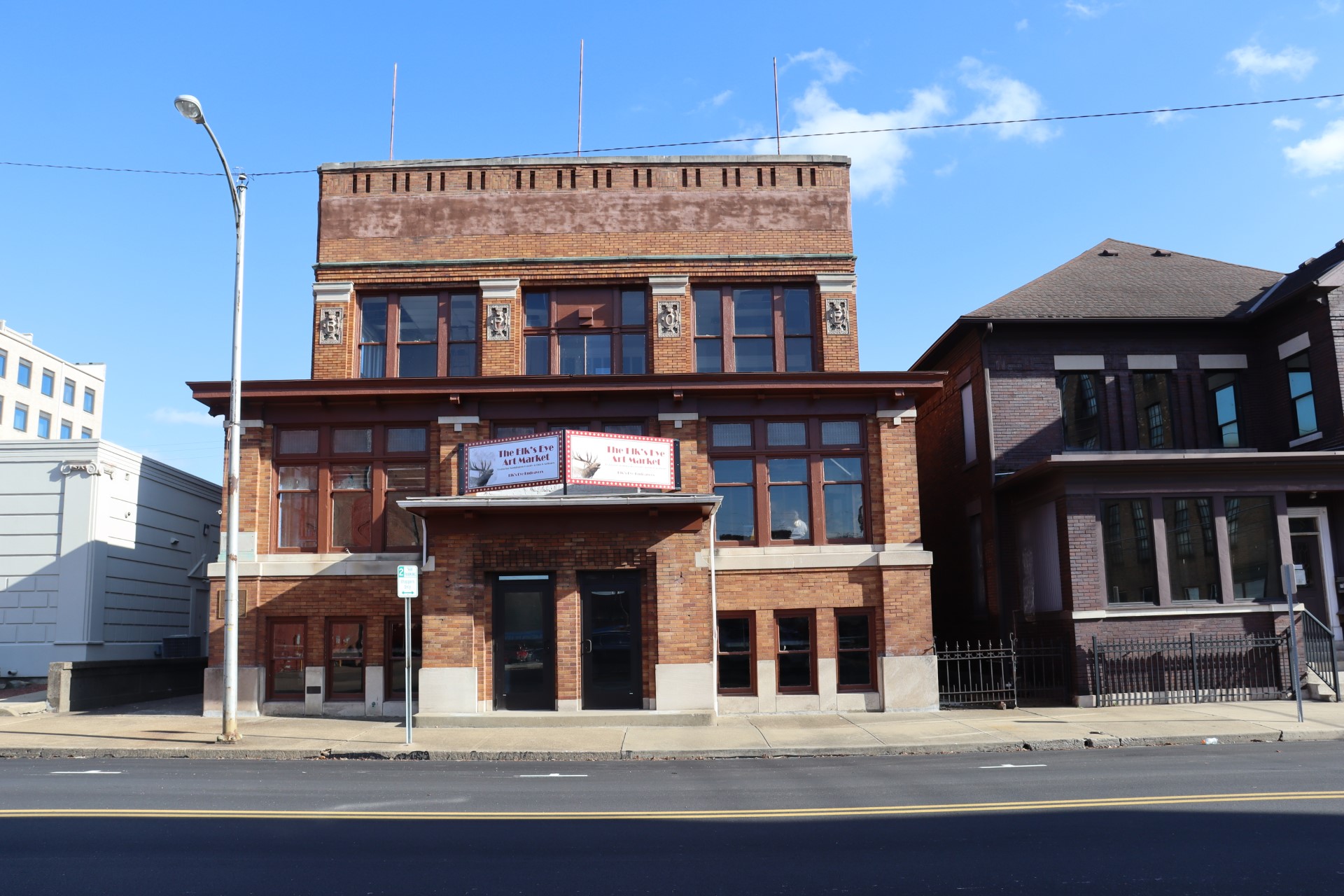
The Elk’s Eye Art Market has a new home in the old Elk’s building in Zanesville.

Carol Bridwell and her daughters wanted to provide a place for Muskingum County and all Southeastern Ohio artists and artisans to display and sell their creations. Carol began looking for the right place for this venture several years ago and knew she wanted an old building as she especially likes those from the early 1900s.

The original Elks building in 1913 was quite elaborate for its time.

While she checked out several buildings, her interest was piqued when she saw an ad for the Old Elks building in Zanesville being sold at auction. This building was erected in 1913 so fit the type of building she was looking for. Some thought it should be torn down for a parking lot. Although Carol did not see inside the building, she did in fact purchase it at auction in July 2021. “I was taking a chance.” Then the work began!

Since that time, the family has worked long hours to lovingly revitalize it and make it the new home for The Elk’s Eye Art Market at 22 S. 4th Street. That name was chosen because, in the Indian language of the Lenape, the Muskingum River (mus weshkinkw) is translated traditionally as “Elk’s Eye.”

Everything of value had been sold from the building by the Elks in a 2010 auction. That included kitchen equipment, all the furniture in the building, chandeliers, and even stained glass windows.

First things that needed attention were the bricks on parts of the outside of the building, which required the help of a mason. There was no electricity, water, or heat in the building so those issues all had to be solved.

Carol and her two daughters turned their dream into reality. Pictured are Stephanie, Carol, and Alicia.

Carol and her daughters are list makers so had page after page filled with the sheer volume of what needed to be done. But when Carol starts any project, she is determined to give her best all the way to the finish. Her great organizational skills make this possible.

Falling plaster made it necessary to replace all the ceiling tiles as well as new lights.

New electrical wiring had to be installed along with a new breaker box and light switches. Every light in the place is new. New water lines and a new furnace required outside help.

While renovating the building, Carol and her family have made many interesting discoveries hidden within including a dedication book from 1913, certificates from local names of note, and contracts. There was even a book with costs of building the 1913 Elks Lodge.

This interesting Elks ledger shows some of the early costs back in the beginning.

When peeling back from the walls layer after layer of paneling, paint, and furring strips, they found walls with beautiful hand detailing in what will be the center room on the main floor. Unfortunately, the design could not be saved; however, Carol did take pictures and is hoping to restore that pattern in the future.

The building is very well structured with walls three bricks thick and every floor is constructed of thick concrete and steel beams. It includes a basement, two floors, and a roof which was said to have been a Beer Garden used for parties during the prohibition era.

A beautiful fireplace displays original locally produced Weller tile.

Beautiful brick is now exposed as well as awesome tile and hardwood floors. Multiple fireplaces are adorned with locally produced Weller tile, which adds a lovely, historic touch.

Floors were uncovered, sanded, and give a shiny new coat while walls were all repainted.

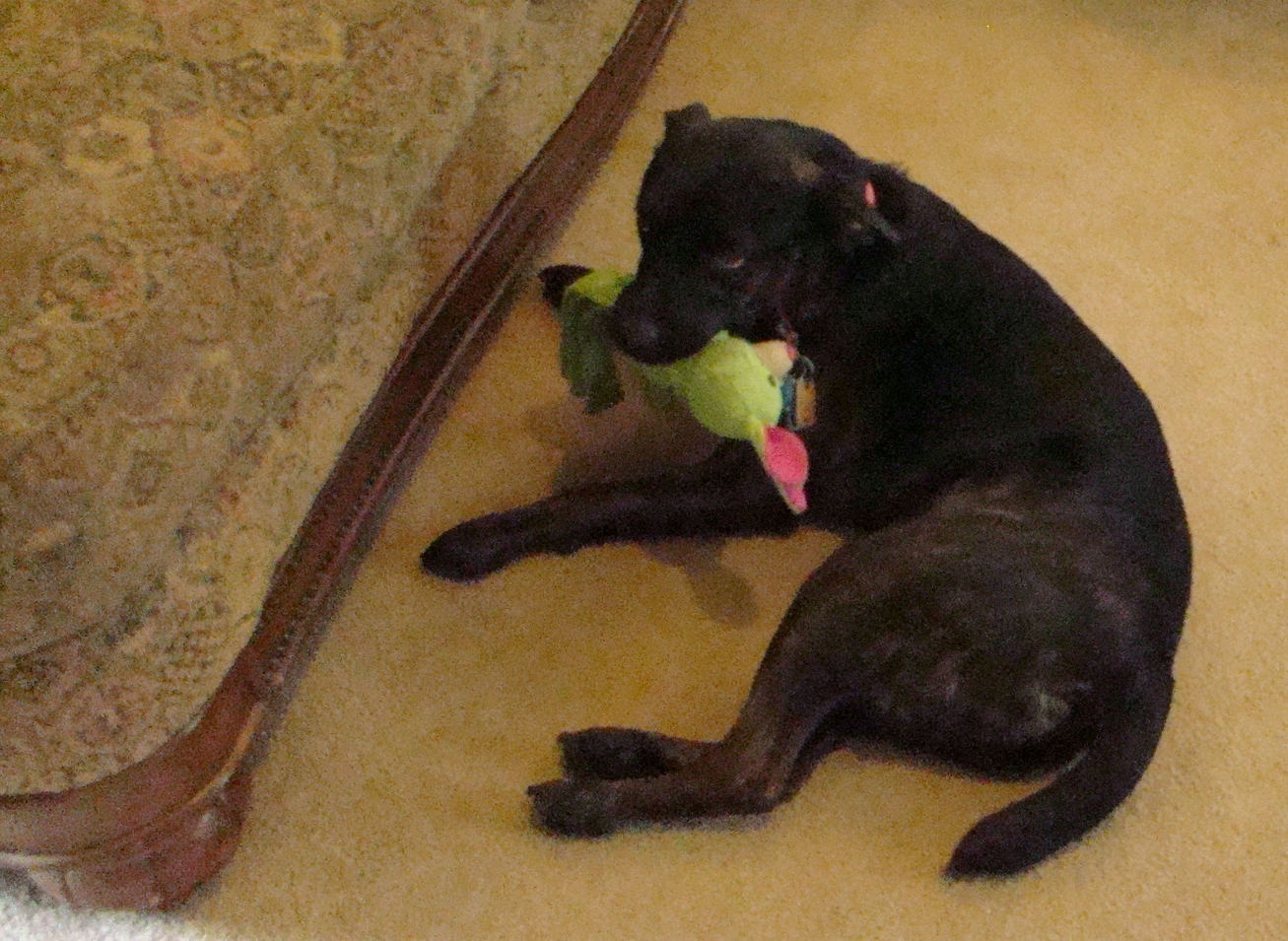
Carol has never required much sleep as her mind is always busy with new ideas. First thing in the morning she takes a mile walk with her dog, Clyde. After that, she heads downtown Zanesville to work on another task on her list.

Her friendly dog Clyde also serves as a model for some of the wooden animal silhouettes she makes.

The family with the help of talented friends works almost daily and full force on the weekends to make this a great art venue in downtown Zanesville. Weekends are filled with a little bit of art, a little bit of architecture, a whole lot of Zanesville history, and dreaming of what could be.

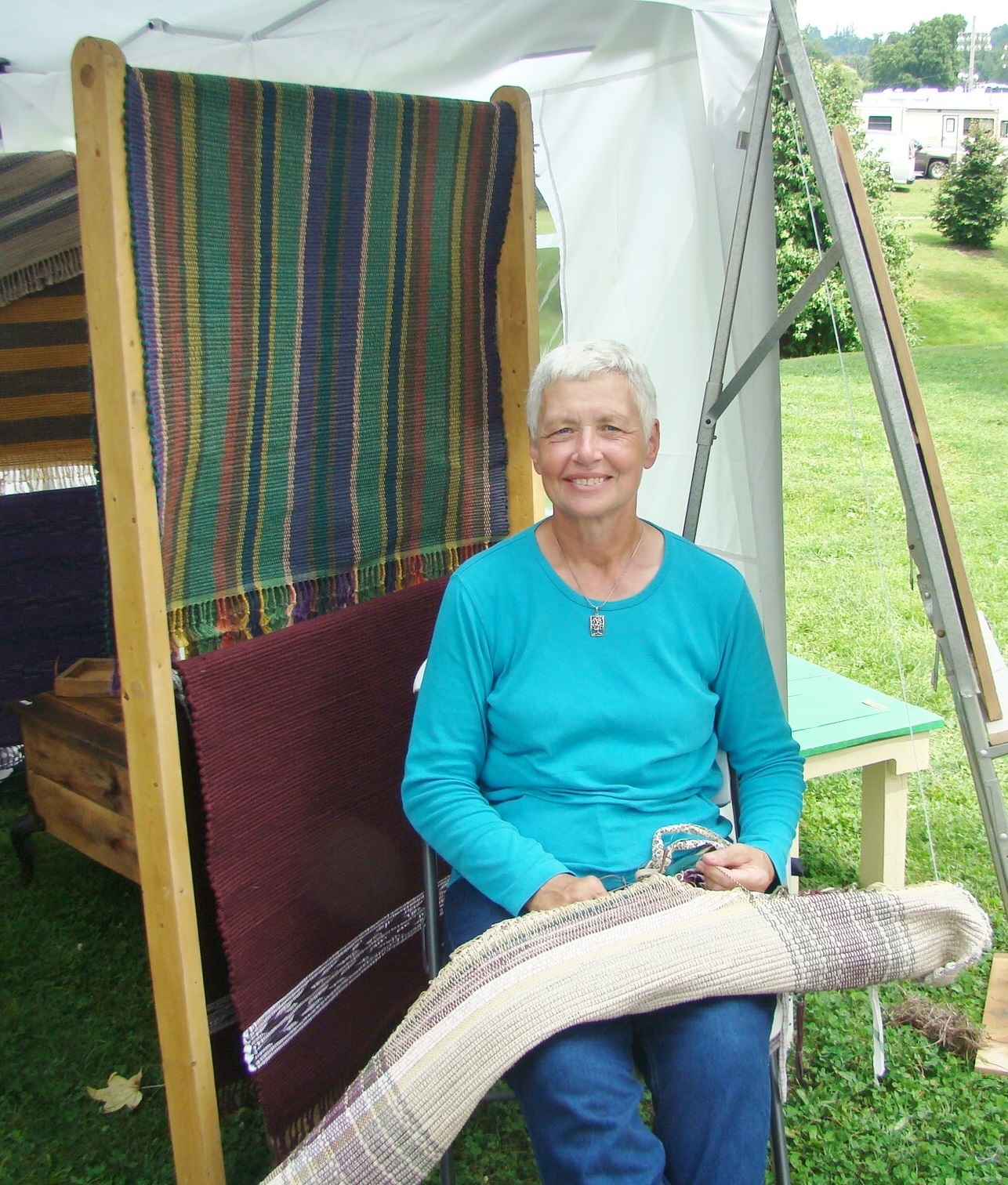
Carol Bridwell displays her woven rugs and her wooden silhouettes and signs at the Salt Fork Festival.

Elk’s Eye Art Market is the first venture of Elk’s Eye Endeavors, LLC. The market is the brainchild of Carol Bridwell and her two daughters, Stephanie Bridwell and Alicia Snider. They have all been involved in the local art community for the last six years and want to bring new opportunities to the artist community.

Maddy Fraioli, well-known for her Floriware designs, now produces pottery at their farm in Roseville.

While working at festivals throughout the area, Carol realized that artists needed another place to display their creations throughout the year instead of just a few days here and there. She said, “If artists don’t have a place to display their work, they miss out on opportunities to sell.”

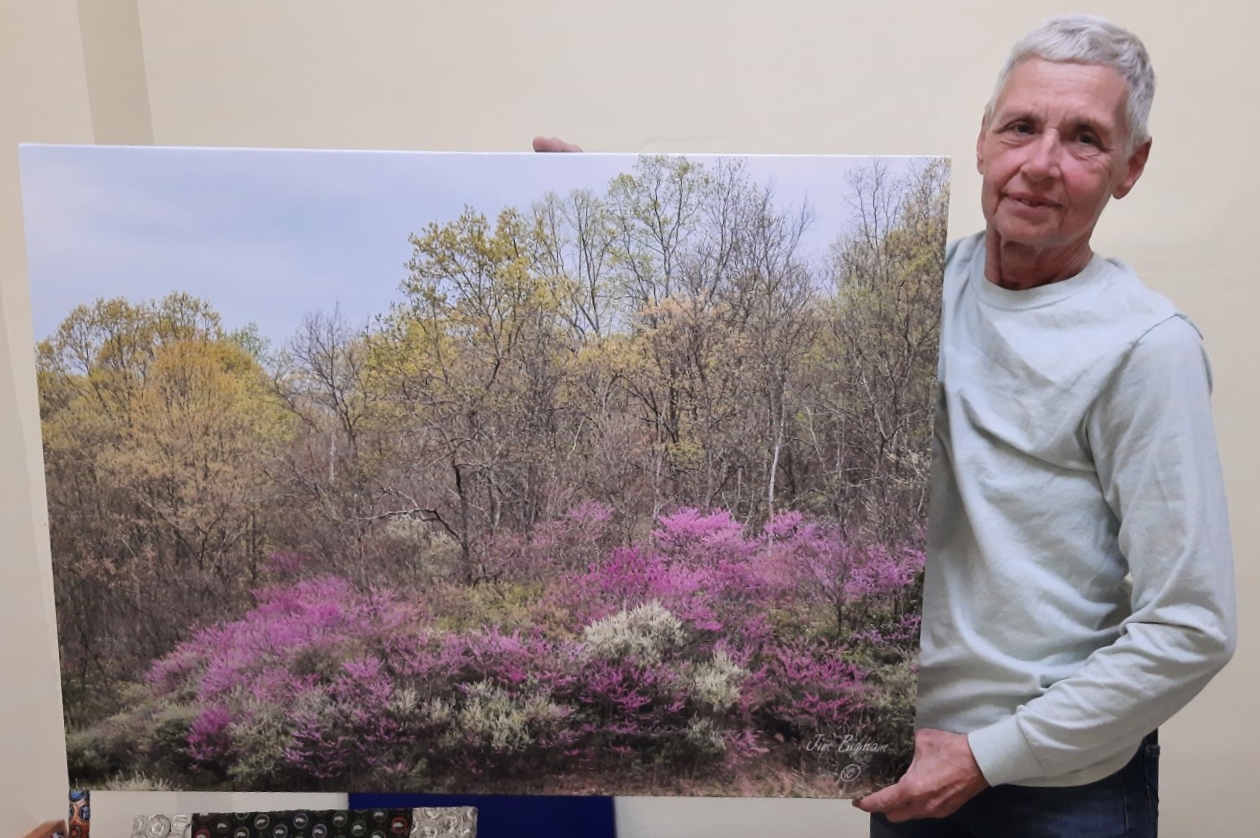
Carol admires Steve Shackelford’s photo of Redbud on canvas.

Many local artists, sixteen so far in June, will be displaying their media in this retail showcase. Some of those include Maddy Fraioli, Carol Bridwell, Marilyn Knell, Myron Knell, Kathy German, and John Taylor-Lehman. Watch their Facebook page @ Elks Eye Endeavors as new artists are added. Carol wants, “ A place with a variety of kinds of art where everyone feels comfortable coming in to view the art and visit.”

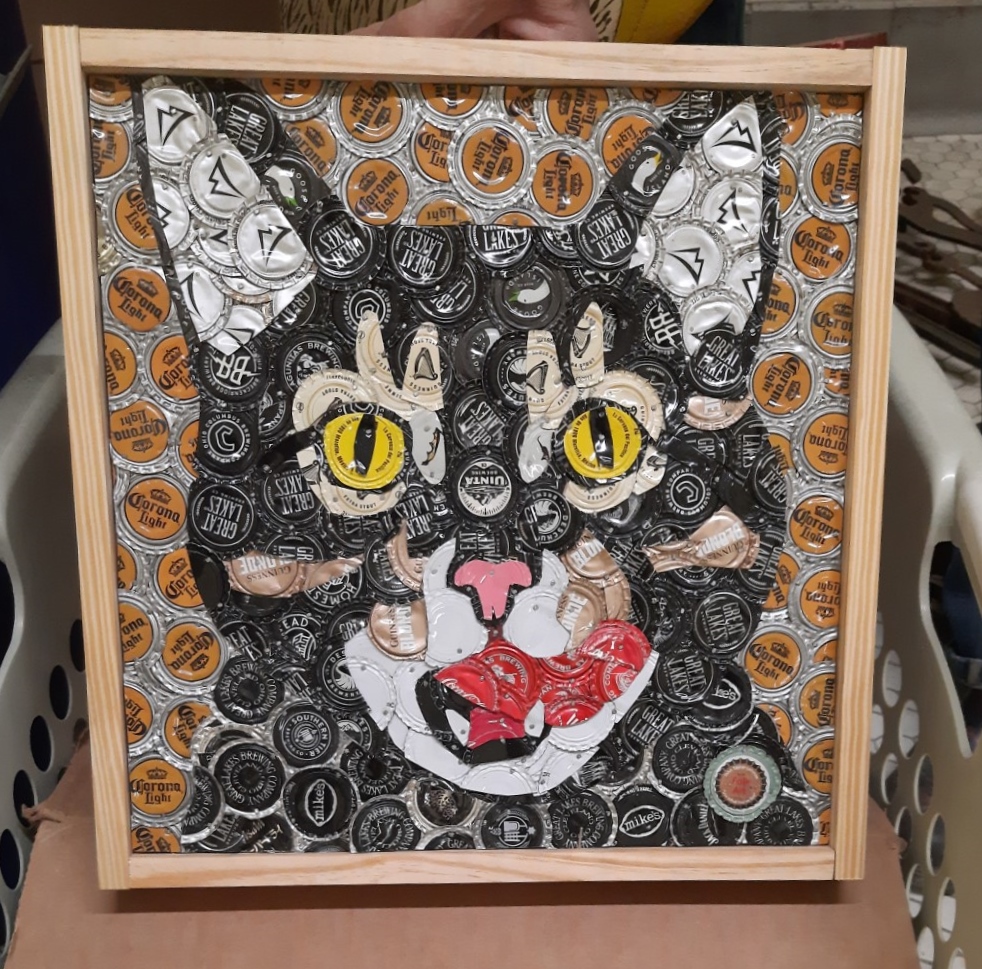
John Taylor-Lehman designed this cat using beer bottle caps.

Carol wanted to have a place that was accessible with regular hours. Therefore, the Elk’s Eye Art Market will be open Monday, Wednesday, Friday, and Saturday from 10-6. While Muskingum County art will be featured, all artists from Southeastern Ohio are welcome to display their works. The only fee artists pay is a commission when they sell a piece. If you have any questions or would like to display and sell your art, email elkseyezville@gmail.com.

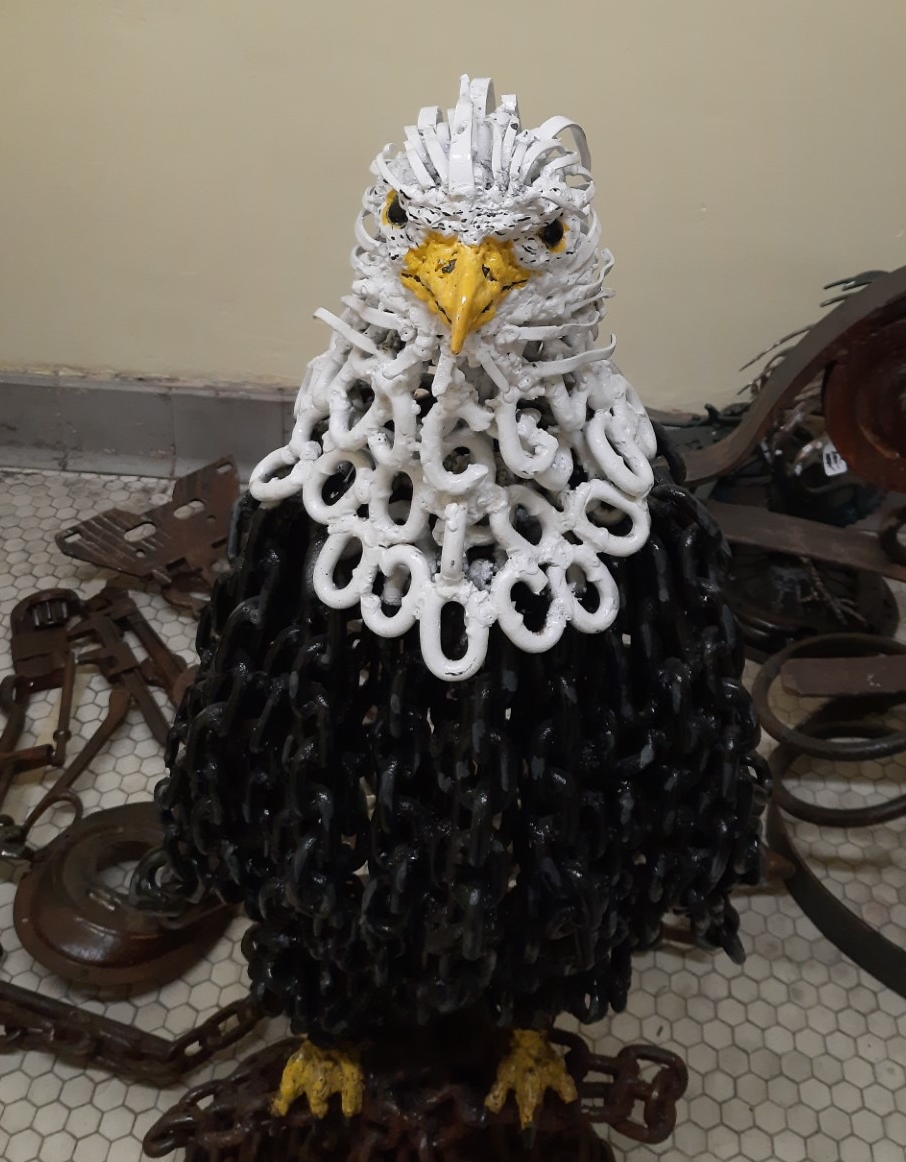
Jon Shaeffer uses old chains from the farm to create this striking eagle.

It turns out that Carol’s family had an experience in this same building several years ago when Carol and her husband were celebrating their 25th anniversary. At that time, the family had a reception for them in the basement of the Elks Lodge. No wonder she was attracted to the building.

The old structure has been revitalized inside and out in the hopes of bringing new opportunities to the area art community. Stop by Elk’s Eye Art Market at 22 S. 4th Street in Zanesville and see the beauty of the building as well as the great selection of local artwork.

“Art will have a home at The Elk’s Eye Art Market that will appeal to both men and women.”

Motorcycle Memorial 30th Anniversary

If “lick, gap, hollow, or creek” are in the name of the road, take it!

~Motorcycle wisdom

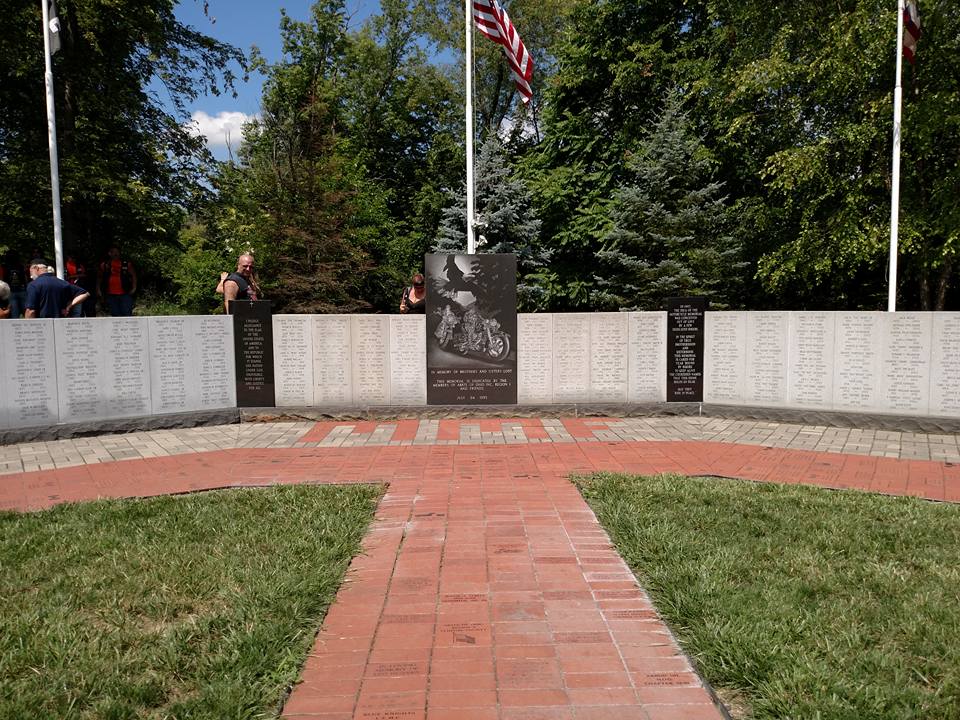
This overview of the wall shows the dedicated brick sidewalk by friends of the Memorial.

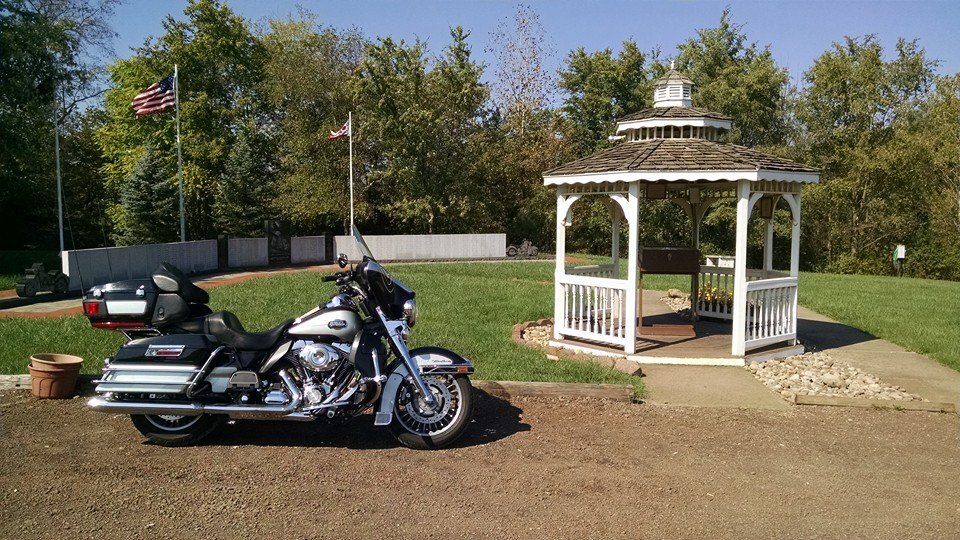
Hopedale is home to the Fallen Motorcycle Memorial, a monument to riders gone too soon. A Motorcycle Memorial Wall, similar to the Vietnam Memorial in Washington, DC, contains names of fallen brothers and sisters from all 50 states and other countries. The memorial, established in 1993, is funded by the Motorcyclist Memorial Foundation, which cares for the memorial which is located behind the American Legion Post 682.

Motorcyclists will be attending by the hundreds for the rededication.

Gas-powered motorcycles began back in 1885 in Germany. This early motorcycle was a wooden frame with a gas engine attached. Things have certainly progressed from that early time and today there is a wide assortment of motorcycles from which to choose.

Riding a motorcycle is fun and exciting with the freedom to enjoy the open road with a sense of adventure. Some like it for speed, while others find it a relaxing way to spend a day as they ride the back roads and enjoy the scenery. Many like the camaraderie of riding in groups where they often help with community projects such as collecting toys for Christmas giving.

Of course, riding a motorcycle is an easy way to commute to work and saves on the gasoline bill. Their gas mileage rivals the most economical small cars. Caution must be taken to stay out of a car’s blind spot and motorists need to be aware of watching for motorcycles on the highway.

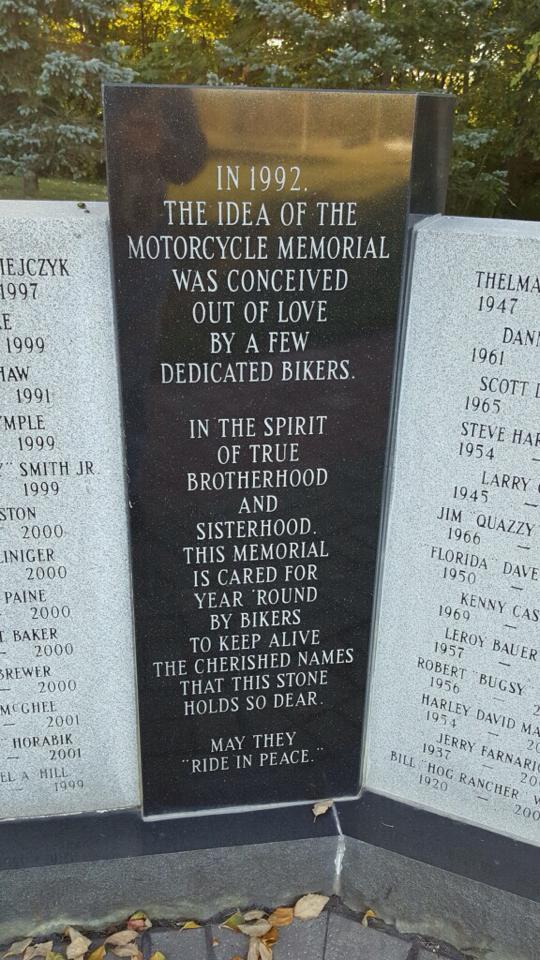
Words on this Indian Black Marble were written by Dan Waterfield.

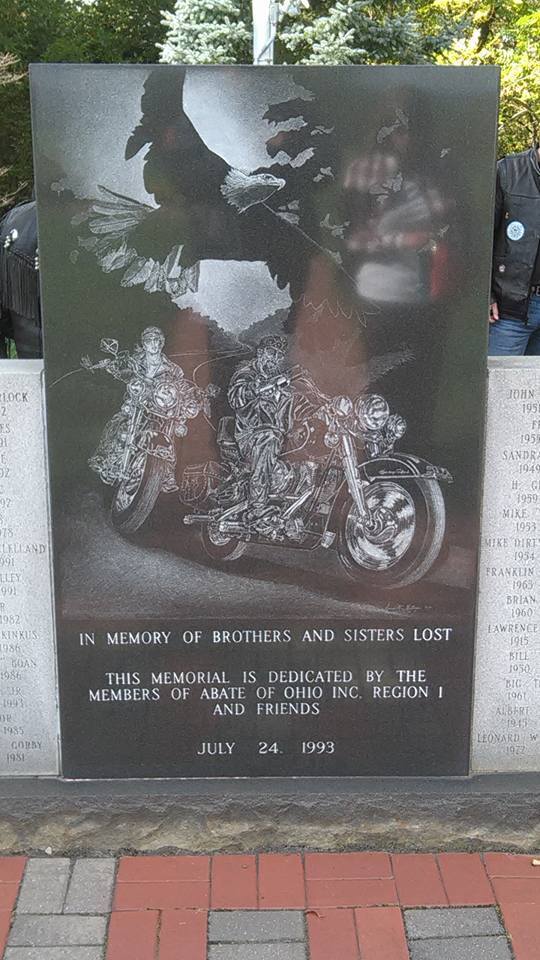
Those who enjoy the thrill of riding motorcycles directed the building of the Motorcycle Memorial Wall with incredible detail. Milligan Memorials of Coshocton etched the Indian Black Stone, the darkest of all marbles, which stands atop a grassy knoll. The words written on the stone were written by Dan Waterfield of Oregon, Ohio. Anne Milligan etched the image of the man and woman riding their motorcycles on the winding road while Tim Milligan installed and etched the names of the loved ones lost on the gray pillars.

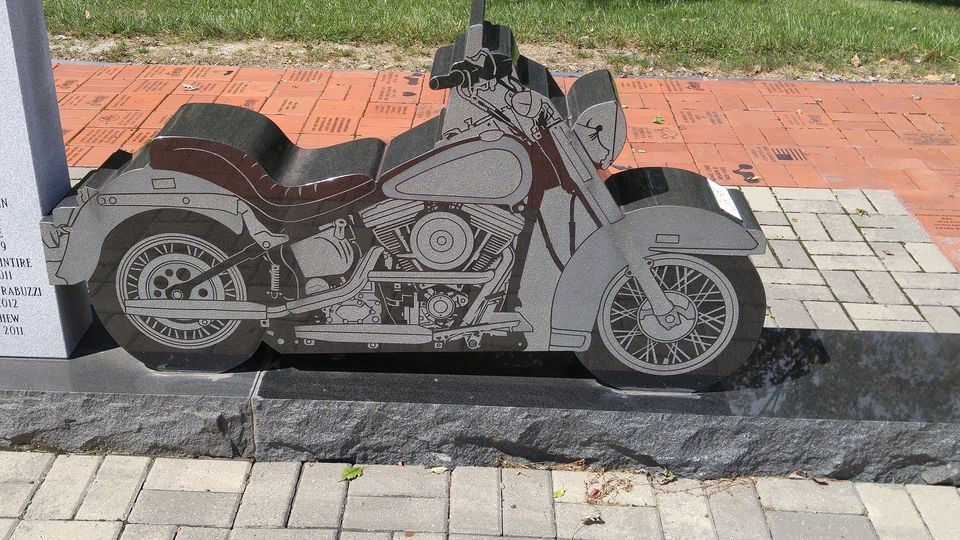
At each end of the wall is a moveable marble full-size motorcycle.

Each end of the wall is bookended by a full-size 2-D motorcycle carved from that same black granite. The bikes can slide outward as new sections are added for fallen bike riders. In 1993, there were only two slabs with names. Today there are dozens of slabs listing names of bikers who have gone on so there will be a permanent memory of fallen brothers and sisters of the open road.

Anne Milligan etched this picture on the black marble of cyclists going down a winding road.

Hundreds of motorcyclists, their friends and family members are expected to converge on this Harrison County community on this Memorial Day weekend, May 26-27, for the 30th annual rededication of the Motorcyclist Memorial. Every year during Memorial Day weekend, they rededicate the wall and add more names to the granite pillars on each side of the monument. Nearly 1200 show up annually for this event.

Motorcycle enthusiasts will enjoy a trip to Hopedale just east of Cadiz to see the wall for themselves. Visit during their Rededication Ceremony on May 26-27. Activities include a ceremony at 11:30 when the names of newly fallen riders will be put on the black marble monument, plus live bands, vendors, and a bike rodeo. Charge for admission is $15 per person for the weekend with funds used to care for and update the wall.

The Memorial Wall is located at 48225 Rabbit Road in Hopedale. If you have any questions, call (740) 317-3433. Come join in the celebration on May 26-27.

Gnadenhutten Ohio Celebrates 250 Years

Ohio’s Oldest Existing Settlement

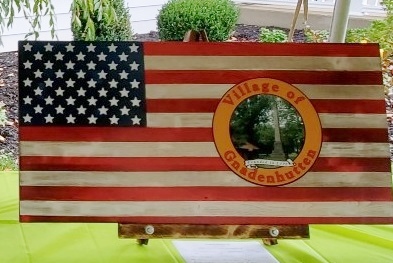
A local lady designed this wooden flag to celebrate their 250th Anniversary.

Gnadenhutten is the oldest settlement in the state of Ohio and this year celebrates its 250th birthday. In 1772, Rev. David Zeisberger, a Moravian missionary, and another young missionary, John Heckewelder, founded two villages along the Tuscarawas River in the state of Ohio with the help of Joshua, a Mohican chieftain.

Most are familiar with Schoenbrunn Village, which was Zeisberger’s first settlement for the American Indians – mostly Delawares. His second settlement that same year was Gnadenhutten and that town still exists today.

Children have many games to enjoy at the festival.

This October, Gnadenhutten will celebrate its 250th anniversary at their Homecoming Celebration on the 7, 8, and 9th. It all begins on Friday evening with food trucks downtown and apple butter being made at the museum. Saturday has activities planned all day long for all members of the family. Sunday, church services will be held in the Museum House in the Historical Park.

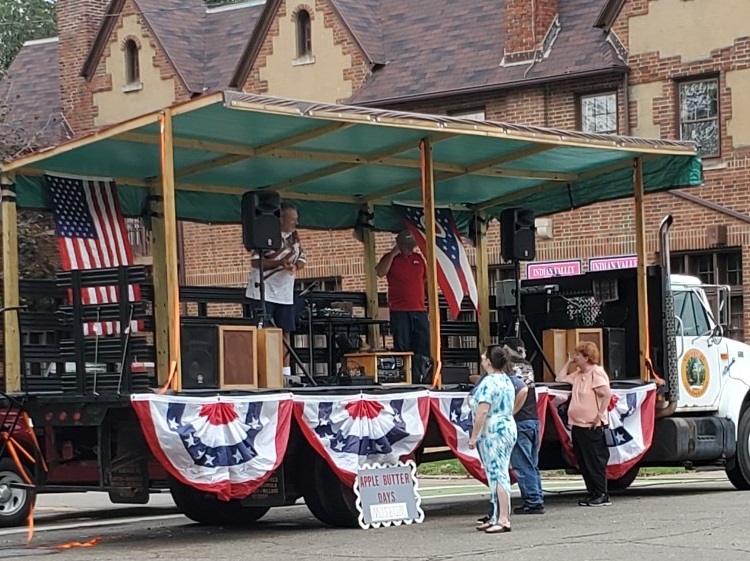
The stage is set for a musical Saturday afternoon and evening.

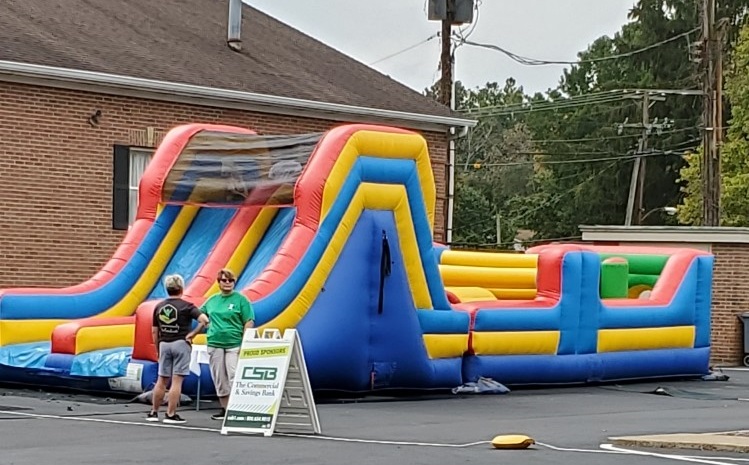
Streets downtown are blocked off for craft booths, Farmers’ Market, Corn-Hole Tournament, and music. While the kids are enjoying the Bounce House, Obstacle Course, Putt Putt, and Face Painting, adults might relax playing Bingo at the Fire House. Don’t forget to check out Custom Kemps Car Show in the afternoon.

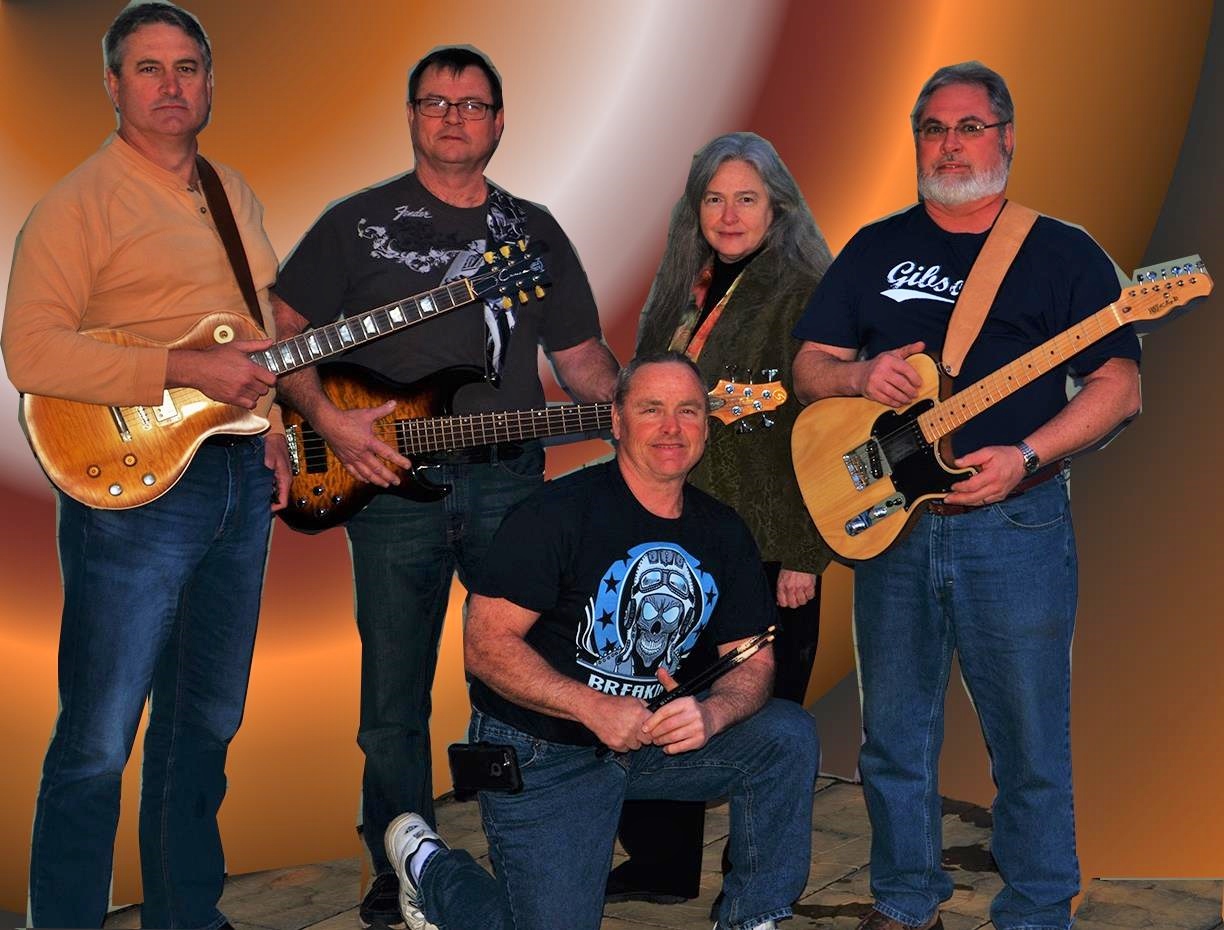
Putnams System Rewind will provide music on Saturday evening.

Saturday will be filled with music. In the afternoon Wes Schryok and Mike Wykoff will be entertaining. Then that evening, Putnams System Rewind, a family band with a reputation for performing a great variety of music, will be on stage from 6 -9. Music will be followed by fireworks from the top of Stocker’s Hill.

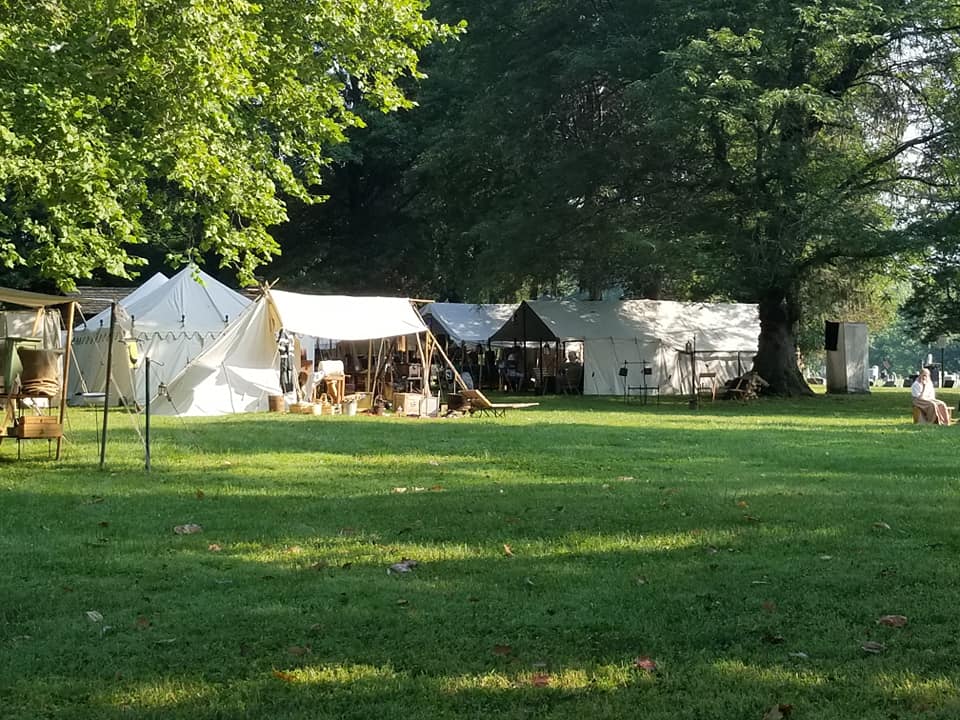
An encampment in early 1800s style will greet visitors to the Historical Park.

Apple Butter Days happens on October 8 and 9 at the museum with apple peeling beginning on Friday night when they will show people how to make apple butter. The family of Samuel Shrock from Millersburg will be making the apple butter again this year. Enjoy visiting the encampment in the park where people will be dressed for the early 1800s.

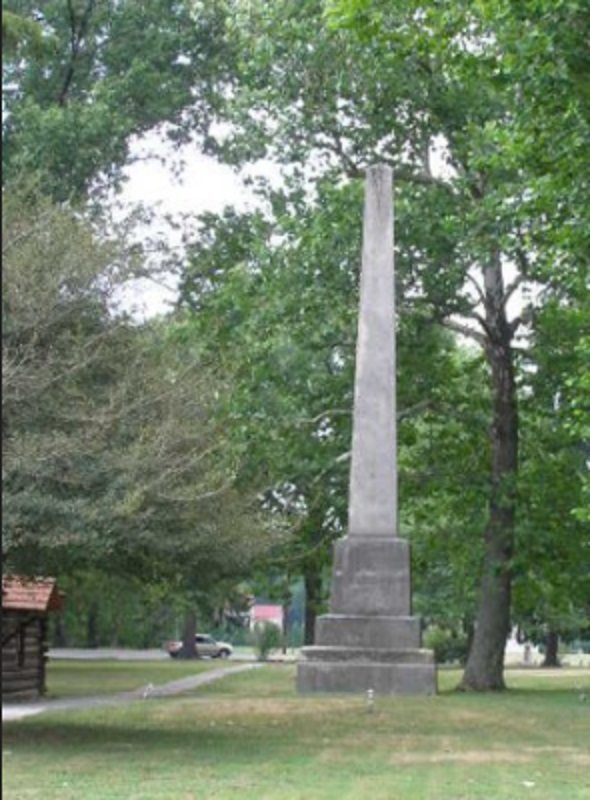
A monument at the Historical Park remembers those who were slain.

A memorial was placed in the Historical Park at the spot of what is now called the Gnadenhutten Massacre. The plaque on the memorial states:

HERE

TRIUMPHED IN DEATH

NINETY

CHRISTIAN INDIANS

MARCH 8, 1782

Ten years after settlement, Captain David Williamson, an American Revolutionary War officer, and his militia suspected the peaceful Mohicans and Delawares in Gnadenhutten, who had been converted by the Moravian missionaries because they remained neutral during the war. Seeking revenge for other Indian raids, they tricked the Delaware into believing they were friends. The next day, March 8, 1782, they killed all the villagers except for two scalped boys who escaped and told of the incident. One Ohio historian called it “the wickedest deed in our history.” Story of this tragedy is told at the outdoor drama, Trumpet in the Land.

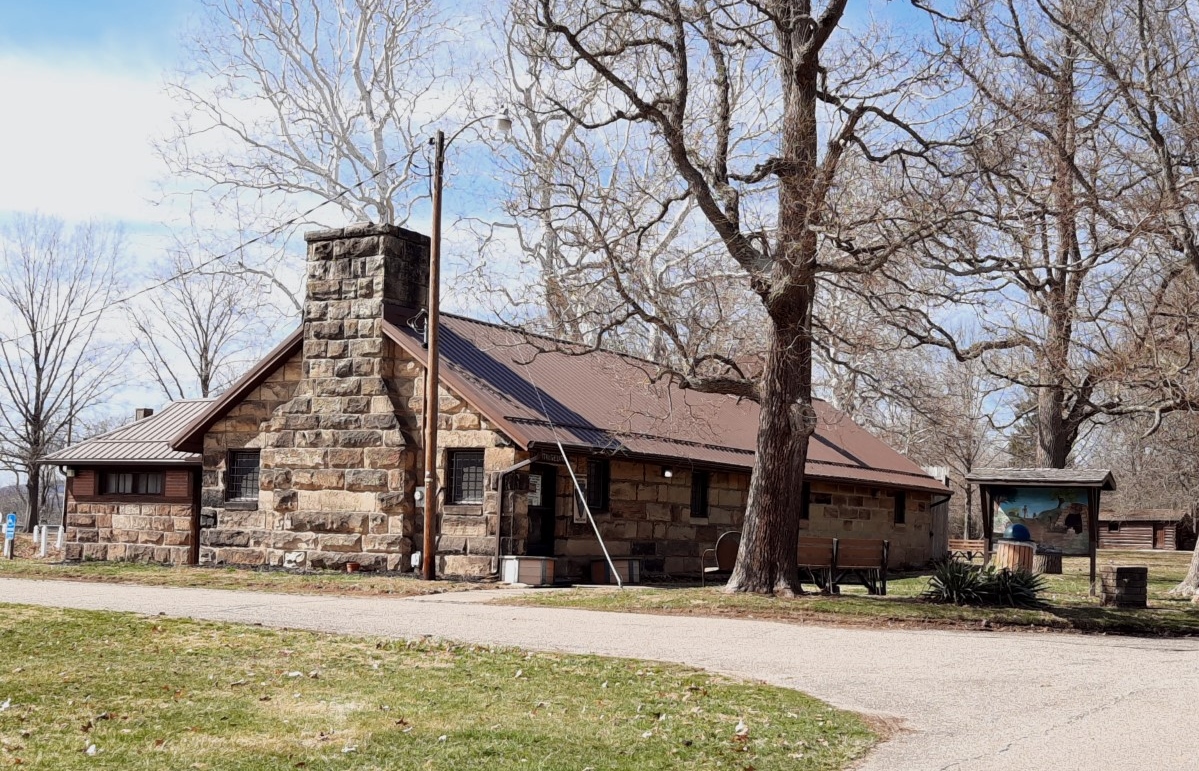
The museum contains a history of Gnadenhutten from its beginning.

A museum tells the story of those early settlers, who lived a peaceful life in their log cabins along the river. These Indians loved music and enjoyed working in their gardens. There is also a reconstructed church and log cabin like those that were on that site over 200 years ago. A burial mound contains the remains of those ninety Christian Delawares who were massacred that day.

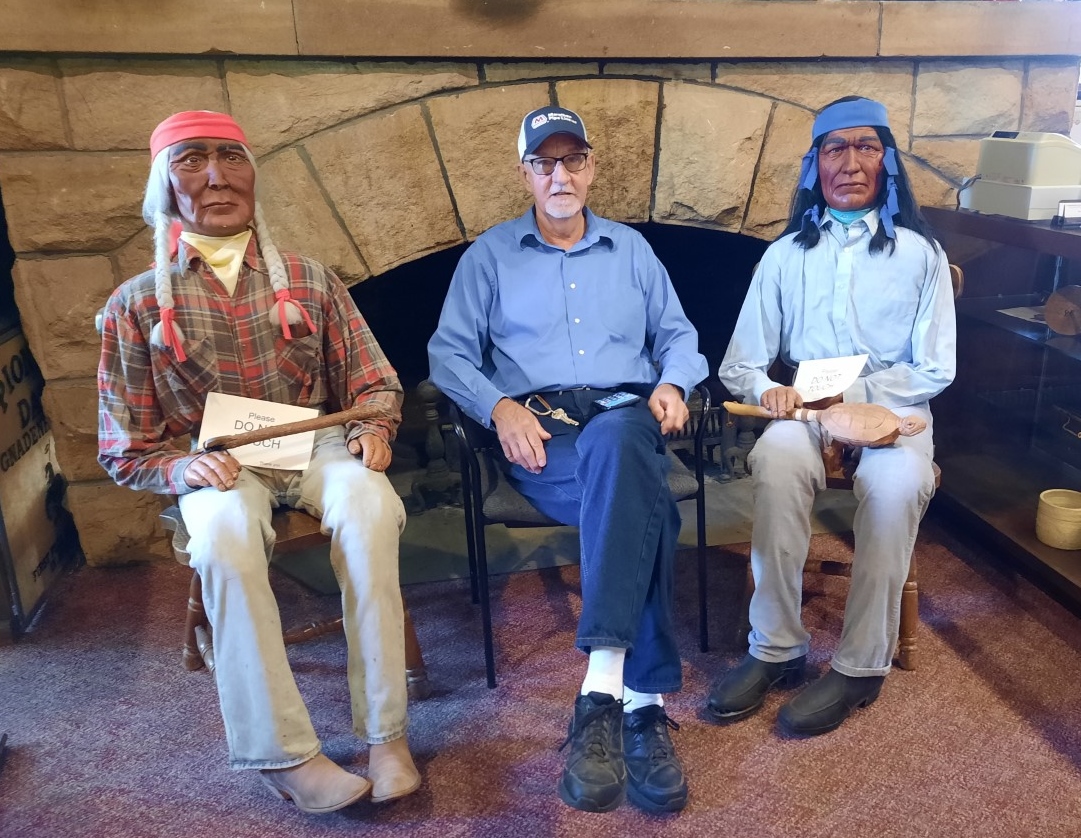
John Heil, curator, visits at the museum with his two best friends, who never argue with him.

The mayor’s office and the museum have a small booklet “Massacre at Gnadenhutten” which is a copy of the history published by the Gnadenhutten Monument and Cemetery Organization back on October 7, 1843. It tells the entire story of what is called the blackest page in history of the Northwest Territory.

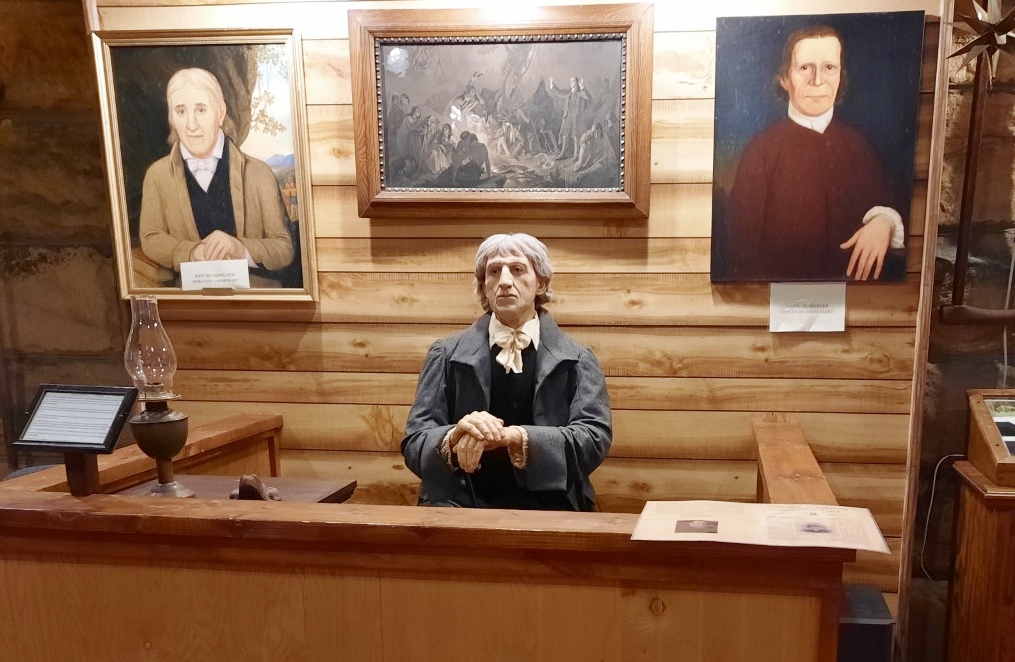
A special display tells the history of John Heckewelder, the founder of the village.

After the massacre, John Heckewelder returned to the village and again organized the town but this time with basically a white Moravian population. Today there is still a Moravian Church in Gnadenhutten called the John Heckewelder Memorial Moravian Church established in 1803. Due to his early persistence in establishing the village, Gnadenhutten still exists today.

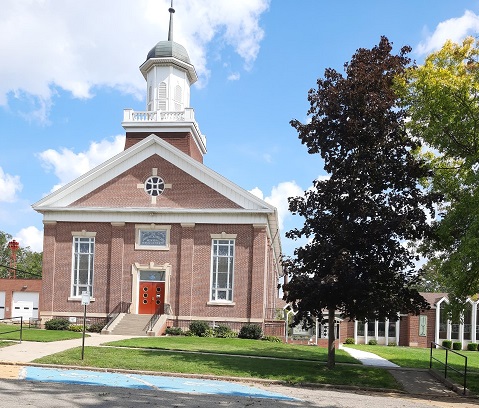
The Moravian tradition lives on as John Heckewelder Memorial Moravian Church has been in the same spot for 220 years.

Mayor Rich Gosling hopes that in the future, “While we will never forget the tragic massacre that took place here, I would like for Gnadenhutten to, first of all, be remembered as the oldest settlement in Ohio.”

The Tuscarawas River flows at the edge of Gnadenhutten.

The town has grown from those early days when travel was on trails by horseback and wagon or on the Tuscarawas River. Things changed in the early 1900s when the Ohio-Erie Canal traveled along the river, followed by the railroad and then today’s highways.

Enjoy a visit to Gnadenhutten, the oldest established town in Ohio, during their 250th Anniversary celebration. Then watch what changes happen over the next 50 years.

Take a Relaxing Visit to Historic Harmar Village

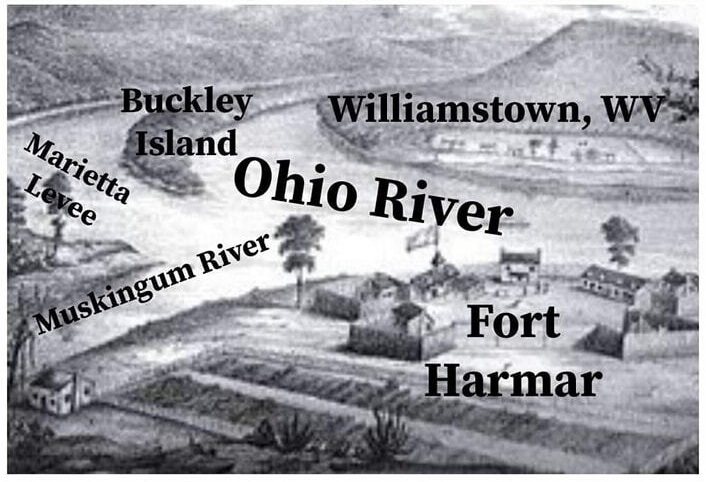
Old Fort Harmar was built near the confluence of the Ohio and Muskingum Rivers.

At the confluence of the Muskingum and Ohio Rivers, Fort Harmar was the first military fort built in Ohio County. Built under the command of General Josiah Harmar, this 1785 fort was given his name.

This drawing was made by early pioneer, Judge Joseph Gilman.

Its purpose was to keep illegal settlers from squatting there but it proved the opposite as they came and settled because they felt safe from the American Indians with the protection of the fort. The fort was abandoned in 1790 and demolished in 1791. Its location is thought to be under the Ohio River as the river has widened over the years.

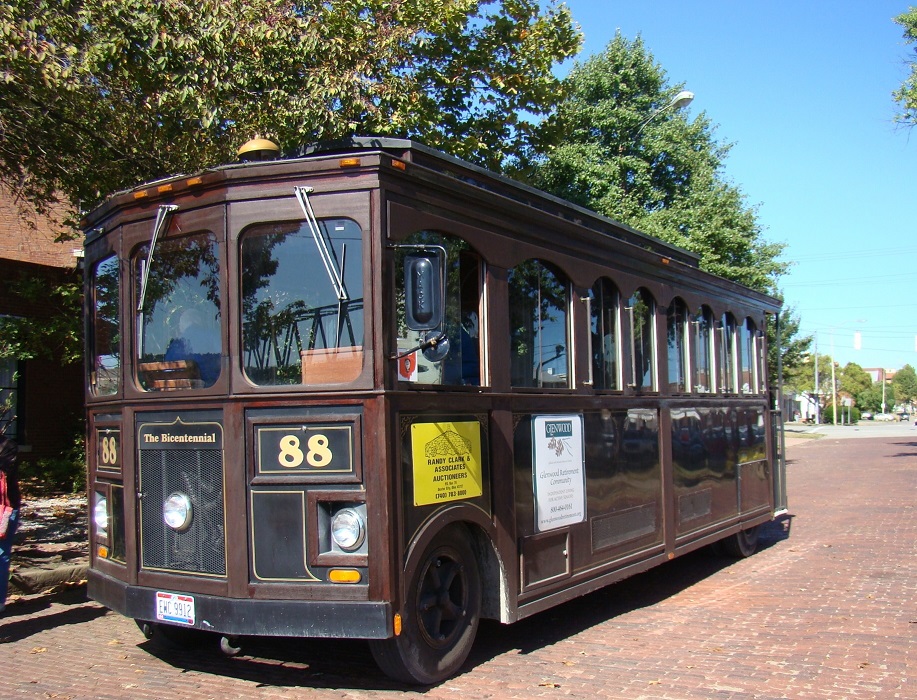
Take a trolley ride for interesting historical stories.

The Ohio Company planned out Harmar Village near the fort site across the Muskingum River from downtown Marietta. Today, a trolley tour of Historic Marietta and Harmar is a nice way to get an overview. Then you can go back and see the places that appeal to you. Once you get to the other side of the river, Harmar Village is filled with historical homes, a few unique shops, many dining experiences, museums, and restored train cars.

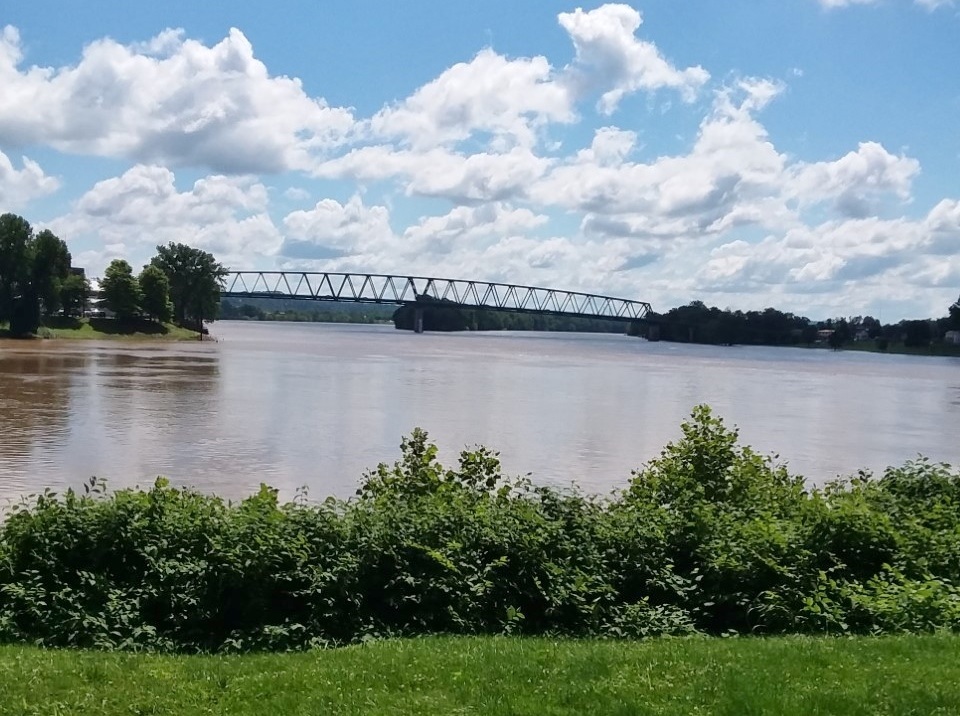
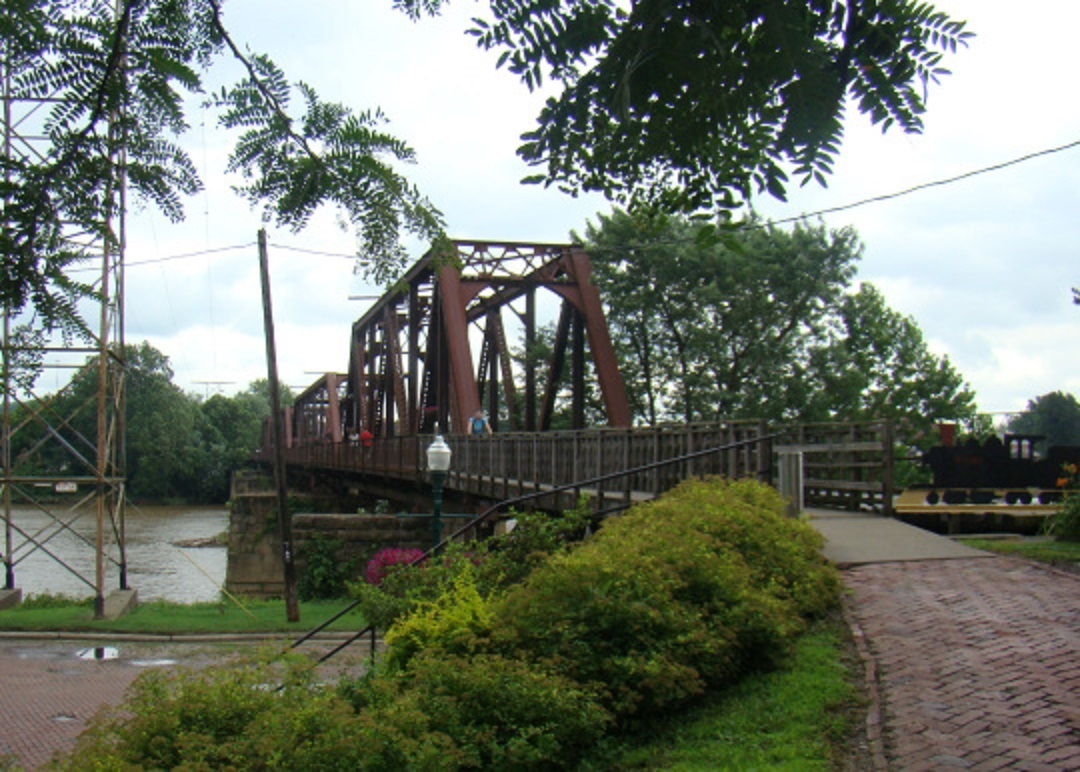
Historic Harmar Bridge provided a nice walk over the Muskingum River in past years.

Historic Harmar Railroad Bridge, strictly pedestrian in recent years, leads from Front Street in downtown Marietta to Harmar Village but is now closed. It was a scenic walk over the Muskingum River to explore the old restored village. The bridge, which was built in the 1860s is in disrepair and they have a campaign to save the bridge as it was the only working, hand-operated railroad bridge in America. They still operate it during the Harmar Festival for those who would like a ride. All proceeds, of course, go to Save the Bridge.

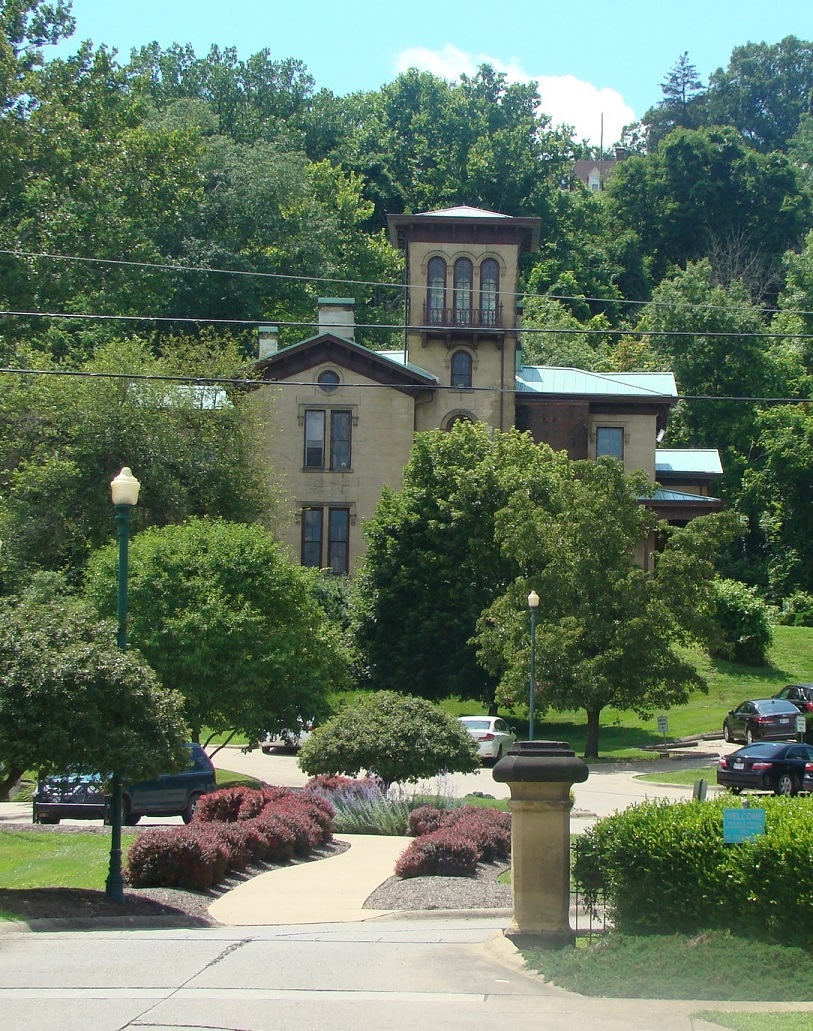
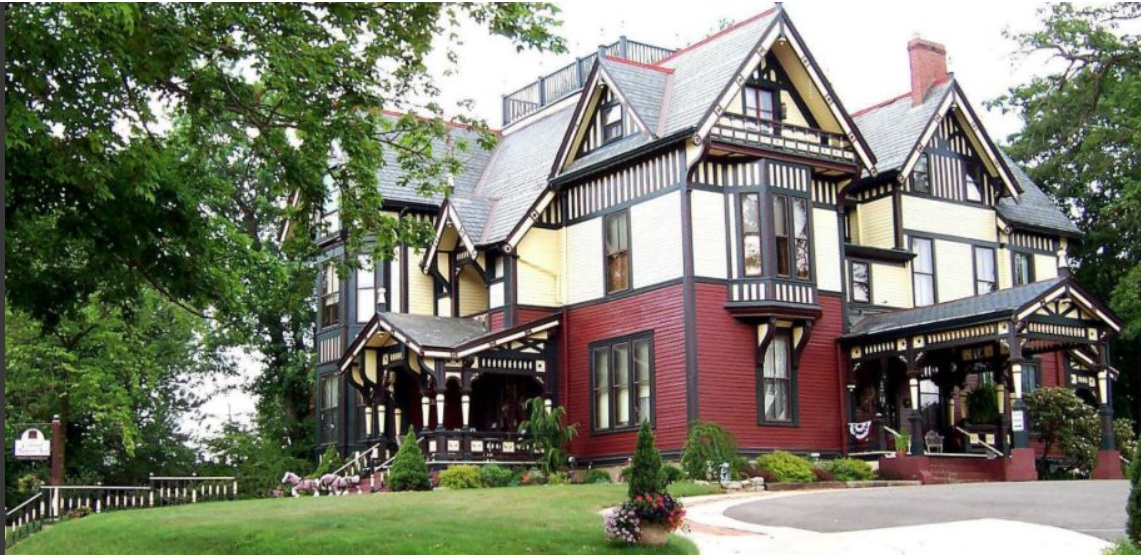
Putnam House is high on the hill overlooking the town and the rivers.

A beautiful Italianate home can be found high on the hill in Harmar. It was built in 1859 by Douglas Putnam, one of Marietta’s wealthiest men. Putnam was the leader of the abolitionists in the area where he was a major supporter of the Underground Railroad.

He built the home for his wife Eliza who fell in love with that style when traveling through New England. Eliza carefully chose everything that was to go into the house to make it their home. The cost at that time was $60,000.

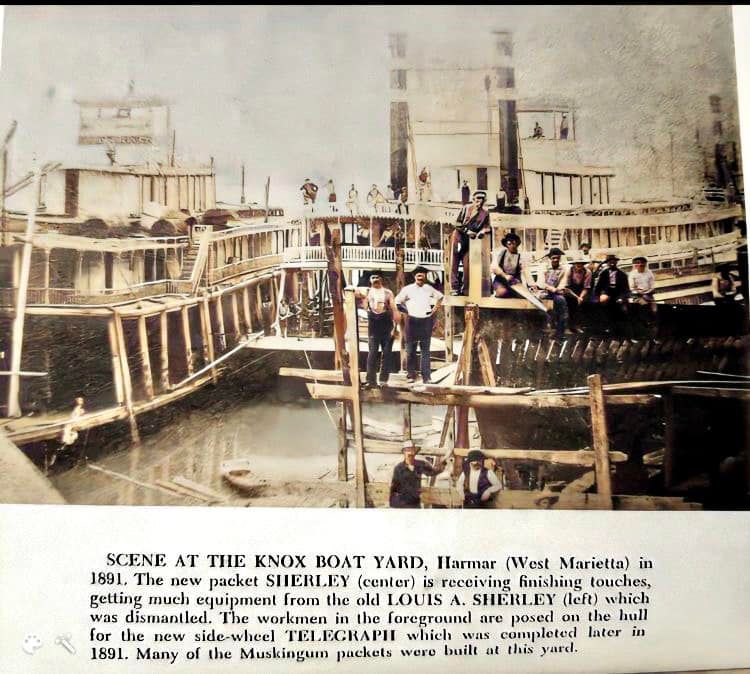
The family named the house Putnam Place, although many called it Putnam’s Folly. The tower was probably his idea as he could easily see both rivers and the city as well as across the river to Virginia so he could keep a good eye on slave movement. At that time the Ohio River was rather shallow and you could easily ride a horse across it. Later the house was purchased by Harry Knox, a builder of steamboats, and renamed Anchorage.

In recent years, paranormal investigations and tours have also been held at Putnam Villa by the Washington County Historical Society, which hopes to restore it.

Henry Fearing House Museum gives a glimpse of life in the early 1800s.

Harmar seems to overflow with historical homes. The Henry Fearing House Museum gives you a taste of middle-class life during the Victorian era. Fearing invested in the area and had a steamboat enterprise. Built in 1847, today this house holds historical items from Marietta and Washington counties. In 1829, Levi Barber, who was a surveyor and U.S. Congressman, built The Barber House.

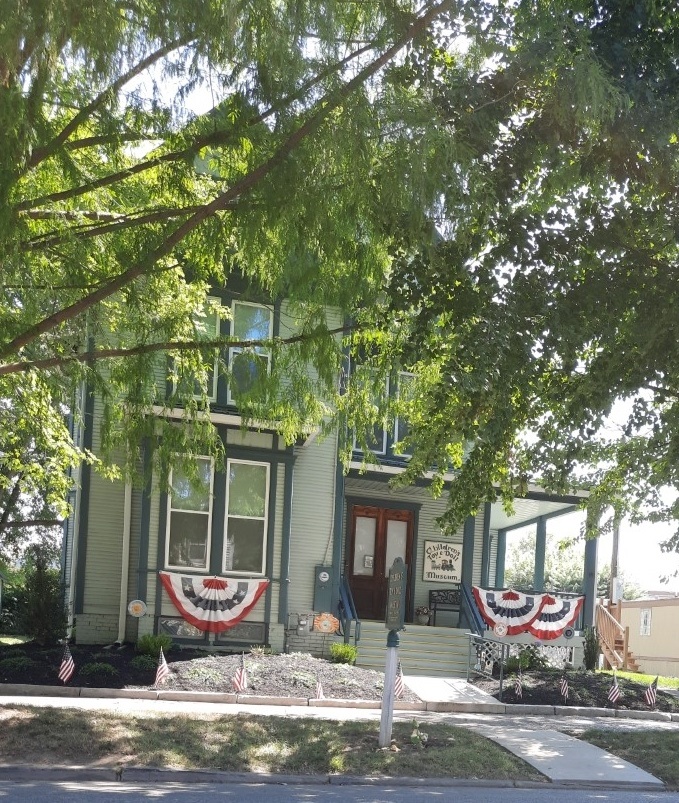
The Children’s Toy & Doll Museum has a vast collection of old toys.

The Children’s Toy & Doll Museum gives visitors a glimpse of what toys entertained children during the late 19th and early 20th centuries. The house where this hidden treasure is located was built in 1889 by George Strecker, a local boilermaker. They have beautiful displays of dollhouses, circus wagons, dolls from around the world, and many new displays this year.

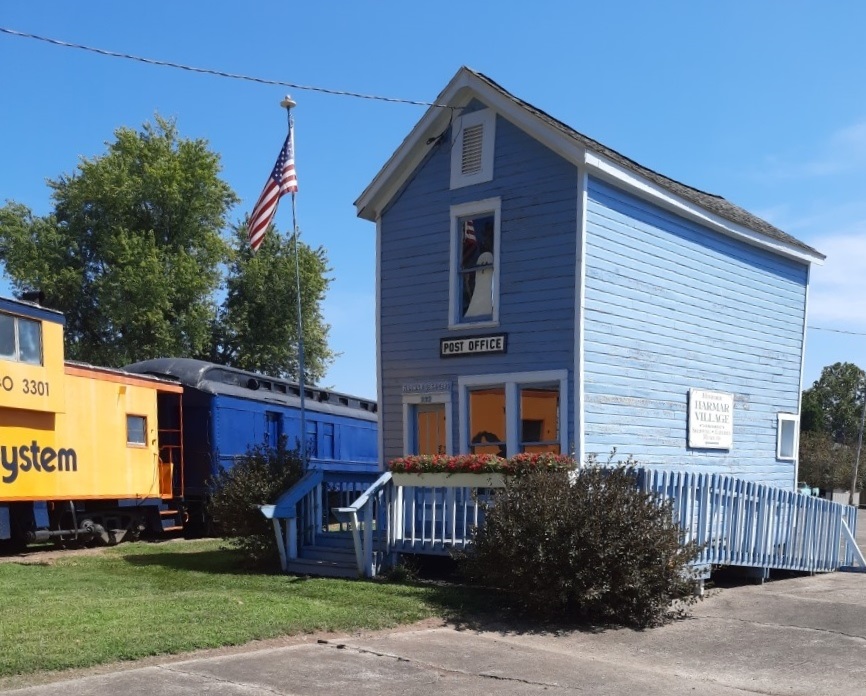
The Old Post Office has a train display beside it.

The Old Post Office is a center of attraction right beside their train display. Lydia Young served as postmaster here from 1864-1885 in what was also her notary shop. While there aren’t many places for shopping in Harmar, you’ll find several places for delicious food as all have crowds of people at lunchtime.

Busy Bee is a popular family restaurant for breakfast and lunch.

Busy Bee is right next door to the Post Office and has been serving fresh ingredients from local farms since 1944. Everything is made from scratch with breakfast their specialty. Larry loves the area and has plans for starting three new businesses there: a bakery, butcher shop, and distillery.

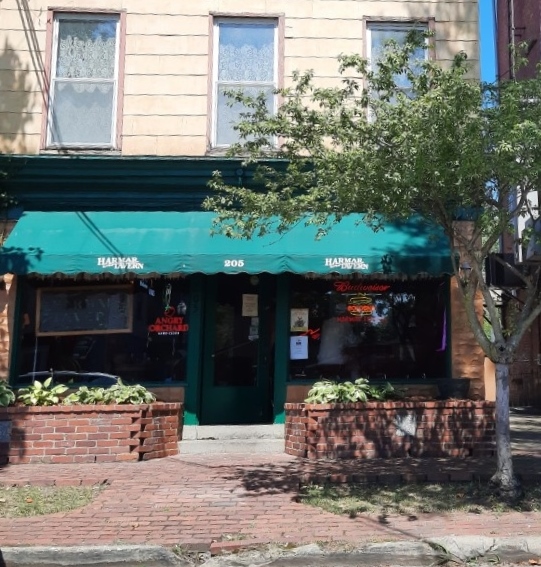
Harmar Tavern has a friendly bar, indoor dining, and a great patio.

Stop for a meal at Spagna’s Italian Restaurant right next door to Harmar Tavern. Spagna’s offers authentic southern Italian cuisine and an extensive wine list. Or go next door to the tavern, a neighborhood gathering place that almost never closes. They are known for their “Soon to be famous” Fried Bologna Sandwich.

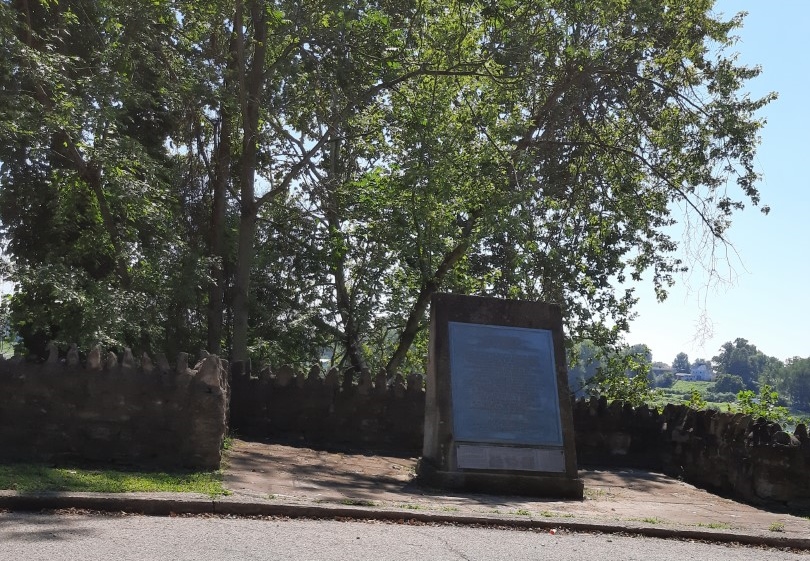
The history of Harmar is told at the edge of town near where the original fort stood.

If you are planning to attend their Fourth of July Celebration or the Sternwheeler Festival, you might enjoy heading to Lookout Point on Harmar Hill. Here you can see many vistas of Marietta as well as the beautiful Ohio and Muskingum Rivers winding their way through the scene. It’s a great place to watch the fireworks! Harmar is a great place to visit any time of the year.

Early Cambridge City Park History FIlled with Wonderful Memories

Families throughout the area have pleasant memories of times spent at Cambridge City Park. Some have been here from childhood to adulthood and have seen many of the changes in recent years but those early years remain only a memory.

Col. Taylor’s mansion built in 1878 is today a popular Bed & Breakfast.

The area that we call Cambridge City Park today was once part of Col. Taylor’s thousand-acre estate. The home we know today as Taylor Bed & Breakfast was actually the first house to be built on the hill outside of town.

Not only did he build a beautiful home for his wife, but he had a nearby barn where he kept his horses, the only means of transportation at that time. Since the horses needed water, Col. Taylor built Taylor Lake. When the pond froze over in the winter, blocks of ice were cut from it and stored in an underground cellar. Usually, they had ice until sometime in July before it all melted.

The City Pond, where children love to feed the ducks, was the first part of the park.

Taylor Lake today is the duck pond at our Cambridge City Park. In January 1913, Taylor Grove and the lake were sold to the city by Col. Taylor’s heirs for $25,000. Our Cambridge City Park was about to begin.

In July, a Clean-up Day was organized. All men interested in the City Park were to line up at the Courthouse and march to the City Park being led there by the Cambridge Band. A Colored Band was also there to liven the day. Ladies provided a picnic supper in the evening.

Electric Park hosted a Chautauqua celebration and many other activities before Cambridge City Park existed.

The Cambridge City Band began playing at the park in July 1913 when they sponsored the Lincoln Chautauqua, which had previously taken place at Electric Park. The price of a season ticket to enter the performing tent for the six-day event was $1.50 for adults and $1.00 for children 8 -15. There were a number of seats, swings, and tents provided for the patrons. Anyone wishing to do so could pitch their tent there that week.

In July, a lifeguard was appointed to oversee the swimming in the former Taylor Lake with rules laid down for the conduct of boys and girls to be enforced. If the girls were highly interested in swimming there, arrangements would be made to set aside a particular time for them to swim as well as have a woman oversee during that time and give lessons in swimming. A bathhouse has been promised by city council in the near future.

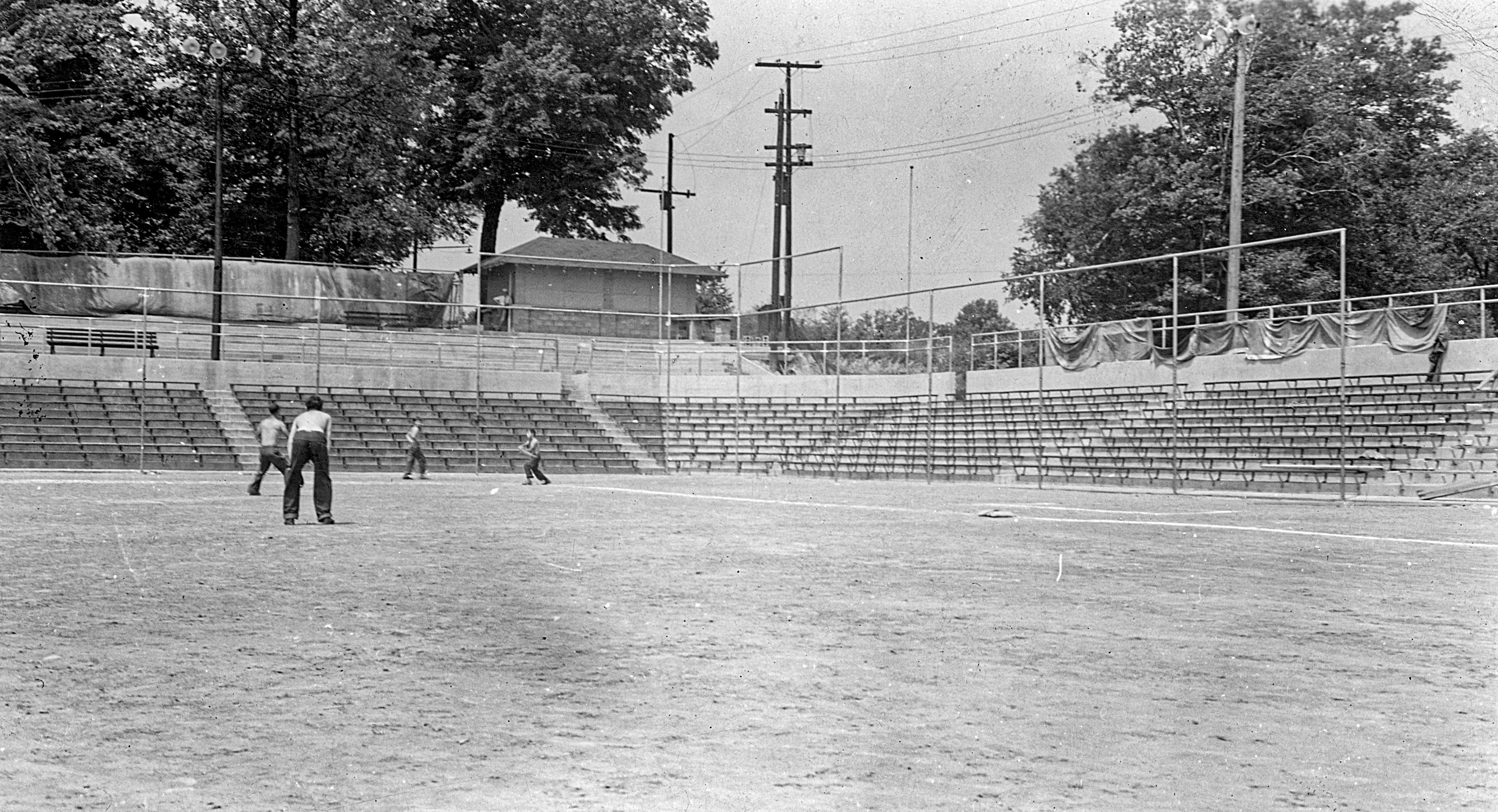
Baseball was played in the park in the summer of 1913.

At about the same time, the first baseball diamond was constructed which brought local teams and their families to the City Park. Money was raised by a group of interested citizens for a stadium called Lakeview Park that seated approximately 1000 people. Many baseball and softball games were played here each summer. It also was the perfect place for the annual Jaycee’s Fireworks on July 4.

By July of that year, families and organizations were already having their picnics there. Some of the first groups were the Mail Carriers Association of Southeastern Ohio and the Welsh-American Society, both of these on Labor Day.

A bathhouse along the pond, where swimming was popular, was an early addition.

Gravel walks were installed, rope swings, a bathhouse on the side of the lake, high and low diving boards, and the lake was enlarged. They wanted it to be the most beautiful recreation ground in Southeastern Ohio.

One of the early buildings to be constructed was the Big Pavilion, which served as a dance floor, concert hall, and speaker’s stand. Often there were six or seven reunions held there in one day.

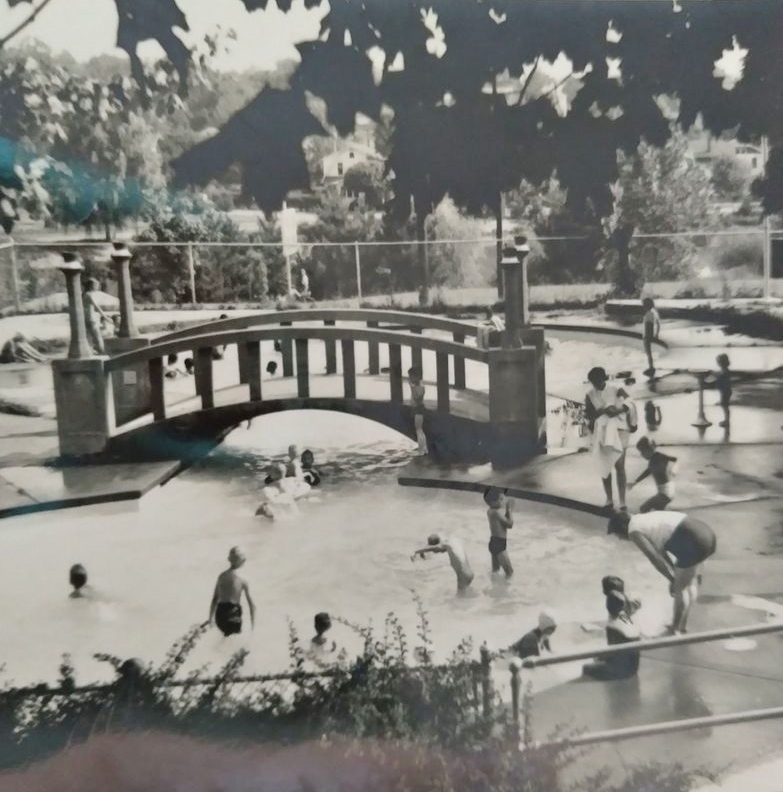
The Kiddie’s Pool was a popular and safe place to swim.

In 1930, the local president of Cambridge Glass Co., A.J. Bennett provided funds to build a Children’s Wading Pool at the park so they had a safe place to swim away from the pond. There were two sides to the pool – a shallow side for wading and a deeper side for swimming. Lifeguards did not like children going under the bridge to get to the deeper side. It was closed in 1973.

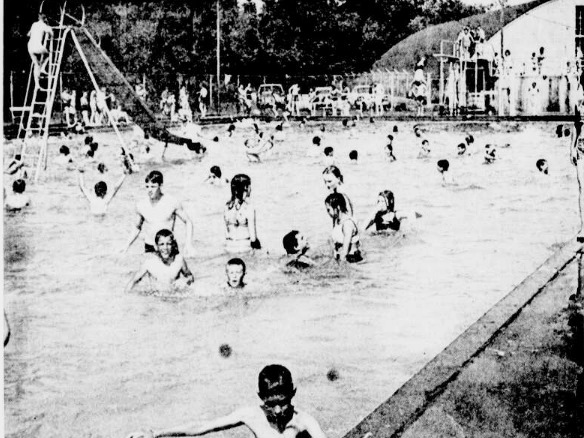
The slide at the big pool was a favorite for a cool ride.

In 1941, Cambridge City Pool was opened after being constructed through a federal grant by the WPA. In 1998, the pool had to be redone to meet current standards. Again, the community supported the project wholeheartedly.

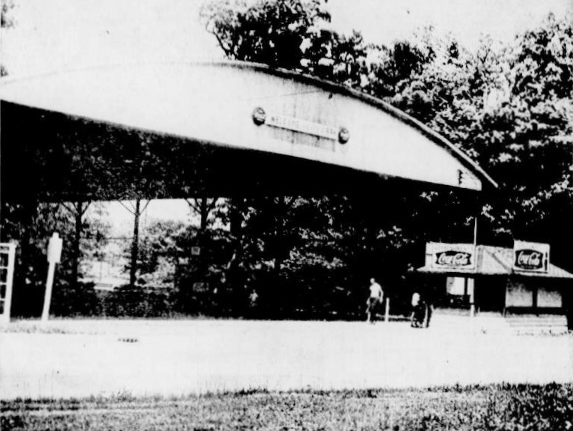
The park pavilion had a Coca Cola concession stand in 1965.

By this time there were several concession stands throughout the park – at the big pavilion, baseball diamond, and swimming pool. One person recalls having keys to all of them and if he happened to be at the park would open whichever one had a crowd. His first summer he made $.75 an hour.

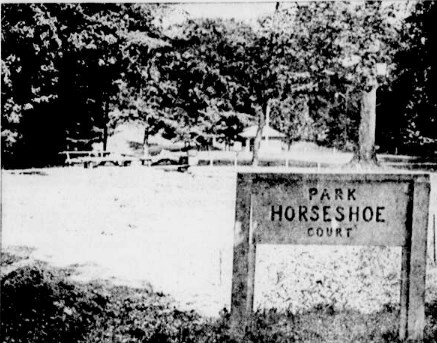
Horseshoe contests were popular at picnics and reunions.

Pitching horseshoes was another important means of entertainment. There were several horseshoe pits at the park and many tournaments were held there usually accompanied by an ice cream social.

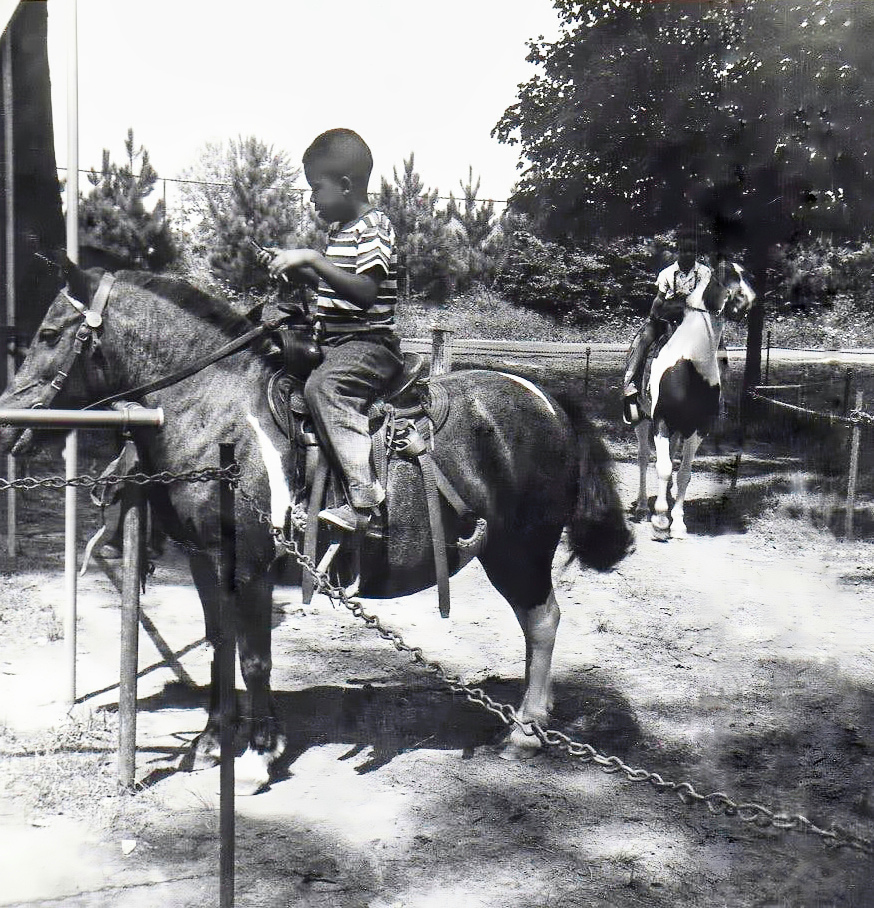
A man who lived close to town brought in his ponies for the children to ride.

Most children have dreams of riding a pony. Someone helped make that dream come alive by bringing several of his ponies to the park and charging a small fee for a ride. Speaking of horses, in those early years, you could hear the musical sound of a carousel at the park. No wonder the park was such a busy place..and still is today.

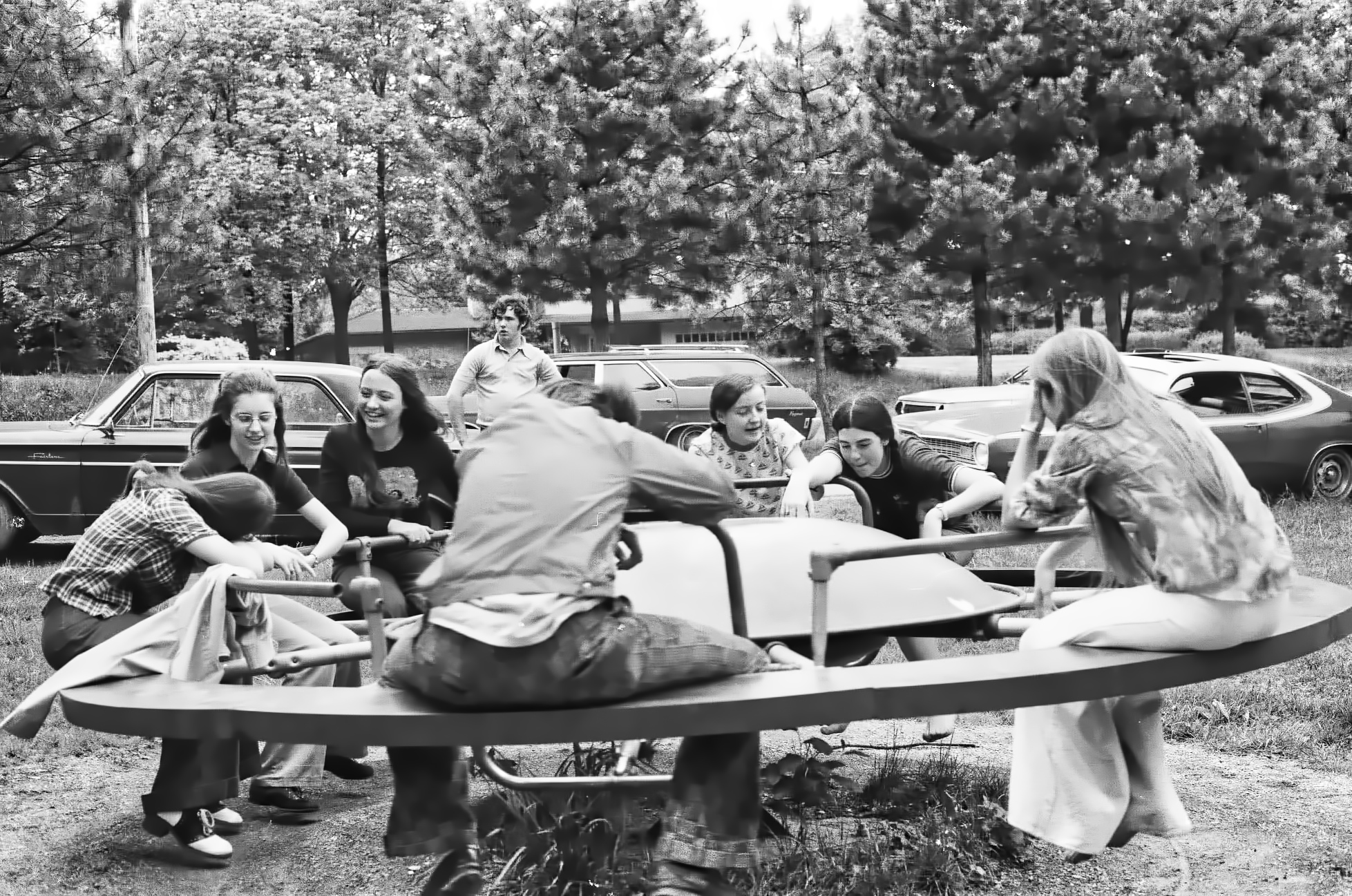
Kids of all ages enjoy a fast spin on the merry-go-round.
The Witch’s Hat was considered the most dangerous ride at the park.

Over the years, the playground has become an important part of the park. The largest section was begun soon after the park opened. A merry-go-round that parents felt was a terror device gave youngsters of all ages a chance to see how fast they could spin. The playground has been upgraded today through the generosity of the Kiwanis and Rotary Clubs.

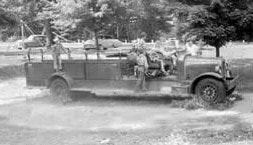
The firetruck made a great place for climbing and using your imagination.

An old fire truck that out-lasted its usefulness at the city fire department was stripped of all removable parts and placed in the park in 1957 for children to climb on. Not often did children get a chance to play on a fire truck.

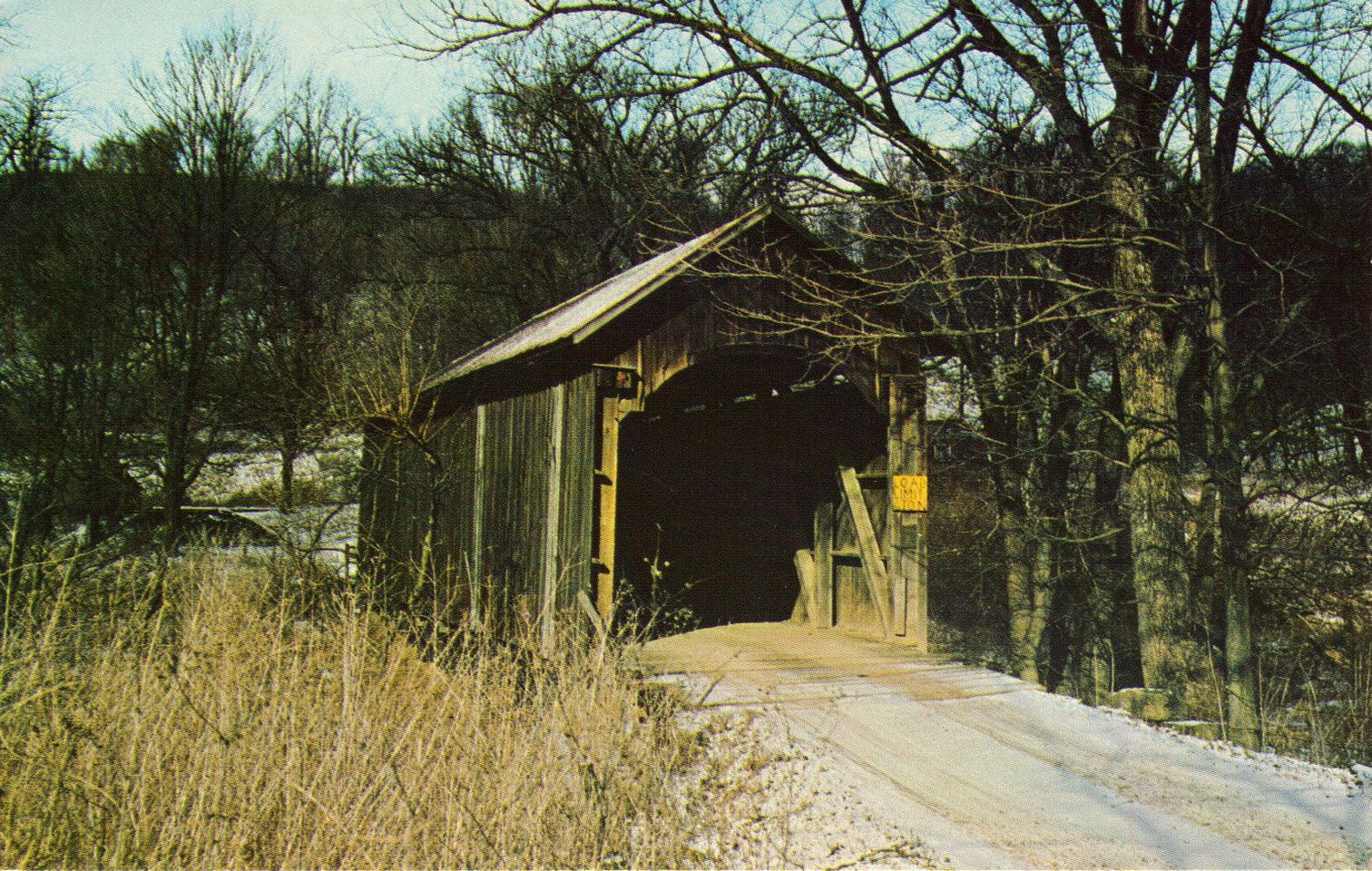
The Armstrong Bridge was originally over Salt Fork Creek before the development of Salt Fork Lake.

In 1966-67. the Armstrong Bridge was relocated to the City Park. This bridge, built in 1849, originally spanned Salt Fork Creek near the town of Clio. When Salt Fork Lake development was announced, the bridge was moved to preserve it.

This is just a little taste of the history of our Cambridge City Park. This community has been so supportive of the park since its beginning through individual and business financial support and volunteering. May they keep improving and supporting the park to make it even a better place for future generations.

History of Coal in Harrison County

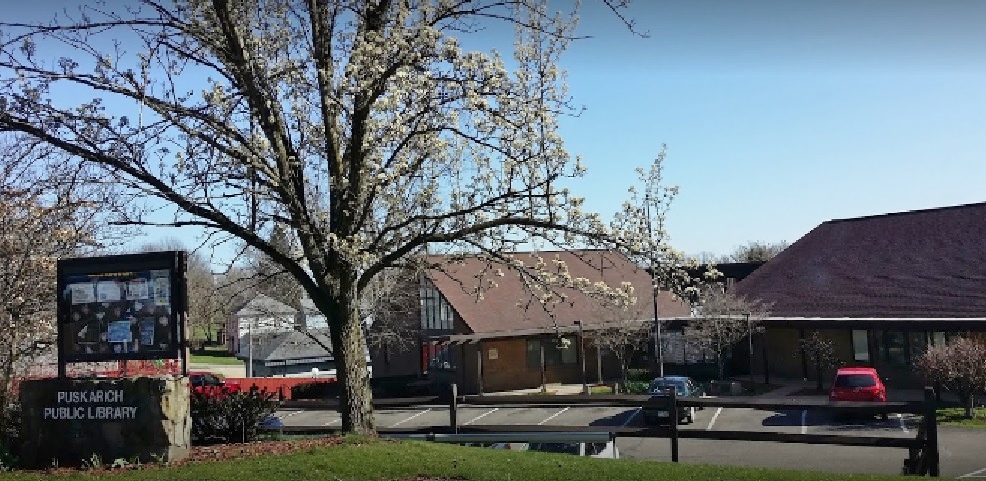
The Coal Mining Museum is in the basement of the Puskarich Public Library.

A Coal Mining Museum has been created to preserve the rich mining heritage of Harrison County Ohio. It can be found on the lower level of the Puskarich Public Library at 200 E. Market St. in Cadiz. Displays are many and detailed with informative signs to describe both the early day and modern mining found in Southeastern Ohio.

After the Puskarich family helped with the half-million-dollar campaign to build the new library in 1986, there was a large area on the lower level that remained empty. Since their family owned and operated the successful Cravat Coal Company, the Puskarichs spearheaded the plan for a Coal Mining Museum. Their family, along with other area coal mining families, presented items for display.

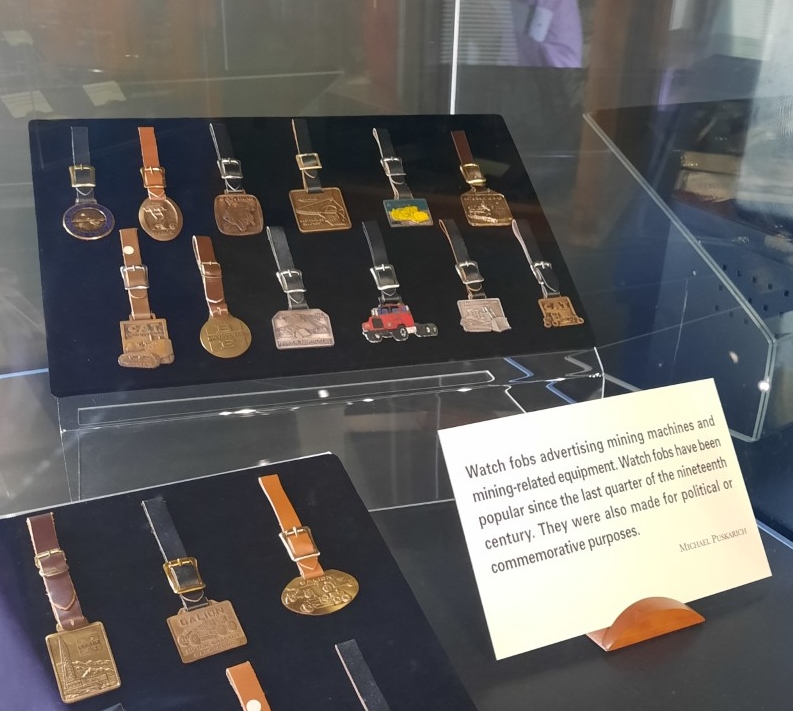
Watch fobs were often gifts from mining companies for advertisement purposes.

During the late 19th century, Harrison County was one of the top coal-producing counties in Ohio until its decline in the 1980s. Items and pictures from those mines plus miners’ tools are on display from various coal companies.

Walking into the museum, you will notice that the walls and ceilings are black, giving you the feeling of being in a dark coal mine.

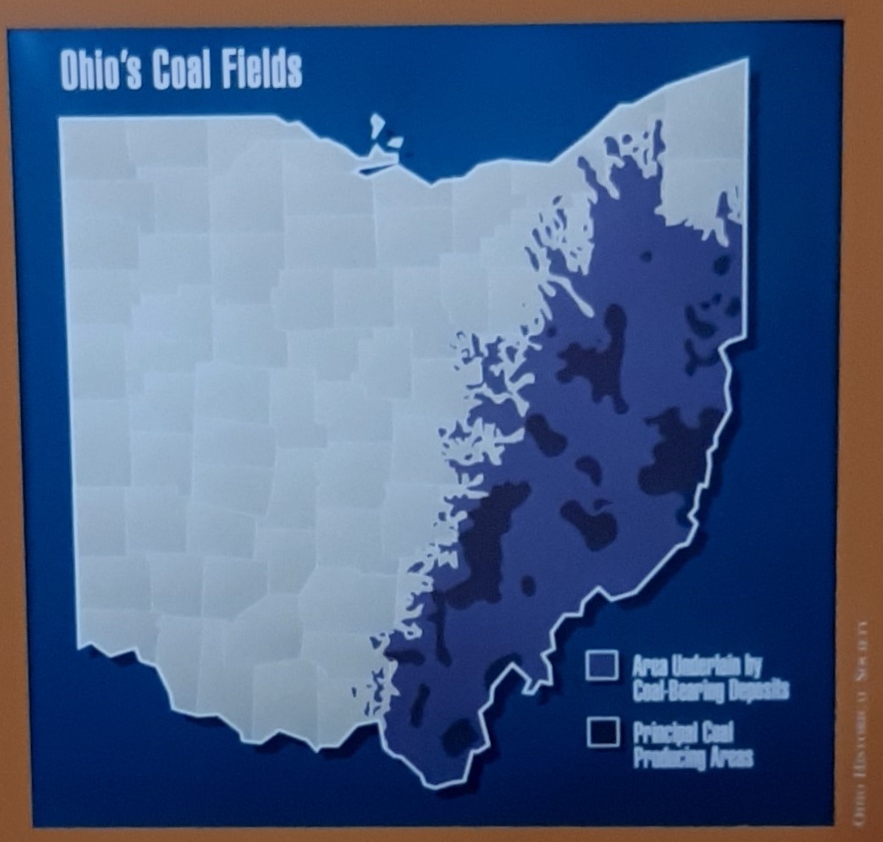
This Ohio map shows the locations of coal fields at a glance.

Coal is sometimes called “buried sunshine” because it came from plants that originally absorbed energy from the sun. When coal is burned, we are using energy that was created millions of years ago. Along with oil and natural gas, coal is considered a fossil fuel since it traces its beginning to plants that were once alive. Often prints of fossils can be found in a piece of coal.

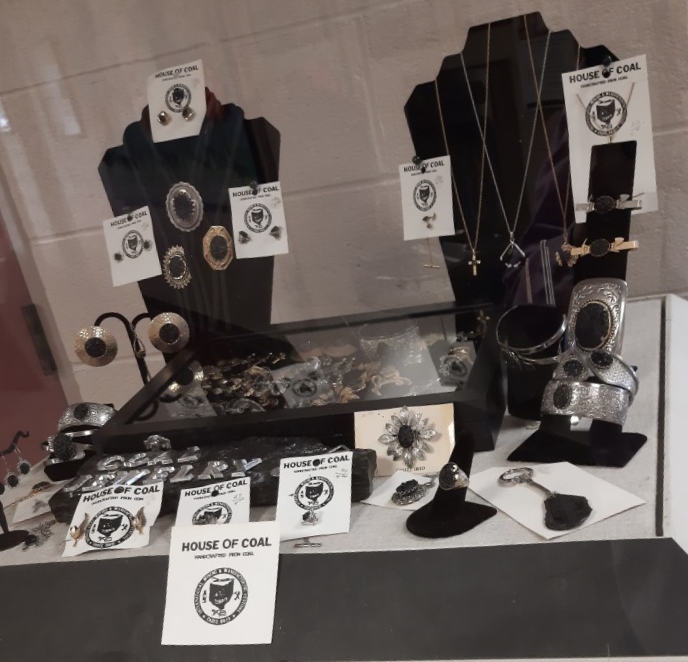
Jewelry made from coal is showcased in their lobby.

The Coal Mining Museum is a great place to learn how coal is formed, the tools used to mine it, and the heavy equipment used in strip mining. Historic photographs line the walls giving you a better understanding of mining and the size of equipment used.

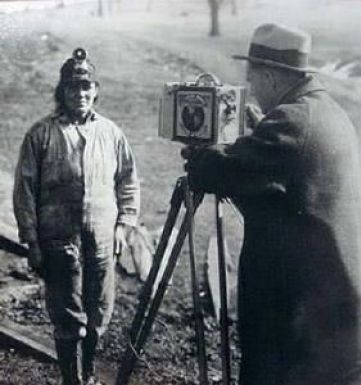
Universal Newsreel photographer captures the moment when Ida Mae is allowed back in the mine.

One of those photos shows Ida Mae Stull, the first woman coal miner, dressed for the mines. Ida was one of 18 children and carried a lantern to the mines for her father when she was six. Ida enjoyed digging coal and mined six or seven cars a day by the age of 30. Her pay for the day was $2 but that paid the mortgage on her property and kept her off charity. Legal action then made it illegal for women to work in the mines but in one year she won her case and was back doing what she loved – digging coal. Ida lived to the age of 84.

The Watts Coal Car made in Barnesville was donated by the Cravat Coal Company.

A featured display shows an actual Watts Car loaded with coal and equipment in front of a large photo of the entrance of a deep mine. Watts Cars were made in nearby Barnesville and this car was donated by the Cravat Coal Company.

Bird cages were an early safety feature in the mines. If a bird died, the men had to leave quickly.

Another interesting display shows safety measures in the mine. A birdcage is displayed which was the earliest way of telling if the mine was safe for miners. If the bird died, they knew the miners had to leave as quickly as possible to escape the deadly gas in the mine. Later methods show rescue kits provided for the miners with oxygen tanks that would last up to an hour that would last up to one hour.

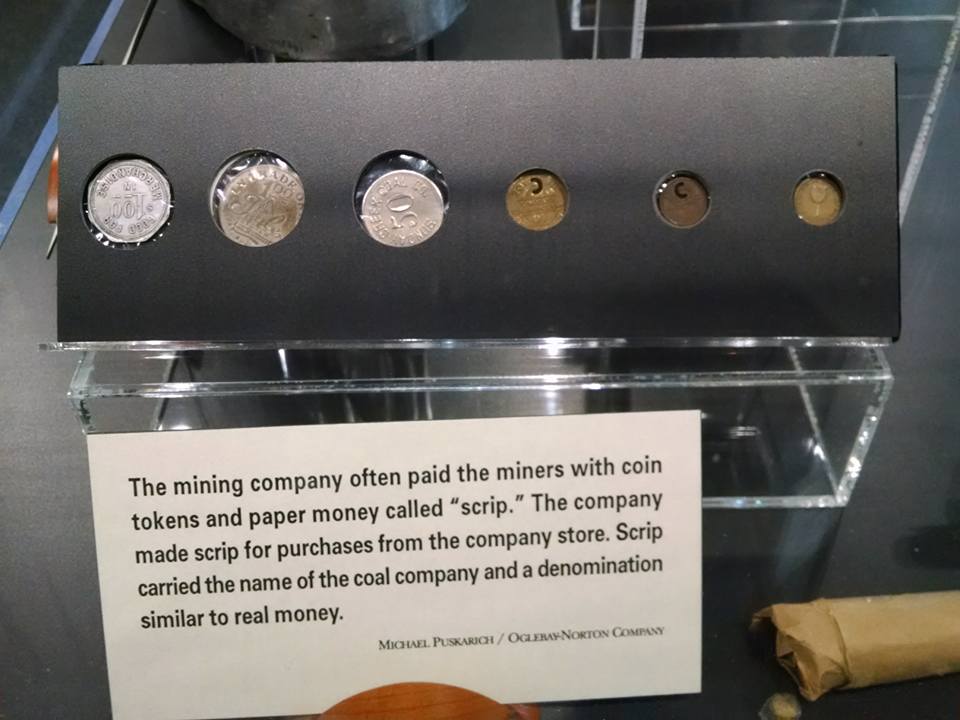
Mines paid in scrip which could only be used at their company store.

Of special interest were the various scrips used as payment to the coal miners. In this way, they had to buy everything from the company store. These people really did “Owe their soul to the company store.”

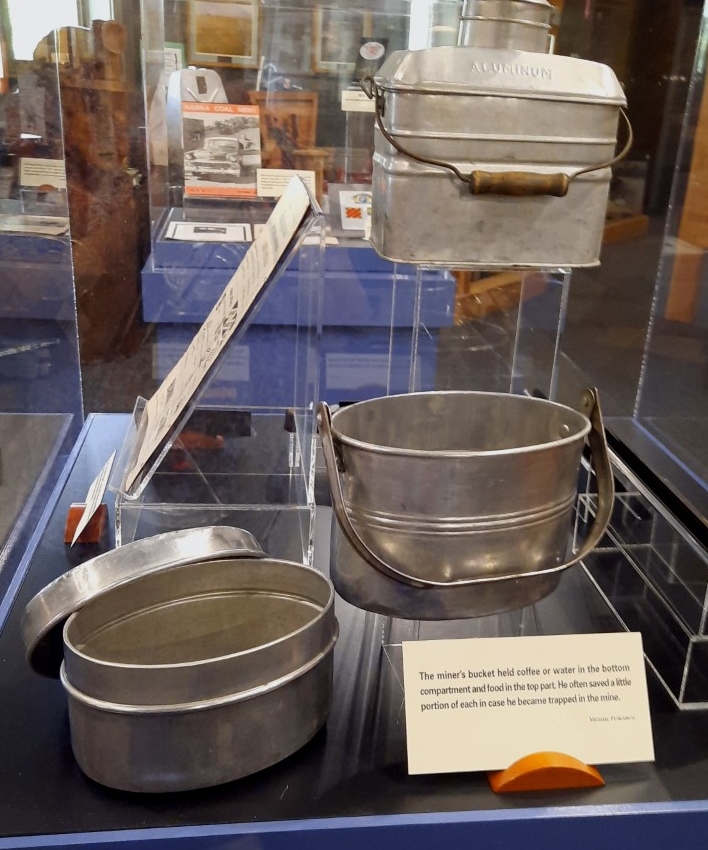
The miner’s dinner pail hung from a nail in the mine to keep the rats out.

Everyone went to work swinging their dinner pail. If they were lucky, they might have a West Virginia ham sandwich inside. By the way, that ham is what we call bologna. Miners always left something in their dinner pail in case there would happen to be a cave-in. If they had a lucky day, on the way home they would give their dinner pail to one of the children so they could have a snack.

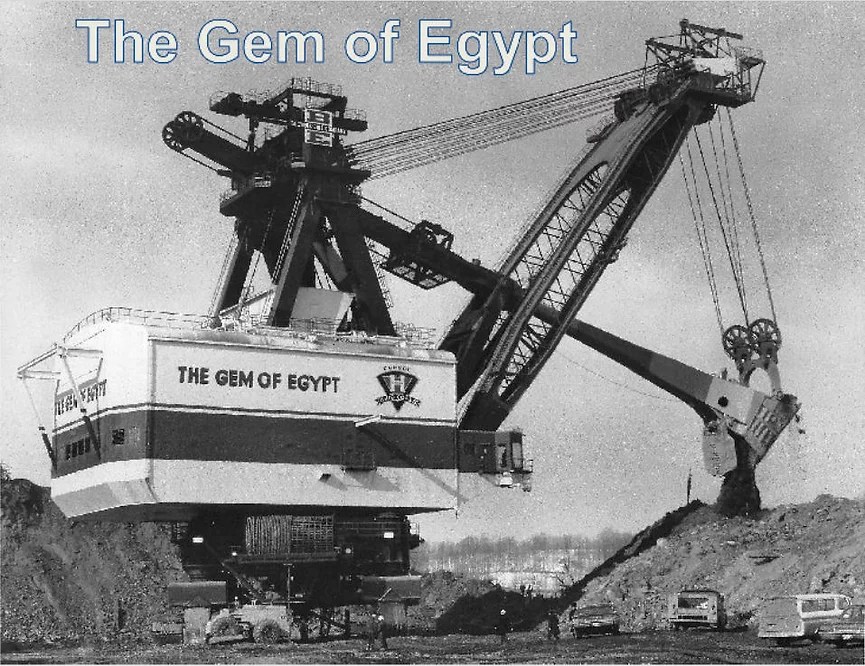
The GEM of Egypt was a power shovel used for strip mining.

Pictures show some of the large machines that mined the coal on ground level. These included the GEM of Egypt (Giant Excavating Machine at Egypt Valley Mine) and the Mountaineer. In 1955, Mountaineer was the first of the super strippers to work in the coalfields around Cadiz.

Tour buses came to see the Mountaineer, the largest mobile land machine ever produced.

A beautiful 99-seat theater shows films about the coal industry and its history. There is a video presentation produced by AEP telling of the conversion of coal to electricity. Students seeing the video realize how much happens before they can turn on their light switch at home.

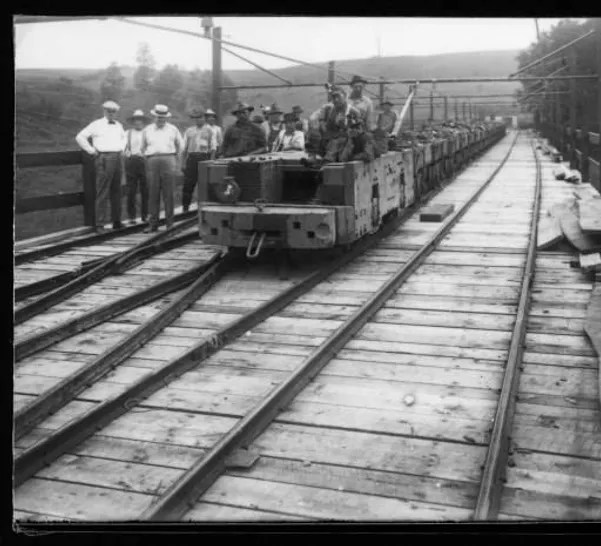
A coal crew works at Short Creek mine in 1910.

A Coal Miners’ Reunion is being planned for May in conjunction with the annual Harrison Coal and Reclamation Park dinner auction. All miners past and present are invited to attend.

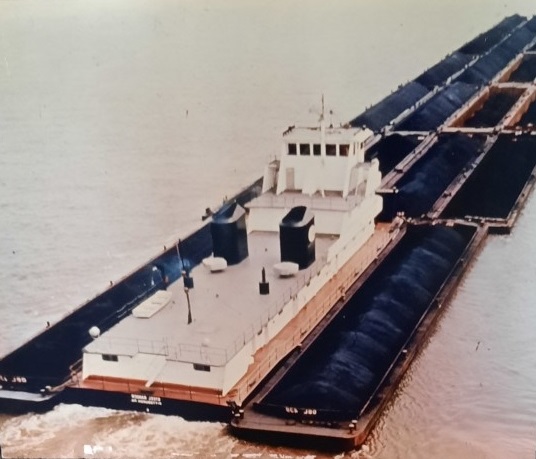
Coal was delivered by barge on the Ohio River.

The Puskarich Public Library and the History of Coal Museum are open Monday through Thursday from 9 am – 8 pm and Friday from 9am – 5pm. Admission is free but donations are appreciated. Check out their website at www.thecoalmuseum.com for more information.

If you enjoy history, you are sure to enjoy all that has been accumulated at the Coal Mining Museum in Cadiz.

General Custer Honored at Birthplace

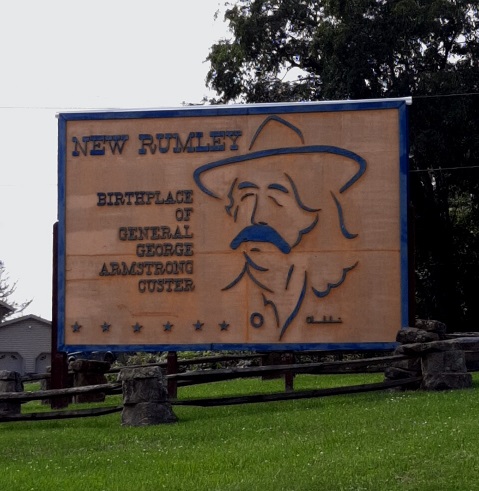
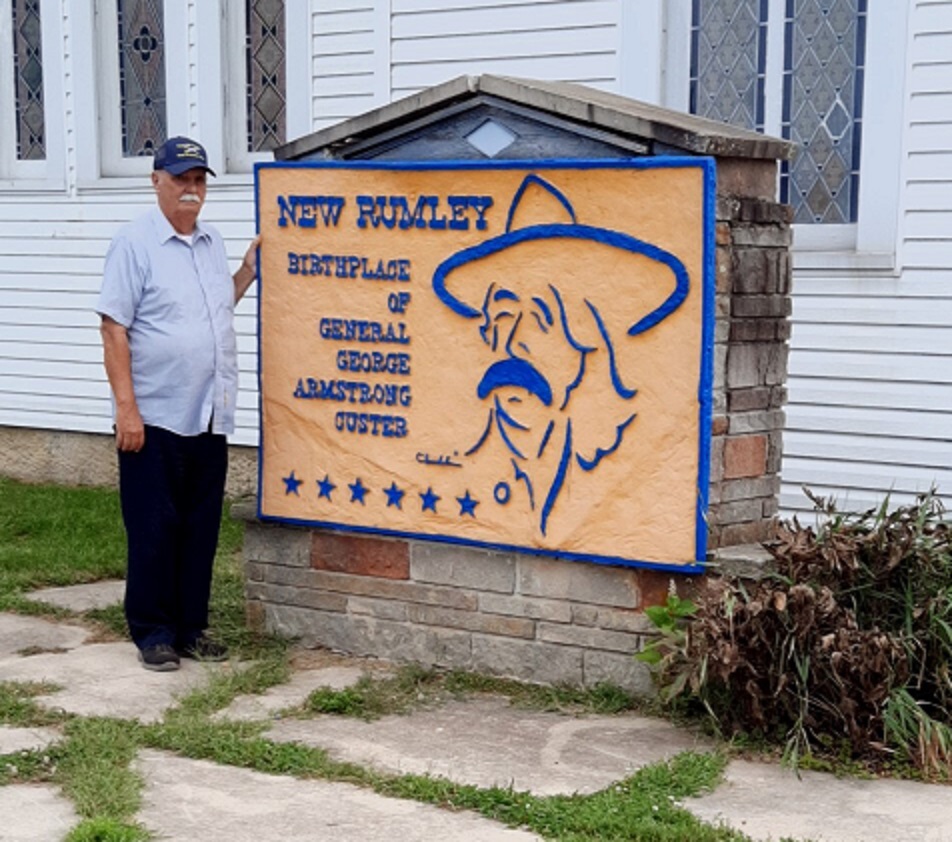
A large outdoor sign points the way to New Rumley and the museum.

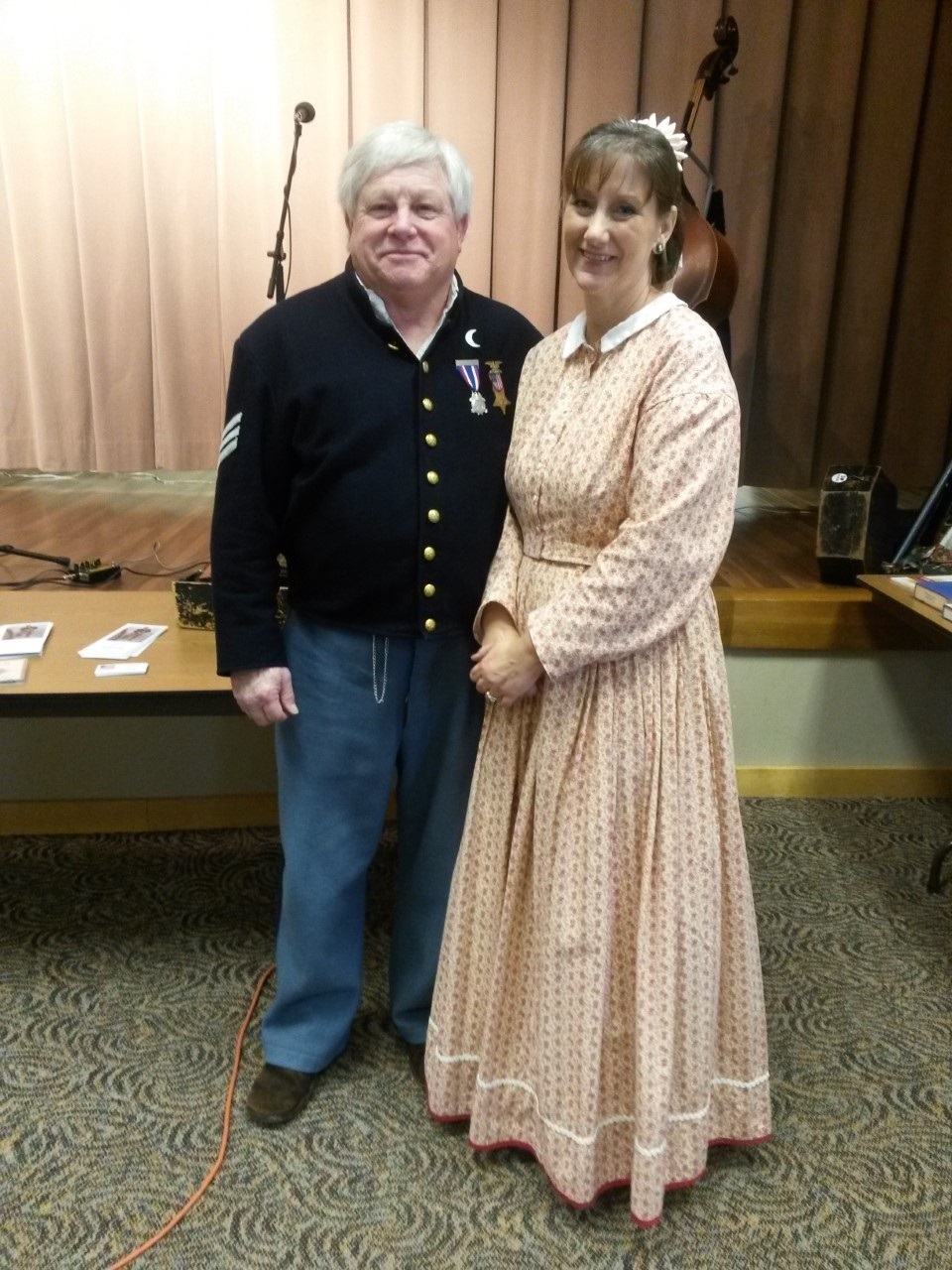
New Rumley, Ohio, the birthplace of General George H. Custer, honors him with an annual Custer Observance on the first Saturday of June. This year on June 4, 2022, the day begins with music by JT Thompson of Scio at 11 am by the monument. Members of the Jewett Veterans of Foreign Wars General George Armstrong Custer Post 3071 will raise the flag.

Infantry will demonstrate Civil War-style before Custer Observance Day.

Dr. Mandal Haas of Carrolton returns with his Civil War cannon along with artillery and infantry reenactors to explain the equipment and give demonstrations of their use. Kevin Haney will have his collection of muzzleloaders on display featuring Ager rifles.

Steve and Lisa Ball will sing Civil War songs that tell of life at that time.

After lunch at New Rumley United Methodist Church, Civil War music will be provided by Steve and Lisa Ball. Not only are their songs entertaining, but the stories they tell of their historic significance are always a crowd-pleaser.

The Custer Museum is inside this old church.

An auction of Civil War and Wild West-related items will follow in the sanctuary. The day’s events culminate with remarks from General Custer (aka Rick Williams). Take time to view the museum packed with memorabilia and the historic signs in the pavilion near the monument.

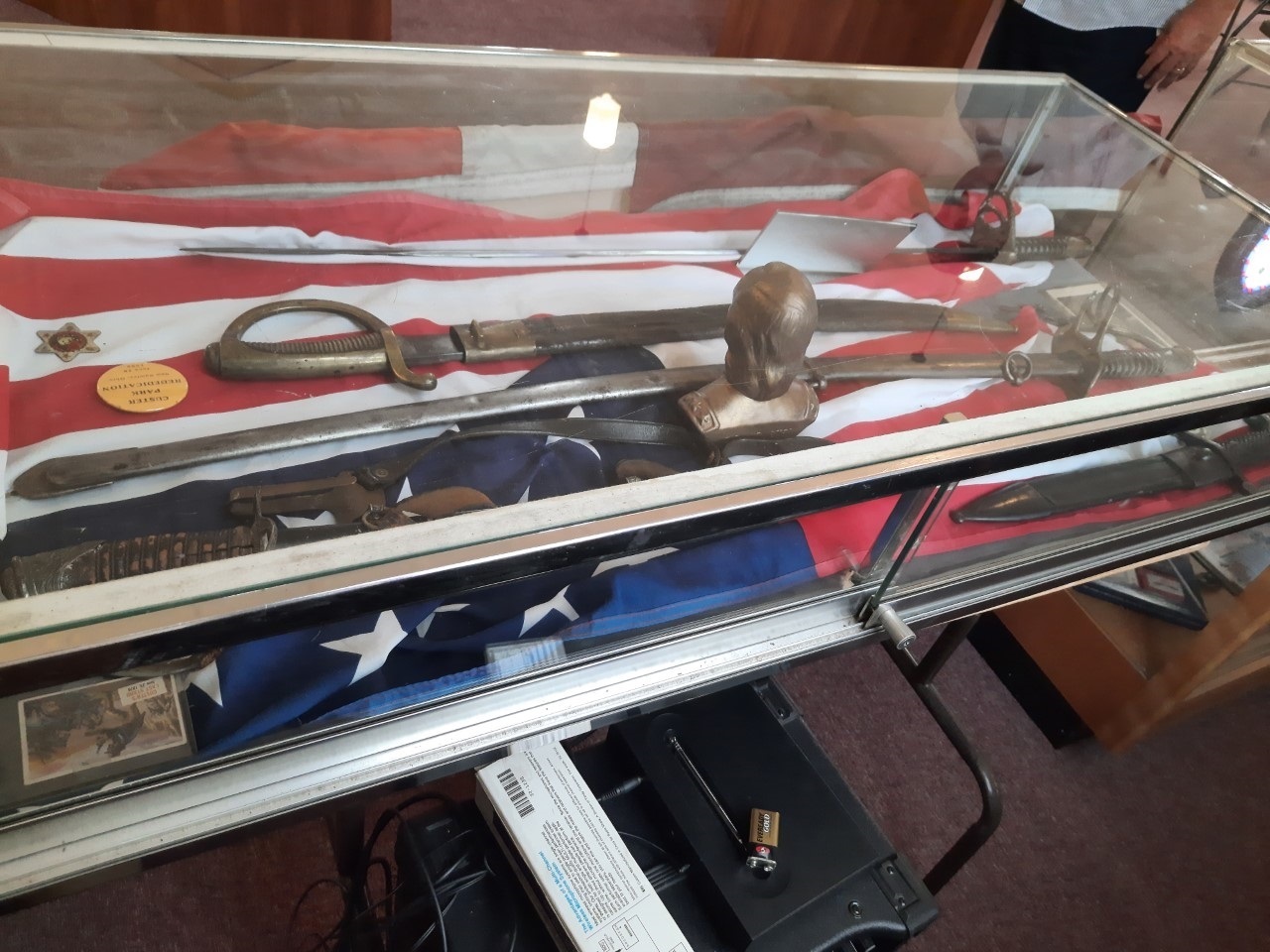
Their collection of Civil War swords is a favorite.

The General Custer Museum in New Rumley, Ohio has a collection of memorabilia from General Custer as well as general Civil War artifacts. One of the most impressive items there is the swords that were used during the Civil War.

Visitors enjoy exploring the museum.

Another impressive piece is a document with the signature of General George H. Custer from 1873 when he was stationed in Memphis, TN. On this particular document, it says that he inspected the horses for the cavalry.

Dave Rose, president, enjoys telling visitors about the museum.

Dave Rose, president of the Custer Museum in New Rumley, has a long-time interest in the Civil War after his great-great-grandfather gave him his Civil War jacket. Dave served in the U.S. Army Cavalry and said they didn’t ride horses but tanks. He spent twenty-four years in Germany serving our country.

When asked to describe General Custer, Dave said, “He was brave…a fighter and hunter.”

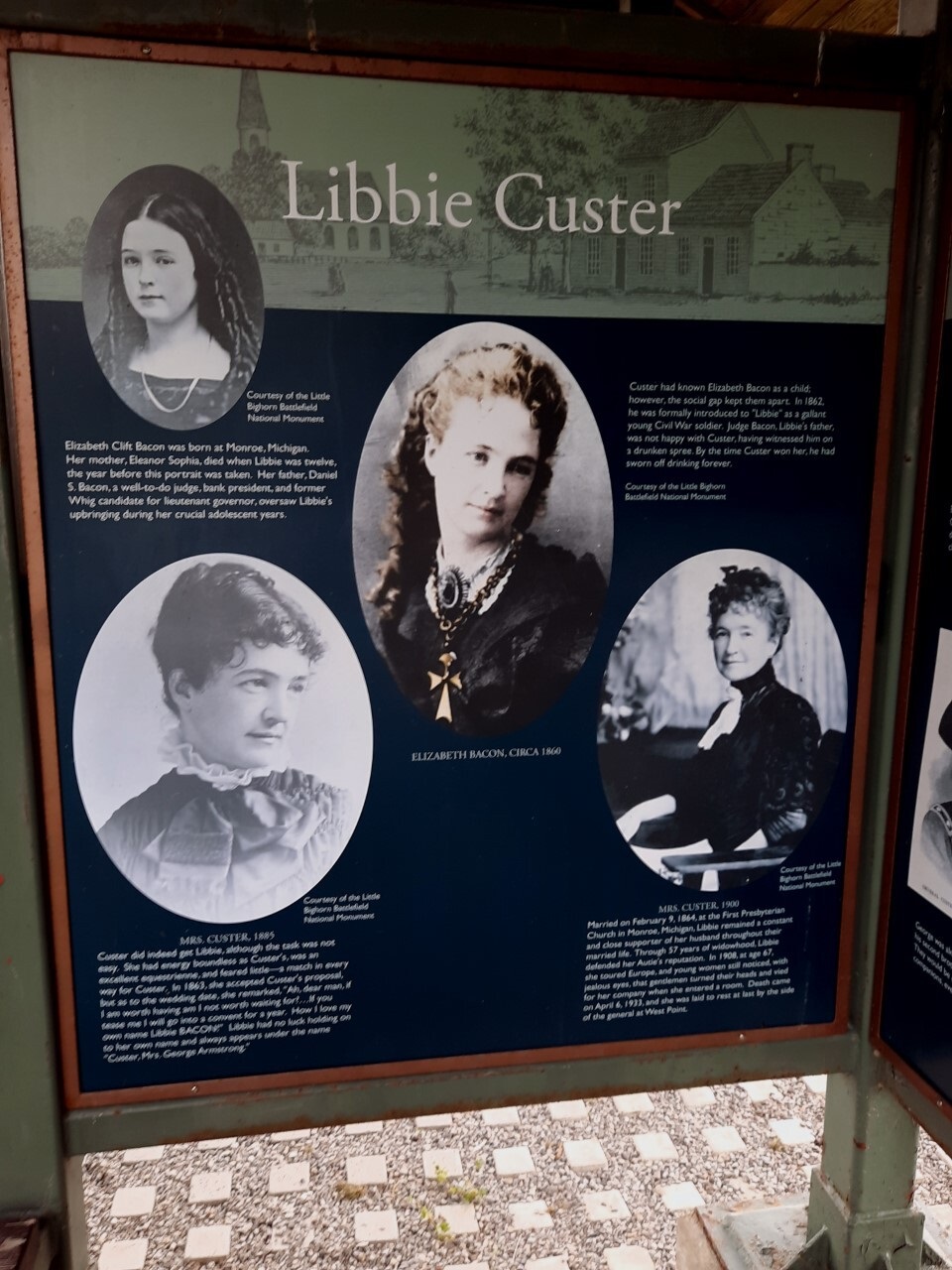
George Custer grew up in a family of several brothers and one sister. George had an attraction to a young lady, whose father was a judge. He didn’t like George’s drinking and forbid his daughter to see him. From that time on George never took another drink as he wanted to marry Elizabeth.

A nearby exhibit tells the story of Libbie, the General’s wife.

George attended West Point and taught school before finally marrying Libbie, who went with him wherever he was sent. George Custer served in the Civil War as Brigadier General and often Libbie stayed in a tent with the military or nearby in a fort. She was always by his side and his biggest cheerleader.

While some feel General Custer wanted to destroy the Indians, everyone does not feel that story to be true. Custer made many friends with the Indians when he was out west and often went hunting with them. General Grant did not like Custer’s affiliation with the Indians and wanted him to leave the Army. At that time many feel Grant sent Custer to Little Big Horn, knowing it would be his downfall. At that final Battle of Little Big Horn, five members of the Custer family died.

George W. Custer statue is a highlight of your visit.

In 1932, the town of New Rumley decided to honor their local hero with a statue. Elizabeth Custer then lived in New York and was unable to attend but through the amazing world of technology even at that early date, she gave a speech from New York that was heard at the dedication ceremony in New Rumley.

The exhibit pavilion near the statue tells the story of General Custer.

Today they have added information boards in a pavilion that tell the history of the general with many pictures included that can be seen throughout the year. It is on the same ground where his birthplace was located and the outline of the bricks shows where the actual house stood.

New Rumley isn’t the only place that holds memories of General George Custer. Monroe, Michigan has a large statue of him on horseback while nearby Cadiz has his signed calling cards and a lock of his hair and Scio has a collection of books and pictures.

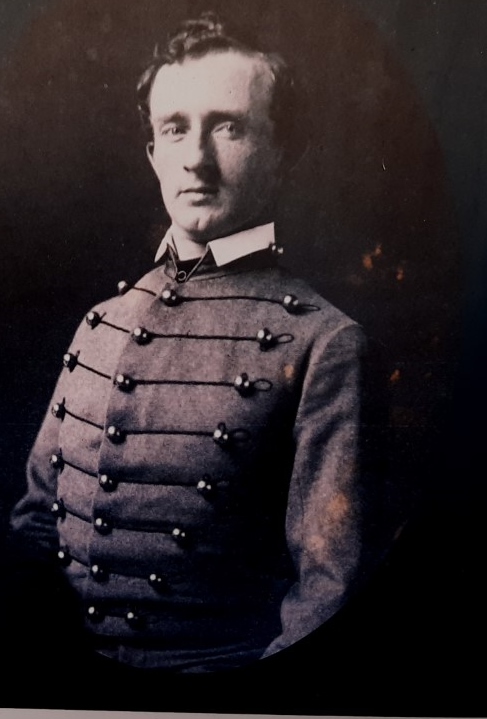
This early picture of George Custer shows him as a West Point cadet.

Visit the Custer Museum in New Rumley on the last Sunday of each month from now until September. The museum will be open on the first Saturday in June from 10 – 5 during the Custer Observance. Enjoy a day learning more about the Civil War and General Custer.

Sistersville West Virginia Oil Well History

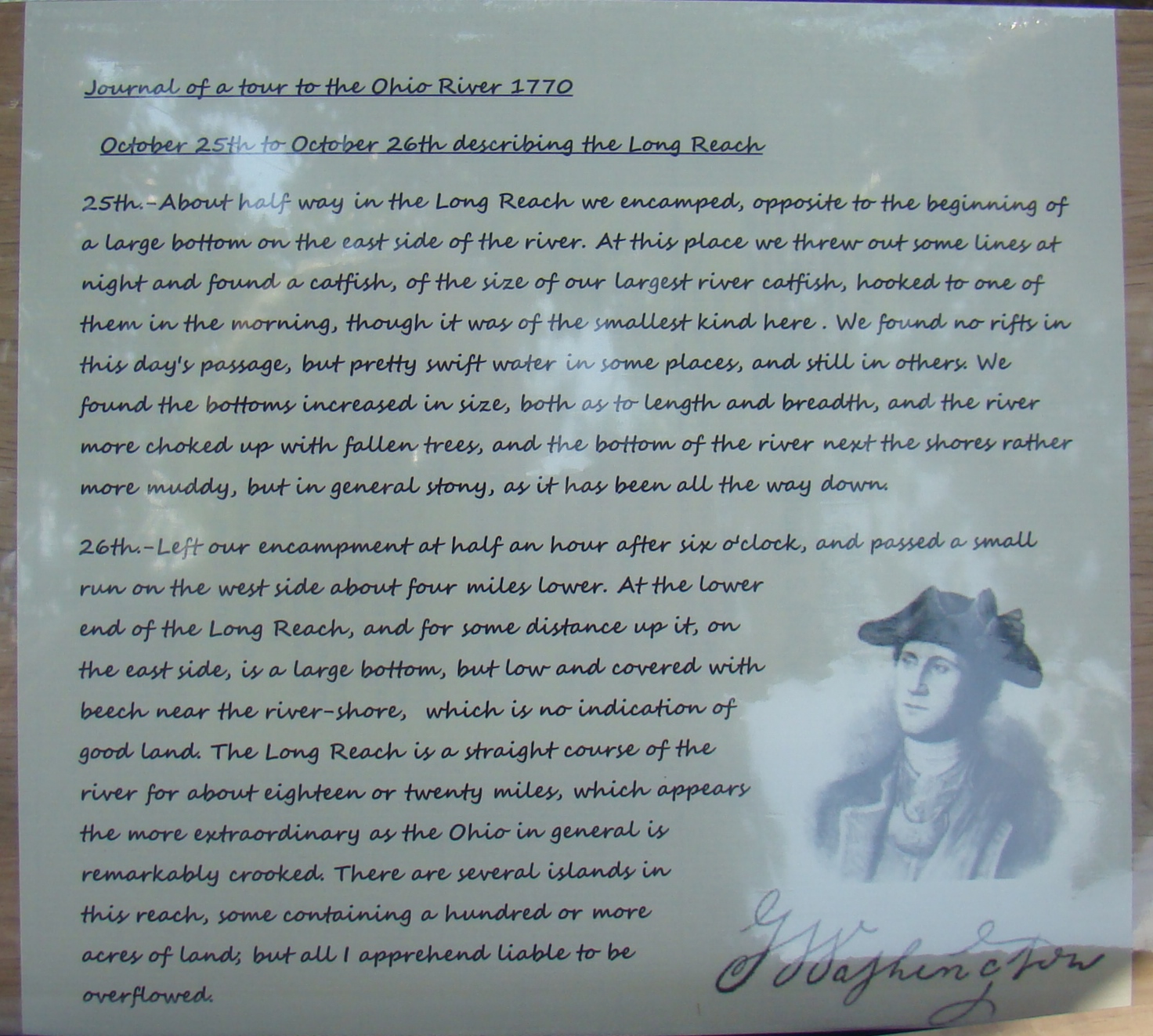
Sistersville’s rich history begins with George Washington really sleeping there in 1770 when he surveyed the Ohio Valley. In his journal, Washington called this stretch of the river “the Long Reach of the Ohio River.”  The river is broad and deep here with hills covered in trees for as far as the eye can see.

Charles Wells was the first to settle here permanently in 1802 naming his settlement Wells’ Landing. While Wells was primarily a farmer, he also served as a representative in the Virginia state legislature. He’s remembered for having fathered 22 children by two wives. Child 20 was named Twenty and 21 Enough. But Betsy came along as child 22.

When he died in 1815, Wells bequeathed the property that makes up much of the business district of the present town to two of his daughters, 17 and 18, named Sarah and Delilah. Each of the children received some property at this time.

The Wells sisters were good businesswomen and laid out the land into 96 lots with eight streets. The town is named for them, Sistersville.

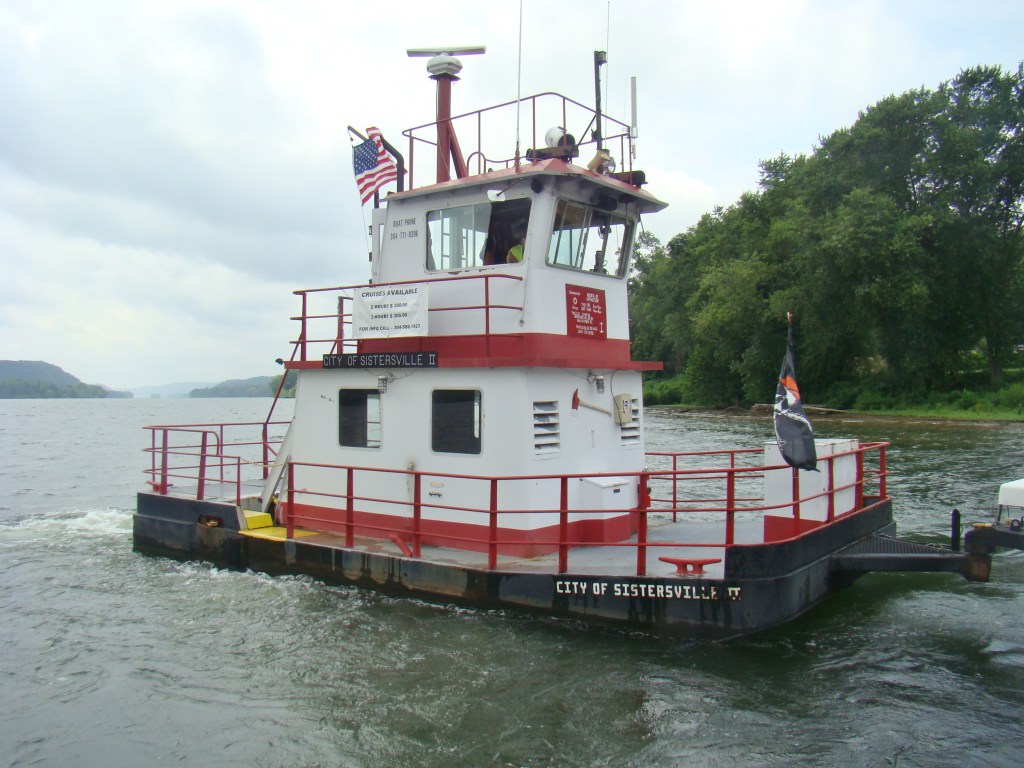
The Sistersville / Fly Ferry still operates to this day across the Ohio River.

In 1817, the Sistersville Ferry was started to take passengers across the Ohio River to Fly, Ohio. It is the oldest ferry in West Virginia and continues to operate until this day.

Before the Civil War, a 51-man military unit, the Sisterville Blues was formed. However, when fighting began, some of these men joined the Confederate Army while others went to the Union Army.  The great-granddaughters of Charles Wells had to hide their Confederate flag behind the wallpaper in their dining room.

When the Civil War ended, Sistersville returned to its quiet farm community. Their first public school was built in 1869 at a cost of $4,000. School lasted only four months then with the teacher being paid  $30 a month.

Peace and quiet came to an end in 1892 when oil was discovered in Pole Cat Hollow just up the river from Sistersville. Quickly, the Sistersville Oil Field began producing over 16,000 barrels of oil a day at 55 cents a barrel. This meant an increase in oil field workers and Sistersville boomed from a town of 600 to one of 12,000. Money flowed in that town as well as the oil wells.

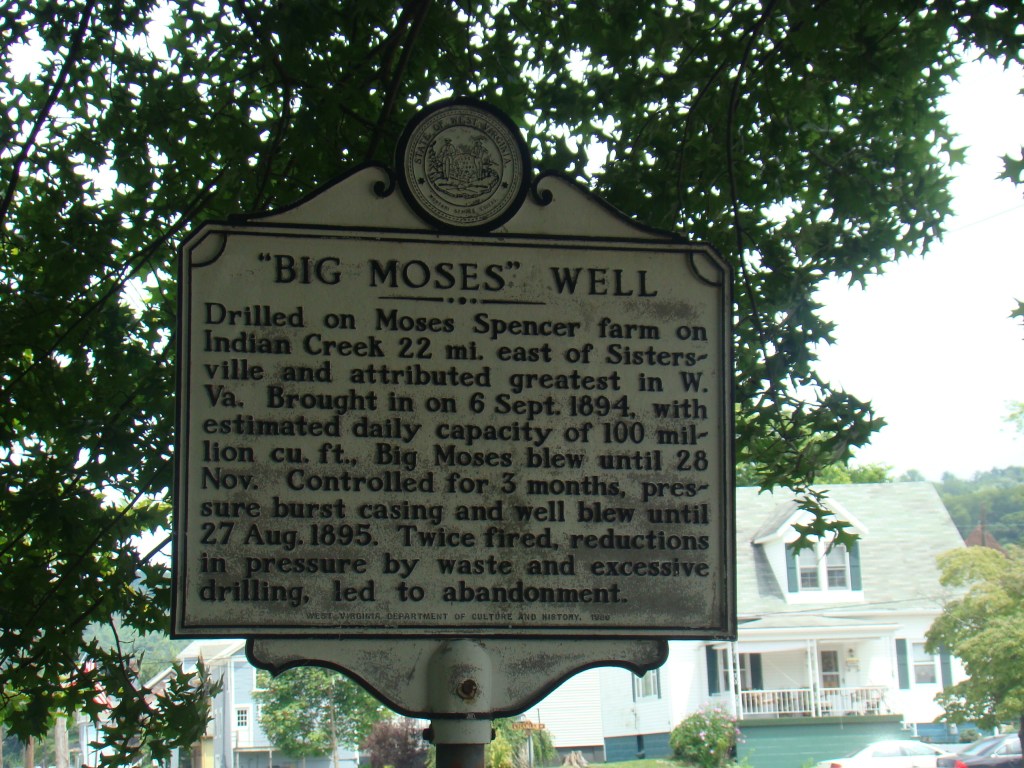
The Big Moses Well is often said to be West Virginia’s greatest oil strike.

Twenty-two miles east of Sistersville, The Big Moses Well drilled on the farm of Moses Spencer is attributed as being the greatest oil well in W.V. Drilled in September 1894, it had a daily capacity of 100 million cu.ft. This well blew until December 1895.

You can imagine all the businesses that opened for so many new residents. Banks, a newspaper, boarding houses and of course, saloons, gambling parlors and brothels, many of which were located on Sinner’s Boulevard. With this quick growth in population, many lived in houseboats called floating shanties along the riverbanks.  Others lived in oil field shacks, which cost about $500. The only inside plumbing was usually a cold water faucet in the kitchen with outdoor toilets on every property.

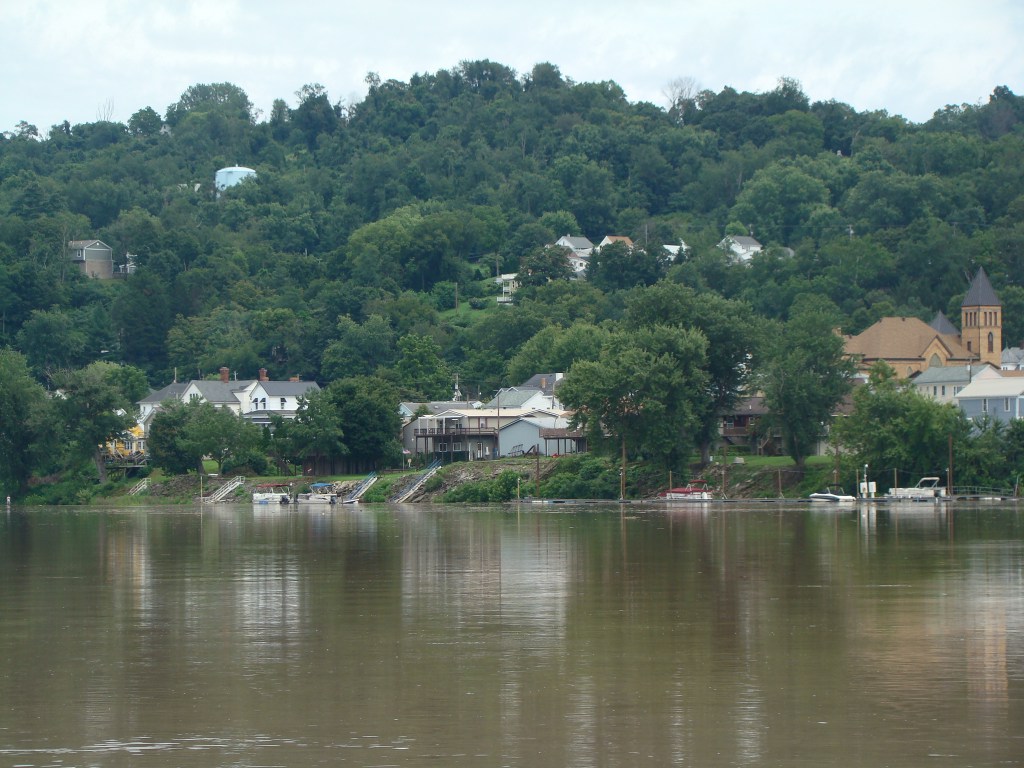
This is the Sistersville view from the other side of the Ohio River.

The well-to-do lived in beautiful homes and five of them are still in existence today in Sistersville on Main Street. As the city grew, new sections opened. Old Rough and Ready, Cow House, and Happy Hollow are a few of the descriptively named neighborhoods. A washerwoman’s house in Happy Hollow bore the sign “Men’s Working Clothes Laundered While You Wait.”

During the oil boom, Sistersville imposed heavy taxes on saloon keepers and gambling house owners. The city also offered bonds for sale to finance improvements. In 1890, water works and a sewer system were installed. All the streets and alleys were paved with brick. A trolley line was built to connect Sistersville with its neighbors, Paden City and New Martinsville to the north and Friendly to the south.

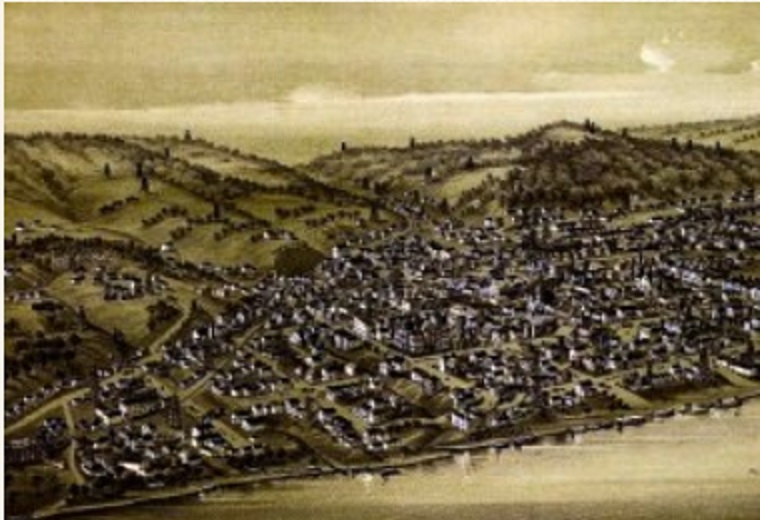
This shows the town of Sistersville during its boom days.

The boom days produced an interesting mix of residents. The original farmers, business people, oil field workers, hooligans, and prostitutes lived side by side among oil derricks and pumping wells. A city resident who was a child during these heady days reported that Madam Stoddard, proprietor of a “sporting house,” was loved by the town’s children. Every year when the circus came to town, Madam Stoddard had her butler round up all the neighborhood children and take them to see the show. The Madam also happened to be the sister of the chief of police.

More respectable forms of entertainment also grew. Private social clubs were formed such as the Americus Club, The Sistersville Music and Literary Club, and the “selective, exclusive” Sistersville Mandolin and Guitar Society.

In the 1890s, Sistersville had three thriving theaters: the Columbia, the Auditorium, and Olsen’s Opera House. The Columbia specialized in vaudeville, and the Auditorium could accommodate 1,000 patrons. For less than a dollar, a person could enjoy a performance by the Boston Lyric Opera Company. Silent film star Ben Turpin performed at the Comique, a nightclub.

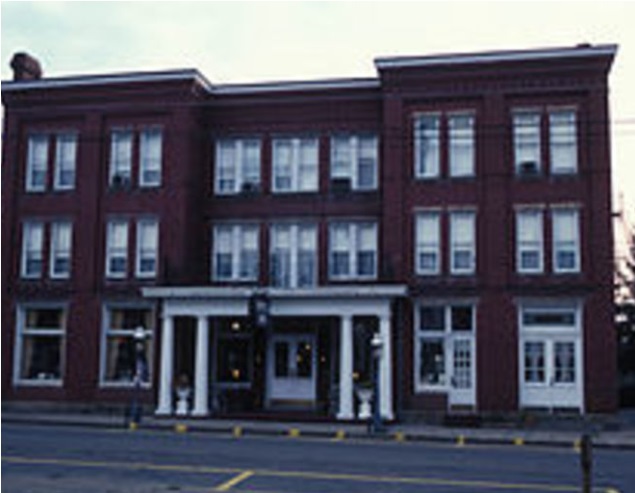
The Wells Inn opened in 1895 to give food and lodging to the oil field workers.

The Wells Inn was built in 1895 by Charles Wells’ grandson, Ephraim. It had 35 rooms, a bar, and a dining room. During boom days, when there were several hotels in Sistersville, the Wells Inn was considered the most elegant. Today it is the only hotel in town, and it has been nicely renovated.

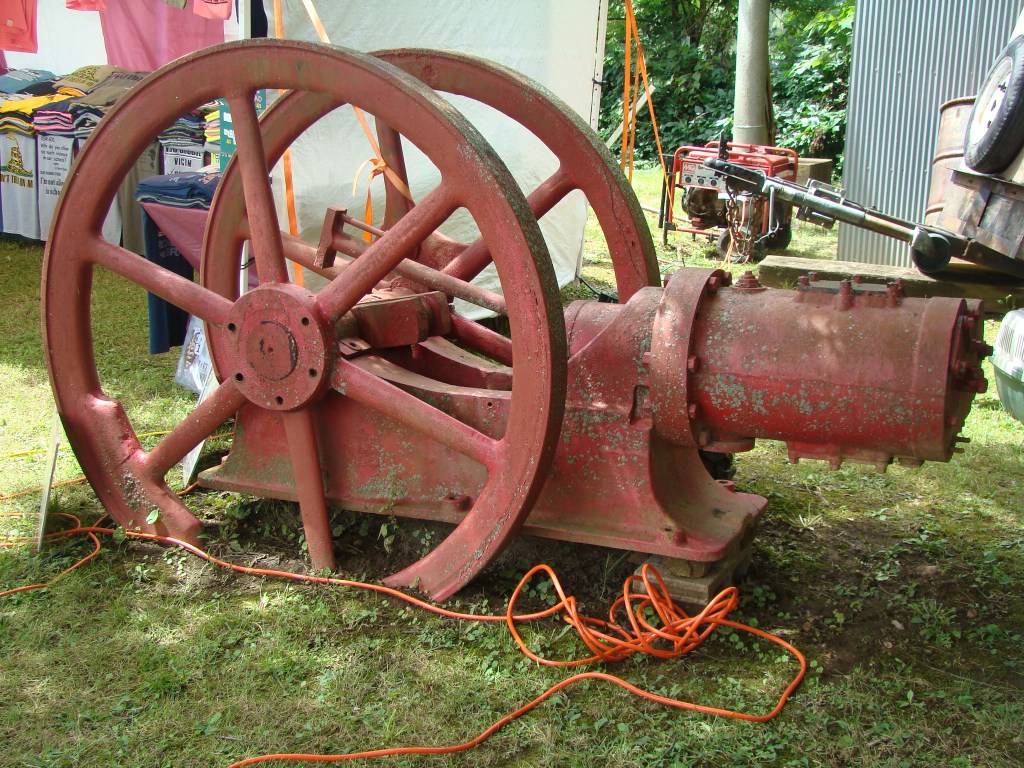
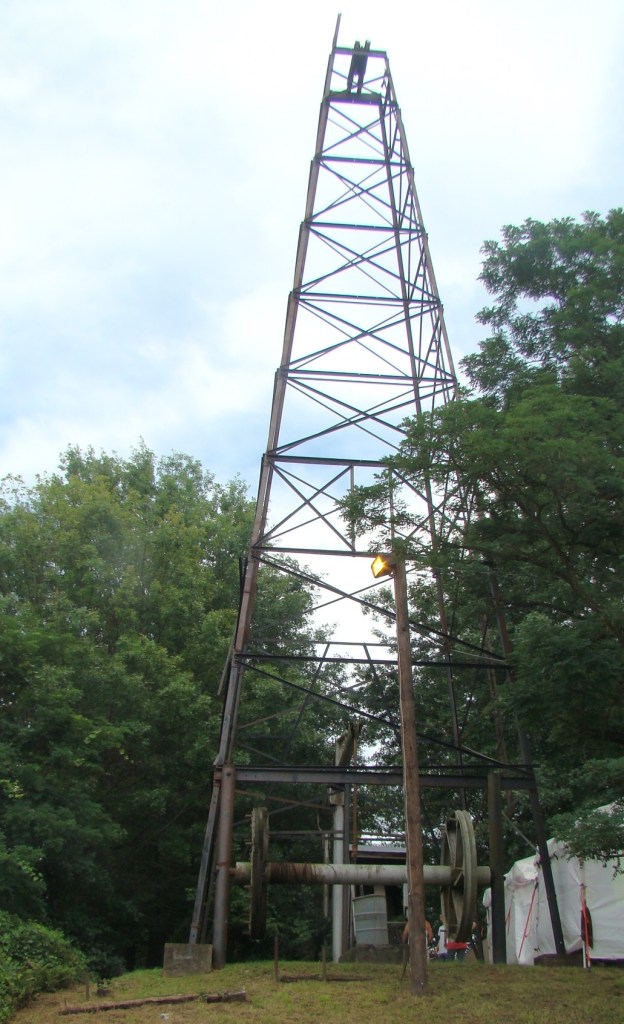
In 1911, the Little Sister well was drilled in the Big Injun Sand to a depth of 1481 feet and was in operation for many years. That derrick is being restored by Quaker State Oil Refining Corp. and The W.V. Oil and Gas Festival, Inc.

Today Sistersville has an excellent display of the Little Sister Well on the banks of the Ohio River. While visiting, you’ll want to be certain to take a ride on the Sistersville/Fly Ferry.

Explore Ohio Art Corridor in Southeastern Ohio

School of Fish along the Muskingum River was the first sculpture made especially for the Ohio Art Corridor.

Sunday drives are the perfect time to explore The Ohio Art Corridor in Southeastern Ohio. There are over 150 miles of road to follow at a leisurely pace so you can enjoy the unique local art. Why, it’s like a Drive-Thru Art Gallery!

This public art trail contains everything from murals to oversized sculptures as it winds through the Appalachian region. It’s open 24 hours a day, 7 days a week.

David is pictured under his Tree of Life, which can be found in Lancaster.

David and Rebekah Griesmyer are the masterminds behind the Ohio Art Corridor. David created School of Fish, the first piece of sculpture made just for the art trail. The fish swim through the air along the Muskingum River in McConnelsville across from the fairgrounds. Each fish measures 15- 20 feet in length.

His sister-in-law, Rebekah is the director of this non-profit organization. Their idea was to provide Appalachia access to culture, art, and educational experiences along a trail that would boost tourism in small towns and areas often overlooked.

This bronze statue of a soldier stands along the Muskingum River at Zane’s Landing.

The Ohio Art Corridor is working with welding and art programs throughout Southeastern Ohio to teach skills needed to create jobs. Interns are invited to help with creating the giant art sculptures along the corridor. They are hoping to partner with local schools in the future to involve students in designing the sculptures.

Flight of the Hawk Park in Lancaster has objects on the ground as well as in the air.

If you have an art piece you would like included on the trail, it has to meet certain criteria:

  1. The piece must be outdoors and free of charge.
  2. Stand-alone sculptures must be of a generous size.
  3. If the artwork is smaller than12 feet, there must be a collection of three or more sculptures in one location.
  4. Pieces must be accessible to everyone.

At this time the trail winds through Circleville, Lancaster, Athens, Portsmouth, McConnellsville, and Zanesville, and the list continues to grow daily as new pieces are added. These “micro parks” reflect the local history and beauty of that particular area.

This Circleville mural celebrates 100 years of the Pumpkin Festival there.

Ten large murals by Eric Henn can be found in downtown Circleville. One celebrates the bicentennial of Circleville while another depicts the many activities involved with their annual Pumpkin Festival, which has been celebrated for over 100 years.

A red-tailed hawk at Flight of the Hawk Park in Lancaster alights on its nest 42′ above the ground.

In Lancaster, Ric Leichliter has sculpted several metal vultures in the branches of a tree in the Flight of the Hawk sculpture park just outside of town on Highway 33.

This turkey sculpture joins other turkey and deer sculptures throughout the park.

Turkeys are scattered across the field. The main feature here is a 42-foot tall metal hawk with a wingspan of 14 feet. It’s even lit up at night!

Portsmouth has a Flood Wall over 2000 ‘ long covered with murals.
This section of the Flood Wall actually shows the flood of 1937.

Portsmouth has a floodwall, which is 2,200 feet long and covered with murals by Robert Dafford the entire length. It tells the history of Portsmouth during the last two centuries.

Locks of Love in McConnelsville is the newest addition to the corridor.

A recent addition in McConnelsville is Locks of Love “A Great Place to Fall in Love” created by David Griesmyer. Two large metal hearts are meant to have locks of love put on them just like the bridge in Paris, France. While the hearts have only been in place for a short time, locks are beginning to accumulate.

View the sidewalk art at any time at Alan Cottrill’s studio in downtown Zanesville.

Zanesville features Alan Cottrill’s bronze works in a sidewalk display outside his studio with an Indian atop his building to give recognition to his heritage. In Zane’s Landing Park, there are other bronze statues as well as murals that have recently been added.

This mural can be found in Zane’s Landing Park.

The Ohio Art Corridor will be the longest and largest outdoor art gallery in the world. It’s over 150 miles long! The other large outdoor gallery in Stockholm is 70 miles in length. Surrounded by parks, tables, and benches, The Ohio Art Corridor will be a place for generations to gather for years to come.

A bicentennial Legacy Monument depicts four notable people in the history of the Zanesville area.

You might want to take a long Sunday drive, or break the corridor up into sections and do several small day trips. That way you’ll be able to spend more time in the communities along the way. Whichever way you choose, if you enjoy art you are certain to find this an enjoyable trail to explore.

Visit The Works in Newark for Science Exploration

School groups and families enjoy exploring The Works in Newark.

Let your imagination soar at The Works in Newark. Everyone from children to adults will find something they enjoy either in the world of science or the history of Newark. Winter is the perfect time to visit this indoor facility filled with experiments and fun.

The Works began in the early 1990s when Howard LeFevre and a group of local citizens were searching for a way to preserve Licking County’s rich industrial heritage. He wanted to use history to provide the foundation for educational programs.

Earliest exhibits were in the Scheidler Machine Works, an 1800s business.

The first exhibits were located in The Scheidler Machine Works, a business from 1882. However, it wasn’t long before several additions were necessary and before you know it The Works Complex filled 6 acres and 11 buildings – an entire city block – very close to the courthouse in downtown Newark.

Youngsters learn about electricity in the Zap Lab.

Today the complex is filled with fun and education. On the first floor, there are simulated cars to drive and Legos to build and race, A multitude of craft supplies help kids use their imaginations to make a piece of art they can take home with them. It’s a great place if your child enjoys science with many special labs for hands-on activities for learning and fun.

A glass-blowing exhibit amazes young and old.

A glassblowing exhibit is a favorite of many. A well-supplied room with all the tools needed for blowing glass has adults and children oohing and aahing. Pre-register on certain dates to complete a glass project while visiting. In January and February make a glass heart!

Become a flight simulator in a replica of the Spirit of Columbus.

The second floor overflows with history of the area. Learn about glassmakers Heisey Glass and Corning Owens. See old telephones and typewriters as you explore replicas of local shops that were in the area over a century ago. Some were previously at COSI’s old home. Hear the story of Newark native, Jerrie Mock, the first woman to fly solo around the world. There’s an excellent display of canal history as well.

Don’t forget the Art Gallery featuring national and local artists in a variety of mediums. Gallery exhibits change quarterly to keep artwork fresh and exciting.

Workers assemble a Mastodon skeleton when digging a pond in Heath.

An amazing exhibit displays parts of a mastodon skeleton discovery in 1989 near Buckeye Lake when they were digging for a new pond on Burning Tree Golf Course in Heath. It’s called the Burning Tree Mastodon, the most complete mastodon skeleton ever found, and is estimated to be 13,300 years old. The original sold in 1993 for $600,000 and now resides in Japan.

Step into an original interurban car outside the building.

There are places to explore both inside and out. Outside there is an original interurban rail car open for touring or even a birthday party! If you enjoy music, try your hand at the outdoor Pipe Organ where you can perhaps create a tune of your own. The Works’ mission is to enrich people’s lives by providing interactive opportunities that inspire creativity and learning.
SciDome is a planetarium featuring space-based learning for all ages.

SciDome planetarium is a combined effort between The Works and Ohio State University. A visit is included with your admission so you can enjoy a trip through the nighttime sky, a visit to the solar system, or a journey to Mars. This 30-ft., 4K Projection planetarium includes live planetarium shows as well as full-dome SciDome films. Programs vary so check their schedule before visiting.

They have a traveling program that goes to over fourteen different counties and they provide professional training for area teachers. There is a heavy emphasis on STEM (Science, Technology, Engineering, Math) as it is found in everyday life from measuring ingredients while cooking to launching rockets.

Go Lab encourages building your own vehicle and then racing them.

It’s a great place for a school field trip to learn more about the history of the area as well as experience many hands-on science activities.

See a historical horse-drawn fire hose wagon.

Children especially enjoy the downstairs section, while adults prefer the history on the second floor. Everyone enjoys having a lunch break at the deli, which is connected to the museum by a walkway.

The Works is an affiliate of the Smithsonian Institute in Washington D.C., which gives them access to many exhibits and resources not otherwise available. The museum is open Tuesday through Saturday from 9 – 5 and on Sundays January through March from noon -5 at 55 South First Street in downtown Newark. Admission is very reasonable at $8 for children 3- 17, $12 for adults, and $10 for seniors 55+. There is free and convenient parking in their visitors’ lot very near the front door.

During these winter months, The Works would make a great family outing where there is something everyone would enjoy. Check their calendar of events on their website – http://www.attheworks.org . It’s the perfect place to spark your children’s imagination.