Places to go and things to see by Gypsy Bev

Archive for the ‘History’ Category

Clark Gable Museum Celebrates Star’s Birthday

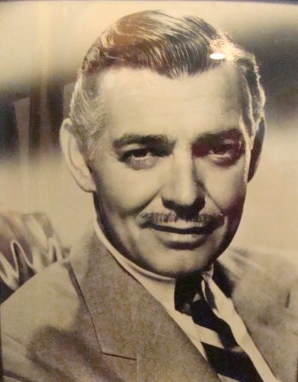
Clark PictureVisit the birthplace of the most popular figure on the Hollywood screen from 1936-1960. Clark Gable was born in Cadiz and grew up in Hopedale, Ohio. See his humble beginnings at the Clark Gable Museum in Cadiz…the only Clark Gable Museum in the world.

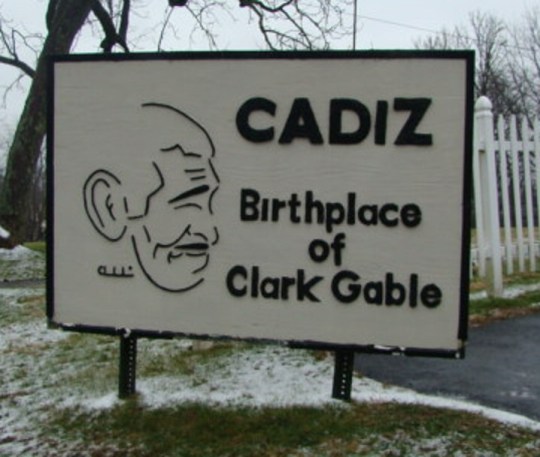
Clark Cadiz Sign   The museum came about after a deejay from Illinois called the Cadiz postoffice on February 1, 1983, and asked them if they knew whose birthday it was. The postman said he had no idea. The deejay told him Clark Gable and asked him what they were doing to celebrate his birthday. That was the last time “nothing” was the answer.

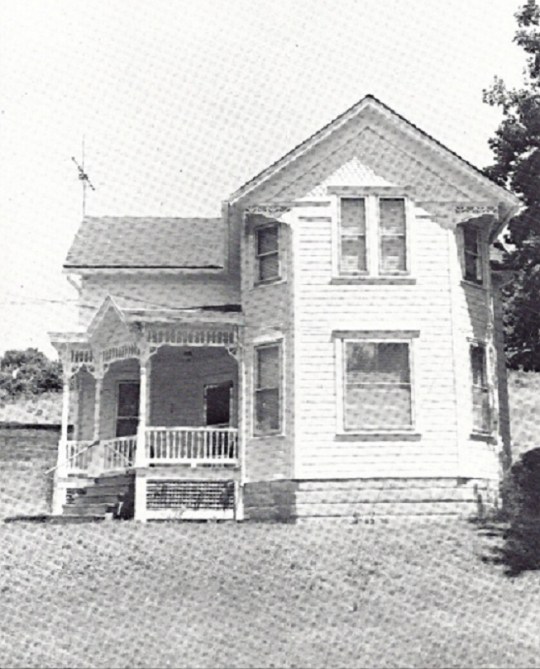
Clark childhood home

This postcard shows the house where Clark grew up in Hopedale.

   William Clark Gable was born on February 1, 1901, on 138 Charleston Street in Cadiz. His parents felt he was the apple of their eye. But unfortunately, his mother died when Clark was ten months old and his father then moved down the road to Hopedale, where their home is today a private residence.

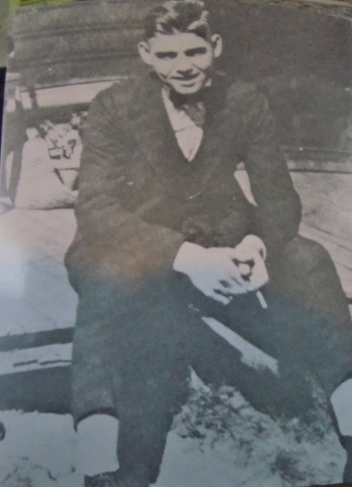
Clark teen

Clark Gable poses as a teenager.

   His stepmother played piano and gave Clark lessons at home. He picked up brass instruments as a result and was the only boy in the Hopedale Men’s Band at the age of 13. Also, at this time he had a deep interest in literature and enjoyed Shakespeare’s sonnets.

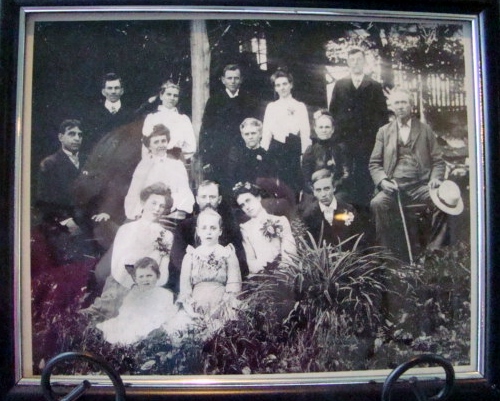
Clark Family Picture

This family portrait shows Clark in the front and his father to the far left.

   His father insisted he engage in some more masculine activities so Clark became very adept at fixing cars. When they moved to Ravenna a few years later, his father wanted him to help on the farm. Clark went to work at Akron Tire and Rubber Company instead. But he seldom worked a full day as he would leave to go to the theater. Even if he went as an usher, at least he was where he loved to be.

   Clark worked his way west from Ohio by riding in boxcars and worked in the oil fields in Tulsa, Oklahoma along the way. He ended up in Oregon working as a salesman of ties in a department store.

Clark Poster

A lifesize poster of Clark hangs in the gift shop.

   But that was a good stop for him as he met his first wife there. Josephine Dillon, his wife and coach, saw that beneath his uncultured look there was the potential for a strikingly handsome man. So she had his bad teeth fixed and strengthened his undernourished body. His voice was rather high-pitched and she coached him how to lower it to a deeper resonance.

Clark Gift Shop Walls

Walls at the museum are covered with pictures of his many movies.

   Clark went on to Hollywood to begin his career there as an extra in silent movies. He eventually appeared in 67 talking movies and was called The King of Hollywood. Some of his movies include “It Happened One Night,” “Call of the Wild,” “San Francisco,” and the immortal “Gone With the Wind,” which won the Academy Award for Best Picture in 1939. 

   So it seemed strange that his birthplace of Cadiz, Ohio would not have a display of some kind to acknowledge this famous celebrity. For years, the only things existing on the location where he was born in an upstairs apartment were a garage and flower garden. The house had been demolished years before.

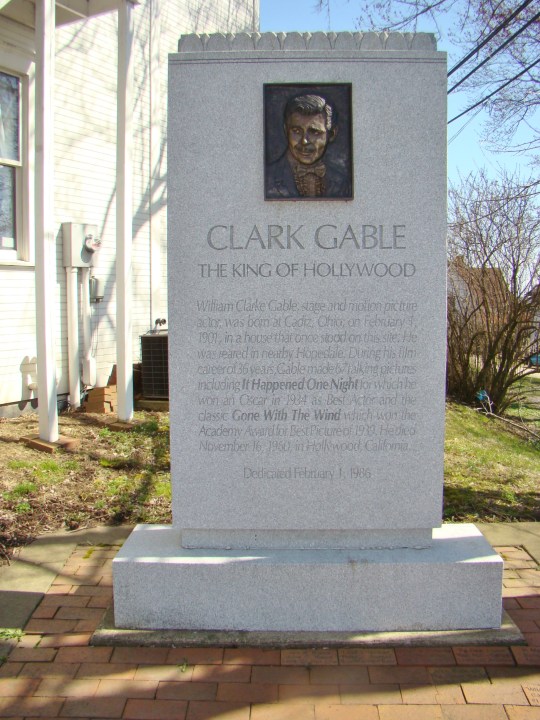
Clark Monument

This monument to Clark was the first move to honor him in his hometown.

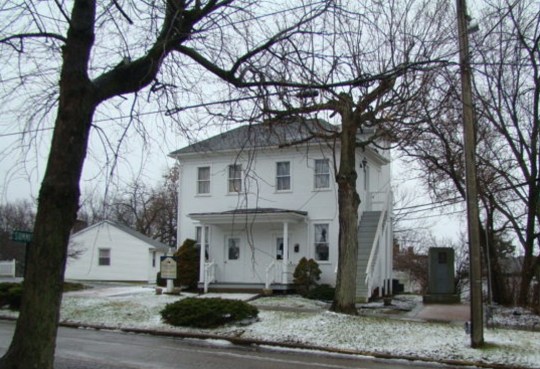
   Once the town decided to honor Clark, the first thing to be erected was a monument at the place of his birth. Then in 1998, the house was reconstructed. It has been furnished in the style of the day and has several of the King’s belongings on display.

Clark Home Upstairs

This is the reconstructed house on the spot Clark was born.

   Carole Lombard, Clark’s wife, is honored with a large display that was provided by a fan of hers, Norm Lambert. When Carole died in a plane crash while returning from entertaining the troops during WWII, Clark decided he would enlist in the Army Air Force as a tribute to her.

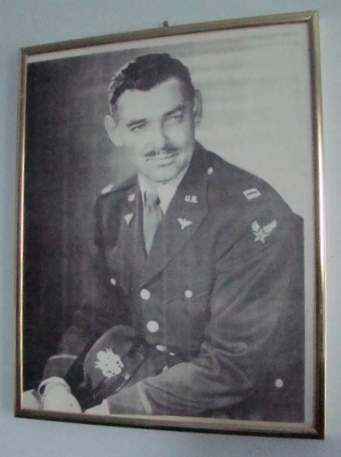
Clark Air Force

He served in WWII as a cameraman and gunner.

   During WWII, Clark Gable served as an aerial cameraman and bomber gunner in Europe with the Army Air Force. He enlisted as a private in August 1942 and was relieved from active duty in June 1944 at his request since he was over-age for combat.

Clark Cadillac

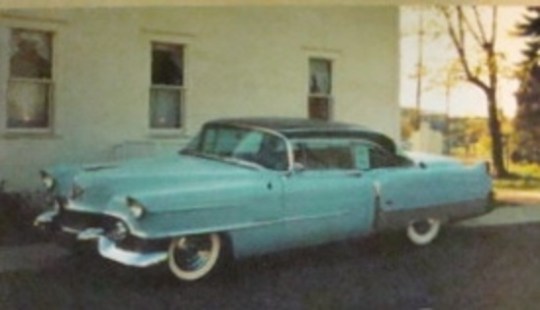
His ’54 Cadillac can still be seen as part of the tour.

   Inside you will find Clark Gable collectibles as well as “Gone With the Wind” displays. Books and pictures are on display from his childhood to stardom. In the garage, you will even find one of his cars, a classic 1954 Cadillac de Ville.

Clark Nan Mattern

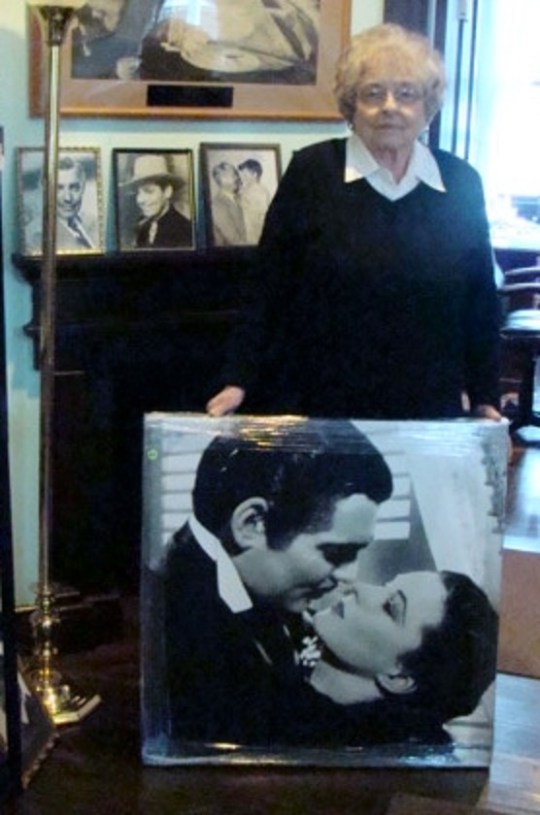
Nan Mattern, director of the museum, displays a picture from “Gone with the Wind.”

    Since it has been opened, over 150,000 people have stopped by to share their stories and see the treasures. They are made welcome by Nan Mattern, the director, and a dozen ambassadors who help with tours of the facility.

   A lady from Portland remembered seeing Clark in his first performance on stage in Oregon. A man recalled his dad telling him the story of riding in a boxcar with Clark Gable as he headed west. His dad had given Clark five dollars for food. Years later Clark came back to that town and wanted to repay him for what he had been given. Many heartwarming stories are shared.

   Clark Gable was always humble about his good fortune. He commented, “I’m just a lucky slob from Ohio who happened to be in the right place at the right time.”

Clark Back Entrance

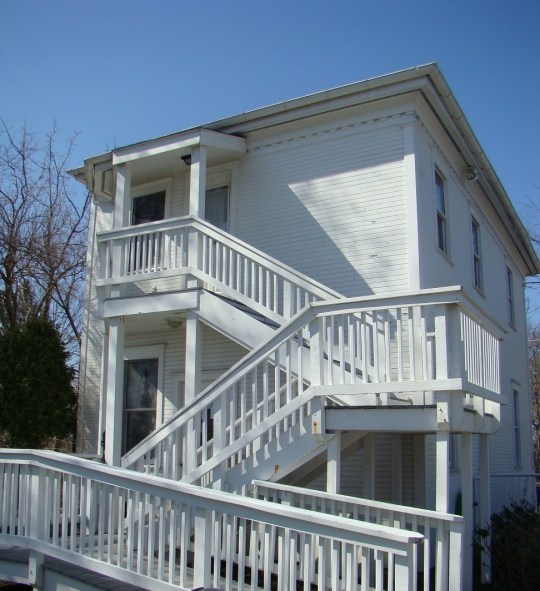
This is the back entranceway to the upstairs apartment where he was born.

   Clark Gable Museum is located at 138 Charleston Street in Cadiz. It is closed December through February, except for Clark’s birthday. The remainder of the year it is open Wednesday through Friday 10 – 4. But if you wish to stop down at a different time or have a group that would like to visit, contact them for an appointment. Call the museum at 740-942-4989 or Nan at 740-942-2505.

Clark Downtown

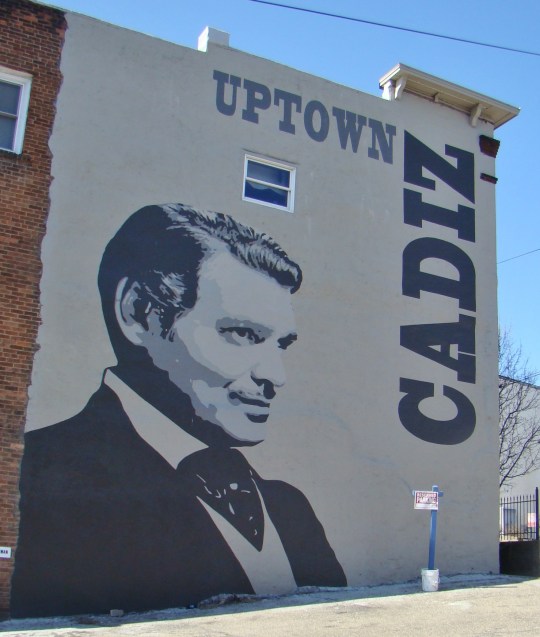
This mural in uptown Cadiz shows he is remembered as a hometown boy.

   Join the Clark Gable birthday celebration on Saturday in February when the museum will be open from 10 -2 and serve light refreshments.  Clark Gable’s birthday will not be forgotten in Cadiz. 

   Clark Gable Museum is at 138 Charleston Street in Cadiz, Ohio. It is near the intersection of US 22 and US 250. Watch for signs directing you to the museum or follow your GPS. It’s not far from downtown Cadiz. 

Memories of Christmas Past at Arms Family Museum

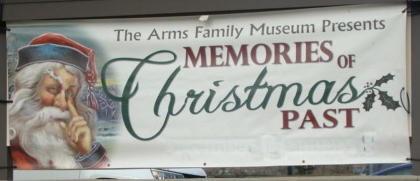
Arms Entrance

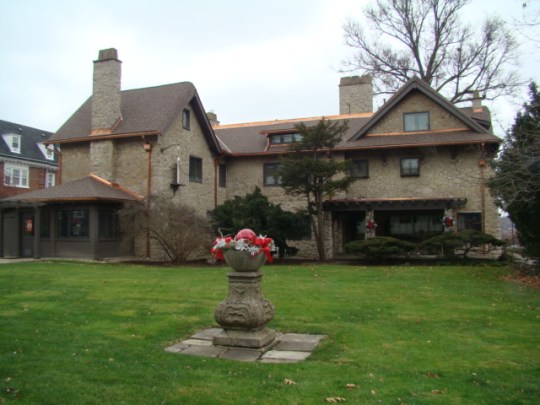
The Arms Family Museum presents “Memories of Christmas Past.”

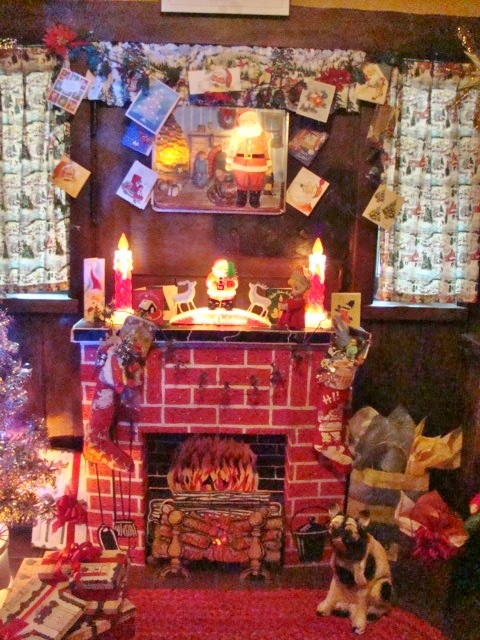
“By the Fireside” brings to life the traditions and decorations used during Christmastime many years ago. Picture yourself sitting by a warm fire with stockings hung from the mantle ready for Christmas surprises. There’s so much to see in seven rooms filled with Christmas of old that you’re sure to find memories that have been tucked away in your mind from years in the past.

Arms Fireplace with cards

This brought back memories of hanging Christmas cards around a cardboard brick fireplace.

   The Arms Family Museum in Youngstown presents its 12th annual “Memories of Christmas Past” from November 23 through Sunday, January 5, 2020. This display has been designed each year by the mastermind of Anthony Worrellia, who explores the world for new ideas and rare Christmas decorations. Each year the rooms take on a different theme which gives them a special glow.

Arms Sitting Room with feather tree and wooden toys

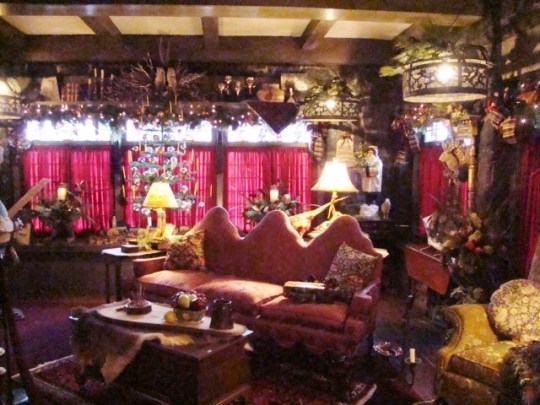
Their cozy sitting room had a feather tree and wooden toys.

   Anthony searches all year for the perfect items to display. He borrows from friends and acquaintances all over the country. His connections through a group of international Christmas collectors, The Golden Glow of Christmas Past, help him in his search for new ideas. A team of volunteers and staff begin setting up the displays in late September.

Arms Asian Dining Room

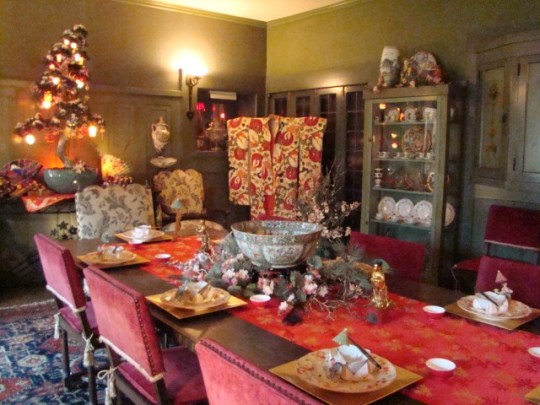
This Asian dining room was inspired by a Christmas card collection.

   His ideas might come from something as simple as a collection of Christmas cards and postcards. That happened this year when the cards led Anthony to create a dining room setting with an Asian and European touch.

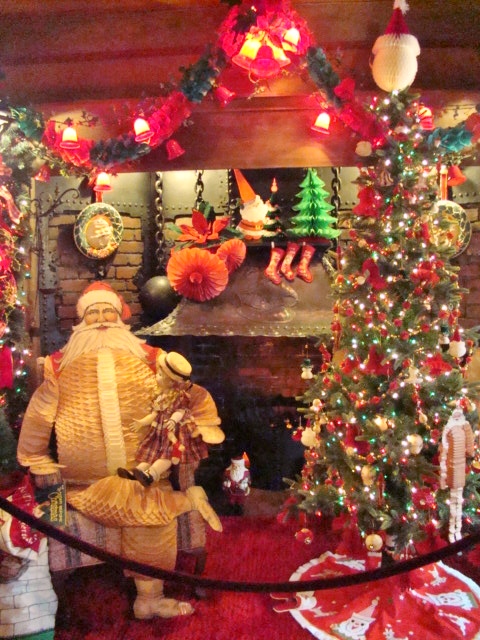
Arms Honeycomb Santa

Honeycomb Santas, candles, snowmen and other decorations were available in the 1920s.

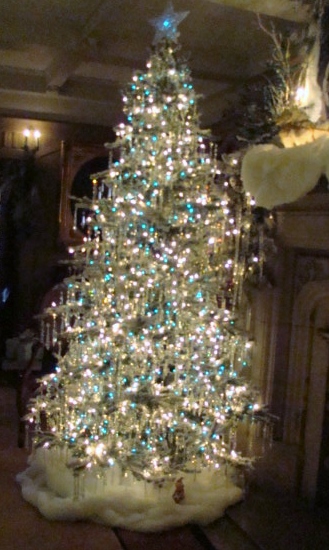
   A display of those old-fashioned honeycomb decorations from the 1920s caught my eye. Large red plastic bells hung throughout the exhibit that used to hang in the classroom. A favorite in the library was a seven and a half foot crystal tree containing over 2,000 crystals which was wrapped with blue lights creating a magical feeling.

Arms Crystal Tree

2,000 crystals shimmer in a field of blue lights.

   A fun Scavenger Hunt along the way had you looking carefully for a list of things to be found. Included were 4 snow dogs, an owl with a Santa hat, a bonsai tree, and as many elves as you could find. It also caused guests to interact with each other creating an all-round friendly atmosphere.

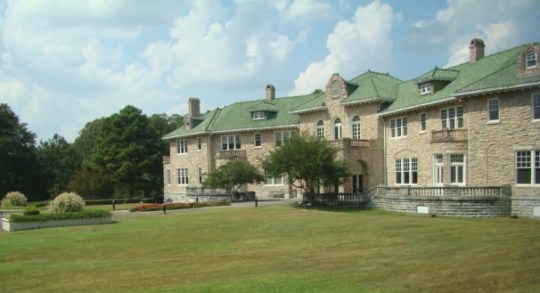
   The setting is perfect as it showcases the Greystone house built by Wilford and Olive Arms in 1905. Upon her death in 1960, Olive left the Mahoning Valley Historical Society her home and its contents with the stipulation that it be developed as the Arms Museum.

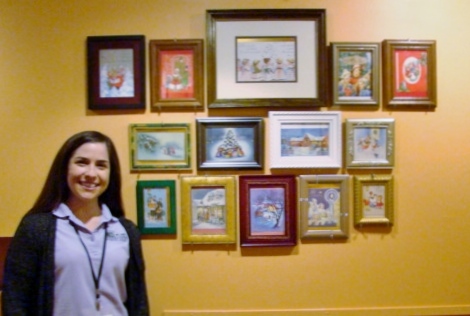
Arms Guide Cassie Christmas Card collection

Guide Cassie tells of the vintage Christmas card collection on display.

   While the first floor has Christmas in every corner, the second floor shows the mansion as it was when the Arms lived there. Children prefer the basement, which resembles an old log cabin, as this is the place where they experience hands-on activities.

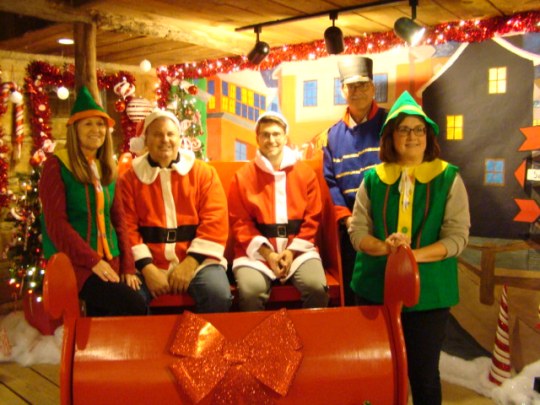
Arms Sleigh 2

Don costumes for a great photo opportunity.

   In the lower level at “Santa’s Village,” children and adults enjoy getting dressed in Christmas costumes of Santa, elf, or drummer boy. All of these costumes are locally made. Santa’s sleigh, made by another local gentleman, gives the perfect background for a photo opportunity. There are craft tables also where you can make bead or paint chip tree ornaments, holiday cards, or even a miniature Greystone mansion.

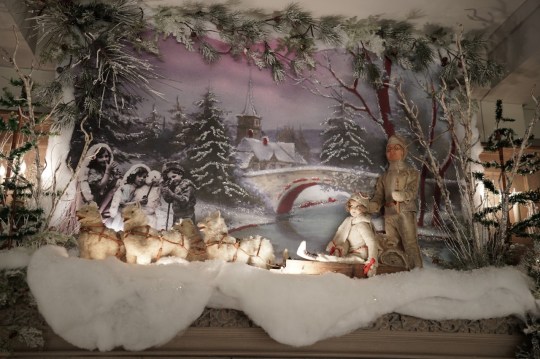
Arms Mantle Scene

This mantle scene shows four dogs pulling a girl on a sled. All of them have coats of real fur.

   Catch the Christmas spirit as you stroll through the three floors of Arms Family Museum. Volunteers throughout are very helpful and answer questions easily. The museum is open Tuesday through Sunday from noon – 4:00 from now until January 5, 2020, with their display of “Memories of Christmas Past.” In January, they will be rearranging and cleaning to be ready to open the traditional mansion in February.

Arms Gift Shop

Their gift shop contained many vintage items.

   Admission is $10 for adults and $8 for children with toddlers under 3 being admitted at no charge. Active military, as well as military veterans, are always free. It’s quite a popular spot as over 8,000 people enjoyed the Christmas exhibit in 2018. Something new this year is permission to take pictures without a flash. Everyone enjoys photos of memorable places they visit.

  Arms Sign   Families have made “Memories of Christmas Past” a family tradition since there’s something new every year. Everyone will enjoy awakening memories and making new ones during a visit to the Arms Family Museum. The magic of Christmas never ends.

The Arms Family Museum is located in Youngstown, Ohio at 648 Wick Avenue. It is near the Youngstown State University campus so watch for their exit signs.

Founder of Piggly Wiggly Built Pink Palace

Piggly Wiggly pink palace

The Pink Palace was built in the 1920s by Clarence Saunders, founder of Piggly Wiggly.

   If you want to impress your friends and neighbors, building a pink marble palace might be one possibility. That is what Clarence Saunders decided to do back in the 1920s.

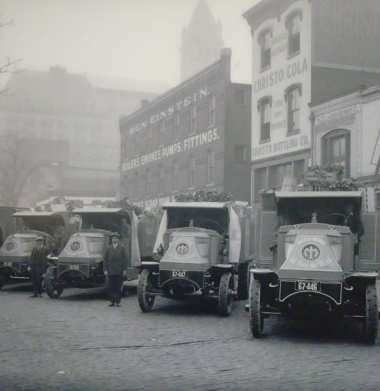
Piggly Wiggly trucks

Piggly Wiggly had their own delivery trucks.

   Clarence Saunders began working in Owen’s general store at the age of ten by cleaning, oiling, and trimming the kerosene lamps. When he was fourteen,  Owens hired him permanently at a salary of $4 per month plus room and board. A few years later, he received a job at another general store for $10 a month and worked there until he was 17.

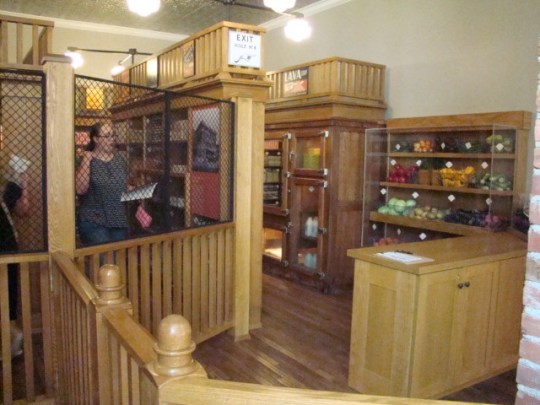
Piggly Wiggly store

This is a replica of the interior of an original Piggly Wiggly.

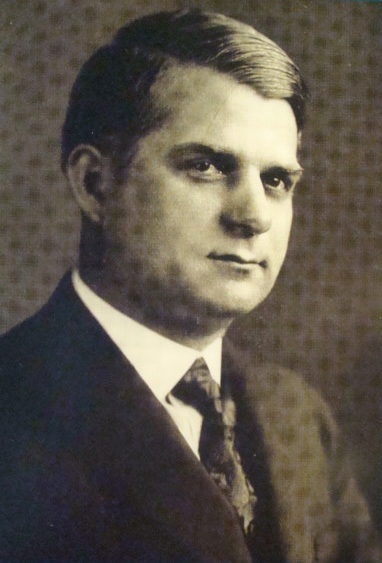
   After working in the general store all those years, Saunders thought of ways to make it more customer-friendly. As a result, Saunders became the founder and sole owner of a new kind of general store. He wanted his store to be unique so named it Piggly Wiggly.

Piggly Wiggly Soup display

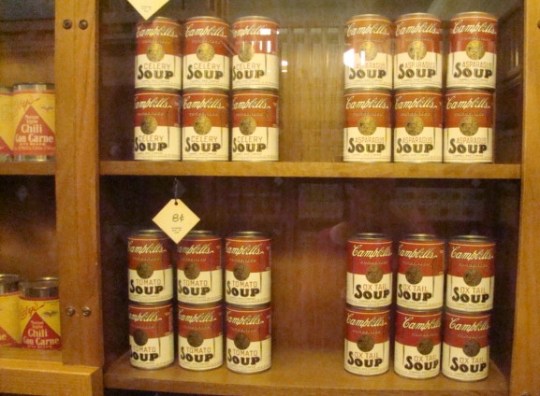
You could pick a can off the shelf all by yourself.

   This was the first true self-service grocery store. Previously, the clerk in the store retrieved the items for the buyer and brought them to the counter.  Now, the buyer entered through a turnstile and went down the aisles picking up the things they wanted and brought them to the counter to check out their total price.  By  1921, he had 615 grocery stores in forty states and many more franchises.

Piggly Wiggly Saunders

Clarence Saunders founded Piggly Wiggly.

   Saunders chose to use the fortune he had amassed through Wall Street stock to build a lovely home in Memphis, Tennessee. He purchased 155 acres across the street from the Memphis Country Club. He called his new home Cla-Le-Clare to honor his children Clay, Lee, and Amy Clare.  Since it was being built of pink Georgia marble, the Memphians called it the Pink Palace.

Pink Palace lobby

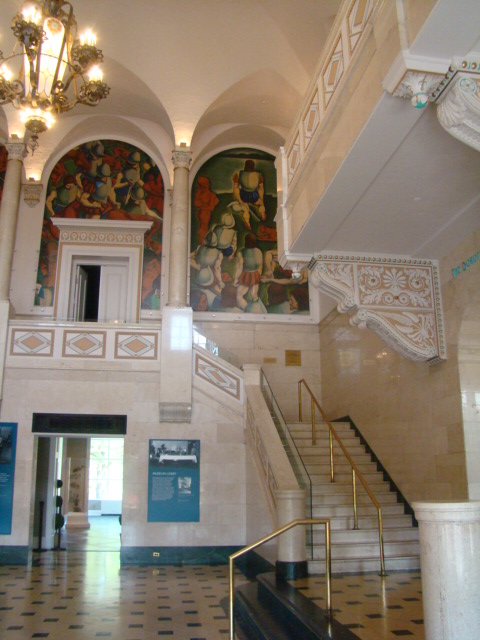
The Grand Lobby contains restored Burton Callicott murals.

   Sadly, his good fortune on Wall Street did not last. With only the exterior of the house finished, it was sold at public auction in 1925 and plans were to demolish it. However, the Garden Corporation stepped in and had the palace donated to the city with hopes of turning it into a museum.

Pink Palace star

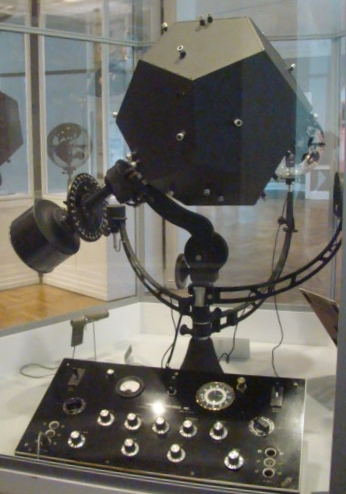
Early controls for their planetarium are on display.

   A group of high school boys formed the Memphis Astronomical Society in 1953. They gathered weekly to look at the stars from the lawn. The city wanted to construct a planetarium and it was finally decided to put it in the Pink Palace. Due to a lack of funds, the high school boys ran the planetarium on the weekends for many years.

Pink Palace shows

Interesting films are shown on a large 3-D screen.

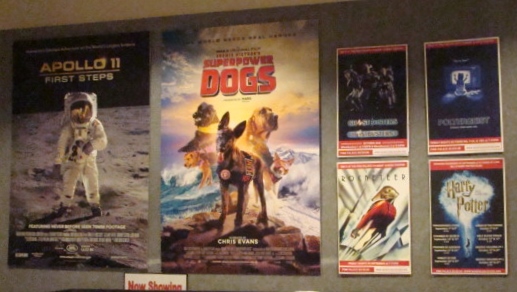
   The Mansion Theater has shows running throughout the day on a large 3-D screen. When visiting, the Dinosaur movie projected creatures flying into the audience and walking close by. Apollo II was to be shown later in the day.

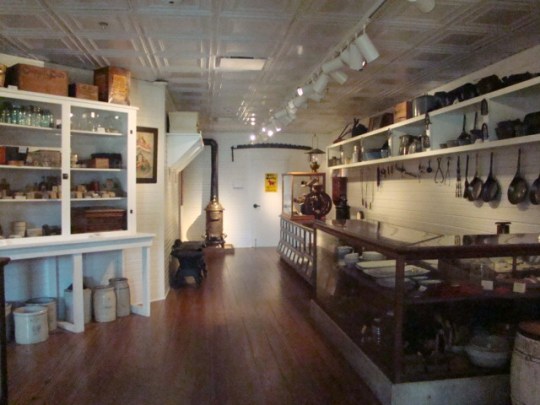
Pink Palace General Store

Take a walk through an old general store where you were waited on personally.

   Explore an old general store like Clarence worked in as a boy. Then visit his first Piggly Wiggly store and see the improvements. His advertisement contained stories like these:

   A customer wants 5 pounds of granulated sugar put up in a cloth bag. She is in a hurry so she runs into Piggly Wiggly and helps herself. She pays the cashier and away she goes.

Piggly Wiggly circus

Enjoy a moving miniature circus in the Clyde Parke Circus Gallery.

   Upstairs the Clyde Parke Miniature Circus filled an entire room. This is a 3D model of a real circus done to 1:12 scale. Parke carved each of the figures from white pine he salvaged from packing crates. There are animals, clowns, a lady on a trapeze, and an audience of 1500 people. He donated the circus so people would remember “when the circus was the biggest show in town.”

Piggly Wiggly bear

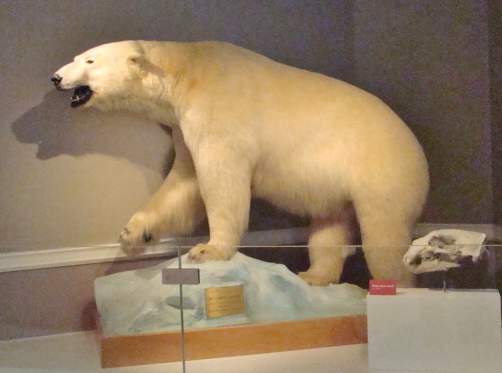
This polar bear attracts plenty of attention.

   A large male polar bear from Alaska was donated to the museum forty years ago for educational purposes by Dr. Harold Misner. The bear has been a popular presence at many weddings in the Pink Palace. When the Memphis Grizzlies make the playoffs, he is lit with blue lights.

   The Pink Palace captures the history of not only Piggly Wiggly but that of early natural history in “A Walk Through Time” and the history of the early days of the South. Take time to visit their theater, have lunch at Metro Eats, and take home a memory from the Museum Store.

   “There’s Lively Learning for All at Pink Palace Museum.”

The Pink Palace is located at 3050 Central Avenue, Memphis TN. Your GPS should come in handy to find this location.


The Ark Encounter – Bigger Than Your Imagination

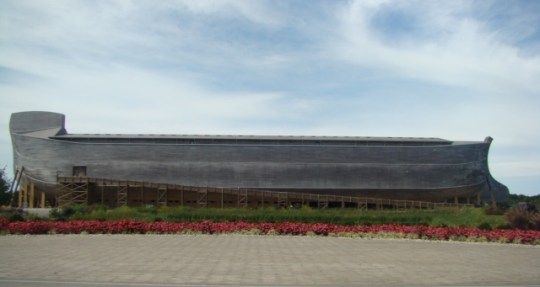
Ark Encounter

Visitors are in awe at the immense size of the Ark.

Awesome! That word was frequently used by visitors to describe their first impression of The Ark Encounter. Its size impresses everyone.

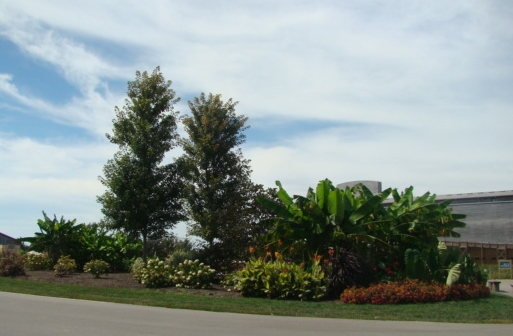
Ark Entrance Garden

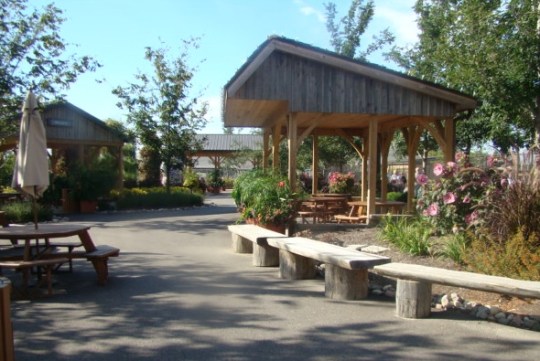
Beautiful gardens appear throughout the grounds.

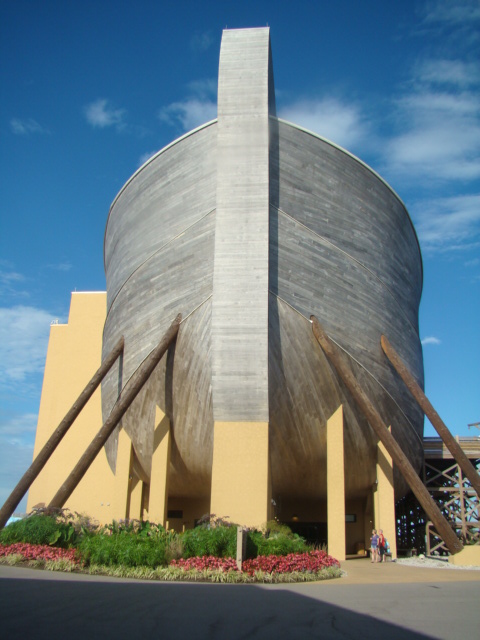
   The Ark Encounter fills the area. Noah’s Ark was much larger than most people realize. At 510 feet long, 51 feet high, and 85 feet wide, the numbers can’t really express the size of this immense biblical ship.

   Situated in Williamstown, Kentucky halfway between Cincinnati and Lexington, Ark Encounter is the largest timber-frame structure in the world. It was built in part by skilled Amish craftsmen from standing dead timber and opened in 2016. Since that time, hundreds of thousands of people have visited and up to 8000 in a day.

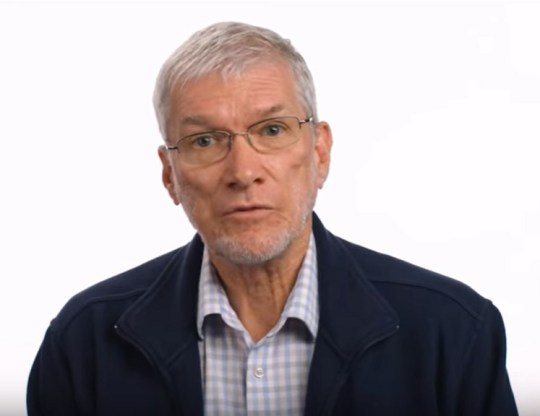
Ark Founder

Ken Ham is president and founder of the Ark Encounter and Creation Museum.

   This all became possible due to a dream of Ken Ham, a science teacher from Australia. His desire was to found a Creation Museum based on the book of Genesis. In 1987, he moved his family to the United States to proclaim the accuracy of the scriptures. He came to the Cincinnati area in 1997 because of its location to a large portion of the country’s population and purchased the land in 2000. He formed the group Answers in Genesis and opened the Creation Museum in 2007. In 2010, the decision was made to build the Ark Encounter.

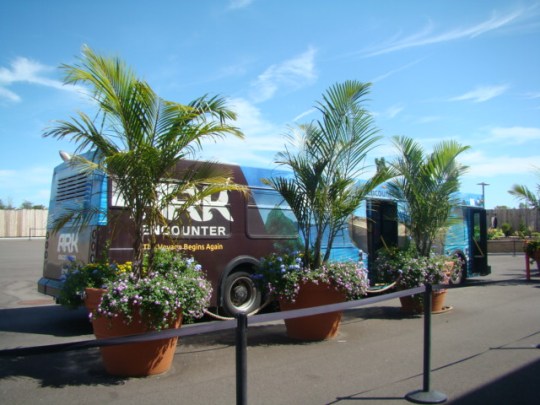
Ark Bus

Bus transportation is provided between the parking lot and the Ark location.

   Friendly guides take people by bus from the entrance gate to the Answer Center. Here films about the Ark are shown throughout the day. “The Building of the Ark Encounter” provided an interesting view.

Ark Rainbow Gardens

The Rainbow Gardens are near the entrance to the zoo.

   Then walk through sidewalks lined with beautiful flower gardens to arrive at the actual entrance to the Ark. As you exit the ark, there are Rainbow Gardens, which make you feel like you’re visiting a tropical paradise.

Ark Kitchen

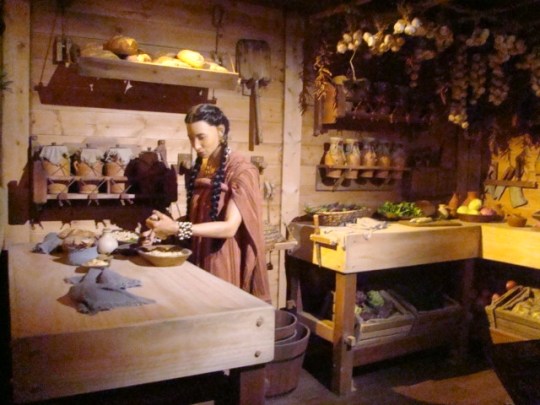
Meals were prepared in this possible kitchen area for Noah and his family.

Ark Garden

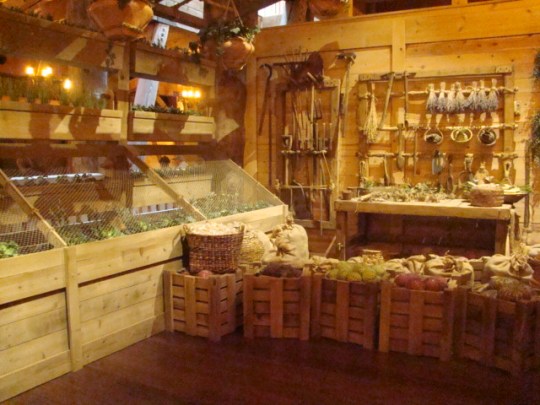
They grew vegetables on board and followed a vegan diet.

   Drift back in time to meet Noah in his 600th year and his seven family members, who lived on the Ark and cared for all the animals during the Flood. Visit all three decks to learn more about the story.

Ark Noah

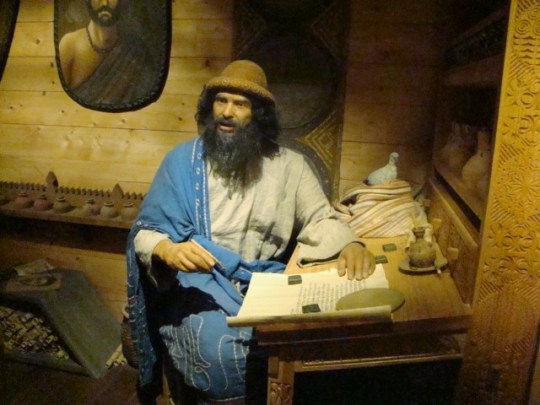
Noah answers interesting questions from a select list.

Ark Blacksmith

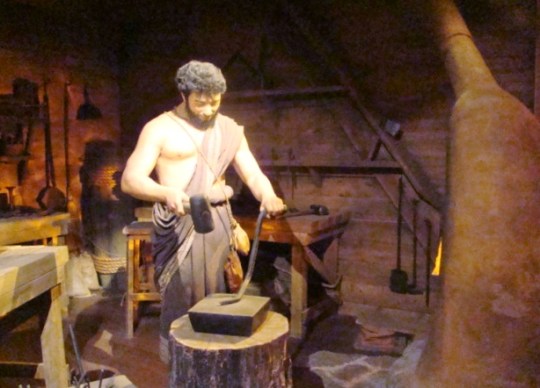
A son took care of the blacksmith’s repair chores.

   Look in their living quarters on deck three and see what they probably looked like. Find out how they cooked their food, where they slept, how they gardened, and what they did for fun. Here you can press questions for Noah to answer about their life.

Ark water jugs and bags of grain

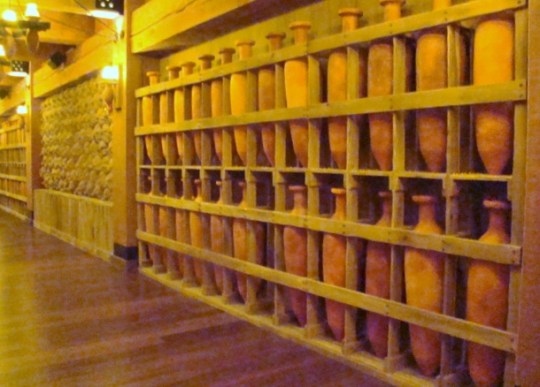
The first deck contained water jugs and bags of grain to feed the animals.

Ark Giraffe cages

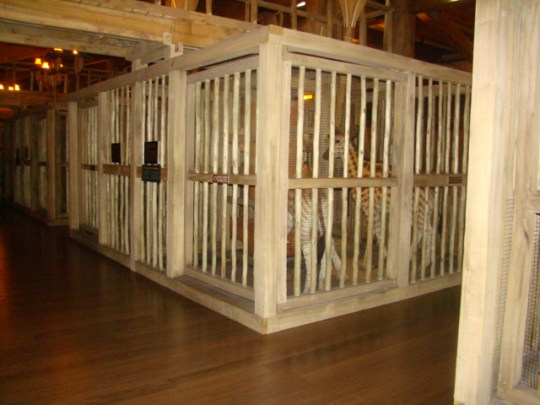
Rows of cages contained the animals on the second deck of the Ark.

   Of course, you’ll want to meet the animals that were on the Ark to see what lived during that time. Learn what Noah and his sons fed the animals and how they fit them all on the Ark. Onboard the Ark, you’ll find exotic sculpted animals. When you exit, you’ll find live animals in their Ararat Ridge Zoo.

Ark Zoo Entrance

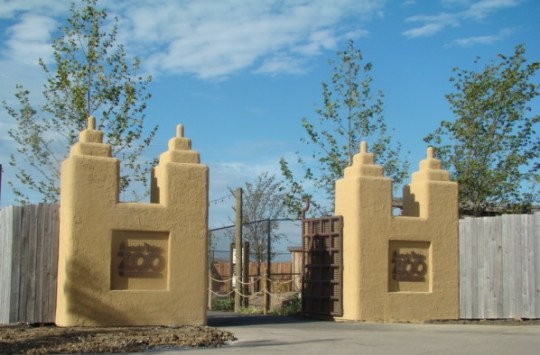
Enter these gates to view the Ararat Ridge Zoo.

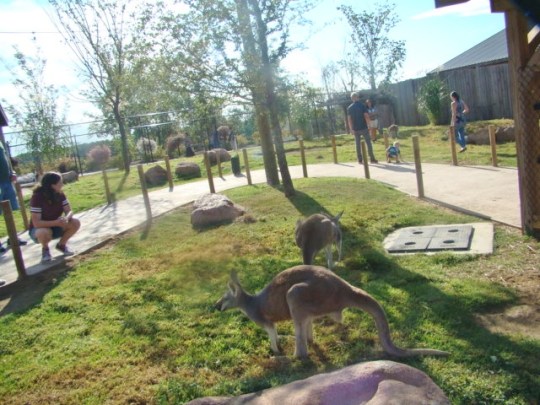
   The petting zoo is a favorite of children and adults. A special kangaroo pen lets visitors have a close encounter with the roos. Make plans to see the Ararat Ridge Zoo earlier in the day as when 5:00 feeding time rolls around, the animals all disappear inside for their evening meal.

Ark Kangaroos

The kangaroo pen allowed visitors to come inside and pet the roos…if they were on the sidewalk.

Ark Emus

The emus paced their cage area and watched visitors.

   Visiting the entire establishment will take at least three or four hours. Some people come back for a second day as there is so much to see. Stop by Emzara’s Buffet for a relaxing full meal or get some snacks of ice cream, pizza, or funnel cakes in the Village Market. Parents can relax while children enjoy an exceptionally nice playground.

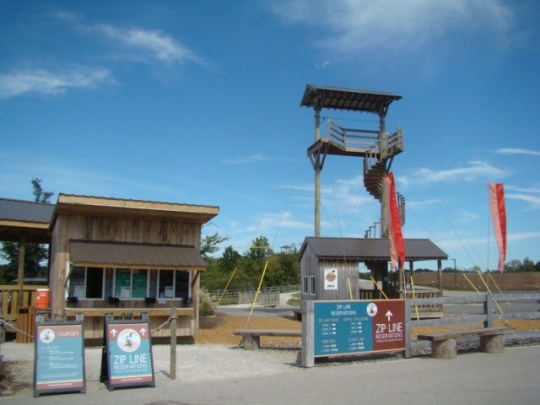
Ark Zip Line

Try the Screaming Eagle Zip Line for a fun adventure.

   They even have a Screaming Eagle Zip Line with speeds of 50 mph for the adventurous. Try a free fall jump or test your balance on the aerial adventure course. There’s something here for everyone.

Ark Bow

The visitors in this picture give a good size comparison to the bow of the Ark.

   Set on 800 acres in western Kentucky, they have a lot of room to grow. Plans are already underway for the Tower of Babel and a Giraffe Safari.

   The Ark Encounter is a great Biblical adventure for the entire family.

The Ark Encounter is located in Williamstown, Kentucky west of Exit 154 off I-75.  It is approximately 40 miles south of Cincinnati, Ohio. 

.

s that lived during Noah’s lifetime animals we see today. 

Schumaker Farms Takes Pride in Their Heritage

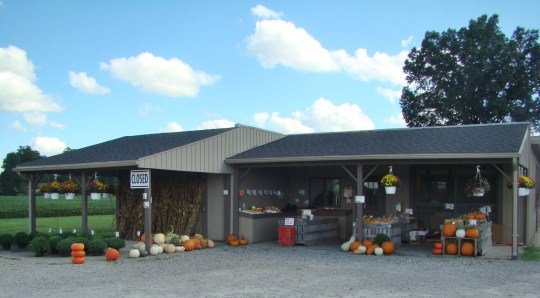
Schumaker Produce Stand

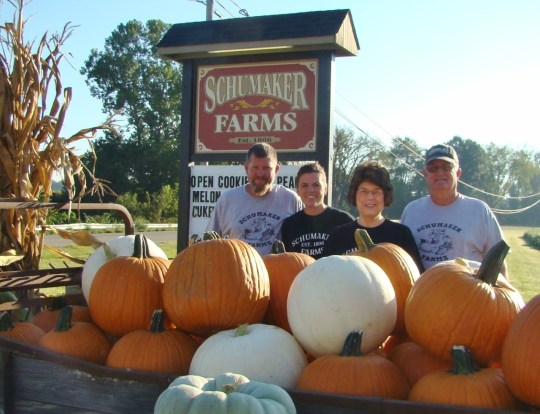
Schumaker’s’ Produce Stand gets ready to open for another busy day.

Once a farmer, always a farmer

   Driving just outside of West Lafayette, a small produce stand catches your eye. At this time of year, pumpkins, squash, and cornstalks give you a feel of fall in the air. But there’s much more to the story of Schumaker Farms than just their produce stand. Let me tell you the rest of their story.

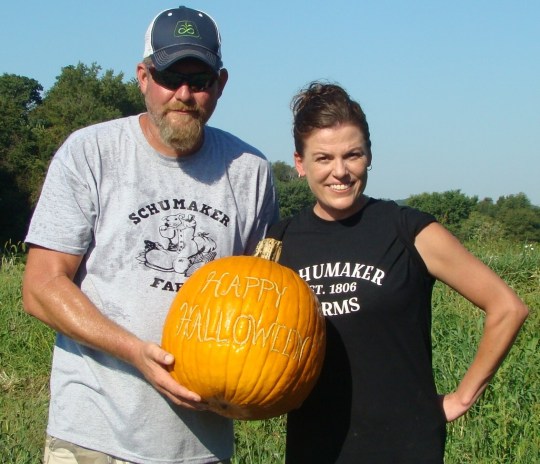
Schumaker Family

Today the farm is run by Chad, Leigha, Wendy, and Jim Schumaker.

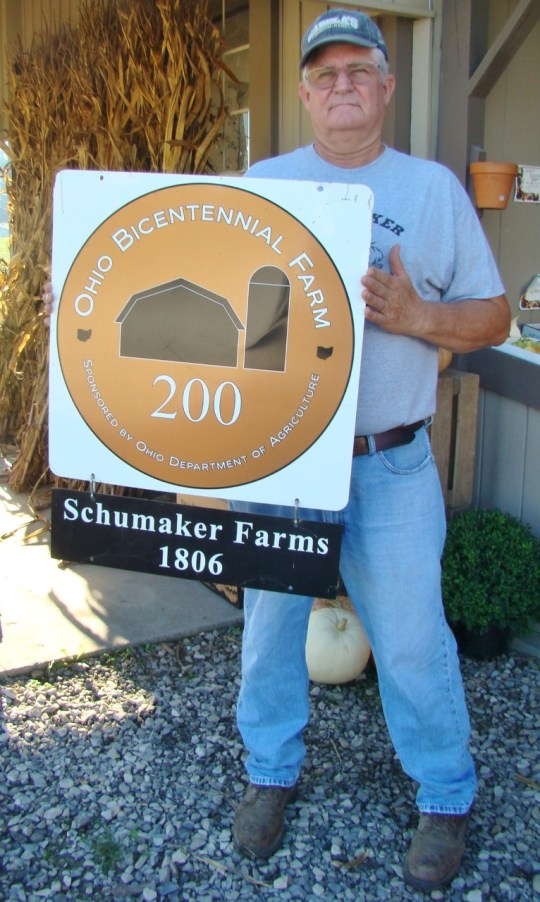
   Way back in 1806, now we’re talking over 200 years ago, the family of Francis McGuire from Hampshire County, Virginia settled here on 1500 acres. Their daughter, Magdalena, married George Miller, and that family tradition has continued to operate this farm for seven generations.

Schumaker Signs of Fall

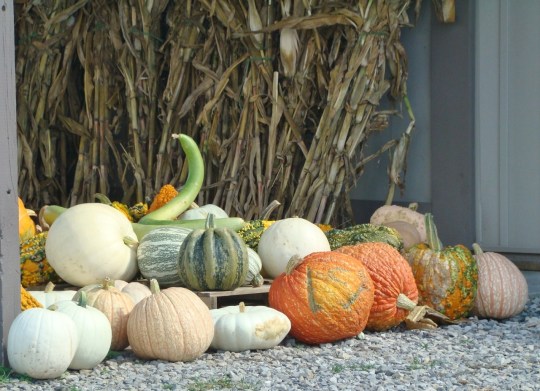
Signs of fall at the produce stand include pumpkins, squash, and cornstalks.

   Jim and Wendy Schumaker are the present family members working on this farm. Now their farm is much smaller as when it was passed down, the land was split between heirs. But pride in their heritage continues. Jim’s great-grandfather was the original owner. Several family members are buried high on a farm hill in Miller-McGuire Cemetery where their spirits keep watch over the farm.

Schumaker Old Barn

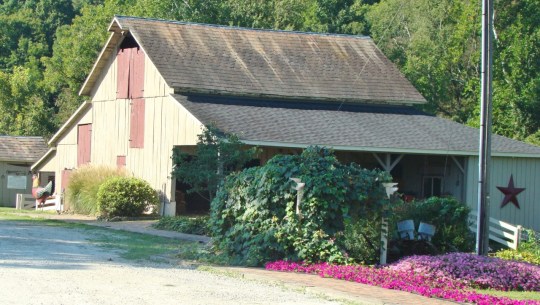
The date of 1887 can still be faintly seen on the slate roof of this original barn.

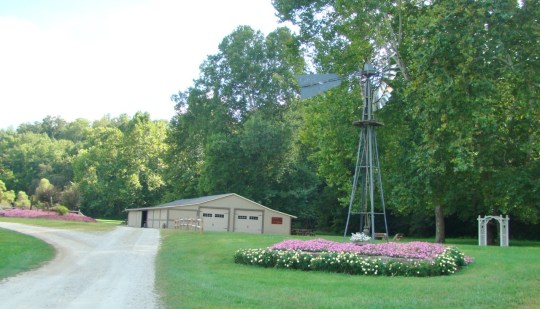
   The buildings on the farm date back to 1887 as you can easily see from the printing on the barn’s slate roof. Jim has strived over the years to improve the farm. ”I want to make it a showplace to share the farm with other people.” He’s always looking for new things to include to promote the farm in agritourism.

Schumaker Jim

Jim proudly displays the Bicentennial Farm Award for 200 years of family farming.

   They sell their produce in the summer months from a building constructed by Jim’s father, Robert, following his service in WWII. It was first used as a commercial garage, then later as an auto shop, Ferguson tractor dealership and boat dealership.

   Their most popular item at this produce stand is sweet corn. With eight acres of corn, they pick it fresh every morning. They have raised sweet corn for 58 years and sell about a hundred dozen ears a day all summer long.

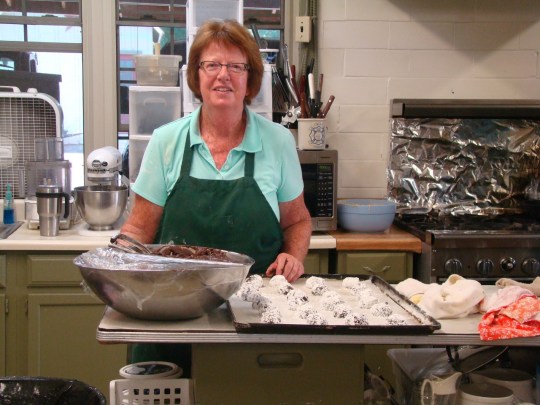
Schumaker Donna Addy Cookie Maker

Donna Addy frequently bakes delicious cookies in the morning.

   Wendy keeps busy with her catering business as well since 1995. Perhaps she picked up her love of cooking from her grandmother, who was a great cook. But most of all, Wendy enjoys working with the various people she meets.

Schumaker Banquet Facility

Their banquet pavilion is a popular place for receptions and fundraisers.

   Their catering service can be “at our place or yours”. Their place is a large pavilion on the farm where people frequently have wedding receptions, family reunions, and other special events. Wendy caters all around the area and was recently honored to cater the luncheon for the dedication of the Woody Hayes bronze statue during the “Gateway to Fall” celebration in Newcomerstown.

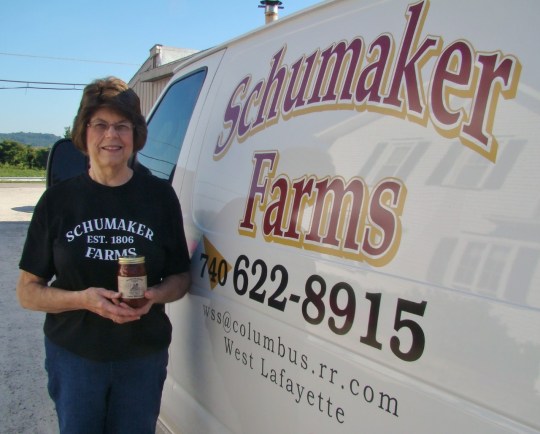
Schumaker Wendy at truck

Wendy holds a jar of their famous BBQ sauce beside her catering truck.

   People enjoy favorites such as cheesy potatoes, pulled pork, and meatballs. Schumaker Farms Sweet BBQ Sauce became so popular, they now have it bottled so you can take home that great taste.

thumbnail_Schumaker Chad and Leigha with scarred pumpkin

Chad and Leigha hold a pumpkin she scarred when it was green.

   Today their son Chad and his wife Leigha have taken over many of the day-to-day operations and plan to keep the farm going. Leigha has a special flair for decorating while Chad has loved farming since his youth. They are in charge of the seven-acre pumpkin patch.

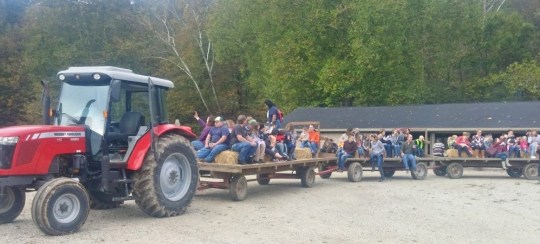
   Fall is Fun Time at Schumaker Farms. On weekends you can hop on a hayride to the pumpkin patch, where you can pick the pumpkin of your choice.

Schumaker Hay Ride

Many schools take field trips to the farm and include a hayride.

   Bring the youngsters along to play in the corn bin, slide down their huge slide, and visit the petting zoo. Enjoy the corn maze and a barn straw maze while picking up fresh produce or a delicious snack. Admission is $5 a car and includes all activities.

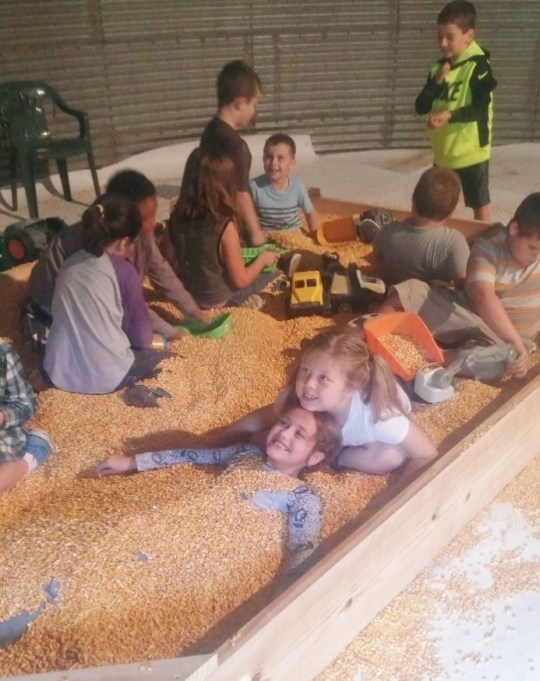
Schumaker Corn Bin

Children enjoy playing in the corn bin.

   Field trips for school groups create a great learning experience with a retired teacher explaining how a pumpkin becomes a pumpkin as well as other insights into farming. The Schumakers explain, “Those roly-poly orange spheres with built-in handles on top are naturals to wear grins or sneers and destined to bring grins to all your students’ faces.”

   When they eventually “slow down” and take a break, a cruise to a warm climate is their top choice. This chance only happens in January or February when they have enjoyed the Caribbean and Panama Canal in the last few years.

   Stop by Schumaker Farms for their Pumpkin Patch & Farm Experience this fall. There are lots of things to see and do. These hard-working people enjoy their lives. For them, work is fun!

Schumaker Farms is located along OH-751 just west of West Lafayette. From US 36 take OH-751 south and watch for the farm produce stand on the left side of the road.

Twin City Opera House Alive with Music, Films, and Spirits

Haunted Twin City Opera House - Haunted Places in Ohio

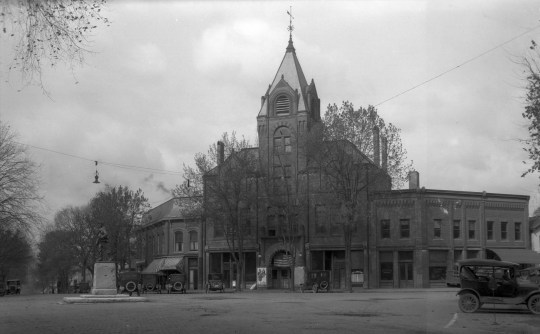
Everything looks very similar in this historical picture – except the cars.

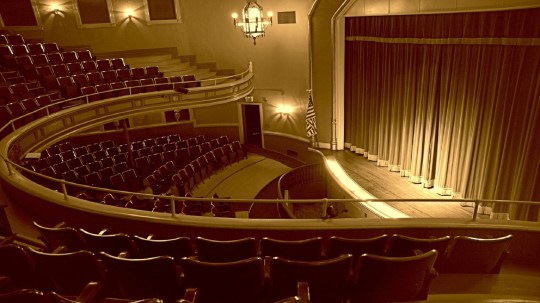
   Walking into Twin City Opera House is like walking back in history. On May 28, 1892, the formal opening was held for the performance of Gilbert & Sullivan’s “Mikado” by the Arion Opera Company. All 800 seats were sold!

   Railroad excursion trains brought people from neighboring towns. While many were not patrons of the opera, all were curious to see this newly proclaimed “light of the day” as it was one of the first buildings in the county to be lit by electric light. The opening was not as grand as expected due to failure at the local generating plant, which caused the theater to be plunged into darkness.

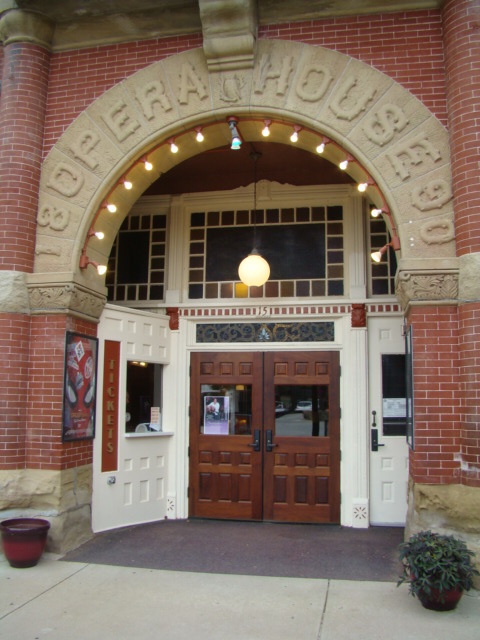
Opera House - entrance

The entranceway still has an owl above the doorway.

   Building the Town Hall and Opera House was a politically charged issue in McConnelsville at that time. Before the GOP adopted the elephant as its symbol in the twentieth century, the party had sometimes used the owl of its ancestral “Whig” party as its mascot. That owl still adorns the keystone in the archway over the Opera House entrance.

Opera House - Marvin and Deana

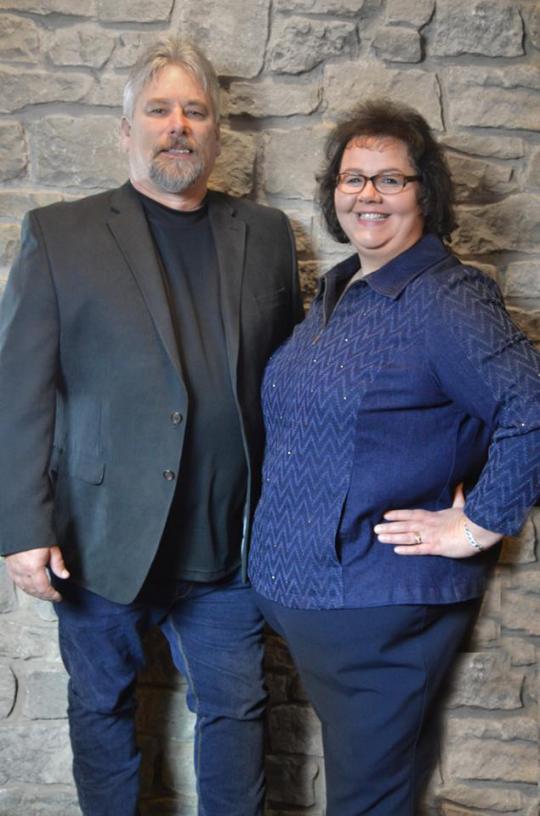
Marvin and Deana Clark currently manage Ohio Valley Opry.

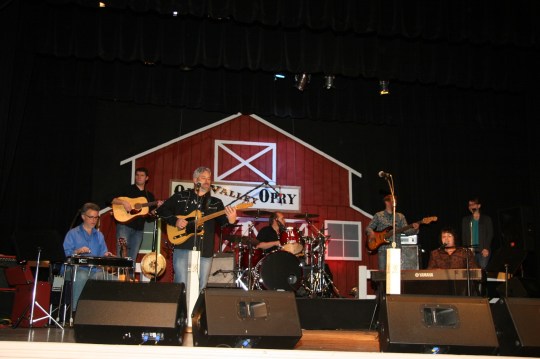
   Today, The Ohio Valley Opry founded by Marvin and Deana Clark in 2000 provides monthly entertainment at the old Opera House. They toured the United States for nearly twenty years as the Marvin & Deana Clark Family then returned to the area where Marvin grew up in southeastern Ohio.

Opera House- Ohio Valley Opry clear

The Clark Family Band provides great variety in their performances.

During this time on the road, they played at churches, fairs, and festivals with their four daughters. Most of the time they have played Country, Country Gospel, and Bluegrass. Marvin actually writes most of the songs that the family sings. They provide music and laughter throughout their performances.

Opera House - packed

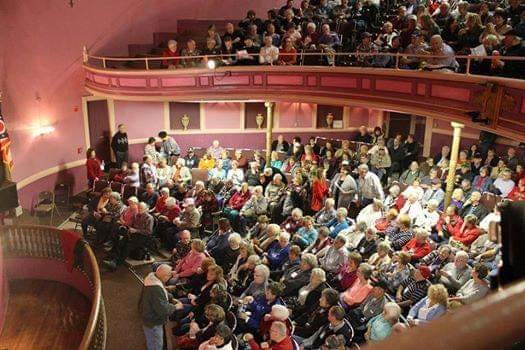
Ohio Valley Opry frequently fills the auditorium with fans.

Opera House Sign

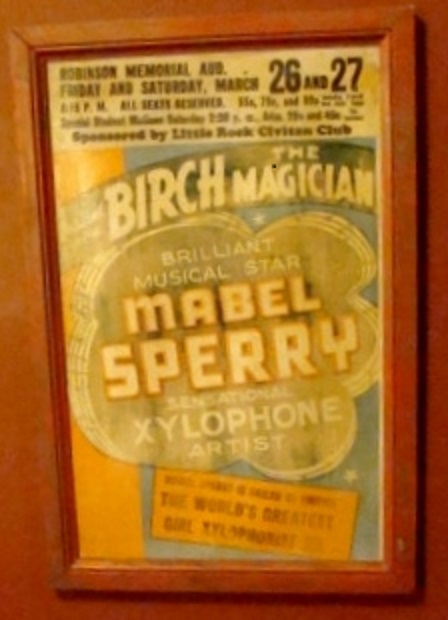
The husband and wife team of Birch and Sperry entertained with magic and the xylophone in the 1940s. This poster hangs in the lobby.

   A large variety of performers and celebrities have appeared at the Opera House over the years. Evangelist Billy Sunday, William Jennings Bryan, and Senator Albert Beveridge spoke there. The most spectacular of all were the traveling shows that would arrive by train and provide lavish productions. The tradition continues today with local, regional, and national artists now performing.

Haunted Twin City Opera House - Haunted Places in Ohio   Back in 1913, a system for showing silent films was installed. The best seats in the house were those in the “Parquet Circle,” which would be the front rows of the center section on the ground floor. Those premium seats could coast as much as twenty cents, while those in the “peanut gallery” were a nickel.

Opera House - stairs to balcony

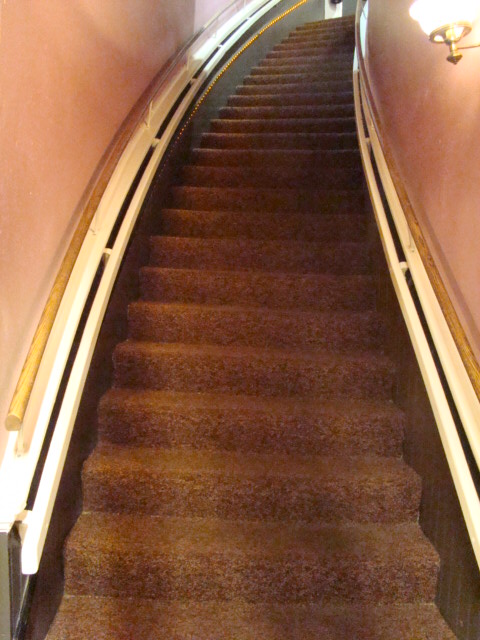
Climb this beautiful stairway to the balcony.

   The first sound pictures using a “Vitaphone” system arrived at the Opera House in 1930. True “talkies” arrived in 1936. The theater still continues to screen recently released films, as it has done nearly every week since 1936. Price for viewing all films is a reasonable $4 per person.

Travel Channel Paranormal Show

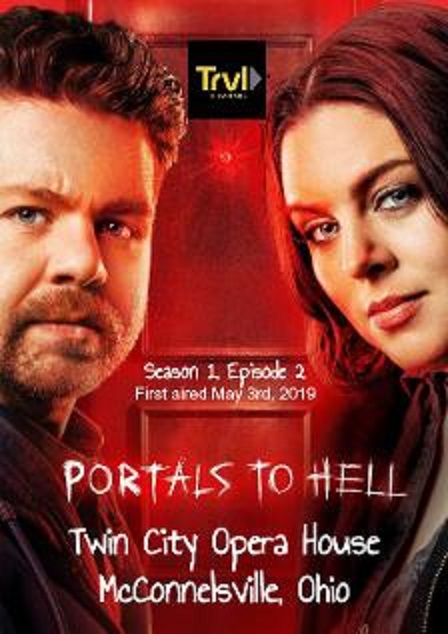
The Travel Channel included them in their Paranormal show.

   No building this old would be without some resident spirits. Ghost stories have been around at the Opera House for over forty years with paranormal investigators spending many nights there with their special equipment. Often it is listed as one of the most haunted buildings in Ohio.

Haunted Twin City Opera House - Haunted Places in Ohio

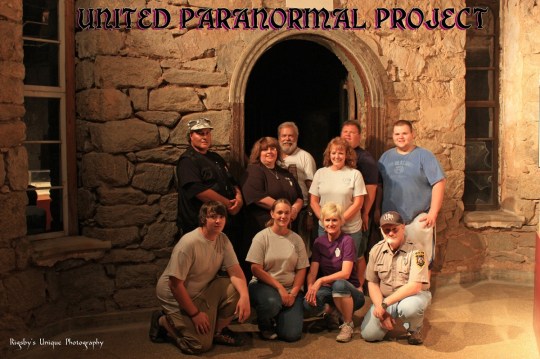
United Paranormal is one of many groups that explore the resident spirits in the underground tunnels.

   Some say that Everett Miller, an usher there for thirty years, watches over the Opera House and has been contacted by the investigators. Or you might see ten-year-old Elizabeth peeking from the catwalk. Deep in the basement, Dark Shadow Masses have been observed by many. Spirits seem to thrive here. Come for a ghost hunt to find out more.

   It’s a beautiful drive down the Muskingum River to McConnelsville any season of the year. Check out their schedule at www.operahouseinc.com for dates and times of musical performances, film screenings, and ghost tours.

Opera House - Time capsule

Josie points to a time capsule that her dad helped develop to be opened in 2090.

   On September 21st, there will be two shows featuring country music legend, Doug Stone. Movies change each week so check out the schedule before heading to McConnelsville. The next scheduled public Ghost Hunt is December 7 and pre-registration is required.

Opera House - with statue

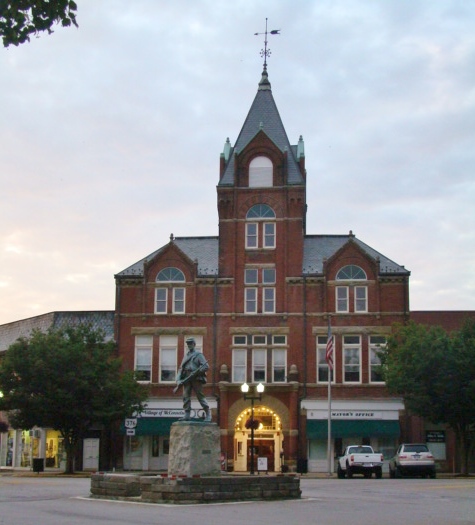
The Twin City Opera House can be found in the center of town near the Civil War monument.

   As you can see, the Twin City Opera House adds excitement to the McConnelsville area in many different ways. Make your choice – music, films or ghosts – and join in the fun.

Twin City Opera House is located in downtown McConnelsville along the scenic Muskingum River on Ohio Route 60-S.

Historic Roscoe Village – America’s Canal Town

We Bring History to Life

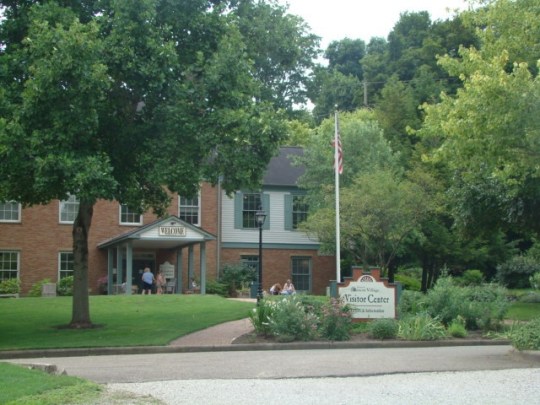
Roscoe Visitor Center

Roscoe Village Visitors Center is the perfect place to begin your tour.

Welcome to yesterday! Life 200 years ago was quite different from what we experience today. While we can’t turn the clocks back to that era, we can visit Roscoe Village in Coshocton to catch a glimpse of life on the Ohio and Erie Canal during that time.

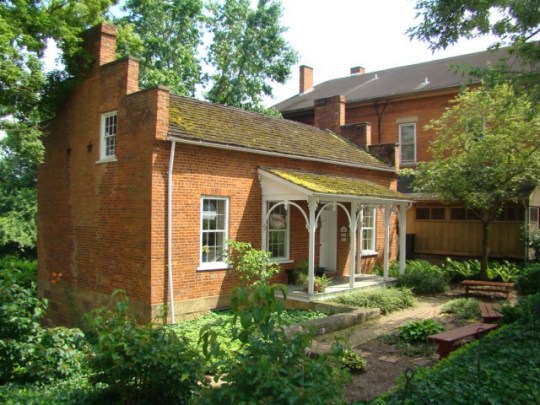
Roscoe Oldest House

Weaver Daniel Boyd, his wife, and four children lived in the oldest house in the village from 1825-1835.

   Back in 1816, James Calder laid out the port town that was to become Roscoe. He followed a hunch that farmers would rather do business at Calder’s General Store along the Muskingum River than pay twenty-five cents to take the ferryboat to Coshocton.

   He named the town Caldersburgh, but it was later renamed Roscoe, in honor of William Roscoe, an English historian and leading abolitionist. Roscoe never visited America and probably never knew he had a town named after him.

Roscoe Ohio Erie Canal

Enjoy a smooth horse-drawn canal boat ride on the Ohio-Erie Canal.

   When the Ohio and Erie Canal was constructed in the 1820s, business in the village expanded and the golden age of Roscoe began. The first canal boat, the Monticello, landed at Roscoe on August 21, 1830. Roscoe was one of the largest wheat ports along the 350-mile canal that went from Lake Erie to the Ohio River.

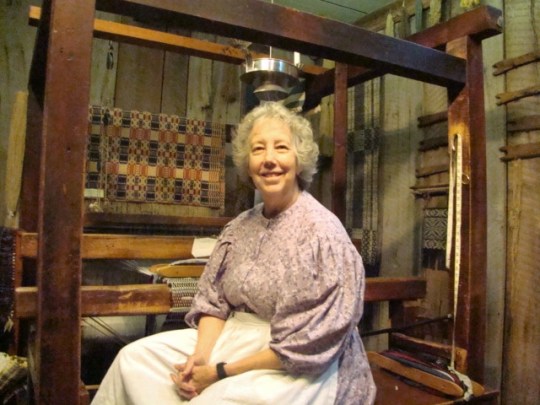
Roscoe weaver

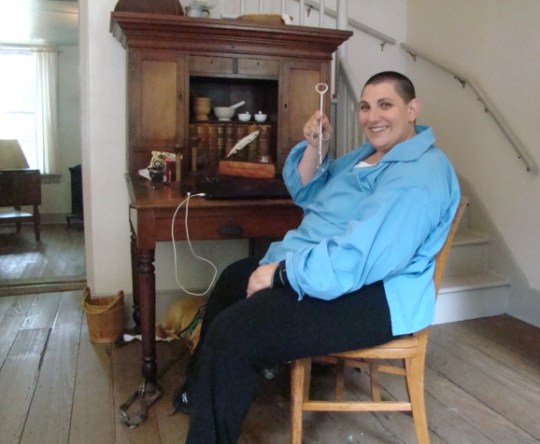
Rami demonstrated weaving techniques on her 200- year-old American Barn Loom.

   Roscoe thrived until the 1860s when the canals gave way to railroads. The canal boats continued to operate on a smaller scale until the disastrous flood of 1913, which swept away the port of Roscoe.

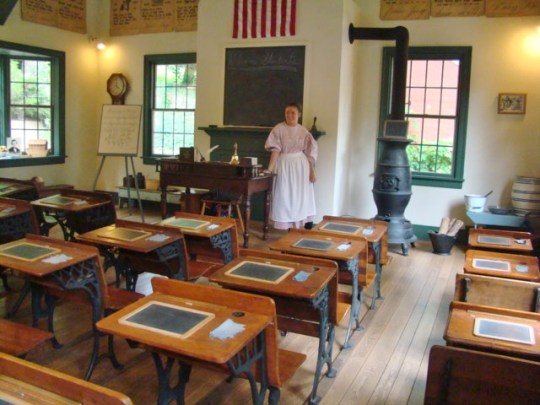
Roscoe One Room School

Natalie, the schoolmarm, told about teaching in a one-room school.

   Today the restored Roscoe Village is a reminder of Ohio’s canal era thanks to the dedication of prominent Coshocton industrialist, Edward Montgomery and his wife, Frances. A painting, “Canal Days”, which depicts the Roscoe area and can still be seen in the Chase Bank building at 120 S. Fourth Street, captured the imagination of the Montgomerys.

Roscoe Toll House

The Toll House is the restored home of James Welsh, toll collector on the canal.

   Their role began back in 1961 when they purchased the 1840 Toll House and decided to create “a living museum” on the banks of the Muskingum River. They endeavored to revive, restore and reclaim the then-burgeoning port town to a time when the Ohio and Erie Canal bustled with boats and barges.

Roscoe Dr. Dee

Dr. Dee in Dr. Johnson’s Office explained the tonsil guillotine.

   When you visit Roscoe Village today, you can stroll through the gardens, visit their many historic buildings, and take a horse-drawn canal boat ride on a portion of that old Ohio and Erie Canal. You’ll feel like you’re living a chapter of American history.

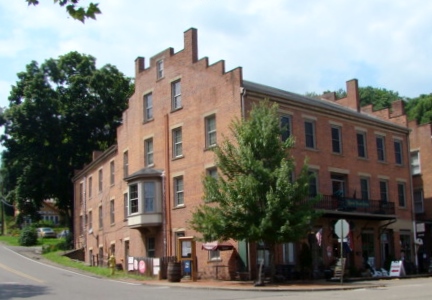
Roscoe Hotel

The Roscoe Hotel was a canal era hotel used as a stagecoach stop.

   Begin your tour at the Visitors’ Center where you can view a film, “Ditches of Destiny”, which describes those early days on the Ohio and Erie Canal. Then take a self-guided tour of the village to see costumed interpreters in historic buildings describing what life was like in those old canal days. Stop at the restored 19th-century buildings, which house The Famous Shops of Roscoe Village. Most businesses are open seven days a week throughout the year.

Roscoe Johnson Humrickhouse Museum

Learn more local history at the Johnson-Humerickhouse Museum. Yes, that’s Bigfoot in the shadows.

   Don’t forget to visit the Johnson-Humrickhouse Museum where you will learn interesting facts about Ohio history. Here displays tell you stories of the American Indians, Ohio artifacts, and Decorative Arts. There’s also a wonderful collection of East Asian artifacts that were collected by the owner.

Roscoe Blacksmith

Carl, the village smithy, made leaf hooks as a blacksmith demonstration.

   Stroll through the Gardens that Frances Montgomery lovingly left for visitors to enjoy. Meander down its paths to see the beautiful blossoms and herbs that have been popular for ages. Beauty blooms in the gardens every season of the year.

   A ride down the Ohio and Erie Canal is the smoothest ride you can imagine drawn by two strong horses on the towpath. You’ll hear stories of how people traveled the canal in those early days. Some are quite unusual and exciting.

Roscoe Doctor's house and office

Stroll the streets of this quiet village any time of the year.

   Stop by Roscoe Village this summer and join in their 45th Anniversary. We need to remember the history of our area and how those early settlers developed a foundation for the world we live in today.

   Perhaps Captain P. R. Nye, who operated a canal boat at Roscoe’s Lock Twenty-Seven, says it best: “The Silver Ribbon – the Ohio Canal – was the best of life a man ever had.”

Historic Roscoe Village is located at 600 N Whitewoman Street in Coshocton, Ohio. From I-77, take exit 65, which is US-36 W. Follow 35 West to Whitewoman Street approximately 18 miles. It will be on the right-hand side of the road.

Salt Fork Arts & Crafts Festival Celebrates 50 Years – August 9-11, 2019

50th LogoArtists, Entertainers, and lovers of the arts have been attending the Salt Fork Arts & Crafts Festival for 50 years. It’s come a long way from that preliminary festival, which was held on the courthouse lawn.
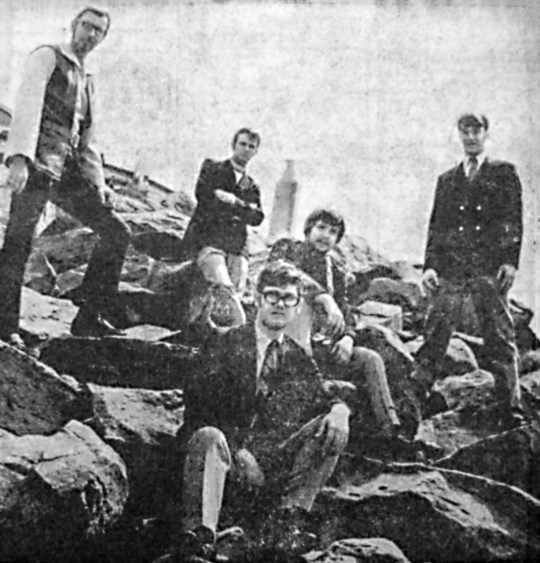
Musical Group R

Entertainment at that first festival was provided by “The Group” with Mike McWilliams, front, Don Mercer, Mike Kennedy, Mike McVicker, and Dale Brenning.

   The one-day downtown Salt Fork Arts Festival was sponsored by the Greater Cambridge Arts Council with Dr. Milton Thompson the president and Don Mercer serving as coordinator. Its goal was to promote all the arts including acting, music, literature, and art. The Best of Show that year went to Nancy Lewis of New Concord for a still life. The evening was spent dancing in the First National Bank parking lot.
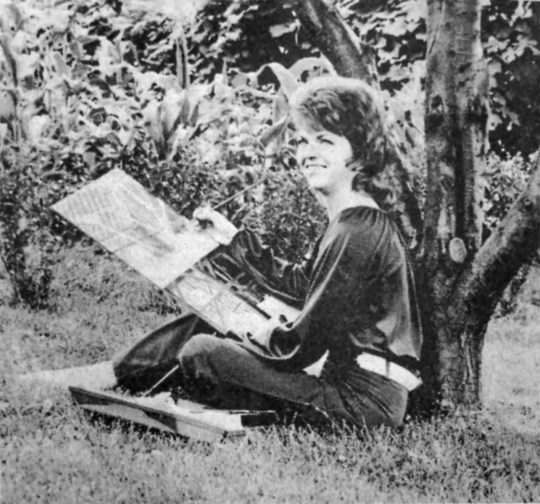
Sue Dodd R

Sue Dodd demonstrated her painting skills under a tree at the park at an early festival.

   August 14-17, 1969, the festival moved to the Cambridge City Park as a four-day event. It was advertised as the First Salt Fork Arts & Crafts Festival. That year the newspaper stated there were four tents and 65 artists. Entertainment varied from YMCA Gymnasts and Bexley Puppet Theater to Cambridge Barbershoppers and Sweet Adelines.
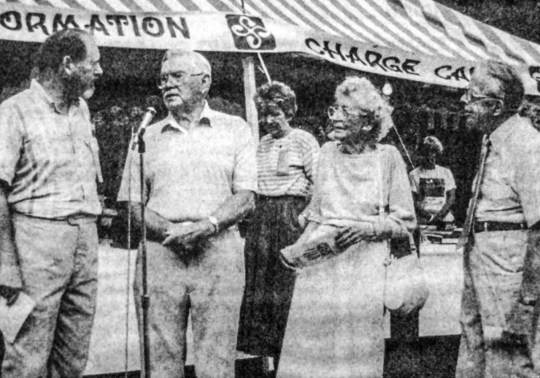
Jack Taylor saying thanks R

Jack Taylor says thanks to Bob Amos, Lois Craig and Art Marr who had major roles in that first Salt Fork Arts & Crafts Festival.

   Arthur Marr served as chairman of that first official festival with assistance from Bob and Hannah Amos and Mrs. Lois Craig. Mrs. Claude Nickerson and her committee were in charge of the artists while Bill Coffey handled the performing arts. The Cambridge CB React Club took charge of parking and patrolling. Pavlov Music provided background organ and piano music and Scott Funeral Home provided seating. It was a real community effort.
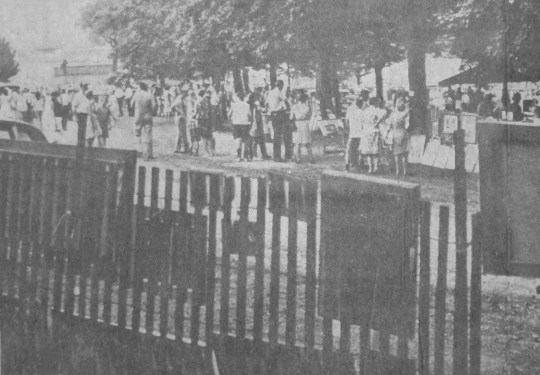
SFF Fences

In the early years, paintings were displayed on snow fences.

   The Cambridge National Honor Society and members of the Key Club helped by setting up chairs, tables and snow fences. In those early festival days, pictures by artists and student artists were hung on snow fences for display. Young artists have always been a popular and important feature of the festival.
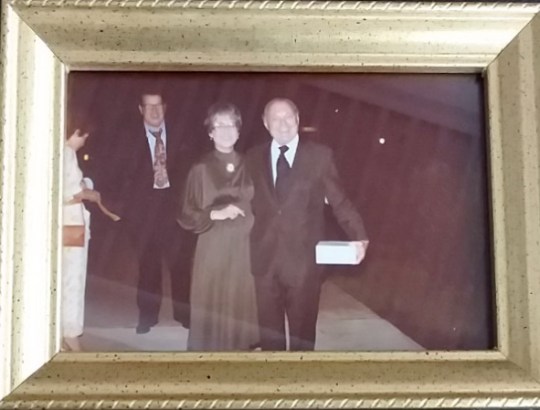
SFF Laura and Rodgers

Pictured at a reception at the Lekorenos home are Shannon Rodgers, Laura Bates (wearing a Rodgers/Silverman dress creation) and Jerry Silverman. Photo by George Lekorenos.

   It was in 1969 that Newcomerstown native, Shannon Rodgers, renowned dress designer for Hollywood stars, gave a donation to the festival and in 1971 began sponsoring the Shannon Rodgers Award. This award was open to all artists at the festival and was voted on by the public. When this endowment ended, the award became the People’s Choice Award.
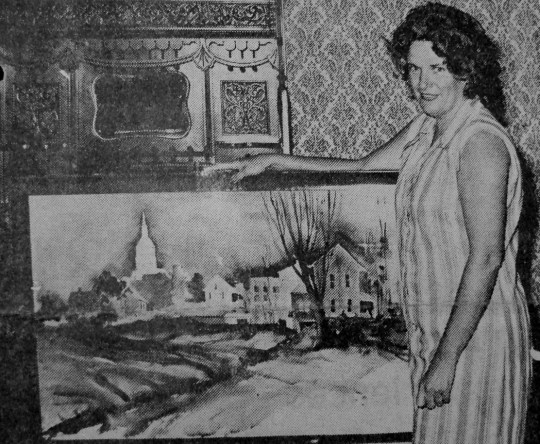
Mary Beam

Mary Beam painted a picture of the courthouse from her front porch.

   Craftsmen demonstrating their crafts at those early festivals included basket weavers, blacksmiths, ceramic artists, woodcarvers, ironworkers, gem cutters, leather workers and many more. This was to be only the beginning of many years of outstanding juried art at the festival with only hand-made pieces of art being accepted.

SFF Paula Burlingame, Sandy Carle and Bonnie Perkins - Children's Art Fair

Paula Burlingame, Sandy Carle, and Bonnie Perkins make plans for the Children’s Art Fair.

   Crafts were a popular addition at those early festivals as well. In 1971, classes in macrame, woodcarving, leaded glass and apple dolls were popular. Adults enjoyed making quilted potholders and stained glass hangings. Everyone felt a sense of accomplishment.
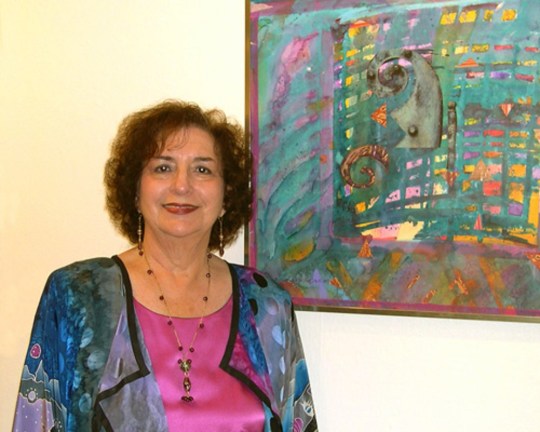
Lekorenos-4X5

Marie Lekorenos, local artist and passionate supporter, kept scrapbooks of those first festivals. Those scrapbooks supplied most of the information in this article.

   In those early years, the Pilot Club, an international service club of women, served as volunteers to give artisans a break while selling their wares. Kiwanis, Lions, and Rotary provided refreshments on the midway selling hot dogs, ice cream, sno-cones, and cotton candy. Church groups, YMCA, and the hospital auxiliary had food stands available in the big pavilion for hungry visitors.
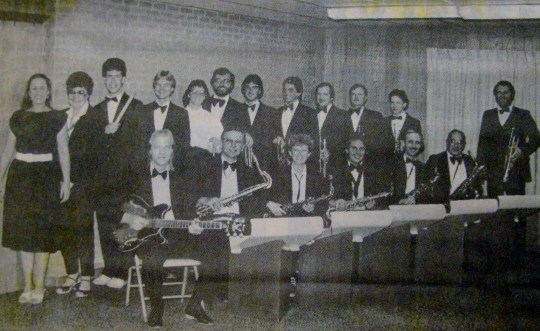
SFF Dick SImcox Big Band 1980

The Dick Simcox Big Band appeared several years at the festival.

   Entertainment included many musical groups as well as a performing arts group from Salt Fork Barn Theatre performing excerpts from “You’re a Good Man Charlie Brown”. Cambridge Community Theater also did several children’s presentations. Even the Cleveland Opera Theater came several years and performed “Barber of Seville”.
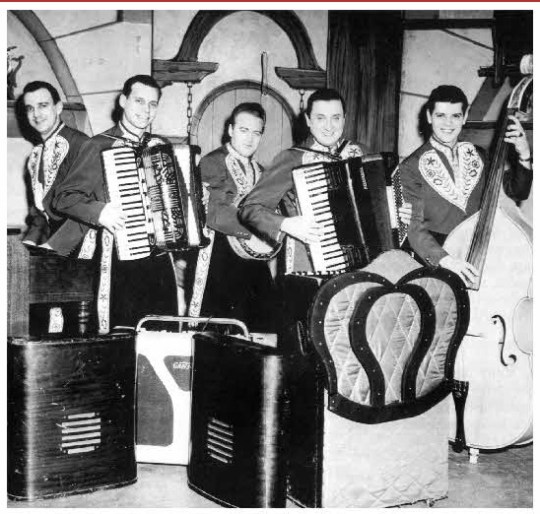
SFF Frankie Yankovic America's Polka King

Frankie Yankovic, Polka King, drew one of the largest crowds ever.

   A performance that many remember was that of Frankie Yankovic, America’s Polka King. Frankie played the accordion and had two gold records – “Blue Skirt Waltz” and “Just Because”. The crowd for this performance was the largest ever remembered at the festival.
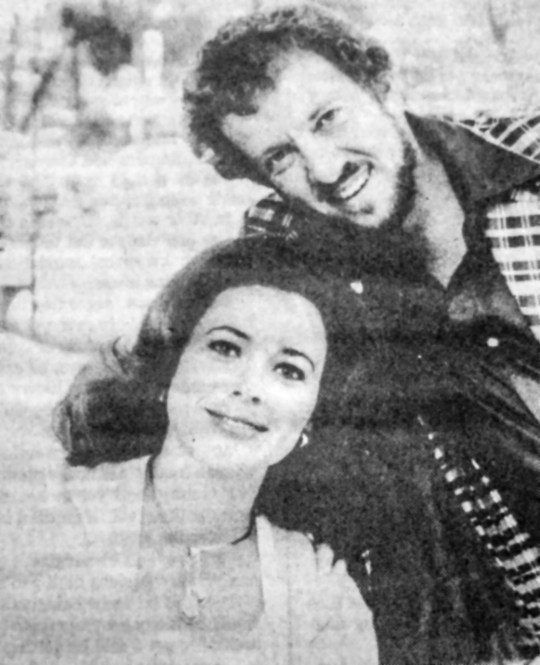
Carol and Bob R

Carol and Bob Jones were singing at the festival years ago. Carol is now Festival Director and Bob is Entertainment Coordinator.

   Back in 1986, Bob and Carol Jones presented a musical program at the festival. Today Carol is the Festival Director and Bob is Entertainment Coordinator. Their enthusiasm for the 50th Anniversary has led to a memorial “Pedestrian Gateway” being constructed at the park at a point where most visitors enter.

Briani Gray R

Brian Gray and his wooden toys have been an attraction over the years.

   While it has been great fun to look back at those early years of the festival, it’s also pleasing to know that it still has the same basic roots. The Salt Fork Arts & Crafts Festival continues to be a juried festival with several artists from those early days still displaying their art.
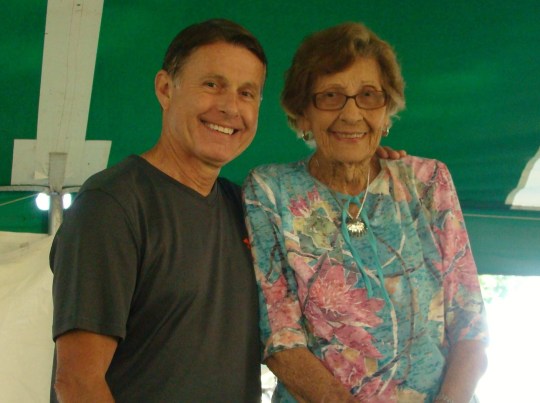
Russ and Virginia (2)

Russ Shaffer and Virginia Price have displayed at the festival since its early years and will be there this year. Virginia just celebrated her 99th birthday.

   Entertainment continues every hour in the Performing Arts Tent or the Big Pavilion. Craft classes for students and adults are held in the small pavilion throughout the weekend. Admission and parking are still free.

   Set aside some time to join the 50th Anniversary celebration this August 9 -11. Wander through the artist displays in beautiful Cambridge City Park. Have lunch or pick up a snack as you sit and listen to some fine entertainment provided by talented vocalists and bands. Don’t forget to find a special treasure to take home with you to remember this special anniversary.

   50 years is cause for celebration! Make plans to attend this memorable occasion.

The Salt Fork Arts & Crafts Festival is held annually the second weekend of August in the Cambridge City Park in Cambridge, Ohio. Cambridge is located at the crossroads of I-70 and I-77. There are several exits so watch for signs leading to the festival or the city park.
Perry Como Honored in Hometown of Canonsburg, PA

McD Perry

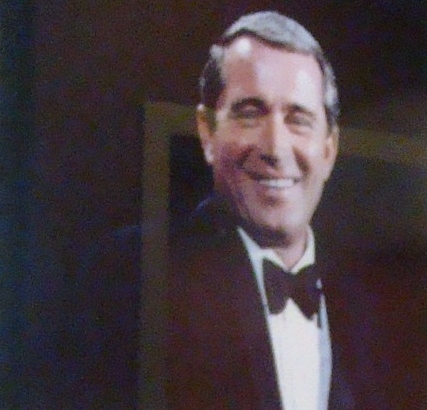
Mr. C at the height of his career.

Small towns love their heroes, especially when they’re a big star like Perry Como. Canonsburg, PA has never forgotten Perry Como, although the younger generation might not be familiar with his name.

Como statue

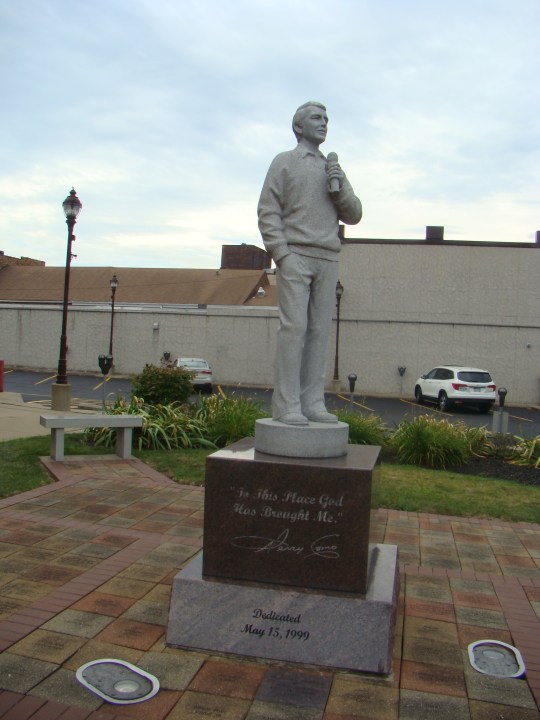
This statue of Perry Como can be found at City Hall in Canonsburg.

   At the center of town in front of their City Hall, you’ll find a statue of Perry Como. When it was placed there it sang 24/7 but now it just sings sporadically. Como is dressed casually in his traditional style with slacks and sweater. Just down the street, you’ll find a two million dollar McDonald’s packed with memorabilia from locals who went on to stardom.

   Coming from a large family of ten children, Como was the first to be born in America to his immigrant parents, Pietro and Lucia Como.  He never spoke English until he was in first grade because his parents only spoke their native Italian at home.

   Italians love music so his father purchased an organ for $3 for their home. By the time Perry was three years old, he could play songs on the organ by ear. Pietro had all of his ten children take music lessons even if he could barely afford them since he made a living by working in the mill.

McD Perry the barber

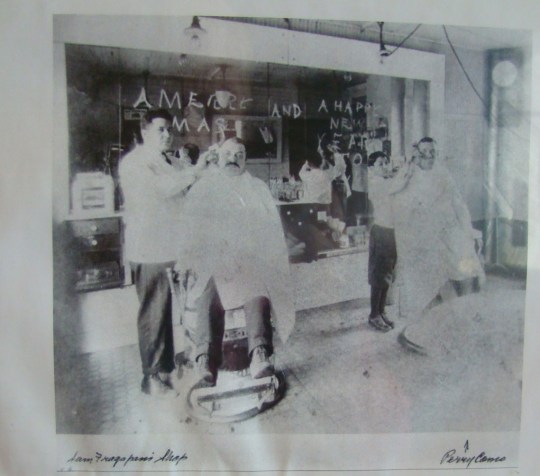
This picture of the young Perry as a barber was found at McDonald’s.

   By the age of ten, young Perry tried to help his family by working after school at Steve Fragapane’s barbershop for fifty cents a week.  By thirteen, he had his own chair at the barbershop even though he had to stand on a box to cut people’s hair.

Como Church

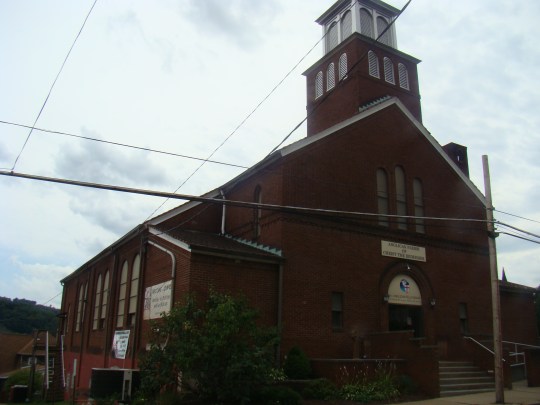
This is the church the Comos were said to have attended.

   At the same time, Perry played trombone in the town’s brass band, played guitar, sang at weddings and was an organist at church. He also was a member of the Canonsburg Italian Band. Throughout his career, “Ava Maria” was his most requested song.

   When he was fourteen, his father had a severe heart condition, and Perry opened his own barbershop.  His goal was to be the best barber in Canonsburg. When customers would marry, they would use every treatment Perry had available in his shop while he sang romantic songs to entertain them.

Como_family_at_home_1955 TV Radio Mirror

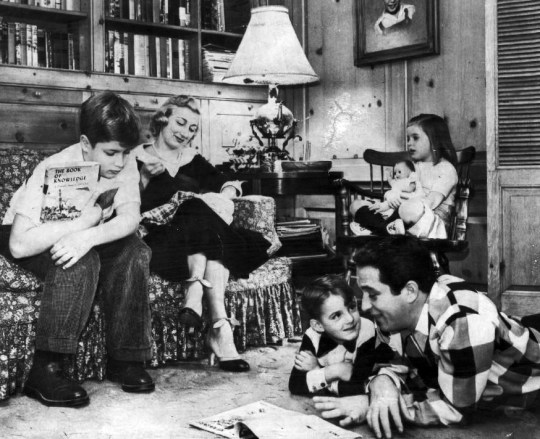
This picture of the Como family at home shows a happy family.

   By the time he was twenty, he moved to work in his uncle’s barbershop at Meadville, PA, which was not too far from Cleveland. He went with friends to the Silver Slipper Ballroom, where they asked if anyone would like to come up on stage and perform. His friends urged him to try and director Freddy Carlone offered Perry a contract on the spot.

   But he wanted to talk it over with his father first. Since his father was an amateur baritone, he told Perry to take the chance or he would never know if he could be a professional singer or not. Financially, this was not a good move as his barbershop earned him $125 a week while the singing contract was for $28 a week.

Perry_como_1939_ Ted Weems Orchestra by Bloom

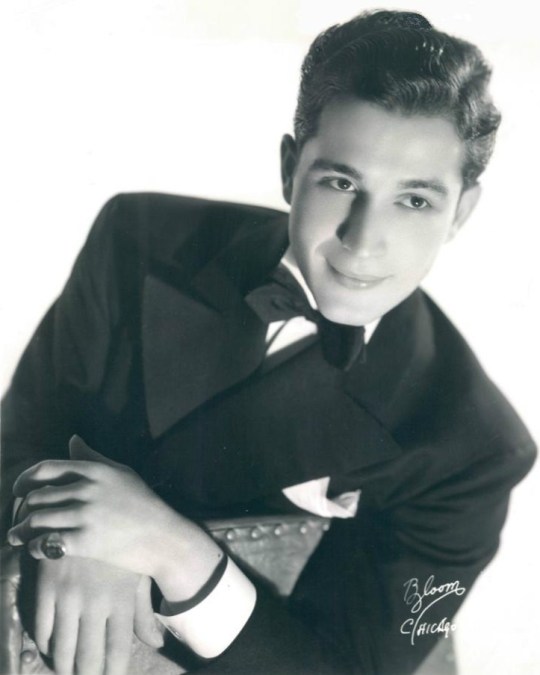
This young Perry Como is pictured when he joined Ted Weem’s Orchestra.

   He received his big break in the 1930s on a popular radio show, Beat the Band. His first recording with Ted Weem’s Orchestra on this show was the song, “You Can’t Pull the Wool Over My Eyes”.

McD Perry's bust

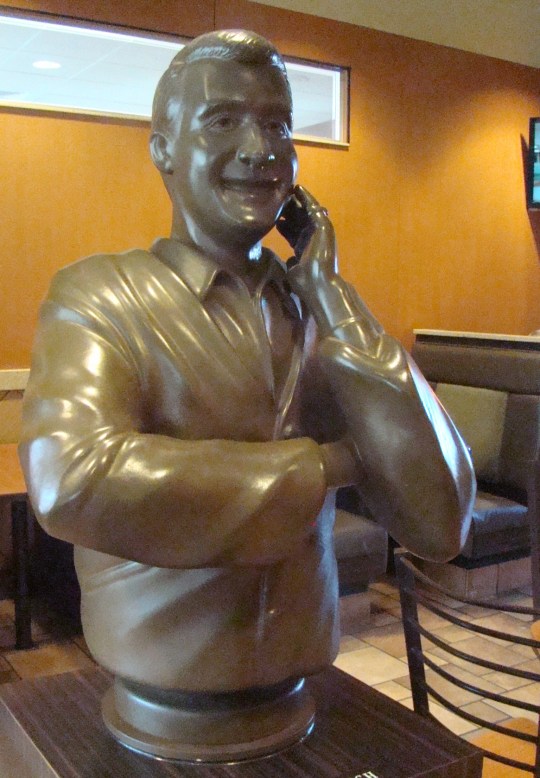
A bronze bust of Mr. C can be found at Canonsburg’s McDonald’s.

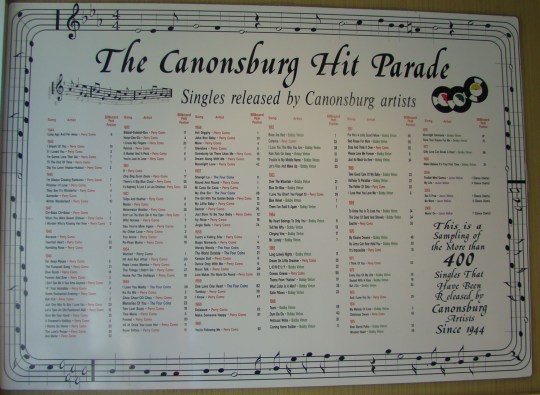
In 1943, he signed with RCA Victor and remained with them throughout his career. While in Canonsburg, a stop at McDonald’s is also a ‘star’ event. Here you will find memories of local stars including Perry Como, Bobby Vinton, and The Four Coins. When you pass by Mr. C’s bust,  “Catch a Falling Star” will automatically start playing.

Como golf

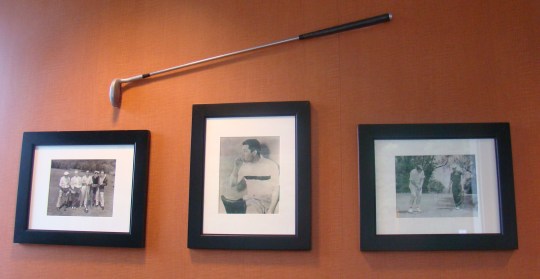
Pictures of Perry Como and his love for golf can be found at McDonald’s.

Perry Como loved the game of golf and in 1955 was Golfing Champion of the Garden City Golfing Club in New York. MacGregor even has a Perry Como Putter. When he wasn’t with his family or working, Perry was on the golf course enjoying his favorite hobby and passion.

McD Hit Parade

Inside the front door of McDonald’s, you will find this list of songs made popular by Canonsburg artists.

   Mr. C, as he was nicknamed, sold millions of records and had his own television show. Canonsburg keeps his memory alive through the statue erected in 1999 and McDonald’s memorabilia. If you’re ever in the area and enjoy hearing about the stars, Canonsburg is the place!

Canonsburg, Pennsylvania is located off I-79 at Exit 45 – PA 980/ Canonsburg. Watch for signs to direct you to the various attractions.

Baseball Legend Cy Young Called Tuscarawas County Home

Cy Welcome to Museum

This photo with Cy’s old rocking chair welcomes you to the Olde Main Street Museum.

Baseball, Hot Dogs, Apple Pie and Chevrolet. Those are things that are American to the core. In the nearby town of Newcomerstown, a baseball legend grew up and his legacy is still celebrated today.

  Denton True Young was born in Gilmore, not far from Newcomerstown. Called Dent as a youngster, the lad went to a two-room school in Gilmore but only went through the sixth grade. The boys loved to play baseball and would often either walk or ride horseback for twenty miles to play the game.

   To practice pitching, Dent would throw a ball (if he had one) into a target on the barn door, or walnuts through the knot holes in the fence. It’s no wonder he was known for accuracy during his pitching career.

Cy ball and glove

Cy’s glove holds a baseball marked 1897 – Cleveland…the date he pitched his first no-hitter against the Cincinnati Reds.

   Dent received his first contract from a team in Canton at the age of 23. They paid him $60 a month. Wanting to impress his teammates, he threw the ball so hard that no catcher wanted to catch him, so he threw into the fence. One fellow said it looked like a cyclone had struck the fence. The name stuck and Cyclone was his listed name for two years. That soon became shortened to Cy, a name which stayed with him through the rest of his life.

Cy Indians program

This old Indians scorecard only cost a dime.

   Over the years, he played with Cleveland, St. Louis, and Boston. He holds the records of most innings pitched at 7,356 and most wins with 511, a record that is not likely to be broken. Not many could pitch like he did in both games of a double header…and he never had a sore arm!

Cy - 1892 Scrapbook

His personal 1892 scrapbook is on display at the museum.

   In 1914, a young man in Newcomerstown by the name of Jimmie Knowles had a shoeshine stand in front of the newspaper office. He remembers Cy Young coming to town almost every weekend in his big Cadillac and parking it on Main Street. Then he’d stop by and have Jimmie polish his shoes. He always left a tip.

Cy - Trophies

This framed photo shows Cy with his many trophies.

   Cy tried his hand at management for one year with the Cleveland Green Socks as he had a hankering to get back into the world of baseball. But the league was dissolved and Cy returned to Tuscarawas County.

   When Cy retired at the age of 45, he enjoyed the life of a gentleman farmer in Peoli. There he raised potatoes, and tended sheep, hogs, and chickens and enjoyed hunting and fishing.

Cy - ax and wood he chopped

This ax belonged to Cy Young and it is said this is some of the last wood he chopped.

   When his wife, Roba, died in 1933, Cy lost a good friend as they had known each other since childhood. After her death, he worked at various jobs and eventually moved in with friends and helped them bale hay, handle the horse and even chop wood.

   He was an active member of the community and moved up through the ranks of the Masons, was a member of the local Elks Club and was elected to the Republican Party Central Committee.

   Old-timers baseball games gave him pleasure and a chance to meet old friends. In 1937, Cy Young was voted into the Baseball Hall of Fame in the second class ever. He was the first to donate memorabilia to their new museum in Cooperstown.
Cy - Showcase

Several showcases at Olde Main Street Museum contain Cy Young memorabilia.

   In 1948, great excitement filled Newcomerstown as Cy Young was to be honored at Cleveland Stadium for his 80th birthday. To make the day even more special, Bill Veeck, the owner of the Cleveland Indians, arranged for the C&M Railroad to make a stop in Newcomerstown and bring the whole town to Cleveland at no cost to residents.

   Pitching was Cy’s specialty and he threw a fastball with cannonball speed that few could hit. Because of his fantastic pitching ability, the Cy Young Award was created in 1956 and given annually to an outstanding pitcher in all of baseball. Beginning in 1967 through today, the award is given to a pitcher in each league.

Cy - Cy Young Park

The Cy Young Park in Newcomerstown remembers one of baseball’s original legends.
   The first Cy Young Festival was held in 1958 in Newcomerstown. Every year a baseball star pitcher is featured. This year it will be Randy Jones, who won the Cy Young Award in 1978 when he played for the San Diego Padres. Great names such as Dwight Gooden, Dean Chance, and Vida Blue have attended the festival.
Cy- Tombstone

Fans visit his Peoli tombstone to leave baseballs and other memorabilia.

   The festival begins on Saturday morning with a Cy Young Run. Afterward, a car caravan can be seen heading to Cy’s grave in nearby Peoli at the Peoli Church. You might stop along the way at the Newcomerstown McDonald’s where they have a large display honored this hometown hero.

Cy - McDonald's

Stop by Newcomerstown McDonald’s for wall displays about this local hero.

   The afternoon is filled with bands, food, and fun for everyone. The annual parade begins at 6:00 and stops at the Olde Main Street Museum. There they have a special display of Cy Young memorabilia.

Cy - Olde Main Street Museum

Cy’s memorabilia can be seen at the Olde Main Street Museum in Newcomerstown.

   Sunday begins with an Old Timers Vintage Baseball game at the Cy Young Memorial Park Field. Players will be dressed in uniforms similar to those of the mid-1800s and use the same rules and language of the Civil War era. Or you might prefer to go to a Car Show on Main Street, a talent show or pet show. There are events for everyone to enjoy.

Cy - 1 953 Little League Opening

He appeared at the Newcomerstown 1953 Little League Opening where he encouraged youngsters to play ball.

   The Annual Cy Young Days Festival is held in Newcomerstown in June of each year. The festival not only promotes Cy Young but also increases awareness of all the youth baseball and softball programs in the Newcomerstown area. It’s all about Cy Young and baseball, the game he loved.

Cy Young won 511 games in 22 seasons and pitched three no-hitters. Imagine what kind of contract he could command today for an arm like that.