Places to go and things to see by Gypsy Bev

Archive for the ‘Ohio’ Category

The Cambridge Lions Club Variety Show’s 40th Anniversary “Blast From the Past”
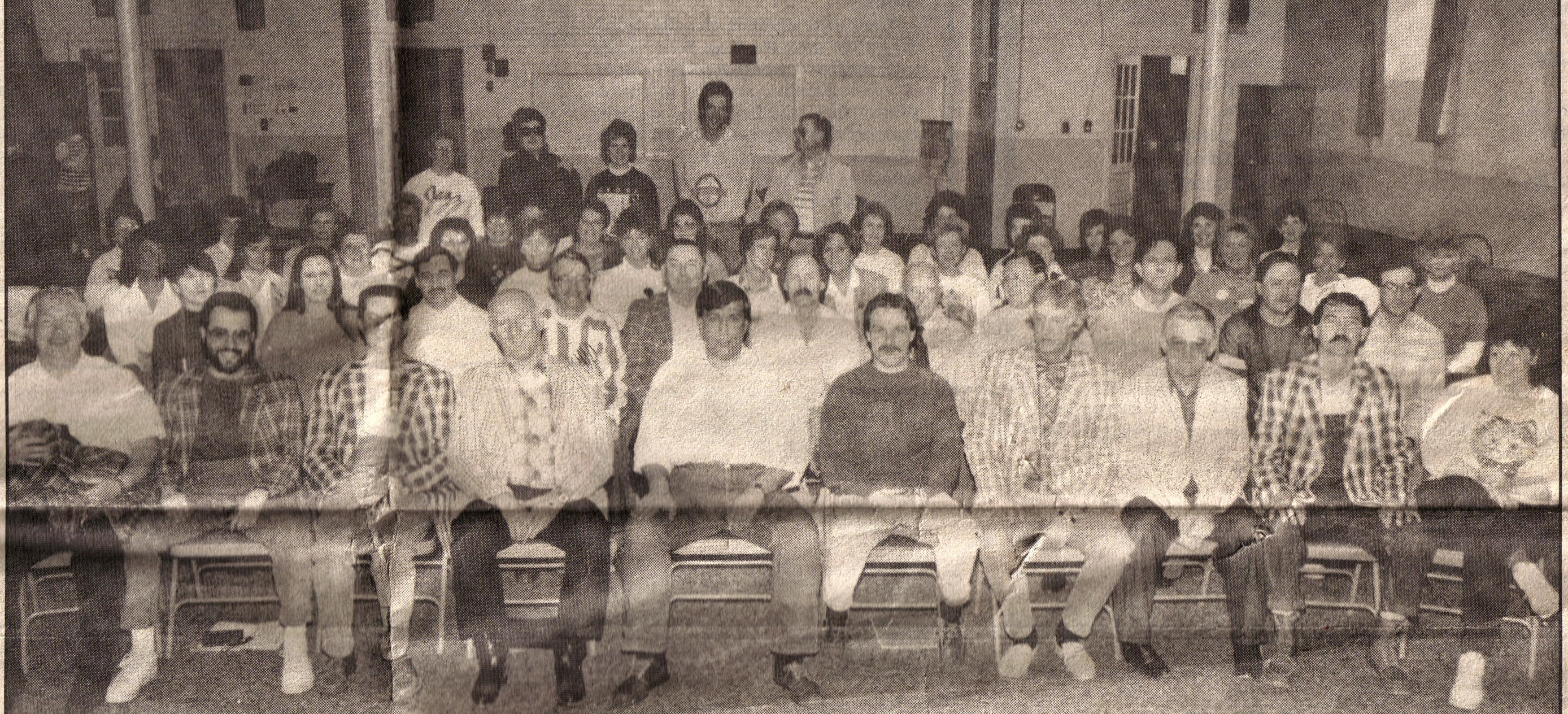
Lions Club Chorus PracticeIt’s time to celebrate and have a good time as the Cambridge Lions Club prepares for their 40th Annual Variety Show.  Back in 1974, that first show was simply called, A Minstrel Show. Many familiar local personalities participated in that first show at the State Theater for a two night run.

Dave Wilson and Ron GuthrieTwo of those performers, Ron Guthrie and Dave Wilson, actually happen to still be around today, and will be participating in this year’s show, Blast From the Past. These guys never seem to tire of the antics of the Lions Club Show. Both fun loving fellows remember that first year when members persuaded young Dave Wilson to surprise Ron Guthrie with a pie in the face before intermission.  Little did they realize that the cream on top had soured after being left at room temperature for several hours.  When Ron got his pie-in-the-face, he also got quite sick for most of the second half of the show.

By the way, Ron did get even for the pie-in-the-face, as he had promised Dave that first night.  Several years later, five to be exact, it was arranged for Dave Wilson to get arrested during one of the skits. Handcuffs seemed the appropriate method to get his hands behind his back. And you guessed it, Ron surprised him with a pie-in-the- face.  Dave said recently he was rather relieved at that time, because he had been waiting for it to happen for all five years.
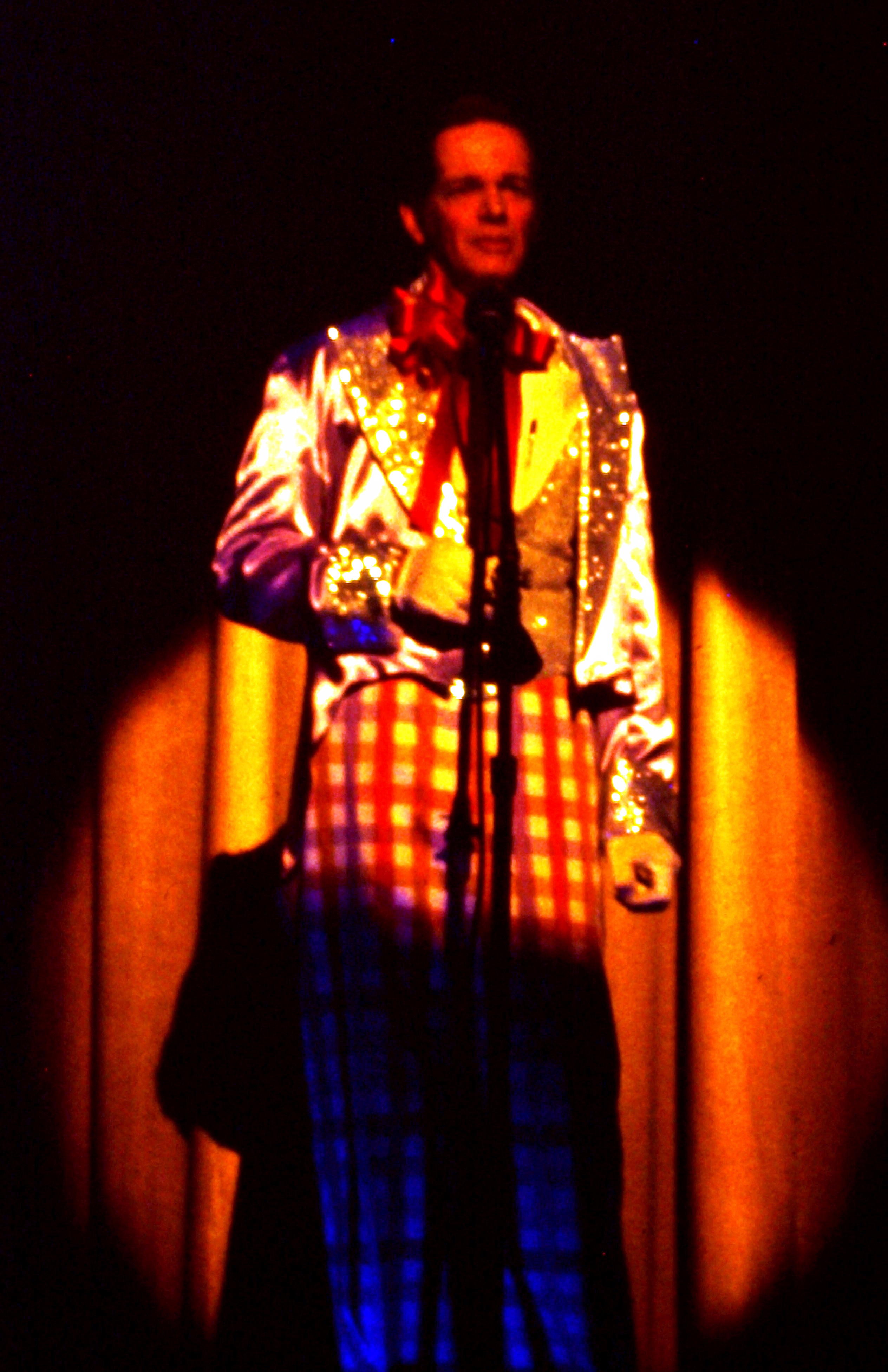
Bob JonardHow did this all get started? Back in 1973 the Lions Club had agreed to help finance a wing for Guernsey Memorial Hospital and they were looking for a way to raise some extra dollars. As luck would have it, Bob Jonard moved to the Cambridge area with his musical family.  Bob had recently been involved with minstrel shows in both Adena and Wooster, so he encouraged the local Lions to give it a try.

Of course, many felt it wouldn’t work.  However, Bob Jonard found a great listening ear and enthusiasm in Ron Guthrie. Soon John Mehaffey and his wife, Frances, became supporters. This team put together that first show around their kitchen tables, and it was a great success.

Many of the performers have been around since their youth, have gone away to college or jobs, and then returned to their home town to again join in the fun of the show. For many of the participants, this is one of the highlights of their year.

Lions Show BandWhile funny skits and jokes filled the State Theater years ago, music was the main part of the program and still is today. The chorus, groups, and solos would be at a loss without the accompaniment of the Lions Show Band.  In the early years, the chorus only had a mimeographed copy of the basic music with no harmony parts included. They each sang their own special harmony to create a beautiful sound. Some of the songs from that first show included: A Bird in the Gilded Cage, Daddy Sang Bass, Sweet Gypsy Rose, and Mammy.  

The Flappers danced their way into people’s hearts with a bit of the Charleston to the then popular, Ballin’ the Jack. Since then, the can-can, black light dance specials, and even line dancing have entertained the crowds. You never really know what is going to happen at a Lions Club Show.
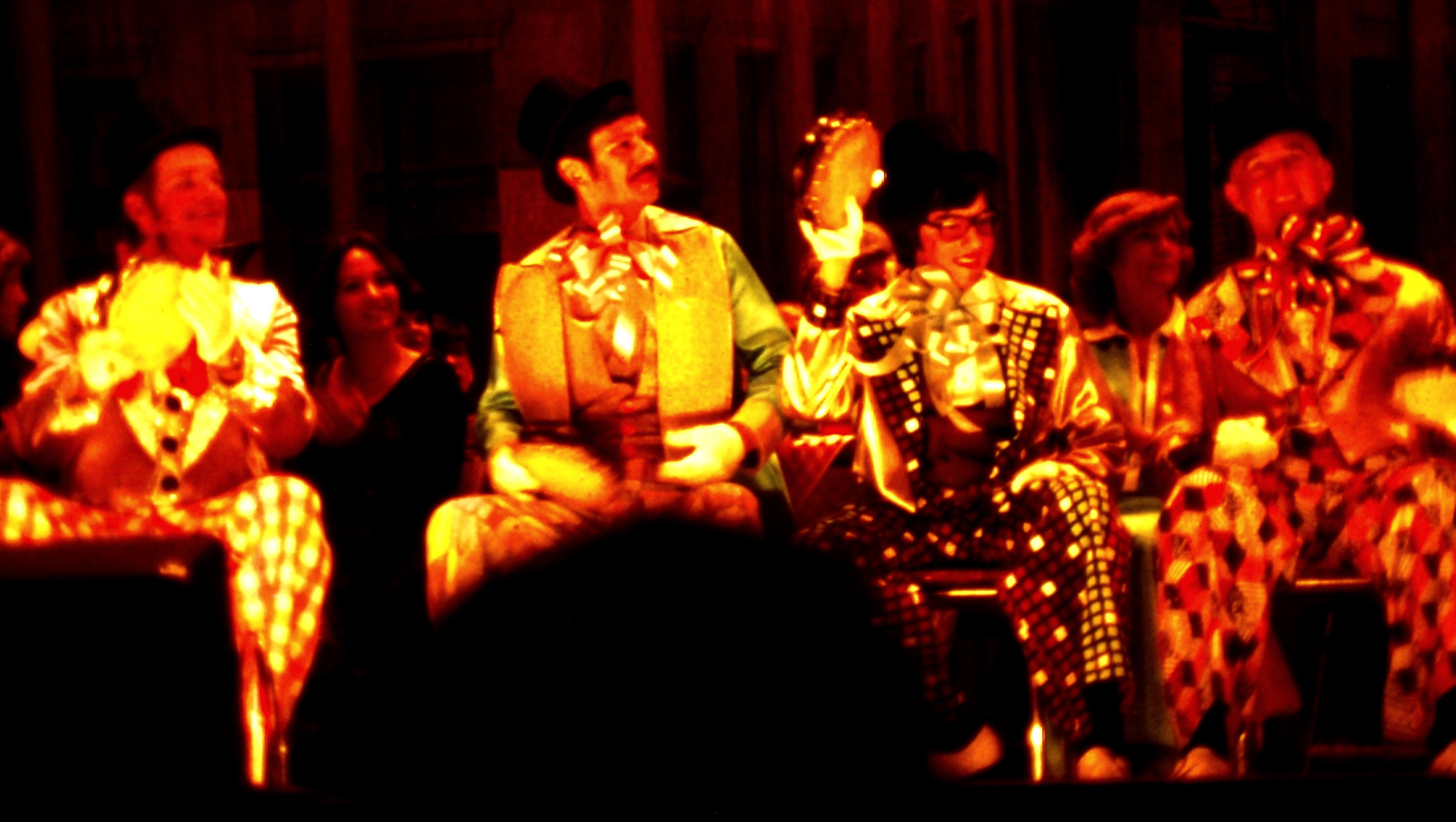
Bob Jonard, Howard Cherry, Dave Wilson and Bob Bistor during a 1977 showThe End Men and Interruptions create most of the laughter during the evening. The Lions Club members enjoy their own brand of humor as they tell jokes and often dress in outrageous costumes. They have great fun themselves while entertaining the crowd. Every year and even every night their antics are a little different.

Focus for the Cambridge Lions Club is on helping the blind and visually impaired. These Knights for Sight use all proceeds from the show to help those in need pay for eyeglasses and eye-related treatments. Your ticket purchase helps a great cause!
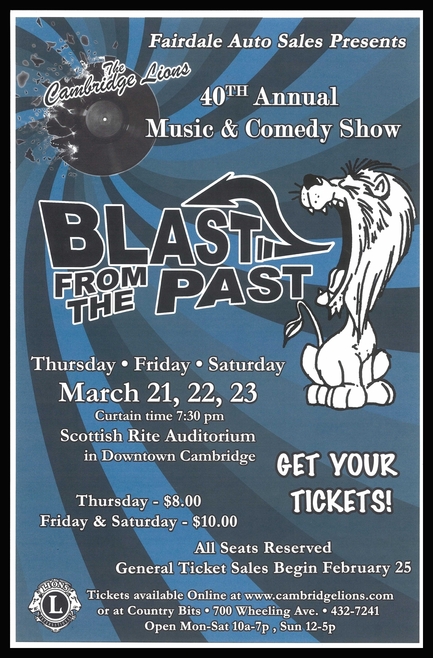
Lions_Show_2013Even though The Lion Sleeps Tonight in Cambridge, Ohio, you can be certain to Hear Those Lions Roar on March 21, 22, and 23. They will be roaring their “Blast from the Past” at the Scottish Rite Auditorium with a 7:30 showtime each evening.  They want to entertain you and will tell you in song, It’s true we make a better day, just you and me. They have over the years discovered that singing helps one harmonize with the universe. Come on and Celebrate!

Coming to the show from out of town? From I-70 take Exit 178 at SR 209. Proceed west on 209/Southgate Road until you arrive downtown at the Courthouse. Make a right hand turn and two traffic lights later you are in front of the Scottish Rite Auditorium at the corner of Wheeling Avenue and 10th Street.  It is across from the Cambridge Post Office. Coming from I-77, take Exit 180B, which is US 40 West. After approximately one mile, you will arrive in downtown Cambridge. At the corner of Wheeling Avenue and 10th Street, you will find the Scottish Rite Auditorium. Hope to see you there!
Hopewell Mound Group’s Mysterious Crop Circle

Extraterrestrial, Paranormal, or Prank? Recently the Hopewell Mound Group near Chillicothe, Ohio  became a hot spot for crop circle investigation. An unusual sight of an intricately designed crop circle was noticed from an airplane flying over the area.  Therefore, this gypsy decided it was a great time to take a road trip to learn more about the mounds, as well as the crop circle.

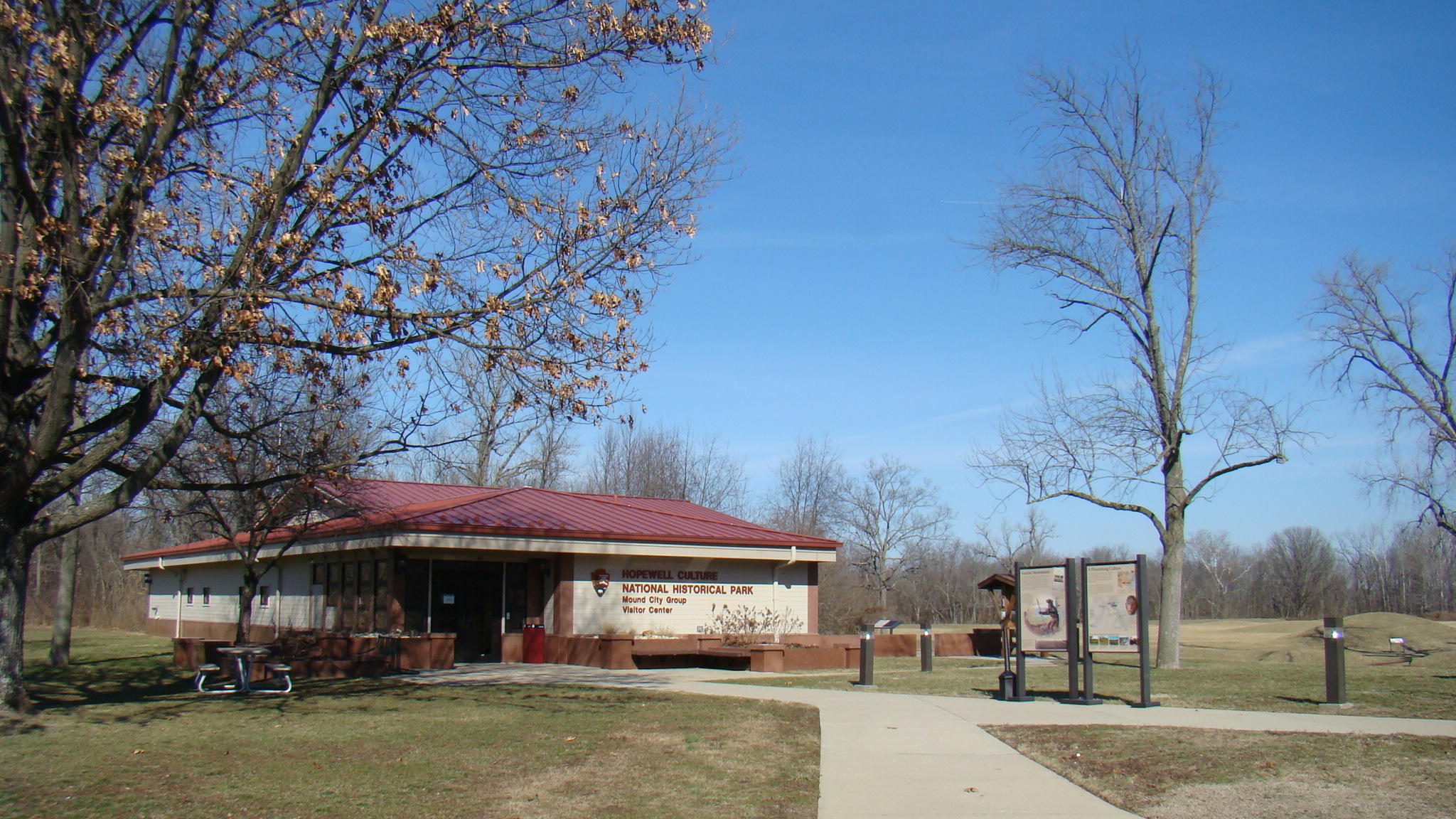
Hopewell Mounds Visitors' CenterHopewell Culture National Historic Park’s Visitors’ Center provides an excellent short film giving possible history and reasons for the mounds being constructed in this area.  Located in the  beautiful Scioto River Valley, easily accessible water for daily use, as well as transportation, was of great importance to that early culture.

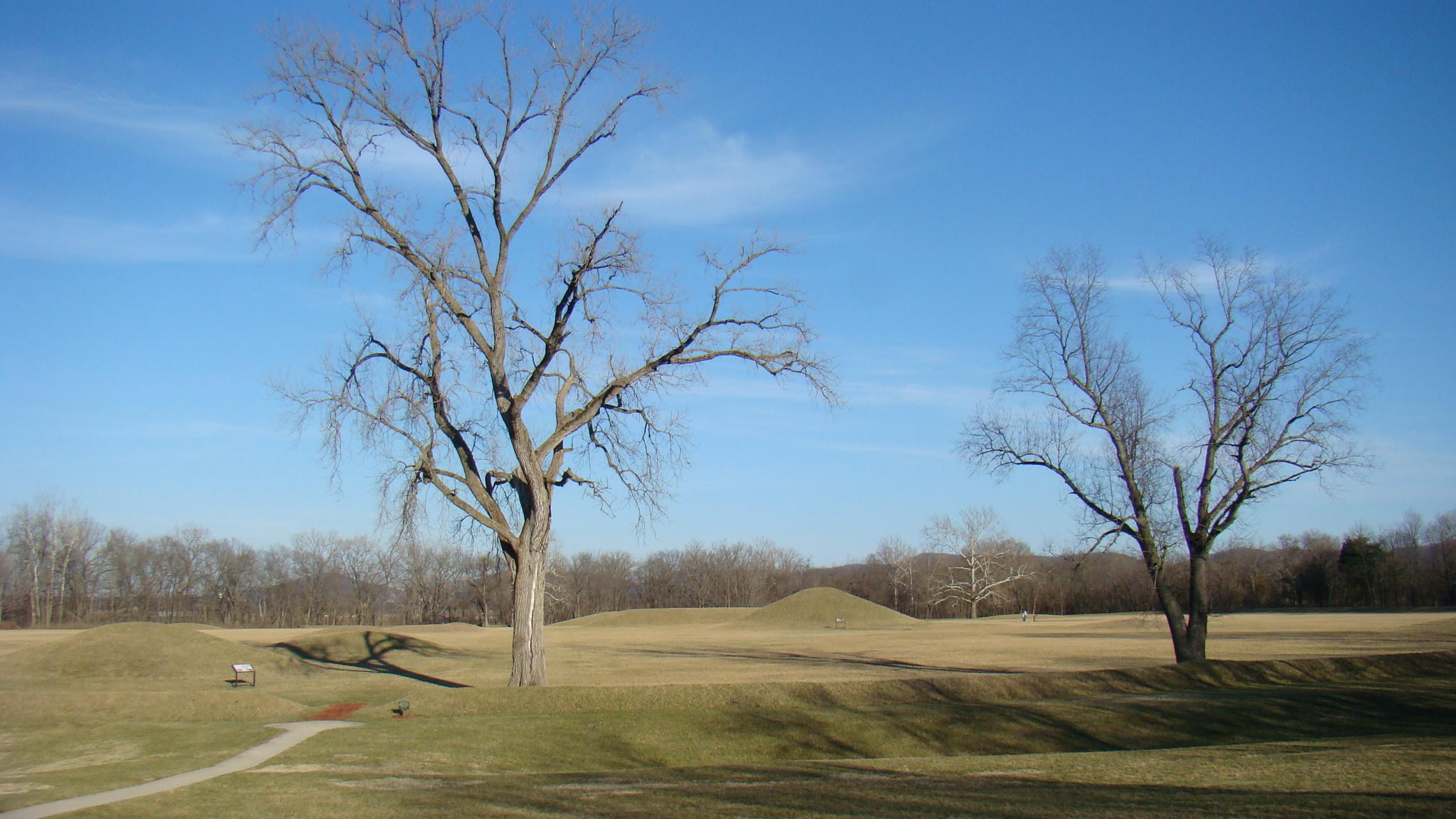
Hopewell MoundsThese historic mounds were the ceremonial center of the Hopewell culture from 200 BC – 500 AD. A stretch of land along the North Fork of Paint Creek contains the most striking total set of Hopewell culture remains in Ohio. This enormous legacy of geometric landmarks was created by unknown inhabitants prior to the time of the American Indians living on this land. Their name actually comes from Confederate General Mordecai Hopewell, who owned the land when the mounds were first discovered back in 1840. No one actually knows what name those original builders called themselves.

Interesting similarities, shared by the five mound groups in the Hopewell Culture, make them part of a larger picture.  Each field usually has a small circle, a larger circle and a square. Each square is 27 acres and the larger circle would fit perfectly within the square. The large circles all have the same diameter and encompass 20 acres. Many of these appear to have been laid out for their astrological significance.

Hopewell Mound 25The main section is often called the “Great Enclosure”, a six foot high, rough, rectangular, earthen enclosure measuring approximately 2800′ X 1800′. Mound 25 is located within this area and was the site of early excavations in the 1800’s. This treasure trove contained shells from the Gulf Coast, copper from Lake Superior region, and obsidian from Wyoming.  It appears that when the ceremonial life of a site was finished, they built a mound much like we would put up a headstone or monument.

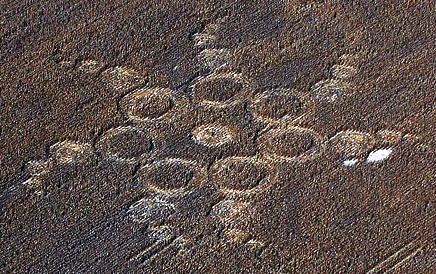
Hopewell Crop CirclesThe recently sighted Crop Circle seems to be located very near this enclosure, but on the other side of the treeline, in the old channel of the North Fork of Paint Creek riverbed.  Since it is on adjoining property and under study, access is not permitted at this time. Circles were first seen from an airplane on September 20, 2012 as the pilot was headed toward the Serpent Mounds. This forty-three circle pattern in standing corn is not visible from any nearby road.   Some thought this pattern resembled a “reversible electric motor” and felt it appropriate to have been drawn near high tension power lines, which are located about 330 yards away. Was there a message intended?

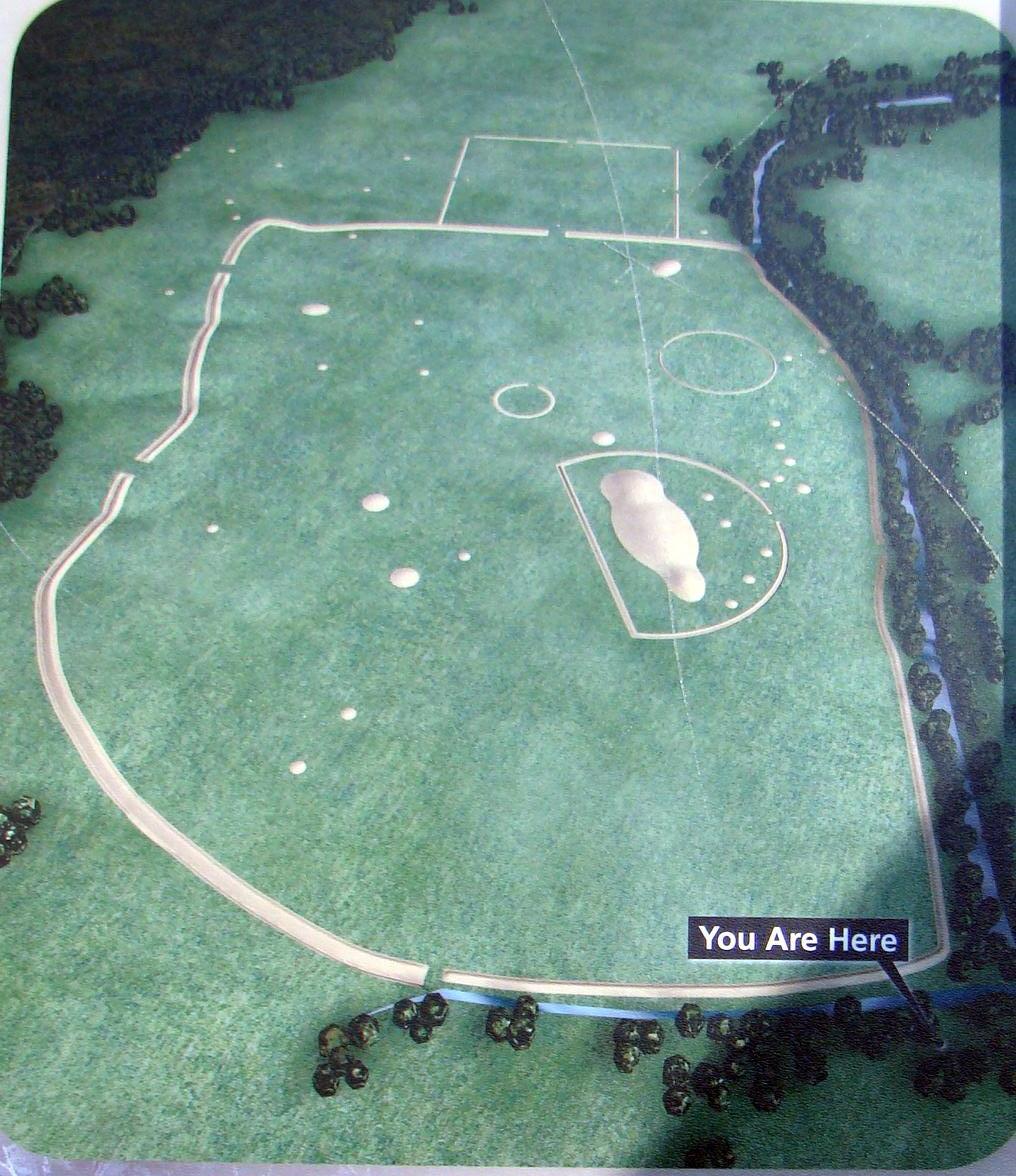
Hopewell Mound Group MapThis map of the Hopewell Culture Group shows its boundaries as well as the location near the upper right hand side of Mound 25. From all information received, the crop circle appeared to the right of the Mound 25 circle and across the tree line. When explored by the Independent Crop Circle Researchers’ Association,  it was determined that the cornstalks were smoothly bent in many swirled and intricate patterns at heights from 2 inches to 4 feet. No footprints were found or any evidence of stepping on plants.

One significant difference came in comparison testing of the length of growth nodes in the crop circle vs those in the untouched field. Those in the circle were elongated, an unhoaxable effect, producing accelerated growth. These effects are often brought about by high levels of radiation.

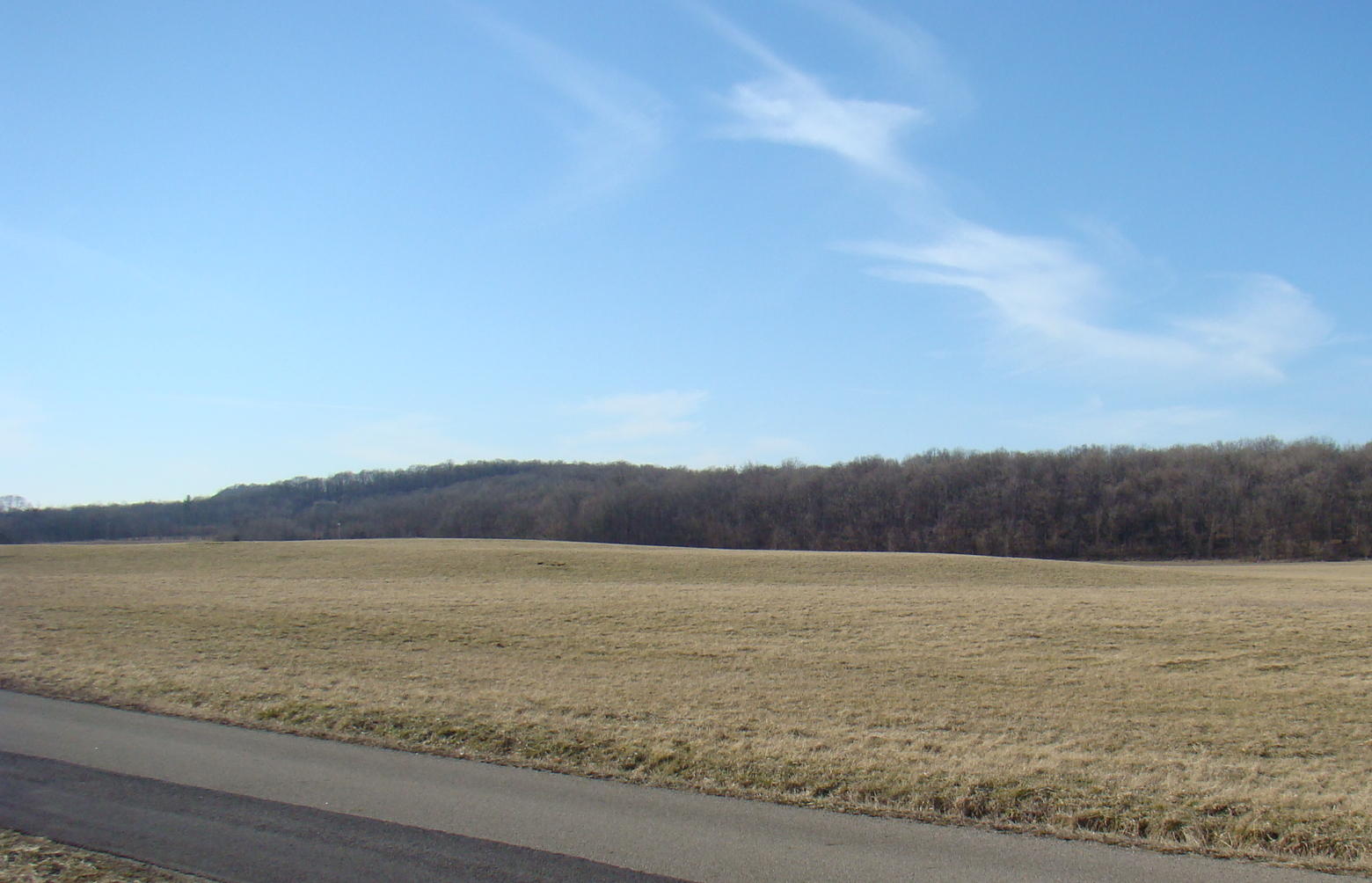
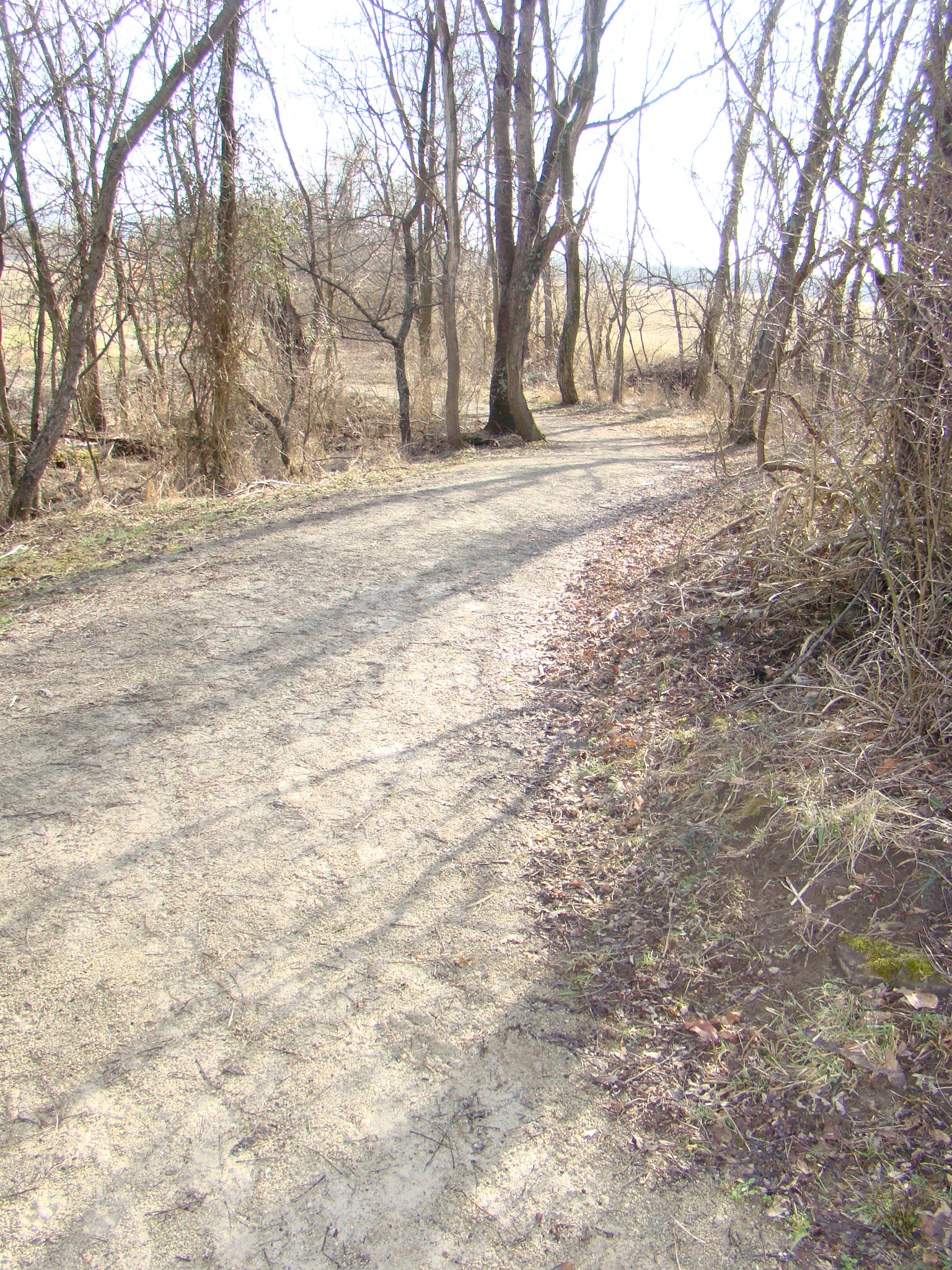
Hopewell Hiking TrailTook a relaxing walk around the entire Hopewell Mound Group using their hiking trail, which was rather muddy and slippery in spots, and ending on the Bike Trail. Felt accompanied on that walk by someone from that long ago time. Believe I passed close to the spot where the Crop Circle was located from all the clues given, but could see nothing from the ground view.

When asked about the Crop Circle at the Visitors’  Center, the answer was  “there is no tangible evidence”, but they reminded visitors that Hopewell Culture is a very spiritual place.  Guess everyone will have to reach their own conclusion. The mysteries persist! Any ideas?

Actually, this is not an easy spot to find as it’s located in the middle of south-central Ohio without any nearby interstate access.  The Hopewell Mound City Group Visitors’ Center is located at 16062  SR 104, about 1.5 miles north of US 35 just outside Chillicothe, Ohio.  The Visitors’ Center is the best place to start your tour and they have maps available for each mound group. Rangers on hand are very helpful in giving driving directions. If anyone knows the location of Crop Circle University, please respond.

Big Muskie Bucket Exhibited at Miners Memorial Park

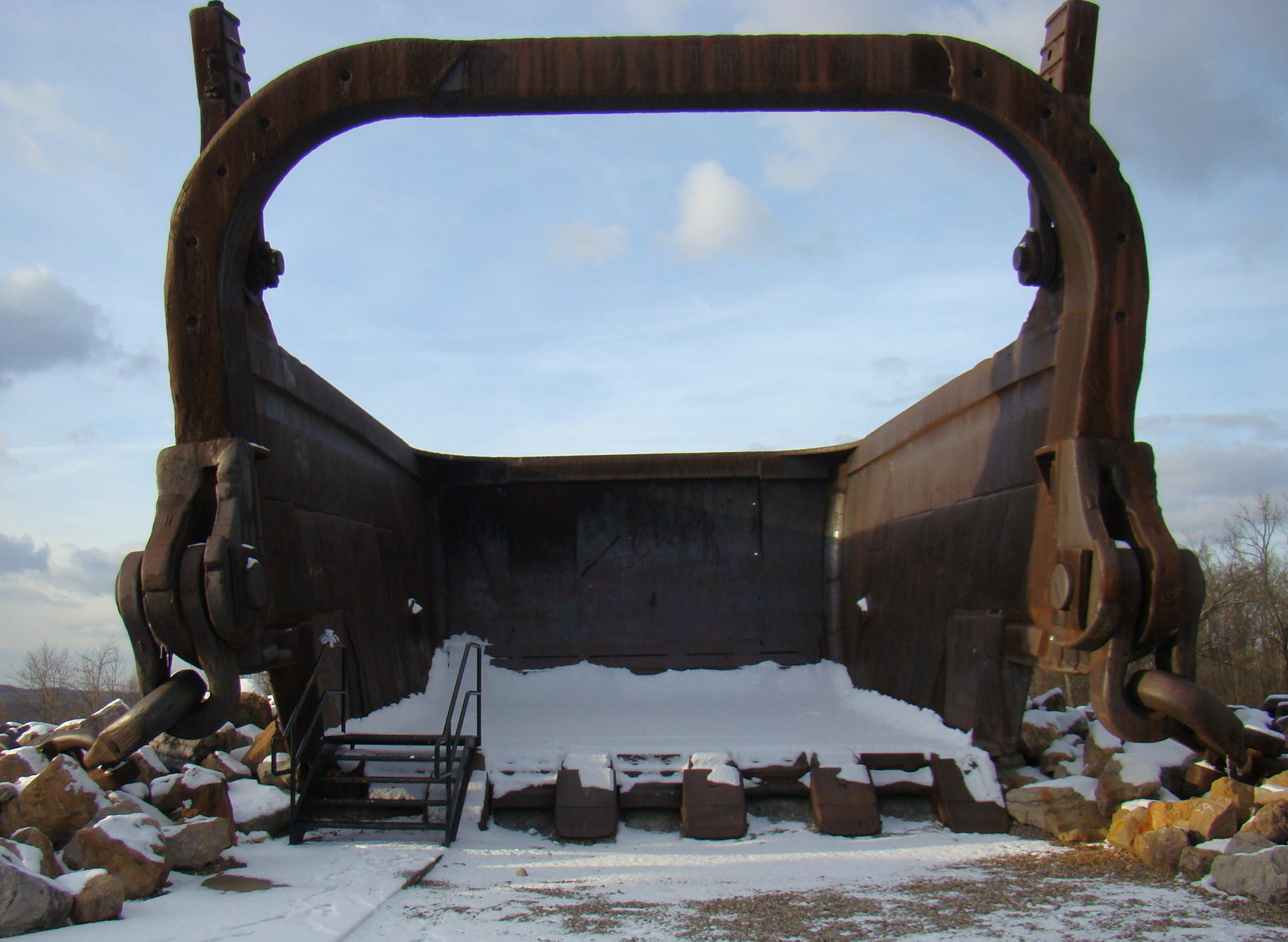
Big Muskie 325 tons of earth in a single bite!  The Big Muskie took that bite quite easily while mining over twenty million tons of coal in  Muskingum County of Southeastern Ohio from 1969-1991. Today all that is left of the Big Muskie, one of the world’s largest draglines, is this bucket capable of holding many tons of earth.

Miners Memorial ParkOn a crisp winter afternoon, the curvy, scenic road happened to meander past the site of the Miners’ Memorial Park in Morgan County, Ohio where the Big Muskie Bucket is the centerpiece of the park. While the ground was covered in a light snow and the gates were closed, the sign said : Walk-Ins Welcome. That was invitation enough to explore a little closer. My footsteps were the first to leave imprints in the snow this January afternoon.

Big Muskie BucketConsidered one of the seven engineering wonders of the world, this bucket weighs 460,000 pounds empty. If you look closely in the bottom left of the picture, a teddy bear can be spotted on the left hand side of the bucket…and it truly looks like “just a drop in the bucket”! When you consider this is only the bucket of the dragline…well, the magnitude overwhelms you.  It has been estimated that twelve car garages could fit inside.

This massive mechanical wonder was last used by the Central Ohio Coal of American Electric Power, or AEP, in the rolling hills near Cumberland, Ohio. Lucky it was being used by AEP as this huge machine was run basically by electricity, using enough electricity daily to power over 27,000 homes.  Big Muskie had a crew of five and worked around the clock to take advantage of the lower nighttime per kilowatt-hour rate. When you check out the first picture, knowing the size of the bucket, you then realize how gigantic the entire Big Muskie really was, actually twenty-two stories tall!

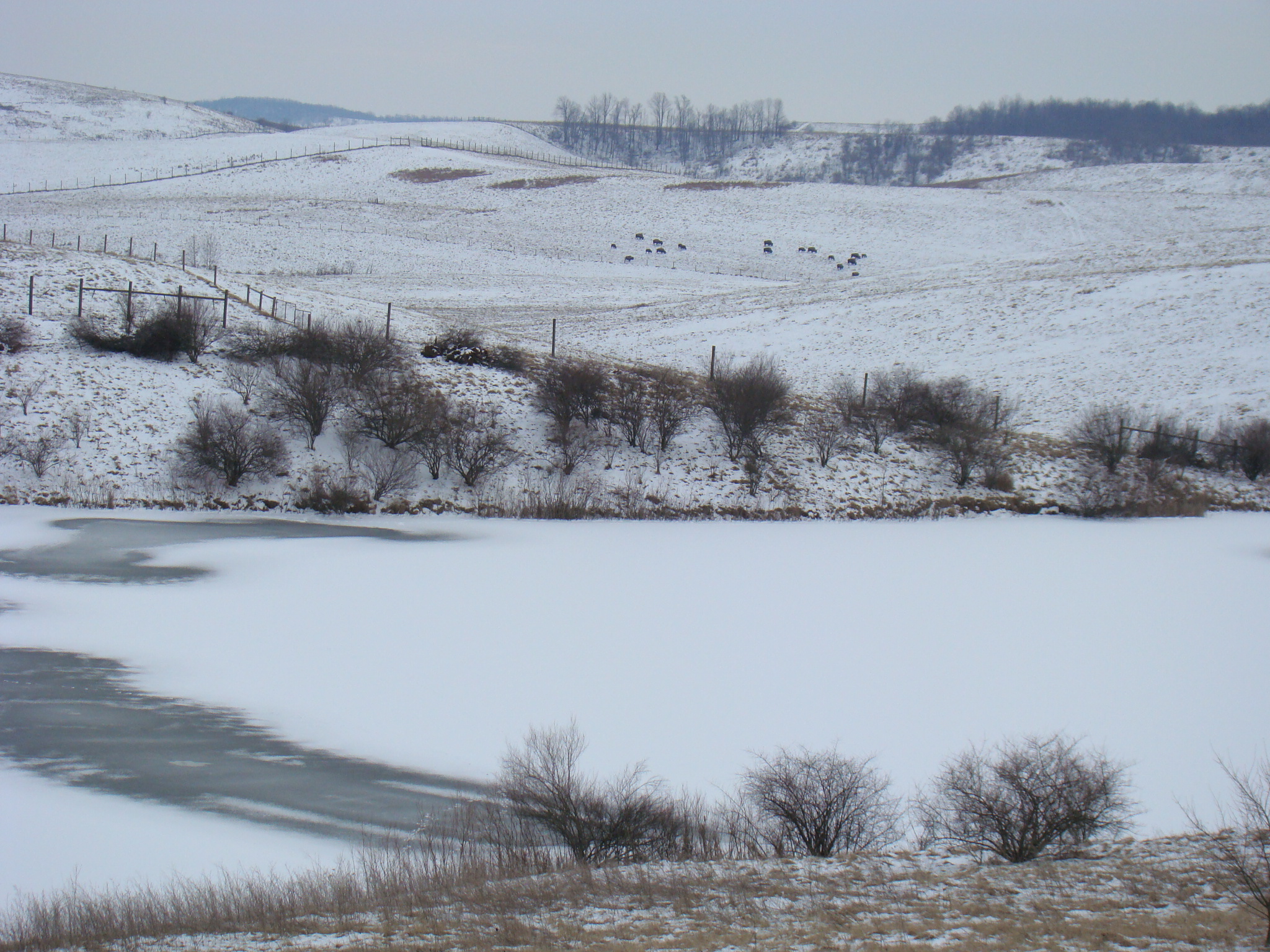
The WildsAfter the land was mined, it was beautifully reclaimed as can be seen in this picture. The ground was smoothed, trees were planted, and it was again an inhabitable place for animals.  In fact, The Wilds, a haven for wild animals from all over the world, is located within a short drive and is where this picture was taken. If you look closely in the open range, you can spot a herd of buffalo grazing in the snow with a beautiful lake in the foreground. The Wilds is one of the largest wildlife conservation centers in the world with some type of safari available most of the year to explore nearly 10,000 acres of that reclaimed land.

Today, AEP maintains this Miners’ Memorial Park. It is a great place to relax, even on a quiet winter day, while strolling around the huge bucket. There are several areas available for picnics as well as a shelter, which houses displays on the Big Muskie when it was working as well as other information on the area. As land was reclaimed, many camping areas with lakes and fishing were included so it is a great place for family fun during the summer months.

Even though the Big Muskie is no longer in operation, coal mining is still an important occupation in these rolling hills. Warning: Watch out for fast moving coal trucks on every curve!

To visit the Big Muskie Bucket on your next visit to Ohio, travel I-77 and take Exit 25 in southeastern Ohio. Be certain you stay on Route 78 and after many bends and curves – a rollercoaster ride – of about 16 miles, you will arrive at the Miner’s Memorial Park. The area is open May – October, but you can walk in and explore at any time.  Be sure to stop and scan the hillsides.

Explore Dennison Depot Museum WWII Dreamsville U.S.A.

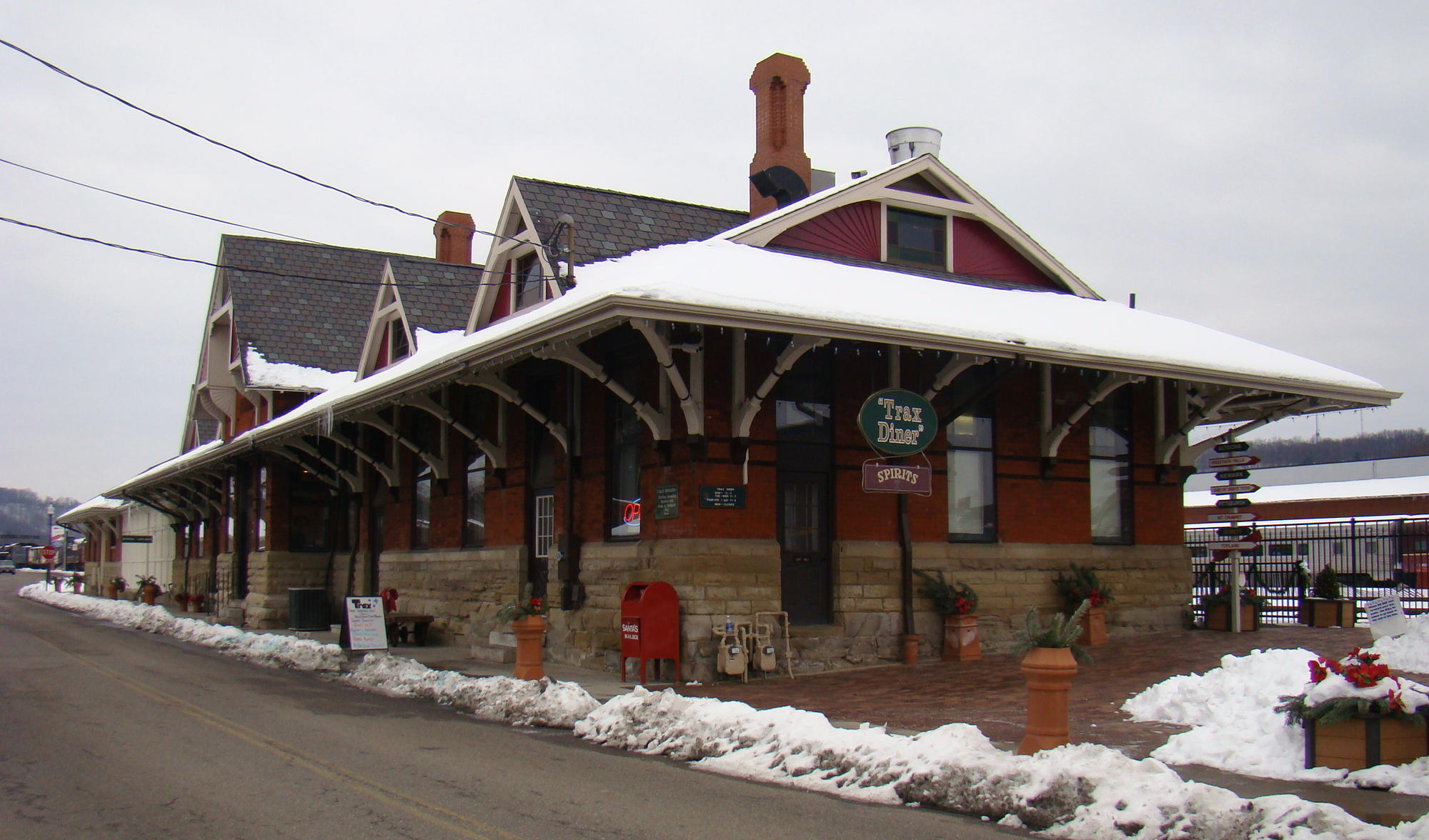
Dennison Depot Museum“Grease the pig!  Tallowpot, grab that banjo and throw on some diamonds so we can bake a cake.” Commands similar to these could have been heard around the Pennsylvania Railroad in Dennison back in its prime. This railroad slang translated into our everyday English, would sound something like: “Oil the engine! Fireman, grab that shovel and throw on some coal so we can build up steam.”

Dennison Depot Museum in Dennison, Ohio displays the history of their depot in a rather unusual manner…in the cars of a train! Each car displays a particular section of interest varying from hospital car to telegraph office. There is much to explore and all is well marked with explanations.

Model RailwayWhy would they have decided to buy the land to establish a town, where none existed, in this particular place back in 1865? Well, it wasn’t by chance! The spot they later named Dennison was exactly 100 miles between Pittsburgh, PA and Columbus, OH. The steam engines of that time could only travel a hundred miles before needing water, so this became their mid-way stop. Approximately forty trains stopped here daily during its peak, when Dennison had the most complete and largest railway yard in the nation. This model train lay-out shows in great detail part of that yard, and is maintained by a group of local model train enthusiasts.

Salvation Army CanteenMost exciting of all seemed to be the story of how they became known as Dreamsville, U.S.A. During WWII, the Salvation Army Canteen ,with nearly 4,000 volunteers, provided free food to around 1.3 million servicemen.

Arriving Servicemen's Train Car The train stops were only five to seven minutes long, so the girls went out on the platform to meet the train. They could see the loneliness, hunger and despair on the soldiers’ faces, so those young girls tried to have a smile and a kind word for everyone.

The soldiers said it brought back fond memories  of their hometowns.  These friendly, smiling girls reminded them of their moms, sisters, or girlfriends…plus there was free food.  A dream come true!  Thus the name Dreamsville, USA.

Hobo Message StumpBecause of all the trains, Dennison was a hotbed of hobo activity.  Whenever a train would stop, many hobos would hop off looking for a place to get handouts. It was common practice for the hobos to make marks on a nearby tree or on the house itself, so other hobos would know if they would be well received. Marks of simple circles, arrows, or even animals signified: Good road to follow. Free telephone. House is well guarded. A kind old lady. They even had a camp along the Pennsylvania Railroad in the city dump, where they made makeshift shelter of tin wrapped around tree trunks.

Friendly volunteers patiently answered questions, making the day enjoyable as well as informative. Boarding takes place here for the Polar Express, which during the Christmas season takes children on a magical ride where they encounter Santa. Special events are scheduled throughout the year from Private Bulldog Bing’s Birthday Party to Ghost Tours in the fall.

After visiting the museum, the Trax Diner, located in the old depot, is a perfect place for a meal or a snack.  Children were full of “whoo-whoos” while they were enjoying the atmosphere. Although they have delicious full-course meals, I chose a “Hobo Basket” filled with British style beer battered fish and chips. Since an English lady operates the diner, this seemed like a logical and delicious choice.

“Coal Cars”, stuffed potato skins, also chugged across the menu.  Might have to return for “The Caboose”, a sugar and cinnamon shell filled with ice cream and toppings. Think a Caboose would be a perfect ending for a meal, a train… or a blog post!

Dennison Depot Museum is located in Dennison, Ohio  not far from I-77.  Take exit 81, 36 East, to the Dennison exit. Turn right on Second Street and continue on Second Street until you reach the tracks. Turn left on Center Street and after two blocks you will see the museum. Parking is on the left side of the street.

Autumn Sunday Drive in Beautiful Ohio

“Want to take a ride?” Those were familiar words growing up, as my father always enjoyed a drive through the country, at any season of the year. While mom always went along, she never enjoyed them as much as father and daughter. Since we liked to explore all the back roads, mom came to calling us “gypsies”. The passion for exploring has never left, so now you know a little background for my blog, Gypsy Road Trip.

This beautiful autumn Sunday Drive in the hills of  Southeastern Ohio began at the dam of nearby Salt Fork Lake.  With fluffy clouds in a bright blue sky, the shades of autumn leaves were reflected off the calm lake. Tranquility surrounds you here interrupted only by the distant sound of a speedboat sliding through the waters. Sit and soak in the sun and grab some fresh ideas floating through the air.

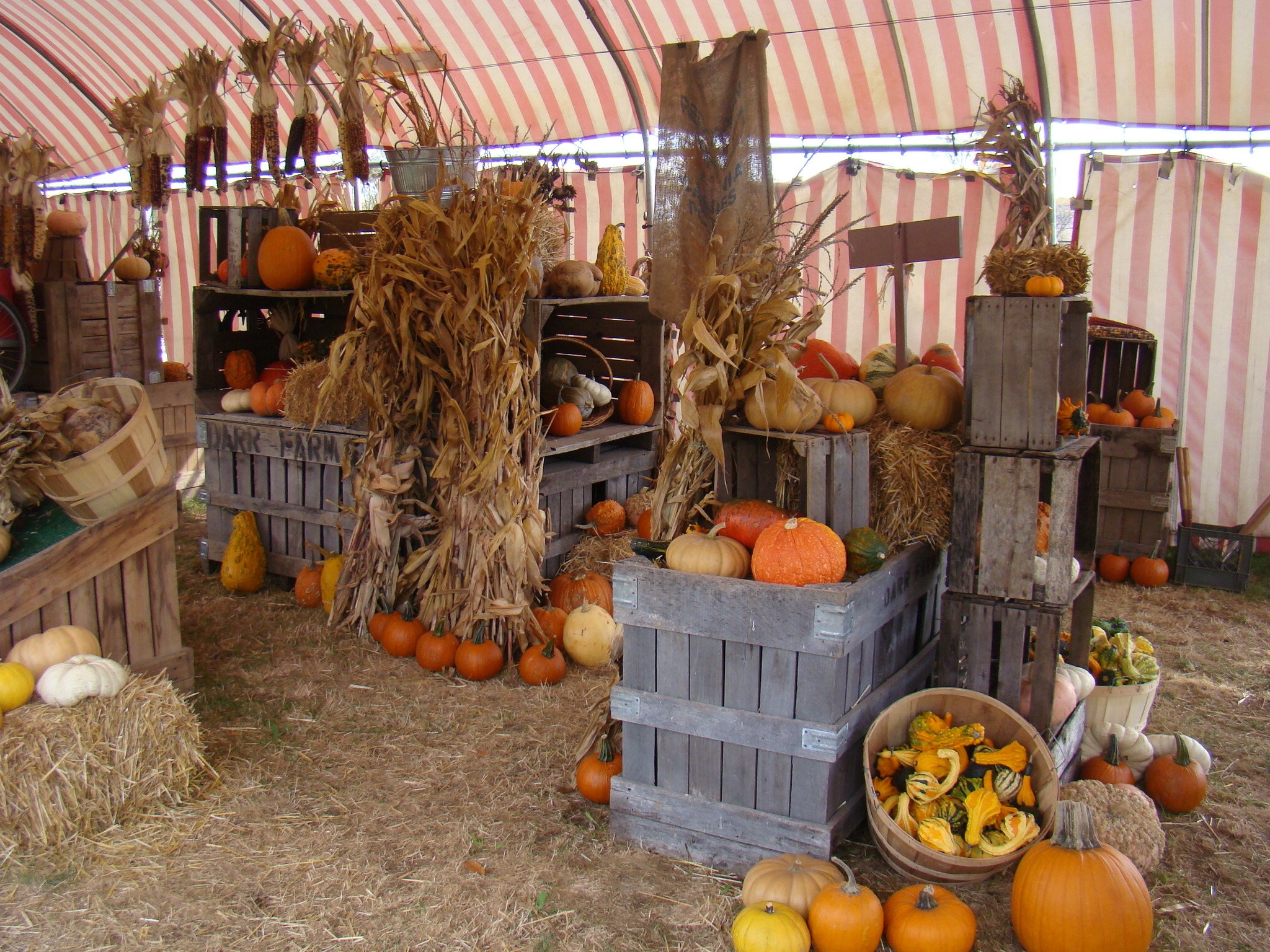
Sunday Drives are aimless ventures and who knows where the next random turn will lead. Along the side of the road the autumn colors catch your eye where a large red and white striped tent is fall home to Center Creek Farms. Here families  stop to let their children explore the scarecrows, pumpkins, and wagons that are all part of the fall scene. There is even a pick-your-own pumpkin patch so everyone can see pumpkins at their various stages from green to orange. No roadside stand at this time of year would be complete with out apple cider, preserves and honey. Bought a jar of local raw honey as it’s always good to ward off a cold when a sore throat first starts to develop.

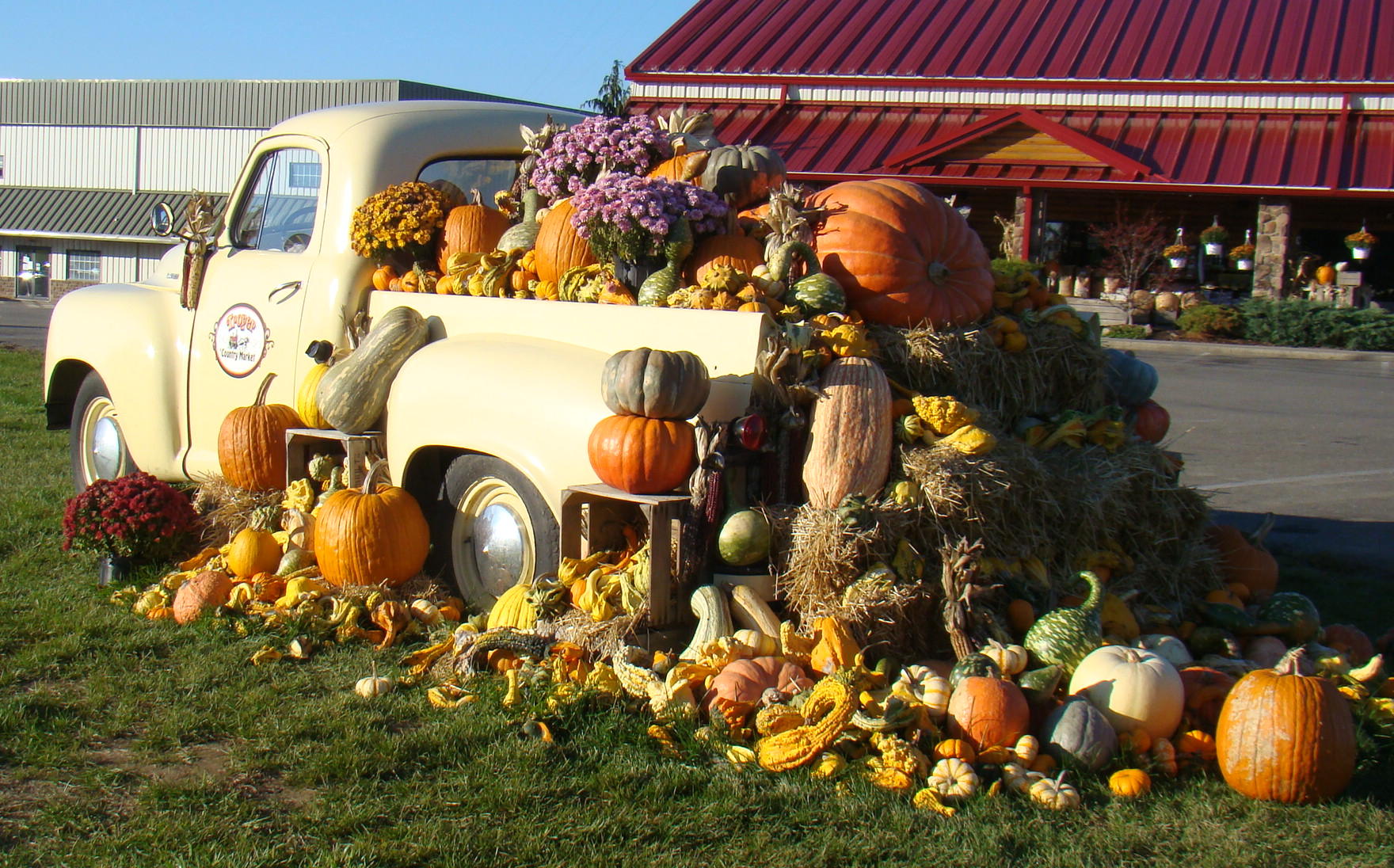
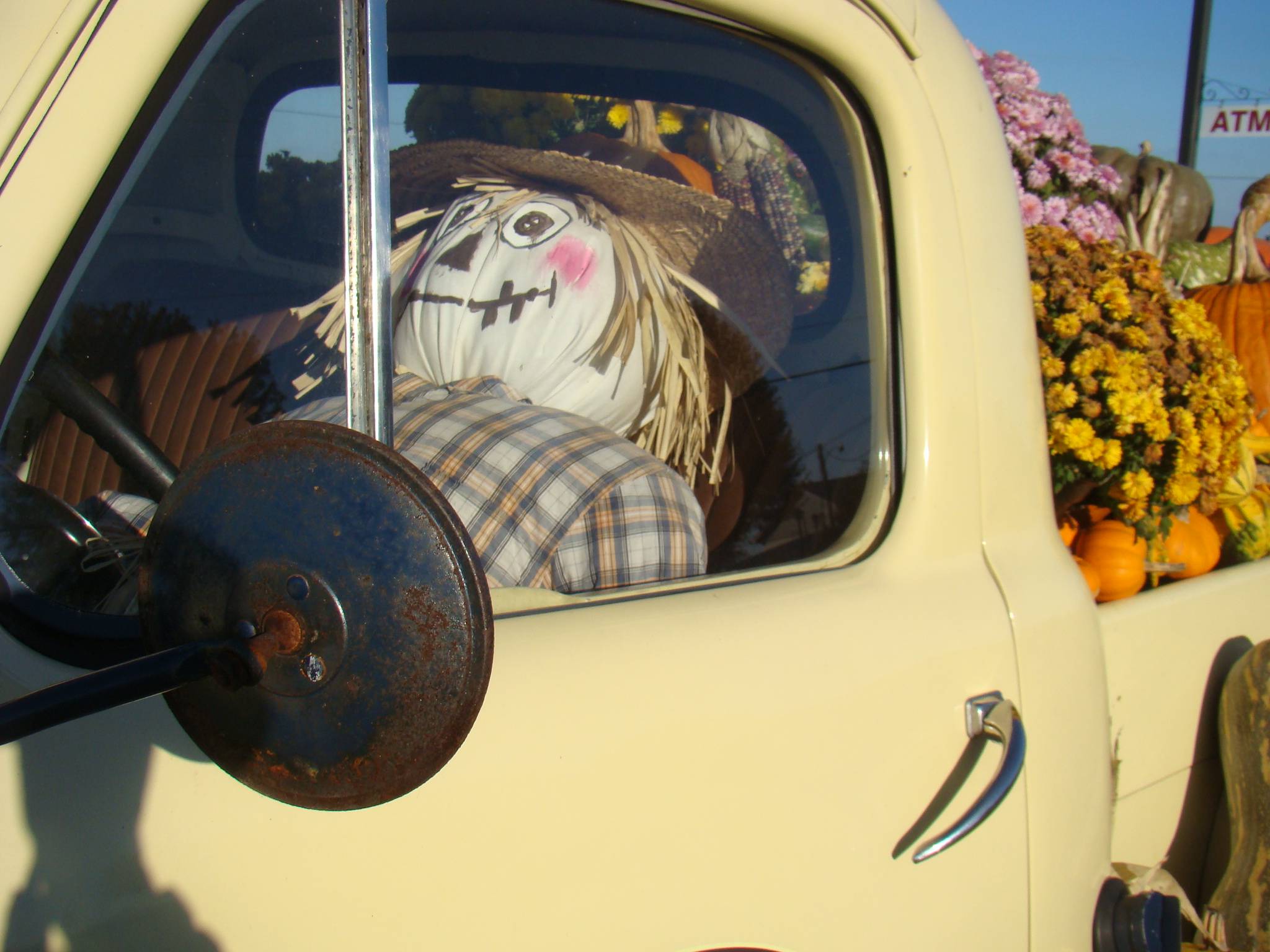
Farther down the road, an old Studebaker pickup is loaded down with autumn treasures at the Troyer’s Country Market. There’s a cute scarecrow driving this load of beautiful mums, pumpkins and other autumn decorations. Mums were brought to the United States back in colonial times and colors range from the traditional yellow shades to oranges, purples, and pinks.  Since they are  ‘short day plants’,  chrysanthemums bloom in the autumn when the nights are longer.  A pot of beautiful mums will brighten your life, or the life of a friend, for perhaps several months.

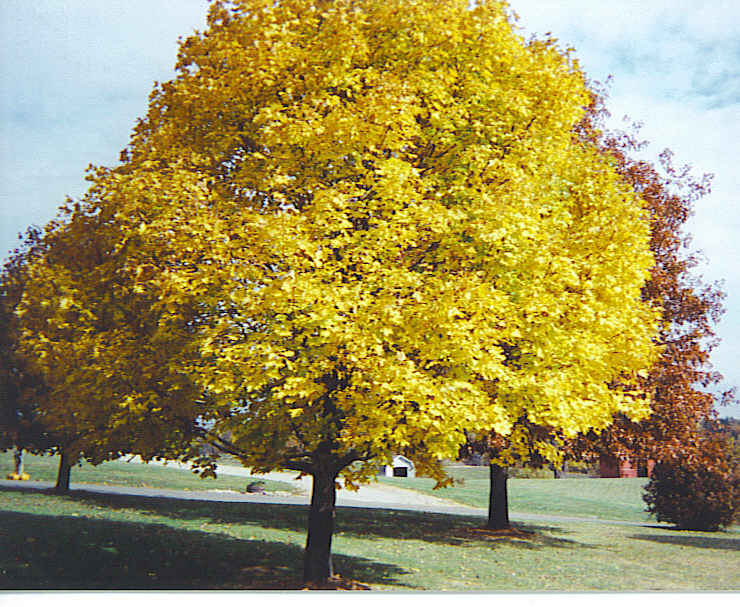
Sometimes a single tree can catch your eye as it glows like a ray of sunshine.  Here a golden maple tree is the center of attraction in someone’s beautiful yard. Temperature and moisture are the two elements that determine the amount and intensity of autumn colors. The most beautiful colors occur when there is a series of warm autumn days with cool, but not freezing nights…following a year of a warm, wet spring with normal summer rainfall. With those determining factors, every autumn brings about a new spectacular display.

Had to top off the day with a stop in West Lafayette at a favorite ice cream stand. Noticed that keeping with the season they had pumpkin ice cream, so had to give it a lick. Wasn’t sure if the pumpkin would be something to my taste, so had them put a scoop of raspberry on the bottom so there would definitely be something deliciously satisfying. Both flavors hit the spot!

Any season of the year is a great time for a drive through the countryside wherever you happen to live.  If  for some reason you can’t take a drive, stop back and read another gypsy jaunt here on Gypsy Road Trip. Enjoy the adventure!
Dickens Mannequins on the Move Volunteers Make It Possible

What is a volunteer? Although this isn’t a Webster’s Dictionary definition, Margaret Mead seemed to understand the role of volunteers when she said:

Never doubt that a small group of thankful, committed citizens can change the world; indeed, it’s the only thing that ever has.

In the small town of Cambridge, Ohio, a group of volunteers may not have changed the world, but definitely have changed the face of Cambridge during the months of November and December. Over 200 volunteers work almost year round to make Dickens Victorian Village a big success.  As the director would say, “It takes a village to run things.”

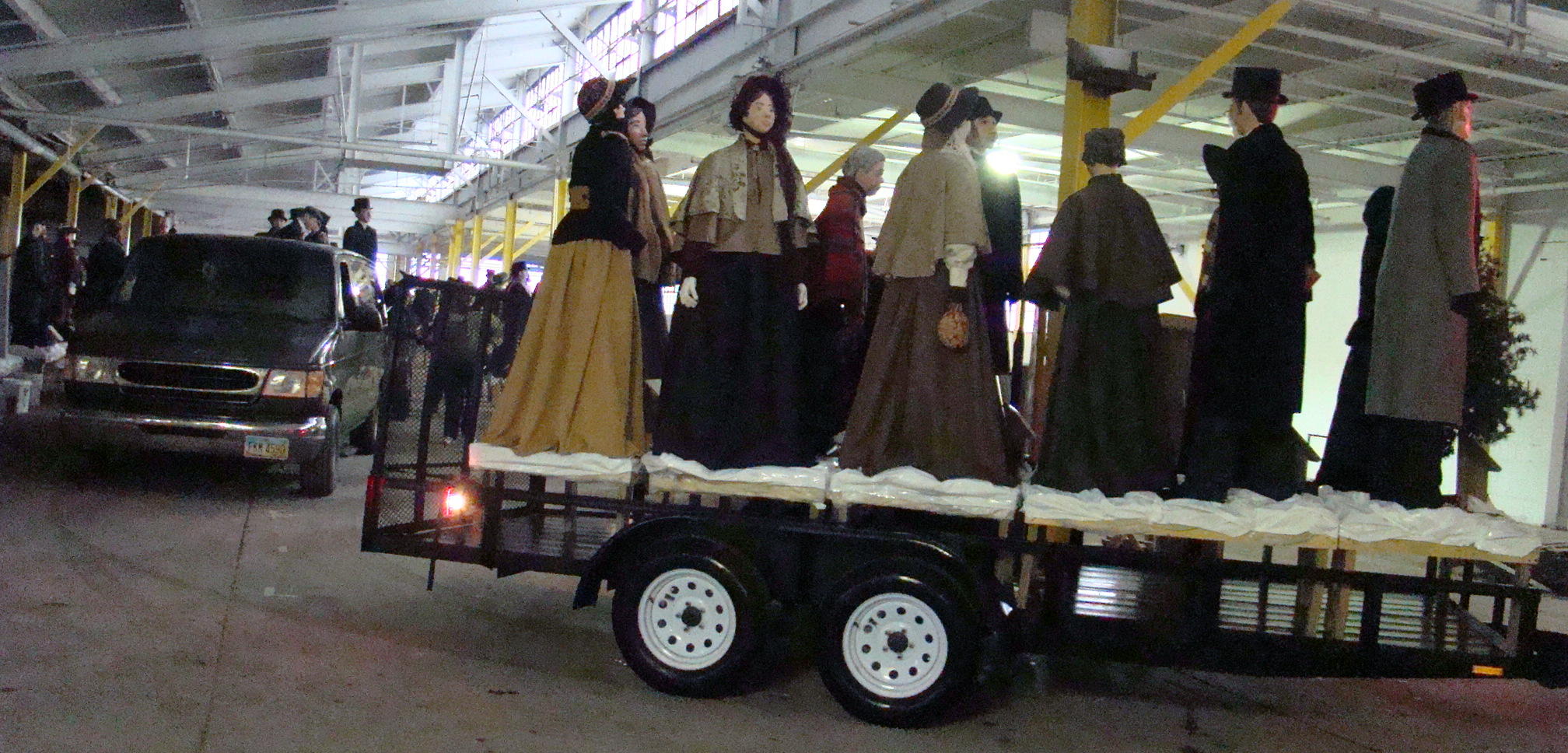
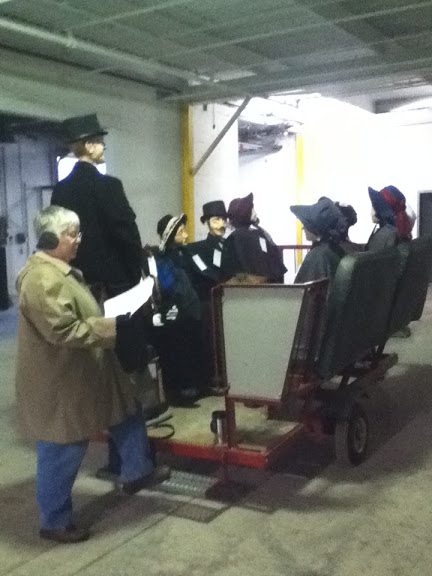
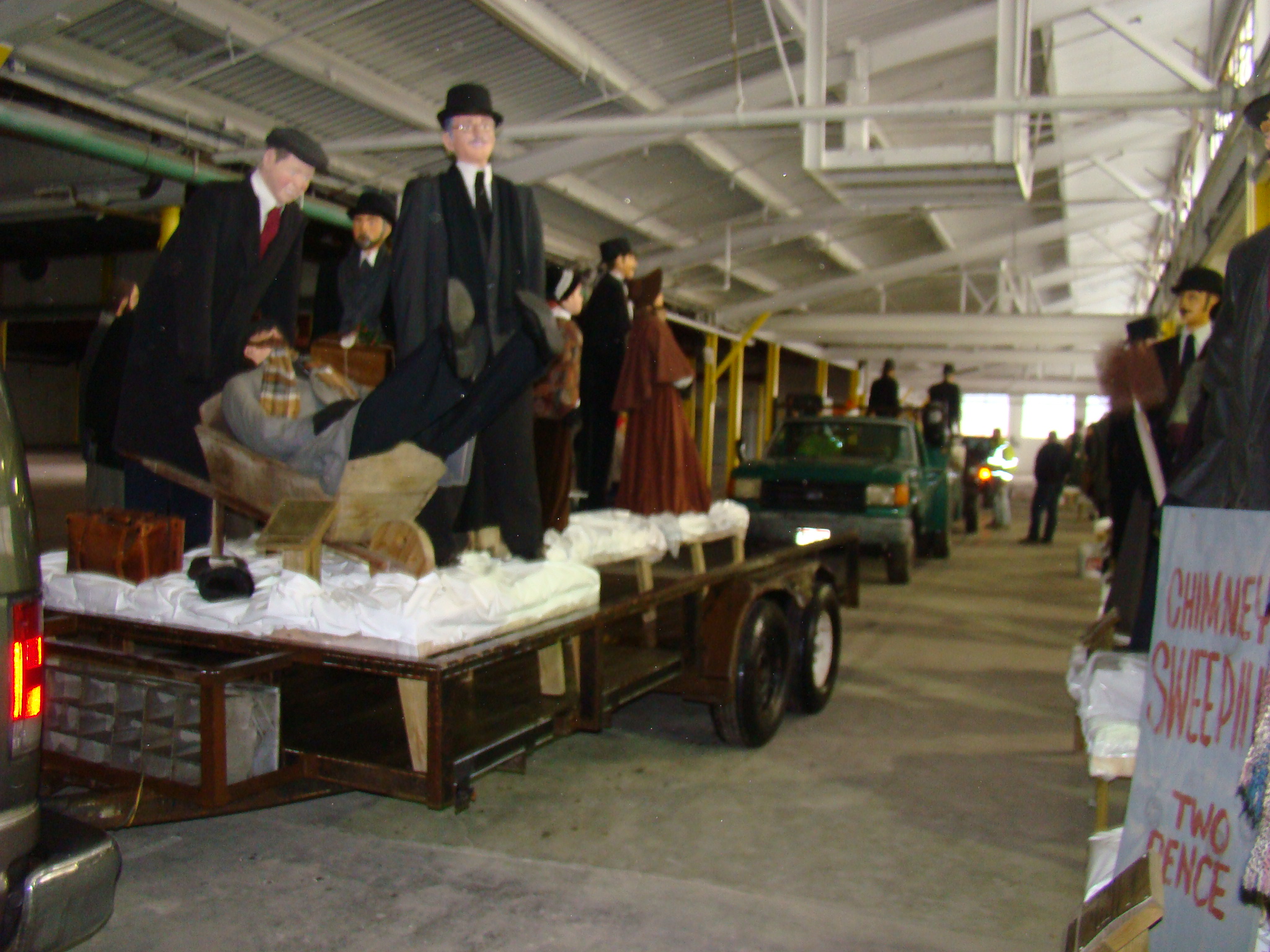
After the Restoration Team worked at Dickens Universal all summer long to make and repair heads and bodies, fix or replace clothing, and even build whole new scenes, finally the day arrived to move them to Wheeling Avenue for Dickens Victorian Village.  This is no easy task to move 186 mannequins. Some of them were moved on an old trolley that was given to the village, while others were hauled on trailers.

Wonderful volunteers lined up inside Dickens Universal while mannequins were loaded onto the trailers behind their trucks and vans.  Usually this is done on the weekend, but due to Hurricane Sandy this year, it was delayed. So men appeared after work to load their trailers and take them to the appropriate spots in downtown Cambridge. Keeping them in order wasn’t a big problem as they are stored in order at Dickens Universal.  It’s a long warehouse and there’s enough room to make it appear like a walk down Wheeling Avenue – just not as much sidewalk in between!
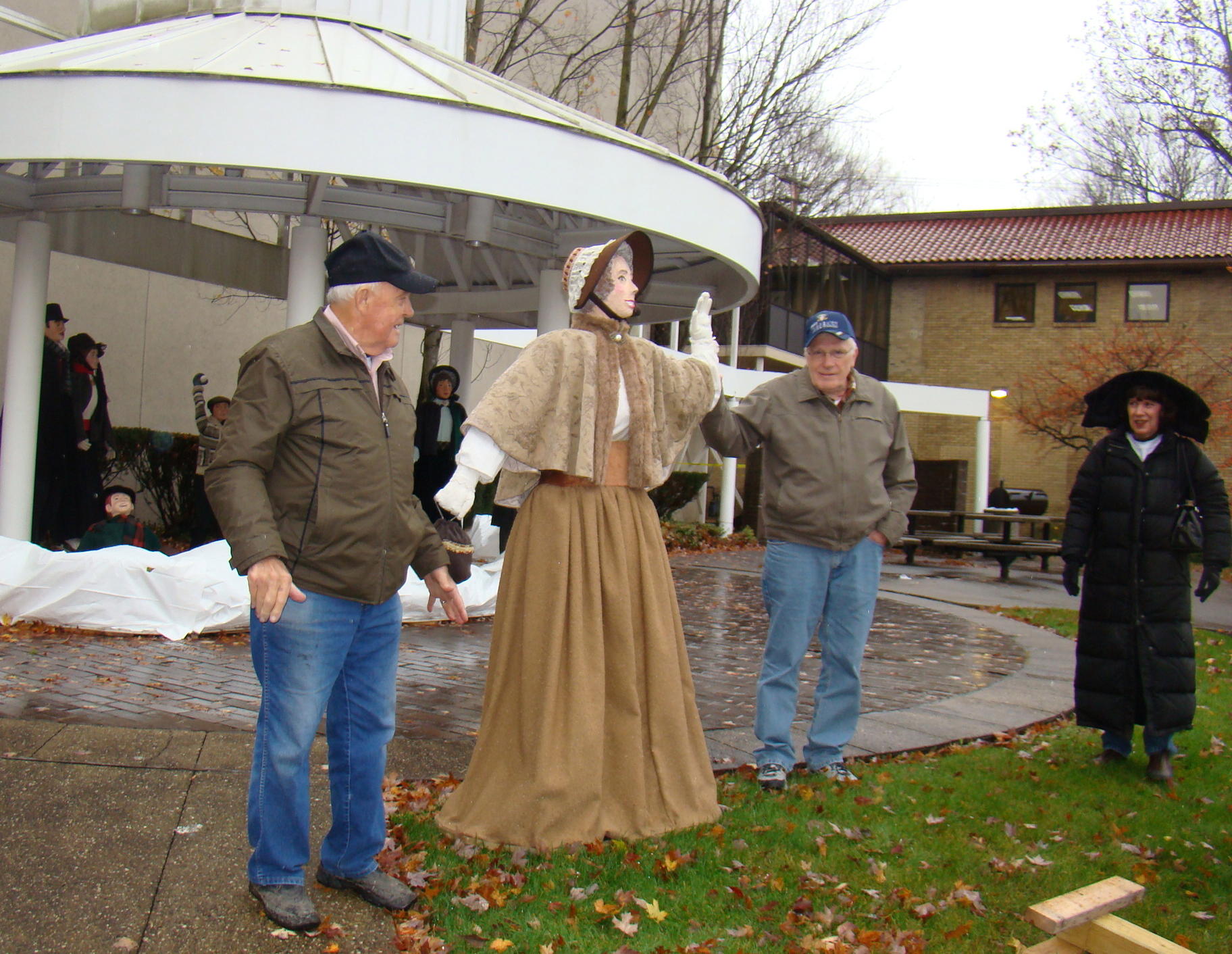
Once downtown, finishing touches had to be made. Skirts were attached around all the scenes, most containing more than one mannequin. Then everything needed to be securely attached as a caution from further wind storms. Long metal rods were placed beside some mannequins to hold them in place.

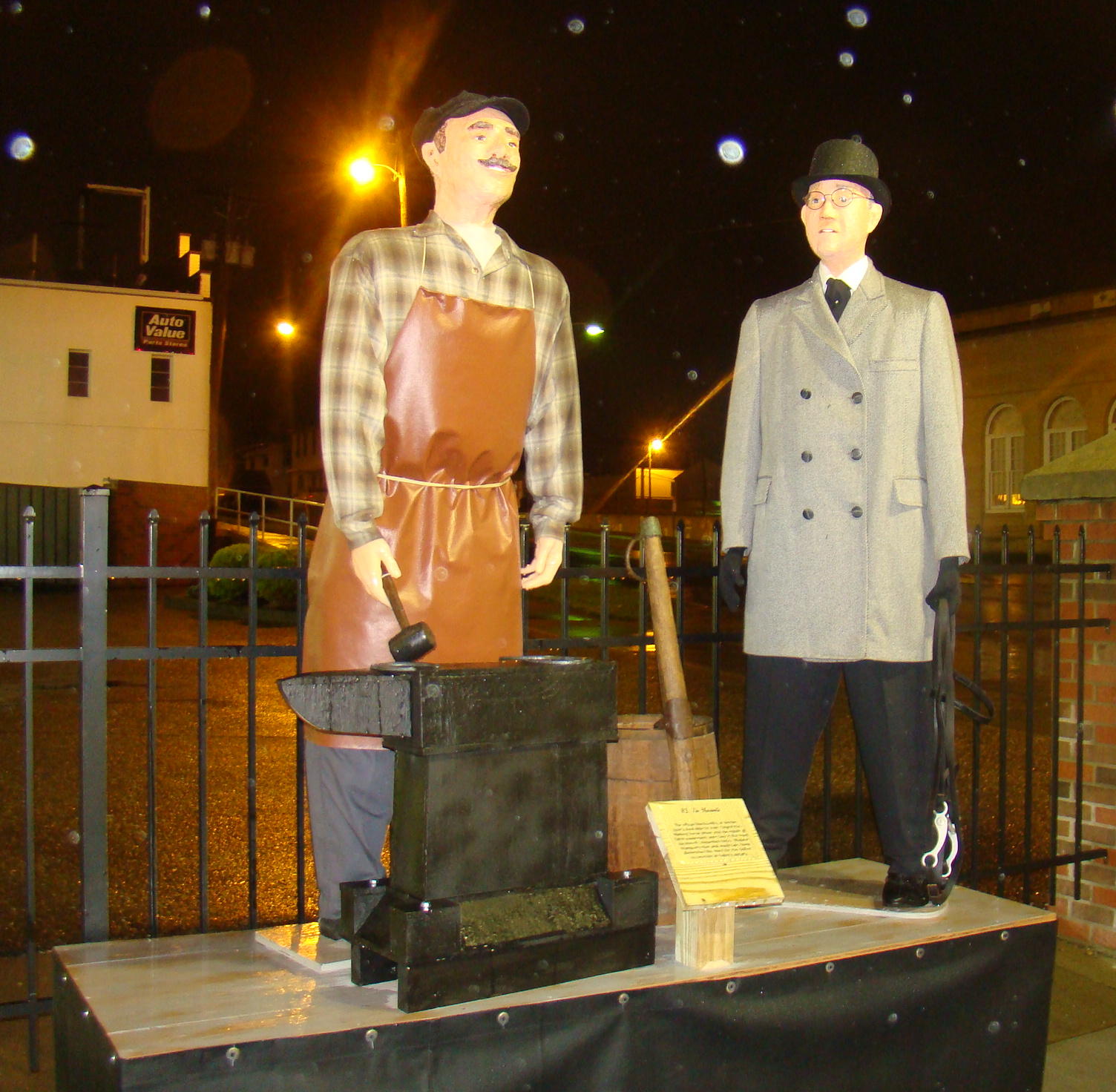
But when it is all finished, the volunteers have a sense of pride in their long year of hard work to make downtown Cambridge have a festive air.  Even though the hurricane had made its way north, rain still fell for the entire time of mannequin invasion.  One of the new scenes, The Blacksmith, was getting its first taste of being out in the weather.

Take a walk downtown to enjoy a look at days of old. Each scene has a descriptive plaque telling a little history of that particular scene. For the volunteers, work doesn’t stop here.  During the Dickens Victorian Village season from Nov. 2 – Jan. 5, the restoration team checks on mannequins daily repairing costumes, reattaching loose items, or sometimes even changing costumes completely.  These people really care about appearances and are very particular about each scene. Yet they have lots of fun working together! As Tiny Tim might say: “God bless them every one.”

Dickens Victorian Village is open in downtown Cambridge, Ohio from Nov. 2 to Jan. 5. Cambridge is easily located as it is at the crossroads of I-70 and I-77 in beautiful Southeastern Ohio.  Perhaps you will get a chance to visit this holiday season and feel the Magic of Dickens in the air.

The Ghost of Walhonding at the Goblins’ Get-Together

Want to share a Halloween story in the spirit of the season as a diversion from my regular travel blog. Hope you enjoy!

Do you believe in ghosts? Melanie felt a bit skeptical, but her husband Jim refused to even talk about the possibility. Jim said that ghosts were as likely as a flying car.

On Halloween evening, they drove to the Goblins’ Get-Together at the popular Simply A-Maizing Corn Maze near an old coal mining town. Leaves floated down as a gentle breeze drifted through the valley on this beautiful Indian summer evening. The call of a hoot owl ensured vigilance under the hazy moonlit sky.

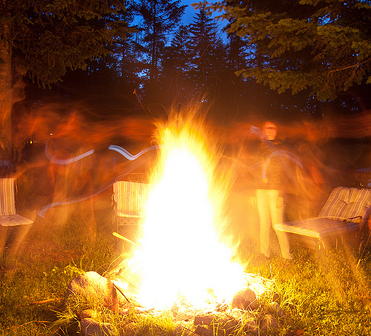
Friends gathered around a blazing bonfire, not to keep warm, but to watch the flames as they feathered into the air. Jim refused to wear a mask, even though Melanie explained, “Masks were originally worn to scare away the bad spirits, while people put food on the doorsteps to encourage good spirits. I’m wearing my mask just for fun.”

With moonlight dancing across the fiery autumn hills of southeastern Ohio, a mist rose from the nearby valley. All at once a cool breeze came out of nowhere. Melanie’s eyes glazed over with surprise and a shiver ran down her spine.

“What’s the matter Melanie?’ asked one of her friends, “you look like you’ve seen a ghost.”

“M-m-maybe I just felt a ghost! The icy air rushed past like someone opened the door to the freezer.” A faint smell of coal dust lingered in the frigid breeze. “Could it be the Ghost of Walhonding that our parents used to talk about? Remember those stories about the miner that was trapped in the coal shaft collapse?”

“Don’t be foolish,” grumbled Jim, “you know there isn’t any such thing as a ghost.”

At this old coal mining town, one friend suggested having a contest to see who could find the biggest lump of coal. They divided up in pairs and headed off in different directions.

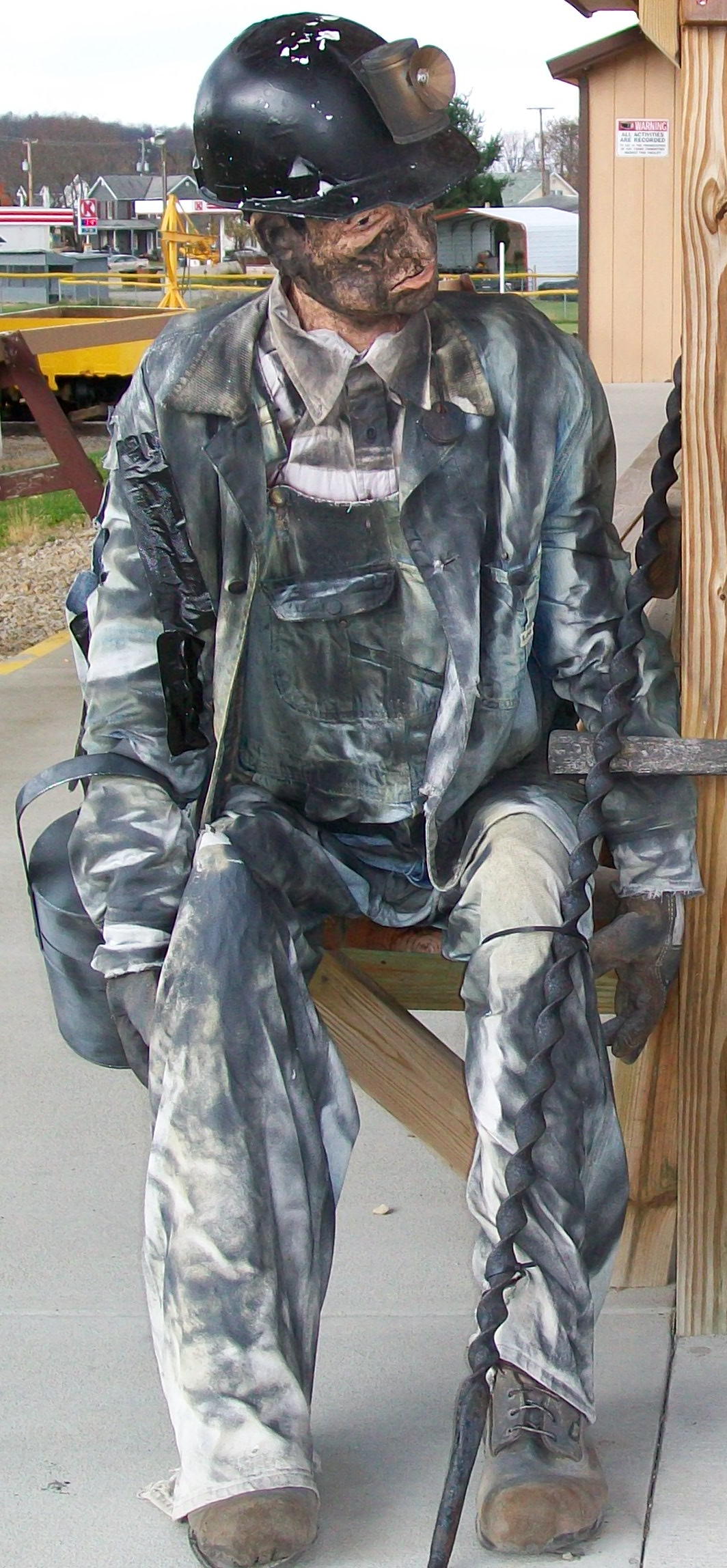
Melanie suggested to Jim, “Maybe we should try over there by that old slate pile.” As they approached, they spotted a dirty young man walking by the pile where the silvery handiwork of nature’s lace maker glistened in the moonlight.

“We’re looking for a large lump of coal,” explained Melanie. “Do you live around these parts?”

“Been here all my life,” muttered the dusty man.

“Could you help?”

“Why sure. You wait here as I know a secret spot.”

In a few minutes, the young man returned with a beautiful large lump of coal. Melanie and Jim glanced at each other in surprise.

When they looked back, the dusty man had vanished, and a chill surrounded them; however, the coal remained at their feet.

Picking it up with quivering hands, they headed back to the bonfire. Everyone else decided the only coal left here was underground where the mine shaft caved in years ago, so Jim and Melanie’s find surprised everyone. Maybe later they would tell them of their encounter with the miner.

Could they have seen the Ghost of Walhonding and received his assistance? Who knows, maybe Jim will soon have a car that flies!

Read more about the Ghost of Walhonding in SOLD, a just released book of short stories by the Rainy Day Writers of Cambridge, Ohio. Gypsy Bev has two short stories included and my story, “What’s in the Jar?”,  also contains an encounter with  the Ghost of Walhonding.

Watch Broomstick Jousting at Cambridge Medieval Faire

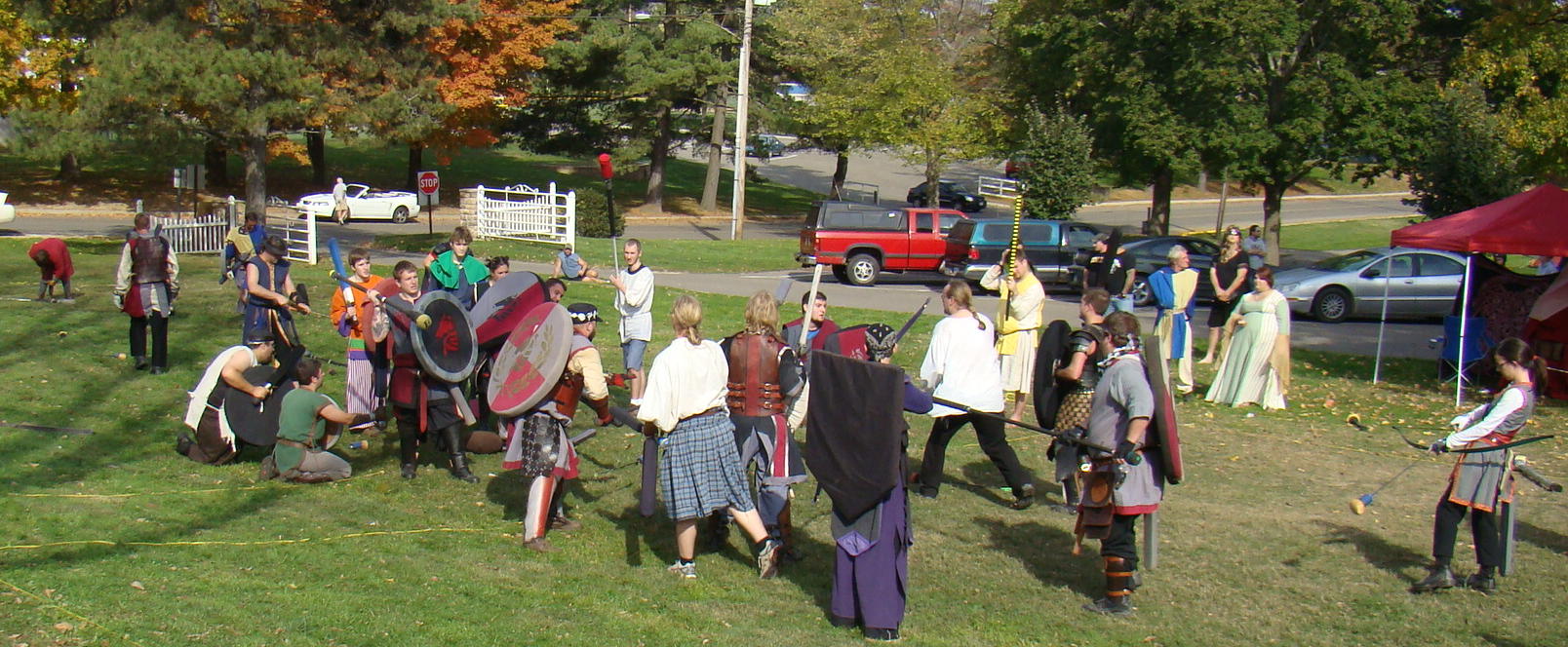
Driving past the Cambridge City Park, there appeared an unusual sight – what looked like a jousting match.  Upon closer investigation this was a fighting contest called Dagohir, which was part of the 3rd Annual Cambridge Medieval Market Faire. The young fellows said, “We are gentleman off the field, but fighters on the field.” But their battle weapons were rather unconventional as this was “full combat foam fighting” where sticks and balls are all composed of foam.

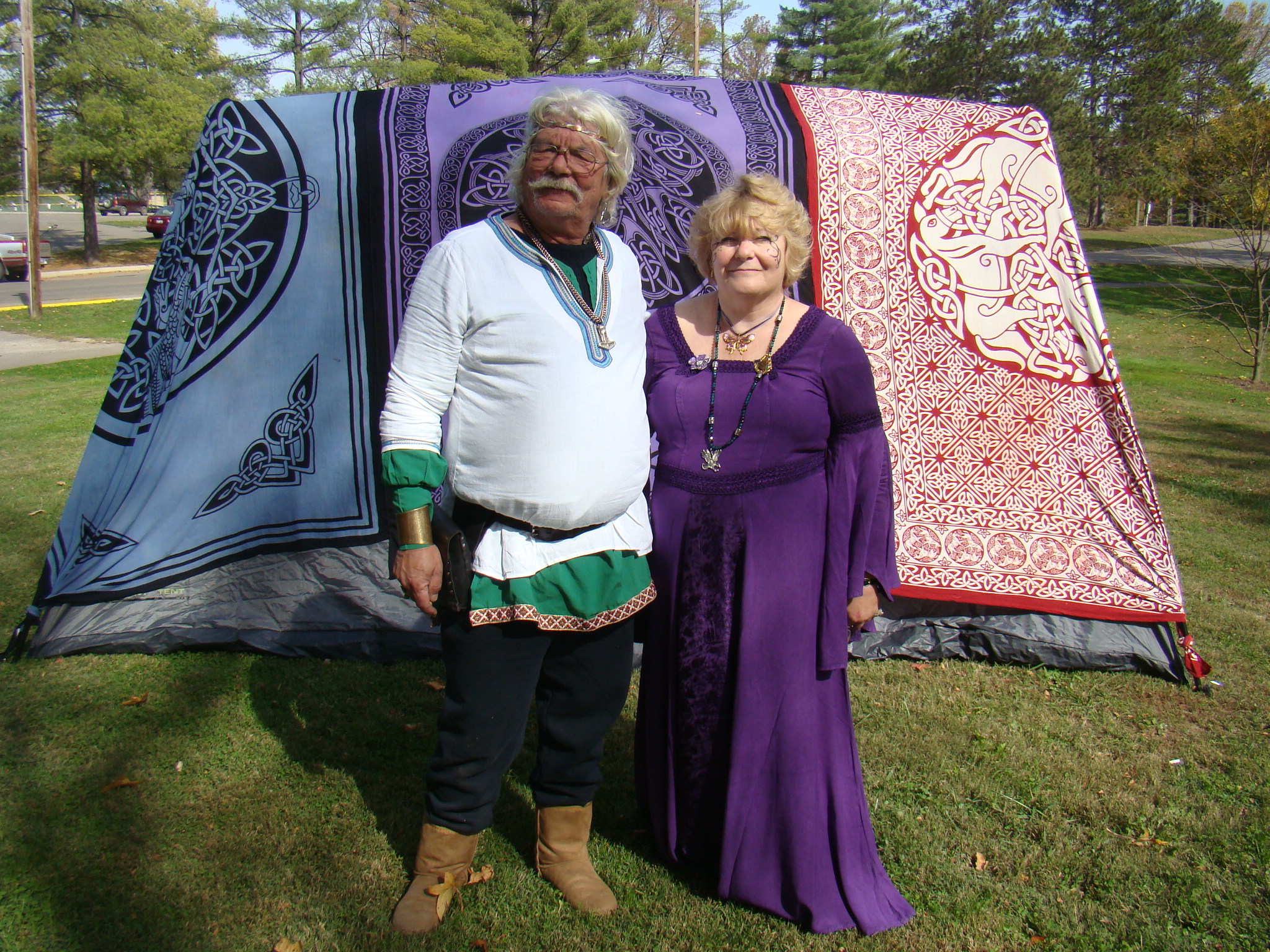
Organizers explained that the Medieval Faires were organized to keep alive the legendary stories of old, such as King Arthur and the Round Table. Sir Eugene the Rogue and Lady Lavender are leaders in organizing the local festival, and hope through their games and stories to instill in young men a deeper respect for women.

Eight years ago, these two met at the Southeastern Ohio Renaissance Festival right here in Cambridge during a “Wooing Contest.” Here the single men line up on one side and the single women on the other.  They then proceed to say clever things to each other that might attract the partner of their choice.  Lavender Lady confessed that The Rogue charmed her with his poetry. Their prize, besides the lady or man of their choice,  was a statue of two piglets.  Why, you ask, would they give out pigs for a prize? The answer given:  “No matter how well a man speaketh, in the end we know they are all pigs.”

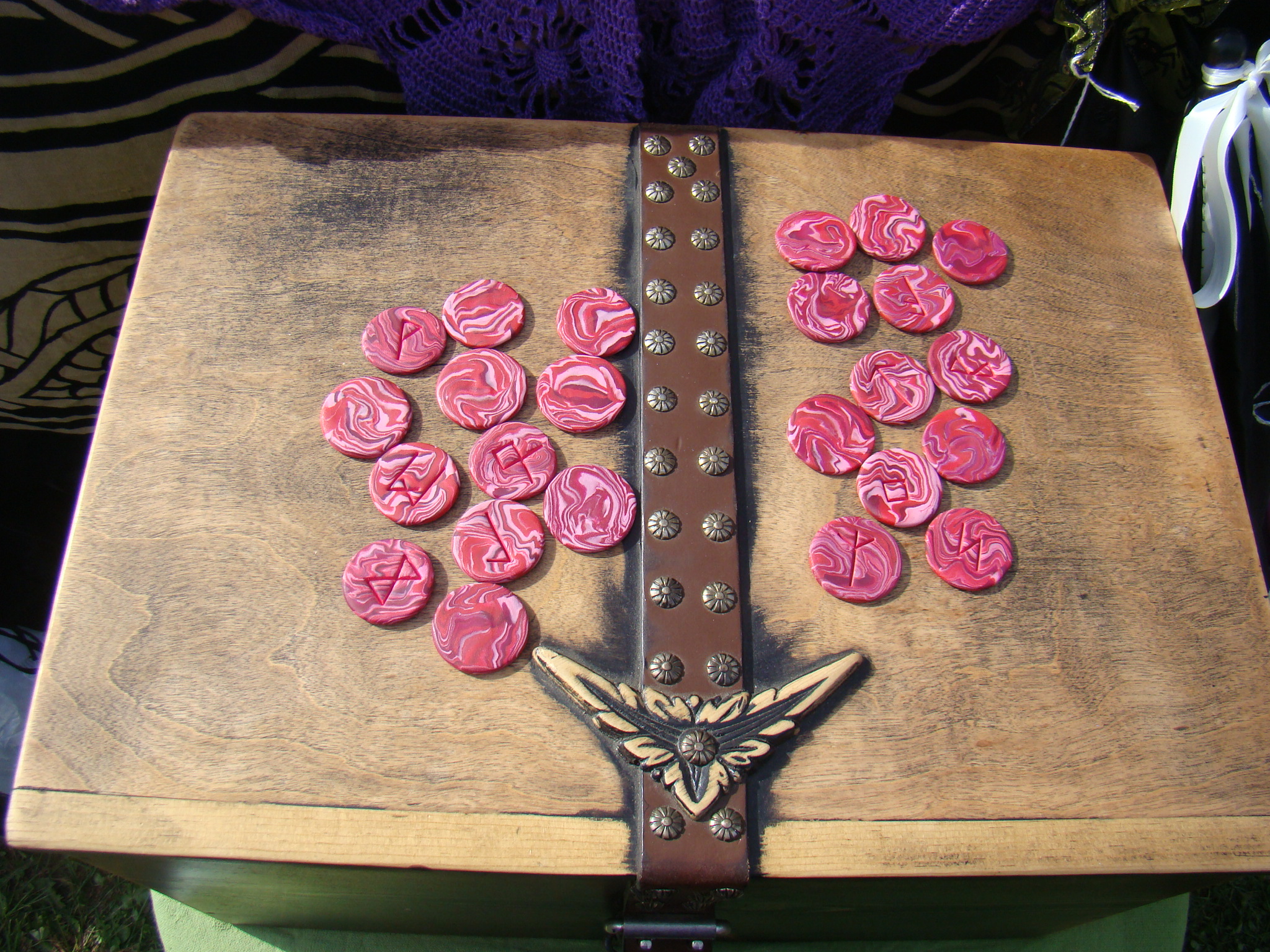
Tents were scattered throughout the park displaying wares of various merchants…all with items from the Renaissance period. Ladies of the Lace displayed beautiful handmade clothing from days of old. In another tent, wooden book covers and small chests were finely made, so decided to spill a bag of runes atop a chest to get a better look. These rose runes were made of baked clay, stamped with the runic alphabet, and then hand painted by the young man in the tent. Runecasting works with the subconscious so when posed with a deep question, one reaches into the bag of runes for a possible answer.

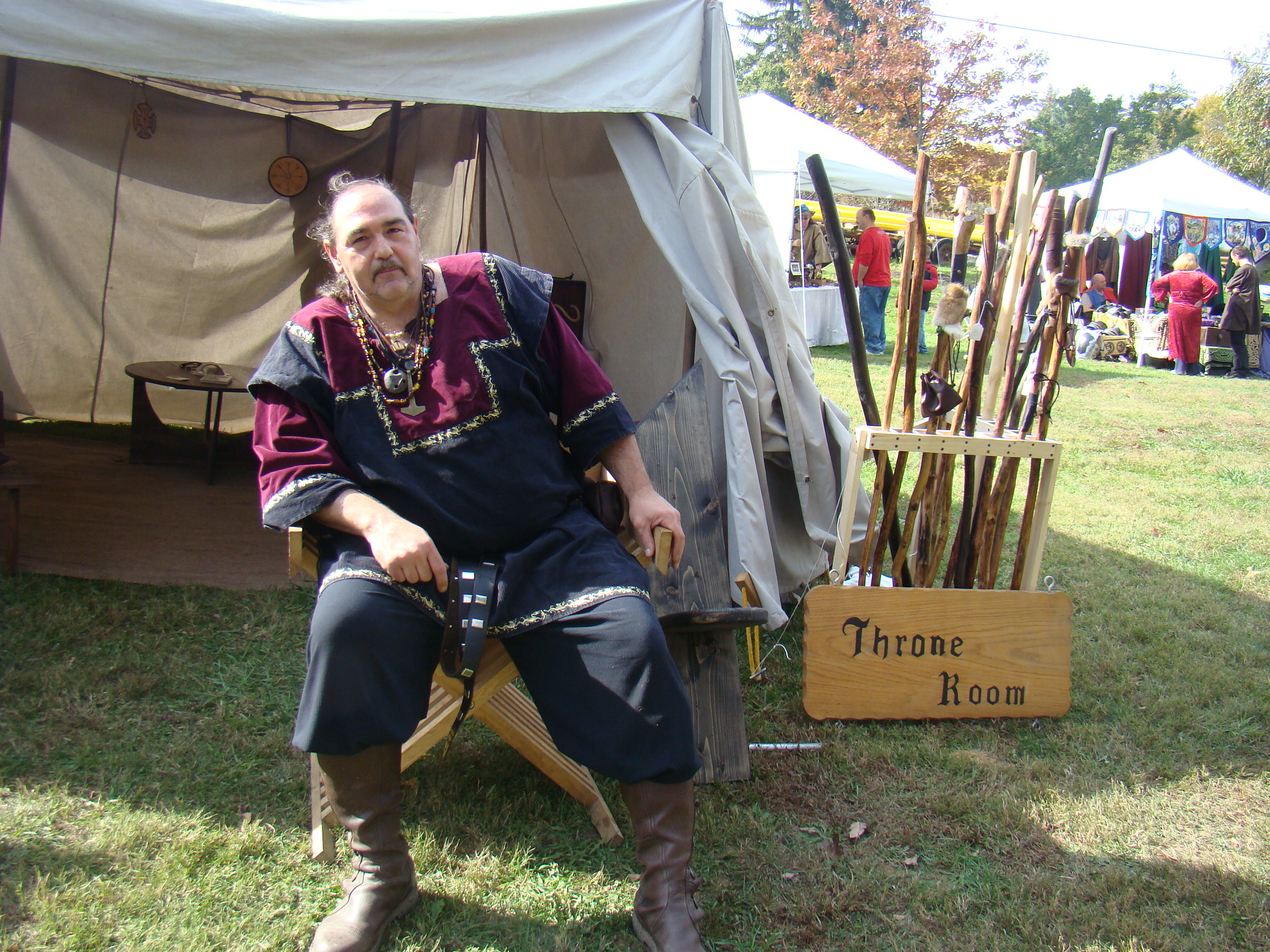
Sitting in a 10th Century German Chair was Uthr in a spot called The Throne Room. Uthr told an interesting story of his life beginning with his membership in the Society for Creative Anachronism, an international group exploring and recreating the arts and skills of  pre-17th century Europe.  Today he makes beautiful walking sticks and travels around the country sharing his stories with anyone who will listen.

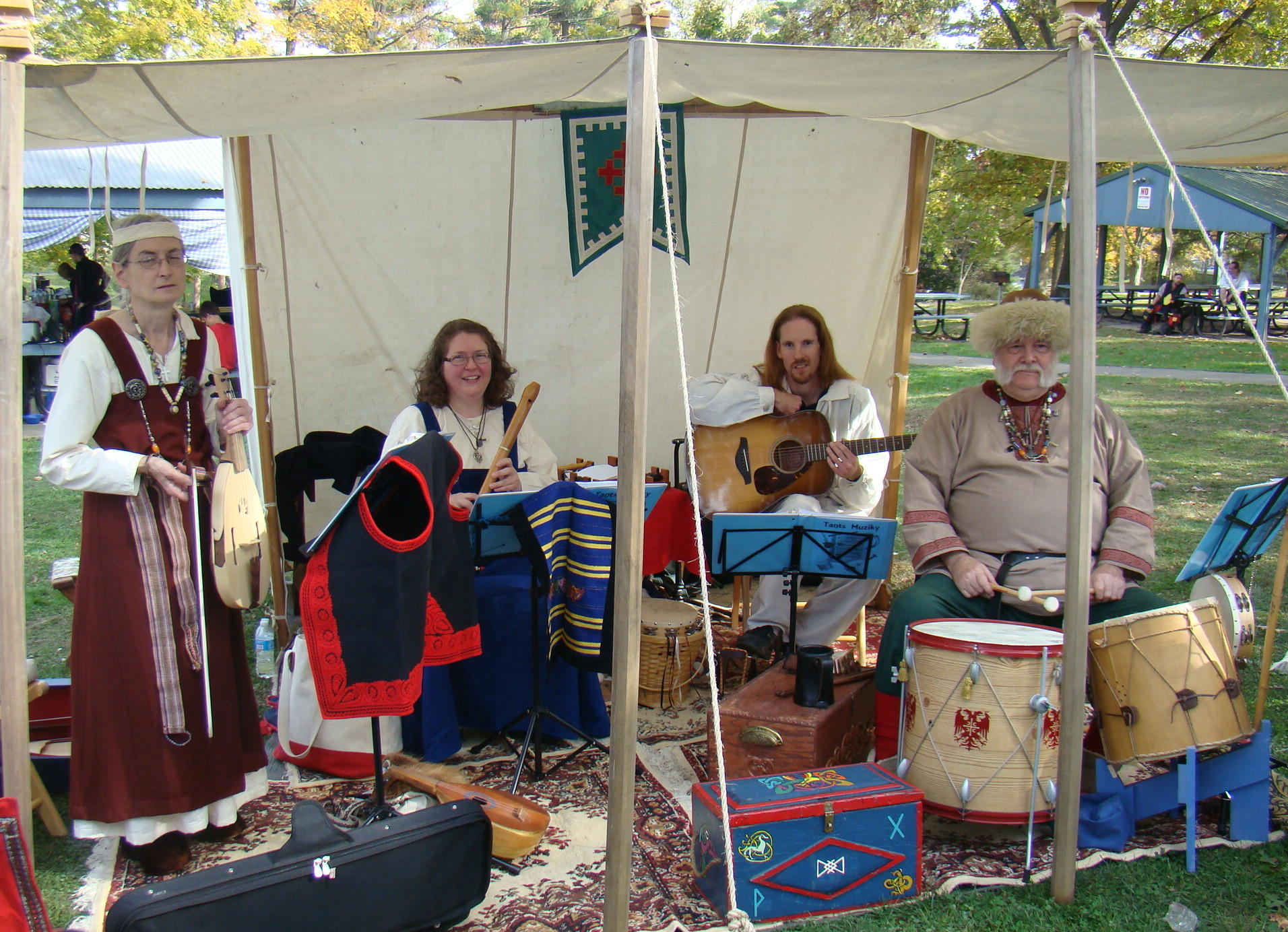
Tants Muziky, which means Dance Music in Ukranian, presented Renaissance and Medieval music on a variety of ethnic instruments throughout the day. This musical family, although not related, also plays a wide variety of music from the European nations: Slovak, Celtic and Scandanavian were a few that they mentioned. Dancers were also present in beautiful costume to add a little flair to the performance.

What an interesting and fun-filled afternoon! Later they were having Broomstick Jousting, also called Full Feather Jousting, where you try to knock someone off their broomstick.  The last one left is the champion…no prize, just the honor until next year.   Need another Renaissance game? Kickin’ the Chicken might be more your style.  Could Harry Potter be around here somewhere?

The Cambridge Medieval Festival is held at the  City Park in Cambridge, Ohio  the second weekend of October annually. Cambridge is at the crossroads of I-70 and I-77 so it’s quite easy to access. When downtown, directly behind the courthouse is 8th Street, which will lead you straight to the park. 

McKinley Museum Spotlights Stark County

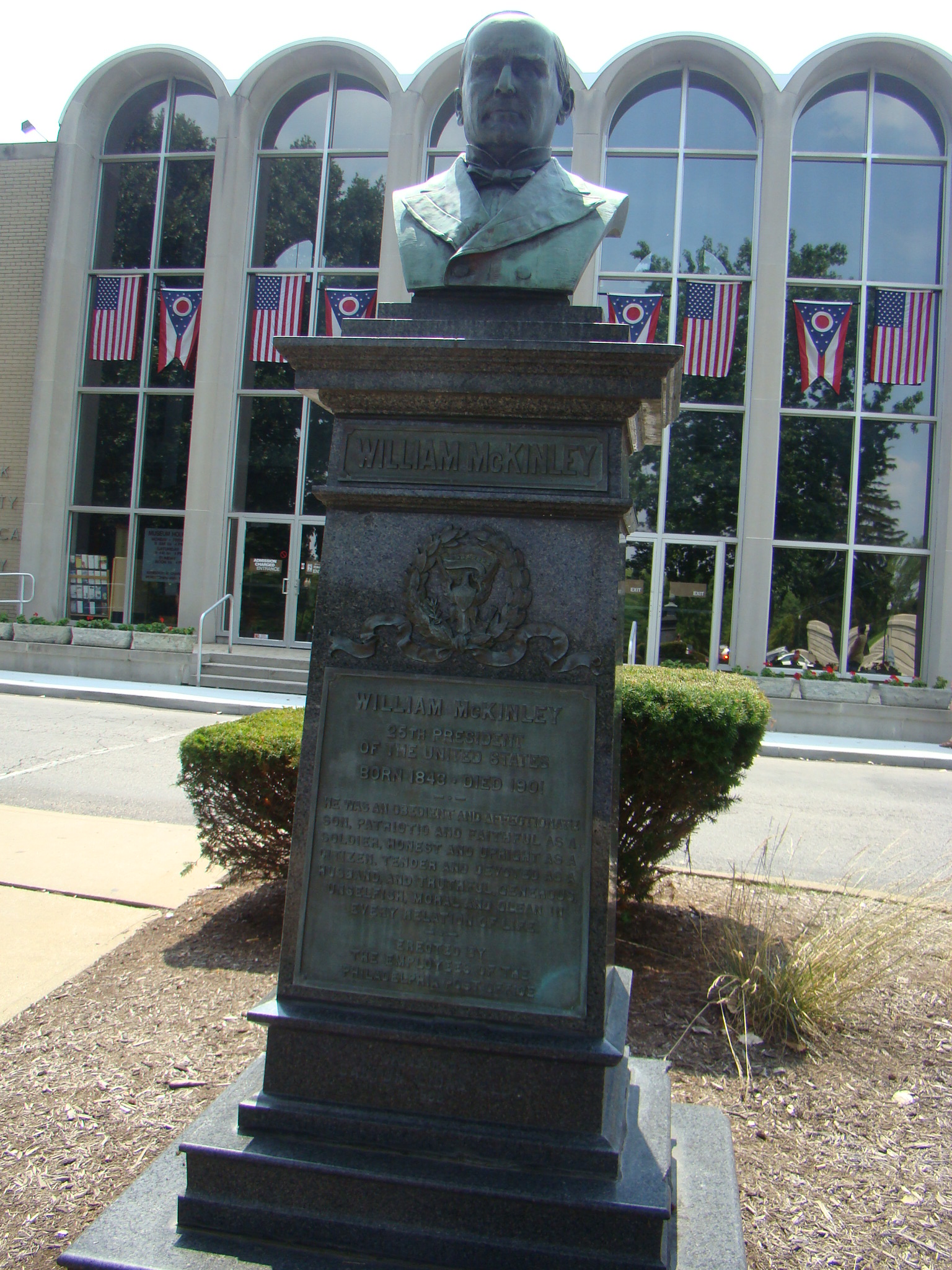
Near the foot of the McKinley Monument, Stark County Historical Society has gathered interesting information and memorabilia regarding the surrounding area. as well as the life of William McKinley.  The bust of McKinley greets visitors outside the building.

As you enter the lobby of the McKinley Museum in Canton, Ohio, a sign with a quote caught my eye. It was a word of advice to young people from President William McKinley:

“Young men and women, what your education will be and do for you depends upon yourselves.”                                                            

Within these walls is quite an extensive history of the Stark County area including leading enterprises, such as Belden Brick, Dueber-Hampden Watch Company, Erie Canal, Hoover Vacuum, Pennsylvania Railroad,  and Timken Company just to name a few. Henry Timken founded Timken Roller Bearing Company in 1902 and his entrepeneur vision was grounded in this type of thinking:

“If you have an idea which you think is right, push it to a finish. But above all, don’t set your name to anything you will ever have cause to be ashamed of.”

McKinley Museum had many interesting exhibits throughout, too numerable to mention. Here are a few things that caught my eye on a recent visit.

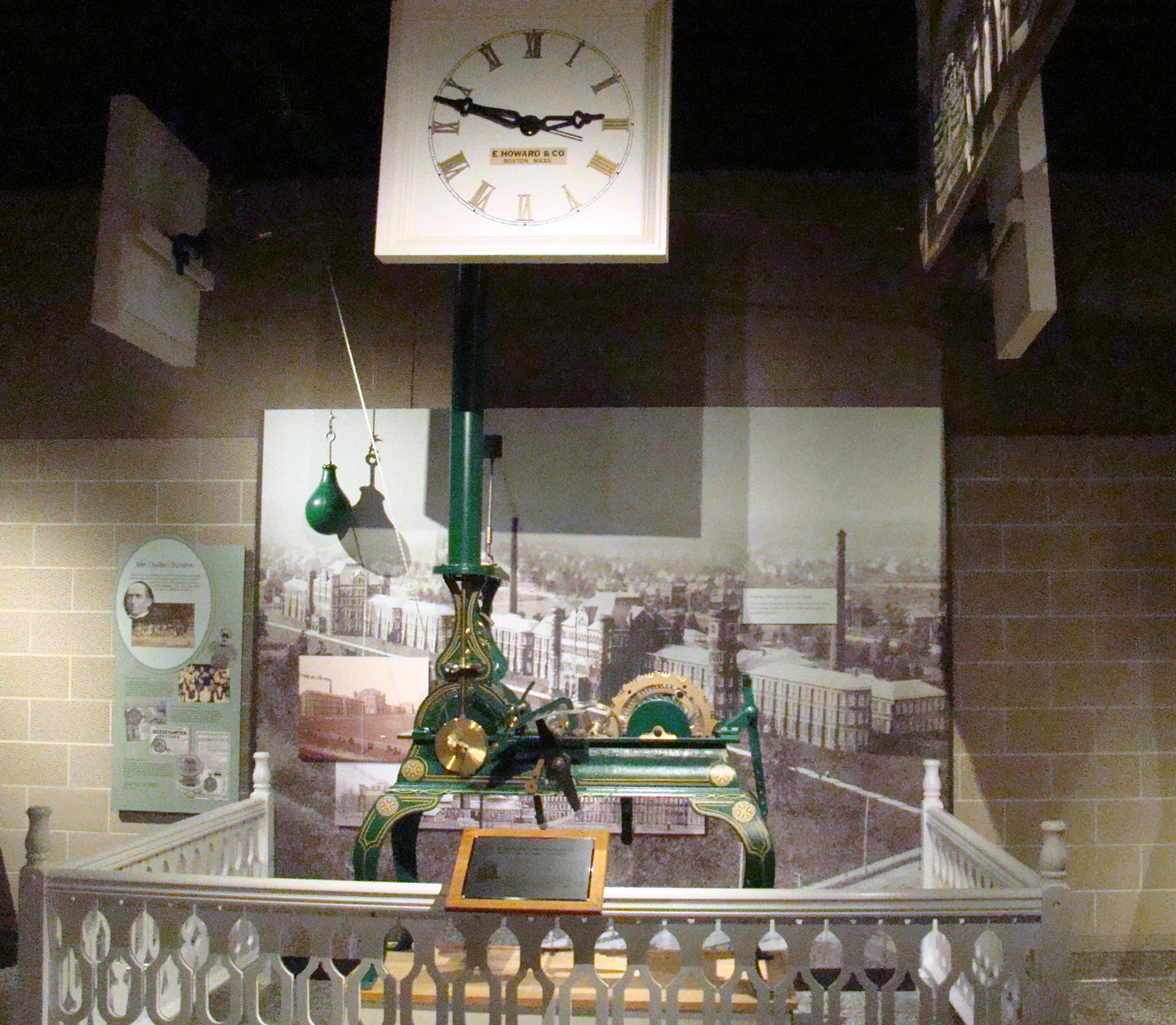
One fascinating display showed a clock tower made by Dueber-Hampden Watch Co with a sign “Accurate to the Second.”  That was way back in 1889! By 1890 the company was producing 600 watches a day in Canton, Ohio and had over a thousand employees. They used 14 karat gold  in their watch cases and had 17 jewel movement, quite advanced for their time. This company was sold to a Russian company in 1927 and twenty-one former employees went to Russia to teach them their craft.  One report is that their machinery is still being used in China today.

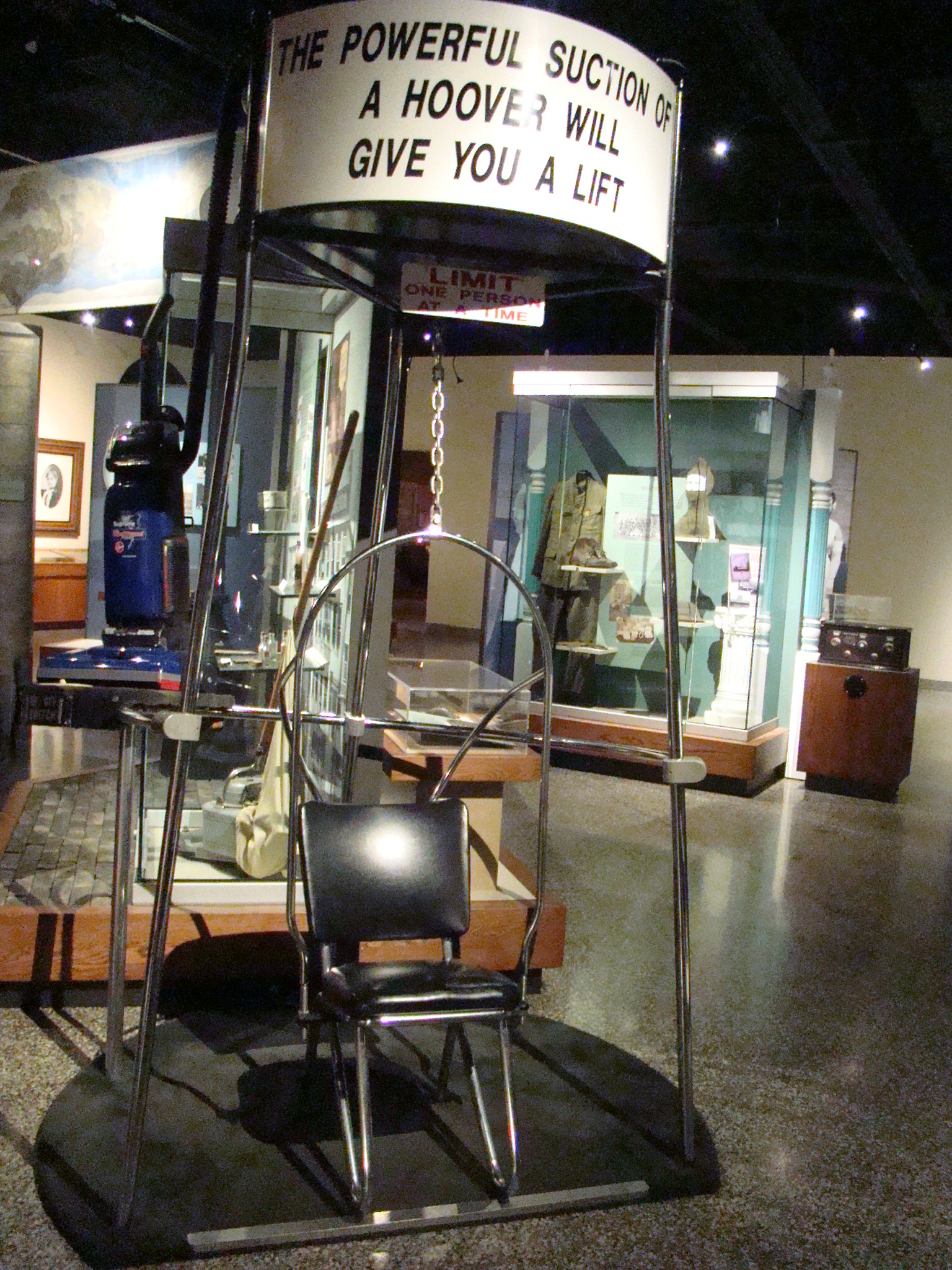
The Hoover Vacuum provided a display that attracted lines of children. While seated in a chair, they pressed a button which created enough suction to lift them well off the floor. The Power of the Hoover! It is very fitting to be highlighted here as the first upright vacuum was invented by a department store janitor, James Spangler, in Canton back in 1906. He just happened to show it to his cousin, Susan Hoover, who in turn shared it with her husband.  “Boss” Hoover bought the patent from Spangler, hired him as Superintendent, and slowly began the switch from maker of leather-goods to vacuum manufacturer.  The slogan: “It beats..as it Sweeps…as it Cleans” brought the Hoover Vacuum to the forefront.

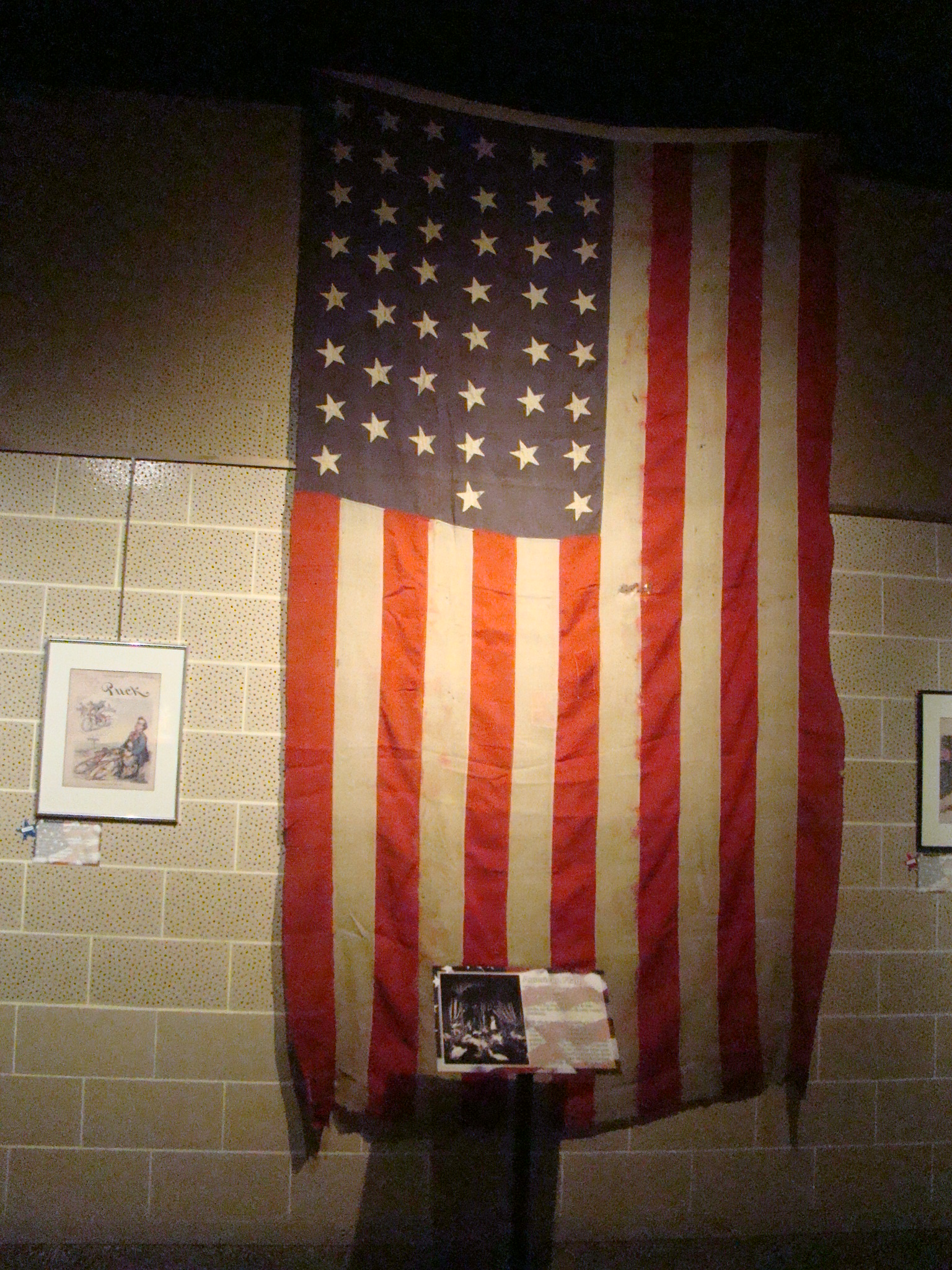
This was the original hand-sewn 45 star American flag that hung on the front porch of McKinley’s home during the 1896 presidential campaign.  During his famous “Front Porch Campaign”, McKinley made himself available to the public every Sunday afternoon on the front porch of his home. Usually he was seated in his rocking chair from which he talked to 750,000 people who stopped by. Some say he shook hands with up to a million men from that front porch scene. This campaign appealed to the average voter, who found themselves drawn to a candidate that stayed true to his roots.

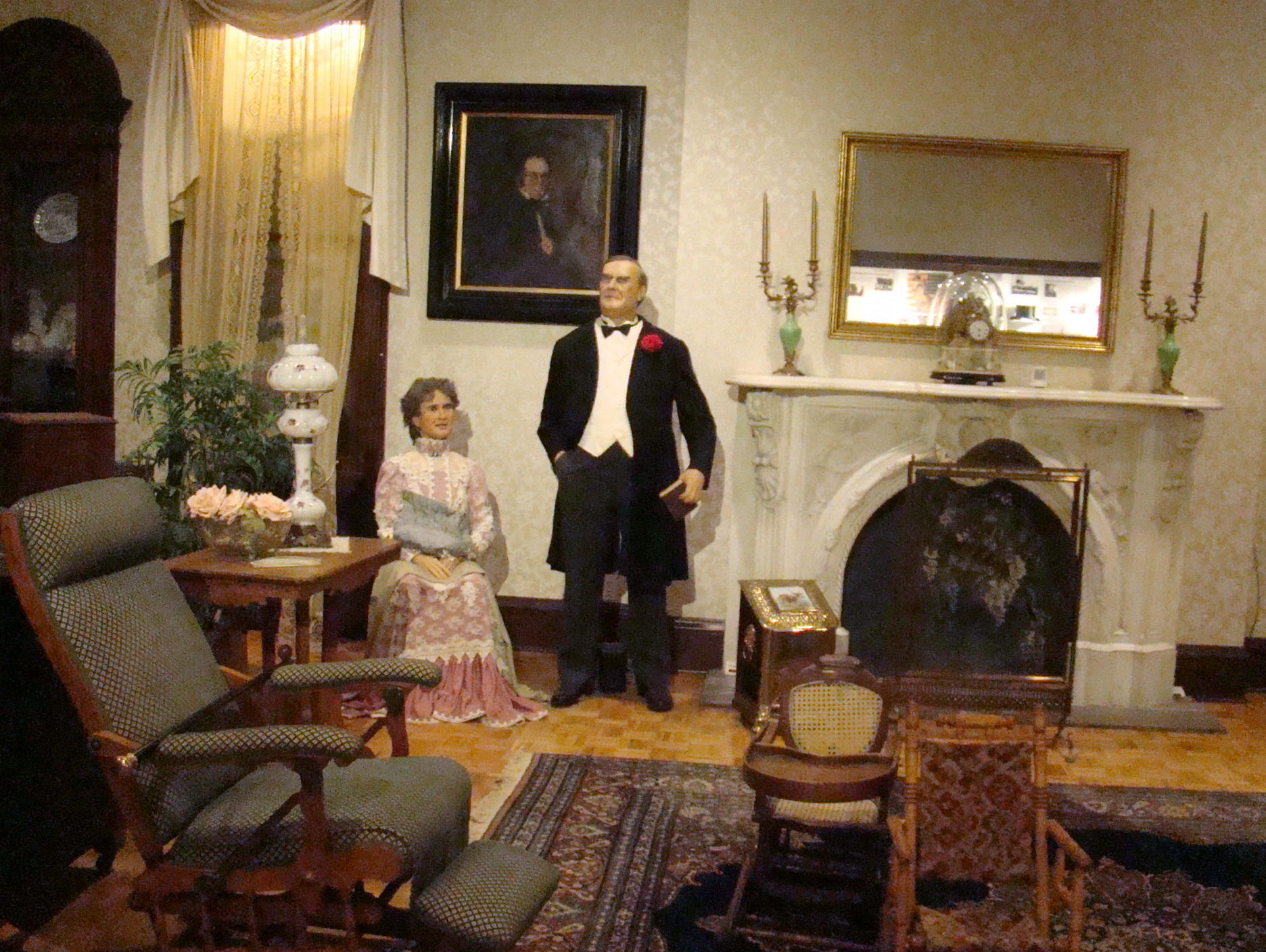
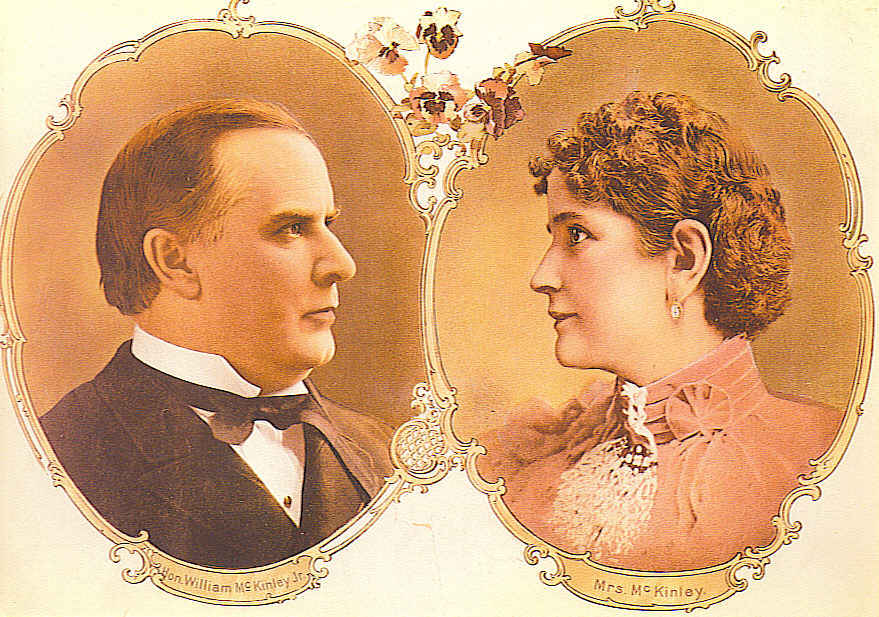
Rooms were redesigned to look very much like the ones of long ago with their Victorian furnishings. A touch of some form of music was often in evidence as that would have been one of their main means of entertainment. In the parlor, you had an opportunity to listen to talking figures of William and Ida McKinley. Notice that he does have on his symbol, the red carnation.These plastic figures are activated by sensors when you enter the room.

The Hazlett Theater is a fine spot to give your feet a rest and watch some old films from days gone by. Here you hear about the campaigns of William McKinley and get to have an inside video tour of the Memorial.

There weren’t enough hours in the day, so sadly missed the show at the Hoover Price Planetarium where visitors view the solar system and beyond. They say it is like traveling to space without leaving the ground.  Unfortunately, didn’t make it to Discover World either where dinosaurs and early American Indians welcome visitors to Natural History Island, Ecology Island and the new spot, Fascination Station.  Looks like a return visit is in order.

The McKinley Museum  is located in downtown Canton, Ohio just off I-77. Take Exit 105 for OH 172, then turn right on 7th Street NW. Take the first left onto McKinley Monument Drive where the Museum is located to the left when facing the memorial. Enjoy a little piece of Ohio history.

McKinley’s Victorian Style Home First Ladies Historic Site

Could the sound of footsteps on the spiral staircase at the Saxton McKinley House be those of Ida McKinley? Once in a while the footsteps echo late at night, and the light step is attributed to Ida. That seems quite possible as this was her family home where she lived for twenty-eight years.

Beautiful gardens connect the Education and Research Center to the Ida Saxton McKinley House, both part of the First Ladies National Historic Site in Canton, Ohio. Visitors were greeted by a  young lady dressed in a replica of Julia Tyler’s gown. She was very knowledgeable regarding the history of the house and the family.

To add a little mystery, there are conflicting stories as to how Ida and William McKinley met each other.  Some said Ida was a cashier in the bank where William transacted business for the law firm he joined when moving to Canton. Another story said that both Ida and William were Sunday School teachers at different churches, and passed each other on the way to church.  Or perhaps they met during a picnic at Myers Lake Park. However they met, William indulged her every whim and was seldom far from her side, which turned out to be a major political asset.

The Saxton McKinley House was originally built in 1840 by Ida’s maternal grandfather, George DeWalt. Her other grandfather, John Saxton, was founder of the Canton Repository newspaper. Her affluent background made it possible to lead an extravagant lifestyle. Almost everything inside the house today is a reproduction, but based very carefully on the Victorian style used in the original 1800’s house – after extensive research at the Smithsonian. Fortunately, there are still original walls and woodwork throughout much of the home.

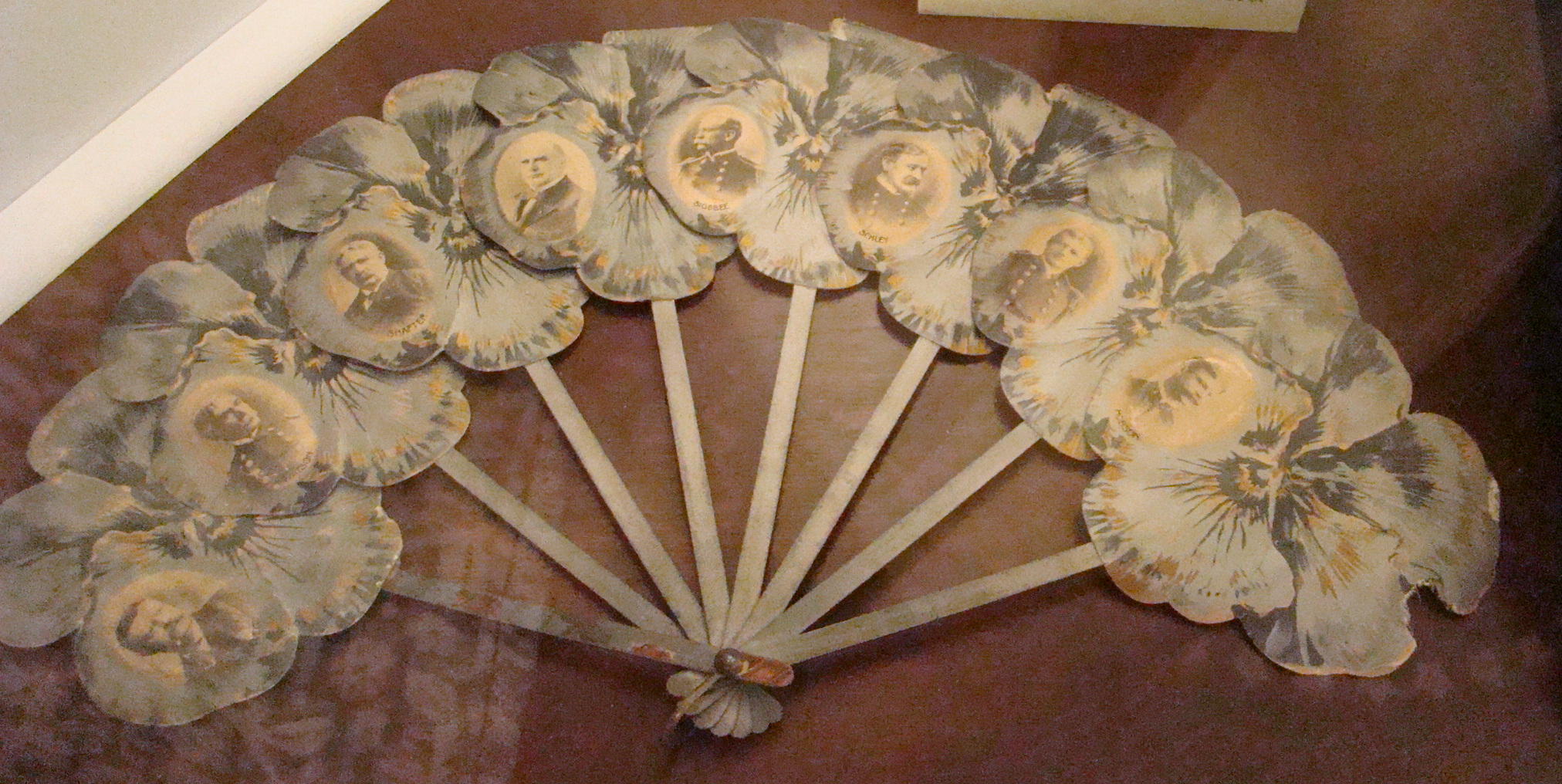
In the Formal Parlor you get a glimpse of a music box purchased on Ida’s trip to Switzerland as well as the piano topped with Victorian sheet music, which she enjoyed playing. The Library held William McKinley’s chair and a large collection of Ida’s fans, which numbered over 250. On the third floor, William had his office across the hall from Ida’s room so he could be close to her.  Their second child, Ida, died at six months of age and two years later Katie, their three year old, contracted typhoid fever and passed away. Consumed by her grief, Ida’s headaches became more severe, accompanied by seizures and tremors.

To ease her migraine headaches, her hair was cut because the weight of the braids was considered a possible cause. Medication for her seizures often made her listless. These two problems made it necessary for Ida to sit as much as possible and this petite lady with a 20″ waist, 18″ when corseted, attempted to hide her afflictions as much as possible.  If she had an attack out in public, William would put a handkerchief over her face so people would not glimpse her facial contortions during seizures.

Also on the third floor was the beautiful ballroom for entertaining. Today the walls of that ballroom display short stories and pictures regarding the life of each First Lady. Many interesting facts were given about various First Ladies, for example,  Francis Cleveland happened to be America’s youngest First Lady. Grover Cleveland was a friend of the family’s and actually bought Francis her baby carriage.

The McKinleys only lived at the Saxton McKinley House for a short time  between 1878-1895, while William was serving in the US House of Representatives and then as Governor of Ohio. During his presidential campaign, they moved to a more modest home, which more closely matched William’s background.

Often we hear stories about our presidents, so it was refreshing to hear stories about their First Ladies and catch a glimpse at their lifestyle.  A friend wrote about Ida Saxton McKinley, “Her greatest charm was her perfect sincerity and thoughtfulness for others.  No day passed over her head without her doing something for someone.”  What a great tribute to this special First Lady!

The Saxton McKinley House is located  off I-77 in Canton, Ohio right next door to the First Ladies Library at 205 Market Street South. All tours of the facility are guided and admission, which includes  both the Library and the House, is $7 for adults, $6 for seniors and $5 for children.