Places to go and things to see by Gypsy Bev

zma-outlook

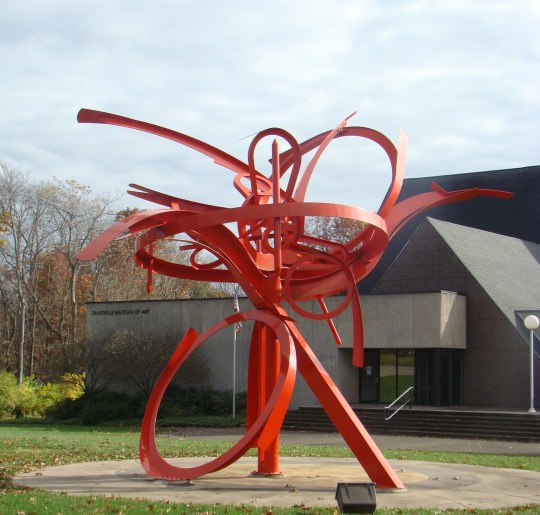
The sculpture, “Outlook”, attracts attention to the Zanesville Museum of Art

“Outlook”, a large scale sculpture, greets visitors on the front lawn of the Zanesville Museum of Art. This eye-catching, bright red metal sculpture was created by David Black, professor at Ohio State for 30 years.

His connection to Zanesville happened long ago when his creative side focused on ceramics. He’d drive from Columbus to Roseville for the perfect clay he needed. His awards for ceramics and sculptures create an extensive list.

zanesville-art-museum

Three floors containing over 7000 creative works of art can be found at the museum.

Inside the Zanesville Museum of Art, you’ll find a wide variety of treasures that span 5,000 years. Around every corner and in every room, different special displays pull you along. And they are changing constantly! Their mission is to ignite human imagination and understanding through the visual arts.
zma-bronze-bust

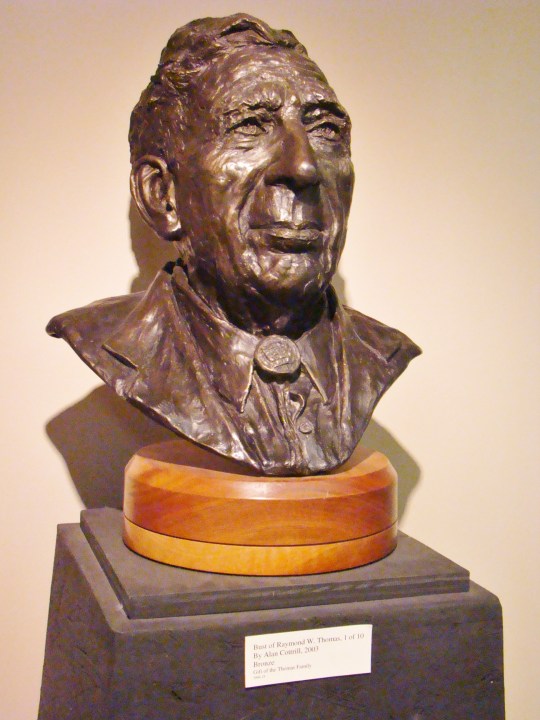
This bronze bust of Raymond Thomas, who contributed his pottery collection to the museum, was made by local sculptor, Alan Cottrill.

This project began back in 1936 when it was called Zanesville Art Institute being located in downtown Zanesville. Established by Mr. and Mrs. Edward Ayers, their personal collections of paintings, sculpture, glass and ceramics became the foundation for the museum.

In 1975, more room was needed and it moved to its present location on Military Road. There are over 7,000 objects in 18 varied galleries on three floors with items you would only expect to see in a much larger city. They are quite proud of their museum and rightfully so.
zma-roseville-pottery

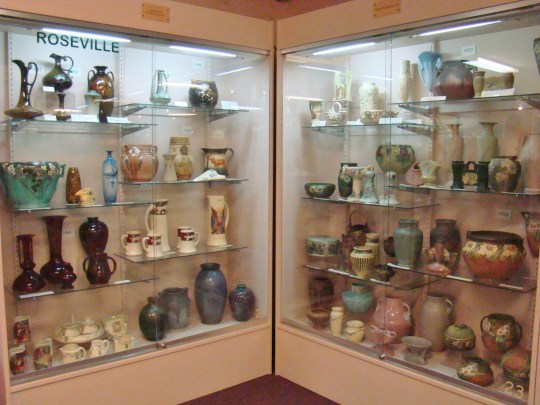
This Roseville Pottery display is one of many pottery exhibits throughout the museum.

The museum is well-known for its pottery collections as Zanesville was once the pottery capital of the world. So it follows that this would be the perfect place for pottery display by local companies including: Owens, Roseville and Weller. Displays show the progression of their works in an excellent timeline. Many consider pottery to be the heart of the museum.
zma-dolls

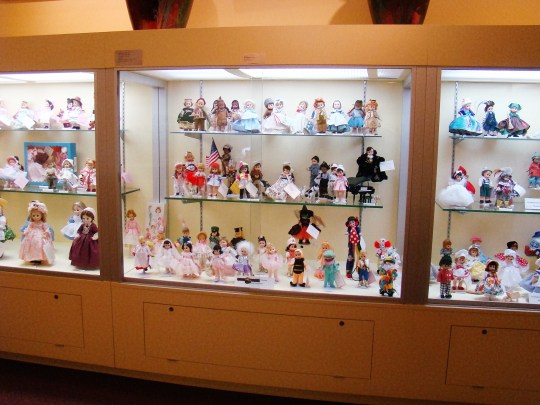
The Madame Alexander Doll Collection contains over 600 dolls.

The Madame Alexander Doll Company has a magnificent Americana Collection of dolls being shown at the Zanesville Museum of Art. Here you’ll find everything from dolls depicting nursery rhymes to those wearing dresses of the first ladies. Over 600 dolls make it a spot young ladies like to spend time.
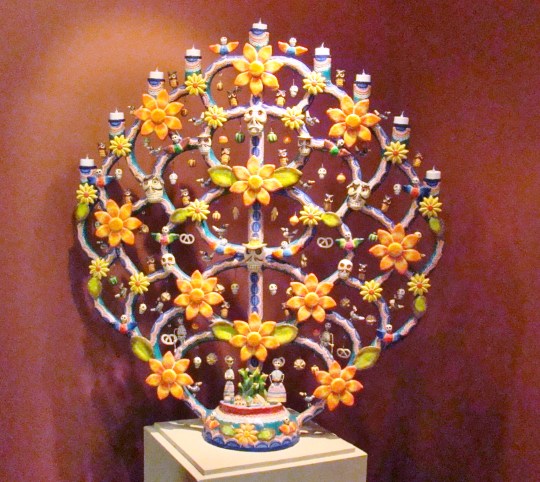
zma-tree-of-life

This colorful ceramic “Tree of Life” Candelabrum celebrates a Mexican religious holiday.

Two special art displays are being featured through January 7, 2017. The Carl E. Eriksson Collection features original paintings and sketches by The Eight. This group of eight artists drew people from all walks of life. They made a difference in the world of art by moving from traditional to realistic scenes featuring scenes of every day life.
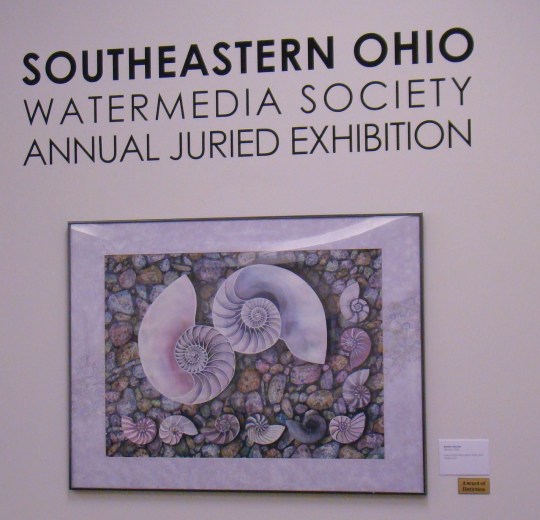
zma-watercolor

“Every Family Has a Black Shell” by Marilyn Stocker won the Award of Distinction.

The second is a juried exhibition by Southeastern Ohio Watermedia Society. The art work is outstanding here and many local artists are featured. There is also a section for displaying student art, featuring different schools each month.
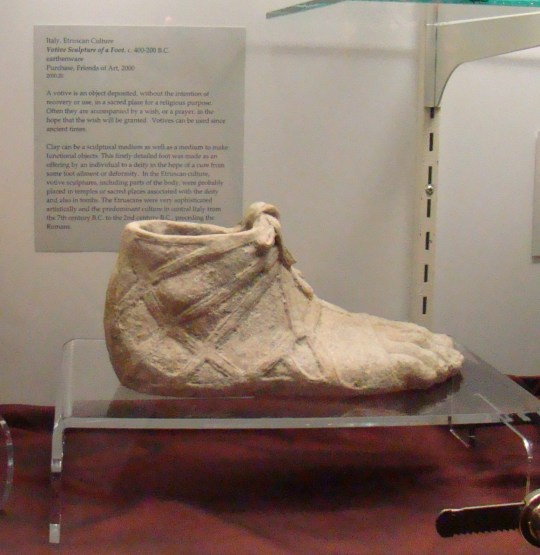
zma-200-b-c

An Italian Votive “Sculpture of a Foot” dates back to 400 – 200 B.C.

The oldest items can be found in two places. In the Sculpture Gallery, two Roman sculptures date before 200 B.C. The Greek sculptures contain a votive, which looks like a foot, that also dates before 200 B.C.

zma-england-wood-panel

Original furnishings from a 1690s home in England are the setting for the Old Masters Gallery.

But the favorite spot is the Ayers Collection in the English Panel Room. You step back in time to a dining room from 1690 in Hatton Garden, the home of Sir Christopher Hatton, Chancellor under Queen Elizabeth I. Even the wood paneling is original. In this room, you’ll find displayed in the Old Masters Gallery their finest works of art  by Picasso, Renoir, Matisse and more. All this at the Zanesville Museum of Art!
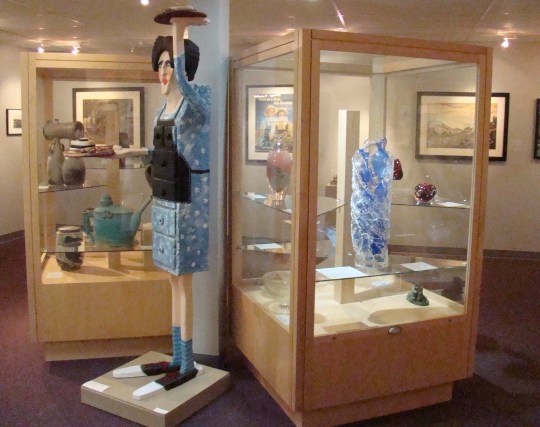
zma-glass-and-pottery

Pottery and glass are featured collections from many local companies in the past and present.

The art museum is a great place for all ages to explore. Art Classes are scheduled twice a month for adults and children. These change monthly for chances to use various mediums of art. Check their schedule for the latest information at Zanesville Museum of Art .
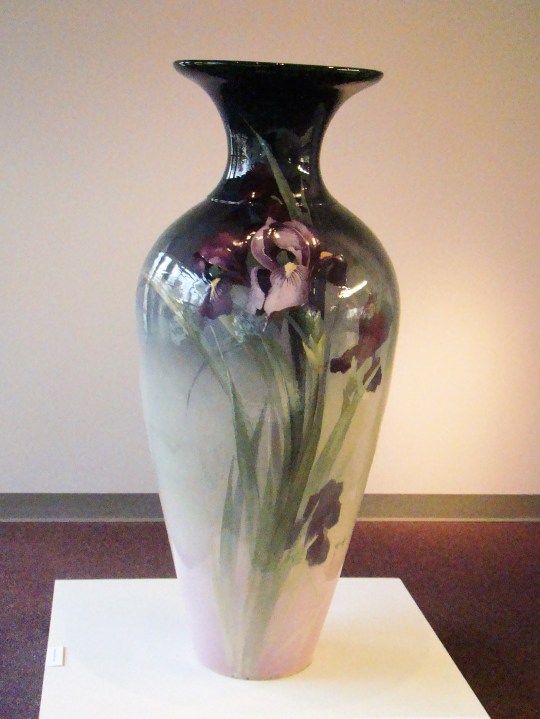
zanesville-vase

Zanesville displays beautifully decorated seven foot vases throughout the city.

ZMA Concert Series presents live entertainment in the museum galleries each month at no charge to the public. Sounds like the Zanesville Museum of Art has something for everyone that has an interest in the arts.

Every artist will be drawn to this impressive museum time after time as exhibits change six times each year. That makes it easier to have something everyone enjoys.

The world is but a canvas to our imagination. ~Henry David Thoreau

The Zanesville Museum of Art is located at 620 Military Road in Zanesville, Ohio. Take Exit 153 off I-70 north to Maple Avenue. In about two miles turn right on Military Road. The museum will be on the right hand side. Watch for the large red sculpture.
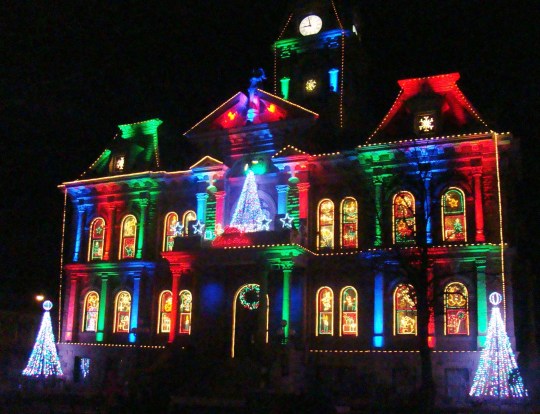

 

courthouse-light-show-2

This spectacular Holiday Light Show brings visitors back again and again.

One of the main attractions during Dickens Victorian Village’s season is the spectacular Holiday Light Show at the Guernsey County Courthouse in downtown Cambridge. This did not happen overnight. It took over a year to design the first light show – a gift from Grant Hafley, with programming help from Joel Losego.

lite-brite

Joel’s favorite toy as a youngster was Lite-Brite.

According to his mother, Joel has always been interested in lights. In fact, as a child, his favorite toy was Lite-Brite. At a very young age, his parents said that he had the lights on their Christmas tree blinking in rhythm.

When he was six years old, his summers were spent helping his dad on construction. He saved the money his dad gave him that summer to buy a CB radio, which he still has.

avc

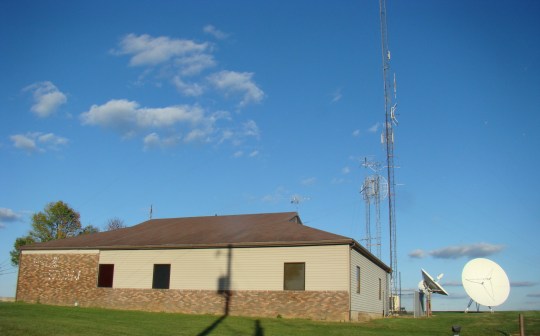
These are the AVC stations you enjoy.

As a middle school student at Buckeye Trail, he began working at AVC Communications in Cambridge. He continued working there until he graduated from Ohio University. Helping owner, Grant Hafley, an electrical engineer, Joel learned to design flashing lights with control boards for area dances.

He also volunteered doing sound at his church, the State Theater, and Living Word during that time. Sound intrigued him, Joel remarked, “I always knew what I wanted to do.”

radio-station

The radio station sets high on College Hill.

Then Joel headed off to work in various states on national television networks developing internet and website experience. Basically a home body, Joel served as a beta tester for new software in his spare time. While working for ESPN at special TV events, it became necessary for him to travel all over the country.

Joel missed his family during this time and knew he needed to make some changes. Who should call but his old friend, Grant Hafley. Grant said he was looking for someone to buy AVC Communications. But he wanted a person who would keep the community spirit alive.

joel-losego

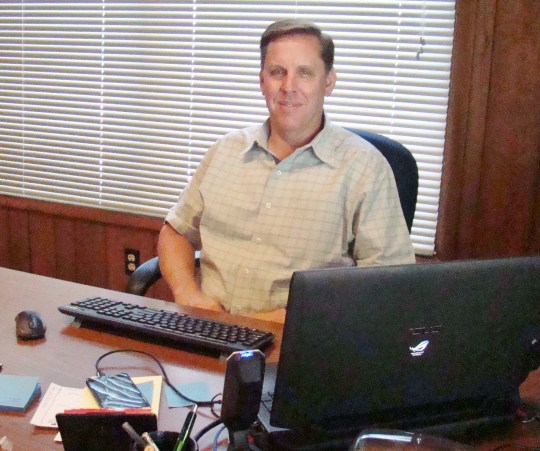
Joel conducts much of his business from the computer at his desk.

The moment his life changed was six months later in 2005 at Disney World, a magical place indeed. Joel talked to Grant Hafley during the Disney Parade, and finished the deal for the purchase of AVC. He was on his way back to Guernsey County, a place he never expected to return.

About this time Grant Hafley, who supported Dickens Victorian Village, wanted to do something special to draw more people to town. Lighting up the courthouse to make it a show seemed like a possibility.

Then a year of plans began with help from Grant and a programmer from Arizona. During the second year, the show became Joel’s ‘baby’ and he has been the only person programming it ever since. Right now he is teaching another young person how to continue the operation.

computer-screen

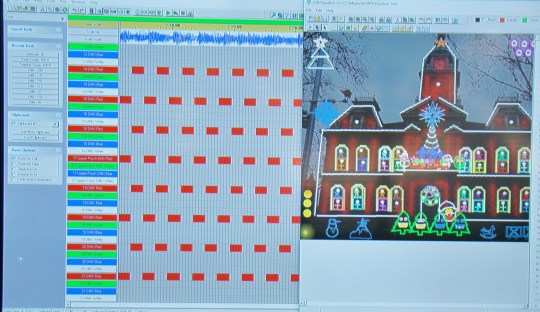
This picture of Joel’s computer screen shows a touch of his planning.

Programming is a tedious process. Every two minutes of light show for the courthouse takes over eighteen hours to complete. Needless to say, Joel spends a lot of time at the computer designing the program. It takes time and patience to synchronize 55,000 lights to over 150 Christmas songs.

courthouse-tree

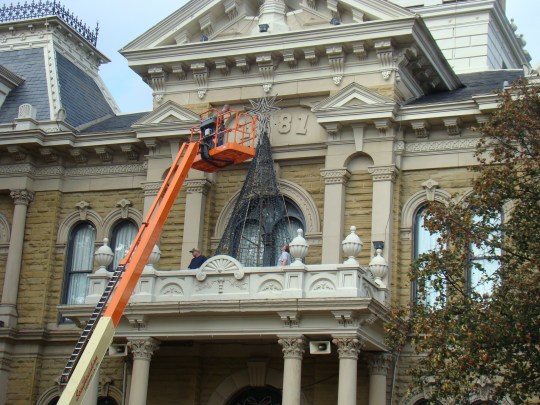
The Christmas tree was put in place at the courthouse near the end of October.

This year’s light show had a few major changes. For the first time all the lights were LED so the courthouse seems brighter than ever.What appears to be fireworks appears above the courthouse roof.

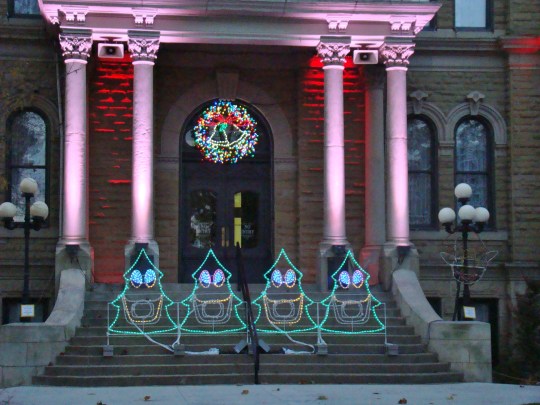
On the courthouse steps, four lighted trees form Craig’s Christmas Quartet. This is the first time an entire song has been sung and it’s acapella in four part harmony. This is a tribute to Craig, the caretaker at the courthouse, who has been so helpful to Joel and friends over the years.

open-house-quartet

Ctaig’s Christmas Quartet appeared for the first time in 2016.

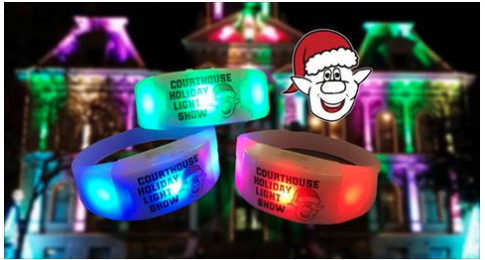
As a way to get people directly involved with the light show, Joel has used an idea from Disney. A Magical Lightshow Wristband has been designed with a computer chip. When this wristband is at the courthouse, it becomes controlled by the light show and flashes along with it.

This is the first time anything has been sold to raise money for the light show. The cost of the wristband is $20, but you must remember “It’s not a toy. It’s a computer.”

wristband

This Magical Lightshow Wristband flashed with the music.

When asked about his favorite Christmas music, Joel paused as he enjoys so many. Finally, he admitted that Trans-Siberian Orchestra’s Carol of the Bells, Gene Autry’s Rudolph, and Andy Williams’ White Christmas were among his favorites.

One of his favorite pastimes will surprise you. He enjoys going to the courthouse light show anonymously to listen to comments about the show. “It’s fun watching other people watch the show.” There he finds ideas for the future as well as improvements that can be made.

open-house-grant-and-joel

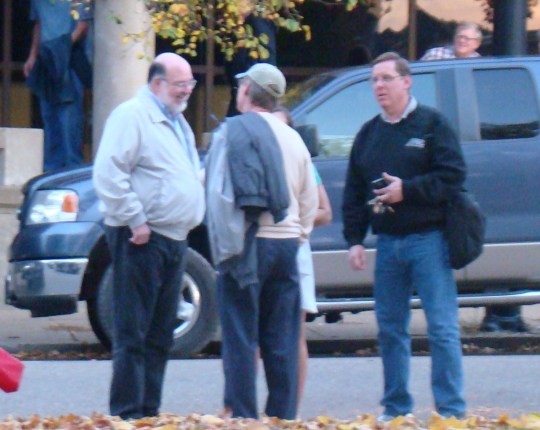
Grant Hafley and Joel Losego talk to visitors from the edge of the crowd.

Ten months out of the year, Joel works approximately thirty hours a week on the programming for the Guernsey County Courthouse Holiday Light Show. November and December, when it is running, are his months off from programming. But he’s always handy in case there’s a problem with the program. Most can be fixed from his computer, wherever he happens to be.

When Joel gets an idea, he usually jumps right in and makes it happen. One thing he has put on hold is a trip he wants to share with his wife to Maui. His dream places them at a resort, overlooking the ocean at sunset while having dinner. He even has a video of it on his phone. Someday you can be certain this too will happen. He makes his dreams reality.

light-cd

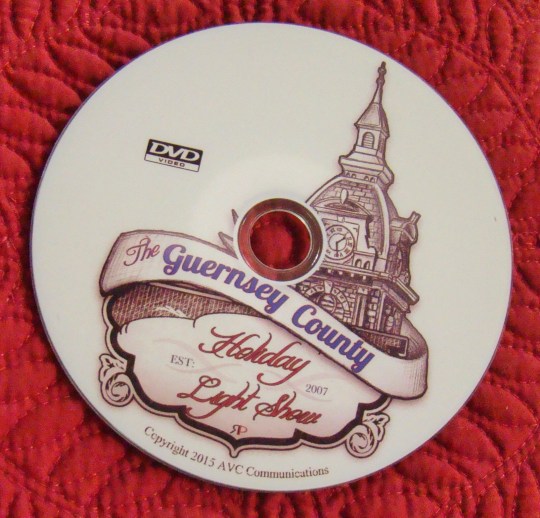
Remember the evening of the Holiday Light Show with this CD.

Come to Cambridge and watch the Guernsey County Courthouse Holiday Light Show any evening from November 1 to January 2, 2017 starting at 5:30 until 9:00. Maybe you’ll be lucky enough to spot Joel watching too.

The Guernsey County Holiday Light Show happens in Cambridge, Ohio at their courthouse square along old Route 40. You don’t want to miss it.

guernsey-county-museum

Explore the history of the area by visiting Guernsey County Museum.

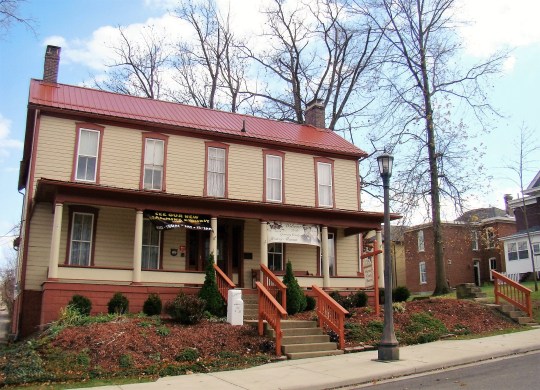
All 17 rooms at the oldest frame home in Cambridge have been tastefully decorated with a touch of the Christmas season. The Guernsey County Museum enjoys having people stop by to wander through its vast collection. Curator Judy Clay will escort visitors through each decorated room and explain the history of many of the artifacts that are left on display for the holidays.

The museum, the former McCracken-McFarland home, was moved down North Eighth Street, a half block from the corner, to its current location in 1915. Outside the house, the yard has some interesting features. There is a 4′ tall National Trail mileage marker, and the original steps from the 1823 house.

Many of the older generation from the area will remember Mrs. McFarland, a Brown High School English teacher, and Mr. McFarland, the banker who always wore a carnation in his buttonhole.

guernsey-county-one-room-school

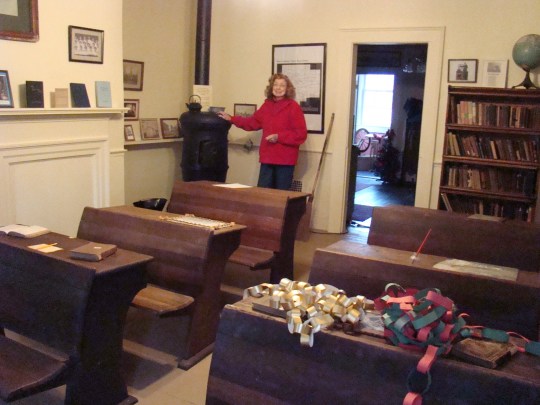
Volunteer Madelyn Joseph stands by the pot-bellied stove in the one-room school room.

Recent additions to the museum include a room from a one-room schoolhouse showing desks and books used at that time. At the back of the room stands the pot-bellied stove, which appeared in some form in every one-room school to keep the room somewhat warm on cold winter days. On special occasions, retired teachers will describe the lessons and activities that happened in a classroom where one teacher taught all eight grades.

open-house-guernsey-county-museum

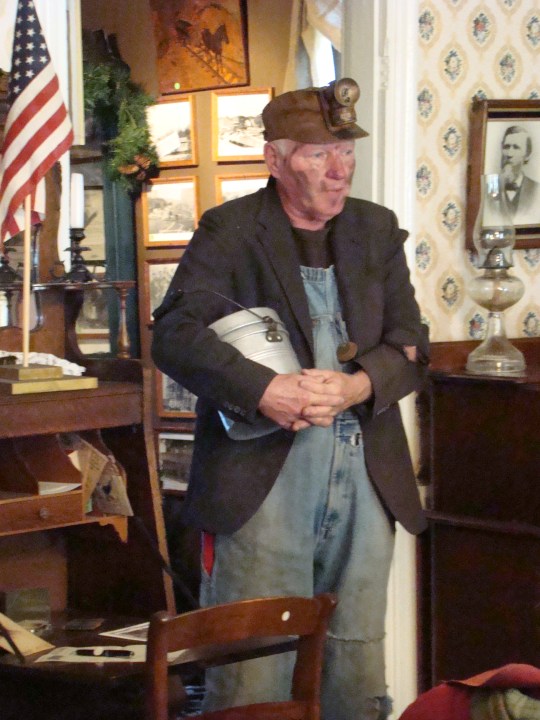
Dave Adair tells the story of the difficult life of a coal miner.

Another added attraction is an entrance way to a coal mine. In the early 1900s throughout Guernsey County, over 5,000 people were employed in the mines. Here, Dave Adair, local historian, explains to groups the life of a coal miner and at this time of year presents “A Coal Miner’s Christmas”, telling how they celebrated Christmas with very little money. Most gifts were handmade or perhaps purchased at the company store – an orange or walnuts were special treats.

guernsey-county-curator

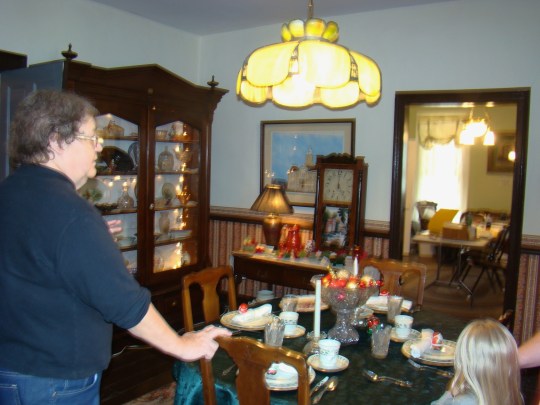
Museum Curator Judy Clay explains the beautiful table setting, which includes Cambridge Glass and a Tiffany lamp overhead.

The home has been expanded and updated through the years without destroying its 19th Century charm. Many remember the time when homes had two sitting rooms – one for the family and the other to use only for special guests. While this was the first house in the area to have gas heat, they still read by candle light. Throughout the museum, you will see beautiful pieces of Cambridge Glass and Universal Pottery, as these two companies provided an important means of earning a living during the early years of Guernsey County.

guernsey-co-museum-volunteers

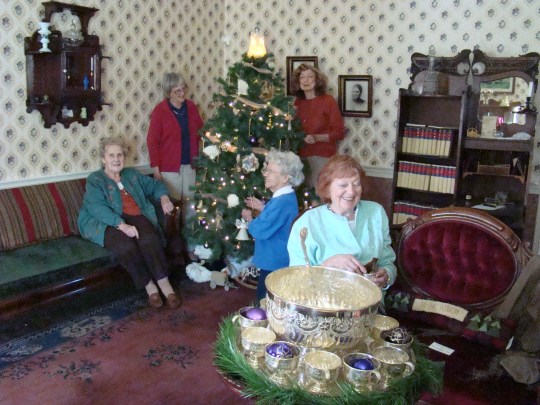
Friendly volunteers at the museum prepare for visitors by decorating the tree and preparing to serve refreshments. 

The walls in the hallway are covered with pictures of people who have made a difference in the area…the Guernsey County Hall of Fame. These community leaders have all contributed something special to make this world a better place.

guernsey-county-ice-bike

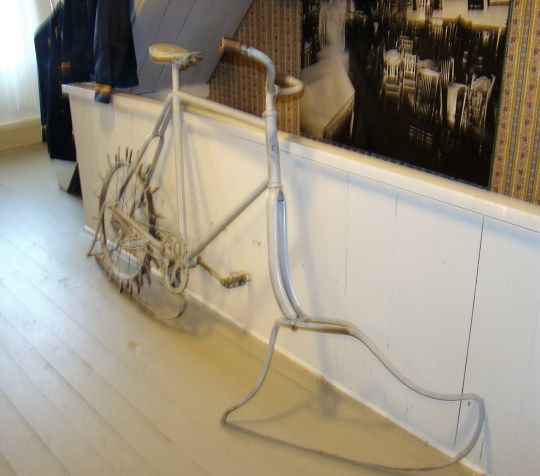
The ice bike made travel possible in the winter with its sharp prongs in the back and sled-like runner in the front.

Every room upstairs had a special theme. The Military Room contained items from Civil War days to WWII. A small sewing room held a spinning wheel and a weasel, which when it got filled with thread – went pop! That was the basis of the song, “Pop Goes the Weasel”. A dentist’s office, Dickens’ room, and rooms packed with antique ladies’ clothing finished off the top floor. The waistline on some of those dresses seems unbelievably small.

guernsey-county-mail-cart

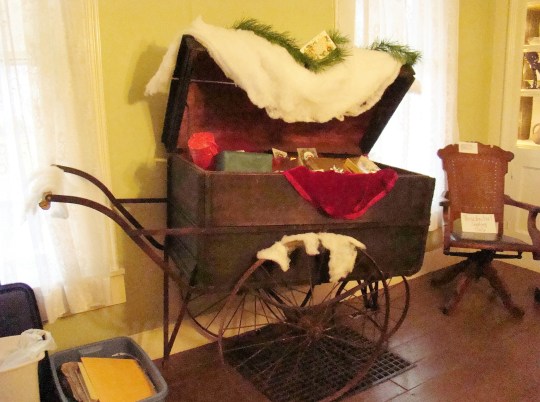
This old mail cart actually carried mail from Cambridge’s Union Depot to the post office.

Bountiful treasures reside inside this old frame house. Perhaps you would like to roam the halls and revive some old memories. If you have any pieces of history you would care to share, please contact the museum. Every small town should take pride in having a special place to keep the history of their area alive for future generations.

guernsey-county-christmas-tree

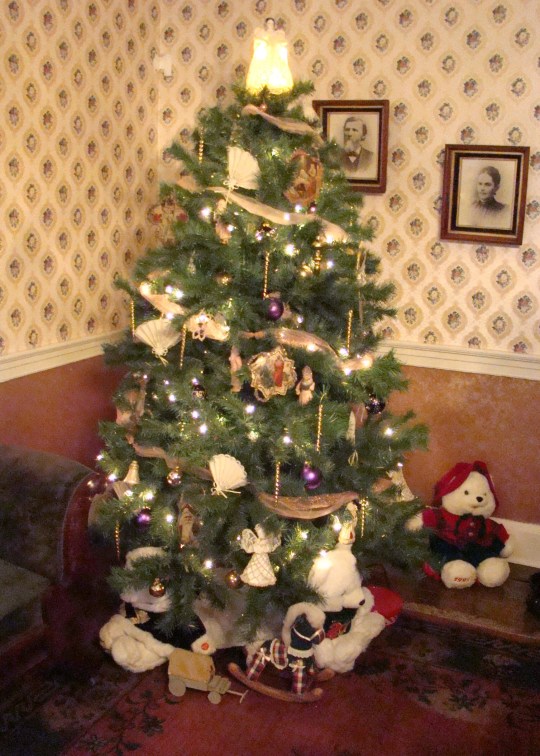
The angel topped Christmas tree is decorated with old ornaments trimmed with lace.

Holiday hours for the Guernsey County Museum are Tuesday and Thursday 4:00 – 8:00, and Saturday from 10:00 -8:00.  Admission is $5 per person. Come explore some old memories of days gone by.

The Guernsey County Museum is located at 218 N Eighth Street off Steubenville Avenue in Cambridge, Ohio. It’s on the street directly behind the courthouse.


oglebay-ice-sculpture-2

An ice sculpture of two reindeer pulling a sleigh grace the lawn of historic Oglebay Mansion Museum.

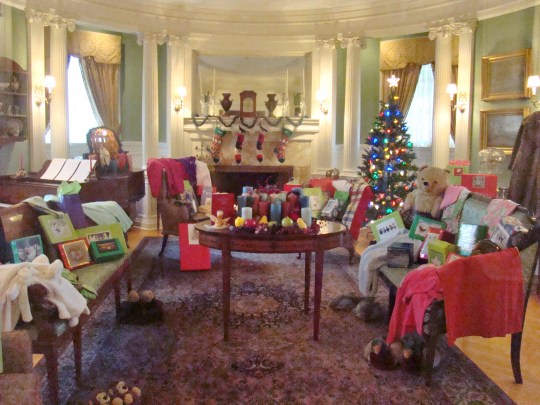
A yuletide dream best describes the Mansion Museum at Oglebay Park in Wheeling, West Virginia during the holiday season. The mansion is dressed luxuriously for the holidays. Its elegant decorations serve as inspiration for ideas to embellish your home.

When arriving at the Mansion Museum on a late November day, the first thing to greet visitors was an ice sculpture of a sleigh pulled by two reindeer. Each year an ice sculpture is placed at the museum and will last as long as the weather stays cool. You can even have your picture taken in the sleigh.

oglebay-oval-parlor

The Oglebay family used this Oval Parlor as their private retreat.

Near the mansion you’ll find the magical Christmas Tree Garden, which contains 30 live trees covered with colored lights. In the center of the garden stands a beautiful gazebo with a life size manger display created by a local artist in 1985. Nearly everyone who passes by, pauses to view the real meaning of the season.

oglebay-dining-room

The Dining Room is beautifully decorated for Christmas dinner.

The Mansion Museum, which was the summer home of wealthy industrialist Earl Oglebay, began this holiday tradition in 1973. Both professional decorators and amateurs help trim the mansion in period decorations as it would have appeared when it was built by Hanson Chapline back in 1846. Special care is taken not to damage the antiques on display.

oglebay-library

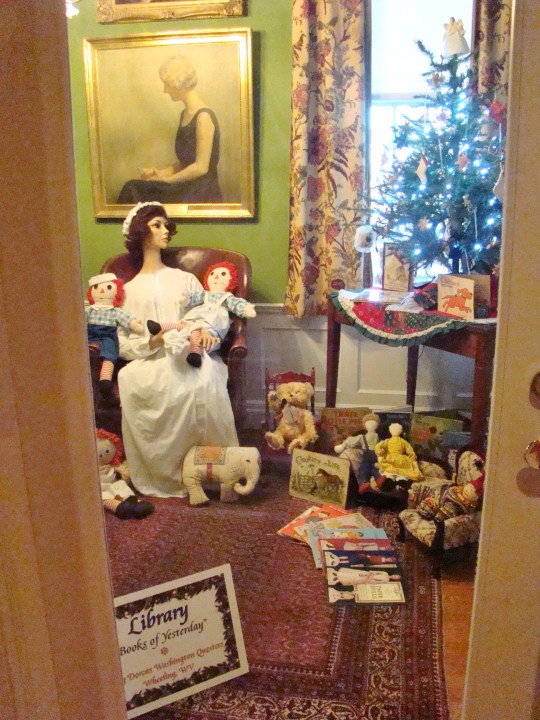
“Books of Yesterday” became the theme for the Library where Raggedy Ann and Andy dolls are being held by a young lady.

In 1900 Earl W. Oglebay purchased the estate and farm, which he called Waddington Farm. It became the most progressive model farm in the world. When Mr. Oglebay died in 1926, he left his estate to the people of Wheeling to be used as a park and an educational tool. They then turned it into what we know today as Oglebay Park.

oglebay-federal-bedroom-cinderella

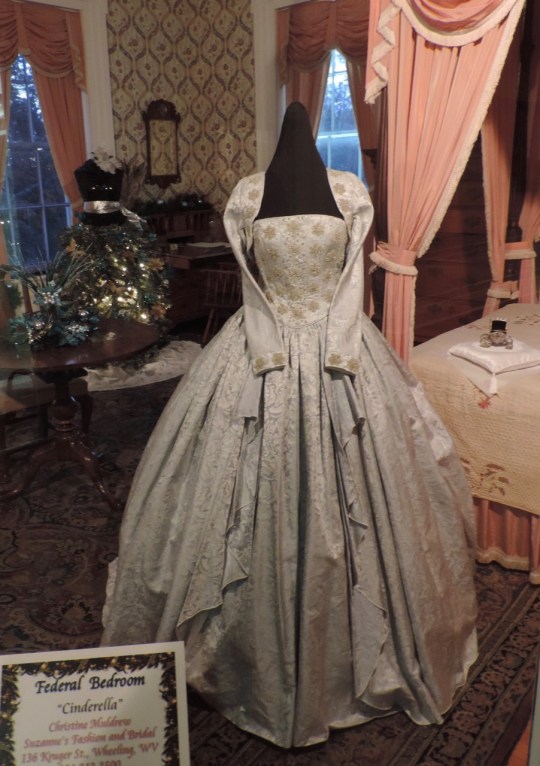
The Federal Bedroom features Cinderella’s ball gown.

Thirteen Victorian period rooms overflow with Christmas décor to put you in the holiday spirit. “A Storybook Celebration” serves as this year’s holiday theme. Each room has been transformed with a touch of magic to fit a particular storybook idea.

oglebay-empire-sitting-room

Company would be entertained in the Empire Sitting Room decorated as “Deck the Halls” for this holiday season.

From “The Nutcracker” in the Child’s Bedroom to “Deck the Halls” in the Empire Sitting Room, you’ll find tasteful decorations to make you smile. “Not a Creature Was Stirring” in the Pioneer Kitchen, while they were “Stitching Family Tales” in the Sewing Room.

oglebay-bedroom

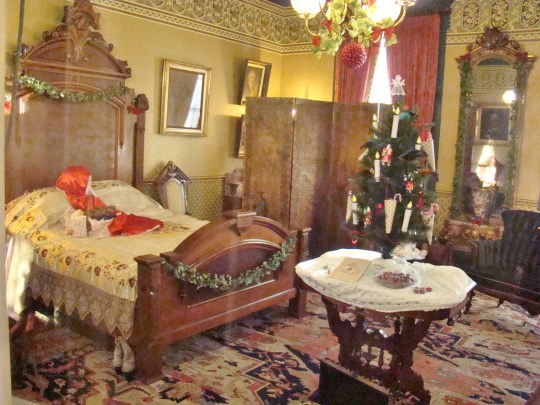
The Victorian Bedroom would be the perfect place for a bedtime story. “Nana, tell me a story!”

Throughout, there are recordings to tell you about the furnishings, paintings, and life of the family. But the mansion holds the history of the area as well.

oglebay-general-store

Wymer’s General Store is part of the Wheeling History Exhibition, which can be seen year round at Oglebay Mansion Museum.

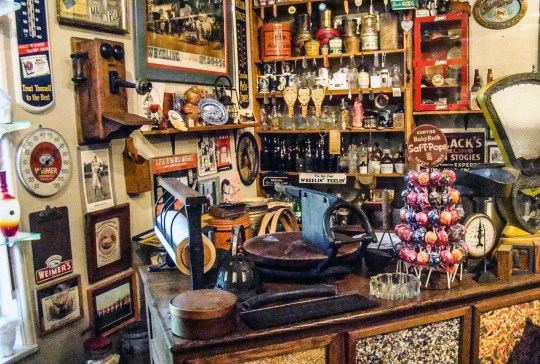
A Pioneering Spirit Exhibit features the history of Wheeling. Included is Sinclair Pharmacy and Wymer General Store with candy case, meat wrapping paper and large thermometer. The store was especially enjoyed since it reminded me of my grandfather’s store in Byesville sixty years ago.

oglebay-mr-oglebays-office

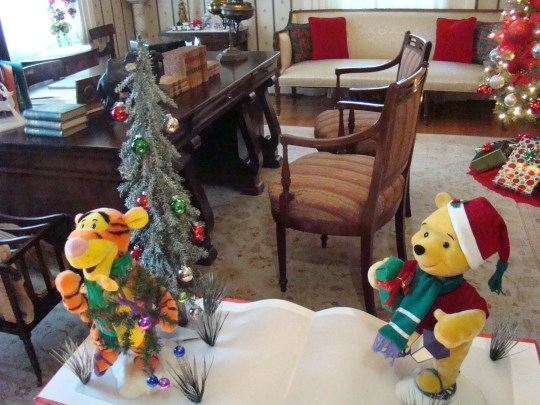
Tigger and Winnie the Pooh visit Mr. Oglebay’s office for “A Pop Up Christmas”.

While you can visit Oglebay Mansion Museum throughout the year, Holidays at the Mansion create memories of days gone by. The Christmas decorations continue until January 8, 2017 so there’s still plenty of time to make a trip to Oglebay. While there you will want to stay until dark to view the delightful Winter Festival of Lights at Oglebay Park, where 80 displays line a six mile drive, which covers over 300 acres!

Visit Oglebay Mansion Museum and the Festival of Lights, which inspired Bob and Sue Ley to create Dickens Victorian Village. Maybe you, too, will find inspiration there.

Oglebay Mansion Museum at 1330 Oglebay Drive can be found by following signs to Oglebay Park about four miles off Exit 2A of I-70 on Route 88 North in Wheeling, West Virginia. 


connie-dale-evans-001
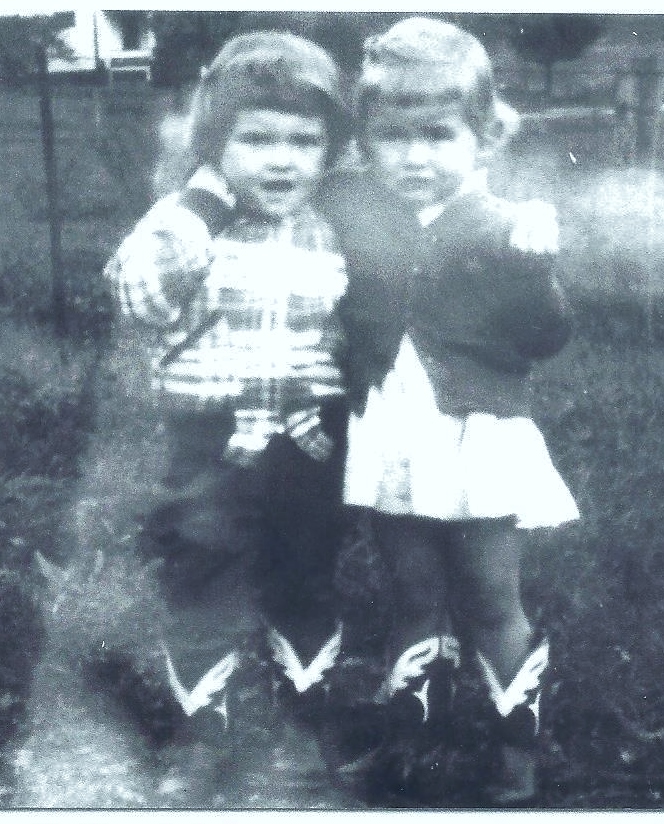
During childhood, her cousin, Cheryl, and Connie enjoyed dressing as cowgirls.

Growing up on the farm as a shy young lady, Connie Oliver Humphrey never expected to travel the world, but she always enjoyed role playing. Even as a child, Connie liked to don costumes and pretend to be someone else. One of those earliest ones happened to be Dale Evans. At home she would dress in her cowgirl hat and boots as she became Queen of the West.

The first time this shy young lady ever performed on stage happened at Cambridge High School during the senior class play, with just a small part. Most of her high school years were spent in the bookmobile reading all the books in the history section.

vintage-dress-passed
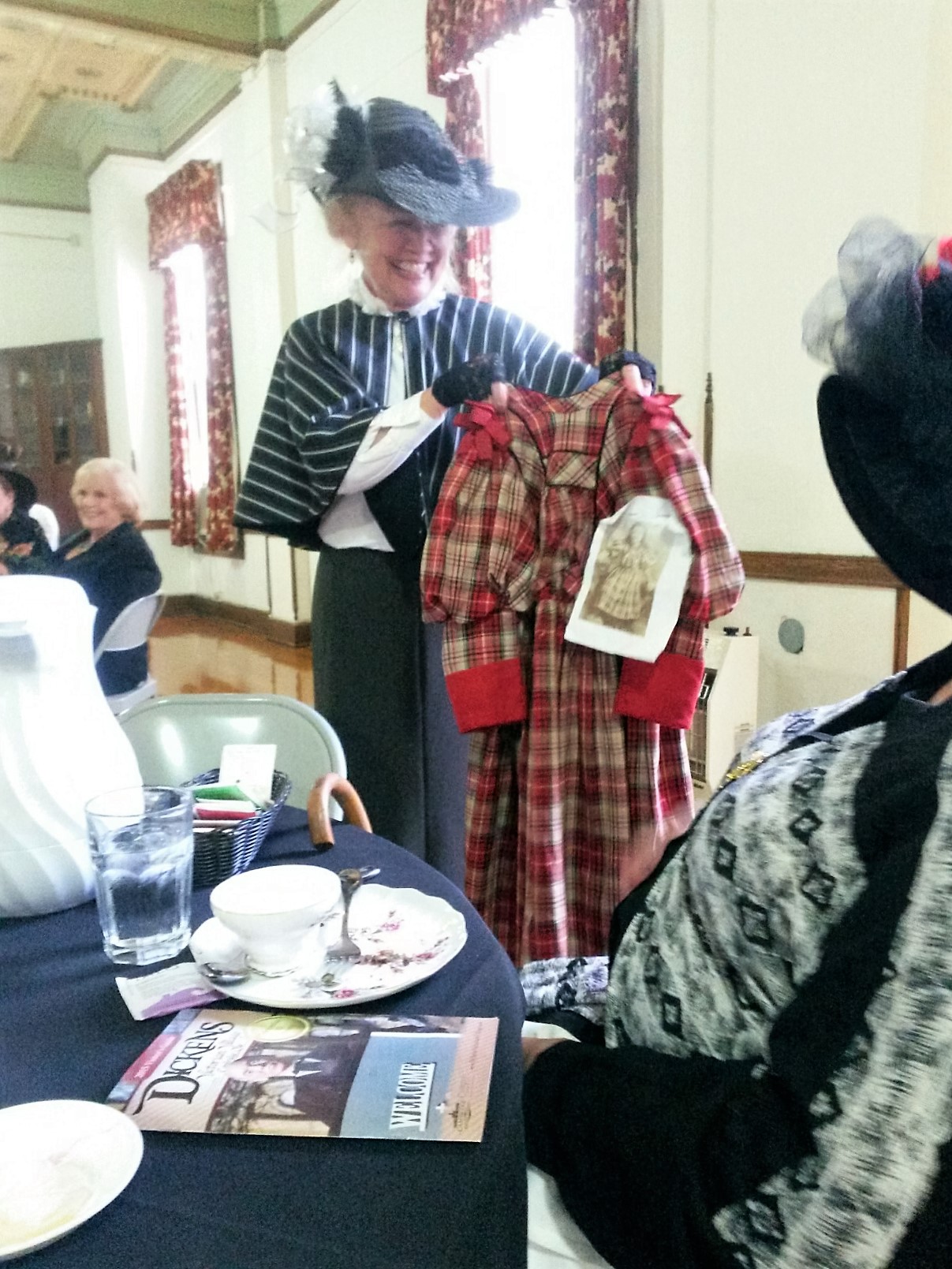
Always interested in costumes, this Victorian lady helped with the Dickens Victorian Village’s Victorian Tea & Fashion Show.

So when Connie went to Marietta College, it seemed natural to major in history. However, lack of encouragement from the history teacher and a notice of her theatrical abilities from another, had her changing gears. Theater became her major and creating costumes her passion.

Still, when she graduated, Connie wasn’t sure what she wanted to do or where she wanted to live. Before making a final decision, Connie became a stewardess for Piedmont Airlines. Then she met the man who would change her world. Michael worked for the United States Department of Agriculture, which eventually led them on many great adventures.

Before long, Connie didn’t have to worry about where she would live as Michael became an Agricultural attache in the American Embassy in places such as Moscow, Hong Kong, and Jakarta, then moved on to Singapore. Connie was off to see the world.

connie-quilters-001
In the musical, Quilters, Connie’s pioneer portrayal included playing the spoons.

On this amazing adventure, she never knew what was going to happen next. In each country, she joined the local theater group, where she helped with costumes and became an actress.

When on stage, her shyness disappeared as she became a different person. In her words, “I put Connie on a hook in the dressing room.” Only once did Connie and Michael appear on the same stage in a spoof on Robin Hood and His Merry Men. It required Connie to sing off-key, which she said wasn’t difficult for her.

connie-emily-001
In the one-woman play, Belle of Amherst, Connie portrayed Emily Dickinson.

In Jakarta, one of her favorite performances took place in the role of Emily Dickinson. Connie performed a one-woman show on stage there in the play, Belle of Amherst. She learned the poetry from the heart and talked to the audience as though she were carrying on a conversation with them.

Emily spent her life as a recluse, writing poetry and stashing it away because one suitor told her she was not a poet. Still she wrote as if she experienced the joys and sorrows of the human race.

connies-quilt
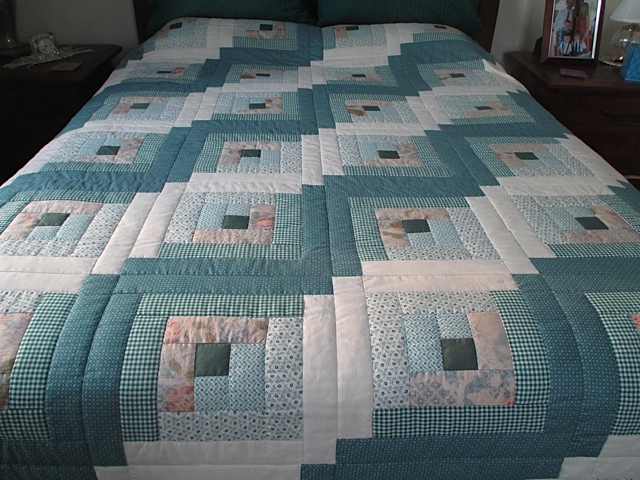
This quilt made from pieces of her Quilters costume still graces her guest bedroom. The green/white check was from her costume and the beige batik is typically Indonesian.

During their travels, they shared many wonderful experiences with family and new friends. One of those happened at a Russian Orthodox Church in Moscow, where they attended a traditional Easter service. Only children and grandparents were permitted to participate, with the militia there to guard again other adult participation. As part of the American Embassy, they were permitted to view the impressive service.

Her favorite place, Hong Kong, overflowed with life and color. Every nationality walked their streets. which held plentiful food and supplies. Something exciting happened frequently wherever they lived. From an elephant ride in Indonesia to the dynamic Fourth of July fireworks in Washington D.C., new experiences created lifetime memories.

SONY DSC
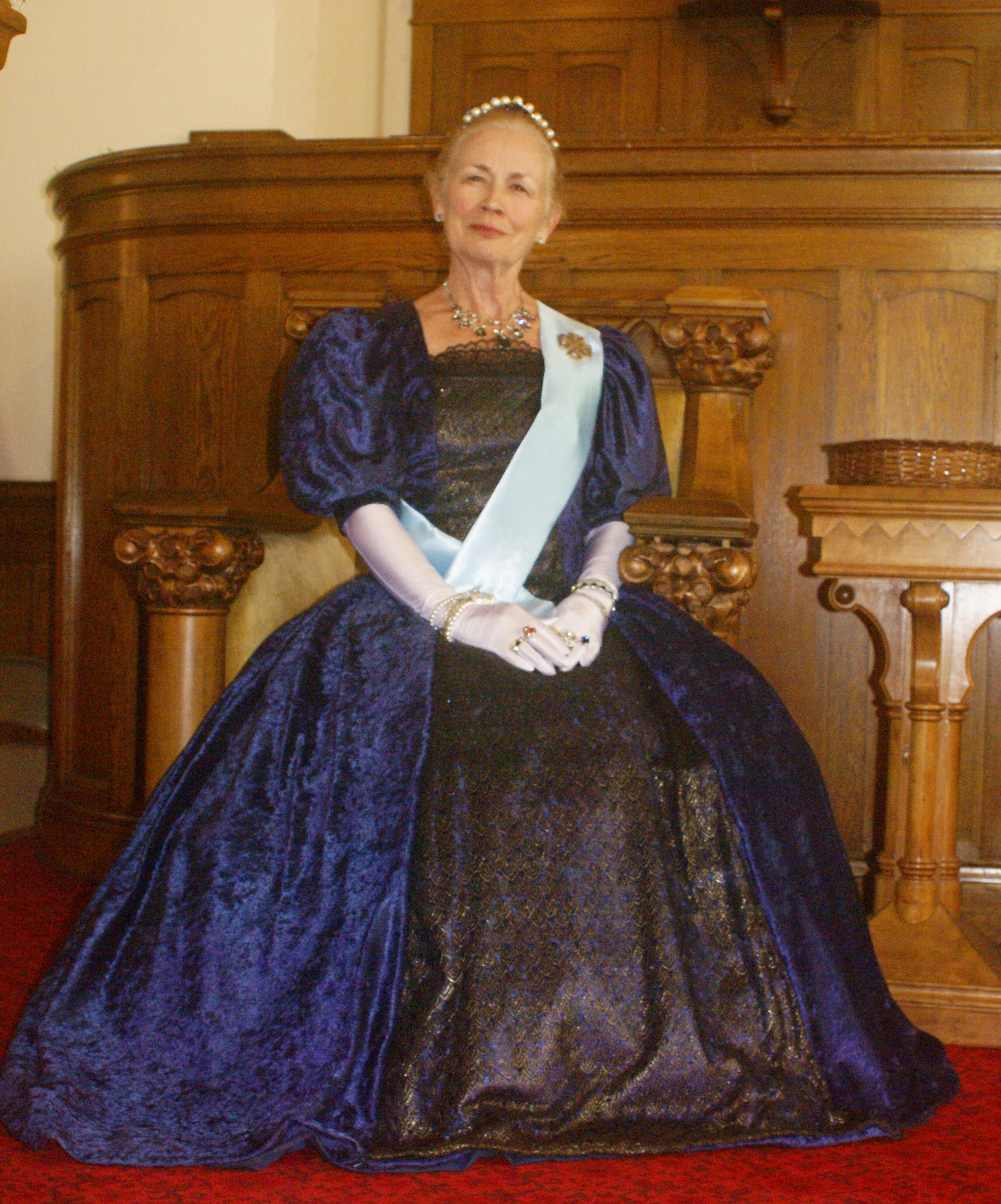
Her role as Queen Victoria adds dignity to Dickens Victorian Village.

Upon her return to Guernsey County, Connie became involved with Dickens Victorian Village working on their Creative Team creating costumes for the mannequins.Then last year, with a bit of encouragement, she stepped into the role of Queen Victoria, queen during the time of Charles Dickens.

“How does someone get to be Queen?”

“You must select your parents with great care.”

south-3-2
Schoolchildren greeted Queen Victoria with cheers and flags of England.

Her visits to the elementary schools have been well received and she often greets visitors at opportune moments throughout the season. Connie enjoys getting dressed for her role as Queen Victoria, where she holds children under her spell as she tells of life as Queen.In December, there will also be a program, Dickens Audience with the Queen, where she shares the stage with historian, Chris Hart.

In her spare time, Connie’s role as farmer’s wife continues and she works tirelessly for the First Presbyterian Church in Cambridge. Her husband, children and grandchildren always come first, and give her a glow of happiness for all to see.

Connie values the freedom we have in our country after viewing life in some of the places they served. In fact in the near future, they plan an RV trip across the United States, a place they have not yet explored. They have people and places to see on their journey.

But first she must reign as Queen Victoria in Dickens Victorian Village.


For two months each year, the spirit of Charles Dickens thrives in the city of Cambridge. One of the favorite delicacies of Dickens’ Victorian England was chestnuts. At a party in his famous novel, “A Christmas Carol”, he wrote,”the chestnuts and the jug went round and round.” So perhaps Charles Dickens would have enjoyed visiting a chestnut farm just north of here in Carrollton.

Back in the time of Charles Dickens, cones filled with hot roasted chestnuts were sold on street corners in merry old England. Not only did this provide a tasty treat, but holding the cone kept the hands warm as the aroma of roasted chestnuts filled the street.

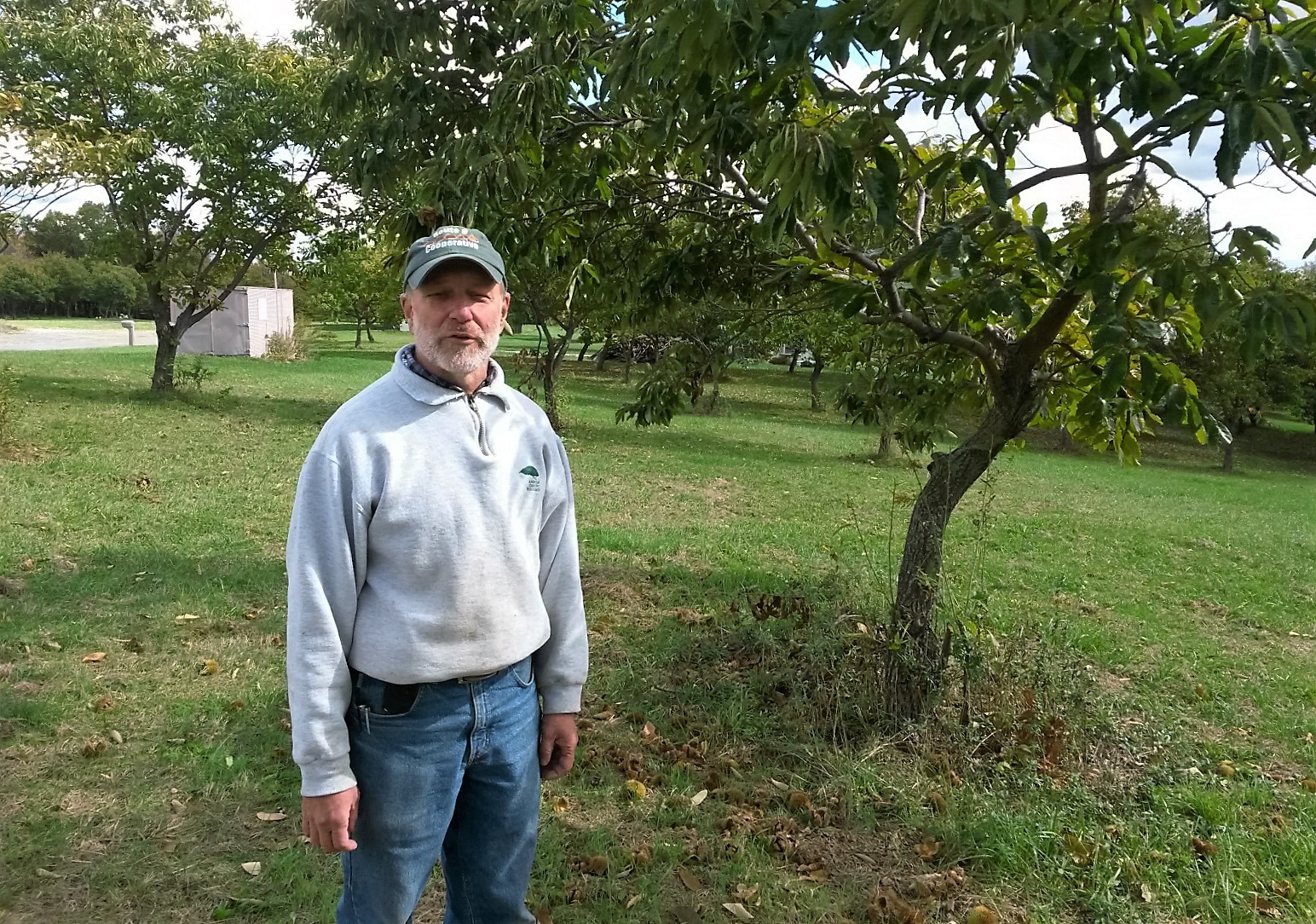
Greg Miller enjoys telling everyone about his chestnut orchard.

Greg Miller enjoys telling everyone about his chestnut orchard.

Here in Ohio, Greg Miller’s father began a hobby of growing chestnuts and various nut trees back in the 70s after a blight destroyed nearly all the American chestnuts back in the early 1900s. When Greg returned home from college, they noticed that the Chinese chestnuts were the most productive. Thus began the Empire Chestnut Co.

On their farm on Empire Road near Carrollton, chestnuts are planted in their nursery to start new trees. Only the very best chestnuts are used for this purpose. These new seedlings are then transplanted to a nearby field until they are mature enough to sell.

Headquarters for Route 9 Cooperative sports five chestnuts, indicating the five families that participate in the cooperative.

Headquarters for Route 9 Cooperative sports five chestnuts, indicating the five families that participate in the cooperative.

They encouraged others to plant them too and in 2010, with four other growers, formed Route 9 Cooperative, headquarters for the only commercially grown chestnuts in Ohio.

This is no small operation. From 90 acres of chestnut trees, over 60,000 pounds of chestnuts are harvested annually. Chestnut trees thrive in sandy loam soil. Greg said, “They grow best on a mountain or hillside where the soil is so poor you can’t raise your voice on it.”

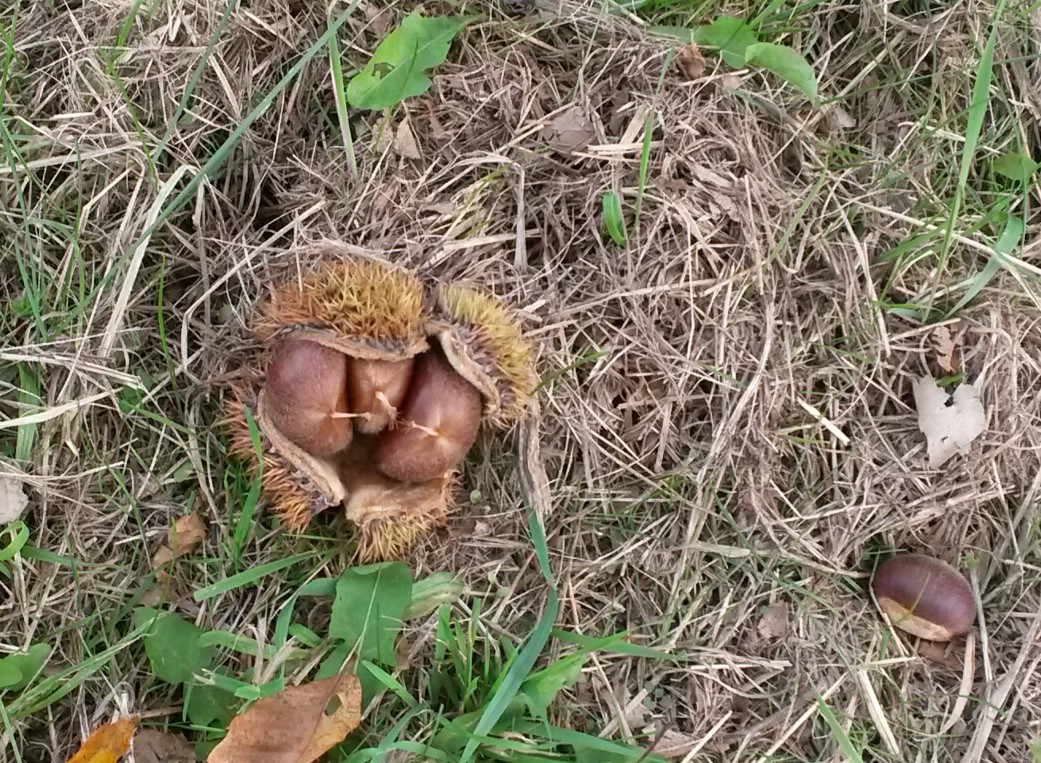
Chestnuts fall to the ground in a prickly hull, which is soft inside.

Chestnuts fall to the ground in a prickly burr, which is soft inside.

For those familiar with chestnuts, harvesting can be difficult and even painful. When the prickly burr falls from the tree, it normally pops open revealing three or four chestnuts inside. However, the inside of the chestnut hull feels as smooth as velvet. thereby cradling the nuts.

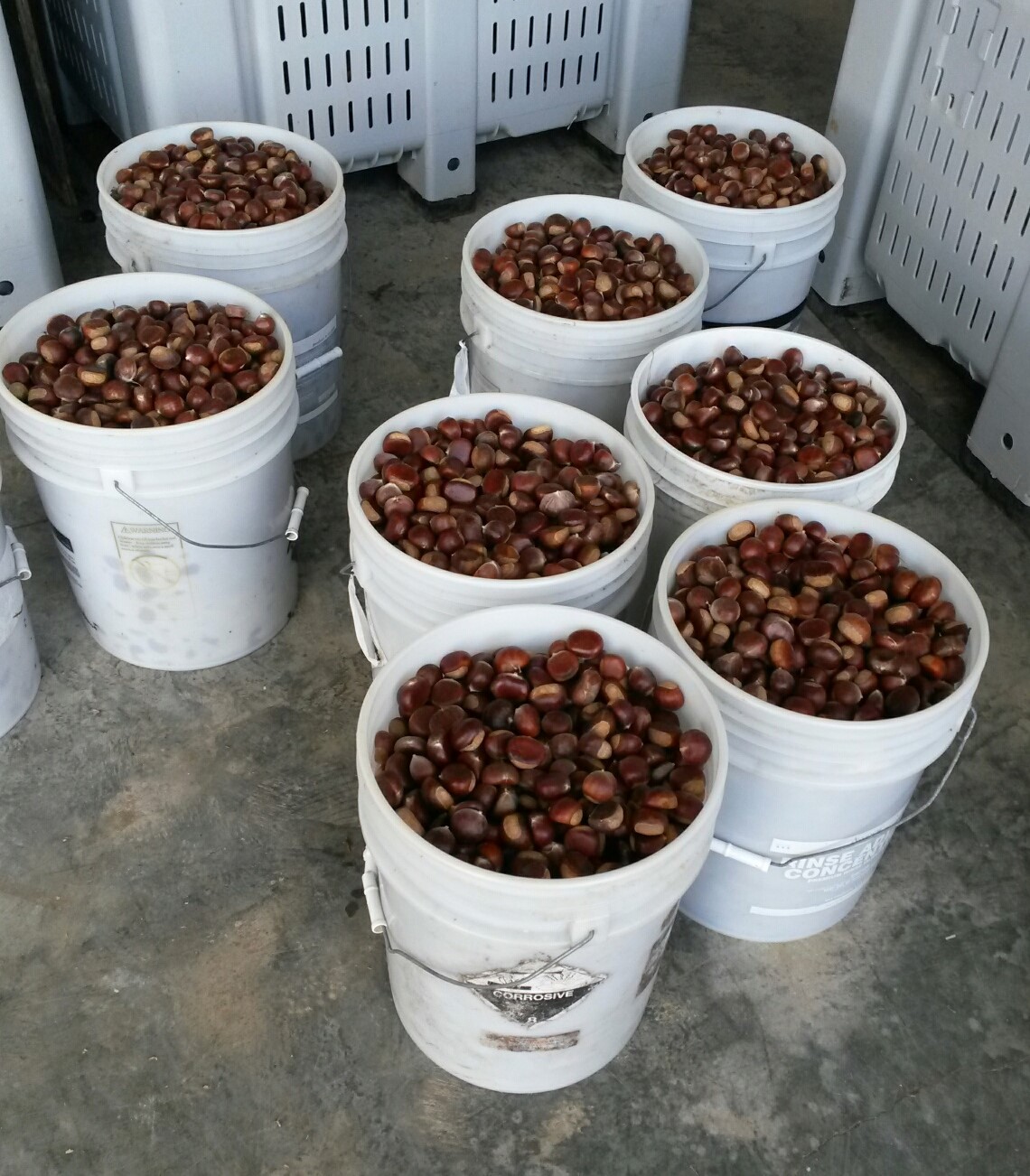
Imagine picking a bucket of about 1,000 chestnuts - one by one from the ground.

Imagine picking a bucket of about 1,000 chestnuts – one by one from the ground.

Even with today’s modern technology, chestnuts are still picked by hand. Greg places an ad in the paper looking for workers and usually has 100-200 people picking each year. They range from individuals to Amish families and community youth groups. His ad carries a bit of humor:

If you don’t mind bending down to pick up a penny,

this job might be for you!

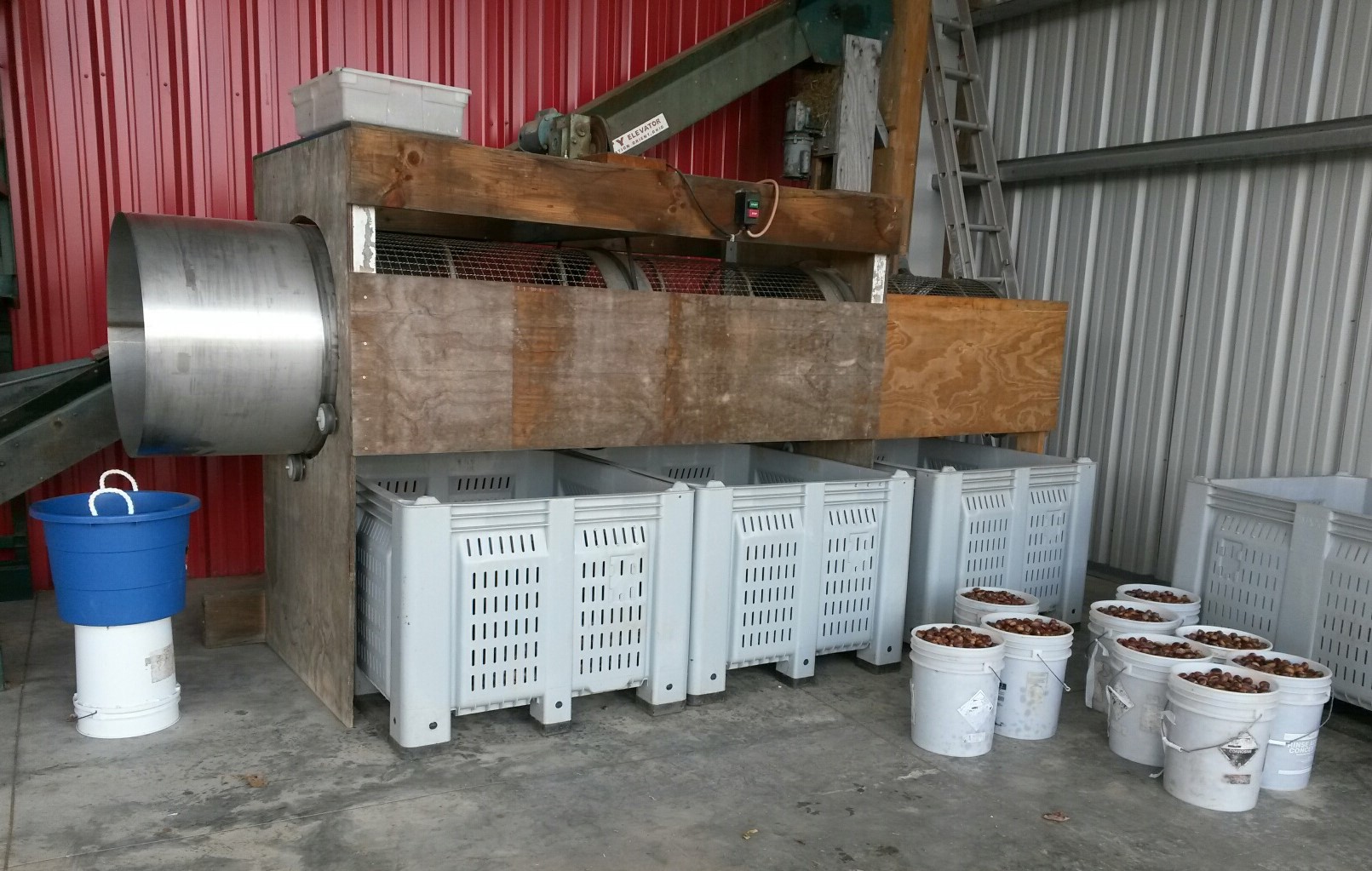
This Drum Sizer cleans and sizes the chestnuts.

This Drum Sizer cleans and sizes the chestnuts.

It takes over 1,000 chestnuts to fill a five gallon bucket so picking requires a lot of patience. Once the buckets are filled, the chestnuts are cleaned and sorted by size before their plastic perforated bin gets placed in the “nut jacuzzi”. As a precaution, to eliminate the possibility of any insects or eggs surviving, they are kept in a temperature of 119 degrees for about four hours.

The plastic bin filled with nuts gets dipped into the "Nut Jacuzzi" to kill any possible insects or eggs.

The plastic bin filled with nuts gets dipped into the “Nut Jacuzzi” to kill any possible insects or eggs.

From here they are hand sorted to eliminate any imperfect chesnuts, then dried in their bin, but kept moist to avoid mold. They are then placed in a refrigerated room before bagging.

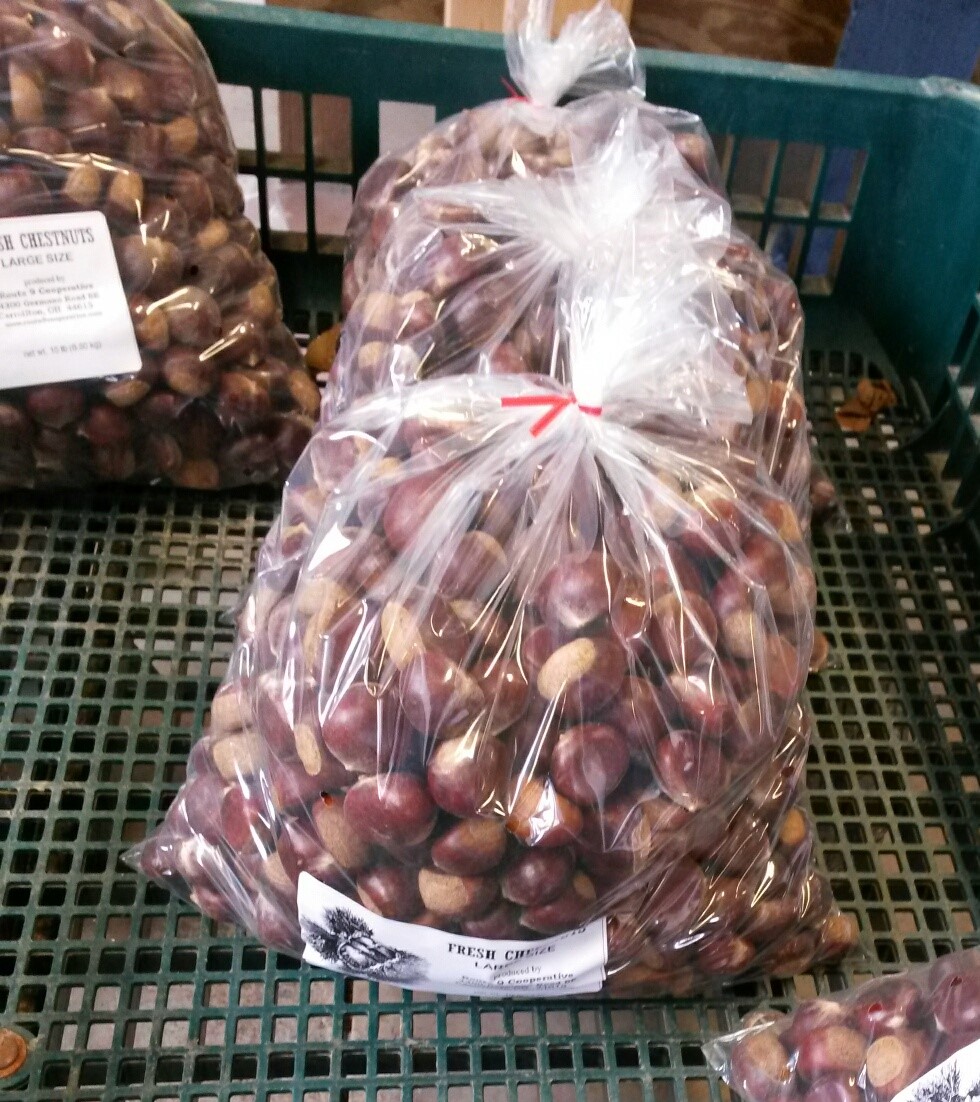
Finally, the chestnuts are bagged for shipping all over the United States.

Finally, the chestnuts are bagged for shipping all over the United States.

Most of their orders come from the internet and are sent all over the United States. Many of these customers being ethnic groups that have always enjoyed chestnuts as part of their culture. Some places even use them in chestnut beer and whiskey.

The Millers favorite way to eat chestnuts is “raw”. They feel they can easily tell the difference in quality by eating them this way. His daughter, Amy, also enjoys them ground into flour for pancakes. A delicious treat! One gourmet goat cheese producer orders chestnut leaves to wrap the cheese for flavor as it ages.

Orders for 50,000 pounds of chestnuts before the season began show the need for more chestnut tree growers. Chestnut trees are a long term investment as it takes about seven years to get your first chestnuts, while their peak will be reached in fifteen to twenty years. But at $3 -5 a pound wholesale, it may be worth the wait.

If Dickens’ Cratchit family lived here, they would be certain to place an order to make stewed chestnuts for Thanksgiving dinner. Perhaps at payment of $11 a bucket, they would even help pick them.

******************

Route 9 Co-operative is located near Carrollton on Route 9 south of town. Visit their website at http://www.empirechestnuts.com for more information

.

messenger

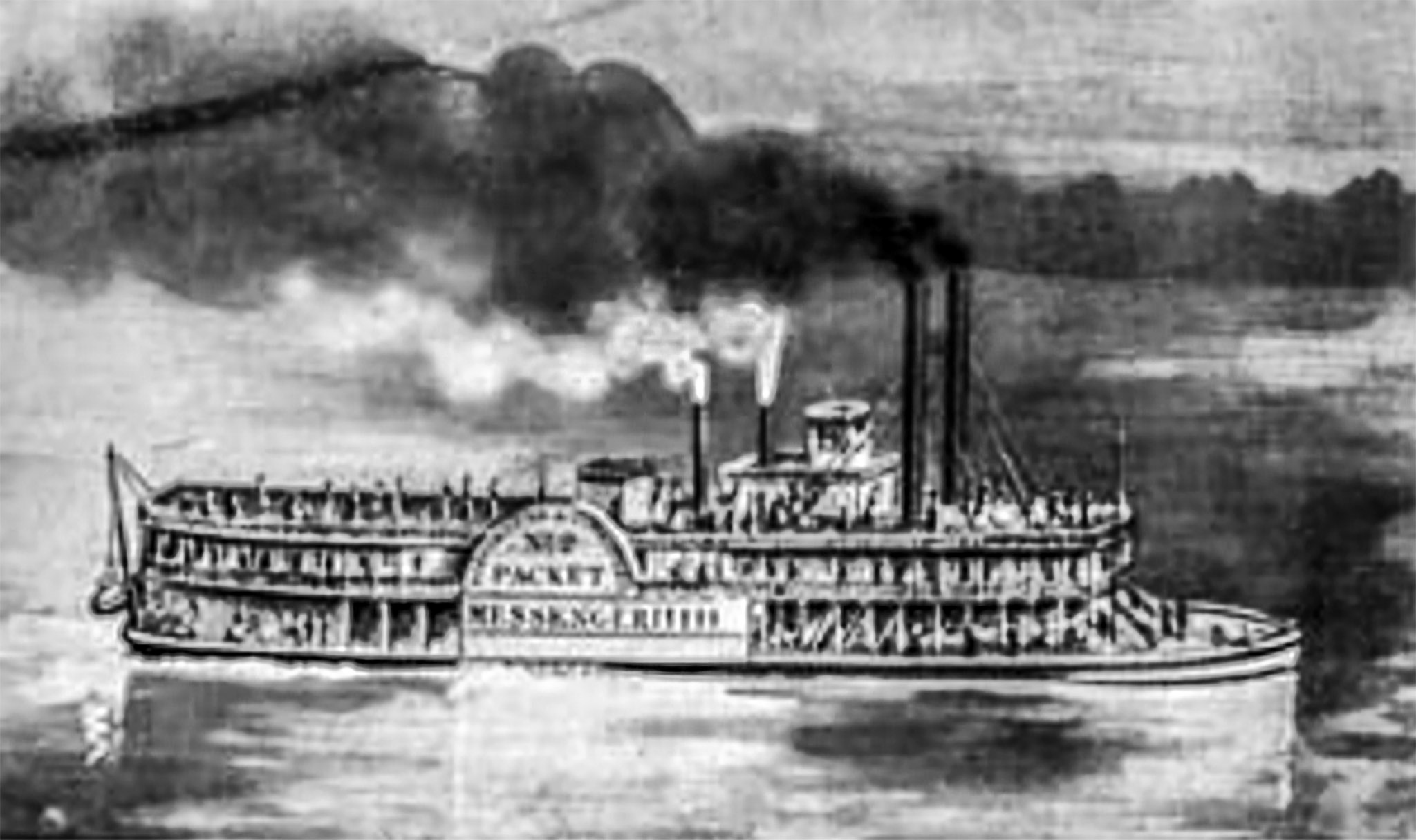
The steamboat Messenger carried the Dickens party down the Ohio River from Pittsburgh to Cincinnati.

A fine broad river always, but in some parts much wider than in others, and then there is usually a green island, covered with trees, dividing it into two streams.”

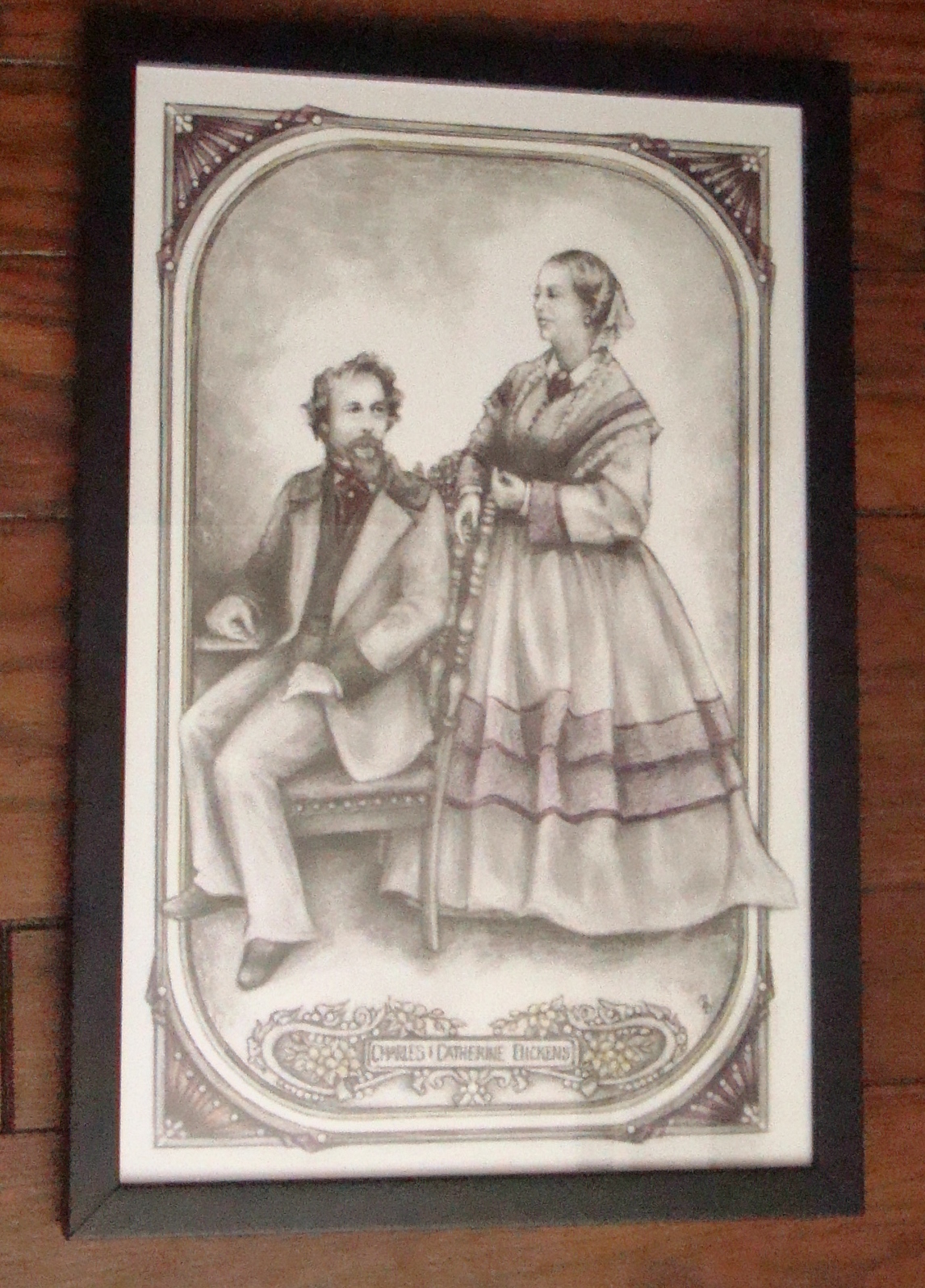
In 1842 at the age of 30, Charles Dickens made his first visit to America with his wife Kate, her maid Anne Brown, and Charles’ traveling secretary George Putnam. As part of their tour, the group boarded the steamboat Messenger in Pittsburgh to flow down the Ohio River to Cincinnati – a three day tour.

The Messenger held some forty passengers on board, exclusive of the poorer persons on the lower deck. Dickens wondered that its construction would make any journey safe with the great body of fire that rages and roars beneath the frail pile of painted wood.

As expected, he wrote in his journal daily while traveling, giving us a picture now, of what he saw on that trip long ago. Most of the time he wrote on his knee in their small cabin at the back of the boat. He felt lucky to have a cabin in the stern, because it was known that ‘steamboats generally blew up forward’.

ohio-river-diorama

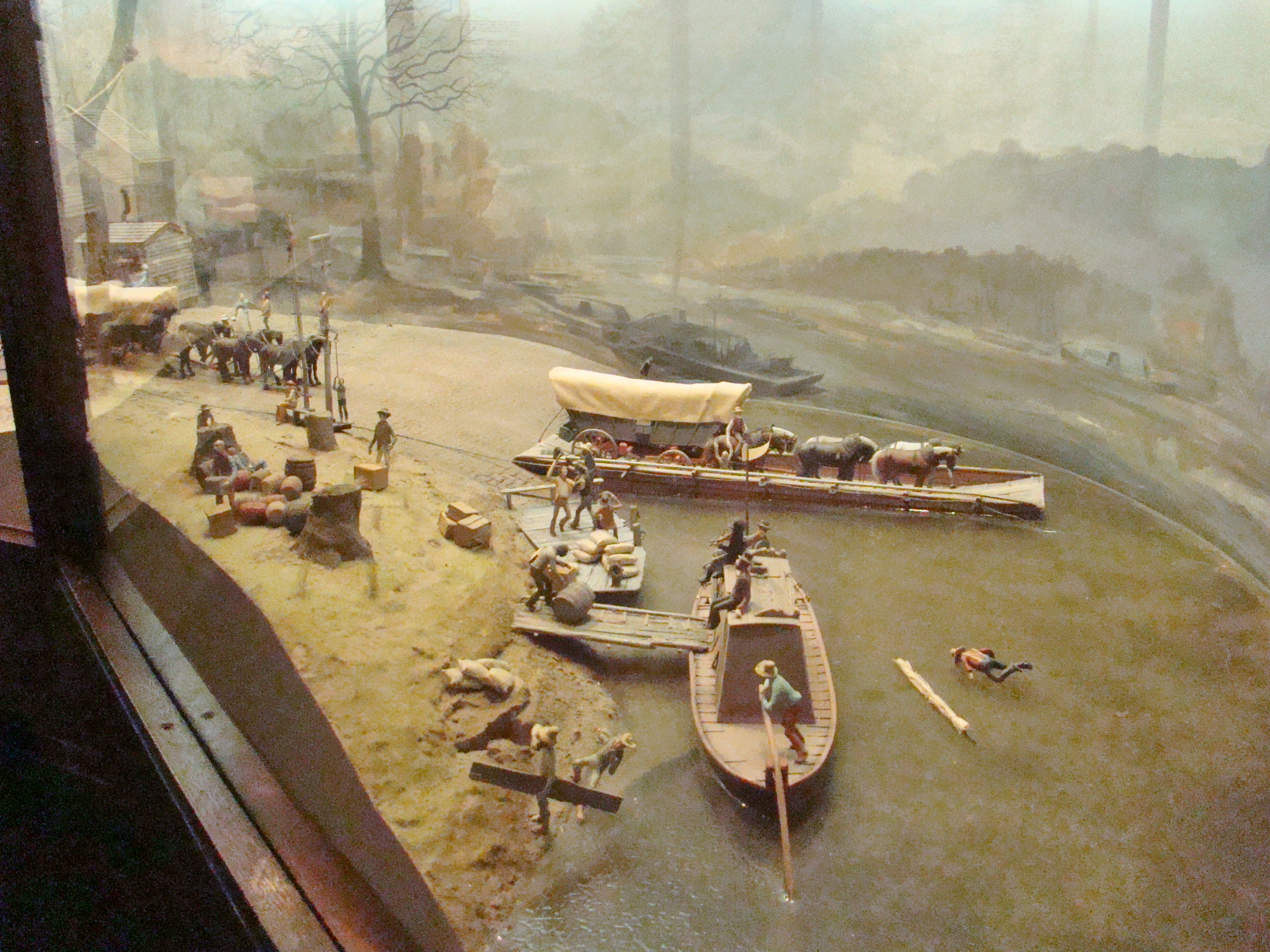
This diorama from the National Road/Zane Grey Museum shows a scene at Wheeling that DIckens described of goods being loaded and unloaded.

Coming from the crowded city of London, this wilderness must have appeared strange with trees everywhere and cabins sparsely populating the banks along the river. For miles and miles the banks were unbroken by any sign of human life or trace of human footsteps.

Meal time was not pleasing for him as lively conversation was lacking. Each ‘creature’ would empty his trough as quickly as possible, then slink away. A jest would have been a crime and a smile would have faded into a grinning horror.

I never in my life did see such listless, heavy dullness as brooded over these meals. And was as glad to escape again as if it had been a penance or a punishment.

charles-and-kate

Charles and Kate Dickens came to America in 1842. This is a pencil sketch by a very dear friend, the late Mary Ruth Duff.

After the meals, men would stand around the stove without saying a word, but spitting, which was a bad manner Dickens deplored. Therefore, Charles and Kate spent much of the time sitting on the gallery outside their cabin. His description of the only disturbance outside was in true Dickens style:

Nor is anything seen to move about them but the blue jay, whose colour is so bright, and yet so delicate, that it looks like a flying flower.

mound-by-henry-howe-001

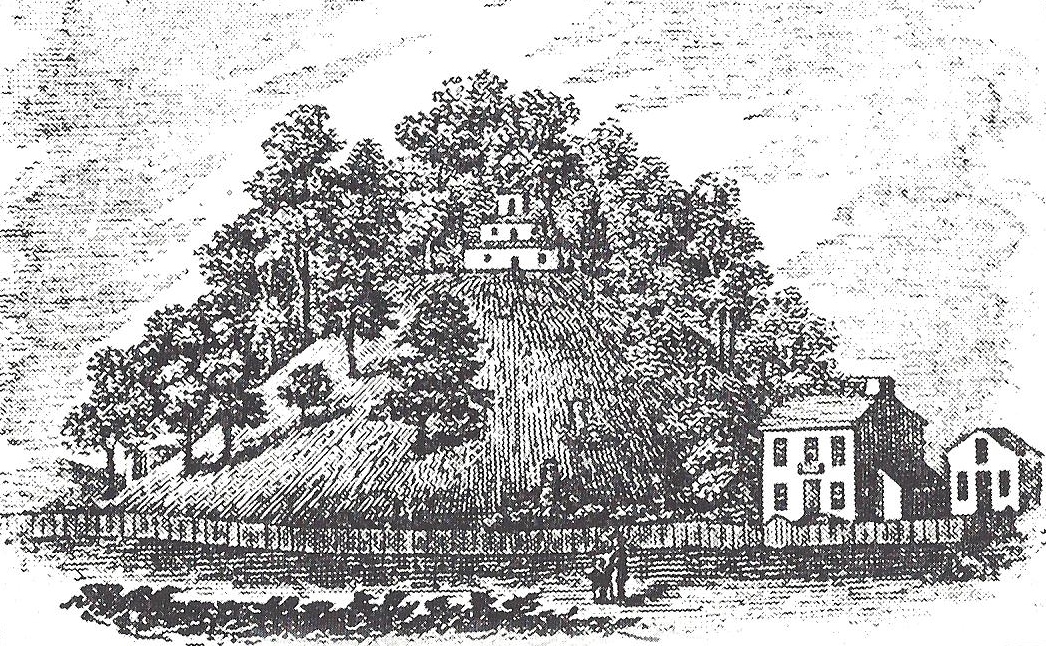
This sketch by Henry Howe in 1843 shows the mound Dickens described in his journal.

He noted that the steamboat whistle was loud enough to awaken the Indians, who lie buried in a great mound, so old that oaks and other forest trees had stuck their roots into its earth. The Ohio River sparkled as it passed the place these extinct tribes lived hundreds of years ago.

Evening steals slowly upon the landscape, when we stop to set some emigrants ashore, five men, as many women, and a little girl. All their worldly goods are a bag, a large chest and an old chair.

Those emigrants were landed at the foot of a large bank, where several log cabins could be seen on the summit, which could be reached by a long winding path. Charles Dickens watched them until they became specks, lingering on the bank with the old woman sitting in the chair and all the rest about her.

dickens-children

They carried this picture of their children – Katey, Walter, Charlie, and Mamie – when they came to America in 1842. As time passed, they had ten children.

When he reached Cincinnati, a booming frontier river town, Dickens viewed it as a beautiful city: cheerful, thriving and animated. He was quite charmed with the appearance of the town and its free schools, as education of children was always a priority for Charles Dickens. Here he could actually find people to engage in conversation.

While his first trip was a disappointment in many ways,in the 1850s, he was encouraged to make another trip to America to extend his popular England reading tour to audiences there. He was told  would be lots of money to be made in the United States.

But the outbreak of the Civil War, caused him to put those plans on hold. When the war was over, he again received encouragement to visit this New World. Despite his ill health and caution from his closest friends, Charles Dickens wrote a seven point “Case in a Nutshell” describing why he should visit America.

Once decided, he arrived in Boston on November 19, 1867. Even though his health was failing, Dickens never canceled a performance.

No man has a right to break an engagement with the public if he were able to be out of bed.

He stayed for five months and gave 76 performances for which he earned an incredible $228,000, helping to give him a much better view of the United States on his second trip. The country had much improved during those twenty-five years in his estimation.

How astounded I have been by the amazing changes I have seen all around me on every side – changes moral, changes physical, changes in the amount of land subdued and peopled.

fly-ferry

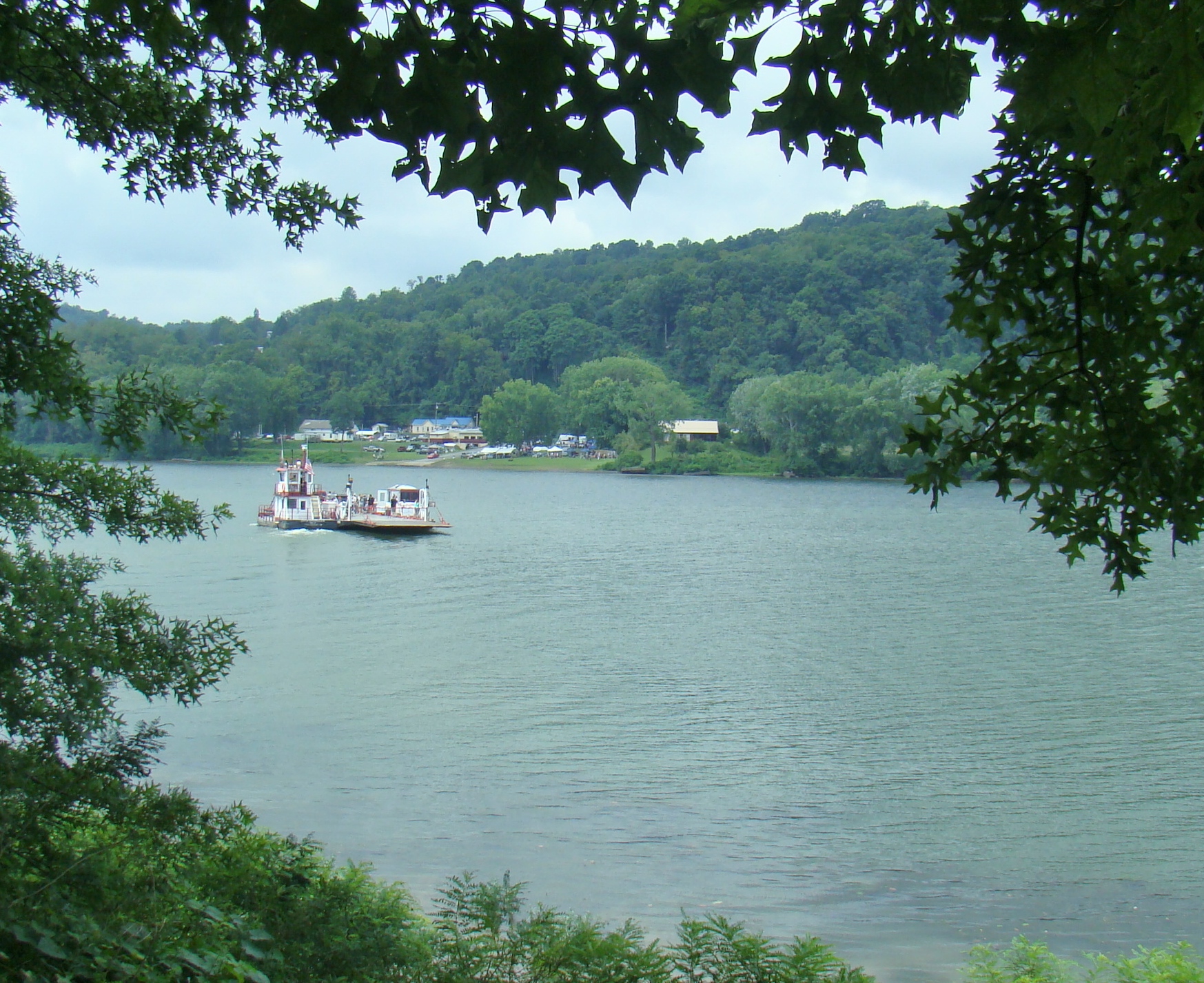
The Ohio River is a peaceful place to let your imagination flow.

The next time you visit the banks of the Ohio River, find a secluded spot and imagine what it must have been like when Charles Dickens viewed it in 1842.

Words in italics are Charles Dickens words from his journal “American Notes”, 1842 with the exception of the last one, which was of course written after his second trip.


image34judy-3-1

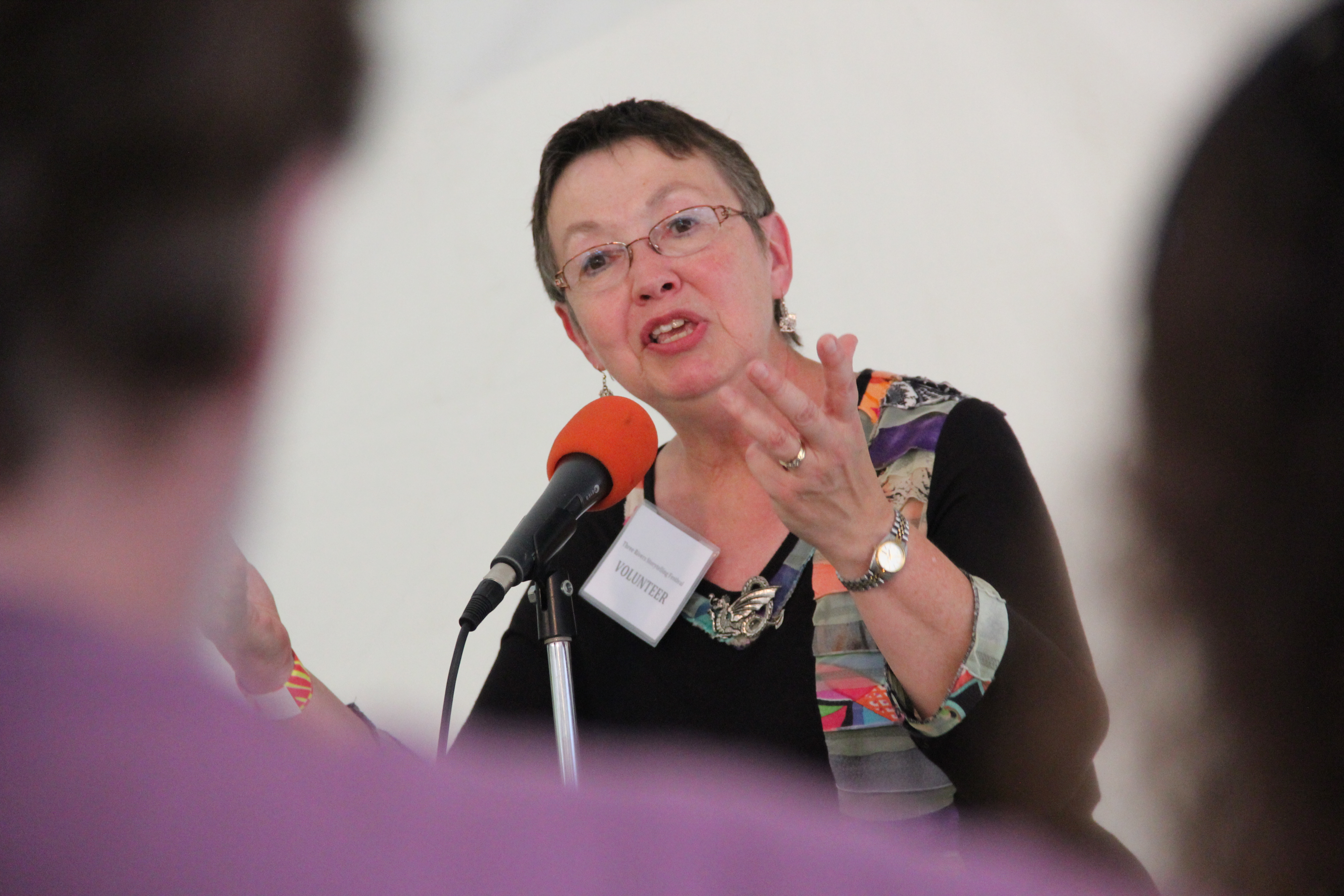
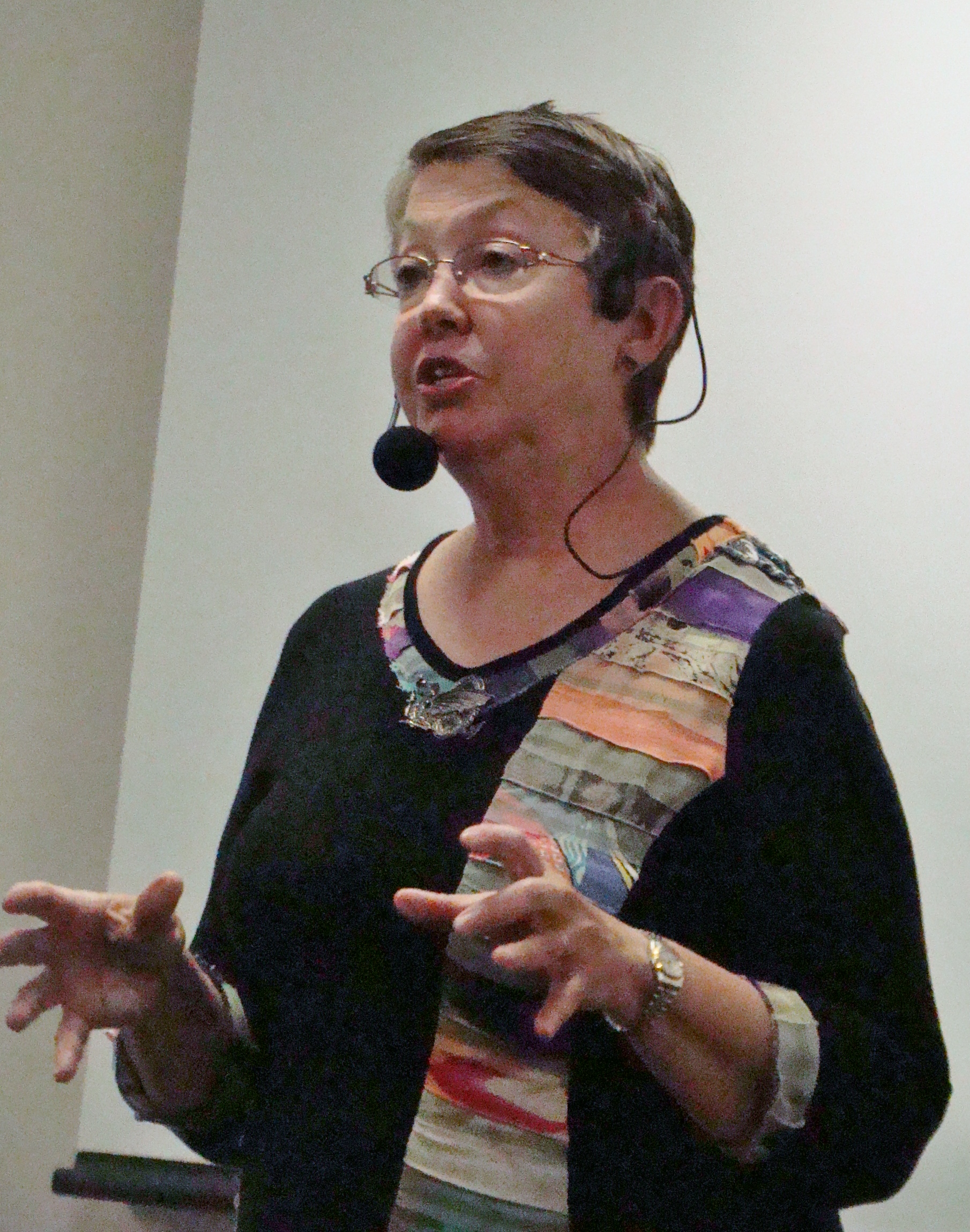
Judi enjoys telling her stories to a roomful of listeners.

A great storyteller is a rare treat as they connect with the heart and soul of their listeners. One that has been blessed with that talent is Judi Tarowsky from St. Clairsville. Her road to storytelling began with a letter.

judi-2-years-old-2

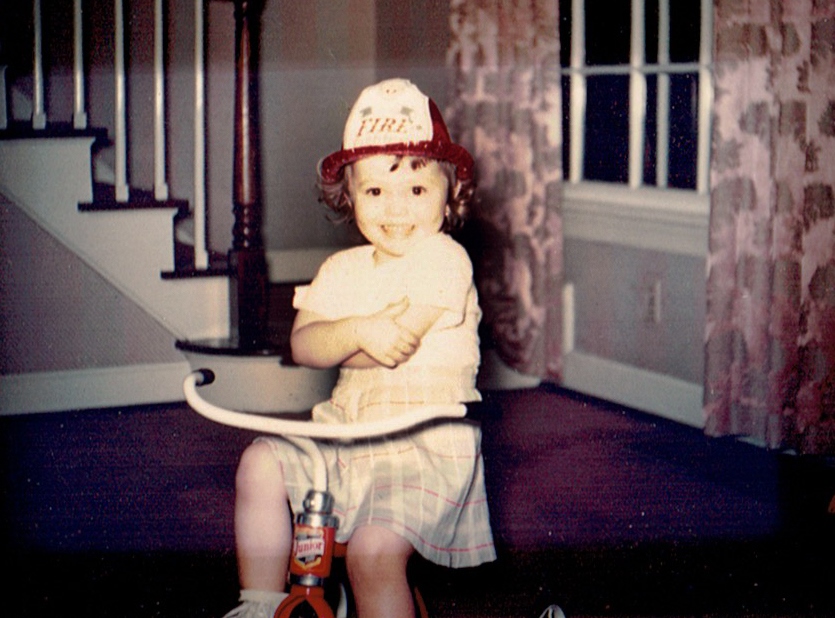
She was probably even telling stories as a child when she wore a fire hat.

When Judi was in 8th grade, a friend of hers said she had a cousin in Wales, who was looking for a pencil, which we would call a pen pal. Judi was looking for one too. Since Judi comes from a Welsh background, this contact seemed perfect .

Eirwen from Wales and Judi corresponded all through high school. They wrote about typical things like school, music, and activities. For a graduation present, Judi was given a trip to Barry, Wales. As they grew older, correspondence wasn’t as frequent but in today’s world you can always find someone through the computer

Eirwen came over years later with a Welsh dance group to perform in Harrisburg, and the next year came to the Three Rivers Storytelling Festival in Pittsburgh. Judi and her husband went to see them, and it was during those visits that Eirwen said, “You could be a storyteller too.”

Judi thought about it and decided to enter the Adult Liars’ Contest at the Strand Theatre Storytelling Festival in Moundsville, West Virginia. She won!

three-litle-pigs-2

This storyteller’s favorite story is her version of “The Three Little Pigs”.

Since then she has even gone to Wales twice to perform as a storyteller. While there, she told one of her favorite stories, her version of “The Three Little Pigs and the Big Bad Fox”, based on an old folk tale.

While storytelling was new to Judi, she had been involved in writing for much of her adult life. Previously she worked as a newspaper reporter and for an advertising agency. Putting words together is something she has done well for years.

judi-speaking-2

She becomes very involved with her stories.

Today, she tells two kinds of tales: tall and true. Both of them involve extensive research. While she delights in telling old legends, historical presentations have become very popular. After selecting a story from history that is little known, interesting facts are then collected.

This storyteller wants to make certain that all her facts are correct before writing her story. But she doesn’t memorize the story. Judi knows it very well from her research and just tells it. Every time it’s a little different.

When speaking, no props or character costumes are used. She is simply a storyteller. According to Judi, “No special effects are required…just your imagination!”

uss-shenandoah-2

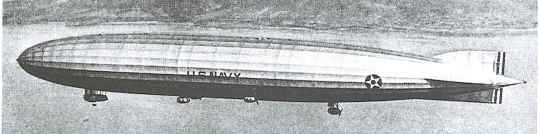
The story of the U.S.S. Shenandoah is an audience favorite.

Her story of the crash of the Shenandoah dirigible brought the flight of the airship to life for those present. This original story, “The Heroes of the U.S.S. Shenandoah”, has become one of her most popular presentations in this area since the crash happened near Ava between Byesville and Caldwell in 1925.

Another well-told story, “Burning Springs”, took place during the Civil War along the Little Kanawa River in West Virginia. She adds a touch of humor to her talks, such as calling the fire at Burning Springs:

“a Sodom of Sin anointed with oil” ~Howard Lee, “The Burning Springs”.

Or by pointing out that when fire reached that town, the first thing the tavern keepers  carried to the mountains was their supply of whiskey. They  wanted to keep it from the Confederates, and it was expensive besides.

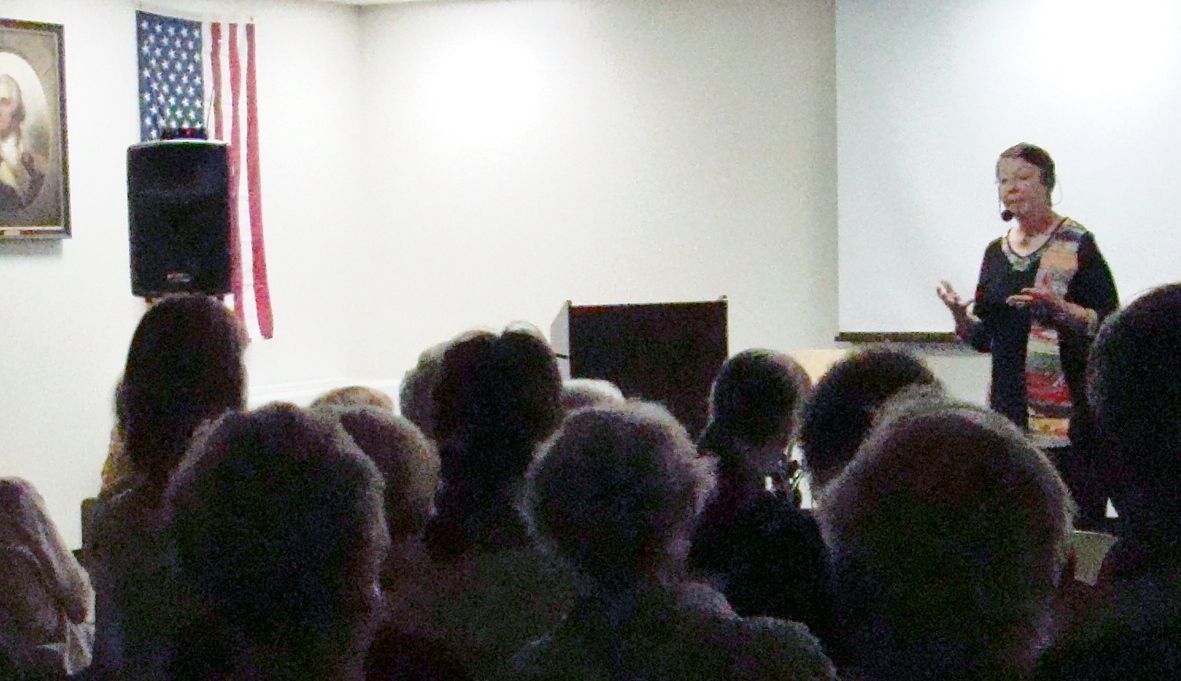
judi-audience

Her extensive research captivates the audience.

Humor added to historical facts keeps the audience in her grasp. Following her storytelling, there are always many questions to be asked regarding whatever subject she has been sharing. Her knowledge of her subject is impressive and shows much time spent in research. At the present time, there are over forty stories in her repertoire, but that list is constantly expanding.

She frequently speaks at libraries, festivals and civic clubs. Her programs are so varied that she has something for any age group. One of her special workshops, “The Bones of a Story”, guides people to find their own family stories. For more information, contact Judi at mtarowsky@gmail.com .

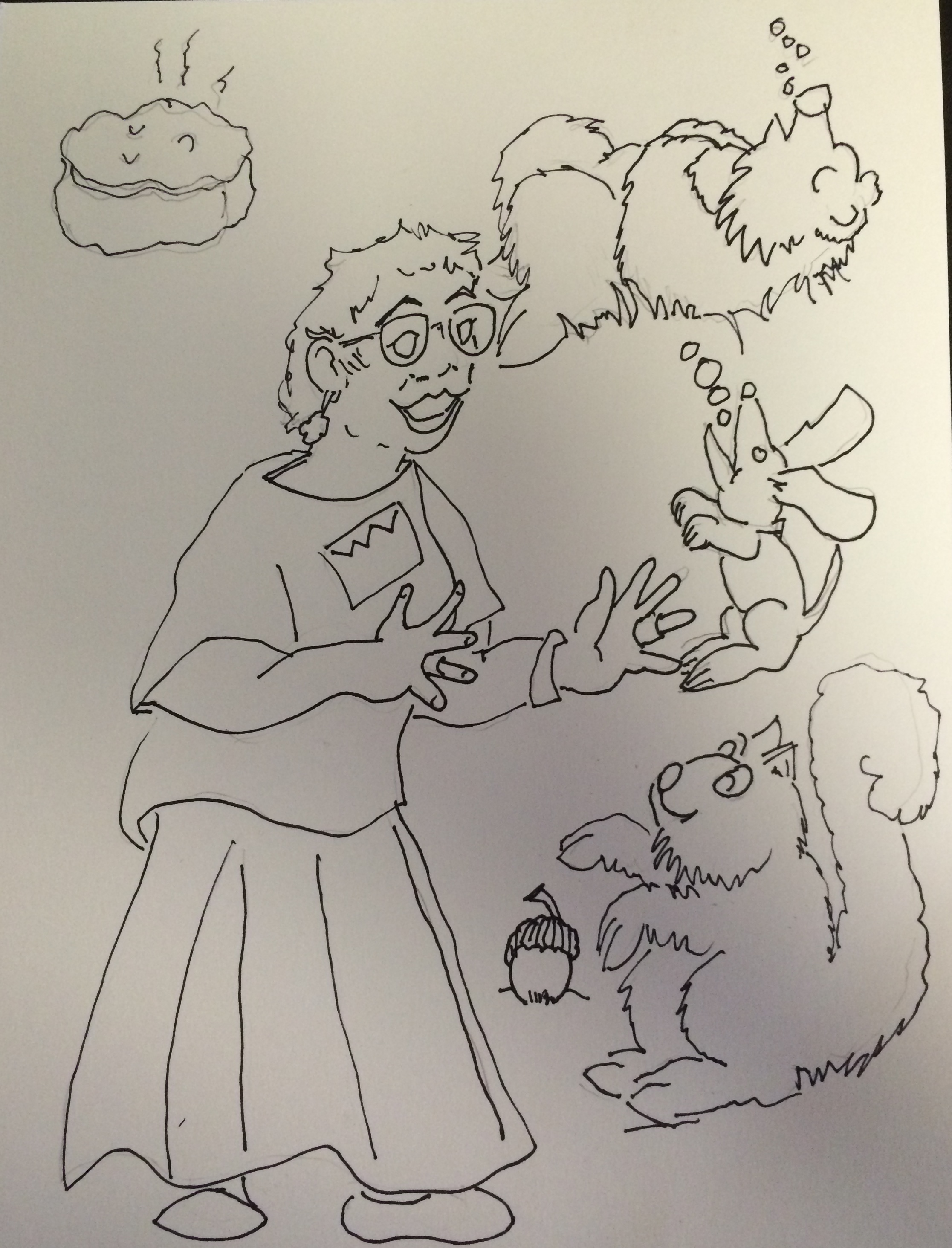
judi-story-sketch-2

Artist, Charlie Gant, made these sketches while listening to Judi’s stories at Jackson Mill Jubilee. It will soon be her new CD cover.

Judi hopes to continue sharing her research through storytelling and perhaps speaking at some larger festivals in the future. In her spare time, she enjoys baking, cooking and traveling by train – most likely with a tablet by her side to record future story ideas.
kresge-in-craig-building-001

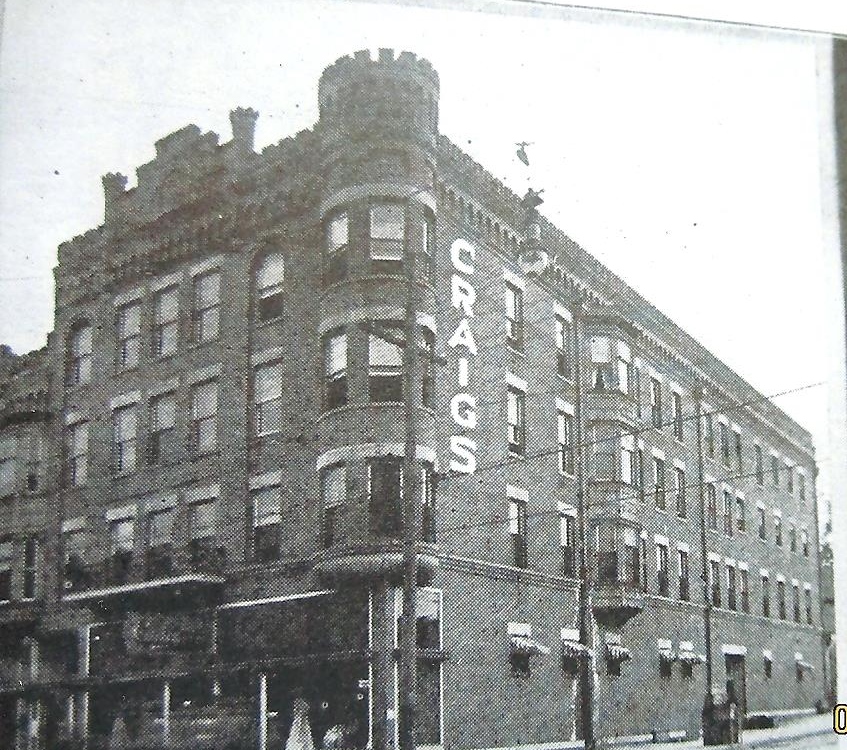
Dresses can be seen in the window of Upper Kresge’s in the Craig building.

Many area residents enjoyed shopping at Kresge’s in downtown Cambridge. This business provided an economical way to purchase almost anything a person needed.  In fact, there were two Kresge stores: an Upper Kresge at 800 Wheeling Avenue in the Craig building, and Lower Kresge at 711 Wheeling Avenue.

kresge-building

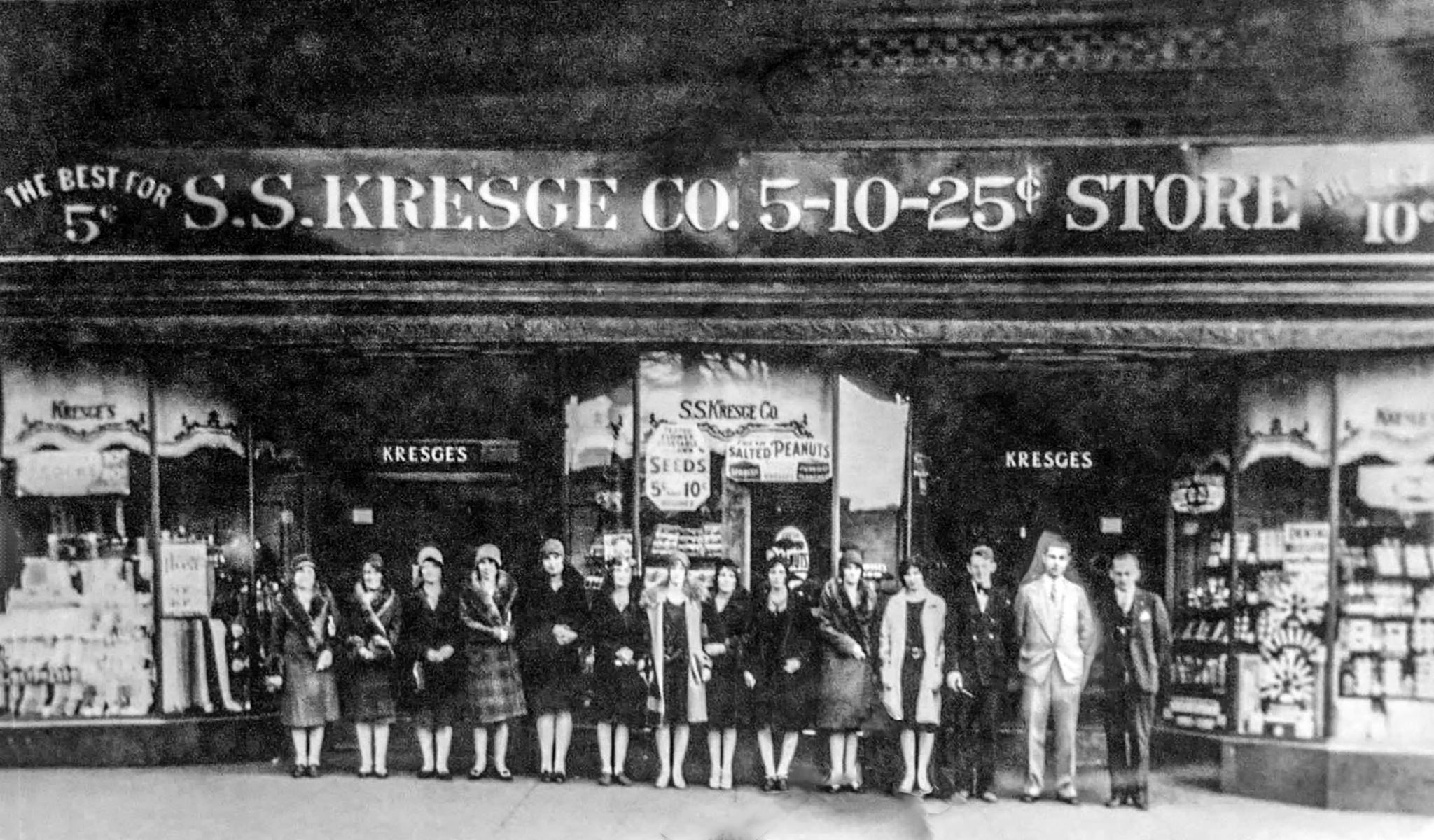
Folks dressed in their finest pose outside the Lower Kresge building.

The distinction between the two Kresge stores was vague until a former manager explained that Upper Kresge’s with a green front was a “twenty-five cent to a dollar” store, while Lower Kresge’s with a red front was a “five and dime”.

Founded in 1899, Sebastian Spering Kresge established his company with one store in Detroit. By 1912, he had 85 stores, which were incorporated under the name S.S. Kresge, Corp.Those who worked for him felt he was a kind gentleman and taught employees how to do their job well.

kresge-retirees

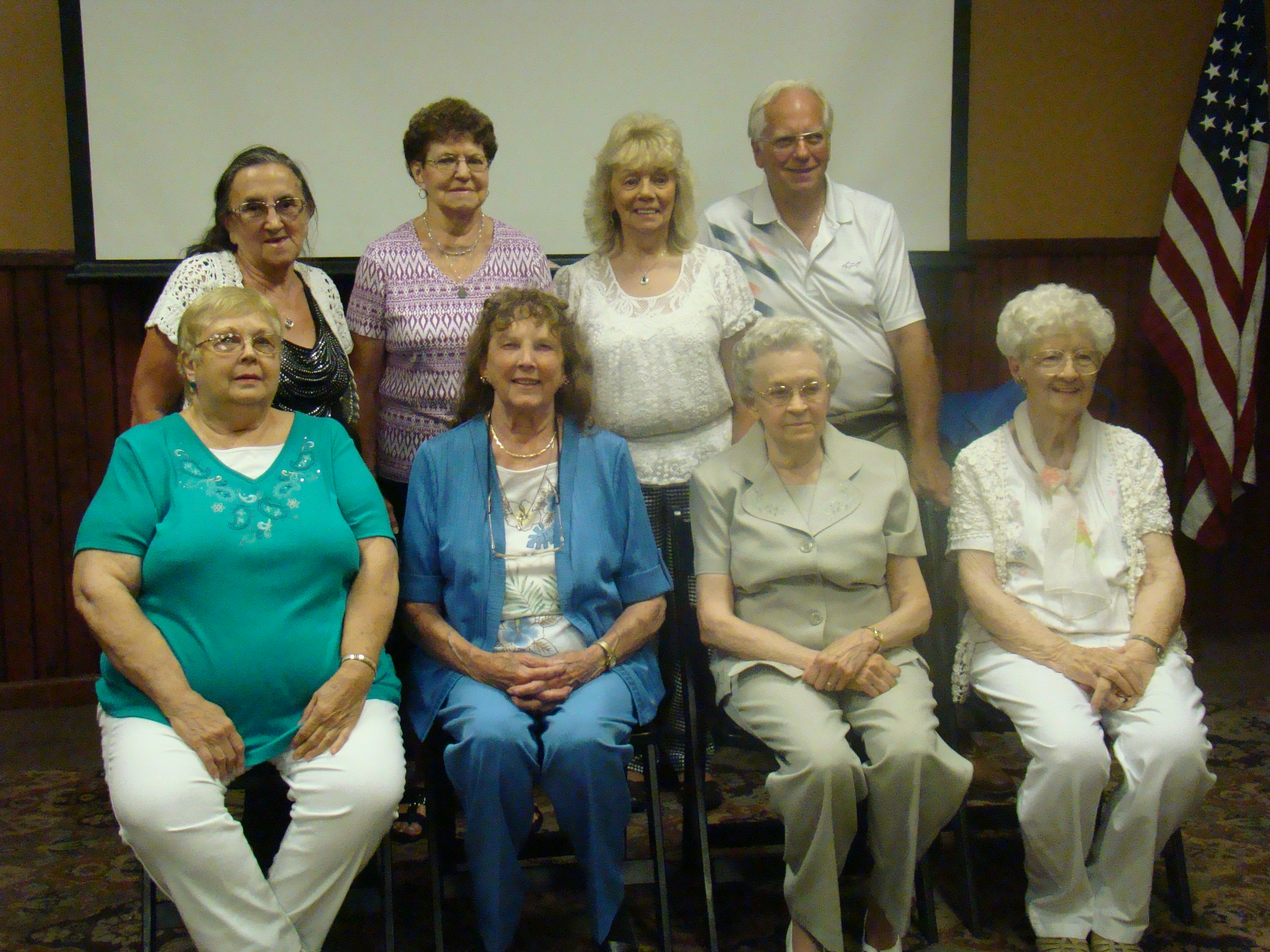
This group of retirees met to share their stories.

Recently, there was a meeting of former employees of S. S. Kresge stores in Cambridge where much reminiscing created many interesting stories. Most employees had been happy with their jobs even though one person recalled that in 1959, she made sixty-five cents an hour.

kresge-horse-001

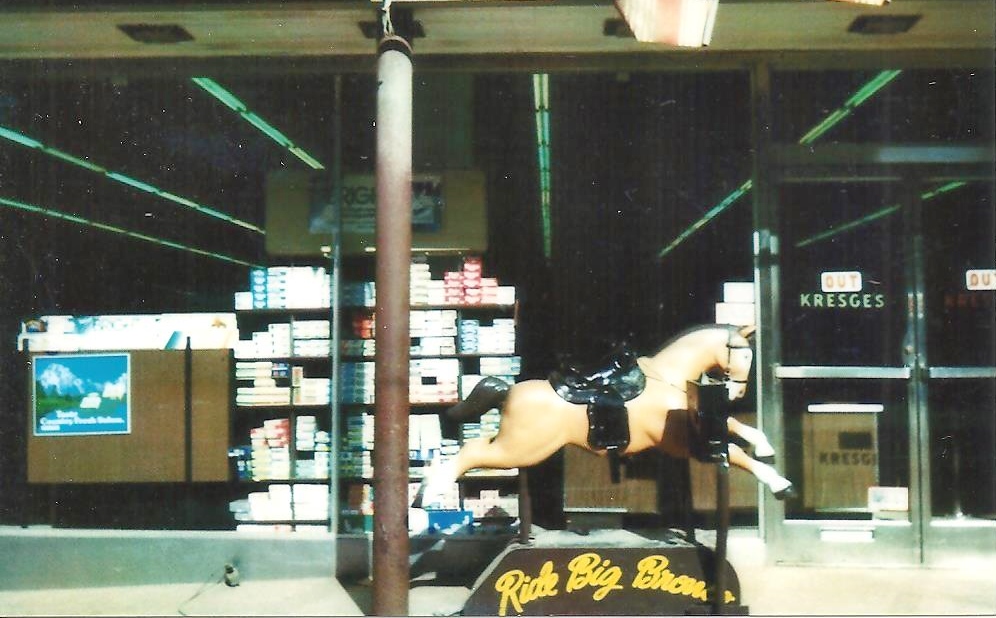
Big Bronco had kids begging their parents for a nickel ride.

Some of the most popular attributes of the Kresge store as remembered by many would include the beautiful lunch counter, a deluxe candy counter just inside the door, and a pet shop at the rear of the store. Kresge’s was the place to get everything from toys to clothes for every member of the family.  My Dad always thought that $2.98 dresses from Kresge’s were the only dresses needed by this writer.

“Give friendly service for yourself and your store.”

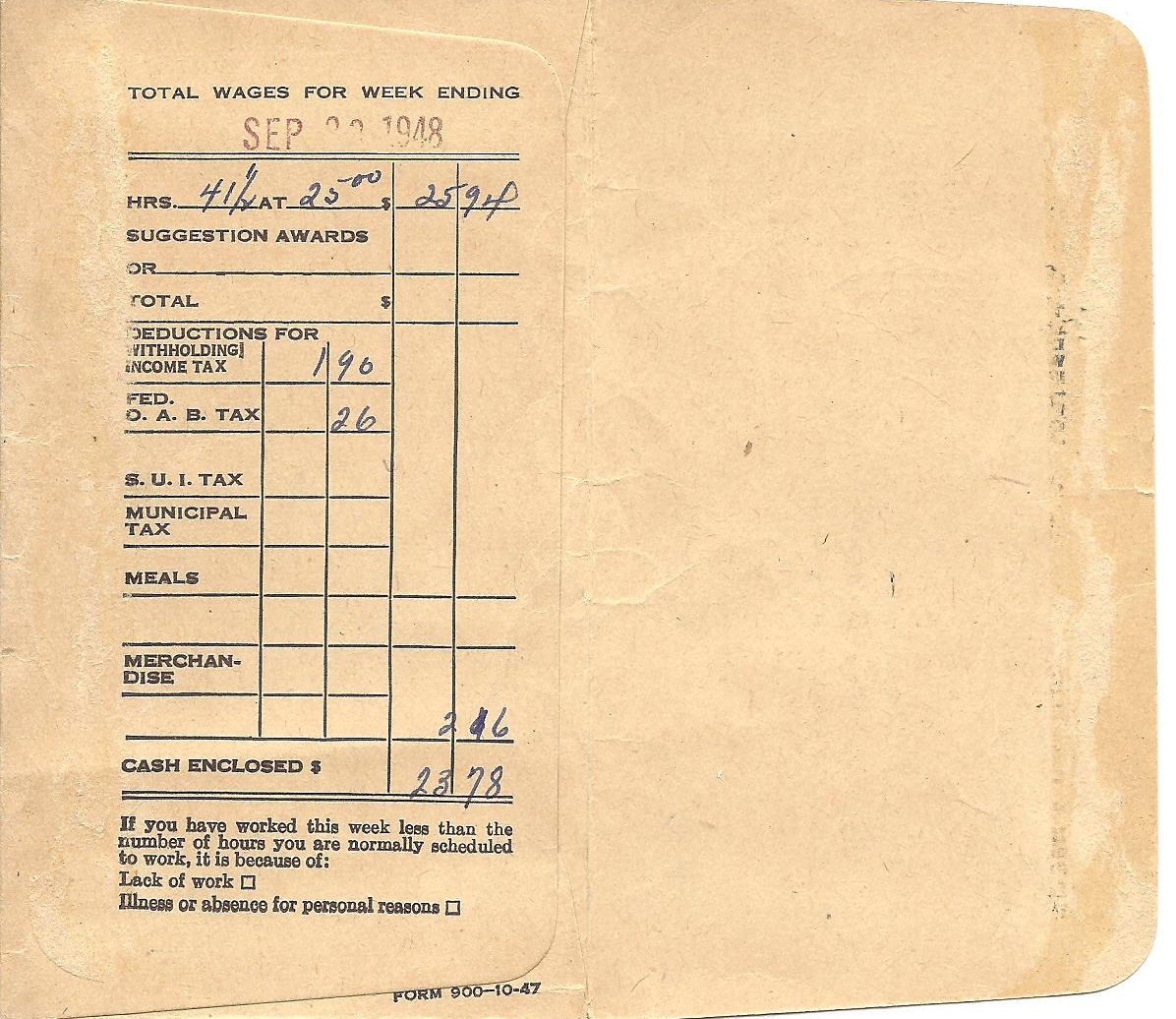
That motto appeared on the outside of the pay envelopes that Kresge employees received each week. Even then, income tax and Social Security were withheld from their pay, which wasn’t very much  to begin with.

kresge-pay-envelope-001

This pay envelope was saved from 1948.

Many recalled food prices that amaze people today. For example, a favorite sandwich, grilled cheese, was only a dime back in 1960. During the work week, the lunch counter was a busy place and they often sold 150 subs before noon. On weekends they sometimes had “sub sandwich specials” at 4 / $1.00.

kresge-ladies-001

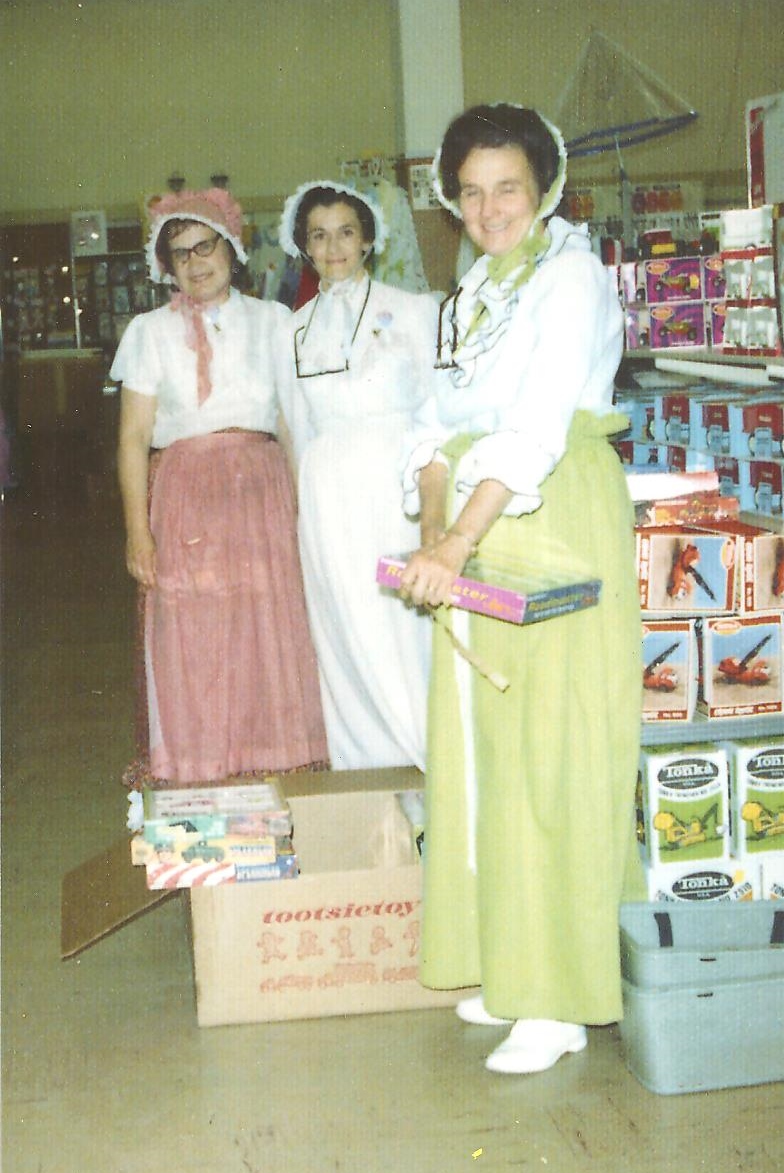
These Kresge ladies were dressed for a downtown celebration.

Just inside the front door was the candy counter, a first stop for many as they walked into the store. Gumdrops were twenty-five cents a pound. One lady recalls that during the war when sugar was short, they only sold pretzels and potato chips at the candy counter.
kresge-ad

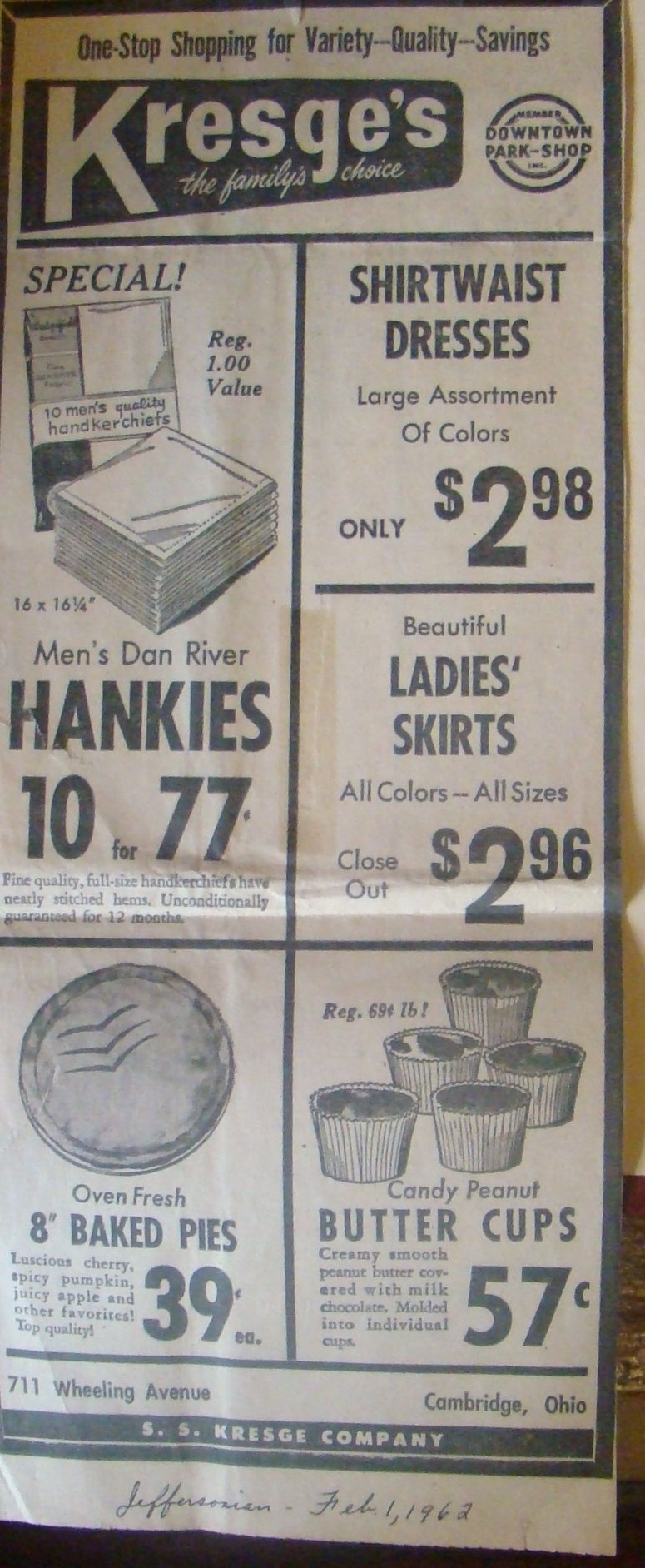
Enjoy checking out the 1962 prices in this Kresge ad.

Many recalled their pet department, which contained parakeets, goldfish, hamsters and tiny turtles. One exciting time occurred when someone left the bird cages open overnight, and all the birds ended up in the front window of the store. First thing the next morning, the braver employees caught them with butterfly nets and returned them to their cages.

kresge-smock

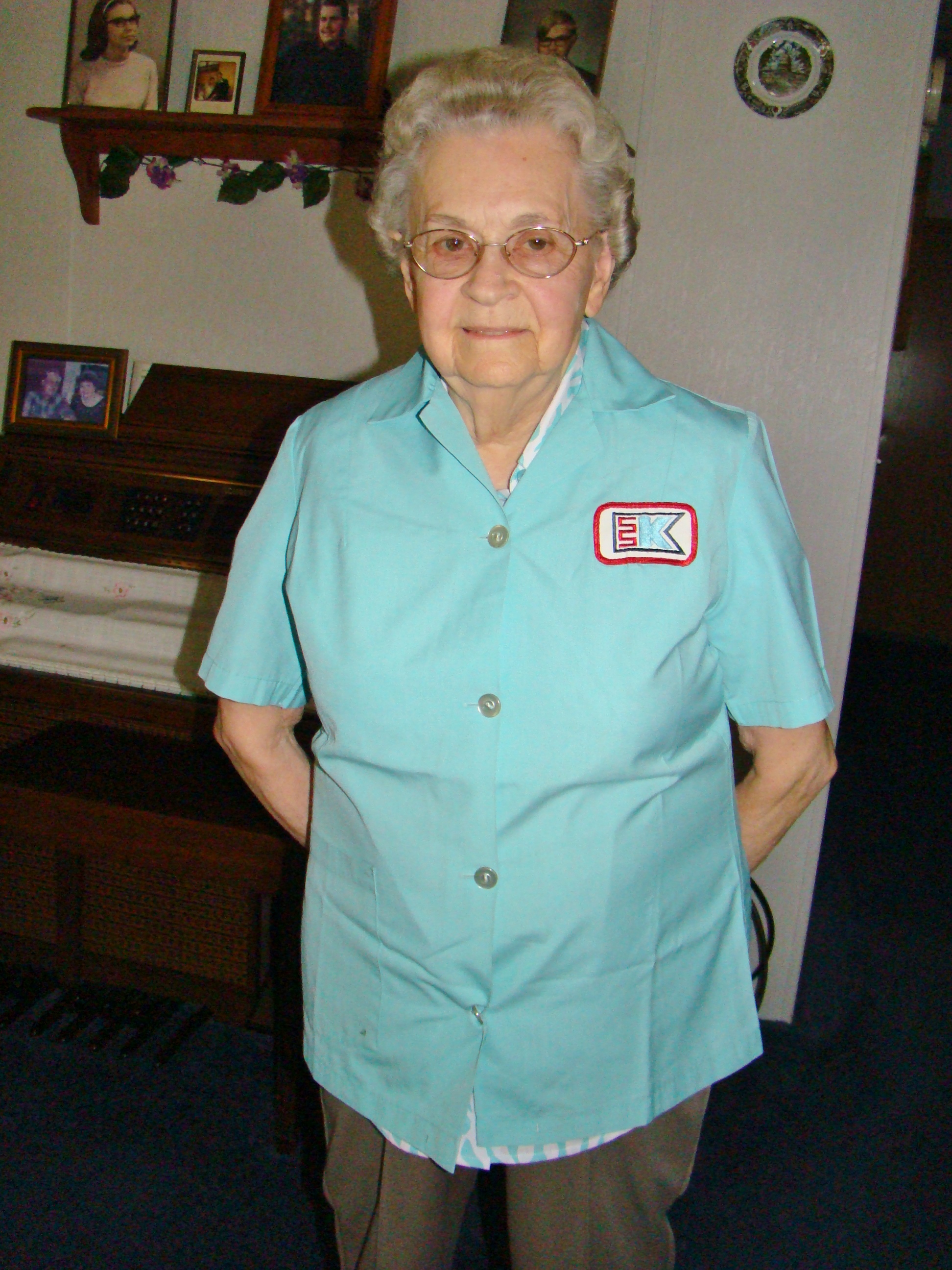
The oldest attending employee, Uldine Bates, kept her Kresge smock…and it still fits.

Local residents recall walking the streets of Cambridge in the snow and stopping at Kresge’s where a quarter would purchase a cup of coffee and a donut in 1960. A quarter could also buy you either a ham salad sandwich or a hot fudge sundae. Regular price on a triple dip banana split was thirty cents.

kresge-diamond

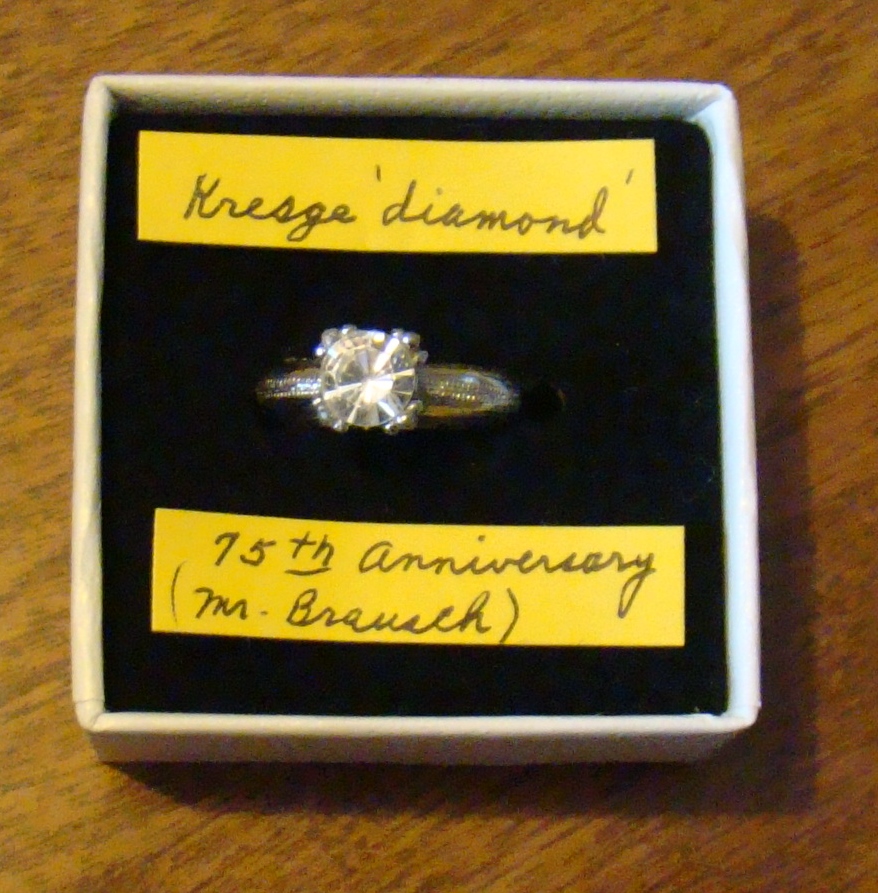
On Kresge’s 75th Anniversary, each employee was presented a Kresge diamond.

During Kresge’s 75th Diamond Anniversary in 1973, each employee was presented a Kresge “diamond” ring. They all proudly wore them to work each day and many still have them.

One time a colorful band of gypsies entered the store. That large group seemed to flood the aisles. These wanderers helped themselves to just about anything they pleased before the police arrived. Many left with their pockets and bags filled with merchandise, but no one was injured.

kresge-brick

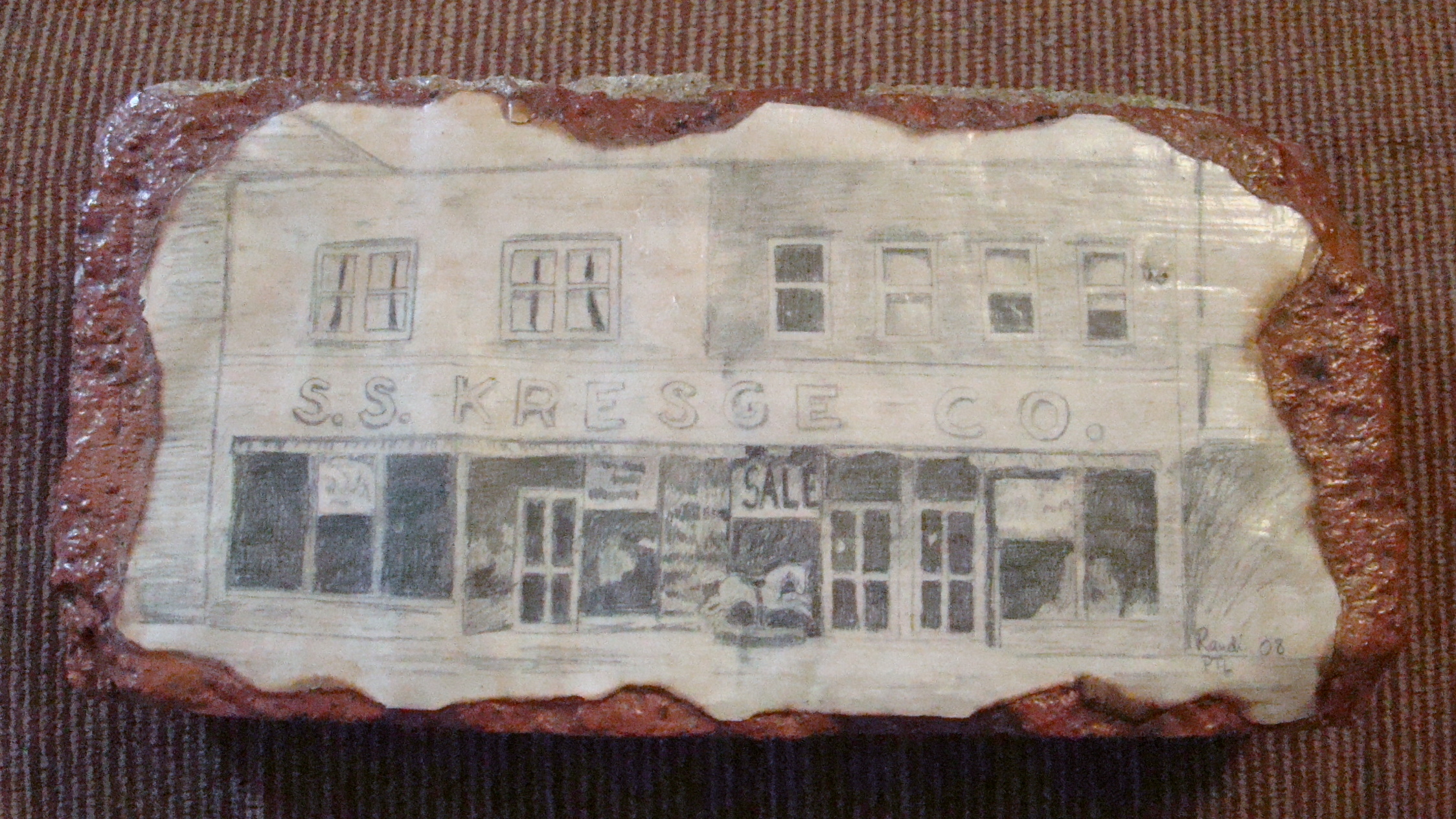
After the store closed, Uldine’s family made her this special gift – a keepsake brick from the building  with a picture of the lower Kresge store.

One lady wrote, “The best days of my life were those when I worked at Kresge’s.” Others said they all felt like family.

In 1962, S.S. Kresge Corp. opened its first Kmart, just four months before Walmart opened its first store. The Cambridge Kmart opened on what is today Southgate Parkway in 1976. Most remember their popular Blue Light Specials.

When the last Cambridge Kresge store closed in 1985, a few of the employees, the “cream of the crop” it seemed, were given jobs at Kmart. But it never held the same excitement even though it was a much larger store. One employee remarked, “It was like walking out of Cambridge and going to New York City.”

sign

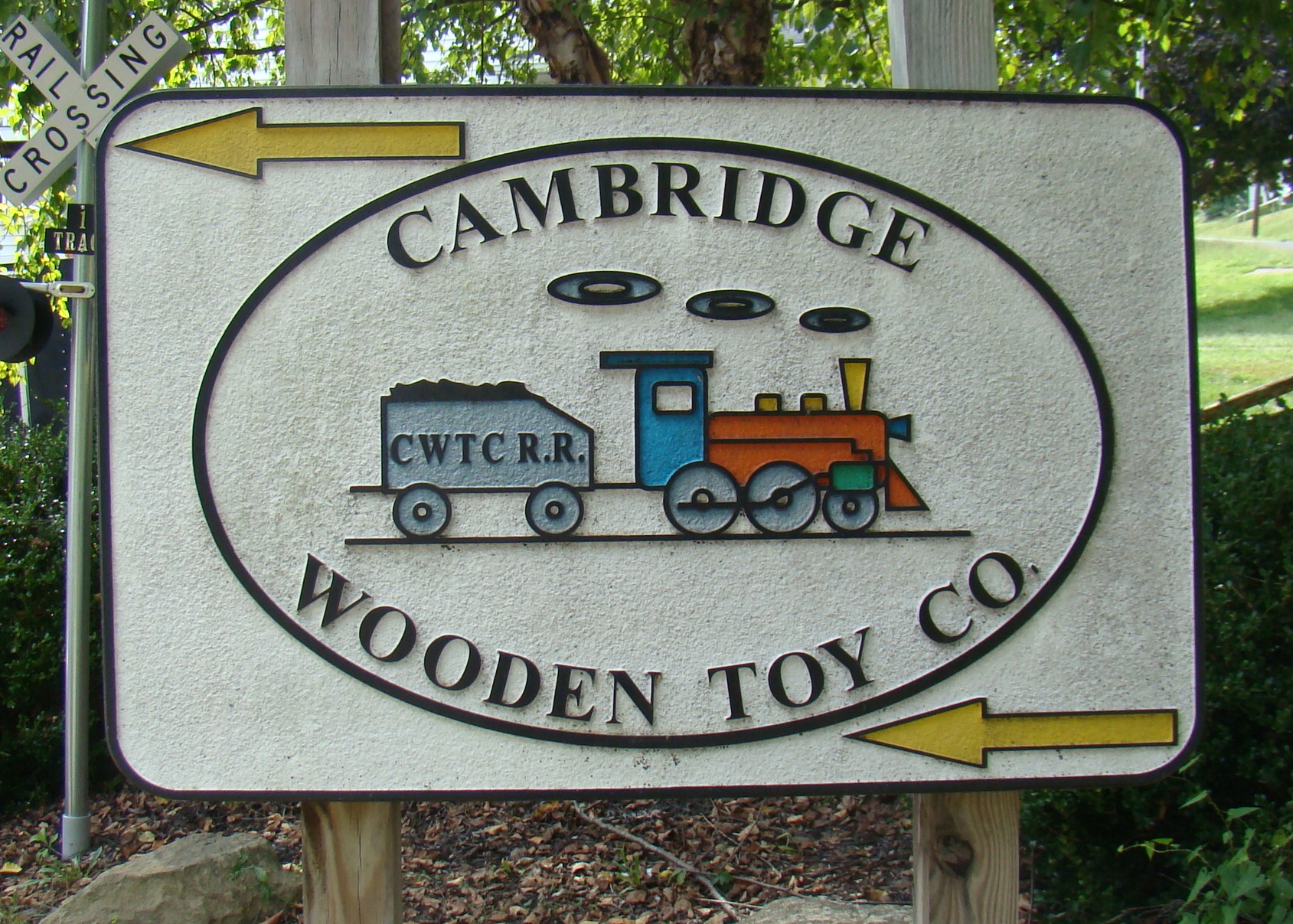
Look for this welcome sign on Dewey Avenue when you pay a visit to the Cambridge Wooden Toy Co.

The best kept secret in Cambridge” describes the Cambridge Wooden Toy Co on Dewey Avenue. Here Brian Gray creates toys and trains with craftsmanship difficult to surpass. He’s been making these extraordinarily detailed carvings since 1976, first in his basement and then in a small shop beside his home.

brian-big-boy

Big Boy from Union Pacific, carved in 2014, was an engine that could pull a hundred cars filled with coal.

Brian grew up in Seattle, where his father worked as a fireman on trains. As a child, Brian used to ride the switch engines around the train yard. He and his brother would play being engineer and fireman. Having a father in the railroad world, gave them many opportunities for train rides.

Therefore, Brian acquired a passion for trains that has never been squelched. His main inspiration for carving engines came from Ernest Warther, world’s master carver of Dover. When Brian told his brother about how he would like to try carving, his brother’s response was “I’m tired of hearing you talk about it. Do it.” And that’s what Brian did.

dinner-menu

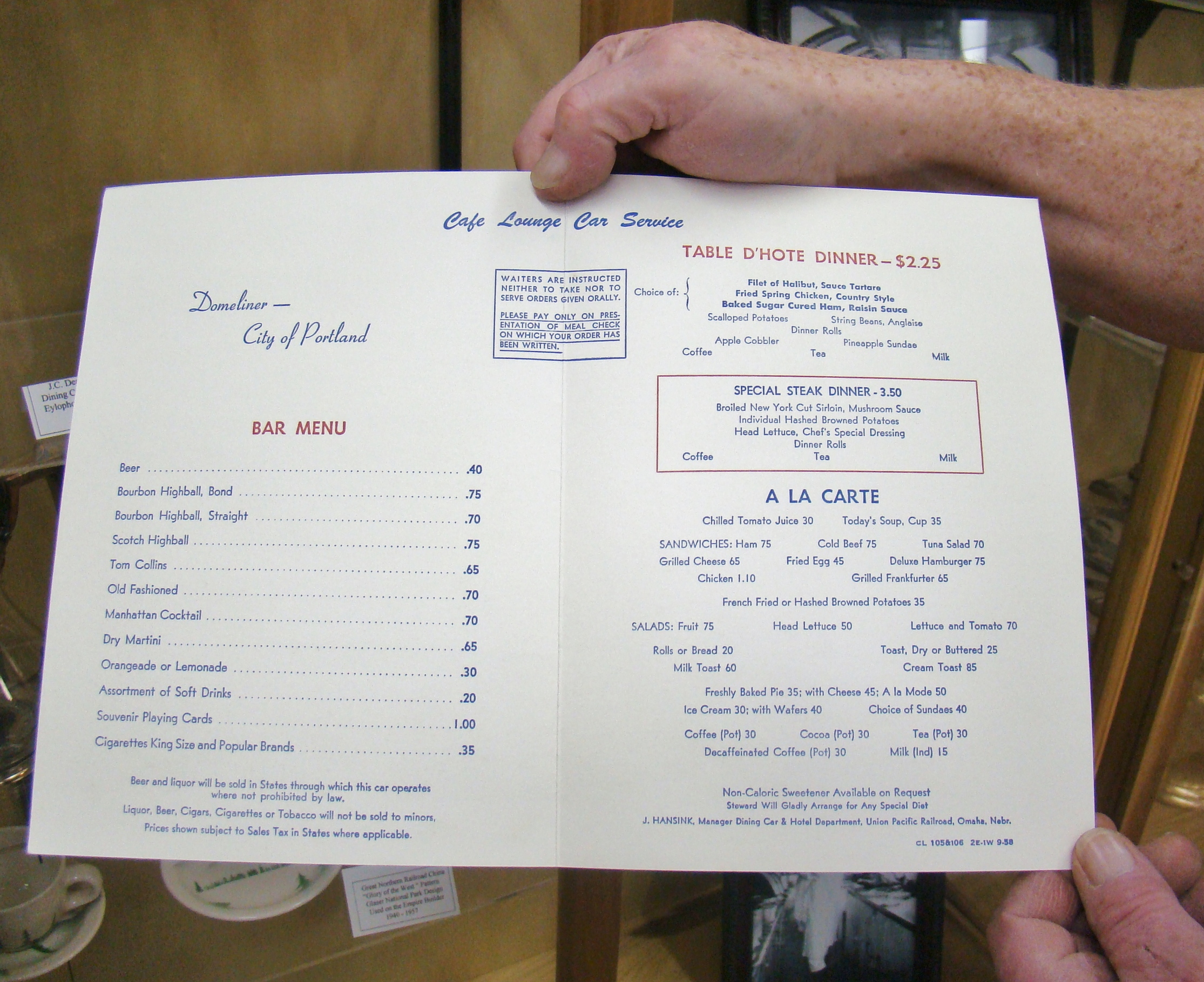
Brian holds a Domeliner Dinner Menu from 1958. This was from the first class section where meals were served using china and silver.

Over the years, Brian studied engineering and when drafted into the Army, studied General Engineering there. Upon the end of his military service, jobs were scarce. A friend told him they were hiring in Cambridge at NCR. With his engineering background, Brian decided to give it a try…and has been here ever since. 

brian-toy-maker

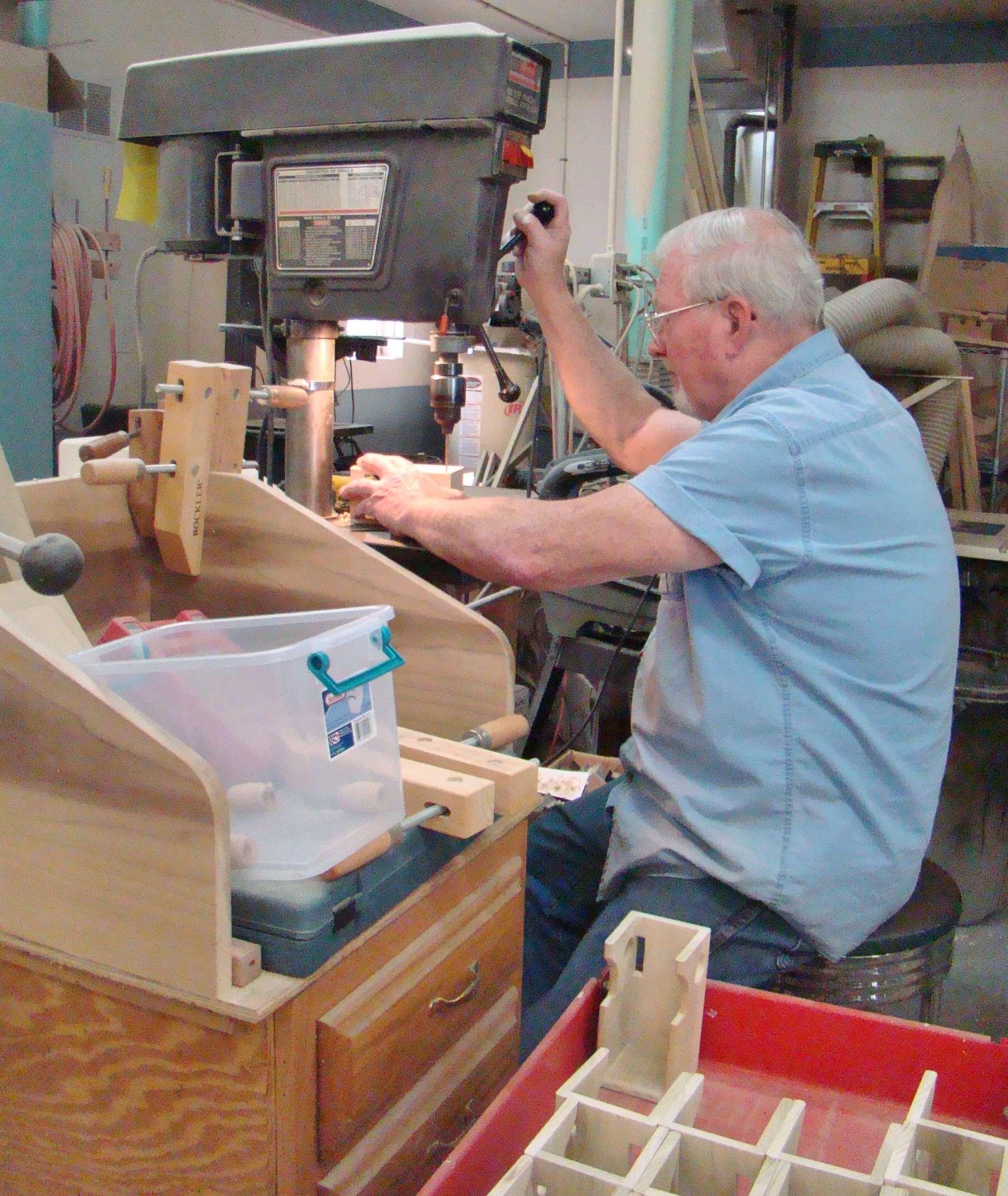
Brian drills the window in the cab of My First Choo-Choo, a new pull toy this year.

Woodworking has been his hobby for years. Sometimes he did carpenter work building decks and gazebos or remodeling houses. But Brian wanted to do something where he had the freedom to choose what he made.

1982 was the first year he made toys. In 1983, he decided to exhibit at the Salt Fork Festival. There he sold almost all the toys he had made, plus he won first prize for an oil field tractor trailer with a bulldozer on the back. That success made him decide to work five hours each day making toys before heading to his regular job. Brian has been participating in the festival ever since.

But making toys and trains isn’t his only pastime. He also does upholstery and repairs wooden furniture. When visiting, Brian was refinishing the arms on chairs for the Barnesville Library.

brian-gray-booth

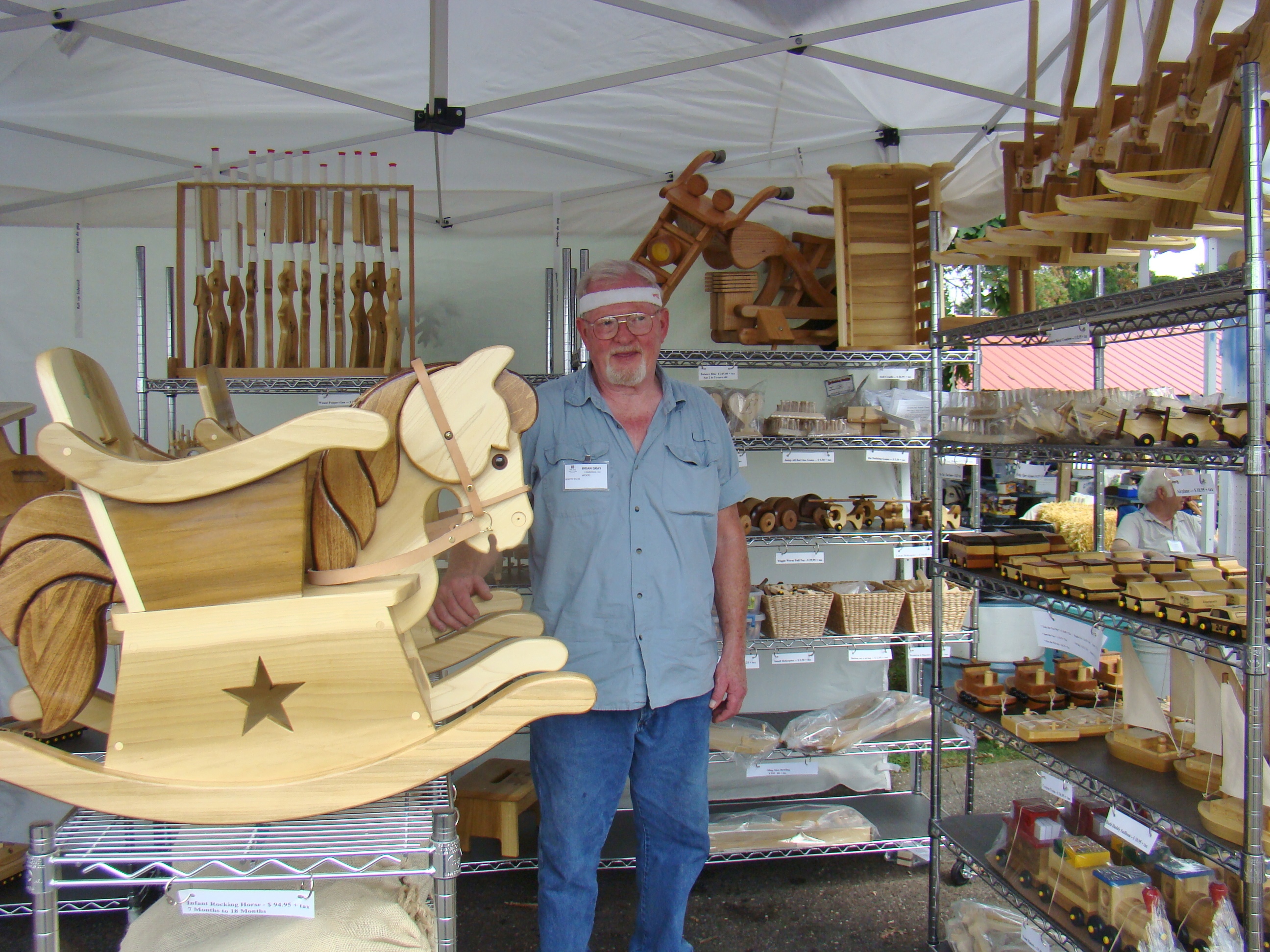
For 33 years, his toys have been displayed and sold at the Salt Fork Festival. The 2016 festival was particularly hot so Brian donned a sweatband.

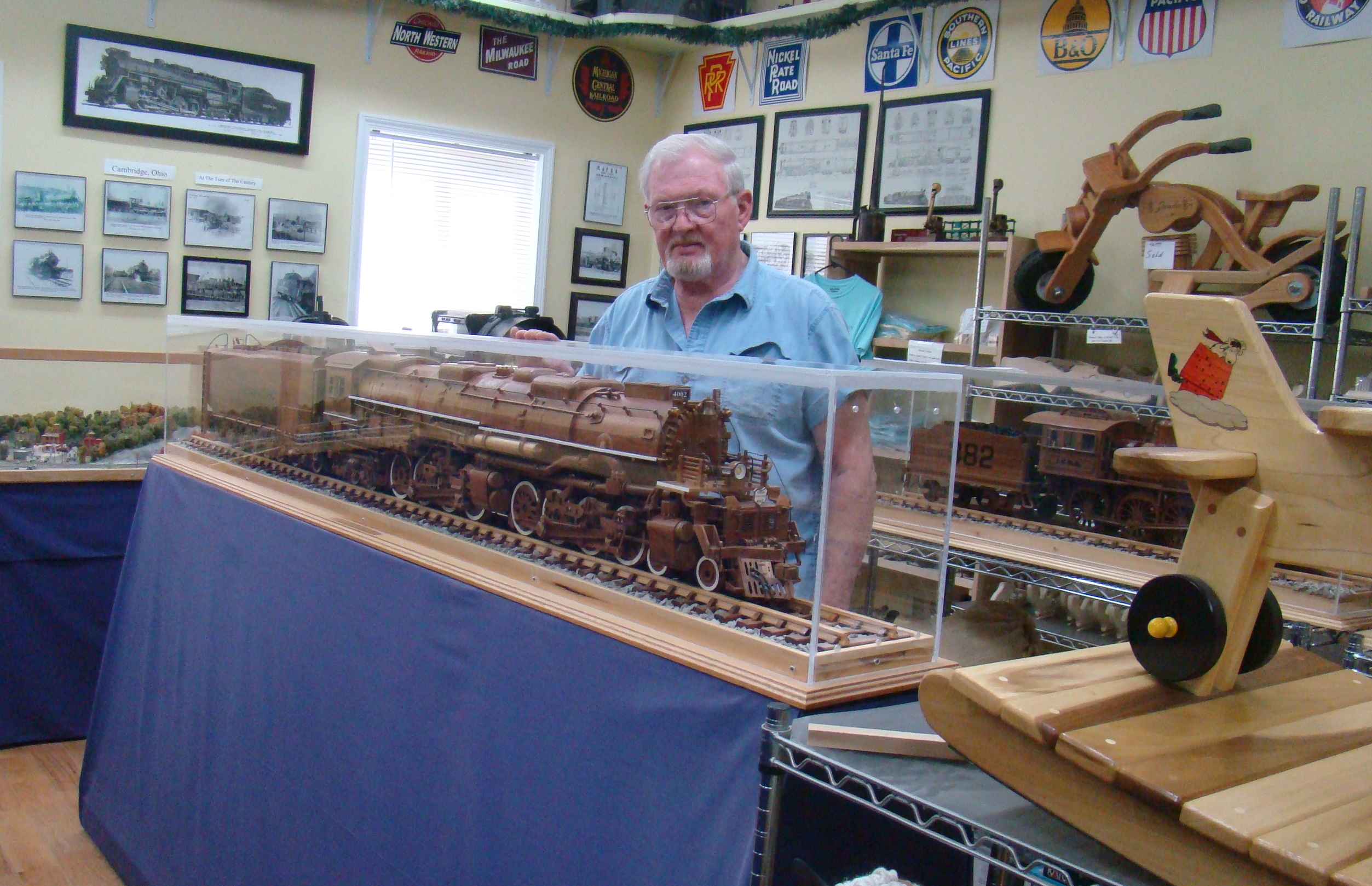
His specialty engines are carved intricately from wood. Some of these engines have won first place at shows such as the Ohio State Fair, Salt Fork Festival, and Tri State Woodworking Show.

Each year Brian makes one new wooden engine to add to his increasing collection, which he displays for those who visit his Great Steam Locomotive Engine Museum. All the engines are made on a 1-18 scale out of walnut. Right now there are seven large locomotives in his museum.

brian-557

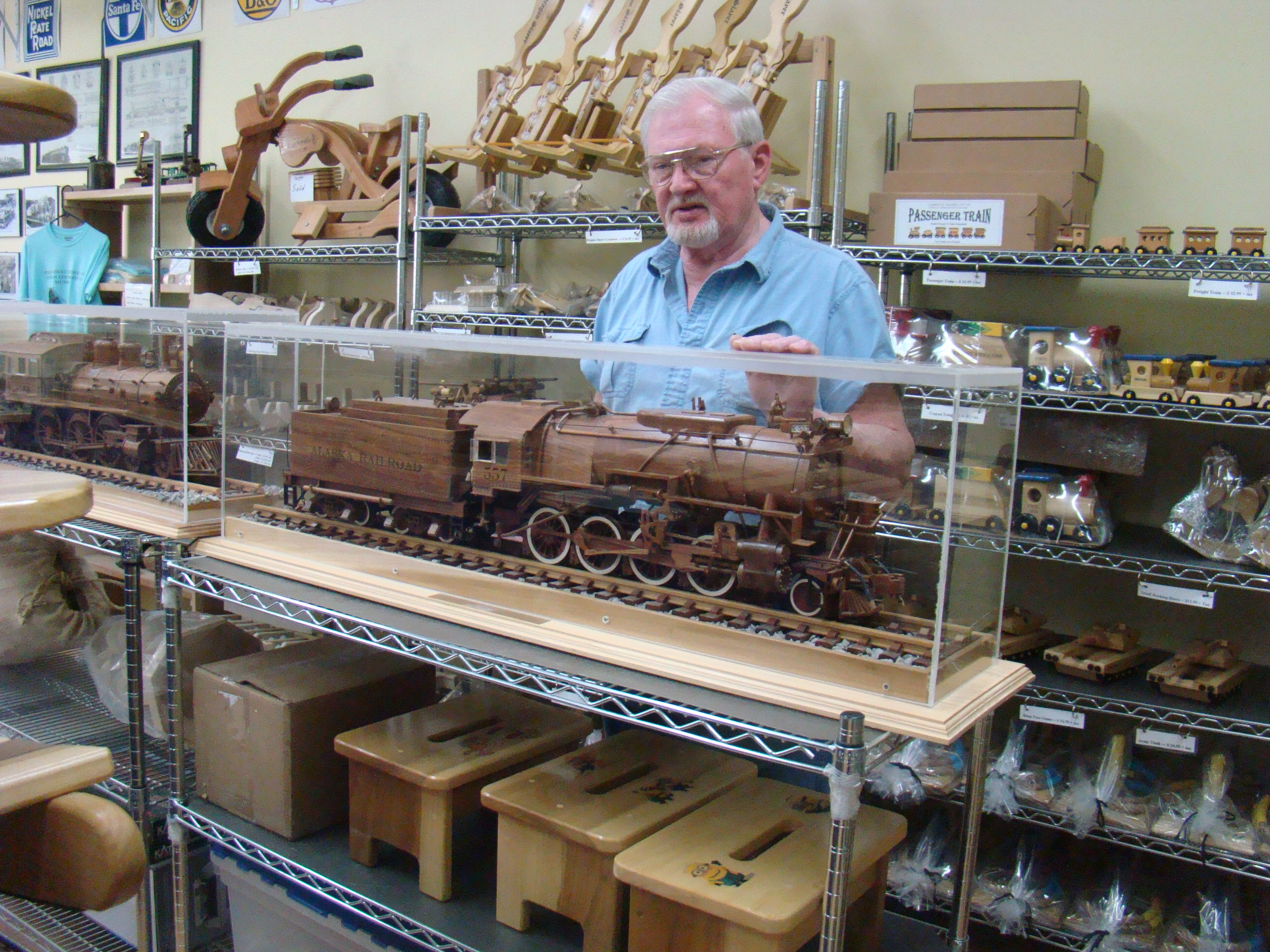
Alaskan Railroad #557 has won three awards so far. It’s the most detailed engine he’s ever done.

His Alaskan Railroad # 557 won first prize in woodworking at the Ohio State Fair in 2016. This was done in memory of Brian’s father, who worked as a fireman on the rails of Alaska.

snoopys-flying-circus

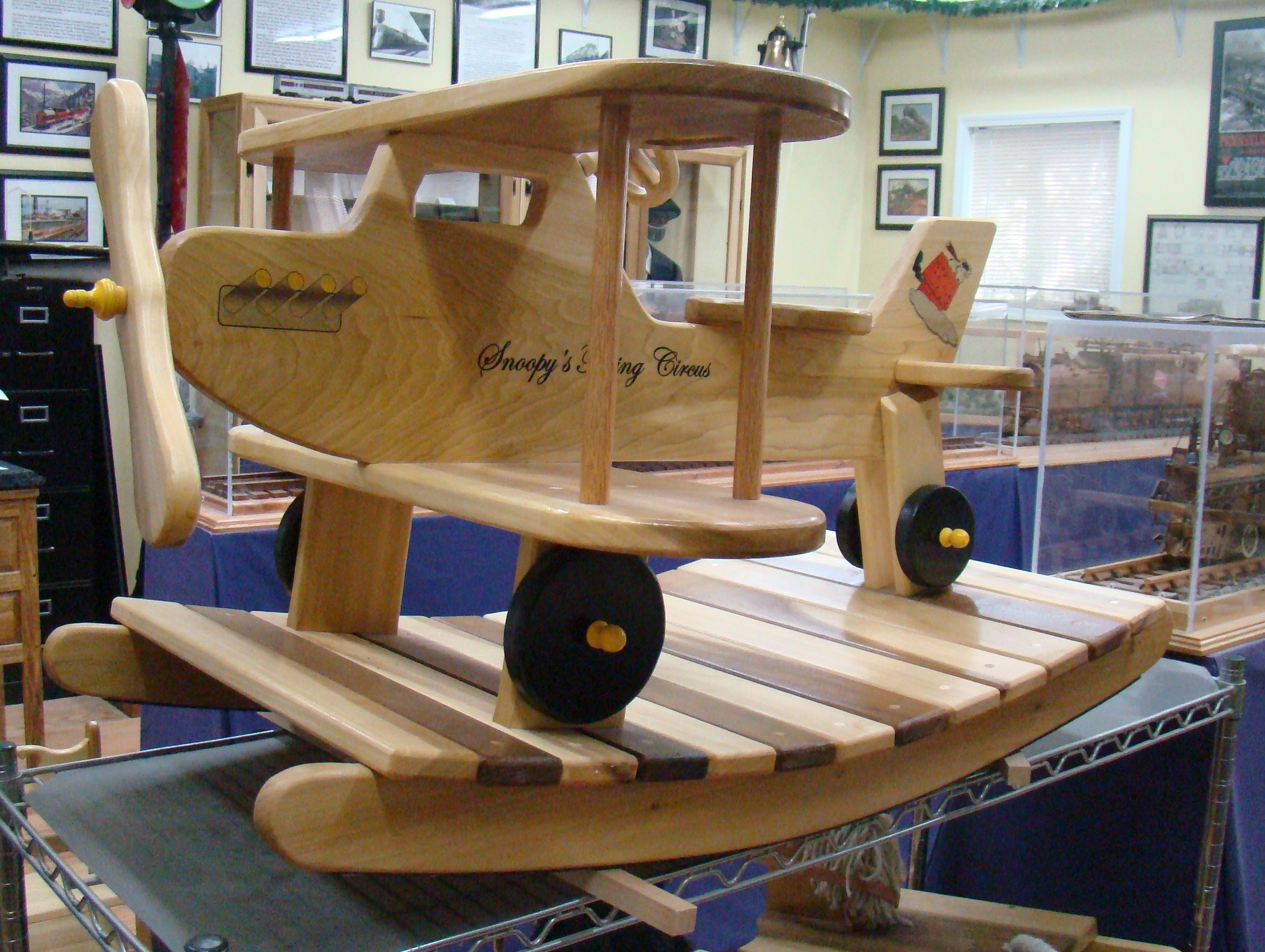
A child would enjoy rocking in this bi-plane, Snoopy’s Flying Circus.

Rocking horses, cascading marbles, and many wooden toys make great Christmas gifts. No nails are used, just wooden pins, and he’s careful that edges are rounded and smooth for the child’s protection. His toys are so strong, they last for generations. Brian has been making these toys for over forty years. Presently, he makes 72 different toys in his shop.

wooden-toy-chest

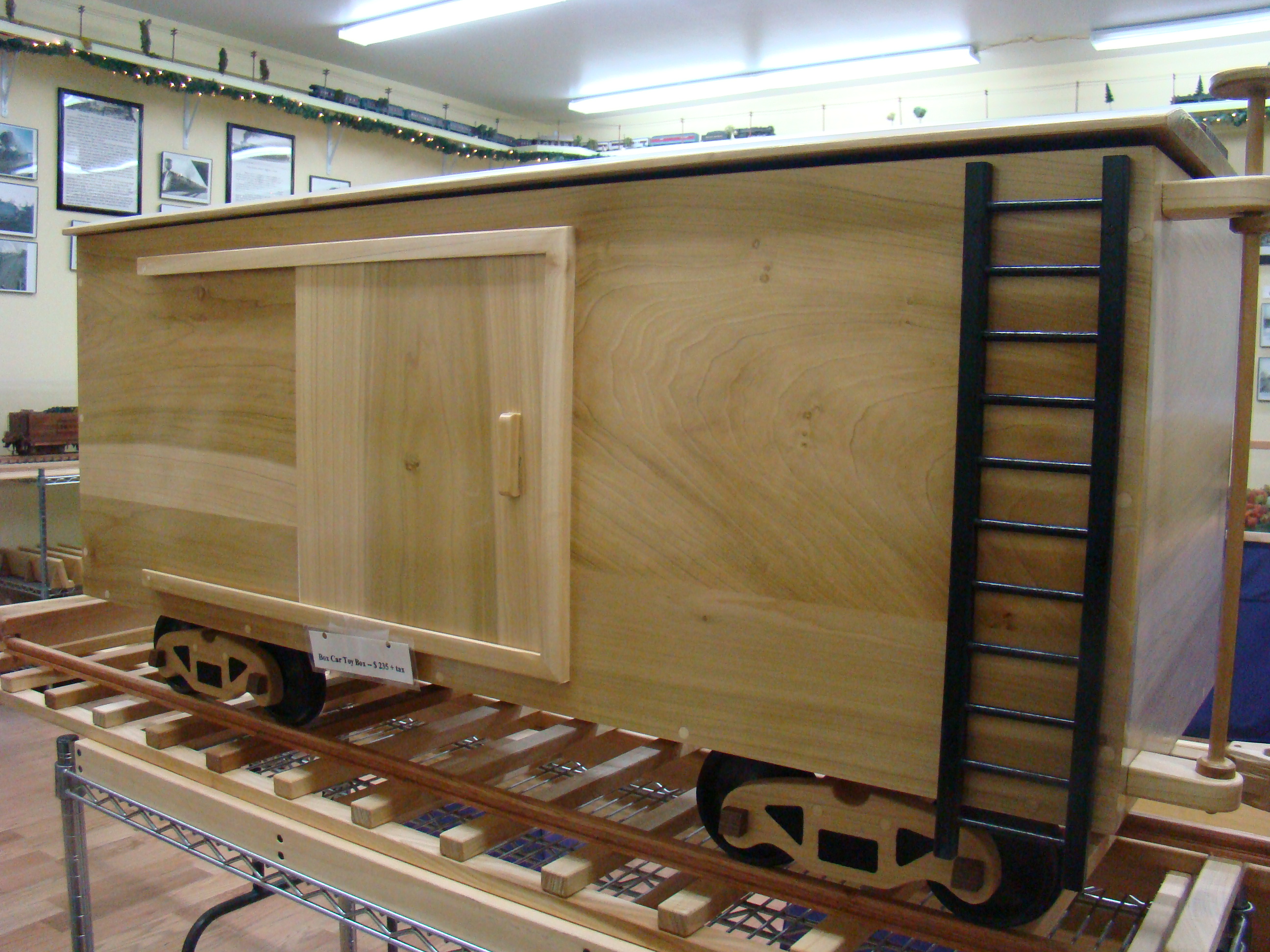
The Railroad Toy Box is the perfect place to store a child’s toys. It even comes with 6′ of track. The child’s name can be added and the boxcar number is usually the child’s birthdate.

While Brian sells his toys, he’s doesn’t do his wood carving for the money. Many hours are spent to make each toy and sometimes he figures he makes about $1.50 per hour. “I love doing it. I keep my prices low. Haven’t changed prices in five years.”

brian-with-drawing

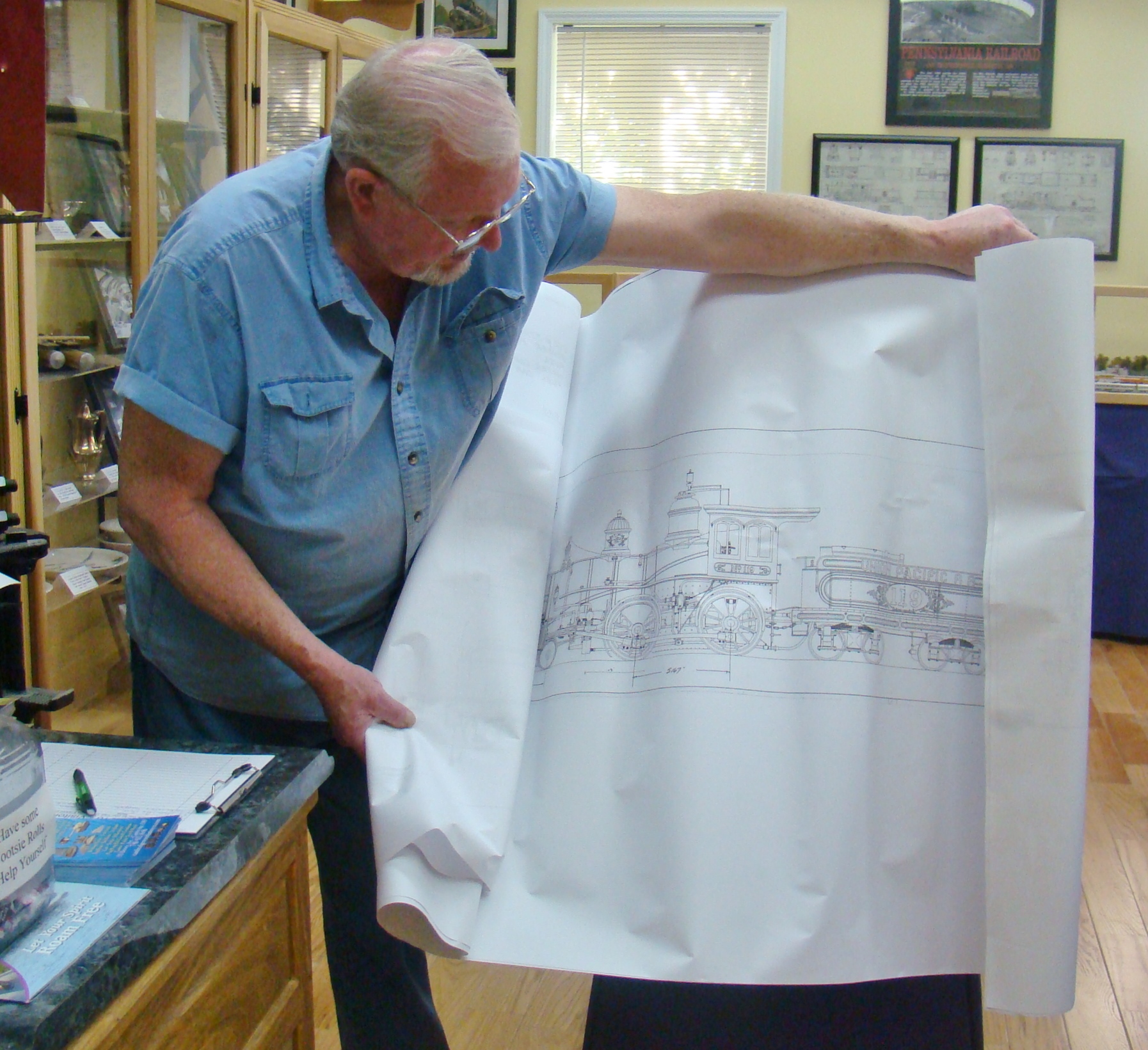
Brian checks out the blueprint for next year’s engine project.

The blueprint is ready for next year’s engine project. The Golden Spike National Historic Site sent him the blueprints of the original engines on a CD. Then the map department printed it off 1- 18 scale. He’s going to do a scene for the first time. It will be two engines meeting at Promontory Summit, Utah, where the driving of the “Golden Spike” connected east to west.

Brian still has a dream for a place in Cambridge where he could display his trains, and other local train enthusiasts could find a home for theirs as well. His eyes are on the original Train Depot as the perfect place for a museum to attract visitors to our area. Keep dreaming, Brian, you never know what the future may hold.

cascading-marbles

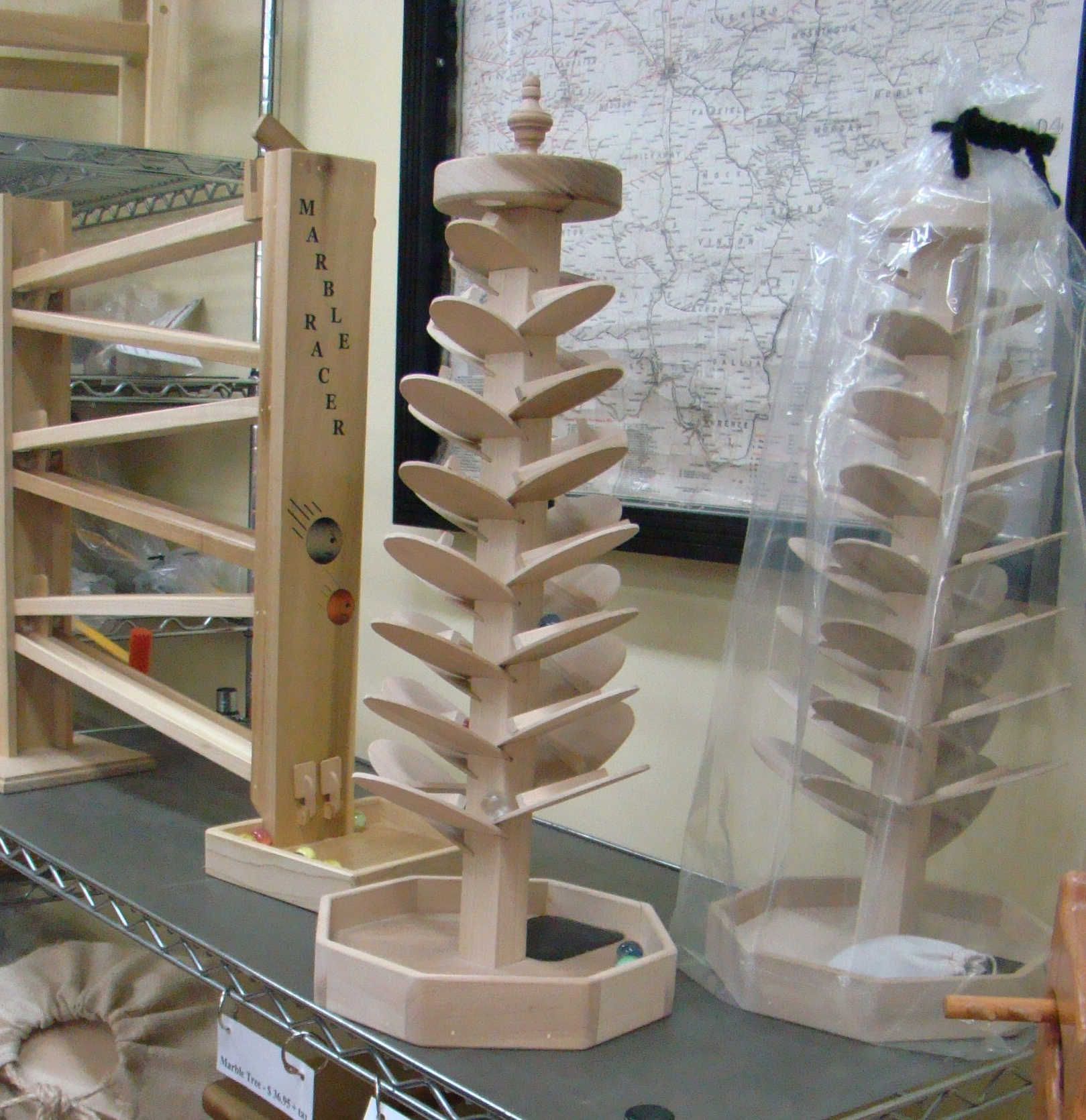
Musical Marble Trees entertain children and adults with their cascading musical tones. It’s hard to resist putting one more marble down its branches.

At his small museum, children and young-at-heart adults are free to play with the toys. There is no cost to visit so head up to 515 Dewey Avenue and walk inside. You’ll be amazed at such talent right here in Cambridge.  Then you’ll want to share this “best kept secret” with your friends.

Cambridge Wooden Toy Co can easily be reached off old Route 40 through Cambridge, Ohio. At the west end of town is a viaduct over Wills Creek and the railroad tracks. The Toy Co is straight south of here at 515 Dewey Ave. 

.