Places to go and things to see by Gypsy Bev

Archive for the ‘History’ Category

Ohio Sunday Springtime Drive

Sunday drives have been part of our family tradition since I was a child. Dad always loved to travel those back country roads to see what we could see. Today this gypsy is trying to carry on that tradition as often as possible.

Spring Salt Fork Lake 2   On a recent Sunday afternoon, my car headed out to one of my favorite spots for thinking and dreaming at Salt Fork Lake Dam. From there, it was a matter of luck where the next stops might be. Ride along and see what interesting places appeared along the way.

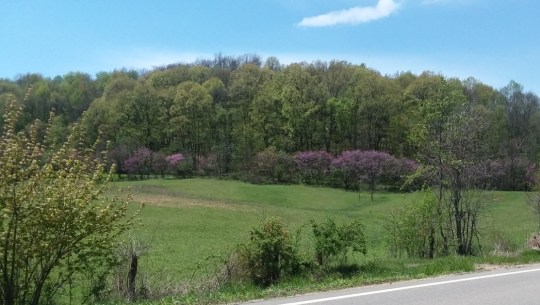
Spring Hillside   Along the way the trees were finally getting their leaves in that beautiful spring green with some colorful redbuds thrown into the mix to add a little color.

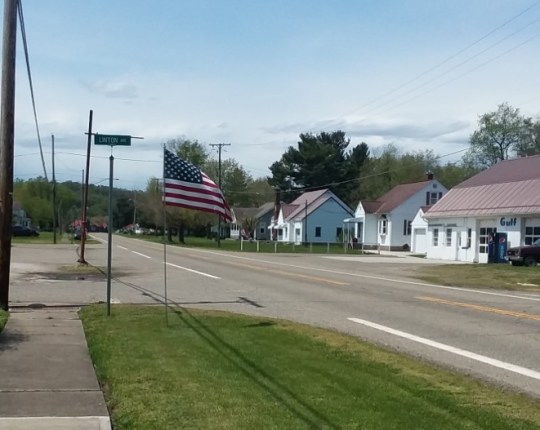
  Spring Plainfield flags     The small town of Plainfield made my heart swell as their main street was lined with the US flag. Houses and businesses all along the street had a flag in their front yard to show their support of our country.

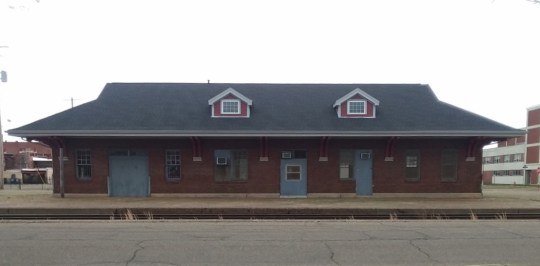
Spring depot   Coming into Coshocton, I spotted an old depot no longer in use but a great reminder of how railroads were an important part of our past.

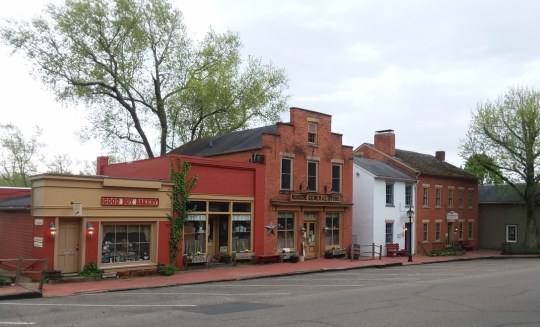
Spring Roscoe   A drive through Roscoe Village always gives pleasure. Today there were a few people out walking but not much traffic. The little shops along the way looked like they were lonesome for customers.

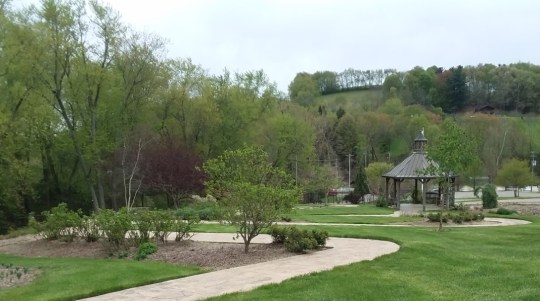
Spring Clary Gardens   Nearby Clary Gardens has not only a flower garden, but a hillside amphitheater for entertainment and weddings. There is also a lovely Quilt Barn on the premises.

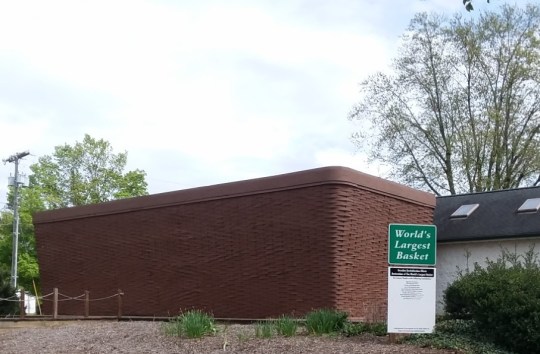
Spring Basket   Down the road at Dresden, you can witness the largest basket in the world. This delightful, small town continues to make handwoven baskets at Dresden & Co.

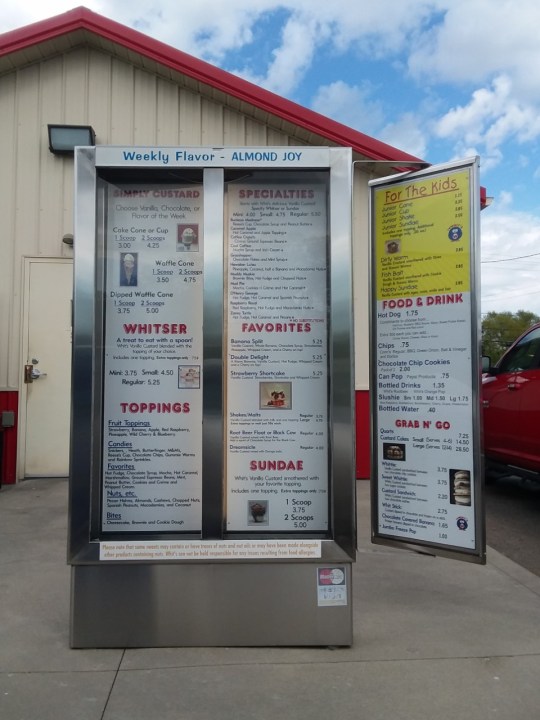
Spring Whit's   Coming through Zanesville, a Whit’s custard ice cream cone called to me. The flavor of the month was Almond Joy, a delicious treat.

   Hope you enjoyed the ride!

Saving History in Old Ohio Barns

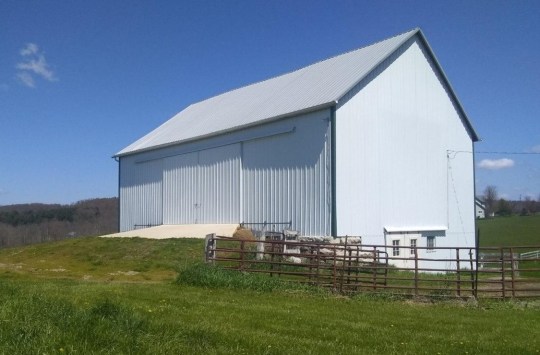
Repairing or restoring an old barn that no longer serves its purpose has been taking place around Ohio with increased frequency. People feel these buildings instill that pioneer spirit and are worth saving.

Cowden Barn

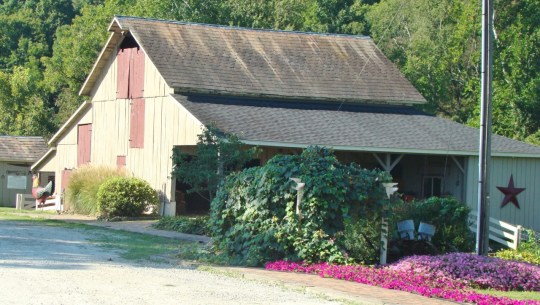
Morrison-Cowden Barn (1869) Pigeon Gap Road

   In Guernsey County, Bill and Sue Cowden decided to renovate an old barn that carried fond memories for many of the neighbors and their children. This barn was originally on the 500 acre Morrison farm and used for horses for many years.

   The Morrison family came to Guernsey County from Ireland in 1855 and Sam purchased a farm on the east side of Pigeon Gap Road. His son, George acquired land on the other side which spanned Coshocton Road, now Route 209.

   It was George’s son, W.C., who is most remembered in the area. He grew record-setting crops of wheat, had an emergency airstrip on the farm, and entertained frequently. Morrison School received its name from W.C., who lived until 1953. Upon his death, his entire estate of 3.2 million dollars was left to Guernsey County charities.

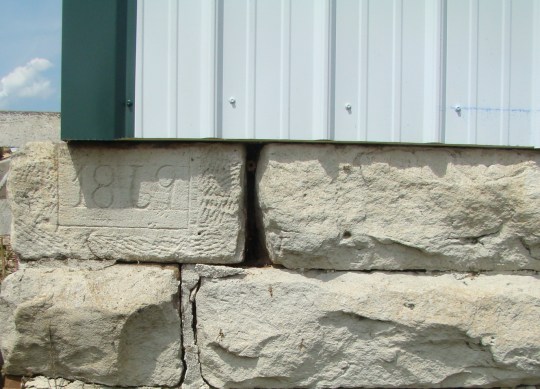
Barn Cornerstone

The barn cornerstone clearly shows the date of construction of 1869.

   When you realize the Morrison barn was built originally in 1869 – only four years after the Civil War, you can understand the desire to put it back to some useful purpose. Bill realized the barn was either going to have to be repaired or torn down. “When the doors no longer open, latches no longer work, and the floor is unsafe because the roof leaks, you have to make a decision.”

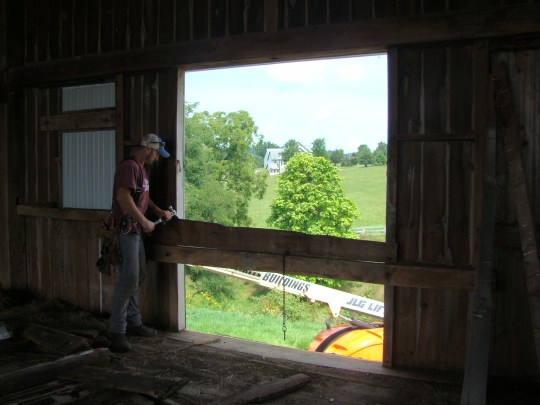
Doorway to home

A workman repairs the doorway with the Cowdens’ home in the background.

Getting walls ready

The new walls were being prepared on the ground.

   Some things had to be changed. Big posts by the door had rotted so needed to be replaced. Sadly, the slate roof had so many pieces missing that it received a metal roof. New siding had been put on previously, but now they covered that with metal siding as well.

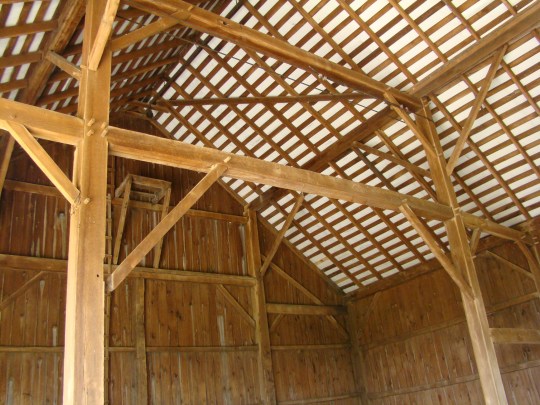
Barn framing

Inside framing using wooden pegs was still in great original condition.

   Outside the barn looks like a new barn, but inside you can still easily see its history pouring out through all that old timber framing. The amazing craftsmanship of our ancestors without all the tools of today makes it extra special. These barns were built by hand and often in six to eight months. Inside the barn looks pretty much as it did back in 1869. The hand construction used to build the barn can clearly be seen in the rafters. All the beams are wood pegged, no nails were used.

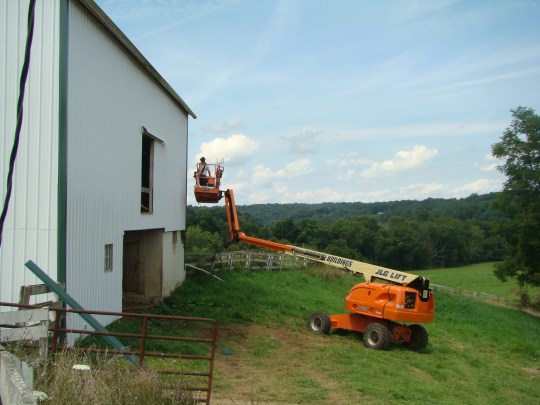
Lift again

A lift was used to atttach new siding to the barn.

   Today, Bill and Sue use this barn for hay and machinery storage. Over the years they have raised chickens and even pigs in the lower level. They are pleased to have been able to preserve this historic barn.

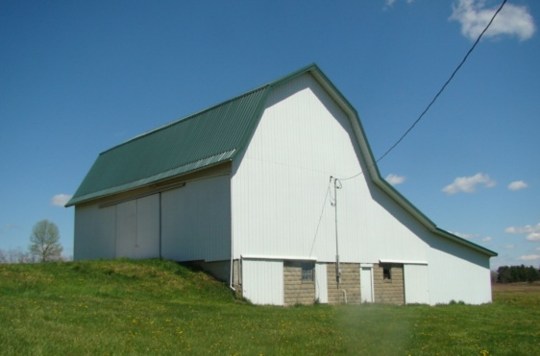
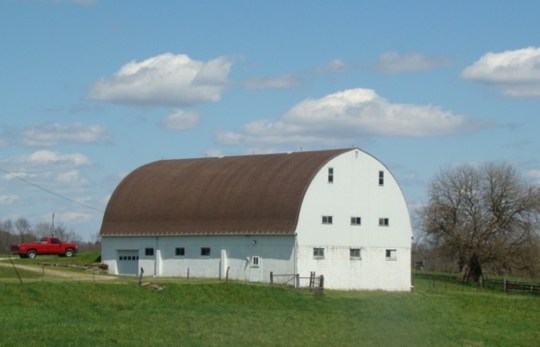
   Three other barns were found that have been treasured by their owners and repaired when needed.

Schumaker Old Barn

Schumaker Barn (1887) West Lafayette

   In nearby Newcomerstown, the Schumakers barn (1887) still has its original slate roof with the date written on it. Their farm has been in the family for over 200 years so Jim and Wendy Schumaker keep striving to make their farm a showplace for others to enjoy through their produce stand and a fall adventure of Pumpkin Patch & Farm Experience to interest children in farming.

Wilson Wells Barn 2

Wilson – Wells Bar (1932) Mantua Road

   Another was built by Carl Wilson (1932) during the Depression. He had purchased the supplies for the barn, but the banks closed before construction began. The contractor asked if he could keep his men working with Carl’s promise to make payment when the banks opened again. Both men fulfilled their promises. Today that barn has been extensively repaired and is owned by Jim and Dot Wells.

Bennett Smith Barn

Bennett-Smith Barn (1960) Pigeon Gap Road

   Across the road from the Cowden farm is the Bennett dairy barn (1960) that was built on the farm of the father, Sam Morrison. Today that barn has been repaired by owners Pete and Martha Smith after a tornado damaged part of the barn heavily back in 1993.

   Many people tend to feel that when something no longer fulfills its original purpose that it should be forgotten because repair takes time, money, and energy. Sue doesn’t agree, “Then you lose a bit of history and the wonderful work that went into it long ago.”

   Enjoy a ride through the country and pay special attention to the barns. You’ll find many large modern barns, those ready to fall down, and some that have been saved as part of our agricultural heritage.

   If you have a wonderful old barn, house, or building on your property that can be repaired, perhaps you will consider preserving it for future generations.

If we don’t care about our past, we cannot hope for the future.

~Jacqueline Kennedy Onassis

National Coal Company Located in Dogtown in 1906

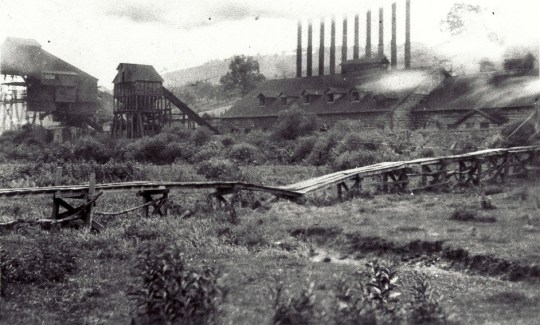
Miners crossed this old wooden bridge to work at  Minnehaha Coal Mine.

Workers used this old wooden bridge to cross from Buckeyeville to work in the Minnehaha coal mine.

Minnehaha isn’t a name most of us associate with the coal mines of Guernsey County. But the truth of the matter is there was a mine by that name back in 1906 located near what is today called Buckeyeville, or more commonly Dogtown.

     National Coal Company from Cleveland had heard of the success of the Byesville coal mines. They decided to purchase hundreds of acres and lease even more west of Byesville in an area that had no name. Their first concern was the lack of a railroad to the area.

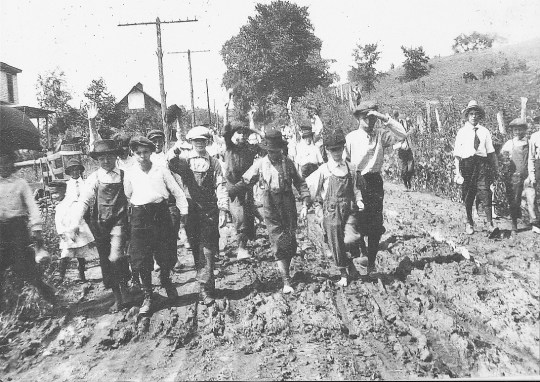
Children - Main Street looking east

This group of children in Buckeyeville appears to be happy and they look neat and clean.

     So the company paid Pennsylvania Railroad to install a track from Byesville to the new mine. This included building three bridges to cross Chapman Run. National Coal Company felt that the Pennsylvania Railroad was charging them too much by increasing the number of crossties that were actually laid.

     They sent out a man to count the crossties. The man started the five-mile walk counting each crosstie but stumbled and lost count along the way. Not wanting to start over, he returned to National Coal Company telling them that Pennsylvania Railroad had actually laid more crossties than they were paid for. His secret was not known for sixty years.

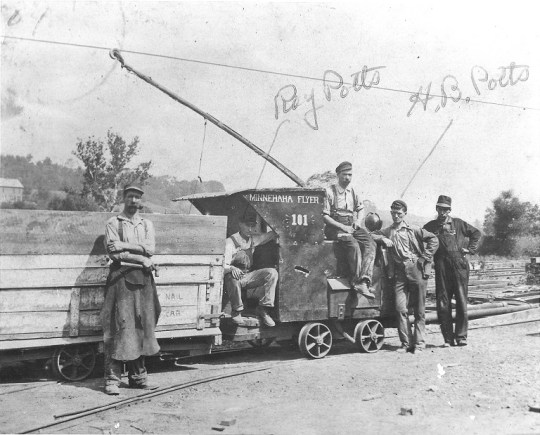
     Once the railroad was completed, they began bringing all the new equipment into the site including a steel tipple, generators, a coal cutter, coal cars, and an electric locomotive. A wide slope opened down to the coal seam at Minnehaha.

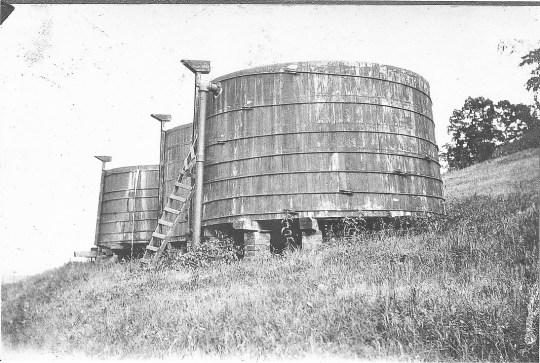
Water tubs for 10 boilers. Need lots of water

These water tubs supplied ten boilers, which needed plenty of water to operate.

     When that mine opened in 1906, it was a very busy place. There were four boilers that made steam to turn two generators which created 250 watts of power. This was not to be used by the homes but to run the coal cutting machines and electric locomotives. The town nearby would not receive electricity until the 1930s long after the mine was closed.

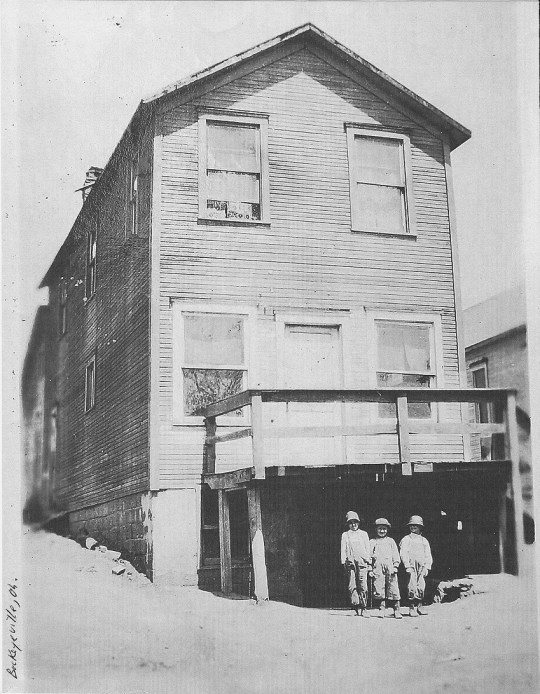
rear of store in Buckeyeville

Children stand at the rear of the company store in Buckeyeville.

     Shortly after 1910, they began building houses in what is today Buckeyeville. By the time the mine closed, there were approximately forty houses in Buckeyeville as well as a company store, church, and school. There was no electricity or running water in the houses and rent was due the first of each month. The company store did have electricity!

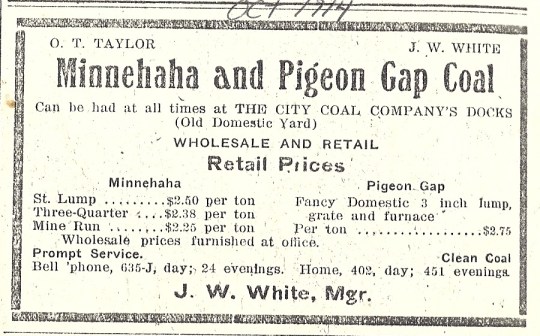
Ad for Coal

This 1914 ad listed coal prices by the ton for retail rates. Check out their phone numbers!

     With a coal seam seven-foot deep in places, at its peak, 320 miners and 80 day workers worked the mine. During a good year, 500,000 tons of coal would be mined at Minnehaha in spite of the fact that in the summer months miners worked only a few days a week.

shop locomotive - ash and supplies to boiler room

This shop locomotive carried ash and supplies to the mine. Notice the electric wires.

     National Coal Company now had three mines in the area – Minnehaha, Little Kate Number Two, and Harryette. To provide electricity to all three mines they built the largest power plant in Guernsey County with ten boilers at Minnehaha.

     Eventually, there were nine mines open along the railroad to Byesville. These nine produced a daily output of 100 railroad cars of coal. These cars held between 50 and 75 tons each. Train crews said they were working “the Dogtown switch.” Why was it called Dogtown?

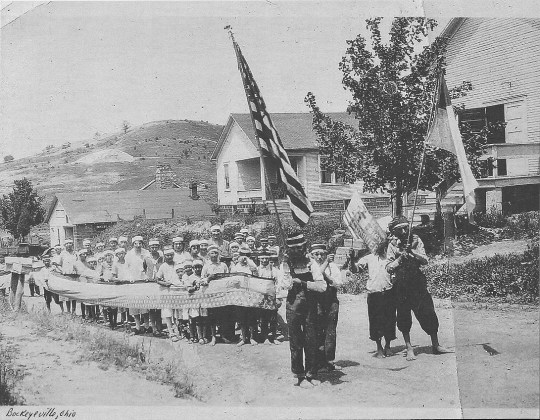
Kids parade on Main St. 19l17

These children of miners are having a parade in 1917.

     Beside the deep mines, there was a vein of coal that was not nearly as deep. Families sometimes dug into the hillsides in what was called a “scratch back mine” to get coal for their own use. Imagine working in the mine all day and then going home to dig your own coal out of the hillside.

     When they tried to pull this out of the hillside in small carts there wasn’t much room. It was found that dogs could do this task quite well so families raised dogs for work in the mines. Most of the time these dogs ran loose along the railroad tracks which is why the train crews named it Dogtown. Somehow the name stuck and many people still call it Dogtown today.

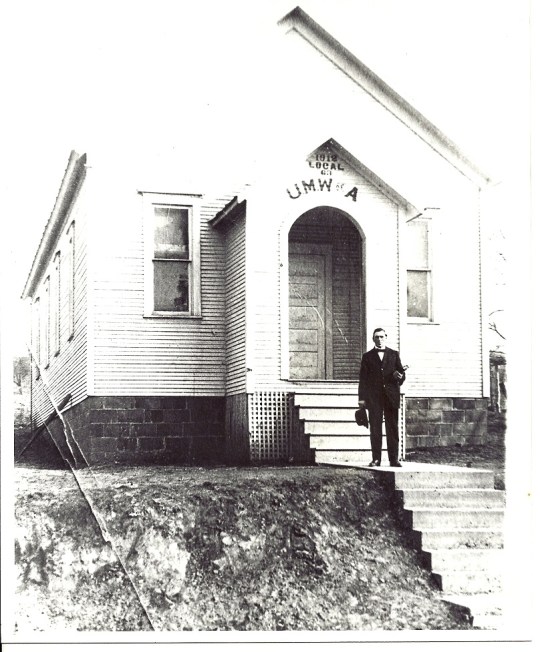
Union Hall Local #63 (1912) - Rev. Nathan Cramblett held church services

Rev. Nathan Cramblett held church services for miners in the Union Hall of Local #63.

     There was never a doctor in this area so injuries were not properly treated. Ten men died in Minnehaha. But that doesn’t account for the fact that many had injuries that maimed them for life. Fingers, hands, and feet were lost, broken bones ruined many miners’ backs, and black lung became a curse for most who labored in the mines. This was the most dangerous job in the world.

     Coal miners worked hard as they had to load all of the coal by hand using a pick and shovel. They had no vacations and were paid by the ton of clean coal that was loaded. Coal miners always worked on a buddy system for safety reasons. So that meant that when a ton of coal was loaded, that fifty cents had to be split between them. In reality, that meant twenty-five cents for each ton loaded. All of this for a two weeks pay of $15 or $16.

Blacksmith Shop

This blacksmith shop stood near the main road down to the mine.

     All of their supplies had to be purchased at the company store, which was one of the first things they built. Hard to realize that the miners had to purchase their own tools, props, and wedges.

     If you have heard stories of why this mine was called Minnehaha, please let me know. The name seems a bit of a mystery although it is a Dakota Indian name. Its Indian meaning translates as “rapid water” or “waterfall.” There was no rapid water or waterfall within thirty miles of the mine location.

1934 photo of Buckeyeville. Old wood bridge miners would use to go home from work.

This is a 1934 picture of Buckeyeville after the mine was closed. The bridge to work can still be seen.

     Minnehaha was shut down in 1928 after much of the coal was removed. The company found that they could find cheaper labor in Kentucky or West Virginia so when their lease was up, they moved to another coal mining area. While miners here were receiving fifty cents a ton for coal at that time, the miners in the other states were willing to work for about half that amount.

Dogtown Today

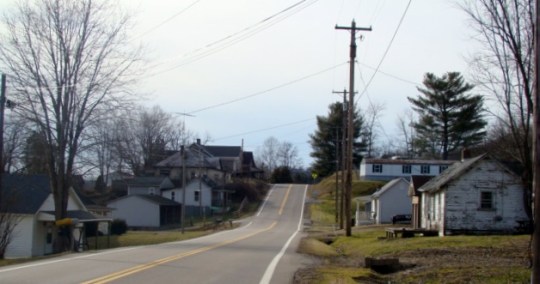
Today, Buckeyeville still exists as a small, friendly, unincorporated village.

     Never again would trains remove coal from a town that we now know as Buckeyeville or “Dogtown.”

Thanks to Dave Adair for providing information and pictures for this article.

Impressive Flag Show By Vane Scott in Sarasota, Florida

Vane at Patriot Plaza

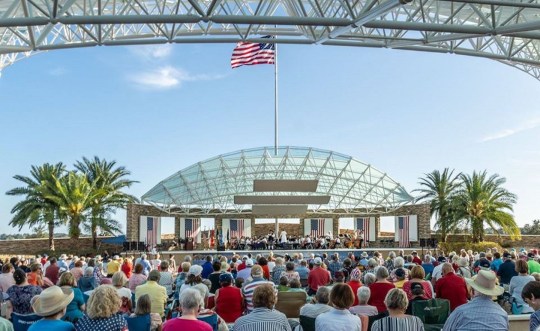
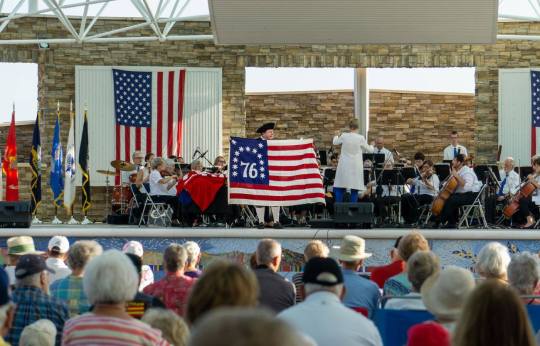
Vane Scott had an attentive crowd at Patriot Plaza in Sarasota, Florida.

This concert was presented before the recent social distancing was put in place.

     The 2,800-seat outdoor amphitheater at Patriot Plaza in Sarasota, Florida was recently filled to capacity for Vane Scott’s presentation of “The Many Faces of Old Glory.” The event was sponsored by the Sarasota Military Officers Foundation so American patriots could learn more about the history of the flag of the United States.

Vane - The Pops Orchestra of Bradenton and Sarasota (2)

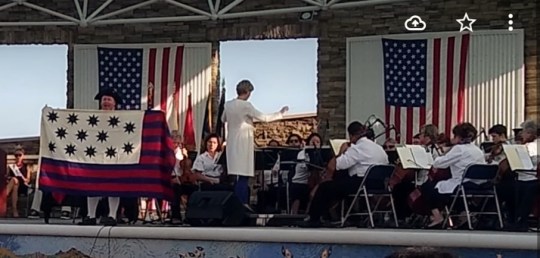
The Pops Orchestra of Bradenton and Sarasota provided background music.

     This was a repeat performance for Vane Scott as he had previously performed there in 2015 with the backing of the Pops Orchestra of Bradenton and Sarasota, who again provided background music for this year’s flag show. When someone is asked back for a repeat performance, it’s obvious that the show has been appreciated.

vanes-dad-with-flags

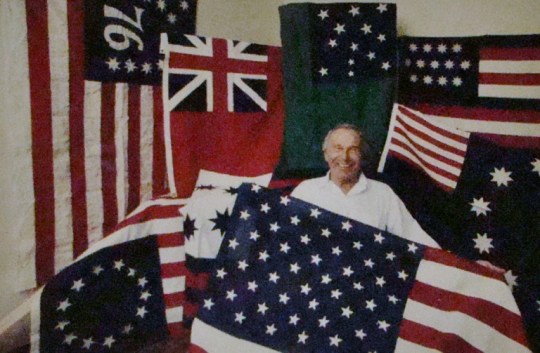
Surrounded by the many flags used in the performance, Vane’s dad started this flag show.

     Vane credits his dad with starting the flag show back in 1975. Of course, Vane went along to many of those shows and his passion for the story grew. His dad encouraged Vane to learn the story of the flag and they even practiced at the kitchen table when his father became ill.

    Soon afterward, he decided to carry on the family tradition.“I needed to tell Dad’s story.” Vane would tell you today, “Dad’s with me every time I do his show. It’s been nine years since he passed away. I miss him terribly.”

Vane Show Crowd

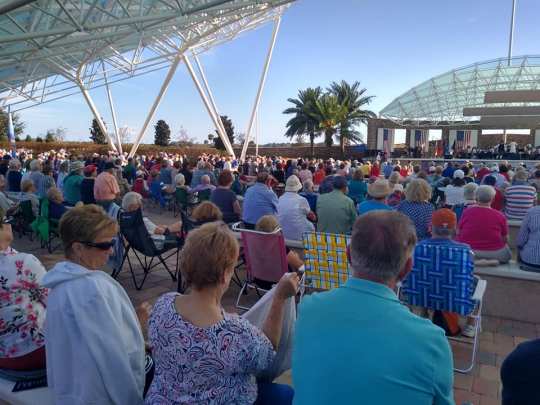
A capacity crowd filled the stadium to hear the history of our flag.

     When he was introduced, he told the crowd, “I’m from Newcomerstown, Ohio along with a couple of famous people you might remember. The baseball pitcher, Cy Young, grew up in our area and Ohio State’s football coach, Woody Hayes went to school there.”

     He then delighted the crowd of Floridians, many with Ohio roots, by raising his arms and saying, “O-H”. To which nearly 2000 voices responded, “I-O.” The evening was off to a great start!

Vane - Many Faces of Old Glory

Vane tells the story as he shares the Bennington Flag from the American Revolution.

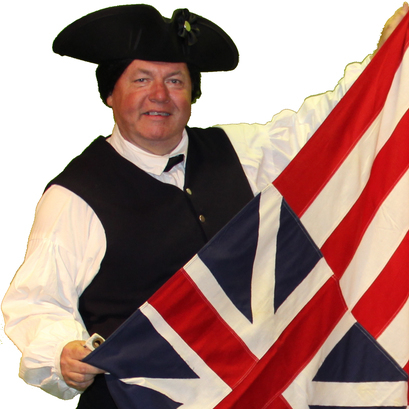
     “The Many Faces of Old Glory” contains the story of the many steps taken before we arrived at the United States flag we know today. Vane has over twenty different flags that help him tell the story. Some are odd, strange and downright crazy looking so there is humor laced with the history to make the show entertaining as well as informative.

Vane and Miss Tampa

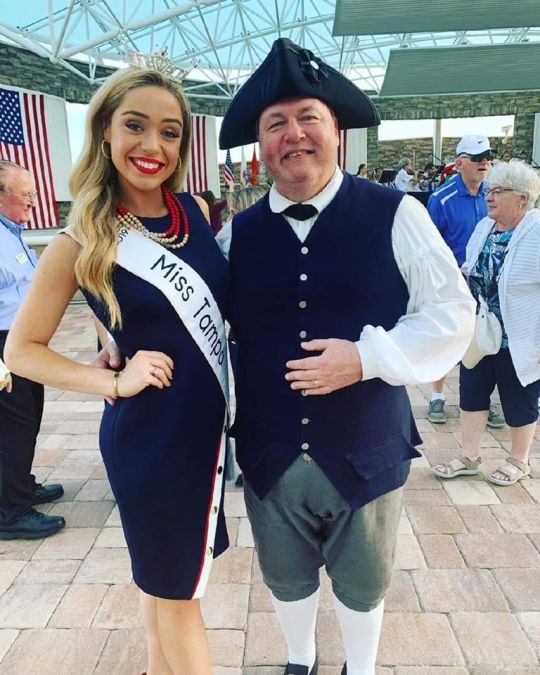
Miss Tampa Lauren Nielsen provided patriotic vocal selections.

     Vane was honored and pleased to have Miss Tampa Lauren Nielsen as his backup singer. She sang “The Star Spangled Banner” as well as “God Bless America.” Vane remarked, “She has an amazing voice and range. She hit those high notes perfectly.”

     He still uses the same flags his father left folded up nine years ago. His goal is to help others understand the country’s rich heritage and give us a reason for being proud of our country.

Vane Scott

Vane is always ready to tell “The Many Faces of Old Glory”.

     While Vane is back home now, he’s always willing to present his flag show when the opportunity presents itself. Perhaps when things settle down in our country, your group might like to contact Vane Scott for a performance of “The Many Faces of Old Glory.”

    Contact Vane at 740-498-8803 or email him at vanescott@yahoo.com. Visit his website at www.ManyFacesofOldGlory.com

      Vane always reminds the crowd, “We may be born in America, but to be an American is quite another thing.”

National Road S-Bridges Preserved

Middlebourne Bridge 1903

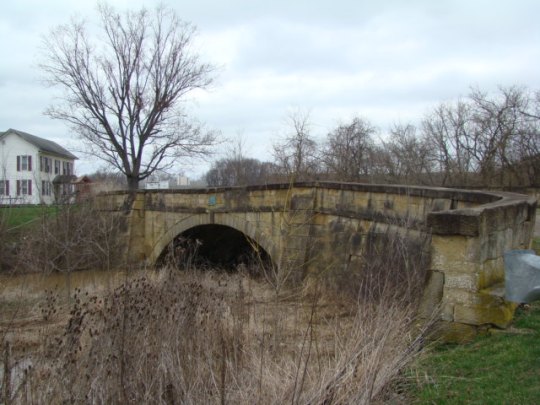
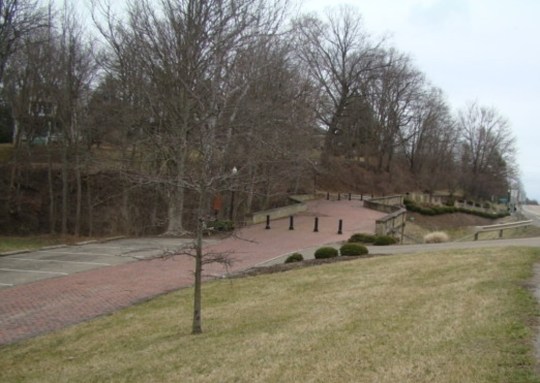
Salt Fork Creek S-Bridge 1903

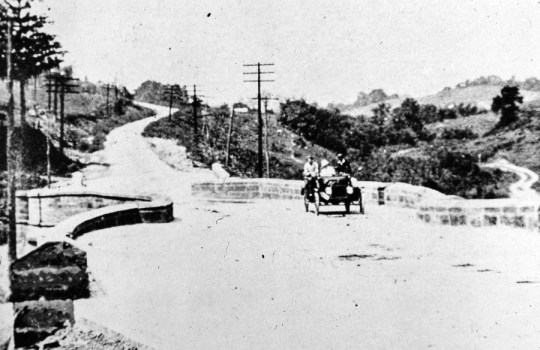
     Follow the trail those early pioneers took from the Ohio River to beyond New Concord and visit four S-Bridges and two stone bridges along Route 40. While you can no longer drive on any of these S-Bridges, you can walk on their bricks and think back to the difficult times those early pioneers must have faced as they headed to Ohio and westward.

S Brick Road and Stone Walls

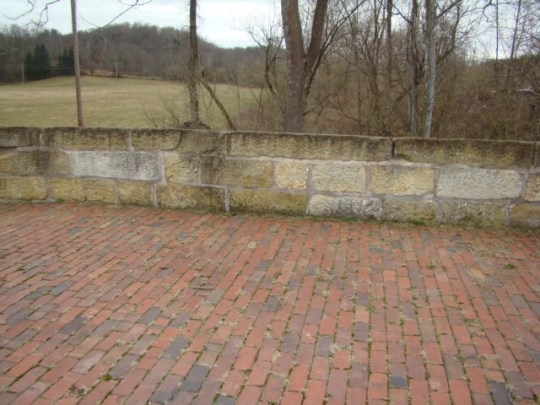
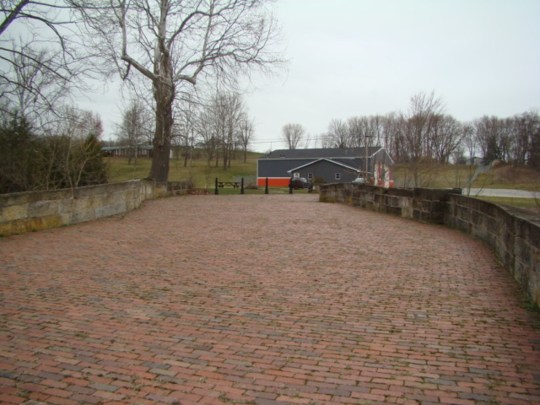
Brick road and stone walls at Peter’s Creek

     “The Main Street of America” began as a dirt road. Next, they tried logs and many called it a Corduroy Road, but it was very rough. Crushed stone was added called macadam and finally, much of it was paved with bricks.

S Bridge diorama in Zane Grey Museum

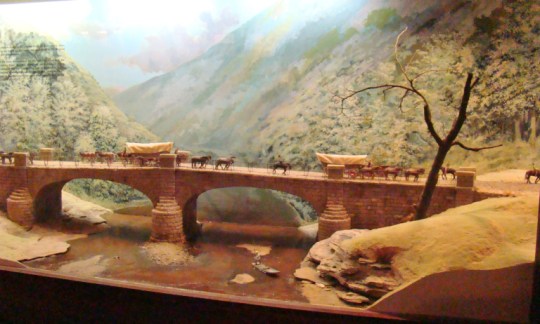
National Road bridge diorama at National Road/Zane Grey Museum 

      The National Road was one of the first paved roads across the state of Ohio. While it began in Cumberland, Maryland in 1817, it wasn’t until 1825 that the road was built across Ohio until it reached Vandalia, Illinois in 1838. Stagecoaches and Conestoga wagons were the two most common ways of travel, but many rode horseback or walked.

     There are many reasons people say they built the S shape. Some claim it was to stop runaway horses, to go around trees or even that the builders were inebriated. The reason was simply an engineering decision.


S Bridge sign at Middlebourne

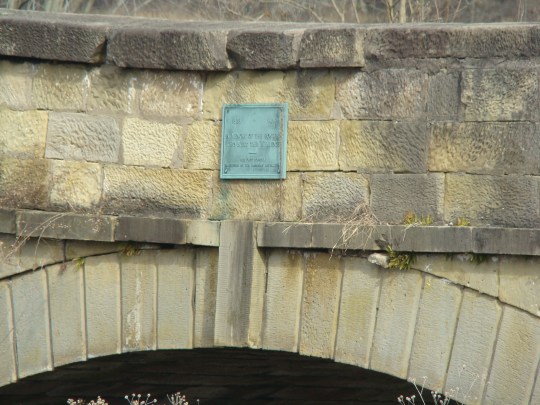
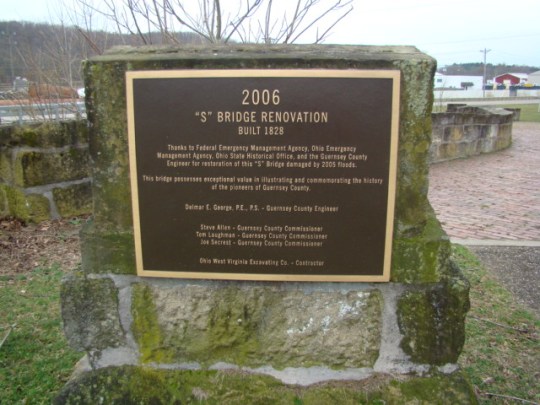
1938 sign on Salt Fork Creek Bridge: In memory of the pioneer who built this “S” bridge.

    Where the road crossed a creek at an angle, a stone arch bridge was built at right angles to the streamflow. “S” shaped walls of cut stone were then built to direct traffic around the jog and back into line with the road on the other side. It also made work easier for the workers as they worked from each side of the creek. The brick roadway made the bridge extra durable.

     Here is a short description of the location of each of those S-Bridges and stone bridges along the National Road in the order of their appearance from east to west.

S Blaine Hill and Viaduct

Blaine Hill S-Bridge and Viaduct

     Blaine Hill S-Bridge – Crossing Wheeling Creek near Blaine, Ohio, its three stone arches span approximately 345 feet, the longest crossing of any bridge at that time with a 6.3% grade. This eased the climb out of the valley and was a marvel of engineering. All the original precisely cut stones are there today.

S Salt Fork

Salt Fork Creek S-Bridge

     Salt Fork S-Bridge – Just east of Old Washington, you can find a well-preserved S-Bridge, which was near the town of Easton. The bridge is built of randomly laid stone giving it a road width of 26 feet. It was closed as recently as 2013.

S Bridge Cooks Run

Cooks Run Stone Bridge

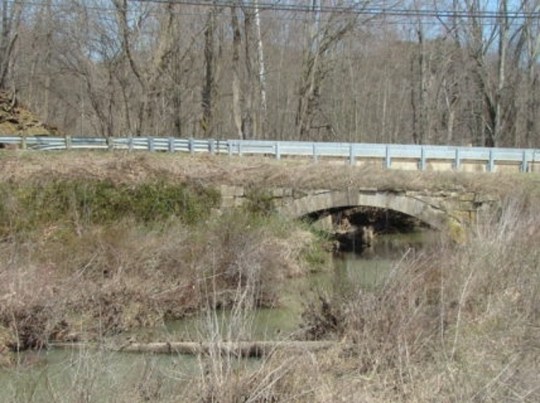
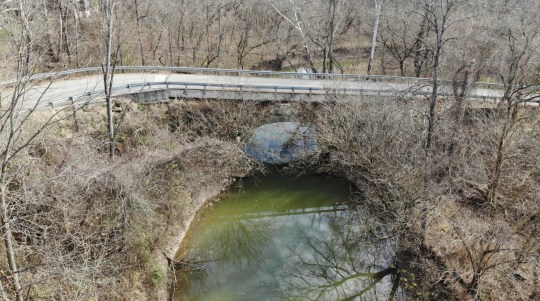
     Cooks Run Stone Bridge – Only remnants remain of this abandoned stone bridge. When a new bridge was built over Cooks Run, the remains of the old bridge were left underneath. It can be seen about 500 feet off Route 40 about 2 miles east of Cambridge on the north side of the road.

Crooked Creek Stone Bridge

Crooked Creek Stone Bridge

     Crooked Creek Stone Bridge – On Manila Road, you can still drive over this Crooked Creek bridge. This is south of Route 40 on the other side of the railroad tracks across from the patrol barracks. While the entrance to the bridge has a large curve, the bridge itself is not s-shaped.

S Peters Creek

Peter’s Creek S-Bridge

      Peter’s Creek S-Bridge- This is one of those bridges that many of us pass quite often on the north side of Route 40 near Pike School at Peter’s Creek Road. There is a small park area to have a picnic or just relax.

S New Concord

Fox Run S-Bridge

     Fox Run S-Bridge – On the west side of New Concord, this bridge has been restored and a small area made into a parking and picnic area. My sons fondly remember going here with their grandfather to enjoy an ice cream treat from the New Concord ice cream stand.

DSC04532

Historic signs can be found at the S-Bridges.

     Four of these bridges have been found worthy of restoration to preserve the history of our ancestors while others have disappeared. This road was the only link between the east coast and the western frontier during the 19th century. There were four tollhouses in Guernsey County to help with the great expense of building this highway. Congress spent almost $7 million building this 620-mile road.

     In 1832 a sample of tolls was listed as:

Score of sheep or hogs……$.05

Score of cattle……………….$.10

Horse and rider………………$.04

Sulky drawn by one horse.$.08

Chariot or coach…………….$ .12 1/2

S Wheeling Creek

Blaine S-Bridge over Wheeling Creek

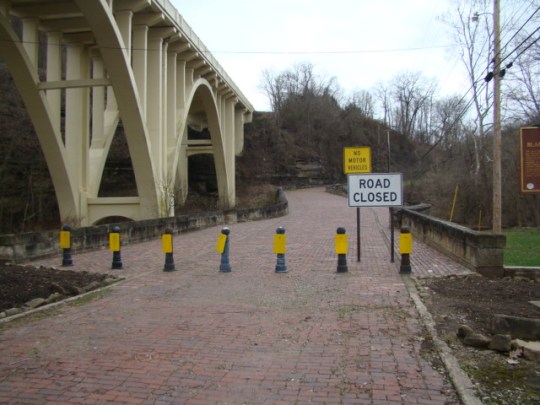
     Take a historic ride along Route 40 in Ohio starting at Blaine, where you can see the history of the developing highway that Abraham Lincoln traveled on trips from Illinois to Washington, D.C. Beside the Blaine S-Bridge is the BlaineViaduct which was built when the S-Bridge could no longer handle all the auto traffic. Just a short distance to the south you will find today’s I-70. From the S-Bridge, you can clearly see the three generations of our national highway system.

     Move on to Old Washington and end east of New Concord to view the route of those early pioneers. Imagine the wagons loaded with goods and crops as they traveled the Old National Trail. Perhaps you would have enjoyed being on the road at that time or maybe you would prefer the comfort of today’s travel.

Gypsy Highway

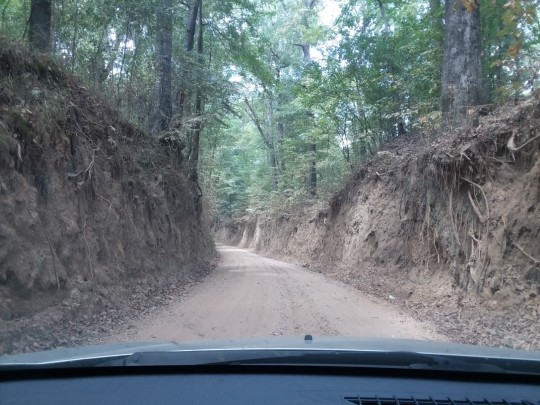
Snyder's BluffWhile visiting Vicksburg, Mississippi to do some research for a Civil War Diary, my journey took me to Snyder’s Bluff, one of the places frequently mentioned in the diary. This is where my GPS took me that hot, southern day.

   Dust settled over my gypsy car while exploring a dirt road not far from that grand Mississippi River that divides our country. With temperatures near 100 degrees as the sun beat down, I felt fortunate that the Chevy’s air conditioning worked properly.

   Soon the road went through a narrow pass cut into the ground with sides ten feet high and trees extending their roots like tentacles reaching out to capture something or someone. Because of the desire to do research for the book, my curiosity led me forward. After a few miles, no end seemed to be in sight so when the road widened, giving an opportunity to turn around, I maneuvered the car back and forth until it was headed out.

   Returning through the pass, a loud sound reached my ears and there was more dust up ahead. Around a slight bend headed straight toward me rumbled a semi loaded with logs. Imagine they were as surprised to see me as I was to see them.

   Somehow we passed with inches to spare between us and between the banks of the road with tree roots waiting to grasp. No walls came tumbling down!

   After that close call, it was necessary to stop for a few minutes. With my hand resting on my chest, I could feel the rapid heartbeat. The smell of dust filled the car.

   My lips felt like sandpaper from the dust and heat, and my tongue stuck to the roof of my mouth. Perhaps back on the main road, there would be someplace to buy a cold ice tea to wet my whistle.

   You never know what you might encounter when taking a Gypsy Highway. It made me wonder how Pvt. George Painter, the writer of the diary, handled the dangers in the area back in 1863 when he was a member of the Mississippi Marine Brigade.

Clark Gable Museum Celebrates Star’s Birthday

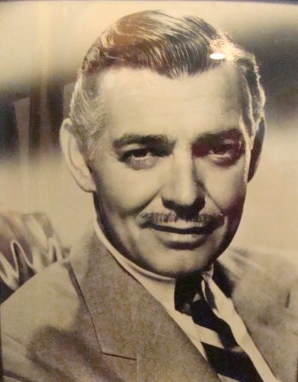
Clark PictureVisit the birthplace of the most popular figure on the Hollywood screen from 1936-1960. Clark Gable was born in Cadiz and grew up in Hopedale, Ohio. See his humble beginnings at the Clark Gable Museum in Cadiz…the only Clark Gable Museum in the world.
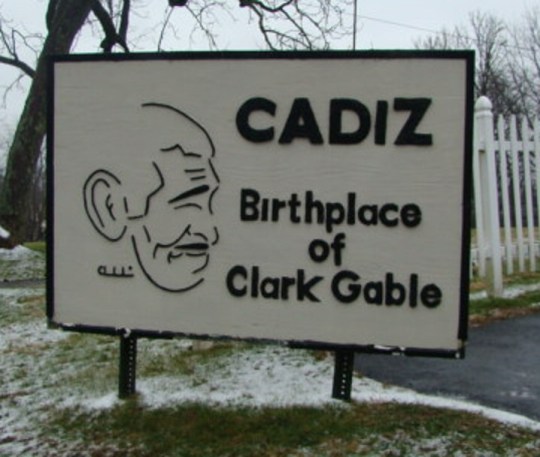
Clark Cadiz Sign   The museum came about after a deejay from Illinois called the Cadiz postoffice on February 1, 1983, and asked them if they knew whose birthday it was. The postman said he had no idea. The deejay told him Clark Gable and asked him what they were doing to celebrate his birthday. That was the last time “nothing” was the answer.
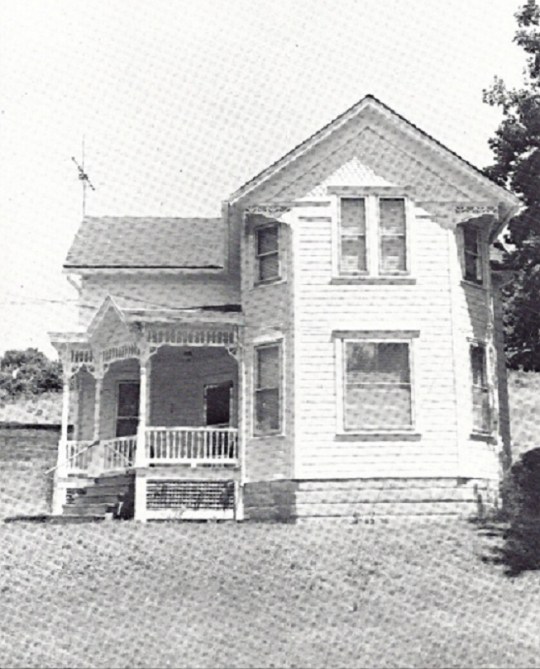
Clark childhood home

This postcard shows the house where Clark grew up in Hopedale.

   William Clark Gable was born on February 1, 1901, on 138 Charleston Street in Cadiz. His parents felt he was the apple of their eye. But unfortunately, his mother died when Clark was ten months old and his father then moved down the road to Hopedale, where their home is today a private residence.
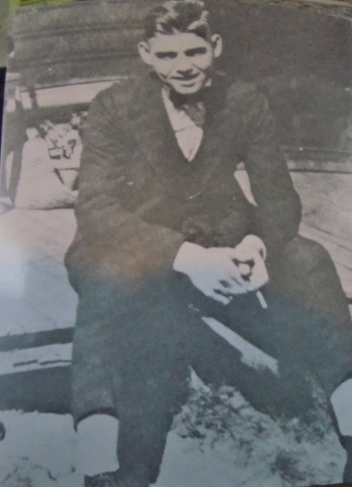
Clark teen

Clark Gable poses as a teenager.

   His stepmother played piano and gave Clark lessons at home. He picked up brass instruments as a result and was the only boy in the Hopedale Men’s Band at the age of 13. Also, at this time he had a deep interest in literature and enjoyed Shakespeare’s sonnets.
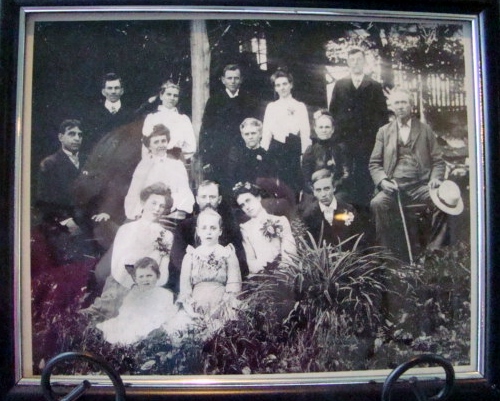
Clark Family Picture

This family portrait shows Clark in the front and his father to the far left.

   His father insisted he engage in some more masculine activities so Clark became very adept at fixing cars. When they moved to Ravenna a few years later, his father wanted him to help on the farm. Clark went to work at Akron Tire and Rubber Company instead. But he seldom worked a full day as he would leave to go to the theater. Even if he went as an usher, at least he was where he loved to be.

   Clark worked his way west from Ohio by riding in boxcars and worked in the oil fields in Tulsa, Oklahoma along the way. He ended up in Oregon working as a salesman of ties in a department store.

Clark Poster

A lifesize poster of Clark hangs in the gift shop.

   But that was a good stop for him as he met his first wife there. Josephine Dillon, his wife and coach, saw that beneath his uncultured look there was the potential for a strikingly handsome man. So she had his bad teeth fixed and strengthened his undernourished body. His voice was rather high-pitched and she coached him how to lower it to a deeper resonance.

Clark Gift Shop Walls

Walls at the museum are covered with pictures of his many movies.

   Clark went on to Hollywood to begin his career there as an extra in silent movies. He eventually appeared in 67 talking movies and was called The King of Hollywood. Some of his movies include “It Happened One Night,” “Call of the Wild,” “San Francisco,” and the immortal “Gone With the Wind,” which won the Academy Award for Best Picture in 1939. 

   So it seemed strange that his birthplace of Cadiz, Ohio would not have a display of some kind to acknowledge this famous celebrity. For years, the only things existing on the location where he was born in an upstairs apartment were a garage and flower garden. The house had been demolished years before.
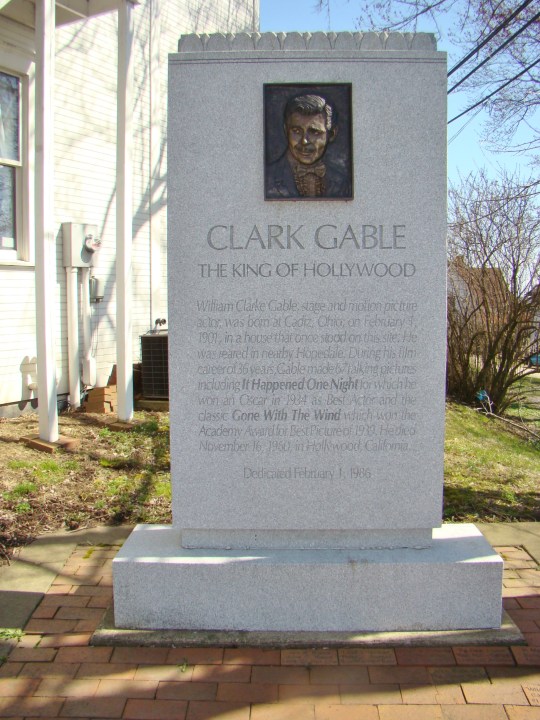
Clark Monument

This monument to Clark was the first move to honor him in his hometown.

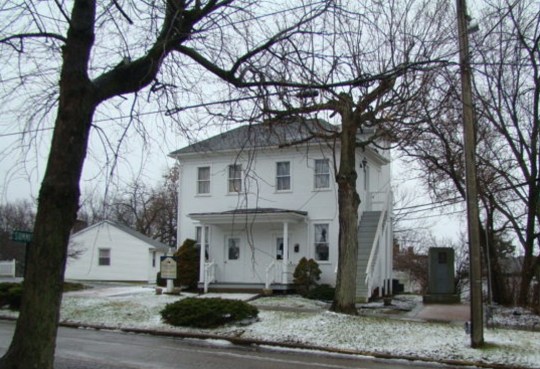
   Once the town decided to honor Clark, the first thing to be erected was a monument at the place of his birth. Then in 1998, the house was reconstructed. It has been furnished in the style of the day and has several of the King’s belongings on display.
Clark Home Upstairs

This is the reconstructed house on the spot Clark was born.

   Carole Lombard, Clark’s wife, is honored with a large display that was provided by a fan of hers, Norm Lambert. When Carole died in a plane crash while returning from entertaining the troops during WWII, Clark decided he would enlist in the Army Air Force as a tribute to her.
Clark Air Force

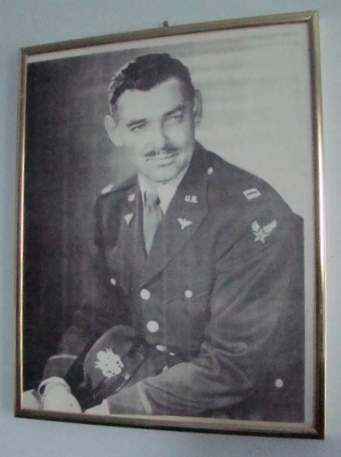
He served in WWII as a cameraman and gunner.

   During WWII, Clark Gable served as an aerial cameraman and bomber gunner in Europe with the Army Air Force. He enlisted as a private in August 1942 and was relieved from active duty in June 1944 at his request since he was over-age for combat.
Clark Cadillac

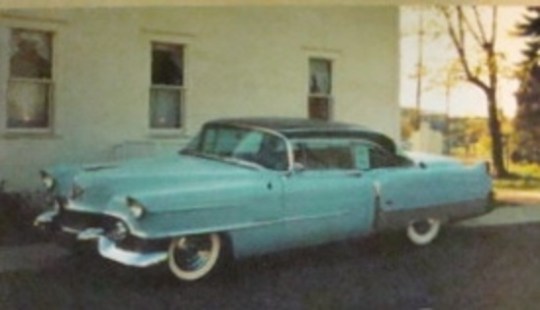
His ’54 Cadillac can still be seen as part of the tour.

   Inside you will find Clark Gable collectibles as well as “Gone With the Wind” displays. Books and pictures are on display from his childhood to stardom. In the garage, you will even find one of his cars, a classic 1954 Cadillac de Ville.
Clark Nan Mattern

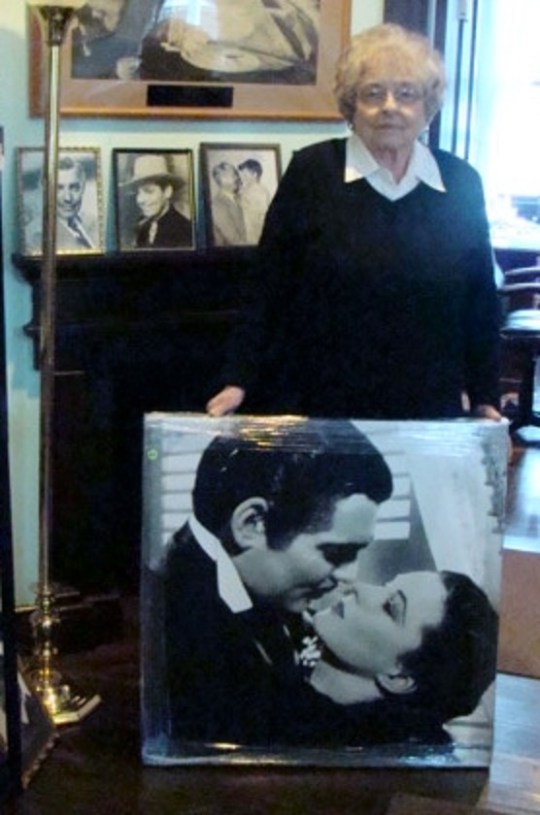
Nan Mattern, director of the museum, displays a picture from “Gone with the Wind.”

    Since it has been opened, over 150,000 people have stopped by to share their stories and see the treasures. They are made welcome by Nan Mattern, the director, and a dozen ambassadors who help with tours of the facility.

   A lady from Portland remembered seeing Clark in his first performance on stage in Oregon. A man recalled his dad telling him the story of riding in a boxcar with Clark Gable as he headed west. His dad had given Clark five dollars for food. Years later Clark came back to that town and wanted to repay him for what he had been given. Many heartwarming stories are shared.

   Clark Gable was always humble about his good fortune. He commented, “I’m just a lucky slob from Ohio who happened to be in the right place at the right time.”
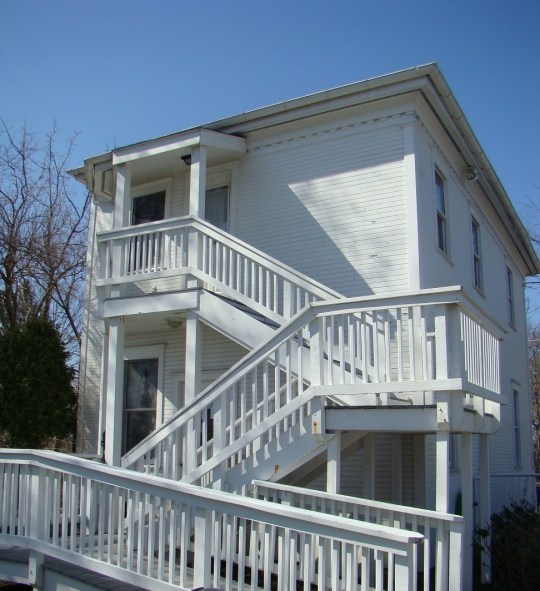
Clark Back Entrance

This is the back entranceway to the upstairs apartment where he was born.

   Clark Gable Museum is located at 138 Charleston Street in Cadiz. It is closed December through February, except for Clark’s birthday. The remainder of the year it is open Wednesday through Friday 10 – 4. But if you wish to stop down at a different time or have a group that would like to visit, contact them for an appointment. Call the museum at 740-942-4989 or Nan at 740-942-2505.
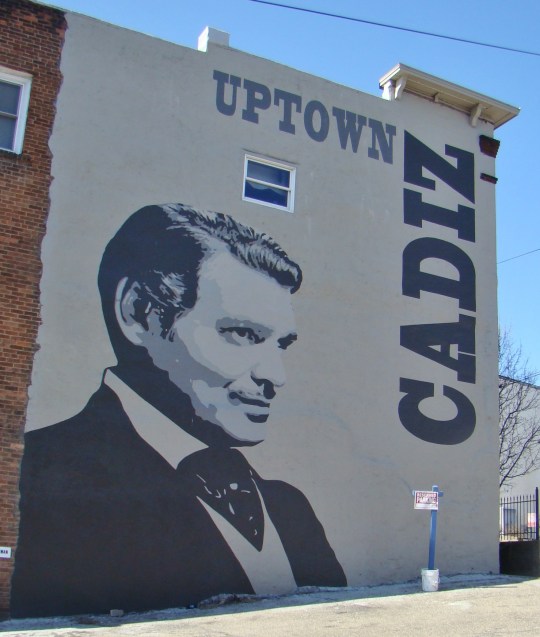
Clark Downtown

This mural in uptown Cadiz shows he is remembered as a hometown boy.

   Join the Clark Gable birthday celebration on Saturday in February when the museum will be open from 10 -2 and serve light refreshments.  Clark Gable’s birthday will not be forgotten in Cadiz. 

   Clark Gable Museum is at 138 Charleston Street in Cadiz, Ohio. It is near the intersection of US 22 and US 250. Watch for signs directing you to the museum or follow your GPS. It’s not far from downtown Cadiz. 
Memories of Christmas Past at Arms Family Museum

Arms Entrance

The Arms Family Museum presents “Memories of Christmas Past.”

By the Fireside” brings to life the traditions and decorations used during Christmastime many years ago. Picture yourself sitting by a warm fire with stockings hung from the mantle ready for Christmas surprises. There’s so much to see in seven rooms filled with Christmas of old that you’re sure to find memories that have been tucked away in your mind from years in the past.
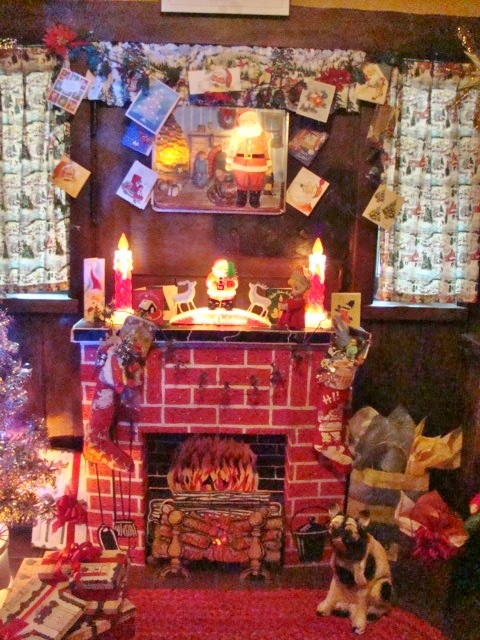
Arms Fireplace with cards

This brought back memories of hanging Christmas cards around a cardboard brick fireplace.
   The Arms Family Museum in Youngstown presents its 12th annual “Memories of Christmas Past” from November 23 through Sunday, January 5, 2020. This display has been designed each year by the mastermind of Anthony Worrellia, who explores the world for new ideas and rare Christmas decorations. Each year the rooms take on a different theme which gives them a special glow.

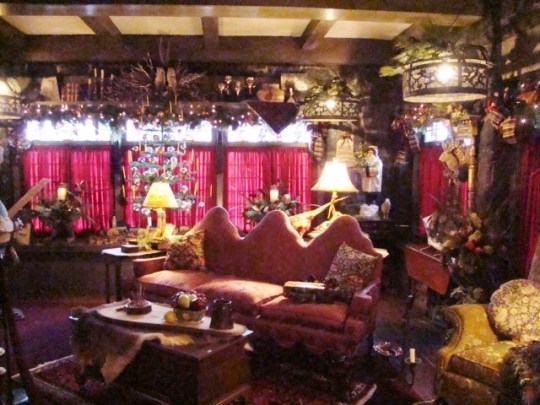
Arms Sitting Room with feather tree and wooden toys

Their cozy sitting room had a feather tree and wooden toys.

   Anthony searches all year for the perfect items to display. He borrows from friends and acquaintances all over the country. His connections through a group of international Christmas collectors, The Golden Glow of Christmas Past, help him in his search for new ideas. A team of volunteers and staff begin setting up the displays in late September.

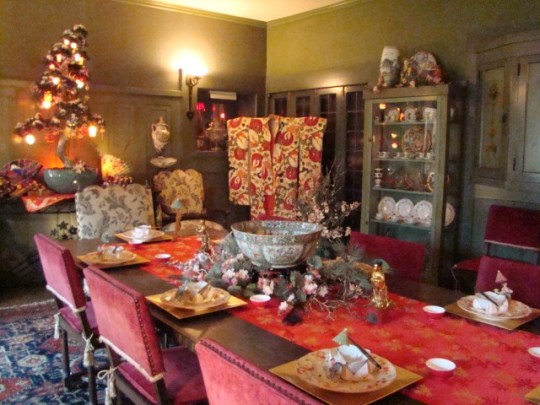
Arms Asian Dining Room

This Asian dining room was inspired by a Christmas card collection.

   His ideas might come from something as simple as a collection of Christmas cards and postcards. That happened this year when the cards led Anthony to create a dining room setting with an Asian and European touch.

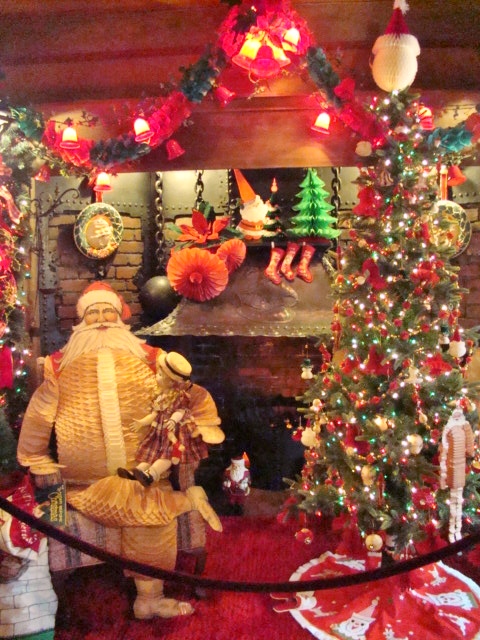
Arms Honeycomb Santa

Honeycomb Santas, candles, snowmen and other decorations were available in the 1920s.

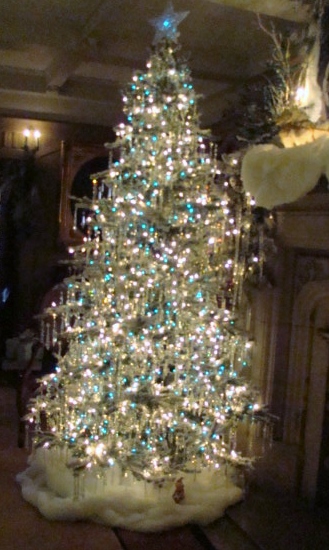
   A display of those old-fashioned honeycomb decorations from the 1920s caught my eye. Large red plastic bells hung throughout the exhibit that used to hang in the classroom. A favorite in the library was a seven and a half foot crystal tree containing over 2,000 crystals which was wrapped with blue lights creating a magical feeling.

Arms Crystal Tree

2,000 crystals shimmer in a field of blue lights.

   A fun Scavenger Hunt along the way had you looking carefully for a list of things to be found. Included were 4 snow dogs, an owl with a Santa hat, a bonsai tree, and as many elves as you could find. It also caused guests to interact with each other creating an all-round friendly atmosphere.

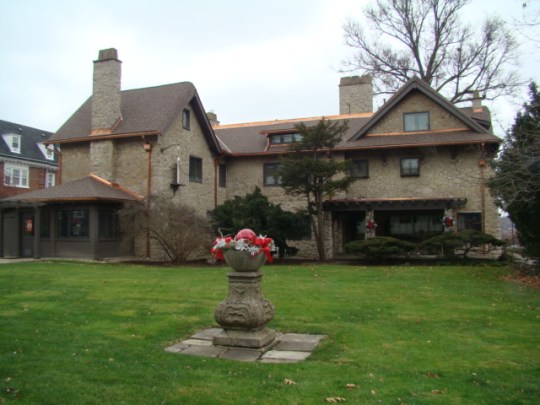
   The setting is perfect as it showcases the Greystone house built by Wilford and Olive Arms in 1905. Upon her death in 1960, Olive left the Mahoning Valley Historical Society her home and its contents with the stipulation that it be developed as the Arms Museum.

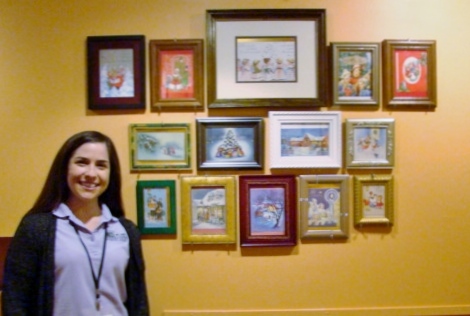
Arms Guide Cassie Christmas Card collection

Guide Cassie tells of the vintage Christmas card collection on display.

   While the first floor has Christmas in every corner, the second floor shows the mansion as it was when the Arms lived there. Children prefer the basement, which resembles an old log cabin, as this is the place where they experience hands-on activities.

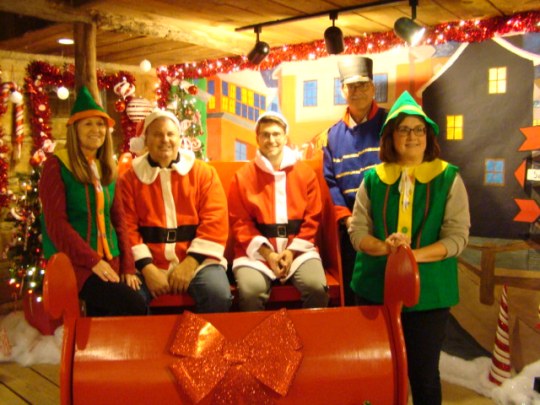
Arms Sleigh 2

Don costumes for a great photo opportunity.

   In the lower level at “Santa’s Village,” children and adults enjoy getting dressed in Christmas costumes of Santa, elf, or drummer boy. All of these costumes are locally made. Santa’s sleigh, made by another local gentleman, gives the perfect background for a photo opportunity. There are craft tables also where you can make bead or paint chip tree ornaments, holiday cards, or even a miniature Greystone mansion.

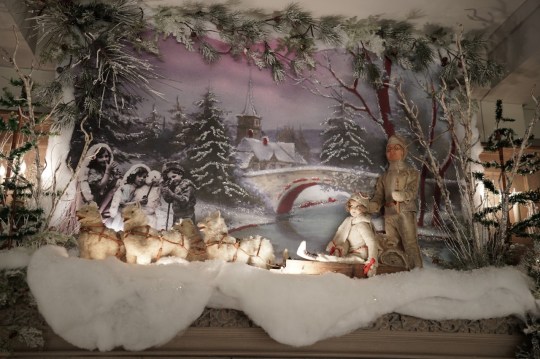
Arms Mantle Scene

This mantle scene shows four dogs pulling a girl on a sled. All of them have coats of real fur.

   Catch the Christmas spirit as you stroll through the three floors of Arms Family Museum. Volunteers throughout are very helpful and answer questions easily. The museum is open Tuesday through Sunday from noon – 4:00 from now until January 5, 2020, with their display of “Memories of Christmas Past.” In January, they will be rearranging and cleaning to be ready to open the traditional mansion in February.

Arms Gift Shop

Their gift shop contained many vintage items.

   Admission is $10 for adults and $8 for children with toddlers under 3 being admitted at no charge. Active military, as well as military veterans, are always free. It’s quite a popular spot as over 8,000 people enjoyed the Christmas exhibit in 2018. Something new this year is permission to take pictures without a flash. Everyone enjoys photos of memorable places they visit.

  Arms Sign   Families have made “Memories of Christmas Past” a family tradition since there’s something new every year. Everyone will enjoy awakening memories and making new ones during a visit to the Arms Family Museum. The magic of Christmas never ends.
The Arms Family Museum is located in Youngstown, Ohio at 648 Wick Avenue. It is near the Youngstown State University campus so watch for their exit signs.

Founder of Piggly Wiggly Built Pink Palace

Piggly Wiggly pink palace

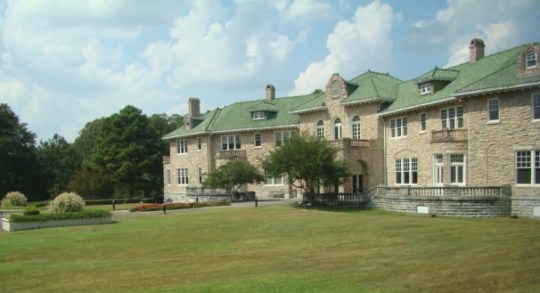
The Pink Palace was built in the 1920s by Clarence Saunders, founder of Piggly Wiggly.

   If you want to impress your friends and neighbors, building a pink marble palace might be one possibility. That is what Clarence Saunders decided to do back in the 1920s.

Piggly Wiggly trucks

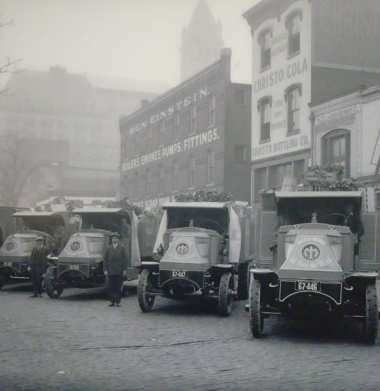
Piggly Wiggly had their own delivery trucks.

   Clarence Saunders began working in Owen’s general store at the age of ten by cleaning, oiling, and trimming the kerosene lamps. When he was fourteen,  Owens hired him permanently at a salary of $4 per month plus room and board. A few years later, he received a job at another general store for $10 a month and worked there until he was 17.

Piggly Wiggly store

This is a replica of the interior of an original Piggly Wiggly.

   After working in the general store all those years, Saunders thought of ways to make it more customer-friendly. As a result, Saunders became the founder and sole owner of a new kind of general store. He wanted his store to be unique so named it Piggly Wiggly.

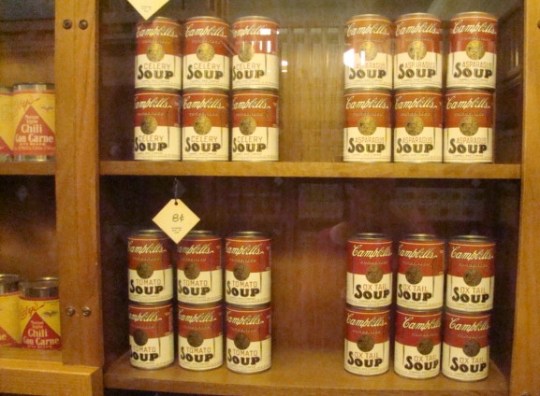
Piggly Wiggly Soup display

You could pick a can off the shelf all by yourself.

   This was the first true self-service grocery store. Previously, the clerk in the store retrieved the items for the buyer and brought them to the counter.  Now, the buyer entered through a turnstile and went down the aisles picking up the things they wanted and brought them to the counter to check out their total price.  By  1921, he had 615 grocery stores in forty states and many more franchises.

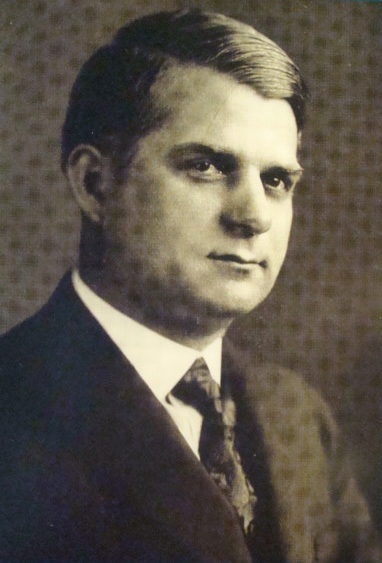
Piggly Wiggly Saunders

Clarence Saunders founded Piggly Wiggly.

   Saunders chose to use the fortune he had amassed through Wall Street stock to build a lovely home in Memphis, Tennessee. He purchased 155 acres across the street from the Memphis Country Club. He called his new home Cla-Le-Clare to honor his children Clay, Lee, and Amy Clare.  Since it was being built of pink Georgia marble, the Memphians called it the Pink Palace.

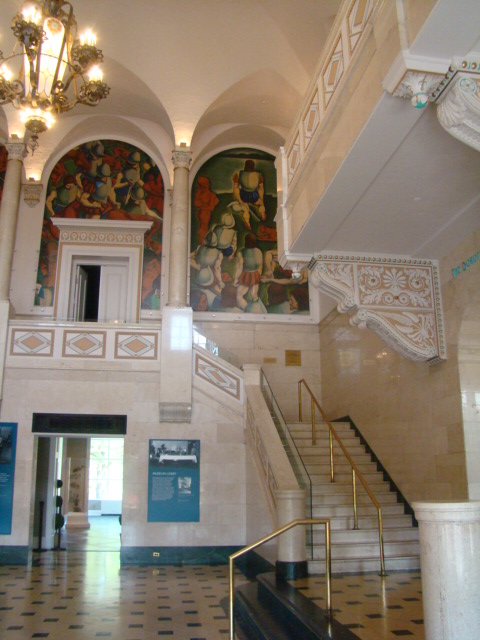
Pink Palace lobby

The Grand Lobby contains restored Burton Callicott murals.

   Sadly, his good fortune on Wall Street did not last. With only the exterior of the house finished, it was sold at public auction in 1925 and plans were to demolish it. However, the Garden Corporation stepped in and had the palace donated to the city with hopes of turning it into a museum.

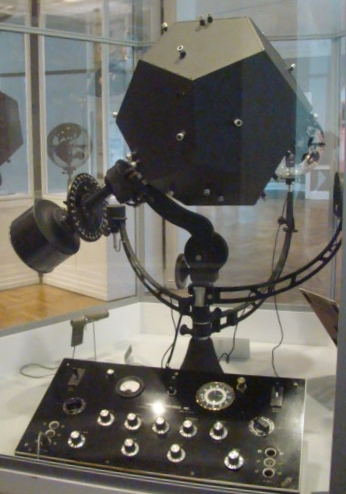
Pink Palace star

Early controls for their planetarium are on display.

   A group of high school boys formed the Memphis Astronomical Society in 1953. They gathered weekly to look at the stars from the lawn. The city wanted to construct a planetarium and it was finally decided to put it in the Pink Palace. Due to a lack of funds, the high school boys ran the planetarium on the weekends for many years.

Pink Palace shows

Interesting films are shown on a large 3-D screen.

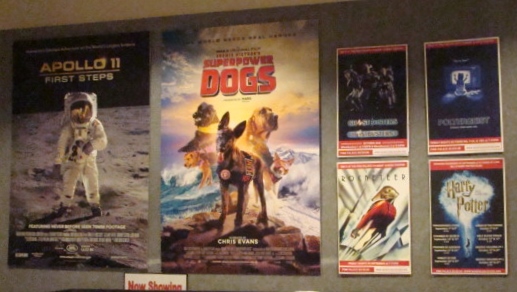
   The Mansion Theater has shows running throughout the day on a large 3-D screen. When visiting, the Dinosaur movie projected creatures flying into the audience and walking close by. Apollo II was to be shown later in the day.

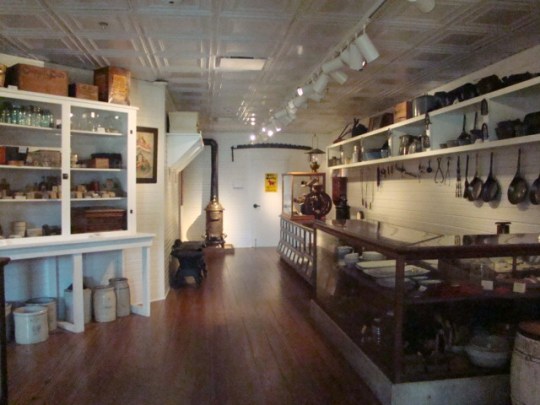
Pink Palace General Store

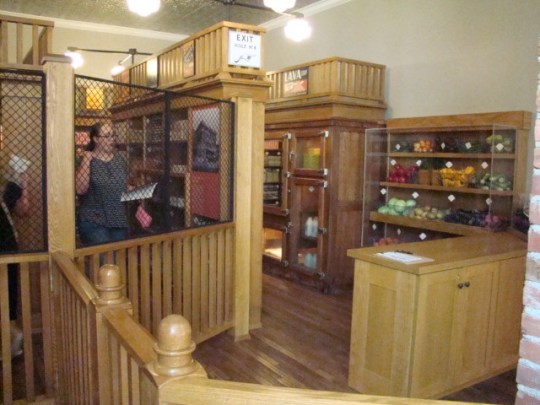
Take a walk through an old general store where you were waited on personally.

   Explore an old general store like Clarence worked in as a boy. Then visit his first Piggly Wiggly store and see the improvements. His advertisement contained stories like these:

   A customer wants 5 pounds of granulated sugar put up in a cloth bag. She is in a hurry so she runs into Piggly Wiggly and helps herself. She pays the cashier and away she goes.

Piggly Wiggly circus

Enjoy a moving miniature circus in the Clyde Parke Circus Gallery.

   Upstairs the Clyde Parke Miniature Circus filled an entire room. This is a 3D model of a real circus done to 1:12 scale. Parke carved each of the figures from white pine he salvaged from packing crates. There are animals, clowns, a lady on a trapeze, and an audience of 1500 people. He donated the circus so people would remember “when the circus was the biggest show in town.”

Piggly Wiggly bear

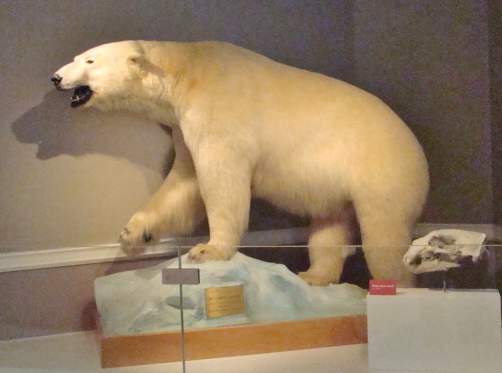
This polar bear attracts plenty of attention.

   A large male polar bear from Alaska was donated to the museum forty years ago for educational purposes by Dr. Harold Misner. The bear has been a popular presence at many weddings in the Pink Palace. When the Memphis Grizzlies make the playoffs, he is lit with blue lights.

   The Pink Palace captures the history of not only Piggly Wiggly but that of early natural history in “A Walk Through Time” and the history of the early days of the South. Take time to visit their theater, have lunch at Metro Eats, and take home a memory from the Museum Store.

   “There’s Lively Learning for All at Pink Palace Museum.”

The Pink Palace is located at 3050 Central Avenue, Memphis TN. Your GPS should come in handy to find this location.


The Ark Encounter – Bigger Than Your Imagination

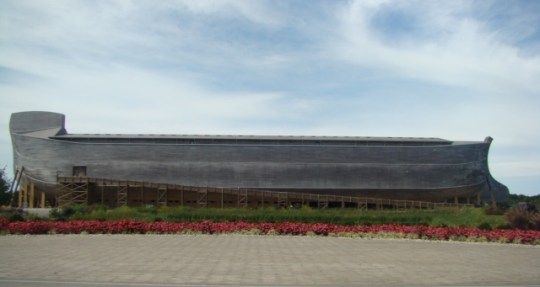
Ark Encounter

Visitors are in awe at the immense size of the Ark.

Awesome! That word was frequently used by visitors to describe their first impression of The Ark Encounter. Its size impresses everyone.

Ark Entrance Garden

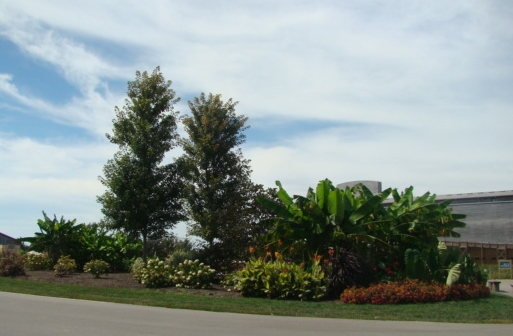
Beautiful gardens appear throughout the grounds.

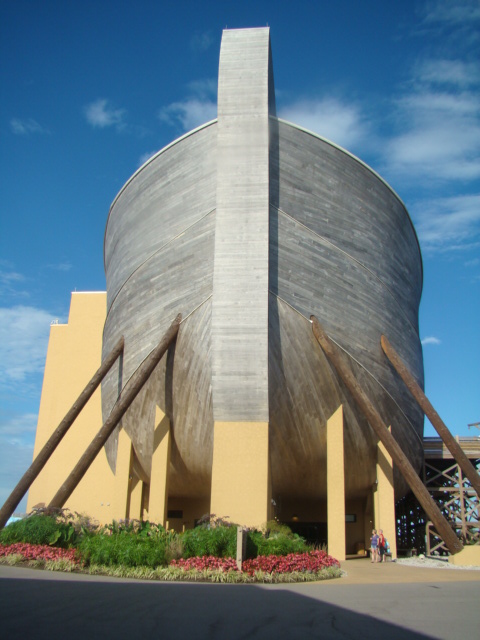
   The Ark Encounter fills the area. Noah’s Ark was much larger than most people realize. At 510 feet long, 51 feet high, and 85 feet wide, the numbers can’t really express the size of this immense biblical ship.

   Situated in Williamstown, Kentucky halfway between Cincinnati and Lexington, Ark Encounter is the largest timber-frame structure in the world. It was built in part by skilled Amish craftsmen from standing dead timber and opened in 2016. Since that time, hundreds of thousands of people have visited and up to 8000 in a day.

Ark Founder

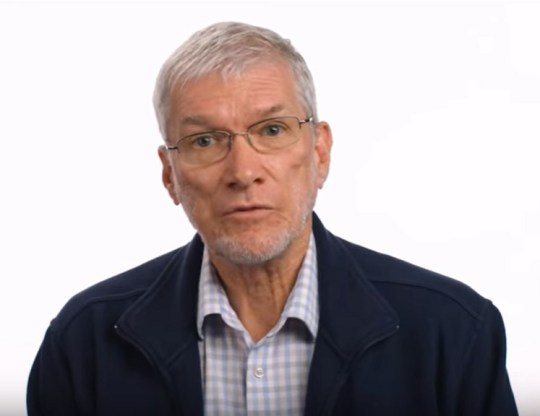
Ken Ham is president and founder of the Ark Encounter and Creation Museum.

   This all became possible due to a dream of Ken Ham, a science teacher from Australia. His desire was to found a Creation Museum based on the book of Genesis. In 1987, he moved his family to the United States to proclaim the accuracy of the scriptures. He came to the Cincinnati area in 1997 because of its location to a large portion of the country’s population and purchased the land in 2000. He formed the group Answers in Genesis and opened the Creation Museum in 2007. In 2010, the decision was made to build the Ark Encounter.

Ark Bus

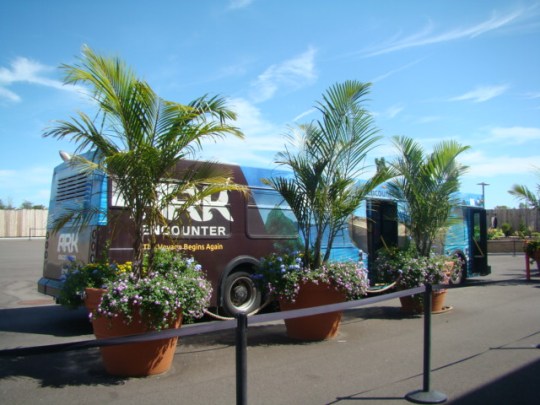
Bus transportation is provided between the parking lot and the Ark location.

   Friendly guides take people by bus from the entrance gate to the Answer Center. Here films about the Ark are shown throughout the day. “The Building of the Ark Encounter” provided an interesting view.

Ark Rainbow Gardens

The Rainbow Gardens are near the entrance to the zoo.

   Then walk through sidewalks lined with beautiful flower gardens to arrive at the actual entrance to the Ark. As you exit the ark, there are Rainbow Gardens, which make you feel like you’re visiting a tropical paradise.

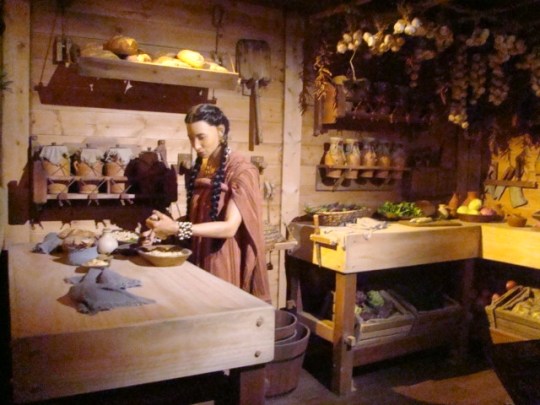
Ark Kitchen

Meals were prepared in this possible kitchen area for Noah and his family.

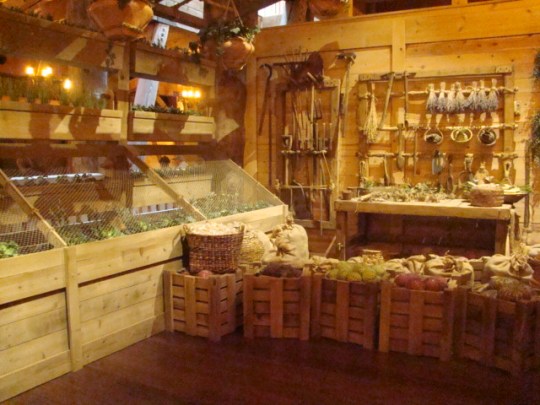
Ark Garden

They grew vegetables on board and followed a vegan diet.

   Drift back in time to meet Noah in his 600th year and his seven family members, who lived on the Ark and cared for all the animals during the Flood. Visit all three decks to learn more about the story.

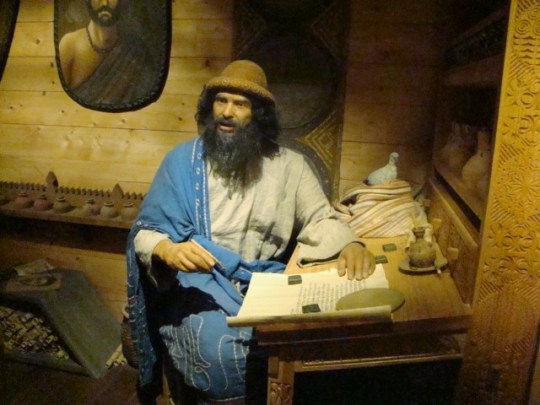
Ark Noah

Noah answers interesting questions from a select list.

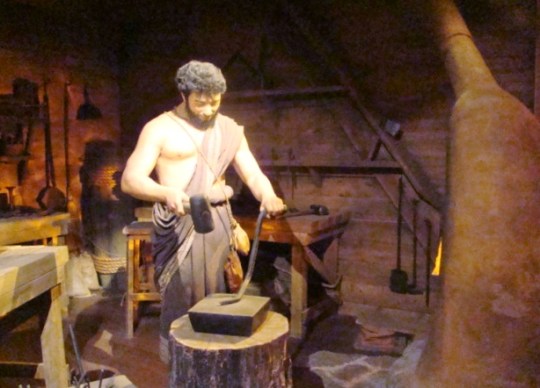
Ark Blacksmith

A son took care of the blacksmith’s repair chores.

   Look in their living quarters on deck three and see what they probably looked like. Find out how they cooked their food, where they slept, how they gardened, and what they did for fun. Here you can press questions for Noah to answer about their life.

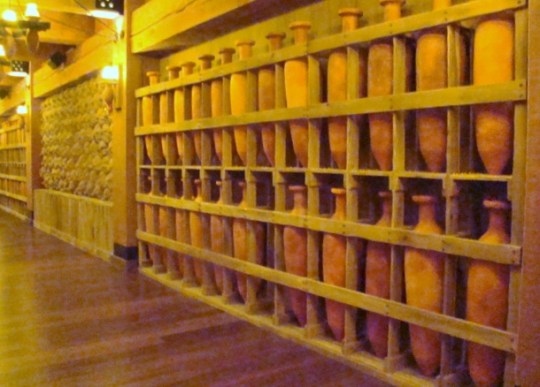
Ark water jugs and bags of grain

The first deck contained water jugs and bags of grain to feed the animals.

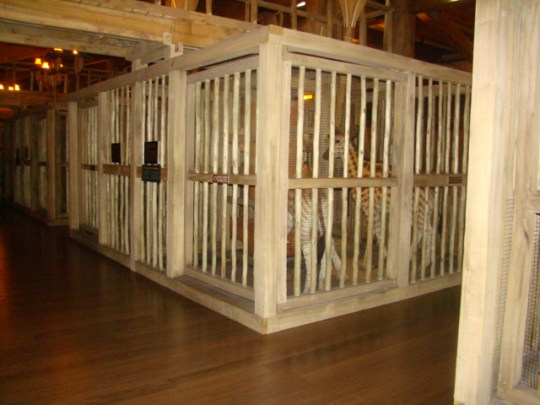
Ark Giraffe cages

Rows of cages contained the animals on the second deck of the Ark.

   Of course, you’ll want to meet the animals that were on the Ark to see what lived during that time. Learn what Noah and his sons fed the animals and how they fit them all on the Ark. Onboard the Ark, you’ll find exotic sculpted animals. When you exit, you’ll find live animals in their Ararat Ridge Zoo.

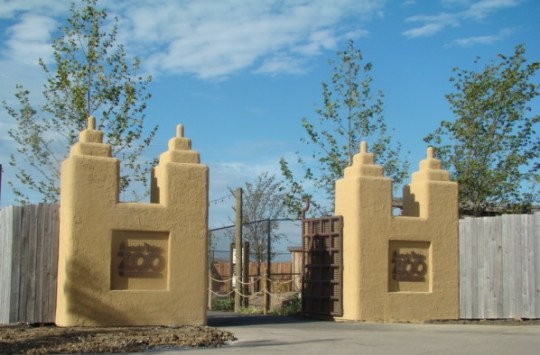
Ark Zoo Entrance

Enter these gates to view the Ararat Ridge Zoo.

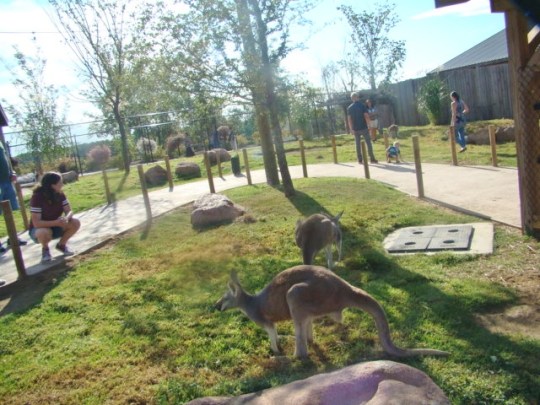
   The petting zoo is a favorite of children and adults. A special kangaroo pen lets visitors have a close encounter with the roos. Make plans to see the Ararat Ridge Zoo earlier in the day as when 5:00 feeding time rolls around, the animals all disappear inside for their evening meal.

Ark Kangaroos

The kangaroo pen allowed visitors to come inside and pet the roos…if they were on the sidewalk.

Ark Emus

The emus paced their cage area and watched visitors.

   Visiting the entire establishment will take at least three or four hours. Some people come back for a second day as there is so much to see. Stop by Emzara’s Buffet for a relaxing full meal or get some snacks of ice cream, pizza, or funnel cakes in the Village Market. Parents can relax while children enjoy an exceptionally nice playground.

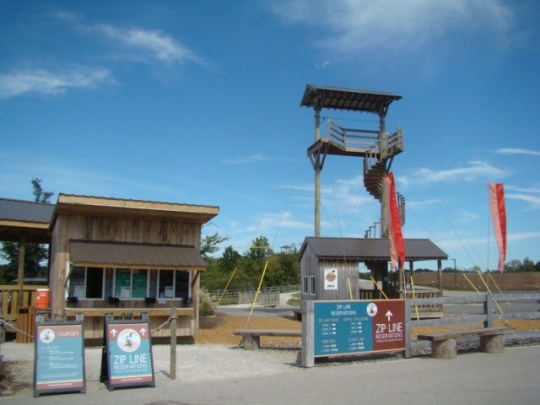
Ark Zip Line

Try the Screaming Eagle Zip Line for a fun adventure.

   They even have a Screaming Eagle Zip Line with speeds of 50 mph for the adventurous. Try a free fall jump or test your balance on the aerial adventure course. There’s something here for everyone.

Ark Bow

The visitors in this picture give a good size comparison to the bow of the Ark.

   Set on 800 acres in western Kentucky, they have a lot of room to grow. Plans are already underway for the Tower of Babel and a Giraffe Safari.

   The Ark Encounter is a great Biblical adventure for the entire family.

The Ark Encounter is located in Williamstown, Kentucky west of Exit 154 off I-75.  It is approximately 40 miles south of Cincinnati, Ohio. 

.

s that lived during Noah’s lifetime animals we see today.