Places to go and things to see by Gypsy Bev

Archive for the ‘Museums’ Category

Deck the Hall at Stan Hywet Hall & Gardens
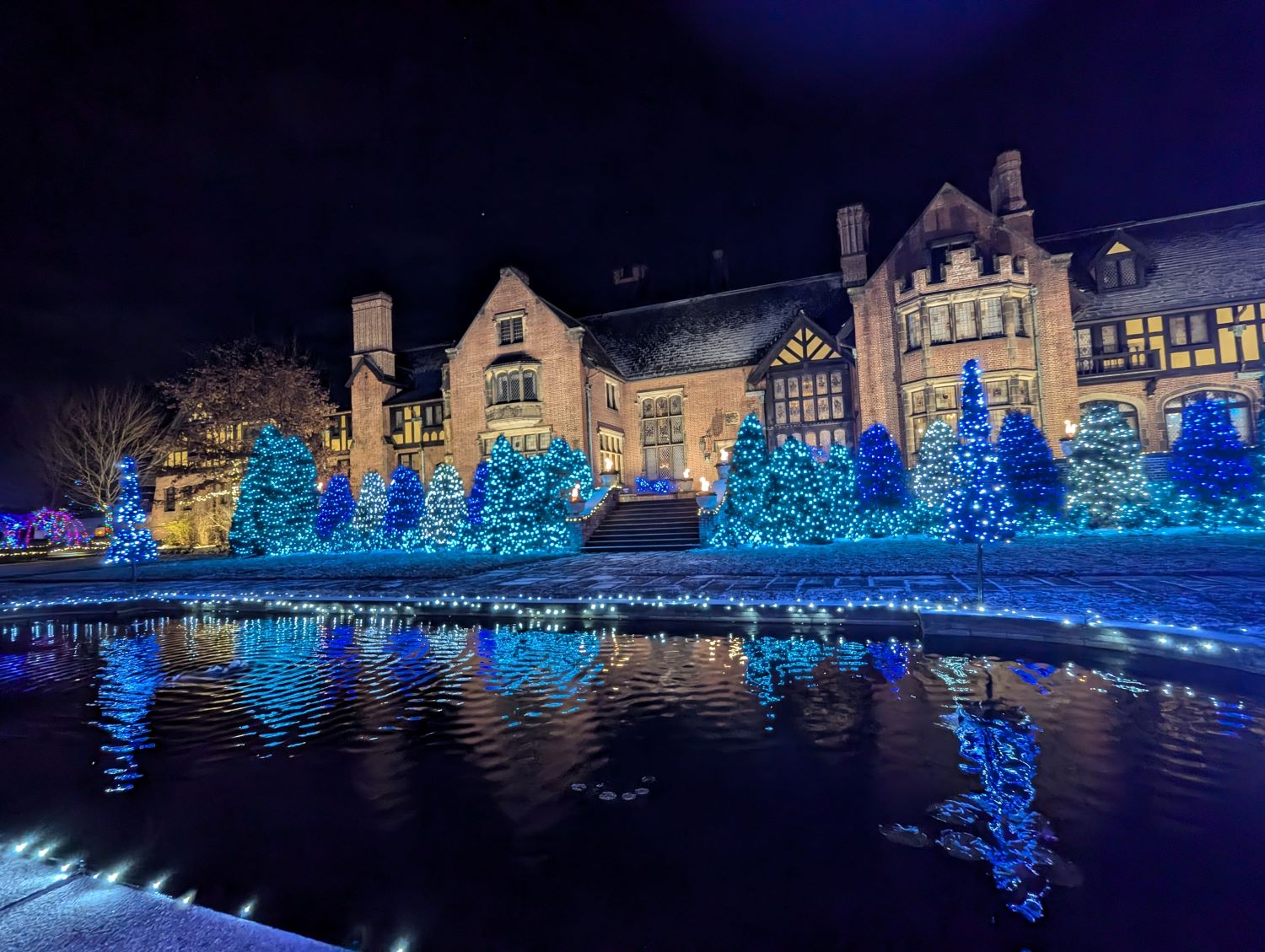
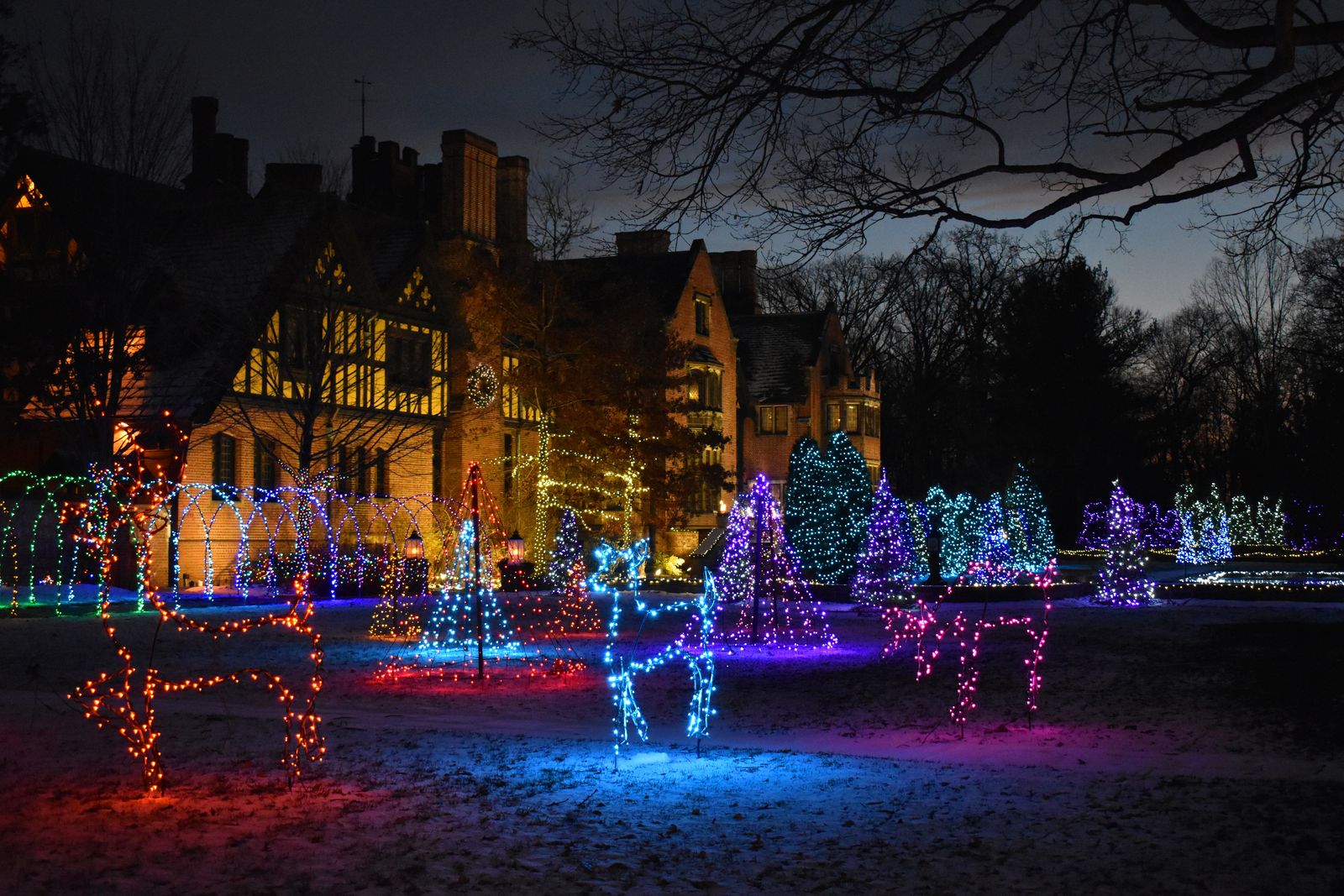
Celebrate the holidays at Deck the Hall when you visit Stan Hywet Hall & Gardens from November 28 – December 30. While Deck the Hall began in 1988, every year is bigger and better. There’s always something new. You’ll be amazed at over 1.4 million lights throughout the estate in this magical Christmas wonderland. While it is lovely all year long, the holidays bring an extra glow that everyone will enjoy.
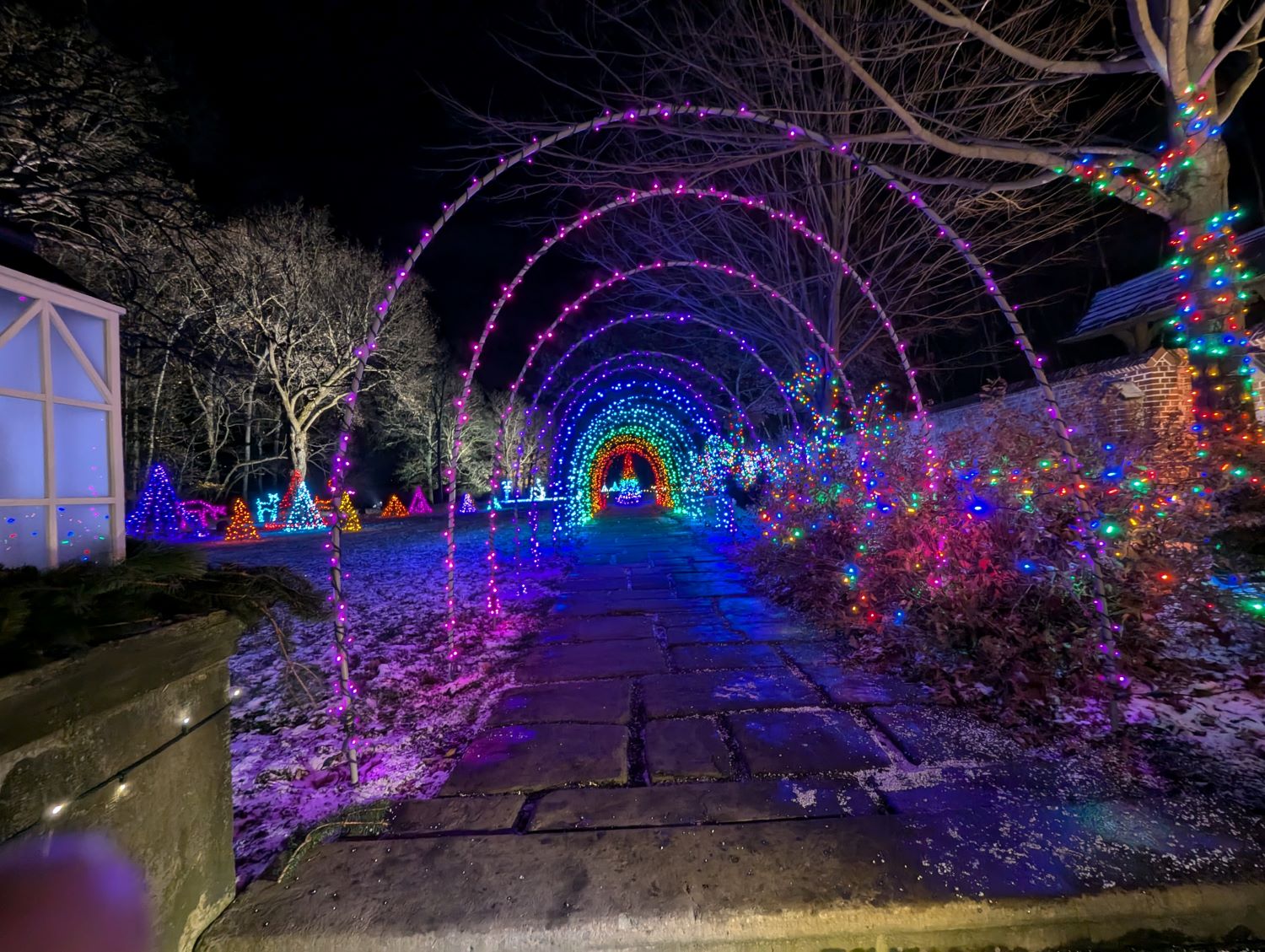
This lighted tunnel guides you through the grounds.

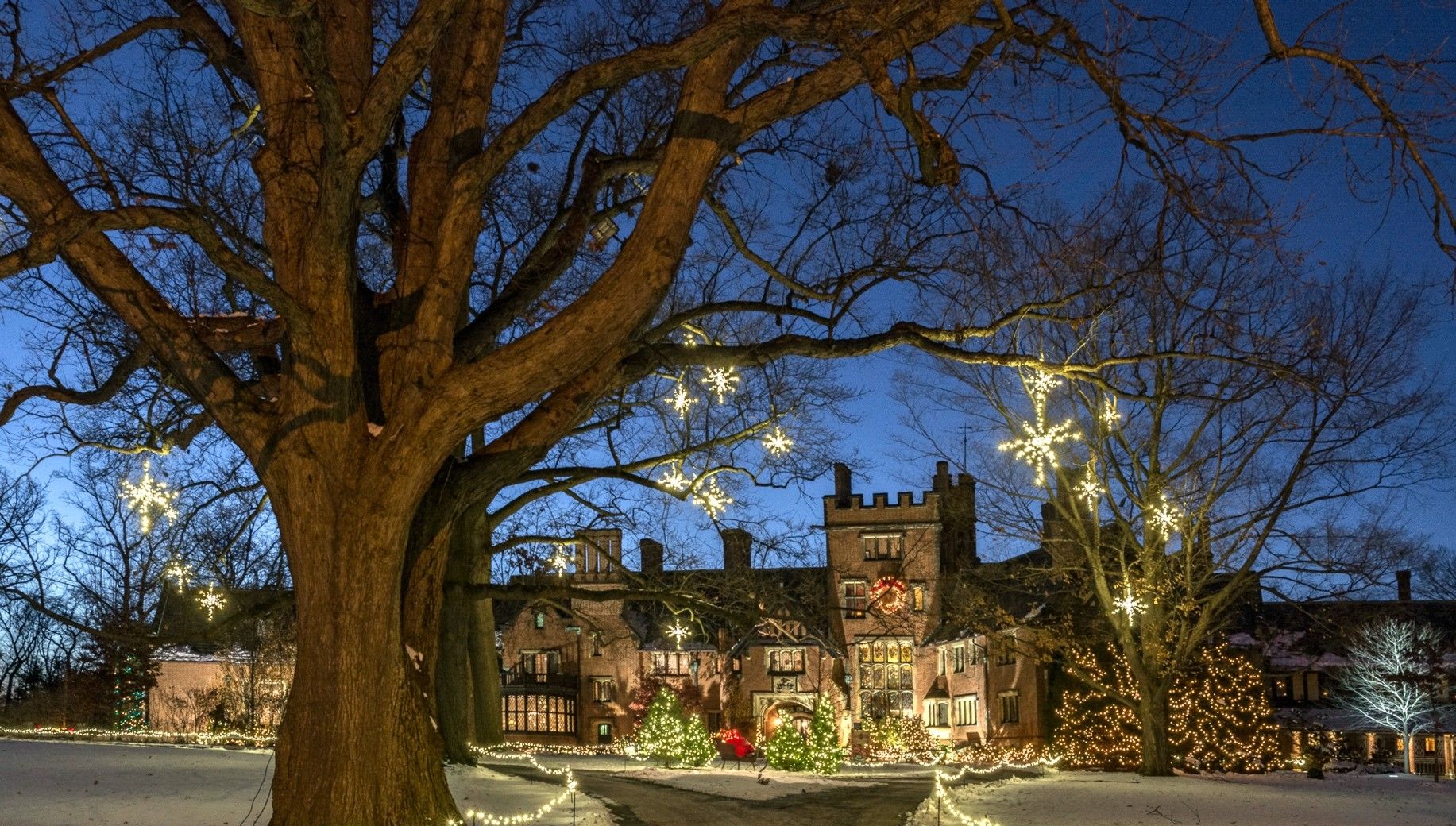
Many know Stan Hywet as a beautiful historic house in Akron. This was the original site of a stone quarry and gets its name from Old English, where Stan Hywet means stone quarry. This was the country estate of Frank A. Seiberling, one of the co-founders of Goodyear Tire and Rubber Company in 1898.
From hospitals and housing to parks and education, their family legacy of giving built a stronger, more connected community. At Stan Hywet, they carry on that spirit of generosity every day by preserving the home they created for the public good. Above the Manor House front door is a sign that reads “Non Nobis Solum” (Not for us Alone), a mantra Gertrude Seiberling included when Stan Hywet was being built and a mantra that continues to inspire all they do today.
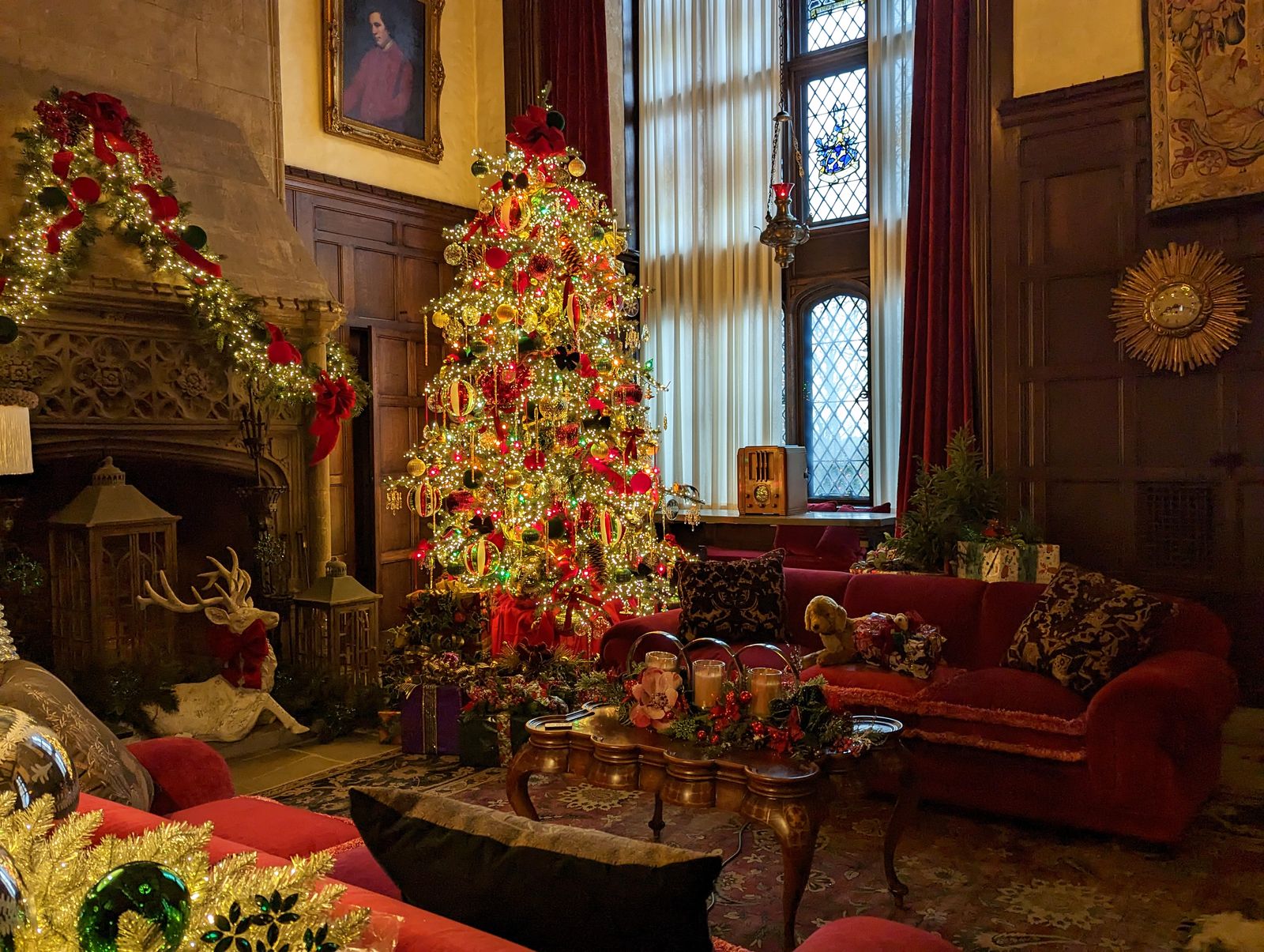
Great Hall holds the beauty of an old-fashioned Christmas.

Your Deck the Hall ticket gives you access to a self-guided tour from 3-7:30 pm of the stunning Manor House with it’s dazzling winter-themed décor in twenty rooms. There are also many Christmas displays as each room has a special theme that often brings the beauty of nature inside. There’s even a Lego room that the kids especially enjoy.

Santa and Rudolph are favorites of children and the young at heart.

Visit Santa and Rudolph in the Carriage House Courtyard through December 23. They love to greet the children and have pictures taken with them. Stop in Molly’s Courtyard Cafe for cocoa, gingerbread cookies, beer, or wine and find some great gifts at Molly’s Shop. There’s a new digital Christmas tree on display here.

Molly’s Courtyard is a favorite stop for lights, snacks, and great gifts.

The ticket also gives you access to see all the outdoor lights, Gingerbread Land, and the Dazzle Light Show, an animated light show set to holiday music, in the Great Garden. Step outside into seventy acres of beauty where you are surrounded by the magic of the Christmas season. Twinkling lights around every bend of the walk are incredible.
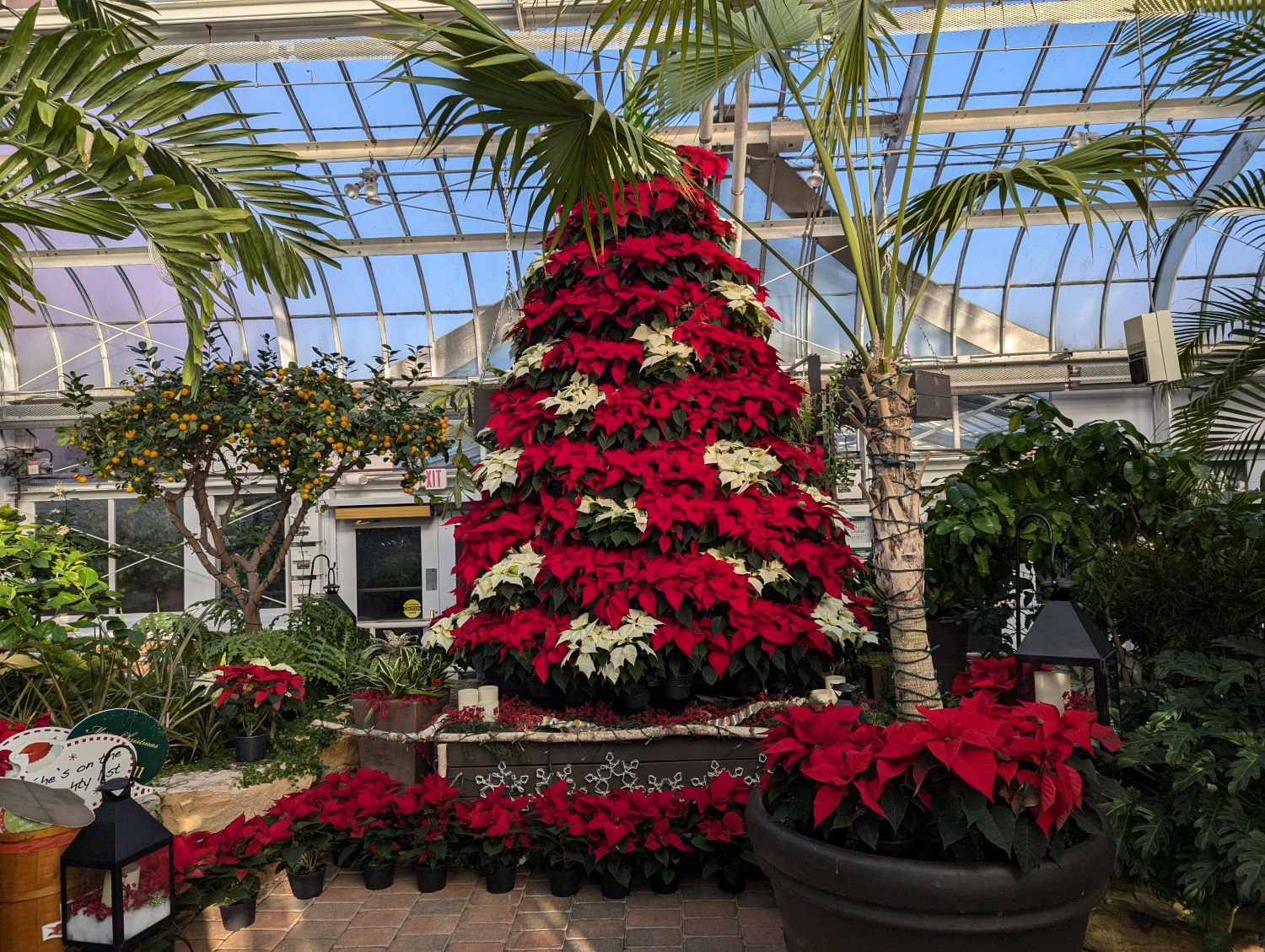
Find a beautiful poinsettia tree inside Corbin Conservatory.

Corbin Conservatory was originally used by the Seiberling family to grow produce and plants. For Deck the Hall, it is filled with poinsettias of every color imaginable. Pick out your favorite color for a reminder of your visit when you return home.

The playground is always decorated with something the children will enjoy.

Homes of Nature / Children’s Playgarden is a favorite spot for youngsters with decorations that attract their attention. There is so much to explore here from the music of Harmony Hill, the barking of a St. Bernard at Joe’s Dig, or the Model A Ford with rubber tires to remind everyone of the former owner.

Special nights are planned throughout the season. Visit their website at https://stanhywet.org/events/deck-hall for detailed information.

  • Dinner, Ballet, and Deck the Hall features The Little Nutcracker presented by the Cleveland Ballet on December 3 and 4.
  • Dinner and Deck the Hall includes a festive holiday dinner in the Manor House Reception Hall on December 5, 10, 11, and 12.
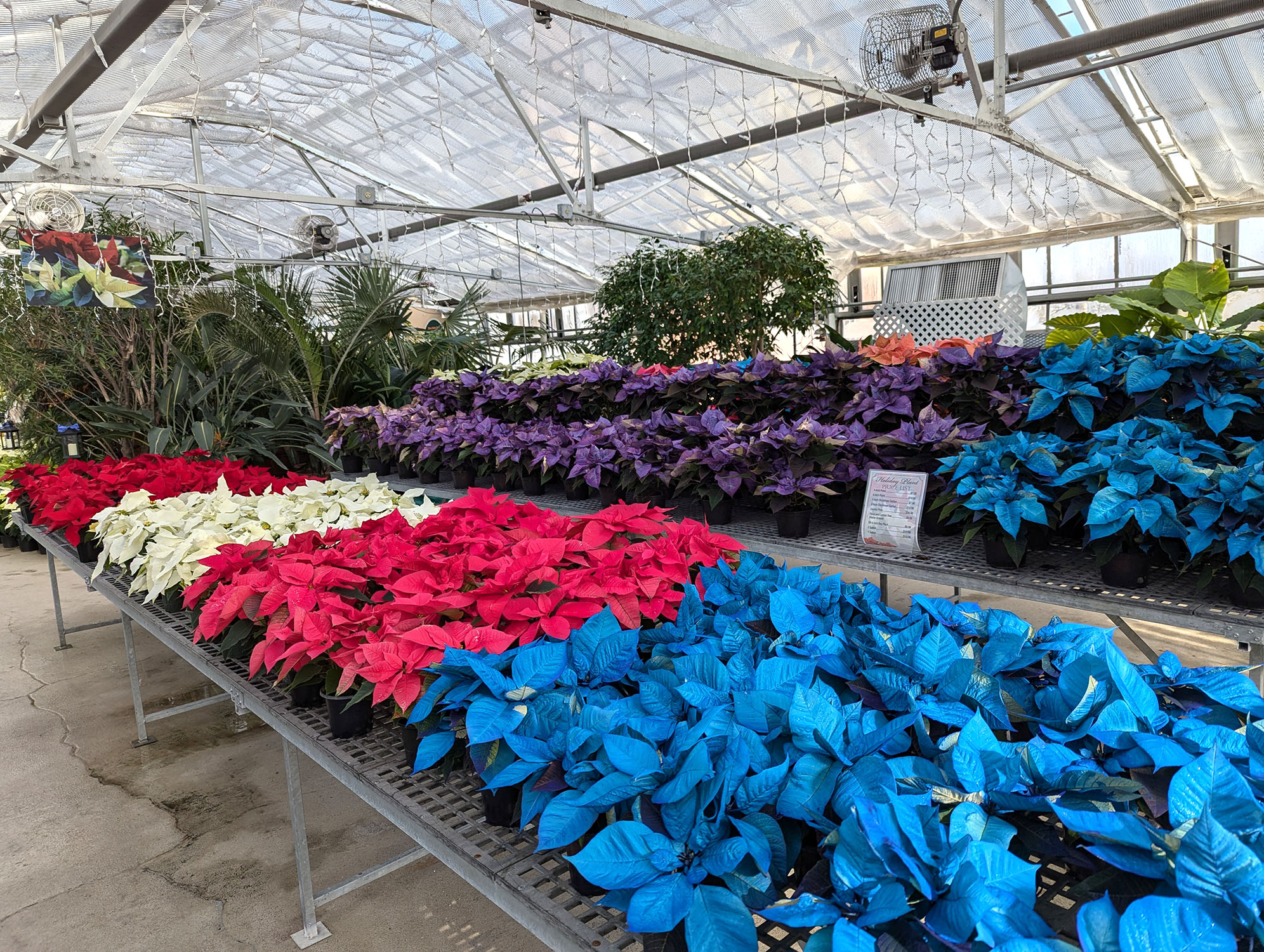
Take home a poinsettia in your favorite color from the Conservatory.

Deck the Hall at 714 N. Portage Path, Akron is open Nov. 28 – 30, Dec. 4 – 7, 11 – 14, 18 – 23, 26 – 30. They are closed on December 24 and 25. Your visit can begin at 3pm with the last admission being 8 pm.

All tickets must be purchased in advance at stanhywet.org or by calling 330-315-3287. Many nights sell out so get your tickets early. Admission is $28 for adults and $15 for youths (3-17). Children two and under are free. Members of Stan Hywet receive a discount.
Once inside, you can remain on the grounds until 9pm. Parking is free in their Main Lot. When that lot fills, there will be auxiliary lots with shuttle service. Beverages, food, and strollers are not permitted inside the Manor House. There is an area just outside the Manor House to park strollers.

Walk through the sparkling lights to be surrounded by the holiday spirit.

Dress warmly as this celebration is a walking experience that takes you both inside and outside. If you want to see everything, allow yourself two to three hours to see this winter wonderland that sparkles with holiday cheer.
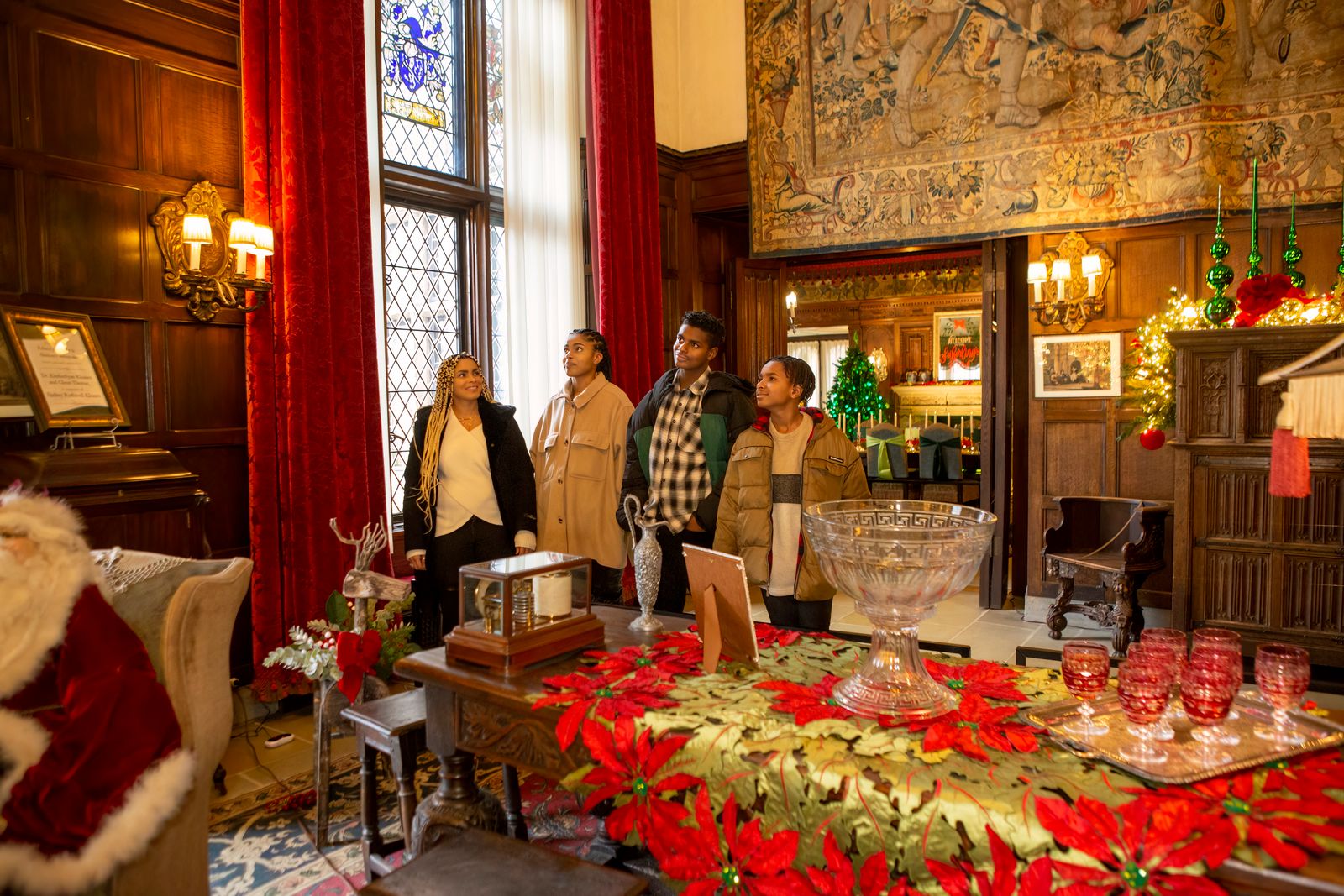
Families make Deck the Hall an annual tradition.

Many families have made Deck the Hall a family tradition. Take time from your busy schedule this year and make it part of your family’s celebration.
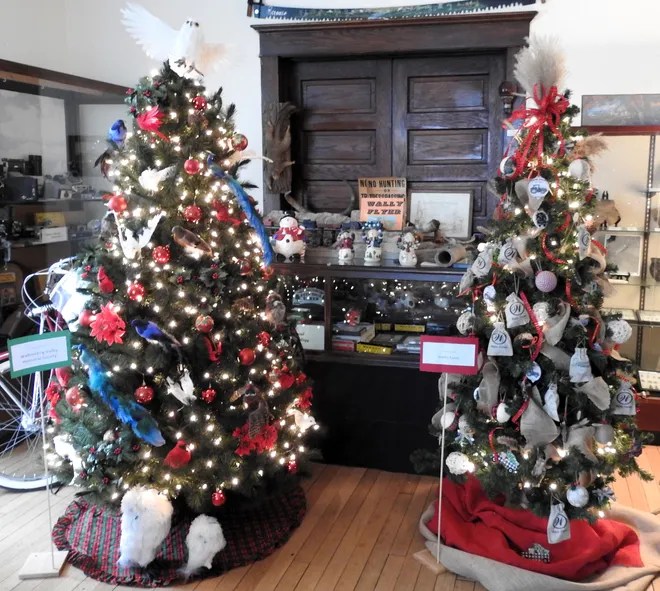
Walhonding Valley Historical Society Museum Presents Festival of Trees

Learn the history of the Walhonding Valley area while celebrating the spirit of Christmas during their holiday celebration. Beautiful Christmas trees are on display during their 9th annual Festival of Trees with entries from individuals, groups, and corporations.
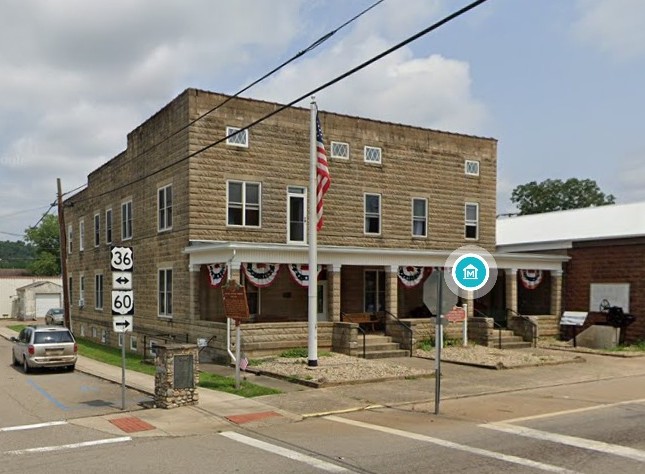
Walhonding Valley Museum can be found at the corner of Routes 36 and 60 in Warsaw.

The Walhonding Valley Historical Society Museum at 102 E. Main St. in Warsaw was formed in 2001 as a result of a vision by community leader Marvin Davis. Marvin wanted there to be a way to share stories of the past for future generations so they could cherish its traditions and learn from its lessons. Next year they will celebrate their 25th anniversary.

It began in a one-room building but soon needed more space. At that time, they purchased the present building, which is on the National Register of Historic Places. From 1906-1975, this building was a doctor’s office. The second floor had 13 rooms to rent or use for the patients. The first caesarean section in the county was performed in this building. Doctors came in by train as needed

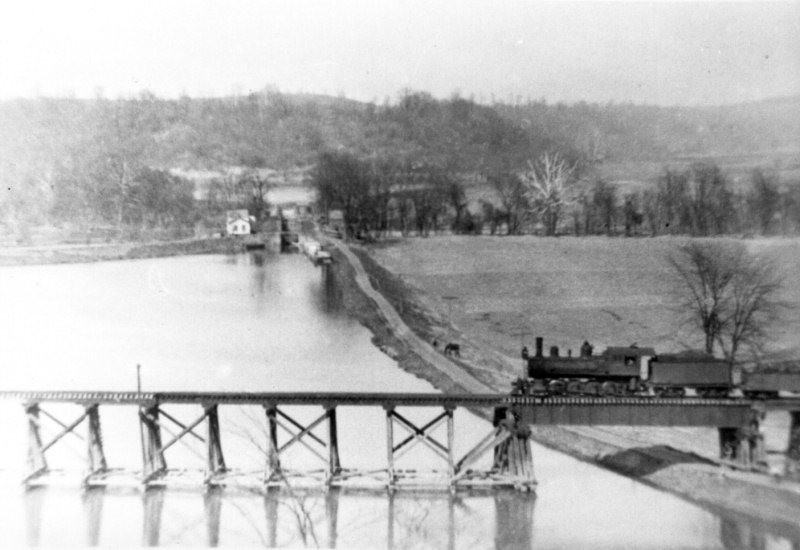
This trestle crossed the Walhonding River at Roscoe.

The Walhonding River plays a large part in their early history. It is said to have been an Indian name for a white woman. On early maps in 1752, the river was actually labeled “White Woman River.” The first white woman to live in the area was Mary Harris, who married Chief Eagle Feather of the Delaware tribe.

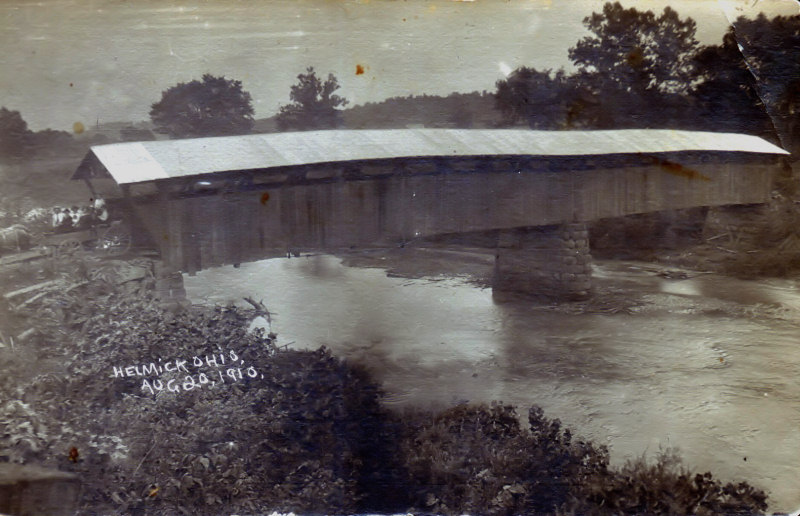
This covered bridge crossed the river at Helmick in 1910.

White Woman’s Rock can be found at Kilbuck Creek, a branch off the Walhonding River between Coshocton and Warsaw. Legend says that a white woman jumped from this rock with her baby to avoid having the Delaware Indians make them captives or worse.

Johnny Appleseed, also known as John Chapman, planted his first apple tree nursery in 1798 and planted many trees in the Walhonding Valley. He walked hundreds of miles and planted thousands of trees but also protected settlers from Indian attacks, helped them build cabins, and was a source of inspiration to everyone he met.

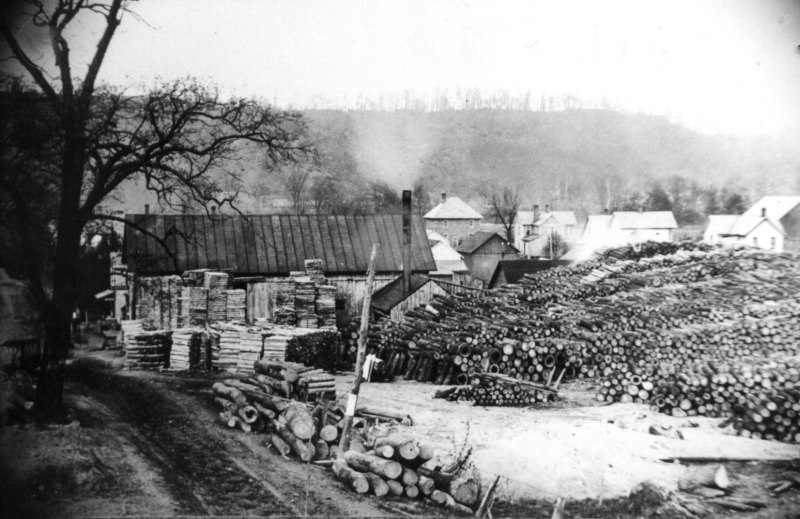
Nellie had a busy ax handle factory.

Many native artifacts of the area can be found in the museum. They show a glimpse of the area’s prehistoric past. The Delaware Indians lived in Jefferson Township where they mined flint. An impressive display of this early local flint is on display. The dates and place of the flint has been authorized by studies from Ashland University and the College of Wooster.

Traffic on the river was not always possible so a canal system was built in 1842 with a branch canal being the Walhonding Canal. By 1844, there were 100,714 bushels of wheat and flour being shipped on this canal.

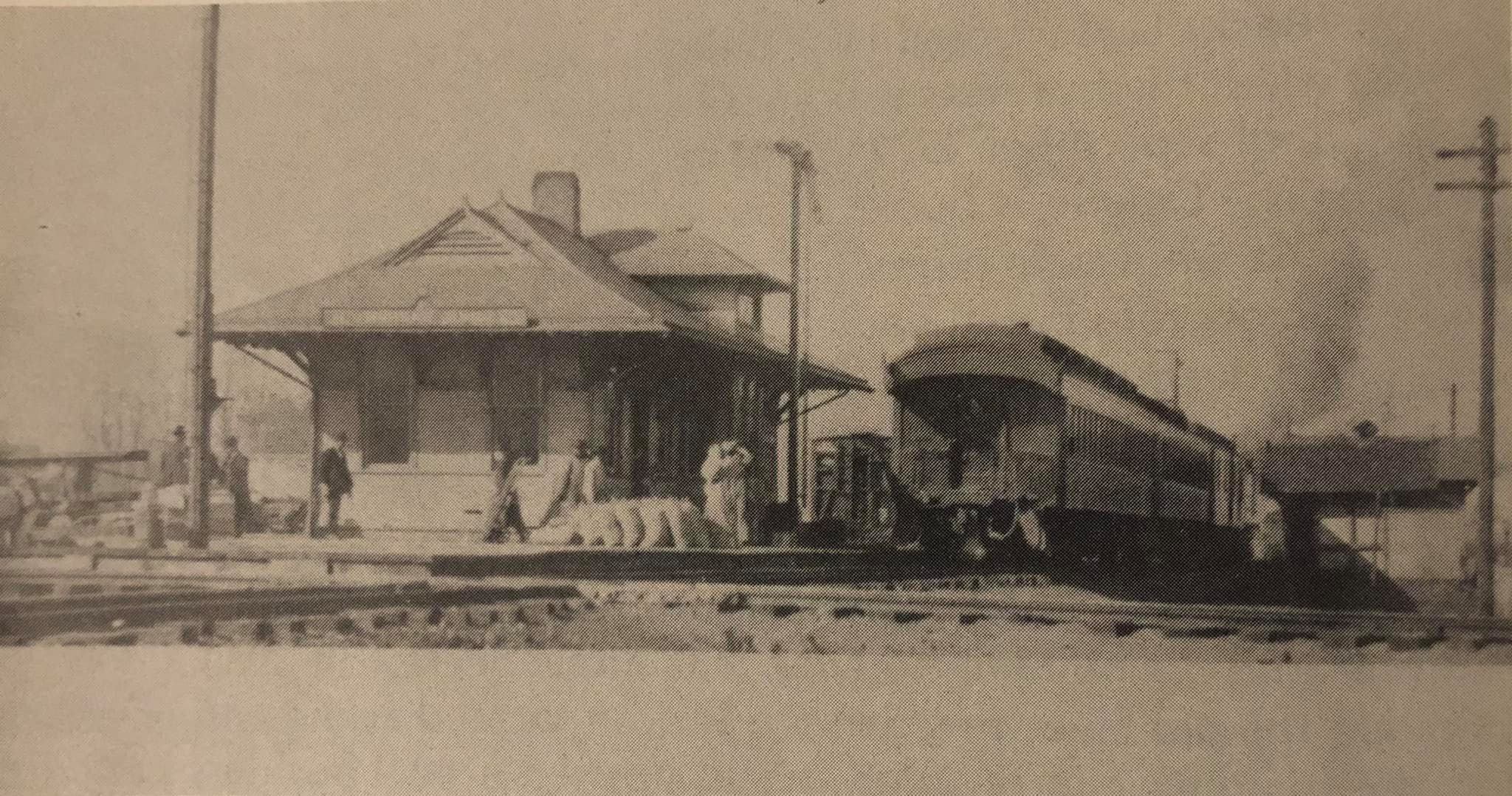
Wally Flyer, a passenger train, made stops at Warsaw Junction.

As costs of maintaining the canal exceeded the revenues, railroads began taking over the business. By 1893, the Wally Flyer railroad was completed in the valley. The Toledo, Walhonding Valley & Ohio line carried an immense traffic in coal from the Cambridge coalfields to Toledo and lake ports.

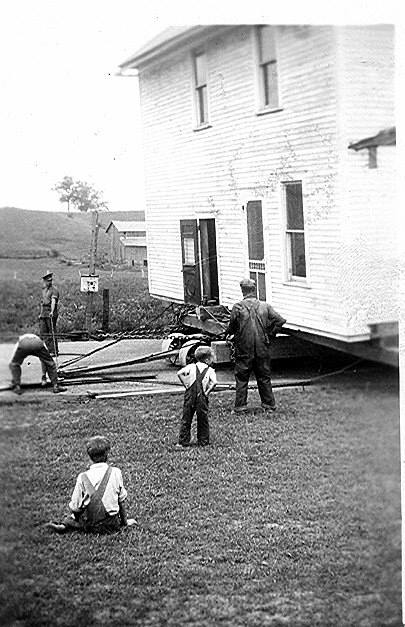
All Walhonding’s buildings were moved when the Mohawk Dam was constructed in the 1935.

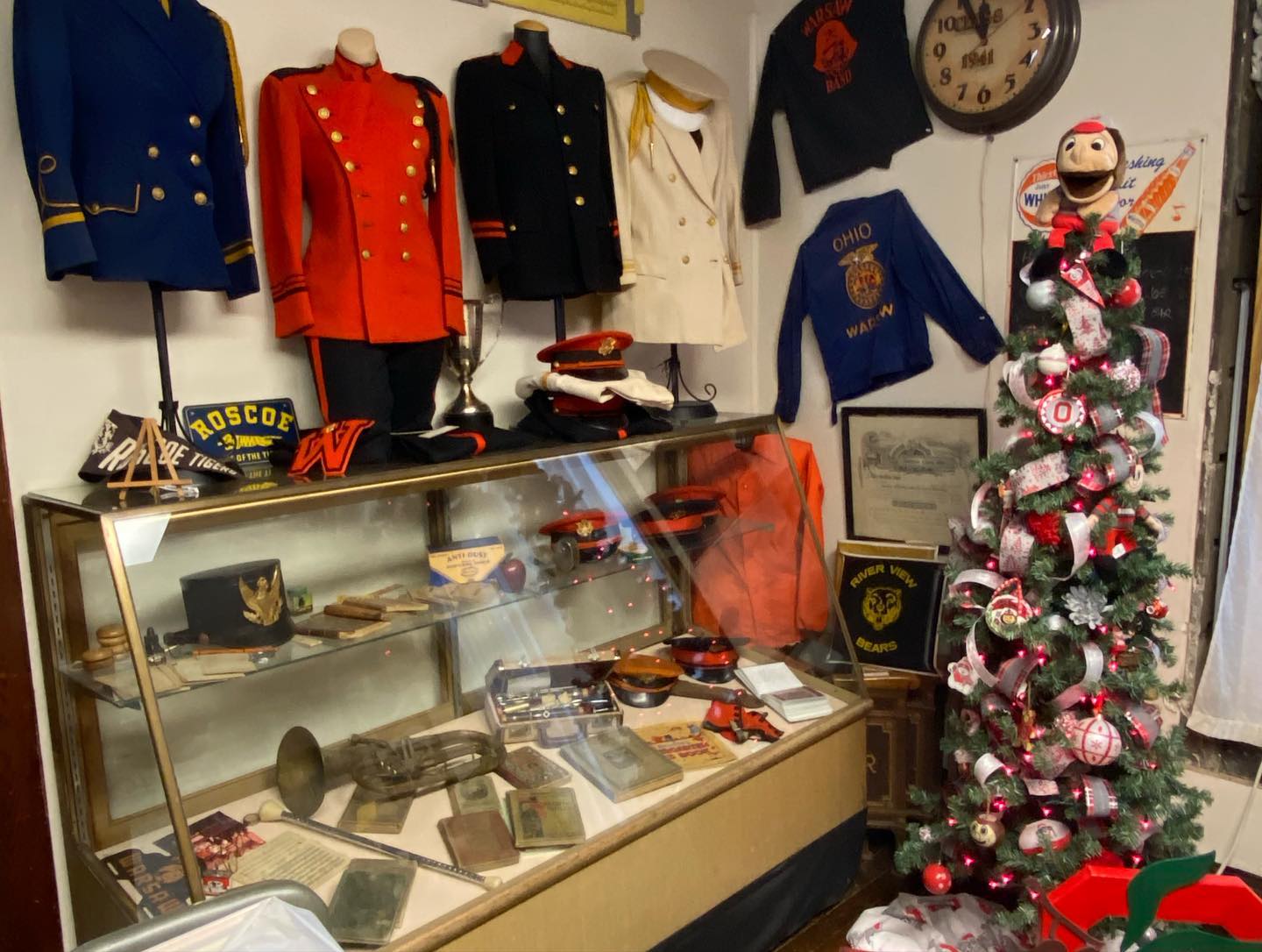
There are three floors to the museum. The first floor contains an old-time doctor’s office, barbershop, and has a wonderful Military display, where you will find treasures from WWI, WWII, Vietnam, and Desert Storm. They even have a uniform, saddle, and cannonball from the Civil War. There is also a display of school memorabilia.

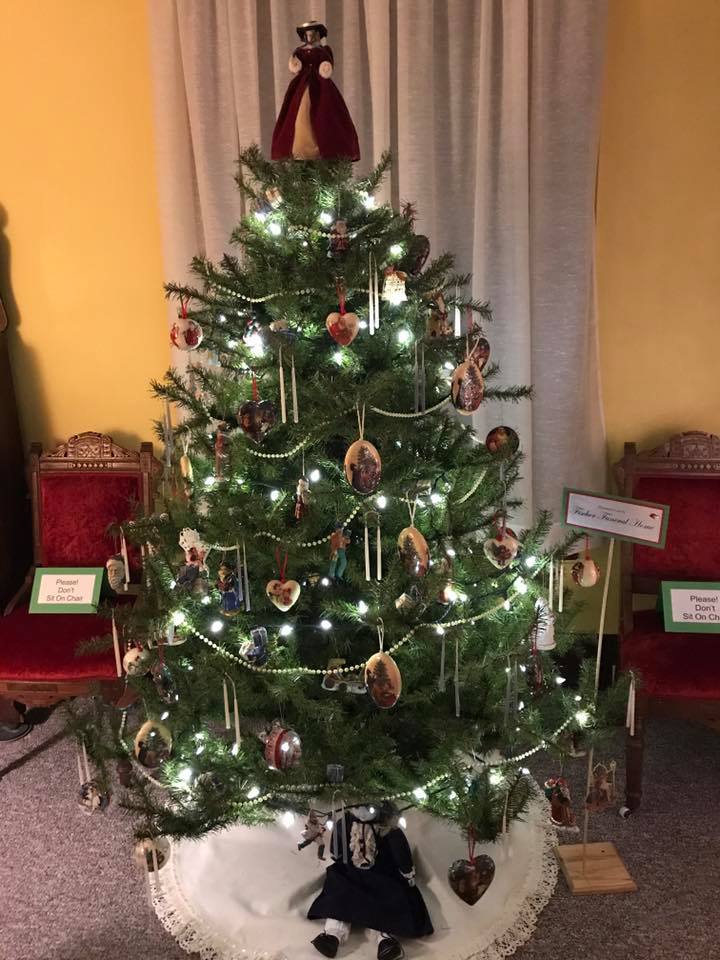
A beautiful tree of pearls appeared the first year in 2017.

On the second floor, nine of the rooms have been refurbished. The basement is being developed also and was the place of the first Boy Scout meeting in Warsaw.

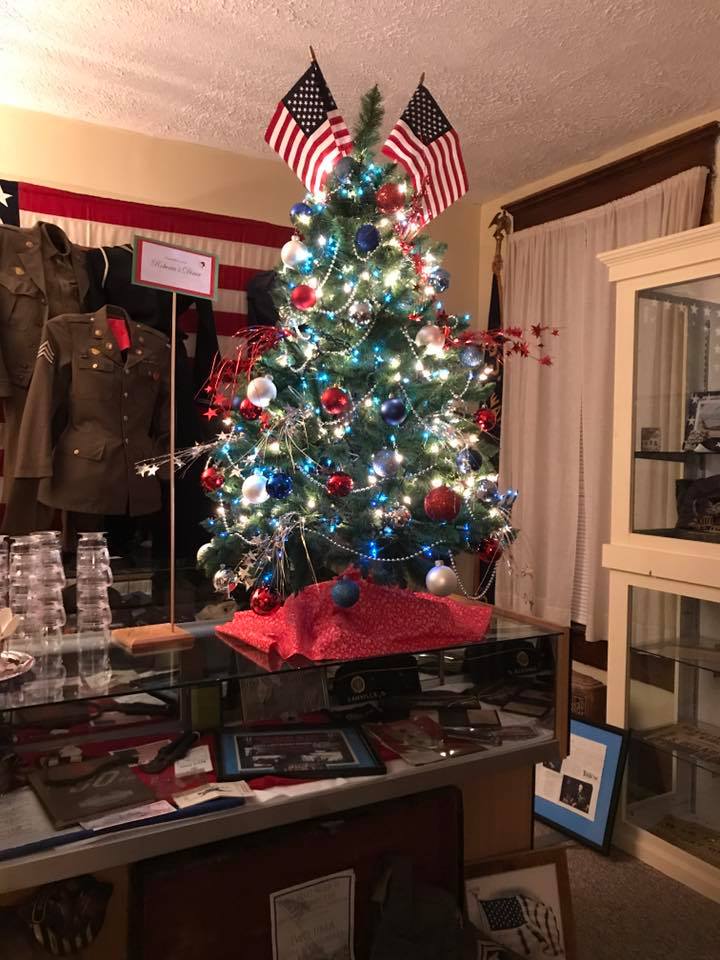
A red, white, and blue tree was in the Veterans section.

At the present time, the museum is open by appointment. However they are open for the Festival of Trees every weekend from Thanksgiving to Christmas on Saturday and Sunday. Call 740-824-4000 for information or an appointment time. Visit their website at http://www.wvhistoricalsociety.org.

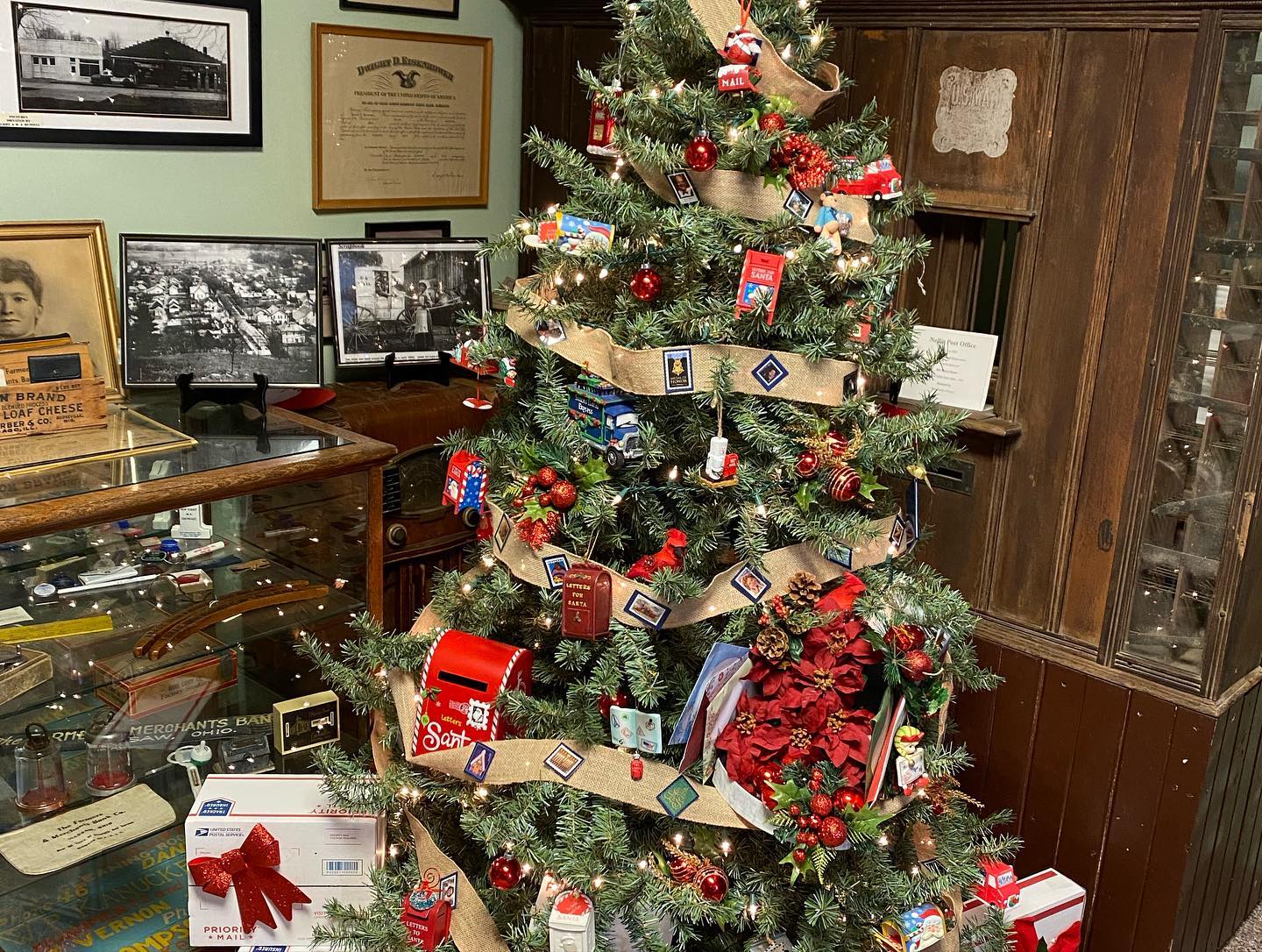
Letters to Santa tree even had a mailbox.

This is a perfect time to visit the museum as it is their 9th Festival of Trees. View the beautifully decorated Christmas trees throughout as well as learn more about the history of the area. Last year there were 28 trees decorated by local businesses, groups, and students. Seven of those trees were decorated by students from River View Local School District. The students always have a tour of the museum after they finish decorating the tree.

A Buckeye Tree was in the room that contains a band display.

Open House will be held on the Sunday after Thanksgiving, the same day that Santa comes to town. For the next three weekends, you are free to tour the Festival of Trees and the museum at no charge. It will be open on Saturday evenings and Sunday afternoons.

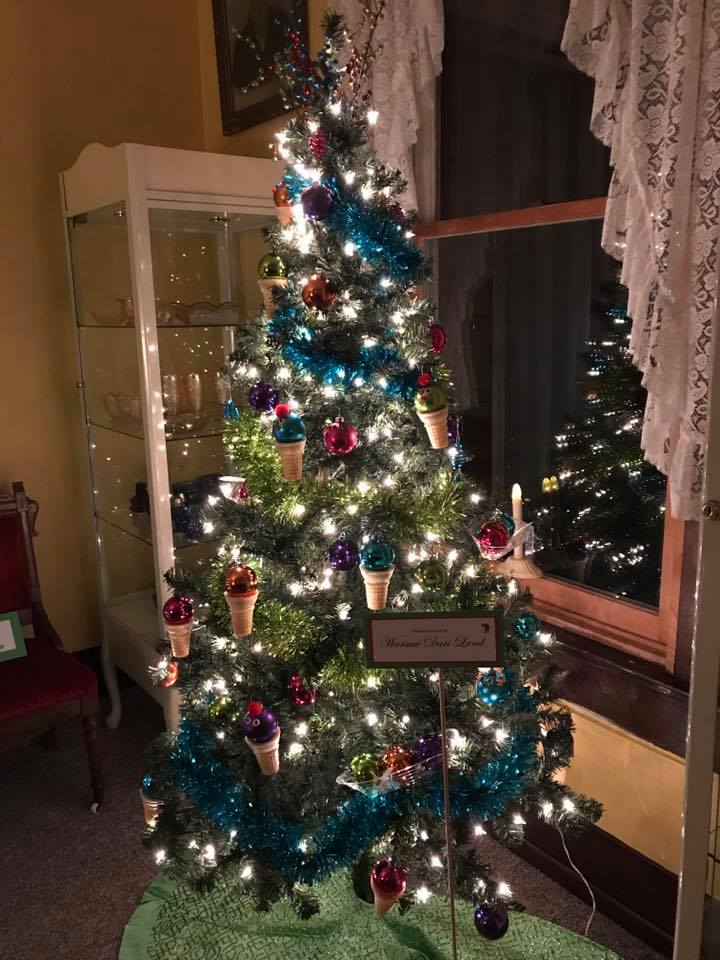
An Ice Cream Cone Tree from Dari Land appeared in their first year, 2017.

Enjoy learning some area history while enjoying the spirit of Christmas at the Festival of Trees at Walhonding Valley Historical Society Museum.

Village of Byesville Museum

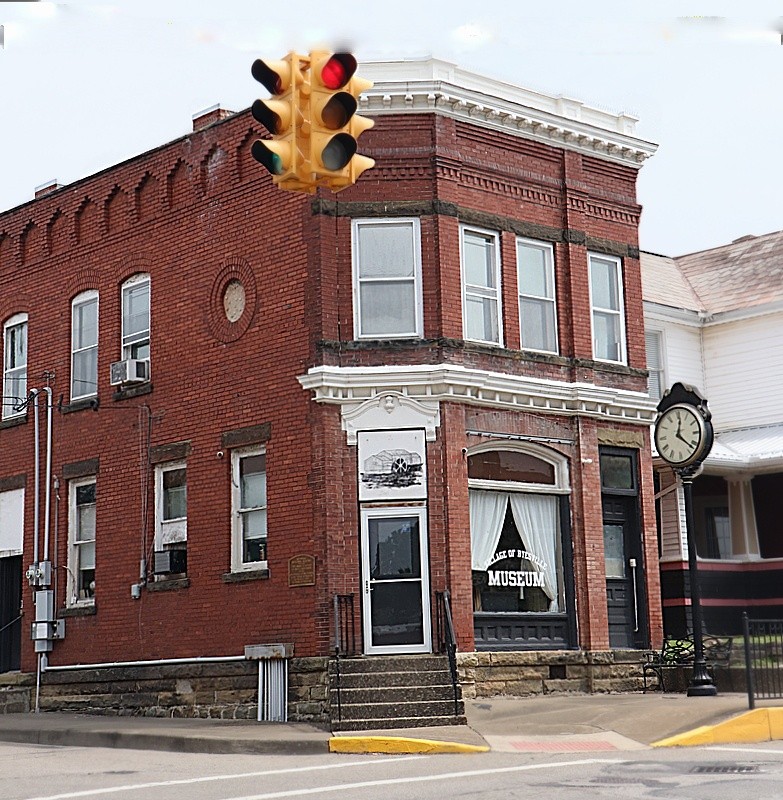
Byesville Museum was originally First National Bank back in 1901. (All photos by Calvin Chester)

Visit the newly renovated Byesville Museum & Welcome Center at 236 Main Street. This facility is located on the corner in the historical First National Bank, which has existed in Byesville since 1901.

Byesville was platted in 1856 and named for Jonathan Bye, who had a mill there. It’s nickname at that time was Bye’s Mill. It became incorporated in 1881. A great deal of history has been accumulated over the years and some of that can be found in the Byesville Museum.

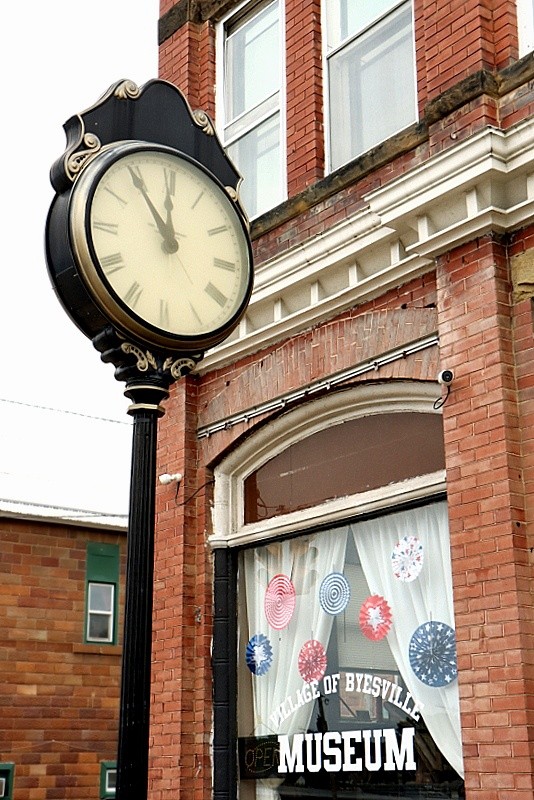
The clock was given by L.D.M. Technologies in 1998.

The museum contains a collection of antique items, photographs, and documents which chronicle the history of the area from the mid 1800s to the present. Learn more about the history of the bank and the surrounding area. You’ll find some surprises.

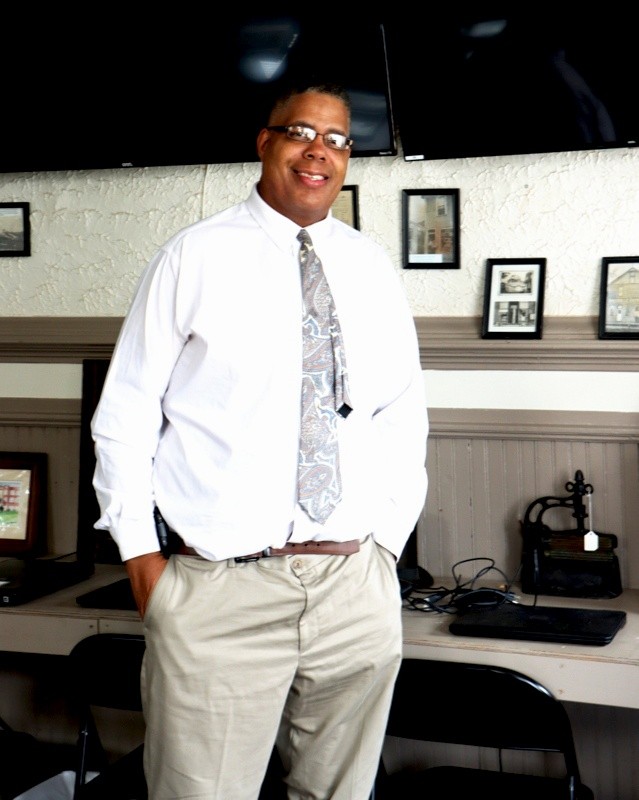
Mayor Jay Jackson gave us a tour of the museum.

Byesville Mayor Jay Jackson talked about the Byesville Museum and gave a tour of the facility explaining how the museum had been revitalized in the last few years after some extensive water damage. Many items were lost because of the water and they are trying to make sure that doesn’t happen again.

Mayor Jackson stated, “I have a strong belief in history as stories of the past help us understand our heritage. The items contained here are a hidden treasure.” It takes a village to make these things work and the museum has become a place where you can find the history of Byesville and the surrounding area because of everyone working together.

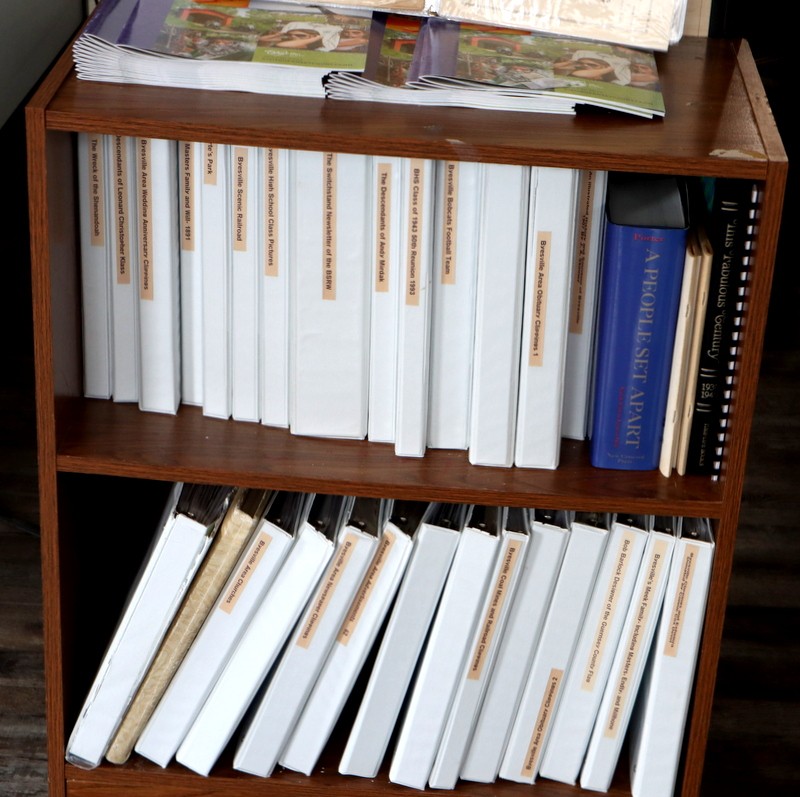
Many volumes of old photos and newspaper items are available.

Learning stories of the region’s past can change the way you think about the present. There is an extensive collection of notebooks filled with old photos and newspaper items that could give hours of enjoyment.

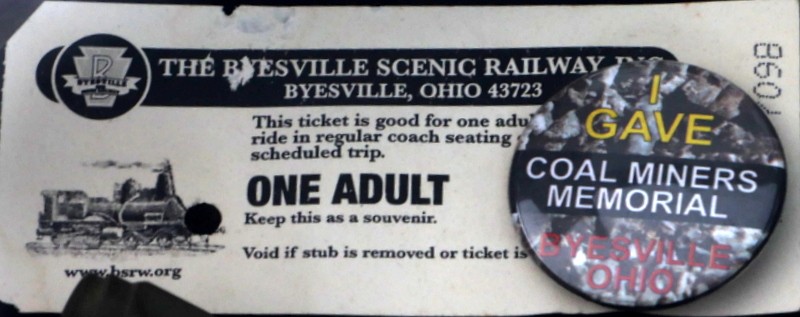
A ticket from the Byesville Scenic Railway reminds people of the local coal heritage.

The museum includes a Resource Center with computers available where you can look for a job, work on a school project, take a class, or learn how to use the computer. Here pictures can be shared about the history of Byesville. They also developed a special slideshow of local veterans.

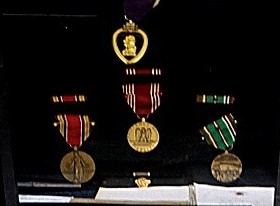
Veterans are honored with a display as well as medals won.

The back room is now open for displays. A special display there honors the veterans from WWII. A case contains medals that were received as well as a purple heart.

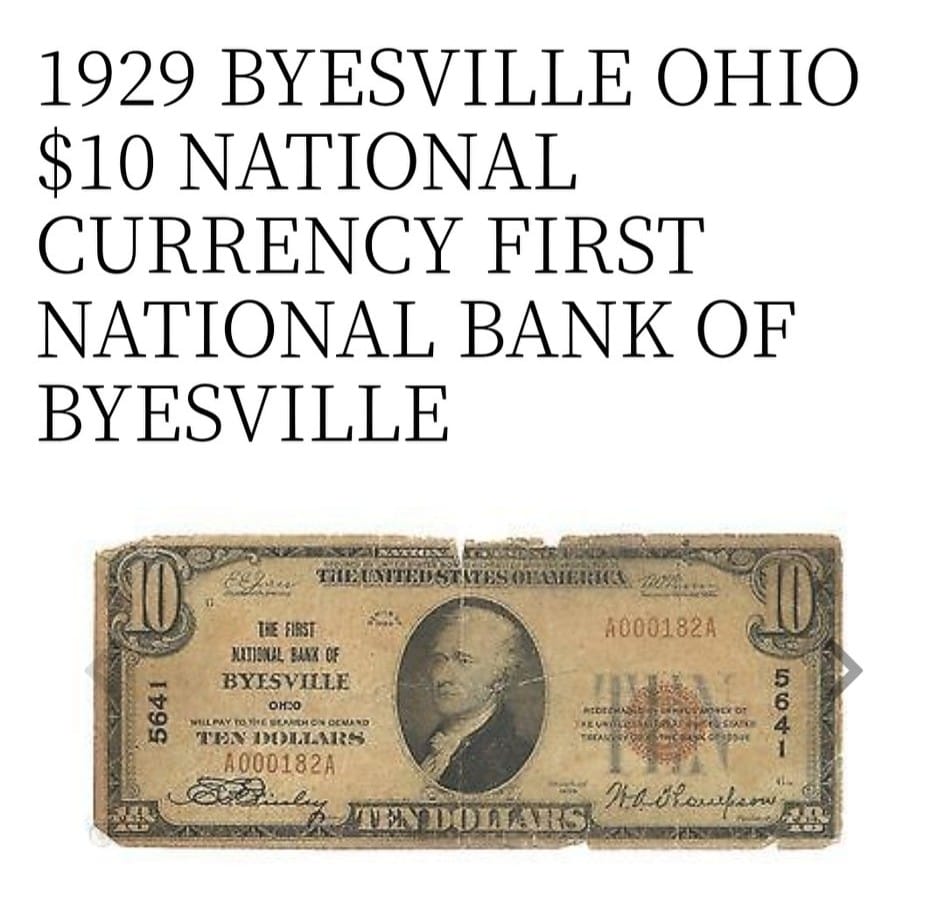
This $10 bill, national currency, has The First National Bank of Byesville printed on it.

The second floor of the museum contains boxes of treasures but there is only so much room for display. If you would like to help with this project or perhaps have something that should be added, become a volunteer so it can be opened on a full-time basis. New ideas are always welcome. If you’re interested in helping out a few hours a week, let Jay Jackson, Village of Byesville Mayor or Michael Port, Byesville Councilman, know by sending them a Facebook message.

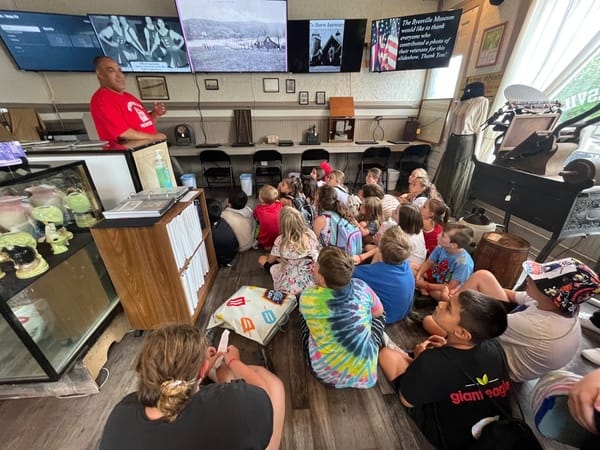
Michael Port talks to a group of children from Nurture Daycare, who visited the museum.

Recently, a group of children from Nurture Daycare visited the museum with their teachers to learn more about how Byesville began and how it is growing today. They shared photos of Byesville’s past with them on the large computer screens, handed out two coloring pages for them to do, and showed them around the museum. These children are the future volunteers who will keep Byesville a place sharing its history. If you would like to bring a group for a visit/tour, let Mayor Jackson know so they can get you scheduled.

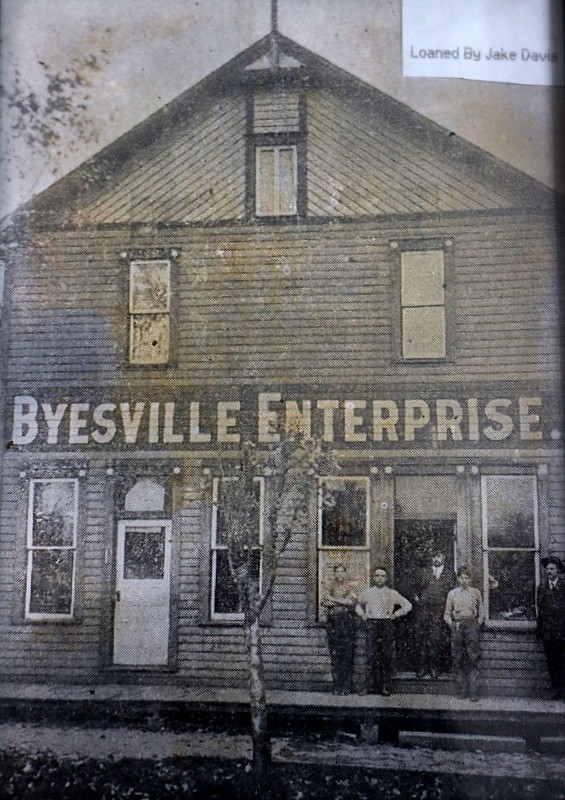
This old picture shows Byesville Enterprise, the local newspaper office.

The museum, operated by Byesville Historical Society, is open May through September on Monday, Tuesday, and Thursday from 11-2. It’s best to call ahead at 740-260-3088 to confirm they are open as hours of operation vary based upon volunteer availability. Check out their Facebook page listed under Byesville Museum.

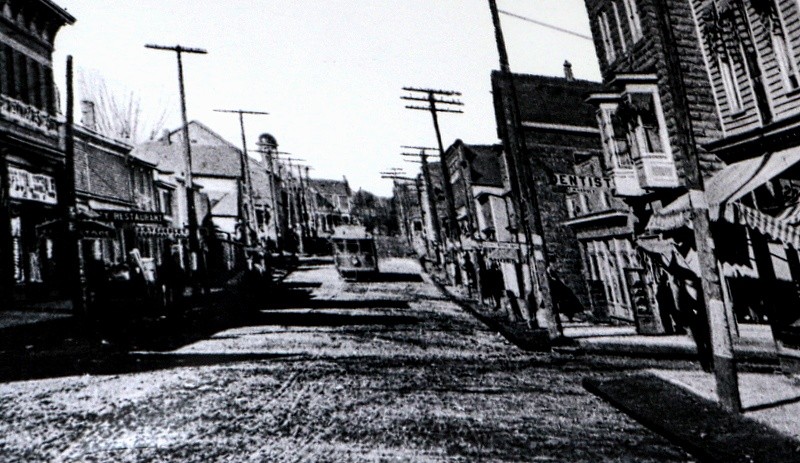
Interurban tracks ran down Depot St. (now 2nd Street) in downtown Byesville.

If you are from the area, the museum is certain to bring back many memories. Having spent much of my childhood in Byesville, there are many great memories from times when we walked from The Bottom, where my grandpa had Veselenak’s Grocery. We headed downtown to Luna Theater to watch a movie, got a snack at City Restaurant, and picked up a coloring book at Jack’s Five and Dime. Perhaps you have some favorite memories of Byesville, too.

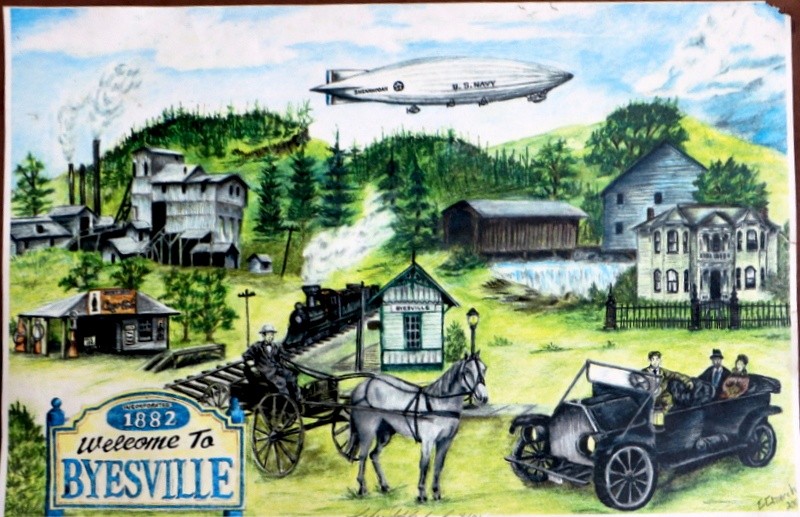
A painting of life in Byesville in 1882 hangs in the museum.

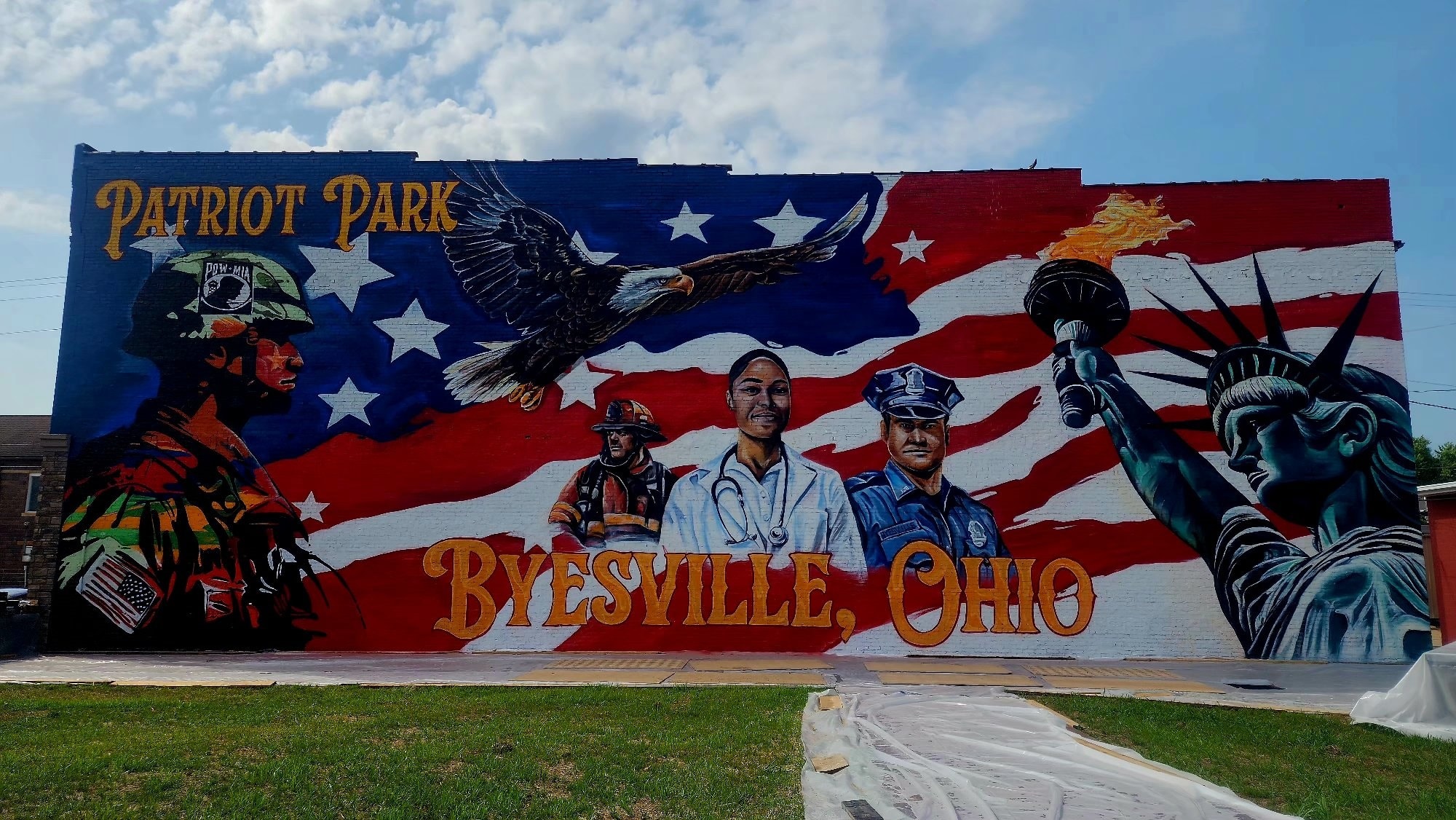
Today, Byesville is growing with many new businesses opening there. A new Patriot Park will highlight the corner of Main and 2nd Street. It will feature picnic tables, benches, new sidewalks, a gazebo, mural, a fountain, and a stage. Ideas are being discussed for possibilities to use the old Main Street School for new purposes. History continues to be made as each year passes.

The history of a town teaches lessons that need to be learned as our roots never change. Explore Byesville Museum when you get a chance and perhaps find a connection to your roots.

Jason Hammond Demonstrates Traditional Woodworking

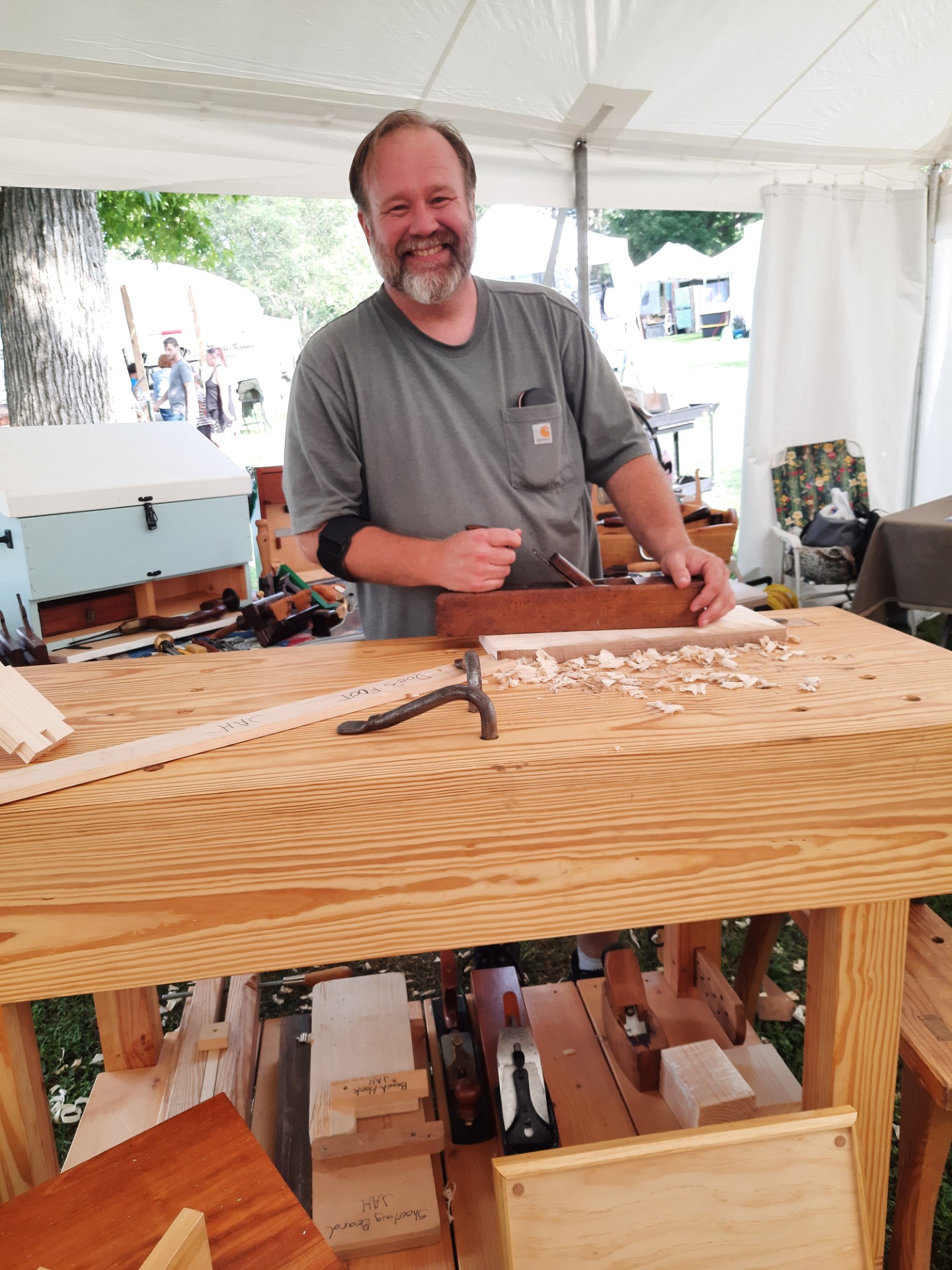
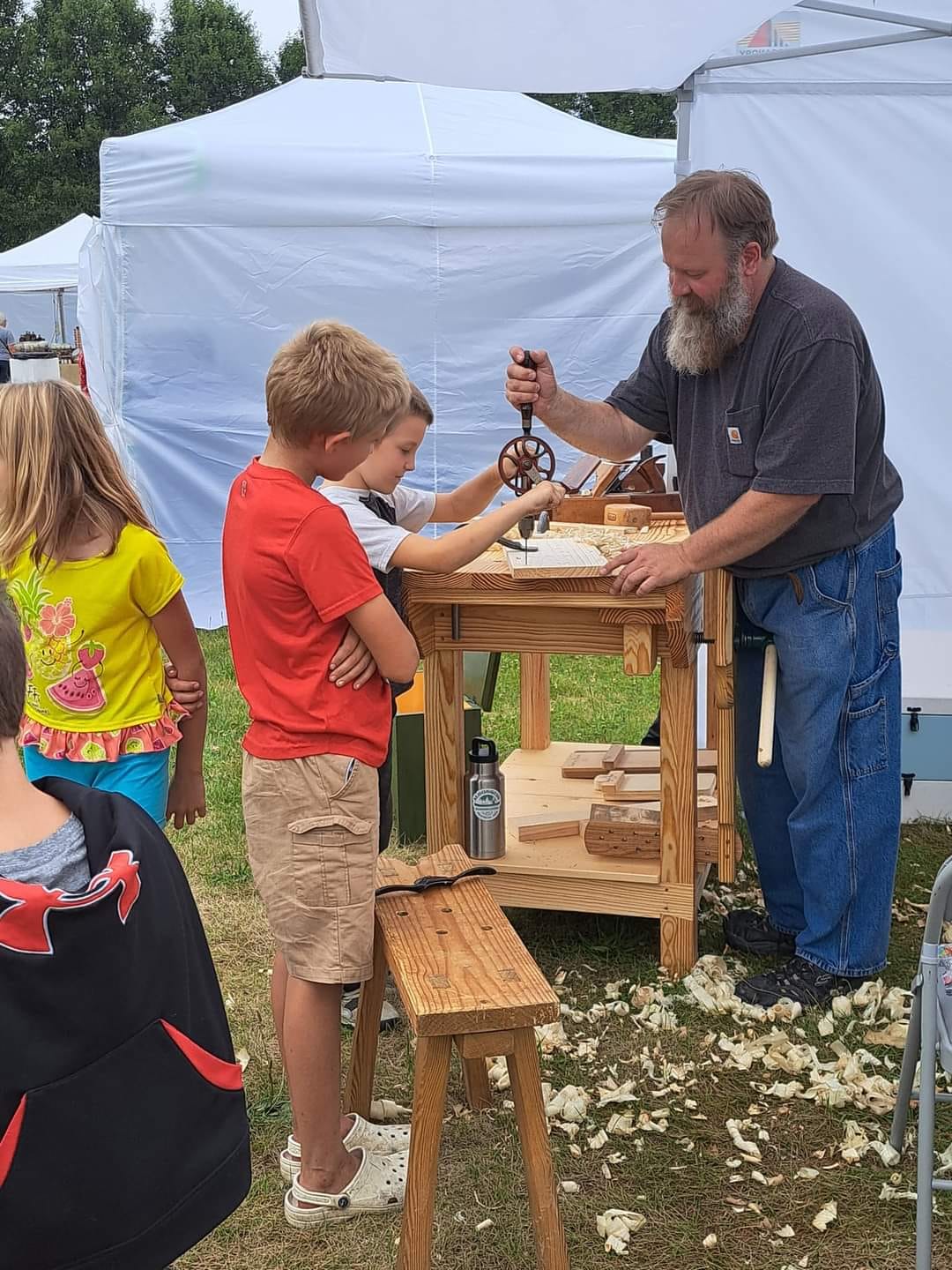
Jason Hammond demonstrates old tools in the Heritage Tent at the Salt Fork Festival.

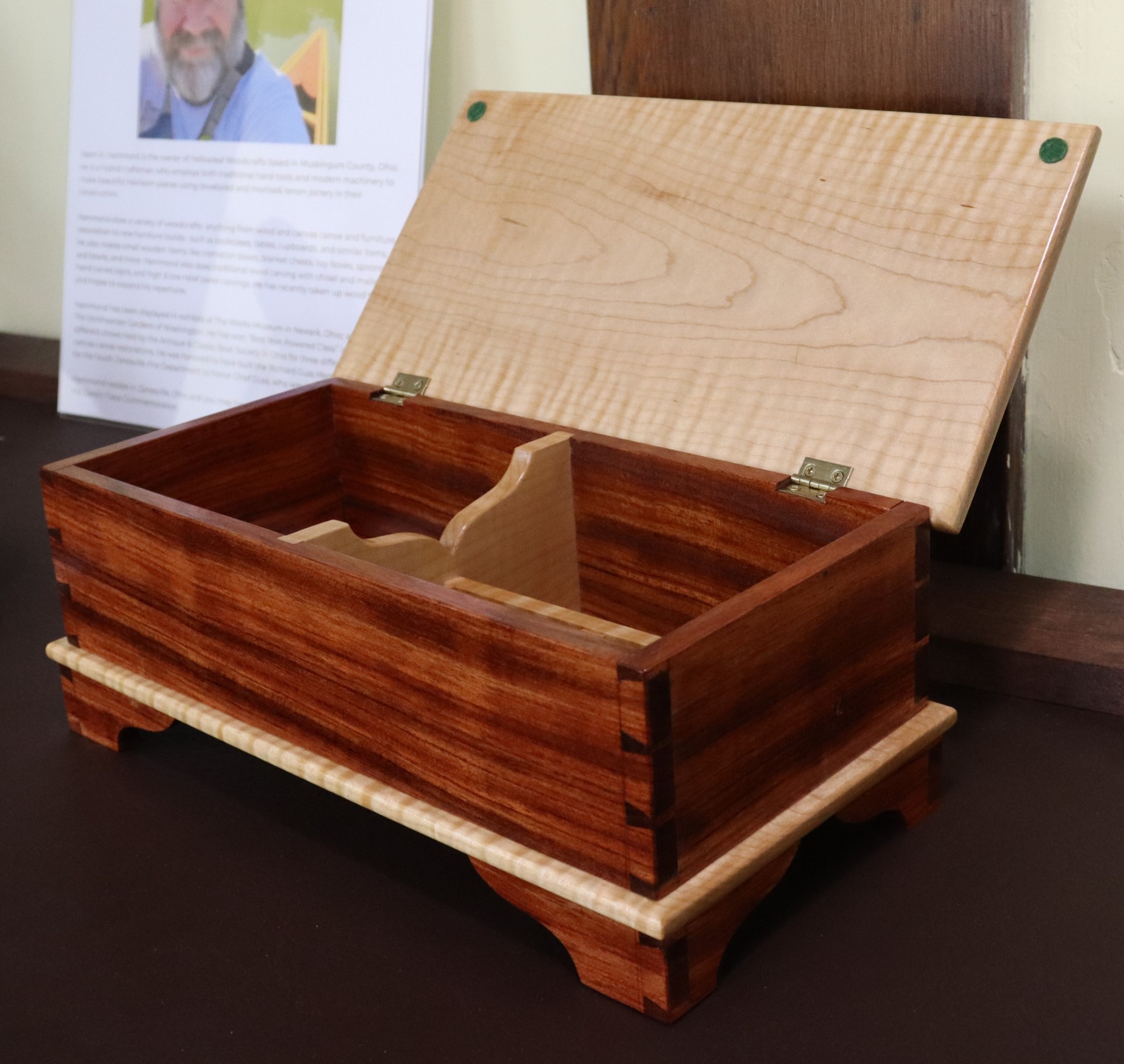
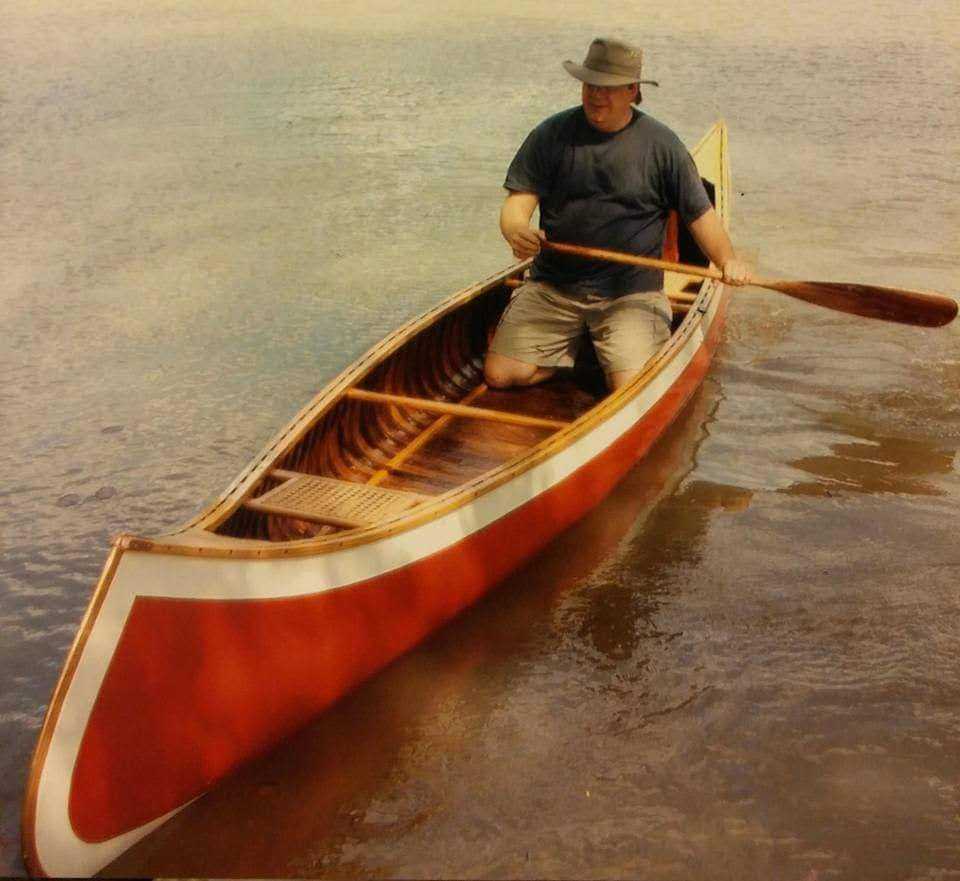
Heritage furniture has become a passion for Jason Hammond of Yellowleaf Wood Crafts in Zanesville. He loves history, restoring old tools, and paddling old canoes.

Demonstrating his use of traditional hand tools attracts visitors at the Salt Fork Festival where Jason will again be in the Heritage Arts Tent August 9-11 this year.

He has collected and refurbished old tools for many years.

Here he explains to visitors what woodworkers went through 150 years ago. Manpower, sweat, and tears were necessary for even a simple piece of furniture. Each step of the process took hours compared to minutes today.

During 1800-1850, there were eight small shops in Guernsey County where furniture was made by one to five men, often in someone’s home. It was difficult and expensive for those early settlers to move furniture with them. Builders used the wood available to create needed furniture. so cherry, maple, and walnut replaced the mahogany used for heirloom furniture in the east.

Jason’s interest in woodworking began when he was a child while watching “The Woodwright’s Shop” on PBS with his dad, who was interested in the historical aspect of various things. That show explained how to use tools from the past.

High School shop was his first experience at woodworking. There he made simple things like a bookshelf and a pen holder for his mom. At home, he experimented with walking sticks and arrows for his bow.

Blanket chests and toy boxes are popular items.

Gradually, he began collecting hand tools, that were broken and needed to be fixed, at flea markets or tool dealers online. Today he uses both traditional hand tools and modern machinery to create his heirloom pieces, which include bookcases, tables, blanket chests, toy boxes, and wood carvings.

However, you can tell what he enjoys the most when he commented, “I do think that learning and developing hand tool skills in woodworking and the decorative arts is essential in doing quality work. There are times when machines can only take you so far. It’s the skill and confidence in handwork that can take you the rest of the way.”

Jason takes Hiawatha, his restored Indian canoe, on the lake for a test drive.

Always being interested in history, when Jason was thinking of a name for his business, he received an idea from a line in a Longfellow poem, “The Song of Hiawatha.” When Hiawatha described the canoe he built, the last line reads, “and it shall float upon the river like a yellow leaf in autumn, like a yellow waterlily.” Yellowleaf Wood Crafts seemed a logical choice.

At the present time, he also works at the Zanesville Art Gallery where he helps with setting up exhibits and repairing or building things. Some of his smaller pieces are also available in their Gift Shop.

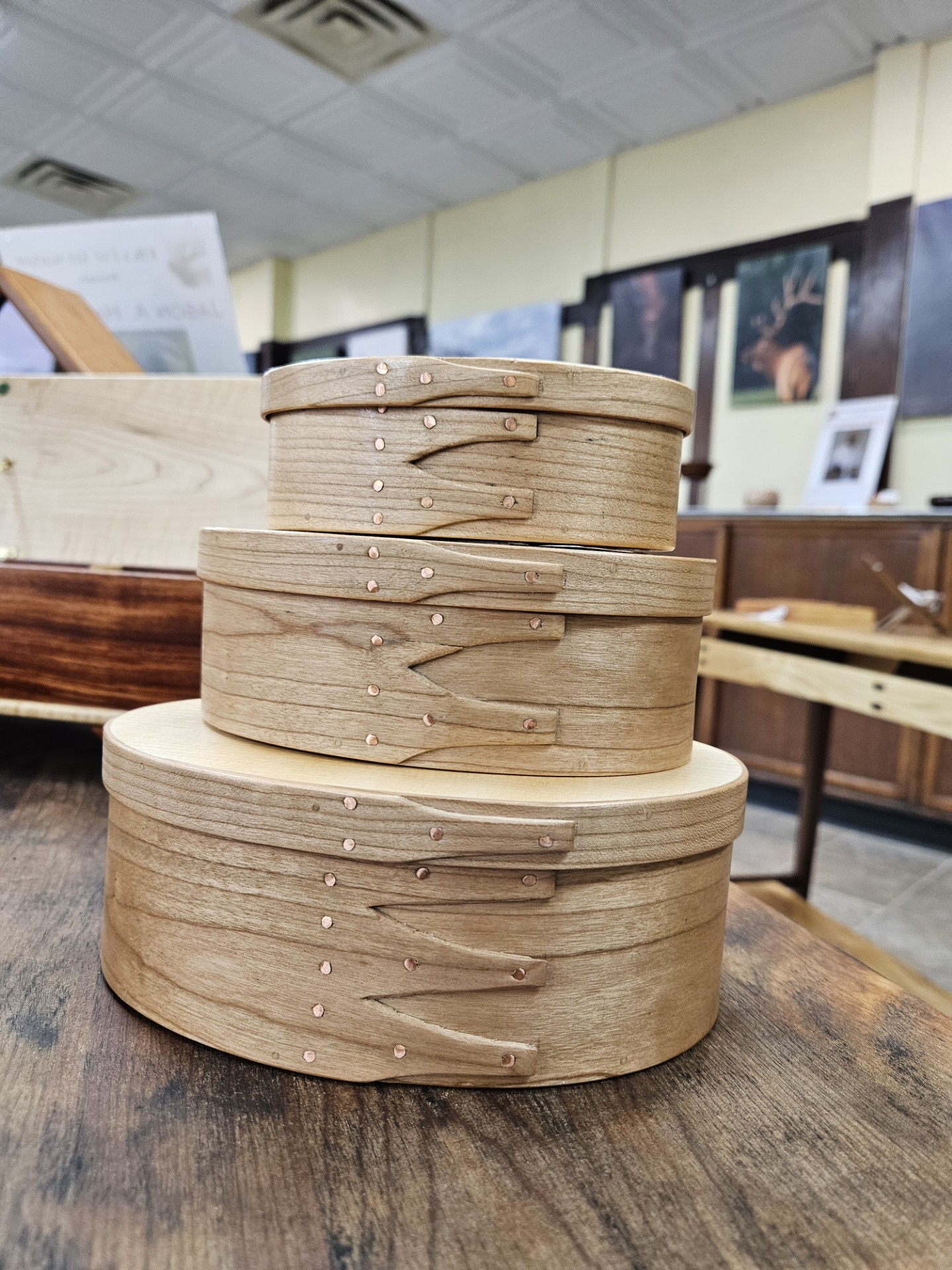
Oval wooden boxes like these were used by the Shaker religious group for various purposes.

His work can also be seen today at Elk’s Eye Endeavors in downtown Zanesville. There he displays smaller items such as accent tables, chests, and Shaker oval boxes. The Shakers religious group used those boxes to ship their seeds, as a sewing box, or even a spittoon. Jason remarked, “It was the cardboard box of its time.”

Bending the wood for these boxes required them to use steam heat and boiling water. Then the wood is bent around a form. This process was also used by the American Indians to form their canoes and snowshoes.

Speaking of canoes, Jason has won several awards for his restoration of old canoes. At the Antique Boat & Canoe Classic Show, he has won the Best Nonpowered Class in three shows for cedar and canvas canoe restoration. When he has extra time, relaxing on the water in his canoe or taking a hike in nature are his favorite activities.

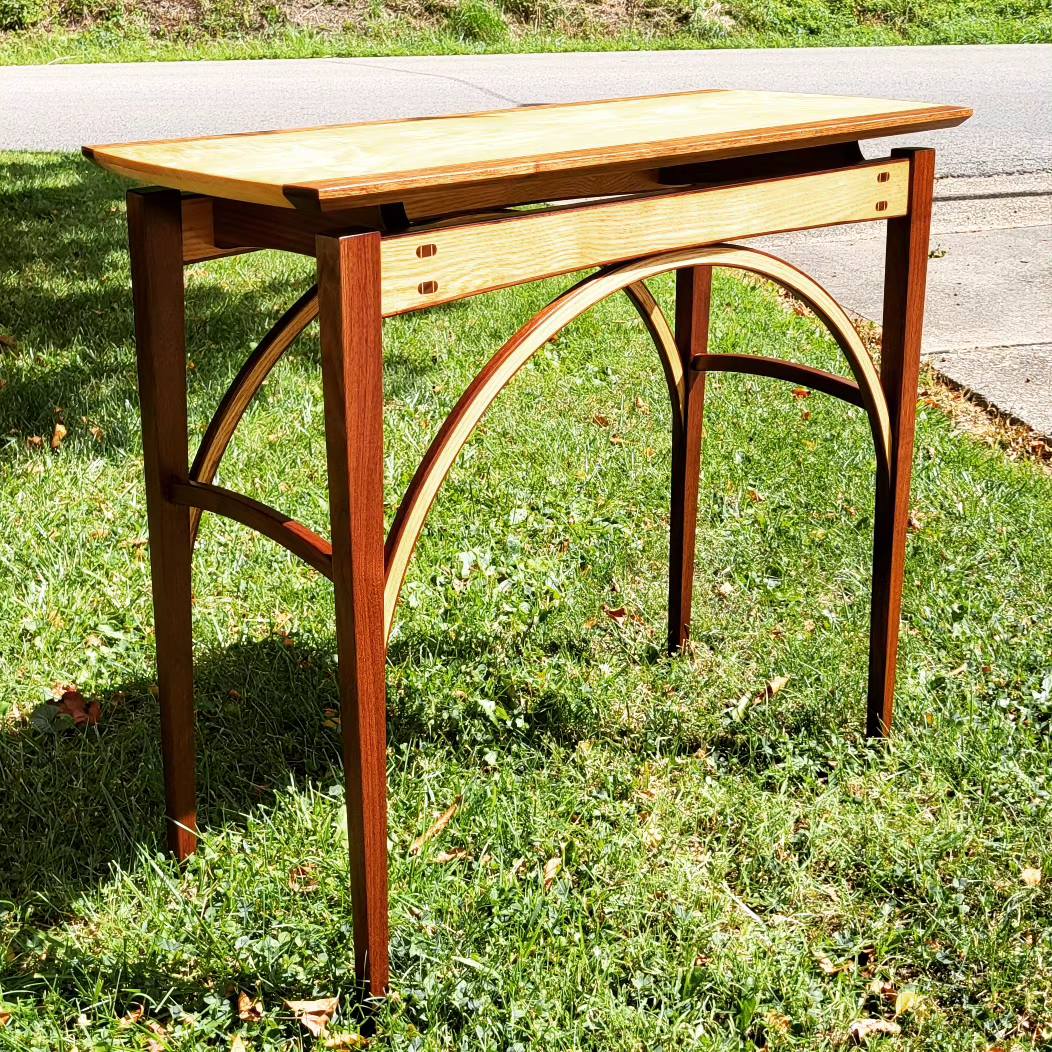
His most recent table creation sold quickly at Elk’s Eye Endeavors.

He takes great pleasure in reaching the finishing line on a project. After he has researched the history, drawn the plan, and selected the wood, putting on the finish and seeing the texture of the wood come to life is his vision coming to fruition.

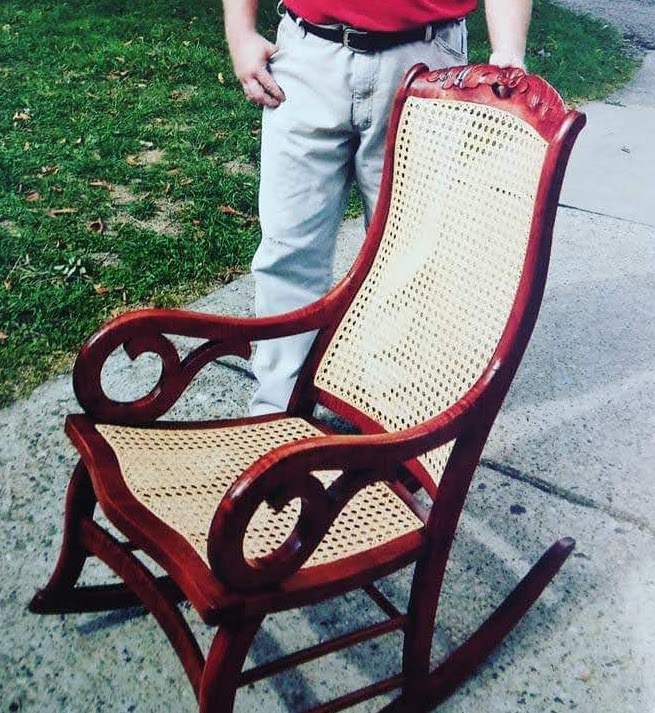
Refurbishing this heirloom rocking chair took hours of work.

Restoring furniture to its heirloom state gives him pleasure as well. Often he has to re-engineer a piece to make it more functional. For example, a rocking chair might need its rockers adjusted to keep it from tipping

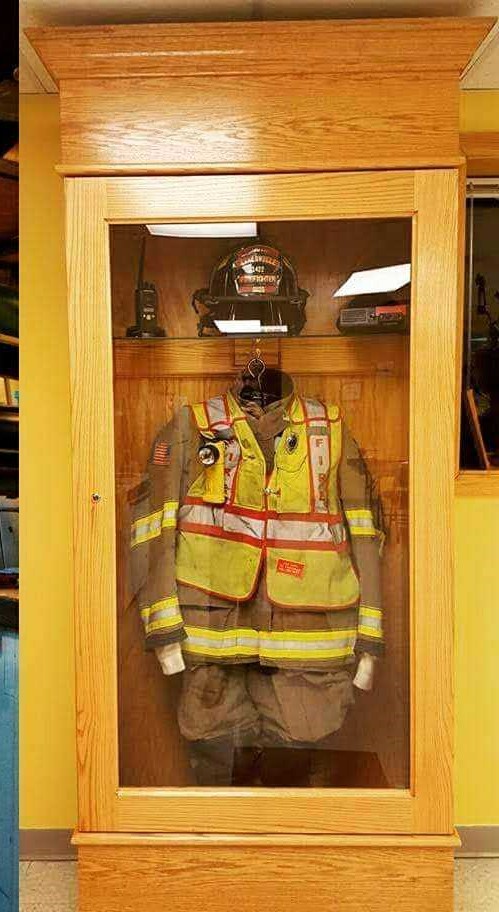
Jason is proud of a cabinet he built to honor a former fire chief in South Zanesville.

He is very proud of a large display case he constructed for the South Zanesville Volunteer Fire Department to honor a fire chief who passed suddenly. The cabinet is tall enough to hold the entire turnout gear of the chief from boots to helmet.

Contact Jason at Yellowleaf Wood Crafts on Facebook or Instagram at yellowleafwoodcrafts. If you are interested in a commissioned piece, email him at jasonhammond1416@gmail.com. He has special pieces for sale at Elk’s Eye Endeavors in Zanesville as well as in the gift shop at the Zanesville Art Museum.

When talking about the craftsmen at the festivals, Jason feels, “There is a resurgence of handwork in this country. There are people who are taking up weaving, pottery, basket making, carving, etc. again. They want to produce something that has the slight imperfections that only the human touch can make. The creativity of doing such work gives satisfaction and a sense of accomplishing something that is lacking in this day and age.”

Jason enjoys participating in the Zane Trace Commemoration.

Visit Jason at the Heritage Arts Tent at the Salt Fork Festival in Cambridge on August 9-11 or at Zane Trace Commemoration in Zanesville where he demonstrates his use of traditional tools for woodworking. You are sure to enjoy listening to his stories as you watch him work.

Yan Sun Art Museum & Gallery Features Ohio

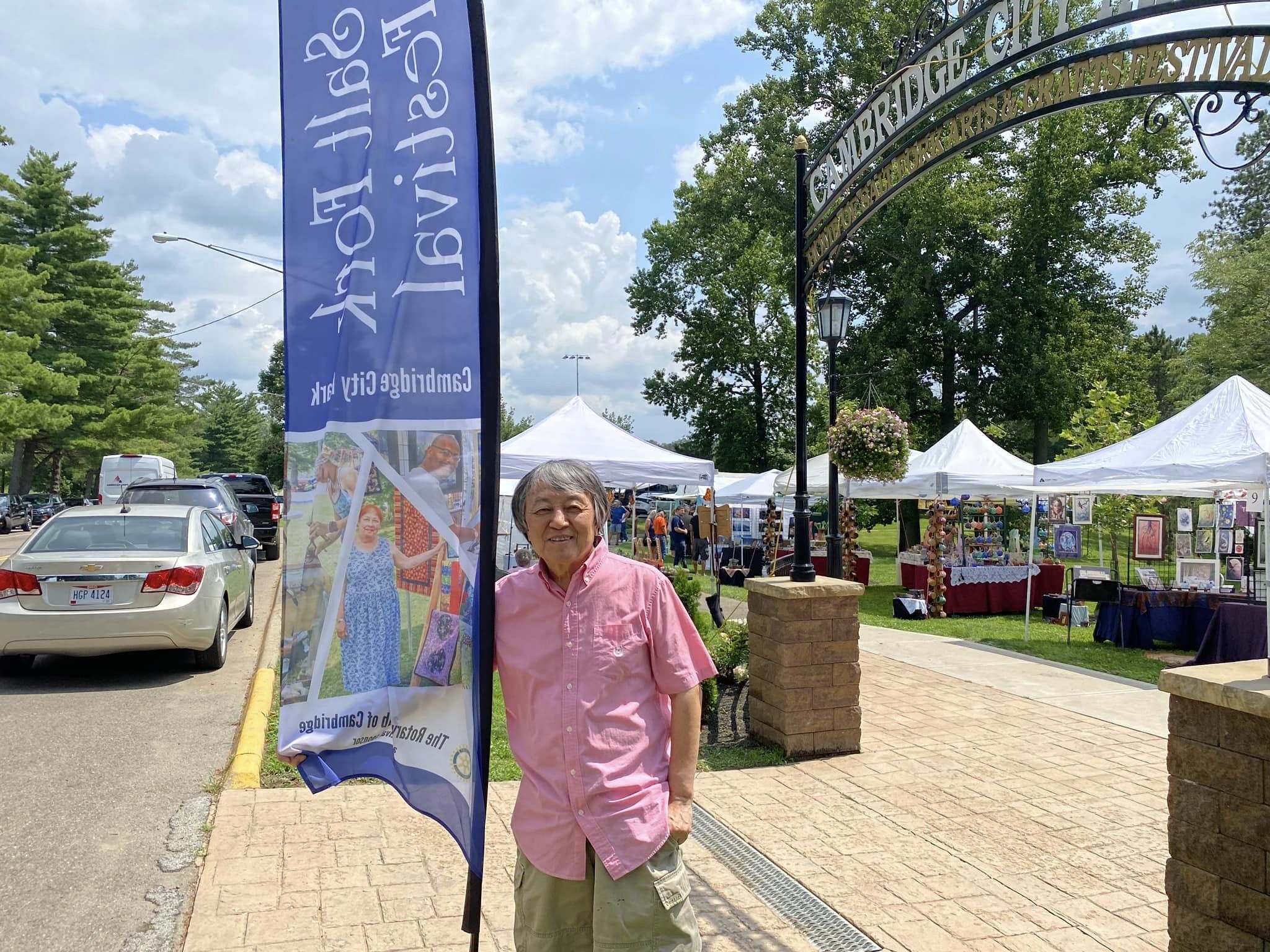
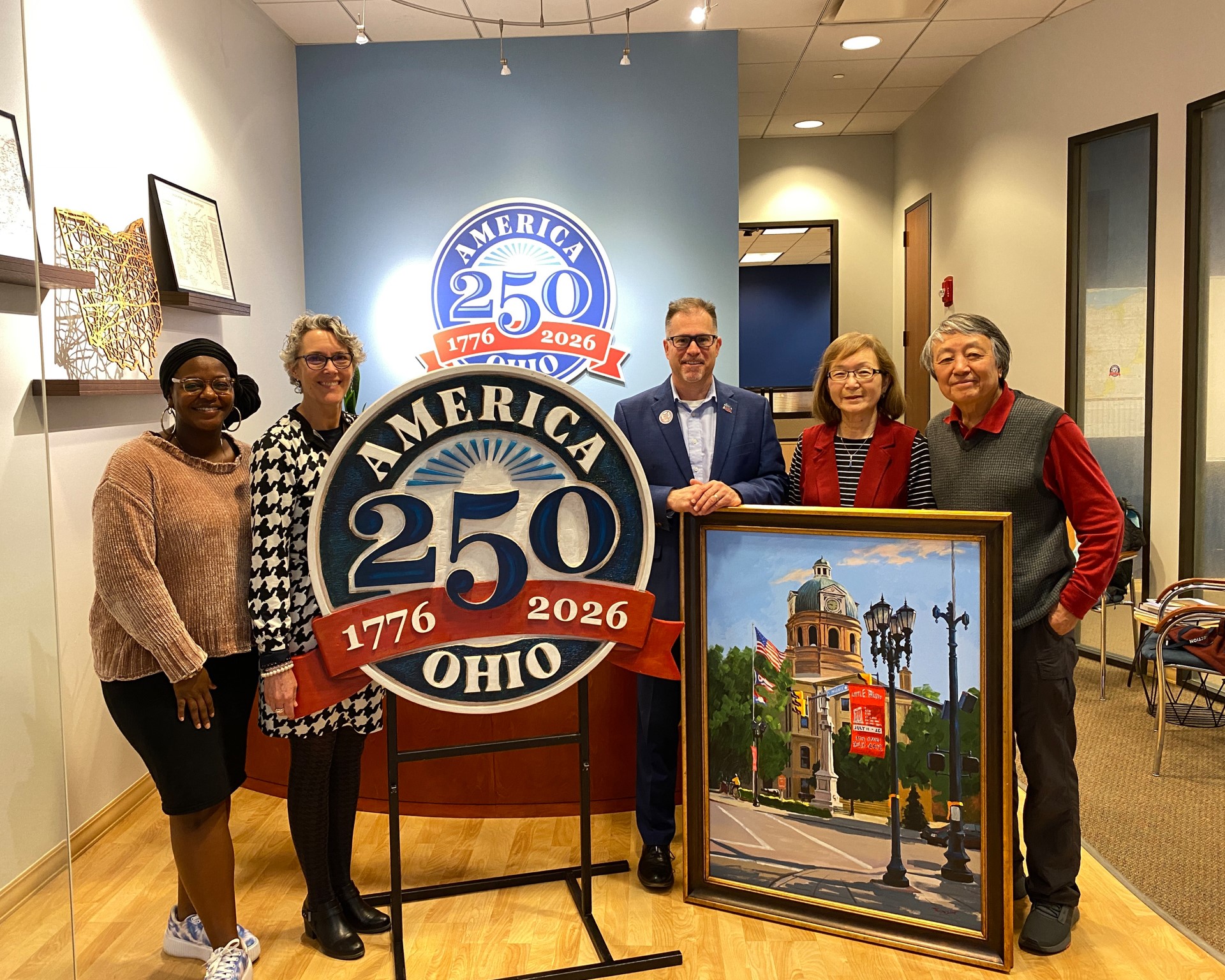
Yan Sun and Hong Yin at Ohio’s recognition of the 250th Anniversary of the United States.

Yan Sun’s paintings come from inspirations he receives from nature, people, and historic sites. He captures nature in a beautiful symphony of colors whether he is painting the harbor, a horse, or a landscape. Visit Yan Sun Art Museum & Gallery in Zanesville to learn more about his work.

Serving the community has become foremost in his plans. He feels there are many excellent artists with a wide variety of styles and talents here in Ohio. Many of his paintings show Ohio people, places, and events.

Hong Yin’s “Lakeside Glory” reflects her joy in painting landscapes.

Over the years, his artwork has received many awards in national and international juried exhibitions too numerous to list. Recently, Yan Sun and his wife, Hong Yin – a talented artist in her own right – were selected by the America 250-Ohio Commission to have five of their paintings on display in Columbus as part of the 250th Anniversary of the United States of America. These artworks showcase the wonders of Ohio and include:

New Philadelphia

Yan Sun and Hong Yin with “Courthouse of Guernsey County”

Courthouse of Guernsey County

The Wonder of Longaberger

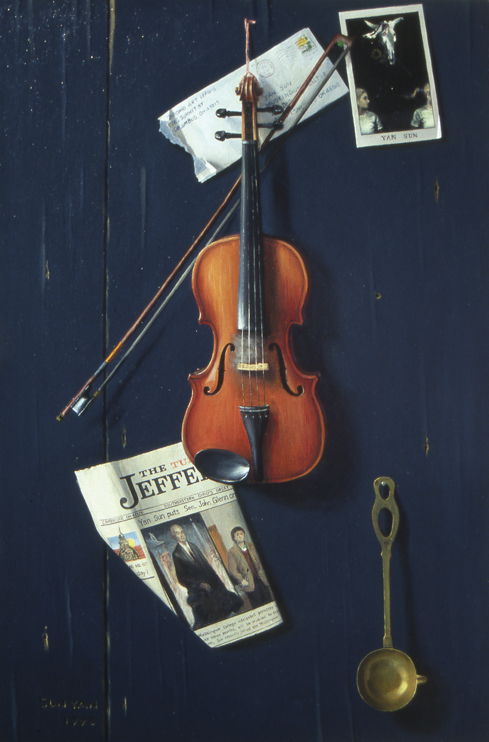
John Glenn American Hero

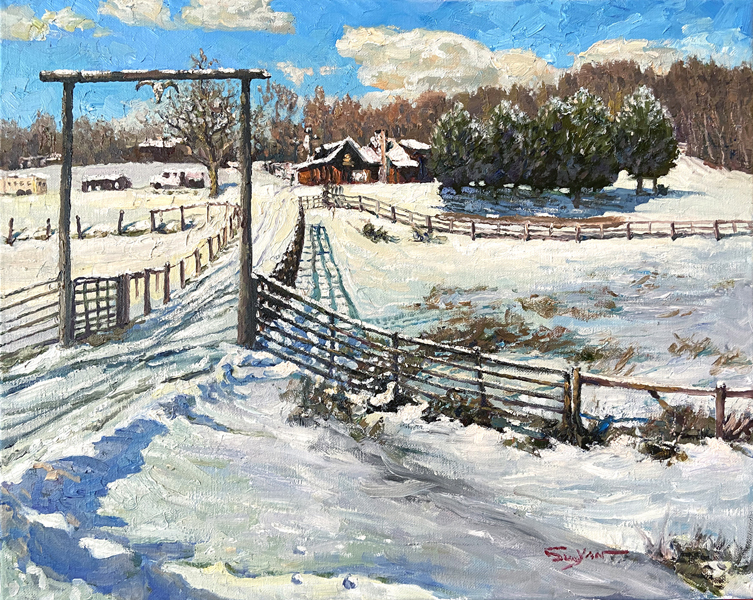
This Ohio landscape “Winter Farm” won the Governor’s Award for an Ohio landscape. The farm can be seen along Route 40 west of Cambridge.

Hometown Ohio Landscape

Art provides him opportunity to share his inner vision. “My artworks are composed of three main issues: Life, Time, and Space. Life means being alive, the life of the artist, and the life of all humans. Time means moments in real time, as well as psychic time to bridge past and present. Space is not only real space, but psychic, illusionary, and unlimited space.”


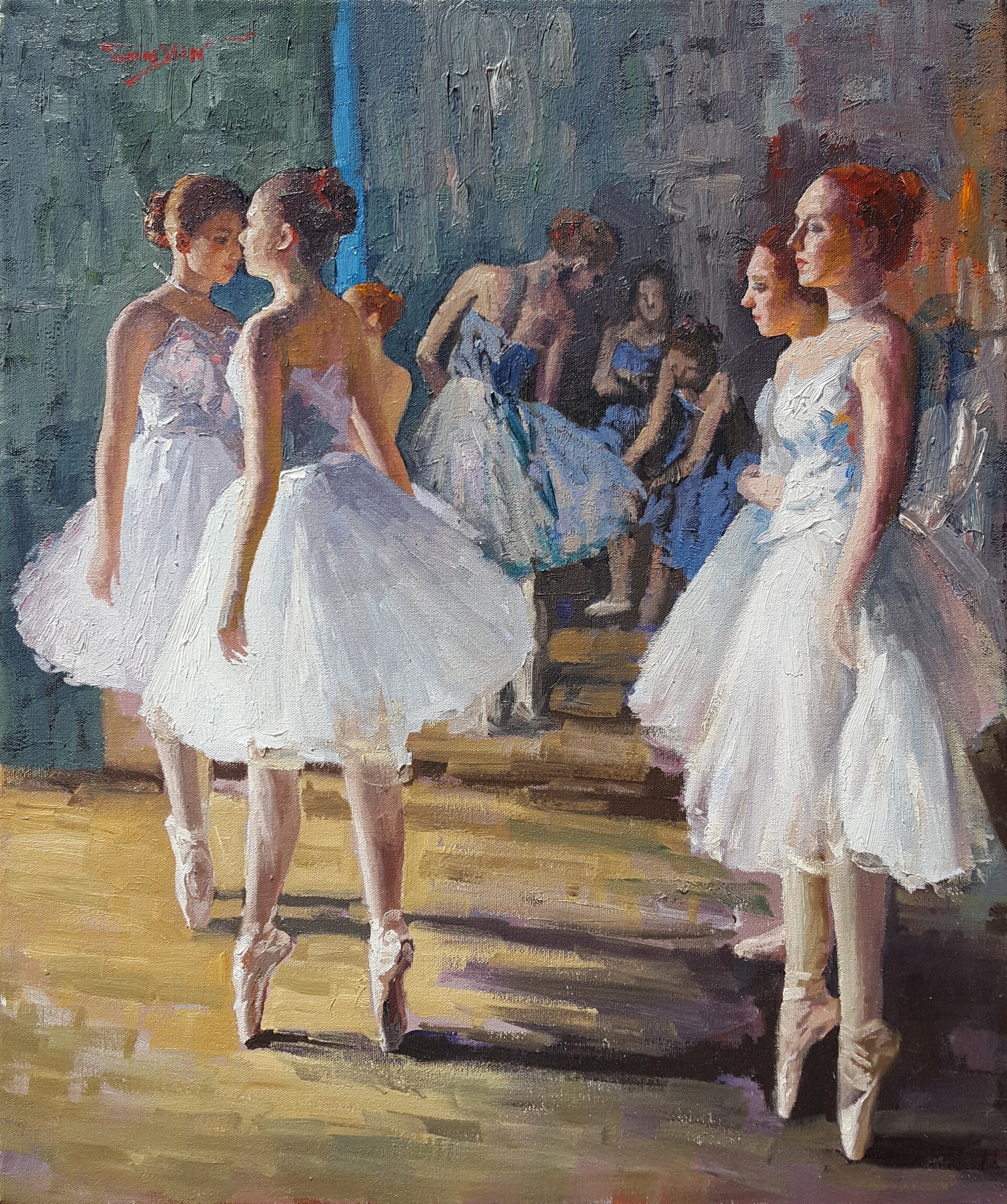
“Ballerina at the Back Stage” was inspired from a performance at Pritchard Laughlin Civic Center.

His best paintings are visualizations of his true feelings. They are made up of “Reality, dreams, transients, and eternity.” He likes to examine and visualize his dreams, thoughts, and emotions. His special love for music and dancing appears in many of his paintings as he remembers those wonderful days when he was 14-24 years old dancing in the ballet.

This self-portrait is called “Past and Present.”

Yan Sun was a professor in China in those early days. After he wrote several papers on the History of Art, his work became known internationally. That brought him in 1989 to the United States, where he received his Master of Fine Arts degree at Texas A&M University Commerce in Dallas.

After graduation in 1997, Yan Sun applied to several colleges for a teaching position. When he arrived at Muskingum University, he found the people were so warm and friendly that he felt welcomed. So he agreed to stay for one year. His love for the area has continued and he now is in his 28th year there as Professor of Art and Director of the Louis Palmer Art Gallery.

Visit Yan Sun Art Museum & Gallery in downtown Zanesville.

In 2014, one of his most rewarding ventures began when he co-founded Yan Sun Art Museum & Gallery at 604 Main Street in downtown Zanesville. They have breathed new life into the 1929 Art Deco building by displaying a great collection of artworks created by talented artists. “We want to create a place for our community to enjoy artworks by talents near and far,” said Yan Sun.

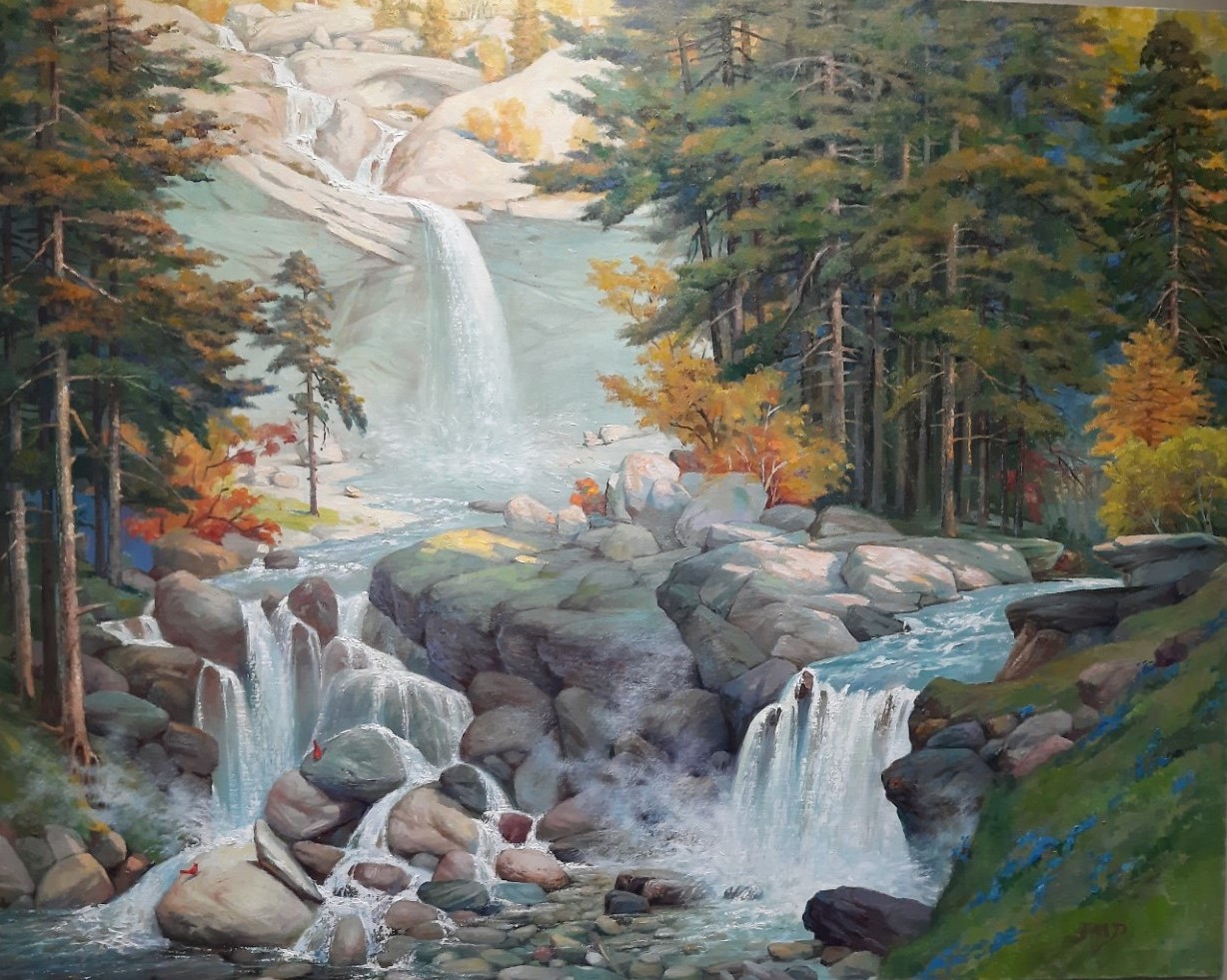
Jianmin Dou, Hong Yin’s father, painted this peaceful scene.

This beautiful building has several floors that are well used. One floor displays the art of Yan Sun, Hong Yin, and her father, Jianmin Dou, who was a renowned Chinese professor and artist. This is where displays for First Friday can be found. A large conference room can be found on the second level while the third floor contains a special permanent collection of paintings by various artists.

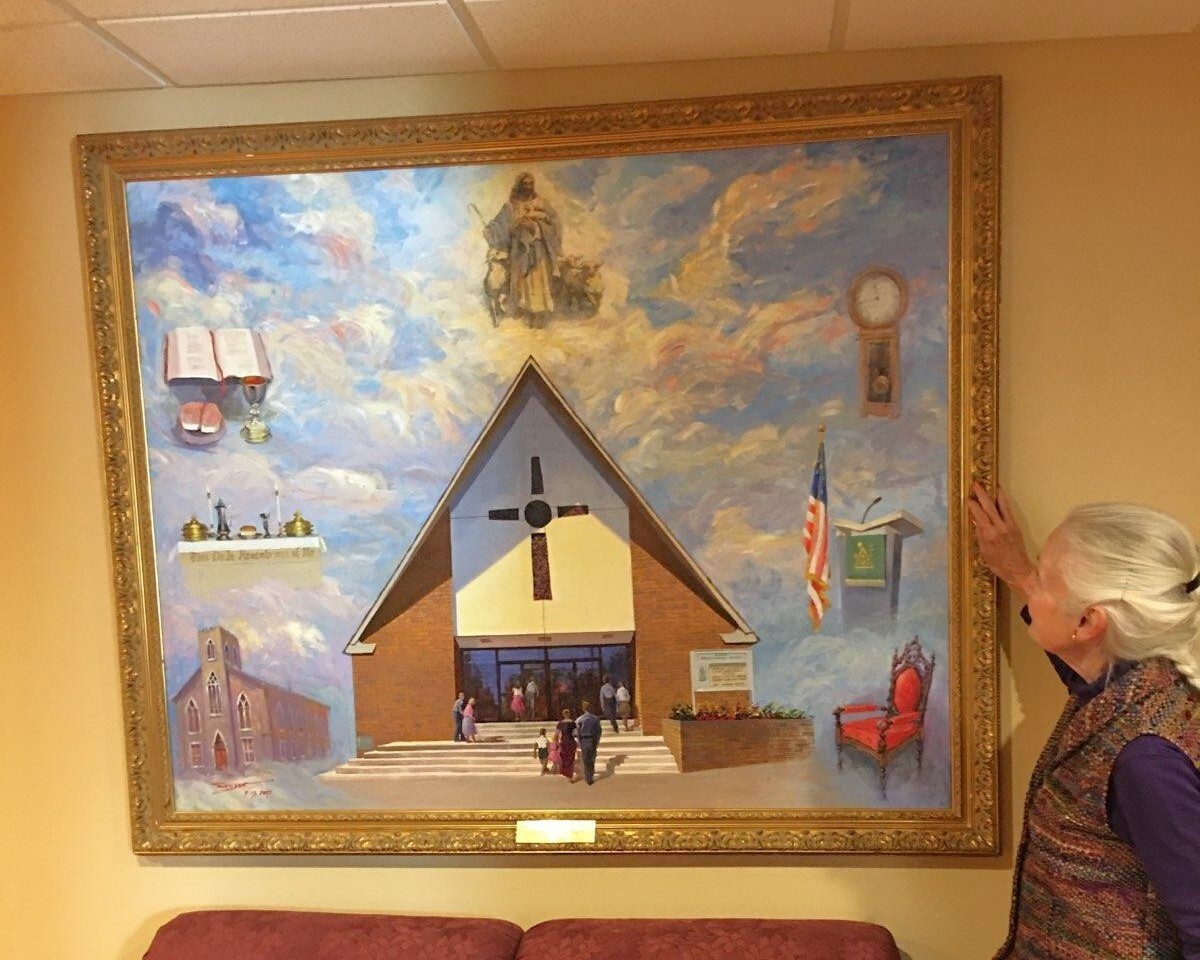
His painting of First Presbyterian Church withstood the derecho in 2012.

Each month, a different themed art exhibit always provides something new for you to see. On the First Friday of every month the gallery is open to the public from 5 pm – 8 pm. There is no charge for admission. Otherwise, they are open by appointment and can be contacted at yan.sun.art.gallery@gmail.com.

Some of those interesting themes this past year included:

October – An Artistic Tribute to Autumn

November – Let Art Spark Joy This Season

December – Local Holiday Gathering

January – Local Charms Unveiled in Art

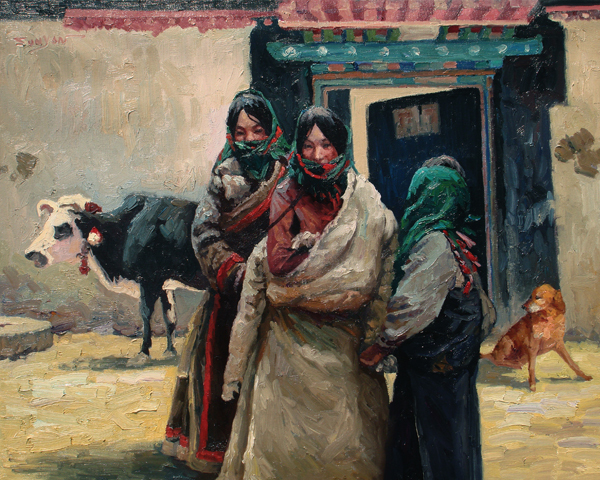
One First Friday theme featured “A Day in Tibet.”

A First Friday exhibit one February featured a Journey to Tibet, which was near the region where they grew up. It included paintings that showed the rich culture and spirituality of the Tibetan people.

Salt Fork Arts & Crafts Festival is pleased to have Yan Sun as one of their judges.

Also available are private lessons, and painting workshops with Yan Sun as the instructor. Here’s a great opportunity to bring alive the artistic abilities hiding inside you! The Salt Fork Arts & Crafts Festival is also pleased to have Yan Sun as one of their judges.

“The Splendor of Y-Bridge” captures the spirit of this historical structure.

In recognition of the contributions of Yan Sun to their museum and its community, Zanesville Museum of Art named a special gallery the “Yan Sun Diverse Cultures Gallery.” His paintings are collected by many museums and organizations throughout the United States.

The spirit of this young girl is featured in “Childhood, Girl and Her Dog.”

In the future, Yan Sun would like to focus on the lives of residents in the area to capture their feelings and spirits in his paintings. He enjoys hearing the stories behind the emotions that make them the person they are at this time of their life.

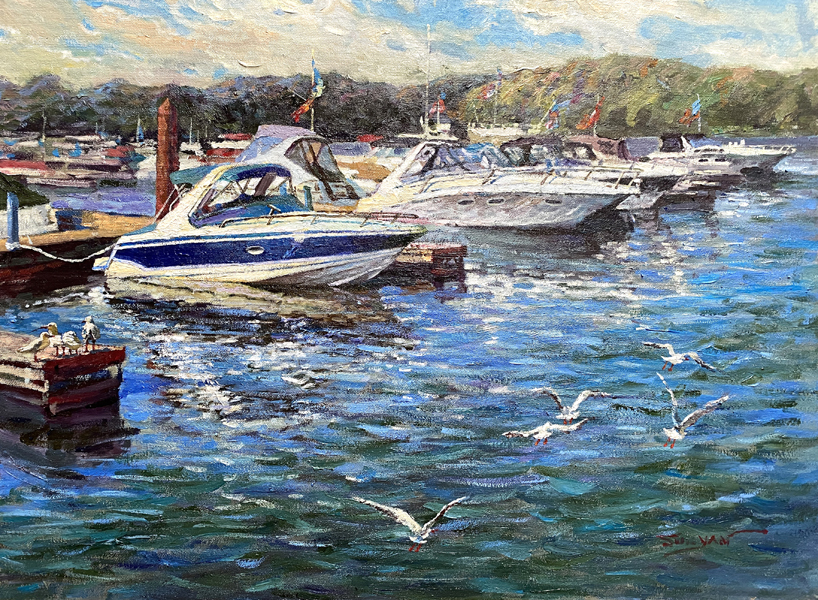
“Summer at the Lake” was inspired by a visit to Salt Fork Lake.

When Yan Sun is not teaching or painting, he enjoys fishing for relaxation, and travel to learn more about the beautiful world that God has created.

“The Splendor of Mendenhall Glacier” was captured after a visit to Alaska.

For more information about the Yan Sun Art Museum & Gallery visit their website www.yansun.us or visit their Facebook page for updates. Plan a visit soon to see the fantastic art works presented. First Friday of each month is the perfect time to step inside and enjoy the beautiful building as well as the creative paintings.

Gnadenhutten Ohio Celebrates 250 Years

Ohio’s Oldest Existing Settlement

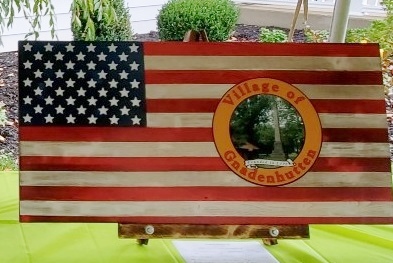
A local lady designed this wooden flag to celebrate their 250th Anniversary.

Gnadenhutten is the oldest settlement in the state of Ohio and this year celebrates its 250th birthday. In 1772, Rev. David Zeisberger, a Moravian missionary, and another young missionary, John Heckewelder, founded two villages along the Tuscarawas River in the state of Ohio with the help of Joshua, a Mohican chieftain.

Most are familiar with Schoenbrunn Village, which was Zeisberger’s first settlement for the American Indians – mostly Delawares. His second settlement that same year was Gnadenhutten and that town still exists today.

Children have many games to enjoy at the festival.

This October, Gnadenhutten will celebrate its 250th anniversary at their Homecoming Celebration on the 7, 8, and 9th. It all begins on Friday evening with food trucks downtown and apple butter being made at the museum. Saturday has activities planned all day long for all members of the family. Sunday, church services will be held in the Museum House in the Historical Park.

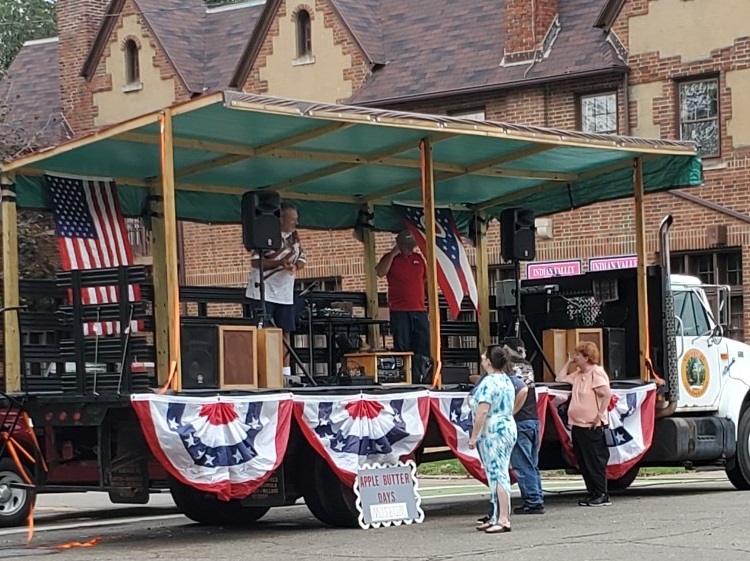
The stage is set for a musical Saturday afternoon and evening.

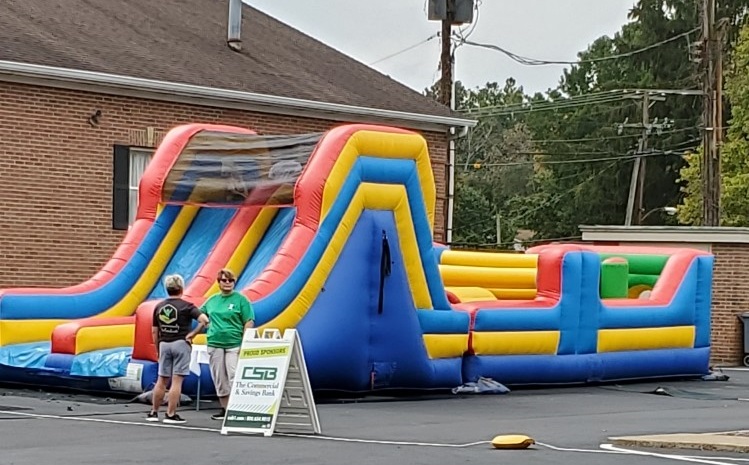
Streets downtown are blocked off for craft booths, Farmers’ Market, Corn-Hole Tournament, and music. While the kids are enjoying the Bounce House, Obstacle Course, Putt Putt, and Face Painting, adults might relax playing Bingo at the Fire House. Don’t forget to check out Custom Kemps Car Show in the afternoon.

Putnams System Rewind will provide music on Saturday evening.

Saturday will be filled with music. In the afternoon Wes Schryok and Mike Wykoff will be entertaining. Then that evening, Putnams System Rewind, a family band with a reputation for performing a great variety of music, will be on stage from 6 -9. Music will be followed by fireworks from the top of Stocker’s Hill.

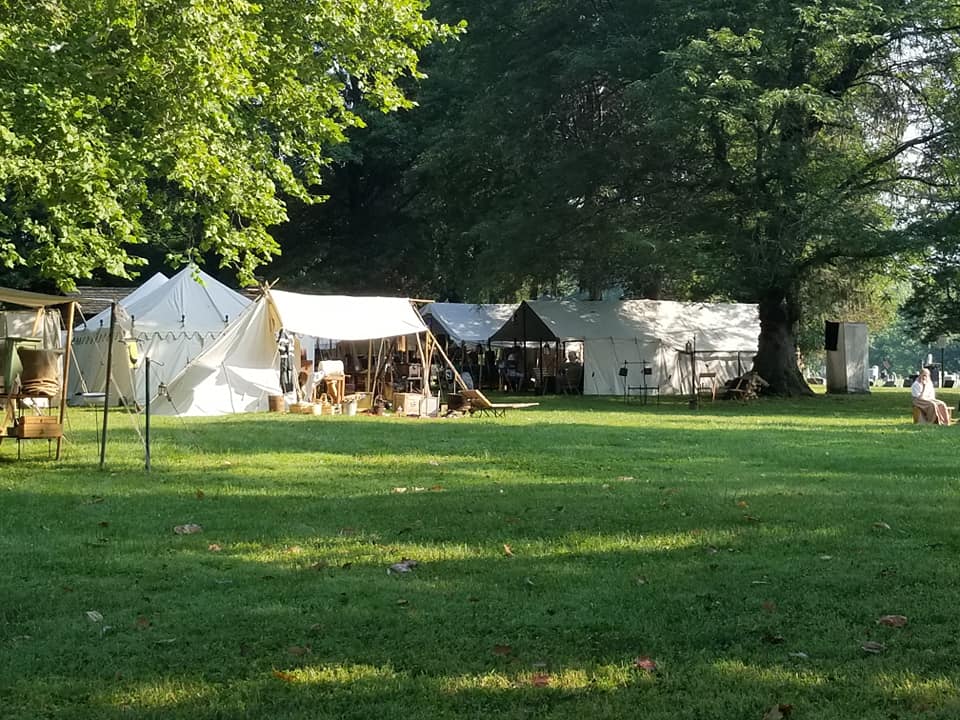
An encampment in early 1800s style will greet visitors to the Historical Park.

Apple Butter Days happens on October 8 and 9 at the museum with apple peeling beginning on Friday night when they will show people how to make apple butter. The family of Samuel Shrock from Millersburg will be making the apple butter again this year. Enjoy visiting the encampment in the park where people will be dressed for the early 1800s.

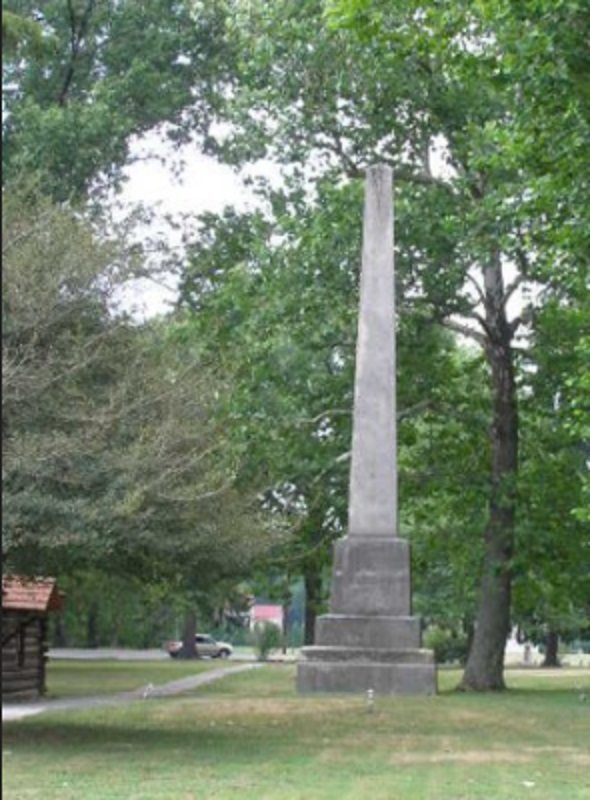
A monument at the Historical Park remembers those who were slain.

A memorial was placed in the Historical Park at the spot of what is now called the Gnadenhutten Massacre. The plaque on the memorial states:

HERE

TRIUMPHED IN DEATH

NINETY

CHRISTIAN INDIANS

MARCH 8, 1782

Ten years after settlement, Captain David Williamson, an American Revolutionary War officer, and his militia suspected the peaceful Mohicans and Delawares in Gnadenhutten, who had been converted by the Moravian missionaries because they remained neutral during the war. Seeking revenge for other Indian raids, they tricked the Delaware into believing they were friends. The next day, March 8, 1782, they killed all the villagers except for two scalped boys who escaped and told of the incident. One Ohio historian called it “the wickedest deed in our history.” Story of this tragedy is told at the outdoor drama, Trumpet in the Land.

The museum contains a history of Gnadenhutten from its beginning.

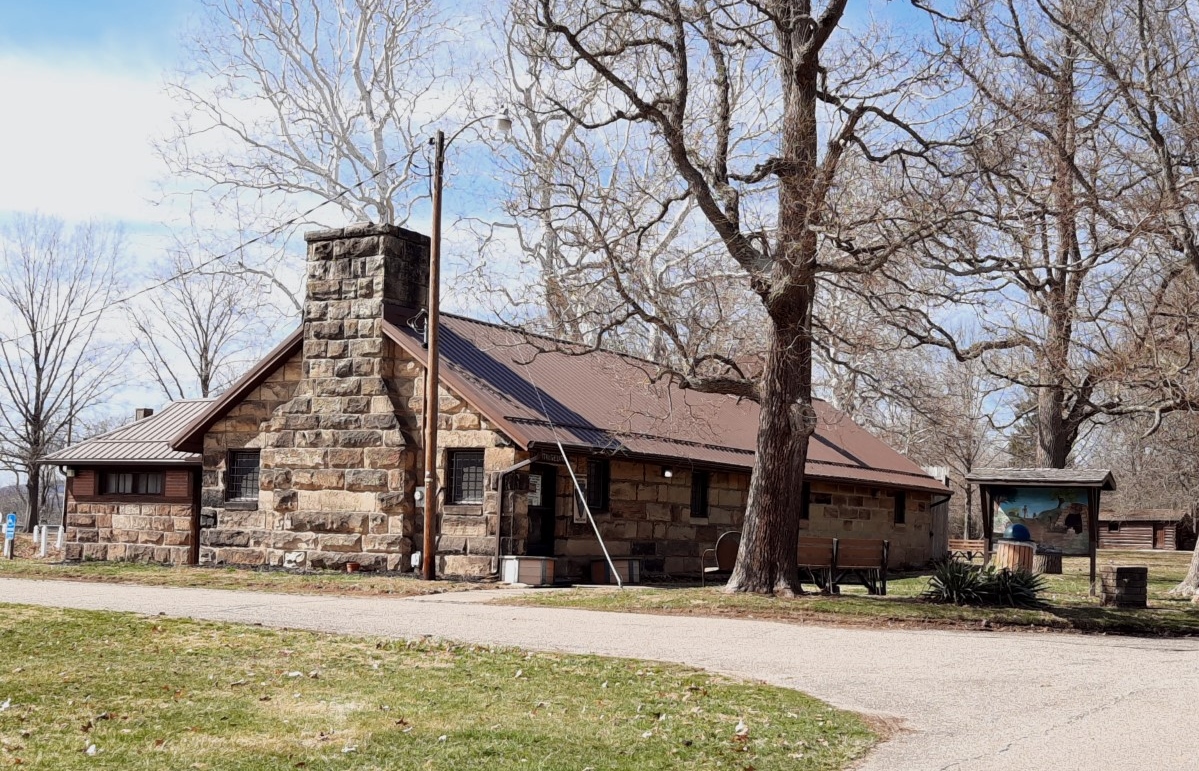
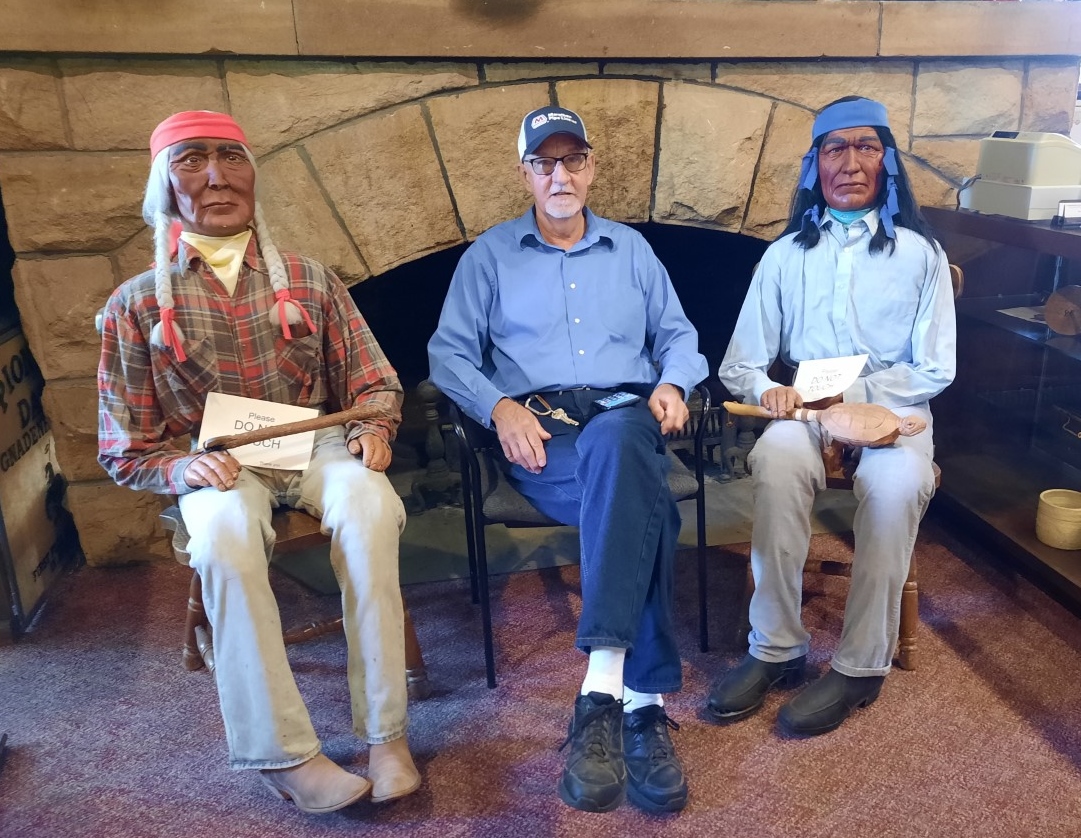
A museum tells the story of those early settlers, who lived a peaceful life in their log cabins along the river. These Indians loved music and enjoyed working in their gardens. There is also a reconstructed church and log cabin like those that were on that site over 200 years ago. A burial mound contains the remains of those ninety Christian Delawares who were massacred that day.

John Heil, curator, visits at the museum with his two best friends, who never argue with him.

The mayor’s office and the museum have a small booklet “Massacre at Gnadenhutten” which is a copy of the history published by the Gnadenhutten Monument and Cemetery Organization back on October 7, 1843. It tells the entire story of what is called the blackest page in history of the Northwest Territory.

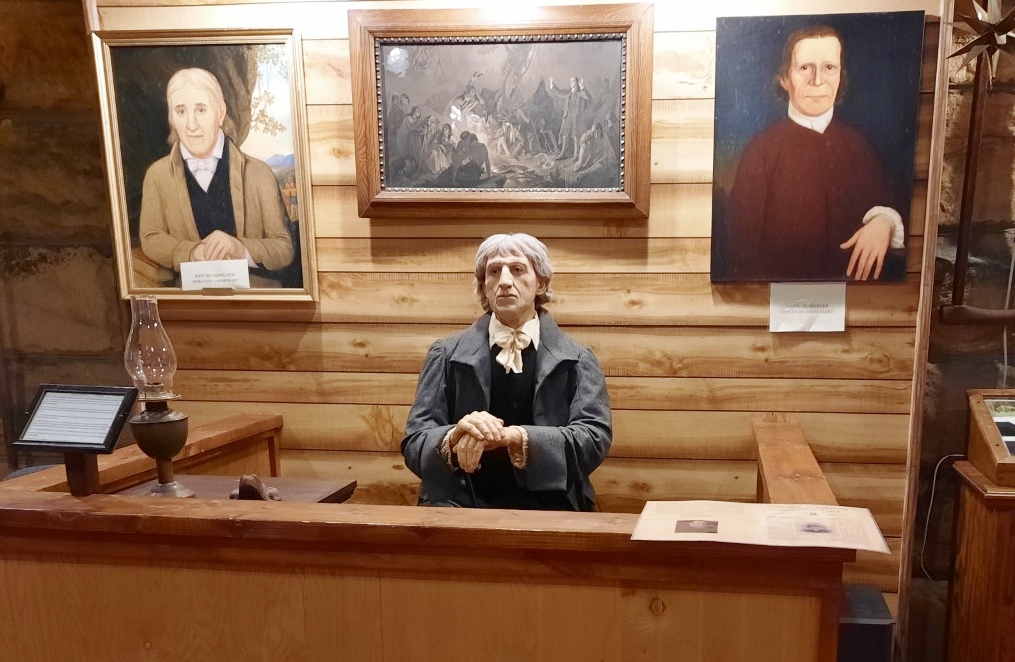
A special display tells the history of John Heckewelder, the founder of the village.

After the massacre, John Heckewelder returned to the village and again organized the town but this time with basically a white Moravian population. Today there is still a Moravian Church in Gnadenhutten called the John Heckewelder Memorial Moravian Church established in 1803. Due to his early persistence in establishing the village, Gnadenhutten still exists today.

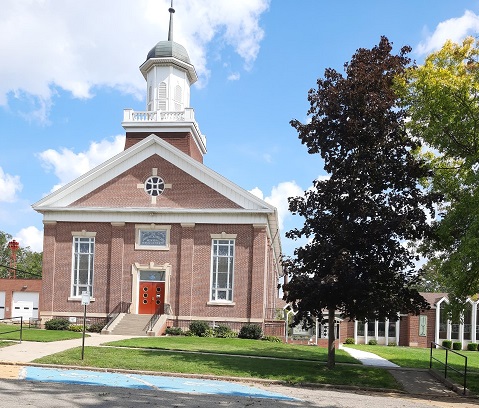
The Moravian tradition lives on as John Heckewelder Memorial Moravian Church has been in the same spot for 220 years.

Mayor Rich Gosling hopes that in the future, “While we will never forget the tragic massacre that took place here, I would like for Gnadenhutten to, first of all, be remembered as the oldest settlement in Ohio.”

The Tuscarawas River flows at the edge of Gnadenhutten.

The town has grown from those early days when travel was on trails by horseback and wagon or on the Tuscarawas River. Things changed in the early 1900s when the Ohio-Erie Canal traveled along the river, followed by the railroad and then today’s highways.

Enjoy a visit to Gnadenhutten, the oldest established town in Ohio, during their 250th Anniversary celebration. Then watch what changes happen over the next 50 years.
Take a Relaxing Visit to Historic Harmar Village

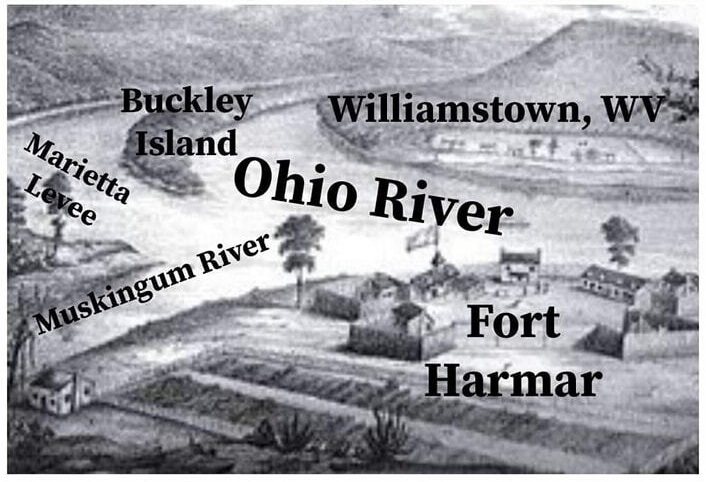
Old Fort Harmar was built near the confluence of the Ohio and Muskingum Rivers.

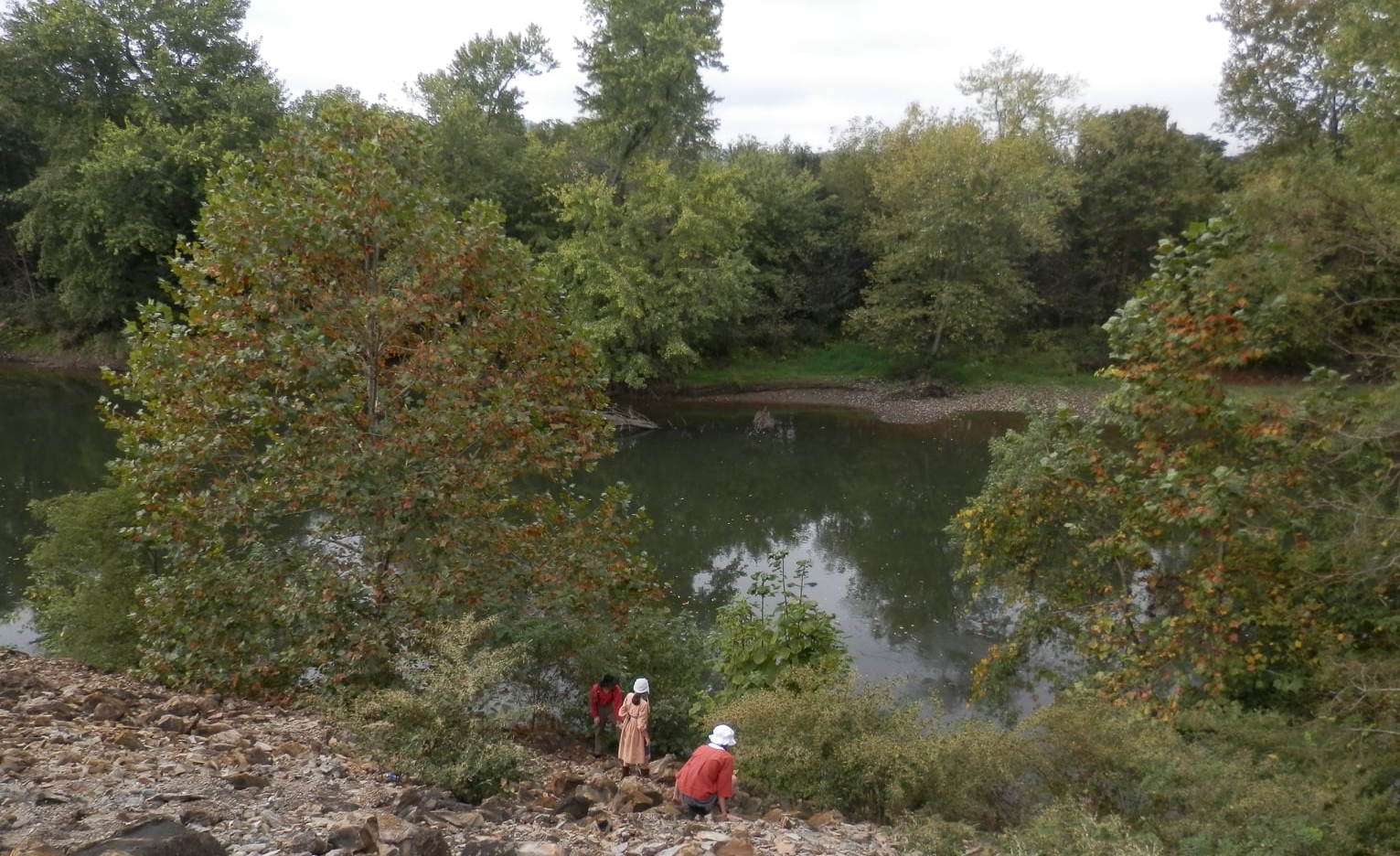
At the confluence of the Muskingum and Ohio Rivers, Fort Harmar was the first military fort built in Ohio County. Built under the command of General Josiah Harmar, this 1785 fort was given his name.

This drawing was made by early pioneer, Judge Joseph Gilman.

Its purpose was to keep illegal settlers from squatting there but it proved the opposite as they came and settled because they felt safe from the American Indians with the protection of the fort. The fort was abandoned in 1790 and demolished in 1791. Its location is thought to be under the Ohio River as the river has widened over the years.

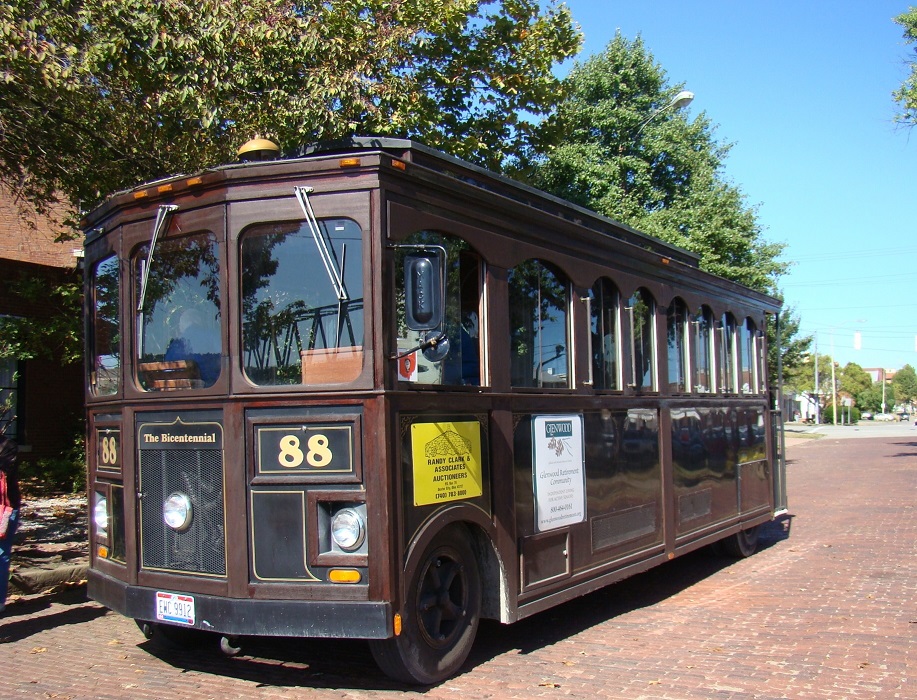
Take a trolley ride for interesting historical stories.

The Ohio Company planned out Harmar Village near the fort site across the Muskingum River from downtown Marietta. Today, a trolley tour of Historic Marietta and Harmar is a nice way to get an overview. Then you can go back and see the places that appeal to you. Once you get to the other side of the river, Harmar Village is filled with historical homes, a few unique shops, many dining experiences, museums, and restored train cars.

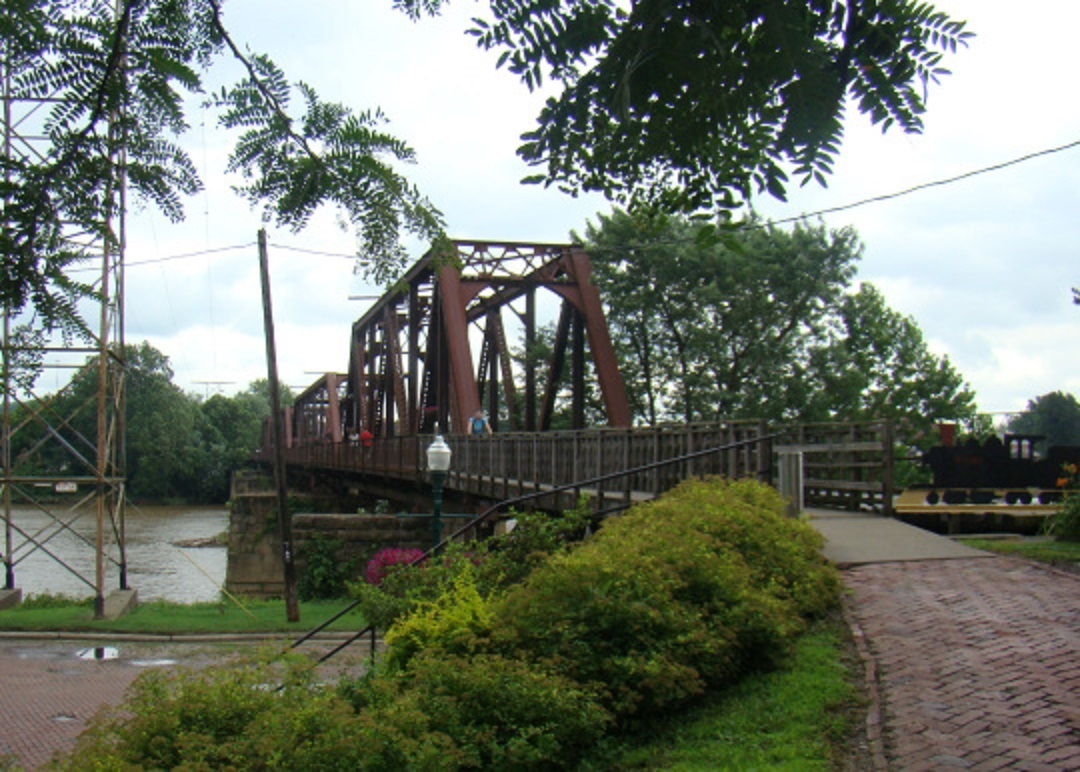
Historic Harmar Bridge provided a nice walk over the Muskingum River in past years.

Historic Harmar Railroad Bridge, strictly pedestrian in recent years, leads from Front Street in downtown Marietta to Harmar Village but is now closed. It was a scenic walk over the Muskingum River to explore the old restored village. The bridge, which was built in the 1860s is in disrepair and they have a campaign to save the bridge as it was the only working, hand-operated railroad bridge in America. They still operate it during the Harmar Festival for those who would like a ride. All proceeds, of course, go to Save the Bridge.

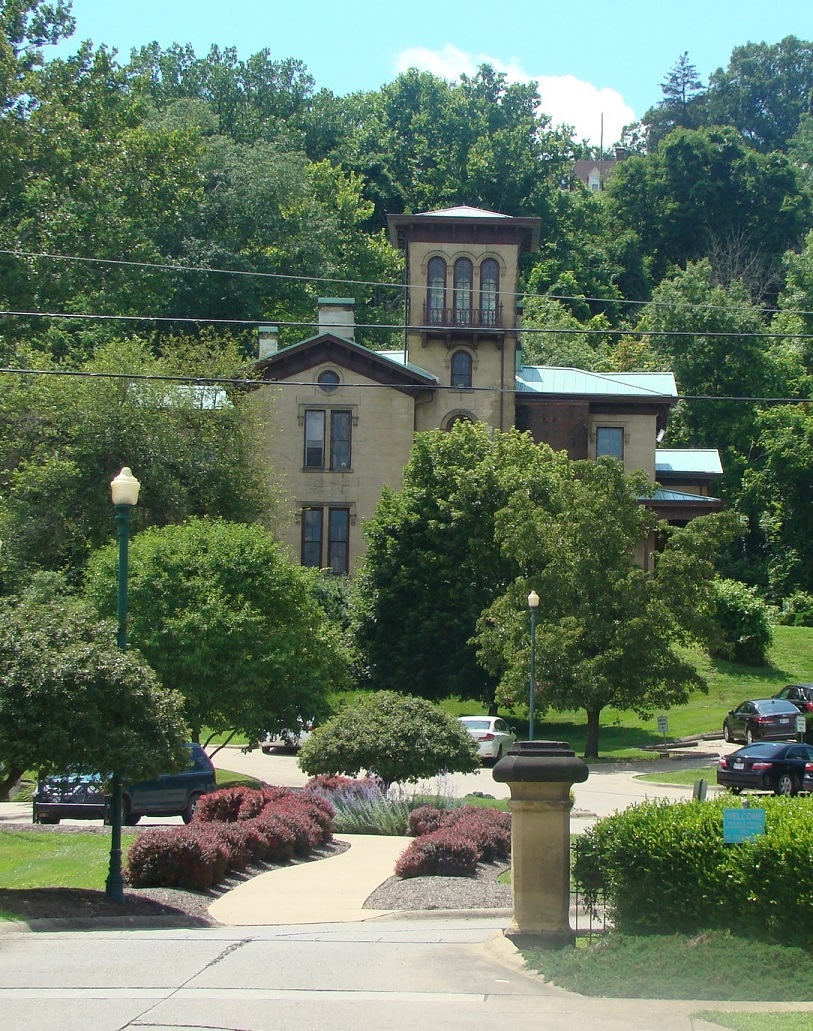
Putnam House is high on the hill overlooking the town and the rivers.

A beautiful Italianate home can be found high on the hill in Harmar. It was built in 1859 by Douglas Putnam, one of Marietta’s wealthiest men. Putnam was the leader of the abolitionists in the area where he was a major supporter of the Underground Railroad.

He built the home for his wife Eliza who fell in love with that style when traveling through New England. Eliza carefully chose everything that was to go into the house to make it their home. The cost at that time was $60,000.

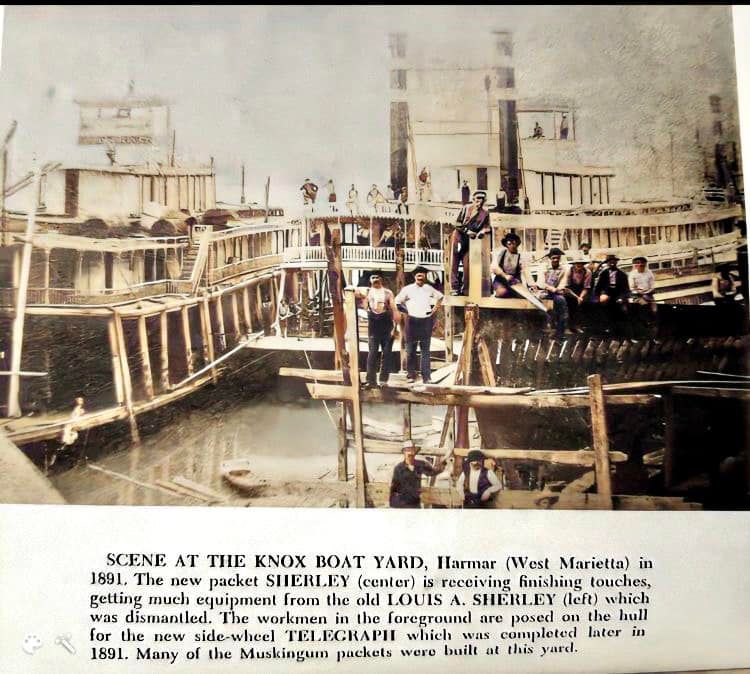
The family named the house Putnam Place, although many called it Putnam’s Folly. The tower was probably his idea as he could easily see both rivers and the city as well as across the river to Virginia so he could keep a good eye on slave movement. At that time the Ohio River was rather shallow and you could easily ride a horse across it. Later the house was purchased by Harry Knox, a builder of steamboats, and renamed Anchorage.

In recent years, paranormal investigations and tours have also been held at Putnam Villa by the Washington County Historical Society, which hopes to restore it.

Henry Fearing House Museum gives a glimpse of life in the early 1800s.

Harmar seems to overflow with historical homes. The Henry Fearing House Museum gives you a taste of middle-class life during the Victorian era. Fearing invested in the area and had a steamboat enterprise. Built in 1847, today this house holds historical items from Marietta and Washington counties. In 1829, Levi Barber, who was a surveyor and U.S. Congressman, built The Barber House.

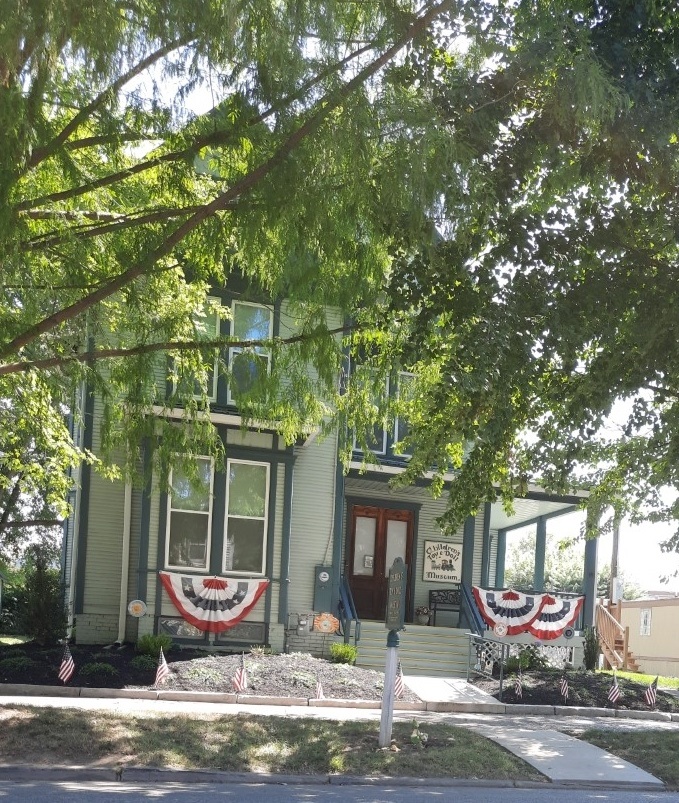
The Children’s Toy & Doll Museum has a vast collection of old toys.

The Children’s Toy & Doll Museum gives visitors a glimpse of what toys entertained children during the late 19th and early 20th centuries. The house where this hidden treasure is located was built in 1889 by George Strecker, a local boilermaker. They have beautiful displays of dollhouses, circus wagons, dolls from around the world, and many new displays this year.

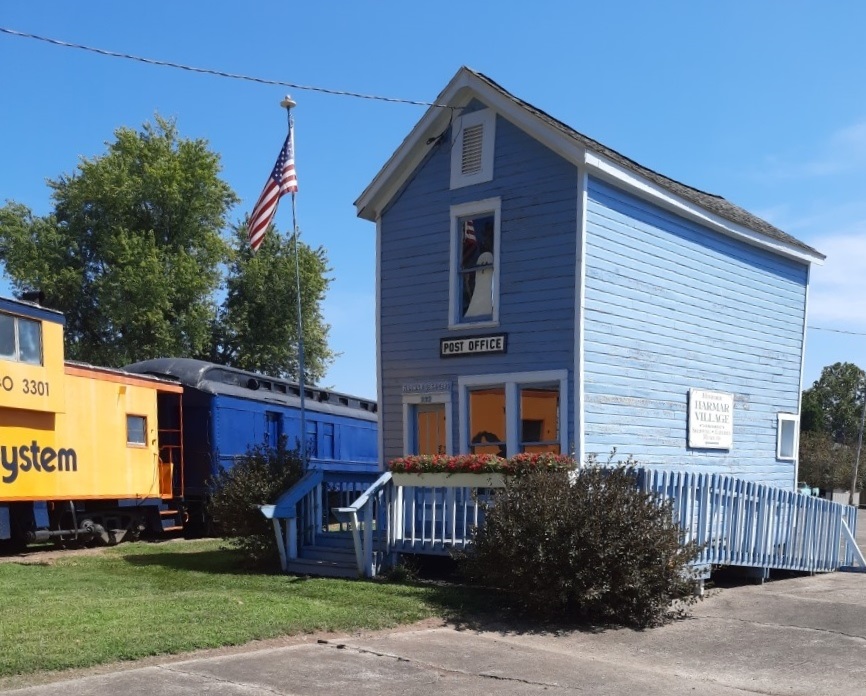
The Old Post Office has a train display beside it.

The Old Post Office is a center of attraction right beside their train display. Lydia Young served as postmaster here from 1864-1885 in what was also her notary shop. While there aren’t many places for shopping in Harmar, you’ll find several places for delicious food as all have crowds of people at lunchtime.

Busy Bee is a popular family restaurant for breakfast and lunch.

Busy Bee is right next door to the Post Office and has been serving fresh ingredients from local farms since 1944. Everything is made from scratch with breakfast their specialty. Larry loves the area and has plans for starting three new businesses there: a bakery, butcher shop, and distillery.

Harmar Tavern has a friendly bar, indoor dining, and a great patio.

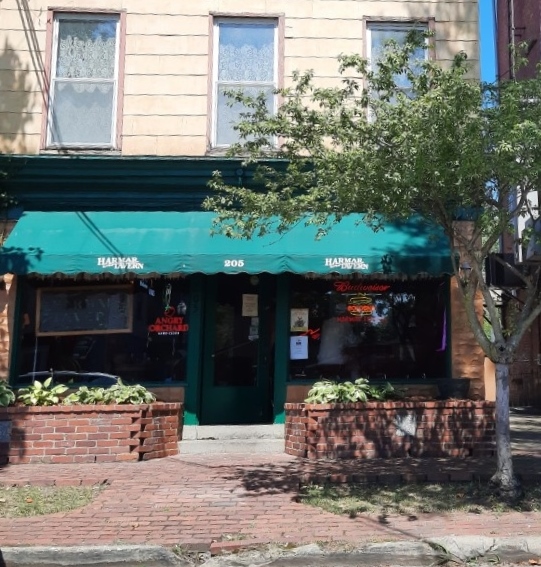
Stop for a meal at Spagna’s Italian Restaurant right next door to Harmar Tavern. Spagna’s offers authentic southern Italian cuisine and an extensive wine list. Or go next door to the tavern, a neighborhood gathering place that almost never closes. They are known for their “Soon to be famous” Fried Bologna Sandwich.

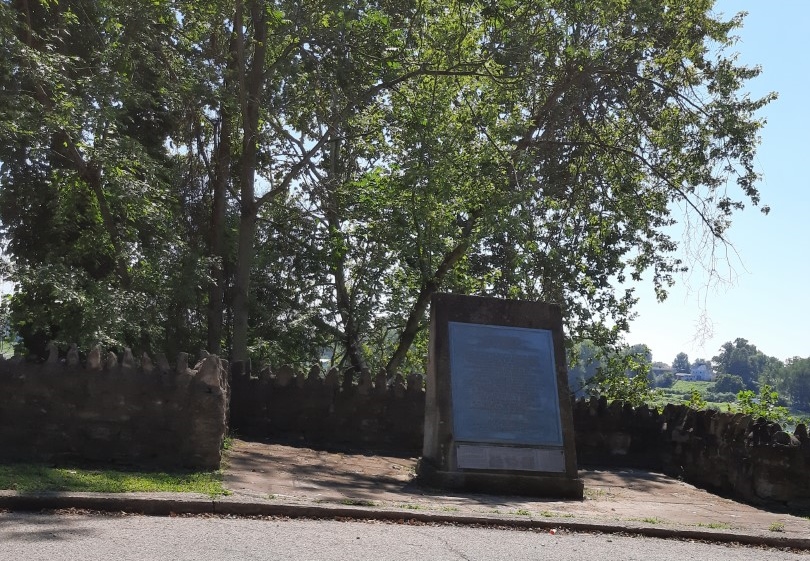
The history of Harmar is told at the edge of town near where the original fort stood.

If you are planning to attend their Fourth of July Celebration or the Sternwheeler Festival, you might enjoy heading to Lookout Point on Harmar Hill. Here you can see many vistas of Marietta as well as the beautiful Ohio and Muskingum Rivers winding their way through the scene. It’s a great place to watch the fireworks! Harmar is a great place to visit any time of the year.

History of Coal in Harrison County

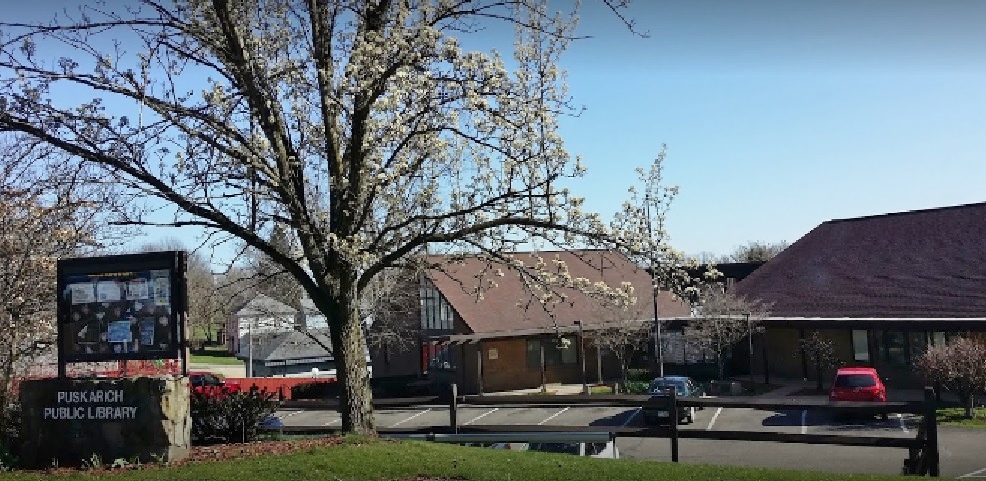
The Coal Mining Museum is in the basement of the Puskarich Public Library.

A Coal Mining Museum has been created to preserve the rich mining heritage of Harrison County Ohio. It can be found on the lower level of the Puskarich Public Library at 200 E. Market St. in Cadiz. Displays are many and detailed with informative signs to describe both the early day and modern mining found in Southeastern Ohio.

After the Puskarich family helped with the half-million-dollar campaign to build the new library in 1986, there was a large area on the lower level that remained empty. Since their family owned and operated the successful Cravat Coal Company, the Puskarichs spearheaded the plan for a Coal Mining Museum. Their family, along with other area coal mining families, presented items for display.

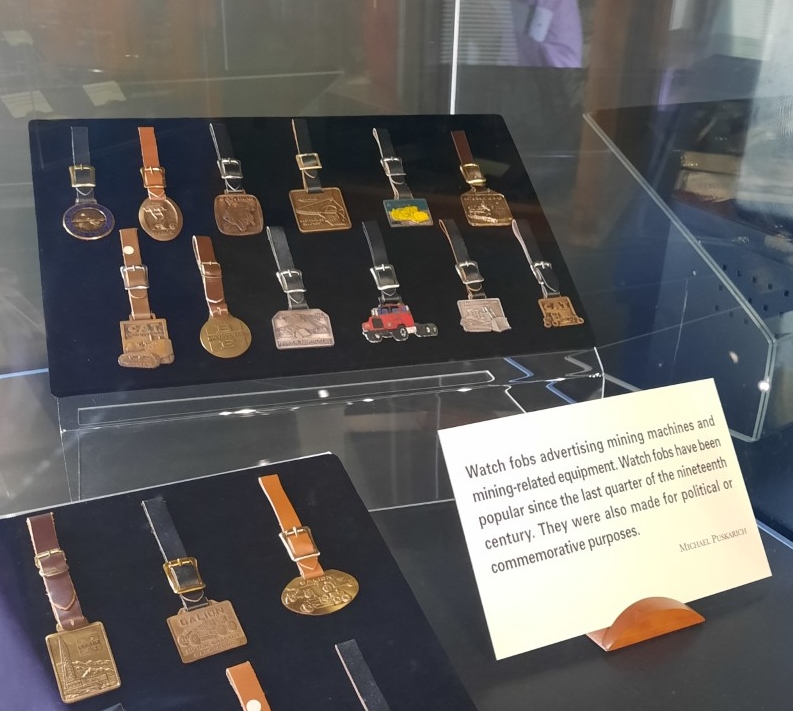
Watch fobs were often gifts from mining companies for advertisement purposes.

During the late 19th century, Harrison County was one of the top coal-producing counties in Ohio until its decline in the 1980s. Items and pictures from those mines plus miners’ tools are on display from various coal companies.

Walking into the museum, you will notice that the walls and ceilings are black, giving you the feeling of being in a dark coal mine.

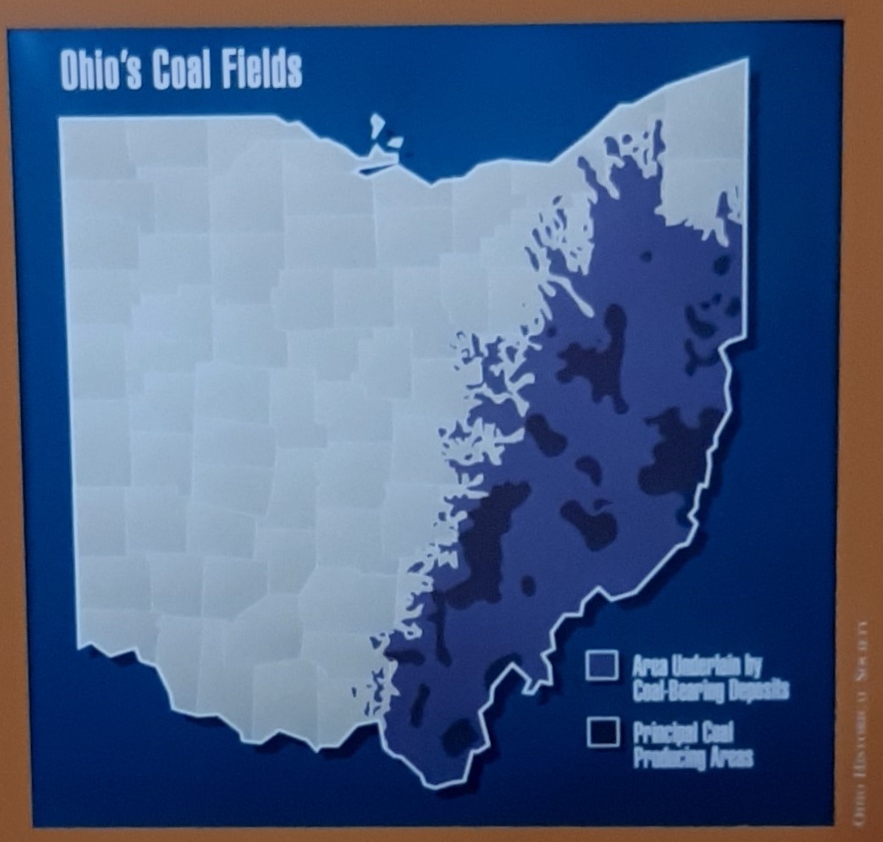
This Ohio map shows the locations of coal fields at a glance.

Coal is sometimes called “buried sunshine” because it came from plants that originally absorbed energy from the sun. When coal is burned, we are using energy that was created millions of years ago. Along with oil and natural gas, coal is considered a fossil fuel since it traces its beginning to plants that were once alive. Often prints of fossils can be found in a piece of coal.

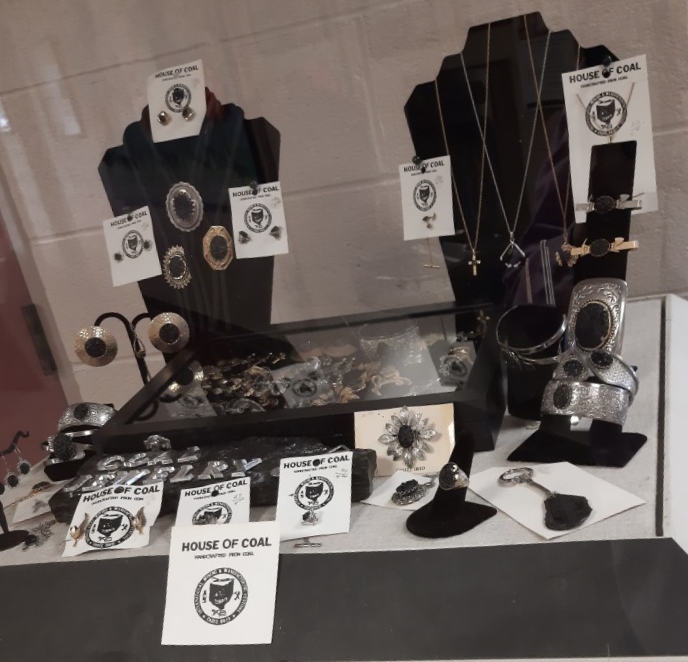
Jewelry made from coal is showcased in their lobby.

The Coal Mining Museum is a great place to learn how coal is formed, the tools used to mine it, and the heavy equipment used in strip mining. Historic photographs line the walls giving you a better understanding of mining and the size of equipment used.

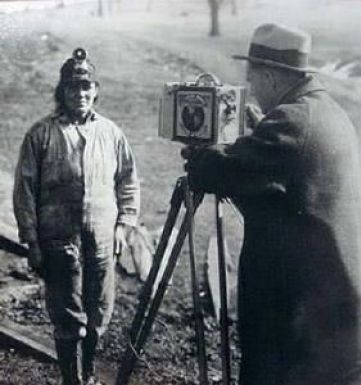
Universal Newsreel photographer captures the moment when Ida Mae is allowed back in the mine.

One of those photos shows Ida Mae Stull, the first woman coal miner, dressed for the mines. Ida was one of 18 children and carried a lantern to the mines for her father when she was six. Ida enjoyed digging coal and mined six or seven cars a day by the age of 30. Her pay for the day was $2 but that paid the mortgage on her property and kept her off charity. Legal action then made it illegal for women to work in the mines but in one year she won her case and was back doing what she loved – digging coal. Ida lived to the age of 84.

The Watts Coal Car made in Barnesville was donated by the Cravat Coal Company.

A featured display shows an actual Watts Car loaded with coal and equipment in front of a large photo of the entrance of a deep mine. Watts Cars were made in nearby Barnesville and this car was donated by the Cravat Coal Company.

Bird cages were an early safety feature in the mines. If a bird died, the men had to leave quickly.

Another interesting display shows safety measures in the mine. A birdcage is displayed which was the earliest way of telling if the mine was safe for miners. If the bird died, they knew the miners had to leave as quickly as possible to escape the deadly gas in the mine. Later methods show rescue kits provided for the miners with oxygen tanks that would last up to an hour that would last up to one hour.

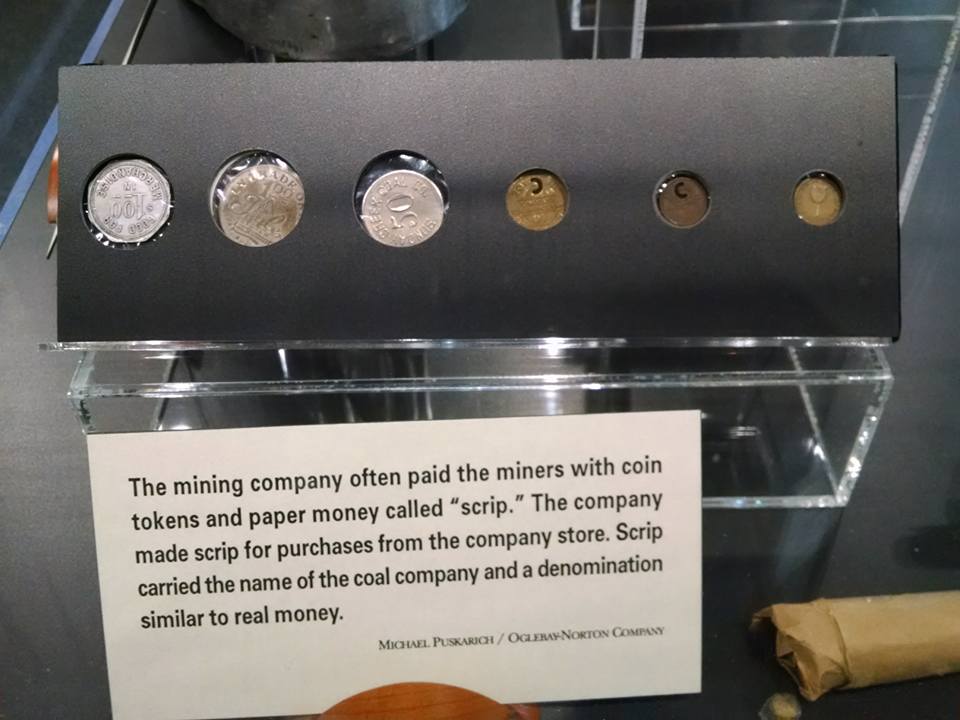
Mines paid in scrip which could only be used at their company store.

Of special interest were the various scrips used as payment to the coal miners. In this way, they had to buy everything from the company store. These people really did “Owe their soul to the company store.”

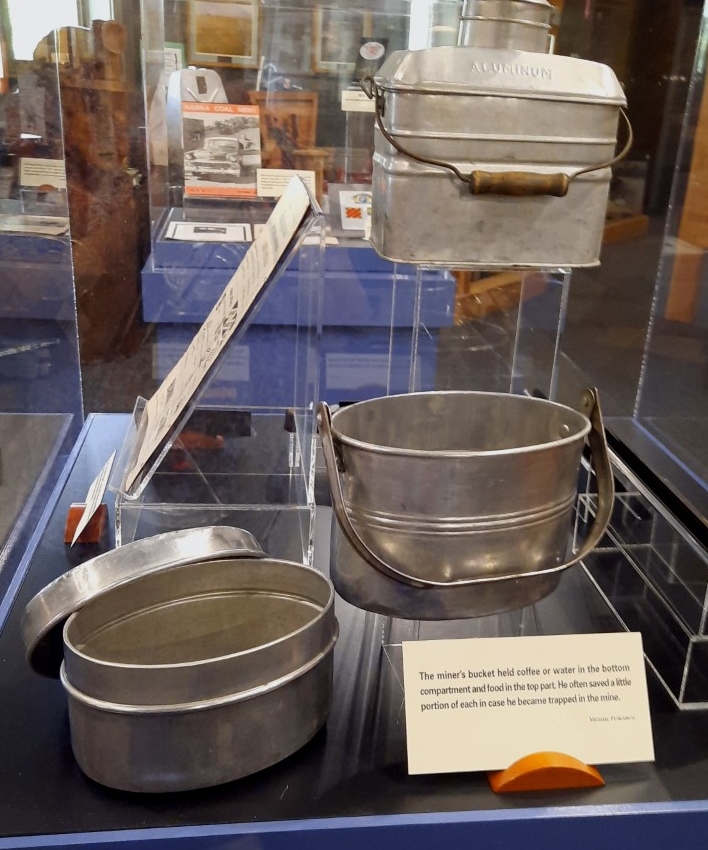
The miner’s dinner pail hung from a nail in the mine to keep the rats out.

Everyone went to work swinging their dinner pail. If they were lucky, they might have a West Virginia ham sandwich inside. By the way, that ham is what we call bologna. Miners always left something in their dinner pail in case there would happen to be a cave-in. If they had a lucky day, on the way home they would give their dinner pail to one of the children so they could have a snack.

The GEM of Egypt was a power shovel used for strip mining.

Pictures show some of the large machines that mined the coal on ground level. These included the GEM of Egypt (Giant Excavating Machine at Egypt Valley Mine) and the Mountaineer. In 1955, Mountaineer was the first of the super strippers to work in the coalfields around Cadiz.

Tour buses came to see the Mountaineer, the largest mobile land machine ever produced.

A beautiful 99-seat theater shows films about the coal industry and its history. There is a video presentation produced by AEP telling of the conversion of coal to electricity. Students seeing the video realize how much happens before they can turn on their light switch at home.

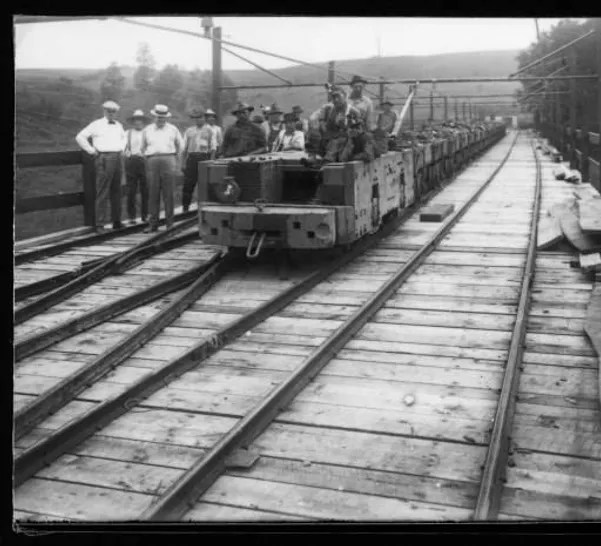
A coal crew works at Short Creek mine in 1910.

A Coal Miners’ Reunion is being planned for May in conjunction with the annual Harrison Coal and Reclamation Park dinner auction. All miners past and present are invited to attend.

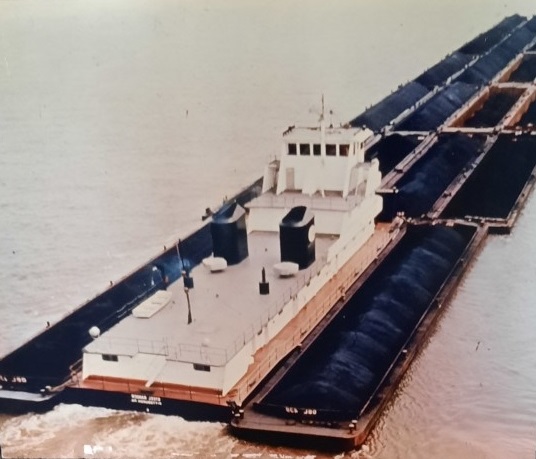
Coal was delivered by barge on the Ohio River.

The Puskarich Public Library and the History of Coal Museum are open Monday through Thursday from 9 am – 8 pm and Friday from 9am – 5pm. Admission is free but donations are appreciated. Check out their website at www.thecoalmuseum.com for more information.
If you enjoy history, you are sure to enjoy all that has been accumulated at the Coal Mining Museum in Cadiz.

General Custer Honored at Birthplace

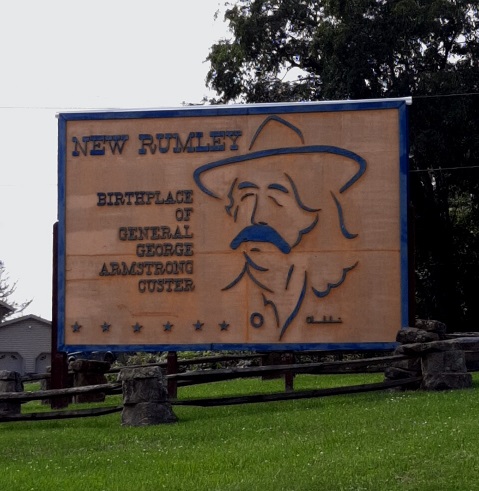
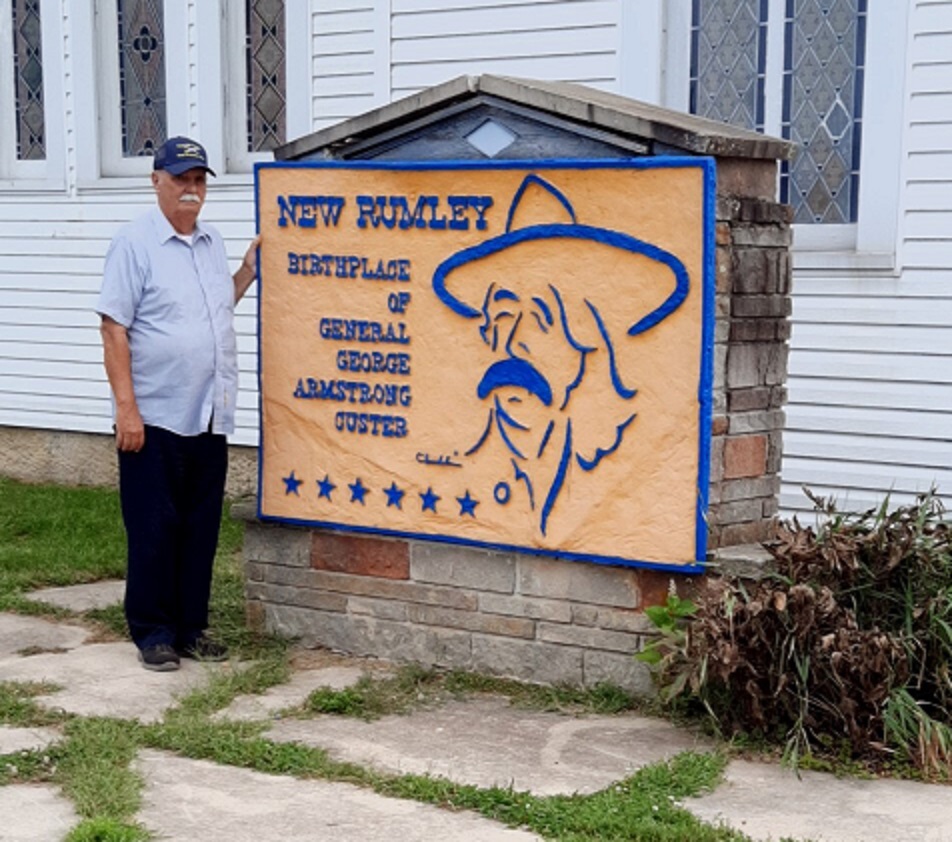
A large outdoor sign points the way to New Rumley and the museum.

New Rumley, Ohio, the birthplace of General George H. Custer, honors him with an annual Custer Observance on the first Saturday of June. This year on June 4, 2022, the day begins with music by JT Thompson of Scio at 11 am by the monument. Members of the Jewett Veterans of Foreign Wars General George Armstrong Custer Post 3071 will raise the flag.

Infantry will demonstrate Civil War-style before Custer Observance Day.

Dr. Mandal Haas of Carrolton returns with his Civil War cannon along with artillery and infantry reenactors to explain the equipment and give demonstrations of their use. Kevin Haney will have his collection of muzzleloaders on display featuring Ager rifles.

Steve and Lisa Ball will sing Civil War songs that tell of life at that time.

After lunch at New Rumley United Methodist Church, Civil War music will be provided by Steve and Lisa Ball. Not only are their songs entertaining, but the stories they tell of their historic significance are always a crowd-pleaser.

The Custer Museum is inside this old church.

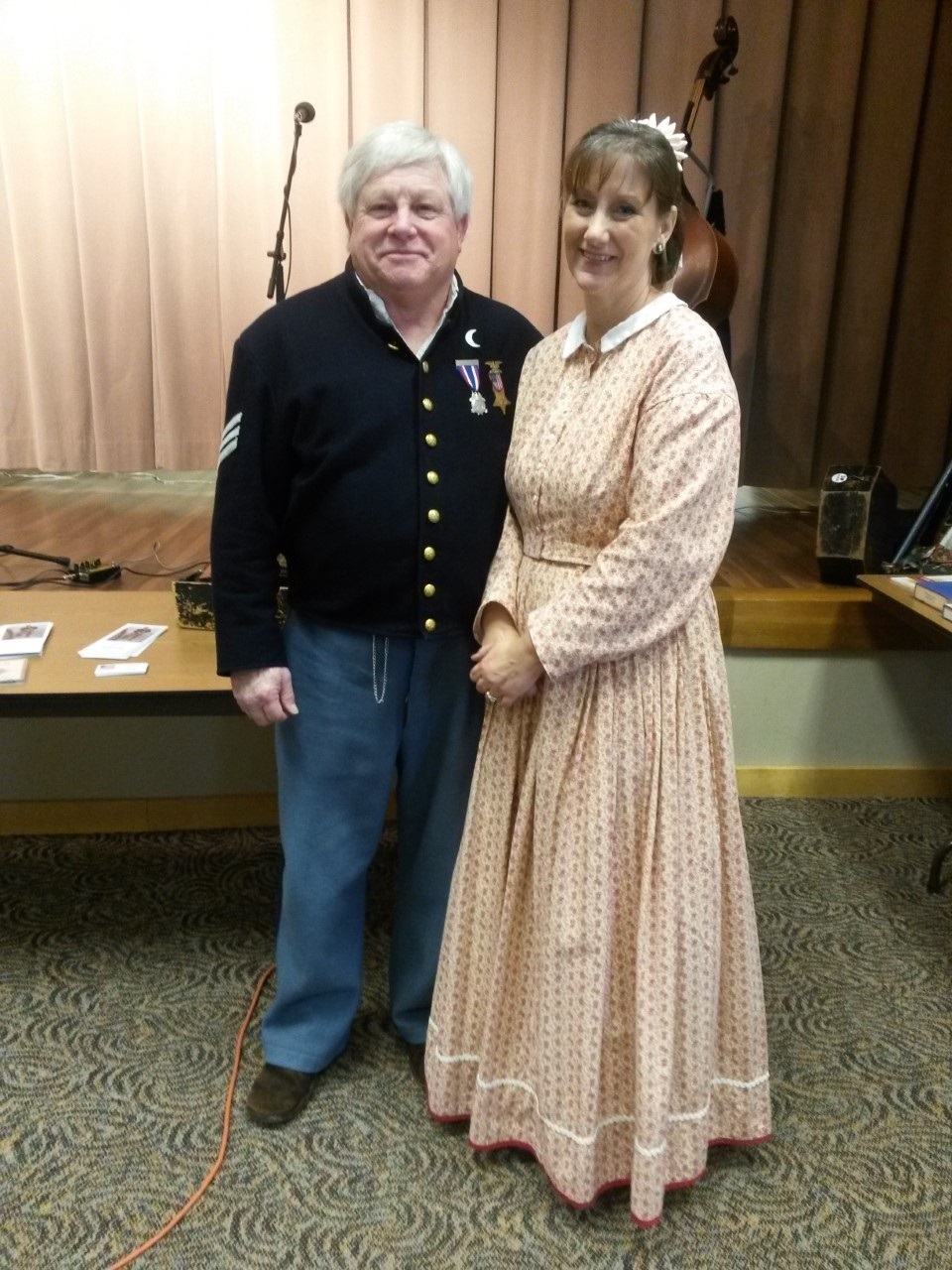
An auction of Civil War and Wild West-related items will follow in the sanctuary. The day’s events culminate with remarks from General Custer (aka Rick Williams). Take time to view the museum packed with memorabilia and the historic signs in the pavilion near the monument.

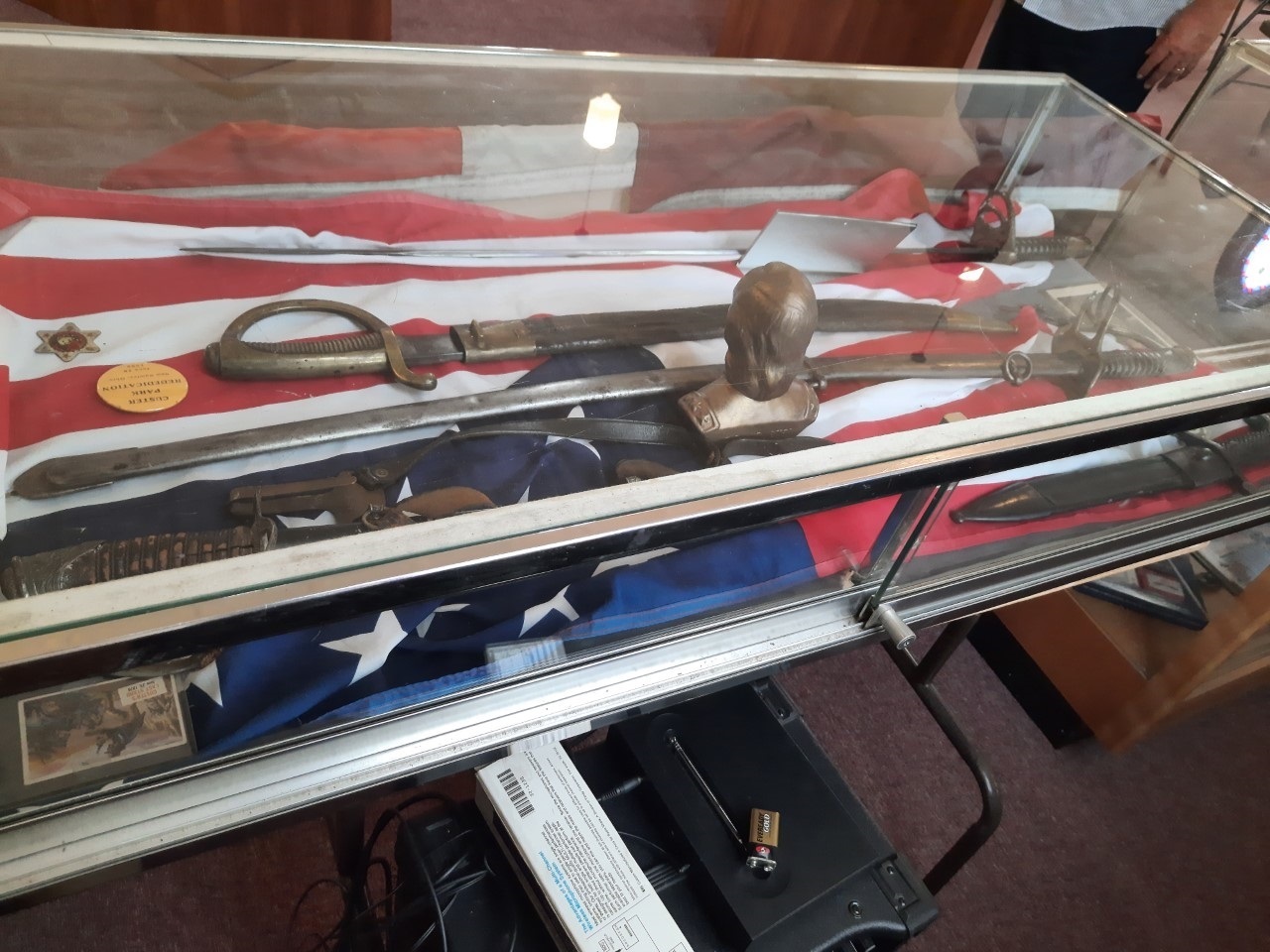
Their collection of Civil War swords is a favorite.

The General Custer Museum in New Rumley, Ohio has a collection of memorabilia from General Custer as well as general Civil War artifacts. One of the most impressive items there is the swords that were used during the Civil War.

Visitors enjoy exploring the museum.

Another impressive piece is a document with the signature of General George H. Custer from 1873 when he was stationed in Memphis, TN. On this particular document, it says that he inspected the horses for the cavalry.

Dave Rose, president, enjoys telling visitors about the museum.

Dave Rose, president of the Custer Museum in New Rumley, has a long-time interest in the Civil War after his great-great-grandfather gave him his Civil War jacket. Dave served in the U.S. Army Cavalry and said they didn’t ride horses but tanks. He spent twenty-four years in Germany serving our country.

When asked to describe General Custer, Dave said, “He was brave…a fighter and hunter.”

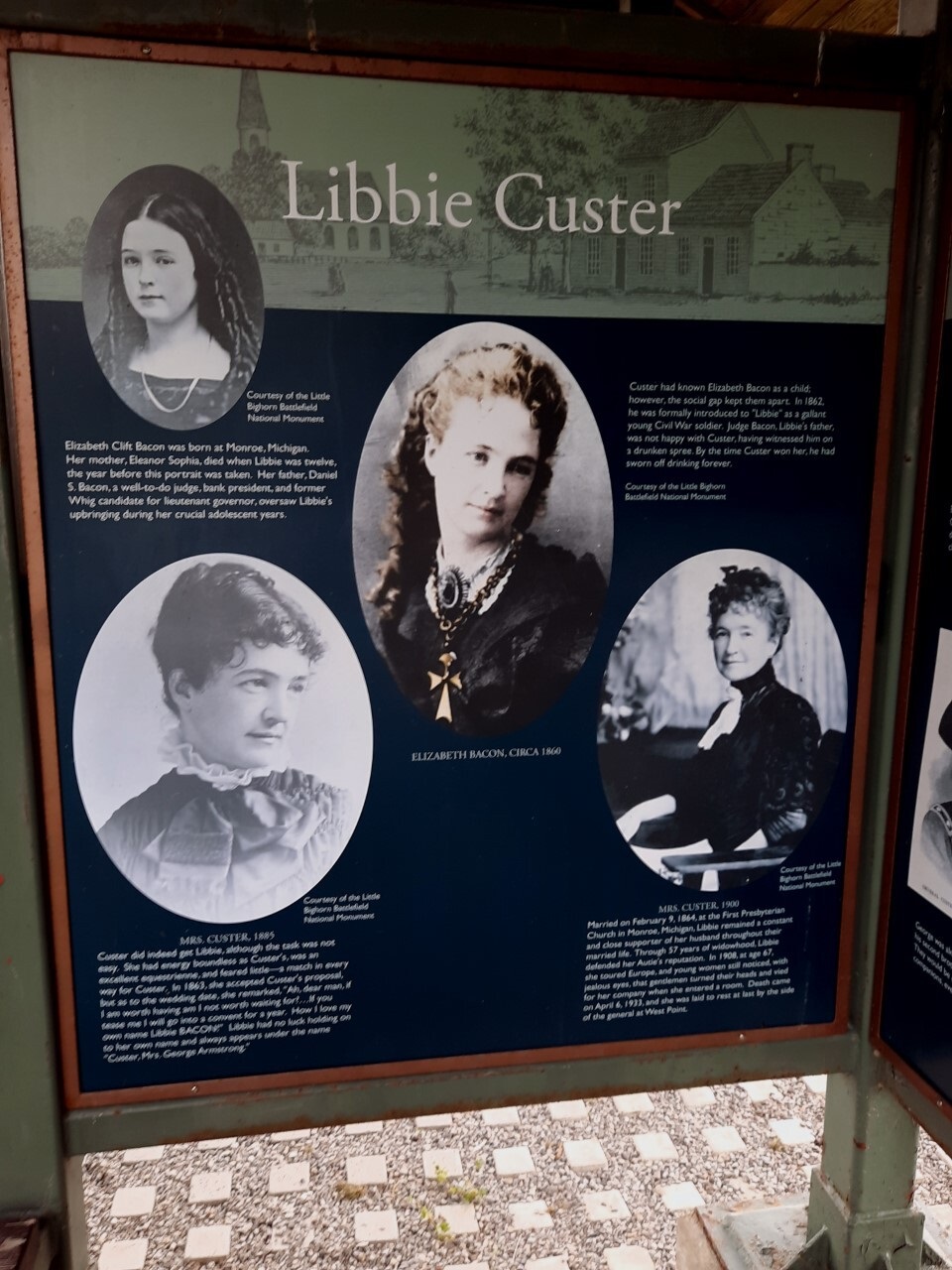
George Custer grew up in a family of several brothers and one sister. George had an attraction to a young lady, whose father was a judge. He didn’t like George’s drinking and forbid his daughter to see him. From that time on George never took another drink as he wanted to marry Elizabeth.

A nearby exhibit tells the story of Libbie, the General’s wife.

George attended West Point and taught school before finally marrying Libbie, who went with him wherever he was sent. George Custer served in the Civil War as Brigadier General and often Libbie stayed in a tent with the military or nearby in a fort. She was always by his side and his biggest cheerleader.

While some feel General Custer wanted to destroy the Indians, everyone does not feel that story to be true. Custer made many friends with the Indians when he was out west and often went hunting with them. General Grant did not like Custer’s affiliation with the Indians and wanted him to leave the Army. At that time many feel Grant sent Custer to Little Big Horn, knowing it would be his downfall. At that final Battle of Little Big Horn, five members of the Custer family died.

George W. Custer statue is a highlight of your visit.

In 1932, the town of New Rumley decided to honor their local hero with a statue. Elizabeth Custer then lived in New York and was unable to attend but through the amazing world of technology even at that early date, she gave a speech from New York that was heard at the dedication ceremony in New Rumley.

The exhibit pavilion near the statue tells the story of General Custer.

Today they have added information boards in a pavilion that tell the history of the general with many pictures included that can be seen throughout the year. It is on the same ground where his birthplace was located and the outline of the bricks shows where the actual house stood.

New Rumley isn’t the only place that holds memories of General George Custer. Monroe, Michigan has a large statue of him on horseback while nearby Cadiz has his signed calling cards and a lock of his hair and Scio has a collection of books and pictures.

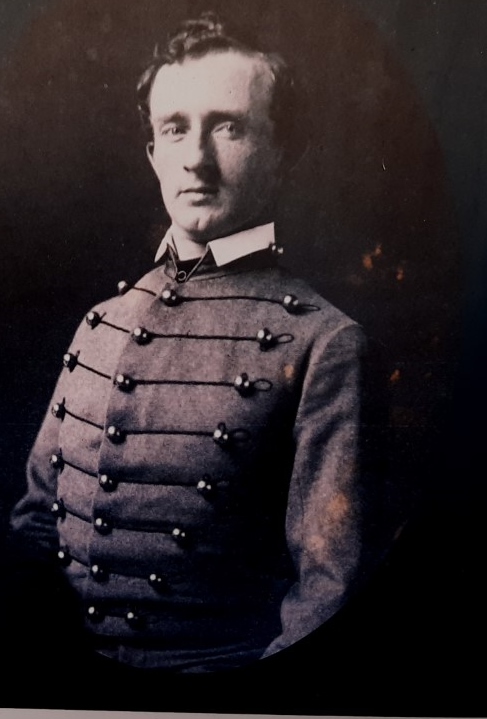
This early picture of George Custer shows him as a West Point cadet.

Visit the Custer Museum in New Rumley on the last Sunday of each month from now until September. The museum will be open on the first Saturday in June from 10 – 5 during the Custer Observance. Enjoy a day learning more about the Civil War and General Custer.

Dickens Victorian Village Bus Tours

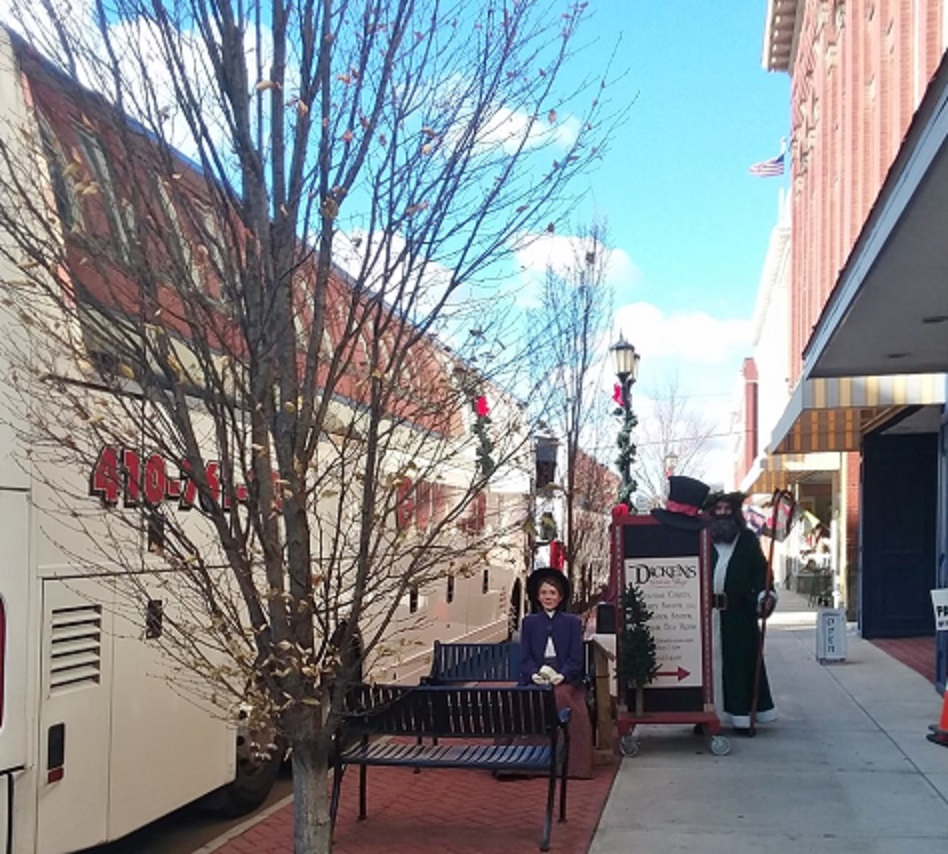
Buses have coned places for parking in front of the Welcome Center.

Step back in time at Dickens Victorian Village in Cambridge, Ohio during the months of November and December. The friendly small-town atmosphere will have you feeling like you’ve arrived in jolly old London during the late 1800s. Bus groups get special treatment during their visits and we usually have nearly fifty groups a year during that season.

While this article is basically for the tour groups, you will find many things here that make it a great place for a family weekend adventure.

As soon as a tour group arrives in Cambridge,  you will get that Victorian feeling. A costumed guide will step on your bus at the edge of town and stay with you throughout the day as they tell how Dickens Victorian Village began sixteen years ago.

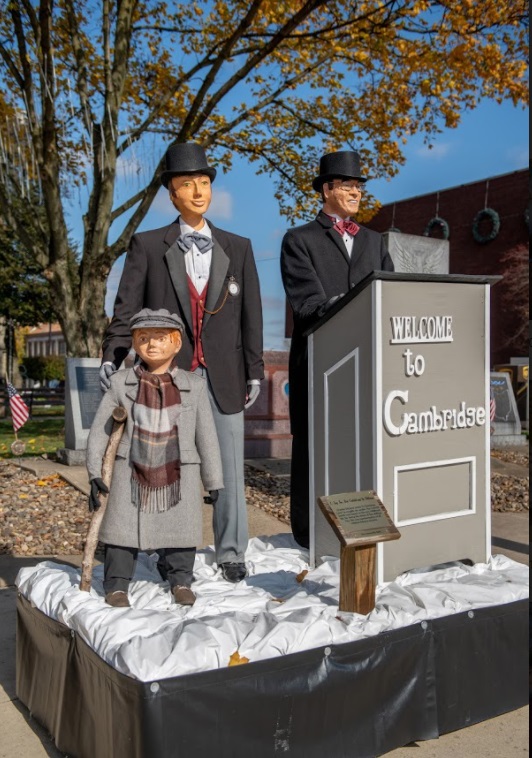
Our mayor welcomes you to Cambridge along with Bob Cratchit and Tiny Tim.

Tour venues are very flexible as each group has particular interests. Most groups begin the day with a slow bus tour of six blocks of downtown Cambridge. During November and December, there is a Victorian scene under every lamppost in those six blocks. In 2021, there were 168 life-size mannequins in 96 different scenes.

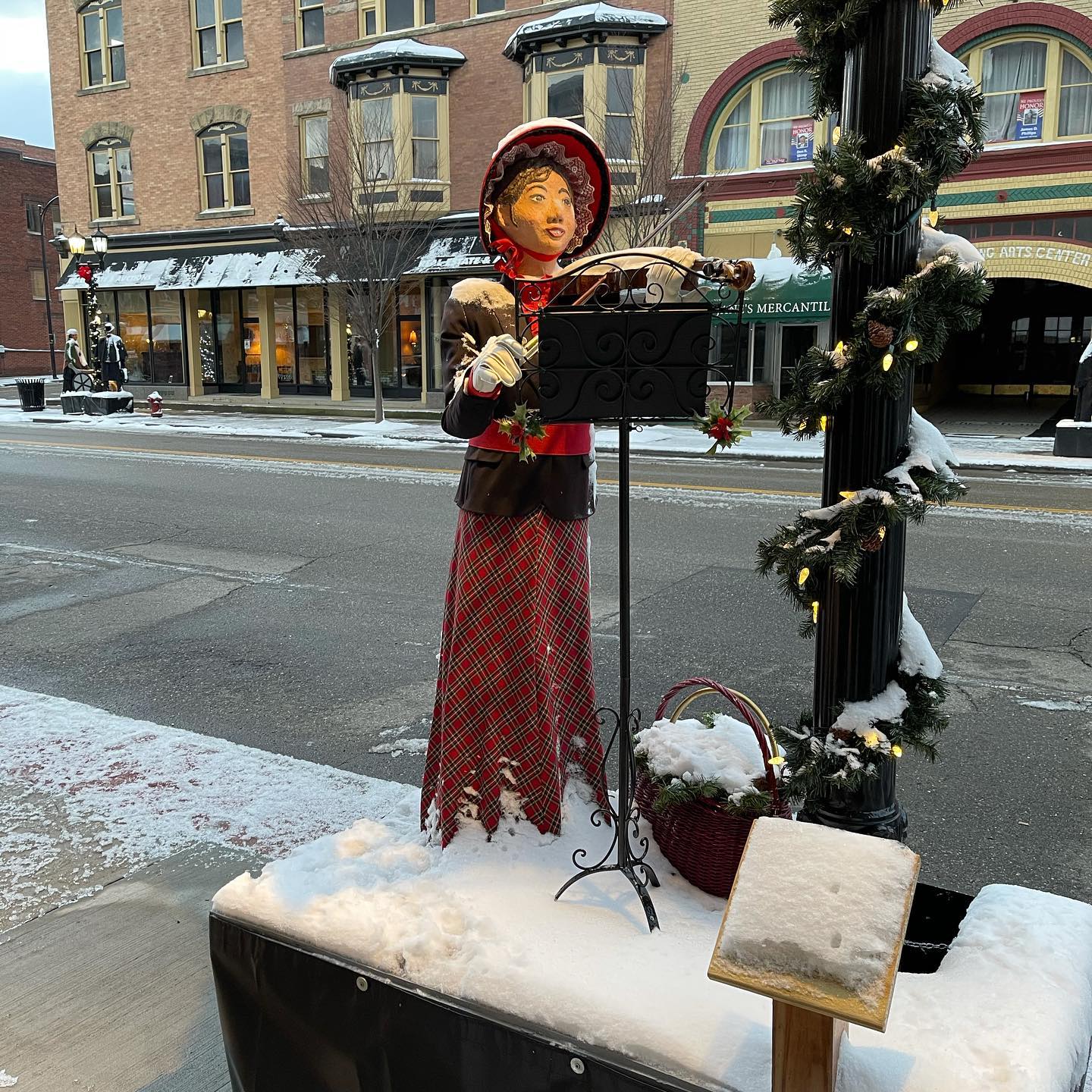
A touch of snow adds to the holiday cheer on one of the Victorian scenes.

The scenes are based on Charles Dickens’s “A Christmas Carol” and also scenes from London during Dickens’ time. Each scene has a brass plaque attached, which explains its connection to that time in history.

Everyone enjoys a tasty treat from Kennedy’s Bakery.

Along the way, almost every bus group stops at Kennedy’s Bakery, a hometown favorite that has been in business since 1925. Three generations of the Kennedy family have created the same tasty pastries year after year. Bus groups stop back again and again.

Mosser Glass still produces glass at their factory with a beautiful Gift Shop included.

If you arrive in the morning, Mosser Glass provides an interesting stop as they are still making glass on site. Watch them create some beautiful glass pieces. Cher purchases turkey candy dishes here each year for her guests at Thanksgiving dinner. They have even provided beautiful glass Easter eggs to the White House. Their showroom is outstanding.

Volunteers at the Welcome Center are dressed in Victorian garb to welcome guests.

Down the street, the bus will have a coned off place to park near our Dickens Welcome Center. Here Father Christmas will greet the bus. Volunteers at the Welcome Center will talk about how the figures are made and encourage you to dress in Victorian clothes at Imagination Station. Have your picture taken for a fond memory with a beautiful Christmas tree or the figure of Charles Dickens himself.
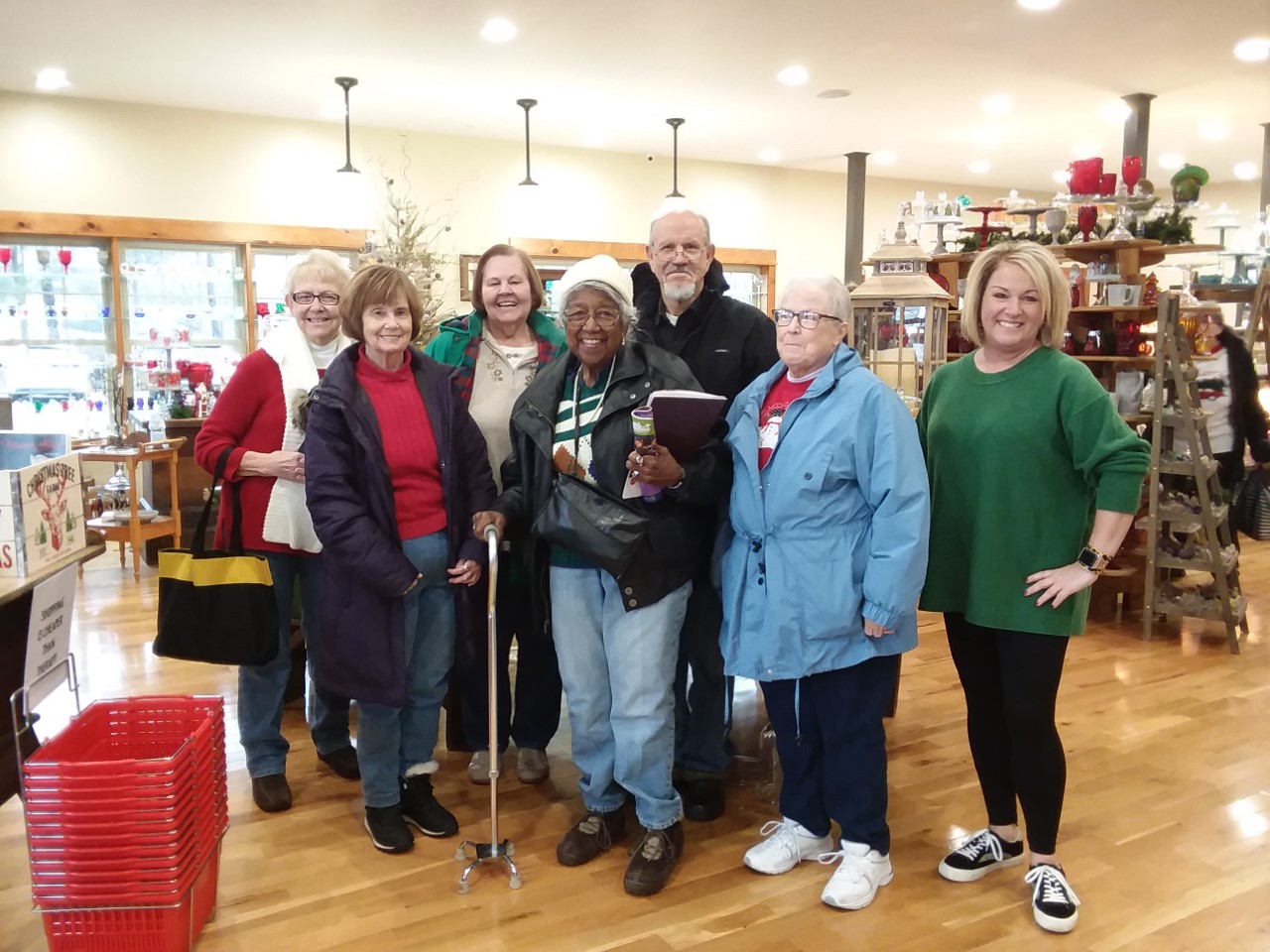
Several unique shops help make this stop a pleasure for those who enjoy shopping.  Find a unique gift for yourself or a friend from several shops which include locally made articles.

Francis Family Restaurant has a large banquet room for buffets.
Mr. Lee’s Family Restaurant provides great meals and service
Theo’s Restaurant has delicious buffets and serve their homemade pies.

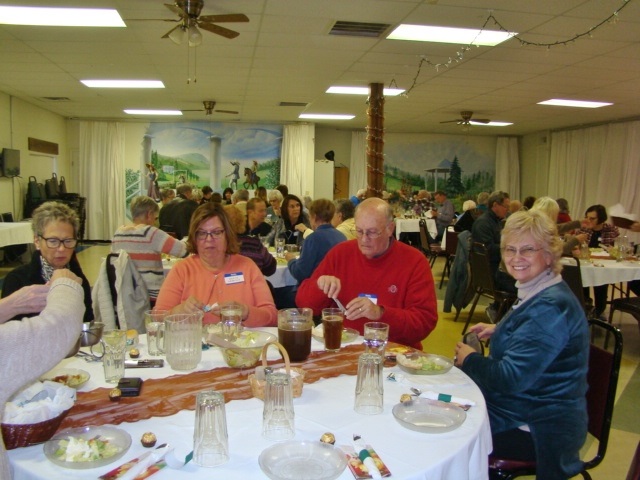
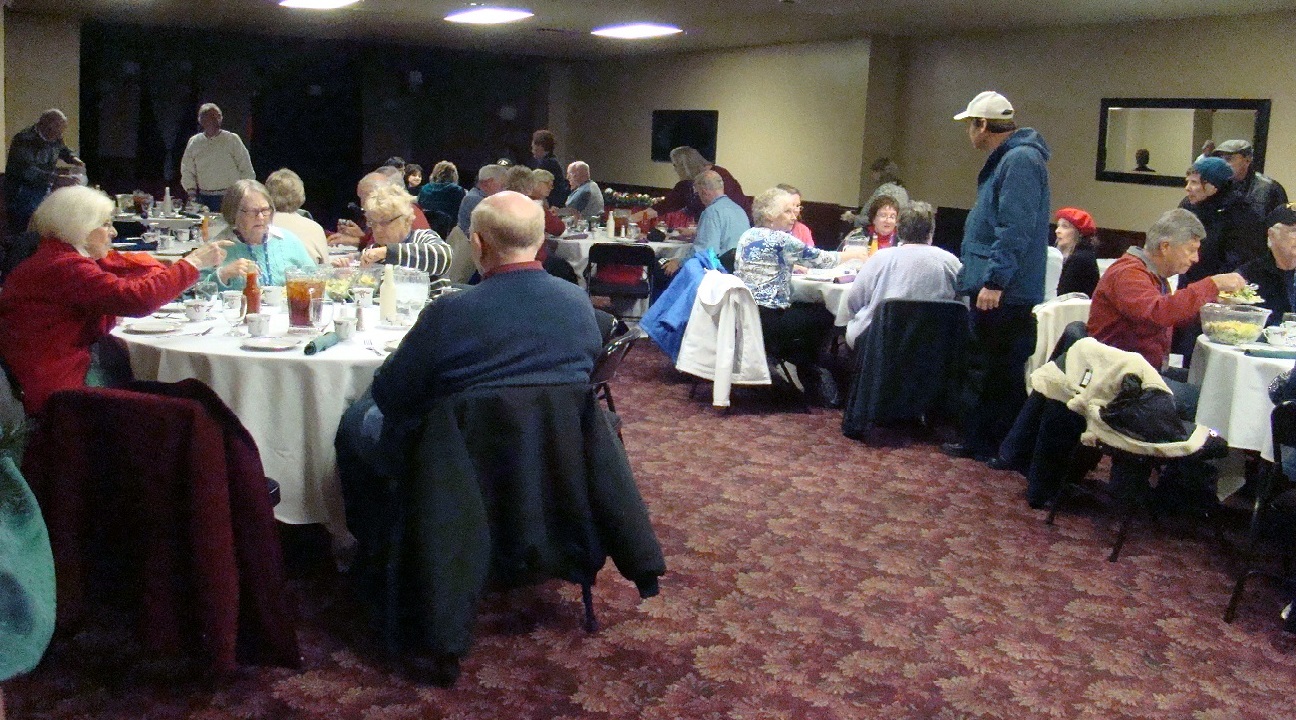
Of course, lunch is always an important stop of the day. Three local restaurants have delicious buffets that are only prepared for bus tours. Take your choice of Francis Family Restaurant, Lee’s, or Theo’s for a buffet that will leave you satisfied.

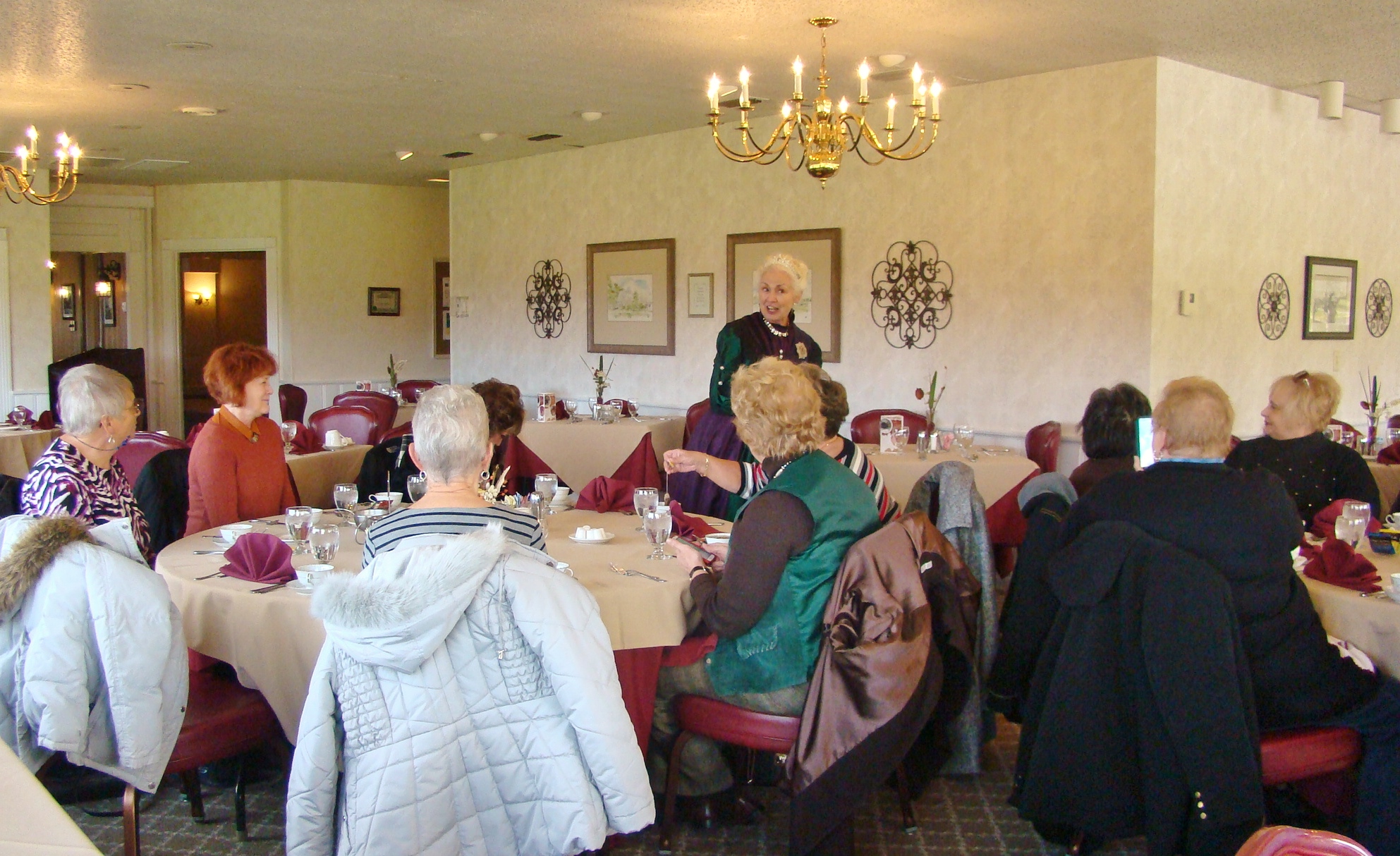
The Queen’s Tea takes place at the beautiful Cambridge Country Club.

Some wish to have an upscale lunch or dinner and choose to have dinner with Queen Victoria at the Cambridge Country Club where she tells about her life growing up in London from childhood to adult.

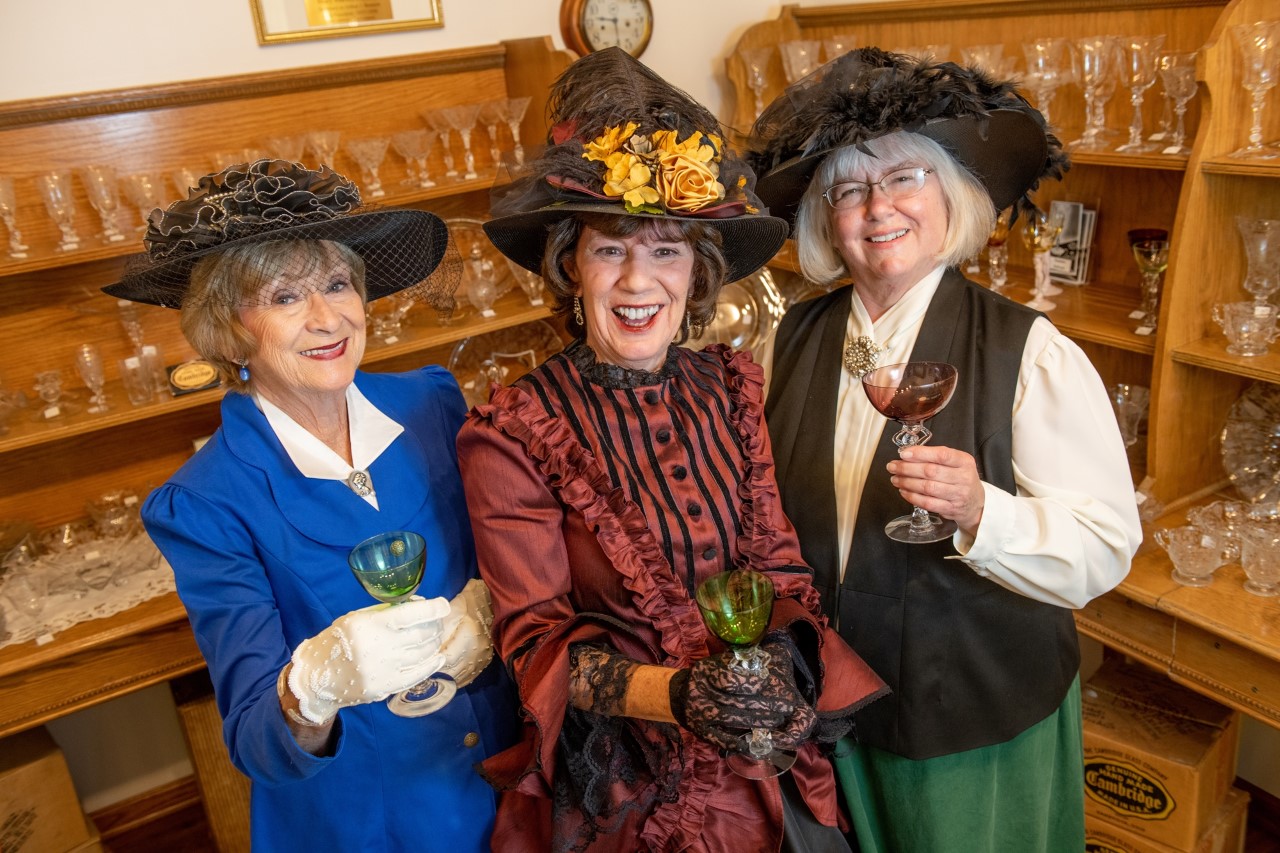
Victorian ladies greet you at the Cambridge Glass Museum.

Several museums give a great place to spend a couple of hours. Cambridge Glass Museum greets you with ladies dressed in Victorian costumes and tells you of Christmas at the Glasshouse. They will give you many hands-on activities to keep your group smiling.

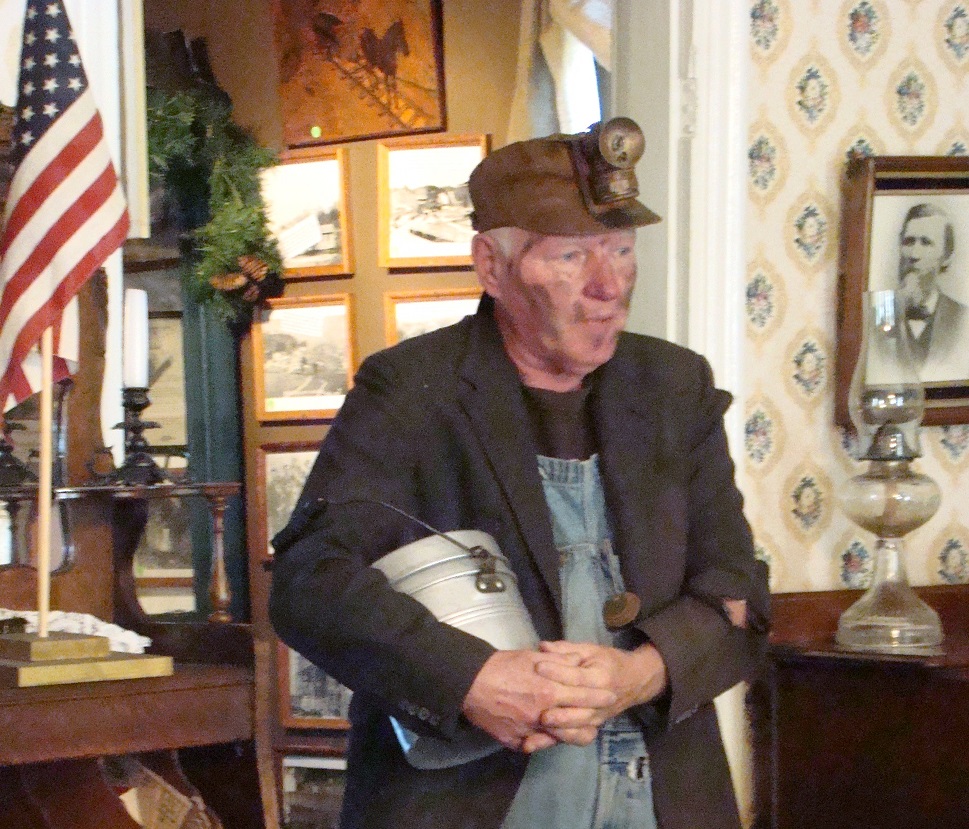
Coal Miner Dave tells the story of those early coal mines in the area.

Another possibility is the Guernsey County Museum where you can meet Coal Miner Dave, who tells of those early years in the county.  At the same place, you will discover a one-room classroom and a teacher who will give you a lesson and perhaps even a test. Those are highlights of a museum packed with historic pieces.

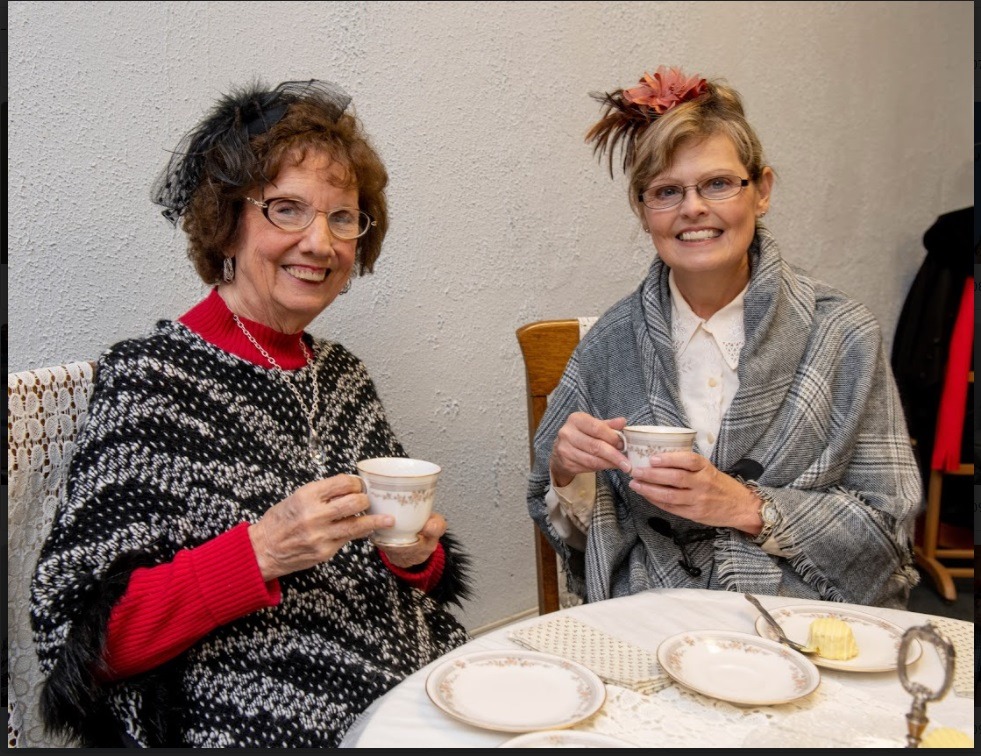
Ladies enjoy wearing hats and shawls as they enjoy tea and sweets.

You might prefer having afternoon tea at one of our local churches. They will provide a short program of music and information before serving tea, scones, and cookies.

Finish off the evening with the Courthouse Holiday Light Show.

We always end the day with the Holiday Courthouse Light Show, which has over 65,000 lights synchronized to holiday music. An entire hour is different! The show starts every evening from Nov. 1 – Dec. 31 from 5:30 – 9:00. You can even watch it from the coach.

These are just a few ideas you might include in your trip to Dickens Victorian Village. If you would like to learn more please contact me at DickensGroupTours@gmail.com for additional places to visit.