Places to go and things to see by Gypsy Bev

Archive for the ‘History’ Category

Parthenon Full-Scale Replica in Nashville, TN

Parthenon

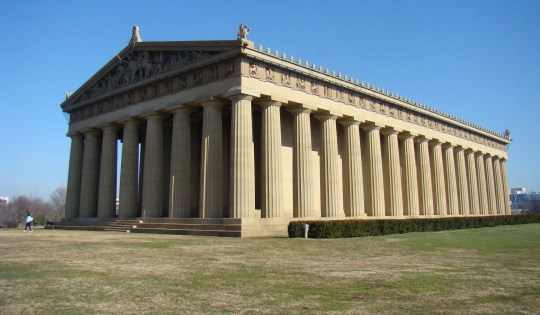
The Parthenon in Nashville, Tennessee attracts visitors from all over the world.

The Parthenon doesn’t seem to belong in Nashville, Tennessee, yet this full-scale replica was the centerpiece for Tennessee’s 1897 Centennial Exposition. For this special occasion, Nashville wanted to promote themselves as a cultural and educational “Athens of the South”. They were successful, as today there are twenty-one universities located there.

After the Centennial celebration, which nearly two million people attended, all the buildings were torn down except for the Parthenon. even though it was made of temporary materials. After the turn of the century, Centennial Park was created by the city of Nashville. By 1920, it was decided to make the Parthenon a permanent structure of aggregate concrete.

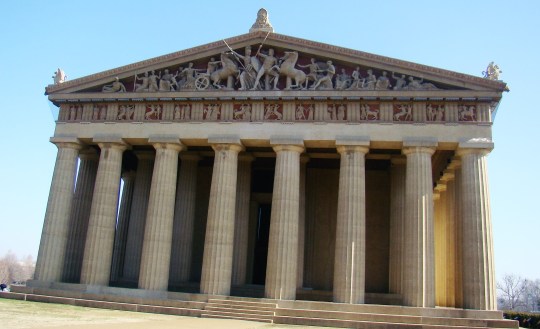
Parthenon Front

No straight lines exist in the original Parthenon or this full-scale replica.

Powerful and perfect describe it well. Built as the world’s only full-scale replica of the original Parthenon in Athens, Greece, they were careful to use no straight lines in its construction – just like the original. Even the steps are curved.

When you step inside the Parthenon, the first floor is being used as was intended. An art gallery features many local and national artists.The collection of James Cowan is permanently housed here along with special, changing  exhibits.

Parthenon Athena

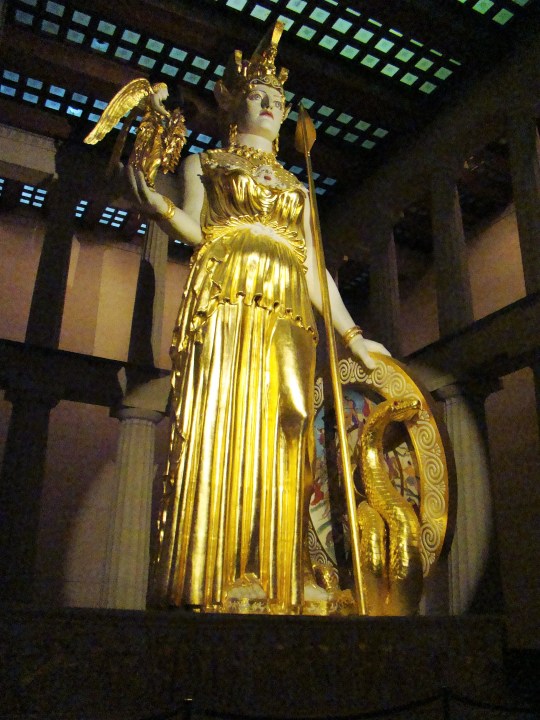
The appearance of Athena on the second floor is striking.

But be prepared to be stunned on the second floor. Here stands a dramatic figure of Athena, Goddess of Wisdom, Prudent War, and Useful Arts.

The addition of the statue of Athena Parthenos is rather recent. In 1990 it was decided to commission the figure while remodeling the building. The artist had everything he needed to commence work except the long pole to be part of her spear. While sitting at McDonald’s over a cup of coffee one day, he looked out the window and noticed their flagpole. It looked like it would be perfect. When he contacted McDonald’s, they agreed to provide one of their flagpoles, which is today her spear…covered in gold.

Parthenon Shield

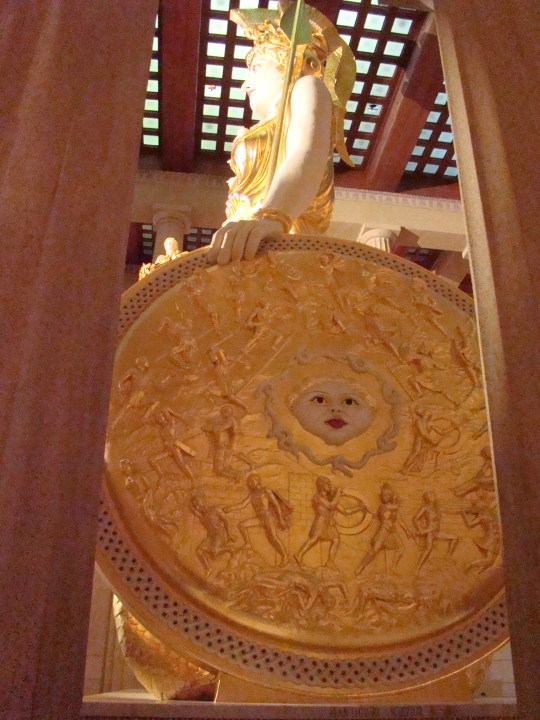
Athena’s shield has figures of Amazon women surrounding the head of Medusa.

This Goddess of Righteousness measures 42′ tall and is covered in gold…eight and a half pounds of gold leaf. She is protecting the snake, representing the people of Athens, with her shield, which has Amazon women on the outside of it and the head of Medusa at the center. At the time of the original statue, Athena was at peace as the shield is down, the flaps on her helmet are up, and the spear rests on her shoulder.

Parthenon Nike

Athena holds Nike. Note that her wrists have bracelets of snakes.

In her right hand, she holds the 6’4″ figure of Nike, Goddess of Victory. Nike’s wing shape is today used for the symbol of speed and flight for Nike shoes.

Parthenon Base Statue

Adena’s pedestal is rimmed with historic figures.

Along the bottom of the statue is a golden wall of drawings depicting life in those times. The artist included faces of several family members in the drawing: his father, mother, wife, best friend, and himself.

Parthenon Gryphon

These 4′ tall Gryphons guard the gold statue.

On each side of the statue stand Gryphons for protection. With the head and wings of an eagle and the body and tail of a lion, these strange creatures were called the hounds of Zeus. They can also be found at the four corners of the Parthenon’s roof.

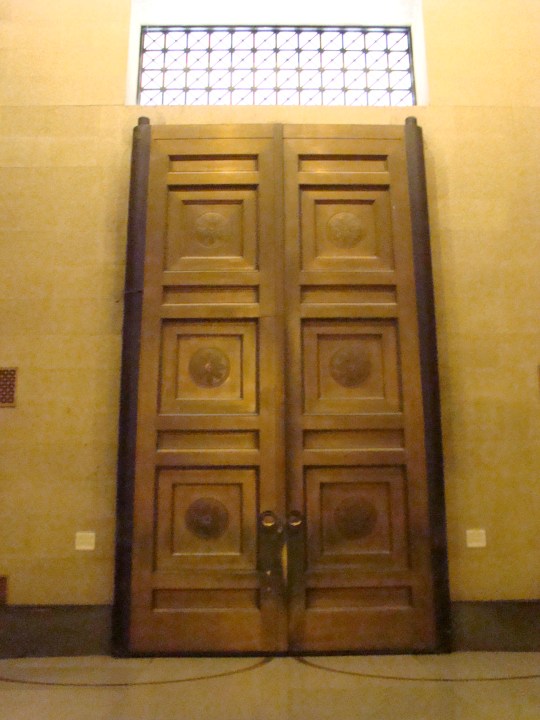
Parthenon Doors

Each solid bronze door weighs 15,000 pounds – that’s 7.5 tons!

At each end of the upper chamber, bronze doors cover the opening to outside. While the original doors in the Athens Parthenon are believed to have been wooden, decorated in bronze, these solid bronze doors each weight 7.5 tons, measure 6.5 feet wide and 24 feet high, and are twelve inches in thickness. Yet even a child can open or shut them on their intricately designed ball-bearing collars.

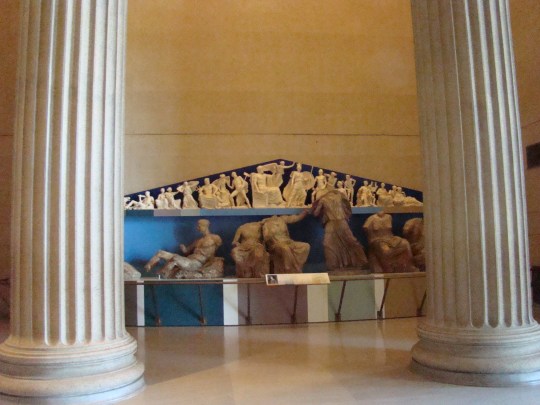
Parthenon Pediment 2

Each piece has notation, in English and Braille, of where it appears on the pediment.

In the outer chamber of the temple, plaster replicas have been made from direct casts of the original sculptures adorning the pediments of the Athens’ Parthenon.The originals can be found today in the British Museum in London.  Of course, all the figures were not available, so knowledge of Greek sculpture helped create the missing pieces.

The advanced scientific knowledge of 500 BC surprisingly had great understanding of astronomy. The opening to the temple was built facing east. At that time there was a reflecting pool in front of the statue. When the sun came in that east door, it hit the reflecting pool to light up the golden statue of Athena. No modern day lighting system could compare.

The beauty of the past lives on in Centennial Park today.

Centennial Park is located in Nashville, TN just west of I-40 at 2500 West End Ave. Admission to the Parthenon is very reasonable.


Ohio Beginnings with Rufus Putnam

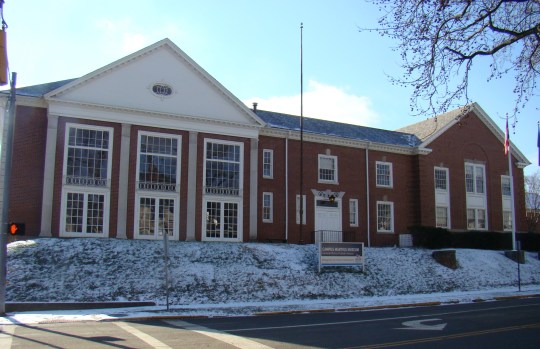
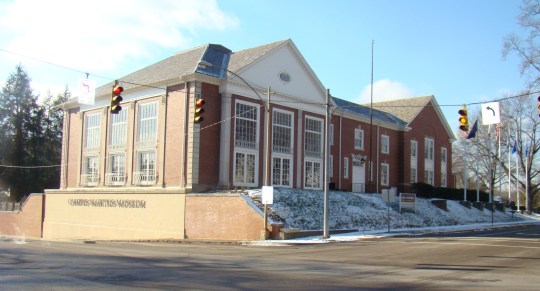
Putnam Museum Front

Campus Martius Museum in Marietta contains interesting early Ohio history.

How is The Bunch of Grapes Tavern in Boston, Massachusetts connected to Campus Martius Museum in Marietta, Ohio?

After the Revolutionary War, in March, 1786, a group of men met at The Bunch of Grapes Tavern in Boston to purchase land in the Northwest Territory.  Rufus Putnam, Benjamin Tupper, Samuel Parsons, and Rev. Manasseh Cutler formed the Ohio Company of Associates, also known as The Ohio Company, and purchased what was to become about one-fifth of the state of Ohio.

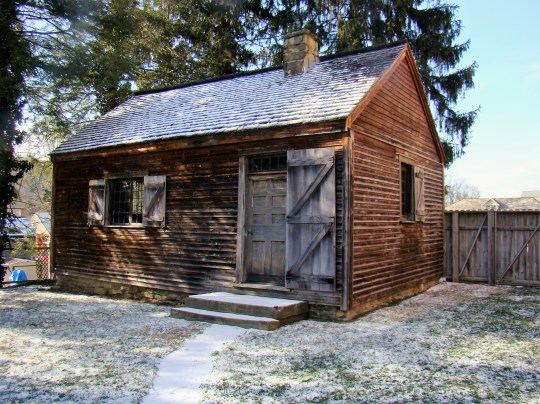
Putnam Land Office

The Ohio Company Land Office, where Rufus Putnam and his partners worked, is the oldest known building in Ohio. Built in 1788, many hopeful land owners walked the path to its door.

These Revolutionary war soldiers were given land grants in lieu of payment for services rendered during the war. They purchased approximately 1,500,000 acres at roughly eight and a half cents per acre along the Ohio River in southeastern Ohio.

Provisions in this land grant were made for two sections in the center to be set aside for an educational institution. The first land grant college was to be called American Western University, but before opening changed its name to Ohio University.

Putnam Portrait

Rufus Putnam served as a member of the Ohio Company, which laid out the plans for Marietta.

Even though Rufus Putnam. the leader of the Ohio Company, was a self-educated man and did not have any formal schooling after the age of nine, he promoted higher education by serving as a trustee at Ohio University. He also claims a connection to West Point. where he built a fort during the Revolutionary War. Fort Putnam is today being preserved and operated by the United States Army Garrison, West Point.

In his memoirs, which are today at Marietta College, he shared his wish for a better education. One line said, “hence neglecting Spelling and gramer when young I have suffered much through life on that account.” But that didn’t keep him from recording records of all his correspondence, while he also kept a daily journal.

Putnam Sugar

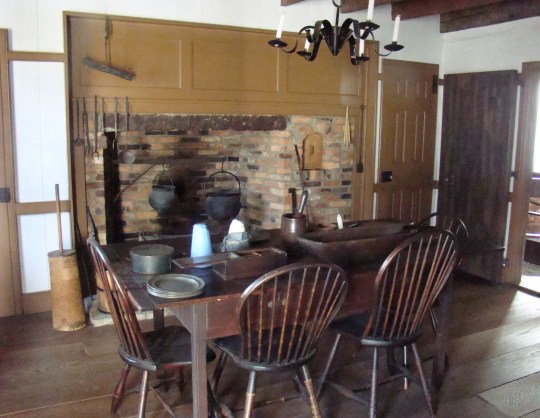
An interesting item on the kitchen table was a cone of sugar wrapped in blue paper from the West Indies, with sugar nippers close by to get the perfect amount of sugar for a cup of coffee or tea. The blue paper had a second use as Persis could use it to dye her spun thread.

Rufus Putnam established the first Ohio Company settlement on the banks of the Ohio River in 1788. This became the first settlement in the Northwest Territory. Adelphia, meaning brotherhood, became its first name, but that was soon changed to Marietta in honor of Queen Marie Antoinette of France.

There the Ohio Company built a fortification to protect themselves from the Indians. They called their stockade, Campus Martius. Rufus Putman’s home was one of a row of plank houses inside this stockade.

A few years later, fortification was no longer needed, so the stockade was disassembled. However, the Putnam house remained at the original site, but with added rooms. He purchased the corner blockhouse for $70 and used its lumber for his house addition.

Putnam Kitchen

This is the original kitchen where the Putnam family prepared and ate their meals.

His wife, Persis and eight children, joined him in Ohio at their new home on the bluff of the Muskingum River. Their home here contained a kitchen, sewing/sitting room and two bedrooms upstairs. Now you can see the need for an addition.

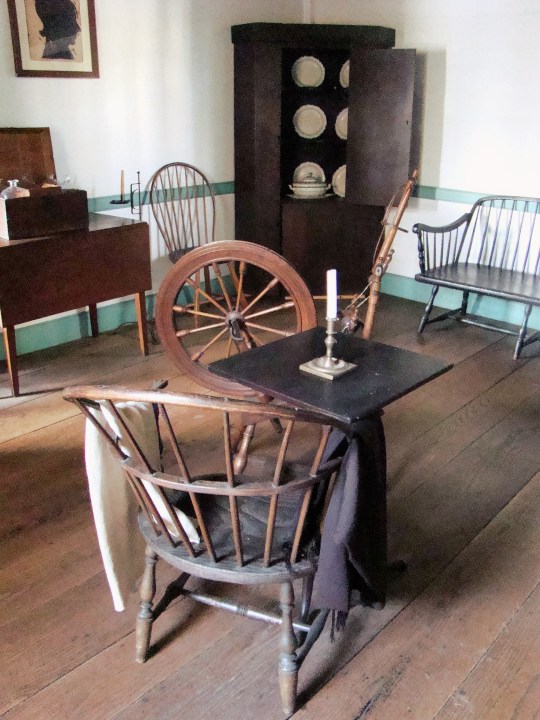
Putnam Spinning Wheel

Mrs. Putnam used the spinning wheel frequently as her seamstress abilities were well known. When Rufus was on his trips for the country, she often had to earn money for essentials by sewing.

Putnam Museum

Treasures of early Ohio can be found inside this building in Marietta.

What’s behind all those windows at Campus Martius Museum in Marietta, Ohio today? Inside is the full size house of Rufus Putnam and it still stands where it was built back in 1788. The museum was built around the house in 1931 after the Daughters of American Revolution with assistance from the state of Ohio saved it from destruction.

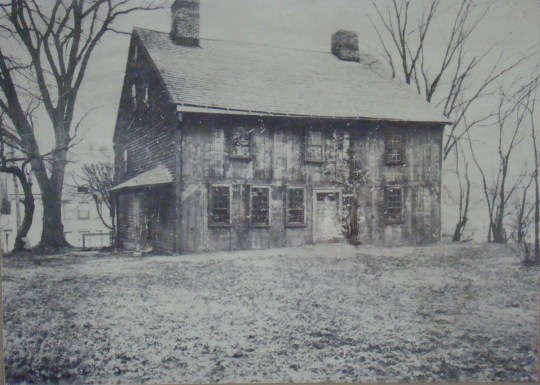
Putnam 1931

The house is pictured as it was in 1931 before preservation began.

Rufus Putnam served his country faithfully and was respected by his superiors, especially by his favorite leader, George Washington.  It has been said that so long as the history of his country shall be written and read, the part Rufus Putnam played in that history will be found occupying one of its broadest and brightest pages.

Visit Campus Martius Museum to see where the Putnam family lived and learn more about their new life in Ohio. The museum overflows with Ohio history.

Campus Martius Museum is located at 601 Second Street, Marietta, Ohio, on Ohio State Route 7, and minutes from I-77. Plenty of free parking is available and cost of admission is very reasonable.

A Stroll Through History Portsmouth Flood Wall Murals

Floodwall 7

Early life in Portsmouth can be seen in the Stagecoach Mural, Hanging Rock Iron Furnaces, and the Ohio and Erie Canal at its southernmost point.

2000 seems to be the magic number in Portsmouth. 2000 years of Scioto County History on 2000 feet of Portsmouth Flood Wall Murals.

Floodwall Flood

The disastrous Ohio River Flood of 1937 led to the construction of this floodwall.

In 1937, a disastrous flood caused the U.S. Army Corps of Engineers to construct a flood wall along the Ohio River to prevent the same thing from happening in the future.

While the flood wall served its purpose, it wasn’t very pleasing to the eye. Dr. Louis Chaboudy  and his wife, Ava, had visited Steubenville, Ohio in 1992 and were pleased with the murals they saw there. They decided to begin the search for a person who might not only paint pictures of the history of Scioto County, but bring it to life so it would attract visitors to their city.

Floodwall Mounds

The Portsmouth Earthworks is a large mound complex constructed by the Ohio Hopewell Culture from 100 BCE to 500 CE.

Robert Dafford, an internationally known muralist, seemed the perfect person for that role and painting began on the largest mural, 20′ x 160′ in 1993. One artist created all 2000′ of the Flood Wall Murals by October of 2002. The remainder of the murals are 20′ x 40′. Whether you are an artist or have little appreciation for fine art, these murals will grab your attention and tell you the story of the changes that have taken place in Portsmouth over the years.

Floodwall 9

The Greyhound Bus Station was a popular place during WWII gas rationing. Or you could have joined local legend, Roy Rogers, riding Trigger.

The murals tell the story of the history of the area, and depict all the former factories, the great flood of 1937, sports history and much, much more. See detailed paintings of historical Portsmouth, which include local legends, such as Roy Rogers, Branch Rickey, and the Portsmouth Spartans NFL football team. The Spartans could not survive in the small town of Portsmouth during the depression, and in 1934 were sold to Detroit, where they became the Detroit Lions.

Floodwall 8

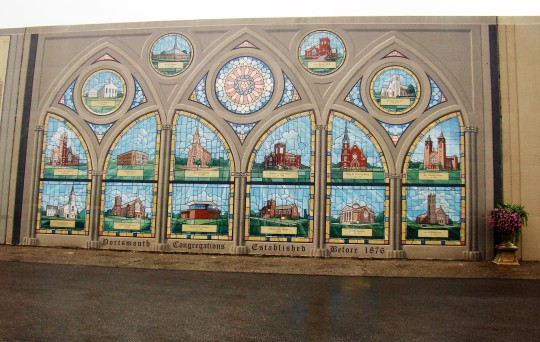
Sixteen churches established in the 1800s are featured in this stained glass motif. 

Some surprises appear along the way whether you are walking for the best view, or driving along in your vehicle. Discover that the shoe industry had six factories here in the early 1800s employing over 6,000 people. Look carefully at the mural of the Portsmouth Motorcycle Club and see if you can spot the reflection of the muralist, Robert Dafford, in one of the hubcaps.

After the initial 2000′ were painted, there have been four murals added. One of them depicts famous baseball players from the area, while another shows a bicycle tour from Columbus to Portsmouth.

Floodwall Ohio River

The Ohio River flows just outside the flood wall where the U.S. Grant Bridge crosses over to Kentucky. 

The great thing is…it’s FREE!  Take a leisurely stroll along the murals or view from them the sidewalk across the street for a different perspective. An amazing feature is that there are paintings on both sides of the wall so don’t forget to view the wall from the Ohio River side as well.

Portsmouth Outer Wall

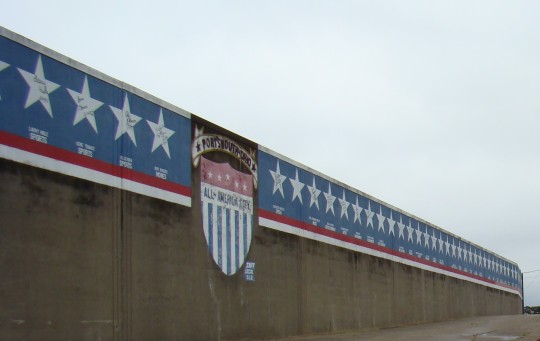
The Ohio River side of the flood wall was begun before the mural side. You can drive along most of the outside of the wall along the Ohio River.

Here the flood wall has been designated at the Portsmouth Wall of Fame, where accomplishments of area natives are recognized. Their name is placed beneath a star with an autograph of the person being honored in many cases – Don Gullett, Al Oliver, Roy Rogers, Dan Quayle, Larry Hisle and Gene Tenace being a few of those recognized.

Floodwall Town Mural

Downtown Portsmouth in the 1900s is the cover of the Scioto County Visitors’ Guide. The Steel Industry played a major role in the town’s growth.

The Portsmouth Flood Wall serves as a great example of how something that serves a needed purpose doesn’t have to be dull or boring. With a little bit of talent, it can brighten up the world.

Portsmouth is located in the southern part of Ohio along back country roads. Your best bet for directions is using your GPS. 

SMART Centre Features Dinosaurs, Space, and Ice Cream

SMART Centre

SMART Centre Market opened its doors in 2010 to encourage students’ interest in science.

A delightful Science Centre Market exists in downtown Wheeling, WV – right next door to their historic Centre Market District. This is no ordinary shop as it combines elements of hands-on experience, museum-like pieces, as well as a place to find some unusual gift ideas for those interested in science.

SMART owners 2

Libby and Robert Strong enjoy having fun as well as teaching.

Robert and Libby Strong, two former science teachers, created this special place several years ago. SMART stands for:

  • Science

  • Math

  • Art

  • Research

  • Technology

It seemed the natural thing to do for a physicist and a biologist!

SMART Fish Fossil

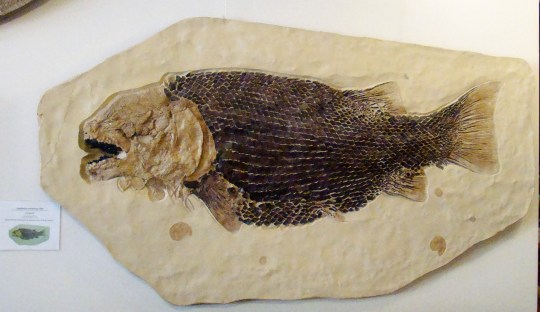
This cast shows the armored skeleton of a German fish with teeth sharp enough to bite through the shells of squid.

A fossil is a snapshot in time, so they feel it important to have original fossils throughout the center. Since originals are hard to come by, some of the larger displays are casts of original fossils, so children can see their size and detail. It is important to keep past science discoveries alive.

SMART singing coin

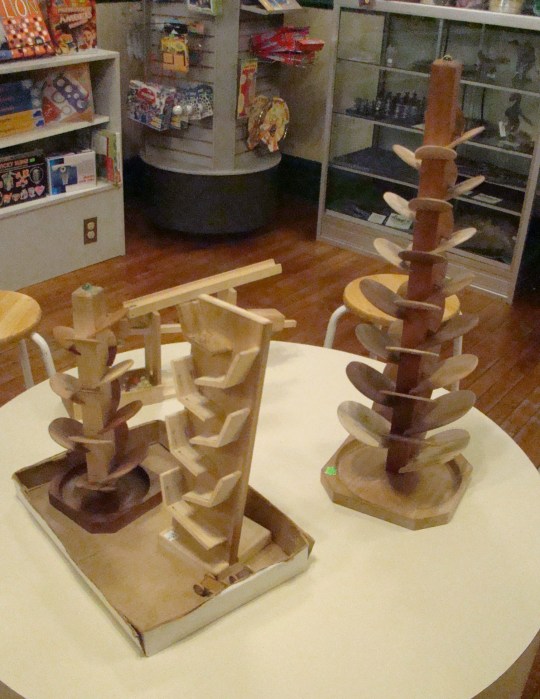
This wooden singing tree produced a beautiful song as a marble, made at near-by Marble King, dropped from leaf to leaf.

Around every bend, there’s a spot for hands-on discovery. Robert pointed out that there are two kinds of people who enjoy their place: little kids and tall kids. Even adults need to keep their curiosity alive, and learn something new each day.

SMART Gravity Machine

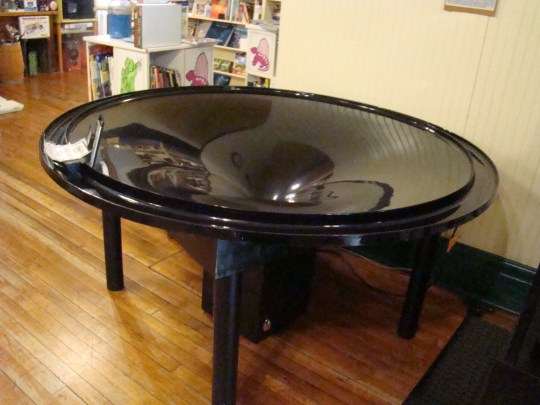
This Gravity Well lets children watch a coin go around at high speeds as the coins descend to the vortex tunnel.

This is the place to learn while you play. Children find interesting a line up of scales where they can discover their weight on earth, the moon, Mars, Jupiter, and Pluto. On Pluto, they would weigh the least, and on Jupiter the most – due to gravitational pull. A Gravity Well lets you watch different size coins make their way down the well at different speeds.

SMART books

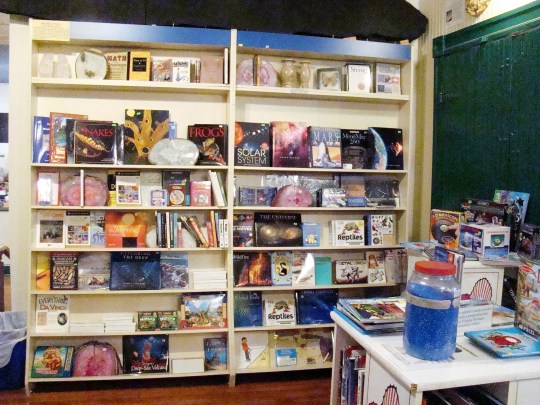
Books on every scientific subject fill the shelves along with science kits to ignite their imagination.

Besides all the activities in the center, the Strongs hold field trips, camps, workshops, and have special open evenings for star gazing. Their main desire is to create a place where kids can have fun learning about science. Robert and Libby bubble over with enthusiasm.

SMART Wooly Willy

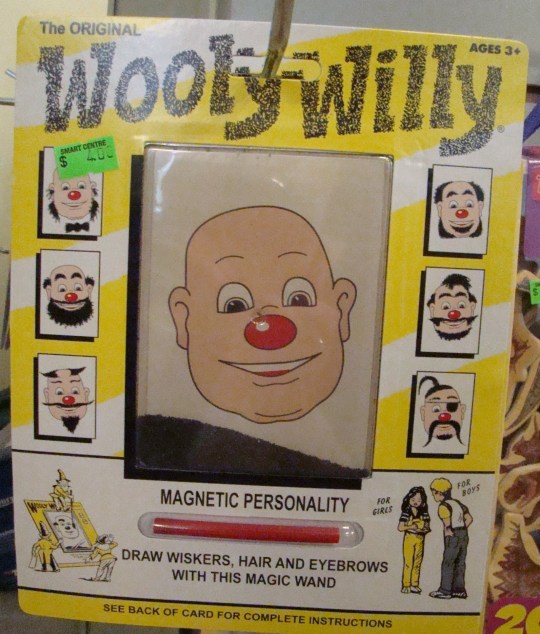
This 1955 game of Wooly Willy shows the magic of magnets as it creates “Magnetic Personalities”.

Everything in the center has an unusual quality. No matter where they sat or stood, the Strongs could point out unusual items such as dinosaur teeth, leaf fossils depicting global plate shifting, or pieces of k-t most likely from a million-year-old asteroid, which coincided with the extinction period of the dinosaurs. All this from one spot!

When Robert was asked about his favorite part of the center, he said, “When the door opens and people begin conversations about science, you are going to learn something.” Those people, who enter through the front door, teach him something from their questions and contributions. “It’s fabulous! It’s a perk being here – people and ice cream.”


Ice Cream Flavors

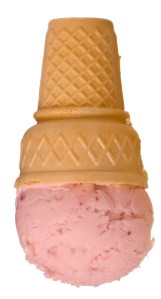
The day had to be finished with an ice cream cone, which Robert handed to me upside down…and it didn’t fall out!.That’s the first time a physicist ever made me an ice cream cone and it only cost a dollar. This ice cream comes from Kirke’s Homemade Ice Cream at near-by St. Clairsville.

With a visit to the SMART Centre Market, kids of any age can catch enthusiasm for the world of science. Robert and Libby are prepared to help you light the fire of exploration. Don’t forget the ice cream cone!

Hours for the SMART Centre are Tuesday – Saturday from 10:00 – 6:00. Check out their special events at http://www.smartcentremarket.com

Lincoln Funeral Car Travels Original Route 150 Years Later

UNITED STATES, Lincoln's Funeral Car stopped in Dover, Ohio at Warther's Museum in 2015.

Lincoln’s Funeral Car stopped in Dover, Ohio at Warther Museum

Now he belongs to the ages – or maybe to the angels.

At the time of Lincoln’s death,  these words are sometimes credited to Edwin Stanton, Lincoln’s Secretary of War, but whether they are his or not, the words connect Lincoln to his peers and also to those above them.

Warther Museum recently hosted one of the stops for the 2015 Lincoln Funeral Train. It traveled from Washington D.C. to Springfield, IL in honor of the 150th Anniversary of Lincoln’s death. Over 50,000 visitors toured the Lincoln Funeral Car on its journey.

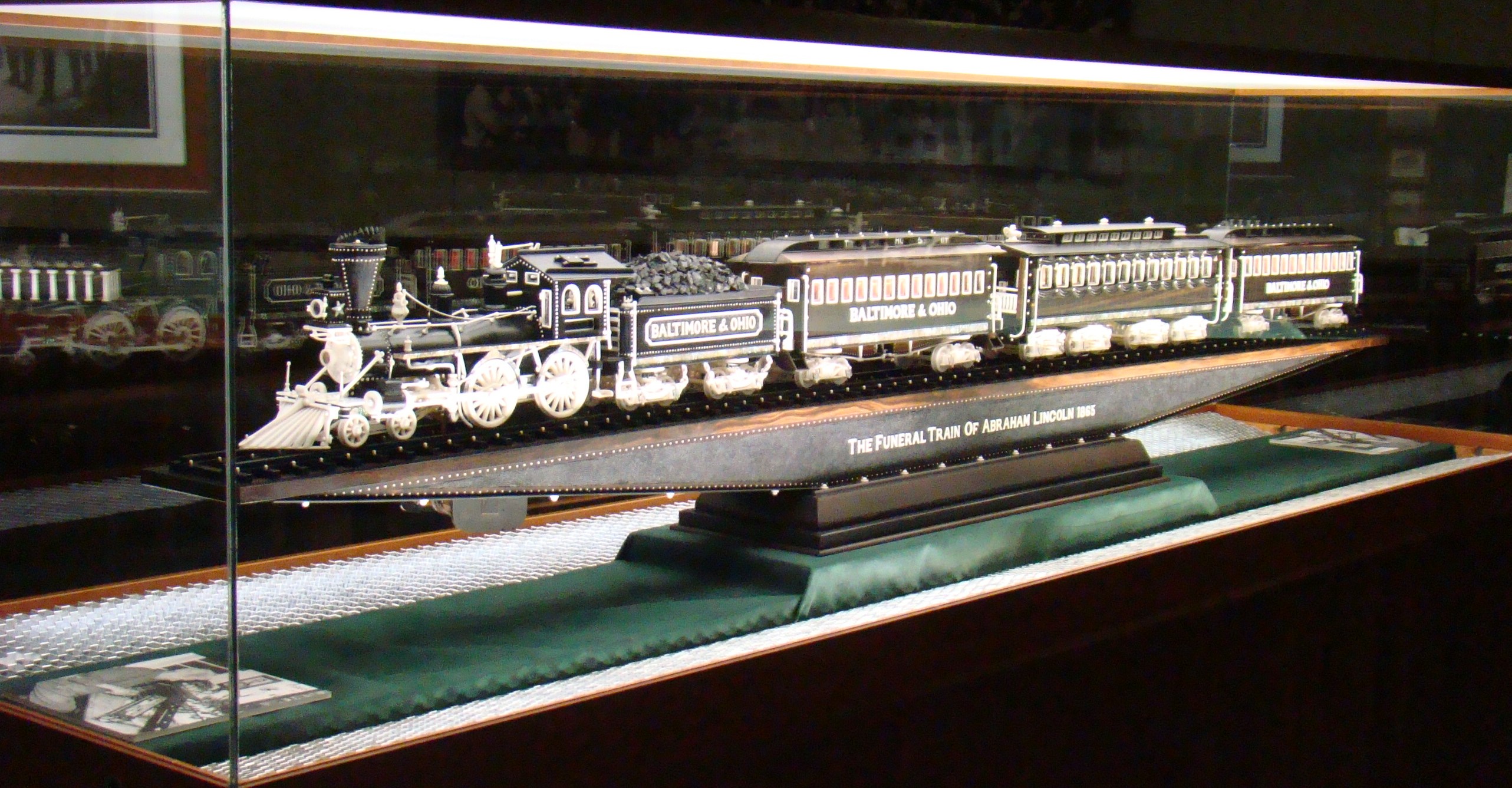
Warther carved this ivory replica train at the age of 80.

Warther carved this ivory replica train when he was 80.

People have always been fascinated with Lincoln’s Funeral since 1865. Ernest Warther carved Lincoln’s funeral train out of ivory to celebrate the 100th Anniversary of his death. Therefore, they thought it would be fitting to have the replica of the original, stop by Warther Museum on its journey across America.

The ivory carving was finished in 1975 when Earnest Warther was 80 years old. A hippo’s ivory eye tooth was used because it is the very best grade of ivory. Warther commented, “Nothing but the best for Lincoln” as Lincoln was his hero.

Warther admired Abraham Lincoln and had a vast collection relating to the president.

Warther admired Abraham Lincoln and had a vast collection relating to the president.

For the 150th Anniversary, outside the museum sat a wooden replica car, which they tried to keep as close as possible to the original.  The train car traveled as the trailer of a semi with highway wheels attached.

Dave Kloke of Kloke Locomotive Works in Elgin, IL and a staff of craftsmen were responsible for most of the work on this replica, which took four years to finish. Along the way he had a great deal of help from researchers in construction and history. One of those was a chemist and model train maker, Wayne Wesolowski of University of Arizona. All Wesolowski could find of the original train car was a pencil sized piece of wood. From this the chemist in him determined the original color and type of wood used. He wanted everything to match the original car.

This armored car was compared to Air Force One in regards to security and its design equaled the opulence of railroad cars used by European Royalty. This “Presidential Car” contained three rooms: parlor, stateroom, and sitting room.

The Lincoln coffin was 6'8

The Lincoln coffin was 6’8″ long with handles made by the same company that made the original ones.

Upon entering the car, a 6’8″ casket appeared before your eyes. This long casket was made especially for Lincoln, a tall man for his time. The handles were made by the same company that made the original ones for Lincoln’s coffin. Chairs were for the soldiers to sit as they guarded the coffin during its entire journey.

Lincoln felt this train too luxurious when the country suffering from the effects of the Civil War.

Lincoln felt this train too luxurious when the country suffered from the Civil War.

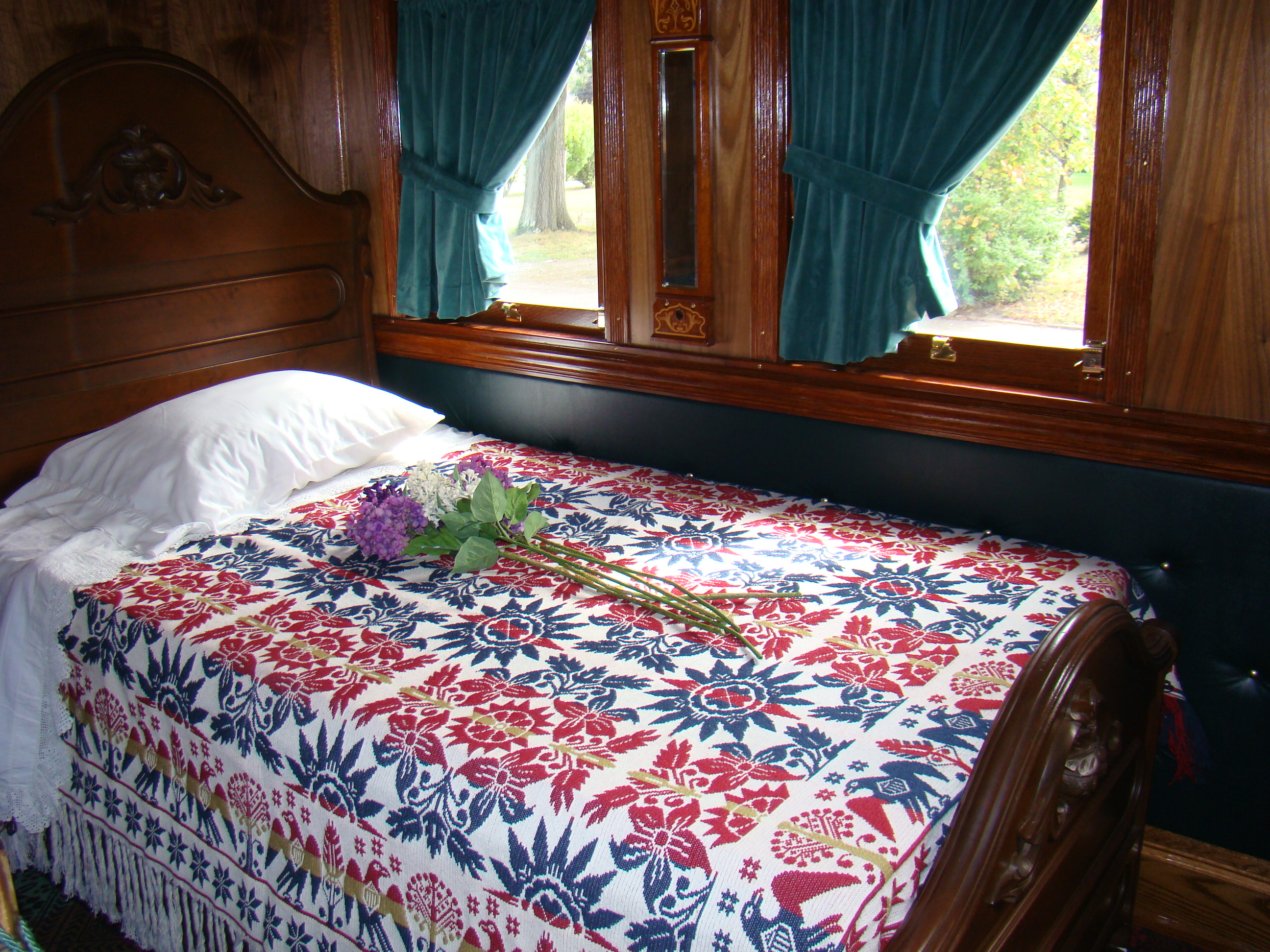
The presidential bedroom had never been used as President Lincoln felt this Presidential Car was too luxurious when many in the country were living in poverty. This funeral car, draped in black crepe, was one of nine cars in the funeral procession and was always the second to last in line.

Young Willie's coffin was carried at the place there is a sofa today.

Young Willie’s coffin was carried at the place a sofa sets today.

Son Willy’s coffin was also on this train even though he had died three years previously. It was in the living room section where it replaced the couch. Lincoln’s wife did not go on this trip as she was too distraught.

Even the wheels of the train were patriotic.

Even the wheels of the train were patriotic.

This car was never used for anything else or by any other presidents. The following year, it sold for $6850 to Union Pacific Railroad, where it became an officers’ car while building the Transcontinental Railroad. After being displayed at the Worlds Fair in 1904, a grass fire destroyed the train car at Minneapolis in 1911.

One of the main purposes of this excursion was to help young people learn about history. Many local schools took advantage of this unique educational stop in Dover, Ohio to give their students a close look at an oft told story in United States history.

Lincoln would have been pleased as he felt education very important. When speaking to a university he remarked, “A capacity and taste for reading gives access to whatever has already been discovered by others. It is the key, or one of the keys, to the already solved problems. And not only so. It gives a relish and facility for successfully pursuing the yet unsolved ones.”

Newark Earthworks Connection to Ancient Civilizations

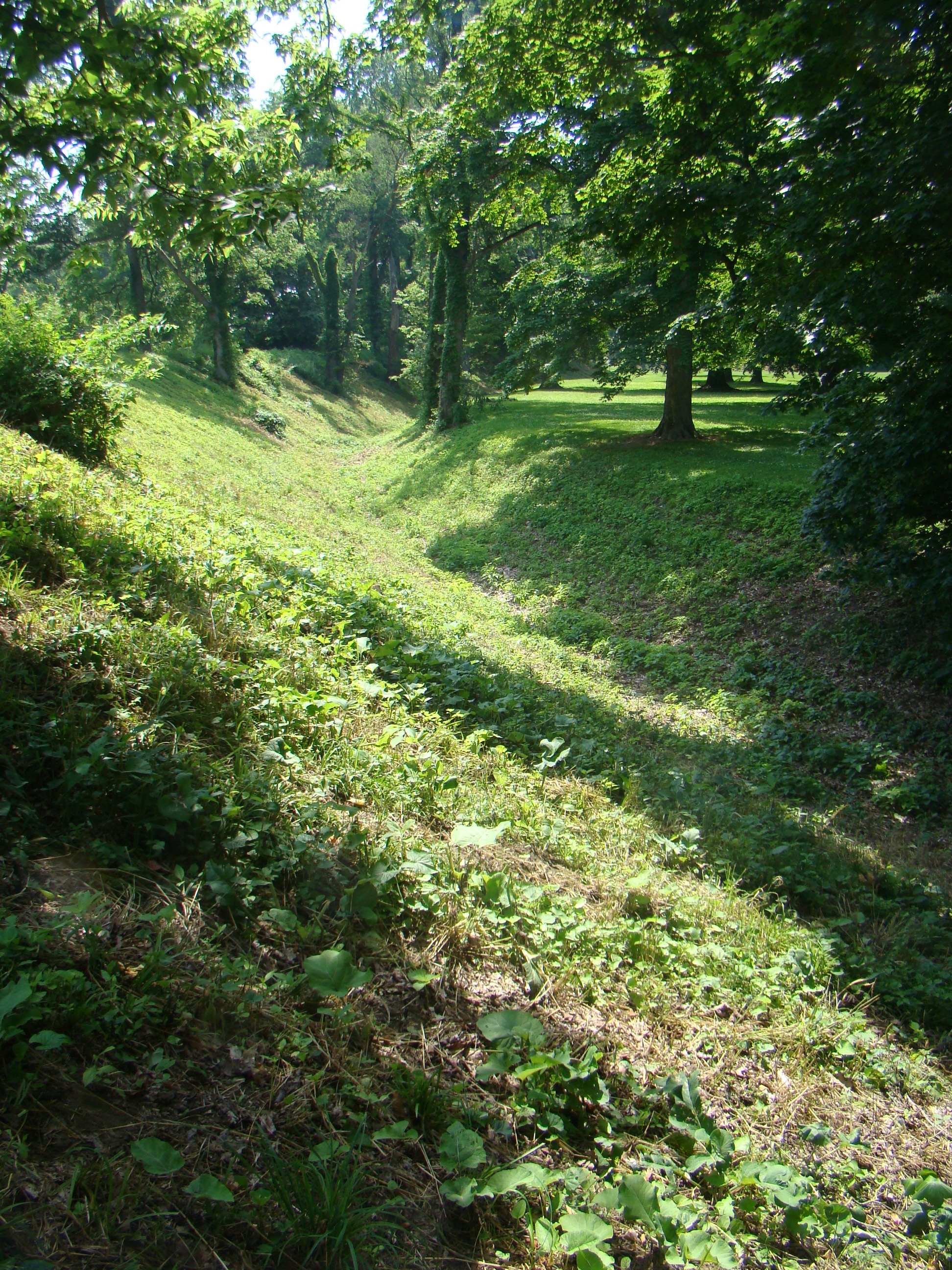
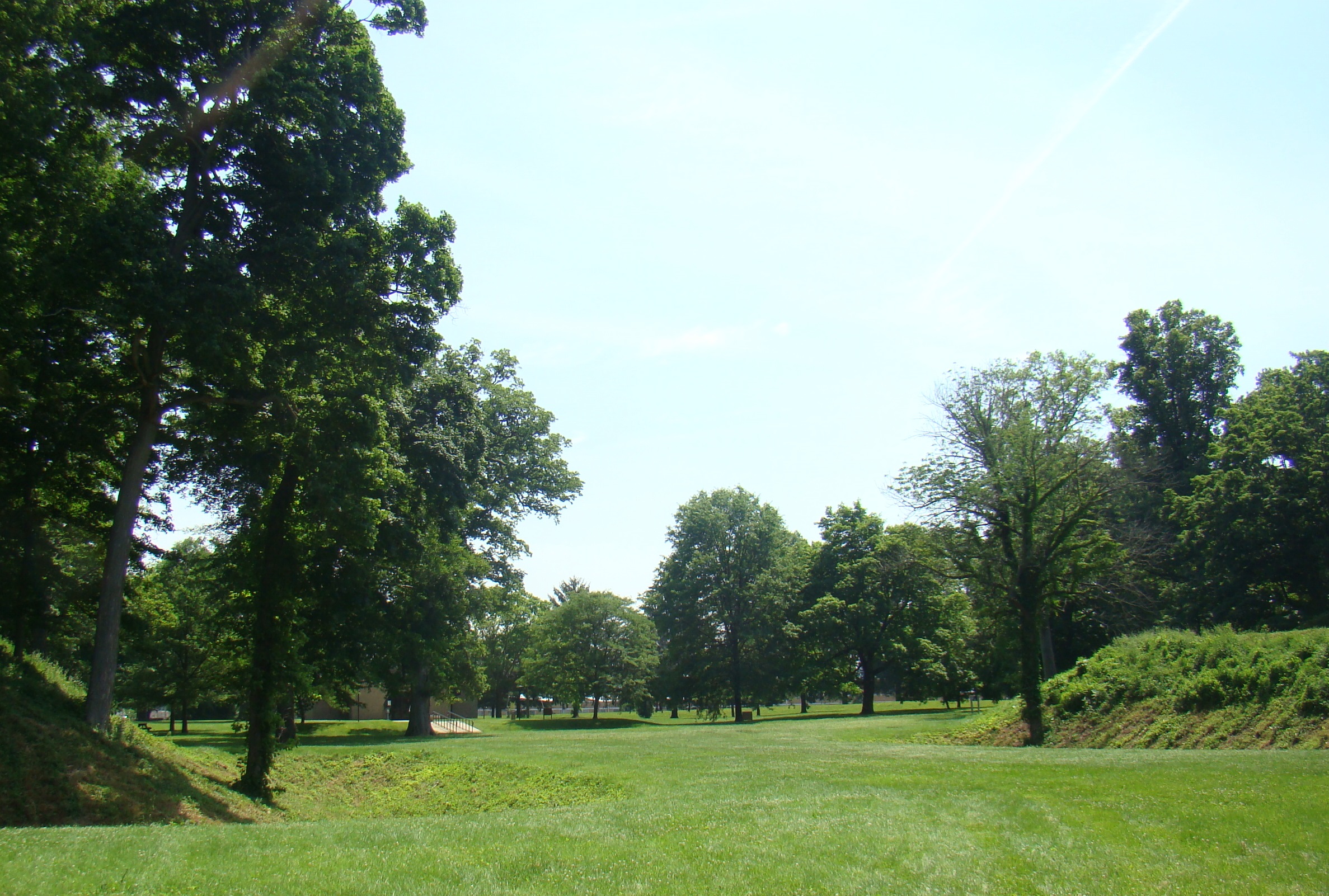
An eight foot wall and 5 foot deep ditch created the Great Circle.

An eight foot wall and 5 foot deep ditch surround the Great Circle.

“Walk with me. We lived here long ago. Large ceremonies with many people were held here.” This was the feeling that permeated the atmosphere while walking over and around the large mounds called Newark Earthworks built by the Hopewell culture at Newark, Ohio. There are three sections to these earthworks: The Great Circle, The Octagon, and The Wright Earthworks, which were not visited on this road trip.

Surrounded by fields of wild strawberries and gigantic trees, these mounds take your mind and spirit back many years to somewhere between 100 BC and 500 AD. The Great Circle, representing the circle of life, is located in Heath and has eight foot high walls, which surround a five feet deep moat. In the center of the Great Circle are some smaller mounds, one called the Eagle Mound, which covers the remains of an old ceremonial longhouse of the Hopewells.

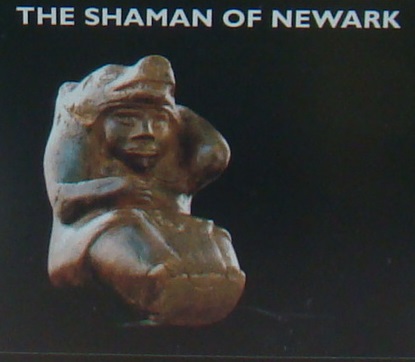
The only known artifact could have been the form of a shaman.

An ancient artifact from these mounds could have been the form of a shaman.

An ancient artifact that is known to have come from these mounds is a small stone sculpture. No one is certain whether it is a person, who was a hero in one of their stories, or perhaps a spiritual being. Some even think it could be a shaman wearing bear regalia. Many, however, also believe the Holy Stones were truly from the mound as well, while some feel they are not authentic. These Holy Stones can be viewed in Coshocton at the Johnson-Humrickhouse Museum.

During the 1850s, the Great Circle provided a home for the Licking County Fairgrounds. Later use varied from horse racing track to military drill field. The Ohio National Guard has held encampments at this location.

Mound opening leads to the informative Welcome Center.

Mound opening leads to the informative Welcome Center.

The Welcome Center contains an excellent interactive video that takes you on an exploration of the largest geometric earthworks in the world from the comfort of an air-conditioned area. Guides there provide answers to most of your questions as they are very well informed.

Archaeological surveys report that the Newark Earthworks were connected to the Hopewell Culture Historical National Park in Chillicothe, Ohio by a hand built road. The road was sixty miles long and ten feet wide and paved with crushed shells. Called the Great Hopewell Road, today hiking groups still walk that pathway every year.

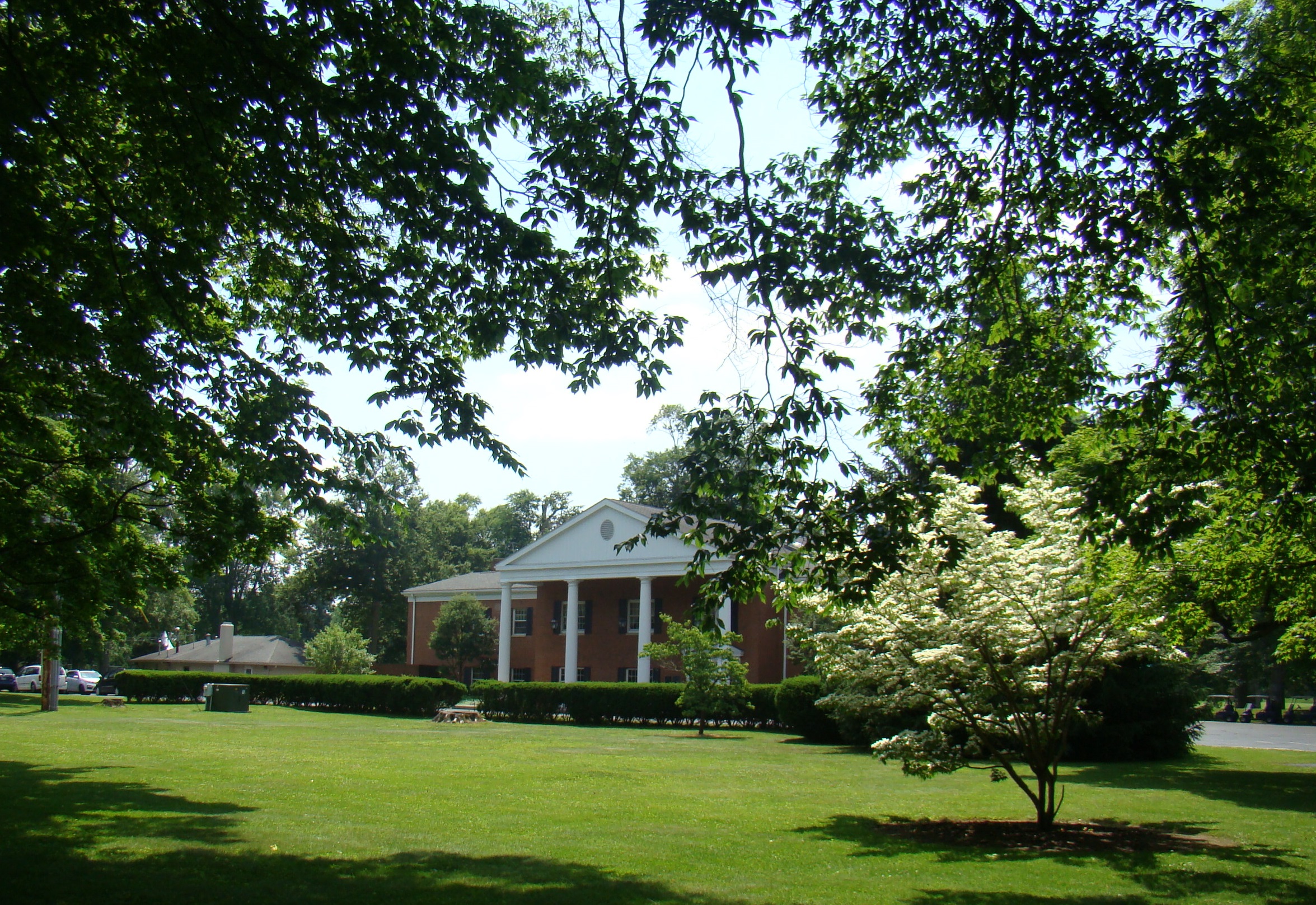
Moundbuilders Country Club leases the Octagon Mound.
Moundbuilders Country Club leases the Octagon Mound.

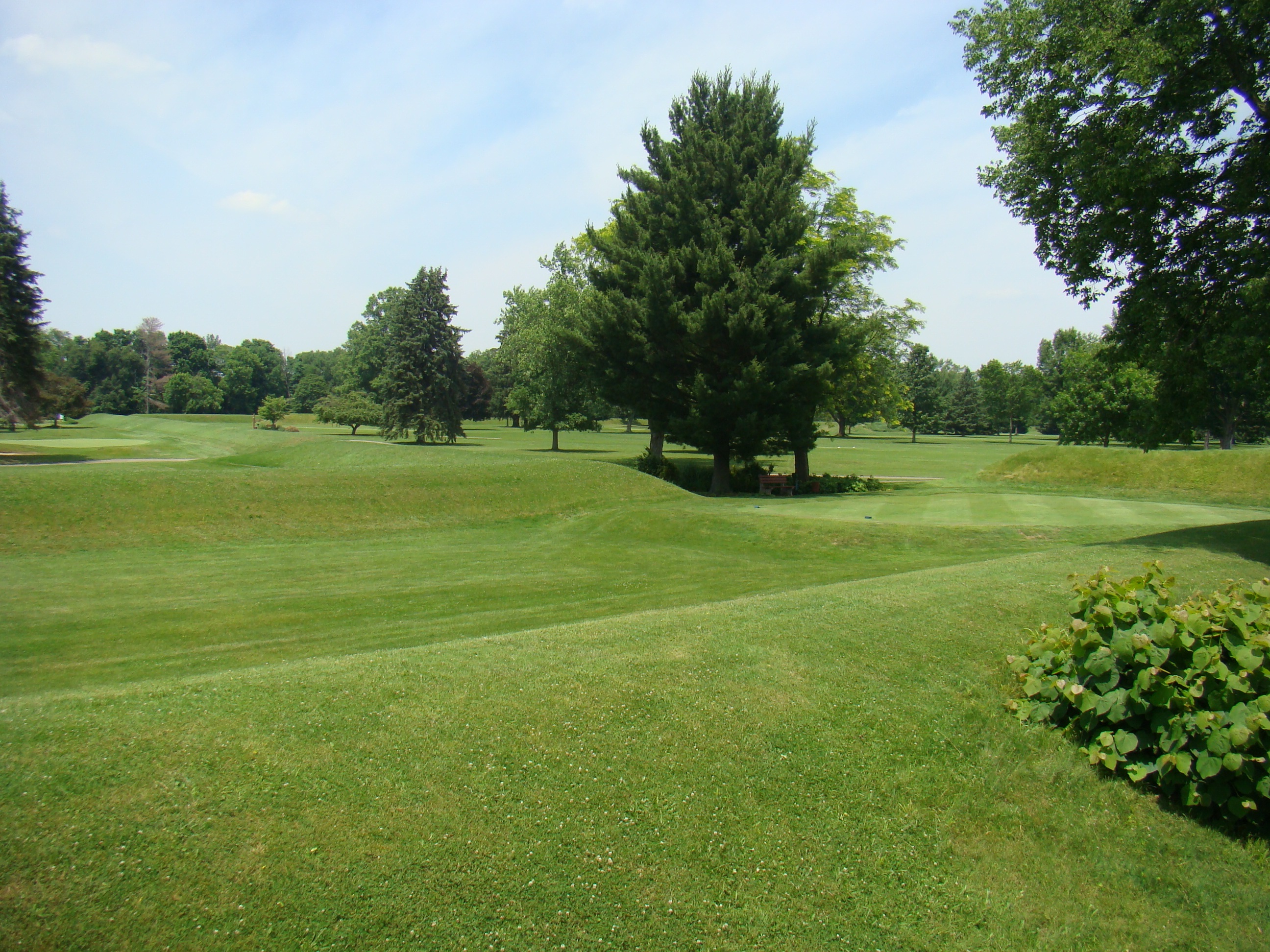
On to the Octagon Earthworks! Something seems amiss here as these are located on a golf course, or a golf course is located on them. Yes, signs guide you to the Moundbuilders Country Club, where visitors are not permitted on the mounds as they might interrupt someone’s golf game. There is an observation platform so you can see the general outline of the mounds, but walking must follow a strict schedule around golf events. The Country Club keeps the Octagon beautifully maintained and provides time each year, for those interested, to actually walk where the ancients walked.

These are by no means small formations as the Great Circle contains 40 acres, while the Octagon surrounds 80. The video at the Welcome Center proclaimed the Newark Mounds as the largest geometric complex in the world…four square miles total.

Octagon Mound can be seen from the Observation Deck.

Octagon Mound. part of the golf course, can be seen from the Observation Deck.

However, just standing at their edge gave a feeling of connection to those ancient people. Researchers believe the earthworks were used for ancient burial places, ceremonies and astronomical viewings, especially the lunar solstices.

Many of the mounds at this complex have been destroyed as it lies within the cities of Newark and Heath. Over the years farming, construction of roads, and development of the city, have changed the face of the earth. But parts of the original complex are being preserved by the Ohio Historical Society with help from Moundbuilders Country Club.

There are usually about three or four days a year that you can freely walk these historic mounds without playing a round of golf. Make plans to visit during the Octagon Mound’s next Open House, which is October 11, 2015. You will enjoy the connection!

Newark Mound Earthworks can be found just off I-70 east of Columbus, Ohio at Exit 129. Take Route 79 to Health to stop first at the Welcome Center at 455 Hebron Road, Heath.

.

Zoar Village Garden’s Symbolic Design

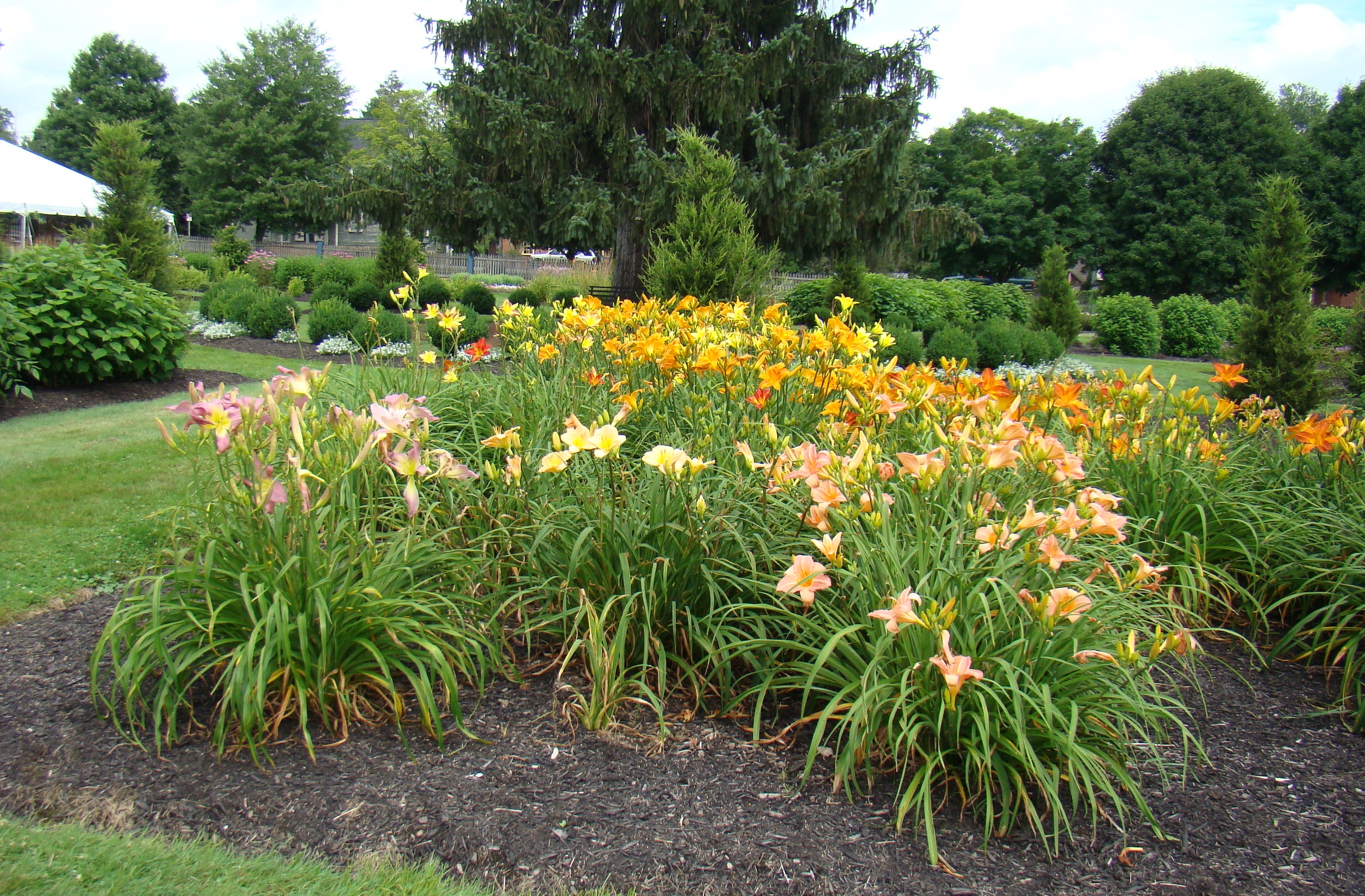
Day Lilies greet visitors to the Zoar Gardens.

Day Lilies greet visitors at Zoar Garden.

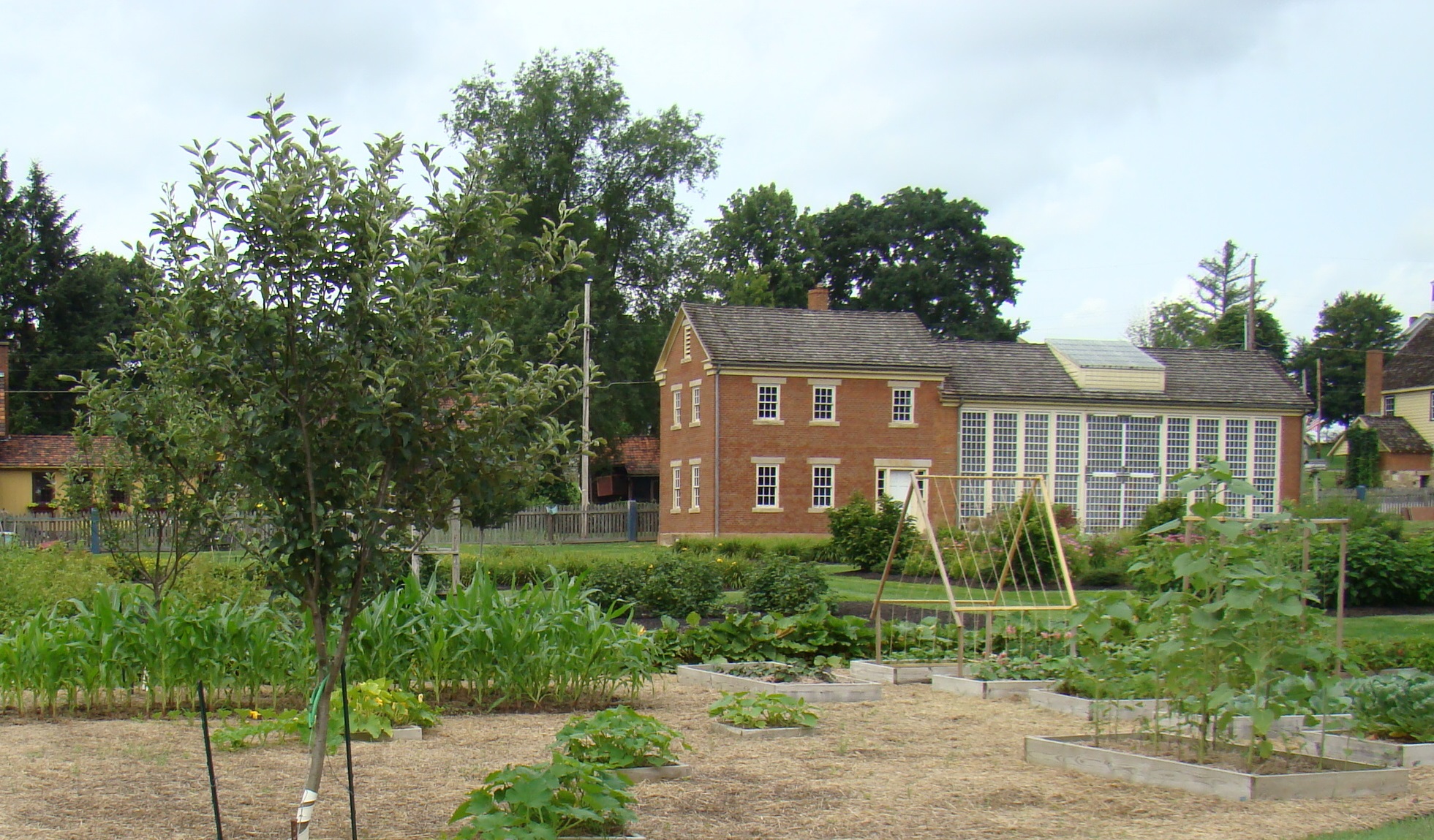
Summer time and the flowers are blooming! The beautiful garden at Zoar Village seems most spectacular during the month of July. An entire block of vegetable and flower beds will have you wanting to find a seat and enjoy the scenery, or casually stroll down the pathways.

Long ago this garden began as a place for the communal village to grow their vegetables as well as brighten their life with flowers. Who tended those early gardens at Zoar? School boys and elderly men received this assignment as the female occupants all had household chores that must be done daily, while the men were either working the fields or building the Ohio and Erie Canal.

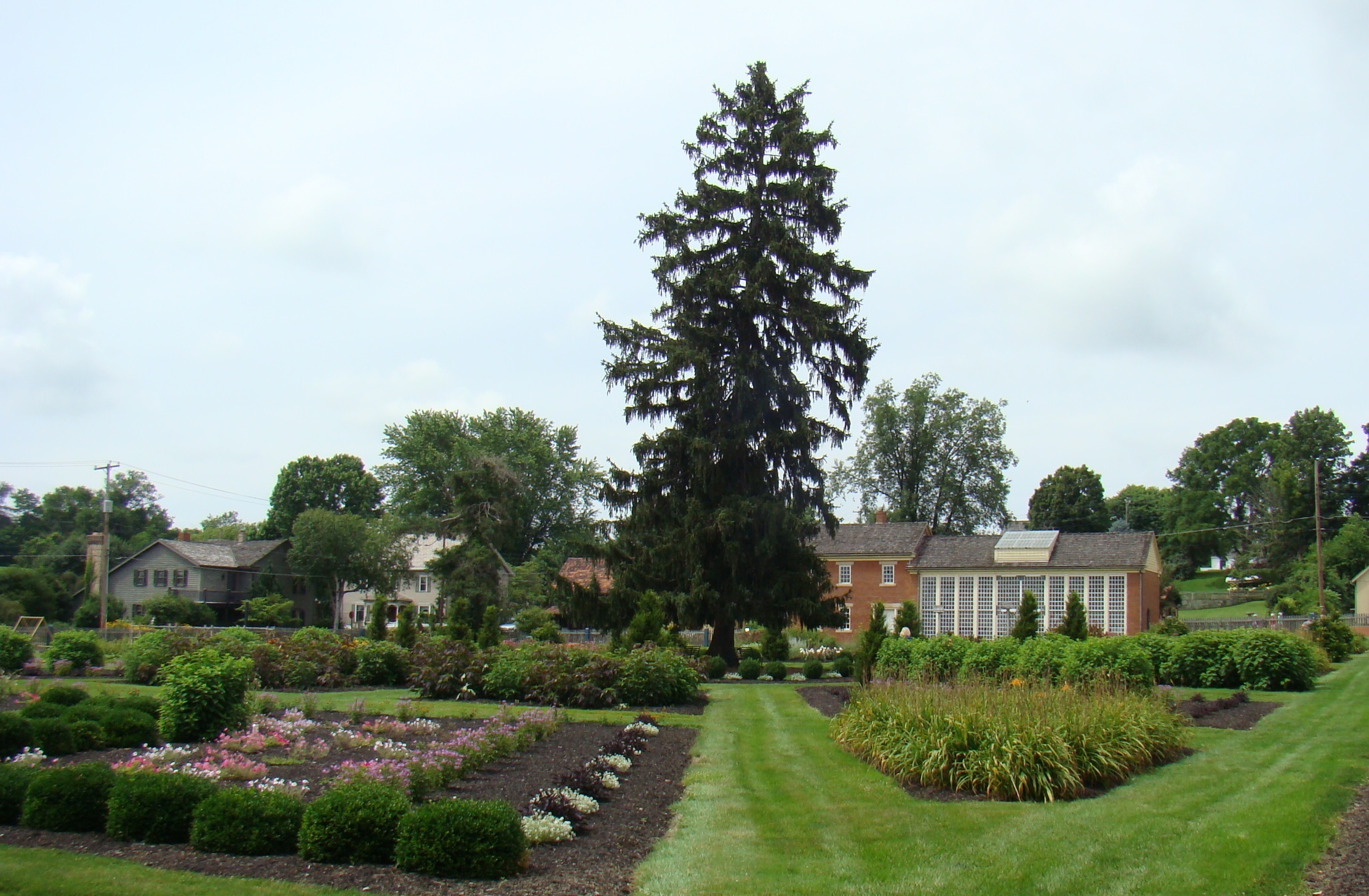
The center of the block garden has a special spiritual significance.

The center of the block garden has a special spiritual significance.

The spectacular Zoar Garden symbolized New Jerusalem to those German Separatists in the early 1800s. At its center stands a tall, slightly bent, Norway spruce, which represents Jesus. Surrounding the tall pine, twelve smaller junipers depict the twelve disciples.

These in turn are circled by an arbor vitae hedge, indicating heaven. Paths in the garden are proclaimed as pathways to paradise showing that no matter what path you take, if you look to Christ, you will be led to heaven.These people had strong religious beliefs now that they were free to worship as they pleased in the United States.

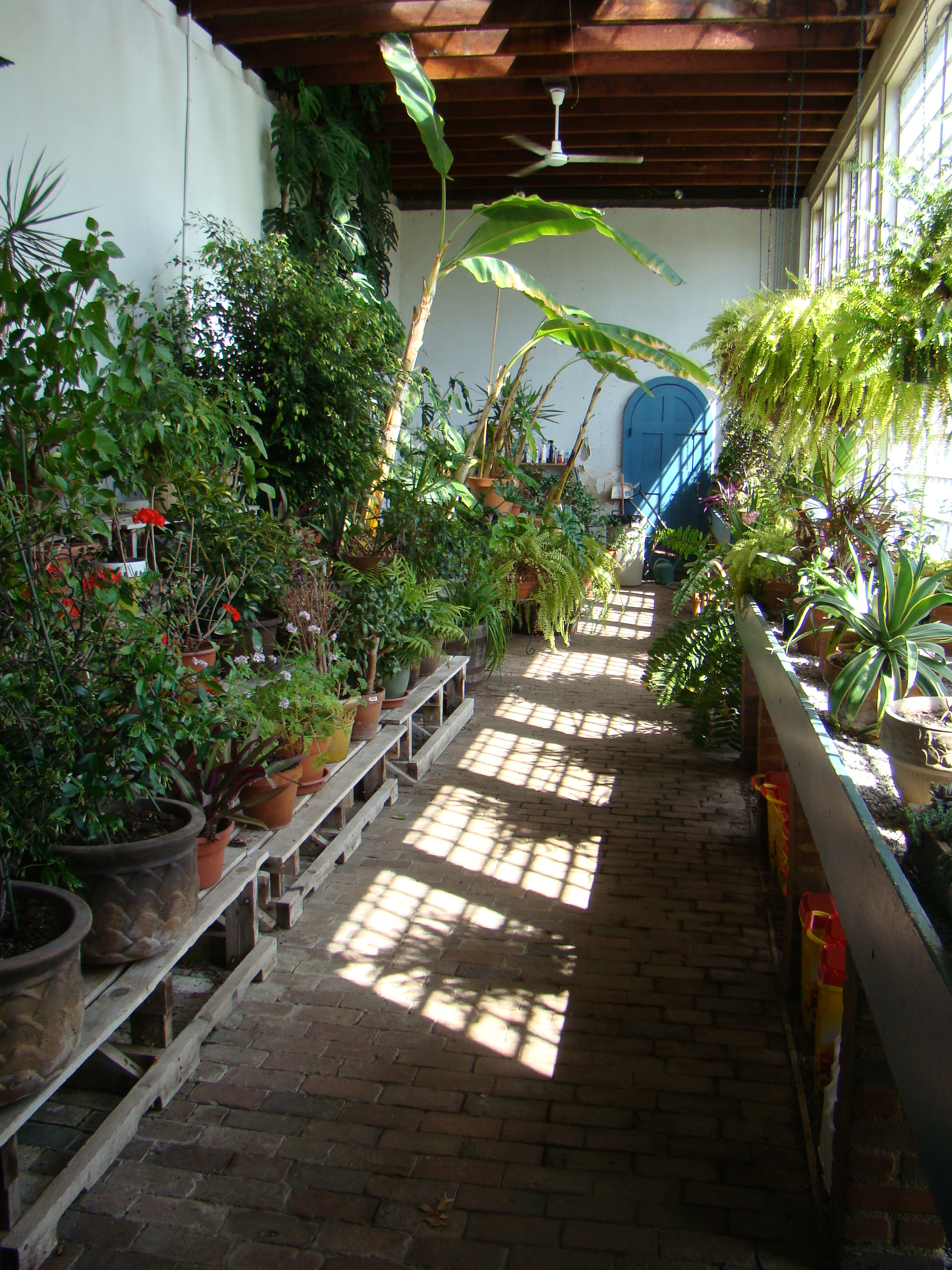
During the winter months, the greenhouse is filled with tropical plants.

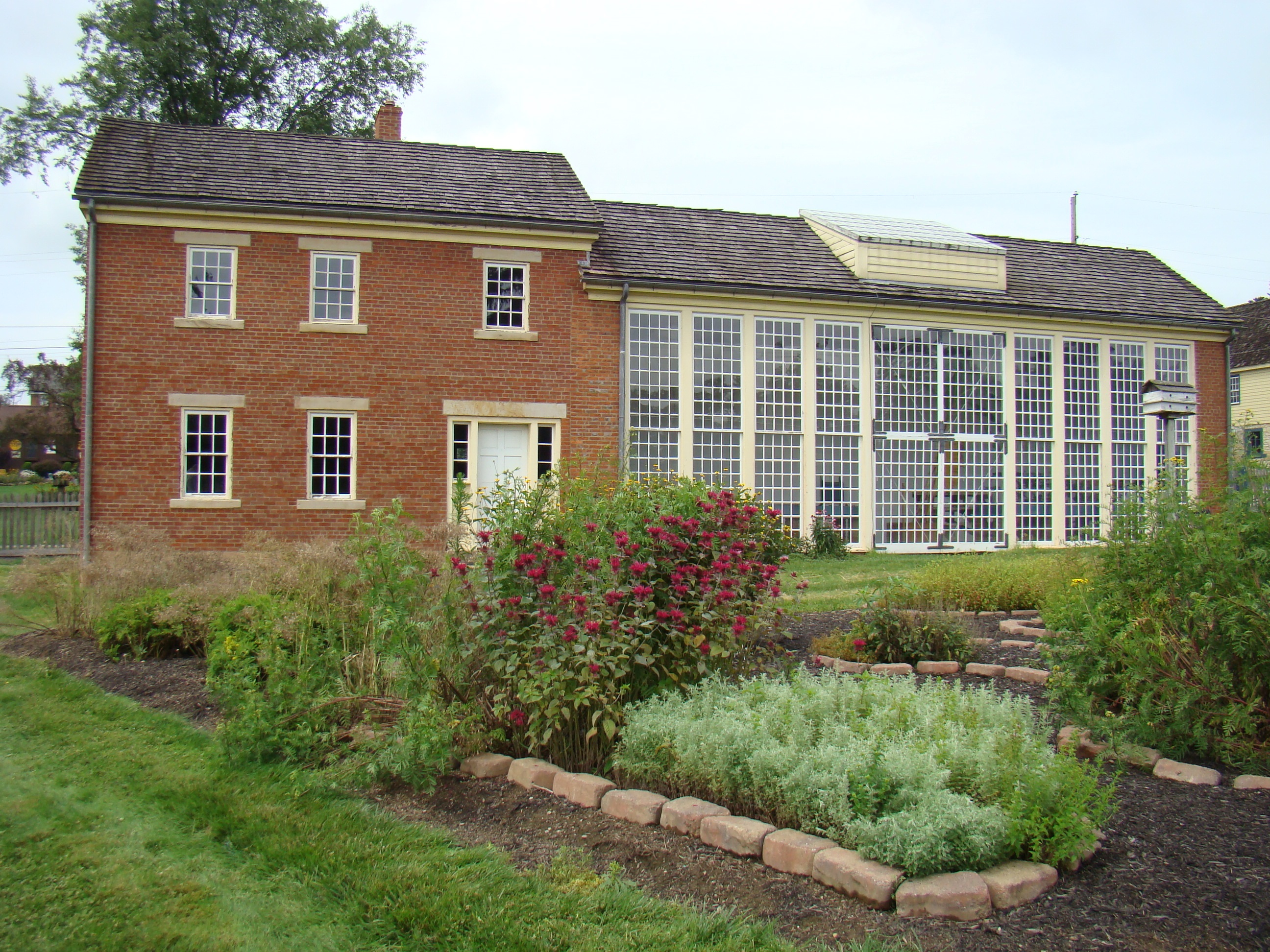
The Gardener’s House had a conveniently attached greenhouse.

At the north end of the garden stands the Gardener’s House, which served as residence for gardener, Simon Beuter, and his family back in 1835. Shortly thereafter, a greenhouse, or hothouse, was added. Since they grew oranges, lemons and other fruit in the middle of winter in the greenhouse, it was also called the Orangerie.

Tropical plants were stored in the greenhouse during the winter months.

Tropical plants were stored in the greenhouse during the winter months.

Hothouses were unheard of in Ohio at this time. The tropical fruit trees were kept outside in large wooden tubs in the summer, but could easily be moved into the greenhouse during the cold winter months. After the Ohio and Erie Canal was built, wealthy Clevelanders would send their plants during winter to Zoar to be kept in the greenhouse, because of its unique underground heating system.

A vegetable garden would naturally have been part of the Zoarites Garden.

A vegetable garden would naturally have been part of the Zoarites’ Garden.

Research shows the Separatists frequently used many home remedies for ailments so grew medicinal types of herbs in their communal garden. They also grew fresh fruits and vegetables to provide strawberries and cabbages for the Zoar Hotel, where President William McKinley often dined on a Sunday afternoon.

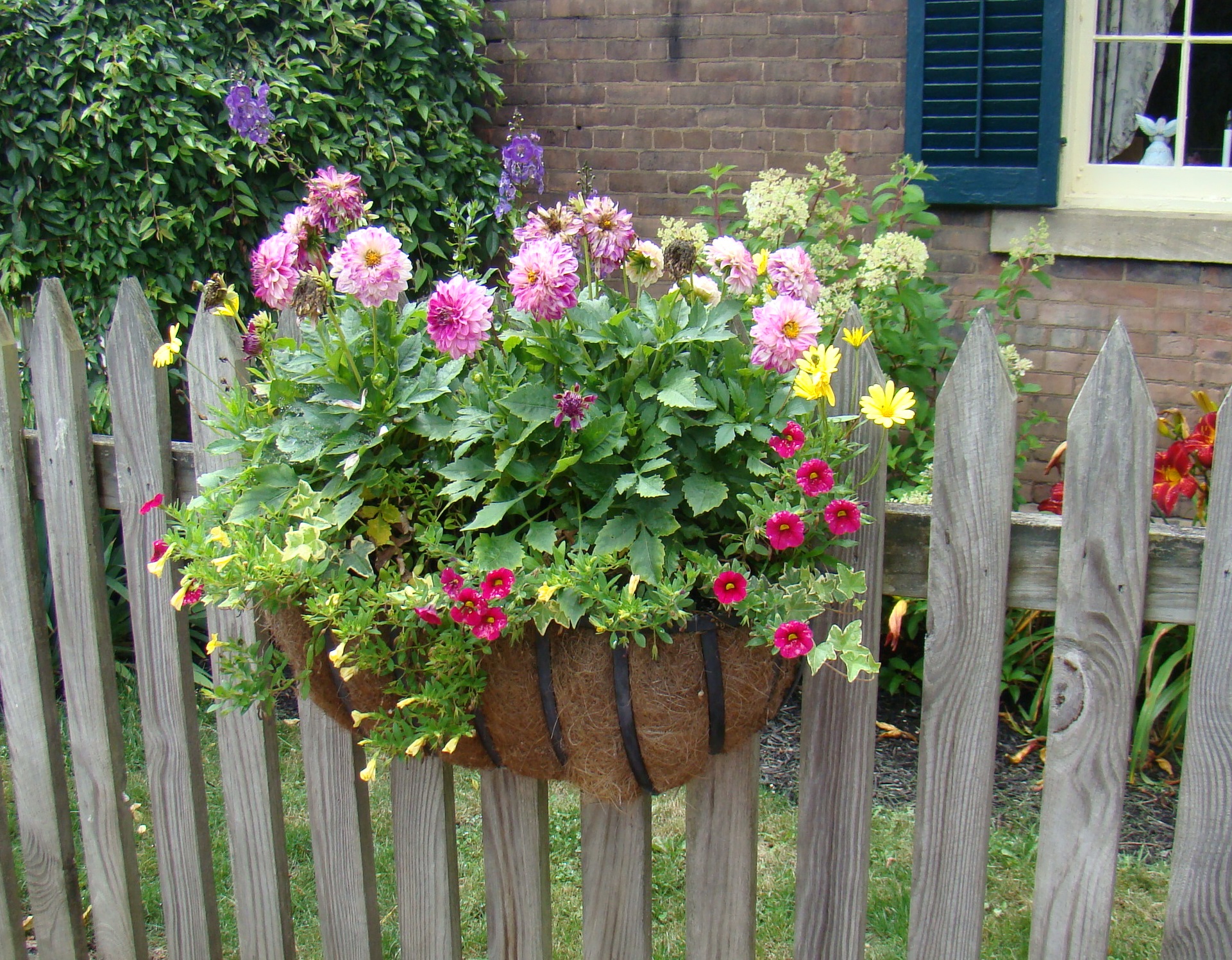
Charming flower boxes on local fences added to the beauty of the village.

Charming flower boxes on local fences add to the beauty of the village.

Along the streets of town, many residents have beautiful flower gardens of their own. Baskets of flowers grace fences, and bushes bloom with beauty. There is much to see and do throughout the village with costumed guides telling about life there long ago.

While in the area take a stroll through Zoar Wetlands Arboretum or find the Trailhead nearby for the one-hundred mile long Towpath Trail of the old Ohio and Erie Canal.

Plan a visit to delightful Zoar Village on the banks of the Tuscarawas River where a guide remarked, “You could live your whole life here and never need cash. They believed cash was corrupting. It turns out they were right.”

Zoar Village can be reached just three miles off I-77 at Exit 93 between Dover and Canton, Ohio. 

Henry David Thoreau’s Thoughts Still Meaningful Today

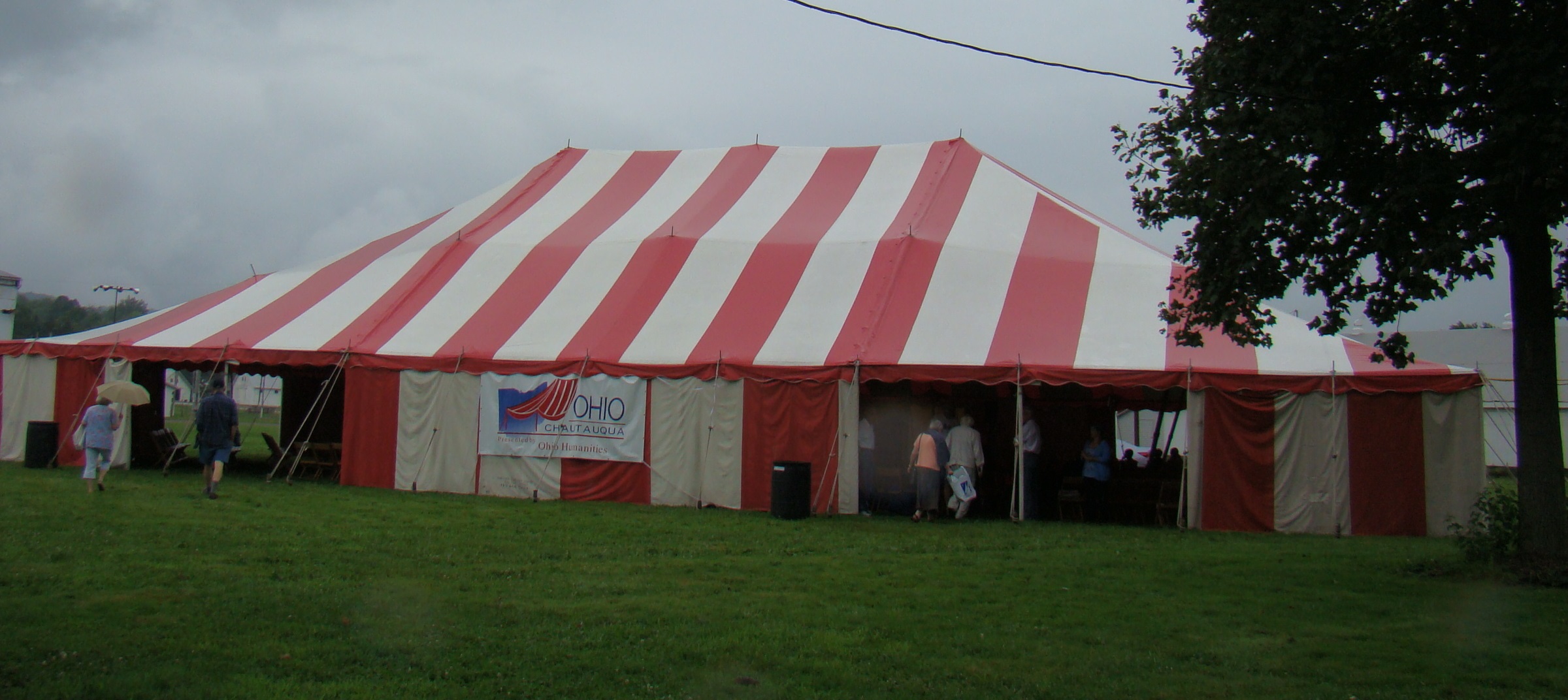
Chautauqua in Coshocton on a rainy evening

Chautauqua in Coshocton on a rainy evening

An early morning walk is a blessing for the whole day.

Ohio Chautauqua always brings informative and interesting characters to the stage. A recent performance in Coshocton was no exception as Kevin Radaker, professor of English at Anderson University in Indiana, portrayed Henry David Thoreau, one of the greatest writers of American Literature. Even though Thoreau wrote from 1817-1862, his thoughts still influence and inspire countless people today. The audience sat mesmerized during his lecture…you could have heard a text message beep.

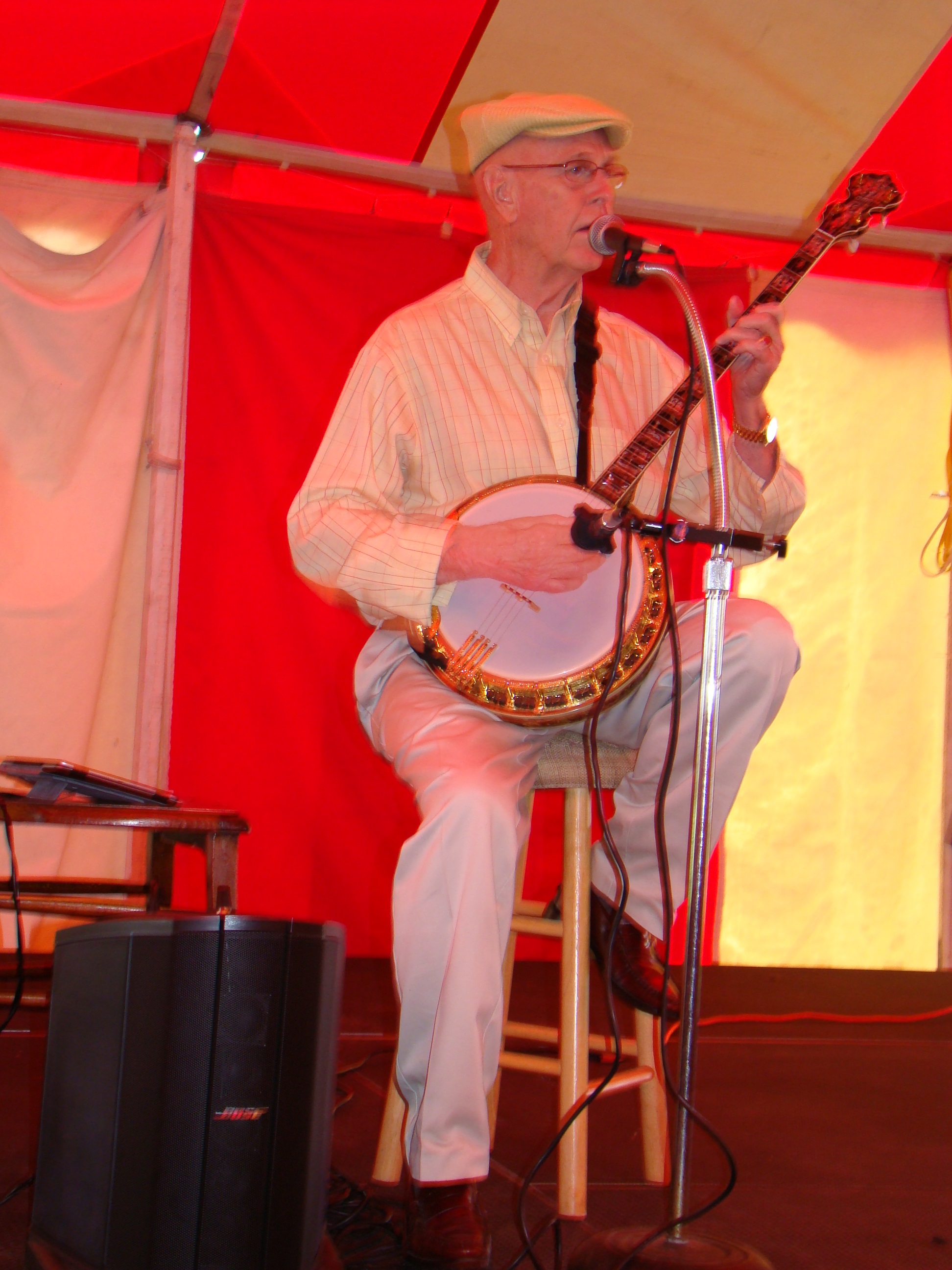
Banjo player entertained before the main speaker.

Banjo player, Jerry Weaver, entertained before the main speaker.

Thoreau was born and raised in Concord, Massachusetts and chose to reside there his entire life. Two sisters and a brother rounded out the Thoreau family where his father ran a pencil factory, and his mother had strong views as an abolitionist. He worked for a while in his father’s pencil factory and as a carpenter, but said he was just so-so at carpentry. However, he did become a devout abolitionist for the rest of his life, following in the footsteps of his mother. He considered himself a writer by profession, a mystic and philosopher.

After graduating from Harvard, Thoreau became friends with Ralph Waldo Emerson, who encouraged him in his writing and introduced him to Transcendentalism, which emphasized the spiritual matters over the physical world. Thoreau felt that every seventh day should be a day of work, while the rest of the week be treated as the Sabbath.

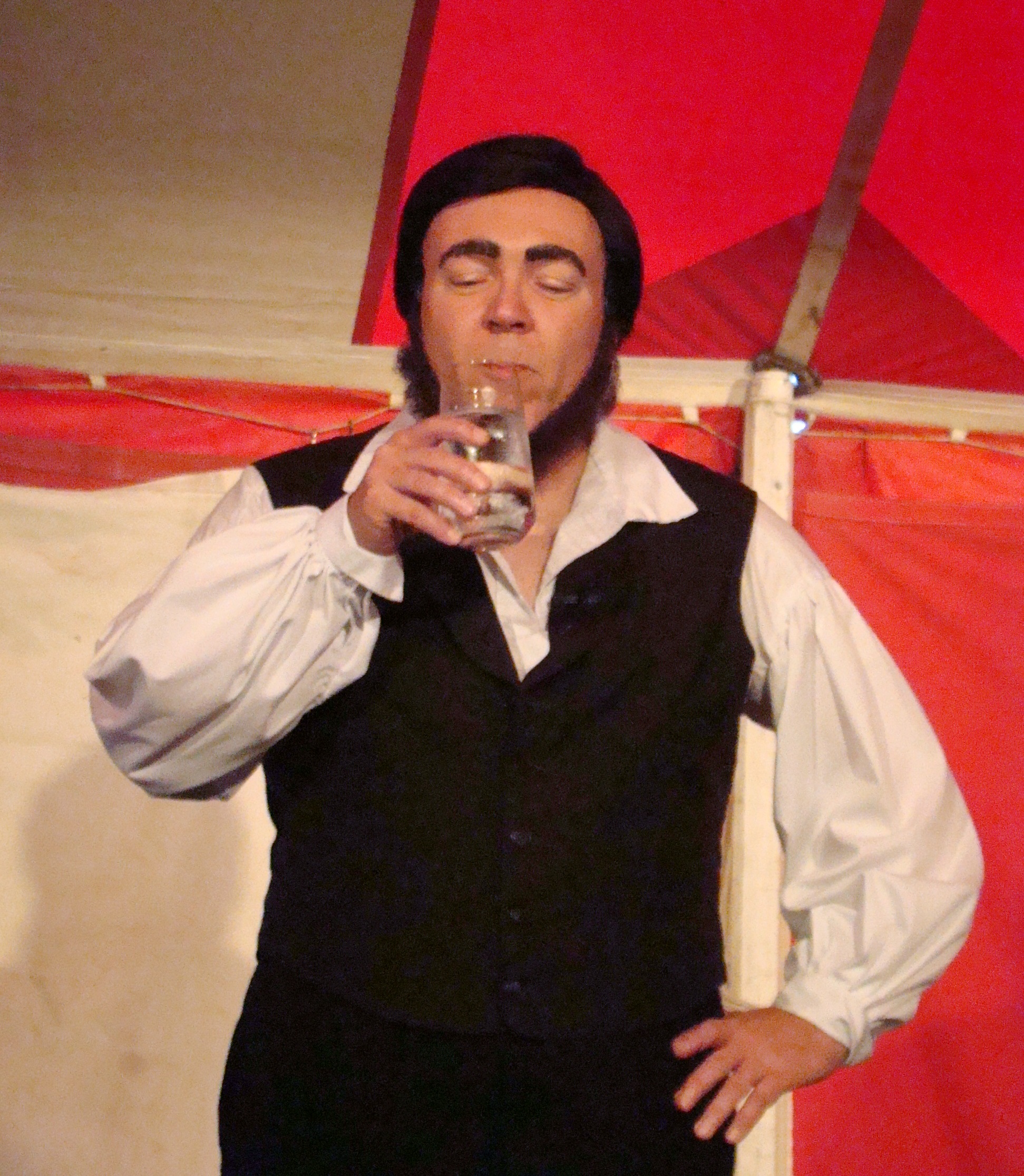
Thoreau holds his favorite drink - water.

Thoreau holds his favorite drink – “Water is the only drink of a wise man.”

His best know masterpiece, Walden, was written while Thoreau lived for two years in a small cabin at the edge of Walden Pond, not far from Concord, on property owned by Emerson. His daily walks in the woods are best described in his own words: “There is nothing so sanative and so poetic as a walk in the woods and fields.” He compared the value given him by his walks to what others get by going to church. Walden Pond was his greatest adventure.

Even though Thoreau spent most of his live in Concord, he did venture to other places. Cape Cod and Maine helped him picture in words the wrath of the sea, yet capture the vigor and health of Nature. He felt national preserves should be created, not for recreation but re-creation of the wilderness, his main fascination.

He was a great fan of travel, but a slightly different kind than what we might presume. His mystical travel required an inward journey, which is accomplished by using our imagination and intuition. Through these inward journeys, Thoreau came to realize what the ancient Orientals meant by contemplation and forsaking work. Sometimes he loved to sit on his porch for the entire day, while his neighbors scoffed at his poor work ethic.

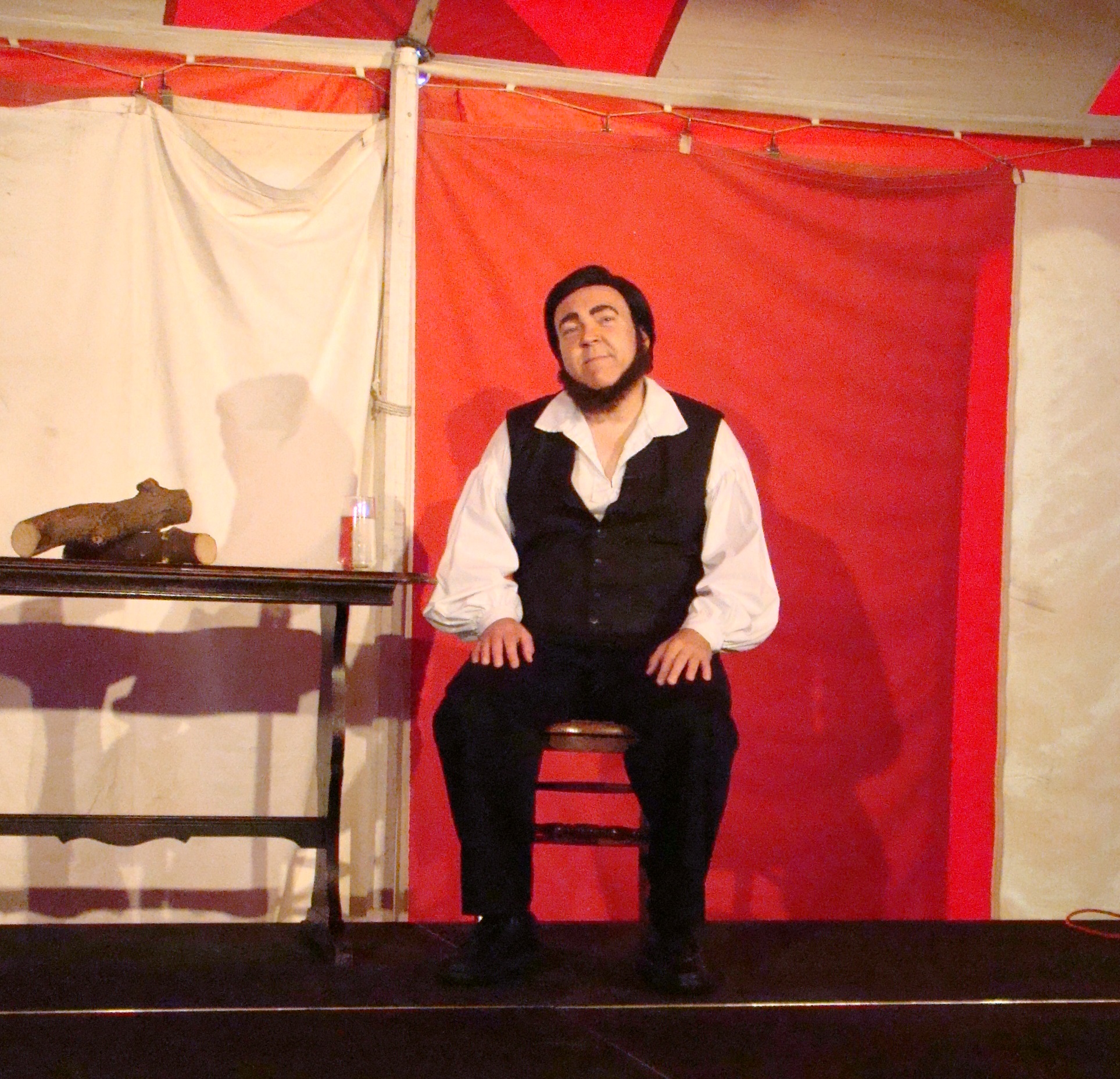
Thoreau relaxes on stage.

Thoreau relaxes on stage.

Perhaps he liked to read some of his favorite books as he sat on the porch for a day. Those would include: The Bible, Hindu’s Mahabharata, and Chinese teachings in Four Books of Confucius. He felt that all these similar teachings should be written side by side for better comparison.

Thoreau encourages his readers to take an inward journey, pointing out that it may very well be more difficult than being on a ship with hundreds of other people crossing the ocean.

What he wrote a hundred and fifty years ago is still relevant today.


Discover Canal Dover History at Reeves Carriage House Museum

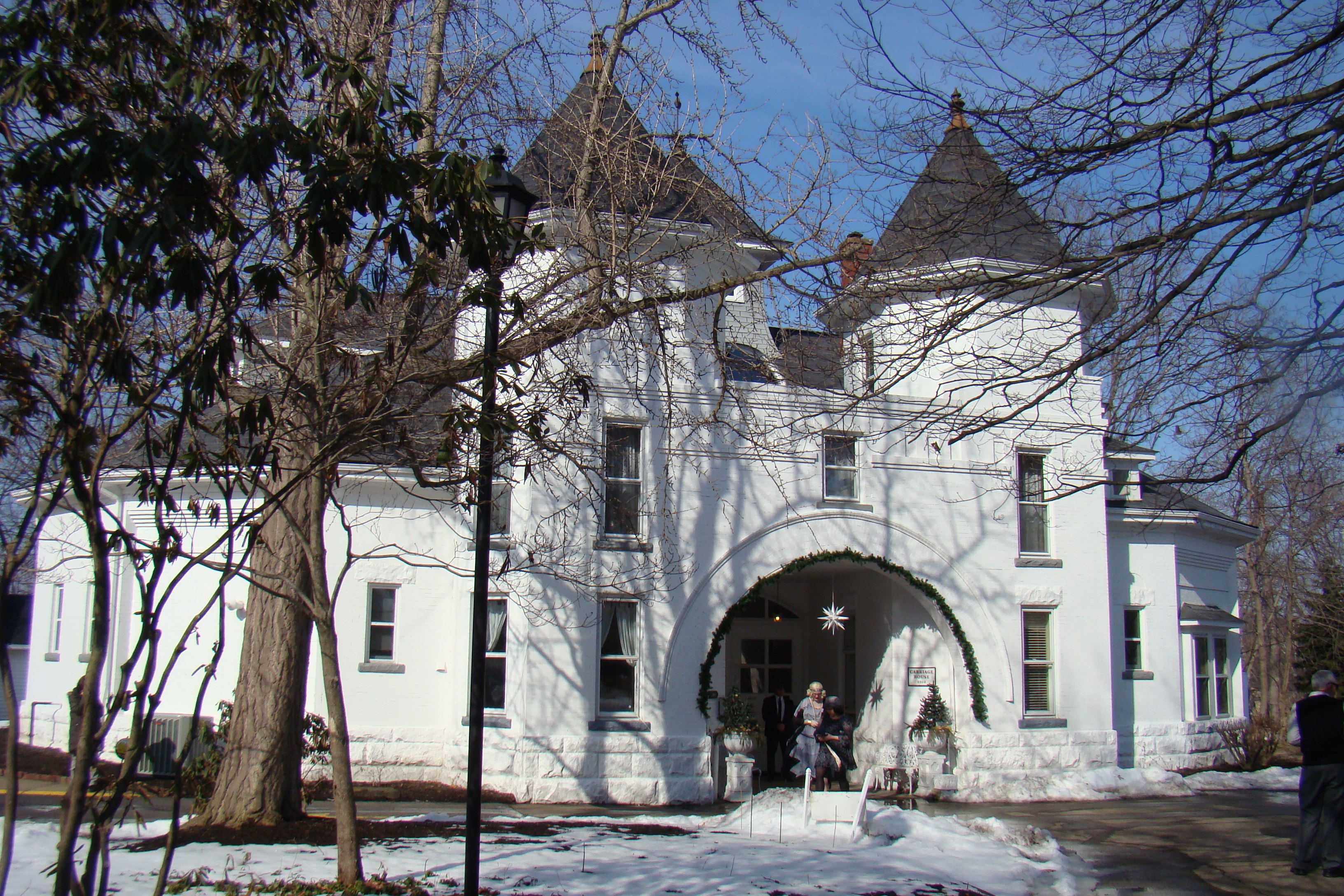
Dover Museum can be found upstairs at the Reeves Carriage House.

Dover Museum can be found upstairs at the Reeves Carriage House, which had a fairytale like appearance during a winter visit. Perhaps this will cool you off!

Little pieces of Canal Dover’s history can be found on the second floor of the Reeves Carriage House Museum in Dover, Ohio.  Each town needs to have their history preserved in some fashion and the Dover Historical Society has found a perfect way to showcase Canal Dover from its founding in 1807 through the Great Flood of 1913.

While this was for a special opening during the winter months, events are held here all year long. Summer is a great time to explore the Reeves Victorian House and Museum as it is open Wednesday through Sunday, noon until 4:00 from June through October 31. Then their spectacular Victorian Christmas display happens from November 11 through December 22.

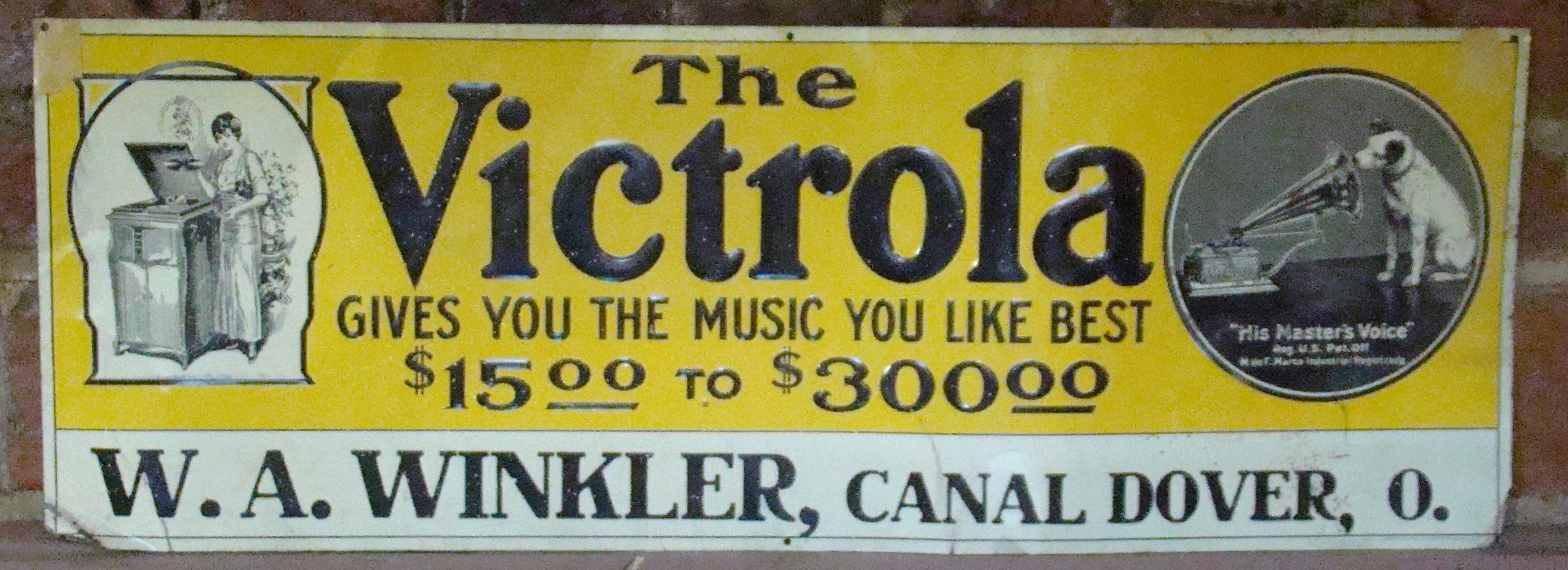
This old Victrola sign advertised the business of Wnkler in Canal Dover.

This old Victrola sign advertised the business of W.A. Winkler in Canal Dover.

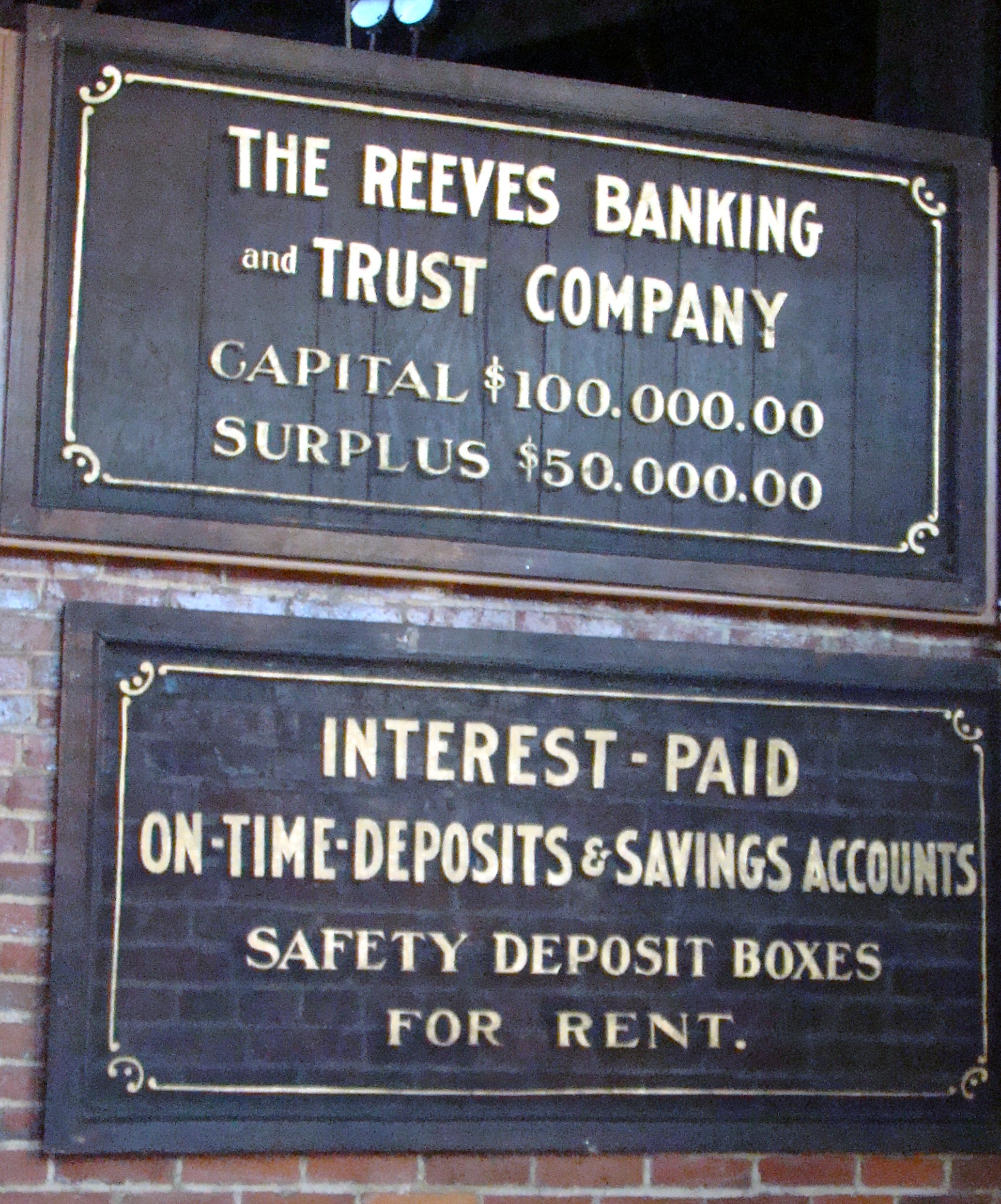
Reeves Banking and Trust Company was organized when local banks refused to loan money to Reeves.

Reeves Banking and Trust Company was organized when local banks refused to loan money to Reeves.

In 1818, Dover only had five buildings, three of them being taverns. But when in 1825 the Tuscarawas River was included in the layout of the Ohio-Erie Canal, growth became imminent and the first schoolhouse was soon built in a forested area on Fourth Street. Canal Dover became the tolling station on the Tuscarawas as boats traveled from the Ohio River to the Great Lakes.

Soon mills were built along the river banks making steel a growing industry. Naturally, this switch to an industrial area brought with it the arrival of the railroads in 1854. Steel became big business until a coal strike in 1920 closed mills for about a year.

When Jeremiah Reeves desired additional funds for his business operation, local banks refused to give him a loan. So in August, 1903, Mr. Reeves opened his own bank, Reeves Banking and Trust Company.  This bank continued in operation until 1982 when it merged with Huntington National Bank.

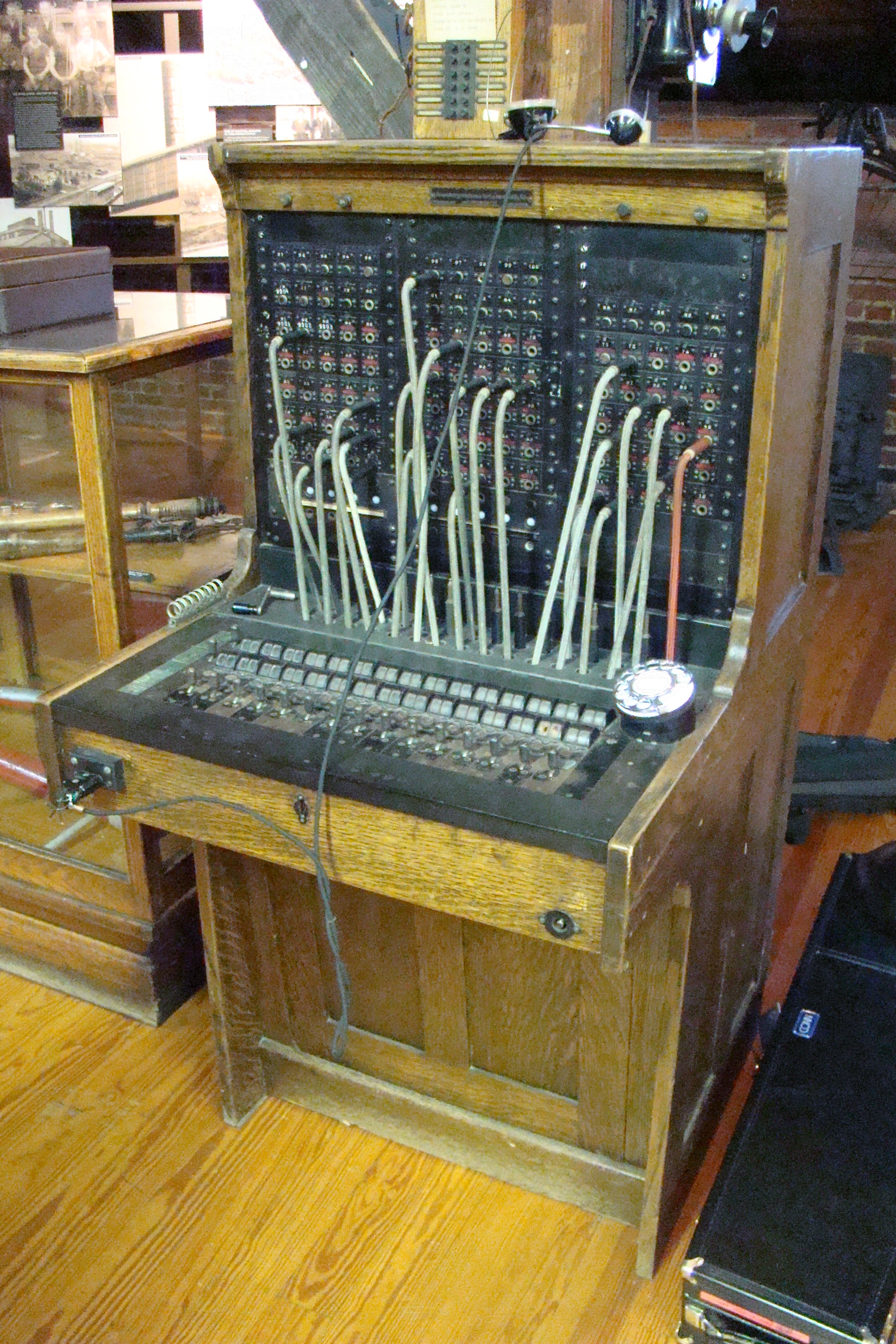
Original switchboard used in Dover.

Original switchboard used in Dover.

During WWII, most industries in the state converted their systems to supply the armed forces.  Women employed at Reeves Steel made steel castings for military use. There is a historical plaque on the Reeves Home honoring employees who lost their lives in service during WWII.

Even with the presence of mills, Dover’s water supply remained clean and was untreated until 1998. In fact, it was the last city east of the Mississippi to require sterilization of its water.

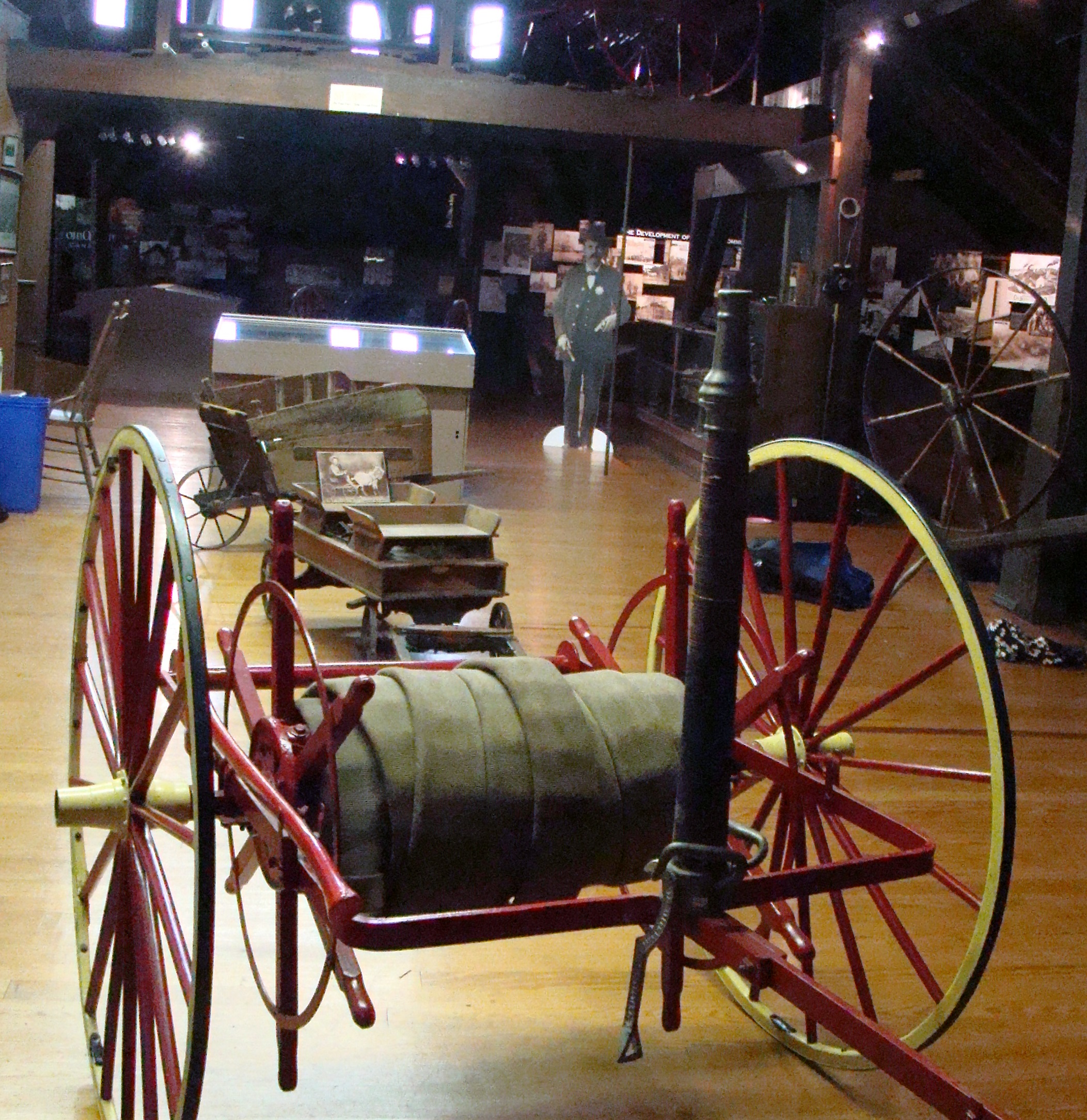
Their fire department was organized in the 1870s. The original horse drawn, wooden fire wagon on display was probably used by local firefighters. The cart was kept inside the firehouse, then pulled outside by one of the firemen. Horses were then hitched to carry it to the reported fire. While this firewagon had seats, most did not so the firemen had to run along side the wagon as it went to the fire. When someone decided to attach boards alongside the wagon for the firemen to stand on as they rode, these boards became called “running boards” because they saved the men from running.

This horse drawn fire wagon had a two man seat, which was unusual at that time.

This horse drawn fire wagon had a two man seat, which was unusual at that time.

Telephone companies operated via the switchboard for many years. Here the operator, or operators, would manually transfer each call coming in to the proper person.  An old time clock added a touch of yesteryear to the tour.

In 1908, the city was voted “dry” putting 22 saloons and two breweries out of business overnight. The Great Flood of 1913 definitely wet things down for a short time and made many changes in Canal Dover. After 48 straight hours of rain, the Tuscarawas River overflowed its banks with flood waters between three and ten feet deep.This was the end of the Erie Canal but the beginning of plans for Dover Dam to prevent future similar floods from happening.

Upstairs at the Reeves Carriage House Museum contains historic photos, interesting anecdotes, and unusual museum artifacts. The history of Dover tells the story of the United States as well. Every generation helps make our country great and strong.

Reeves Carriage House Museum can be found behind the Reeves Victorian Home off I-77 at exit 83. Take a right on Tuscarawas Avenue, left on W Front Street, right on Wooster Ave, and a left on Iron Avenue. The Home and Museum can be found at 325 E Iron Avenue. Parking is in the rear of the home near the Carriage House Museum.

Marietta Vice Walking Tour Filled with Thieves, Bars and Murders

This island contained an Amusement Park in 1900.

In 1900, Buckley Island contained an Amusement Park during the day, then became a Lawless Wonderland at night.

You had to be bold and brave if you dared walk on the seedy side of town in Marietta, Ohio back in the early 1900s. But Lynne Sturtevant recently led a crowd of fifty on an adventure back to early days as the old sections of Marietta were revisited. Along the way, characters in costume greeted the tour and told of dangerous adventures at that time.

Riverfront man and Lynne, our guide

Riverfront man and Lynne, our guide

Crime was a severe problem all along the Ohio and Muskingum Rivers in Marietta, with bars, bars, and more bars. The Ohio River flowed around a small island, that served as an amusement park during the day, but a whole new crowd arrived in the evening. They enjoyed all the vices of the time – drinking, gambling, prostitution, and murder. Going to the island in the evening had an added enticement of cheap beer. Along the shore beer was twenty-five cents a glass, but on the island, only five cents. The Island, now known as Buckley Island, was a lawless wonderland. If you wanted to do anything illegal, the island was the place!

Old hotel and bar

Notice the popular shadow advertisement of WHISKEY at The Levee House – just above the table tops.

Despicable characters roamed the streets, drinking and arguing over everything imaginable. One man and his wife were each found with bullets in their head after an argument over a wristwatch. The stories told were all true reports of the Marietta newspaper from that time.

Proud bartender

Proud bartender

Dance halls and saloons were the main businesses in town. Shadow advertising can still be seen on many buildings with words like WHISKEY worked right into the brick works.

Along the way, the group met a delightful bartender who told of some of the fights he had witnessed at the bars. The job he hated the most was cleaning the spittoons.

A character portraying Oliver Hyde, mayor of Marietta in 1904, spoke to the group in front of the police station. The building also served as the electric company and the mayor had his office on the top floor. He gave the latest police report describing real events in Marietta in 1904.

Historic Harmar Bridge

Historic Harmar Railroad Bridge

The historic Harmar Railroad Bridge provided a scenic walkway over the Muskingum River. This is the country’s oldest operating railroad swinging bridge, still using a hand crank to swing it open for passing boats. Where the Harmar Historical Village stands today, Fort Harmar existed in 1785 for the protection of the Indians.

Walking over the bridge, one of the roughest sections of town was on Maple Street. A young man, who lived there, told about his neighborhood. He spoke of Mr. and Mrs. Hayes, who were well known local folks. Mrs. Hayes served as a madam, while her husband usually caused problems. Mr. Hayes was very jealous of his wife and accused her of seeing the local bartender. She begged him, “Don’t kill me!”

He did.

Guy from the rough side of town

Guy from the rough side of town

The young man said the Marietta Police had never caught the husband and asked the mayor why he wasn’t working on it. The mayor, in typical mayor fashion said, “It’s under investigation.” The young man told the group to get back over the bridge as quickly as possible as the area was not a safe one.

While visiting a housewife in Sin City, she told of a murder that happened next door to her house. She was hanging out the laundry when she heard a husband and wife fighting next door. The husband yelled, “I’ll break your face right in if you do that again.”

Later she smelled a fire burning in their back yard and hurried to get her clothes off the line. About 5:00 the next morning, there was a knock at her door. At the door stood the next door neighbor. “Good morning, the missus has gotten drunk and fell into the fire and burned right up. She’s always getting drunk.”

When the police arrived at the scene, over half of the woman’s body was severely burned, but they could see severe bruises on her neck. Perhaps she didn’t just fall into the fire, but was pushed. You’ll have to visit to find out…the rest of the story.

A rainy ending to an educational and interesting day

A rainy ending to an educational and interesting day

Rain held off until the very end of the tour, when it came down from the sky in buckets. The wind, rain and lightning made it seem that this place was perhaps still dangerous.

Marietta, Ohio is located at the confluence of the Muskingum and Ohio Rivers in southern Ohio. Take Exit 1 off I -77 in Ohio to experience this delightful town. Characters along the way were provided by Paskawych Entertainment, LLC of Marietta.