Places to go and things to see by Gypsy Bev

Archive for the ‘Museums’ Category

American History Shall March Along That Skyline

Six Grandfathers Mountain, now known as Mount Rushmore, was spiritual home to the Lakota Sioux Indians. Many of the Sioux were insulted by the building of the Memorial on their sacred land. Add to that the fact that the monument celebrates the Europeans, who killed so many of their tribesmen as well as appropriating their land, and it is no wonder there is still controversy between the Sioux and the US government today.

As far back at 1923, the people of the Black Hills region of South Dakota were searching for an idea to bring tourists to their part of the country. After seeing samples of carvings done by Gutzon Borglum, he was invited by historian Doane Robinson, The Father of Mount Rushmore, to the Black Hills so they could find an acceptable place for a large carving.  After dismissing the idea of using the Needles range, they settled on the granite faced Mount Rushmore near Keystone, South Dakota. The granite was relatively free of fractures, and it also faced southeast for more sun exposure. When the selection was made, sixty year old Borglum remarked, “American history shall march along that skyline.”
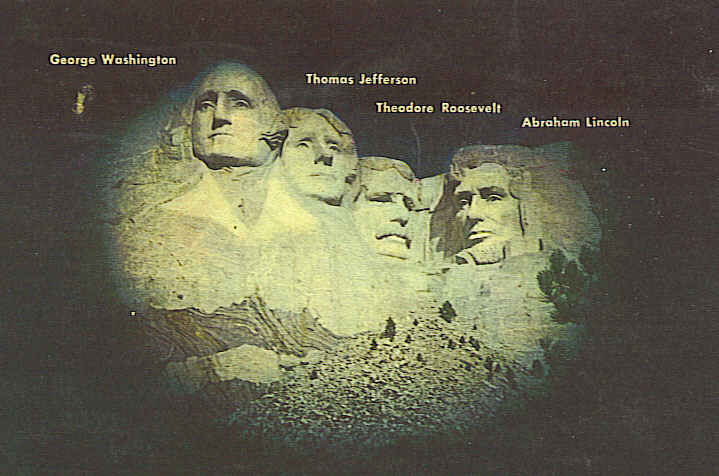
For one hour each evening, Mount Rushmore, The Presidents’ Mountain, is illuminated with steadily increasing lights that make this carving glow in brilliant splendor. The four presidential faces shown on this 1989 postcard are from left to right: George Washington, the father of our country; Thomas Jefferson, principal author of the Constitution, and instrumental in the Louisiana Purchase; Theodore Roosevelt, champion of conservation; and Abraham Lincoln, leader during the Civil War.

Today we can see the results of Gutzon Borglum’s  guidance of approximately four hundred workers, including his son,  from 1927-1941.  The four sixty foot likenesses of the faces rest on 1,278 acres. Original plans were to sculpt them down to the waists, but that idea was cancelled due to insufficient funds. Upon his death, Gutzon’s son, Lincoln Borglum, was in charge of completing the project, but he basically left it as the monument appeared upon his father’s death.
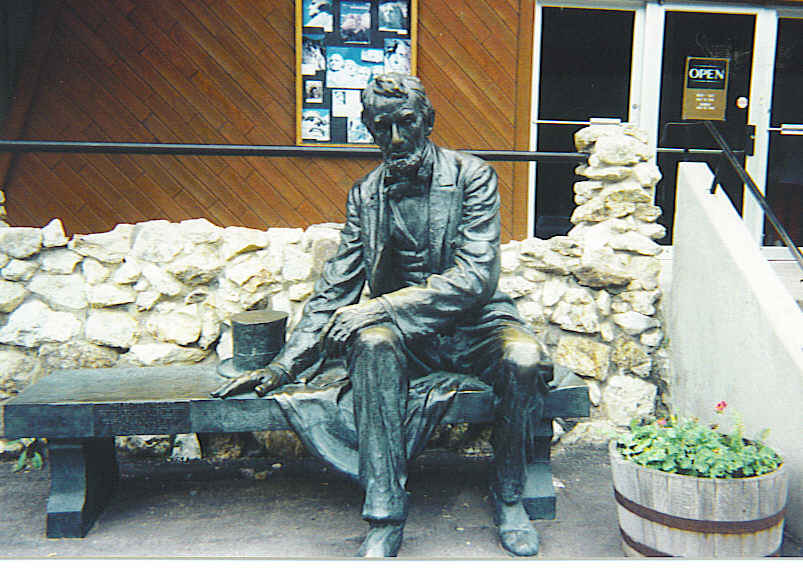
Today you can visit the Lincoln Borglum Museum where a film provides an introduction to the memorial site plus historic exhibits.  Take a lunch break at Carvers’  Cafe where you might find on the menu tasty dishes such as Jeffersonian Gourmet Salad or Teddy’s Bison Chili. If you are lucky, you can sit at a table by the large wall of windows, which provides a great view of Mount Rushmore. The Sculptor’s Studio displays the unique plaster models used prior to sculpting on the mountain side, as well as the tools used while carving. A recent addition is the Native American Heritage Village devoted to Indian culture and the Indians’ place in local history.
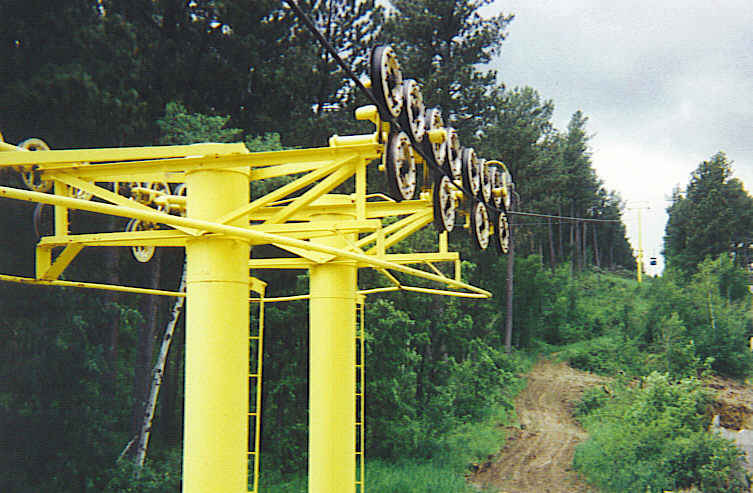
For another close-up view of the mountain, take the scenic chairlift ride through the Ponderosa pines. Views are spectacular and there is a park at the summit as well as a small outdoor grille.  You must be careful getting on and off as the chairlift stops for no one.  You do get a unique view of the presidential faces as well as enjoying the feeling of flying up the mountainside on the chairlift. Coming down you can either return on the chairlift or descend on the Alpine Slide.  This new slide is 2000 feet long and you are able to control the speed downhill on a wheeled sled with brakes. So it is up to you!  Either take a slow and leisurely ride down, or get a rush of excitement.

On the side of the mountain behind the faces is an interesting tunnel called the Hall of Records. In 1998, they began construction of a vault there that would hold sixteen porcelain enamel panels.  On these panels are: text of The Declaration of Independence, Constitution, biographies of the four presidents, and a short history of the United States.  All this is being done to preserve our present history for future generations. At this time, the Hall of Records is not accessible to the public.

Here at Mount Rushmore, you and your family can have a great educational experience by learning about the Indian heritage as well as the significance of the four faces carved there. Leaving the park, there was an interesting view from the back road where it appeared that George Washington was keeping watch on everything with eyes eleven feet across. The pupils of each eye are made of granite so they appear to twinkle when the sun hits them.  Maybe that is the reason the eyes seem to follow you!  Join the nearly three million people who visit here each year to see the faces march along the skyline.

Mount Rushmore Memorial in western South Dakota can easily be reached off I-90 off Exit 57 to Highway 16, which goes to Keystone. At Keystone take Highway 244 to the Mount Rushmore entrance. 

Way Down South – Key West

“Cayo Hueso” – Spanish for “Bone Island” – was the original name for Key West because of all the skeletons found on the beaches during the days of pirates and sunken treasures. This is the southernmost city in the continental United States with Cuba just 90 miles away! With the Atlantic Ocean connecting with the Gulf of Mexico on its shores, the sunsets here are spectacular and always accompanied by a gentle breeze.

Just getting here is an adventure as you travel across forty two bridges through the Keys on US Highway 1, the Overseas Highway. The route is only 113 miles from the southern mainland of Florida to Key West with the longest bridge being seven miles long.  All the way you are surrounded by tropical beauty and aquamarine waters. You see the coves where pirates landed long ago, and where drug smugglers currently hide their stash.

The highway here is actually built on the original route of the Overseas Railroad, which was constructed by Henry Flagler back in 1912. When the railroad and its bridges were destroyed in a hurricane in 1935, it was rebuilt and reopened as a highway in 1940.

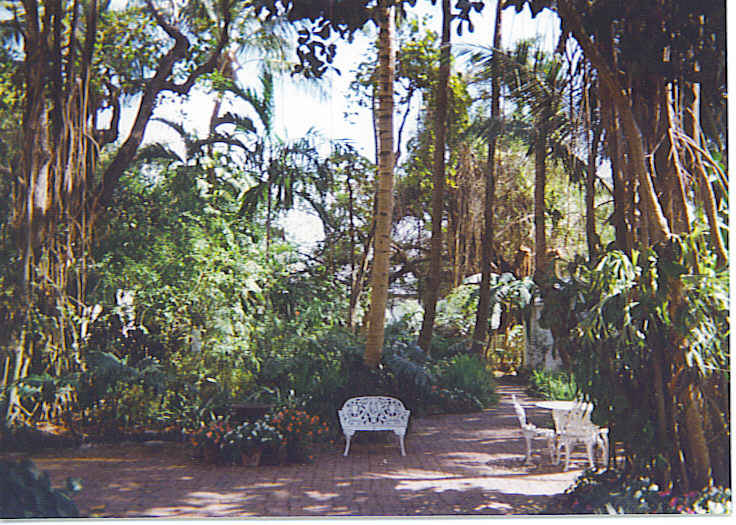
Ernest Hemingway, John James Audubon and Harry S Truman all were frequent visitors here. The Hemingway house is one of the favorite stops and has a relaxing garden, which is a photographer’s dream. Nobel Prize Winner  Ernest Hemingway called the island home for ten years and found solace here along the turquoise waters. Be sure to look for the 40-50 six-toed cats that are descendants of Hemingway’s favorite tomcat, Snowball. Did seem fitting to take home one of his books, so selected his final work published during his lifetime, which not surprisingly had an ocean theme, Old Man and the Sea.

Conch Tour Train gives a guided tour of the island and even makes a stop at Sloppy Joe’s, the most famous bar in Key West. Opened in 1933, the day after Prohibition was repealed, owner Joe Russell had previously operated an illegal speakeasy. Hemingway and his “Mob” of literary cohorts were regular customers, who philosophized and drank the days away.  Today the bar is filled with historic memorabilia dating back to the days when Hemingway – known as Papa – stopped in for a drink with one of his best friends, Joe Russell – known as Sloppy Joe.

Heritage House Museum, the historic Porter family home, gives visitors a taste of the pirate folklore and island life. Built in 1834, this is one of the oldest houses on the island where Jessie Porter established a creativity haven for many famous artists and writers.  The Robert Frost winter cottage in the garden has a beautiful orchid collection. Each year the Robert Frost Poetry Festival is held at this site to promote Key West as a literary destination.

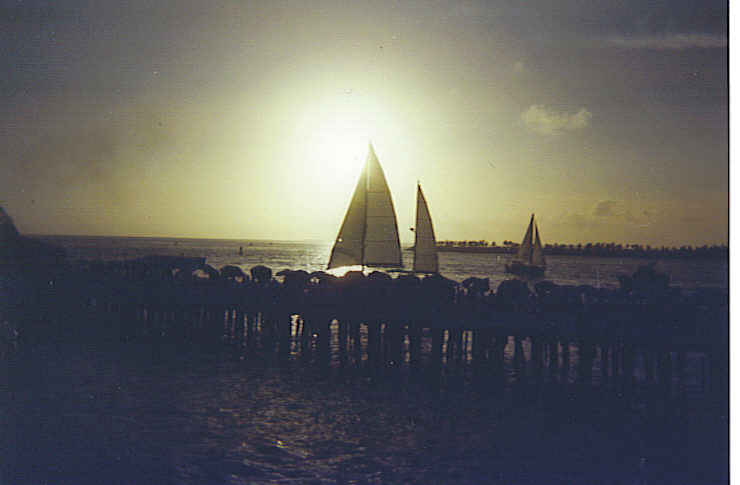
Sunset Pier on the Gulf Coast of Florida is the best seat in the house for the fantastic sunsets of Key West. Here at the Sunset Celebration you watch the sun sink into the Gulf of Mexico while the streets are filled with arts and crafts exhibits, entertainers, psychics, and of course, food!

As poet Wallace Stevens once wrote: Key West is the real thing – the sweetest doing nothing contrived.

Key West, Florida can be reached by crossing all the bridges through The Keys down US Highway 1 to its very end. It is the only highway going that direction so there is no possibility of getting lost.  Enjoy the journey!

Roswell, New Mexico – The Truth Is Here

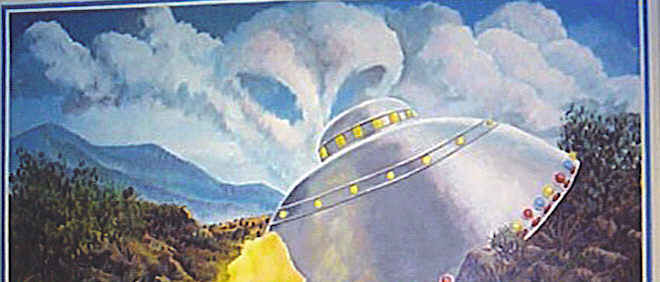
UFO or Weather Balloon? When people hear Roswell, they immediately think of the 1947 UFO alien invasion,  a subject which still interests many people. But there is definitely much more to this town of Roswell, New Mexico than aliens!

As soon as you enter the town, the presence of the New Mexico Military Institute is obvious from the beautiful campus to the polite, young cadets walking the streets. Started in 1891, this four year high school and two year junior college has been the starting point for many officers in the US military, as it is the only state supported military institute in the western United States. Among its most notable graduates are Conrad Hilton, Roger Staubach, Sam Donaldson and Major General Edwin Walker. In 1921, the school adopted the honor code of : “A cadet will not lie, cheat, or steal, nor tolerate those who do.” That code is still enforced today.

During WWII, a prisoner of war camp was located in nearby Orchard Park. These German prisoners assisted with many construction projects in Roswell.   Along the banks of the North Spring River, the sides were paved with stones. In one section the stones were strategically placed to form the outline of an Iron Cross, symbol of the German Army. Nearby was a piece of the Berlin Wall, which was sent by the German Air Force for their nice treatment as POW’s there. Today at the POW/MIA Park, there is a relaxing walkway along the river where you can appreciate the hard work involved and the beauty that they created.

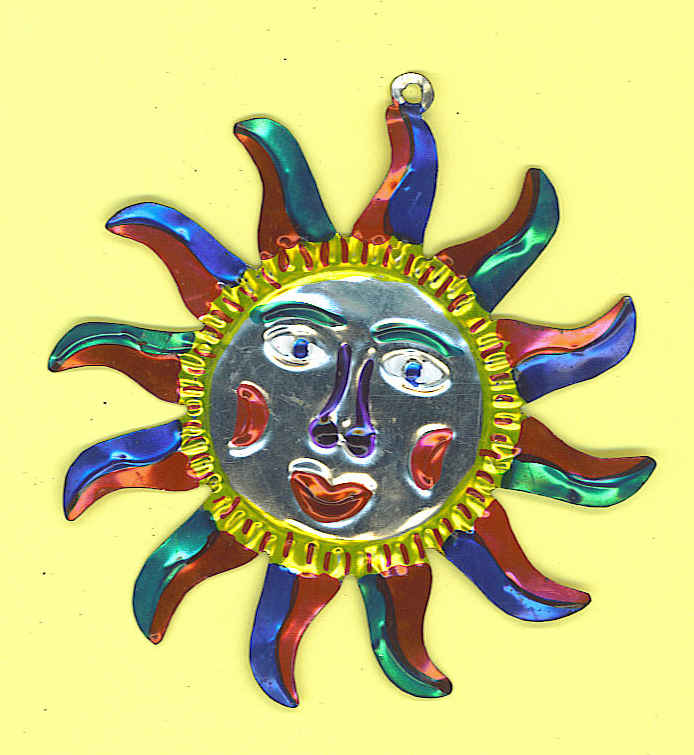
The Roswell Museum and Art Center has many beautiful and unusual paintings by well known artists such as Peter Hurd, Henriette Wyeth, and Georgia O’Keeffe. Of special interest here is the Goddard Wing, which contains a reproduction of the workshop of liquid-fueled rocket pioneer, Robert Goddard. He tested prototypes of this fuel in Roswell from 1930-1941.  While there, noticed this Native American sun design at the gift shop, and now it often hangs in my car to bring a feeling of warmth and peace. Still makes me smile to realize that this beautiful sun is made from the bottom of a Coca Cola can!

Of course, no visit there would be complete without visiting the International UFO Museum and Research Center, and taking a trip to the site where the mysterious crash occurred. Here at the Museum you can find information about the Roswell incident, crop circles, UFO sightings, ancient astronauts, and Area 51. Living up to their motto, “The truth is here,” their library of books and films is a great place for the curious and the serious to explore the unexplainable.

One interesting film told the story of a young boy, who had seen inside a space ship in 1947 and told his parents he saw fine wires with colors flashing.  In the 1990’s, this now adult man worked in maintenance and was called into a phone room for repair work.  He exclaimed, “That looks just like the spaceship I was in!”  Fiber-optics!

Responsible citizens who witnessed the crash were very quiet about it until their retirement. Once they told their story, tourists began to visit to learn more about the possibilities. The event known as the Roswell incident: the crash of an alleged flying saucer, the collection of debris and bodies, and the ensuing military coverup, still leaves lots of questions unanswered. The debate continues to this day.

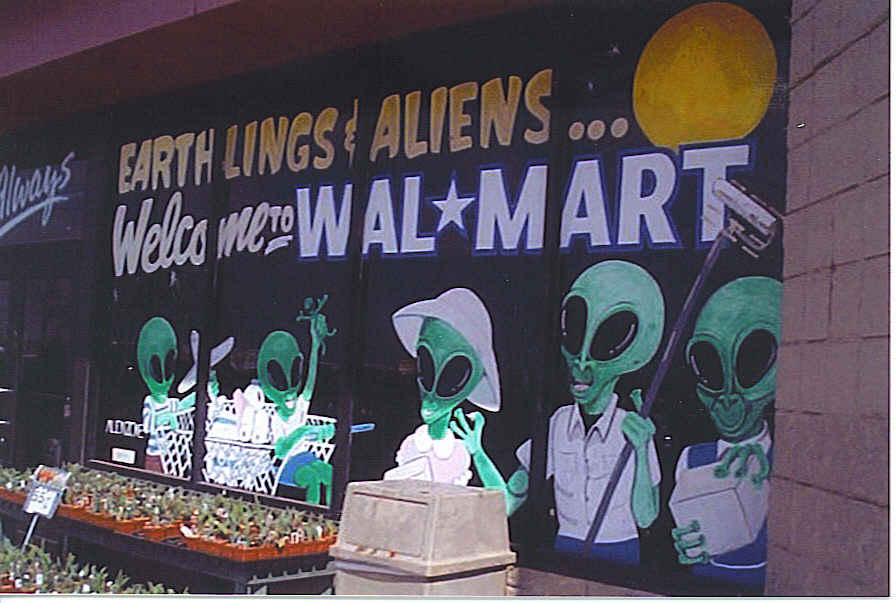
Many local businesses have joined in with the UFO theme as Roswell has suffered a tough economic time, especially after the closing of Walker Air Force Base there. Local gas stations have aliens pumping gas, Wal-Mart has an Aliens’ Welcome sign, and now McDonald’s has built a theme park restaurant there. Yes, you guessed it, McDonald’s is shaped like a UFO with aliens in the play area.

Roswell even has its own small zoo, which is a great place to take a daily walk with the animals. Spring River Park and Zoo is a free zoo run by volunteers and local donations, and has a wide variety of animals from prairie dogs to buffalo and even a black bear. For only a quarter, children, or the young at heart, can ride the miniature train ride or the antique wooden carousel. This is one of about a hundred wooden carousels left in the country and features hand-carved horses.

All ages are sure to find something to enjoy while visiting Roswell… but watch out for those little green men peeking around the corner.

Roswell is located South of I-40 on US 385 or East of I-25 on US Highway 380 in the southeastern  corner of New Mexico. US 380 is also Main Street  and there is a handy information center near the Roswell Museum and Art Center.

Adena Mansion Pictures Life in Early Ohio

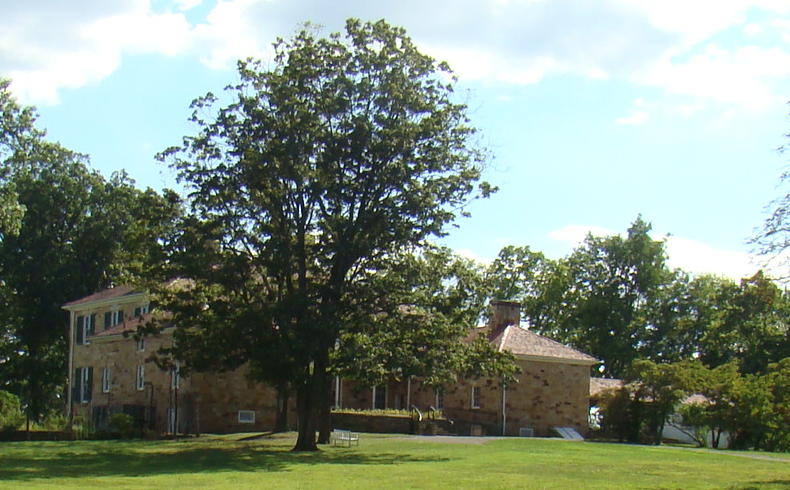
“No ghosts – not even rumors of ghosts here,” explained the guide as she began an interesting tour of the Worthington Mansion at Adena State Memorial near Chillicothe, Ohio.  Built in 1806-07, this beautiful mansion home was designed by what many consider the first American architect, Benjamin Henry Latrobe. Usually Latrobe was busy with larger projects, such as designing the United States Capitol, but as a friend of Thomas Worthington he agreed to design a beautiful home on the 2000 acre estate.

The Worthington home, Adena, was the most magnificent mansion in the area at that time, and fascinated crowds of visitors. Large panes of window glass and papered walls were novelties which especially attracted attention. The sandstone blocks for the house were all dug from a quarry on the property.

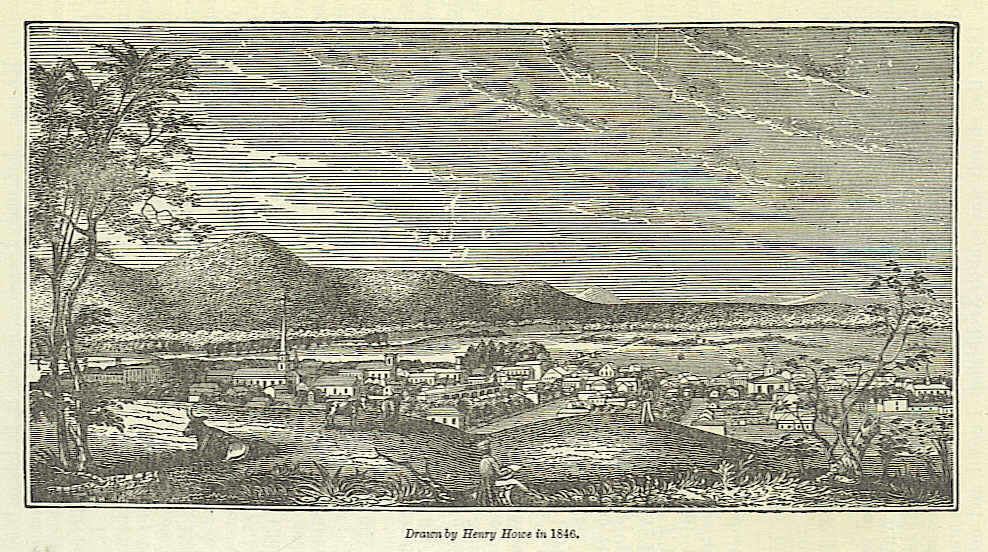
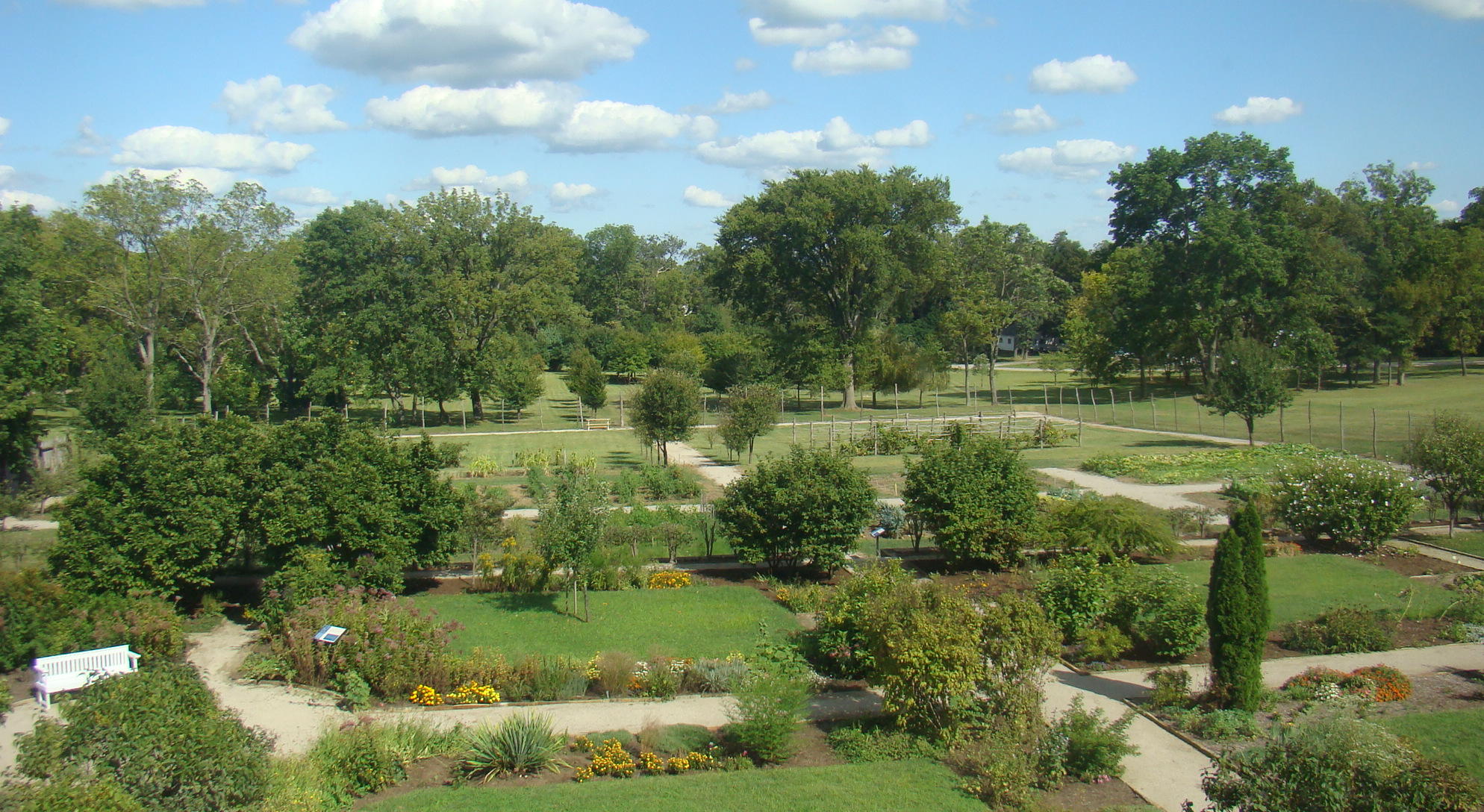
This drawing by Henry Howe in 1846 shows the beautiful garden vista at Adena that inspired the Great Seal of Ohio. Looking across the front lawn, the Scioto River flowed between the cultivated fields and Mount Logan.  On the Great Seal of Ohio, the sun displays thirteen rays of light symbolizing the thirteen colonies. In the field is a shock of wheat representing the prominent field of agriculture in the state. Nearby, resembling a shock of wheat but showing Ohio’s Indian heritage, is a sheaf of seventeen arrows proclaiming Ohio as the seventeenth state.

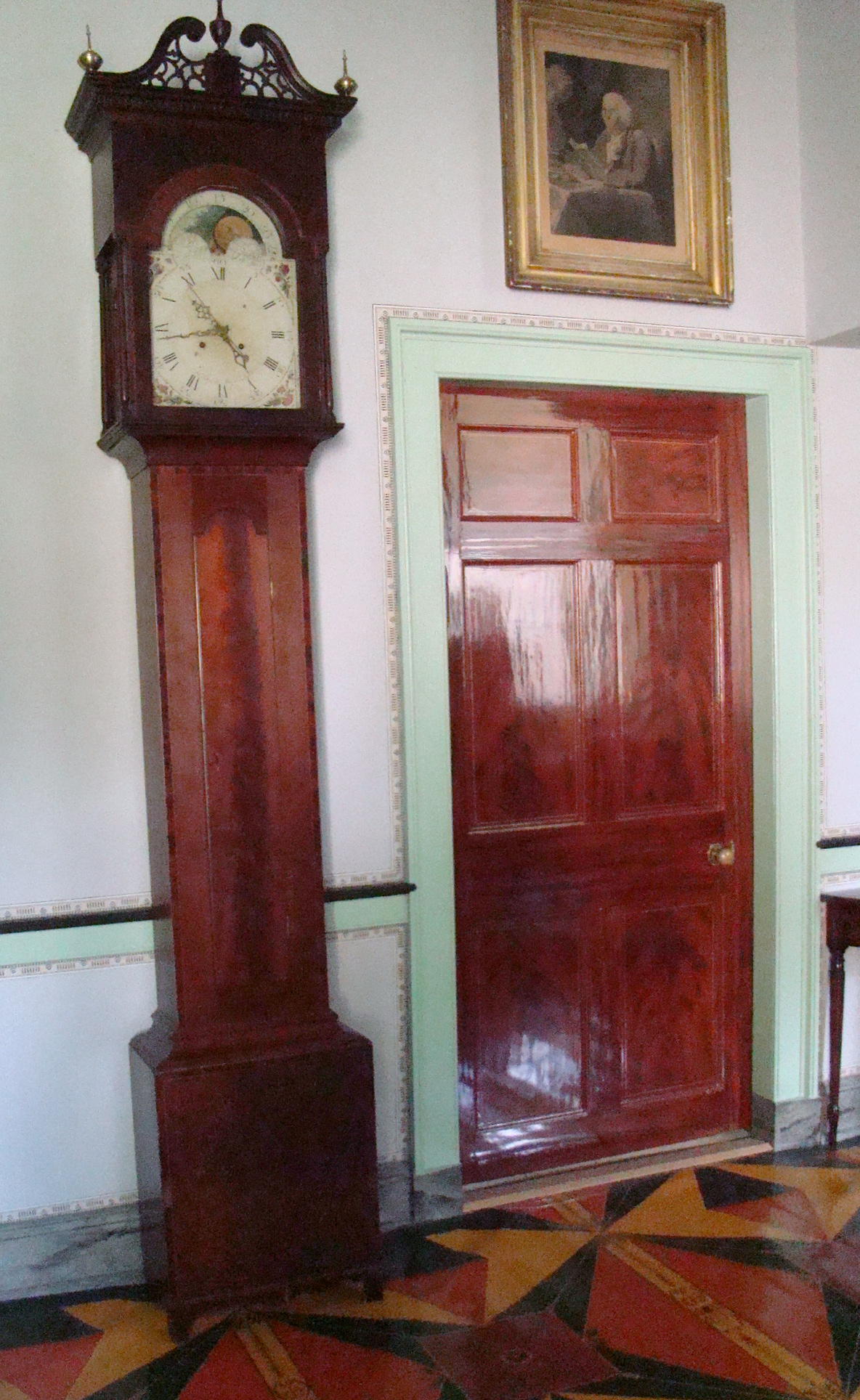
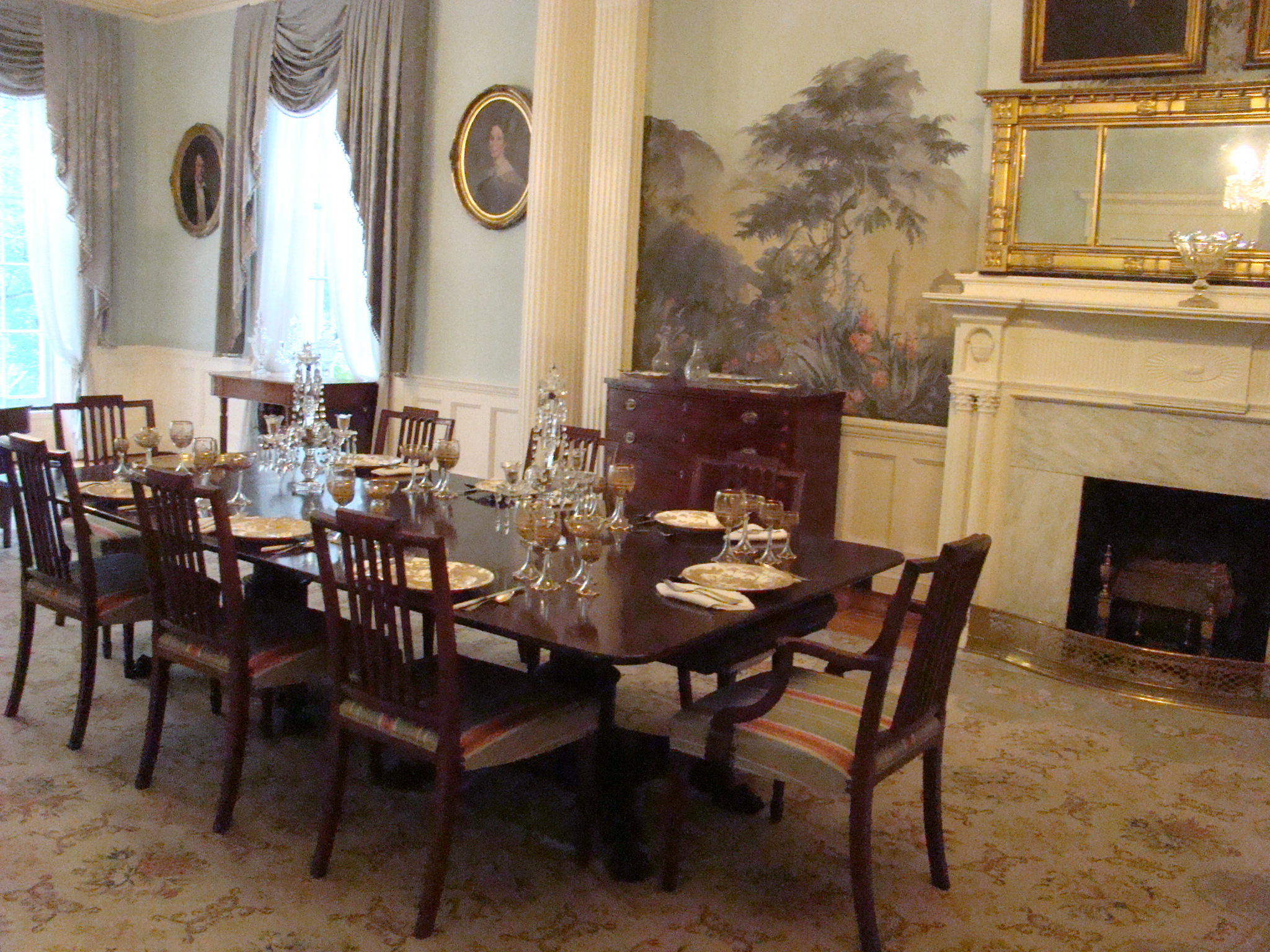
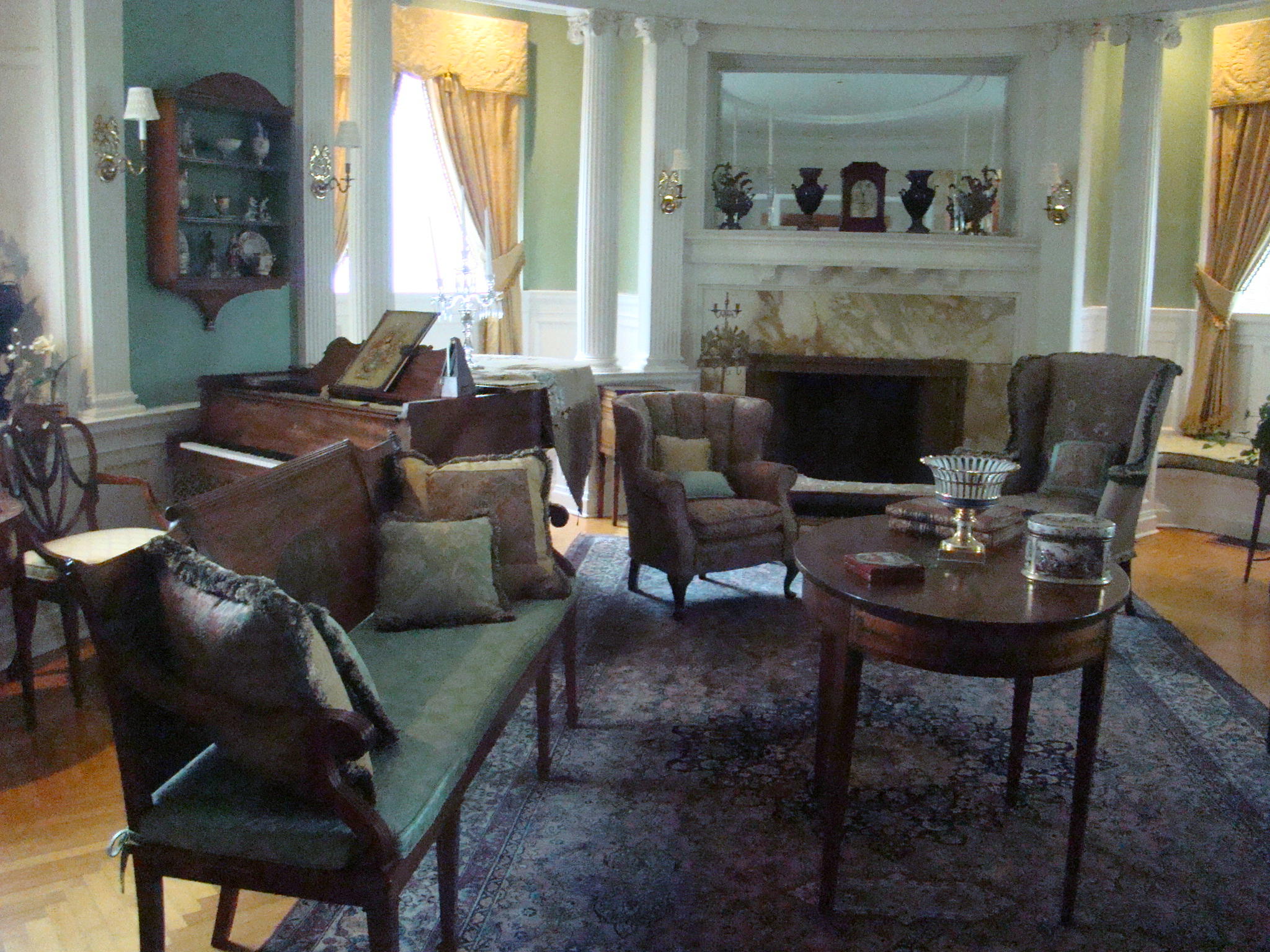
Today the house has been restored to appear much like it did during the time the Worthingtons lived there.  Much of their original furniture can still be seen. Worthingtons’ actual skeleton key was used to unlock the door to begin the tour, and felt lucky to have it in my possession for a short while. Upon entering the mansion, a beautiful large clock made by George McCormick and costing $35 at that time stands beside a beautiful staircase, which appears to be marble but was actually painted with a feather to achieve that effect. Throughout the house a shade of pink paint was used. Paint was very expensive at that time and the pink tint was achieved by crushing a special insect into the paint.

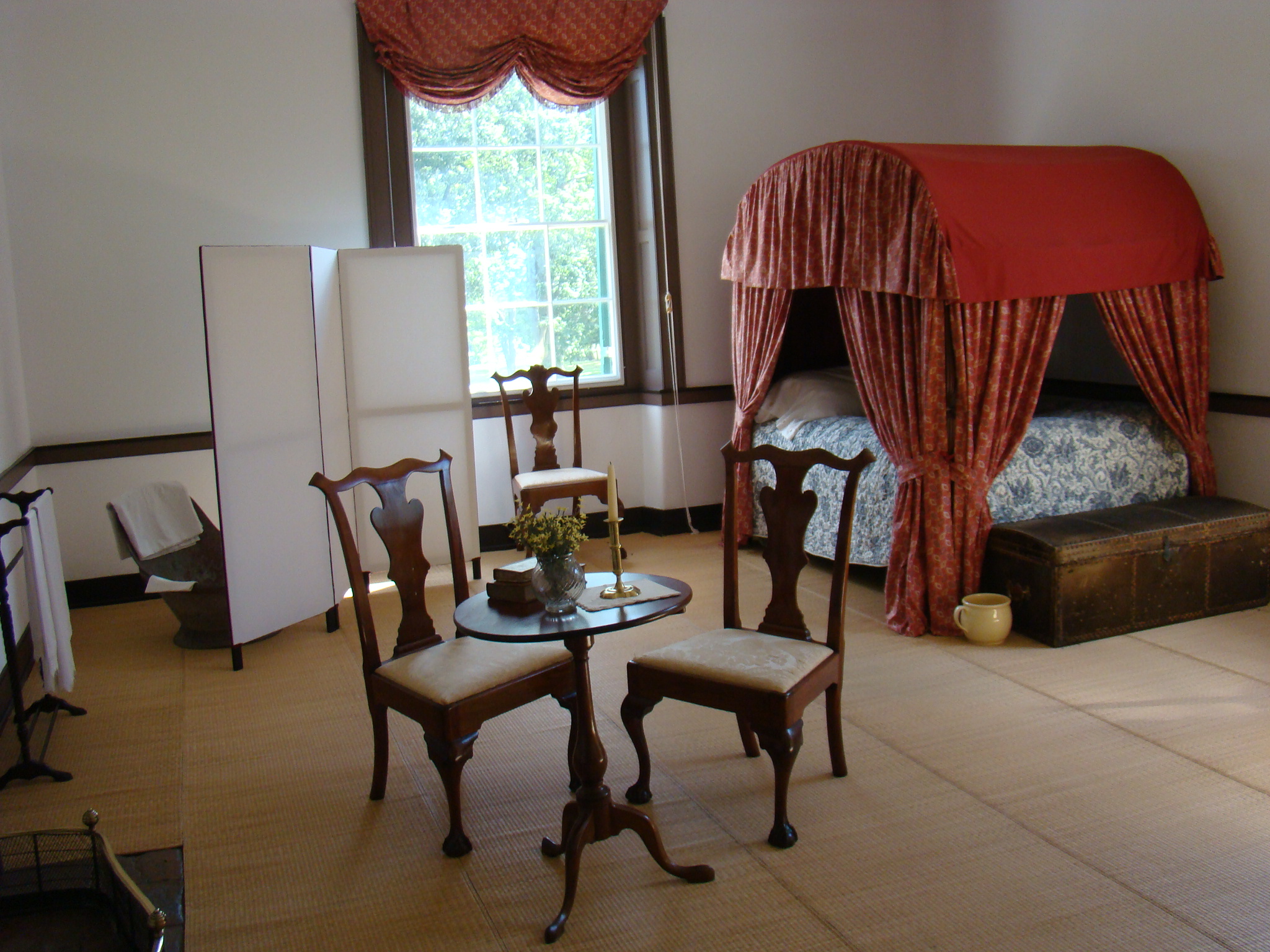
Ten children were raised in the nursery, which strangely enough had no heat. Guess they had to be strong to survive, but none of those children died.  The parents’ room was next to them and had a nice fireplace so hopefully they kept the door open. Worthington’s wife, Eleanor, taught the children in the parlor while running the household from there at the same time. On the wall was a list of Family Maxims to live by, for example: “Keep everything in its proper place, do everything in its proper time, and delay not till tomorrow what should be done today.”

The rooms on the second floor were all bedrooms, except one which was perhaps a servant’s room, and a large dark closet where, it was told, they placed children when they misbehaved. Many famous guests stayed here including Henry Clay, General William Henry Harrison, and President James Monroe.  Of special interest was the screen on the left side, which hid from view their bathing area.

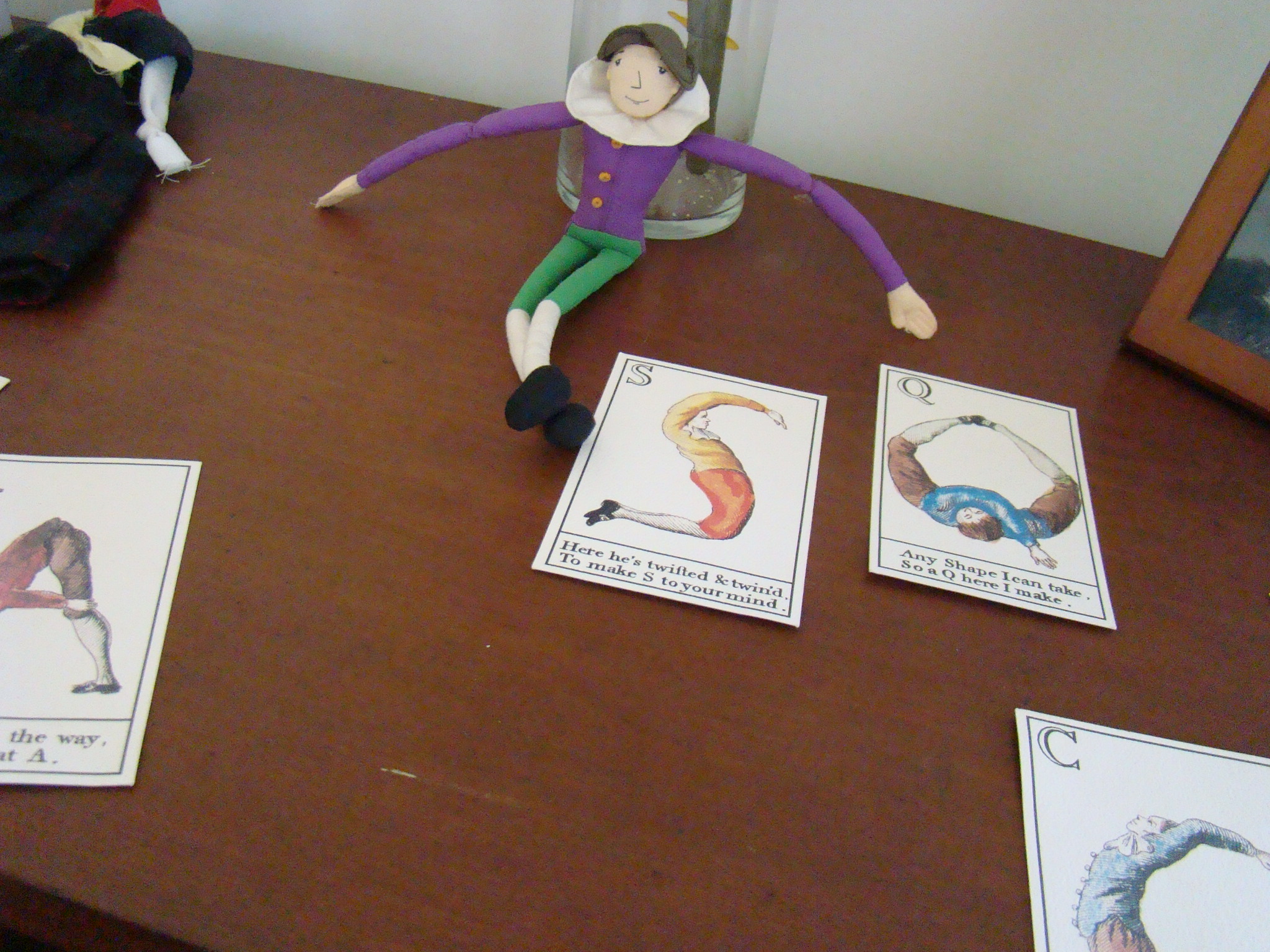
Among the  four bedrooms upstairs, there was one for the boys and another for the girls. Although there were ten children, there were seldom more than three in a room at one time. On the dresser in the girls’ room was a set of cards for learning the alphabet with a flexible Mr Hodge Podge to bend to the shape of the letters.  Guess the girls had homework even way back then. Education was very important to the Worthington family and they even thought it important to educate the girls, which was not a common occurrence in the 1800s. Imagine they took a break now and then and looked out the window at the beautiful gardens surrounding their home.

After reading a book on ancient history, on Sept. 18, 1811, Thomas Worthington wrote in his diary: “Adena” a name given to  “places remarkable for the delightfulness of their situations.”  It becomes apparent that visitors experience this same type of feeling by the smiles on their faces as they explore this beautiful mansion from years gone by.

The Adena Mansion is located Northwest of Chillicothe, Ohio just off State Route 35. Directions are well posted to the Adena State Memorial, which includes the Mansion and Gardens.  It is a short walk through the Gardens to arrive at the Mansion. Admission is reasonable but you need to check their schedule for hours opened.

Waddington Farm Becomes Oglebay Park

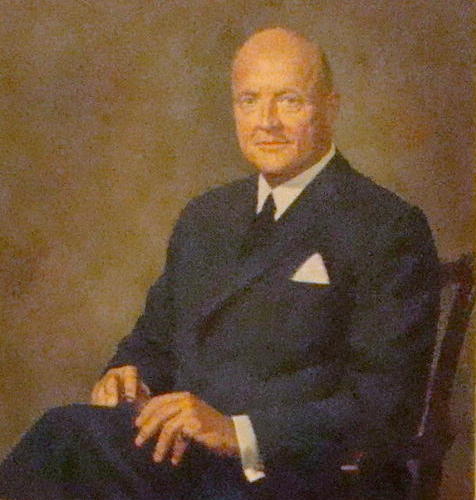
Exquisite! A feeling of wealth poured from the Oglebay Mansion Museum in Wheeling, West Virginia. In 1900, Earl Oglebay, Cleveland industrialist and Wheeling financier, purchased Waddington Farm to use it for experimental ideas such as crop rotation and soil improvement. He worked hard to develop quality of life for rural farmers and supported development of 4-H clubs.  His methods were considered outlandish at the time, but soon opened the eyes of many in the world of agriculture. After his death, he left Waddington Farm to the people of Wheeling and today it is Oglebay Park.

Everywhere you looked, you saw high quality, beautiful antiques in their home. When you visit, there are recordings to tell you about the furnishings, paintings, and life of the family in each room. But the Museum has more in store for you than just beautiful furnishings and paintings, as they have gone to great lengths to provide a history of the area as well.

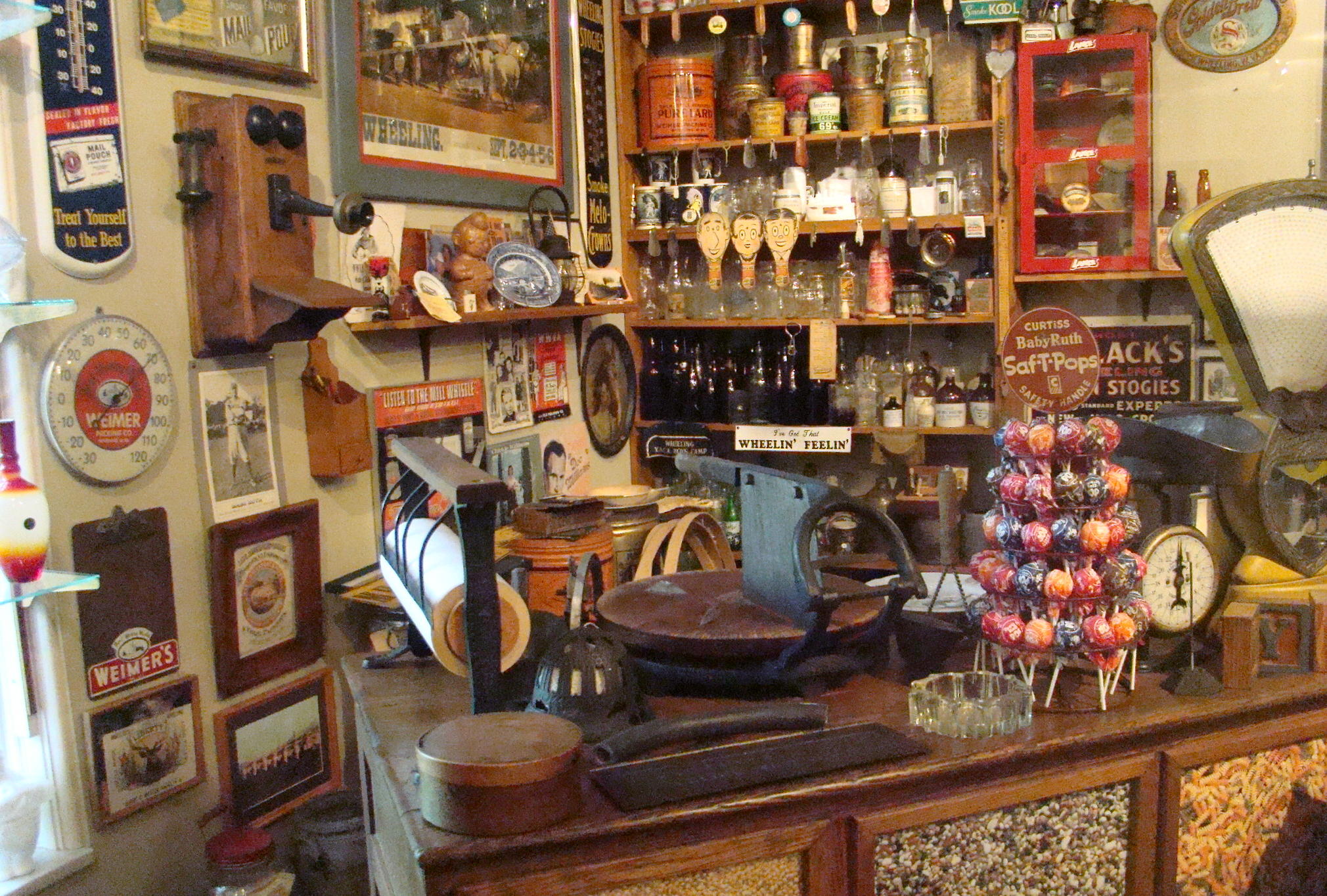
The Pioneering Spirit Exhibition features the history of Wheeling, plus stores and rooms of the early 1900s. Wymer General Store and Sinclair Pharmacy are two of the highlights. Especially enjoyed the General Store as my grandfather had a very similar one. It was a step back in time to see the old candy case, roll of meat wrapping paper, scales, and all the things that created a  one stop place to shop many years ago.

Earl Oglebay’s only grandson, Courtney Burton, was much in evidence in several large oil paintings scattered throughout the house. Courtney always enjoyed horses, even as a child.  The story was told that he even brought one to the bedroom in the mansion, after riding around what is today Oglebay Park.  As he grew up, his love for horses made him a champion polo player and a master of foxhounds.

Here you find the history of Wheeling from pioneer to Victorian time depicted in pictures, stories, and displays. The name Wheeling was actually a piece of Native American vocabulary, Weelunk, which means place of scalp or skull. Indians decapitated early settlers there and placed their skulls on poles in the Ohio River, creating a unique “No Trespassing” sign. But when Ebenezer Zane’s family settled there in 1769, they said Wheeling was “a vision of paradise.”

Downstairs there is a changing exhibit, which at this time was In Their Wake: Wheeling and the Steamboat Revolution. 2011 is the bicentennial anniversary of the first successful steamboat, New Orleans, that traveled  down the Ohio and Mississippi Rivers to New Orleans with passage costing $30.  The exhibit displayed the many changes that occurred in Wheeling manufacturing and the influx of travelers and new residents into the city.  Wheeling is listed as the birthplace in 1816 of the  American steamboat, The George Washington, which set the pattern for future steamboats.  Also on display were pictures of the original Wheeling Suspension Bridge built in 1847. At that time it was 1,010′ from tower to tower and the longest suspension bridge in the world.

What a beautiful mansion in the rolling mountains of West Virginia!  Imagine spending a quiet evening in the favorite room of the Oglebays surrounded by the treasures of yesteryear. Musical activities were a popular relaxation and many of the rooms contained a piano, organ, or record player. What an elegant place to spend the evening. What a wonderful life!

Oglebay Mansion Museum is part of the Oglebay Institute in Wheeling, West Virginia.  Located just off I-70 at Exit 2A, follow posted signs to Oglebay Park. Continue on Lodge Drive up the mountain side to the Mansion, which is open most days from 9-5. 

Adena Mansion and Gardens Education Center

“Father of Ohio Statehood” describes Thomas Worthington, original owner of Adena Mansion near Chillicothe, Ohio.  Before visiting the Mansion, an interesting tour of the Education Center there provides background information.

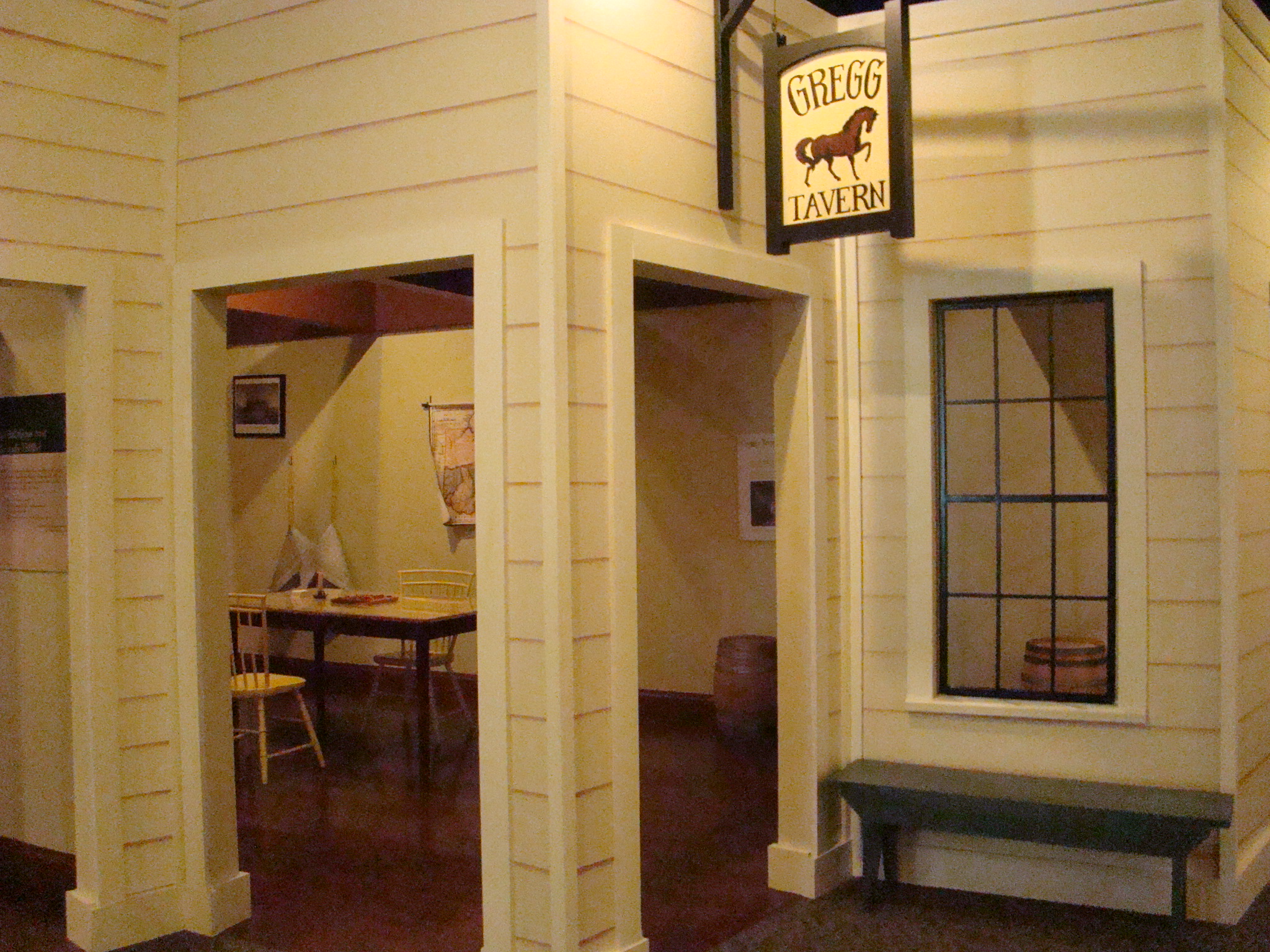
A short film, “Debate for Statehood” at the Adena Mansion and Gardens Education Center, describes the battle for Ohio becoming a state starting back in 1801. Many of the discussions for and against statehood were held at Gregg’s Tavern, which has been reproduced here.  The tavern provided food, drinks, entertainment and a place to sleep. This is where people heard all the news from travelers and locals, and even read the newspaper.

Protests were held at Gregg’s Tavern to oppose Northwest Territory Governor Arthur St Clair’s proposition to divide the land, which we presently know as Ohio, by an entirely different plan than originally proposed by the Northwest Ordinance. Opposition, led by Thomas Worthington, was so strong in the Chillicothe area that St Clair was burned in effigy outside Gregg’s Tavern on Christmas Eve. Eventually St Clair’s plan was not accepted and  in 1803, Ohio became the 17th state with its capital located in Chillicothe.
A tomahawk ceremonial pipe belonging to Tecumseh, Shawnee Indian Chief, is featured in The Tomahawk Room.  When Tecumseh visited Thomas Worthington at Adena in 1807, he found that Worthington was a man of peace and said he would never raise his tomahawk toward him. He presented the ceremonial pipe to Worthington for his efforts to bring peace between whites and Indians. Blue Jacket, warchief for the Shawnees, and Tecumseh were frequent guests at the Worthington home.  Mrs. Worthington was actually afraid of the Indians and often stayed in a different area of the house when they arrived. Even though the Indians were friendly, they always slept outside.

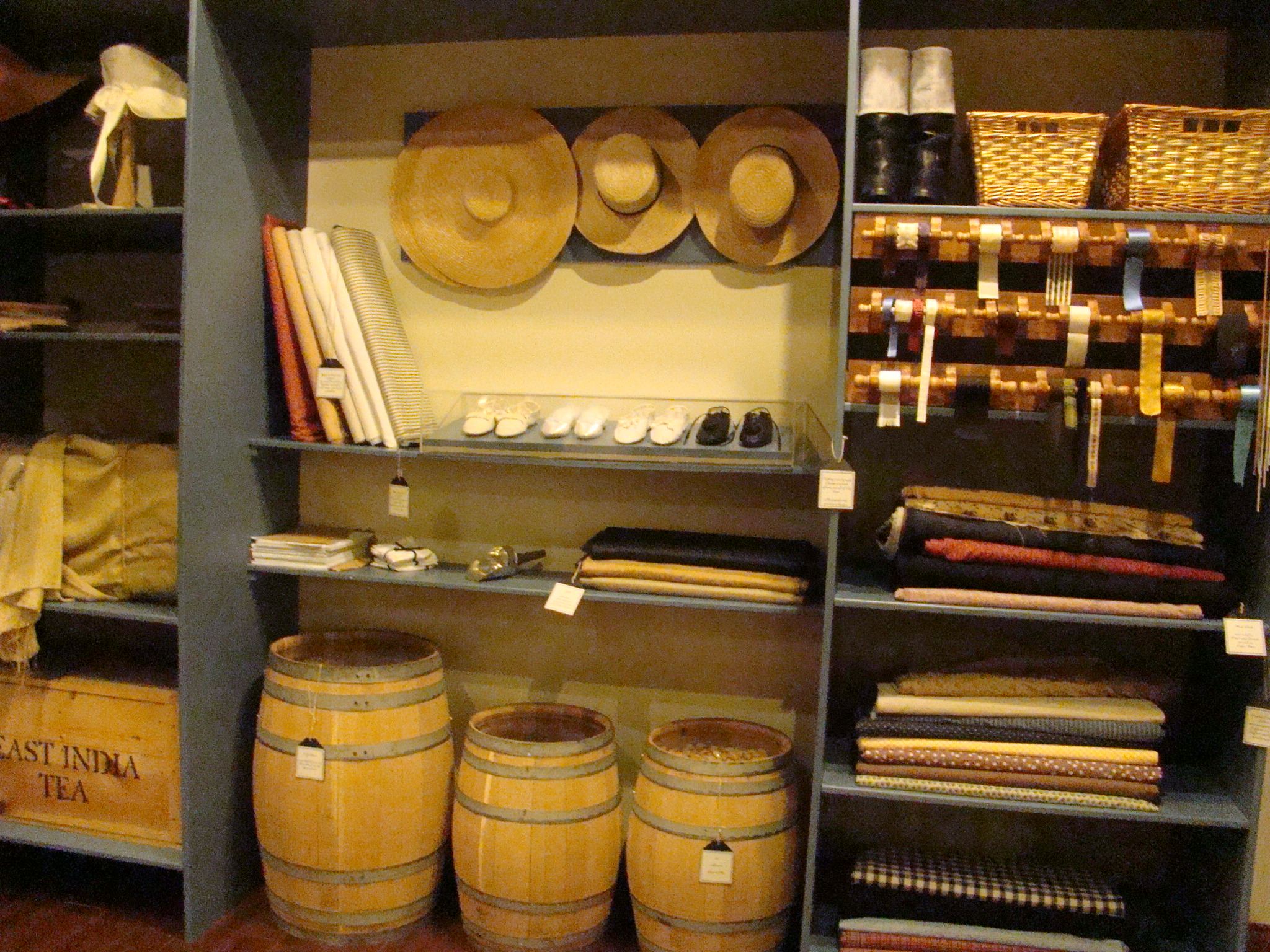
Another area of the Education Center replicated the Dry Goods Store of that era.  Merchandise here was usually paid for either by trading another item or put on credit.  There was a ledger on the counter to track the credit purchases. At this time people were lucky if they received fifty cents a day in pay, so prices of goods were considerably lower also. For example, a chicken cost about six cents, while you could get a barrel of flour for four dollars.  The Dry Goods Store was also the post office where you paid twelve and a half cents to pick up a letter.

Before leaving the center to tour the Adena Mansion, had to stop and play a video game…which definitely wasn’t around then.  An interesting game, River Trader, let you load your boat with products of your choice and transport them to a final destination.  There were problems and choices along the way as you might get stuck on a sandbar or have your produce spoil.  But at the end of the journey, you were given a profit for your trip.  Made $6,381 profit on my first trip and became a Great Trader.  The caption said: You should run for County Commissioner.  What fun!

Stop by to learn more about early Ohio history as well as the influence of Thomas Worthington, one of the founding fathers and first United States Senator from Ohio. See how early pioneer families lived, worked, and played.

Adena Mansion and Gardens Education Center is located Northwest of Chillicothe, Ohio just off State Route 35.  Directions are well posted to the Adena State Memorial, which includes the Mansion and Gardens.  Admission is reasonable but you need to check their schedule for hours opened.

Oglebay Institute Glass Museum Sparkles

Fire Art!  Hot! Hot! Hot! From the days of the early Romans to today in West Virginia, the art of blowing glass hasn’t changed dramatically. Inspire your imagination while visiting Oglebay Institute in Wheeling, West Virginia.

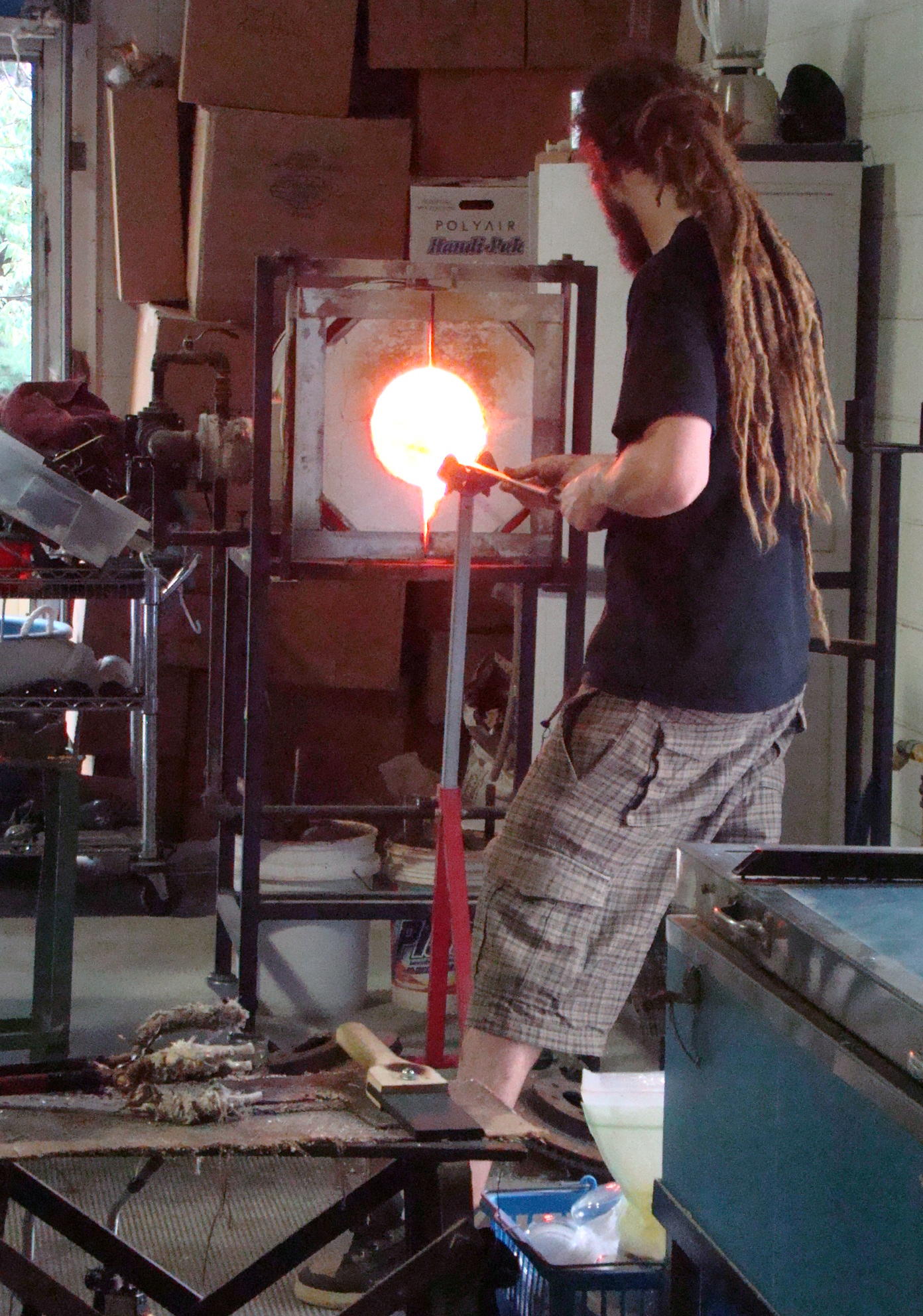
In the lower level of Carriage House Glass, the Oglebay Institute Glass Museum demonstrated the art of making various objects using glass blowing techniques.  A young man showed visitors how to form bowls, bottles, and paperweights using his many artistic skills.

Imagine working day after day in front  of an oven where the temperature was 2400 degrees F.  Yes, that figure is correct. Would feel like heat from an erupting volcano! That is the temperature needed to melt the raw materials used in the manufacture of glass.

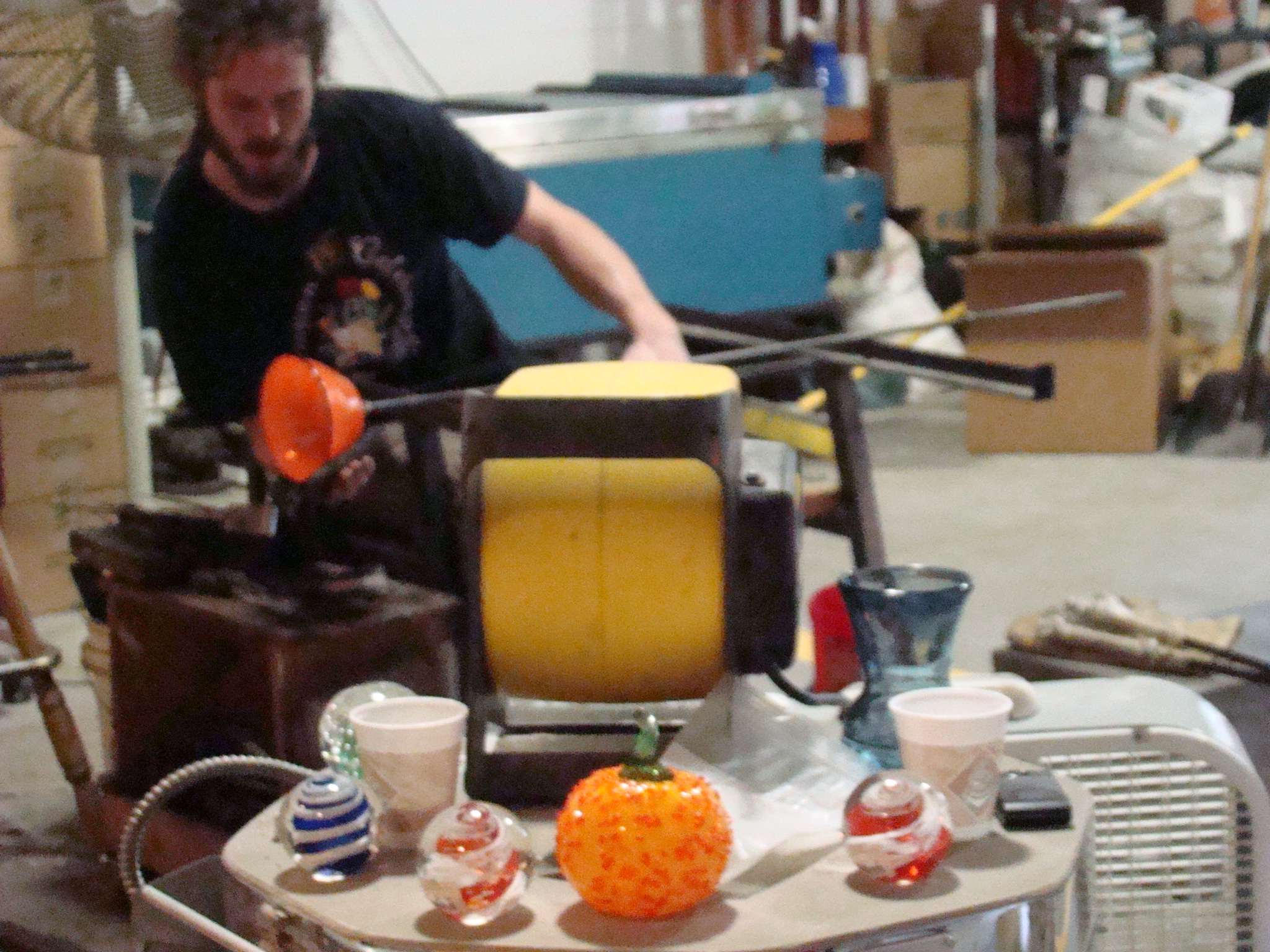
After the glassblower gathered a ball of glass on his blowpipe, the pipe was placed into the heating drum to get the glass to a temperature of at least 2200 degrees.  This is one hot job! He then took the glass and placed it in a mold to shape the glass into the object he wished to turn out. Several trips were necessary between the furnace and workbench to shape, finish off the rough edges, and flatten the bottom before he could break the newly formed object from the blowpipe.  He just hoped he had used the right temperature, and the correct strength of tapping to remove the object, or else his work would have been in vain and there would be a pile of broken glass.

But this time all went well and the glassblower, who had been doing this for five years now, put the bottle in a cooling tank, called an annealing oven, where the temperature would slowly be reduced to prevent cracking. In a regular glass factory, this cooling process would take place on a cool-down conveyor belt. In the picture at the left, you see examples of some of the beautiful paperweights, cups, and containers made using the art of glassblowing. Individuals can also make their own paperweights here…with a little help from the glassblower!

The glassblowing demonstration was just a small corner of the Glass Museum, where over 3000 pieces of Wheeling Glass (1829-1939) were on display as well as Northwood carnival glass, Victorian art glass, and many more.  Display cases glistened with the sparkling handcrafted glassware, as well as Ohio Valley pottery.

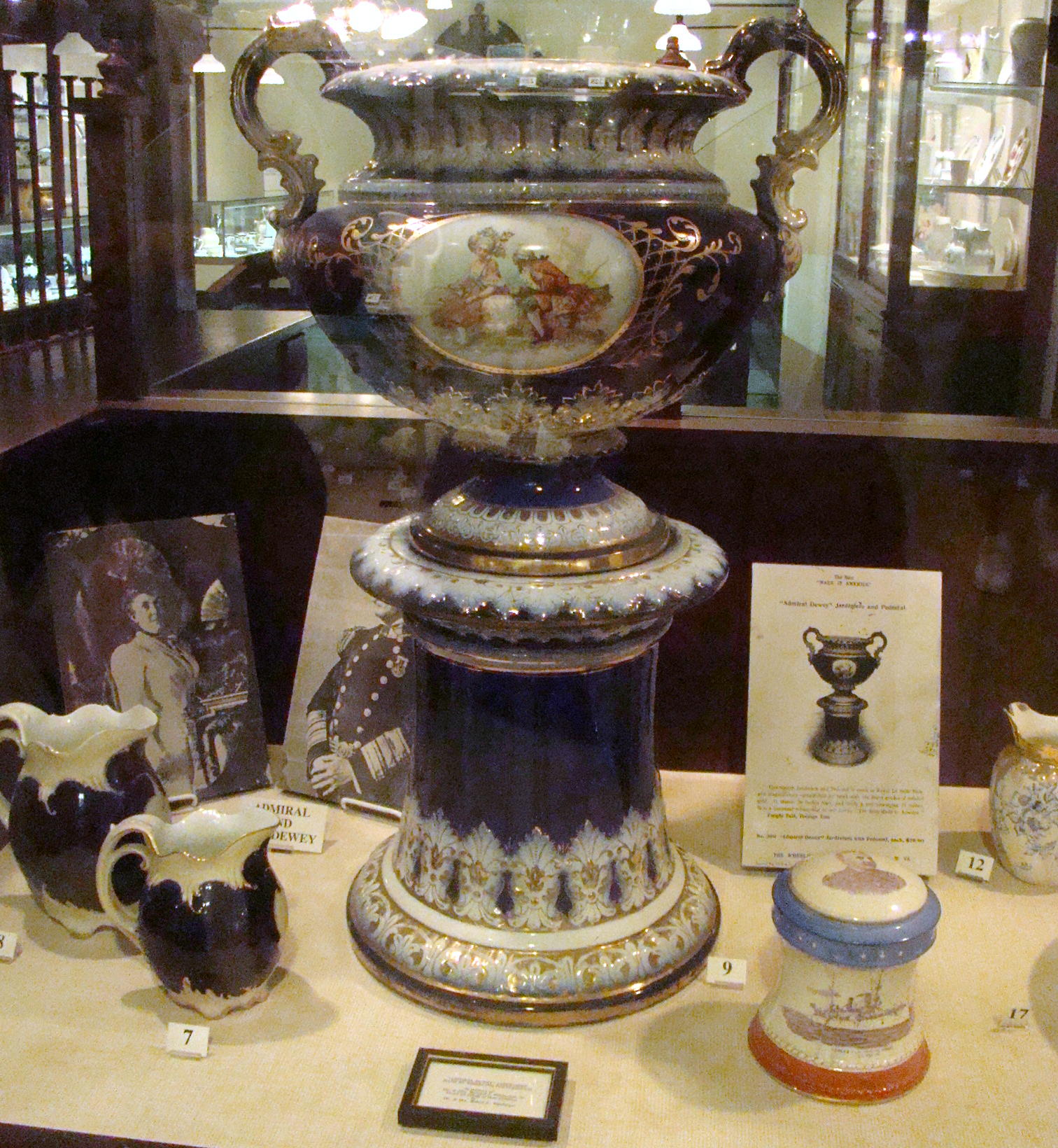
Among the popular pottery pieces, stands  a magnificent Flow Blue Jardiniere and Pedestal that belonged to Admiral Dewey.  Made by the Wheeling Pottery Company, it features a scene of Spanish American War naval hero, Admiral George Dewey. It was presented to the Deweys on a visit to Wheeling in the late 1800s. The Jardiniere stands about 3 1/2′ high and would originally have been used to hold flowers in a well-to-do Victorian home. This is thought to be the only Dewey Jardiniere of this size still existing.

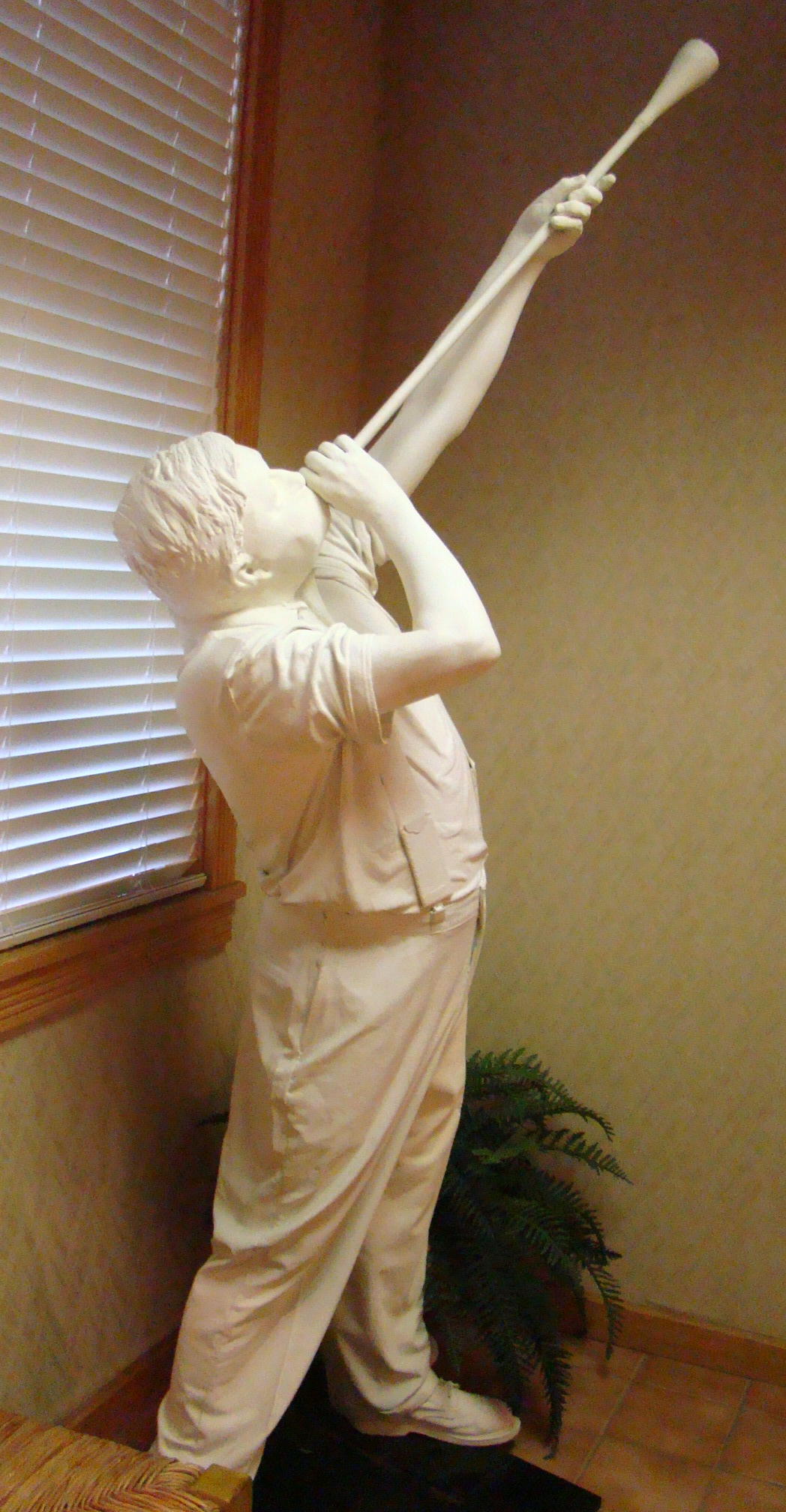
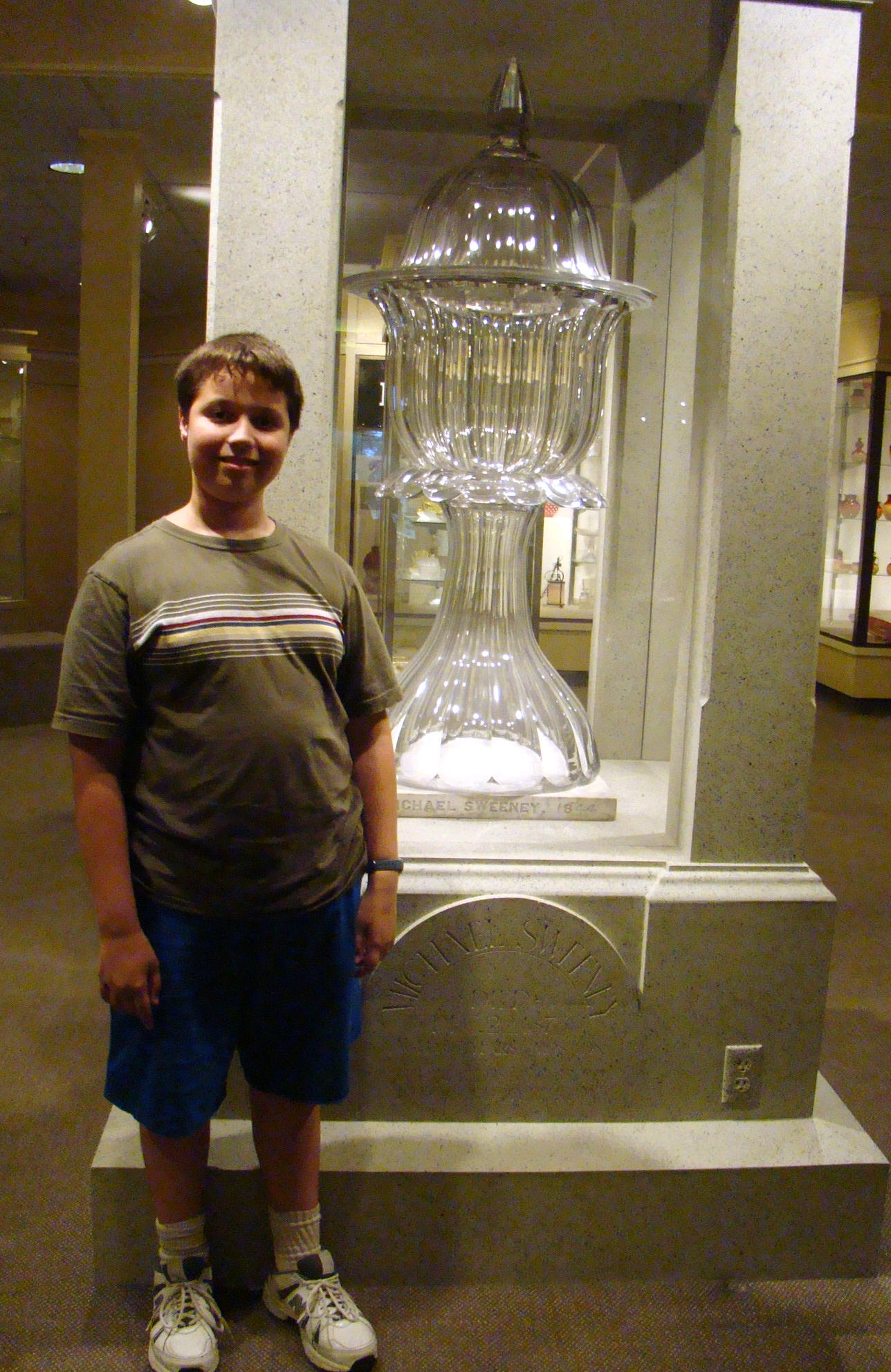
in 1849, the Sweeney brothers, Michael and Thomas, designed the largest cut glass crystal punch bowl ever made.  Sweeney Punch Bowl weighs 225 pounds and stands five feet tall, nearly as tall as the young man in the picture. After a disagreement occurred between the brothers,  Michael claimed the piece as his own work,  and for seventy four years it sat glass encased on his grave in Greenwood Cemetery in Wheeling, West Virginia. As you might imagine, when Thomas returned to the area and found the work claimed by Michael alone,  he was speechless. Today this priceless work of art is the centerpiece of the Oglebay Institute Glass Museum.

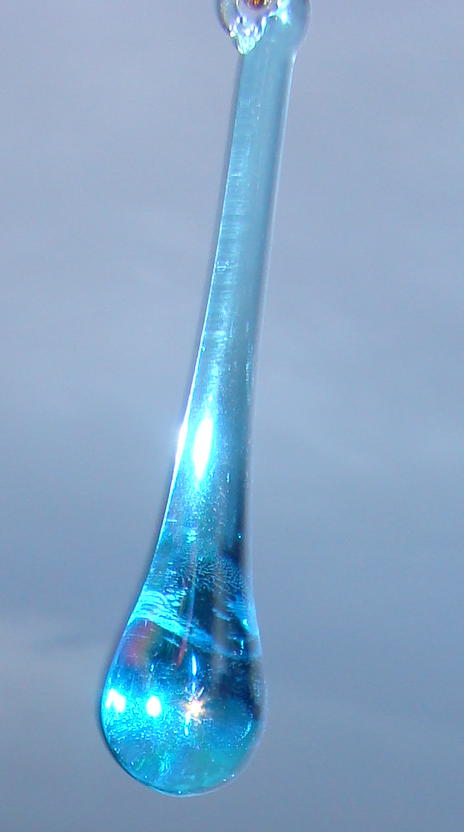
Back upstairs, Carriage Hill Glass Gift Shop was filled with unique, decorative gifts made of glass and pottery. There was everything from stained glass pieces to beautiful dinnerware, and their popular Glass Rain Drops. As a single raindrop raises the sea, so each of us makes a difference in the world – some cause storms and others grow flowers. Handcrafted glass continues to make a big difference in the world as people create their individual masterpieces.

The Museums of Oglebay Institute are located in Wheeling, West Virginia just off I-70 at Exit 2A. Then follow the Oglebay Park signs. Admission for both museums is a reasonable $10 per person. 

Anne of Green Gables – Prince Edward Island

“I know I chatter on way too much…but if you only know how many things I want to say and don’t,” exclaimed Anne, the  fictional, red-haired orphan from Cavendish on Prince Edward Island, Canada.

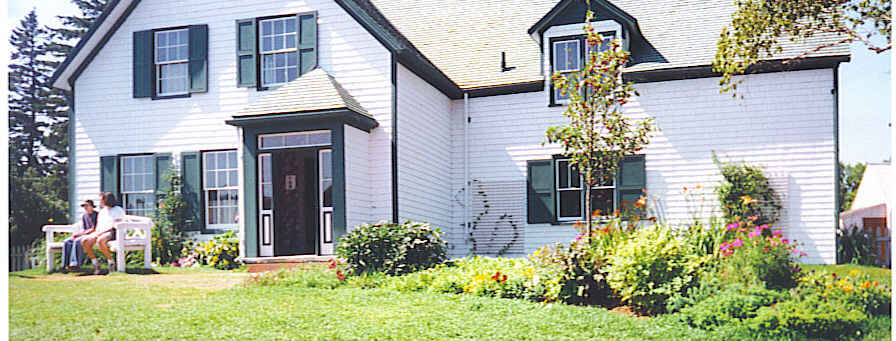
Green Gables is the house where author, Lucy Maud Montgomery, drew her inspiration for writing the famous children’s story, Anne of Green Gables, way back in 1903.  Since the book has sold over 50 million copies, it is understandable that the area has been developed as a tourist attraction with Anne at its center.

According to this old tale, Anne was an orphan adopted by a brother and sister on Prince Edward Island.  She was always an imaginative, redheaded girl and quite the chatterbox.  This is the story of her growing up in Avonlea and eventually teaching at the Avonlea School.

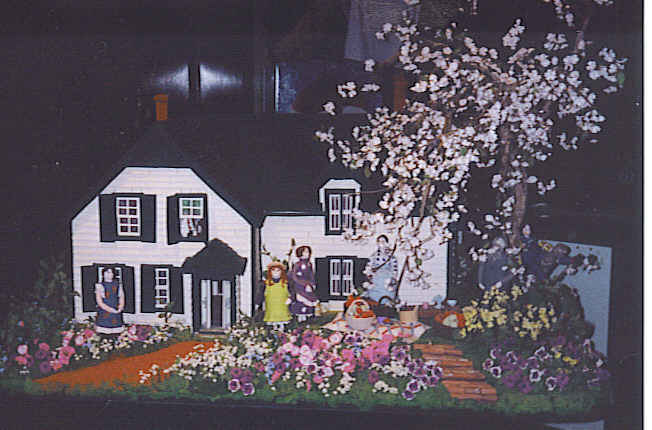
Inside Green Gables, there was a beautiful cake designed to image the house with all edible decorations. Hopefully, it was flavored with vanilla, and not liniment that Anne accidentally once used in her cake.  Within walking distance are Balsam Hollow and the forest that inspired Haunted Woods. Sometimes it is very relaxing to get away from the excitement of the day and stroll through the woods where Nature’s peace will surround you.

The nearby town of Avonlea is the place that Anne went to church and school. Throughout the village, bits of the story were being performed along the street and had pretty much stopped traffic, at least the walking kind. In one small shop, a woodcarver was cutting a five foot wood sculpture of Anne.

In the evening watched a local Variety Show which included everything from ballads to step dancing to fiddling. There was even a surprise performance by a local legend, who just happened to be in the audience that night.  Surprises always make these road trips more exciting.

Drove on to Charlottetown, the big city on the island, with 32,500 people. Visited a beautiful Art Gallery as well as Confederation Shopping Center, which covered three levels over a city block.   Then on to a very interesting and well done performance of “Anne of Green Gables“, the musical version, at the Confederation Centre Theater.

Beaches naturally abound on the island and one of the most intriguing is The Singing Sands Beach at Basin Head.  Here the waves don’t actually break in close to the beach, they just hum in. It is a mystical place to slip off your shoes and take a long walk.

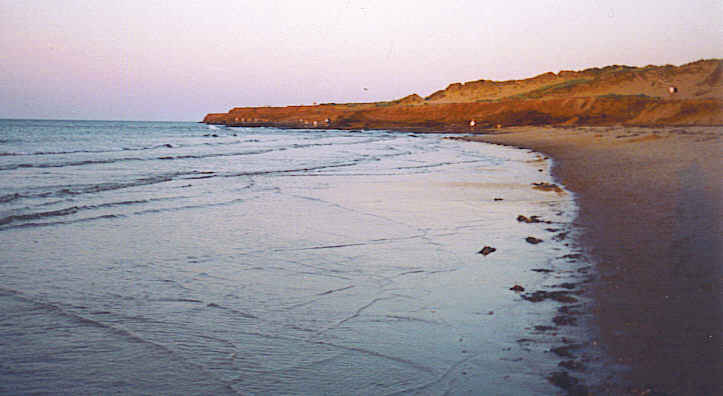
On down the road, red sandstone cliffs make for a scenic Cavendish Beach walk along the beautiful Gulf of St Lawrence.  Great place to read a good book, or go for a sunset stroll to relax from all the cares of the day, and think peaceful thoughts…or maybe plan your next road trip.
Be certain you reread the book, Anne of Green Gables, before heading for a visit to Prince Edward Island. Anne had a very inquisitive mind and leaves you with this thought:

  • “Isn’t it splendid to think of all the things there are to find out about? It just makes me feel glad to be alive–it’s such an interesting world. It wouldn’t be half so interesting if we know all about everything, would it? There’d be no scope for imagination then, would there?”
    – Lucy Maud Montgomery, Anne of Green Gables

Land of the Dinosaurs

If these bones could talk, what stories we would hear! Take a trip back in time and explore the  Dinosaur Gardens in Vernal, Utah to see life size replicas of dinosaurs as they used to roam this region; then head to the quarry to see some fossilized dinosaur bones.  These unusual gardens and a wonderful museum are part of the Utah Field House of Natural History State Park. Inside you will find real fossil skeletons, a Fossil Lab plus an interesting film, while outside the beautiful dinosaur replicas along the garden path give you a great size comparison. It is like visiting a prehistoric zoo!

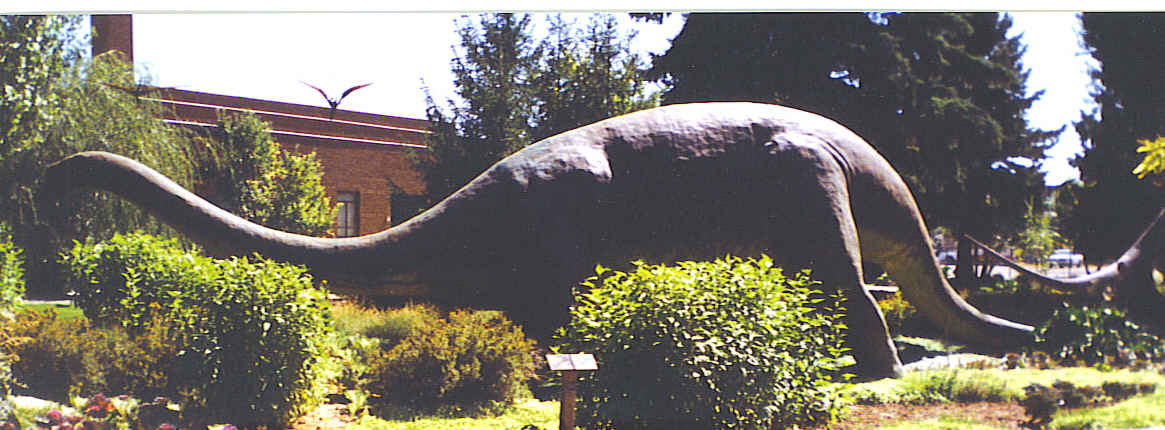
One of my favorites was the Brontosaurus, now also called Apatosaurus due to a scientific battle.  This long necked, plant eater just seemed a peaceful animal in spite of its size. Often 70 foot long, “Thunder Lizard” weighed up to 30 tons. Being the symbol of Sinclair Oil, it is one of the most familiar dinosaur images.

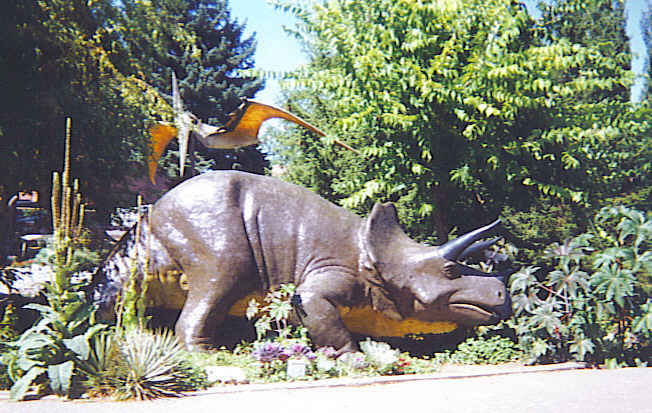
Triceratops was the most famous horned dinosaur as its fossils are found in greater numbers than any of the others.  Even though they looked quite fierce and were very successful in battle, Triceratops were plant eaters. Their strong jaws made it possible to grind up vegetation, probably including small flowering shrubs. Triceratops was about twice the size of a rhinoceros, with four short legs and three horns on its face.  People often find it difficult to fathom that this creature lived approximately 65 million years ago.

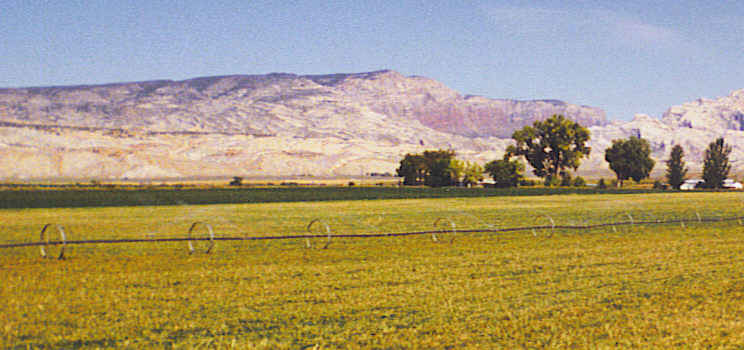
As we head North from Vernal, we pass movable sprinkler irrigation systems as we glimpse our first view of Dinosaur National Monument in the distance. Early settlers developed an irrigation system, which is assisted by Flaming Gorge Dam today, to provide water to the developed farming area. Before irrigation and the building of dams, this area was a barren cactus flat and not considered a desirable place for settlement.
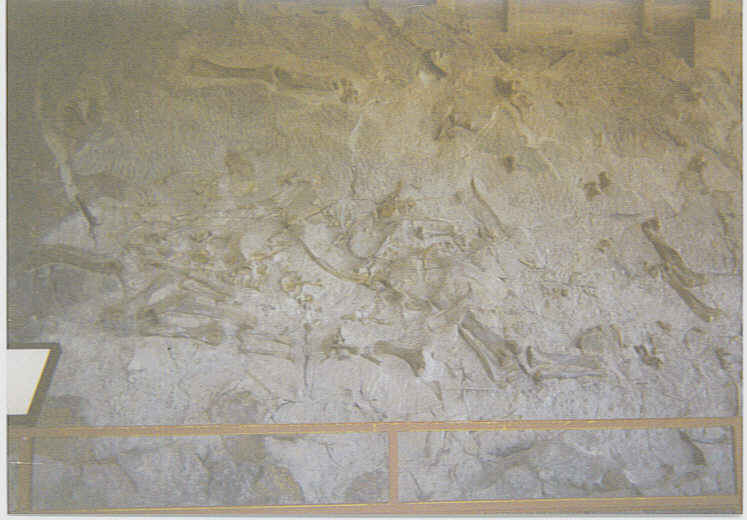
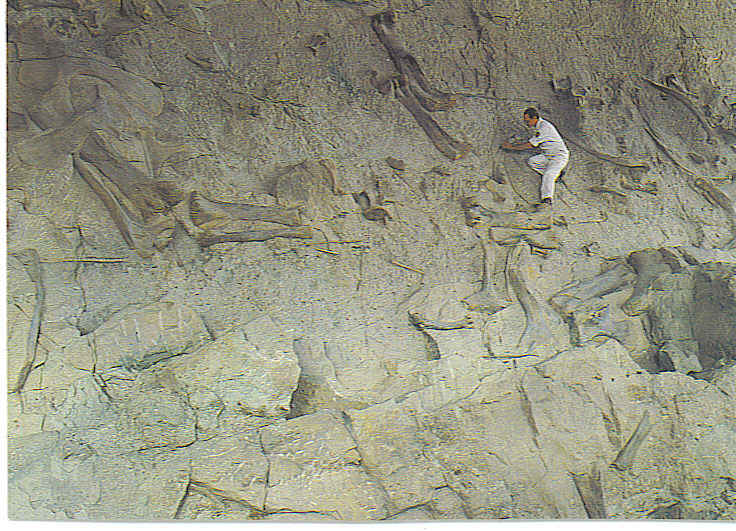
Upon arrival at Dinosaur National Monument, you find a large quarry of dinosaur remains in an exposed sandstone wall. The actual Quarry Visitor Center is in Utah, while most of the Dinosaur National Monument extends into bordering Colorado.

Discovered in 1909 while searching for fossils for Carnegie Museum, this area is thought to be the best in the world for obtaining information concerning late-Jurassic-period dinosaurs. It would appear the dinosaur carcasses were washed down the Green and Yampa Rivers, then caught on the sandbars, which eventually turned to rock. After all these years, there still seems to be no end to what can be found buried in this rock face.

At the present time, The Quarry Visitor Center is being rebuilt due to structural problems with the original building, and expected to reopen in the Fall of 2011. In the meantime, you can walk the Fossil Discovery Hiking Trail to see dinosaur fossils in the cliff face – as long as the temperature is below 95.  The trail is actually closed for safety from heat related problems when it exceeds that temperature.

When there several years ago, it was amazing to see the vast amount of fossils naturally exposed in such a small area. Enjoyed watching the paleontologists at work on the sandstone surface, carefully chiseling away the sandstone from the fossilized bones.

Stop back after October, 2011 to see the new Quarry Visitor Center. An interesting place to visit, but would be more exciting to be part of the dig, and chisel bones from the wall…very carefully.  Maybe you could discover something yet unknown!

Blue Heron Coal Mine in Cumberland River Valley

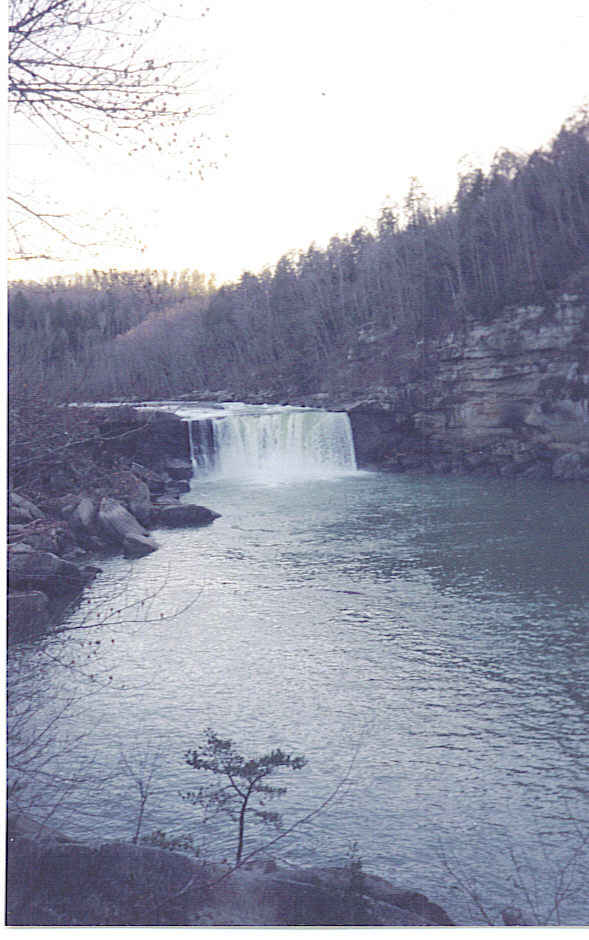
After walking along the beautiful Cumberland River, decided to take a break in an abandoned coal mining town.

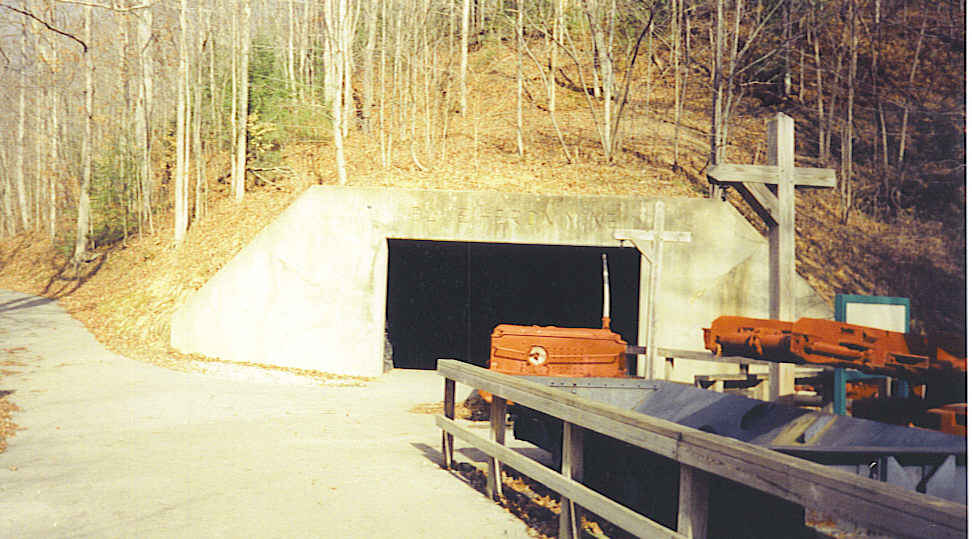
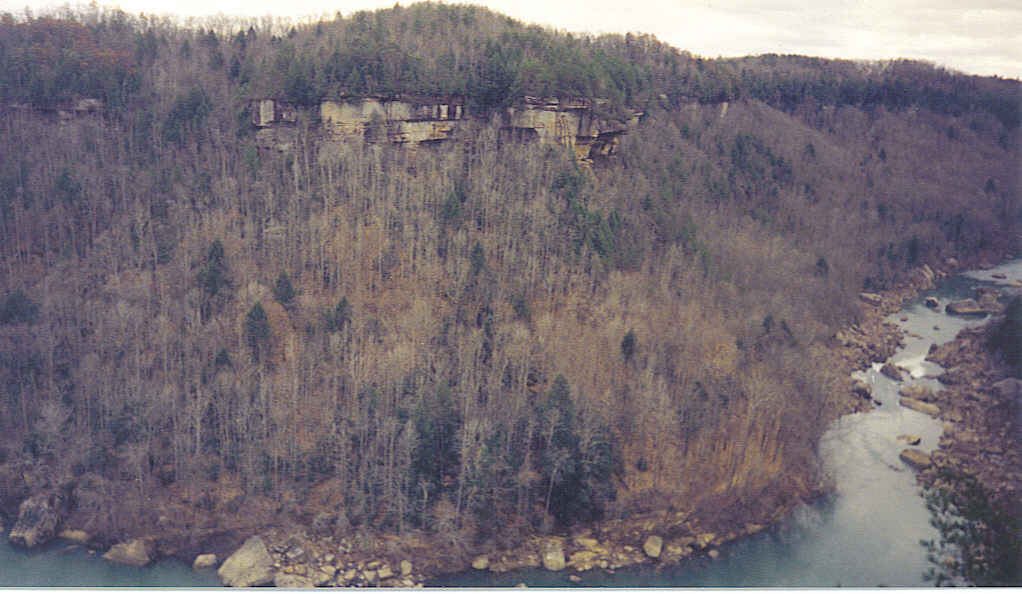
Today this old mining camp has been restored as an historical tribute to the people who lived and worked there…kind of a museum to Old King Coal. No. 18 Mine Blue Heron is located in the hills of Kentucky near Stearns in the Big South Fork National River and Recreation Area. Carved in the side of a mountain, it overlooks the Big South Fork of the beautiful Cumberland River.

Since this stop was in the winter time, the museum was not open, but still could enjoy the atmosphere of the mining camp. There wasn’t another living person around that day so had the freedom to move at a leisurely pace along the paved walkways in this re-created mining town.

…”I owe my soul to the Company’s Store.” That was the life of the coal miners in this small town of Blue Heron  from 1939-1962. From this isolated location, everything they purchased had to come through the Company Store. Instead of cash, miners would “draw scrip”, unexchangeable credit vouchers which could only be used at the company’s store. Coal companies had their own scrip coins with their personal emblem , thus indeed miners did end up owing their soul to the Company’s Store. They had no way to establish cash savings to find another workplace.  Luckily, some coal mines gave their miners a choice of cash or scrip for payment, and eventually the United Mine Workers Union forced them to discontinue the use of scrip completely.

Stops along the way contained recordings of the miners’ stories and provided a resting place as well.  The voices heard were those of long ago residents of Blue Heron as they shared their stories and memories of life at the mining camp.

Just looking into the entrance of the Blue Heron Coal Mine gave an understanding of what these miners faced each day. Inside there were figures of miners picking, drilling, and loading.  One of the recordings there described the mine as “dark as a dungeon, camp as the dew,” as singer Merle Travis portrayed the mines in his 1946 recording.  Outside this entrance the coal cars and locomotives were originals from the mining camp.

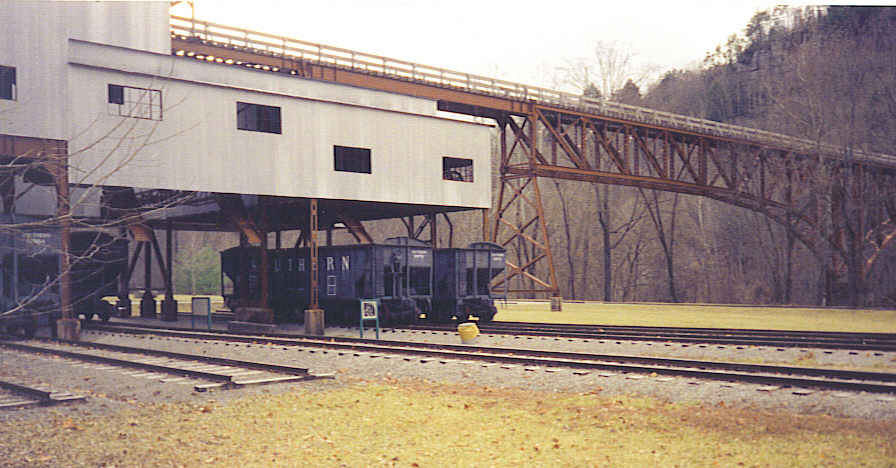
Was exciting to walk across the old tipple bridge to get a bird’s eye view of the area. This tipple was able to screen, separate, and load about 400 tons of coal an hour.

Sometimes over 200 men worked in this camp. When they got off work, most headed to the big bath house so they could shower and change their clothes before heading home for the day.  That saved a lot of coal dust in the houses! Workers actually went on a two day strike to get a bigger bath house, but of course didn’t get paid while on strike. Imagine their families really appreciated the cleaner workers coming home at night.

Learned a little more about the life of a coal miner…their living and working conditions. Next time perhaps will take the Big South Fork Scenic Railway, which reaches the heart of the canyon along the Cumberland River and drops passengers off for a visit to the Blue Heron Coal Mine.  Add a Coal Miner’s Lunch all wrapped up in a bandanna for a better taste of the mining experience.