Places to go and things to see by Gypsy Bev

Archive for the ‘Museums’ Category

Bottle Houses of Prince Edward Island

People who live in glass houses should never throw stones!  You certainly wouldn’t want any stones in the area where this unusual Canadian attraction has three different structures made of glass bottles.

Edouard Arsenault was a native of the area and lived in Cap-Egmont, Prince Edward Island, Canada all of his life.  His occupations varied from fisherman to carpenter to lighthouse keeper. After receiving a post card from his daughter of a glass castle on Vancouver Island, Edouard decided to recycle glass bottles in a very unusual manner. After collecting bottles from restaurants, dance halls, friends and neighbors, he spent the winter months in his basement cleaning the bottles and removing the labels. There aren’t many pop or beer bottles in his structures as those bottles at that time still had a deposit refund when returned.

When he was 66 years old he began construction of his first bottle house, a six gabled house composed of nearly 12,000 bottles.  This interesting arrangement of glass bottles measures 20′ by 14′  and is in three sections.  Carefully cementing 300-400 bottles per row, Mr Arsenault used bag after bag of cement as he carefully arranged the beautiful patterns. Everywhere you experience the serenity and beauty of the flowers he enjoyed.

The second house, a tavern, was constructed in a hexagon shape. Built in 1982 this is a much smaller house using 8,000 bottles. The pillar of bottles, viewed through this open door, stands near the bottle bar. This bottle cylinder is the only original part actually constructed by Edouard. Originally this building was used to house the souvenirs and special bottles that he did not want to be part of the structures. Today you will find here his personal collection of bottles that he felt had extra special features.

The chapel was the third and last building completed before his death.  It is a real work of art. Approximately 10,000 bottles form the chapel, complete with pews and altar. It was situated so that sunset streams in behind the altar giving a feeling of peace to those who visit.

Due to the terrible winters on Prince Edward Island, it was necessary to reconstruct these buildings in the late 1990s.  The same bottles were used in the original design.  The roof and center of the tavern are the only two that are almost completely the original structure.

A beautiful Acadian garden path meanders through the houses and ends up at the present gift shop.  Here you can find many locally made gifts as well as Prince Edward Island souvenirs.

These beautiful Bottle Houses are a real inspiration of what can be done with recycled products in our environment… and a lot of creativity.  Plus, they reflect beauty from every angle!
Sitka’s Russian Heritage

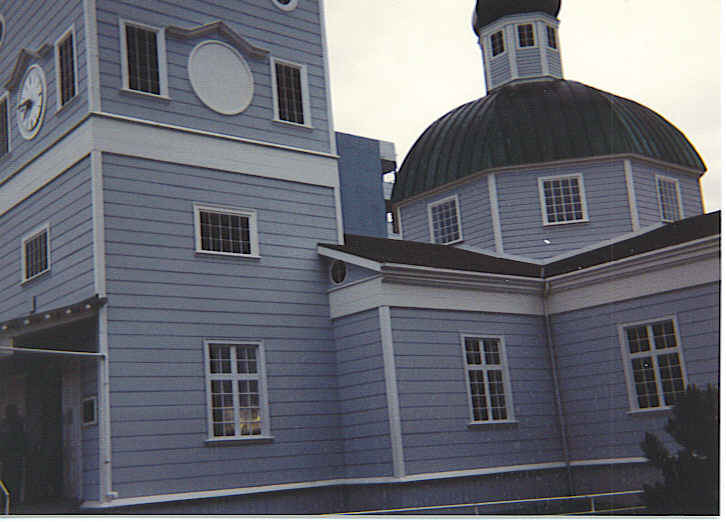
As you travel through the streets of Sitka, you will notice the Russian influence as it traveled to the shores of North America many years ago.  This was the Russian capital of Alaska in 1808 and the Cathedral of St Michaels, a Russian Orthodox church, was built there in 1848. It was rebuilt after a fire in 1966  but many of the religious relics were saved and can be seen, including gold crowns, chalices, books, and vestments.

Sitka was the site of the ceremony where the Russian flag was lowered and the US flag was raised after US purchase of Alaska from Russia in 1867. That purchase was called Seward’s Folly and was criticized at the time. At the price of two cents an acre, this acquisition turned out to be extremely rich in many natural resources including gas and oil.  The flag changing  ceremony is still held each year in Sitka on October 18, Alaska Day.

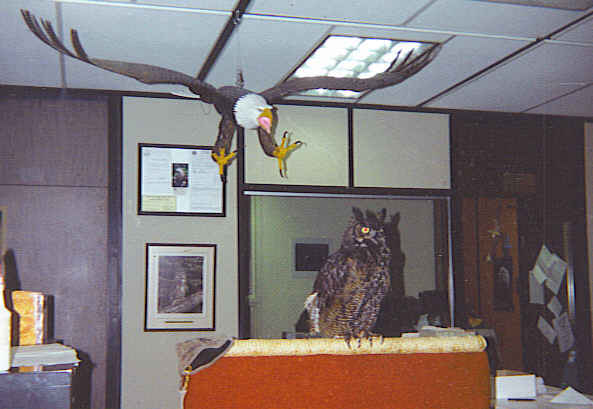
The Alaska Raptor Center is home for many injured bald eagles.  It is an education center that promotes understanding of the bald eagle as well as protecting the injured ones until they are ready for release back to the wild. Today they also had a large owl sitting in their office.  Good Morning America had filmed a segment here  regarding the injured raptors shortly before our visit.

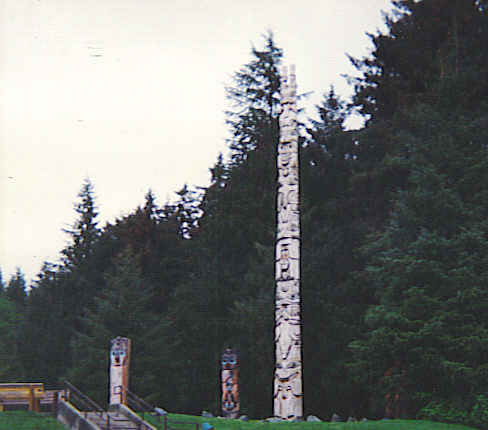
Totem carvers were at work carefully putting finishing touches on their creations at Sitka National Historical Park, Alaska’s oldest national park.  Native Tlingit Haida Indian Tribes’ carvings began in the 1800s mainly as interior houseposts. Imagine these natives  carving beautiful pieces of history on a cold winter’s day.  Many of the poles here are replicas of totems that were first exhibited in the 1904 St Louis World’s Fair.  Some of the originals have been saved from deterioration and are exhibited in  Totem Hall at the park cener.

Russian Folk Dances performed by the New Archangel Dancers were another highlight of the visit.  Their mission is to promote the Russian heritage through sharing ethnic song and dance in traditional costume.  They have performed since the eighteenth century and are an all female dance troop performing both male and female roles.  In the early days, Sitka men didn’t find it appropriate to engage in dancing. Not a manly activity!  The audience thoroughly enjoy their performance.

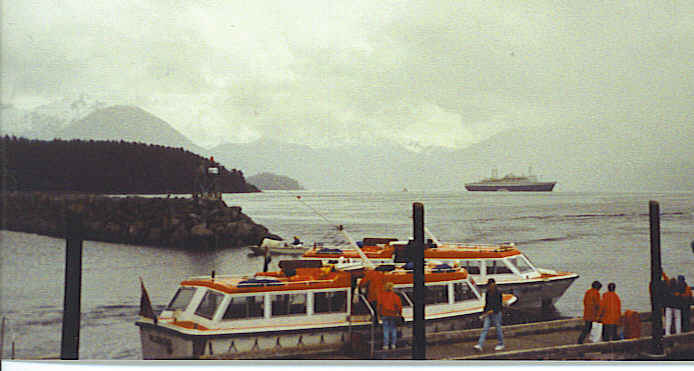
After strolling through the streets of Sitka, it is time to head back to the ship.  Smaller local boats called tenders take passengers back to the cruise ship, which isn’t able to get close to shore at this point.   Along with souvenirs, many happy memories are carried aboard.

Marietta Trolley

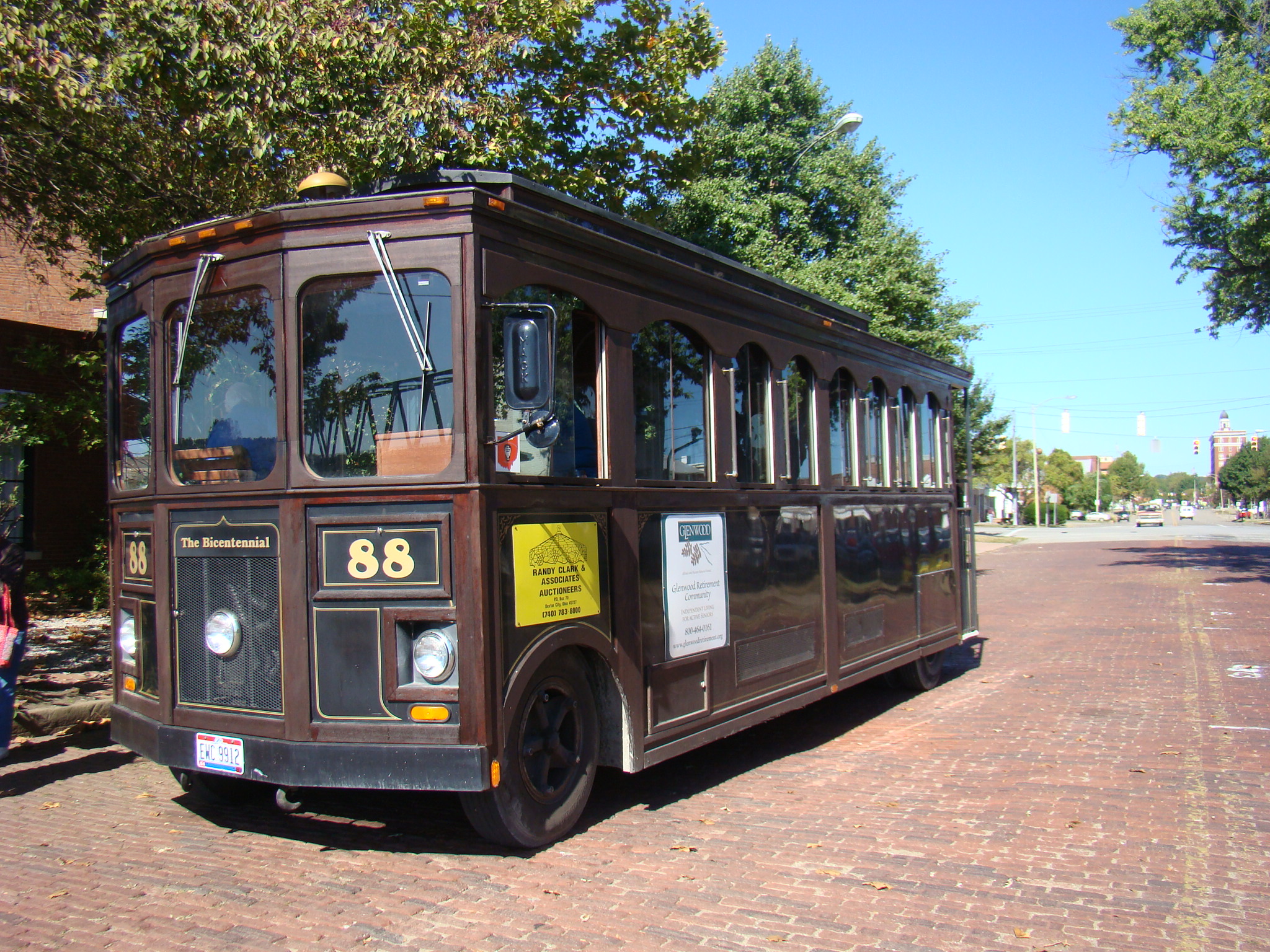
On the banks of the Ohio River, climb aboard the Marietta Trolley for a ride back in history through the brick streets of Marietta, Ohio.  The one hour tour is narrated today by a lady who has lived in the area all her life so knows the history quite well. Interesting stories of famous people who have visited the area were part of the adventure.  It is a beautiful day so push open the windows and get some great pictures of the landmarks as we have frequent stops for narratives.

Marietta is the oldest city in Ohio founded in 1788 and named for the Queen of France, Marie Antoinette.  LaFayette Hotel is its oldest hotel opened in  1918.  Located where the Muskingum River meets the Ohio River, this hotel is our starting point and will be our lunch stop later in the day.

An interesting sidelight of the tour are the flood markings on many of the downtown buildings showing how high the flood waters came.  1913 looked like the year of a very high flood.  Many times the flood marks were up to the second story of the old brick buildings.

Religion played a large role in the early days of Marietta thus there are many old churches of various religions throughout the town.  The St Mary’s Catholic Church originally housed the  College for Women in its present-day parish.

The Great Mound in Mound Cemetery was part of the tour.  The cemetery is thought to be the burial place for the largest number of  Revolutionary War officers buried in one location. Wonder if their spirits still dwell on the hillside?

Meigs House was built in 1802 (before Ohio became a state in 1803) for Jonathan Meigs, Ohio’s first postmaster, governor and US senator. This beautifully restored brick dwelling that has been used as a home and office, but appears to be a perfect place for a bed and breakfast.

The trolley ride ended with a ride through Historic Harmar Village where you can see the Coca Cola Museum as well as the Children’s Toy and Doll Museum. Gives you lots of interesting places perhaps for another day.

Bouncing back to the Ohio River, our ride ends with lunch in the Gun Room of the LaFayette Hotel.  Maybe you can come back again with some friends and enjoy another trip through Marietta. What an interesting ride!

Zane Grey Museum

Driving along the Old National Trail, now known as Route 40, we notice the Zane Grey Museum  setting back in a relaxing hillside. Located in beautiful Southeastern Ohio between Cambridge and Zanesville, this museum takes you on a trip back in time to the beginning of the National Trail.

Every history buff will enjoy exploring the three sections of the museum: Old National Trail, Zane Grey, and Ohio Art Pottery. We had a very good guide, who as a volunteer gave interesting  historic facts about items viewed, which included many antique cars.

Old National Trail, today’s Route 40, provided the earliest way for the settlers to head Westward. An actual life size replica of a Conestoga Wagon gives visitors an idea of the method used for transporting goods across the country. In a detailed diorama you can see that Route 40 had many toll houses with tolls charged for every animal, person, and wagon that was using the dirt highway.  This 136 foot long diorama depicts many of the activities of those early days of traveling down the Old National Trail.

The second area is devoted entirely to the life of Zane Grey.  From his early years as a dentist, following in his father’s footsteps, to his life as a fisherman, baseball pitcher and writer, there were many interesting displays showing items that he used throughout his life. Zane Grey wrote over 80 books and a life size model of him is shown in his reconstructed study.

Displays of Ohio Art Pottery fill a large center section and shows the fantastic craftsmanship of local artists in the Zanesville area. The hand painted designs are beautiful works of art.

After the tour, we stopped in their small theater to view a movie showing the life of Zane Grey and his wife, Dolly.  Learned many things about his early years and followed him as he went West to discover the land he would later write about and share in his movies.

No visit is complete without visiting the gift shop.  Here you could purchase Zane Grey books either new or used as well as other books written about the history of the area.   Other items available ranged from pencils to jewelry.

This could require an extra trip as sometimes they show the old Zane Grey movies in the evenings at an Open House for the public.  Each year they try to show a different movie, so it is an interesting spot for those who would like to catch a glimpse of a silent movie.  Might even get some popcorn!

Warthers Woodcarvings

Ernest and Freida Warther were two hard working individuals, who loved their family above all else.  Their life and accomplishments can be seen in Dover, Ohio at the Warther Museum.  Ernest had only a second grade education but that never stopped him from being curious about how things were made.  Sometimes we think we just don’t have enough time, but Ernest made time by working from 2-7 every day before the family ever got up.

His fantastic creative abilities were inspired by a man who was making a pair of small pliers from a single block of wood.  This fascinated him and led him to make multiple pliers and designs from one block.

If you are going to carve, what is the thing you need the most?  A good knife!  Ernest, called Mooney by his friends, couldn’t find a knife that stayed sharp and had lots of strength. Thinking sometimes the best way to get something done right is to do it yourself, he developed a knife that would keep its sharp edge.  Those knives today are the finest kitchen knives you can find.  Furthermore, a knife was needed to be strong enough to carve ebony and ivory.  So Mooney developed quite a few different knives that can be seen and purchased at the museum.

His carvings of trains are something you have to see firsthand to understand their intricacy and detail.  Smithsonian Institute says this collection is a “priceless work of art.”  A favorite of young and old alike is the Funeral Train of Abraham Lincoln, which has fantastic details both inside and out. There are 64 ebony, walnut, and ivory train carvings on exhibit.  Remember that every piece is carved by hand.

Even a stop at the restroom is interesting as the walls of the Ladies room displayed many of Freida’s button designs. Had to ask what was on the walls of the Men’s restroom, and the answer was framed designs of Mooney’s arrowhead collection.  There is beauty everywhere.

Don’t forget to also check out Freida’s Buttons.  The lady of the house made beautiful designs out of 73,000 buttons that are displayed in the original workshop. Some are just for beauty but many have a story to tell.  All are quite lovely.

Outside the workshop is a lovely Swiss Style Garden.  This is a peaceful place to relax as there are plenty of benches for visitors.

Just this year, the Warthers’ original family home has been opened and is part of the guided tour.  You can just imagine the family with five children working and playing within its walls.  Many of Mooney’s early carvings are on display here also.

Before you leave, stop by the gift shop and purchase  one of the Warther Cutlery knives.  My little paring knife was purchased there nearly twenty years ago and is still like new.  Whenever you happen to be in the area, visit their knife shop where they will sharpen your Warther knife for life at no cost. When you stop by, they will ask you which hand you use to cut with so they can sharpen the blade accordingly.  They strive for perfection.

This is a great place to take family or friends as there is something to interest all ages.  Also their story is an inspiration to organize your time so you can create something special and still leave time for your family.