Places to go and things to see by Gypsy Bev

Archive for the ‘Ohio’ Category

Adena Mansion Pictures Life in Early Ohio

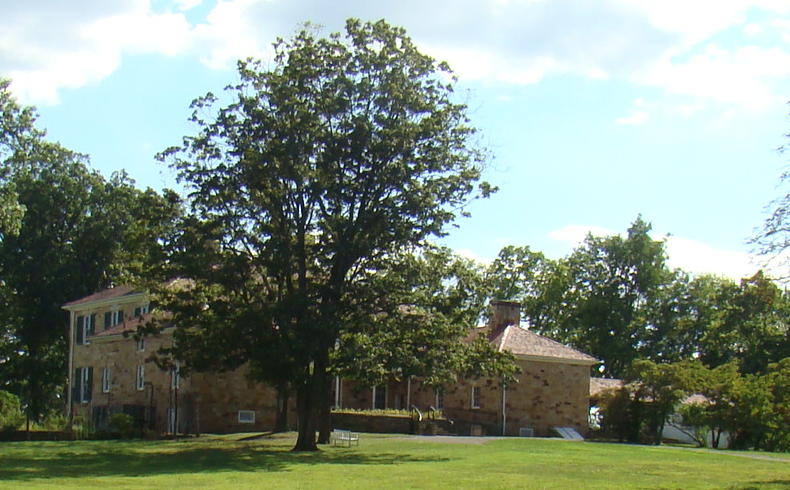
“No ghosts – not even rumors of ghosts here,” explained the guide as she began an interesting tour of the Worthington Mansion at Adena State Memorial near Chillicothe, Ohio.  Built in 1806-07, this beautiful mansion home was designed by what many consider the first American architect, Benjamin Henry Latrobe. Usually Latrobe was busy with larger projects, such as designing the United States Capitol, but as a friend of Thomas Worthington he agreed to design a beautiful home on the 2000 acre estate.

The Worthington home, Adena, was the most magnificent mansion in the area at that time, and fascinated crowds of visitors. Large panes of window glass and papered walls were novelties which especially attracted attention. The sandstone blocks for the house were all dug from a quarry on the property.

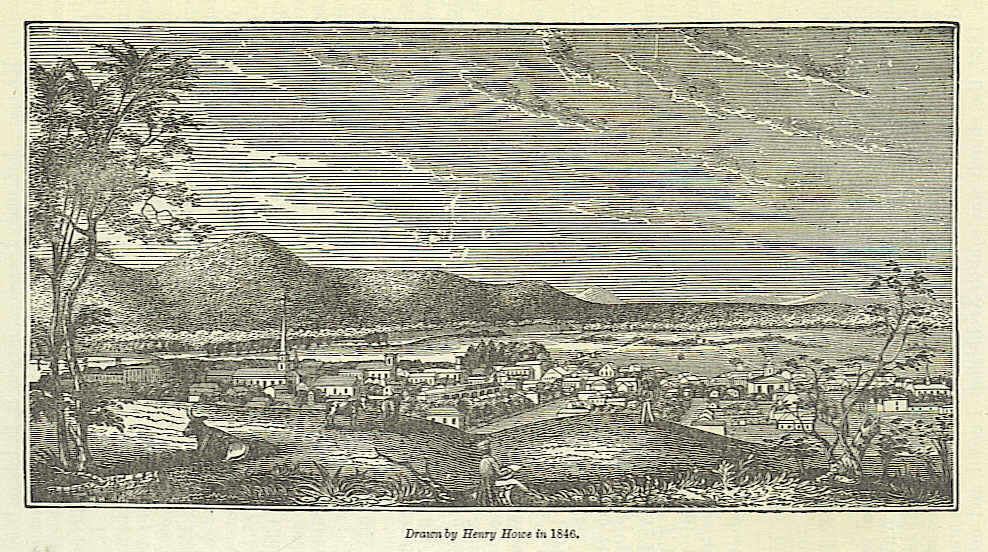
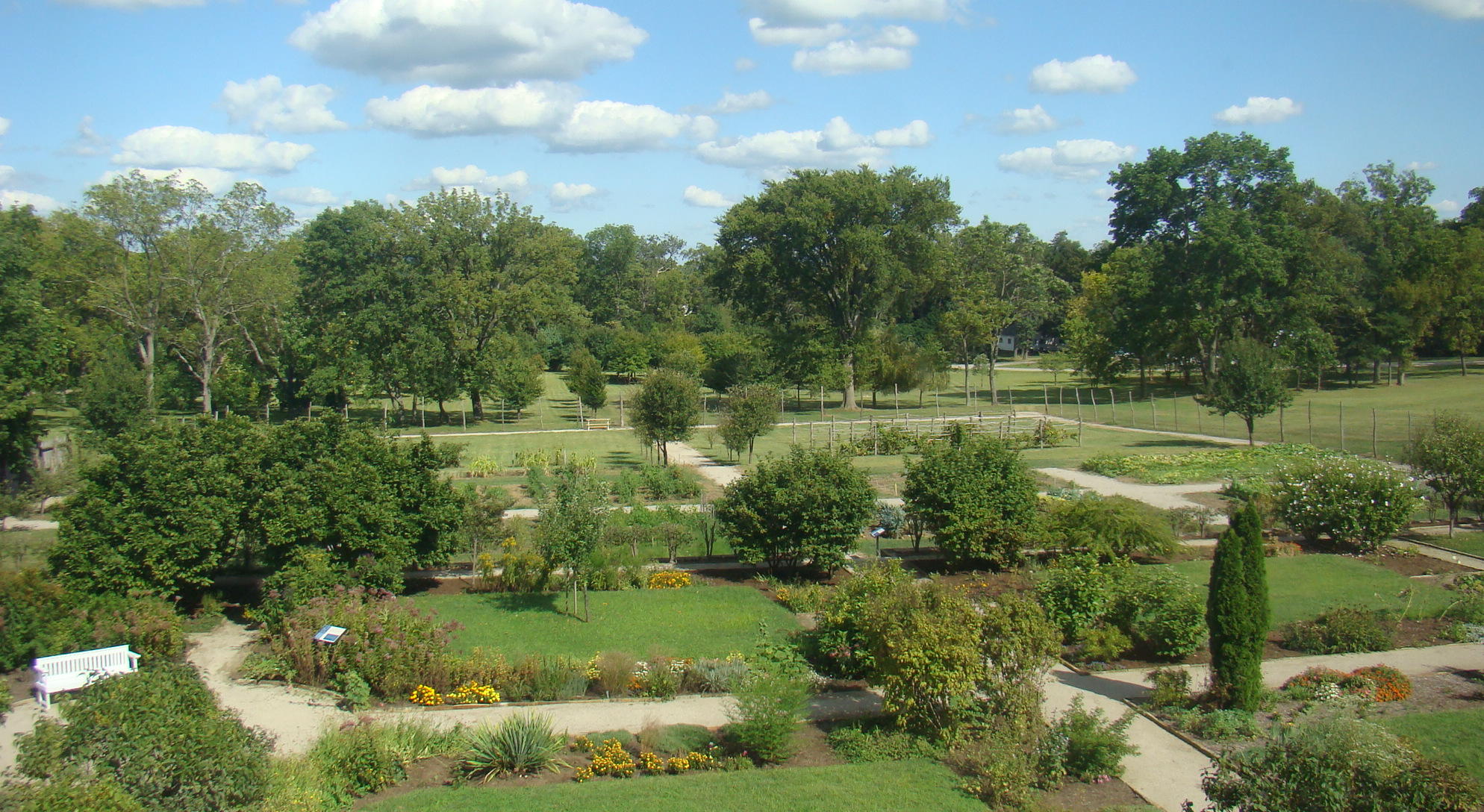
This drawing by Henry Howe in 1846 shows the beautiful garden vista at Adena that inspired the Great Seal of Ohio. Looking across the front lawn, the Scioto River flowed between the cultivated fields and Mount Logan.  On the Great Seal of Ohio, the sun displays thirteen rays of light symbolizing the thirteen colonies. In the field is a shock of wheat representing the prominent field of agriculture in the state. Nearby, resembling a shock of wheat but showing Ohio’s Indian heritage, is a sheaf of seventeen arrows proclaiming Ohio as the seventeenth state.

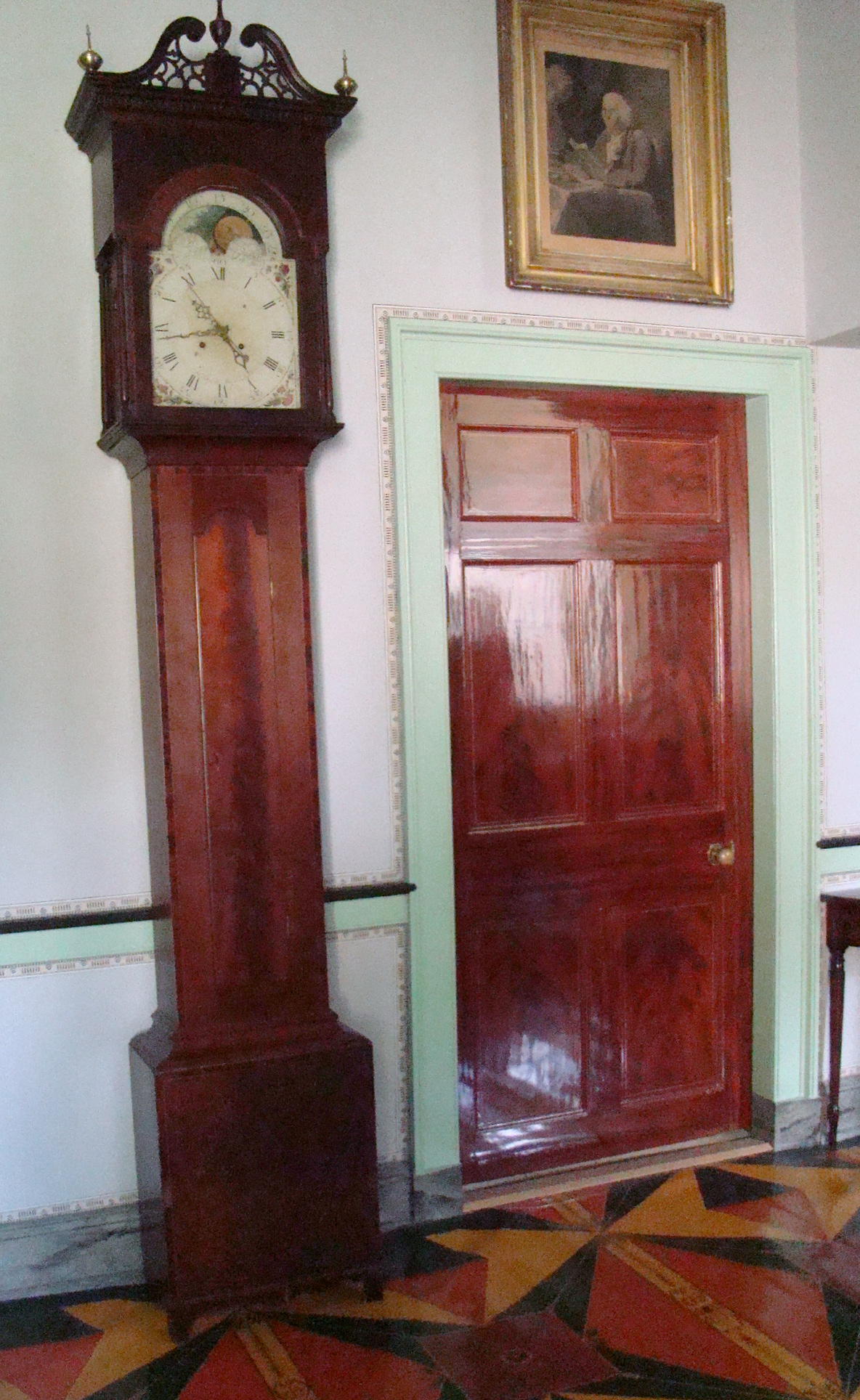
Today the house has been restored to appear much like it did during the time the Worthingtons lived there.  Much of their original furniture can still be seen. Worthingtons’ actual skeleton key was used to unlock the door to begin the tour, and felt lucky to have it in my possession for a short while. Upon entering the mansion, a beautiful large clock made by George McCormick and costing $35 at that time stands beside a beautiful staircase, which appears to be marble but was actually painted with a feather to achieve that effect. Throughout the house a shade of pink paint was used. Paint was very expensive at that time and the pink tint was achieved by crushing a special insect into the paint.

Ten children were raised in the nursery, which strangely enough had no heat. Guess they had to be strong to survive, but none of those children died.  The parents’ room was next to them and had a nice fireplace so hopefully they kept the door open. Worthington’s wife, Eleanor, taught the children in the parlor while running the household from there at the same time. On the wall was a list of Family Maxims to live by, for example: “Keep everything in its proper place, do everything in its proper time, and delay not till tomorrow what should be done today.”

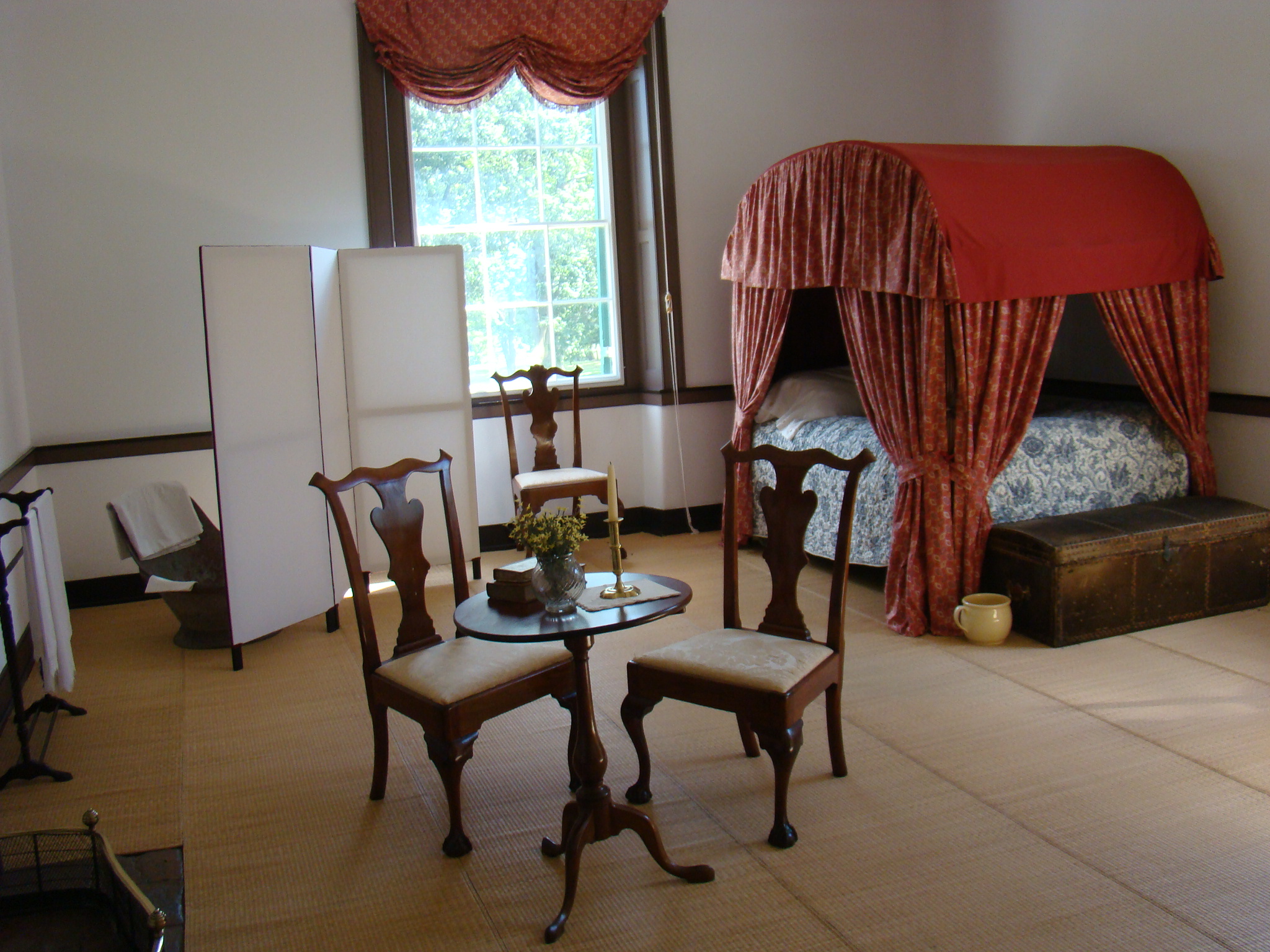
The rooms on the second floor were all bedrooms, except one which was perhaps a servant’s room, and a large dark closet where, it was told, they placed children when they misbehaved. Many famous guests stayed here including Henry Clay, General William Henry Harrison, and President James Monroe.  Of special interest was the screen on the left side, which hid from view their bathing area.

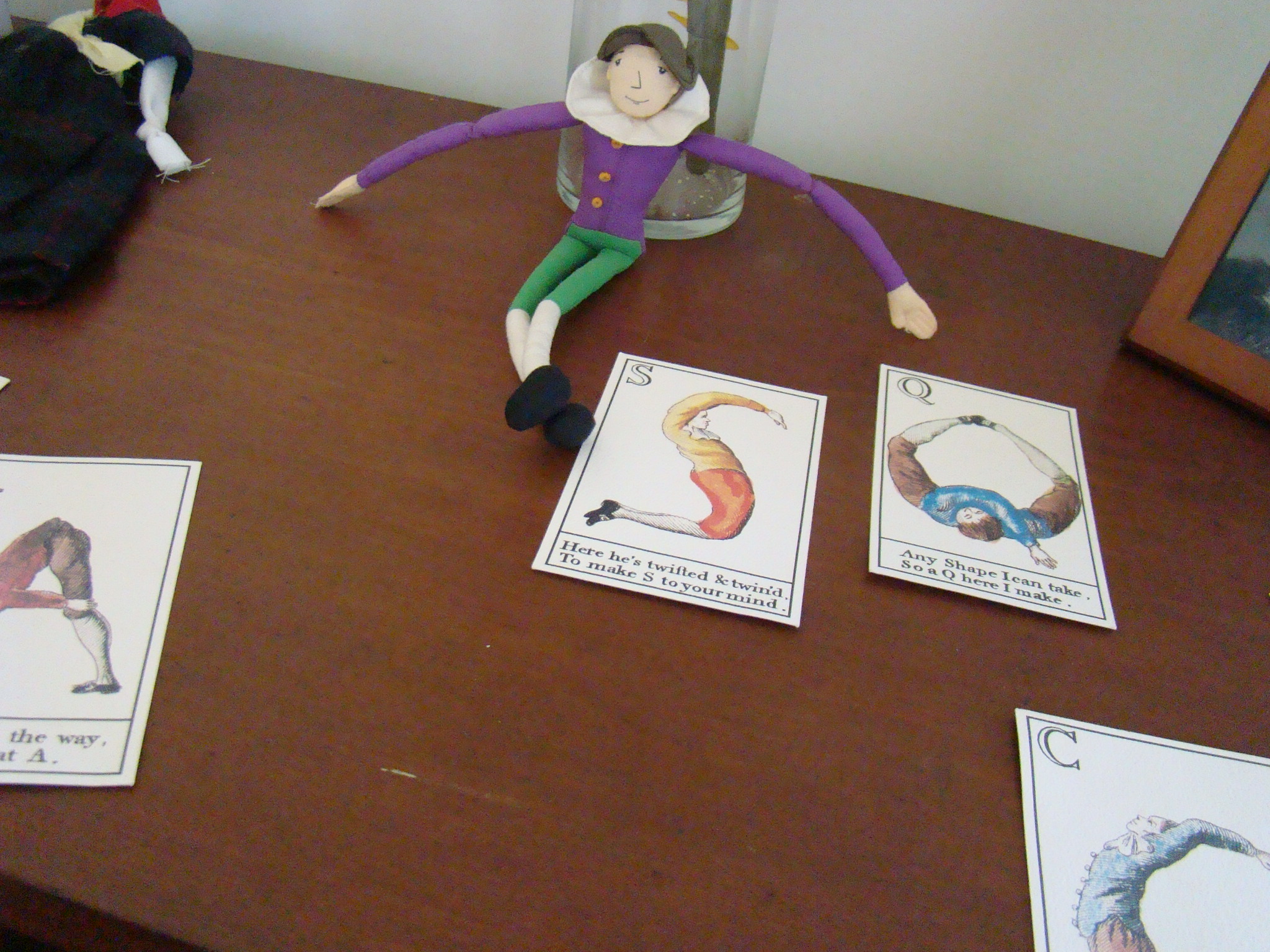
Among the  four bedrooms upstairs, there was one for the boys and another for the girls. Although there were ten children, there were seldom more than three in a room at one time. On the dresser in the girls’ room was a set of cards for learning the alphabet with a flexible Mr Hodge Podge to bend to the shape of the letters.  Guess the girls had homework even way back then. Education was very important to the Worthington family and they even thought it important to educate the girls, which was not a common occurrence in the 1800s. Imagine they took a break now and then and looked out the window at the beautiful gardens surrounding their home.

After reading a book on ancient history, on Sept. 18, 1811, Thomas Worthington wrote in his diary: “Adena” a name given to  “places remarkable for the delightfulness of their situations.”  It becomes apparent that visitors experience this same type of feeling by the smiles on their faces as they explore this beautiful mansion from years gone by.

The Adena Mansion is located Northwest of Chillicothe, Ohio just off State Route 35. Directions are well posted to the Adena State Memorial, which includes the Mansion and Gardens.  It is a short walk through the Gardens to arrive at the Mansion. Admission is reasonable but you need to check their schedule for hours opened.

Memories of a One Room School

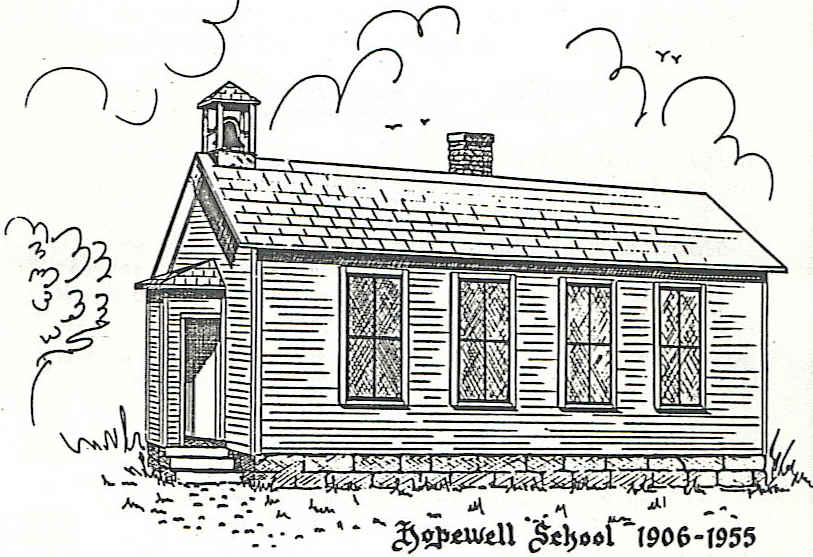
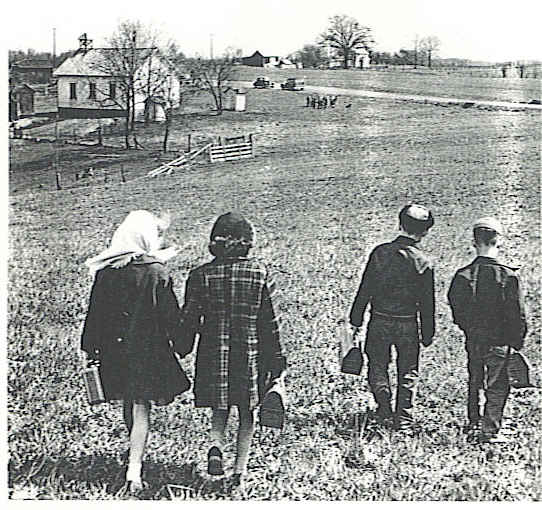
Long ago in 1906, Hopewell School was built in Indian Camp, Ohio.  Education there continued for nearly fifty years with the last class graduating eighth grade in 1955. One teacher taught eight grades for most of those years and needed lots of patience and planning, as they had to make do with whatever was available.

Most of the one room schools of that time were set on large, hand-hewn, rectangular sandstone blocks with the building being constructed of weather boarding painted white. There were windows on each side, but none in the front or back, and one door in the front.  Behind the school there was a coal house, which kept the supply of coal needed to heat the pot-bellied stove. Of course, there were never any modern conveniences at Hopewell School.  Out back of the school were two outdoor privies, and both two holers.  Could be a very cold trip and seat in the middle of winter.

If they lived within a mile of the school, students walked with their lunch boxes tightly gripped, and that was part of the fun. Older students usually watched out for the safety of the younger ones, and often even helped scare a barking dog away. If the teacher lived in the area, they might pick up a few students on a rainy day.

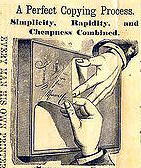
Every day of school opened with the pledge to the flag and a morning devotion. All subjects were taught to all grades by one teacher.  How busy they must have been! The teacher was very excited when she obtained this special copy machine, a hectograph. After placing the master copy in a pan of gelatin-like substance, several copies could be made quite easily by picking up the ink the master copy left behind.  Now she could make twenty copies of something in five minutes from one original writing.  They would be so amazed at the technology available today! This was a time of learning to help your fellow students also, as students helping students was a big part of the day. Double desks made it easy for one student to sit with another, who might need a little help. With all eight grades in one room, it was also a great opportunity to learn from older students while listening to them recite their schoolwork.

Getting water was a great excuse to get to leave the school ground, and students were seldom in a hurry as they enjoyed talking to neighbors along the way. There was always someone who was kind enough to let children get water from their wells and carry a bucket of it to school.  There it would be placed in a large container at the back of the room that had a spout at the bottom.  Everyone drank from the same dipper, unless they were lucky enough to have their own folding metal cup.

Keeping warm was sometimes a problem as the pot bellied stove seemed to be extra warm on one side and rather cool on the other.  One of the students would go back to the coal house and fill up the bucket to set beside the stove. The boys usually did this and didn’t really mind, as sometimes they would sneak a smoke while they were back there.

Recess was spent playing baseball, hopscotch, Annie Annie Over, Red Rover, and climbing the trees to sit and talk with a friend or watch the games being played. Teachers were usually outside keeping an eye on everyone. The only time recess was inside was during a heavy rain.  In the winter sledding was a popular recess activity on the nearby hills. Once in a while, the teacher would permit some students to go to the General Store in Indian Camp for a little candy or soda treat.

Special programs were a big part of the school and community life.  The Farmers Institute was one special time when students sang and performed skits for the entire community.  Every holiday was an occasion for a school activity. Halloween might involve a costume contest, and Christmas guaranteed a packed house for the program.

After spending eight years at the one room school, the transition to high school was often difficult. The ride on a school bus to Cambridge High School was an adventure in itself.  The early bus was a small one compared to today’s standards, and only held a dozen students. Days were long for many, who would get on the bus at 7:00 after chores were finished, and get home at 5:00 in the evening, just in time to help with evening farm chores.

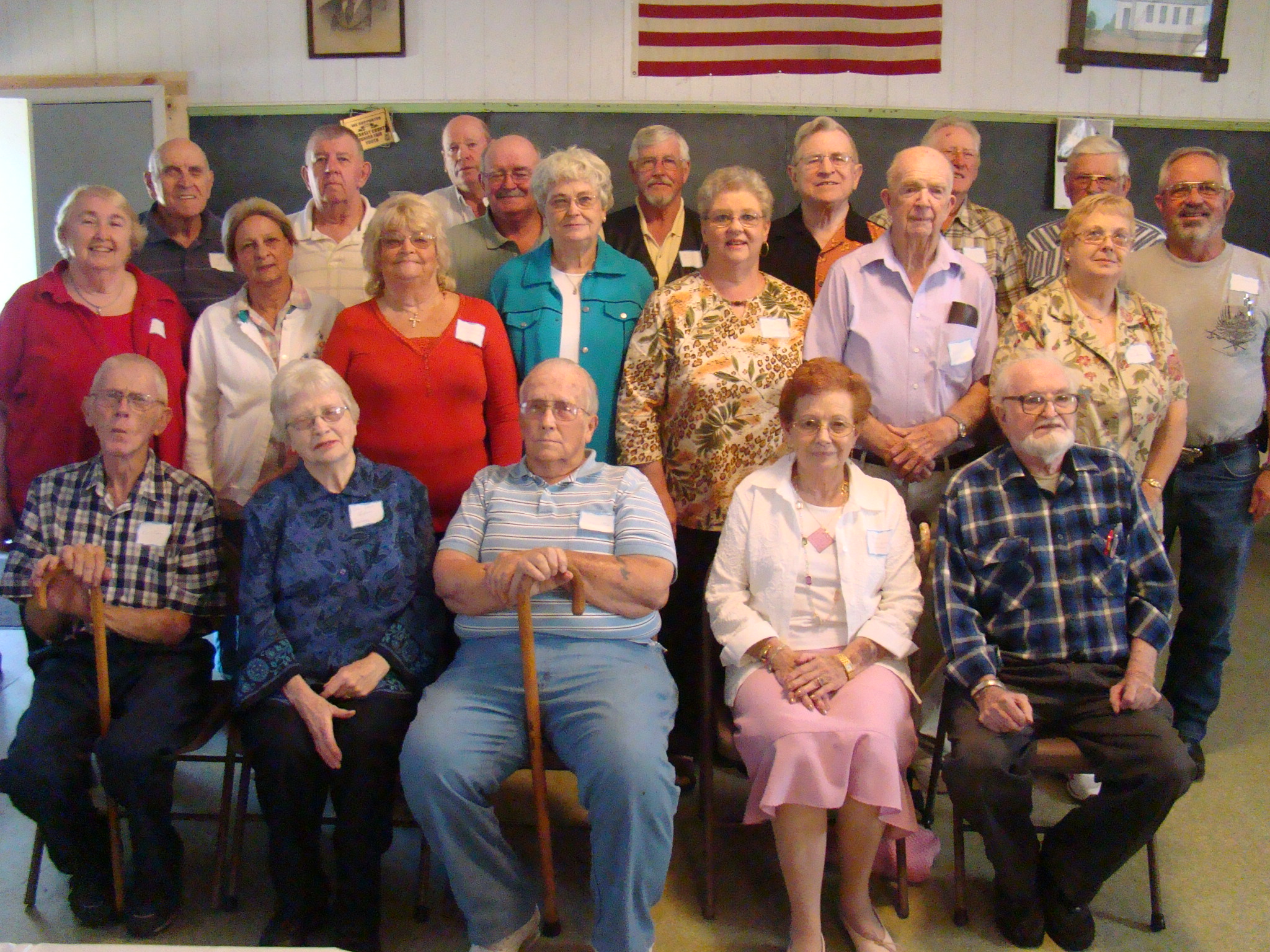
Memories of the Hopewell One Room School are still fresh in the minds of the students who attended there over the years.  The school still stands today and is now used for Grange, 4-H, homemakers, and church services.  Students still meet once a year to relive old memories and get reacquainted with each other. Ties to classmates remain strong over the years as experiences there helped shape their lives. When the day is over, former students depart with the thought: “God be with you till we meet again.”

 
The old Hopewell School is located in Guernsey County near Cambridge, Ohio right near the outskirts of Indian Camp.  Take Route 209 West out of Cambridge, then turn right on 658 North.  After about five miles, you should come to the town of Indian Camp.  At the far side of the town, you will find a church and the old one-room school.

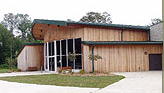
Adena Mansion and Gardens Education Center

“Father of Ohio Statehood” describes Thomas Worthington, original owner of Adena Mansion near Chillicothe, Ohio.  Before visiting the Mansion, an interesting tour of the Education Center there provides background information.

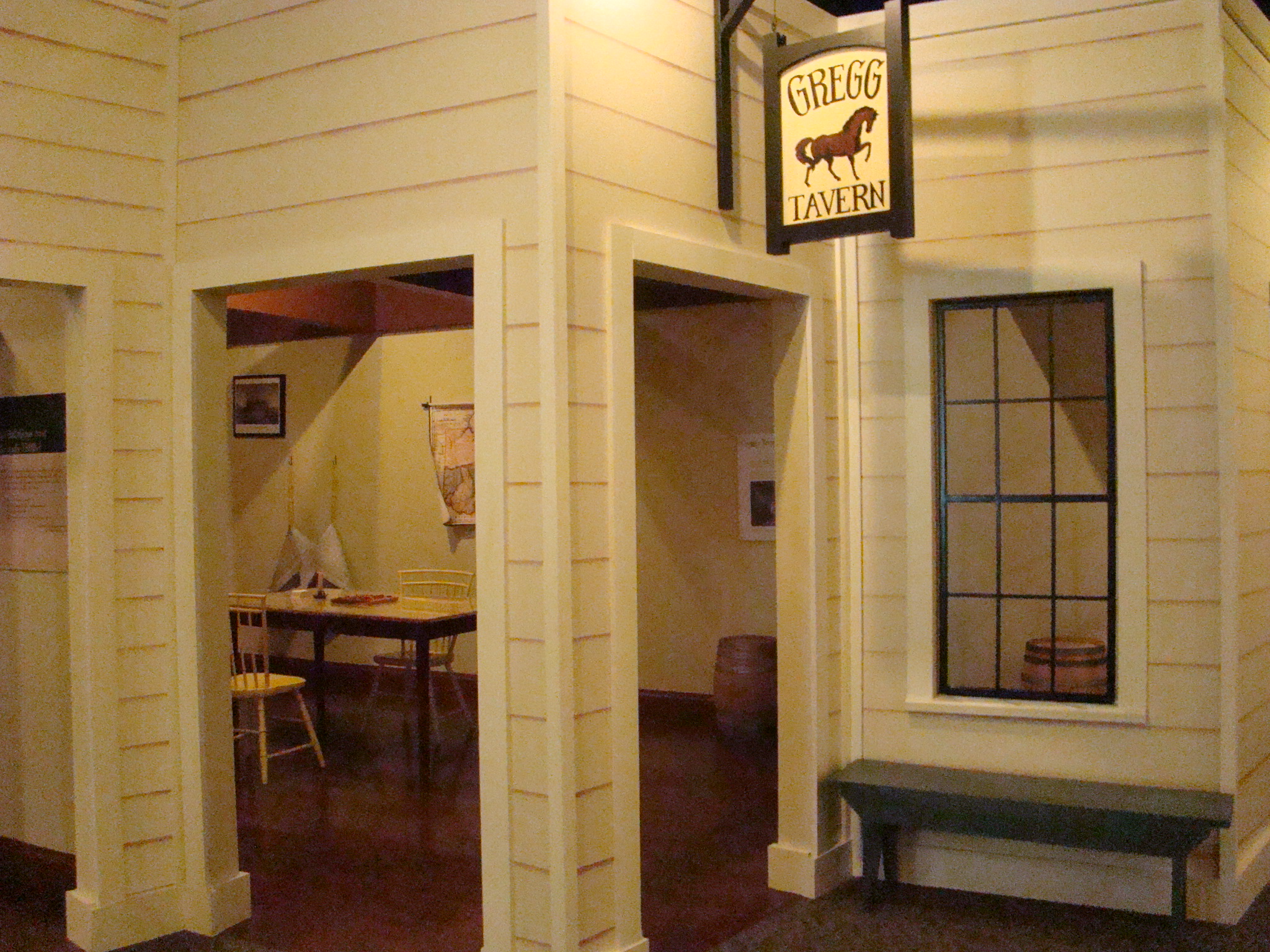
A short film, “Debate for Statehood” at the Adena Mansion and Gardens Education Center, describes the battle for Ohio becoming a state starting back in 1801. Many of the discussions for and against statehood were held at Gregg’s Tavern, which has been reproduced here.  The tavern provided food, drinks, entertainment and a place to sleep. This is where people heard all the news from travelers and locals, and even read the newspaper.

Protests were held at Gregg’s Tavern to oppose Northwest Territory Governor Arthur St Clair’s proposition to divide the land, which we presently know as Ohio, by an entirely different plan than originally proposed by the Northwest Ordinance. Opposition, led by Thomas Worthington, was so strong in the Chillicothe area that St Clair was burned in effigy outside Gregg’s Tavern on Christmas Eve. Eventually St Clair’s plan was not accepted and  in 1803, Ohio became the 17th state with its capital located in Chillicothe.

A tomahawk ceremonial pipe belonging to Tecumseh, Shawnee Indian Chief, is featured in The Tomahawk Room.  When Tecumseh visited Thomas Worthington at Adena in 1807, he found that Worthington was a man of peace and said he would never raise his tomahawk toward him. He presented the ceremonial pipe to Worthington for his efforts to bring peace between whites and Indians. Blue Jacket, warchief for the Shawnees, and Tecumseh were frequent guests at the Worthington home.  Mrs. Worthington was actually afraid of the Indians and often stayed in a different area of the house when they arrived. Even though the Indians were friendly, they always slept outside.

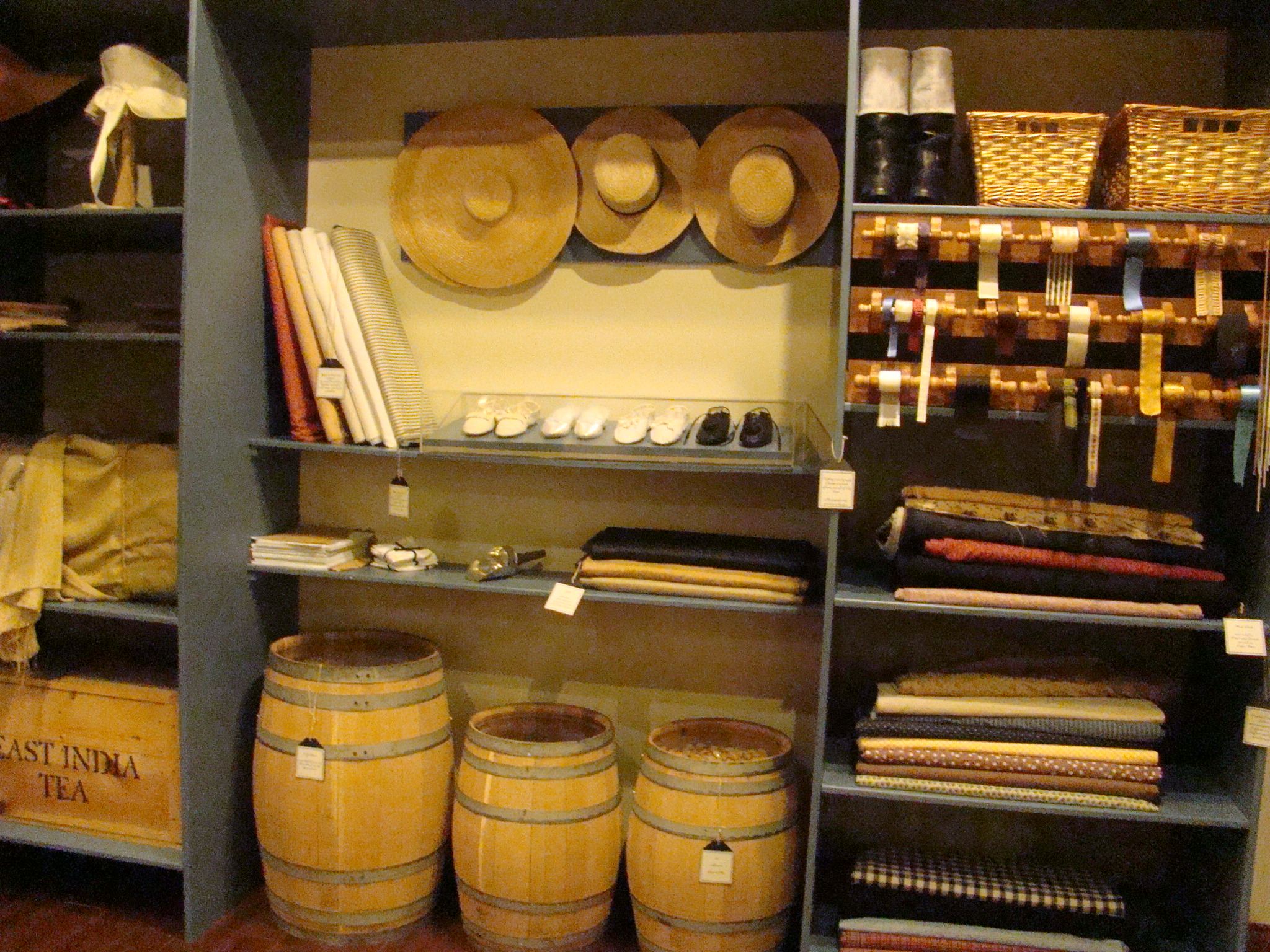
Another area of the Education Center replicated the Dry Goods Store of that era.  Merchandise here was usually paid for either by trading another item or put on credit.  There was a ledger on the counter to track the credit purchases. At this time people were lucky if they received fifty cents a day in pay, so prices of goods were considerably lower also. For example, a chicken cost about six cents, while you could get a barrel of flour for four dollars.  The Dry Goods Store was also the post office where you paid twelve and a half cents to pick up a letter.

Before leaving the center to tour the Adena Mansion, had to stop and play a video game…which definitely wasn’t around then.  An interesting game, River Trader, let you load your boat with products of your choice and transport them to a final destination.  There were problems and choices along the way as you might get stuck on a sandbar or have your produce spoil.  But at the end of the journey, you were given a profit for your trip.  Made $6,381 profit on my first trip and became a Great Trader.  The caption said: You should run for County Commissioner.  What fun!

Stop by to learn more about early Ohio history as well as the influence of Thomas Worthington, one of the founding fathers and first United States Senator from Ohio. See how early pioneer families lived, worked, and played.

Adena Mansion and Gardens Education Center is located Northwest of Chillicothe, Ohio just off State Route 35.  Directions are well posted to the Adena State Memorial, which includes the Mansion and Gardens.  Admission is reasonable but you need to check their schedule for hours opened.

Tecumseh Only Sleeps

Brothers, we all belong to one family; we are all children of the Great Spirit. We walk in the same path, slake our thirst at the same spring, and now affairs of the greatest concern lead us to smoke the pipe around the same council fires.

These were the words of a wise Tecumseh as he requested support from all Indian tribes to battle the white man’s encroachment of their lands. Filled with vision and purpose, he frequently mentioned the Great Spirit and there was an attitude of prayer before all decisions were reached.

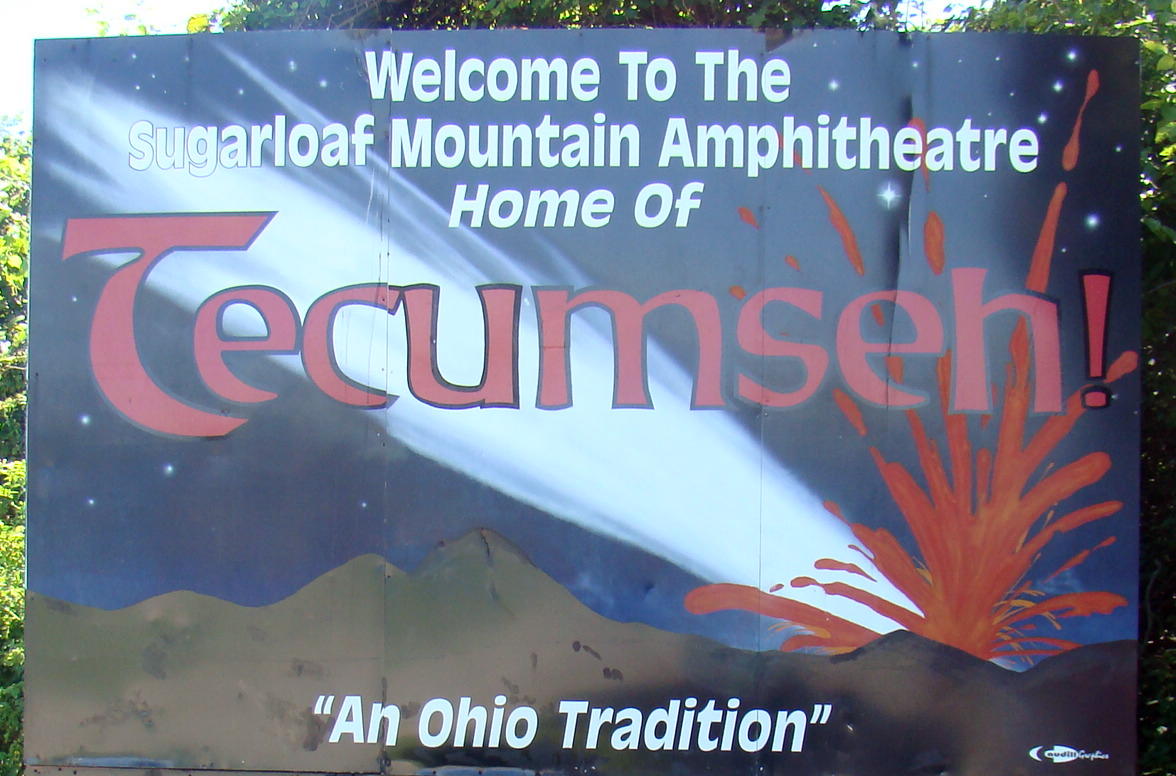
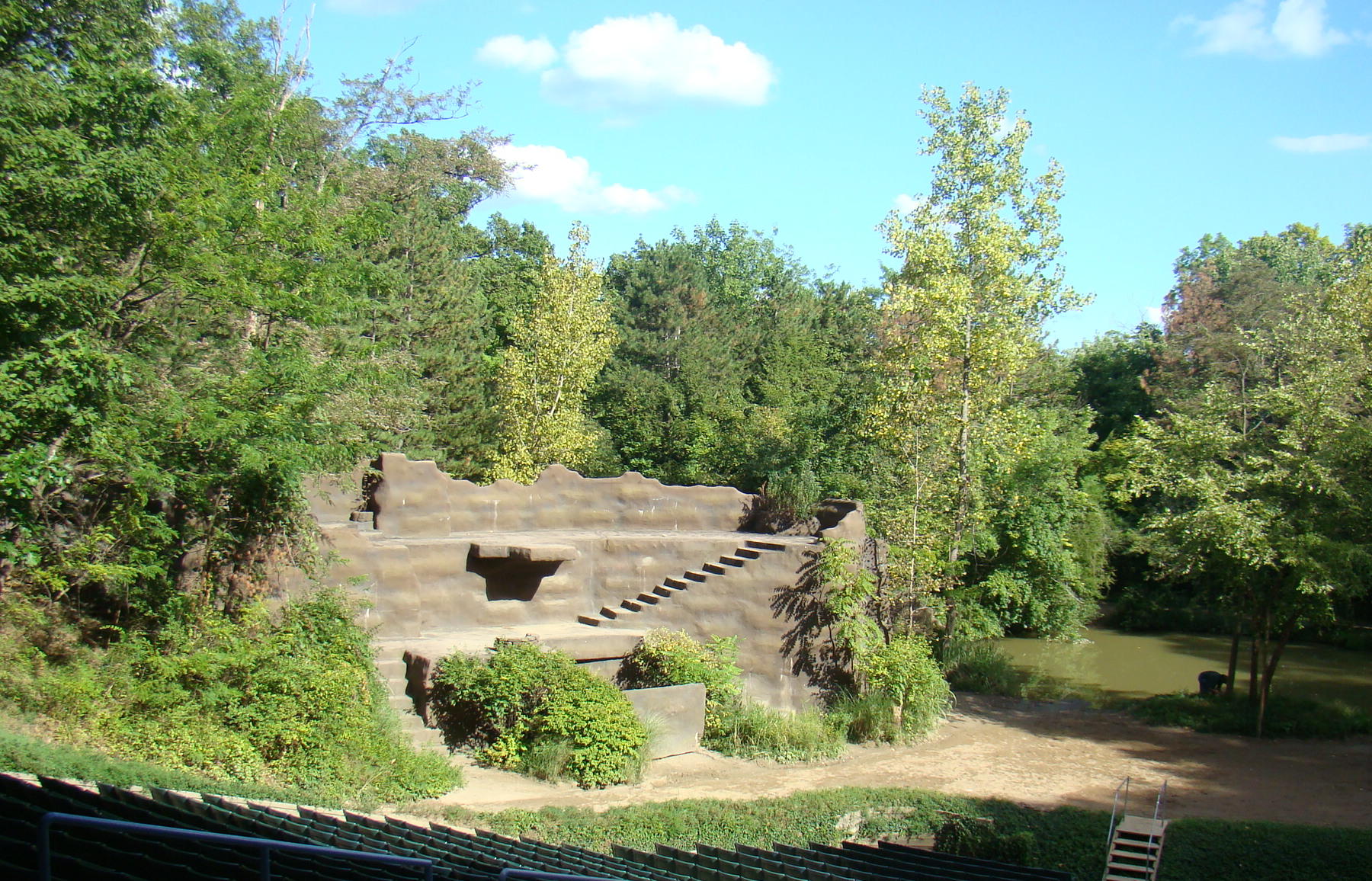
At Sugarloaf Mountain Amphitheatre near Chillicothe, Ohio a spectacular outdoor drama presents the story of “Tecumseh” each summer with a cast of nearly one hundred.  Since 1973, over 2.5 million visitors have sat beneath the stars surrounded by night sounds, to watch the story of a remarkable Indian legend. This beautiful amphitheatre seats approximately 1,700 guests and every seat gives a great view of the saga written by Allan W Eckert, Pulitzer Prize and Emmy recipient.

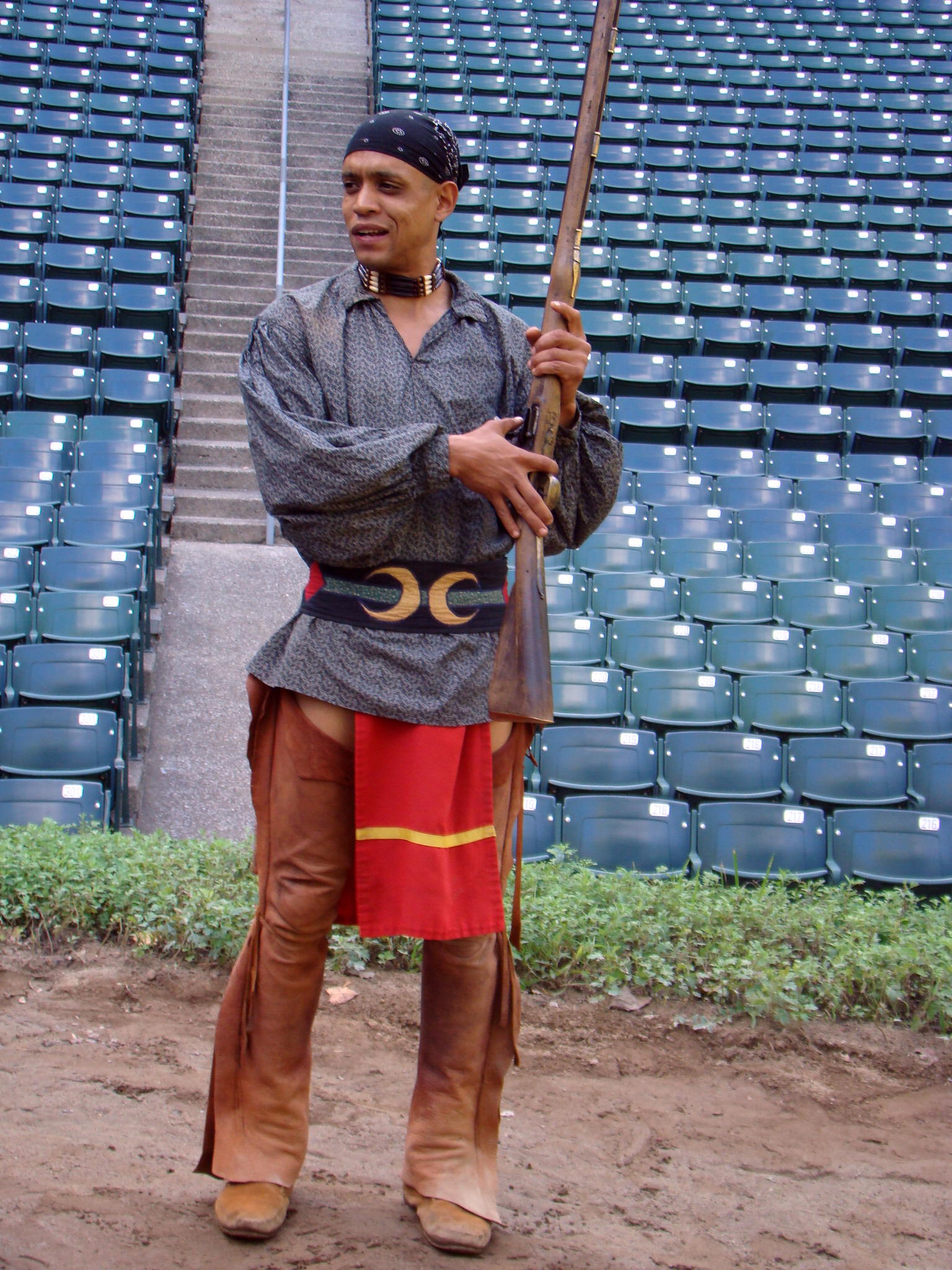
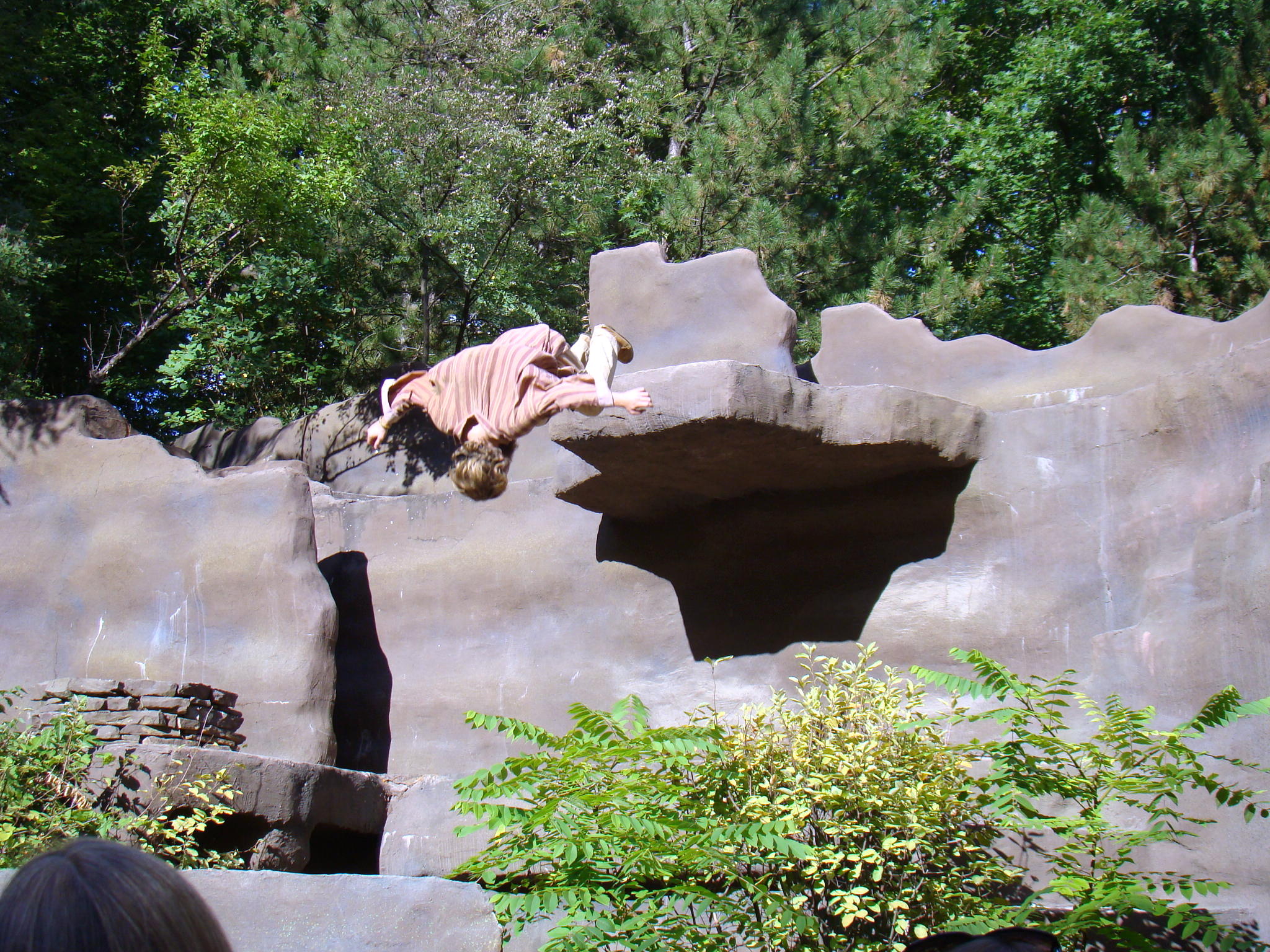
Before the show, cast members lead interested fans on a Behind-the-Scenes Tour, the only place cameras were permitted. The stuntmen of “Tecumseh” displayed firing of various weapons used in battle including the Brown Bess, Kentucky Hunter Rifle, and our guide’s favorite the 12 Gauge Shotgun.  At this point, the Indian shot another cast member off a cliff to display how they fell and the protection they were provided.  He said they always screamed before they fell for two reasons: first, to get all the air out of their lungs so a lung wouldn’t burst, and second, because it was really scary.

After visiting the stables where ten horses were kept, another cast member gave us some make-up and effects information.  She showed us how they were able to give the appearance of bleeding easily by using bags crushed to their body, eggs usually used on the head, and a knife where the handle was filled with red detergent.  Would have been nice if they had a knife like that for sale to fool friends!

Those are just a few of the highlights as it was an hour tour back stage and highly interesting.    Would definitely recommend it if you happen to attend a performance next season.

If you desire, there is a nice buffet available under a pavilion so you feel like you are eating outside with a fresh breeze relaxing the scene.  Also available is a snack bar, a mini-museum of Indian artifacts, and of course,  no tourist attraction is complete without a Gift Shop.

This is also a great time to exchange Tecumseh stories. An interesting one heard that day at dinner occurred when Tecumseh was visiting with William Henry Harrison. Tecumseh and Harrison were sitting on a log near the joining of the Tippecanoe and Wabash Rivers.  Tecumseh began to move closer to Harrison causing Harrison to move down the log.  This continued until Harrison was ready to fall off the log.  He questioned Tecumseh as to why he kept moving closer and closer to him.  Tecumseh answered by saying: “It is what you are doing to my people.  You are pushing them into the Great Waters.”

Time for the drama to begin and this scene to be filled with Shawnees as they planned how to save their land. Actual performance was about two and a half hours of non-stop drama with galloping horses, firing cannons, and dazzling battles.  Everything was spectacular including scenery, costumes, lighting, and sound effects.  At times the cannons and guns were so loud and fierce that you felt like you were in the midst of the battle.  A traditional Indian War Dance brought an impromptu round of applause from the crowd.

While Tecumseh attempted to be a man of peace, he saw the need for attack to drive the Whites from their country. This performance tells  the story of that quest ending with the Battle of Thames where Tecumseh went over the great divide.  No white man or Shawnee knows where their beloved Tecumseh is buried, but they feel his Spirit will return one day.  Tecumseh only sleeps.

Sugarloaf Mountain Amphitheatre is located north of Chillicothe, OH at 5968 Marietta Road, just off State Route 159.  Signs are posted frequently so access is exceptionally easy.

Abraham Lincoln

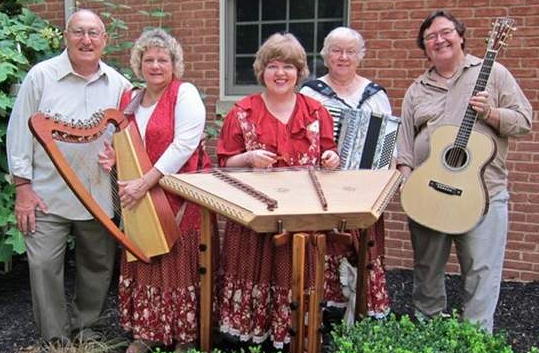
“Lincoln and Liberty,” the song Abraham Lincoln used in his campaign for presidency, opened a fun filled evening on the final night of Coshocton’s Bi-Centennial Chautauqua celebration.  Wildwood & Friends got the crowd in the mood with several Civil War era songs, including what they said was Abraham Lincoln’s favorite song, “Old Hundredth,” although some say it was “Dixie.”

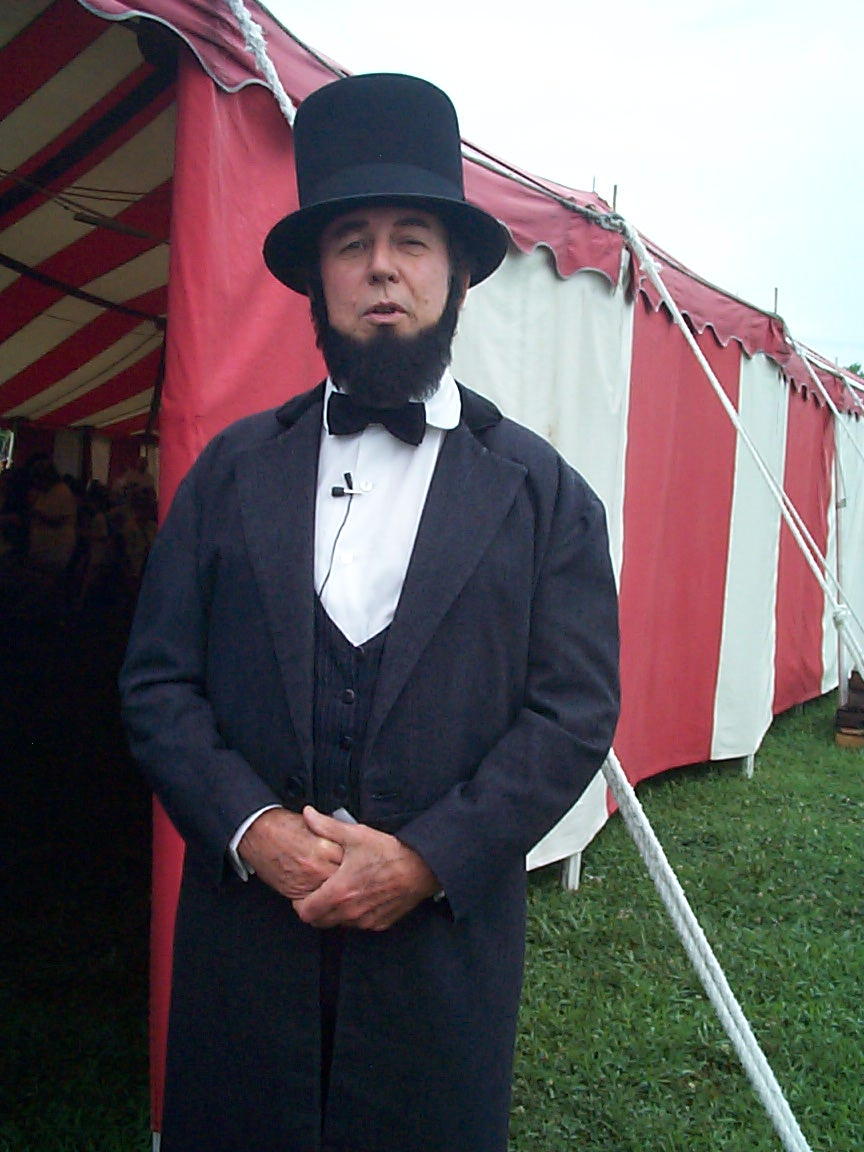
When the easily recognized figure of Abraham Lincoln appeared, complete with top hat, he was greeted with a standing ovation. Dr. Richard Johnson, Professor Emeritus at California State Polytechnic University, became for the evening a very believable Abraham Lincoln.

“That reminds me of a story..” was an oft repeated phrase throughout his presentation as he fulfilled his reputation for humorous tales.  His first joke was told similar to this, although the exact words were not recorded:

In Washington D.C., they say that I am the homeliest person they have ever seen. This reminds me of a story…a woman I met once told me, “You are the ugliest man I have ever seen.”  To which I replied, “I can’t help it.” The woman then said, “You could stay home.”

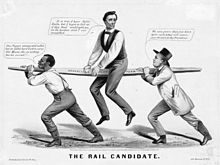
The Republican party chose Abraham Lincoln as their candidate for president because he was a great spokesman and a moderate candidate, who they felt could get a lot of votes.

As the Rail Candidate, Abraham Lincoln’s candidacy was depicted as being held up by the slavery issue. In this cartoon characterization, Lincoln says, “It is true I have split Rails, but I begin to feel as if  this rail would split me.  It’s the hardest stick I ever straddled.”  The black man complains, “Dis Nigger strong and willin’ but its awful hard work to carry Old Massa Abe on nothing but dis ere rail!”  One of Lincoln’s foremost supporters in the Northeast, Greeley here assures him, “We can prove that you have split rails and that will ensure your election to the Presidency.”

During his election campaign, an eleven year old girl wrote to Mr Lincoln stating that she felt he would look much better with whiskers.  Lincoln answered her letter but made no promises; however, shortly thereafter began growing his beard, which is a familiar part of his image everyone recognizes today.

His wife and sons played important roles in Lincoln’s life.  Mary, his wife, was an ally in Springfield, but in D.C. was not a good advisor.  This perhaps due to the death of their son, Willie, which devastated Mary.  At this point she attempted to gain comfort from spiritualists and even conducted seances in the White House.

Lincoln felt the Civil War was worth fighting to protect future children and give them a chance to make something of themselves.  The government at that time and their sacrifices made this possible.  He called out for freedom in the land, and proclaimed that “We must come back together.”

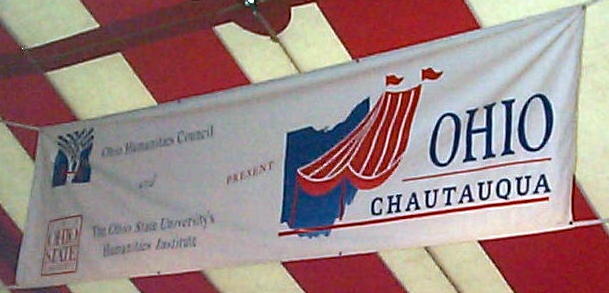
The evening under the Chautauqua banner would not have been complete without the now famous Gettysburg Address, which received another standing ovation.  Later Lincoln said that he composed it in no more than seventeen days, and was actually still working on it when it was delivered.

His career advice to those entering the legal profession seemed very practical:    Try to be an honest lawyer.                                                                                                            Be honest in what you do.                                                                                                              Be respectful of others.                                                                                                                     Help them when you can.

Very simple advice, but still a wise lesson for us to follow today… as it was for Honest Abe.

Every summer the Ohio Humanities Council in conjunction with Ohio State University’s Humanities Institute provides compelling first person historical portrayals around the state of Ohio.  Tune in again next summer for another exciting line-up of influential figures in our country’s history.

Original New Woman of the Civil War Era at Coshocton Chautauqua

Sitting by the roadside on a summer’s day                                                                   Chatting with my mess-mates, passing time away                                                           Lying in the shadows underneath the trees                                                                        Goodness, how delicious, eating goober peas.

Under the Chautauqua tent in Coshocton, Ohio, music of the Civil War entertained the crowd. Performed by Steve Ball and Larry Stahl, “Goober Peas” was one of the most popular and silliest songs of that era.  Not only did they sing such old popular songs as “Rally Round the Flag,” and the most popular love song of the day, “Lorena,” but they gave a short history of each song. This  made for an interesting introduction to the 2011 Chautauqua Civil War evening.

Guts, determination, and lots of humor described Dr Mary Edwards Walker as she was indeed a Civil War female activist. Debra Edwards Conner, a native of nearby Cambridge, gave an outstanding performance in the role of Dr Walker. The crowd under the tent, gave her their undivided attention at the Coshocton Bi-Centennial celebration.

As a graduate of Syracuse Medical College in 1853, Mary headed to Washington to assist with the wounded of the Civil War.  Cots were set up in the halls of the US Capitol and even amid the exhibits of the US Patent Office, where Mary eventually worked as an unpaid volunteer.  Her request for a commission was denied as they felt a woman’s brain was too small to remember medical knowledge.

Medical care was not high on the list of priorities for the military at that time as noted when one general said, “If all doctors sank in the ocean, it would be better for mankind and worse for the fish.” Death surrounded her as filth accumulated everywhere from improper disposal of waste. Two thirds of the deaths were from Tennessee Quick Step…dysentery. While little equipment was provided, there was a blade for amputations. During the course of the war, Dr Walker said three fourths of nearly 39,000 amputees survived. Using a chloroform soaked rag for anesthetic, it took three minutes to amputate, stitch the wound closed with cotton thread, and then wait for infection.

Mary persisted in her quest for a commission with the Army even after the medical board said she did not have adequate knowledge or training. Finally, General George Thomas, commander of the Army of the Cumberland, made a landmark decision and hired Mary Walker as the first woman doctor in the US Army.  General Thomas said, “It would be easier to take the capitol at Richmond, than to argue with Dr Mary Walker.”

Accused of spying by the Confederates while on a medical mission, Mary spent four months in Castle Thunder Prison. There she slept on the floor on a bed of straw in a room overrun with rats. Maggots usually crawled in their infested food supply. They were served” Lincoln coffee,” wood splinters boiled in water. When released from prison in exchange for a Confederate surgeon, she weighed 69 pounds.  Her health and eyesight deteriorated greatly during this prison time.

After the war, Mary always needed money desperately with only $8.50 a month in pension. So she donned a top hat and trousers and lectured regarding women’s rights. A lifelong advocate of freedom for women, when she married right out of college, Mary refused to use the word”‘obey” in the ceremony. She would not take her husband’s name, and even wore trousers to the wedding. Needless to say, this marriage did not last long, and afterwards Mary always referred to him as “that vile man.” When lecture opportunities disappeared, she was reduced to giving lectures at carnivals and dime museums. This was in her words, “A show for the poor where I could speak to keen minds with empty pockets.”

After the war, she was honored as the first and only woman to have ever received the Congressional Medal of Honor…and that honor stands to this day. At one point in 1917, the medal was rescinded by the government saying that it should only be given to those engaged in actual combat. The determined Dr Walker refused to give them back the medal.  Instead she made herself a uniform, promoted herself to major, and wore the medal proudly wherever she went. However, Jimmy Carter in 1977 restored Walker’s Medal of Honor.

Dr Mary Walker was indeed a trailblazer for women’s rights and certainly deserved the title of “Original New Woman” for her profession and dedication during the time of the Civil War.  The word “obey”  never appeared  in her vocabulary.


Harriet Tubman Delights Audience at Coshocton Chautauqua

“I didn’t think all you Yankees would show up,” quipped Harriet Tubman as she entered from the rear of the easily recognizable red and white striped Chautauqua tent.  Her sense of humor sparkled all night long as Harriet delighted the audience with stories of her leading slaves to freedom on the Underground Railroad.

Ilene Evans portrayed Harriet Tubman for this year’s Ohio Chautauqua presentation at Coshocton’s Bi-Centennial. She was a master storyteller and inspired young and old alike as she wove her story keeping the audience involved with rolling bandages and singing songs.

On the plantation where she was born in Maryland, birth records were not kept. Harriet was never certain about her birthdate. When she was about twelve,  an overseer struck her in the head with a two pound weight when she attempted to defend a run away slave.  This resulted in sleeping spells for the rest of her life where she drifted away for so long that she missed happenings in her surroundings. In her twenties, her escape from the plantation to the North began her lifelong quest for freedom of blacks from slavery.

Called “Moses” because she, too, led her people out of captivity, Harriet frequently burst into song.  After singing “Battle Cry of Freedom” she explained that when fighting for freedom, “a song in your heart is the best weapon.”

During her time of freeing the slaves, Harriet  served with the Union Army. There she took care of the injured soldiers, made and distributed bandages, and learned where the supplies were kept and where bridges were being mined. Often she said the injured men were covered with flies, so healing was a difficult proposition. The first United States Colored Troops during the Civil War did not receive any pay for eighteen months.  So their wives had to support themselves and their children by doing laundry for the officers, making pies and cakes to be sold to the boys in camp, and brewing ginger beer.

Harriet had nine scouts and a riverboat captain in her command. But this bold, young lady in her twenties said, “She felt no fear as long as she was doing what God wanted.”  She did however believe in a faith that required action and good deeds. She waved the 35 star flag proudly as she talked about her role in this fight for freedom.

After her performance, the tent was opened for questions from the audience to which she gave candid answers. Harriet felt that after the Civil War even though the Emancipation freed the slaves, they still had no rights.  She had hoped that the war would not be just a vehicle of freedom, but a way to real equality.

She thought that President Lincoln moved way too slowly during the war years both in abolishing slavery and allowing blacks to fight as soldiers. Later wished she could have thanked him, at least for the end result.

The biggest disappointment in her life was an issue she didn’t really like to talk about because it hurt her so much. After the war was over,  she returned to her husband, who was still living in the South in their family home, hoping he would go North with her. When he met her at the door, he had his new wife there with him in the cabin Harriet considered home.

One of the happy moments for Harriet that evening in Coshocton occurred when a third grader in the audience stood to ask her his second question of the evening:  “Could I give you a hug?”  He rushed down the aisle between the folded chairs and they hugged on stage while Harriet remarked, “This is the best present I could have.” The young boy’s mother later stated that the young man had been reading all day about Harriet Tubman  before coming to the evening presentation.

Freedom is what this country, the United States of America, is all about. It was begun with freedom at its core, and the hopes and dreams of men and women still struggle to maintain that freedom today.  God bless the USA!

Calliope and Monkey Organ Sounds Fill the Air

“The Happiest Music on Earth”  rang out through the streets of Roscoe Village. Strolling down the street, it seemed a carnival like atmosphere but the instruments used were exquisite. The Mid-American Chapter of the Musical Box Society brought about thirty varied automatic and mechanical instruments for the enjoyment of everyone who visited. Some were small hand-cranked music boxes, while others were large trailer size.

A larger music box called “Ruth Organ” was open on both sides, as were many, so you could see the inner workings as well. This was a German made calliope, owned by an enthusiast from Indiana, with carousel horses peeking out at the sides. There was an interesting sign on the open back side, which said Achtung (Attention in German).  Below was a humorous verse using a German like twist and it ended like this: “Relaxen and listenin to die gekneekicken und fusstampen musik.”

One of my favorites was a small monkey organ, or hurdy gurdy,  hand turned by a happy lady in a flowered hat.  Music was fed through the monkey organ on a paper-feed much like the old player pianos, but on a smaller scale.  She kindly gave me a chance to try my hand at being a monkey organ grinder by turning the handle at just the right speed for that particular song, Walkin’ Happy. Still makes me smile!

Many of the participants here at Roscoe Village were planning to attend many more Musical Box Festivals throughout the summer.  Next stop for some was New York or the Monkey Organ Rally in Indiana, and many of them had plans for the the 62nd Annual Meeting in Washington D C this year in August.

Visiting Roscoe Village was Myron Duffield, “The Calliope King of the World.”  Myron performed to a crowd standing in the street from his red circus wagon organ that he built himself.  His plan is to play at every surviving calliope event in the world. This is like a trip back to childhood for him as he grew up hearing the calliopes on the Mississippi riverboats.

Catching my eye at one end of the street, “Rolling Thunder” was one of the larger calliopes there.  It was built in Antwerp, Belgium and across the front it said: “Not Your Father’s Organ”.  In the center there were three accordians, where the bellows moved as well as the keys playing the lively carousel sounds. All of them seemed to have drums as part of their inner workings.

Apparently the music was enjoyed as several people were dancing in the street. Well, that is except for one lady, who told me upon arrival, “Get your aspirin handy.”   Music was loud but entertaining, and definitely “Fusstampin.”

Bigfoot Tracks Through Indian Camp

“Someone is looking in the window. It looks like a big ape. Help!”  shouted a shivering Cassie as she pulled the covers over her head. Cassie had good cause to be alarmed as her window was six feet off the ground.  If someone was looking in, they had to be very, very tall.

Cassie’s Dad, Bill, didn’t seem the least bit frightened.  “Perhaps it is just another visit from that creature called Bigfoot.  Sure would like to get a close look at him.  Be quiet and maybe he will hang around here for a while.”

Just yesterday, Jack had been telling him about an experience he had while in the Indian Camp area where Bill lived.  That evening, Jack and his coon hunting friend were sitting under a tree with a six pack of beer when all of a sudden they heard a strange sound.  At first they thought it was an owl, but decided it didn’t really sound like an owl after all.  There were sounds coming from two different areas and they almost seemed to be talking to each other.

All of a sudden, there was an ear piercing scream that scared both of them so bad their hearts were pounding as fast as an old John Deere tractor going full speed ahead. Time to call an end to hunting that night!

When they were heading back home, they found huge footprints along Indian Camp Run. They were about 20″ long and it appeared that whatever made these tracks was taking very big strides, so likely it was quite tall. Often the tracks would disappear into the stream making it seem that the creature was very intelligent and trying to confuse the trackers.

After hearing these stories, Bill was even more curious. Perhaps Bigfoot was trying to learn more about humans. So Bill decided to go outside and check around the house.  Over the fence in the orchard, he saw a large apple tree shaking and apples falling to the ground.  Was Bigfoot getting an evening snack?

What was that strange smell?  He had never smelled that strong odor before. It smelled like rotten eggs.  Jack had said that Bigfoot gave off a smell like rotten eggs or sulfur so perhaps it really was Bigfoot out there.

All Bill hoped was that he could get a glimpse of him.  Once his eyes got accustomed to the dark, he could see at the far side of the orchard, a very large creature climbing over the fence.  It was about 8′ tall and looked rather shaggy from a distance.  When it turned to look back, its red eyes shone like large fireflies.  Then… it was gone!

The Indian Camp area seems to be a prevalent spot for spotting of Bigfoot activity. Will Bill locate the elusive Bigfoot?  Maybe Cassie will see him looking in her window sometime soon…if she ever sleeps without the covers pulled over her head again.

Fall in Love with the Cambridge Lions Club

Hear Those Lions Roar!  The 38th Annual Music and Comedy Show will be held at the Scottish Rite Auditorium in Cambridge, OH on March 24, 25, and 26.  This is a fun filled show for the entire family to enjoy. Show time is 7:30 but you will probably need to get your tickets in advance as some evenings do get sold out.

The theme this year is “Fall in Love with the Cambridge Lions ” and the show is filled with love songs.  The background chorus is filled with local Lions Club members as well as others in the community who just enjoy singing and having fun. They are joined by a talented Lions Music & Comedy Show Band, who add a great sound to the evening.

Not only is this a night of fun and laughter, but there are some beautiful solos and quartets that take you back to reminisce about that love of long ago.  It is amazing  how much talent exists in the small town of Cambridge.  From vocal to instrumental, there is definitely music in the air.

The club’s slogan is “We Are Knights for Sight.” One of the great things about the evening is that all the proceeds go to the  Cambridge Lions Club projects dealing with improving vision internationally.  Their Sight First Program focuses on fighting blindness around the world.

Locally, they provide eye exams and eye glasses to low-income families and school children of Guernsey County.  This last year they purchased over 100 pair of eyeglasses.  At their events, they have a barrel  where you can drop off old, no longer used eyeglasses.  The glasses are then recycled and used in regions all over the world.

Since diabetes is a leading cause of blindness, they support the South Eastern Ohio Regional Medical Center’s Diabetic Support Group.  The Lions Club assists in providing educational material and medical supplies to the area with help from this group.

Get your tickets for a night of fun entertainment with lots of comedy routines as well as great musical variety.  Tickets are reasonable at $8 for Thursday evening, which is usually Senior Citizen Night, and $10 for Friday and Saturday evenings.  All shows begin at 7:30.

Rest assured that the price of admission will bring you lots of enjoyment and will help many with vision problems in our area and around the world. Come on out and Hear Those Lions Roar!