Places to go and things to see by Gypsy Bev

Archive for the ‘Uncategorized’ Category

Explore Canadian Wilderness on Agawa Canyon Tour Train
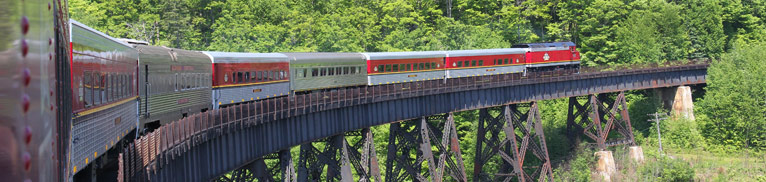
Agawa Canyon Train

Agawa Canyon Train

Want to spend a day in the wilderness? The Agawa Canyon Tour Train will fulfill that desire. Starting early in the morning, passengers board for a one-day rail adventure that leads to the beautiful Agawa Canyon in the heart of the Canadian wilderness.

In the upper peninsula of Michigan, Sault Ste Marie is the place to begin. You will first cross the International Bridge into Ontario, Canada where you board the all-day excursion to the back country of Canada. Everyone settles in to watch the scenic view pass by the  large windows of the excursion train. Lakes, waterfalls, and many pines give a feast to the eyes as mile after mile of this 228 mile journey relaxes your mind. A knowledgeable tour guide delights travelers with stories of local history, Ojibway, fur traders and explorers. For breathtaking views along the way, monitors throughout the coaches are connected to a camera mounted on the front of the engine.
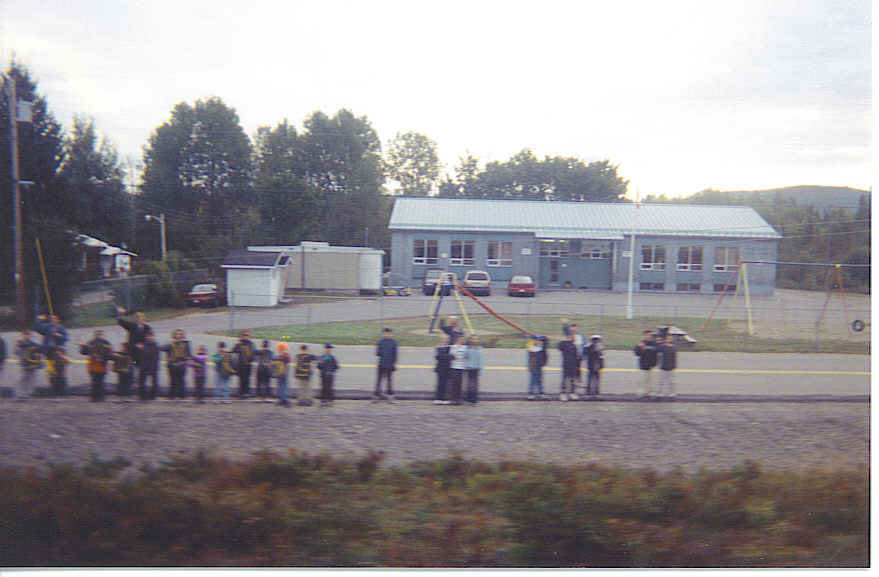
School children wave to the Agawa Canyon Train.

School children wave to the Agawa Canyon Train.

Around nine o’clock, the train gives a whistle as it passes the elementary school where students line the track waving to the Agawa Canyon Tour Train. The guide said the children look forward to this break in the morning, while the teacher attempts to involve them in the history of their area.

Although this is a wilderness area, some people still live here. Every few miles the train will stop at a small depot to leave mail and packages. Once in a while, a passenger might board for a ride farther into or out of the canyon. Locals are accustomed to the arrival of the train as the tracks were laid in the canyon during the winter of 1911-1912.

Towering trestles provide spectacular views of the valleys below and once in a while you can catch a glimpse of the end of the train as it curves around the valley walls. It is thought that Agawa Canyon was created from a fault, which occurred over a billion years ago.
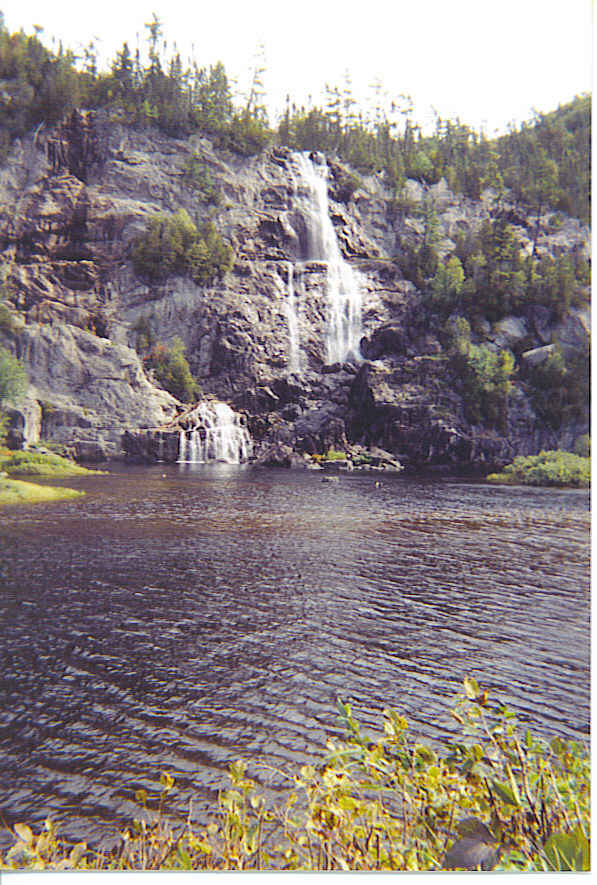
Waterfalls at Agawa Canyon Park

Waterfalls at Agawa Canyon Park

At the farthest end of the tour, the train sweeps down to the floor of the canyon stopping at Canyon Park. There are only two ways to reach this spectacular park area : by train or hiking. Great views of the waterfalls appear from the canyon floor, so this is the perfect time to stretch your legs and do a little exploring. The Overlook is a great place for breathtaking pictures while the train stops for about an hour.  As you might imagine, there is a Souvenir Car here in case you want to purchase a special memory of the excursion.

As you get closer to Agawa River you notice that the color is rather unusual. It has a near rusty color caused by staining of tannic acid, which comes from the roots and bark of the many cedar trees in the area.
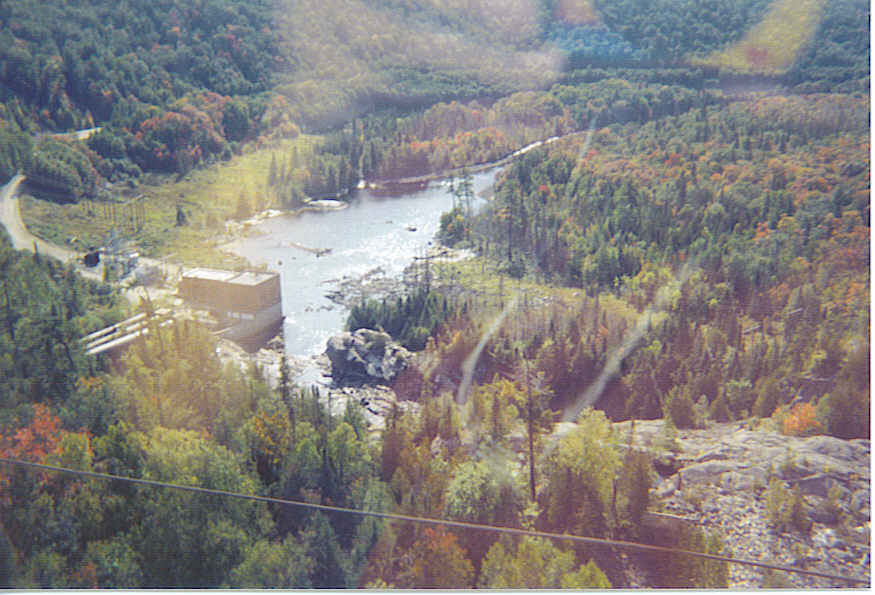
Agawa Canyon Overlook

Agawa Canyon Overlook

A box lunch on the way back settles everyone in their turned around seats to enjoy the scenery from another direction. Although many small animals live in this area, none were seen on this particular trip. The larger ones have two reasons for avoiding the canyon: the walls are too steep and the train is too loud. This is truly a day for relaxation and visiting with friends and new acquaintances.

For those who enjoy the sound and feel of a train ride,  Agawa Canyon Train Tour is a great, relaxing experience.As David P Morgan said, “Things that move are a lot more exciting than things that stand still.” I agree!

Agawa Canyon Tour Train can be reached in Sault Sainte Marie, Ontario across the International Bridge from Michigan. Boarding takes place at Bay Street along the St. Mary’s River. The train runs from June – October on its regular daily runs. However, the Snow Train operates only on Saturdays from late January until early March. Check ahead for changes in schedule.
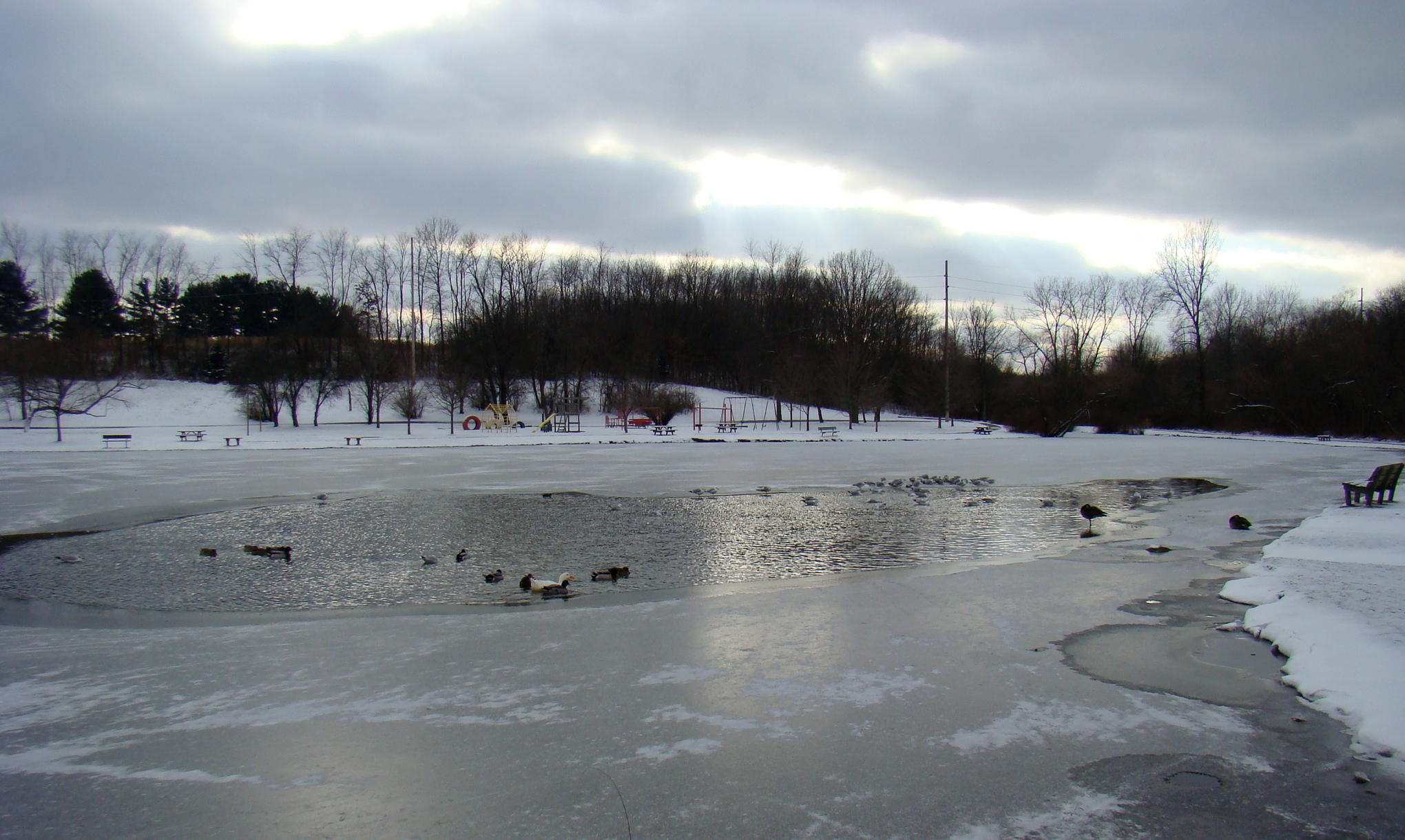
Beautiful Ohio’s Winter Wonderland

Jackson Park near Byesville provides a scenic place to walk on a winter day.

Jackson Park near Byesville is a great place to walk on a winter day.

Snow flakes fall against the window panes while the wind howls through the cracks in the wall. Looking out the window here in Ohio, there is snow as far as the eye can see. This is the perfect time to get out the picture album and reminisce about other snowy days.

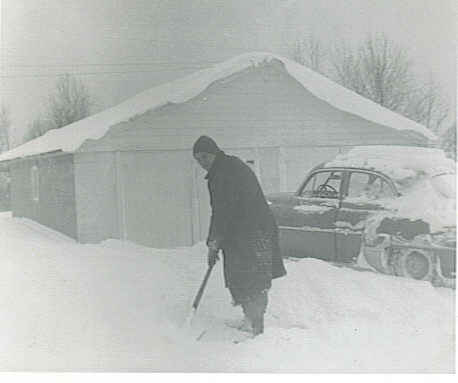
Dad shovels snow.

Dad bundles up to shovel snow.

Shoveling snow has always been a winter chore throughout the years. Often this task got delegated to the man of the house as he bundled up in buckled boots, old overcoat, and toboggan to protect himself against the winter cold. At the time of this picture, the car wasn’t driven into the garage because the tires had chains on them to enable better traction in the snow. Sometimes it may have been days before anyone cleared the roads. It may be a neighbor with a blade on his tractor or perhaps the highway department, that finally opened the roads for needed supplies. Often when the snowplows cleared the roads, they would push a pile of snow a couple feet high across the end of your driveway. Or you may have lived in a place where the winds blew drifts several feet high. Those were and still are the times that try men’s souls and their backs.

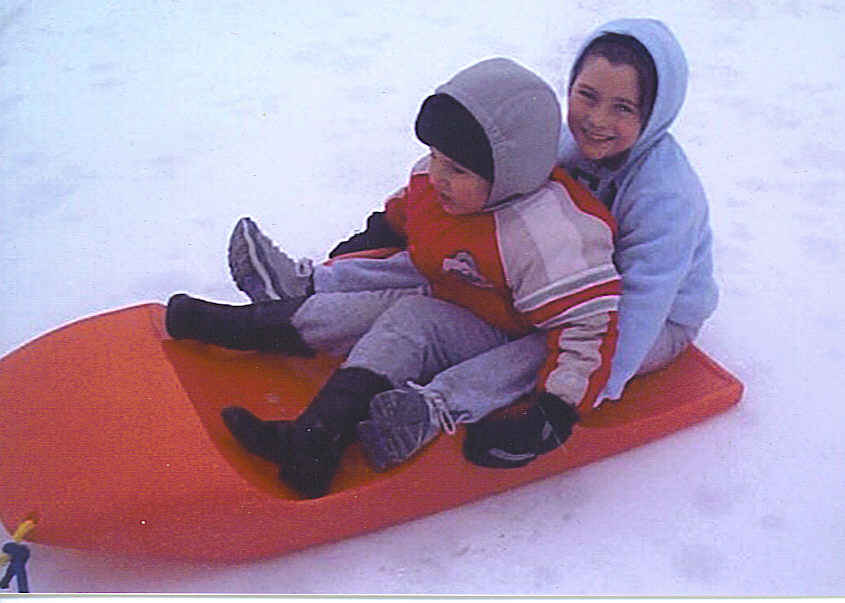
Children enjoy a sled ride.

Children enjoy a sled ride.

Children always enjoy a ride on their sled whether they are being pulled by someone or gliding down a hill. Many neighborhoods have a favorite hill where children gather to race on their sleds. Sometimes they may use a large lid or piece of cardboard with the front bent up so it can slide easily down the hills without getting caught in the snow. An old innertube also provides a great way to slide down a hill. You can be certain that everyone is going to come home covered with snow and ready for some hot chocolate.

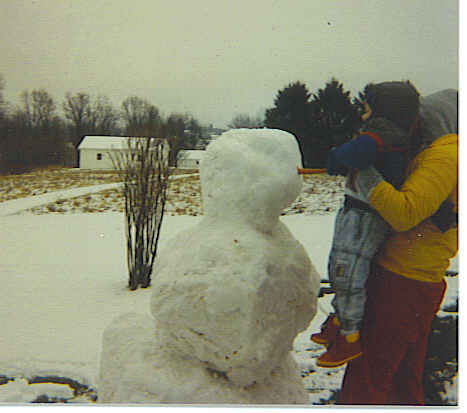
Carrot nose placed on his first snowman.

Carrot nose placed on his first snowman.

Another favorite activity in the wintertime is building a snowman. Parents enjoy helping youngsters build that first snowman as it makes dad and mom feel young again too. To add the finishing touches, a nose is created by using a carrot, while its mouth and two eyes are made out of coal. Many times a hat is placed on the snowman’s head with a scarf around their neck. Then everyone hopes it doesn’t melt away too quickly after all that hard work.

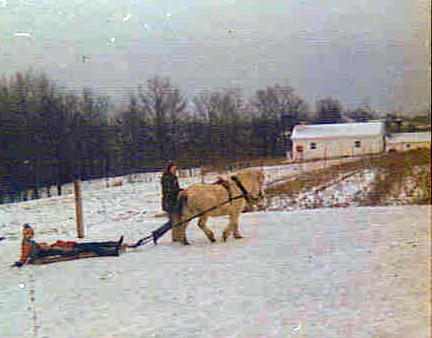
Pepper, the Pony, pulls a sleigh through the snow.

Pepper, the Pony, pulls a sleigh over the snow.

If you are lucky enough to have a horse of your own, or a kind neighbor with a horse, hooking up a sled or sleigh behind a horse is great fun. It is important that someone either lead the horse or ride it as otherwise the horse might take off too quickly leaving passengers on the ground in the snow. What a treat when it works properly!

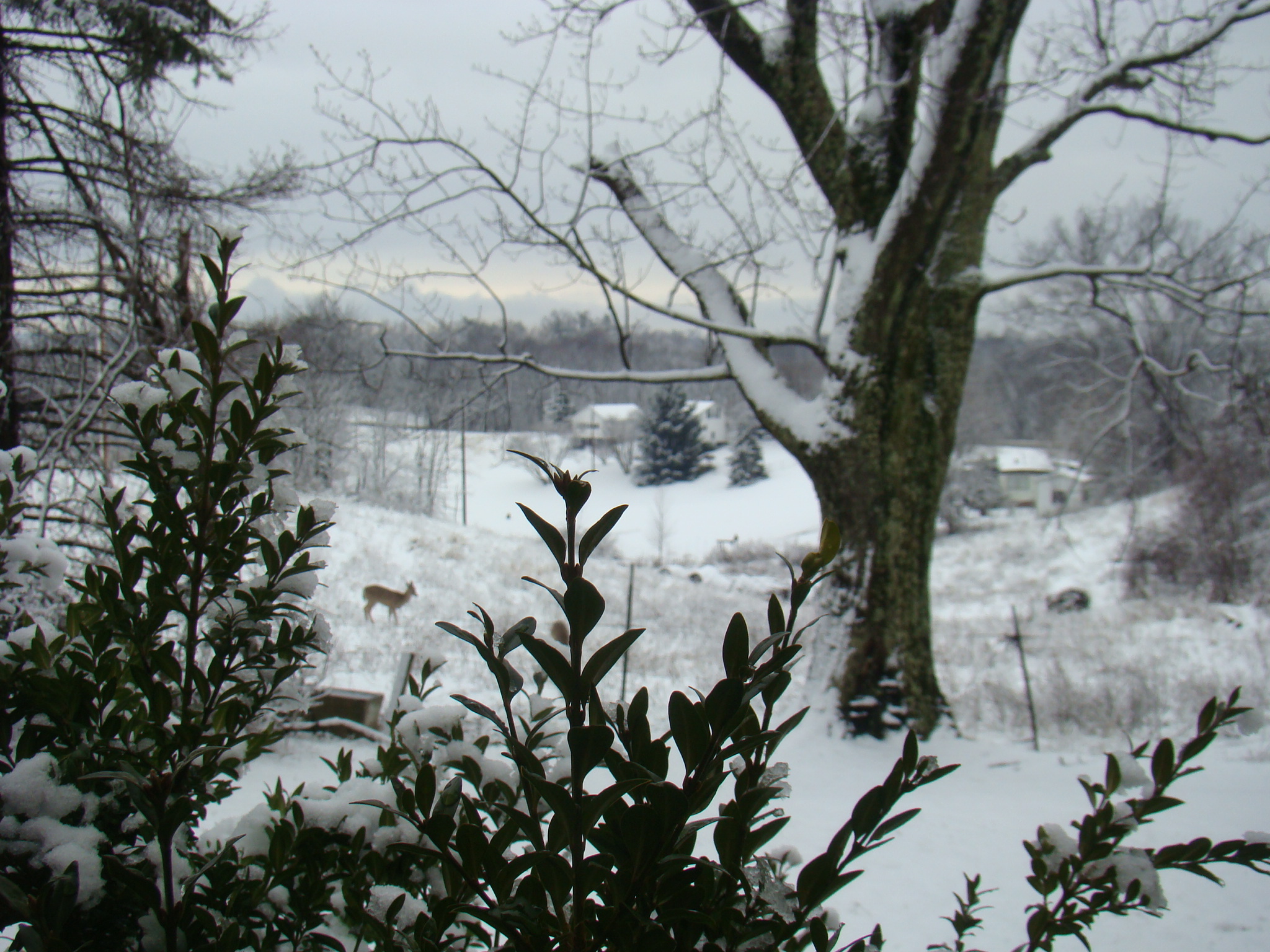
Deer wander over the Ohio hills.

Deer wander over the Ohio hills, as seen from my kitchen window.

This is also the time to see animals seemingly enjoying the snow as well. Kittens leap over snow covered chairs and playfully wrestle on the ground, while dogs might just sit and watch the activites around them. Deer graze on a few blades of grass still poking through the snow, while keeping alert to any danger around.

While this is not a favorite season for all, many truly enjoy taking a walk in the snow, skiing, or ice skating on a frozen farm pond. Winter recollections can be an enjoyable way to pass a homebound day. Wonder what your favorite wintertime activities might be? To tell the truth, this gypsy would rather take a road trip on a sunshiny day!

Cambridge Ohio Union Depot – Then and Now

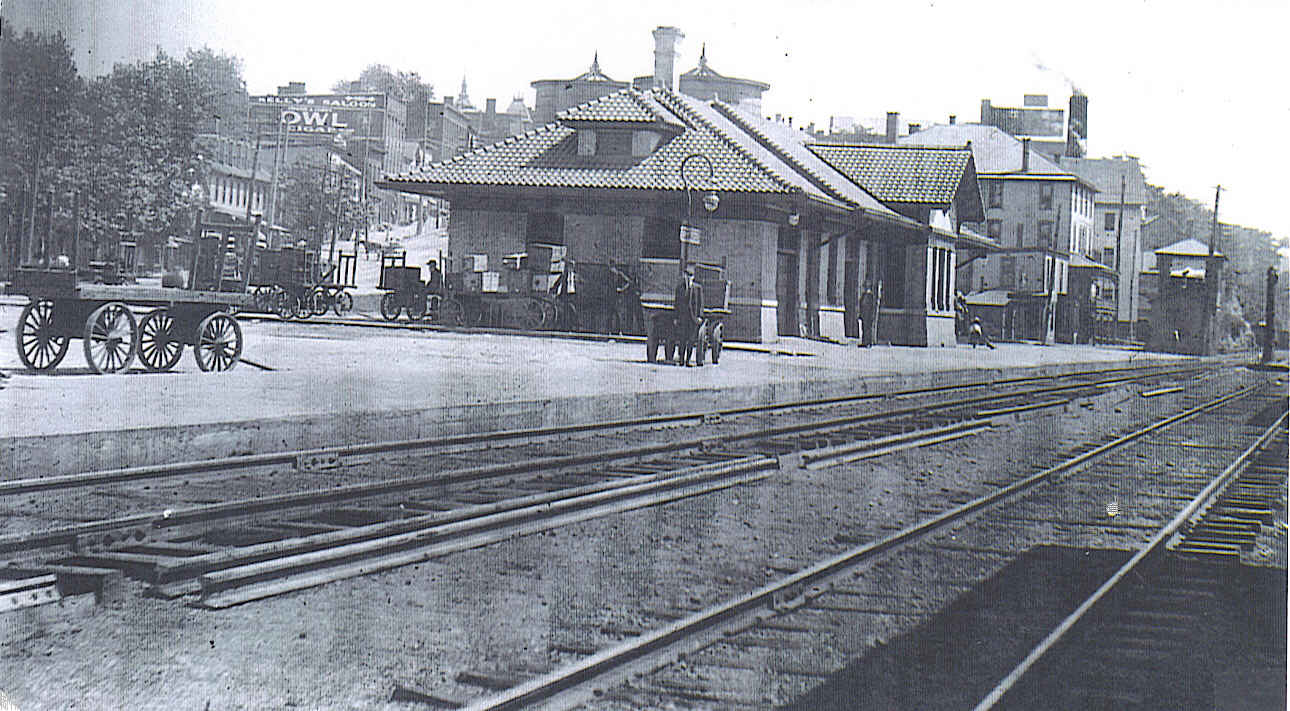
Early Cambridge Union Staton - 1907

Early Cambridge Union Staton – 1907

Long ago the railroad station at Cambridge, Ohio was a hub of activity. Originally, the Baltimore & Ohio Depot was located on the first floor of the Depot Hotel at 444 Wheeling Avenue. However, the most recent railroad station, Cambridge Union Station, was built by the B & O and Pennsylvania Railroads in 1907. According to local train historian, Dave Adair, this special railroad station had an identical twin built by B&O Railroad at Washington, Indiana. Today Cambridge Union Station remains along the tracks, but stops are no longer made there…only memories remain.

Deliveries of mail and goods were made at the train depot around the clock for fifty-four years. Mail was placed in a mail cart, then pulled by mule up the hill to the post office, which was then located where Pavlov’s Music is today. Orders placed at Sears or Montgomery Ward were usually delivered the next day, and often residents would eagerly wait by the tracks for their arrival. For those who could not meet the train, delivery services, like those run by Billy Singer, met the train daily for home deliveries.

Imagine the thrill of a memorable school field trip on the train. Such was the case with first grade students from Glass Plant School, who enjoyed riding the rails to New Concord. There they visited the home of their teacher, Miss Daniels, enjoying milk and cookies along with a view of her flower garden. Before the return trip to school, a walking tour of Muskingum College campus impressed the youngsters.

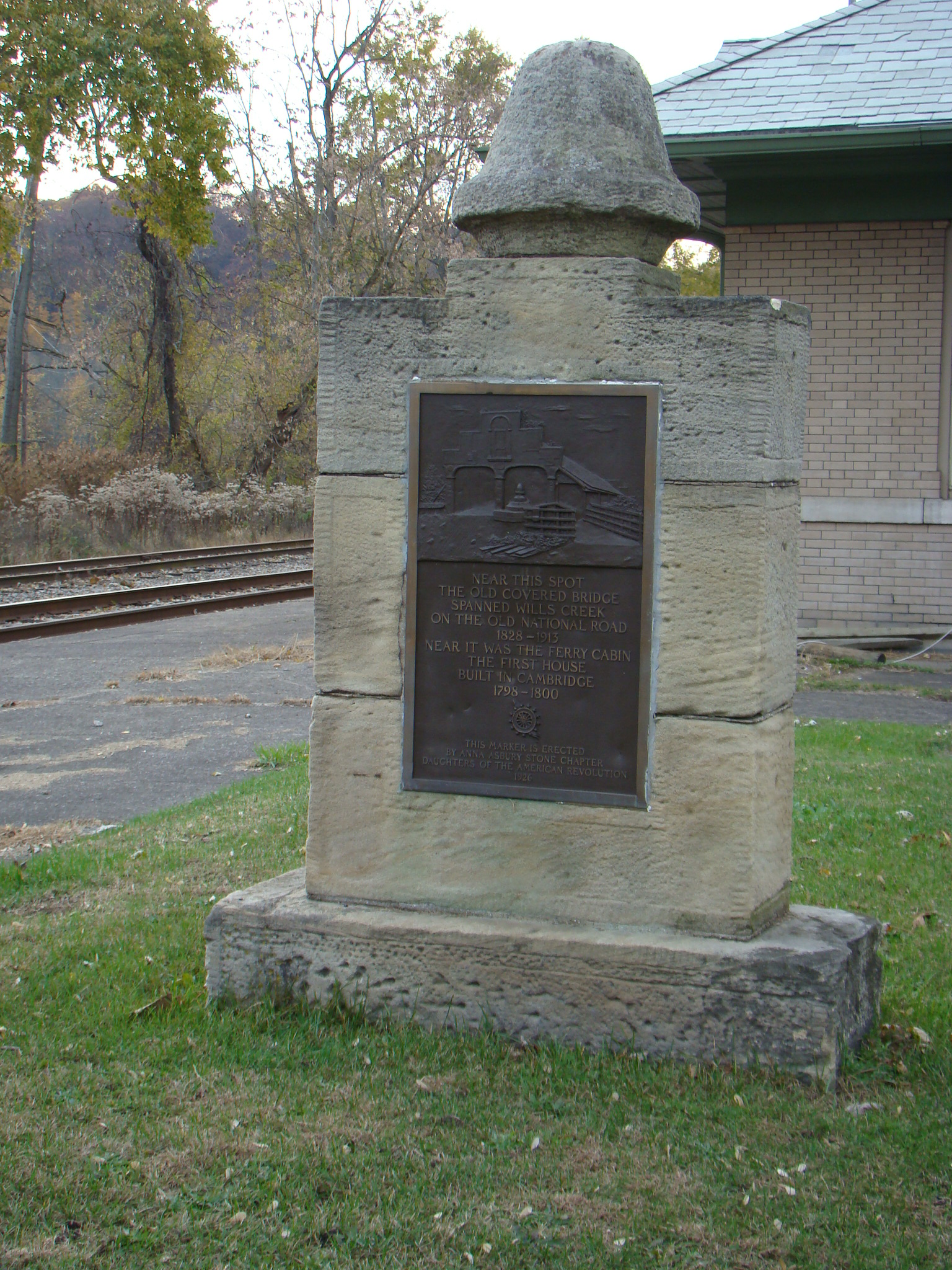
Memorial Plaque at Cambridge Union Depot

Memorial Plaque at Cambridge Union Depot

My family would drive to town in their pick-up truck to get cardboard cartons of baby chicks that arrived on the train. Mom always went along to stop at Thompson Feed Mill for feed for the chickens. She wanted to be sure to get feed sacks that would match the ones she was using to make some kitchen curtains or pillowcases.

Those were the days when people used the train instead of an automobile for trips to far off Zanesville and even Columbus. A friend recalled  the thrill of riding the rails to Zanesville to visit her eye doctor. Another remembered trips to Lazarus in Columbus via the train as a family adventure.

Dad often talked of hopping on the train to Chicago. Back in 1958, the cost of a one way ticket was $19.85, which included an overnight Pullman car. Have to wonder if in his younger days, Dad rode in the Pullman or perhaps in a boxcar?

While the tracks are still active today, no stops are made at the lonesome depot. Outside the depot stands a memorial placed there in 1926 by the Daughters of the American Revolution to remind visitors of the beginnings of Cambridge. In the earliest times, crossing of Wills Creek was made by ferry, the first real business in Cambridge. Nearby, Ezra Graham established Ferry Cabin, the first house built in Cambridge back in 1798.

Double Covered Bridge over Wills Creek

Postcard view of Double Covered Bridge over Wills Creek

Crossing Wills Creek near the station, was the original Double Covered Bridge that carried people and animals down the Old National Trail from 1828-1913. That early bridge was somewhat dangerous to cross as the timbers often were displaced by floods, causing the bridge to frequently lean. Cost to cross the bridge was twelve cents. Soon nearby, a tavern and hotel were built and Cambridge got its beginnings.

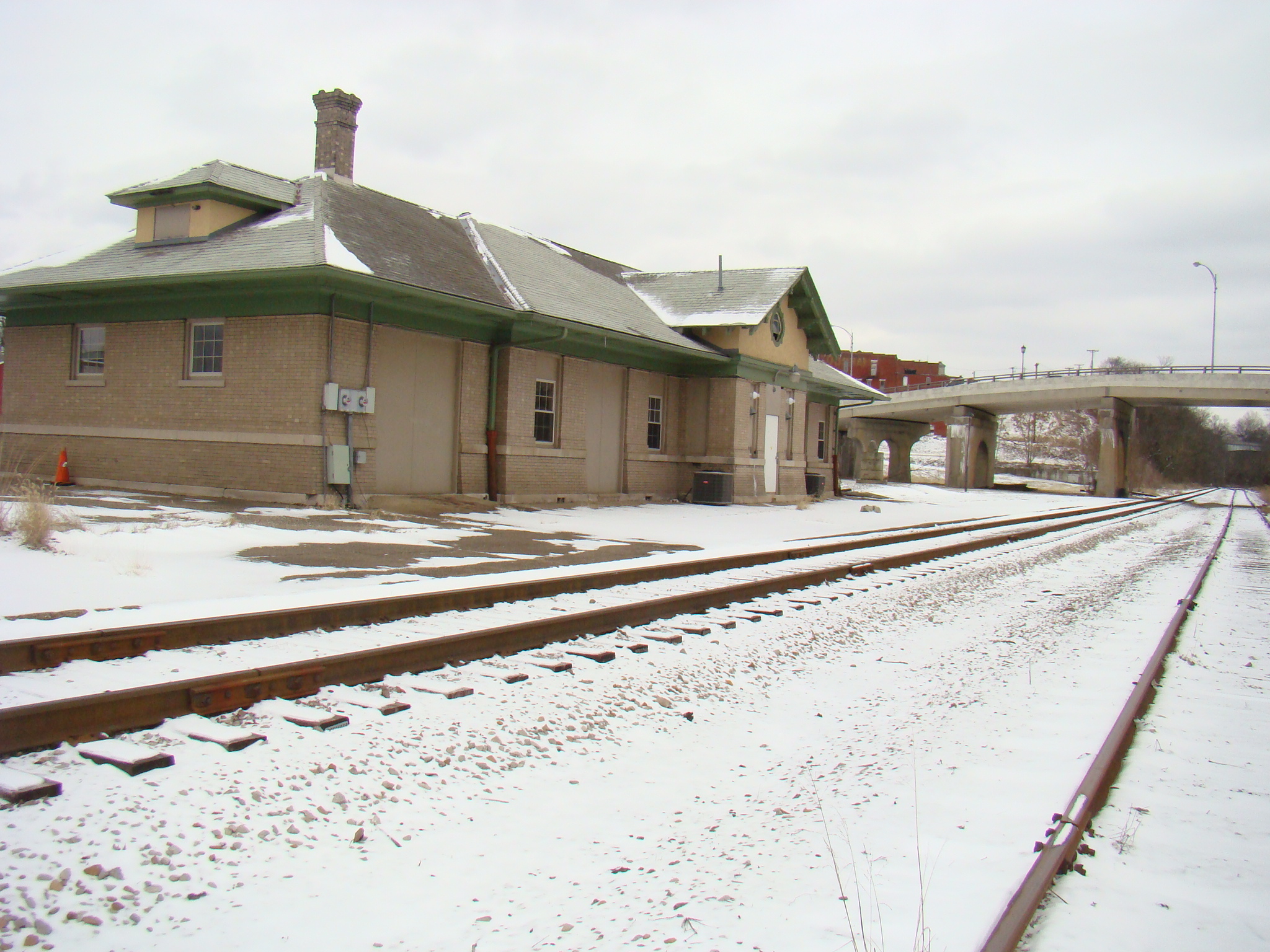
Cambridge Union Station - 2014

Cambridge Union Station – 2014

Union Station is still a great place to visit and feel the old memories that live there. Once in a while a train passes by so you might get a friendly wave from the engineer. As you stroll around the depot, notice the viaduct where that double covered bridge used to cross. Let your eyes wander to Wills Creek and imagine a steamboat going down those waters. Life then was certainly different than what we experience now.

Cambridge Union Station is located in Cambridge, Ohio just off Route 40, the Old National Road. It sets on the west side of the present viaduct near the corner of Wheeling Avenue and 4th Street. Since it is right along the railroad tracks, you can’t miss it!

Aloha from Alluring Maui

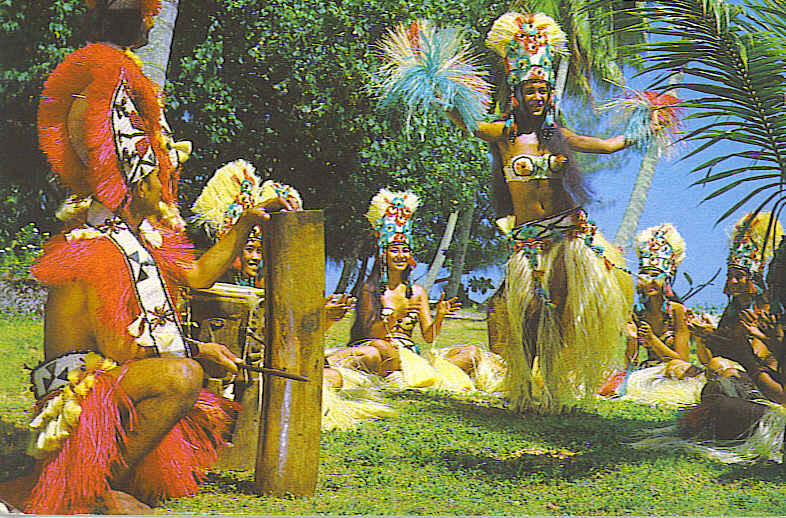
Hawaiian hula dancers welcome visitors to Maui.

Hawaiian hula dancers welcome visitors to Maui.

Brrr! The weather in Ohio has been bitter cold this January, so thoughts drifted to Hawaii and sunny beaches. Perhaps you might enjoy a little tropical scenery as well. While this trip was taken several years ago, the memories are still alive through pictures and journals.

The second largest Hawaiian island, Maui, often boasts the name “The Valley Isle” due to its beautiful, never-ending, scenic views. According to legend, it received its name from Polynesian navigator, Hawai’iloa, who named the island for his son, Maui, who had in turn received his name from the demigod, Maui.

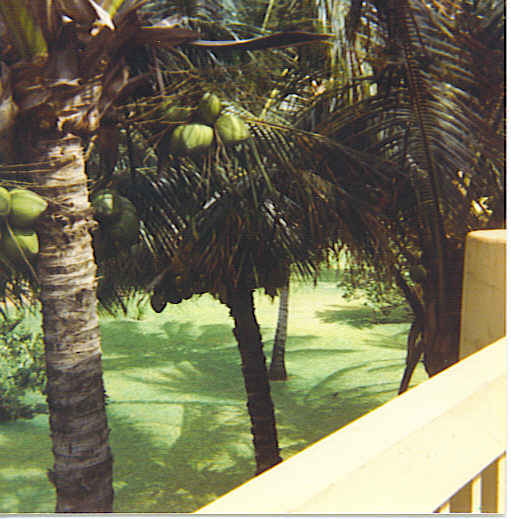
Coconut Trees close by

Coconut Trees were a special treat.

Volcanic activity is no secret in the Hawaiian Islands, and here on Maui stands one of the world’s tallest mountains. Maui’s youngest and tallest volcano, Haleakala, measures five miles from sea floor to summit. Never fear, the last eruption happened back in 1790…but, you never know, perhaps it will blow its top again sometime soon.

Three roads will take you around the island: Route 30, The Road to Hana, and Pilani Highway. Before you head off on an island adventure, be certain your gas tank is filled as gas stations are few and far between. At the lone station in Hana, gas prices are about a quarter higher per gallon than any other place on the island. At today’s prices, that would mean $4.26 and up per gallon.

Lava fields appeared around every corner; however, there was also a great deal of agricultural activity on the island. Workers could be seen placing drain pipes in fields to be planted with sugar cane. Pineapple fields extended from roadway to ocean and the plants were just beginning to produce that delectable fruit. Surprisingly, even large herds of cattle were seen on a ranch approaching the city of Hana.

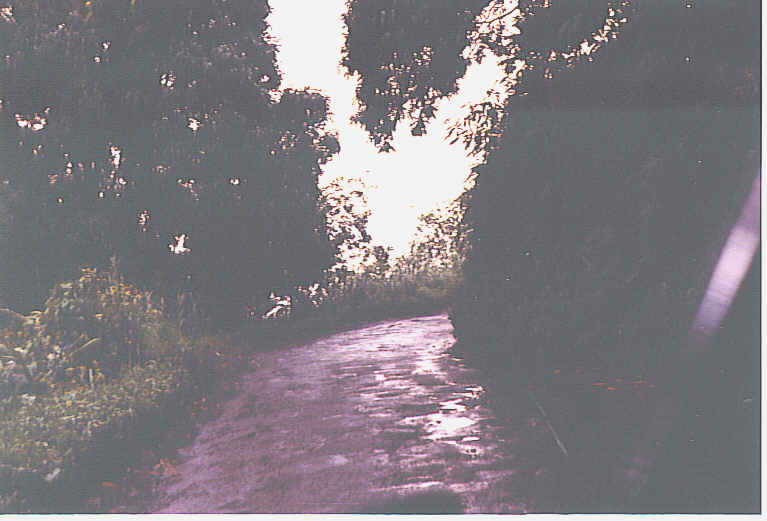
The Road to Hana

The narrow Road to Hana

The Road to Hana is one of the most scenic highways in the United States. Locals will insist that you need them to drive you over this narrow, twisting highway. But they have never been on the roads of southeastern Ohio, so it wasn’t an impossible task for this gypsy. All that was needed was a slow speed for the hundreds of hair-pin turns, and patience with other drivers. Average speed for most drivers is 15 mph on The Road to Hana, even though the posted speed limit is 20 mph. One of the main problems stems from tourists wanting to stop, soak in the tropical scenery and take pictures. Traffic congestion sometimes results, as the road isn’t very wide!

Waikani Falls

Waikani Falls

But who can resist stopping to observe the surrounding beauties of Maui? On the inland side, it’s only natural to stop at the many waterfalls along the way. Waikani Falls, also known as Three Bears Falls, is the tallest falls on Maui. Here 400′ of water slide over sheer lava rock walls to present a shimmering image.

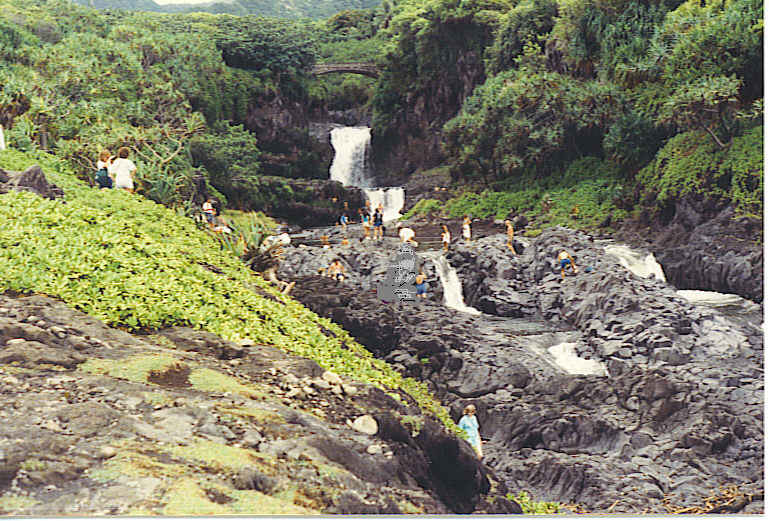
The cascading waterfalls leading to Seven Sacred Pools were definitely a favorite spot to relax. It’s proper name is Ohe’o Gulch, one of the most popular stops on the Road to Hana. Climbing here was a cautious affair, but worth the challenge in order to swim in the pools.

Falls at Seven Sacred Pools

Falls at Seven Sacred Pools

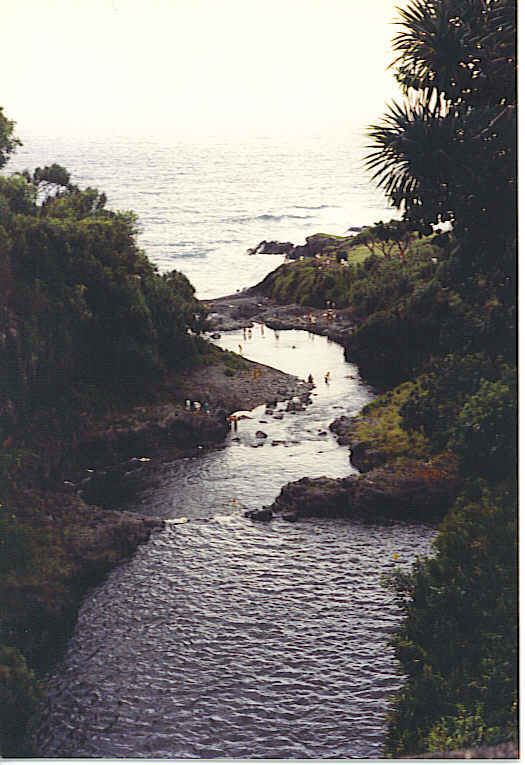
Seven Sacred Pools lead to the Black Sand Beach

Seven Sacred Pools lead to the Black Sand Beach

While along the coast, the Black Sand Beach entices visitors to take off their shoes and attempt to walk on the tiny black lava pebbles, which are actually volcanic rock pulverized by the ocean waves.  But near Hana, you will also find the secluded Red Sand Beach made from a collapsed volcanic cinder cone. Here you will want to wear some sturdy shoes as the red cinders are rough to the touch.

Visiting Maui brings lots of pleasure. Before leaving, pack up your pictures and memories so your thoughts can return again and again. You might even bring home a tee shirt that says “I Survived the Road to Hana”. Aloha!

Travel between islands on Hawaii usually involves a small plane or boat. Once on the islands you can rent a car to travel at your leisure. If your stay is a short one, perhaps you would rather take a shuttle, tour bus, taxi, or public transportation. Any way of travel is sure to bring an enjoyable experience.

The Train to Nowhere

The Train to Nowhere

The Train to Nowhere

A beautiful diesel-electric locomotive awaits on the tracks in the small town of Byesville, Ohio. At this point in time, it is called “The Train to Nowhere”, as it remains in place unable to move down the Byesville Scenic Railway due to circumstances beyond their control. But that doesn’t mean the spirit of the railroad isn’t alive here! It continues with a program called “The Coal Miners’ Story.”

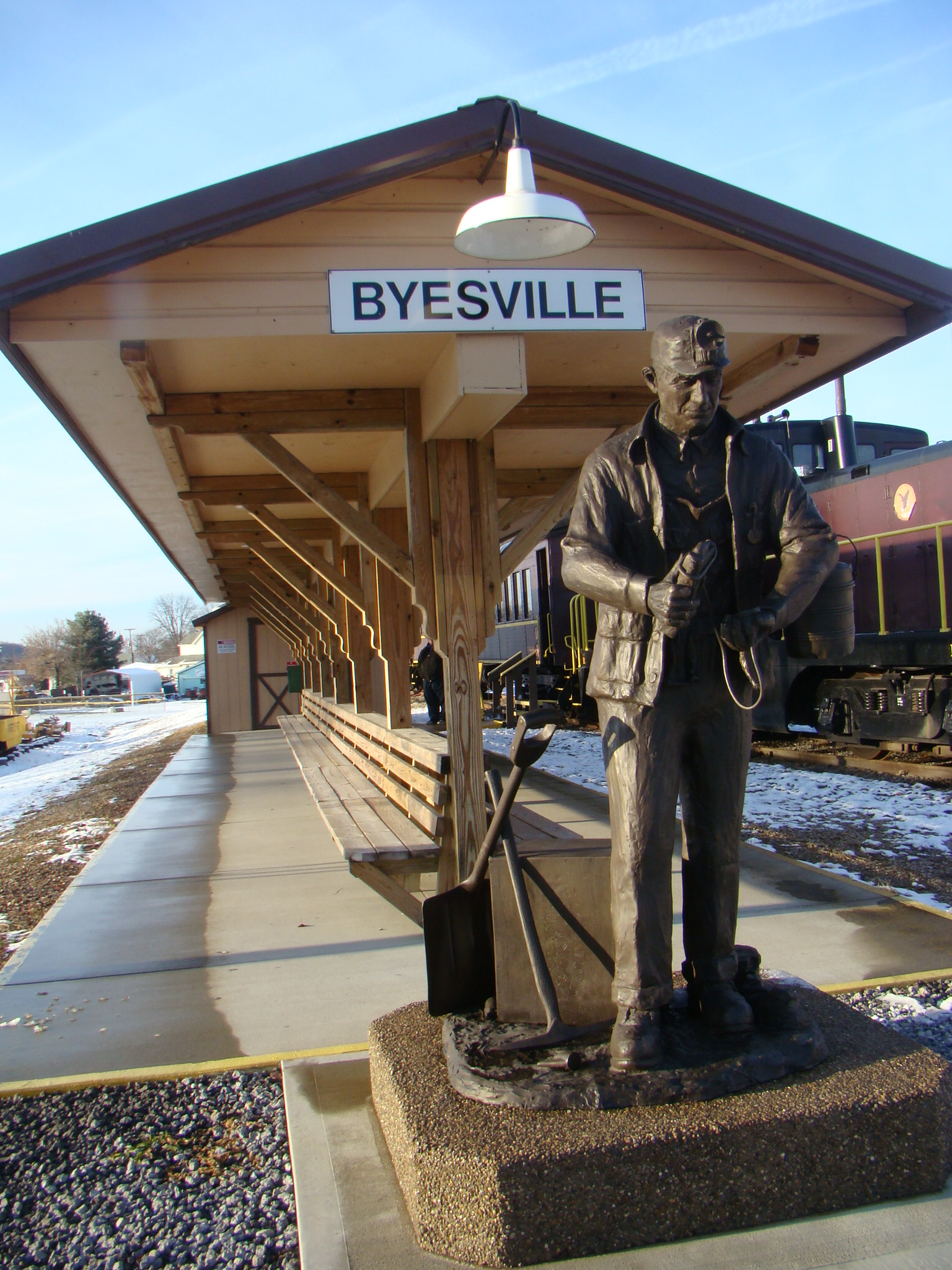
Bronze Coal Miner Statue

Bronze Ohio Coal Miner Statue

As soon as you pull into the parking lot, the bronze coal miner statue catches your eye. The Ohio Coal Miner was sculpted by Alan Cottrill at Cottrill Sculpture Studio and Gallery in Zanesville, Ohio, and dedicated in September of 2012. This statue is a tribute to miners and their families in Ohio, as well as across the entire nation. The miner’s brass tag reads 382, the number of coal miners who lost their lives in the deep mines of Guernsey County over the mines’ sixty active years. During the past few years, all contributions given to the Byesville Scenic Railway during their train rides were dedicated to building this memorial statue, which actually cost nearly $40,000 to reach completion.

A portion of the plaque in front of the statue states: May your personal sufferings, sacrifices and the hardships endured by your families, never be forgotten nor taken for granted.

Sadly, the train is not able to chug down the track these days due to some issues over insurance and track ownership, but the volunteers at Byesville Scenic Railway are still sharing a unique presentation of life during the days when coal mines were booming in the early 1900’s. At that time, Byesville had 77 mines, and was considered to be “The Coal Mining Capital of Southeastern Ohio”.

Visitors are invited to take a seat on “The Train to Nowhere”, where they are given information regarding the 1917 train cars and the diesel locomotive. Back in the coal mining heyday, the train ran from Cleveland to Marietta delivering coal from Guernsey County mines. The Byesville Scenic Railway volunteers are optomistic that the train will be running again a few years down the track.

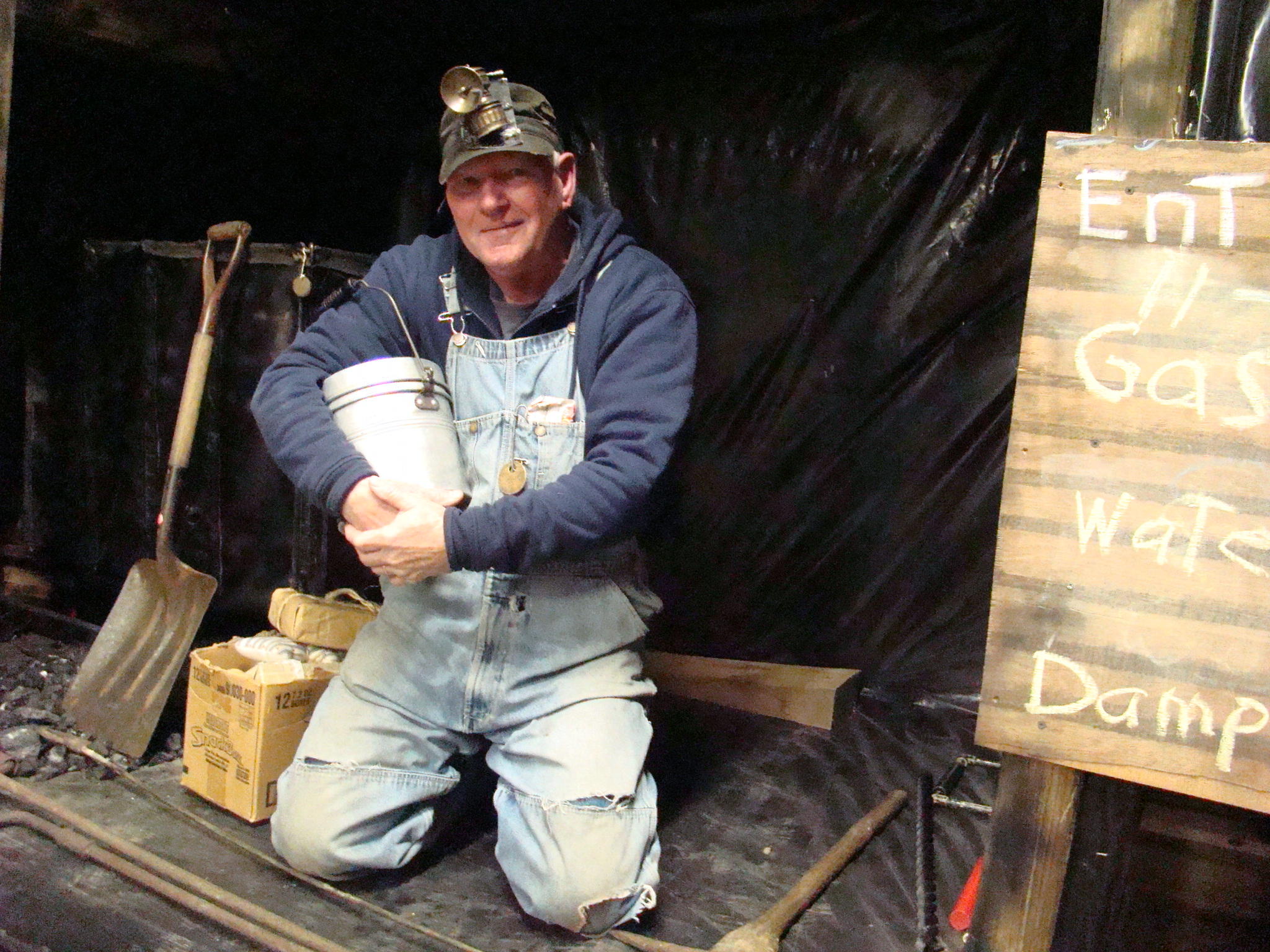
Dave Adair tells coal miners' stories.

Dave Adair tells coal miners’ stories.

In their “old greasy mechanic garage” – sometimes used as a movie theater room, the volunteers have constructed a makeshift mine of black plastic walls. It is here in Entry 7 South that a living history of a local coal miner is portrayed by volunteer, Dave Adair. He describes the harsh life of a miner as well as the poor home conditions. Beans and cabbage were two frequent items on their supper menu, with meat seldom being a part of their food supply. According to Miner Dave, “All were poor but no one realized it because all were the same.”

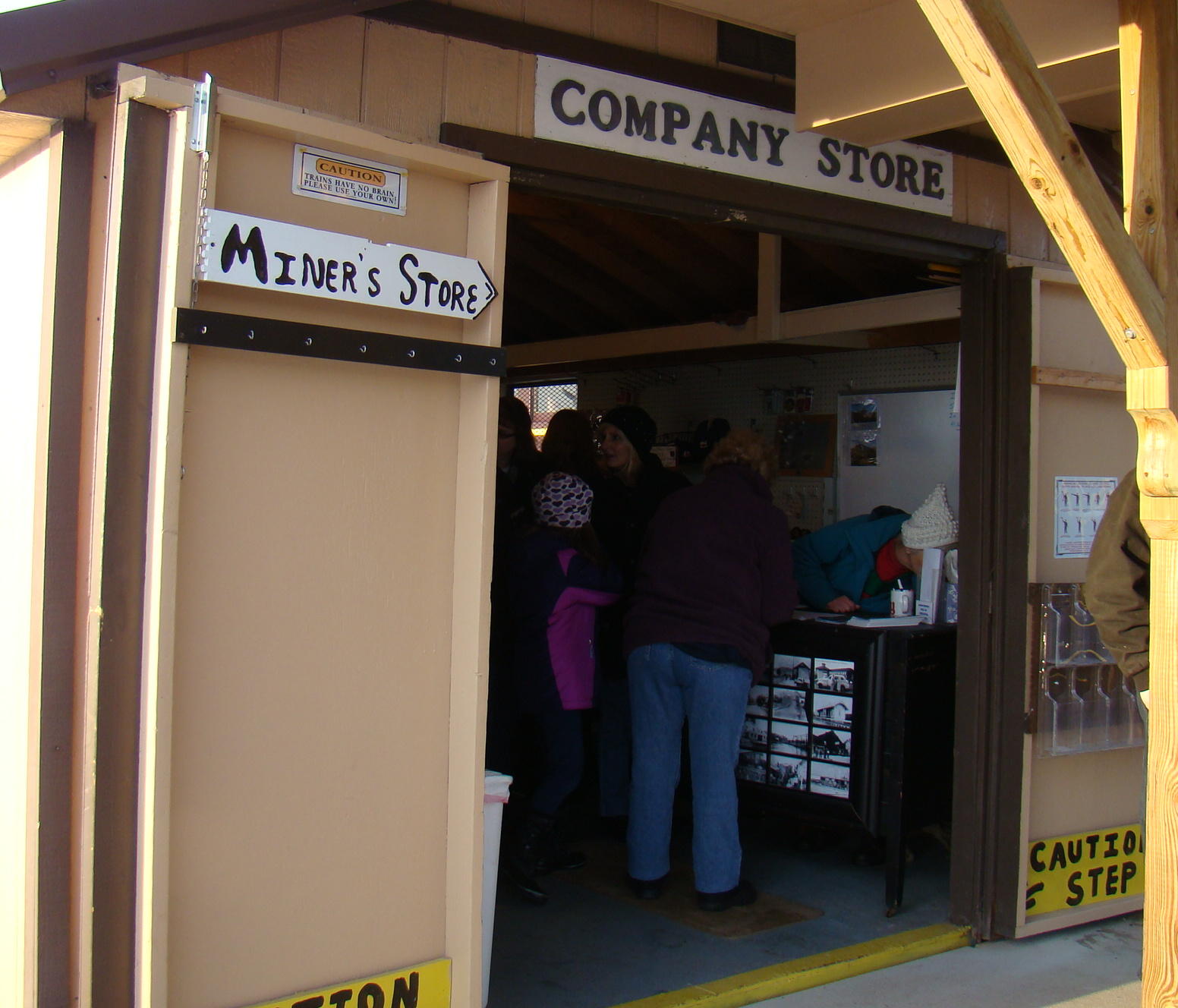
"I owe my soul to the Company Store."

“I owe my soul to the Company Store.”

Miners were very superstitious and often carried lucky pieces in their pockets. Over the entrance to the mine, a horseshoe was often placed. It had to be placed with the open side up so the luck wouldn’t run out with 100,000 ton of rock above their heads.

Treasures for families of coal miners and train enthusiasts can be found in the Company Store. A variety of gifts for young and old alike range from engineer hats and handkerchiefs to mugs and wine glasses. You won’t want to go home without a memory of those hard working miners.

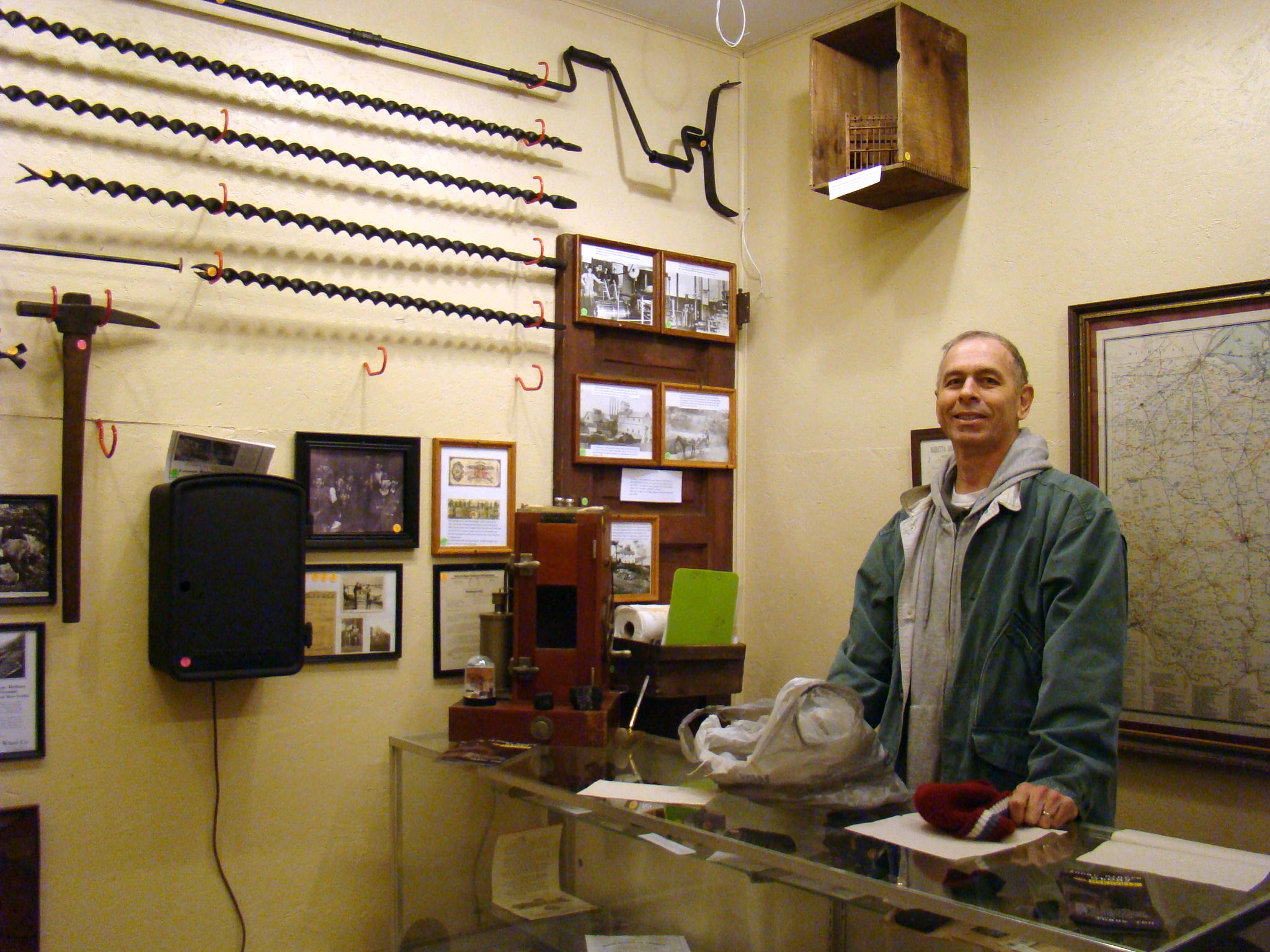
Steve Stolarik explains Mineres Museum.

Steve Stolarik explains Miners’ Museum.

The Miners’ Museum has been developed in more recent years for the education of the general public. It contains a collection of original coal mining equipment used in the local mines. On the wall are displayed the various bits used to drill into the coal face to insert a stick of dynamite, which the miners had to buy themselves from the company store. Steve Stolarik was on hand to explain how the bits and lanterns functioned when the miners were deep in the mines. Included for display are numerous pictures of the old Guernsey County Coal Mines.

Keep your eye on the track to see when the “Train to Nowhere” will again be on the move. In the meantime, visit the website of Byesville Scenic Railway to see their scheduled events. Local train enthusiasts are singing hopefully, “I hear that train a comin’, it’s rollin’ round the bend.” 

Byesville Scenic Railway is located in Byesville, Ohio just off I-77 (Exit 41) south of Cambridge. Turn toward Main Street of Byesville, then left at the traffic light.  The train depot is one block on the right. Free parking is available along Second Street and Seneca Avenue. 

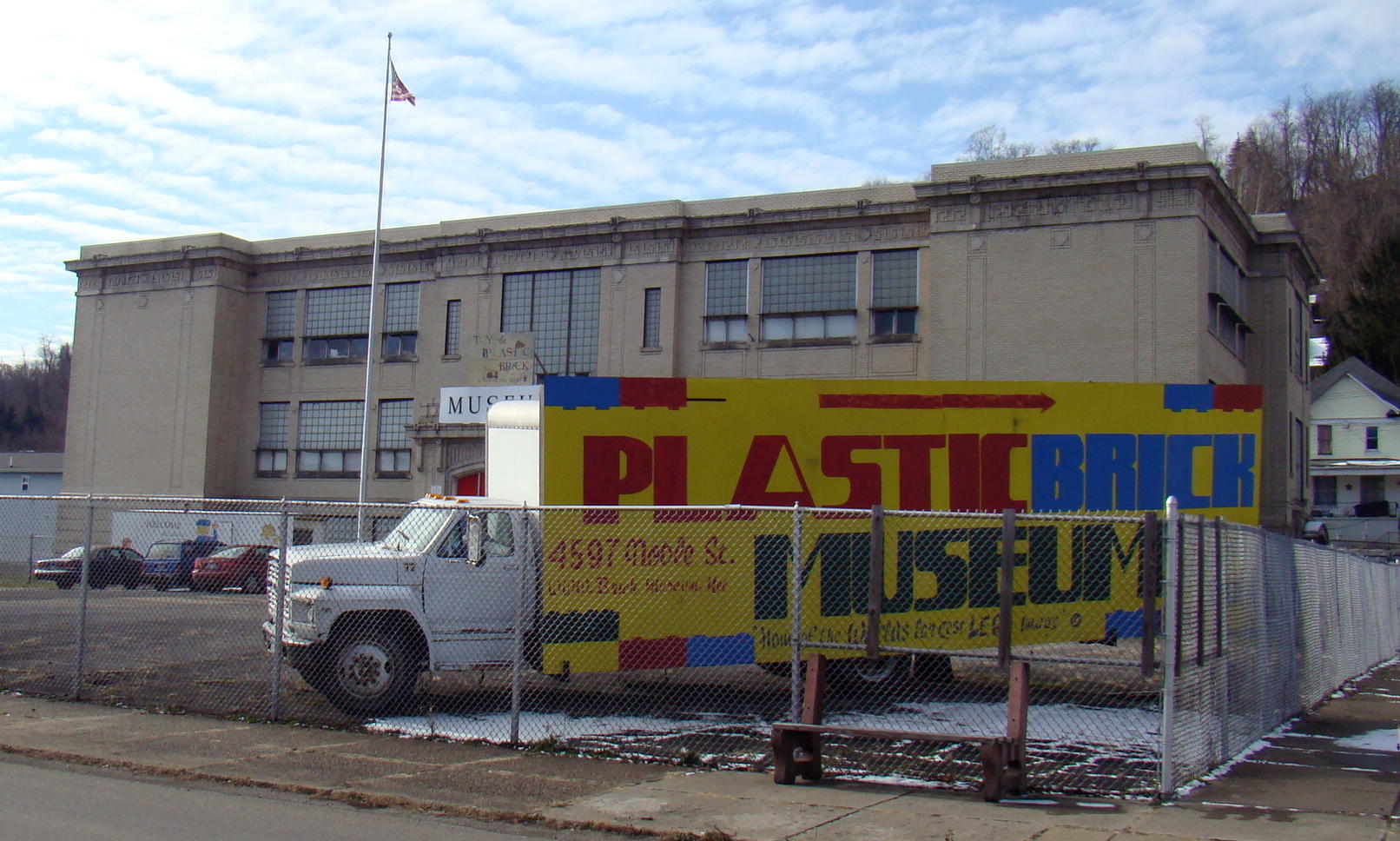
Toy and Plastic Brick Museum “Unofficial LEGO Museum”

The sign out front says "Unofficial Lego Museum".

The sign out front says “Unofficial Lego Museum”.

Building blocks have been a favorite gift for many years. That tradition continues today with evolvement of blocks from wooden to plastic, including animation possibilities.

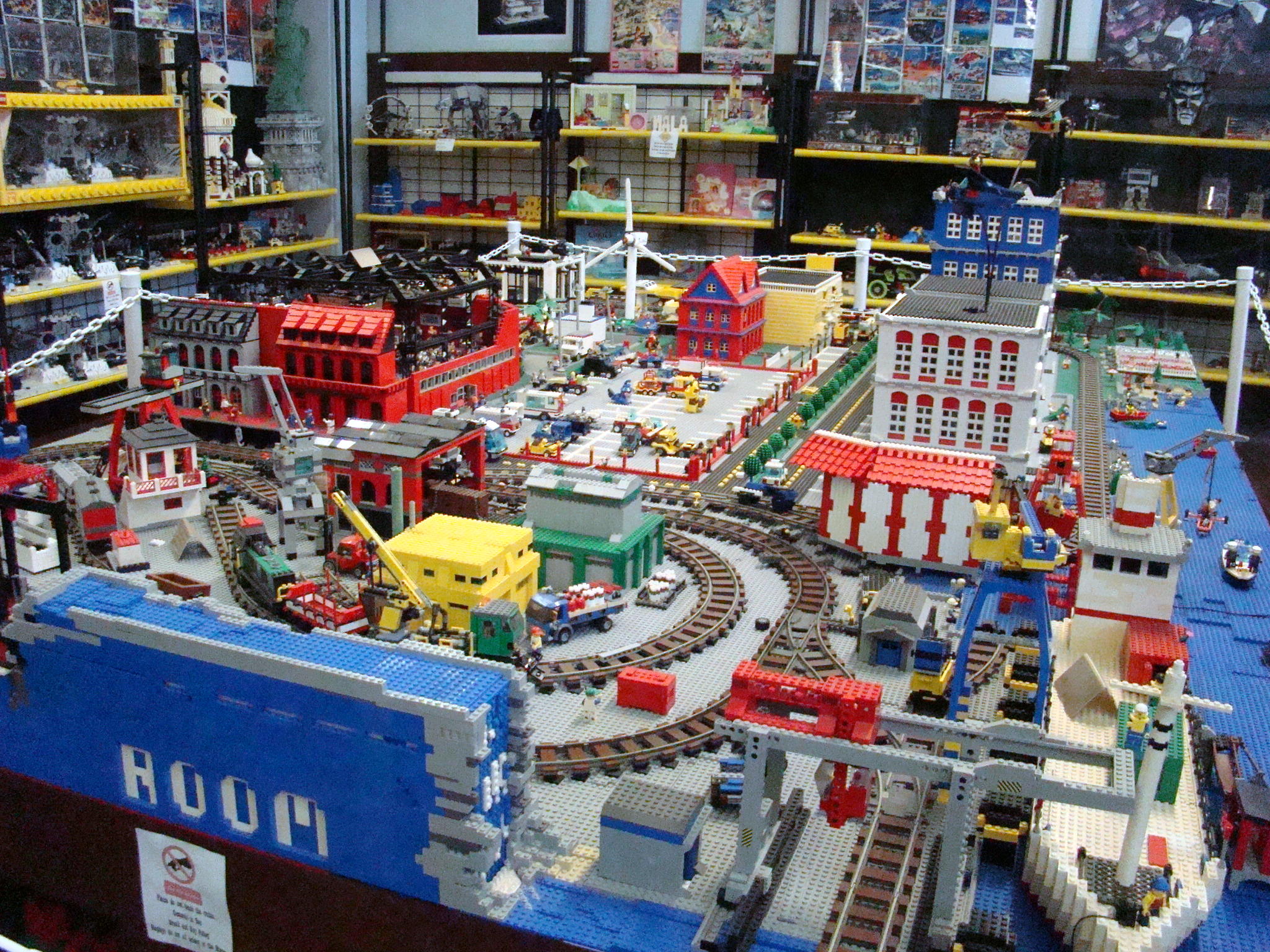
An active imagination can create almost anything from Lego plastic bricks. Dan Brown, museum curator at the Toy and Plastic Brick Museum, displays proof of that.  He has collected enough Lego blocks to earn the museum the title of “Largest Personal Collection of Lego Blocks in the World”. There’s no doubt about that fact as Dan has over four million Lego blocks…a number  that increases almost daily.

This Toy Museum is for all those who enjoy the world of Lego art- young and old alike. The name Lego actually comes from a contraction of two Danish words: leg godl, translated “play well.”  Lego began as a builder of wooden toys. Then in 1937 Ole Kirk Christiansen began making plastic blocks.

Plastic Brick Museum Sign in front of building.

Plastic Brick Museum Sign in front of old school building.

You can’t judge a book, or a building, by its cover, as surprise after surprise waits inside this old school. The former Gravel Hill Middle School in Bellaire, Ohio has three floors of amazing suprises, which all involve Lego blocks!  Since there wasn’t enough room here for Dan, he bought another local school to store his spare parts. Dan has a great sense of humor as he hoards Legos for future use. While shaking his head, Dan describes himself as “a crazy guy who wanted to retire and open a Lego Museum in Bellaire, Ohio!”

"The Vault" contains original Monopoly set in gold.

“The Vault” contains original Monopoly set in gold.

When entering the main lobby on the second floor, amid all the Lego creations, a large display case called “The Vault” catches the eye. This was purchased from Disneyland and features a real gold 2 x 4 brick and an original gold Monopoly set. Throughout the museum, items from all over the world appear…most of them being Legos!

Lego Mona Lisa with Lego artist giving a final touch.

Lego Mona Lisa with Lego artist giving a final touch.

Lego creations of Mt Rushmore and Mona Lisa also add interest. Mona Lisa has a small Lego figure painting the finishing touches on that portrait. Major creations, like these murals, have been glued together to save future repair work, while many of the Legos are assembled just as youngsters would at home. Another fun fact on the walls of the museum estimates there are 52 Lego blocks for every person on the planet.  Do you have your share?

World's Largest Lego Mural on gym floor.

World’s Largest Lego Mural on gym floor with animated band on stage.

After walking down a carpet made in the pattern of Lego blocks, you arrive in the old gymnasium. Before your eyes is the largest Lego image in the world – a mosaic of an 18-wheeler tractor trailer. Designed by Brian Korte, this giant image was created by over 250 local school children with the help of AFOLs (Adult Friends of Legos). It contains over 1.2 million Lego blocks and measures 44 feet by 21 feet.

Some of those same Lego enthusiasts, the builders of tomorrow, are now attempting to construct the tallest Lego tower in the world. It begins in the basement, going up through an air shaft. They have even cut a hole in the roof so it can reach the sky. Plans at this point are for the tower to reach forty feet above the building.

Lego Train Room is animated at the push of a button.

Lego Train Room is animated at the push of a button.

Each of the classrooms throughout the building overflows with themed room Lego designs from Knights Room to Mission to Mars.  The Toy Museum also has Guiness World Records for the largest Lego castle, and longest Lego castle wall. As you can imagine, the sign “Do Not Touch” appears frequently throughout the museum but some find it hard to resist. Therefore, they have a special area where you can sit and build your own creations.

Designs from this favorite plastic brick come to life with many examples of animation…a favorite being a lively band called Plastica, which appears on the stage in the old gymnasium. The musical figures were purchased from a department store in New York City, the place Dan called home for most of his life while he worked in the world of computers. The band is powered pneumatically, showing that the world of Legos is more complicated than just building with blocks. It’s a world of engineering as well.

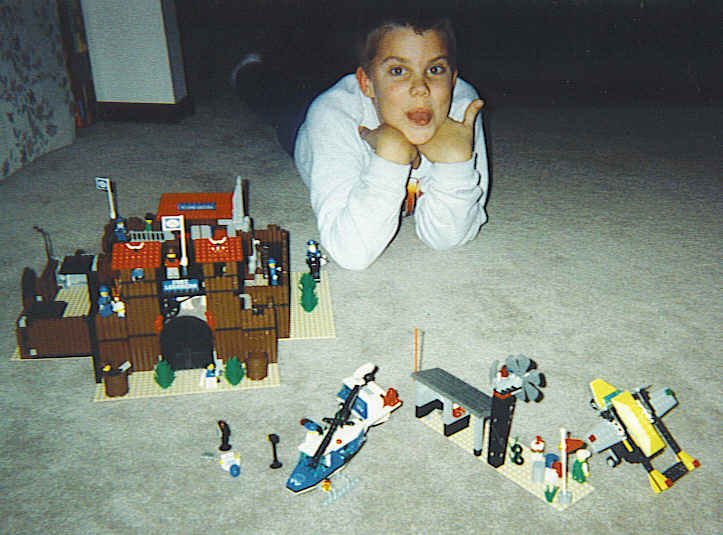
Youngsters always have fun with Lego projects.

Youngsters always have fun with Lego projects.

If you or someone in your family enjoys creating with Lego blocks, this is the perfect place to explore.  Buiding with blocks is a real brain stimulator. Did you know that possible combinations of six Lego eight-plugged blocks can create 209,000,000 seemingly endless combinations? You might get some new ideas while you explore! What will you build next with your Legos?

Bellaire Toy and Plastic Block Museum can be reached off I-70 at the Bridgeport exit. Take Route 7 south to the 48th Street Drive. Turn west two blocks until you reach a dead end. Turn left and within two blocks you will be at the museum on the right hand side at 4597 Noble Street. Hours during the winter months are 12-5 on weekends, while during the summer season, the museum is open Wed. – Sun. 12-5. For more information, call 740-671-8890.

Best Beard Contest

Merry Christmas!

Merry Christmas!

At the end of every summer, Nick began growing a beard to keep his face warm when working outside in the winter. At least that was the man’s excuse. His wife thought this good natured fellow just didn’t want to fuss with shaving.

But this year, Nick had a second reason. There was an article in the paper about a Dickens Whiskers Wars Beard and Mustache Competition. Like the men of Charles Dickens time, Nick thought it was very manly to have facial hair. With a long, full beard perhaps there was a chance to win the “Best Beard” category.

The contest would be in November so getting an early start was important. How could he speed up the process of developing a long, bushy beard? Nick read that facial hair would grow more quickly if a man is well rested and free from stress. So when his wife wanted the lawn mowed or leaves raked, Nick would give a nod of the head and say, “My beard doesn’t need that kind of stress.” Smoking a pipe with feet on a stool created more relaxation.

Nick's beard was snowy white.

Nick’s beard was snowy white.

Nick made a trip to the local drug store to pick up some biotin and B vitamins, which increase growth of hair and nails. A circular massage of his face while relaxing on the couch in the evening would also stimulate hair growth. Certainly these healthy additions, as routine parts of the day, would assist in creating the best beard possible.
Actually, all of these steps were making Nick’s beard look fantastic. His full beard was nearly a foot long with a snow-white glow. As the contest rapidly approached, Nick headed to a favorite restaurant for a couple of hamburgers, because protein also is important for beard growth.

With all Nick’s resting and eating, quite a few extra pounds had been added. No longer could a belt meet after traveling through the belt loops, so suspenders became the best way to support the larger jeans.

A little girl ran to the restaurant.

A little girl ran to the restaurant.

As Nick sat at the table wearing suspenders over a red plaid shirt with a red cap on his head, a little girl ran over and jumped up in his lap.

Her mother hurried over immediately, very upset by her daughter’s behavior. “Cathy, you know you aren’t allowed to talk to strangers.”

“But Mom, it’s just Santa Claus without his uniform.” Cathy’s blue eyes sparkled as she laid her curly blond head against the jolly man she thought was Santa.

“Ho, Ho, Ho,” burst forth from Nick’s lips. Maybe he could win the “Best Beard” contest. As Nick left the restaurant, you could hear him exclaim with his beard snowy white, “Merry Christmas to all and to all a good night.”

Best Wishes for a wonderful Christmas holiday and a New Year filled with peace and happiness.

My wish for you is a wonderful Christmas holiday with family and friends, and a New Year filled with peace and happiness.

The Little White Chapel on the Hill

Royer Chapel with Memorial Wall

Royer Chapel with Memorial Wall

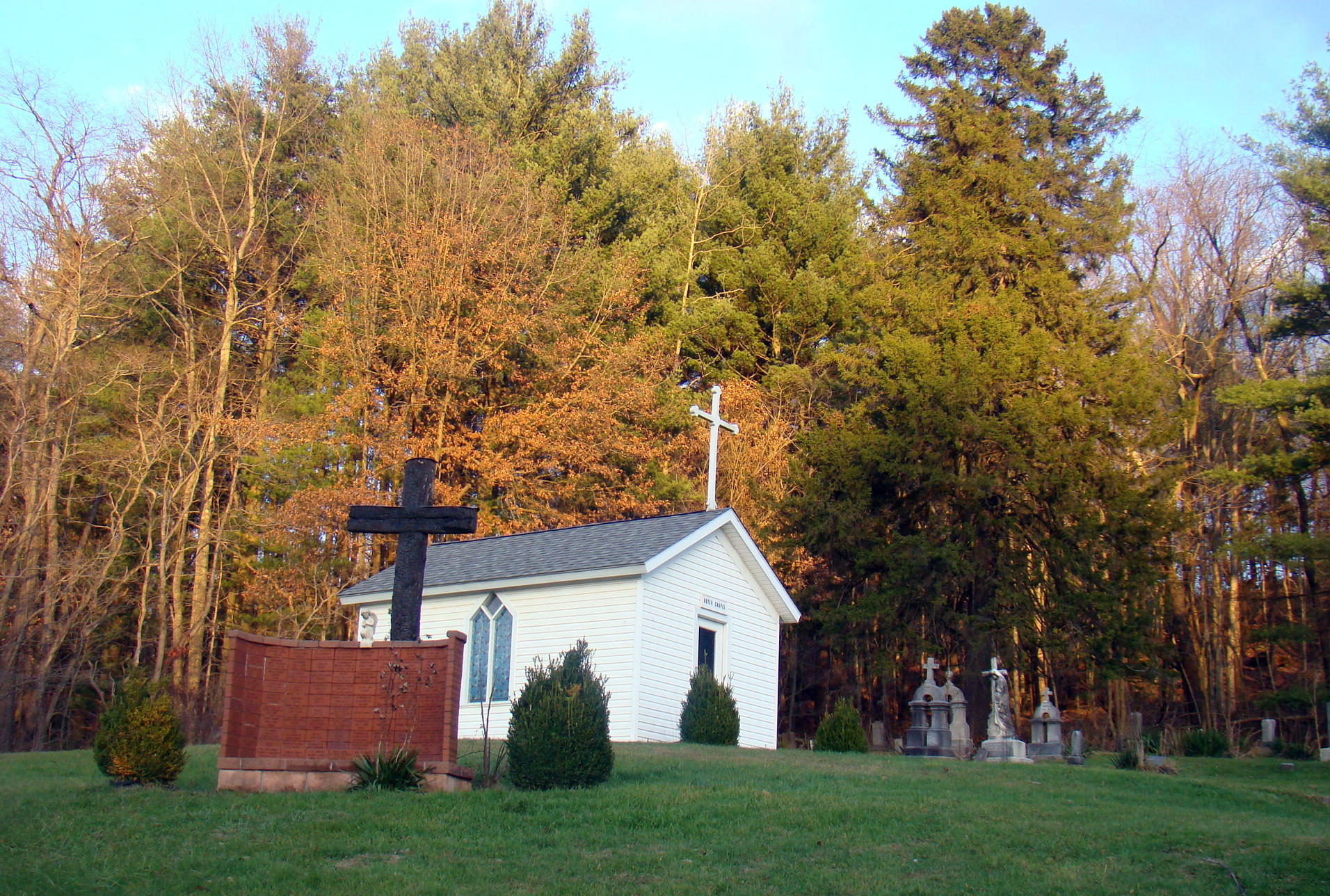
Pleasant surprises often appear when least expected. Such was the case with little Royer Chapel, which sets back off winding Route 83 on Franklin Township Road 280, very near Wills Creek Dam in Coshocton County. Many claim that Royer Chapel is the smallest chapel in Ohio.

Originally built in 1897 through the efforts of Anne Royer, the chapel served as a memorial to her husband, Martin. Wood from an abandoned St. Nicholas Church and a stained glass window from old St. George Church were used in the construction.

Cross of Burned Timbers at the altar of Royer Chapel

Cross of Burnt Timbers above the altar of tiny Royer Chapel

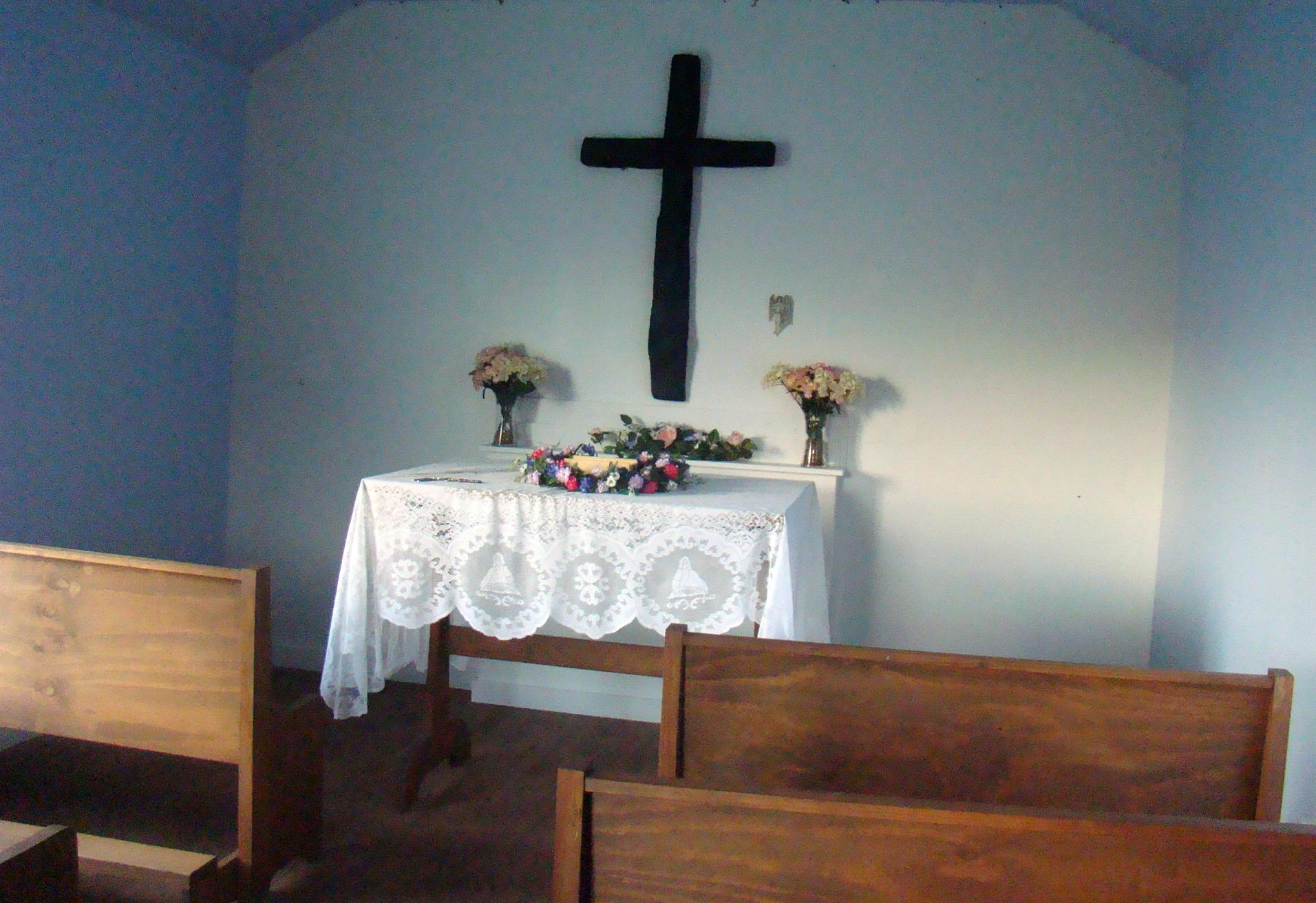
When arriving at the chapel, a cross made of burnt wood stands out behind the Memorial Wall. Later information discloses that the original church was destroyed by arson on December 8, 2002 and rebuilt by men of the community a few years later. Two crosses were made from the burnt wood – one outside and another inside above the altar. Funds for constructing the new chapel were raised in part from memorial bricks engraved with the names of loved ones or contributors. The Memorial Wall standing out front was built with these same bricks.

Martin's marker and Clara's memorial, a likeness of her imported from France

Martin’s marker and Clara’s memorial, a likeness of her imported from France

Tiny Royer Family Chapel measures about ten feet wide by eighteen feet long, and is located near a cemetery where Martin and his daughter, Clara, were buried in 1888 and 1896 respectively. Clara’s monument, which was imported from France, displays a statue in her actual likeness. The chapel and cemetery were located across the road from the old family farm to accommodate Anne’s frequent visits.

Don and Esther Royer initiated the reconstruction process to keep alive family tradition started by Don’s great-great-aunt Anne. In ten days, four hundred friends and neighbors signed their petition for assistance, so they knew the community supported their plans to rebuild the chapel “just like it used to be”. Since Don and Esther’s wedding had taken place there years before, they had pictures showing exactly what it looked like inside. Those pictures made it easier for Don, in his own shop,  to build new pews and windows to closely match the originals.The reconstructed chapel was built on a new foundation but maintained its original size.
In a recent phone conversation, Anne recalled her wedding day. The seven pews of Royer Chapel were crowded with twenty-one family members. When they turned to walk down the aisle, through the door she could see the yard outside the building filled with her fellow workers from the Coshocton Tribune.

Prayer Box

Prayer Box

Inside, a peaceful chapel scene appears when you gently open the door, which is never locked. At the front of the chapel, a table contains a prayer box surrounded by a wreath of flowers. The inscription on the side of the box reads: Where dreams come true. Inside the box are numerous requests written on slips of paper available on the table.

Here’s a great place to sit down and enjoy the silence of peace while reflecting on life and its many twists and turns – rather like the road leading to the chapel.

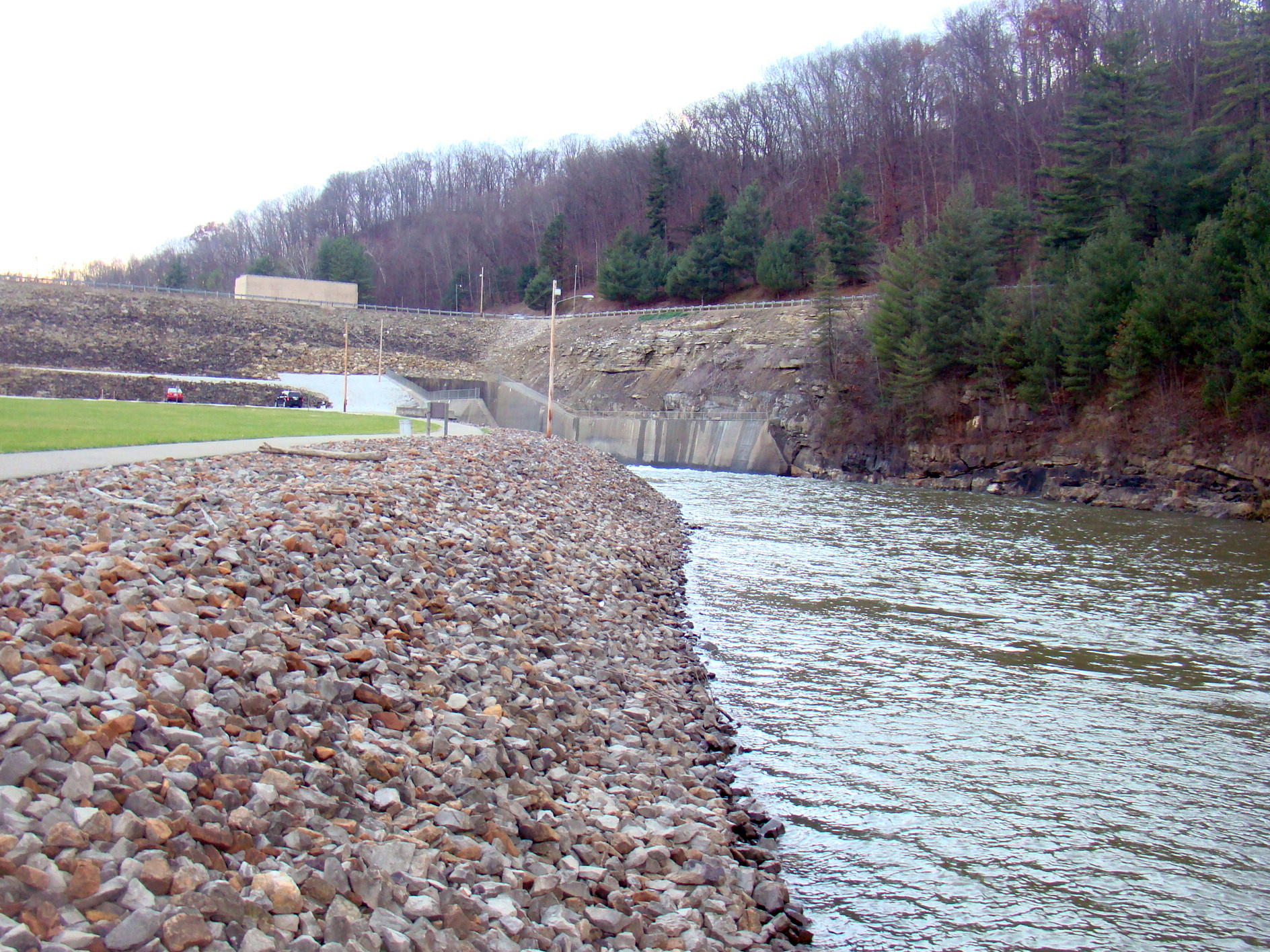
Wills Creek Dam

Wills Creek Dam

While electricity, water, and heat do not exist at Royer Chapel, services were held every Sunday until recently when they were changed to approximately once a year. Maybe you will want to take a half hour leisurely drive northwest of Cambridge and explore a hidden treasure nearby. You might even want to take a short drive to Wills Creek Dam. Waters flow north on Wills Creek from its beginning near Pleasant City to where it flows into the Muskingum River near Coshocton.

This little chapel on the hill serves as a reminder to be thankful for the small things in life – a smile, a card or email, the joy of each new day.

Royer Chapel can be reached traveling State Route 83.  If traveling north from New Concord, Ohio you will pass through Bloomfield and head down the hill toward Wills Creek Dam. It is approximately 15 miles from New Concord to the dam. The church is difficult to spot unless you are watching. It sets on the east side of the road and can be clearly seen as soon as you turn onto Franklin Township Road 280, while Wills Creek Dam is on the west side about a mile down the road. Approaching from Coshocton on 83, directions are reversed.

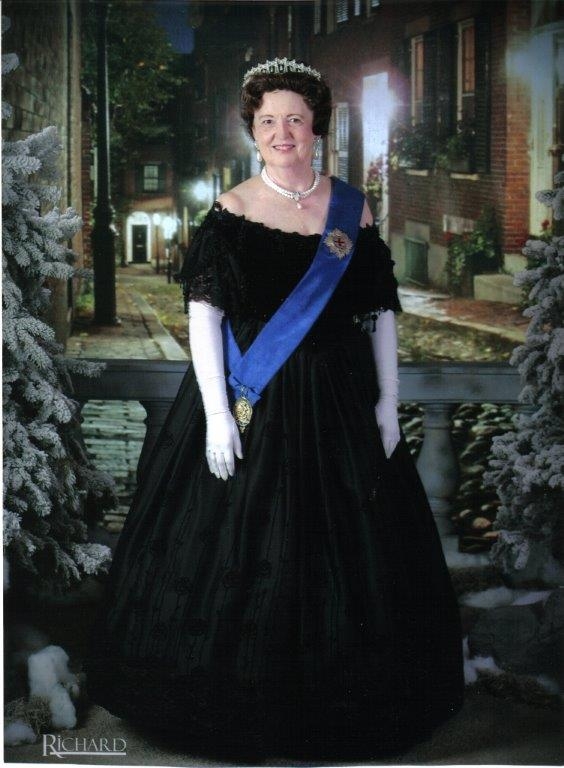
Excitement Reigned During Queen Victoria’s Recent Visit to Dickens Victorian Village

Queen Victoria visits Cambridge, Ohio.

Queen Victoria, portrayed by Anne Boyd, visits Cambridge, Ohio.

Imagine, if you will, stepping back to the time when Queen Victoria ruled Great Britain from 1837-1901. She had the longest reign of any British monarch in history – 64 years! During that time author, Charles Dickens, wrote his famous “A Christmas Carol”. Thus, Cambridge, Ohio, the home of Dickens Victorian Village, was the perfect place for their paths to cross again in modern times.

Queen Victoria, portrayed by Anne Boyd, visited Dickens Victorian Village in Cambridge for a weekend of fun. Anne Boyd enjoys playing the role of Queen in various places – from Victoria, British Columbia to Dickens on the Strand in Galveston, Texas. Her visit in Cambridge began on Friday morning when the Queen, riding in a horse-drawn carriage, visited the local schools. Children gathered along the walks, bowing and curtsying to Her Majesty.

Queen presents students dressed as her five daughters.

At Central School, Queen Victoria presents students dressed as her five daughters.

Since the royal couple had nine children – five girls and four boys – five young ladies were chosen to portray her daughters. Each of the girls looked lovely in the cape and tiara she was given to wear. They all seemed quite pleased to be part of the festivities.

Queen Victoria told the students how she and her husband, Albert, started the Christmas tree tradition throughout Great Britain. The Queen’s Christmas tree in Windsor Palace was featured in The Illustrated London News in 1848. Candles lit the tree while a bucket of sand and another of water were always placed close by…just in case of fire. They hand-made all of the ornaments: cornucopias filled with candy or nuts, and beautiful glass balls studded with jewels.

A Bagpipe Band announces the Queen.

A Bagpipe Band announces the Queen.

Cambridge Social Dance Club

Cambridge Social Dance Club presented Victorian dances in beautiful Victorian dress.

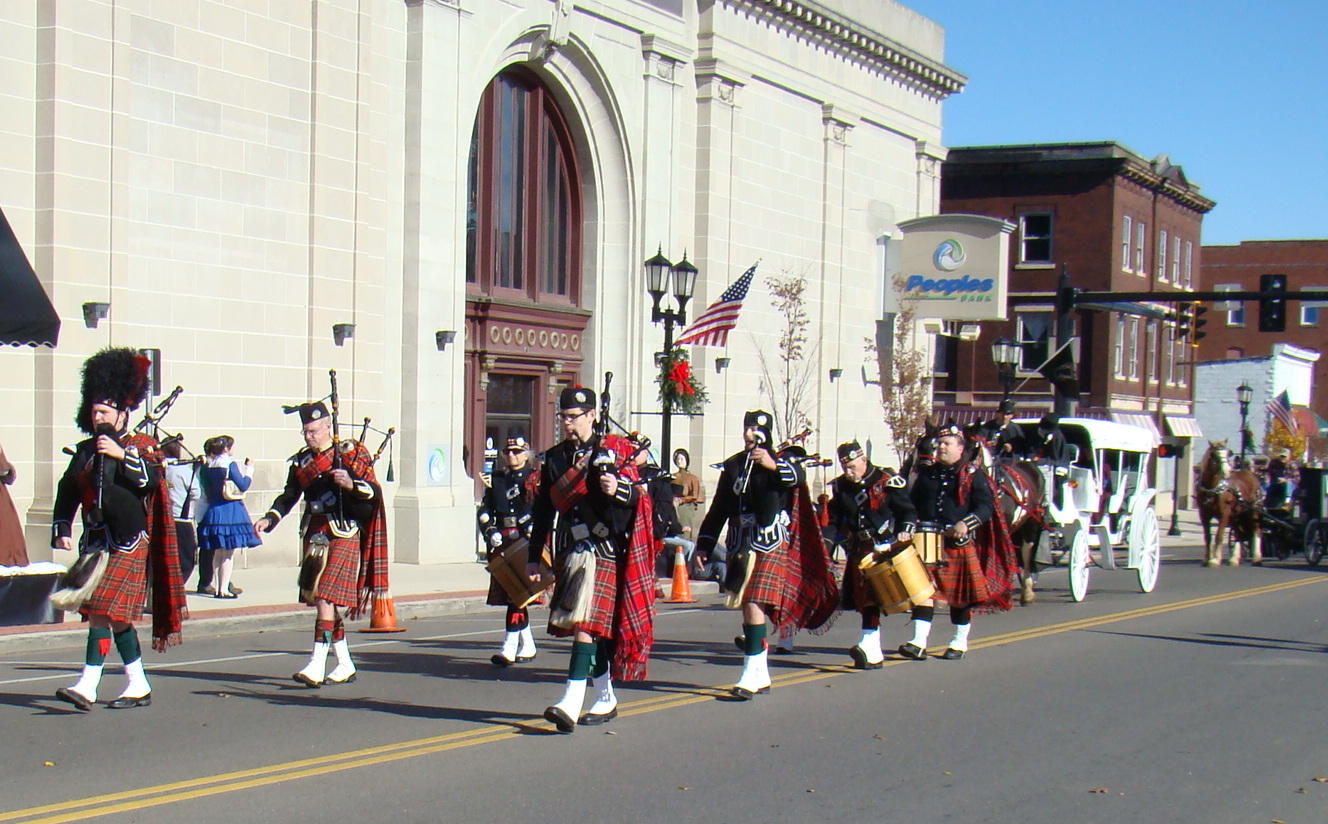
One of the highlights of the weekend was the Queen’s Parade. There were no motorized vehicles permitted so it was a quiet time, except for the wonderful bagpippers. Men on stilts and large wheeled bicycles added to the fun of the day. The Cambridge Social Dance Club performed traditional Victorian dances.

Knighting Ceremony

Knighting Ceremony with Katy Billings, lady-in-waiting; Eugene Kyle, town crier; Queen Victoria; and volunteer of the year, Lindy Thaxton, who was knighted.

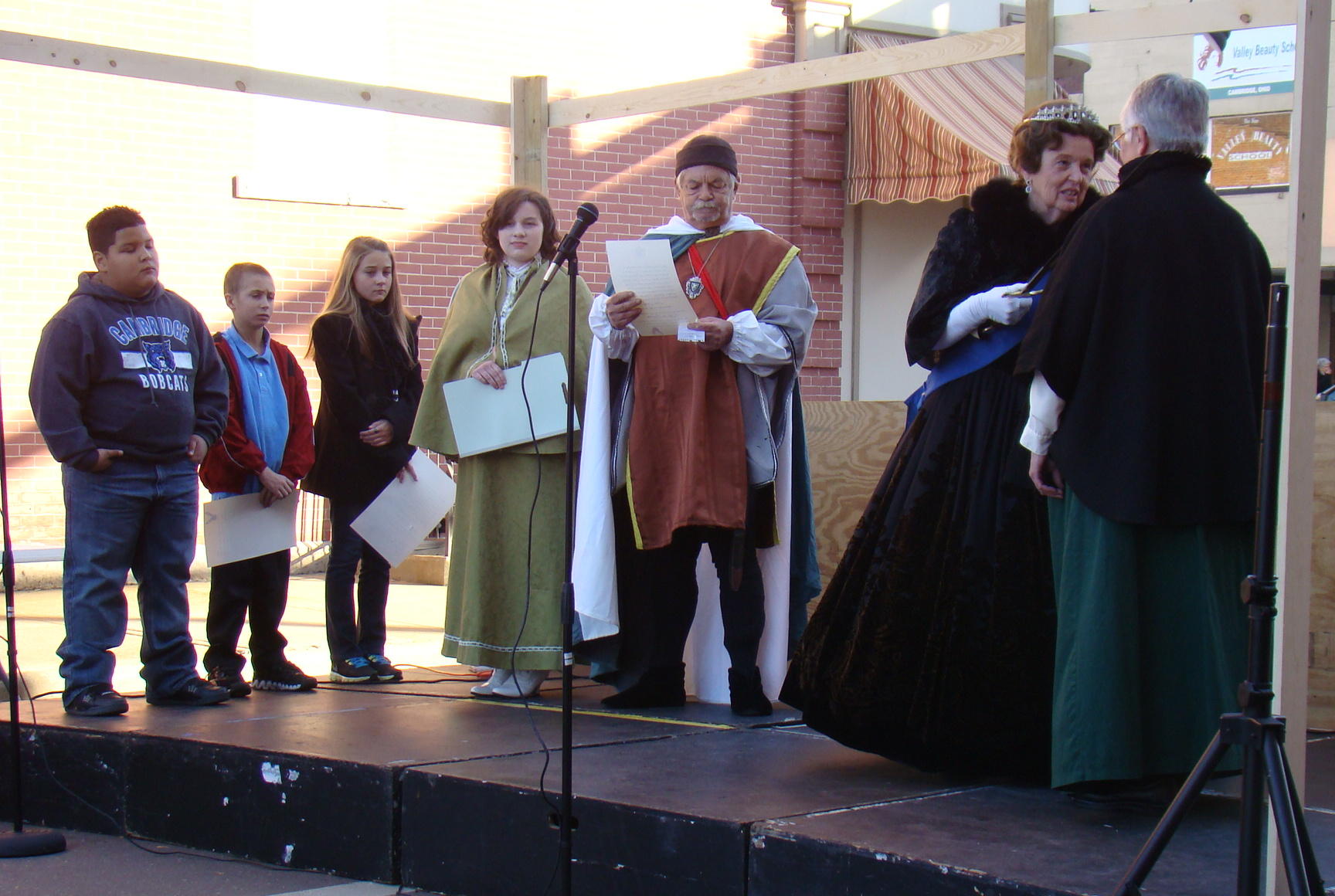
A knighting ceremony by the Queen involved several local students as well as Lindy Thaxton, the Dickens volunteer-of-the-year. Eugene Kyle, dressed in the proper flowing robe of the town crier, read the proclamations with flourish. When the Queen was handed the sword for knighting, she also whispered some words of encouragement to the individual.

Her lady-in-waiting portrayed by Katy Billings was always at her side tending to her every wish. She helped the Queen by handing her capes, tiaras and swords, attended every event with the Queen, and learned patience while having lots of fun.

The Queen enjoyed the many activities of the weekend, which included: a High Tea with the Queen, GeoCaching with Dickens, Tavern Tasting, Mingle with the Monarch at the Cambridge Glass Museum, and a “Gone But Not Forgotten” Victorian Funeral Program.

Queen Victoria enjoyed the small town atmosphere and hopes to return another year. She was a very pleasant lady, who accepted every person as if they were an important part of her kingdom. When at home with her family, Anne has a reputation for making the world’s best chocolate chip cookies. Anyway you look at it, she was a very sweet lady.

The Queen’s Weekend was one of several special weekends at Dickens Victorian Village in 2013. The Village is open through out November and December in downtown Cambridge, Ohio with many activities for the entire family. Cambridge, Ohio is at the crossroads of I-70 and I-77 so can easily be located.

The Awesome Japanese Garden at Dawes Arboretum

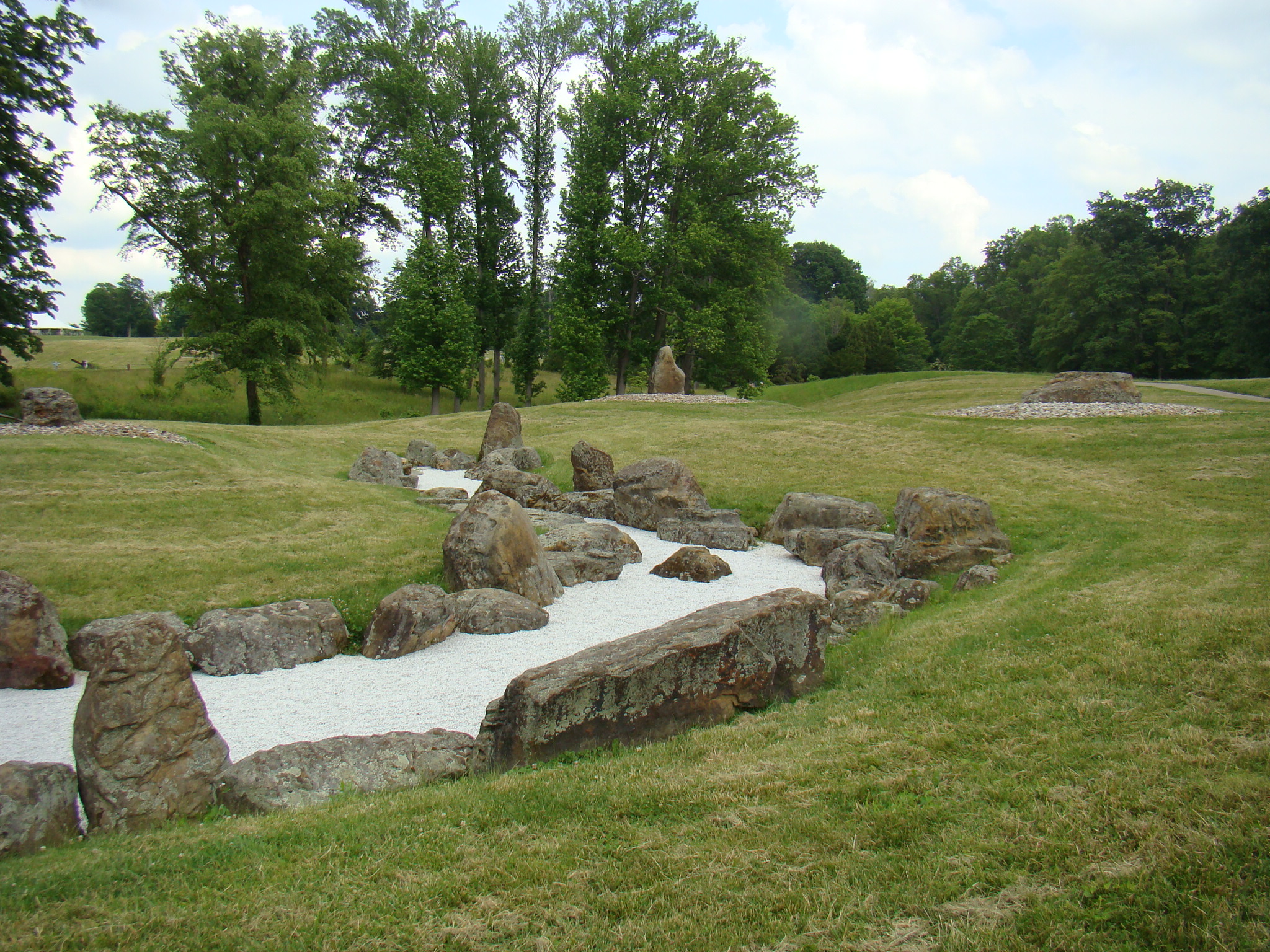
Dry Lake in Japanese Garden

Stone River in Japanese Garden at Dawes Arboretum

Peace! Sweet Peace! As soon as the climb to the Japanese Gardens at Dawes Arboretum began, a feeling a serenity surrounded. Back in 1963, Dr. Makoto Nakamura from the University of Kyoto, Japan designed this beautiful setting near Newark, Ohio.

Upon entering the gardens, you first approached a large area of white sand with boulders around its side. It appeared very similar to a sandtrap on a golf course.   Upon closer observation, it was a mixture of sand and small white stones, which filled the area. This is called a stone river, Karesansui, “dry landscape”, or more frequently known as a zen garden. White stone and sand in the zen garden represent water and purity.

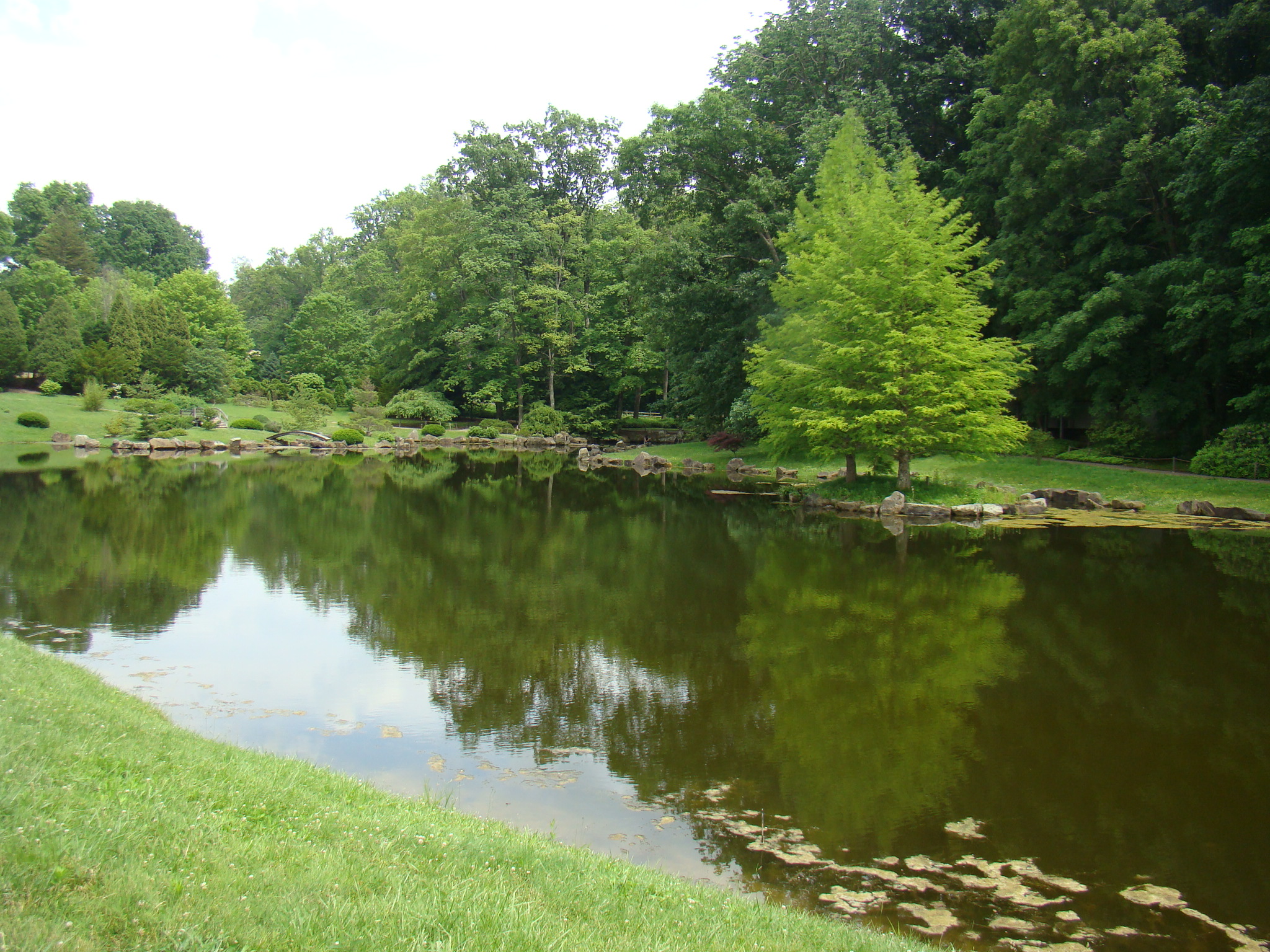
Tranquil Lake

Tranquil Lake

A tranquil pond  was the centerpiece for this magnificent garden, which has many large rocks. Gumdrop and cherry trees added to the landscape. This peaceful path lead up the hill to a reflecting pool surrounded by plants from across the ocean. There truly is peace in beauty.

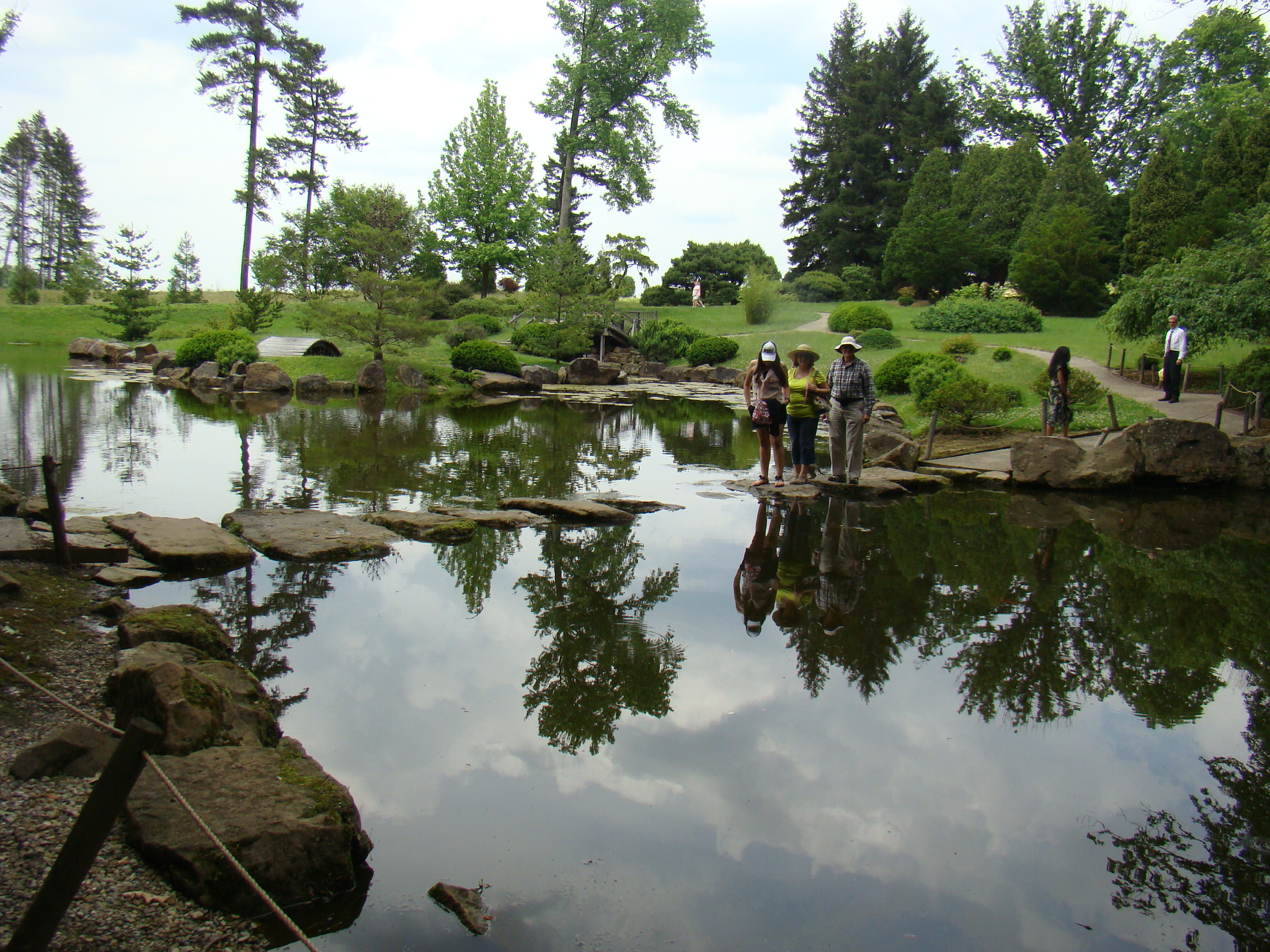
To step or not to step, that is the question.

To step or not to step, that is the question.

The bridge lead to a path of stepping stones crossing the remainder of the pond. Guests that day seemed to be testing the water just a bit before taking a frightening step for some. All around the stepping stones and under the bridge, bright colored koi put on a show for visitors.

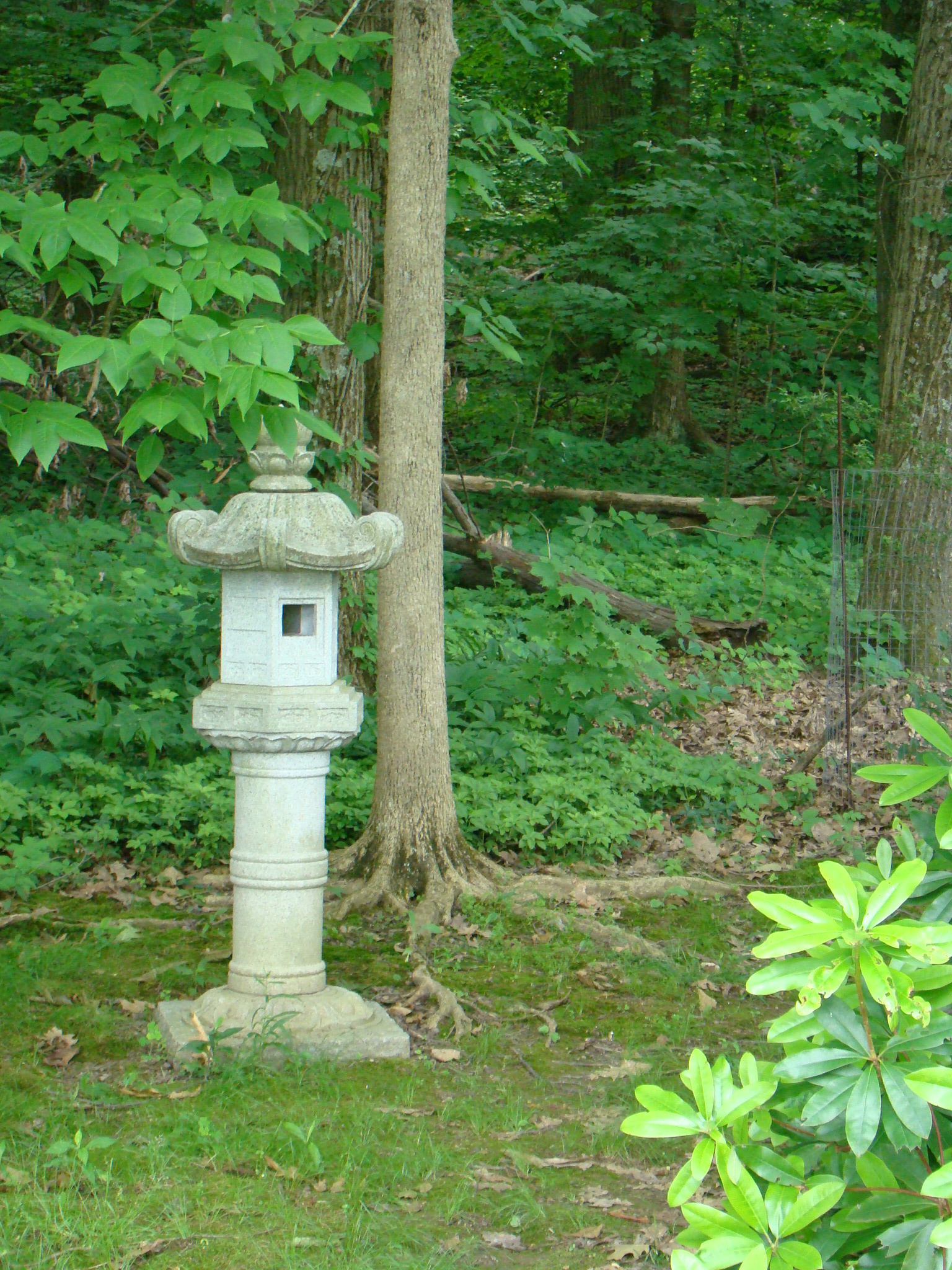
Japanese Pagoda

Japanese Pagoda

Along the paved pathway, there were various statues and pieces of artwork. A small pagoda appeared at the edge of the woods – a place to stop and worship in the Buddhist tradition. This tall pagoda lantern added a touch of tranquility along the walk.

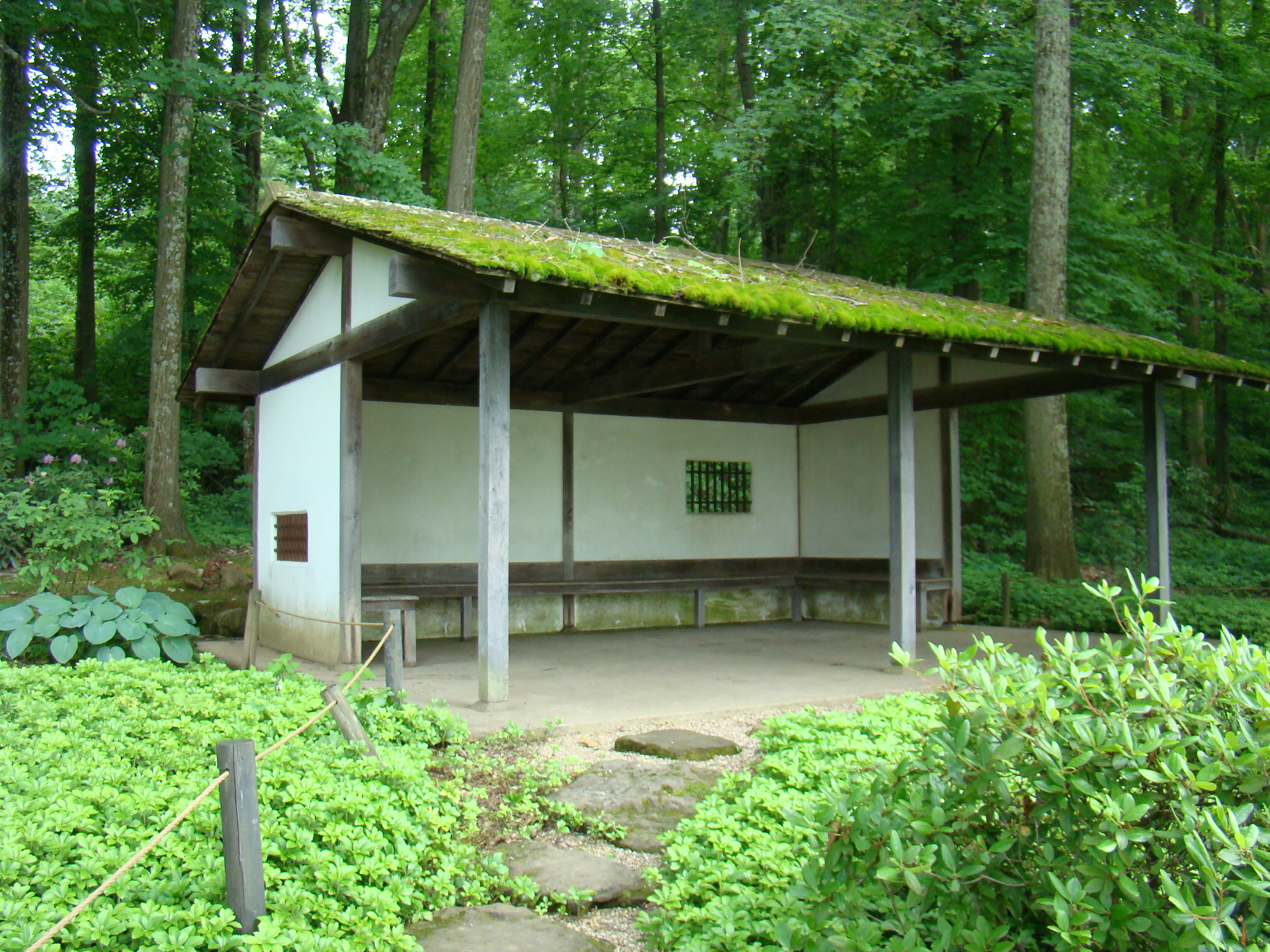
Tea house or meditation house

Tea house or meditation house

The meditation room made a relaxing place to sit and enjoy the silence, especially in the early morning or bundled up on a cold winter day. This rustic, roofed shelter protects from the elements and provides a place to sit and reflect.  This serene corner of the garden casts its spell as you drift off to dreams and peaceful thoughts.

Stops at this soothing and peaceful place are pleasant anytime of the year. The next time you pass the sign that says Dawes Arboretum, consider stopping by for a spell.

Dawes Arboretum is located near Newark, Ohio just off I-70.  Take Exit 132 , Route 13 , and proceed North on Route 13 for about three miles.  The entrance is located on the left hand side of the road at 7770 Jacksontown Road. Follow the signs inside to the Japanese Garden. It’s a relaxing experience.