Sistersville West Virginia Oil Well History
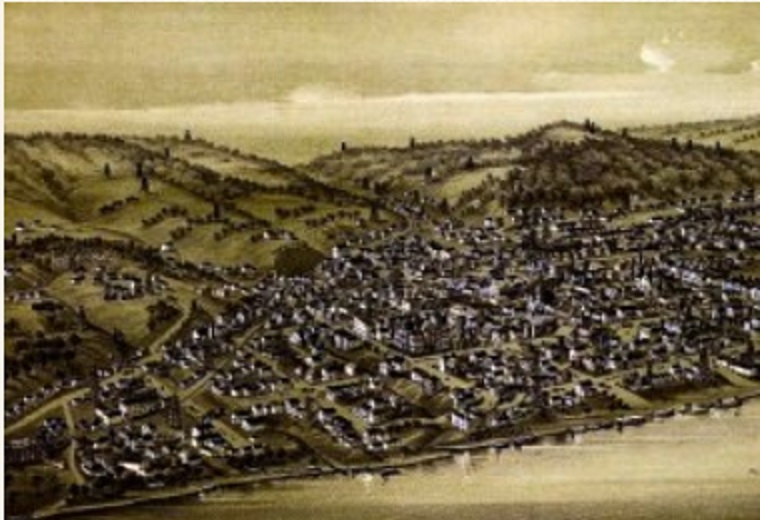
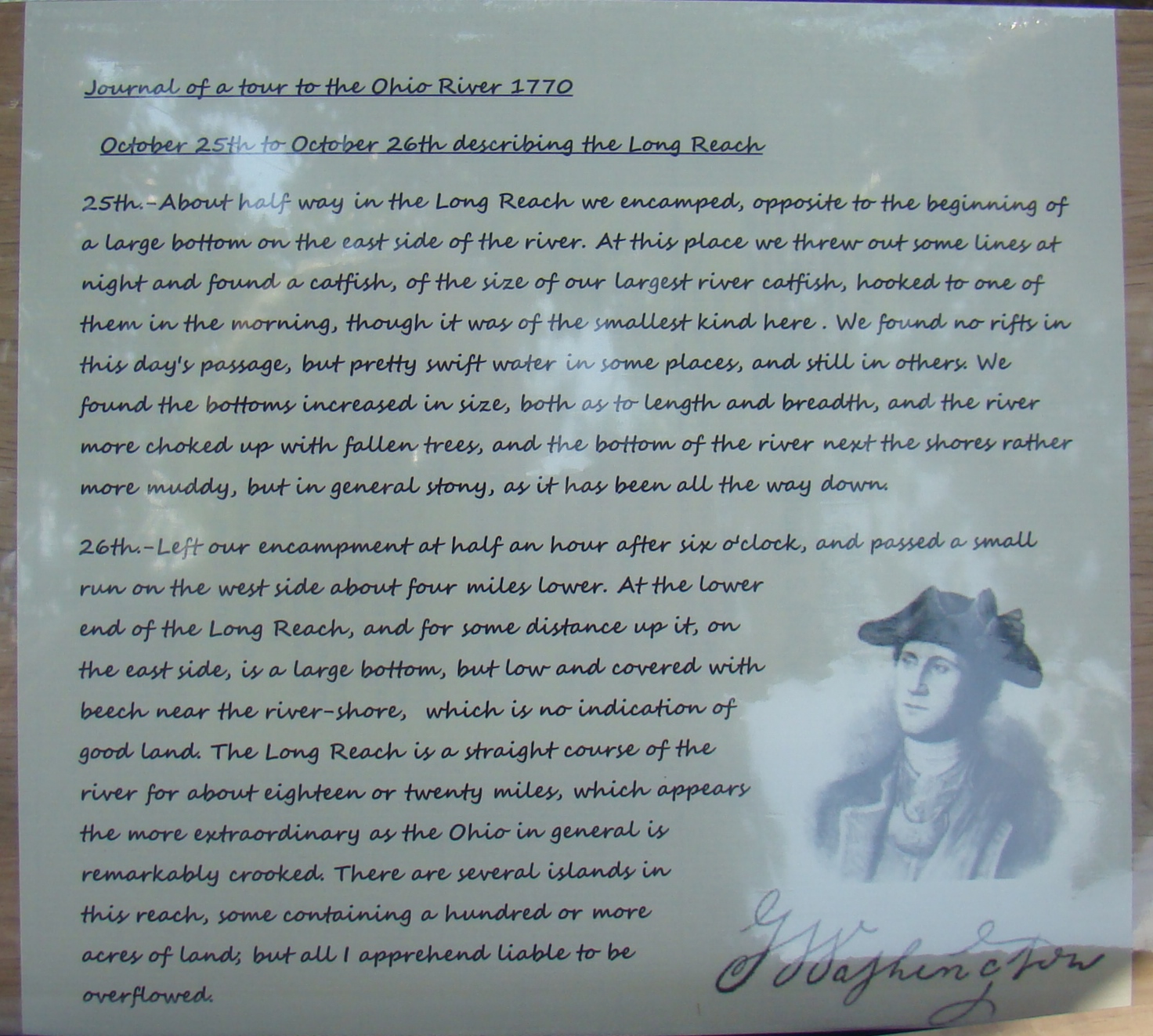
Sistersville’s rich history begins with George Washington really sleeping there in 1770 when he surveyed the Ohio Valley. In his journal, Washington called this stretch of the river “the Long Reach of the Ohio River.” The river is broad and deep here with hills covered in trees for as far as the eye can see.
Charles Wells was the first to settle here permanently in 1802 naming his settlement Wells’ Landing. While Wells was primarily a farmer, he also served as a representative in the Virginia state legislature. He’s remembered for having fathered 22 children by two wives. Child 20 was named Twenty and 21 Enough. But Betsy came along as child 22.
When he died in 1815, Wells bequeathed the property that makes up much of the business district of the present town to two of his daughters, 17 and 18, named Sarah and Delilah. Each of the children received some property at this time.
The Wells sisters were good businesswomen and laid out the land into 96 lots with eight streets. The town is named for them, Sistersville.
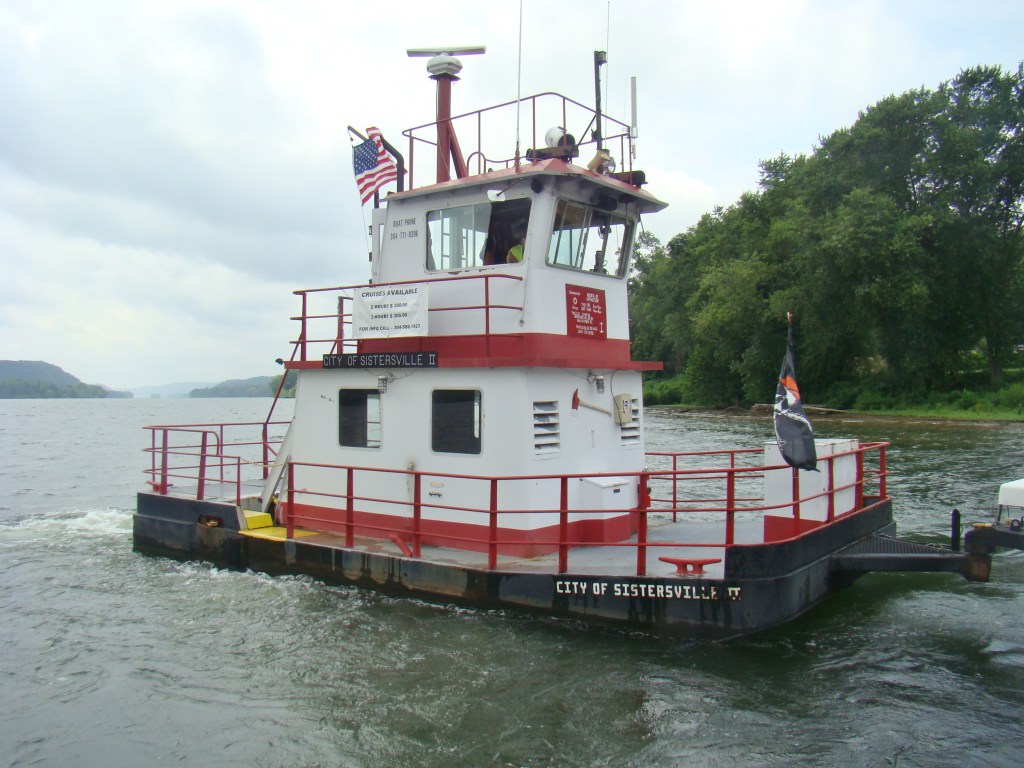
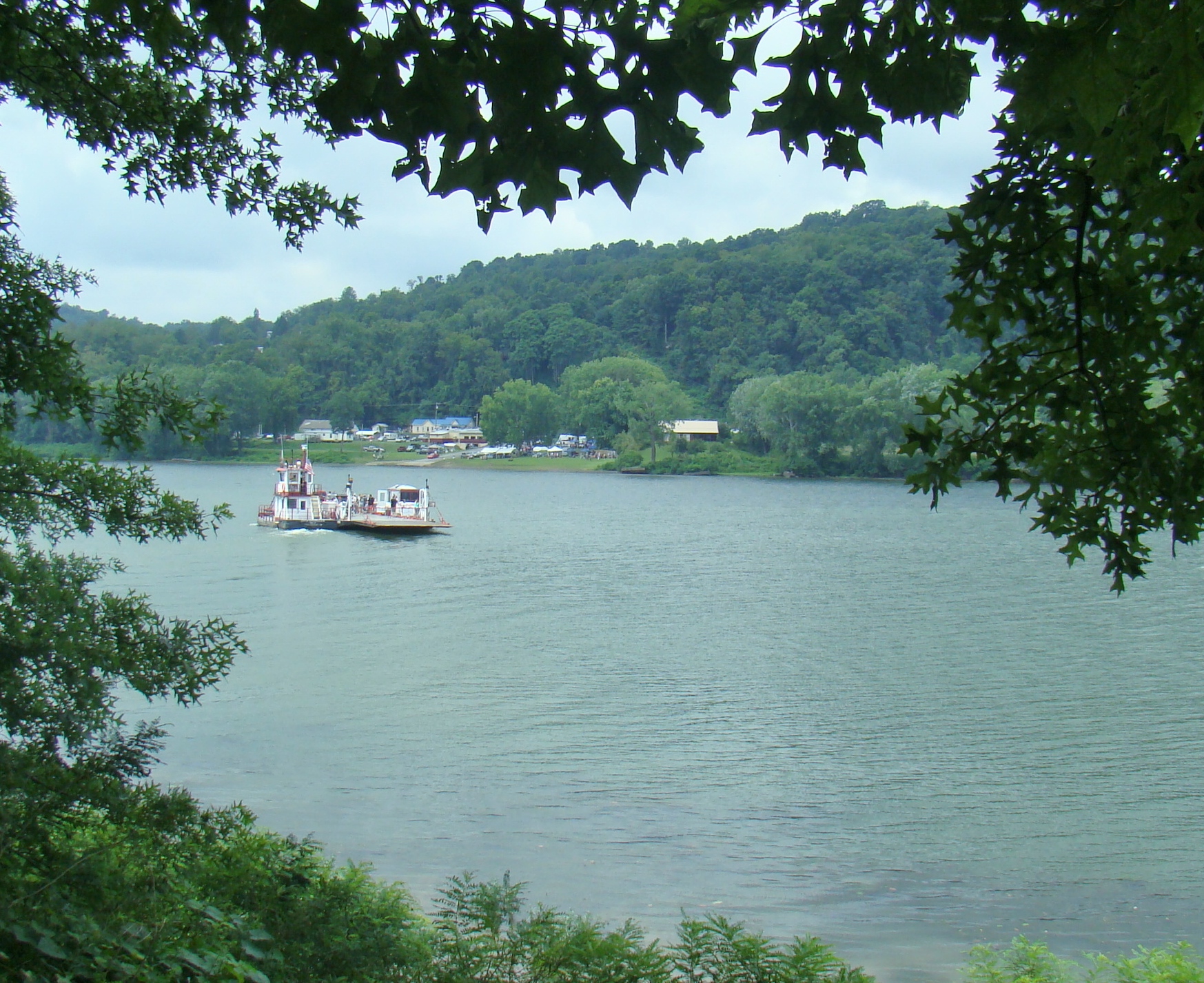
In 1817, the Sistersville Ferry was started to take passengers across the Ohio River to Fly, Ohio. It is the oldest ferry in West Virginia and continues to operate until this day.
Before the Civil War, a 51-man military unit, the Sisterville Blues was formed. However, when fighting began, some of these men joined the Confederate Army while others went to the Union Army. The great-granddaughters of Charles Wells had to hide their Confederate flag behind the wallpaper in their dining room.
When the Civil War ended, Sistersville returned to its quiet farm community. Their first public school was built in 1869 at a cost of $4,000. School lasted only four months then with the teacher being paid $30 a month.

Peace and quiet came to an end in 1892 when oil was discovered in Pole Cat Hollow just up the river from Sistersville. Quickly, the Sistersville Oil Field began producing over 16,000 barrels of oil a day at 55 cents a barrel. This meant an increase in oil field workers and Sistersville boomed from a town of 600 to one of 12,000. Money flowed in that town as well as the oil wells.
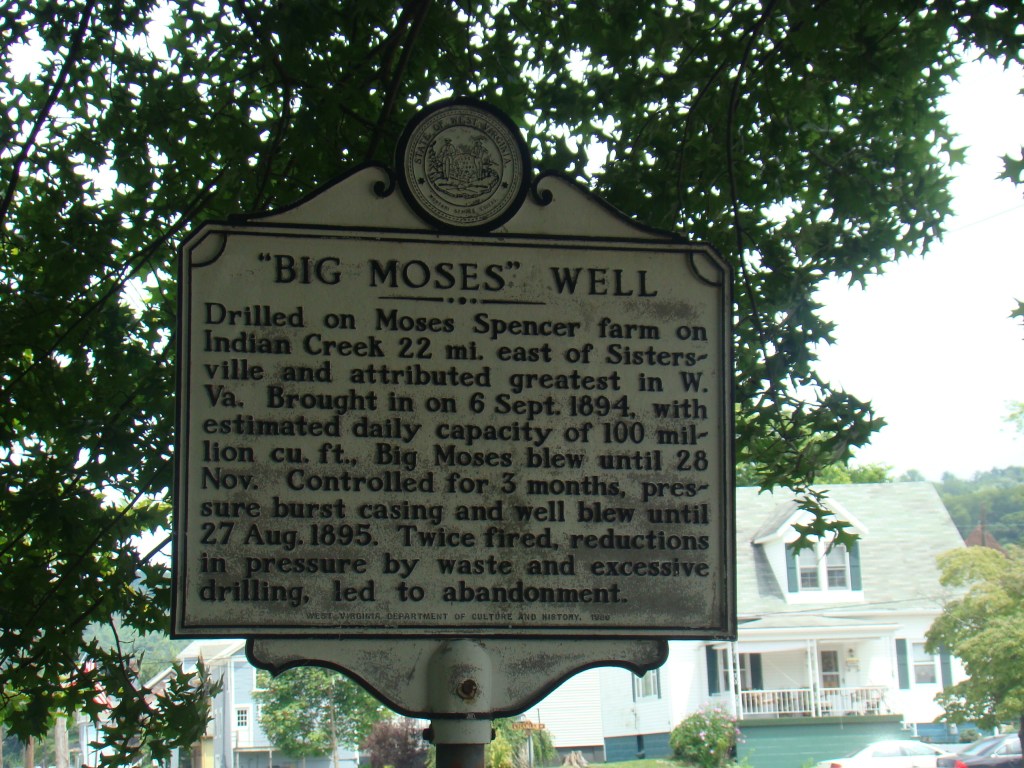
Twenty-two miles east of Sistersville, The Big Moses Well drilled on the farm of Moses Spencer is attributed as being the greatest oil well in W.V. Drilled in September 1894, it had a daily capacity of 100 million cu.ft. This well blew until December 1895.
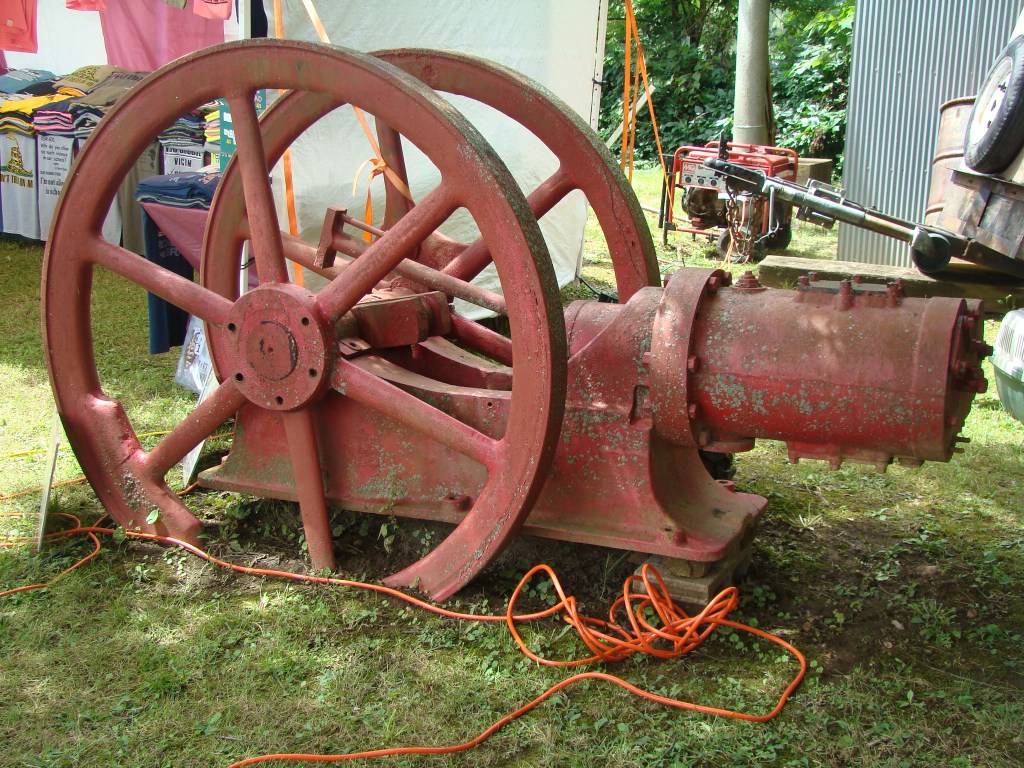
You can imagine all the businesses that opened for so many new residents. Banks, a newspaper, boarding houses and of course, saloons, gambling parlors and brothels, many of which were located on Sinner’s Boulevard. With this quick growth in population, many lived in houseboats called floating shanties along the riverbanks. Others lived in oil field shacks, which cost about $500. The only inside plumbing was usually a cold water faucet in the kitchen with outdoor toilets on every property.
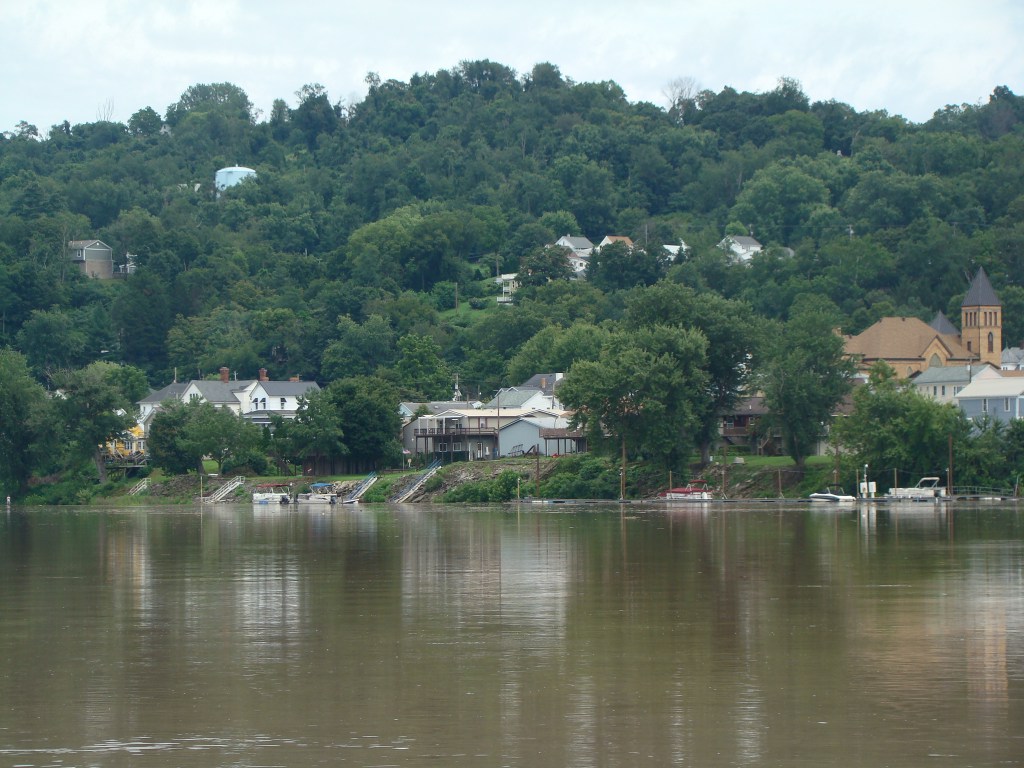
The well-to-do lived in beautiful homes and five of them are still in existence today in Sistersville on Main Street. As the city grew, new sections opened. Old Rough and Ready, Cow House, and Happy Hollow are a few of the descriptively named neighborhoods. A washerwoman’s house in Happy Hollow bore the sign “Men’s Working Clothes Laundered While You Wait.”
During the oil boom, Sistersville imposed heavy taxes on saloon keepers and gambling house owners. The city also offered bonds for sale to finance improvements. In 1890, water works and a sewer system were installed. All the streets and alleys were paved with brick. A trolley line was built to connect Sistersville with its neighbors, Paden City and New Martinsville to the north and Friendly to the south.

The boom days produced an interesting mix of residents. The original farmers, business people, oil field workers, hooligans, and prostitutes lived side by side among oil derricks and pumping wells. A city resident who was a child during these heady days reported that Madam Stoddard, proprietor of a “sporting house,” was loved by the town’s children. Every year when the circus came to town, Madam Stoddard had her butler round up all the neighborhood children and take them to see the show. The Madam also happened to be the sister of the chief of police.
More respectable forms of entertainment also grew. Private social clubs were formed such as the Americus Club, The Sistersville Music and Literary Club, and the “selective, exclusive” Sistersville Mandolin and Guitar Society.
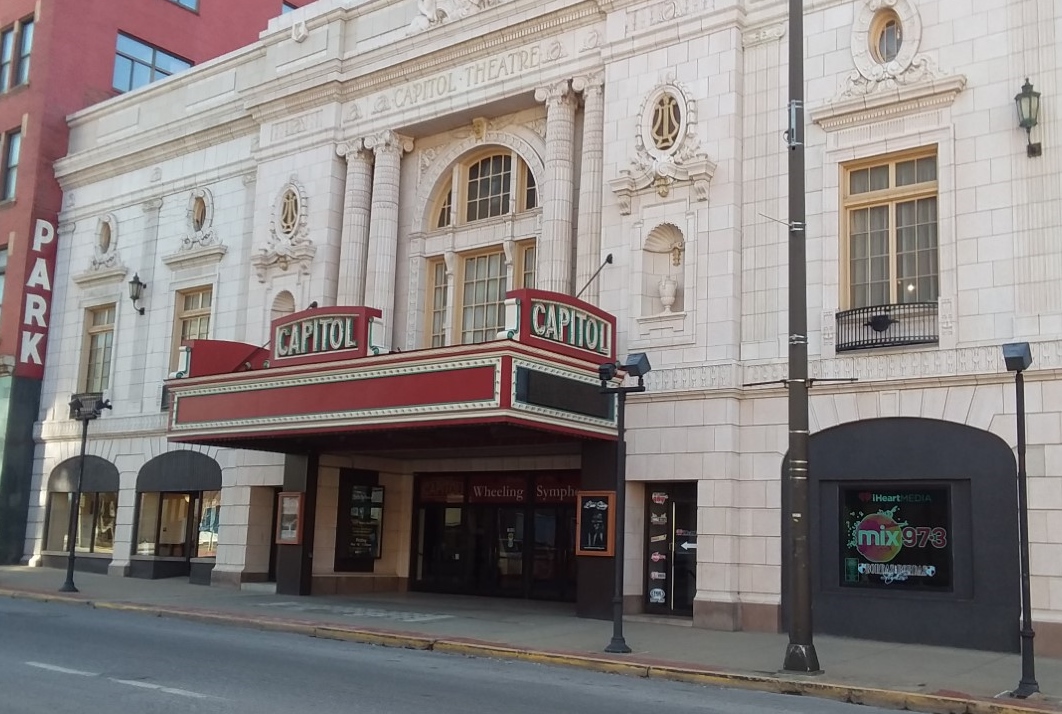
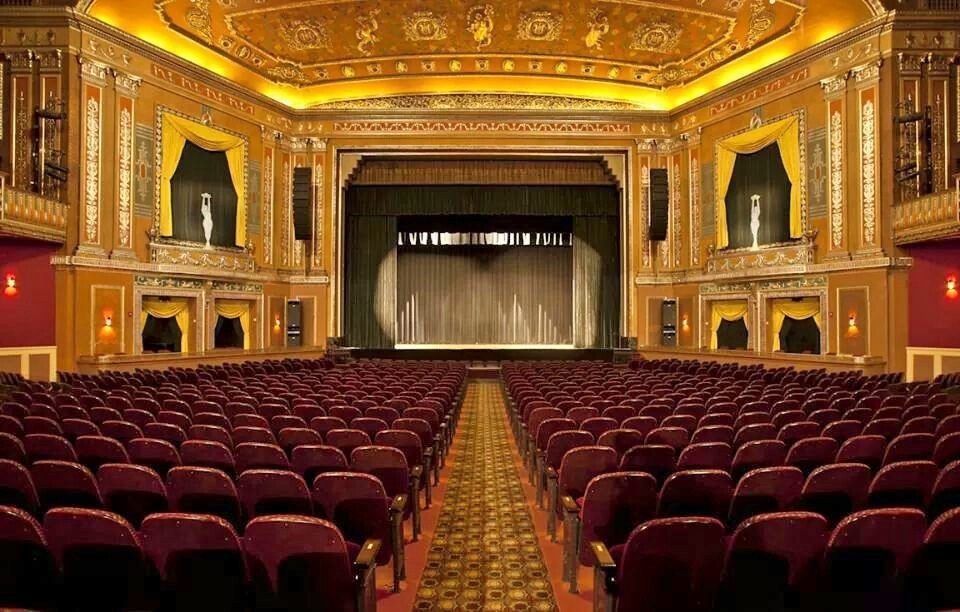
In the 1890s, Sistersville had three thriving theaters: the Columbia, the Auditorium, and Olsen’s Opera House. The Columbia specialized in vaudeville, and the Auditorium could accommodate 1,000 patrons. For less than a dollar, a person could enjoy a performance by the Boston Lyric Opera Company. Silent film star Ben Turpin performed at the Comique, a nightclub.
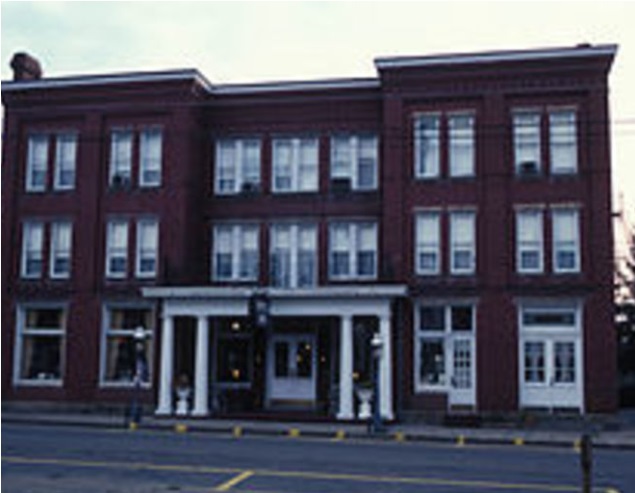
The Wells Inn was built in 1895 by Charles Wells’ grandson, Ephraim. It had 35 rooms, a bar, and a dining room. During boom days, when there were several hotels in Sistersville, the Wells Inn was considered the most elegant. Today it is the only hotel in town, and it has been nicely renovated.
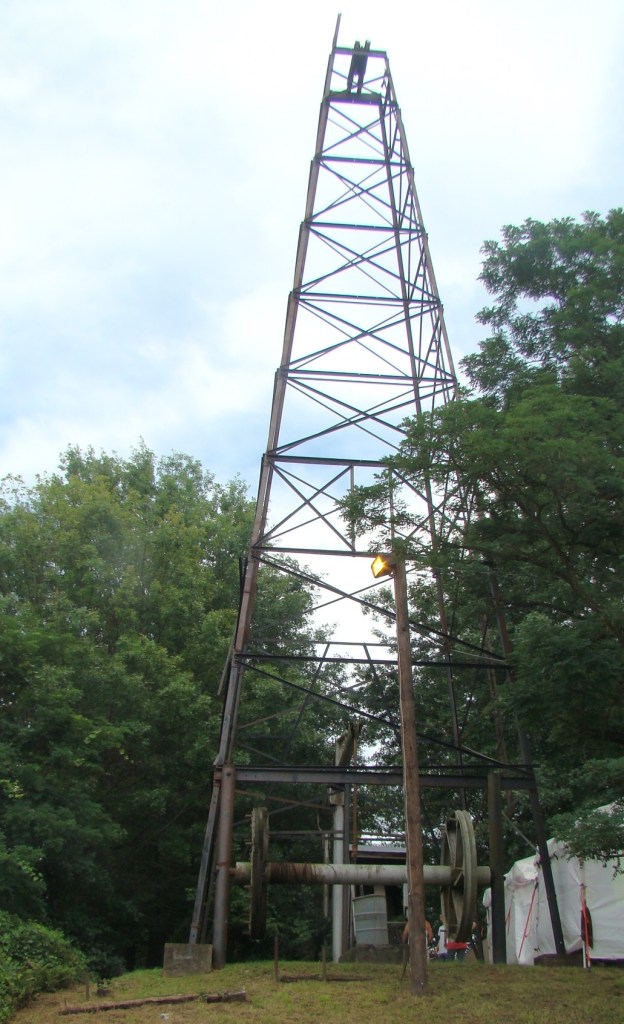
In 1911, the Little Sister well was drilled in the Big Injun Sand to a depth of 1481 feet and was in operation for many years. That derrick is being restored by Quaker State Oil Refining Corp. and The W.V. Oil and Gas Festival, Inc.
Today Sistersville has an excellent display of the Little Sister Well on the banks of the Ohio River. While visiting, you’ll want to be certain to take a ride on the Sistersville/Fly Ferry.


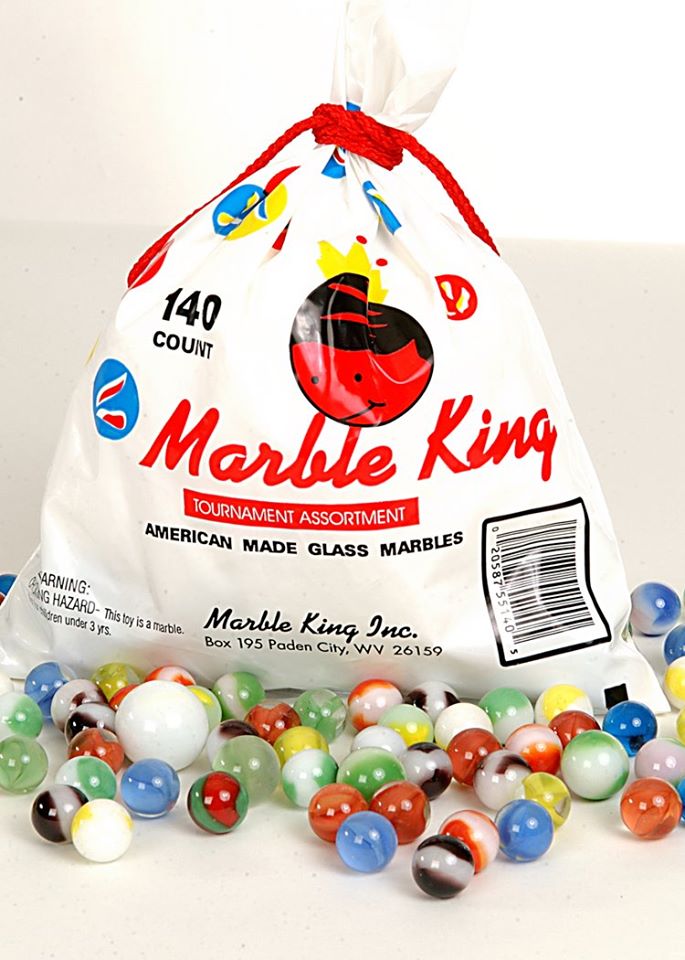 Many will remember going to school with your bag of marbles so you could join a game at recess. Someone drew a large circle on the playground, participants knuckled down, and the game began. Each player had their own special shooter marble which was usually their largest marble. Mine had a light blue swirl.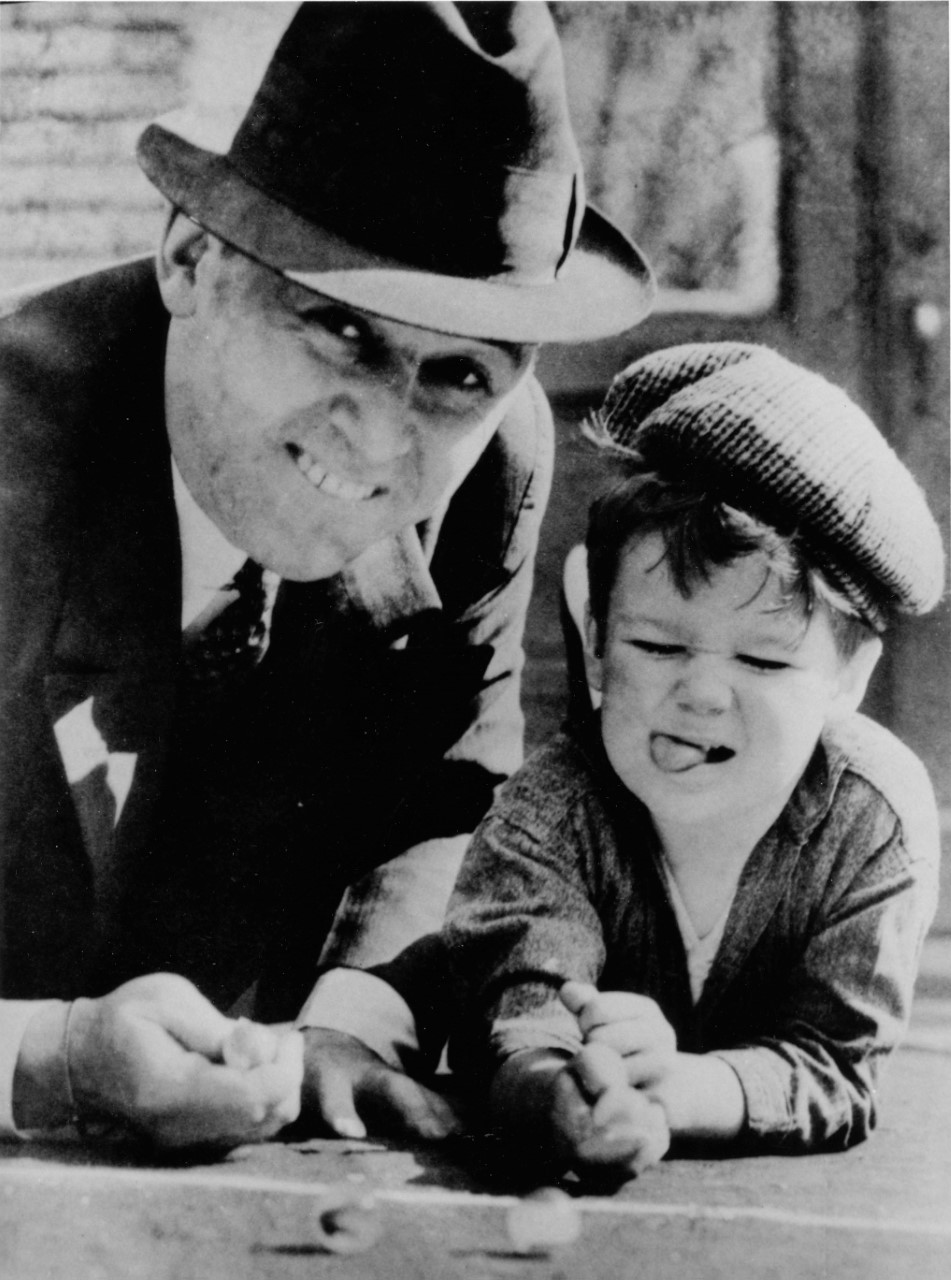
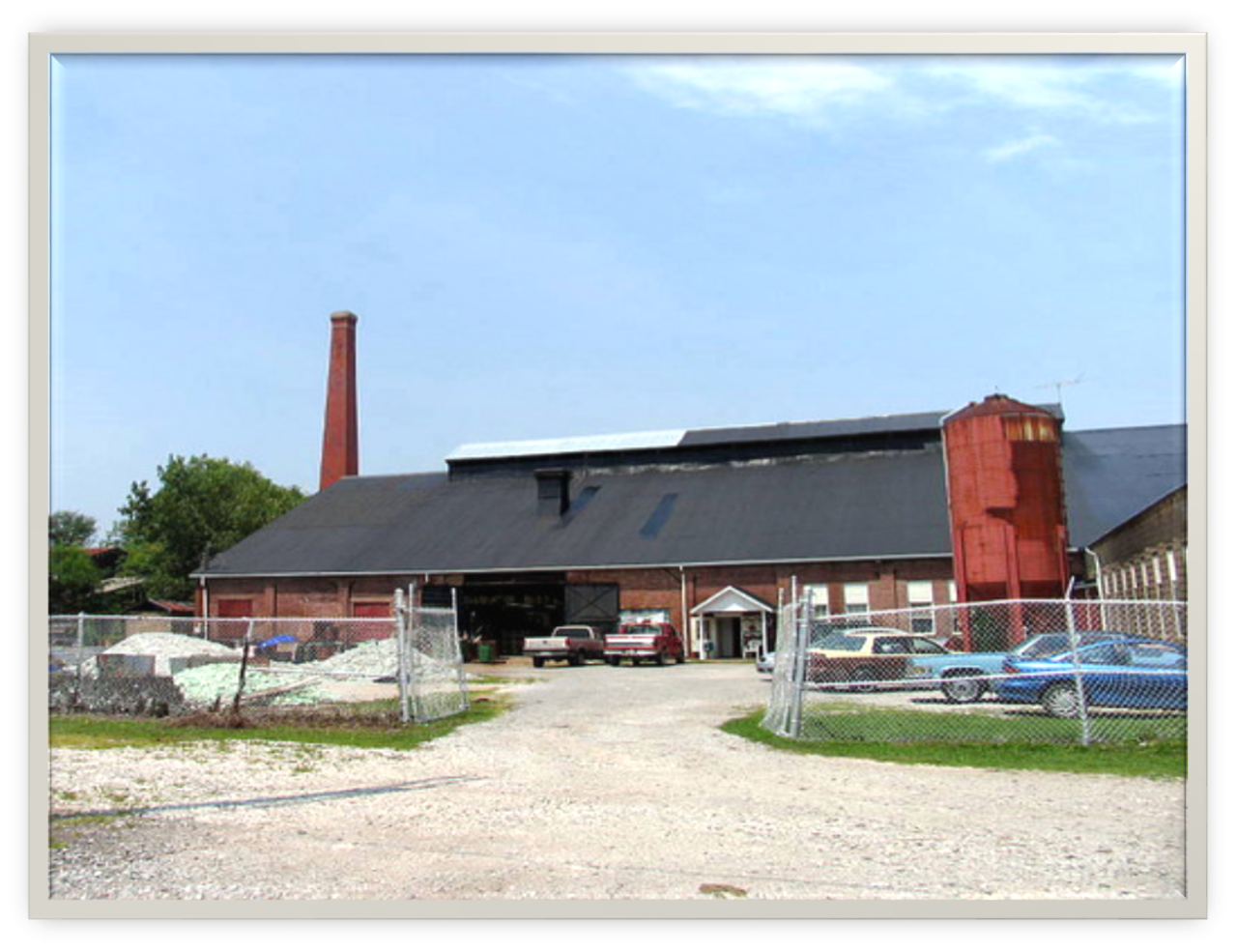
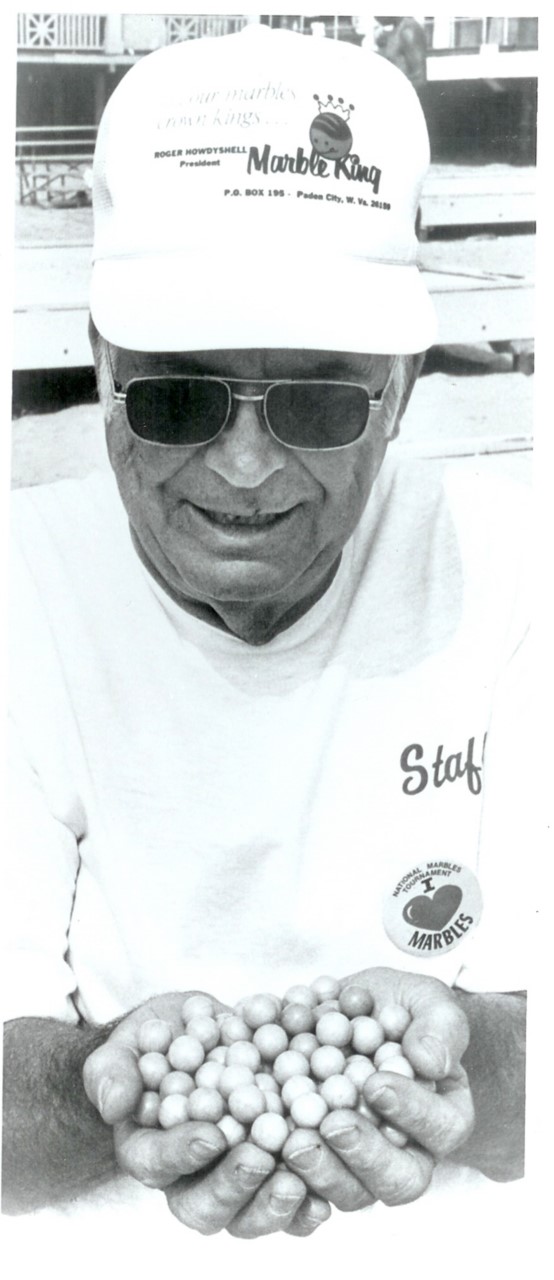
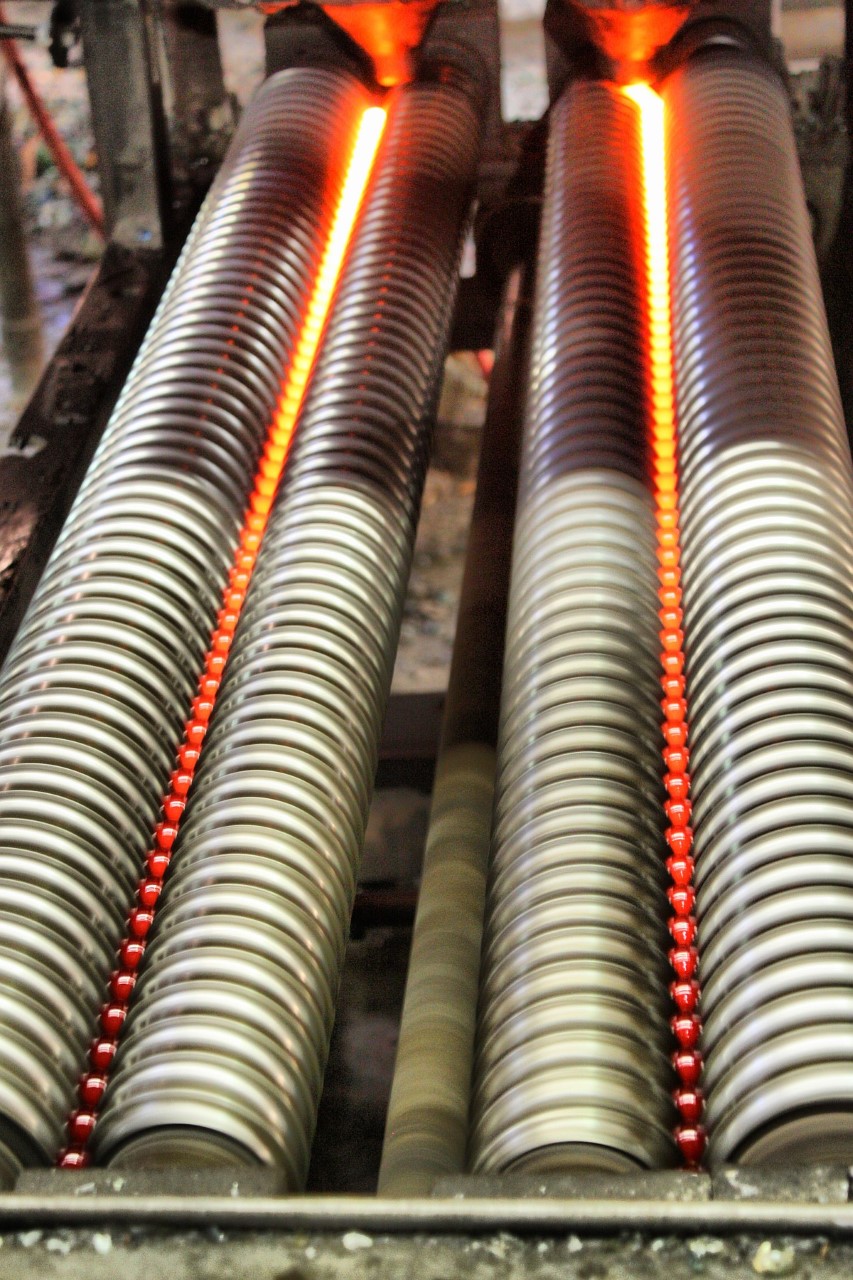
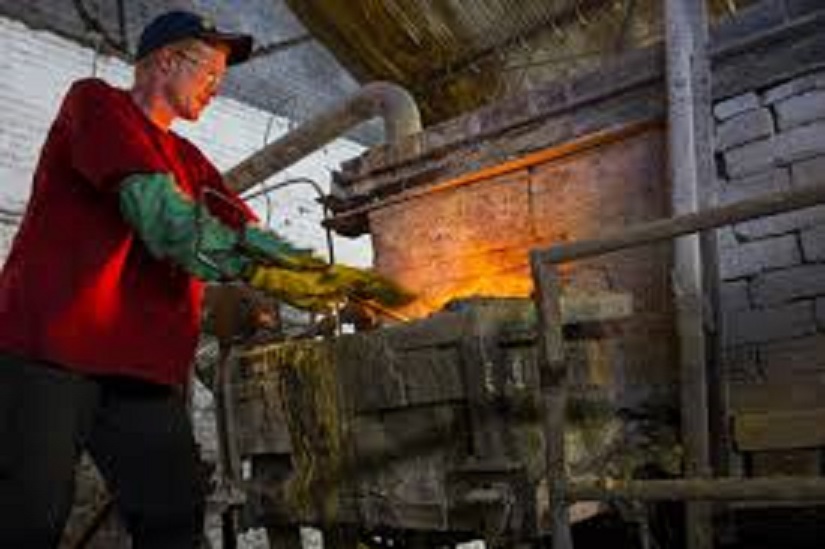
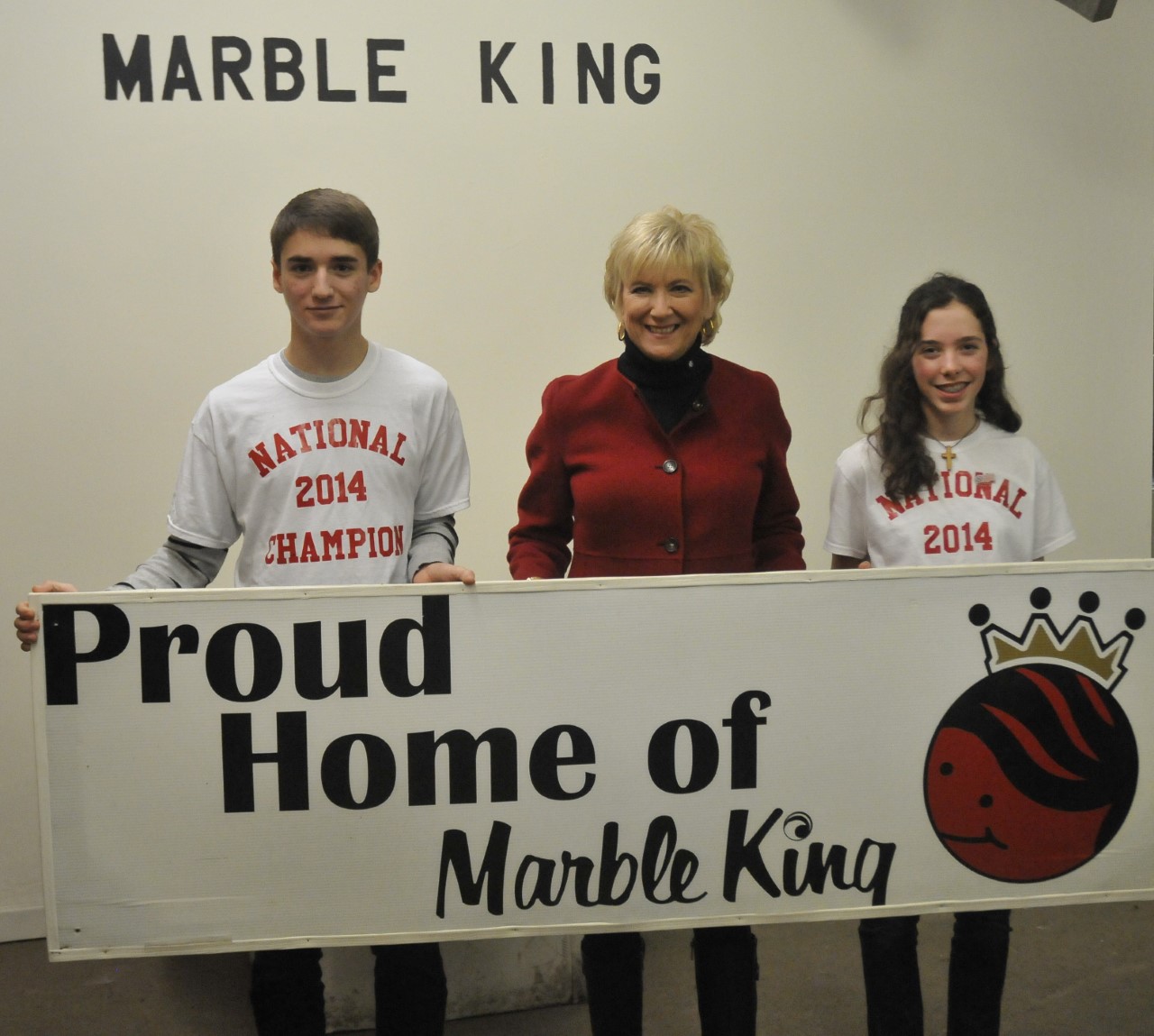
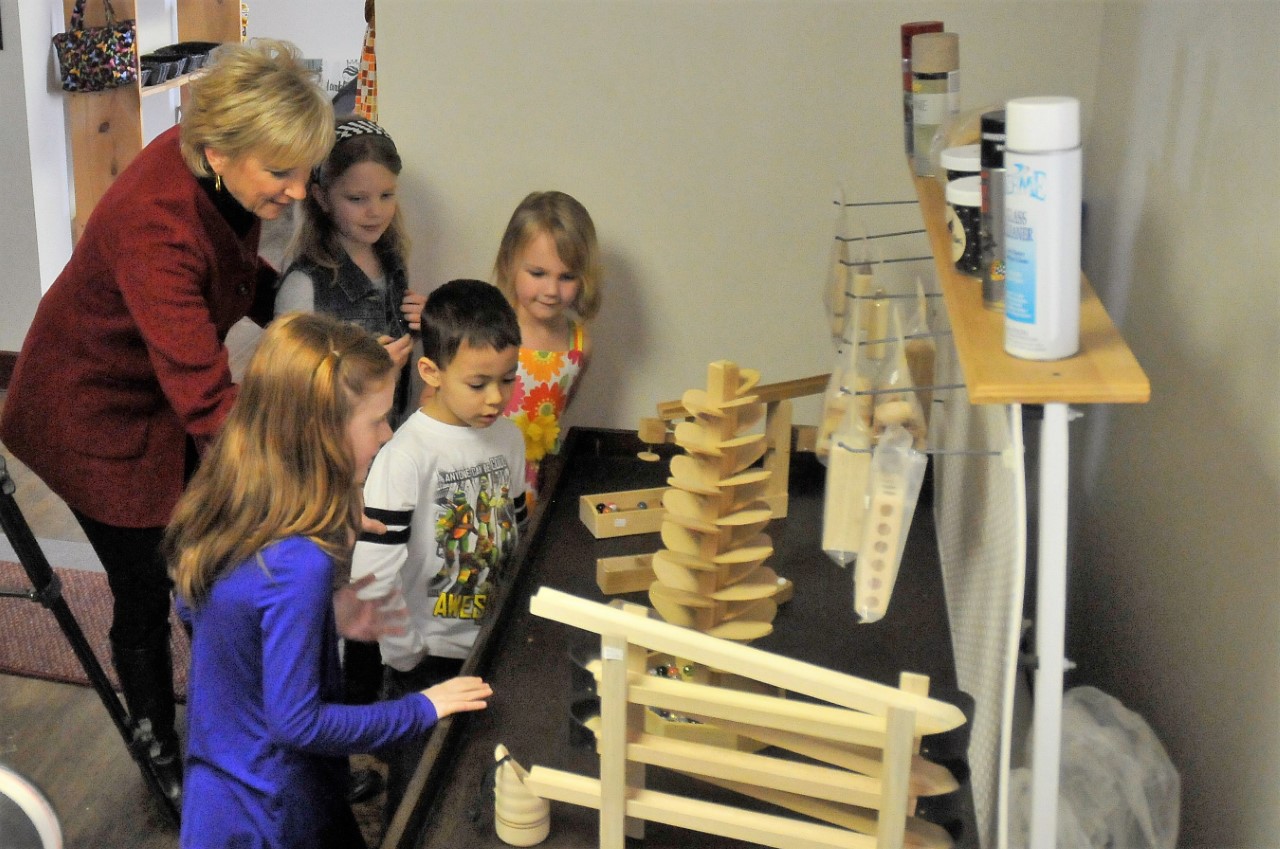
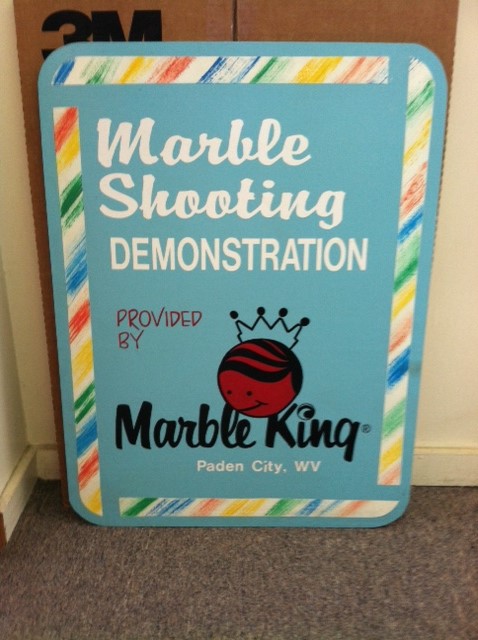
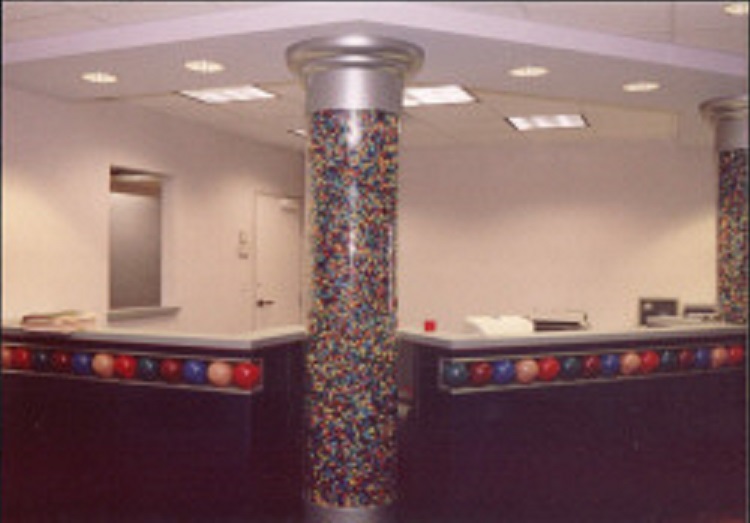

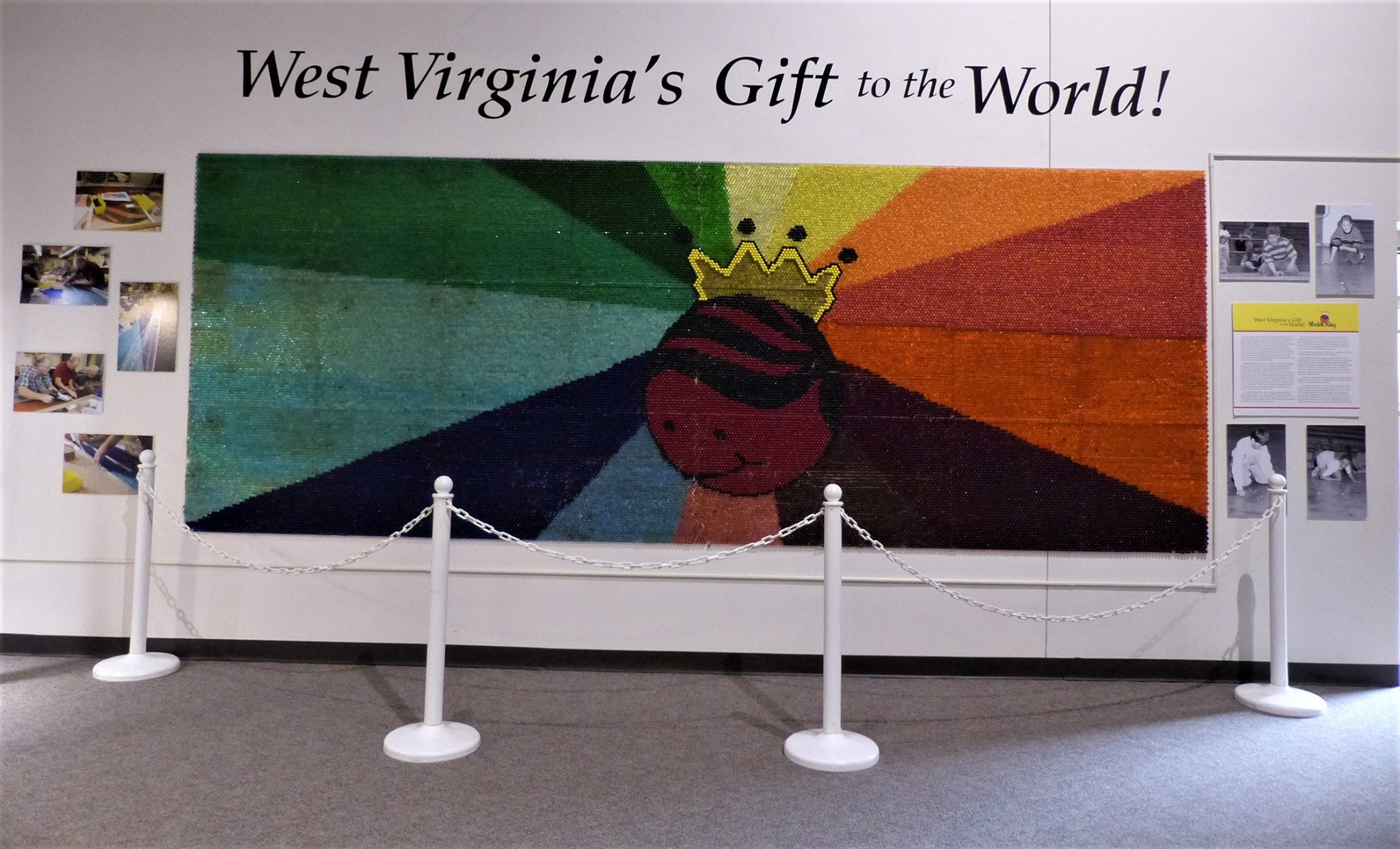
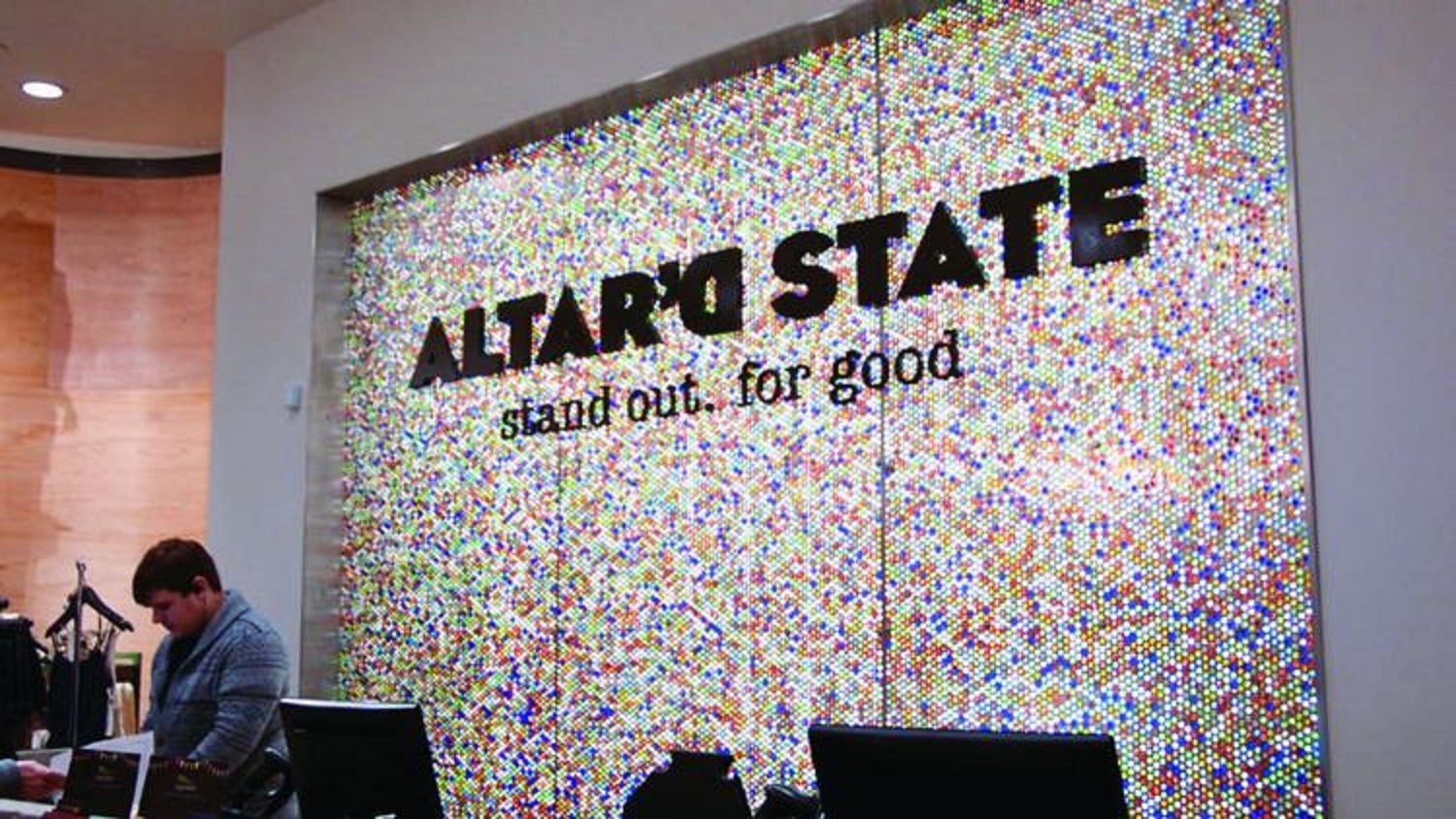
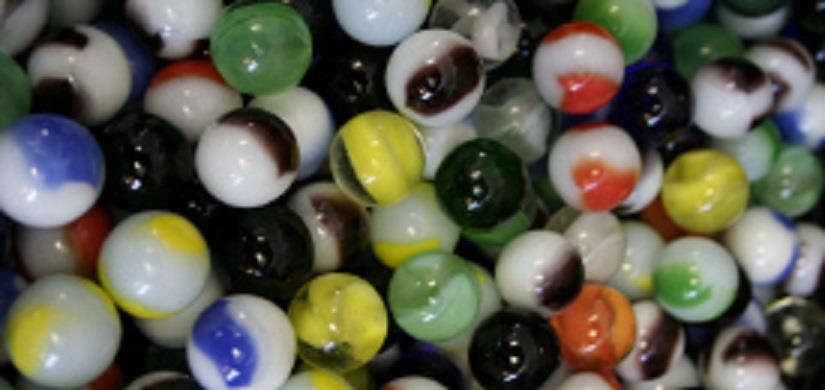 Visit their interactive museum and gift shop in Paden City to discover why Marble King is known for quality, tradition, and history all over the world. It’s extra special because today they are the only marble company still producing Made in America marbles.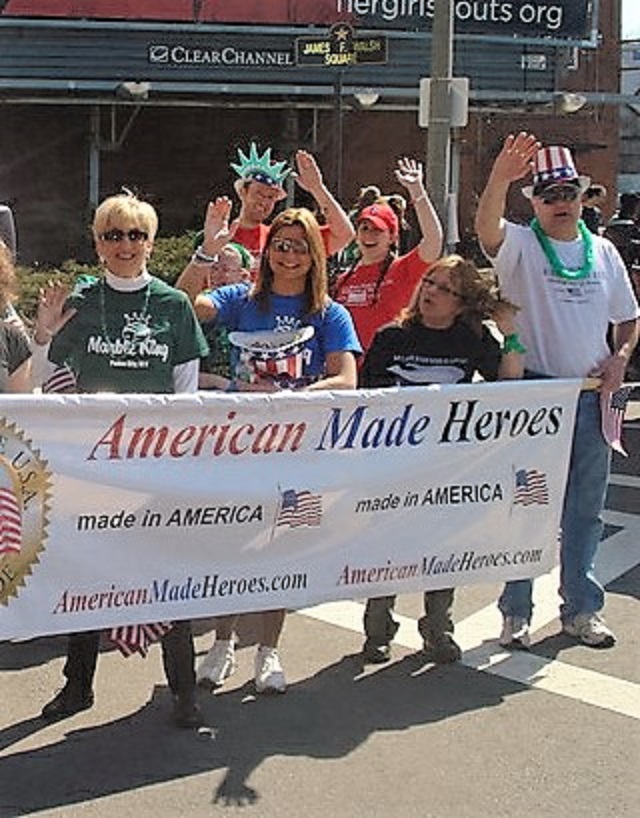

 For some reason, power plants attract me! This Willow Island Hydroelectric Plant was located across the Ohio River on my drive going up the river from Marietta, Ohio.
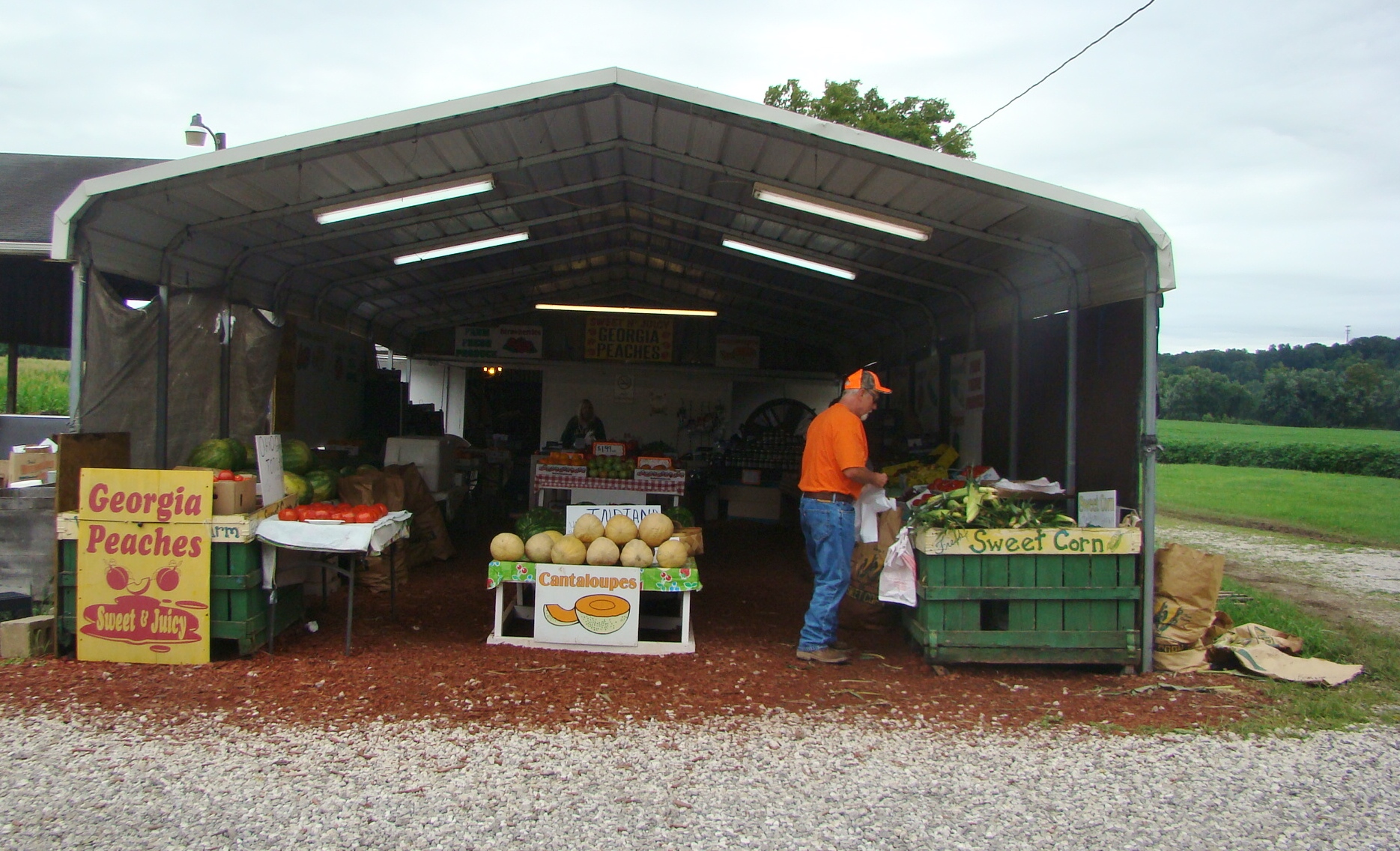 It was the perfect time of year for a Farmers Market to pick up some fresh Marietta tomatoes, sweet corn and a couple pieces of fudge. Valley View Farm Market even had a U-Pic section to pick your own peppers and tomatoes.
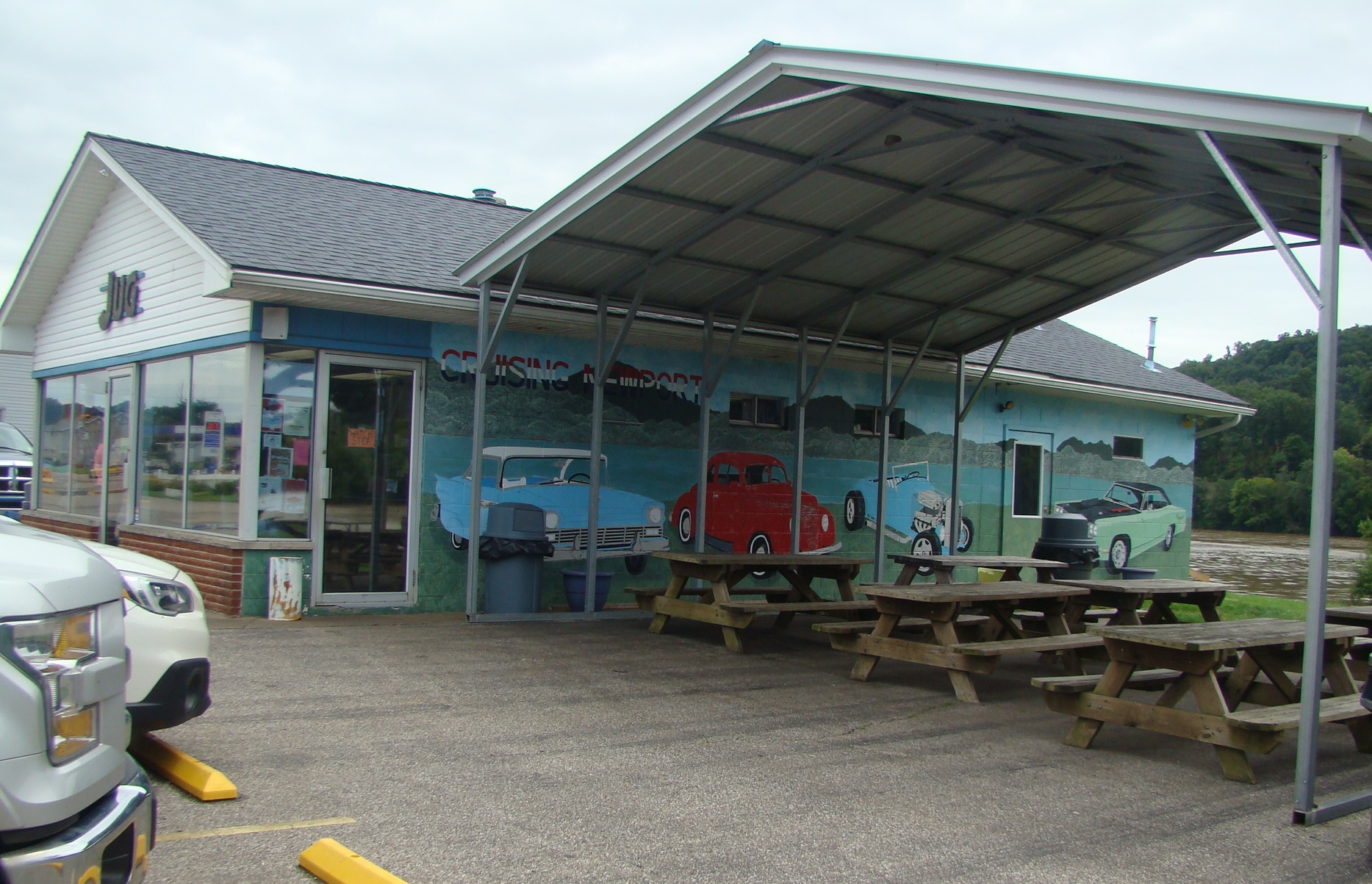 The Jug Restaurant in Newport, Ohio was a great stop for a refreshing drink and a chance to sit along the Ohio River for a while. They had a great mural of old cars on the side of their building as well as picnic tables and a nearby shelter.
 It’s always nice to see families enjoying the day together. Here father and son walk along the pier as they enjoy the river scene.
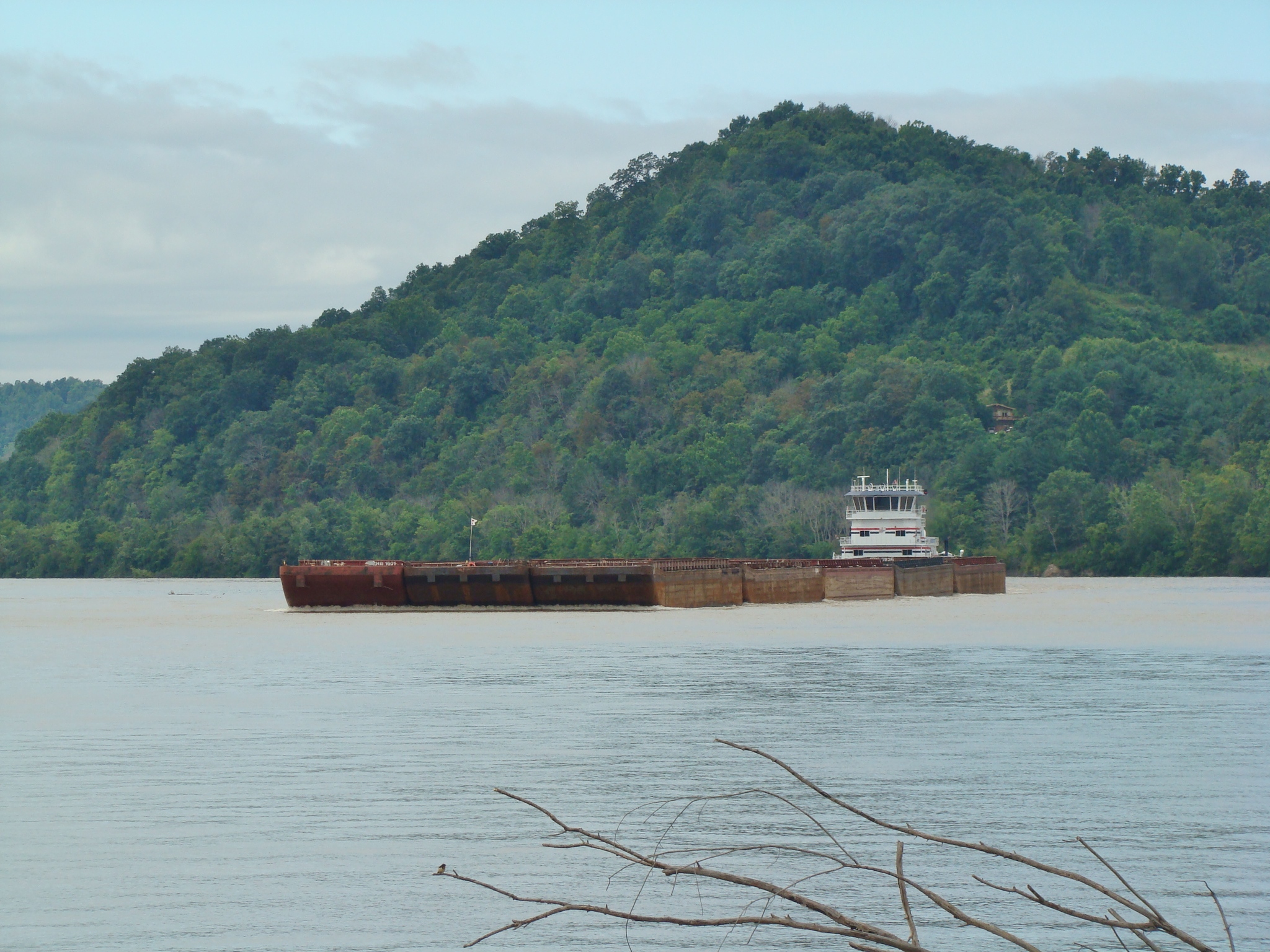 This Illinois tugboat going up the river was pushing thirty barges. Later in the day they came back loaded and covered. People were guessing they were loaded with steel.
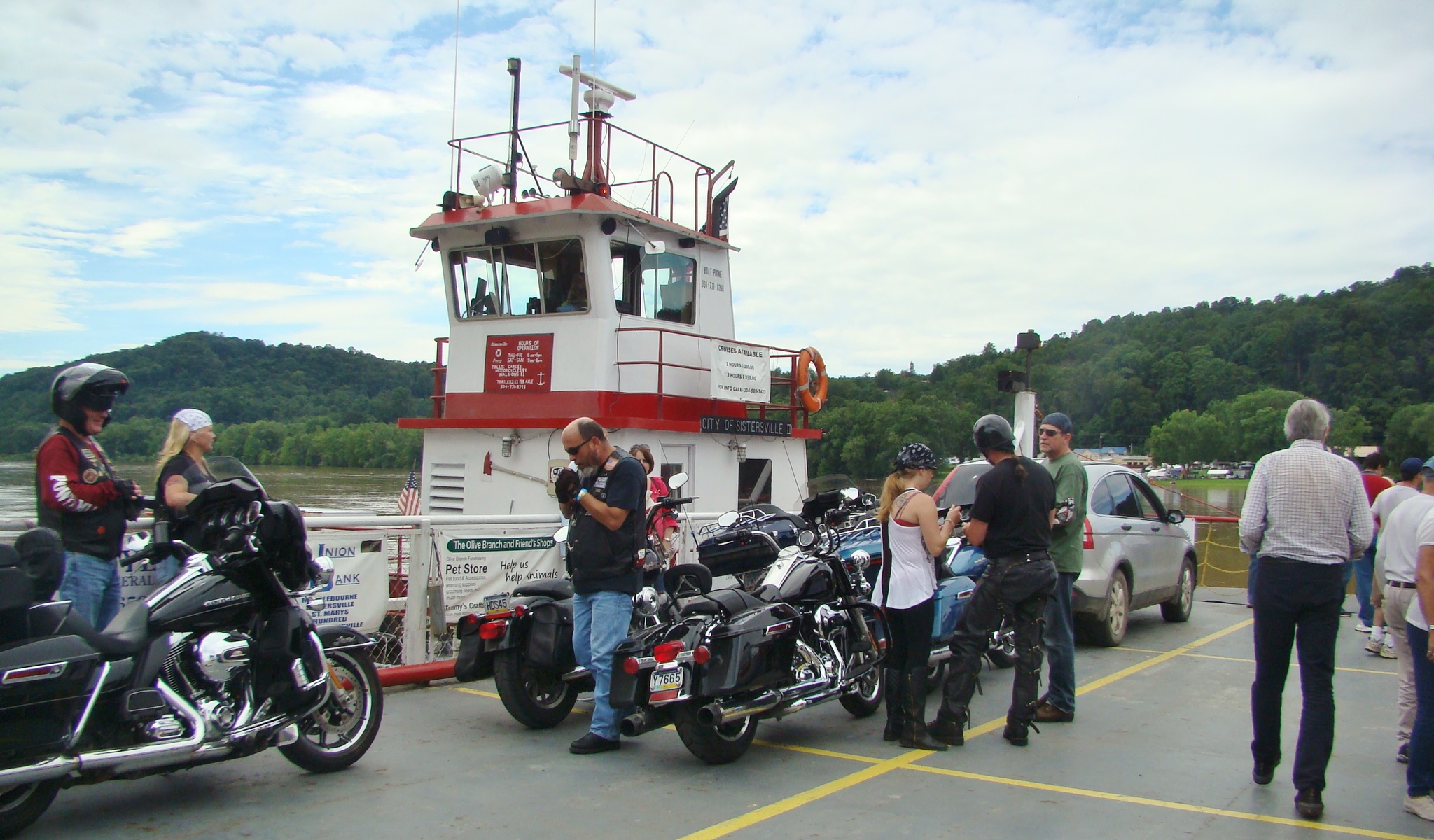 Reached the Fly Ferry in time for a couple rides at $1 per person from Fly, Ohio to Sistersville, WV. One time there were several motorcycles riding along.
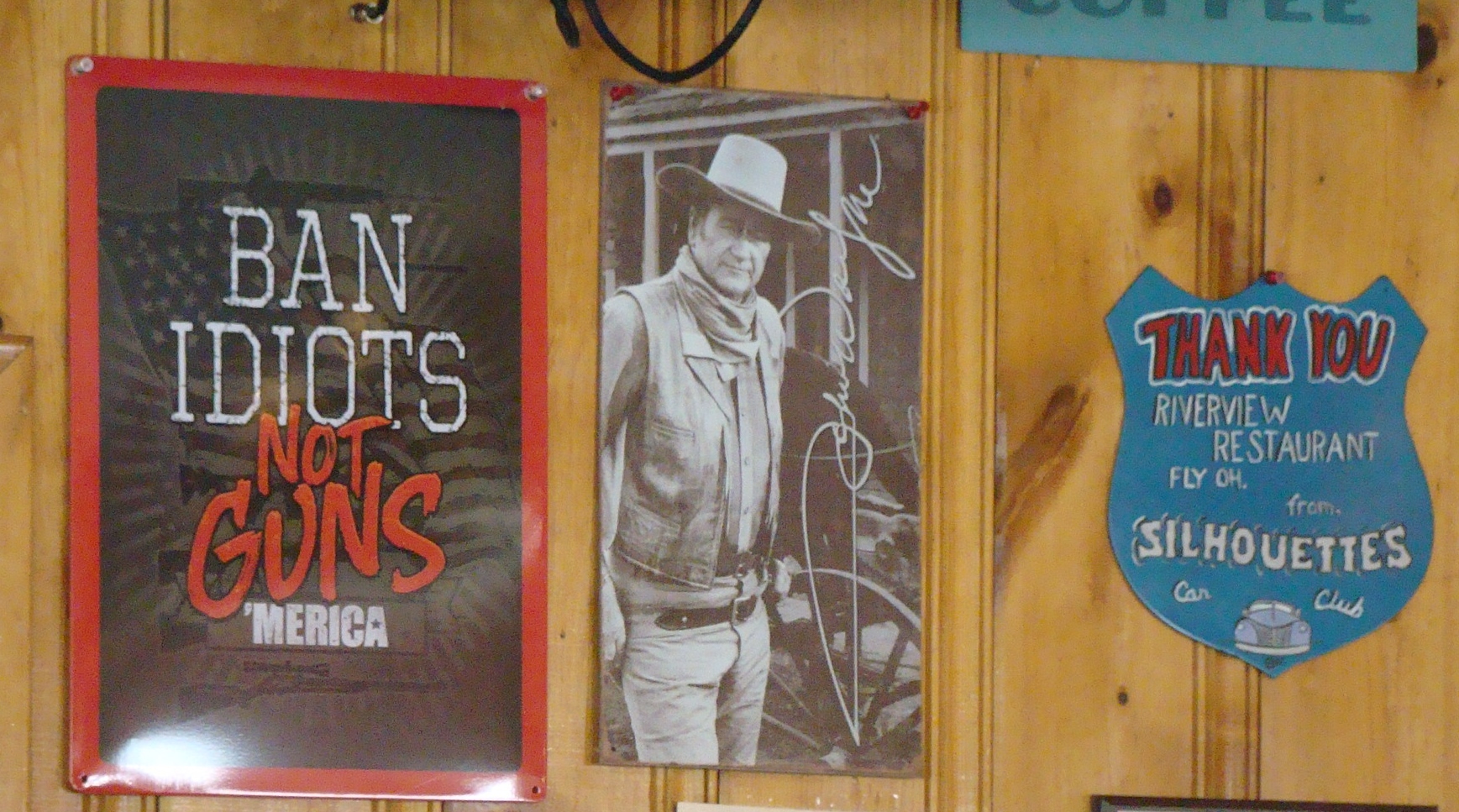 The Riverview Restaurant is a great place for a tasty lunch while watching the river activity out the window. Guess that’s why they call is Riverview! Had to agree with this sign on their wall next to a picture of John Wayne.
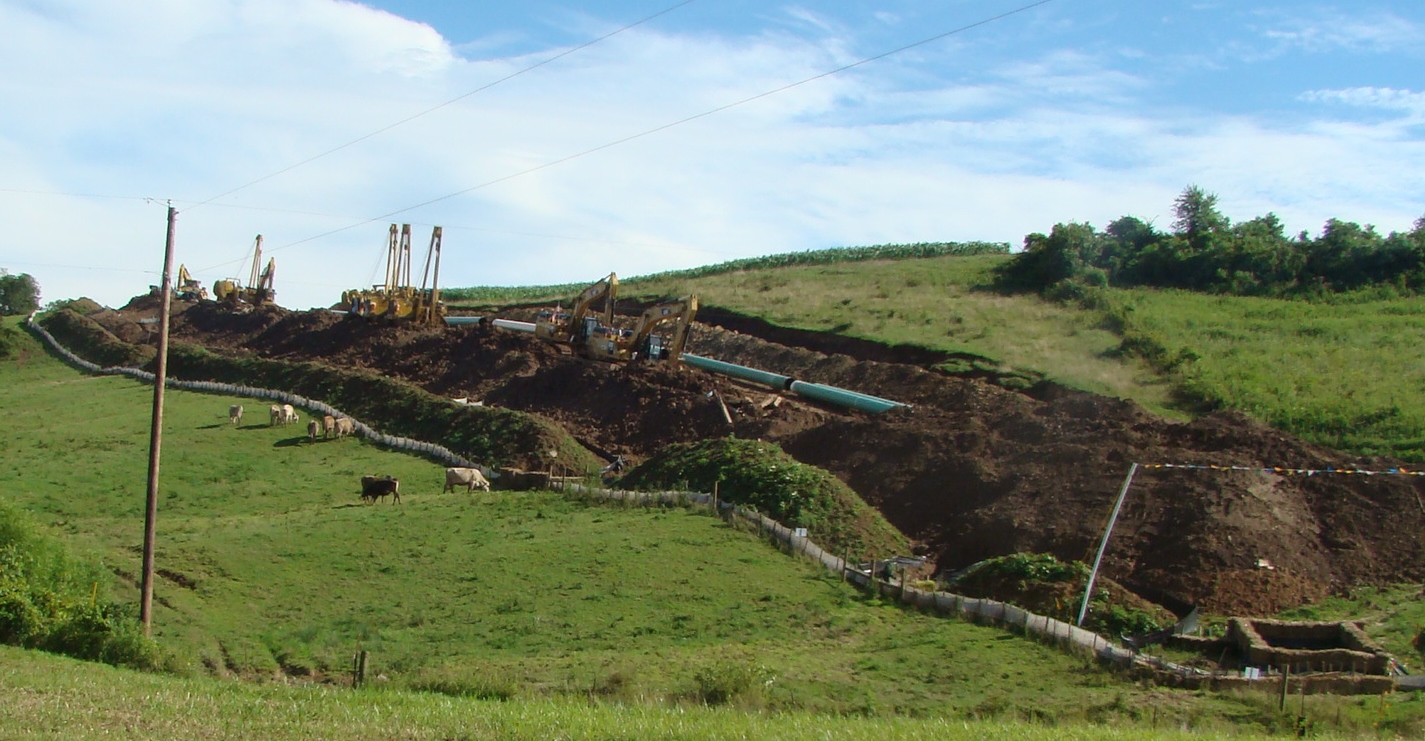 Heading home over a crooked back road made for a perfect ending for the day. Along the way the cows were learning to live with the pipeline that was invading their pasture.
 Most of the way, farmland and beautiful homes and barns reminded me of a saying:
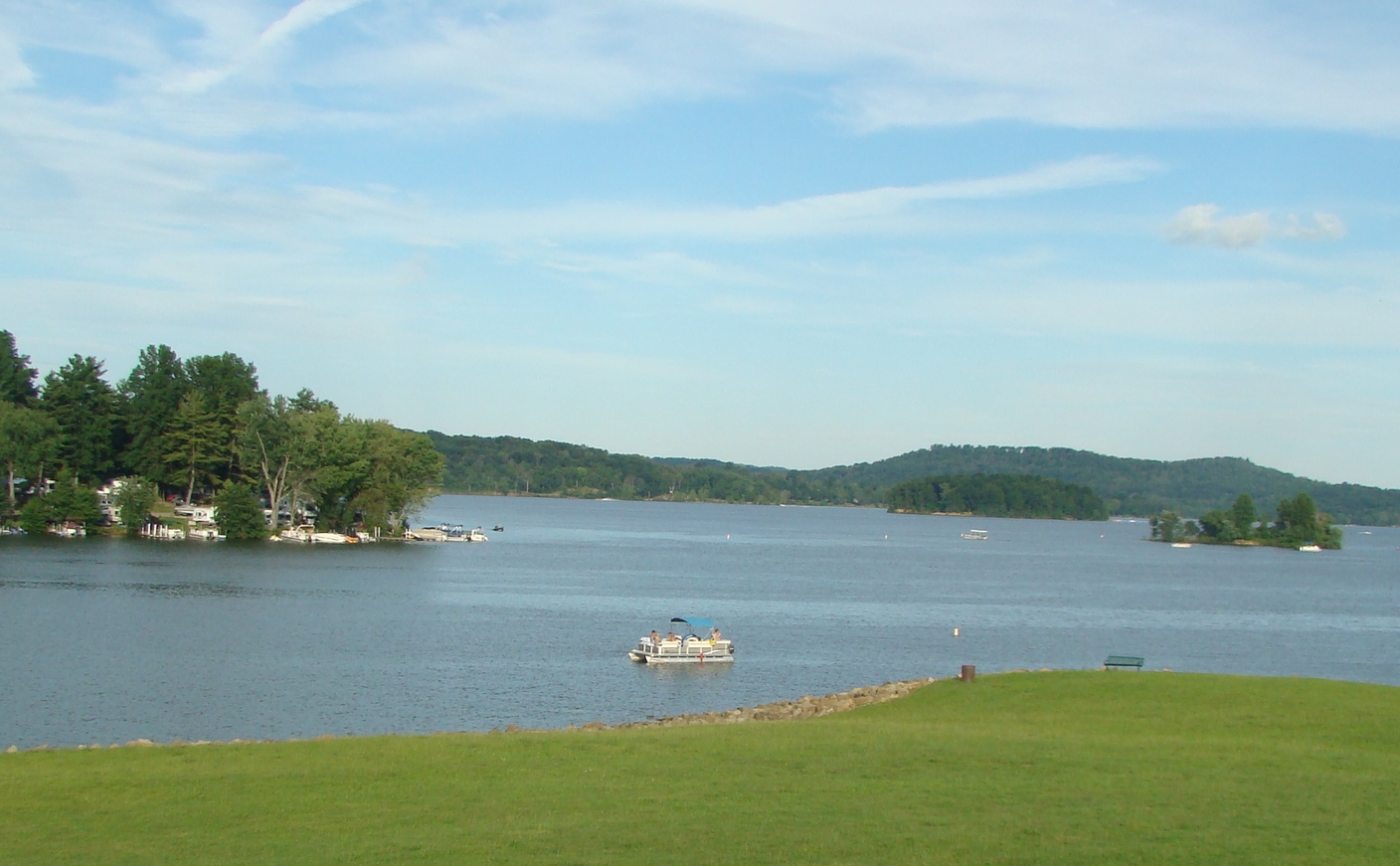 Almost home but stopped by Seneca Lake for a peaceful time by the water. This picture looks out from the dam area to that popular island for boaters. Guess you can tell that hanging out near the water is a favorite pastime of mine.
 One last stop before home to get a favorite ice cream cone from Orr’s Drive-In. Always enjoy that raspberry twist!







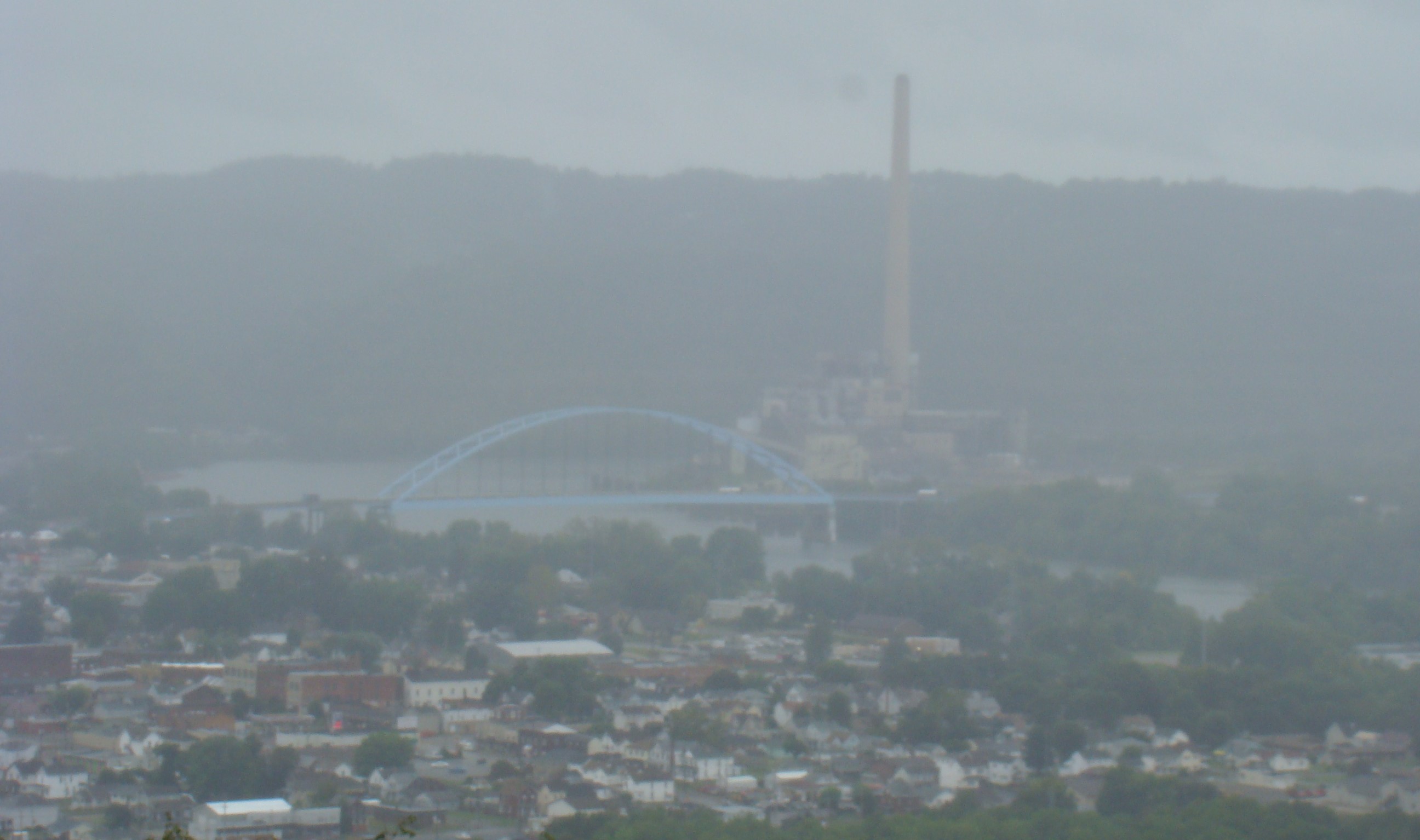 On a rainy day at Grand Vue Park near Moundsville, WV, fog hung in the air making the valley below seem mystical. Through the mist you could see the bridge over the Ohio River. A celebration of our connection to the sacredness of earth was the focus of this Earth Healing and Water Blessing Day, but it seemed the rain had already performed the Water Blessing part.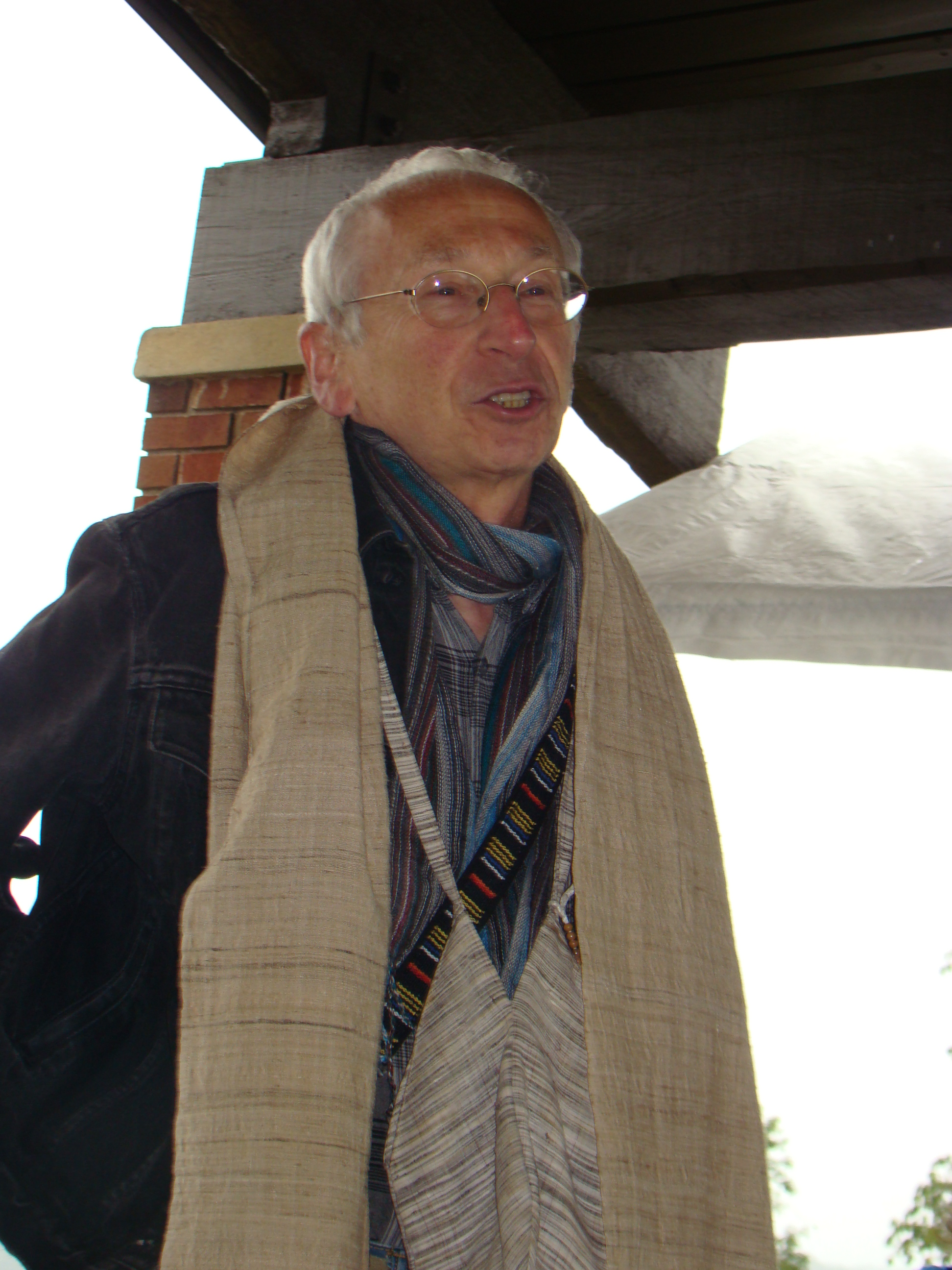
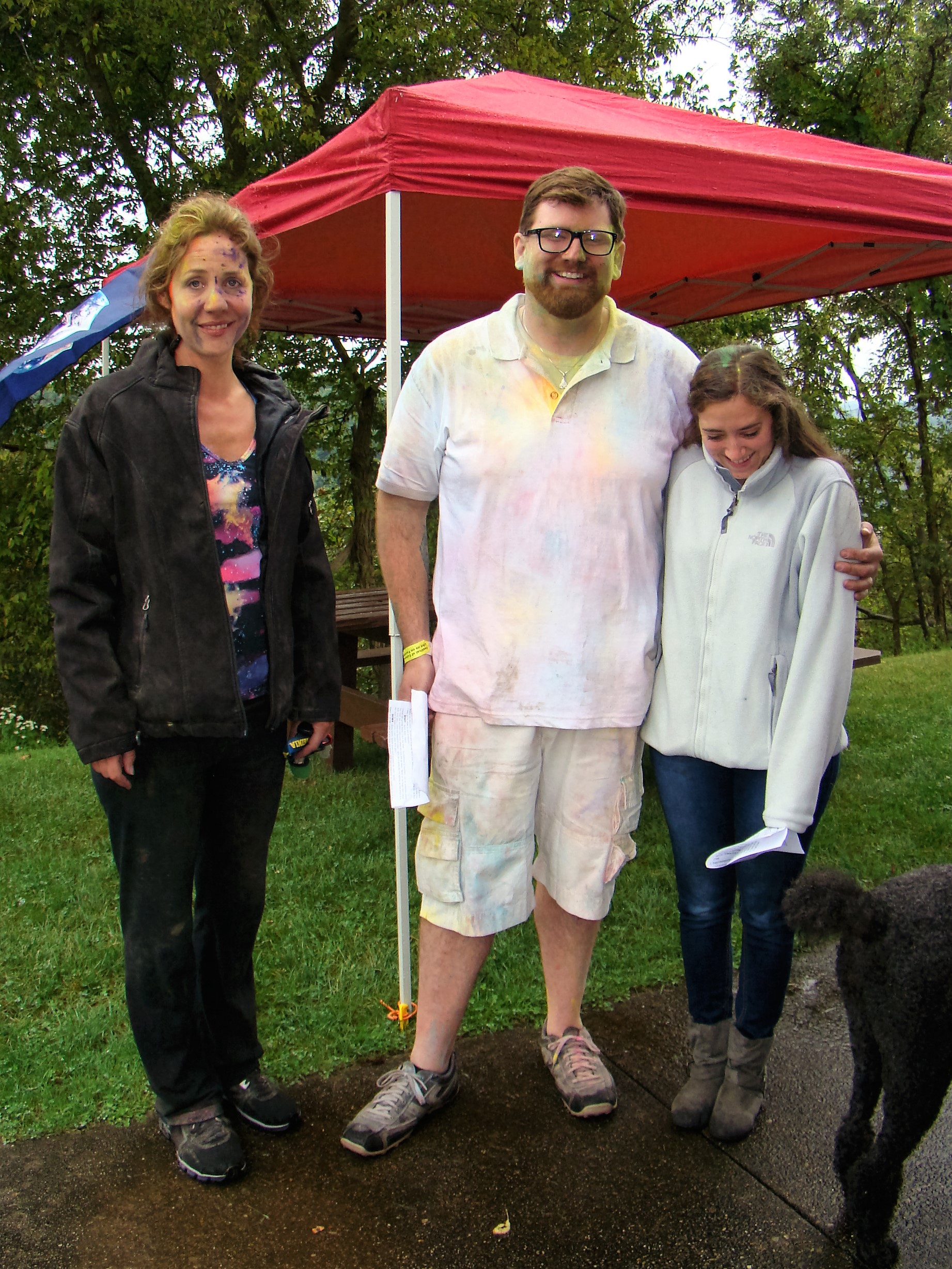
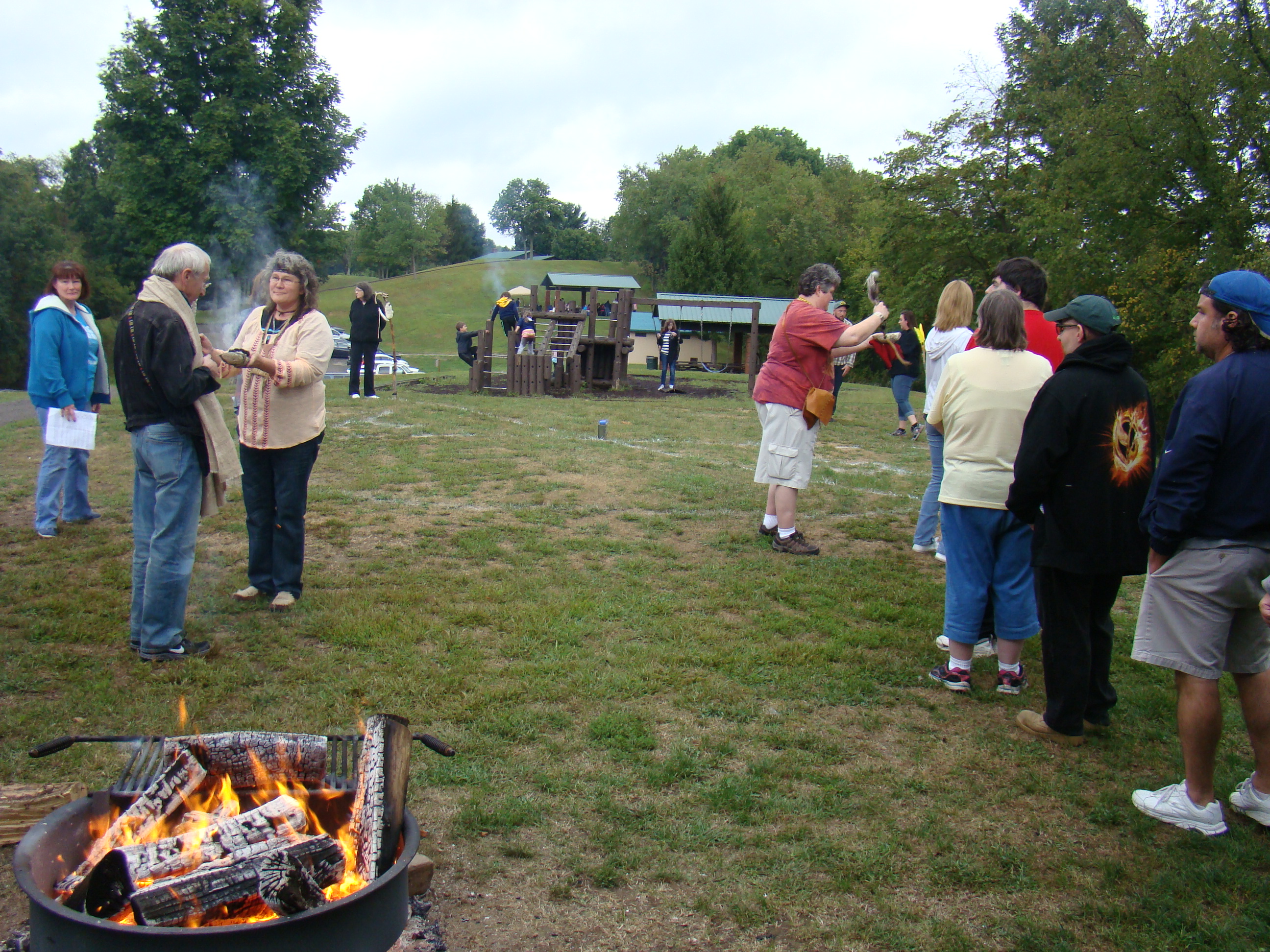
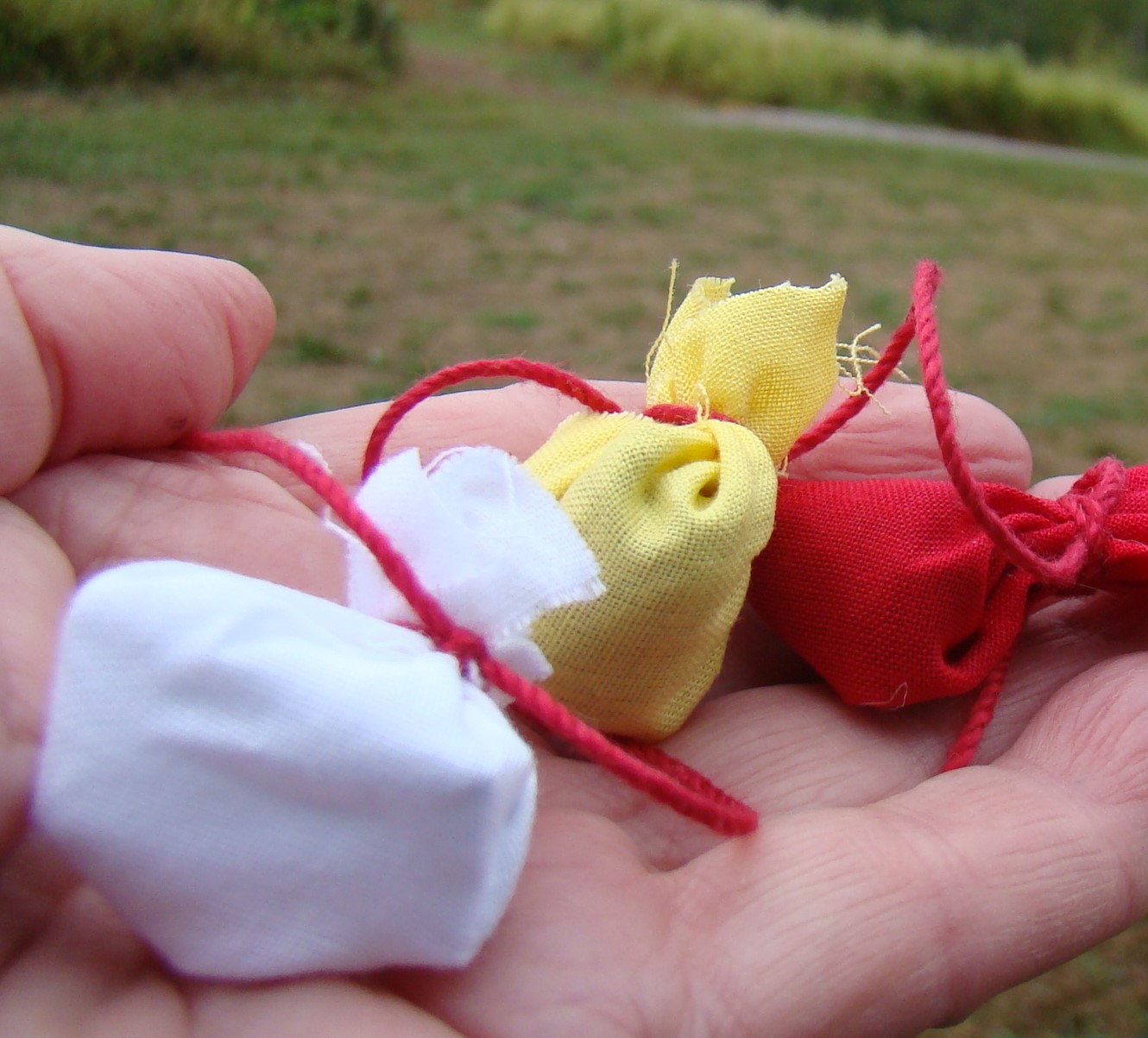 Prayer bundles were then made for a Despacho Fire Ceremony. A prayer request was written on a small piece of paper and placed inside a small piece of cloth with some special herbs. After praying over the prayer bundle, it was then tossed into the fire so prayers could ascend to the heavens.
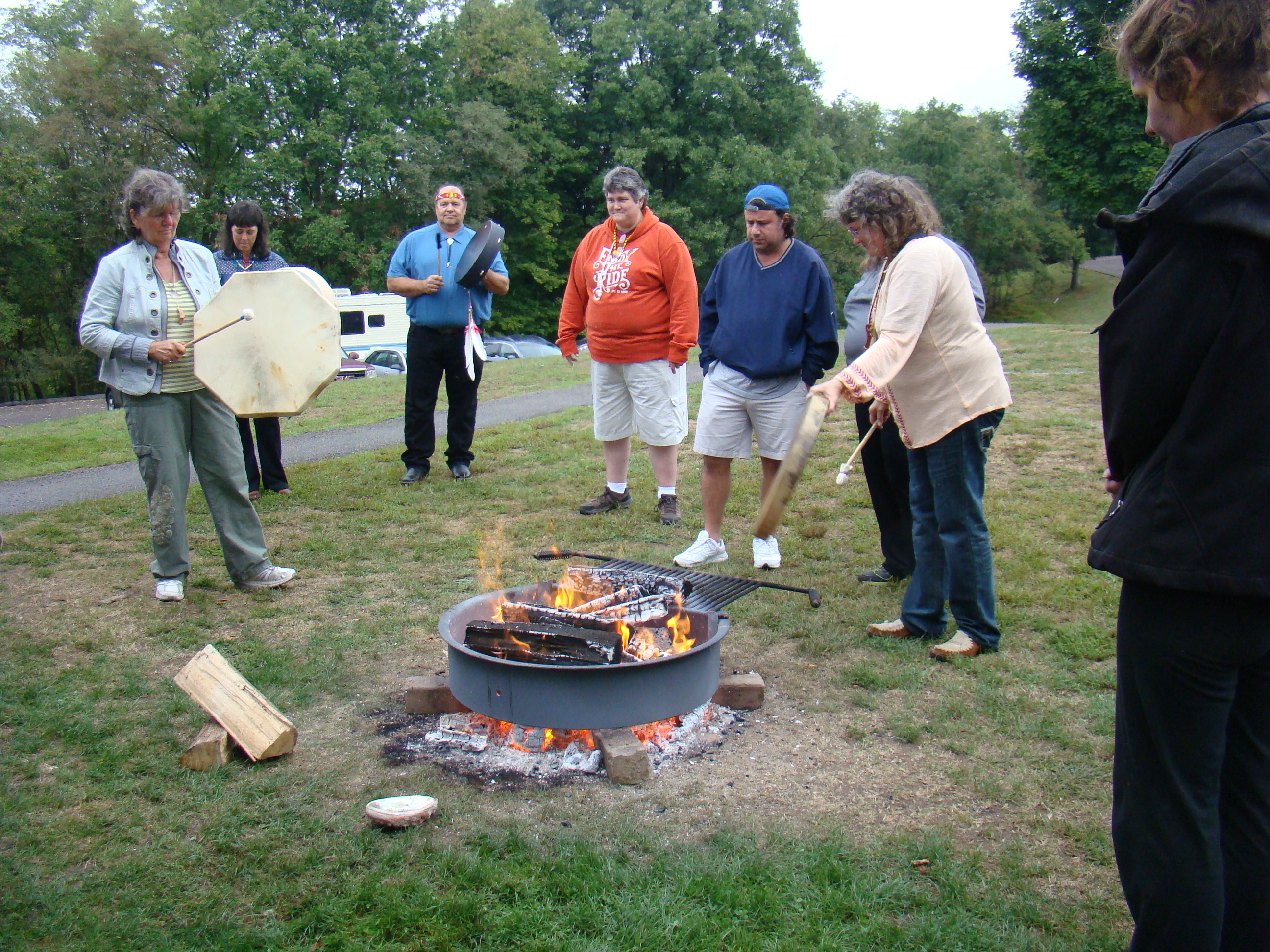 Sunshine Jones led the group in a session of drumming to connect with Spirit. Everyone had the opportunity to use some kind of instrument for participation in the event.
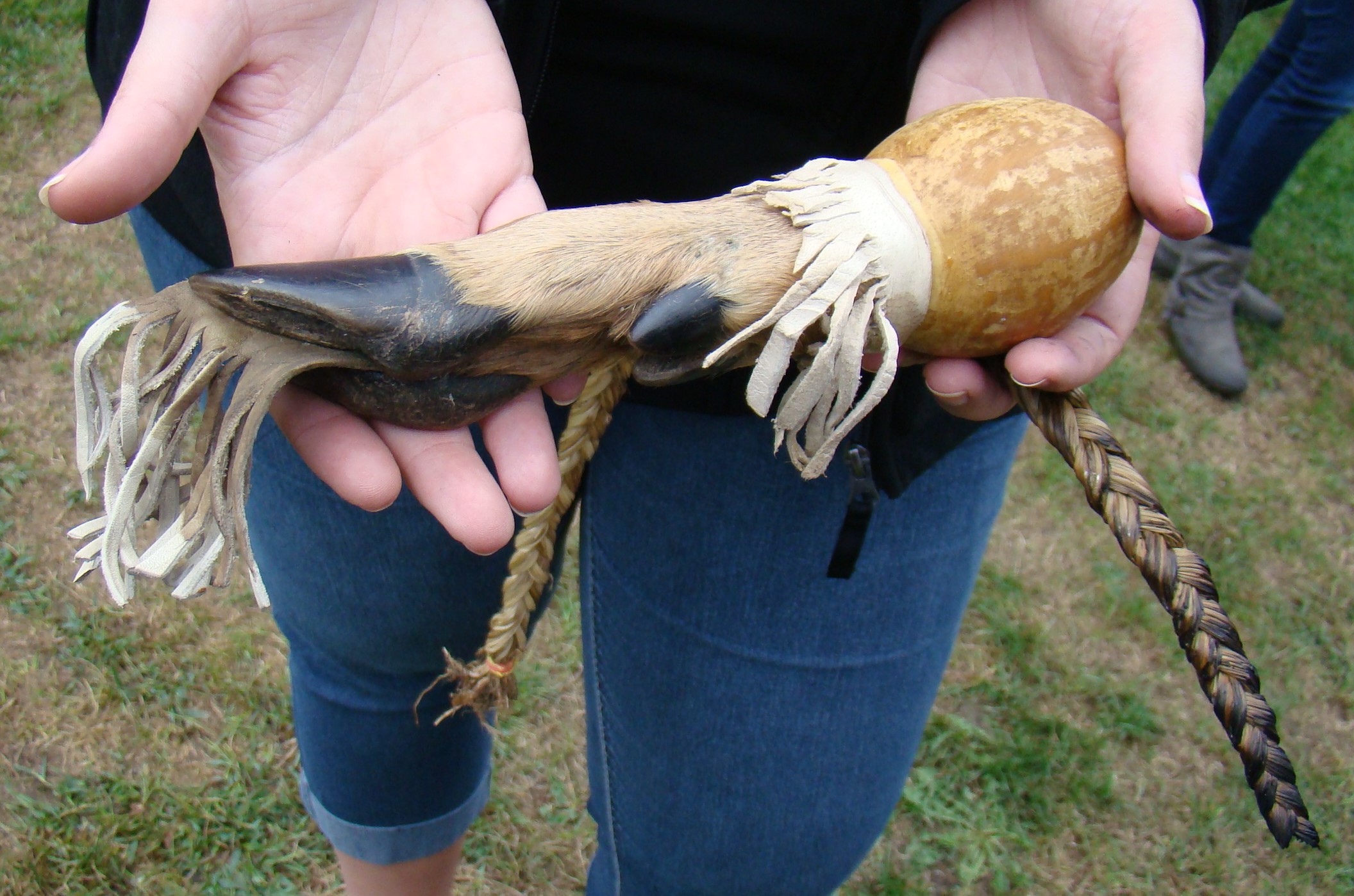 One unusual instrument was the foot of a deer topped with a shaker ball, which made a delightful sound…and the foot was easy to grip.
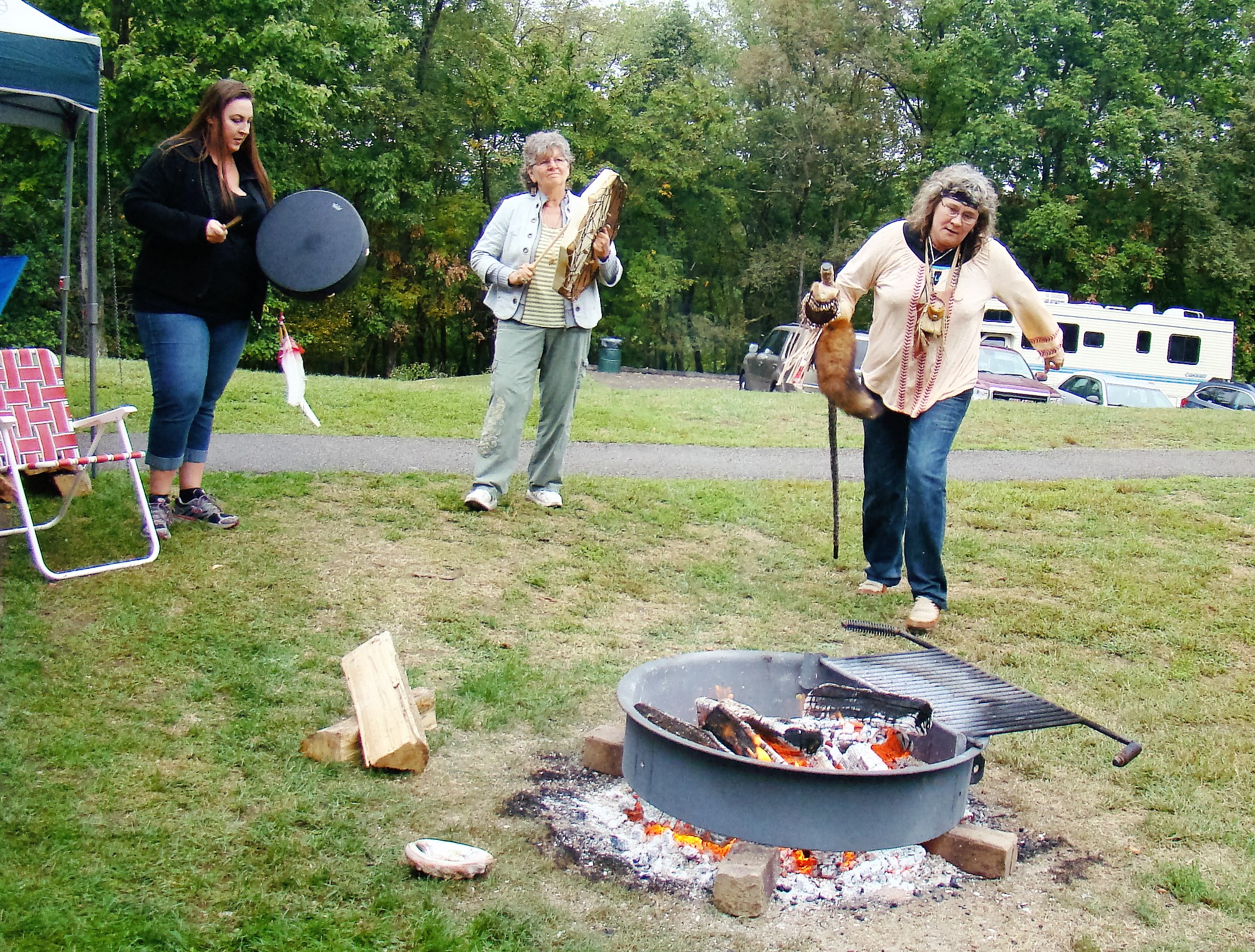 Much dancing and singing took place around the fire as people got caught up in the spirit of the afternoon of earth healing. That healing must begin within ourselves, so we can then spread our energy to influence everything we touch.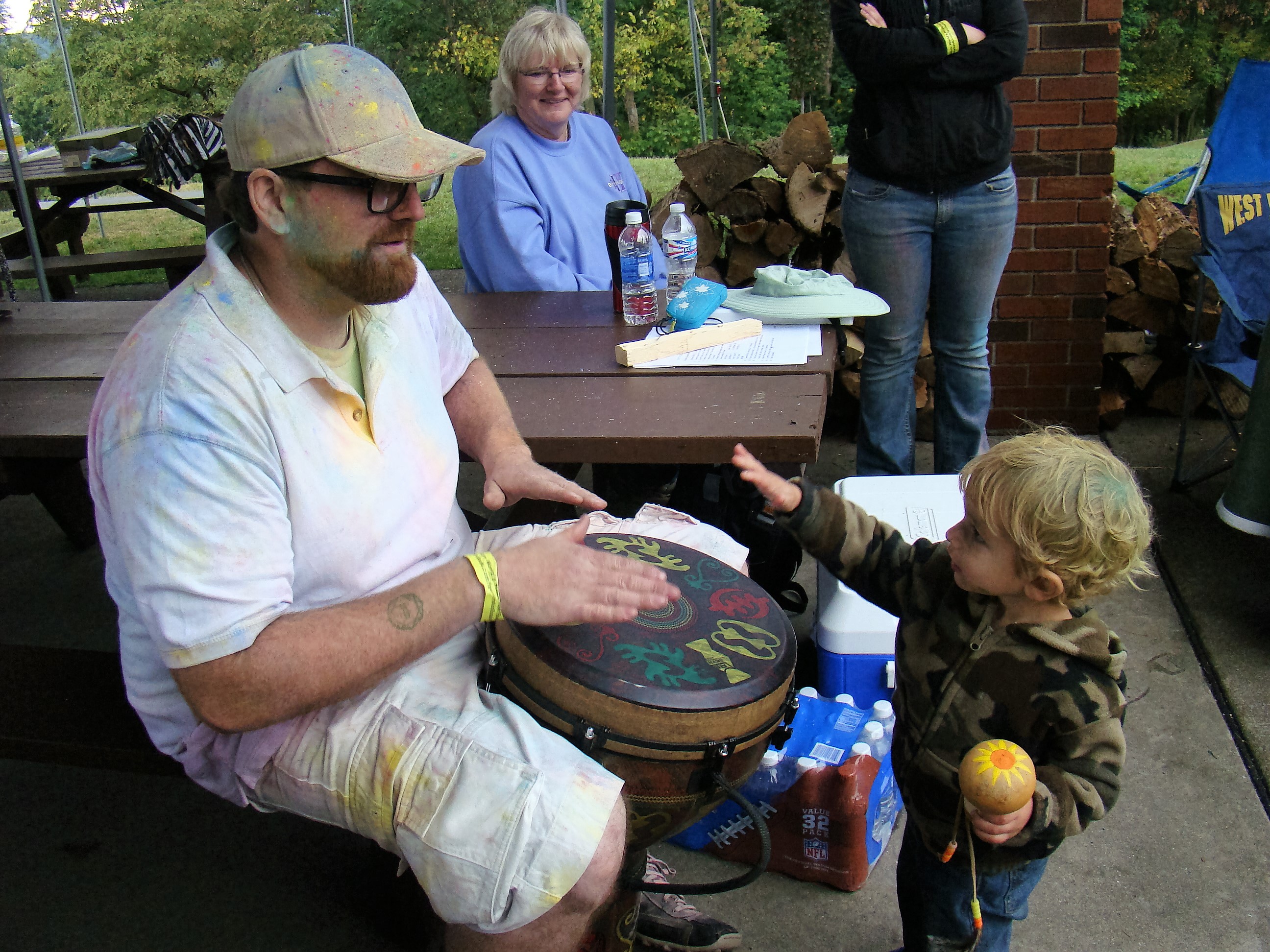
 Gypsy Road Trip