Places to go and things to see by Gypsy Bev

Fire Art!  Hot! Hot! Hot! From the days of the early Romans to today in West Virginia, the art of blowing glass hasn’t changed dramatically. Inspire your imagination while visiting Oglebay Institute in Wheeling, West Virginia.

In the lower level of Carriage House Glass, the Oglebay Institute Glass Museum demonstrated the art of making various objects using glass blowing techniques.  A young man showed visitors how to form bowls, bottles, and paperweights using his many artistic skills.
Imagine working day after day in front  of an oven where the temperature was 2400 degrees F.  Yes, that figure is correct. Would feel like heat from an erupting volcano! That is the temperature needed to melt the raw materials used in the manufacture of glass.

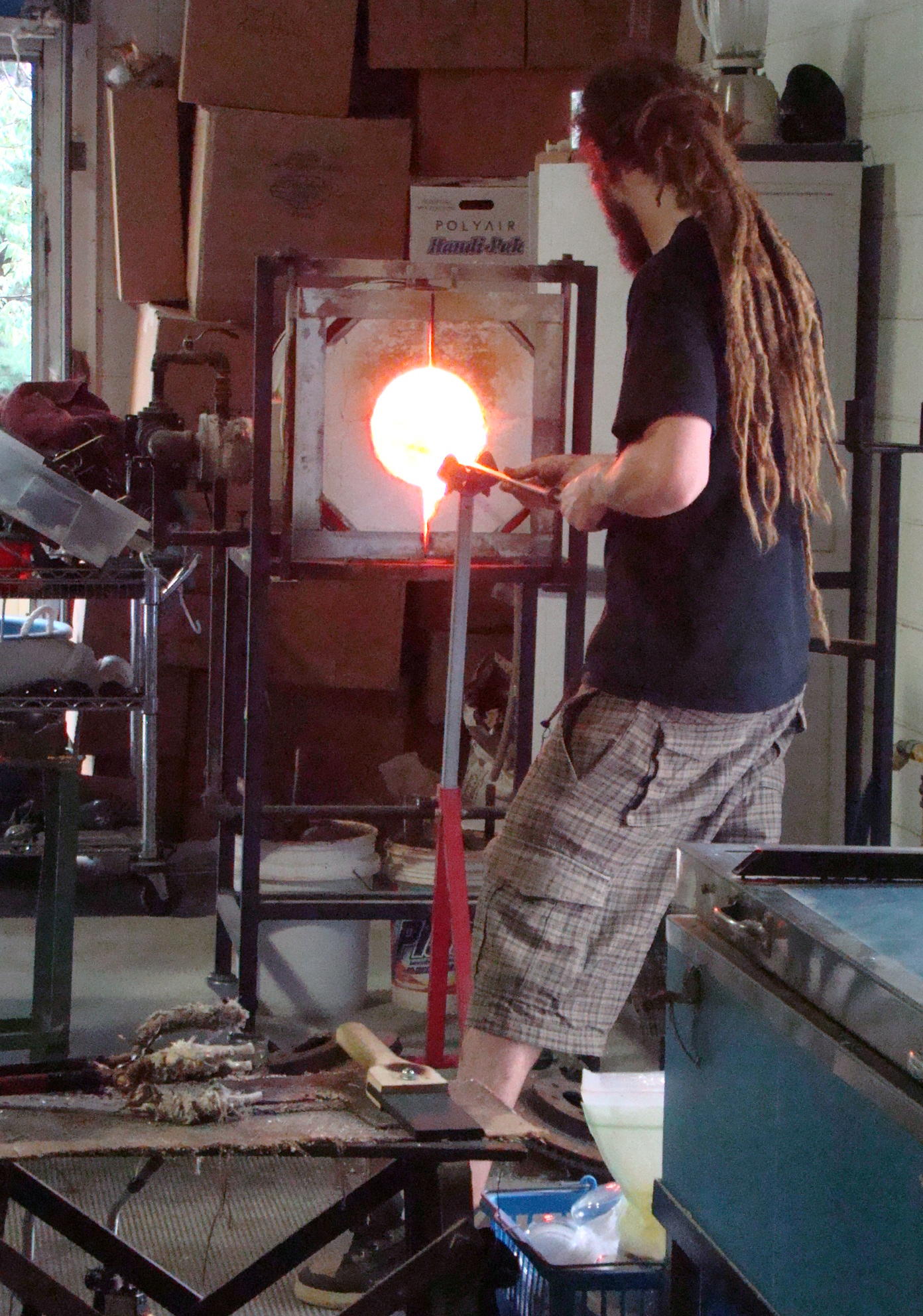
After the glassblower gathered a ball of glass on his blowpipe, the pipe was placed into the heating drum to get the glass to a temperature of at least 2200 degrees.  This is one hot job! He then took the glass and placed it in a mold to shape the glass into the object he wished to turn out. Several trips were necessary between the furnace and workbench to shape, finish off the rough edges, and flatten the bottom before he could break the newly formed object from the blowpipe.  He just hoped he had used the right temperature, and the correct strength of tapping to remove the object, or else his work would have been in vain and there would be a pile of broken glass.

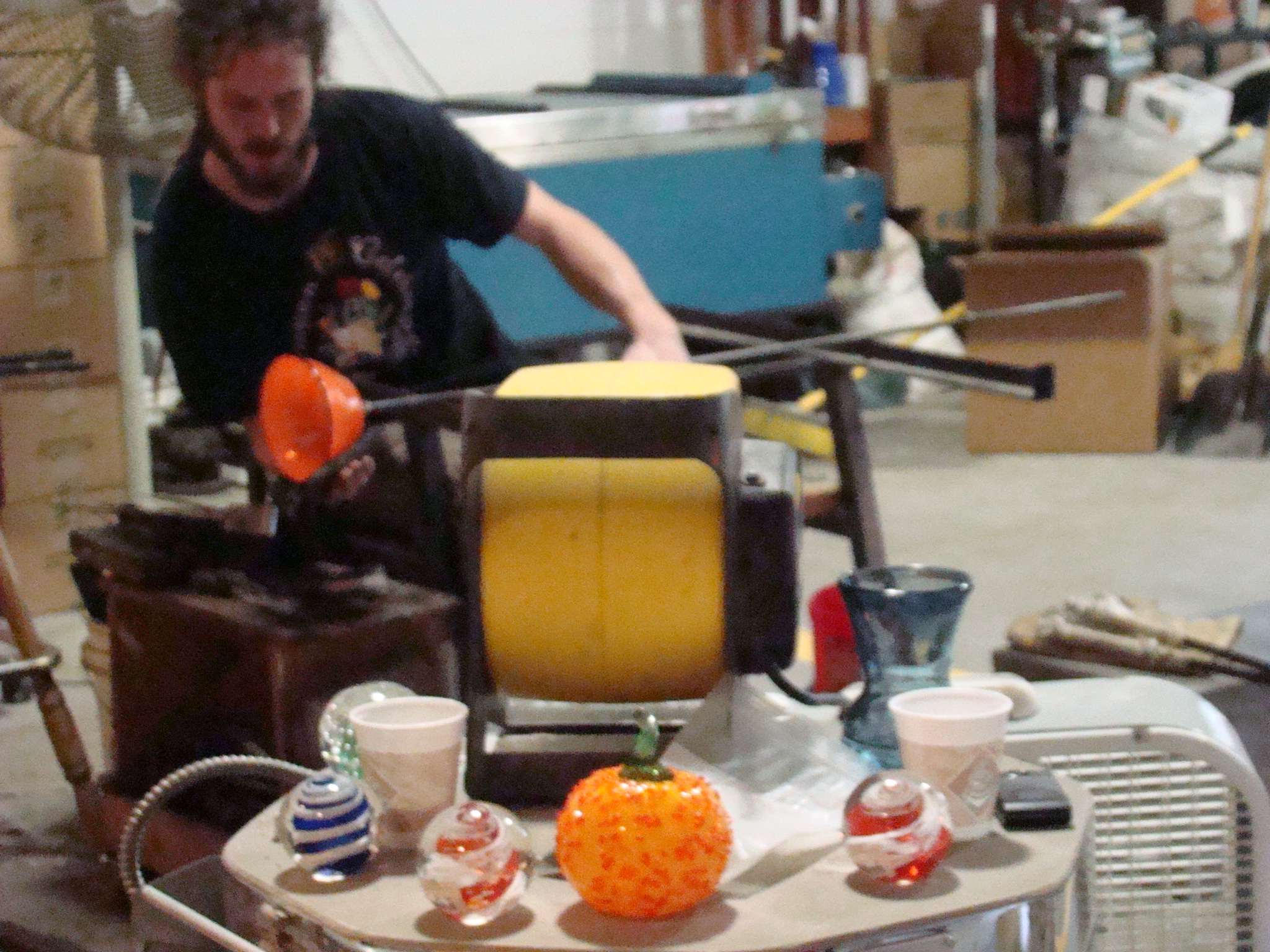
But this time all went well and the glassblower, who had been doing this for five years now, put the bottle in a cooling tank, called an annealing oven, where the temperature would slowly be reduced to prevent cracking. In a regular glass factory, this cooling process would take place on a cool-down conveyor belt. In the picture at the left, you see examples of some of the beautiful paperweights, cups, and containers made using the art of glassblowing. Individuals can also make their own paperweights here…with a little help from the glassblower!

The glassblowing demonstration was just a small corner of the Glass Museum, where over 3000 pieces of Wheeling Glass (1829-1939) were on display as well as Northwood carnival glass, Victorian art glass, and many more.  Display cases glistened with the sparkling handcrafted glassware, as well as Ohio Valley pottery.

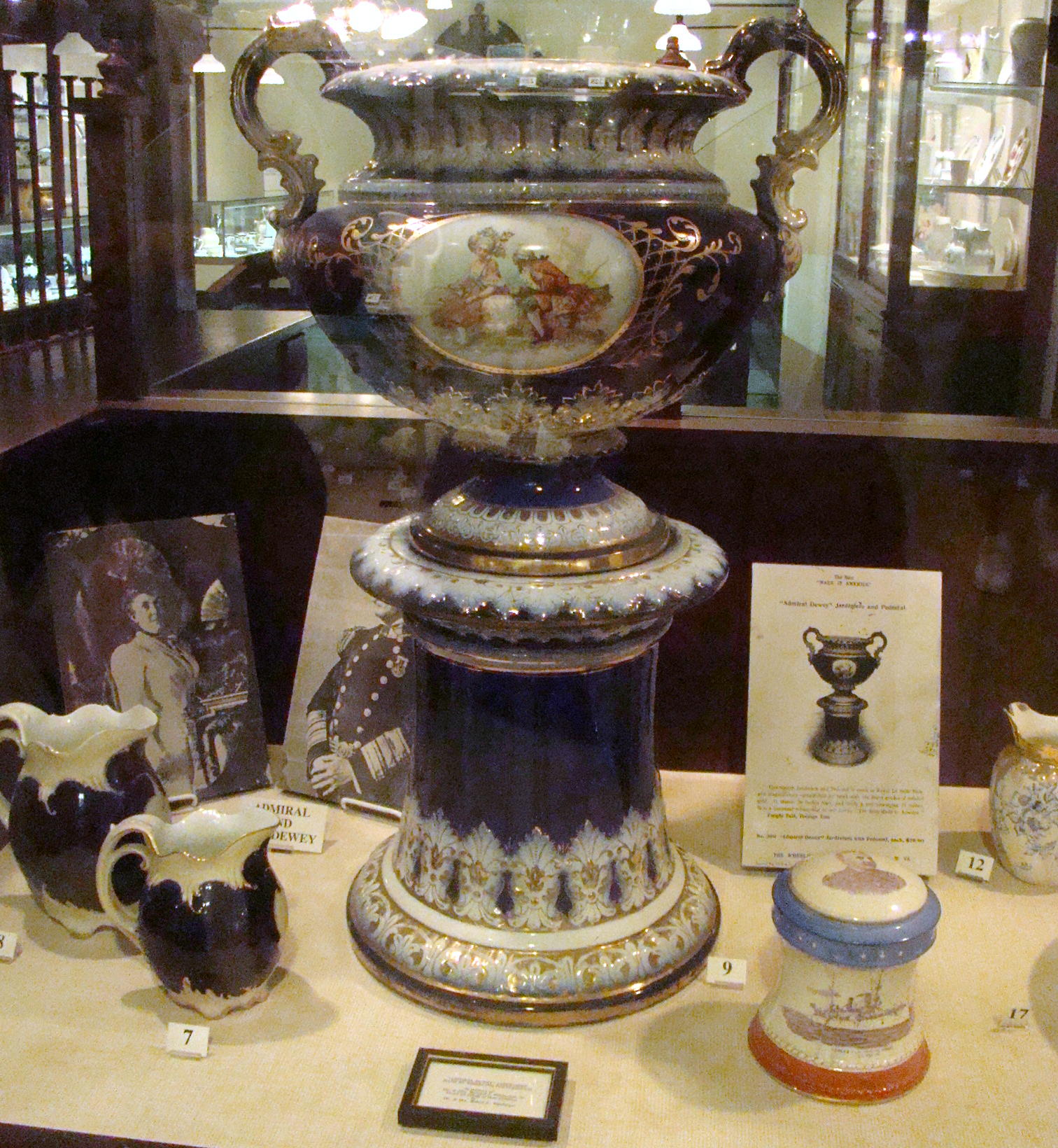
Among the popular pottery pieces, stands  a magnificent Flow Blue Jardiniere and Pedestal that belonged to Admiral Dewey.  Made by the Wheeling Pottery Company, it features a scene of Spanish American War naval hero, Admiral George Dewey. It was presented to the Deweys on a visit to Wheeling in the late 1800s. The Jardiniere stands about 3 1/2′ high and would originally have been used to hold flowers in a well-to-do Victorian home. This is thought to be the only Dewey Jardiniere of this size still existing.

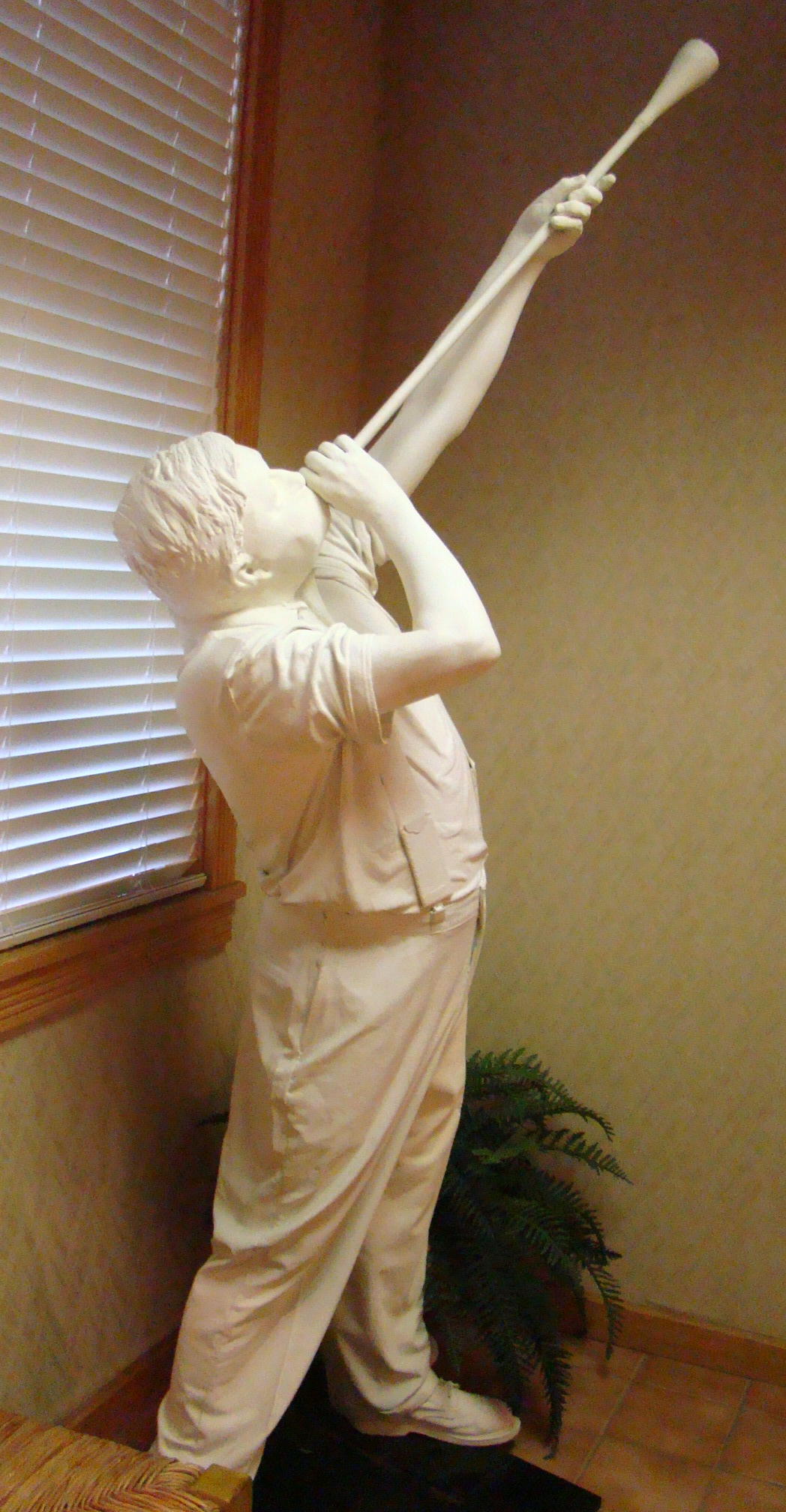
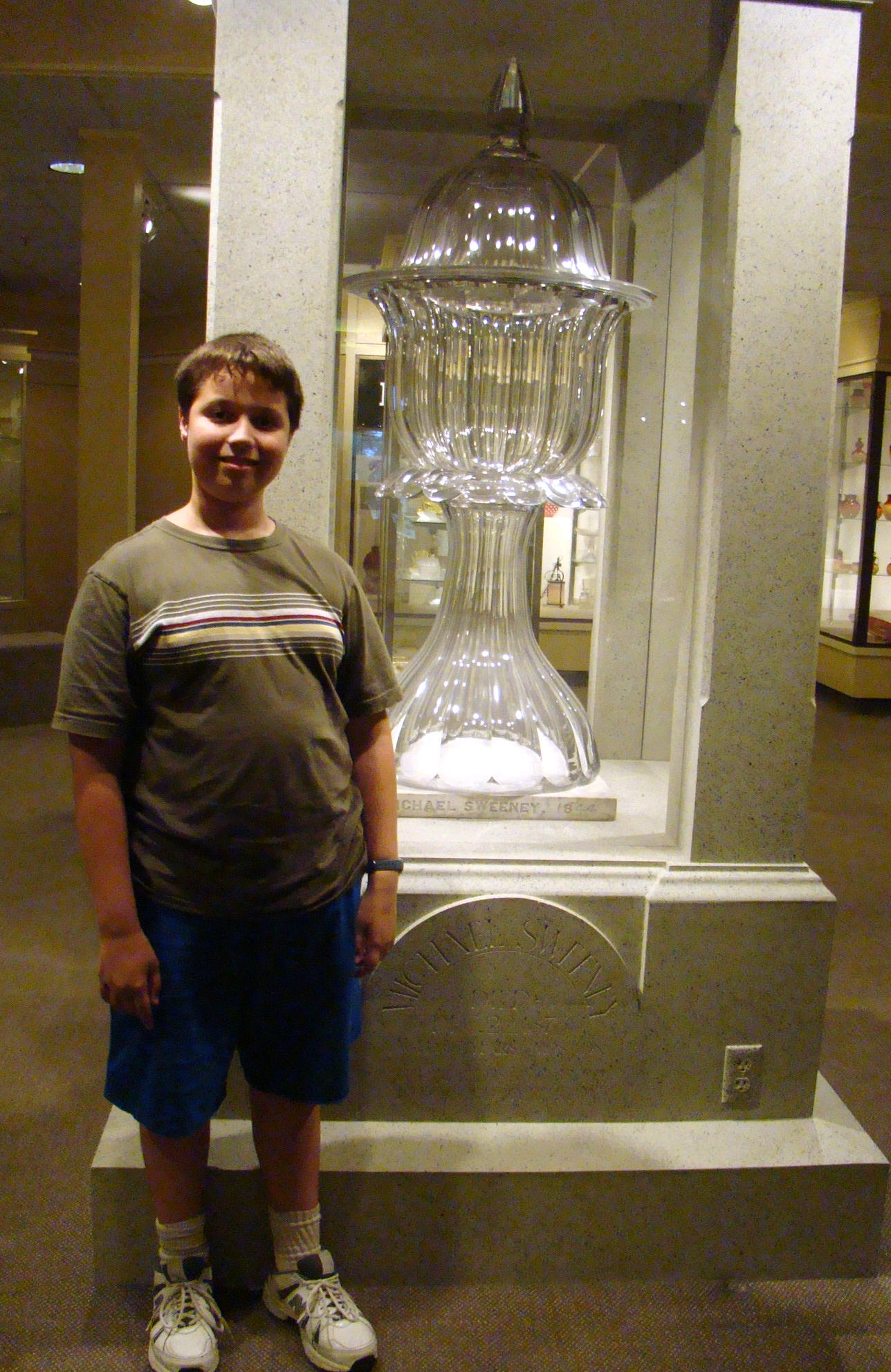
in 1849, the Sweeney brothers, Michael and Thomas, designed the largest cut glass crystal punch bowl ever made.  Sweeney Punch Bowl weighs 225 pounds and stands five feet tall, nearly as tall as the young man in the picture. After a disagreement occurred between the brothers,  Michael claimed the piece as his own work,  and for seventy four years it sat glass encased on his grave in Greenwood Cemetery in Wheeling, West Virginia. As you might imagine, when Thomas returned to the area and found the work claimed by Michael alone,  he was speechless. Today this priceless work of art is the centerpiece of the Oglebay Institute Glass Museum.

Back upstairs, Carriage Hill Glass Gift Shop was filled with unique, decorative gifts made of glass and pottery. There was everything from stained glass pieces to beautiful dinnerware, and their popular Glass Rain Drops. As a single raindrop raises the sea, so each of us makes a difference in the world – some cause storms and others grow flowers. Handcrafted glass continues to make a big difference in the world as people create their individual masterpieces.

The Museums of Oglebay Institute are located in Wheeling, West Virginia just off I-70 at Exit 2A. Then follow the Oglebay Park signs. Admission for both museums is a reasonable $10 per person. 

“..and that’s my rulin’ ” were the final words often spoken by “The Hanging Judge” Roy Bean from his law office in Langtry, Texas. Most of his sentences were highly controversial and questionable.

After crossing Westward over the Pecos River Bridge, the highest highway bridge in Texas at 270 feet high and 1310 feet long, you begin to feel the heat of the desert.  Driving through this desolate region of Southwest Texas,  a little town appears along the banks of the Rio Grande River. Lillie Langtry Trading Post looks like a good place to get a cool drink here in the middle of all the sage and cactus in the Chihuahuan Desert. Surrounding the Judge Roy Bean Visiting Center nearby was a beautiful cactus garden with ocotillo, prickly pear and aloe plants..even some cactus in bloom.

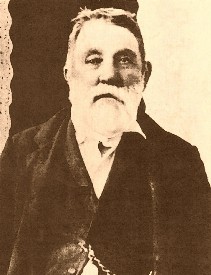
The most illustrious resident of the town in the late 1800s was Judge Roy Bean. He had former business experience selling stolen fire wood, watered down milk and rustled cattle, and later running a tent saloon.  His new saloon was called “The Jersey Lilly” after Lillie Langtry, a woman he admired in the entertainment industry. Although Judge Bean never met Lily, it is reported that he did write to her frequently, and she wrote back, even sending him two pistols, which he cherished.

He claimed the town was also named for her, when in fact it was named for George Langtry,  a railroad supervisor. Judge Bean even built an opera house there in hopes Lily would come to perform, but she never visited the town until after Bean’s death.

No wonder that Roy Bean was called “The Hanging Judge” as his philosophy was “Hang ’em first, try ’em later.” But although he frequently talked about hanging the sentenced, there is no record showing that he actually hanged anyone. Perhaps this was because Roy Bean himself was really hanged at one time back in California, where he killed a Mexican official over a woman. Friends of the official didn’t taken too kindly to this, so they hanged Roy Bean and left him to die.  However, the woman in question came to rescue him, but he was never able to move his head again after the hanging.

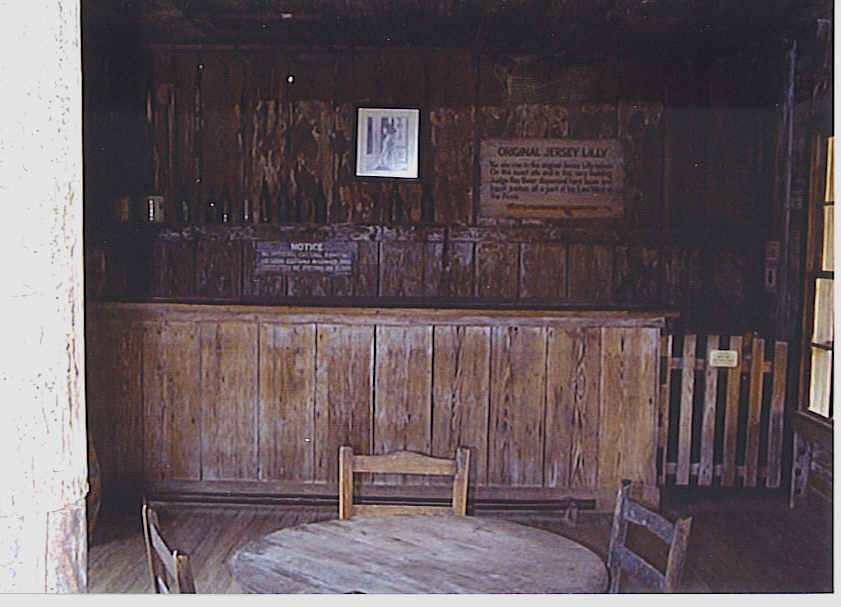
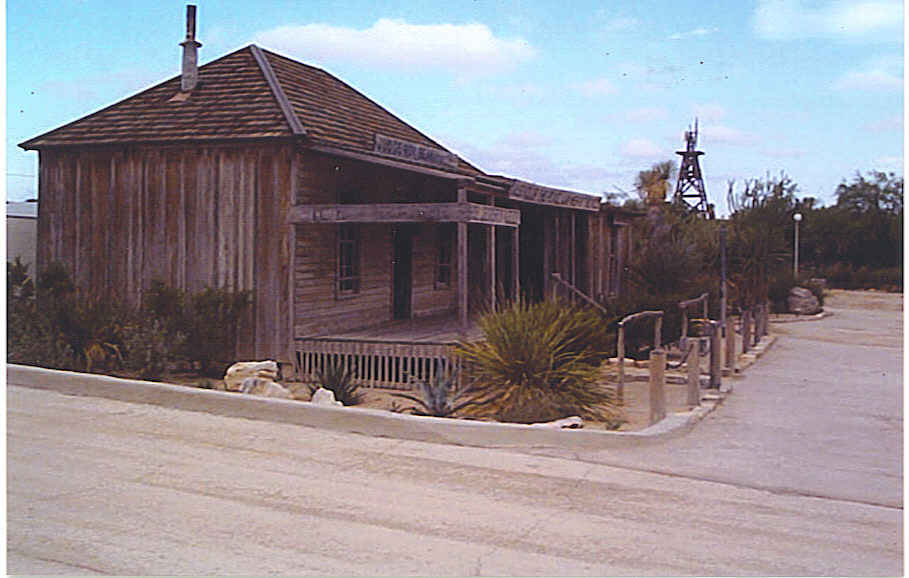
Court was held in “The Jersey Lily” where the sign out front says: Judge Roy Bean Justice of the Peace, Law West of the Pecos. Behind the bar was a tattered picture of Miss Lily and a large sign that said:

NOTICE
NO SHOOTING, CUTTING, FIGHTING
OR LOUD CUSSING ALLOWED, AND
ABSOLUTELY NO SPITTING ON FLOOR

Now he had a ‘real’ office structure even though it still was mainly a saloon. He considered himself as the “Law West Of The Pecos (River).”  From here he dispensed liquor, justice, and lots of tall tales.

Most of his time was spent sitting on the front porch of his saloon waiting for the next train to come through town.  When it did, he would get up and serve drinks to those who stopped in, but took his time giving them change.  When the train was ready to leave, customers were clamoring for their change and got rather disruptive.  At this point Judge Roy Bean would fine the customer for the exact amount of the change they were to receive.Their angry words on the way back to the train would best not be repeated here.

Once he fined a corpse in his saloon courtroom when he discovered the dead man had $40 in his pocket and a six-shooter.  He fined him for carrying a six-shooter and the fine was $40.

“I don’t abide giving killers a chance.  If he wants a chance, let him go somewhere else,” said Roy Bean after shooting a Jackson gang member in the back.  This kind of high-handed homespun law, outrageous humor and six-shooter justice  makes this  historic site where Judge Bean ruled an interesting stop…now that “The Hanging Judge” is no longer around.

Langtry, Texas is located on US highway 90 about 60 miles West of Del Rio.  It is easy to find, as there is nothing else in the area!

Tecumseh Only Sleeps

Brothers, we all belong to one family; we are all children of the Great Spirit. We walk in the same path, slake our thirst at the same spring, and now affairs of the greatest concern lead us to smoke the pipe around the same council fires.

These were the words of a wise Tecumseh as he requested support from all Indian tribes to battle the white man’s encroachment of their lands. Filled with vision and purpose, he frequently mentioned the Great Spirit and there was an attitude of prayer before all decisions were reached.

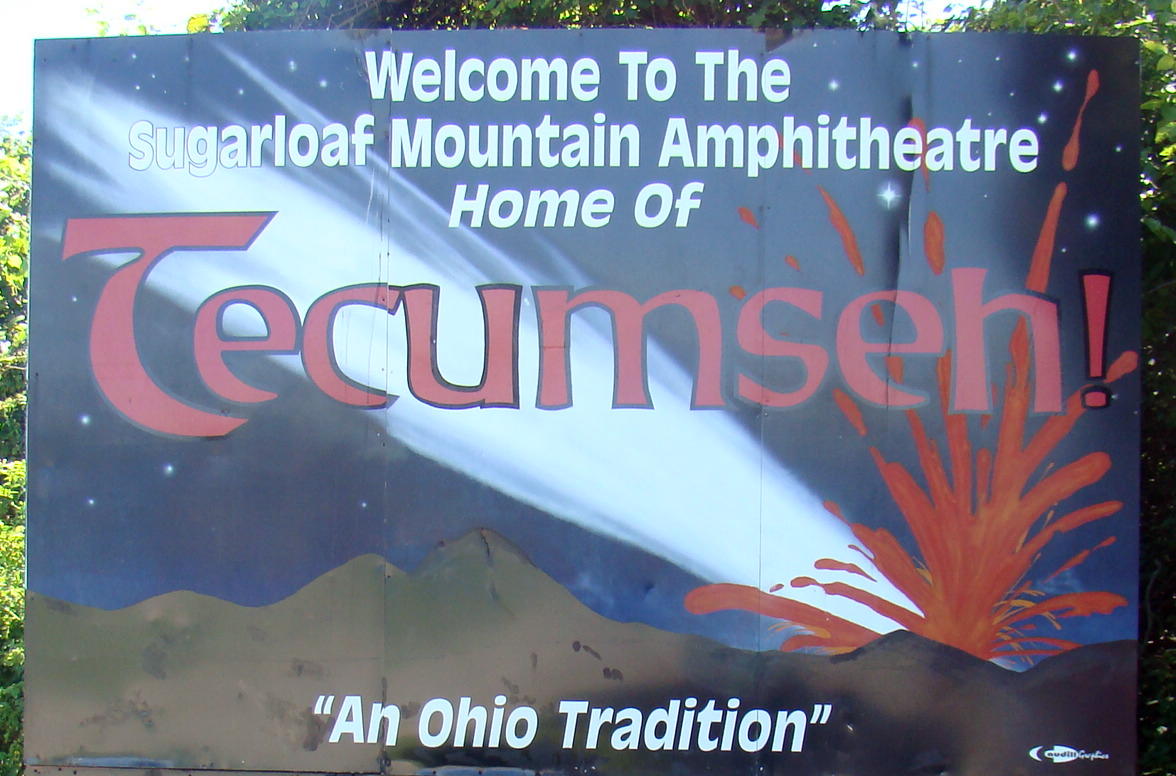
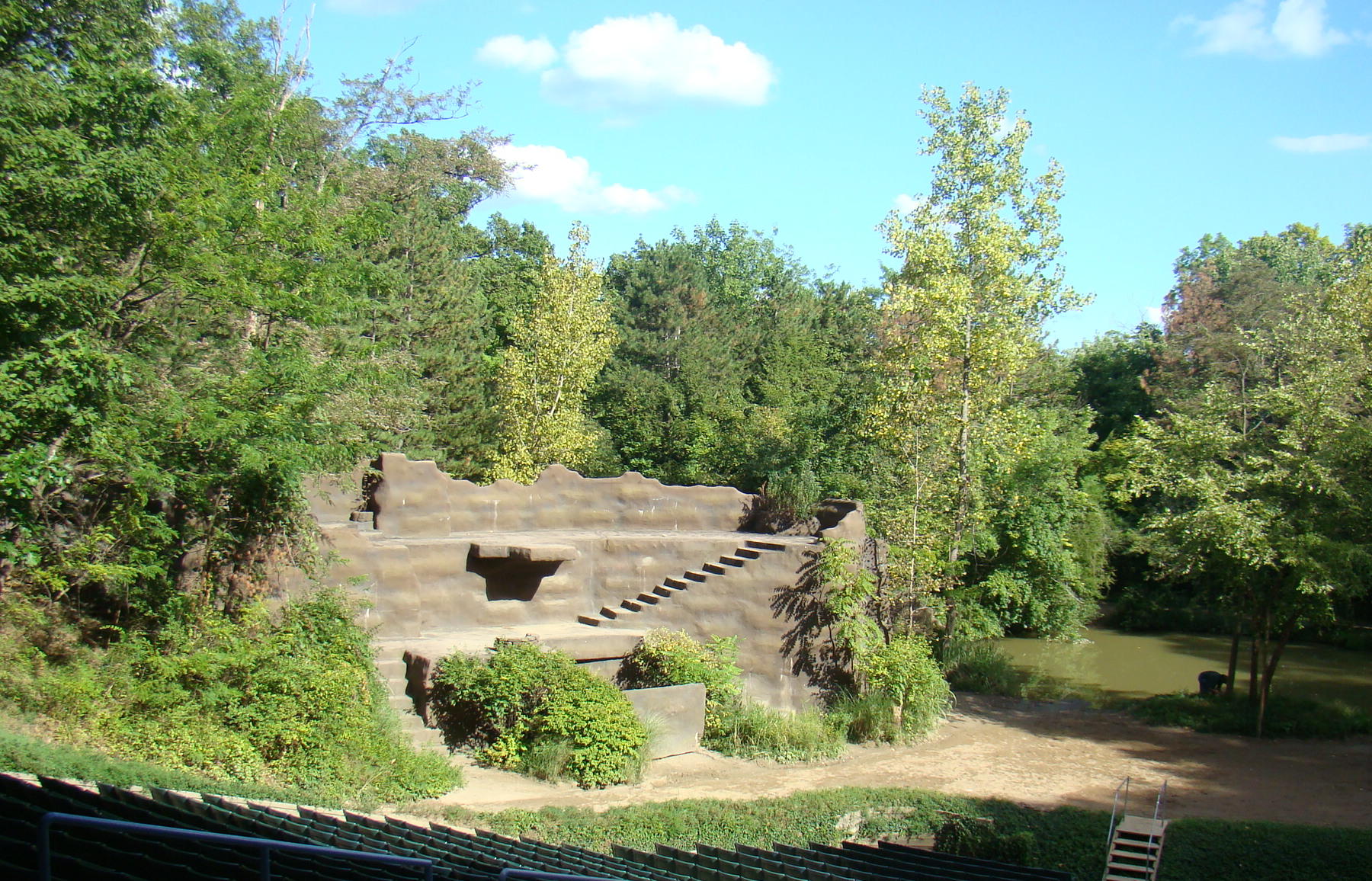
At Sugarloaf Mountain Amphitheatre near Chillicothe, Ohio a spectacular outdoor drama presents the story of “Tecumseh” each summer with a cast of nearly one hundred.  Since 1973, over 2.5 million visitors have sat beneath the stars surrounded by night sounds, to watch the story of a remarkable Indian legend. This beautiful amphitheatre seats approximately 1,700 guests and every seat gives a great view of the saga written by Allan W Eckert, Pulitzer Prize and Emmy recipient.

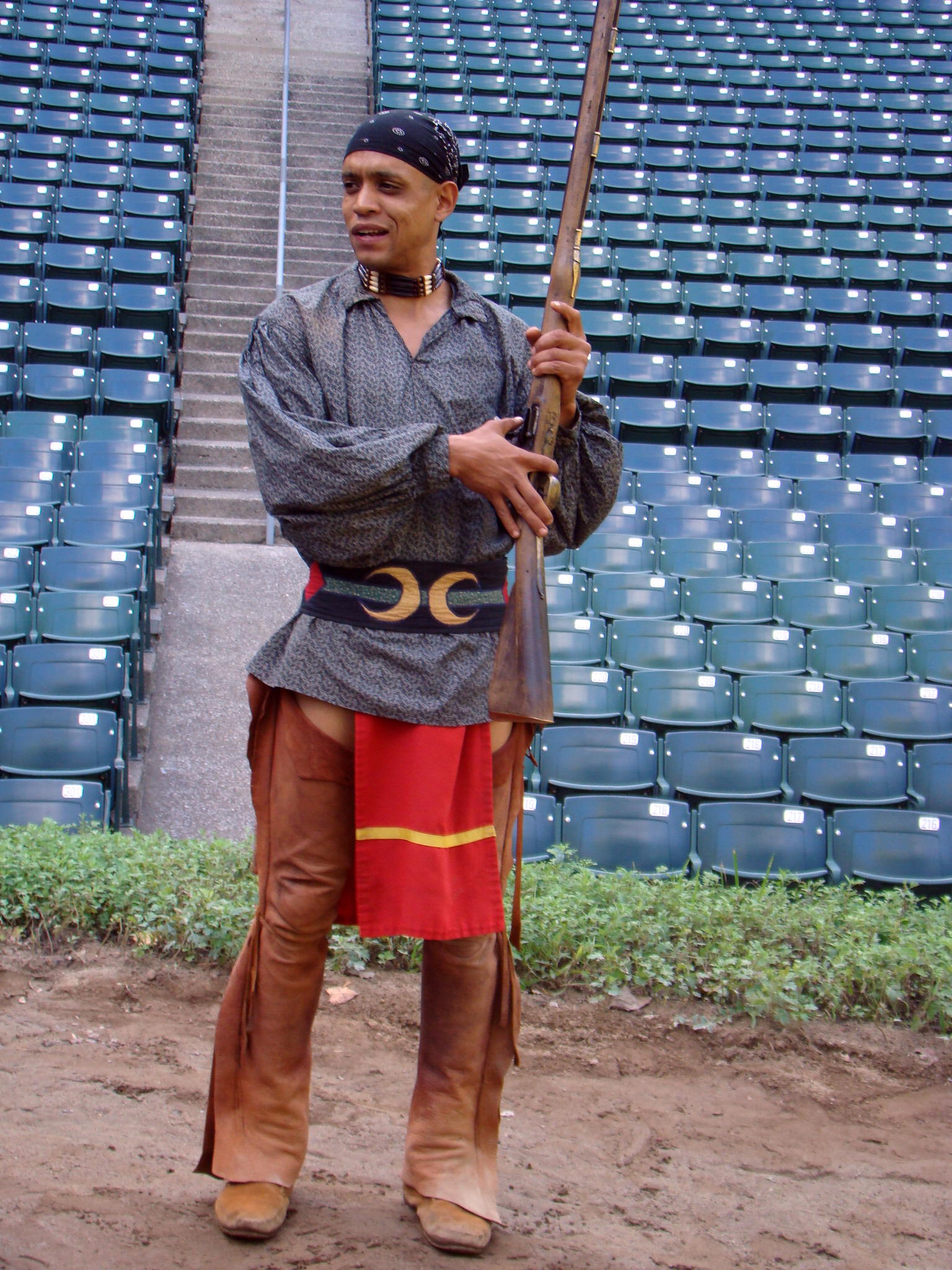
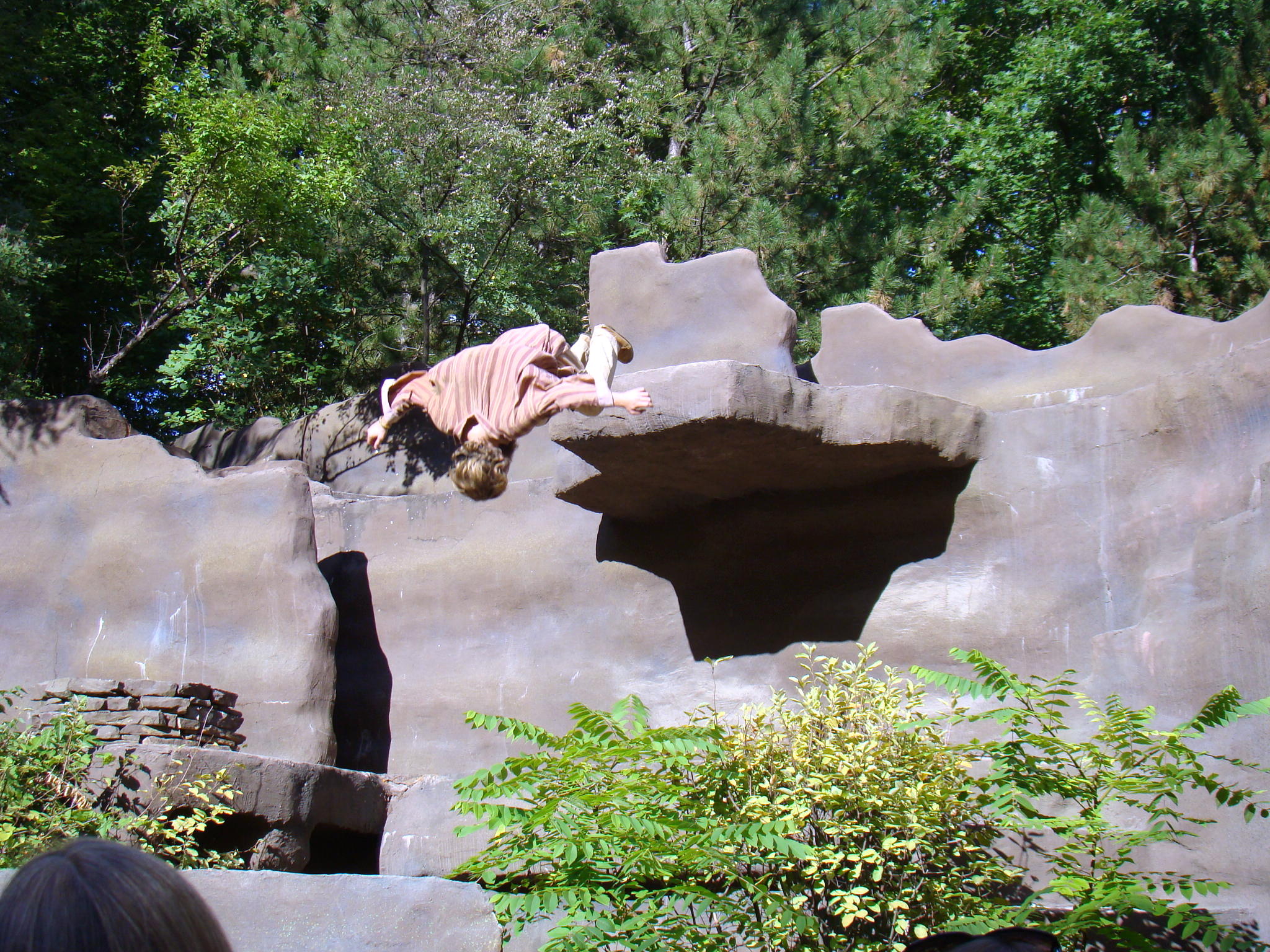
Before the show, cast members lead interested fans on a Behind-the-Scenes Tour, the only place cameras were permitted. The stuntmen of “Tecumseh” displayed firing of various weapons used in battle including the Brown Bess, Kentucky Hunter Rifle, and our guide’s favorite the 12 Gauge Shotgun.  At this point, the Indian shot another cast member off a cliff to display how they fell and the protection they were provided.  He said they always screamed before they fell for two reasons: first, to get all the air out of their lungs so a lung wouldn’t burst, and second, because it was really scary.

After visiting the stables where ten horses were kept, another cast member gave us some make-up and effects information.  She showed us how they were able to give the appearance of bleeding easily by using bags crushed to their body, eggs usually used on the head, and a knife where the handle was filled with red detergent.  Would have been nice if they had a knife like that for sale to fool friends!

Those are just a few of the highlights as it was an hour tour back stage and highly interesting.    Would definitely recommend it if you happen to attend a performance next season.

If you desire, there is a nice buffet available under a pavilion so you feel like you are eating outside with a fresh breeze relaxing the scene.  Also available is a snack bar, a mini-museum of Indian artifacts, and of course,  no tourist attraction is complete without a Gift Shop.

This is also a great time to exchange Tecumseh stories. An interesting one heard that day at dinner occurred when Tecumseh was visiting with William Henry Harrison. Tecumseh and Harrison were sitting on a log near the joining of the Tippecanoe and Wabash Rivers.  Tecumseh began to move closer to Harrison causing Harrison to move down the log.  This continued until Harrison was ready to fall off the log.  He questioned Tecumseh as to why he kept moving closer and closer to him.  Tecumseh answered by saying: “It is what you are doing to my people.  You are pushing them into the Great Waters.”

Time for the drama to begin and this scene to be filled with Shawnees as they planned how to save their land. Actual performance was about two and a half hours of non-stop drama with galloping horses, firing cannons, and dazzling battles.  Everything was spectacular including scenery, costumes, lighting, and sound effects.  At times the cannons and guns were so loud and fierce that you felt like you were in the midst of the battle.  A traditional Indian War Dance brought an impromptu round of applause from the crowd.

While Tecumseh attempted to be a man of peace, he saw the need for attack to drive the Whites from their country. This performance tells  the story of that quest ending with the Battle of Thames where Tecumseh went over the great divide.  No white man or Shawnee knows where their beloved Tecumseh is buried, but they feel his Spirit will return one day.  Tecumseh only sleeps.

Sugarloaf Mountain Amphitheatre is located north of Chillicothe, OH at 5968 Marietta Road, just off State Route 159.  Signs are posted frequently so access is exceptionally easy.

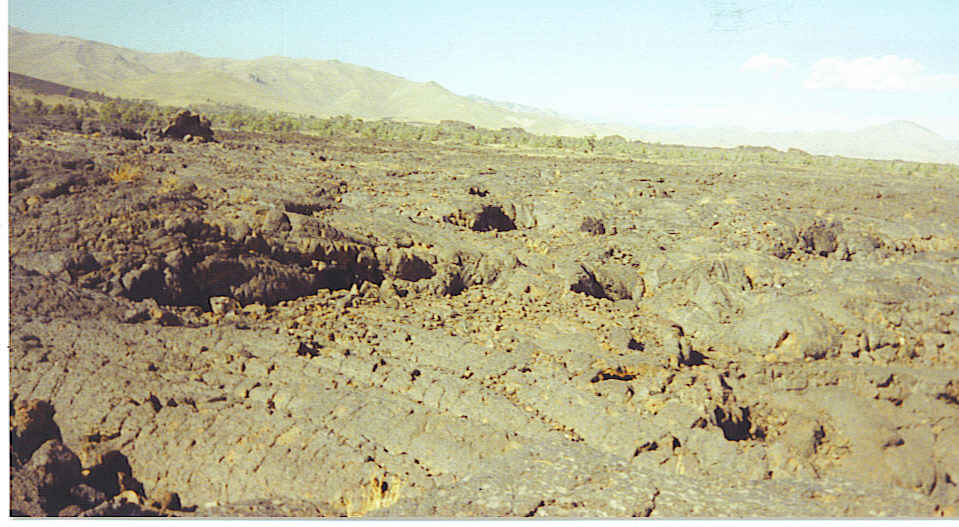
“A weird and scenic landscape peculiar  unto itself,” is the way President Calvin Coolidge described Craters of the Moon. Definitely feel like you are no longer in Idaho, when you reach the Craters of the Moon National Monument in the southern part of the state. This geological extravaganza of rugged lava flow covers 750,000 acres, roughly the size of Rhode Island, and it is the largest lava field in the lower 48 states.

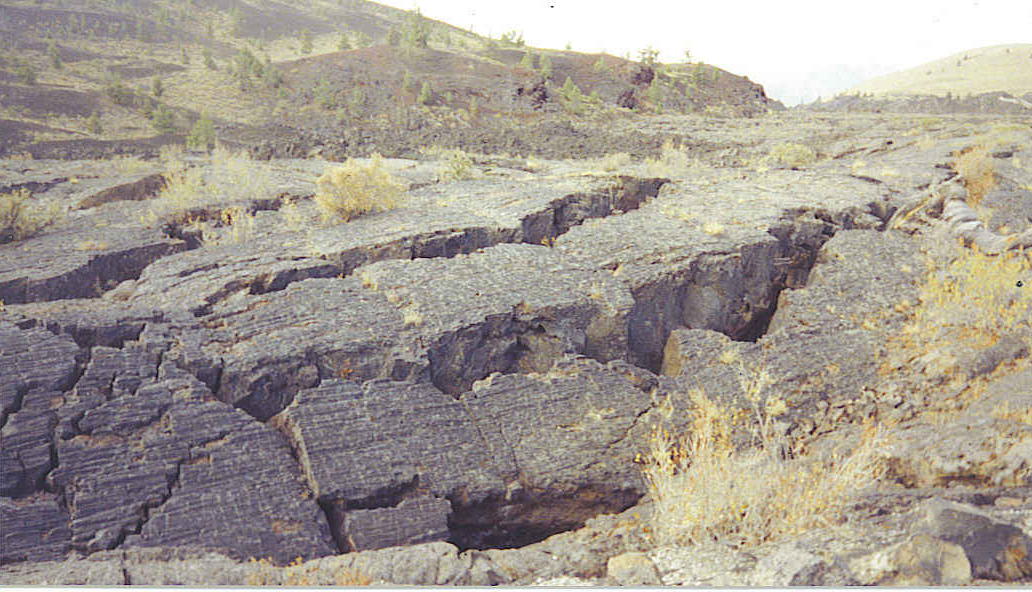
The Great Rift, located along the border of the Snake River Plain, is a showcase of volcanic activity.  Lava flows, fissures, and cinder cones were created by a break in the earth’s crust about fifty miles long. Twisted rivers of lava coil around and through caves and tunnels.

But the eruptions here are not like those you would expect.  When we think of volcanoes, we picture a high cone shaped mountain with steep sides and a crater at the top.  However, Craters of the Moon eruptions are called “fissure eruptions” – outbreaks which occur along the cracks in the earth’s crust.

The Shoshone Indian legend tells the story of the volcano’s first eruption where the Snake River runs today. Many moons ago, flashes of lightning frightened the serpent so dreadfully that he squeezed the mountain until liquid rock came out of it, cracks had fire coming from them, and the mountain finally exploded. While there is evidence Indians hunted and sometimes camped here, no permanent settlements would have occurred. Perhaps they did use the basalt for their arrowheads.

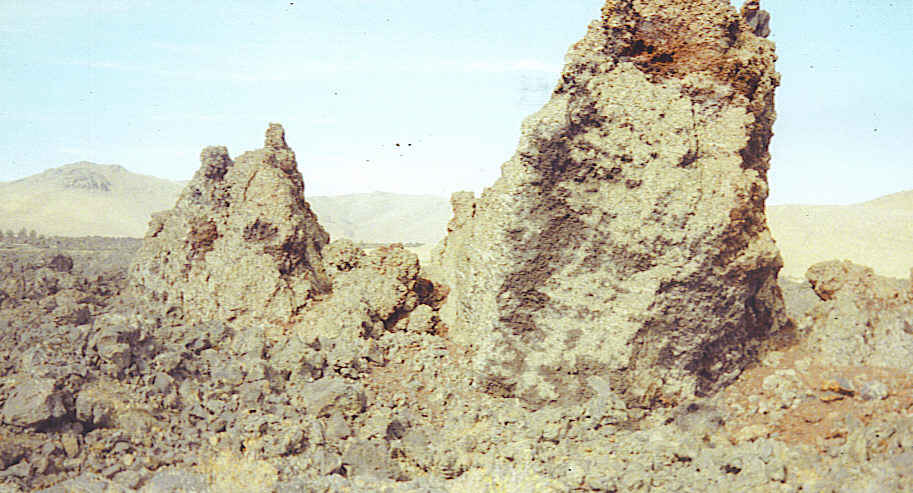
Estimates date the first eruptions here about 15,000 years ago. The black lava flows were from the most recent eruptions, which occurred approximately 2,000 years ago. This desolate landscape has been described as a “garden fit for the devil,” and was later named Devil’s Orchard. Today scientists, hikers and curious visitors journey over many trails to explore the area. Need your walking shoes on, as the paths are sometimes steep and often quite long.

Isolated spots of vegetation called “kipukas” give clues to the type of plants growing in the past. High up on the hillsides you might find a 700 year old juniper tree, old sagebrush, or native bunchgrass. Down on ground level, collapsed tubes and caves demand that you use caution as openings can be hazardous. Many tunnels require special entry permits to ensure safety as well as protect sensitive geological features.

As you might guess, Craters of the Moon was used by NASA astronauts in training for the moon exploration back in 1969. They explored the unusual environment and studied the volcanic geology in preparation for their space journey.

Today Craters of the Moon is neither active nor extinct.  Just sleeping! Scientists actually expect some activity to take place in the area within the next thousand years.  Enjoy exploring where you can let your imagination run wild! It’s a great place to visit, but you wouldn’t want to live there.

Use your Sixth Sense! Transforming the inner self to use that sixth sense of intuition and spiritual awareness  is the main goal of Lily Dale Assembly,which has been around for a long, long time. Established during 1879 in Chautauqua County, New York, this small village has been the world’s largest center for spiritual development through Spirtualism religion.  A Spiritualist is a person who believes that life continues after death and individuals are responsible for their own behavior.  Many Spiritualists are also Mediums or Healers, but not all.  They are busy searching for the truth.

A feeling of peace is prevalent throughout Lily Dale.  During the summer there is a varied program of world renowned speakers.  Over the years, this has included such names as Neal Rzepkowski, John White, Deepak Chopra and Wayne Dyer. Mediums, teachers, and healers frequent the place on a year round basis with a permanent population of nearly 275.

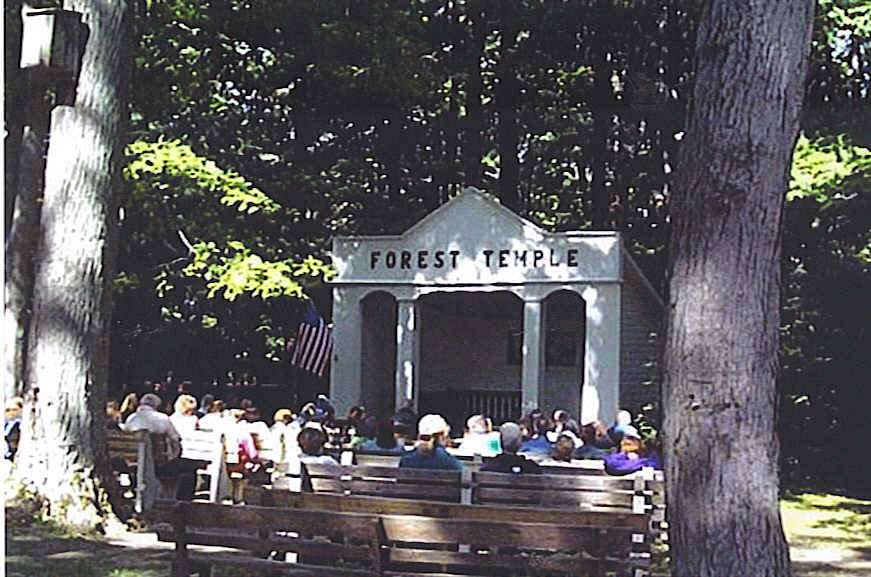
Set on the eastern shores of Cassadaga Lake, the energy of the spiritual world can be felt in this serene setting. As you travel the paths deep in the woods, you will find Forest Temple where communication services are held at the end of each religious meeting to receive spiritual messages. Here many people feel they receive messages from loved ones who have gone on before.

At the end of the forest trail is Inspiration Stump, a sacred spot. Visitors often say they feel a profound sense of peace and heightened sense of awareness when sitting here. This is the site of the most intense spiritual feeling at Lily Dale. Since 1898, two services are held here each day where mediums receive messages from Spirit to members of the audience.

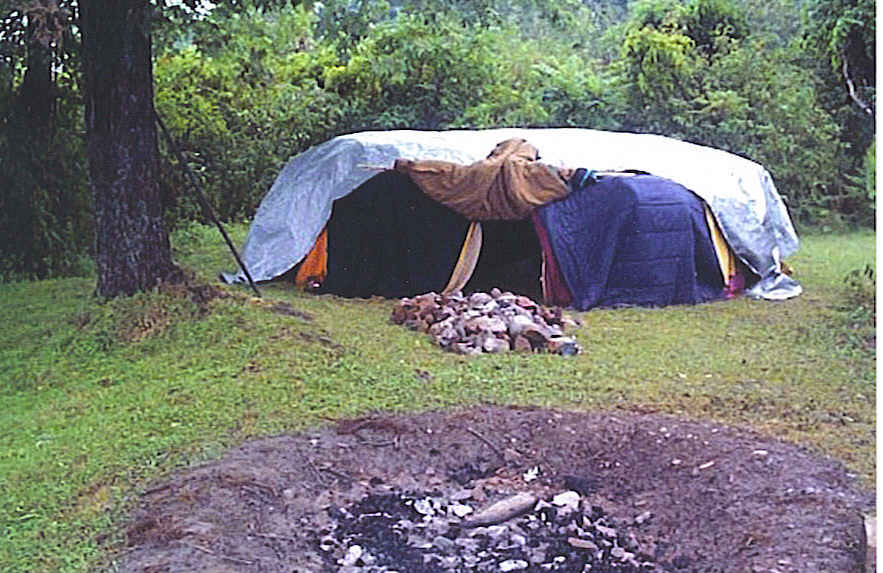
A purification ceremony in the Indian sweat lodge is performed several times during the year. Approximately ten feet in diameter, the sweat lodge is covered with a heavy tarp to keep the heat of the stones inside.  In early times, the Indians would have used animal skins for a covering over the bent birch branch framework. While crawling through the door, participants are smudged with smoke from sweet grass, sage or cedar as initial cleansing. Inside everyone, dressed in loose, comfortable clothing, sits on the floor cross-legged in an attitude of peace.

One at a time, hot stones are brought in and added in all four directions to the fire at the center. The door is then closed and water poured over the hot stones. The steam called “sacred breath” is used to cleanse mind, body, spirit and heart. This is definitely one of those places where “You can feel the temperature rising.”

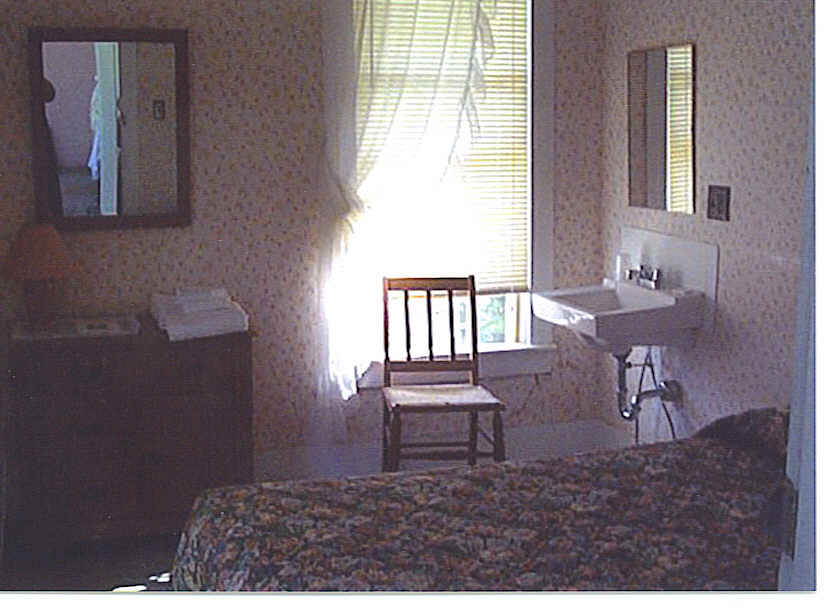
Staying in Lily Dale is half the experience.  Everyone congregates on the front porch in the evening to exchange stories and experiences.  No connection to the outside world is encouraged so there is a complete lack of television, radio, or phone service in the rooming houses.  Rooms are sparsely, but comfortably, furnished with shared bath facilities in most places.

Every visit here is a new adventure. Where else would you hear a person run from the hotel saying, “Someone’s sweeping the hallways again, and no one’s in there!”  In her book, “Lily Dale,” Christine Wicker concluded, “Did I believe it? Sometimes yes. Sometimes no. But I’d like to.”

Abraham Lincoln

“Lincoln and Liberty,” the song Abraham Lincoln used in his campaign for presidency, opened a fun filled evening on the final night of Coshocton’s Bi-Centennial Chautauqua celebration.  Wildwood & Friends got the crowd in the mood with several Civil War era songs, including what they said was Abraham Lincoln’s favorite song, “Old Hundredth,” although some say it was “Dixie.”

When the easily recognized figure of Abraham Lincoln appeared, complete with top hat, he was greeted with a standing ovation. Dr. Richard Johnson, Professor Emeritus at California State Polytechnic University, became for the evening a very believable Abraham Lincoln.

“That reminds me of a story..” was an oft repeated phrase throughout his presentation as he fulfilled his reputation for humorous tales.  His first joke was told similar to this, although the exact words were not recorded:

In Washington D.C., they say that I am the homeliest person they have ever seen. This reminds me of a story…a woman I met once told me, “You are the ugliest man I have ever seen.”  To which I replied, “I can’t help it.” The woman then said, “You could stay home.”

The Republican party chose Abraham Lincoln as their candidate for president because he was a great spokesman and a moderate candidate, who they felt could get a lot of votes.

As the Rail Candidate, Abraham Lincoln’s candidacy was depicted as being held up by the slavery issue. In this cartoon characterization, Lincoln says, “It is true I have split Rails, but I begin to feel as if  this rail would split me.  It’s the hardest stick I ever straddled.”  The black man complains, “Dis Nigger strong and willin’ but its awful hard work to carry Old Massa Abe on nothing but dis ere rail!”  One of Lincoln’s foremost supporters in the Northeast, Greeley here assures him, “We can prove that you have split rails and that will ensure your election to the Presidency.”

During his election campaign, an eleven year old girl wrote to Mr Lincoln stating that she felt he would look much better with whiskers.  Lincoln answered her letter but made no promises; however, shortly thereafter began growing his beard, which is a familiar part of his image everyone recognizes today.

His wife and sons played important roles in Lincoln’s life.  Mary, his wife, was an ally in Springfield, but in D.C. was not a good advisor.  This perhaps due to the death of their son, Willie, which devastated Mary.  At this point she attempted to gain comfort from spiritualists and even conducted seances in the White House.

Lincoln felt the Civil War was worth fighting to protect future children and give them a chance to make something of themselves.  The government at that time and their sacrifices made this possible.  He called out for freedom in the land, and proclaimed that “We must come back together.”

The evening under the Chautauqua banner would not have been complete without the now famous Gettysburg Address, which received another standing ovation.  Later Lincoln said that he composed it in no more than seventeen days, and was actually still working on it when it was delivered.

His career advice to those entering the legal profession seemed very practical:    Try to be an honest lawyer.                                                                                                            Be honest in what you do.                                                                                                              Be respectful of others.                                                                                                                     Help them when you can.

Very simple advice, but still a wise lesson for us to follow today… as it was for Honest Abe.

Every summer the Ohio Humanities Council in conjunction with Ohio State University’s Humanities Institute provides compelling first person historical portrayals around the state of Ohio.  Tune in again next summer for another exciting line-up of influential figures in our country’s history.

Sitting by the roadside on a summer’s day                                                                   Chatting with my mess-mates, passing time away                                                           Lying in the shadows underneath the trees                                                                        Goodness, how delicious, eating goober peas.

Under the Chautauqua tent in Coshocton, Ohio, music of the Civil War entertained the crowd. Performed by Steve Ball and Larry Stahl, “Goober Peas” was one of the most popular and silliest songs of that era.  Not only did they sing such old popular songs as “Rally Round the Flag,” and the most popular love song of the day, “Lorena,” but they gave a short history of each song. This  made for an interesting introduction to the 2011 Chautauqua Civil War evening.

Guts, determination, and lots of humor described Dr Mary Edwards Walker as she was indeed a Civil War female activist. Debra Edwards Conner, a native of nearby Cambridge, gave an outstanding performance in the role of Dr Walker. The crowd under the tent, gave her their undivided attention at the Coshocton Bi-Centennial celebration.

As a graduate of Syracuse Medical College in 1853, Mary headed to Washington to assist with the wounded of the Civil War.  Cots were set up in the halls of the US Capitol and even amid the exhibits of the US Patent Office, where Mary eventually worked as an unpaid volunteer.  Her request for a commission was denied as they felt a woman’s brain was too small to remember medical knowledge.

Medical care was not high on the list of priorities for the military at that time as noted when one general said, “If all doctors sank in the ocean, it would be better for mankind and worse for the fish.” Death surrounded her as filth accumulated everywhere from improper disposal of waste. Two thirds of the deaths were from Tennessee Quick Step…dysentery. While little equipment was provided, there was a blade for amputations. During the course of the war, Dr Walker said three fourths of nearly 39,000 amputees survived. Using a chloroform soaked rag for anesthetic, it took three minutes to amputate, stitch the wound closed with cotton thread, and then wait for infection.

Mary persisted in her quest for a commission with the Army even after the medical board said she did not have adequate knowledge or training. Finally, General George Thomas, commander of the Army of the Cumberland, made a landmark decision and hired Mary Walker as the first woman doctor in the US Army.  General Thomas said, “It would be easier to take the capitol at Richmond, than to argue with Dr Mary Walker.”

Accused of spying by the Confederates while on a medical mission, Mary spent four months in Castle Thunder Prison. There she slept on the floor on a bed of straw in a room overrun with rats. Maggots usually crawled in their infested food supply. They were served” Lincoln coffee,” wood splinters boiled in water. When released from prison in exchange for a Confederate surgeon, she weighed 69 pounds.  Her health and eyesight deteriorated greatly during this prison time.

After the war, Mary always needed money desperately with only $8.50 a month in pension. So she donned a top hat and trousers and lectured regarding women’s rights. A lifelong advocate of freedom for women, when she married right out of college, Mary refused to use the word”‘obey” in the ceremony. She would not take her husband’s name, and even wore trousers to the wedding. Needless to say, this marriage did not last long, and afterwards Mary always referred to him as “that vile man.” When lecture opportunities disappeared, she was reduced to giving lectures at carnivals and dime museums. This was in her words, “A show for the poor where I could speak to keen minds with empty pockets.”

After the war, she was honored as the first and only woman to have ever received the Congressional Medal of Honor…and that honor stands to this day. At one point in 1917, the medal was rescinded by the government saying that it should only be given to those engaged in actual combat. The determined Dr Walker refused to give them back the medal.  Instead she made herself a uniform, promoted herself to major, and wore the medal proudly wherever she went. However, Jimmy Carter in 1977 restored Walker’s Medal of Honor.

Dr Mary Walker was indeed a trailblazer for women’s rights and certainly deserved the title of “Original New Woman” for her profession and dedication during the time of the Civil War.  The word “obey”  never appeared  in her vocabulary.


“I didn’t think all you Yankees would show up,” quipped Harriet Tubman as she entered from the rear of the easily recognizable red and white striped Chautauqua tent.  Her sense of humor sparkled all night long as Harriet delighted the audience with stories of her leading slaves to freedom on the Underground Railroad.

Ilene Evans portrayed Harriet Tubman for this year’s Ohio Chautauqua presentation at Coshocton’s Bi-Centennial. She was a master storyteller and inspired young and old alike as she wove her story keeping the audience involved with rolling bandages and singing songs.

On the plantation where she was born in Maryland, birth records were not kept. Harriet was never certain about her birthdate. When she was about twelve,  an overseer struck her in the head with a two pound weight when she attempted to defend a run away slave.  This resulted in sleeping spells for the rest of her life where she drifted away for so long that she missed happenings in her surroundings. In her twenties, her escape from the plantation to the North began her lifelong quest for freedom of blacks from slavery.

Called “Moses” because she, too, led her people out of captivity, Harriet frequently burst into song.  After singing “Battle Cry of Freedom” she explained that when fighting for freedom, “a song in your heart is the best weapon.”

During her time of freeing the slaves, Harriet  served with the Union Army. There she took care of the injured soldiers, made and distributed bandages, and learned where the supplies were kept and where bridges were being mined. Often she said the injured men were covered with flies, so healing was a difficult proposition. The first United States Colored Troops during the Civil War did not receive any pay for eighteen months.  So their wives had to support themselves and their children by doing laundry for the officers, making pies and cakes to be sold to the boys in camp, and brewing ginger beer.

Harriet had nine scouts and a riverboat captain in her command. But this bold, young lady in her twenties said, “She felt no fear as long as she was doing what God wanted.”  She did however believe in a faith that required action and good deeds. She waved the 35 star flag proudly as she talked about her role in this fight for freedom.

After her performance, the tent was opened for questions from the audience to which she gave candid answers. Harriet felt that after the Civil War even though the Emancipation freed the slaves, they still had no rights.  She had hoped that the war would not be just a vehicle of freedom, but a way to real equality.

She thought that President Lincoln moved way too slowly during the war years both in abolishing slavery and allowing blacks to fight as soldiers. Later wished she could have thanked him, at least for the end result.

The biggest disappointment in her life was an issue she didn’t really like to talk about because it hurt her so much. After the war was over,  she returned to her husband, who was still living in the South in their family home, hoping he would go North with her. When he met her at the door, he had his new wife there with him in the cabin Harriet considered home.

One of the happy moments for Harriet that evening in Coshocton occurred when a third grader in the audience stood to ask her his second question of the evening:  “Could I give you a hug?”  He rushed down the aisle between the folded chairs and they hugged on stage while Harriet remarked, “This is the best present I could have.” The young boy’s mother later stated that the young man had been reading all day about Harriet Tubman  before coming to the evening presentation.

Freedom is what this country, the United States of America, is all about. It was begun with freedom at its core, and the hopes and dreams of men and women still struggle to maintain that freedom today.  God bless the USA!

“The Happiest Music on Earth”  rang out through the streets of Roscoe Village. Strolling down the street, it seemed a carnival like atmosphere but the instruments used were exquisite. The Mid-American Chapter of the Musical Box Society brought about thirty varied automatic and mechanical instruments for the enjoyment of everyone who visited. Some were small hand-cranked music boxes, while others were large trailer size.

A larger music box called “Ruth Organ” was open on both sides, as were many, so you could see the inner workings as well. This was a German made calliope, owned by an enthusiast from Indiana, with carousel horses peeking out at the sides. There was an interesting sign on the open back side, which said Achtung (Attention in German).  Below was a humorous verse using a German like twist and it ended like this: “Relaxen and listenin to die gekneekicken und fusstampen musik.”

One of my favorites was a small monkey organ, or hurdy gurdy,  hand turned by a happy lady in a flowered hat.  Music was fed through the monkey organ on a paper-feed much like the old player pianos, but on a smaller scale.  She kindly gave me a chance to try my hand at being a monkey organ grinder by turning the handle at just the right speed for that particular song, Walkin’ Happy. Still makes me smile!

Many of the participants here at Roscoe Village were planning to attend many more Musical Box Festivals throughout the summer.  Next stop for some was New York or the Monkey Organ Rally in Indiana, and many of them had plans for the the 62nd Annual Meeting in Washington D C this year in August.

Visiting Roscoe Village was Myron Duffield, “The Calliope King of the World.”  Myron performed to a crowd standing in the street from his red circus wagon organ that he built himself.  His plan is to play at every surviving calliope event in the world. This is like a trip back to childhood for him as he grew up hearing the calliopes on the Mississippi riverboats.

Catching my eye at one end of the street, “Rolling Thunder” was one of the larger calliopes there.  It was built in Antwerp, Belgium and across the front it said: “Not Your Father’s Organ”.  In the center there were three accordians, where the bellows moved as well as the keys playing the lively carousel sounds. All of them seemed to have drums as part of their inner workings.

Apparently the music was enjoyed as several people were dancing in the street. Well, that is except for one lady, who told me upon arrival, “Get your aspirin handy.”   Music was loud but entertaining, and definitely “Fusstampin.”

Spectacular Route 66 takes a lot of twists and turns as you travel through the breathtaking mountain vistas from Kingman to Oatman, Arizona.  Around every bend there is another beautiful view and not many cars, so you can move at a leisurely pace and even stop for pictures.

Best place to park is on either edge of this living ghost town and then enjoy the walk down the street. You will find many unique stores along the way such as: New Diggin’s, Classy Ass, or White Buffalo Trading Post.  Today there are only about 100 people that actually reside in the town although in its gold mining days population reached 3500.

“Get your kicks on Route 66” is a familiar saying, but here in Oatman you have to be careful it isn’t a burro kick! Wild burros eating from your pockets or purse make it a challenge just to walk down the streets of Oatman, Arizona. That is the reason nearly every store has available carrots or “burro chow” at a small cost. The burros are descendants of the pack animals used by early miners in the area and turned loose in the 1940’s.  They are today protected by the US Department of the Interior.

An old adobe two story building, Oatman Hotel, is the oldest building in town, having been built in 1902.  Now it is especially remembered as the honeymoon suite of Clark Gable and Carole Lombard in 1936.  Often they returned here for some peace and quiet, and Clark liked to play poker with the local miners. Their ghosts are said to frequent the place as witnessed by many guests.

On the weekends, you might be lucky and see a “Wild West” show on the streets. While visiting there, they held up a tour bus (they called it a stage coach) coming to town.   Stopped the bus with gunshots from the middle of the road, then boarded the bus to rob the passengers.  All in fun of course! This was followed by a gunfight in the street.

Lucky to have found a place to step back in history and get the feel of the Old West.  Wonder if my luck would continue in the nearby gambling town of Laughlin, Nevada?  Taking the shortcut over a thirty mile dirt road,  should be there in about an hour.  Hop in Lady Luck, let’s go for a ride!