Places to go and things to see by Gypsy Bev

Archive for the ‘History’ Category

Ohio’s Historic Lafayette Hotel – A Haunting Experience

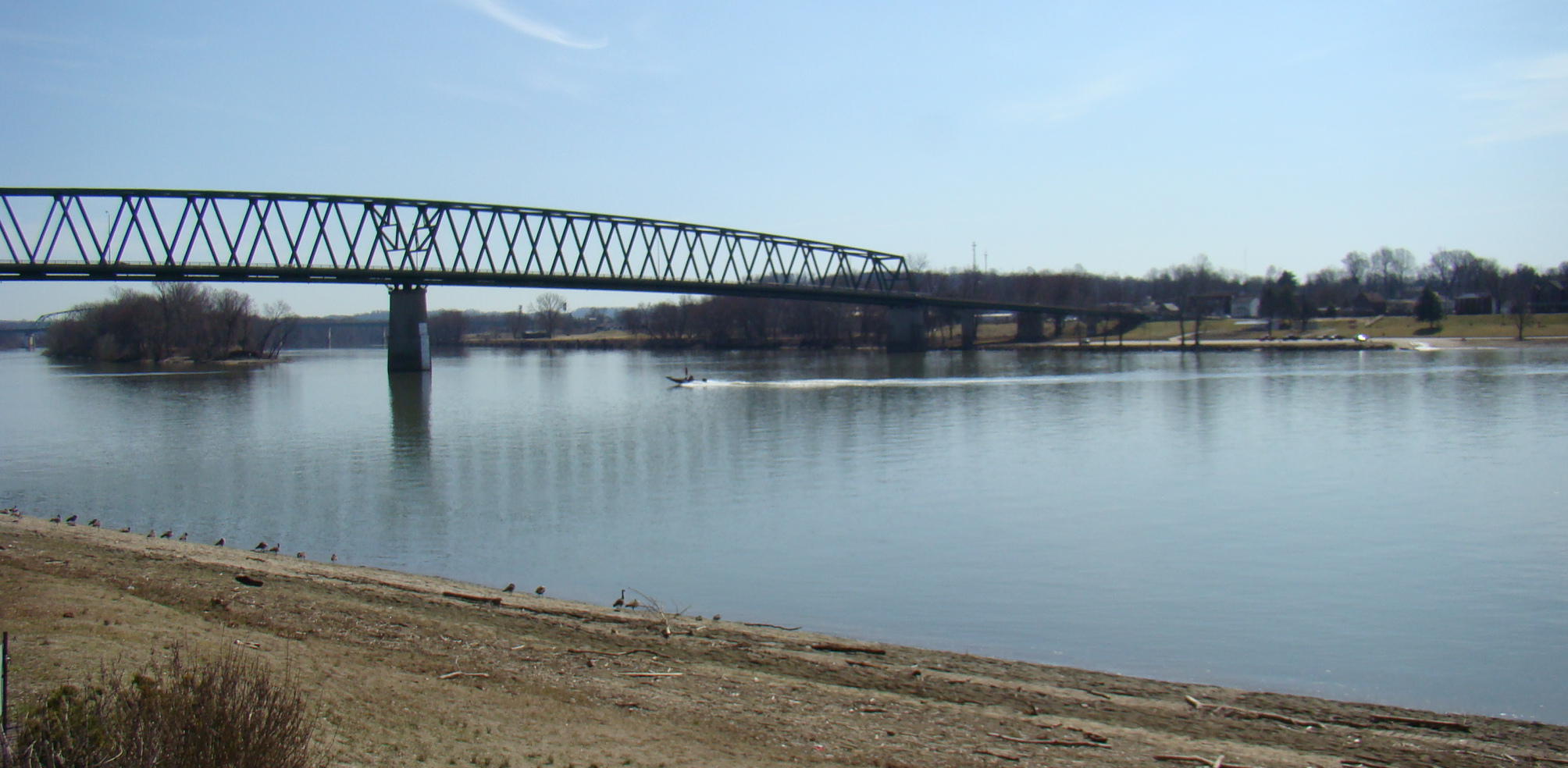
Ohio River at MariettaMay the ghosts be with you while you spend the day or night at the Lafayette Hotel in historic downtown Marietta, Ohio.  Visitors and employees anxiously report stories of paranormal activity in this grand hotel on the banks of the confluence of the Muskingum and Ohio Rivers.

Back in 1882, river traffic was heavier than it is today. The Ohio River provided the freight and passenger routes for much of the eastern part of the United States. Of course, these riverboat travelers needed a place to get meals as well as a place to spend the night. Here at the meeting place of two major rivers, the Bellevue Hotel was built. This quite modern hotel, for the late 1800’s, had a fast running elevator taking guests to 55 rooms, five of which had baths. Rates at the Bellevue were $2.00 a night

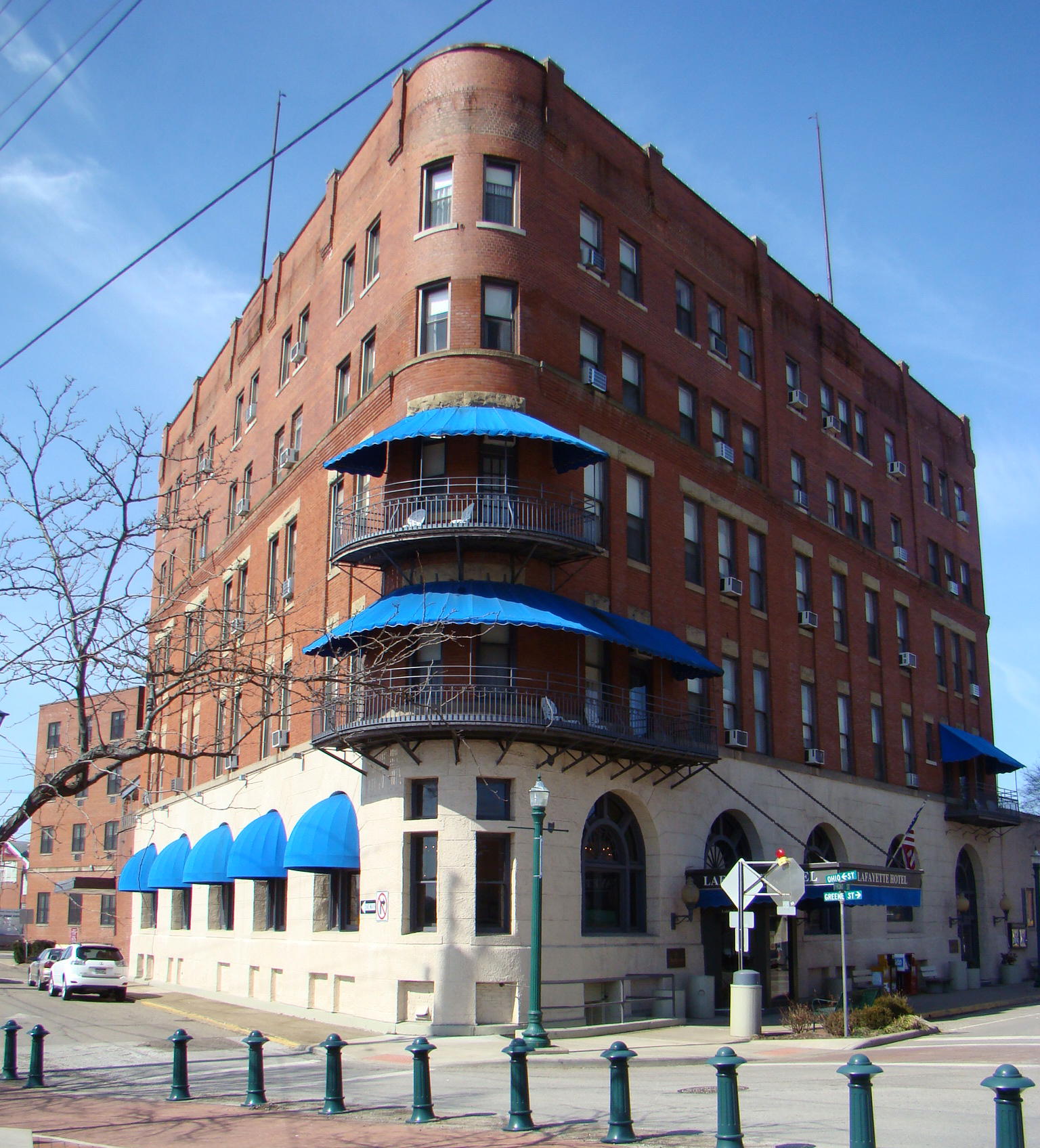
lafayette hotel 013After a fire destroyed the Bellevue Hotel, another hotel was constructed on the original foundation. In 1918 the present triangular shaped Lafayette Hotel opened for business. The name was chosen to honor Marquis de Lafayette, French hero of the American Revolution, who was believed to be the first tourist to visit Marietta in 1825. There is even a plaque, near the hotel at the edge of the Ohio River, marking the spot where he came ashore.

A popular meeting room bears the name of Rufus Putnam, who many list as the founder of Ohio.  His leadership established Marietta as the first permanent United States settlement in the Northwest Territory.   In a letter sent to his former home, Rufus Putnam described the land along the Ohio River to his friend as: “a country of most pleasant climate and of the rarest beauty and enduring charm”.

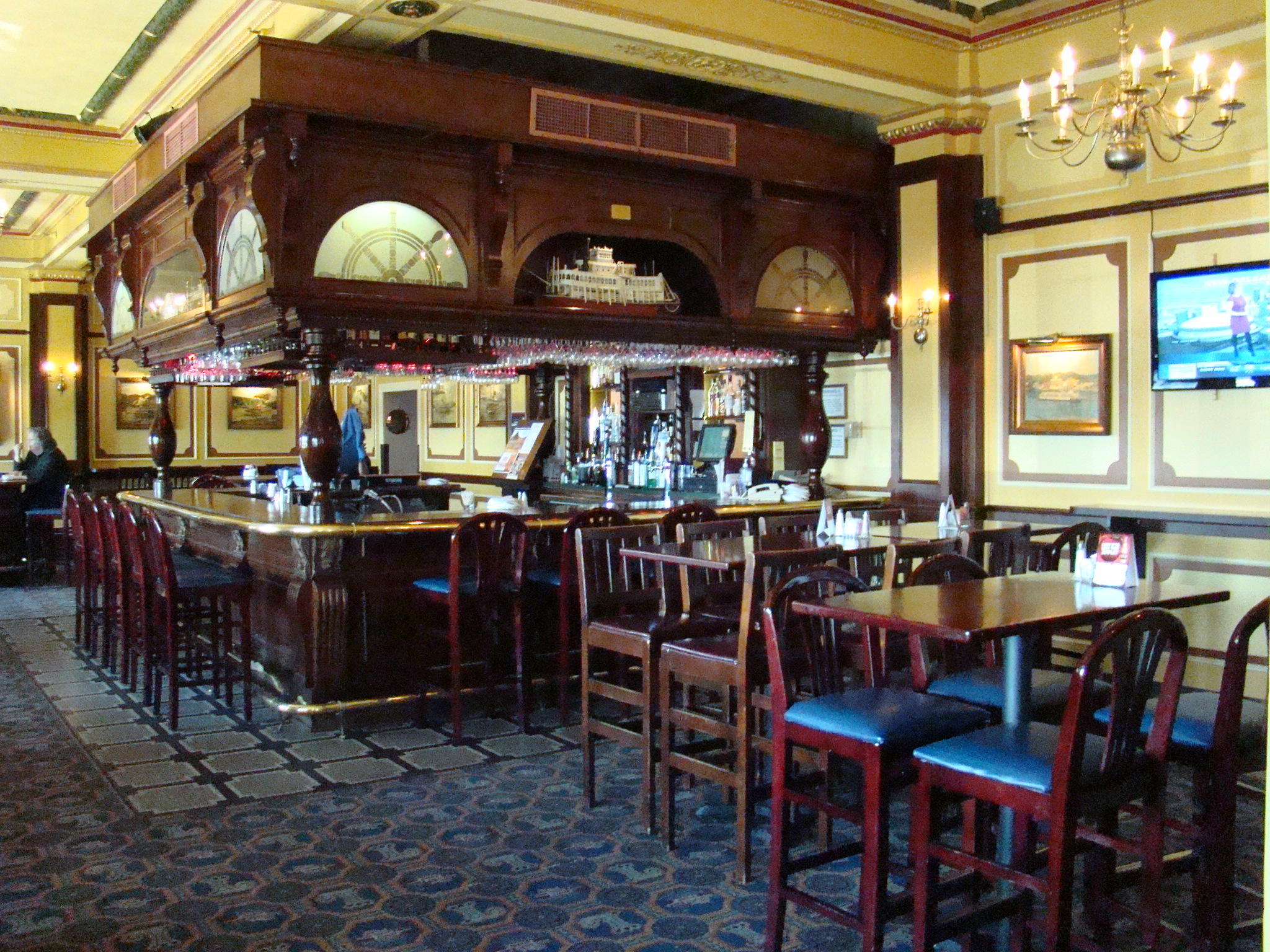
Riverview LoungeThe Riverview Lounge is where the “Lady in White”  often appears hovering over the carpet, while she smoothly moves through the room. The bar happens to occupy the same area where the ladies’ dressing room was located  in the original hotel.

When selecting a room in Marietta’s only downtown hotel, you will probably be given a choice of view – either the Muskingum River or the Ohio River. Here the ghost of Mr. Durward Hoag, former owner of the hotel, watches over guests and staff from both directions. Sometimes guests feel an icy cold draft pass through their well heated room. Evidence of his presence appears in flashing light bulbs, rearranged papers, hidden objects,  and often merely a wisp of light. Maybe Mr. Hoag’s spirit is bored!

When speaking with recent visitors, footsteps were reported outside their door, but no one was in evidence. The elevator, carrying no passengers, left the floor a couple times during the evening and headed to the rooftop. Later that night when they were in bed, another couple felt someone jump in the center of the bed where they were resting. All guaranteed they had not visited the Riverview Lounge.

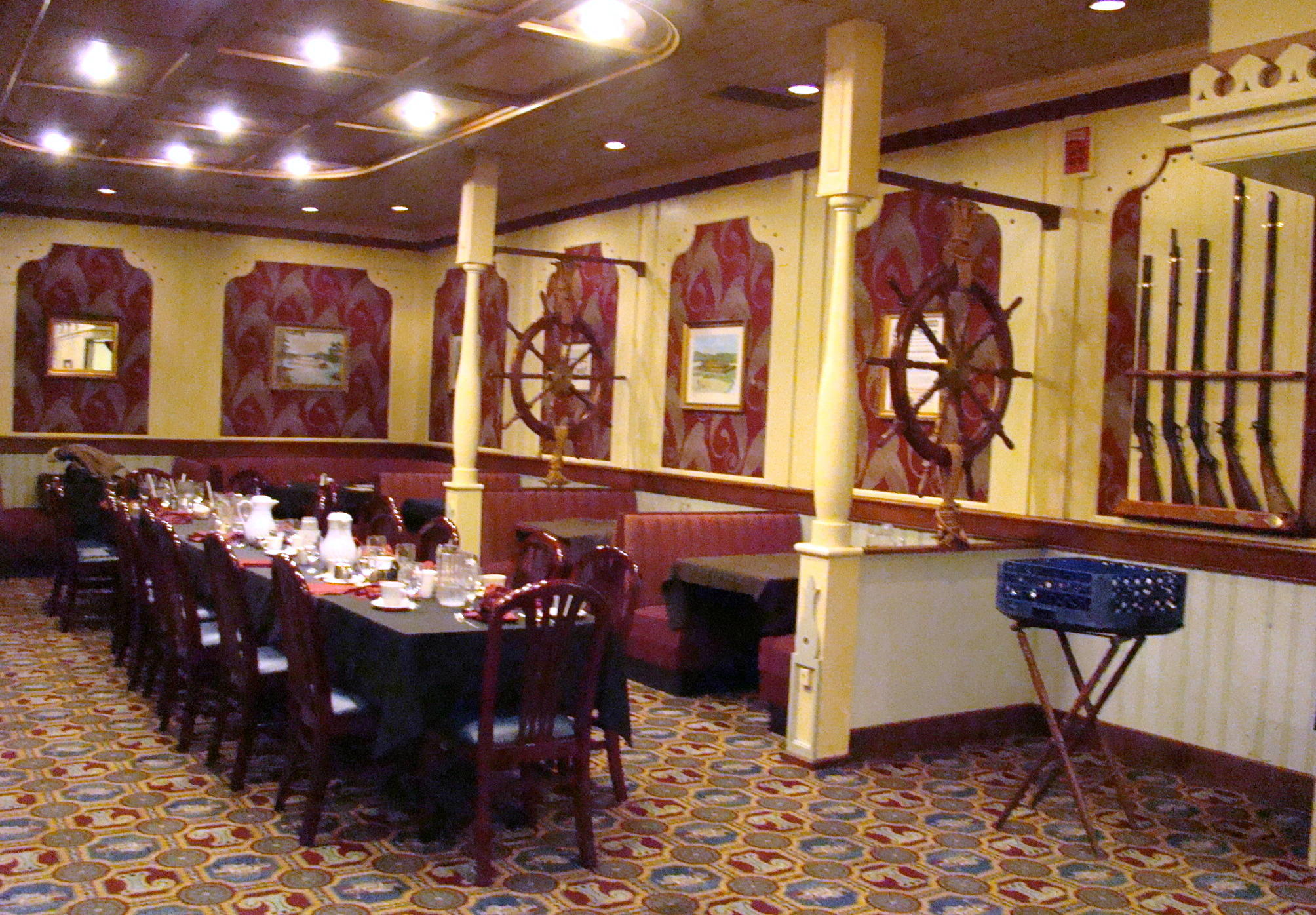
Gun RoomThe Gun Room is a popular place for lunch. The walls are adorned with photos of great majestic sternwheelers that traveled the Ohio River.  A display of antique long rifles contains one made by J.J. Henry that accompanied the Benedict Arnold expedition to Canada in 1775. Waitresses tell of coming in early to work and seeing a figure leaving the front section of the restaurant. Often the swinging doors to the kitchen open for no reason at all. Some feel that Mr. Hoag is checking on his staff.  On the plus side, these spirits are never harmful.

Enjoy the ambience of this richly historical Lafayette Hotel on the river sometime soon. They have been expecting you for nearly a hundred years!

The Lafayette Hotel is located  at 101 Front Street in Marietta, Ohio. Exit I-77 at Exit 1 and follow Route 7 South, which is also Pine Street.  At the third light, Pine Street continues straight and becomes Green Street. Continue on Green Street until you come to the hotel on the corner of Green Street and Front Street. Parking is available between the hotel and the Ohio River as well as on the other side of the hotel.
Casinos and Ancient Petroglyphs Make an Unusual Combination in Laughlin, Nevada

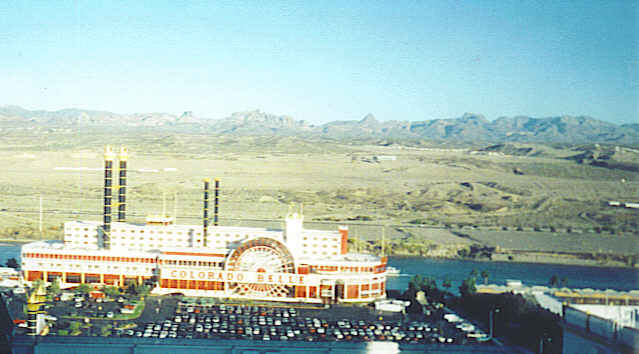
Colorado Belle CasinoMountains on the river…a spot to relax! On the banks of the beautiful Colorado River at the very southern tip of Nevada sits a lovely little town called Laughlin. Casinos are the main business in town, so many visitors try their luck at the slots or gaming tables. The Colorado Belle Casino, a 600′ replica of a 19th century Mississippi paddle-wheel riverboat, is certain to catch everyone’s attention.  However, gambling isn’t necessary to enjoy a stay in Laughlin.

When Don Laughlin, for whom the town is named, purchased the land in 1964, he opened a small casino, Riverside Resort, which had just twelve slot machines and two gaming tables. On the other side of the river in Arizona, the town of Bullhead City ran shuttle boats to the casinos as the number of them grew in Laughlin. Finally, in 1987 Don Laughlin himself provided the $3.5 million needed to build a bridge to span the river between the towns. Then business really picked up. Today, this little town is a popular gaming destination and family vacation center since it is located on the banks of the river with desert and mountains in view.  The casino strip isn’t very long with ten major casinos, but it has all the glitter of Las Vegas. The actual town of Laughlin is situated on the other side of the mountains, away from the casino activity.

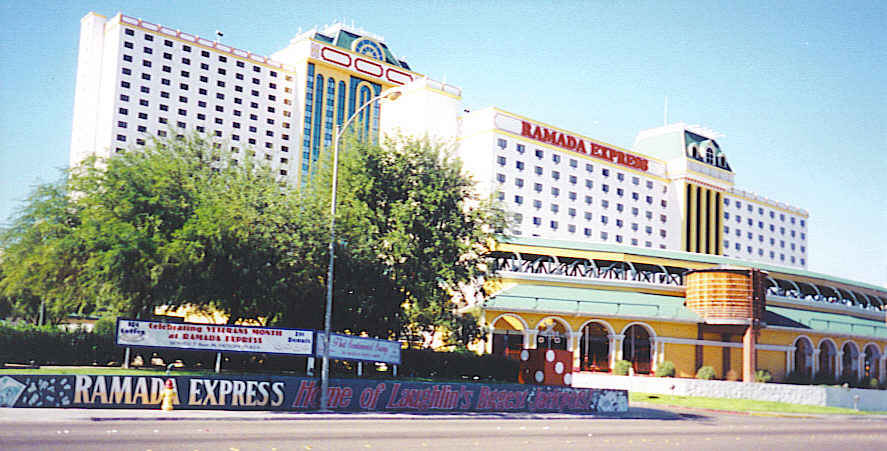
Ramada ExpressA stay at the Ramada Express, now the Tropicana Express, was always a pleasant experience. Express being its name, trains were its theme, having a pool shaped like a locomotive – with a spa in the wheel, and a train that ran around the entire hotel with several stops for less walking. Their patriotic museum honored all veterans from WWII through Desert Storm and regularly showed a four, large screen tribute, “On the Wings of Eagles.”

A stop at the little Colorado River Museum displayed information about the growth of the surrounding area. An evening ride down the Colorado River on the Celebration riverboat became a shimmering experience as the lights of Laughlin casinos reflected off the water. The captain was full of information about the river’s edge and talked a hundred miles an hour.  If riverboats are not to your liking, enjoy the river’s edge on a beautiful boardwalk that is a relaxing stroll day and night.

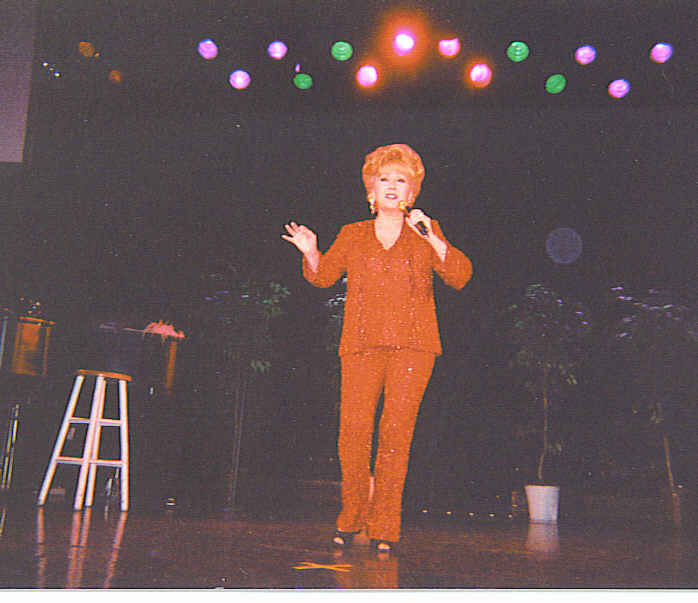
Debbie Reynolds at RiversideNo stay in a casino town would be complete without heading to at least one show. Debbie Reynolds, a star I admired as a child, was performing at Don Laughlin’s Riverside so decided to see if I could get a ticket.  As luck would have it, they had one seat available, and it was in the front row! Afterwards, I went backstage and got an autograph and picture with Ms Reynolds.

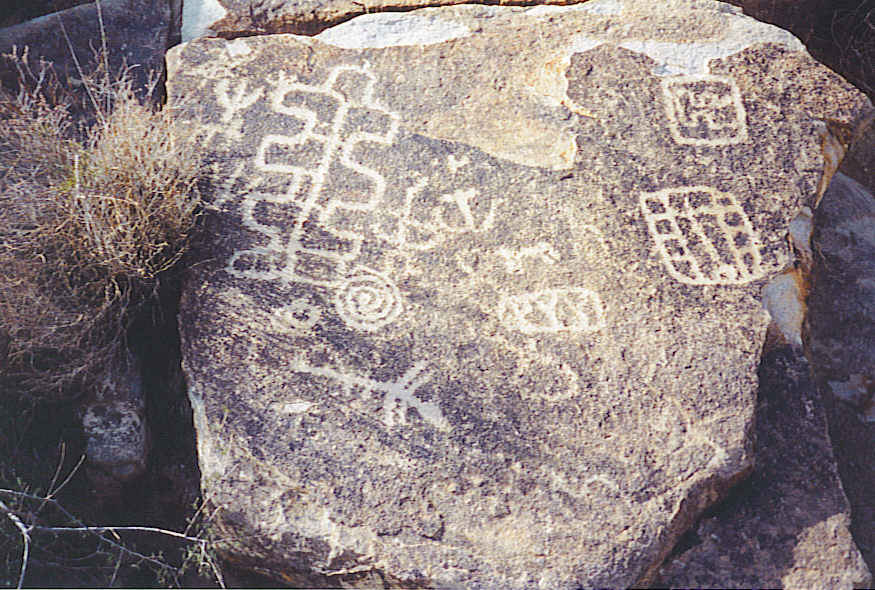
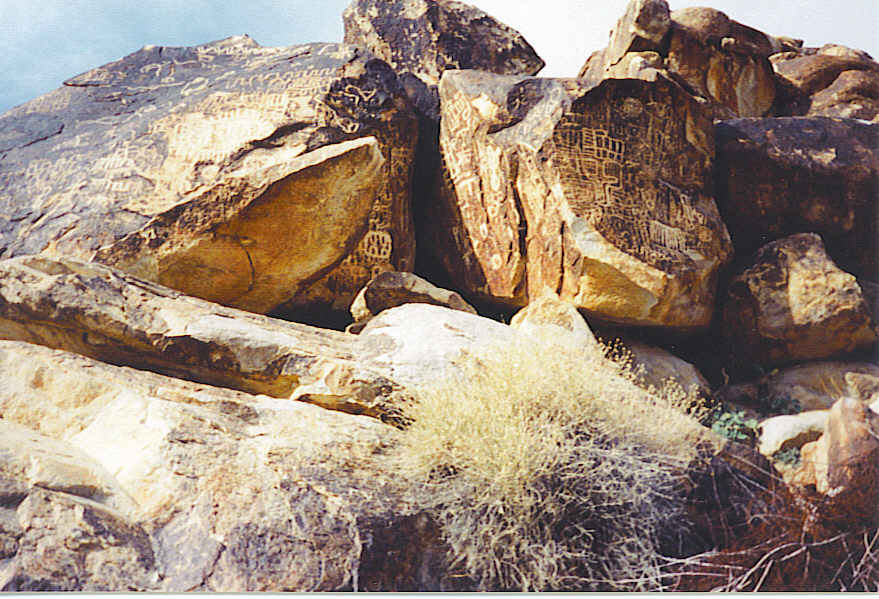
But the Laughlin area was more than casinos.  Accessed by a well maintained dirt road, nearby Spirit Mountain took one on a walk into the past. Petroglyphs on the mountain walls and rocks gave a glimpse into the Indian heritage that ePetroglyphs near Laughlinxisted in this area many years ago.  This remote granite mountain gave one a sense of tranquility, perhaps because the ancestors of the Indians reside there to this day.

Only seven miles west of Laughlin in Christmas Tree Pass, visitors will find over 700 petroglyphs. Estimates on the original time of the glyphs have been placed from 1100-1500 AD at a time when the Mojave Indians roamed this area. While their meaning is not positively known, one possibility is that they tell the Mojave story of how the Colorado River came into existence. This is one of those places where a bottle of water and a sunhat are recommended as temperatures in the summer soar to 120 degrees.

Christmas Tree PassA long desert-mountain walk in the Indian petroglyphs concluded this week’s stay in Laughlin.  Never had I seen so many glyphs in one place, especially at the entrance of the Christmas Tree Pass. Farther up the mountainside, you could see what appeared to be the outline of an old Indian village.  Return trip expected for further exploration!

Laughlin, Nevada can be reached from I-40 taking Exit 141 to 95 North, the Needles Highway, for 23 miles. Turn right onto Bruce Woodbury Drive and after about 3 miles turn right on Casino Drive. Visitors will be greeted by Riverside Resort and the Casino Strip.

Snow on Aspen Mountain Creates Colorado Rocky Mountain High

ColoradoA “Colorado Rocky Mountain High” surrounds you while driving through spectacular mountains, which  open to the valley where ski resort town, Aspen, is located.  This town was first built during the late 1880”s on one of the richest silver lodes in the Rockies.  Aspen was the leading silver producer in the nation in 1891 accounting for a sixth of the silver output in the United States.  However, their boom was sort lived because in 1893, the US government returned to the gold standard, pulling the plug on the basis for their silver production.

Developing ski slopes seemed a natural, next step in this fantastic mountain region. That first ski lift acquired the name of “Boat Tow”. This very primitive lift, which was constructed partially from old silver mine parts, contained an old motor, two mini hoists, and two 10-person sleds. But that was then, and this is now!

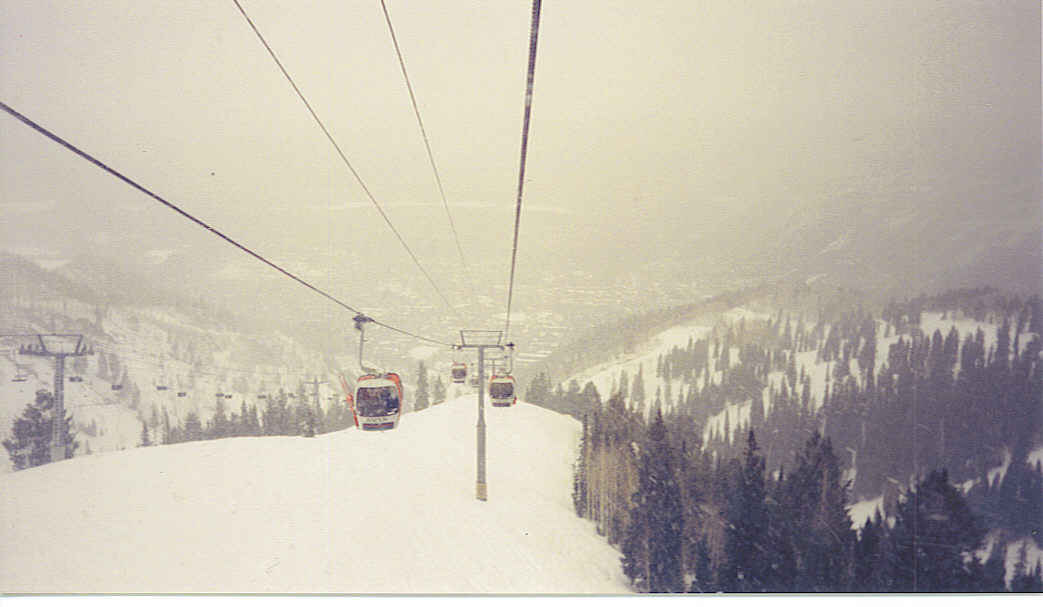
Silver Queen GondolaToday this Rocky Mountain playground of the rich and famous is one of the world’s top ski resorts.  The mountainside aspen forests, which gave the town its name, still grow in abundance. Tourism is now where its treasure can be found. The Silver Queen Gondola gives an all-day ticket for skiers, as well as onlookers, to the top of Aspen Mountain and back down. Ski lifts being my idea of fun, several trips were made during the day.

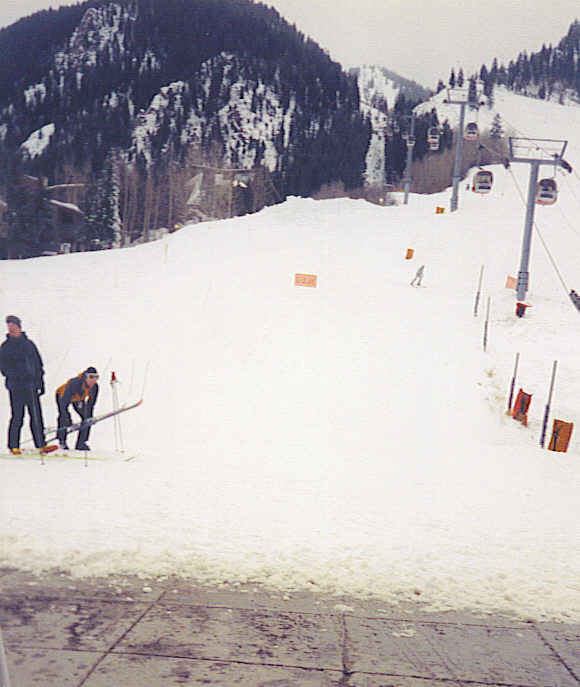
Beginning SkiersThe ride to the top of 11,212′, about two and a half miles by ski lift, took about fifteen, breathtaking minutes. The gondola held quite a crowd and of course, many were carrying their ski gear along as well. They seemed to frown upon those going along just for the ride, so tried to stay back in a corner out of their way.

Somewhere on this mountainside a shrine has been built to John Denver, composer of “Rocky Mountain High”, which is now one of the two state songs of Colorado. Aspen was one of his favorite places to ski so it seemed natural to gather a collection of photos, posters, records and even wind chimes here on the mountainside at an undisclosed location, known and discovered by only a few.

At the top was a beautiful lodge, Sundeck, with a grand fireplace where you could sit with a cup of hot chocolate and watch the snow fly by the floor-to-ceiling windows.  Watching the skiers go down the trails through glades, bumps and steeps was great fun as well.  These trails were actually named according to their difficulty, for example, starting with the most difficult to the easiest: Sunset, Pussyfoot, One Leaf, and Slow.

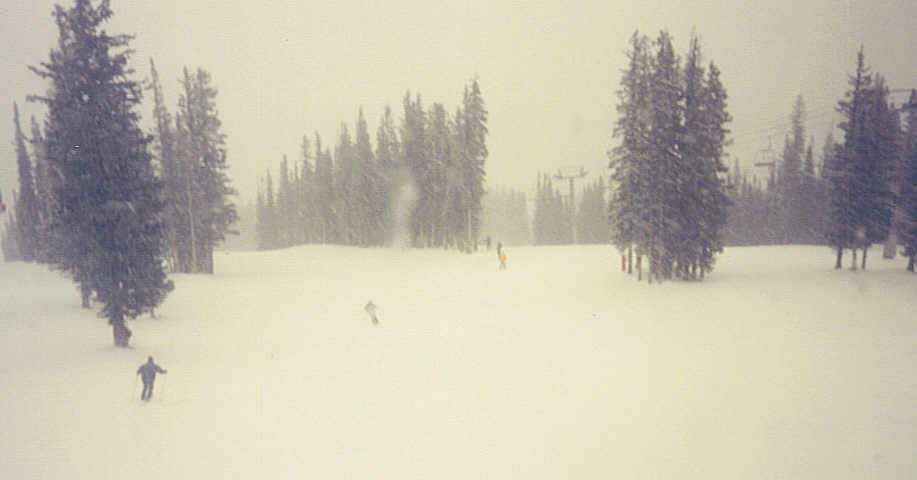
Skiing through the snowflakesAt the top, snow started coming down heavily so headed back down one last time before finding a place to stay for the night. Had plans on going on east that evening, but the road had been snowed in for two months so had to backtrack just a bit.  The interstate was getting snow-covered also and the lighted sign across the road said, “Chains required 10 miles ahead.”  This was one of those nights when any motel looked like a great place to stop…no matter the price!

This snowy journey continued the following day as the interstate still called for chains. So I took a quiet, slow, snow-covered back road through the mountains. It was called “Top of the Rockies” at about 10,000′ with the peaks being about 14,000′.  Arrived the next day at the  slopes at Vail Ski Resort, which had 28″ of snow on the ground.  At Vail can be found another paradise for those who enjoy the slopes, and a great museum dedicated to skiers, Colorado Ski Museum and Ski Hall of Fame, where  “Skiing is a dance, and the mountain always leads”. These slopes fascinated me!

However, if snow is not your passion, come back in the spring for plentiful wildflowers in the alpine meadows. These mountains are beautiful any season of the year.

From I-70 in Colorado, take exit #116 south ,Colorado Highway 82. After about 40 miles, take a right on 7th Street in Aspen, then a left on Main Street.  You will definitely be able to spot the ski slopes!
Explore Dennison Depot Museum WWII Dreamsville U.S.A.

Dennison Depot Museum“Grease the pig!  Tallowpot, grab that banjo and throw on some diamonds so we can bake a cake.” Commands similar to these could have been heard around the Pennsylvania Railroad in Dennison back in its prime. This railroad slang translated into our everyday English, would sound something like: “Oil the engine! Fireman, grab that shovel and throw on some coal so we can build up steam.”

Dennison Depot Museum in Dennison, Ohio displays the history of their depot in a rather unusual manner…in the cars of a train! Each car displays a particular section of interest varying from hospital car to telegraph office. There is much to explore and all is well marked with explanations.

Model RailwayWhy would they have decided to buy the land to establish a town, where none existed, in this particular place back in 1865? Well, it wasn’t by chance! The spot they later named Dennison was exactly 100 miles between Pittsburgh, PA and Columbus, OH. The steam engines of that time could only travel a hundred miles before needing water, so this became their mid-way stop. Approximately forty trains stopped here daily during its peak, when Dennison had the most complete and largest railway yard in the nation. This model train lay-out shows in great detail part of that yard, and is maintained by a group of local model train enthusiasts.

Salvation Army CanteenMost exciting of all seemed to be the story of how they became known as Dreamsville, U.S.A. During WWII, the Salvation Army Canteen ,with nearly 4,000 volunteers, provided free food to around 1.3 million servicemen.

Arriving Servicemen's Train Car The train stops were only five to seven minutes long, so the girls went out on the platform to meet the train. They could see the loneliness, hunger and despair on the soldiers’ faces, so those young girls tried to have a smile and a kind word for everyone.

The soldiers said it brought back fond memories  of their hometowns.  These friendly, smiling girls reminded them of their moms, sisters, or girlfriends…plus there was free food.  A dream come true!  Thus the name Dreamsville, USA.

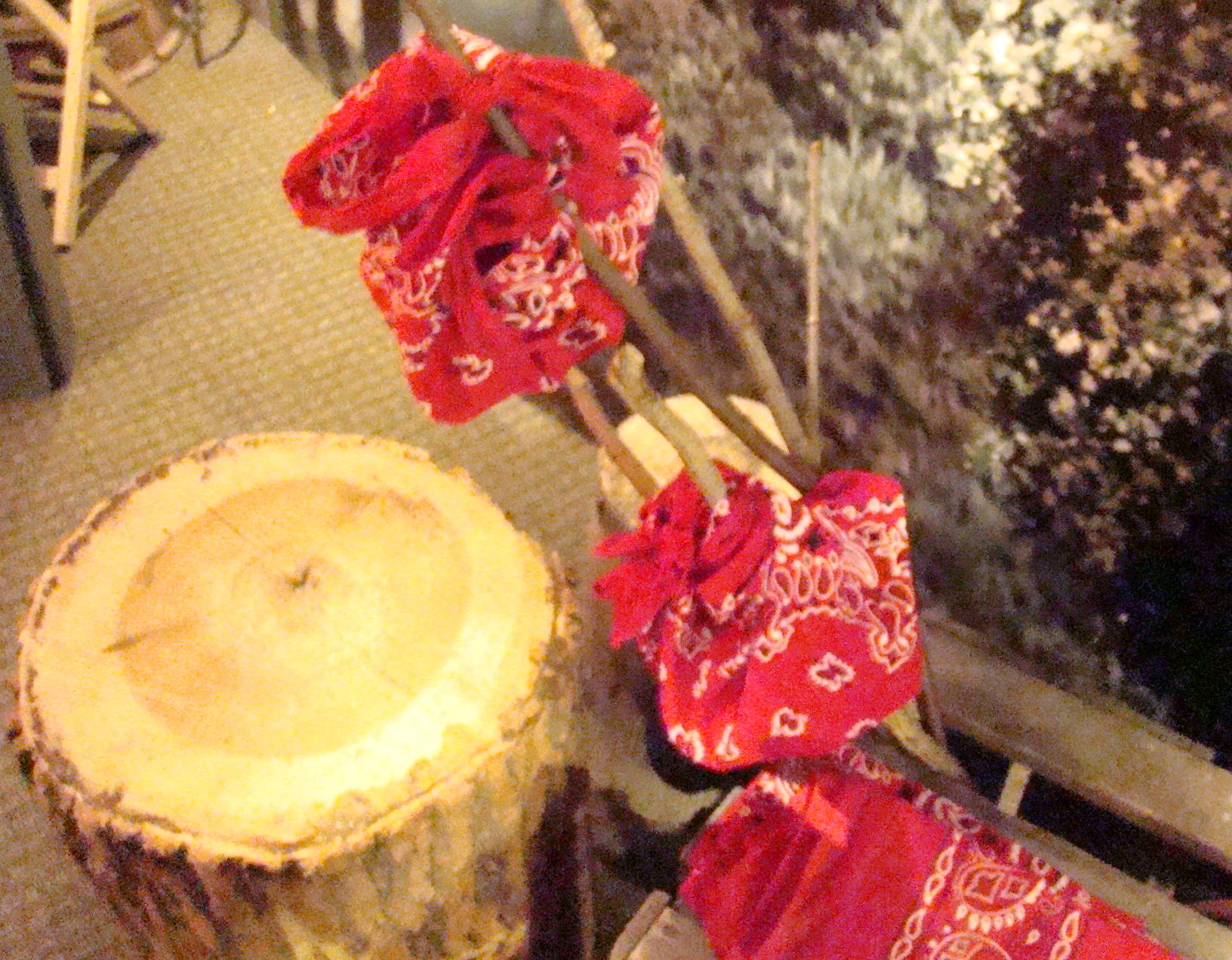
Hobo Message StumpBecause of all the trains, Dennison was a hotbed of hobo activity.  Whenever a train would stop, many hobos would hop off looking for a place to get handouts. It was common practice for the hobos to make marks on a nearby tree or on the house itself, so other hobos would know if they would be well received. Marks of simple circles, arrows, or even animals signified: Good road to follow. Free telephone. House is well guarded. A kind old lady. They even had a camp along the Pennsylvania Railroad in the city dump, where they made makeshift shelter of tin wrapped around tree trunks.

Friendly volunteers patiently answered questions, making the day enjoyable as well as informative. Boarding takes place here for the Polar Express, which during the Christmas season takes children on a magical ride where they encounter Santa. Special events are scheduled throughout the year from Private Bulldog Bing’s Birthday Party to Ghost Tours in the fall.

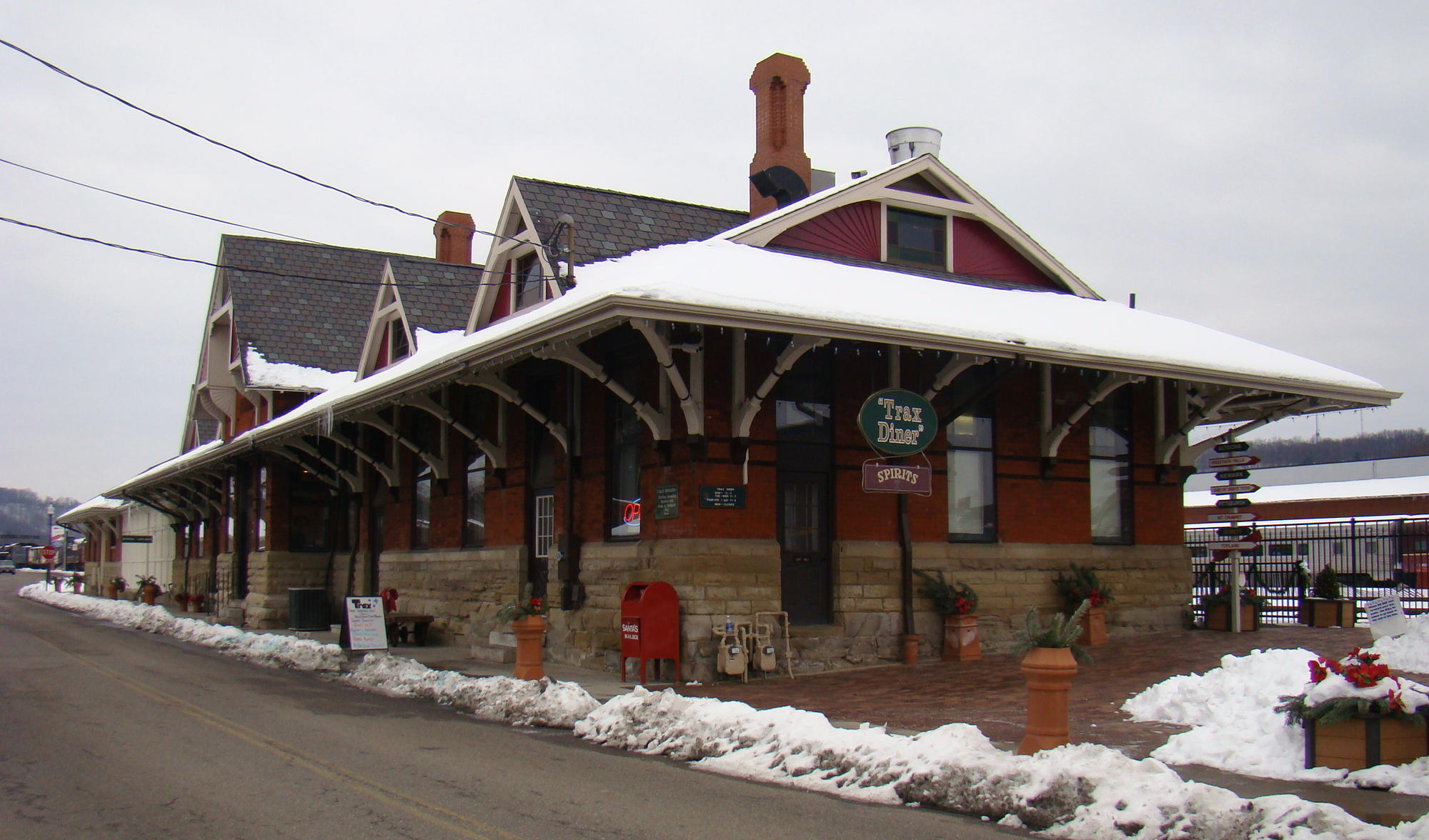
After visiting the museum, the Trax Diner, located in the old depot, is a perfect place for a meal or a snack.  Children were full of “whoo-whoos” while they were enjoying the atmosphere. Although they have delicious full-course meals, I chose a “Hobo Basket” filled with British style beer battered fish and chips. Since an English lady operates the diner, this seemed like a logical and delicious choice.

“Coal Cars”, stuffed potato skins, also chugged across the menu.  Might have to return for “The Caboose”, a sugar and cinnamon shell filled with ice cream and toppings. Think a Caboose would be a perfect ending for a meal, a train… or a blog post!

Dennison Depot Museum is located in Dennison, Ohio  not far from I-77.  Take exit 81, 36 East, to the Dennison exit. Turn right on Second Street and continue on Second Street until you reach the tracks. Turn left on Center Street and after two blocks you will see the museum. Parking is on the left side of the street.
Biosphere 2 – Earth Under Glass

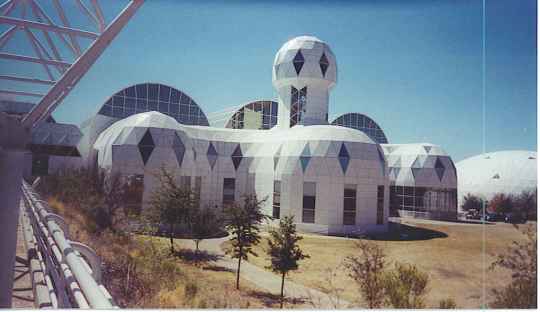
Biosphere 2Want to see a rainforest and ocean in the desert? Time to  head to the barren desert hills of Arizona, or should I say mountains! Located at the foot of the Santa Catalina Mountains in Oracle, Arizona, Biosphere 2‘s striking white outline and unusually shaped, futuristic buildings catch the eye. Recently named one of the top fifty “Wonders of the World”, which must be seen, this is an informative stop.

Biosphere is defined as: the regions of the Earth’s crust and atmosphere occupied by living matter. Therefore, it seemed fitting to name this man-made earth model Biosphere 2. Here is the world’s largest glass covered ecological laboratory located on forty acres. Back in 1984, Edward Bass, an environmentalist, contributed $150 million to build John Allen’s invention – Biosphere 2.

Originally built to experiment with self-contained settlement, those first eight ecologists, four men and four women,  signed up for a two year term, then sealed themselves away.  They began raising their own food and recycling air and water. Their goal was to be able to sustain all their needs from the five different ecological regions that were located inside the domes. These early designers were interested in space colonization and were looking for a way to build a similar system on Mars or perhaps the Moon.

The experiment, however, basically failed after almost two years due to the build up of noxious gases, and lack of oxygen.  While some of the four thousand species survived,  water and crops failed. However, much was learned scientifically as well as socially where disagreements caused lack of co-operation.  Columbia University operated it up until just recently, but today it is maintained and used for experimentation by the University of Arizona.

Biosphere 2 RainforestNot only is it an experiment station, but also a unique spot where visitors can view, on an inside tour, five different ecosystems: rainforest, grasslands,  desert, wetlands and ocean floor.  The rainforest is the largest and tallest biome represented.  It contains a number of different habitats, including a lowland forest, a flood plain, and a cloud forest on top of a sandstone mountain.

Savanna Grasslands is naturally dominated by various types of grasses, but there is a quartzite slope in the area where the stream waterfall is located. The Thornscrub section is the wilderness area. Most of the plants in this region are from the Sonoran area. Vegetation consists mainly of short trees and shrubs with many of them being thorny.

Biosphere 2 DesertThe desert biome has over 125 species of plants and was originally designed to replicate a coastal fog desert such as those found along the western coasts of Baja, California.  This allows the Biosphere 2 desert to co-exist with the other, more moist biomes.

The Marsh biome begins with a fresh water lake with a transitional marsh leading to the Mangrove wetlands.  Here over five hundred large mangrove trees dominate the wetlands, which is colonized by many marsh creatures such as crawfish, snails, sponges, and shrimp.

Biosphere 2 OceanThe ocean biome, designed to simulate a Caribbean reef, contains a coral reef and over one million gallons of salt water. A forty foot cliff overlooks the tropical ocean where waves, temperature and chemical balance are all carefully monitored and controlled by innovative technology. This allows scientists to conduct groundbreaking research. But the ocean biome is very efficient at recycling nutrients, so mainly mechanical means will be used in the future to attempt to control the environment here.

Today their largest project is the Landscape Evolution Observatory where they     are exploring the secrets of earth’s landscape and how it changes due to climate and water movement, as well as modifications through biological systems. Edward Bass continues to be a major supporter and last year donated another $20 million to support operations and research. This is the premiere place for learning about Earth and its place in the Universe…now and in the future. Biosphere 2 is where science lives.

Getting there depends on where you are beginning! If you are in Phoenix, find your way to Biosphere 2 off I-35 exit 185. Continue East of 187 toward Florence where you will turn right or south on Arizona 79.  Turn left on Arizona 77 until you arrive at Oriocle Junction where you turn left on Biosphere Road.  If you are in Tucson, take Arizona 77 north about 24 miles.

Glimpse Out of This World at MUFON Conference

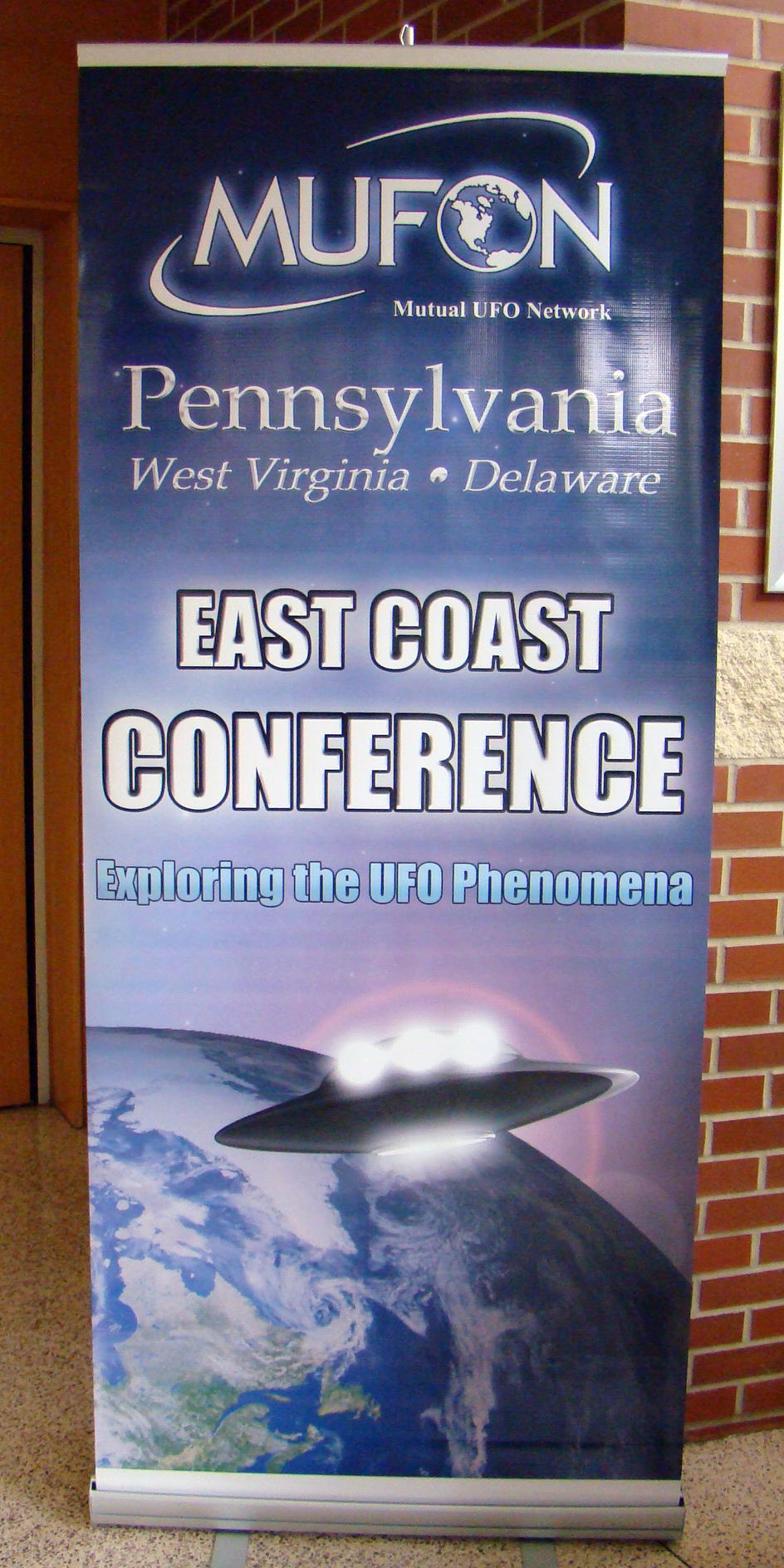
In the mountain of Pennsylvania, MUFON enthusiasts gathered at Westmoreland Community College in Youngwood for their annual conference recently. MUFON (Mutual UFO Network) is an organization investigating all reports of Unidentified Flying Objects throughout the world. Lectures were presented throughout the day, authors signed books, and visitors shared experiences.

UFOs vs Paranormal was the first lecture of the day given by Karyn Dolan. The public perception varies on these two topics as ghosts are an acceptable belief, while UFOs usually require a cover-up.  No one really likes to admit they believe in UFOs, but most people do…they just don’t want people to think they do.

If you do believe in UFOs, you have to change the way you see the whole world. The earth is no longer the only important heavenly body. People, who had been abducted, increased their psychic abilities and through meditation began to receive contact with other beings. While contact with alien life seems to change emotional levels, we all know people who are psychic vampires and drain away our energy!

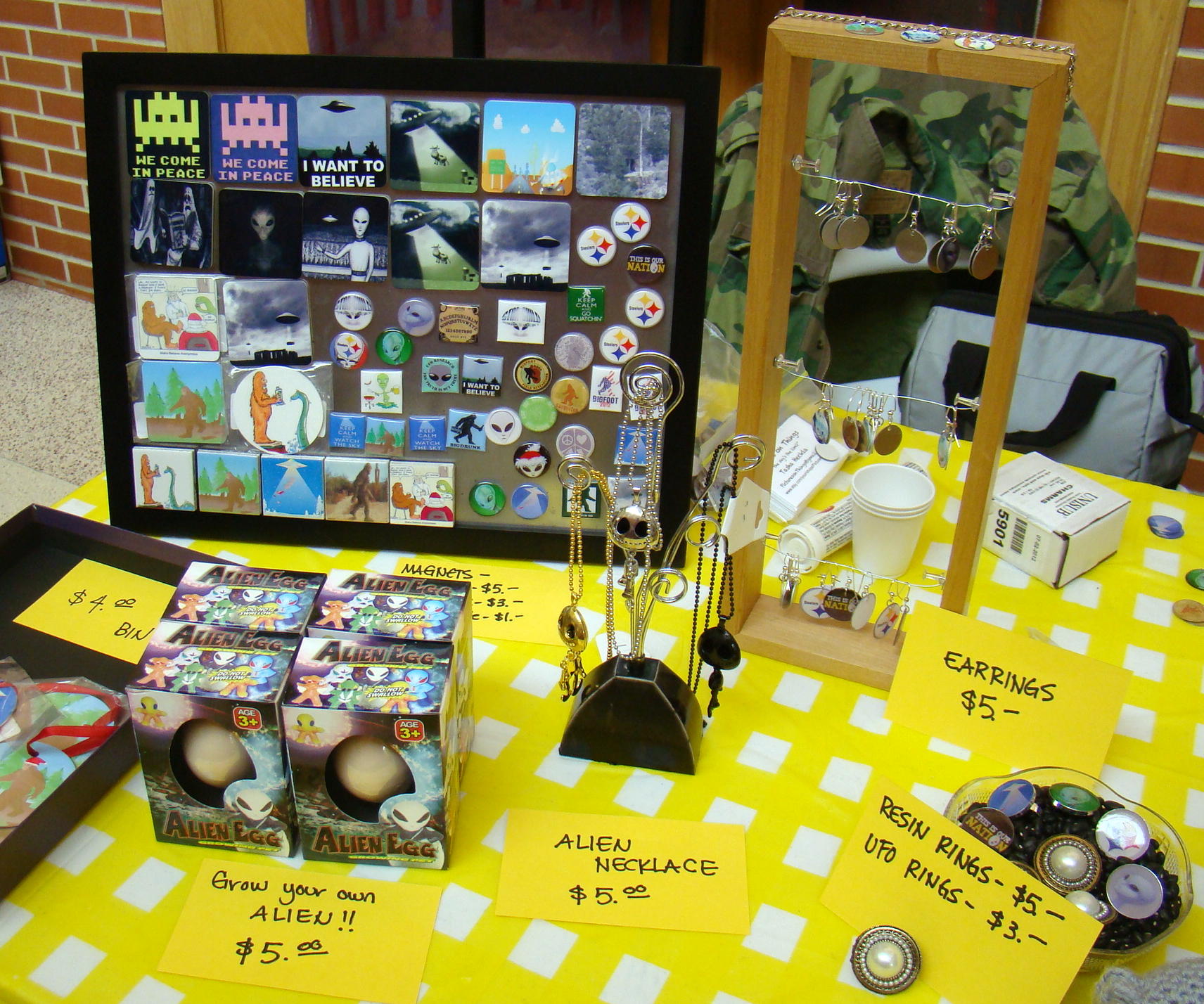
The lobby was an interesting collection of author signings, literature, Bigfoot information as well as UFO memorabilia. Bigfoot enthusiasts were also at this gathering and the history of Bigfoot legends was explained. As far back as the Native Americans, their legends discussed similar creatures in the woods. Newspaper archives were a frequent point of reference as far back as 1837 when  the first documented story in Bridgewater Bangor Daily Whig & Courier reported a hairy creature was heard whistling in the woods. Today there are many names for this hairy creature around the world:  Sasquatch, Abominable Snowman, Almasty, and Bigfoot. Researchers feel they have lots of proof…just no physical specimen! That’s a big missing link.

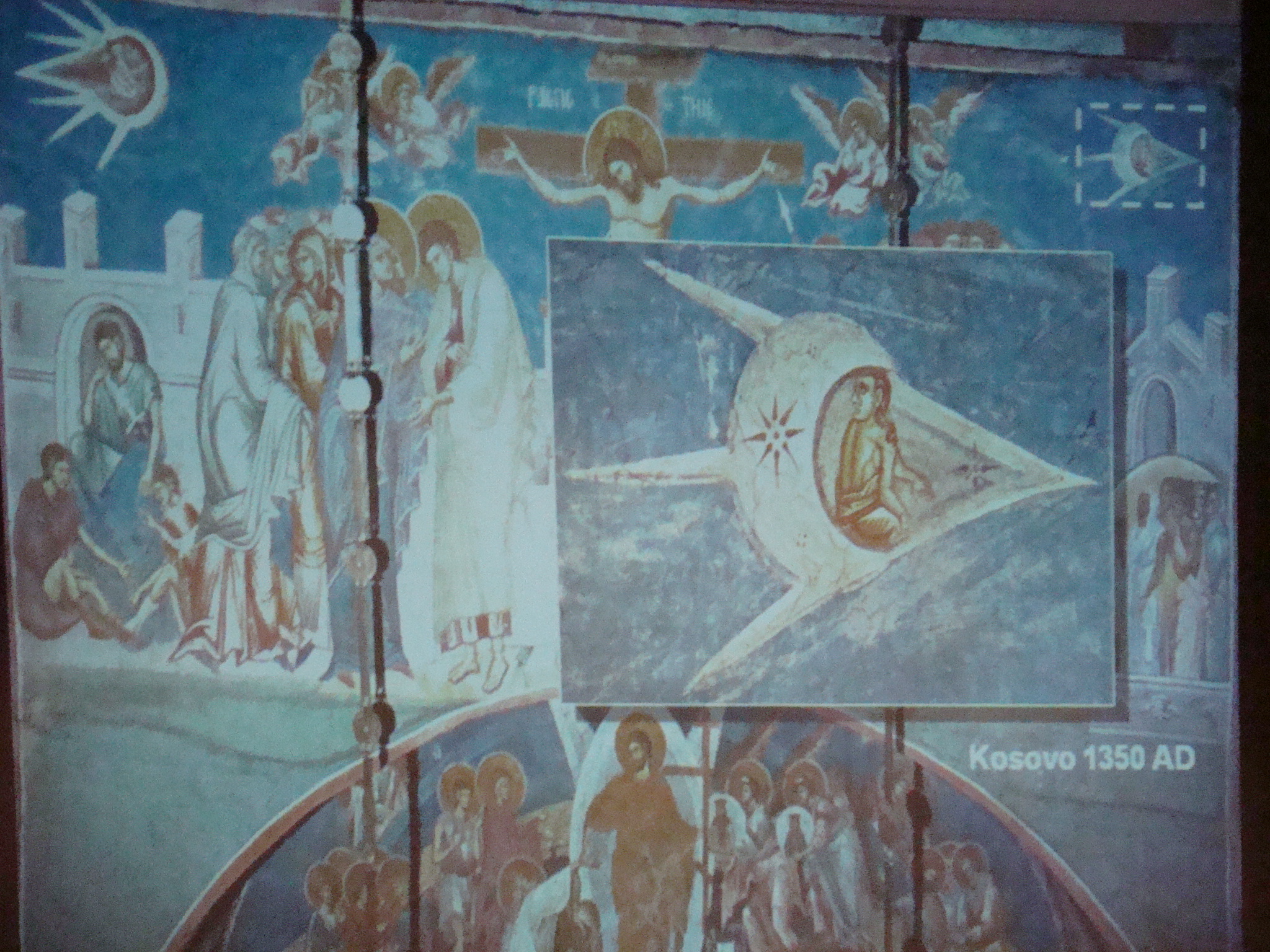
An interesting afternoon presentation showed slides of art throughout history that included strange objects in the sky…many of them shaped similar to those people classify as UFOs today. These included cave drawings, petroglyphs, Renaissance Art, and the Myans.  The oldest documentation was from The Vedic’s of India nearly 8,000 years ago.  Speaker, John Ventre, summarized, “No matter how far back in art history you go, unidentified flying objects show up.”

Ufology in 21st Century was the topic discussed by Richard Dolan, one of the world’s most prominent researcher and historian of UFOs.  His most recent book, A.D. (After Disclosure) When the Government Finally Reveals the Truth About Alien Contact, discusses the deep impact that would be brought about by the end of UFO secrecy. Many feel that governments maintain secrecy to prevent people from panicking from fear of the unknown. Perhaps aliens exist in our world today so keep an eye on some of those strange people you encounter that seem to be a bit psychic or telepathic. Contact appears to be on an intuitive level making it spiritual vs scientific. But don’t analyze too much!

Over 1100 volunteers take accounts and investigate all reported sightings. There are 3000 MUFON members world-wide in 39 countries and that is constantly expanding. In 2011 there were close to 700 sightings a month.  That number is up slightly in 2012.

While talking with Karyn later in the day, we were exchanging ghost stories. I casually remarked that perhaps my story might make her think I was a little odd. She laughingly remarked, “You’re at a UFO conference; everyone here is strange”…but all very interesting creatures!

MUFON is always looking for new members interested in the scientific study of UFOs for the benefit of humanity. There is a study guide to be completed, exam, background check and then field time with an experienced investigator. Maybe you would like to join those curious minds.

McKinley Museum Spotlights Stark County

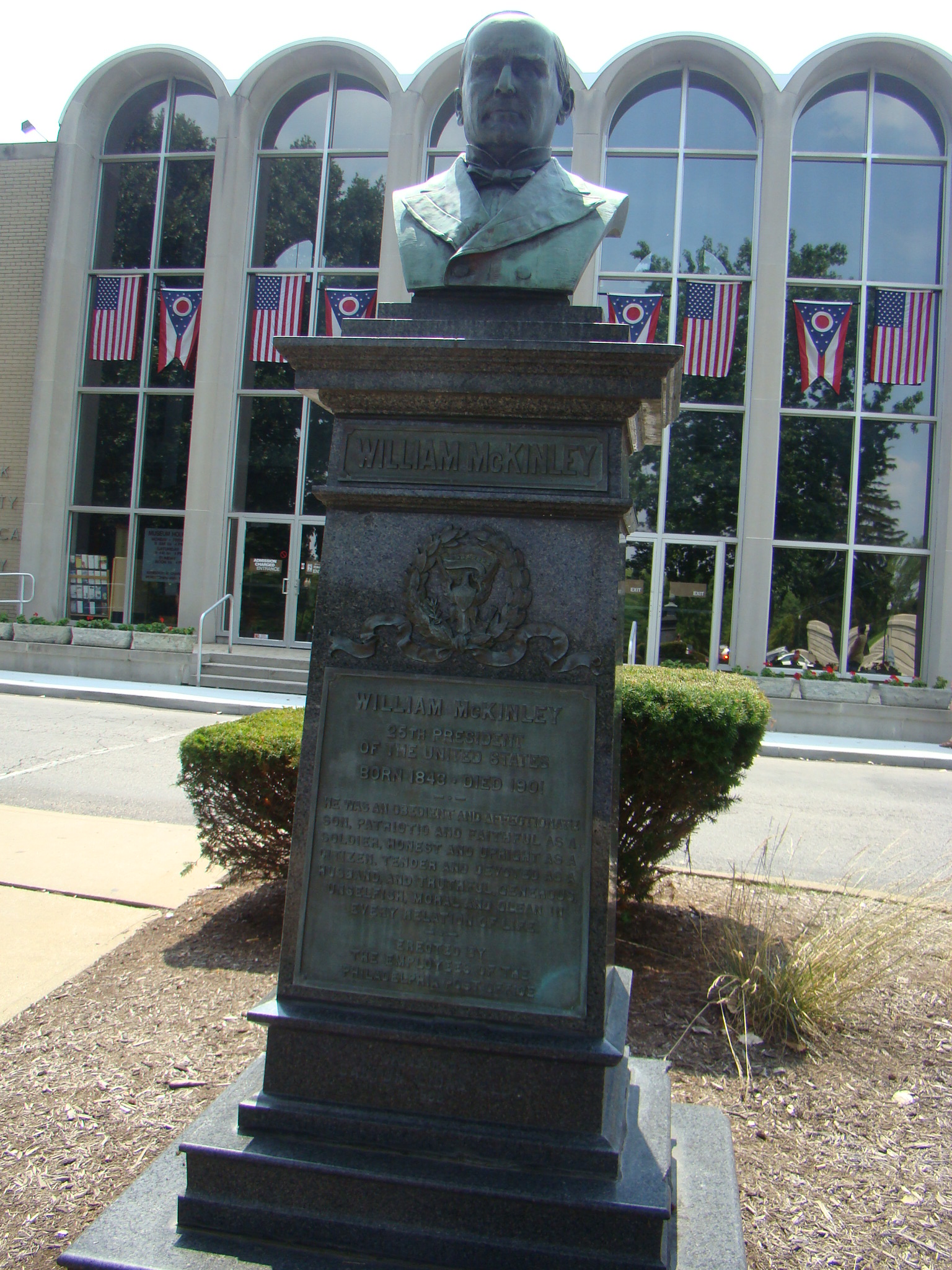
Near the foot of the McKinley Monument, Stark County Historical Society has gathered interesting information and memorabilia regarding the surrounding area. as well as the life of William McKinley.  The bust of McKinley greets visitors outside the building.

As you enter the lobby of the McKinley Museum in Canton, Ohio, a sign with a quote caught my eye. It was a word of advice to young people from President William McKinley:

“Young men and women, what your education will be and do for you depends upon yourselves.”                                                            

Within these walls is quite an extensive history of the Stark County area including leading enterprises, such as Belden Brick, Dueber-Hampden Watch Company, Erie Canal, Hoover Vacuum, Pennsylvania Railroad,  and Timken Company just to name a few. Henry Timken founded Timken Roller Bearing Company in 1902 and his entrepeneur vision was grounded in this type of thinking:

“If you have an idea which you think is right, push it to a finish. But above all, don’t set your name to anything you will ever have cause to be ashamed of.”

McKinley Museum had many interesting exhibits throughout, too numerable to mention. Here are a few things that caught my eye on a recent visit.

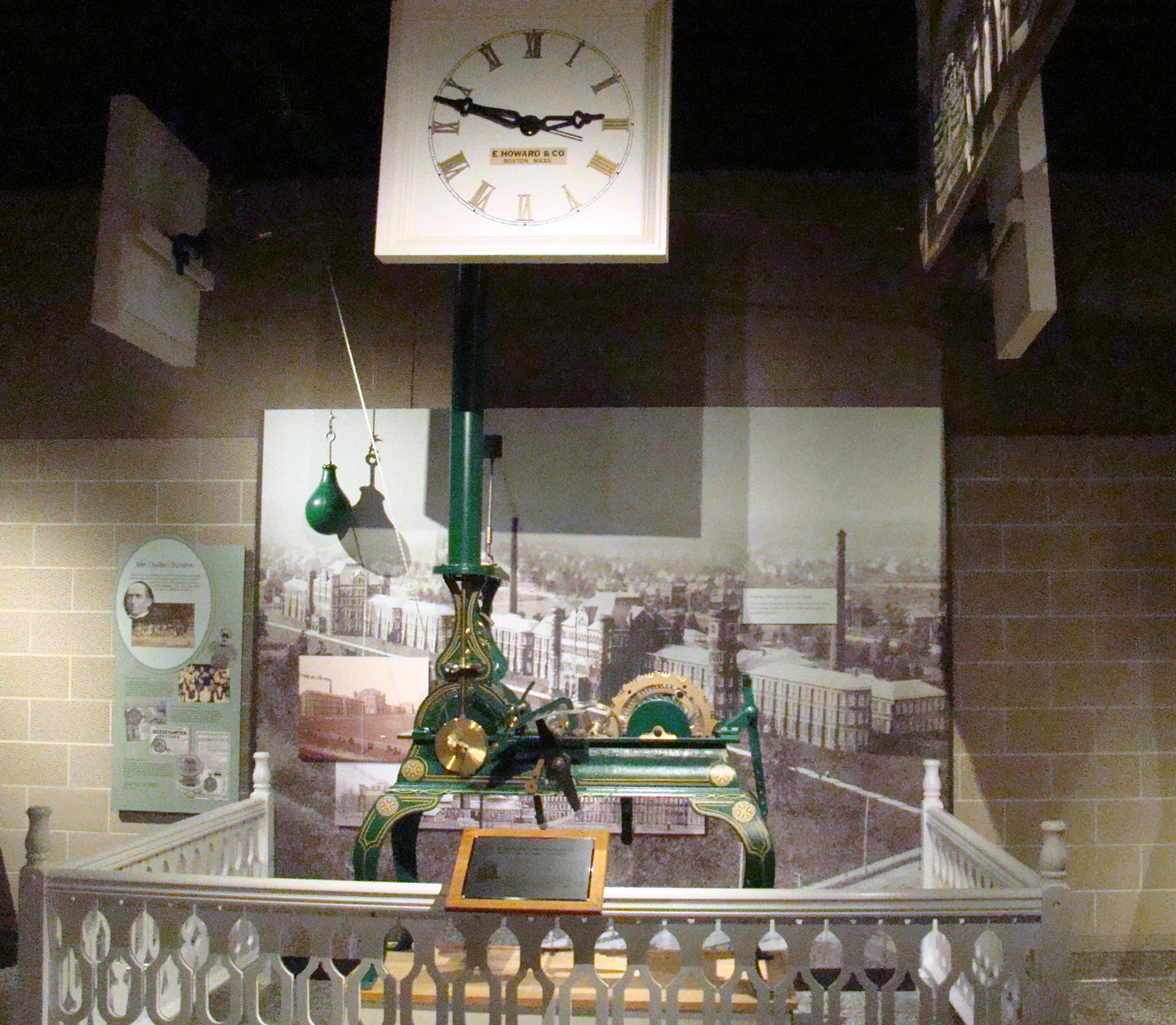
One fascinating display showed a clock tower made by Dueber-Hampden Watch Co with a sign “Accurate to the Second.”  That was way back in 1889! By 1890 the company was producing 600 watches a day in Canton, Ohio and had over a thousand employees. They used 14 karat gold  in their watch cases and had 17 jewel movement, quite advanced for their time. This company was sold to a Russian company in 1927 and twenty-one former employees went to Russia to teach them their craft.  One report is that their machinery is still being used in China today.

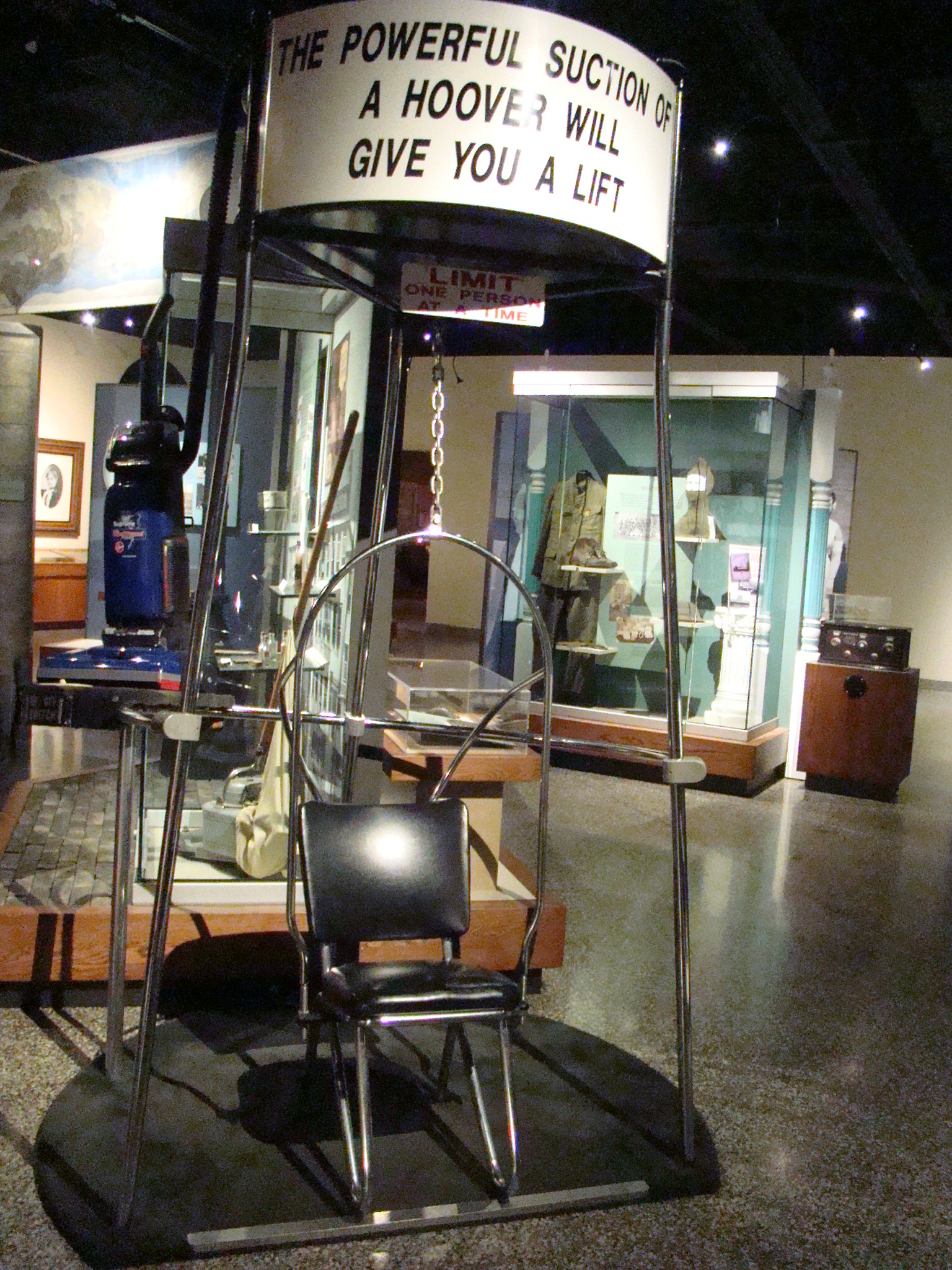
The Hoover Vacuum provided a display that attracted lines of children. While seated in a chair, they pressed a button which created enough suction to lift them well off the floor. The Power of the Hoover! It is very fitting to be highlighted here as the first upright vacuum was invented by a department store janitor, James Spangler, in Canton back in 1906. He just happened to show it to his cousin, Susan Hoover, who in turn shared it with her husband.  “Boss” Hoover bought the patent from Spangler, hired him as Superintendent, and slowly began the switch from maker of leather-goods to vacuum manufacturer.  The slogan: “It beats..as it Sweeps…as it Cleans” brought the Hoover Vacuum to the forefront.

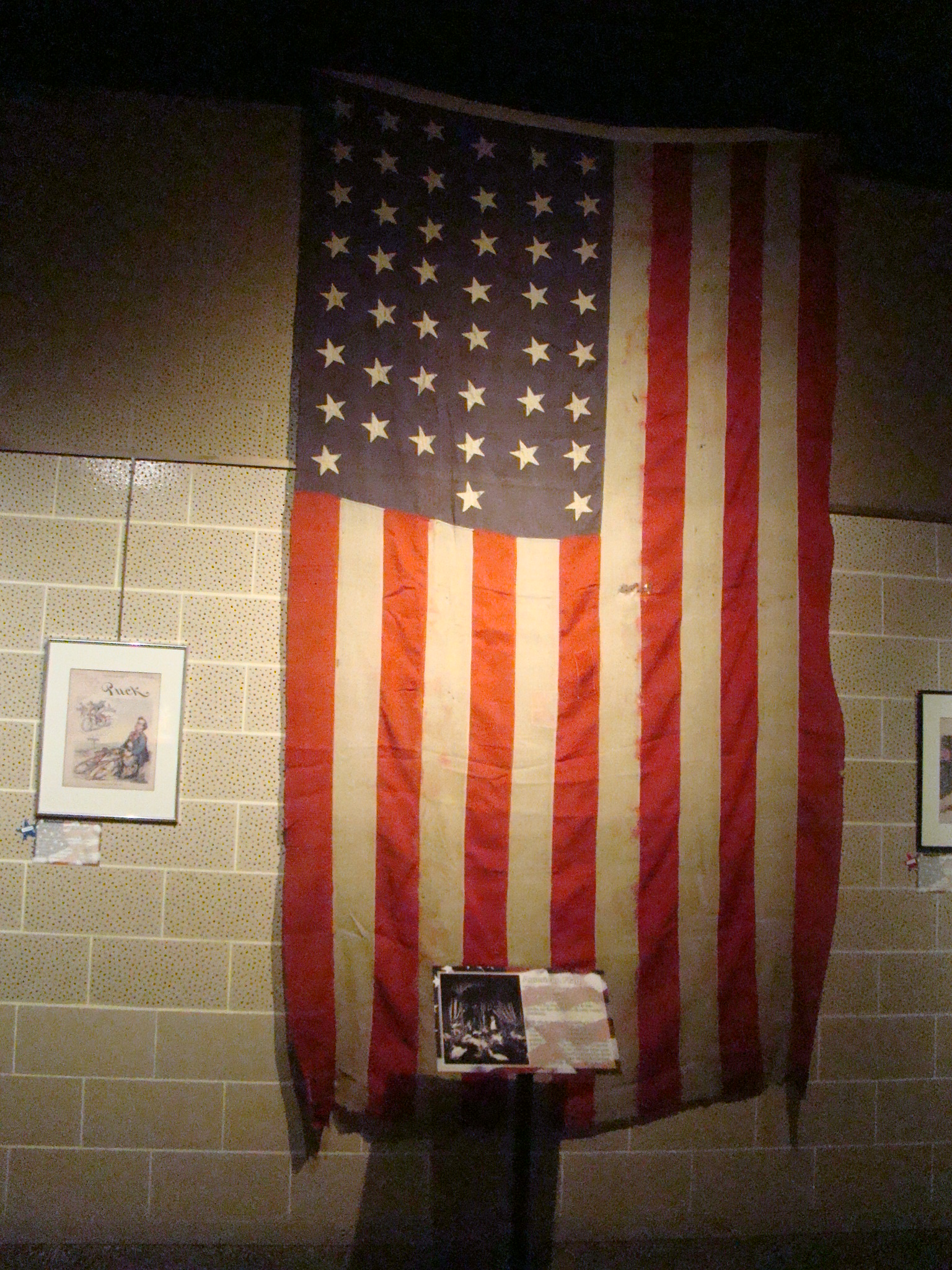
This was the original hand-sewn 45 star American flag that hung on the front porch of McKinley’s home during the 1896 presidential campaign.  During his famous “Front Porch Campaign”, McKinley made himself available to the public every Sunday afternoon on the front porch of his home. Usually he was seated in his rocking chair from which he talked to 750,000 people who stopped by. Some say he shook hands with up to a million men from that front porch scene. This campaign appealed to the average voter, who found themselves drawn to a candidate that stayed true to his roots.

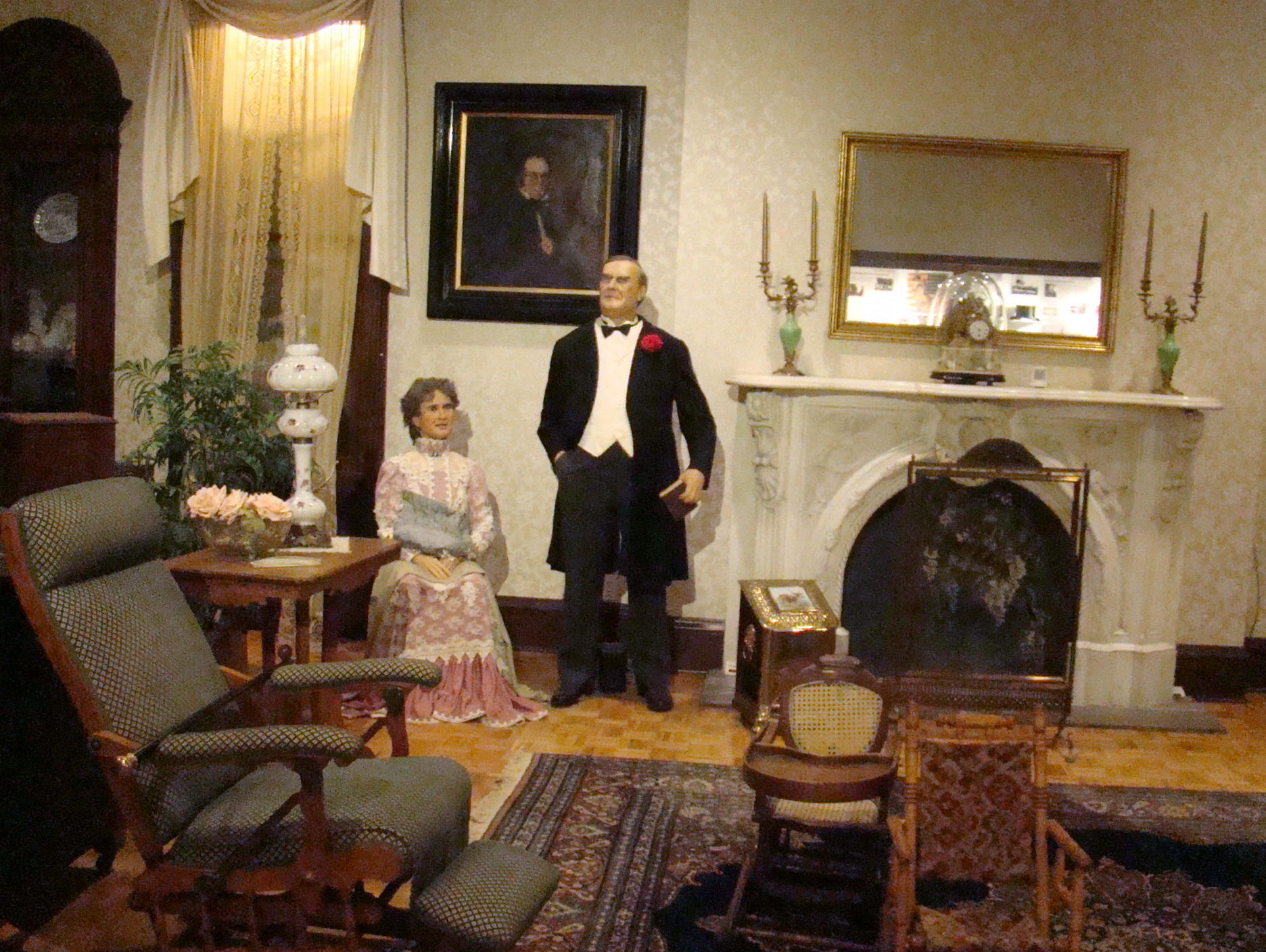
Rooms were redesigned to look very much like the ones of long ago with their Victorian furnishings. A touch of some form of music was often in evidence as that would have been one of their main means of entertainment. In the parlor, you had an opportunity to listen to talking figures of William and Ida McKinley. Notice that he does have on his symbol, the red carnation.These plastic figures are activated by sensors when you enter the room.

The Hazlett Theater is a fine spot to give your feet a rest and watch some old films from days gone by. Here you hear about the campaigns of William McKinley and get to have an inside video tour of the Memorial.

There weren’t enough hours in the day, so sadly missed the show at the Hoover Price Planetarium where visitors view the solar system and beyond. They say it is like traveling to space without leaving the ground.  Unfortunately, didn’t make it to Discover World either where dinosaurs and early American Indians welcome visitors to Natural History Island, Ecology Island and the new spot, Fascination Station.  Looks like a return visit is in order.

The McKinley Museum  is located in downtown Canton, Ohio just off I-77. Take Exit 105 for OH 172, then turn right on 7th Street NW. Take the first left onto McKinley Monument Drive where the Museum is located to the left when facing the memorial. Enjoy a little piece of Ohio history.

An “Old Soul” Explores Beautiful Red Rock Sedona

Sedona!  Just the word brings to mind beautiful red rock formations surrounded by a high level of spiritual awareness. For those interested in the metaphysical, Sedona, Arizona is the perfect place to explore. This New Age capital of America is nestled in the mouth of beautiful Oak Creek Canyon.

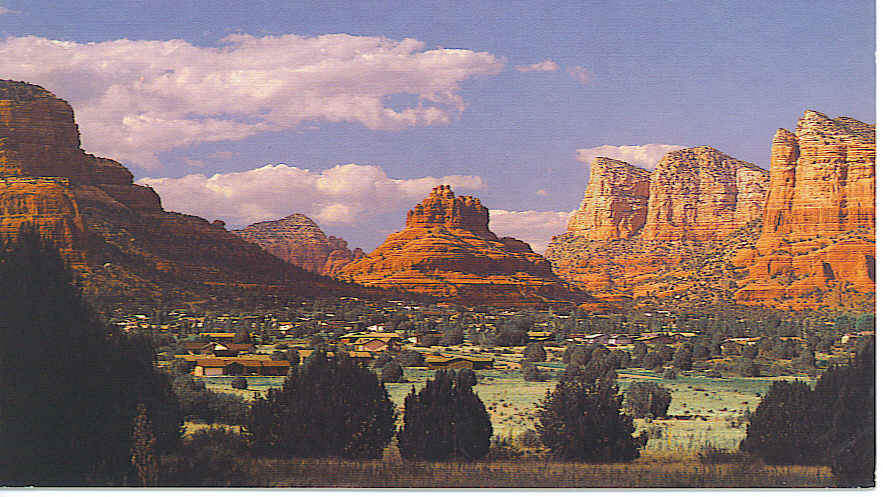
Spectacular views draw people from all over the world to this “red rock country” where they experience the majesty and peace of the natural wonders appearing around every corner of the road. The sandstone formations glow red and even orange, especially at sunrise and sunset here in Sedona.

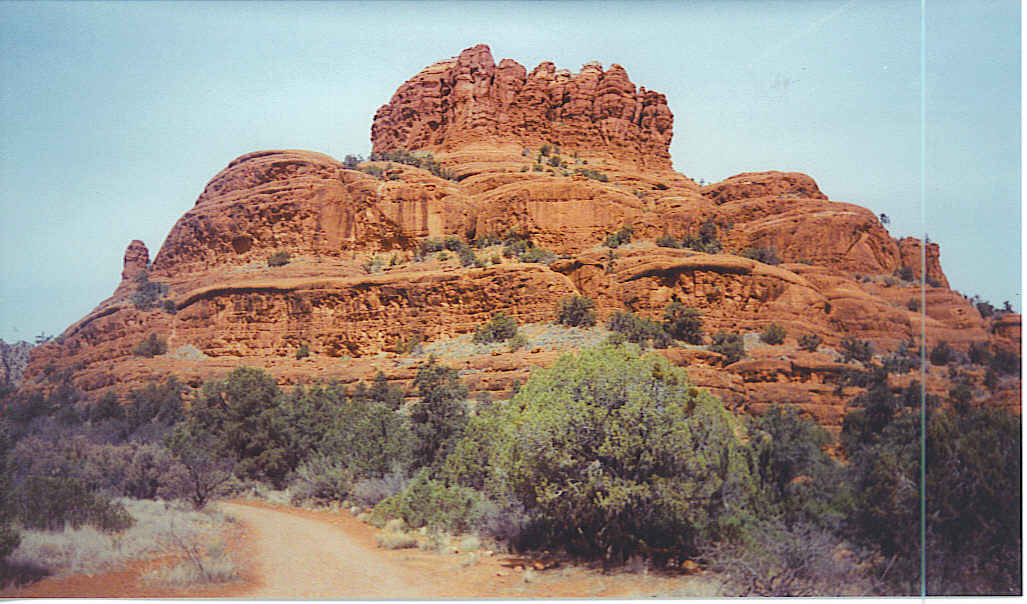
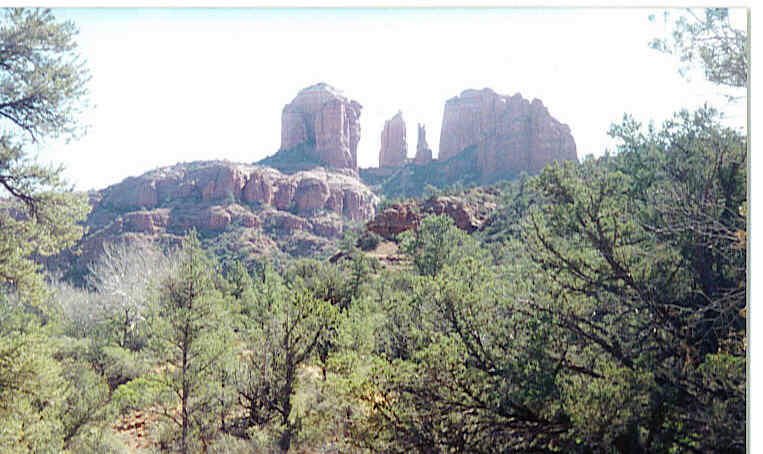
Bell Rock captures the eye and the heart as it emits an energy that can’t be explained. This is just one of several energy vortexes in and around Sedona. For those not familiar with vortexes, they are created from a spiraling motion around a rotating center, such as water going down the drain or a dust devil in the desert. But here in Sedona, the energy vortex is created by spiraling spiritual energy making it a great place for prayer, meditation and healing. There is no real explanation, it must be experienced…and that is just what I did.

While walking around Bell Rock, which is a two hour trip – at least for me- instead of getting tired, my feet moved faster at the end than they did at the beginning. Just had to keep a piece of the red rock with me -it fell at my feet- and still have it under my car seat today.  Maybe that is how I keep going and going on my Gypsy Road Trips… like the energizer bunny.

As you can imagine, Hollywood also noticed the beauty of this area and over sixty Hollywood productions, mostly Westerns,  have been filmed here. John Ford’s production of Stagecoach rolled into Sedona in 1938 beginning the bonanza of films and stars that would become familiar to the red rock area. Classic greats such as John Wayne, Elvis, Rock Hudson, and Art Carney have enjoyed hanging out in the red rocks while starring in scenes shot here.

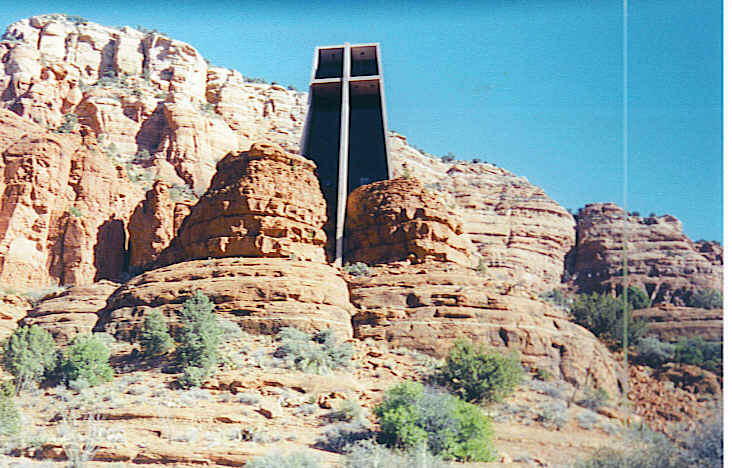
Just a short drive south of Sedona,  the Chapel of the Holy Cross provides a spiritual uplift to the trip as well as another gorgeous view of the surrounding area. Built back in 1956,  the chapel rises 250′ out of the red rock and its design was inspired by the Empire State Building. The front of the chapel faces sunset thus illuminating the interior naturally with sunlight.

Cathedral Rock, the landmark of Sedona, provided another relaxing place to walk, but personally didn’t feel the energy surge experienced at Bell Rock. Trails lead to the “saddle points” or gaps in the beautiful red rock configuration. While the trail is exceptionally steep, a breeze is nearly always present due to the air movement through the saddle points.

Stayed on the edge of town in the red rocks at a rustic little place called quite naturally, Red Rock Lodge. Here the owner gave me a tour of her beautiful flower garden and explained a little about the flowers of the region. Arizona Poppy, Indian Paintbrush, and Desert Primrose add beauty and a pleasing aroma to the surrounding mountains. Rates were affordable at this small comfortable lodge while the views were extraordinary.

Couldn’t leave town without getting a psychic reading at a charming place with beads hanging from the doorway, a crystal ball on the table, and cards spread to tell me that I was indeed an “old soul” who had been around for a long, long time. This old-fashioned metaphysical community is the place to immerse yourself in Reiki, acupuncture, aromatherapy, UFOs,  and much more.

Sedona has grown since my last visit, but even today there are few streetlights, no buildings reach over two stories high, and every structure must match the primary colors of the rocks. No Golden Arches for McDonald’s here – arches in Sedona are turquoise! These awe-inspiring red rocks formed in beautiful buttes, spires and canyons capture your attention; however, there is a serenity here among the beauties of nature that draws one back again and again.

The Sedona area is located off I-17 at exit 298. Proceed on Highway 179 which after about 14 miles  will lead you to the Y in the road from which you will be guided to various area attractions.  Grand Canyon is a couple hours north of Sedona, while the intriguing Sonoran Desert lies south. Not many can resist the charm, so plan to spend a day or two in this breathtaking area.

A “Pleasant Point” Along the Ohio River

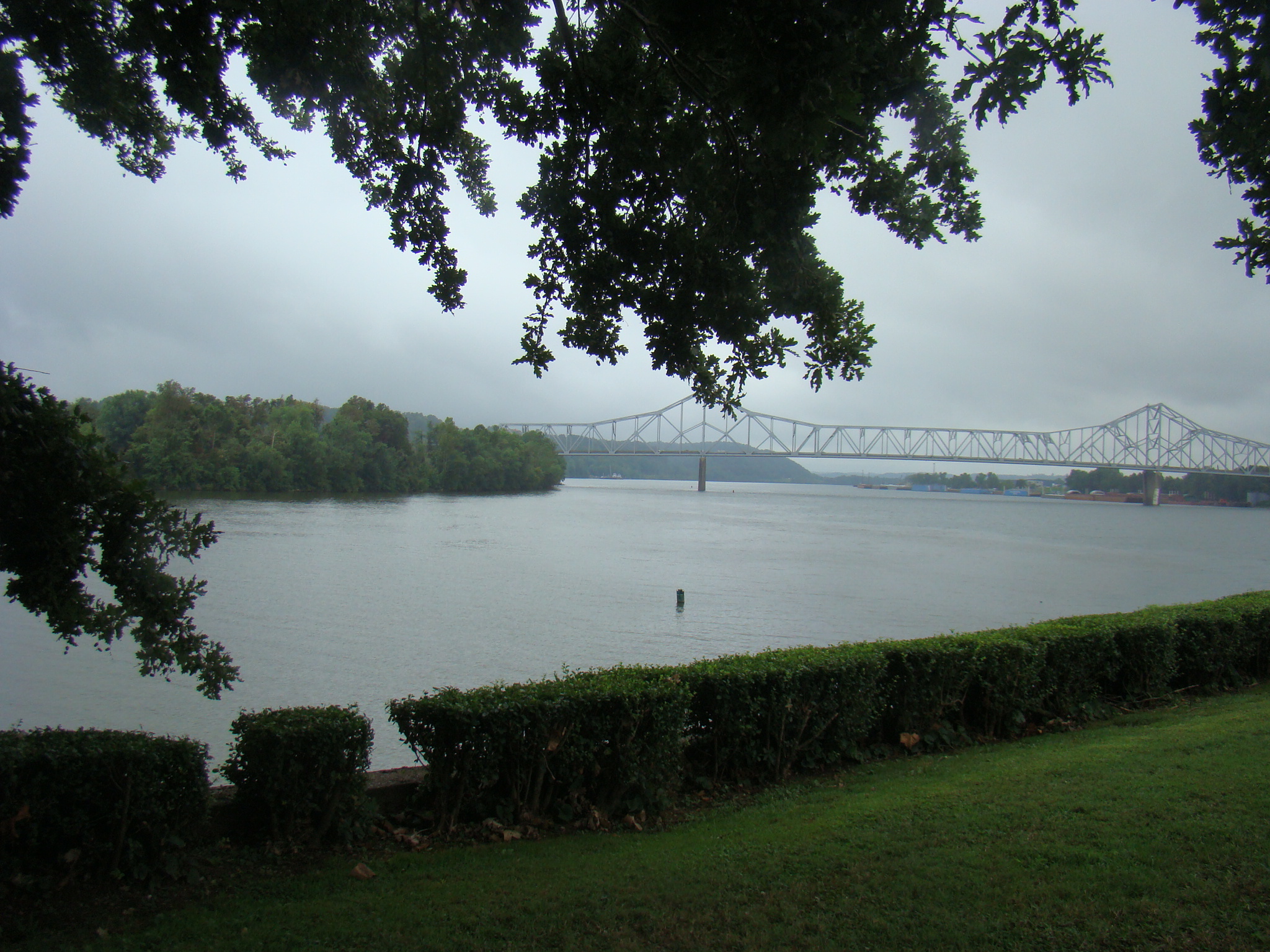
“A pleasant point” was the description given by surveyor, George Washington, when he arrived at the confluence of the Great Kanawha  and Ohio Rivers. Today the town that grew there is called Point Pleasant in West Virginia. The beautiful Riverfront Park is a pleasant surprise here and a wonderful place to take a leisurely stroll with the Ohio River on one side and large murals depicting the town’s history on the other.You can glimpse the Silver Memorial Bridge close to  the point where the Great Kanawha River joins the Ohio River near the end of the Riverwalk in the State Park, Tu-Endie-Wei, which adjoins.

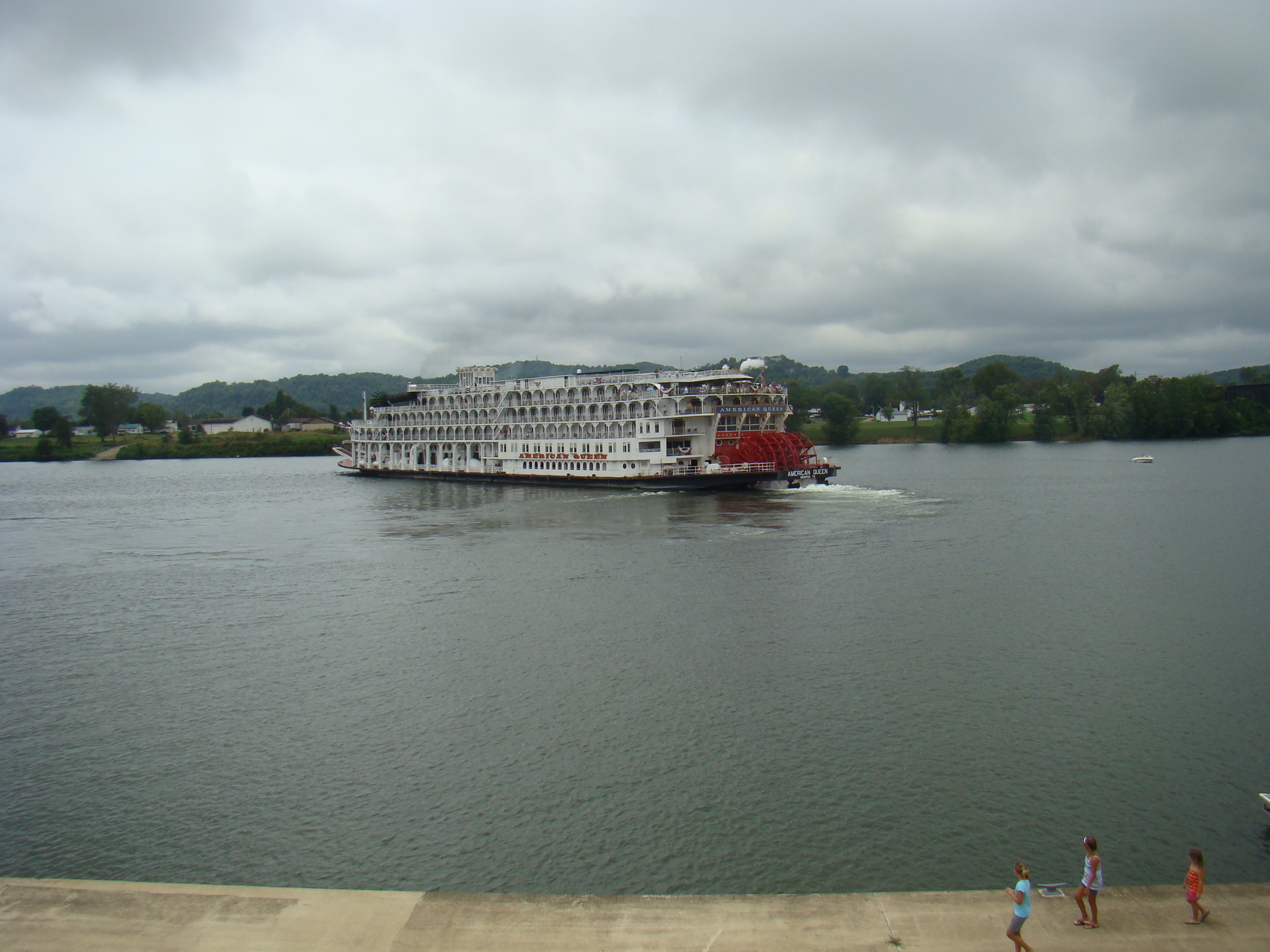
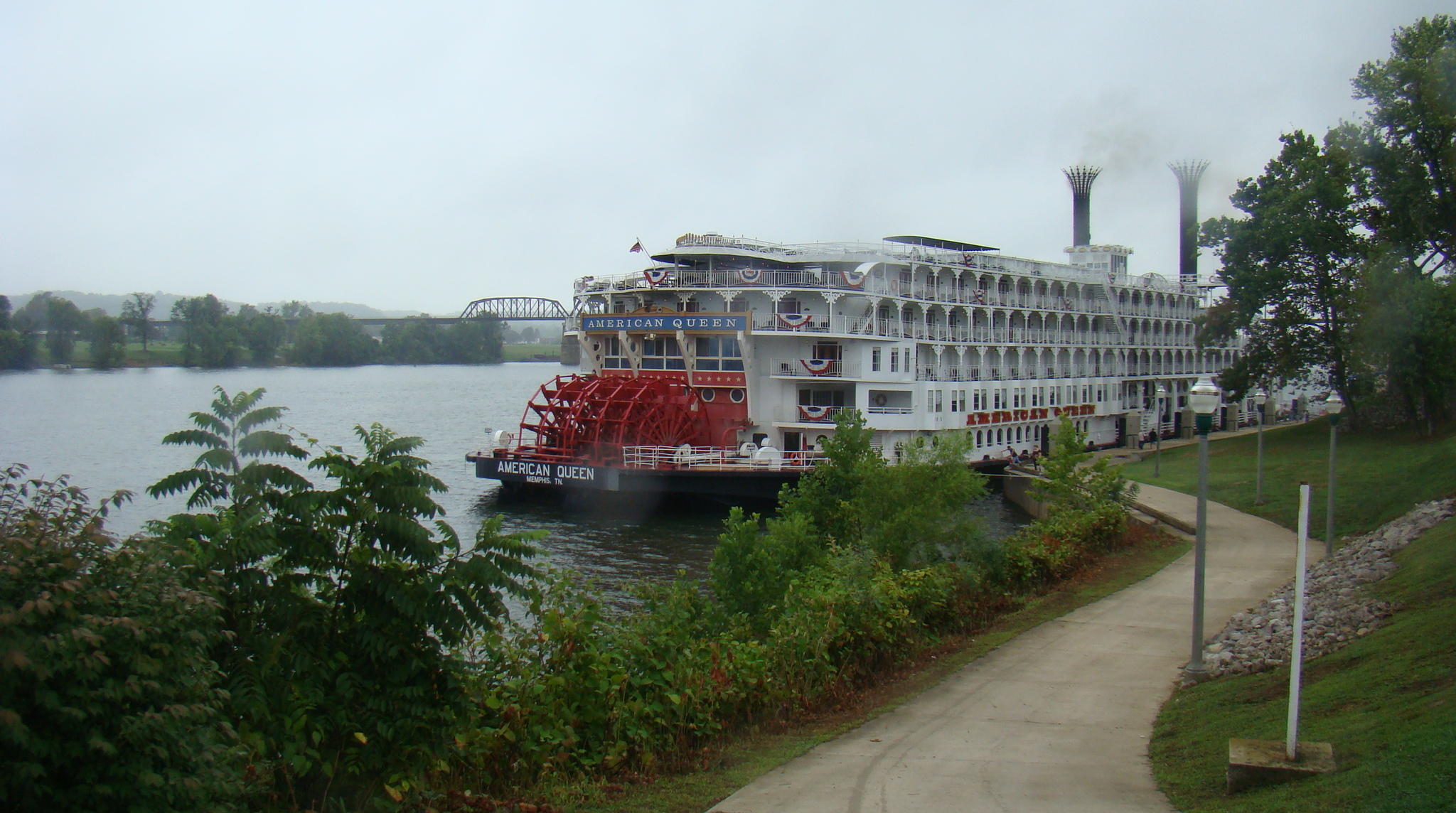
The Ohio River peacefully flows carrying boats of various sizes for many purposes.  There are coal barges, speedboats, riverboats, and luckily this day the spectacular American Queen, the largest steamboat even built in the world. Built in 1995,  this beautiful riverboat is a  six-deck re-creation of a classic Mississippi Steamboat.  Its flat-bottomed style makes it possible to even continue if the waters become shallow.

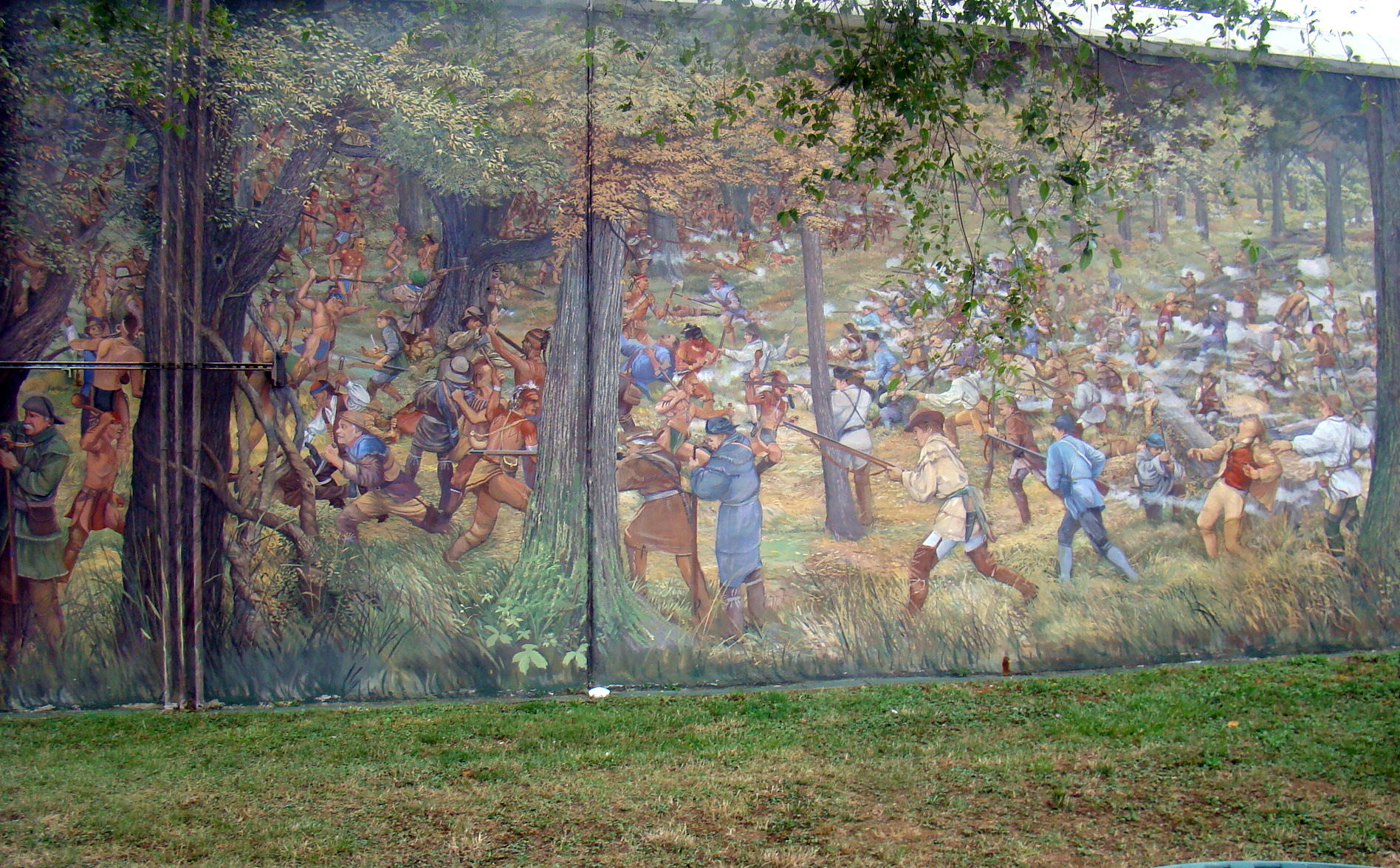
Murals are painted on the floodwalls flanking the Ohio and Kanawha Rivers representing scenes from the Battle of Point Pleasant as well as other pieces of Point Pleasant history, including the Indian settlements of earlier days. Each large mural, measuring from 100-250 feet long, has one single monumental scene painted by artist Robert Dafford. His murals can be found in several cities along the Ohio River from here at Point Pleasant, West Virginia to Paducah, Kentucky.

One depicts the 19-year old George Washington surveying the wilderness where he met Benjamin Franklin and some land speculators, who were founders of the Great Ohio Company. This group intended to found a new colony called Vandalia that would have encompassed most of today’s West Virginia and Kentucky.  What a surprise to learn that on the eve of the American Revolution, there were thoughts of creating a fourteenth colony with Point Pleasant as its capital.

On the other side of the murals is the historic Lowe Hotel, the largest landmark in Point Pleasant. Built in 1901 of Cleveland Berea stone and red brick, this monument was originally called the Spencer Hotel in honor of J.S. Spencer, friend and financial backer of the Smith brothers who owned the hotel.  At that time, traffic on the Ohio River was heavy, so a place to spend the night became an important attraction at Point Pleasant.  Today that  hotel is said to be haunted by guests who decided not to check out, one of those being Captain Jim who is waiting for his steamboat.

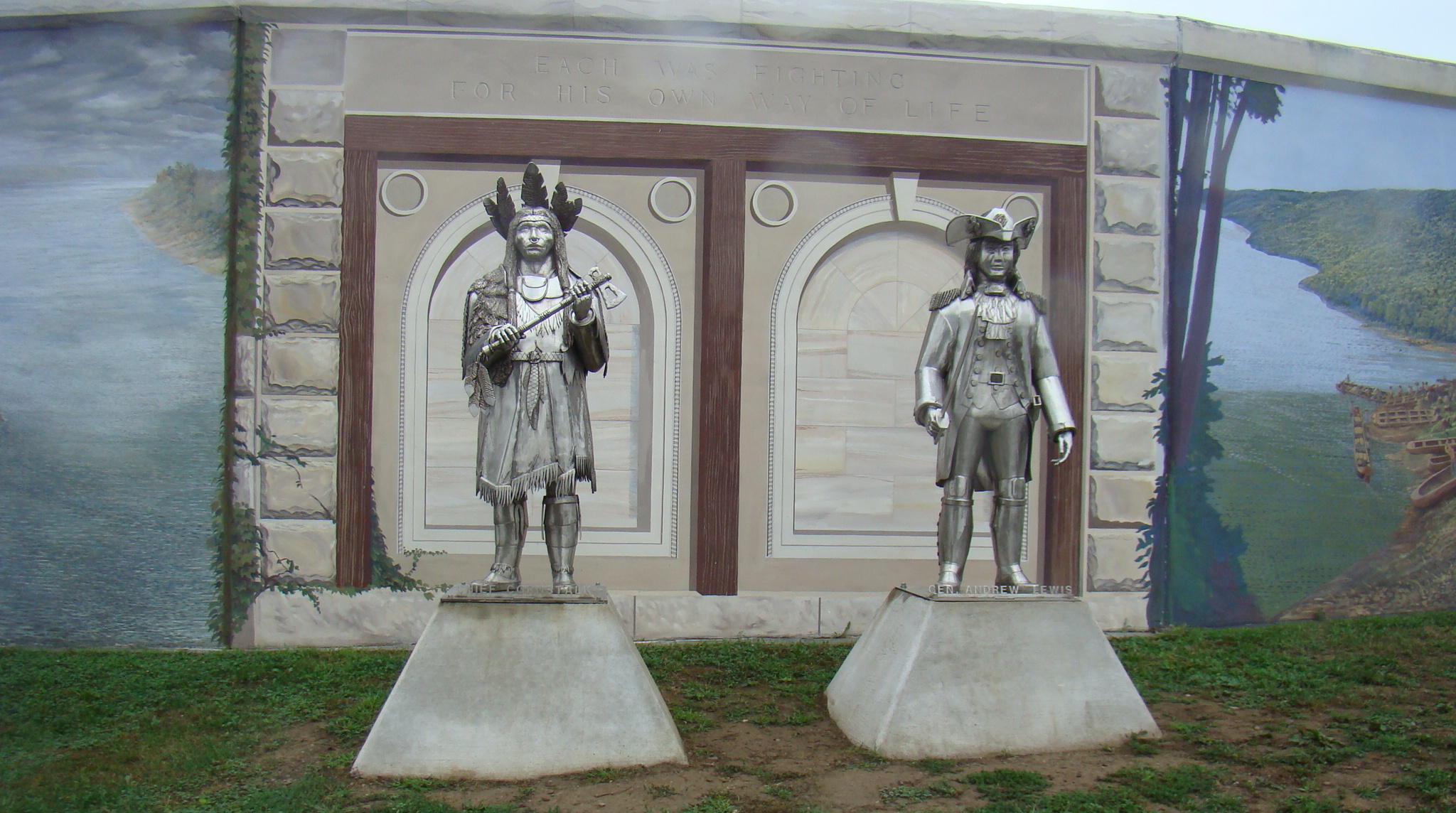
Two unusual metal statues of Chief Cornstalk and Colonel Andrew Lewis caught my eye along the Riverwalk. These were the two combatants in what many say was the first battle of the Revolutionary War…the Battle of Point Pleasant. The Virginia Militia led by Andrew Lewis defeated Chief Cornstalk, the Shawnee leader, and his braves, thus preventing the Native Americans from forming an alliance with the British. This in turn had a major influence on the outcome of the War of Independence. Their statues are located in front of a mural depicting the Battle of Point Pleasant in 1774.

By late afternoon, the American Queen paddlewheels begin turning and the riverboat slowly, almost magically, floats away from the shore. Calliope music fills the air and seems to take one back in time to a happier, more peaceful way of life. This is a great spot to sit down in a swing and watch the river and your cares drift away.

The Riverwalk at Point Pleasant, West Virginia is located just a half block from Main Street and of course, along the Ohio River. Frequent festivals throughout the year are held here and it is often a stopping point for riverboats. 

McKinley’s Victorian Style Home First Ladies Historic Site

Could the sound of footsteps on the spiral staircase at the Saxton McKinley House be those of Ida McKinley? Once in a while the footsteps echo late at night, and the light step is attributed to Ida. That seems quite possible as this was her family home where she lived for twenty-eight years.

Beautiful gardens connect the Education and Research Center to the Ida Saxton McKinley House, both part of the First Ladies National Historic Site in Canton, Ohio. Visitors were greeted by a  young lady dressed in a replica of Julia Tyler’s gown. She was very knowledgeable regarding the history of the house and the family.

To add a little mystery, there are conflicting stories as to how Ida and William McKinley met each other.  Some said Ida was a cashier in the bank where William transacted business for the law firm he joined when moving to Canton. Another story said that both Ida and William were Sunday School teachers at different churches, and passed each other on the way to church.  Or perhaps they met during a picnic at Myers Lake Park. However they met, William indulged her every whim and was seldom far from her side, which turned out to be a major political asset.
The Saxton McKinley House was originally built in 1840 by Ida’s maternal grandfather, George DeWalt. Her other grandfather, John Saxton, was founder of the Canton Repository newspaper. Her affluent background made it possible to lead an extravagant lifestyle. Almost everything inside the house today is a reproduction, but based very carefully on the Victorian style used in the original 1800’s house – after extensive research at the Smithsonian. Fortunately, there are still original walls and woodwork throughout much of the home.
In the Formal Parlor you get a glimpse of a music box purchased on Ida’s trip to Switzerland as well as the piano topped with Victorian sheet music, which she enjoyed playing. The Library held William McKinley’s chair and a large collection of Ida’s fans, which numbered over 250. On the third floor, William had his office across the hall from Ida’s room so he could be close to her.  Their second child, Ida, died at six months of age and two years later Katie, their three year old, contracted typhoid fever and passed away. Consumed by her grief, Ida’s headaches became more severe, accompanied by seizures and tremors.

To ease her migraine headaches, her hair was cut because the weight of the braids was considered a possible cause. Medication for her seizures often made her listless. These two problems made it necessary for Ida to sit as much as possible and this petite lady with a 20″ waist, 18″ when corseted, attempted to hide her afflictions as much as possible.  If she had an attack out in public, William would put a handkerchief over her face so people would not glimpse her facial contortions during seizures.

Also on the third floor was the beautiful ballroom for entertaining. Today the walls of that ballroom display short stories and pictures regarding the life of each First Lady. Many interesting facts were given about various First Ladies, for example,  Francis Cleveland happened to be America’s youngest First Lady. Grover Cleveland was a friend of the family’s and actually bought Francis her baby carriage.

The McKinleys only lived at the Saxton McKinley House for a short time  between 1878-1895, while William was serving in the US House of Representatives and then as Governor of Ohio. During his presidential campaign, they moved to a more modest home, which more closely matched William’s background.

Often we hear stories about our presidents, so it was refreshing to hear stories about their First Ladies and catch a glimpse at their lifestyle.  A friend wrote about Ida Saxton McKinley, “Her greatest charm was her perfect sincerity and thoughtfulness for others.  No day passed over her head without her doing something for someone.”  What a great tribute to this special First Lady!

The Saxton McKinley House is located  off I-77 in Canton, Ohio right next door to the First Ladies Library at 205 Market Street South. All tours of the facility are guided and admission, which includes  both the Library and the House, is $7 for adults, $6 for seniors and $5 for children.