Places to go and things to see by Gypsy Bev

Archive for the ‘Ohio’ Category

The Magic World of Orchids

Step back into the Victorian era when orchids were a symbol of luxury, and walk leisurely through the Orchid Forest at the Franklin County Conservatory and Botanical Gardens in Columbus, Ohio.  These beautiful orchids, entitled Orchids! Vibrant Victoriana, are displayed in the Dorothy M Davis  Show House, which was built in 1895.  The exotic orchid speaks of refinement and innocence and the elegant Victorian garden is filled with hundreds of incredible orchids in all sizes, shapes and scents.
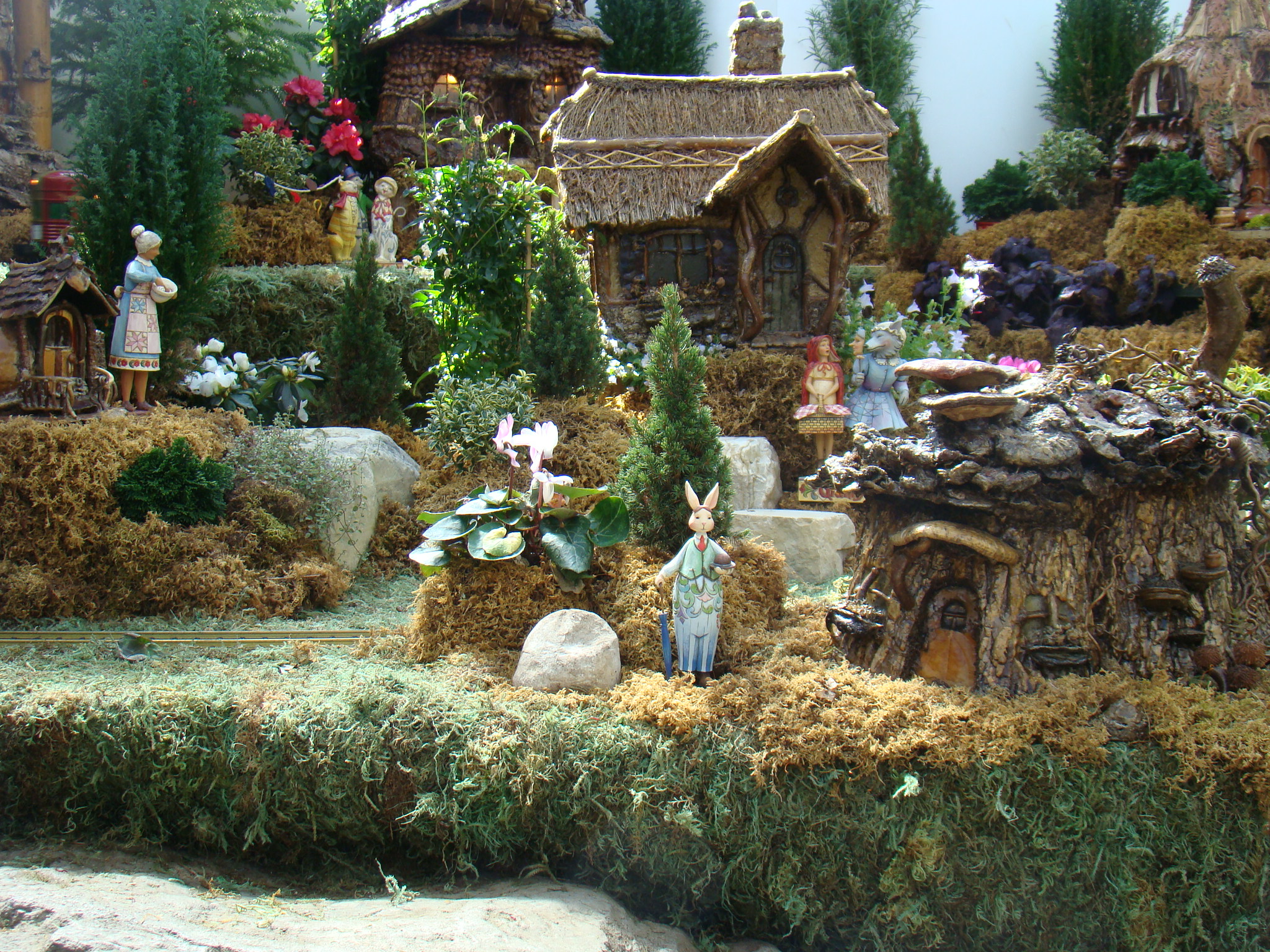
Paul Busse’s Garden Railroad featuring children’s fairy tales is a popular place to stop and take a break.  In this magical world amongst the foliage in the Himalayan Mountain Biome, three dimensional structures are all made from natural materials.  You might see roof shingles made from fungus, a chimney cap from an acorn, or a door hinge from a tiny leaf.  Moss, twigs, leaves and seeds combine to form houses, bridges, and castles. Children will definitely enjoy the fairy tale settings, while adults will marvel at the construction of the scenery.
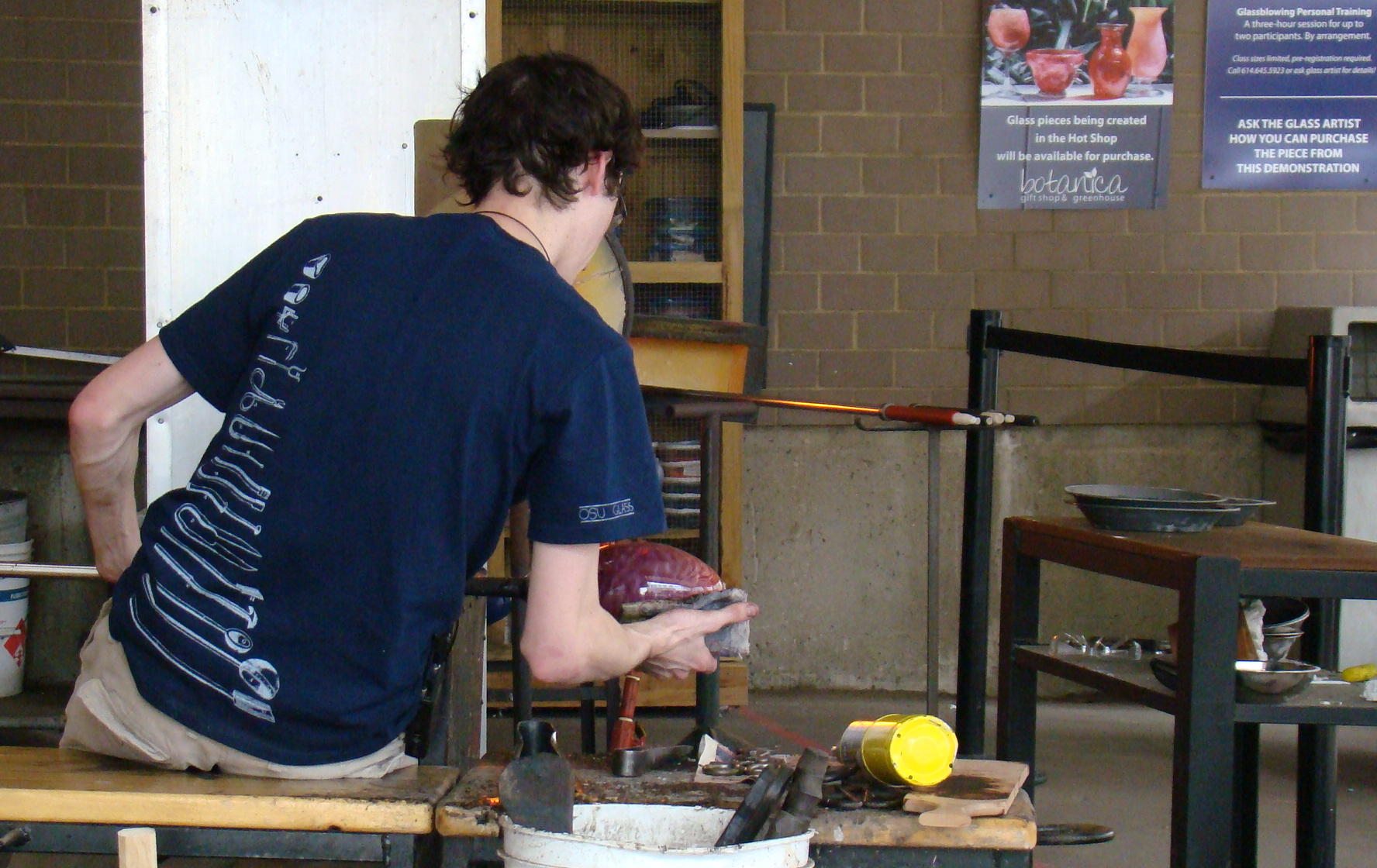
In an outdoor garden area, discovered the Hot Shop where a young man, who had been blowing glass for two and a half years, showed the curious visitors how to create a vase. From gathering the hot, hot glass to dipping it in either powdered colored glass or pellets, the glassmaking process produced many questions from those watching. Especially found fascinating the use of thick layers of wet newspaper being used to shape the glass, as seen in the picture above. The young man told the attentive audience, “We are still finding out new things about glass every day.  It is an ongoing learning experience.” His finished vase, which started out with a red glow, turned out to be a beautiful violet shade.
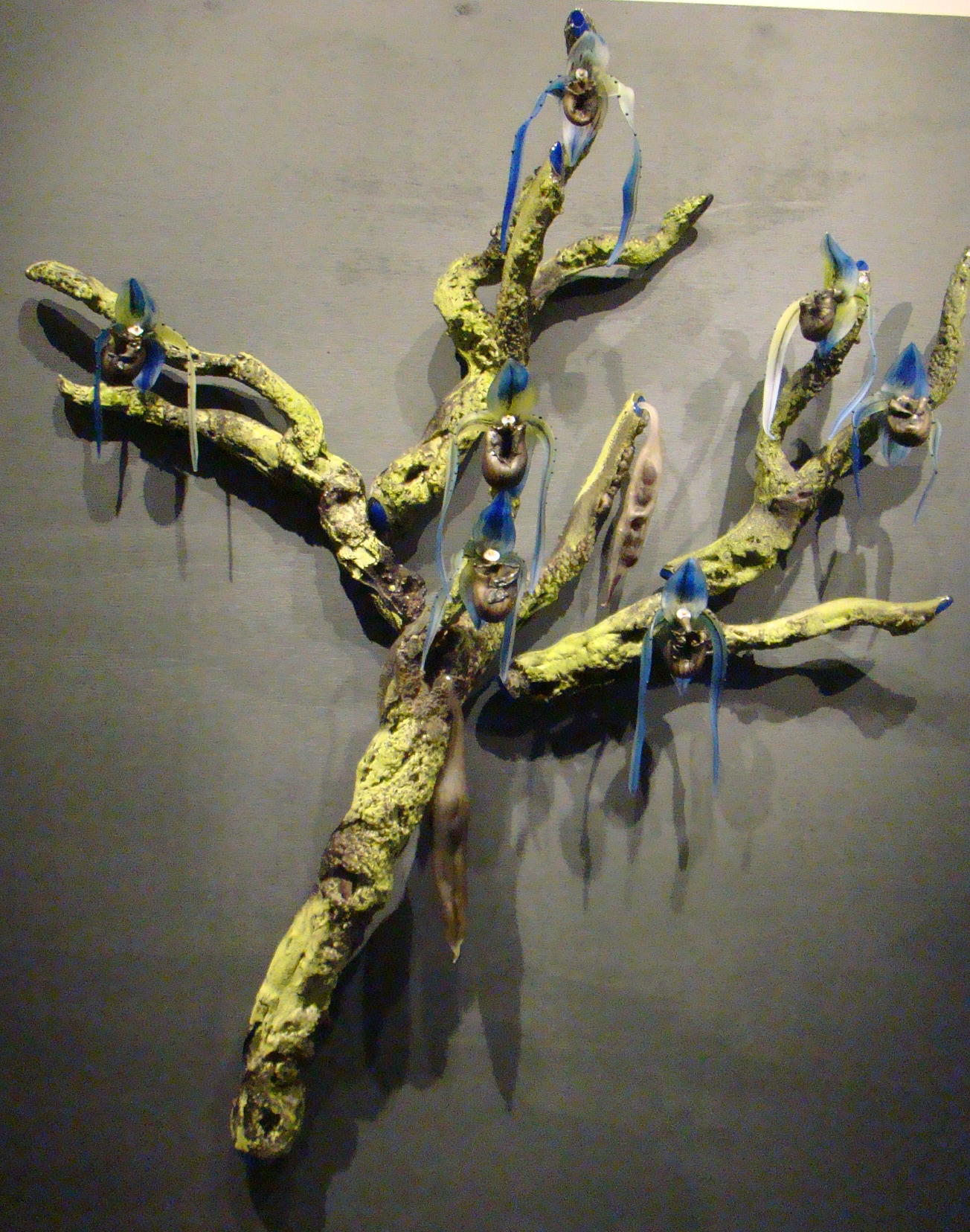
An added attraction was the beautiful blown glass art work by Debora Moore, Collectanea Botanica – Orchidaceae, showing her interpretations of orchids in blown glass sculptures. The Blue Orchid Tree, a beautiful Moore creation, is featured just inside the Cardinal Health Gallery. Debora feels that her work is a figment of her imagination combining the real qualities of the orchid with what she sees in her mind. This glass artist was a student and later an instructor at the Pitchuck Glass School, which was founded by Dale Chihuly whose work is also featured throughout the conservatory on a permanent basis.
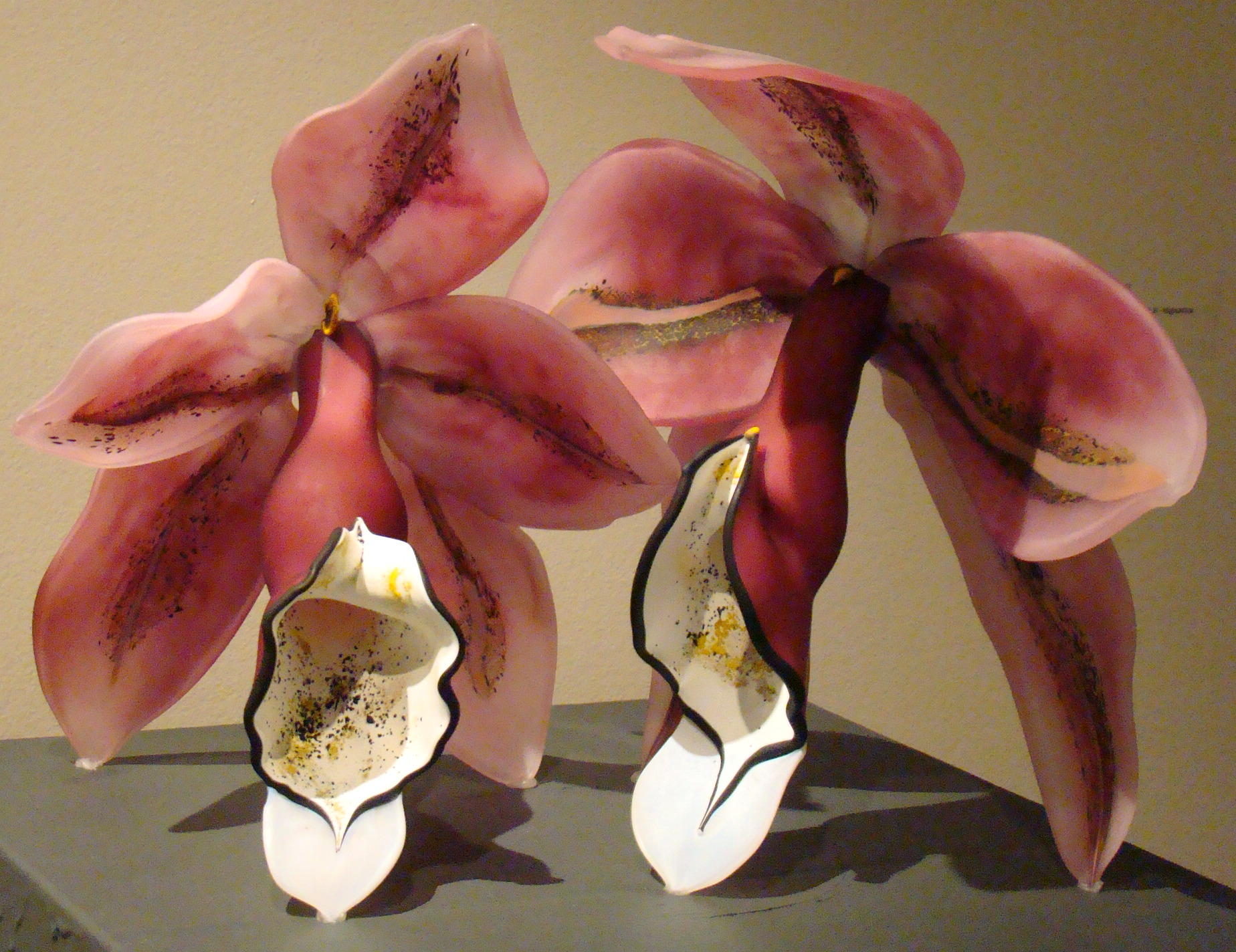
My favorite artistic display was the large Pink Glass Orchid. Nature has always been Debora’s inspiration as she uses the medium of glass to express the grandeur and fragility of the natural world. She constantly learns and combines new methods with traditional glassblowing techniques to create her masterpieces.

Today, orchids are the top house plant with 25,000 varieties available. Symbolizing rare and delicate beauty, the orchid is an alluring and captivating plant to enjoy in your home. Franklin Conservatory is one of those places you can visit again and again, as they have featured shows throughout the year as well as an outdoor garden that blooms seasonally.

Walt Whitman wrote,”Give me a garden of flowers where I can walk undisturbed.” This is one of those special places that answers that request.

Franklin Park Conservatory can easily be reached off I-70 as it passes through Columbus, Ohio. Exit on 315 North and quickly you will make another exit onto Route 40 where you will turn right.  You are almost there as just a few blocks through the city, you will find Franklin Park on the right hand side.
Cambridge Lions Go Hollywood

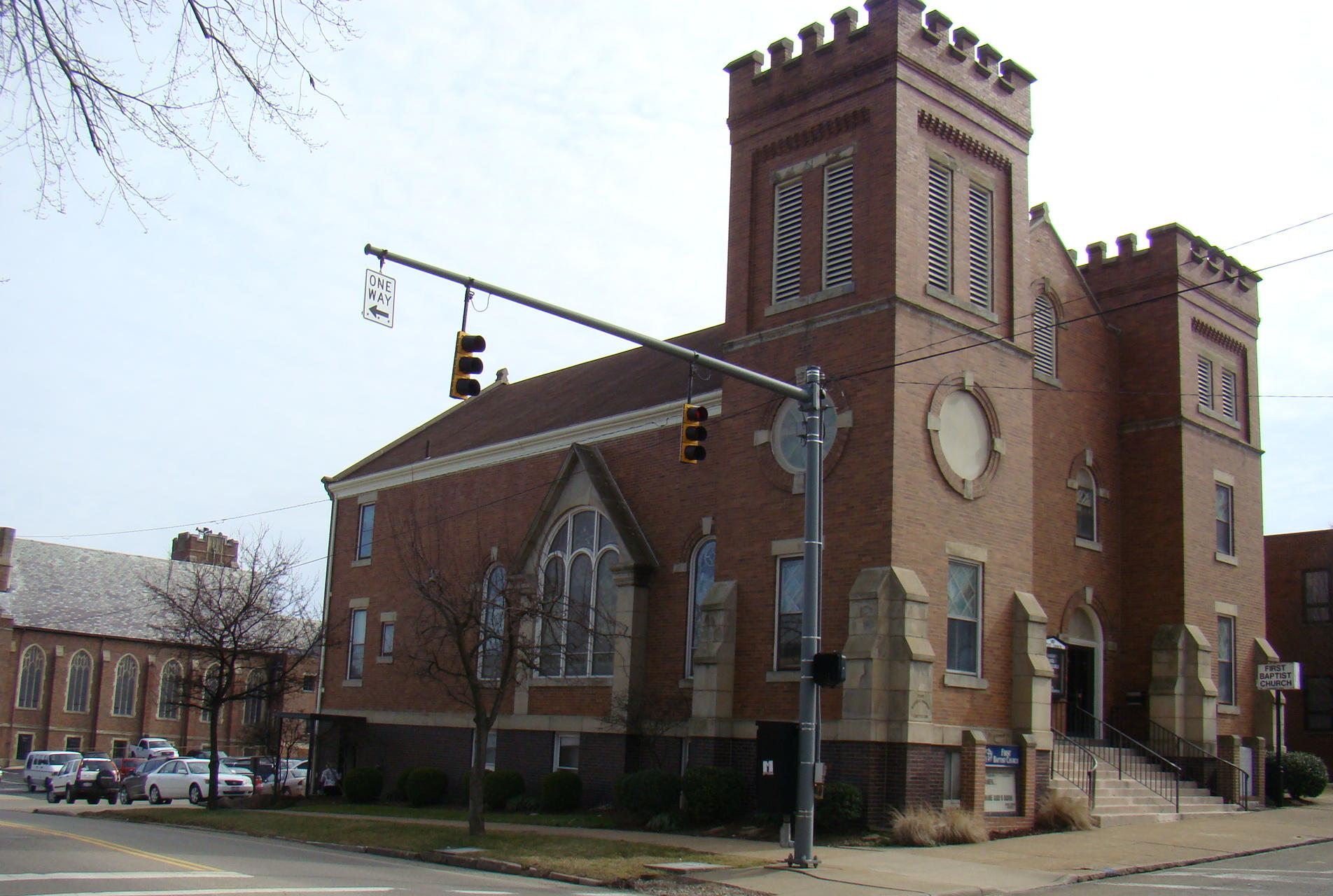
“Don’t You Hear Those Lions Roar?” as you pass the First Baptist Church in Cambridge, Ohio on a Sunday afternoon January through March. The parking lot is not filled with people attending a church event, but those practicing for the 39th Annual Cambridge Lions Club Music & Comedy  Show.

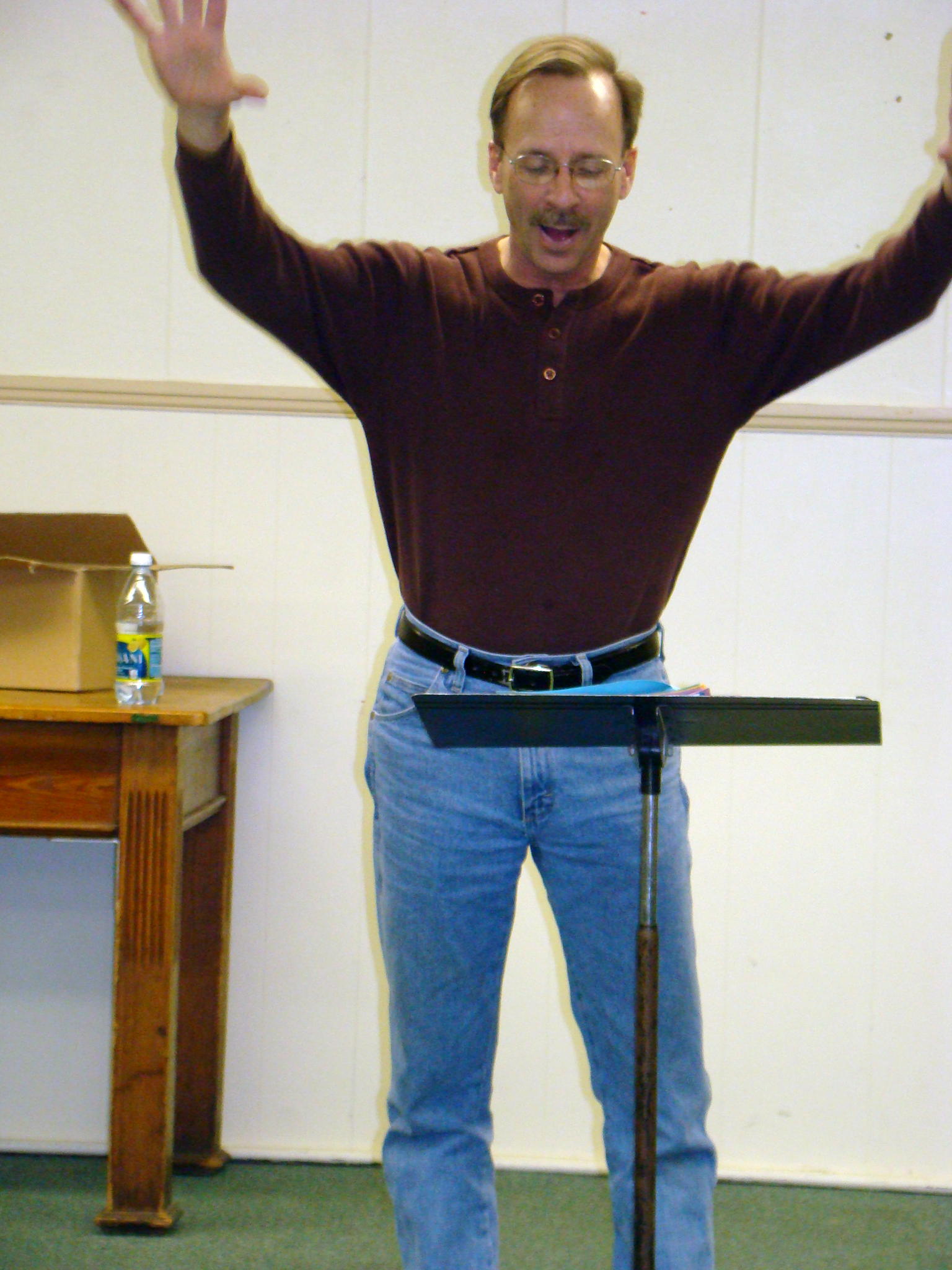
This year’s theme of “Cambridge Lions Go Hollywood” offers a wide selection of favorite songs ranging from the slow and mellow to those with vim and vigor.  While the songs are familiar, the arrangements may not be, as they were specially designed for this show by local well known musician and director of the show, Paul Hudson.

Paul has recently retired as Band Director from John Glenn High School and is active down many musical avenues including being percussionist in the Southeastern Ohio Symphony Orchestra.  “You Can’t Stop the Beat” when Paul is able to get everyone on the same musical wave. Frequently he tells the chorus members things like : “You have to know the words,” or “Listen to Tom play the melody.” Know he is hoping that after ten weeks of practice, the words will all be memorized and the rhythms will be somewhat correct.

Once the chorus has practiced for a few weeks, Lion Troy Simmons arrives to record the practice session using microphones over each vocal area to pick up the parts clearly. Then he makes a CD for each member so they can practice along with it during the week. So if you see someone singing while driving down the road and tapping out rhythms on their steering wheel, it very likely could be a Lions Club chorus member trying to learn all the words and parts correctly.

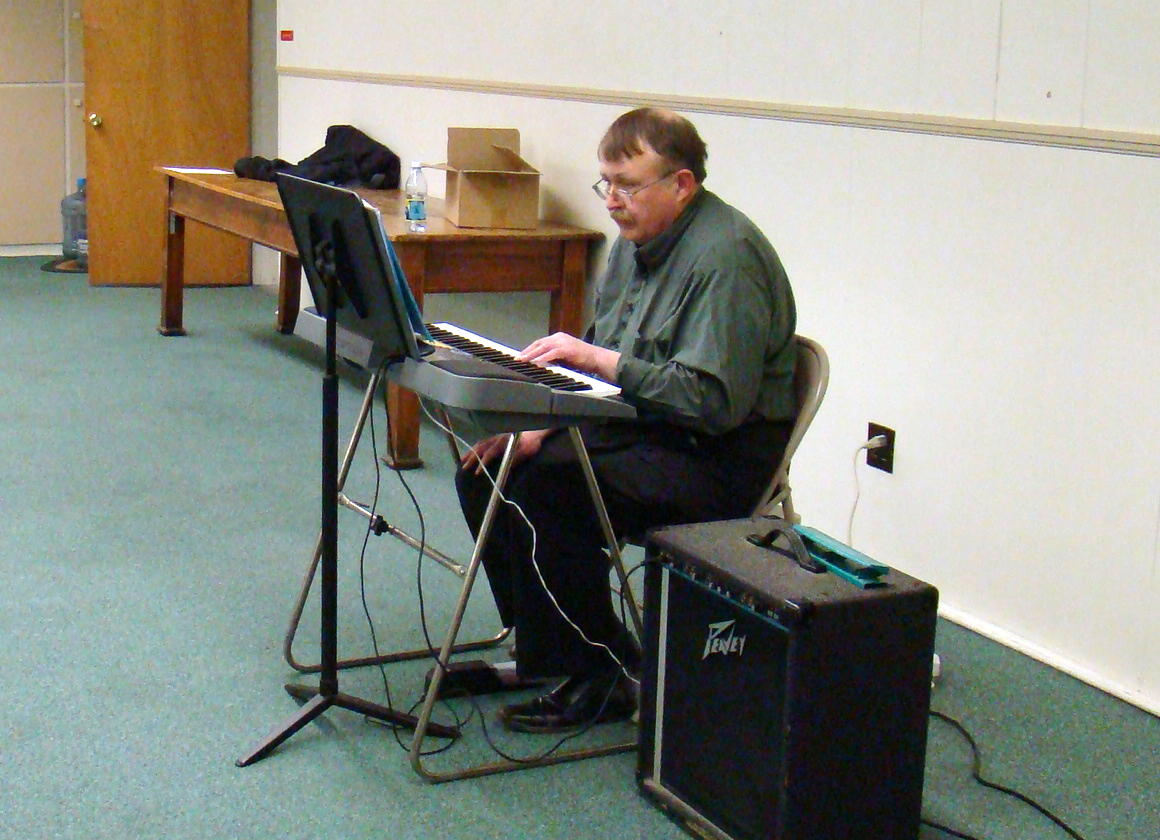
A big part of the success of the show also goes to accompanist Tom Apel, who appears in the local area at the piano wherever and whenever needed . Tom attends every practice and patiently plays the parts over and over again. Sometimes it seems he could use four hands! As it gets closer to show time, Tom will be joined by some other local musicians, who are part of the Lions’ Music & Comedy Show Band.

Being associated with the Lions Club, you can be certain that after practice, chorus members will say, “I’ve Had the Time of My Life.”  Lions Club members seem to have an extra dose of humor in everything they do.  Of course, this show is more than fun as the main purpose of these Knights for Sight is to raise money to help those in the area who need some assistance in paying for eyeglasses and eye care.

Make plans to attend “Cambridge Lions Go Hollywood” on March 29, 30, or 31 at the Scottish Rite Auditorium in downtown Cambridge, Ohio for an evening of fun entertainment as well as contributing to a great cause. Tickets may be purchased online at www.cambridgelions.com or at Country Bits & Pieces. Tickets are $8 on Thursday evening or $10 on Friday or Saturday. All shows begin at 7:30.

Members will definitely tell you “There’s No Business Like Show Business” as they prepare for the 2012 “Cambridge Lions Go Hollywood.”  Let’s go on with the show!

Coming to the show from out of town? From I-70 take Exit 178 at SR 209. Proceed west on 209 /Southgate Road until you arrive downtown at the Courthouse. Make a right hand turn and two traffic lights later you are in front of the Scottish Rite Auditorium at the corner of Wheeling Avenue and 10th Street.  It is across from the Cambridge Post Office. Coming from I-77, take Exit 180B, which is US 40 West. After approximately one mile, you will arrive in downtown Cambridge. At the corner of Wheeling Avenue and 10th Street, you will find the Scottish Rite Auditorium. Hope to see you there!

Ghosts – Believer or Skeptic

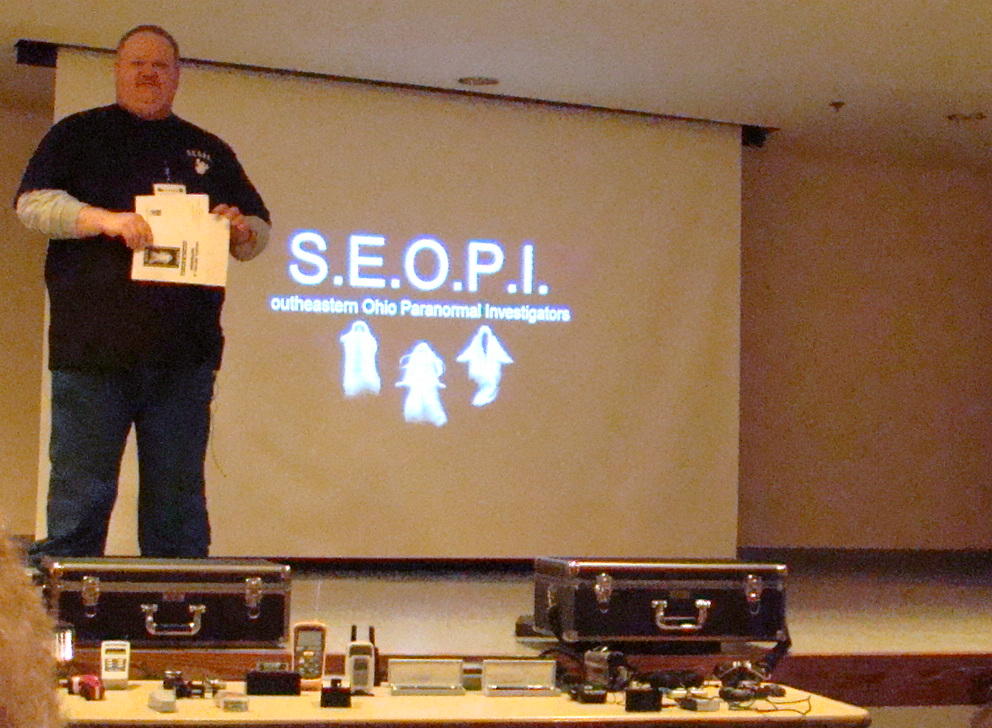
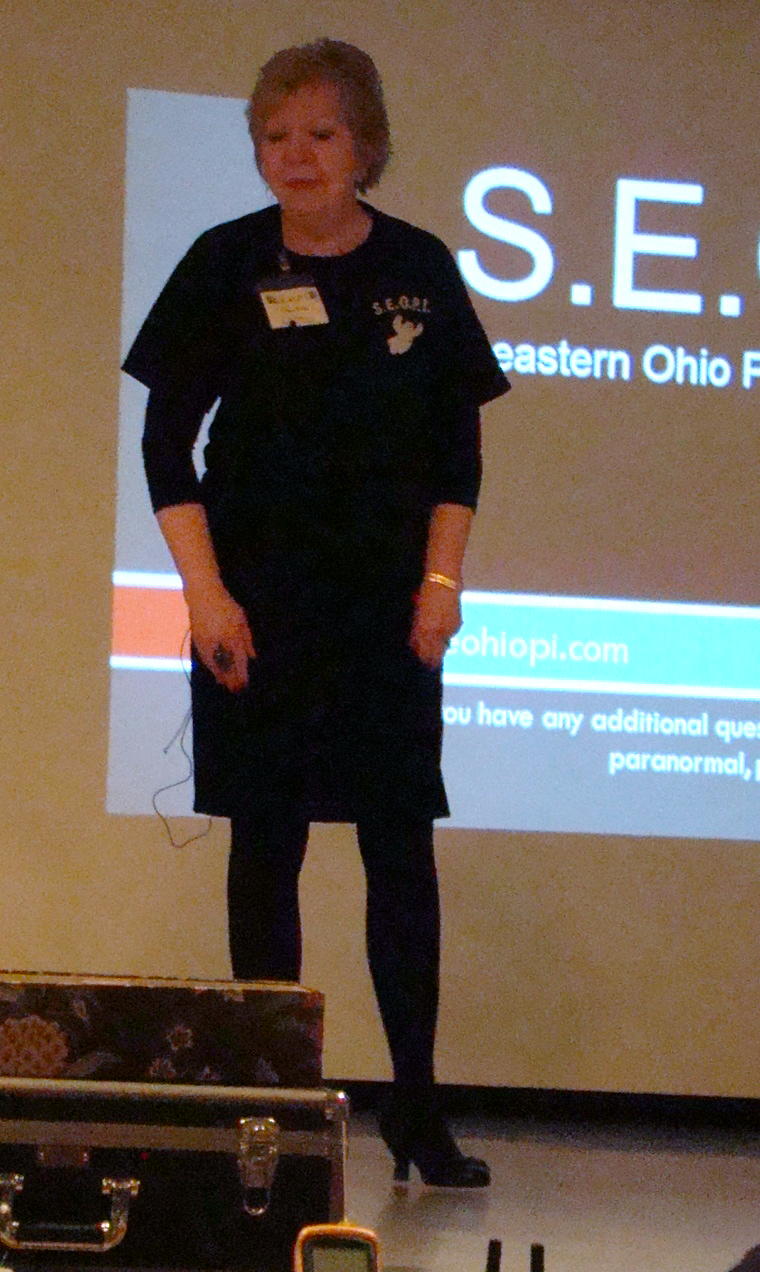
Caution Ghost Crossing! could easily be a sign encountered quite often by members of the Southeastern Ohio Paranormal Investigators.   And on a Saturday in February, ghost hunting appeared to be a very popular subject as the auditorium at the John McIntire Library in Zanesville, Ohio was packed with adults seeking to learn more about ghosts. While the curious were gathering, videos of ghost hunts were being shown to whet the appetite. Members of the S.E.O.P.I. were on hand to give information about the technical aspect of ghost hunting, historic research involved, as well as psychic and metaphysical connections.

Started four years ago, the S.E.O.P.I. has become a popular source for people who feel they have a ghost on  their property, and even for those wanting help getting their ghosts to move on. Tom Robson, lead investigator, said that while they continue to explore all possibilities, “There can’t be an expert in a field with no scientific evidence.” As a youngster, Tom had an experience with the paranormal as well as a deep interest in history. Now he has discovered how  the two seem to be closely connected. What started out to be just a part time hobby for him has nearly turned into a full time job.

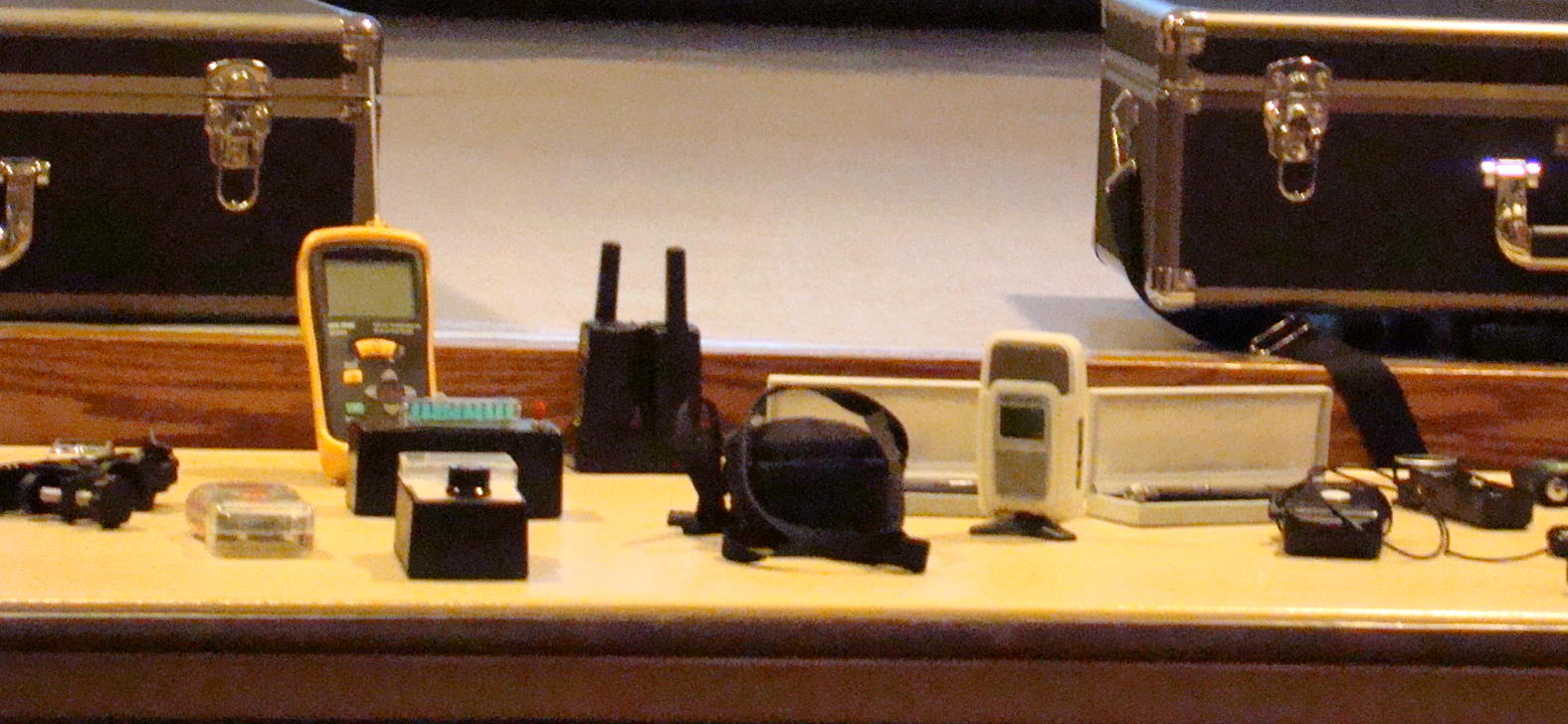
The evidence that has been captured is 90% on audio and only 10% on video. There was a nice display of the instruments used to capture the sounds and pictures at the various haunted establishments. Some of their favorite instruments included: the Olympus digital audio recorder, Zoom H1 microphone, and Zoom H2, which was so powerful they said you could hear raindrops three rooms away.

For example, during an Electronic Voice Phenomena (EVP) session on the Triangular Field in Gettysburg, questions were asked of a spirit and there were many responses recorded that were easily understood.  Responses were short such as : “Right”, “OK”, or  “I know”. When leaving the field, the team said, “Blessings to all,” to which a voice answered, “Thank you.” The recording equipment produces some very interesting results.

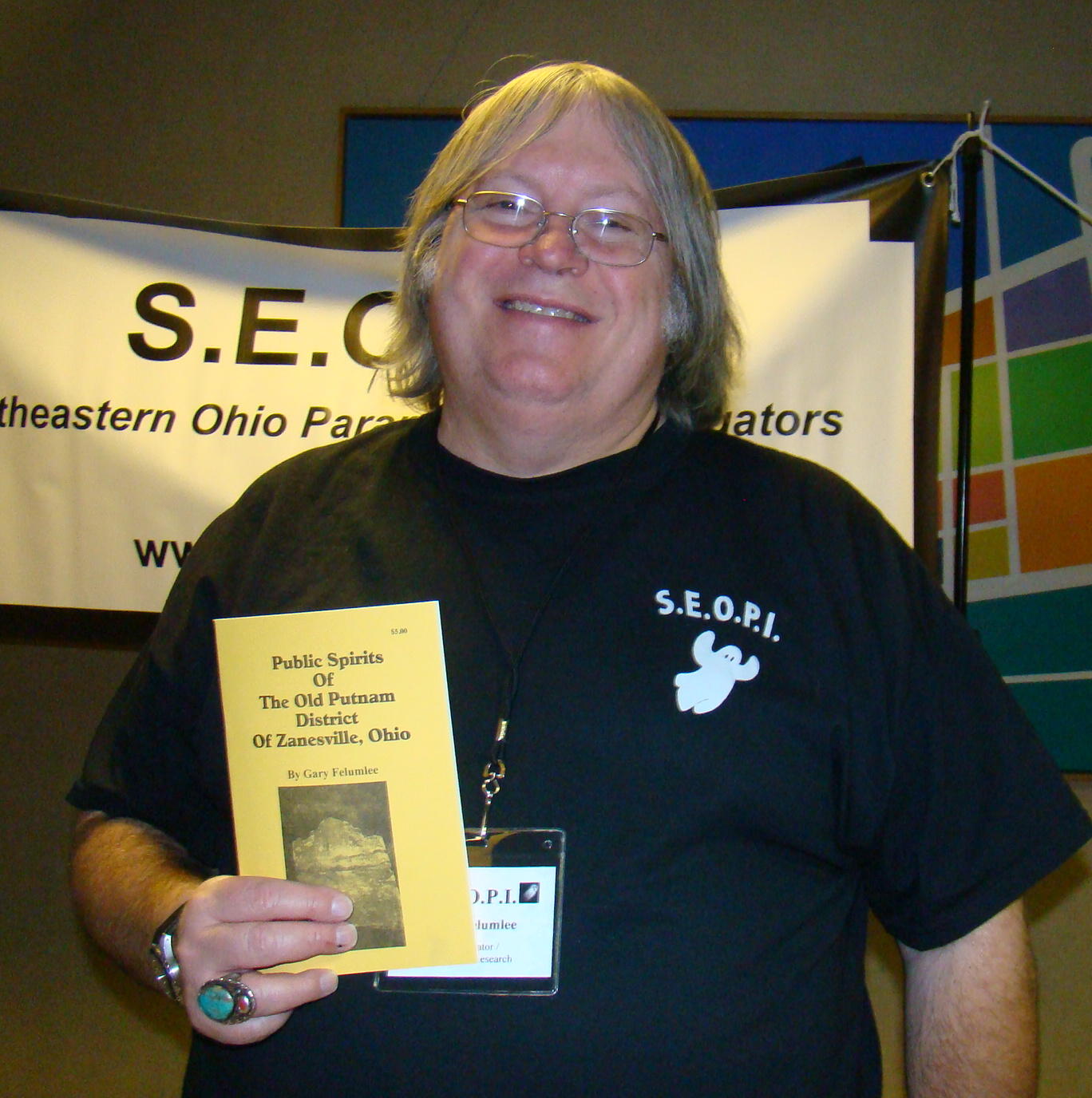
Historian, Gary Felumlee, presented paranormal research tips, because knowing the time period you are dealing with could be vital for a successful communication. His goal is eventually to show by scientific means that the unusual activity is from the spirit world. Gary recently wrote about one of these historic paranormal experiences in a book entitled Public Spirits Of The Old Putnam District Of Zanesville Ohio.

An interesting observation that Gary pointed out was the fact that you need to introduce yourself to the ghost. That will make them more comfortable and more likely to stay in the vicinity and if you are lucky even answer your questions. So he suggested that you say something like, “My name is ***** and I’m here to learn about you.”

The metaphysical side of investigations was also covered with April Lovejoy explaining the world of crystals and meditation. Often team members wear particular crystals as protective devices from the spirits.  She actually had the entire audience practice five minutes of meditation to learn to focus their mind in one place.  This helps, too, when on a paranormal investigation as it permits the team a close connection to the place they are visiting.

Well know psychic, Ellen Bone, described an actual investigation where through psychic connection they were able to find the location of the spirit and release it from the residence. Ellen’s natural intuitive qualities were always encouraged by her family where psychic activities were accepted as part of the norm. She believes we are all connected, and does her work with honesty and kindness.

Evidence was shared through recordings, photos, and videos. It was surprising how many establishments in the area have had some paranormal activity. They presented information on several places where the S.E.O.P.I. team had been welcomed to investigate. These included many places right here in Ohio: Penny Court, Col. Taylor Bed & Breakfast, and Cambridge Performing Arts Centre in Cambridge; Zak’s Restaurant, Papa Chuck’s Pizza, Zanesville Community Theater, Stone Academy, and Schultz Mansion in Zanesville; Licking County Jail in Newark; and The Captain’s House in Dresden, just to name a few.

Door prizes, including gift certificates, tee shirts, books, and pictures were given out throughout the program. To make the prizes extra special, all were donated by businesses where paranormal activity has been a frequent occurrence.

What do you think? Have you encountered any ghostly experiences in your world? Time to decide: Believer or Skeptic!

Southeastern Ohio Paranormal Investigators are a select group of researchers from many walks of life. The group is based in Zanesville, Ohio and assists residents and businesses that encounter suspected paranormal activities.

Hoping to Strike Gold in Venice

Everyone has their dreams, and the only thing that can keep you from fulfilling your dreams is you. David Turrill, faculty member at Muskingum University, found one special dream fulfilled on a recent trip abroad.

Quite often you don’t have to go as far from home as David did to find interesting and unusual activities. At the Muskingum University Library, each month they present Author Talks with campus and local authors describing their writing experiences. David’s talk centered around musical research in the archives of Bologna, Italy.

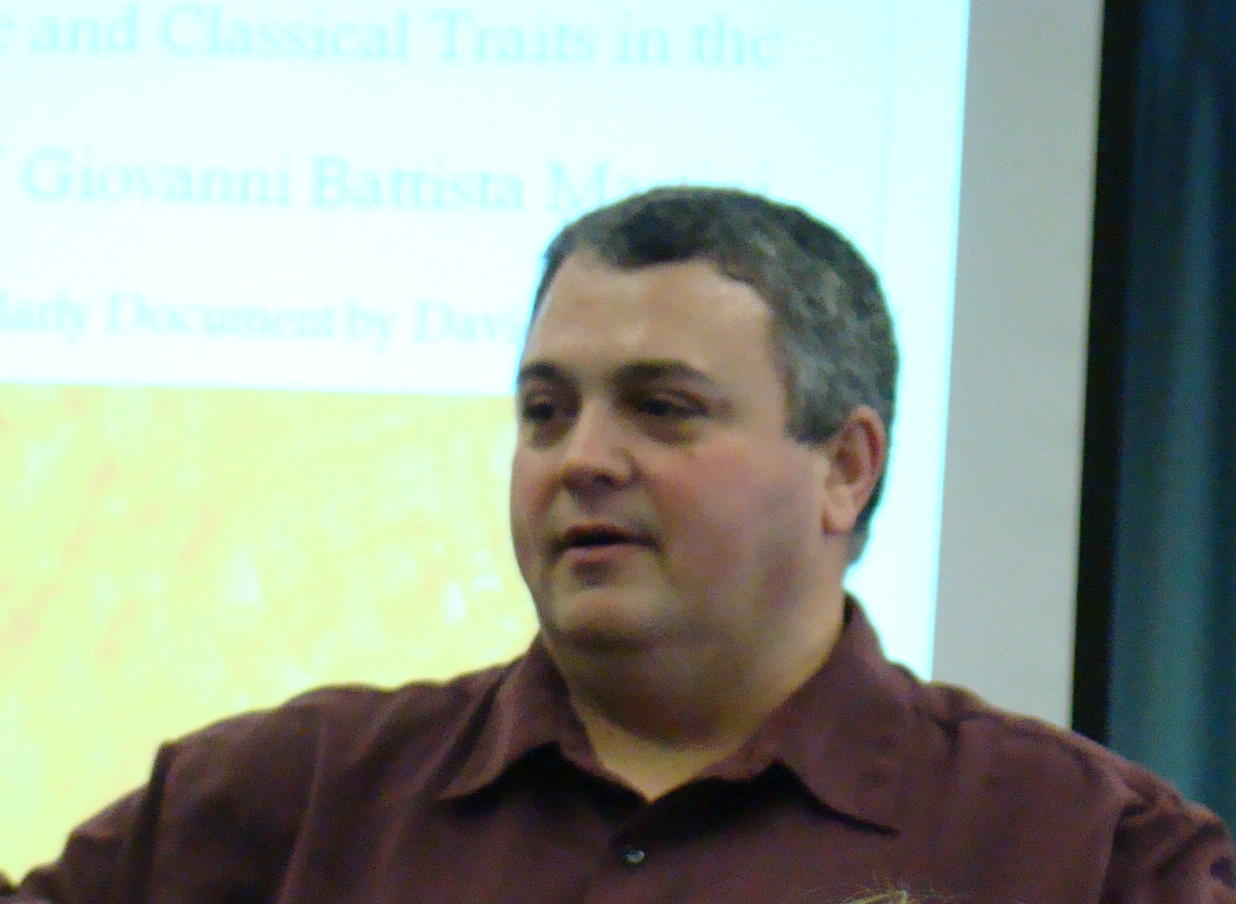
As conductor of the Muskingum University Wind Ensemble, Muskingum University Band, and Muskingum Valley Symphonic Winds plus teacher of trumpet and music education, David Turrill breathes music most of his waking hours.  His special interest exists in the Baroque period from 1600-1750.  So when it came time to select a topic for his doctoral presentation, David decided to study Giovanni Battista Martini and his passion for the Baroque trumpet.

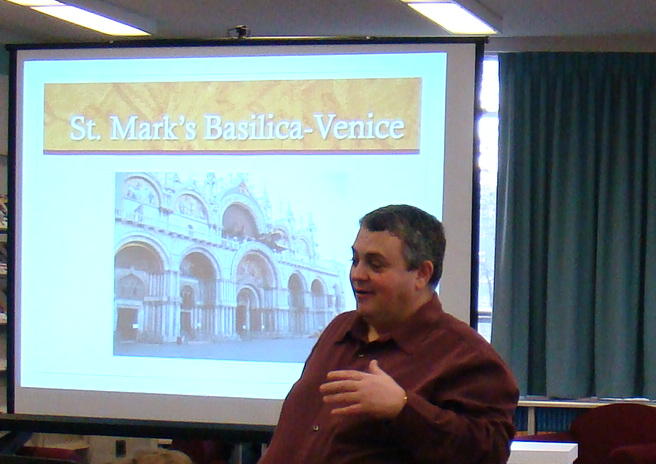
Starting at the Natural Trumpet Making Workshop in Indiana, David and other participants assembled, pounded, and polished their original Baroque Trumpet, synonymous with Natural Trumpet. David said this was not an easy task for him as he wasn’t really very good at working with his hands. By using a slide presentation at the library, he was able to explain the day to day process. When completed, those trumpets each had a slightly different sound depending on how they were pounded out, and also on who was playing them.

His relaxed manner had the audience laughing at his musical jokes and asking questions throughout.  He did play a selection on the Baroque Trumpet, which is very specialized and can only play in certain compositions. One of his students played a traditional trumpet to display differences. Since there are no valves on the Baroque trumpet, the mouthpiece is very special and there are bits to change keys.  David smilingly said, “Wrong notes are easier to come by!”

Many of the participants spent hours creating a glossy shine on their instruments, but David said he wanted his to look like it was played in the 1700’s so he didn’t spend time shining. Or maybe he wanted to explore other things?

Next stop, Germany, where he visited the Baroque Trumpet Shop featuring Egger trumpets, which David said were the Rolls-Royce of Trumpets.  This was just a short stop on his way to Bologna, Italy where he did his research on Martini, who was a composer of over 1500 works as well as a teacher and historian. The Martini Library at the Conservatory of Bologna was where David spent two to three hours a day looking at 280 year old manuscripts, and trying to figure out that age old question – What was the intent of the composer?

All through his research he was hoping to strike gold and find an undiscovered composition or interesting life story. But this was not to be.  However, David did feel that he struck gold when he arrived in Venice, which had been a dream spot to visit for several years. St Mark’s Basilica seemed to be one of his favorite stops. Sometimes when we dream of something, it never quite lives up to the dream. This time however, David said Venice was “beyond my wildest dreams.”

He does hope to write dissertations and journal articles in the future regarding his travel experience, as well as sharing his knowledge of the Baroque music period. This accomplished musician needs to keep on dreaming.

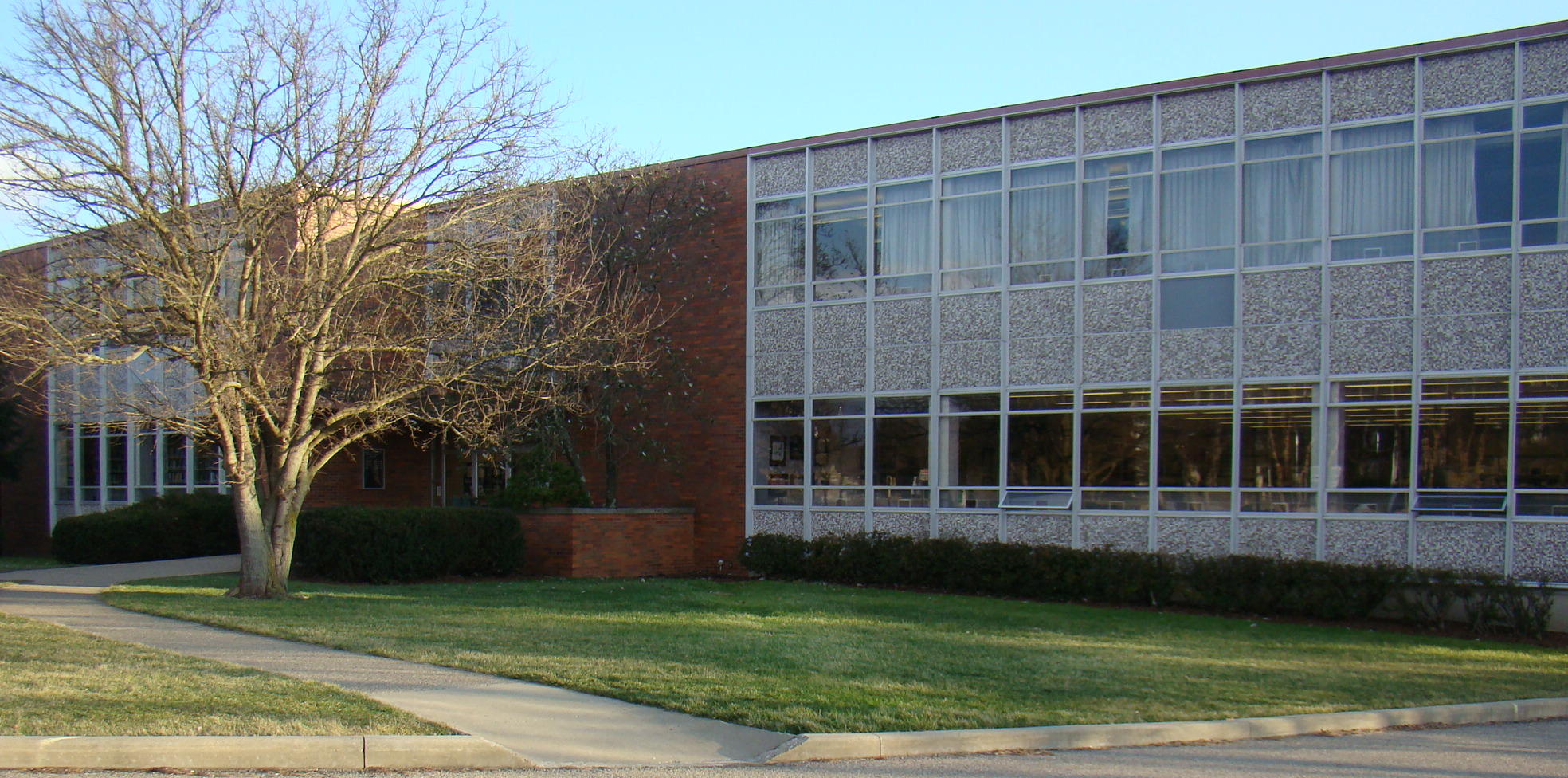
Muskingum Library is quite easy to access on the Muskingum University campus. From I-70 take Exit 169 OH 83 towards New Concord. At the traffic light turn right onto Main Street/ US 40. Turn left at the entrance gates to Muskingum University and follow the road to the top of the hill.  Turn left again and at the left end of the short street, you will find the library.  Parking is available for visitors either before you reach the library or at the side.

Dickens Victorian Village Generates Christmas Spirit

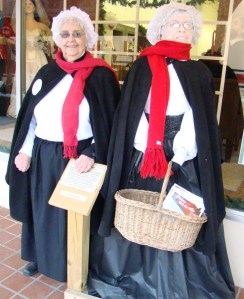
Catch the Spirit of Christmas! Step back in time and visit the Dickens Victorian Village in downtown Cambridge, Ohio from November thru January 8, 2012. As you walk the streets, you will be greeted by volunteers in Victorian dress, sometimes entertained by strolling musicians, and on the weekends can see the lighted carriages giving visitors a relaxing ride.  It is a friendly town where you feel welcome and hear ” Merry Christmas” quite often.

Nearly two hundred life sized mannequins can be found either on the main street, Wheeling Avenue, or in close by businesses and towns. Let’s meet a few of the mannequins, so you can hear their stories of how they came to be part of the Dickens experience.

“Father Christmas” was one of the first characters assembled back in 2005 when local businessman, Bob Ley and his wife Sue were inspired on a trip to Oglebay Park to bring visitors to their town for a winter vacation.  Bob and Sue discussed several ideas but the decision was finally made when Sue suggested an English Christmas theme would be a good choice. Since they lived in Cambridge with Victorian architecture, street lamps, and even benches along the street, English roots ran deep. Thus blossomed the idea of using a theme developed from Charles Dickens’ Christmas Carol. Today Father Christmas stands on the courthouse square greeting cars and buses from three directions. In his bright green cloak of Victorian times, Father Christmas typifies the spirit of good cheer at Christmastime… and you will definitely find lots of good cheer at Dickens Victorian Village.

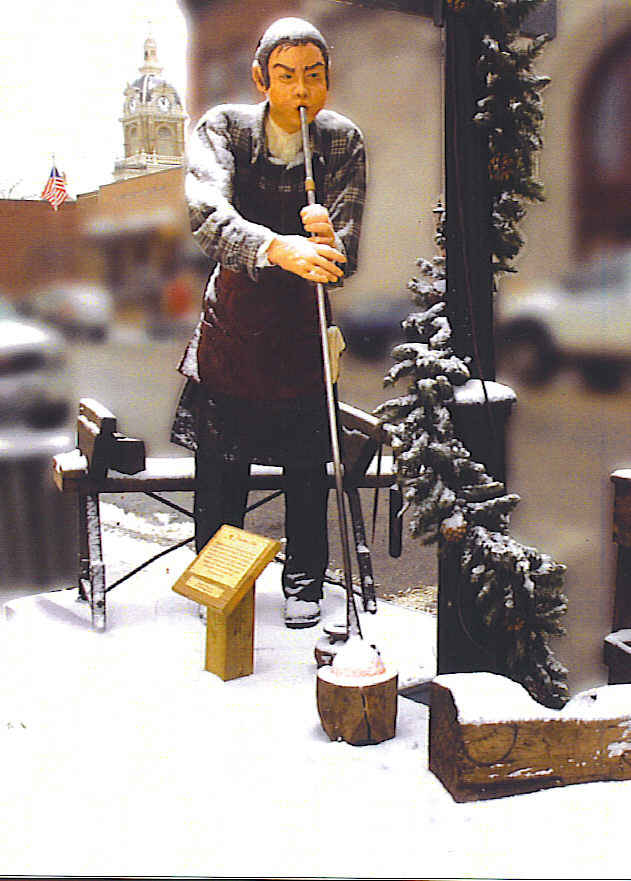
“Glass Blower at Work” symbolizes the rich heritage in the Cambridge area of artisans who produced quality hand made glass and is a special favorite since my father was a glass blower at Cambridge Glass Co. This was a major employer in the area from 1902-1958 and their glassware is a collector’s item today. A frequent bus stop during tours of the city includes the National Museum of Cambridge Glass where you can still see samples of the beautiful etchings and unique designs, which made these glass creations very fashionable to use for a special occasion. Today descendants of former Cambridge Glass workers still have a few small shops in the area. Boyd Crystal Art Glass, Mosser Glass, and Variety Glass all continue to produce handmade pieces today.

The ShopkeeperYe Olde Curiosity Shoppe is headquarters of Dickens Welcome Center and here you are greeted by “The Shopkeeper,” and quite often beside her you will find the lady who it was created to resemble after she won the first Picture Your Face Raffle. Visitors sometimes say, “Is she real, or is she a mannequin?” Raffle tickets are sold each year and the winners become mannequins in the future.   The Welcome Center’s Imagination Station provides an opportunity for visitors to try on Victorian wear. Then they can have their pictures taken with the beautiful Christmas tree, Charles Dickens, or the new addition this year of the Duke and Duchess of Cambridge mannequins, which resemble Prince William and Kate. This is fun for young and old alike. Here you will also find many unusual Christmas gifts and ideas.

Not all of the mannequins are downtown. In neighboring Byesville, the “Coal Miners” can be found under the station roof of the Byesville Scenic Railway. This is another popular destination with its “Spirit of Christmas” train, which follows a trail over abandoned mines. While on board, men dressed as miners tell stories of days when coal mining was king in this area.  To remember all those who worked in the mines, a statue, “Coal Miners Memorial”, is in the planning stages and will be the only statue to honor coal miners in the state of Ohio. The mines are out of sight, the tipples gone, but the miners are still in the minds and hearts of families and friends.

When evening falls, everyone heads to the Cambridge Courthouse for a spectacular light show. Christmas music and the movement of the lights on the courthouse are synchronized perfectly and enjoyed by all. The display is computer controlled with 60,000 lights and 364 electrical circuits. Four different light shows entertain the packed courthouse square with traditional Christmas songs as well as children’s and contemporary. Add a little snow and it’s a perfect evening!

Introductions have been made to a few mannequins just to get your curiosity aroused, but you need to tour the area to see which one might be your favorite. Dickens Victorian Village welcomes individuals and tour buses to experience the special feeling of Christmas that lives in downtown Cambridge, Ohio.

As one recent visitor remarked, “If you don’t have the Spirit of Christmas when you come here, you certainly should have it when you leave.”

Dickens Victorian Village is located in downtown Cambridge, Ohio, which is just northwest of the intersection of I-70 and I-77. Come spend the day or stay the night, and catch the Spirit of Christmas.

Ghost Trek Stories in Hidden Marietta, Ohio

0oOOOoo! ooOOOoo! As the Ghost Lady leads a large group through downtown Marietta, Ohio, stories of ghosts are told on nearly every street. This is an old town with many restless spirits left over from the past.

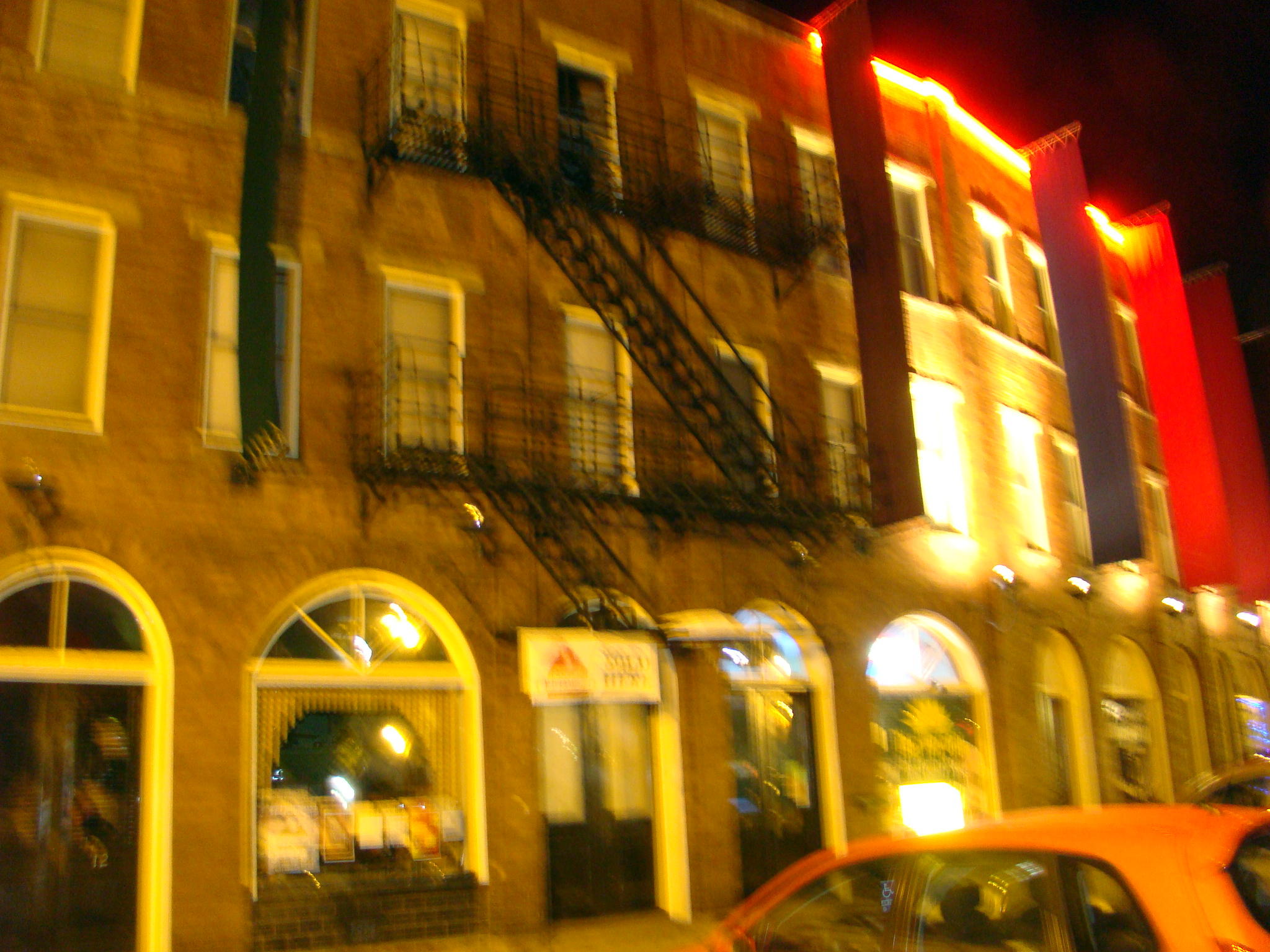
Ghost Trek is a two hour walking tour of historic and haunted Marietta and begins along the Ohio River on aptly named Ohio Street.  Back in the early 1800s, this was the stopping off point for many riverboats.  So naturally a bar was one of the first establishments to serve the travelers.  The first bar to open ran out of whiskey in two hours and needless to say there were inebriated men walking the street 24/7, along with pick pockets and yes, ladies of the night.

The LaBelle Hotel was a popular House of Prostitution and the building is still in existence today, called the Levee House Cafe.  A story was told of a prominent businessman, who visited one of the young ladies frequently on the second floor. He attempted to keep this  a secret, but one evening his son followed him to the hotel with an axe.

The son watched as his father ascended the steps to the second floor and then waited until the light went out in one of the rooms.  Hastily, the son walked up to the second floor, opened the door, cut off his father’s head with the axe, and ran back down the steps to the street.  Guilty?  Not by the standards of those days! He was arrested but acquitted on the basis that he was defending his family honor.

Today the people who live in this building still hear the sounds of footsteps climbing up the stairs, a time of quiet, then footsteps running down the stairs again.  This is called residual haunting as the energy released in the environment during a traumatic event may  reappear as an echo of its original form.

On to the Lafayette Hotel where the third floor seems to have lots of unsettling paranormal activity. Built in 1918, every death that has occurred in this hotel has happened on the third floor.  Guests frequently complain of personal belongings being moved around.  One man commented, ” I am a science teacher. I don’t believe in any of this stuff”… until his belongings in his room got rearranged and some came up missing.

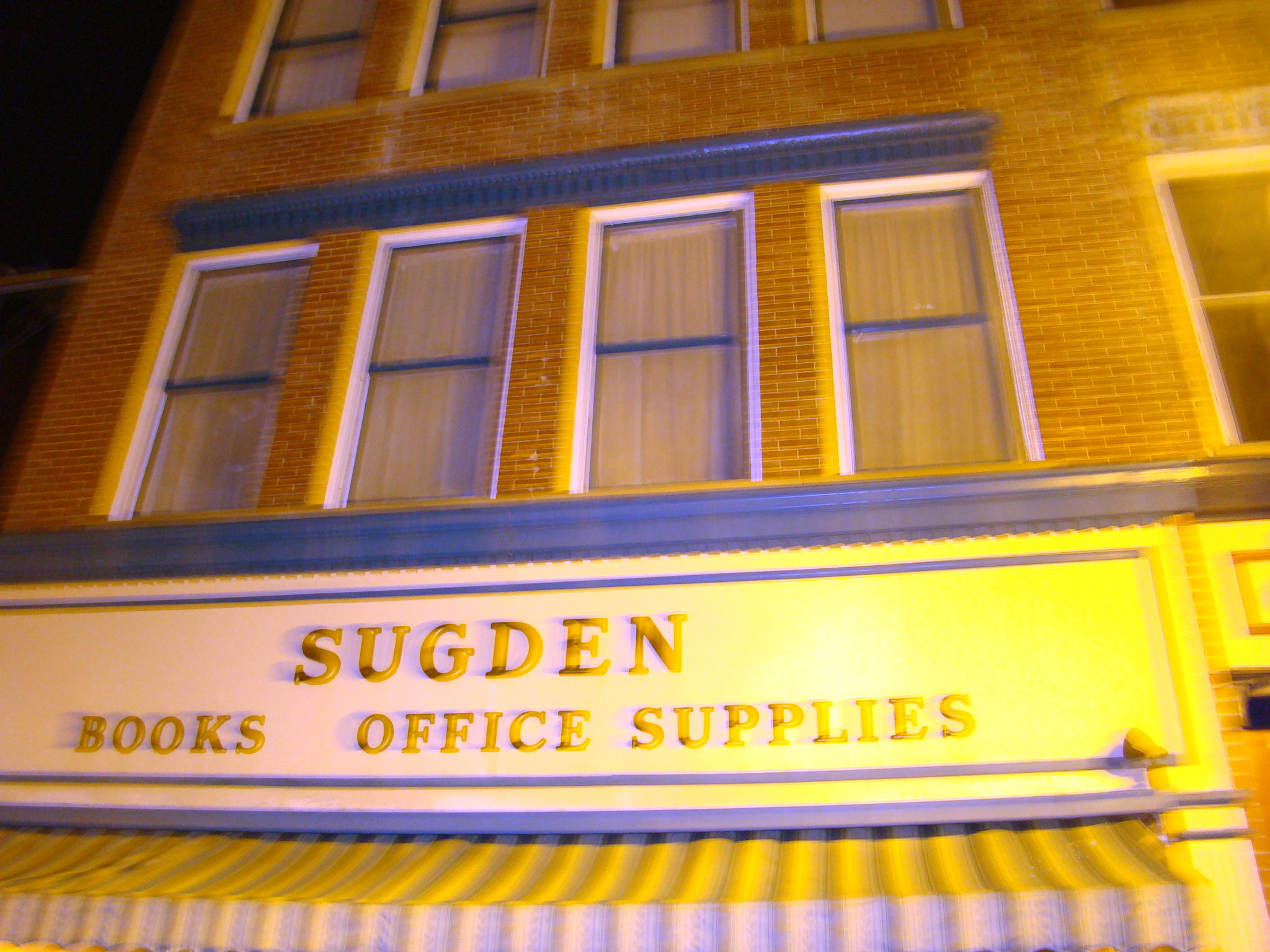
Fifty paintings of  artist James Weber (1888-1958) were brought to Sugden Book Store for an art show on the second floor. Melancholy Weber loved his art work, but was forced to run the family grocery store.  So he said that when he died he wanted all of his paintings burned.  But someone found fifty that were left behind!

After careful setup for the art show, the owners were very pleased with their findings. Next morning when they arrived to open the show, they found the table had been knocked over as well as the pictures.  On the desk was a real estate report – a deed from 1932 for James Weber’s art studio, right there on the second floor!

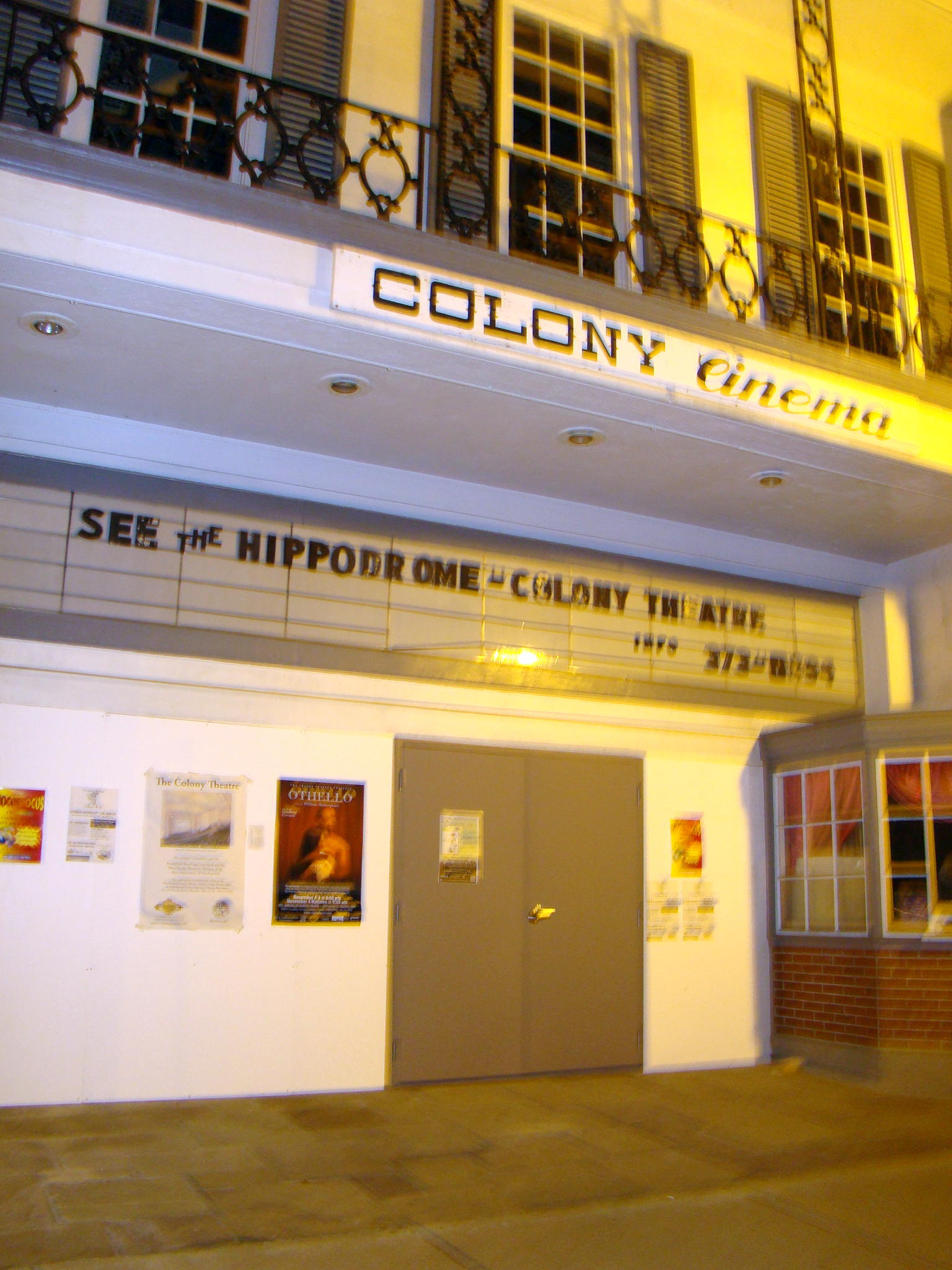
Restoration of the old Colony Cinema was seen firsthand as the group had special permission to enter the theater. Here, it is said, the ghost of the former owner, Mr. Shay,  travels via an underground passageway between the Colony Cinema and Mid Ohio Valley Players Theater across the street. Colony Cinema has been an important part of the Marietta community since 1919 when it was The Hippodrome Theater, the premiere showcase of Marietta and the surrounding area. Some of Hollywood’s biggest names, including Frank Sinatra, Judy Garland, and Boris Karloff, appeared on its stage.  Its gorgeous original asbestos fire curtain has been rediscovered and is being restored to be featured predominately in the restored Colony Cinema.

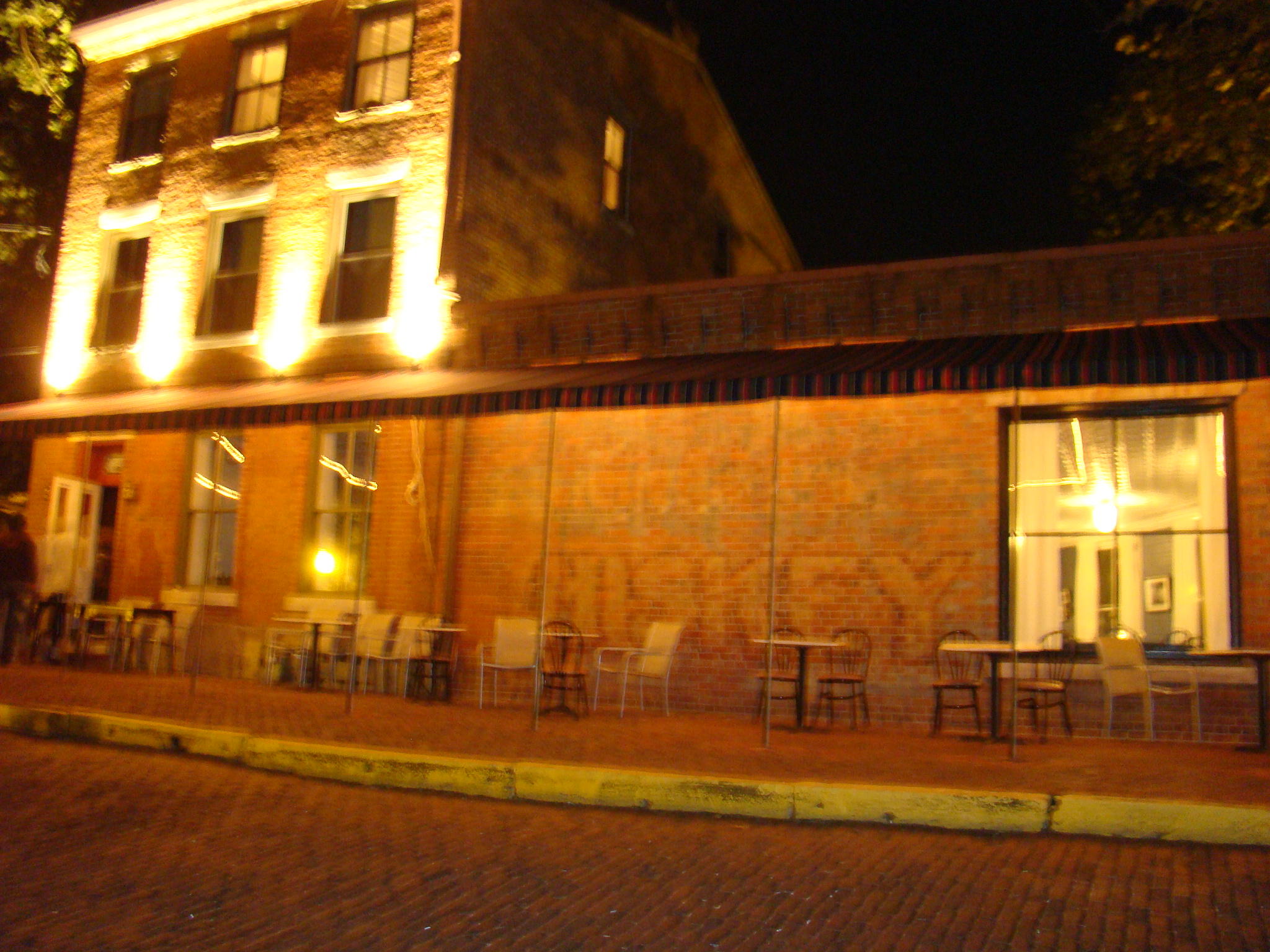
The last stop on the tour was at Tiber Way Grille, where people hear sobbing, crying, and have an edgy feeling.  They definitely feel it is haunted. Closer look at old lettering on the building perhaps gives a reason for this feeling.  It says: Chronic Diseases The Sanitorium. This twenty six room hospital was used for tuberculosis patients in the early 1900s as well as for those with extreme mental problems. Fittingly, next door was Doudna’s Funeral Services!

Nothing beats a haunted, moonlit night with ghosts of the past.

To arrive in Marietta, Ohio take Exit 1 off I 77 and head west on Route 7, Greene Street. Where the Muskingum River meets the Ohio River, you will find the old Lafayette Hotel, the starting point for the Ghost Trek. This walking tour is under the expert guidance of Lynne Sturtevant, founder of Hidden Marietta and author of several books of Marietta history.

Adena Mansion Pictures Life in Early Ohio

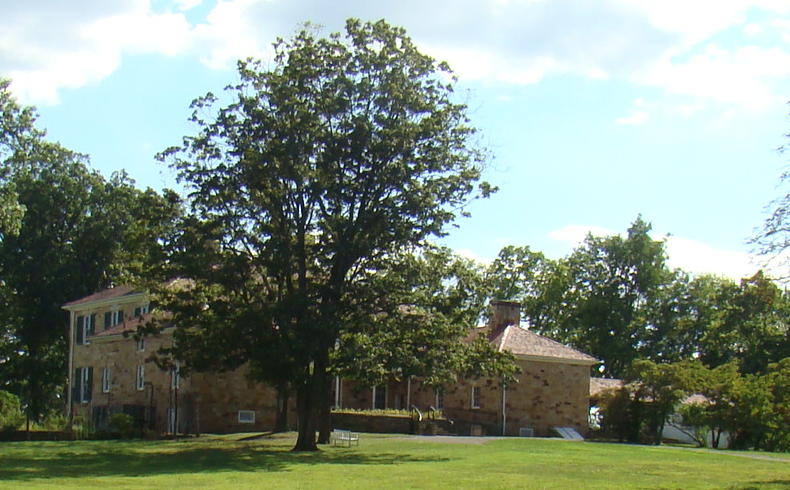
“No ghosts – not even rumors of ghosts here,” explained the guide as she began an interesting tour of the Worthington Mansion at Adena State Memorial near Chillicothe, Ohio.  Built in 1806-07, this beautiful mansion home was designed by what many consider the first American architect, Benjamin Henry Latrobe. Usually Latrobe was busy with larger projects, such as designing the United States Capitol, but as a friend of Thomas Worthington he agreed to design a beautiful home on the 2000 acre estate.

The Worthington home, Adena, was the most magnificent mansion in the area at that time, and fascinated crowds of visitors. Large panes of window glass and papered walls were novelties which especially attracted attention. The sandstone blocks for the house were all dug from a quarry on the property.

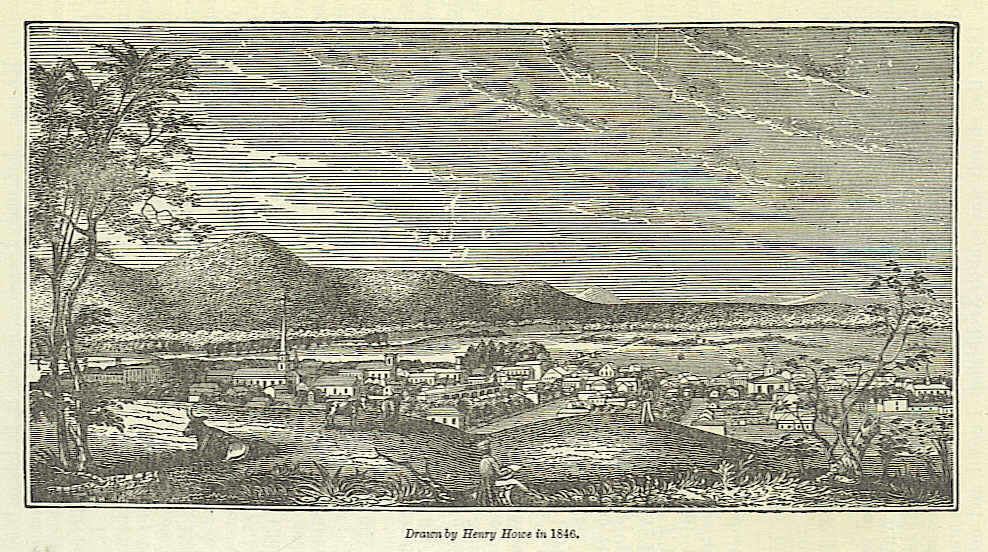
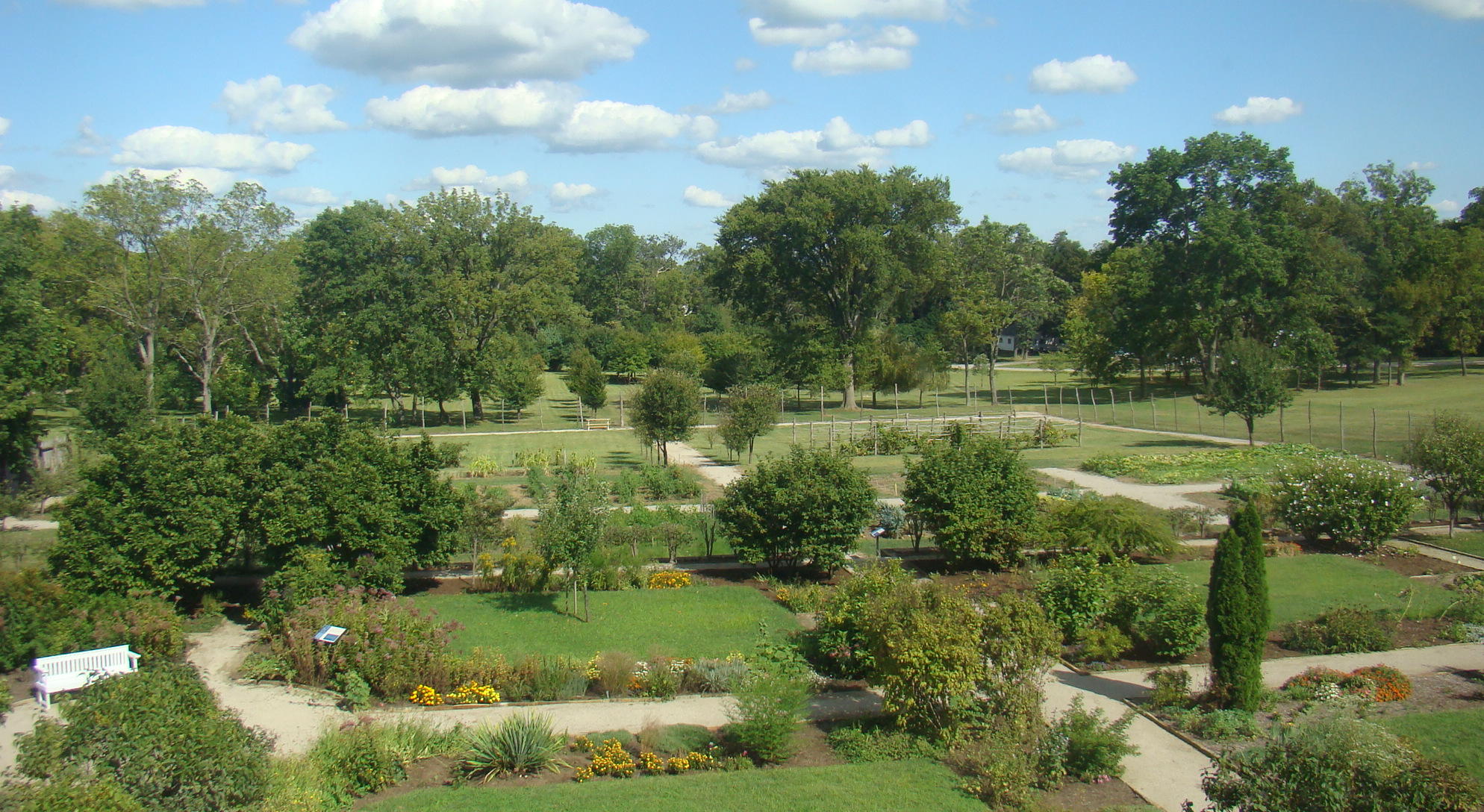
This drawing by Henry Howe in 1846 shows the beautiful garden vista at Adena that inspired the Great Seal of Ohio. Looking across the front lawn, the Scioto River flowed between the cultivated fields and Mount Logan.  On the Great Seal of Ohio, the sun displays thirteen rays of light symbolizing the thirteen colonies. In the field is a shock of wheat representing the prominent field of agriculture in the state. Nearby, resembling a shock of wheat but showing Ohio’s Indian heritage, is a sheaf of seventeen arrows proclaiming Ohio as the seventeenth state.

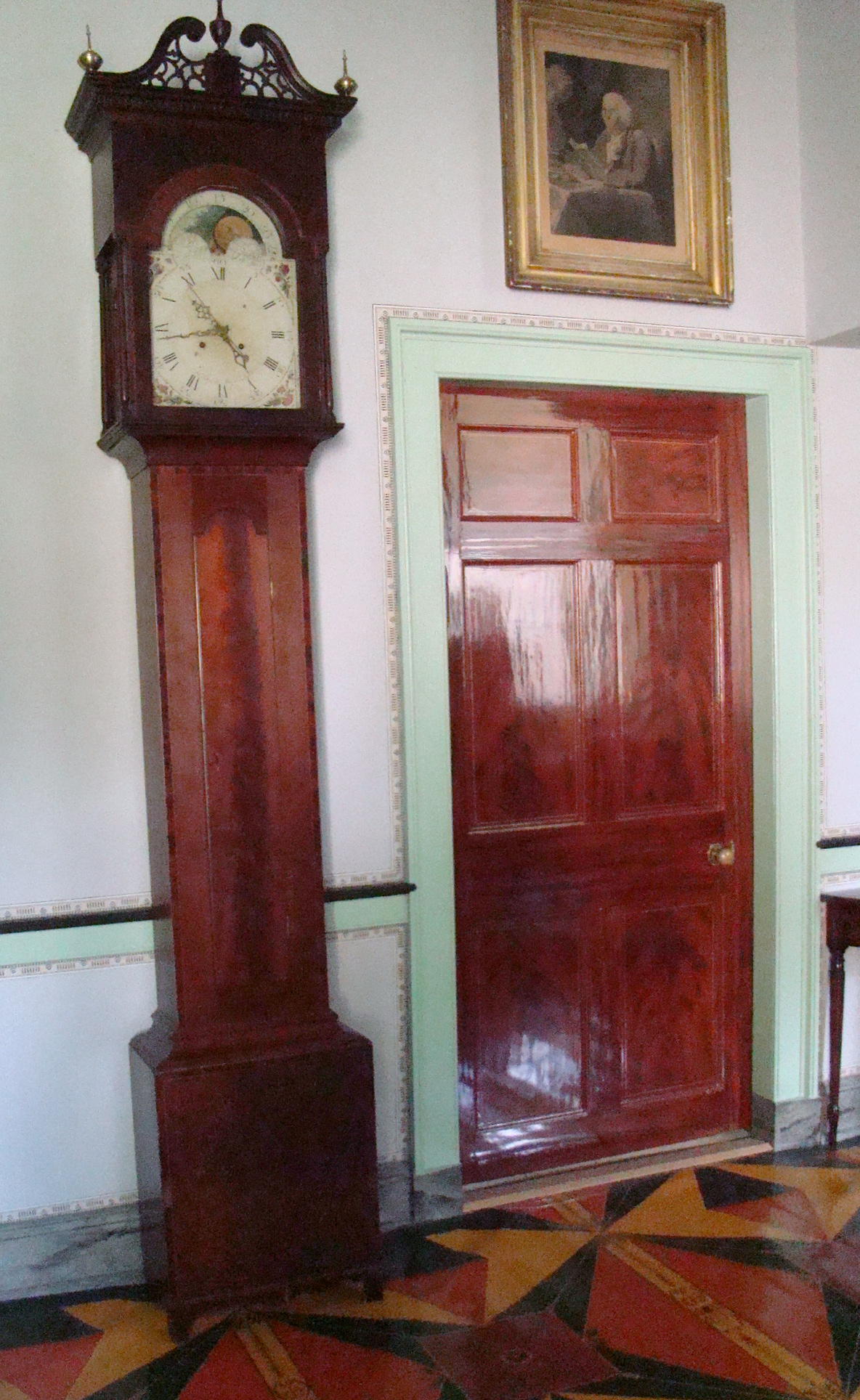
Today the house has been restored to appear much like it did during the time the Worthingtons lived there.  Much of their original furniture can still be seen. Worthingtons’ actual skeleton key was used to unlock the door to begin the tour, and felt lucky to have it in my possession for a short while. Upon entering the mansion, a beautiful large clock made by George McCormick and costing $35 at that time stands beside a beautiful staircase, which appears to be marble but was actually painted with a feather to achieve that effect. Throughout the house a shade of pink paint was used. Paint was very expensive at that time and the pink tint was achieved by crushing a special insect into the paint.

Ten children were raised in the nursery, which strangely enough had no heat. Guess they had to be strong to survive, but none of those children died.  The parents’ room was next to them and had a nice fireplace so hopefully they kept the door open. Worthington’s wife, Eleanor, taught the children in the parlor while running the household from there at the same time. On the wall was a list of Family Maxims to live by, for example: “Keep everything in its proper place, do everything in its proper time, and delay not till tomorrow what should be done today.”

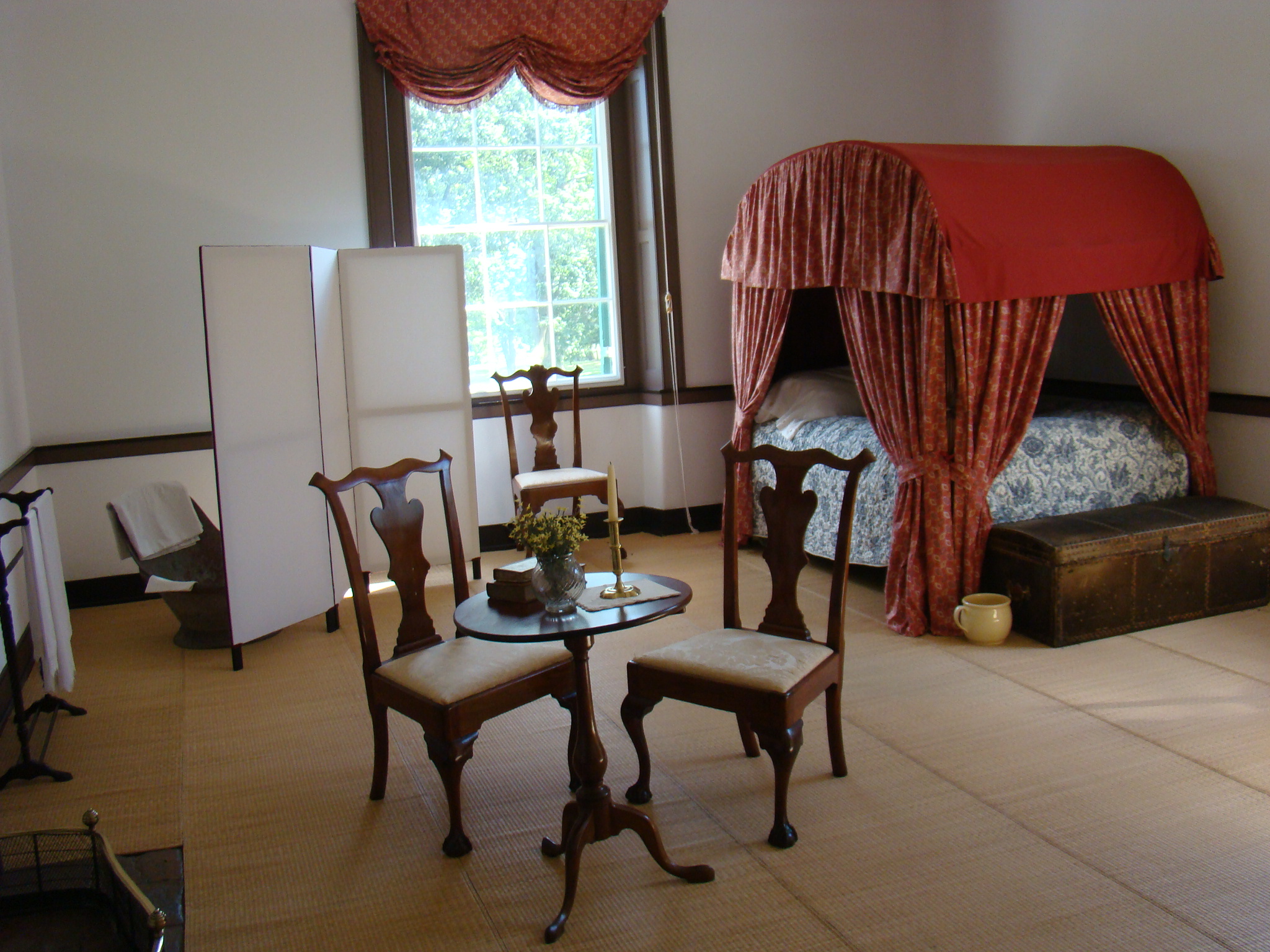
The rooms on the second floor were all bedrooms, except one which was perhaps a servant’s room, and a large dark closet where, it was told, they placed children when they misbehaved. Many famous guests stayed here including Henry Clay, General William Henry Harrison, and President James Monroe.  Of special interest was the screen on the left side, which hid from view their bathing area.

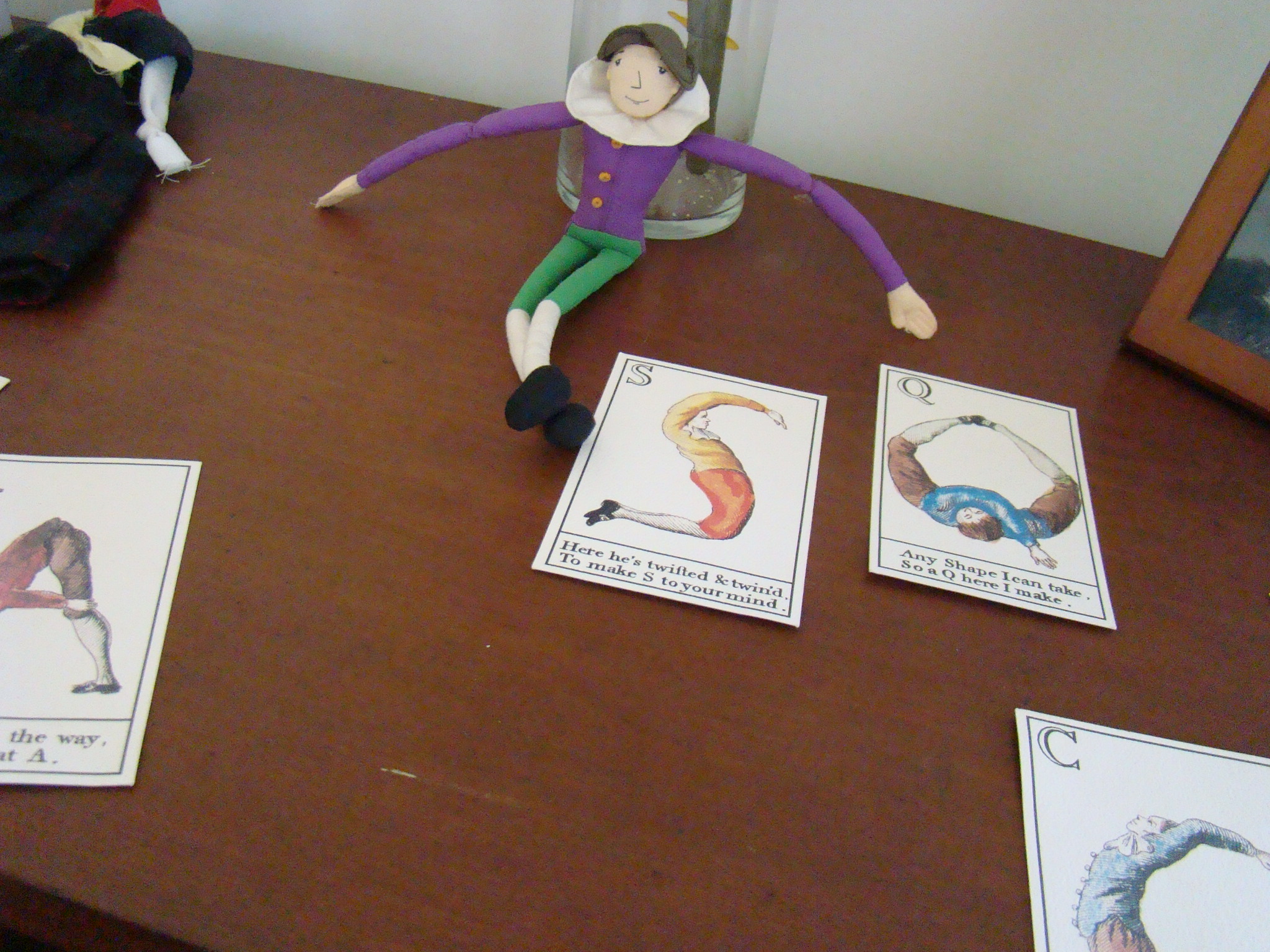
Among the  four bedrooms upstairs, there was one for the boys and another for the girls. Although there were ten children, there were seldom more than three in a room at one time. On the dresser in the girls’ room was a set of cards for learning the alphabet with a flexible Mr Hodge Podge to bend to the shape of the letters.  Guess the girls had homework even way back then. Education was very important to the Worthington family and they even thought it important to educate the girls, which was not a common occurrence in the 1800s. Imagine they took a break now and then and looked out the window at the beautiful gardens surrounding their home.

After reading a book on ancient history, on Sept. 18, 1811, Thomas Worthington wrote in his diary: “Adena” a name given to  “places remarkable for the delightfulness of their situations.”  It becomes apparent that visitors experience this same type of feeling by the smiles on their faces as they explore this beautiful mansion from years gone by.

The Adena Mansion is located Northwest of Chillicothe, Ohio just off State Route 35. Directions are well posted to the Adena State Memorial, which includes the Mansion and Gardens.  It is a short walk through the Gardens to arrive at the Mansion. Admission is reasonable but you need to check their schedule for hours opened.

Memories of a One Room School

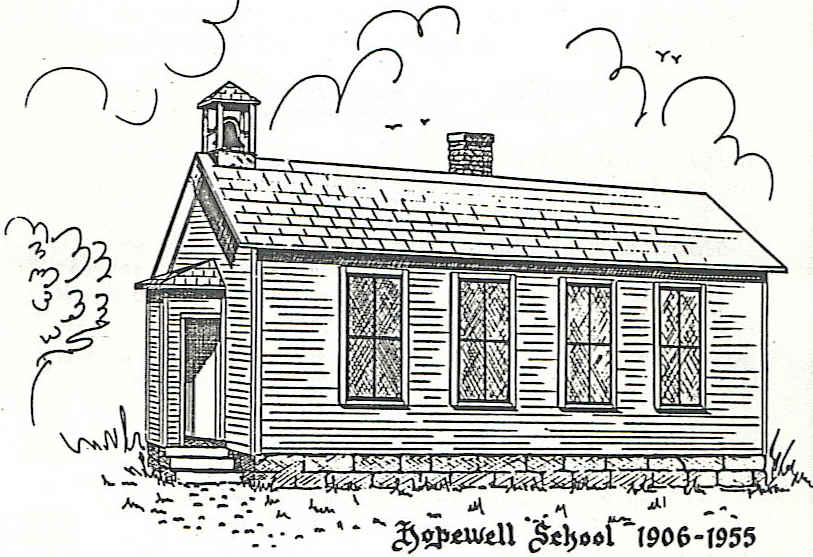
Long ago in 1906, Hopewell School was built in Indian Camp, Ohio.  Education there continued for nearly fifty years with the last class graduating eighth grade in 1955. One teacher taught eight grades for most of those years and needed lots of patience and planning, as they had to make do with whatever was available.

Most of the one room schools of that time were set on large, hand-hewn, rectangular sandstone blocks with the building being constructed of weather boarding painted white. There were windows on each side, but none in the front or back, and one door in the front.  Behind the school there was a coal house, which kept the supply of coal needed to heat the pot-bellied stove. Of course, there were never any modern conveniences at Hopewell School.  Out back of the school were two outdoor privies, and both two holers.  Could be a very cold trip and seat in the middle of winter.

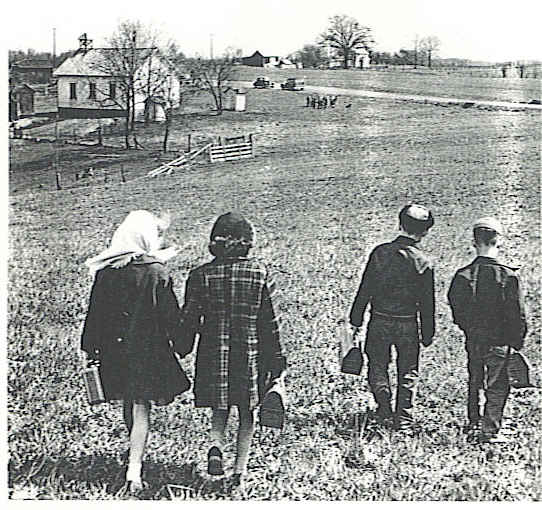
If they lived within a mile of the school, students walked with their lunch boxes tightly gripped, and that was part of the fun. Older students usually watched out for the safety of the younger ones, and often even helped scare a barking dog away. If the teacher lived in the area, they might pick up a few students on a rainy day.

Every day of school opened with the pledge to the flag and a morning devotion. All subjects were taught to all grades by one teacher.  How busy they must have been! The teacher was very excited when she obtained this special copy machine, a hectograph. After placing the master copy in a pan of gelatin-like substance, several copies could be made quite easily by picking up the ink the master copy left behind.  Now she could make twenty copies of something in five minutes from one original writing.  They would be so amazed at the technology available today! This was a time of learning to help your fellow students also, as students helping students was a big part of the day. Double desks made it easy for one student to sit with another, who might need a little help. With all eight grades in one room, it was also a great opportunity to learn from older students while listening to them recite their schoolwork.

Getting water was a great excuse to get to leave the school ground, and students were seldom in a hurry as they enjoyed talking to neighbors along the way. There was always someone who was kind enough to let children get water from their wells and carry a bucket of it to school.  There it would be placed in a large container at the back of the room that had a spout at the bottom.  Everyone drank from the same dipper, unless they were lucky enough to have their own folding metal cup.

Keeping warm was sometimes a problem as the pot bellied stove seemed to be extra warm on one side and rather cool on the other.  One of the students would go back to the coal house and fill up the bucket to set beside the stove. The boys usually did this and didn’t really mind, as sometimes they would sneak a smoke while they were back there.

Recess was spent playing baseball, hopscotch, Annie Annie Over, Red Rover, and climbing the trees to sit and talk with a friend or watch the games being played. Teachers were usually outside keeping an eye on everyone. The only time recess was inside was during a heavy rain.  In the winter sledding was a popular recess activity on the nearby hills. Once in a while, the teacher would permit some students to go to the General Store in Indian Camp for a little candy or soda treat.

Special programs were a big part of the school and community life.  The Farmers Institute was one special time when students sang and performed skits for the entire community.  Every holiday was an occasion for a school activity. Halloween might involve a costume contest, and Christmas guaranteed a packed house for the program.

After spending eight years at the one room school, the transition to high school was often difficult. The ride on a school bus to Cambridge High School was an adventure in itself.  The early bus was a small one compared to today’s standards, and only held a dozen students. Days were long for many, who would get on the bus at 7:00 after chores were finished, and get home at 5:00 in the evening, just in time to help with evening farm chores.

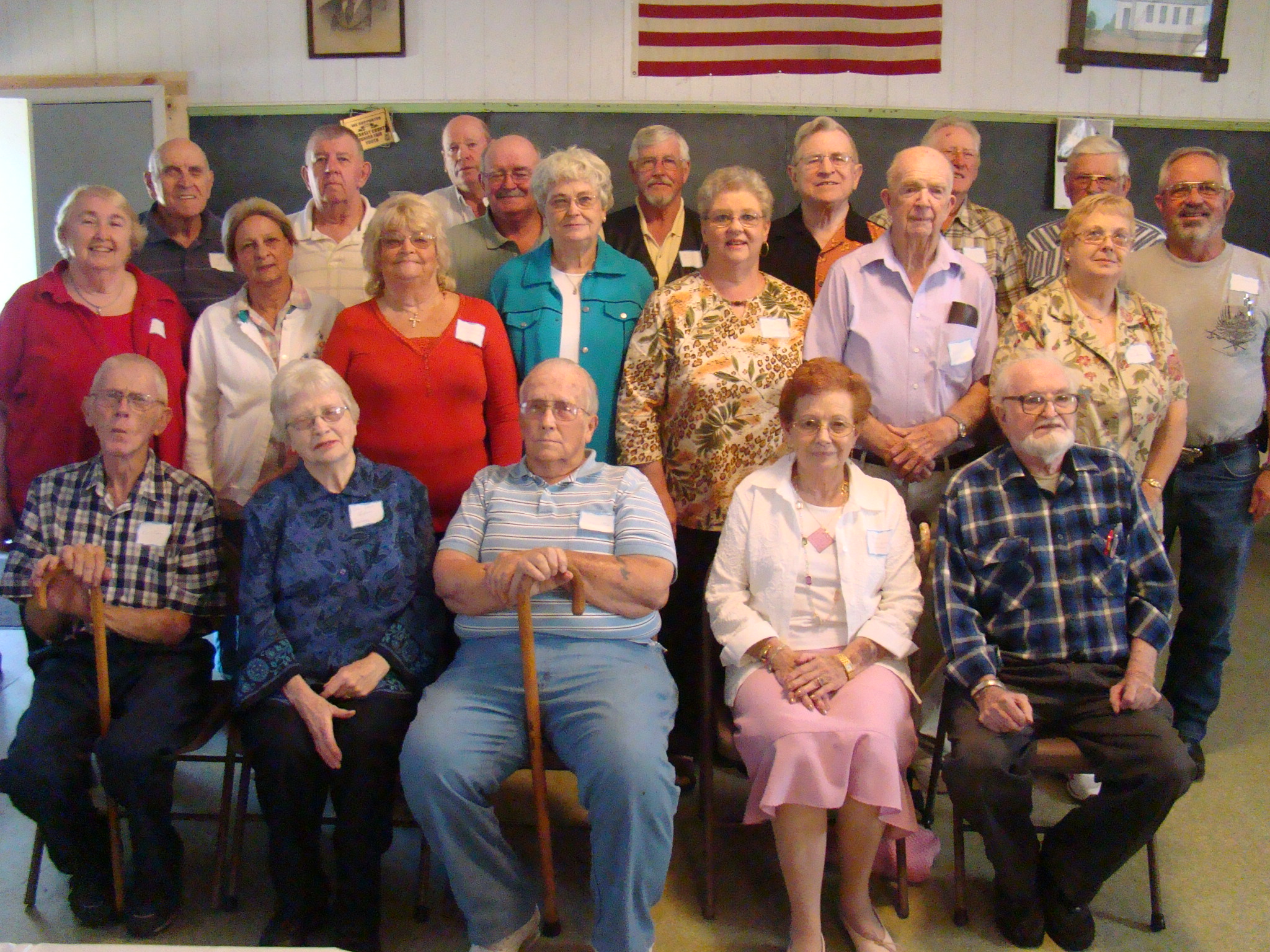
Memories of the Hopewell One Room School are still fresh in the minds of the students who attended there over the years.  The school still stands today and is now used for Grange, 4-H, homemakers, and church services.  Students still meet once a year to relive old memories and get reacquainted with each other. Ties to classmates remain strong over the years as experiences there helped shape their lives. When the day is over, former students depart with the thought: “God be with you till we meet again.”

 
The old Hopewell School is located in Guernsey County near Cambridge, Ohio right near the outskirts of Indian Camp.  Take Route 209 West out of Cambridge, then turn right on 658 North.  After about five miles, you should come to the town of Indian Camp.  At the far side of the town, you will find a church and the old one-room school.

Adena Mansion and Gardens Education Center

“Father of Ohio Statehood” describes Thomas Worthington, original owner of Adena Mansion near Chillicothe, Ohio.  Before visiting the Mansion, an interesting tour of the Education Center there provides background information.

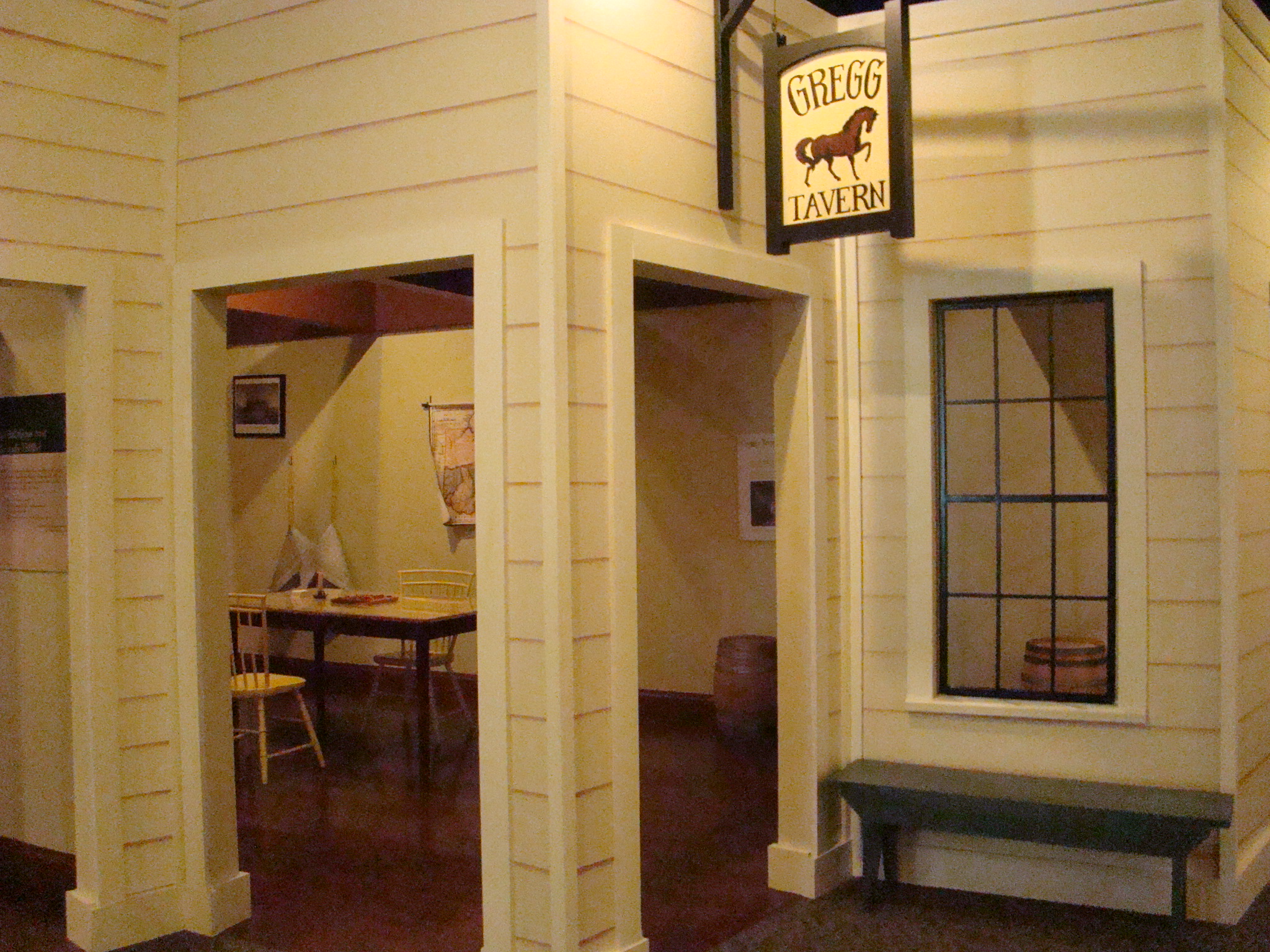
A short film, “Debate for Statehood” at the Adena Mansion and Gardens Education Center, describes the battle for Ohio becoming a state starting back in 1801. Many of the discussions for and against statehood were held at Gregg’s Tavern, which has been reproduced here.  The tavern provided food, drinks, entertainment and a place to sleep. This is where people heard all the news from travelers and locals, and even read the newspaper.

Protests were held at Gregg’s Tavern to oppose Northwest Territory Governor Arthur St Clair’s proposition to divide the land, which we presently know as Ohio, by an entirely different plan than originally proposed by the Northwest Ordinance. Opposition, led by Thomas Worthington, was so strong in the Chillicothe area that St Clair was burned in effigy outside Gregg’s Tavern on Christmas Eve. Eventually St Clair’s plan was not accepted and  in 1803, Ohio became the 17th state with its capital located in Chillicothe.

A tomahawk ceremonial pipe belonging to Tecumseh, Shawnee Indian Chief, is featured in The Tomahawk Room.  When Tecumseh visited Thomas Worthington at Adena in 1807, he found that Worthington was a man of peace and said he would never raise his tomahawk toward him. He presented the ceremonial pipe to Worthington for his efforts to bring peace between whites and Indians. Blue Jacket, warchief for the Shawnees, and Tecumseh were frequent guests at the Worthington home.  Mrs. Worthington was actually afraid of the Indians and often stayed in a different area of the house when they arrived. Even though the Indians were friendly, they always slept outside.

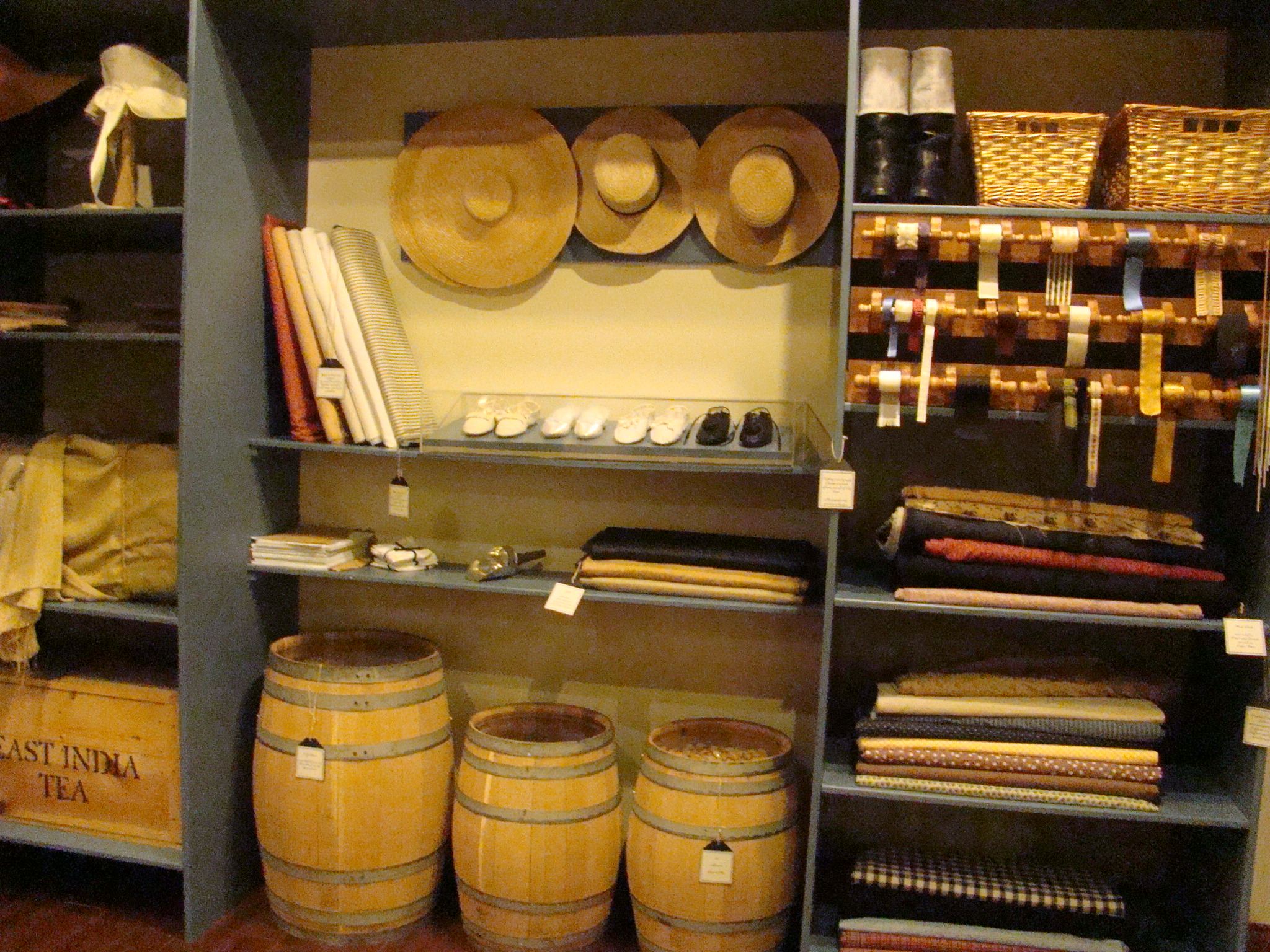
Another area of the Education Center replicated the Dry Goods Store of that era.  Merchandise here was usually paid for either by trading another item or put on credit.  There was a ledger on the counter to track the credit purchases. At this time people were lucky if they received fifty cents a day in pay, so prices of goods were considerably lower also. For example, a chicken cost about six cents, while you could get a barrel of flour for four dollars.  The Dry Goods Store was also the post office where you paid twelve and a half cents to pick up a letter.

Before leaving the center to tour the Adena Mansion, had to stop and play a video game…which definitely wasn’t around then.  An interesting game, River Trader, let you load your boat with products of your choice and transport them to a final destination.  There were problems and choices along the way as you might get stuck on a sandbar or have your produce spoil.  But at the end of the journey, you were given a profit for your trip.  Made $6,381 profit on my first trip and became a Great Trader.  The caption said: You should run for County Commissioner.  What fun!

Stop by to learn more about early Ohio history as well as the influence of Thomas Worthington, one of the founding fathers and first United States Senator from Ohio. See how early pioneer families lived, worked, and played.

Adena Mansion and Gardens Education Center is located Northwest of Chillicothe, Ohio just off State Route 35.  Directions are well posted to the Adena State Memorial, which includes the Mansion and Gardens.  Admission is reasonable but you need to check their schedule for hours opened.

Tecumseh Only Sleeps

Brothers, we all belong to one family; we are all children of the Great Spirit. We walk in the same path, slake our thirst at the same spring, and now affairs of the greatest concern lead us to smoke the pipe around the same council fires.

These were the words of a wise Tecumseh as he requested support from all Indian tribes to battle the white man’s encroachment of their lands. Filled with vision and purpose, he frequently mentioned the Great Spirit and there was an attitude of prayer before all decisions were reached.

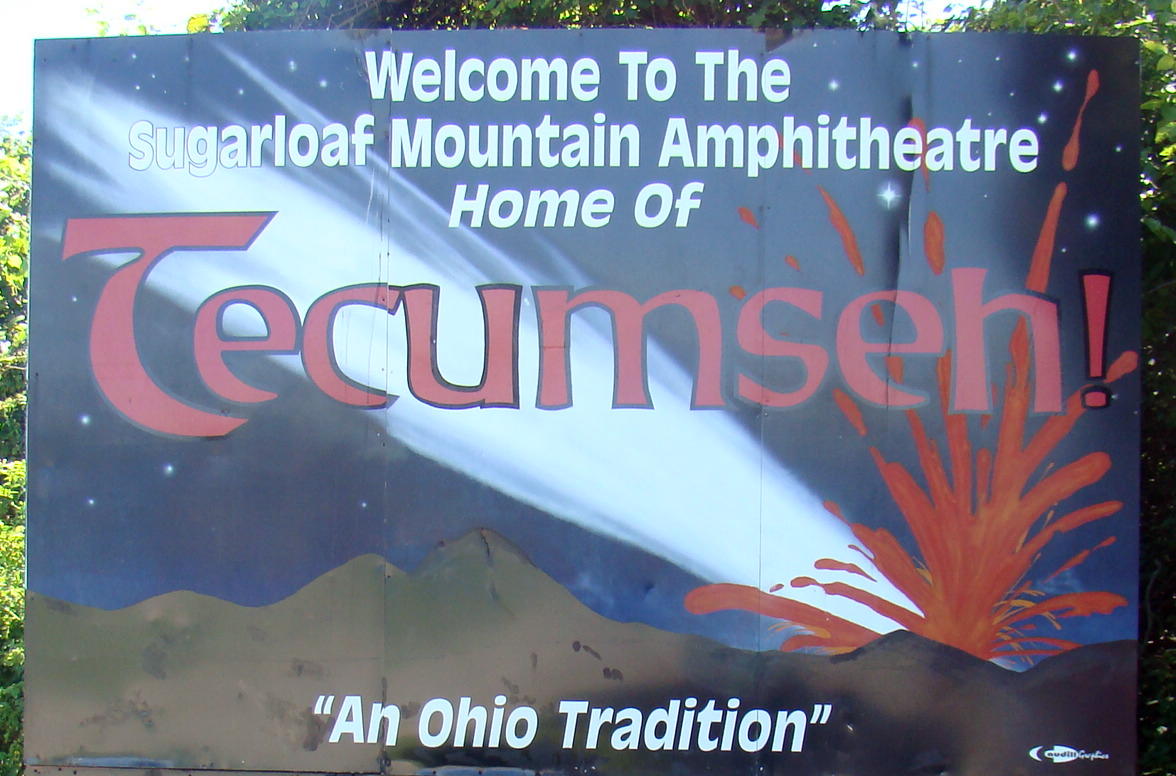
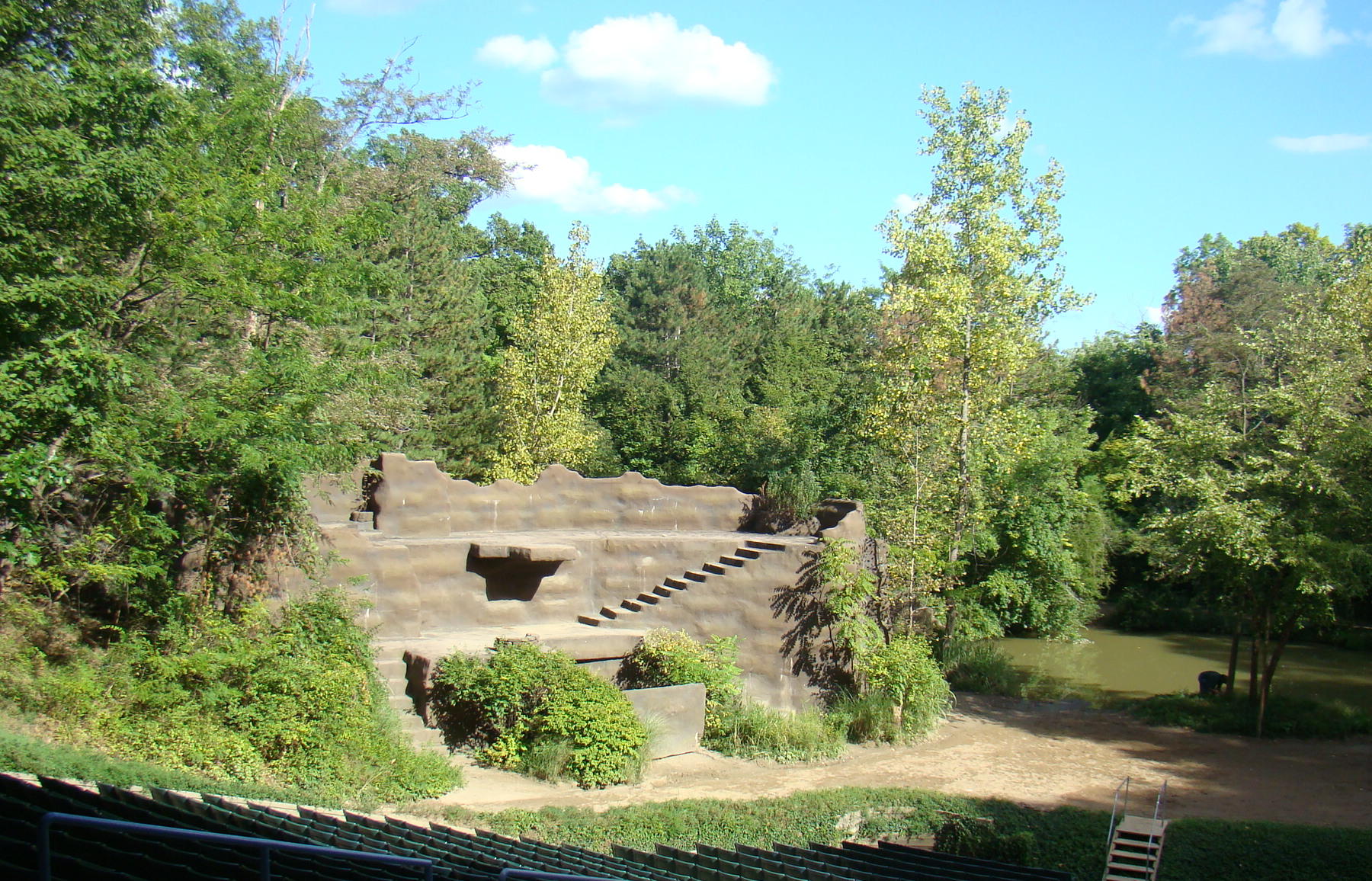
At Sugarloaf Mountain Amphitheatre near Chillicothe, Ohio a spectacular outdoor drama presents the story of “Tecumseh” each summer with a cast of nearly one hundred.  Since 1973, over 2.5 million visitors have sat beneath the stars surrounded by night sounds, to watch the story of a remarkable Indian legend. This beautiful amphitheatre seats approximately 1,700 guests and every seat gives a great view of the saga written by Allan W Eckert, Pulitzer Prize and Emmy recipient.

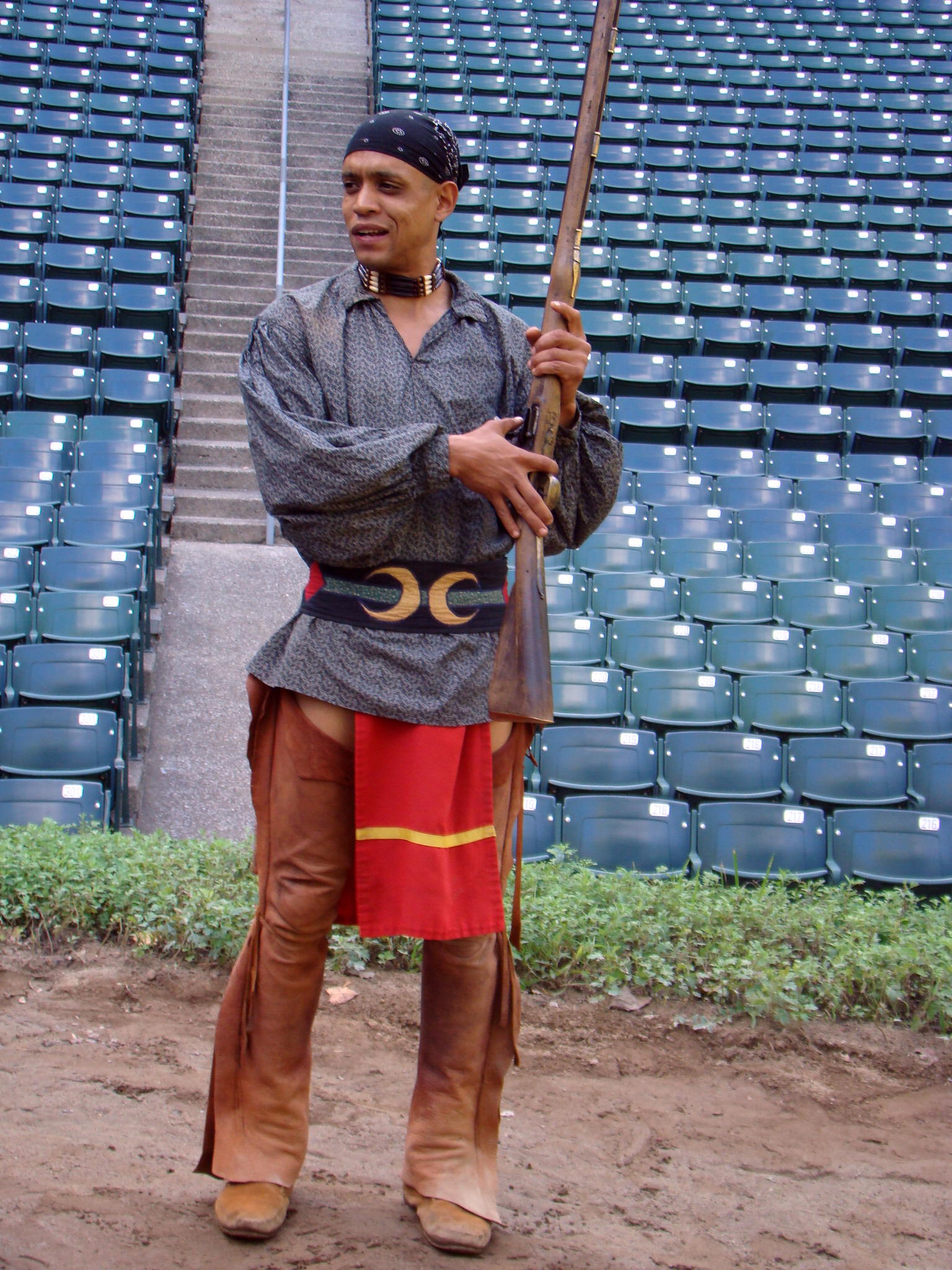
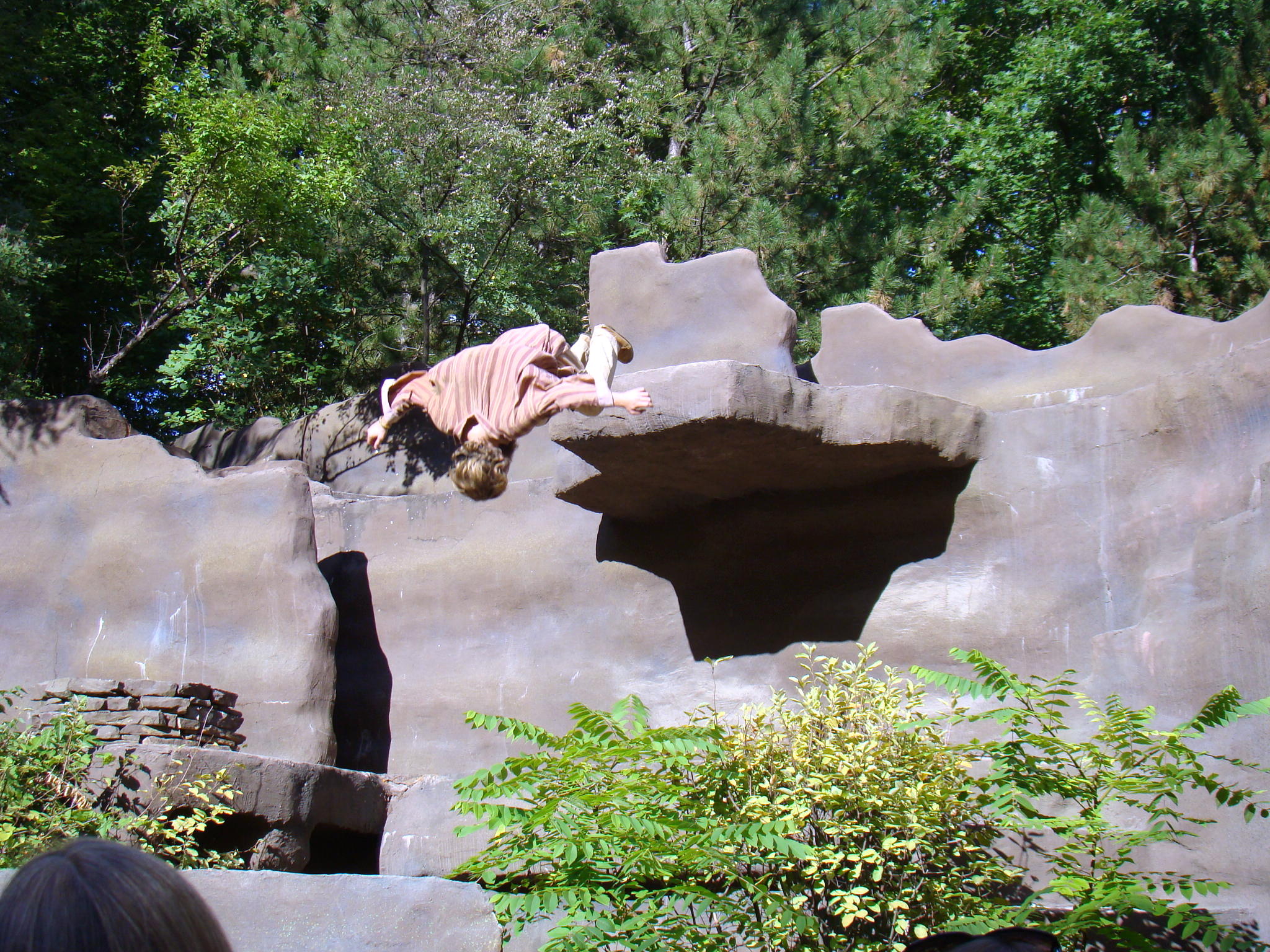
Before the show, cast members lead interested fans on a Behind-the-Scenes Tour, the only place cameras were permitted. The stuntmen of “Tecumseh” displayed firing of various weapons used in battle including the Brown Bess, Kentucky Hunter Rifle, and our guide’s favorite the 12 Gauge Shotgun.  At this point, the Indian shot another cast member off a cliff to display how they fell and the protection they were provided.  He said they always screamed before they fell for two reasons: first, to get all the air out of their lungs so a lung wouldn’t burst, and second, because it was really scary.

After visiting the stables where ten horses were kept, another cast member gave us some make-up and effects information.  She showed us how they were able to give the appearance of bleeding easily by using bags crushed to their body, eggs usually used on the head, and a knife where the handle was filled with red detergent.  Would have been nice if they had a knife like that for sale to fool friends!

Those are just a few of the highlights as it was an hour tour back stage and highly interesting.    Would definitely recommend it if you happen to attend a performance next season.

If you desire, there is a nice buffet available under a pavilion so you feel like you are eating outside with a fresh breeze relaxing the scene.  Also available is a snack bar, a mini-museum of Indian artifacts, and of course,  no tourist attraction is complete without a Gift Shop.

This is also a great time to exchange Tecumseh stories. An interesting one heard that day at dinner occurred when Tecumseh was visiting with William Henry Harrison. Tecumseh and Harrison were sitting on a log near the joining of the Tippecanoe and Wabash Rivers.  Tecumseh began to move closer to Harrison causing Harrison to move down the log.  This continued until Harrison was ready to fall off the log.  He questioned Tecumseh as to why he kept moving closer and closer to him.  Tecumseh answered by saying: “It is what you are doing to my people.  You are pushing them into the Great Waters.”

Time for the drama to begin and this scene to be filled with Shawnees as they planned how to save their land. Actual performance was about two and a half hours of non-stop drama with galloping horses, firing cannons, and dazzling battles.  Everything was spectacular including scenery, costumes, lighting, and sound effects.  At times the cannons and guns were so loud and fierce that you felt like you were in the midst of the battle.  A traditional Indian War Dance brought an impromptu round of applause from the crowd.

While Tecumseh attempted to be a man of peace, he saw the need for attack to drive the Whites from their country. This performance tells  the story of that quest ending with the Battle of Thames where Tecumseh went over the great divide.  No white man or Shawnee knows where their beloved Tecumseh is buried, but they feel his Spirit will return one day.  Tecumseh only sleeps.

Sugarloaf Mountain Amphitheatre is located north of Chillicothe, OH at 5968 Marietta Road, just off State Route 159.  Signs are posted frequently so access is exceptionally easy.