Places to go and things to see by Gypsy Bev

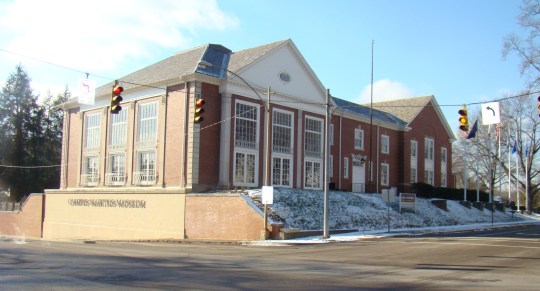
Putnam Museum Front

Campus Martius Museum in Marietta contains interesting early Ohio history.

How is The Bunch of Grapes Tavern in Boston, Massachusetts connected to Campus Martius Museum in Marietta, Ohio?

After the Revolutionary War, in March, 1786, a group of men met at The Bunch of Grapes Tavern in Boston to purchase land in the Northwest Territory.  Rufus Putnam, Benjamin Tupper, Samuel Parsons, and Rev. Manasseh Cutler formed the Ohio Company of Associates, also known as The Ohio Company, and purchased what was to become about one-fifth of the state of Ohio.

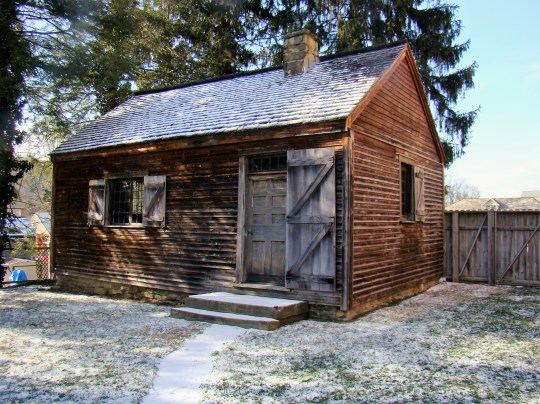
Putnam Land Office

The Ohio Company Land Office, where Rufus Putnam and his partners worked, is the oldest known building in Ohio. Built in 1788, many hopeful land owners walked the path to its door.

These Revolutionary war soldiers were given land grants in lieu of payment for services rendered during the war. They purchased approximately 1,500,000 acres at roughly eight and a half cents per acre along the Ohio River in southeastern Ohio.

Provisions in this land grant were made for two sections in the center to be set aside for an educational institution. The first land grant college was to be called American Western University, but before opening changed its name to Ohio University.

Putnam Portrait

Rufus Putnam served as a member of the Ohio Company, which laid out the plans for Marietta.

Even though Rufus Putnam. the leader of the Ohio Company, was a self-educated man and did not have any formal schooling after the age of nine, he promoted higher education by serving as a trustee at Ohio University. He also claims a connection to West Point. where he built a fort during the Revolutionary War. Fort Putnam is today being preserved and operated by the United States Army Garrison, West Point.

In his memoirs, which are today at Marietta College, he shared his wish for a better education. One line said, “hence neglecting Spelling and gramer when young I have suffered much through life on that account.” But that didn’t keep him from recording records of all his correspondence, while he also kept a daily journal.

Putnam Sugar

An interesting item on the kitchen table was a cone of sugar wrapped in blue paper from the West Indies, with sugar nippers close by to get the perfect amount of sugar for a cup of coffee or tea. The blue paper had a second use as Persis could use it to dye her spun thread.

Rufus Putnam established the first Ohio Company settlement on the banks of the Ohio River in 1788. This became the first settlement in the Northwest Territory. Adelphia, meaning brotherhood, became its first name, but that was soon changed to Marietta in honor of Queen Marie Antoinette of France.

There the Ohio Company built a fortification to protect themselves from the Indians. They called their stockade, Campus Martius. Rufus Putman’s home was one of a row of plank houses inside this stockade.

A few years later, fortification was no longer needed, so the stockade was disassembled. However, the Putnam house remained at the original site, but with added rooms. He purchased the corner blockhouse for $70 and used its lumber for his house addition.

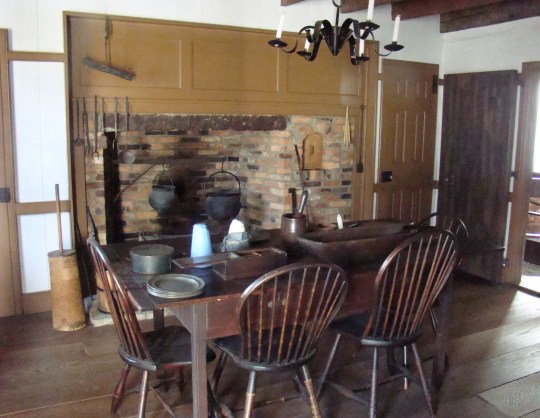
Putnam Kitchen

This is the original kitchen where the Putnam family prepared and ate their meals.

His wife, Persis and eight children, joined him in Ohio at their new home on the bluff of the Muskingum River. Their home here contained a kitchen, sewing/sitting room and two bedrooms upstairs. Now you can see the need for an addition.

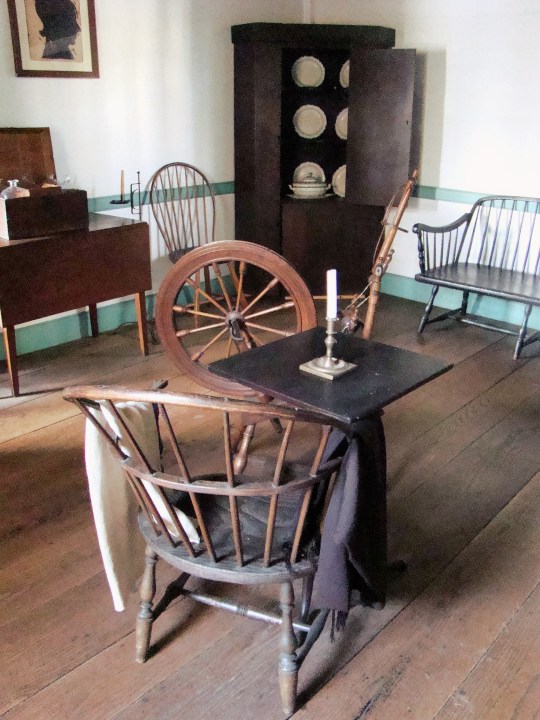
Putnam Spinning Wheel

Mrs. Putnam used the spinning wheel frequently as her seamstress abilities were well known. When Rufus was on his trips for the country, she often had to earn money for essentials by sewing.

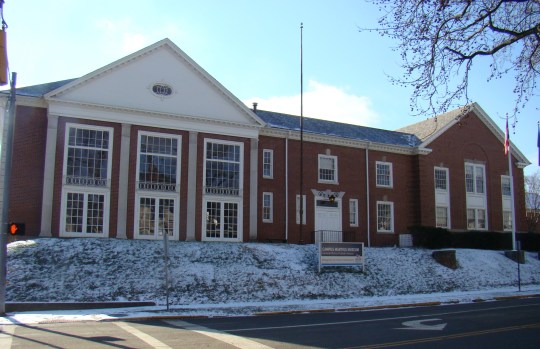
Putnam Museum

Treasures of early Ohio can be found inside this building in Marietta.

What’s behind all those windows at Campus Martius Museum in Marietta, Ohio today? Inside is the full size house of Rufus Putnam and it still stands where it was built back in 1788. The museum was built around the house in 1931 after the Daughters of American Revolution with assistance from the state of Ohio saved it from destruction.

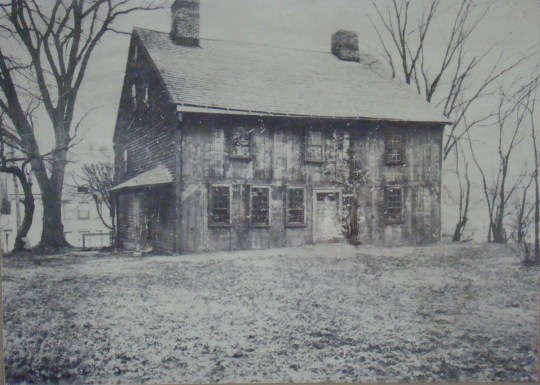
Putnam 1931

The house is pictured as it was in 1931 before preservation began.

Rufus Putnam served his country faithfully and was respected by his superiors, especially by his favorite leader, George Washington.  It has been said that so long as the history of his country shall be written and read, the part Rufus Putnam played in that history will be found occupying one of its broadest and brightest pages.

Visit Campus Martius Museum to see where the Putnam family lived and learn more about their new life in Ohio. The museum overflows with Ohio history.

Campus Martius Museum is located at 601 Second Street, Marietta, Ohio, on Ohio State Route 7, and minutes from I-77. Plenty of free parking is available and cost of admission is very reasonable.

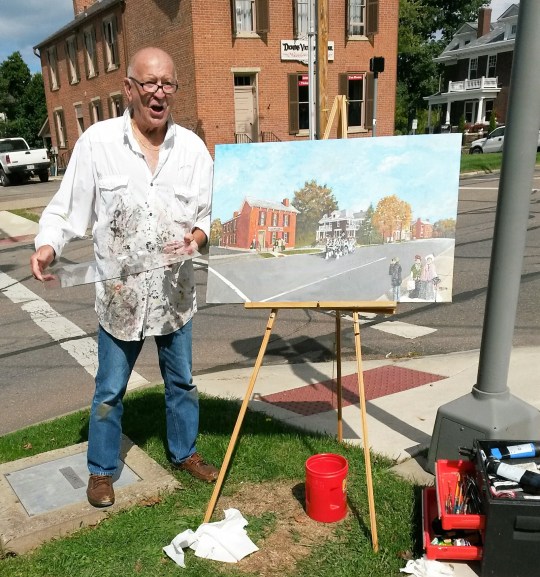
Bob Jennings

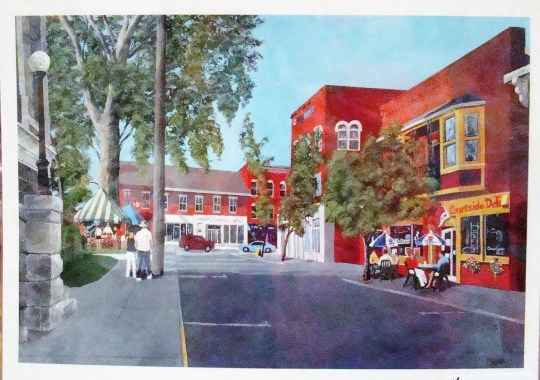
Bob can often be found on the street corners painting one of his beautiful pictures. Here he captures the spirit of DIckens Victorian Village at their Welcome Center.

If you walk down the streets of Cambridge, Ohio on a warm day, you’re likely to see an artist standing on a corner painting precise pictures of area architecture. Bob Jennings enjoys capturing the landscapes, but even more he enjoys talking to the people, who stop to watch him move his brush to magically capture the buildings to perfection.

Inspiration for a new picture might happen at an unusual moment. Part of what he paints is what he really sees, and part is imagination.

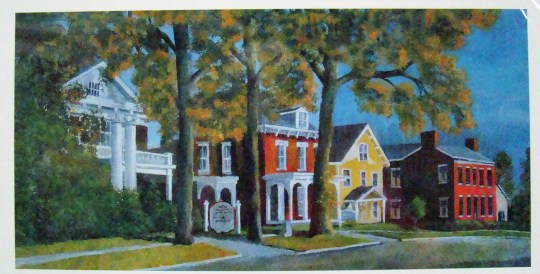
Bob Painting 3

Most people from Cambridge will recognize this group of historic houses along Steubenville Avenue.

The world of art isn’t new to Bob, as he has been drawing pictures since childhood. He frequently entered the art contests in the Cleveland Plain Dealer. Even as a fourth grader at Garfield School, he entertained others with his drawing. At that time the playground was gravel, so Bob took his shoe and drew a perfect outline of a horse to the astonishment of those watching.

Throughout life, Bob couldn’t resist drawing pictures, and took a few art classes now and then. When he was working at Champion, other employees remember his talent as he would draw pictures on his breaks. It seems that Bob’s flair for illustrating just couldn’t help but show itself wherever he happened to be.

Bob Painting 2

Here Bob captured the scene along W. 8th Street beside the courthouse. His architectural ability shines forth in his paintings.

Thomas Jefferson has always been his hero. Jefferson’s ability to create fine American architecture started that connection. But Bob also considered Jefferson to be very intelligent, as he had a wide variety of interests, and seemed to be able to do just about anything.

Architecture became a real passion for Bob and he began designing kitchens. This led to more extensive plans for beautiful homes, additions to homes, and even churches. His intense enthusiasm as a self-made architect led to his precision in drawing, as Bob had to have everything perfect – right down to a small fraction of an inch.

Bob's painting

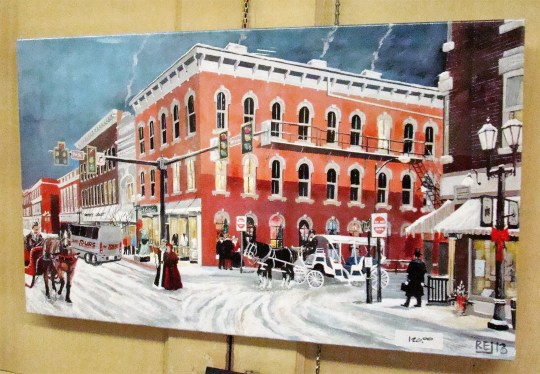
This winter scene displays the many ways people enjoy Dickens Victorian Village as they come by bus or car, and often take a horse and carriage ride. 

After retirement, his real art work began. In his studio at home and on the streets of the town where he lives, Bob’s pictures look as real as a photograph. But they have that extra quality of giving the building a personality.

Bob at Art Guild

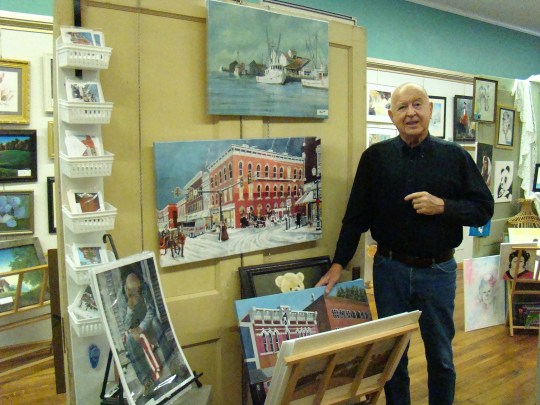
Bob is always ready to talk about his passion for painting at the Art Market.

Today, Bob can frequently be found at the Art Market in downtown Cambridge. You can see his love for people as everyone who enters the door receives a sincere greeting from Bob, and he falls into a natural conversation with them. He usually tells them, in his humble way, “I’m not the brightest star in the sky”, but when it comes to his art work, he shines more than he wishes to acknowledge.

Bob sign

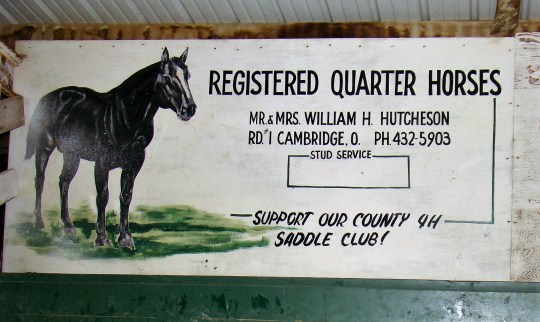
This sign was painted by the artist years ago at the Guernsey County Fair.

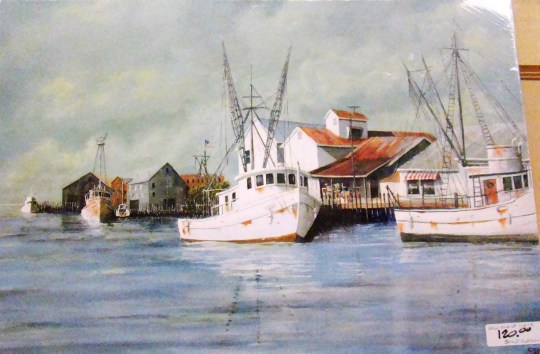
After seeing all these beautiful paintings of buildings, it was surprising to learn that Bob’s favorite thing to draw is horses. Yes, horses! Years ago he painted a quarter horse on a sign in the 4-H barn at the Guernsey County Fairgrounds, and that painting can still be found there today. At his home, his wall is covered with a large painting of horses.

Bob 2

What does this painting mean to you?

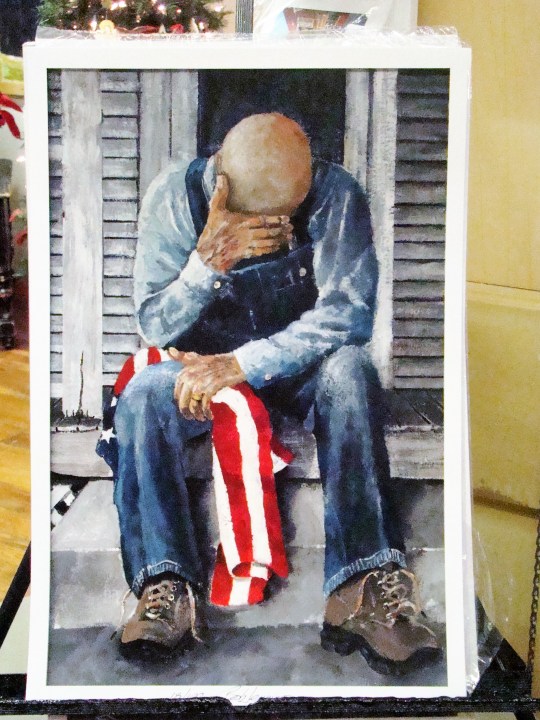
When asked if there was something special he would enjoy doing, Bob answered that he would like to get away from the precise drawings and do more “loose” paintings. Portraits came to mind as he recently painted a portrait of a man sitting on his porch with the American flag draped over his leg. Many interpretations have been made regarding this painting.

Recently, Bob saw a little boy that inspired him. Artists seem to have that innate ability to recall in detail what they have seen. He remembers exactly what that little boy looked like and what he wore. Why, he can describe him down to the creases in his pants.

Bob Painting 4

Once in a while Bob heads out of state for some art time.

When asked what advice he would give a young person, who enjoys drawing, Bob was quick to answer. “Pursue it. Even though they might never be a great artist, they would still appreciate art.”
For Bob, he feels his painting ability to be a God-given gift. He believes, “We all have our talents. No one is greater than anyone else.”

It doesn’t seem likely that we have seen the last of this humble Bob Jennings’ creations.

Floodwall 7

Early life in Portsmouth can be seen in the Stagecoach Mural, Hanging Rock Iron Furnaces, and the Ohio and Erie Canal at its southernmost point.

2000 seems to be the magic number in Portsmouth. 2000 years of Scioto County History on 2000 feet of Portsmouth Flood Wall Murals.

Floodwall Flood

The disastrous Ohio River Flood of 1937 led to the construction of this floodwall.

In 1937, a disastrous flood caused the U.S. Army Corps of Engineers to construct a flood wall along the Ohio River to prevent the same thing from happening in the future.

While the flood wall served its purpose, it wasn’t very pleasing to the eye. Dr. Louis Chaboudy  and his wife, Ava, had visited Steubenville, Ohio in 1992 and were pleased with the murals they saw there. They decided to begin the search for a person who might not only paint pictures of the history of Scioto County, but bring it to life so it would attract visitors to their city.

Floodwall Mounds

The Portsmouth Earthworks is a large mound complex constructed by the Ohio Hopewell Culture from 100 BCE to 500 CE.

Robert Dafford, an internationally known muralist, seemed the perfect person for that role and painting began on the largest mural, 20′ x 160′ in 1993. One artist created all 2000′ of the Flood Wall Murals by October of 2002. The remainder of the murals are 20′ x 40′. Whether you are an artist or have little appreciation for fine art, these murals will grab your attention and tell you the story of the changes that have taken place in Portsmouth over the years.

Floodwall 9

The Greyhound Bus Station was a popular place during WWII gas rationing. Or you could have joined local legend, Roy Rogers, riding Trigger.

The murals tell the story of the history of the area, and depict all the former factories, the great flood of 1937, sports history and much, much more. See detailed paintings of historical Portsmouth, which include local legends, such as Roy Rogers, Branch Rickey, and the Portsmouth Spartans NFL football team. The Spartans could not survive in the small town of Portsmouth during the depression, and in 1934 were sold to Detroit, where they became the Detroit Lions.

Floodwall 8

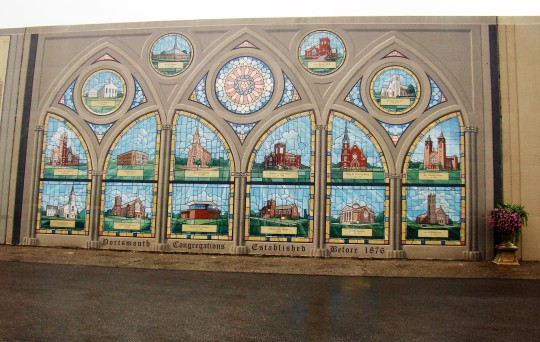
Sixteen churches established in the 1800s are featured in this stained glass motif. 

Some surprises appear along the way whether you are walking for the best view, or driving along in your vehicle. Discover that the shoe industry had six factories here in the early 1800s employing over 6,000 people. Look carefully at the mural of the Portsmouth Motorcycle Club and see if you can spot the reflection of the muralist, Robert Dafford, in one of the hubcaps.

After the initial 2000′ were painted, there have been four murals added. One of them depicts famous baseball players from the area, while another shows a bicycle tour from Columbus to Portsmouth.

Floodwall Ohio River

The Ohio River flows just outside the flood wall where the U.S. Grant Bridge crosses over to Kentucky. 

The great thing is…it’s FREE!  Take a leisurely stroll along the murals or view from them the sidewalk across the street for a different perspective. An amazing feature is that there are paintings on both sides of the wall so don’t forget to view the wall from the Ohio River side as well.

Portsmouth Outer Wall

The Ohio River side of the flood wall was begun before the mural side. You can drive along most of the outside of the wall along the Ohio River.

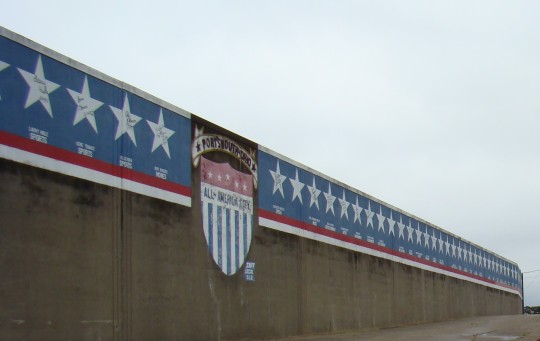
Here the flood wall has been designated at the Portsmouth Wall of Fame, where accomplishments of area natives are recognized. Their name is placed beneath a star with an autograph of the person being honored in many cases – Don Gullett, Al Oliver, Roy Rogers, Dan Quayle, Larry Hisle and Gene Tenace being a few of those recognized.

Floodwall Town Mural

Downtown Portsmouth in the 1900s is the cover of the Scioto County Visitors’ Guide. The Steel Industry played a major role in the town’s growth.

The Portsmouth Flood Wall serves as a great example of how something that serves a needed purpose doesn’t have to be dull or boring. With a little bit of talent, it can brighten up the world.

Portsmouth is located in the southern part of Ohio along back country roads. Your best bet for directions is using your GPS. 

Vintage TeaA Dickens Victorian Village Tea and Fashion Show did not at first sound appealing to me, but it turned out to be quite an interesting and enjoyable event. The first surprise came upon entering the stunning Masonic Ballroom with its floor to ceiling windows, gleaming dance floor, and ornate tin ceiling.

The tea time treats were a pleasure for the eyes as well as the taste buds. Petite sandwiches, fragile pastries, Devonshire cream, and bite size fruit appeared on tiers, as the perfect companions for your favorite tea served in dainty, floral cups.


Vintage GuestsMany of those in attendance were dressed in Victorian style with beautiful, large hats and long skirts – a special part of the day. They felt part of a time long past as they enjoyed conversation with friends.

Then appeared Kit and her models from The Alley in Columbus, Ohio. Kit Matulich has enjoyed working with theatrical costumes for thirty years and “wouldn’t trade it for the world.” Some of the clothing she purchases, while other items are donated. The proceeds from those donated go 100% to Easter Seals, which provided equipment for their late daughter, at a time when it was needed.

The vintage clothing and accessories from The Alley Vintage & Costumes had the ladies attending the tea spellbound for over an hour. The Alley’s philosophy is:

You are never too old to play dress up!

The Alley Vintage & Costume

Then the parade of models began with Kit and Josef in charge. There’s no way to show you all the models or tell you all the stories about their clothing. So come along with me and view some of my special favorites.

Vintage Models -Undergarments

The show began with a parade of undergarments worn by Victorian ladies. Their layers of petticoats seemed too numerous to count. Sometimes these items were washed in urine to cleanse, bleach and purify. Their corsets often had somewhat flexible whalebone to keep their waists very small. Small waists, with extra emphasis on larger hips and busts, were thought attractive.

Vintage Dress

A beautiful day dress would be fastened with hooks and eyes and even straight pins. All dresses at that time were hand-stitched with pleats, darts, and ruffles. Remember at that time everything had to be washed by hand.


Vintage Bridal 2

These three delicate gowns contained quality lace so had to be handled quite gently. Waist were very small, often 20″, as girls began wearing corsets at the age of eleven.

Vintage Dress passed

A Dickens volunteer lets the ladies have a close-up view of one of the dresses. Those in attendance could actually hold the items in order to appreciate the fine craftsmanship that went into the making of each piece.

Vintage Shown Dress

Kit showed the oldest wedding gown she has in her store. The fabric is too delicate for the models to wear these days. When a bride was married in Victorian times, she wore her wedding gown to every event they attended for the first year after their marriage.

Vintage Army Dress

This WWII uniform of the ambulance corp was made of wool. At this point, ladies removed their corsets and enjoyed the freedom of movement, so a new trend in styles took place.

Finale

The models paraded one last time and special honor was given to the lady, who helps with design and dressing. “Without her, we would be lost.”

The day became a memorable one from tea time to fashion show. No one rushed to leave, but felt relaxed from the slower pace of this day resembling a time long past.

So next time someone asks you to attend a fashion show, give it a whirl!

For more information on The Alley, visit their website at http://www.thealleystore.com. They are located in Columbus Ohio at 3502 W.Dublin Granville Road.

SMART Centre

SMART Centre Market opened its doors in 2010 to encourage students’ interest in science.

A delightful Science Centre Market exists in downtown Wheeling, WV – right next door to their historic Centre Market District. This is no ordinary shop as it combines elements of hands-on experience, museum-like pieces, as well as a place to find some unusual gift ideas for those interested in science.

SMART owners 2

Libby and Robert Strong enjoy having fun as well as teaching.

Robert and Libby Strong, two former science teachers, created this special place several years ago. SMART stands for:

  • Science

  • Math

  • Art

  • Research

  • Technology

It seemed the natural thing to do for a physicist and a biologist!

SMART Fish Fossil

This cast shows the armored skeleton of a German fish with teeth sharp enough to bite through the shells of squid.

A fossil is a snapshot in time, so they feel it important to have original fossils throughout the center. Since originals are hard to come by, some of the larger displays are casts of original fossils, so children can see their size and detail. It is important to keep past science discoveries alive.

SMART singing coin

This wooden singing tree produced a beautiful song as a marble, made at near-by Marble King, dropped from leaf to leaf.

Around every bend, there’s a spot for hands-on discovery. Robert pointed out that there are two kinds of people who enjoy their place: little kids and tall kids. Even adults need to keep their curiosity alive, and learn something new each day.

SMART Gravity Machine

This Gravity Well lets children watch a coin go around at high speeds as the coins descend to the vortex tunnel.

This is the place to learn while you play. Children find interesting a line up of scales where they can discover their weight on earth, the moon, Mars, Jupiter, and Pluto. On Pluto, they would weigh the least, and on Jupiter the most – due to gravitational pull. A Gravity Well lets you watch different size coins make their way down the well at different speeds.

SMART books

Books on every scientific subject fill the shelves along with science kits to ignite their imagination.

Besides all the activities in the center, the Strongs hold field trips, camps, workshops, and have special open evenings for star gazing. Their main desire is to create a place where kids can have fun learning about science. Robert and Libby bubble over with enthusiasm.

SMART Wooly Willy

This 1955 game of Wooly Willy shows the magic of magnets as it creates “Magnetic Personalities”.

Everything in the center has an unusual quality. No matter where they sat or stood, the Strongs could point out unusual items such as dinosaur teeth, leaf fossils depicting global plate shifting, or pieces of k-t most likely from a million-year-old asteroid, which coincided with the extinction period of the dinosaurs. All this from one spot!

When Robert was asked about his favorite part of the center, he said, “When the door opens and people begin conversations about science, you are going to learn something.” Those people, who enter through the front door, teach him something from their questions and contributions. “It’s fabulous! It’s a perk being here – people and ice cream.”


Ice Cream Flavors

The day had to be finished with an ice cream cone, which Robert handed to me upside down…and it didn’t fall out!.That’s the first time a physicist ever made me an ice cream cone and it only cost a dollar. This ice cream comes from Kirke’s Homemade Ice Cream at near-by St. Clairsville.

With a visit to the SMART Centre Market, kids of any age can catch enthusiasm for the world of science. Robert and Libby are prepared to help you light the fire of exploration. Don’t forget the ice cream cone!

Hours for the SMART Centre are Tuesday – Saturday from 10:00 – 6:00. Check out their special events at http://www.smartcentremarket.com


Mindi at Opening

Mindi Yarbrough, artist Wild Heart, recently had her Opening Night at the Grave Creek Mound Archaeological Complex in Moundsville, WV.

Artists work in many different ways. Some paint exactly what they see, while others add a little imagination to their pictures. Mindi Yarbrough has an added element in her paintings. She captures the spirit of the person or animal. Mindi portrays herself as “a self taught and self described outsider artist.”

Mindi started drawing at the age of five. Her love of nature shines forth in everything she does. As a little girl, she enjoyed playing in the creek, where she would enjoy nature and catch snakes (and just about any other animal, insect or amphibian she could get her hands on).

“All kinds of snakes,” she explains, “but I was never afraid of them, despite being bitten many times, and often kept them as pets.” Snakes are Mindi’s power animal. She even has tattoos of them on her arms. Snakes have been associated with shamans. In fact in some cultures, snake bites are an initiation and pre-requisite into shamanism.

Mindi's The Crow Holds the KeyThe crow holds a special attraction to her as she feels it has a magical quality. It holds the magical key to the womb of fundamental energy where all possibilities exist. Crows live all around the world, reminding us that magic can be found everywhere. They often are associated with healing and the universal law.
Mindi's OwlOwl is Mindi’s dream-time guide helping to navigate the unconscious world.  The Owl serves as the keeper of ancient wisdom and can see the secrets and agendas of others. The Owl is a prophet who can see, hear, and feel events before they transpire. 
Mindi Dream CatchersHer dream catchers are up-cycled art with the center web being a doily, with a hand macrame hoop and fringe made with cotton twine and yarn. Dream catchers have been part of Native American culture for generations. They are usually hung by the bed at night to catch bad dreams before they disturb your sleep. There is a hole in the center to let the good dreams slip through.Mindi FeathersFeathers are important in the Native American tradition also, as they are seen as gifts from the sky, the sea and the trees. Often a feather has a message as it lands on or near someone. It reminds them of a spiritual connection that we all have to our creator and with passed loved ones. The gift of the feather is represented by passion – passion for your gift from the Creator – Mindi’s passion being artistic vision.Mindi's Bear Woman

This painting of Bear Woman makes me smile. It tells a great Blackfoot Legend of the older sister and her bear. Mindi has even added the end of that legend as she shows the star constellation of Ursa Major in the background. All of her work shows depth and meaning.

Mindi Christmas treeUpon leaving the art show, a beautifully decorated Christmas tree glowed in the hallway. The Mound Museum Christmas tree is decorated with plants that were important to those prehistoric Native Americans living in the area. The people who built Grave Creek Mound probably grew small gardens, which included squash, sunflowers, pumpkins, gourds, and goosefoot – the decorations on this tree.

It’s no surprise that Mindi works in the field of art on a daily basis. At present she is Art Director and Senior Graphic Designer at Beyond Marketing in Wheeling, WV. Her expertise lies in designing just what the customer desires.

Mindi has been drawing and painting since childhood. She smiles as she tells others, “I have never wanted to be anything other than an artist, except maybe a mermaid.” Mindi would definitely be a very special mermaid!


Angel in Disguise

If you had a hundred dollar bill back in 1964, how would you have spent it at Christmas time?

Of course, there are many possibilities. Parents would probably use it to buy presents for their children.

An Easy Bake Oven was a popular item for the girls, while the Mighty Tonka Dump Truck was desired by young boys. That Tonka appeared in the ads to be extra strong, as it didn’t even crush with an elephant stepping on it.

A teenage daughter might have liked a collection of the new fashion – mini skirts. Schools and churches strongly disapproved, but the teen age girls thought they were quite stylish. For the music lover, an 8-track tape player would have been an appreciated gift.

Or you could have purchased 2,000 first-class postage stamps, or 400 gallons of gasoline.

Dad and Pal 001However, “The Angel in Disguise” had a different idea. When he lost both parents as a young child, Rudy learned to appreciate the small things in life. He was the kind of man who would try to brighten up a child’s world by buying the youngster an ice cream cone.

Rudy didn’t have a lot, but whatever he had, he was willing to share. When a neighbor needed a ride to the doctor, Rudy gladly took him. His face usually wore a smile, and he enjoyed making others smile, too.

Then one day, Rudy found himself earning more money than he had ever earned before. In 1964, his take-home pay was over $200 a week. Feeling this rich was a new sensation. He decided to always carry a hundred dollar bill in his billfold, just in case it was needed for something.

One Saturday, right before Christmas, Rudy and his wife came into town. He had heard that the Salvation Army needed money to buy toys for local children. Walking past one of the Salvation Army Christmas kettles, he reached over and put in a hundred dollar bill. Then walked on, as if he had tossed in a dollar.

His wife knew what had transpired, and she smiled at him proudly.

On Monday, a small article in the Daily Jeffersonian bore the heading:

‘Angel In Disguise’ Gives $100

No one knew, but the two of them, until twenty year later their daughter, the writer of this story, discovered the newspaper clipping at her mother’s house dated 12-14-64. When she asked, mom told the story of the Angel in their family.

That clipping stays in a safe place at my home today as a reminder of the importance of giving, not only financially, but of ourselves during the Christmas season and all year long.

Be an Angel to someone today.

Dreams Do Come True

Dave received his first train in 1950.

Dave received his first train in 1950.

Ever since Dave Adair was a small child, he enjoyed trains. As a youngster, he frequently visited his Slavish grandfather, Dzeda, who lived near the train tracks in East Cambridge. Dzeda also worked in the Klondyke and Black Top coal mines in Guernsey County so he would tell Dave stories about the coal cars as they rolled by. It’s easy to see how Dave became interested in trains and coal mines.

Dave’s secret wish was that someday he would be able to have a caboose of his very own – a real one used on the train tracks.

Ellen, Dave's wife, started his collection with this caboose.

Ellen, Dave’s wife, started his collection with this caboose.

When Dave was about forty, his wife, Ellen, took a ride with him a couple weeks before Christmas. They stopped in Senecaville to look at a caboose that belonged to Herb Tipton and had been used on the B&O Railroad. When they arrived and looked over the caboose, Ellen said, “Merry Christmas!”

Dave couldn’t believe it and looking back on that day said, “It was the biggest shock of my life.” Of course, she told him it would be his Christmas and birthday present for years to come. Little did she know at the time that she was only starting a vast train collection that today fills their home’s yard.

This original chair from a B&O office holds two lanterns.

This original chair from a B&O office holds two railroad lanterns.

Over the years, Dave has narrowed his interest to Guernsey County trains and coal mining history. Almost everything in his collection came from Guernsey County. Every item and picture is special to him, but he doesn’t have any favorites. They are all part of history.

Dave built his own Depot and Museum in his back yard.

Dave built his own Depot and Museum in his back yard.

Since there wasn’t any place nearby that had room for his coal mine and train collection, Dave decided to build his own depot at his home and turned it into a museum. Nothing pleases him more than to sit down in his depot and tell stories about the coal mines and trains that were in Guernsey County long ago. But getting him to talk about himself was not an easy task.

Dave and his son, Alan, look over their large HO display.

Dave and his son, Alan, look over their large HO display.

Now that Dave is retired, most of his time is spent volunteering, while spreading the word about Guernsey County history. His slide shows have been popular attractions for years. He spends time volunteering at the Guernsey County Historical Society, Cambridge Amateur Radio Association, Coal Miners Museum in Byesville, and at various nursing homes, giving people a chance to tell their stories. He says, “It’s better to give than receive.”

Dave Adair tells coal miners' stories.

Dave Adair tells coal miners’ stories.

While he claims to be “an ordinary Joe”, the history he has collected makes him a special person even though to him it’s just a hobby. It’s a good thing to make people happy and that is what Dave does best as he shares his stories and makes people smile. Through it all, his main goal is to preserve the history of Guernsey County trains and coal mines.

Dave and his family, thirty people in all, recently went on a short vacation. Where do you think they went? They headed for the train tracks in West Virginia, where they rode the Tygart Flyer. He’s still living his dream.

UNITED STATES, Lincoln's Funeral Car stopped in Dover, Ohio at Warther's Museum in 2015.

Lincoln’s Funeral Car stopped in Dover, Ohio at Warther Museum

Now he belongs to the ages – or maybe to the angels.

At the time of Lincoln’s death,  these words are sometimes credited to Edwin Stanton, Lincoln’s Secretary of War, but whether they are his or not, the words connect Lincoln to his peers and also to those above them.

Warther Museum recently hosted one of the stops for the 2015 Lincoln Funeral Train. It traveled from Washington D.C. to Springfield, IL in honor of the 150th Anniversary of Lincoln’s death. Over 50,000 visitors toured the Lincoln Funeral Car on its journey.

Warther carved this ivory replica train at the age of 80.

Warther carved this ivory replica train when he was 80.

People have always been fascinated with Lincoln’s Funeral since 1865. Ernest Warther carved Lincoln’s funeral train out of ivory to celebrate the 100th Anniversary of his death. Therefore, they thought it would be fitting to have the replica of the original, stop by Warther Museum on its journey across America.

The ivory carving was finished in 1975 when Earnest Warther was 80 years old. A hippo’s ivory eye tooth was used because it is the very best grade of ivory. Warther commented, “Nothing but the best for Lincoln” as Lincoln was his hero.

Warther admired Abraham Lincoln and had a vast collection relating to the president.

Warther admired Abraham Lincoln and had a vast collection relating to the president.

For the 150th Anniversary, outside the museum sat a wooden replica car, which they tried to keep as close as possible to the original.  The train car traveled as the trailer of a semi with highway wheels attached.

Dave Kloke of Kloke Locomotive Works in Elgin, IL and a staff of craftsmen were responsible for most of the work on this replica, which took four years to finish. Along the way he had a great deal of help from researchers in construction and history. One of those was a chemist and model train maker, Wayne Wesolowski of University of Arizona. All Wesolowski could find of the original train car was a pencil sized piece of wood. From this the chemist in him determined the original color and type of wood used. He wanted everything to match the original car.

This armored car was compared to Air Force One in regards to security and its design equaled the opulence of railroad cars used by European Royalty. This “Presidential Car” contained three rooms: parlor, stateroom, and sitting room.

The Lincoln coffin was 6'8

The Lincoln coffin was 6’8″ long with handles made by the same company that made the original ones.

Upon entering the car, a 6’8″ casket appeared before your eyes. This long casket was made especially for Lincoln, a tall man for his time. The handles were made by the same company that made the original ones for Lincoln’s coffin. Chairs were for the soldiers to sit as they guarded the coffin during its entire journey.

Lincoln felt this train too luxurious when the country suffering from the effects of the Civil War.

Lincoln felt this train too luxurious when the country suffered from the Civil War.

The presidential bedroom had never been used as President Lincoln felt this Presidential Car was too luxurious when many in the country were living in poverty. This funeral car, draped in black crepe, was one of nine cars in the funeral procession and was always the second to last in line.

Young Willie's coffin was carried at the place there is a sofa today.

Young Willie’s coffin was carried at the place a sofa sets today.

Son Willy’s coffin was also on this train even though he had died three years previously. It was in the living room section where it replaced the couch. Lincoln’s wife did not go on this trip as she was too distraught.

Even the wheels of the train were patriotic.

Even the wheels of the train were patriotic.

This car was never used for anything else or by any other presidents. The following year, it sold for $6850 to Union Pacific Railroad, where it became an officers’ car while building the Transcontinental Railroad. After being displayed at the Worlds Fair in 1904, a grass fire destroyed the train car at Minneapolis in 1911.

One of the main purposes of this excursion was to help young people learn about history. Many local schools took advantage of this unique educational stop in Dover, Ohio to give their students a close look at an oft told story in United States history.

Lincoln would have been pleased as he felt education very important. When speaking to a university he remarked, “A capacity and taste for reading gives access to whatever has already been discovered by others. It is the key, or one of the keys, to the already solved problems. And not only so. It gives a relish and facility for successfully pursuing the yet unsolved ones.”

Dennison Depot welcomes guests to its train car museum.

Dennison Depot welcomes guests to its museum located inside train cars.

Every day is Veterans Day at Dreamsville, USA. At Dennison Railroad Depot Museum, veterans are welcome at no cost every day of the year.

Treating our soldiers, sailors and marines in a special way began here way back during WWI. Dennison just happened to be halfway between Pittsburgh and Columbus on the Pennsylvania Railroad, so the train needed to stop here for refueling. That gave opportunity for the Red Cross to open a canteen to give food and cheer to the servicemen on board. A little eight year old girl, Lucille, helped her mother bring food to the troops. From April to October in 1919, over 136,000 servicemen were served.

This picture from the WWII Canteen stop shows the GIs receiving food and cheer.

This picture from the WWII Canteen stop shows the GIs receiving food and cheer.

This shows the same restored area today.

This shows the same restored area today.

Things moved up a gear during WWII, when that grown up Lucille proposed the idea for the Dennison Servicemen’s Canteen, which the Salvation Army then operated as the trains rushed in. The canteen served  all the GIs when the train stopped. Her idea inspired other cities across the country to set up canteens for points of cheer along the way. This Dennison Servicemen’s Canteen served over 1.3 million servicemen during WWII.

When the conductor called, “Dennison, next stop”, young men in all branches of the service put on their coats, combed their hair, and straightened their hats. The friendly, smiling girls meeting them reminded them of their moms, sisters, and girlfriends..and there was free food. A dream come true! Thus the name Dreamsville, USA.

Some were away from home for the first time so the stop greatly touched their lives. When the train stopped 600-800 young men would step off and get in line for a lunch bag, handshake, and warm smile.

This display inside the museum depicts life at that time.

This display inside the museum depicts life at that time.

At the Dennison Depot from 1942-1946, four thousand volunteers helped with the canteen. Farmers donated crops from their gardens and orchards, while women baked cookies even though sugar was scarce. A little bit from a lot of people made a big difference.

It didn’t matter what time of the day or night the train arrived, women in white uniforms waited to give the servicemen a touch of home. 24/7, these volunteers served a cup of hot coffee and a lunch bag that included things like fruit, bologna or cheese sandwiches, eggs, doughnuts or cookies.

When the people of Dennison restored this site, they saved a national treasure. Today this is the only remaining canteen site that reflects this WWII heritage.

Lucille's menu tells the story and lists some special GI sandwiches.

Lucille’s menu tells the story and lists some special GI sandwiches.

Have lunch at the station’s friendly diner called Lucille’s, in honor of the WWII founder, and veterans even get a free piece of pie. While eating a Boogie Woogie Bacon Cheeseburger or a Gunner Hot Dog, listen to music of the 40s in the midst of a room filled with posters from the war era. Their menu states:

Lucille knew that a hot cup of coffee and a smile would make a world of difference to the servicemen passing through Dennison. We hope our coffee and smiles make your day just as special.

Dennison Depot Museum is located in Dennison, Ohio  not far from I-77.  Take exit 81, 36 East, to the Dennison exit. Turn right on Second Street and continue on Second Street until you reach the tracks. Turn left on Center Street and after two blocks you will see the museum. Parking is on the left side of the street.