Places to go and things to see by Gypsy Bev

Want to share a Halloween story in the spirit of the season as a diversion from my regular travel blog. Hope you enjoy!

Do you believe in ghosts? Melanie felt a bit skeptical, but her husband Jim refused to even talk about the possibility. Jim said that ghosts were as likely as a flying car.
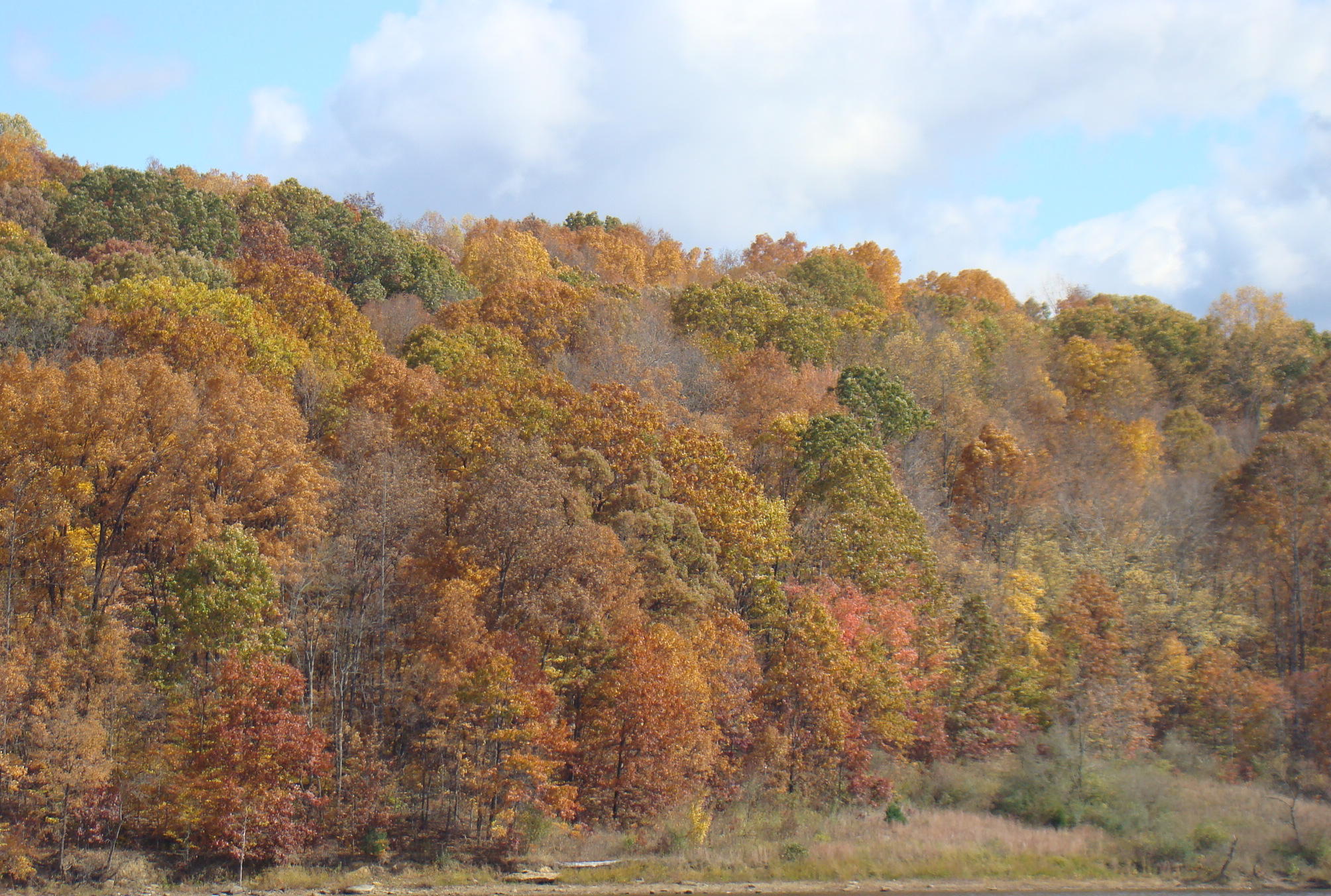
On Halloween evening, they drove to the Goblins’ Get-Together at the popular Simply A-Maizing Corn Maze near an old coal mining town. Leaves floated down as a gentle breeze drifted through the valley on this beautiful Indian summer evening. The call of a hoot owl ensured vigilance under the hazy moonlit sky.
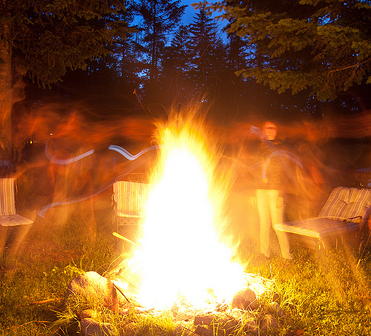
Friends gathered around a blazing bonfire, not to keep warm, but to watch the flames as they feathered into the air. Jim refused to wear a mask, even though Melanie explained, “Masks were originally worn to scare away the bad spirits, while people put food on the doorsteps to encourage good spirits. I’m wearing my mask just for fun.”

With moonlight dancing across the fiery autumn hills of southeastern Ohio, a mist rose from the nearby valley. All at once a cool breeze came out of nowhere. Melanie’s eyes glazed over with surprise and a shiver ran down her spine.

“What’s the matter Melanie?’ asked one of her friends, “you look like you’ve seen a ghost.”

“M-m-maybe I just felt a ghost! The icy air rushed past like someone opened the door to the freezer.” A faint smell of coal dust lingered in the frigid breeze. “Could it be the Ghost of Walhonding that our parents used to talk about? Remember those stories about the miner that was trapped in the coal shaft collapse?”

“Don’t be foolish,” grumbled Jim, “you know there isn’t any such thing as a ghost.”

At this old coal mining town, one friend suggested having a contest to see who could find the biggest lump of coal. They divided up in pairs and headed off in different directions.
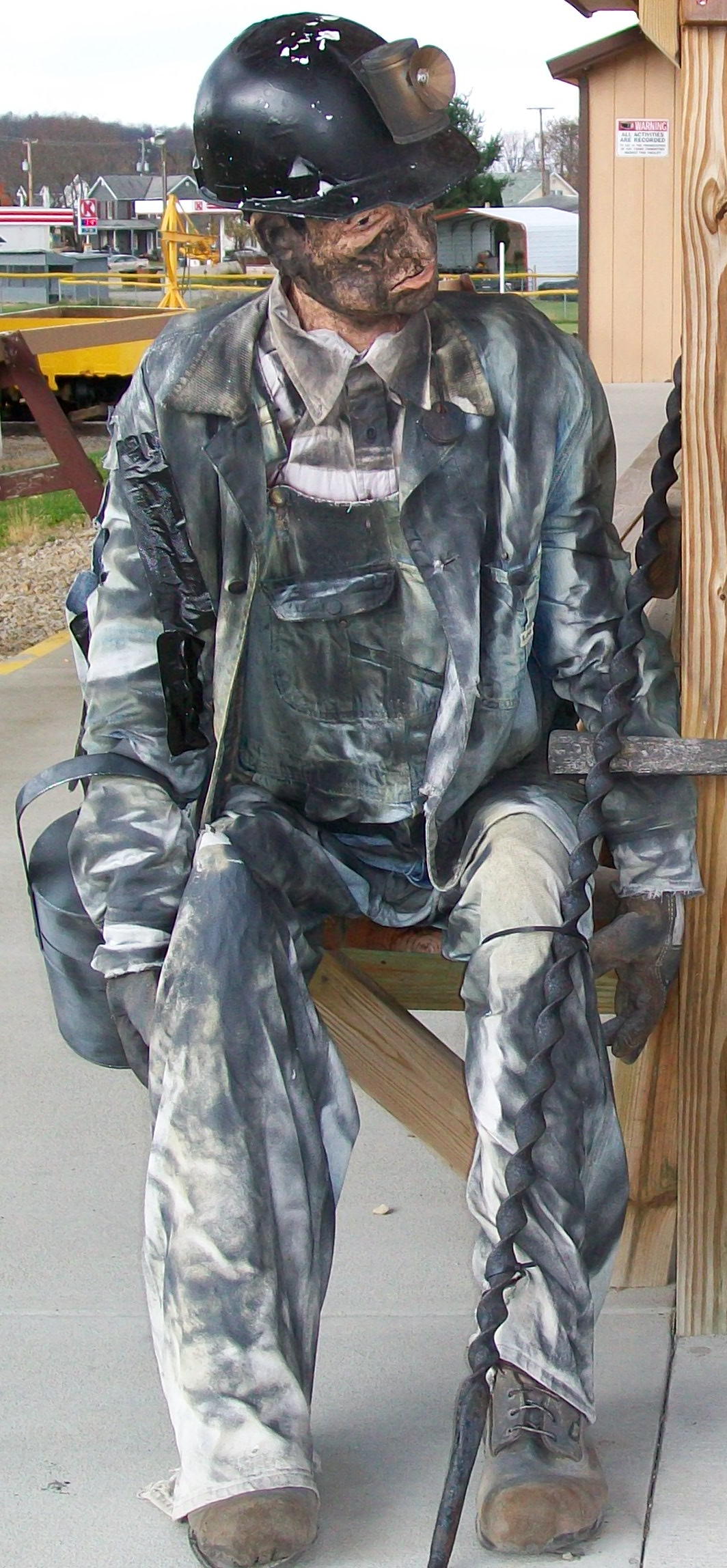
Melanie suggested to Jim, “Maybe we should try over there by that old slate pile.” As they approached, they spotted a dirty young man walking by the pile where the silvery handiwork of nature’s lace maker glistened in the moonlight.

“We’re looking for a large lump of coal,” explained Melanie. “Do you live around these parts?”

“Been here all my life,” muttered the dusty man.

“Could you help?”

“Why sure. You wait here as I know a secret spot.”

In a few minutes, the young man returned with a beautiful large lump of coal. Melanie and Jim glanced at each other in surprise.

When they looked back, the dusty man had vanished, and a chill surrounded them; however, the coal remained at their feet.

Picking it up with quivering hands, they headed back to the bonfire. Everyone else decided the only coal left here was underground where the mine shaft caved in years ago, so Jim and Melanie’s find surprised everyone. Maybe later they would tell them of their encounter with the miner.

Could they have seen the Ghost of Walhonding and received his assistance? Who knows, maybe Jim will soon have a car that flies!

Read more about the Ghost of Walhonding in SOLD, a just released book of short stories by the Rainy Day Writers of Cambridge, Ohio. Gypsy Bev has two short stories included and my story, “What’s in the Jar?”,  also contains an encounter with  the Ghost of Walhonding.
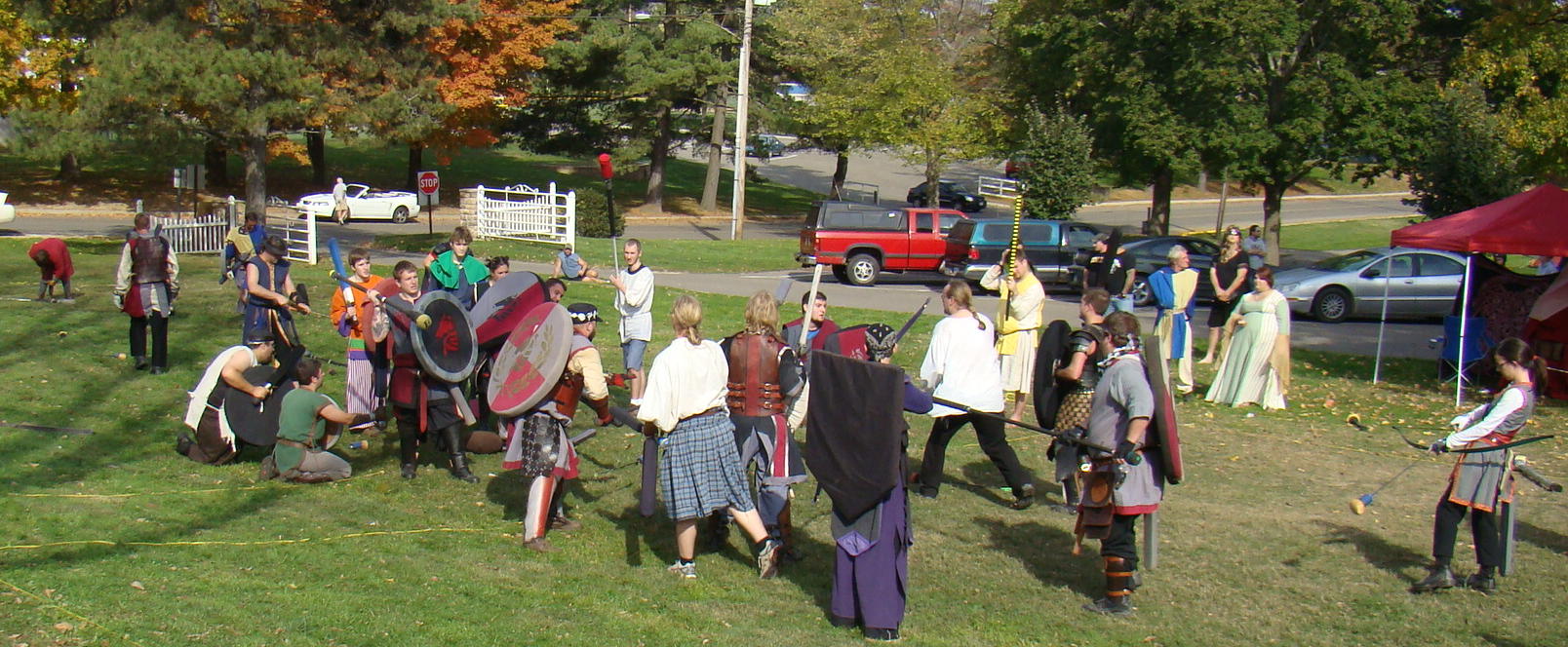
Driving past the Cambridge City Park, there appeared an unusual sight – what looked like a jousting match.  Upon closer investigation this was a fighting contest called Dagohir, which was part of the 3rd Annual Cambridge Medieval Market Faire. The young fellows said, “We are gentleman off the field, but fighters on the field.” But their battle weapons were rather unconventional as this was “full combat foam fighting” where sticks and balls are all composed of foam.

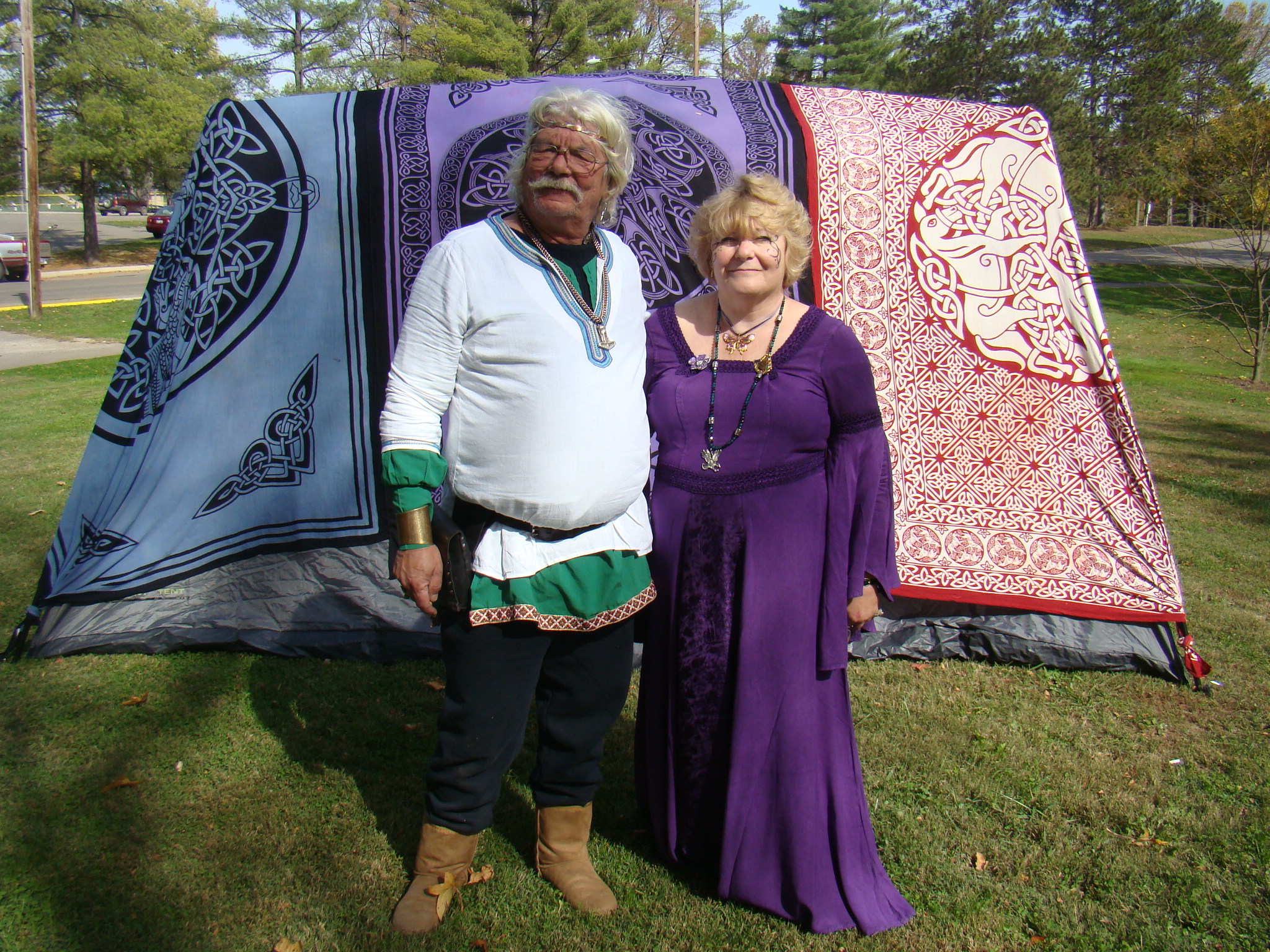
Organizers explained that the Medieval Faires were organized to keep alive the legendary stories of old, such as King Arthur and the Round Table. Sir Eugene the Rogue and Lady Lavender are leaders in organizing the local festival, and hope through their games and stories to instill in young men a deeper respect for women.

Eight years ago, these two met at the Southeastern Ohio Renaissance Festival right here in Cambridge during a “Wooing Contest.” Here the single men line up on one side and the single women on the other.  They then proceed to say clever things to each other that might attract the partner of their choice.  Lavender Lady confessed that The Rogue charmed her with his poetry. Their prize, besides the lady or man of their choice,  was a statue of two piglets.  Why, you ask, would they give out pigs for a prize? The answer given:  “No matter how well a man speaketh, in the end we know they are all pigs.”

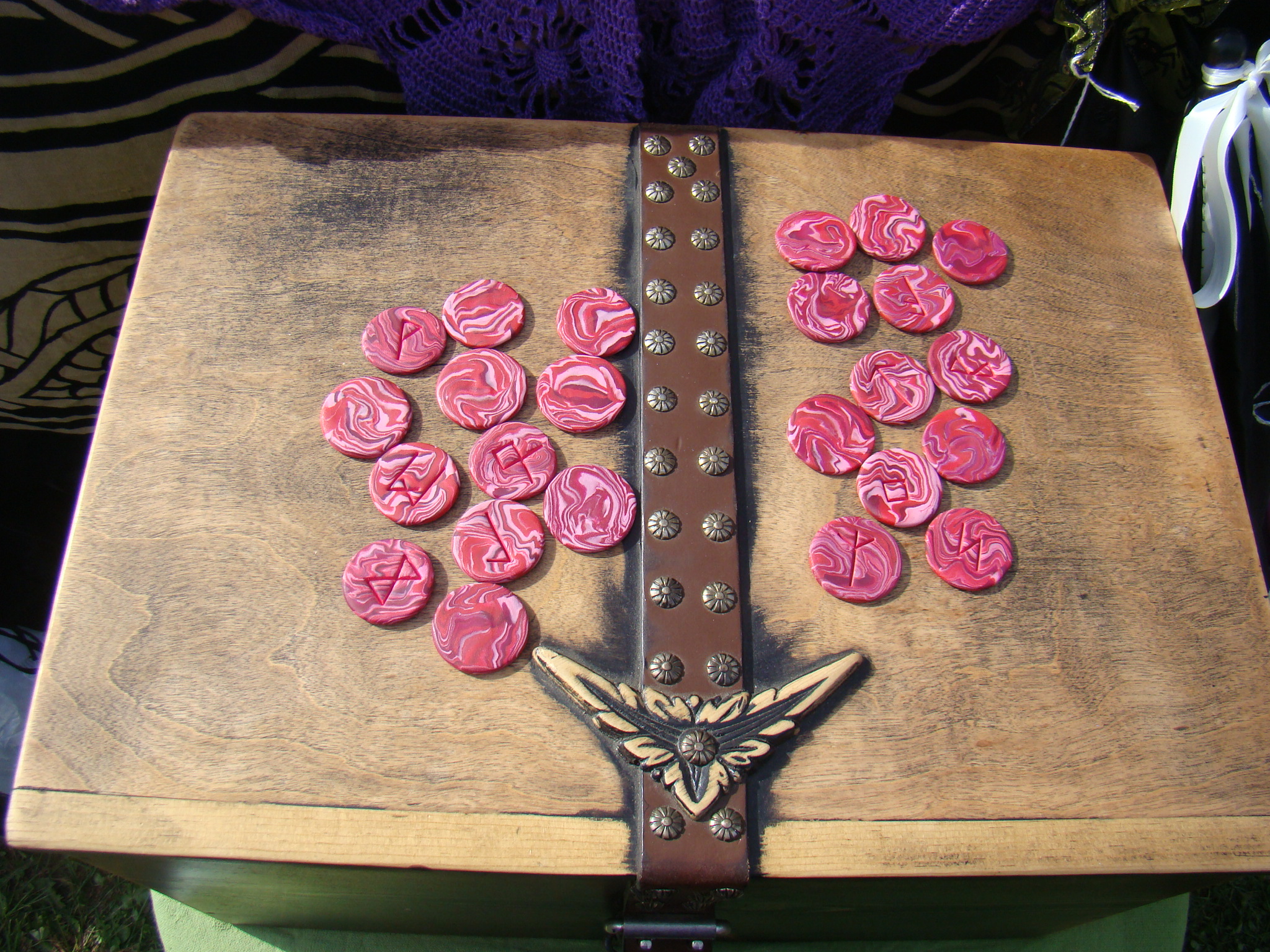
Tents were scattered throughout the park displaying wares of various merchants…all with items from the Renaissance period. Ladies of the Lace displayed beautiful handmade clothing from days of old. In another tent, wooden book covers and small chests were finely made, so decided to spill a bag of runes atop a chest to get a better look. These rose runes were made of baked clay, stamped with the runic alphabet, and then hand painted by the young man in the tent. Runecasting works with the subconscious so when posed with a deep question, one reaches into the bag of runes for a possible answer.

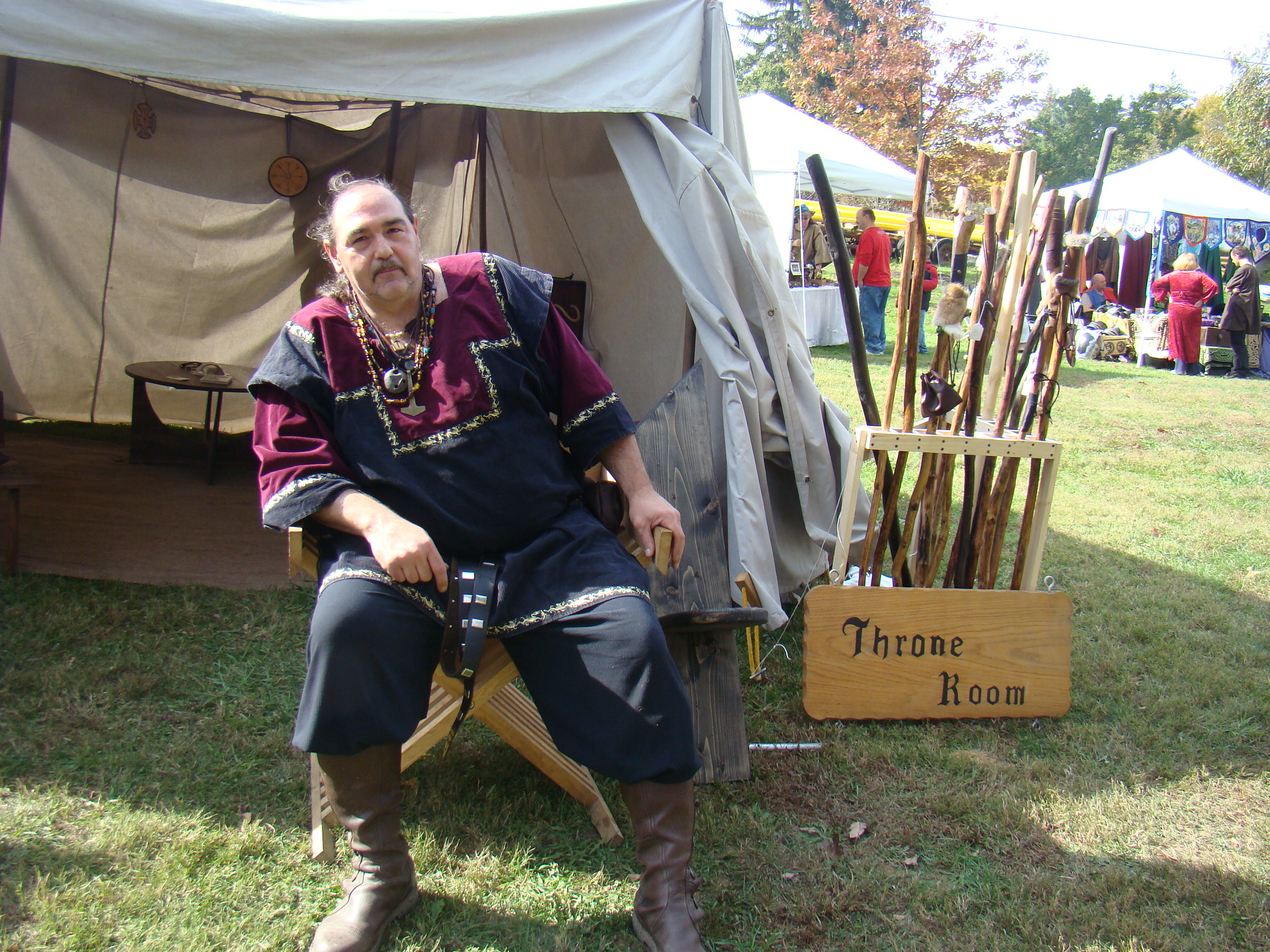
Sitting in a 10th Century German Chair was Uthr in a spot called The Throne Room. Uthr told an interesting story of his life beginning with his membership in the Society for Creative Anachronism, an international group exploring and recreating the arts and skills of  pre-17th century Europe.  Today he makes beautiful walking sticks and travels around the country sharing his stories with anyone who will listen.

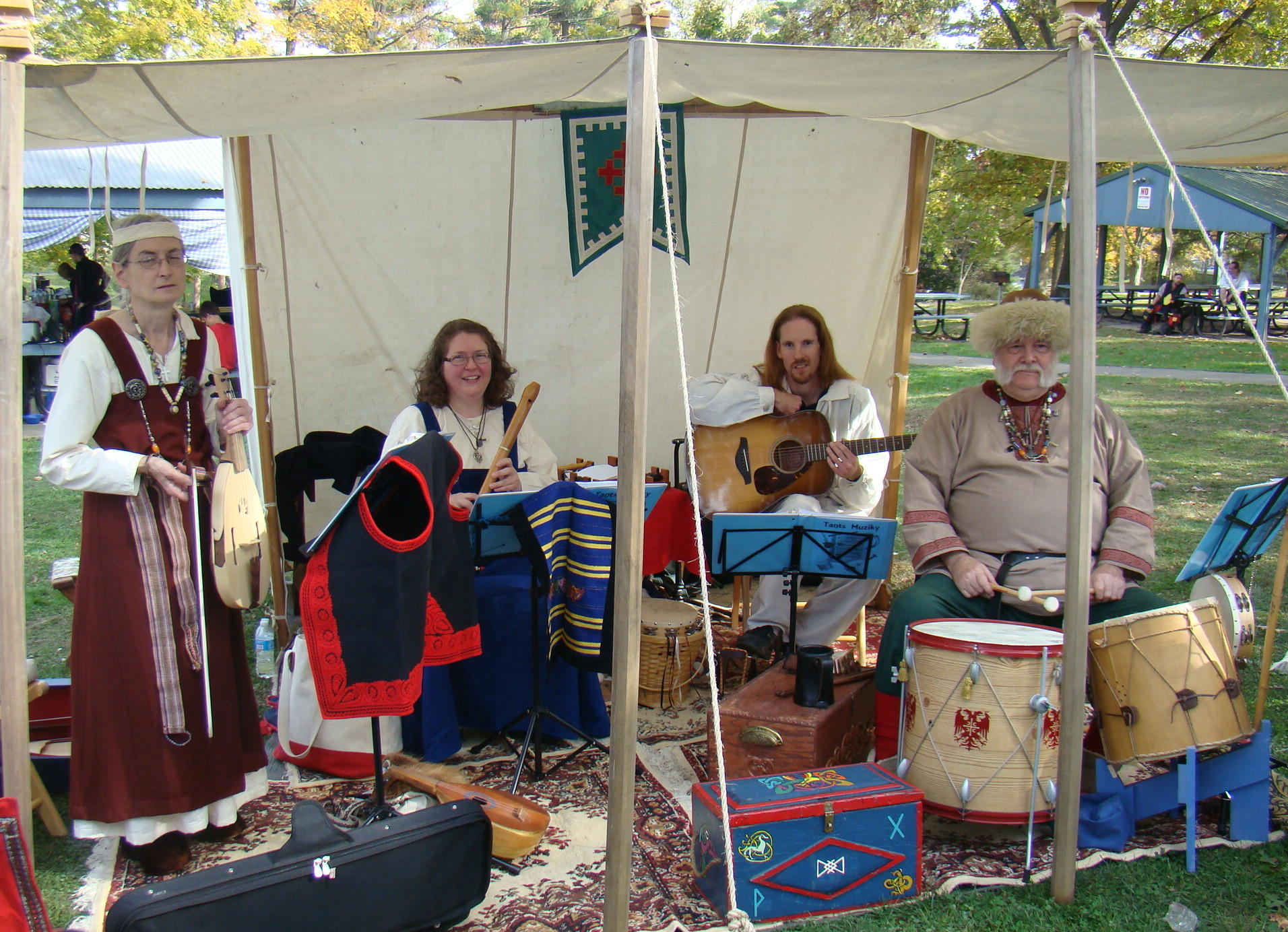
Tants Muziky, which means Dance Music in Ukranian, presented Renaissance and Medieval music on a variety of ethnic instruments throughout the day. This musical family, although not related, also plays a wide variety of music from the European nations: Slovak, Celtic and Scandanavian were a few that they mentioned. Dancers were also present in beautiful costume to add a little flair to the performance.

What an interesting and fun-filled afternoon! Later they were having Broomstick Jousting, also called Full Feather Jousting, where you try to knock someone off their broomstick.  The last one left is the champion…no prize, just the honor until next year.   Need another Renaissance game? Kickin’ the Chicken might be more your style.  Could Harry Potter be around here somewhere?

The Cambridge Medieval Festival is held at the  City Park in Cambridge, Ohio  the second weekend of October annually. Cambridge is at the crossroads of I-70 and I-77 so it’s quite easy to access. When downtown, directly behind the courthouse is 8th Street, which will lead you straight to the park. 

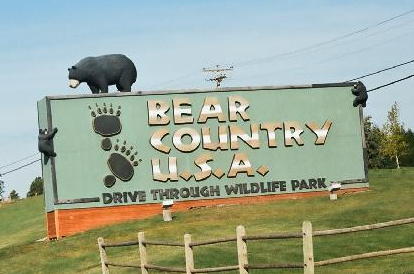
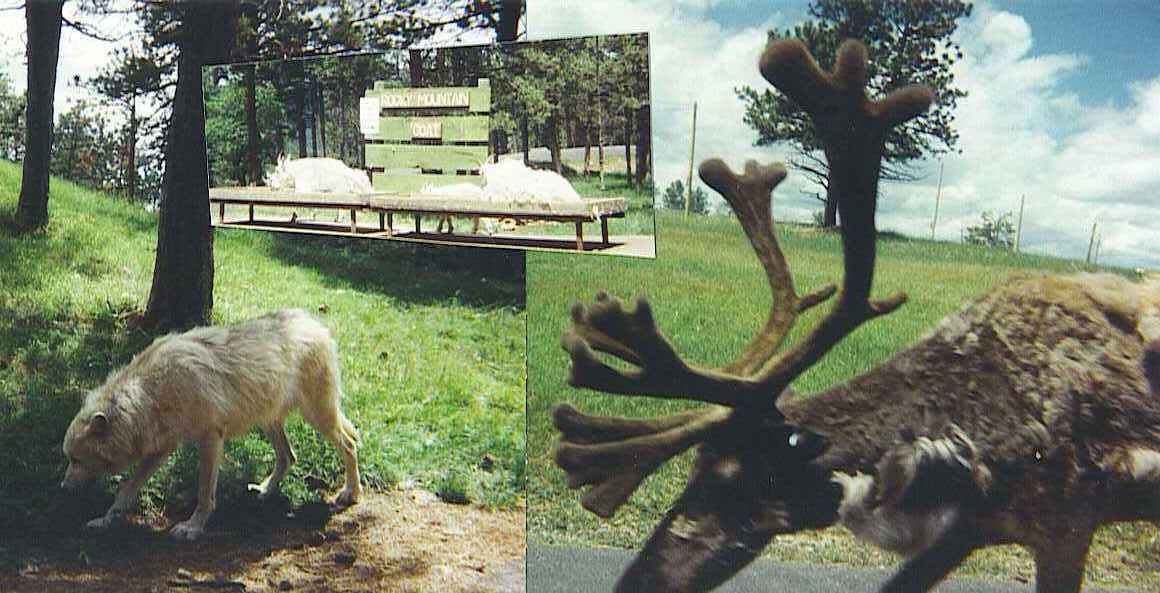
Stay in your car! Don’t feed the bears! Here at Bear Country USA in the Black Hills of South Dakota, drive your vehicle down a three mile path to get up-close views of bears and more.  Although you will find virtually every large animal in the Rockies here:  elk, moose, bobcats, bighorn sheep, wolves and more, the bears seem to be the big drawing card.  Over 200 Black Bears , “the largest privately owned collection of black bears in the world”, make their home here at Bear Country.

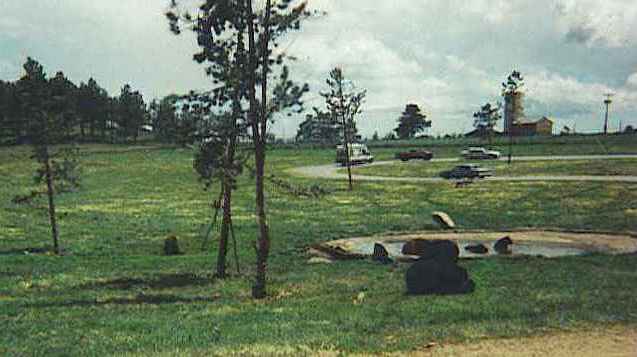
Driving through towering pines and rolling meadows, signs suggest that observers keep their windows rolled up. The animals are all very calm and seem oblivious to all the cars going through their home. It almost seems that they stop and pose for pictures along the way. Playing in the pond seems to be a great way to cool off on a warm summer day. You never have to worry about danger here, if you follow the rules.

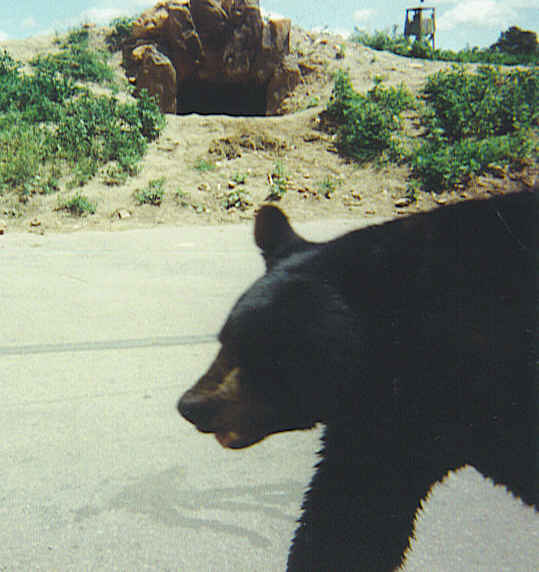
What a thrill to be driving very slowly down the trail and have a black bear approach your vehicle. Imagine a large black bear looking in the window of your car. Then feel the car rock just a little as he rubs up against the side.  It is wise not to feed the animals as the bears will be hunting for more.  They may even scratch your car to try and get in, if tempted by food.

Opened in 1972 with just eleven black bears and a couple other animals, the wildlife area is still owned and operated today by children of Doc and Pauline Casey.  When the bear cubs are born in January, these are the people that take the cubs from the mother in March and bottle feed them for six to eight weeks. Thus they are gentle animals when left at Bear Country USA. However, some are sold to a local zoo or even a movie studio since they are easily manageable animals.  Of course, the Caseys also help raise the young of all the other Rocky Mountain creatures that inhabit the area.

Watching the bears amble alongside your car, the drive moves leisurely. Often it is desirable to stop and watch their antics. A favorite spot is Babyland since here you can actually get out of your vehicle for a closer look at baby animals that have been born right here at the drive-through wildlife park. Cuddly cubs  frolic in the pool and climb trees while wolf and coyote pups watch the action.

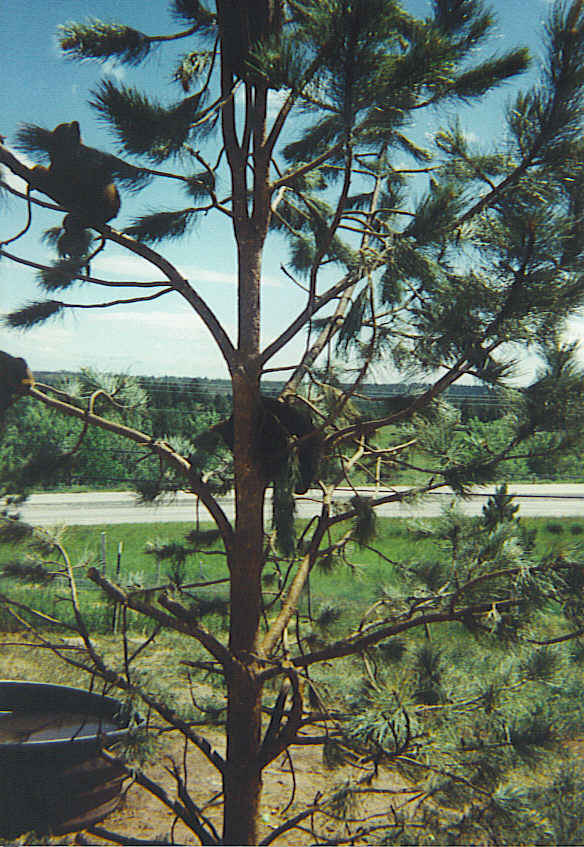
How many bear cubs can you see in the tree? Climbing trees is something Black Bears enjoy and with their curved claws are able to climb quickly and easily. Sometime they even take an afternoon nap in the branches. The hardest part of the trip may be getting everyone away from the black bear cubs and back into the car.

Enjoyed all the animals, but especially the bears. If you really enjoy seeing bears close-up, this is a great place to take a drive. That little kid in most of us will enjoy the ride.

Bear Country USA is located eight miles south of Rapid City, South Dakota right along Highway 16.  Don’t forget to visit Mount Rushmore nearby.

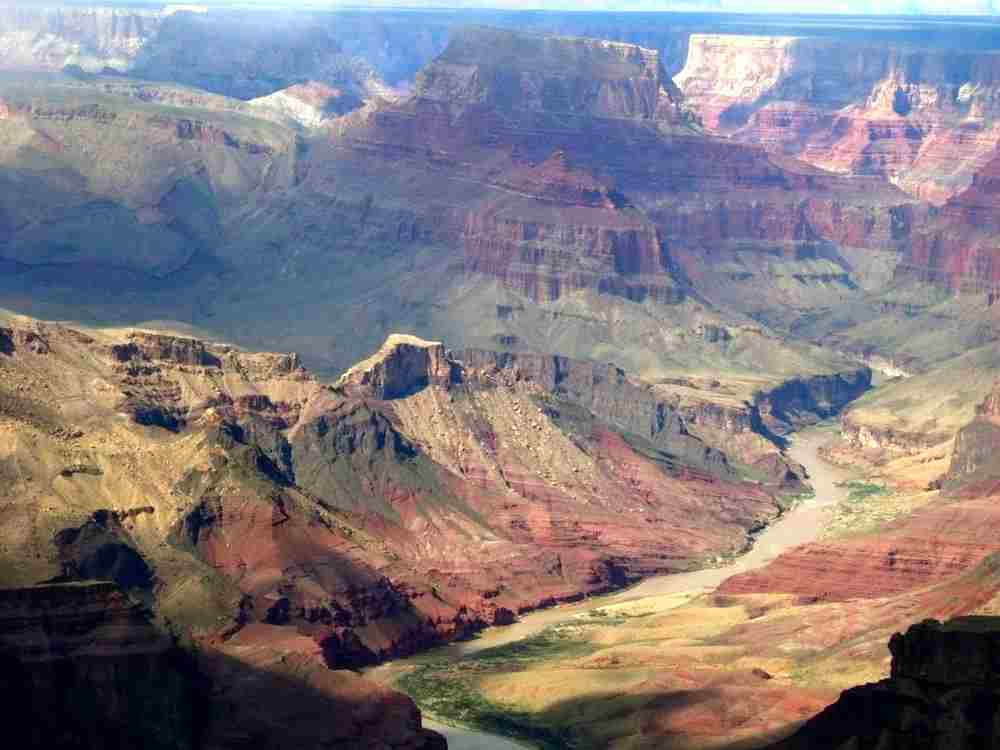
If “a picture is worth a thousand words”, then actually being there must be worth a million. Grand Canyon National Park, with the Colorado River’s wildwater rapids, is astounding beyond the imagination so it’s quite understandable for this scenic masterpiece to be listed as one of the Seven Natural Wonders of the World.

Located in the Northwestern corner of Arizona, this massive canyon has been carved over millions upon millions of years. Once this was home to ancient civilizations and in more recent time home to Native American Indian tribes. Still today it is home to five of those tribes: Havasupai, Hopi, Hualapai, Navajo, and Paiute.

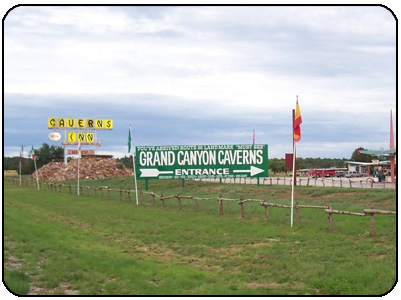
Hopi legend says that ancestors once lived in caves and tunnels in the Grand Canyon.  This could actually be true! Not far near Peach Springs, Arizona on Route 66 are the Grand Canyon Caverns, 800 acres  of caves and tunnels underground, forming the largest dry caverns in the United States. Entrance today is through an elevator, which descends approximately twenty stories into the earth.  Perhaps the Hopi had a secret entrance.

The air here is pure and dry coming through about ten miles of limestone crevices from the Grand Canyon itself.  When taking a tour there, the guide mentioned that these caverns were designated as a nuclear fallout shelter during the Cuban Missile Crisis.  Some supplies still remained at that time…just in case. Sometimes my mind wonders if the whole inner earth looks like Swiss cheese.

Although larger than the mind can comprehend, this is a tranquil place filled with rare plant and animal life. Some of the elk here weigh as much as a thousand pounds so there is frequent warning: Never Approach Wild Animals.

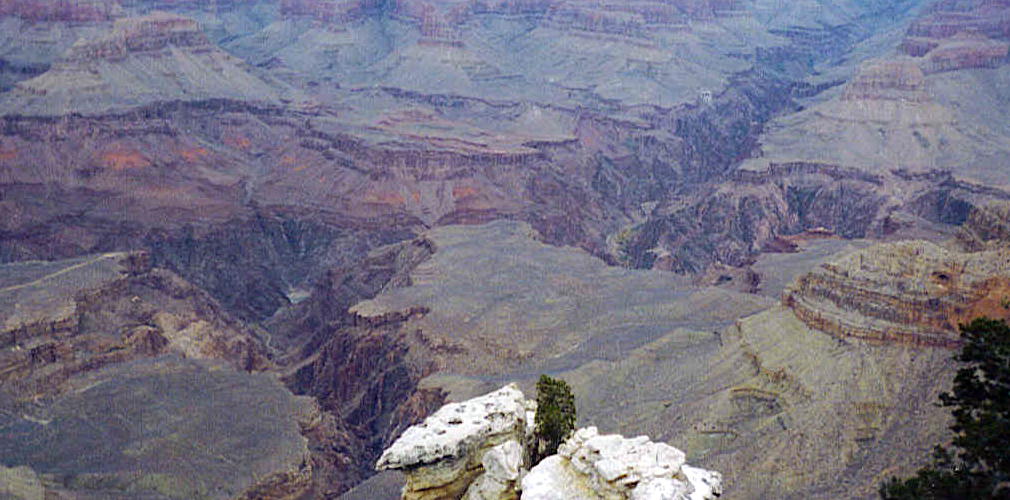
One popular scenic view arises at Pima Point.  From this point, people say they can hear the Colorado River splashing as it echos off the canyon walls about a mile below.

There are many ways to see the canyon for the adventurous.  One is to descend the narrow ledges of the canyon on mule back.  Since the mule is considered to be the most surefooted of animals, many feel this is a safe way for exploration.  Others prefer wild water rafting down the beautiful Colorado River, which is partially responsible for the appearance of the Grand Canyon today.

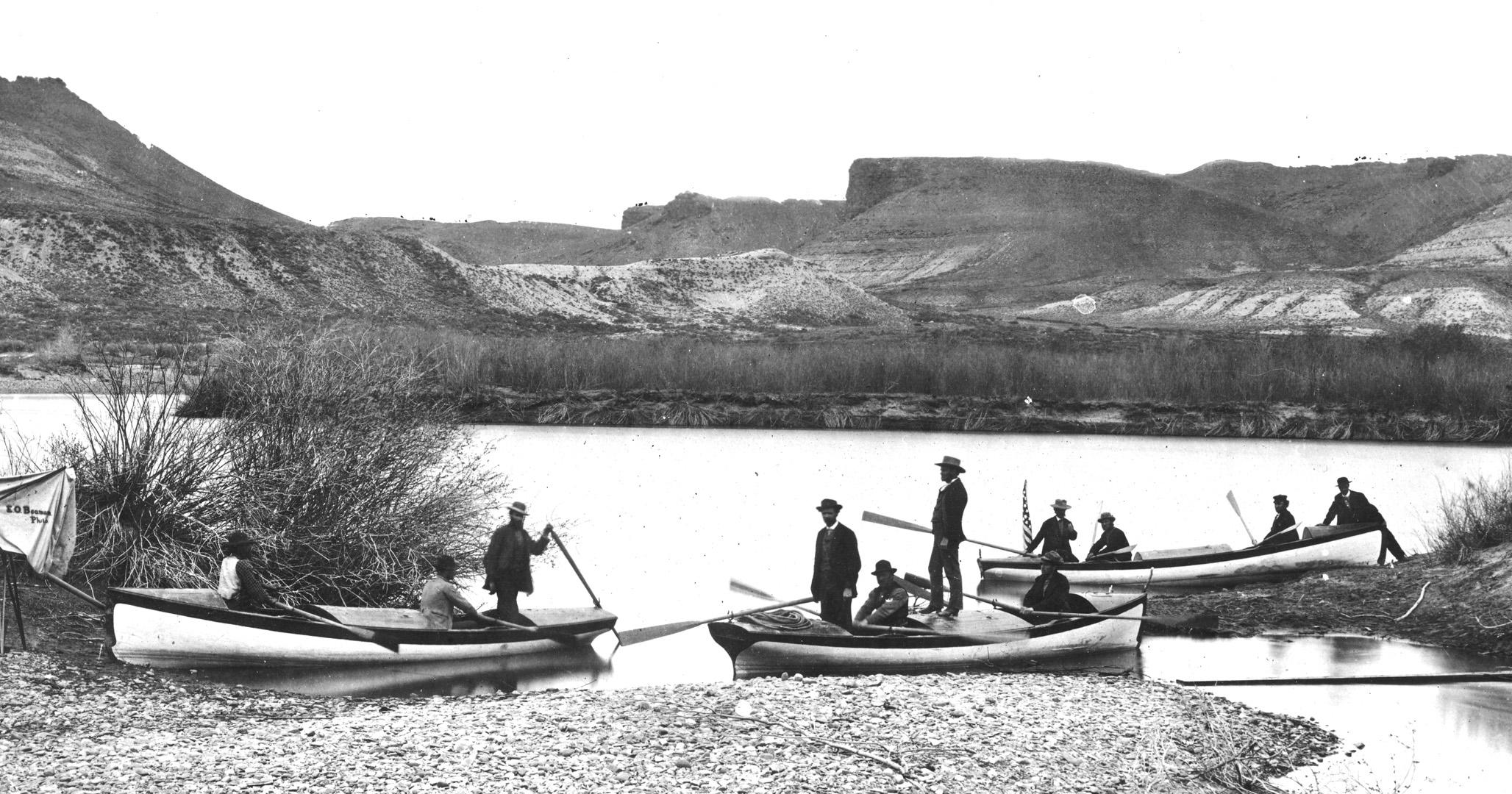
Geologist John Wesley Powell led the first recorded expedition down the Colorado River the full length of the canyon starting at Green River, Wyoming. This Civil War hero, who lost his right arm at the Battle of Shiloh, filled diaries recapturing his astounding experiences on that 1869 three month expedition.  Here is an excerpt from Powell’s Canyons of the Colorado, a book written after his river trip:

“The walls now are more than a mile in height … A thousand feet of this is up through granite crags; then steep slopes … rise one above the other to the summit. The gorge is black and narrow below, red and gray and flaring above, with crags … on the walls, which, cut in many places by side canyons, seem to be a vast wilderness of rocks.

That is quite a trip as the canyon is 277 miles in length.  Variations in width make it even more unusual as it is only 600 yards wide at Marble Canyon, while at its widest, it is eighteen miles. The river moves quickly and has lots of rocks along the way so a trip down these rapids is a challenge.  The average depth of the Colorado River is about forty feet so a good idea to wear a lifejacket.

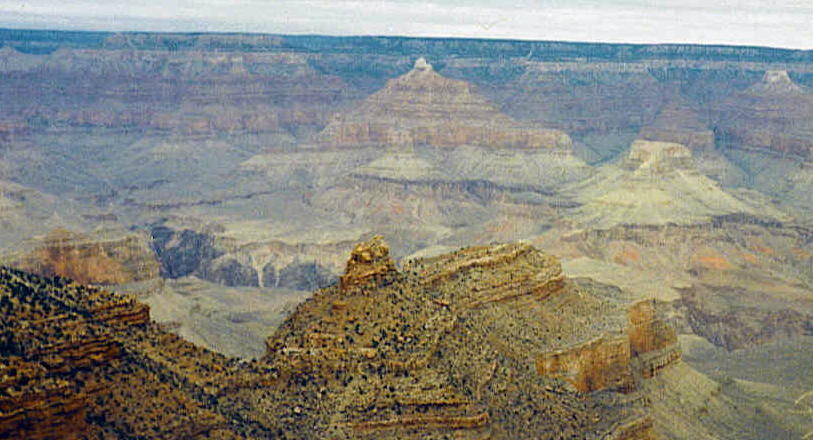
A great place to get an overlook of the canyon is from the Yavapai Observation Station, first located here in 1928. The view of the buttes and spires from this point is picture postcard perfect. What a great place to study the history and changes of the Grand Canyon.  Designed to blend in with the environment, the station was originally built of Ponderosa pine and Kaibab limestone. Here inquiring minds are told the complicated geological story of the formation of the Grand Canyon.

Every view is different at each time of the day. Sunlight as well as moonlight bring various sections to life.  During the busiest season, April – September, private vehicles are not now permitted along the popular West Rim section. Beautiful Maricopa Point on the West Rim is another favorite picture stop.  Also seen in the distance is the Orphan Lode Mine where copper and uranium were extracted during the 1950’s and 60’s.  October seems to be the perfect time to view the canyon at your leisure in your own vehicle. Then it is a tranquil place where you forget about the cares of the world and just relax in the arms of Mother Nature.  While driving some friends through the canyon on my last visit, the tranquility even captured a busy businessman, who never stops all day long. The only sound from the back seat of my car was zzz-zzz-zzz.

Grand Canyon National Park can be easily reached from I-40 exiting at either Williams – Route 64  or Flagstaff – Route 180. Both routes take over an hour to arrive at the South Rim. Pack a picnic lunch and plenty of bottled water to enjoy a relaxing day.

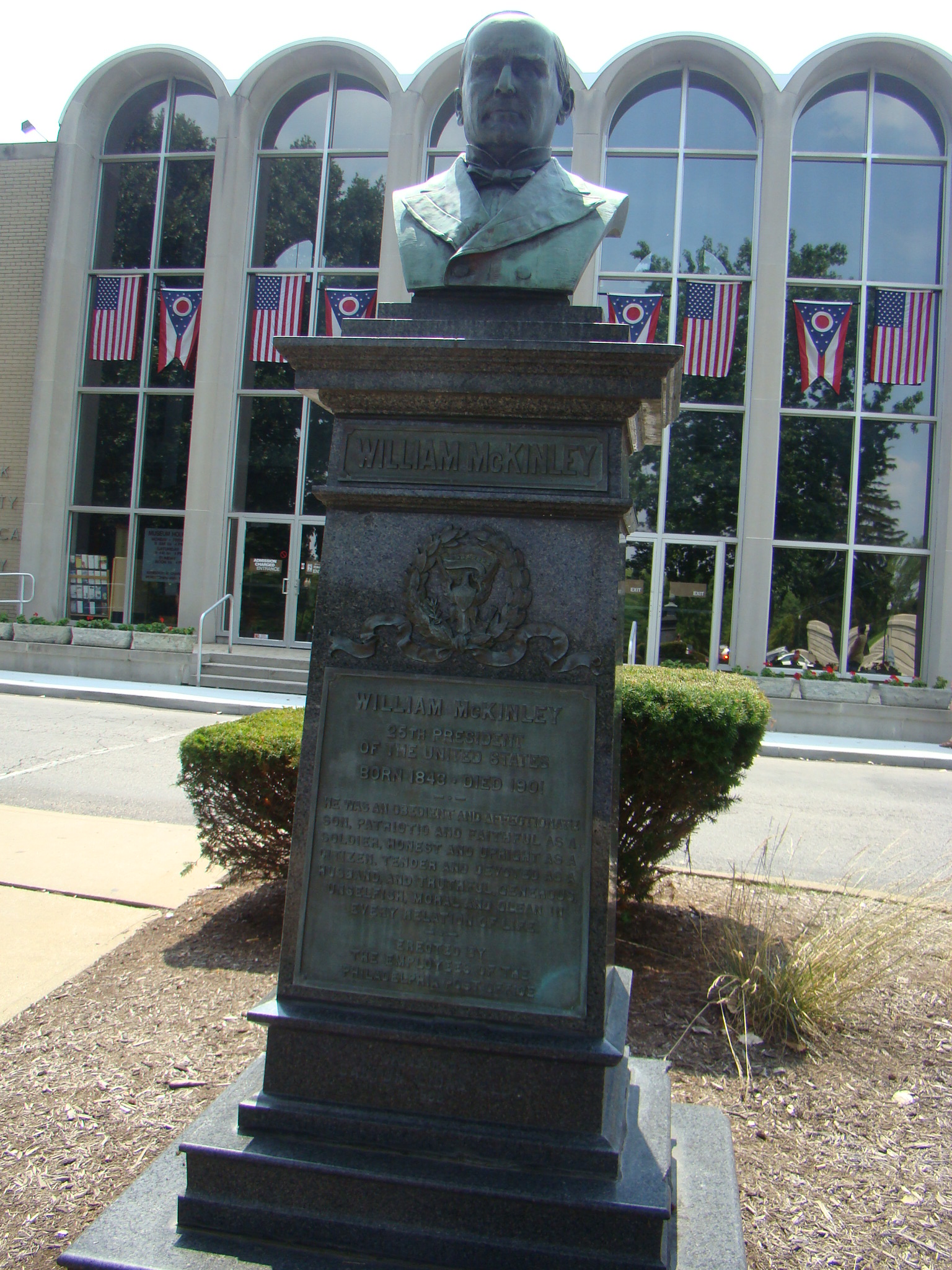
Near the foot of the McKinley Monument, Stark County Historical Society has gathered interesting information and memorabilia regarding the surrounding area. as well as the life of William McKinley.  The bust of McKinley greets visitors outside the building.
As you enter the lobby of the McKinley Museum in Canton, Ohio, a sign with a quote caught my eye. It was a word of advice to young people from President William McKinley:

“Young men and women, what your education will be and do for you depends upon yourselves.”                                                            

Within these walls is quite an extensive history of the Stark County area including leading enterprises, such as Belden Brick, Dueber-Hampden Watch Company, Erie Canal, Hoover Vacuum, Pennsylvania Railroad,  and Timken Company just to name a few. Henry Timken founded Timken Roller Bearing Company in 1902 and his entrepeneur vision was grounded in this type of thinking:

“If you have an idea which you think is right, push it to a finish. But above all, don’t set your name to anything you will ever have cause to be ashamed of.”

McKinley Museum had many interesting exhibits throughout, too numerable to mention. Here are a few things that caught my eye on a recent visit.

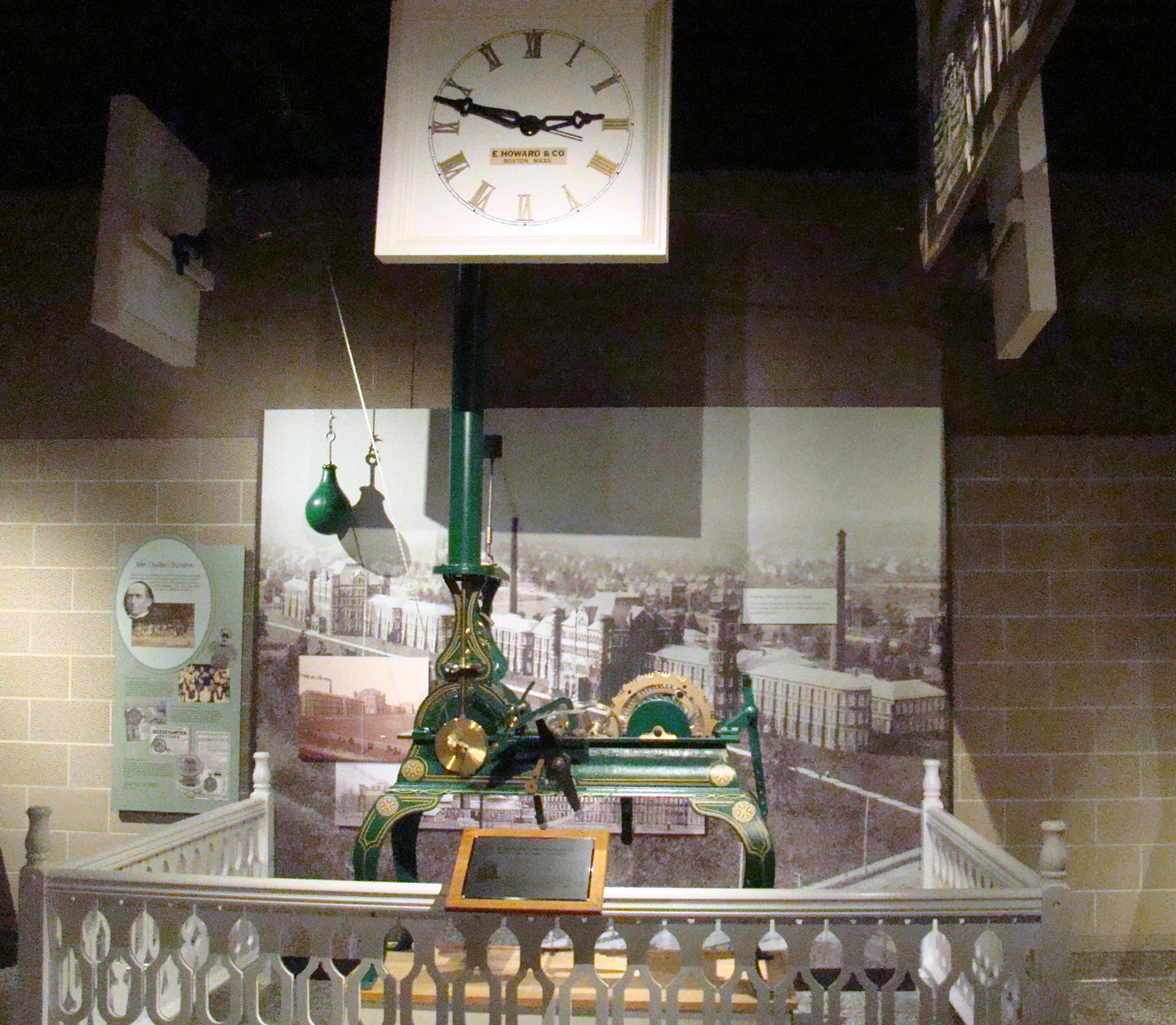
One fascinating display showed a clock tower made by Dueber-Hampden Watch Co with a sign “Accurate to the Second.”  That was way back in 1889! By 1890 the company was producing 600 watches a day in Canton, Ohio and had over a thousand employees. They used 14 karat gold  in their watch cases and had 17 jewel movement, quite advanced for their time. This company was sold to a Russian company in 1927 and twenty-one former employees went to Russia to teach them their craft.  One report is that their machinery is still being used in China today.

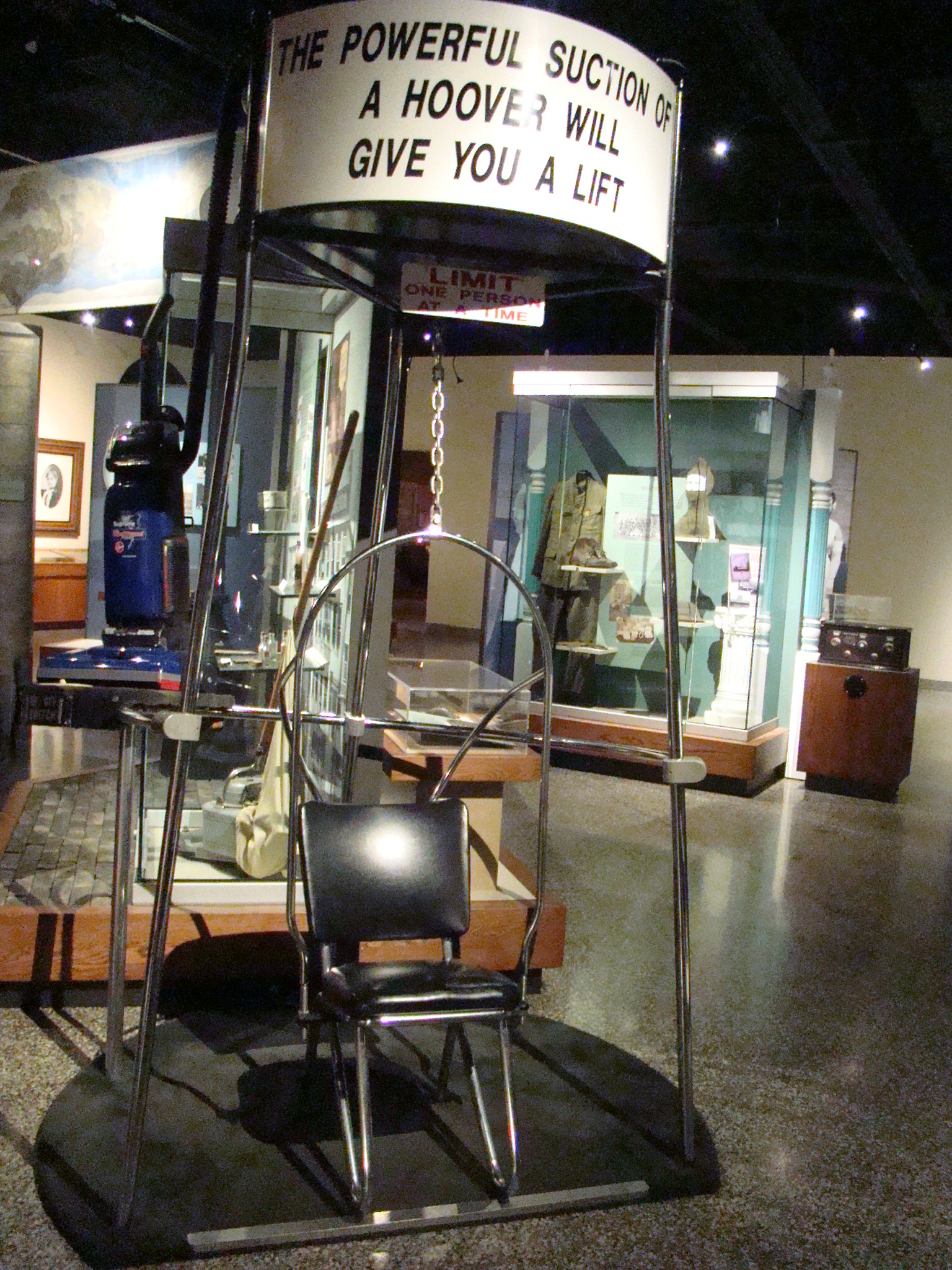
The Hoover Vacuum provided a display that attracted lines of children. While seated in a chair, they pressed a button which created enough suction to lift them well off the floor. The Power of the Hoover! It is very fitting to be highlighted here as the first upright vacuum was invented by a department store janitor, James Spangler, in Canton back in 1906. He just happened to show it to his cousin, Susan Hoover, who in turn shared it with her husband.  “Boss” Hoover bought the patent from Spangler, hired him as Superintendent, and slowly began the switch from maker of leather-goods to vacuum manufacturer.  The slogan: “It beats..as it Sweeps…as it Cleans” brought the Hoover Vacuum to the forefront.

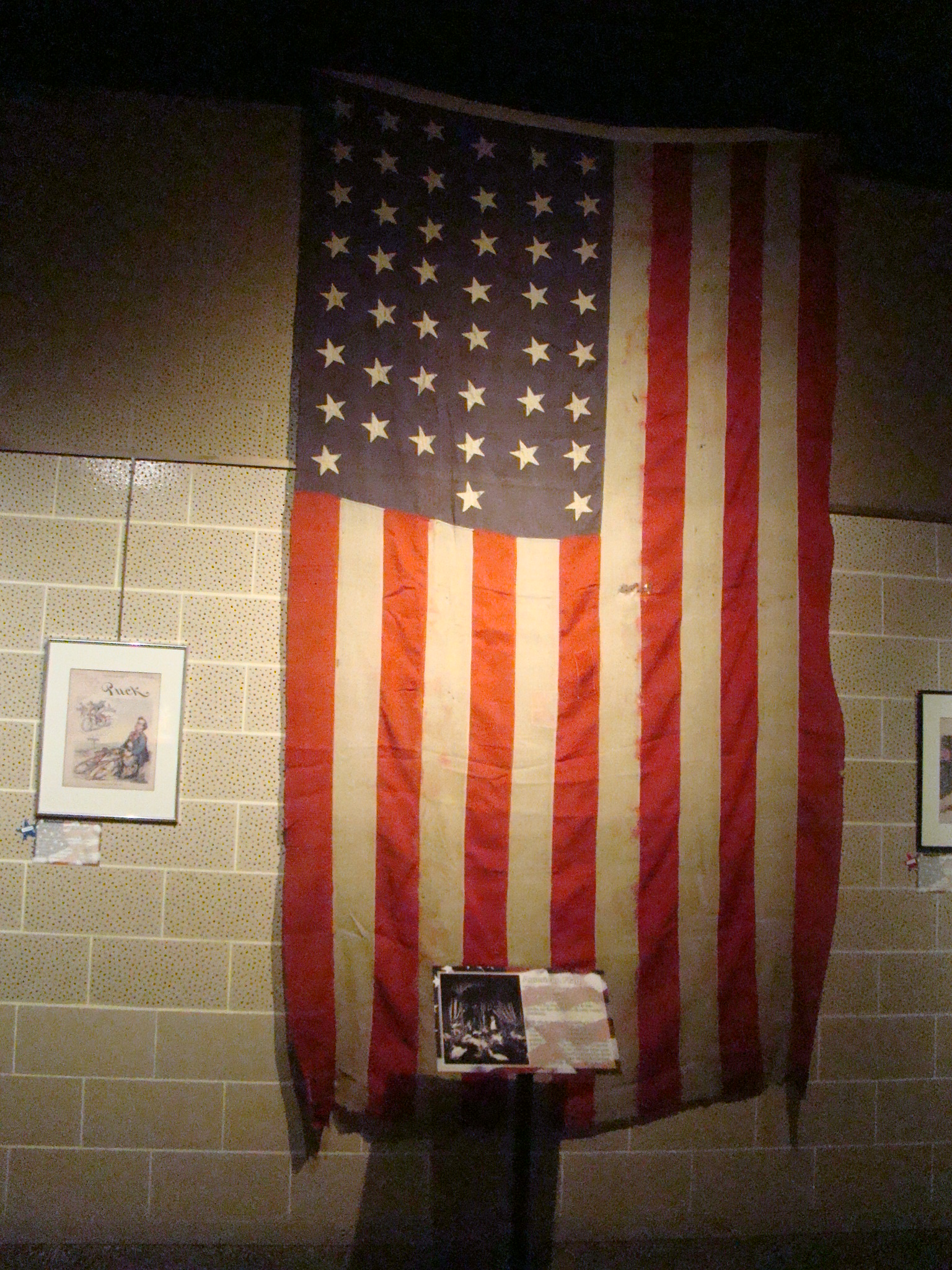
This was the original hand-sewn 45 star American flag that hung on the front porch of McKinley’s home during the 1896 presidential campaign.  During his famous “Front Porch Campaign”, McKinley made himself available to the public every Sunday afternoon on the front porch of his home. Usually he was seated in his rocking chair from which he talked to 750,000 people who stopped by. Some say he shook hands with up to a million men from that front porch scene. This campaign appealed to the average voter, who found themselves drawn to a candidate that stayed true to his roots.

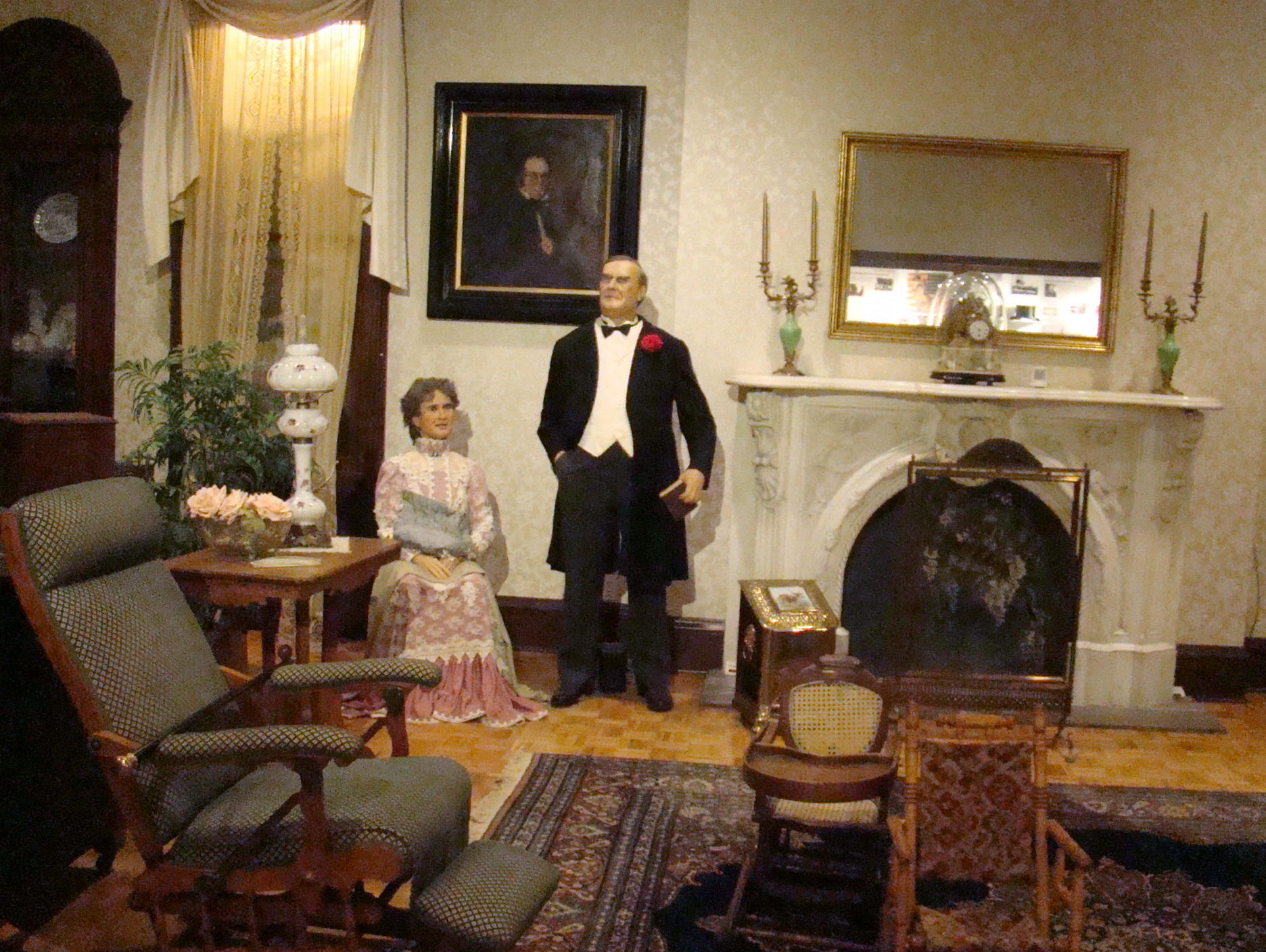
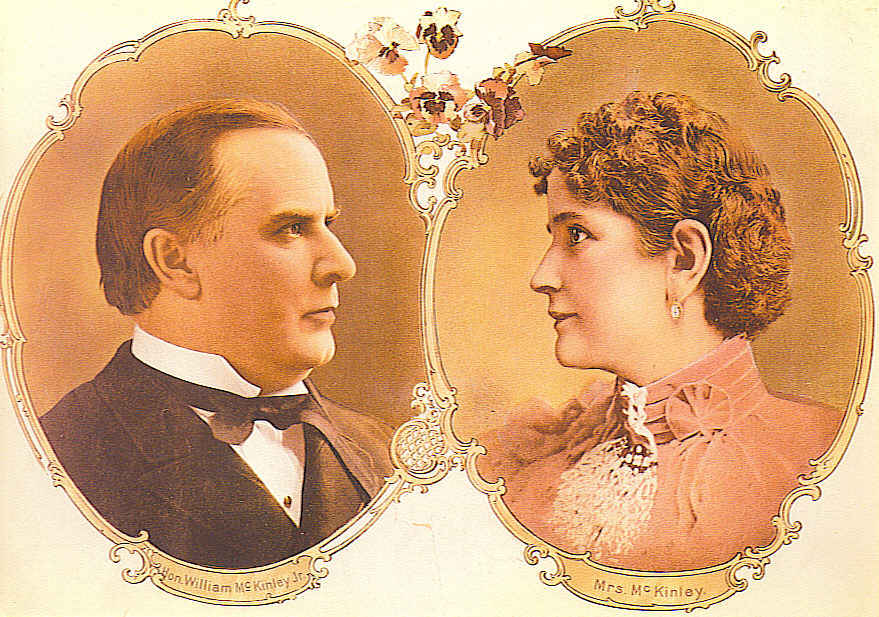
Rooms were redesigned to look very much like the ones of long ago with their Victorian furnishings. A touch of some form of music was often in evidence as that would have been one of their main means of entertainment. In the parlor, you had an opportunity to listen to talking figures of William and Ida McKinley. Notice that he does have on his symbol, the red carnation.These plastic figures are activated by sensors when you enter the room.

The Hazlett Theater is a fine spot to give your feet a rest and watch some old films from days gone by. Here you hear about the campaigns of William McKinley and get to have an inside video tour of the Memorial.

There weren’t enough hours in the day, so sadly missed the show at the Hoover Price Planetarium where visitors view the solar system and beyond. They say it is like traveling to space without leaving the ground.  Unfortunately, didn’t make it to Discover World either where dinosaurs and early American Indians welcome visitors to Natural History Island, Ecology Island and the new spot, Fascination Station.  Looks like a return visit is in order.

The McKinley Museum  is located in downtown Canton, Ohio just off I-77. Take Exit 105 for OH 172, then turn right on 7th Street NW. Take the first left onto McKinley Monument Drive where the Museum is located to the left when facing the memorial. Enjoy a little piece of Ohio history.

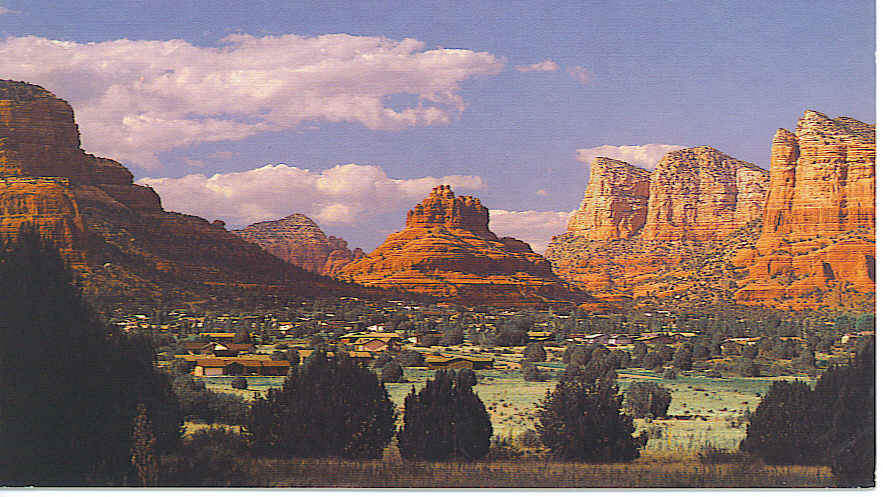
Sedona!  Just the word brings to mind beautiful red rock formations surrounded by a high level of spiritual awareness. For those interested in the metaphysical, Sedona, Arizona is the perfect place to explore. This New Age capital of America is nestled in the mouth of beautiful Oak Creek Canyon.

Spectacular views draw people from all over the world to this “red rock country” where they experience the majesty and peace of the natural wonders appearing around every corner of the road. The sandstone formations glow red and even orange, especially at sunrise and sunset here in Sedona.

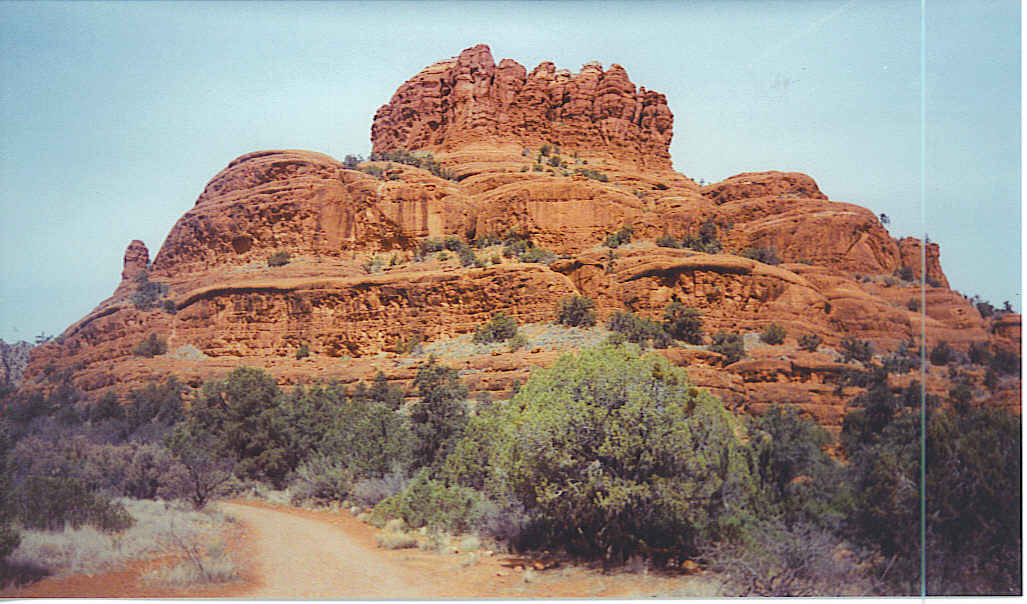
Bell Rock captures the eye and the heart as it emits an energy that can’t be explained. This is just one of several energy vortexes in and around Sedona. For those not familiar with vortexes, they are created from a spiraling motion around a rotating center, such as water going down the drain or a dust devil in the desert. But here in Sedona, the energy vortex is created by spiraling spiritual energy making it a great place for prayer, meditation and healing. There is no real explanation, it must be experienced…and that is just what I did.
While walking around Bell Rock, which is a two hour trip – at least for me- instead of getting tired, my feet moved faster at the end than they did at the beginning. Just had to keep a piece of the red rock with me -it fell at my feet- and still have it under my car seat today.  Maybe that is how I keep going and going on my Gypsy Road Trips… like the energizer bunny.
As you can imagine, Hollywood also noticed the beauty of this area and over sixty Hollywood productions, mostly Westerns,  have been filmed here. John Ford’s production of Stagecoach rolled into Sedona in 1938 beginning the bonanza of films and stars that would become familiar to the red rock area. Classic greats such as John Wayne, Elvis, Rock Hudson, and Art Carney have enjoyed hanging out in the red rocks while starring in scenes shot here.

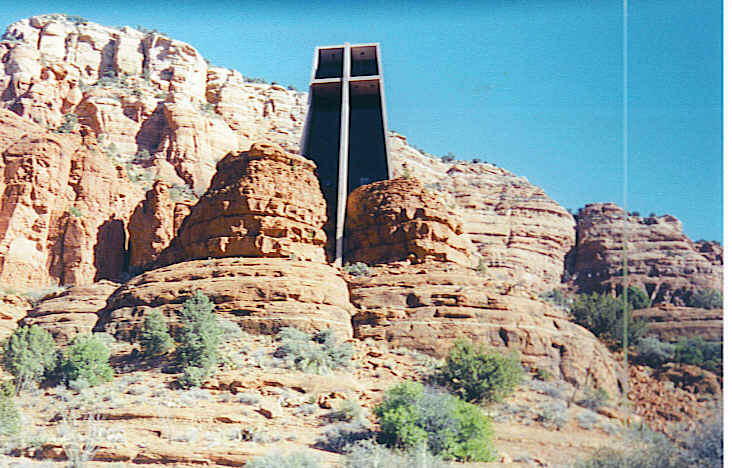
Just a short drive south of Sedona,  the Chapel of the Holy Cross provides a spiritual uplift to the trip as well as another gorgeous view of the surrounding area. Built back in 1956,  the chapel rises 250′ out of the red rock and its design was inspired by the Empire State Building. The front of the chapel faces sunset thus illuminating the interior naturally with sunlight.
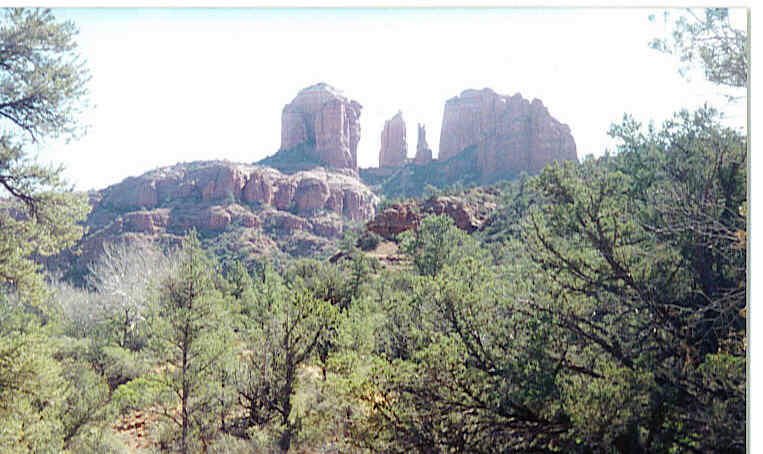
Cathedral Rock, the landmark of Sedona, provided another relaxing place to walk, but personally didn’t feel the energy surge experienced at Bell Rock. Trails lead to the “saddle points” or gaps in the beautiful red rock configuration. While the trail is exceptionally steep, a breeze is nearly always present due to the air movement through the saddle points.

Stayed on the edge of town in the red rocks at a rustic little place called quite naturally, Red Rock Lodge. Here the owner gave me a tour of her beautiful flower garden and explained a little about the flowers of the region. Arizona Poppy, Indian Paintbrush, and Desert Primrose add beauty and a pleasing aroma to the surrounding mountains. Rates were affordable at this small comfortable lodge while the views were extraordinary.

Couldn’t leave town without getting a psychic reading at a charming place with beads hanging from the doorway, a crystal ball on the table, and cards spread to tell me that I was indeed an “old soul” who had been around for a long, long time. This old-fashioned metaphysical community is the place to immerse yourself in Reiki, acupuncture, aromatherapy, UFOs,  and much more.

Sedona has grown since my last visit, but even today there are few streetlights, no buildings reach over two stories high, and every structure must match the primary colors of the rocks. No Golden Arches for McDonald’s here – arches in Sedona are turquoise! These awe-inspiring red rocks formed in beautiful buttes, spires and canyons capture your attention; however, there is a serenity here among the beauties of nature that draws one back again and again.

The Sedona area is located off I-17 at exit 298. Proceed on Highway 179 which after about 14 miles  will lead you to the Y in the road from which you will be guided to various area attractions.  Grand Canyon is a couple hours north of Sedona, while the intriguing Sonoran Desert lies south. Not many can resist the charm, so plan to spend a day or two in this breathtaking area.

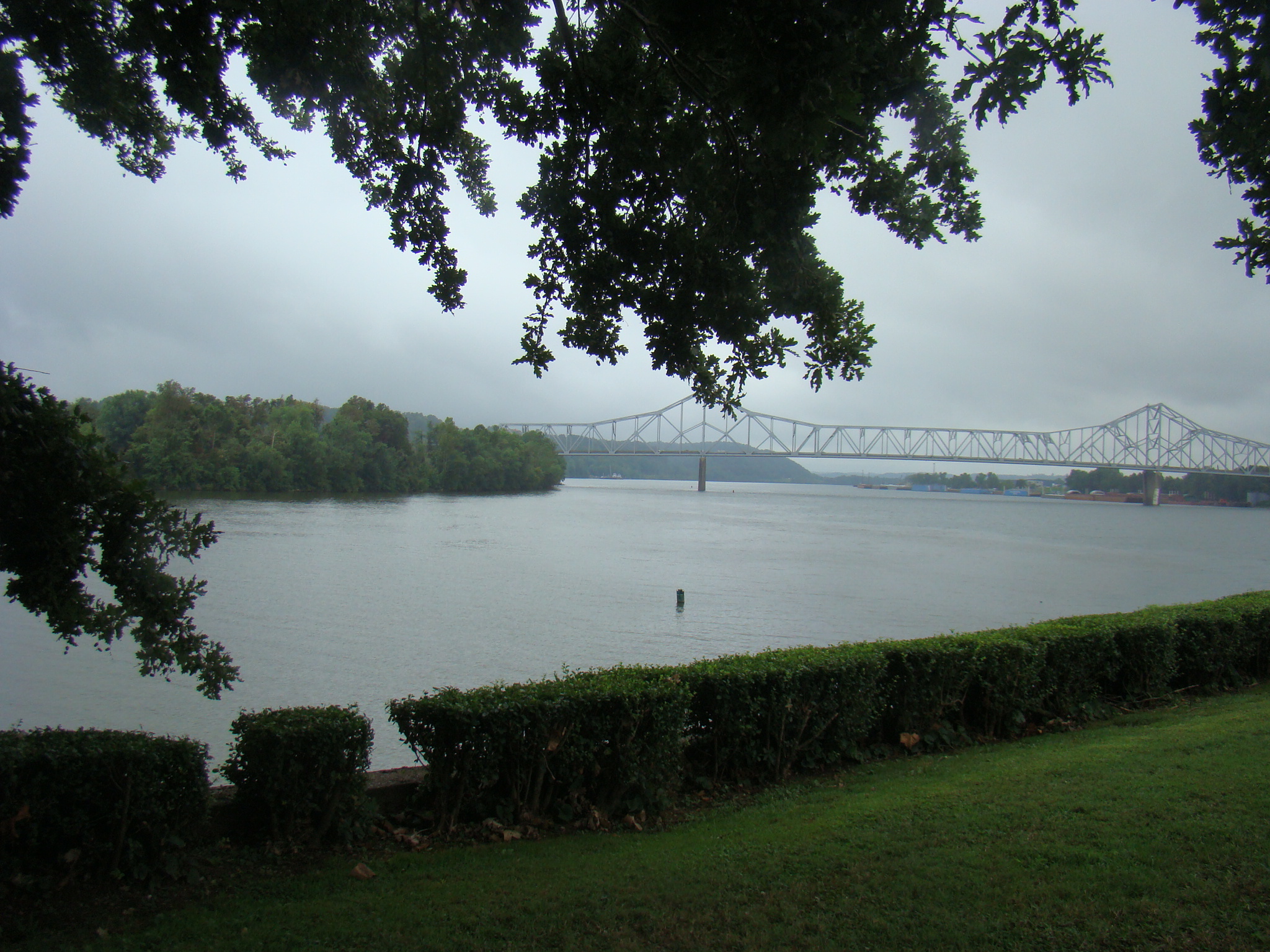
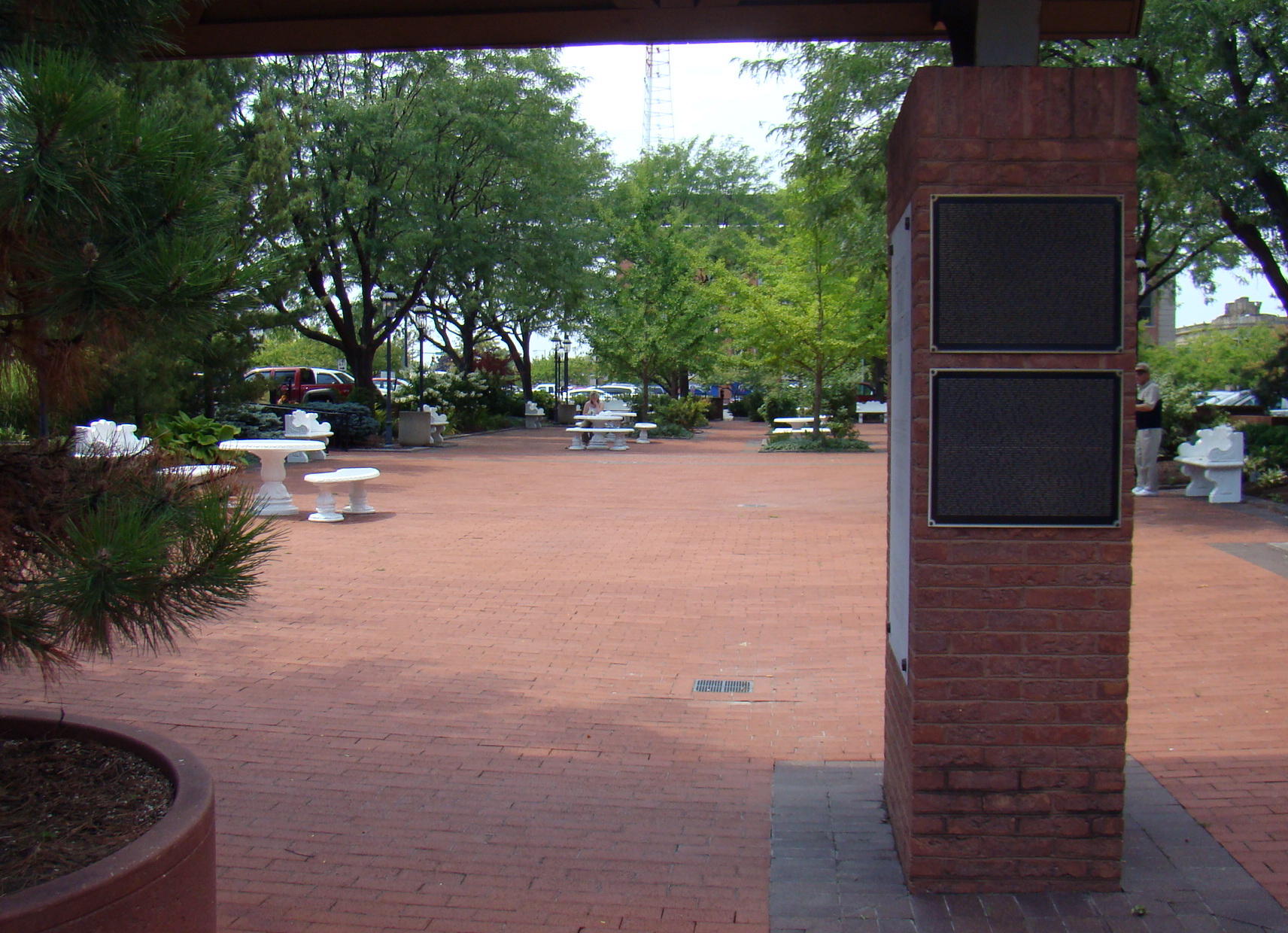
“A pleasant point” was the description given by surveyor, George Washington, when he arrived at the confluence of the Great Kanawha  and Ohio Rivers. Today the town that grew there is called Point Pleasant in West Virginia. The beautiful Riverfront Park is a pleasant surprise here and a wonderful place to take a leisurely stroll with the Ohio River on one side and large murals depicting the town’s history on the other.You can glimpse the Silver Memorial Bridge close to  the point where the Great Kanawha River joins the Ohio River near the end of the Riverwalk in the State Park, Tu-Endie-Wei, which adjoins.

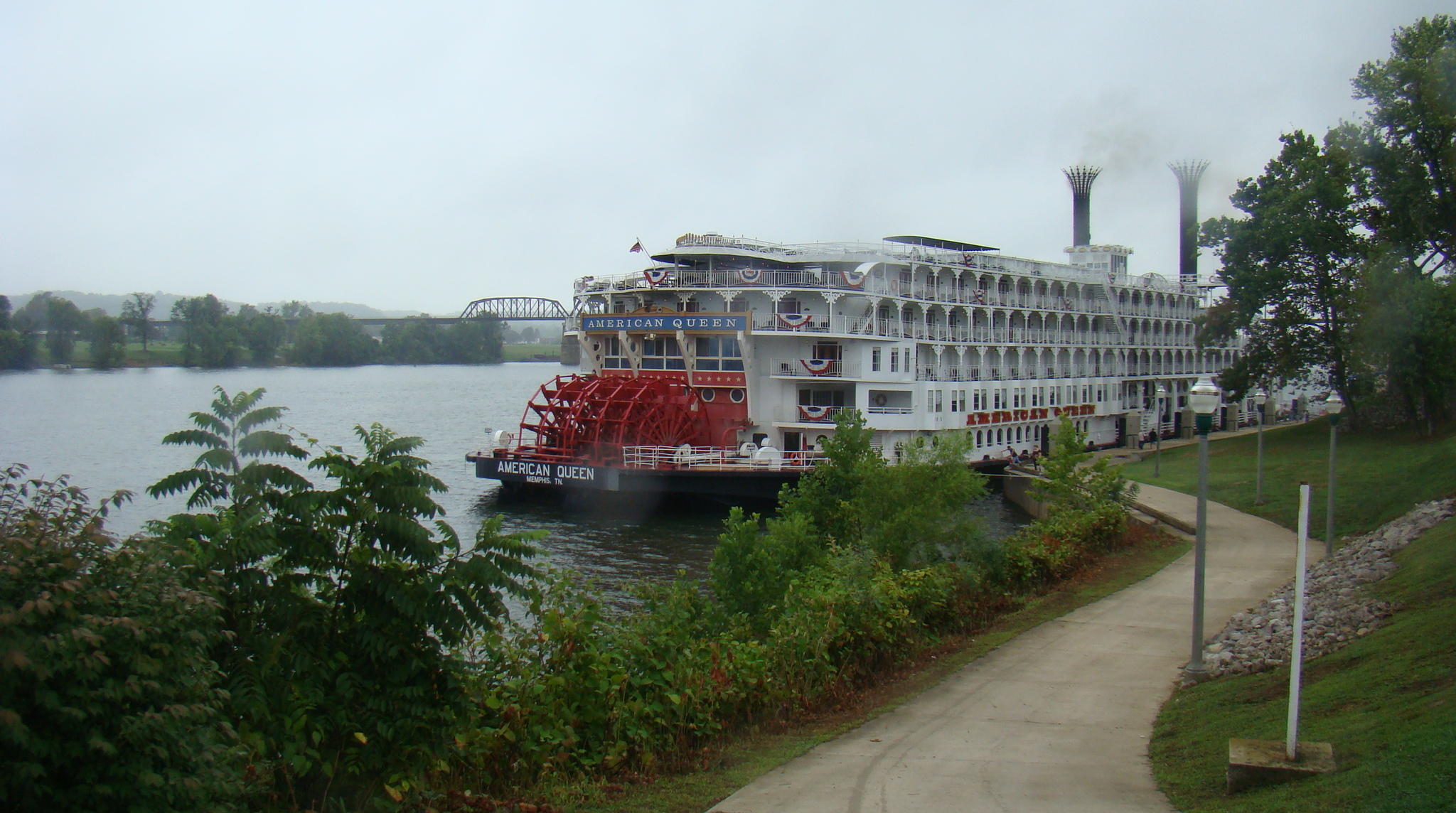
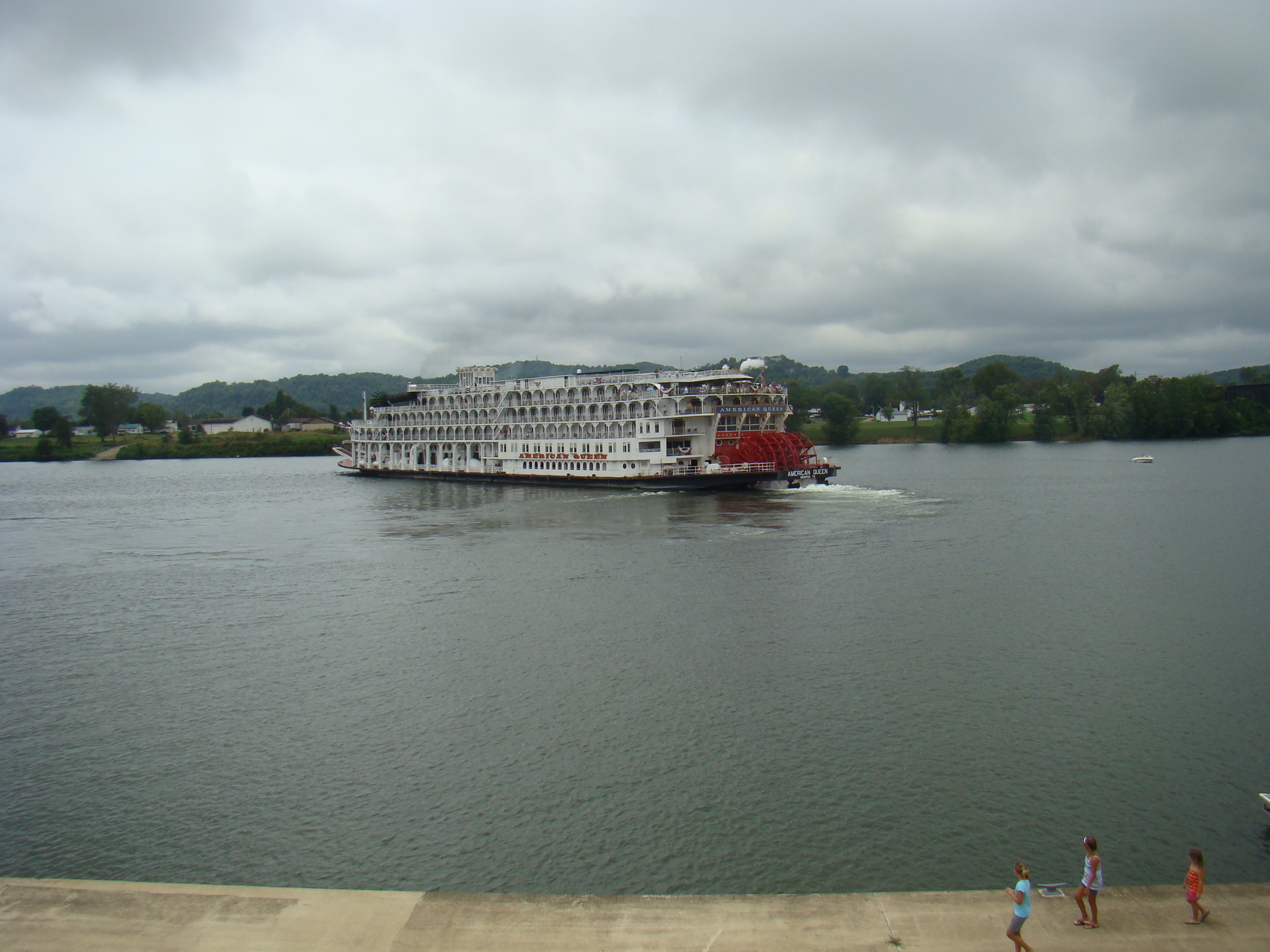
The Ohio River peacefully flows carrying boats of various sizes for many purposes.  There are coal barges, speedboats, riverboats, and luckily this day the spectacular American Queen, the largest steamboat even built in the world. Built in 1995,  this beautiful riverboat is a  six-deck re-creation of a classic Mississippi Steamboat.  Its flat-bottomed style makes it possible to even continue if the waters become shallow.

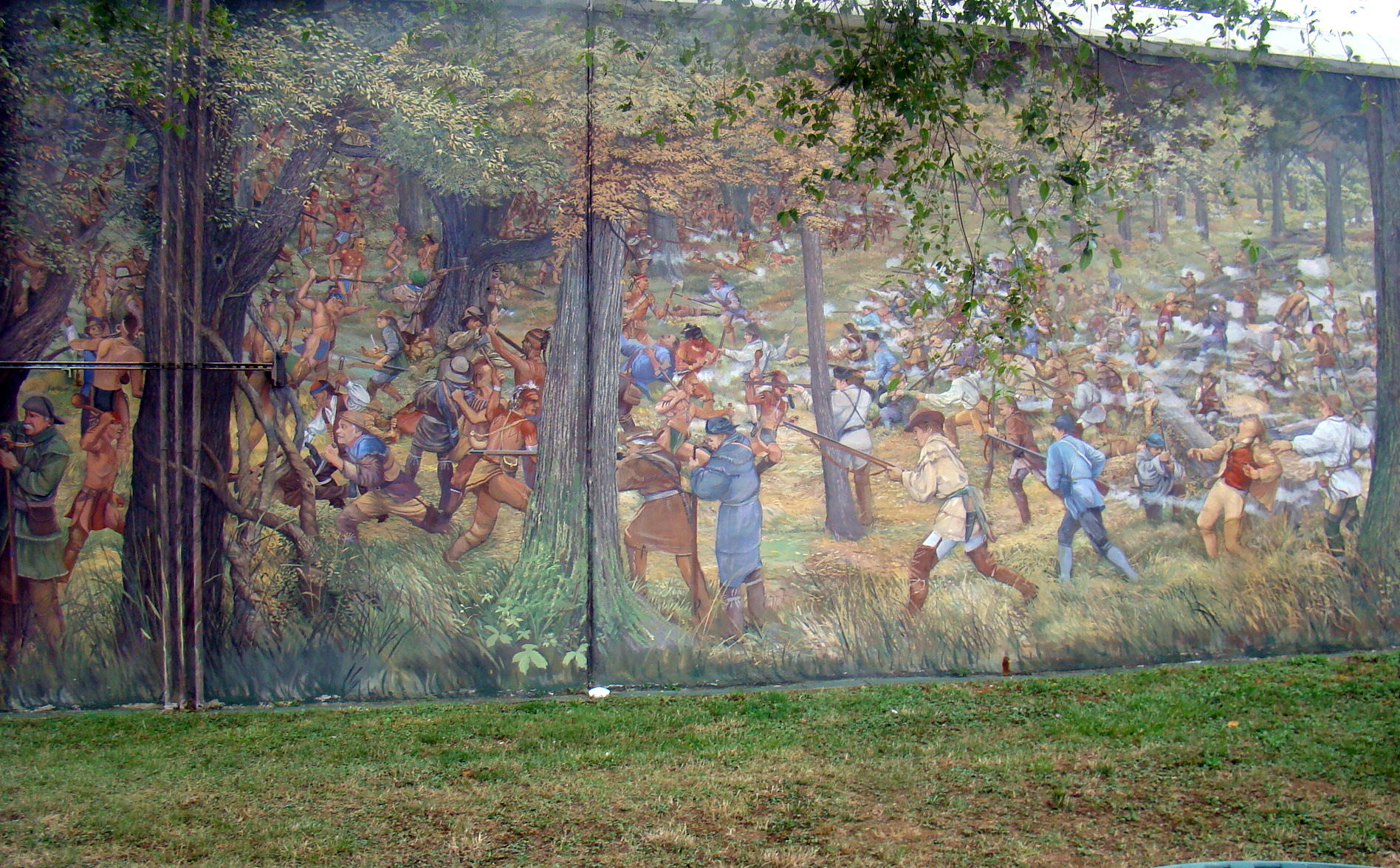
Murals are painted on the floodwalls flanking the Ohio and Kanawha Rivers representing scenes from the Battle of Point Pleasant as well as other pieces of Point Pleasant history, including the Indian settlements of earlier days. Each large mural, measuring from 100-250 feet long, has one single monumental scene painted by artist Robert Dafford. His murals can be found in several cities along the Ohio River from here at Point Pleasant, West Virginia to Paducah, Kentucky.

One depicts the 19-year old George Washington surveying the wilderness where he met Benjamin Franklin and some land speculators, who were founders of the Great Ohio Company. This group intended to found a new colony called Vandalia that would have encompassed most of today’s West Virginia and Kentucky.  What a surprise to learn that on the eve of the American Revolution, there were thoughts of creating a fourteenth colony with Point Pleasant as its capital.

On the other side of the murals is the historic Lowe Hotel, the largest landmark in Point Pleasant. Built in 1901 of Cleveland Berea stone and red brick, this monument was originally called the Spencer Hotel in honor of J.S. Spencer, friend and financial backer of the Smith brothers who owned the hotel.  At that time, traffic on the Ohio River was heavy, so a place to spend the night became an important attraction at Point Pleasant.  Today that  hotel is said to be haunted by guests who decided not to check out, one of those being Captain Jim who is waiting for his steamboat.

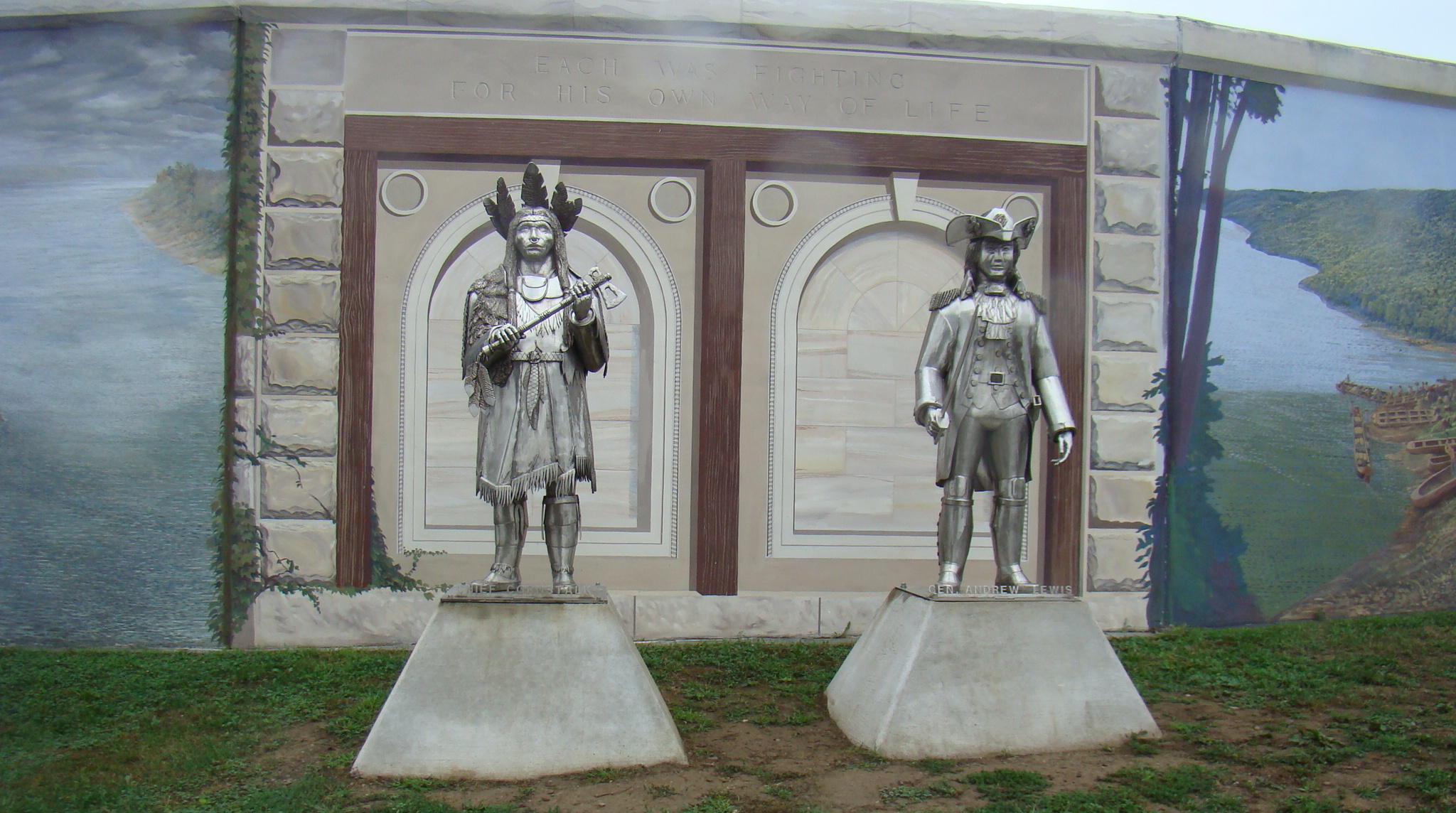
Two unusual metal statues of Chief Cornstalk and Colonel Andrew Lewis caught my eye along the Riverwalk. These were the two combatants in what many say was the first battle of the Revolutionary War…the Battle of Point Pleasant. The Virginia Militia led by Andrew Lewis defeated Chief Cornstalk, the Shawnee leader, and his braves, thus preventing the Native Americans from forming an alliance with the British. This in turn had a major influence on the outcome of the War of Independence. Their statues are located in front of a mural depicting the Battle of Point Pleasant in 1774.

By late afternoon, the American Queen paddlewheels begin turning and the riverboat slowly, almost magically, floats away from the shore. Calliope music fills the air and seems to take one back in time to a happier, more peaceful way of life. This is a great spot to sit down in a swing and watch the river and your cares drift away.

The Riverwalk at Point Pleasant, West Virginia is located just a half block from Main Street and of course, along the Ohio River. Frequent festivals throughout the year are held here and it is often a stopping point for riverboats. 

Could the sound of footsteps on the spiral staircase at the Saxton McKinley House be those of Ida McKinley? Once in a while the footsteps echo late at night, and the light step is attributed to Ida. That seems quite possible as this was her family home where she lived for twenty-eight years.

Beautiful gardens connect the Education and Research Center to the Ida Saxton McKinley House, both part of the First Ladies National Historic Site in Canton, Ohio. Visitors were greeted by a  young lady dressed in a replica of Julia Tyler’s gown. She was very knowledgeable regarding the history of the house and the family.

To add a little mystery, there are conflicting stories as to how Ida and William McKinley met each other.  Some said Ida was a cashier in the bank where William transacted business for the law firm he joined when moving to Canton. Another story said that both Ida and William were Sunday School teachers at different churches, and passed each other on the way to church.  Or perhaps they met during a picnic at Myers Lake Park. However they met, William indulged her every whim and was seldom far from her side, which turned out to be a major political asset.

The Saxton McKinley House was originally built in 1840 by Ida’s maternal grandfather, George DeWalt. Her other grandfather, John Saxton, was founder of the Canton Repository newspaper. Her affluent background made it possible to lead an extravagant lifestyle. Almost everything inside the house today is a reproduction, but based very carefully on the Victorian style used in the original 1800’s house – after extensive research at the Smithsonian. Fortunately, there are still original walls and woodwork throughout much of the home.

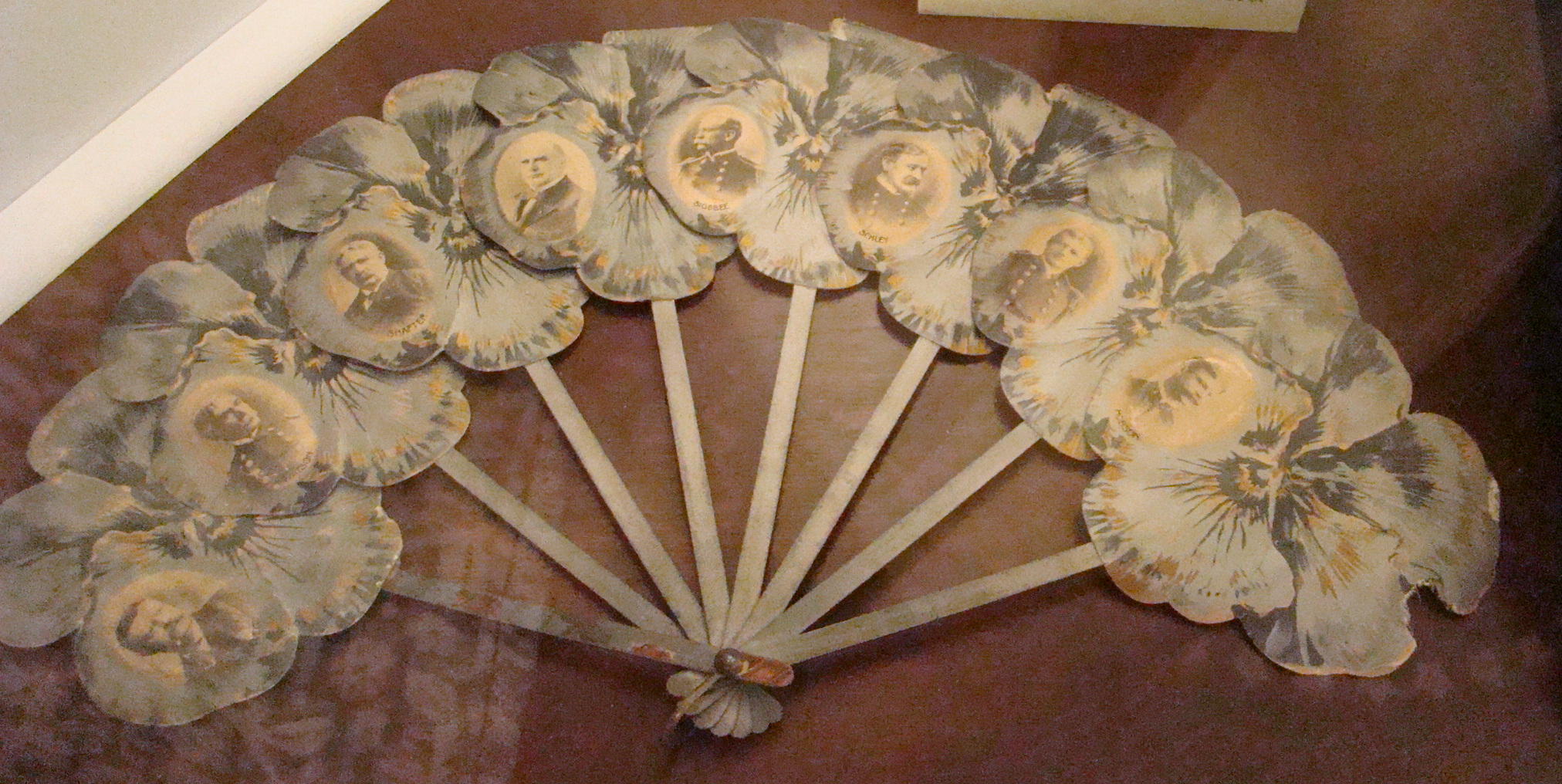
In the Formal Parlor you get a glimpse of a music box purchased on Ida’s trip to Switzerland as well as the piano topped with Victorian sheet music, which she enjoyed playing. The Library held William McKinley’s chair and a large collection of Ida’s fans, which numbered over 250. On the third floor, William had his office across the hall from Ida’s room so he could be close to her.  Their second child, Ida, died at six months of age and two years later Katie, their three year old, contracted typhoid fever and passed away. Consumed by her grief, Ida’s headaches became more severe, accompanied by seizures and tremors.

To ease her migraine headaches, her hair was cut because the weight of the braids was considered a possible cause. Medication for her seizures often made her listless. These two problems made it necessary for Ida to sit as much as possible and this petite lady with a 20″ waist, 18″ when corseted, attempted to hide her afflictions as much as possible.  If she had an attack out in public, William would put a handkerchief over her face so people would not glimpse her facial contortions during seizures.

Also on the third floor was the beautiful ballroom for entertaining. Today the walls of that ballroom display short stories and pictures regarding the life of each First Lady. Many interesting facts were given about various First Ladies, for example,  Francis Cleveland happened to be America’s youngest First Lady. Grover Cleveland was a friend of the family’s and actually bought Francis her baby carriage.

The McKinleys only lived at the Saxton McKinley House for a short time  between 1878-1895, while William was serving in the US House of Representatives and then as Governor of Ohio. During his presidential campaign, they moved to a more modest home, which more closely matched William’s background.

Often we hear stories about our presidents, so it was refreshing to hear stories about their First Ladies and catch a glimpse at their lifestyle.  A friend wrote about Ida Saxton McKinley, “Her greatest charm was her perfect sincerity and thoughtfulness for others.  No day passed over her head without her doing something for someone.”  What a great tribute to this special First Lady!

The Saxton McKinley House is located  off I-77 in Canton, Ohio right next door to the First Ladies Library at 205 Market Street South. All tours of the facility are guided and admission, which includes  both the Library and the House, is $7 for adults, $6 for seniors and $5 for children. 

Touch a shark! Play with the penguins! Experiences such as these happen every day at Newport Aquarium in Newport, Kentucky just across the Ohio River from Cincinnati, Ohio.  Here over 7,000 aquatic creatures from around the world have been gathered in a million gallons of fun.

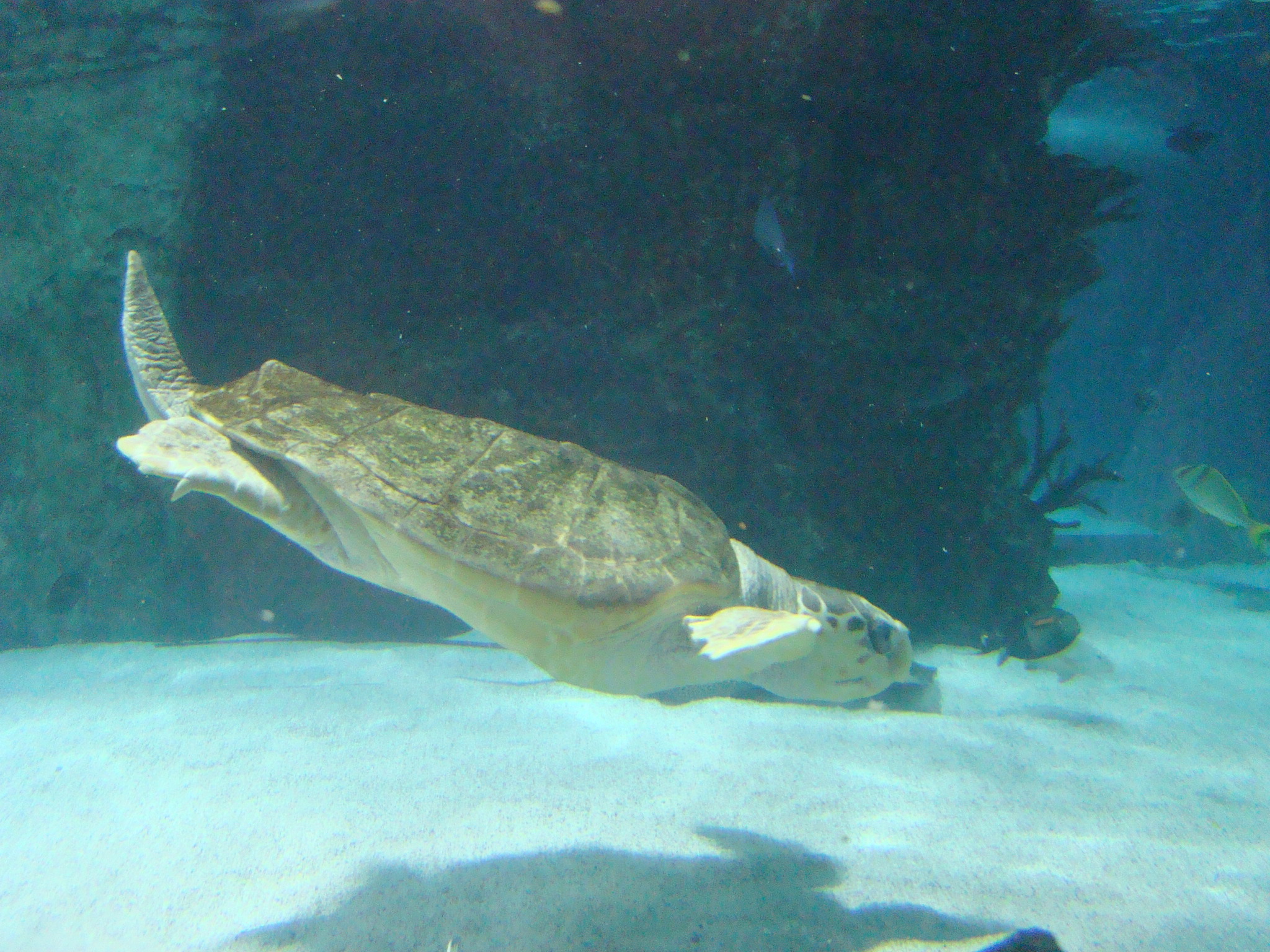
Following the map on this  World Aquatic Tour, visits are made to every continent, every ocean and lots of waterways in between. Excitement begins as many walkways actually are tunnels through the ocean scene.  There are fish swimming above, below, and on both sides…surrounding visitors with the feeling of actually walking on the ocean floor. Two hundred feet of tunnels, somehow constructed of acrylic without seams, amaze the eye.  Many aquatic creatures soar overhead or pass under everyone’s feet…even a legendary giant sea turtle!

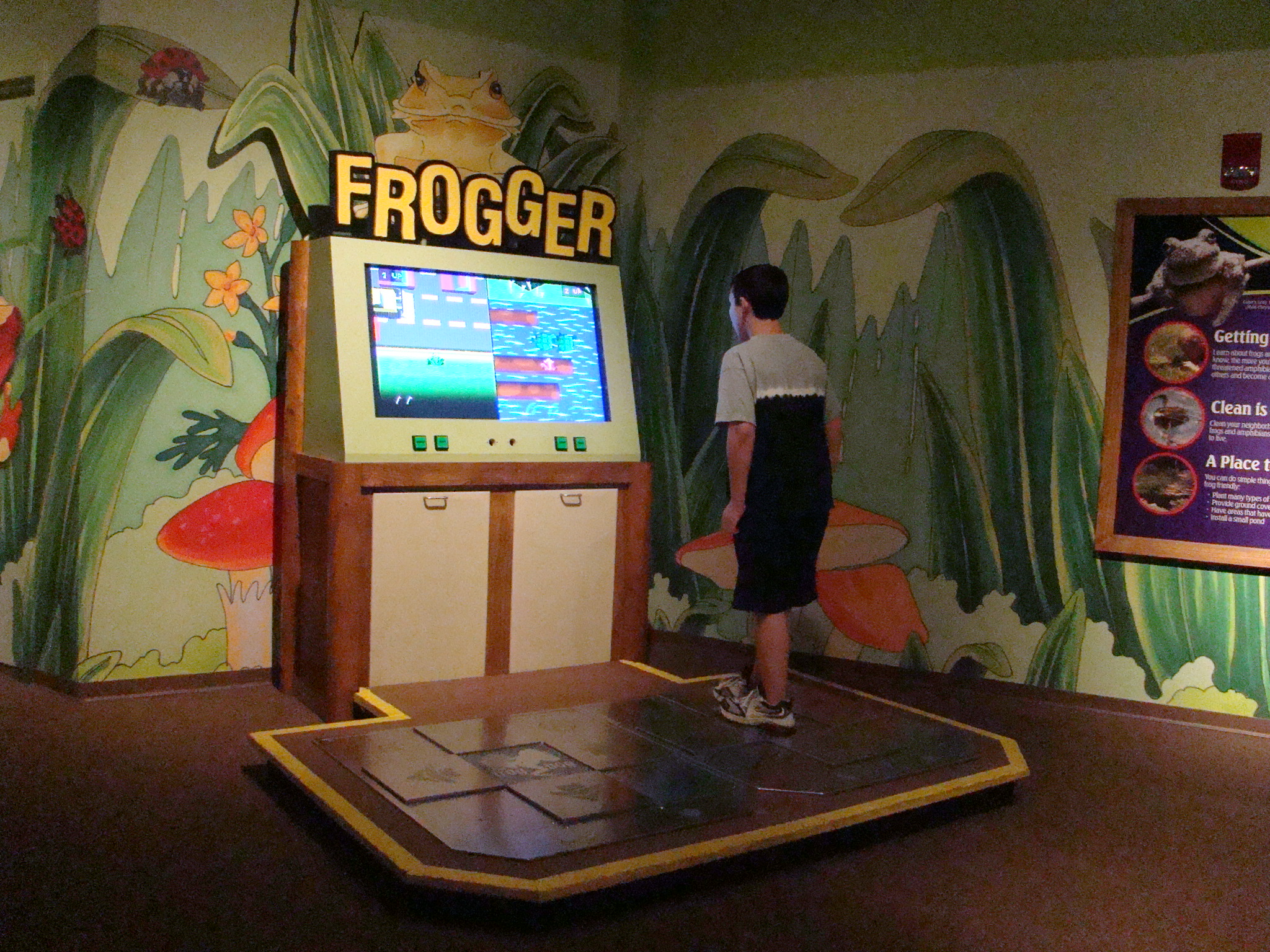
Jellyfish Gallery displays over one hundred jellyfish that possess that magical ability to illuminate under water, making for quite an attractive display. Located in clear tubes, the mesmerizing jellyfish float with ease while performing their elegant dance. Recent research indicates that the protein extracted from jellyfish may help keep human brain cells alive longer. Just another great reason to enjoy watching them.  Youngsters also have fun playing tag with the moon jellies on the Jelly Wall, or hop their way to excitement on Frogger, a video game part of the Frog Bog exhibit.  Here’s the perfect place to take a break from walking, sit down on the benches and watch the jellyfish and the children at play.  You might be tempted to join in the games!

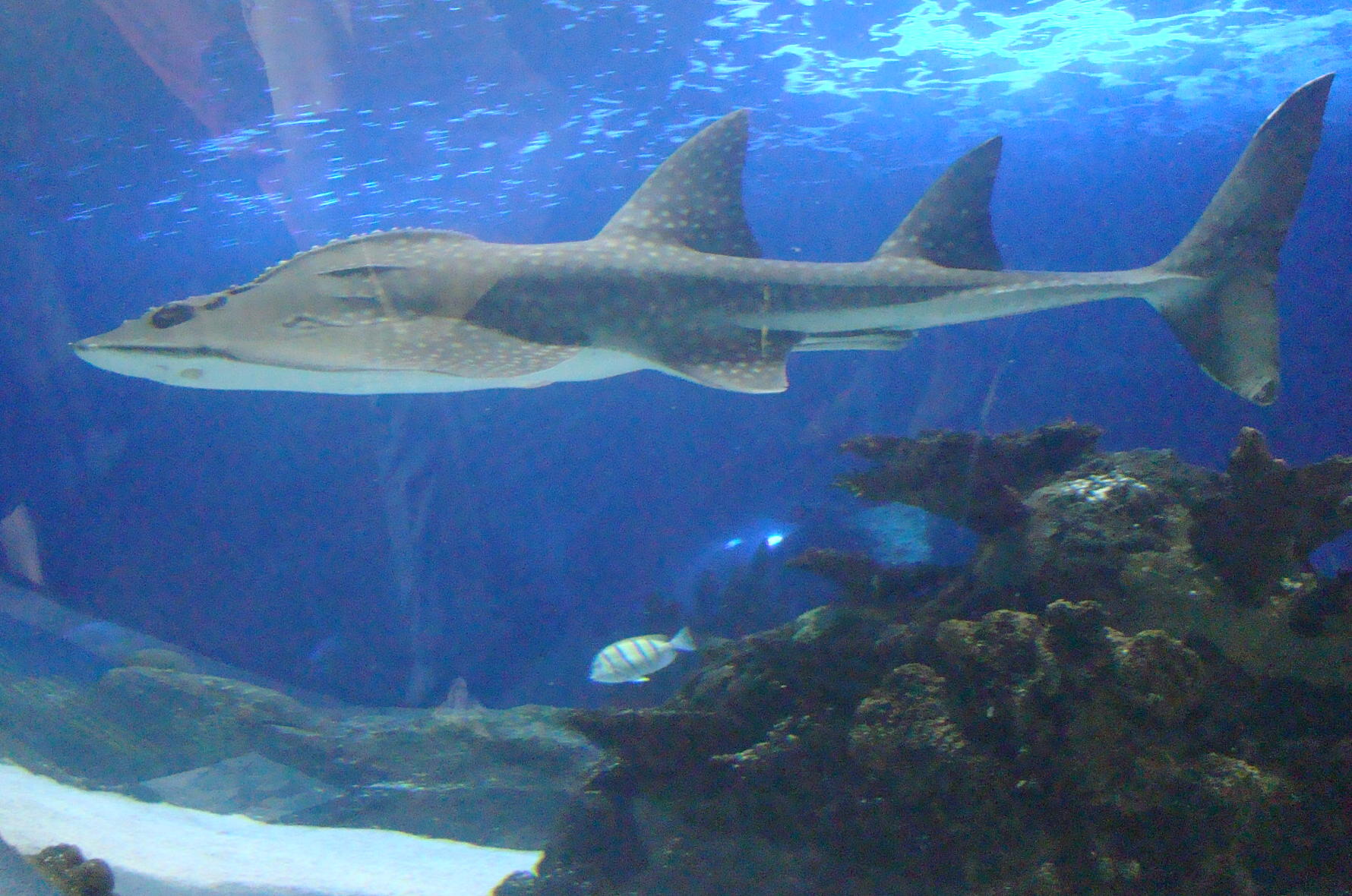
The Shark Tank draws children and the young at heart like bears to honey. After instruction on the proper method for petting a shark, supervised touching is allowed. The official “two-finger” technique gently rubs the shark from front to back. Actually the sharks really enjoy this experience as it produces a satisfying electrical connection for them…reiki for sharks! Young boys especially, return again and again to pet these dangerous creatures. And yes, this writer experienced the thrill of it personally.

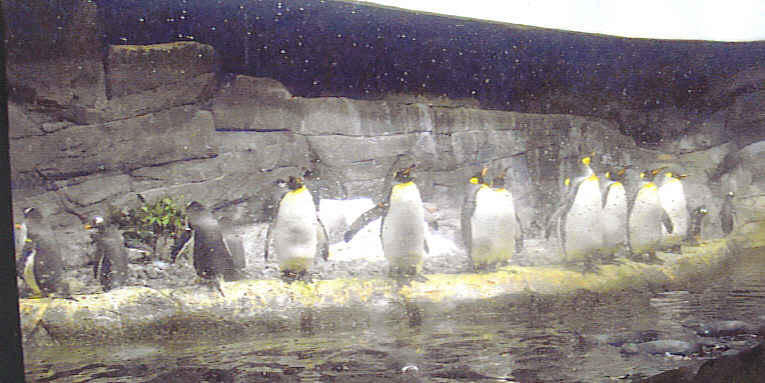
Penguin Palooza features cold-water penguins in temperatures similar to those in their natural Antarctic home. The viewing area has seating so you can give your feet a break, while watching the antics of these cute little guys in their tuxedos.  If you want to play with the penguins an additional fee is charged and children must be accompanied by an adult.

Newport on the Levee combines a fantastic entertainment area with an outstanding shopping complex. Besides Newport Aquarium, guests will find  movie theaters, live concerts, Fun Zone, Ride the Ducks, exclusive places to shop, and of course, fine dining establishments.  There is something here for the entire family so you might as well stay for a day or two at the hotels located in Newport.

Close by is the Purple People Bridge, the longest pedestrian bridge connecting two states, Ohio and Kentucky. Formerly tracks for the L&N Railroad built in 1872, it now provides a pleasant half mile walk across the Ohio River. What a great place to relax on the frequent benches, and watch the busy boat traffic down below.

While Newport Aquarium was probably originally designed for youngsters, adults also can have an interesting day learning about aquatic creatures from all over the world. Lose yourself in an underwater experience of unusual and interesting sea creatures. If you need to call the aquarium, use a “shell” phone!

Newport Aquarium is easily reached from I-471 at Exit #5 in Kentucky.  Follow Route 8 and signs will lead you easily into the parking garage for Newport on the Levee.  Admission is $23 for adults and $15 for children (ages 2-12). For additional information please visit their website at  www.newportaquarium.com . 

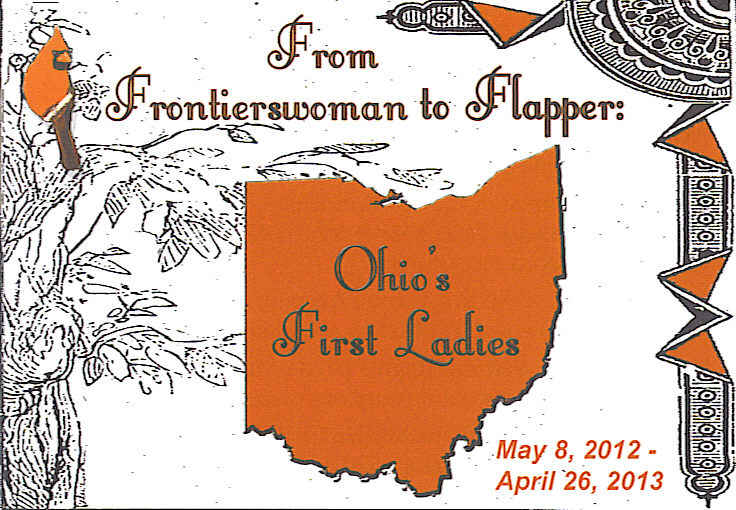
First Ladies have always played important roles during their husband’s presidency from hostess at the White House to diplomat.  At this time Ohio’s First Ladies are the featured presentation at the National First Ladies’ Library Education and Research Center in downtown Canton, Ohio. The title, From Frontierswoman to Flapper, describes the transition during their life times from colonial living to the beginning of the Jazz Age.  The present day home of the library, an 1895 City National Bank Building, has beautiful original marble floors and walls , thus giving an elegant feeling to the library.

The visit began with a video introducing the First Ladies of Ohio.  While Ohio lays claim to eight presidents, only seven first ladies called the state home.  That still puts Ohio at the top of the list for First Ladies from any one state. Following the video, an excellent tour guide explained the numerous items on display, which led to many interesting stories about the First Ladies and their husbands. Each first lady had her own special interests and talents, making her a unique individual. These are a few interesting stories about the Ohio First Ladies that caught my attention during a recent visit.

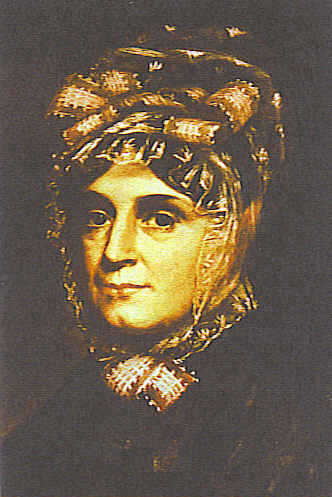
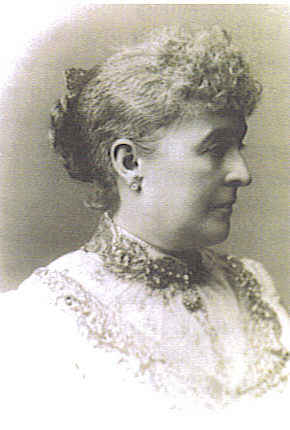
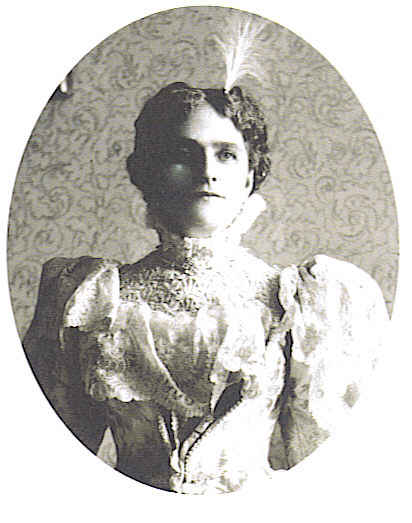
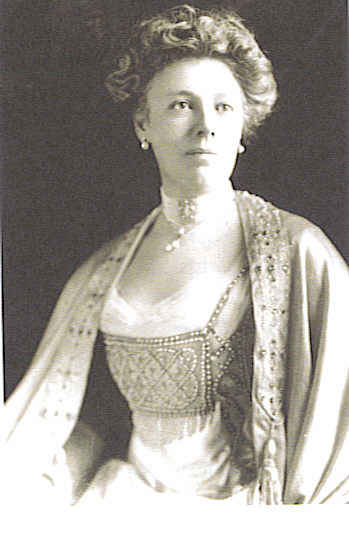
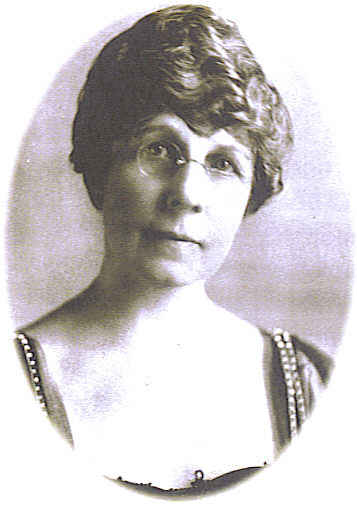
Anna Harrison (1775-1864) first enjoyed being hostess at the Governor’s Mansion where she entertained  prominent figures such as Vice President Aaron Burr and Tecumseh.  Anna was too ill to travel when her husband went for his presidential inauguration. However, one month later, William Henry Harrison died at the White House so Anna never made the journey to Washington D.C.

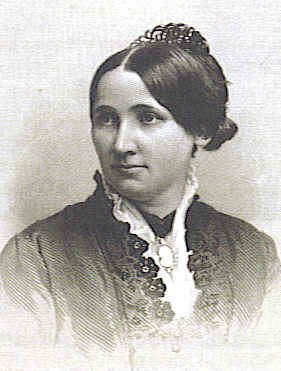
Lucy Hayes (1831-1889) enjoyed entertaining as she liked being surrounded by people.  Her receptions and dinners were always admired, and her china dinner plates each contained a different scene. Lucy was actually the first First Lady with a college diploma.  After she spent time with her husband when he was wounded in the Civil War, she traveled to various camps where she visited, and attended to, wounded soldiers.

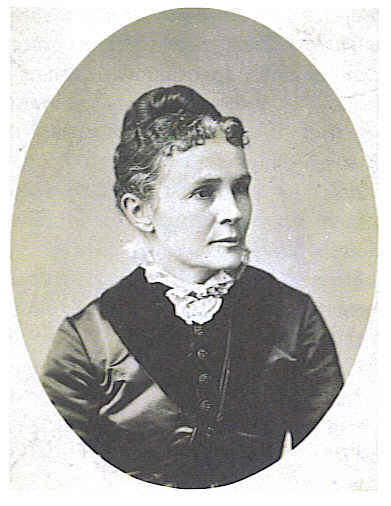
Lucretia Garfield (1832-1918)  stayed by her husband after he was shot by an assassin through the eighty days that he wasted away.  Perhaps she was one of those early promoters of women’s rights as Garfield needed constant attention from his doctors during this time. The male doctors were paid $10,000 while the female doctor was only paid $5,000. Lucretia was adamant about having that changed so the female doctor also received $10,000.

Caroline Harrison (1832-1892) was a star pupil of the German artist, Paul Putzki, and her designs painted on china were on display at the library. Although she was not very well, she enjoyed growing exotic plants and flowers. Her husband never left her side during her bout with tuberculosis and she died in the White House.

Ida McKinley (1847-1907) suffered from blinding headaches and epileptic seizures after the death of her daughter. Therefore, the only way she could fulfill her role as First Lady was often seated in a chair holding a bouquet of flowers to hide her trembling hands.  One of her beautiful garnet gowns with black lace and beading on the collar was featured at the library. When she was able, crocheting was one of her forms of relaxation and many crocheted slippers were given as gifts.

Helen Taft (1861-1943) was the first First Lady to donate her gown to the Smithsonian Institute. One of the most beautiful gowns at the library was Helen’s soft pink dress trimmed with lace and a velvet bow.  A beautiful embroidered fan featuring a cherry blossom tree was only one of her collection of fans, but a definite favorite. Because of Helen’s admiration for the Japanese cherry trees, three thousand trees were donated to the United States by the mayor of Tokyo.

Florence Harding (1861-1924) did not have many positive experiences in her life and had a very unhappy marriage suffering the many affairs of a wayward husband – some even claim she poisoned him. The piano was her source of comfort as she had studied piano at the Cincinnati Conservatory of Music. She wrote many notes about her unhappy life and this one had a definite piece of advice to married women:

The Happy Wife is not the woman who marries the best man on earth,                     But one who is philosophical enough to make the best of what she has got.

National First Ladies’ Library has many events for the community and the surrounding area all year long.  During the summer they sponsored a Summer Reading Program for K-5 discussing these books this year:  First Garden, Miss Lady Bird’s Wildflowers, and Through Georgia’s Eyes. Their Victorian theater shows documentaries on the First Ladies,  presents author talks and shares many interesting movies and performances.

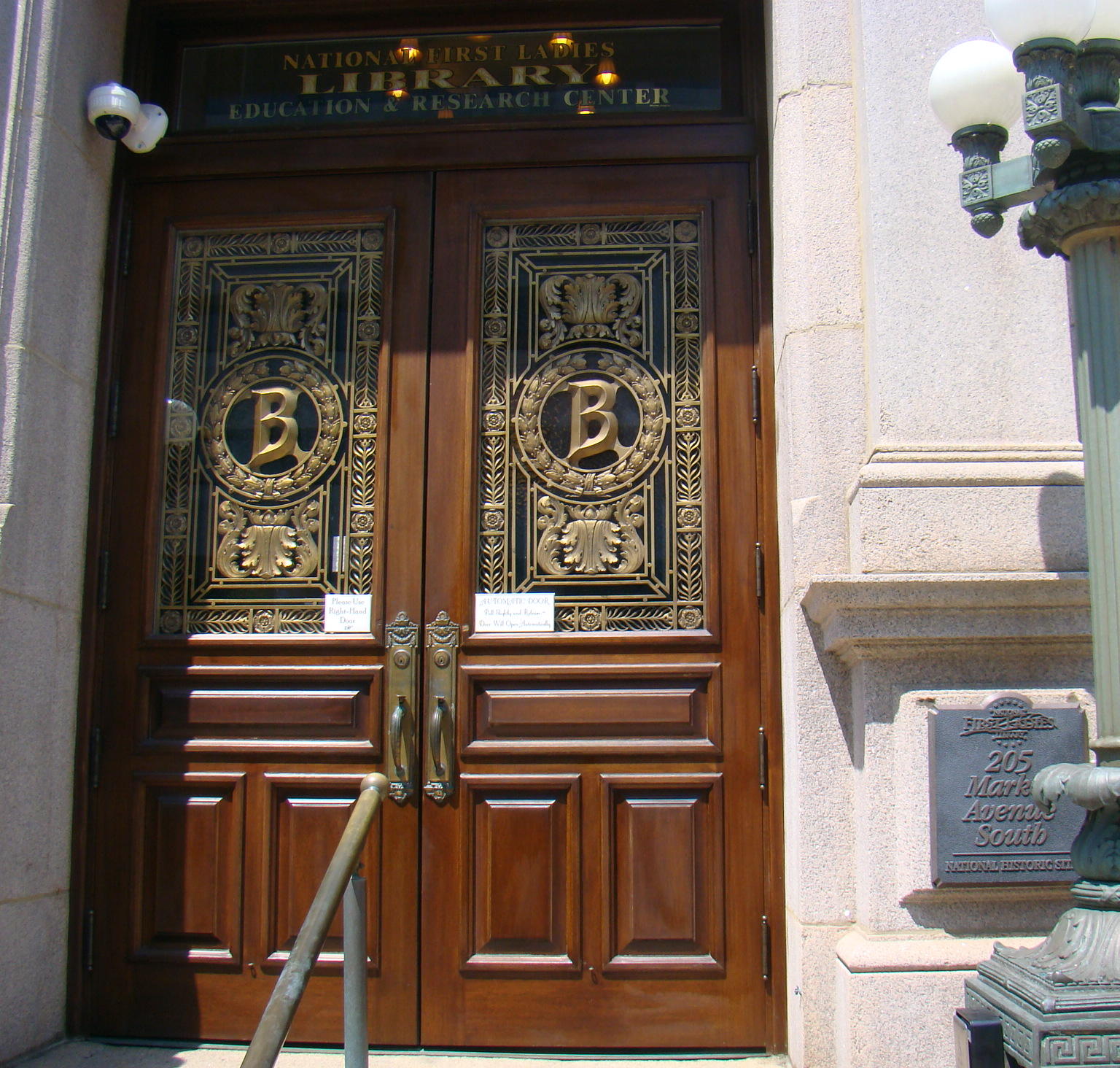
The First Lady in her Hostess role helps determine how successful her husband’s presidency is going to be. If you would like to learn more about the First Ladies, visit them downtown Canton Ohio. These beautiful doors will open to welcome you!

National First Ladies’ Library Education and Research Center is located in downtown Canton, Ohio just off I-77 at 205 Market Street South.  All tours of the facility are guided, and price is reasonable at $7 for adults, $6 for seniors, and $5 for children under 18. This admission price also includes entrance into the Ida Saxton McKinley House next door, which we will visit at another time.