Places to go and things to see by Gypsy Bev

Archive for the ‘West Virginia’ Category

Desolate Dolly Sods Wilderness in Allegheny Mountains
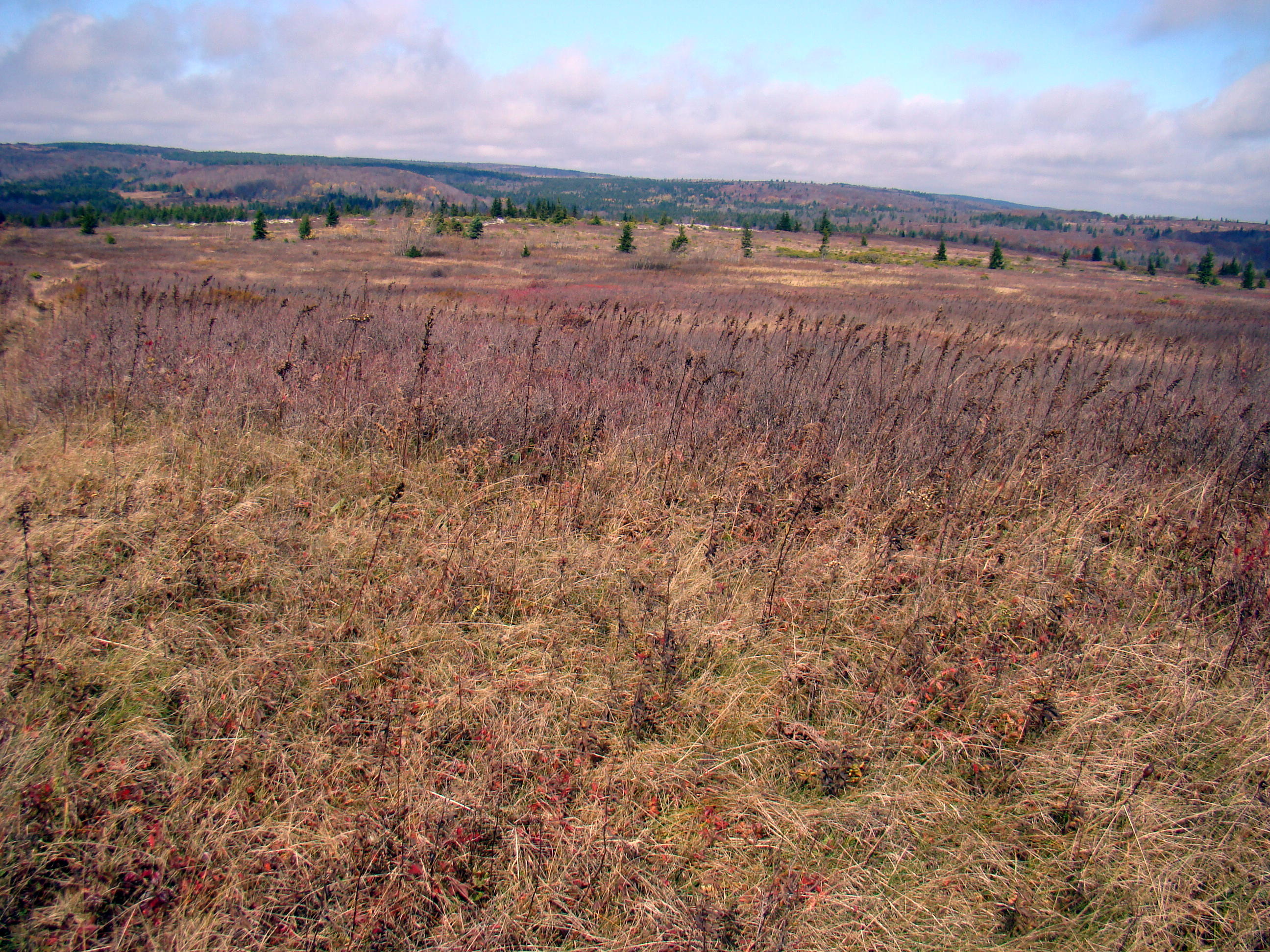
Desolate Dolly Sods - a perfect escape from civilization!

Desolate Dolly Sods – a perfect escape from civilization!

Desolate! That seems the perfect description for the Dolly Sods Wilderness. This vast, rugged back country can be found in the Allegheny Mountains of West Virginia in the Monongahela National Forest.
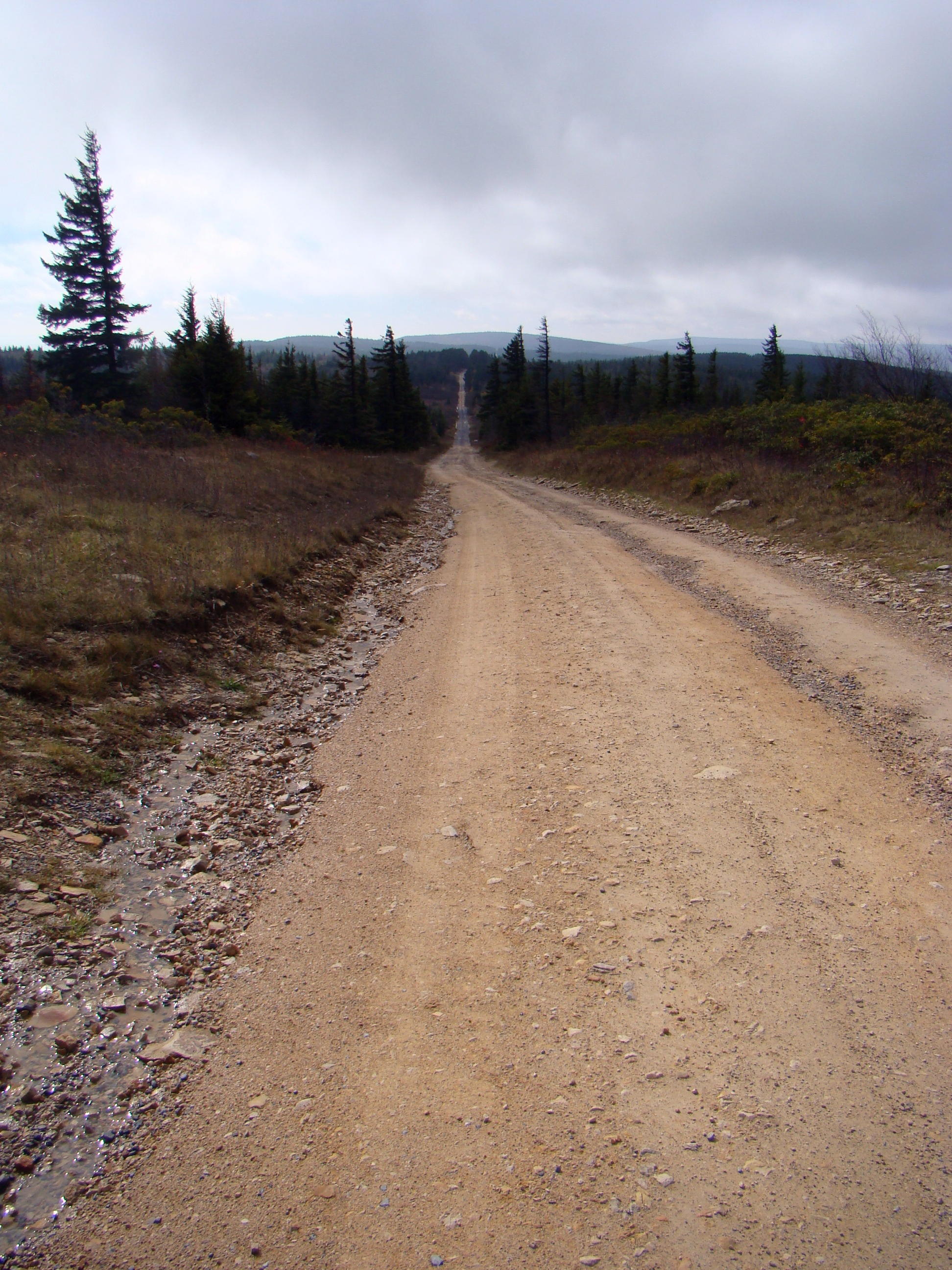
Narrow dirt road to Dolly Sods

Narrow dirt road to Dolly Sods with twists and turns just ahead

Named for a German family, the Dahles, locals added “sods”, because that is their term for an open mountaintop meadow where cattle grazed.  Over the years, the entire name has been localized to Dolly Sods.

The road to the top contains narrow, twisting, dirt roads. You just hope you don’t meet anyone coming around the bend. Add a little fog to the adventure and the trip becomes even more exciting. As you enter the wilderness area, you might feel civilization is being left behind. No guardrails line the sides of this mountain road, but hopefully the trees would catch you if you had to get close to the edge.

Flexible weather can change several times in a day. Within an hour, sun, rain, snow, and fog might all make an appearance. Cool weather prevails  and frost can occur on any time of the year. But that doesn’t deter the campers, who camp out year round.
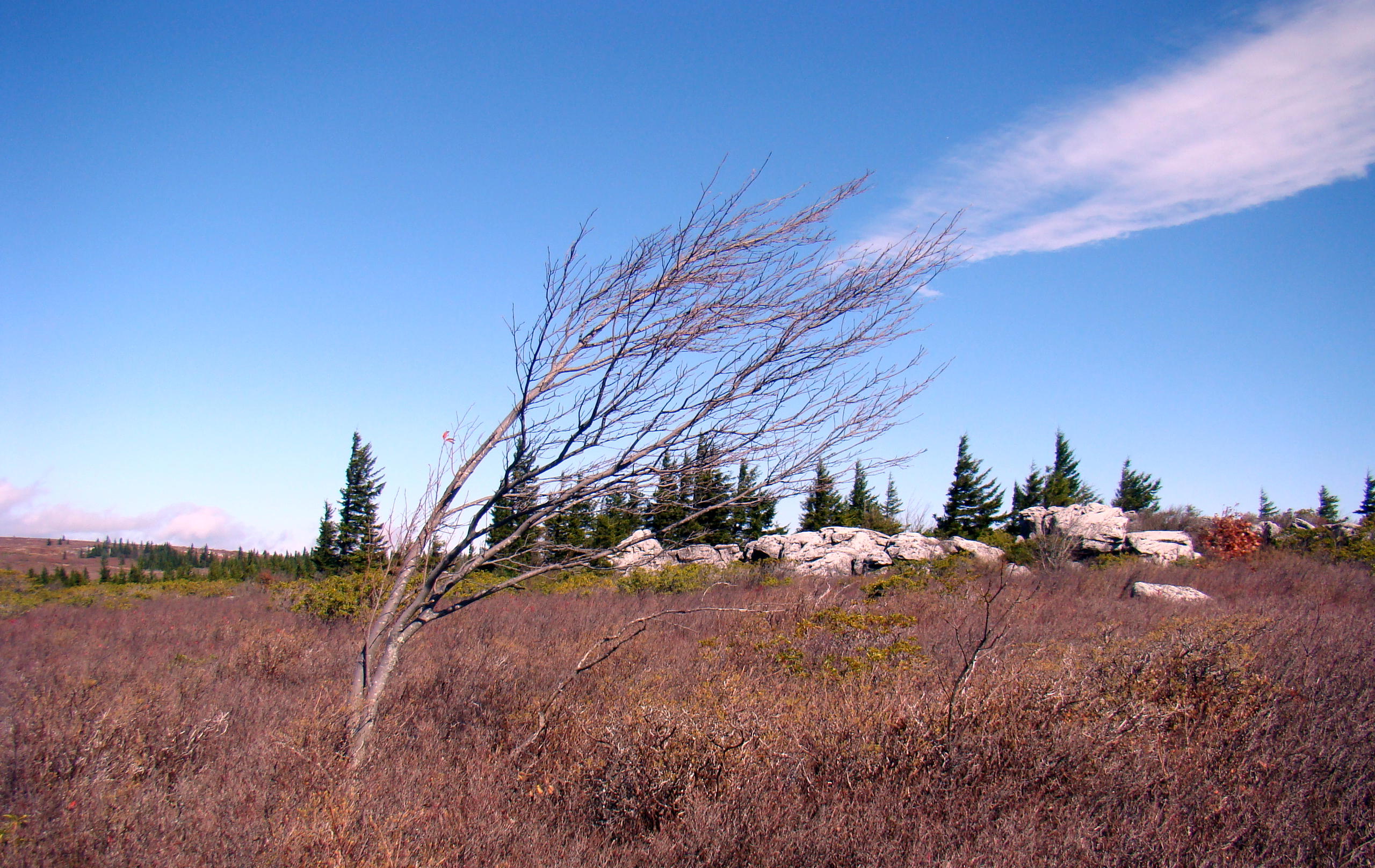
Windy Dolly Sods

Windy Dolly Sods

Winds blow fiercely here as witnessed by the red spruce trees, whose branches grow on one side, the side away from the wind. 

During the early 1900’s this mountain top was a great source of timber for the United States. At that time, some of the trees measured 13′ in diameter – quite the giants! Those early settlers cleared the field completely of all growth and brush. Sparks from the locomotives, saw mills, and logger’s warming fires set fire to the field to burn everything off; the peat burned for years as it was seven to nine feet deep.
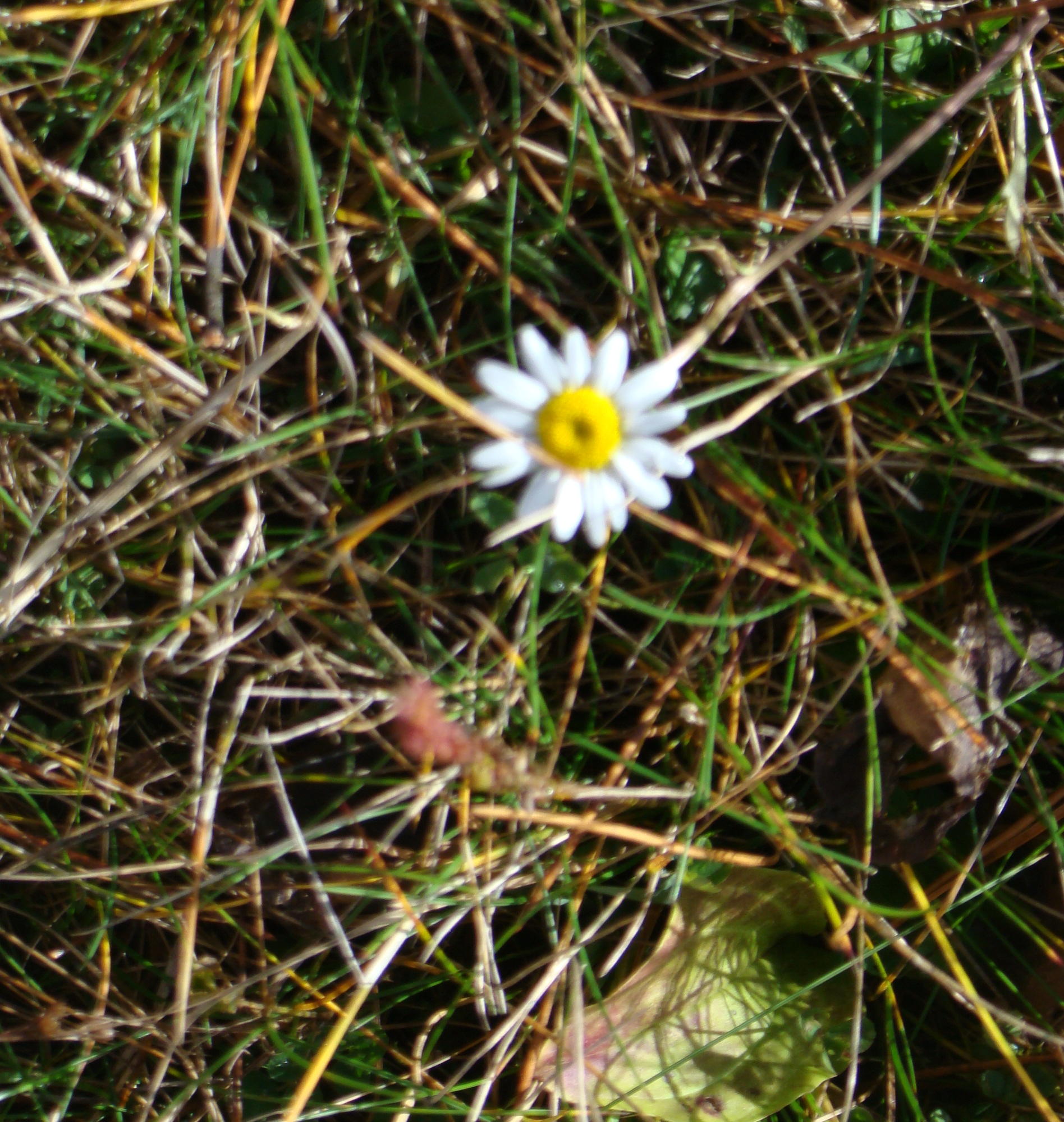
One Surviving Daisy

One Surviving Daisy

Today, little growth remains on the top of the Dolly Sods, but a new crop of trees is growing at lower levels. Right now this high plateau can best be described as a vast “nothingness”, but low growing blueberry and huckleberry bushes, wild strawberry plants and even a daisy can be found struggling for existence.

Many trails exist to explore the wilderness and you don’t have to worry about reptiles as they don’t want to hang around in the cold. When you finally get to the top, rocks and low growth cover the open areas. Over 17,000 acres compose this arctic-like, wilderness area, which runs about 49 miles across the top.
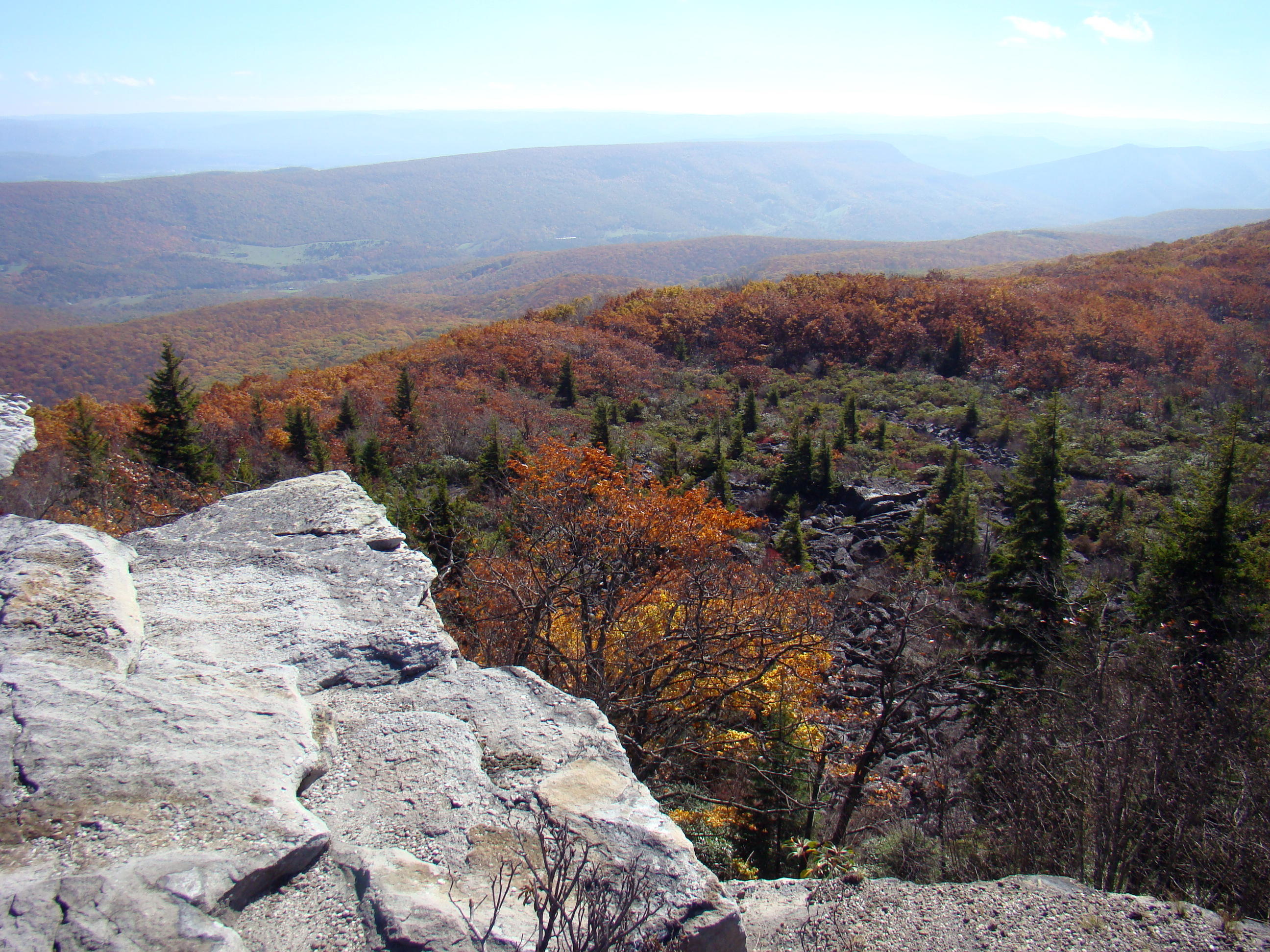
View from Dolly Sods Plateau

View from Dolly Sods Plateau

Dolly Sods sets on the Eastern Continental Divide with waters flowing to the east continuing to the Potomac River, while those flowing to the west help form the Ohio River and eventually the Mississippi. In 1852, an article in Harper’s Monthly Magazine described the area as:

…so savage and inaccessible that it has rarely been penetrated even by the most adventurous. The settlers on its borders speak of it with a sort of dread, and regard it as an ill-omened region, filled with bears, panthers, impassable laurel-brakes, and dangerous precipices.
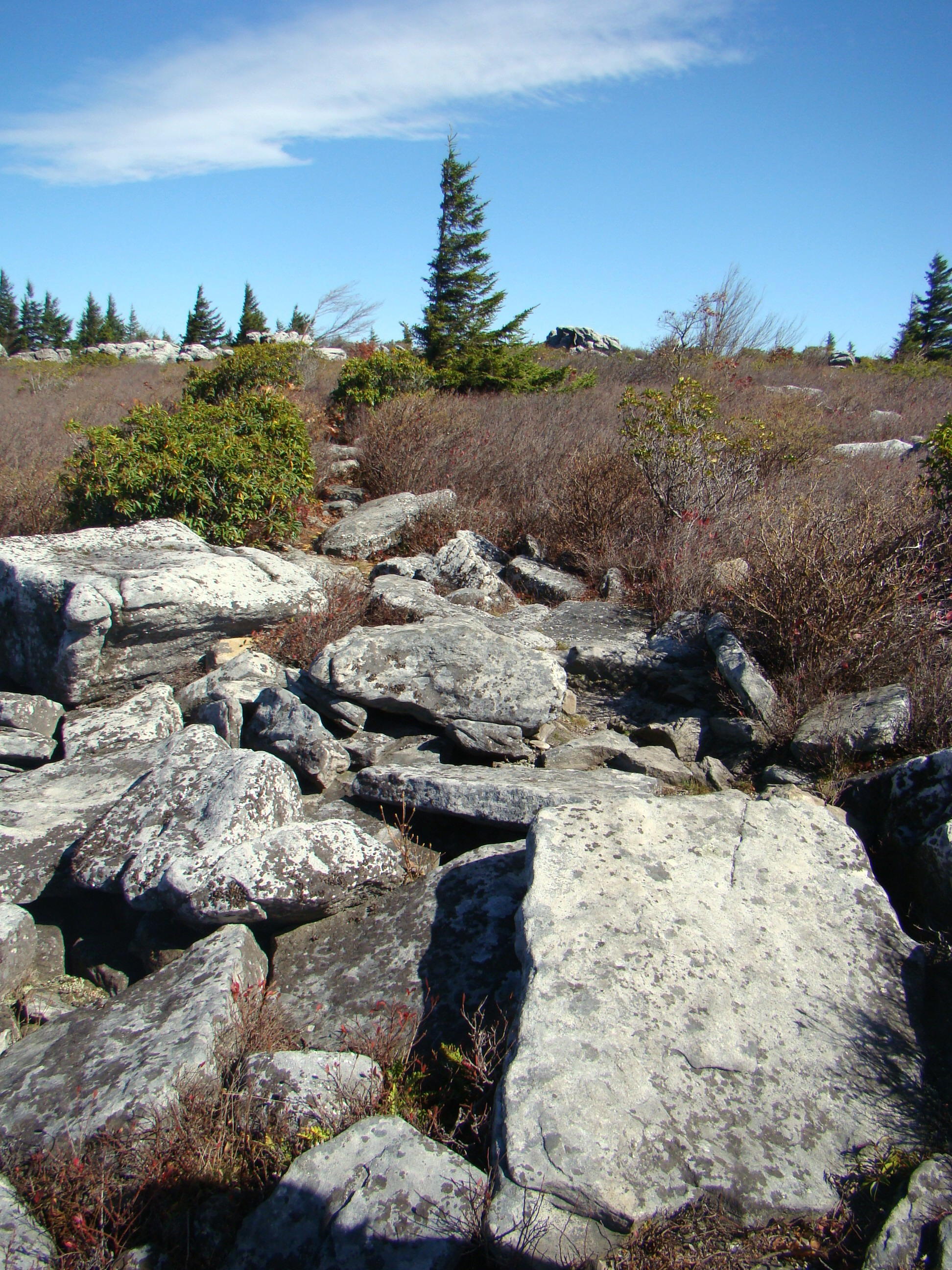
A challenging rocky trail back to the parking lot

A challenging rocky trail back to the parking lot

At one point in time, a glacier covered the top of Dolly Sods. Walking the trail to Bear Rock, water lays on top of the ground since it can’t be absorbed by the rocks just below the surface.  The trail required careful steps to avoid too much water, and it became very narrow between the low growth of wild blueberry bushes. But in just a little while, the trail turned into one made of rocks and it was a game of hopping from rock to rock to reach the edge.

An interesting sidenote was the fact that the US Army used this area as an artillery training ground before troops were sent to Europe in World War II. Hard to tell what might be found in the rocks and brush.
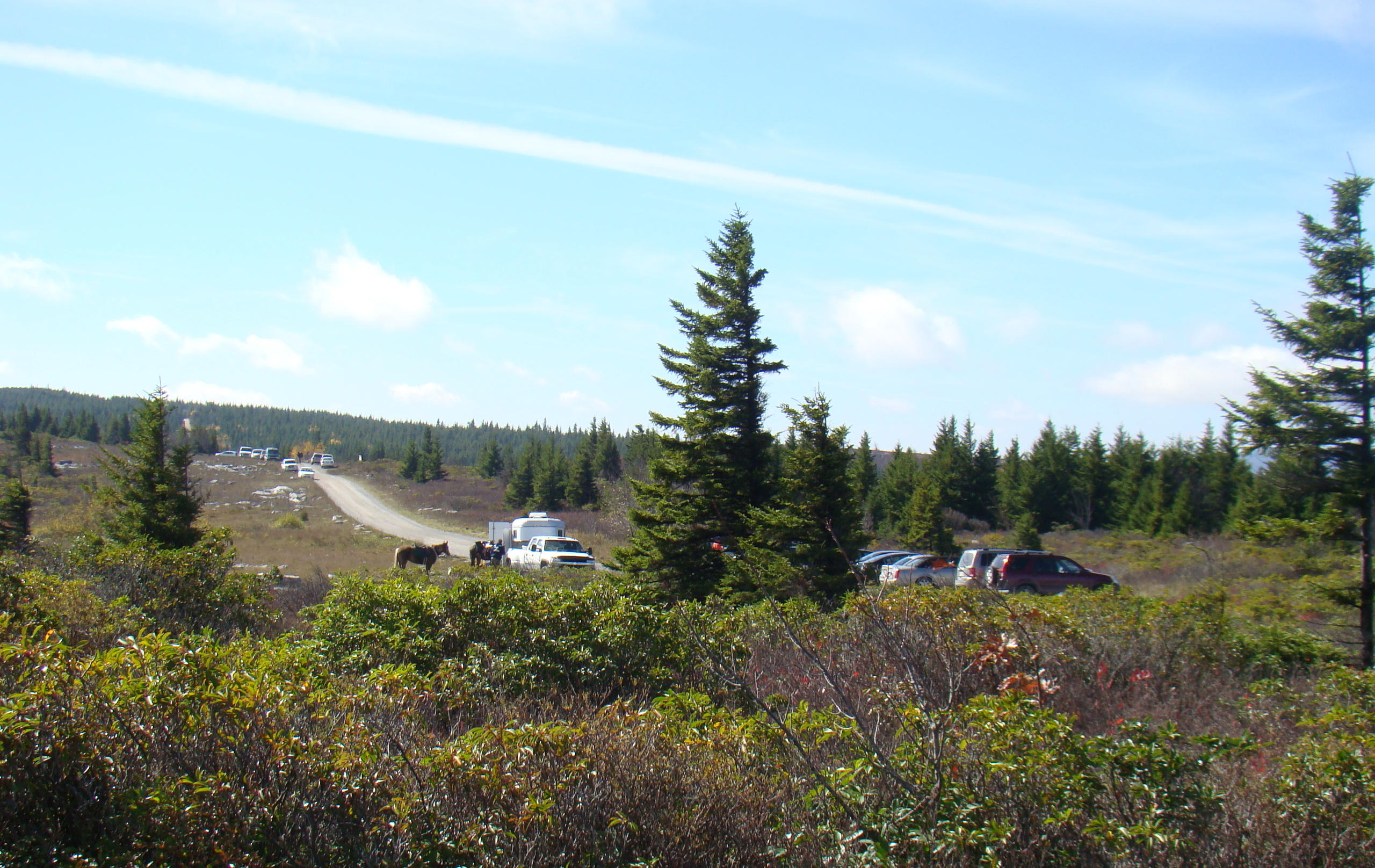
Many seem to enjoy escaping to the world of nature.

Many seem to enjoy escaping to the world of nature.

Starting back to the parking lot, it was surprising to see how many people were out walking the Dolly Sods on a weekday at a temperature of 49. Had to wonder how they found it!

From Canaan Valley follow WV 32 south to the Laneville Road (WV 45). Turn left and go approximately 6 miles to the Red Creek Bridge, where the road changes from pavement to gravel and is now Forest Road 19. 
 

Seneca Rocks Discovery Center in Wild, Wonderful West Virginia

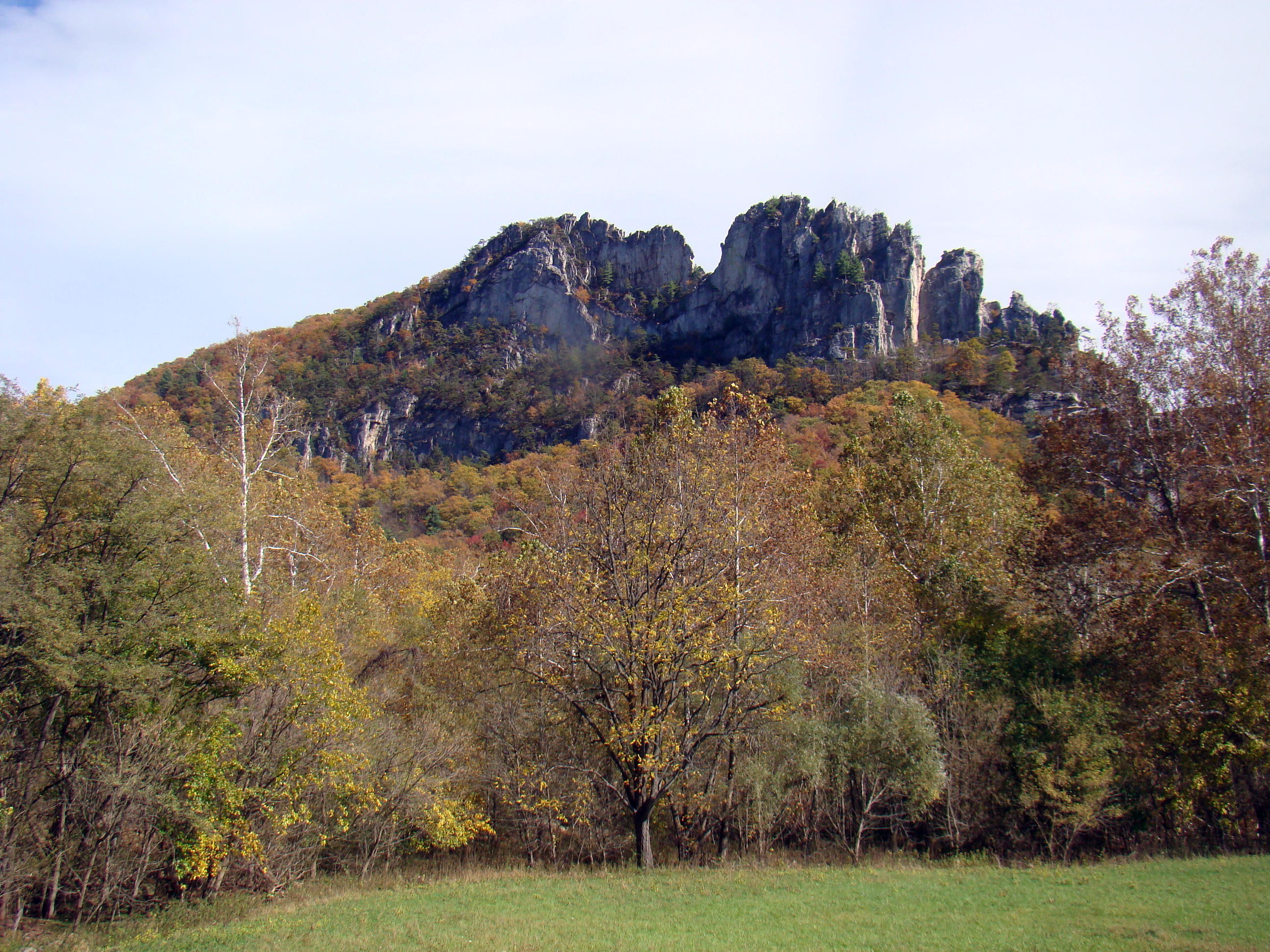
Seneca Rocks

Seneca Rocks

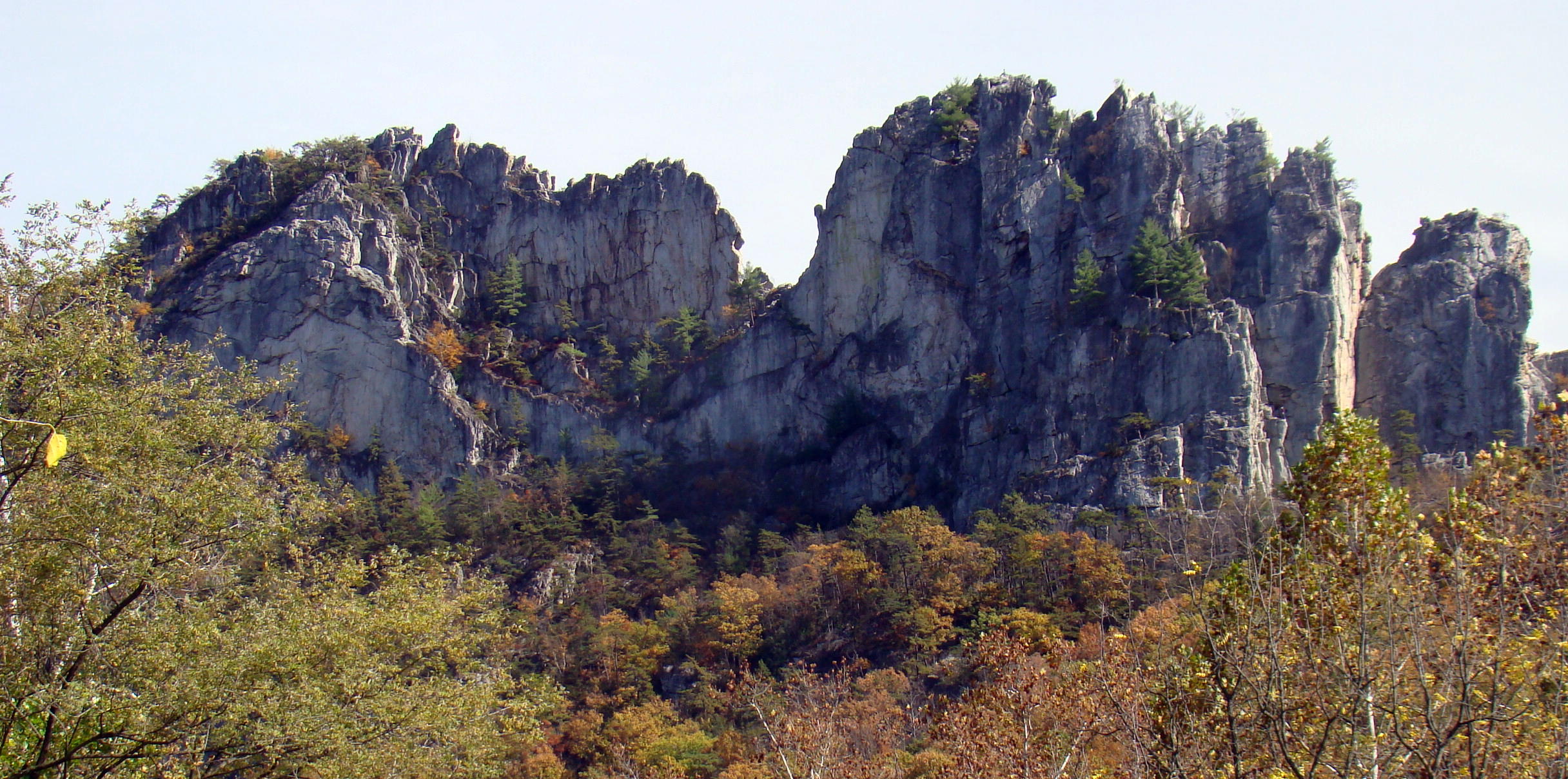
The towering Seneca Rocks with razorback ridges appear to have been shot up out of the earth in the Monongahela National Forest in eastern West Virginia. Perhaps this was due to a volcanic vein explosion years ago, but whatever the cause they are spectacular. These massive rocks rise 900 feet above the North Fork of the South Branch of the Potomac River.
It can only be guessed about the early people who lived in this place. When the Discovery Center was built, two villages were found under that area. The most recent one was dated at 600 years ago.

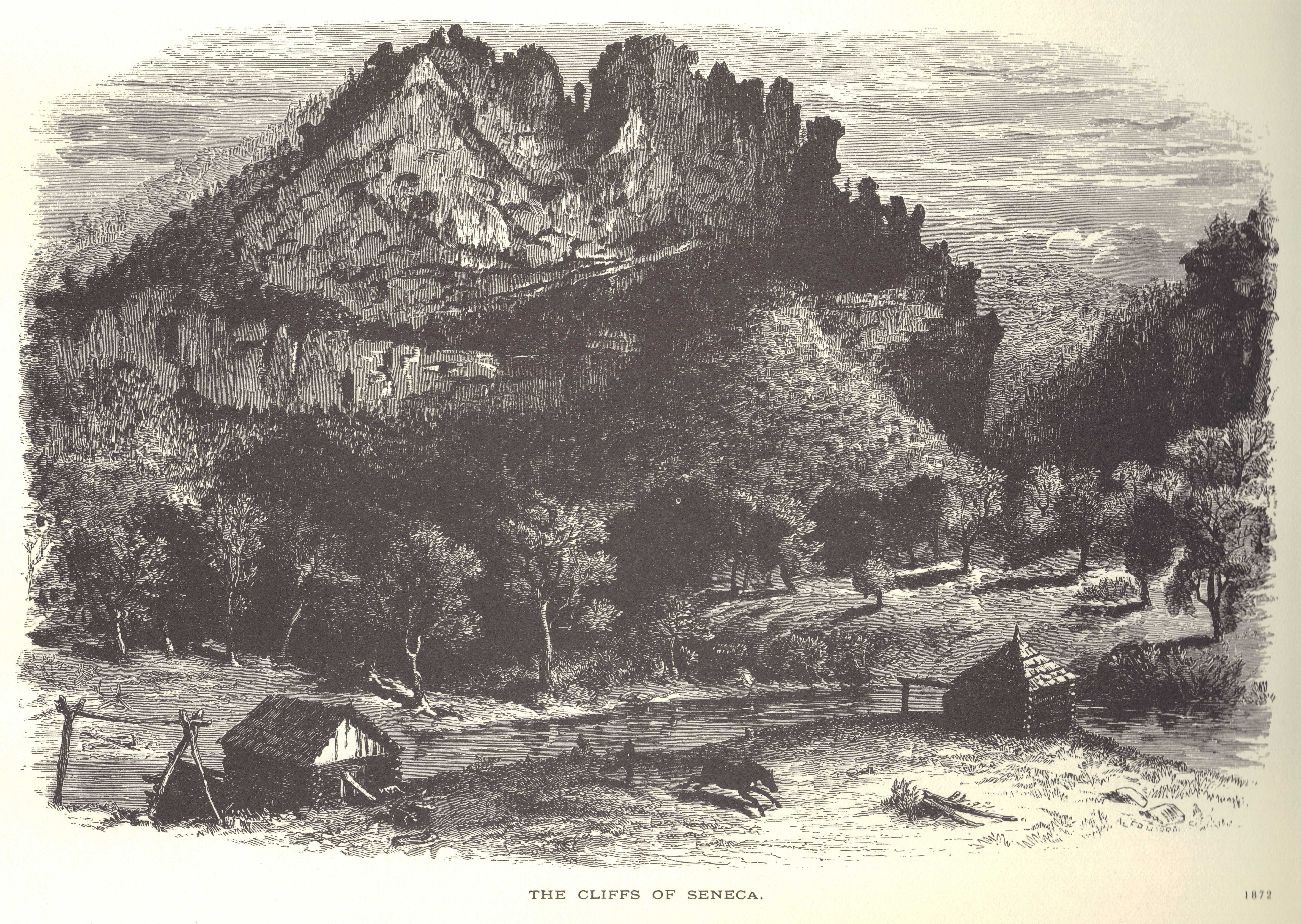
The Cliffs of Seneca by David Strother for New Harpers Magazine in 1872.

The Cliffs of Seneca by David Strother for Harpers New Monthly Magazine in 1872.

One of the early explorers to reach this area in 1853 was a writer and magazine illustrator, David Strother. He sketched the massive Seneca Rocks and several years later in 1872 reworked it into a wood engraving. This special printing was highlighted in the 1872 Harpers New Monthly Magazine.

Viewing Seneca Rocks through binoculars enables you to see the observation tower at the top and even the people there. If you have time, you will want to climb to the top and view the  surrounding area from their observation deck. Many trails lead to the summit for climbers of various abilities, so find one perfect for you.

Climbing to the top served another purpose in 1943-44 as it was a training ground for West Virginia Militia during WWII. Here they practiced climbing the rock sides in preparation for the Apennines Mountains in Italy.

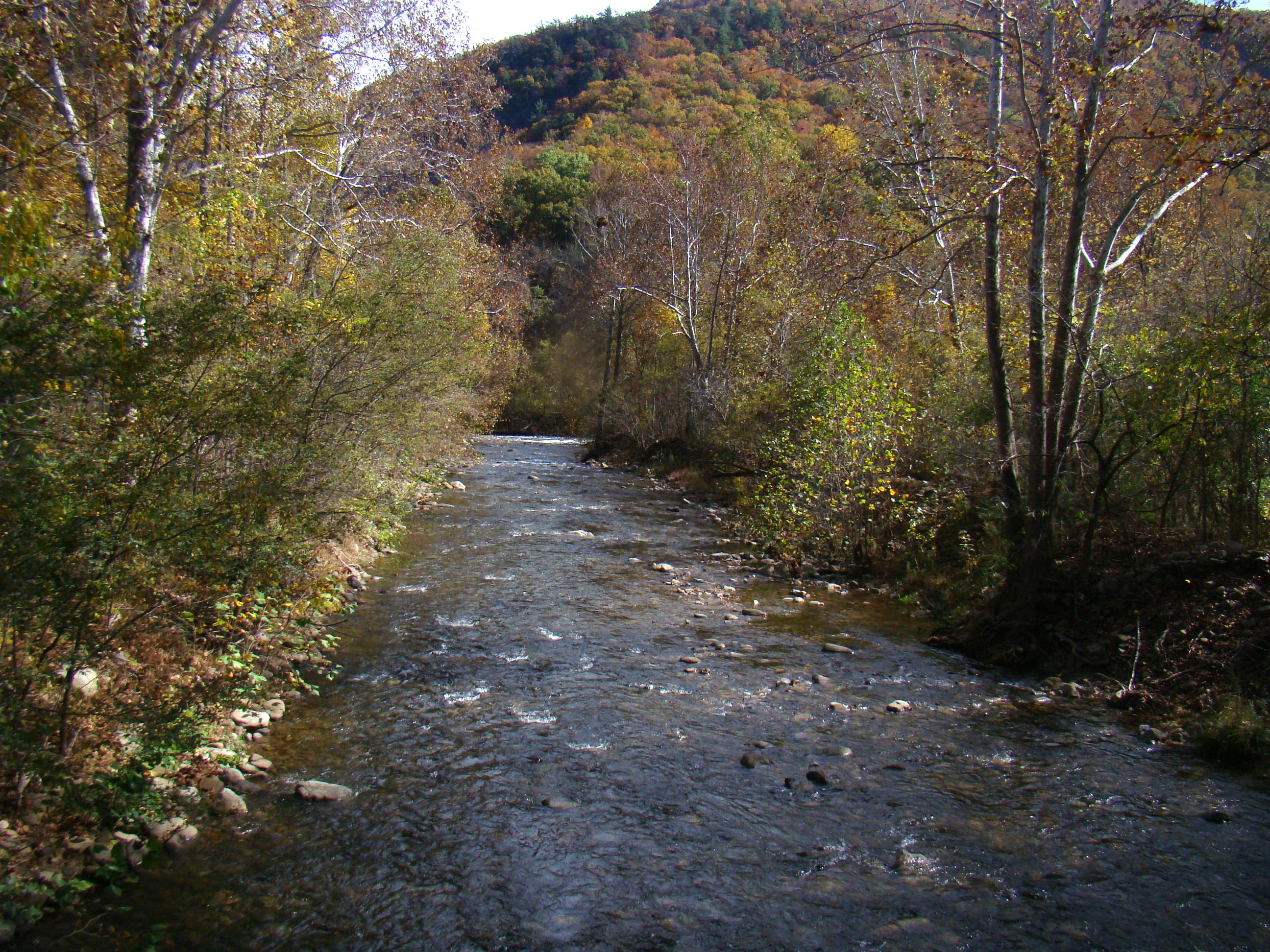
Seneca River

Scenic Seneca Creek

When you head over the walkway at Seneca Creek, watch carefully as you cross the bridge. Trout can be seen swimming along through the creekk, which bubbles over the rocky bottom.

This condensed version of the Legend of Seneca Creek tells an interesting Indian tale:

Snow Bird waited at the base of Seneca Rocks.

Snow Bird waited at the base of Seneca Rocks.

For as long as she could remember, Princess Snow Bird’s family lived at the base of Seneca Rock. All during her youth, she wanted to climb those rocks and as she became older, she did climb higher and higher until one day she reached the pinnacle. For a while she enjoyed her companions of warm sunshine, refreshing breeze, thoughts and dreams. But soon she became the most beautiful maiden in the land and warriors from all around came to claim her hand in marriage. 

There were too many for her to decide, so Snow Bird invited all to come on an appointed day for a challenge. After meeting them at the base of Seneca Rock, she told them that the one who could climb to the top would be her new chief. Out of the many present, only seven were brave enough to take the challenge. Snow Bird led the way and one by one six of them fell behind. Only one brave remained and as he neared the top he slipped.

Snow Bird quickly thought that if he was the one most able to make the climb perhaps she should accept him. She then reached down and grabbed his hand to pull him to safety. When they returned to the base, her father, Chief Bald Eagle, told his new son-in-law that he would become his successor and the new chief of the tribe.

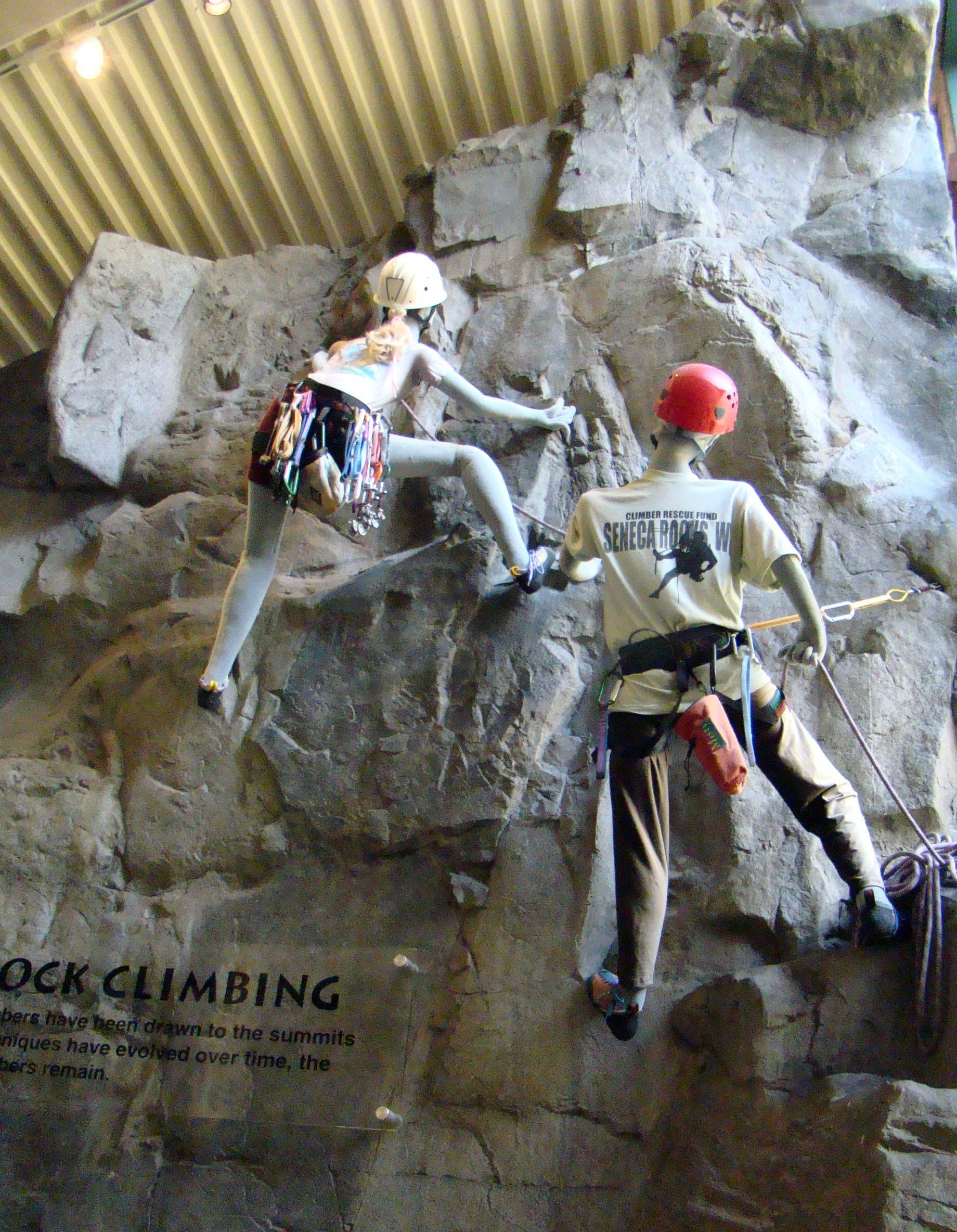
Rock climbing models

Rock climbing models

Nearby is a beautiful Discovery Center with information about all the activities, explanations regarding Seneca Rocks through pictures and scenes, and of course a gift shop. Interactive displays explain the geology of the area on a level that even children can understand. Films provide another method of explaining the beautiful Seneca Rocks and the surrounding Monongahela National Forest. Figures of mountain climbers scan an inside wall to show the gear needed and explain the dangers.

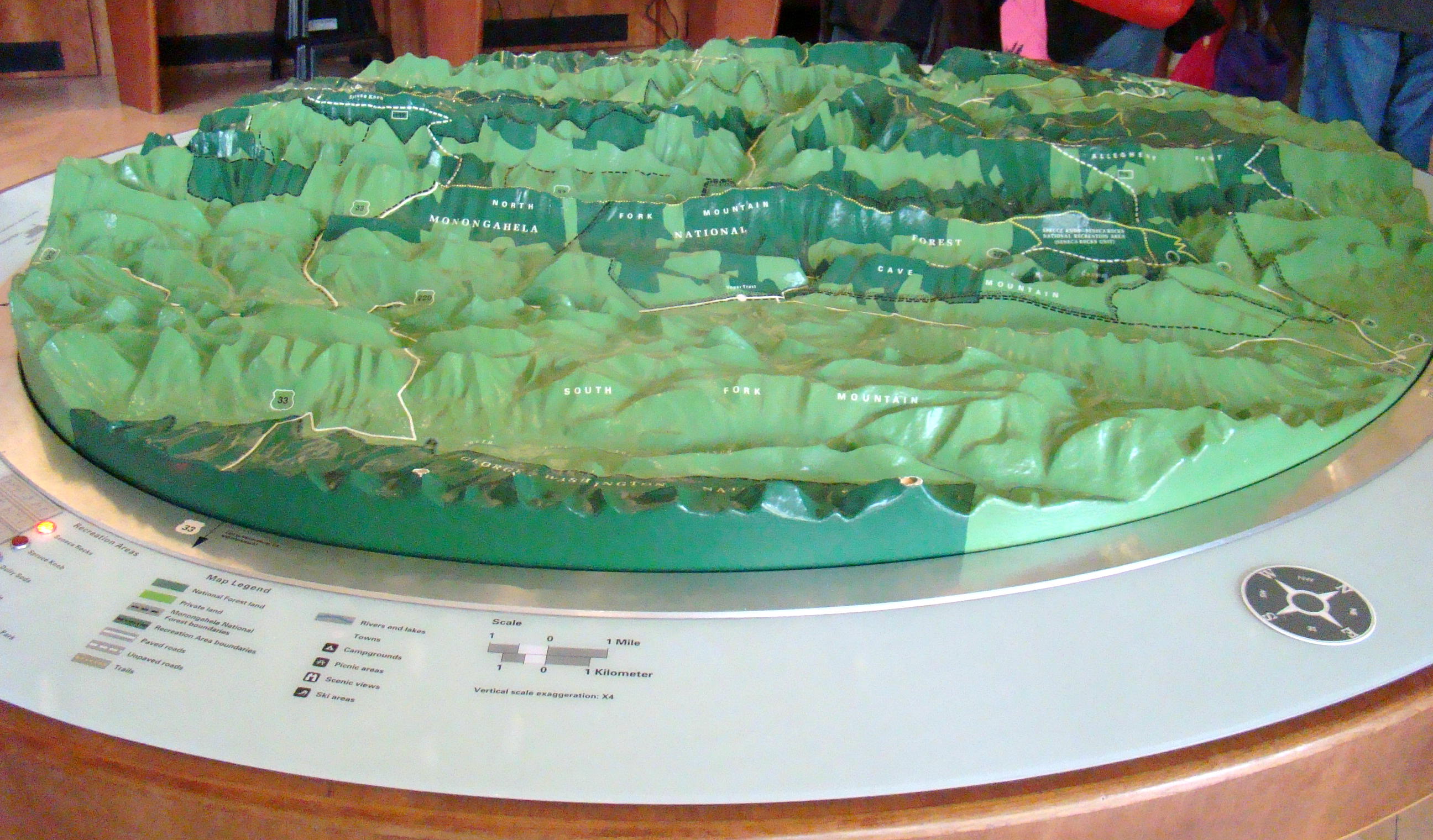
Lighted topography map

Lighted topography map

Especially interesting was a topographical map of the area with buttons that lighted up different special places to visit. It gave you a much clearer idea of where you were, had been, and were going. It was interesting that they had instructions also written in Braille.

Visit Seneca Rocks where you can climb to the top or sit on a bench at the base and admire the view.

Seneca Rocks it located east of Elkins, WV near the junction of Routes 33 and 55. Enjoy the beautiful scenery on your way there.


Beautiful Autumn Leaves HIghlight Lindy Point

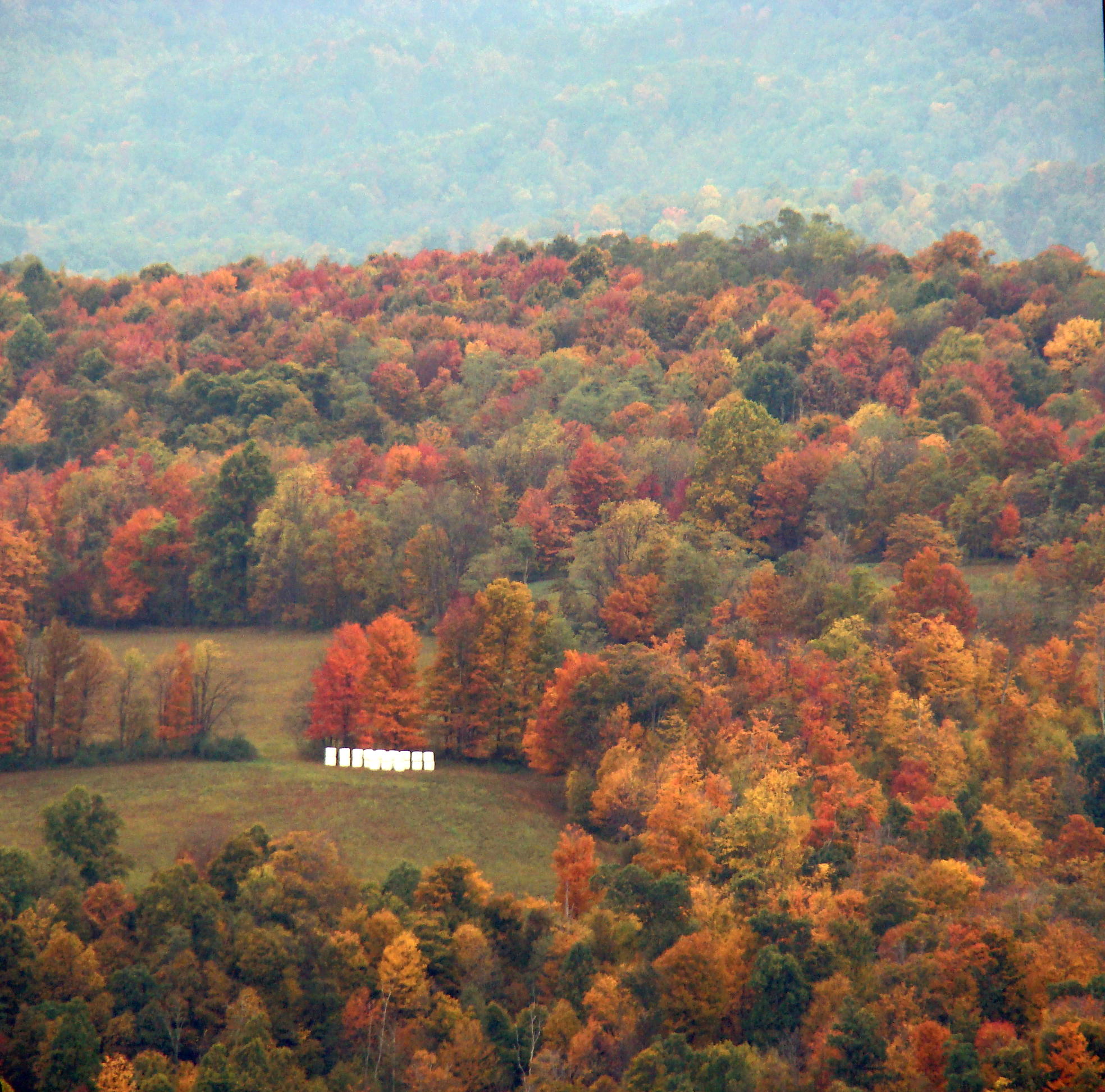
A roadside peek on a cloudy day

A roadside peek on a cloudy day

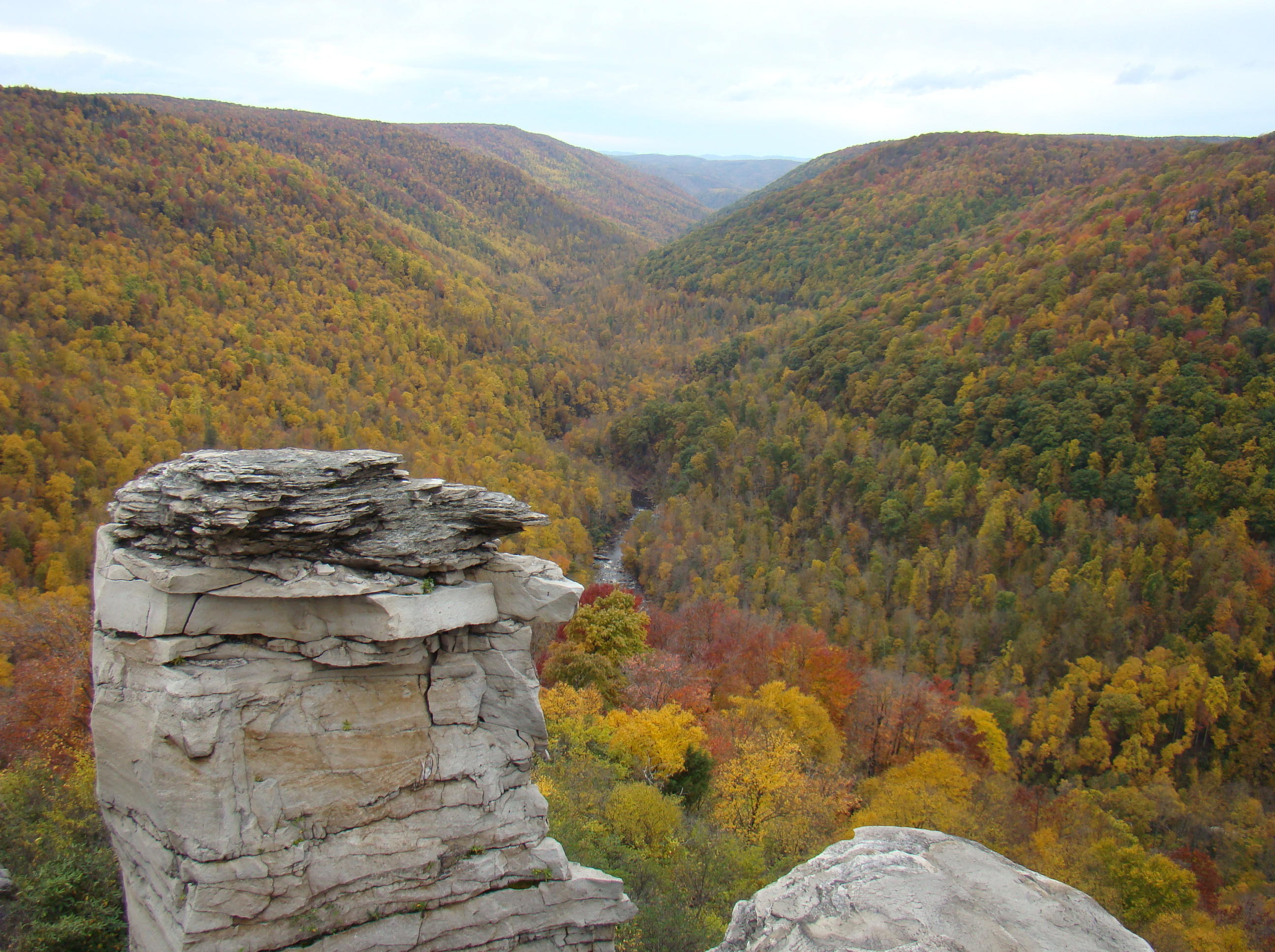
Every little corner of West Virginia seems to have a beautiful mountain view, and nobody does Autumn better than West Virginia. Lindy Point near Davis, West Virginia, provides a dynamic view in several directions.

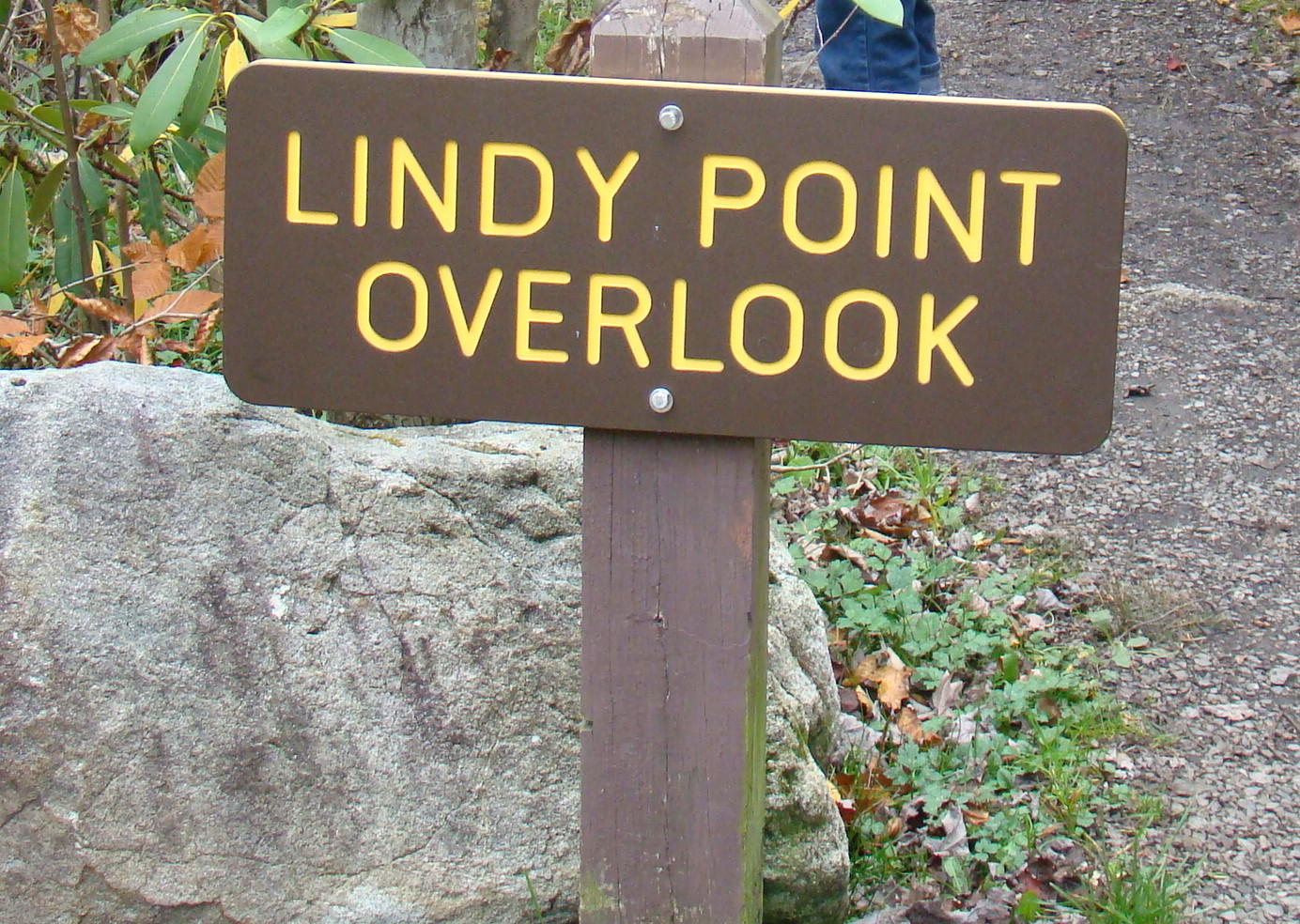
Lindy Point Overlook sign

Lindy Point Overlook sign

Heading back a narrow curving road only wide enough for one vehicle, it seems obvious that this is not a heavily traveled area even for tourists. There are only four parking places at the entrance to Lindy Point so it would appear they don’t expect many visitors, but surprisingly several people were met on the trail.

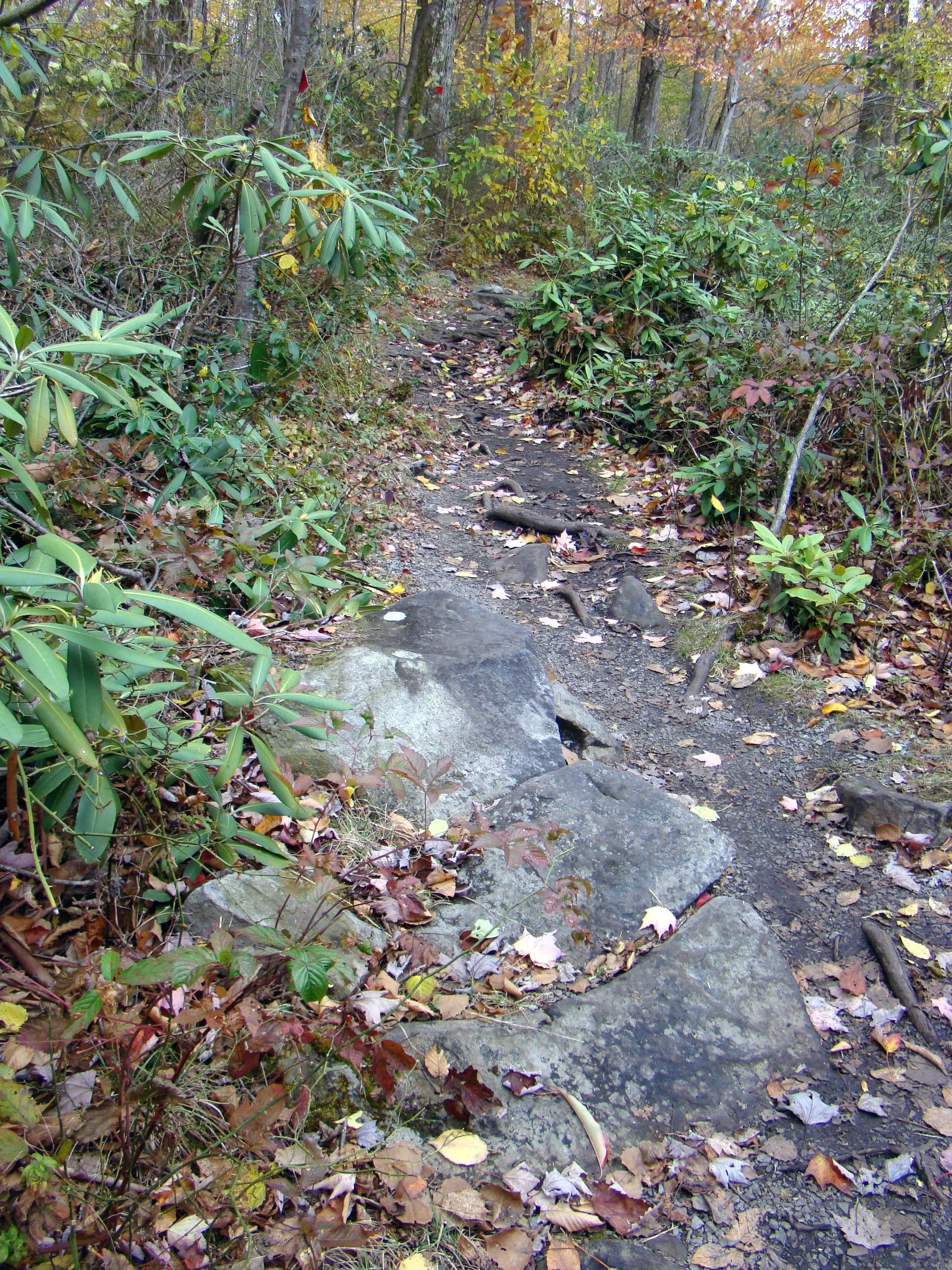
Rough path to Lindy Point

Rough path to Lindy Point

Traveling down a long, secluded path, each step needs to be taken carefully. Many tree branches, briers, and rocks appear on the path, which is basically a black dirt trail, but rather level. There are interesting plants along the way as the trail leads through dense rhododendron bushes. While eyes were open for animals, especially bears, none were spotted.

At places the road was muddy from rains of the past few days, and the black dirt trail turned into a boggy black adventure. There were places where there was no way around due to the heavy brush, so the only way to proceed was to walk right over the murky black bog. This was accomplished by placing the foot flat on top of the mud, one step at a time, and you didn’t sink in…well, at least not too much. A walking stick on this trail was particularly useful and welcome.

Looking over the edge at Lindy Point

Looking over the edge at Lindy Point

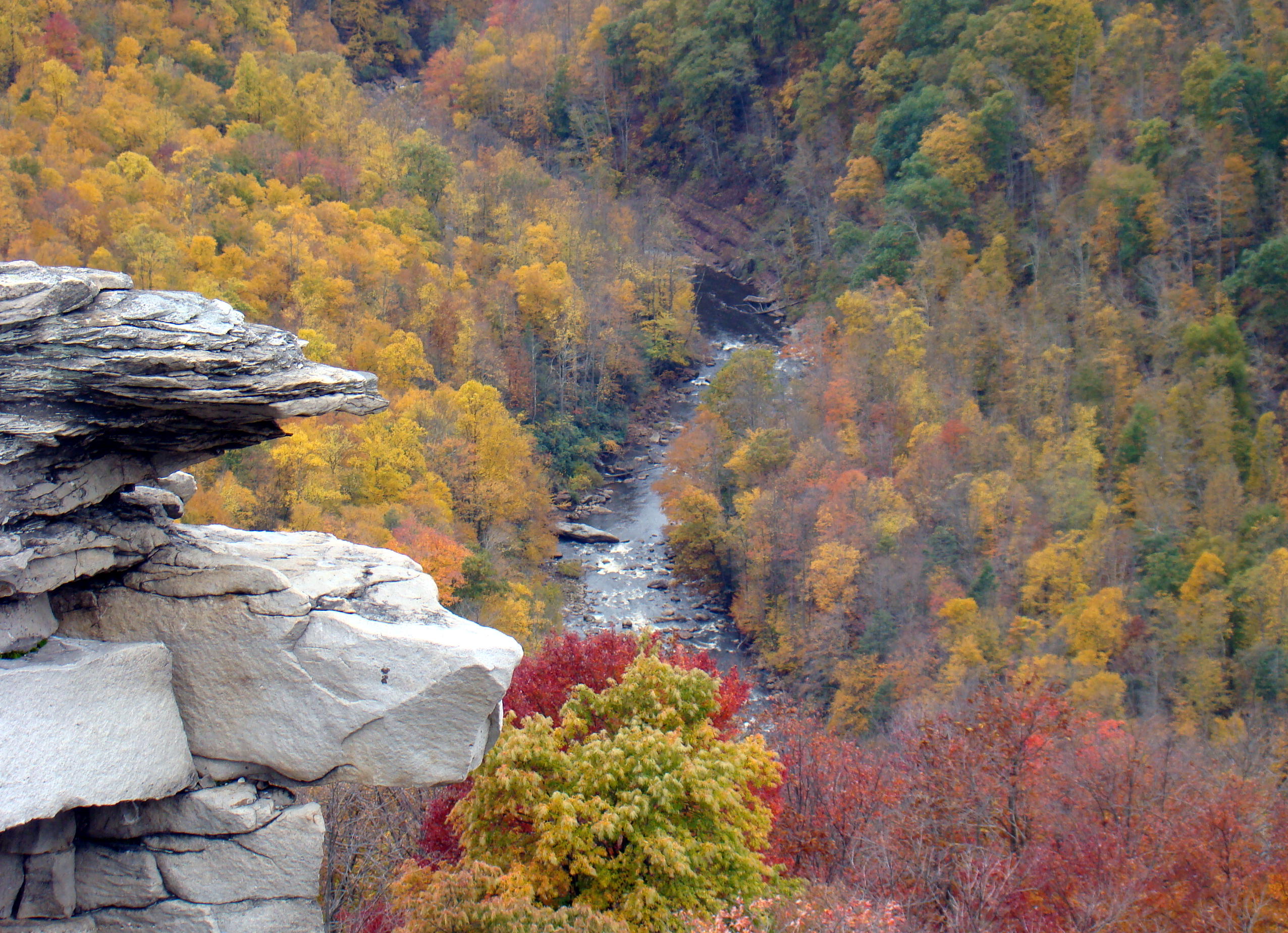
Finally we reached the end of the trail to a magnificent view from the overlook. Here you can see 48 acres of the Blackwater Canyon, one of those picture postcard views in all directions, as the valley is ignited with the colors of Autumn leaves. The Blackwater River runs through the bottom, while at the top are unusual, free-standing, rock “chimneys”, which add to the spectacular view. These enormous rocks were pushed up during the formation of the mountains many years ago.

Zoomed View of the river below Lindy Point

Zoomed View of the river below Lindy Point

A young man and his family appeared at the summit and told of his teenage adventures there for frequent picnics.  He remembered the time they were having a party out on the rocks before the platforms were built. One of his friends had too much to drink and fell to his death off the rock into the canyon below. The area was closed for a couple years and then the platform was put in place as a safety measure.

The walk back seemed much shorter and faster, but at the end it was necessary to clean the boggy mud off our shoes before moving on. 

Autumn is a great time to catch the view from Lindy Point. Anytime is beautiful, but the colors of the leaves highlighted its beauty.

Directions to Blackwater State Park travel many scenic routes along the way. These are the clearest directions I have found: Take I-7o E to I-79 S. Stay on I-79 S to Morgantown, WV. At Morgantown, follow I-68 E to Rt. 42 S, Friendsville, MD. Follow to Rt. 219 S through Oakland, MD, to Thomas, WV. At Thomas, take Rt. 32 S to Davis, WV. See what I mean?


Experience the World of Krishna at New Vrindaban Temple

Temple Altar

Temple Altar

The spirituality of India comes alive in the mountains of West Virginia. After the visit to the Palace of Gold, the tour continued just down the road in their New Vrindaban Temple. Arrival happened just in time for one of their worship services, which are held seven times a day every day of the week. Before entering, shoes must be removed or covered, to pay respect to the deity within the Temple.

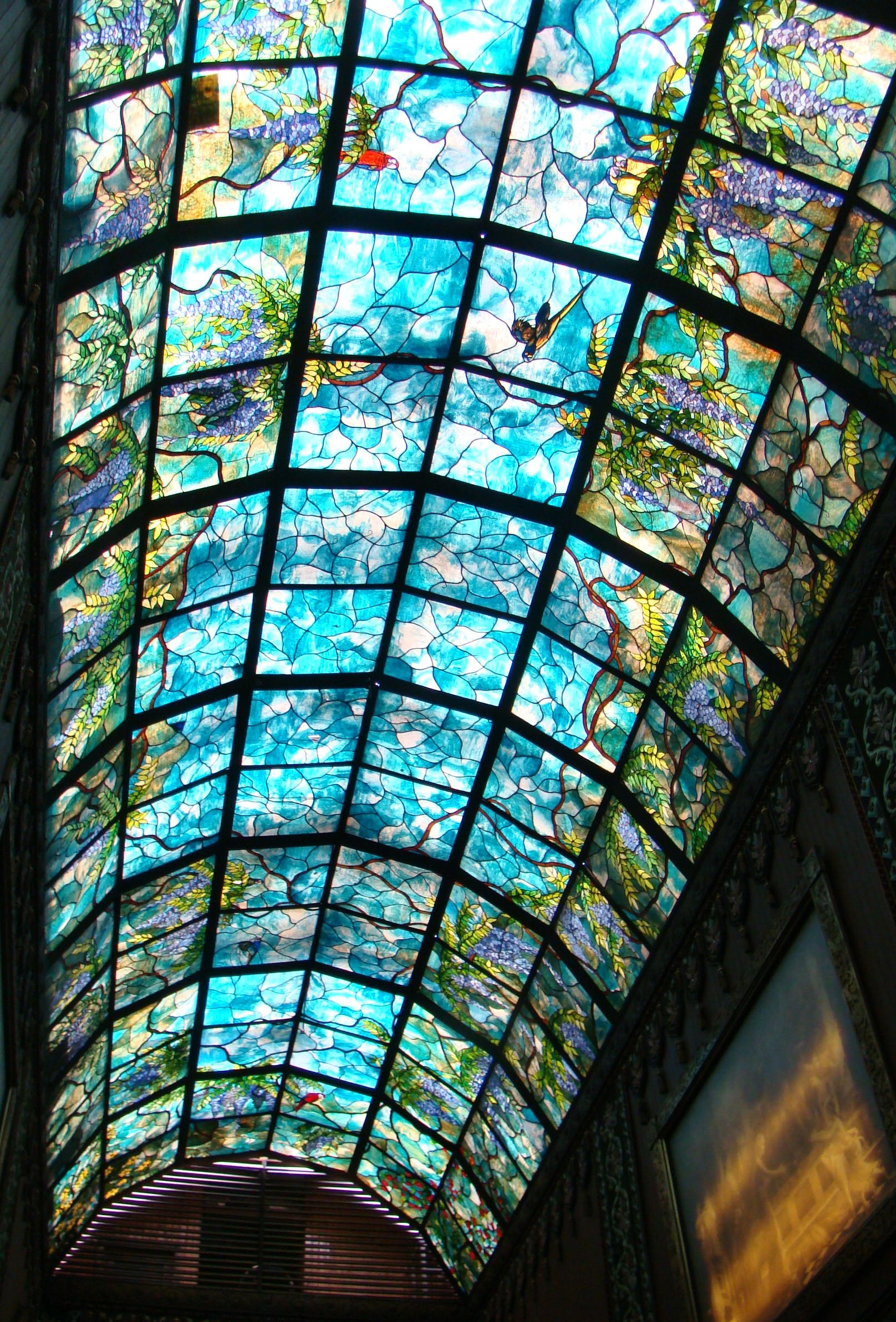
Stained Glass Ceiling at New Vrindaban Temple

Stained Glass Ceiling at New Vrindaban Temple

The inside of the Temple is where the statues of Krishna can be found in a golden setting. The statues are shimmering while the stained glass ceiling allows filtered light to fill the room. People from all over the world come here to worship their Hindu beliefs. Ladies were dressed in their finest saris to honor Krishna. Their fine dress also showed their affluence and success to everyone present.

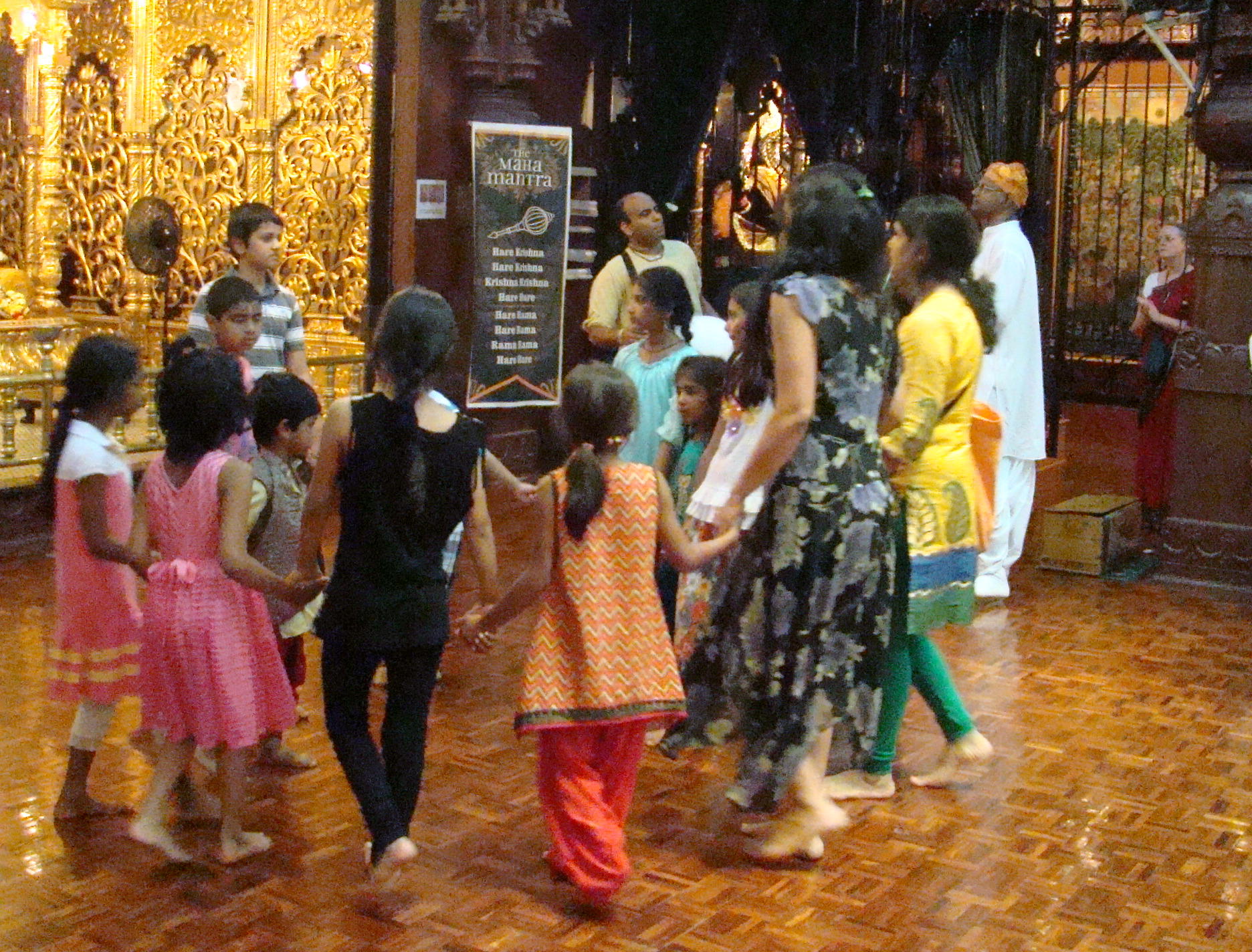
This is a congregational worship service with all those in attendance chanting a prayer to their God. They also use prayer beads, a string of 108 – a special number for their faith. To say a full prayer, you must go around the string sixteen times, which usually takes about an hour. Basically, the prayer that is repeated says: Hare Krishna, please allow me to serve you.

Children chant and dance before the altar.

Children chant and dance before the altar.

But mainly going to the Temple becomes a place to receive Darshan – you are looking at Diety and they are looking at you for a transfer of grace and spirituality. A priest made and accepted offerings at the altar through fire, incense, and water. An offering tray filled in the center with their holy burning butter was carried through the Temple. Those who desired could receive a blessing connection from its fragrant smoke.

After the service, a vegetarian lunch was served in the courtyard of the Temple. Dishes included: Basmati rice; Chickpeas sauteed with spices;  Subji -sauteed mixed vegetables; and Halavah – a sweet dessert made with farina toasted slowly in butter.  Our table was honored to be joined for lunch by Andy Fraenkel, the wonderful storyteller, and even Jaya Krishna Das, the president of New Vrindaban Temple.

Andy Fraenkel, Master Storytaller

Andy Fraenkel, Master Storytaller

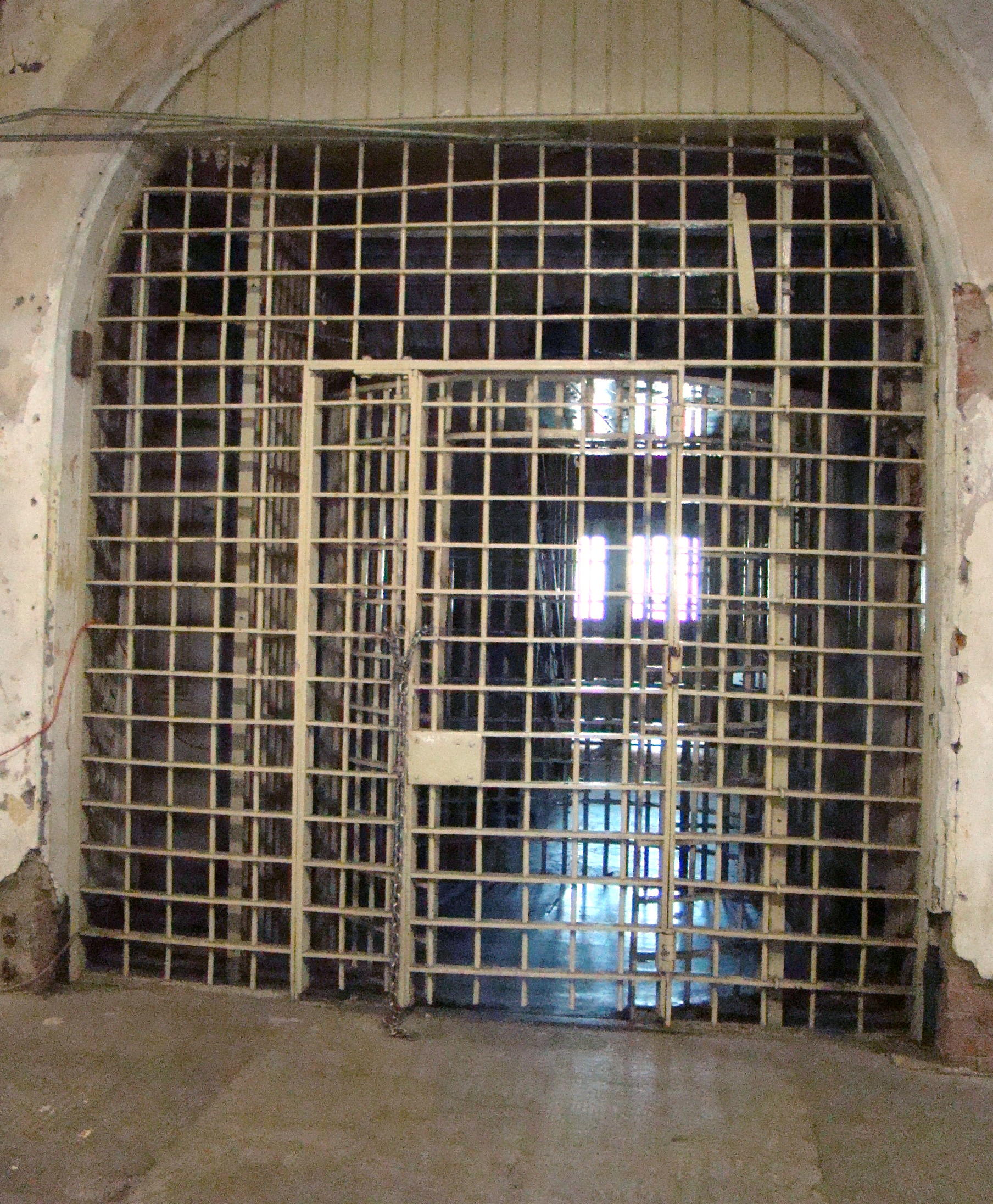
Back inside the Temple, listeners sat on the floor with Andy as he told stories of Krishna.  One, in shortened version, began with Krishna’s birth in a dungeon of a wicked king. They were imprisoned because the king wanted to be certain to kill the new baby boy, as he was the eighth son born on the eighth night of the month, and was prophesized to be the king’s slayer. But, he escaped with his father after everyone fell into a deep sleep and the dungeon door opened.

Krishna and his father were protected on their journey by a Divine snake. His father carried Krishna in a basket through the waters of a river that parted to ensure their safe passage. There they traded Krishna for a female child and his father took the female baby back to the dungeon before the king discovered the birth.  Eventually as years passed, Krisha came back to the city and killed the wicked king.

Many stories were told that day but you will have to visit yourself to hear more!  Many of the stories describe the many forms that Krishna took during his lifetime. Some of those include:  Butter Boy, Blue Boy, amd Lion Man.

Surrounding the Temple is the New Vrindaban community. Only a small portion of the believers now live on the grounds, but there is a group of apartments where devotees can stay. The basic teaching of the Krishna Consciousness is that we are all individuals and have a loving relationship with God.

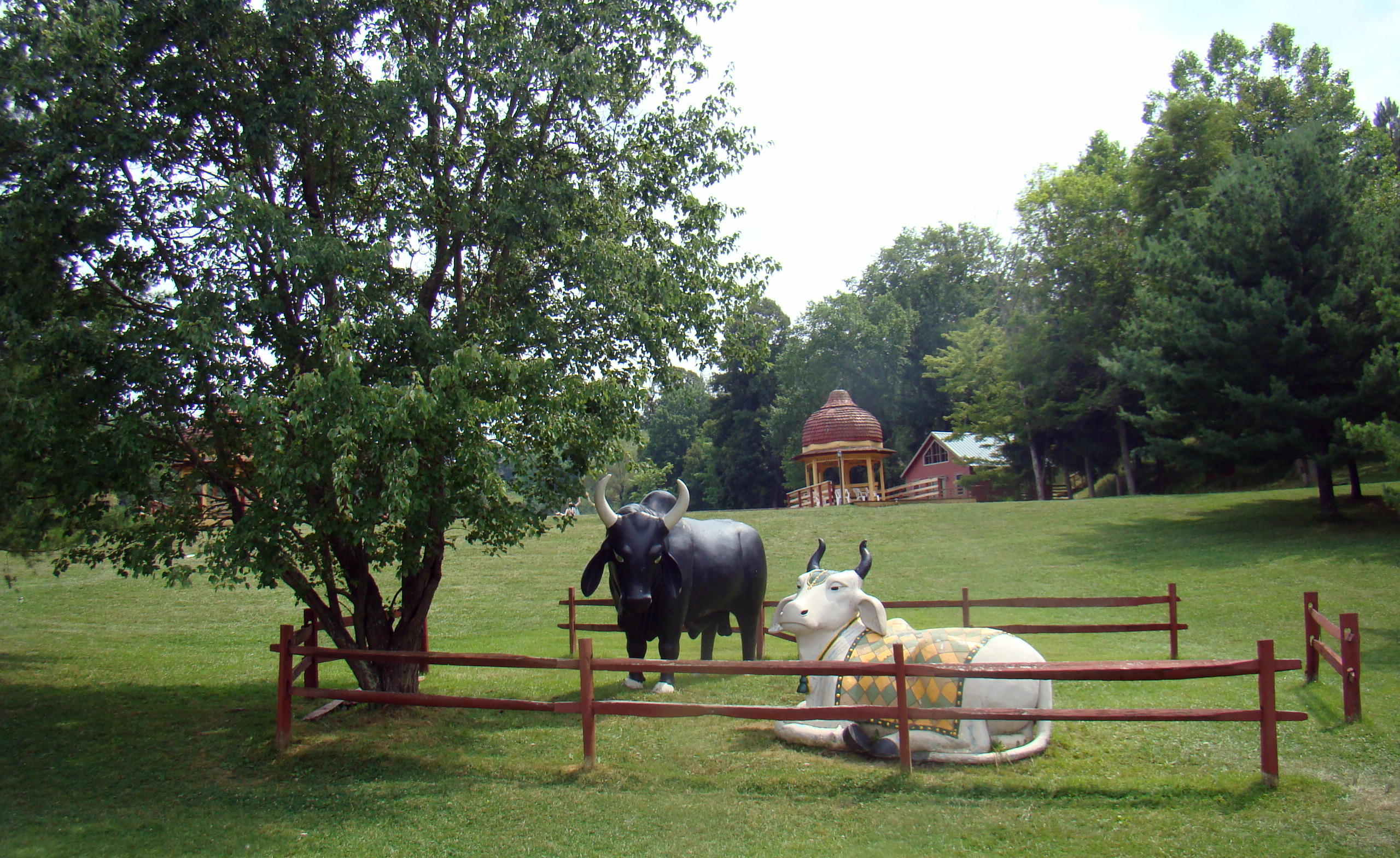
Cows and Cabins

Statues of Cows with guest cabins in background

Where once only woods stood, now visitors can stay in a beautiful lodge built in 1981-82, or cottages along Swan Lake. Many families spend their vacations here to worship in a Hindu atmosphere. Around the lake are several gigantic statues honoring their faith: Sacred Cows, Elephant, and a pair of 30-foot-tall Sri Sri Gaura Nitai statues.

These Krishna followers are basically very simple people who enjoy serving God in the way they believe.   As Andy said, “If you can’t be satisfied with a little bit, you will never be satisfied  with a lot.”

Andy Fraenkel ( www.SacredVoices.com )  is an award-winning author and recipient of a WV Artist Fellowship Award. He is available for in-depth tours to small and large groups, and even student groups from elementary school to college level. For more info you can get in touch with him at afraenk@icloud.com

New Vrindaban is located just down the road from the Palace of Gold.  From Moundsville, WV take Route 250 South. Watch for signs along the road for easy directions.

Peace at the Palace of Gold

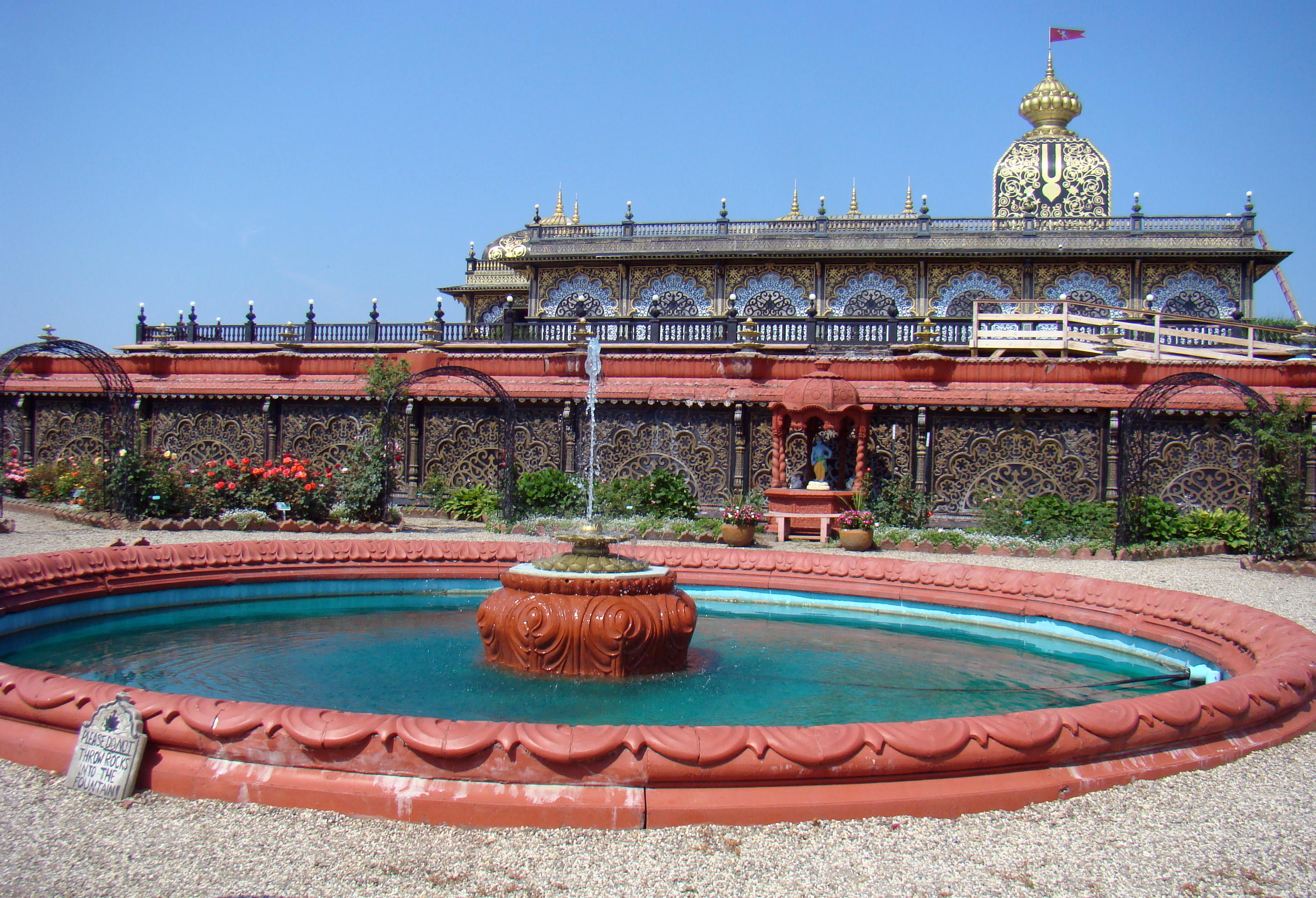
Palace of Gold from Rose Garden

Palace of Gold from Rose Garden

Step out of the Appalachian Mountains of Moundville, West Virginia into the Palace of Gold, which reminds many visitors of life in India. “It felt like I was coming home,” described the feelings of one recent guest from New Delhi.

Greeted by Andy Fraenkel, master spiritual storyteller, we were led on an in depth tour of the Palace and grounds. Andy also explained through story, many of the beliefs of the people who built this magnificent structure. Only outside pictures were permitted at the Palace of Gold.

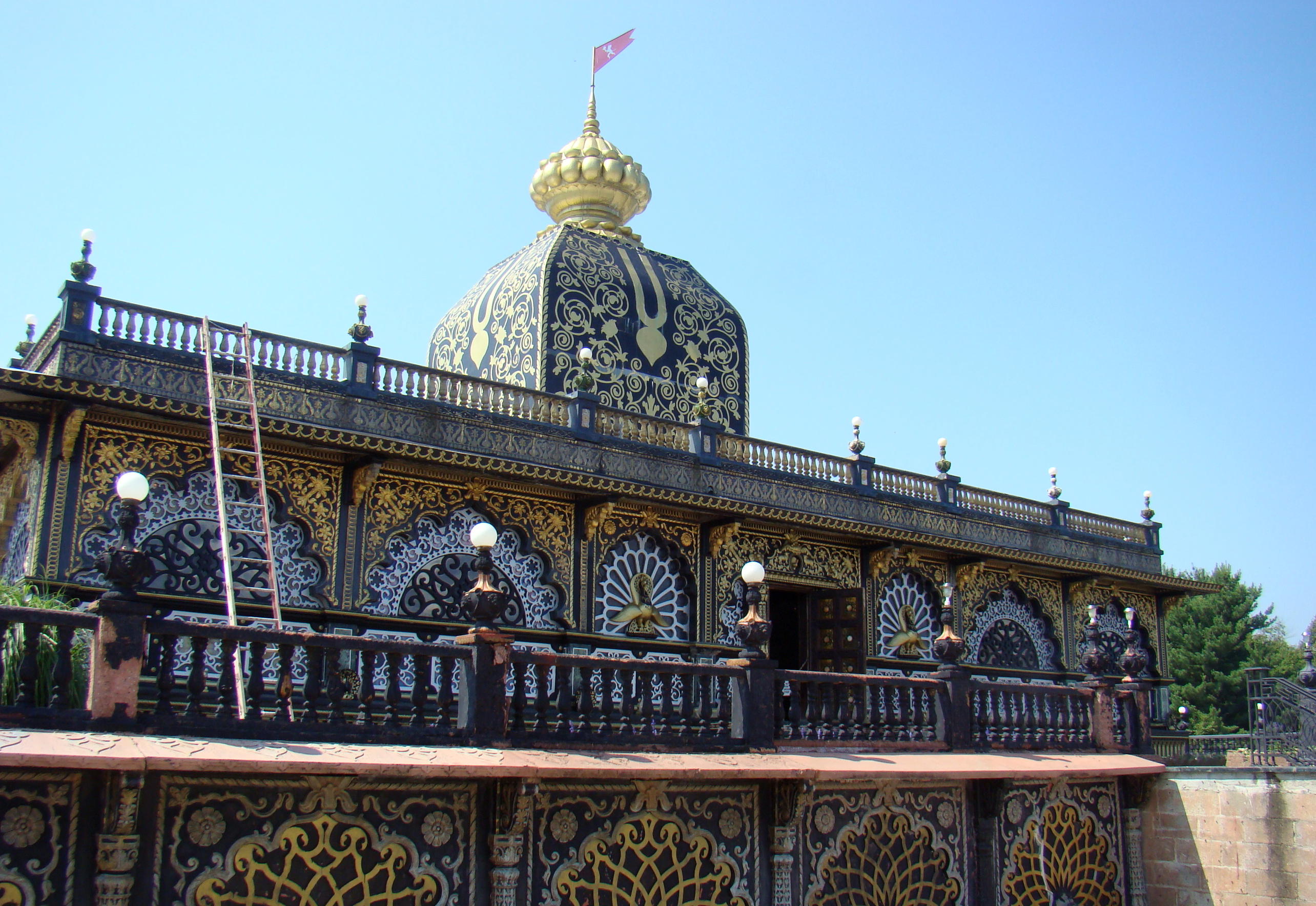
Repair work on Palace of Gold dome

Repair work on Palace of Gold dome

This beautiful golden temple glistens in the sunlight as sunrays catch on the gold coated roof and walls. Construction began here in 1974 with the intention of making a beautiful home for Prabhupada, who founded the Hare Krishna Movement. While Prabhupada did visit the Palace four times during its construction, he never got to live at the Palace due to his death in India two years before it was finished. Upon its completion in 1979, it became a memorial and an instant attraction.

It was decided to build a palace around the original home, adding abundant marble, gems, and gold to make it remind others of similar places in India. This was a huge undertaking and took five and a half years to complete at a cost of $400,000. That may not seem like much for a beautiful palace, but costs were kept low due to volunteer labor of the commune that lived nearby at that time. When the Palace of Gold opened in 1979, 25,000 people were on hand.


Rose Garden

Rose Garden

Before entering the Palace of Gold, you will be struck by the beauty of their famous Rose Garden, the perfect place for a time of meditation amongst the beauty and scent of the blossoms. There are over150 varieties of roses plus a hundred water fountains to add to the ambiance, as you bathe yourself in the morning sun.

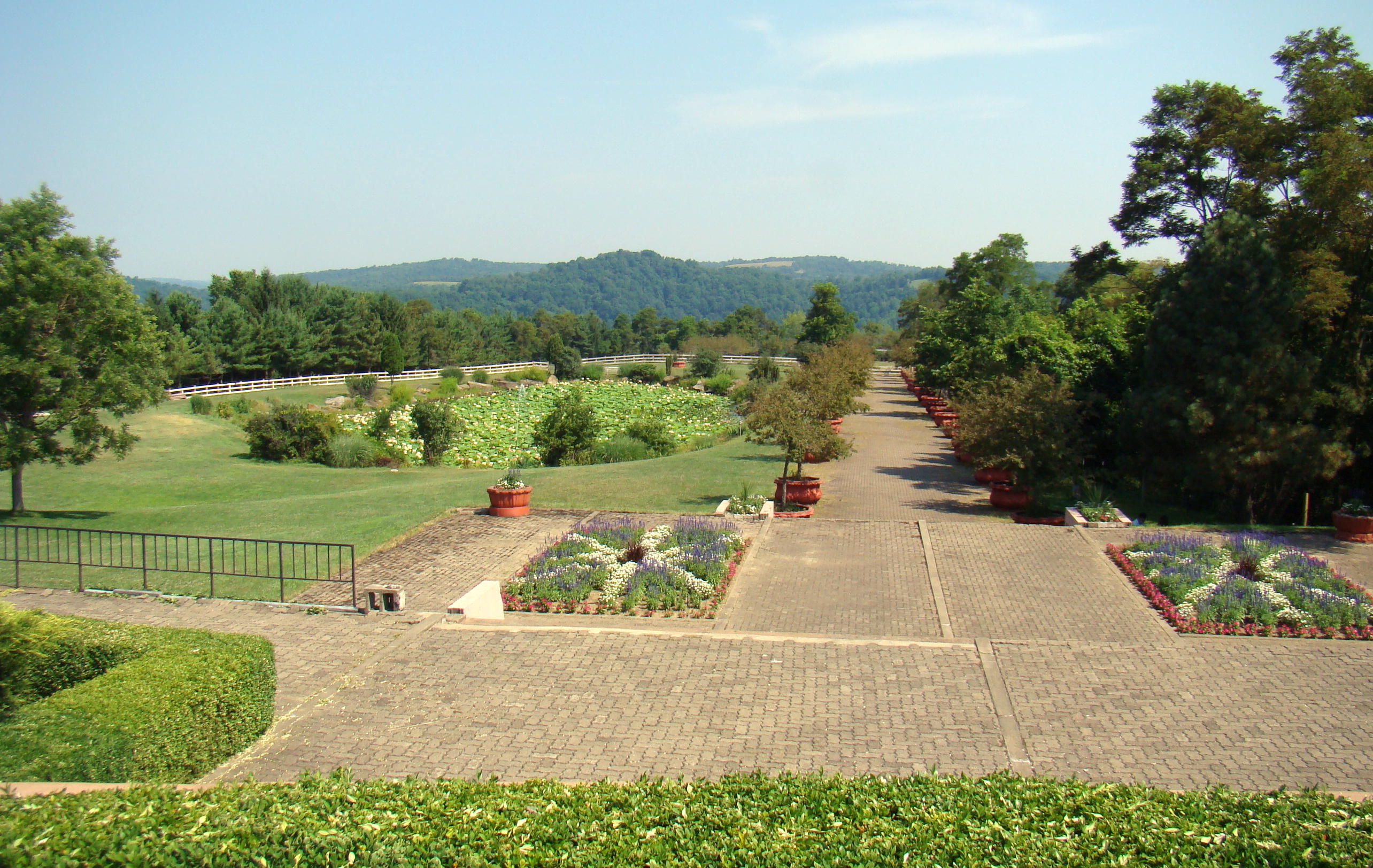
Lotus Pond

Lotus Pond

A lotus pond is covered with blossoms in this secluded Garden of Time. It’s the perfect place to spot a white swan or duck floating among the lotus. The pathways around the grounds make a peaceful place to walk with nature, and enjoy blossoms from spring through fall. Gorgeous peacocks are frequently seen wandering through the garden as well. From here you can see vistas of three different states.

Now it’s time to discover the inside of the Palace of Gold. Sunshine again plays its role in enhancing the stained glass windows. Sparkling crystal chandeliers reflect inner light from the mirrored ceilings. A Great French Chandelier, over 150 years old, brightens the room so semi-precious stones and pure gold glisten. While it is called the Palace of Gold, there are actually only about 80 ounces of gold used in construction. Gold leaf was applied in very thin sheets, 1/1000″ thick, and brushed onto the walls and ceiling.

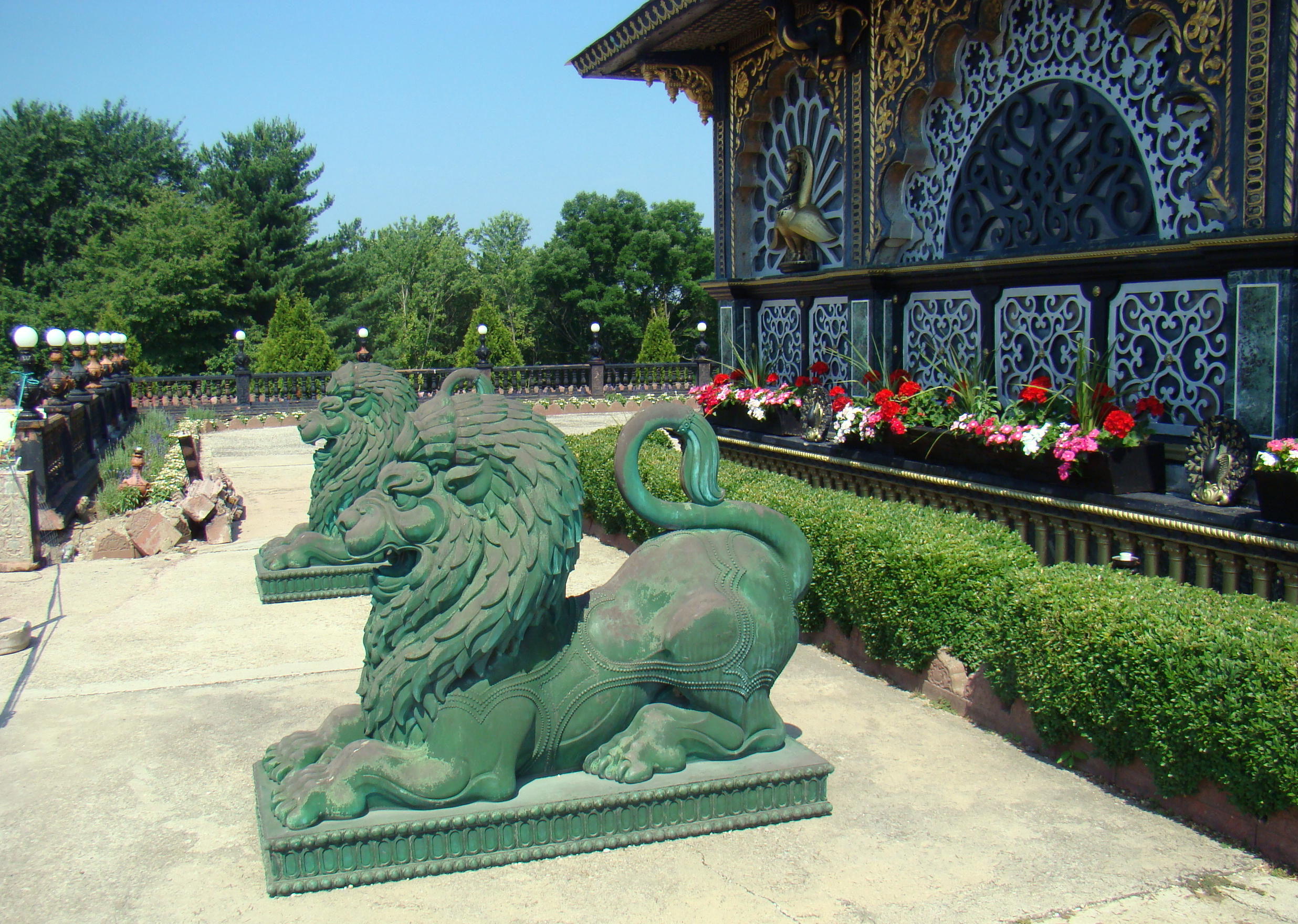
Lions guarding the Palace of Gold

Lions guarding the Palace of Gold

As you walk on floors of marble imported from Europe, Asia and Africa,  there are designs on the walls describing the Krishna religion. One wall had several peacock designs as they are a symbol of royalty and bring good fortune. Lord Krishna wears a peacock feather in his hair.

Cows and elephants have their special place also. The cow is revered as a source of food while the elephant is a symbol of wealth as kings rode them during peacetime and wartime. During the 1980’s, an elephant actually stayed on the grounds near the Palace of God, but it didn’t like the cold weather.  So they actually got a semi and sent the elephant to Florida on vacation for the winter. But that expense only happened one year!

The Palace is home to those of the Hindu faith, whose many denominations are all religious manifestations of Dharma. Andy explained, “Each one of us has different unique abilities. Use your talent as an offering to God.”

According to the Dharma teachings: “The path to enlightenment is very simple – all we need to do is stop cherishing ourselves and start cherishing others.”

The Palace of Gold is located at 3759 McCreary Ridge Road outside of Moundsville, WV. Take route 250 South, which is a curvy, mountain road and watch for signs to direct you to the Palace of Gold. It is very well marked.

Visit Henderson Hall Plantation 19th Century Hoarders

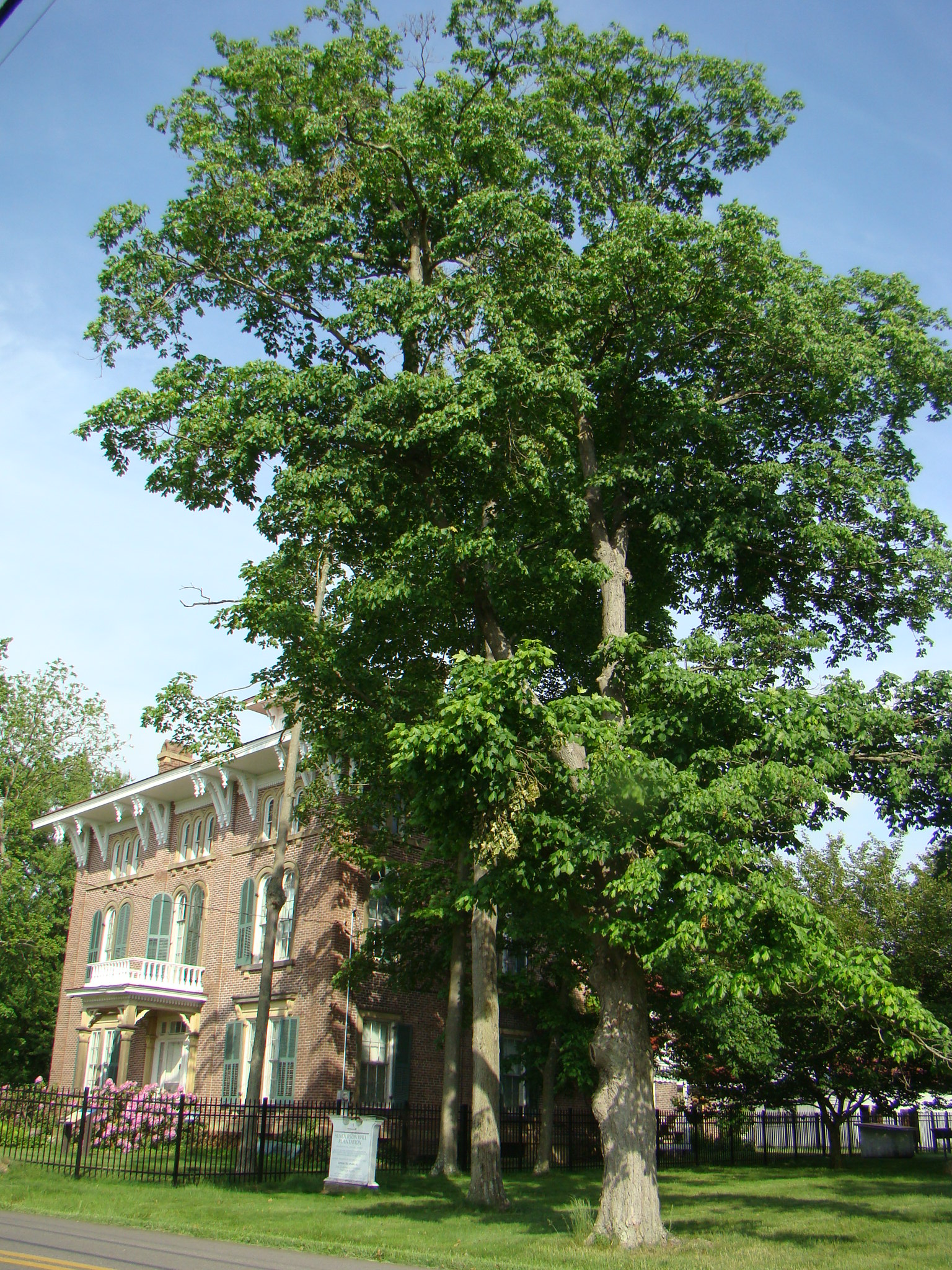
Henderson Hall

Henderson Hall

Look for a hidden treasure across the river from Marietta, Ohio along the banks of the Ohio River. Here a Victorian plantation mansion from nearly two hundred years ago seems to watch over the river between Williamstown and Parkersburg, WV.

Even before Henderson Hall came into being, the Henderson family played a vital role in the Ohio River Valley. Vice-President Aaron Burr and Harman Blennerhassett thought that perhaps the Henderson brothers would help in their attempt to set up a separate nation west of the Alleghenies. Hendersons would not be coerced, called their father’s friend President Thomas Jefferson, and testified in the Burr-Blennerhassett trail in 1807.

Henderson Hall was built shortly thereafter in 1835 by George Washington Henderson and Elizabeth Ann Tomlinson Henderson, grand-daughter of original claimant of Williamstown. This merger of estates encompassed 2600 acres on the eastern bank of the Ohio River. It seemed that everything they touched turned to gold, from the land they purchased, to breeding fine horses, to owners of an oil field boom.

Henderson Indian Mound

Adena Indian Mound

Walking to the house, one of the three Indian mounds on the property is clearly visible. Dating back 2,000 years, Adena mounds appear in several places in the Ohio Valley. Inside the mounds were found skeletal remains and artifacts.

Even though the Henderson family supported the efforts of the Union during the Civil War, they did themselves keep thirty slaves. Some of those slaves actually left through the Underground Railroad, which the Henderson family supported, in Marietta, Ohio.

This well preserved Victorian plantation propels visitors into the past with twenty-nine rooms to explore. All the rooms overflow with memorabilia from the 18th century to the present. It seems the Hendersons kept everything. 250 years of letters and diaries were found in the home – what treasures! Even more impressive is the trail of famous historic figures, who visited frequently.

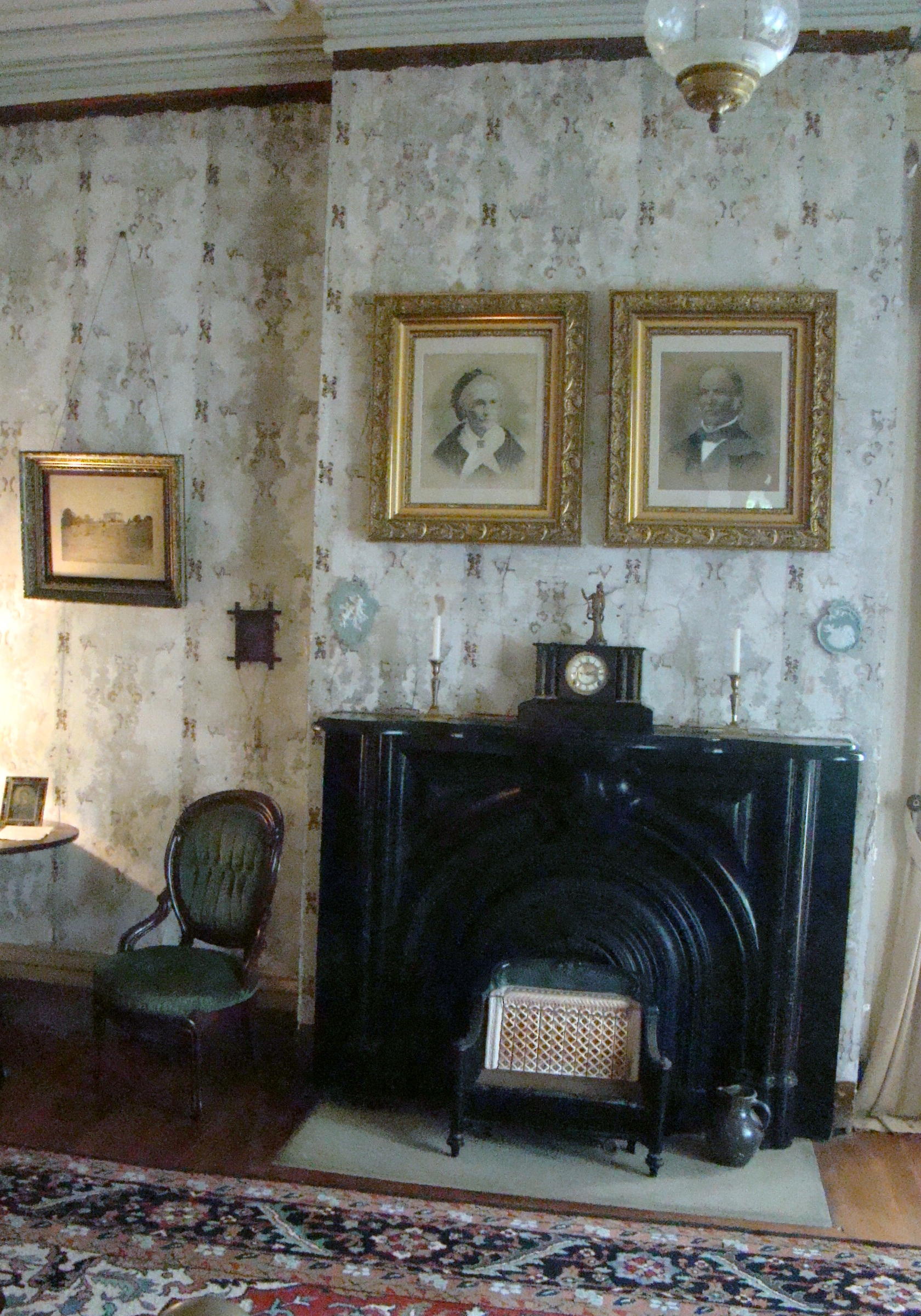
Front Parlor

Front Parlor

In the front parlor with its gold leaf wallpaper, pictures of Elizabeth and George hang over the mantle of the fireplace. In the picture she wore a hair broach, which was considered mourning jewelry. Having twelve children during their lifetime, six of them died before the age of ten. Elizabeth took a lock of hair from each of those six children to weave into an intricate pattern for her broach, which she always wore. The broach remains on display today in their small museum.

Collections from these 19th century hoarders give visitors a chance to see the changes made in many areas of life. The overwhelming amount of treasures saved, ranges from toys to wedding gowns to beautiful dining room settings. A winding staircase curves up to the third floor ballroom, making the mind wonder how those ladies managed these steep stairs in their flowing gowns.

The original kitchen

The original kitchen

The 1836 kitchen holds household cooking utensils and crockery dating back a couple centuries. This was part of the original smaller house before the 1859 impressive addition. Many of the rusted kitchen utensils can be found stored in the basement today.

When the last family member died in 2007, the historic house was deeded to the Board of West Virginia Oil & Gas Museum. Today they keep the place in repair and have great guides to share the Henderson story.

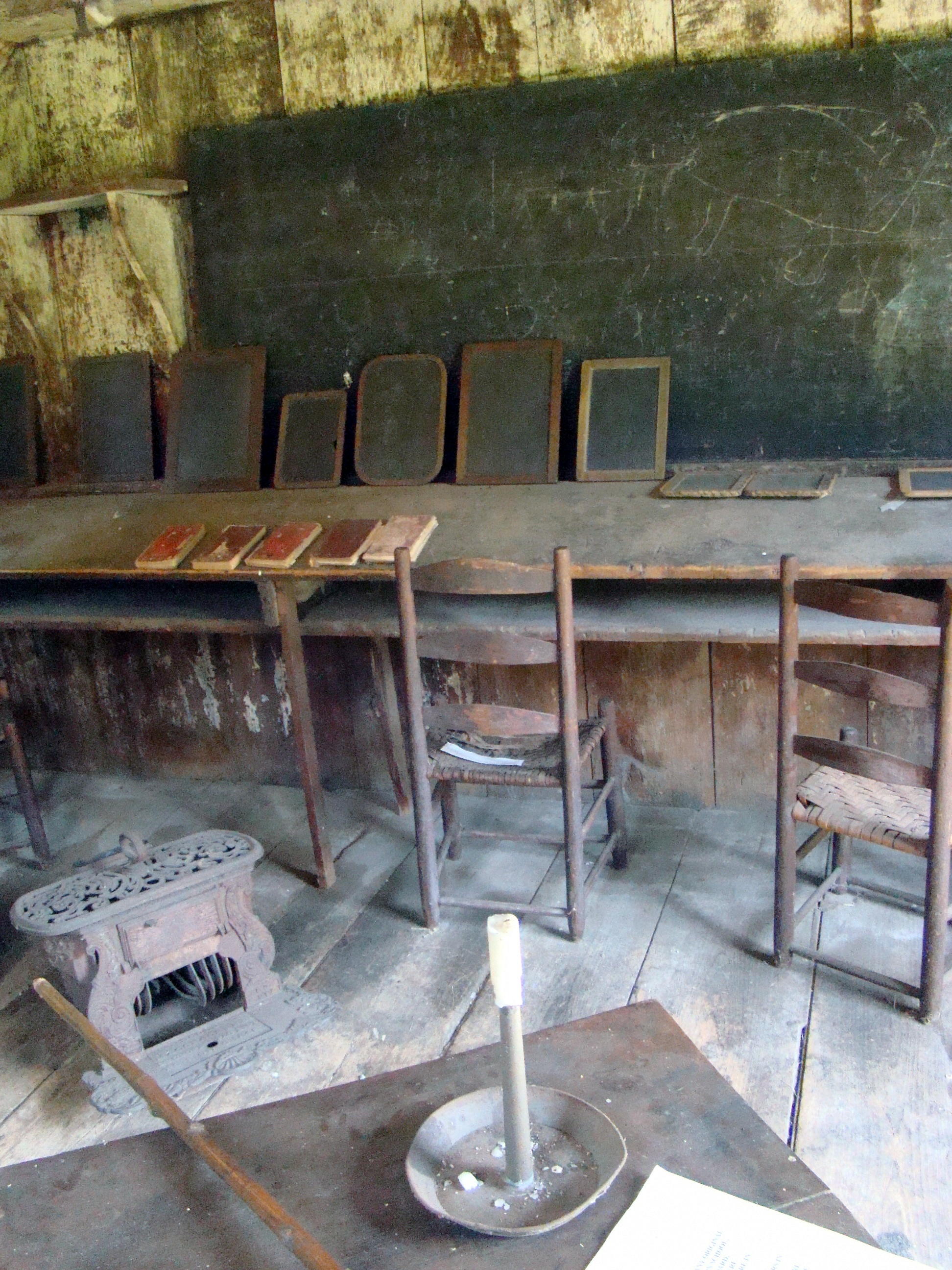
First school houe in West Virginia

First school houe in West Virginia

The earliest school in the area was here behind Henderson Hall in 1836. Note the teacher’s desk with candle and switch – for pointing and for correcting. Several old books from that time period have been placed on the students’ desk along with slates to practice writing and mathematics. Original equipment includes:  slates, blackboards, and seats. What a thrill to gently touch the slates, which were used by youngsters from the 1800’s.

The Carriage House contains different buggies. Among them is the actual buggy used by the original founders, George and Elizabeth, on their honeymoon to Niagara Falls.

Henderson Hall overflows with treasures too numerous to mention. Hopefully you have now received a taste of history that will whet your appetite for more. Johnny Chapman, John James Audubon, and Stephen Foster always enjoyed their visits here.  Shouldn’t you?

Henderson Hall Plantation is just a few miles off I-77 at the Williamstown, WV exit. Follow Route 14 South, then turn right on Old River Road. Summer hours are noon- 5 p.m. daily.


Maximum Security at Moundsville Penitentiary

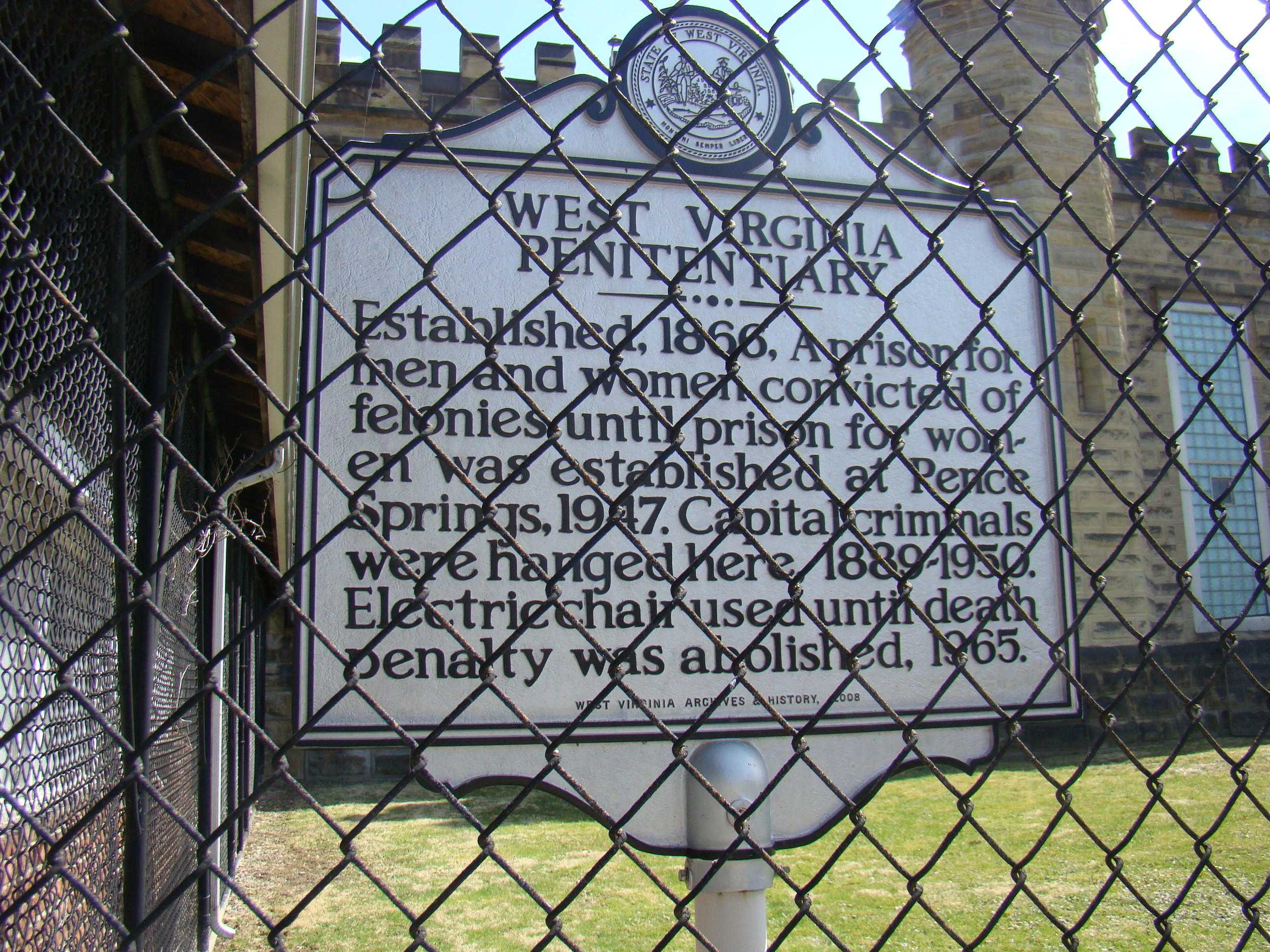
WV Penitentiary Welcome Sign

West Virginia Penitentiary Welcome Sign

Welcome to a living hell! The most violent and vicious prison in the United States describes conditions at the original West Virginia Penitentiary in Moundsville, West Virginia. Maximum Security became home for the worst of those prisoners.

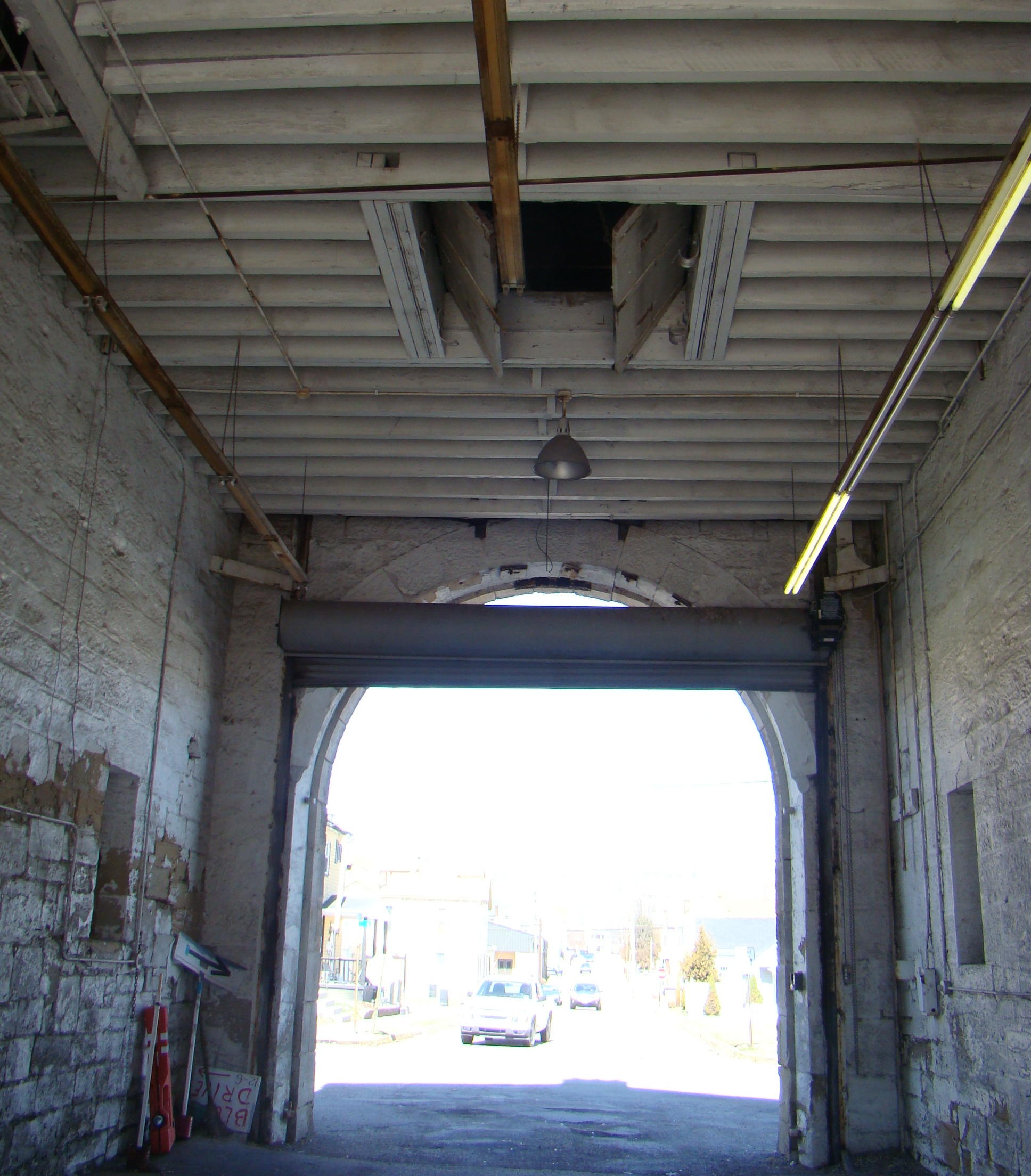
Hanging Gate where hangings occurred from the ceiling

Hanging Gate where hangings occurred from the ceiling

From 1866-1995, many deaths occurred within those prison walls. 9 prisoners died in the electric chair, 85 hung with a noose around their neck, and 998 documented murders occurred – two guards and the rest prisoners. Now you get a taste of their violence.

The most dangerous criminals were placed in The North Hall, called the Alamo.  The worst prisoners lived here twenty-two hours a day, because of their unpredictable behavior. On a daily basis, they were given one hour in the Bull Pen, where they could exercise in an area enclosed with stainless steel razor wire. They showered with lye soap and often cold water – once a week under supervision.

Being in their cells most of the day gave them time to plan. One Maximum Security prisoner actually used dental floss and toothpaste to cut through the bars on his cell door. Another seemed to have a longing to become a writer, as he wrote stories on the walls of his cell. His being in prison resulted from his murdering his girlfriend.

Comfort was not known in Maximum Security cells, but prisoners wouldn’t have been there if their crimes had not been vicious. These cells were not pleasant temperature-wise either, as the furnace couldn’t possibly heat the prison adequately, and air conditioning didn’t exist. That meant that in the winter, cells were often around forty degrees, while in the summer they could be a hundred and twenty. Walking through the halls today you get a chilling feeling of the cold, hostile people who resided there years ago.

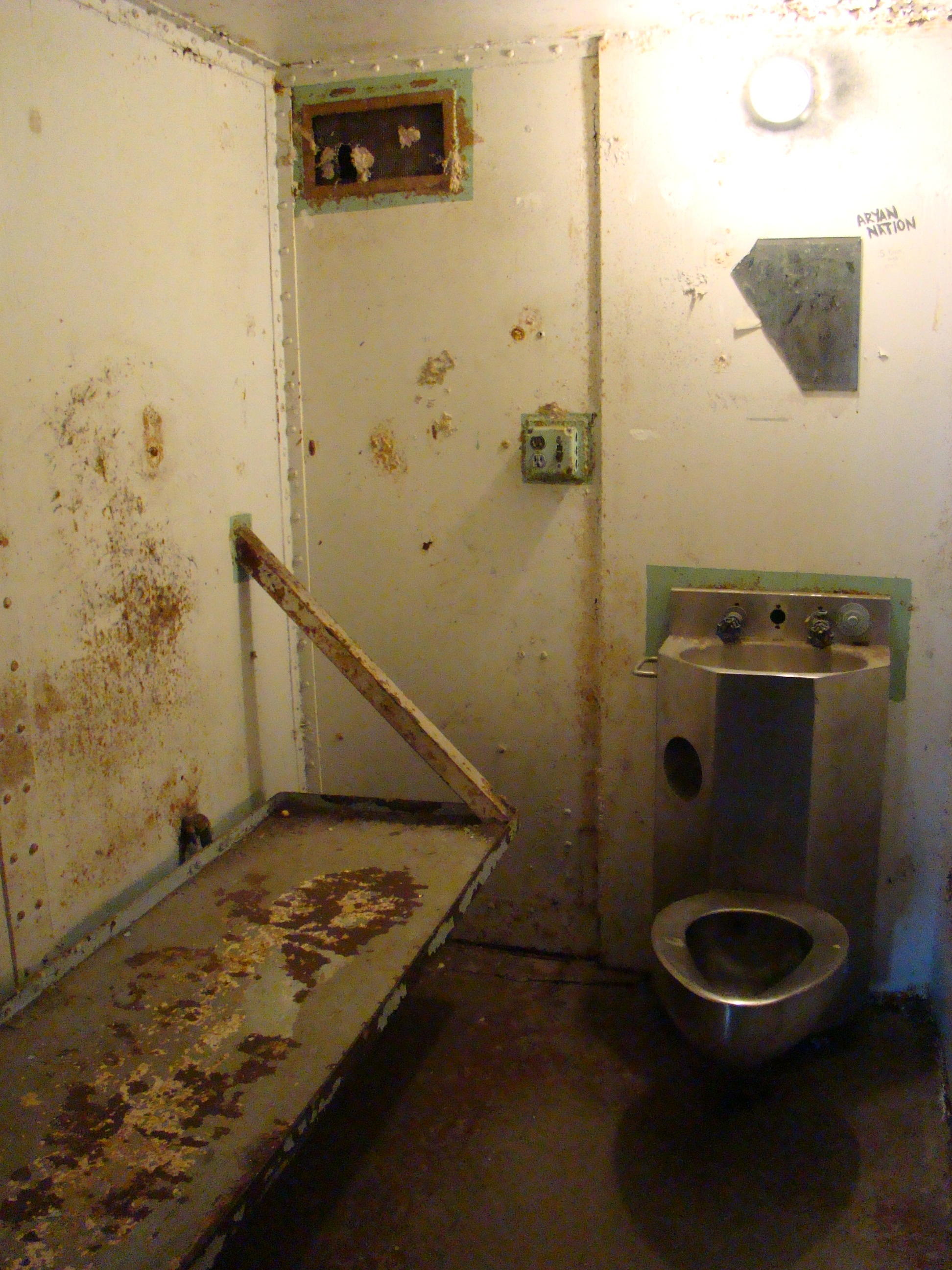
Red Snyder's cell

Red Snyder’s cell

All the prisoners in Maximum Security always ate in their small cells, which measured 5’X7′. There was a small place through which the guard could place their meals on a  paper plate with plastic knife and spoon. Inside the cell was a bed hanging from the wall, a sink, and a toilet. The bed had a thin mattress and a small pillow.

Once in a while, a prisoner would get special privileges for good behavior. Such was the case with a couple Maximum Security trustees, who were allowed to work in the greenhouse. These model prisoners planned their escape carefully.

As they worked in the greenhouse, they dug a four foot high tunnel from the greenhouse under the prison wall, which was six feet at its base. They lined the walls of the tunnel with plywood used in the greenhouse. What did they do with the dirt? They put the dirt in bags marked PEAT MOSS. This was the last escape ever attempted from the orginal West Virginia Penitentiary and the culprits were eventually caught.

If all of this wasn’t bad enough, when a prisoner became uncontrollable, he was placed for thirty days in what they called The Hole.  The only thing in that hole was a bucket for bathroom purposes. These prisoners stayed there twenty-four hours a day on a dirt floor, with bread and water being sent down to them once a day. They obviously didn’t want to even be threatened with The Hole, a personal living hell.

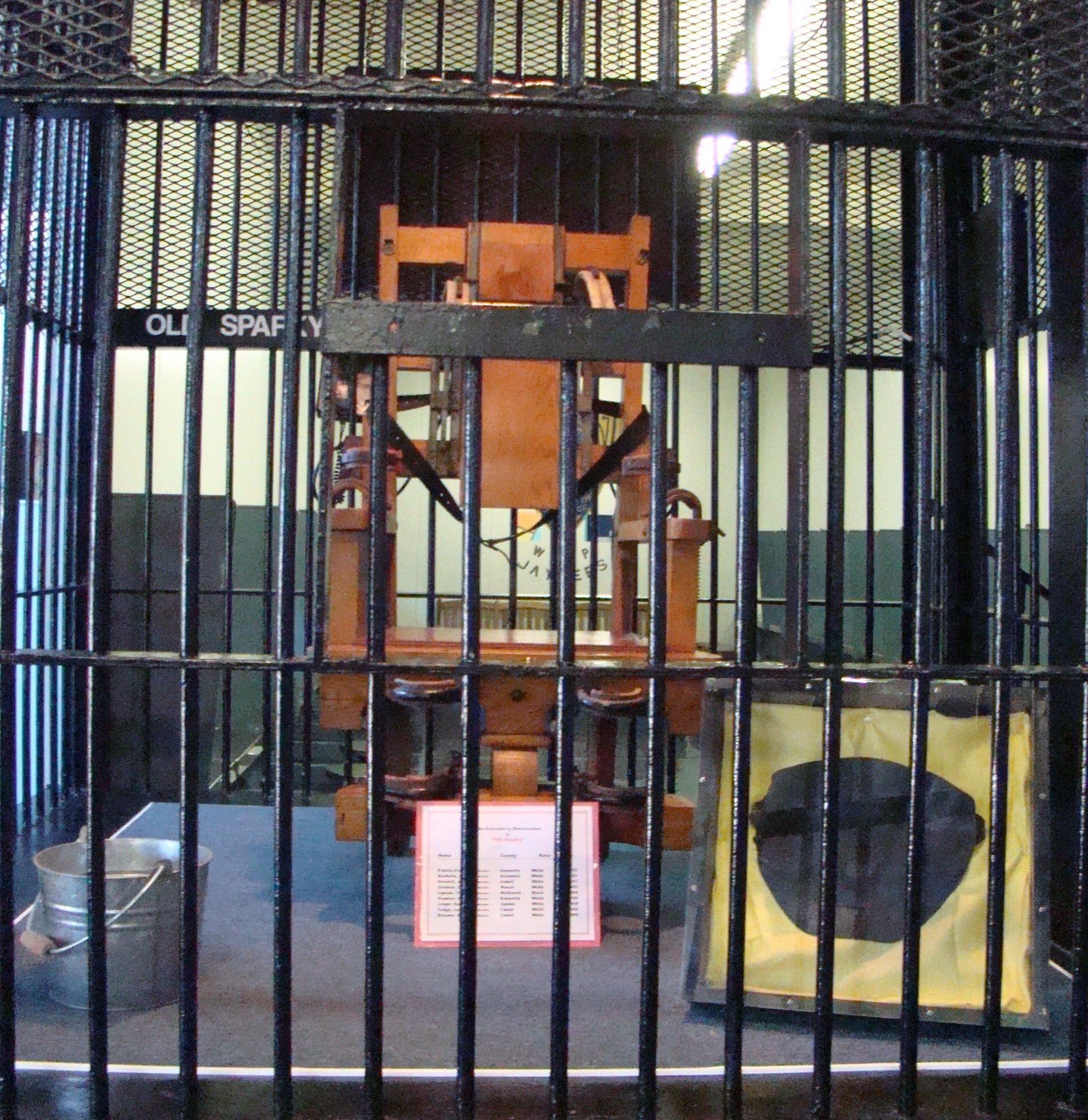
Old Sparky, the electric chair

Old Sparky, the electric chair made by a prisoner.

Of course, the worst punishment was Old Sparky, the electric chair built by a prisoner in 1950. No surprise, that prisoner had to be placed in protective custody. A leather bag dropped over the condemned person’s head as electricity in this chair went through the head first.

As you have read the conditions under which these prisoners lived, is it any wonder that the State of West Virginia decided to close this penitentiary due to abusive treatment of the prisoners? Could you have survived the imprisonment? Maybe you would like to take a tour and experience the tortured souls that remain inside.

West Virginia Penitentiary is located in Moundsville, West Virginia just ten miles south of Wheeling along the east bank of the beautiful Ohio River. From Wheeling, follow Route 2 into Moundsville. Turn left on 8th Street and after two blocks turn right onto Jefferson Ave. The penitentiary is on the left side of the street. You can’t miss it!


West Virginia Penitentiary Visit: A Chilling Experience

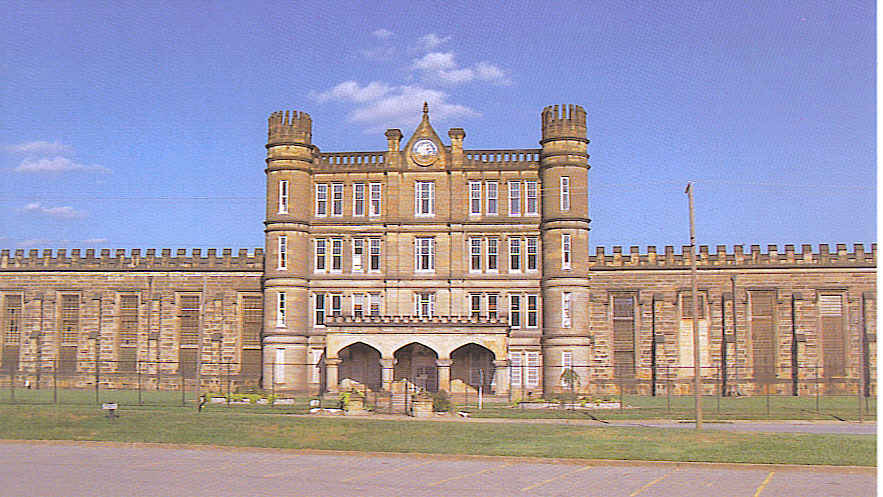
Former West Virginia Penitentiary

Former West Virginia Penitentiary

Feel the chill of the prison walls.  Hear the stories of former prisoners. Walk the halls of the former West Virginia Penitentiary in Moundsville, West Virginia, as cold sensations permeate the skin. Some say this happens because the spirits of many former prisoners still hang out at the prison. Or perhaps it is that feeling of being locked away from the world that causes the chilling sensations.

The prison began back in 1866 when the government of West Virginia made a major decision. Eleven acres of land became available for govenment use in Moundsville, West Virginia. The choice was between building West Virginia University there, or a State Penitentiary. Those in charge concluded that a penitentiary would bring more jobs into the area and give them an economic boost.

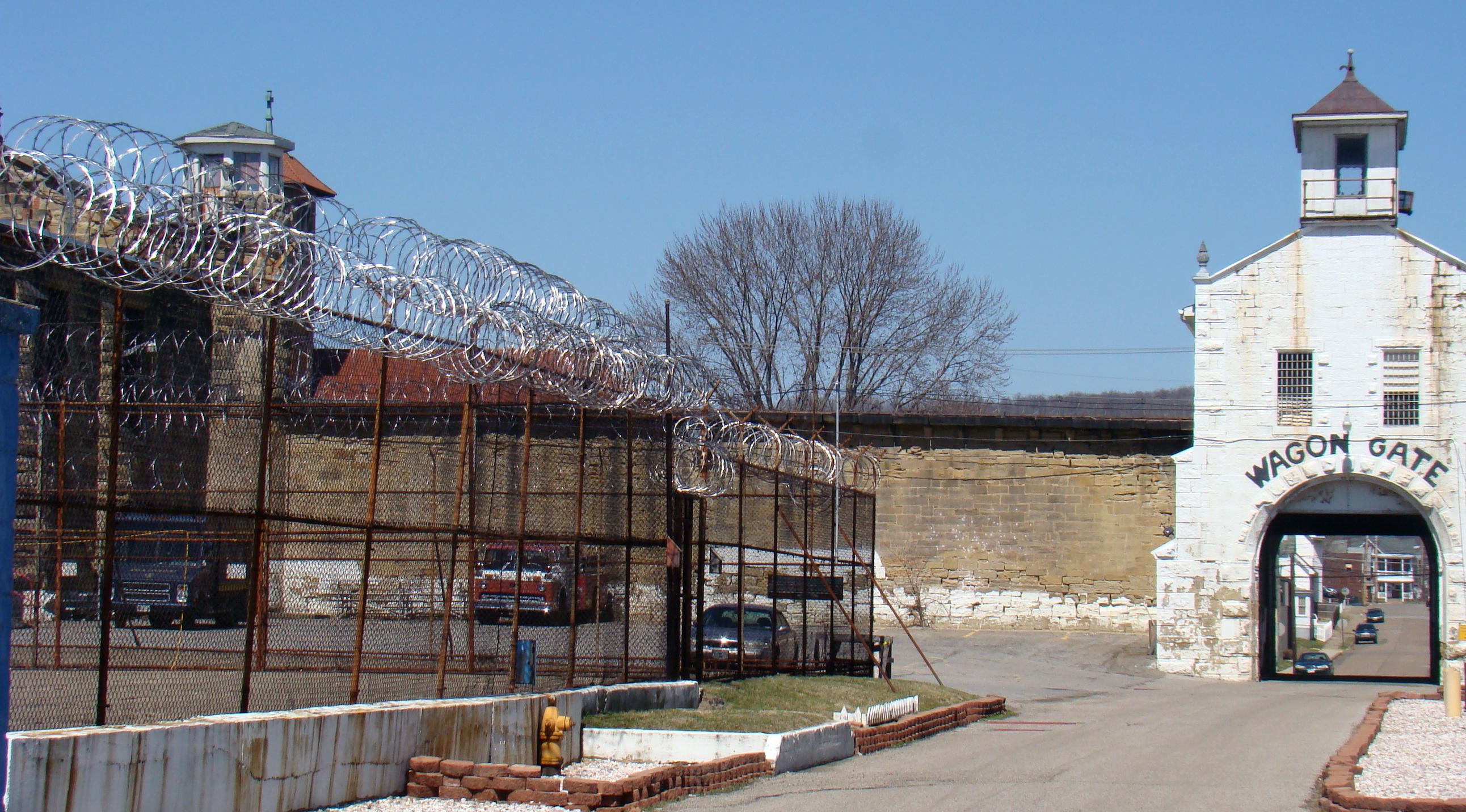
Wagon Gate and nearby Bull Pen

Wagon Gate and nearby Bull Pen

The prison originally occupied the Wagon Gate, a prison used for confederate prisoners during the Civil War. One hundred prisoners could be held there in two stories. These prisoners were taken daily to the stone quarry where they cut stones to expand the prison – now three city blocks long.

It was here inside the Wagon Gate that they also had a Hanging Gate. 85 prisoners were hung either at the gate or on the courthouse square. Since people had no television to watch back then, in the early 1900’s thousands would gather on the courthouse lawn to watch the hangings while eating their picnic lunches.

The Bull Pen, with stainless steel razor wire around its top, served as an exercise place for maximum security prisoners. They most likely appreciated their one hour outside each day.

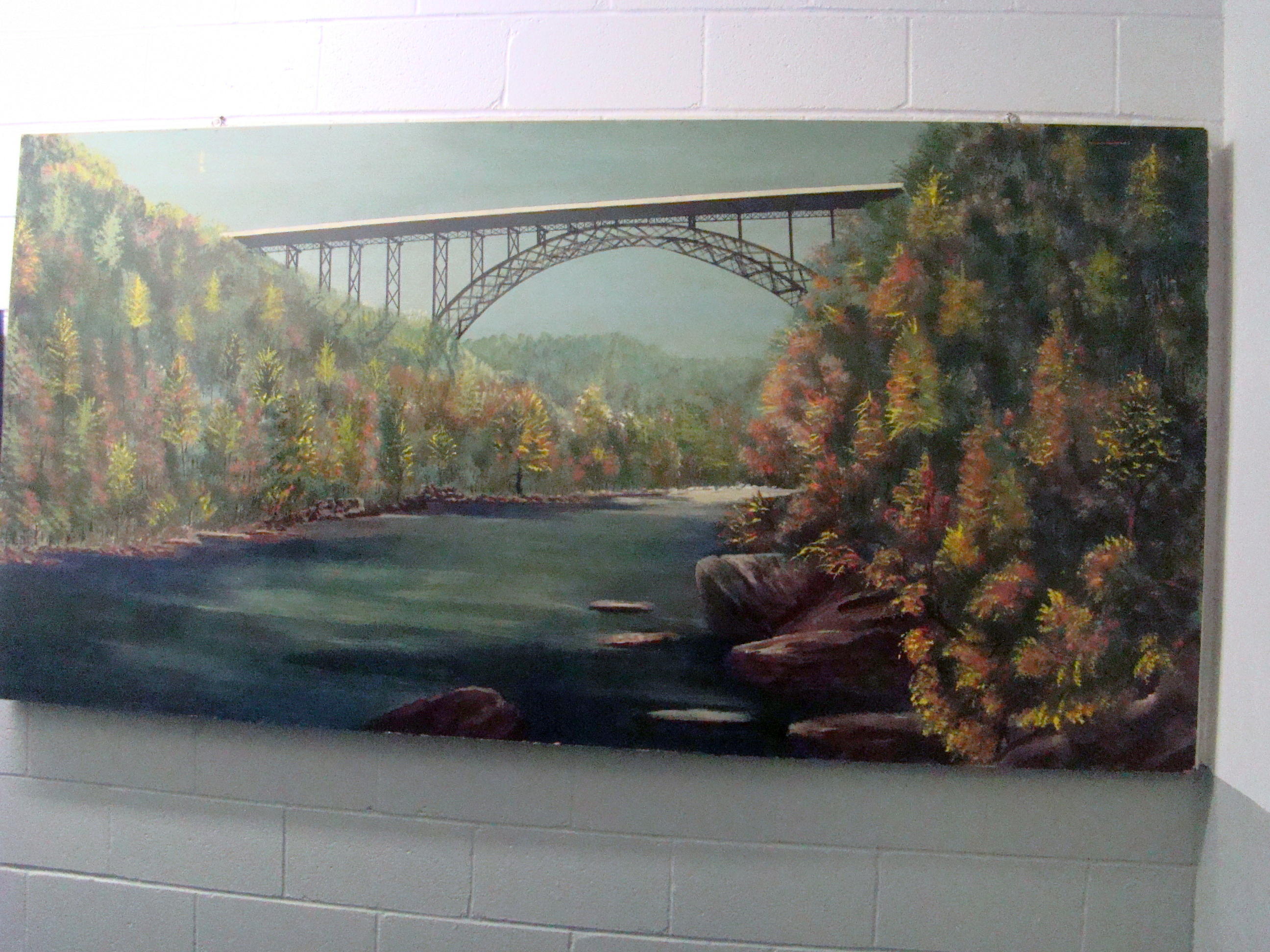
One of many paintings by the prisoners

One of many paintings by the prisoners

West Virginia Penitentiary was a self-sufficient prison. The only things they had to purchase were salt and sugar! Besides quarrying rock to build their own prison, the prisoners produced many valuable items that were used in the prison and sold to local residents – some of them through the Mound Museum Gift Shop located across the street. Hand tooled leather purses, brooms, whips, soap, signs and beautiful paintings and drawings were products of prisoner endeavors. Since they had lots of time on their hands, they often became very creative.

One noteworthy prisoner was Charles Manson’s mother, in prison for armed robbery. Charles Manson himself wrote a letter to the warden asking to be transferred to the West Virginia Penitentiary so he could be closer to his mother. Everyone knew the reputation of Charles Manson, so the warden immediately answered with just four words: “When Hell freezes over.”

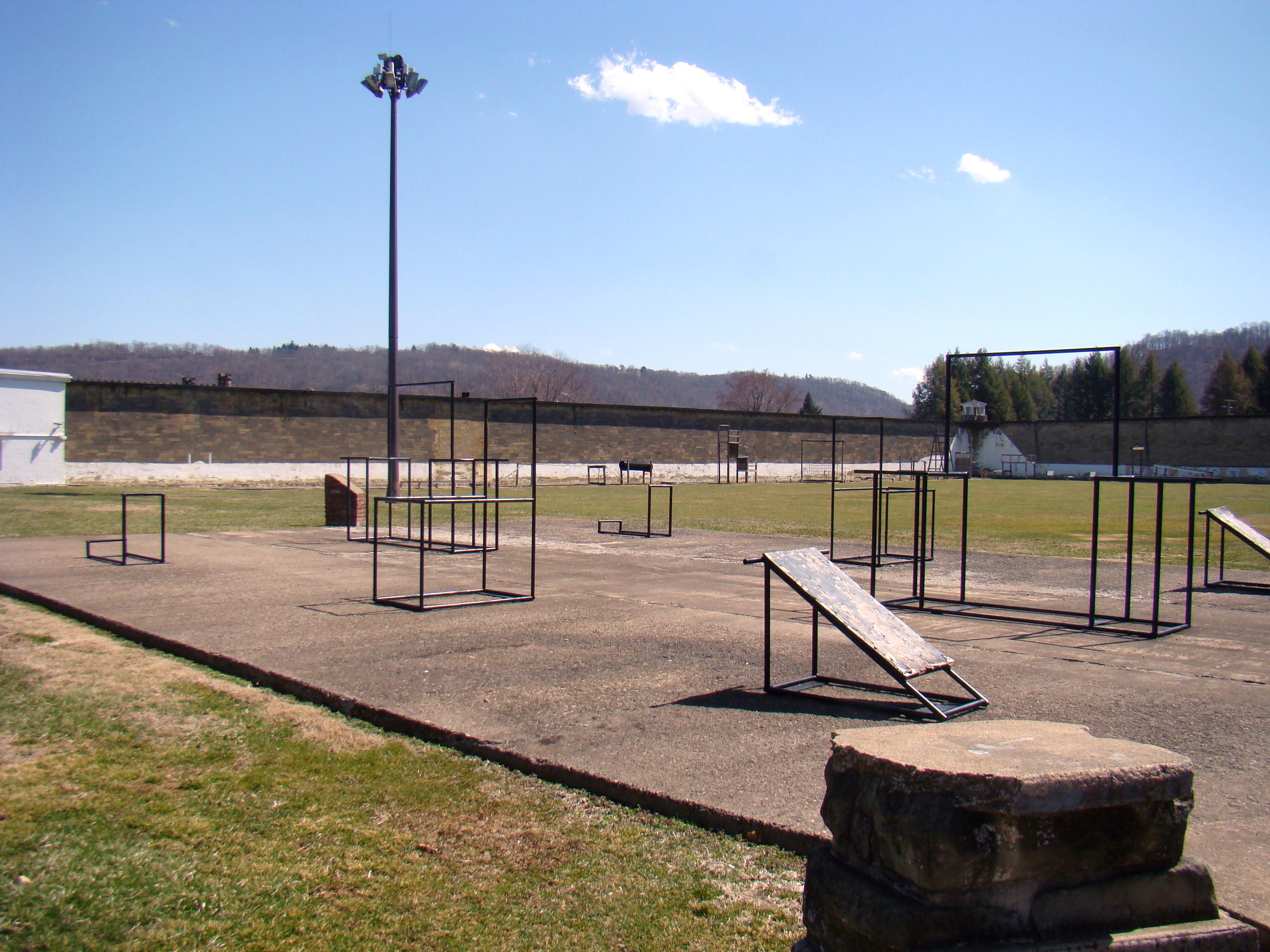
Exercise Yard

Exercise Yard

Prisoners had inside freedoms according to the crime for which they were imprisoned. The worst were kept in Maximum Security, which will be more fully described in a future blog. Most however were in the “Main Street”, where they actually were able to get out of their cells for most of the day if they desired.

Many of these passed the day with their crafts as well as participating in sports in the yard. Basketball, softball, boxing, weight lifting, and table games were all possible activities to keep them occupied. There was a beautiful chapel in “The Yard” in case they desired to worship.

Cells were not very comfortable spots so spending as much time as possible outdoors was a goal. Most cells were very small with usually two cots for prisoners, who shared a small sink and toilet. At a time when there were 2400 prisoners at the penitentiary, it became necessary to have three men to a cell. That was rough as the third person had a mat on the floor. This made his head located right at the base of the toilet bowl. They always slept with their feet toward the bars as otherwise someone might bash in their head as they passed by.

Revolving Door to Freedom

Revolving Door of Justice

The front door is a locking, revolving door where prisoners either entered or were freed from the prison. Imagine the thrill of seeing that door after years of imprisonment, knowing that through the glass was a free world waiting. Today some say they still see that door slowly spinning on its own – maybe from the energy of some of the inmates who walked through it.

West Virginia Penitentiary is located in Moundsville, West Virginia just ten miles south of Wheeling along the east bank of the beautiful Ohio River. From Wheeling, follow Route 2 into Moundsville. Turn left on 8th Street and after two blocks turn right onto Jefferson Ave. The penitentiary is on the left side of the street. You can’t miss it!

Fort Henry Days Celebrated Oglebay Park, West Virginia

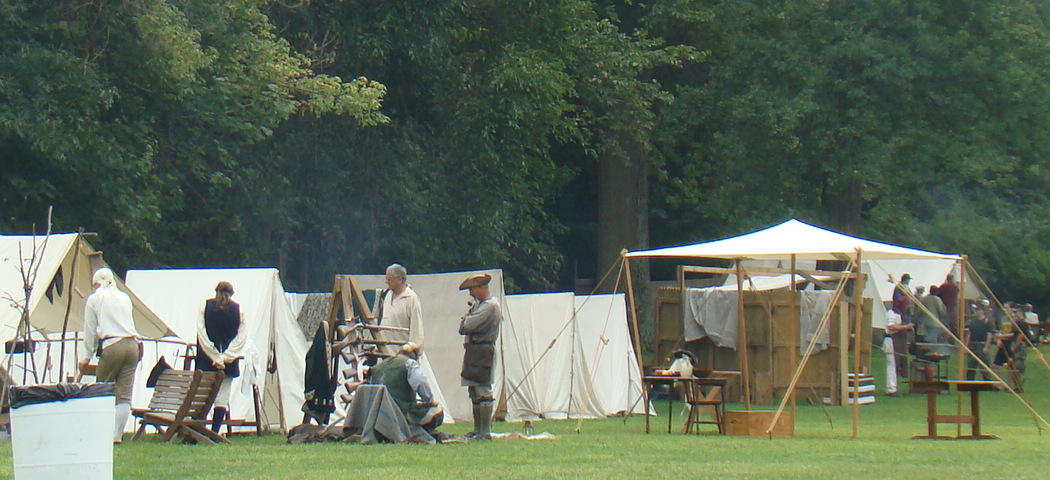
For Henry Days Encampment at Oglebay Park

Fort Henry Days Encampment at Oglebay Park

After driving the scenic, winding, mountain roads of Oglebay Park, the scene changed to one resembling a Revolutionary War Camp. We had arrived at Fort Henry Days celebrating life as it was on the frontier in the late 1700’s. Fort Henry was built as protection from the Indians during Dunmore’s War and also used during the Revolutionary War. Originally it was called Fort Fincastle in honor of Viscount Fincastle, Lord Dunmore, Royal Governor of Virginia. Later the name was changed to Fort Henry, to honor Patrick Henry, the Revolutionary Governor of Virginia.

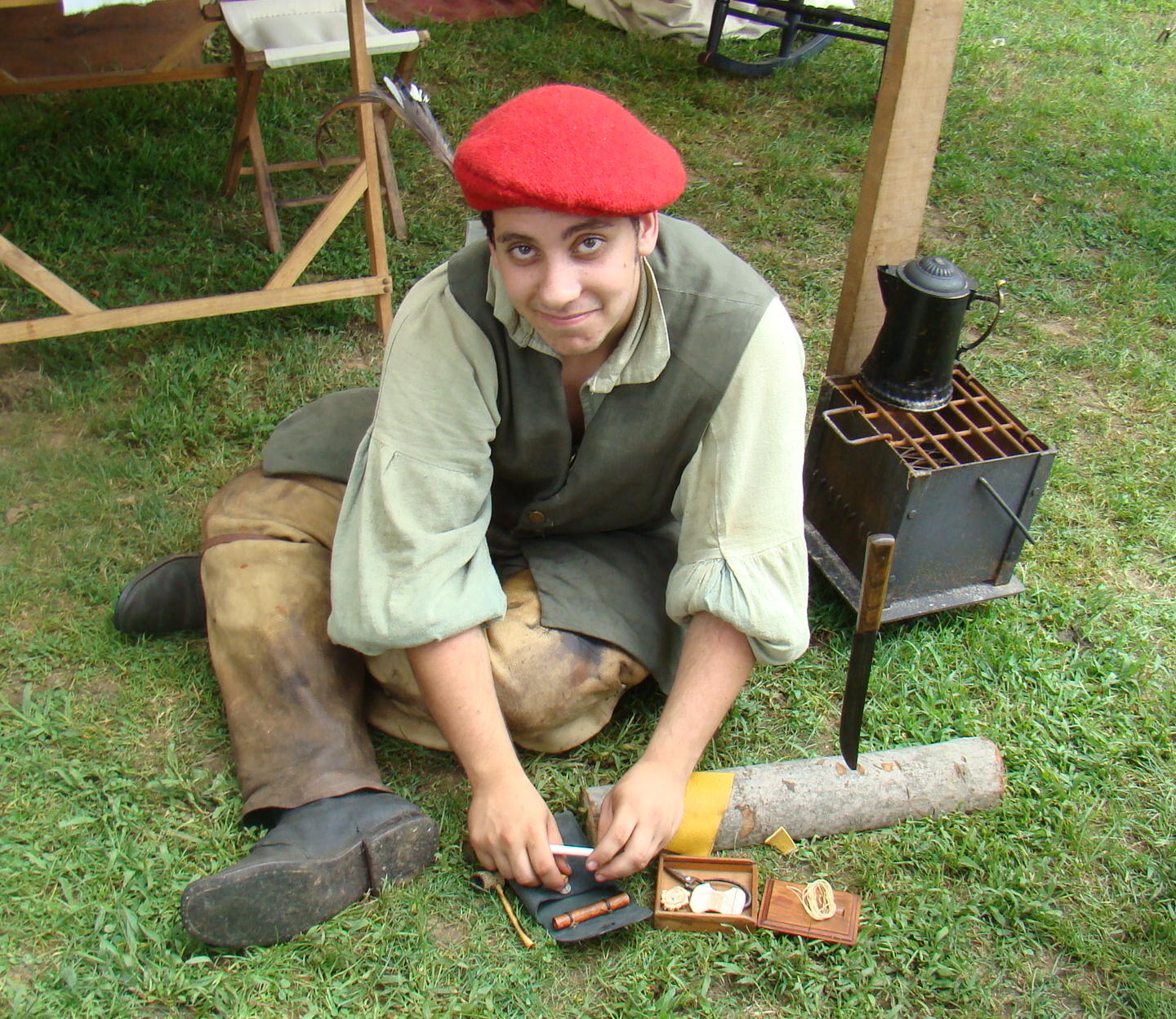
Young settler makes a stem for his pipe.

Young settler makes a stem for his pipe.

A stroll through the grounds indicated there would be a variety of ideas to explore with people who were very knowledgeable regarding the war as well as life during that time. Everyone was camped in tents using only supplies and equpment that would have been available during the late 1700’s.  One family told of seeing deer grazing nearby and even having a red fox and her cub come into their tent.

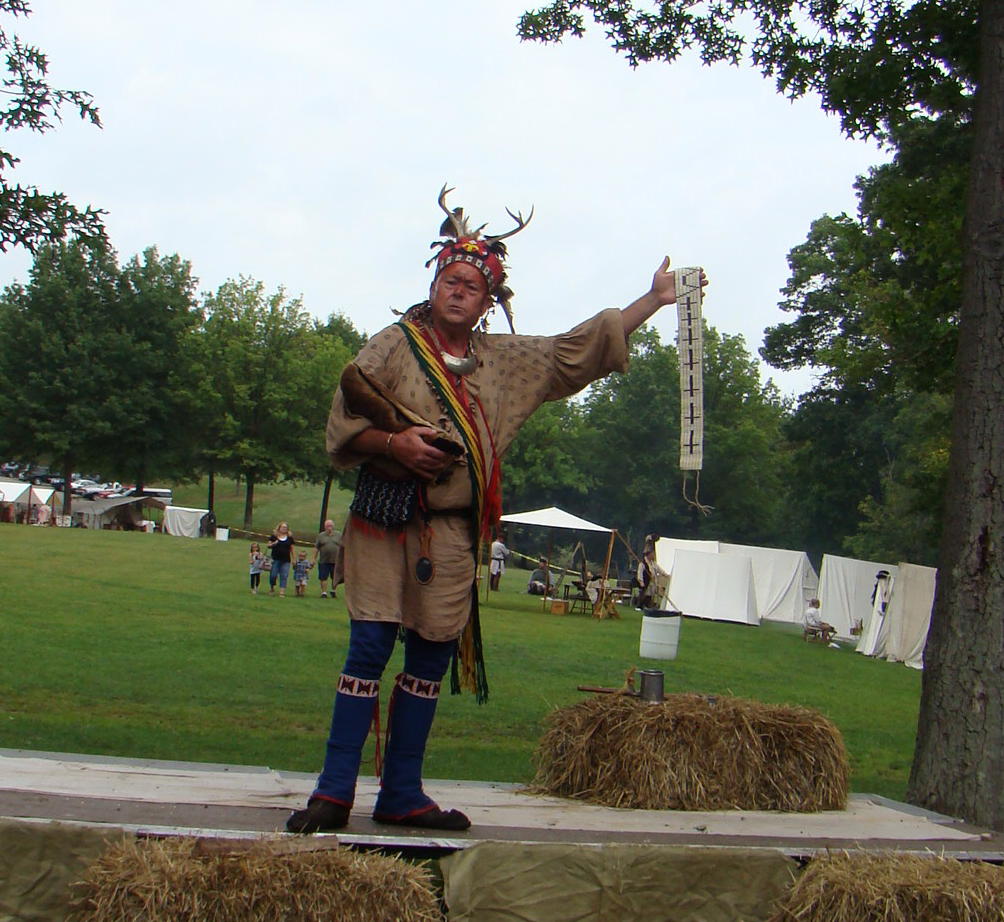
Near the center of the encampment, benches had been placed to face a platform made of bales of straw covered with sheets of plywood. This was the spot for today’s presentations. Dan Cutler, dressed in Indian garb with a headdress made of antlers, portrayed Chief John Logan. This mild-mannered chief extended a wampum belt of friendship to the white man. His kindness shone through when he made a pair of beaded deerskin moccasins for a barefoot, little girl of the settlers.

Chief Logan displays a Christian peace offering.

Chief Logan displays a Christian peace offering.

Chief Logan told of the Indians’ struggles with the settlers at Yellow Creek after they had killed his brother and other female relatives.  Chief Logan, who by Indian custom had the right to retaliate for their murders, then raised a hatchet that had long been buried. His hatchet handle contained fourscore notches – one for each scalp taken in their subsequent attacks on settlers.

Later in the afternoon, Dan Cutler also portrayed Chief Cornstalk and told tales of the chief’s adventures at Fort Randolph on the Scioto River, where they floated quietly on rafts of driftwood to surprise the settlers. Having the standing of warrior was very important, but some felt it important for the young men to get an education. When the educated returned to their tribe, they were considered “good for nothing” …no longer warriors.

Chief Cornstalk told of the Ohio Company promising the land to the Indians, but then supporting the British and pushing the Indians off their promised land. He vividly remembered the first surveyor of the Ohio Company, George Washington, who didn’t even know how to read and write…according to Chief Cornstalk..

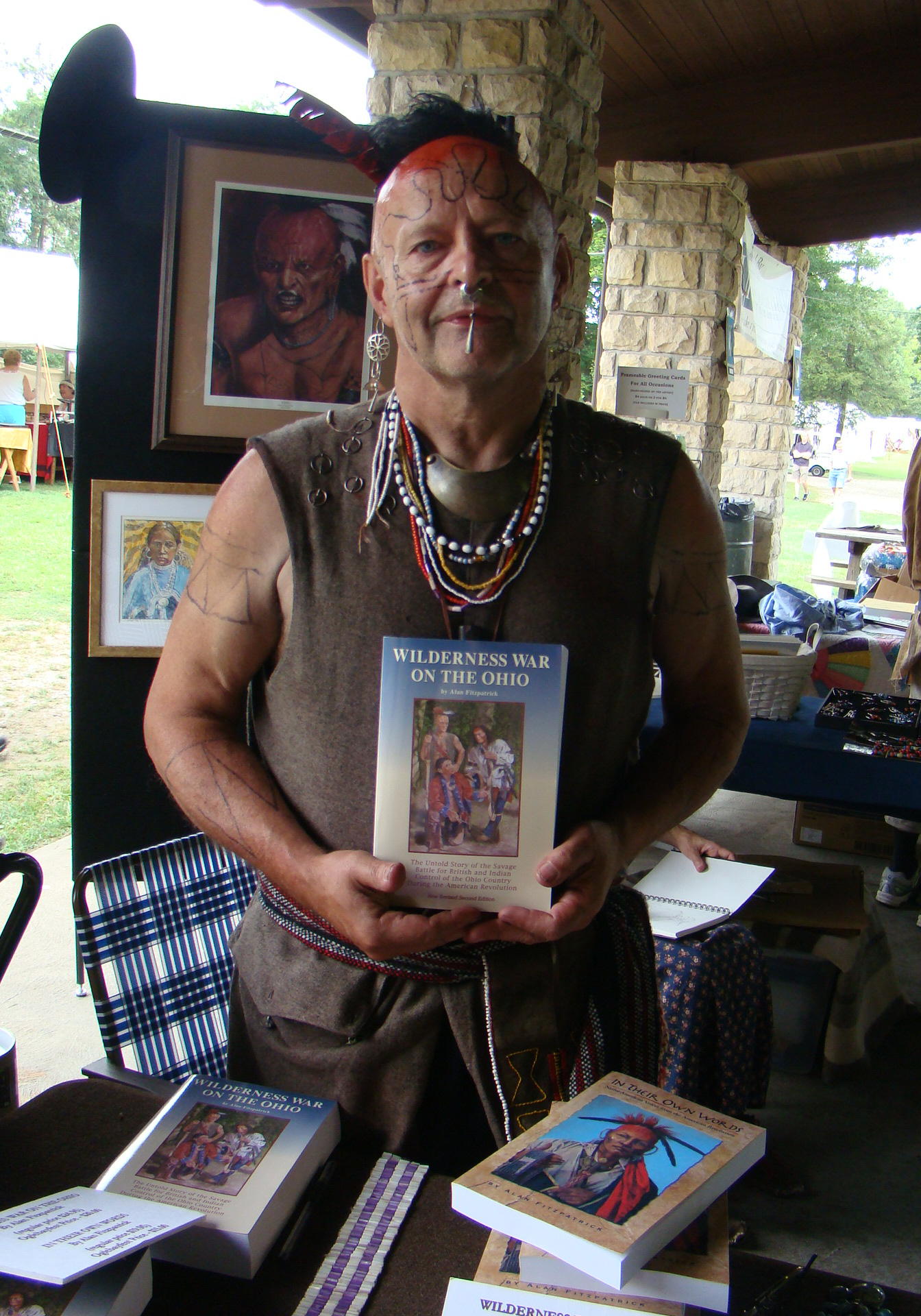
Alan Fitzpatrick, author of Indian legends

Alan Fitzpatrick, author of Indian legends

The grounds at Oglebay Park were filled with battle re-enactors, people depicting life of the times, and vendors selling wares. Under the pavilion were located Sons of the American Revolution, Daughters of the American Revolution, Wheeling Area Historical Society, and authors selling their books. One of these authors was Alan Fitzpatrick, author of Wilderness War on the Ohio and In Their Own Words. His tales of life at that time are based on written records he has found. Anyone in that era who could read and write was very highly sought after with quill, ink, and tablet. There was also beautiful handmade Native American jewelry for sale…my Fort Henry Days’ remembrance – a thunderbird necklace!

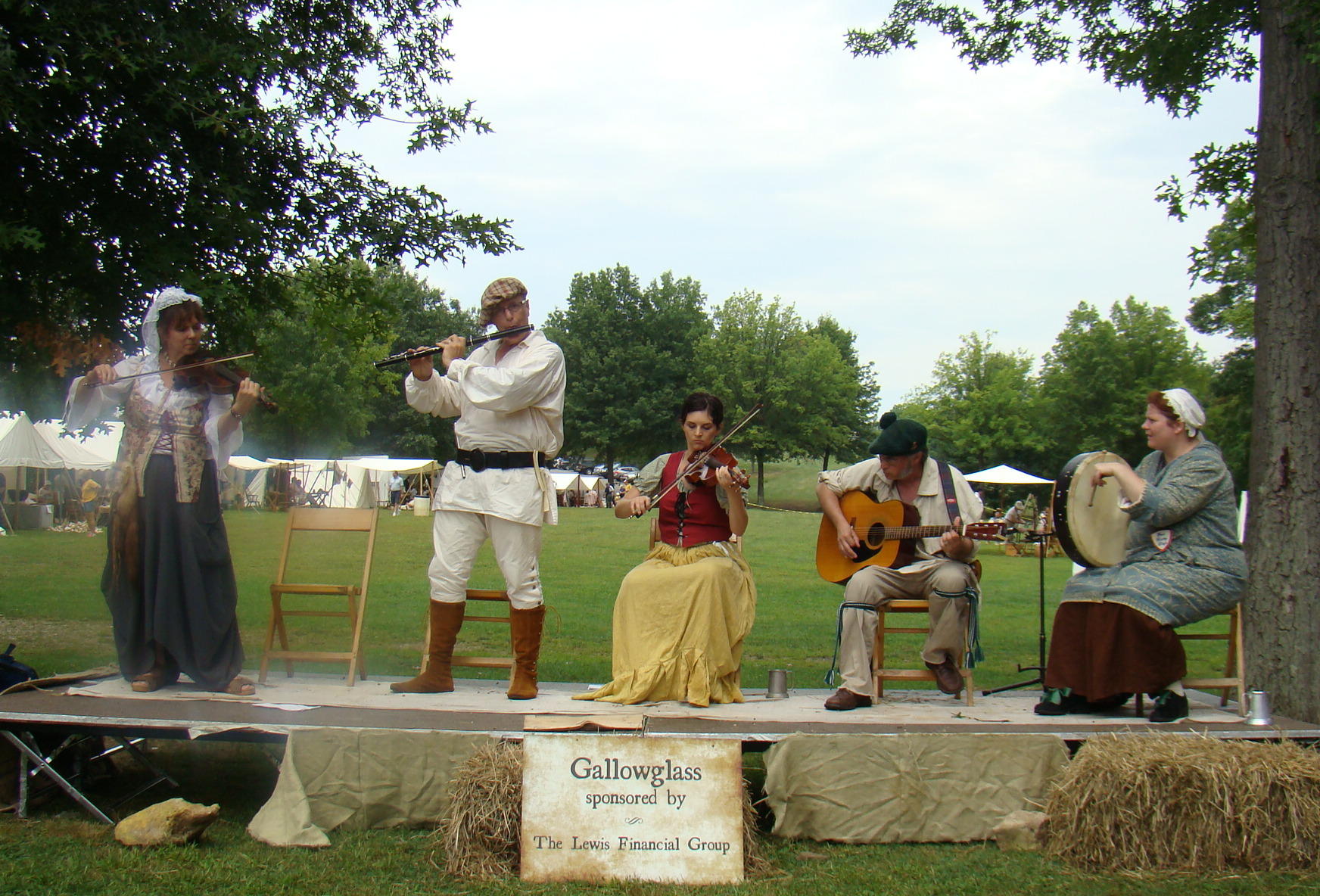
Gallowglass musical entertainment

Gallowglass provides musical entertainment.

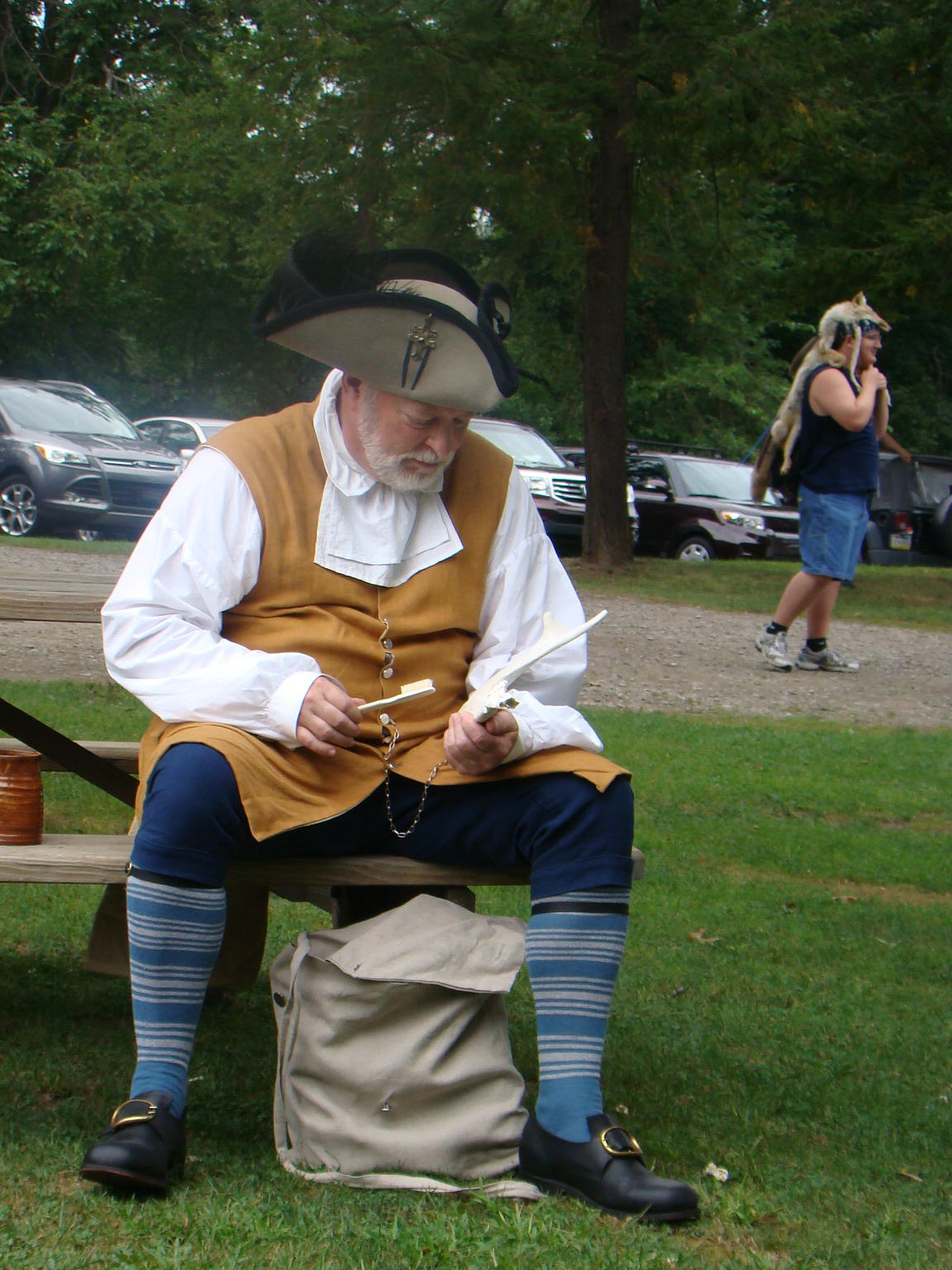
Member of the Wayward Companions plays a jawbone.

Member of the Wayward Companions plays a jawbon

Musical entertainment was provided by Gallowglass, a lively group playing and singing period music as well as old Irish tunes. There seemed to be a lot of drinking ballads in the mix.This group has been performing at Fort Henry Days for several years and their performance contained not only songs but humorous stories as well. Included in their performance were: Welcome Home, Nancy Whiskey, and several reels. A member of the Wayward Companions joined in on many of their songs by playing a bovine jawbone with a period bone toothbrush that he had brought from Gettysburg.

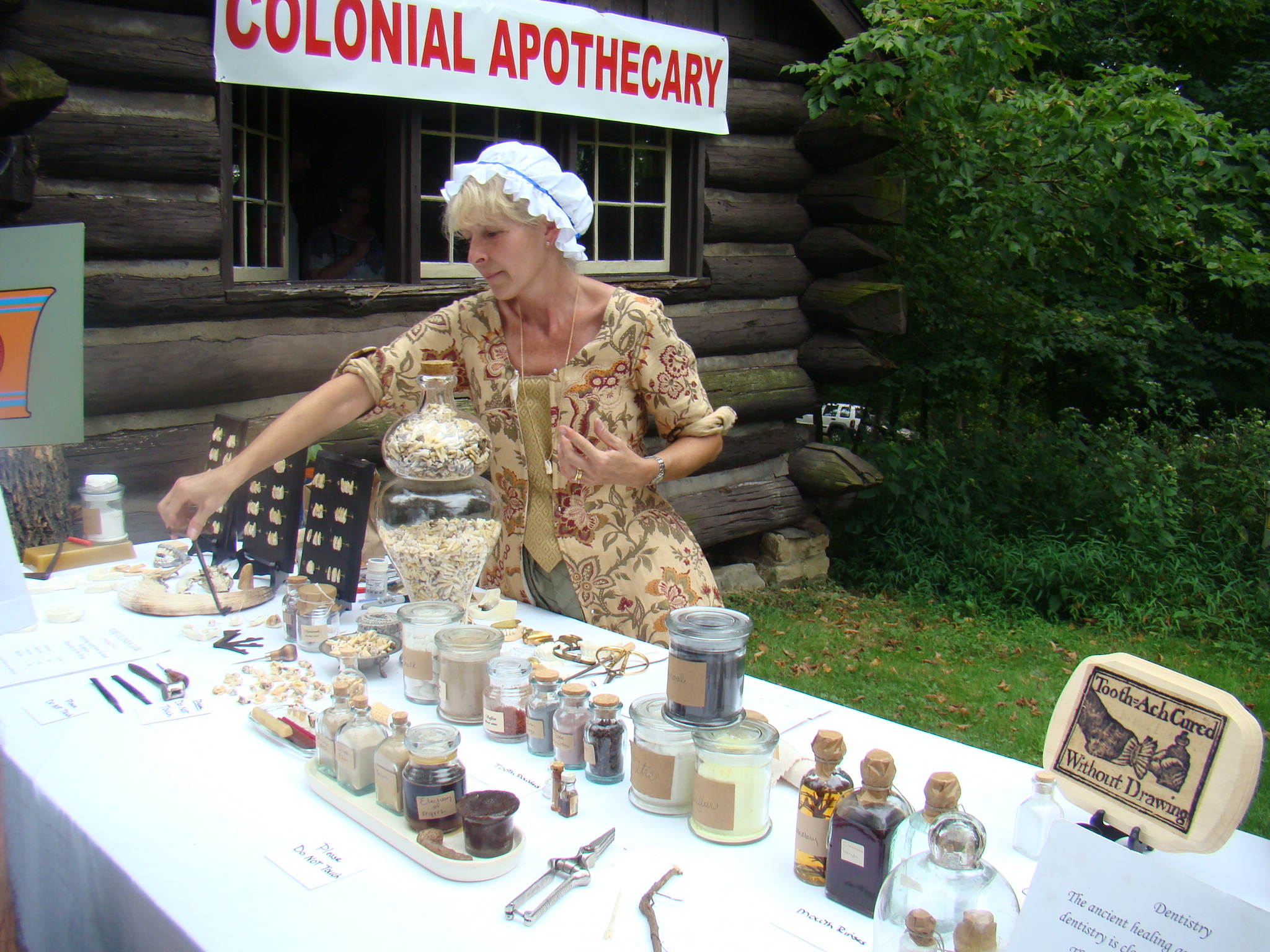
Dr. Jessica Fisher, dentist

Dr. Jessica Fisher, dentist

An interesting frontier dentist informed those gathered at her office about dental practices of that time.  Arsenic was one favorite remedy for a toothache. Their favorite mouthwash was a combination of mint or rosemary in orange water or rose water mixed with alcohol, of course. When someone died or was killed, their teeth were removed to replace those lost by the living. ..an early concept of “tooth implants”?

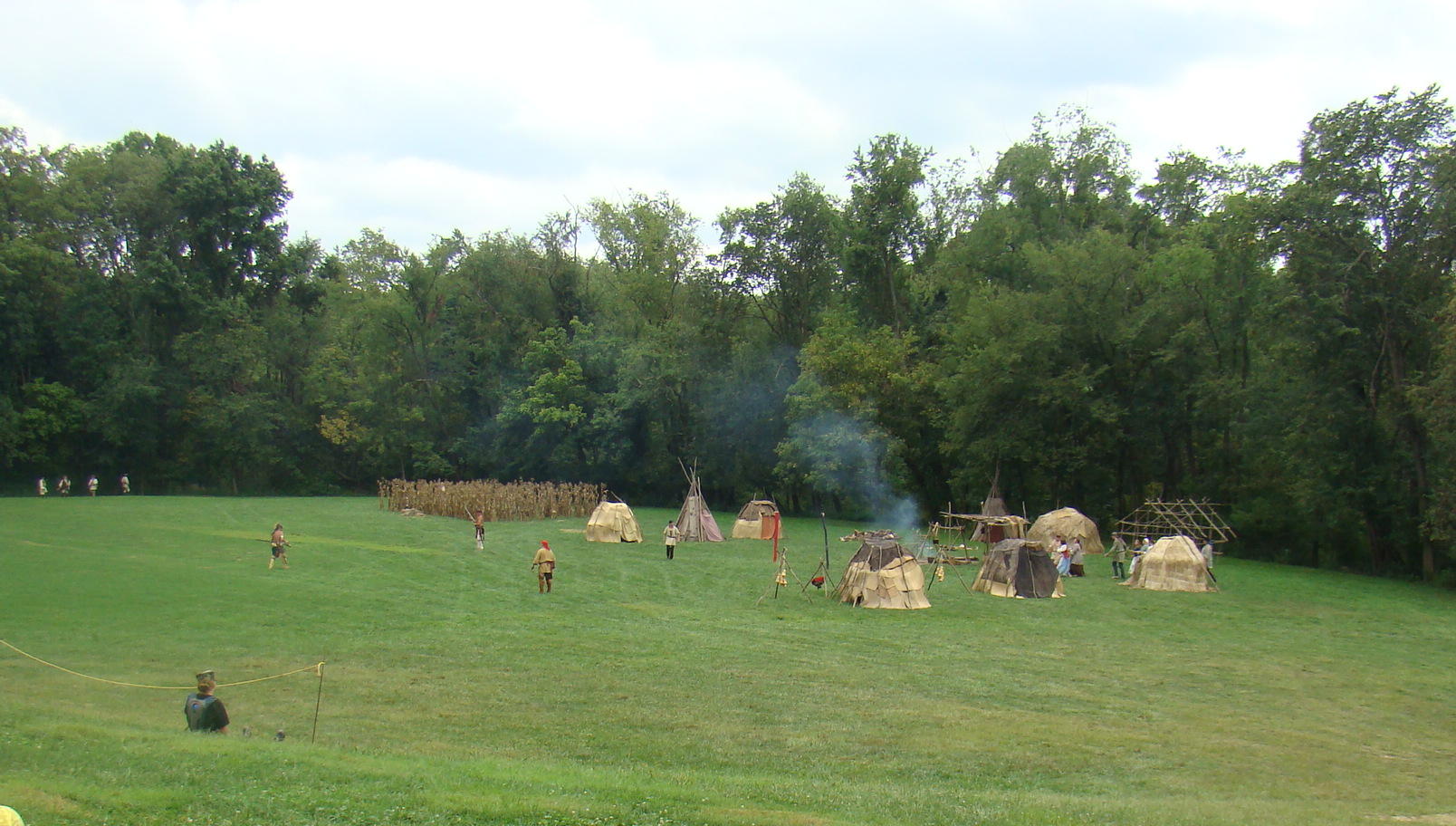
Indian Village for Reenactment

Indian Village for Reenactment

The culmination of the day was a Battle Re-enactment, unlike any I had ever seen before. This recreation told a true story, which was narrated over a loudspeaker. This event occurred back in 1782 at Sandusky, Ohio where the frontiersmen were attacking an Indian village. The natives were doing their normal chores with children playing in the cornfields. An Indian warning call was the sign for everyone to run for cover. They even set the cornfield on fire! Many were captured but some fled to freedom.

Fort Henry Memorial Wall

Fort Henry Memorial Wall

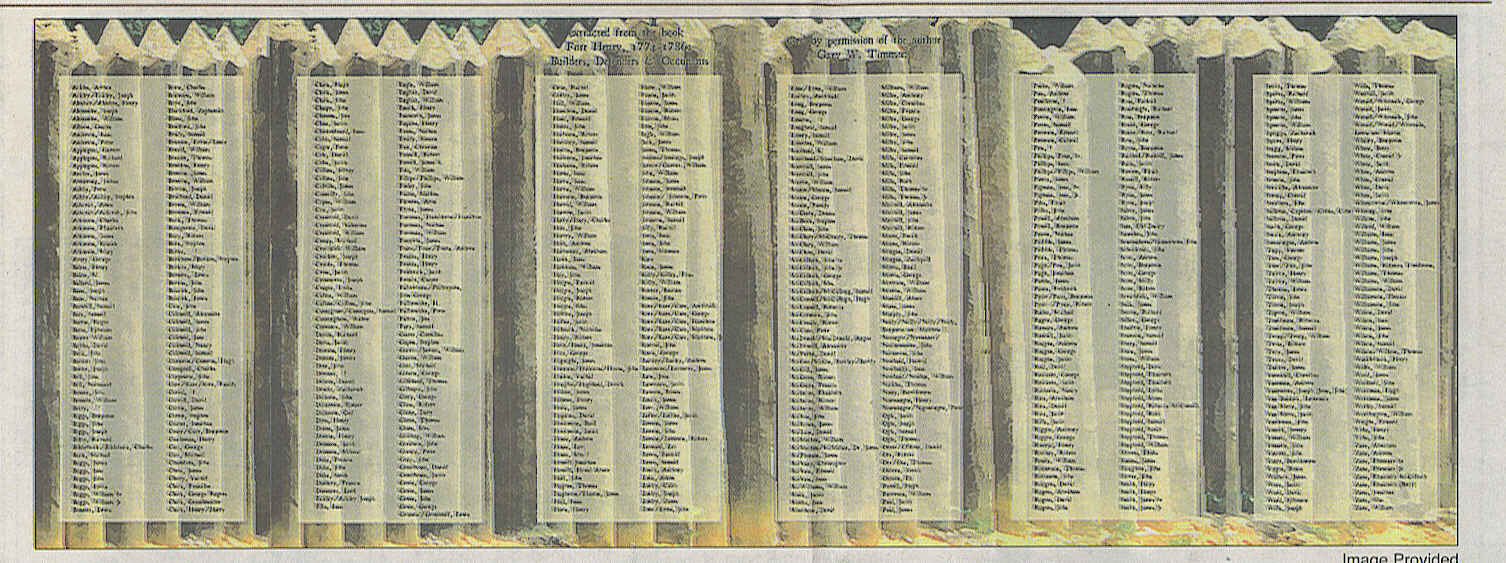
Not much is left of the old Fort Henry, but locals are trying to keep alive the memories. There is a granite Fort Henry marker in the parking lot on the right hand side just past Capitol Theater. A list has been started, but not complete by any means, of those who were in Wheeling at the time of the American Revolution. All these names have been placed on a wall, which is being displayed throughout the Ohio Valley. Should your family name be there?

Fort Henry Days are held the first weekend of September annually. Celebration is held in Oglebay Park at Wheeling, WV. Once you get to the park, signs will direct you to the activities. If you know of any names that need to be added to the wall or wish to display the Fort Henry Wall, contact the Fort Henry Living History board by email at don@feenerty.com.

The Old Mansion House Museum at Tu-Endie-Wei State Park

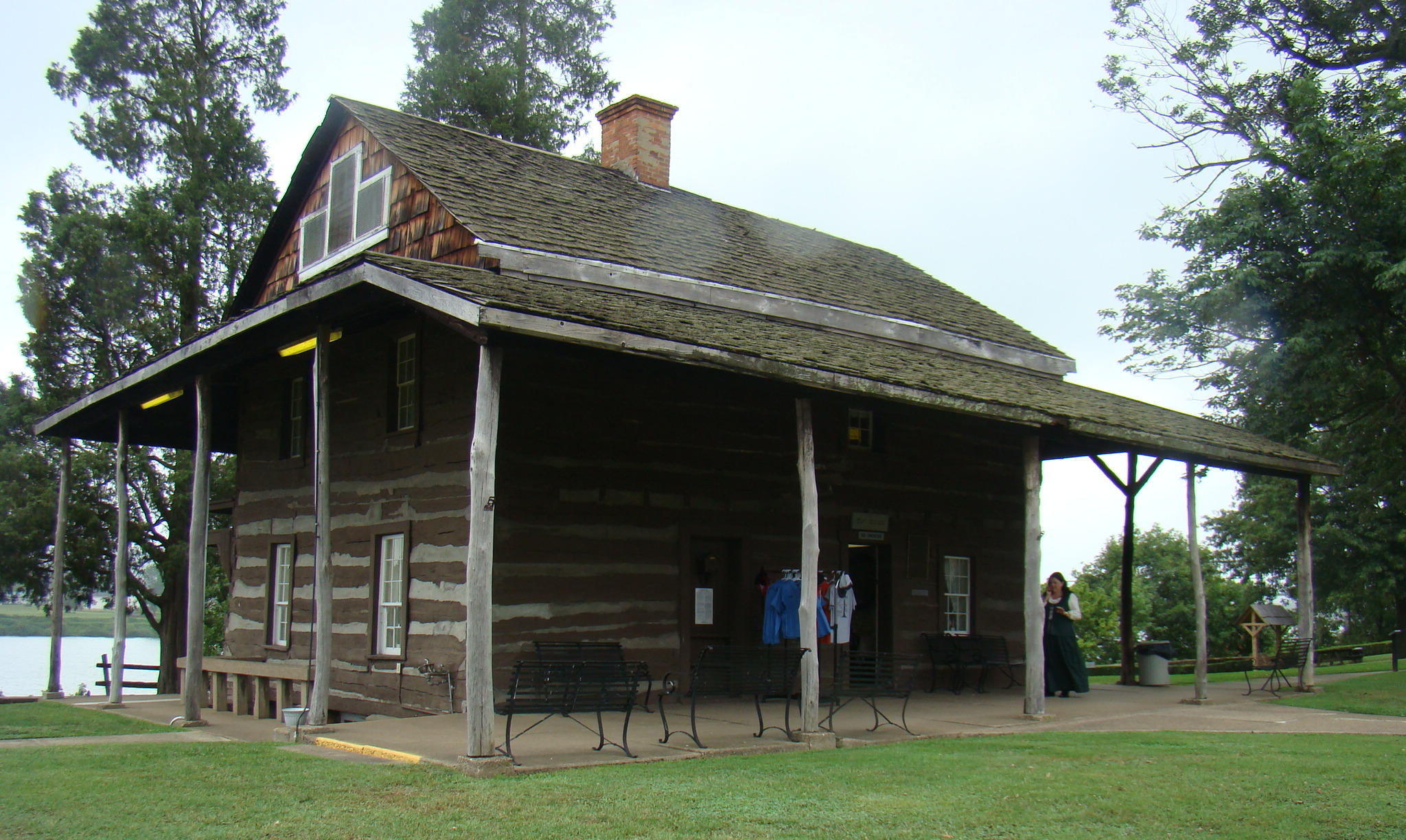
The Mansion House at Tu-Endie-Wei State Park in Point Pleasant, WV

The Mansion House at Tu-Endie-Wei State Park in Point Pleasant, WV

A promise of “I will build you a mansion” resulted in the construction of this Mansion House at Point Pleasant, WV at the site of the first battle of the Revolutionary War. Back in1796,  Walter Newman built this log-hewn house – the first in the Kanawha Valley – so his wife would have a beautiful Mansion House when she arrived in Virginia.

While he waited for the arrival of his wife, the house was used as a tavern and also had rooms for weary travelers.  The cost for a room per night was fifty cents, which most considered highway robbery.

As you enter through the back door of the house, the gift shop and information center are right inside the door. There are helpful people inside to tell you information regarding the house and the people who used to live there.

Square Grant Piano

Square Grant Piano

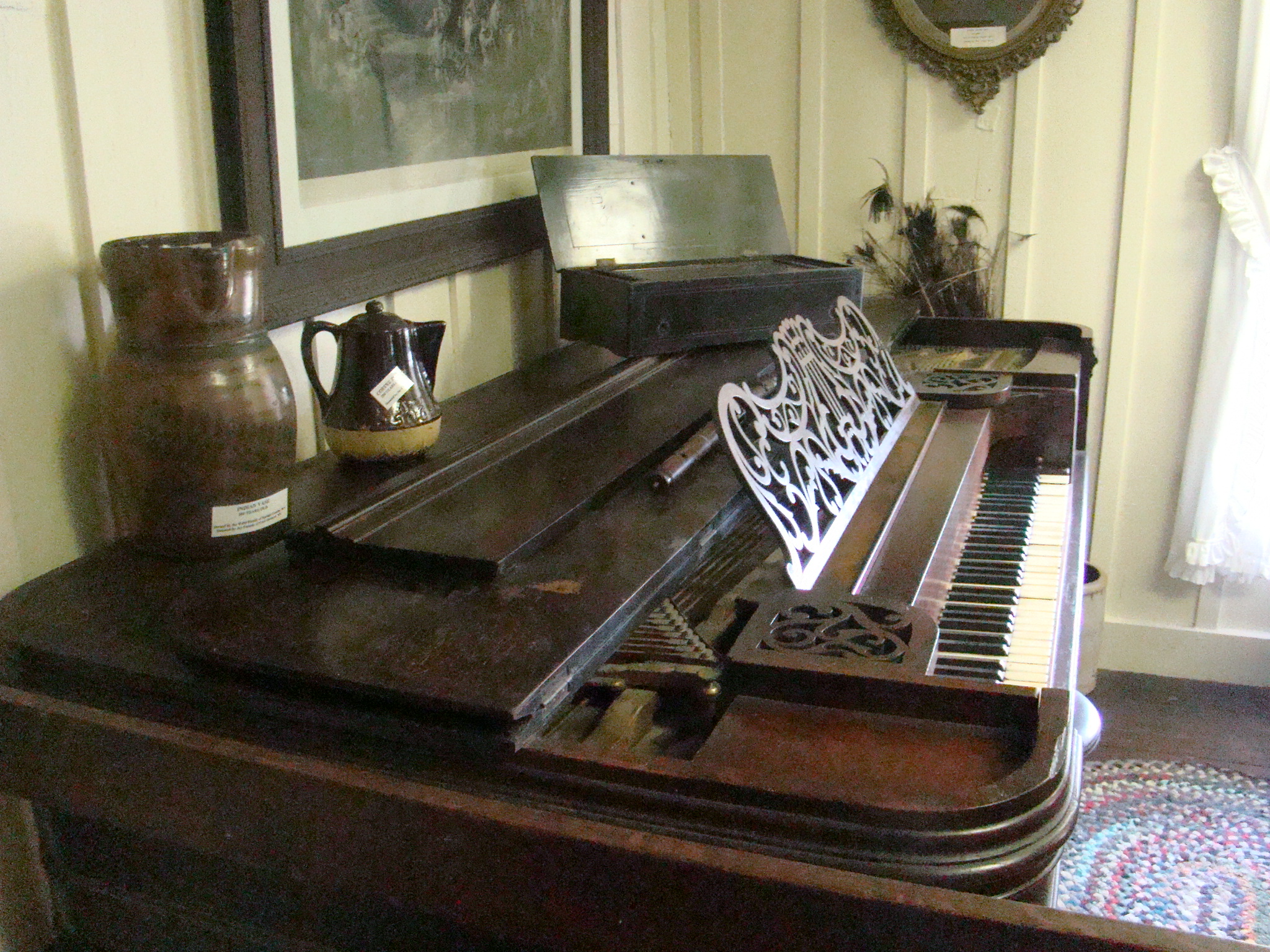
Don’t let the appearance of the house fool you. Inside there are more floors and rooms than you might imagine. Four levels in all are present in this old house: basement, first floor, second floor, and attic. The side of the house where the gift shop is located was the original tavern.   As you go up a few stairs and down a few more, you arrive at the side where the family lived. This has been restored to its original nature with colonial and early American furnishings. Included in the parlor is a square baby grand piano, which was one of the cherished treasures early Americans brought over the Alleghenies. It seems likely that Walter Newman thought this was a necessity for his wife’s mansion.

Parlor where Daughters of American Revolution meet today

Parlor where Daughters of American Revolution meet today

Their former sitting room is today the place where the regular meetings of the Colonel Charles Lewis Chapter of the Daughters of the American Revolution are held. Colonel Charles Lewis and his brother,General Andrew Lewis, were both heroes of that long ago battle of Point Pleasant. In 1901 a branch of the Daughters of the American Revolution restored the house to its original style with the assistance of the citizens of Point Pleasant. Their goal was to preserve the way of life that was prevalent in the 1790’s on the Ohio and Grand Kanawha Rivers.  Today this Old Mansion is listed in the National Register of Historic Places.

Basement kitchen at The Mansion House

Basement kitchen at The Mansion House

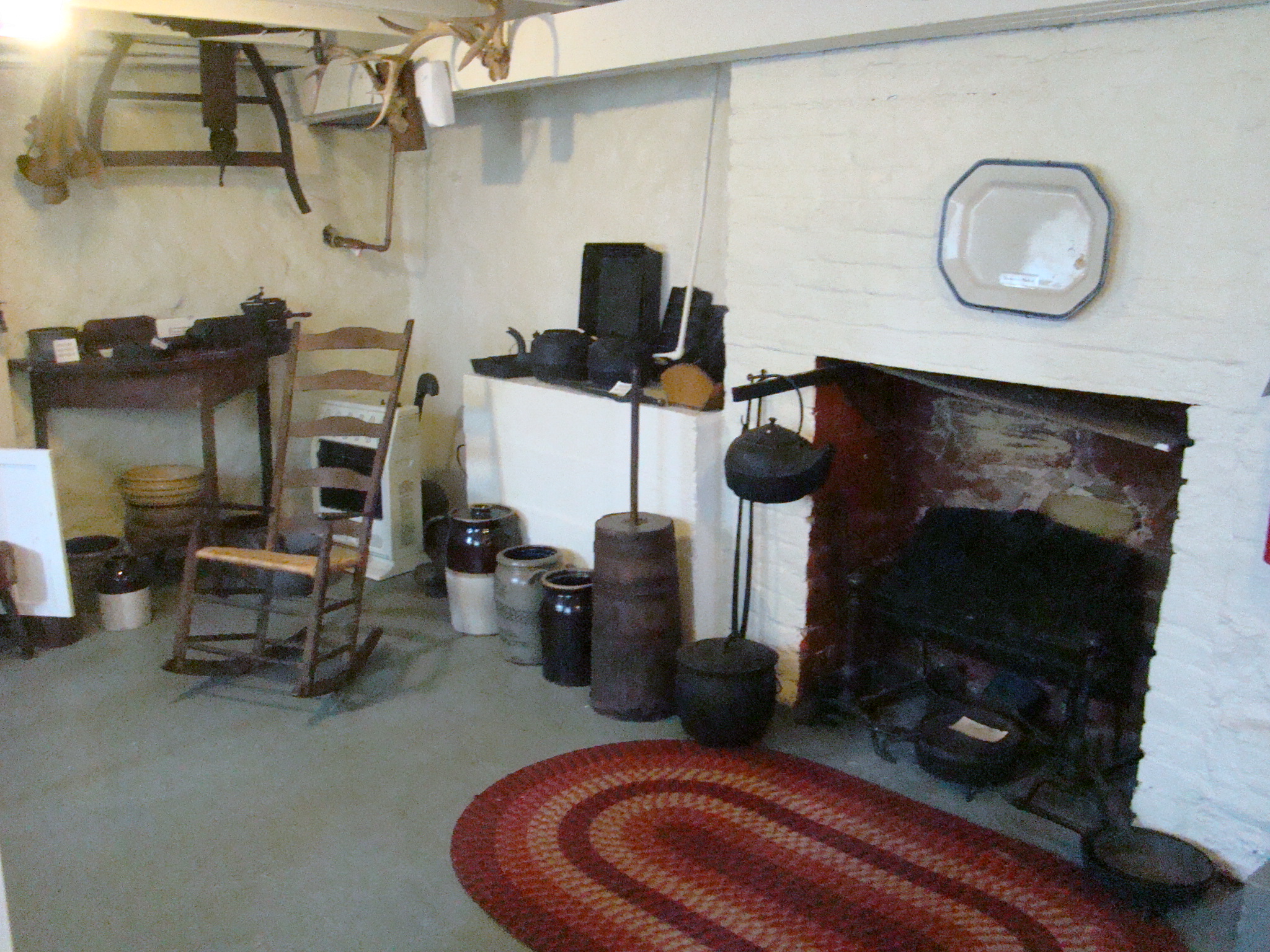
Heading to the basement, you discover the kitchen! In high-status families, food was often prepared in the lowly kitchen, often located in the basement of the house. The fireplace for the kitchen located at this low level, most likely kept the rest of the house warm during the winter. A handmade braided rug rests in front of the fireplace with kitchen pans and tools hung nearby. The wooden rocking chair was placed near enough to gather warmth from the fire, and would have been used by visitors or the man of the house, as the women didn’t have much time to sit and rock. Then the food would be carried up to the first floor to be served in a more dignified room.

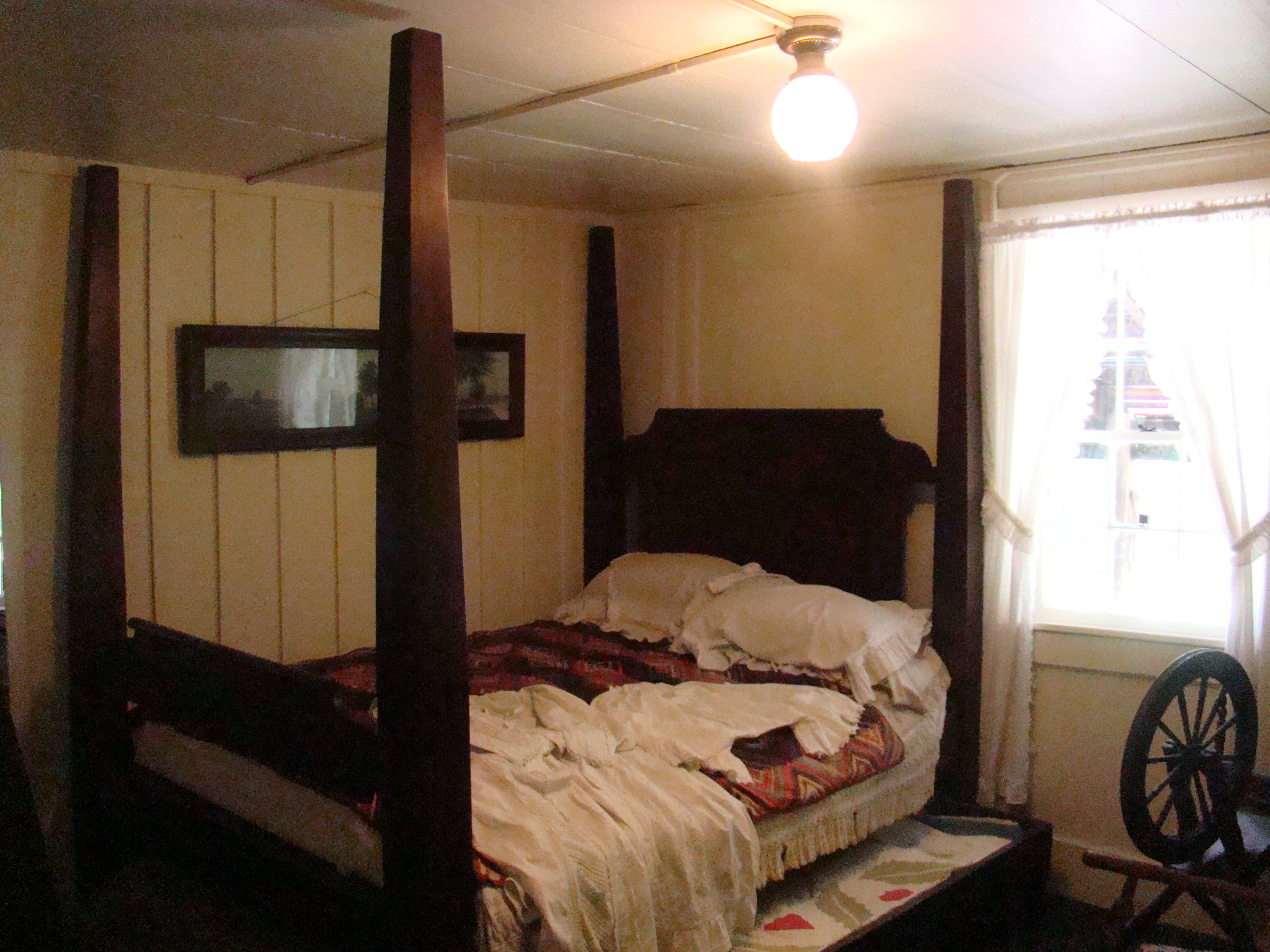
Four-poster bed over 150 years old

Four-poster bed over 150 years old

On the second floor were several bedrooms, probably those earlier used as the rooms rented to travelers, and later used by the family.  Here were small rooms for the children as well as a beautiful four poster bed, which is over 150 years old. An old-fashioned spinning wheel is displayed near the window.

Still going upward on even narrower steps now, you arrive at the attic where there is a large display of Indian artifacts, books and clothes from that era, plus other interesting objects. It is definitely worth the climb!

Today the Mansion House remains along the Ohio River as part of the Tu-Endie-Wei State Park. Daughters of the American Revolution are frequently on hand in colonial dress to give informative tours.

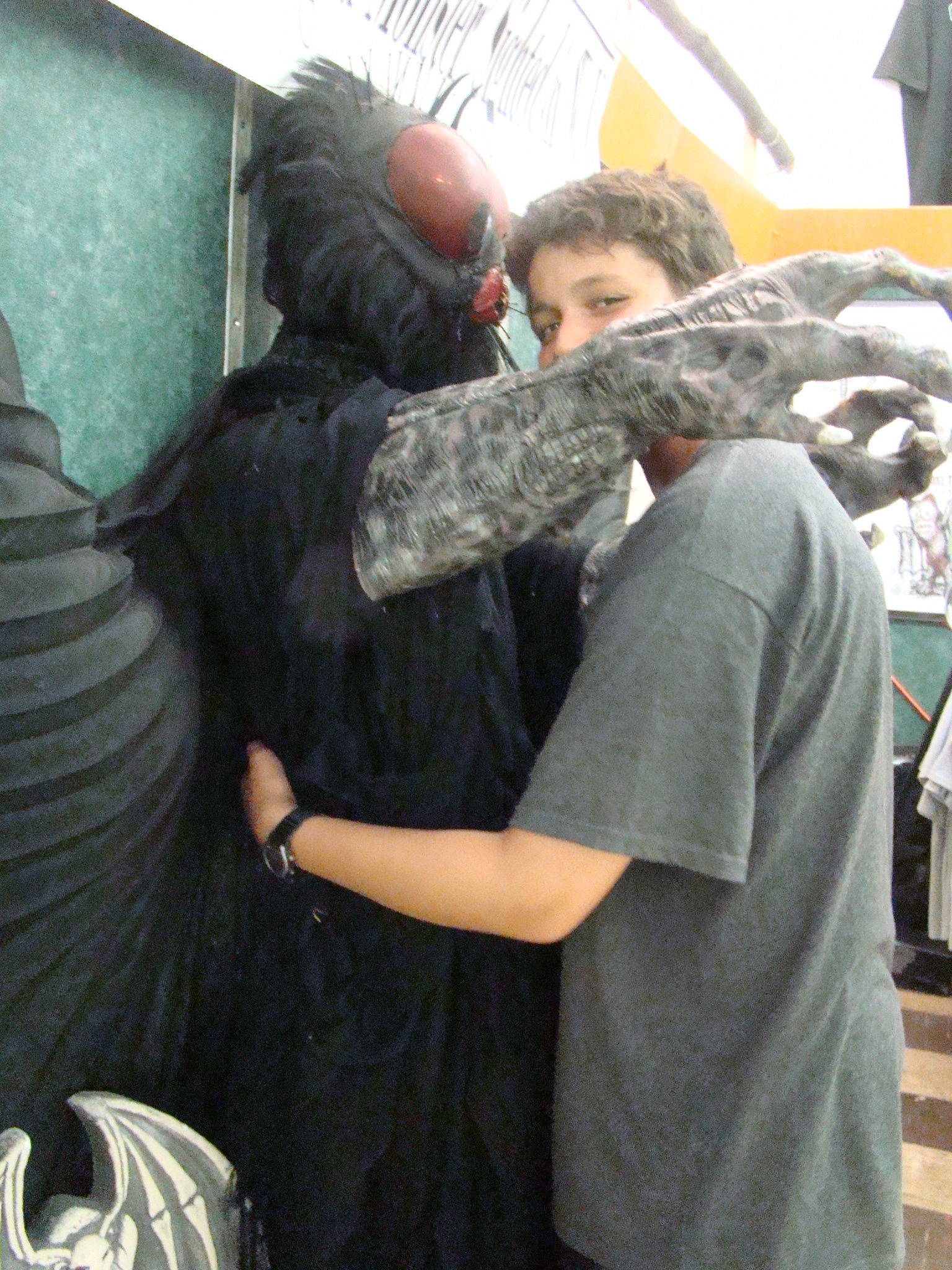
Mothman Hug

Mothman Hug

While in Point Pleasant, don’t forget to visit some of the area’s other interesting places. This is the place of the famous Silver Bridge Collapse in 1967. You will find a monument marking the spot of the original bridge as you walk the artistic Riverwalk with floodwalls painted with scenes of Point Pleasant history. Don’t forget to visit the Mothman statue and the Mothman Museum to learn more of the unusual and unexplained happenings in this town years ago.  You might even get a hug from the Mothman himself.

The Mansion House is located at Tu-Endie-Wie State Park in Point Pleasant, WV at the end of Main Street where the Ohio and Kanawha Rivers meet. The Mansion House Museum is opened May through October. Hours are Mon-Sat. 10:00-4:30, and Sun. 1:00-4:30. There is no cost, but donations are accepted.