Places to go and things to see by Gypsy Bev

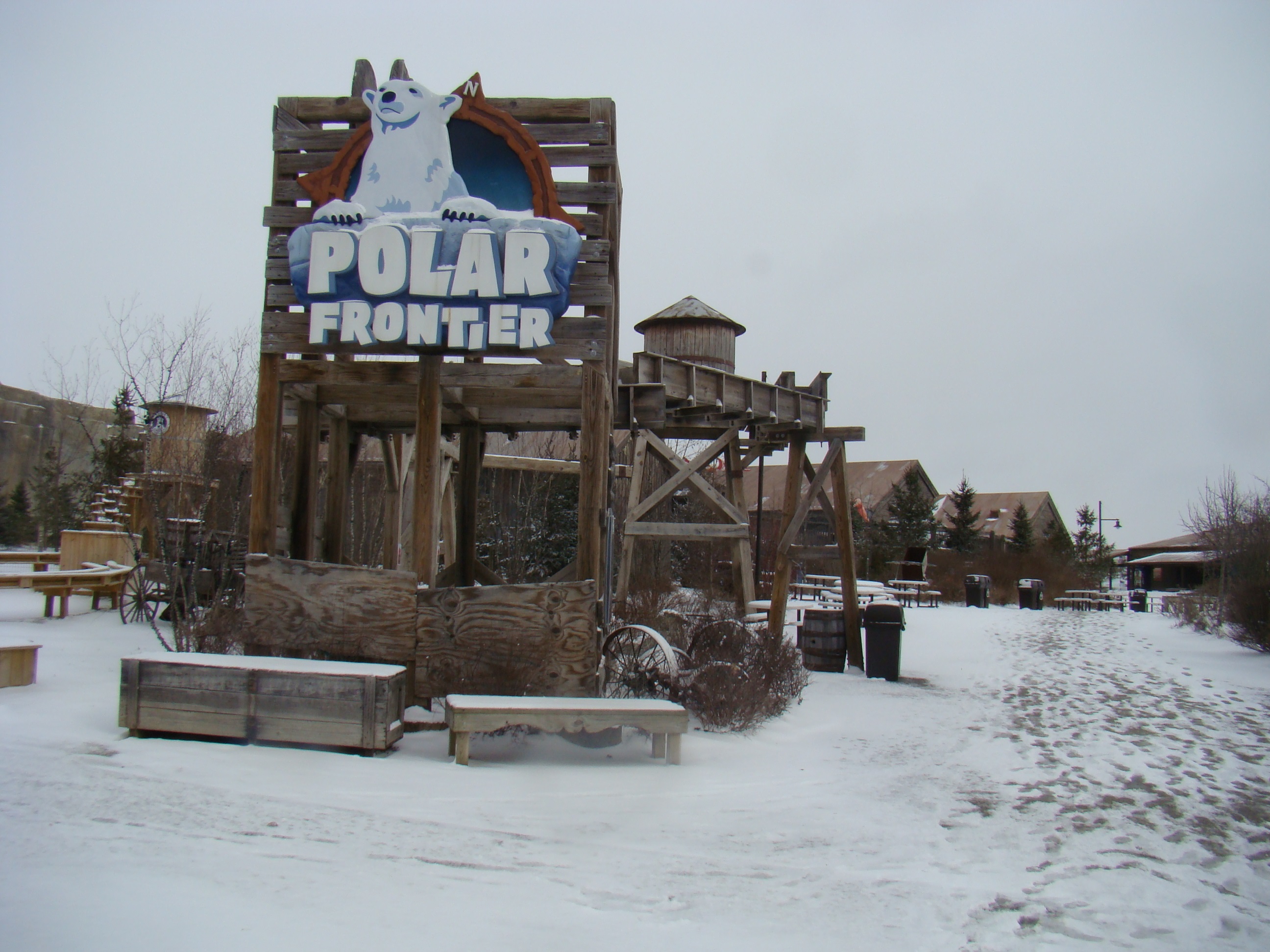
Polar Frontier Entrance

Polar Frontier Entrance

Perhaps the “coolest” spot at the Columbus Zoo & Aquarium occurs in North America’s Polar Frontier. On a recent visit to the zoo, howling winds and cold temperatures seemed the perfect time to check out the Polar Bears. They certainly weren’t bothered by the cold.

Set in what appears to be an abandoned mine camp in the Arctic Circle, Polar Frontier is home to four Arctic foxes, two brown bears, and two polar bears. Snow, ice and cold help create the atmosphere for their favorite time of the year. A sign near the entrance states:

An Arctic without ice would be like a garden without soil.

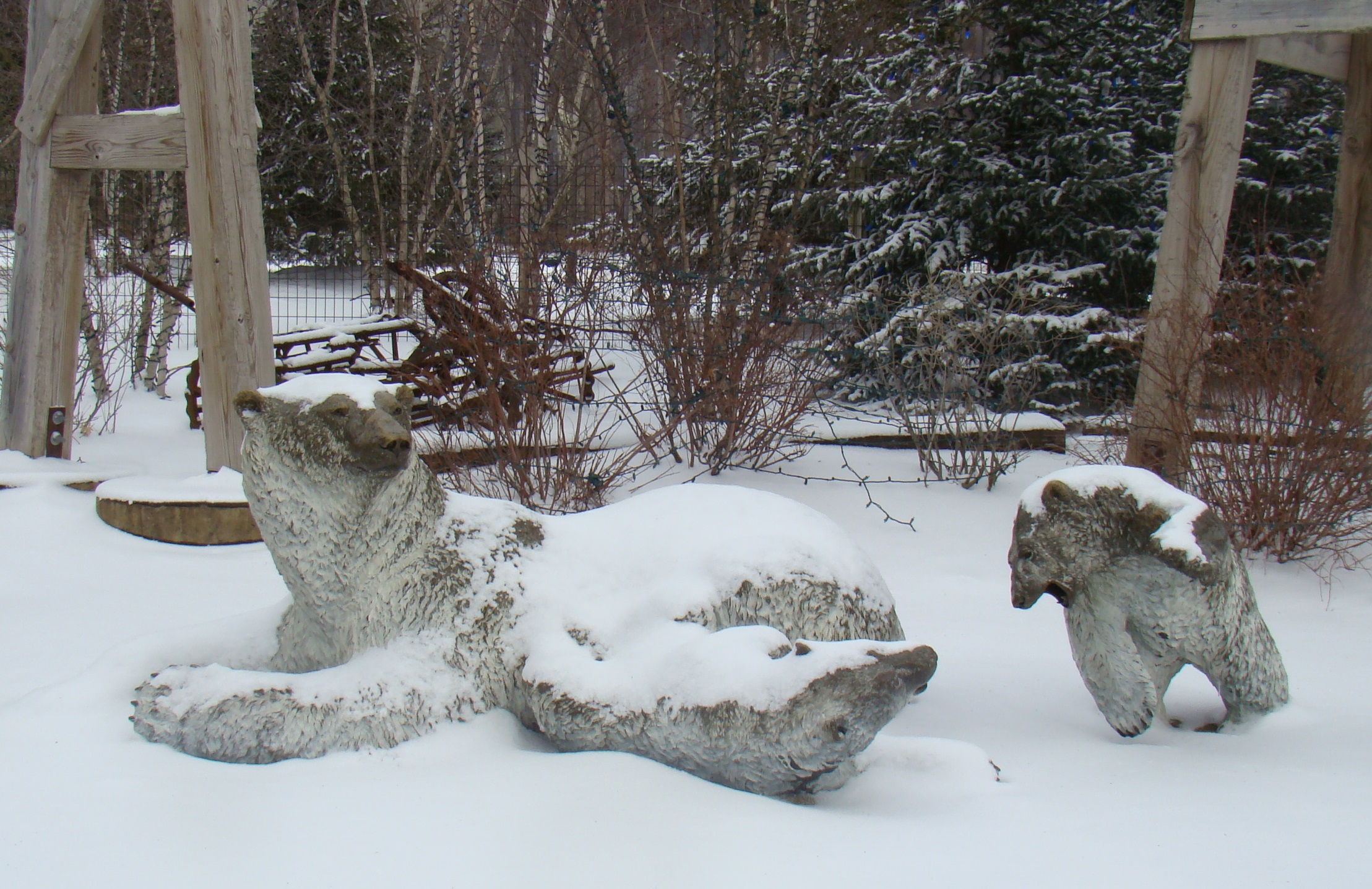
Polar Bear statues

Statues of Mother Polar Bear and two cubs

Polar bear statues of mother and two cubs welcome visitors to the Polar Frontier. Since North High School in Columbus, Ohio had as their mascot a Polar Bear, their alumni organizations funded the statues. Local artist, Mathew Palmer, created these delightful bronze figures covered with a white patina. Statues of animals frequently appear throughout the zoo and are perfect places for a close up picture with the animals.

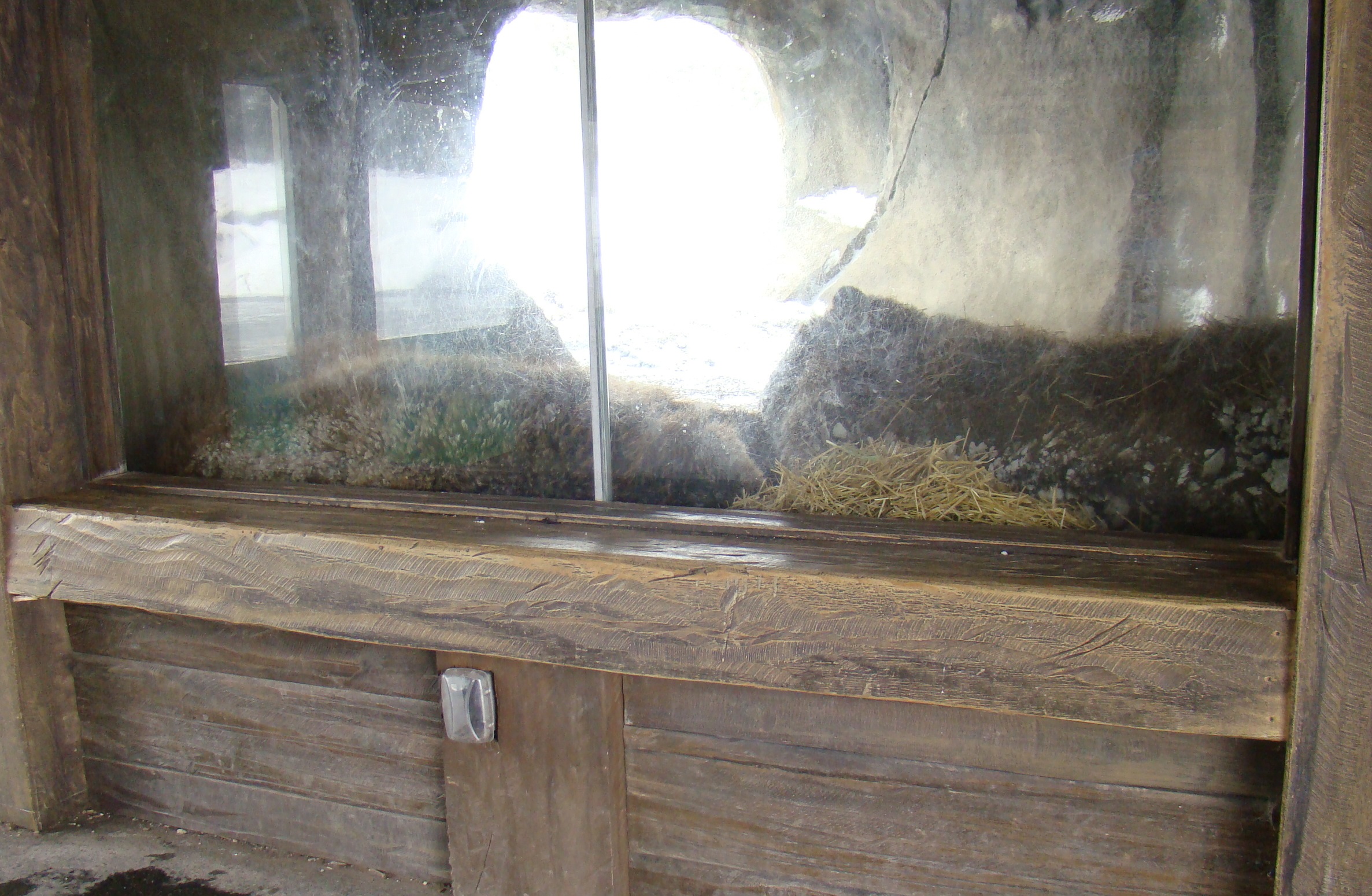
Two brown bears sleep inside their glass cave.

Two brown bears sleep inside their glass cave.

Two Alaskan brown bears, brother Brutus and Buckeye – from Ohio of course, sleep soundly as they huddle against a heavy glass wall. They appear to believe in hibernation even at the zoo. Usually, they can be found swimming in their own small pool or having a bear wrestling match.

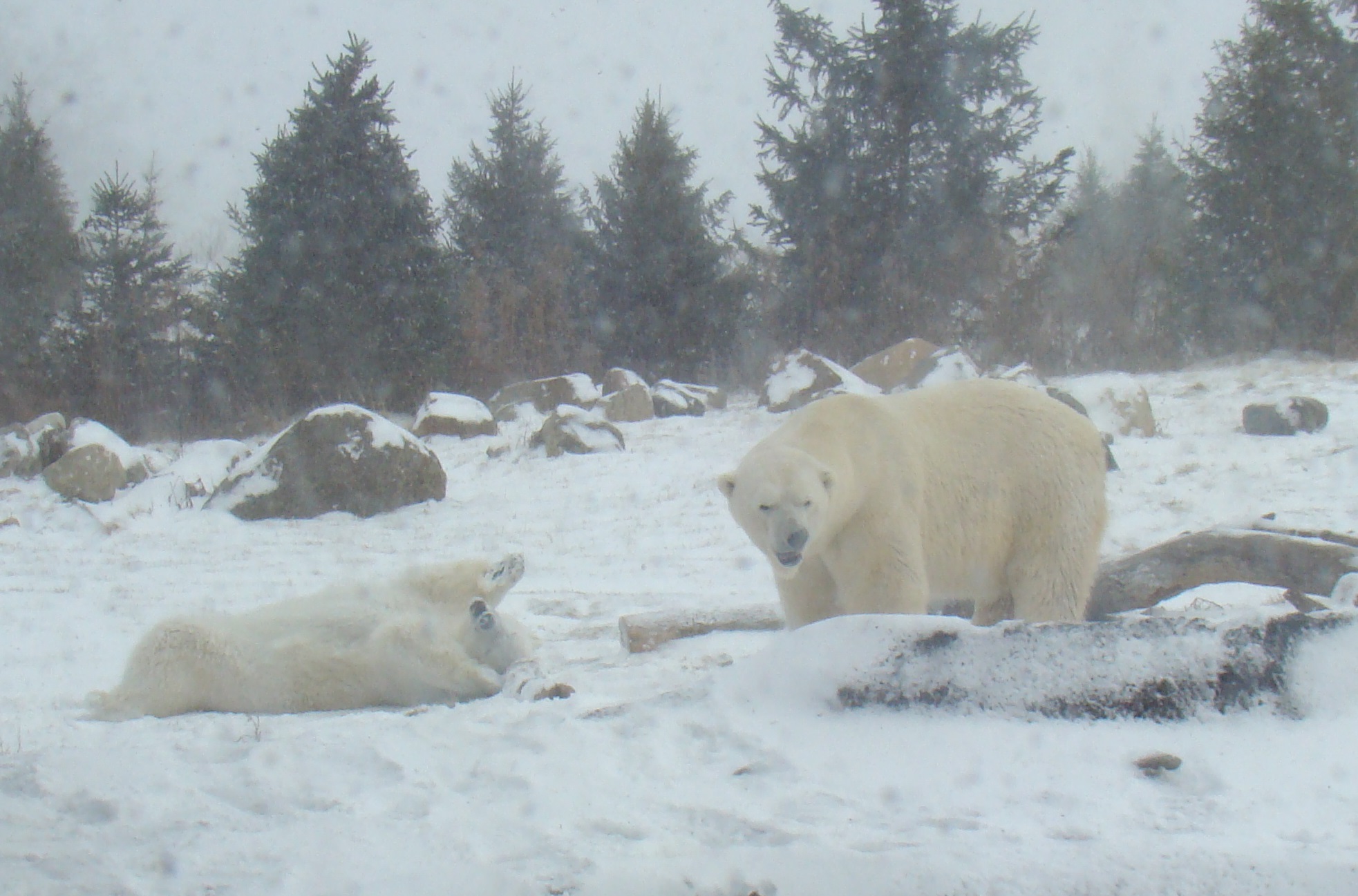
Polar bears play in the snow.

Polar bears play in the snow.

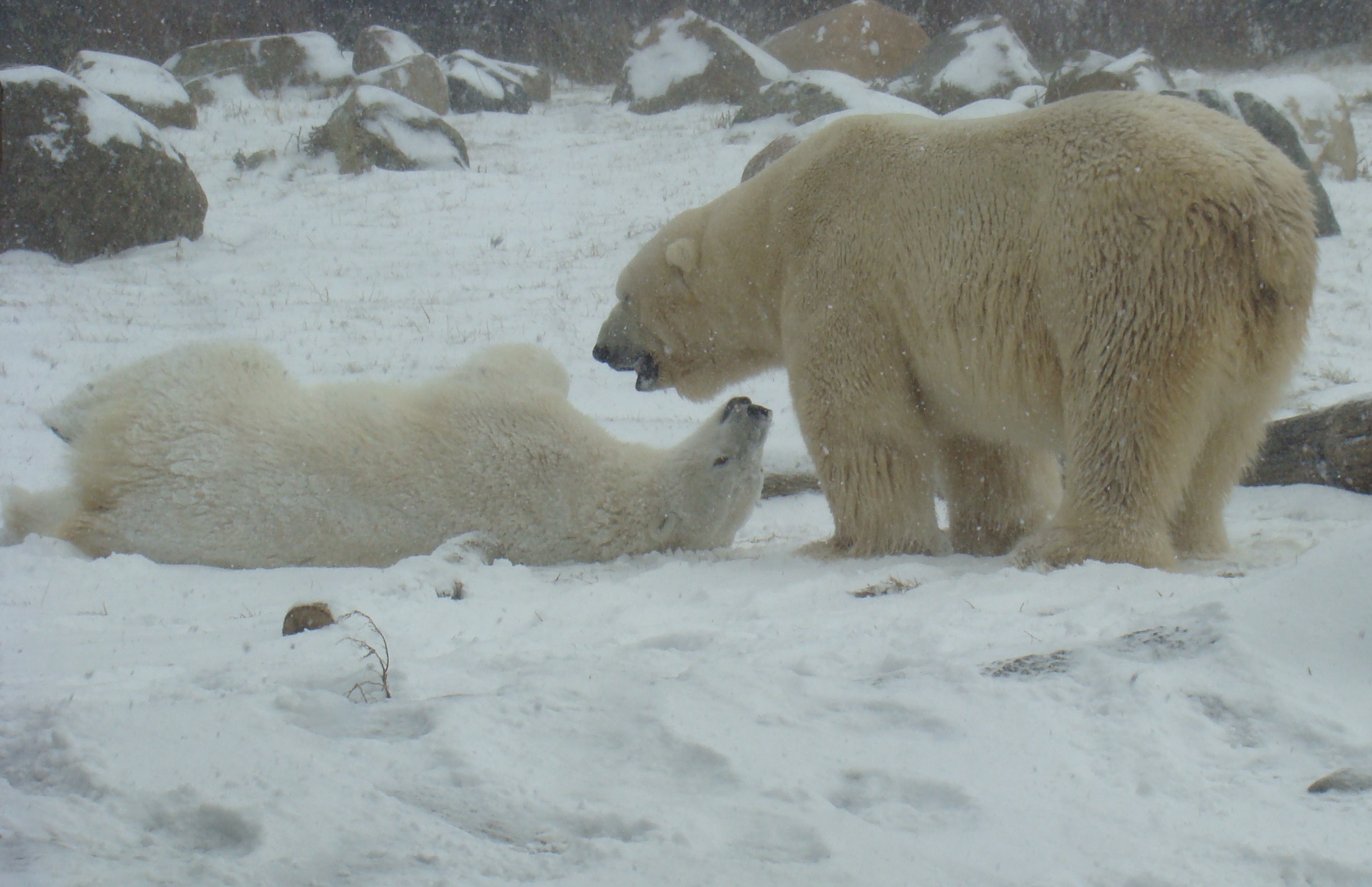
Polar bears, Aurora and Anana, have a playful time in the new fallen snow. Both rolled around on their backs taking a snow bath or perhaps just relaxing . Today they seemed happy to play in the snow and didn’t venture into either of their two pools for a dip

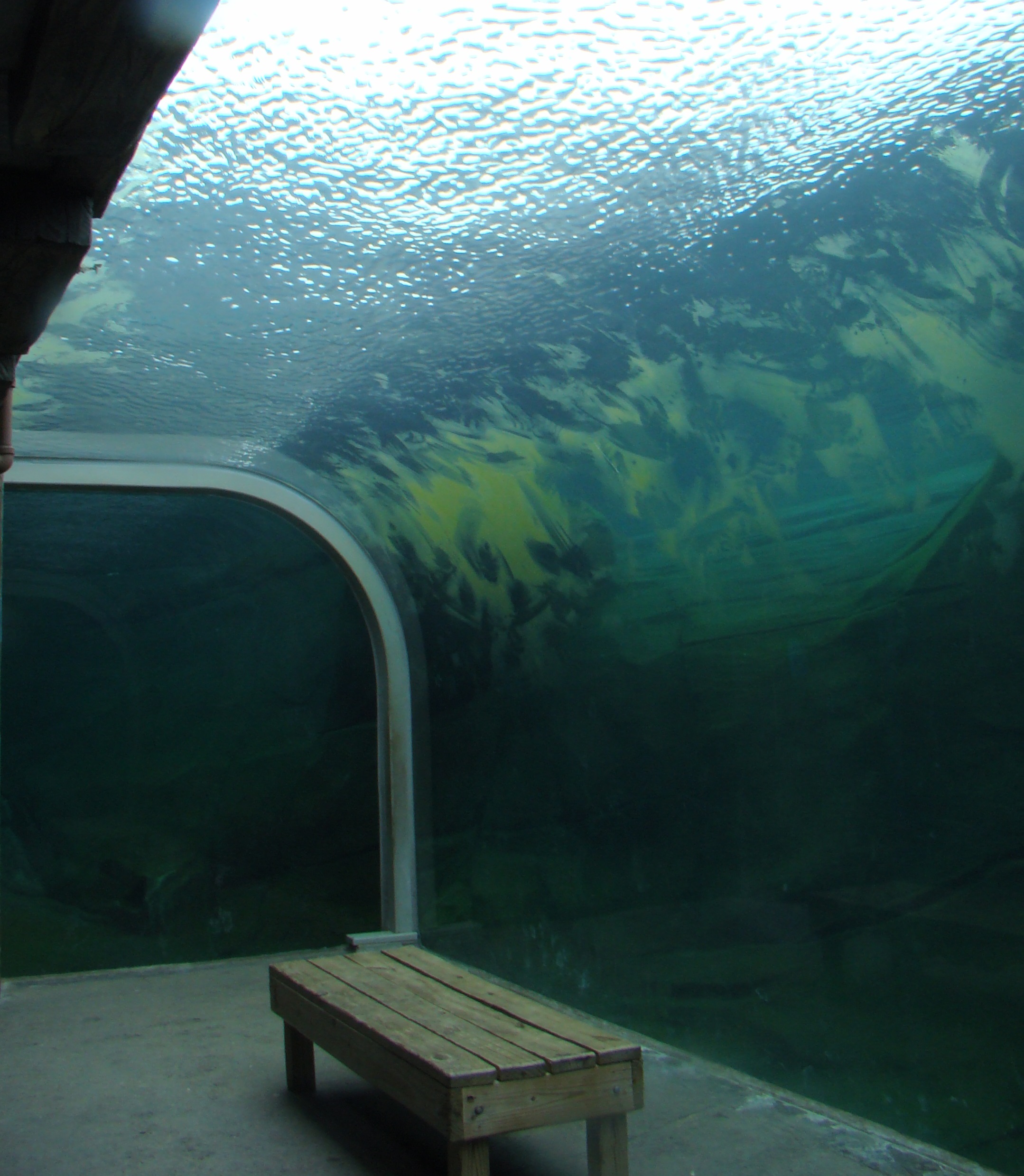
Salt water tunnel where  polar bears often swim overhead.

Salt water tunnel where polar bears often swim overhead.

The polar bears have a 167,000 gallon pool of salt water in which to swim and catch lunch. You can observe the bears diving in for a swim from eye-level, or underneath through a 5″ thick acrylic tunnel. There is an ample supply of fresh trout available when the polar bears decide they might like a snack. Two underground geothermal tanks keep the water in their pools at the perfect temperature for polar bears to enjoy.

Compare the size of various bears.

Compare the size of various bears.

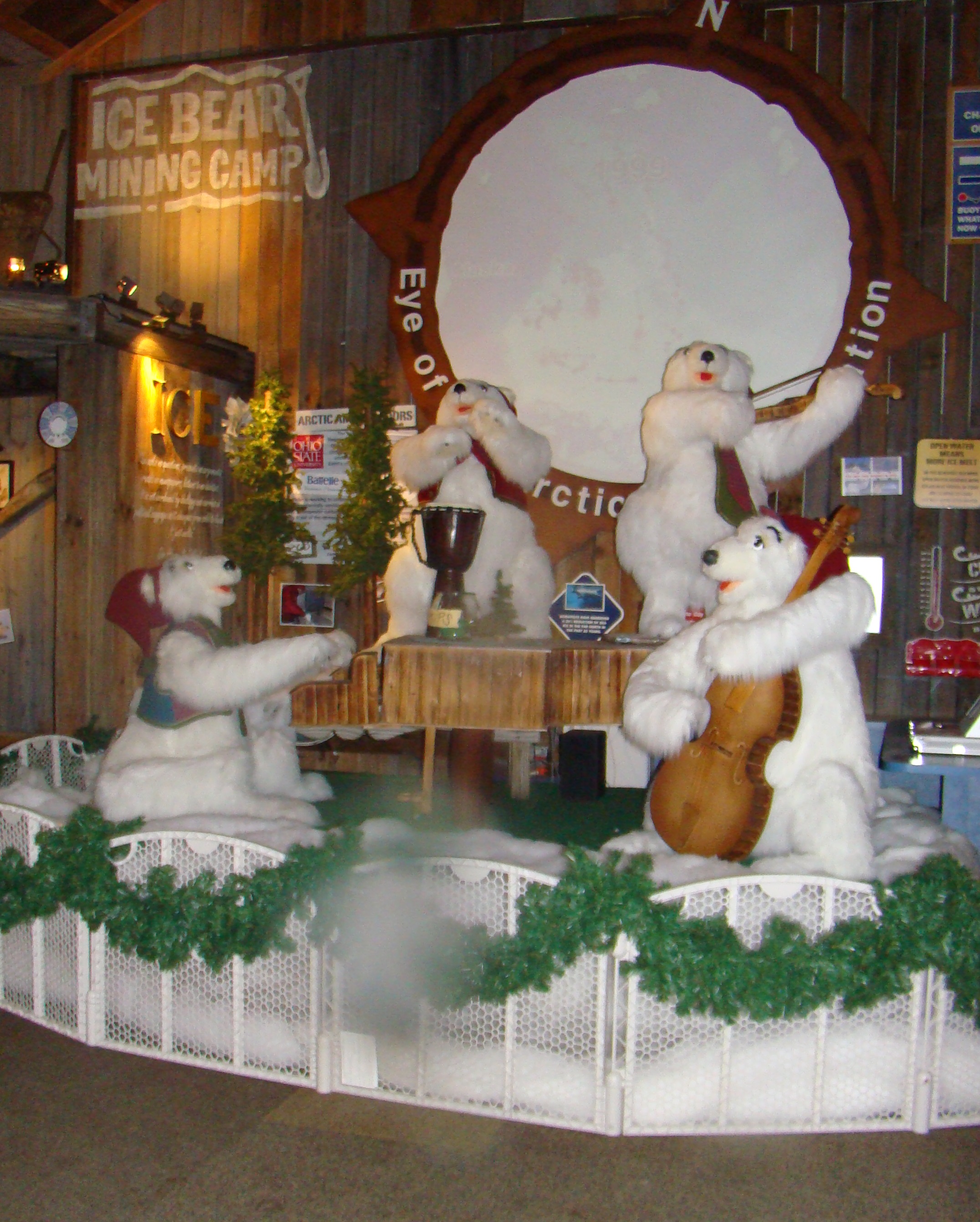
Inside the Battelle Ice Bear Outpost, you can find videos regarding the life of the bears. This interpretive center provides many activities that focus on polar bears and climate changes. It shares ways to practice conservation at home to save the polar bears. They have pictures to compare the sizes of various bears and even an animated Polar Bear Band at Ice Bear Mining Camp.

Bear Band

Bear Band at Ice Bear Mining Camp

A fantastic playground for the youngsters is right outside the Polar Bear Exhibit where children can build an igloo, ride an ice teeter-totter, or slide down a snow bank. Parents can grab a snack at the Polar Grille and chill out while the children have a cool time.

This corner of the zoo is one of the favorite stops for most visitors. A winter visit also has the benefit of being able to see the animals more easily as the zoo isn’t crowded. Make sure you save time for the Polar Frontier…any time of the year!

To visit Columbus Zoo & Aquarium, take I-270 around Columbus, Ohio and use Exit 20. From there you will see signs directing you to the zoo. You’re sure to have a great day!

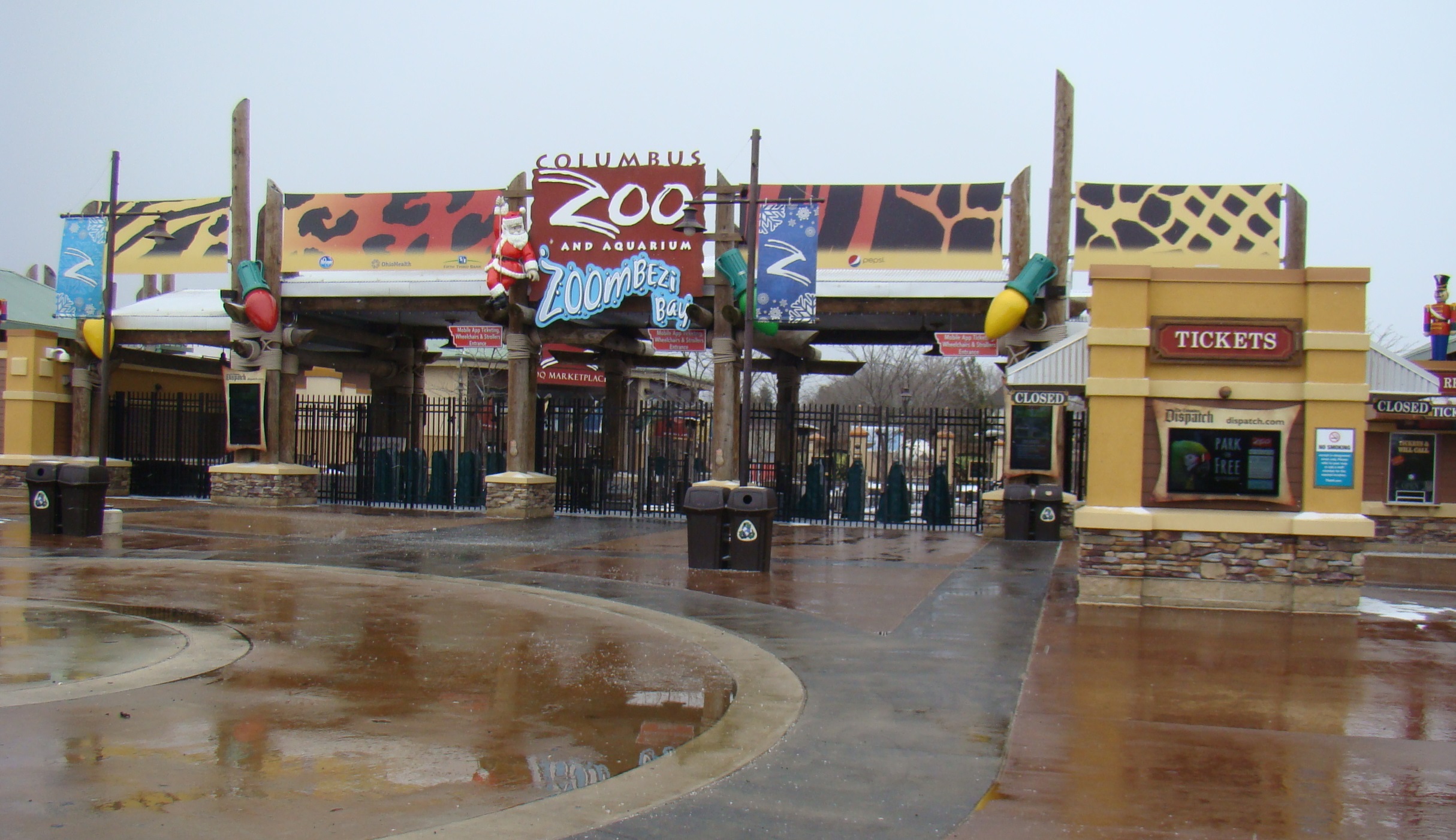
Zoo Entrance with just snow flurries upon arrival.

Zoo Entrance with just snow flurries upon arrival. That soon changed.

Have cabin fever? Put on your warmest clothes and visit the Columbus Zoo for an entertaining, learning experience. Upon arrival,  a few snow flakes bounced through the air, but before long the zoo was blanketed in a cover of white.

Even on a crisp, cold winter day, the zoo had many visitors, although just a small portion when compared to a summer visit. Many animals were inside display areas or tucked away in barns just waiting for the summer season to arive, but there was still much to enjoy.

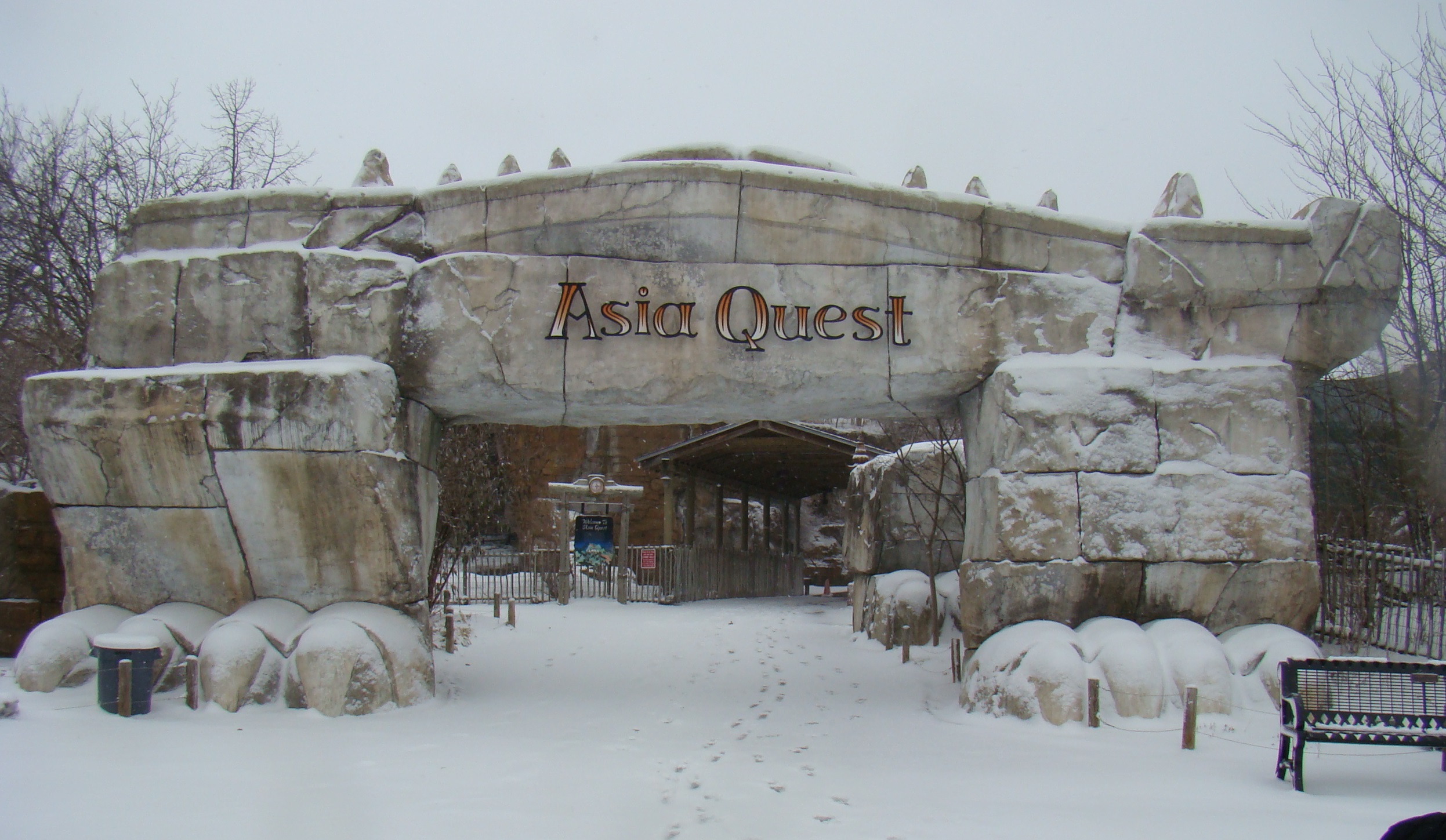
Snow covered Asian Quest very soon.

Snow quickly covered Asia Quest.

While the present Columbus Zoo opened in 1937, Jack Hanna, graduate of Muskingum College, developed the zoo into one of the best zoos in the United States. Hanna served as director from 1978-93 and still serves as director emeritus. Today over 9,000 animals live there.

This young elephant was inside bars during petting and feeding.

This young elephant was inside bars during petting and feeding.

Columbus Zoo & Aquarium provides something for everyone through five main areas: North America, Asia Quest, Australia & Islands, Congo, and Heart of Africa, the newest exhibit, which was closed on this visit. Still numerous displays make a visit worthwhile and memorable during the winter months, without the usual stops at the many gift shops and snack stands along the way.

While it’s impossible to mention all the adventures this winter day, here are a few gypsy highlights.

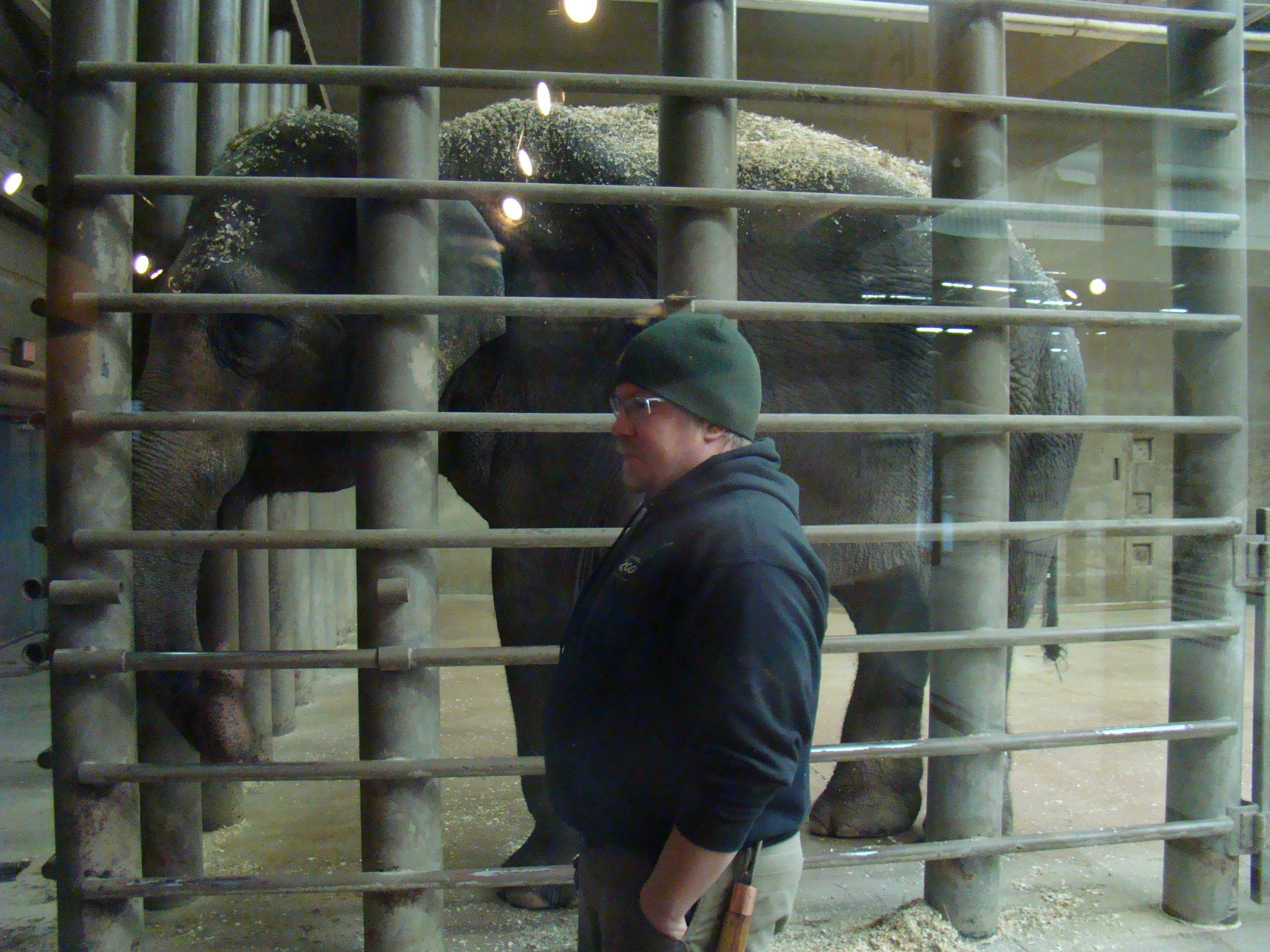
Hank, the largest elephant in a North American zoo weighed in at 15,600 pounds and measured 9’5″ tall. That’s one big elephant! People had the opportunity to pet and feed one of the smaller elephants, who kept looking for more treats.

Two Siberian Tigers lounge on top of their cave.

Two Siberian Tigers lounge on top of their cave.

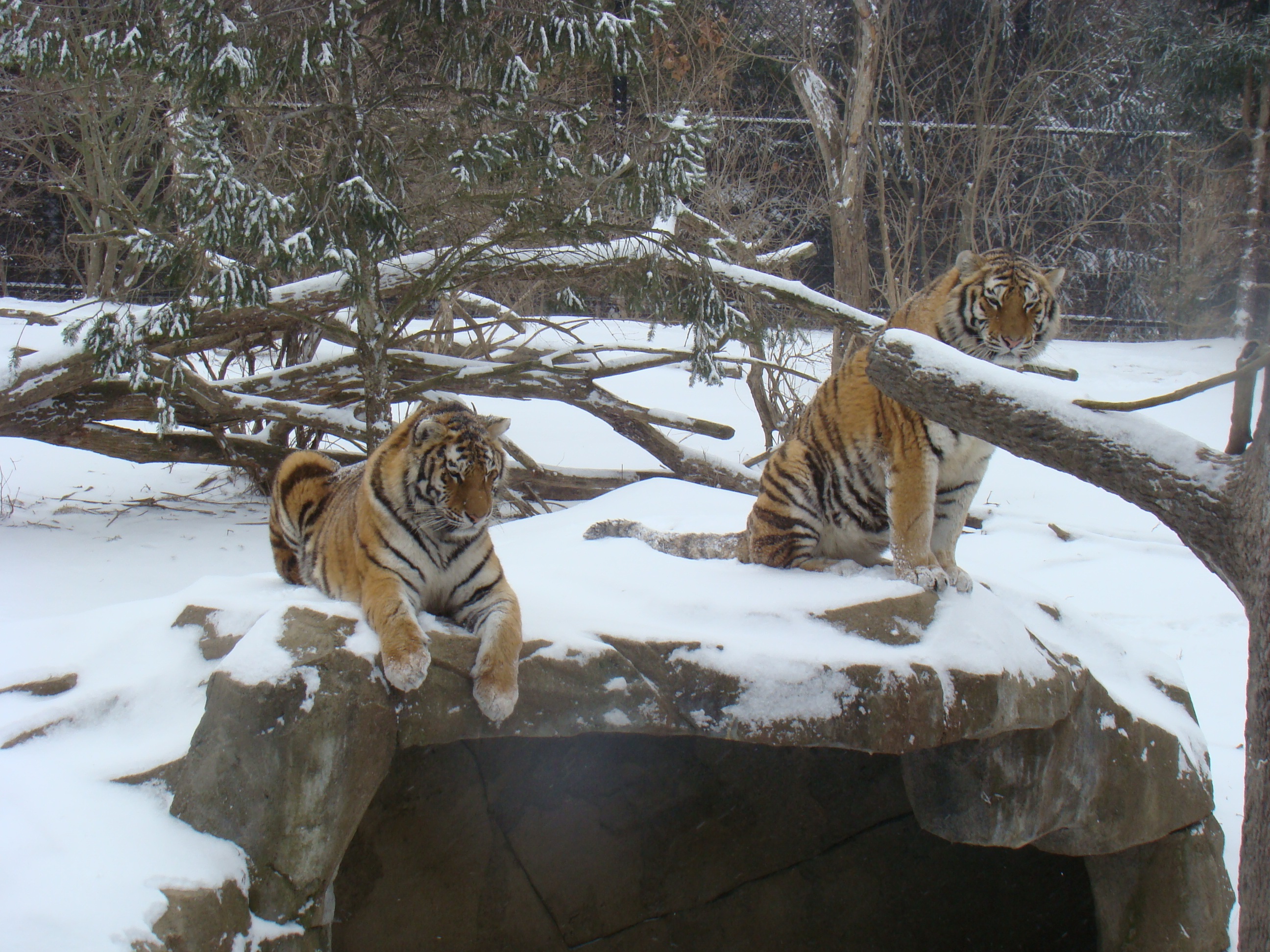
Outside on Tiger Walk, several Siberian Tigers lounged in the snow, while one snuggled up in a corner of a stone cave. They watched movements carefully, probably ready to pounce at the slightest provocation.

Discovery Reef's Aquarium provides a break in the day.

Discovery Reef’s Aquarium provides a warm break in the day where you can sit and watch the fish among the coral reefs.

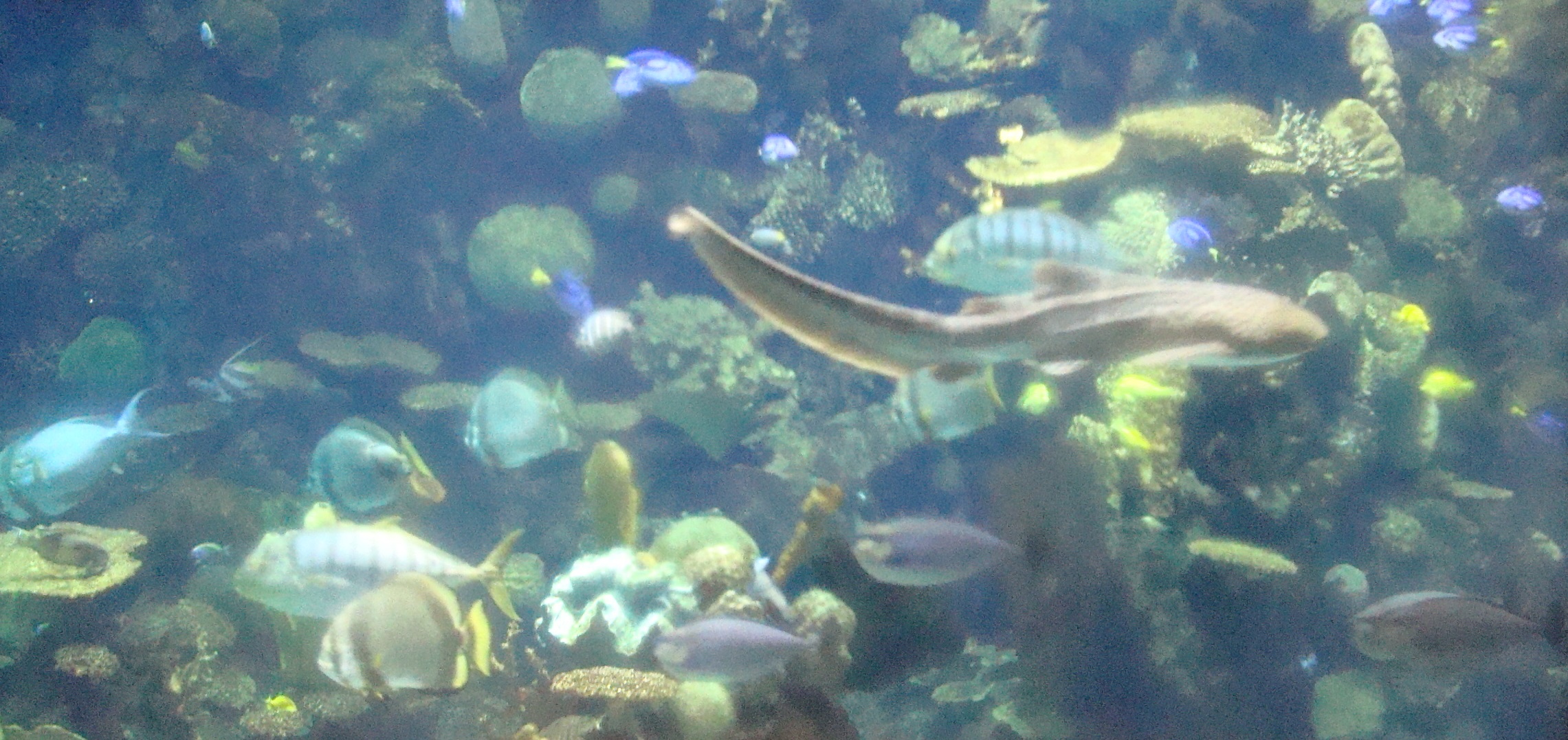
On a winter day, you might want a break from the cold, and a chance to rest your legs. Several possibilities exist. The giganitic Aquarium at Discovery Reef provides bleacher seats to watch the antics of the fish in a 100,000 gallon salt water aquarium. When you observe all the different species of fish from around the world swimming peacefully together, it seems there might be a lesson for those watching.

Close by, manatees also entertain as they pull lettuce and cabbage as a tasty treat from the surface of the water. Or perhaps you might want to slither over to the Reptile Building to see the snakes, lizards, and even turtles.
Two polar bears roll in the snow.

Two polar bears roll in the snow.

Visit North American’s Polar Frontier, which opened in 2010, to watch polar bears enjoy the new fallen snow. They like to be clean and dry as dirty fur provides little insulation, so they take a bath by rolling in the snow. Imagine the polar bears thought the weather perfect.

The Columbus Zoo & Aquarium is open every day of the year except Thanksgiving and Christmas Day. Of one thing you can be certain, every day’s a different experience while at the zoo. You never know what the animals will do next. Go to the zoo any season of the year!

To visit Columbus Zoo & Aquarium, take I-270 around Columbus, Ohio and use Exit 20. From there you will see signs directing you to the zoo. You’re sure to have a great day!

The roaring falls of Blackwater River can be heard for miles around. Located near Davis, West Virgnia, these falls have become one of the most photographed sites in the state.

Steps at Blackwater Falls

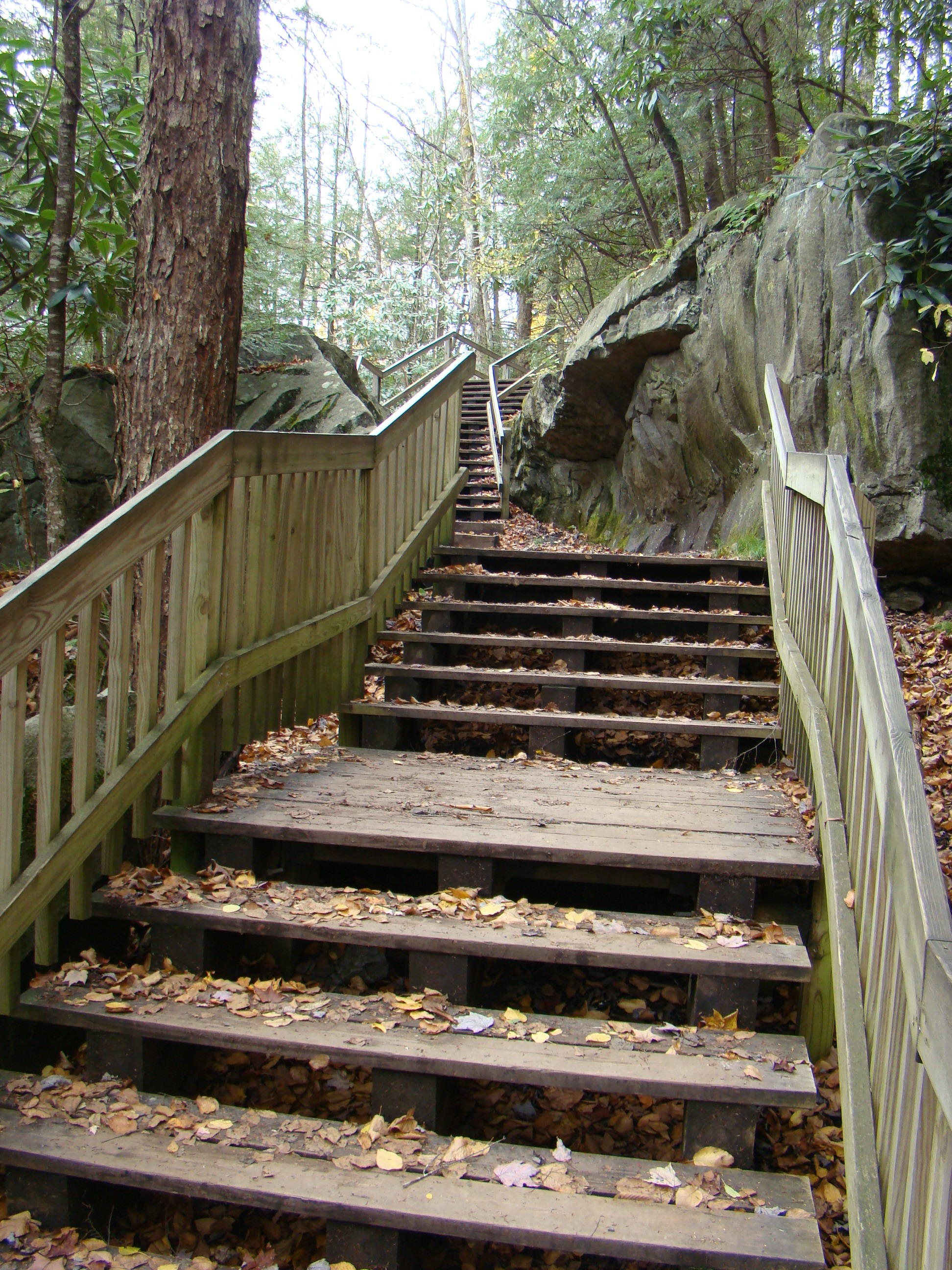
Steps to Blackwater Falls

When you arrive at the Blackwater Falls sign, you notice that it says 214 steps to the falls. As you start down the first steps, it seems like an endless adventure as group after group of steps appear. Youngsters step gingerly down the steps, counting as they go to see if that number is actually correct. Several viewing platforms have been placed for enjoyable viewing, as well as a spot to rest.

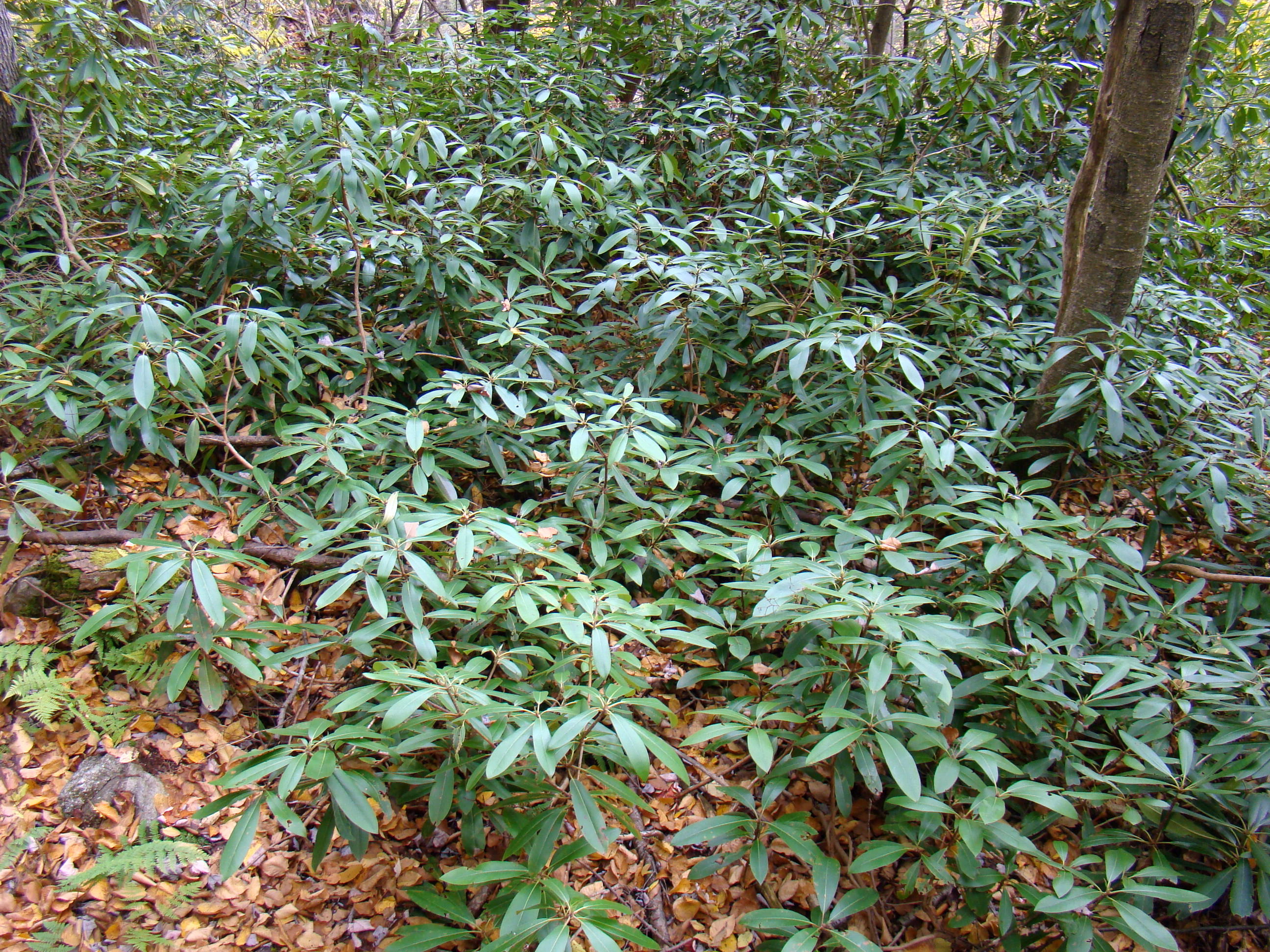
mountain laurel

Mountain Laurel already produces blossoms for next spring.

Along the way, the forest flourishes with mountain laurel plants, already forming blossoms for next season. In the fall, autumn leaves add color to the greenery of the pines.

Posted signs give interesting, helpful information regarding the falls. One sign points out that the walls of the falls are composed of “Salt Sand” used by drillers. This Conoquenessing sandstone strongly resists forces of nature, and forms the canyon walls and Blackwater Falls. This special sand assists in the production of oil and natural gas in West Virginia.

Sandstone began to form here over 230 million years ago as deposits of sediment were deposited in large basins that covered present day West Virginia. Over millions of years, most sediment deposits squeezed and changed the underlying sediment to rock. The large boulders at the base of the falls were once part of the cap rock.

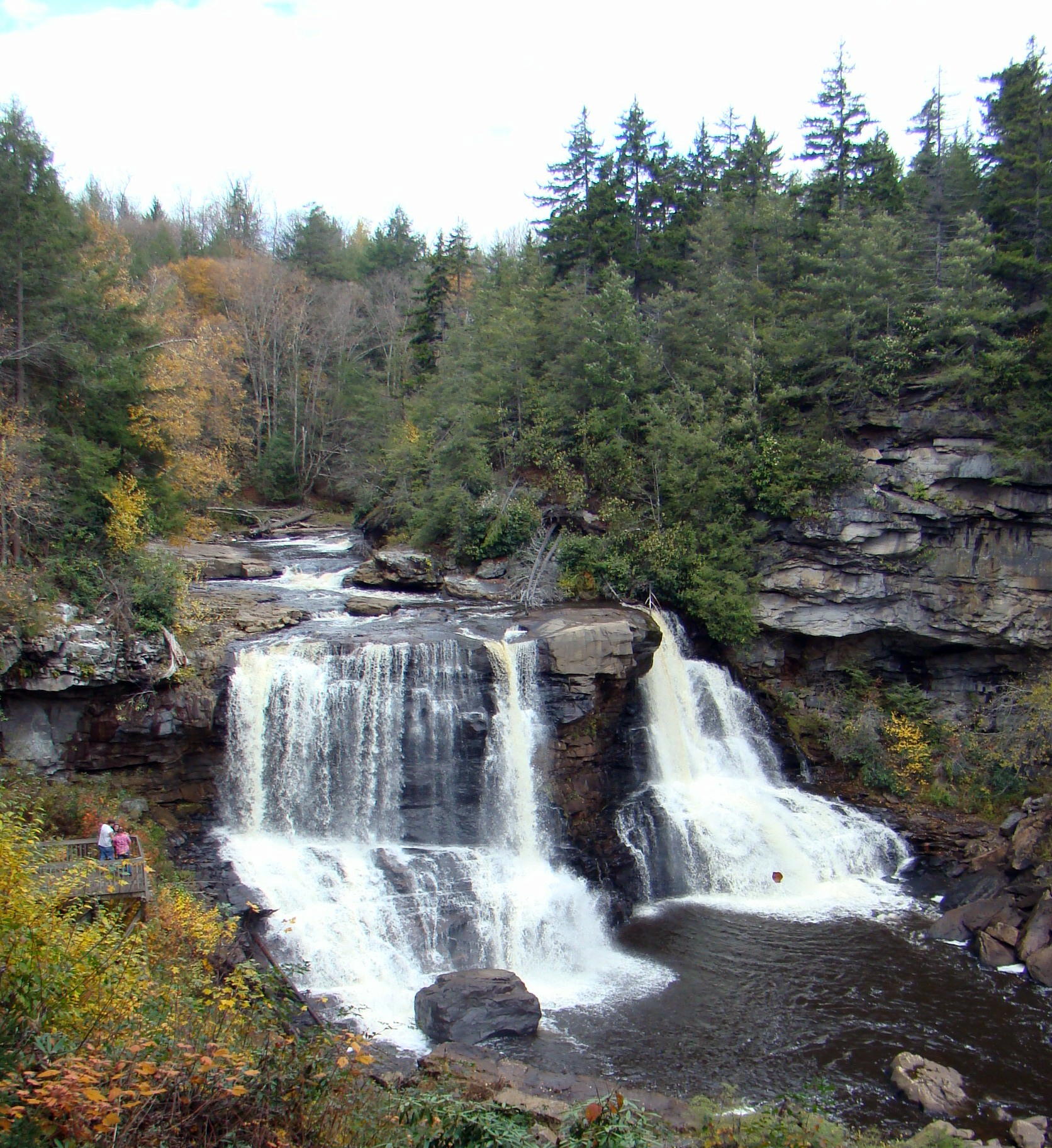
Blackwater Falls

Beautiful Blackwater Falls

The first glimpse of the falls even from afar takes your breath away. When you get closer, you can actually feel the spray from the water on your face. As it descends the falls, the water appears amber, or tea colored as it plunges straight down about sixty feet before it twists and turns down the eight mile long gorge. Since the color appears darker than most waterfalls, it received the label of “black” water. The color results from tannic acid emitted by fallen hemlock and red spruce needles.
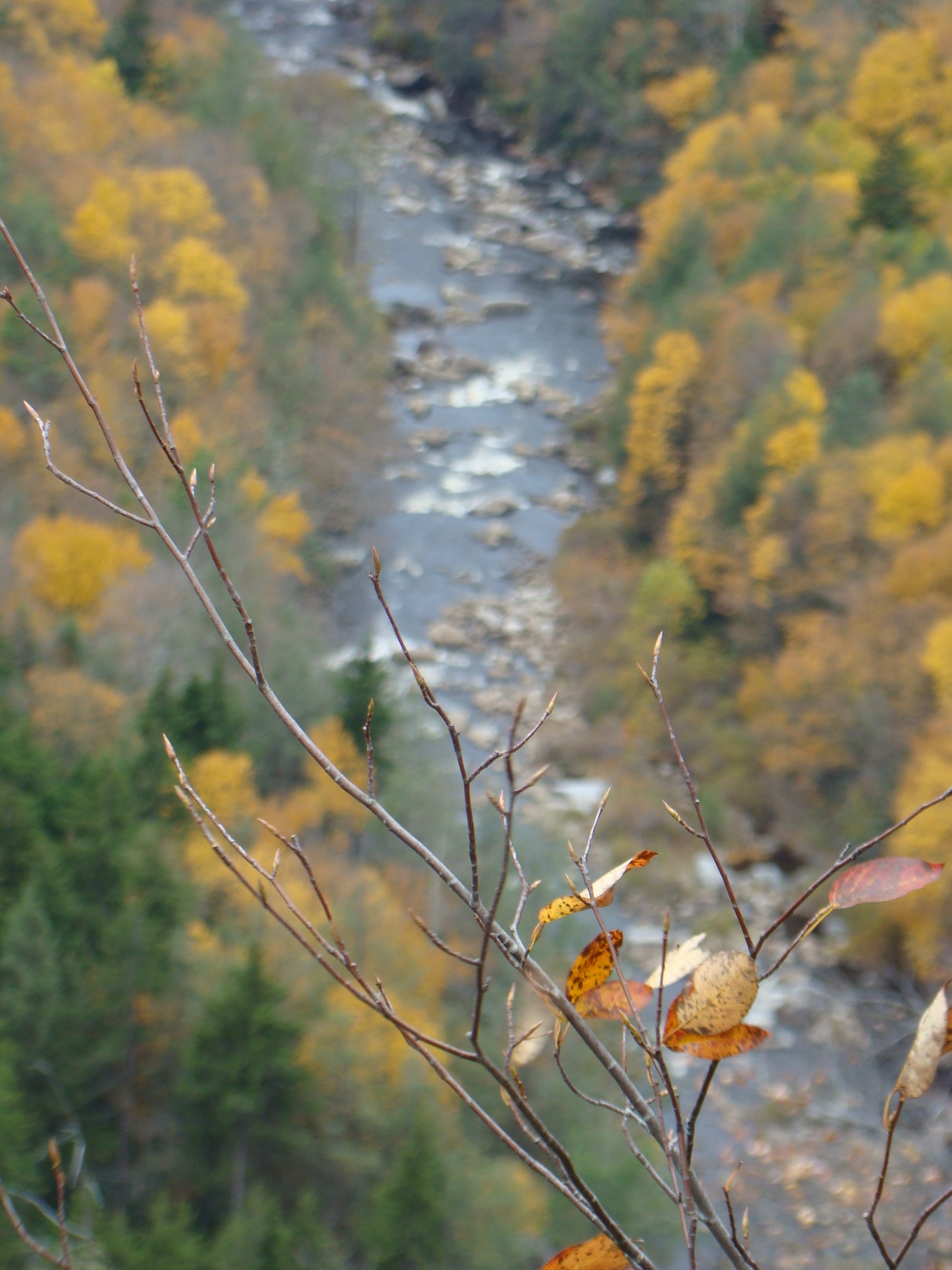
Blackwater River flows on.

Blackwater River flows on.

As you watch the bubbling mountain stream at the top of the falls, it suddenly picks up life as it tumbles over the edge, swirling as it goes.But it’s pure pleasure to sit on the deck of the overlook and listen to the powerful sound of the falls with its unending flow. Sometimes during the year, the falls either slow down to a trickle, speed up to a torrent, or even partially freeze over.
Everytime you visit will be a new experience!

Blackwater Falls can be found in northeastern West Virginia near Davis. Natural treasures like this remain off the beaten path so directions vary greatly depending on your direction of travel. Definitely worth the trip!
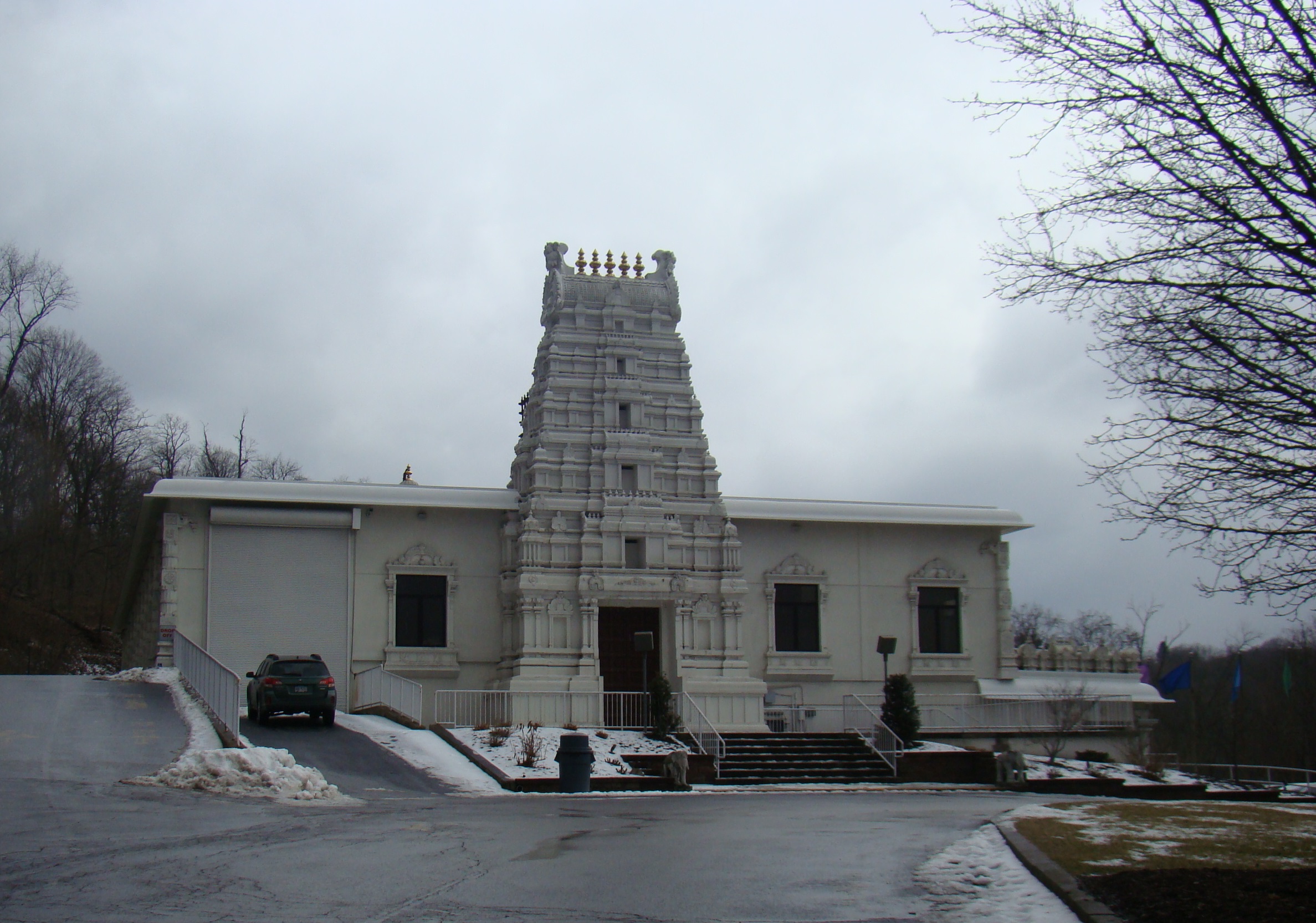
Sri Venkateswara Hindu Temple

Sri Venkateswara Hindu Temple

High atop a hill east of Pittsburgh, PA sets a beautiful Hindu temple, Sri Venkateswara. In such a far-off corner, you really wouldn’t expect many people on a winter day, but the temple was crowded with devotees of all ages worshipping God in their own way through prayer and meditation.

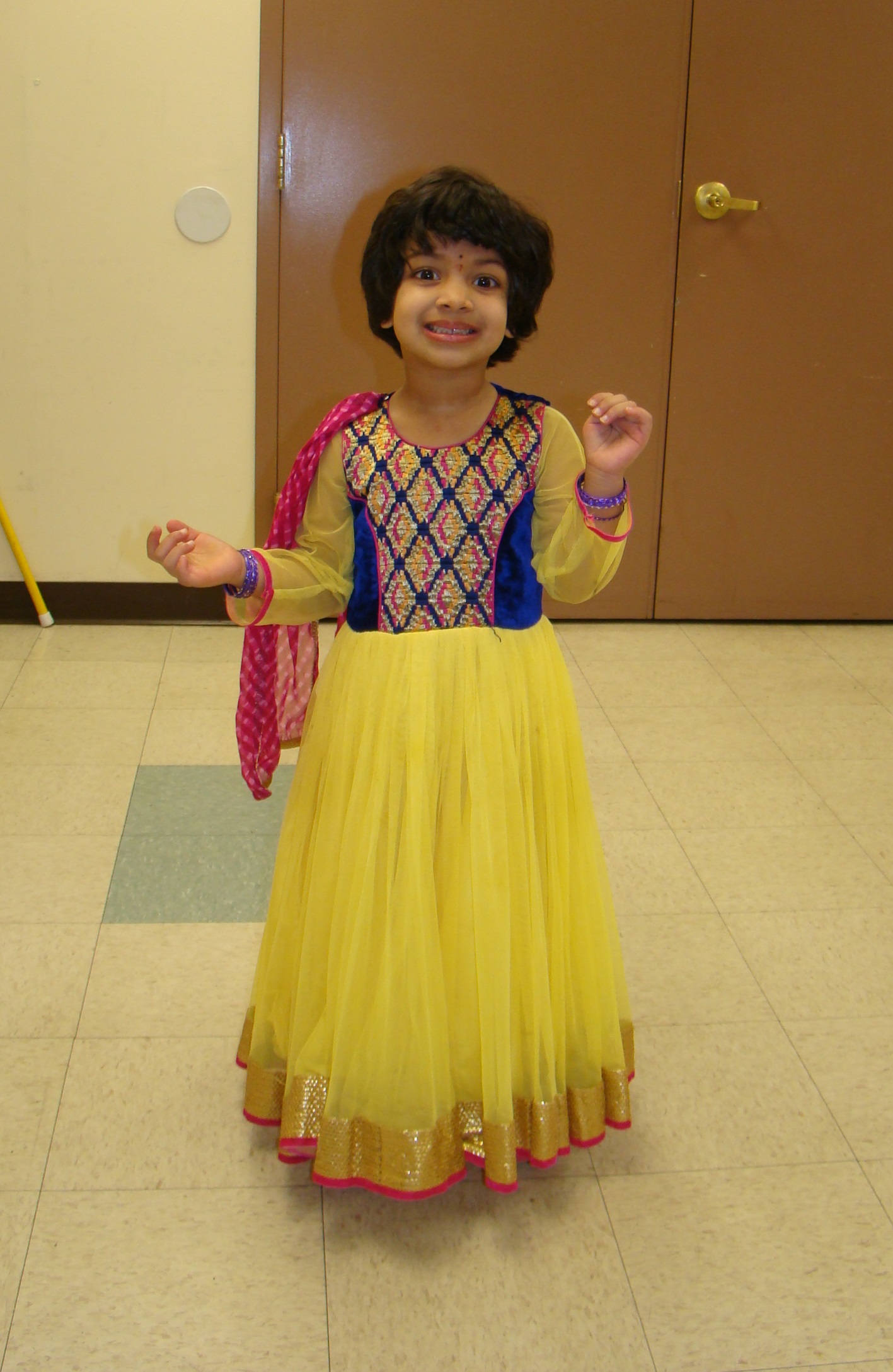
Beautiful Child dressed for worship service.

Beautiful Child dressed for worship service.

Sri Venkateswara is one of the earliest traditional Hindu temples built in the United States back in 1976. Their service involves much ceremony with many statues of their different Gods and Goddesses forming visual images of the invisible divine entities. Diwa lamps burning butter, or ghee provided by the sacred cows, passed through the people assembled. All wished to gather the light to be blessed with spiritual energy. Fruit and nuts were given by temple priests to bless and nourish the body, as worship nourished the soul.

In the small sanctuary, people showed humility by prostrating themselves before God as the bells rang out their invitation to join in the ceremony. This vast congregation of worshippers showed extreme dedication to their beliefs. Children also enjoyed the day swirling and dancing with smiles and laughter. One small girl captured my heart as she twirled happily in a beautiful yellow dress with embroidered vest and red scarf. Her smile lit up the room.

Women dressed in the most beautiful saris, and walked with grace and dignity. They attend temple services to give honor to their Hindu traditions, while receiving peace and energy from being there.

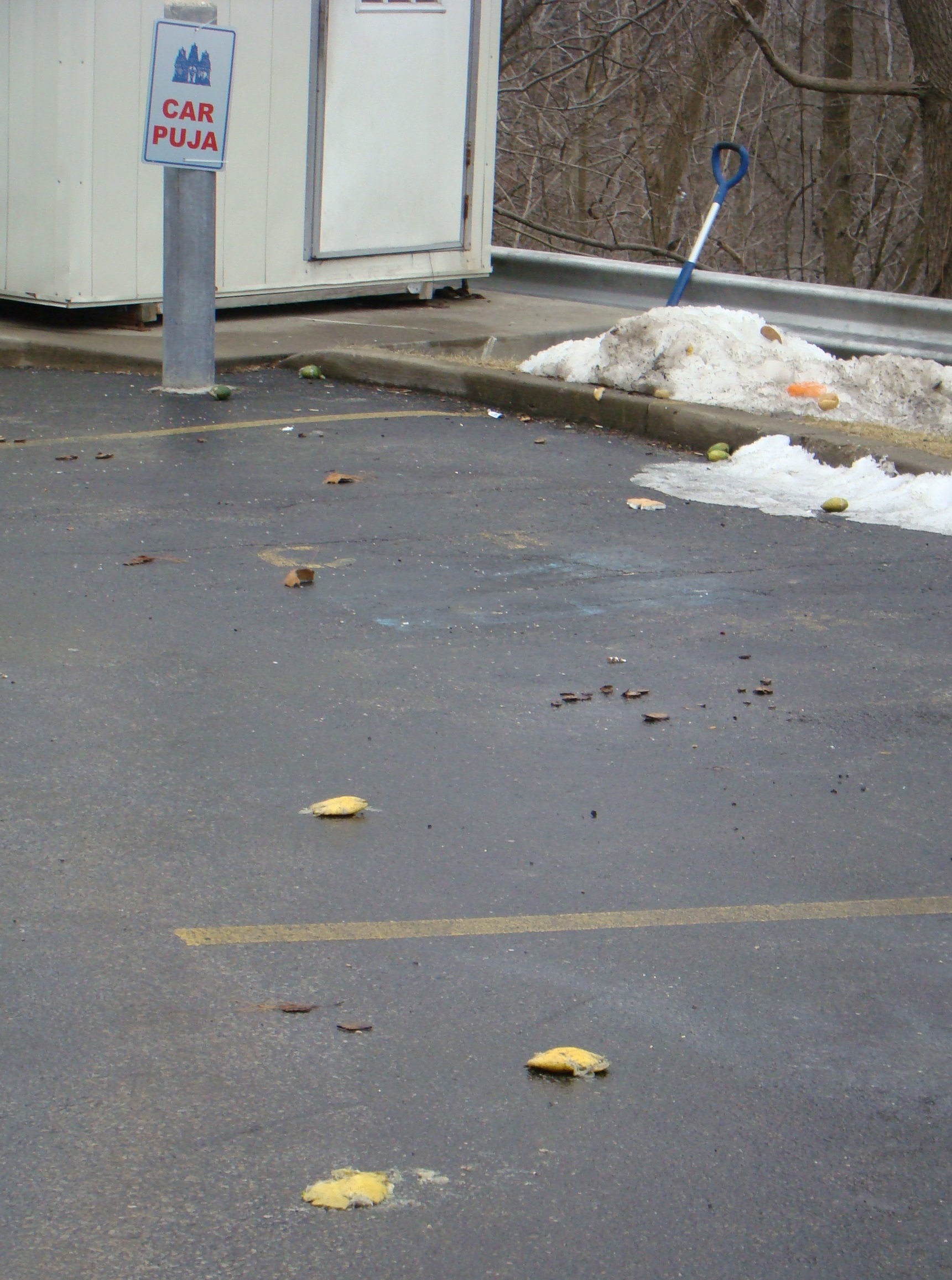
Car Puja

Car Puja

This beautiful building had three floors, two used for worship, while one was for social purposes. After the worship service, which was basically a time of honoring the dieties, as well as meditation, most adjourned to the dining hall for a light vegetarian lunch.

As we were leaving, smashed lemons appeared in the parking lot. Why would they be there? This area was designated as Car Puja, where new cars are blessed to rid the car of any bad influences. The tradition claims that if you run over lemons with all four tires, your car will be blessed and safe.

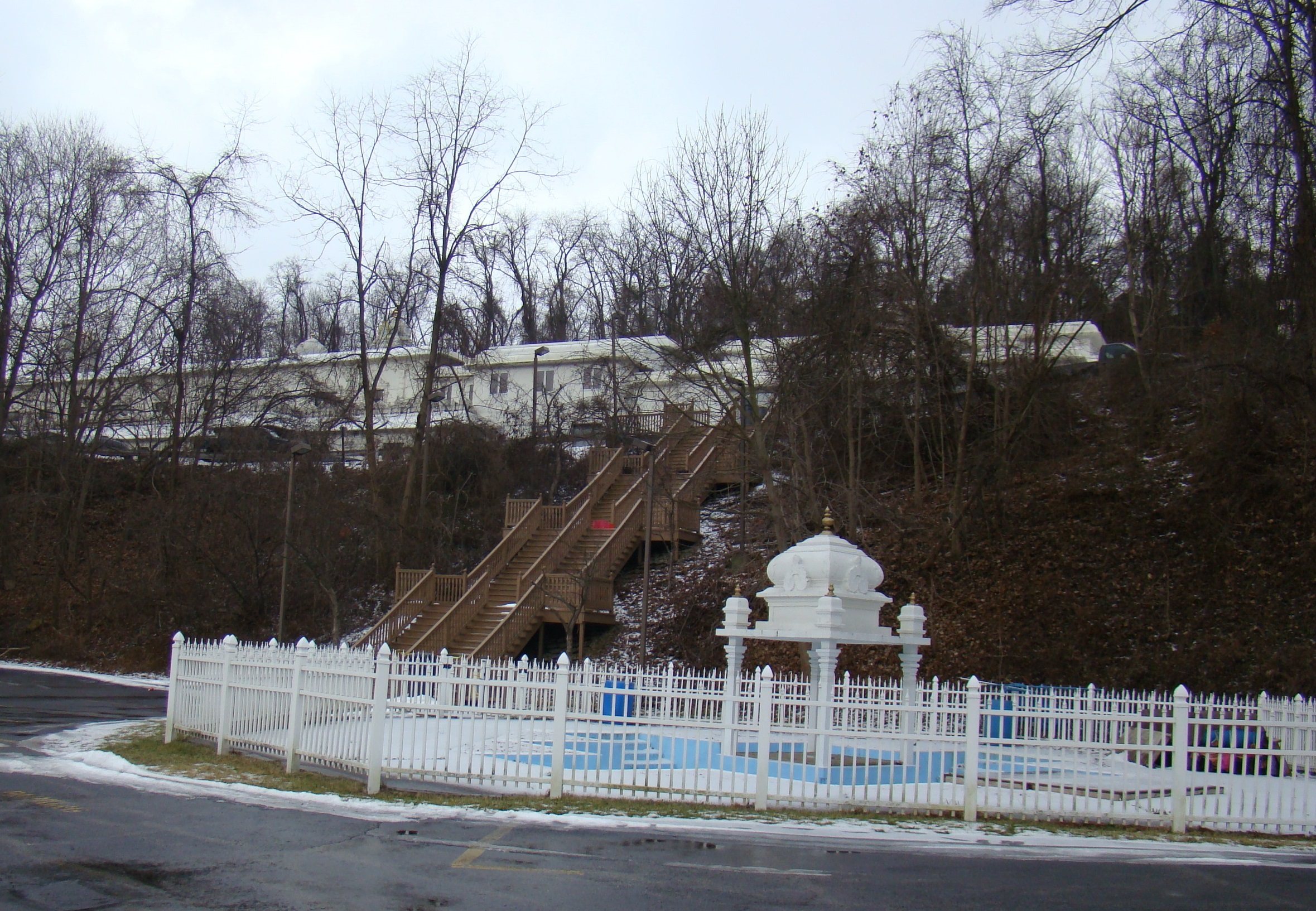
A long flight of steps led to the temple.

A long flight of steps led to the temple.

On the way home, a stop for a friend at India Bazaar completed the day with the purchase of chapati atta (whole wheat flour), jasmine rice, haldi (tumeric), and til (sesame seed) for them to use in future meal preparations. An extremely polite shopkeeper carried the purchases to our car.

India Bazaar was the perfect stop for Indian food.

India Bazaar was the perfect stop for Indian food.

Never say no to an adventure! You might be surprised at the interesting things found along the way. The beautiful day lifted my spirits because those attending were very kind and understanding to visitors, even if I was the only blond in attendance.

Sri Venkateswara Temple can be found on the east side of Pittsburgh, PA from I-376, Exit 80. Head to Route 22, Old William Penn Highway, and drive about three miles to Old Thompson Run Road. From there, follow the blue and white Temple signs as they are clearly marked.

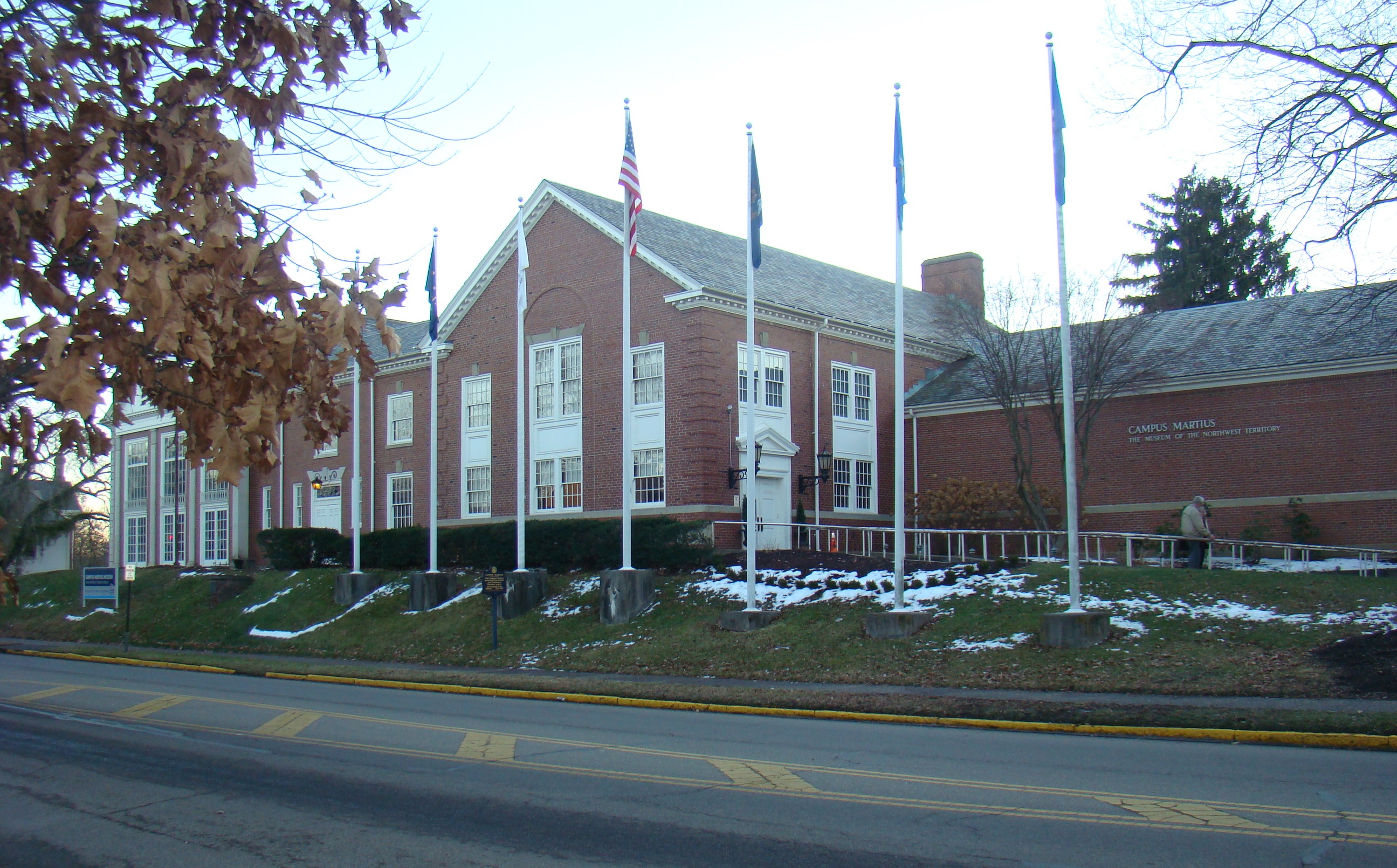
Campus Martius Museum in Marietta, Ohio

Campus Martius Museum in Marietta, Ohio

Dig into the past and discover facts about people who lived hundreds or even thousands of years ago. At Campus Martius Museum in Marietta, Ohio, those interested in archaeology had an exciting day called “Digging the Past”. Special displays by area people, who are interested in what is under the ground, provided valuable information for anyone who wished to listen.

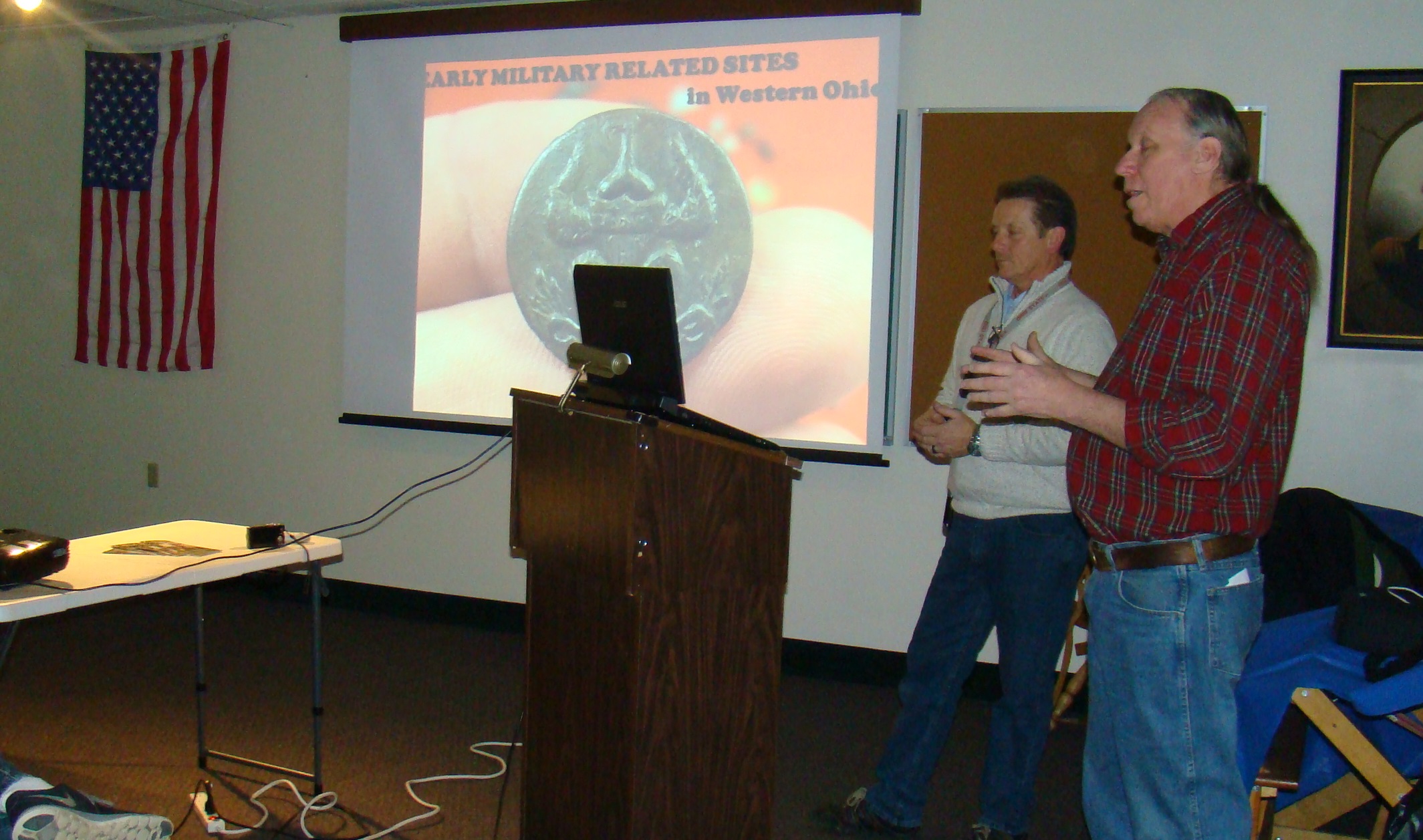
One of the speakers at Archaeology presentation

One of the speakers at Archaeology presentation

Five knowledgeable archaeologists and collectors gave slide show lectures on various archaeological subjects. Some of my favorite dealt with the various groups of mounds around the state of Ohio. Bruce Lambardo, ranger at the Hopewell Culture National Historic Park, explained why we should change the term “mounds” to “earthworks”. These structures are not just piles of dirt built by early Native Americans, but precise, geometrical art works that were not only enormous in size, but also aligned astronomically. He described the Hopewell Culture site near Chillicothe as the most spectacular configuration of Earthworks in the world.

Dr. Jarrod Burks, Director of Archaeological Geophyics at Ohio Valley Archaeology, discussed the earthworks throughout the state including Newark, Chillicothe, and Marietta. While many of the mounds have been destroyed by farming and housing developments, there are still new ones being discovered in the last fifty years.

Mound City Artifacts explained.

Mound City Artifacts explained.

There seemed to be a strong connection between the Newark and Chillicothe Earthworks when they were constructed in 300 B.C. – 400 A.D. These earth architects constructed these ceremonial mounds, where the circles had the exact same diameter, and squares measured the same corner to corner. Even more exacting was the fact that the circle would fit perfectly inside the square. How did these early people perform such mathematically correct shapes and even have them aligned to the winter and summer solstices? How did they construct Great Hopewell Road directly between the two mound centers? Either they were geniuses or perhaps they had some extraterrestrial help. Keep your mind open to all possibilites.

Wes Clark explained his finds at The Castle Museum, where pottery and earthworks artifacts have been discovered. Nathaniel Clark Pottery (1808 -1849) existed on the same site as today’s Castle, so many pieces of pottery have been discovered from red earthenware to stoneware. Earthworks artifacts also frequently appear, including flint arrowheads.

From all the buttons found at the military sites, Archaeologist Greg Shipley remarked, with a smile, that the thread must not have been very strong. A wide variety of buttons appeared in archaeological digs in western Ohio military sites while looking for footprints of an outpost there. The hot spot for buttons seemed to be in the area of the taverns.

Flint Knapper demonstrates skills.

Flint Knapper demonstrates skills.

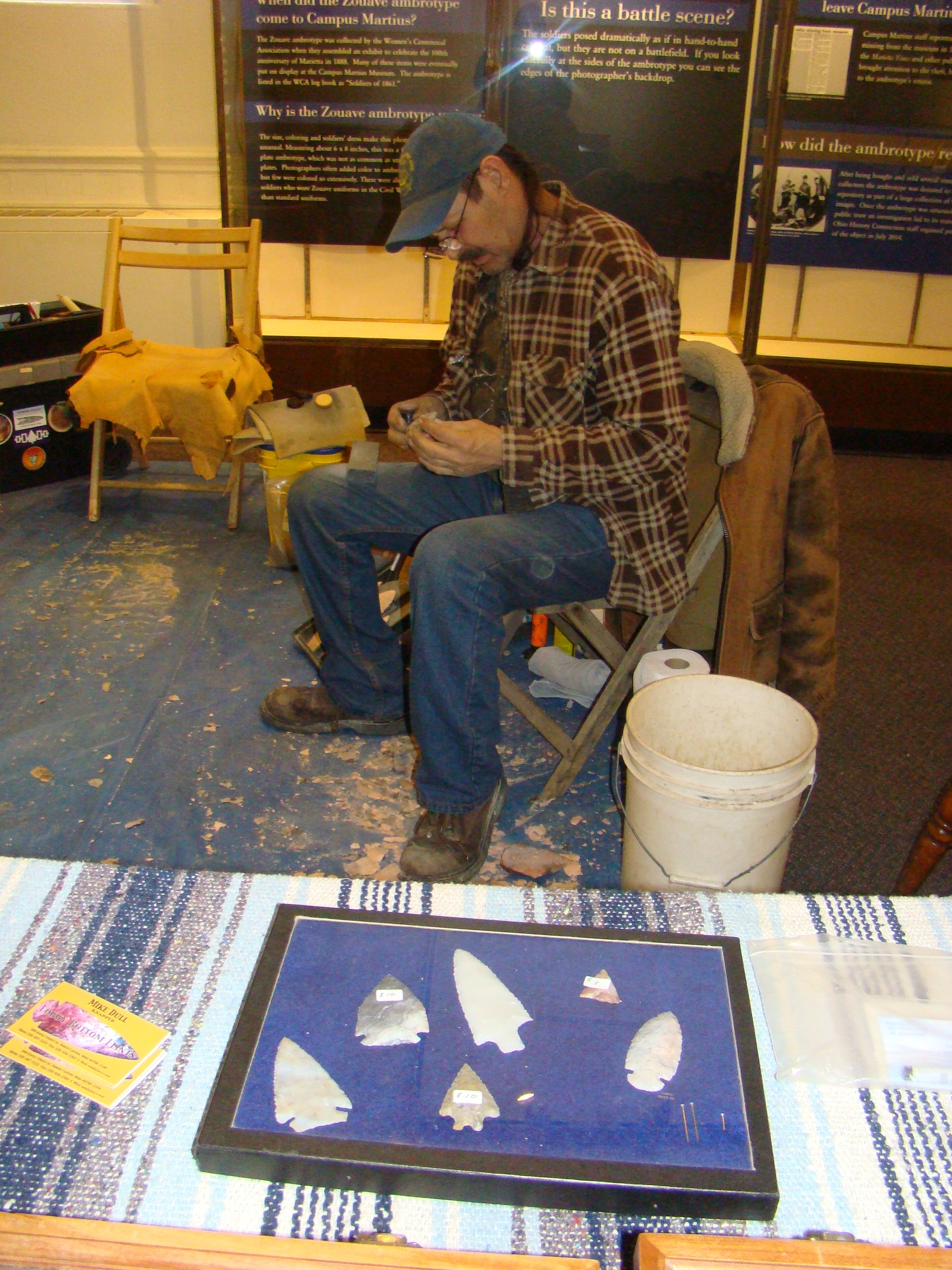
Flint knappers displayed  the intricate methods they use to shape the pieces of flint found. Their methods are beyond my description as they magically formed arrowheads by chipping and shaping the layers of the flint. Long ago the Indians used either stone or bone to shape their arrows from flint, in much the same manner. After use, the arrowheads would need re-sharpened by removing flakes to reshape, so they would get smaller and sharper as time passed. The flint knapper at Marietta had been creating flint pieces for fifteen years so was quite excellent at his craft.

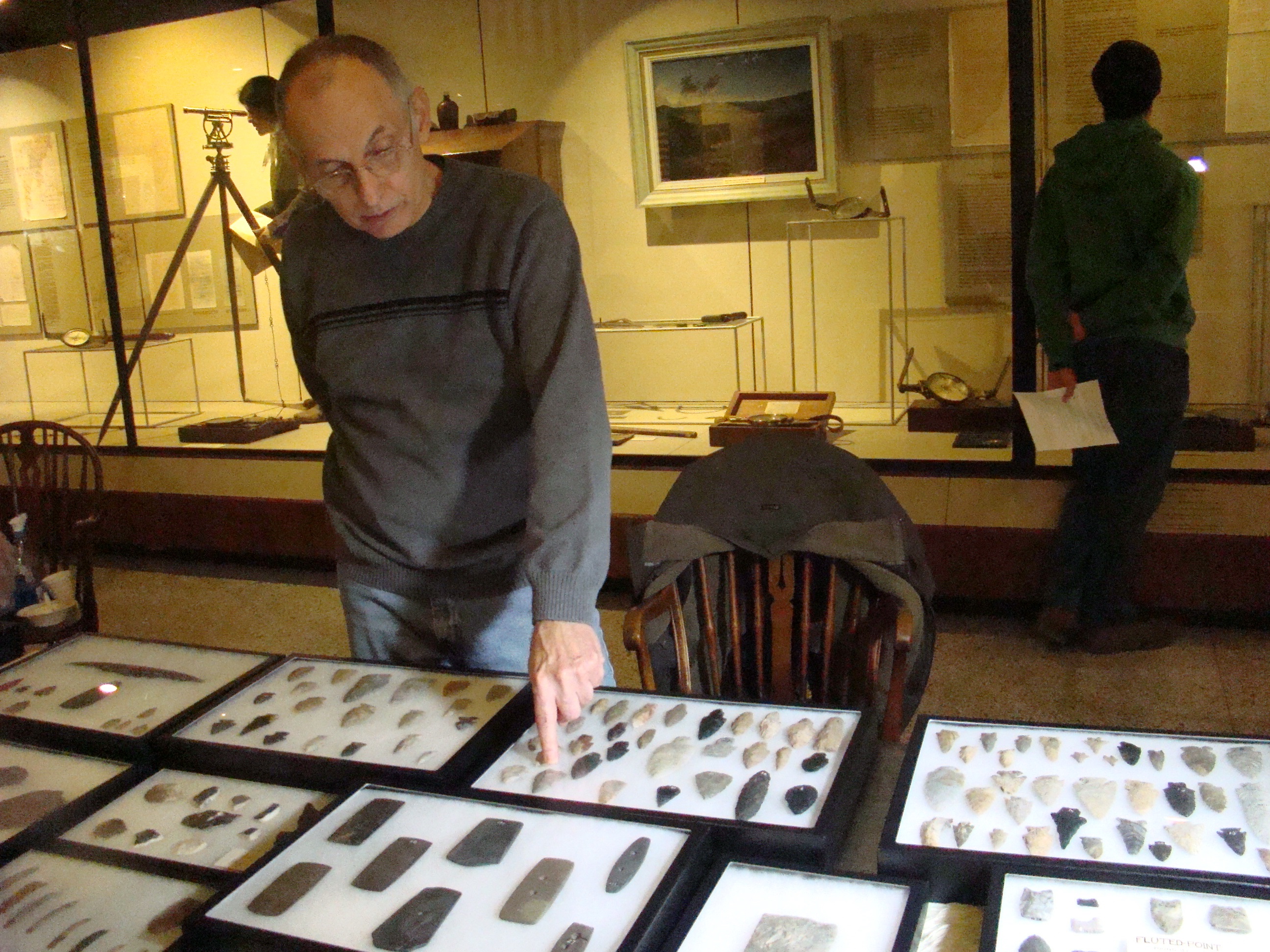
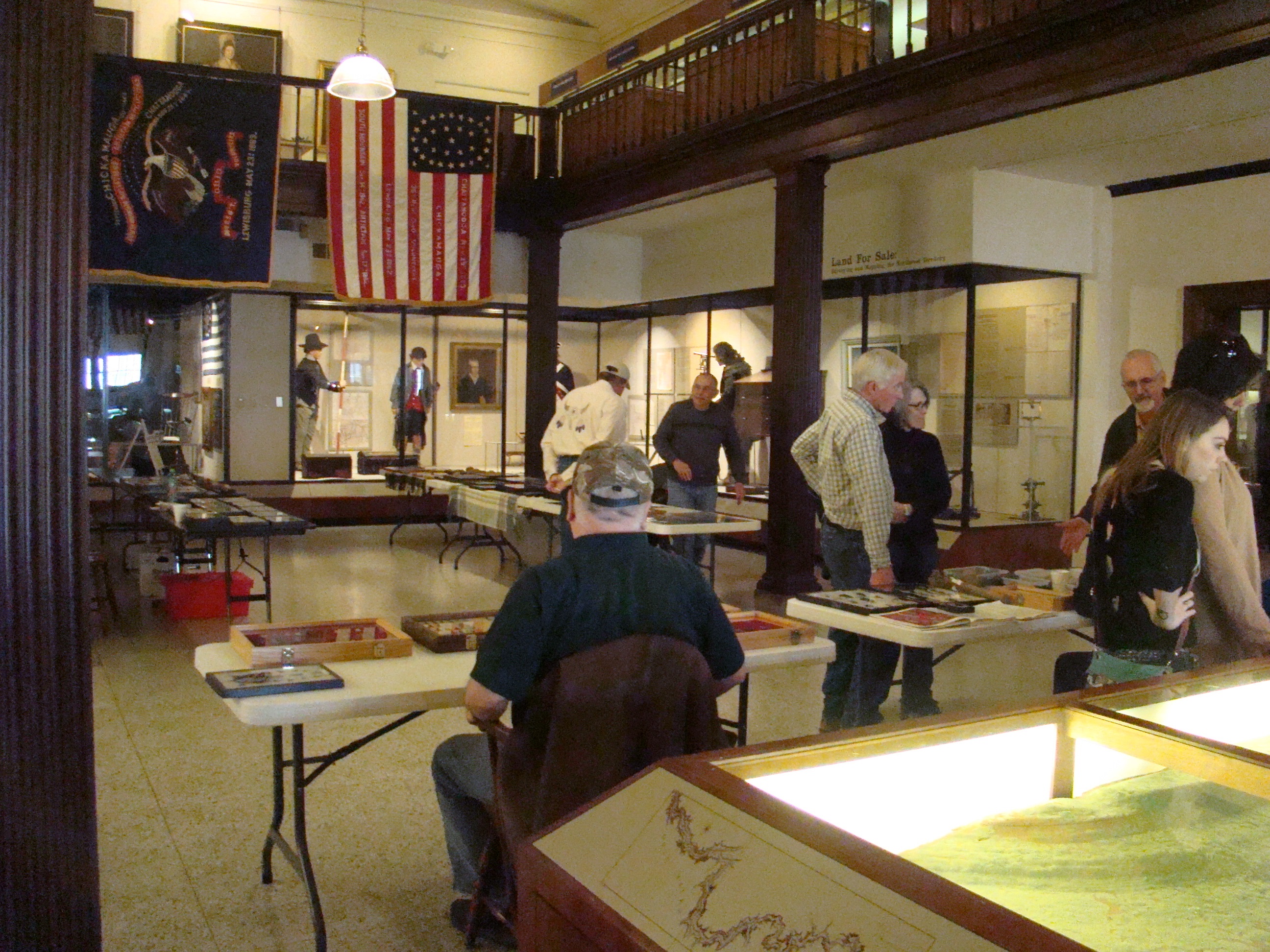
Archaeology displays filled the lobby of Campus Martius Museum.

Archaeology displays filled the lobby of Campus Martius Museum.

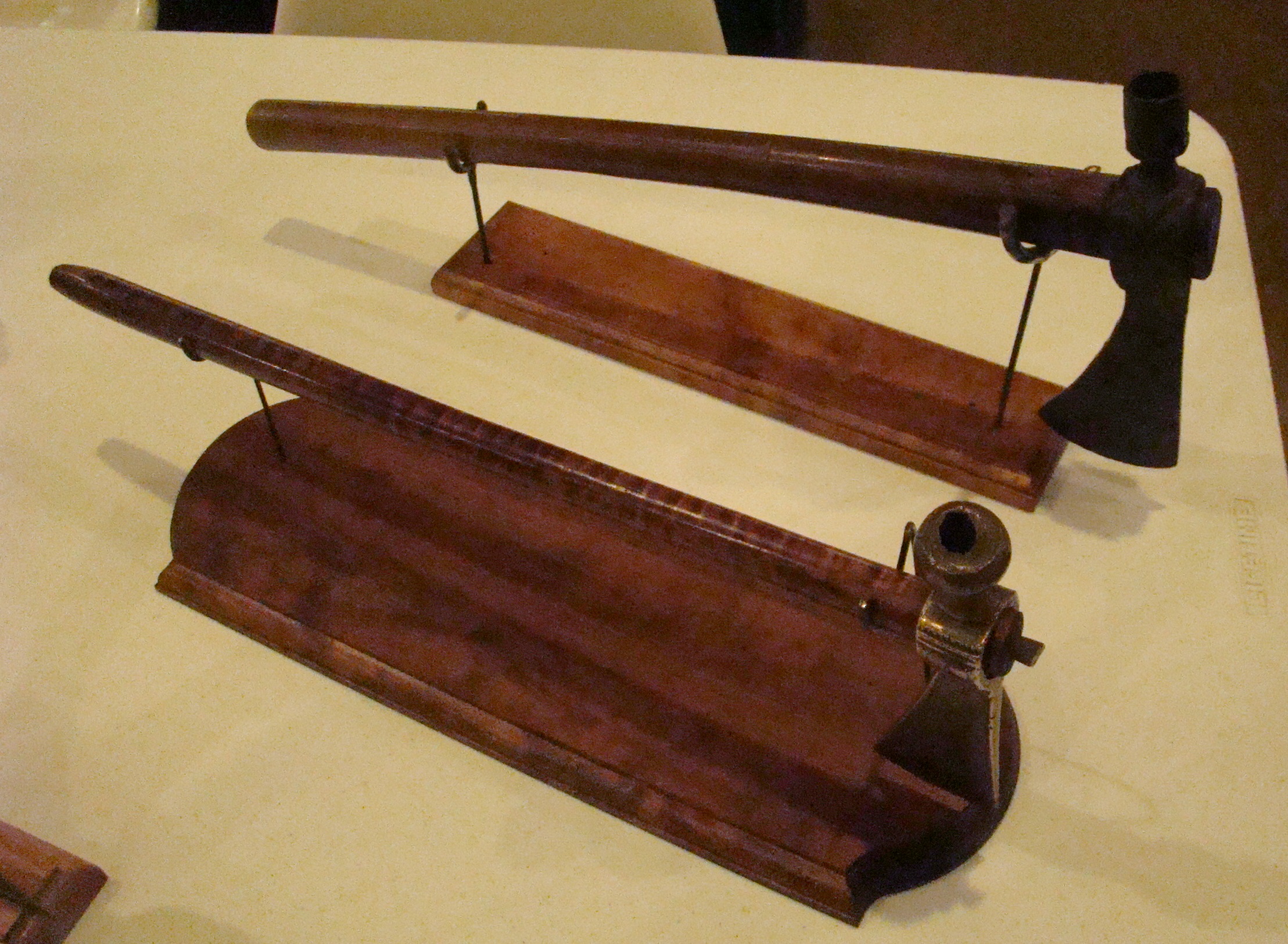
Numerous displays throughout the lobby included historic artifacts from collections around the state. Not only were there Indian artifacts from the Adena and Hopewell people, but also artifacts from military camps of the Revolutionary and Civil Wars as well as historic Marietta.  The Pipe Tomahawk intrigued me with a head that has an ax on one edge with a pipe bowl on the other. It enjoyed multiple uses as a pipe to smoke, a ceremonial instrument, and also a weapon.

Tomahawk Peace Pipe

Tomahawk Peace Pipe had several uses.

Campus Martius Museum in Marietta holds informative speakers throughout the year on a wide variety of subjects. If you are interested in Ohio history, check out their schedule at Campus Martius Museum website.

Marietta is located on the beautiful Ohio River just off I-77. Take Exit 1 to downtown Marietta and follow State Route 7 / 60. Turn left on Washington Street and one block down on the right hand side, you’ll see Campus Martius Museum. There is parking to the right of the building or one block behind at the Ohio River Museum. Visit both museums if time permits.


If people knew how hard I have had to work to gain my mastery,
it wouldn’t seem wonderful at all.
~Michelangelo


Alan Cottrill's Sculpture Studio is watched over by Chief Nemocilin, an American Indian who helped blaze the National Road.

Alan Cottrill’s Sculpture Studio & Gallery is watched over by Chief Nemacolin, an American Indian who helped blaze the National Road through Pennsylvania.

Often in life, people return to their hometown area for various reasons. Alan Cottrill came back to Zanesville, Ohio in 2003 to open a Sculpture Studio & Gallery at 110 South 6th Street. Here he found the perfect spot for his artistic designs in the former Zanesville News building, where the words from Michelangelo hang on his wall.

Alan tells about all the busts he made during his first two years.

Alan tells about all the busts he made during his first two years of sculpting.

Like many young people from a poor background on the farm, where his dad was a Meadow Gold milkman, Cottrill explored several careers during his lifetime. As a youngster, he never seemed to run out of ideas or job opportunities. In high school, he sold candy bars at lunchtime, worked as a guard, supervised Y-City umpires, and helped at the Skyway Drive-In.

After trying the college scene, the army, and being a milkman himself, he founded the Four Star Pizza franchise with his dad, and became an international entrepreneur. As he traveled the world, art museums attracted his attention and he began collecting art and paintings – his first being in Bulgaria.

Alan with his Sculptor's Bible, an old anatomy book.

Alan holds his Sculptor’s Bible, an old anatomy book.

Then in 1990 in California, PA, Cottrill touched clay for the first time, realizing his intense passion for creating. He sold his business and devoted himself full-time to becoming the finest figurative sculptor in the world. His studies at the Art Students League and National Academy of Design in New York City developed his abilities.

Cottrill sculpted a brass plaque of the McIntire Library in Zanesville, because he said it opened the world to him. His love of books continues to this day. His Sculptor’s Bible is a well-worn book on anatomy, as he feels the need for accuracy in all of his creations, which display intricate design but most importantly, emotion.

Outside his studio, statues line the street making it a treat to drive past his gallery, but it also gives a desire to know what’s inside. His working studio is on the ground floor, with the gallery above. The bronze sculptures demonstrate his passion and curiosity to always be looking for something new. He feels, “The degree of passion in artwork shows the degree of passion one has within.”

Alan checks his favorite sculpture - two tombstones for him and his wife.

Alan checks his favorite sculpture – tombstones for him and his wife.

Once Cottrill receives an inspiration or a consignment, he then assembles photographs of objects, researches clothing and accessories, and then begins the formation of a clay bust, where he makes the face come to life with emotion. The clay he uses comes from Laguna Clay in nearby Byesville, Ohio.

In order to have quality bronze available, Cottrill, along with his lifelong friend, Charles Leasure, established Coopermill Bronzeworks, Ltd.  All of his pieces are bronzed there and they also do work for other artists.

Woody Hayes sculpture at OSU Center

Thomas Edison Bronze Sculpture will soon be placed in U.S. Capitol to represent Ohio.

Over 400 bronze sculptures are displayed in his Zanesville studio. They range in size from 18 inches to lifesize, which takes about seven weeks to complete. While his favorite piece of work is the tomb sculpture he did for him and his wife, the one that receives the most attention is his Woody Hayes bronzework, which appears in front of the Woody Hayes Center at OSU in Columbus, Ohio.

Bronze Ohio Coal Miner Statue

Bronze Ohio Coal Miners Statue stands at the old railroad station in Byesville.

In nearby Byesville, he sculpted the Ohio Coal Miners Statue, paid for by contributions from those who rode the train over a several year span. His Thomas Edison statue has recently been accepted for the U.S. Capitol; while for Cambridge, Ohio, the Hopalong Cassidy bronze statue is only just begun.

Bicentennial Legacy Monument stands on a mound at Zane's Landing on the Muskingum River.

Bicentennial Legacy Monument stands on a mound at Zane’s Landing on the Muskingum River.

Watch Alan Cottrill at work in his studio in Zanesville, Ohio, where you will find the world’s largest bronze sculpture collection of any living sculptor. If you are lucky, he will share stories of his life and his passion. This amazing sculptor still works seven days a week…but doesn’t start as early anymore!

To discover Alan Cottrill Sculpture Studio, take I-70 exit 155. Drive south a half-mile. Turn right onto Marietta St., then right again onto S. 6th St. The studio is one block ahead on the right. Look for the statues lining the street.

Elakala Trail

View of Elakala Falls from across the valley with State Park Lodge in the upper left hand side

View of Elakala Falls from across the valley with State Park Lodge in the upper left hand side

Although not as forceful as the Blackwater Falls, the Elakala Falls are much longer. Found in the Blackwater State Park near Davis, West Virginia, these falls can first be seen from the Pendleton Overlook. Looking straight across the Blackwater River, the Elakala Falls can be seen on the opposite bank to the right of the State Park Lodge. From this distance it looks like a fine line down the side of the mountain, but in reality it is much larger.

Rugged path to Elakala Falls

Rugged path to Elakala Falls

Now it’s time to head to the other side  and walk down the Elakala  Trail. This is a rather rough trail with no steps, just a mountain path. You must be careful of tree roots and rocks in the middle of the path, but the view is worth it. Elakala Falls is a series of four waterfalls of Shays Run, as it cascades down a canyon wall into the Blackwater River below

View of Elakala Falls from the top

View of Elakala Falls from the top

The first waterfall can be accessed fairly easily so more photographs happen here than at the other three. That first waterfall spills over 35 feet to continue down Shays Run. A wooden bridge there provides an easy means of crossing for an overview, but you will want to go just a little farther to get the best picture. 

Some choose the challenge to continue down to the next waterfall, but jumbled rocks and unsecure footing combine to make it very difficult. Anything beyond the second fall is considered extremely dangerous and not recommended for any but very experienced hikers. No marked trails exist for the other three and the gorge here drops 200 feet.

Bridge over Elakala Falls

Bridge over Elakala Falls

The name for these waterfalls originated from old Native American Indian legends, of which there are several. The one I like best claims that  an Indian princess named Elakala threw herself over the edge of the first waterfall when her warrior scorned her. While it’s impossible to know which legend rings true, this area seems to be a perfect place for those early Native Americans to have lived – near the water and under the many rock shelters present.

Directions to Blackwater State Park travel many scenic routes along the way. These are the clearest directions I have found: Take I-7o E to I-79 S. Stay on I-79 S to Morgantown, WV. At Morgantown, follow I-68 E to Rt. 42 S, Friendsville, MD. Follow to Rt. 219 S through Oakland, MD, to Thomas, WV. At Thomas, take Rt. 32 S to Davis, WV. See what I mean?


Picture card overview of Thomas today

Picture card overview of Thomas today

Small towns attract my attention as they always have a story to tell. The former hub of railroad activity inThomas, West Viriginia is no exception. Situated on the banks of the North Branch of the Blackwater River, it served as a major railroad stop in the area years ago. All the buildings on Front Street are on one side of the road with the river running along the other side.

-canaan 3 001

Stores still handle a variety of items.

Built on the side of the Allegheny Mountains, this town was incorporated in 1892. However, it actually received its start in 1880 when Henry and Thomas Davis began building the West Virginia Central & Pittsburg Railroad along the river there.You can already see where the town received its name!  Railroads were needed as easy access to transport natural resources of coal and timber from the Tucker County area.  While the railroad went through several transitions of ownership, the last train rolled through Thomas in 1983.

The business district that remains today is a result of the railroad industry.Today this small town has given real importance to their history by placing informative signs throughout the town. After the advent of the railroad, many people from foreign countries settled here. There were as many as 18 different nationalities, many of them from Europe, which brought with them the European wrought iron design for their balconies.

 One of the informative plaques with a picture of the Schilansky-Rubenstein Building 1906

One of the informative plaques with a picture of the Schilansky-Rubenstein Building 1908

One particular building was constructed back in 1908 by Russian Jewish immigrants, Schilansky and Rubenstein. Schilansky came to the United States as a pack peddler and when he arrived in Thomas continued at that occupation until he had enough money to open a general store and a saloon. Soon he was joined by the Rubenstein family,who he had met in New York.  This stylish Victorian building had a wooden balcony with turned spindles. Both families lived upstairs to conveniently run the general store below.

Their store today

Refurbished store today

In 1906, people from miles around traveled to Thomas to meet all their needs. On a sign posted in town from that era, it states that “in the stores and shops can be found all that humanity could desire in the way of merchandise.”

Today a stroll down the street captures the spirit of those long ago days. Shop owners and signs show small town pride exists in abundance.

Carved wooden bears on the patio of Purple Fiddle

Carved wooden bears on the patio of Purple Fiddle

A popular local establishment today is the Purple Fiddle. Bands entertain nightly here, and it is a great place to quench your thirst with a sarsaparilla drink. Those who hang out here are a unique group of individuals with artistic abilities and stories to tell. Their outside deck has an attractive setting with wooden carved bears watching over the action – one licking an ice cream cone, while another holds a refreshing mug.

Benches with ski backs line the street.

Benches with ski backs line the street.

Stores today hold a wide variety of items from antiques to ski related. Since the town is situated near several ski resorts, skis even form their benches, where visitors can rest while watching the river, traffic and people flow by.

Thomas, WV is located southeast of Morgantown off US 219. This is definitely off the beaten path, but that is what adds to its charm.

My Gypsy Christmas Tree

Gypsy Christmas Tree

My Gypsy Christmas Tree

O Christmas Tree, O Christmas Tree,

Thy leaves are so unchanging.

Alien from Roswell, NM helps bear trim the tree.

Alien from Roswell helps bear trim the tree.

My favorite Christmas decoration is the Christmas Tree. Each ornament brings back special memories made over the years.

As a child, my memories of Christmas always centered around a pine tree. Under the tree, wrapped packages magically appeared each Christmas morning. One of the first presents I remember was a chalkboard with the alphabet written around the edge – just in time for first grade. My parents obviously encouraged my writing at a very early age.

Santa and Mrs. Claus ride the ski lift at Aspen, CO.

Santa and Mrs. Claus ride the ski lift at Aspen, CO.

Those were the days when dad would take me in his pick-up truck down Hopewell Hill to a hillside of trees where we would pick out the very best one. Dad would saw it down, carry it down the hill, and place it in the back of the pick-up.  All the way home my eyes would be out the back window, making certain that tree remained on board.

Although mom wasn’t a big fan of decorating, she would put on the lights, then let me decorate the part of the tree that I could reach. Perhaps you can see why the Christmas tree became an important, fun part of the holiday.

A bear from Canaan Valley is my newest ornament.

A bear from Canaan Valley is my newest ornament.

Over the years, ornaments have been accumulated from various places. Once I began my Gypsy Road Trips, when I came upon a spot I truly enjoyed, my search for an ornament began.

Now my Christmas tree looks like a Gypsy Tree with ornaments from all over the United States. No pattern or special design adorns this tree, just pleasant memories. Sometimes it takes a week to decorate as each ornament brings back happy times spent on the road. Oh, there are still a few from long ago and even some received from students in my classes, but most of them are travel treasures.

Bear ice skates on Prince Edward Island.

Bear ice skates on Prince Edward Island.

As you can probably tell, bears have a special place in my heart and they are seen in many of the ornaments hanging on my tree. There are definitely too many to share at one time, so perhaps next year you will be treated to more of the special memories hanging on my Gypsy Christmas Tree.

Here’s wishing all of you a wonderful holiday season with your family and friends. May you find peace and happiness under your Christmas tree.

As Santa would say as he drove out of sight,  Merry Christmas to all and to all a good night.

My Gypsy Tree lights up the evening.

My Gypsy Christmas Tree lights up the evening.

Kruger Street Museum

Kruger Street Museum in Wheeling, WV

All of us are children at heart. Find the child within you by visiting the Kruger Street Toy & Train Museum, a hidden gem in Wheeling, WV. Discover toys from your childhood as well as multitudes of model trains.

A one hundred-year-old Victorian schoolhouse, Kruger Street School on the edge of Wheeling, WV, has been converted into a haven of toys from years gone by. With two floors containing ten rooms of toys, the child in you will want to explore for hours.

This lifetime dream of a toy museum for father and son, Allan Robert and Allan Raymond Miller, came true back in 1998. The vision began with a collection of Lionel trains, and the Millers’ thoughts and plans expanded to the present day museum.

Can you find the dinosaur hidden in the HO-Gauge Train Display?

Can you find the dinosaur hidden in the HO-Gauge Train Display?

Upstairs, trains fill several rooms and all offer interactive buttons so you can be a railroad engineer for a short time. While the HO-Gauge Train set, with dinosaurs hidden within, is a major attraction, there are several layouts on display. One attractive display uses local business names on stores and train cars. Names like Riesbeck’s, Coleman’s, Bleifus Tires, and Wes Banco draw viewers’ attention.


Interactive Slow Car Race Tracks

Interactive Slot Car Race Tracks

A slot car room gives opportunity to participate in driving the track, and is a favorite of many youngsters. Even this gypsy had to give it a try. Every room contains something children can play, as well as chairs for parents to sit and watch. Perhaps you will even meet Loo, the cat, who wanders freely while enjoying encounters with visitors.

K-Land Amusement Park

K-Land Amusement Park

The present curator, James Schulte, enjoys seeing entire families bond wth new memories as they discuss their favorite toys. Schulte also constructed the rides in a room called K-Land Amusement Park, from his own creative designs using the K’NEX building system. There you will find a ferris wheel, old-fashioned swings, and roller coaster that work at the push of a button.

Popular Pinball Machine

Popular Pinball Machine

Downstairs an old-fashioned Nickelodeon plays tunes for a quarter, while at the other end of the lobby you can play a vintage pinball machine, the most popular game here. This gives children a chance to experience fun before video games. It is a favorite of all generations with a long line quite often waiting for a chance to play.

The Game Room contains a mixture of traditional games from the 1900s, such as Candy Land, Rubik’s Cube  and Rock ‘Em Sock ‘Em Robots, a long ago favorite. A large selection of games are available to actually play such as foozball, checkers, blocks, and dominos.

Dollhouses from floor to ceiling

Dollhouses from floor to ceiling

Dollhouses and many dolls, including Barbies, Raggedy Ann and Andy, and Dippity Flip Flop, entertain the young ladies. Packed from floor to ceiling, dollhouses of all eras, Barbie cars, and several doll collections are on display.

For the 17th year, the Marx Convention will be held mid-June at the Kruger Street Toy & Train Museum. Over a hundred tables display Marx toys, but the biggest attraction is the group of former enthusiastic Marx employees, who have stories to tell regarding their part in the toy making.

1890's Tut Tut Car - oldest toy at the museum

1890’s Tut Tut Car – oldest toy at the museum

Stop by their Gift Shop, which has been described as one big toy box, to take home a lasting memory. A special section features glassware from Wilkerson’s Glass in Moundsville, WV. The museum is open every day from 9- 4 in June – December. During January – May, they’re only open on weekends, except for special arranged tours.

Relive your childhood memories at Kruger Street Toy & Train Museum sometime soon, when you can spend the day.  So many toys create a wonderland for the young at heart.

Kruger Street Toy & Train Museum can easily be reached just off I-70 in Wheeling, WV at Exit 4, Elm Grove. Take a right on Route 40, then go straight through the intersection to Kruger Street, with the museum on the right hand side. The sign is easily spotted.