Places to go and things to see by Gypsy Bev

Archive for the ‘History’ Category

Monongahela Indian Village at Meadowcroft
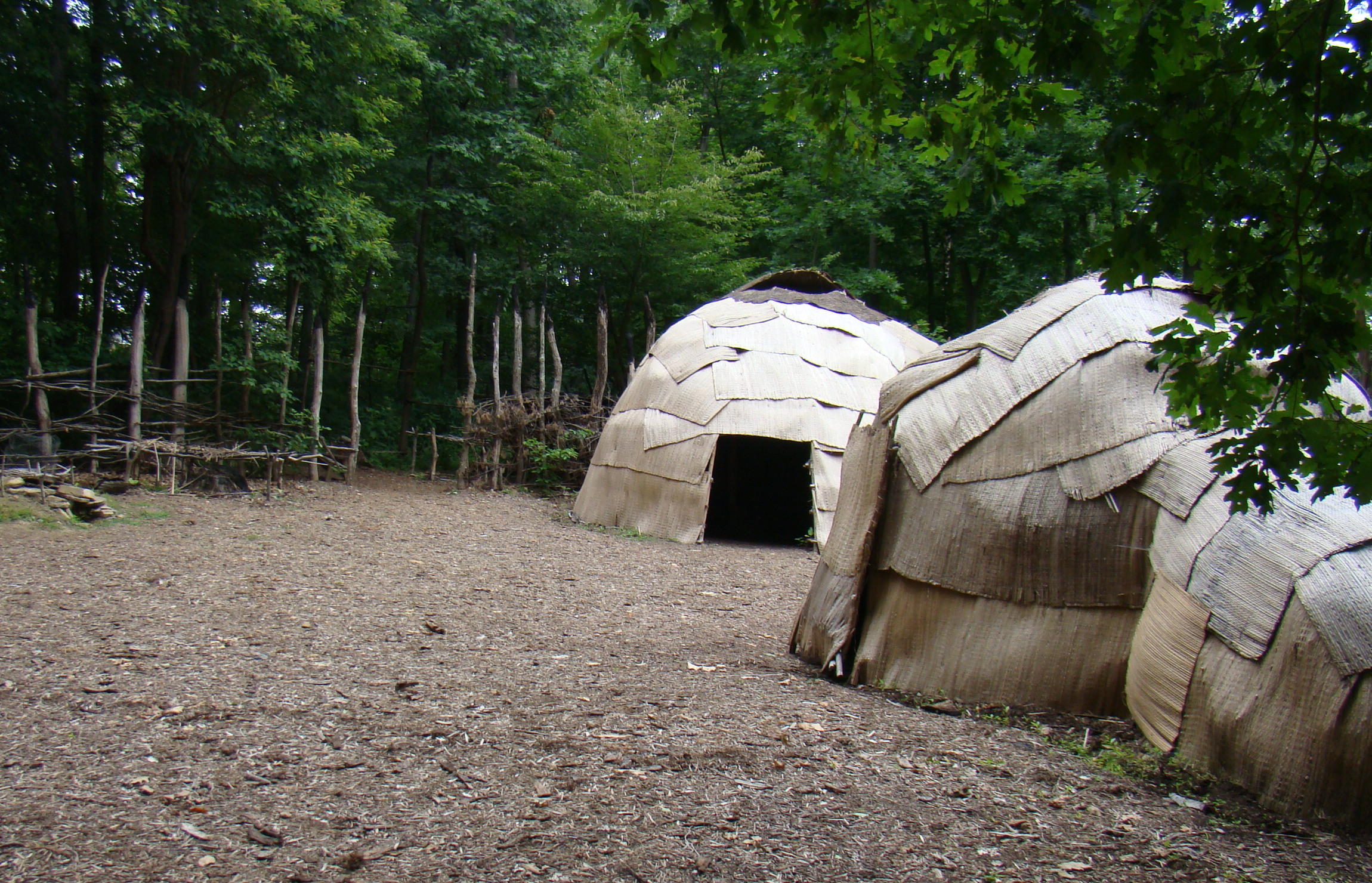
Indian Wigwams
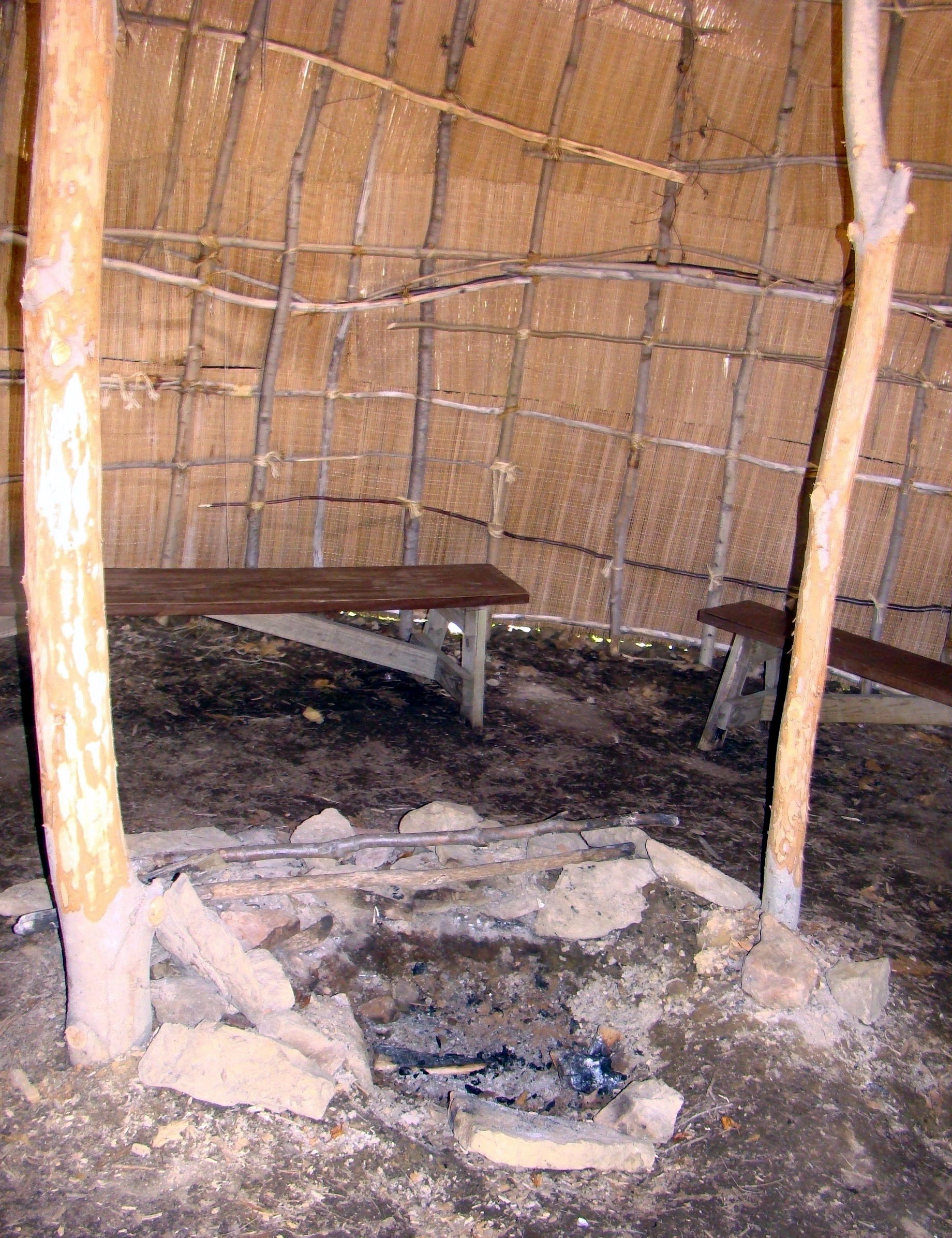
Indian Wigwams

Inside the wigwam centers around a fireplace.

The wigwam centers around a fireplace.

If you want to see how Indians lived over 500 years ago, take a peek inside the walls of the Monongahela Indian village. Located at Meadowcroft Rockshelter and Historic Village near Avella, Pennsylvania, the village provides a place to see what Indian life was like back in 1590. Tall branches, placed so close together that nothing could get through, surround the village. Only a narrow opening permitted entrance to the inside, making the village well protected and easily defended.

Home was a wigwam constructed over a frame of flexible young saplings. Bark woven with cattails covered the outside, while the inside was lined with bark. Furnishings were sparse. A raised platform, which served as a place to sit during the day and a place to sleep during the night, rested against a wall. Quite often a family of nine would live here.
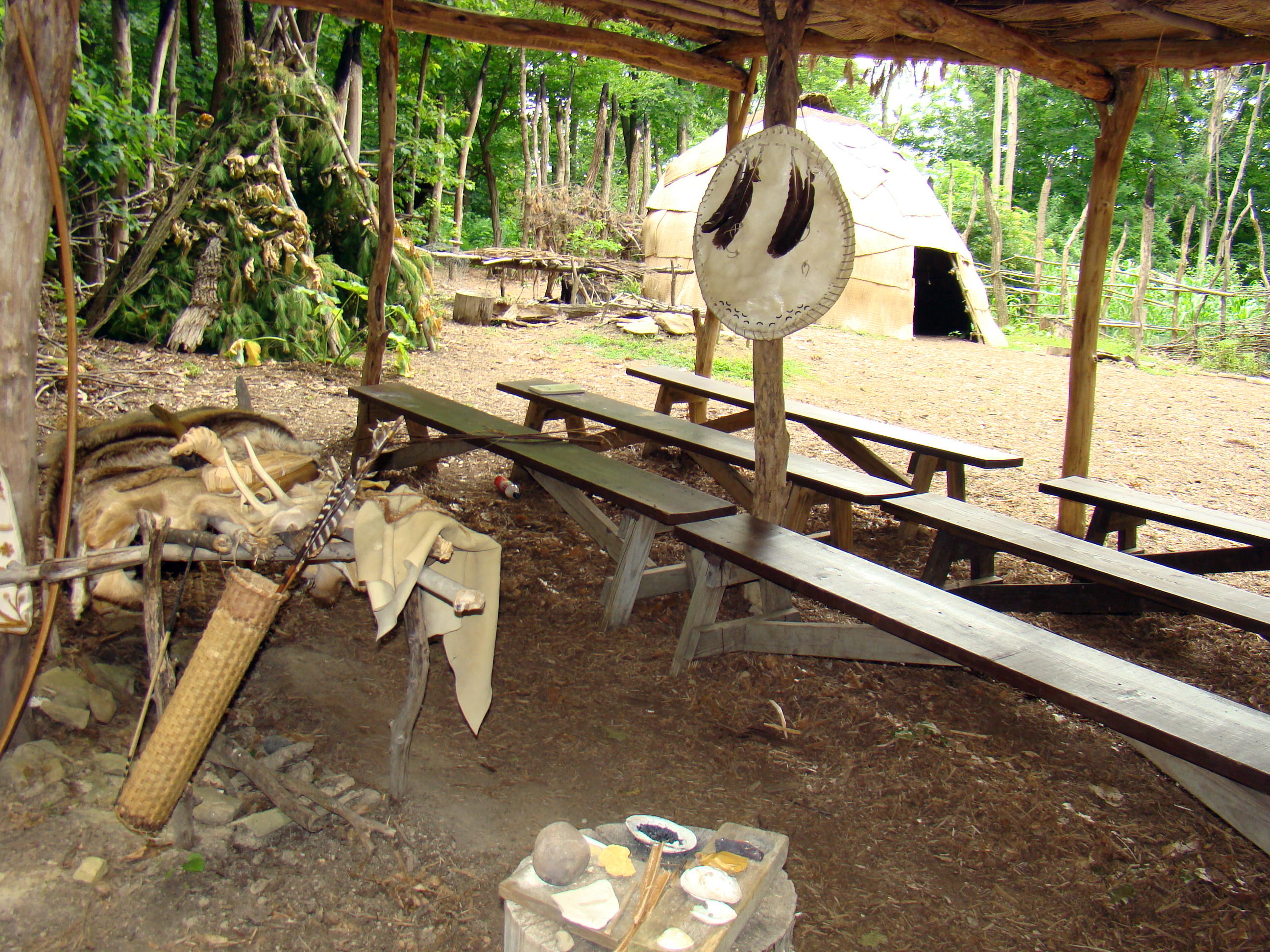
Hunting camp with tools for hunting and fishing

Hunting camp with tools for hunting and fishing

Their hunting camp displayed several of the tools used for hunting and fishing. The guides passed around various animal skins so their softness could be felt.  The silky fur of a river otter felt the softest of all.
Three Sisters Garden

Three Sisters Garden

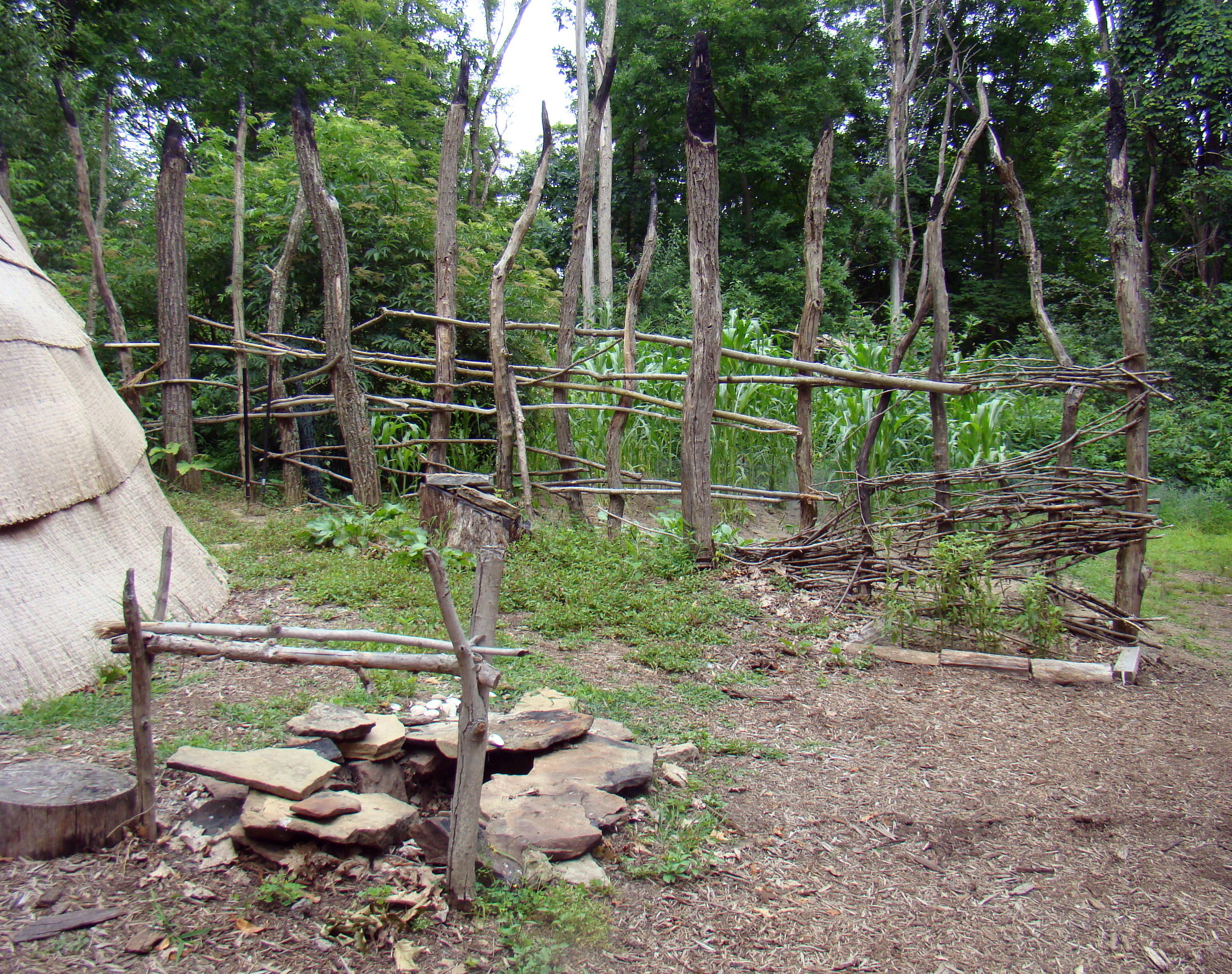
Gardens played an extremely important role in their life, with women being the gardeners. Their three main crops carried the name “The Three Sisters”. These three crops: corn, beans, and squash, depended on each other. The corn provided a stalk for the beans to wrap around, while the large leaves of the squash gave needed shade to keep the soil moist.

Being in charge of gardens by clearing the land of trees became the first order of business for the Indian woman. They killed the trees by hitting them with stones. Then pulled up the weeds as they loosened the soil with sharp stones. After planting the seeds, each hill of corn would be fertilized with one fish.

Protecting the garden was vital so they built an 8′-10′ fence with a lookout tower. Women and children took turns watching so neither man not beast could take their vegetables.
Atlatl Practice Area

Atlatl Practice Area

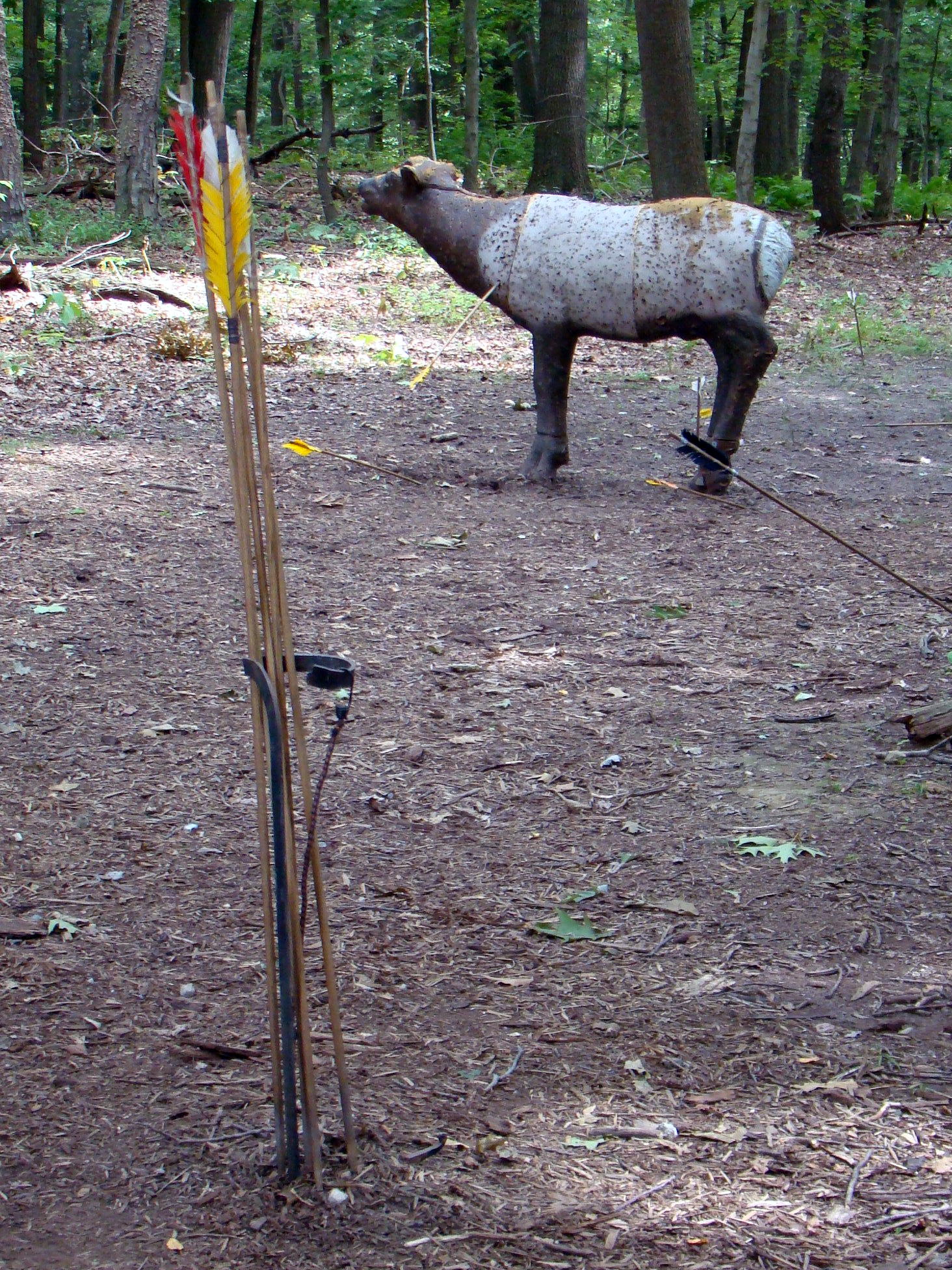
Hunting became the man’s contribution. Early hunting parties used an atlatl, which consisted of a handle with a hook or notch that propelled a spear with a swinging motion. Its pointed arrowhead succeeded in killing animals needed for food.

With the use of the atlatl,  hunters could throw the spear farther with more force than a regular arm motion. It took practice to hit the mark. Later bows and arrows became common.

A visit to Meadowcroft ensures a look into the past. The Smithsonian Institution has named it one of the  “Five Great Places to See Evidence of First Americans.”  Start your day at the Visitors’ Center to watch a film about the complex. Then visit each of the four special areas: Meadowcroft Rockshelter, Monogahela Indian Village, Frontier Area, and a Rural Village. Step back in time and enjoy the day.

Meadowcroft Rockshelter is found near Avella, PA off the beaten path. Your easiest bet might be to have your GPS guide you to 401 Meadowcroft Road in Avella, PA.
Powhatan Point on the Ohio River

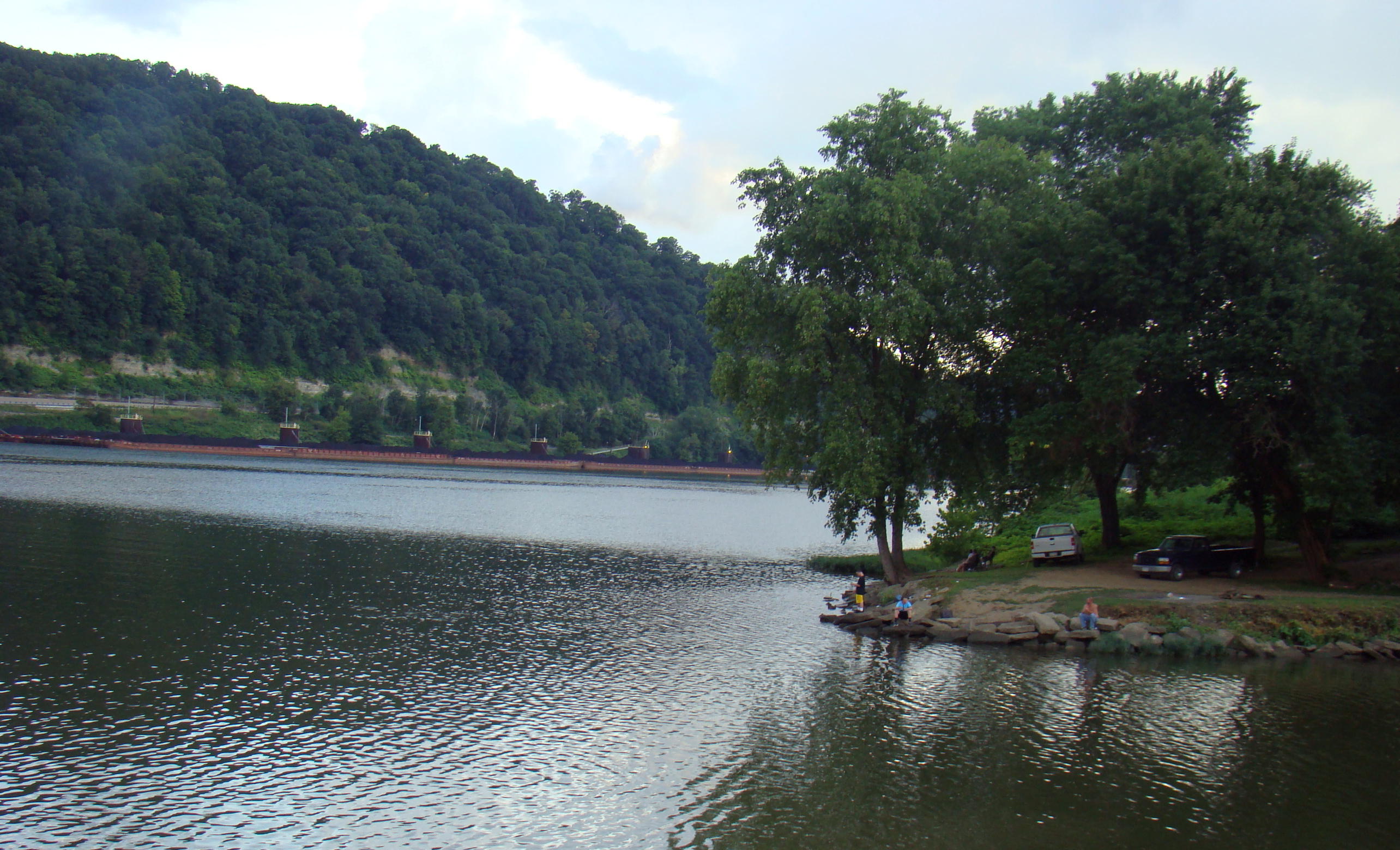
The Point on the Ohio River

The Point where the Captina Creek and the Ohio River meet

Chief Powhatan is memorialized here at the Point where the Captina Creek meets the Ohio River. The town laid out here in 1847 was named Powhatan Point in his honor. Captina Creek was the site of many Mingo, Powhatan, and Shawnee Indian camps in the late 1700’s, with exploration by famous white leaders such as Lewis Wetzel, George Washington and Ebenezer Zane.

Today the banks of the beautiful Ohio River provide a peaceful place to watch the barges float by, or relax with a fishing pole in hand in the cool of the evening.

Historical sign

Historical sign

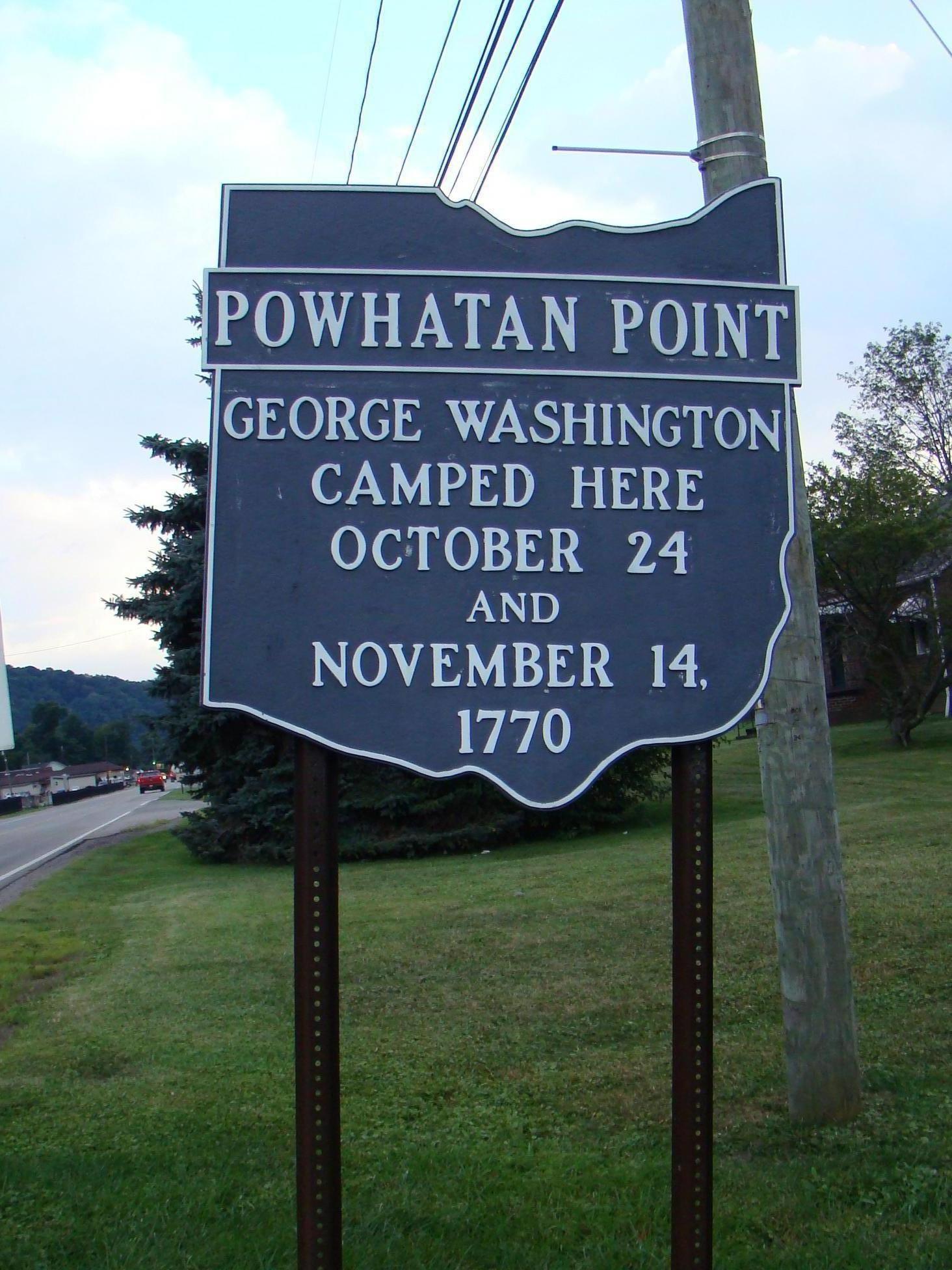
When you enter town, an Ohio historical sign greets you. It states that George Washington camped at what is now known as Powhatan Point on October 24 and November 14, 1770. Some say that is the most important thing that ever happened in this small town, but there was more happening during the last visit.

Chief Powhatan was famous for his dealing with the Whites, but even before the Europeans came to this section of America, he had conquered 30 different Indian tribes. Later Chief Powhatan, with the chiefs from those 30 tribes, tried to recover their lands, which they felt had been stolen by the English and European immigrants.

Kandi's Chief Powhatan

Kandi’s Chief Powhatan

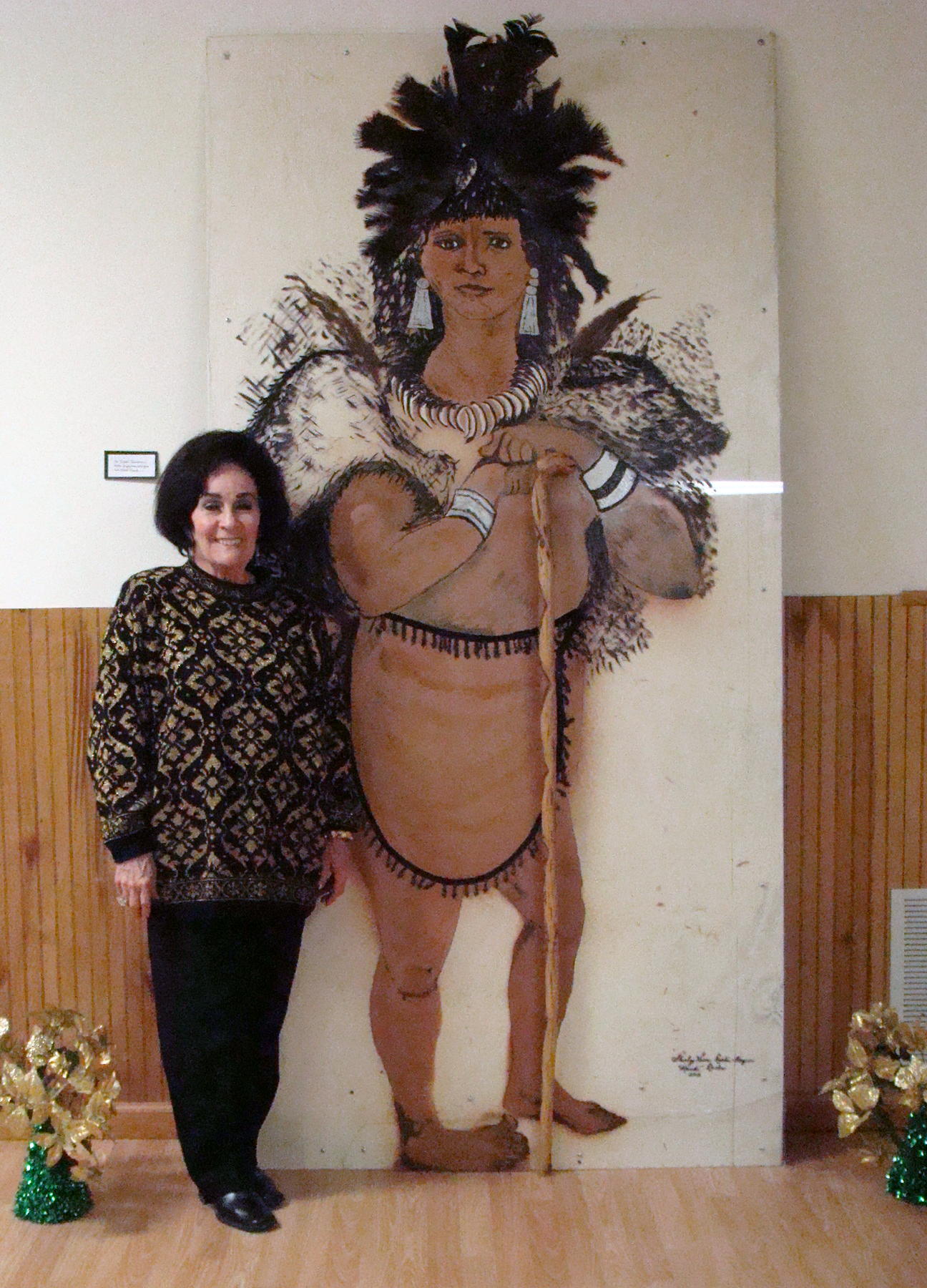
Since the town was named for Chief Powhatan, it seemed fitting for one West Virginia artist, Kandi Roche, to compose a modern day sculpture of the Chief for The Art Gallery at Powhatan Point Village.  The art gallery is situated at what they call “The Gateway to the Appalachias”. Kandi made an unusual Chief Powhatan statue, which was painted on plexi-glass, and left for the community to enjoy. This chief was the father of the famous Indian maiden, Pocahontas (1595-1617), who was a peacemaker to the first white settlers.

A beautiful fence covered with Native American tribal patterns greets you when you arrive at The Gallery here. Inside are paintings, pottery, glass and photography. Art classes have been available from time to time. Since this is a relaxed atmosphere, little is scheduled, but friends enjoy getting together along the river banks.

Community Center

Community Center and home to Christmas in the Village

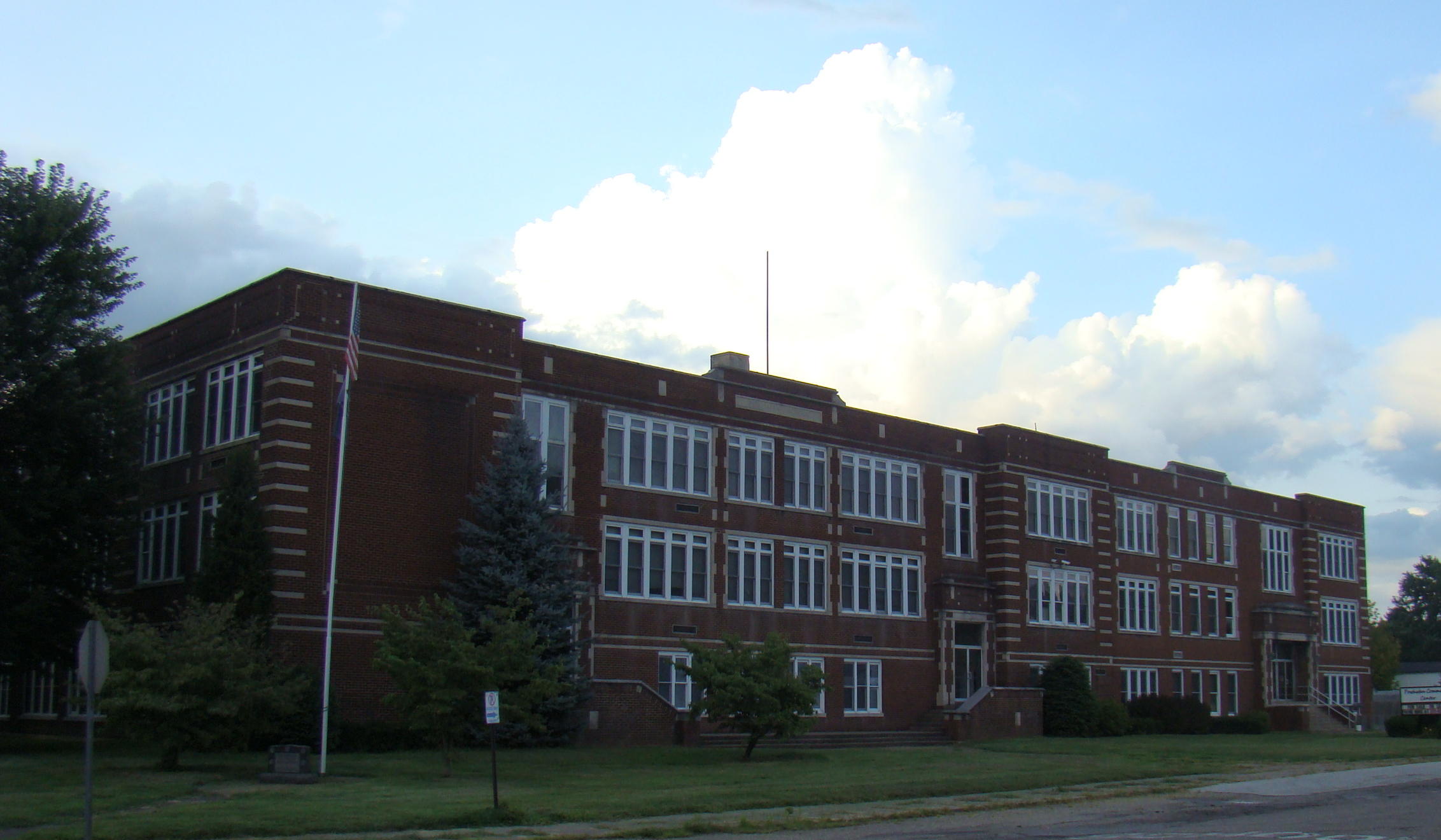
Just down the street from the gallery is the abandoned Powhatan Point High School, which today has been turned into a community center. During the month of December, Christmas in the Village is held here. The 9th Annual celebration will be held in 2014 with crafts, food vendors, entertainment and of course, Santa. But if funds aren’t made available soon, this facility may be lost to the community.

Kammer-Mitchell Power Plang across the river from Powhatan Point.

Kammer-Mitchell Power Plant across the river from Powhatan Point.

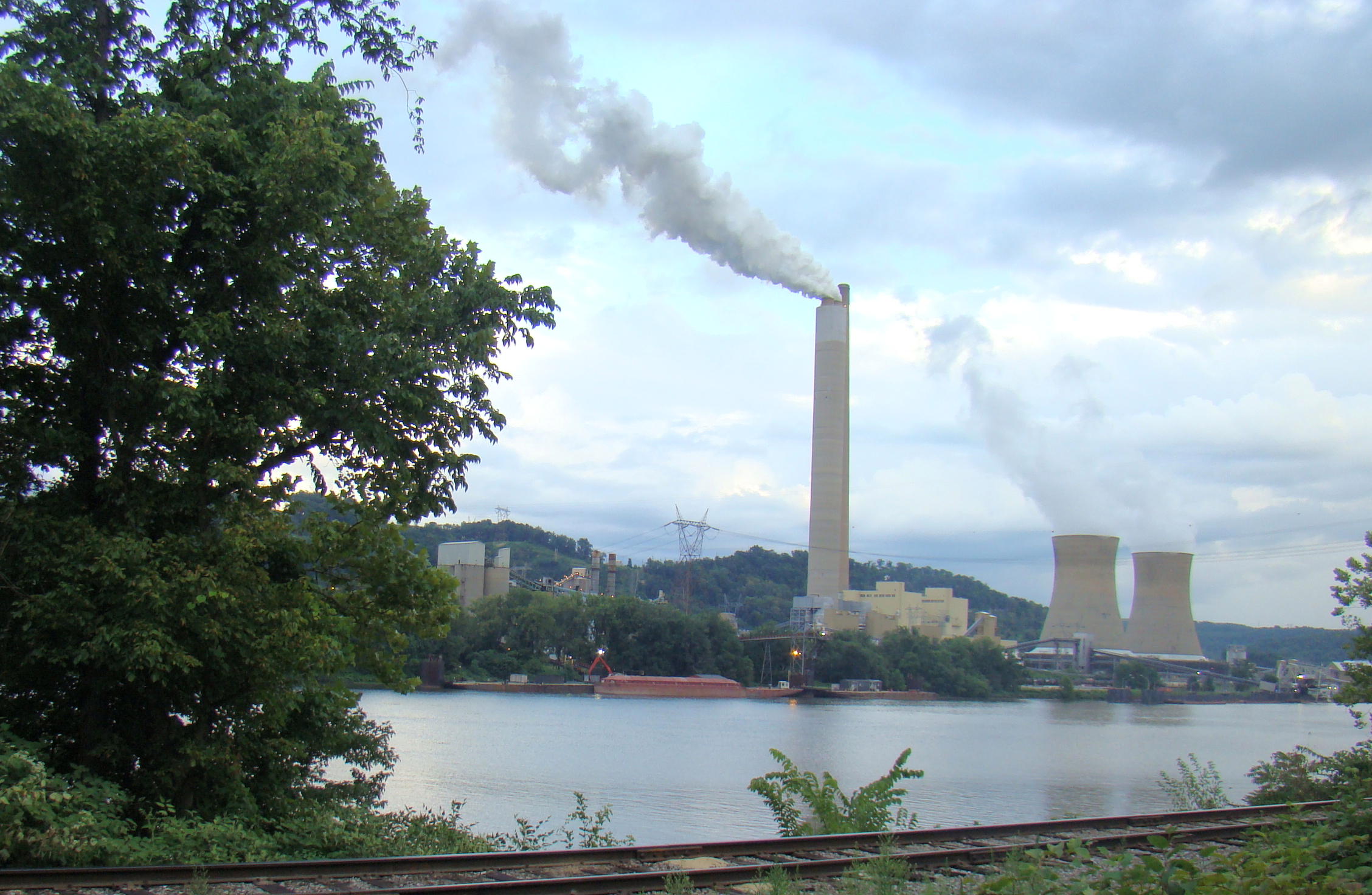
Just south of Powhatan Point is the Kammer-Mitchell Power Plant providing electricity and employment for parts of Ohio and West Virginia. Today this American Electric Power (AEP) plant is partially shut down due to failure to meet EPA standards. They must convert their wet coal ash to a dry coal ash bed to return to full operation. This coal-fired plant has the sixth highest power plant chimney in the world.

Drive through our beautiful land and watch for pieces of history wherever you happen to visit. Every small town has its place in history, and Powhatan Point is no exception.

Drive along the beautiful Ohio River on Ohio Route 7 and you will come to the town of Powhatan Point, about fifteen miles south of  Bridgeport, Ohio.


Meadowcroft Rockshelter Holds Early American History

Meadowcroft Welcome Center

Meadowcroft Welcome Center

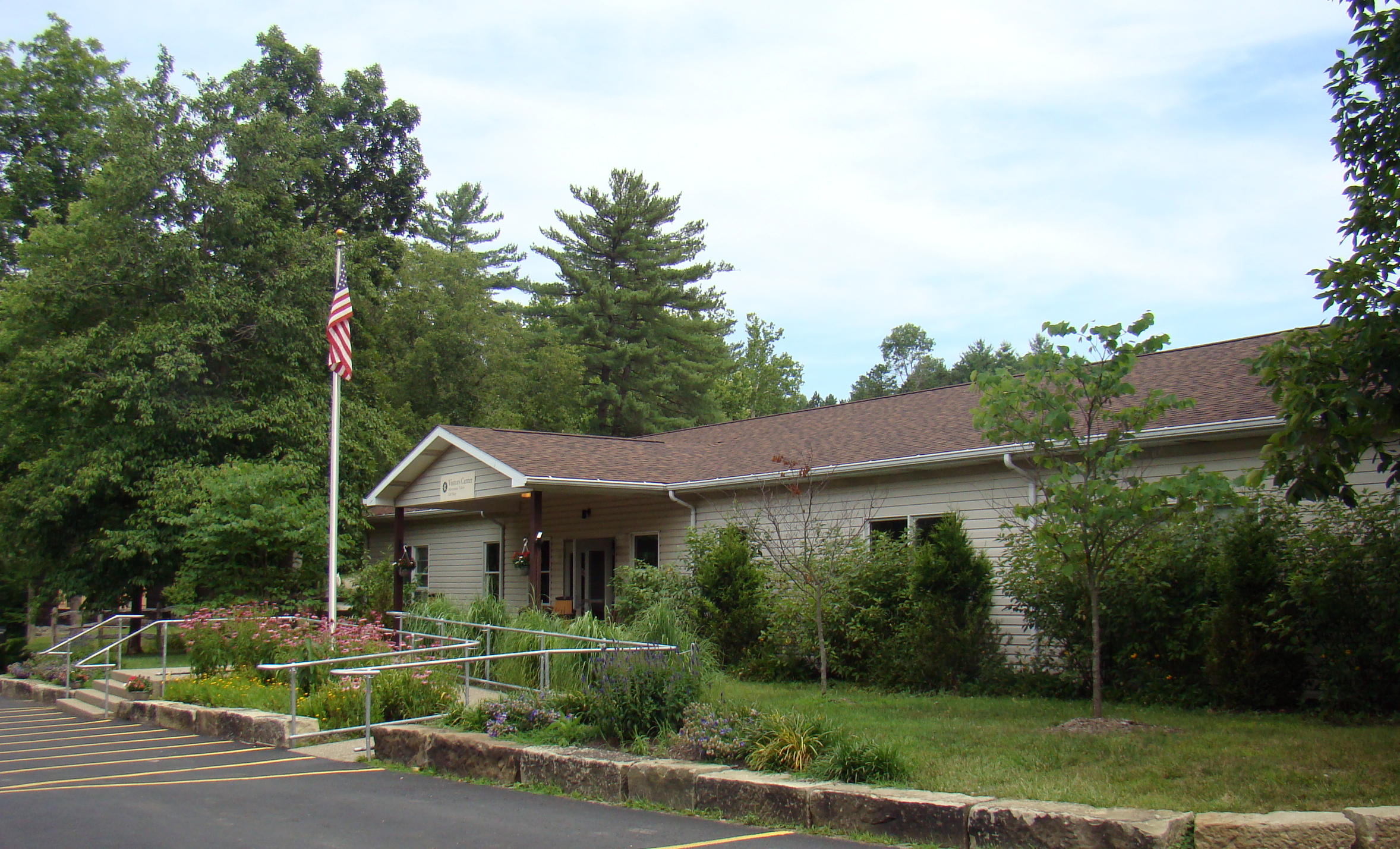
This is no ordinary tourist spot! Near Avella, PA, hidden away in the mountains, stands a welcome center for the Meadowcroft Rockshelter. Go inside and watch a short video to hear the beginning of this 16,000 year old story. One visitor commented, “We wanted to see one of the oldest spots of human habitation in the United States.”

The site was first discovered back in 1950 by owner of the ground, Albert Miller. He had found some projectile points on his farm while taking a walk, but one day noticed a small artifact by a groundhog hole and decided to dig there. When Albert found bits of pottery and arrowheads buried, he felt like he was tearing pages out of a book, so the proper history could be read.

Dr. J.M. Adovasio from the University of Pittsburgh became interested and conducted the first professional research at the site.  More recent digs have been conducted by Adovasio at Mercyhurst Archaeological Institute using state-of-the-art equipment. It is considered to be one of the most carefully excavated sites in North America.

This rockshelter overhang provided shelter, as well as a vantage point, for early inhabitants from the time of George Washington back to 16,000 years ago. Archaeologists are studying traces of what those early cultures left behind so we can perhaps better understand those early people who lived in America.

Rockshelf Shelter

Stairs to Rockshelf Shelter

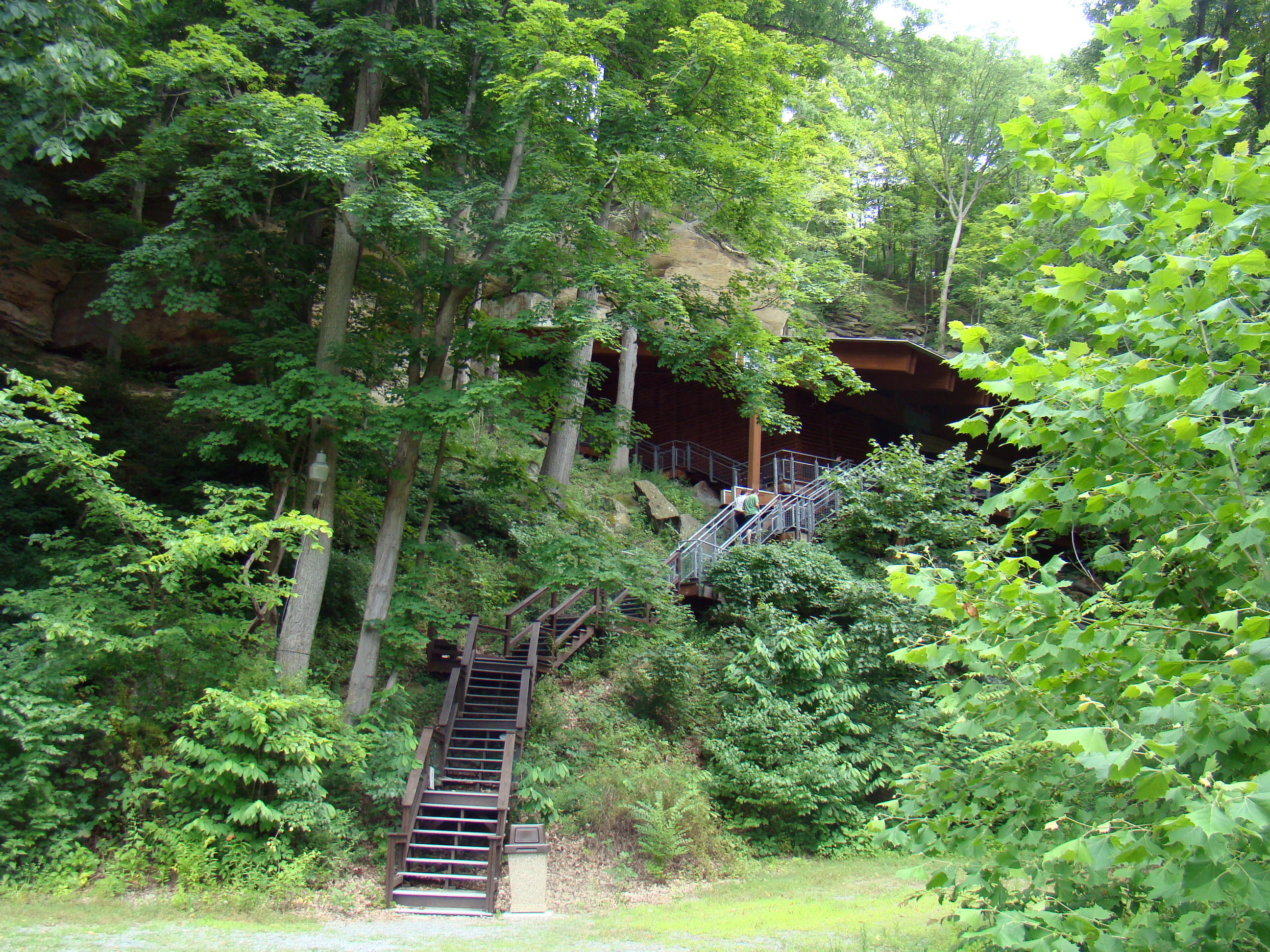
Getting out of your car at the Rockshelter, your eyes climb upward to the observation deck that has been built so visitors can get a closer look at the archaeological work being done. While today there is a long stairway for easy access, about ten years ago anyone wishing to climb to the rockshelter had to use a rope to help pull themselves up.

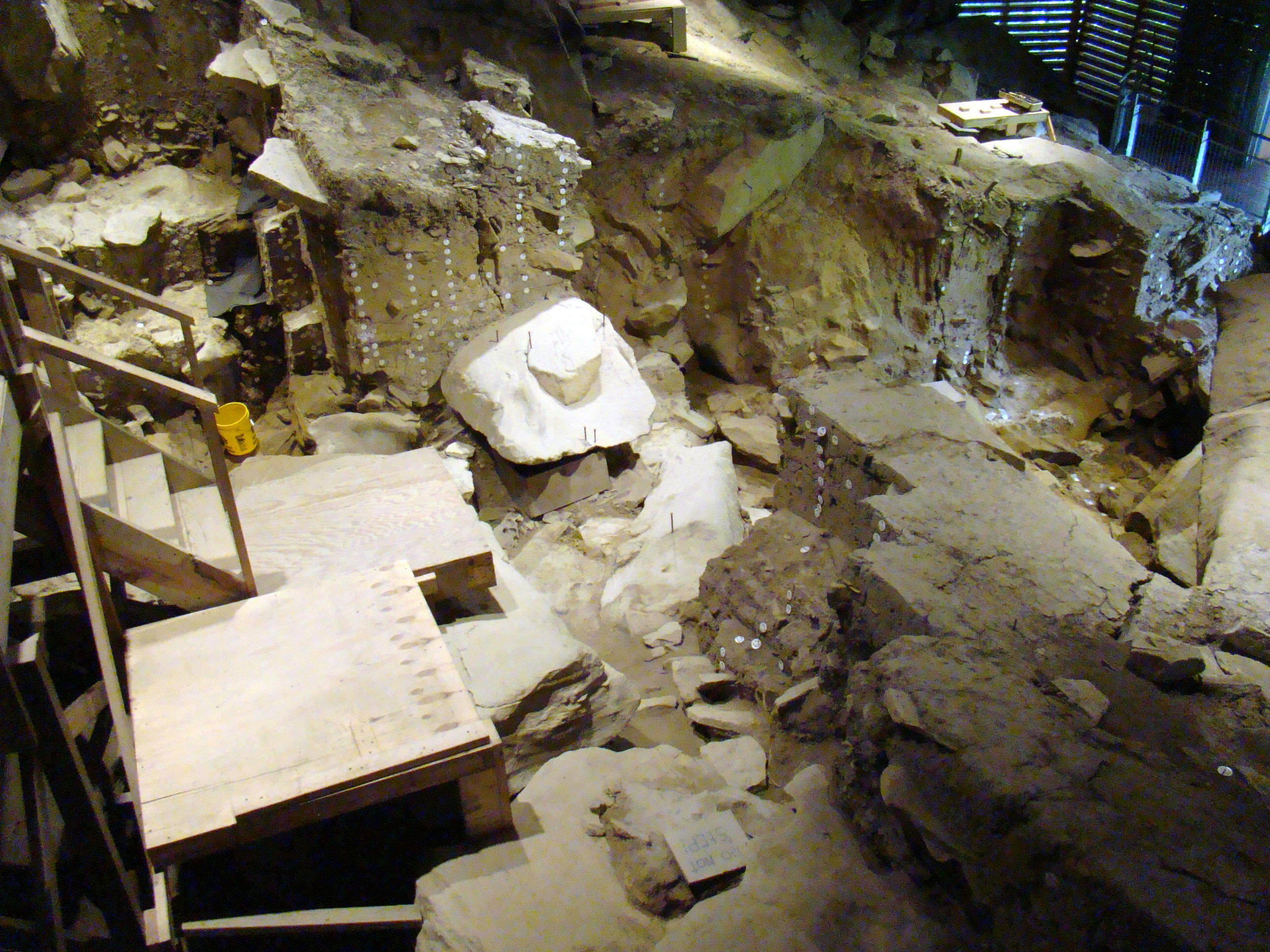
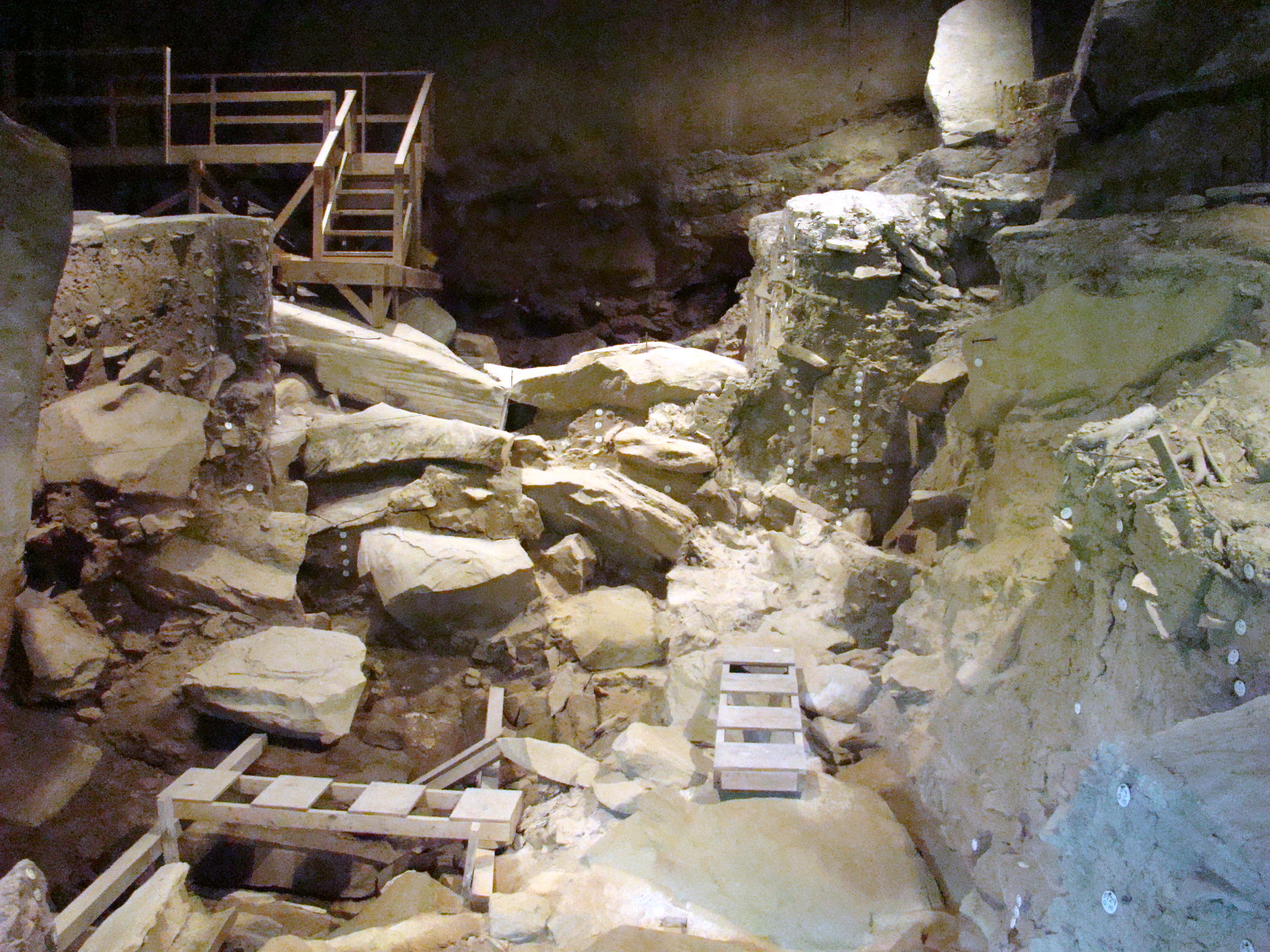
Archaeological Dig Site

Archaeological Dig Site

After a long climb to the top, visitors can see evidence of tools and campfires made by those early inhabitants thousands of years ago. The deck allows visitors to witness “Deep Hole”, where the oldest evidence exists. Rocks fell from the cliff above to cover many of the pieces of the past that are being uncovered today.

At the center of the dig, a fireplace was carefully excavated showing layers to make you smile. Starting at the top there was a layer of plastic bottles, then cans, beer and whiskey bottles, and finally clay bottles. This fireplace area was obviously used for relaxation purposes for generations.

These layers coincided with the people who stayed under this shelter for various reasons. Starting today and going back to George Washington’s time describes the most recent layers. Those deep layers describe life 16,000 years ago. While there is some skepticism over dates, they all admit that it was thousands of years ago.

View of Tags in Dig Site

View of Tags in Dig Site

Each find has been carefully tagged from spear points and arrowheads to bone fragments. This is one of the first sites that used computers in the archaeological field.  It is easy to see that much patience is needed in order to conduct this type of investigation. Sometimes they might work for months with a single-edge razor blade to scrape the rock from a piece of history.

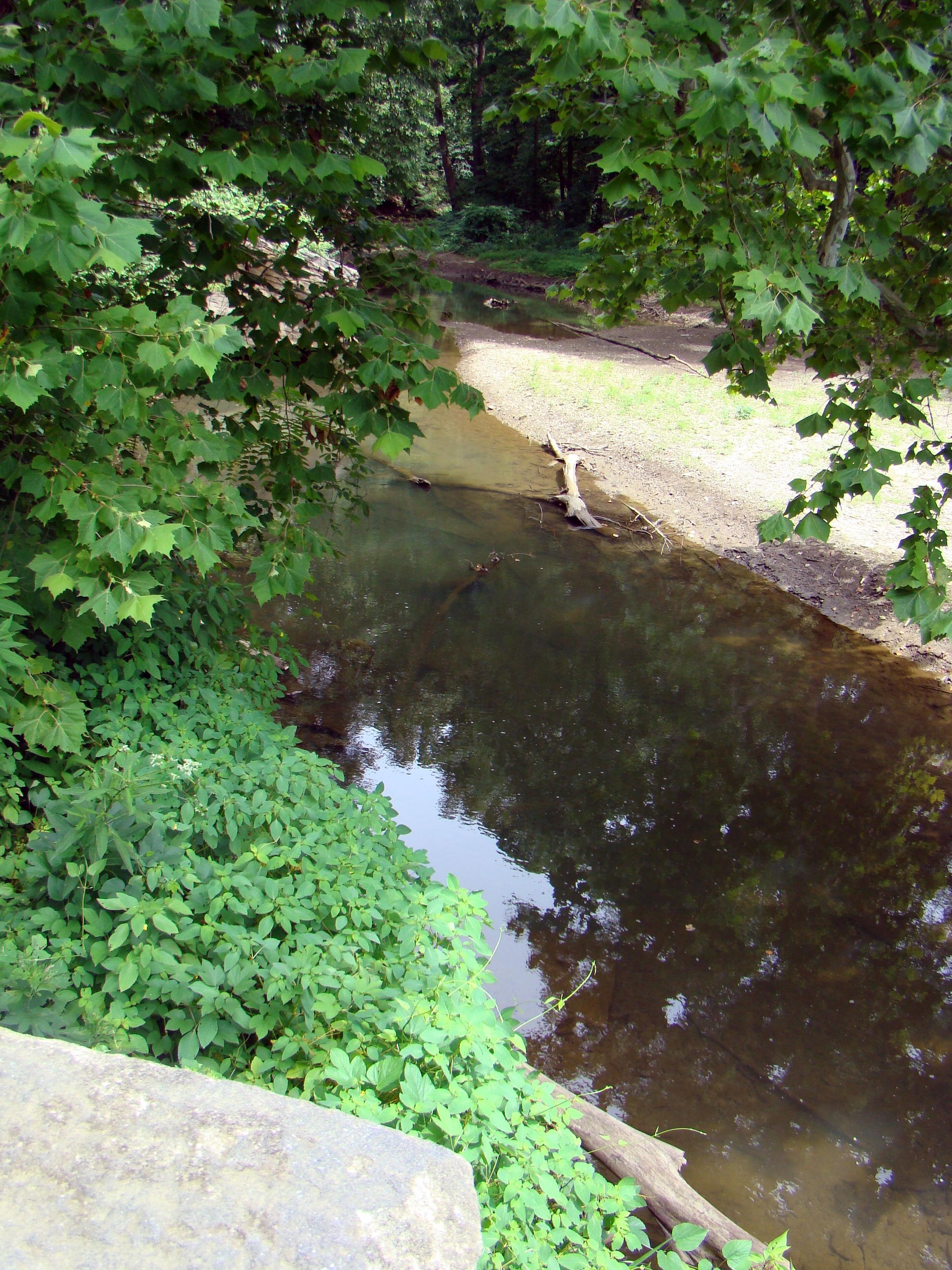
Cross Creek

Cross Creek

After the climb back down, now the look at the Rockshelter gives you an idea of its purpose. The top seems a perfect place for a lookout to watch for approaching enemies, while under the rock cliff would be the perfect shelter for camping. Cross Creek cuts through the valley, and most likely cut through the sandstone surface of the rockcliff to help make it what it is today.

Searching for the past, helps us better understand the present.

Meadowcroft Rockshelter is found near Avella, PA off the beaten path. Your easiest bet might be to have your GPS guide you to 401 Meadowcroft Road in Avella, PA.
Or you can  take exit 17, Jefferson Ave (old exit 6) off I-70 West in Washington, PA. At the bottom of the ramp turn right. At the second light turn right onto Jefferson Ave. At the next light bear left onto 844. Follow 844 for 11 1/2 miles to the junction of 844 and 231 (just past Breezy Heights restaurant and driving range). Turn right onto 231 North. Go 1 1/2 miles to junction of 231 and 50. Turn left onto 50 West. Proceed 1 9/10 miles and turn right onto Fallen Timber Road. Go 1 3/10 miles and turn left onto Meadowcroft Road. Proceed 9/10 of a mile to Meadowcroft entrance on right. 


Experience the World of Krishna at New Vrindaban Temple

Temple Altar

Temple Altar

The spirituality of India comes alive in the mountains of West Virginia. After the visit to the Palace of Gold, the tour continued just down the road in their New Vrindaban Temple. Arrival happened just in time for one of their worship services, which are held seven times a day every day of the week. Before entering, shoes must be removed or covered, to pay respect to the deity within the Temple.

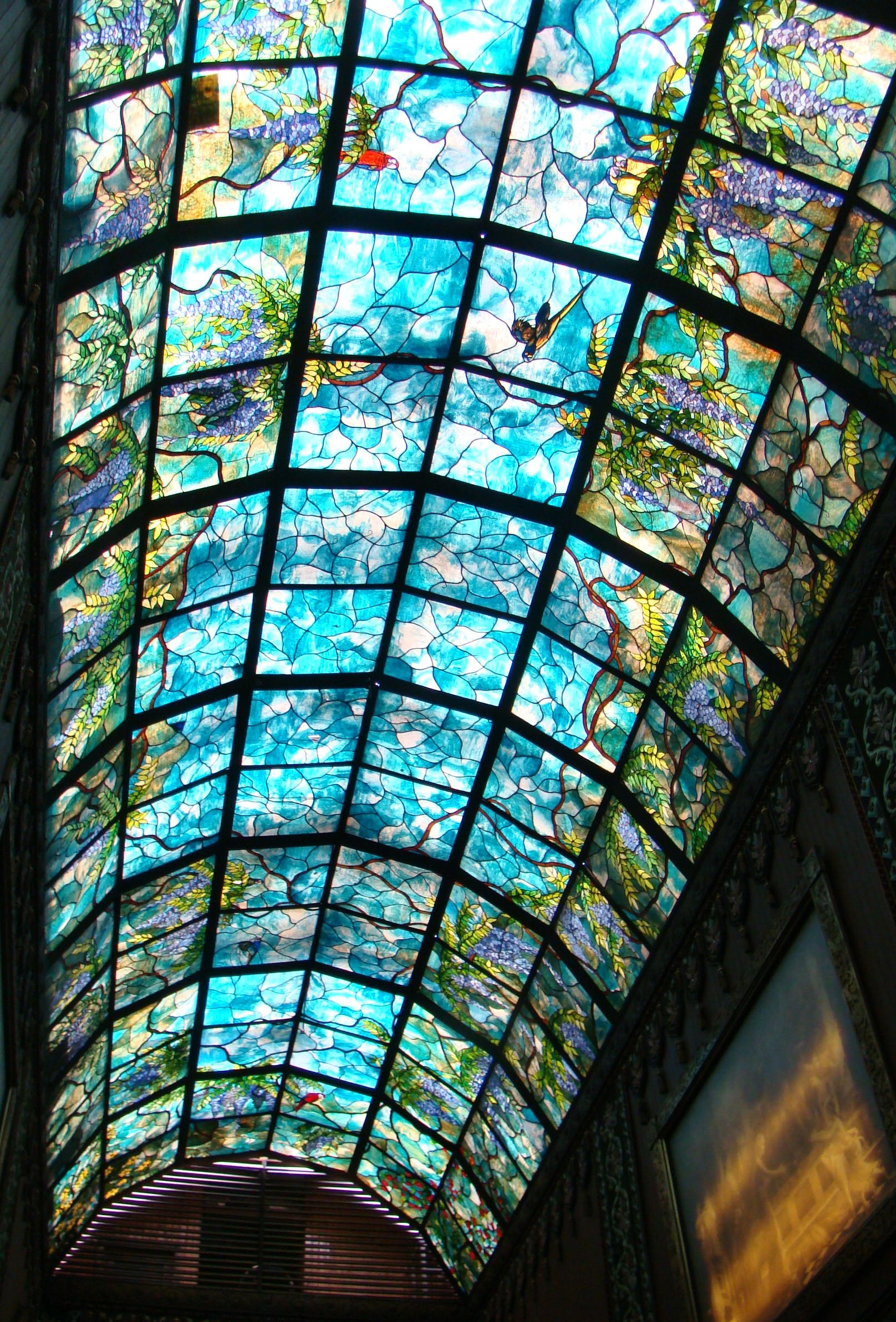
Stained Glass Ceiling at New Vrindaban Temple

Stained Glass Ceiling at New Vrindaban Temple

The inside of the Temple is where the statues of Krishna can be found in a golden setting. The statues are shimmering while the stained glass ceiling allows filtered light to fill the room. People from all over the world come here to worship their Hindu beliefs. Ladies were dressed in their finest saris to honor Krishna. Their fine dress also showed their affluence and success to everyone present.

This is a congregational worship service with all those in attendance chanting a prayer to their God. They also use prayer beads, a string of 108 – a special number for their faith. To say a full prayer, you must go around the string sixteen times, which usually takes about an hour. Basically, the prayer that is repeated says: Hare Krishna, please allow me to serve you.

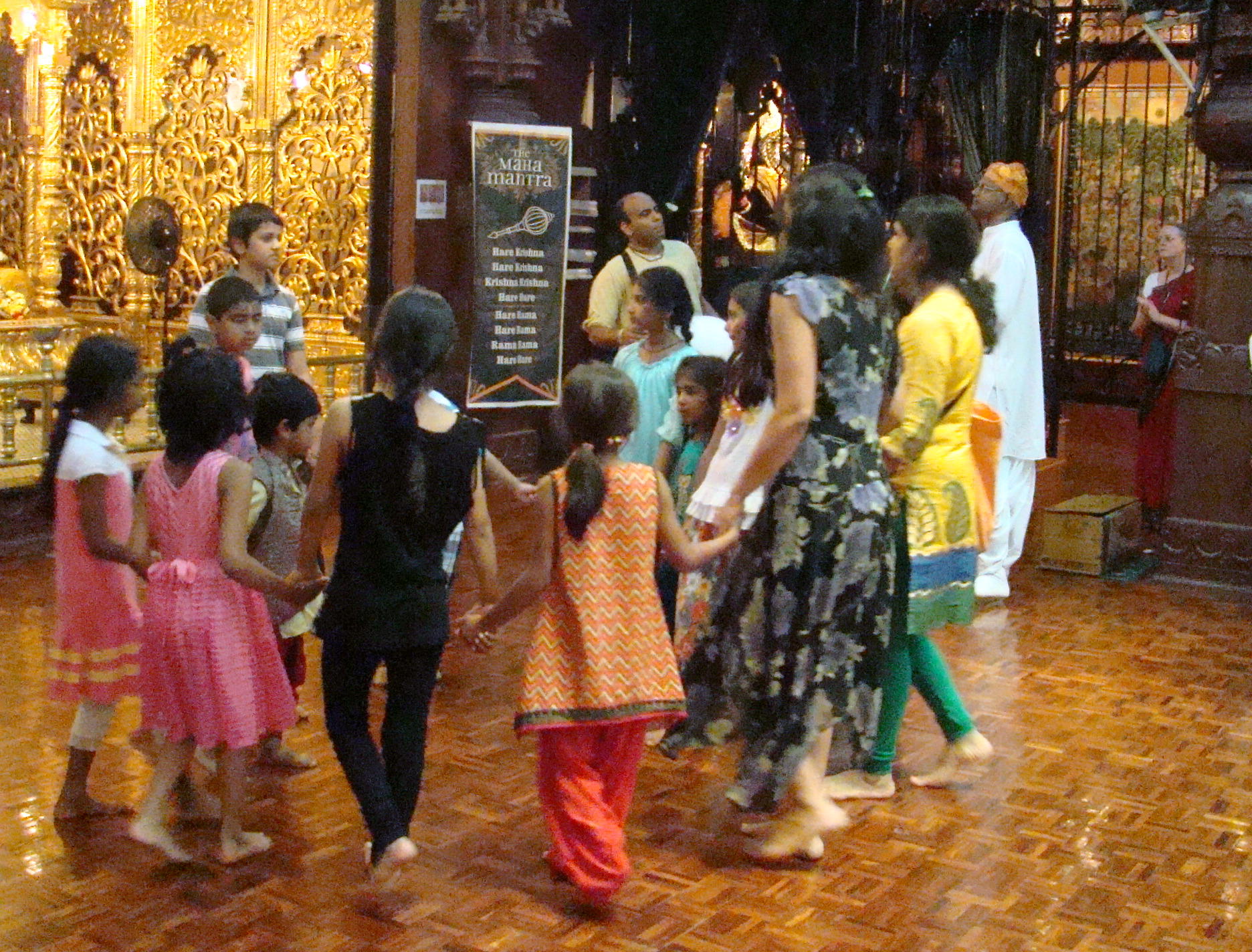
Children chant and dance before the altar.

Children chant and dance before the altar.

But mainly going to the Temple becomes a place to receive Darshan – you are looking at Diety and they are looking at you for a transfer of grace and spirituality. A priest made and accepted offerings at the altar through fire, incense, and water. An offering tray filled in the center with their holy burning butter was carried through the Temple. Those who desired could receive a blessing connection from its fragrant smoke.

After the service, a vegetarian lunch was served in the courtyard of the Temple. Dishes included: Basmati rice; Chickpeas sauteed with spices;  Subji -sauteed mixed vegetables; and Halavah – a sweet dessert made with farina toasted slowly in butter.  Our table was honored to be joined for lunch by Andy Fraenkel, the wonderful storyteller, and even Jaya Krishna Das, the president of New Vrindaban Temple.

Andy Fraenkel, Master Storytaller

Andy Fraenkel, Master Storytaller

Back inside the Temple, listeners sat on the floor with Andy as he told stories of Krishna.  One, in shortened version, began with Krishna’s birth in a dungeon of a wicked king. They were imprisoned because the king wanted to be certain to kill the new baby boy, as he was the eighth son born on the eighth night of the month, and was prophesized to be the king’s slayer. But, he escaped with his father after everyone fell into a deep sleep and the dungeon door opened.

Krishna and his father were protected on their journey by a Divine snake. His father carried Krishna in a basket through the waters of a river that parted to ensure their safe passage. There they traded Krishna for a female child and his father took the female baby back to the dungeon before the king discovered the birth.  Eventually as years passed, Krisha came back to the city and killed the wicked king.

Many stories were told that day but you will have to visit yourself to hear more!  Many of the stories describe the many forms that Krishna took during his lifetime. Some of those include:  Butter Boy, Blue Boy, amd Lion Man.

Surrounding the Temple is the New Vrindaban community. Only a small portion of the believers now live on the grounds, but there is a group of apartments where devotees can stay. The basic teaching of the Krishna Consciousness is that we are all individuals and have a loving relationship with God.

Cows and Cabins

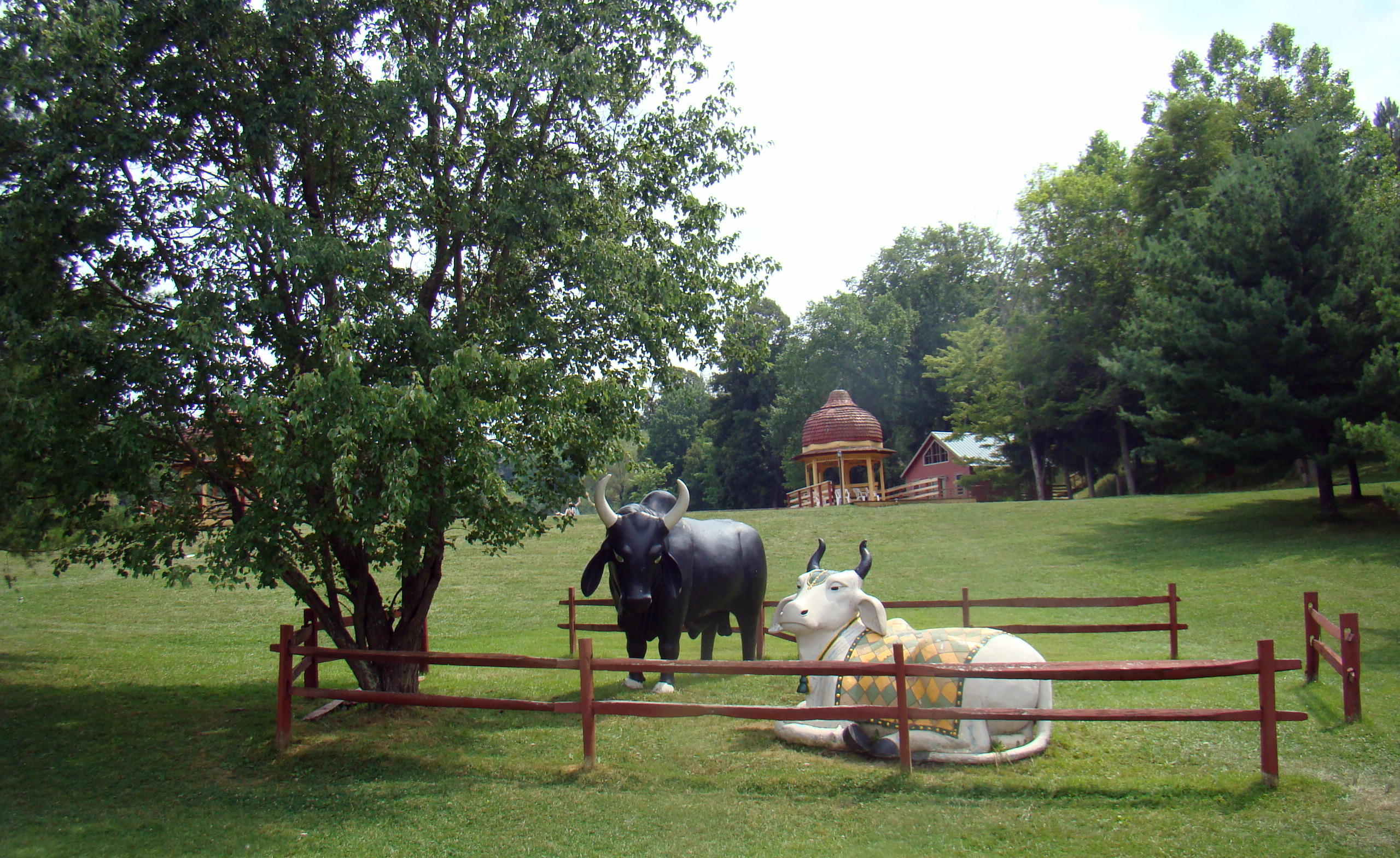
Statues of Cows with guest cabins in background

Where once only woods stood, now visitors can stay in a beautiful lodge built in 1981-82, or cottages along Swan Lake. Many families spend their vacations here to worship in a Hindu atmosphere. Around the lake are several gigantic statues honoring their faith: Sacred Cows, Elephant, and a pair of 30-foot-tall Sri Sri Gaura Nitai statues.

These Krishna followers are basically very simple people who enjoy serving God in the way they believe.   As Andy said, “If you can’t be satisfied with a little bit, you will never be satisfied  with a lot.”

Andy Fraenkel ( www.SacredVoices.com )  is an award-winning author and recipient of a WV Artist Fellowship Award. He is available for in-depth tours to small and large groups, and even student groups from elementary school to college level. For more info you can get in touch with him at afraenk@icloud.com

New Vrindaban is located just down the road from the Palace of Gold.  From Moundsville, WV take Route 250 South. Watch for signs along the road for easy directions.

Steamboat History Flourishes at Ohio River Museum

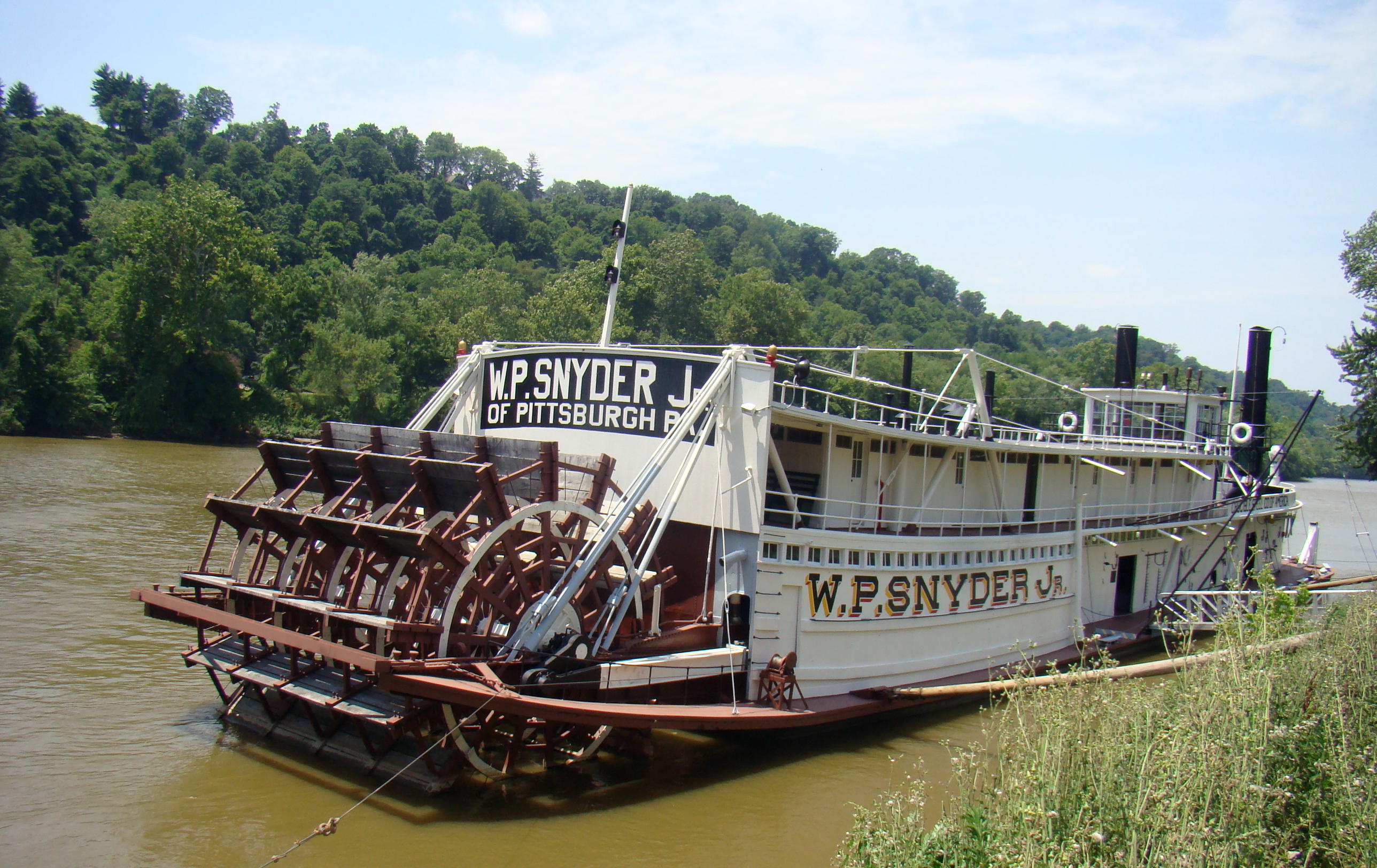
W.P. Snyder, Jr on the Muskingum River in Marietta, Ohio

W.P. Snyder, Jr on the Muskingum River in Marietta, Ohio

“Say Steam” Those are the special words the guide used when taking pictures of visitors on the steam-powered W.P. Snyder, Jr. at the Marietta River Museum in Marietta, Ohio. You can feel the river beneath your feet as you walk the deck, listening to the guide’s description of life on the river many years ago.

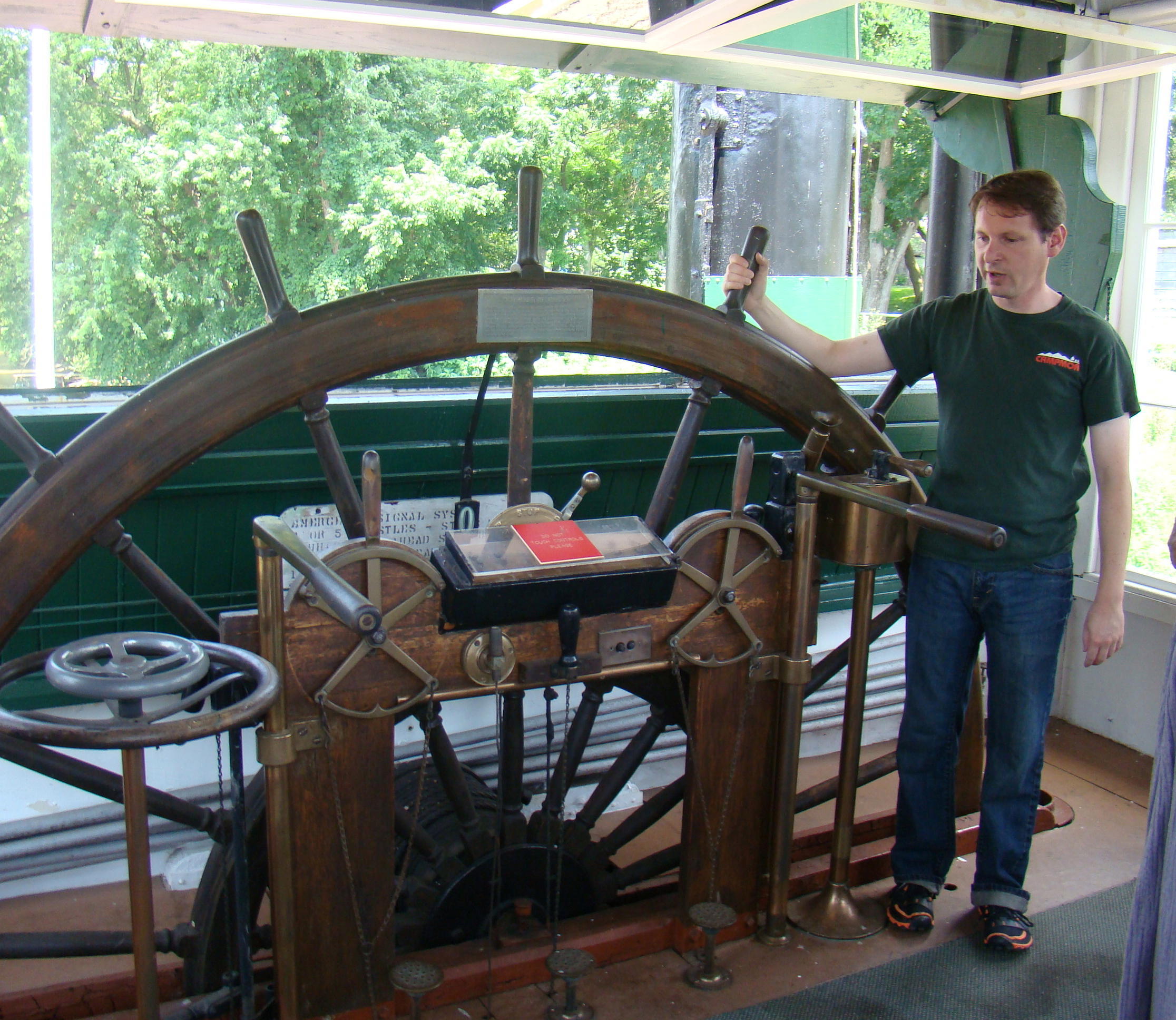
Pilot Wheel of W.P. Snyder, Jr.

Pilot Wheel of W.P. Snyder, Jr.

This early tugboat replaced the mules that walked along the banks of the river towing the barges. Tugboat probably wasn’t the best name for this type of boat, because they didn’t tug anything…they pushed it instead.

W.P. Snyder, Jr. was built in Pittsburgh in 1936 as the result of a terrible winter there. The wooden boats were brutally torn apart by the ice on the Monongahela River, so for the first time, a tugboat was constructed of steel by Carnegie Steel Co, and called W.H. Clingerman.

After years of service, it was retired due to its coal furnaces. In 1955, the Sons and Daughters of Pioneer Rivermen purchased the boat, now re-named the W.P. Snyder, Jr. for $1.00, and moved it to the banks of the Muskingum River in Marietta. This tugboat is the last intact steam-powered, stern-wheeled tugboat in the United States.

But the effects of weathering made it necessary, in October of 2013, for the W.P. Snyder to leave the dock at Marietta for refurbishing, mainly on the exterior. The trip back had a slight delay because the Ohio River was too high in late May, 2014 for the W.P. Snyder to get under the Putnam Avenue Bridge.

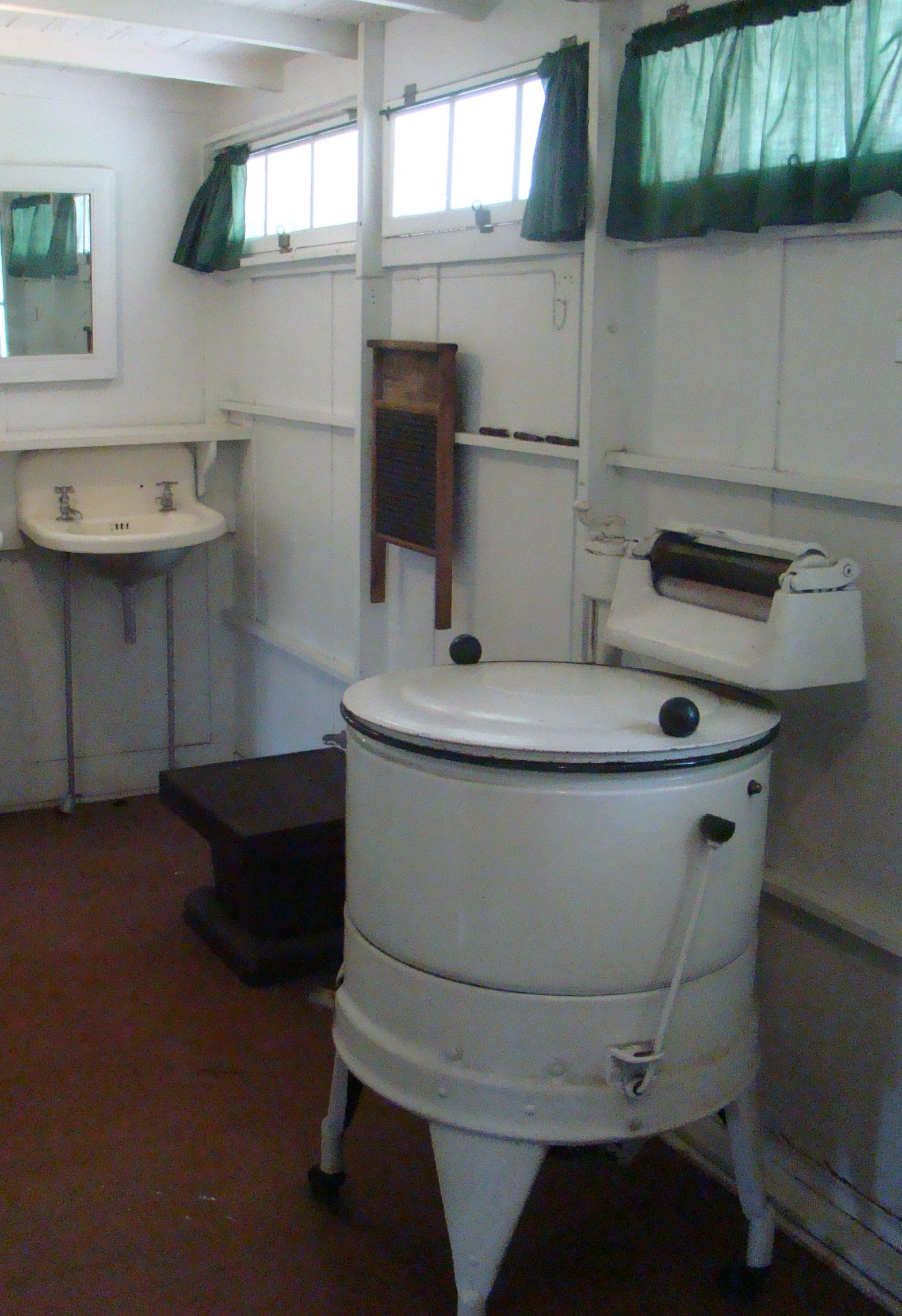
Laundry Room with wringer washer and washboard

Laundry Room with wringer washer and washboard

Pushed back by two antique tugboats, Lady Lois (‘28) and J.S. Lewis (‘31) the W.P. Snyder, Jr is now moored at the confluence of the Muskingum and Ohio Rivers, ready for tour.

On board, you will see the Engine Room, where the engineer controlled passage by using not only steam but also electricity. A system of bells could be pulled to signal conditions or problems. There was even a telegraph handy for outside communication.

Officers and crew were provided completely separate living quarters on the upper deck. If at all possible, officers and crew went out of their way to keep from crossing paths. Two separate bathrooms, a laundry room, and kitchen completed the facilities onboard.

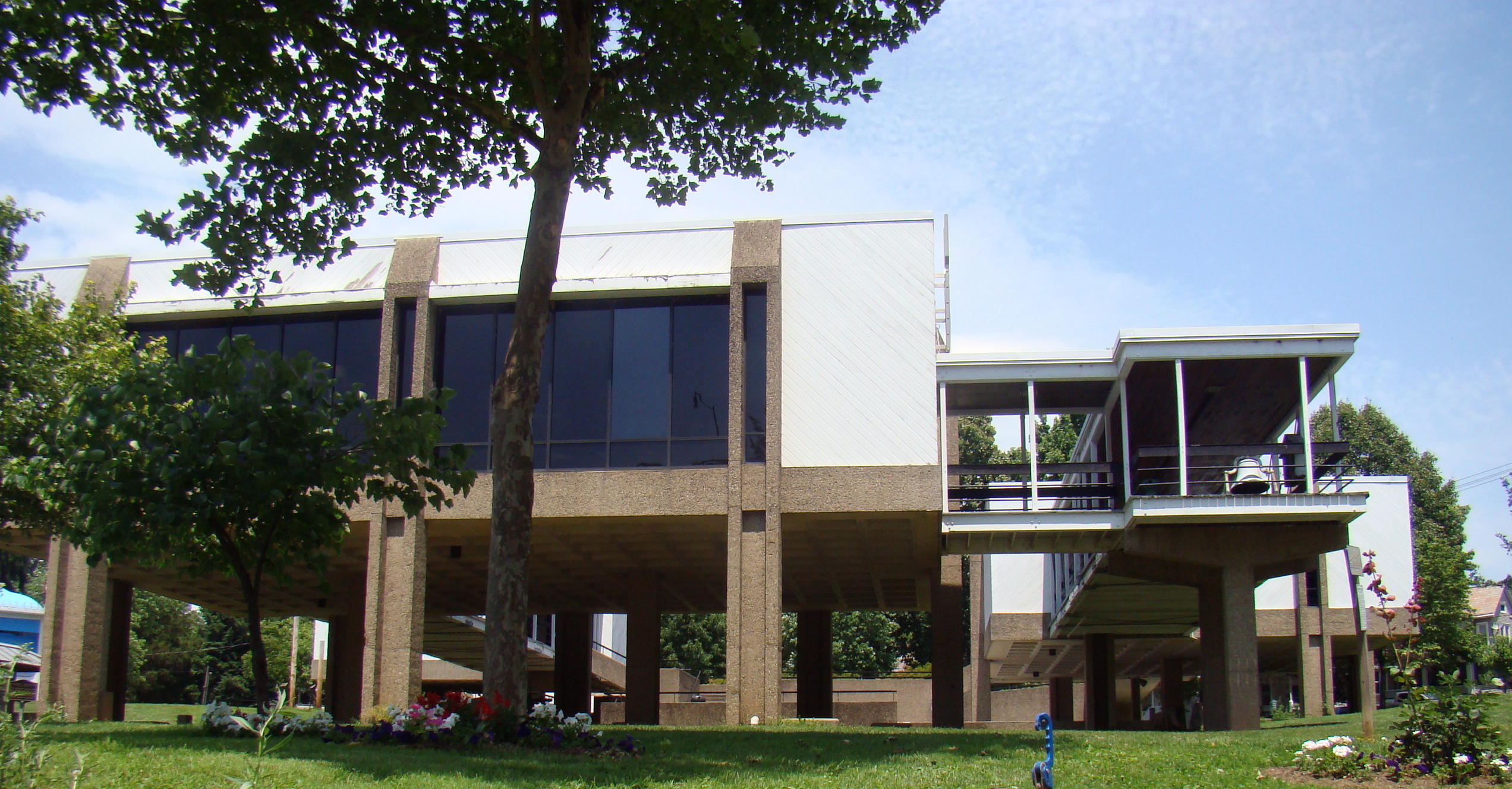
Ohio River Museum

Ohio River Museum

While the tugboat draws many visitors to the museum, there are three separate buildings nearby that contain a history of the Ohio and Muskingum Rivers, and the steamboats that frequented their waters.

An introductory film, History of Steamboats, opens the door to exploration inside the museum. The buildings are filled with models of steamboats, related artifacts, and stories of early life on the river…and much more!

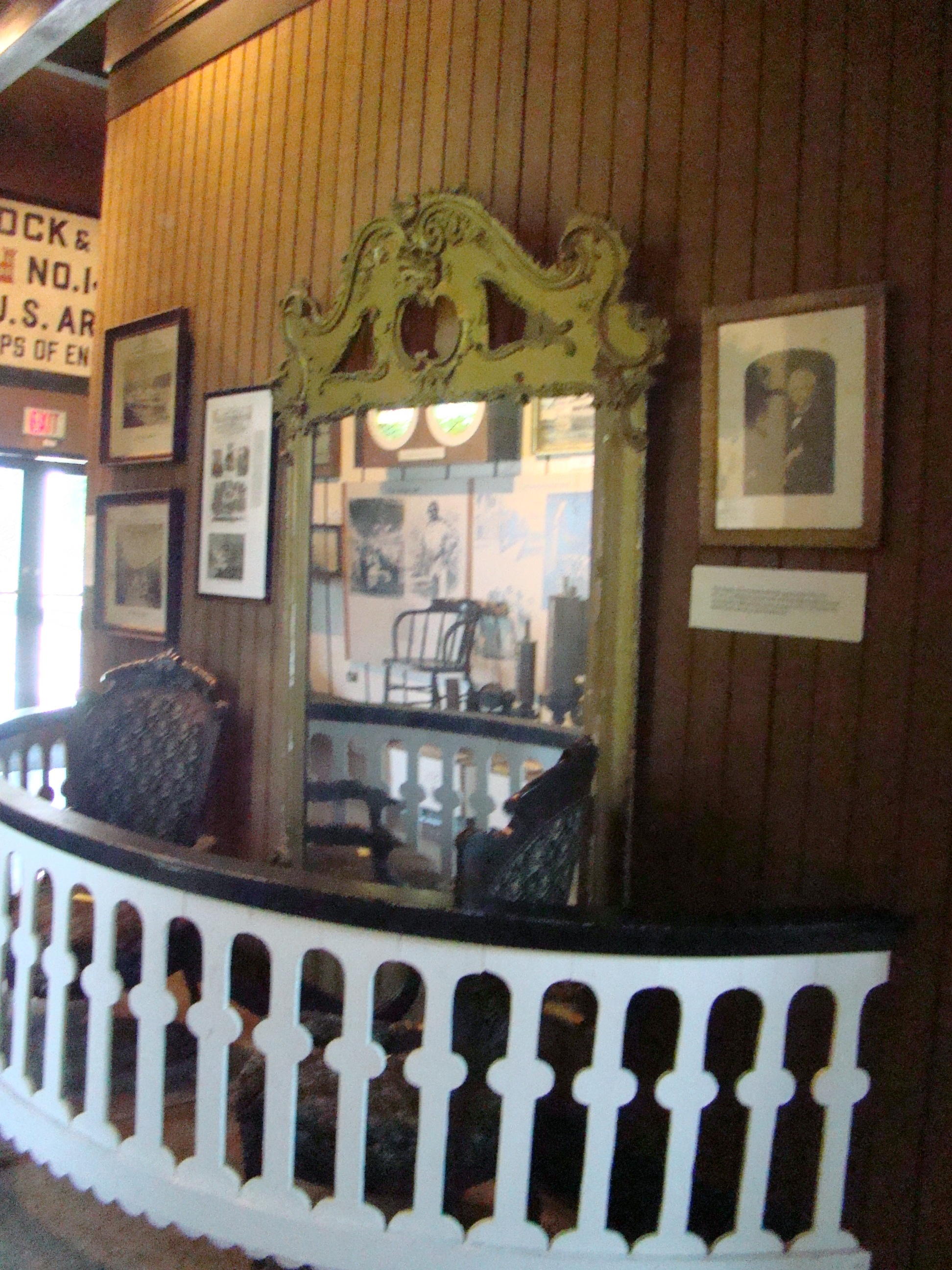
Mirror from Mark Twain's Crystal Palace

Mirror from Mark Twain’s Crystal Palace

Among the historic pieces, the exhibit contains a dug-out canoe that was used as a ferry between Fort Harmer and Marietta. There is even a reminder of Mark Twain through a display of an ornate mirror that hung in the Crystal Palace steamboat, where Mark Twain served as pilot.

Near the river’s edge, a flatboat that was used during Ohio’s early settlement is on display. Close by stands the oldest existing Western Rivers’  steamboat pilothouse from the steamboat, Tell City, which sank in 1917. An interesting section of poles shows the heights of some of the worst floods in Marietta history, three of the worst being : 54.5′ in 1884, 55′ in 1937 and 60.3′ in 1913.

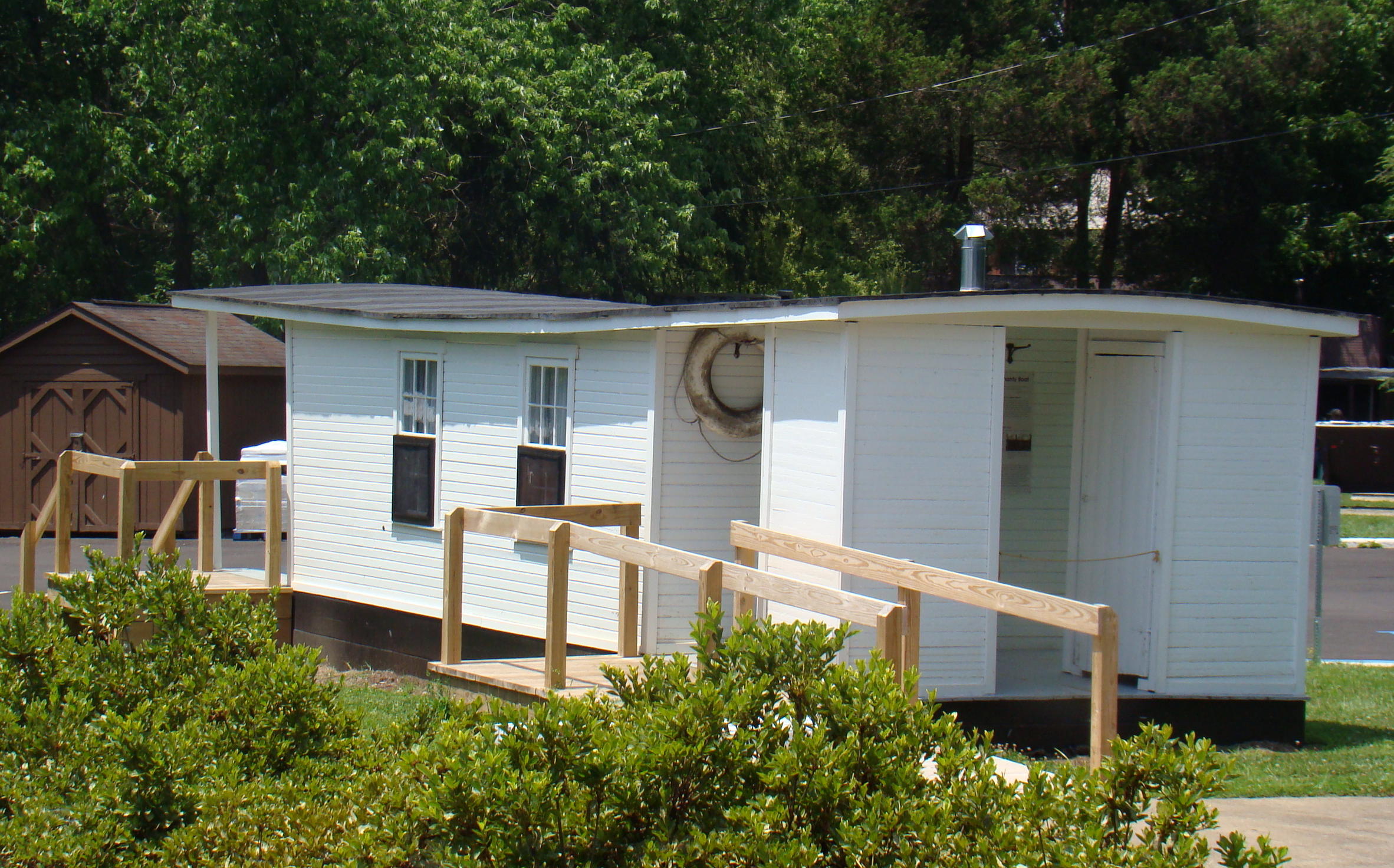
Shanty Boat where folks flew under the radar

Shanty Boat where folks flew under the radar

Don’t miss the old shanty boat, probably from the 1920’s to 1930’s. It possibly could be the oldest surviving shanty boat on the inland river system. People actually lived on these boats or had businesses there. Many of those who lived on the boats were trying to hide from something. Here they could avoid taxes as they were always on the move, and needless to say, the shanty boat provided the perfect place for thieves and lawbreakers, of many sorts, to hide from the law.

These floating shanty boats were banned in 1930 from the Ohio and Muskingum Rivers. However, a friend said when he was a kid in Parkersburg along the Ohio River, there were still shanty boats in the 50’s . Evidentally, more law breakers! The gypsy in me still likes the idea of being able to fly under the radar during those early years with no address, but much freedom.

End your day by cruisin’ down the river on the Valley Gem docked right next door to the Ohio River Museum.

The Ohio River Museum is located at 601 Front Street, Marietta, Ohio, one block from Ohio State Route 7, and minutes from I-77. Plenty of free parking is available and cost of admission is very reasonable.

Peace at the Palace of Gold

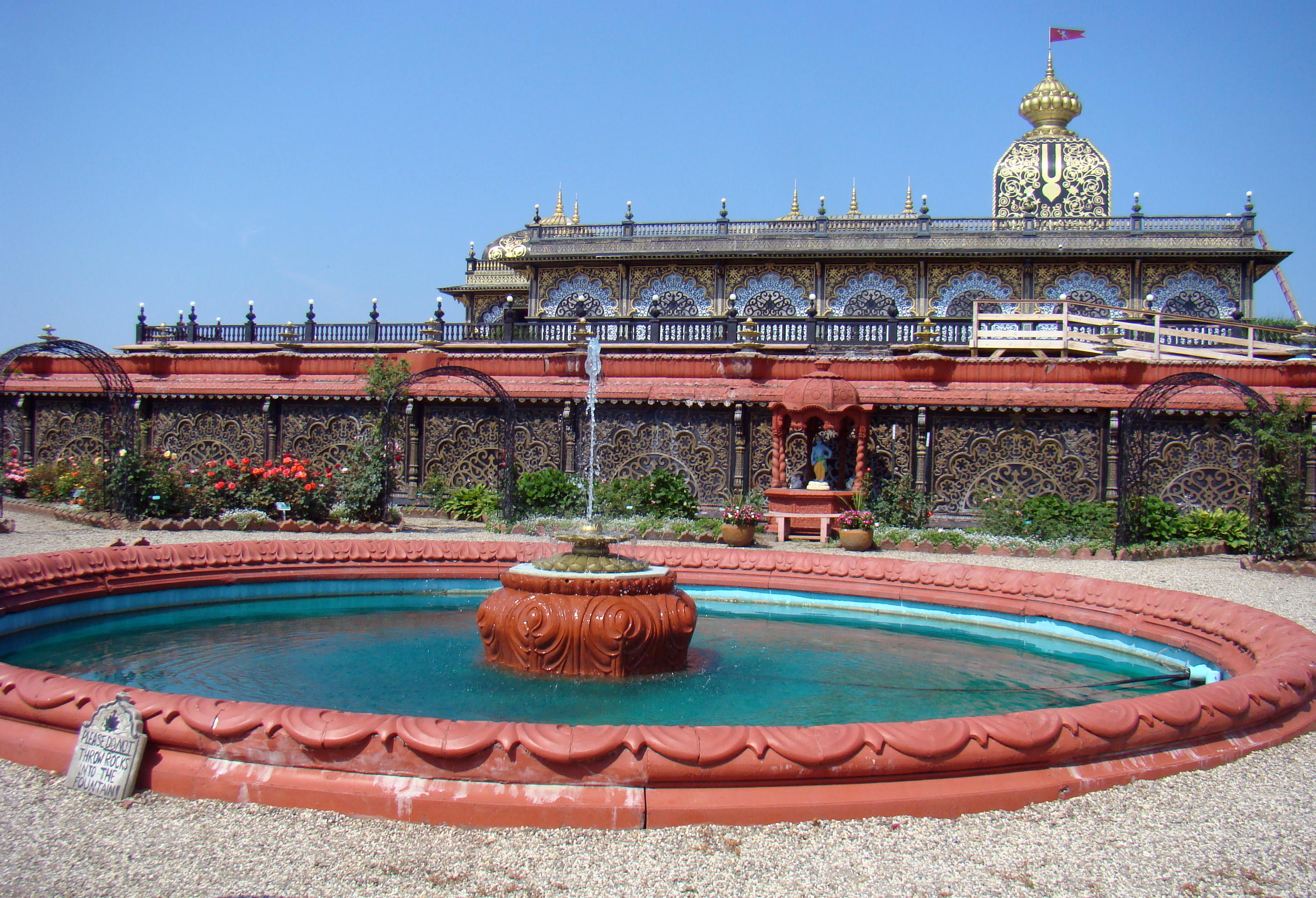
Palace of Gold from Rose Garden

Palace of Gold from Rose Garden

Step out of the Appalachian Mountains of Moundville, West Virginia into the Palace of Gold, which reminds many visitors of life in India. “It felt like I was coming home,” described the feelings of one recent guest from New Delhi.

Greeted by Andy Fraenkel, master spiritual storyteller, we were led on an in depth tour of the Palace and grounds. Andy also explained through story, many of the beliefs of the people who built this magnificent structure. Only outside pictures were permitted at the Palace of Gold.

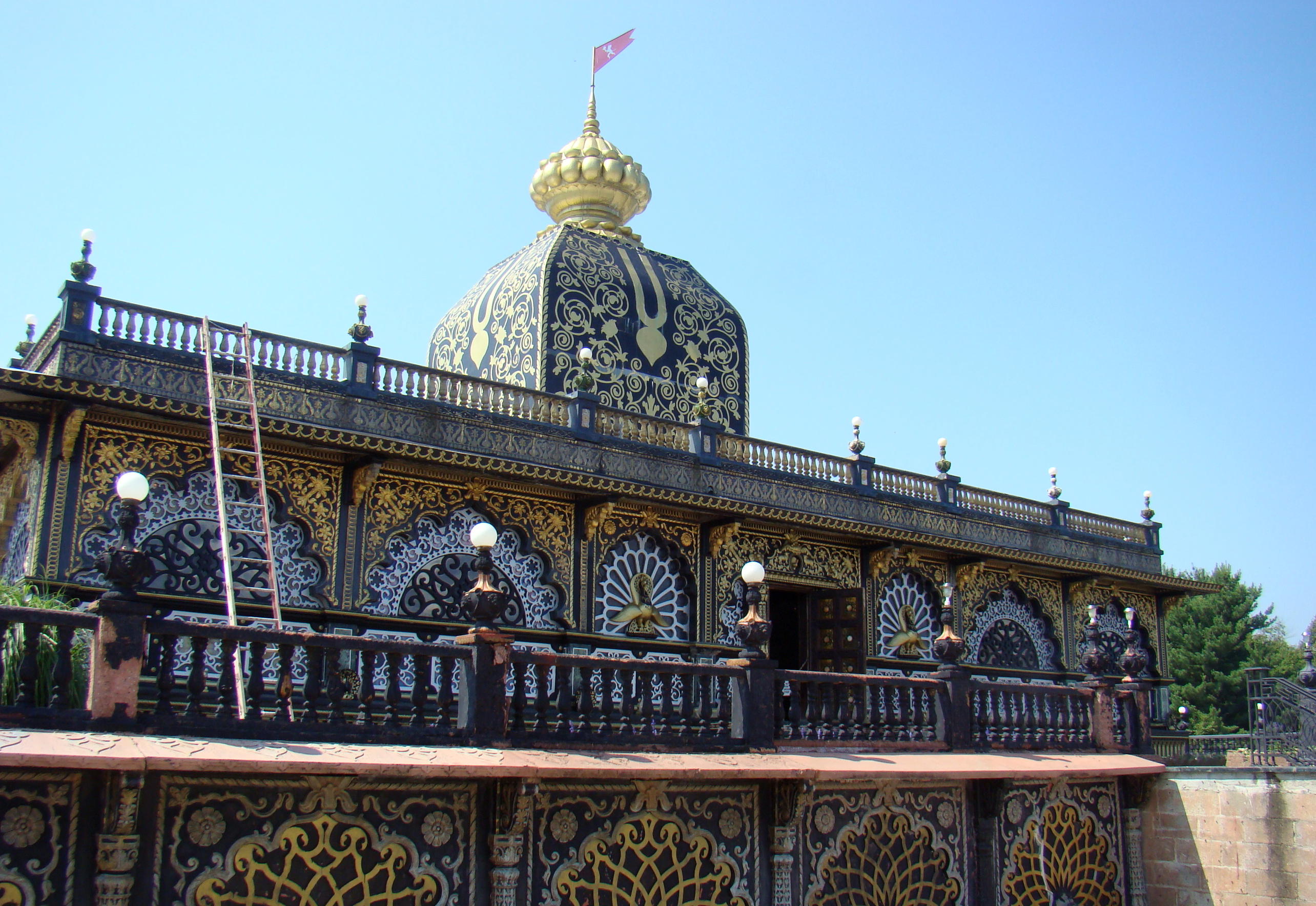
Repair work on Palace of Gold dome

Repair work on Palace of Gold dome

This beautiful golden temple glistens in the sunlight as sunrays catch on the gold coated roof and walls. Construction began here in 1974 with the intention of making a beautiful home for Prabhupada, who founded the Hare Krishna Movement. While Prabhupada did visit the Palace four times during its construction, he never got to live at the Palace due to his death in India two years before it was finished. Upon its completion in 1979, it became a memorial and an instant attraction.

It was decided to build a palace around the original home, adding abundant marble, gems, and gold to make it remind others of similar places in India. This was a huge undertaking and took five and a half years to complete at a cost of $400,000. That may not seem like much for a beautiful palace, but costs were kept low due to volunteer labor of the commune that lived nearby at that time. When the Palace of Gold opened in 1979, 25,000 people were on hand.


Rose Garden

Rose Garden

Before entering the Palace of Gold, you will be struck by the beauty of their famous Rose Garden, the perfect place for a time of meditation amongst the beauty and scent of the blossoms. There are over150 varieties of roses plus a hundred water fountains to add to the ambiance, as you bathe yourself in the morning sun.

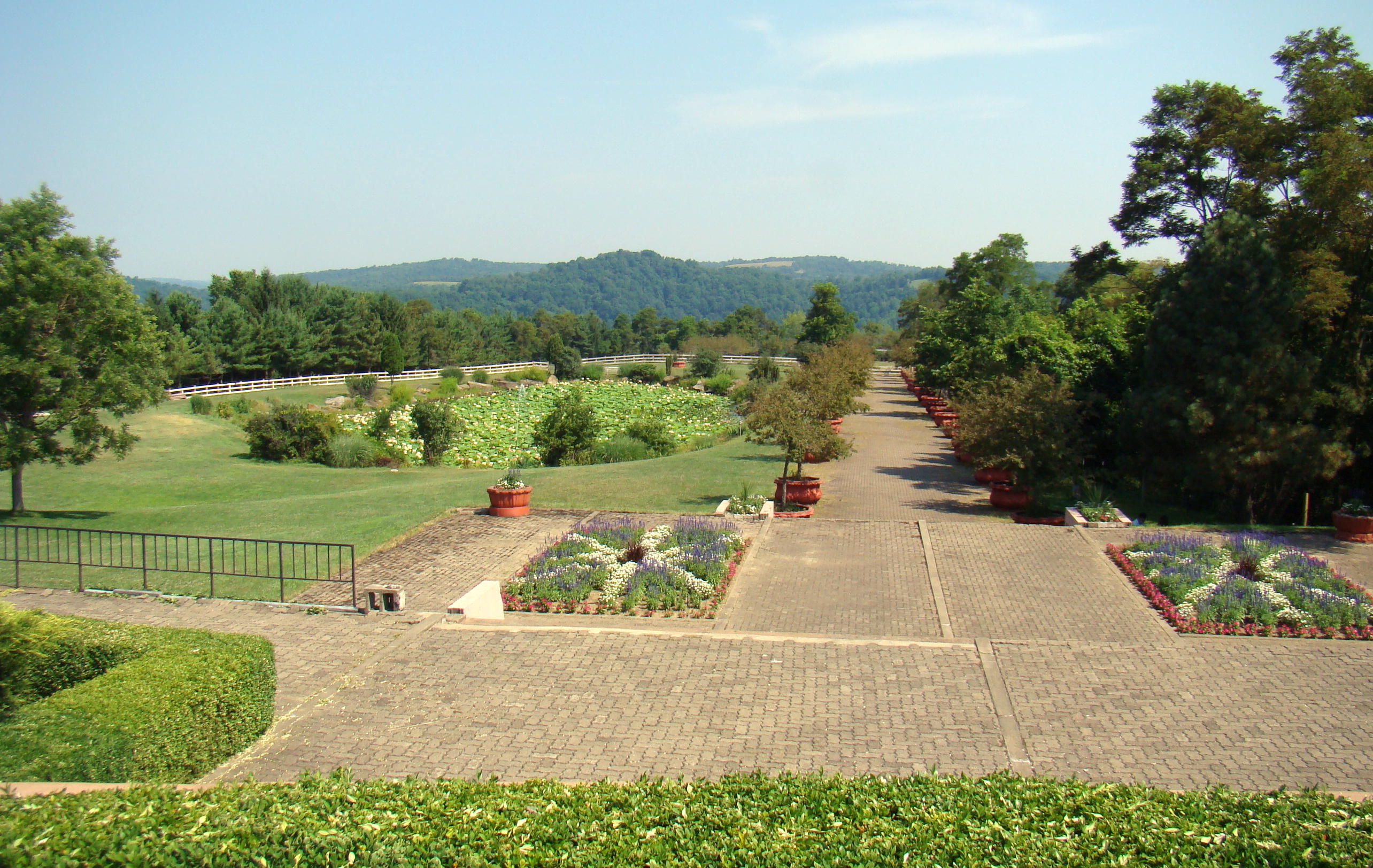
Lotus Pond

Lotus Pond

A lotus pond is covered with blossoms in this secluded Garden of Time. It’s the perfect place to spot a white swan or duck floating among the lotus. The pathways around the grounds make a peaceful place to walk with nature, and enjoy blossoms from spring through fall. Gorgeous peacocks are frequently seen wandering through the garden as well. From here you can see vistas of three different states.

Now it’s time to discover the inside of the Palace of Gold. Sunshine again plays its role in enhancing the stained glass windows. Sparkling crystal chandeliers reflect inner light from the mirrored ceilings. A Great French Chandelier, over 150 years old, brightens the room so semi-precious stones and pure gold glisten. While it is called the Palace of Gold, there are actually only about 80 ounces of gold used in construction. Gold leaf was applied in very thin sheets, 1/1000″ thick, and brushed onto the walls and ceiling.

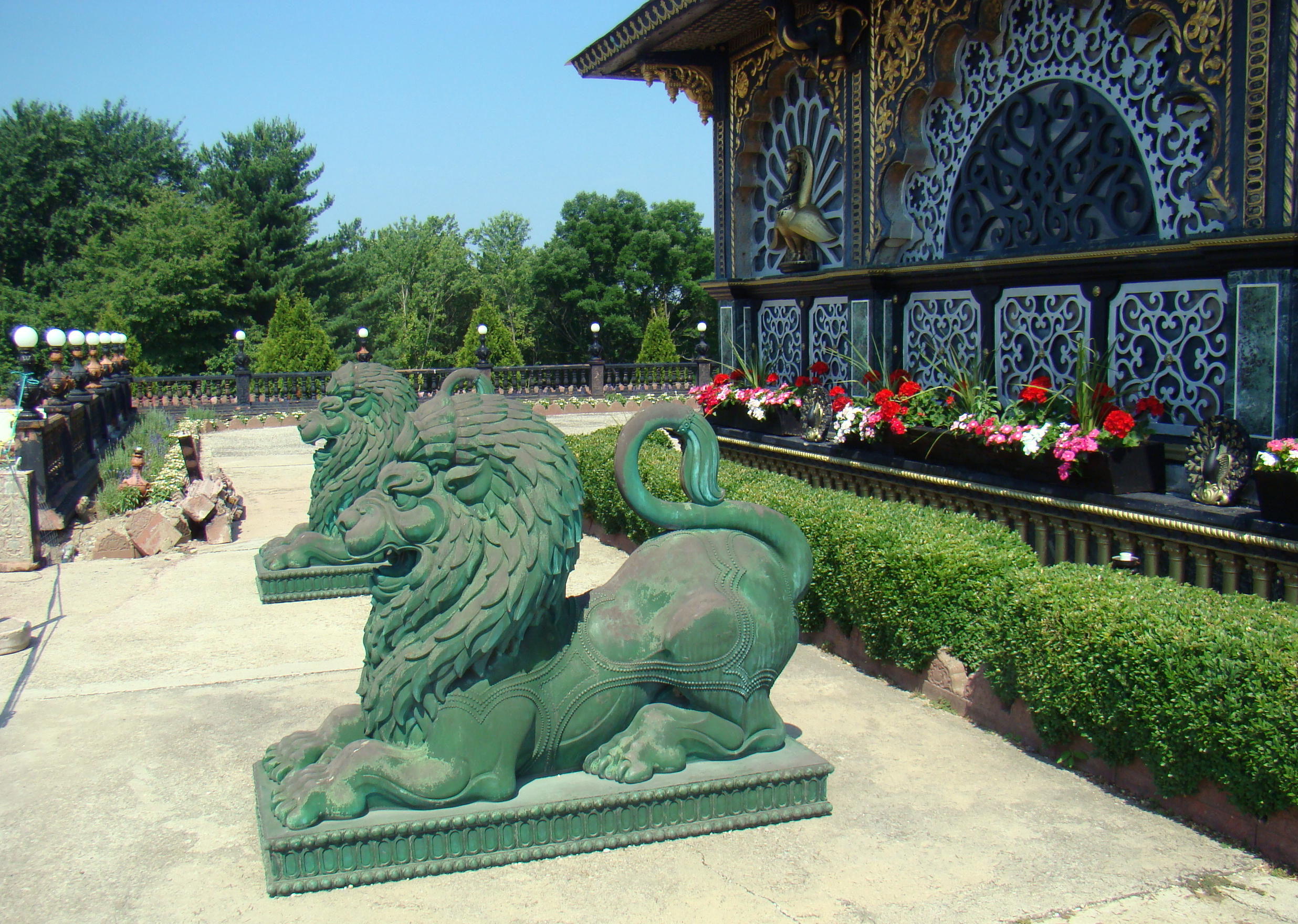
Lions guarding the Palace of Gold

Lions guarding the Palace of Gold

As you walk on floors of marble imported from Europe, Asia and Africa,  there are designs on the walls describing the Krishna religion. One wall had several peacock designs as they are a symbol of royalty and bring good fortune. Lord Krishna wears a peacock feather in his hair.

Cows and elephants have their special place also. The cow is revered as a source of food while the elephant is a symbol of wealth as kings rode them during peacetime and wartime. During the 1980’s, an elephant actually stayed on the grounds near the Palace of God, but it didn’t like the cold weather.  So they actually got a semi and sent the elephant to Florida on vacation for the winter. But that expense only happened one year!

The Palace is home to those of the Hindu faith, whose many denominations are all religious manifestations of Dharma. Andy explained, “Each one of us has different unique abilities. Use your talent as an offering to God.”

According to the Dharma teachings: “The path to enlightenment is very simple – all we need to do is stop cherishing ourselves and start cherishing others.”

The Palace of Gold is located at 3759 McCreary Ridge Road outside of Moundsville, WV. Take route 250 South, which is a curvy, mountain road and watch for signs to direct you to the Palace of Gold. It is very well marked.

Visit Henderson Hall Plantation 19th Century Hoarders

Henderson Hall

Henderson Hall

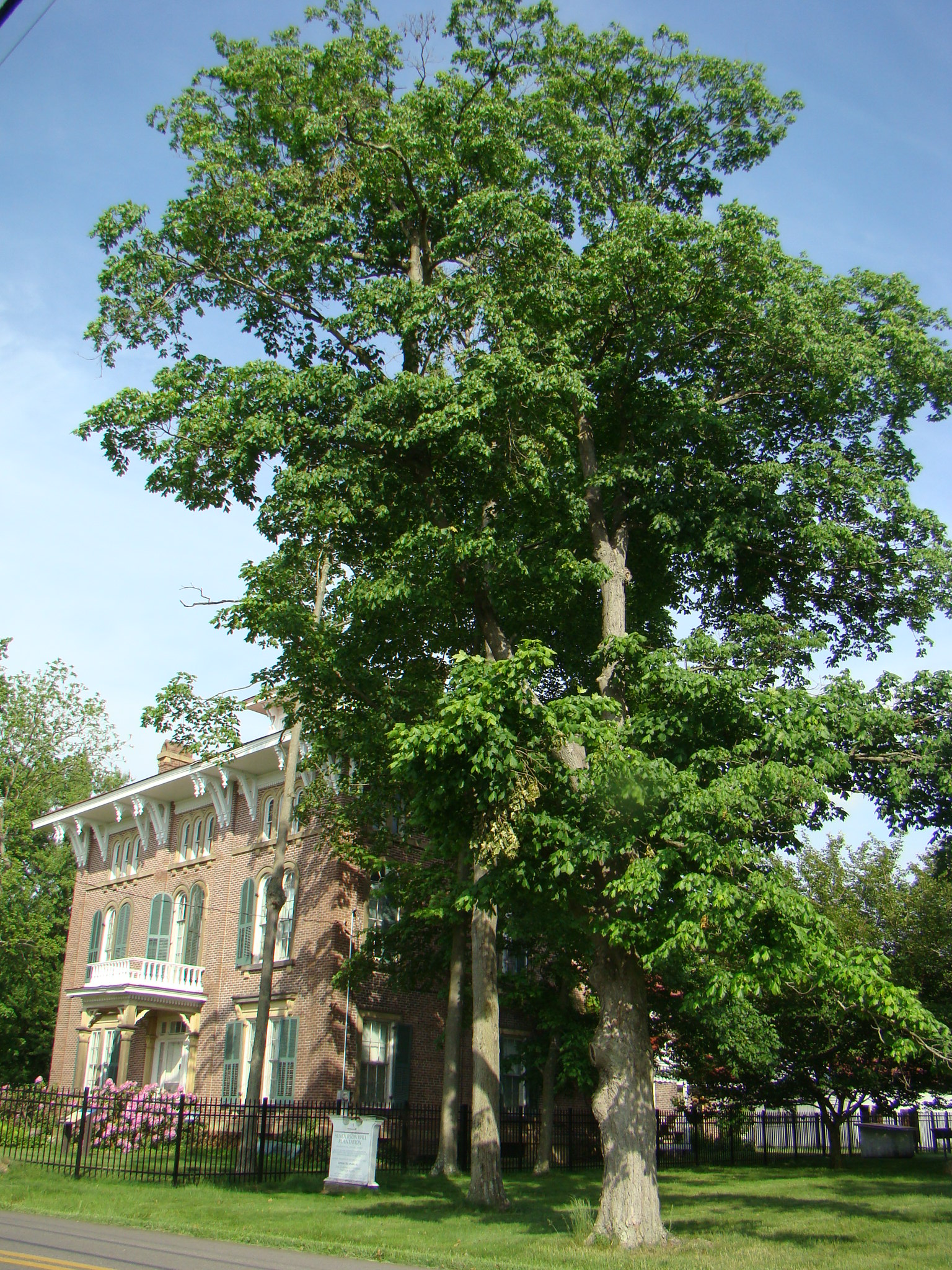
Look for a hidden treasure across the river from Marietta, Ohio along the banks of the Ohio River. Here a Victorian plantation mansion from nearly two hundred years ago seems to watch over the river between Williamstown and Parkersburg, WV.

Even before Henderson Hall came into being, the Henderson family played a vital role in the Ohio River Valley. Vice-President Aaron Burr and Harman Blennerhassett thought that perhaps the Henderson brothers would help in their attempt to set up a separate nation west of the Alleghenies. Hendersons would not be coerced, called their father’s friend President Thomas Jefferson, and testified in the Burr-Blennerhassett trail in 1807.

Henderson Hall was built shortly thereafter in 1835 by George Washington Henderson and Elizabeth Ann Tomlinson Henderson, grand-daughter of original claimant of Williamstown. This merger of estates encompassed 2600 acres on the eastern bank of the Ohio River. It seemed that everything they touched turned to gold, from the land they purchased, to breeding fine horses, to owners of an oil field boom.

Henderson Indian Mound

Adena Indian Mound

Walking to the house, one of the three Indian mounds on the property is clearly visible. Dating back 2,000 years, Adena mounds appear in several places in the Ohio Valley. Inside the mounds were found skeletal remains and artifacts.

Even though the Henderson family supported the efforts of the Union during the Civil War, they did themselves keep thirty slaves. Some of those slaves actually left through the Underground Railroad, which the Henderson family supported, in Marietta, Ohio.

This well preserved Victorian plantation propels visitors into the past with twenty-nine rooms to explore. All the rooms overflow with memorabilia from the 18th century to the present. It seems the Hendersons kept everything. 250 years of letters and diaries were found in the home – what treasures! Even more impressive is the trail of famous historic figures, who visited frequently.

Front Parlor

Front Parlor

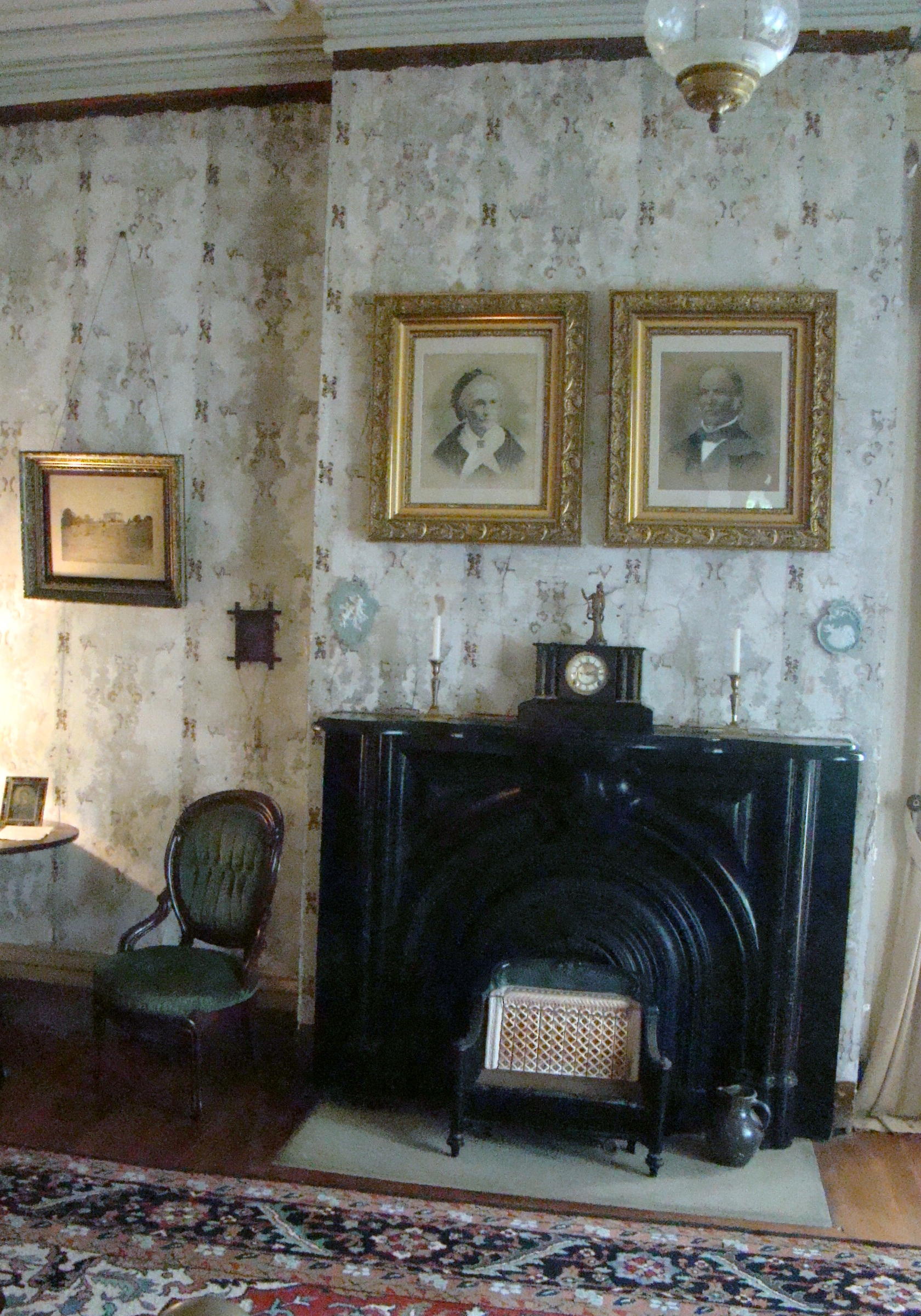
In the front parlor with its gold leaf wallpaper, pictures of Elizabeth and George hang over the mantle of the fireplace. In the picture she wore a hair broach, which was considered mourning jewelry. Having twelve children during their lifetime, six of them died before the age of ten. Elizabeth took a lock of hair from each of those six children to weave into an intricate pattern for her broach, which she always wore. The broach remains on display today in their small museum.

Collections from these 19th century hoarders give visitors a chance to see the changes made in many areas of life. The overwhelming amount of treasures saved, ranges from toys to wedding gowns to beautiful dining room settings. A winding staircase curves up to the third floor ballroom, making the mind wonder how those ladies managed these steep stairs in their flowing gowns.

The original kitchen

The original kitchen

The 1836 kitchen holds household cooking utensils and crockery dating back a couple centuries. This was part of the original smaller house before the 1859 impressive addition. Many of the rusted kitchen utensils can be found stored in the basement today.

When the last family member died in 2007, the historic house was deeded to the Board of West Virginia Oil & Gas Museum. Today they keep the place in repair and have great guides to share the Henderson story.

First school houe in West Virginia

First school houe in West Virginia

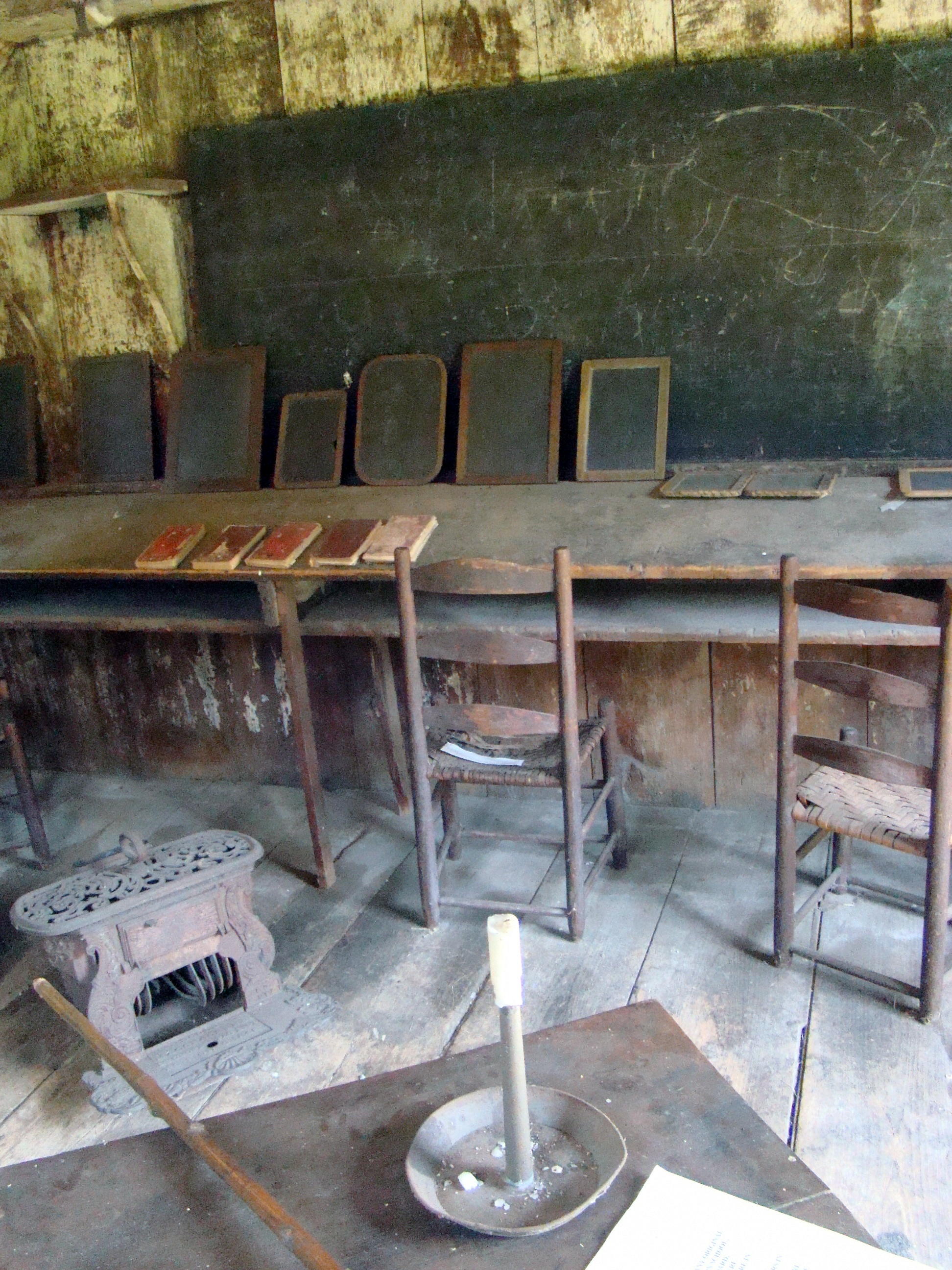
The earliest school in the area was here behind Henderson Hall in 1836. Note the teacher’s desk with candle and switch – for pointing and for correcting. Several old books from that time period have been placed on the students’ desk along with slates to practice writing and mathematics. Original equipment includes:  slates, blackboards, and seats. What a thrill to gently touch the slates, which were used by youngsters from the 1800’s.

The Carriage House contains different buggies. Among them is the actual buggy used by the original founders, George and Elizabeth, on their honeymoon to Niagara Falls.

Henderson Hall overflows with treasures too numerous to mention. Hopefully you have now received a taste of history that will whet your appetite for more. Johnny Chapman, John James Audubon, and Stephen Foster always enjoyed their visits here.  Shouldn’t you?

Henderson Hall Plantation is just a few miles off I-77 at the Williamstown, WV exit. Follow Route 14 South, then turn right on Old River Road. Summer hours are noon- 5 p.m. daily.


Jackson Hole Beneath the Shadow of the Tetons

Welcome to the majestic Tetons.

Welcome to the majestic Tetons

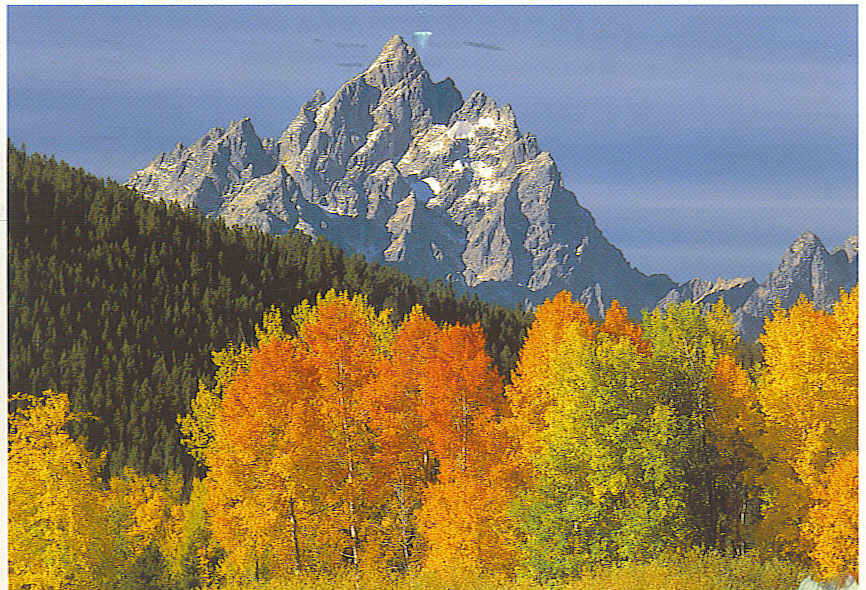
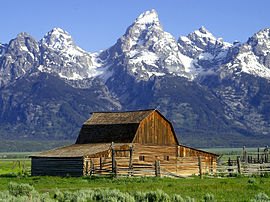
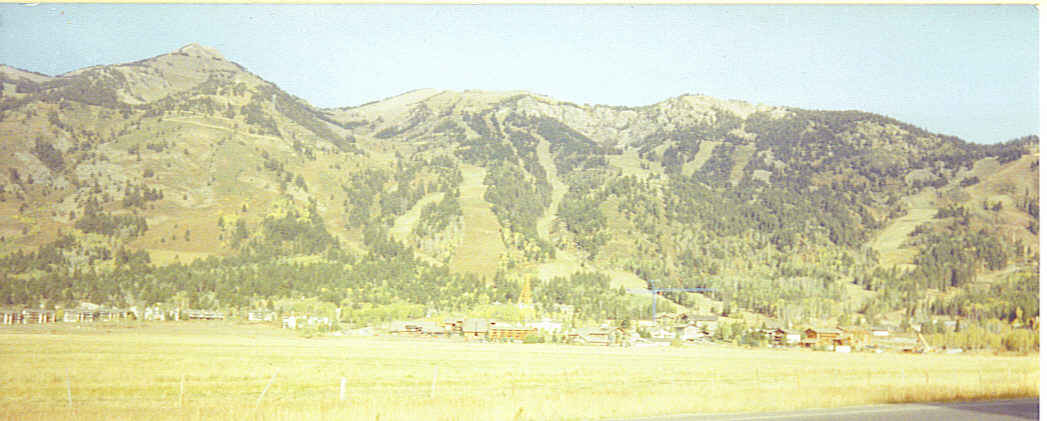
The majestic, 7000-foot-high Teton Range signals arrival in scenic Jackson Hole, Wyoming, which is located on the floor of a valley surrounded by mountains. John Colter was the first white American to view the valley and his reports were viewed with skepticism as people doubted any place could be so beautiful.

Elk Antler Arch

Elk Antler Arch

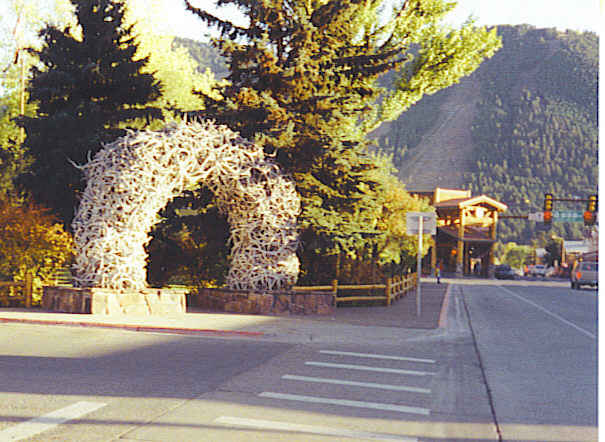
Town square serves as the main attraction of downtown Jackson Hole, as each corner has an arch composed of hundreds of elk antlers. Each winter, local Boy Scouts gather the antlers from the National Elk Reserve nearby. An auction is held to sell the antlers with proceeds going to the refuge. However, first of importance is maintaining repair work on the arches with any needed antlers.

Downtown hums with the sights and sounds of many gift shops and restaurants. Million Dollar Cowboy Bar featured in many Hollywood movies, Jackson Drug with its old time soda fountain, and the Victorian style Wort Hotel, home of the Silver Dollar Bar,  provided interesting stops during this visit. After an exhausting day, we devoured a delicious Mexican dinner at an old established restaurant, Merry Piglets.

This area abounds with treasures to behold and even a week’s stay would not give one a chance to enjoy them all thoroughly. While the town of Jackson Hole delights many visitors, camping in the foothills of the Tetons gives an entirely different perspective.

Rustic cabin below the Cathedral Group

Rustic cabin below the Cathedral Group

Snake River, which flows from its headwater at Yellowstone River, meanders along the base of the Tetons. The old Cunningham Cabin situated at the foothills of the Tetons seemed like a perfect place to live. Imagine sitting here with your morning cup of coffee or tea and watching the Snake River flow past the towering mountains.

Just outside of town can be found the largest elk preserve in North America – the National Elk Refuge. During the summer months the elk head higher in the mountains, but during the fall and winter, up to 7500 elk can be found here in the basin.

Jackson Hole Ski Resort

Jackson Hole Ski Resort during summer

Jackson Hole Ski Resort contains the longest ski slope in the area, although many slopes exist. The first ski slope, Snow King Ski Area, was developed way back in 1939. Makes you want to return for the winter snows.

At the Menor-Noble Historic District nearby, exploring Menor’s cabin provides a taste of life in the early 1900’s. His white washed cabin was used as a supply store while he ran a ferry across the Snake River. Cost was twenty-five cents for a horse and wagon to cross. In winter when the water was too rough, they crossed on a flat raft-like apparatus using a pulley system.

Museum of Natural History and Art

Museum of Natural History and Art

Tucked away in the foothills of the Tetons, National Museum of Wildlife Art displays spectacular paintings and statues that tell the story of Wyoming wildlife. Frequent spottings of buffalo along the road to the museum, add to the road trip’s delight. The museum also sponsors many musical and informative programs as well. On this particular day a piano duo playing jazz, Keith and Pam Phillips, entertained the crowd.

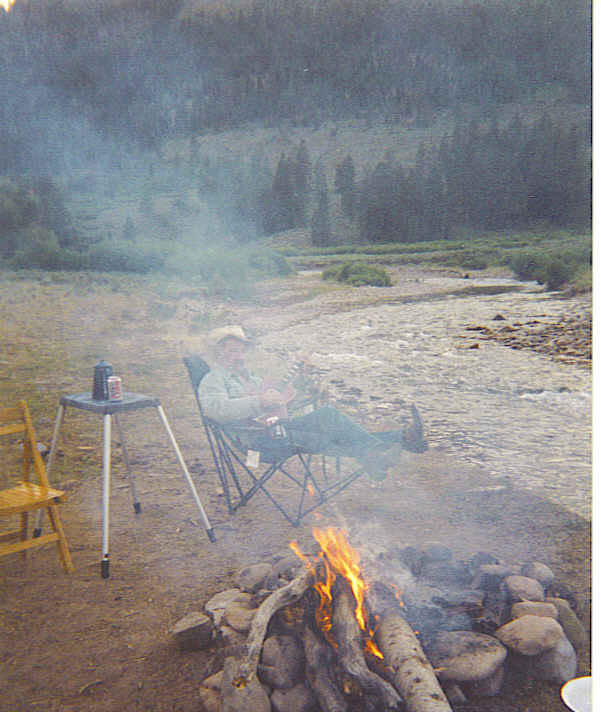
Camping along the Snake River

Camping along the Snake River

Leaving town, a stop at Jackson National Fish Hatchery provided viewing of trout from 2″ to 12″, ready to place in area lakes and rivers. All National Hatcheries were listed, and included was one from home – Senecaville Fish Hatchery.

Whether you stay in town at one of their many hotels, or camp in the shade of the Tetons, innumerable adventures await in the area of Jackson Hole, Wyoming. Just a short drive to the North is the bubbling Yellowstone National Park, which you won’t want to miss.

Jackson Hole, Wyoming can be found on the western border of Wyoming, very near Idaho. This is not a place of major interstate highways, but the drive is beautiful from any direction.

Variety – The Spice of Dad’s Life

Making glass was “in his blood”. Those words described my dad, Rudy Wencek, as working with glass intrigued him. That passion is the basis for my Father’s Day tribute to Dad and Variety Glass in Cambridge, Ohio. Dreams do come true.

Dad working at Variety Glass

Dad working at Variety Glass

At the age of twelve, Rudy quit school and went to work as a “carrying-in boy” at Cambridge Glass Company. As the years passed, Rudy performed a variety of jobs there from pressing to the skilled art of blowing delicate pieces. The only thing he knew well centered around making glass, while his wife, Kate, raised chickens on the farm.

Rudy never even considered doing anything else until the day in 1959 when the Cambridge Glass plant closed – this time for good. What would he do now?

As luck would have it, Rudy was good friends with Tom Mosser, another glassmaker whose family had a hand in operating Cambridge Glass. Rudy and Tom purchased some of the original Cambridge Glass molds for use in producing laboratory and pharmaceutical glass for doctors and science labs, plus a variety of other items.

Where should they start the business? How about in Kate’s chicken house near Indian Camp. While Kate didn’t mind giving up her chicken house, two things worried her.

First, the large propane tank needed to fire the furnace could explode. Second, taking out a loan frightened her as she watched every penny. But Rudy told her, “It takes money to make money.” Therefore, late in 1959, Variety Glass got its start – in our former chicken house.

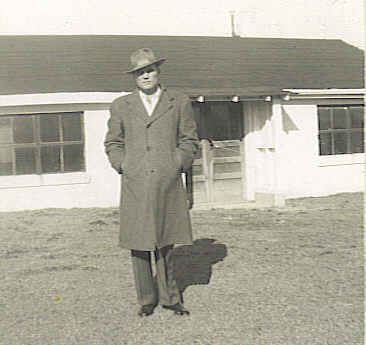
Dad in front of future Variety Glass

Dad in front of future Variety Glass

Rudy and Tom worked long hours on their new business. Tom enjoyed making business connections to purchase supplies and generate sales. Rudy got to follow his love of being in charge of making the glass products, always working closely with the other employees, nearly all being former Cambridge Glass craftsmen.

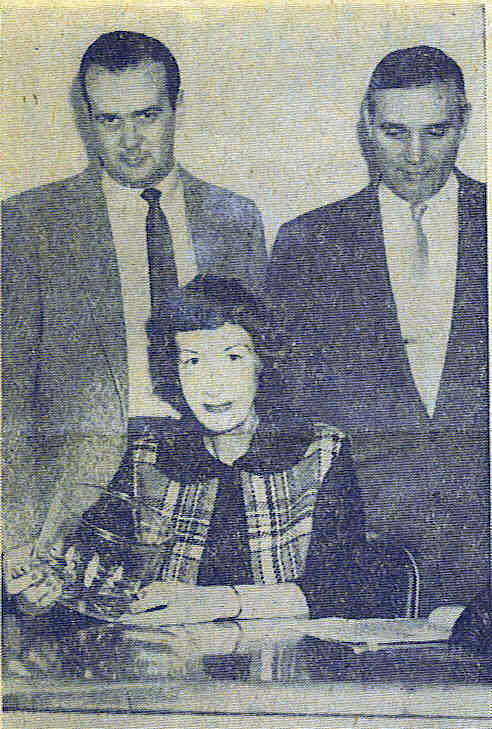
Officers of Variety Glass: Mary Martha Mitchell, president; Tom Mosser, vice-president, Rudy Wencek, treasurer

Officers of Variety Glass were: Mary Martha Mitchell, president; Tom Mosser, vice-president, and Rudy Wencek, treasurer

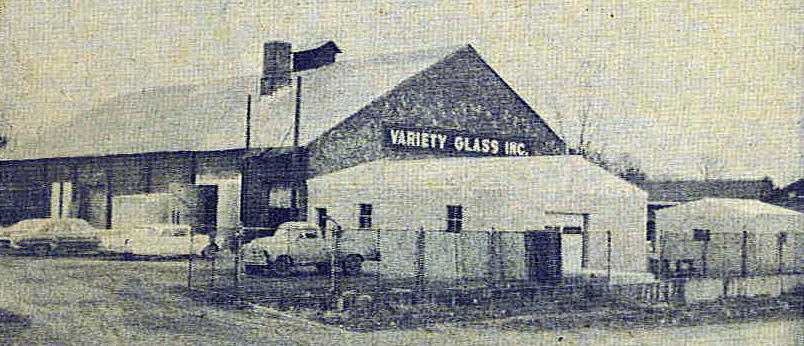
The following year, a late night explosion caused a fire that stopped their dream. But Rudy and Tom were not giving up. They contacted former Cambridge Glass president, Mary Martha Mitchell, asking for her leadership expertise. Between the three partners, they discovered the empty street car barn on Second Street and began refurbishing it to meet their needs.

With the added room for growth, items were added to their production list with glass products being sent worldwide. Surprising though it may seem, some of their laboratory glass was used by NASA and the Atomic Research Center in Los Alamos.

But fate seemed to delay the three of them again, as once more fire caused extensive damage to Variety Glass in 1966. Mary Martha Mitchell kept the company going from her kitchen table office by notifying customers of the circumstances and encouraging them to wait until production started once again.

Today Variety Glass is still in operation on Second Street although none of the three originators are around to oversee its production.

Variety Glass in old trolley barn

Variety Glass in old trolley barn

Due to health problems, Rudy found it necessary to retire from Variety Glass in 1966, but he never lost his passion for making glass. He told his grandsons how proud it made him feel to see sand and a few special ingredients turn into beautiful glass objects, thus Rudy’s long-ago CB handle of “Sandman”. The sparkle in his eyes when he talked about making glass reflected his passion.

Dad’s cheerful, caring attitude provided a life-long example to follow. He was the best dad imaginable!

How to Use a Washboard

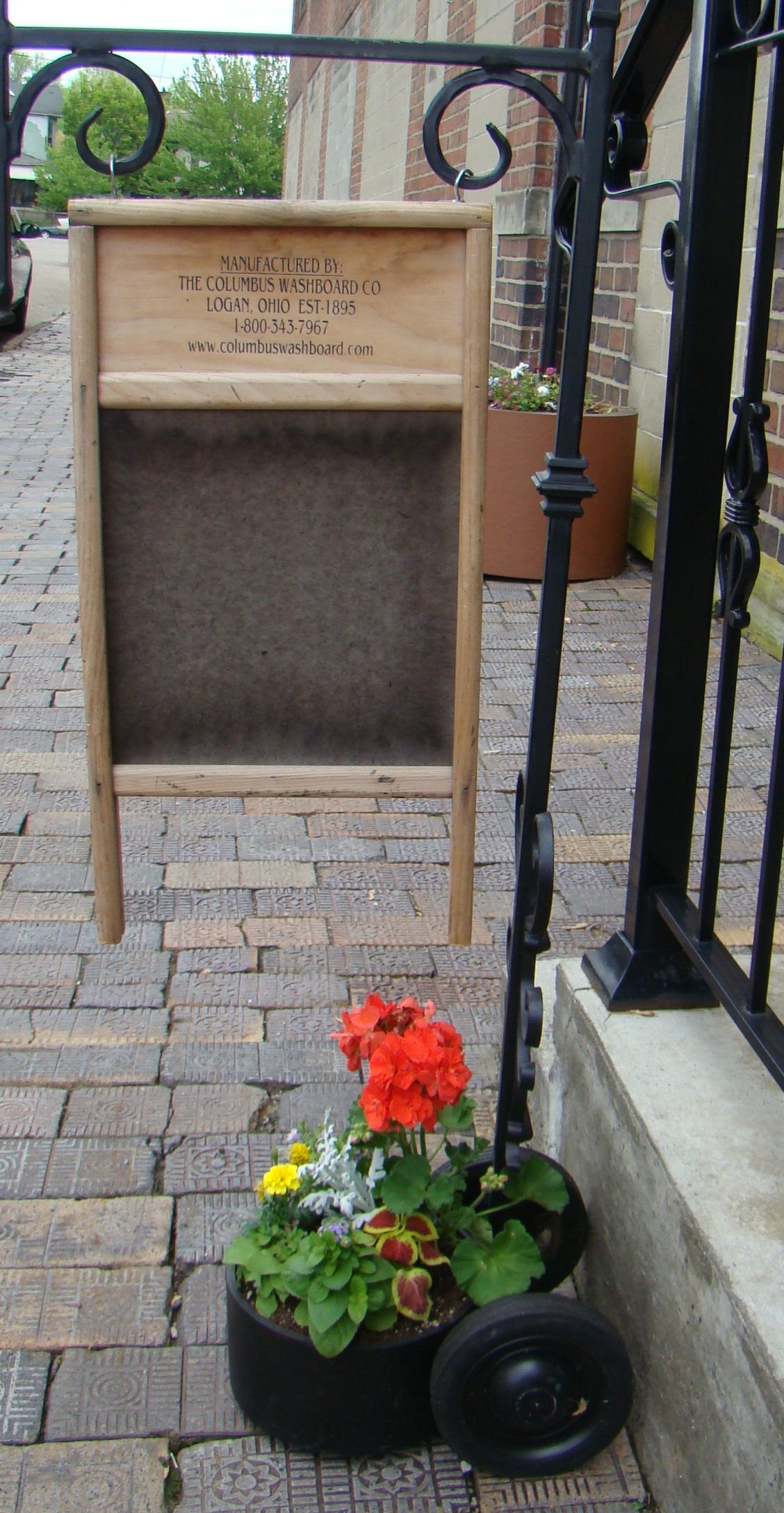
Columbus Washboard Company Welcome Sign

Columbus Washboard Company Welcome Sign

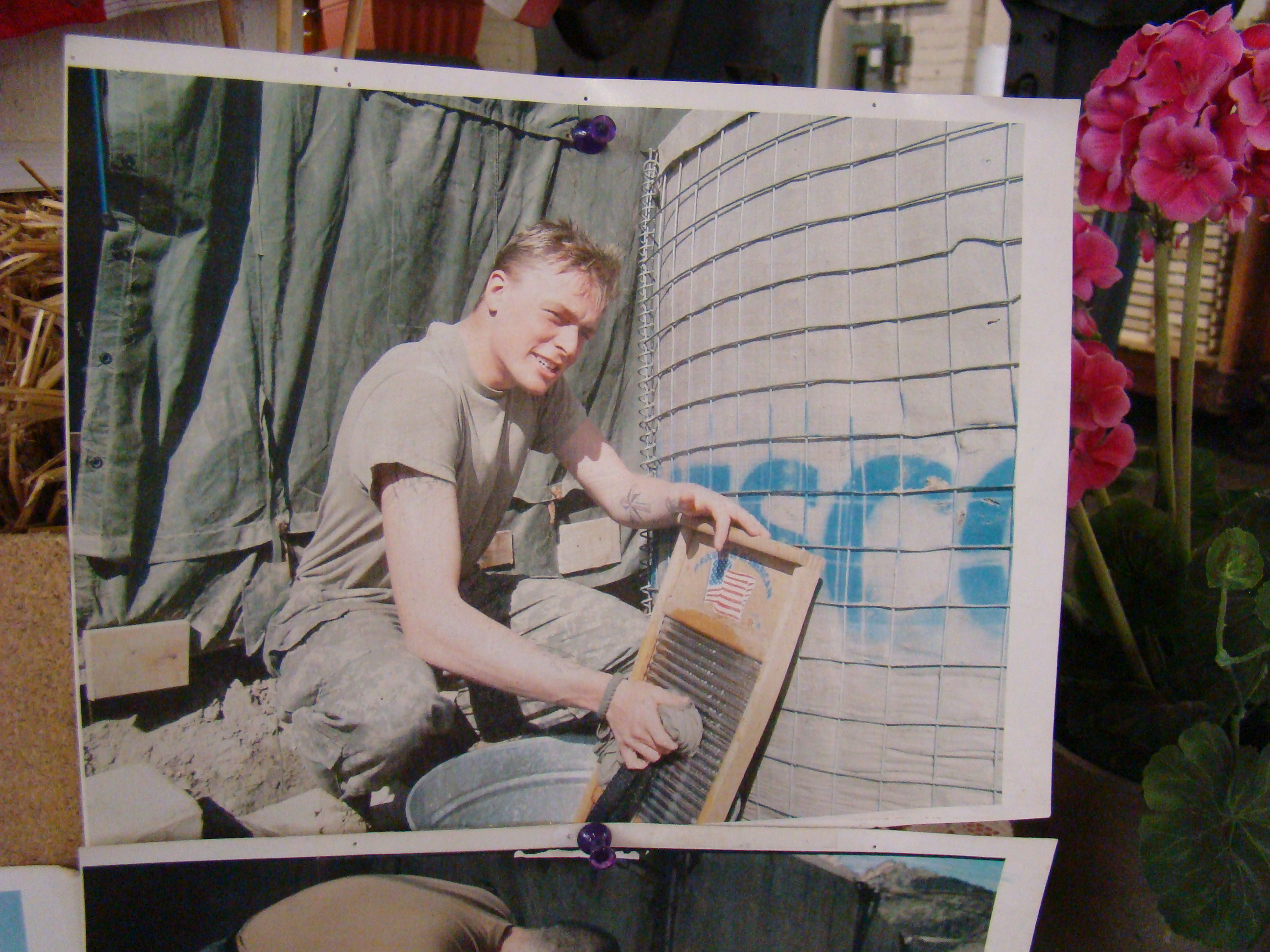
During my recent trip to Columbus Washboard Factory in Logan, Ohio, one of the highlights of the visit was discovering that part of their mission is to send free washboard kits to members of the armed services. This kit includes: a washtub, washboard, soap, clothesline, clothes pins, foot powder when available, and a set of instructions on “How to Use a Washboard”.

For some of you this instruction list will bring back memories of the past, while for others it may seem rather humorous compared to washing methods today. Notice the special suggested order for items to be washed. Not sure if I completely agree with this order, but it was the given instruction list. Maybe you will discover you have been washing things in the wrong order for years. Hope you enjoy the list!

Washboard kit being used by a member of the armed services.

Washboard kit being used by a member of the armed services.

Before you begin, there is a reminder that it is okay to wash laundry in cold water.

1) Put water in the tub until 3/4 full.

2) Put underwear into the water to soak.

3) Rest the soap bar at the top of the board.

4) Rub underwear over soap and then rub item vigorously on the metal rub surface. Repeat step 4 until item is clean.

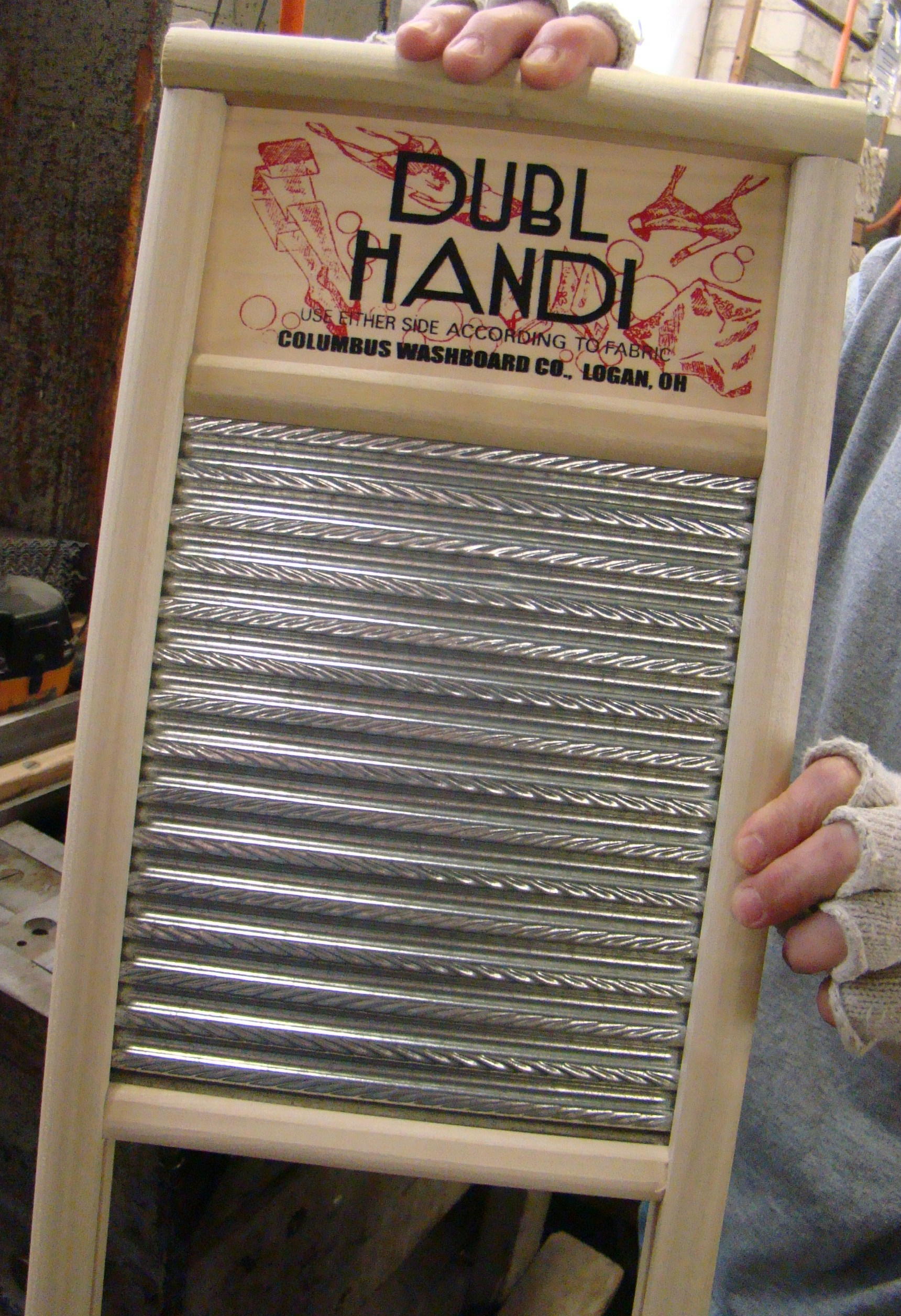
Dubl Handi Washboard with two different rubbing surfaces

Dubl Handi Washboard with two different rubbing surfaces

5) Put shirts in water and repeat step 4 to clean.

6) Wash pants the same way.

7) Last item to wash would be your socks. Allow them to soak and then repeat step 4 many times.

8) Do not discard the water. Soak your feet for 20 minutes, it will feel sooo good!

9) Dry your feet, apply foot powder if available, clean socks and boots.

10) Discard dirty water, refill bucket and rinse items until no soap remains.

11) Wring out clothing items and pin on clothesline to dry.

12) We hope your laundry days are warm and breezy, and that you all come home safely – soon!

This list was developed by Columbus Washboard Factory, 14 Gallagher Ave, Logan, OH 43138.